Article

Predicting Li-Ion Battery Remaining Useful Life: An XDFM-Driven Approach with Explainable AI

1
Department of Mechanical Engineering, School of Technology, PDEU Gandhinagar, Gandhinagar 382426, India
2
Mechanical Engineering Department, Medi-Caps University, Indore 453331, India
3
Department of Operations Management and Quantitative Techniques, Indian Institute of Management, Bodh Gaya 824234, India
*
Author to whom correspondence should be addressed.
Energies 2023, 16(15), 5725; https://doi.org/10.3390/en16155725
Submission received: 12 June 2023 / Revised: 21 July 2023 / Accepted: 24 July 2023 / Published: 31 July 2023
(This article belongs to the Special Issue Machine Learning Applied in Energy Storage Systems)

Abstract

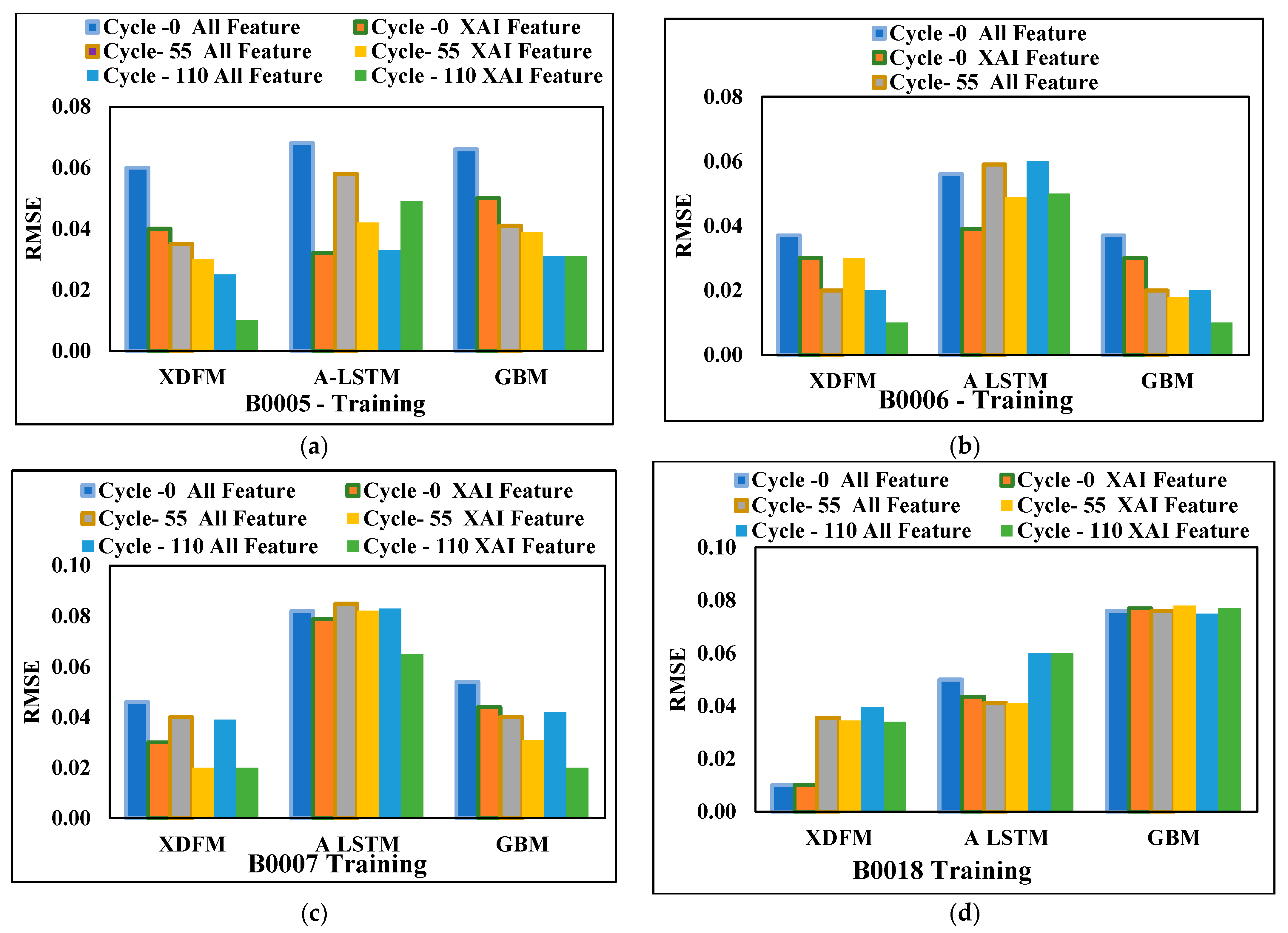
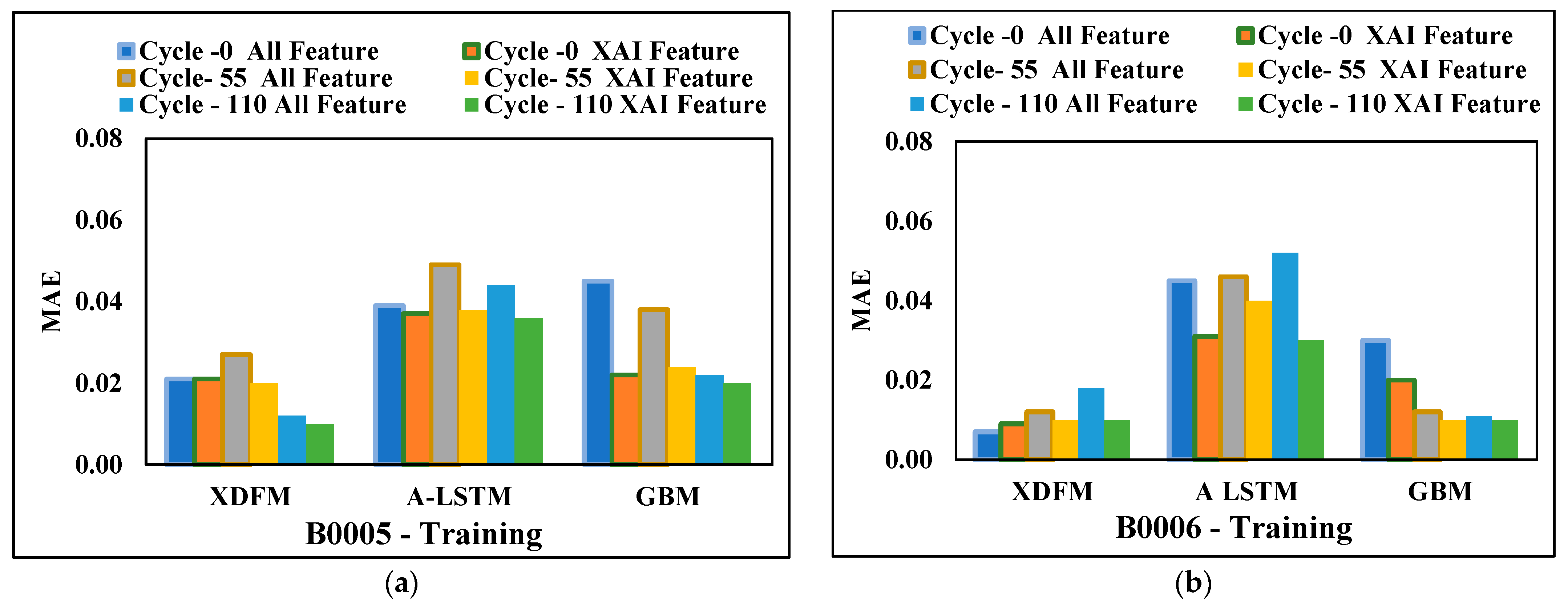
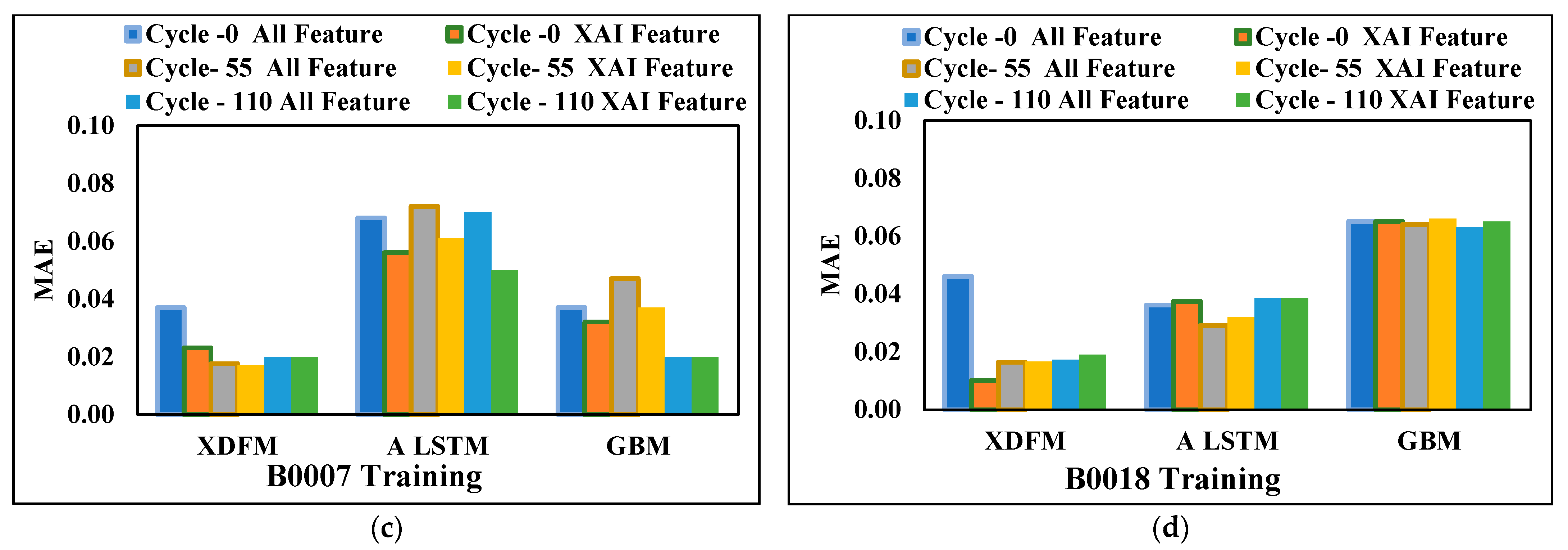
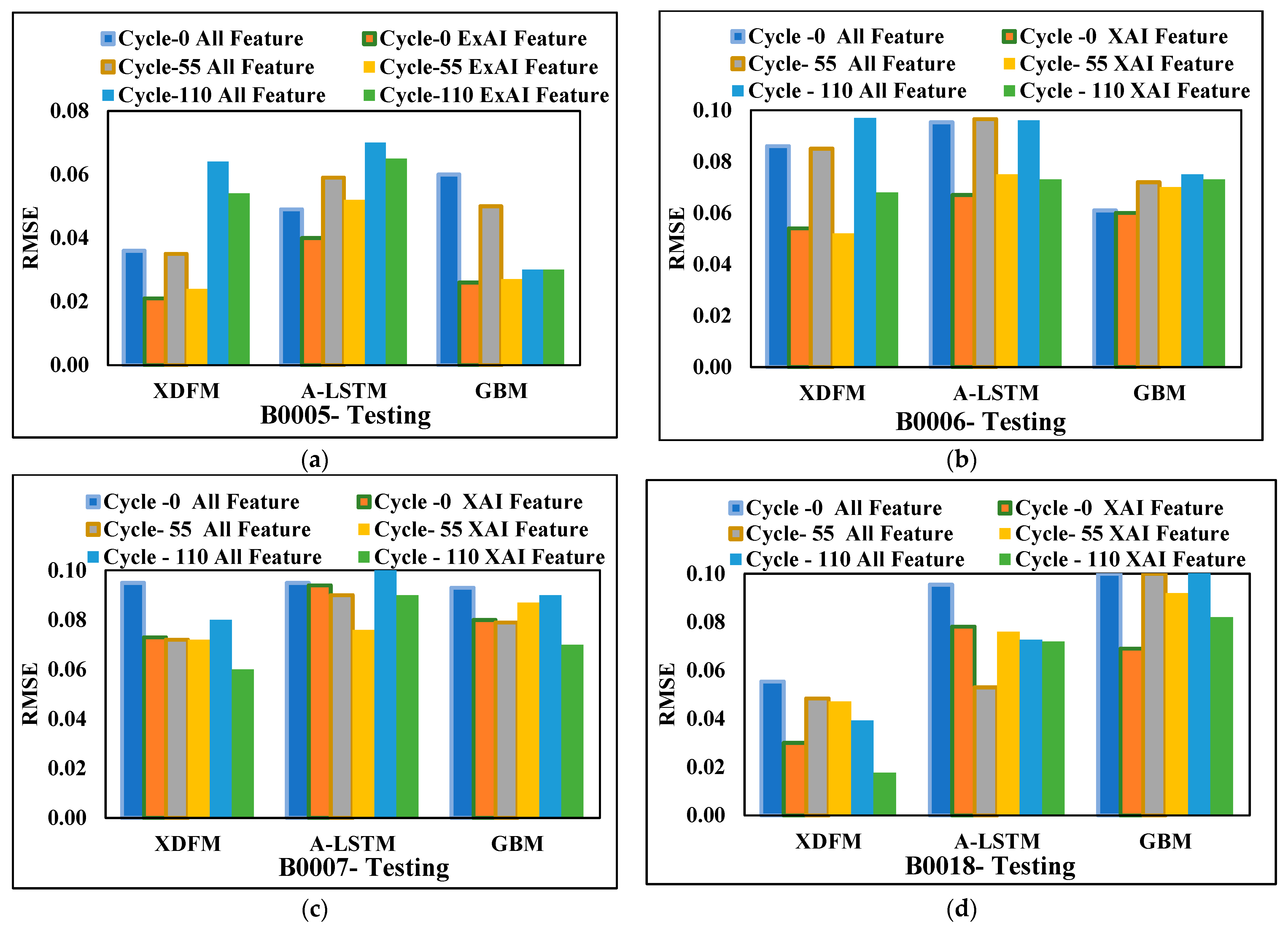
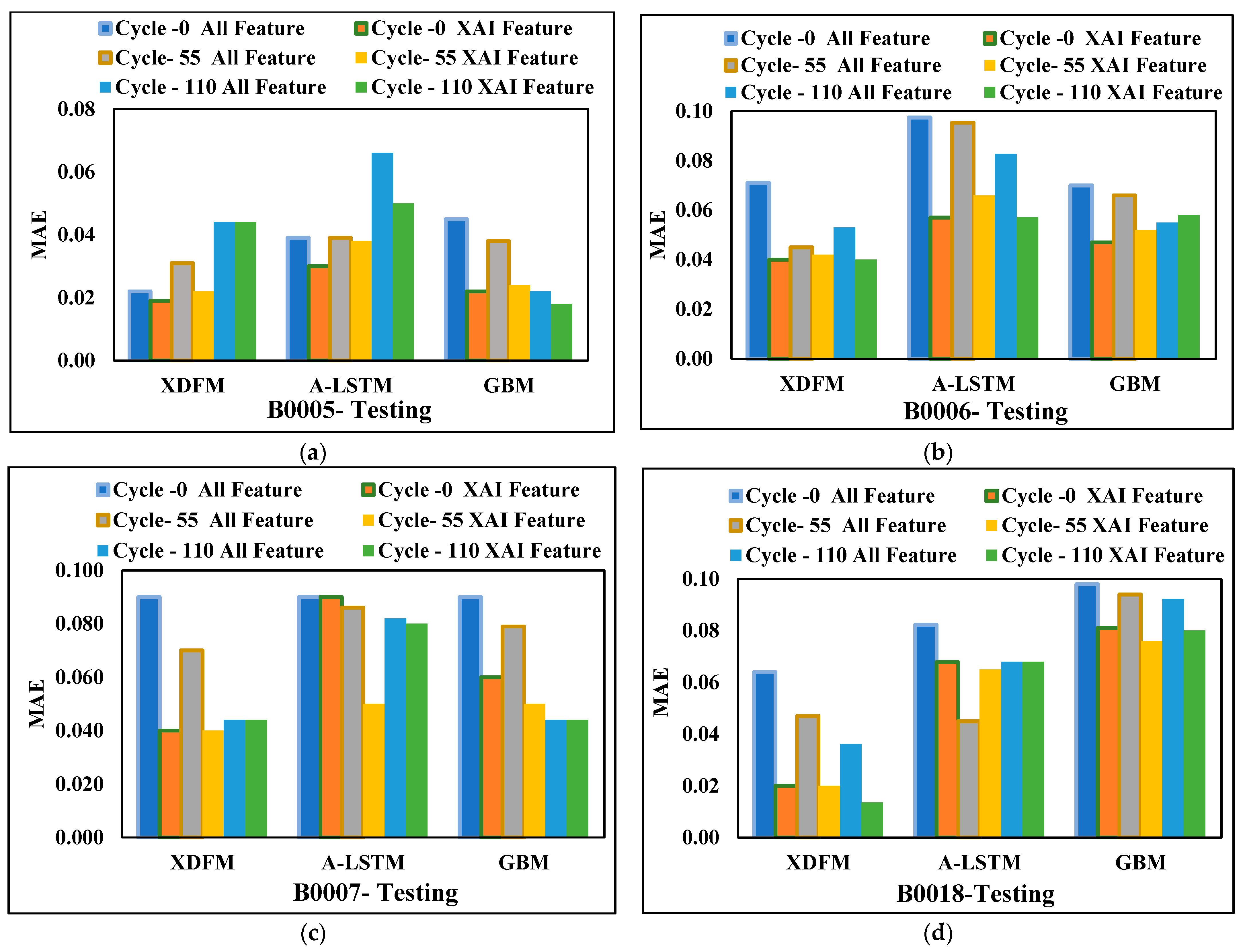
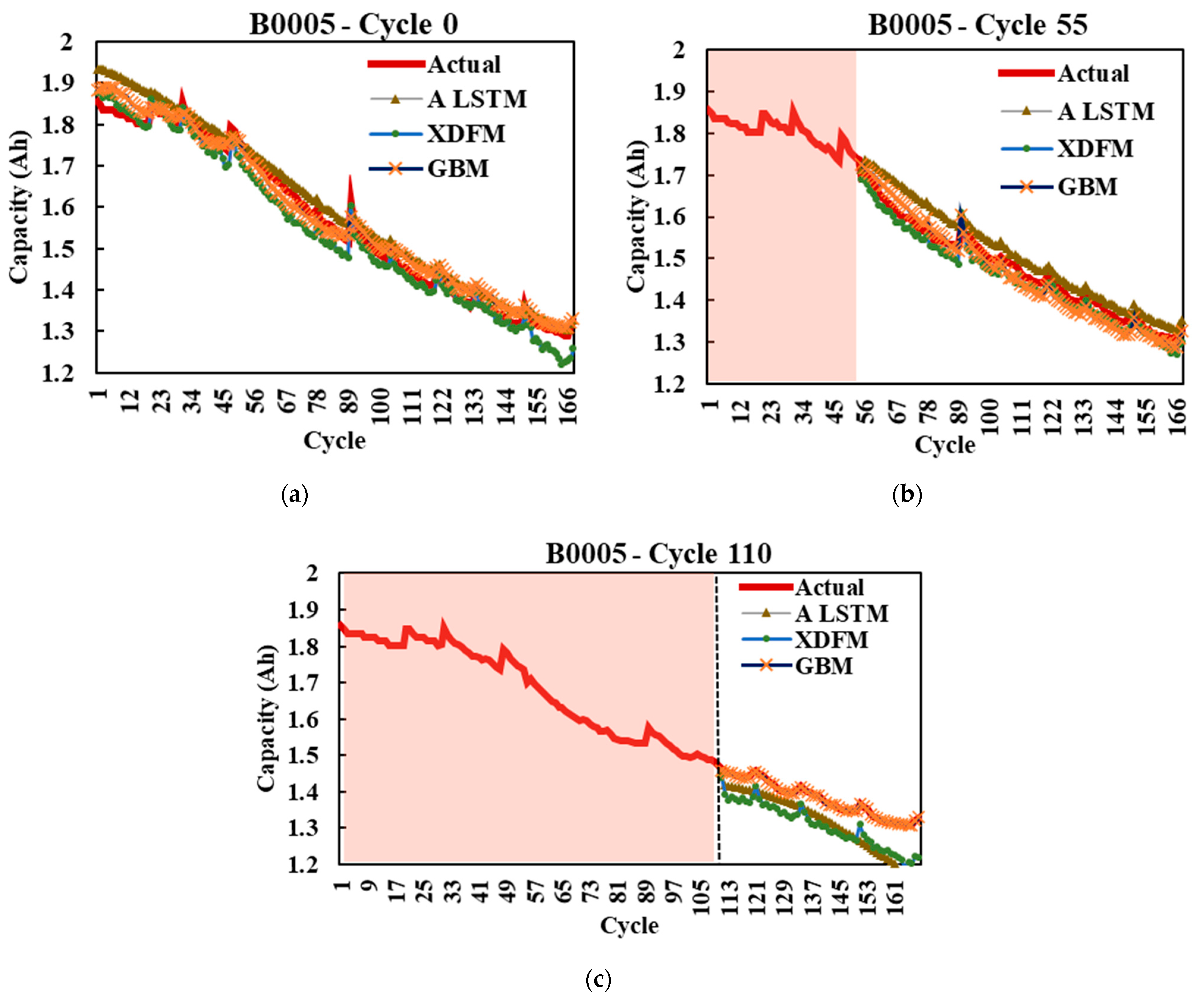
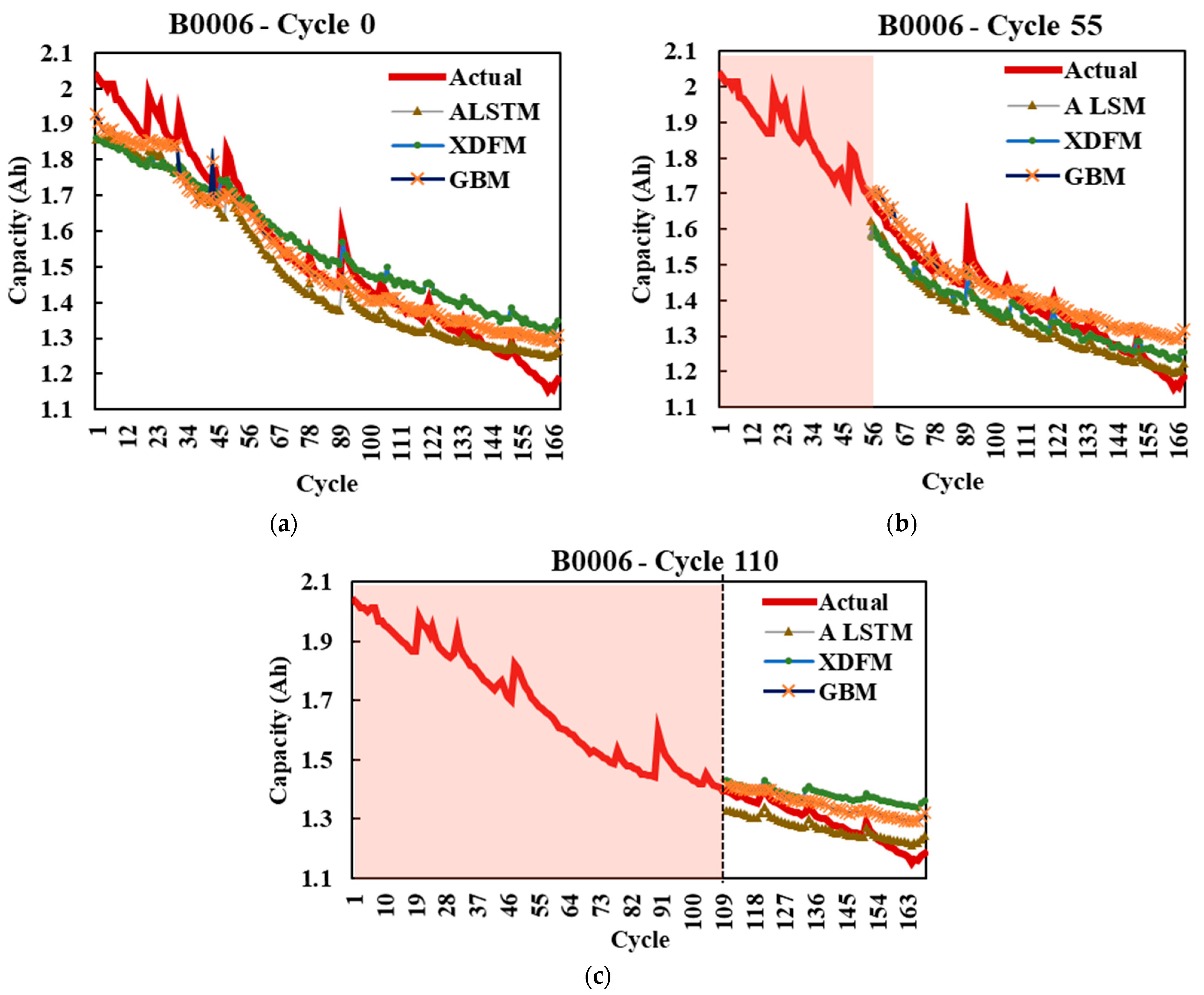
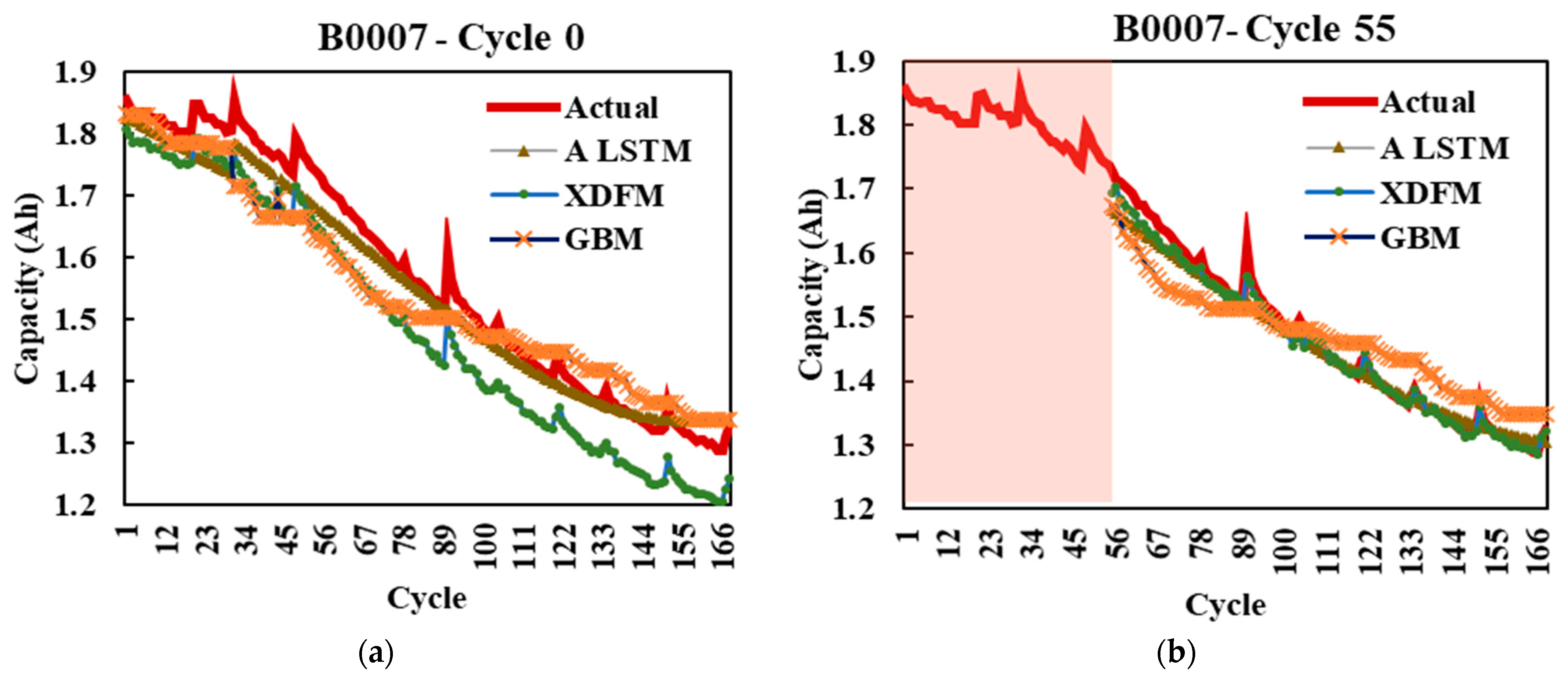
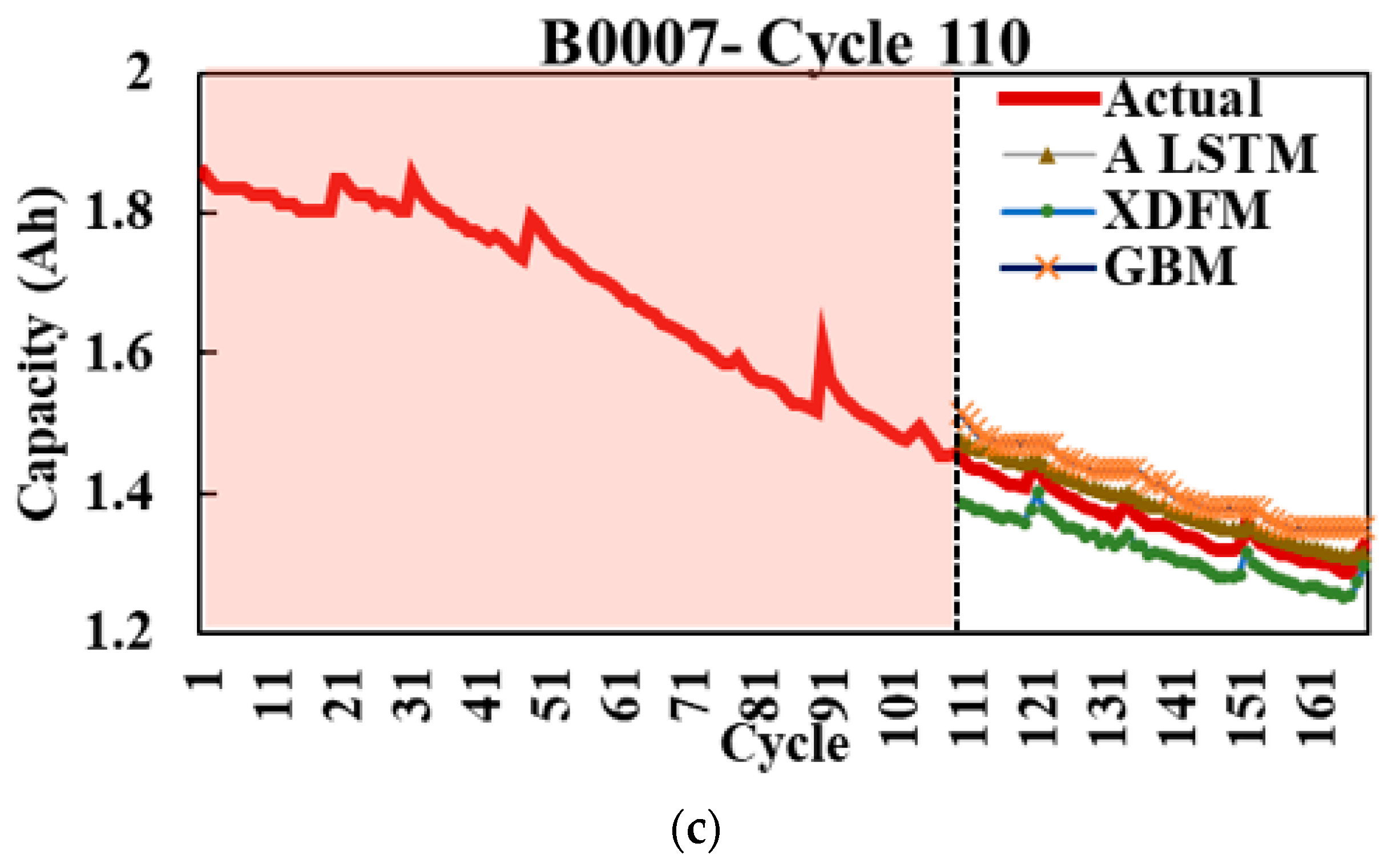
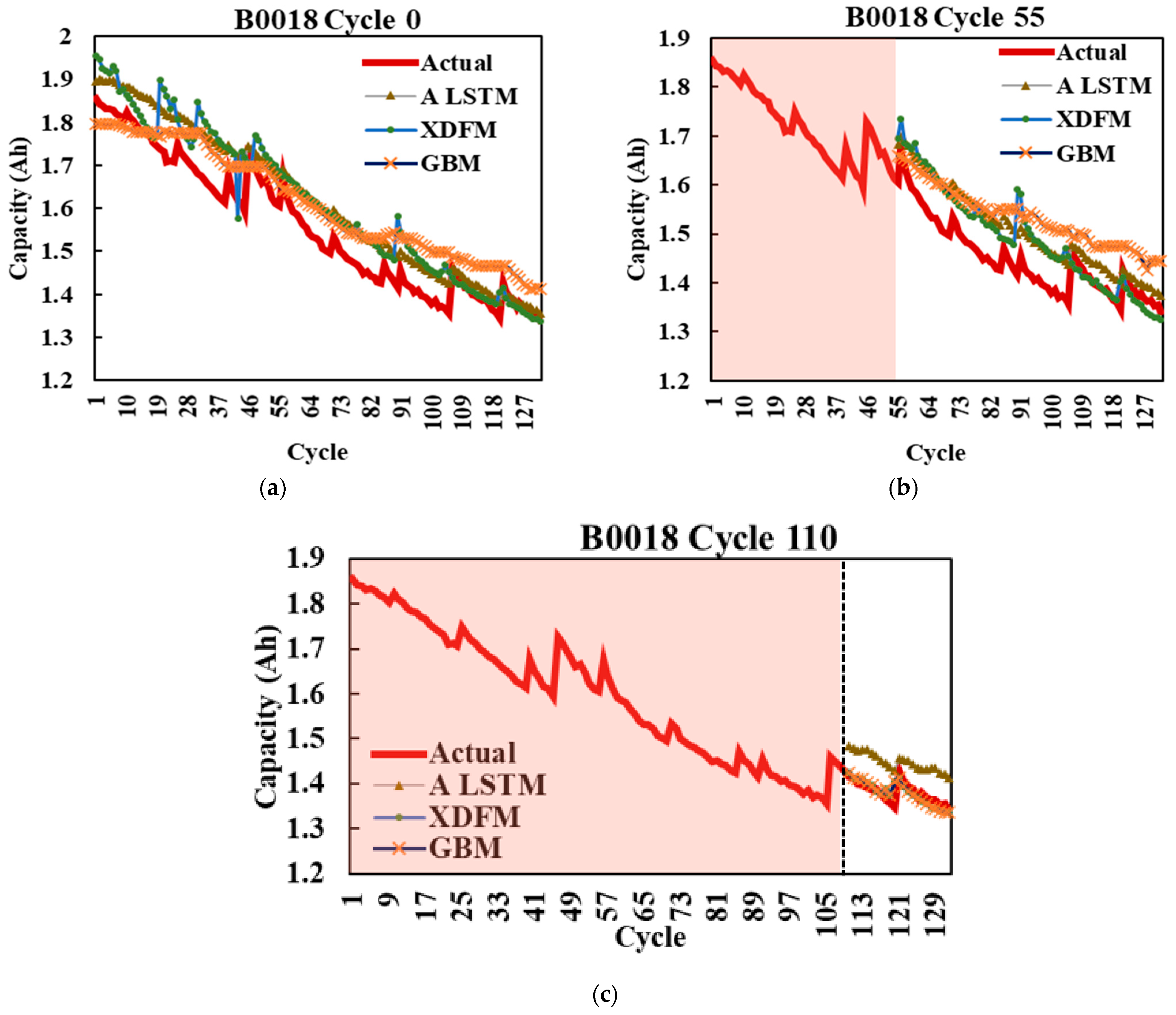
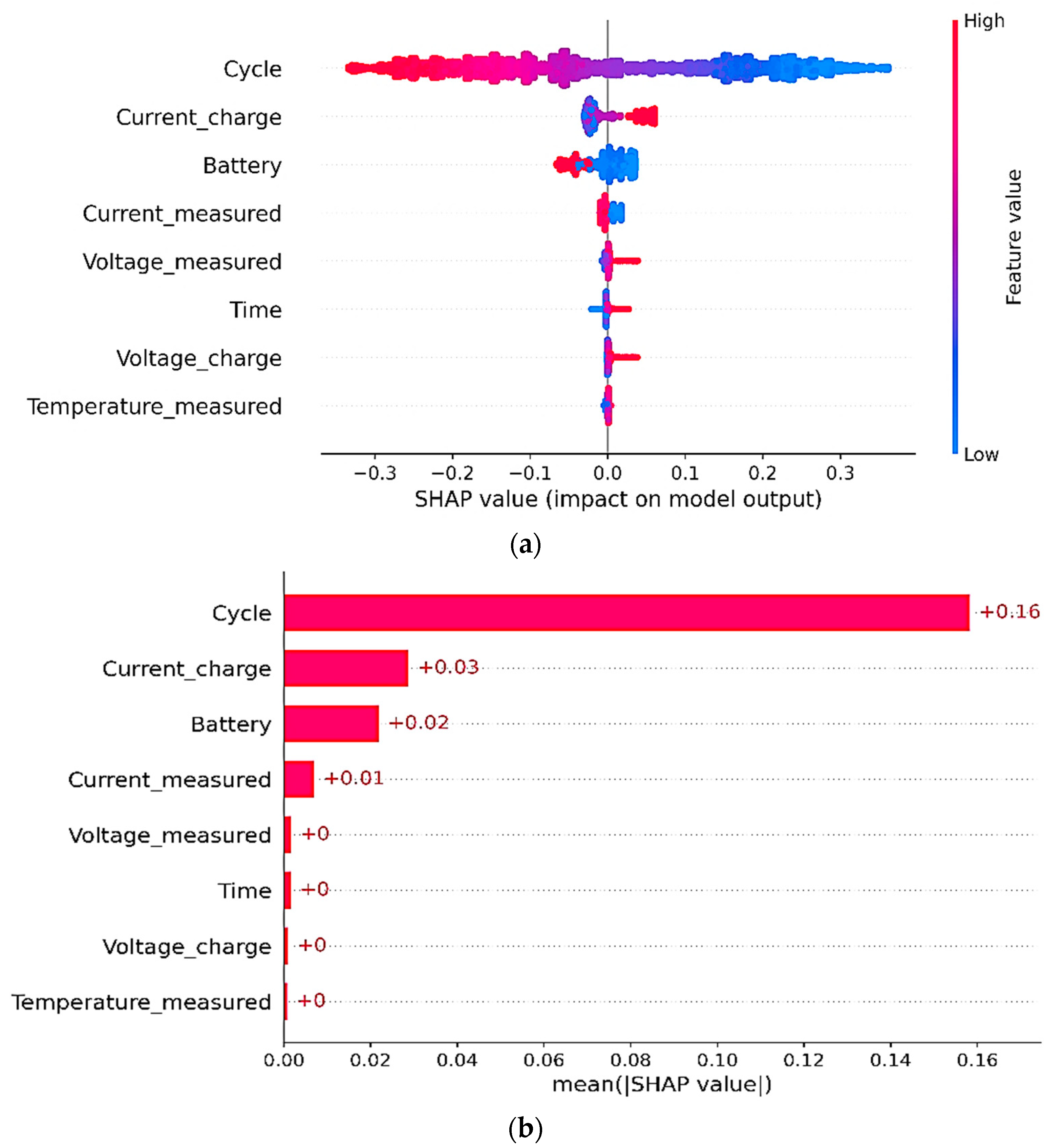
The accurate prediction of the remaining useful life (RUL) of Li-ion batteries holds significant importance in the field of predictive maintenance, as it ensures the reliability and long-term viability of these batteries. In this study, we undertake a comprehensive analysis and comparison of three distinct machine learning models—XDFM, A-LSTM, and GBM—with the objective of assessing their predictive capabilities for RUL estimation. The performance evaluation of these models involves the utilization of root-mean-square error and mean absolute error metrics, which are derived after the training and testing stages of the models. Additionally, we employ the Shapley-based Explainable AI technique to identify and select the most relevant features for the prediction task. Among the evaluated models, XDFM consistently demonstrates superior performance, consistently achieving the lowest RMSE and MAE values across different operational cycles and feature selections. However, it is worth noting that both the A-LSTM and GBM models exhibit competitive results, showcasing their potential for accurate RUL prediction of Li-ion batteries. The findings of this study offer valuable insights into the efficacy of these machine learning models, highlighting their capacity to make precise RUL predictions across diverse operational cycles for batteries.
Keywords: RUL prediction; Li-ion batteries; machine learning; explainable AI; XDFM RUL prediction; Li-ion batteries; machine learning; explainable AI; XDFM