


Abstract
A single prospective group study in adults was performed using a new bioabsorbable screw, the NuGen Fx screw (Linvatec Biomaterials Ltd, Tampere, Finland). This multisite study included five sites and 50 patients (10 patients per site). The goal of this study was to evaluate the efficiency and safety of the NuGen Fx screw system in the fixation of osteotomies, arthrodeses, and fractures in the foot and ankle. We discuss our own results from 12 patients treated at the Kentucky Podiatric Residency Program at Norton Audubon Hospital, Louisville. The number of patients in the study, screw sizes, instrumentation, radiologic evaluation findings, and our overview of this implant are presented.
Absorbable fixation has been used since approximately 1971. The bioabsorbable polymeric and composite surgical materials retain tissue-supporting properties for specific periods (from a few days to a year), and they are biologically degraded into tissue-compatible components that are absorbed by living tissue and replaced by human tissue. Various forms of fixation have been developed, along with various materials (synthetic polyesters and high-molecular-weight polymers) to fabricate these fixation devices. Poly-l-lactide, polyglycolic acid, and poly-p-diox-anone implants are synthetic devices distinguished by their composite materials. They degrade in aqueous media to monomers, which are metabolized and excreted by the lungs as CO2 and water. Degradation is faster in vivo than in vitro, partly because of cellular enzyme enhancement.
Polylactide is a semi-crystalline, bioabsorbable, thermoplastic polymer that is obtainable from renewable resources. It has a melting point of 174°C. The starting monomeric compound l-lactic acid can be produced in high yields by many fermentation and chemical treatments of inexpensive biomass materials, such as molasses or potato starch. Polylactic implants have been used successfully in orthopedic procedures for more than a decade.
To increase the mechanical properties of the bioabsorbable screws, Tormala et al[1] developed a so-called self-reinforcing technique in which the polymer is extruded according to a specific draw ratio under controlled temperature and pressure to produce fibrils of the material. The process fundamentally changes the biomechanical and biocompatible properties of the device. The self-reinforcing technique was first applied in pure polyglycolic acid and poly-l-lactide implants.[2]
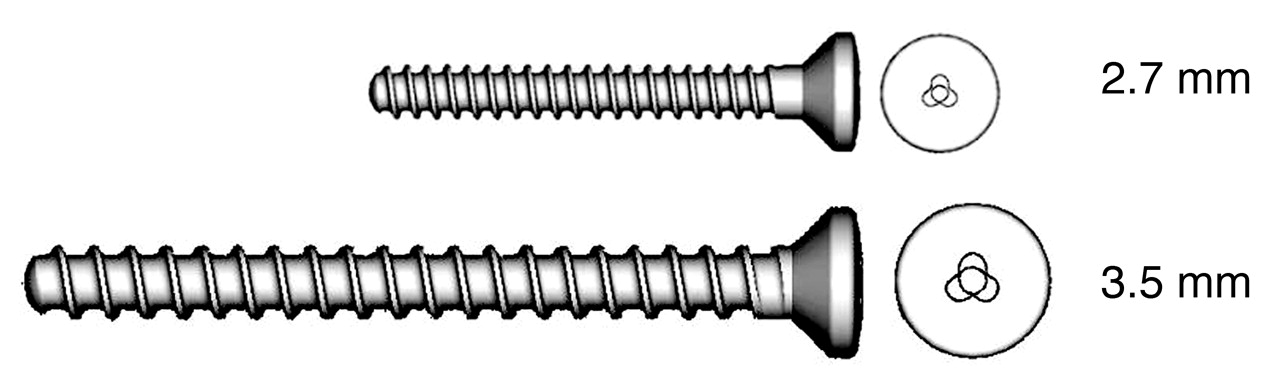
Advantages and disadvantages are noted with both the self-reinforcing and non-self-reinforcing implants, including the adverse effects of bone resorption, sterile sinus tract formation, osteolytic lesions, and foreign-body reactions.[3–9] Likewise, the structural integrity of each implant was based on the composite material used to fabricate the absorbable implant. Initially, the synthetic materials were milled into a pin (rod)-type fashion for implantation. However, in 1995 a poly-l-lactide screw, Bionx SmartScrew (Linvatec Biomaterials Ltd, Tampere, Finland),[10] was developed and used for bone fixation of osteotomies and fractures. Complete degradation of the poly-l-lactide material proceeds slowly for 2 to 5 years. The head configuration of the SmartScrew was noted to be bulky and unconventional (Fig. 1). The NuGen Fx screw is a second-generation screw made of SR-96L/4D PLA, a copolymer of l-lactic acid (96%) and d-lactic acid (4%) (Fig. 2). A conventional screw head and a lower-profile design give the NuGen Fx screw distinct advantages over its predecessor.[1]
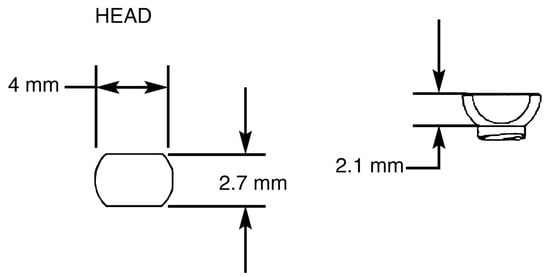
Figure 1.
SmartScrew head design.
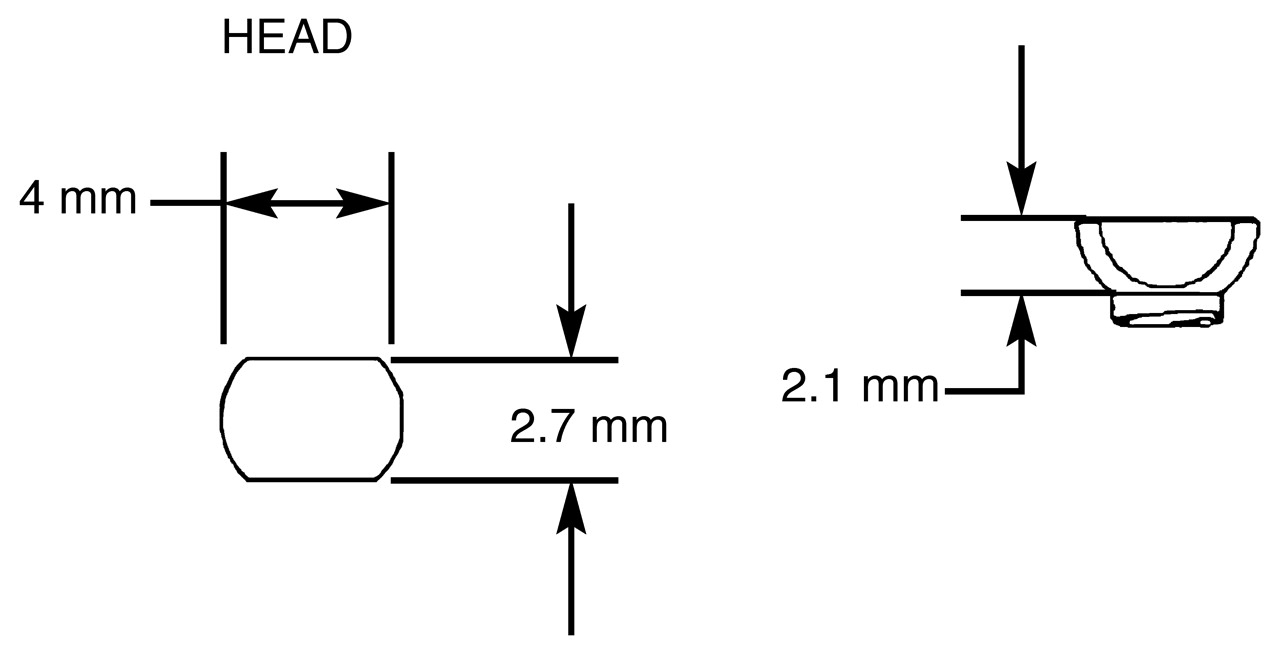
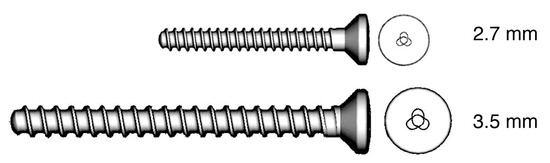
Figure 2.
NuGen Fx screw (enlarged to show detail).
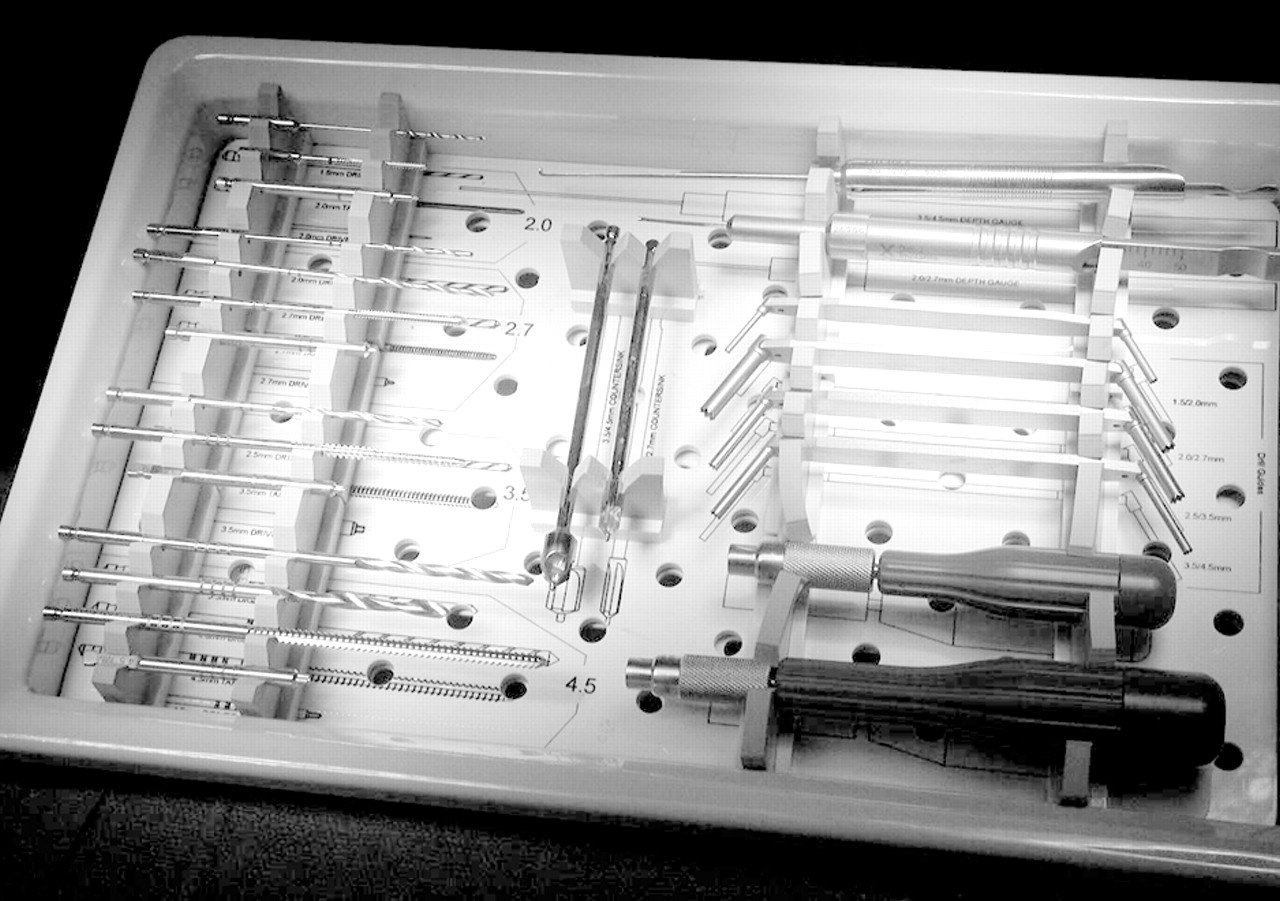
Linvatec Inc, formerly Bionx,[10] has developed a new absorbable screw that is constructed of self-reinforced polylactide composite material. The Kentucky Podiatric Residency Program at Norton Audubon Hospital, Louisville, participated in a multicenter, prospective study to evaluate the application, efficacy, and safety of the NuGen Fx screw in the fixation of osteotomies of the foot. A total of 50 patients, 10 from each center, was required. Because of the new screw design and head profile, the secondary aim was to test the instrumentation needed in the insertion of the NuGen Fx screw (Fig. 3 and Fig. 4; Table 1).

Table 1.
NuGen Fx Screw Instrumentation Kit and Product Information
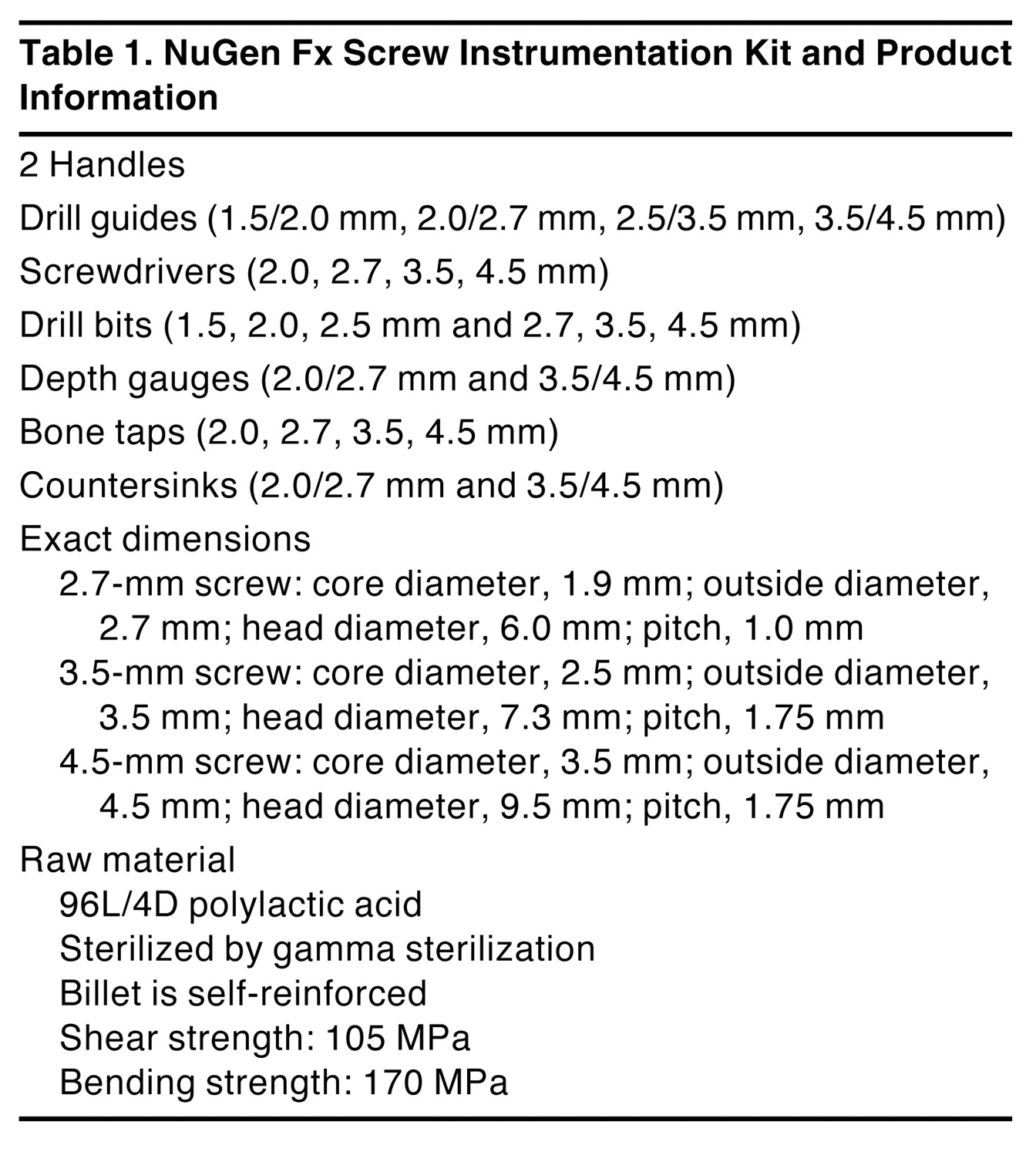
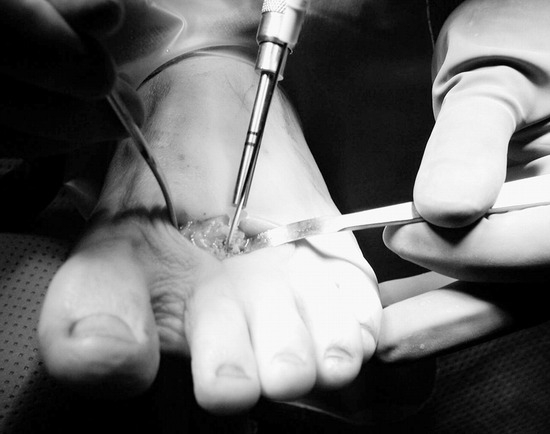
Figure 3.
Insertion of the NuGen Fx screw.
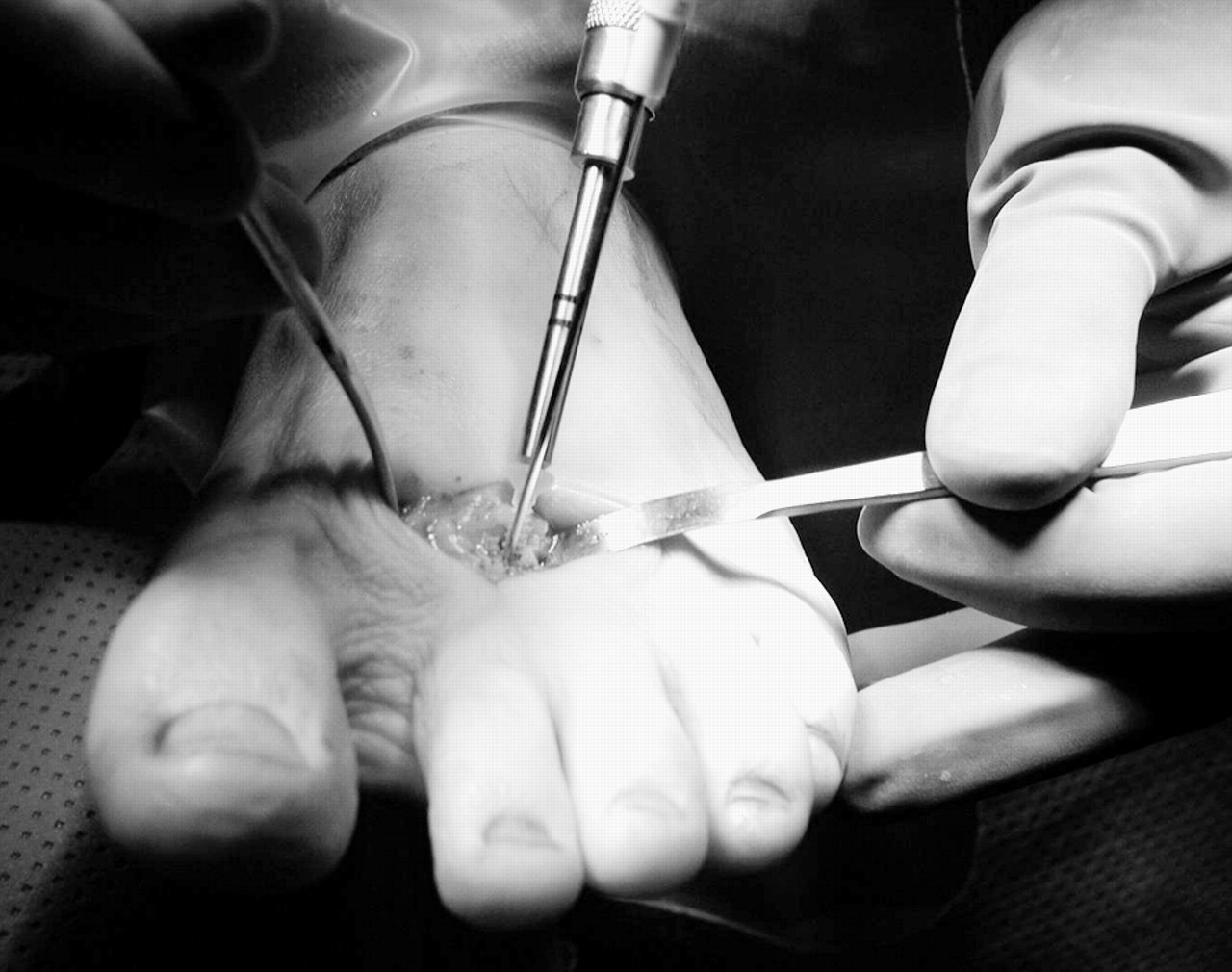
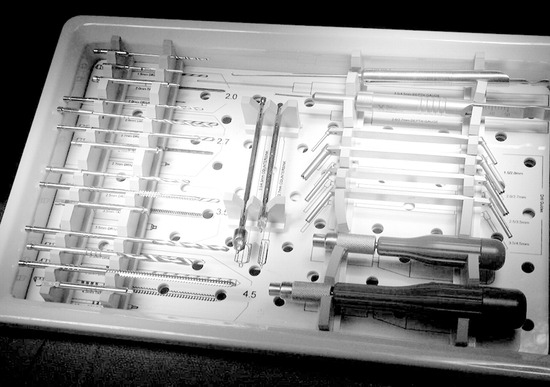
Figure 4.
NuGen Fx screw instrumentation set.
Materials and Methods
Ten patients were initially enrolled in this study at the Kentucky Podiatric Residency Program. Two additional patients were requested from our test site because other sites did not provide the appropriate number of patients. Patients underwent a distal chevron osteotomy, a metatarsocuneiform arthrodesis,[11] a first metatarsal Weil osteotomy, or a second metatarsal Weil osteotomy. All of the procedures were performed by a single surgeon (T.C.F.). Overall follow-up was 20 weeks. The inclusion criteria consisted of metatarsal osteotomies or arthrodeses of the foot and an age of 18 to 65 years. The exclusion criteria included vascular disease, osteomyelitis, diabetes, infection, alcohol or drug abuse, and metabolic/collagen/neoplastic disease. NuGen Fx screw sizes used in this study were 2.0, 2.7, and 3.5 mm. The lengths ranged from 10 to 40 mm. All of the screws were fully threaded. All of the patients were required to sign an appropriate informed consent form. Screw assessment was evaluated, including surgical technique, efficacy, postoperative treatments, safety, and tolerability, along with patient and investigator assessments of healing. Because this study has a non-comparative nature, only descriptive methods were used in data analysis.
Eight Austin osteotomies were performed, five using 2.7-mm screws and three using 3.5-mm screws measuring 20 to 24 mm long. Two first metatarsocuneiform arthrodeses were accomplished using 3.5-mm screws measuring 38 mm long. Weil osteotomies performed on the first metatarsal (n = 1) and the second metatarsal (n = 2) were fixated using 3.5-, 2.7-, and 2.0-mm screws, respectively.
The operating principles closely follow those of metallic screw insertion. A suitable channel (a 1.5-mm drill bit for a 2.0-mm screw, a 2.0-mm drill bit for a 2.7-mm screw, a 2.5-mm drill bit for a 3.5-mm screw, and a 3.5-mm drill bit for a 4.5-mm screw) is drilled through the fracture plane for the screw. The channel is tapped to make the accurate thread (it must be observed that the profiles of the NuGen Fx screws are different from those of metallic screws). Countersink is appropriately used. The NuGen Fx screw accepts only the NuGen implant screwdriver of the matching size. The driver is placed into the cloverleaf-designed recess of the screw head and twisted. If the screw is too long or has not been countersunk appropriately, the screw can simply be cut or cauterized along the bone of either surface.
Because the torsion resistance is lower than that of metal screws, it is important not to use too much torque when implanting the screw. There is a risk of breakage when the screw becomes difficult to advance. If the osteotomy is already stable, the screw can be cut. When instability occurs, the screw must be removed and the hole re-drilled or retapped prior to screw reinsertion.
Results
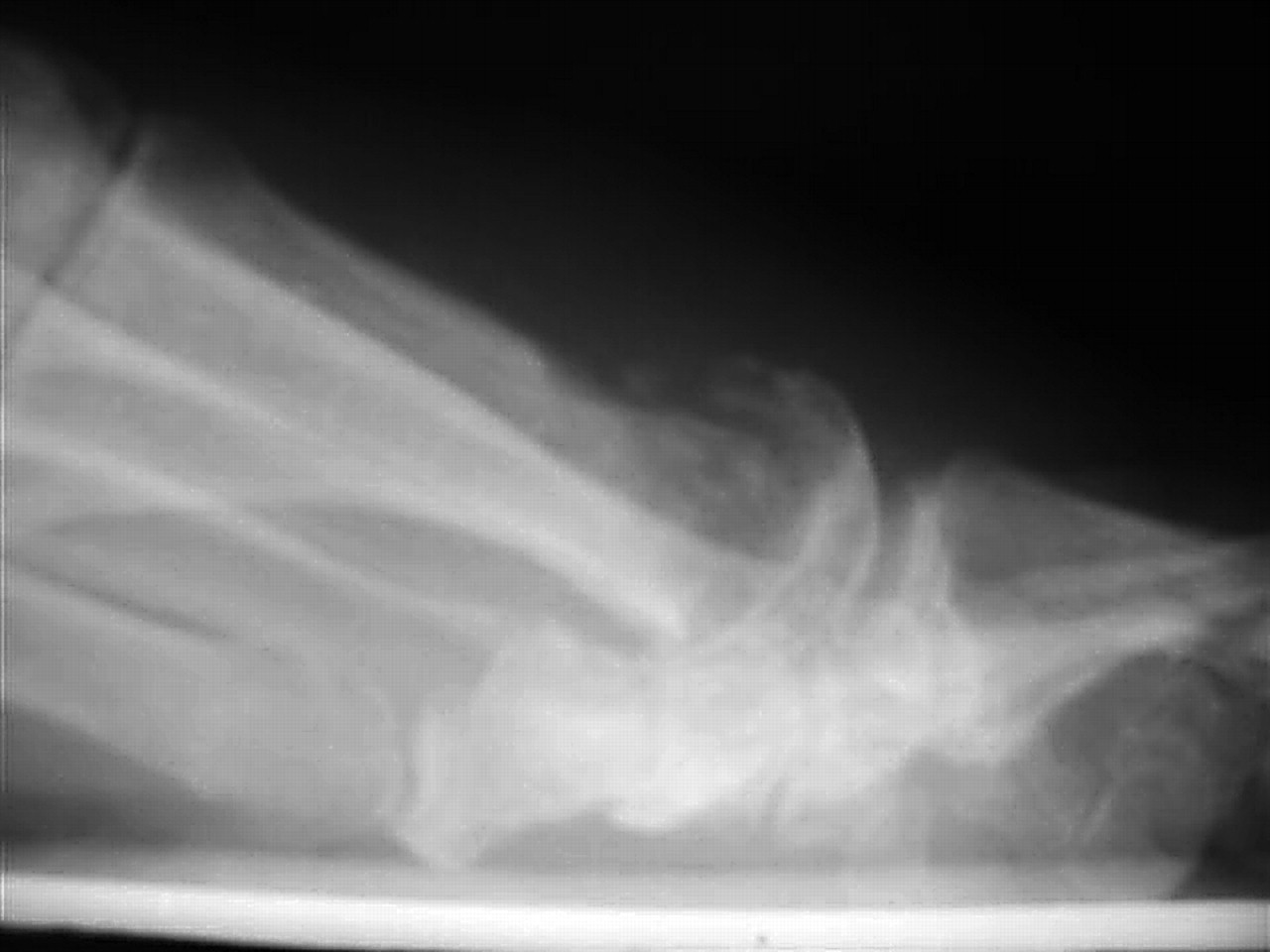
The NuGen screw seems to be greatly improved over the original SmartScrew technology. A conventional screw head, a lower-profile design, and a tighter bite on insertion were noted clinically with this absorbable screw. Adverse events included breakage of one screw due to excessive tightening. The hole was subsequently re-drilled, and the screw was inserted without difficulty. One foreign-body reaction/sterile abscess was noted almost 3 months after surgery (Fig. 5, Fig. 6 and Fig. 7). All performed osteotomies healed in a stable and predictable manner. Overall, seven patients reported mild edema, which may be associated with screw resorption. The five 2.7-mm screws used for Austin osteotomies were noted to have less purchase resistance on insertion. However, all 3.5-mm screws were noted to have excellent purchase with insertion. Although our results are preliminary, this new product seems particularly advantageous for the fixation of metatarsal osteotomies. This study demonstrates the efficacy and safety of bioabsorbable fixation screws in the fixation of osteotomies of the metatarsals.
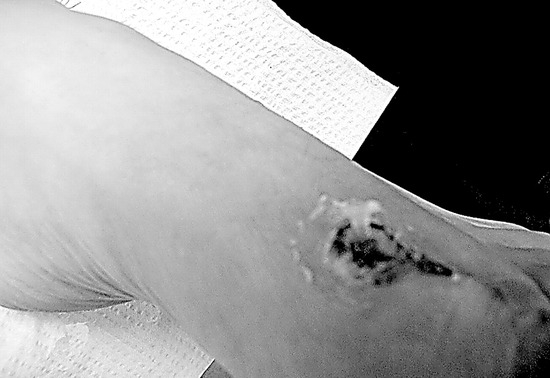
Figure 5.
Foreign-body reaction to the NuGen Fx screw.
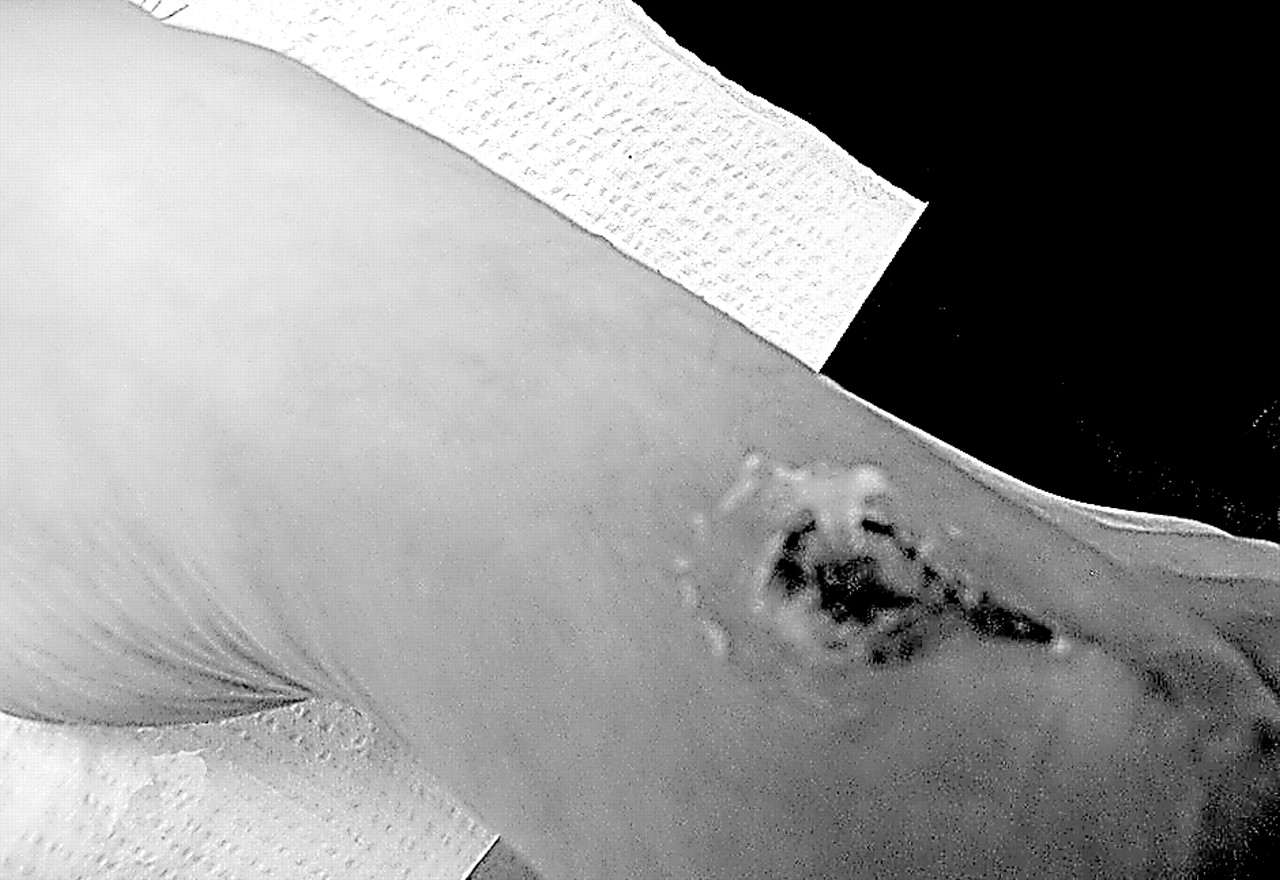
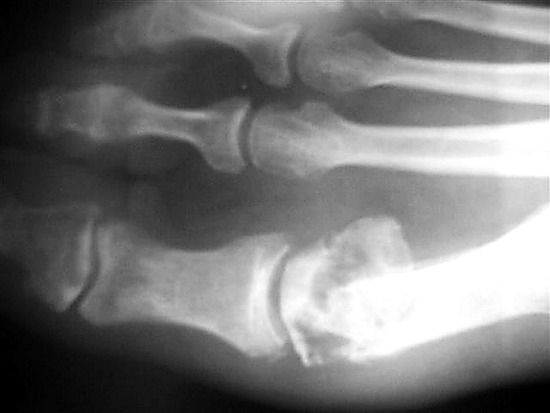
Figure 6.
Osteolysis of the first metatarsal head due to a foreign-body reaction to the NuGen Fx screw.
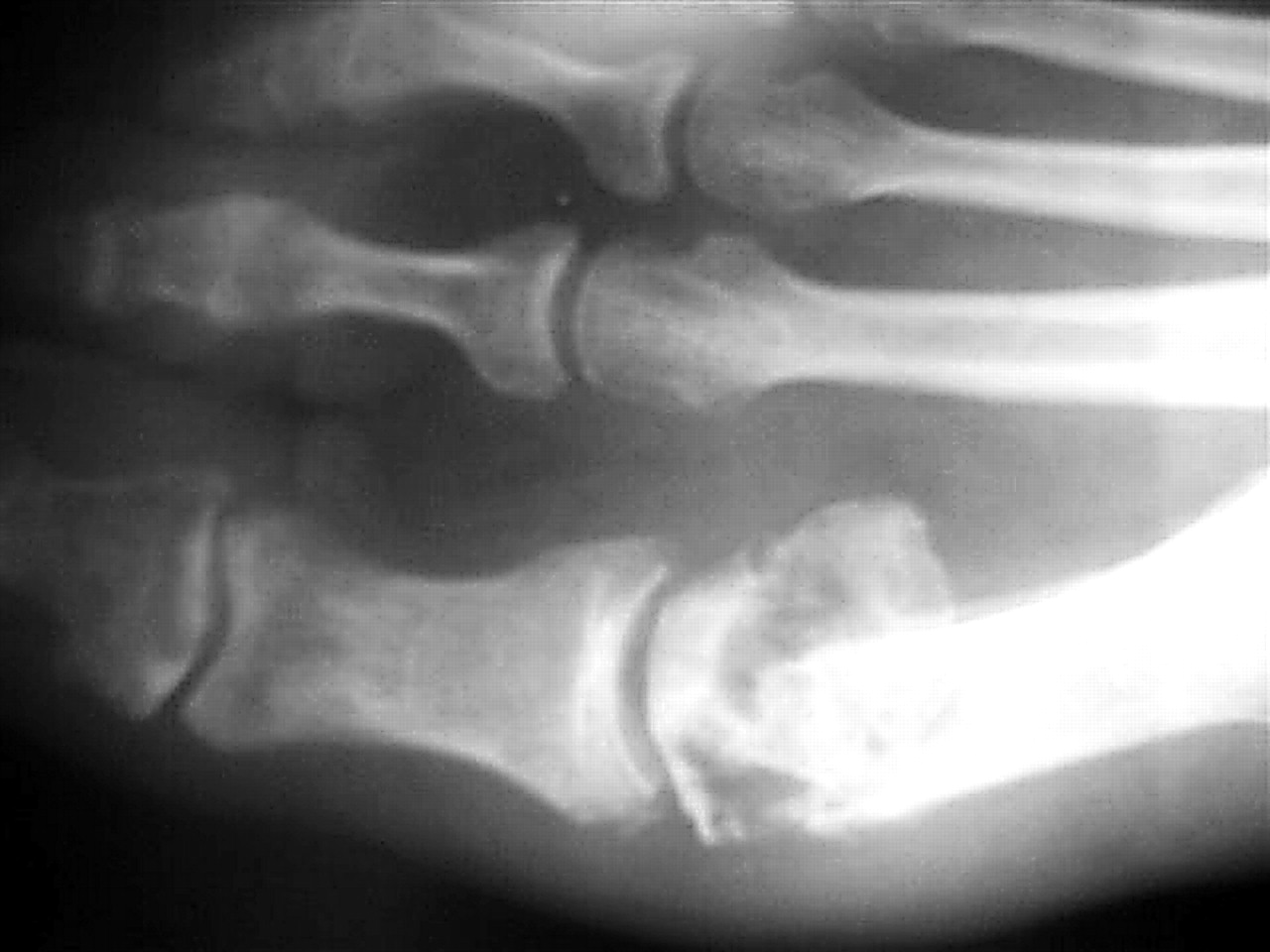
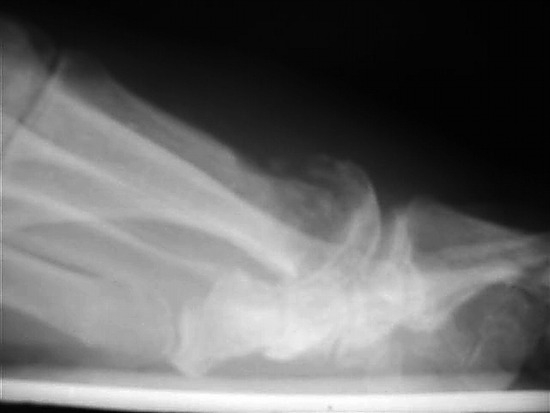
Figure 7.
Radiographic healing 6 weeks after a foreign-body reaction to the NuGen Fx screw.
Discussion
This preliminary report describes our current experience using this new and improved form of absorbable fixation in foot surgery. The resorption times using the NuGen Fx screw are shorter, the screw head configuration has been improved for easier use, and the strength of the screw has been greatly increased. In this study, we determined that the diameter of the NuGen Fx screw seems predictable for secure fixation. The 2.7-mm screws fared poorly compared with the larger 3.5-mm screws with respect to perceived purchase strength and compression of the osteotomy noted during insertion. We attribute these findings to the pitch diameter of the larger screws. Regarding the single case of foreign-body reaction in our study, expanded medical history questioning found that this patient is “allergic” to plastics. She related multiple failed attempts at tympanostomy tube placement by otorhinolaryngologists. This patient rejected the tympanostomy tubes just as she rejected the absorbable screw. Although a very low incidence of foreign-body reactions to copolymers has been reported, they continue to be a consideration when using bioabsorbable materials.[12–15] An additional 16 cases have been performed since the cutoff date for this study. These additional cases confirm our initial findings, with no complications noted.
NuGen Fx screws, then, seem to show an overall improvement from past absorbable screws, including the SmartScrew. Patients also prefer the advantages of possible absorbable fixation, and this seems to be a viable alternative to conventional metal screws. When using the NuGen Fx screw, the surgeon needs to have an understanding of the possible complications of absorbable fixation and traditional fixation, including foreign-body reactions. The manufacturer has also further developed the design of the NuGen screw so that the screw head is smaller and more torque resistance can be applied. We expect newer fixation devices to be developed with copolymers that have slower absorption times, resulting in a lower incidence of foreign-body reactions.
References
- Tormala P, Rokkaken P, Laiho J, et al, assignee: Material for osteosynthetic devices. US Patent 4 743 257. September 16, 2004.
- Tormala P: Biodegradable self-reinforced composite materials: manufacturing structure and mechanical properties. Clin Mater10: 29, 1992.
- Lavery LA, Peterson JD, Pollack R, et al: Risk of complications of first metatarsal head osteotomies with biodegradable pin fixation: Biofix versus Orthosorb. J Foot Ankle Surg33: 334, 1994.
- Miketa JP, Prigoff MM: Foreign body reactions to absorbable implant fixation of osteotomies. J Foot Ankle Surg33: 623, 1994.
- Burns AE: Biofix fixation techniques and results in foot surgery. J Foot Ankle Surg34: 276, 1995.
- Gill LH, Martin DF, Coumas JM, et al: Fixation with bioabsorbable pins in chevron bunionectomy. J Bone Joint Surg Am79: 1510, 1997.
- Rokkanen P, Bostman O, Vainionpaa S, et al: Absorbable devices in the fixation of fractures. J Trauma40: S123, 1996.
- Ford TC, Maurer LM, Myrick KW: Cortical bone pin fixation: a preliminary report on fixation of digital arthrodeses and distal chevron first metatarsal osteotomies. J Foot Ankle Surg41: 23, 2002.
- Rokkaken PU, Bostman O, Hirvensalo E, et al: Bioabsorbable fixation in orthopedic surgery and traumatology. Biomaterials21: 2207, 2000.
- Hetherington VJ, Shields SL, Wilhelm KR, et al: Absorbable fixation of the first ray osteotomies. J Foot Ankle Surg33: 290, 1994.
- Calder JD, Hollingdale JP, Pearse MF: Screw versus suture fixation of Mitchell’s osteotomy: a prospective, randomized study. J Bone Joint Surg Br81: 621, 1999.
- Pavlovich R, Caminear D: Granuloma formation after chevron osteotomy fixation with absorbable copolymer pin: a case report. J Foot Ankle Surg42: 226, 2003.
- Kalla TP, Janzen DL: Orthosorb: a case of foreign body reaction. J Foot Ankle Surg34: 366, 1995.
- Miketa JP, Prigoff MM: Foreign body reactions to absorbable implant fixation of osteotomies. J Foot Ankle Surg33: 623, 1994.
- Parks RM, Nelson G: Complications with the use of bioabsorbable pins in the foot. J Foot Ankle Surg32: 153, 1993.
Additional References
- Armstrong DG: Re: “Our fixation with fixation: are screws clinically superior to external wires in distal first metatarsal osteotomies?”. J Foot Ankle Surg36: 465, 1997.
- Barca F, Busa R: Austin/chevron osteotomy fixed with bioabsorbable poly-l-lactic acid single screw. J Foot Ankle Surg36: 15, 1997.
- Bionx Implants Inc Web site. Available at: http://www.bionx-implants.com. Accessed September 10, 2002.
- Brin M: The synthesis and metabolism of lactic acid isomers. Ann N Y Acad Sci119: 943, 1965.
- Brodsky JW, Ptaszek AJ, Morris SG: Salvage first MTP arthrodesis utilizing ICBG: clinical evaluation and outcome. Foot Ankle Int21: 290, 2000.
- Bucholz RW, Henry S, Henley MB: Fixation with bioabsorbable screws for the treatment of fractures of the ankle. J Bone Joint Surg Am76: 319, 1994.
- Crosby LA, Bozarth GR: Fixation comparison for chevron osteotomies. Foot Ankle Int19: 41, 1998.
- Fillinger EB, McGuire JW, Hesse DF, et al: Inherent stability of proximal first metatarsal osteotomies: a comparative analysis. J Foot Ankle Surg37: 292, 1998.
- Friend GJ, Grace KS, Stone HA: Cortical screws versus absorbable pins for fixation of the short Z-bunionectomy. J Foot Ankle Surg33: 411, 1994.
- Kalla TP, Janzen DL: Orthosorb: a case of foreign body reaction. J Foot Ankle Surg34: 366, 1995.
- Kun E, Dechary JM, Pitot HC: The oxidation of glycolic acid by a liver enzyme. J Biol Chem210: 269, 1954.
- Reed TM: Allofix freeze-dried cortical bone pins as an alternative to synthetic absorbable polymeric pins: a preliminary study in short Z bunionectomies. J Foot Ankle Surg38: 14, 1999.
- Saikku-Backstrom A, Tulamo RM, Raiha JE, et al: Intra-medullary fixation of cortical bone osteotomies with absorbable self-reinforced fibrillated poly-96L/4D-lactide (SR-PLA96) rods in rabbits. Biomaterials22: 33, 2001.
- Shereff MJ, Sobel MA, Kummer FJ: The stability of fixation of first metatarsal osteotomies. Foot Ankle11: 208, 1991.
- Stevenson S, Emery SE, Goldberg VM: Factors affecting bone graft incorporation. Clin Orthop Relat Res324: 66, 1996.
- Tubbs PK, Greville GD: The oxidation of D-alpha-hydroxy acids in animal tissues. Biochem J81: 104, 1961.
- Vert M, Chabot F, Leray J, et al: Stereoregular bioresorbable polyesters for orthopaedic surgery. Macromolec Chem Phys Suppl5: 30, 1981.
- Williams DF: Biodegradation of surgical polymers. J Mater Sci17: 1233, 1982.
- World Medical Association Declaration of Helsinki: Recommendations guiding physicians in biomedical research involving human subjects. JAMA277: 925, 1997.
© 2006 American Podiatric Medical Association