


Abstract
This report presents the results of analyses of statistical data from 1,114 members of the American Podiatric Medical Association (APMA) who responded to the 1999 Arthritis Survey, conducted from July through August 1999. The purpose of the survey was to determine the extent and methods of treatment of patients with arthritis of the foot or ankle by doctors of podiatric medicine.
This survey was conducted by the American Podiatric Medical Association (APMA) to gather information on the extent and methods of treatment of patients with arthritis of the foot or ankle by doctors of podiatric medicine. The survey examined the types of arthritic conditions and foot problems found in patients with arthritis, the kind of medical care they receive, and the types of procedures performed and medications prescribed and recommended. The survey also examined referral patterns among podiatric physicians and other health-care professionals in the treatment of patients with arthritis of the foot or ankle. Demographic questions such as those pertaining to years in practice and board certification were included at the end of the survey.
Information from this survey will help health-care professionals and managed-care organizations understand the role that podiatric physicians play in the treatment of patients with arthritis of the foot or ankle.
Methods
A two-page, 23-question survey form was designed by the APMA Arthritis Advisory Committee to collect information about arthritic foot care rendered by doctors of podiatric medicine. The entire active membership of the APMA was surveyed, amounting to 9,062 members. The survey was anonymous, although members interested in volunteering to speak on the topic of arthritic foot care were asked to provide their names, addresses, and telephone numbers. The datacollection instrument appears in the Appendix.
The survey elicited information about the experience of APMA members in treating patients with arthritis of the foot or ankle. The survey indicated the types of foot conditions and arthritic pathologies patients present with, as well as the types of comorbid conditions patients have. The survey also collected data on the diagnostic techniques used and treatments provided by APMA members, including procedures performed, medications prescribed or recommended, and advice given.
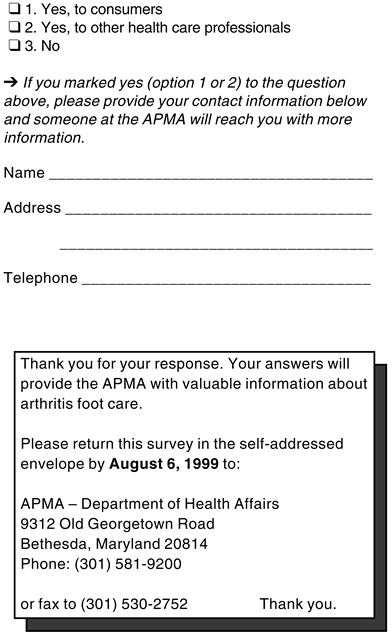
The survey was administered by mail in July 1999. A target response date of August 6, 1999, was specified. Respondents were provided with a return envelope; however, they were required to use their own postage to send the response. Responses were obtained from 1,114 members. The overall response rate was 12.3%.
Results
Prevalence of Patients with Arthritis of the Foot or Ankle
Virtually all survey respondents (98.9%) indicated that they treat patients with arthritis of the foot or ankle. Of the 1,114 respondents to the survey, only 12 reported that they did not treat patients with arthritis of the foot or ankle.
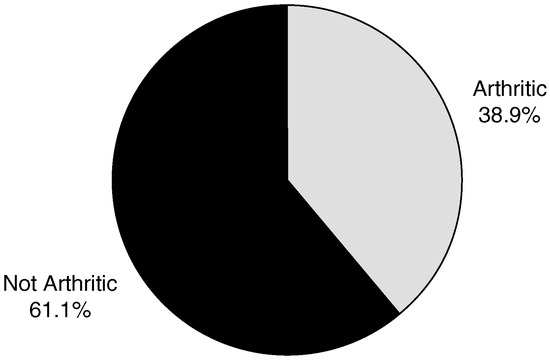
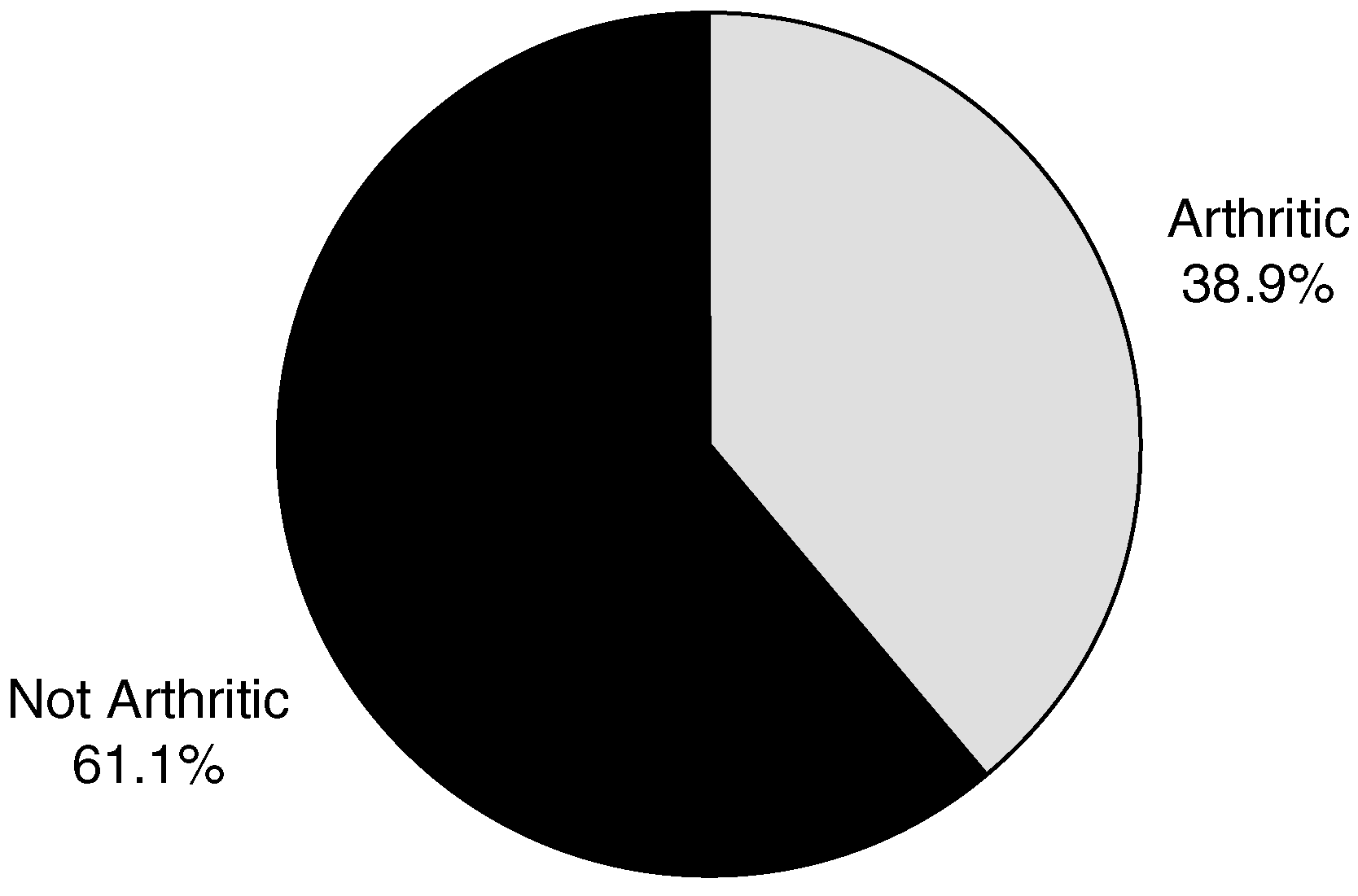
Patients with Arthritis as a Percentage of All Patients. On average, patients with arthritis constituted a substantial percentage (38.9%) of the total number of patients treated by respondents (Fig. 1). The range of the percentage of patients with arthritis was large and noteworthy. The proportion of patients with arthritis ranged from 1% of the total number of patients to 100%.
Figure 1.
Patients with some form of arthritis of the foot or ankle as a percentage of all patients.
Number of Patients with Arthritis Treated Each Week and Age Range of Patients. The range of the number of patients with arthritis treated per week was also large, from as few as 1 per week to as many as 300 per week. However, half of the respondents reported that they treated between 20 and 50 patients with arthritis each week.
Also noteworthy was the range of ages of patients with arthritis of the foot or ankle. Respondents reported seeing patients as young as 1 year and as old as 110 years of age. The average age of the youngest patients was 29 years, and the average age of the oldest patients was 93 years. The median age of the oldest patients was 95 years, with half under the age of 95 and half over the age of 95.
Arthritic Pathologies
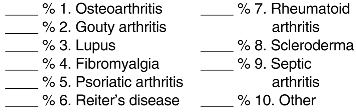
Most respondents (62.5%) reported treating patients with osteoarthritis. Respondents also treated patients with rheumatoid arthritis, gouty arthritis, fibromyalgia, and psoriatic arthritis. The podiatric physicians surveyed tended to treat fewer patients with lupus, Reiter’s disease, scleroderma, or septic arthritis.
Foot Conditions of Patients with Arthritis
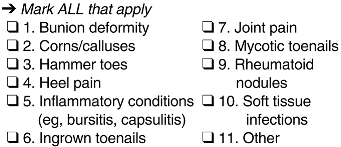
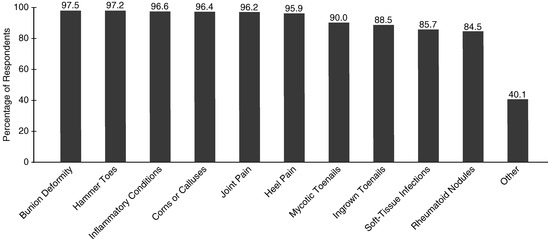
Most respondents reported treating patients with arthritis for a wide variety of foot conditions. In fact, the majority of respondents reported treating all ten conditions specified on the survey form, in addition to others (Fig. 2). At least 95% of respondents reported treating their arthritis patients for bunion deformity (97.5%), hammer toes (97.2%), inflammatory conditions (96.6%), corns or calluses (96.4%), joint pain (96.2%), and heel pain (95.9%). Large majorities reported treating their patients for mycotic toenails (90.0%), ingrown toenails (88.5%), soft-tissue infections (85.7%), and rheumatoid nodules (84.5%). In addition, 40.1% of respondents reported treating arthritis patients for other foot conditions.
Figure 2.
Foot conditions treated in patients with arthritis.
Comorbid Conditions
Respondents reported treating arthritis patients with a wide variety of comorbid conditions. Approximately one-quarter (27%) of patients with arthritis also had diabetes. About one-quarter (25.1%) had heart disease in addition to arthritis. Another 12.3% had a history of peptic ulcers, and 8.6% had experienced a stroke. Another 6% had other comorbid conditions.
Treatments Provided to Patients with Arthritis of the Foot or Ankle
The wide range of surgical procedures, medications, and consultative services provided to patients with arthritis by podiatric physicians was documented in this survey. The survey also asked respondents to specify what techniques they use to diagnose arthritis.
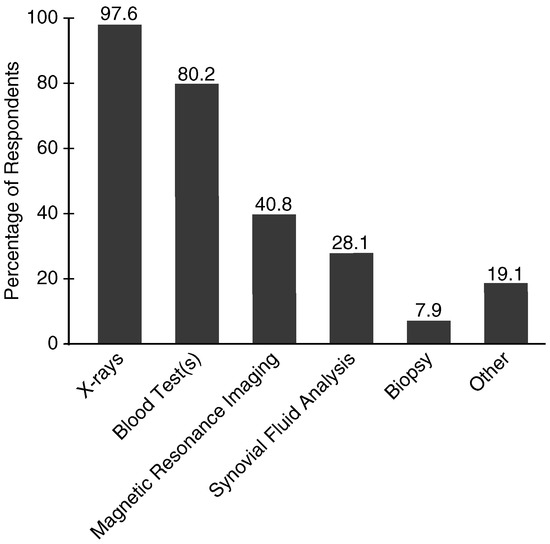
Techniques Used to Diagnose Arthritis. Although a wide variety of techniques were used by podiatric physicians to diagnose arthritis, the most frequently used diagnostic technique, cited by 97.6% of respondents, was x-rays (Fig. 3). Many respondents also used blood tests (80.2%), magnetic resonance imaging (40.8%), or synovial fluid analysis (28.1%). Fewer podiatrists (7.9%) performed a biopsy to diagnose arthritis. Other diagnostic techniques were used by 19.1% of respondents.
Figure 3.
Techniques used to diagnose arthritis.
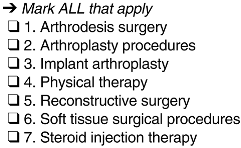
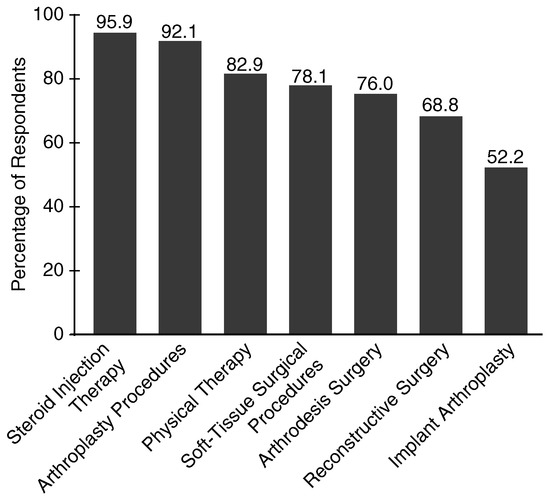
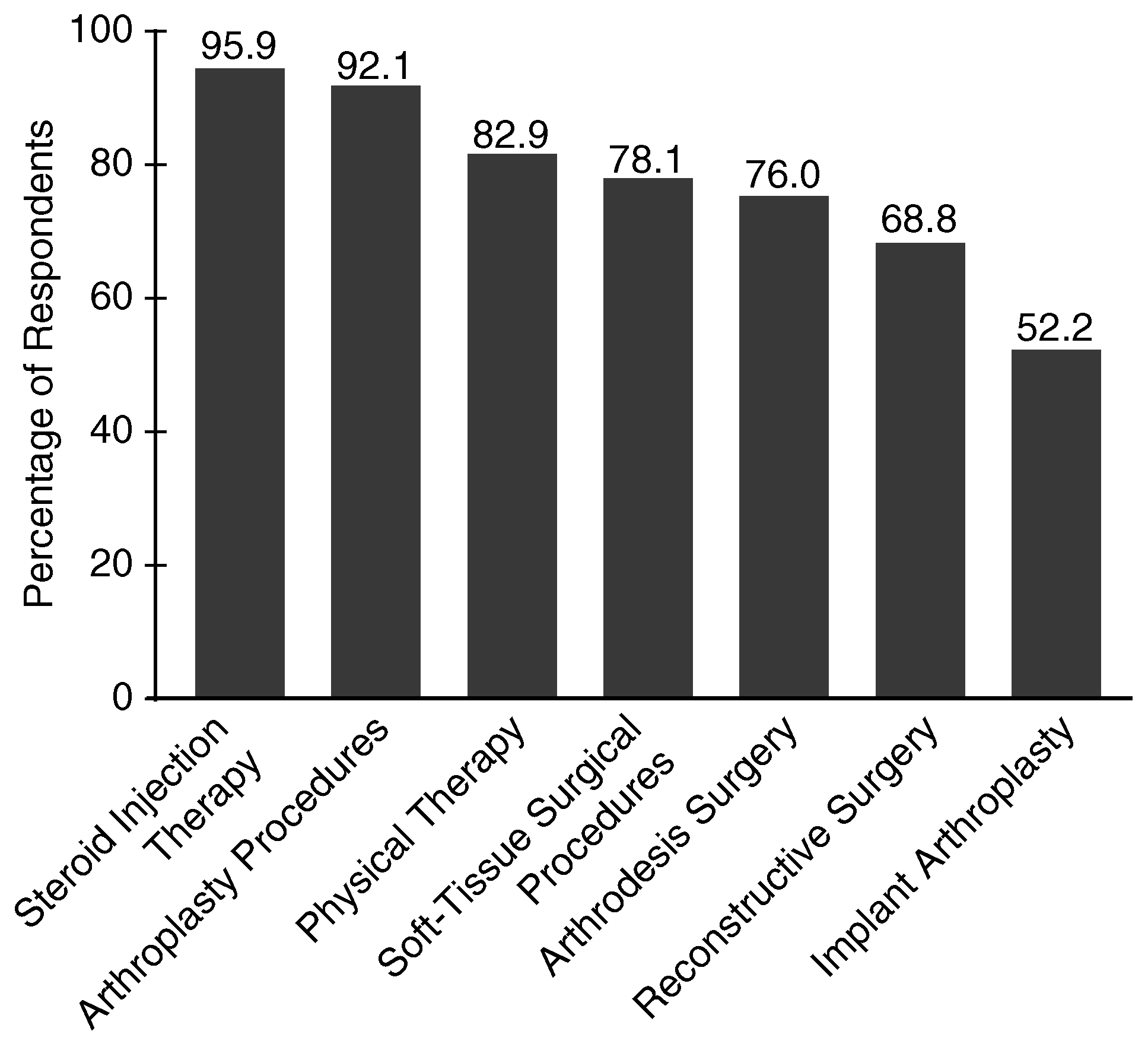
Procedures Performed on Patients with Arthritis. Doctors of podiatric medicine perform a wide variety of procedures on their patients with arthritis (Fig. 4). Over 90% of respondents performed steroid injection therapy (95.9%) and arthroplasty procedures (92.1%). Large majorities reported performing physical therapy (82.9%), soft-tissue surgical procedures (78.1%), arthrodesis surgery (76.0%), and reconstructive surgery (68.8%). Over half of the respondents (52.2%) performed implant arthroplasty.
Figure 4.
Procedures performed on patients with arthritis.
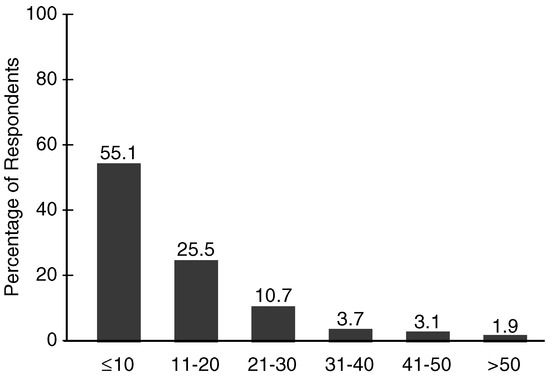
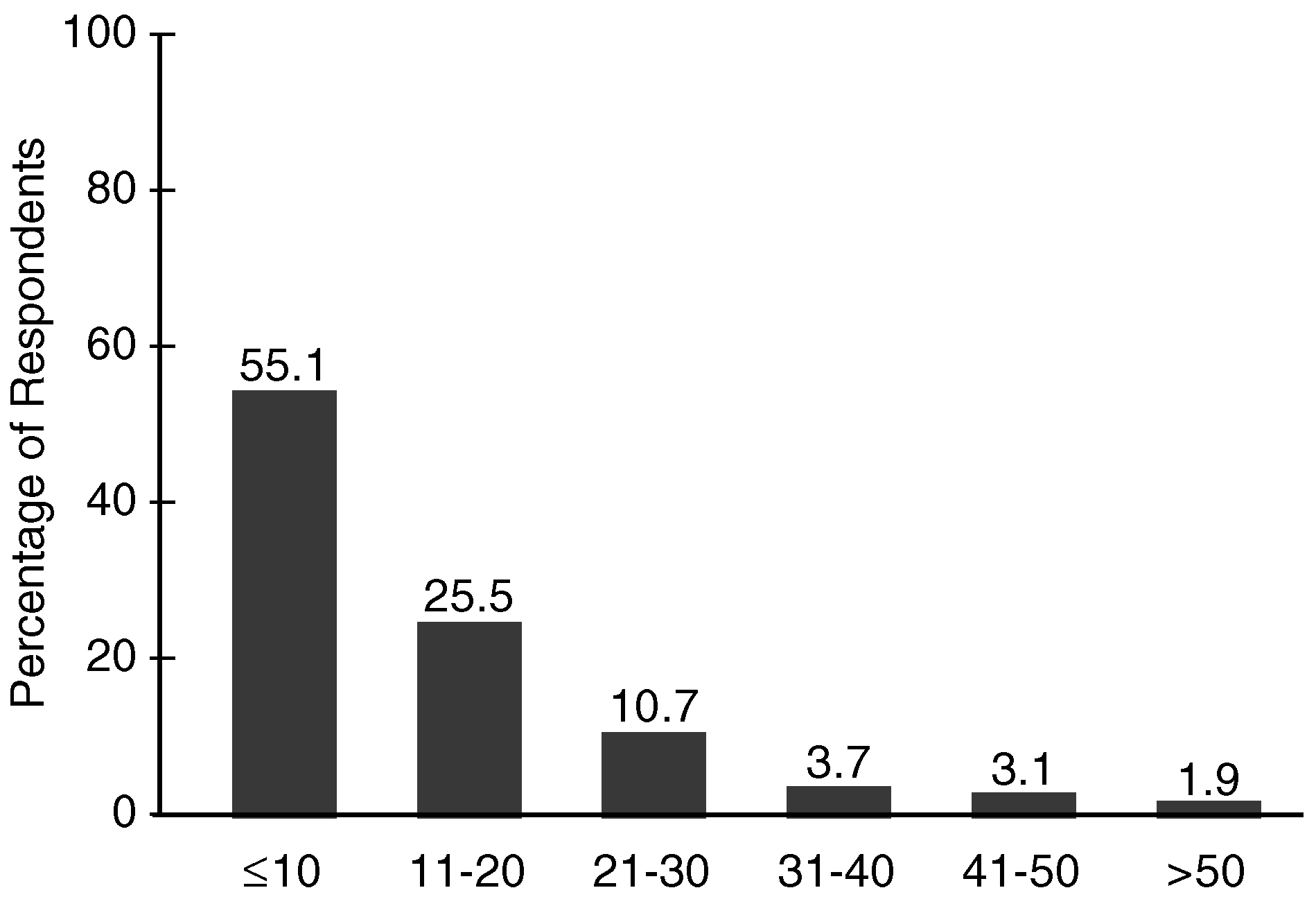
Number of Prescriptions Written for Patients with Arthritis. There was quite a range in the number of prescriptions written each week for patients with arthritis (Fig. 5). Among respondents who wrote prescriptions, the number of prescriptions written per week ranged from 1 to 100, with an average of 15 prescriptions written per week.
Figure 5.
Number of prescriptions written each week for patients with arthritis.
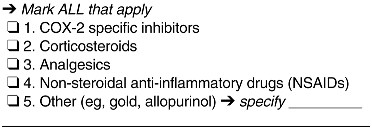
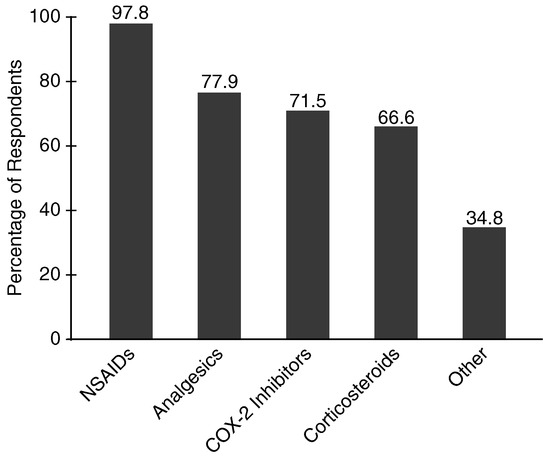
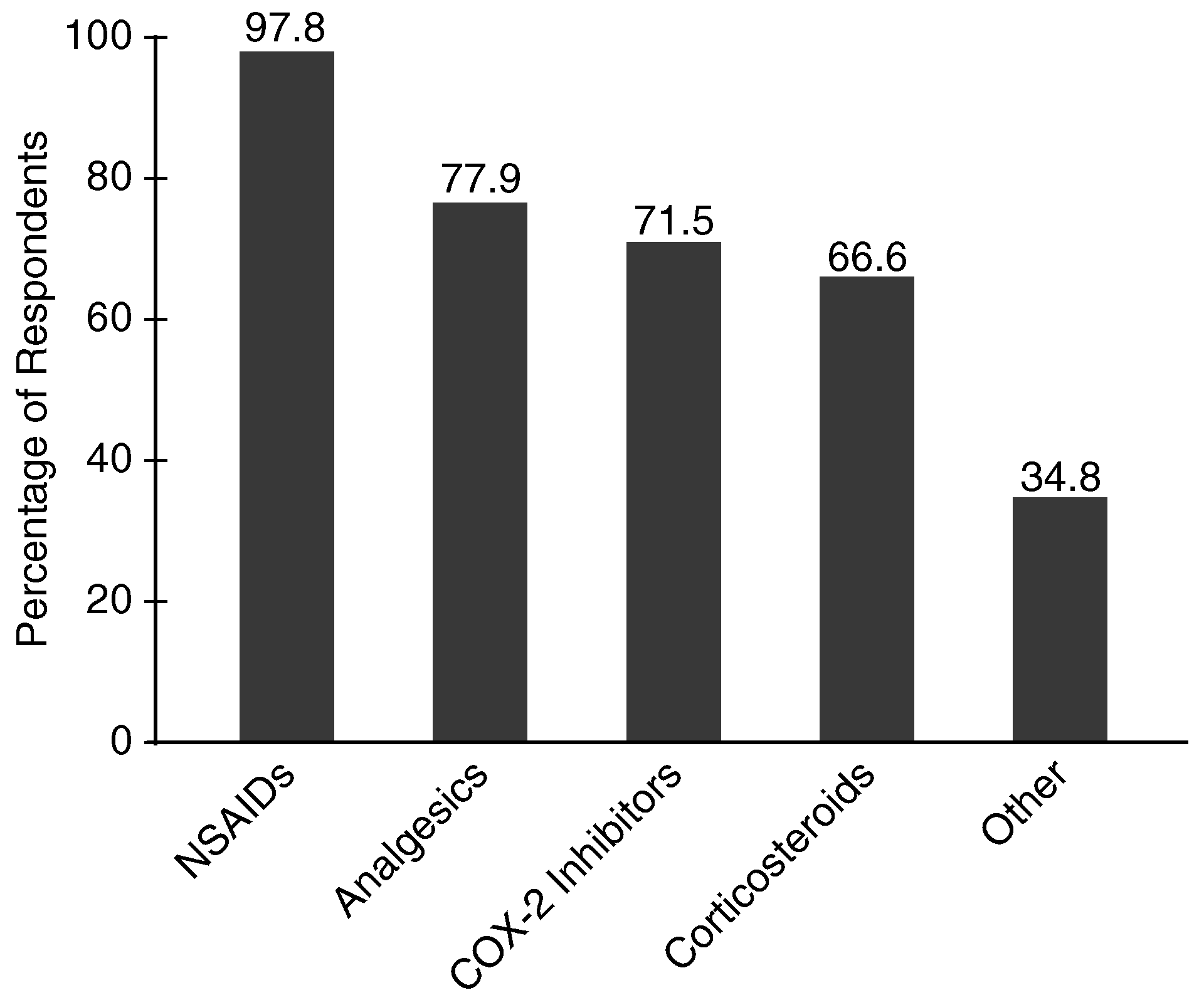
Medications Prescribed for Patients with Arthritis. Of the prescription drugs specified on the questionnaire, the largest number of respondents (97.8%) reported prescribing nonsteroidal anti-inflammatory drugs (NSAIDs) for their patients with arthritis (Fig. 6). Respondents also reported prescribing analgesics (77.9%), cyclooxygenase-2 (COX-2) specific inhibitors (71.5%), corticosteroids (66.6%), and other medications (34.8%) for their patients with arthritis. Among “other” medications, most often prescribed for patients with arthritis were allopurinol and colchicine. To a lesser extent, glucosamine, indomethacin, Vicodin (hydrocodone bitartrate and acetaminophen), and Darvocet (propoxyphene napsylate) were prescribed.
Figure 6.
Types of medications prescribed for patients with arthritis.
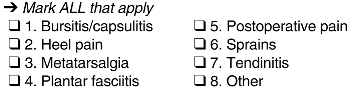
Respondents were also asked to identify medical conditions other than arthritis for which they prescribed NSAIDs; the results indicated that a large number of podiatrists prescribe NSAIDs for a wide variety of foot conditions. Most commonly, NSAIDs were prescribed for heel pain (92.9%), plantar fasciitis (91.5%), tendinitis (91.3%), and bursitis or capsulitis (90.3%). They were also prescribed for sprains (88.3%), metatarsalgia (79.8%), postoperative pain (78.4%), and other medical conditions (25.2%). Interestingly, a slightly negative relationship was found between the number of arthritis patients a podiatric physician sees each week and his or her likelihood of prescribing NSAIDs for such patients (Pearson r = −0.126; P ≤ .01), meaning that the more arthritis patients a podiatric physician sees, the less likely he or she is to prescribe NSAIDs for such patients.
Similarly, a slightly positive relationship was found between the number of arthritis patients seen by a podiatric physician each week and his or her likelihood of prescribing analgesics for such patients (Pearson r = 0.119; P ≤ .01), meaning that the more arthritis patients a podiatric physician sees each week, the more likely he or she is to prescribe analgesics for such patients. Furthermore, a positive relationship was found between the prescription of analgesics and the prescription of corticosteroids for arthritis patients (Pearson r = 0.320; P ≤ .01), meaning that podiatric physicians who tend to prescribe analgesics for their patients with arthritis also tend to prescribe corticosteroids for such patients.
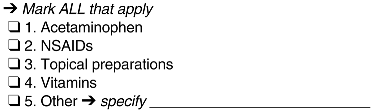
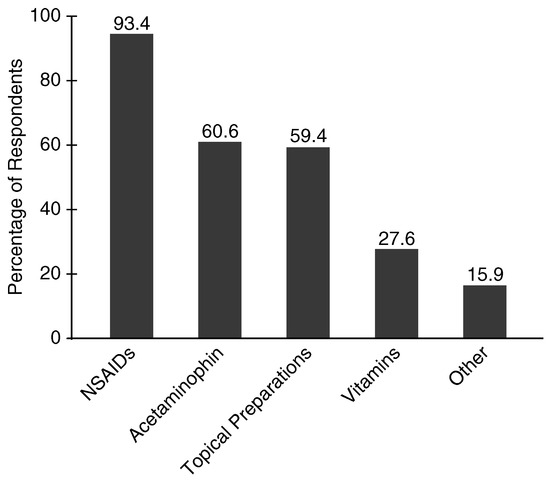
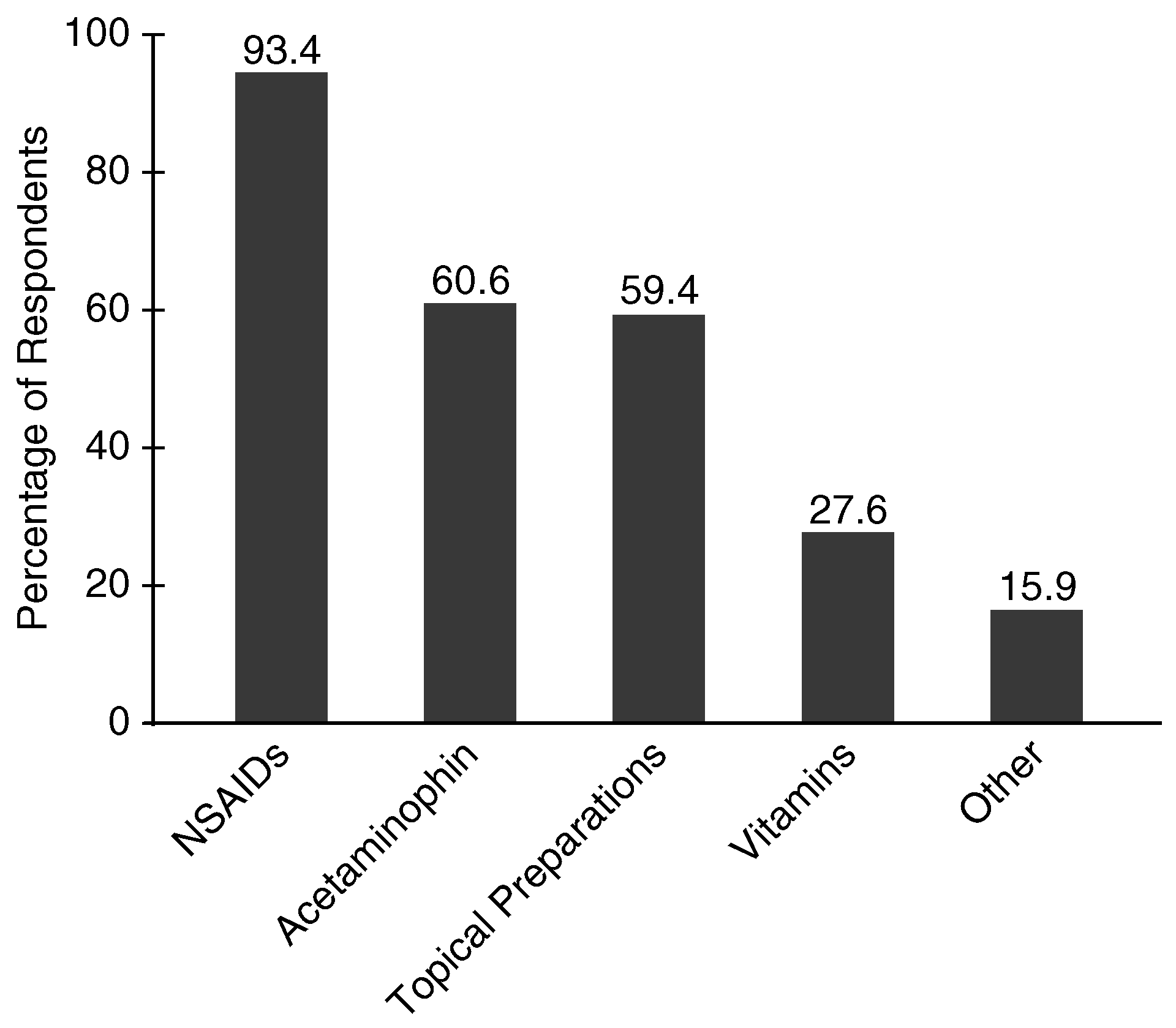
Over-the-Counter Medications Recommended to Patients with Arthritis. Of the over-the-counter (OTC) drugs specified on the questionnaire, the most frequently recommended for patients with arthritis, cited by 93.4% of respondents, were NSAIDs (Fig. 7). Many respondents also reported recommending acetaminophen (60.6%) and topical preparations (59.4%). Less frequently recommended by respondents were vitamins (27.6%) and other medications (15.9%). Among “other” medications recommended, glucosamine and chondroitin were the most frequently recommended, followed by aspirin, capsaicin, and homeopathic remedies. While a somewhat strong relationship was found between the recommendation of the OTC medications acetaminophen and topical preparations (Pearson r = 0.206; P ≤ .01), no strong correlations were found between the types of medications podiatric physicians recommend and those they tend to prescribe.
Figure 7.
Over-the-counter medications recommended to patients with arthritis.
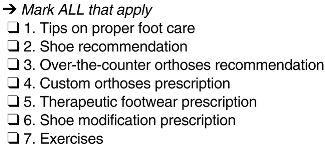
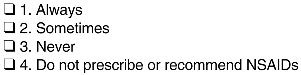
Advice Given to Patients with Arthritis. Of those podiatric physicians who prescribe or recommend NSAIDs for their patients with arthritis, virtually all (98.6%) reported counseling their patients “always” or “sometimes” on the risks associated with NSAID use. In addition to such counseling, podiatric physicians offered advice to their patients with arthritis on many different subjects. Most provided a prescription for custom-made orthoses (96.5%) or gave a recommendation for OTC orthoses (74.1%). Large majorities reported providing shoe recommendations (96.2%) and tips on proper foot care (93.9%). Many podiatric physicians also reported providing prescriptions for therapeutic footwear (83.6%) or shoe modification (78.3%), or recommending exercises (83.9%) to their patients with arthritis.
Referrals Involving Patients with Arthritis
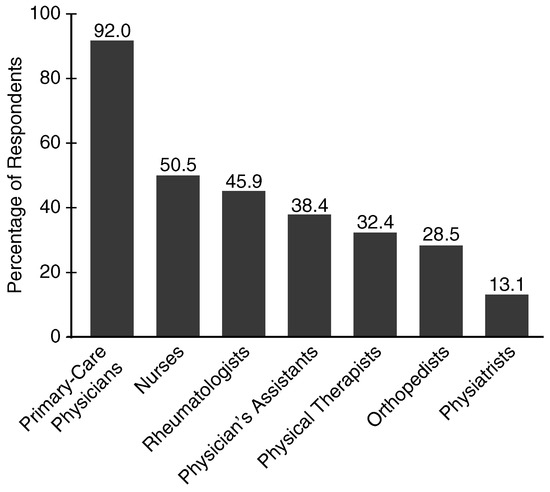
Sources of Patient Referrals. About 30% of patients with arthritis seen by podiatric physicians are referred by another health-care professional (Fig. 8). Patients are referred primarily by their primary-care physicians (92.0%). Other health-care professionals who refer arthritis patients to podiatric physicians include nurses (50.5%), rheumatologists (45.9%), physician’s assistants (38.4%), physical therapists (32.4%), orthopedists (28.5%), and physiatrists (13.1%).
Figure 8.
Sources of patient referrals.
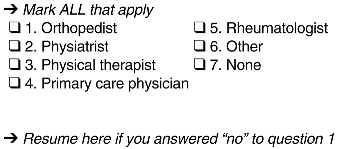
Health-Care Professionals to Whom Patients with Arthritis Are Referred. An overwhelming majority of respondents (98.2%) refer their patients with arthritis to other health-care professionals for services not normally provided by podiatric physicians. Patients with arthritis are most commonly referred to rheumatologists (94.7% refer to them). Respondents also reported referring their patients with arthritis to physical therapists (58.3%), orthopedists (56.4%), primary-care physicians (42.7%), and physiatrists (19.8%).
Demographic Data
Board-Certification Status. The majority (82.6%) of respondents indicated that they are board certified. Of these, 58.8% are certified by the American Board of Podiatric Surgery (ABPS), and 30.8% are certified by the American Board of Podiatric Orthopedics and Primary Podiatric Medicine (ABPOPPM). Of those certified by ABPOPPM, 23.3% are ABPOPPMOrtho certified, and 7.5% are ABPOPPM-PM certified. Over one-tenth (10.8%) of podiatric physicians in this sample are certified by both ABPOPPM-Ortho and ABPS, while only 1.5% have all three certifications. Another 12.4% of this sample said that they are board certified by another organization.
Recent Education in Arthritic Foot Care. Between July 1997 and July 1999, 59.9% of respondents received education in arthritic foot care that earned them continuing medical education (CME) credits.
Membership in the Arthritis Foundation. Most respondents (94.3%) did not belong to the Arthritis Foundation.
Interest in Speaking About Arthritic Foot Care. Each respondent was asked to express his or her interest in volunteering to speak about arthritic foot care. A total of 47.6% of respondents were interested in speaking on this topic to consumers, health professionals, or both.
Discussion
This survey provides an excellent source of information on the foot care provided by podiatric physicians to patients with arthritis. The database generated by the survey contains current information from 1,102 members of the APMA who treat patients with arthritis. It includes detailed information on the prevalence of patients with arthritis of the foot or ankle, treatments provided to these patients by podiatric physicians, surgical procedures performed, medications prescribed or recommended, and patterns of patient referral.
The following survey findings are noteworthy:
- Across the country, virtually all doctors of podiatric medicine treat patients with arthritis of the foot or ankle. Arthritis patients constituted a substantial percentage (38.9%) of the total number of patients treated by respondents.
- The most common arthritic pathologies encountered by podiatric physicians are osteoarthritis and rheumatoid arthritis.
- Patients with arthritis presented with a wide variety of foot conditions, and podiatric physicians provided such patients with a wide variety of treatments.
- Podiatric physicians prescribed and recommended a variety of medications for their patients with arthritis, but the largest number of respondents both prescribed and recommended NSAIDs.
- Most patients with arthritis seen by respondents seemed to contact the podiatrists directly: only 30% of arthritis patients were referred to a podiatric physician by another health-care professional. Respondents reported receiving patient referrals from a variety of specialists, but primarily from patients’ primary-care physicians.
APPENDIX: Data-Collection Instrument
American Podiatric Medical Association Arthritis Survey
The APMA would like your input about arthritis foot care in your practice. Your answers will help the APMA to market podiatric medicine to managed care organizations and health care professionals.
Please read each question and mark the appropriate box. This survey contains instructions that are designed to guide you. They are marked by a ➜. Whenever you see the ➜, please read the sentence carefully.
- 1.
- Do you treat patients with arthritis of the foot and/or ankle?

- 2.
- What percentage of your patients exhibit some form of arthritis?

- 3.
- How many patients with arthritis of the foot and/or ankle do you see each week?

- 4.
- What is the age range of your patients with arthritis?

- 5.
- Which of these techniques do you use to diagnose arthritis?

- 6.
- What percentage of your patients with arthritis have evidence of the following arthritic pathologies?
- 7.
- What percentage of your patients with arthritis have these comorbid conditions?

- 8.
- Which of these foot conditions do you treat in your patients with arthritis?
- 9.
- Which of these procedures do you perform on your patients with arthritis?
- 10.
- What advice do you give to your patients with arthritis?
- 11.
- What medication(s) do you prescribe for your patients with arthritis?
APPENDIX: Data-Collection Instrument
- 12.
- How many prescriptions do you write each week for your patients with arthritis?

- 13.
- What over-the-counter medication do you recommend to your patients with arthritis?
- 14.
- How often do you counsel your patients with arthritis on the risks associated with NSAID use?
- 15.
- What percentage of your patients with arthritis are referred to you by another health care professional?

- 16.
- Which health care professional refers patients with arthritis to you?

- 17.
- Which health care professional do you refer patients with arthritis?
- 18.
- Not including arthritis, for what other medical conditions do you prescribe NSAIDs?
Demographic Information
- 19.
- In what year did you graduate from podiatric medical school?

- 20.
- What is your board certification status?

- 21.
- Have you earned CME credits in arthritis foot care in the past two years?

- 22.
- Are you a member of the Arthritis Foundation?

- 23.
- Are you interested in volunteering to speak about arthritis foot care?
Copyright © 2000. This article is licensed under a Creative Commons Attribution 4.0 International License.