


Abstract
A retrospective study was conducted to evaluate treatment of foot and ankle ganglion cysts seen at the Foot and Ankle Institute at the Pennsylvania College of Podiatric Medicine (now Temple University School of Podiatric Medicine). From 1990 to 1997, 63 patients (63 ganglion cysts) were treated by conservative or surgical means. Statistical analysis of data collected showed a significant relationship between type of treatment received and recurrence of the cyst. Surgical intervention resulted in significantly less recurrence (11%) than conservative treatment (63%). Regardless of whether treatment was conservative or surgical, there was no significant relationship between location of the cyst and recurrence. The type of conservative treatment was not significantly related to recurrence of the cyst. The surgical recurrence rate reported here is comparable to that reported in other studies of foot and ankle ganglion cysts. The number of foot and ankle ganglion cysts evaluated in this study is the largest in the literature.
Ganglion cysts are commonly seen in podiatric medical practice. The term “ganglion” was first used by Hippocrates to describe a tumor that contained material described as mucoid flesh [1,2,3,4,5]. The term now refers to a multilocular, thin-walled, fluid-filled, cystic soft-tissue mass [1,2,3,4,5,6,7,8]. The fluid produced by the ganglion is similar to synovial fluid, although it has a higher concentration of mucin [5]. The fluid ranges in color from amber to clear. These subcutaneous lesions can be found adjacent to any joint in the body, except for the appendicular skeleton [5,8]. Although ganglions are characterized by intercommunication of their components, they do not have direct open communication with joints or tendon sheaths [6]. Ganglions can occur in tendons [4] and in bone [9,10], although they are not frequently found at these sites.
Only a few reports in the literature focus on conservative and surgical treatment of foot and ankle ganglion cysts [8,11,12]. The purpose of this study was to compare the rates of recurrence associated with various conservative and surgical treatments for ganglion cysts and to explore any association between location of cyst and recurrence rate.
Materials and Methods
The data evaluated in this retrospective study were collected from 63 patients (63 feet) who presented to the Foot and Ankle Institute at the Pennsylvania College of Podiatric Medicine (now Temple University School of Podiatric Medicine) from 1990 to 1997. After a complete history was taken and a physical examination was performed, a diagnosis of ganglion cyst, based on clinical examination, was confirmed in all patients.
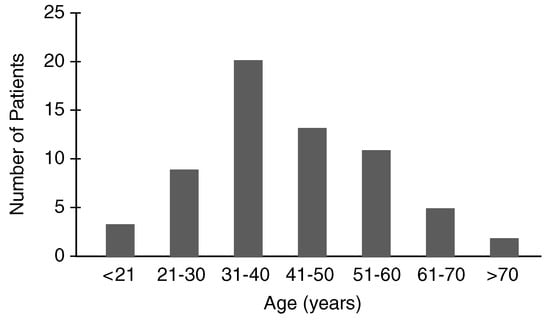
Data were collected by chart format. A standardized form was used to collect biographic, subjective, and objective data. Data collected included age, sex, race, chief complaint and history of the chief complaint, treatment (conservative and/or surgical), and complications. The patients ranged in age from 18 to 74 years, with the largest number of patients in their fourth decade (Figure 1). Eighty-three percent (52) of the patients were women and 17% (11) were men. The ethnic distribution was 57% (36) black, 41% (26) white, and 2% (1) Hispanic. A pathology report confirming the diagnosis of a ganglion cyst was obtained for any patient undergoing surgery. The history and location of any prior ganglion cyst were noted as well. Length of follow-up was determined by the date of the last visit documented in the patient’s chart; the average follow-up time was 18 months (range, 3 to 60 months). All complications were recorded.
Figure 1.
Age distribution of patients in this study. The largest number of patients were in their fourth decade.
The 63 patients were divided into two groups on the basis of whether the patient underwent surgical treatment. Twenty-seven patients received only conservative treatment, and 23 patients received only surgical treatment. Thirteen patients were included in both groups because they underwent surgery after conservative treatment failed. This resulted in 40 patients in the nonsurgical group and 36 patients in the surgical group.
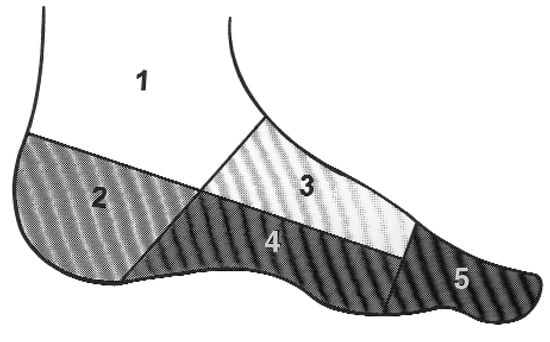
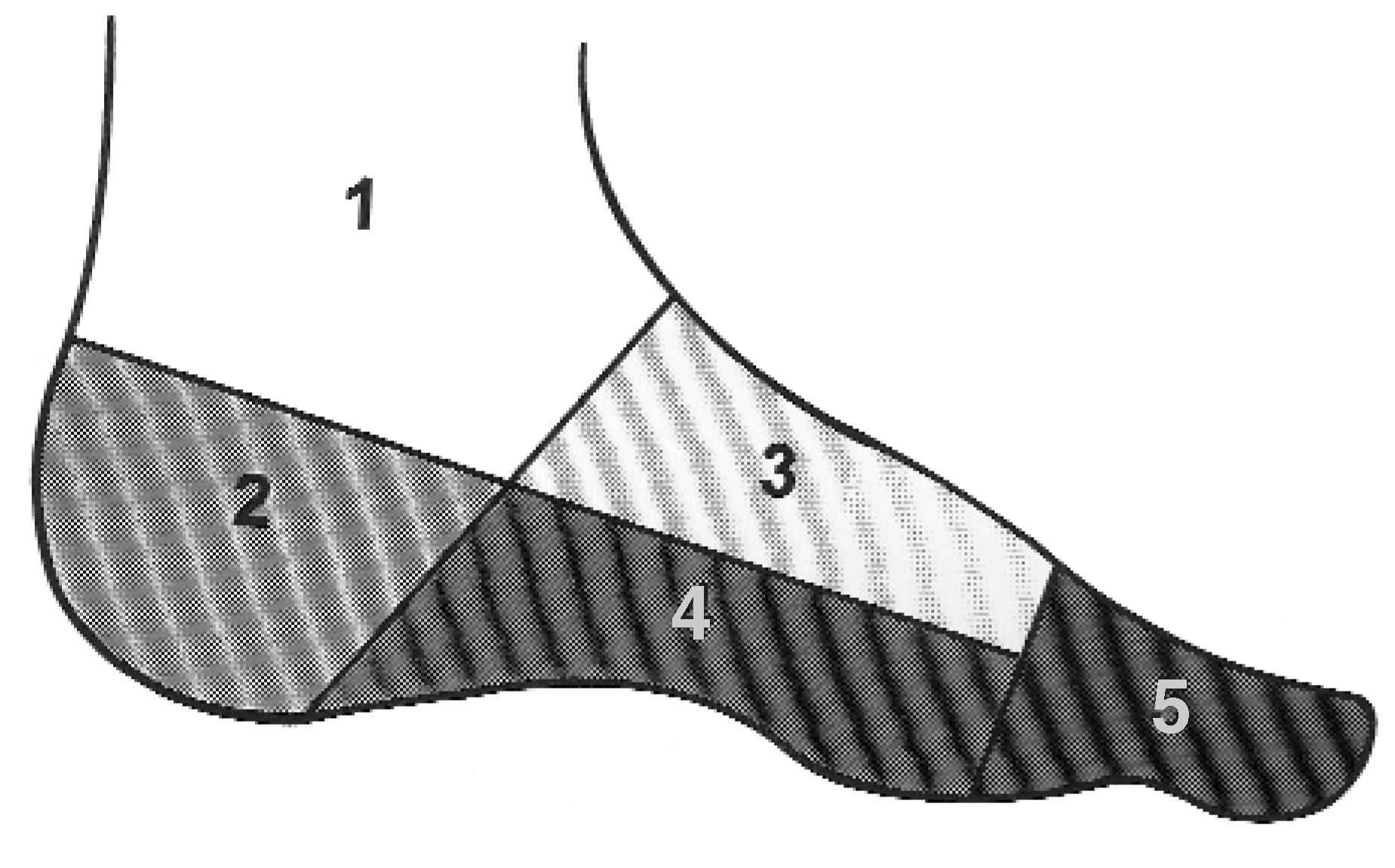
The ganglions were categorized by location as described by Kirby et al [13] (Figure 2). Five regions were identified: 1) the ankle, 2) the heel, 3) the dorsum of the foot, 4) the plantar surface of the foot, and 5) the toes.
Figure 2.
Regions of foot and ankle ganglions as described by Kirby et al. See text for identification of regions. (Reprinted with permission from Kirby EJ, Shereff MJ, Lewis MM: Soft tissue tumors and tumorlike lesions of the foot. J Bone Joint Surg Am 71: 621, 1989.).
All patients received palliative care in the form of padding and recommendations for change in footwear. Nonsurgical treatments included steroid injection without aspiration, aspiration alone, and aspiration followed by steroid injection. All injections were performed with either a short-acting or a long-acting steroid. The amount of steroid varied by physician on the basis of personal preference and the size of the ganglion.
Recurrence of the ganglion was recorded for both groups. Fisher’s exact test was performed on a 2 × 2 frequency table to identify significant relationships between surgical and nonsurgical treatment and recurrence of the cyst. The chi-square test was used to compare recurrence rates among the three treatments in patients within the conservative treatment group. Association of ganglion location and recurrence was also determined in the same manner. Probability values less than .05 were considered to indicate statistical significance.
Results
The majority of patients in the study (84%, or 53) presented with a complaint of pain associated with the cyst or in the surrounding soft-tissue structures. In some cases (8%, or 5), a radiating neuritic pain was present because the cyst was exerting pressure on an adjacent nerve. The remaining 5 patients (8%) were asymptomatic and presented with only a cosmetic concern or curiosity as to the nature of the lesion.
One-third (21) of the patients related a history of trauma prior to the appearance of the ganglion. Only 3% (2) of the patients related a history of having a ganglion at a different site. One of these patients had a history of a ganglion in the ipsilateral wrist; the other patient had a history of a ganglion in the contralateral foot.
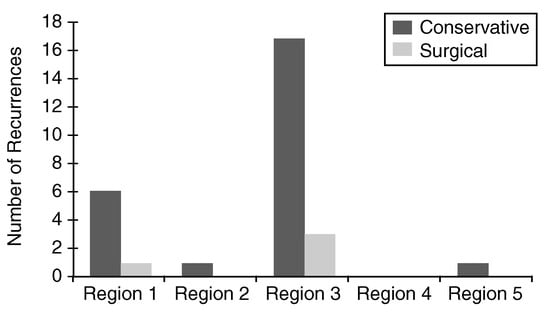
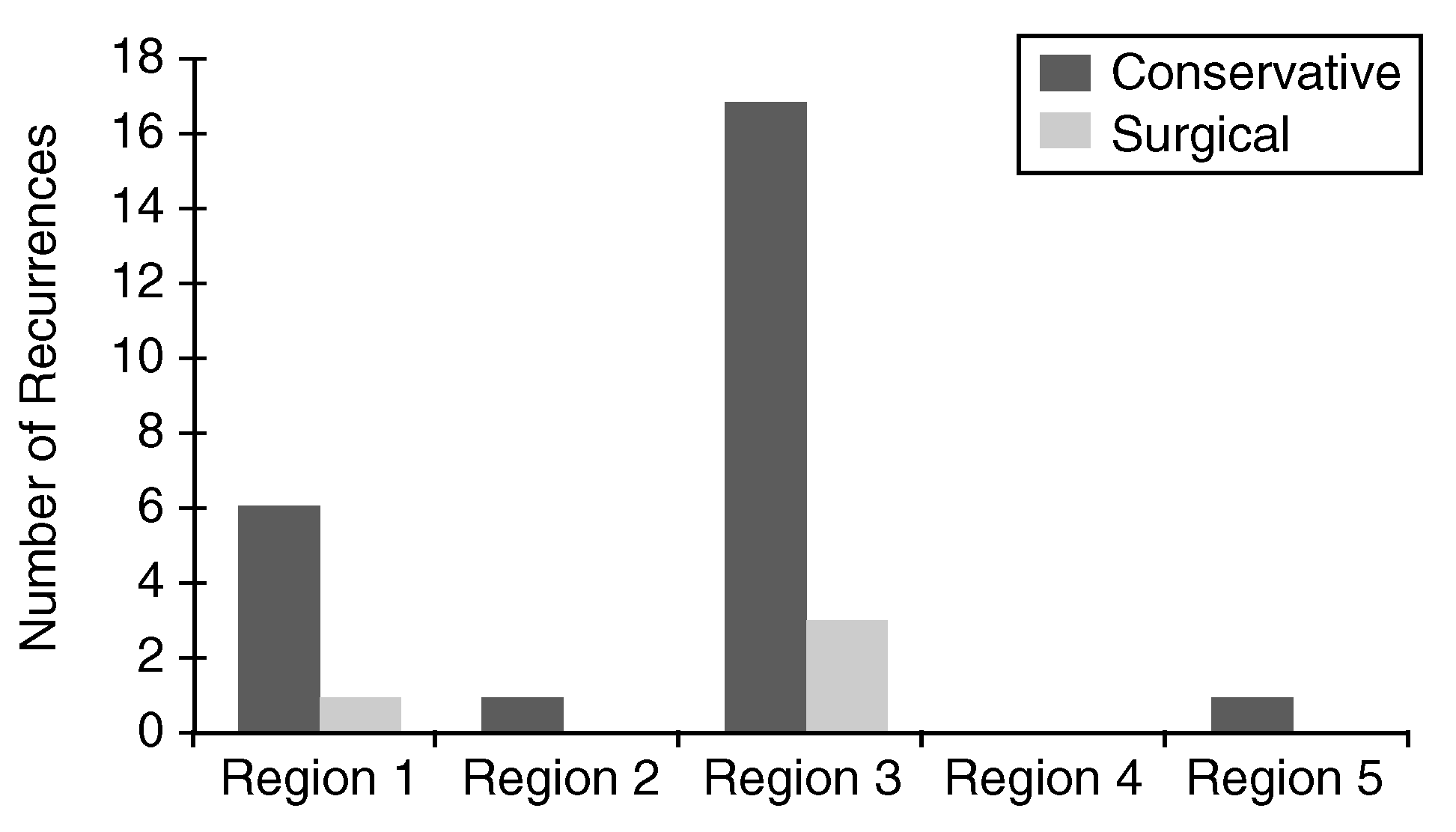
The most common location of the ganglions was the dorsum of the foot (62%, or 39 cysts), followed by the ankle (19%, or 12 cysts). The numbers of ganglions in the other locations were as follows: heel, 9% or 6; digits, 8% or 5; and the plantar aspect of the foot, 2% or 1. A majority of the recurring ganglions were found dorsally in region 3 (Figure 3). Location was not found to be a significant factor in the recurrence of the cyst, regardless of the type of treatment.
Figure 3.
The number of recurrences of ganglions by location for patients in the conservative group (25 recurrences out of 40 cases) and the surgical group (4 recurrences out of 36 cases). Most recurring cysts were found dorsally.
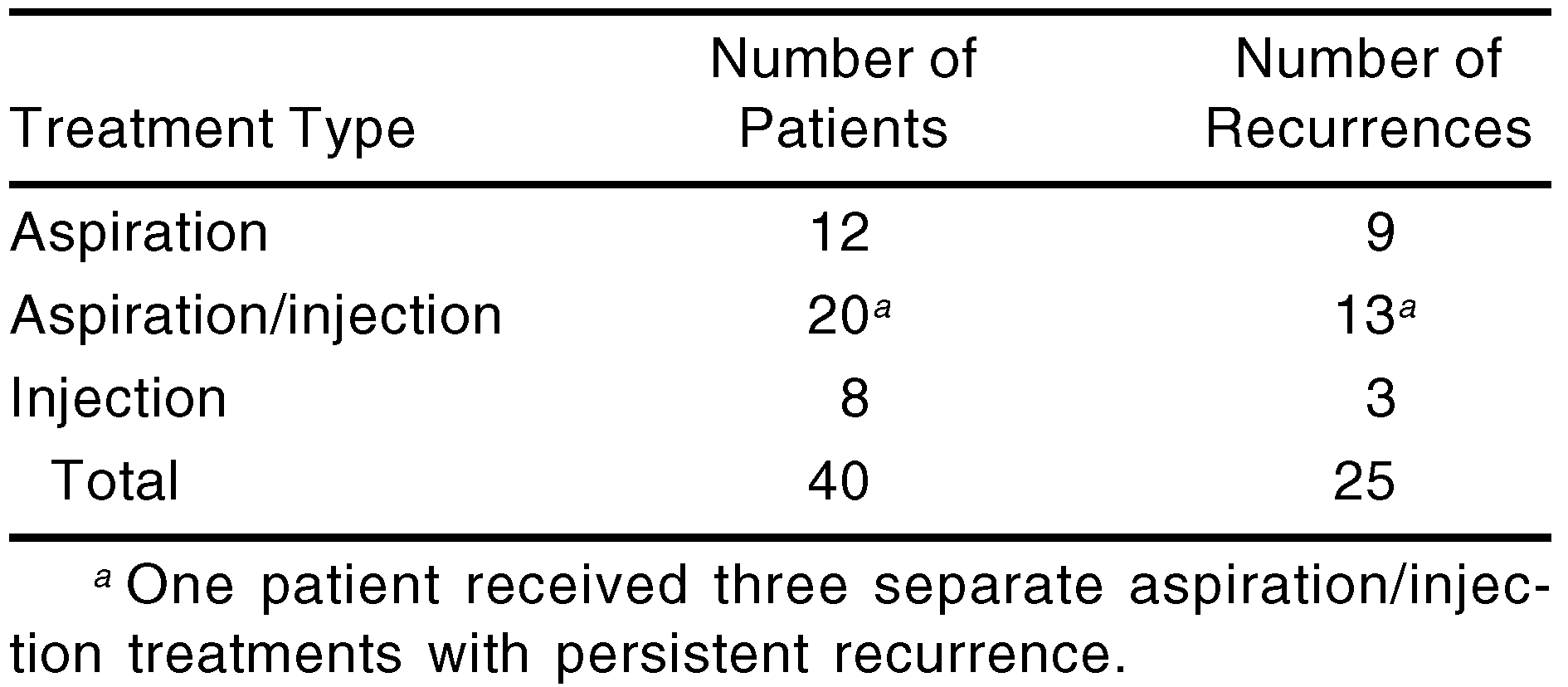
Of the 40 patients who had conservative treatment, 62.5% (25) had recurrence or incomplete resolution of the ganglion, and 37.5% (15) had complete resolution of the cyst. Conservative treatment consisted of either aspiration, aspiration with steroid injection, or injection alone (Table 1). There was no significant difference in recurrence of the ganglion between conservative treatment types. Overall, 57% (16 of 28) of steroid injection procedures (either alone or with aspiration) resulted in incomplete resolution or recurrence of a ganglion cyst. Location was not a significant factor in recurrence among the patients treated conservatively.
Table 1.
Recurrence of Ganglions in Patients Treated Conservatively, by Treatment Type.
Eleven percent (4) of the 36 patients who underwent surgical excision had recurrence of the cysts. Three recurrences were dorsal cysts (region 3) and one recurrence was in the ankle joint (region 1). Location was not a significant factor in recurrence of the cyst among patients in the surgical group.
A comparison between surgical and nonsurgical treatment groups showed a significant relationship between treatment and outcome. Surgical treatment was associated with a significantly lower rate of cyst recurrence than nonsurgical treatment (P < .05).
Of the 36 patients who underwent surgical excision, 17% (6) reported complications other than recurrence of cyst. One patient complained of joint stiffness in the area where the ganglion was excised. Another patient had a superficial skin infection that was treated successfully with oral antibiotics. Three patients had postoperative neuritic symptoms that were not present preoperatively. One patient complained of both joint pain and joint stiffness. No complications were reported in patients who had conservative treatment.
Discussion
The ganglion is a common, easily identifiable subcutaneous lesion that is frequently found in the lower extremity. Patients routinely seek evaluation by podiatric physicians for pain associated with ganglions of the foot and ankle. In this study, most patients (84%, or 53) complained of pain associated with the cyst. The pain and tenderness, usually aggravated by footwear, generally result from the cyst’s compression of adjacent structures such as superficial nerves. Carp and Stout [2] observed bundles of nerve fibers passing through the areas of mucinous degeneration on histologic examination, and found that these cysts can be adherent to a nerve. Ganglion compression of a nerve has been found to interfere with nerve conductivity, causing motor and sensory disturbances in the distribution of that nerve [14,15].
The most common location of ganglions in the body is the wrist [5,16]. A review of 513 ganglions found that 62% occurred on the dorsum of the wrist, as compared with only 7% occurring on the dorsum of the foot [5]. Ganglions are most commonly seen dorsally in the foot and ankle [8,12,16,17]. Sixty-two percent (39) of the ganglions in this study were found dorsally. Location was not found to be an important factor in cyst recurrence. The fact that 75% (3 of 4) of the recurrences following surgical treatment involved dorsal lesions is insignificant because a majority of the cysts were located dorsally. Therefore, the location of the cyst should not influence treatment decisions.
This study demonstrated a higher incidence of ganglions in women, which is consistent with other reports [2,5,6,8,12]. Reports of this sex-related incidence range from 55% reported by Slavitt et al [8] to 75% found by Carp and Stout [2]. An explanation for this observation has been attempted with the statement that women are more likely to seek treatment because of cosmetic concerns [6].
A wide array of conservative treatment methods have been reported in the literature. Some of the more peculiar methods of treatment include massage with the hand of a corpse, massage with saliva, or application of a projectile that had killed an animal [6]. Other older forms of treatment include rupture with the family Bible, transfixion with a silk seton, and irradiation [2]. These, as well as more modern measures, have been found to have varying degrees of success. Rupture of the lesion with a forceful blow is the most basic form of treatment [5]. This violent treatment has been reported to be successful in about 50% of cases [18].
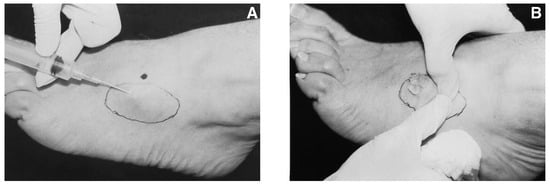
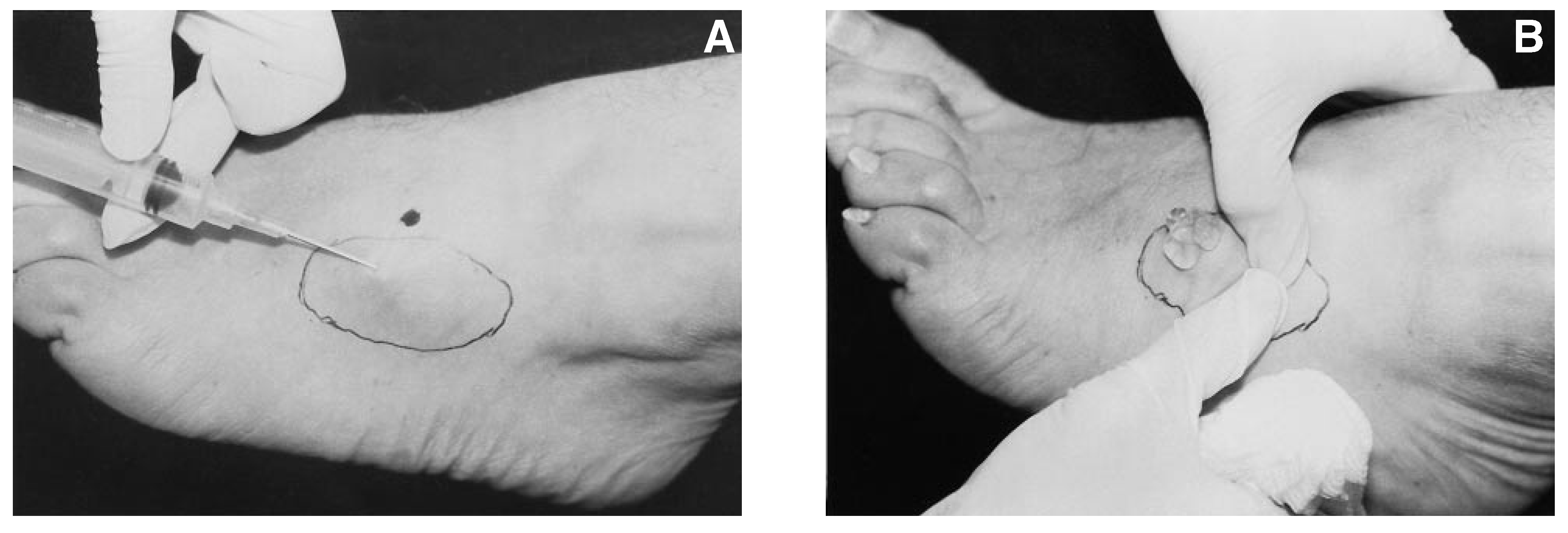
Aspiration has also been advocated as a form of conservative treatment (Figure 4). Aspiration alone has resulted in recurrence rates as high as 59% to 100% [8,19]. Simple aspiration was associated with a recurrence rate of 75% in this study. Generally, aspiration is combined with steroid injection. Injection of sclerosing fluids was popular before the use of steroids became prevalent. Sclerosants such as iodine, carbolic acid, morrhuate sodium, and ethanolamine were commonly used and were associated with recurrence rates between 18% and 25% [5,16]. The advantages of injection of sclerosing fluids include the absence of scar formation, low recurrence rates, and low rates of complications. In addition, this procedure leaves no muscle weakness at the injection site [5].
Figure 4.
A, Aspiration of a ganglion from the dorsolateral aspect of the foot using an 18-gauge needle and a 5-ml syringe after a regional field block. B, The remaining ganglion material is removed by manual compression.
Today, the most popular form of conservative treatment is aspiration followed by injection of steroids [8]. A variety of steroids have been used for ganglion cysts. Slavitt et al [8] reported that the use of triamcinolone appeared to markedly suppress fibroblastic secretion of hyaluronic acid. It has been theorized that fibroblasts that secrete hyaluronic acid line the ganglion [20]. This treatment does not preclude recurrence, however. In one study, injections of 0.5 ml of triamcinolone resulted in a 33% recurrence rate [11]. The 57% recurrence rate in the current study may be explained by the fact that a variety of amounts and types of steroid were used, leading to an inconsistent patient response.
Evidence of spontaneous regression has also been reported. MacKinnon and Azmy [21] reported spontaneous regression in 10 of 128 patients (8%), and Hvid-Hansen [6] observed this in 9 of 85 patients (11%). Carp [1] noted the same phenomenon in half of untreated patients, and postulated that spontaneous regression may have been due to unreported trauma or simple arrest of the degenerative process with subsequent resorption of the cyst fluid.
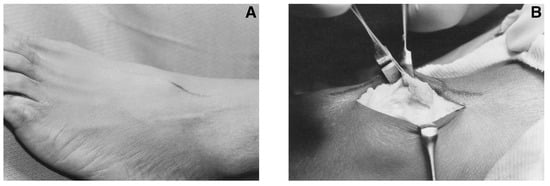
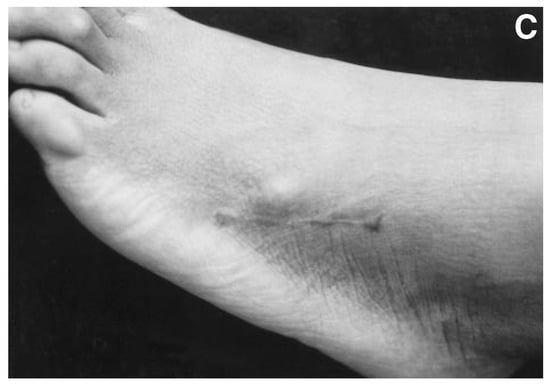
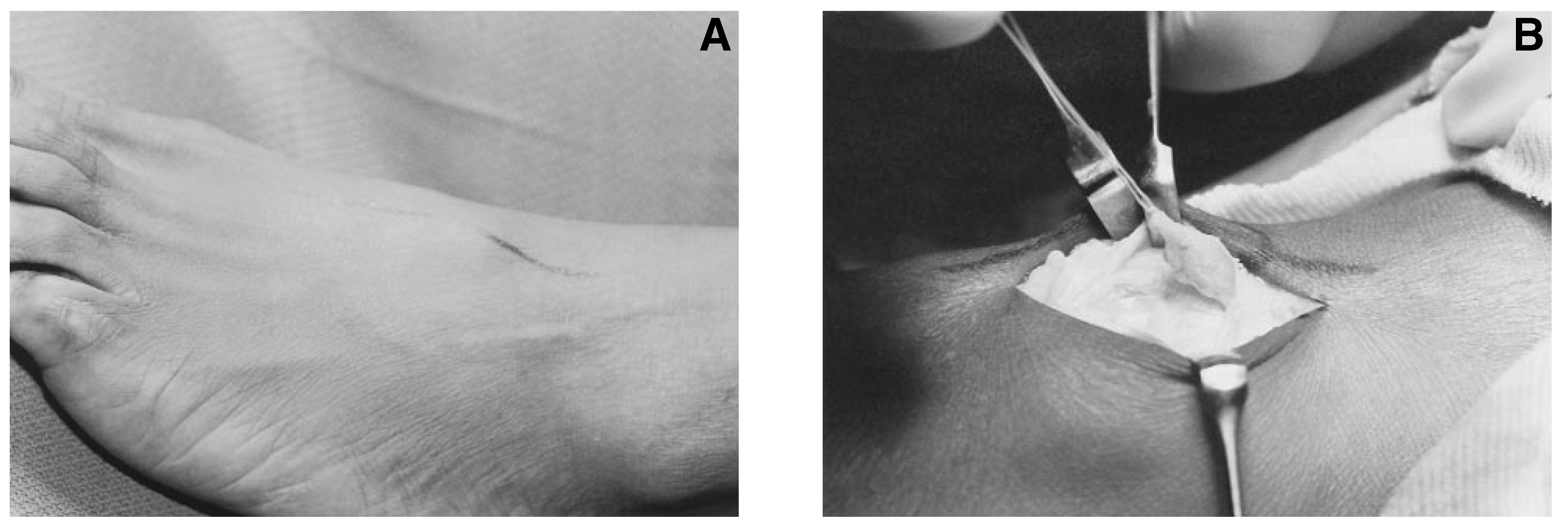
Excision of the ganglion has been performed with good success when conservative treatment has failed (Figure 5) [1,8,11,12,17,22]. Although considered the procedure of choice by some physicians, excision has associated complications, mainly recurrence. Slavitt et al [8] had a 27% recurrence rate in their series, while Kliman and Freiberg [11] reported a 43% recurrence rate. The recurrence rate in the current study was 11%, slightly higher than the 7% recurrence rate reported by Rozbruch et al [12]. High rates of recurrence have been attributed to incomplete operative excision [2,6].
Figure 5.
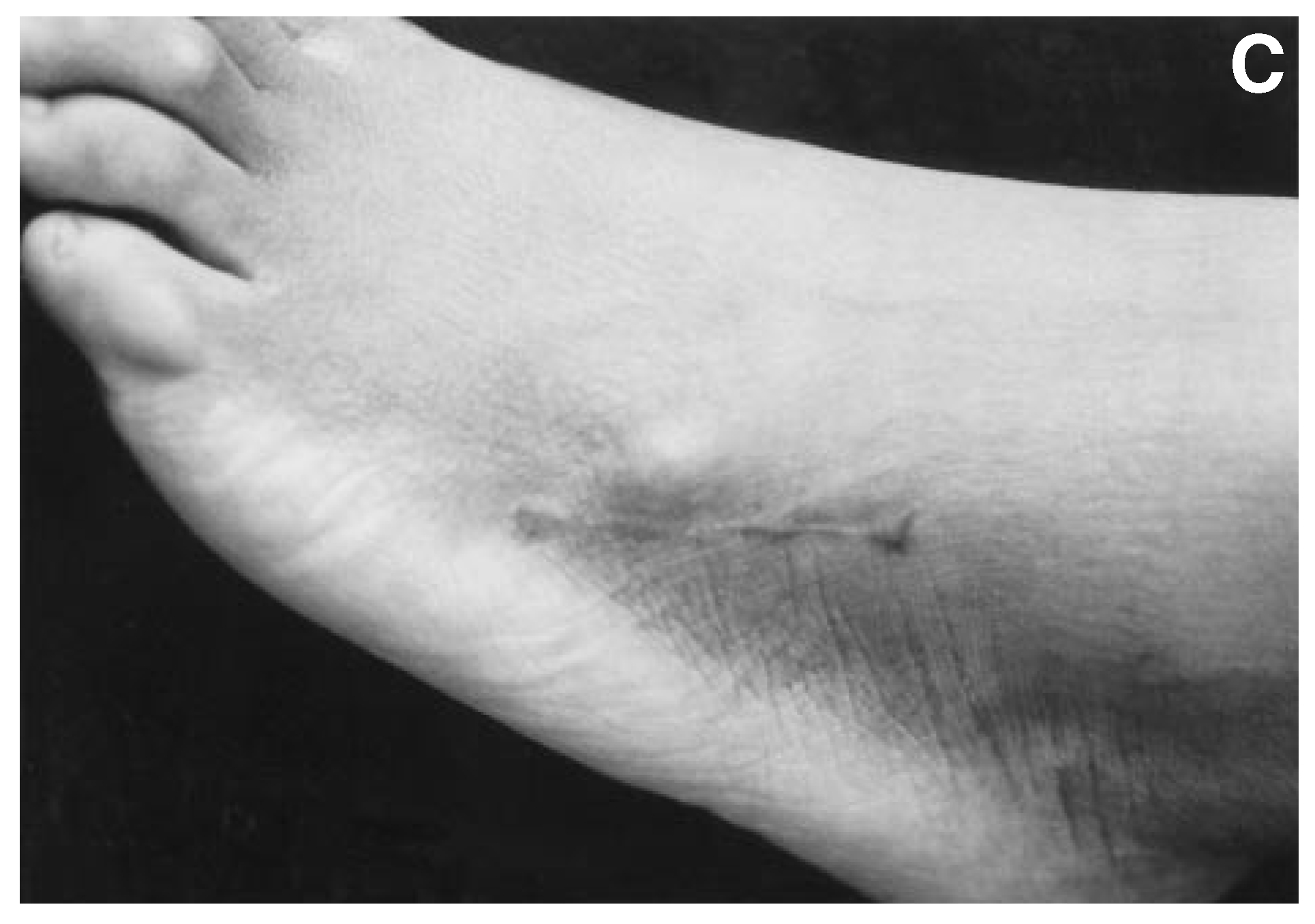
Procedure for surgical excision of a ganglion. A, A line is drawn to mark the location of the incision. B, Intraoperative photograph showing clinical appearance of the ganglion. C, Clinical photograph 3 months postoperatively showing recurrence of the ganglion.
Other complications related to surgical excision include keloid formation, nerve damage (especially to the cutaneous nerves), and joint stiffness. Postoperative joint stiffness could be due to intraoperative disruption of the joint or periarticular structures, fibrosis, and/or postoperative immobilization. A relatively high percentage (17%) of surgical patients reported complications in this study.
Although ganglions do not enter into the joint spaces, they are often attached to capsules, tendon sheaths, or nerve. A higher-than-normal recurrence rate could be attributed to error in assessing the extent of the cyst, particularly in the case of capsular cysts in the thick fibrous tissue of the capsule [5]. It is important to remove not only the cyst but most of the surrounding degenerative capsular tissues or tendon sheath collagen tissue to help prevent recurrence [20]. Meticulous dissection and wide excision could explain the relatively low recurrence rate seen in this group of patients.
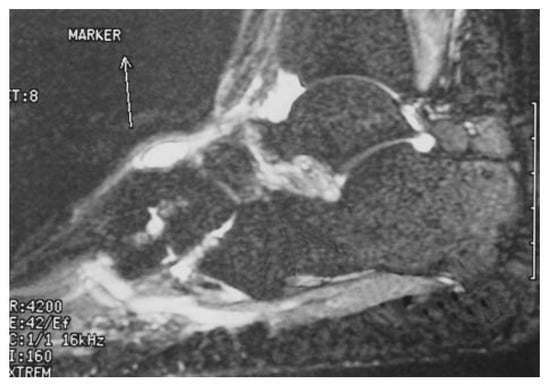
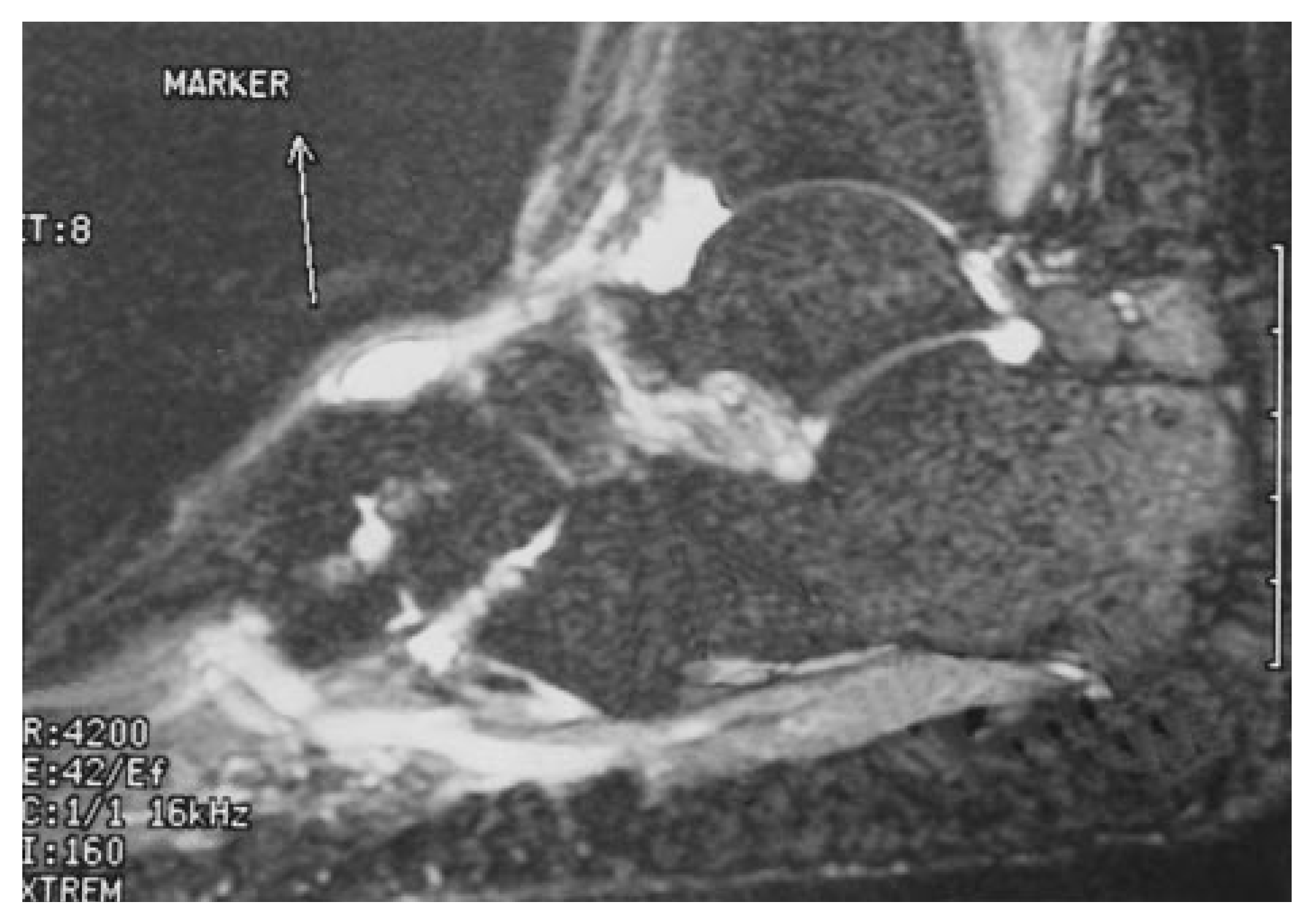
When planning for surgical excision of a ganglion, radiographs give little information other than demonstrating an increase in soft-tissue density and volume. They can be useful in identifying underlying bony prominences and in ruling out other differential diagnoses such as lipoma, neuroma, synovial cyst, calcific deposit, giant cell tumor, and sarcoma [22]. Magnetic resonance imaging can be useful in showing the size, shape, and extent of involvement of the ganglion [2]. Ganglions typically appear as homogeneous, low-intensity lesions on T1-weighted images with markedly increased signal on T2-weighted images (Figure 6) [23].
Figure 6.
Sagittal section of a left foot illustrating markedly increased signal intensity on T2-weighted magnetic resonance image.
Intraoperatively, a tourniquet is beneficial in providing a bloodless field for easier identification of the cyst. Meticulous dissection of the lesion is essential for total excision. Any underlying hypertrophic, osseous process, which could have initiated the lesion’s growth, should be removed. A compressive dressing is recommended for postoperative care.
Summary
The findings of this study showed that surgical excision of ganglions in the foot and ankle resulted in significantly less recurrence of cysts than conservative treatment. The recurrence rate for surgical excision (11%) was comparable to that of other reports of foot and ankle ganglion cysts. Recurrence rates can be minimized by attention to meticulous dissection and wide excision. Conservative treatment type (aspiration alone, aspiration with injection, or injection alone) and location of the cyst were not significant factors in recurrence of cysts.
References
- CARP L: A discussion of ganglia. JAPA 62: 60, 1972.
- CARP L, STOUT AP: A study of ganglion. Surg Gynecol Obstet 47: 460, 1928.
- ROSENBERG A: Dorsal tendosynovial cyst. JAPMA 76: 455, 1986.
- PRZYSTAWSKI N, MCGARRY JJ, STERN MB, ET AL: Intratendinous ganglionic cyst. J Foot Surg 28: 244, 1989.
- MCEVEDY B: Simple ganglia. Br J Surg 49: 585, 1962.
- HVID-HANSEN O: On the treatment of ganglia. Acta Chir Scand 136: 471, 1970.
- BERLIN SJ, DONICK II, BLOCK LD, ET AL: Ganglion cysts and metatarsalgia. JAPA 66: 491, 1976.
- SLAVITT JA, BEHESHTI F, LENET M, ET AL: Ganglions of the foot: a six-year retrospective study and a review of the literature. JAPA 70: 459, 1980.
- WU KK: Intraosseous ganglion cyst of the middle cuneiform bone of the foot. J Foot Ankle Surg 33: 633, 1994.
- MURFF R, ASHRY HR: Intraosseous ganglia of the foot. J Foot Ankle Surg 33: 396, 1994.
- KLIMAN ME, FREIBERG A: Ganglia of the foot and ankle. Foot Ankle 3: 45, 1982.
- ROZBRUCH SR, CHANG V, BOHNE WHO, ET AL: Ganglion cysts of the lower extremity: an analysis of 54 cases and review of the literature. Orthopedics 21: 141, 1998.
- KIRBY EJ, SHEREFF MJ, LEWIS MM: Soft tissue tumors and tumor-like lesions of the foot. J Bone Joint Surg Am 71: 621, 1989.
- BROOKS DM: Nerve compression by simple ganglia: a review of thirteen collected cases. J Bone Joint Surg Br 34: 391, 1952.
- ACCIARRI N, GIULIANI G, POPPI M, ET AL: Sural neuropathy produced by intraneural ganglion. J Foot Surg 29: 231, 1990.
- WU KK: Ganglions of the foot. J Foot Ankle Surg 32: 343, 1993.
- LAPIDUS PW, GUIDOTTI FP: Report on the treatment of one hundred and two ganglions. Bull Hosp Jt Dis 28: 50, 1967.
- CLARKE WC: The pathogenesis of ganglia. Surg Gynecol Obstet 7: 56, 1908.
- NIELD DV, EVANS DM: Aspiration of ganglia. J Hand Surg Br 11: 264, 1985.
- JOHNSON JO: “Tumors and Metabolic Diseases of the Foot,” in Surgery of the Foot and Ankle, 6th Ed, ed by RA Mann, MJ Coughlin, p 991, Mosby–Year Book, St Louis, 1993.
- MACKINNON AE, AZMY A: Active treatment of ganglia in children. Postgrad Med J 53: 378, 1977.
- LIU NY, CANOSA WJ: “Periarticular Rheumatic Disorders,” in Textbook of Primary Care Medicine, 2nd Ed, ed by John Noble, Henry L. Greene II, p 1120, CV Mosby, St Louis, 1996.
- WETZEL LH, LEVINE E: Soft tissue tumors of the foot: value of MR imaging for specific diagnosis. Am J Roentgenol 155: 1025, 1990.
© 1999 American Podiatric Medical Association