


Abstract
Interest in rock climbing has grown dramatically over the past decade. Although considerable research has been conducted on upper-extremity injuries sustained during rock climbing, there has been no comprehensive evaluation of lower-extremity injuries and related biomechanics. The authors performed a retrospective investigation of rock-climbing injuries using a survey of 104 active rock climbers of varying levels of expertise. The results show that 81% of the respondents have suffered acute or chronic pain or associated pathology in the foot or ankle during or after climbing. The authors propose that this morbidity has biomechanical etiologies related to the common practice among rock climbers of wearing climbing shoes that are smaller than their street shoes.
Rock climbing is a popular sport in North America. In 1985, the American Alpine Club (AAC) estimated that 100,000 people participated in the sport in the United States, spending over 2 million days per year climbing and hiking in the mountains [1]. Participants vary widely with respect to athletic ability, experience, and age. Many people who first began climbing in the 1950s and 1960s continue to climb, while newcomers are continually joining their ranks [2]. Currently, it is estimated that more than 500,000 people in the United States are active rock climbers (George Bracksieck, Editor of Rock & Ice, personal communication, 1996).
Rock climbing as a sport differs from mountaineering. Mountaineering is similar to hiking and is usually done at high altitudes, with the goal of reaching the top of a mountain. Rock climbing focuses on technical climbing skills, and can be done virtually anywhere, from wilderness terrain to specialized indoor gyms. Rock climbing demands overall fitness of the climber. While climbing, the climber pulls himself or herself up the rock by grasping handholds of various sizes. At the same time, the climber must place his or her feet on various footholds that support a percentage of body weight. The footholds and handholds may be protrusions or indentations on the rock face measuring as little as a quarter of an inch. Pushing with the legs aids in the progression up the rock face and eliminates a certain amount of stress from the climber’s upper body. Rock climbing is much more aerobically demanding and less time-consuming than mountaineering. However, some rock climbing requires up to a week of sustained effort. An example is multipitch big-wall rock climbing, which involves numerous pitches, each of which consists of a 150-to-165-foot climbing distance. For example, “The Nose” on El Capitán in Yosemite National Park consists of 34 pitches and typically requires days to climb.
Injuries sustained by rock climbers range from minor cuts and abrasions to trauma caused by serious falls. Injury surveillance in Yosemite National Park suggests that rock climbers experience mostly superficial injuries such as lacerations, contusions, and abrasions, which account for 53% of all injuries. Injuries to deeper structures, such as fractures and sprains (29% and 10% of cases, respectively), occur less frequently. Most fractures (63%) are of the lower extremity, primarily the ankle, tibia or fibula, and foot [3]. A comprehensive study of wilderness injuries throughout the Western Hemisphere (including those sustained during rock climbing) found that injuries involved primarily the lower extremities (56%) [4]. Of 839 injuries, 254 (30%) involved the foot and ankle. Total foot and ankle injuries include sprains and strains (53%), soft-tissue injuries (27%), and fractures (3%). Many sprains, strains, and tendon injuries represented recurrent injuries (25%) [4].
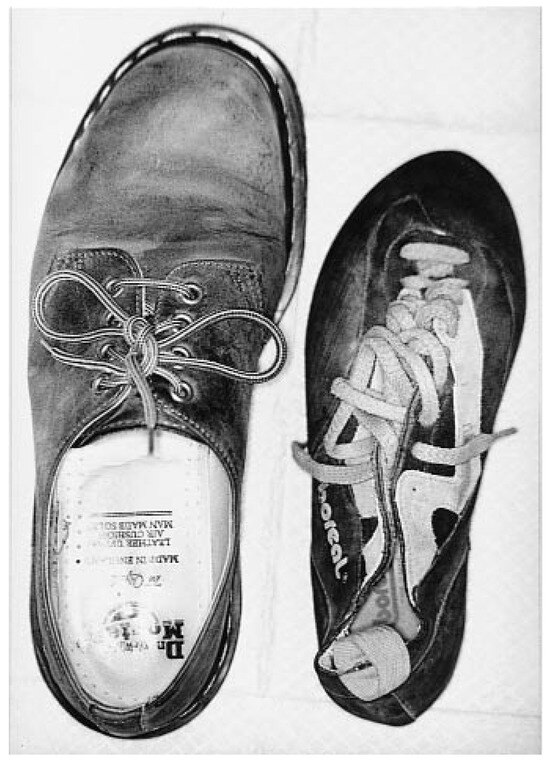
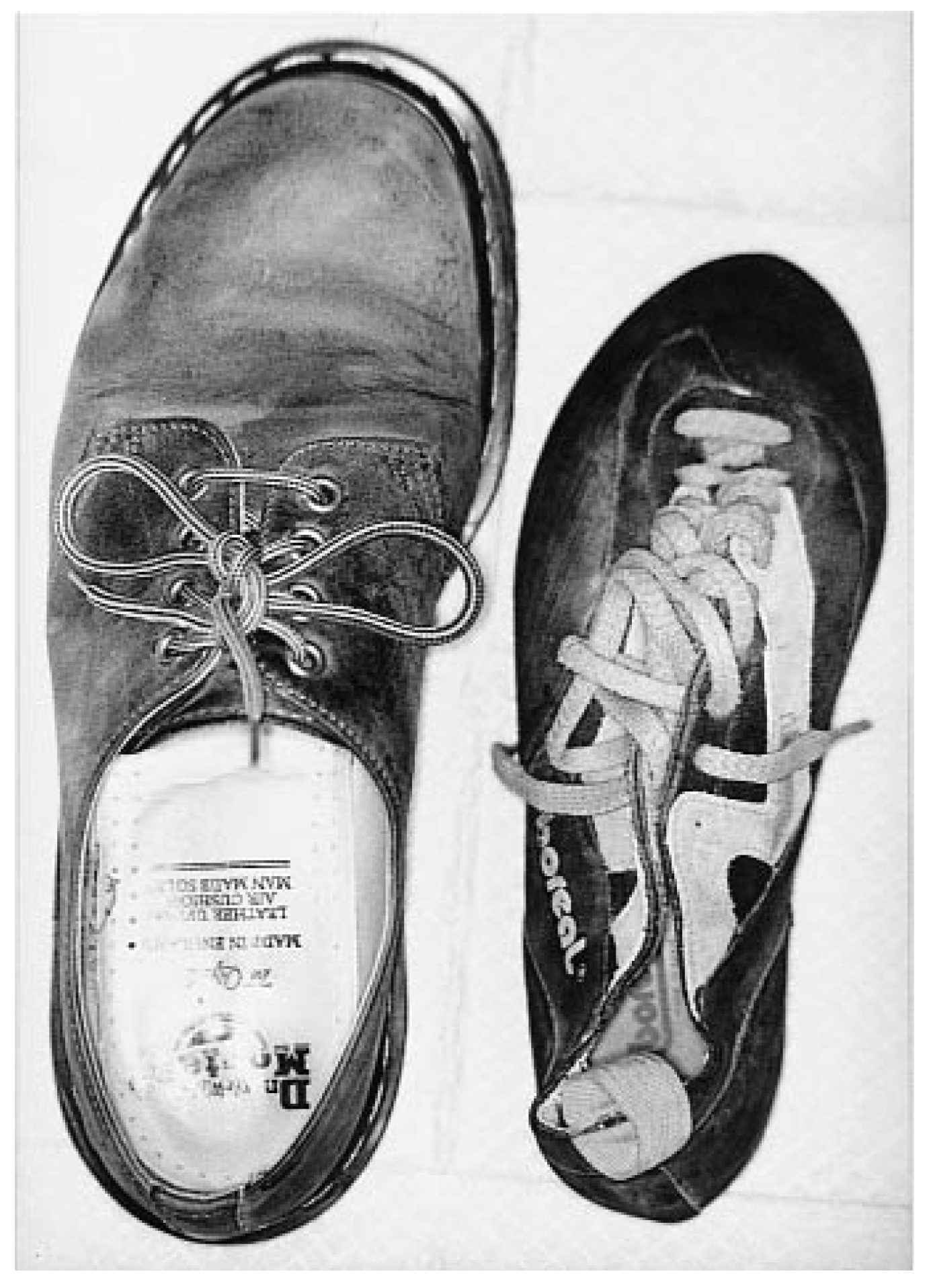
The purpose of the present study was to determine the relationship between lower-extremity injuries and the common practice among rock climbers of wearing climbing shoes that are several sizes smaller than their street shoes. Many climbers consider this practice crucial for maximizing performance. The purpose is to eliminate open spaces in the shoe to prevent the slippage that might occur in a normal-sized shoe (Figure 1). For example, a climber who wears a size 10 street shoe might wear a size 7 climbing shoe. The smaller shoe holds the foot in a supinated, stable position, while the shoe’s thinness allows increased proprioceptive sensitivity. Thus climbers often describe their shoes as fitting “like a second skin.”
Figure 1.
A climbing shoe (size 6) belonging to one of the authors (R.B.K.) next to one of his street shoes (size 81/2).
The authors hypothesized that the practice of shoe-size reduction is related to specific neurologic, musculoskeletal, and dermatologic pathologies of the foot. Tight, binding, excessively short climbing shoes place the foot in an anatomic position that subjects it to abnormal internal and external forces, thus rendering the foot susceptible to injury.
Materials and Methods
Beginning in July 1995, data were collected by means of a survey of 104 climbers at the Snowbird Invitational and Open climbing competition in Salt Lake City, Utah; the Vertical Hold Sport Climbing Center in San Diego, California; Big Cottonwood Canyon in Salt Lake City, Utah; American Fork Canyon in American Fork, Utah; and Rock Canyon in Provo, Utah. The questionnaire used in the survey appears in Figure 2. Four of the questionnaires were incomplete, leaving 100 to be used for analysis. The survey respondents were from throughout the United States and abroad. They ranged in age from 14 to 45 years, with a mean age of 25 [6]. years. Of the 100 respondents, 73 were male and 27 were female. Their self-reported climbing ability varied. A climber’s ability is determined by the difficulty of the climb that the climber can accomplish without any falls; the difficulty of a climb was measured using the Yosemite decimal system, which is widely used to quantify climbing-task demands [5]. This scale runs from “relatively easy” (5.0) to “extremely difficult” (5.14). If a climber is at the 5.10 level, he or she is able to complete a 5.10-rated climb from the ground up without a fall.
Figure 2.
The questionnaire that was used in the present study.
Questionnaires were administered individually by one of the authors (R.B.K.). If the participant did not understand a question, the proctor would clarify or restate the question. For example, if a participant asked, “What is a visible impingement?” the proctor replied, “It is any indentation seen on the foot after taking off the climbing shoe.”
The questionnaires solicited standard demographic data, the number of years spent climbing, the level of ability, the type of climbing most often undertaken, and climbing frequency. Specific questions were then asked regarding whether the respondent had experienced tingling and numbness, ankle sprains, fractures, and pain or discomfort around the toenails. Other data that were requested included shoe size, type of climbing shoe worn, length of time ordinarily spent in those shoes, whether the respondent ever noticed visible impingement after climbing, and medical conditions.
The data were analyzed using StatView (Abacus Concepts, Berkeley, CA) software on an Apple LCII microprocessor. Data analysis and hypothesis testing were performed using the Spearman rank correlation corrected for ties (ρ) and a t-test.
Results
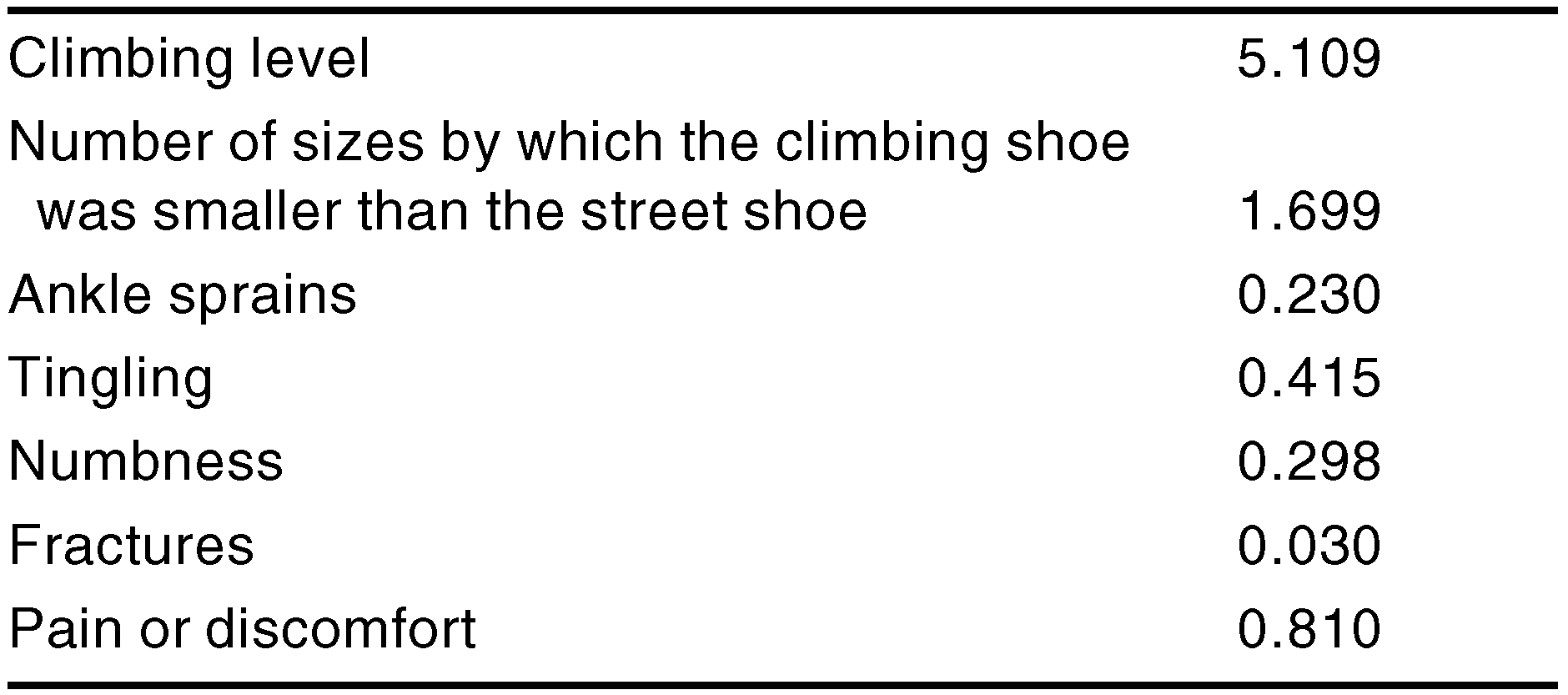
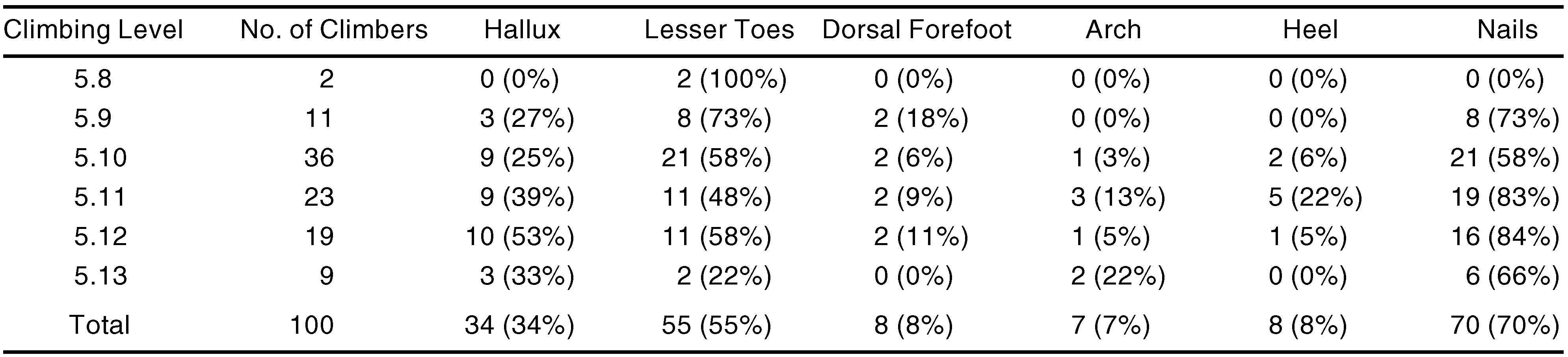
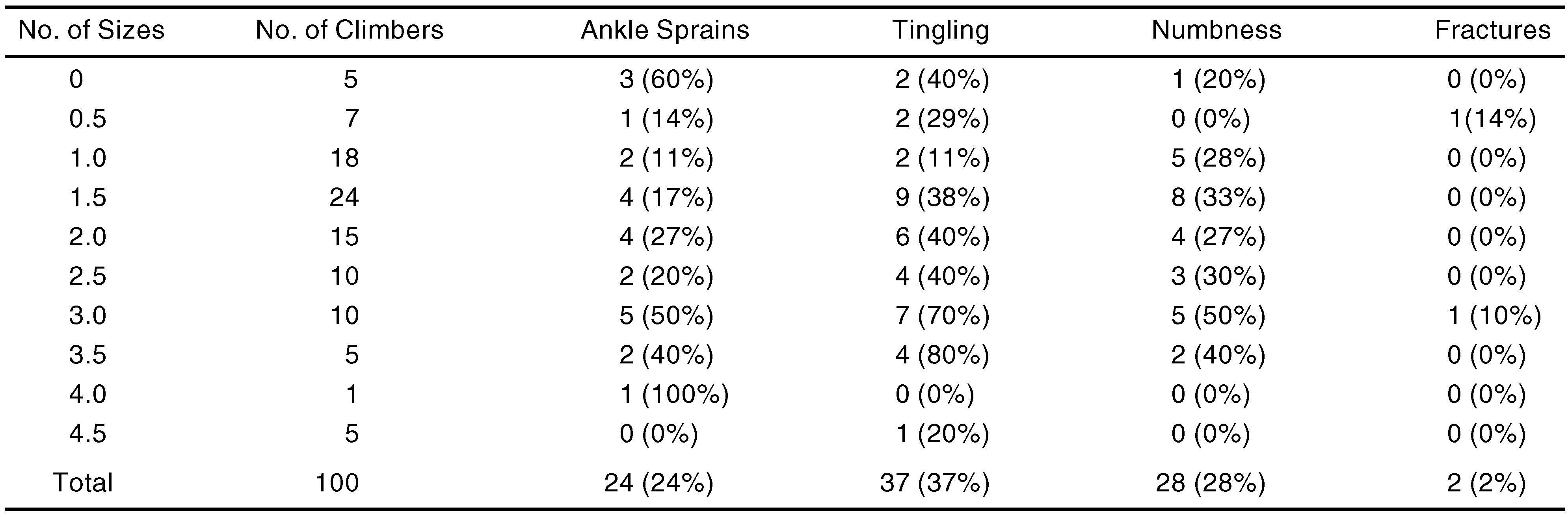
Table 1 shows the mean level of climbing ability of survey respondents, the mean size differential between street and climbing shoes, and the incidence of reported pathologies. The most notable result was that 81% of survey respondents complained of foot pain or discomfort associated with climbing. Table 2 shows the distribution of sites of foot discomfort or soreness by climbing level, and Table 3 shows the distribution of foot and ankle pathology by the number of sizes by which the climbing shoe was smaller than the street shoe. Pain in the toes and/or hallux was the most frequent complaint, cited by 89% of respondents. Nail pain or discomfort was a common complaint, mentioned by 70% of the respondents. Fifteen percent of the climbers suffered from either arch or heel pain. Fractures were a rare occurrence in the climbers surveyed (2%). The fractures reported were an ankle fracture and a unilateral toe fracture sustained during sport climbing and bouldering, respectively.
Table 1.
Mean Level of Climbing Ability, Mean Shoe-Size Differential (Street Shoe versus Climbing Shoe), and Incidence of Various Complaints and Injuries.
Table 2.
Distribution of Sites of Discomfort or Soreness, by Climbing Level.
Table 3.
Distribution of Foot and Ankle Pathology, by Extent of Shoe-Size Reduction.
A significant correlation between climbing ability and extent of shoe-size reduction was found (ρ = 0.28; p < 0.01). The respondents typically reduced their shoe size by 1 to 2 sizes (57%), with the greatest proportion reducing it by 1.5 sizes (24%). Table 2 shows that most of the climbers reported their climbing level as 5.10 to 5.11 (59%), with the greatest number of climbers at 5.10 (36%). No correlation was found between extent of shoe-size reduction or skill level and the incidence of pain or discomfort. However, this is probably a reflection of the fact that 81% of the climbers surveyed suffered pain or discomfort.
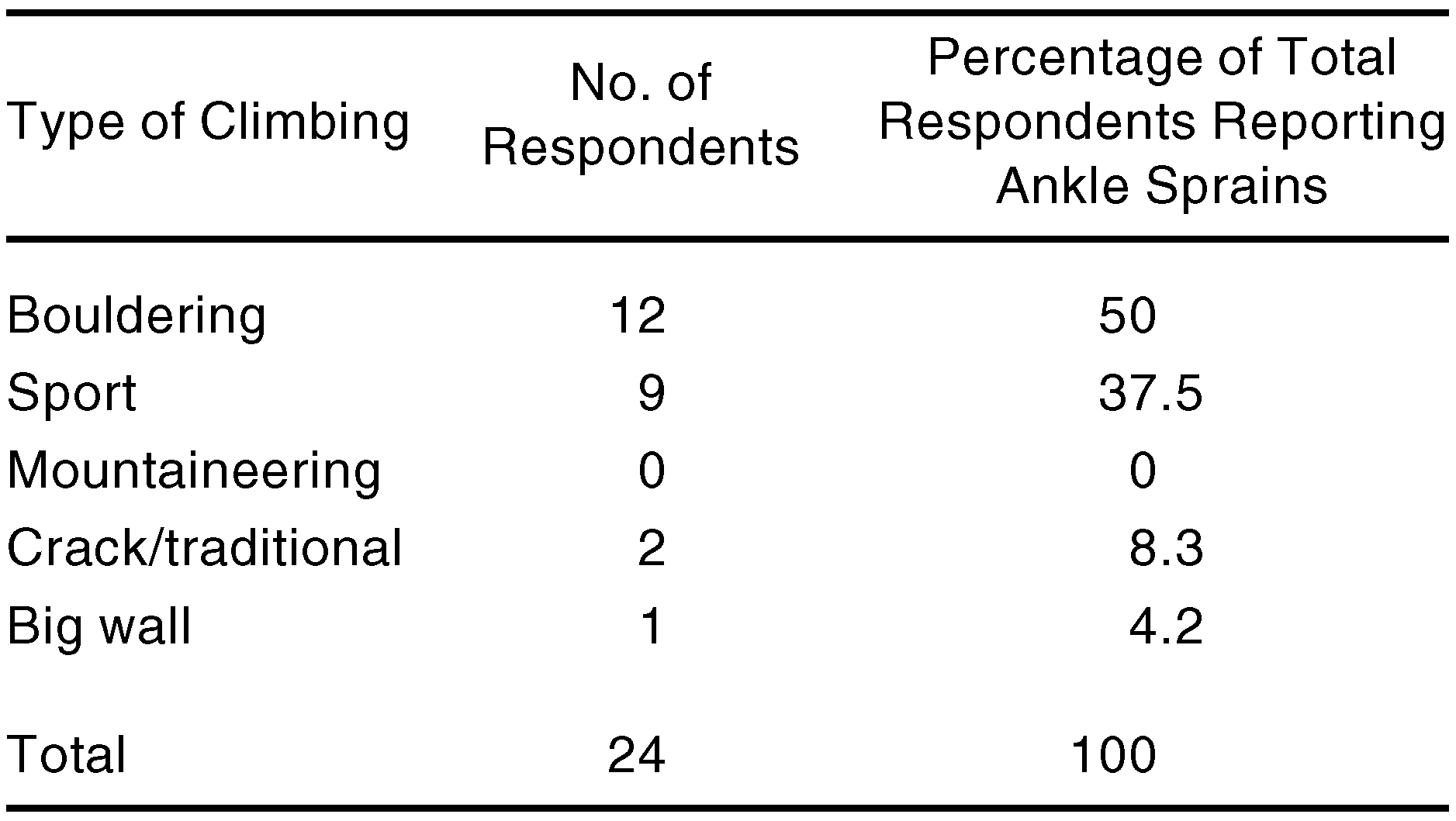
A considerable number of respondents (24%) suffered ankle sprains associated with climbing. Data analysis using an unmatched t-test showed no association between shoe-size reduction and the incidence of ankle sprains. However, ankle sprains were seen much more frequently in certain styles of climbing (Table 4). A significant correlation was found between the incidence of ankle sprains and bouldering (ρ = 0.67; p < 0.0001) and between the incidence of ankle sprains and sport climbing (ρ = 0.37; p < 0.0002). Fifty percent of all ankle sprains occurred during bouldering. No correlation was found between climbing level and the incidence of ankle sprains.
Table 4.
Number of Respondents Who Reported Ankle Sprains During Various Types of Climbing.
Sixty-five percent of the climbers surveyed experienced either tingling or numbness (Table 3). A strong correlation was found between shoe-size reduction and tingling (ρ = 0.35; p < 0.001) in the foot. Tingling was also significantly correlated with climbing level (ρ = 0.23; p < 0.05). No correlation was found between shoe-size reduction or skill level and foot numbness.
Discussion
Climbing-Shoe Fit and Function
The construction of a climbing shoe is unique and designed to meet the demands of the sport. The toe box of most climbing shoes is hard, sturdy, and nonelastic. This is attributed to the canvas or leather upper, which is covered with thick, hardened rubber. The upper material (canvas or leather) provides support to the foot while the rubber coating increases frictional forces between the shoe and the rock. There is little padding for the toes. The heel counter, vamp, and tongue are also typically not well padded and are made of materials such as nylon, canvas, or leather. The nonelastic properties of the shoe material combined with the decreased shoe size forces the foot to conform to the shoe rather than vice versa.
Shoe-size reduction has a dramatic effect on the biomechanical position of the foot. When the foot is placed in the fixed volume of the smaller shoe, it is forced to shorten; it does this through supination and contraction of the digits. Supination also occurs during distal weightbearing, which is often required during rock climbing. The following discussion of biomechanics as it pertains to rock climbing assumes that the normal mechanisms contributing to the motion of joints are maintained within a properly fitting climbing shoe.
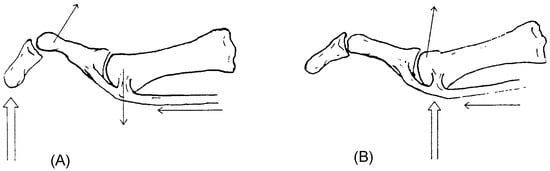
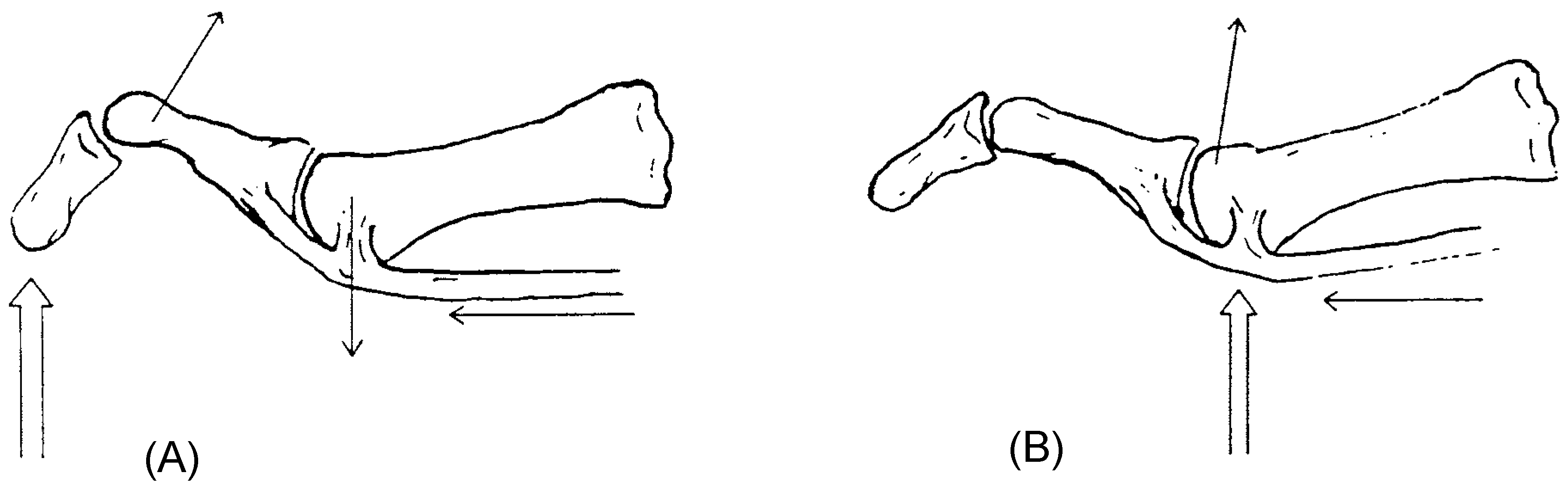
Rock climbers generally load the forefoot in two ways: front-pointing and edging (Figure 3A,B).
Figure 3.
(A) Direction of force on the hallux during front-pointing. Note the tension placed on the plantar fascia and the downward force on the metatarsal head. (B) Direction of force on the hallux during edging. Note that most of the force enters the foot directly under the metatarsal head. Stress is placed on the plantar fascia, producing a supination moment on the foot.
Front-pointing is a technique usually used in ice climbing, but it is also used in rock climbing. The climber places the foot perpendicular to the rock face in order to stand on small edges or in a pocket. Most of the ground reactive force enters through the distal aspects of the digits, resulting in extension of the metatarsophalangeal joints and flexion of the proximal interphalangeal joints. This position aids in purchase of the rock edge on which the climber is attempting to stand.
Dorsiflexion of the proximal phalanges leads to retrograde pressure and plantarflexion of the metatarsal heads. This results in a tightening of the plantar fascia. The first metatarsal of the medial column is most affected (Figure 3A). Hicks6 described this process as the windlass mechanism, and described extension of the big toe at the metatarsophalangeal joint as having the following effects: (1) the arch appears to rise; (2) the posterior part of the foot assumes an “inverted” position (supinates); (3) the leg rotates laterally (externally); (4) there appears a tight band in the region of the plantar aponeurosis.
Pontious et al. [7] explain that hyperextension of the proximal phalanges is an attempt to draw the calcaneus forward, but fails to do so in static stance. Instead, the metatarsal heads plantarflex and move proximally, thereby increasing the arch height. In rock climbing, because the rearfoot is generally nonweightbearing, the calcaneus is drawn closer to the forefoot and the arch is raised. As mentioned previously, shoe-size reduction also results in supination of the foot. The overall result is a pronounced cavus or supinated foot.
Phillips and Phillips [8] quantitatively demonstrated that as the subtalar joint supinates, the maximally pronated position of the midtarsal joint moves in the direction of supination. The more supinated the subtalar joint is, the less motion that can occur in the pronatory direction of the midtarsal joint. Hence, in a climbing shoe, in which the foot is dramatically supinated, the forefoot is stabilized on the rearfoot and functions as a rigid lever.
The more common way that rock climbers load the forefoot during climbing is by edging. Edging is accomplished by externally rotating the lower extremity and loading the plantar medial aspect of the first metatarsophalangeal joint and hallux (Figure 3B). The first metatarsophalangeal joint disperses ground reactive force anteriorly through the proximal phalanx and proximally through the first metatarsal. The plantar surface of the foot is held perpendicular to the rock face. The force is in an upward direction medial to the longitudinal midtarsal joint axis. This results in supination of the longitudinal midtarsal joint and provides a torque that favors lateral instability.
Comparison of Radiographic Views of the Foot In and Out of a Climbing Shoe
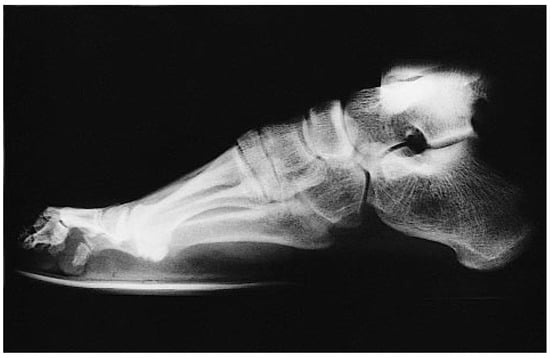
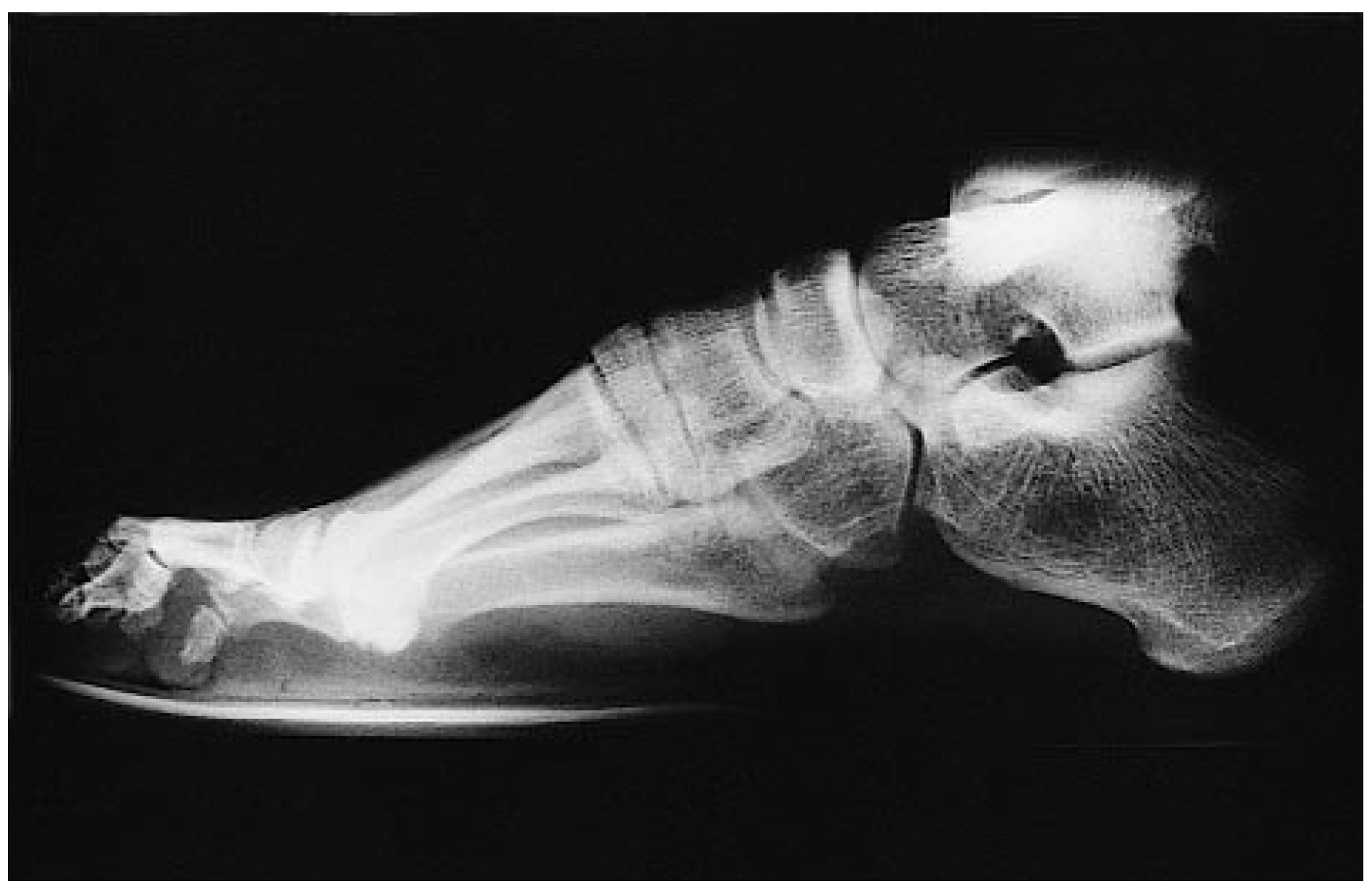
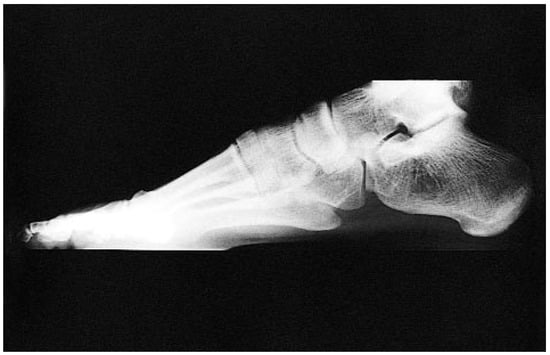
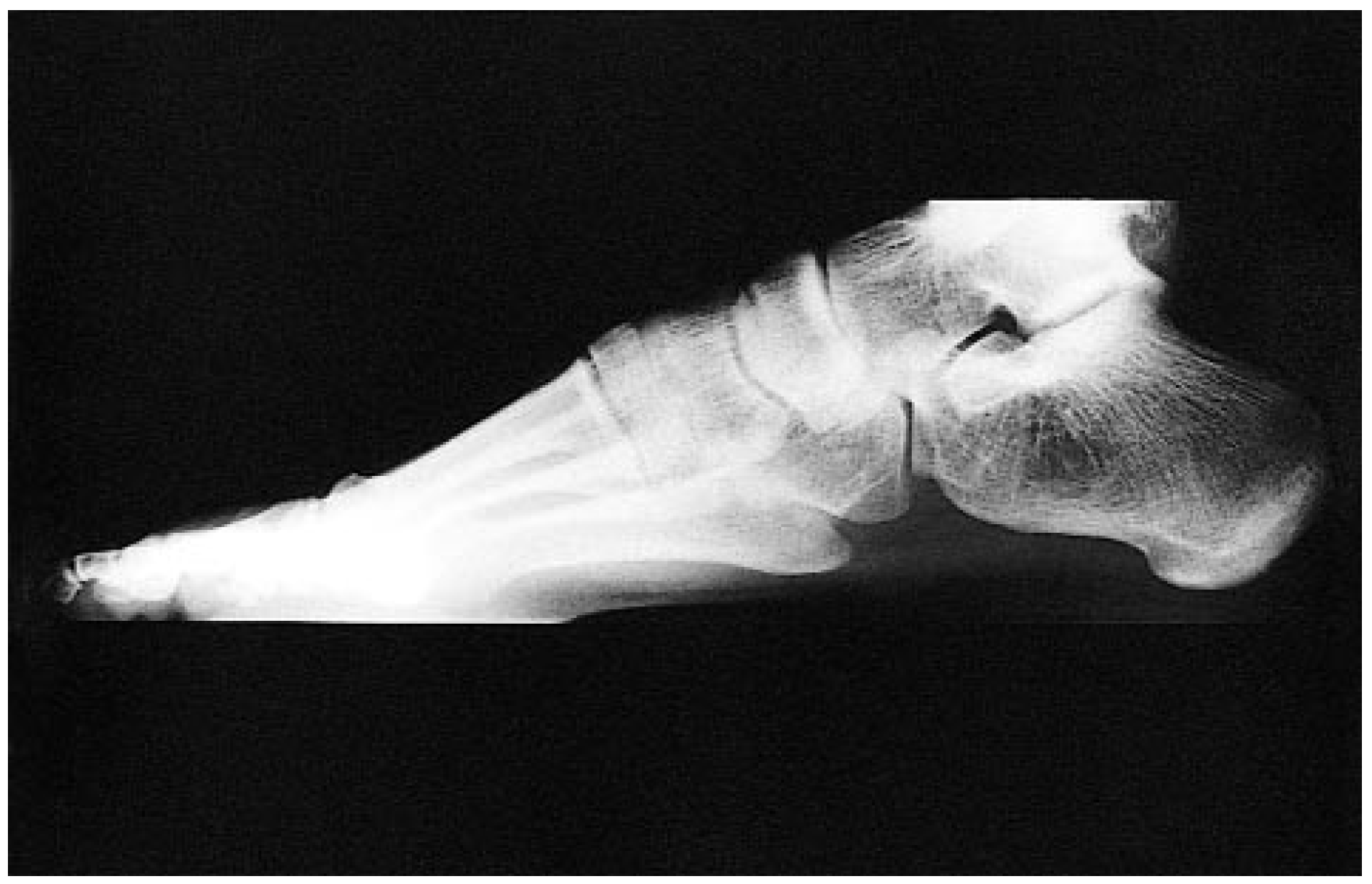
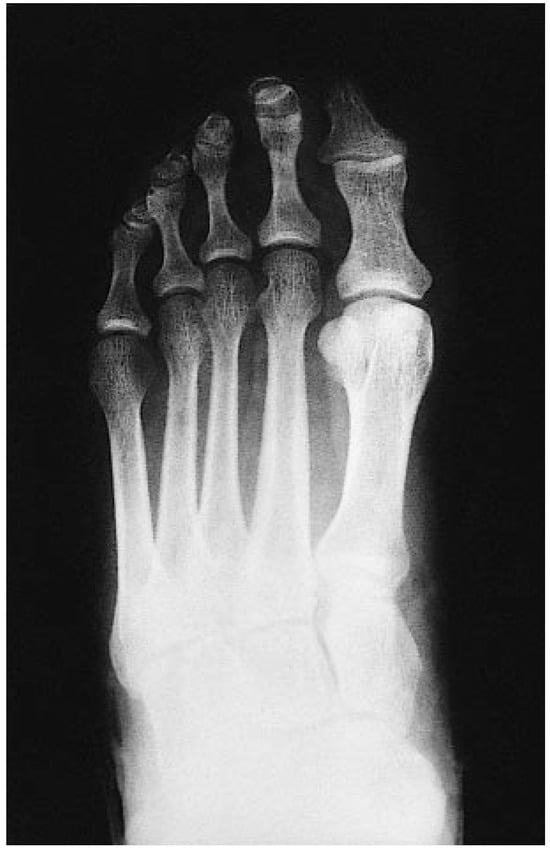
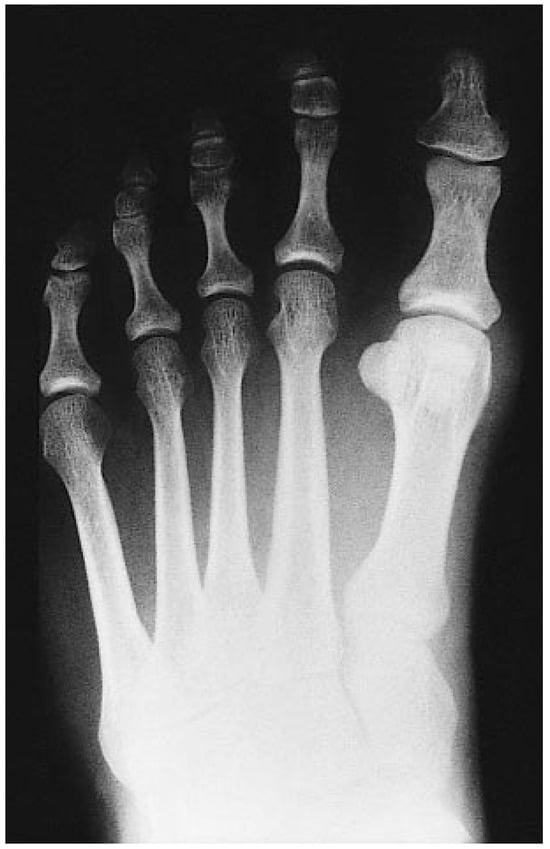
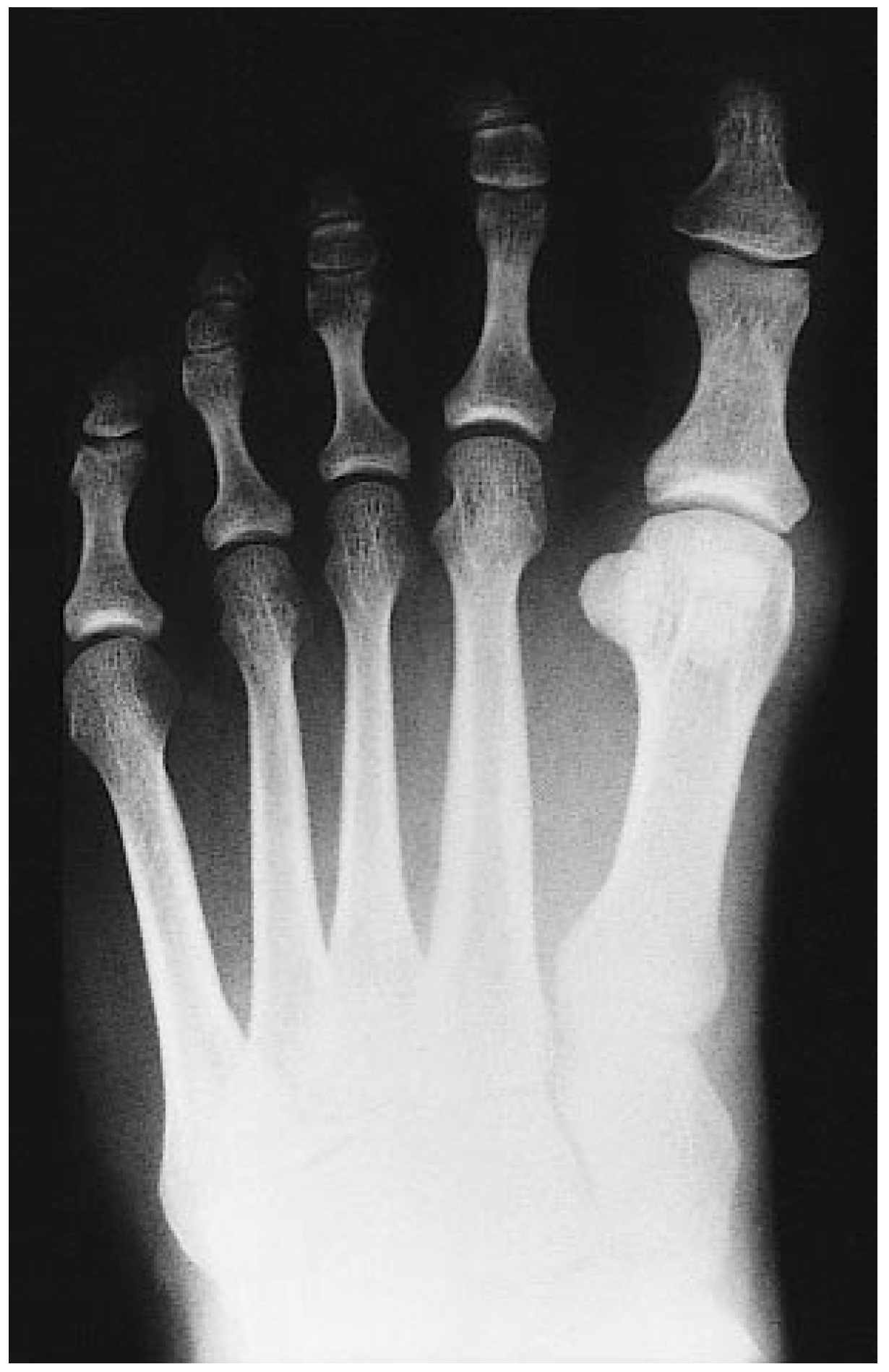
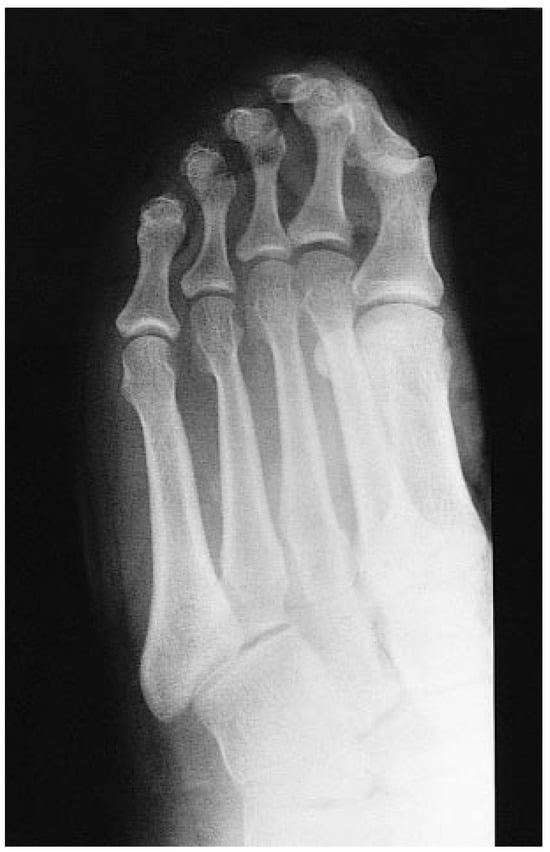
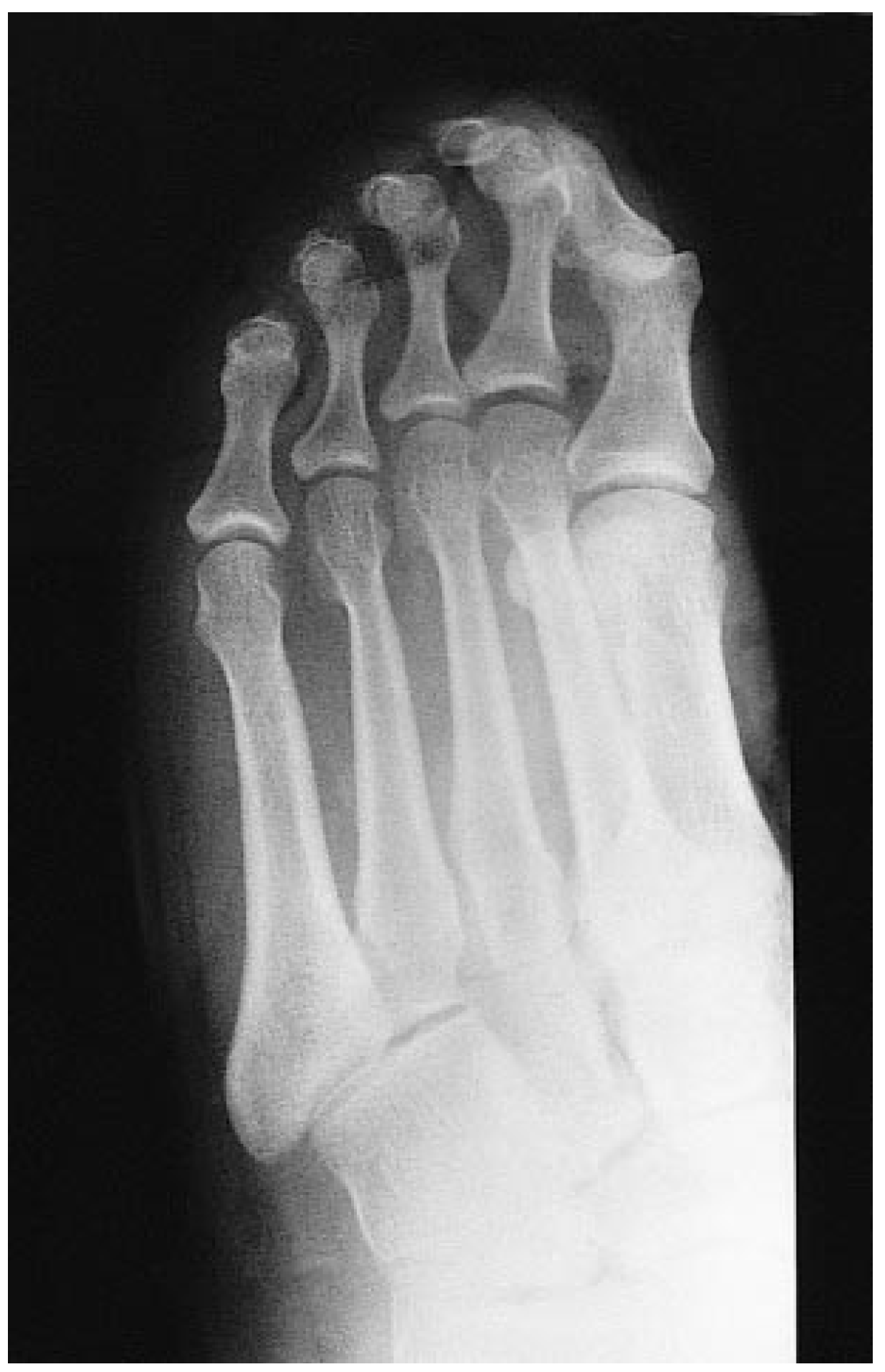
Typically, the classic signs of supination are readily apparent in radiographs of a foot within a climbing shoe. On the various radiographic views, all of the signs of a supinated foot are seen. On the lateral view (Figure 4), one sees a posterior break in the cyma line, little or no superimposition of the navicular over the cuboid, and an open sinus tarsi resembling a “bullet hole.” Moreover, the calcaneal inclination angle is increased and the cuboid is plantarflexed, resulting in a large cuboid declination angle. A great difference is seen between lateral radiographs of a foot within the shoe (Figure 4) and out of the shoe (Figure 5). The dorsoplantar view of the foot within the climbing shoe also shows signs of supination such as bony overlap within the lesser tarsus and a decreased talocalcaneal angle (Figure 6). In contrast, the dorsoplantar view of the same foot outside the climbing shoe reveals no signs of pronation (Figure 7).
Figure 4.
Lateral view of a foot within a climbing shoe. Note the supinated position of the foot. Also apparent is the contracture of the hallux and lesser toes.
Figure 5.
Lateral view of the foot depicted in Figure 4 outside of the climbing shoe.
Figure 6.
Dorsoplantar view of the foot within a climbing shoe. Note the overlapping of the third and fourth metatarsal heads.
Figure 7.
Dorsoplantar view of the foot depicted in Figure 6 outside of the climbing shoe. Note the increased space between the metatarsal heads.
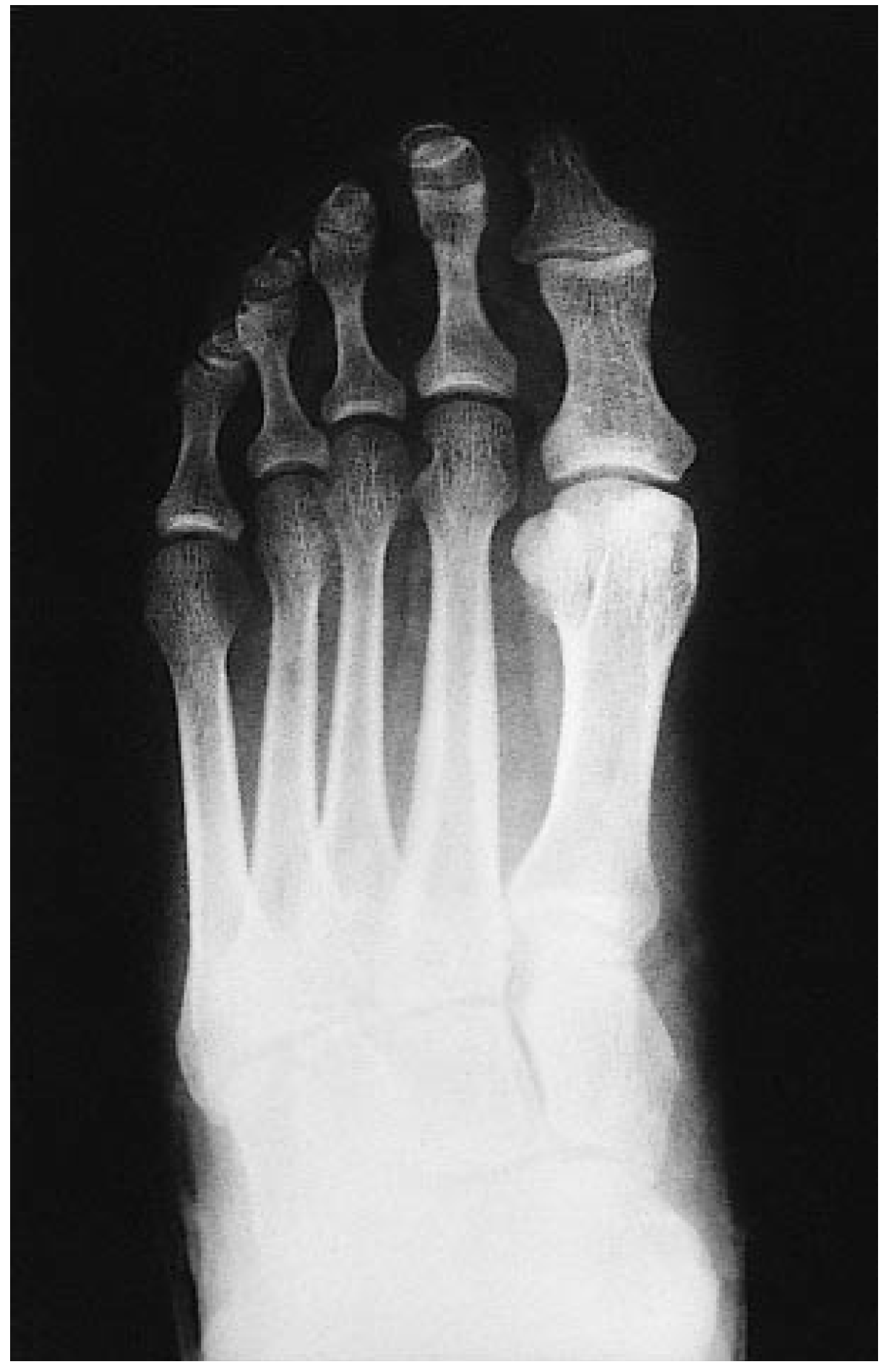
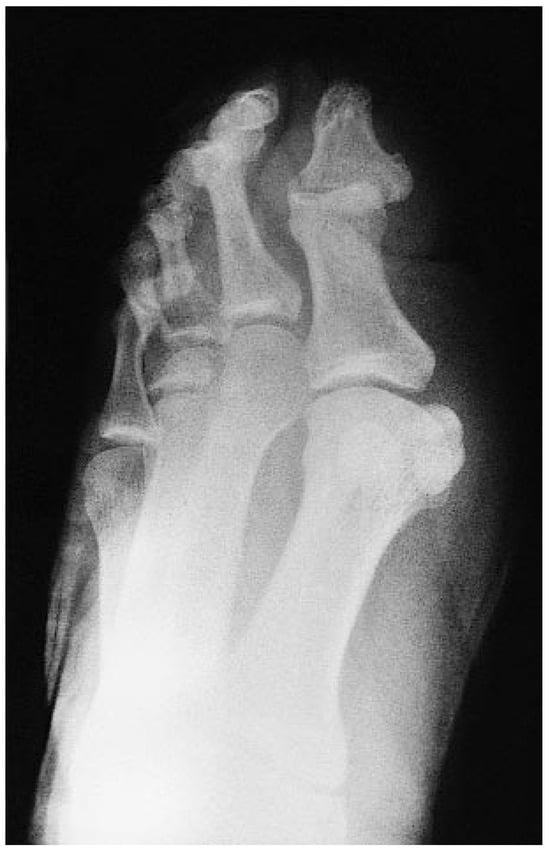
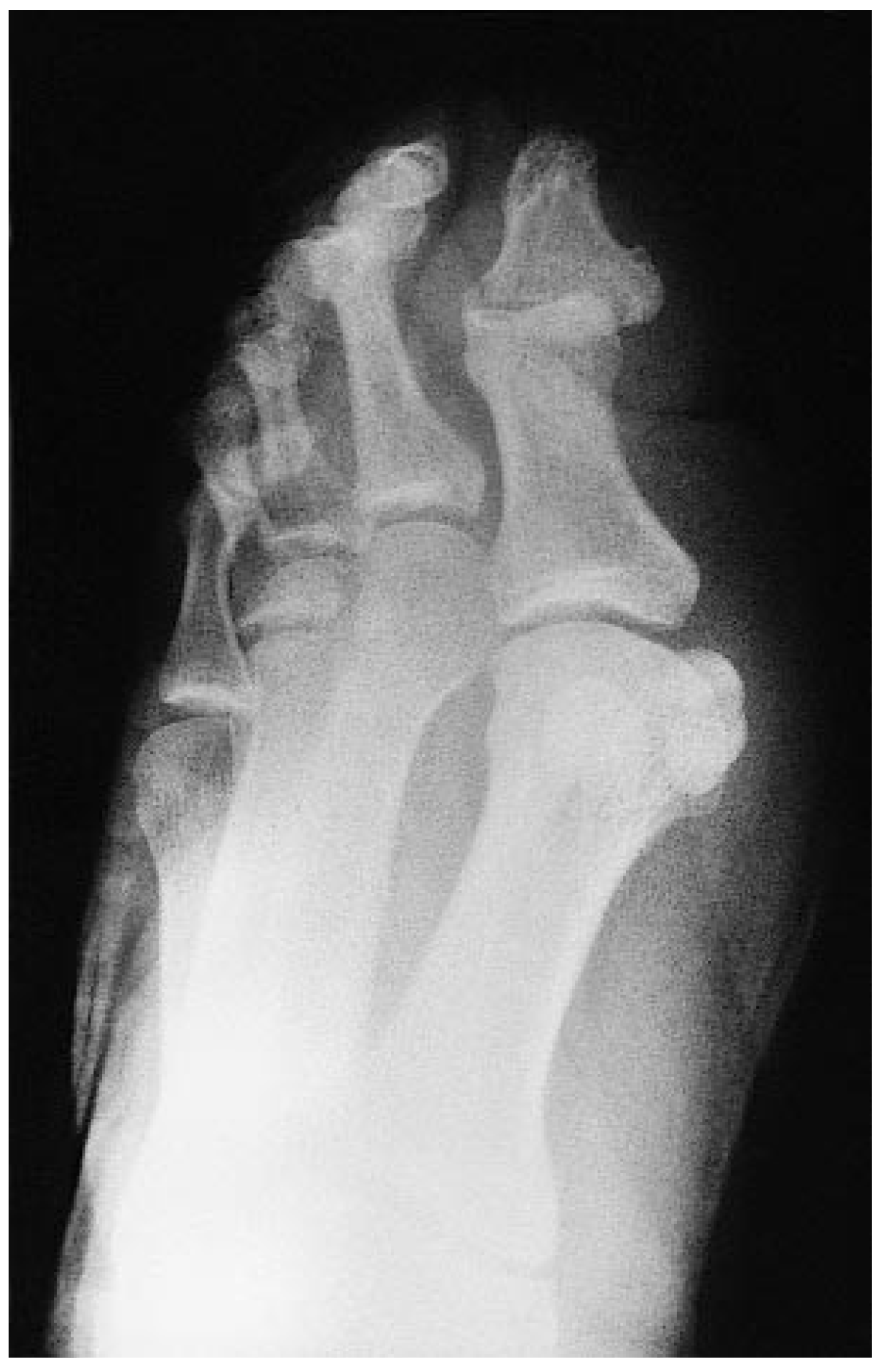
On the medial oblique view (Figure 8) and lateral oblique view (Figure 9), marked contraction of the hallux and the lesser toes is visible. It is likely that the digital contracture is increased even more during climbing.
Figure 8.
Medial oblique view of the foot within the climbing shoe showing digital contractures. Note the “gun barrel” sign seen in the intermediate and distal phalanges, demonstrating severe sagittal-plane deformity.
Figure 9.
Lateral oblique view of the foot within the climbing shoe. Note the adductovarus nature of the fifth toe and the digital contractures of the lesser digits.
Ankle Trauma and Fractures Within the Foot
Ankle sprains occurred in 24% of the climbers surveyed (Table 3). Analysis of the data showed that ankle sprains are more common in bouldering and sport climbing than in other forms of climbing, including crack/traditional climbing, big-wall climbing, and mountaineering. The authors believe that this is because ankle sprains most often occur during falls.
Bouldering is the most common form of unroped climbing. During bouldering, climbers generally limit themselves to a climbing height of approximately 10 to 15 feet, and are only limited to the traversing (horizontal) distance of the formation they are climbing. In a fall, the feet usually hit the ground first, absorbing much of the impact. With the foot already forced into a supinated position by the climbing shoe, the possibility of an ankle sprain during bouldering is increased. Supination locks the midtarsal joint and provides a rigid lever, which is advantageous for climbing but not for absorbing a fall. Supination also makes the lateral ankle unstable. Ground reactive force and body weight on the inverted, supinated foot create a moment that the peroneus longus and brevis muscles cannot overcome, leading to tearing of the ankle capsule and lateral ligaments.
Ankle sprains during sport climbing may occur in a different fashion. During sport climbing, the climber wears a harness with the end of a rope tied to it. As the climber ascends, he or she trails the rope behind, running it through a multitude of different devices used for protection in case of a fall. In the event of a fall, this climber will fall twice the distance past the last piece of protection. For example, if a climber is 10 feet past his or her last piece of protection, he or she will fall 20 feet. If the route is overhanging (past vertical) when the rope catches and becomes taut, the climber will start to swing into the rock face. The roped climber will generally extend the legs in a kicking motion to brace the body for the impact.
Several types of injuries may occur when this happens: First, when the roped climber dorsiflexes the feet before impaction, a dorsiflexion type of sprain can occur. The talar neck impinges against the tibia, resulting in ankle-joint inflammation and tearing of capsular and ligamentous structures. Plantarflexion-inversion sprains can also occur in this situation. Second, owing to the rapid nature of these accidents, the climber may not have time to dorsiflex the feet beyond perpendicular; in this case, the toes will impact the rock straight on, possibly resulting in fractures and dislocations of various types. The force is especially traumatic because the toes are already fixed in a claw or hammered position inside of the climbing shoe.
A comprehensive search of the literature for information on lower-extremity injuries in rock climbers yielded only one article, which reported that in a Yosemite National Park medical clinic, 29% of the total number of injuries reported were fractures [3]. Sixty-three percent of the reported fractures occurred in the lower extremity; however, the authors of the article provide only a general description of the fracture sites, which were primarily the ankle, tibia, fibula, and foot. They stress that ankle injuries, mostly fractures, make up 30% of climbers’ single most severe injuries, making the ankle the most commonly injured body region in cases in which climbers seek medical attention [3]. The present study found a much lower incidence of fractures (2%).
Soft-Tissue Complaints
Soft-tissue complaints are common in rock climbers. The participants in the authors’ study typically reduced their shoe size by 1 to 2 sizes (57% of respondents), with a shoe-size reduction of 1.5 sizes being the most common (24% of respondents). The decreased volume of these “properly fit” climbing shoes increases the pressure on the feet of the wearer. The high-pressure points reported are the interphalangeal joints of the hallux and lesser toes, the dorsum of the foot, and the area that overlies the insertion of the Achilles tendon.
When a climber is front-pointing, the hallux of each foot bears most of the body weight. This creates a tremendous amount of pressure between the shoe and the dorsal surface of the hallux interphalangeal joint, resulting in severe pain. The pain usually subsides within 5 min to 1 h after the shoe has been removed. Pain over the lesser digits is caused by a similar mechanism, but is usually less severe.
The contraction of the hallux and digits is advantageous to the climber. Contraction of the digits decreases the length of the forefoot torque arm, thus reducing the force necessary for the ankle flexors to maintain the foot in a plantarflexed position against ground reactive force. The idea of proximal stability espoused by Weissman [9] and Root et al. [10] works in reverse, requiring stability of distal joints before proximal motion can occur. Therefore, since the contracted digits and supinated forefoot are stable (at least in the sagittal plane), plantarflexion of the foot can occur through both the long flexors and the gastrocnemius soleus complex.
Edging results in dorsal interphalangeal joint pain as well as first metatarsophalangeal joint pain. This is the result of ground reactive force pushing up directly beneath the metatarsophalangeal joint with the hallux in a fixed position. The contracted hallux and the lesser digits are forced into the hard toe box. This might explain the high incidence of toenail pain and soreness (70%).
Discomfort is also felt over the dorsum of the foot (8% of the respondents). This may be the result of climbers’ tightening their shoes excessively in order to prevent slippage within the shoe. Because there is very little soft tissue over the dorsal midtarsal area of the foot, nerves, blood vessels, and skin may be pathologically affected.
Fifteen percent of participants reported arch or heel pain. Just as surfers often acquire knots over the tibial tuberosity from extended paddling while kneeling on their surfboards, climbers can develop a type of knot at the posterosuperior aspect of the calcaneus. Owing to the reduced length of the climbing shoe, the quarter, or posterior edge of the shoe aperture, produces an increase in pressure applied to the skin and underlying soft tissue [11]. The result is a thickening of the overlying skin and an inflammation of the retrocalcaneal bursa between the Achilles tendon and the os calcis, and is referred to as Haglund’s disease. Haglund’s disease differs from Haglund’s deformity in that it does not involve any osseous changes. The authors suggest that the supinated foot position, much like a cavus foot type, when pressing against the tight heel counter exacerbates symptoms of pain and swelling and could precipitate Haglund’s disease.
Neurologic Complaints
The climbing shoe is not only shorter than a street shoe but also narrower. Medial-to-lateral pressure on the forefoot is exerted within the shoe, which probably results in internal pressure on deeper nerves, vessels, and other soft tissues (Figure 6 and Figure 9). The common and proper digital nerves are particularly susceptible because of their superficial position and relative lack of fatty cushioning. Whether paresthesia is the result of direct neuronal injury or ischemia is unclear; however, 65% of the climbers surveyed reported tingling or numbness during or after climbing. Analysis of the data showed that tingling is particularly associated with shoe-size reduction (ρ = 0.35; p < 0.001).
Tingling and numbness of the plantar aspect of the forefoot are especially characteristic of forefoot neuritis in climbers. Bouché et al. [12] explain that forefoot neuritis results from abnormal pressure at the level of the deep intermetatarsal ligament where the medial and lateral plantar nerves send off common plantar digital nerves. Contracture of the metatarsophalangeal joints stretches the common plantar digital nerve across the deep intermetatarsal ligament, which lies dorsal to the nerve. Compression from medial to lateral pushes the metatarsal heads closer together, exacerbating the problem (Figure 6). This phenomenon is commonly seen in the clinical examination of neuromas. Although this study did not evaluate the presence of neuromas, neuroma pain is greatly exacerbated by wearing constricting shoes [12].
Conclusion
Pain, both during and after climbing, is common among rock climbers. This study examined the frequency and types of foot and ankle complaints and reviewed the functional demands placed on the foot by the sport. The biomechanical consequences of the common practice of wearing climbing shoes that are smaller than one’s street shoes were explored. Eightyone percent of the climbers surveyed reported a history of foot and ankle trauma or pain. The nails (70%), lesser toes (55%), and hallux (34%) were the sites most commonly mentioned. The most common traumatic injury reported was ankle sprains.
Ninety-five percent of the climbers surveyed reported wearing climbing shoes smaller than their street shoes. A strong correlation was found between climbing ability and the extent of shoe-size reduction (ρ = 0.28; p < 0.01). Similarly, a significant relationship was demonstrated between extent of shoe-size reduction and tingling (ρ = 0.23; p < 0.05).
Wearing a climbing shoe that is too small causes the digits to contract, the metatarsal heads to plantarflex, and the foot to supinate. While biomechanical changes give the climber a mechanical advantage, they also predispose the climber to injury. Body weight is typically supported by a very small portion of the foot during rock climbing, thereby placing tremendous stress on the digits and the first metatarsal. The need for a rigid lever during common climbing techniques such as front-pointing and edging is what prompts the practice of shoe-size reduction. This practice is likely to continue as the popularity of the sport increases and the competition becomes keener. An understanding of the basic functional demands of the sport and the biomechanical consequences of shoe-size reduction will assist the clinician in both the diagnosis and the treatment of rock-climbing complaints.
Acknowledgments
David Deupree, PhD, for his encouragement and assistance in performing the statistical analysis.
References
- Williamson, J.E. Accidents in North American Mountaineering 1985; American Alpine Club: New York, NY, USA, 1985. [Google Scholar]
- Hartsock, L.A.; Feagin, J.A., Jr.; Ogilvie, B.C. Climbing and the older athlete. Clin. Sports Med. 1991, 10, 257. [Google Scholar] [CrossRef] [Scilit] [PubMed]
- Bowie, W.S.; Hunt, T.K.; Allen, H.A. Rock climbing injuries in Yosemite National Park. West. J. Med. 1988, 1, 172. [Google Scholar]
- Gentile, D.A.; Morris, J.A.; Schimelpfenig, T.; et al. Wilderness injuries and illnesses. Ann. Emerg. Med. 1992, 21, 853. [Google Scholar] [CrossRef] [Scilit] [PubMed]
- Addis, D.G.; Baker, S.P. Mountaineering and rock-climbing injuries in US national parks. Ann. Emerg. Med. 1989, 18, 975. [Google Scholar] [CrossRef] [Scilit] [PubMed]
- Hicks, J.H. The mechanics of the foot: II. the plantar aponeurosis and the arch. J. Anat. 1954, 88, 25. [Google Scholar] [PubMed]
- Pontious, J.; Flanigan, K.P.; Hillstrom, H.J. Role of the plantar fascia in digital stabilization. JAPMA 1996, 86, 43. [Google Scholar] [CrossRef] [Scilit] [PubMed]
- Phillips, R.D.; Phillips, R.L. Quantitative analysis of the locking position of the midtarsal joint. JAPMA 1983, 73, 518. [Google Scholar] [CrossRef] [Scilit] [PubMed]
- Weissman, S.D. Biomechanical Acquired Foot Types. In Radiology of the Foot, 2nd ed.; Satterfield, T.S., Ed.; Williams & Wilkins: Baltimore, MD, USA, 1989; p. 66. [Google Scholar]
- Root, M.L.; Orien, W.P.; Weed, J.H. Normal and Abnormal Function of the Foot; Clinical Biomechanics Corp: Los Angeles, CA, USA, 1977. [Google Scholar]
- Carleton, F.J. Construction of the Modern Shoe. In Shoes and Feet; Charles H Andress: West Chester, PA, USA, 1940; p. 20. [Google Scholar]
- Bouché, R.T.; Sullivan, K.; Ichikawa, D.J. Athletic Injuries. In Musculoskeletal Disorders of the Lower Extremities, 1st ed.; Oloff, L.M., Ed.; WB Saunders: Philadelphia, PA, USA, 1994; p. 234. [Google Scholar]



© 1998 American Podiatric Medical Association