


Abstract
Health care for the homeless is a major public health concern. With the rise in antibiotic-resistant tuberculosis, the increase of human immunodeficiency virus (HIV) diseases, and other health risks, the medical community has begun to recognize the urgency of taking a proactive role in providing care for this population. Lower extremity pathology can result in limb-threatening and, in some cases, life-threatening sequelae for homeless populations. This patient group has limited access to regular hygiene, appropriate shoes, and podiatric medical care. Participation in the “Stand Down for the Homeless” projects provided an opportunity to evaluate the podiatric needs of a homeless population and to project a response to those needs. The authors define and compare this homeless population with the national homeless population, compare the podiatric needs of this homeless populations versus the general population, and respond to those needs.
Characteristics of the Homeless in the US
In the past two decades, the homeless population has grown and changed. The predominance of alcoholic males older than 50 years has been replaced with a much younger population. The average age of today’s homeless person is between 30 and 40 years with a male-to-female ratio approaching parity. The number of homeless persons has steadily increased and is estimated to be at least 225,000 and may be as high as 350,000. Although a large portion of homeless suffer from mental illness, several other factors have been implicated as leading to homelessness. They include drug abuse, physical abuse, familial rejection, runaways, lack of low income housing, and unemployment. Approximately half of the homeless are members of minority groups with increasing numbers of blacks and Hispanics rather than northern European whites. An alarming number of single women and their children are becoming homeless. A significant number of them have at least a high school education in direct contrast to the populations of the past [1,2,3,4,5,6].
“Stand Down” for the Homeless
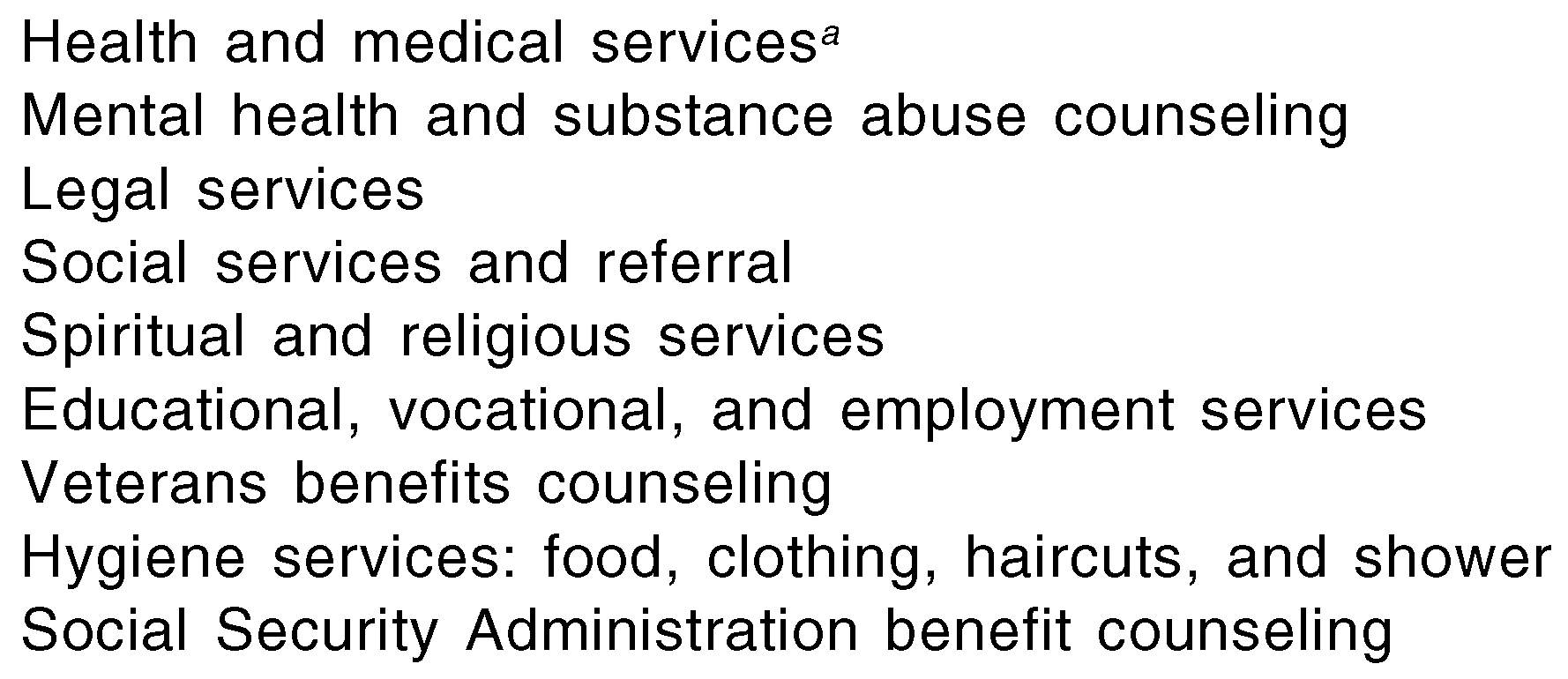
In August of 1994 and again in 1995, the Department of Veterans Affairs, North East Ohio Coalition for the Homeless, Catholic Diocese of Cleveland, and the Office of Homeless Affairs of the City of Cleveland Health Department initiated the “Stand Down for the Homeless.” “Stand down” is a military term that describes soldiers taking care of soldiers in a secure place. The purpose of this one-day event was to bring together providers and
services in one place and time to assist the homeless (Table 1). The event was advertised in local media and through informal presentations given by staff of the organizations involved.
Table 1.
Services Provided at the “Stand Down for the Homeless,” 1994 and 1995.
Methods and Materials
Each patient was questioned and examined for demographic information and podiatric and general medical problems. The standard adult screening form used by the Ohio College of Podiatric Medicine Department of Community Medicine was completed for each patient. Results were tabulated and are listed in Table 1 and Table 2 and Figure 1, Figure 2, Figure 3, Figure 4 and Figure 5. The data were compared with results from the Analysis of Foot Care Data From the 1990 National Health Interview Survey found in Table 2, Table 3, Table 4, Table 5, Table 6, Table 7 and Table 8 [7].
Table 2.
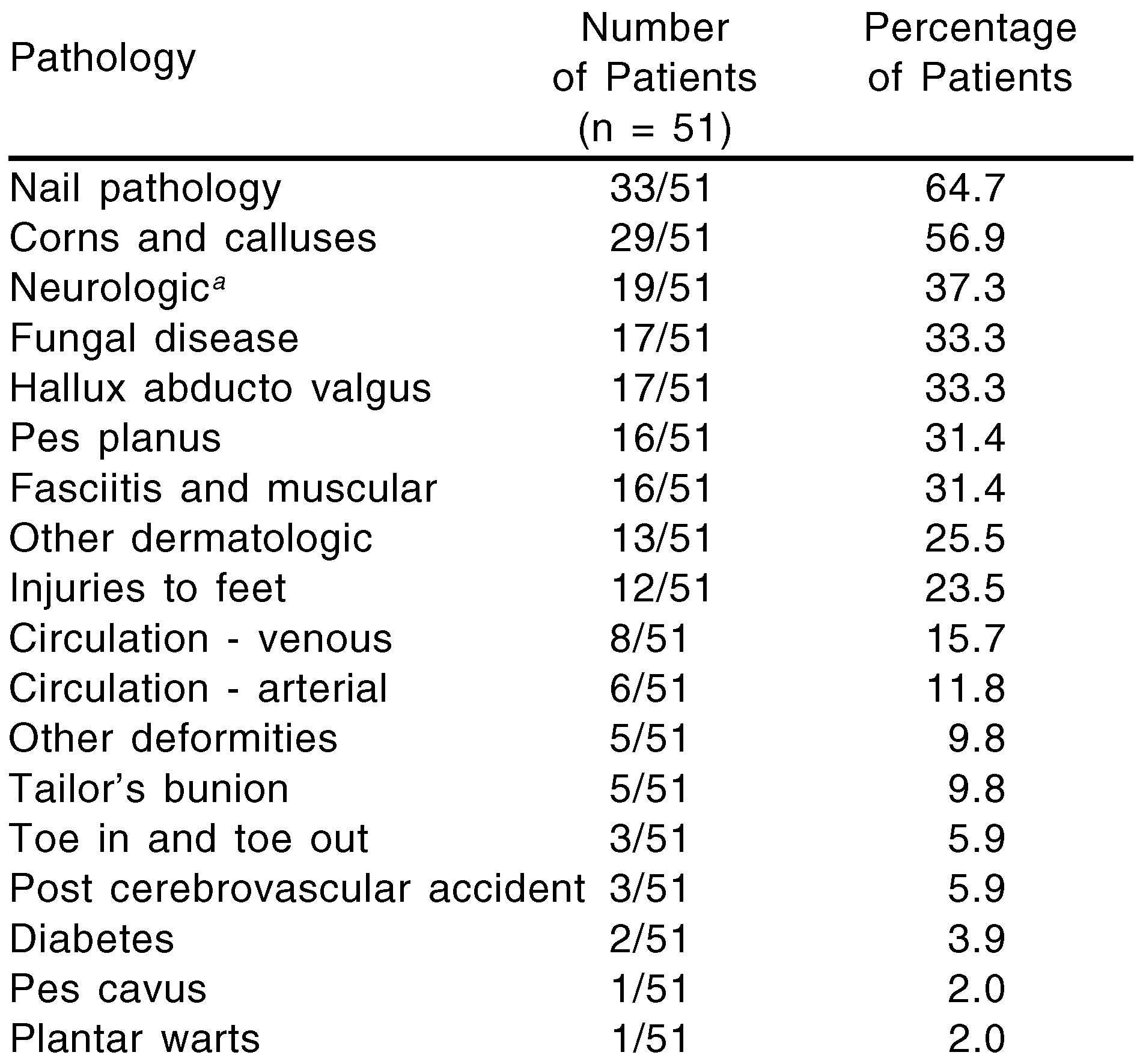
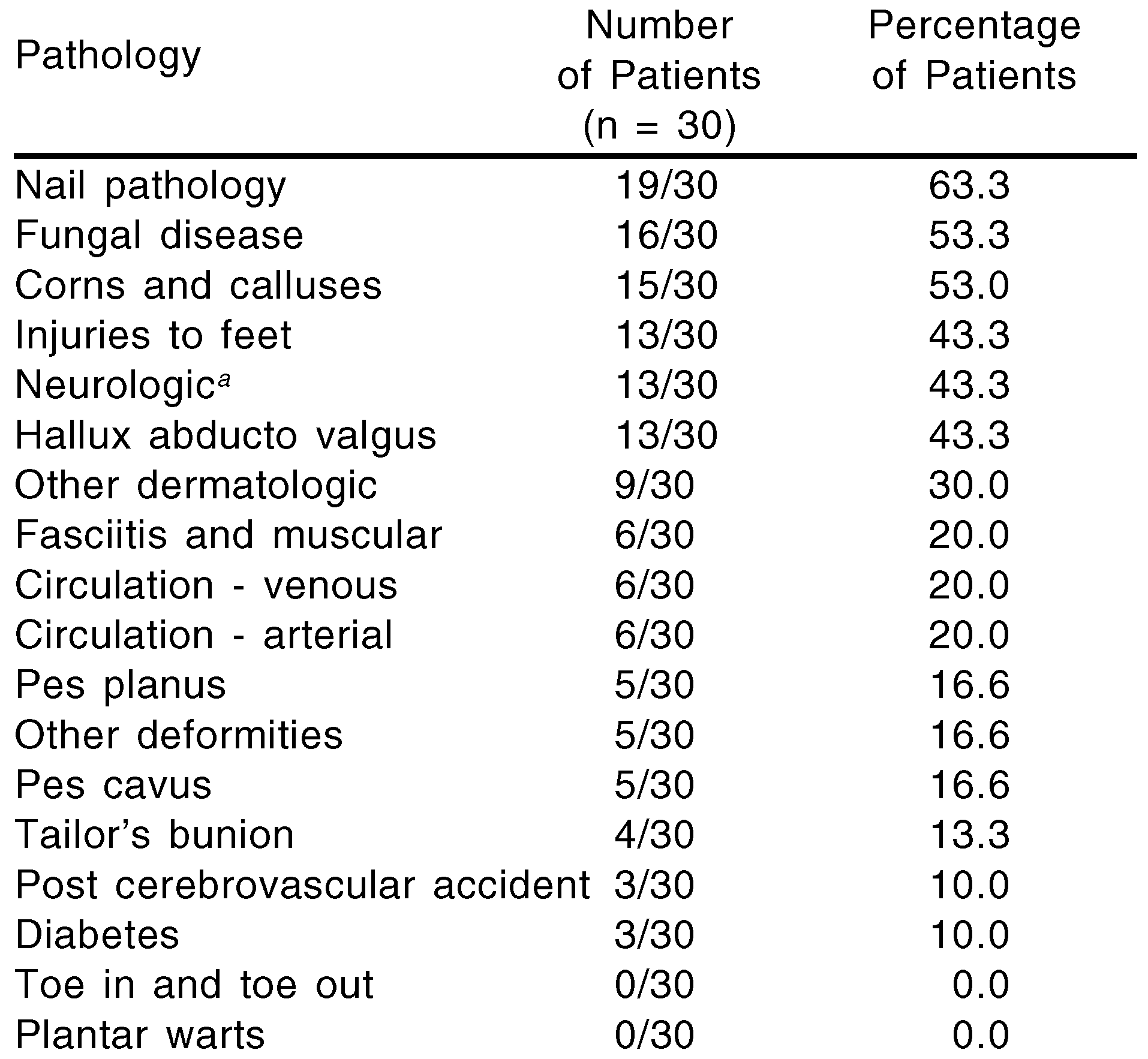
Foot Health Problems in This Homeless Population, 1994.
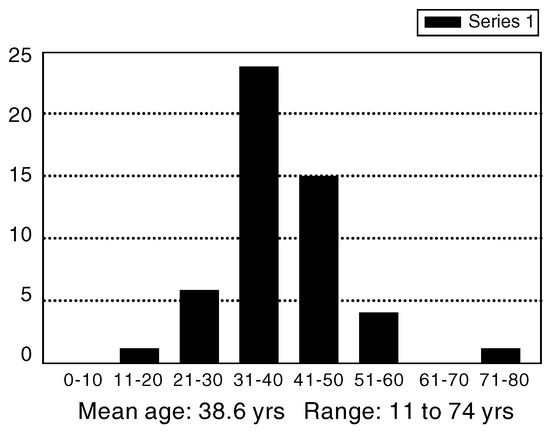
Figure 1.
Age distribution of homeless served, 1994.
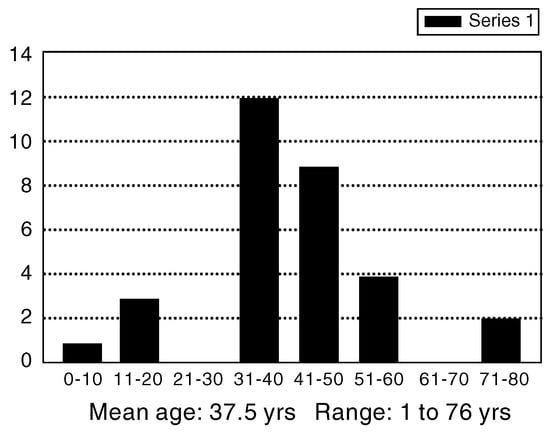
Figure 2.
Age distribution of homeless served, 1995.
Figure 3.
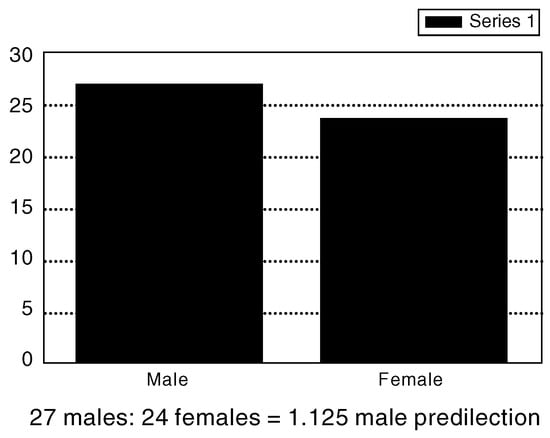
Male-to-female ratio, 1994.
Figure 4.
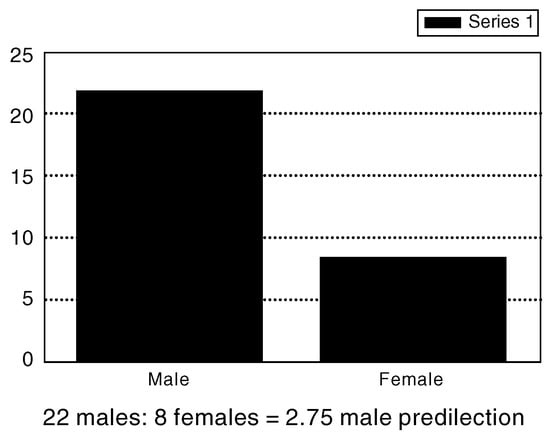
Male-to-female ratio, 1995.
Figure 5.
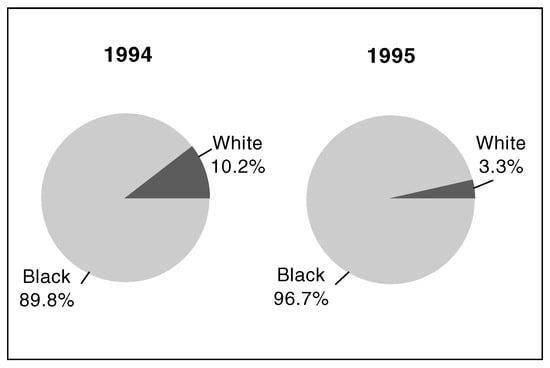
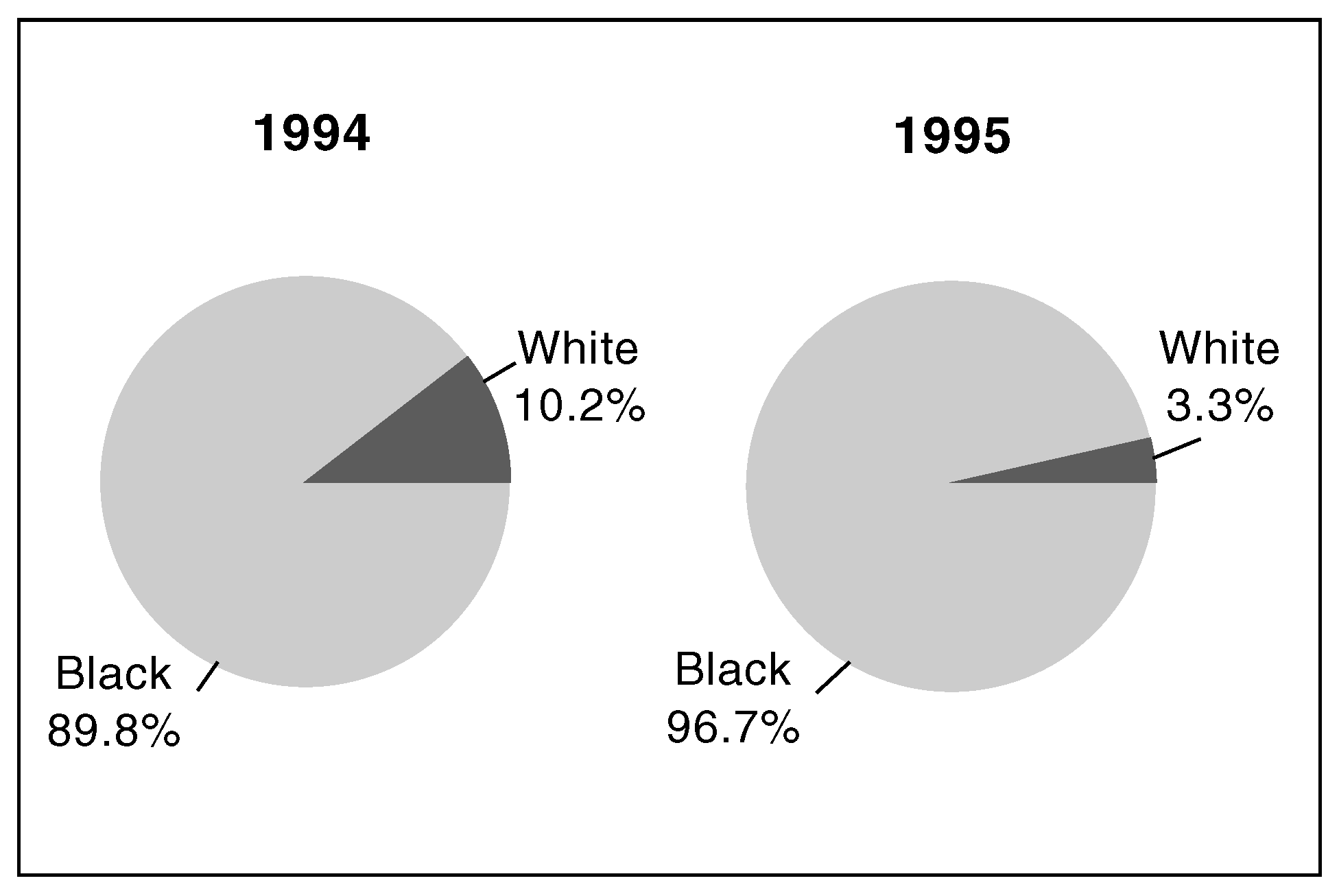
Racial distribution of homeless served.
Table 3.
Foot Health Problems in This Homeless Population, 1995.
Table 4.
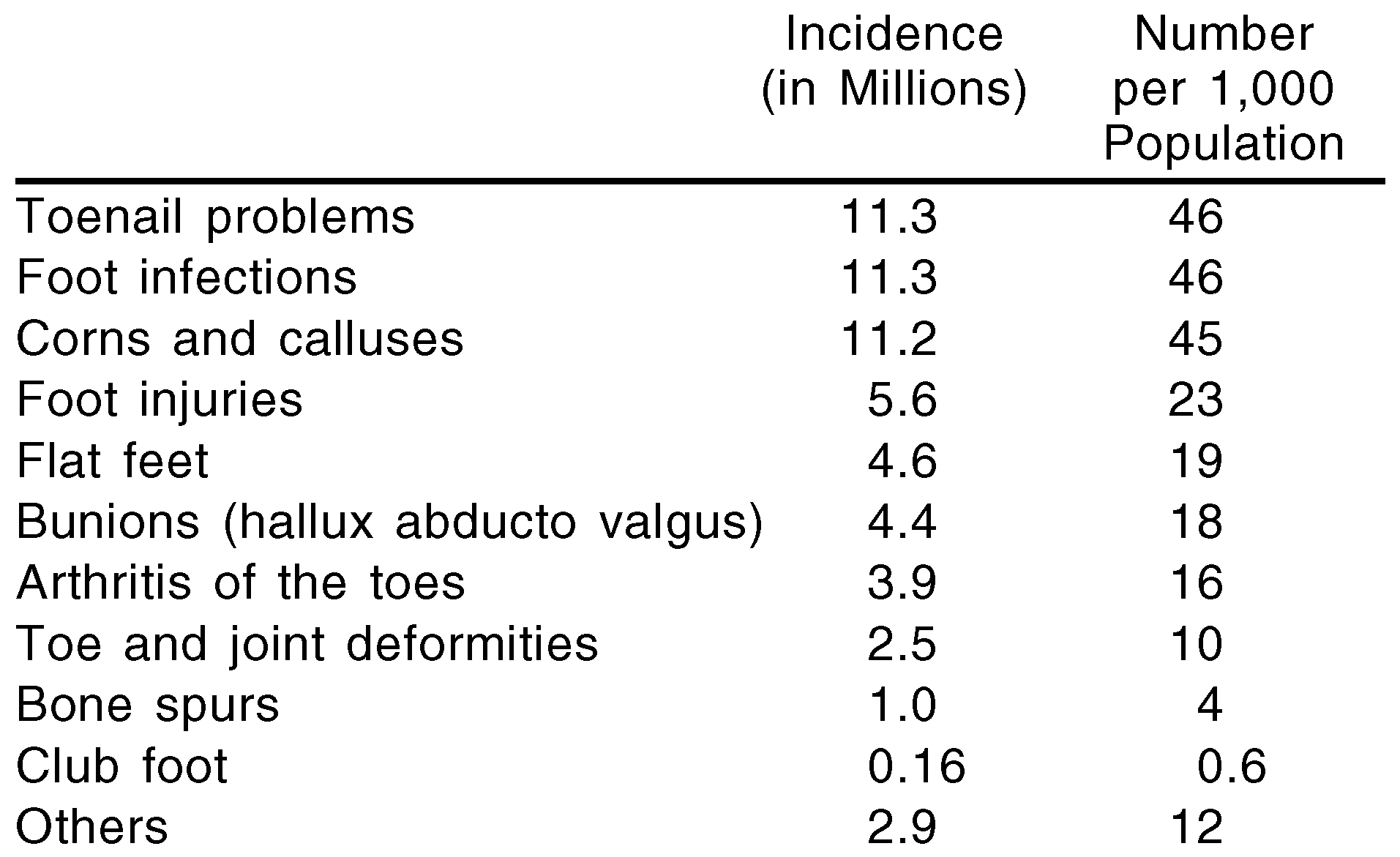
National Incidence Data.
Table 5.
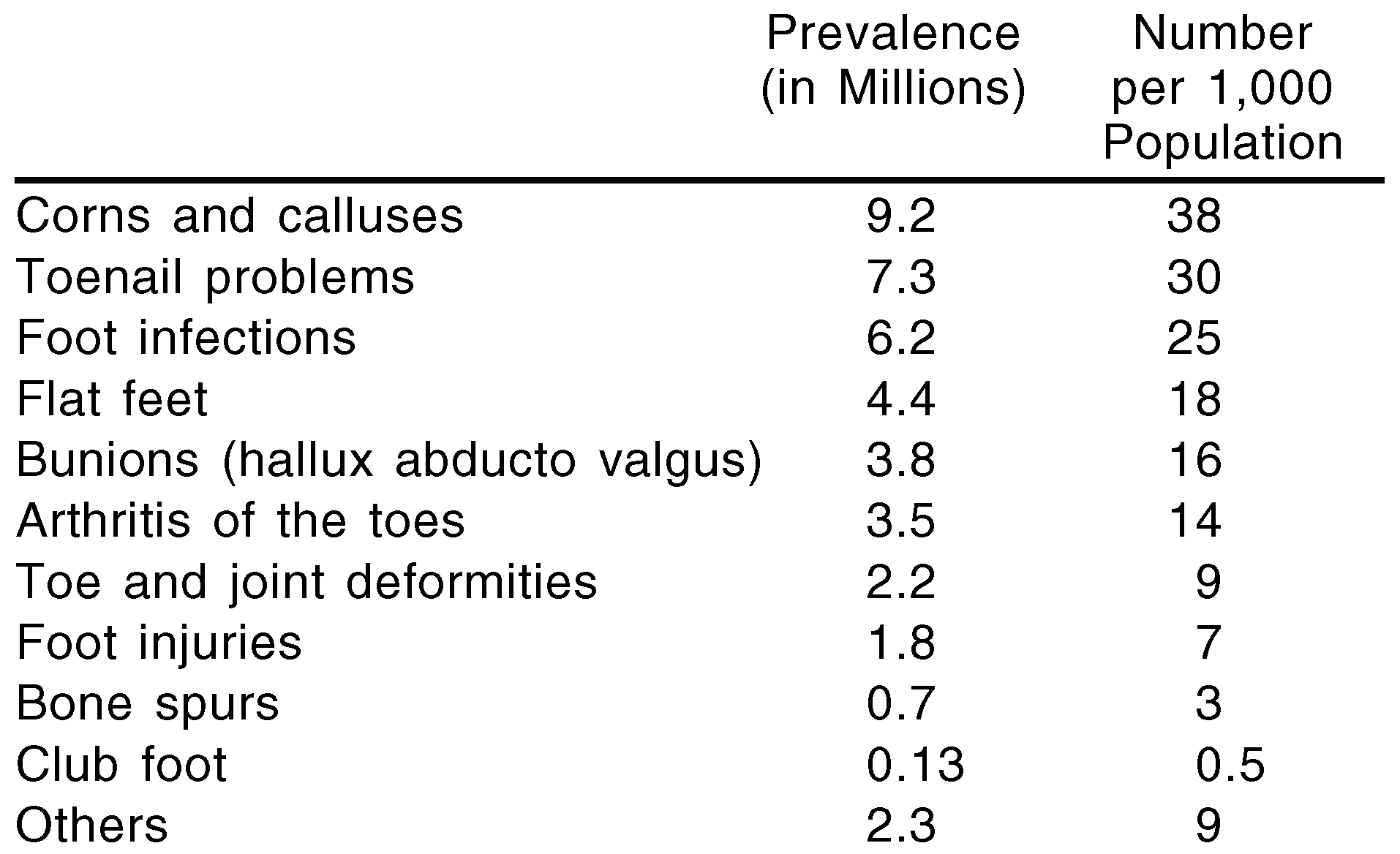
National Prevalence Data.
Table 6.
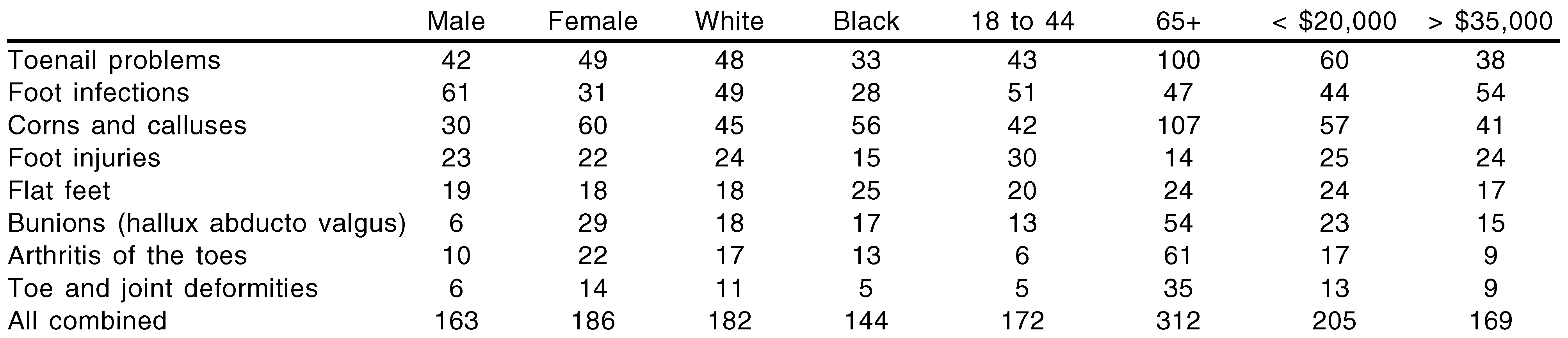
Number of Persons per 1,000 Population Who Reported Having This Condition in the Past 12 Months, Disaggregated by Gender, Race, Age, and Family Income.
Table 7.
Persons Receiving Foot Care in the US.
Table 8.
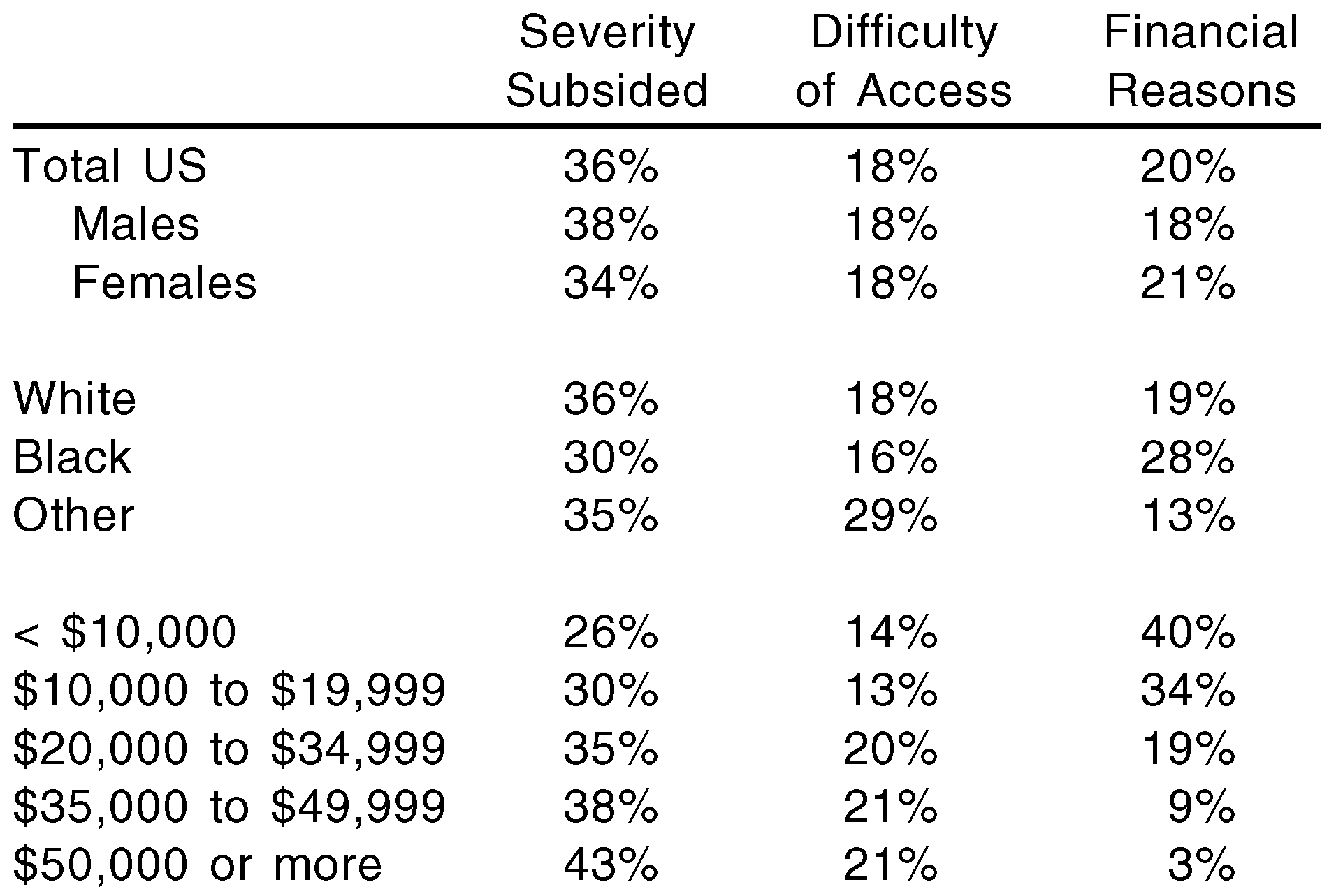
Major Reasons Offered for Nonreceipt of Care.
Results of Stand Down for the Homeless
The total number of homeless served was 461 in 1994 and 392 in 1995. The 1995 “Stand Down” screened participants for their veteran status, and 86 out of 392 (21%) were veterans. Of the individuals registered in 1994, 61 sought medical services and 51 sought foot screening. In 1995, 70 sought medical services and 30 sought foot screening. Veterans were encouraged to use the Veterans Administration system which would provide care for many of their medical and psychosocial concerns.
The age range for 1994 was 11 to 74 years of age, and 1 to 76 years of age in 1995. The average age in the authors’ population was 38.6 years in 1994 and 37.5 years in 1995 (Figure 1 and Figure 2). The male-to-female ratio was 1.125 in 1994 and 2.75 in 1995 with a male predominance in both years (Figure 3 and Figure 4). The racial distribution was 89.8% black and 10.2% white in 1994, and 96.7% black and 3.3% white in 1995 (Figure 5). The podiatric pathology (Table 2 and Table 3) found that this homeless population was similar for each year and compared closely to the National Health Interview Survey (Table 4 and Table 5) [7].
Incidence rates are more likely to favor acute conditions such as toenail problems over chronic ones such as corns and calluses, whereas prevalence rates favor the more chronic conditions such as corns and calluses over the more acute conditions. A comparison of the foot health care data for the general population against the data for these homeless populations reveals some striking similarities. The national incidence and prevalence data (Table 4 and Table 5) and the results of the 1994 and 1995 screenings (Table 2 and Table 3) are consistent in that the three most common conditions were nail pathology, corns and calluses, and foot infections (include tinea pedis, other fungal infections, and warts). Differences of significance included neurologic disorders which were fairly prevalent in the authors’ homeless populations (third most common in 1994 and fifth most common in 1995) and injuries to the feet (ninth most common in 1994 and fourth most common in 1995). The Na-tional Foot Health Interview Survey did not screen for neurologic symptoms, therefore a comparison is not possible. The variability of traumatic and accidental injuries to the foot in addition to increased weightbearing may account for the wide variation in its prevalence in the homeless population [8].
Table 6 shows the national foot care data with regard to gender, race, age, and family income. In the general population, toenail problems and corns and calluses are much more prevalent in the 65-and-older age group, whereas foot infections and injuries are more prevalent in 18- to 44-year-old age group. This is in direct contrast to the authors’ homeless population (mean age of 38 years) who suffered from more toenail problems and corns and calluses than foot infections and foot injuries.
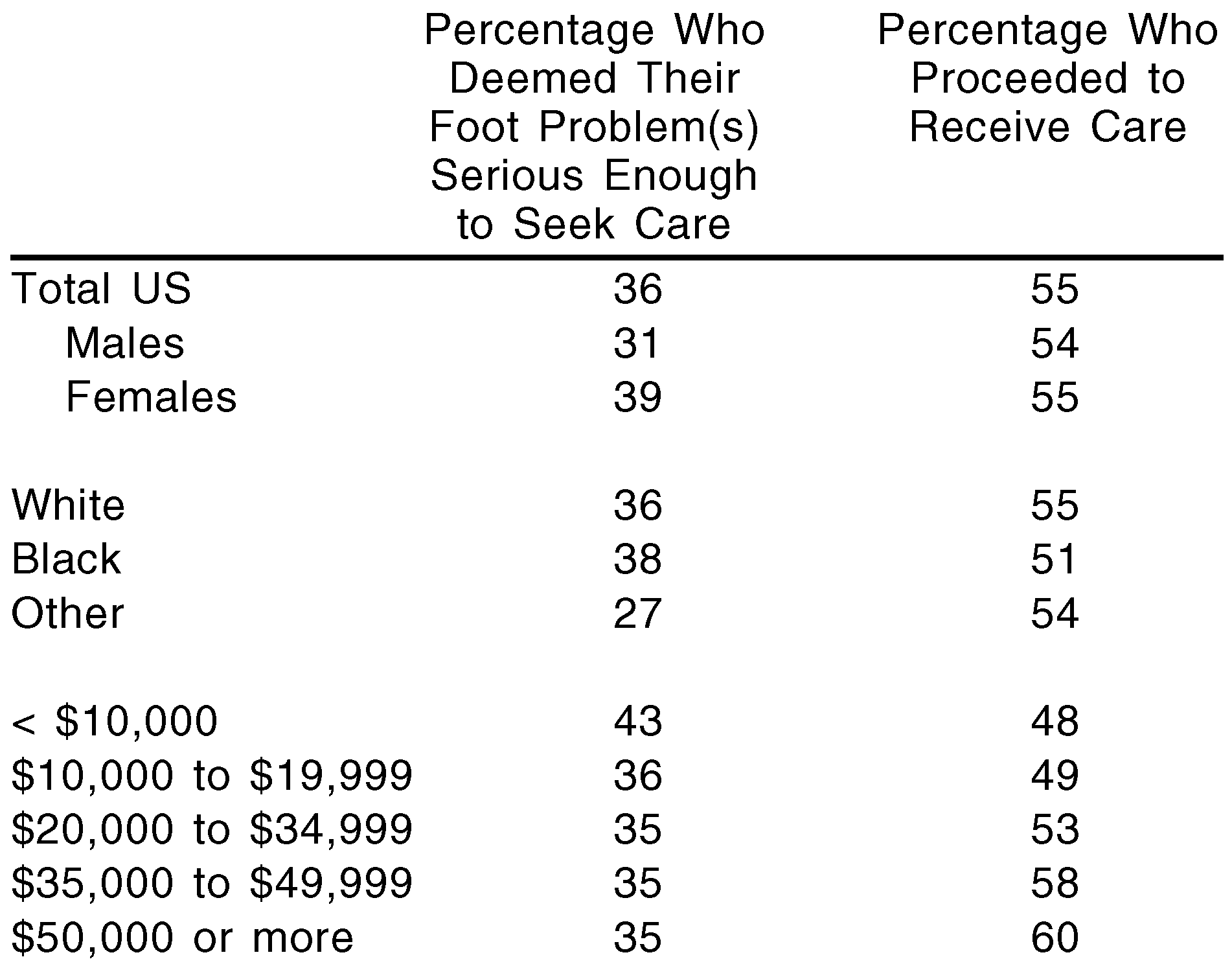
Within income levels of less than $20,000, there was an increased prevalence in all conditions except for foot infections. This is a significant finding in light of the financial constraints on the homeless population. Only 48% of patients making less than $10,000, with foot problems they deemed serious enough to seek care, actually received care. The percentage of patients receiving care in this category increased as income levels increased. Interestingly, while 40% of those making less than $10,000 didn’t receive care because of financial reasons, only 14% didn’t receive care because of difficulty with access to care. This is in stark contrast to those making $50,000 or more where only 3% cited financial reasons and 21% cited access problems (Table 8).
Conclusion
- Increased Risk of Lower Extremity Pathology
The homeless represent a medically disenfranchised patient population at significant risk for morbid foot complications. The mere lack of appropriate hygiene places this group at risk independent of any systemic conditions or congenital deformities. Marwick [8] identified the disproportionate disorders of the lower leg in the homeless population. The inability to lie down at night leads to chronic edema resulting in valvular incompetence and subsequent microvascular damage. Ultimately, a cycle of chronic phlebitis, infection, and ulceration ensues [8].
- Demographic Similarities
This population of homeless persons had an approximate average age of 38 years. It is primarily made up of minorities, and although predominately male, the male-to-female ratio was 1.94. All these parameters fall within the general characteristics of other homeless populations [1,2,3,4,5,6].
- Podiatric Needs
The prevalence of podiatric problems in the national sample (National Health Interview Survey, 1990) and the homeless population studied here is consistent in most areas.7 Nail pathology is the number-one concern in both the homeless population and the national sample. Four out of five of the same conditions are common to both populations and include nail pathology, corns and calluses, foot infection (including fungal infections), and bunion deformity.
It is evident by the 1990 National Health Interview Survey that persons earning less than $10,000 annually are at greater risk of not receiving care for serious foot conditions.
Response
The homeless population needs foot care provided by the community. Preventive services treat the individual and also serve the health care needs of the entire community by preventing potentially communicable diseases, and reducing health care costs.
The opportunities for primary and secondary prevention require a proactive initiative as many homeless are psychologically impaired and reluctant to seek medical care unless they consider it absolutely life threatening.
The American Public Health Association has a public health care initiative to provide modest financial assistance grants. These grants provide start-up funding for proposals seeking to establish a podiatric medical presence within state or local public health departments.
References
- MORRIS W, CRYSTAL S: Diagnostic patterns in hospital use by an urban homeless population. J Med 151: 472, 1989.
- MCDONALD DD: Health care and cost containment for the homeless: curricular implications. J Nurs Educ 25: 261, 1986. [CrossRef] [Scilit] [PubMed]
- REICH R, SEIGEL L: The emergence of the bowery as a psychiatric dumping ground. Psychiatr Q 50: 191, 1978.
- AMA Report on the Council of Scientific Affairs, “Healthcare Needs of the Homeless and Runaway Youths,” R I Med J 72: 183, 1989.
- USATINE RP, GELBERG L, SMITH MH, ET AL: Healthcare for the homeless: a family medicine perspective. Am Fam Physician 49: 139, 1994. [PubMed]
- BASSUL E: The homeless problem. Sci Am 251: 40, 1984.
- GREENBERG L: Analysis of Foot Care Data From the 1990 National Health Interview Survey, Health Resources and Services Administration, Bureau of Health Professions, Division of Medicine, Rockville, MD, November, 1992.
- MARWICK C: The “sizable” homeless population: a growing challenge for medicine. JAMA 253: 3217, 1985.
Additional Reference

© 1996 American Podiatric Medical Association