


Abstract
Background: Surgery is often required to manage acute soft-tissue or chronic bone infection of the foot and can include aggressive incision and drainage and debridement of nonviable tissue and bone to eradicate infection. Achieving a stable plantigrade foot for weightbearing can be challenging, and limb salvage is deemed successful if the patient can bear weight on the plantar aspect of the foot without further ulceration. Methods: A retrospective outcomes evaluation for patients who underwent forefoot surgery for diabetic foot infection in an integrated consultant-led podiatric surgery service was performed. Fifty-six patients met the inclusion criteria, and their electronic and paper records were reviewed to establish patient demographics, dates and levels of limb salvage surgery, and mortality rates. Results: Ninety-one procedures were performed. The mean patient age at first procedure was 60.34 years. The most commonly performed procedure was whole hallux amputation (n = 12), with a reoperation rate of 41.66%. First procedures had a total reoperation rate of 44%; 37.5% in the ipsilateral limb and 7% in the contralateral limb within 407.03 days. The mortality rate was 25%, and the average age at death was 68.43 years. Average time from first surgery to death was 2.83 years. Conclusions: This study indicates the range of procedures that can be performed by the podiatric surgery team in the event of deteriorating forefoot infection, and we acknowledge that the level of surgery influences the distribution of weightbearing forces and the risk of further ulceration. We highlight the contribution of our speciality to this patient group with good long-term results.
The prevalence of diabetic foot problems is increasing [1]. In the United Kingdom, it is estimated that 100 people a week lose a toe, foot, or lower limb due to diabetes and diabetic foot infection [2], which presents a major financial burden to the National Health Service (NHS) [3]. In 2012, NHS Diabetes estimated that £1 in every £150 is spent on foot ulcers or amputations each year [4]. Other than the rising cost of care for the ulcerated patient, ulceration is a major risk factor for the development of infection, and acute infections are a significant concern because they are associated with not only risk of limb loss but also, in severe cases, loss of life [1].
The presence of infection also augments the risk of minor amputation by 50% [5]. This risk is amplified threefold when the infection extends to the bone [6]. Guideline-based early diagnosis and intervention regarding infection has been shown to 1) improve outcomes by reducing the need for major amputations and increasing quality of life for the patient and 2) reduce costs related to diabetic foot complications [7]. Surgical management is often required to manage acute soft-tissue infection or chronic bone infection. Approaches can include aggressive incision and drainage and debridement of nonviable soft tissue and bone in an attempt to eradicate infection [5,8,9]. Achieving a stable plantigrade foot for weightbearing can be a challenge, and limb salvage is deemed successful if the patient is able to bear weight on the plantar aspect of the foot [10].
The advantages of surgical debridement as a tool to treat foot infection are that it shortens antibiotic drug therapy, permits sampling of tissue and bone for microbiological and histologic examination, allows the removal of necrotic bone (as well as bacteria and biofilm), and can prevent recurrence by removing associated bony prominences [11]. It has been reported, however, that patients with diabetes who undergo minor amputations frequently require further episodes of surgery [12]. A total of 21.5% of subsequent amputations are reported to occur in the initial 6-month postoperative period [13], 26.7% in the first year, and 48.3% at 3 years [14]. Reamputation rates as high as 60% have been reported at 10 years [15].
Mortality rates after ulceration and amputation are high, with up to 70% of patients dying within 5 years of an amputation and approximately 50% dying within 5 years of developing a diabetic foot ulcer [4]. Early surgical treatment of diabetic foot infections may reduce mortality and the need for major amputations [5].
The author (R.C.W.) noted from experience that the most important step in clinical practice for managing deep infection is urgent incision and drainage of an abscess, and radical debridement of infected and nonviable tissue, yet procedures such as metatarsal and ray amputations alter the structure and biomechanics of the foot. The level of amputation must be carefully selected to optimize both healing and functional recovery [16].
There is a lack of contemporaneous data on the outcomes of patients undergoing forefoot surgery for infection and the characteristics that may help predict further surgery, amputation, and limb or life loss. In this study, we aimed to study the experience from Homerton University Hospital (London, United Kingdom) by conducting a retrospective review of our practice.
Material and Methods
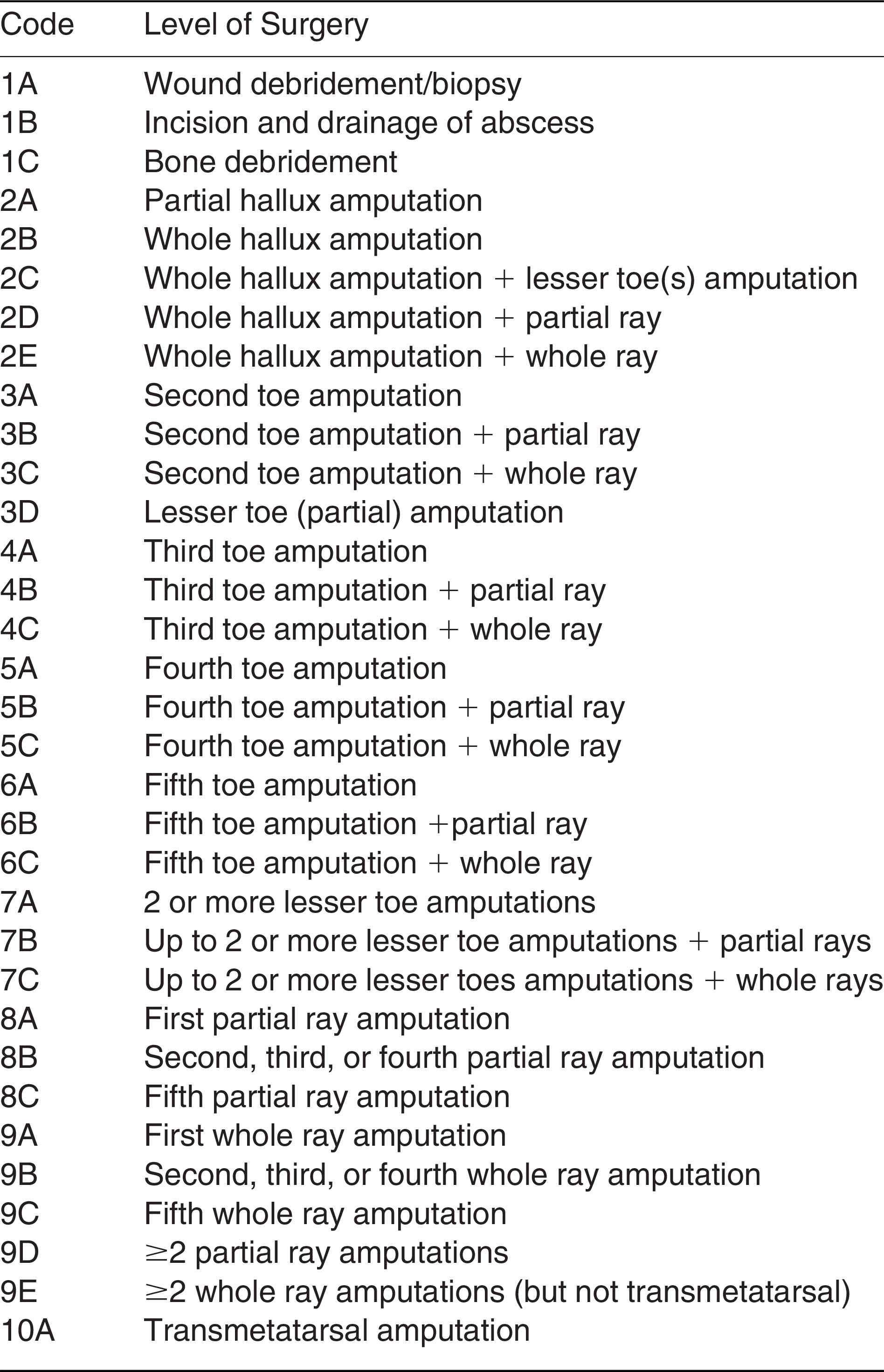
The patients in this study were initially selected from a retrospective review of their hospital electronic patient records. All of the patients undergoing an urgent or elective surgery in the hospital are allocated operating room time based on a procedure code. Therefore, to establish patients who had undergone limb salvage surgery since the introduction of electronic records with the service, a central database search was performed using the relevant procedure codes (Table 1). This returned a list of patients, and each individual electronic record was reviewed to ensure that the patient and the patient record met the study criteria. For patients who had undergone previous limb salvage/amputation procedures with the service before the introduction of the electronic records, their paper records were pulled from file and reviewed also. No limits were applied to age, race, or sex. Age and sex as data variables were collected as part of the study.

Table 1.
Alphanumeric Procedure Codes Designating the Level of Surgery
Inclusion and Exclusion Criteria
All of the patients admitted to Homerton University Hospital NHS Foundation Trust with diabetic forefoot infection who underwent incision and drainage, surgical debridement, or partial or complete forefoot amputation under the care of the podiatric surgery team were included in this study.
We excluded patients without a diagnosis of diabetes, with peripheral arterial disease confirmed via ankle-brachial pressure index, with autoamputation, with necrotizing fasciitis, with infection that was sited or extending proximal to the Lisfranc joint, with a confirmed history of Charcot’s neuroarthropathy, with traumatic amputations, with incomplete/insufficient electronic patient records, and lost to follow-up.
Ethical Considerations
To ensure compliance with the principles outlined by the Department of Health and to ensure that the service evaluation could be performed, ethical approval was sought from the University of Huddersfield Research Ethics Panel (Huddersfield, United Kingdom) and from the Homerton University Hospital NHS Trust Research and Development Department, where the authors are employed and where the evaluation took place. All of the data collected were retrospective relevant to the study, and all of the patient data remained anonymized. The study did not involve altering the patient’s care or performing invasive or study-specific interventions.
Eligible patients were identified via their hospital number only to maintain anonymization during collation of data and to ensure that each data set relating to an individual patient was guaranteed. The results of the database search were recorded in a spreadsheet program (Microsoft Excel, Microsoft Corp, Redmond, Washington) for ease of subsequent analyses.
The author (R.C.W.) reviewed each individual electronic case record, and, where necessary and appropriate, respective paper records were also reviewed to ensure a complete data set. The following information was collected and recorded: patient sex and date of birth; level of first surgery, including which limb (procedure taken directly from the surgeon’s operation document [either electronic or paper notes]); date of first surgery; dates of subsequent surgeries, including which limb (procedure taken directly from the surgeon’s operation document [either electronic or paper notes]); level of subsequent surgeries, including which limb (procedure taken directly from the surgeon’s operation document [either electronic or paper notes]); and recorded date of death.
In the event of missing data, no substitutions or assumptions were made, and independent verification of the data was performed by a second review of the cases by the service diabetes foot coordinator. A cross-check against the recorded data and both the electronic and paper notes was performed to ensure that any errors in transcription of data transfer to the spreadsheet were eliminated and to reduce bias. Microsoft Excel (Microsoft Corp, Redmond, Washington) was used to produce descriptive statistics regarding each variable, and nonparametric methods of analysis were used to avoid making unsupported assumptions.
Results
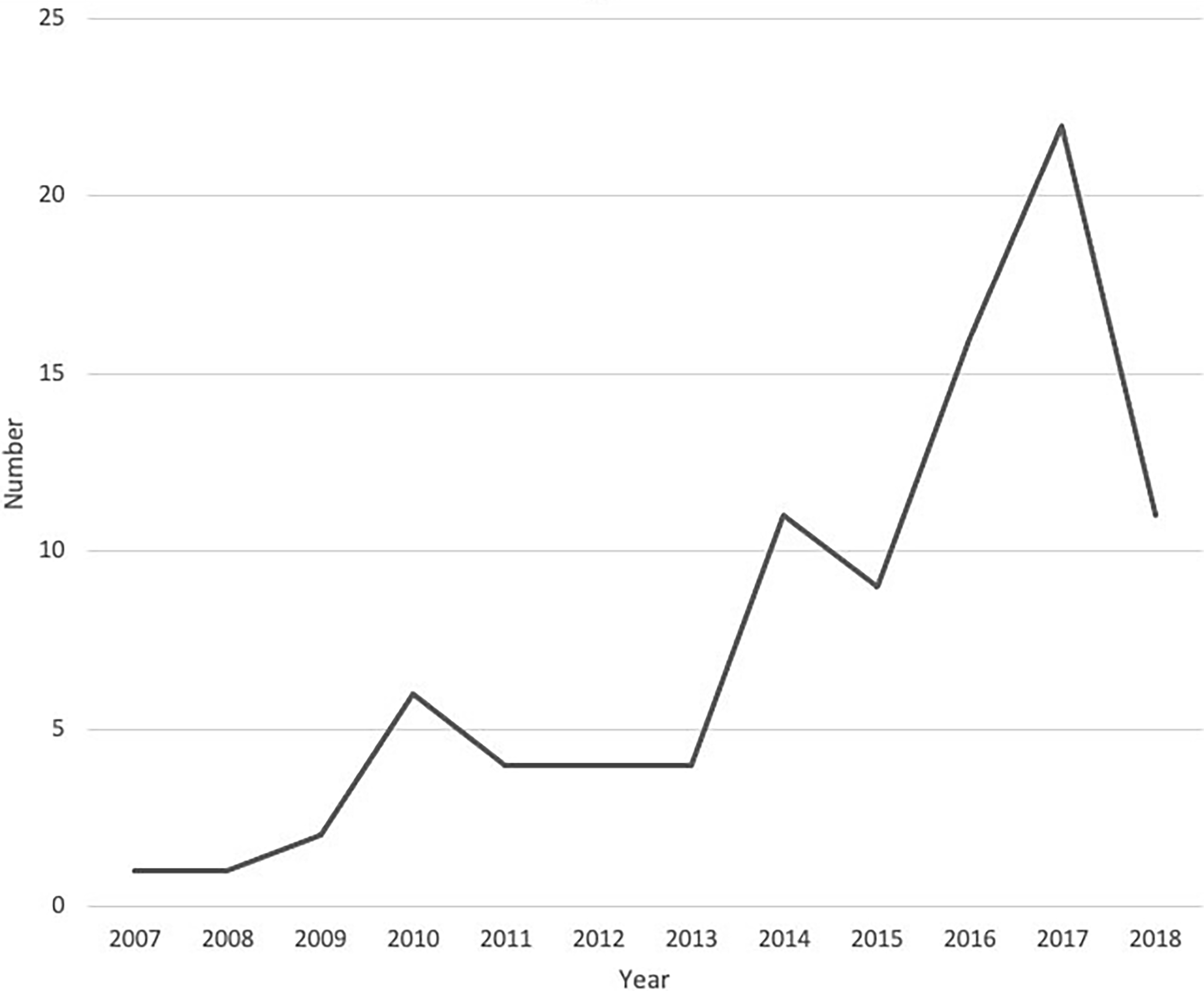
The electronic patient database search returned 95 patient records. Of these, 39 patients were excluded from the study: 27 had confirmed peripheral artery disease and were referred for management by the vascular team, one had no diagnosis of diabetes, six had infection at the rearfoot, two had a history of Charcot’s neuroarthropathy, and two were lost to follow-up (overseas patients). One further case was also excluded because she underwent a gastric banding procedure during the studied time frame and her diabetes went into remission. The final cohort of 56 patients met the inclusion criteria. After reviewing the patient’s electronic notes and paper notes where appropriate, the study time frame was confirmed to be 11.2 years. The first documented procedure was performed on October 1, 2007, and the last on December 21, 2018. During this period, 91 episodes of limb salvage forefoot surgery (Fig. 1) were performed by the podiatric surgery service on 45 male and 11 female patients.
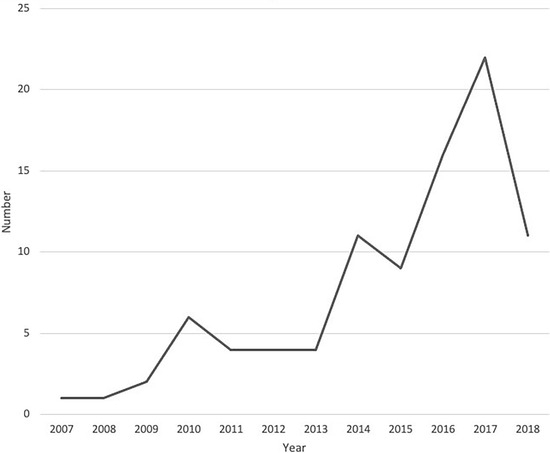
Figure 1.
Number of limb salvage forefoot procedures performed each study year.
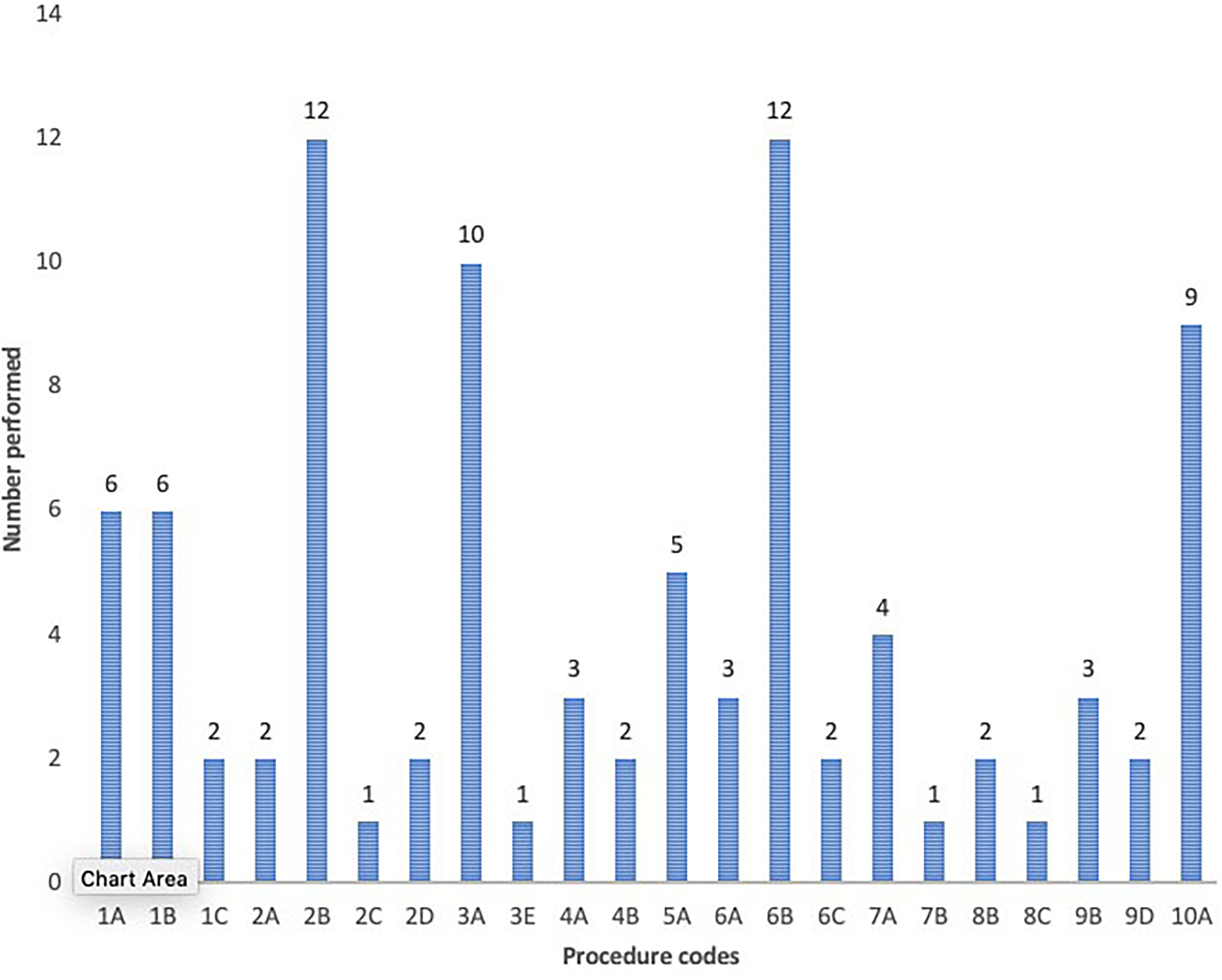
Due to the range of types of procedures performed, each was assigned an alphanumeric character (Table 1) to facilitate analysis of the data. The most commonly performed procedures were whole hallux amputation (n = 12), fifth toe and partial ray amputation (n = 12), second toe amputation (n = 10), and transmetatarsal amputation (n = 9) (Fig. 2). The mean age at the time of the first procedure was recorded as 60.34 years, with a range of 33.45 to 95.81 years.
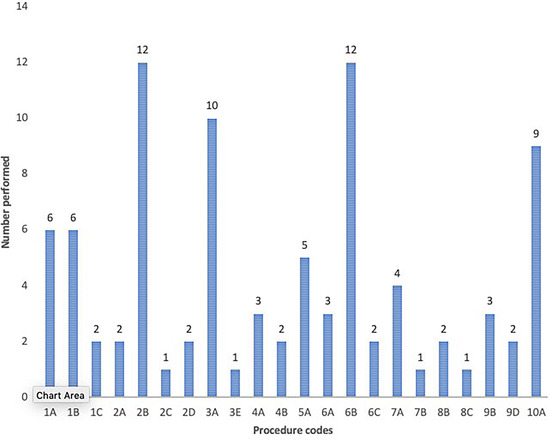
Figure 2.
Number of procedures performed. See Table 1 for alphanumeric procedure code descriptions.
Twelve patients required hallux amputation; seven of these patients (58.33%) went on to heal with only one episode of surgery. The other five patients (41.66%) returned for more proximal surgery, and one patient required a third operation, a transmetatarsal amputation, before resolution of infection was achieved. Two patients who underwent whole hallux and partial ray amputation had similar results. One went on to two additional procedures, including amputation of two or more lesser toes and central ray surgery followed by a transmetatarsal amputation at the patient’s fourth reoperation.
Eleven patients required surgery for infection at the fifth toe and fifth ray. Two patients were seen again for more proximal debridement of the fifth metatarsal, and one had deterioration of infection and required a further two or more toe-adjacent toe amputations and partial ray resection. In another patient, similar foot complications developed on the contralateral limb, and the patient subsequently underwent an identical procedure to address the infection.
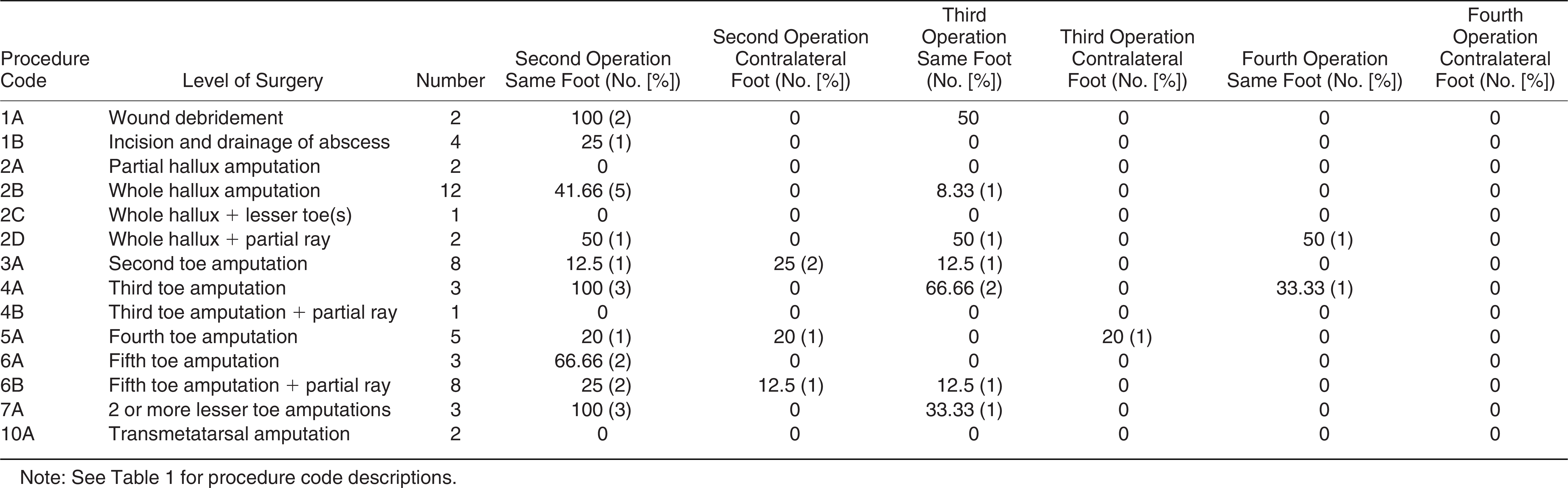
For 19 patients, primary limb salvage surgery necessitated amputation of one or more central toes (second–fourth). Eleven of these patients required repeated surgery (Table 2). One patient had further soft-tissue debridement to allow delayed closure of the wound, and five had debridement of infected bone from the central rays. Two of the patients went on to a transmetatarsal amputation of the ipsilateral limb.
Table 2.
Reoperation Rates
Further surgery was also required in 50% of patients who needed wound debridement/bone biopsy and incision and drainage of a forefoot abscess. In two of these six cases, revision surgery required excision of infected bone. The cumulative risk of reoperation was 44% to 37.5% in the ipsilateral limb and 7% in the contralateral limb. The average time from initial procedure to reoperation was 407.03 days (1.12 years) (Fig. 3). The maximum number of episodes of surgery that a patient underwent was four. This was applicable to only two of the 56 patients. For the first of these patients, the original site of infection was the hallux, and the patient’s primary procedure for salvage was a whole hallux and partial first-ray resection. Within 2 years, the patient returned for further amputation of lesser toes. Just more than another year later, infection had recurred, requiring the patient to undergo whole central ray amputation. The final procedure for the patient was a transmetatarsal amputation, which was performed almost 7 years after the original surgery. The second patient presented initially with osteomyelitis of the third toe. Within 6 weeks, the patient had undergone three episodes of surgery to address the infection, including second and third toe amputation and respective whole ray resection. This salvage surgery kept the patient out of the operating room for 5 years and 8 months. When the patient returned at this time with further infection that required incision and drainage of an abscess, the patient was not well enough to proceed with further limb salvage surgery and passed away within 4 months of infection recurrence. The overall mortality rate for the patients in this study was 25%, and the average age at the time of death was calculated to be 68.43 years. The average time from first surgery to death in our patient group was 2.83 years. As of January 1, 2019, 42 patients of the cohort (75.0%) remain alive and currently healed. No major amputations have been necessary in this group of patients to date.
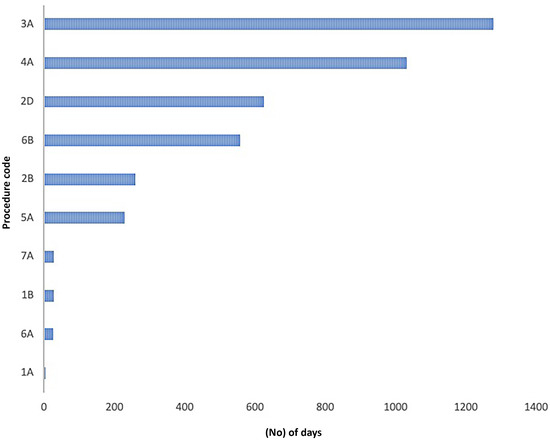
Figure 3.
Time to reoperation. See Table 1 for alphanumeric procedure code descriptions.

Discussion
Clinically, it is preferable to intervene early in diabetic patients presenting with chronic nonhealing wounds and acute foot infection, with an intent to prevent either more proximal infection or systemic sepsis. Widespread cellulitis necessitates extended periods of hospitalization, extends the need for a longer duration of antibiotic drug therapy, and in some cases can risk patient mortality. The present study indicates that with this prompt approach to treatment in this cohort, mortality rates of 25% were lower than has been previously reported with diabetic osteomyelitis.
Several studies have now demonstrated that residual osteomyelitis is associated with poor clinical outcomes and the need for further intervention. Obtaining clean margins at the point of surgical intervention for management of diabetic foot osteomyelitis is, therefore, important [17].
In 2012, Atway et al [18]. considered the rate of residual osteomyelitis after partial foot amputation in diabetic patients and promoted a standardized method for evaluating the bone margins using intraoperative culture. They found that patients who had undergone toe amputation had a positive culture margin rate of 23% [18]. In the present study, we did not obtain cultures of the visibly clean margins, mainly because the surgical site was considered contaminated, and confidence in the culture result would be low. Also, many of our patients had already commenced oral or intravenous antibiotic drug therapy, and there is some evidence that this will alter the findings of microbiology cultures.
In the published data, one of the main controversies is whether antibiotic drug therapy alone or surgical treatment as an adjunct therapy is more effective [10]. In this evaluation, all of the patients with osteomyelitis underwent surgical treatment; therefore, this particular aspect of the debate could not be considered. There have been many developments over the years regarding the diagnosis and treatment of diabetic foot infections. Today, the use of evidence-based guidelines, multidisciplinary teams, and institution-specific clinical pathways help guide optimal care of this multidimensional problem. In line with the evidence base within our clinical practice, the presence of osteomyelitis of a toe or metatarsal head is an indication for surgical intervention. Shorter antibiotic drug therapy courses have demonstrated a safer adverse effect profile. Due to appropriate procedure selection in most cases and the timeliness of early intervention, our patients have benefitted, with 75% remaining alive and healed.
Removal of an entire digit can place the patient at greater risk for transfer ulcerations of the adjacent digits [19]. This was certainly true of our patient cohort in that almost 60% of those who underwent lesser toe surgery returned for further digit amputation, and in one case required a transmetatarsal amputation. Our approach attempts to maintain the biomechanical integrity of the lesser metatarsophalangeal joints in an effort to avoid additional complications, including transfer ulcerations; however, the prognosis for this patient group is not favorable.
Risk of ulceration in the diabetic foot increases dramatically in the presence of neuropathy, foot deformity, or previous digit amputation [20]. The present results show that, overall, patients who undergo limb salvage surgery have a 44% chance of requiring further salvage procedures within 1.12 years of the original procedure.
The level of surgery selected can influence the effectiveness of distributing the weightbearing forces and the risk of further ulceration. Some studies have shown that partial ray amputation is a good method of prolonging a patient’s ability to mobilize [21]. Others state that one in every five patients who undergo any first-ray amputation will eventually require more proximal reoperation/reamputation [22]. The findings of this study support these latter statistics.
Evaluation of our service and patient outcomes has demonstrated results that are comparable with the literature and support early surgical debridement as a method for management of diabetic forefoot infection, with good long-term results.
The limitations of the present study were primarily related to the retrospective and descriptive nature of the study design. Peripheral artery disease occurs in up to 50% of patients with diabetes and concurrent foot ulceration. Patients with vascular disease are managed by the vascular team because prognosis and treatment are distinctly different in this patient group compared with those with diabetes who do not have peripheral artery disease [23]. This study is indicative of the subset of patients who can be safely managed by the podiatric surgery team and represents the contribution of our speciality to this patient group.
Conclusions
Fundamentally, the range of surgical procedures that can be performed in the event that surgery is required to remove infected tissue and bone has been demonstrated. The associated risks of reulceration after iatrogenic changes in morphology were presented, and we calculated the risk to the contralateral and ipsilateral limb after different levels of salvage surgery. No link between the level of foot surgery and the rate of mortality was made. In the case of deteriorating foot infection, however, limb salvage forefoot surgery has been shown to resolve infection and prolong the life of a weightbearing foot in patients with diabetes.
Financial Disclosure:
None reported.
Conflict of Interest:
None reported.
References
- Lever, CJ. Diagnosis and management of the acute hot diabetic foot. Orthop Trauma 2018, 32, 416. [Google Scholar]
- National Diabetes Support Team. Diabetic foot guide. Available at:. Accessed June 13, 2019.
- Hex, N; Bartlett, C; Wright, D. Estimating the current and future costs of Type 1 and Type 2 diabetes in the UK, including direct health costs and indirect societal and productivity costs. Diabet Med 2012, 29, 855. [Google Scholar]
- National Institute for Health and Care Excellence (NICE). Diabetic foot problems: prevention and management. NICE guideline NG19. 2019.
- Hobizal, KB; Wukich, DK. Diabetic foot infections: current concept review. Diabet Foot Ankle 2012, 3, 18409. [Google Scholar]
- Lavery, LA; Peters, EJ; Armstrong, DG. Risk factors for developing osteomyelitis in patients with diabetic foot wounds. Diabetes Res Clin Pract 2009, 83, 347. [Google Scholar]
- Driver, VR; Fabbi, M; Lavery, LA. The costs of diabetic foot: the economic case for the limb salvage team. JAPMA 2010, 100, 335. [Google Scholar]
- Lefrancois, T; Mehta, K; Sullivan, V. Evidence based review of literature on detriments to healing of diabetic foot ulcers. Foot Ankle Surg 2017, 23, 215. [Google Scholar]
- Weledji, EP; Fokam, P. Treatment of the diabetic foot: to amputate or not? BMC Surg 2014, 14, 83. [Google Scholar]
- Faglia, E; Clerici, G; Caminiti, M. Feasibility and effectiveness of internal pedal amputation of phalanx or metatarsal head in diabetic patients with forefoot osteomyelitis. J Foot Ankle Surg 2012, 51, 593. [Google Scholar]
- Lipsky, BA. Treating diabetic foot osteomyelitis primarily with surgery or antibiotics: have we answered the question? Diabet Care 2014, 37, 593. [Google Scholar]
- Skoutas, D; Papanas, N; Georgiadis, GS. Risk factors for ipsilateral reamputation in patients with diabetic foot lesions. Int J Low Extrem Wounds 2009, 8, 69. [Google Scholar]
- Tentolouris, N; Boulton, AJM; Al-Sabbagh, S. Mortality in diabetic and non-diabetic patients after amputations performed from 1990 to 1995; a 5 year followup study. Diabetes Care 2004, 27, 7. [Google Scholar]
- Izumi, Y; Lee, S; Satterfield, K. Risk of reamputation in diabetic patients stratified by limb and level of amputation; a 10 year observation. Diabetes Care 2006, 29, 566. [Google Scholar]
- Armstrong, DG; Lavery, LA; Harkless, LB. Amputation and reamputation of the diabetic foot. JAPMA 1997, 87, 255. [Google Scholar]
- Griffin, KJ; Rashid, TS; Bailey, MA. Toe amputation: a predictor of future limb loss? J Diabetes Complications 2012, 26, 251. [Google Scholar]
- Schmidt, BM; McHugh, JB; Patel, RM. Prospective analysis of surgical bone margins after partial foot amputation in diabetic patients admitted with moderate to severe foot infections. Foot Ankle Spec 2019, 12, 131. [Google Scholar]
- Atway, S; Nerone, VS; Springer, KD. Rate of residual osteomyelitis after partial foot amputation in diabetic patients: a standardized method for evaluating bone margins with intraoperative culture. J Foot Ankle Surg 2012, 51, 749. [Google Scholar]
- Boffeli, TJ; Abben, KW; Hyllengren, SB. In-office distal Symes lesser toe amputation: a safe, reliable and cost effective treatment of diabetes-related tip of toe ulcers complicate by osteomyelitis. J Foot Ankle Surg 2014, 53, 720. [Google Scholar]
- Bandyk, DF. The diabetic foot: pathophysiology, evaluation, and treatment. Semin Vasc Surg 2018, 31, 43. [Google Scholar]
- Kadukammakal, J; Yau, S; Urbas, W. Assessment of partial first-ray resections and their tendency to progress to transmetatarsal amputations: a retrospective study. JAPMA 2012, 102, 412. [Google Scholar]
- Borkosky, SL; Roukis, TS. Incidence of re-amputation following partial first ray amputation associated with diabetes mellitus and peripheral sensory neuropathy: a systematic review. Diabet Foot Ankle 2012, 3, 12169. [Google Scholar]
- Hinchcliffe, RJ; Forsythe, RO; Apelqvist, J. Guidelines on diagnosis, prognosis, and management of peripheral artery disease in patients with foot ulcers and diabetes (IWGDF 2019 update). Diabetes Metab Res Rev 2020, 39(suppl 1), e3276. [Google Scholar]
© 2025 American Podiatric Medical Association