


Abstract
Background: Limb preservation surgery affects more than 100,000 Americans annually. Current postoperative pain management prescribing practices of podiatric physicians in the United States are understudied. We examined prescribing practices for limb preservation surgery to identify prescriber characteristics' that may be associated with postoperative opioid-prescribing practices. Methods: We administered an anonymous online questionnaire consisting of five patient scenarios with limb preservation surgery commonly performed by podiatric physicians. Respondents provided information about their prescription choice for each surgery. Basic provider demographics were collected. We developed linear regression models to identify the strength and direction of association between prescriber characteristics and quantity of postoperative opioid “pills” (dosage units) prescribed at surgery. Logistic regression models were used to identify the odds of prescribing opioids for each scenario. Results: One hundred fifteen podiatric physicians completed the survey. Podiatric physicians reported using regional nerve blocks 70% to 88% of the time and prescribing opioids 43% to 67% of the time across all scenarios. Opioids were more commonly prescribed than nonsteroidal anti-inflammatory drugs and anticonvulsants. Practicing in the Northeast United States was a significant variable in linear regression (P = .009, a decrease of 9–10 dosage units) and logistic regression (odds ratio, 0.23; 95% confidence interval, 0.07–0.68; P = .008) models for the transmetatarsal amputation scenario. Conclusions: Prescribing practice variation exists in limb preservation surgery by region. Podiatric physicians reported using preoperative regional nerve blocks more than prescribing postoperative opioids for limb preservation surgeries. Through excess opioid prescribing, the diabetes pandemic has likely contributed to the US opioid epidemic. Podiatric physicians stand at the intersection of these two public health crises and are equipped to reduce their impact via preventive foot care and prescribing nonopioid analgesics when warranted.
Limb preservation surgeries affect the lives of more than 100,000 Americans annually; of note, more than 86% of nontraumatic amputations in the United States are attributable to diabetes mellitus [1]. To maintain a functional limb, a wide range of limb preservation procedures are performed, ranging from toe amputations and split-thickness skin grafts to transmetatarsal amputations and partial calcanectomies [2]. Although patients who undergo these procedures may have debilitating health conditions, it remains unclear what constitutes acceptable postoperative pain management practices after limb preservation procedures, especially among patients with altered epicritic and protopathic sensation [3]. As a result, the balance between effective pain management and prevention of opioid dependence can be a difficult ethical dilemma in the setting of limb preservation scenarios [3,4].
The current opioid epidemic in the United States is a severe public health crisis [3,5–7]. More than 1.6 million people had an opioid use disorder in 2020, with opioid-involved overdoses killing more than 50,000 people in the United States in 2019 [8,9]. Furthermore, close to 80% of current heroin users first misused prescription opioids [10].
The declaration of pain as the “fifth vital sign” in 1995 and subsequent initiatives of pain management have contributed to the current opioid epidemic [11,12]. These changes led to the common use of the visual analog scale, a subjective pain measurement tool, to assess patient pain as routinely as other vital signs; therefore, clinicians were expected to move beyond acetaminophen and nonsteroidal anti-inflammatory drugs to address patient pain [11,12]. Opioid prescriptions almost doubled, from 3.2% of Americans in 1988-1994 to 5.7% of Americans in 2005-2008 [11,12]. This increase has significantly contributed to the rise in serious consequences of opioid use, such as addiction, overdose, and death. In 2020, Larach et al. [13] found that prescription opioids after surgery is one of the common paths for opioid addiction among opioid-naive patients and a leading cause of the opioid epidemic. It is important for physicians to exercise sound clinical judgment when faced with the decision to prescribe opioids after nontraumatic amputations; such decisions can be a contributing factor to the current state of opioid misuse in the country [14,15].
Benchmarking the postoperative opioid-prescribing habits of podiatric physicians in the United States may be useful in refining prescribing protocols to effectively control postoperative pain and minimize unused opioid distribution after limb preservation surgery [3,16–19]. This study, to our knowledge, was the first to explore the current prescription patterns of opioids after limb preservation surgery; this may aid podiatric physicians with this decision-making dilemma, as very little is currently known in the literature regarding an appropriate regimen for postoperative pain management for limb preservation procedures. Given that few national guidelines exist for opioid prescribing for acute pain, the purpose of this study was to evaluate the postoperative prescribing habits to manage postoperative pain among podiatric physicians. We believe that prescribing practices will be consistent with the previous work of Brooks et al. [3] (N = 860) and hypothesize that the median quantity of opioids prescribed at the time of surgery will be 30 opioid dosage units. In addition, we sought to identify whether certain demographic characteristics of podiatric physicians were associated with their postoperative opioid-prescribing practices.
Methods
Research Design
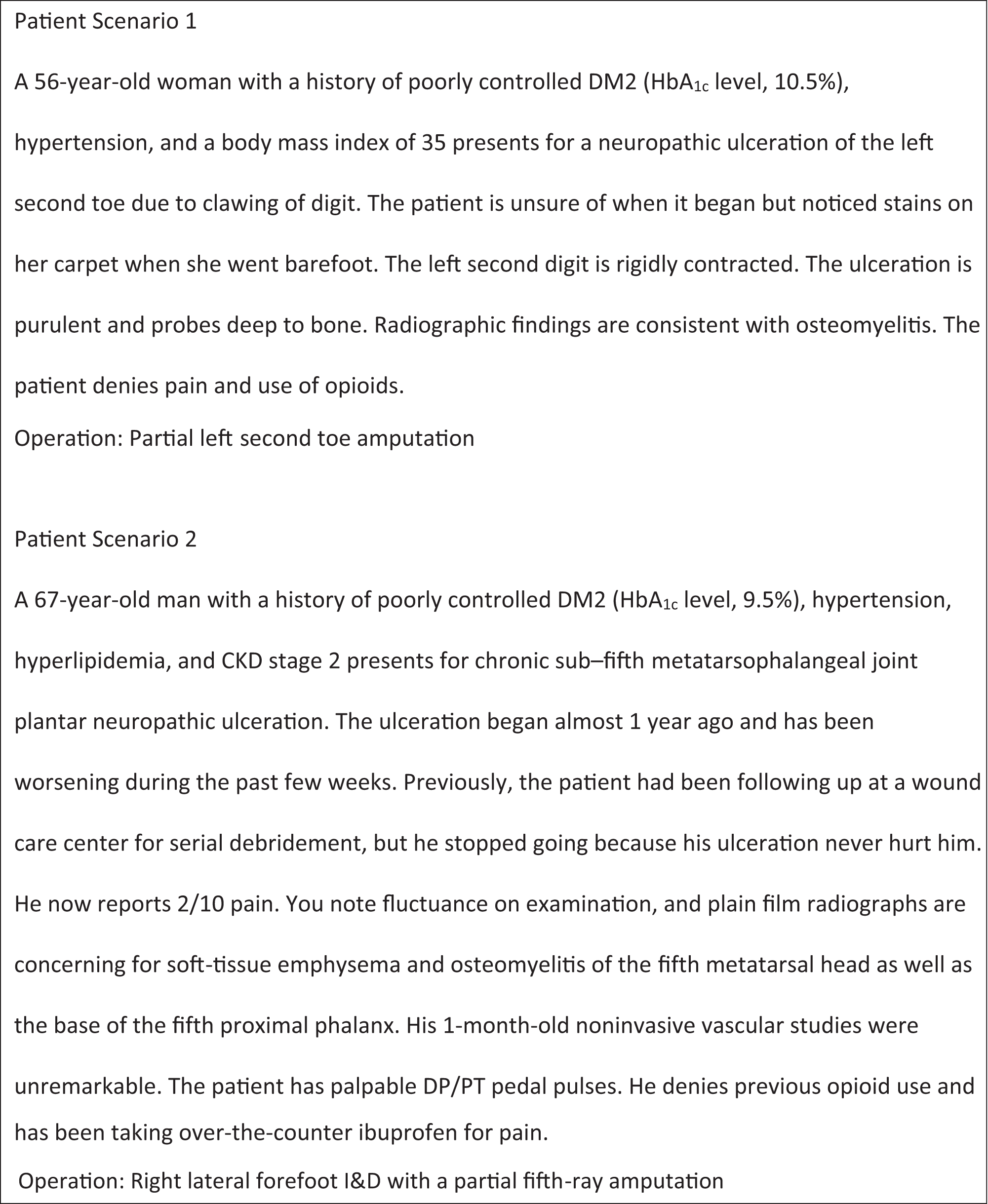
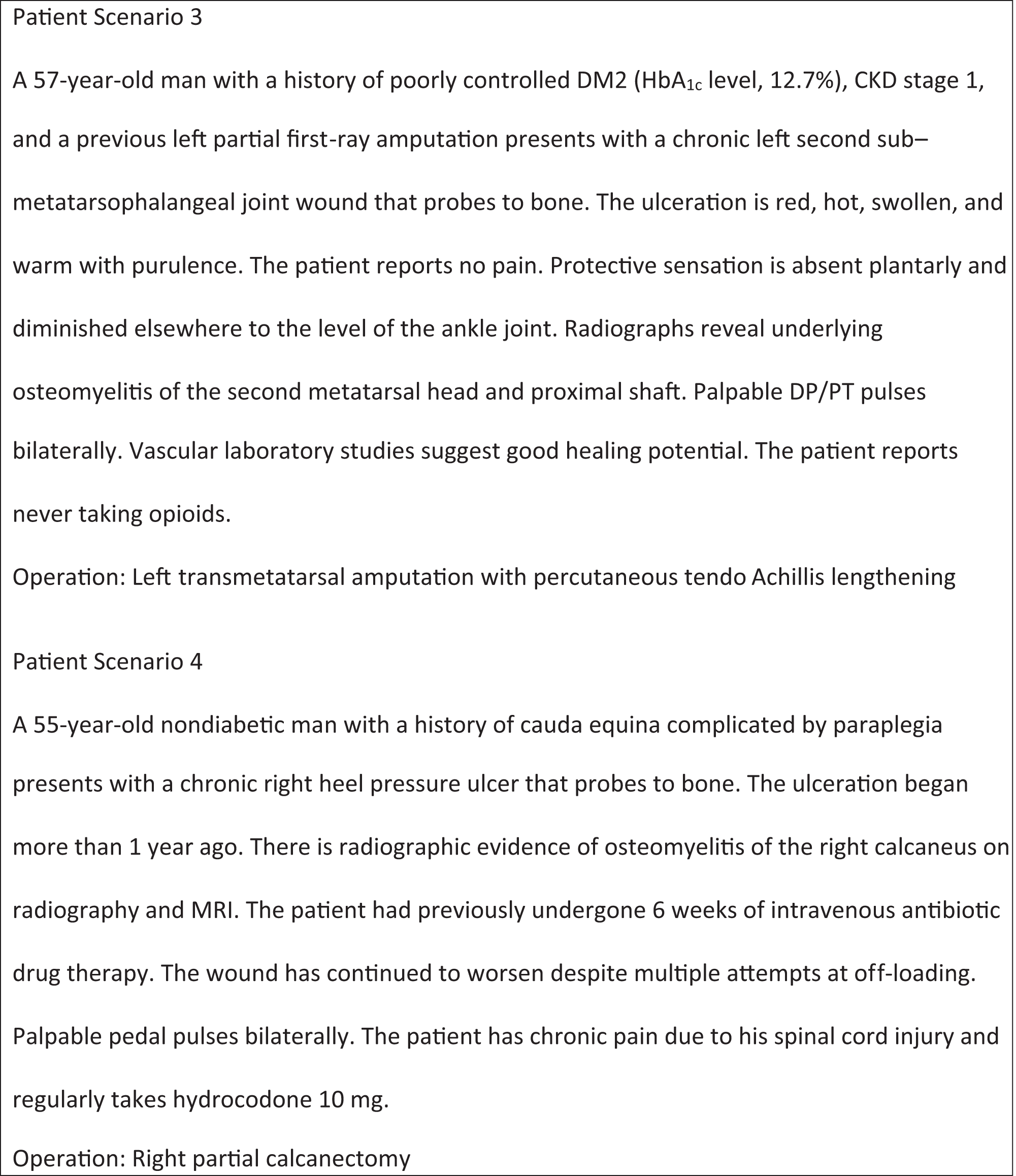
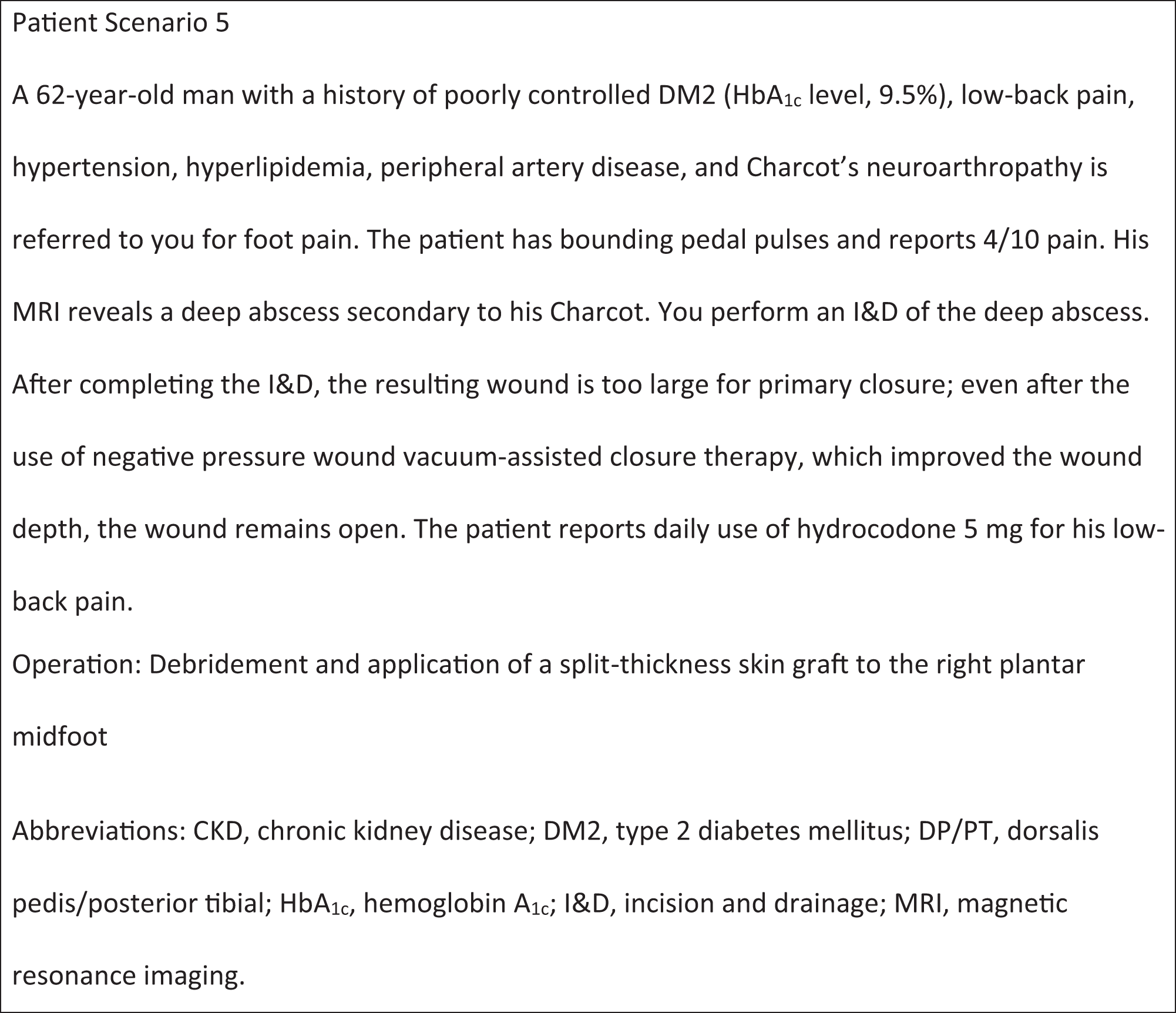
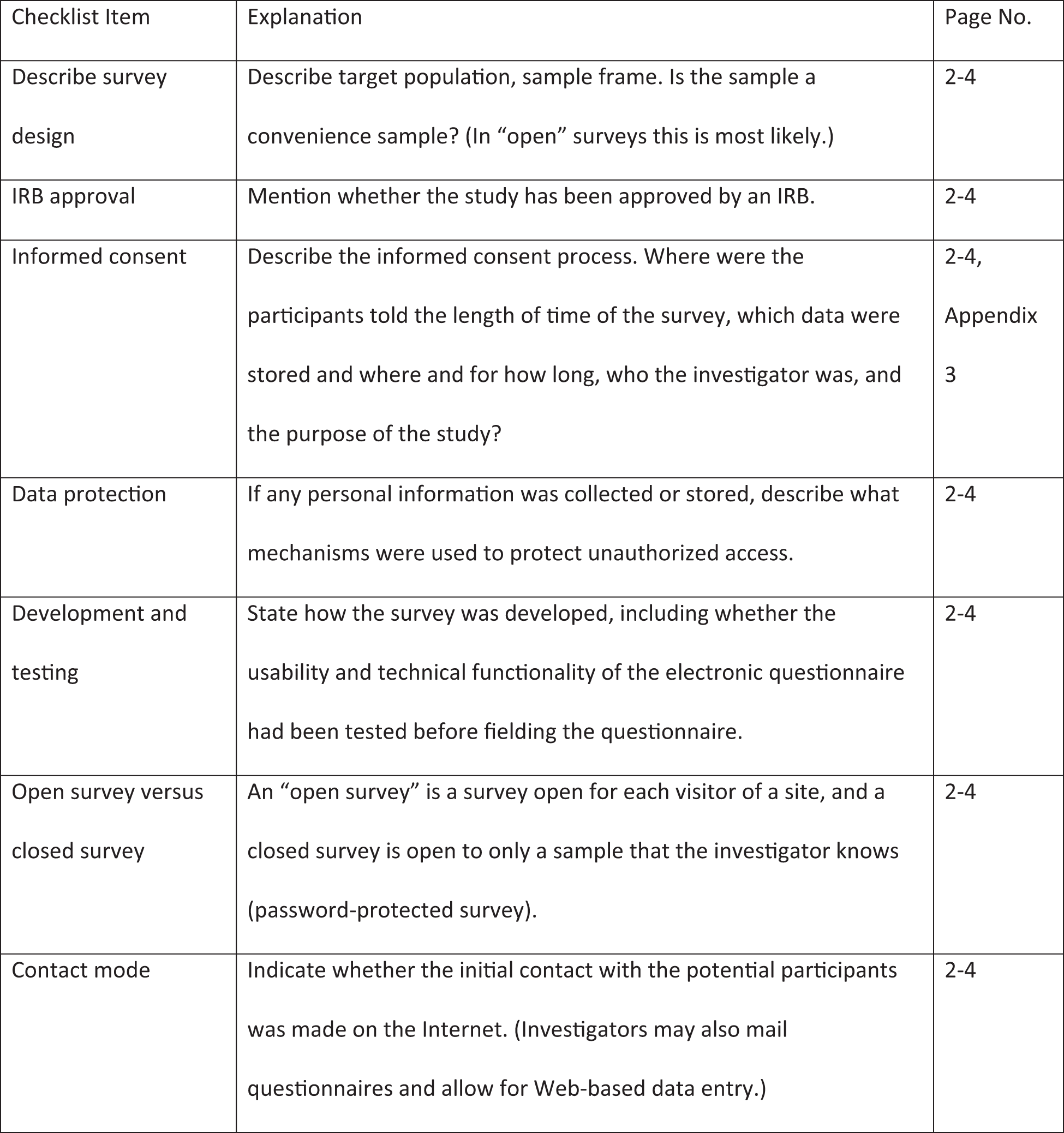
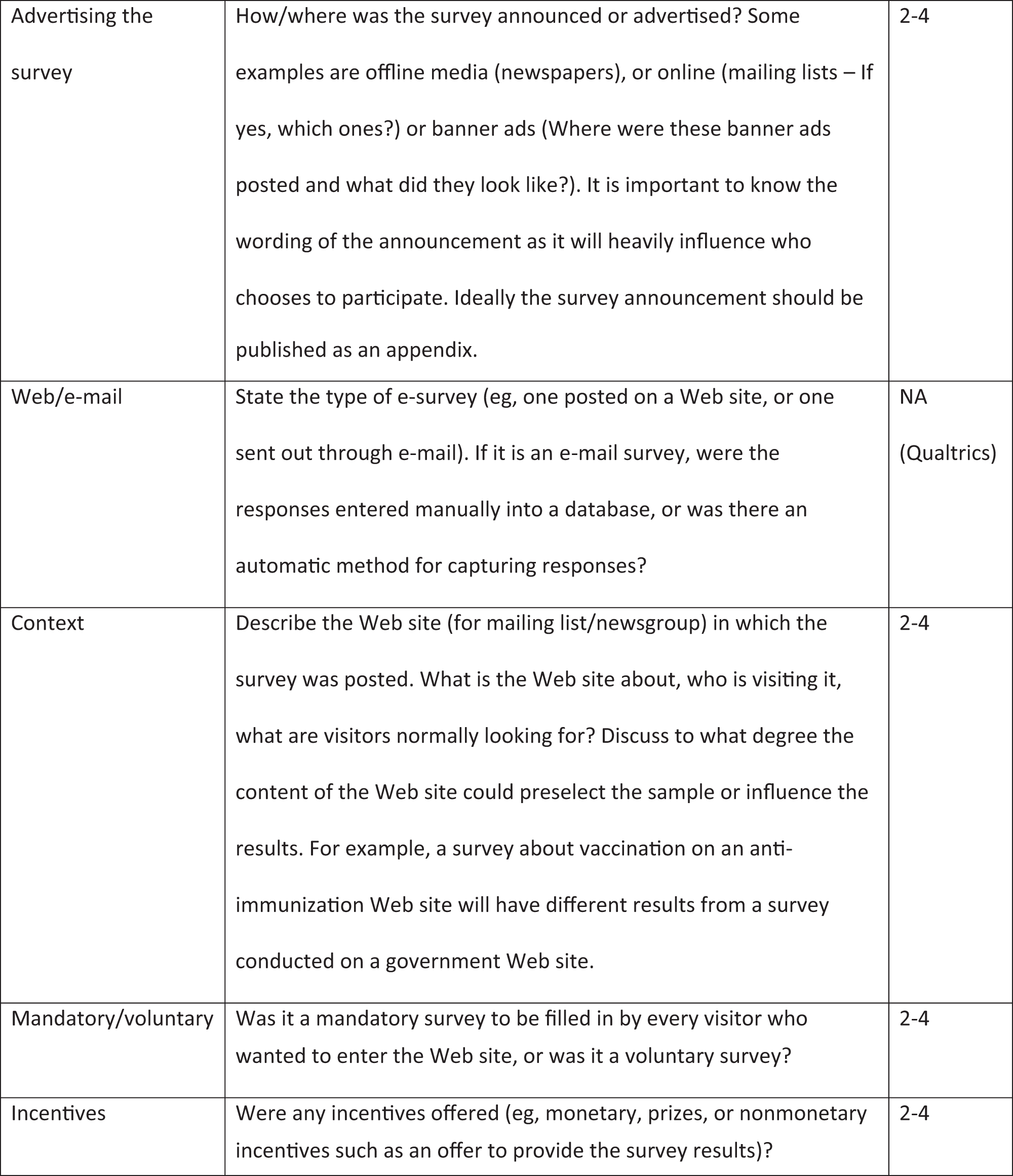
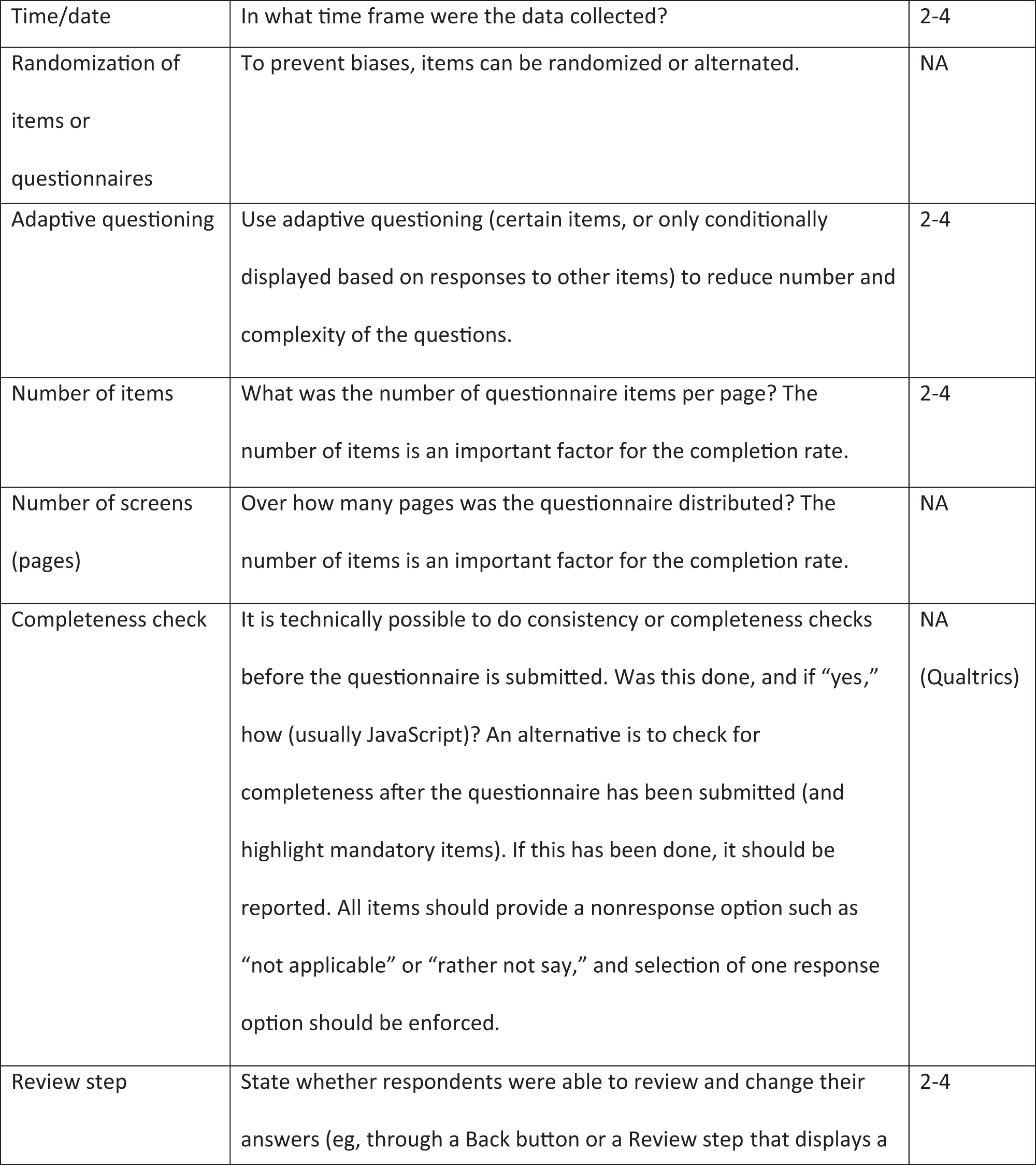
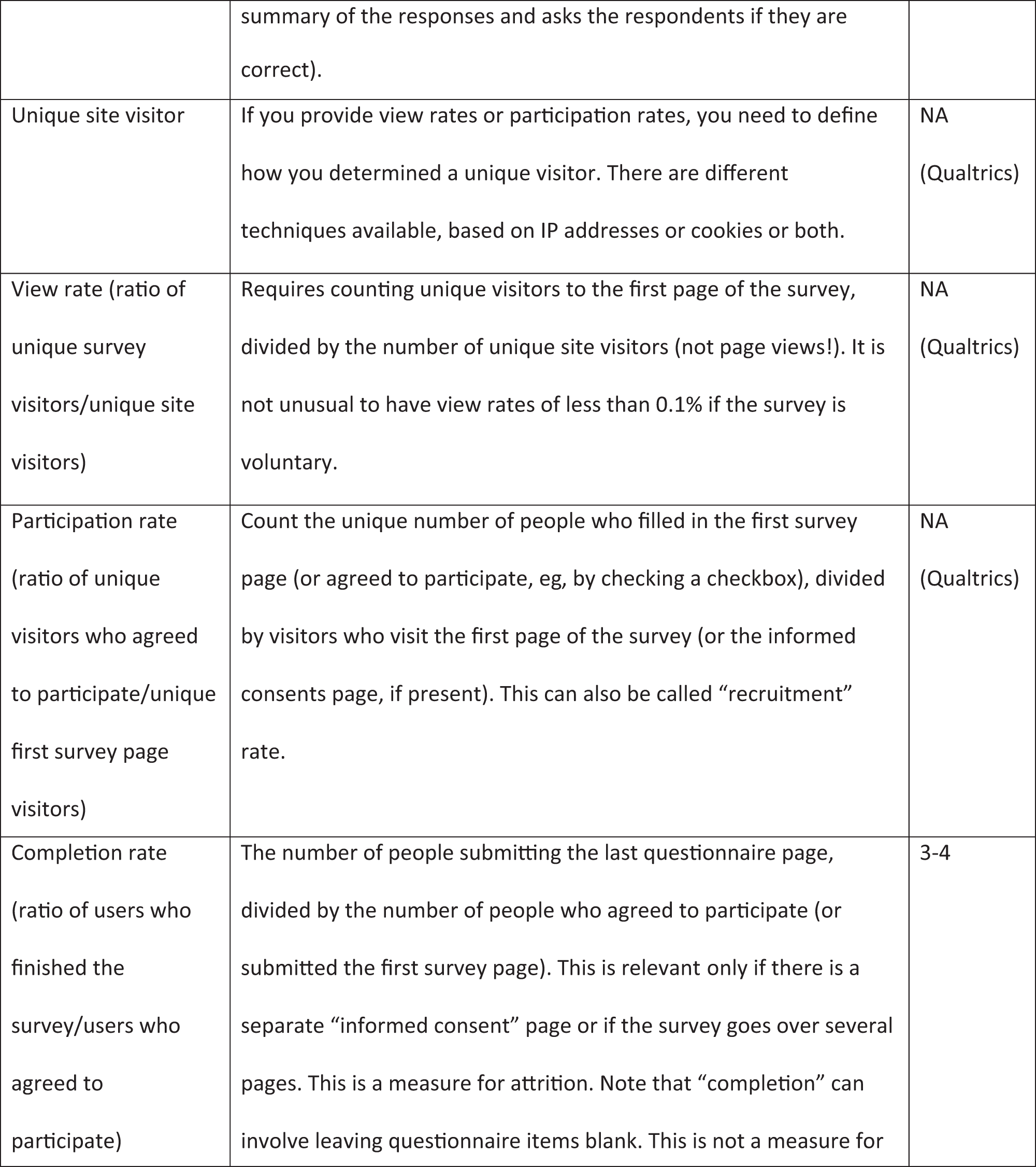
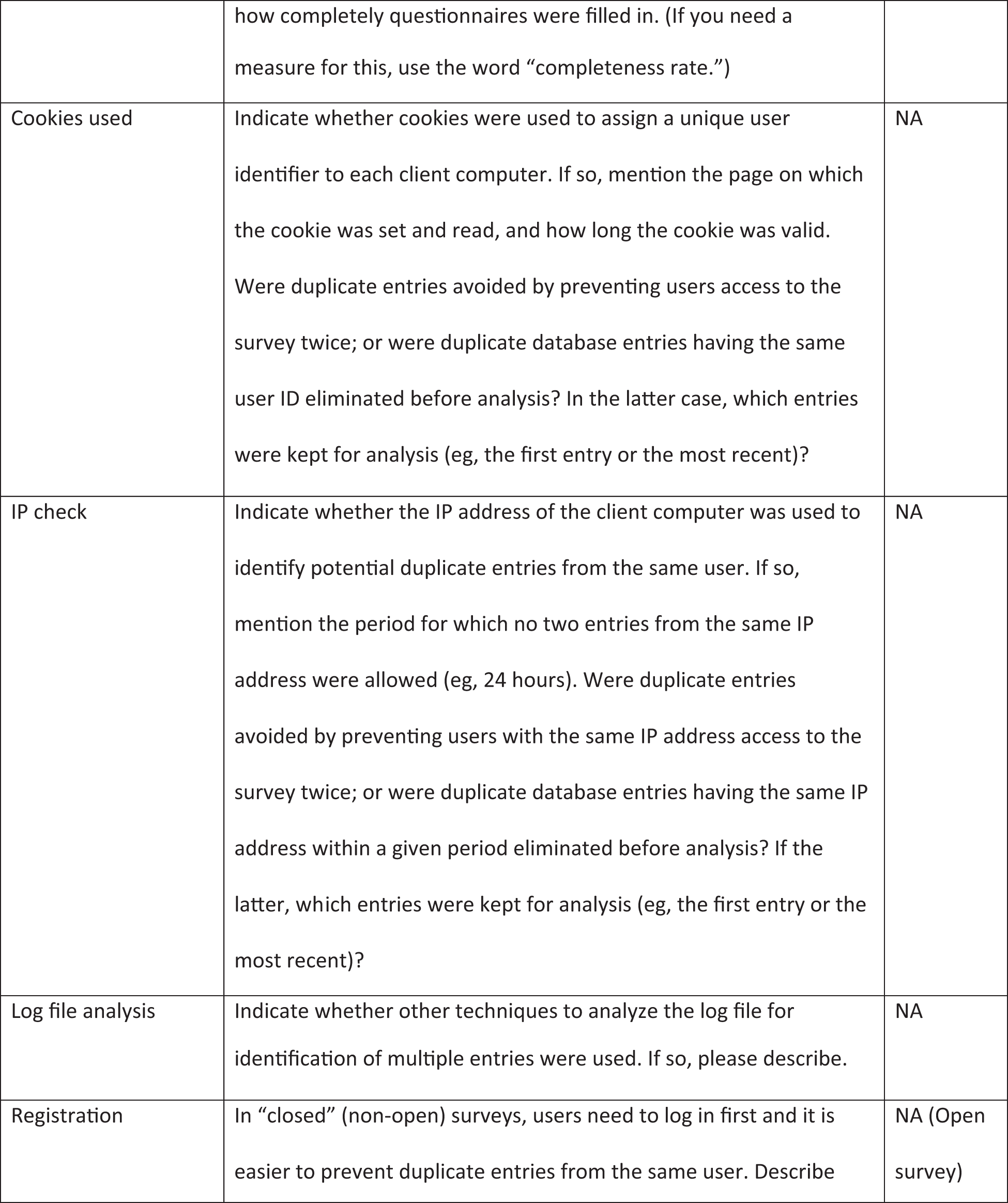
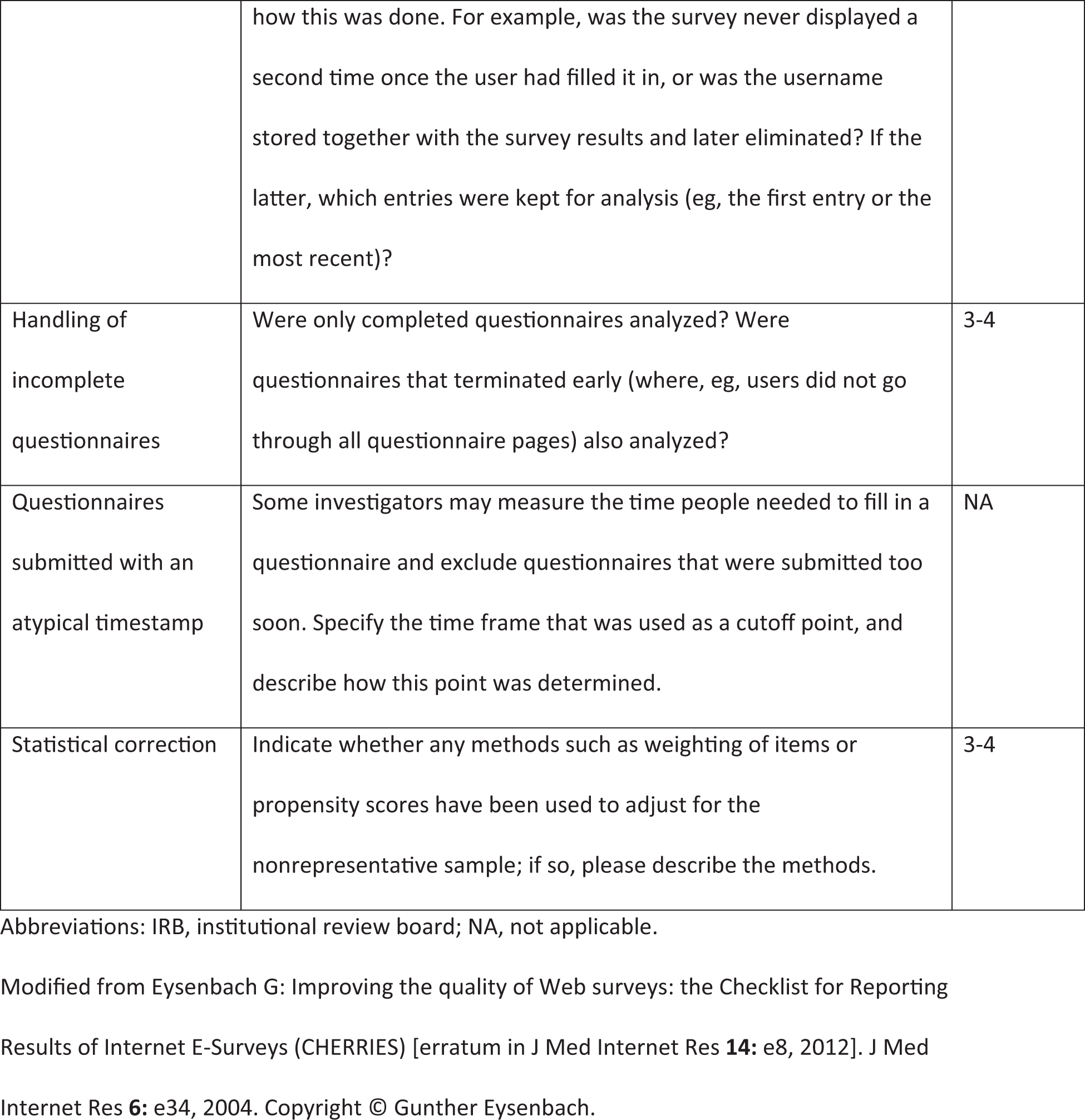
This study was based on a previous study by Brooks et al. [3], which used a scenario-based questionnaire inspired by Hearty et al. [20], to survey podiatric physicians’ postoperative opioid-prescribing practices in foot and ankle surgery. We received exempt status from the Committee for the Protection of Human Subjects at Dartmouth College (Hanover, New Hampshire) for an open, voluntary, anonymous, online questionnaire distributed on the Internet via the Qualtrics survey platform (Qualtrics, Seattle, Washington), which uses panel-based sampling to reach specific demographic populations. Respondents received no incentive for survey completion and could use a back button to revisit their answers. No personal or identifiable information was stored. We used the patient scenario surgery concept first used by Hearty et al. [20]. The five procedures in this survey were 1) partial toe amputation, 2) incision and drainage with a partial fifth-ray amputation, 3) transmetatarsal amputation with percutaneous tendo Achillis lengthening, 4) partial calcanectomy, and 5) wound debridement and split-thickness skin graft application. Full patient scenarios are found in Appendix 1. Content validity was established through an extensive review of the literature in September 2019 and by the members of the 2019-2020 Clinical Practice Advisory Committee of the American Podiatric Medical Association (APMA), who served as content experts and offered input on each patient scenario and on commonly prescribed postoperative pain medications in limb preservation surgeries. We completed the pilot study in March 2020. This study adhered to the Checklist for Reporting Results of Internet E-Surveys (CHERRIES), found in Appendix 2.
Sample and Population
The target population was practicing podiatric physicians in the United States. We recruited practicing podiatric physicians exclusively through e-mail invitation from the APMA membership list, which consisted of approximately 8,736 members who fit the eligibility criteria. Retired podiatric physicians, podiatric physicians who no longer perform surgery, current fellows, and residents were excluded. Survey respondents who did not complete the demographics section, which was at the end of the questionnaire, were also excluded from analysis.
Data Collection Process and Questionnaire
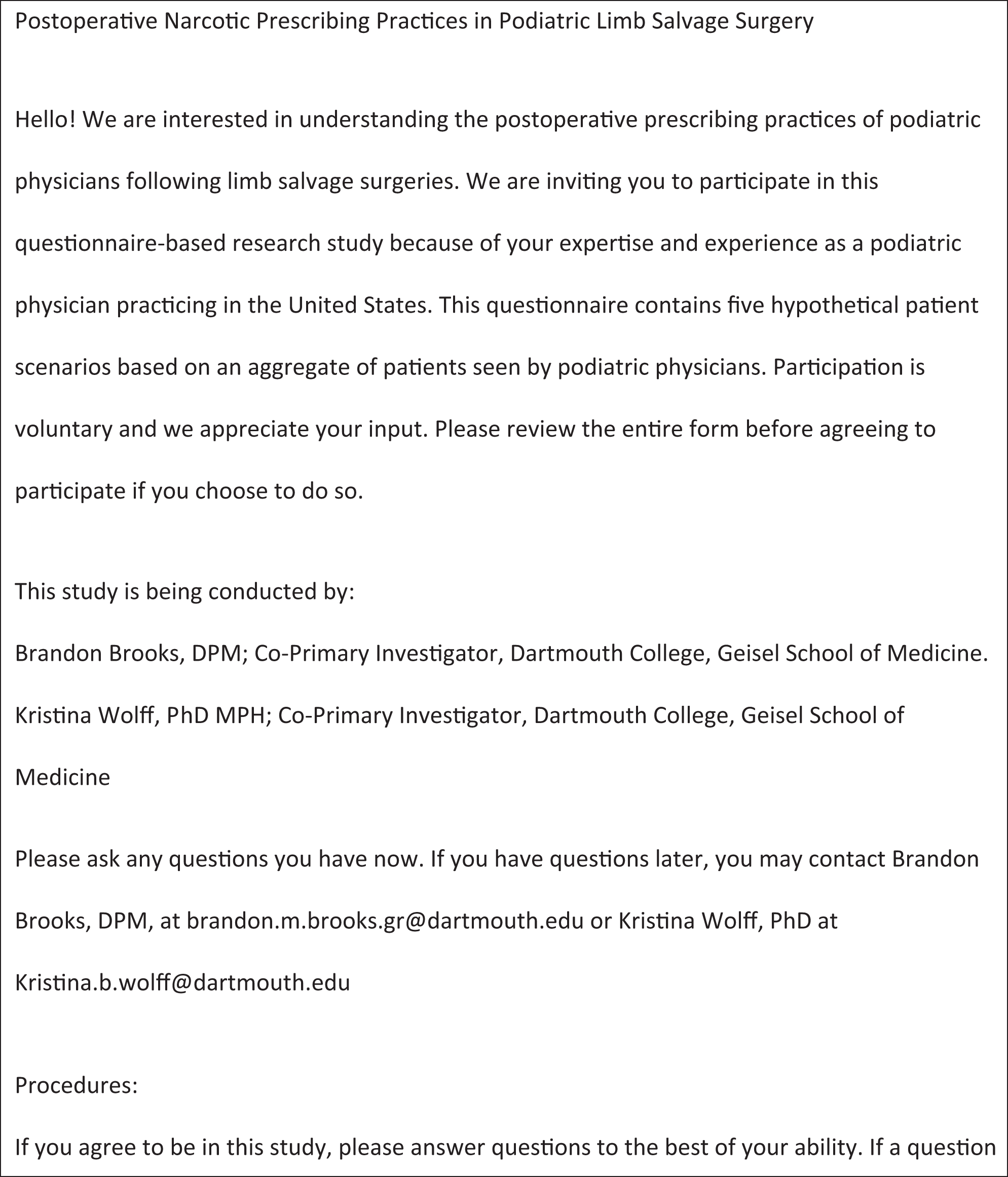
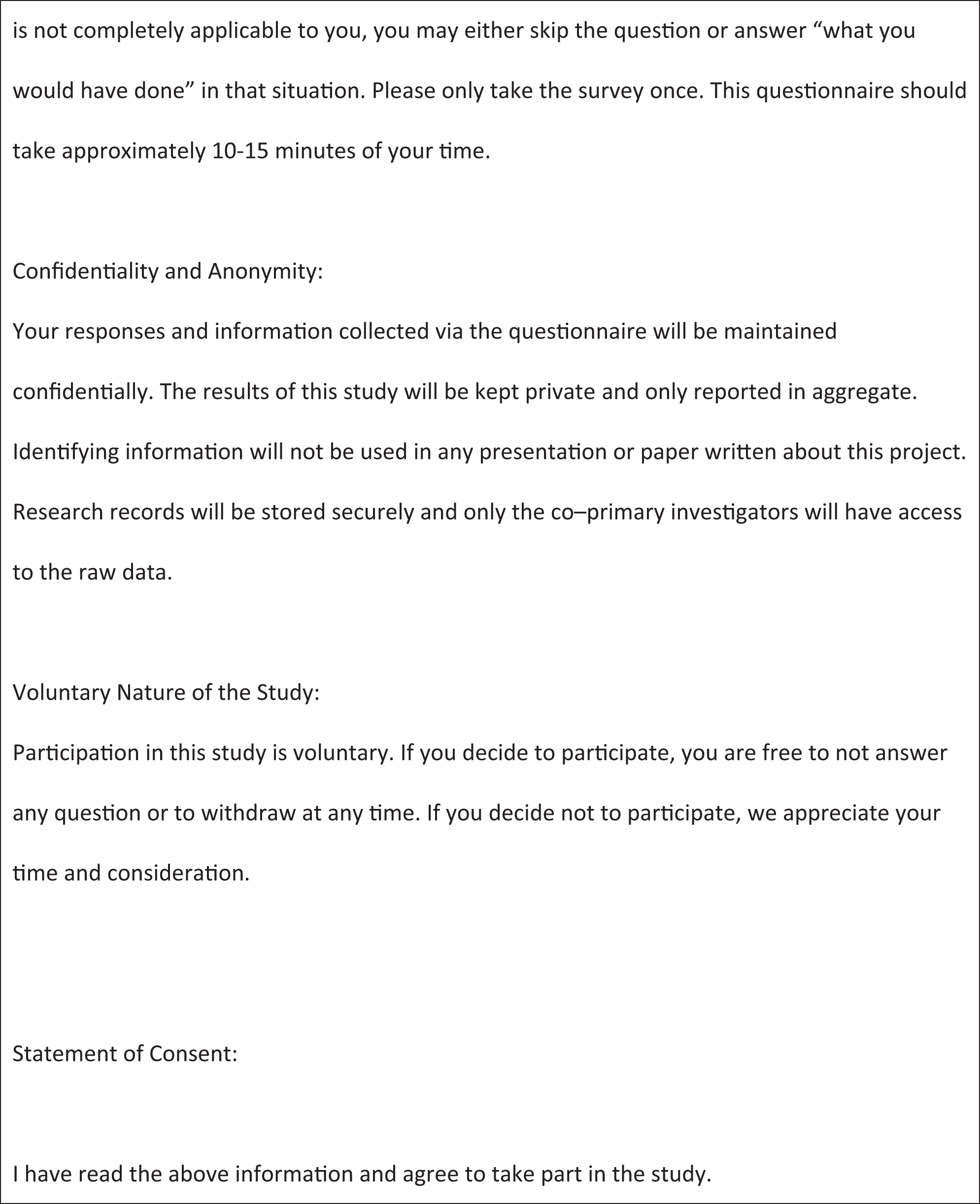
Two survey invitations were sent out via e-mail during the data collection period from March 20, 2021, to April 20, 2021. In the consent statement provided at the beginning of the survey, participants were asked to respond to the questionnaire only once (Appendix 3). The survey took an estimated 10 to 15 min to complete. Conditional branching was used. Respondents were presented with five different patient scenarios. For each scenario, respondents were then provided six multiple-choice options regarding which postoperative medication they would prescribe. Respondents were asked to complete a fill-in-the-blank response for the number of “pills” (dosage units) prescribed at the time of surgery. Dichotomous options for supplementing with nonsteroidal anti-inflammatory drugs, regional nerve blocks, and anticonvulsants were provided. We collected the following demographic information: gender identity, year of residency graduation, practice size, self-perception of one’s prescribing practice, first-generation American status, practice environment, and the state in which each respondent primarily practiced. States were then reclassified into the US Census regions (Midwest, Northeast, South, and West), with Puerto Rico classified in the South region. Year of residency graduation was reclassified into “before 1996” and “1996 and after” to capture the effect of inclusion of pain as the fifth vital sign. We decided a posteriori to present “self-identified prescribing practice” in a separate study.
Statistical Analysis
Unweighted responses were analyzed. The Student t test was used for continuous variables, and analysis of variance was used for dichotomous and categorical variables. We analyzed the data using R, Version 4.0.3 (R Foundation for Statistical Computing, Vienna, Austria). Completed surveys were analyzed at a predefined level of α ≤ .05 for statistical significance. To adjust for confounding in the analysis stage, we initially planned for a multiple linear regression model among opioid prescribers consisting of variables that achieved P < .1 in the univariate analysis; however, given the lower-than-anticipated response rate, we made a decision a posteriori to present the unadjusted results for all of the explanatory variables except “self-identified prescribing practice” in the linear regression model, and we elected to do the same for the logistic regression analysis comparing opioid prescribing with nonopioid prescribing. All of the assumptions were met.
Variables of Interest
Number of pills prescribed (opioid dosage units) at the time of surgery was the dependent variable for the linear regression models. Prescribing opioids was the dependent variable for the logistic regression models. The percentages of podiatric physicians who opted to prescribe opioids, nonsteroidal anti-inflammatory drugs, regional nerve blocks, and anticonvulsants were also obtained, as was the most common opioid prescribed for each scenario.
Results
Descriptive Results
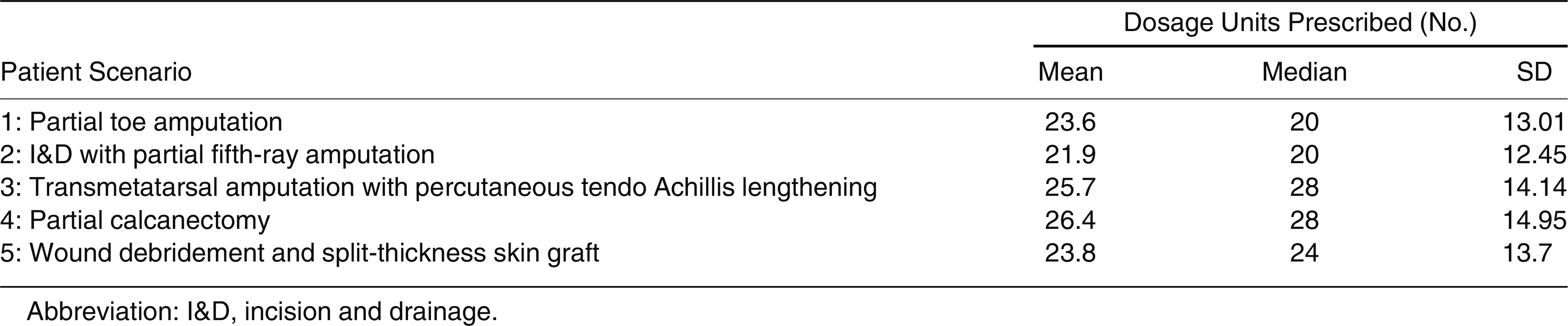
The survey was sent to 8,736 APMA members who met the inclusion criteria. There was a completeness rate of 89.84% (115 of 128 respondents). The final sample included 115 podiatric physicians who completed 100% of the survey, resulting in an overall response rate of 1.32% (115 of 8,736 potential responders). Opioids were prescribed 43% to 67% of the time across all five scenarios. Among opioid prescribers, the most commonly prescribed opioid in patient scenarios 1, 2, 3, and 5 was hydrocodone, and oxycodone was more commonly prescribed in patient scenario 4. Regional nerve blocks were common forms of analgesia, ranging from 70% to 88% across all of the scenarios, whereas nonsteroidal anti-inflammatory drugs and anticonvulsants (ie, gabapentin) were not more commonly prescribed than opioids (Table 1). Among opioid prescribers, the mean dosage units prescribed at the time of surgery ranged from 21.9 to 26.4 across all of the scenarios, and the median dosage units ranged from 20 to 28 across the same scenarios (Table 2).

Table 1.
Pain Management Prescribing Practices by Patient Scenario
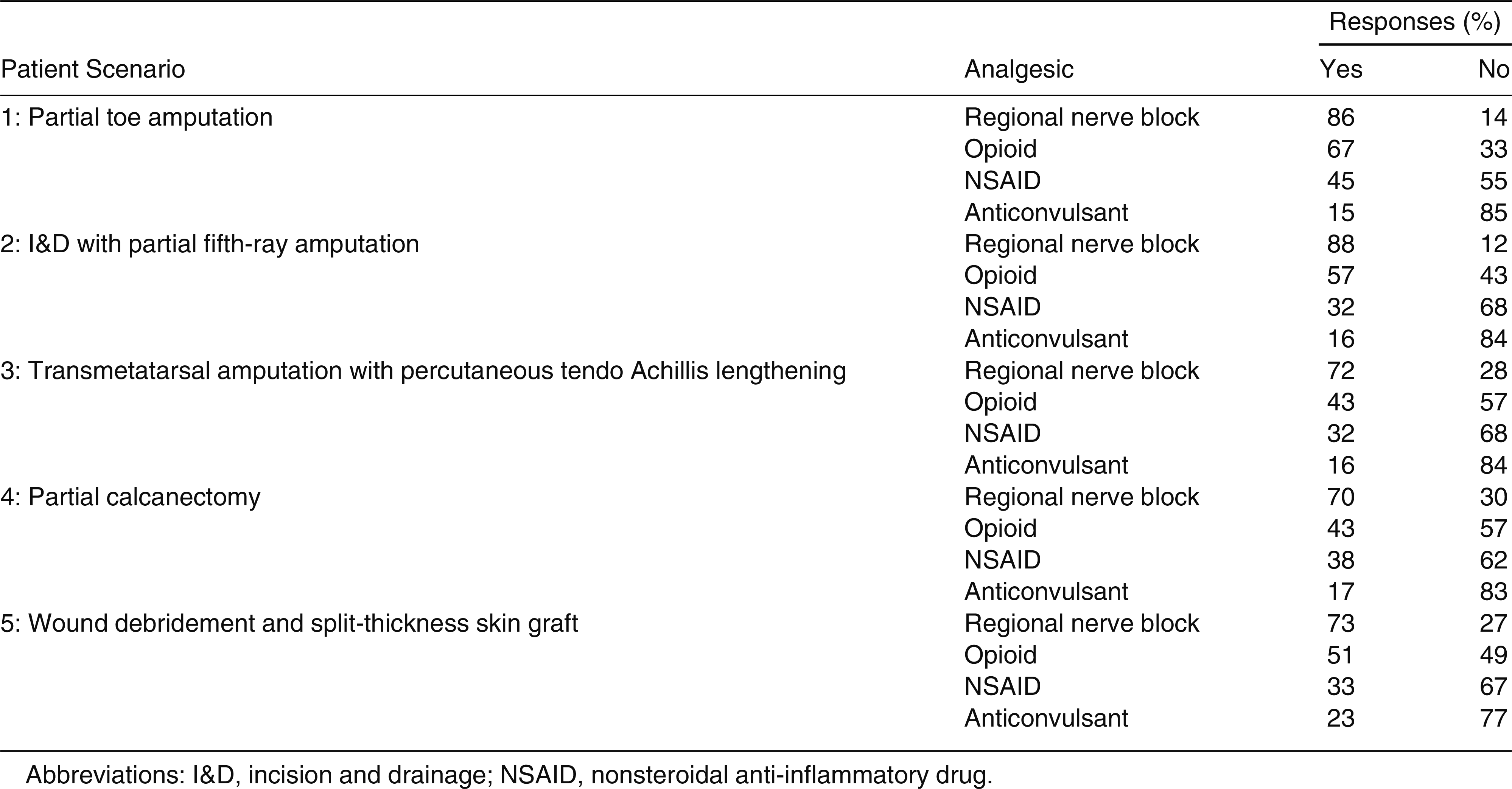
Table 2.
Dosage Units Prescribed at the Time of Surgery
Univariate Analysis
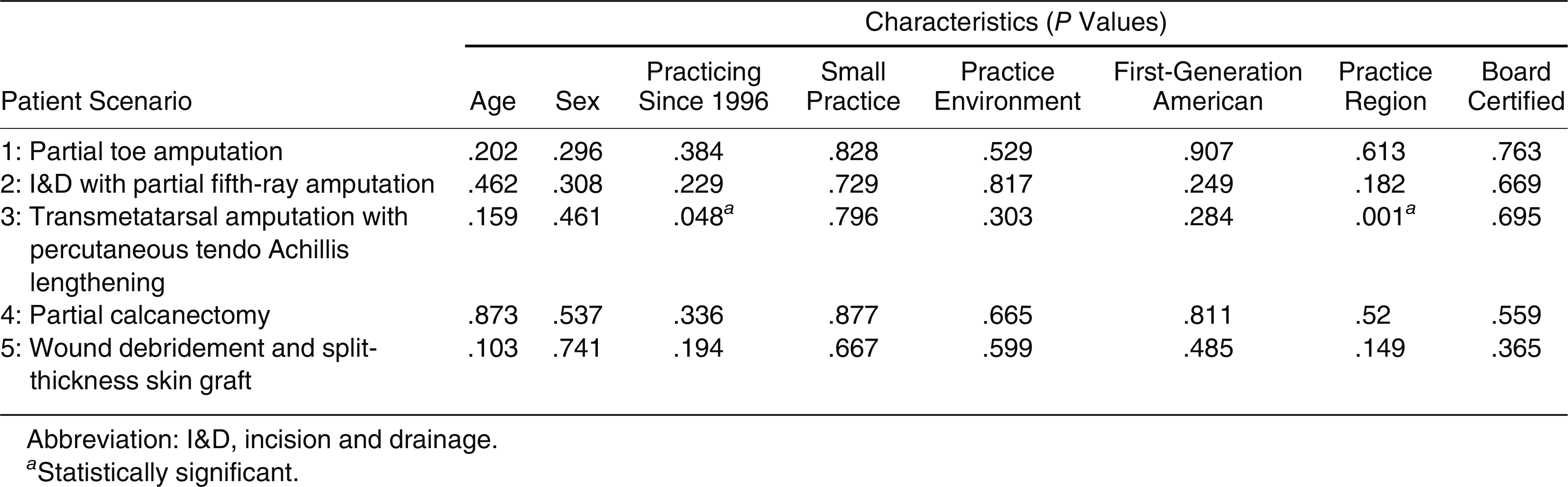
Compared with podiatric physicians who began practicing before 1996, those who began practicing in 1996 or later prescribed more in most scenarios; this was significant in patient scenario 3 (P = .048). Practice region was significant in patient scenario 3 (P = .001). There was no statistical significance by other surgeon characteristics (Table 3).
Table 3.
Univariate Analysis by Podiatric Physician Characteristics for Opioid Dosage Units Prescribed at the Time of Surgery
Simple Regression Analysis
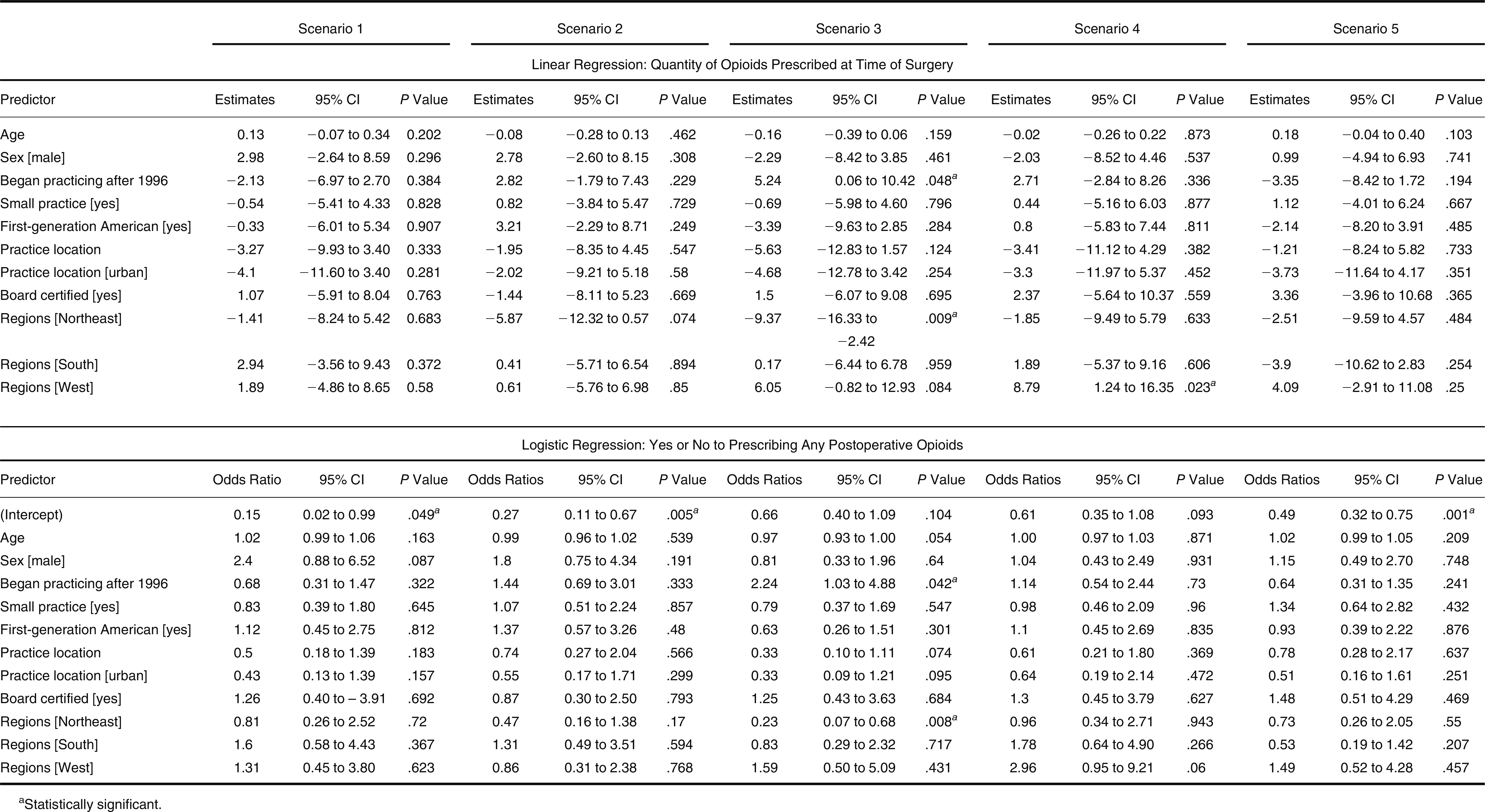
Only two variables were significant in both the simple linear and logistic regressions. Practicing in the Northeast United States was a significant variable in linear regression (P = .009; a decrease of 9–10 dosage units) and logistic regression (odds ratio, 0.23; 95% confidence interval, 0.07–0.68; P = .008) models for the transmetatarsal amputation scenario (patient scenario 3). Practicing after 1996, which we used a proxy for established pain as the fifth vital sign, was significant in the linear regression (P = .048; an increase of 5–6 opioid dosage units) and the logistic regression (odds ratio, 2.24; 95% confidence interval, 1.03–4.88; P = .042) (Table 4). The a priori–adjusted results are given in the Supplemental Material.
Table 4.
Unadjusted Logistic Regression Models for Prescribing Any Opioids and Linear Regression Models for Opioid Dosage Units Prescribed the Day of Surgery
Discussion
Summary of Findings
In this nationwide cross-sectional study of 115 podiatric physicians, regional nerve blocks were the most common form of pain management across all of the scenarios of limb preservation–related surgery. Opioids were the second most common form of postoperative pain management, followed by nonsteroidal anti-inflammatory drugs and anticonvulsants. Although the Northeast region trended toward significance in several other models, patient scenario 3 (ie, transmetatarsal amputation with percutaneous Achilles tendon lengthening) was the only time it was statistically significant. We consider the reduction of 9 to 10 opioid dosage units prescribed at the time of surgery by podiatric physicians practicing in the Northeastern United States to be clinically meaningful. Among opioid prescribers, the median number of opioid dosage units prescribed by all of the podiatric physicians at the time of surgery never exceeded 28 regardless of the scenario. Nonetheless, there is variation in postoperative pain management among patients who underwent limb preservation–related procedures across the nation, with practice region being statistically significant.
Opioid Prescription in Limb Preservation versus Elective and Traumatic Foot and Ankle Surgery
To our knowledge, this is the first study investigating postoperative opioid-prescribing patterns after limb preservation procedures. This study expanded on the previous work by Hearty et al. [20] and Brooks et al. [3]. The questionnaire-based cross-sectional study (N = 64) by Hearty et al,20 which Brooks et al. [3] modified (N = 860), examined the association between prescriber characteristics and postoperative pain management prescribing practice among orthopedic foot and ankle surgeons and podiatric foot and ankle surgeons, respectively. Regarding opioid dosage units, Hearty et al. [20] and Brooks et al. [3] placed the median values at 40 and 30, respectively, yet in the present study the respondents reported an aggregate median that never exceeded 28 opioids at the time of surgery, which is closer to the median reported by Brooks et al. [3] than by Hearty et al. [20]; despite the scenarios in the present study containing people who typically have poor sensation, the dosage units prescribed were somewhat similar to those of elective foot and ankle surgery on sensate patients. Brooks et al. [3] and Hearty et al. [20] both investigated elective or traumatic foot and ankle procedures, which often constitute a very different population than patients who undergo limb preservation procedures.
Peripheral Neuropathy and Opioid Prescription
Although the previously discussed investigations [3,20] shed some light on current opioid-prescribing patterns among orthopedic and podiatric physicians, patients who undergo limb preservation procedures often have severe comorbidities, such as peripheral neuropathy or peripheral artery disease (PAD) [1]. The perception of pain among patients with peripheral neuropathy is often diminished [2,21]. Intuitively, the consumption and requirement of opioid prescription for postoperative management may be less. Furthermore, in a 22-patient case series, Arts et al. [22] noted that patients with an insensate foot rarely even required any form of anesthesia, including local anesthesia, while undergoing surgery. For patients with PAD, a recent retrospective study further suggested that patients with PAD were at higher risk for high-dose opioid use after PAD-related procedures, including lower-extremity amputations [23]. Therefore, the opioid-prescribing pattern for elective foot and ankle surgery may not be suitable or appropriate for this population; this should be a topic for future research. Yet, the present investigation suggested that the amount of opioid received by patients who undergo limb preservation procedures seems to be somewhat similar to that reported previously by Hearty et al. [20] and Brooks et al. [3]. This brings into question the appropriate quantity of opioid prescription in a population that has underlying peripheral neuropathy, PAD, or both, especially given the harmful and addictive effects of this class of drugs [24].
Opioid Prescribing Engagement Network Recommendations and Patient Education
Due to the prolongation of the opioid epidemic in the United States, the topic of excessive opioid prescription is gaining much of the attention [25,26]. As a result, methods to mitigate excessive opioid prescription have recently been explored [25,27]. Managing both patient and physician expectations has been shown to effectively reduce opioid prescription and use [25]. The importance of patient counseling is the cornerstone of an opioid prescription guide developed by the University of Michigan in 2017, which contains carefully studied recommendations for appropriate quantities of opioid prescription after a variety of surgeries [27–29]. These recommendations were made through the use of patient-reported data after elective laparoscopic cholecystectomy procedures; patients were surveyed regarding the quantity of opioid tablets (dosage units) actually consumed compared with the amount prescribed, and their corresponding pain levels [25]. The data showed that most patients used 6 opioid dosage units postoperatively but were prescribed 50 dosage units, on average [25]. The researchers noted that these leftover prescriptions were major contributors to opioid addiction, as 6% of opioid-naive patients went on to develop chronic opioid dependence [25]. Through the use of such patient-reported data, published studies, and expert opinion from surgeons, anesthesiologists, psychologists, and nurses, the Opioid Prescribing Engagement Network (OPEN) opioid-prescribing recommendations were made [25,28,29].
Although the OPEN guidelines lack recommendations for foot and ankle surgery, an important takeaway is the emphasis on a patient- and procedure-dependent method of determining the correct amount of opioid prescription, as opposed to a one-size-fits-all anatomical-dependent method [28,29]. The latter method can lead to a large surplus of opioid dosage units, which may lead to opioid addiction. Furthermore, their research serves as evidence that patient education before surgery regarding the risks, benefits, and overall need for postoperative opioid prescription leads to its decreased use [28,29]. Their studies found that, contrary to popular belief, fewer quantities of opioid prescription did not lead to increased requests and phone calls for refills and inadequate pain control [28,29]. This was a result of appropriate patient counseling through setting proper expectations regarding postoperative pain, recommending nonopioid medication use, and discussing adverse effects [29,30]. As a result, it is evident that evidence-based recommendations for opioid prescription, coupled with patient education regarding opioid use, will allow the patient to manage their own expectations postoperatively and help reduce opioid use after surgery [27–29].
Opioid Use Outside the United States
Although complications of type 2 diabetes mellitus and opioid overprescription are not solely American problems, their intersection very well may be an American challenge. Several studies have found that prescription opioid use in the United States occurs 2.5 to 4 times more frequently than in Western Europe [31,32]; this is worsened by the finding that the United States also uses more potent opioids [31,32]. For example, in an observational study performed by Zaslansky et al. [33], patient-reported data demonstrated that US patients received a much higher load of opioids after orthopedic surgeries compared with patients internationally. Furthermore, international patients received nonopioids more frequently than US patients postoperatively [31–33]. Despite increased opioid use, US patients still reported higher pain levels postoperatively [31–33]. Many experts claim that increased marketing by pharmaceutical companies, the use of pain as the fifth vital sign, cultural perception of pain eradication, and few national guidelines and little oversight for opioid prescribing have led to the significantly increased opioid use in the United States, resulting in the devastating consequences of opioid misuse [12,31,32].
Moving Forward
National recommendations for opioid prescribing in foot and ankle surgery are scarce; however, the lack of guidelines is especially evident in the realm of limb preservation procedures, where no formal investigation is available, to our knowledge. It is imperative to standardize the time frame and quantity of opioid prescriptions after limb preservation procedures to prevent further worsening of the opioid epidemic in the United States. An important consideration in creating specific guidelines for opioid prescription after limb preservation procedures is the high prevalence of peripheral neuropathy and other comorbidities in patients who undergo such procedures, as discussed previously herein. Furthermore, the evidence-based approach of the University of Michigan OPEN recommendations can serve as a guiding principle in creating similar guidelines for the field of limb preservation surgery [29]. Finally, a multimodal approach to pain management, with emphasis on patient education and nonopioid analgesic use, should be used in such guidelines [34–36]. An established benchmark may aid in improving patient outcomes after limb preservation surgery.
Limitations
There are several limitations of the present study. The study had a 1.3% response rate (n = 115). This low response rate makes interpretation of the results difficult to generalize findings to all of the podiatric physicians practicing in the United States. Furthermore, the data were collected only during a brief period. In addition, we were not able to adjust for confounding based on state laws regarding prescription opioids, which may have influenced results; however, we believe that there is still value in benchmarking a median among this national sample. Furthermore, this study used hypothetical patient scenarios rather than gathering actual prescribing practice data. Individual patient characteristics in the clinical setting are often complex and various. The hypothetical scenarios may not reflect clinical scenarios entirely, but the scenarios are developed and vetted by podiatric physicians who are experienced in limb preservation procedures. Furthermore, there may have been some misinterpretation as to what constitutes a regional nerve block because it was not defined in the questionnaire. Last, although we attempt to capture the represented population via the APMA, its membership may not accurately serve as a proxy for the entire podiatric physician population in the United States. Nonetheless, the results of this study highlight an area of deficiency of national recommendations.
Conclusions
The diabetes pandemic has likely contributed to the US opioid epidemic. Podiatric physicians tend to use regional nerve blocks more frequently than prescribing opioids for limb preservation surgeries of the foot, whereas opioids were more commonly prescribed than nonsteroidal anti-inflammatory drugs and anticonvulsants. In four of the five patient scenarios, hydrocodone was the most common opioid prescribed among opioid prescribers. The median quantity of opioid dosage units prescribed at the time of surgery never exceeded 28 regardless of the limb preservation surgery. Prescribing practice variation does exist in limb preservation surgery; however, it remains unknown how much of this variation is unwarranted. Given that the patient population that requires limb preservation surgery tends to have multiple comorbidities, the management of postoperative pain needs to be tailored to the patient to further mitigate unnecessary opioid-related complications. Podiatric physicians can continue to reduce the impact of the opioid epidemic via preventive foot care and prescribing nonopioid analgesics when warranted.
Acknowledgment
The members of the Clinical Practice Advisory Committee of the American Podiatric Medical Association for their role as content experts. This study was inspired by the Life of Saint Damien of Molokai, also called “The Apostle to the Lepers.” The first author considers the concept that “patients with advanced neuropathy may require fewer postoperative opioids” to be “Saint Damien’s Paradigm.”
Financial Disclosure
None reported.
Conflict of Interest
None reported.
References
- Centers for Disease Control and Prevention: Hospitalizations for lower extremity amputations in adults with diabetes, United States. Available at: https://nccd.cdc.gov/Toolkit/DiabetesBurden/Hospitalization/Lea. Accessed September 1, 2021.
- Armstrong DG, Boulton AJM, Bus SA: Diabetic foot ulcers and their recurrence. N Engl J Med 376: 2367, 2017.
- Brooks BM, Brooks BM, Brooks BM, et al: Postoperative opioid-prescribing practice in foot and ankle surgery. JAPMA 113: 20, 2023.
- Onishi E, Kobayashi T, Dexter E, et al: Comparison of opioid prescribing patterns in the United States and Japan: primary care physicians’ attitudes and perceptions. J Am Board Fam Med 30: 248, 2017.
- Overton HN, Hanna MN, Bruhn WE, et al: Opioid-prescribing guidelines for common surgical procedures: an expert panel consensus. J Am Coll Surg 227: 411, 2018.
- Cicero TJ, Ellis MS: The prescription opioid epidemic: a review of qualitative studies on the progression from initial use to abuse. Dialogues Clin Neurosci 19: 259, 2017.
- National Academies of Sciences Engineering, and Medicine; Health and Medicine Division; Board on Health Sciences Policy; Committee on Pain Management and Regulatory Strategies to Address Prescription Opioid Abuse. “Evidence on Strategies for Addressing the Opioid Epidemic,” in Pain Management and the Opioid Epidemic: Balancing Societal and Individual Benefits and Risks of Prescription Opioid Use, ed by JK Phillips, MA Ford, RJ Bonnie, National Academies Press, Washington, DC, July 2017.
- Brooks BM: Podiatry and the opioid epidemic: a call to action. JAPMA 113: 1, 2023; doi: https://doi.org/10.7547/23-160.
- Ryans CP, Brooks BM, Tower DE, et al: Evidence-based opioid education that reduces prescribing: The 10 principles of opioid prescribing in foot and ankle surgery. J Foot Ankle Surg 63: 214, 2024.
- National Institute on Drug Abuse. Prescription opioid use is a risk factor for heroin use. Available at: https://www.drugabuse.gov/publications/research-reports/prescription-opioids-heroin/prescription-opioid-use-risk-factor-heroin-use. Accessed September 1, 2021.
- Scher C, Meador L, van Cleave JH, et al: Moving beyond pain as the fifth vital sign and patient satisfaction scores to improve pain care in the 21st century. Pain Manag Nurs 19: 125, 2018.
- Morone NE, Weiner DK: Pain as the fifth vital sign: exposing the vital need for pain education. Clin Ther 35: 1728, 2013.
- Larach DB, Waljee JF, Hu HM, et al: Patterns of initial opioid prescribing to opioid-naive patients. Ann Surg 271: 290, 2020.
- Brooks BM, Shih CD, Brooks BM, et al: The diabetic foot-pain-depression cycle. JAPMA 113: 1, 2023; doi: http://doi.org/10.7547/22-126.
- Brooks BM, Bratches RWR, Wolff KB, Stapp MD, et al: Opioid-prescribing approaches-one-size-fits-all versus patient-centric and procedure-focused-among podiatric physicians: a cross-sectional study. JAPMA 113: 1, 2023; doi: https://doi.org/10.7547/21-246.
- Brooks BM, Bratches RWR, Nettles AM, et al: American podiatric surgeons' postoperative multimodal analgesic-prescribing practice: A 2019-2020 national survey. JAPMA 113: 1, 2023; doi: http://doi.org/10.7547/21-145.
- Brooks BM, Li Q, Fleischer AE, et al: Postprocedural opioid-prescribing practice in nail surgery. JAPMA 113: 1, 2023; doi: http://doi.org/10.7547/21-139.
- Brooks BM, Shih CD, Bratches RWR, et al: Cognitive bias in postoperative opioid-prescribing practice. JAPMA 113: 1, 2023; doi: http://doi.org/10.7547/21-215.
- Brooks BM, Smith RG: Concomitant use of spasmolytics and opioids for postoperative pain after foot and ankle surgery: Fair or foul? JAPMA 113: 1, 2023; doi: http://doi.org/10.7547/21-247.
- Hearty TM, Butler P, Anderson J, et al: Postoperative narcotic prescription practice in orthopedic foot and ankle surgery. Foot Ankle Orthop 3: 247301141877594, 2018.
- Sierra-Silvestre E, Somerville M, Bisset L, et al: Altered pain processing in patients with type 1 and 2 diabetes: systematic review and meta-analysis of pain detection thresholds and pain modulation mechanisms. BMJ Open Diabetes Res Care 8: e001566, 2020.
- Arts S, Kerselaers L, de Neve J, et al: Foot surgery without anesthesia in diabetic patients with sensory neuropathy: a short series. Foot Ankle Surg 2: 100128, 2022.
- Itoga NK, Sceats LA, Stern JR, et al: Association of opioid use and peripheral artery disease. J Vasc Surg 70: 1271, 2019.
- Vowles KE, McEntee ML, Julnes PS, et al: Rates of opioid misuse, abuse, and addiction in chronic pain: a systematic review and data synthesis. Pain 156: 569, 2015.
- Howard R, Waljee J, Brummett C, et al: Reduction in opioid prescribing through evidence-based prescribing guidelines. JAMA Surg 153: 285, 2018.
- Bowlby MA, Crawford ME: Opioid crisis and acute pain management after foot and ankle surgery. Clin Podiatr Med Surg 36: 695, 2019.
- About us. Michigan OPEN Web site. Available at: https://michigan-open.org/about/. Published 2021. Accessed September 1, 2021.
- Best practices. Michigan OPEN Web site. Available at: https://michigan-open.org/best-practices/. Accessed September 1, 2021.
- Opioid prescribing recommendations. Michigan OPEN. Available at: https://michigan-open.org/prescribing-recommendations/. Published 2021. Accessed September 1, 2021.
- Mavrogenis AF, Megaloikonomos PD, Antoniadou T, et al: Current concepts for the evaluation and management of diabetic foot ulcers. EFORT Open Rev 3: 513, 2018.
- Meyer A, Leclair C, McDonald JV: Prescription opioid prescribing in Western Europe and the United States. RI Med J 103: 45, 2013.
- Vokinger KN: Opioid crisis in the US: lessons from Western Europe. J Law Med Ethics 46: 189, 2018.
- Zaslansky R, Meissner W, Chapman CR: Pain after orthopaedic surgery: differences in patient reported outcomes in the United States vs internationally: an observational study from the PAIN OUT dataset. Br J Anaesth 120: 790, 2018.
- Brooks BM, Banks J, Arp AS, et al: Depression: the fourth pillar of classifying risk of diabetes-related amputation in veterans. J Psychiatry Psychiatr Disord 7: 201, 2023.
- Kaye A, Urman R, Rappaport Y, et al: Multimodal analgesia as an essential part of enhanced recovery protocols in the ambulatory settings. J Anaesthesiol Clin Pharmacol 35 (suppl 1): S40, 2019.
- Michelson JD, Addante RA, Charlson MD: Multimodal analgesia therapy reduces length of hospitalization in patients undergoing fusions of the ankle and hindfoot. Foot Ankle Int 34: 1526, 2013.
Appendix 1. Patient Scenarios
Appendix 2. Checklist for Reporting Results of Internet E-Surveys (CHERRIES)
Appendix 3. Informed Consent Statement
© 2024 American Podiatric Medical Association