


Abstract
Background: The efficacy of antifungals for onychomycosis has been determined in randomized controlled trials (RCTs); interestingly, their control arms have demonstrated some therapeutic effects. These controls constitute either placebos (inert pills) or vehicles (all but the antifungal component of the creams). We sought to determine whether RCT controls exhibited statistically relevant efficacy rates (ie, beyond the placebo effect), whether oral and topical controls differed in their efficacies, and whether the efficacy rates of the controls correlated with those of the active comparator associated with that control. Methods: All RCTs of oral and topical monotherapies for dermatophyte toenail onychomycosis were identified through a systematic literature search. For the meta-analyses of cure rates, the double arcsine transformation was used. The N – 1 χ2 test was used to determine whether the cure rates significantly differed between topical and oral controls. Correlation was investigated using Kendall rank correlation tests. Results: The pooled mycological, complete, and clinical cure rates of the control interventions (19 trials) were 9%, 1%, and 6%, respectively. The pooled efficacy rates for oral and topical controls were as follows: mycological cure rate, 7% and 12% (P = .0016); complete cure rate, 1% for both; and clinical cure rate, 4% and 8%, respectively (P = .0033). For oral RCTs, the respective cure rates of the active therapies were not correlated with controls. However, for topical RCTs, as the mycological and clinical cure rates of the active therapy increased, so did those of the topical vehicle associated with the active therapy in question, and vice versa. Conclusions: The topical vehicle cure rates were often higher than the oral placebo cure rates, likely due to the presence of nonantifungal chemicals (eg, moisturizers, urea) with antifungal and debriding properties, which are not present in oral controls.
Onychomycosis, a chronic fungal nail infection, is usually caused by dermatophytes [1]. The prevalence of onychomycosis varies across different geographic regions; in North America, the prevalence ranges from 8.7% to 13.8% [2,3,4]. Most onychomycosis cases involve the great toenail, the treatment for which consists of approximately 12 weeks of continuous or intermittent oral antifungal therapy and/or 48 weeks of daily or weekly topical antifungal application. Although oral therapy is more effective and less prolonged, topical therapy avoids potential drug-drug interactions and systemic adverse effects [2,5,6]. Research continues into novel antifungal drugs and formulations with higher efficacy rates and lower adverse effects.
When evaluating the effectiveness of an antifungal agent in the treatment of dermatophyte toenail onychomycosis, it is customary to perform a randomized controlled trial (RCT) in which the participants are split randomly into the active arm (patients who receive the active drug) and the control arm (patients who receive the control). A control is a substance given to the patients that is not the drug of interest [7]. Having an appreciation of the efficacy of the control arm of a study is important because it will demonstrate the influence of nondrug effects on the cure rates [8]. For example, patients could experience spontaneous cure independent of drug treatment, or participation in the trial itself could affect cure, such as trimming or debriding the nail by clinical trial personnel, which some patients may avoid doing or be unable to do themselves. Patients could also influence their own cure via the placebo effect, the phenomenon in which a patient’s belief in the success of the drug positively influences clinical success [9]. Bias of the trial nurses, doctors, or observers could also influence cure rates by affecting how they grade clinical outcomes [10]. With comparison with a control arm, clinicians can evaluate the possible effect of any biases on the clinical outcome observed with the active drug to ascertain its true clinical effect.
There are two main types of controls: vehicles and placebos. Vehicles are controls that have the same shape, size, consistency, and chemical composition of the active comparator, except for the active component [7]; for example, in RCTs for onychomycosis evaluating topical treatments, the topical vehicle consists of all of the chemicals of the active comparator except for the antifungal drug. These non-antifungal chemicals could hypothetically influence cure in some way; therefore, comparing the active topical with its vehicle will determine the extent of such effects. Placebos, on the other hand, are often inert [7]; in onychomycosis RCTs, oral therapies are often paired with “sugar pills,” which contain no active ingredient whatsoever. Such comparisons permit clinicians to evaluate the biases inherent in the trial and the influence of the placebo effect.
In 2014, Gupta and Paquet [11] performed a systematic search of RCTs for onychomycosis treatment and found that many of the controls demonstrated limited, but noticeable, efficacy. In the present study, we delve deeper into this phenomenon, using meta-analysis to statistically ascertain the influence of different trial methods and types of therapeutics on the cure rates of controls.
Methods
Systematic Review
Eligible studies were identified through a systematic search of the literature; on June 23, 2020, extensive searches were conducted in PubMed and clinicaltrials.gov with the following search terms: (onychomycosis or tinea unguium or toenail fungus) and (treatments or placebo or vehicle). Furthermore, the bibliographies of the included studies were searched to find eligible studies that were not identified through the initial literature search.
Eligibility Criteria
We excluded studies that were observational, used nonhuman subjects, were published in a language other than English, were ongoing or unpublished, or included combination or laser treatments. Included studies were exclusively randomized controlled trials that investigated the efficacy of oral and topical agents indicated for the treatment of toenail onychomycosis caused by dermatophytes; thus, included studies had arms for active and control interventions and measured rates (ie, proportions) for any of the following three outcomes: mycological, complete, or clinical cure. Mycological cure is defined as negative microscopic examination (potassium hydroxide or calcofluor fluorescence) results and negative fungal culture results. Clinical cure of the target toenail is defined as 90% to 100% clear nail, an Investigator’s Global Assessment score of 0, growth of 2 mm or more of clear nail, or 0 to less than 20% affected nail, depending on the study. Complete cure corresponds to the occurrence of both mycological and clinical cure. Study trials were of 48 to 52 weeks’ duration.
Data Extraction
Data extracted from each study were recorded in a predefined Microsoft Excel spreadsheet (Microsoft Corp, Redmond, Washington). Extracted data included study title, year of publication, first author, country of study population, and information pertaining to patient demographic characteristics and the outcomes of interest (ie, mycological, complete, and clinical cure).
The intention-to-treat principle was used wherever applicable. Mycological, complete, and clinical cure rates for topical and oral control interventions were pooled using the double arcsine transformation because it is a very appropriate method for estimating the 95% confidence interval (CI) for pooled proportions [12]; pooling was performed using the “MetaXL” function in Microsoft Excel software [13]. Using the N – 1 χ2 test [14], we determined whether estimates of each cure rate were significantly different between the topical and oral control interventions; this test was conducted using MedCalc Software for Windows (MedCalc Software Ltd, Ostend, Belgium) [15]. Kendall rank correlation tests were used to determine whether control interventions were likely to have a greater cure rate if the corresponding active therapy also had a higher cure rate. The correlations were performed using a statistical software package (RStudio; RStudio PBC, Boston, Massachusetts) [16], and correlation coefficients are represented by Kendall tau (τ). In all of the analyses, the significance level was set to 5%.
Results
The search retrieved 2,478 records; after screening, 19 records provided data for trials meeting the eligibility criteria [17,18,19,20,21,22,23,24,25,26,27,28,29,30,31,32,33,34,35]. Eleven and eight of these records investigated oral and topical interventions, respectively. The schematic for the identification of eligible studies is depicted in Fig. 1. The characteristics of eligible studies are detailed in Table 1 [17,18,19,20,21,22,23,24,25,26,27,28,29,30,31,32,33,34,35]. Among the investigated oral therapies were terbinafine, itraconazole, posaconazole, albaconazole, ravuconazole, and VT-1161 (Table 1). The included topical therapies were butenafine and urea, butenafine and Melaleuca alternifolia oil, ciclopirox, terbinafine, tavaborole, efinaconazole, and MOB-015 (Table 1). All of the eligible studies except one were double-blinded studies.
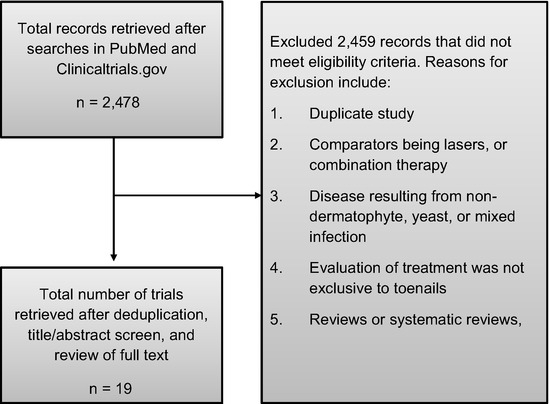
Figure 1.
Schematic for identification of eligible studies.
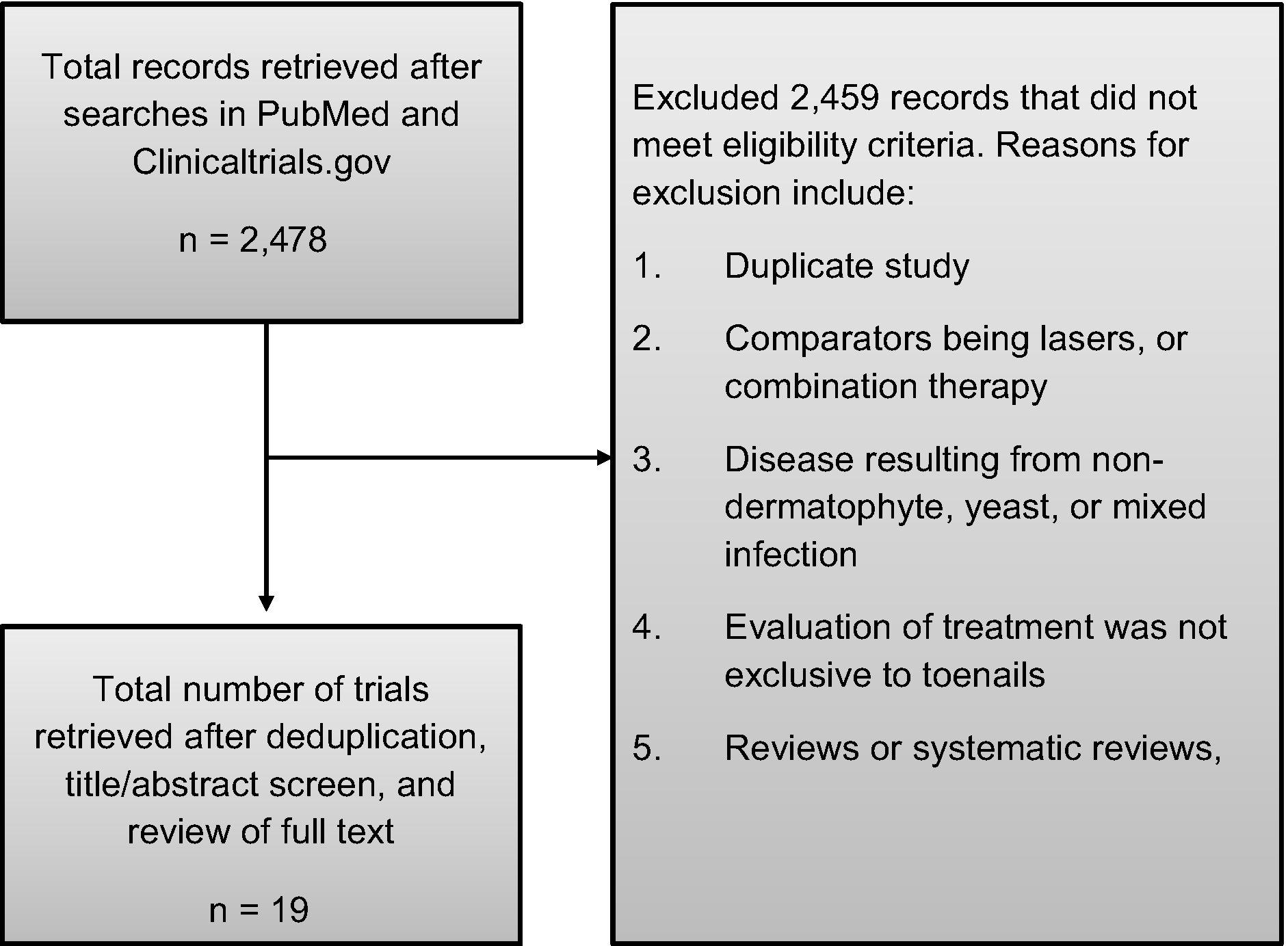

Table 1.
Characteristics of Eligible Studies on Oral and Topical Therapies [17,18,19,20,21,22,23,24,25,26,27,28,29,30,31,32,33,34,35].
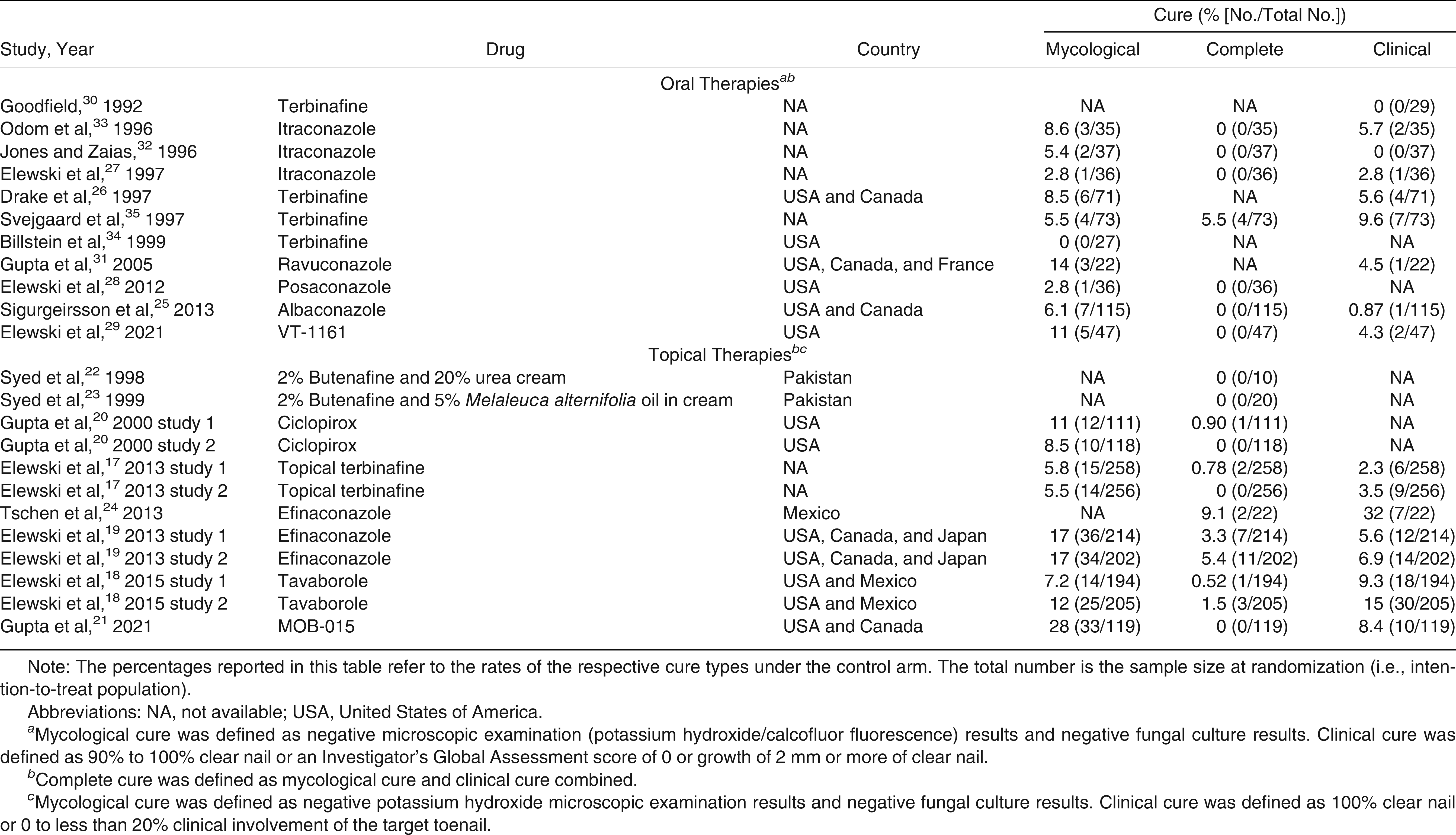
The pooled mycological, complete, and clinical cure rates of control interventions across the eligible studies were 9% (95% CI, 7%–12%), 1% (95% CI, 1%–2%), and 6% (95% CI, 4%–8%), respectively (Figs. 2–4). We found that the pooled mycological cure rates for oral and topical controls were 7% (95% CI, 5%–9%) and 12% (95% CI, 8%–16%), respectively (Fig. 5). The pooled estimates of complete cure for the topical and oral controls were both 1%, with similar 95% CIs (Fig. 6). The pooled clinical cure rate of oral controls was 4% (95% CI, 2%–7%), and that of topical controls was 8% (95% CI, 5%–12%) (Fig. 7).
Figure 2.
The pooled mycological cure rate for all of the control interventions (19 data points) was 9% (95% confidence interval [CI], 7%–12%). The double arcsine transformation was performed for pooling of proportions from all of the studies; the P value is from significance testing that determines whether heterogeneity across studies is significant; Cochran Q and I2 are measures of heterogeneity. The P value is for the Cochran Q.
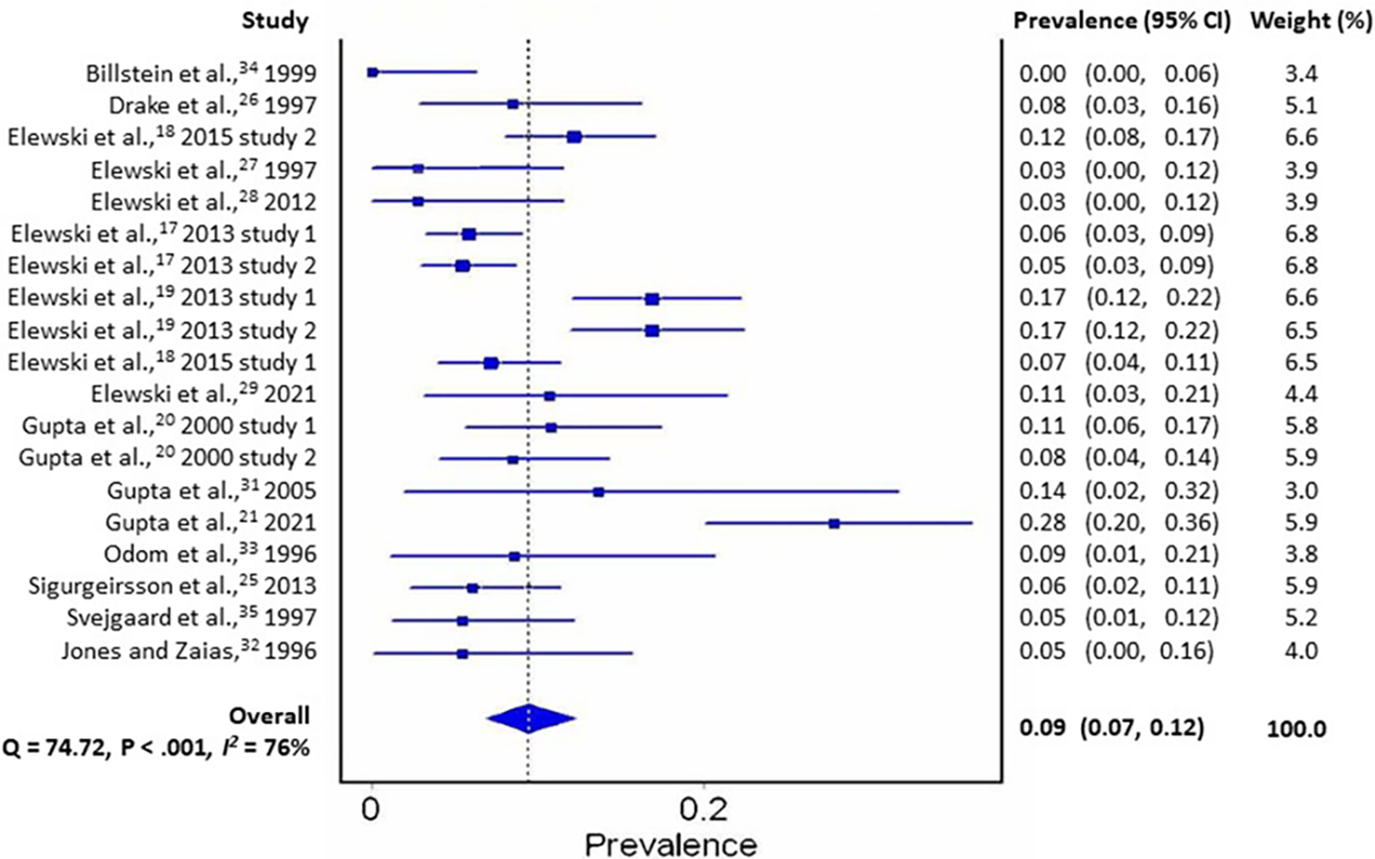
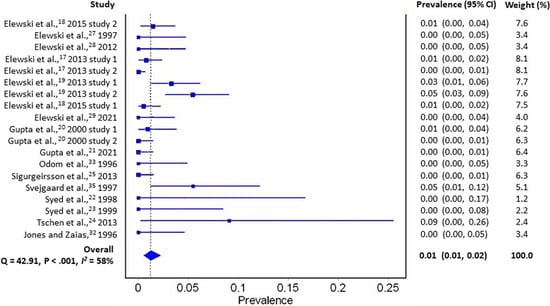
Figure 3.
The pooled complete cure rate for all of the control interventions (19 data points) was 1% (95% confidence interval [CI], 1%–2%). The double arcsine transformation was performed for pooling of proportions from all of the studies; the P value is from significance testing that determines whether heterogeneity across studies is significant; Cochran Q and I2 are measures of heterogeneity. The P value is for the Cochran Q.
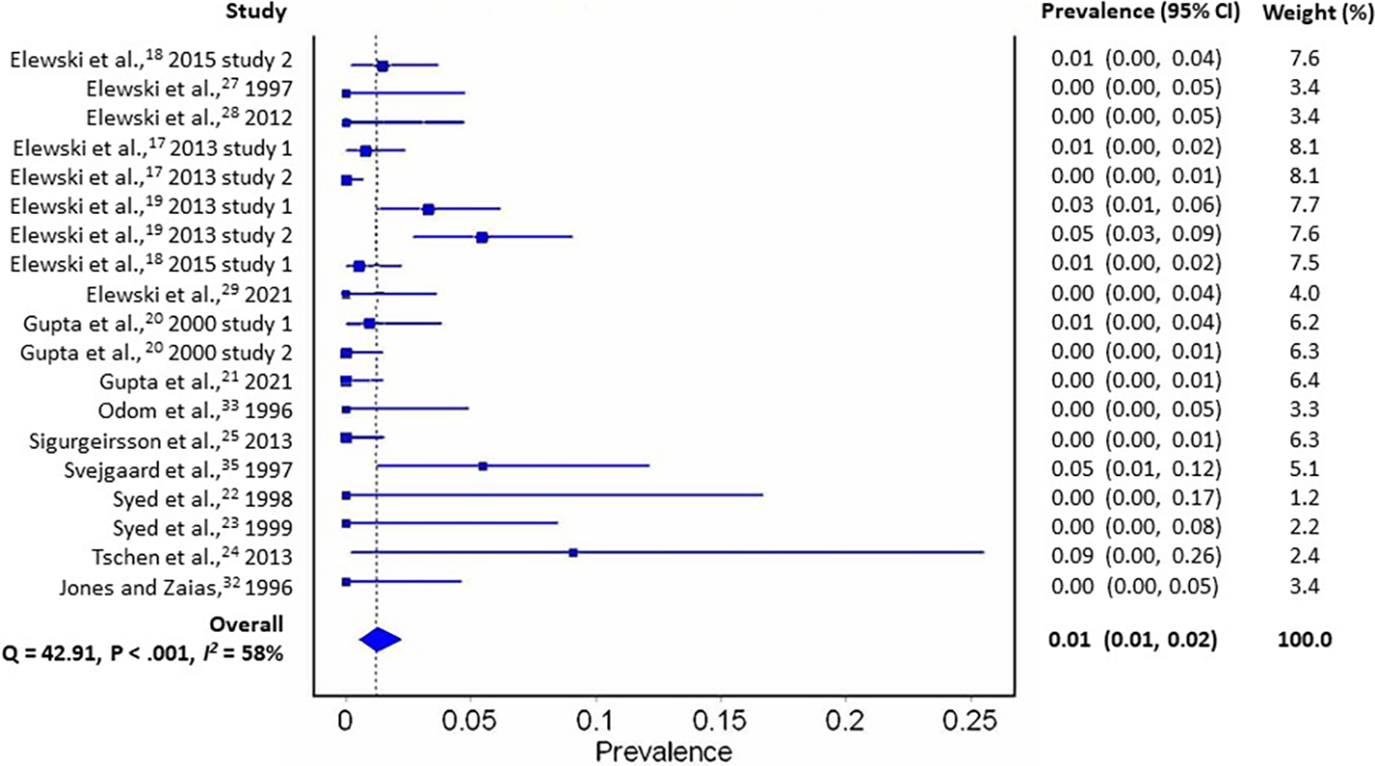
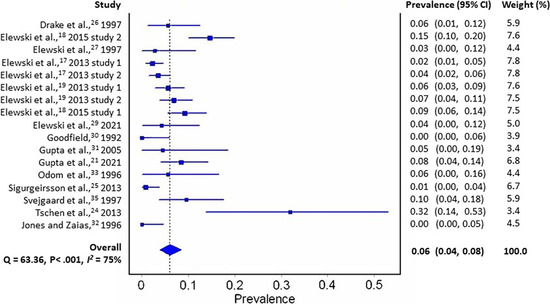
Figure 4.
The pooled clinical cure rate for all of the control interventions (17 data points) was 6% (95% confidence interval [CI], 4%–8%). The double arcsine transformation was performed for pooling of proportions from all of the studies; the P value is from significance testing that determines whether heterogeneity across studies is significant; Cochran Q and I2 are measures of heterogeneity. The P value is for the Cochran Q.
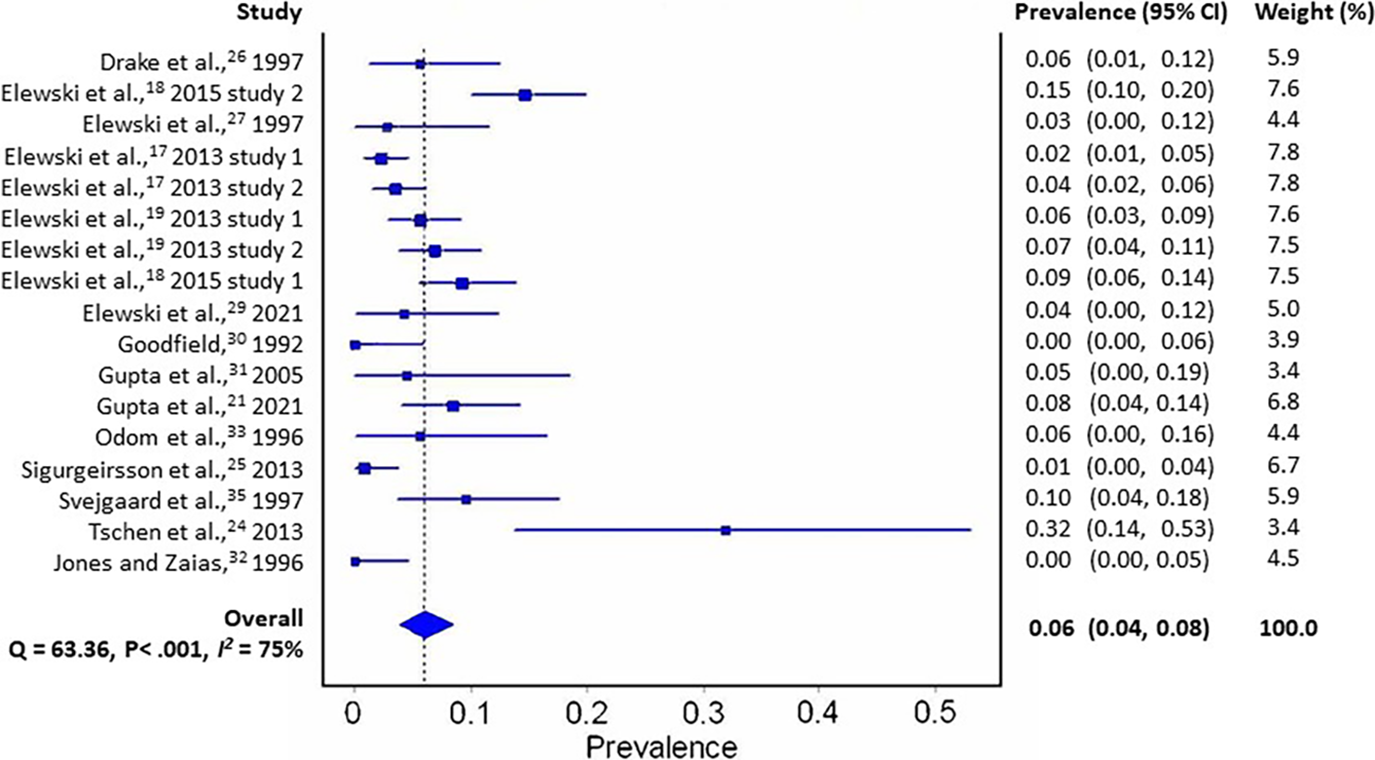
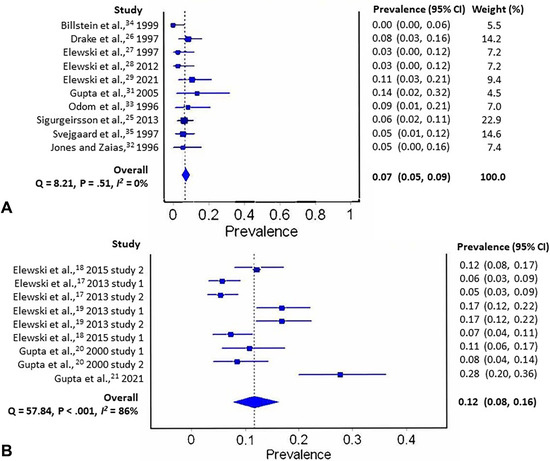
Figure 5.
The pooled mycological cure rates for oral (ten data points), (A) and topical (nine data points), (B) control interventions were 7% (95% confidence interval [CI], 5%–9%) and 12% (95% CI, 8%–16%), respectively. The double arcsine transformation was performed for pooling of proportions from all of the studies; the P value is from significance testing that determines whether heterogeneity across studies is significant; Cochran Q and I2 are measures of heterogeneity. The P value is for the Cochran Q.
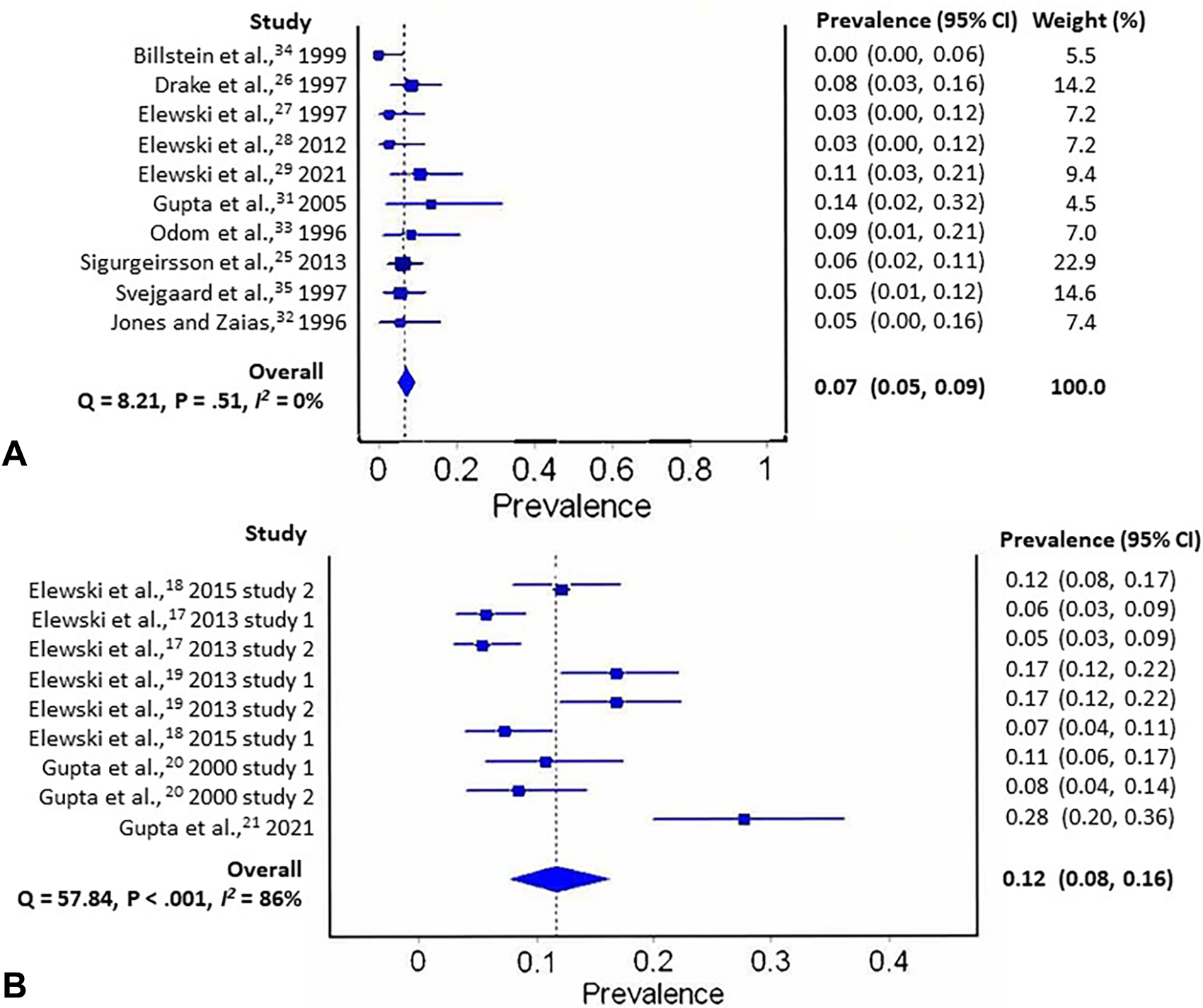
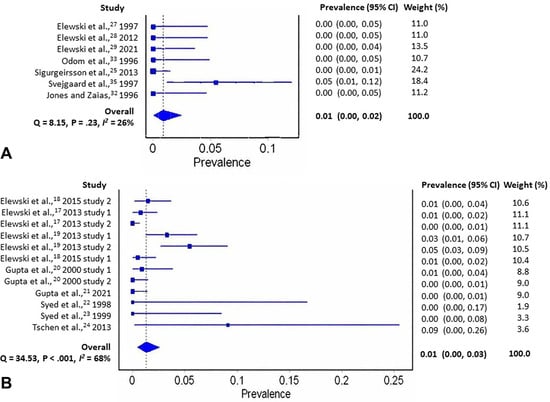
Figure 6.
The pooled complete cure rates for oral (seven data points), (A) and topical (12 data points), (B) control interventions were 1% (95% confidence interval [CI], 0%–2%) and 1% (95% CI, 0%–3%), respectively. The double arcsine transformation was performed for pooling of proportions from all of the studies; the P value is from significance testing that determines whether heterogeneity across studies is significant; Cochran Q and I2 are measures of heterogeneity. The P value is for the Cochran Q.
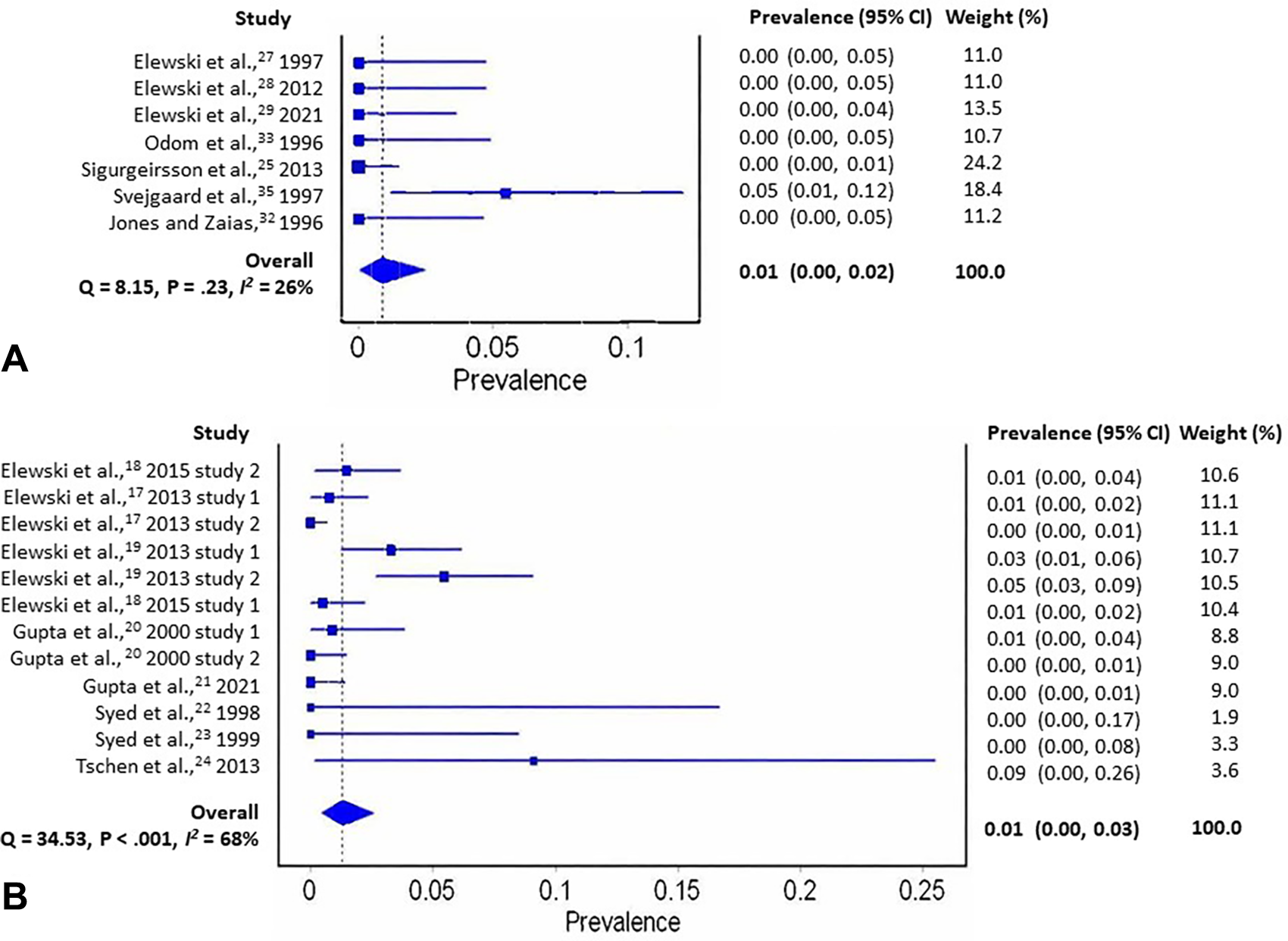
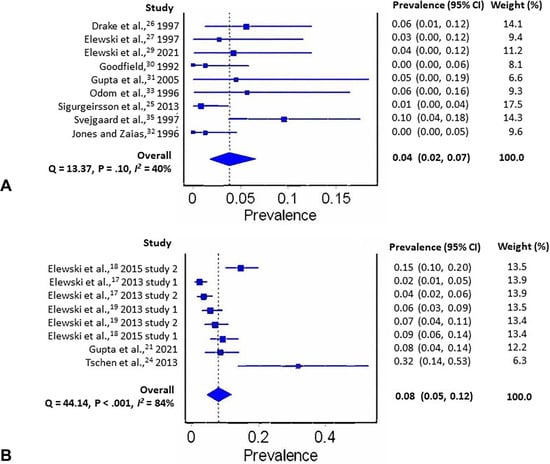
Figure 7.
The pooled clinical cure rates for oral (nine data points), (A) and topical (eight data points), (B) control interventions were 4% (95% confidence interval [CI], 2%–7%) and 8% (95% CI, 5%–12%), respectively. The double arcsine transformation was performed for pooling of proportions from all of the studies; the P value is from significance testing that determines whether heterogeneity across studies is significant; Cochran Q and I2 are measures of heterogeneity. The P value is for the Cochran Q.
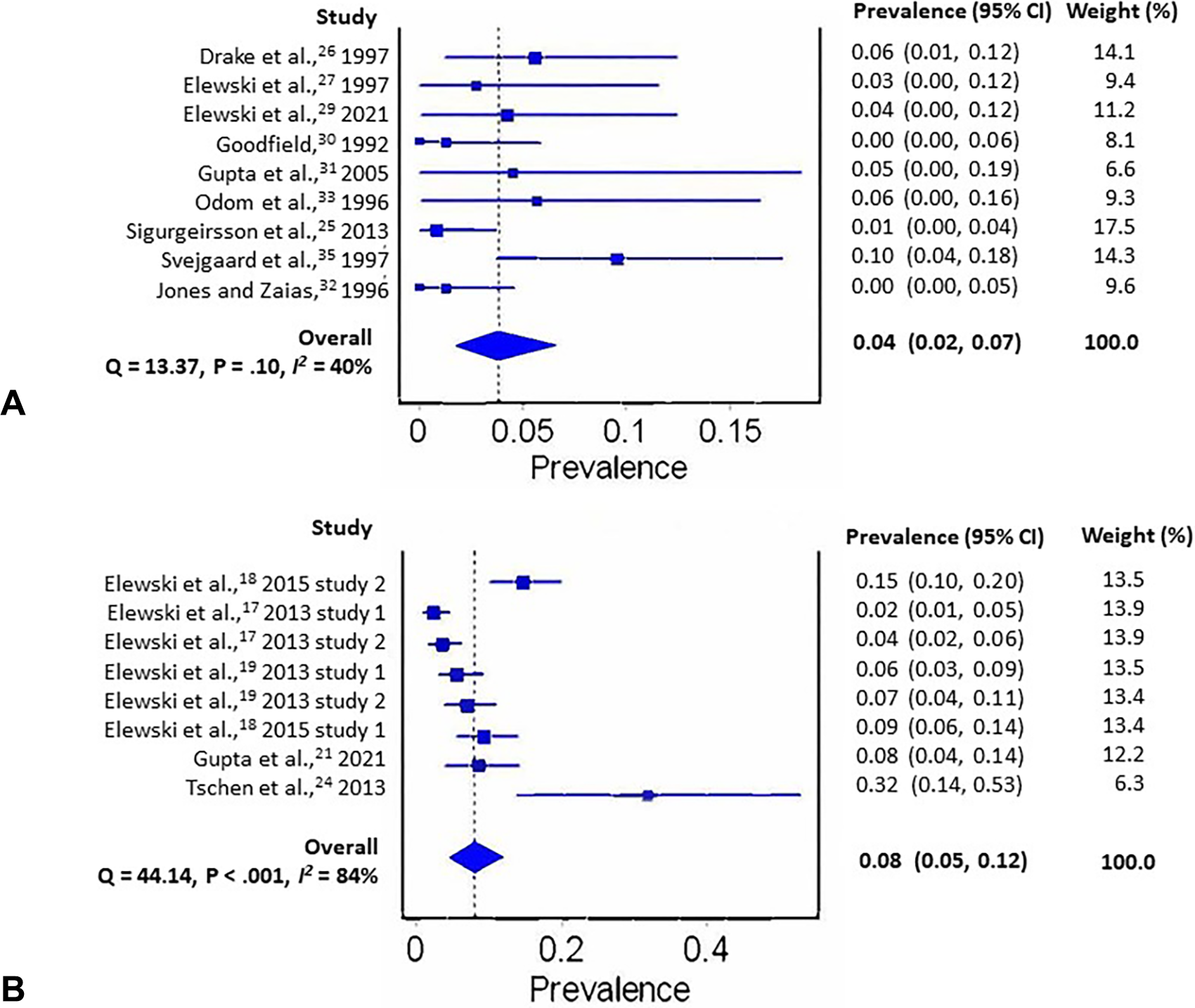
The I2, a measure of heterogeneity, was provided for each pooled estimate (Figs. 2–7); this measure varied across all of the estimates. For example, the I2 for the pooled mycological cure rate of oral controls was 0% and that of topical controls was 86%. The larger I2 values observed for pooled estimates for topical controls can be explained by the fact that they were not necessarily 1) inert substances or 2) identical across trials. This contrasts with oral controls that are usually placebo (ie, inert substances).
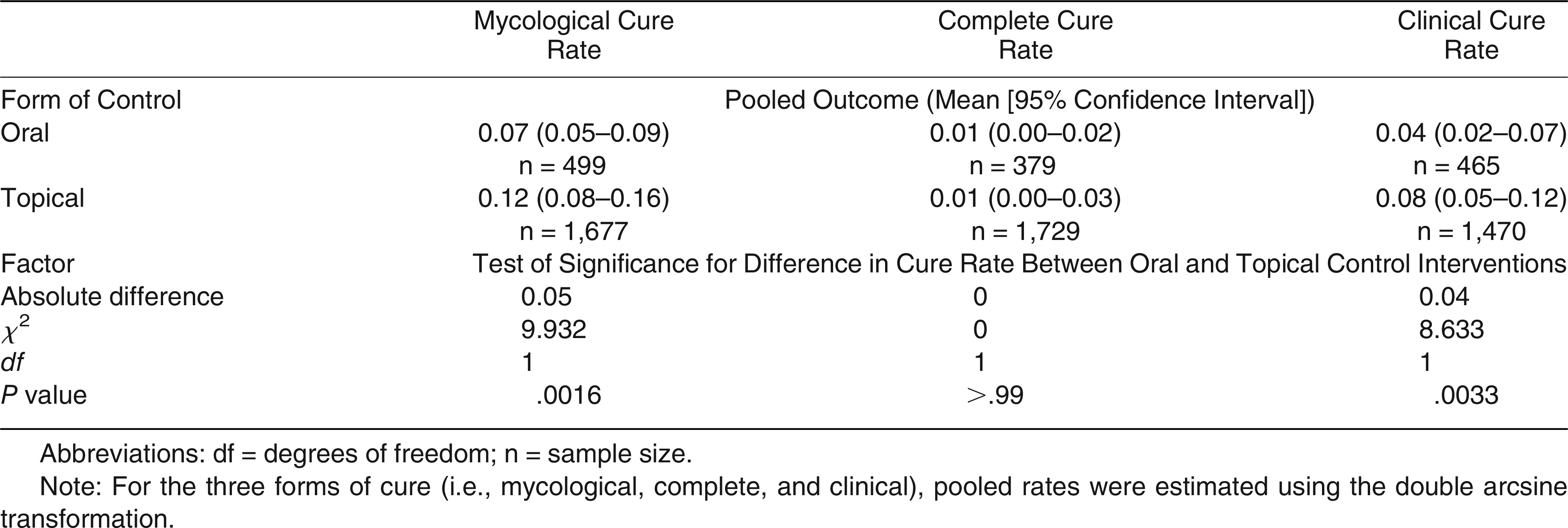
Results from the N – 1 χ2 tests showed that the mycological and clinical cure rates were significantly higher with controls that are topical compared with those that are oral (P = .0016 and .0033, respectively) (Table 2). The complete cure rate of topical controls was not significantly different from that of oral controls.
Table 2.
Differences Between Oral and Topical Control Interventions in Terms of the Respective Cure Rates.
We found that the cure rates of all of the control interventions were not correlated with those of the corresponding active therapies (Table 3); however, when we tested for the correlation in the subgroup of topical controls, there was a significant finding: there was a positive correlation between rates for the control and those for the corresponding active therapy for mycological cure (τ = 0.78; P = .0024) and clinical cure (τ = 0.86; P = .0017) (Table 3).
Table 3.
Results of the Kendall Test for the Correlation Between Cure Rates in the Active and Control Arms.

Discussion
In RCTs evaluating the efficacy of dermatophyte toenail onychomycosis, the mycological and clinical cure rates of the topical control intervention were significantly higher than those of the oral control intervention. Furthermore, the mycological and clinical cure rates of topical controls were positively correlated with those of their active counterparts, meaning that as the cure rates for the topical active drug increased, so did the cure rates of the topical vehicle, despite the latter not containing the active antifungal drug. These data suggest that something aside from the antifungal drug is influencing cure rates in topical drug RCTs but not in oral drug RCTs.
One aspect unique to topical drug RCTs is their patient cohort. The average severity of onychomycosis in participants in topical RCTs is often milder than that in patients in oral RCTs, with a target/great toenail plate involvement of 20% to 60% compared with 20% to 100%, respectively. Hence, the significant findings observed in the present study could be a result of disease severity being a confounding variable; mild-moderate onychomycosis is easier to treat than moderate-severe onychomycosis, and the former could hypothetically experience spontaneous cure [36]. That being said, a stronger explanation would be that the difference observed between oral and topical is due to, as Shamsudin and Fleischer [7] put it, “some vehicles having a therapeutic effect even in the absence of the active treatment.”
As previously stated, vehicles contain all of the chemicals of their active comparator except the antifungal; some of these chemicals may have a degree of antifungal response independent of the active antifungal being evaluated, such as lactic acid, urea, or propylene glycol. In fact, many of these vehicle chemicals have been tested on their own for treatment efficacy of onychomycosis with some success, albeit with lower cure rates than their antifungal counterparts [37,38,39]. Such chemicals may also have debridement properties; debridement of the nail and nail bed reduces the fungal load present in the nail, which can assist the immune system in healthy patients to kill the fungus, especially in lower-severity cases [40,41]. Oral placebos lack such adjuvants, thus the lack of correlation between the active and control arms in oral RCTs and the lower cure rates of oral placebos compared with topical vehicles.
Conclusions
The present findings indicate that mycological and clinical cure are possible with exclusive use of control interventions, especially in trials evaluating topical antifungals where the target toenail has mild-to-moderate severity disease at baseline. Therefore, analysis of a control’s therapeutic effects, and the proper use of the correct control, are vital to accurately determine the efficacy of onychomycosis therapies. Further exploration into complimentary additives to topical antifungal therapeutics may influence their efficacy in treating onychomycosis.
Financial Disclosure: None reported.
Conflict of Interest: Dr. Gupta has received honorarium and speaking fees from Bausch Health, is a Clinical Trial Investigator for Bausch Health and Moberg Pharma, and is a consultant for Ortho Dermatologics.
References
- Sigurgeirsson B, Baran R: The prevalence of onychomycosis in the global population: a literature study. J Eur Acad Dermatol Venereol 28: 1480, 2014.
- Gupta AK, Stec N, Summerbell RC, : Onychomycosis: a review. J Eur Acad Dermatol Venereol 34: 1972, 2020.
- Elewski BE, Charif MA: Prevalence of onychomycosis in patients attending a dermatology clinic in northeastern Ohio for other conditions. Arch Dermatol 133: 1172, 1997.
- Ghannoum MA, Hajjeh RA, Scher R, : A large-scale North American study of fungal isolates from nails: the frequency of onychomycosis, fungal distribution, and antifungal susceptibility patterns. J Am Acad Dermatol 43: 641, 2000.
- Gupta AK, Stec N: Recent advances in therapies for onychomycosis and its management. F1000Res 8: F1000, 2019.
- Gupta AK, Stec N: Emerging drugs for the treatment of onychomycosis. Expert Opin Emerg Drugs 24: 213, 2019.
- Shamsudin N, Fleischer AB: Vehicle or placebo? investigators use incorrect terminology in randomized controlled trials half of the time: a systematic review of randomized controlled trials published in three major dermatology journals. J Drugs Dermatol 9: 1221, 2010.
- Greenland S, Robins JM: Identifiability, exchangeability, and epidemiological confounding. Int J Epidemiol 15: 413, 1986.
- Theodosis-Nobelos P, Filotheidou A, Triantis C: The placebo phenomenon and the underlying mechanisms. Hormones (Athens) 20: 61, 2021.
- Gluud LL: Bias in clinical intervention research. Am J Epidemiol 163: 493, 2006.
- Gupta AK, Paquet M: Placebo cure rates in the treatment of onychomycosis. JAPMA 104: 277, 2014.
- Barendregt JJ, Doi SA, Lee YY, : Meta-analysis of prevalence. J Epidemiol Community Health 67: 974, 2013.
- Barendregt JJ, Doi SA: MetaXL User Guide Version 5.3. Available at: http://www.epigear.com/index_files/MetaXL%20User%20Guide.pdf. Published 2016. Accessed October 5, 2020.
- Campbell I: Chi-squared and Fisher-Irwin tests of two-by-two tables with small sample recommendations. Stat Med 26: 3661, 2007.
- Schoonjans F: MedCalc statistical software. Available at: https://www.medcalc.org/. Published 2020. Accessed October 5, 2020.
- RStudio Team: RStudio: Integrated Development for R. Boston, MA: RStudio PBC; 2020.
- Elewski BE, Ghannoum MA, Mayser P, : Efficacy, safety and tolerability of topical terbinafine nail solution in patients with mild-to-moderate toenail onychomycosis: results from three randomized studies using double-blind vehicle-controlled and open-label active-controlled designs. J Eur Acad Dermatol Venereol 27: 287, 2013.
- Elewski BE, Aly R, Baldwin SL, : Efficacy and safety of tavaborole topical solution, 5%, a novel boron-based antifungal agent, for the treatment of toenail onychomycosis: results from 2 randomized phase-III studies. J Am Acad Dermatol 73: 62, 2015.
- Elewski BE, Rich P, Pollak R, : Efinaconazole 10% solution in the treatment of toenail onychomycosis: two phase III multicenter, randomized, double-blind studies. J Am Acad Dermatol 68: 600, 2013.
- Gupta AK, Fleckman P, Baran R: Ciclopirox nail lacquer topical solution 8% in the treatment of toenail onychomycosis. J Am Acad Dermatol 43(4 suppl): S70, 2000.
- Gupta AK, Surprenant MS, Kempers SE, : Efficacy and safety of topical terbinafine 10% solution (MOB-015) in the treatment of mild-to-moderate distal subungual onychomycosis: a randomized, multi-center, double-blind, vehicle-controlled phase 3 study. J Am Acad Dermatol 85: 95, 2021.
- Syed TA, Ahmadpour OA, Ahmad SA, : Management of toenail onychomycosis with 2% butenafine and 20% urea cream: a placebo-controlled, double-blind study. J Dermatol 25: 648, 1998.
- Syed TA, Qureshi ZA, Ali SM, : Treatment of toenail onychomycosis with 2% butenafine and 5% Melaleuca alternifolia (tea tree) oil in cream. Trop Med Int Health 4: 284, 1999.
- Tschen EH, Bucko AD, Oizumi N, : Efinaconazole solution in the treatment of toenail onychomycosis: a phase 2, multicenter, randomized, double-blind study. J Drugs Dermatol 12: 186, 2013.
- Sigurgeirsson B, van Rossem K, Malahias S, : A phase II, randomized, double-blind, placebo-controlled, parallel group, dose-ranging study to investigate the efficacy and safety of 4 dose regimens of oral albaconazole in patients with distal subungual onychomycosis. J Am Acad Dermatol 69: 416, 2013.
- Drake LA, Shear NH, Arlette JP, : Oral terbinafine in the treatment of toenail onychomycosis: North American multicenter trial. J Am Acad Dermatol 37: 740, 1997.
- Elewski BE, Scher RK, Aly R, : Double-blind, randomized comparison of itraconazole capsules vs. placebo in the treatment of toenail onychomycosis. Cutis 59: 217, 1997.
- Elewski B, Pollak R, Ashton S, : A randomized, placebo- and active-controlled, parallel-group, multicentre, investigator-blinded study of four treatment regimens of posaconazole in adults with toenail onychomycosis. Br J Dermatol 166: 389, 2012.
- Elewski B, Brand S, Degenhardt T, : A phase II, randomized, double-blind, placebo-controlled, dose-ranging study to evaluate the efficacy and safety of VT-1161 oral tablets in the treatment of patients with distal and lateral subungual onychomycosis of the toenail. Br J Dermatol 184: 270, 2021.
- Goodfield MJ: Short-duration therapy with terbinafine for dermatophyte onychomycosis: a multicentre trial. Br J Dermatol 126(suppl 39): 33, 1992.
- Gupta AK, Leonadri C, Pierce P, : A phase I/II randomized, double‐blind, placebo‐controlled, dose‐ranging study evaluating the efficacy, safety and pharmacokinetics of ravuconazole in the treatment of onychomycosis. J Eur Acad Dermatol Venereol 19: 437, 2005.
- Jones HE, Zaias N. Double-blind, randomized comparison of itraconazole capsules and placebo in onychomycosis of toenail. Int J Dermatol 35: 589, 1996.
- Odom R, Daniel CR, Aly R: A double-blind, randomized comparison of itraconazole capsules and placebo in the treatment of onychomycosis of the toenail. J Am Acad Dermatol 35: 110, 1996.
- Billstein S, Kianifard F, Justice A: Terbinafine vs. placebo for onychomycosis in black patients. Int J Dermatol 38: 377, 1999.
- Svejgaard EL, Brandrup F, Kragballe K, : Oral terbinafine in toenail dermatophytosis: a double-blind, placebo-controlled multicenter study with 12 months’ follow-up. Acta Derm Venereol 77: 66, 1997.
- Elewski BE, Cantrell W, Lin T: Is severity of disease a prognostic factor for cure following treatment of onychomycosis? J Drugs Dermatol 17: 175, 2018.
- Emtestam L, Kaaman T, Rensfeldt K: Treatment of distal subungual onychomycosis with a topical preparation of urea, propylene glycol and lactic acid: results of a 24-week, double-blind, placebo-controlled study. Mycoses 55: 532, 2012.
- Faergemann J, Swanbeck G: Treatment of onychomycosis with a propylene glycol-urea-lactic acid solution. Mycoses 32: 536, 1989.
- Dars S, Banwell HA, Matricciani L: The use of urea for the treatment of onychomycosis: a systematic review. J Foot Ankle Res 12: 22, 2019.
- Baran R, Tosti A: Chemical avulsion with urea nail lacquer. J Dermatolog Treat 13: 161, 2002.
- Shemer A, Eshel Y, Gupta AK, : Once weekly application of urea 40% and bifonazole 1% leads to earlier nail removal in onychomycosis. Skin Appendage Disord 6: 304, 2020.
© 2022 American Podiatric Medical Association