Pilon fractures represent approximately 1% of all lower-extremity fractures and less than 10% of all tibial fractures.[
1] The average patient age is 35 to 40 years, with fractures more common in men than in women. Most pilon fractures are caused by varying degrees of rotation or twisting following axial loading, often because of high-energy trauma. Although these fractures are rare, they are considered difficult to treat because they are seen as multipart joint fractures in a weightbearing joint; the skin of the pilon area is thin, has poor vascularization, and has no muscle insertion.[
2,
3]
The goal of orthopedic surgery for tibial pilon fractures is the anatomical and biomechanical restoration of the joint, proper alignment, stable internal fixation, correct orientation of the ankle, and early mobilization.[
4,
5] Management of these fractures can be complex, especially when they are associated with significant soft-tissue damage. Various surgical options and devices are available to treat these fractures. In addition, the timing of the operation is critical in terms of the condition of the soft tissues.[
6] Currently, a two-step protocol involving, first, external transfixation and subsequent conversion to open reduction and internal fixation is a widely accepted standard to reduce the risk of soft-tissue complications and infection rates.[
7–9] Adequate stabilization should be provided with implants to ensure bone union.[
10,
11] Although many believe that anatomical restoration of the articular surface is required, it is controversial and not always associated with clinical outcome.[
12] Posttraumatic arthrosis of the ankle joint is a long-term problem and may affect the clinical outcome.[
13] Regarding patient outcomes, most studies focus on complications such as infection rates, pseudarthrosis, or posttraumatic arthrosis and provide less information on quality of life. This retrospective clinical study aimed to evaluate the relationship between the reduction quality of the fracture, functional results, ankle arthrosis, and plantar pressure distribution in patients with tibia pilon fractures.
Methods
A retrospective examination was conducted on patients hospitalized and treated surgically for tibia pilon fractures at the University of Health Sciences, Kanuni Sultan Süleyman Training and Research Hospital, Department of Orthopaedics and Traumatology, Istanbul, Turkey. All patients treated for a pilon fracture between January of 2015 and January of 2019 were reviewed to determine whether they would be included or excluded from the study. Inclusion criteria included patients aged 18 years or older, trauma limited to a unilateral pilon fracture involving the joint, and the absence of psychological discomfort or additional trauma that could affect the outcome of the pedography. The exclusion criteria included a medical history of previous fractures or musculoskeletal disorders of the lower limbs; limb heterometry; spinal disease; and heavy smoking, alcoholism, or drug abuse. All hospital patient records were scanned to determine whether a patient would be included in the study.
All procedures were conducted in accordance with the ethical standards of the responsible committee on human experimentation (institutional and national) and with the Declaration of Helsinki of 1975, as amended in 2008. Informed consent was waived because of the retrospective nature of the study.
Plain radiographs and computed tomographic scans were examined according to the Arbeitsgemeinschaft für Osteosynthesefragen (AO) classification system.[
14] The presence of accompanying lateral malleolar fractures was also evaluated in the radiographs and computed tomographic scans. Medical charts were used to determine the fracture mechanism (high- or low-energy), whether there was an open/closed fracture, surgical procedures, presence of comorbid diseases, smoking, the elapsed time from hospitalization to surgery, length of hospital stay, and complications. After the operation, short leg splints were routinely applied for 2 weeks to monitor the wound and soft tissue. This was followed by lymphatic drainage, active joint mobilization, and physiotherapy, with crutches carrying partial weight for 8 to 12 weeks, depending on the type of fracture and operative treatment. When deemed necessary, patients were referred to physical therapy following treatment. Patient postoperative radiographs were scored according to the Ovadia-Beals criteria to determine the reduction quality of the fracture.[
15]
At the last patient follow-up, the final evaluation was made for distal tibia fractures according to the Teeny-Wiss clinical evaluation criteria. In this protocol, the assessment was made by comparing the healthy ankle with a damaged ankle.[
16] In addition, ankle arthrosis was graded according to the Takakura classification scale on plain radiographs at the last follow-up.[
17]
Pedography was performed with an integrated measuring plate (Ack-Metisens, 48 × 42 cm, three sensors per square centimeter, 50 Hz; Novel GmbH, Istanbul, Turkey). Patients were allowed an unlimited number of tests. At least five accurate measurements were performed per side, and the average values were included in the subsequent analysis. Using software support (new database required © version 25.6.20 and a newly programmed report for force-time integral), the patient’s foot was divided into four regions. The weight distribution was placed anteroposteriorly and mediolaterally.
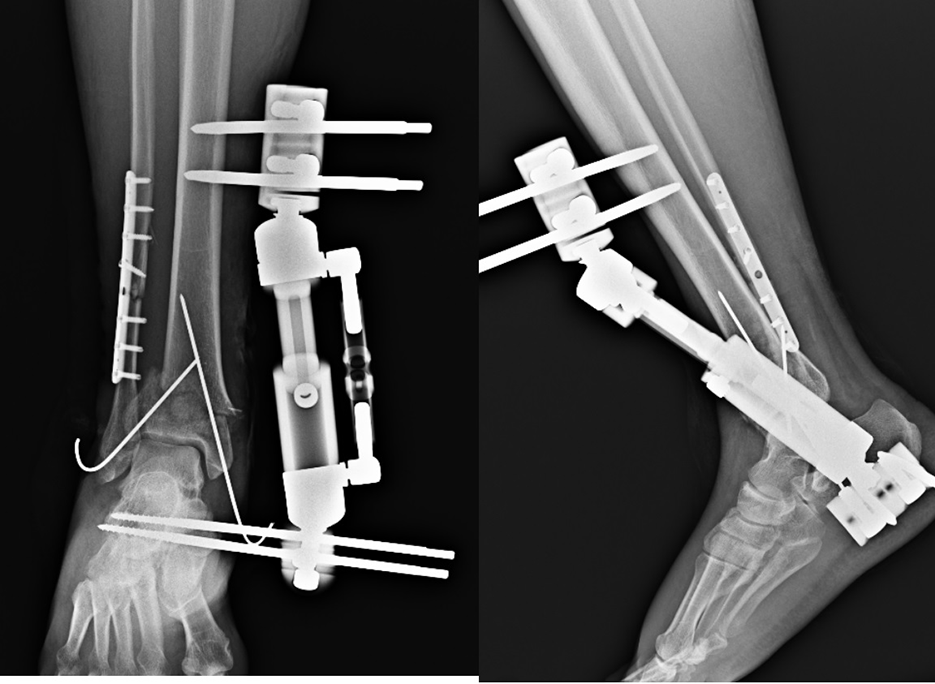
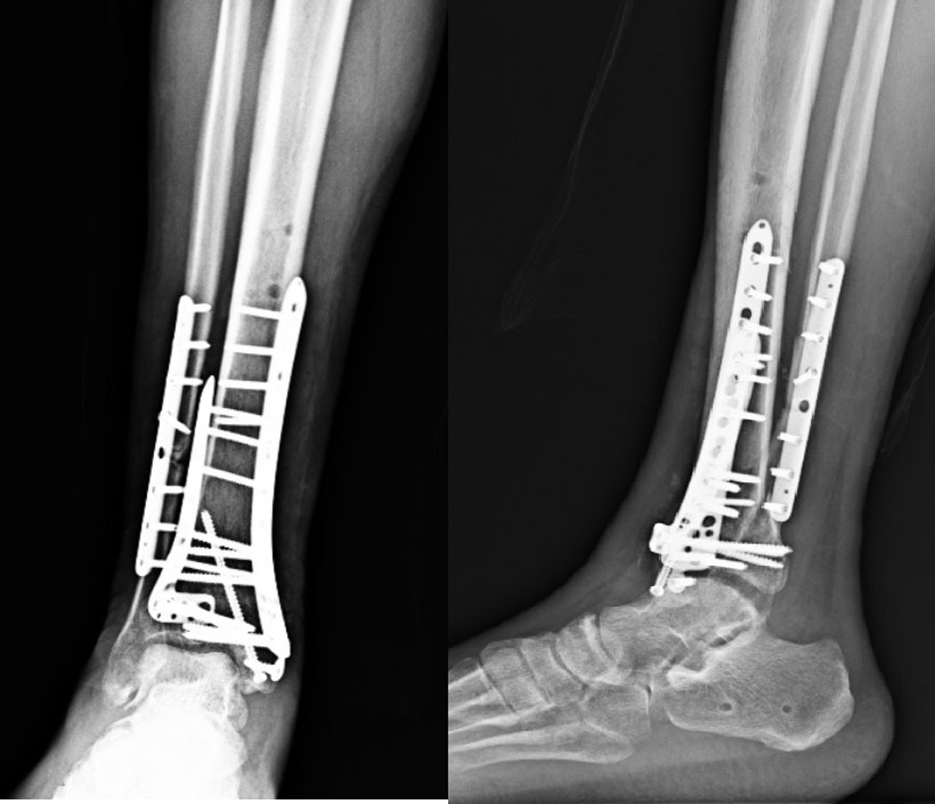
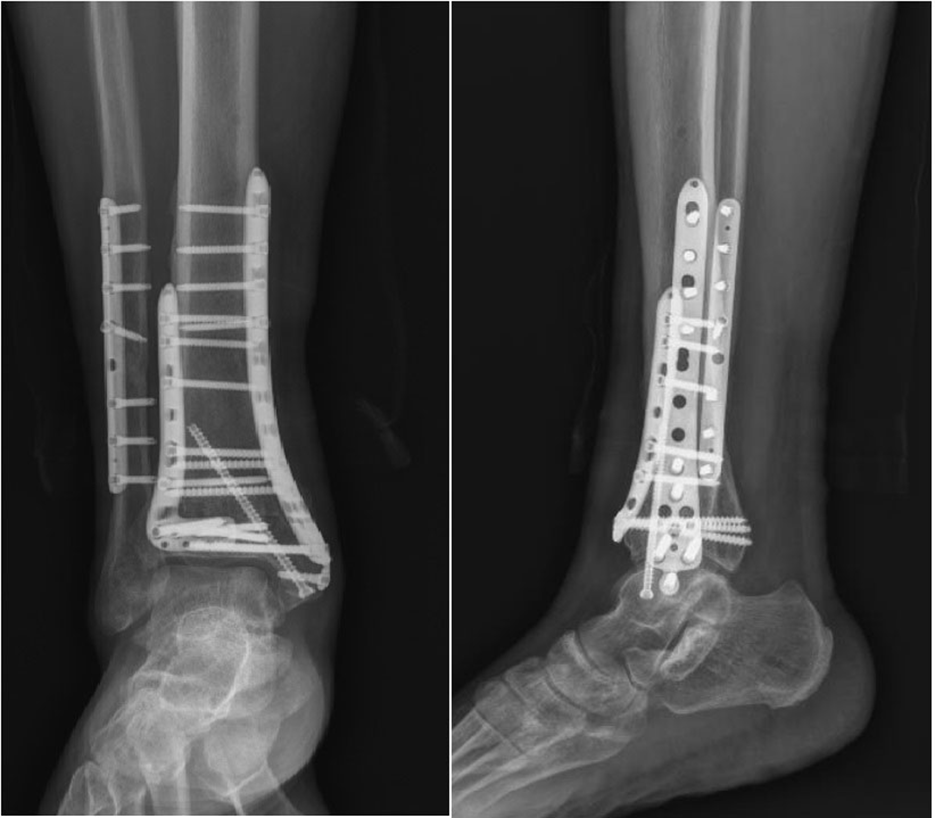
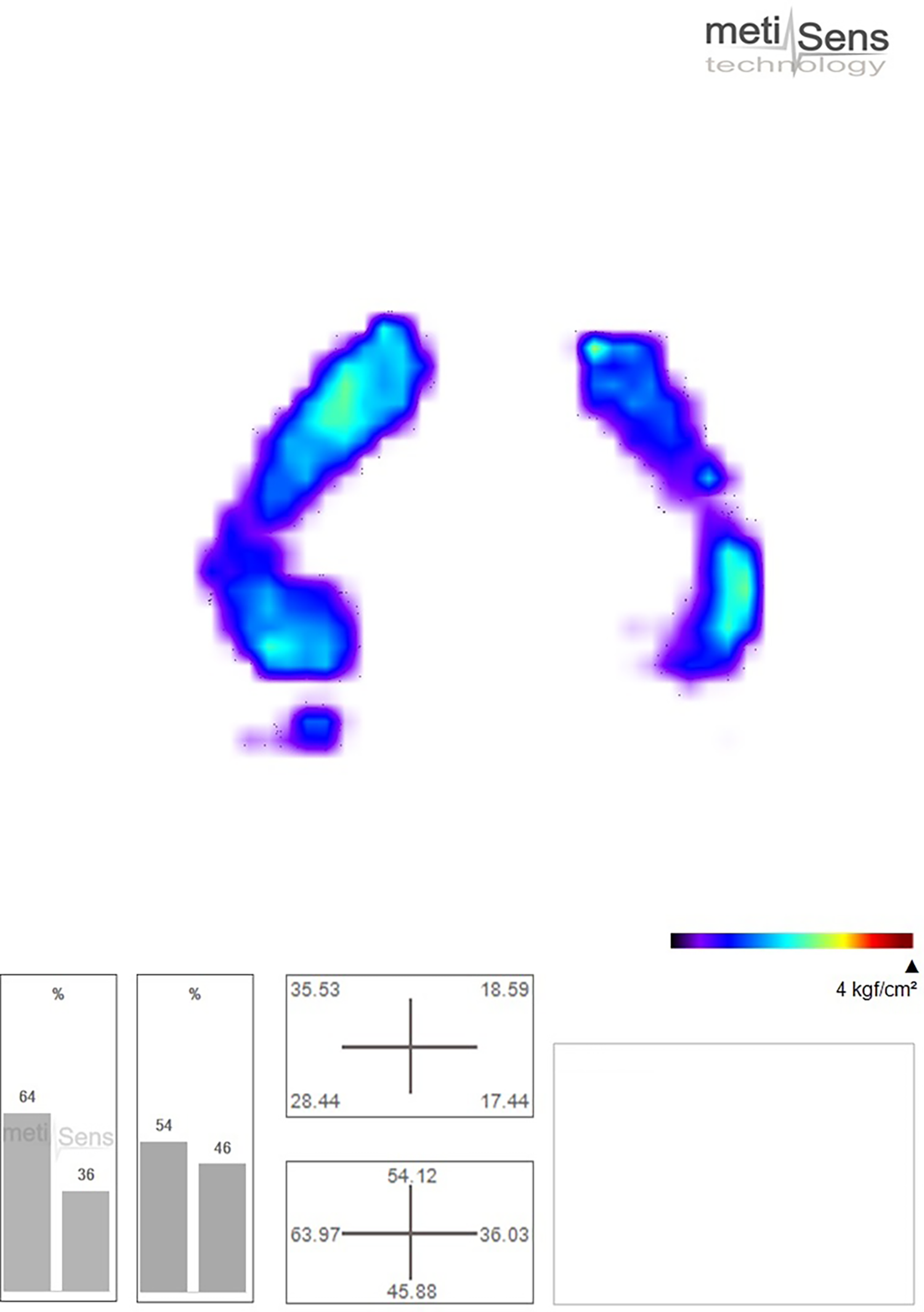
Figures 1 through
5 show the initial and follow-up graphs and pedography of a typical pilon fracture.
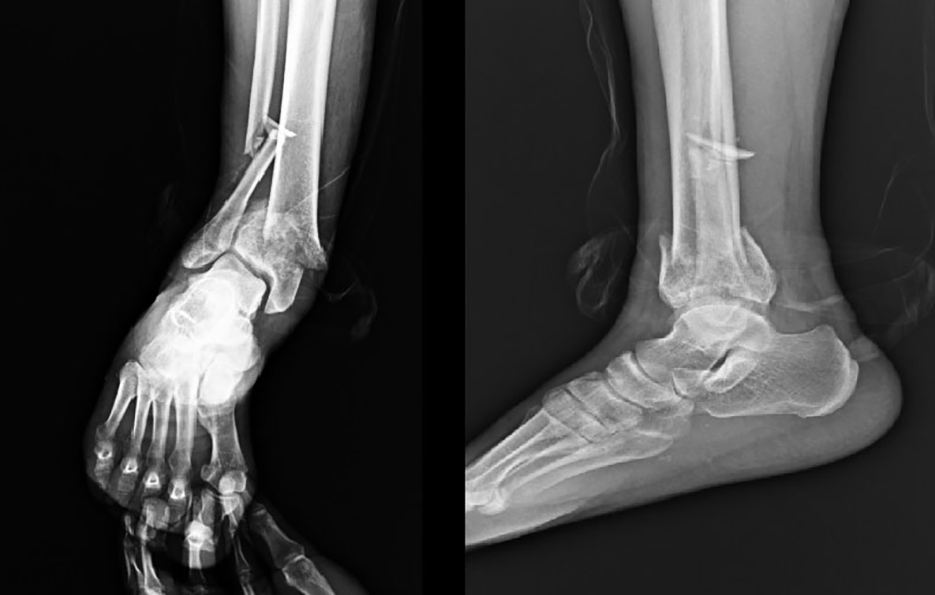
Figure 1.
Anteroposterior and lateral radiographs of a 48-year-old male patient who had Arbeitsgemeinschaft für Osteosynthesefragen type C1 tibia pilon fracture as a result of falling from height.
Figure 1.
Anteroposterior and lateral radiographs of a 48-year-old male patient who had Arbeitsgemeinschaft für Osteosynthesefragen type C1 tibia pilon fracture as a result of falling from height.
Figure 2.
Anteroposterior and lateral radiographs with external fixator applied in the first intervention of the patient.
Figure 2.
Anteroposterior and lateral radiographs with external fixator applied in the first intervention of the patient.
Figure 3.
Anteroposterior and lateral radiographs of open reduction and internal fixation applied to the patient 3 weeks after external fixator application.
Figure 3.
Anteroposterior and lateral radiographs of open reduction and internal fixation applied to the patient 3 weeks after external fixator application.
Figure 4.
Anteroposterior and lateral radiographs of the patient during the 2-year follow-up.
Figure 4.
Anteroposterior and lateral radiographs of the patient during the 2-year follow-up.
Figure 5.
The result of the patient’s foot loading analysis (it is observed that the foot loading has shifted to the lateral and posterior portions of the foot).
Figure 5.
The result of the patient’s foot loading analysis (it is observed that the foot loading has shifted to the lateral and posterior portions of the foot).
Statistical Analysis
IBM SPSS Version 22 (IBM Corp, Armonk, New York) was used to evaluate the study findings. While evaluating the study data, the suitability of the parameters to the normal distribution was assessed using the Shapiro-Wilks test. The descriptive statistical methods (ie, mean, standard deviation, and frequency) and the one-way analysis of variance test were used to evaluate the parameters normally distributed among the groups for the comparison of quantitative data. The Kruskal-Wallis test was used for intergroup comparisons of parameters that did not show normal distribution, and the Dunn test was used to identify the group that caused the difference. The Student t test was used to compare normally distributed parameters between two groups, and the Mann-Whitney U test was used to compare parameters not showing normal distribution between two groups. The χ2 and Fisher-Freeman-Halton tests were used to compare qualitative data. Pearson correlation analysis was used to examine the relationships between parameters suitable for normal distribution. Spearman rho correlation analysis was used to examine the relationships between parameters not compatible with normal distribution. Significance was evaluated at the P < .05 level.
Results
Seventy-five patients who met the inclusion criteria were invited to participate in the study. Of those, 62 were willing to participate, and 13 were excluded from the study under the exclusion criteria (because of psychological discomfort and additional trauma). There were 50 men and 12 women. The average age was 43.3 years (range, 19–78 years). The right lower extremity was affected 39 times, and the left 23 times. The mean follow-up was 34.3 months (range, 24–58 months) (
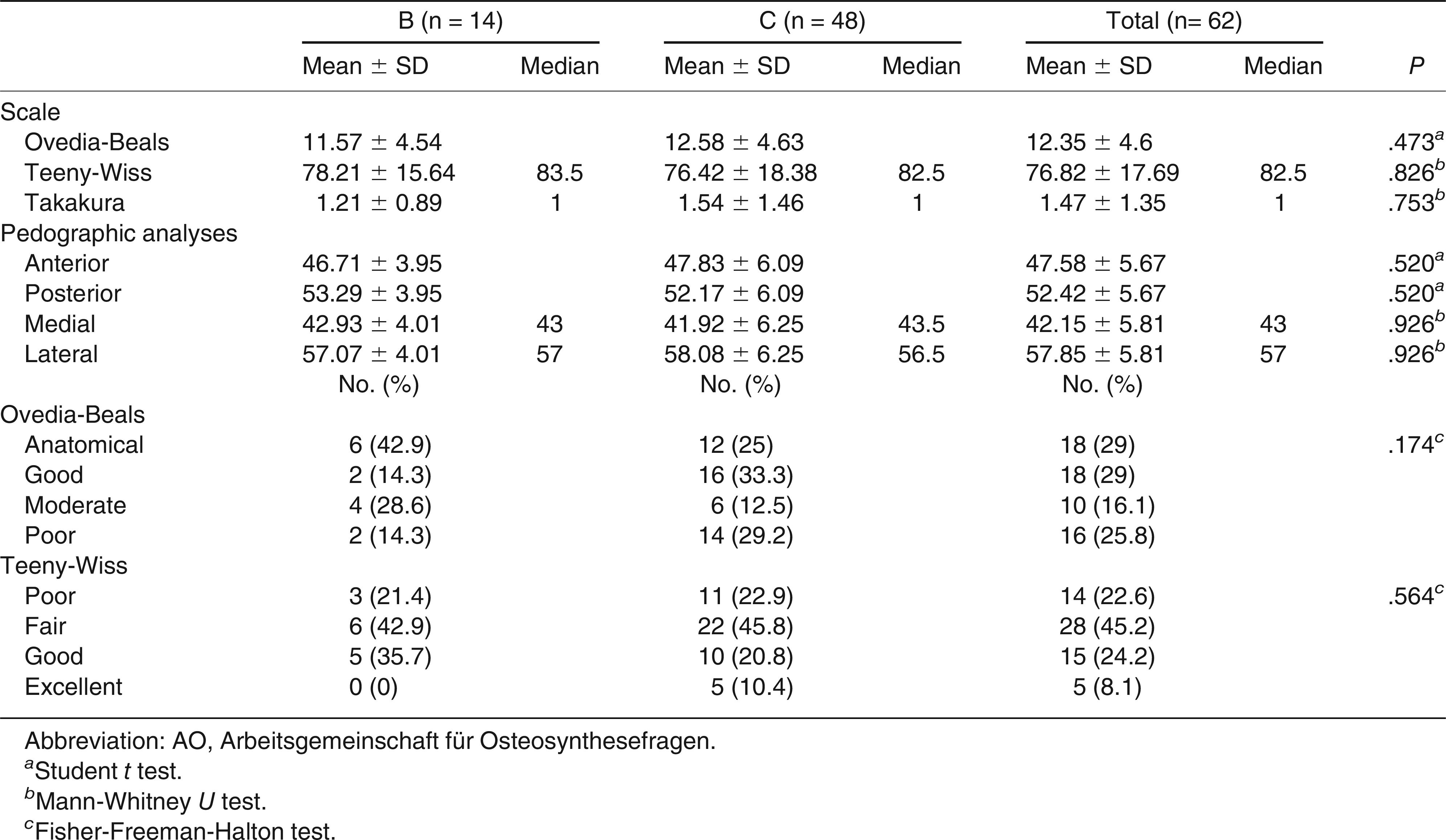
Table 1). Six of the fractures were caused by low-energy trauma, whereas 56 were caused by high-energy trauma. There were eight open fractures (three type 2 and four type 3). According to the AO classification, 14 patients had type B fractures, and 48 patients had type C.
Table 1.
Distribution of Information on Working Parameters
Table 1.
Distribution of Information on Working Parameters
All patients were operated on according to our routine treatment protocols. Although external fixators were applied to 20 patients in the first stage, fixed-angle plates were used in second-stage surgery in 12 of these patients. In the remaining patients, the medial anatomical plate, the anterior anatomical plate, and the medial/anterior combined anatomical plate were applied. Whereas 42 of the patients had accompanying lateral malleolar fractures, 33 underwent osteosynthesis with the lateral malleolar anatomical plate. No patients required osteosynthesis with screws alone. In the remaining nine patients, additional fixation was not used because the accompanying fibula fracture remained above the level of the syndesmosis. One patient had to undergo ankle fusion after 12 months because of an ongoing infection with a large bony defect after a type III open fracture (AO C3 type 3). Therefore, this patient was excluded from the study because pedobarographic measurements could not be obtained. Also, because of superficial infection, the medial tibia plate was removed in one patient, and the lateral malleolus plate was removed in another. The symptoms regressed with plate removal and debridement in these patients, and no additional surgery was performed.
The mean Ovadia-Beals score was 12.35 ± 4.6 in the postoperative plain radiographs of the patients; the mean Teeny-Wiss score at the last follow-up was 76.82 ± 17.69; and the mean Takakura score was 1.47 ± 1.35. Based on the pedobarographic measurements, 47.58% of the patients put weight on the anterior portion and 52.42% on the posterior portion of the foot in the anteroposterior plane. In the mediolateral plane, 42.15% loaded on the medial portion of the ankle and 57.85% loaded on the lateral portion of the foot.
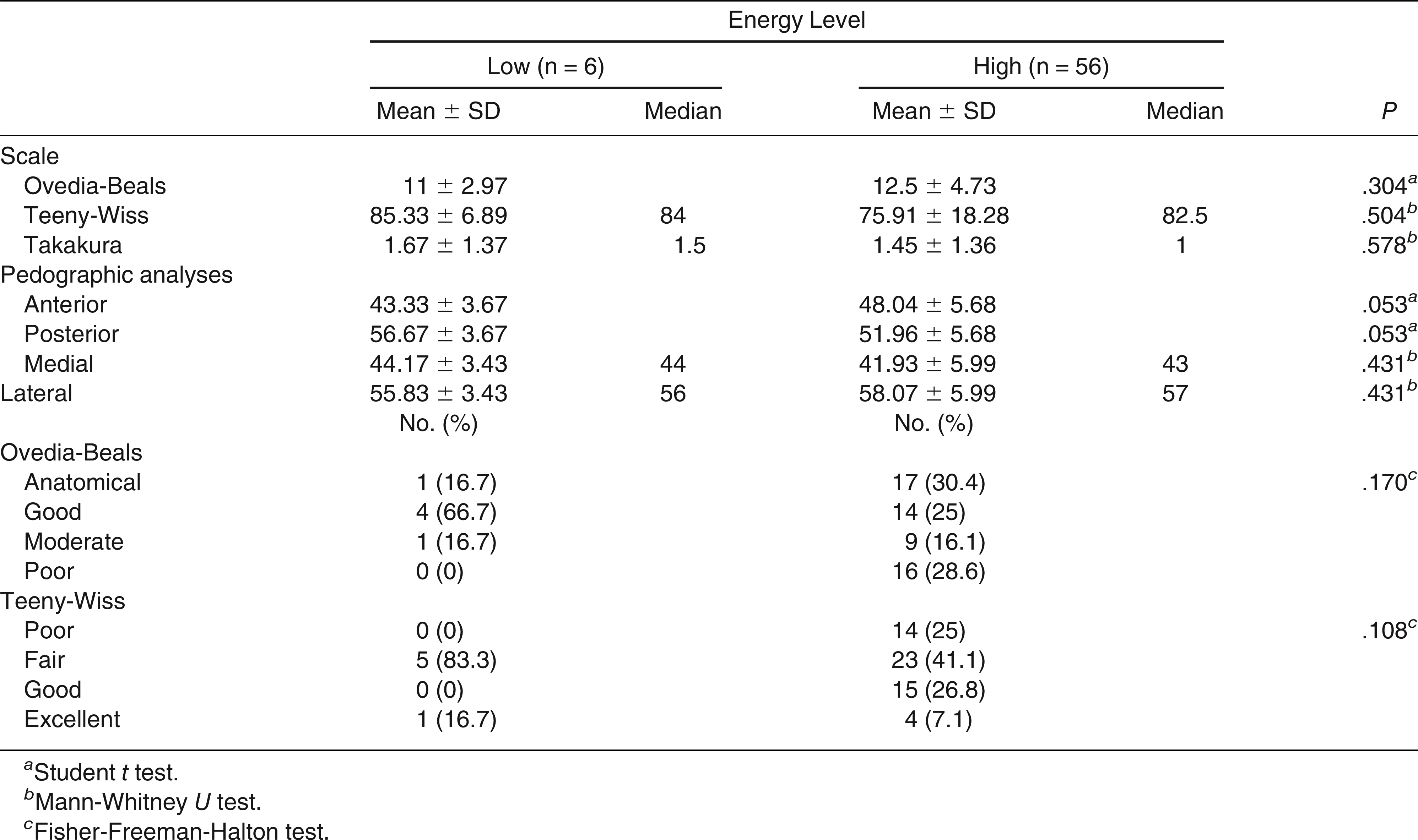
The Ovadia-Beals criteria evaluated the postoperative reduction quality of the patients; the Teeny-Wiss score evaluated the functional results; and the Takakura classification measured ankle arthrosis. No significant difference was found between the patient groups when assessed according to the AO fracture classification types, open/closed fracture, high- or low-energy, accompanying and operated lateral malleolus fracture, and type of surgery (
Tables 2–
5).
Table 2.
Evaluation of Scores According to the AO Classification
Table 2.
Evaluation of Scores According to the AO Classification
Table 3.
Evaluation of Scores According to Whether the Fracture Is Open or Not
Table 3.
Evaluation of Scores According to Whether the Fracture Is Open or Not
Table 4.
Evaluation of Scores According to the Mechanism of Fracture Occurrence
Table 4.
Evaluation of Scores According to the Mechanism of Fracture Occurrence
Table 5.
Evaluation of Scores Between Those with and Without Accompanying Fibula Fracture
Table 5.
Evaluation of Scores Between Those with and Without Accompanying Fibula Fracture
Among the patient groups, there was a statistically significant difference in the Takakura classification only in those patients with a type 3 (AO type B3 and C3) fracture subgroup related to the joint and an open fracture according to the AO fracture classification (
P < .05) (
Table 6).
Table 6.
Evaluation of the Scores of the Subgroups According to the AO Classification
Table 6.
Evaluation of the Scores of the Subgroups According to the AO Classification
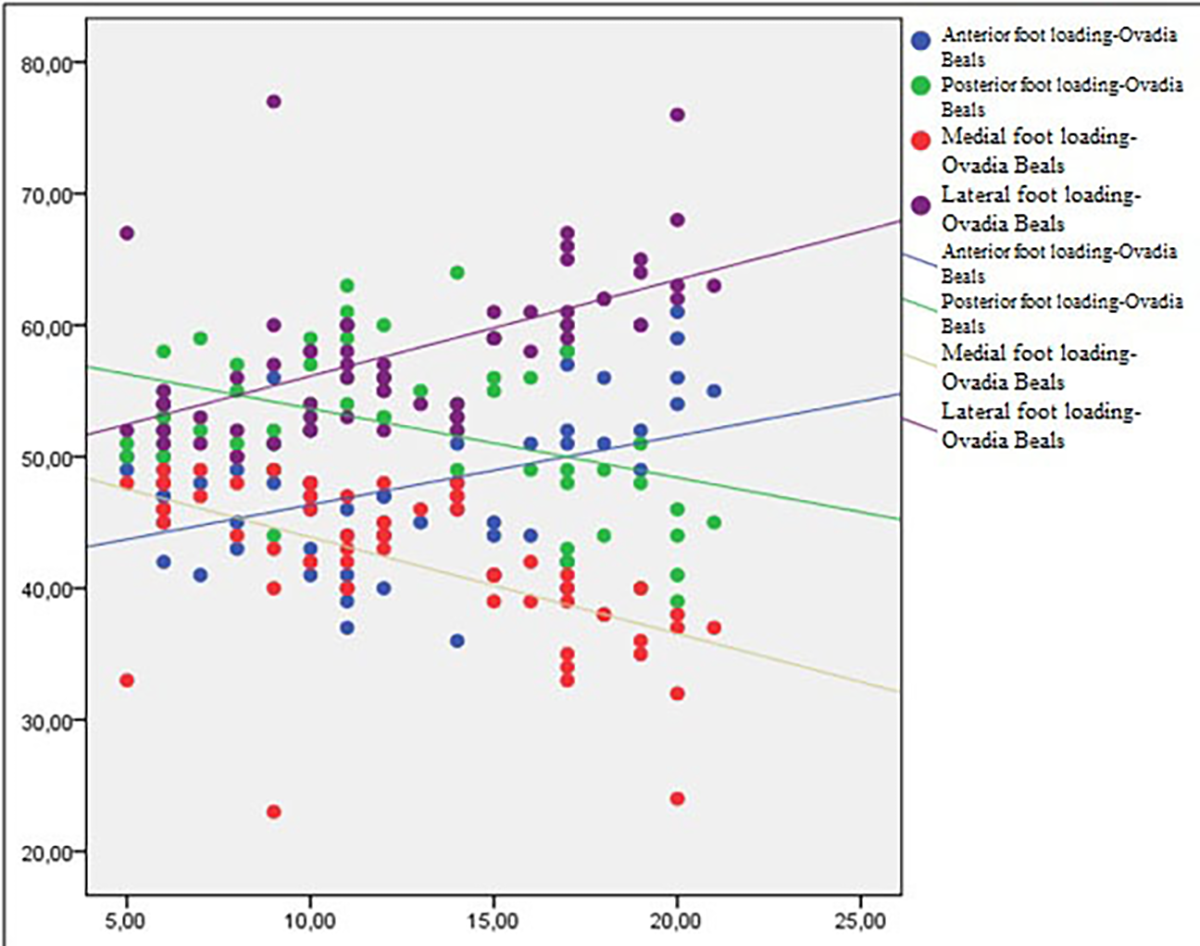
Evaluation of the pedobarographic measurements according to the Ovadia-Beals score yielded the following results (
Table 7 and
Fig. 6):
A positive, 42.5%, statistically significant relationship between the Ovadia-Beals score and the anterior foot load (P < .05).
A negative, 42.5%, statistically significant correlation between the Ovadia-Beals score and the posterior foot load (P < .05).
A positive, 58%, statistically significant relationship between the Ovadia-Beals score and the medial foot load (P < .05).
A negative, 58%, statistically significant relationship between the Ovadia-Beals score and the lateral foot load (P < .05).
A negative, 85.7%, statistically significant correlation between the Ovadia-Beals score and the Teeny-Wiss score (P < .05).
A positive, 32.1%, statistically significant relationship between the Ovadia-Beals score and the Takakura score (P < .05).
Figure 6.
The relationship between foot loading analysis and Ovadia-Beals score.
Figure 6.
The relationship between foot loading analysis and Ovadia-Beals score.
Table 7.
Evaluation of the Correlation Between Ovedia-Beals, Teeny-Wiss, and Takakura Scales and Foot Gait Analysis Scores
Table 7.
Evaluation of the Correlation Between Ovedia-Beals, Teeny-Wiss, and Takakura Scales and Foot Gait Analysis Scores
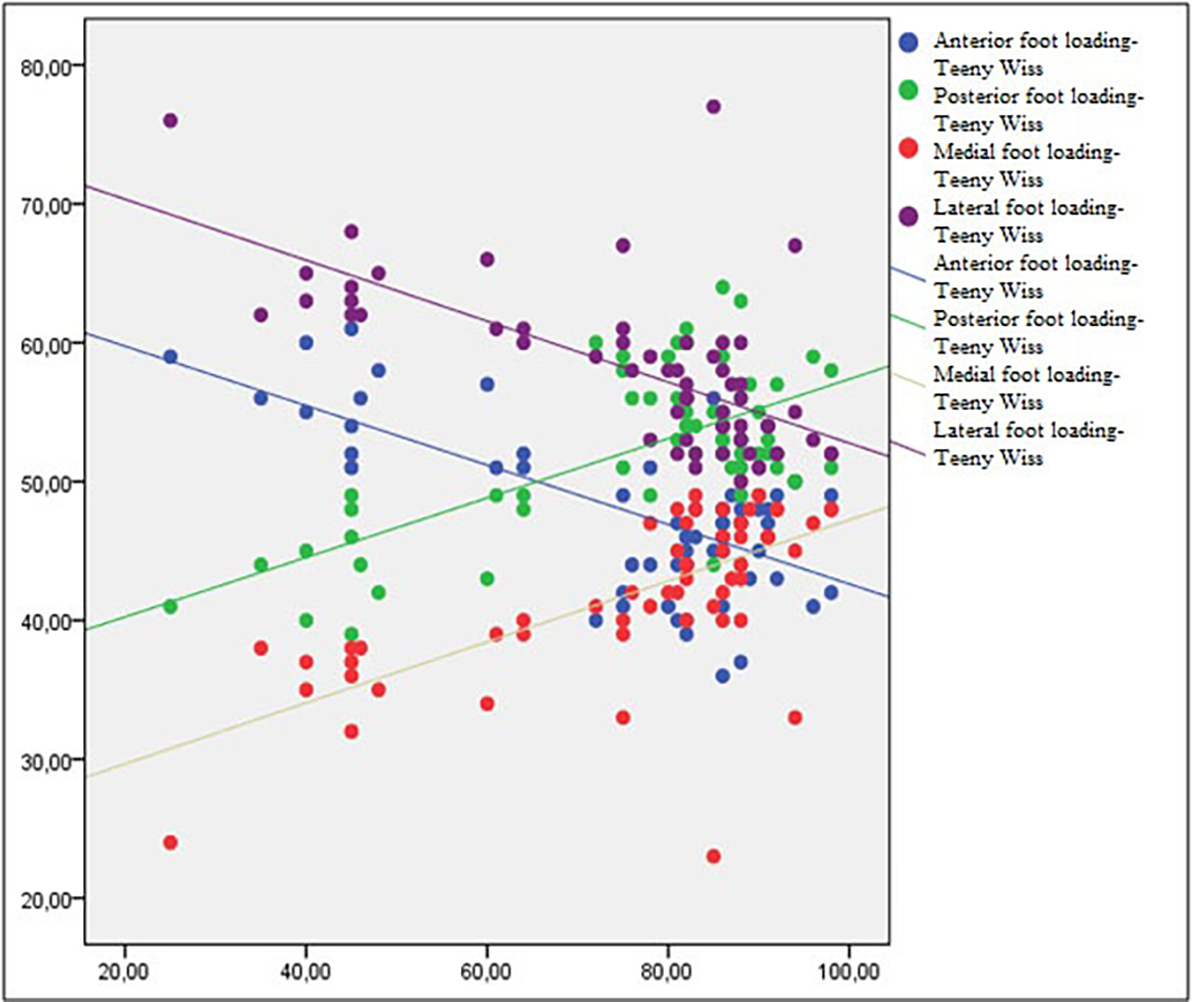
Evaluation of the pedobarographic measurements according to the Teeny-Wiss score yielded the following results (
Table 7 and
Fig. 7):
A positive, 66.8%, statistically significant correlation between the Teeny-Wiss score and the anterior foot load (P < .05).
A negative, statistically significant correlation between the Teeny-Wiss score and the posterior foot load (P < .05).
A positive, 69.7%, statistically significant relationship between the Teeny-Wiss score and the medial foot load (P < .05).
A negative, 69.7%, statistically significant correlation between the Teeny-Wiss score and the lateral foot load (P < .05).
A negative, 29.4%, statistically significant correlation between the Teeny-Wiss score and the Takakura score (P < .05).
Figure 7.
The relationship between foot loading analysis and Teeny-Wiss score.
Figure 7.
The relationship between foot loading analysis and Teeny-Wiss score.
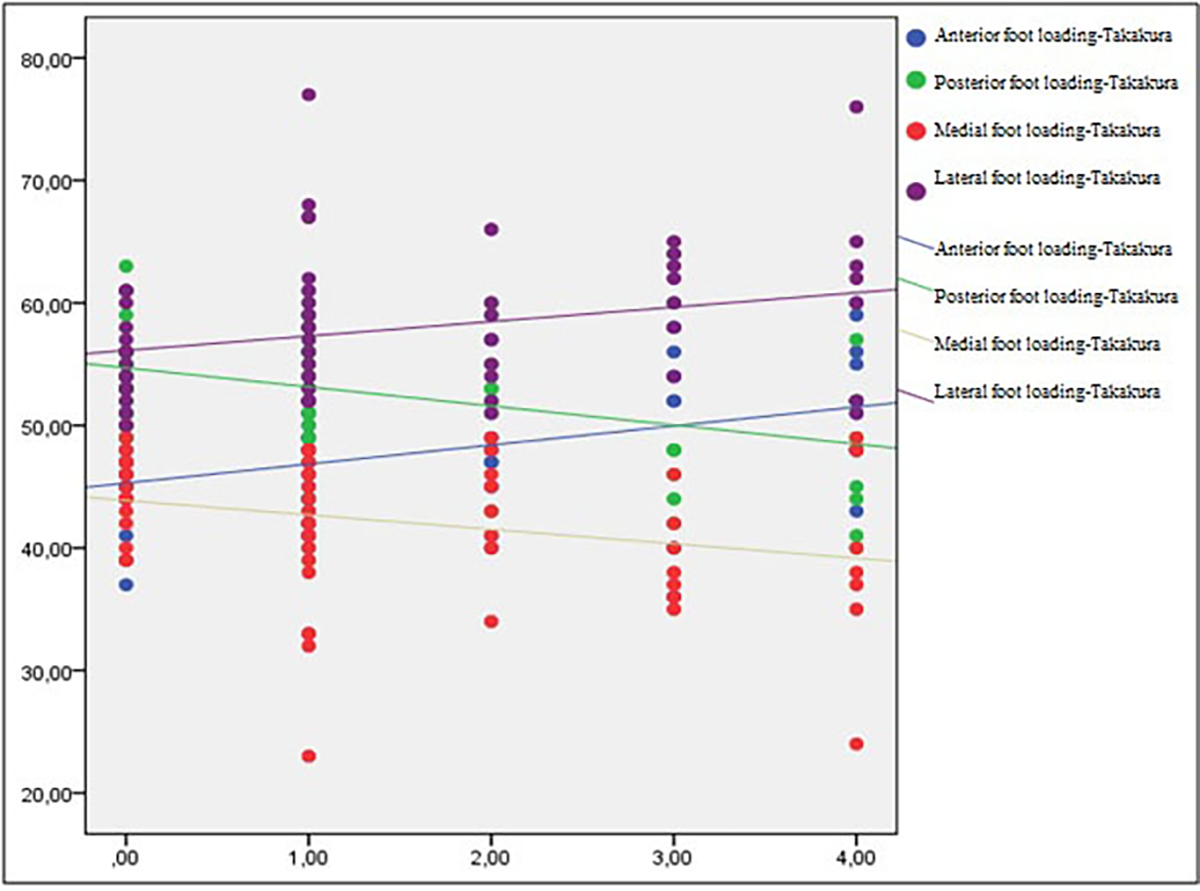
Evaluation of the pedobarographic measurements according to the Takakura classification yielded the following results (
Table 7 and
Fig. 8):
A positive, 37%, statistically significant correlation between the Takakura score and anterior foot loading (P < .05).
Inversely, a 37% and statistically significant correlation between the Takakura score and posterior foot loading (P < .05).
A positive, 26%, statistically significant correlation between the Takakura score and medial foot loading (P < .05).
A negative, 26%, statistically significant correlation between the Takakura score and lateral foot loading (P < .05).
Figure 8.
The relationship between foot loading analysis and the Takakura classification.
Figure 8.
The relationship between foot loading analysis and the Takakura classification.
Discussion
The most significant finding of this study is that overall reduction quality worsens in patients operated on for tibia pilon fractures; the patient’s functions deteriorate, and arthrosis in the ankle increases. In addition, the foot center of gravity of patients with poor reduction quality shifts to the posterior and lateral portions of the foot.
Since the publication of the results for low-energy pylon fractures in 1969 by Rüedi and Allgöwer,[
18] these fractures have been a common standard with four basic principles (ie, restoration of length and axis, anatomical reconstruction of the articular surface, filling of the defect, and medial column support). These principles are discussed today. Today, high-velocity injuries with severely compromised soft tissues are more common, making the open reduction and internal fixation technique using the comprehensive approaches described by Rüedi and Allgöwer impossible. Anatomically preformed plates and angled fixed screws act as an internal fixator. The minimally invasive technique (minimally invasive plate osteosynthesis) was developed to benefit soft tissues significantly. However, surgeons were concerned about postoperative soft-tissue follow-up while using excessive surgical approaches in severe soft-tissue injuries.
Tibial pilon fracture has always been a complex trauma for foot and ankle surgeons. The results of surgery can lead to many complications, including infection, deformity, nonunion, arthrodesis, and amputation.[
19] Biomechanical studies show that although joint fragmentation is minimal (especially 3 cm of the lower line of the fracture from the tibiotalar joint), it may not heal and bone deformities such as procurvatum/recurvatum or varus and valgus may invalidate the body’s anatomical axis and sagittal balance line.[
20,
21] The formation of a limb deformity is a more critical factor in the lower extremities than in the upper extremities.[
22] Some studies have suggested that weak tibial consolidations are associated with knee and ankle arthrosis.[
22] Extra-articular fractures can cause arthrosis but are less common than intra-articular fractures.[
22] The general deformity of the leg will be affected by the level of deformation and the size of the angle caused by translation, rotation, and shortening.[
23,
24]
However, so far, these positive results have not been published in the literature, and complication rates, infections, and the onset of osteomyelitis remain at high levels (up to 23% as shown in the literature), and joint reduction and varus quality/valgus alignment are more demanding and challenging.[
25] Marsh et al[
12] suggested that correct alignment is more critical than absolute anatomical reconstruction of the articular surface.
Although changes in gait patterns are defined in calcaneal fractures, end-stage osteoarthrosis of the ankle, and tibiotalar fusion, our study provides information about gait analysis after pilon fractures. Horisberger et al[
26] determined the maximum force and contact area of the entire osteoarthritic foot and reduced peak pressure in the hindfoot and toes in patients with end-stage osteoarthrosis of the ankle. Similar changes were found in patients after intra-articular fractures of the calcaneus. In those patients, lateralization of the walking axis, a compensatory increase in pressure in the midfoot and lateral forefoot region and a decrease in the hindfoot pressure, are described in that study.[
27] In this study, we concluded that the average center of plantar pressure of the foot was displaced more laterally and slightly posteriorly.
Yaradılmış et al[
28] examined 45 patients in their retrospective study and showed that functional ankle scores were significantly lower in patients with nonanatomical reduction according to the Ovadia-Beals criteria. In our research, we found a negative correlation between the Ovadia-Beals criteria and the Teeny-Wiss score. We also found that ankle arthrosis was higher in these patients, and there was a significant lateral and posterior shift in the foot pressure distribution.
In their prospective study, Sommer et al[
29] concluded that the radiologic measurements of the postoperative reduction quality they evaluated significantly affected the patients’ results. In particular, the lateral malleolus length was the most important prognostic factor. In this study, all anatomical parameters were not evaluated separately; only the Ovadia-Beals criteria were examined. Poor results were observed in patients with nonanatomical reduction quality. Previously, there were reports that patient outcomes continued to improve for up to 5 years after pilon fractures.[
12] However, Sommer et al[
29] reported that they could not find a significant difference between the 2-month and the 2-year results in their study. Because the early to midterm functional results for the patients were evaluated in this study, the improvements in functional results could not be documented.
Falzarano et al[
30] compared the pedographic results of three techniques for tibia pilon fractures. They concluded that the foot pressure distribution was the highest in the fourth metatarsal in their patient results, correlated with the Ovadia-Beals criteria. Jansen et al[
31] reported similar findings on intra-articular fractures of the tibial pilon but did not compare them with the reduction quality and functional results of the patients. The results of pedography in their study were similar to those obtained in this study.
A common problem with long-term outcomes is the development of posttraumatic arthrosis and thus limited function of the injured limb. In our study, 37% of the patients had moderate or clear symptoms of posttraumatic osteoarthritis. Other authors describe rates of 10% to 55%,[
2,
18] with a correlation between the onset of fracture severity arthrosis. We also found a very high correlation between the amount of joint involvement of the fracture (in AO B3 and C3 fractures) and the development of arthrosis (0.021;
P < .05). Whereas Gülabi et al[
32] achieved excellent or good results in 19 of 32 pilon fractures in the 31 patients (59%) they treated, this study achieved excellent and good results in 20 of 62 patients (32%). Ketz and Sanders[
33] found an average American Orthopaedic Foot and Ankle Society score of 76.4 in the type C2 fracture group and 85.2 in the type C3 fracture group after plate osteosynthesis using different approaches. Kiene et al[
34] determined a mean American Orthopaedic Foot and Ankle Society score of 81 after combining external fixation and lag screws.
Limitations
Our study has some limitations. It was a retrospective single-center study, and various fracture patterns were treated using different stabilization techniques, including stable angular plates and external fixators as needed. Based on the AO classification, the fracture patterns (especially the extent of joint involvement) were associated with clinical and functional outcomes.[
16,
35] Therefore, the result may represent a bias in the pedographic results.
Conclusions
Tibial pilon fractures limit movement in the ankle joint. According to several surveys, clinical outcome and the onset of posttraumatic arthrosis are related to fracture severity, especially joint involvement based on the AO classification. With lateralization of the walking axis, changes in walking patterns can be demonstrated and correlated with the clinical outcome. Prospective studies on more patients and comparing different treatment methods will be more helpful in this regard.