


Abstract
Background: Falls are common in older people and are associated with substantial health-care costs. A recent randomized controlled trial of a multifaceted podiatric medical intervention demonstrated a 36% reduction in the fall rate over 12 months. We evaluated the acceptability of and levels of satisfaction with this intervention in the older people who participated in the trial. Methods: Participants allocated to the intervention group (which included a home-based program of foot and ankle exercises, assistance with the purchase of safe footwear when necessary, and provision of prefabricated foot orthoses) completed a structured questionnaire 6 months after they had received the intervention. The questions addressed participants’ perceptions of their balance and foot and ankle strength, the perceived difficulty of the exercise program, and the degree of satisfaction with the footwear and orthoses provided. Results: Of 153 participants, 134 (87.6%) attended the 6-month follow-up assessment and completed the questionnaire. Most participants perceived improvements in balance (62.7%) and foot and ankle strength (74.6%) after 6 months of performing the exercises, and 86.6% considered the difficulty level of the exercises to be “about right.” Most participants reported that they were somewhat or very satisfied with the footwear (92.3%) and orthoses (81.6%) provided. Conclusions: The multifaceted podiatric medical intervention used in this trial was generally perceived to be beneficial and demonstrated high levels of satisfaction among participants. Further research is now required to evaluate the feasibility of implementing the intervention in a range of clinical practice settings.
Falls in older people are a major global public health problem, with one in three people older than 65 years falling each year.[1] Falls most frequently result in minor injuries, such as superficial cuts and abrasions, bruises, and sprains. However, up to 15% of falls result in more serious injuries, such as head trauma, fractures, dislocations, and lacerations, making falls the leading cause of injury-related hospitalization in older people.[2] The health-care costs associated with falls are substantial. In the United States, it has been estimated that the total annual cost of treating nonfatal injurious falls is $19 billion.[3]
Several interventions have been developed that have the potential to reduce the rate of falls, including exercise, home modifications in people with visual impairment, cataract surgery, insertion of pacemakers in people with carotid sinus hypersensitivity, and the withdrawal of psychotropic medications.[4] It was recently shown that a multifaceted podiatric medical intervention incorporating a home-based program of foot and ankle exercises, assistance with the purchase of safe footwear, and the provision of prefabricated foot orthoses reduced the rate of falling in older people with disabling foot pain by 36%.[5]
For falls prevention programs to be effective at the broader population level, rates of participation in and adherence to the interventions need to be high. However, the participation rate in falls prevention trials in community-dwelling older people can be as low as 10%,[6] and adherence rates in these trials are 42% to 87% for exercise,[7,8] 50% for home modifications,[9] and 35% for withdrawal of psychotropic medications.[10] Qualitative studies have revealed that participation in and adherence to falls programs are influenced by several individual, interpersonal, economic, and environmental factors.[9,11] In particular, older people are more likely to engage in and adhere to falls prevention programs if they perceive the interventions to be personally beneficial, consider them to be at an appropriate level for their physical abilities, and consider that the health professionals administering the intervention are sensitive to their needs.[12]
Therefore, as the first step in the process of examining the feasibility of translating the findings of this podiatric medical intervention trial into clinical practice, this study was undertaken to explore older people’s perceptions of the intervention after they had been involved in the study for 6 months. Specifically, we examined whether participants perceived any benefits from the program in relation to balance and foot and ankle strength, whether they considered the exercise component to be at an appropriate level of difficulty, and their overall level of satisfaction with the footwear and foot orthoses they received.
Methods
The data used in this study were collected during a randomized controlled trial of a multifaceted podiatric medical intervention to prevent falls in older people, the details of which have been reported elsewhere.[5,13] The trial was registered with the Australian New Zealand Clinical Trials Registry (ACTRN 12608000065392) before commencement. The sample for the study described in this paper consisted of participants randomized to the intervention group (N = 153).
Participants
Participants were recruited in Melbourne, Australia, between July 1, 2008, and September 30, 2009, using a database of people who were accessing podiatric medical services at the La Trobe University Health Sciences Clinic, Bundoora, VIC, Australia, and by advertisements placed in local newspapers and on the radio. Participants were eligible if they were community dwelling, were aged 65 years or older, were cognitively intact, reported disabling foot pain (defined as foot pain lasting for ≥1 day within the past month and a positive response to ≥1 item on the Manchester Foot Pain and Disability Index[14]), and had an elevated risk of falling (defined as a history of a fall in the previous 12 months, a score of >1 on the Physiological Profile Assessment tool,[15] or a time on the alternate stepping test of >10 sec[16]). The exclusion criteria were neurodegenerative disorders, lower-limb amputation, inability to walk household distances (10 m) without the use of a walking aid, limited English language proficiency, lower-limb surgery within 3 months before the initial assessment, or planned lower-limb surgery within 3 months after the scheduled initial assessment. The Human Ethics Committee of La Trobe University approved the study, and all of the participants provided written informed consent.
Procedure/Trial Design
Participants were initially screened by telephone for eligibility and then were assessed at baseline and 6 months after baseline by an assessor blinded to group allocation. There were two assessors, both of whom were experienced physiotherapists. Each participant was tested by the same assessor at the baseline and 6-month follow-up appointments. After obtaining written informed consent, the baseline assessment was conducted. Group allocation (randomization) was then undertaken, and the intervention was administered to those in the intervention group by a podiatric physician (M.J.S.). This occurred during a single session at the La Trobe University Health Sciences Clinic.
Intervention
The intervention group was provided with a multifaceted intervention package consisting of foot orthoses, footwear advice and provision, and a home-based foot and ankle exercise program.
Foot Orthoses
Prefabricated, full-length, dual-density orthoses manufactured from a thermoformable cross-linked closed-cell polyethylene foam with a firm-density base and a soft-density top cover (Formthotics; Foot Science International Ltd, Christchurch, New Zealand) were issued to each participant who was not currently wearing customized or prefabricated orthoses. Consistent with the manufacturer’s instructions, the orthoses were heat-molded to each participant’s foot shape. The orthoses were then appropriately customized using 3-mm-thick Poron (Rogers Corp, Rogers, Connecticut), a urethane foam, to redistribute pressure away from plantar lesions (eg, calluses) that were identified on the participant’s forefoot. Participants were requested to wear the orthoses in their outdoor footwear at all times.
Footwear Advice and Provision
Participants’ outdoor footwear was assessed using a validated footwear assessment form.[17] Participants with inappropriate footwear (defined as a heel height >4.5 cm or any two of the following: no fixation, no heel counter, a heel counter that could be compressed >45°, a fully worn or smooth sole, or a shoe heel width narrower than the participant’s heel by ≥20%) were counseled regarding the specific hazardous footwear feature(s) identified and were provided with a handout on what constitutes a safe shoe. They were then provided with the contact details of an extra-depth and medical-grade footwear retailer and were asked to purchase a more appropriate pair of shoes. The purchase of footwear was assisted by the provision of an A$100 voucher.
Home-Based Foot and Ankle Exercise Program
Participants were asked to perform a standardized 30-min home-based exercise program three times per week for 6 months aimed at stretching and strengthening the muscles of the foot and ankle. Details of the program have previously been reported,[5] and descriptions of each exercise can be freely downloaded at http://www.bmj.com/content/suppl/2011/06/16/bmj.d3411.DC1. All of the participants were prescribed the same exercise program and were instructed to increase the number of repetitions or resistance at a self-paced rate based on their ability to perform the exercise with no pain during the movement and no muscle soreness the following day. Participants were contacted at 1, 4, 12, and 20 weeks by telephone to answer any queries and to promote adherence to the program. If any difficulties were reported, the exercises were explained in detail, and the potential benefits of increased foot and ankle strength in relation to improving balance and preventing falls were reinforced.
Adherence
To evaluate adherence to the exercise intervention, participants were provided with a daily exercise diary at baseline to document each day that they completed the exercise program. They were provided with postage-paid envelopes and were instructed to return the exercise diary each month. Participants were classified as having adhered to the exercise program if they reported completing 50% or more of the recommended exercise sessions. For footwear and orthoses adherence, participants were asked at the 6-month follow-up assessment how often they wore the new footwear and orthoses (“most of the time,” “some of the time,” “a little of the time,” or “none of the time”). Participants who reported wearing the new footwear or orthoses “most of the time” or “some of the time” were considered to be adherent.[13]
Questionnaire
Because there were no validated questionnaires addressing the areas of interest to this study, we developed a set of questions addressing participants’ perceptions of their balance and foot and ankle strength, the perceived difficulty of the exercise program, and the degree of satisfaction with the footwear and orthoses provided. The questions were as follows:
- 1)
- Compared with 6 months ago, how would you rate your balance now (much worse, somewhat worse, no change, somewhat better, or much better)?
- 2)
- Compared with 6 months ago, how would you rate the strength of your ankles and feet now (much worse, somewhat worse, no change, somewhat better, or much better)?
- 3)
- Overall, did you think the exercise program was too easy, about right, or too hard?
- 4)
- Were there any exercises you had difficulty with?
- 5)
- Overall, how satisfied are you with the shoes you purchased as part of the project (very dissatisfied, somewhat dissatisfied, neither satisfied nor dissatisfied, somewhat satisfied, or very satisfied)?
- 6)
- Overall, how satisfied were you with the insoles you were given as part of the project (very dissatisfied, somewhat dissatisfied, neither satisfied nor dissatisfied, somewhat satisfied, or very satisfied)?
Statistical Analysis
Data were analyzed with a statistical software program (SPSS, version 21.0; IBM Corp, Chicago, Illinois). Frequencies of responses to the questionnaire were cross-tabulated according to sex, and differences between men and women were analyzed using the χ2 statistic. Associations between adherence and perceptions were examined using logistic regression.
Results
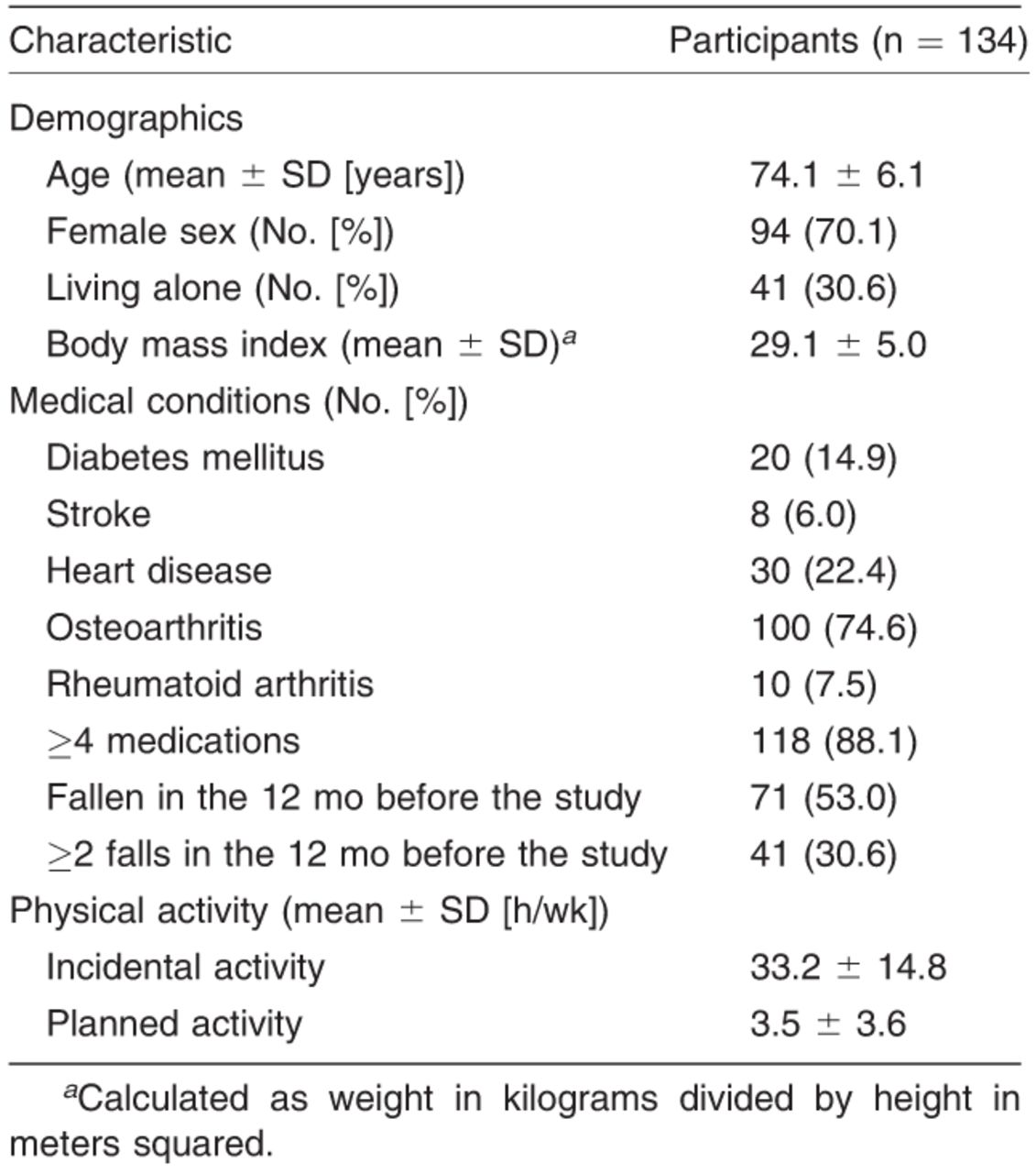
Of the 153 participants allocated to the intervention group, 134 (87.6%) attended the 6-month follow-up assessment and completed the questionnaire. Reasons provided for nonattendance were illness or injury unrelated to the intervention (n = 13), lack of time (n = 1), and no reason (n = 5). Characteristics of these participants are shown in Table 1. The sample ranged in age from 65 to 90 years, was predominantly female (70%), and reported low levels of physical activity. There were no differences in participant characteristics between those who did (n = 134) and did not (n = 19) attend the 6-month assessment.
Table 1.
Participant Characteristics
Perceptions of Balance
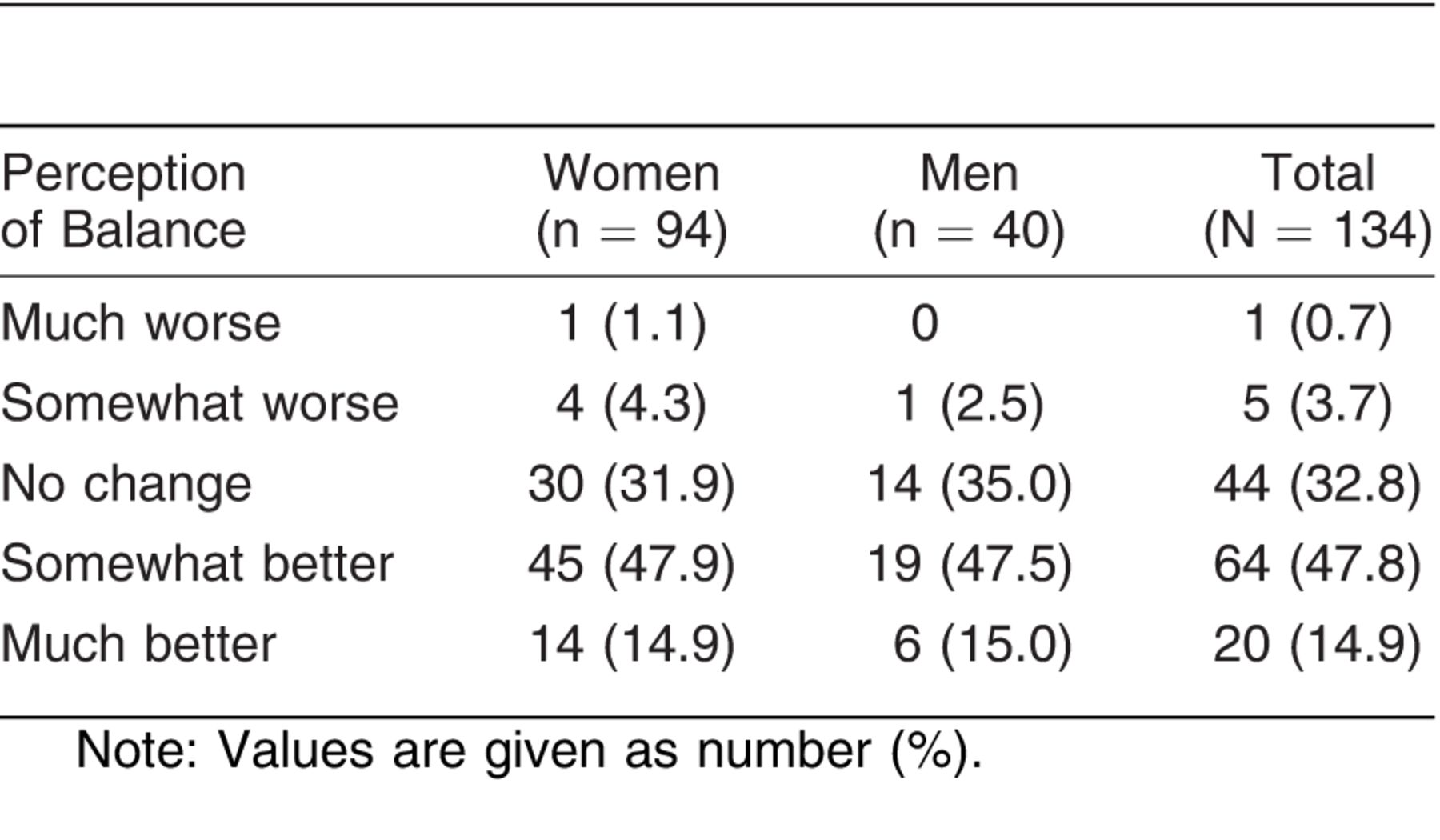
Most participants (62.7%) reported that their balance was somewhat better or much better compared with 6 months ago (Table 2). There was no difference in response between men and women (χ24 = .74, P = .946).
Table 2.
Perceptions of Balance at the 6-Month Follow-up Assessment
Perceptions of Foot and Ankle Strength
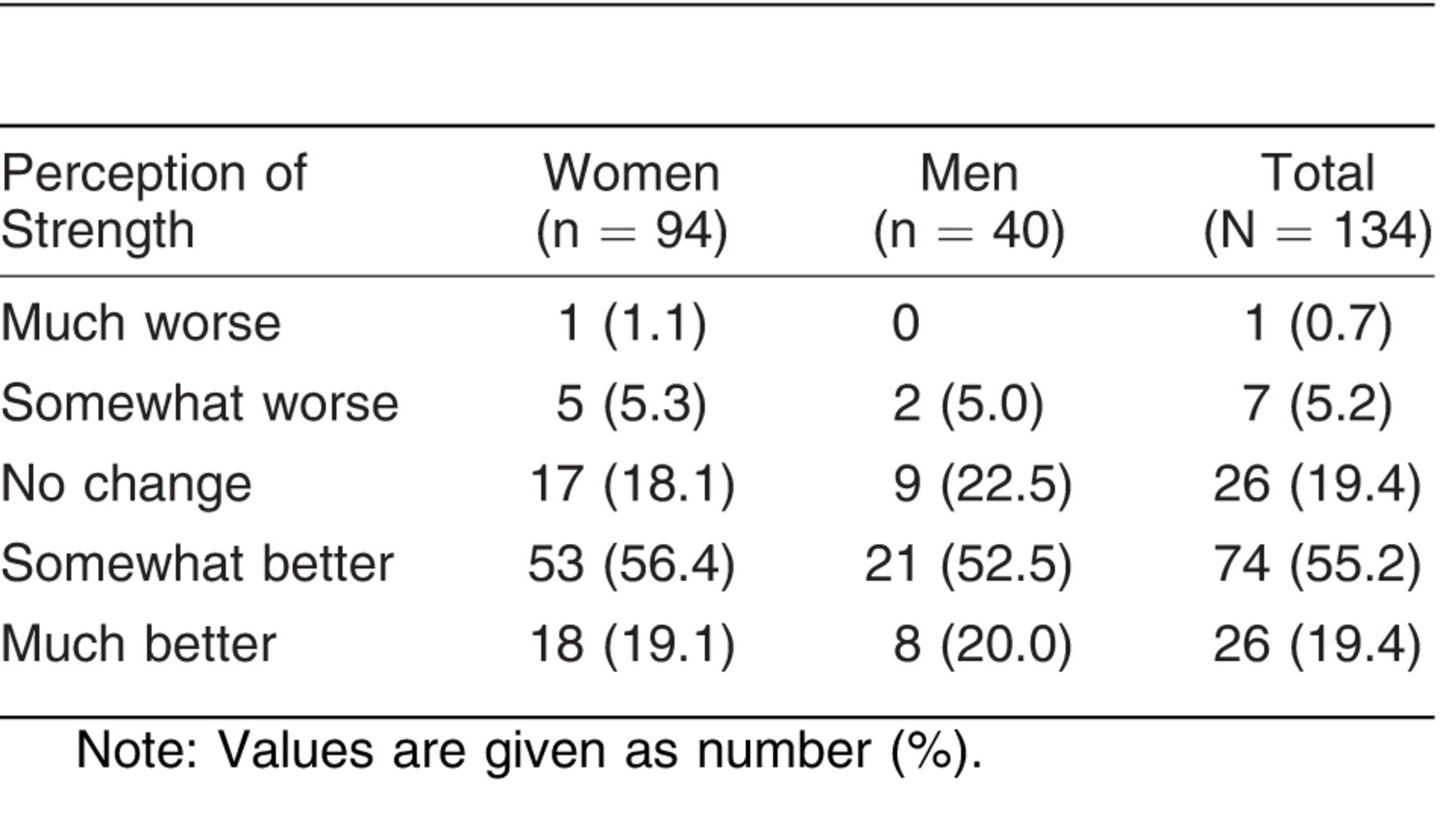
Most participants (74.6%) reported that their foot and ankle strength was somewhat better or much better compared with 6 months ago (Table 3). There was no difference in response between men and women (χ24 = 0.80, P = .938).
Table 3.
Perceptions of Foot and Ankle Strength at the 6-Month Follow-up Assessment
Perceptions of Exercise Program Level of Difficulty
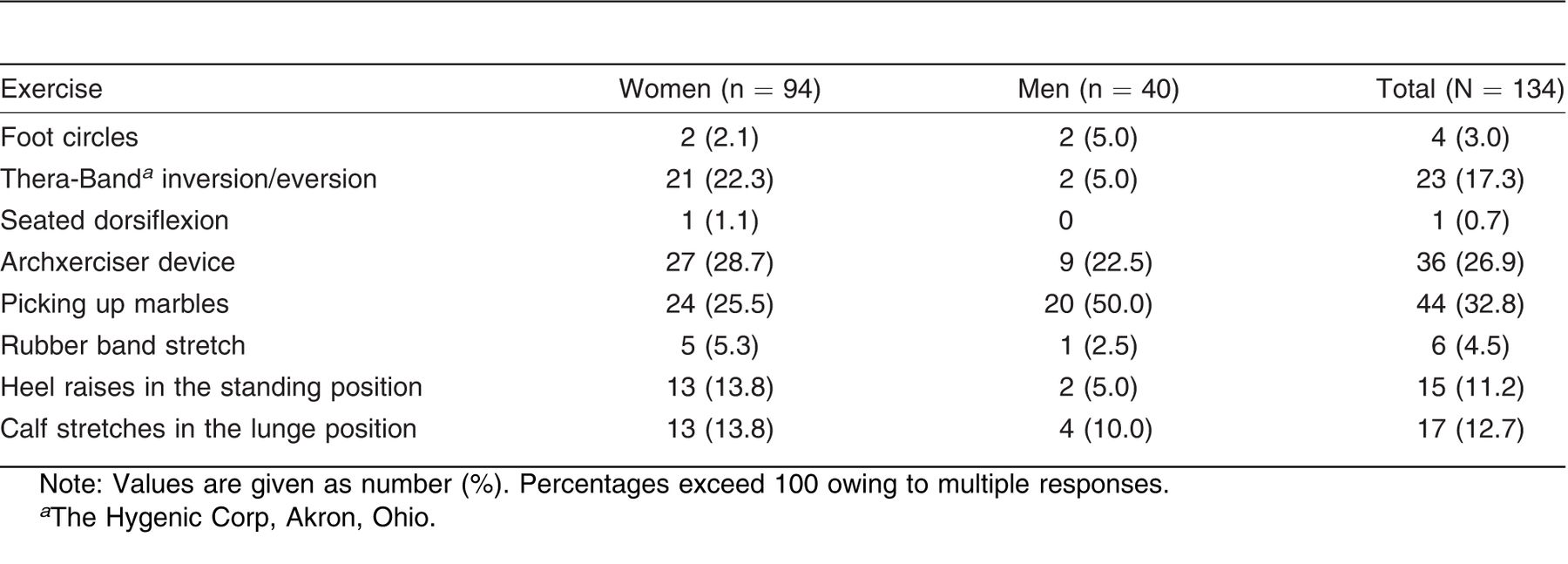
Most participants (86.6%) considered the difficulty level of the exercises to be “about right” (Table 4). Women were more likely to consider the program to be too difficult (χ22 = 7.25, P = .027). The exercises that were most commonly reported as being too difficult were those involving the toe flexors: picking up marbles (33.1%) and toe grasping using an arch-strengthening device (Archxerciser; Elgin Mfg, Westmont, Illinois) (27.1%) (Table 5).
Table 4.
Perceptions of Exercise Program Level of Difficulty
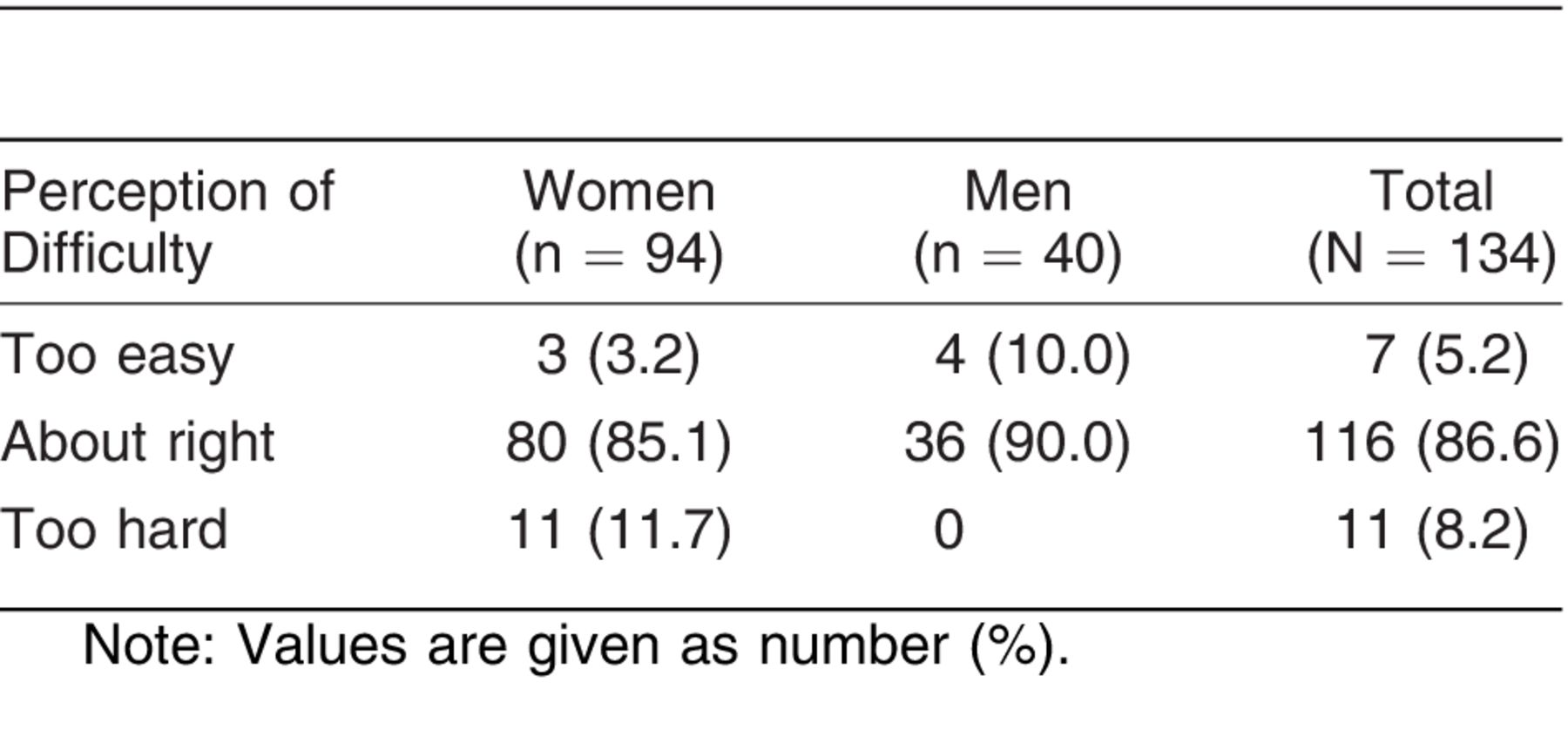
Table 5.
Participants Reporting Specific Exercises as Being Too Difficult
Satisfaction with Footwear
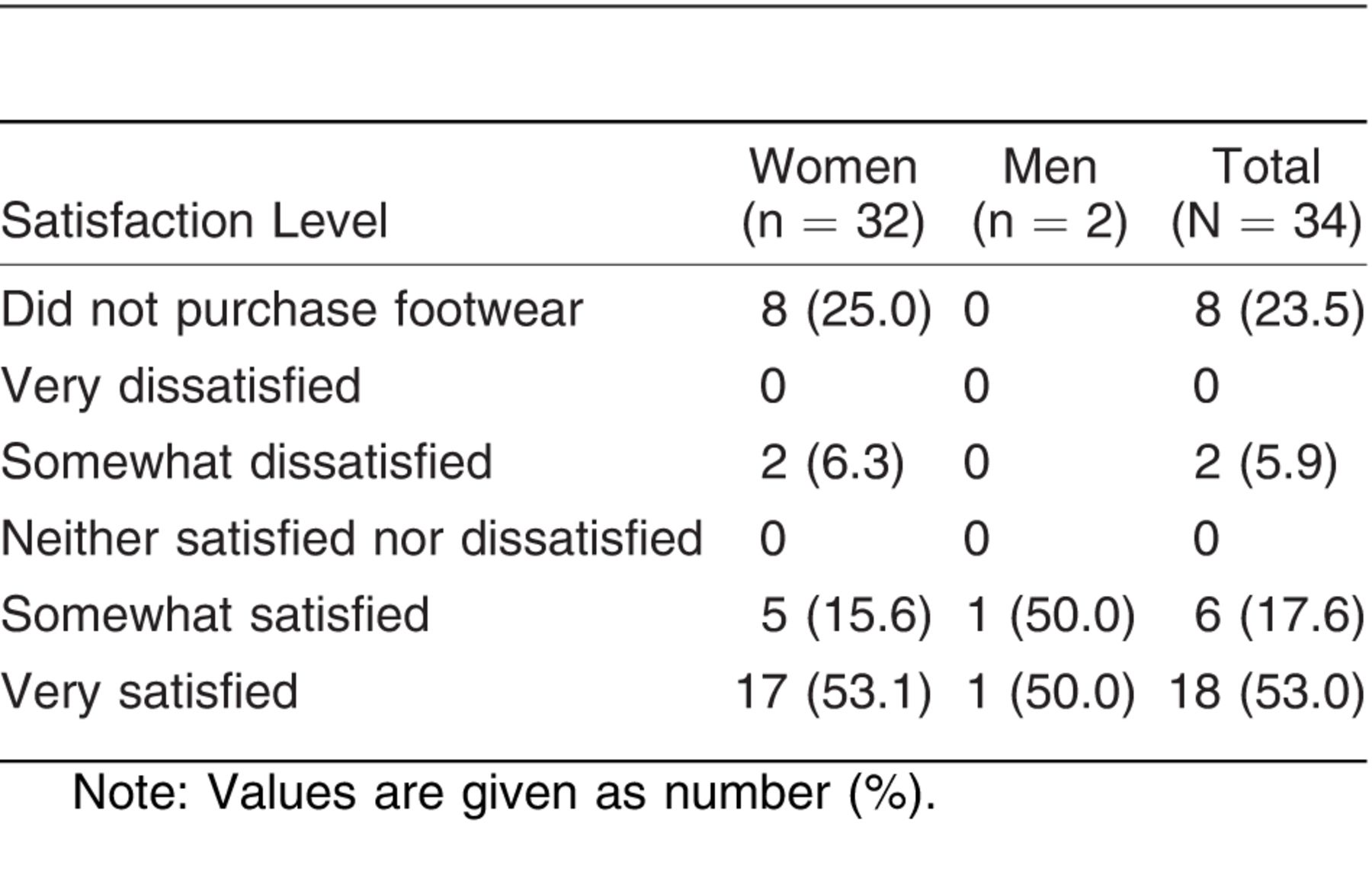
Of the total intervention group, 34 participants (25.4%) were deemed to have inappropriate footwear and were provided with a voucher to purchase new shoes. Of these, 8 participants (23.5%) did not purchase new shoes, but of the remaining 26 participants who did purchase new shoes, 24 (92.3%) reported that they were somewhat or very satisfied (Table 6). Because of the small cell sizes (ie, low participant numbers for a particular response), no statistical comparisons between men and women could be undertaken, although all of the participants who did not purchase the shoes were women (n = 8) and only women reported that they were somewhat dissatisfied with the shoes (n = 2).
Table 6.
Satisfaction with Footwear
Satisfaction with Orthoses
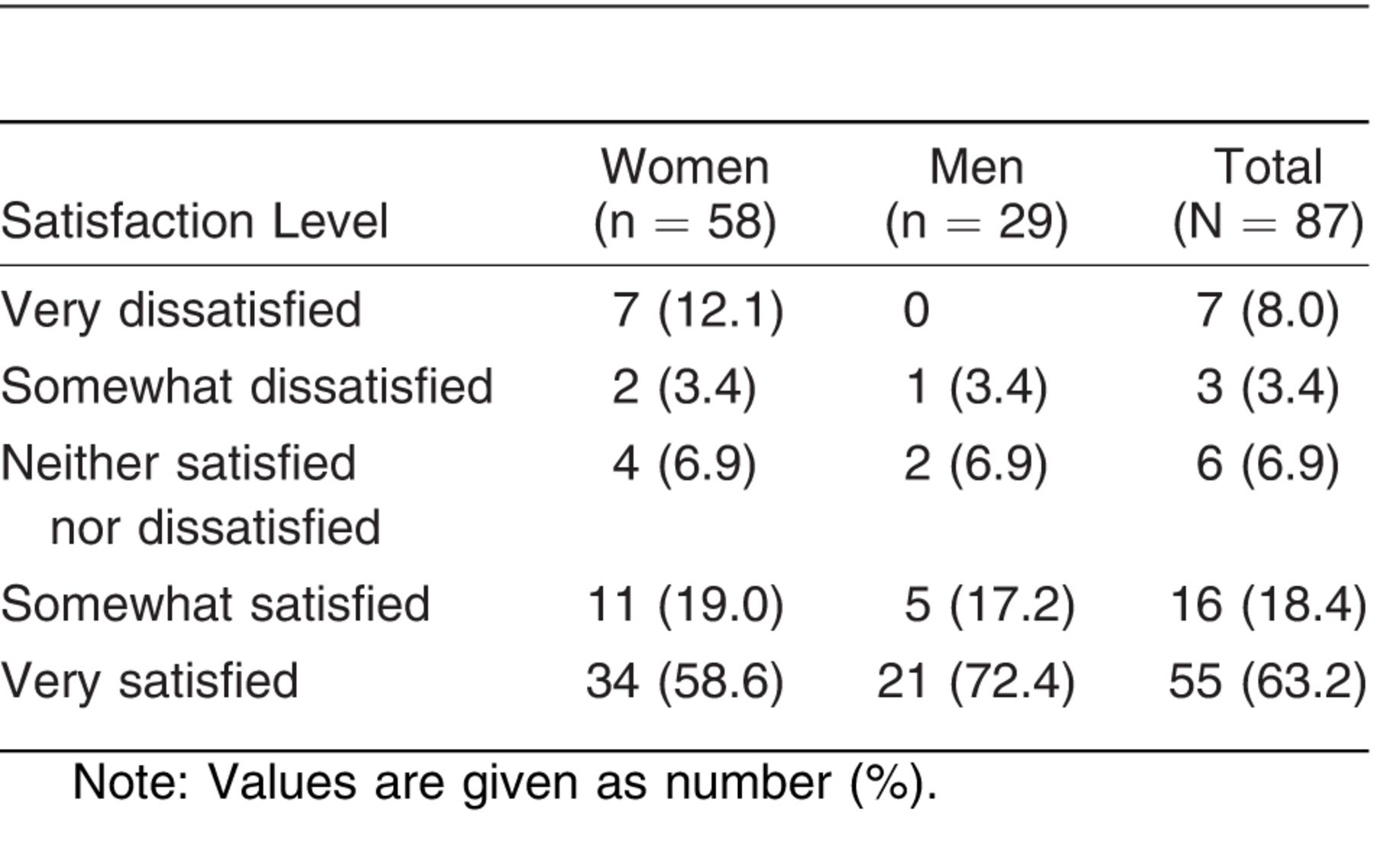
Of the total intervention group, 103 were provided with foot orthoses (the remaining 50 participants had already been prescribed orthoses that were deemed to be suitable); 87 (84.5%) of these participants attended the 6-month follow-up assessment. Of these participants, 71 (81.6%) reported that they were somewhat or very satisfied with them (Table 7). There was no difference in response between men and women (χ24 = 4.11, P = .391).
Table 7.
Satisfaction with Foot Orthoses
Associations Between Adherence to and Perceptions of the Exercise Program
There was no significant association between adherence to the exercise program and perceptions of balance (odds ratio, 1.40; 95% confidence interval, 0.69–2.83; P = .349). However, participants who adhered to the exercise program were more likely to report that the strength of their feet and ankles was somewhat better or much better (odds ratio, 2.53; 95% confidence interval, 1.14–5.62; P = .023).
Associations Between Adherence to and Satisfaction with Footwear and Orthoses
An odds ratio for the association between adherence to and satisfaction with footwear could not be calculated owing to an empty cell, ie, there were no participants who were adherent to the footwear but were not somewhat satisfied or very satisfied with them. Similarly, a meaningful odds ratio for the association between adherence to and satisfaction with orthoses could not be calculated because only one participant was adherent to the footwear but was not somewhat satisfied or very satisfied with them.
Discussion
The objective of this study was to examine older people’s perceptions of a multifaceted podiatric medicine intervention that has recently been shown in a randomized controlled trial to be effective in preventing falls.[5] Overall, participants seemed to find the intervention beneficial, with 62.7% reporting improvements in balance and 74.6% reporting improvements in foot and ankle strength after 6 months. These subjective findings reflect the objective improvements previously reported in which the intervention group exhibited improvements in ankle eversion strength, postural sway, and maximum balance range compared with the control group.[5] Participants also reported high levels of satisfaction with the footwear (92.3%) and foot orthoses (81.6%) they received during the trial.
In a previous publication, we reported that the levels of adherence to each component of the intervention were as follows: exercise, 72%; footwear, 54%; and foot orthoses, 69%.[13] The analysis of associations between adherence and perceptions in the present study indicates that participants who were adherent to the exercise program were more likely to perceive improvements in foot and ankle strength but not in balance. Although improvements in strength and balance were found in the objective outcome measures,[5] it is possible that improvements in balance are more difficult to perceive than improvements in strength. We also found that adherence was strongly related to reported satisfaction with footwear and foot orthoses.
The novel exercise program used in this randomized controlled trial was designed to increase the strength and range of motion of the foot and ankle and incorporated nine different exercises. Because this program had not previously been evaluated, we considered it important to determine whether the level of difficulty was appropriate and whether any specific exercises were considered to be too challenging. Most participants (86.6%) considered the degree of difficulty to be “about right.” Although women were more likely to report the exercise program to be too difficult compared with men, the relative proportion of women reporting this was small (11.7%). This result, in conjunction with a previous finding of good adherence to the exercise program,[13] indicates that it was pitched at an appropriate level for this age group.
The exercises most commonly reported to be too difficult were those involving the toe flexors: picking up marbles (33.1%) and toe grasping using the Archxerciser arch-strengthening device (27.1%). It is now well established that aging is associated with loss of toe flexor strength[18–20] and that weakness of the toe flexors is associated with impaired balance[20,21] and an increased risk of falls.[22,23] As such, it is perhaps not surprising that these exercises were perceived to be difficult by some participants, particularly given that one of the main recruitment avenues for this study was through a podiatric medical clinic. However, these exercises also require some degree of dexterity in addition to strength, and both require that the toes have sufficient plantarflexion range of motion to achieve the required grasping action. Although we did not specifically document the presence of hammer toes and claw toes, it is likely that participants with lesser toe deformity would be more likely to find these exercises difficult. This may partly explain why we did not find a significant improvement in toe flexor strength in our randomized controlled trial[5] and suggests that further refinement of the exercise program may be required to ensure that it is feasible for all older people to perform and leads to improved strength of the toes.
Dissatisfaction with prescribed footwear is a well-recognized problem in intervention studies[5,24,25] that has been attributed to the unique role of footwear as an item of clothing and a health-related intervention.[26] In the present trial, 34 participants (25.4%) were considered to have inappropriate footwear and were, therefore, provided with a voucher to subsidize the purchase of new shoes. Most of those who purchased new shoes (92.3%) reported that they were somewhat or very satisfied with them, although nearly a quarter decided not to purchase the shoes. We did not follow up with these participants to determine why they chose not to purchase the new shoes. However, it is likely that financial and aesthetic reasons played a role, as the A$100 did not cover the full cost of the shoes and the choice of footwear was limited to what would be considered a “safe” shoe according to falls prevention guidelines.[27]
The prefabricated foot orthoses used in the trial also seemed to be well tolerated, with 81.6% of participants stating that they were somewhat or very satisfied with them. This level of satisfaction is similar to that in a previous audit of foot orthotic device provision in the United Kingdom National Health Service, where 73% of 2,494 patients reported their foot orthoses (most commonly manufactured from soft ethyl vinyl acetate) to be “very helpful” or “fairly helpful” in the management of their foot condition.[28] In a previous analysis of adherence to the intervention, we found that 69% of participants wore the orthoses “some of the time” or “most of the time,” with the most common reason for noncompliance being difficulty fitting the orthoses into all of the shoes they wanted to wear.[13] Further research using different orthotic designs would, therefore, be useful to optimize fitting and to improve adherence to and satisfaction with the devices.
The results of this study need to be considered in the context of several limitations. First, the levels of satisfaction reported herein are likely to be an overestimate of what could be achieved in clinical practice. The volunteer sample was motivated to participate in the trial, and most of the costs were covered by the study. Therefore, the question of whether a clinical population would be as satisfied with the intervention if they were required to pay for it themselves remains unanswered. Second, we cannot delineate the relative contributions of each component of the intervention package in improving balance and preventing falls. Although several studies have now shown that orthoses can improve balance in older people,[29–32] no randomized controlled trials have shown a reduction in falls when orthoses are used as a single intervention. Factorial randomized controlled trials in which participants are allocated to receive neither intervention, one or the other, or a combination, would need to be undertaken to adequately determine the relative benefits of footwear, orthoses, and exercise.[33] Third, the simple questionnaire we used provides only limited insights into older people’s perceptions of the intervention, and a deeper understanding could be achieved using qualitative methods.[9] Fourth, all of the questionnaire data were collected retrospectively and are, therefore, subject to recall bias. Finally, we acknowledge that this study is only the first step in the process of translating the findings into clinical practice and that the perceptions of health professionals also need to be examined to identify the main barriers to implementation.[34,35]
Conclusions
The multifaceted podiatric medical intervention used in this trial was generally perceived to be beneficial and demonstrated high levels of satisfaction among participants. Further research is now required to explore the views of health-care professionals involved in falls prevention and to evaluate the feasibility of implementing the intervention in a range of clinical practice settings.
Acknowledgment
Research assistants Dr. Mohammad Reza Fotoohabadi and Ms. Elin Wee and Charlie Baycroft (Foot Science International Ltd) and Mark Dannals (Briggate Medical Co) for the supply of materials used in the project.
Financial Disclosure
This study was funded by the National Health and Medical Research Council of Australia (ID: 433027) and the La Trobe University Central Large Grant Scheme. Dr. Menz is currently a National Health and Medical Research Council of Australia Senior Research Fellow (ID: 1020925). The study funders played no role in the design and execution of the study, analysis and interpretation of the data, or writing of the study.
Conflict of Interest
None reported.
References
- Morrison, A, T Fan, SS Sen, et al: Epidemiology of falls and osteoporotic fractures: a systematic review. Clinicoecon Outcomes Res 5: 9, 2013.
- Bradley, C and J Harrison: Hospitalisations Due to Falls in Older People, Australia, 2003–04. Adelaide: Australian Institute of Health and Welfare; 2007. AIHW Catalogue No. INJCAT 96.
- Stevens, JA, PS Corso, EA Finkelstein, et al: The costs of fatal and non-fatal falls among older adults. Inj Prev 12: 290, 2006.
- Gillespie, LD, MC Robertson, WJ Gillespie, et al: Interventions for preventing falls in older people living in the community. Cochrane Database Syst Rev 9: CD007146, 2012.
- Spink, MJ, HB Menz, MR Fotoohabadi, et al: Effectiveness of a multifaceted podiatry intervention to prevent falls in community dwelling older people with disabling foot pain: randomised controlled trial. BMJ 342: d3411, 2011.
- Day, L, B Fildes, I Gordon, et al: A randomized factorial trial of falls prevention among older people living in their own homes. BMJ 325: 128, 2002.
- Campbell, AJ, MC Robertson, MM Gardner, et al: Randomised controlled trial of a general practice programme of home based exercise to prevent falls in elderly women. BMJ 315: 1065, 1997.
- Liu-Ambrose, T, KM Khan, JJ Eng, et al: Resistance and agility training reduce fall risk in women aged 75 to 85 with low bone mass: a 6-month randomized controlled trial. J Am Geriatr Soc 52: 657, 2004.
- McInnes, E and L Askie: Evidence review on older people’s views and experiences of falls prevention strategies. Worldviews Evid Based Nurs 1: 20, 2004.
- Campbell, AJ, MC Robertson, MM Gardner, et al: Psychotropic medication withdrawal and a home-based exercise program to prevent falls: a randomized, controlled trial. J Am Geriatr Soc 47: 850, 1999.
- Child, S, V Goodwin, R Garside, et al: Factors influencing the implementation of fall prevention programmes: a systematic review and synthesis of qualitative studies. Implementation Sci 7: 91, 2012.
- Dickinson, A, I Machen, K Horton, et al: Fall prevention in the community: what older people say they need. Br J Community Nurs 16: 174, 2011.
- Spink, MJ, MR Fotoohabadi, E Wee, et al: Predictors of adherence to a multifaceted podiatry intervention for the prevention of falls in older people. BMC Geriatr 11: 51, 2011.
- Garrow, AP, AC Papageorgiou, AJ Silman, et al: Development and validation of a questionnaire to assess disabling foot pain. Pain 85: 107, 2000.
- Lord, SR, HB Menz, and A Tiedemann: A physiological profile approach to falls risk assessment and prevention. Phys Ther 83: 237, 2003.
- Tiedemann, A, H Shimada, C Sherrington, et al: The comparative ability of eight functional mobility tests for predicting falls in community-dwelling older people. Age Ageing 37: 430, 2008.
- Menz, HB and C Sherrington: The Footwear Assessment Form: a reliable clinical tool to assess footwear characteristics of relevance to postural stability in older adults. Clin Rehabil 14: 657, 2000.
- Scott, G, HB Menz, and L Newcombe: Age-related differences in foot structure and function. Gait Posture 26: 68, 2007.
- Spink, MJ, MR Fotoohabadi, and HB Menz: Foot and ankle strength assessment using hand-held dynamometry: reliability and age-related differences. Gerontology 56: 525, 2010.
- Endo, M, JA Ashton-Miller, and NB Alexander: Effects of age and gender on toe flexor muscle strength. J Gerontol A Biol Sci Med Sci 57: M392, 2002.
- Menz, HB, ME Morris, and SR Lord: Foot and ankle characteristics associated with impaired balance and functional ability in older people. J Gerontol A Biol Sci Med Sci 60: M1546, 2005.
- Menz, HB, ME Morris, and SR Lord: Foot and ankle risk factors for falls in older people: a prospective study. J Gerontol A Biol Sci Med Sci 61: M866, 2006.
- Mickle, KJ, BJ Munro, SR Lord, et al: ISB Clinical Biomechanics Award 2009: toe weakness and deformity increase the risk of falls in older people. Clin Biomech 24: 787, 2009.
- Knowles, EA and AJ Boulton: Do people with diabetes wear their prescribed footwear? Diabet Med 13: 1064, 1996.
- Williams, AE, K Rome, and CJ Nester: A clinical trial of specialist footwear for patients with rheumatoid arthritis. Rheumatology 46: 302, 2007.
- Williams, AE, CJ Nester, MI Ravey, et al: Women’s experiences of wearing therapeutic footwear in three European countries. J Foot Ankle Res 3: 23, 2010.
- Commonwealth of Australia: Don’t Fall for It: Falls Can Be Prevented! A Guide to Preventing Falls for Older People, Commonwealth of Australia, Canberra. ,2007.
- Malkin, K, J Dawson, R Harris, et al: A year of foot and ankle orthotic provision for adults: prospective consultations data, with patient satisfaction survey. Foot 18: 75, 2008.
- Perry, SD, A Radtke, WE McIlroy, et al: Efficacy and effectiveness of a balance-enhancing insole. J Gerontol A Biol Sci Med Sci 63: 595, 2008.
- Gross, MT, VS Mercer, and FC Lin: Effects of foot orthoses on balance in older adults. J Orthop Sports Phys Ther 42: 649, 2012.
- de Morais Barbosa, C, M Barros Bertolo, JF Marques Neto, et al: The effect of foot orthoses on balance, foot pain and disability in elderly women with osteoporosis: a randomized clinical trial. Rheumatology 52: 515––522. ,2013.
- Mulford, D, HM Taggart, A Nivens, et al: Arch support use for improving balance and reducing pain in older adults. Appl Nurs Res 21: 153, 2008.
- Montgomery, AA, TJ Peters, and P Little: Design, analysis and presentation of factorial randomised controlled trials. BMC Med Res Methodol 3: 26, 2003.
- Fortinsky, RH, M Iannuzzi-Sucich, DI Baker, et al: Fall-risk assessment and management in clinical practice: views from healthcare providers. J Am Geriatr Soc 52: 1522, 2004.
- Mackenzie, L: Perceptions of health professionals about effective practice in falls prevention. Disabil Rehabil 31: 2005, 2009.
© 2013 American Podiatric Medical Association