


Abstract
Background: Literature examining the incidence of foot diseases in rock climbing is limited to traumatic injuries. We examined a large sample of climbers, assessed the chronic diseases of the foot, and correlated them with foot morphology, shoe type, and type of climbing practiced. Methods: Between May 1 and September 30, 2009, 144 climbers (mean age, 31.7 years) were examined to analyze the effect of rock climbing on the various foot diseases found at the time of the evaluation. Results: Eighty-six percent of the climbers were affected by a pathologic condition. Nail disease was found in 65.3% of patients, followed by recurrent ankle sprains (27.8%), retrocalcaneal bursitis (19.4%), Achilles tendinitis (12.5%), metatarsalgia (12.5%), and plantar fasciitis (5.6%). Male sex, the use of high-type shoes, the high degree of climbing difficulty, and the competitive level were often related to the onset of foot diseases. Climbing shoes are usually smaller than common footwear. This “shoe-size reduction” averaged 2.3 sizes, forcing the foot into a supinated and cavus posture that favors lateral instability. The posterior edge of the shoe aperture produces increased pressure on the heel, with retrocalcaneal bursitis. Conclusions: Overuse foot diseases related to rock climbing are particularly frequent and debilitating. Detailed knowledge of these diseases and their predisposing factors may help us implement effective preventive or therapeutic measures, including changes in the type of climbing, correction of body weight, degree of difficulty, footwear, orthoses, and measures that maximize the support of the foot to the ground.
Sport climbing has achieved great popularity in recent years. What was previously an elite sport is now practiced by people of all kinds and ages. This popularity may be due to different factors: the interest of the media, the increase in competition events, and the availability of artificial climbing walls.
With the increased popularity of this sport, the number of accidents related to climbing has experienced a significant increase. This increase is attributable to the fact that although in some potentially dangerous sports, such as skydiving and scuba diving, there are strict rules for certification, some climbers learn from friends or by themselves, and a few follow courses given by experienced trainers. It follows that the technical and safety practices learned and used vary considerably. At the level of the foot, another factor that contributes to the high rate of diseases is the particular type of footwear used for this sport, which, in fact, is smaller than common footwear[1] and has an asymmetrical shape, with the lateral side being longer than the medial side. This enhances foot contact with the surfaces and decreases the length of the forefoot arm against ground reaction forces but forces it to nonphysiologic positions.
The international literature has few studies evaluating rock climbing injuries, correlating them with the practicing conditions. An analysis of a large population of climbers[2] showed that most are exposed to injury during their career: 83% of the athletes underwent some kind of accident, with an overall average of 2.3 injuries per athlete during their career. The body parts most commonly injured were the fingers (27.5%), ankle and foot (12.6%), elbow (9.2%), and shoulder (9.2%). Overall 57.6% of injuries were at the upper limbs. Sprains were the most common (39.1%), followed by overuse diseases (19.8%), wounds (12.1%), and fractures (8.2%). Overuse diseases were most common in the upper extremities.[3,4,5]
Figure 1.
Example of “shoe-size reduction” comparing a climbing shoe (left) and a daily shoe (right).
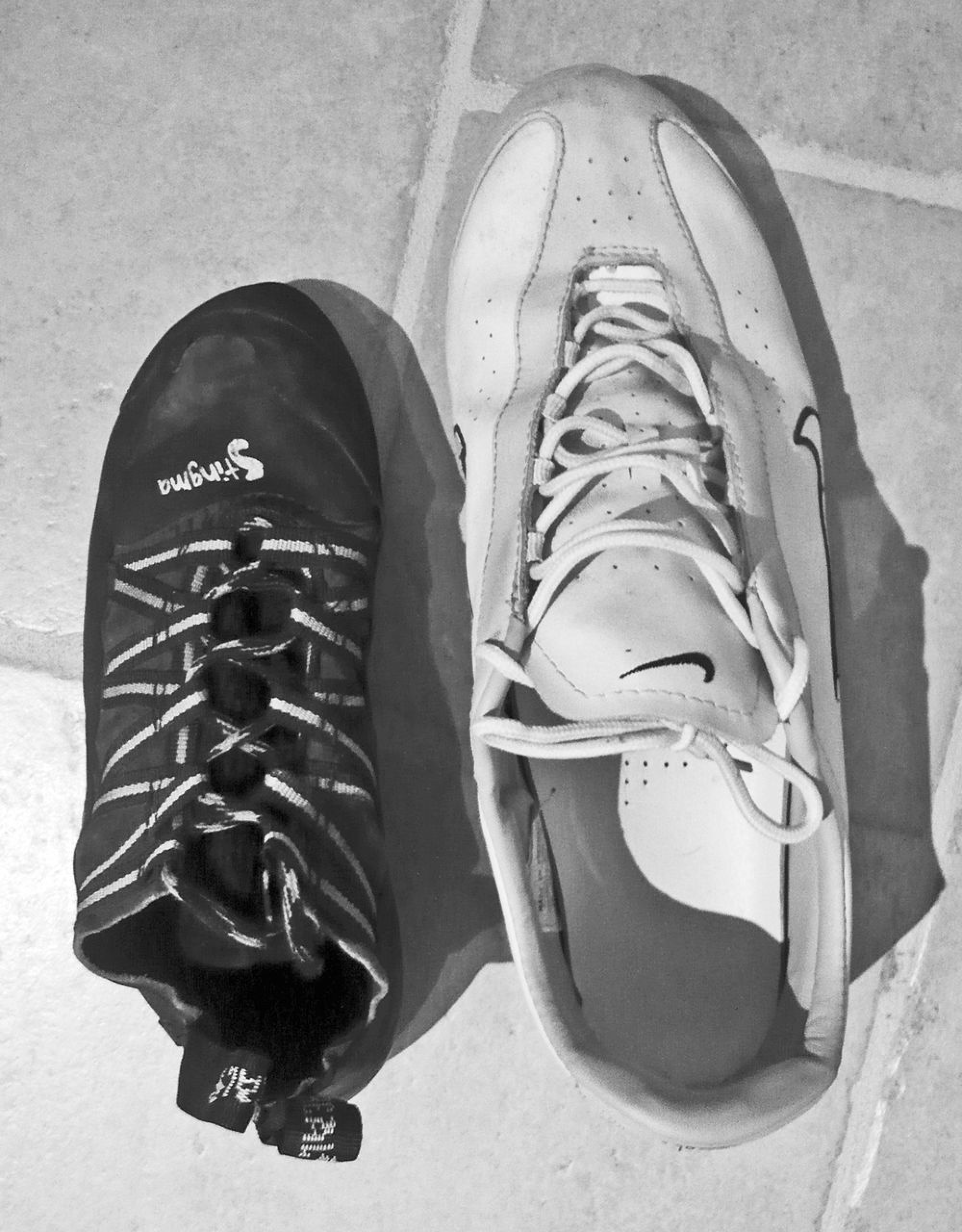
As for the foot, the literature is limited to examining the incidence of traumatic injuries, ankle sprains in particular. For this reason, we undertook an epidemiologic study of a large sample of climbers to assess chronic diseases of the foot and to highlight any correlations with the features of the athlete, the morphology of the foot, and the type of climbing practiced.
Materials and Methods
Between May 1 and September 30, 2009, during three main climbing meetings, we examined 211 rock climbers, competitive or recreational, across the various specialties of climbing. Fourteen climbers were excluded from the study because of previous surgery of the foot, and another 53 were excluded because they also participated in other sports. The study included 144 climbers, 118 males and 26 females, with a mean age of 31.7 years (range, 16–60 years). Each athlete was evaluated by a single examiner (L.B.) according to an evaluation board, including analysis of general data, type of activity, and morphology of the foot, to examine the effect of climbing on the various diseases. We considered diseases of the foot found at the time of the evaluation.
Figure 2.
Schematic view of the three types of climbing shoes. A, High-type shoes are distinguished by their high degree of midfoot varus on the insole and are generally associated with a hooked shape. B, Medium-type shoes are distinguished by their medium degree of midfoot varus and are generally associated with a curved shape. C, Low-type shoes are distinguished by their low degree of midfoot varus and are generally associated with a flat shape.
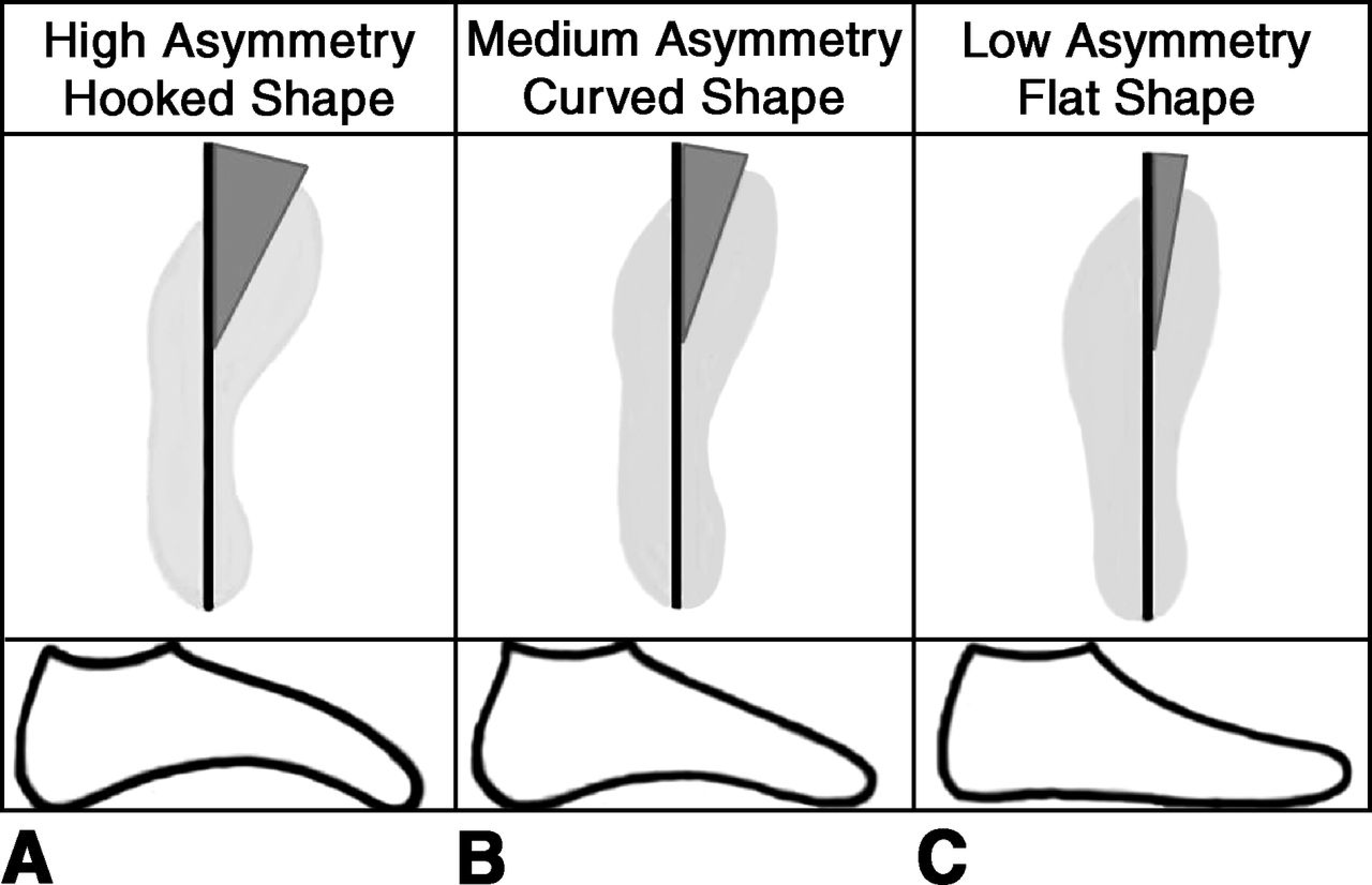
Of the general data, we considered age, sex, weight and height (from which we calculated the body mass index), number of shoes worn during daily life, and number of climbing shoes worn (usually the lower number): the difference in shoe number was labeled as the “shoe-size reduction” (Fig. 1). Climbing shoes were divided into three types (low, medium, and high) according to the degree of asymmetry of the lateral and medial sides (Fig. 2).
As a type of physical activity, we considered years of experience, number of monthly training sessions, type of climbing (indoor, outdoor, bouldering, or mountaineering), most frequent degree of climbing difficulty, and participation level (recreational or competitive).
Of the morphologic characteristics of the foot, we examined hindfoot alignment under static conditions (neutral, varus, or valgus), the longitudinal arch (normal, flat, or cavus), the digital formula (Egyptian, Greek, or square), and any toe deformities (hallux valgus and lesser toe deformities). The evaluation was clinical and was performed in the field by a single examiner (L.B.)
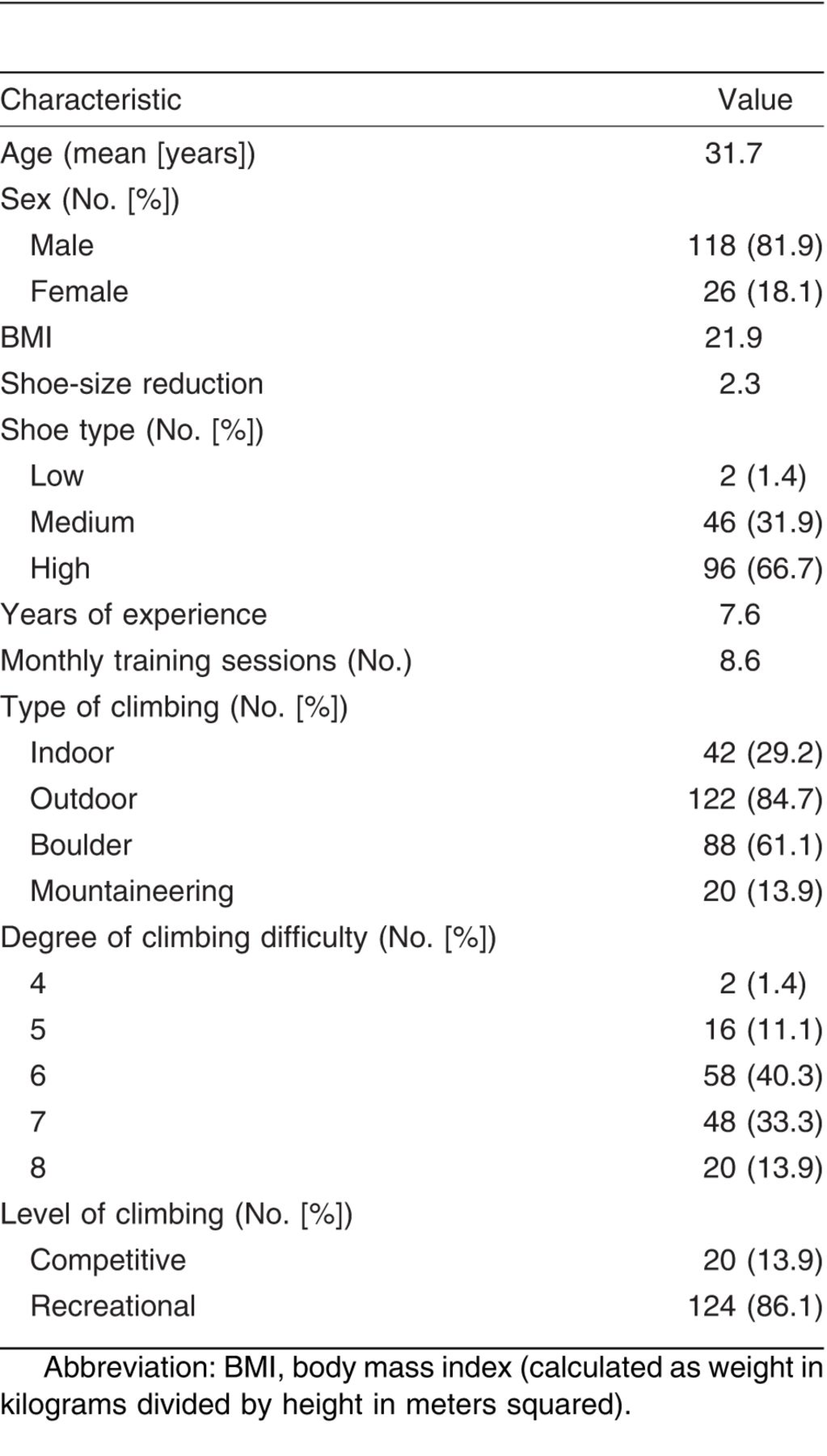
Table 1.
General Characteristics and Activity of the 144 Study Participants
The longitudinal arch was defined as flat if in static conditions it was lying on or near the ground, as normal if lying 10 to 20 mm from the ground, and as cavus in the case of exclusive contact of the lateral border of the foot with the ground. The forefoot was defined as Egyptian when the hallux was longer than the second toe, as Greek when the second toe was longer than the hallux, and as square when the first three toes were the same length.
The diseases considered for statistical analysis were those found most frequently: nail disease (onychodystrophy, onychomycosis, subnail hematoma, and onychocryptosis), metatarsalgia, retrocalcaneal bursitis, plantar fasciitis, Achilles tendinitis, and recurrent ankle sprains. The diagnosis was based on clinical signs and symptoms and was determined by a single examiner (L.B.).
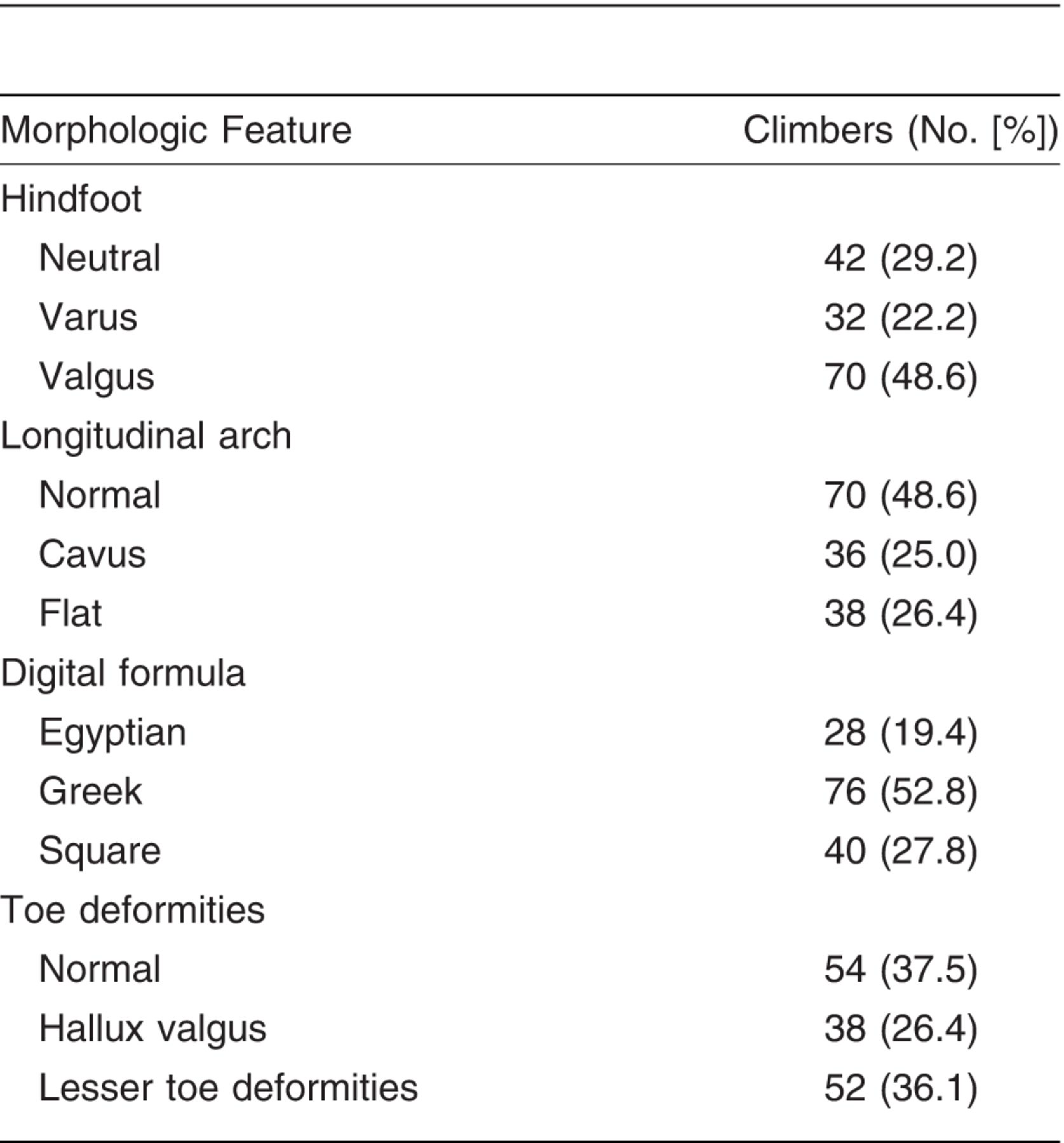
Table 2.
Foot Morphology in 144 Rock Climbers
Based on these data, an epidemiologic study was performed of the foot diseases in climbers and the correlations between the diseases and the data collected were analyzed.
Grouping-variables one-way analysis of variance was performed to test hypotheses about means of different groups. When the Levene test for homogeneity of variances was significant (P < .05), the Mann-Whitney U test was used. The Pearson χ2 test, calculated by the Monte Carlo method for small samples, was performed to investigate the relationships between grouping variables. The Fisher exact test was performed to investigate the relationships between dichotomic variables. For all of the tests, P < .05 was considered significant. Multivariate analysis was performed for the most frequent conditions, using logistic regression with the backward Wald method, which included all of the significant variables from the univariate analysis. Statistical analysis was performed with SPSS software, version 15.0 (SPSS Inc, Chicago, Illinois).
Results
The general results are summarized in Tables 1 to 3. The influence of patient characteristics on pathologic examination findings was statistically analyzed, and the results are considered by single diseases.
Table 3.
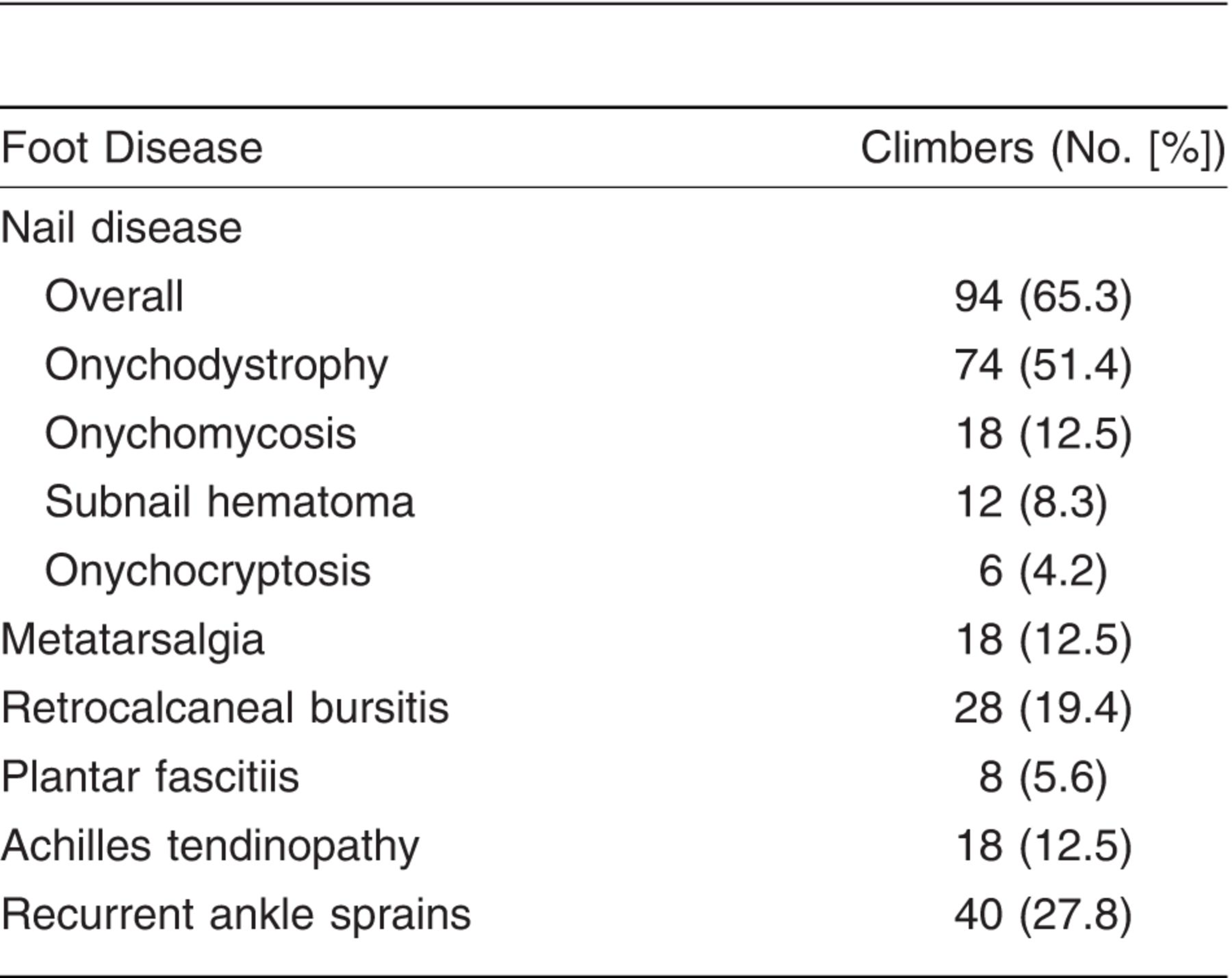
Overall Foot Diseases in 144 Rock Climbers
Nail Disease
Nail diseases were found in 65.3% of all athletes. Specifically, we found onychodystrophy in 51.4%, onychomycosis in 12.5%, subnail hematoma in 8.3%, and onychocryptosis in 4.2%. The term onychodystrophy included onychogryphosis and onycholysis. Onychogryphosis was diagnosed by hypertrophy of the nail plate, with the nail having the appearance of a claw or a horn. Onycholysis was diagnosed when the plate was dissected from the nail bed on the lateral and distal edges.
Onychomycosis was diagnosed by the presence of longitudinal streaks, spots, and debris in the nail plate. When the disease is caused by tinea gypsum, the surface of the nail may have white spots and stripes that can be easily removed. If the deep surface of the nail has a yellowish or brownish powder, this indicates the destruction of the nail bed caused by tinea purpureum.
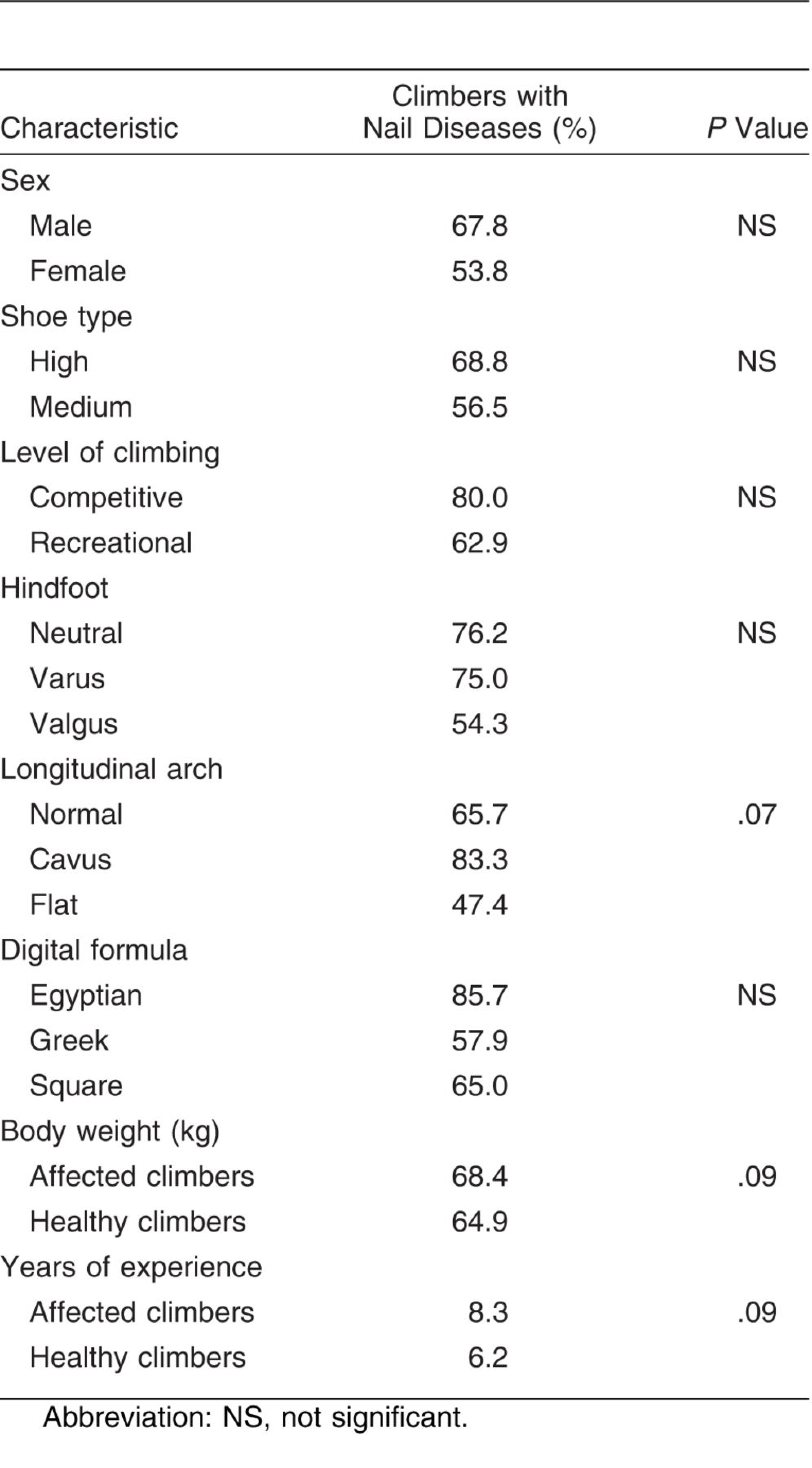
Nail disease as a whole was more prevalent in males versus females (67.8% versus 53.8%) and with high-type versus medium-type shoes (68.8% versus 56.5%). There was an upward trend in the prevalence of nail disease in accordance with the degree of climbing difficulty practiced (P = .06). Nail disease also favored competitive athletes, affecting 80.0% compared with 62.9% of recreational climbers. Regarding the foot morphology, valgus hindfoot was a protective factor against nail disease, being present in 54.3% of athletes compared with 76.2% with neutral hindfoot and 75.0% with varus hindfoot. The different morphology of the arch of the foot had an effect on the development of nail disease, with the flat foot being least affected (P = .07). Compared with the flat foot, the normal foot presented a relative risk of nail disease of 2.55 and the cavus foot of 7.11 (P = .018). Of the various digital formulas, the Egyptian foot was mostly involved (85.7% of patients). Other factors that significantly affected nail disease were body weight (68.4 kg in affected patients versus 64.9 kg in healthy patients; P = .09) and years of experience (8.3 versus 6.2; P = .09). The distribution of nail diseases in climbers is summarized in Table 4.
Table 4.
Distribution of Nail Diseases
Metatarsalgia
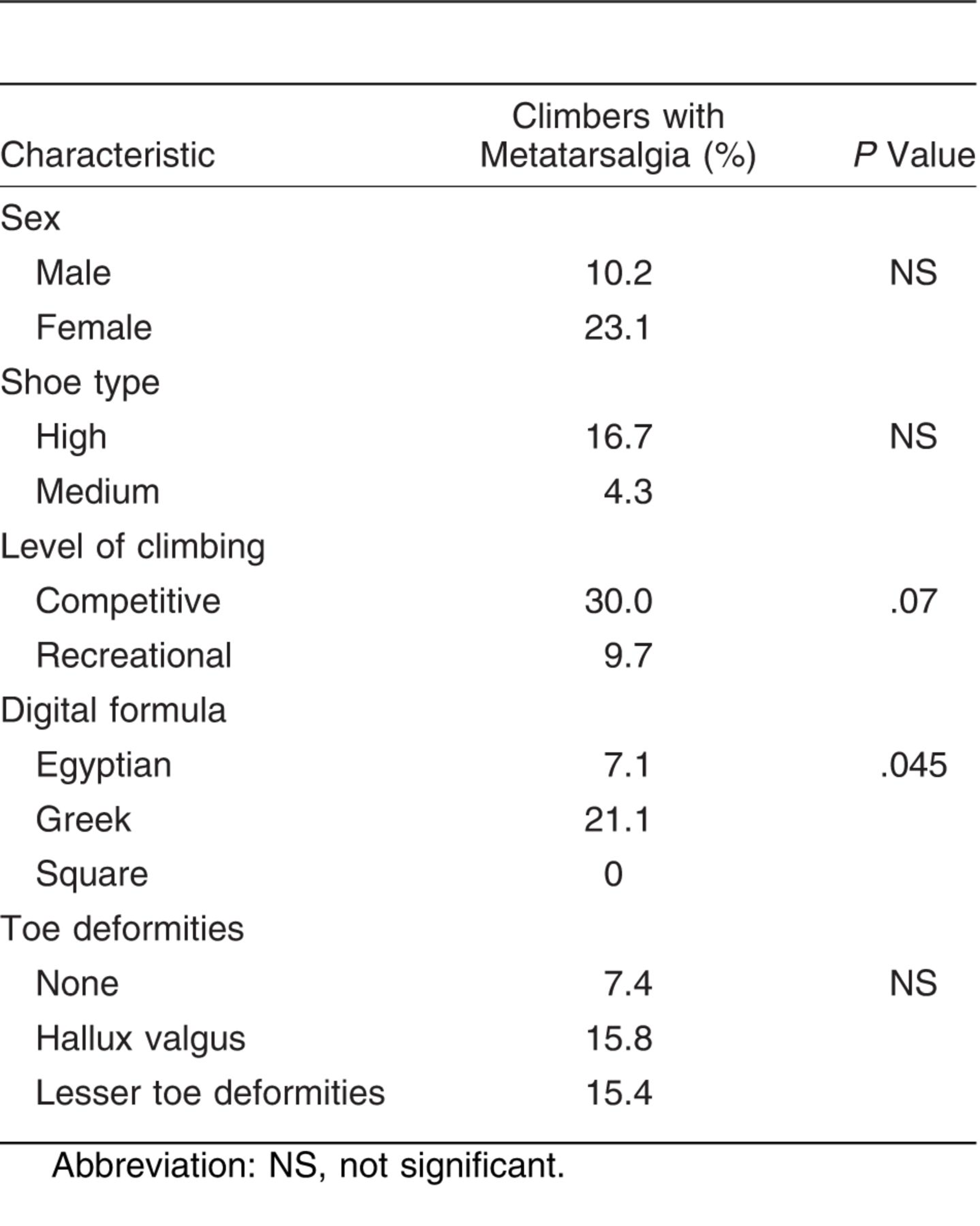
Metatarsalgia was found in 12.5% of the athletes. It was more prevalent in females versus males (23.1% versus 10.2%) and in those who use high-type versus medium-type shoes (16.7% versus 4.3%). Regarding the type of climbing, athletes taking part in outdoor climbing were involved in 14.8% of cases, whereas this condition has not been found in those who did not practice that type of climbing. In accordance with the degree of climbing difficulty, there was an upward trend in the prevalence of metatarsalgia (P = .08). Multivariate analysis showed that for an increase of 1 U on that scale, there was an increased relative risk of metatarsalgia of 2.192 (P = .071). Thirty percent of competitive athletes were affected compared with 9.7% of recreational athletes (P = .07). Of the various digital formulas, the Greek foot was the most affected, whereas the square foot seemed to be a protective factor, being never affected by metatarsalgia (P = .045). Regarding toe deformities, we found a higher incidence of metatarsalgia in individuals with hallux valgus (15.8%) and deformity of the lesser toes (15.4%) than in the normal forefoot (7.4%). The distribution of metatarsalgia in climbers is summarized in Table 5.
Table 5.
Distribution of Metatarsalgia
Retrocalcaneal Bursitis
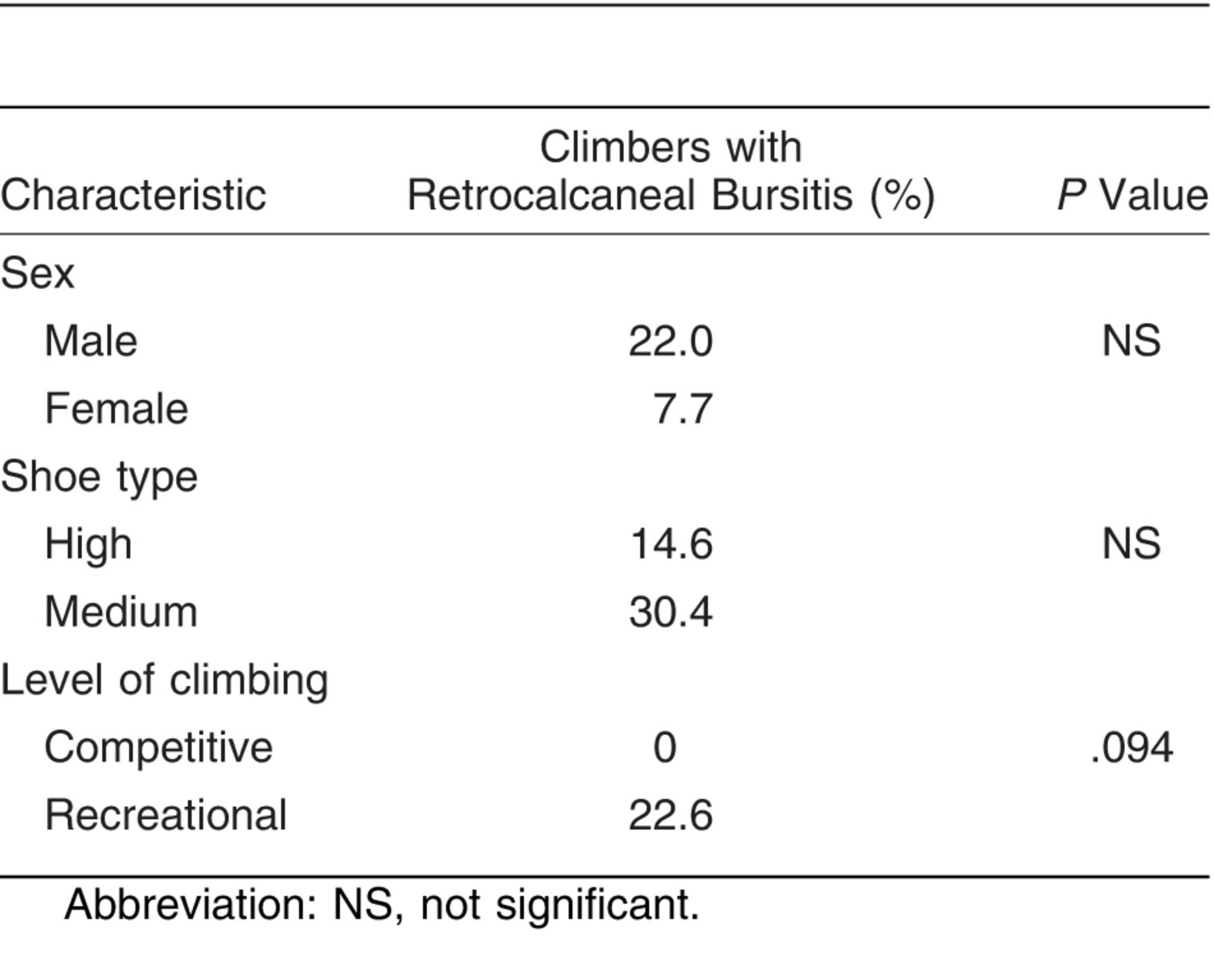
Retrocalcaneal bursitis was found overall in 19.4% of the athletes. On the whole, the disease was more prevalent in males versus females (22.0% versus 7.7%) and in those who used medium-type versus high-type shoes (30.4% versus 14.6%). A higher prevalence of the disease was found in recreational climbers versus competitive climbers (22.6% versus 0%; P = .094). Another factor that significantly affected the disease was the higher degree of climbing difficulty practiced (P = .025). The distribution of retrocalcaneal bursitis in climbers is summarized in Table 6.
Table 6.
Distribution of Retrocalcaneal Bursitis
Plantar Fasciitis
In the present series, plantar fasciitis was found in only 5.6% of climbers (n = 8; 6 males and 2 females; mean age, 41.5 years). On average, these athletes showed a body mass index (calculated as weight in kilograms divided by height in meters squared) of 22.5, 10.2 monthly training sessions, and 8.5 years of experience. The type of shoes used was high-type in 50% and medium-type in 50%. Seventy-five percent of the affected athletes practiced indoors and outdoors. The climbers affected by plantar fasciitis were all recreational athletes. Seventy-five percent of the climbers had a cavus foot.
Achilles Tendinitis
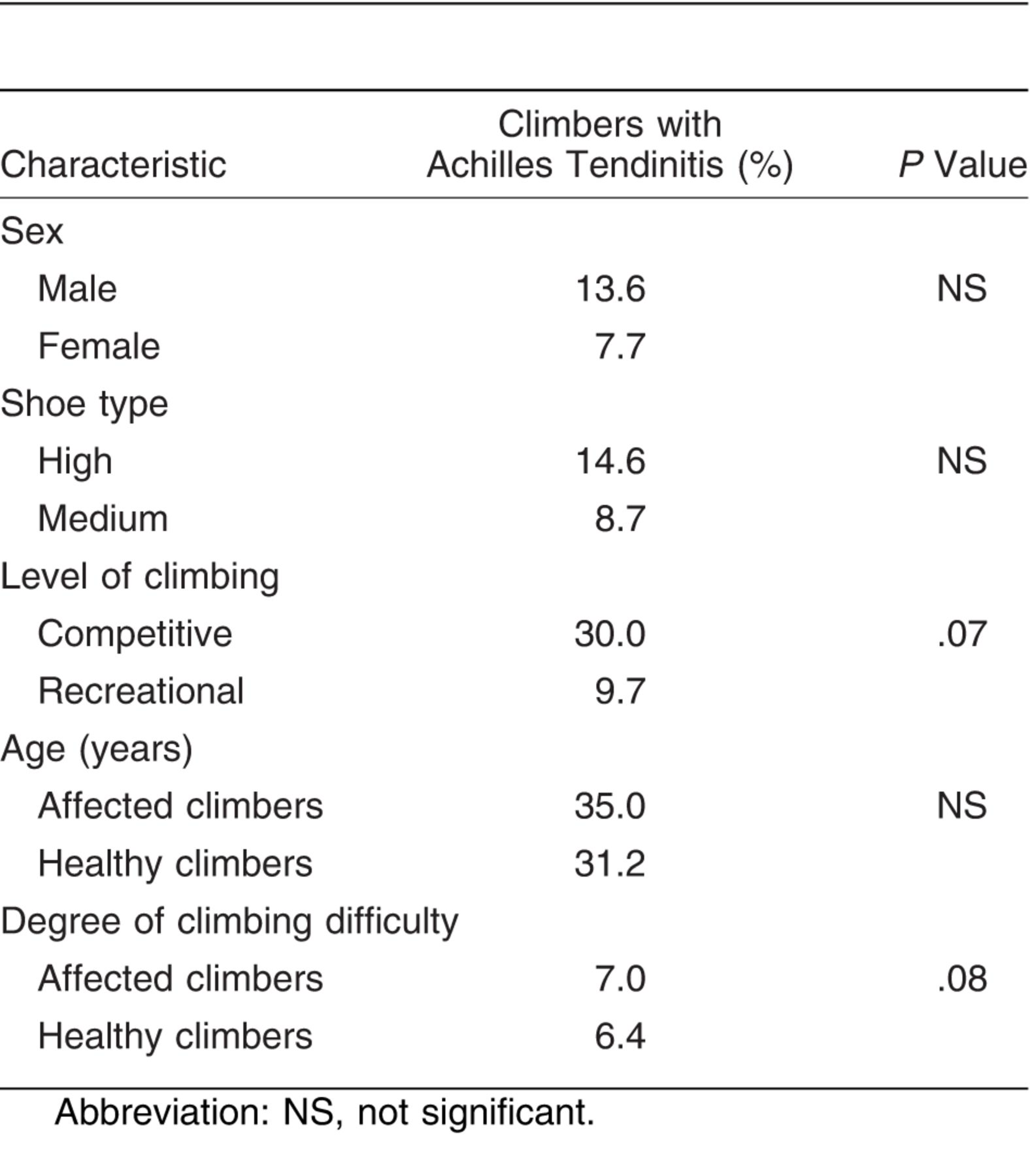
Achilles tendinitis was found in 12.5% of the athletes. The incidence of this disease was statistically correlated with the sex of the athlete, with males affected in 13.6% of cases compared with 7.7% of females, and with the use of high-type versus medium-type climbing shoes (14.6% versus 8.7%). Athletes taking part in outdoor climbing experienced Achilles tendinitis in 14.8% of cases, whereas the disease was not found in those who practice other types of climbing. Achilles tendinopathy had a higher incidence in competitive athletes versus recreational climbers (30.0% versus 9.7%; P = .07). Other factors that have significantly affected the disease were age (average of 35.0 years in affected individuals versus 31.2 years in healthy individuals) and the degree of climbing difficulty (7.0 versus 6.4; P = .08). The distribution of Achilles tendinitis in climbers is summarized in Table 7.
Table 7.
Distribution of Achilles Tendinitis
Recurrent Ankle Sprains
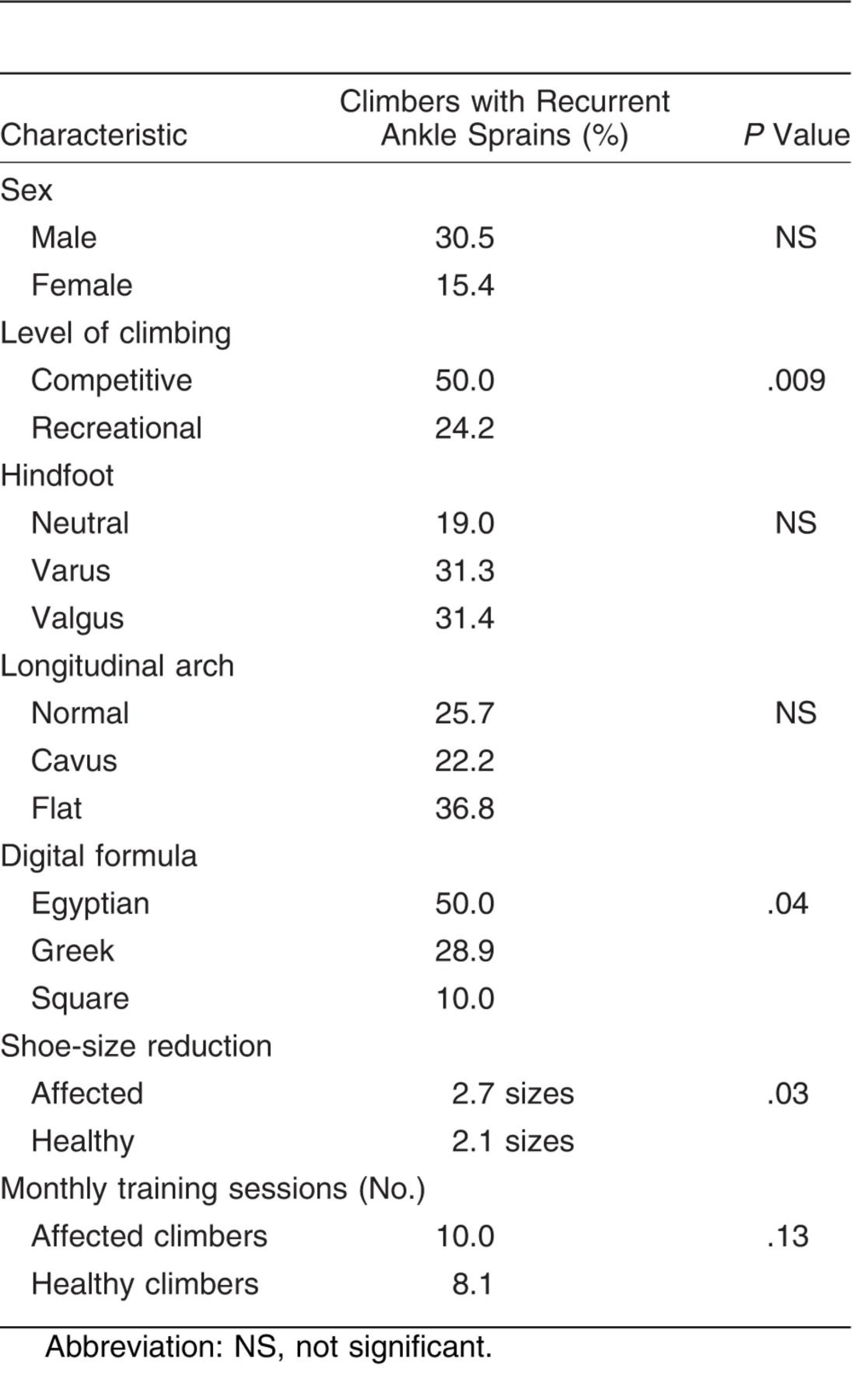
Recurrent ankle sprains occurred overall in 27.8% of the athletes, being more prevalent in males versus females (30.5% versus 15.4%) and in competitive athletes versus recreational climbers (50.0% versus 24.2%; P = .009). Regarding the morphology of the foot, the incidence of recurrent ankle sprains was greater in those with valgus (31.4%) or varus (31.3%) hindfoot versus those with neutral hindfoot (19.0%). The different morphology of the arch had an effect on the development of this condition, with the flat foot most affected versus the normal and cavus arch (36.8% versus 25.7% and 22.2%). Of the various digital formulas, the Egyptian foot was most affected versus the Greek and square foot (50.0% versus 28.9% and 10.0%; P = .04). Other factors that had a significant effect on recurrent ankle sprains were the shoe-size reduction (2.7 in affected athletes versus 2.1 in nonaffected individuals; P = .03) and the number of monthly training sessions (10.0 versus 8.1; P = .13). Multivariate analysis also showed that for every unit increase in the number of monthly training sessions there was an increased risk of recurrent ankle sprains of 1.17. The distribution of recurrent ankle sprains in climbers is summarized in Table 8.
Table 8.
Distribution of Recurrent Ankle Sprains
Discussion
The present study evaluated a large population of climbers, considering all of the most frequent foot overuse diseases and correlating them with all of the possible subjective variables, including generalities, type and conditions of sport practicing, and foot morphology. One limitation of this study was that the foot examination was clinical only and foot morphology and function were determined subjectively by one of us (L.B.). From another point of view, it may be considered that the previous literature was based mainly on self-administered questionnaires[1,2,3,4,5,6] rather than on physical evaluation. Most of the previous literature focused on acute injuries related to falls or strenuous moves.[6,7,8] Most of the overuse diseases were in the upper extremities[4,9] so that little attention was given to foot overuse.
The study described has shown a high prevalence of foot and ankle overuse diseases in the climber, with 86% of the climbers affected by a pathologic condition at the time of the evaluation. The most frequent condition was nail disease, found in 65.3% of participants, followed by recurrent ankle sprains (27.8%), retrocalcaneal bursitis (19.4%), Achilles tendinitis (12.5%), metatarsalgia (12.5%), and plantar fasciitis (5.6%). The characteristics often related to the onset of foot diseases in general were male sex, the use of high-type shoes (those with marked asymmetry), the high degree of climbing difficulty, and practicing climbing at a competitive level.
Considering the various diseases examined, nail disease was found more frequently in the hallux; this was related to the fact that the digital formula most affected was the Egyptian foot, which leads to a conflict between the first toe and the footwear. It was interesting that the flat foot was a protective factor against the onset of this disease.
The development of recurrent ankle sprains was related to the presence of varus and valgus axial deviations of the hindfoot. Particularly prone was the flat foot, probably because of ligamentous laxity, which often is associated. Even the Egyptian forefoot was a predisposing factor for recurrent ankle sprains; it is feasible that the length of the big toe forces the foot into supination, with a higher incidence of lateral ankle sprains.
Regarding metatarsalgia, it was found that the Greek forefoot was the most affected (21.1%), whereas the square foot seemed to be a protective factor against onset of this disease. There was a greater incidence of metatarsalgia in individuals with hallux valgus (15.8%) and deformity of the lesser toes (15.4%) than in those with a normal forefoot (7.4%).
The analysis of the prevalence of plantar fasciitis and Achilles tendinitis was affected by the low number of patients. Plantar fasciitis was found in patients with a mean age higher than the whole population examined (41.5 years), with many years of experience and many monthly training sessions; in particular, they had a cavus foot in 75% of the cases. Achilles tendinitis was also found in more expert and aged athletes.
Neurologic concerns were reported in the literature, with 65% of the climbers reporting some numbness or tingling during or after activity, especially in the forefoot.[1,10] This finding is related to the abnormal pressure at the level of the deep intermetatarsal ligament. Nevertheless, in the present study, no clinical signs of neural damages were found outside the climbing time.
The type of shoe used by climbers deserves a separate discussion. In fact, it is usually smaller than common footwear; the shoe-size reduction averaged 2.3 sizes. The shoe-size reduction results in dorsiflexion of the proximal phalanges and plantarflexion of the metatarsal heads, with tightening of the plantar fascia, especially on the medial column,[11] with the overall result of a pronounced cavus and supinated foot. The forefoot is stabilized on the rearfoot and functions as a rigid lever.[12] The shoe-size reduction did not statistically significantly correlate with particular foot diseases in this study except for recurrent ankle sprains. The supinated position provides a torque that favors lateral instability.[1] Owing to the reduced shoe length, the posterior edge of the shoe aperture produces increased pressure on the heel, with inflammation of the retrocalcaneal bursa.
The asymmetrical shape of those shoes, with the lateral side longer than the medial side, enhances the supination of the foot. Climbing shoes can be classified into three types according to the degree of asymmetry (low, medium, and high). Low shoes were not considered in the statistical analysis because they were used by only two athletes. High-type shoes were more frequently involved in the onset of foot diseases.
The overuse disorders of the foot related to rock climbing are particularly frequent and debilitating, but the international literature has few studies. It is important to have a deep knowledge of these diseases and their predisposing factors to implement effective preventive or therapeutic measures, which may include changes in the type of climbing, correction of body weight, degree of difficulty, footwear, orthoses, or measures that maximize the support of the foot to the ground. In this regard, it is important to emphasize that orthoses for climbers should have specific characteristics and, therefore, be very thin to be compatible with the physical activity and the specific footwear.
Financial Disclosure
None reported.
Conflict of Interest
None reported.
References
- Killian, RB, GSNishimoto, and JCPage. :Foot and ankle injuries related to rock climbing: the role of footwear. .JAPMA88::365. ,1998. .
- Gerdes, EM, JWHafner, and JCAldag. :Injury patterns and safety practices of rock climbers. .J Trauma61::1517. ,2006. .
- Bollen, SR. :Soft tissue injury in extreme rock climbers. .Br J Sports Med22::145. ,1988. .
- Maitland, M. :Injuries associated with rock climbing. .J Orthop Sports Phys Ther16::68. ,1992. .
- Rooks, MD, RBJohnstonIII, CDEnsor, et al. :Injury patterns in recreational rock climbers. .Am J Sports Med23::683. ,1995. .
- Jones, G, AAsghar, and DJLlewellyn. :The epidemiology of rock-climbing injuries. .Br J Sports Med42::773. ,2008. .
- Nelson, NG and LBMcKenzie. :Rock climbing injuries treated in emergency departments in the U.S., 1990–2007. .Am J Prev Med37::195. ,2009. .
- Wyatt, JP, GWMcNaughton, and PTGrant. :A prospective study of rock climbing injuries. .Br J Sports Med30::148. ,1996. .
- Rohrbough, JT, MKMudge, and RCSchilling. :Overuse injuries in the elite rock climber. .Med Sci Sports Exerc32::1369. ,2000. .
- Peters, P. :Nerve compression syndromes in sport climbers. .Int J Sports Med22::611. ,2001. .
- Hicks, JH. :The mechanics of the foot: II. The plantar aponeurosis and the arch. .J Anat88::25. ,1954. .
- Phillips, RD and RLPhillips. :Quantitative analysis of the locking position of the midtarsal joint. .JAPA73::518. ,1983. .
© 2013 American Podiatric Medical Association