


Abstract
Digital transformation is reshaping management accounting practices worldwide, yet empirical evidence on how digitalization translates into improved financial performance, particularly in emerging economies, remains fragmented and contested. Drawing on institutional theory, dynamic capabilities theory and contingency theory, this study investigates whether the digitalization of management control processes directly improves financial performance and whether artificial intelligence (AI) and data quality sequentially mediate this relationship. A sequential mixed-methods design was employed: an exploratory qualitative phase involving semi-structured interviews with 18 management controllers and finance professionals in the Souss-Massa region of Morocco (analyzed via NVivo 15) was followed by a confirmatory quantitative phase administering a structured questionnaire to 68 professionals, analyzed using partial least squares structural equation modeling (PLS-SEM, SmartPLS 4). Results reveal that digitalization alone does not significantly improve financial performance (H1 rejected; β = 0.154, p = 0.293), and AI in isolation does not sufficiently mediate this relationship (H2 rejected; β = 0.169, p = 0.100). However, the complete serial mediation chain, digitalization to AI to data quality to financial performance, is statistically significant and robust (H3 confirmed; β = 0.179, p = 0.020). These findings challenge naive technological determinism in management accounting transformation and demonstrate that AI-driven performance gains are conditional on coherent data governance.
1. Introduction
Digital transformation is profoundly disrupting the way organizations operate and is reconfiguring managerial practices on a global scale. It has affected not only the digital environment of organizations and the associated economic models but also management control practices and the role of the controller (Möller et al., 2020; Dirks et al., 2026). In the business world, this phenomenon has had a considerable impact on performance management systems and more particularly on management control functions within companies. As Hilmi and Kaizar (2023) point out, digital transformation constitutes an inescapable reality from which no function is spared, compelling management control to adapt in order to ensure the sustainability of the firm and to improve the decision-making process.
The growing role of data, real-time information and intelligent process automation has led to an in-depth transformation of the finance and management control professions (Broccardo et al., 2024b). In this context, the integration of advanced technologies, such as artificial intelligence, machine learning and Big Data analytics, into management control practices enables organizations to adjust their strategies in real time and to adapt with agility to market fluctuations (Allouli et al., 2024). Management controllers, long confined to reporting and retrospective analysis tasks, are now called upon to play a strategic and forward-looking role, relying on digital tools capable of processing large volumes of data, anticipating budget variances and simulating multiple performance scenarios.
Morocco is no exception to this reality. Moroccan companies, and more particularly those of the Souss-Massa region, face new challenges in maintaining effective management control systems in a constantly evolving economic environment. While some organizations are beginning to integrate digital tools into their steering processes, the majority of the regional economic fabric still lags behind in terms of digital maturity, which weakens their capacity to take full advantage of the technological advances available (Allouli et al., 2024).
It is against this backdrop that the question of artificial intelligence arises. Through technologies such as machine learning, natural language processing (NLP) and robotic process automation (RPA), it offers management controllers unprecedented tools to automate repetitive tasks, improve the accuracy of financial forecasts and substantially enrich the quality of decision-support analyses. Berroukech and Hanin (2025) recall that AI strengthens the capacity for optimal resource allocation and enables real-time updating of performance indicators, by allowing a fine-grained analysis of direct and indirect costs through tools such as ERP systems or advanced analytics.
Despite this growing body of work, empirical evidence on how digitalization translates into improved financial performance remains fragmented and contested: most studies either document the diffusion of digital tools in management control or test a direct digitalization performance link but rarely open the “black box” of the mechanisms, artificial intelligence and the quality of the data that feeds it, through which this translation is supposed to occur, particularly in emerging-economy settings such as Morocco. This gap is compounded by the scarcity of mixed-methods designs able to combine an exploratory account of how practitioners themselves describe this transformation with a confirmatory test of the resulting relationships. This study addresses this gap by developing and testing an integrative model in which artificial intelligence and data quality act as serial mediators between the digitalization of management control and financial performance, thereby providing an explanatory account of why digitalization alone is often reported to be insufficient to generate performance gains.
Consistent with a hypothetico-deductive approach, this study is guided by the following three research questions:
RQ1.
How does the digitalization of management control help companies improve their decision-making process and financial steering?
RQ2.
What effects can artificial intelligence exert on the financial performance of companies when it is integrated into management control practices?
RQ3.
What are the main organizational and informational factors likely to influence the effectiveness of digital tools and artificial intelligence in steering financial performance.
These research questions serve as this study’s guiding thread and shape the structure of the literature review and theoretical framework, as well as the selection of key concepts, theoretical approaches, and prior studies drawn upon to provide coherent answers to the central research question.
This paper is structured as follows: Section 2 reviews the relevant literature on the digitalization of management control, artificial intelligence and data quality and identifies the gap motivating the present study; Section 3 develops an integrative theoretical framework, articulating institutional theory, contingency theory, dynamic capabilities theory, the resource-based view and the theory of the diffusion of innovation, from which the research hypotheses are derived; Section 4 states the research problem, hypotheses and conceptual model; Section 5 details the research methodology; Section 6 and Section 7 present, respectively, the qualitative and confirmatory quantitative results; Section 8 discusses the theoretical, managerial, policy and professional implications of the findings; Section 9 concludes; and Section 10 discusses this study’s limitations and avenues for future research. These results will be of interest to business professionals, chief financial officers and management controllers, as well as to researchers examining the relationship within this triad: artificial intelligence, management control and financial performance.
2. Literature Review
Management control is historically defined, following Anthony and Govindarajan (2007, p. 17), as “the process by which managers influence other members of the organization to implement the organization’s strategies.” Over the decades, this function has evolved to incorporate more strategic, forward-looking and analytical dimensions, in response to the transformations of the economic environment. The integration of digital technologies is transforming management control practices and redefining the controller’s role toward a more strategic function, oriented toward value creation rather than the mere production of figures; the controller has progressively become a genuine strategic partner of top management (Fähndrich, 2023).
This redefinition of the controller’s role is part of a broader institutionalist perspective: Goretzki et al. (2013) show that the controller’s shift from a “guardian of the figures” to a business partner results from active institutional work, supported by boundary objects that facilitate the appropriation of the new role by the actors involved (Windeck et al., 2015). More recently, Leitner-Hanetseder et al. (2021) observed that artificial intelligence is accelerating this transition by redistributing tasks between human actors and automated systems within the accounting and management control profession.
The work of Anthony and Govindarajan (2007) structured the understanding of this field around budgetary planning, standard setting, performance monitoring and variance analysis. Agency theory (Jensen & Meckling, 1976) enriched this framework by highlighting the mechanisms for aligning the interests of executives and shareholders, while contingency theory (Drazin & Van de Ven, 1985) emphasized the importance of adapting control systems to the specific characteristics of the organizational environment.
In the Moroccan context, several recent studies point out that companies in the Souss-Massa region are progressively adopting more sophisticated management control practices, although digital maturity still varies according to the size and sector of the organizations (Bal & Goumari, 2025b). These studies, however, remain largely descriptive of the state of digital adoption and do not examine the mechanisms, in particular the roles of artificial intelligence and data quality, through which this adoption does or does not translate into improved financial performance; the present study addresses this specific gap.
Digitalization can be defined as the process of transforming an organization’s activities by leveraging digital technologies to improve efficiency, productivity and innovation. Westerman et al. (2014) structured it around four pillars: digital capabilities, digital culture, digital strategy and digital structure. In the field of management control, this transformation translates into the automation of repetitive tasks, the centralization and reliability of data, and the enrichment of analytical tools.
This reading converges with the definition proposed by Matt et al. (2015), for whom a digital transformation strategy must explicitly articulate the use of technologies, changes in value creation, structural changes and financial dimensions, failing which digitalization remains an accumulation of tools without genuine organizational transformation.
The work of Hilmi and Kaizar (2023) identified several management control tasks that can be automated through digitalization: the collection of financial and operational data, the consolidation of information, variance analysis and the production of performance dashboards. Recent studies confirm that the integration of ERP systems and Business Intelligence tools makes it possible to automate the processing and centralization of data while improving organizations’ responsiveness to changes in their environment (El Harnane & El Harchaoui, 2025).
This integration of ERP systems into accounting practices is not neutral, however: Caglio (2003) shows that it transforms the very profession of the management controller toward a form of hybridization, at the crossroads of accounting expertise and information systems expertise, while Scapens and Jazayeri (2003) stress that the implementation of an ERP does not mechanically modify management control practices, which remain strongly conditioned by pre-existing organizational routines.
However, digitalization also raises major challenges: high investment costs, profound organizational and cultural transformations, and issues related to cybersecurity, data confidentiality and staff resistance to change (Boutgayout, 2020). Broccardo et al. (2024a) also emphasize the need to develop new competencies and to adapt the professional profiles of management controllers, a need corroborated by Arkhipova et al. (2024), whose grounded-theory review shows that technology-driven innovations are reshaping the management accounting profession primarily through the growing use of unstructured data and predictive analytics. This growing but fragmented body of work is itself synthesized by the comprehensive review of Abbas (2026), who charts priorities for future research at the intersection of management accounting and artificial intelligence.
Artificial intelligence is now asserting itself as a decisive lever for transforming finance functions and optimizing corporate performance. Its integration into management control processes makes it possible not only to automate financial processes but also to strengthen organizations’ analytical capabilities by facilitating the strategic exploitation of data at scale (Davenport & Ronanki, 2018; Brynjolfsson & McAfee, 2017), a mediating pathway recently evidenced by Shatila (2026), who shows that AI capability improves real-time financial reporting mainly through automation, system integration and data quality. The field is diversifying rapidly beyond these applications: Dong et al. (2024) document, in a scoping review, the fast-growing literature on generative-AI (ChatGPT-type) applications in accounting and finance since 2022.
Lhaloui and Ait Lhassan (2025) show that AI makes it possible to automate the collection, analysis and reporting of data; to improve the reliability and speed of information; and to move from a reactive approach to a predictive and strategic one. It incorporates technologies such as machine learning, natural language processing and robotic process automation, giving the controller the ability to anticipate risks, identify opportunities and focus on high-value-added tasks.
Robotic process automation (RPA), in particular, is receiving growing attention in the international accounting literature: Cooper et al. (2019) show that RPA makes it possible to automate structured, repetitive, low-value-added tasks, freeing up time for analysis and advisory activities, while raising new internal control issues related to the governance of the software robots themselves.
In terms of financial performance, PwC (2017) estimates that AI could generate up to 15.7 trillion dollars of added value for the global economy by 2030, mainly through productivity gains and cost optimization. In the Moroccan context, Bal and Goumari (2025b) explain that AI, as an extension of human intelligence, offers concrete opportunities to automate processes, improve the quality of analyses and optimize decision making at all levels of the organization. This widely cited estimate, however, predates the rapid acceleration of generative AI adoption after 2022; more recent analyses provide a more conservative but still substantial order of magnitude, estimating that generative AI alone could add between USD 2.6 and 4.4 trillion annually to the global economy (McKinsey Global Institute, 2023), underscoring that, whatever the precise figure, the economic stakes of AI adoption remain considerable.
While the literature attaches growing importance to digitalization and AI as levers of performance, the work of Davenport and Ronanki (2018) highlights that AI projects frequently fail not because of the technology itself but because of the poor quality of the data that feeds it. Fayyad et al. (1996) laid the foundations of the principle according to which the quality of the knowledge extracted by algorithms is directly dependent on the quality of the input data, a principle universally known by the expression “garbage in, garbage out.”
At the conceptual level, the notion of data quality mobilized in this study is anchored in the founding framework of Wang and Strong (1996, pp. 5–33), who define data quality along four dimensions: intrinsic accuracy, contextual relevance, representation and accessibility. It was later refined by Strong et al. (1997, pp. 103–110), who show that these dimensions must be assessed from the point of view of the end user of the data rather than solely from the technical standpoint of the information system. Quattrone (2016) brings a more critical reading to this debate by questioning the “digital rationality” promoted by the digitalization of management control: for this author, the proliferation of quantified data does not necessarily make steering wiser if it is not accompanied by a reflection on the meaning and reliability of what is measured. This warning reinforces, within the framework of the present study, the need to treat data quality not as a mere technical prerequisite but as a condition of the informational value produced by artificial intelligence.
The work of Yazdifar et al. (2019) suggests that the adoption of management control innovations does not systematically produce performance gains but depends on organizational capabilities, institutional factors and learning processes. This perspective helps explain why, in our study, digitalization exerts no significant direct effect on financial performance, whereas the combination of artificial intelligence and data quality generates a positive mediating effect.
This conditional character of the adoption of management accounting innovations also lies at the heart of the rules-and-routines frame work proposed by Burns and Scapens (2000), for whom change in management accounting results from a gradual institutional process, in which new rules turn into effectively applied routines only if they are compatible with the ways of thinking and acting already established in the organization, which explains why the same technological innovation can produce very unequal effects from one firm to another. Askarany and Yazdifar (2012) provide an empirical illustration of this mechanism with respect to activity-based costing (ABC), whose limited diffusion, despite recognized analytical benefits, is explained less by its intrinsic qualities than by the organizational conditions of its adoption, a direct parallel with the finding, in the present study, that digitalization alone is not sufficient to generate financial performance gains.
Closer to the context of this research, Arharbi and El Aissaoui (2024) assert that the exploitation of AI and Big Data in management control remains conditioned by the reliability and integrity of the data collected, without which even the most sophisticated analytical tools have no real effect on financial performance. This theoretical convergence argues for the integration of data quality as a mediating variable in explanatory models of the relationship between digitalization and financial performance. Consistent with this view, Metwally (2026) finds, on a large sample of finance professionals, that the effect of AI adoption on organizational performance is fully channeled through the quality of the financial decision making it supports, rather than operating directly.
In the recent academic literature, digital transformation is regarded as a major explanatory factor of corporate financial performance, notably through improved profitability, cost reduction and resource optimization (Vial, 2019; Verhoef et al., 2021). In the Moroccan context, research conducted on Moroccan SMEs shows that the digitalization of processes significantly improves profitability, revenue growth and corporate competitiveness (Ed-douib & Fahmi, 2025).
However, several studies qualify this direct link. Granlund and Malmi (2002) demonstrated that digital tools can improve operational productivity without substantially modifying the informational and decision-making value of management control if they are not embedded in a broader analytical and strategic framework. It is precisely this result that our study sets out to verify empirically in the context of Moroccan companies and particularly those of the Souss-Massa region.
3. Integrative Theoretical Framework
Agency theory and transaction cost theory are frequently mobilized in the literature to analyze management control and its links with performance. Beyond these two frameworks, however, other theoretical lenses can shed further light on the contemporary transformations of this function and help explain the changes induced by digitalization and the integration of artificial intelligence technologies. This research, therefore, relies on a multi-level theoretical architecture, which articulates coherently the theoretical levels needed to address, in turn, the three research questions stated in the Introduction (RQ1–RQ3): why companies digitalize their management control processes, why this digitalization alone is not sufficient to improve financial performance, and why artificial intelligence and data quality intervene sequentially in this relationship.
A first level of analysis mobilizes institutional theory (DiMaggio & Powell, 1983), which explains the adoption of digitalization by Moroccan companies not solely as a rational profitability calculation but as the outcome of mimetic, normative and coercive isomorphic pressures. As a theoretical proposition to be read against the qualitative evidence in Section 6 rather than as an established finding, firms in the Souss-Massa region would, thus, be expected to digitalize partly because their competitors do so and because sectoral norms and public digitalization initiatives encourage them to. This mimetic dynamic does not affect all firms uniformly: the qualitative interviews suggest that it is primarily larger firms, export-oriented firms subject to international quality and traceability standards (notably in the agri-food and fishing sectors) and subsidiaries of larger or multinational groups that are most exposed to these isomorphic pressures, whereas smaller, domestic-market-oriented firms tend to digitalize more slowly and for internal efficiency reasons rather than in imitation of competitors. As this reading is interpretive rather than based on a formal firm-level measurement of mimetic exposure, identifying more precisely which categories of firms mimic digitalization, and why, is proposed as an avenue for future research (Section 10). This pattern is consistent with recent comparative evidence showing that the drivers and barriers of AI and digital-tool adoption differ systematically between accounting and non-accounting firms (Abbas et al., 2026), underscoring the context-dependent, institutionally shaped nature of technology adoption.
A second level rests on contingency theory (Drazin & Van de Ven, 1985), which helps to understand why a non-significant direct effect of digitalization on financial performance, as formally tested in Section 4, would not be surprising: the effect of digitalization on financial performance depends on the fit between the technology adopted and the organizational context, in particular the firm’s digital maturity and internal capabilities. Digitalization poorly adjusted to the organizational context does not produce the expected performance gains, which sheds light on the non-significant result observed.
A third level draws on dynamic capabilities theory (Teece et al., 1997) to explain the mediating role of artificial intelligence. AI constitutes a dynamic capability in that it enables the firm to sense weak signals in its environment, to seize the opportunities they contain and to reconfigure its informational and decision-making assets accordingly. This reading clarifies why artificial intelligence taken in isolation, as a mediator formally tested in Section 4, would likewise be insufficient on its own to generate a significant effect; a dynamic capability creates value only when it is articulated with an underlying strategic resource.
This is precisely what the fourth level makes explicit, grounded in the resource-based view (Barney, 1991). According to this perspective, a resource becomes a source of sustainable competitive advantage only if it is simultaneously valuable, rare, difficult to imitate and non-substitutable. Data quality meets these criteria when it is integrated, reliable and governed; it then constitutes a knowledge-based strategic resource that complements and amplifies the dynamic capability represented by artificial intelligence. It is this combination of dynamic capability and strategic resource that provides the theoretical rationale for expecting only the complete serial mediation chain, formally stated as a hypothesis in Section 4, to produce a significant effect on financial performance.
Finally, a fifth level, anchored in the theory of the diffusion of innovation (Rogers, 2003) as interpreted by the work of Askarany and Yazdifar on the conditional adoption of management accounting innovations, sheds light on the qualitative results of this study. The barriers identified by the respondents, namely investment cost, skills gaps and resistance to change, correspond to the classic factors that slow the diffusion of an innovation within an organization, irrespective of its intrinsic qualities.
This five-level theoretical architecture does not substitute for agency theory, whose relevance for aligning the interests of executives and stakeholders remains established in the management control literature; rather, it offers a more explicit framework for deriving the research hypotheses and interpreting the results obtained, in particular the sequential and conditional character of the mediation chain brought to light. This layered design reflects a deliberate parsimony trade-off rather than theoretical eclecticism. No single one of these theories, taken alone, addresses all three explanatory questions raised in the Introduction. Institutional theory speaks to the adoption decision but is silent on its performance consequences; contingency theory and dynamic capabilities theory explain, respectively, why digitalization and AI may each be insufficient in isolation, but neither specifies the resource that completes the causal chain; and the resource-based view supplies that missing piece without, on its own, explaining adoption or sequencing. Each lens is, therefore, scoped to a distinct analytical question, and their combination, rather than duplicating explanatory ground, is what allows the framework to move from adoption (why digitalize) to insufficiency (why digitalization or AI alone falls short) to conditional success (why only the full mediation chain works). The logic of isolating distinct adoption, insufficiency and conditional-success mechanisms, rather than relying on a single omnibus theory, also follows the framework construction approach illustrated in Abbas et al. (2026).
4. Research Problem, Hypotheses and Conceptual Research Model
This research aims to examine, within a rich and rapidly changing context, the role of digitalization as a lever for the transformation of management control and to clarify how the integration of artificial intelligence relates to the financial performance of Moroccan companies, using the firms of the Souss-Massa region as the empirical field of investigation. In other words, the research seeks to provide concrete, scientifically grounded answers to the following central research question: “To what extent does the digitalization of management control processes, supported by artificial intelligence, influence the financial performance of companies?”
This central research question is broken down into three complementary research sub-questions: (1) How does the digitalization of management control help companies improve their decision-making process and financial steering? (2) What effects can artificial intelligence exert on the financial performance of companies when it is integrated into management control practices? (3) What are the main organizational and informational factors likely to influence the effectiveness of digital tools and artificial intelligence in steering financial performance?
Answering these questions required the mobilization of a rigorous theoretical corpus, from which two research hypotheses were formulated:
H1.
The digitalization of management control processes contributes positively and significantly to the improvement of companies’ financial performance.
The digitalization of management control processes is now regarded as a strategic lever capable of boosting companies’ financial performance by strengthening the effectiveness of decision-making processes, increasing the quality of the information produced and improving organizational responsiveness. The integration of digital technologies such as ERP systems, Business Intelligence solutions, Big Data and artificial intelligence applications fosters the automation of low-value-added tasks and the acceleration of reporting cycles; it also provides managers with predictive analytics tools that facilitate the optimal allocation of resources and the anticipation of risks (Bhimani & Willcocks, 2014; Granlund, 2011). Numerous empirical studies have evidenced a positive relationship between the digital transformation of management control systems and the improvement of organizational and financial performance, notably through better cost control, the optimization of internal processes and a greater capacity to adapt to changes in the competitive environment (Möller et al., 2020; Appelbaum et al., 2017; Frank et al., 2019). In emerging economies, digitalization is also regarded as a potential vector of value creation and increased profitability, provided that organizations possess the organizational capabilities required to fully exploit the technologies adopted (Yazdifar et al., 2019).
H2.
Artificial intelligence plays a positive and significant mediating role in the relationship between the digitalization of management control processes and companies’ financial performance.
Artificial intelligence (AI) is today considered an enabling technology capable of transforming management control systems by strengthening their ability to exploit the data generated by digitalized processes and to deliver high-value-added information for performance steering. Unlike traditional digital tools, AI makes it possible to analyze and process large volumes of data in real time, to identify complex patterns, to improve the reliability of financial forecasts and to propose scenario simulations likely to facilitate strategic decision making (Bhimani & Willcocks, 2014; Moll & Yigitbasioglu, 2019). Several studies show that the benefits of digitalization on performance fully materialize only when artificial intelligence technologies are integrated into information systems and management control practices, thereby contributing to a better allocation of resources, tighter cost control and improved responsiveness of firms to the evolutions and changes of their competitive environment (Rikhardsson & Yigitbasioglu, 2018; Appelbaum et al., 2017).
It should be noted that, at this stage of the research, only H1 and H2 are formulated; they derive directly from the theoretical framework and literature review presented above. A third hypothesis, H3, relating to the sequential mediating role of data quality between artificial intelligence and financial performance, is not part of this initial model. It emerges inductively from the qualitative findings reported in Section 6, is formally introduced and tested in Section 6.3 (“Readjustment of the conceptual model”), and is confirmed in Section 7 on the basis of the quantitative data.
This research pursues four main objectives. At the theoretical level, it aims to enrich the literature on the relationships between digitalization, AI and financial performance in the Moroccan context, by integrating data governance as a central mediating variable. At the empirical level, it seeks to test and statistically validate the hypotheses formulated from a rigorous conceptual model, mobilizing the PLS-SEM method on data collected from companies in the Souss-Massa region. At the managerial level, it aims to provide executives and management controllers with concrete guidance for steering their digital transformation strategies. At the methodological level, it contributes to the development of mixed-methods approaches in management sciences, combining the contributions of qualitative analysis (NVivo 15) and quantitative analysis (SmartPLS 4).
Based on the literature review, an initial hypothetical research model was developed prior to the empirical exploration (Figure 1).
Figure 1.
Initial theoretical research model. Source: the authors.
This model rests on three interconnected constructs: the digitalization of management control processes (independent variable), artificial intelligence (mediating variable) and financial performance (dependent variable). It postulates that digitalization exerts a direct effect on financial performance (H1) and an indirect effect through the mediation of artificial intelligence (H2).
5. Research Methodology
The epistemological stance of this research is situated within the post-positivist paradigm, following a hypothetico-deductive approach consisting of formulating hypotheses from existing theoretical constructs and then subjecting them to the test of empirical data in order to determine their validity or invalidity (Mesly, 2015). This paradigm seeks to reconcile abstract theory with observed reality and goes hand in hand with a deductive mode of reasoning in which theoretical hypotheses are tested against tangible data.
With regard to data collection, the approach rests on a mixed design, combining a qualitative study conducted through semi-structured interviews with management controllers and finance managers and a quantitative study based on a questionnaire administered to a sample of Moroccan companies in the Souss-Massa region.
Data collection was conducted between December 2025 and April 2026. The qualitative phase was carried out through semi-structured interviews with management controllers, finance managers (CFOs/administrative and financial managers), and internal auditors from companies in the Souss-Massa region, while the quantitative phase consisted of a structured questionnaire administered to finance and management control professionals in the same region. The two phases were conducted within this five-month period, with the qualitative findings informing the subsequent readjustment of the conceptual model and the formulation of H3 before its quantitative assessment.
The Souss-Massa region, located in south-western Morocco around the city of Agadir, was selected as the empirical setting of this research for several reasons. Economically, it is one of Morocco’s leading regions, with a diversified productive fabric encompassing agri-food and agricultural exports (notably citrus fruits and market-gardening), fishing and fish processing, tourism and a growing services sector, which offers a representative cross-section of small, medium and large Moroccan firms. This diversified fabric is also undergoing an uneven digital transformation; while export-oriented and larger firms are investing rapidly in digital management tools, a large share of the regional economic fabric still lags behind in digital maturity (Allouli et al., 2024), which makes the region a particularly informative setting for studying the conditions under which digitalization translates, or fails to translate, into improved financial performance. Finally, the authors’ professional and academic networks in the region facilitated privileged access to finance and management control professionals, which was decisive for reaching thematic saturation in the qualitative phase and for achieving an adequate response rate in the quantitative phase.
The qualitative study was carried out with 18 professionals from companies in the Souss-Massa region: management controllers, finance managers (CFOs/administrative and financial managers) and internal auditors. The interviews were conducted between December 2025 and April 2026. The semi-structured interviews, lasting on average 45 min each, were organized around three guiding themes: current management control practices in a context of digitalization; the role and use of artificial intelligence in decision-making and steering processes; and the challenges, barriers and success factors related to digital transformation. The transcripts were analyzed using NVivo 15 software, through a lexicographic analysis combining word clouds and word trees (synapsies).
Qualitative data collection was stopped after the eighteenth interview, upon observing thematic saturation. The last three interviews did not bring out any new code or sub-concept relative to the already-stabilized coding grid, while confirming the recurrence of the themes identified (automation, data reliability, resistance to change). Coding was performed by a single coder; in the absence of a second independent coder, inter-coder reliability could not be computed, which constitutes an acknowledged limitation of this qualitative phase and an avenue for improvement in future research. Furthermore, the use of word clouds and synapsies as the primary analysis technique, while illuminating from an exploratory standpoint, remains relatively superficial compared to more in-depth thematic analysis methods (such as axial coding or categorical content analysis); such an analysis would strengthen the robustness of this research’s qualitative contribution.
This quantitative phase relied on a structured questionnaire administered to finance and management control professionals in the Souss-Massa region, identified through the authors’ professional and academic networks described above. Questionnaires were sent to 150 professionals, of whom 68 returned usable, fully completed responses (39.7% management controllers and 30.9% CFOs/administrative and financial managers), corresponding to a response rate of approximately 45.3%, between December 2025 and April 2026. The full characteristics of the responding sample are presented in Section 7.1 (Sample Profile). The questionnaire measures four latent constructs through 5-point Likert scales: (1) the digitalization of management control processes (MC1–MC5), including task automation, information systems integration, the dematerialization of procedures and digital reporting tools; (2) artificial intelligence (AI1–AI5), covering predictive analytics, robotic process automation and machine learning; (3) data quality and integrity (D1–D5); (4) financial performance (FP1–FP5), captured through cost reduction, improved profitability and the quality of financial steering. As all constructs are measured through self-reports collected within a single questionnaire, this design entails an inherent risk of common method bias, which is addressed through the procedural remedies described below.
The data thus collected were processed using partial least squares structural equation modeling (PLS-SEM) via the SmartPLS 4 software, making it possible to test simultaneously the direct and indirect relationships between the variables of the model. The PLS-SEM method has the advantage of accommodating small sample sizes, of not requiring data normality, and of simultaneously handling complex causal relationships including mediating and moderating variables (Hair et al., 2014). This characteristic makes it particularly suitable for the context of this research.
Because the method bias (CMB) cannot be entirely excluded (Podsakoff et al., 2003), procedural remedies were applied upstream of data collection to limit its magnitude: psychological separation, within the questionnaire, of the blocks of items relating to digitalization, artificial intelligence, data quality and financial performance; a guarantee of respondent anonymity; and the rewording of certain statements in order to reduce social desirability. These procedural precautions do not, however, dispense with a posterior statistical control of CMB, whose absence in the present study is explicitly acknowledged as a limitation in Section 10. It should also be noted that financial performance itself is assessed using perceptual and self-reported measures rather than objective accounting indicators; this potentially exposes the relationships under study to respondent desirability or positivity bias, which could artificially inflate the observed correlations between constructs.
The target sample size was determined a priori using two complementary heuristics. First, applying the “10-times rule” to the most demanding structural path of the model, i.e., the three predictors converging on the financial performance construct, yields a recommended minimum of 30 respondents (Hair et al., 2019). Second, the inverse square root method (Kock & Hadaya, 2018), applied to an anticipated small-to-medium path coefficient (f2 ≈ 0.15) at a 5% significance level and 80% power, indicated a minimum requirement of approximately 60 respondents. The 68 usable questionnaires collected among finance and management control professionals accessible within the Souss-Massa region during the survey period, therefore, exceed both thresholds. As detailed below, however, a post hoc power analysis shows that this sample, while sufficient to detect the overall variance explained by the model, remains underpowered to reliably detect the small direct effect associated with H1.
Regarding the size of the quantitative sample (n = 68), a post hoc power analysis was conducted following Cohen’s approach applied to the multiple regression underlying the structural model (Cohen, 1988; Kock & Hadaya, 2018). With an overall R2 of 0.528 for financial performance and three predictors, the effect size f2 of the overall model amounts to 1.119 (a large effect according to Cohen’s thresholds), for an observed statistical power greater than 0.99: the sample of 68 respondents is, thus, amply sufficient to detect the overall variance explained by the model. On the other hand, for the direct digitalization–financial performance relationship (H1), whose effect size is small (f2 = 0.021), the statistical power achieved is only about 0.21, far below the conventional threshold of 0.80. A sample of approximately 380 respondents would have been necessary to detect an effect of this magnitude with adequate power. The rejection of H1 must, therefore, be interpreted with caution; it may reflect a genuine absence of a direct effect, but also, in part, insufficient statistical power to detect an effect of small magnitude. This nuance is taken up again in the Limitations section.
6. Qualitative Study: Results and Discussion
6.1. Lexicographic Analysis
The lexicographic analysis of the interview corpus was conducted with NVivo 15, retaining the 40 most recurrent words with a minimum length of four letters, after excluding vocabulary outside the semantic field. The resulting word cloud reveals significant tendencies in the vocabulary mobilized by the participants around the digitalization of management control processes and its impact on financial performance.
At a first level of reading, the most frequent terms are as follows: management control, data, artificial intelligence, tools and performance. The predominance of these concepts confirms that they constitute the central foundation of the research problem. At a second level, words of intermediate size appear: integration, automation, indicators, time, results and monitoring. These terms reflect the operational and temporal dimensions associated with the digitalization of management control.
6.2. Word Tree (Synapsie) Analysis
Beyond the word cloud, the word tree (synapsie) analysis carried out with NVivo 15 focuses on the recurrent associations of terms within the interview corpus, making it possible to identify the collocations and set phrases most frequently mobilized by the respondents around the four key concepts. This analysis highlights the centrality of the phrase “management control,” frequently associated with the terms “digitalized” and “artificial intelligence.” Significant associations appear with concrete technological tools such as ERP, Big Data and SAP, illustrating the instrumental dimension of this digitalization. The respondents also mention precise purposes: automation, data reliability, quality of financial indicators and cost reduction. The analysis around digital tools reveals three levels. At the first level, respondents recurrently cite ERP, BI, advanced Excel, SAP and Big Data. At the second level, the perceived benefits are improvement in the quality of financial information, automation of repetitive tasks and time savings. At the third level, the barriers mentioned are complexity of configuration, lack of skills, high cost and resistance to change. The word tree around AI reveals practical applications identified by the respondents: automated detection of anomalies and budget variances, real-time processing of data flows, monitoring of financial performance and decision support. Despite the interest expressed, obstacles persist: lack of skills, difficulties of integration into legacy systems, high costs and variable reliability. As for the textual mapping around financial performance, it reveals a shared conviction: digitalization and AI have profoundly redefined the way performance is steered and measured. The expressions spontaneously mobilized, “real-time monitoring, anomaly detection, automatic adjustments, dynamic dashboards”, testify to a genuine shift from reactive control toward proactive steering. The respondents nevertheless emphasize that this improvement requires solid human support, adapted competencies and a coherent integration of the tools.
The lexicographic analysis brings to light a key concept not anticipated in the initial theoretical model: the “Data” variable. Although it was not an integral part of the starting model, its recurrent presence in the interviews gives it particular importance. The respondents address data along several dimensions: quality, reliability, accuracy, centralization, security and real-time availability. The word tree retained illustrates the density of its lexical associations. The occurrence cross-tabulation (Table 1) confirms this result: with 29 co-occurrences between the concept of “data” and that of “artificial intelligence,” and 10 co-occurrences between “data” and “financial performance,” the respondents spontaneously establish a strong link between these three notions. This emergence justifies the integration of data as a mediating variable in the readjusted model.
Table 1.
Cross-tabulation of the concepts “data,” “artificial intelligence” and “financial performance” (NVivo 15).
The sub-concepts derived from the analysis and translated into verbatim statements are presented in Table 2 below, organized into five columns: Concepts, Sub-concepts, Verbatims, Codes and Meanings.
Table 2.
Thematic coding grid—qualitative analysis with NVivo 15.
6.3. Readjustment of the Conceptual Model
Building on these qualitative lessons, the initial research model was enriched with an additional mediating variable, “Data,” positioned downstream of artificial intelligence. A third hypothesis (H3) was, thus, formulated, H3: Artificial intelligence, when fed with quality, reliable and integrated data, plays a positive and significant mediating role in the relationship between the digitalization of management control processes and companies’ financial performance. The readjusted hypothetical model is presented as follows (Figure 2).
Figure 2.
Hypothetical model readjusted after the qualitative analysis. Source: the authors.
This readjusted model now rests on four interdependent constructs: the digitalization of management control processes (independent variable), artificial intelligence (first mediator), data quality (second mediator) and financial performance (dependent variable). The complete mediation chain (Digitalization → AI → Data → Financial performance) constitutes the core of hypothesis H3, whose empirical validation is the subject of the following section.
7. Confirmatory Quantitative Study
7.1. Sample Profile
The quantitative sample consists of 68 finance and management control professionals working in companies of the Souss-Massa region (Table 3). The breakdown by position held reveals that 39.7% are management controllers and 30.9% are chief financial officers or administrative and financial managers. With respect to seniority, 39.7% have held their positions for less than 2 years and 35.3% for between 2 and 5 years. In terms of company size, 53% of the respondents work in companies with 50 employees or more. The sample reflects a remarkable sectoral diversity, dominated by services (27.9%), trade and industry (16.2% each), agri-food (10.3%) and construction (8.8%).
Table 3.
Characteristics of the respondents.
7.2. Validation of the Measurement Model (Outer Model)
The validation of the measurement model was conducted in three complementary steps: verification of item reliability, assessment of convergent validity and testing of discriminant validity. The initial model, structured around four latent constructs, is presented below (Figure 3).
Figure 3.
Research model before convergent and discriminant validity assessment (SmartPLS 4). Source: authors’ own elaboration with SmartPLS 4.
7.2.1. Item Reliability and Convergent Validity
After purification of the initial model (removal of DMC3, whose loading was 0.580, and of AI1, whose loading was 0.644), all the outer loadings of the retained items fall within a range from 0.716 to 0.900, well above the minimum threshold of 0.708 recommended by Hair et al. (2019). The model after purification is presented below (Figure 4).
Figure 4.
Research model after purification and reliability of the retained items (SmartPLS 4). Source: authors’ own elaboration with SmartPLS 4.
The composite reliability (CR) and average variance extracted (AVE) indicators confirm the convergent validity of all the constructs (Table 4):
Table 4.
Composite reliability and average variance extracted (SmartPLS 4).
7.2.2. Discriminant Validity
As part of the purification of the measurement scales, two items were removed from the model due to insufficient loadings: item DMC3, relating to the dematerialization of procedures within the digitalization construct (loading = 0.580), and item AI1, relating to predictive analytics within the artificial intelligence construct (loading = 0.644), both below the conventional threshold of 0.708 recommended by Hair et al. (2019). Their removal does not affect the content validity of the corresponding constructs, each of which retains at least four items representative of its constitutive dimensions after purification. However, this conclusion warrants qualification regarding the “artificial intelligence” construct: the removal of item AI1 (predictive analysis) leaves a construct in which the remaining items emphasize the automation dimension more than the strictly cognitive dimension of intelligence, a limitation that should be discussed in this study.
Discriminant validity was assessed using the HTMT criterion and the Fornell–Larcker criterion. All HTMT ratios fall below the conservative threshold of 0.85 (values between 0.671 and 0.808), unequivocally confirming the discriminant validity of all constructs. The Fornell–Larcker table (square roots of the AVEs on the diagonal) confirms that each construct shares more variance with its own indicators than with neighboring constructs. The model after convergent and discriminant validation is presented below (Figure 5).
Figure 5.
Research model after convergent and discriminant validity assessment (SmartPLS 4). Source: authors’ own elaboration with SmartPLS 4.
7.3. Hypothesis Testing and Structural Model
Hypothesis testing was conducted using the SmartPLS 4 bootstrap procedure (5000 subsamples). The path coefficients, T-values and p-values obtained are presented in Table 5 below.
Table 5.
Structural coefficients and hypothesis testing (Bootstrap, SmartPLS 4).
7.4. Coefficient of Determination (R2) and Effect Size (f2)
The coefficient of determination R2 associated with financial performance amounts to 0.528 (adjusted R2 = 0.506), meaning that more than half of the variance in financial performance is explained by the three variables retained. Artificial intelligence displays an R2 of 0.496 (explained by digitalization) and data an R2 of 0.347 (explained by AI). In terms of effect size (f2), digitalization exerts a very strong effect on artificial intelligence (f2 = 0.983), AI a strong effect on data quality (f2 = 0.531), and data quality a medium effect on financial performance (f2 = 0.216).
7.5. Discussion of the Results
7.5.1. Rejection of H1: Digitalization Alone Is Not Enough
Hypothesis H1 postulated that digitalization would contribute directly, positively and significantly to the improvement of financial performance. Yet the results reveal a weak and statistically non-significant direct effect (β = 0.154; p = 0.293; f2 = 0.021). This finding confirms the conclusions of Granlund and Malmi (2002), according to whom digital tools can improve operational productivity without substantially modifying the informational value of management control. Bal and Goumari (2025a) confirm, in the Souss context, that the direct link between management tools and financial performance is not significant in the absence of structuring mediating variables. Technology, however powerful, produces its effects on financial performance only through a structured and coherent mediation chain. From a theoretical standpoint, this result reinforces the interpretation offered by contingency theory: the impact of digitalization on financial performance depends on the alignment between the adopted technology and the organizational context, with digitalization that is poorly suited to this context failing to yield the expected performance gains.
7.5.2. Rejection of H2: AI Alone Remains Insufficient
Hypothesis H2 assumed that AI would exert a positive and significant mediating effect. However, the results reveal a positive but non-significant indirect effect (β = 0.169; p = 0.100; T = 1.644). Moinard and Berland (2020) as well as Quattrone (2016) show that intelligent technologies do not automatically create decision-making value without genuine organizational appropriation. In the Moroccan context, Elhamma and El-Moumane (2023) emphasize that the digitalization of management control remains limited by constraints related to human resources and to the digital maturity of companies. AI, therefore, does not constitute an autonomous and sufficient lever for improving financial performance in the absence of a foundation of reliable data. This shortcoming corroborates the perspective offered by dynamic capabilities theory: a dynamic capability such as AI generates value only when integrated with an underlying strategic resource, in this case, data quality.
7.5.3. Confirmation of H3: The Complete Mediation Chain
In contrast to the previous hypotheses, it is here that the model reveals its full explanatory richness. The complete mediation chain, starting from digitalization, passing through artificial intelligence and then data quality, and culminating in financial performance, proves statistically significant and robust (β = 0.179; T = 2.318; p = 0.020 < 0.05; Figure 6). Davenport and Ronanki (2018) demonstrate that AI projects frequently fail because of the poor quality of the data that feed them. This observation is reinforced by the “garbage in, garbage out” principle (Fayyad et al., 1996), according to which the quality of the knowledge extracted by algorithms is directly dependent on the quality of the input data.
Figure 6.
Research model after bootstrapping (SmartPLS 4). Source: authors’ own elaboration with SmartPLS 4.
This result reveals a fundamental truth for any finance practitioner: it is not technology in itself that creates financial value but rather the organization’s capacity to intelligently combine the deployment of AI and the mastery of data within a coherent and structured mediation chain. This combination precisely illustrates the proposed theoretical link between dynamic capabilities theory (Teece et al., 1997) and the resource-based view (Barney, 1991): artificial intelligence, as a dynamic capability, generates a significant impact on performance only when underpinned by a strategic resource that is valuable, rare, and difficult to imitate, namely, high-quality, integrated, and governed data. The overall pattern of hypothesis testing is summarized in Table 6.
Table 6.
Summary of hypothesis verification.
8. Implications
8.1. Theoretical Implications
At the theoretical level, this research contributes to enriching the literature on the digital transformation of management control in emerging-country contexts by integrating data governance as a central mediating variable, a dimension hitherto insufficiently explored in previous work. It invites us to move beyond a naive technologist vision of digital transformation, in favor of a systemic approach in which technology, data and the organization form a coherent and inseparable ecosystem. This contribution converges with and extends the theoretical architecture mobilized in Section 3: institutional theory sheds light on why Moroccan companies digitalize their processes, contingency theory explains why this digitalization is not sufficient in isolation, dynamic capabilities theory and the resource-based view explain why only the articulation between artificial intelligence and data quality produces a significant effect, and the theory of the diffusion of innovation illuminates the conditional character of this adoption.
8.2. Managerial Implications
At the managerial level, this work highlights the need for parallel investment in digital technologies and in data governance, reliability, integration and centralization, for companies in the Souss-Massa region. Executives and management controllers must rethink the management control function, no longer as a mere reporting function but as a pillar of strategic governance, at the crossroads of digital and informational logics, where data constitute the true fuel of financial value creation.
This data governance is not solely a performance issue; it is also a financial risk management issue. A poor-quality piece of data introduced into an artificial intelligence system does not merely limit performance gains; it can produce erroneous recommendations and expose the company to operational, regulatory and reputational risks. Chief financial officers would, therefore, benefit from integrating data quality and governance into their financial risk management frameworks, on a par with market, credit or liquidity risks.
8.3. Policy Implications
At the policy level, these results are also of interest to the Moroccan public authorities engaged in corporate digitalization strategies, particularly in the Souss-Massa region. They suggest that digitalization incentive policies would benefit from being accompanied by components dedicated to data governance and to the strengthening of artificial intelligence competencies, rather than being limited to financing the acquisition of digital tools. Without such support, public and private investments in digitalization risk not translating into the expected performance gains.
8.4. Implications for the Accounting Profession and Management Control
At the professional level, these results confirm the management controller’s transition toward a business partner role, in which mastery of data becomes a competency as central as traditional accounting expertise. This transition, already documented by Goretzki et al. (2013) and then by Leitner-Hanetseder et al. (2021), invites Moroccan professional training bodies and universities to integrate data governance and artificial intelligence competencies more systematically into curricula dedicated to management control.
9. Conclusions
At the end of this research, devoted to the study of the digitalization of management control processes in the age of artificial intelligence and its impact on the financial performance of companies in the Souss-Massa region, several fundamental lessons emerge.
This research establishes that, for companies in the Souss-Massa region, the financial value of digitalizing management control is not automatic. It materializes only when digital tools are embedded in a coherent chain, associating artificial intelligence with reliable, integrated and governed data. What this study now allows us to state, and what was not previously established for this mixed-methods, emerging-economy setting, is that the financial payoff of AI in management control is conditional on data quality rather than automatic: digitalization and AI each fall short in isolation (H1 and H2 rejected), while their combination with data quality yields a significant effect (H3 confirmed, β = 0.179; p = 0.020). This refines the deterministic reading of digital transformation still prevalent in part of the practitioner literature and reframes the financial performance of digitalization as an organizational and data governance achievement rather than a purely technological one.
The theoretical, managerial, policy and professional implications of these results are developed in detail in the “Implications” section preceding this conclusion.
This research has certain limitations, which are discussed in detail, together with the corresponding avenues for future research, in Section 10 (“Limitations and Avenues for Future Research”).
10. Limitations and Avenues for Future Research
Despite the interesting results obtained, this study has certain limitations that must be taken into account when interpreting the findings. These relate to the relatively small size of the sample and to the use of self-reported data, likely to introduce perception biases. As the post hoc power analysis shows, this sample size, while sufficient to detect the overall effect of the model, remains insufficient to detect with certainty small direct effects such as the one tested by H1; the rejection of this hypothesis must, therefore, be read in the light of this statistical limitation as much as a theoretical result. Furthermore, although procedural remedies were mobilized in the design of the questionnaire, the absence of a post hoc statistical control of common method bias (for example, Harman’s single-factor test) constitutes a methodological limitation that will need to be addressed in a subsequent phase of the research. In addition, future research would benefit from mobilizing more representative and larger samples—this study was limited to companies in the Souss-Massa region, which may restrict the generalization of the results. Future work could also adopt longitudinal approaches and examine the influence of complementary variables, such as digital maturity, governance mechanisms or organizational capabilities, on the relationship between digitalization, artificial intelligence and financial performance. In addition, the cross-sectional design of the quantitative phase does not capture the temporal dynamics of digital transformation; longitudinal designs, extending the field of investigation to the whole of the Moroccan territory, and examining the emerging impact of generative artificial intelligence on management control processes, constitute further promising avenues for future research.
Author Contributions
M.B. (Mohamed Bal): conceptualization, data curation, formal analysis, investigation, methodology, project administration, resources, software, supervision, validation, visualization, writing, original draft, writing, review and editing; M.B. (Mohamed Benadi): conceptualization, data curation, formal analysis, investigation, methodology, project administration, resources, software, supervision, validation, visualization, writing, original draft, writing, review and editing; A.A.O.: conceptualization, data curation, formal analysis, investigation, methodology, project administration, resources, software, supervision, validation, visualization, writing, original draft, writing, review and editing. All authors have read and agreed to the published version of the manuscript.
Funding
This research received no external funding.
Institutional Review Board Statement
The study was conducted in accordance with the Declaration of Helsinki and approved by the Institutional Review Board of the Research Center of the Faculty of FSJES, Ibn Zohr University (3 November 2025).
Informed Consent Statement
Informed consent was obtained from all subjects involved in the study.
Data Availability Statement
The data presented in this study are available on request from the corresponding author. The data are not publicly available due to privacy and confidentiality commitments made to the interviewed and surveyed professionals.
Acknowledgments
The authors warmly thank the management controllers, finance managers and internal auditors of the companies of the Souss-Massa region who agreed to take part in the interviews and to answer the questionnaire of this study, as well as the institutions that facilitated contact with these professionals. An AI-based language model (Claude-sonnet-5, Anthropic) was used to assist in the writing process for circumscribed tasks: linguistic polishing, structuring of the theoretical framework from the cited sources, integration of additional bibliographic references and formatting of certain sections (implications, literature review). The authors verified and manually edited all of the content thus generated and confirm that the AI tools served only as an auxiliary writing aid. Artificial intelligence was not used for the collection, statistical processing or interpretation of the empirical data (qualitative or quantitative), nor for the formulation of the results, hypotheses or scientific conclusions of this study, which remain the sole responsibility of the authors.
Conflicts of Interest
The authors declare that they have no conflicts of interest.
References
- Abbas, K. (2026). Management accounting and artificial intelligence: A comprehensive literature review and recommendations for future research. The British Accounting Review, 58(2), 101551. [Google Scholar] [CrossRef] [Scilit]
- Abbas, K., De Santis, F., & Kolbjørnsrud, V. (2026). Artificial intelligence in accounting: A comparative analysis of adoption in accounting and non-accounting firms. Journal of Accounting and Public Policy, 57, 107433. [Google Scholar] [CrossRef] [Scilit]
- Allouli, N., Boumeska, M., & Hammani, S. (2024). L’agilité financière à l’ère digitale: Le rôle des pratiques innovantes du contrôle de gestion. Revue des Études Multidisciplinaires en Sciences Économiques et Sociales, 9(2), 229–244. [Google Scholar]
- Anthony, R., & Govindarajan, V. (2007). Management control systems (12th ed.). McGraw-Hill. [Google Scholar]
- Appelbaum, D., Kogan, A., & Vasarhelyi, M. A. (2017). Big data and analytics in the modern audit engagement: Research needs. Auditing: A Journal of Practice & Theory, 36, 1–27. [Google Scholar] [CrossRef] [Scilit]
- Arharbi, N., & El Aissaoui, Y. (2024). Vers un contrôle de gestion agile: L’intelligence artificielle et le big data pour la performance en environnement incertain. International Journal of Data Analytics and Management, 1(2), 195–210. [Google Scholar] [CrossRef] [Scilit]
- Arkhipova, D., Montemari, M., Mio, C., & Marasca, S. (2024). Digital technologies and the evolution of the management accounting profession: A grounded theory literature review. Meditari Accountancy Research, 32(7), 35–64. [Google Scholar] [CrossRef] [Scilit]
- Askarany, D., & Yazdifar, H. (2012). Why ABC is not widely implemented. International Journal of Business and Management, 7(2), 143–152. [Google Scholar]
- Bal, M., & Goumari, S. (2025a). Contrôle budgétaire, transformation numérique et performance financière: Une étude empirique dans les entreprises agricoles de souss-massa. Revue Française d’Economie et de Gestion, 6(7), 705–740. [Google Scholar]
- Bal, M., & Goumari, S. (2025b). L’automatisation du processus du contrôle de gestion à l’ère de l’intelligence artificielle. Revue Internationale du Chercheur, 6(2), 21–56. [Google Scholar]
- Barney, J. (1991). Firm resources and sustained competitive advantage. Journal of Management, 17(1), 99–120. [Google Scholar] [CrossRef] [Scilit]
- Berroukech, Y., & Hanin, B. (2025). Intelligence artificielle et contrôle de gestion: Mutations, tensions et perspectives d’une gouvernance algorithmique. Revue du Contrôle, de la Comptabilité et de L’audit, 9(3), 419–442. [Google Scholar]
- Bhimani, A., & Willcocks, L. (2014). Digitisation, ‘big data’ and the transformation of accounting information. Accounting and Business Research, 44(4), 469–490. [Google Scholar] [CrossRef] [Scilit]
- Boutgayout, M. B. (2020). Contrôle de gestion 3.0: Nouveaux outils et prise de décision à l’ère de la transformation digitale. Revue Internationale d’Économie Numérique, 2(1), 62–78. [Google Scholar]
- Broccardo, L., Francesca, C., Daniele, G., & Crocco, E. (2024a). Performance management systems and digital technologies: An exploratory analysis of practitioners and academics’ perspectives. Industrial Management & Data Systems, 124(10), 2870–2898. [Google Scholar] [CrossRef] [Scilit]
- Broccardo, L., Tenucci, A., Agarwal, R., & Alshibani, S. M. (2024b). Steering digitalization and management control maturity in small and medium enterprises (SMEs). Technological Forecasting & Social Change, 204(2024), 123446. [Google Scholar] [CrossRef] [Scilit]
- Brynjolfsson, E., & McAfee, A. (2017). The business of artificial intelligence. Harvard Business Review, 7, 3–11. [Google Scholar]
- Burns, J., & Scapens, R. W. (2000). Conceptualizing management accounting change: An institutional framework. Management Accounting Research, 11(1), 3–25. [Google Scholar] [CrossRef] [Scilit]
- Caglio, A. (2003). Enterprise resource planning systems and accountants: Towards hybridization? European Accounting Review, 12(1), 123–153. [Google Scholar] [CrossRef] [Scilit]
- Cohen, J. (1988). Statistical power analysis for the behavioral sciences (2nd ed.). Lawrence Erlbaum Associates. [Google Scholar]
- Cooper, L. A., Holderness, D. K., Sorensen, T. L., & Wood, D. A. (2019). Robotic process automation in public accounting. Accounting Horizons, 33(4), 15–35. [Google Scholar] [CrossRef] [Scilit]
- Davenport, T. H., & Ronanki, R. (2018). Artificial intelligence for the real world. Harvard Business Review, 96(1), 108–116. [Google Scholar]
- DiMaggio, P. J., & Powell, W. W. (1983). The iron cage revisited: Institutional isomorphism and collective rationality in organizational fields. American Sociological Review, 48(2), 147–160. [Google Scholar] [CrossRef] [Scilit]
- Dirks, P., Möller, K., Schäffer, U., & Verbeeten, F. (2026). The impact of digital technology on management accounting and control. Journal of Management Control, 37, 1–17. [Google Scholar] [CrossRef] [Scilit]
- Dong, M., Stratopoulos, T. C., & Wang, V. X. (2024). A scoping review of ChatGPT research in accounting and finance. International Journal of Accounting Information Systems, 55, 100715. [Google Scholar] [CrossRef] [Scilit]
- Drazin, R., & Van de Ven, A. H. (1985). Alternative forms of fit in contingency theory. Administrative Science Quarterly, 30(4), 514–539. [Google Scholar] [CrossRef] [Scilit]
- Ed-douib, A., & Fahmi, Y. (2025). L’impact de la transformation digitale sur la compétitivité et la performance financière des PME marocaines: étude empirique des facteurs déterminants. Revue Internationale des Sciences de Gestion, 8(1), 402–424. [Google Scholar]
- Elhamma, A., & El-Moumane, R. (2023). Impact of firm size on digitalization of management control: Evidence from Morocco. International Journal of Management, Accounting and Economics, 10(6), 412–424. [Google Scholar] [CrossRef]
- El Harnane, Y., & El Harchaoui, E. (2025). L’impact de la digitalisation des systèmes d’information sur le métier des contrôleurs de gestion: Une revue de littérature. Revue du Contrôle, de la Comptabilité et de L’audit, 8(4), 412–430. [Google Scholar]
- Fayyad, U., Piatetsky-Shapiro, G., & Smyth, P. (1996). From data mining to knowledge discovery in databases. AI Magazine, 17(3), 37–54. [Google Scholar]
- Fähndrich, J. (2023). A literature review on the impact of digitalisation on management control. Journal of Management Control, 34, 9–65. [Google Scholar] [CrossRef] [Scilit]
- Frank, A. G., Dalenogare, L. S., & Ayala, N. F. (2019). Industry 4.0 technologies: Implementation patterns in manufacturing companies. International Journal of Production Economics, 210, 15–26. [Google Scholar] [CrossRef] [Scilit]
- Goretzki, L., Strauss, E., & Weber, J. (2013). An institutional perspective on the changes in management accountants’ professional role. Management Accounting Research, 24(1), 41–63. [Google Scholar] [CrossRef] [Scilit]
- Granlund, M. (2011). Extending AIS research to management accounting and control issues: A research note. International Journal of Accounting Information Systems, 12(1), 3–19. [Google Scholar] [CrossRef] [Scilit]
- Granlund, M., & Malmi, T. (2002). Moderate impact of ERPS on management accounting: A lag or permanent outcome? Management Accounting Research, 13(3), 299–321. [Google Scholar] [CrossRef] [Scilit]
- Hair, J. F., Hult, G. T. M., Ringle, C. M., Sarstedt, M., Danks, N. P., & Ray, S. (2014). A primer on partial least squares structural equation modeling (PLS-SEM). SAGE Publications. [Google Scholar]
- Hair, J. F., Risher, J. J., Sarstedt, M., & Ringle, C. M. (2019). When to use and how to report results of PLS-SEM. European Business Review, 31(1), 2–24. [Google Scholar] [CrossRef] [Scilit]
- Hilmi, Y., & Kaizar, C. (2023). Le contrôle de gestion à l’ère des nouvelles technologies et de la transformation digitale. Revue Française d’Économie et de Gestion, 4(4), 1–28. [Google Scholar]
- Jensen, M. C., & Meckling, W. H. (1976). Theory of the firm: Managerial behavior, agency costs and ownership structure. Journal of Financial Economics, 3(4), 305–360. [Google Scholar] [CrossRef] [Scilit]
- Kock, N., & Hadaya, P. (2018). Minimum sample size estimation in PLS-SEM: The inverse square root and gamma-exponential methods. Information Systems Journal, 28(1), 227–261. [Google Scholar] [CrossRef] [Scilit]
- Leitner-Hanetseder, S., Lehner, O. M., Eisl, C., & Forstenlechner, C. (2021). A profession in transition: Actors, tasks and roles in AI-based accounting. Journal of Applied Accounting Research, 22(3), 539–556. [Google Scholar] [CrossRef] [Scilit]
- Lhaloui, F. E., & Ait Lhassan, I. (2025). Management control in the age of artificial intelligence: Toward a conceptual model for decision support. Management Control, Auditing and Finance Review (MCAFR), 2(2), 232–254. [Google Scholar] [CrossRef]
- Matt, C., Hess, T., & Benlian, A. (2015). Digital transformation strategies. Business & Information Systems Engineering, 57(5), 339–343. [Google Scholar] [CrossRef] [Scilit]
- McKinsey Global Institute. (2023). The economic potential of generative AI: The next productivity frontier. McKinsey Global Institute. [Google Scholar]
- Mesly, O. (2015). Creating models in psychological research. Springer. [Google Scholar]
- Metwally, A. B. M. (2026). Artificial intelligence adoption in accounting systems and organizational performance: The mediating role of financial decision-making quality. Journal of Risk and Financial Management, 19(6), 405. [Google Scholar] [CrossRef] [Scilit]
- Moinard, C., & Berland, N. (2020). Intelligence artificielle et contrôle de gestion: Un rapport aux chiffres revisité. Revue de Contrôle, de Comptabilité et d’Audit, 12(4), 44–50. [Google Scholar] [CrossRef] [Scilit]
- Moll, J., & Yigitbasioglu, O. (2019). The role of internet-related technologies in shaping the work of accountants: New directions for accounting research. The British Accounting Review, 51(6), 100833. [Google Scholar] [CrossRef] [Scilit]
- Möller, K., Schäffer, U., & Verbeeten, F. (2020). Digitalization in management accounting and control: An editorial. Journal of Management Control, 31(1), 1–8. [Google Scholar] [CrossRef] [Scilit] [PubMed]
- Podsakoff, P. M., MacKenzie, S. B., Lee, J. Y., & Podsakoff, N. P. (2003). Common method biases in behavioral research: A critical review of the literature and recommended remedies. Journal of Applied Psychology, 88(5), 879–903. [Google Scholar] [CrossRef] [Scilit] [PubMed]
- PwC. (2017). Sizing the prize: What’s the real value of AI for your business and how can you capitalise? PricewaterhouseCoopers. [Google Scholar]
- Quattrone, P. (2016). Management accounting goes digital: Will the move make it wiser? Management Accounting Research, 31, 118–122. [Google Scholar] [CrossRef] [Scilit]
- Rikhardsson, P., & Yigitbasioglu, O. (2018). Business intelligence & analytics in management accounting research: Status and future focus. International Journal of Accounting Information Systems, 29(C), 37–58. [Google Scholar] [CrossRef] [Scilit]
- Rogers, E. M. (2003). Diffusion of innovations (5th ed.). Free Press. [Google Scholar]
- Scapens, R. W., & Jazayeri, M. (2003). ERP systems and management accounting change: Opportunities or impacts? A research note. European Accounting Review, 12(1), 201–233. [Google Scholar] [CrossRef] [Scilit]
- Shatila, K. (2026). Artificial intelligence capability and real-time financial reporting: The mediating roles of automation, integration, and data quality. International Journal of Disclosure and Governance. [Google Scholar] [CrossRef] [Scilit]
- Strong, D. M., Lee, Y. W., & Wang, R. Y. (1997). Data quality in context. Communications of the ACM, 40(5), 103–110. [Google Scholar] [CrossRef] [Scilit]
- Teece, D. J., Pisano, G., & Shuen, A. (1997). Dynamic capabilities and strategic management. Strategic Management Journal, 18(7), 509–533. [Google Scholar] [CrossRef] [Scilit]
- Verhoef, P., Broekhuizen, T., Bart, Y., Bhattacharya, A., Dong, J. Q., Fabian, N., & Haenlein, M. (2021). Digital transformation: A multidisciplinary reflection and research agenda. Journal of Business Research, 122, 889–901. [Google Scholar] [CrossRef] [Scilit]
- Vial, G. (2019). Understanding digital transformation: A review and a research agenda. Journal of Strategic Information Systems, 28(2), 118–144. [Google Scholar] [CrossRef] [Scilit]
- Wang, R. Y., & Strong, D. M. (1996). Beyond accuracy: What data quality means to data consumers. Journal of Management Information Systems, 12(4), 5–33. [Google Scholar] [CrossRef] [Scilit]
- Westerman, G., Bonnet, D., & McAfee, A. (2014). Leading digital: Turning technology into business transformation. Harvard Business Review Press. [Google Scholar]
- Windeck, D., Weber, J., & Strauss, E. (2015). Enrolling managers to accept the business partner: The role of boundary objects. Journal of Management and Governance, 19(3), 617–653. [Google Scholar] [CrossRef] [Scilit]
- Yazdifar, H., Askarany, D., Wickramasinghe, D., Nasseri, A., & Alam, A. (2019). The Diffusion of Management Accounting Innovations in Dependent (Subsidiary) Organizations and MNCs. The International Journal of Accounting, 54(1), 1950004. [Google Scholar] [CrossRef] [Scilit]
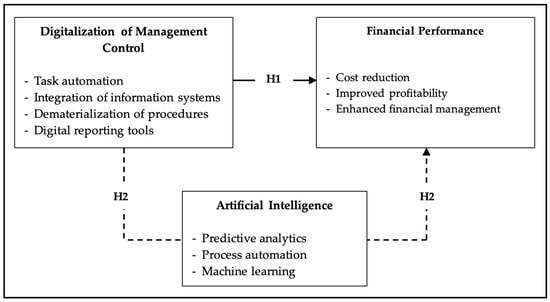
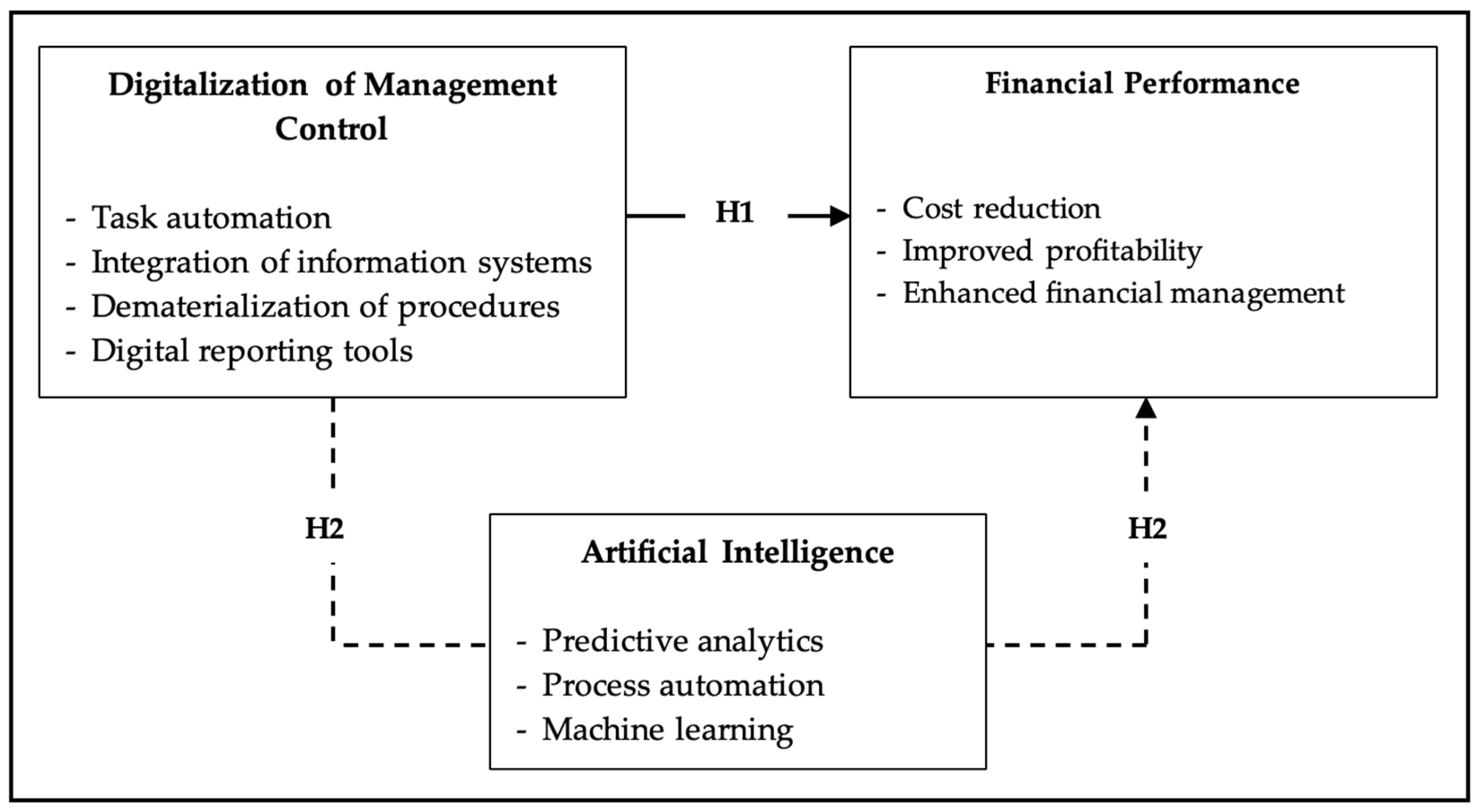
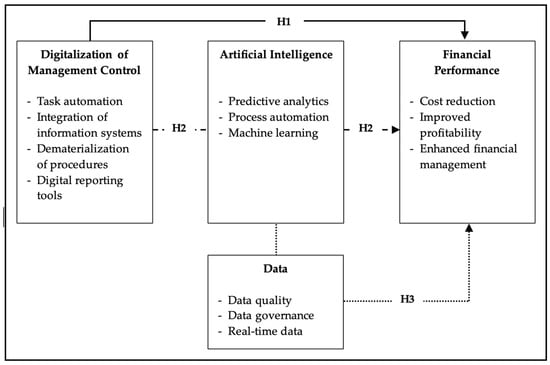
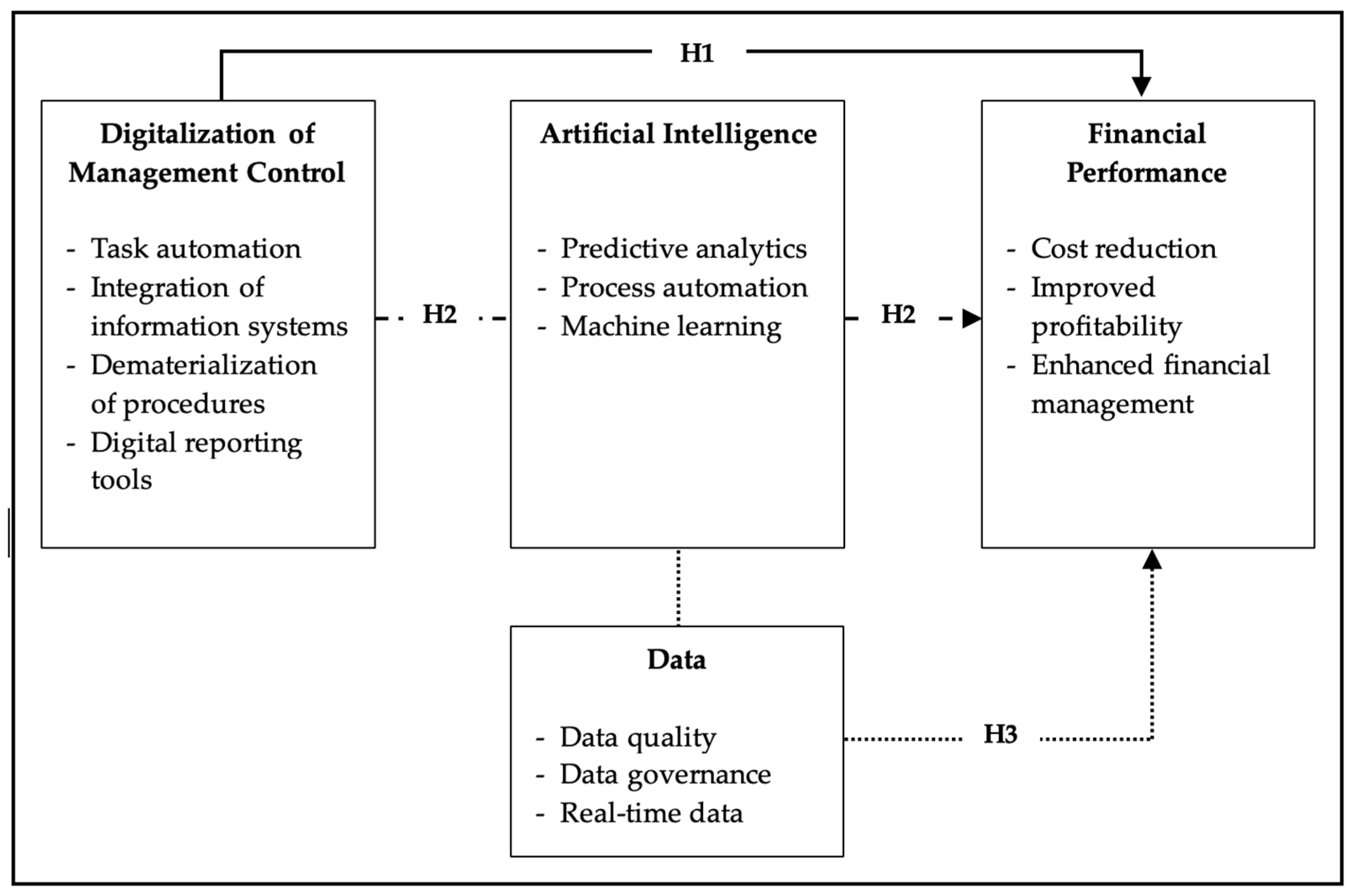
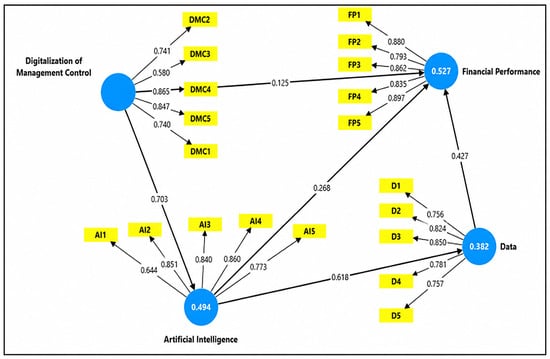
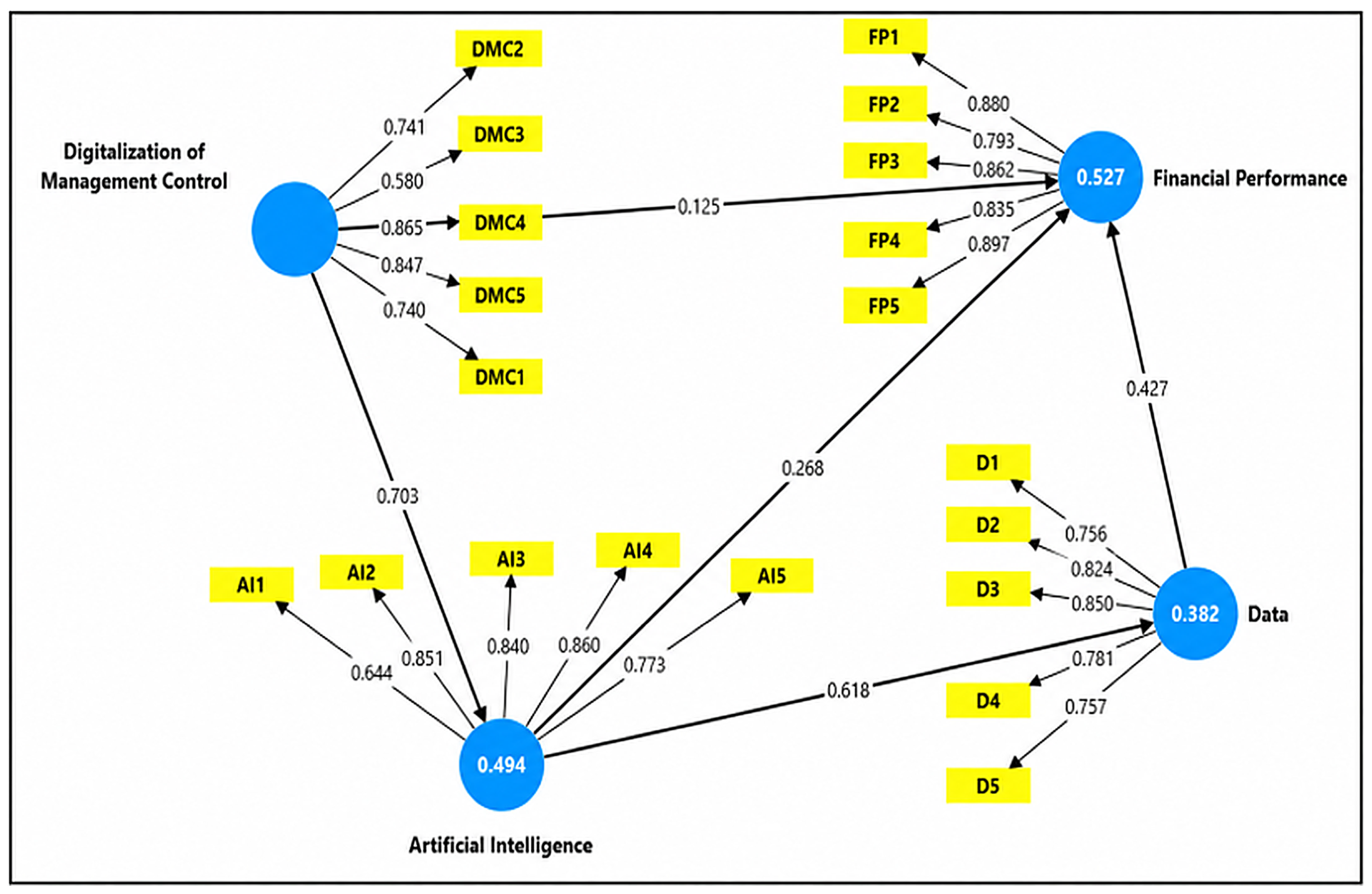
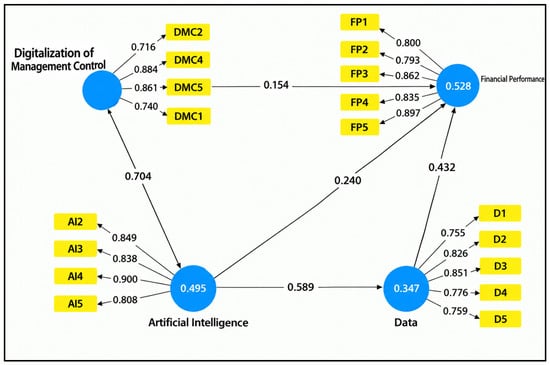
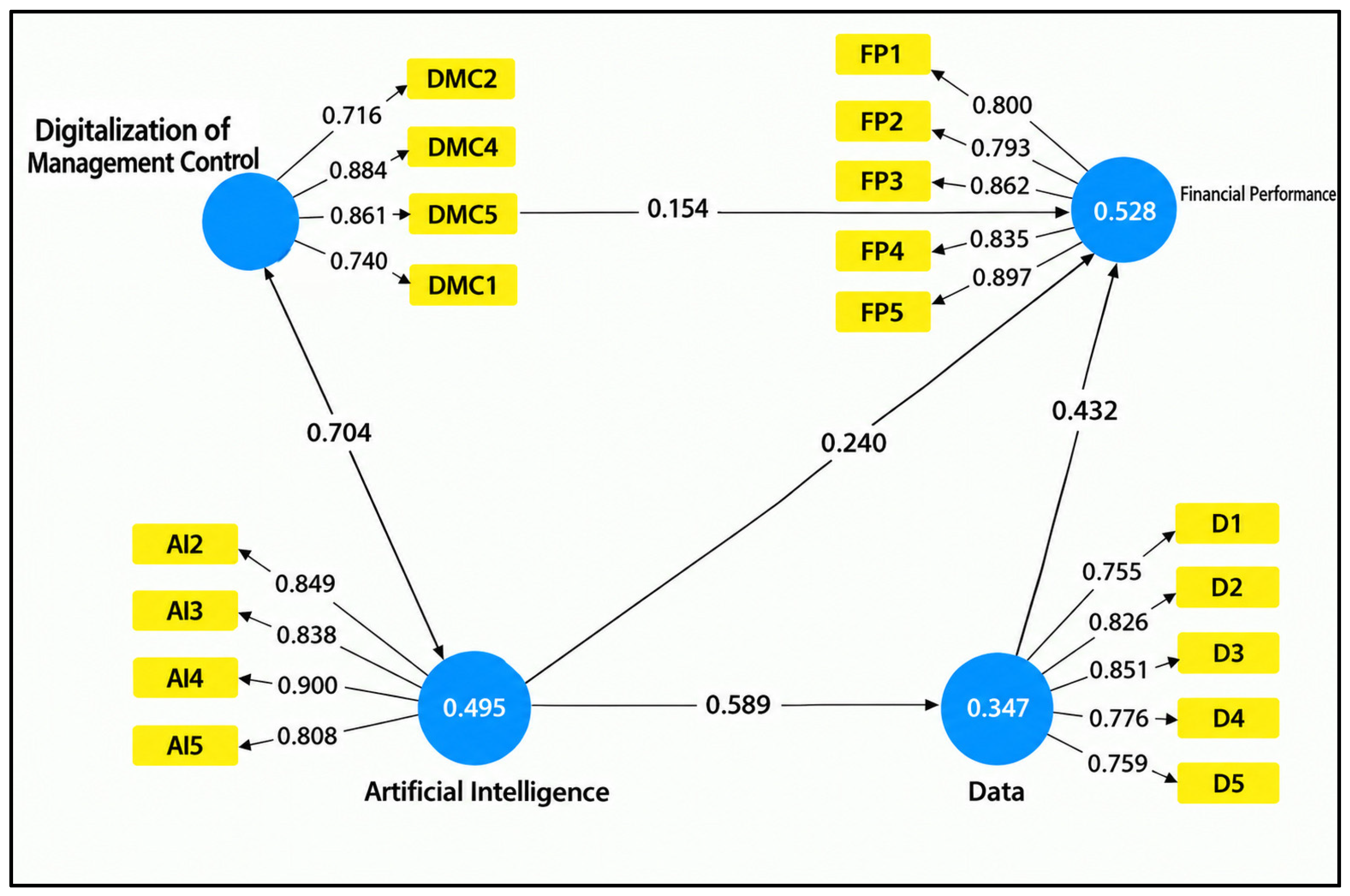
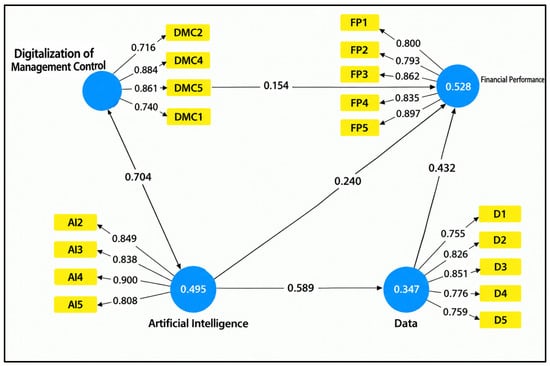
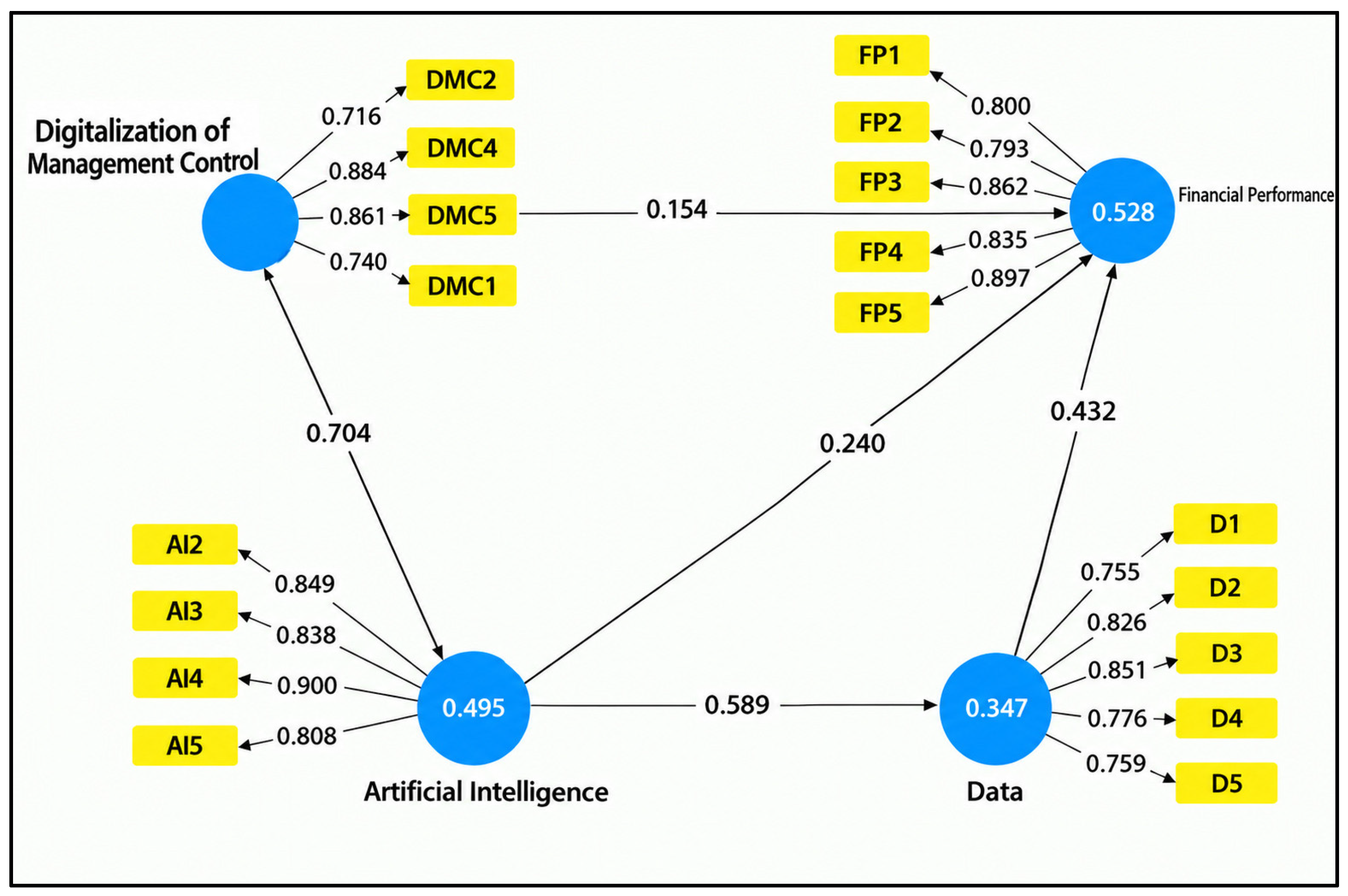
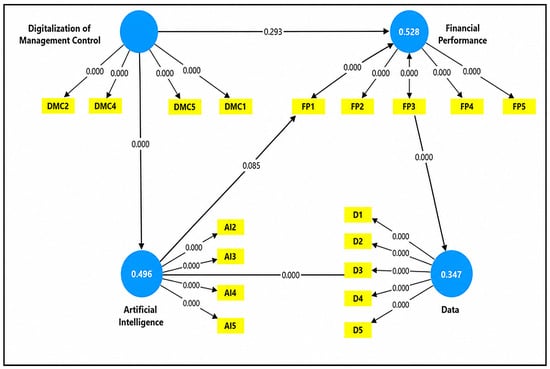
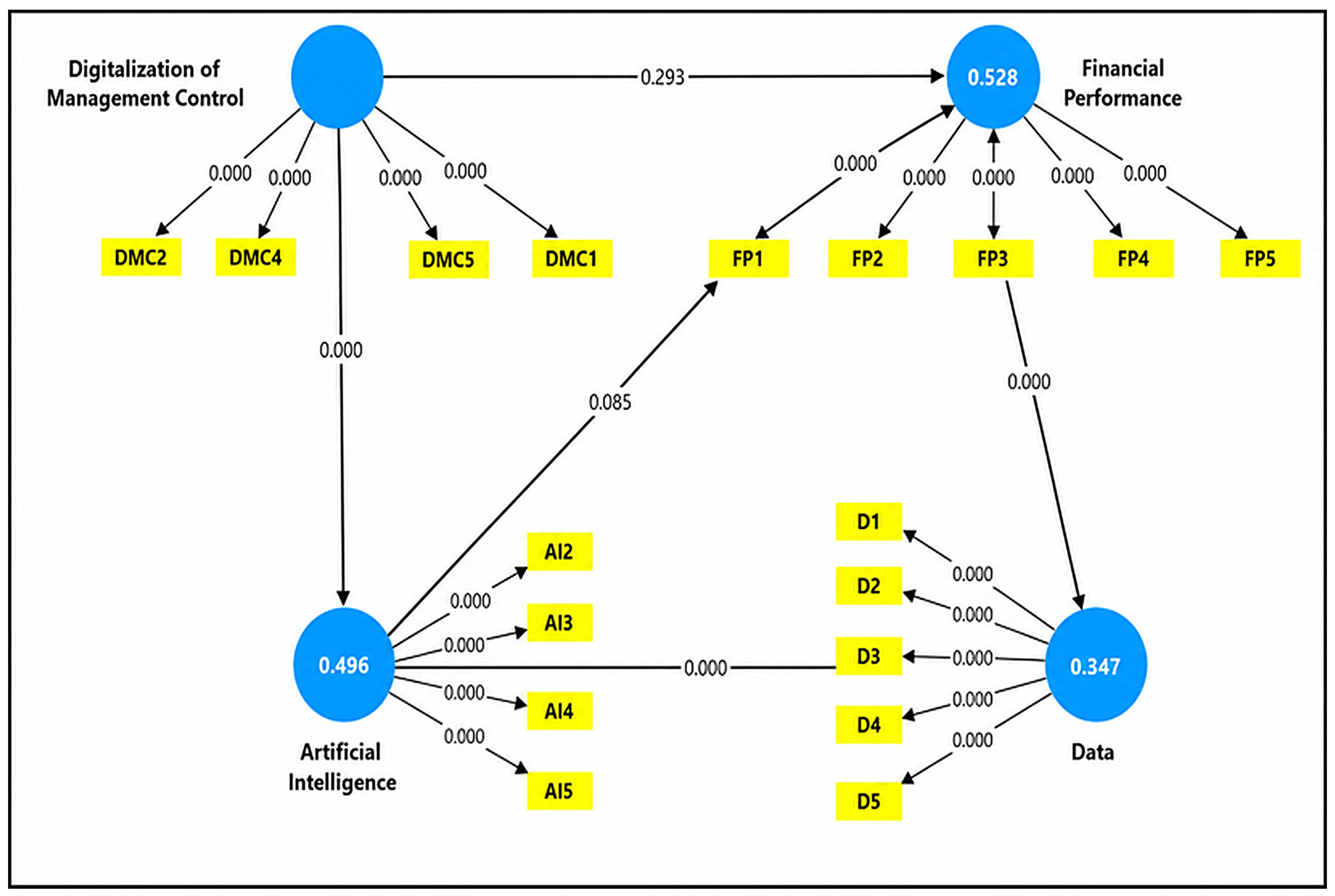

Disclaimer/Publisher’s Note: The statements, opinions and data contained in all publications are solely those of the individual author(s) and contributor(s) and not of MDPI and/or the editor(s). MDPI and/or the editor(s) disclaim responsibility for any injury to people or property resulting from any ideas, methods, instructions or products referred to in the content. |
© 2026 by the authors. Licensee MDPI, Basel, Switzerland. This article is an open access article distributed under the terms and conditions of the Creative Commons Attribution (CC BY) license.