


Abstract
As cross-border e-commerce expands in emerging economies, consumer participation increasingly depends on perceived transaction risk linked to digital payments, settlement, dispute resolution, and institutional enforceability. This study reconceptualizes online purchase intention (OPI) as a decision embedded in retail international finance. Extending the Theory of Planned Behavior (TPB), it integrates Internet Trustworthiness Behavior (ITB) and Country of Origin (COO) as risk-relevant signals shaping consumer judgment under cross-border uncertainty. Survey data from 390 digitally active consumers in the Dominican Republic were analyzed using Partial Least Squares Structural Equation Modeling (PLS-SEM). The results indicate that ITB strengthens perceived behavioral control, attitudes toward online purchasing, and subjective norms, while also exerting a direct positive effect on OPI. COO emerges as a strong direct predictor of OPI, functioning as a heuristic indicator of country credibility when formal safeguards appear weak. Contrary to standard TPB expectations, perceived behavioral control negatively predicts OPI, suggesting that greater digital competence may heighten awareness of expected losses and limited recourse in high-risk environments. The findings advance international business and finance research by showing how micro-level trust practices and macro-level country signals jointly shape consumer risk management in cross-border digital markets, with implications for inclusive participation and consumer protection.
1. Introduction
The rapid expansion of e-commerce has transformed consumer interaction with global markets, providing unprecedented access to goods and services. As digital platforms increasingly mediate everyday transactions, understanding the psychological and behavioral dynamics influencing online purchasing decisions has become essential.
Global online sales are projected to reach $6.419 trillion in 2025 (Cramer-Flood, 2025), underscoring the urgency of this inquiry. Several psychological constructs underpin online consumer behavior, notably trust-related beliefs and behaviors, perceived behavioral control (PBC), attitude toward online purchasing (ATOP), and subjective norms (SN), which have been shown to predict information-seeking and purchasing intentions in e-commerce settings (Gefen, 2000; Pavlou & Fygenson, 2006). In addition, country-of-origin (COO) cues have been linked to product evaluations and purchase intention in the broader consumer literature and have also been examined as a trust-relevant cue in online retail contexts (Bhattacharya et al., 2023). However, the interplay among these constructs remains underexplored.
The Theory of Planned Behavior (TPB) has remained a dominant framework for explaining technology-enabled consumption, including online purchasing and related digital commerce behaviors, with recent quantitative syntheses confirming its explanatory power while also documenting variability across contexts and study designs (Leong et al., 2023; Ghosh, 2024). However, evidence from cross-border e-commerce highlights boundary conditions, particularly transaction risk, delivery uncertainty, and weak or fragmented redress mechanisms, that can reshape how attitudes, norms, and perceived control translate into purchase intentions (Hassan et al., 2016; Jimenez et al., 2022; Ma et al., 2025). Accordingly, this study extends TPB by incorporating trustworthiness behavior and country-of-origin cues as cross-border risk-relevant signals that may operate alongside (or, in high-uncertainty settings, partially override) standard TPB pathways (Leong et al., 2023; Ma et al., 2025).
From an international finance perspective, cross-border digital commerce constitutes more than a marketing channel; it represents a retail-level financial transaction in which consumers implicitly assess payment security, settlement reliability, the credibility of chargebacks and refunds, and the enforceability of claims. In emerging markets, deficiencies in consumer protection regimes and institutional recourse mechanisms heightened expected losses from fraud, non-delivery, and data misuse, thereby reframing online purchasing as a consumer-facing risk-management decision rather than a purely consumption-oriented choice. Understanding online purchase intention in such contexts, therefore, requires extending behavioral models to incorporate the micro-foundations of transaction risk alongside the macro-level credibility of national institutional environments.
In this study, “cross-border digital commerce” refers specifically to online purchase decisions that involve a foreign-based seller or platform and therefore introduce additional transaction frictions (e.g., cross-border payment processing, currency conversion, delivery enforceability, and refund/chargeback recourse). Accordingly, all survey items were framed to elicit respondents’ evaluations of cross-border online purchasing (rather than domestic e-commerce), ensuring that the empirical model directly corresponds to the conceptualization of cross-border digital commerce as retail international finance.
ITB encompasses consumers’ trust in online transaction security, website reliability, and personal data protection (McKnight et al., 2002). Higher levels of trust consistently correlate with increased Online Purchase Intention (OPI) (D. J. Kim et al., 2008). However, the mechanisms by which trust influences behavior, particularly in interactions with perceived control and social norms, require further elucidation. PBC, rooted in the TPB (Ajzen, 1991), reflects an individual’s perception of the ease or difficulty of making online purchases. PBC is a critical determinant of behavior, particularly in contexts characterized by uncertainty or limited experience (Bandura, 1997). Similarly, ATOP captures consumers’ overall evaluations of online shopping, integrating affective and cognitive judgments (Fishbein & Ajzen, 1975). Although positive attitudes generally promote higher purchase intentions, this relationship can be moderated by trust and perceived control (Hoffman et al., 1999). SN refers to perceived social pressures to engage in or refrain from online purchasing (Ajzen, 2002), influenced by peers, family, and broader societal expectations. Their predictive strength, however, varies with individual and contextual factors. Lastly, the COO effect refers to the influence of a product’s origin on consumer perceptions of quality, reliability, and prestige (Roth & Diamantopoulos, 2009). Given the global reach of e-commerce, COO perceptions can substantially shape purchase intentions, particularly when product information is scarce.
Within this framework, ITB reflects perceived integrity of the digital transaction infrastructure, encompassing confidence in payment security, merchant reliability, and the effectiveness of recourse mechanisms when transactions fail. COO functions not merely as a quality signal but also as a proxy for country-level credibility, incorporating perceptions of institutional reliability, prevailing norms of vendor accountability, and expectations regarding the effectiveness of dispute resolution. PBC, typically interpreted as perceived capability, may also capture financial vigilance. As consumers develop greater digital competence, they become more attuned to hidden fees, fraud vectors, and limitations in enforcement, which can dampen purchase intention in environments characterized by elevated transactional risk. Together, these mechanisms speak directly to the Special Issue’s focus on the intersection of international finance and business strategy, highlighting how consumer decision-making in emerging markets reflects micro-level risk assessment embedded within broader institutional and credibility constraints.
To substantiate this research gap, we conducted a structured scoping search of the recent literature (2015–2025) in Scopus and Web of Science, complemented by Google Scholar, using combinations of keywords such as “theory of planned behavior” AND “e-commerce” AND “purchase intention,” “cross-border e-commerce,” “online trust,” “internet trustworthiness,” “country of origin,” and “perceived risk” (including terms related to “refund,” “chargeback,” and “dispute resolution”). This search indicates that TPB has been widely applied to explain intention in domestic e-commerce and social commerce contexts, but that comparatively fewer studies integrate transaction-governance perceptions (e.g., trustworthiness of the online environment) and origin-based credibility cues into a single TPB-based model tailored to cross-border purchasing in emerging markets. Accordingly, although prior work has examined these constructs in isolation, the joint interplay among ITB, COO, and the TPB antecedents (attitude, subjective norms, and perceived behavioral control) remains less systematically examined in cross-border settings characterized by heightened uncertainty and imperfect post-transaction recourse.
Despite extensive literature on ITB, PBC, ATOP, SN, and COO, few studies have examined their interactive effects on online purchase behavior. Existing research often treats these constructs in isolation, neglecting potential mediating and moderating relationships. For instance, although trust is widely recognized as critical, the pathways connecting trust to purchase intention, primarily through perceived control and social norms, are not fully understood. Moreover, the role of COO in online purchasing is typically viewed narrowly, focusing on product perceptions without considering its influence on deeper psychological constructs such as perceived control and trust. Addressing these gaps, this study examines the intricate relationships among ITB, PBC, ATOP, SN, and COO that influence OPI.
Within the TPB, PBC typically exerts a positive influence on behavioral intention, as individuals who perceive themselves as capable of performing a behavior tend to express stronger intentions to engage in it. Following this canonical view, we hypothesize a positive association between PBC and OPI. However, the Dominican Republic’s e-commerce landscape features institutional frictions, heightened perceived risk, and uneven consumer protection, conditions that may shape how perceived control functions in practice. The present study, therefore, tests whether the standard TPB expectation remains valid under these high-uncertainty conditions.
World Bank (2024) data underscore the Dominican Republic’s rapid digital deepening, which has reconfigured how consumers search, evaluate, and transact in both domestic and cross-border markets. Specifically, Internet use reached 91.0 per 100 people in 2024, up from 81.5 in 2022 (World Bank, 2024, as reported in FRED). This sustained expansion in connectivity increases exposure to platform-mediated consumption, social commerce, and international sellers, while also amplifying consumers’ contact with cross-border frictions (e.g., delivery uncertainty, returns, and dispute resolution). Against this backdrop, examining how trustworthiness perceptions and country-of-origin signals shape online purchase intention is particularly salient in the Dominican context (Federal Reserve Bank of St. Louis, 2025).
The following section outlines the conceptual framework and articulates the proposed research model. A comprehensive description of the empirical methodology follows this. The results are then presented and thoroughly analyzed. The final section provides a critical discussion of the findings, emphasizing the study’s theoretical contributions, managerial implications, and methodological limitations.
2. Theoretical Background and Hypotheses Development
2.1. TPB in E-Commerce and Cross-Border Boundary Conditions
The TPB has been widely applied in e-commerce and social commerce to explain how attitude, subjective norms, and PBC shape OPI. Recent quantitative syntheses reinforce TPB’s relevance in digital buying contexts while also showing that effect sizes can vary across settings and platform types, motivating theoretically grounded model extensions when transaction conditions change (Leong et al., 2023). Complementing this evidence base, recent meta-analytic work on online purchase intention indicates that trust- and security-related determinants remain among the most consistently observed drivers of consumers’ willingness to transact online, particularly when information asymmetry and perceived vulnerability are salient (Ghosh, 2024). Together, these studies support TPB as an appropriate baseline framework for explaining digital purchase intention while legitimizing the integration of trust-oriented constructs as context-sensitive antecedents.
However, cross-border e-commerce differs from domestic e-commerce in its underlying risk and governance structure. Even when the consumer experience appears “retail-like,” cross-border transactions rely on payment rails that involve authorization, clearing/settlement, and pricing transparency, and may embed foreign exchange (FX) conversion, additional intermediaries, and more complex post-purchase recourse (Lei, 2020; Liu et al., 2022). Global policy and infrastructure analyses emphasize that cross-border payments remain characterized by frictions in cost, speed, transparency, and access, conditions that shape end-user experiences of uncertainty and perceived exposure (Chen et al., 2021). In parallel, cross-border consumer protection and redress mechanisms are often fragmented, and enforceability constraints can intensify perceived downside risk when delivery fails or disputes arise (Jimenez et al., 2022; Thiébaut, 2024). Empirical cross-border evidence similarly shows that perceived risk can suppress trust and purchase-related intentions, underscoring the centrality of transaction-risk governance in CBEC settings (Ma et al., 2025). These boundary conditions justify extending TPB with ITB and COO as theoretically coherent, cross-border-specific cues that capture (a) perceived integrity of the transaction environment and (b) country credibility signals used as heuristics under heightened uncertainty.
Recent meta-analytic and systematic evidence indicates that online purchase intention is consistently shaped by TPB-aligned mechanisms, evaluations of the behavior (attitude), normative influence (subjective norms), and perceived capacity to execute the behavior (perceived behavioral control), while also demonstrating that effect sizes vary meaningfully by platform features, information environments, and perceived uncertainty (Ghosh, 2024; Leong et al., 2023). This contingency becomes especially salient in cross-border e-commerce, where consumers face additional layers of transaction risk (e.g., payment security, delivery performance, return/refund frictions, and enforceability concerns) that increase reliance on trust infrastructure and risk-reducing cues (Jimenez et al., 2022; Ma et al., 2025). In such settings, consumers may depend more heavily on social proof and reputational information (e.g., reviews) to manage uncertainty, amplifying normative channels even when general attitudes are favorable (Qiu & Zhang, 2024). These boundary conditions motivate extending TPB with constructs that better capture cross-border risk governance and credibility signals, consistent with evidence that digital commerce models often require augmentation to explain intention formation under heightened uncertainty (Leong et al., 2023; Ma et al., 2025).
2.2. Cross-Border E-Commerce as Retail International Finance
Cross-border e-commerce can be conceptualized as a form of retail international finance, insofar as consumers engage in cross-border value transfer through payment arrangements that require authorization, clearing and settlement, pricing transparency, and effective redress mechanisms. This perspective aligns with the G20–CPMI cross-border payments agenda, which frames cross-border transactions as a multidimensional infrastructure challenge in which speed, cost, transparency, and access jointly determine the quality of international exchange experienced by end users (Financial Stability Board, 2025). In practice, cross-border online purchasing amplifies exposure to information asymmetry, uncertainty surrounding enforceability, and frictions in refunds and chargebacks, particularly in settings where cross-border cooperation and consumer redress mechanisms remain fragmented or weak. Moreover, such transactions frequently embed foreign exchange and settlement frictions, whether explicit or implicit, rendering risk governance and settlement integrity salient even when consumers perceive the interaction as a routine retail purchase (Riefa, 2022).
In the context of e-commerce, consumer trust in digital environments has emerged as a key variable in explaining purchasing behavior (Ramírez-Correa et al., 2024). This trust, conceptually defined as ITB, refers to consumer perceptions of transaction security, privacy protection, and platform redress integrity of online platforms (Li et al., 2018; Singh et al., 2024). From an international finance lens, ITB can be interpreted as consumers’ perceived reliability of the transaction infrastructure, including protection of payment credentials, data integrity, and the credibility of complaint-handling and remedies, elements closely tied to how cross-border payments and dispute resolution are governed for end users. ITB encompasses dimensions such as data protection, informational clarity, the reputation of the digital provider, and the perceived ethical compliance of the website. In a technology-mediated environment, where the absence of physical contact generates uncertainty, ITB mitigates perceived risk, thereby becoming a decisive factor in shaping other psychosocial beliefs. Recent quantitative syntheses reinforce this logic, showing that trust, perceived security, and perceived risk are central drivers of e-commerce decisions and that trust plays a particularly strong role in reducing perceived vulnerability.
According to the TPB proposed by Ajzen (1991), human behavior is influenced by three central variables PBC, ATOP, and SN. These factors directly predict behavioral intention and may be shaped by external antecedents such as ITB. More recent TPB work clarifies that the model is frequently strengthened by incorporating context-relevant antecedents that affect belief formation, particularly under conditions of uncertainty and risk. Within this framework, a trustworthy digital environment not only reduces perceived barriers but also strengthens perceived self-efficacy and mastery over the purchasing process, thereby increasing PBC (Li et al., 2018; Frazier & Caston, 2015). In cross-border settings, this “control” belief also implicitly includes the perceived ability to manage financial frictions (fees, FX conversion, delivery/payment confirmation) and the perceived feasibility of obtaining recourse if problems arise, which international policy research recognizes as a persistent challenge for global digital markets.
Li et al. (2018) demonstrated that platforms that offer reliable online support enhance users’ sense of control, thereby boosting their self-efficacy and willingness to proceed with the purchase. Access to live customer service fosters empowerment and a greater sense of control over the platform. Similarly, Frazier and Caston (2015) found that digital trust reduces perceived complexity, promoting clarity of purpose and psychological autonomy. Moreover, the presence of visible security protocols and clear privacy policies reinforces perceived control, enabling consumers to overcome potential barriers with greater confidence. Thus, ITB functions as a crucial antecedent to PBC, facilitating perceived self-efficacy in digital contexts.
H1.
ITB positively influences PBC.
ATOP represents an affective and cognitive evaluation of the digital product acquisition process. Prior experiences, satisfaction expectations, and perceived levels of trust in digital platforms shape this attitude. Haryeni and Hirma (2022) reported that perceptions of website quality, perceived security, and informational clarity significantly influence the development of a positive ATOP. These factors act as signals that legitimize the purchasing process and foster a favorable predisposition toward digital consumption. Complementarily, Singh et al. (2024) found that information integrity and the ethical handling of personal data strengthen the consumer’s calculated trust, which translates into a higher ATOP. In their study, consumers who perceived greater transparency and data protection were more willing to shop online. This attitudinal formation is also consistent with broader evidence that trust, security, and reduced perceived risk jointly shape e-commerce decision-making at scale.
From the perspective of the TPB, attitude reflects an individual’s positive or negative evaluation of future behavior. Within this framework, ITB functions as an external antecedent that shapes behavioral beliefs, which, in turn, form ATOP. Thus, the greater the trust in the digital environment, the more favorable consumers’ evaluations are of the online purchasing act, which in turn increases their behavioral intention (Ajzen, 1991). Based on the preceding discussion, the following hypothesis is proposed:
H2.
ITB positively influences ATOP.
SN reflects an individual’s perceived social expectations regarding whether to engage in a particular behavior. Within the TPB, SN encapsulates consumers’ beliefs about the approval or disapproval of significant referents, such as family members, peers, or opinion leaders, regarding behaviors such as online purchasing (Ajzen, 1991). In digital contexts, especially cross-border e-commerce, social validation can be amplified because consumers face higher uncertainty about transaction outcomes, redress, and delivery reliability, and thus may rely on trusted networks and digital opinion leaders as informal risk filters. This is consistent with the view that when formal enforcement and cross-border remedies are perceived as limited, social information becomes a substitute governance cue in consumer decision-making.
Bhatti and Akram (2020) found that consumer trust in digital platforms enhances the effect of SN. When users perceive the online environment as safe and trustworthy, they place greater weight on the opinions and recommendations of their close social groups. In high-trust digital settings, consumers are more willing to incorporate external suggestions into their decision-making, whereas in low-trust environments, social influence is attenuated. This occurs because trust creates a psychological context where third-party suggestions are perceived as more valid and less risky. Consequently, ITB serves as a key facilitator of SN’s internationalization, thereby favoring online purchasing behavior (Nguyen et al., 2022).
For their part, Tarawneh et al. (2024) showed that consumers who perceive digital platforms as transparent and responsible tend to align their behavior with social expectations. This finding is consistent with research suggesting that trust reduces resistance to behavioral change and reinforces conformity with positive SN. In other words, a trustworthy digital environment not only promotes a secure individual experience but also strengthens the social ties associated with the purchasing process. By trusting the platform, consumers are more willing to be influenced by others’ value judgments, thereby socially validating their behavior. Accordingly, the following hypothesis is proposed:
H3.
ITB positively influences subjective norms (SN).
The COO effect refers to origin cue used as (i) quality signal and (ii) credibility/country-risk heuristic in cross-border retail transactions (Oduro et al., 2023), based on descriptive, inferential, and informational beliefs associated with that country (Rivera-Prado & Currás, 2021). Traditionally, it has been understood as a multidimensional phenomenon, comprising cognitive aspects, related to perceived characteristics of the country; affective aspects, linked to attitudes and feelings toward the country and its people (Schooler & Sunoo, 1969); normative aspects, which explain how social expectations influence consumer behavior (Bloemer et al., 2009); and symbolic aspects, connected to aspirational values associated with certain countries (Fernández-Ferrín et al., 2020).
COO’s conceptual boundary in cross-border digital commerce. Because cross-border online transactions often separate the product’s manufacturing origin from the seller’s, platform’s, and fulfillment origin, this study treats COO as a country-based credibility signal linked to the locus of transaction accountability. Specifically, COO captures respondents’ perceptions of the country in which the online seller/platform is based, reflecting inferred institutional reliability (e.g., consumer protection, dispute resolution norms, and perceived fairness of transaction governance). This definition aligns COO with its function as a heuristic cue in high-uncertainty cross-border purchasing contexts.
Recent studies have expanded the COO perspective toward a multilevel approach that incorporates commercial and institutional actors (Samiee et al., 2024). It has been observed that COO affects key variables shaping purchasing decisions (Andéhn et al., 2016), such as perceived quality (Gürhan-Canli & Maheswaran, 2000; Kaynak et al., 2000; Rivera-Prado & Currás, 2021), perceived value (Ahmed et al., 2002), preferences for certain products (Knight & Calantone, 2000), and perceived purchase risk (Bhattacharya et al., 2022). In cross-border e-commerce, the COO can also function as a country-credibility heuristic that resembles consumer-facing assessments of country risk: origin cues may inform expectations regarding institutional reliability, compliance norms, payment security standards, and the plausibility of effective remedies. This mechanism is consistent with emerging work showing that e-retailer COO shapes perceptions of privacy, trust, and purchase intention in online contexts.
Additionally, positive images of foreign products, reinforced by digital reviews, increase willingness to accept them, particularly when they come from countries perceived as symbols of status or lifestyle (Fernández-Ferrín et al., 2020). In this sense, COO can reinforce brand identity or activate country–product stereotypes (Fournier, 1998; Pappu et al., 2006). A positive COO image enhances consumer trust (Steenkamp, 1990), influencing perceived self-efficacy in decision-making (Rezvani et al., 2012) by reducing uncertainty and boosting confidence during online purchase decisions (Vo et al., 2022). Contemporary meta-analytic evidence further confirms that country-of-origin image has meaningful aggregate effects on consumer brand evaluation outcomes, supporting the continued strategic relevance of COO cues. Consequently, COO influences not only attitudes and perceived social norms but also the consumer’s evaluation of their ability to carry out the purchasing behavior, thereby supporting the following hypotheses:
H4.
COO positively influences SN.
H5.
COO positively influences ATOP.
H6.
COO positively influences PBC.
OPI refers to the degree of willingness or likelihood that a consumer expresses to acquire products or services through digital platforms. This construct has been widely used in consumer behavior studies as an immediate predictor of actual purchasing behavior. In digital contexts, where uncertainty and perceived risk are high—particularly in cross-border settings where settlement and redress may be perceived as more complex—consumer trust, represented by ITB, emerges as a key antecedent of intention. By encompassing dimensions such as perceived security, website integrity, and institutional credibility, ITB reduces psychological barriers and creates a favorable environment for consumers to consider completing a purchase. Therefore, it has been proposed that ITB may exert a direct effect on OPI, in addition to influencing intermediate variables such as ATOP and PBC. Recent meta-analytic findings corroborate the centrality of trust and perceived risk in shaping purchase decisions in e-commerce.
Salim et al. (2023) analyzed 333 online consumers in Indonesia. They found that trust has a positive and significant effect on OPI, even after controlling variables such as perceived risk and service quality (e.g., technical support and reward mechanisms). This study demonstrates that a trustworthy digital environment directly influences consumers’ willingness to purchase, regardless of other factors. Similarly, García-Salirrosas et al. (2022) evaluated the relationship between digital trust and OPI among users of e-commerce platforms for small and medium-sized enterprises in Mexico, finding a strong positive correlation (R = 0.75, R2 = 0.56). In this context, trust was identified as the strongest predictor of OPI, confirming the consistency of this effect in emerging markets. Accordingly, the following hypothesis is proposed:
H7.
ITB has a positive influence on OPI.
Within TPB, PBC reflects individuals’ perceptions of how easy or difficult it is to perform a behavior, given their skills, resources, and opportunities. Higher PBC typically aligns with stronger behavioral intentions because individuals who perceive greater control are more willing to act (Ajzen, 1991). In online purchasing, PBC has often been framed in terms of digital literacy, access to technology, and perceived ability to navigate platforms and complete transactions. Consistent with this view, e-commerce studies frequently report a positive link between PBC and online purchase intention, echoing the TPB logic that “can do” perceptions support “will do” intentions (George, 2004; Pavlou & Fygenson, 2006). Recent TPB-based evidence in platform commerce similarly finds significant effects of PBC on purchase intention.
This association may become more nuanced in high-risk, low-trust settings. When consumers possess both strong digital capabilities and detailed knowledge of online vulnerabilities, greater PBC can coexist with heightened awareness of potential negative outcomes (e.g., fraud, non-delivery, limited recourse). Under such conditions, perceived capability may lead to more critical evaluation of risks, which can dampen rather than reinforce intention (Kiriakidis, 2017; Margalina et al., 2023). This risk-aware logic is especially plausible in cross-border settings, where dispute resolution and remedies may be perceived as more difficult to secure; international policy research and UNCTAD analyses emphasize that cross-border enforcement and effective redress remain uneven and can shape consumer trust and repeat purchasing intentions.
Thus, although contextual factors may moderate the strength and even the direction of the PBC–intention relationship, the central TPB assumption remains that, on balance, consumers who perceive themselves as capable of making online purchases will tend to report higher OPI. Accordingly, we propose the following hypothesis:
H8a.
PBC positively influences OPI.
Within the TPB, PBC represents the consumer’s perception of control over online purchasing behavior. A trustworthy digital environment can strengthen this perception by reducing uncertainty and transaction complexity. Li et al. (2018) demonstrate that trust enhances users’ self-efficacy, thereby increasing their PBC. George (2004) and Pavlou and Fygenson (2006) directly link PBC to OPI. In contrast, Puspitasari and Widyanto (2014) and Kassim and Asiah Abdullah (2010) suggest that PBC may mediate the relationship between prior experiences or trust in ITB and purchase intention. Therefore, ITB not only has a direct influence on OPI but may also exert an indirect effect through PBC. Accordingly, the following hypothesis is proposed:
H8b.
PBC mediates the relationship between ITB and OPI.
Likewise, COO may influence OPI through PBC. A positive image of COO reduces uncertainty about product quality or the reliability of the purchasing process, thereby strengthening the consumer’s perceived self-efficacy. In uncertain contexts, COO can serve as a cognitive shortcut, simplifying decision-making and increasing consumers’ confidence in the outcome of their purchase. Recent evidence from online retailing suggests that COO can function as a trust-building cue in privacy-sensitive contexts, which plausibly strengthens perceived control and transaction confidence (Aguilar-Rodríguez & Arias-Bolzmann, 2021). Accordingly, the following hypothesis is proposed:
H8c.
PBC mediates the relationship between COO and OPI.
ATOP reflects the consumer’s affective and cognitive evaluation of the online purchase transaction. According to the TPB (Ajzen, 1991), a favorable attitude directly predicts the intention to perform the behavior. This relationship has been confirmed in various studies (Aqif & Mumtaz, 2024; Camacho et al., 2020; Nasrudin et al., 2024; Vijayasarathy, 2004), which emphasizes that a positive attitude drives OPI. In the context of e-commerce, a favorable evaluation of the digital purchase experience increases the likelihood of purchase completion. Therefore, we propose the following hypothesis:
H9a.
ATOP positively influences OPI.
ITB is a key antecedent in forming positive ATOP. When a platform is perceived as secure, transparent, and trustworthy, the overall evaluation of the process improves, leading to a favorable ATOP. Studies such as those by Singh et al. (2024), Haryeni and Hirma (2022), and Chang et al. (2016) demonstrate that perceptions of security and informational clarity positively influence attitudes, which in turn mediate the relationship between ITB and OPI. Gefen and Straub (2003) also emphasize that trust is essential in forming ATOP in digital environments. Meta-analytic evidence further reinforces the systematic link between trust and perceived security and consumers’ online purchasing decisions, supporting the plausibility of attitudinal mediation in contemporary e-commerce contexts. Thus, ITB influences ATOP, which in turn affects OPI, establishing a mediated relationship. Based on this, we propose the following hypothesis:
H9b.
ATOP mediates the relationship between ITB and OPI.
Perceptions of COO also influence ATOP, which, in turn, can determine OPI. COO functions as an external cue that enables consumers to infer product attributes such as quality, reliability, and prestige, thereby shaping their purchase intention. Aqif and Mumtaz (2024) show that COO impacts both ATOP and OPI. Camacho et al. (2022) propose a model in which COO and consumer Ethnocentrism (CE) influence ATOP, which in turn affects online purchasing behavior. CE, closely linked to perceptions of COO, may foster negative attitudes toward foreign products, thereby decreasing purchase intention. Likewise, Mohd Yasin et al. (2007) emphasize that signals associated with COO help shape beliefs that, in turn, influence ATOP and, consequently, purchasing behavior. Recent meta-analytic work on COO image and consumer brand evaluation further supports the enduring relevance of COO perceptions as evaluative inputs. Accordingly, we propose the following hypothesis:
H9c.
ATOP mediates the relationship between COO and OPI.
SN represents an individual’s perception of social pressure to engage in or refrain from a given behavior. In the context of e-commerce, these normative influences are shaped by perceived expectations from salient referents, including family, peers, and digital influencers, whose opinions can significantly affect consumer decision-making. As posited by the TPB (Ajzen, 1991), SN serve as a direct antecedent of behavioral intention. Their influence tends to be amplified in digital environments, where the absence of physical interaction and heightened uncertainty increase consumers’ reliance on social validation and normative cues to guide their choices. In cross-border settings, this uncertainty is further intensified by perceived frictions in dispute resolution and cross-border redress, increasing the value of social proof as a risk-reducing signal.
Recent studies have shown that the rise in social media has amplified the impact of SN on OPI. Lim and Phang (2024), in a systematic review using the PRISMA framework that included 34 empirical studies published between 2022 and 2024, concluded that SN, along with ATOP, PBC, and digital social exposure, exert a strong influence on OPI. Their study revealed that social recommendations, conveyed through likes, comments, reviews, or user interactions, significantly influence consumer decisions, particularly when digital trust is high. In this sense, SN are established as a key social factor that validates and guides purchasing behavior. Based on the above, we propose the following hypothesis:
H10a.
SN positively influences OPI.
The relationship between ITB and OPI is not limited to direct influence. Various studies have indicated that psychosocial variables, such as SN, may mediate this relationship. According to the TPB, individuals internalize normative beliefs from their social environment, and the likelihood that these norms will influence behavior increases when the context is perceived as trustworthy. Thus, ITB not only reduces perceived risk but also creates an environment in which social recommendations gain greater legitimacy, thereby strengthening their impact on intention. This mechanism is consistent with the broader argument that when cross-border enforcement and remedies are perceived as imperfect, informal governance (social validation) becomes more influential in consumer decision-making.
Beyond platform-level behavior, trust can be theorized as a core component of social capital that reduces transaction costs and enables exchange under uncertainty, particularly in digitally mediated markets where parties are geographically distant and enforcement is imperfect (Sabatini & Sarracino, 2018; Shah & Shah, 2024). In e-commerce, this social-capital function becomes operational: online trust mitigates perceived vulnerability and is consistently associated with purchase-related outcomes across a large body of evidence (Y. Kim & Peterson, 2017; Soleimani, 2022). Recent work further emphasizes that social capital, operationalized through generalized trust, norms, and networks, functions as a macro-level driver of e-commerce development by reducing transaction uncertainty, strengthening consumer trust, and facilitating digital exchange (Camacho et al., 2024). Importantly, in cross-border settings, trust is also institutional and procedural, reflecting confidence in payment integrity, post-purchase remedies, and dispute resolution infrastructures; strengthening these mechanisms is widely recognized as central to sustaining consumer willingness to transact internationally (Jimenez et al., 2022). Accordingly, ITB in this study is positioned not only as perceived website security or reliability, but as a governance-relevant belief that supports cross-border transaction participation when formal redress is uncertain.
Bhatti and Akram (2020) demonstrated that trust in digital platforms increases consumers’ sensitivity to third-party opinions, thereby amplifying the effect of SN on OPI. This process occurs especially among consumers who value social approval or trust the opinions of their close network. Conversely, in low-trust digital environments, SN loses influence as a guide for behavior. Within this framework, ITB enhances the channel through which SN affects purchase decisions. Likewise, Tarawneh et al. (2024) confirmed that SN mediate the relationship between cognitive factors of the digital environment (such as ITB) and OPI. Therefore, we propose the following hypothesis:
H10b.
SN mediates the relationship between ITB and OPI.
Regarding COO, Aqif and Mumtaz (2024) confirmed that it influences both OPI and ATOP, especially when the country is perceived as technologically advanced or institutionally trustworthy. These perceptions are shaped by various social sources, including education, social media, news outlets, family opinions, and travel experiences (Samiee et al., 2024). These sources act as normative frameworks that shape what is socially accepted or desired, particularly in digital environments where information may be limited. In this context, COO functions as a key heuristic in decision-making, directly influencing purchase intention. Therefore, the following hypothesis is proposed:
H11.
COO positively influences OPI.
Based on the TPB conceptual framework, a model is proposed that integrates individual and contextual variables as antecedents of OPI. The model suggests that trust in the digital environment (ITB) directly influences behavioral, normative, and control beliefs, represented by ATOP, SN, and PBC, which, in turn, affect OPI. Likewise, it is proposed that COO, as a significant external cue, influences purchase intention both directly and indirectly by affecting these three mediating variables. Thus, the model considers not only direct effects among the constructs but also mediated relationships that reflect the psychological mechanisms underlying digital purchasing decisions. Within the international finance framework, these mechanisms unfold under cross-border payment frictions and cross-border redress constraints that shape perceived transaction risk and the credibility of governance, consistent with global policy and UNCTAD analyses of the digital economy. Figure 1 illustrates the hypothetical relationships that structure the proposed model.
Figure 1.
Research conceptual model (extended TPB with ITB and COO).
3. Methodology
3.1. Context and Rationale
The rapid expansion of internet access and mobile connectivity in Latin America has positioned the Dominican Republic as a key player in the growing digital economy, with notable increases in e-commerce adoption (López & Ruiz-Arranz, 2020). The COVID-19 pandemic accelerated this shift, reinforcing consumers’ reliance on digital platforms for purchasing goods and services (Amankwah-Amoah et al., 2021). However, purchasing behavior in this emerging market continues to be shaped by online trust, social influence, and cultural perceptions, including country-of-origin effects (Benavides-Loja & Ávila-Rivas, 2021). This study addresses this context by examining key behavioral and attitudinal determinants of online purchase intentions among consumers in the Dominican Republic.
The study employed a quantitative, cross-sectional design and administered a structured online questionnaire. The research model integrates the TPB with additional constructs from consumer behavior literature to examine how ITB, PBC, ATOP, SN, and COO affect OPI.
3.2. Sample and Data Collection
A total of 390 participants were recruited via purposive non-probability sampling, with outreach conducted via social media platforms, including Facebook, Instagram, and WhatsApp. Recruitment relied on open invitations distributed through public posts and voluntary sharing within online networks; participants self-selected into the study by clicking the survey link. Importantly, there was no institutional or supervisory relationship between the researchers and respondents (e.g., no recruitment from the authors’ courses, no university mailing lists, and no identifiable personal data were collected), and participation was anonymous, voluntary, and uncompensated, thereby minimizing the risk of coercion or researcher–participant dependency. We acknowledge that social-media recruitment is likely to over-represent digitally active consumers, which is consistent with the study’s focus on online purchasing intentions but may also contribute to a younger age profile in the achieved sample. Data collection took place between 12 April and 31 May 2025. The survey instrument was administered in Spanish, and a rigorous translation protocol, employing back translation, was implemented to ensure the semantic accuracy and cultural relevance of the measurement scales developed initially in English.
The sample’s age composition is also relevant in digital commerce research because younger consumers, particularly those often described as digital natives/Gen Z, tend to engage more intensively with social media ecosystems that shape information exposure, social validation, and perceived trust signals. Prior research shows that Gen Z consumers frequently rely on peer recommendations, online reviews, influencer content, and platform credibility cues when evaluating purchases, especially under uncertainty, making normative influence and trust-related perceptions especially salient for intention formation in online environments (Djafarova & Bowes, 2021; Priporas et al., 2017). In cross-border e-commerce, where information asymmetry and post-transaction uncertainty can be higher, digitally native consumers’ dependence on social proof and platform-based trust cues may further increase the relevance of ITB and SN in explaining purchase intentions (Pop et al., 2022).
The study complied with the Declaration of Helsinki and received ethics clearance/exemption from the authors’ institutional review process. Participation was voluntary and anonymous, with digital informed consent obtained prior to survey initiation.
3.3. Sample Characteristics
Table 1 presents the demographic characteristics of the sample. Most respondents reported having attained higher education: 32.05% held a bachelor’s degree, and 25.6% held a graduate degree. Most participants reported annual incomes below USD 10,000, consistent with early-career professionals or individuals pursuing academic studies. The sample included a diverse age range, though it was predominantly comprised of younger adults, particularly those aged 18 to 24 (35.9%). The gender distribution was relatively balanced, with 55.1% identifying as male, 43.3% as female, and 1.6% not disclosing their gender.
Table 1.
Demographics.
3.4. Measurement Instruments and Operational Variables
The survey instrument was developed to assess the study’s primary constructs using validated scales adapted from prior empirical research, ensuring reliability and contextual relevance. ITB was measured using the scale developed by George (2004). PBC, ATOP, and SN were measured using adapted items from Ajzen’s (1991). COO was assessed using a modified version of the scale proposed by Verlegh et al. (2005), while OPI was measured using adapted items from Pavlou and Fygenson (2006). All constructs were measured using a seven-point Likert scale, ranging from 1 (strongly disagree) to 7 (strongly agree). To control for potential confounding variables, the analysis incorporated age, gender, income level, and online shopping frequency. These variables were collected using standard demographic items. English items were translated into Spanish through double back-translation by bilingual researchers independent of the authors; discrepancies were reconciled through committee review. We pretested the instrument with 50 participants to evaluate clarity and cultural fit and made minor wording adjustments prior to fielding.
To improve measurement transparency, we report representative item wordings for each construct, administered under a standardized cross-border purchasing frame (i.e., an online purchase from a seller/platform based outside the Dominican Republic), where payment processing, delivery outcomes, and refund/chargeback recourse may involve greater uncertainty than in domestic e-commerce. ITB included items such as “The Internet is reliable” and “I believe in the integrity of the Internet for conducting personal business”; PBC included “Buying things online is completely under my control” and “I have the resources, knowledge and ability to purchase things online”; ATOP included “Buying things online is a [Very bad idea … Very good idea]” and “Buying things online is an idea that I [Dislike extremely … Like extremely]”; SN included “People who are important to me would think that I should buy things online” and “My classmates or coworkers would think I should buy things online”; COO included “When purchasing imported products, the country of origin is the information I take into consideration” and “I look for information on the country of origin to select the best imported product available on the market”; and OPI included “I will buy online products this year” and “Compared to my friends, I intend to buy more products online.”
All construct measures were administered with a standardized behavioral frame to ensure construct–context alignment. Respondents were instructed to answer each item while considering a purchase from an online seller/platform based outside their country (i.e., a cross-border transaction), in which payment processing, delivery outcomes, and refund/chargeback recourse may involve greater uncertainty than in domestic e-commerce. This framing approach is consistent with prior TPB applications that require explicit specification of the behavioral target, action, context, and time to improve validity and interpretability.
3.5. PLS-SEM Estimation and Model Evaluation
We estimated the measurement and structural models using Partial Least Squares Structural Equation Modeling (PLS-SEM) in WarpPLS 8.0. The outer (measurement) model was estimated using PLS Regression, while the inner (structural) model employed the Warp3 algorithm, which allows for potential nonlinear relationships among latent variables. Missing data were handled through arithmetic mean imputation, and parameter significance was obtained using the Stable3 resampling procedure with 100 resamples. Following current PLS-SEM guidelines, we first assessed the measurement model (internal consistency, convergent and discriminant validity, and collinearity diagnostics) and then evaluated the structural model and global model fit before testing the hypotheses.
In addition, to make the link with the subsequent results more transparent, we have slightly revised the opening sentence of Section 4.1 as follows:
Before interpreting the structural paths, we evaluated reliability (Cronbach’s alpha, composite reliability), convergent validity (AVE), discriminant validity (Fornell–Larcker criterion, cross-loadings, HTMT), and full collinearity VIFs; all indicators met commonly accepted thresholds.
4. Results
4.1. Measurement Model Assessment
A comprehensive statistical analysis examined the psychological and sociocultural predictors of OPI among online consumers in the Dominican Republic. Preliminary analyses were performed using IBM SPSS Statistics Version 28. These included descriptive statistics and Pearson correlation coefficients to summarize central tendencies, assess the normality of the distributions, and examine bivariate associations among the primary study variables. Harman’s single-factor test was performed using principal axis factoring to evaluate the potential presence of standard method variance (CMV). The analysis revealed that the first unrotated factor accounted for only 27.65% of the total variance, well below the commonly accepted threshold of 50%. This outcome suggests that no dominant factor emerged, indicating that common method bias is unlikely to compromise the validity of the study’s results. The dispersion of variance across multiple factors further supports the multidimensional nature of the constructs and reinforces the credibility of the observed interrelationships.
The model was estimated via PLS-SEM (WarpPLS 8.0). Table 2 exhibits strong internal consistency reliability (CR = 0.842–0.947; α = 0.748–0.925), and convergent validity was supported (all AVE > 0.50). Discriminant validity held based on the Fornell–Larcker criterion (square roots of AVE exceeded inter-construct correlations) and HTMT (<0.85). Cross-loadings also indicated that indicators loaded more strongly on their intended constructs than on any other construct.
Table 2.
Measurement Model Evaluation.
Discriminant validity was assessed using the Fornell-Larcker criterion (Table 3), where the square root of each construct’s AVE exceeded its correlations with other constructs. Additionally, Heterotrait-Monotrait (HTMT) ratios were all below the 0.85 threshold, confirming the distinctiveness of the constructs.
Table 3.
Discriminant Validity: Fornell-Larcker Criterion.
Cross-loadings (Table 4) were also examined, confirming that all indicators loaded more strongly on their respective constructs than on any other.
Table 4.
Discriminant Validity: Cross-Loadings.
4.2. Structural Model Assessment
Model quality indices indicated acceptable fit: APC = 0.201 (p < 0.001), ARS = 0.167 (p < 0.001), and SRMR = 0.072.
4.2.1. Hypothesis Testing
Table 5 summarizes the results of the structural path analysis, including both direct effects and mediation hypotheses. ITB significantly and positively predicts PBC (β = 0.359, p < 0.001), ATOP (β = 0.458, p < 0.001), and SN (β = 0.434, p < 0.001), and also directly predicts OPI (β = 0.148, p = 0.002). PBC negatively predicts OPI (β = –0.191, p < 0.001). SN positively predicts OPI (β = 0.118, p = 0.009). COO has a small negative effect on ATOP (β = –0.098, p = 0.025) and a strong positive direct effect on OPI (β = 0.264, p < 0.001). Mediation tests indicate limited indirect effects: the ITB → SN → OPI indirect pathway is statistically significant, whereas indirect paths through ATOP and PBC are not supported.
Table 5.
Structural Model Path Coefficients and Hypothesis Testing.
Taken together, the results indicate that the extended TPB model yields both theoretically consistent and unexpected relationships. ITB, COO, and SN exhibit significant positive effects on OPI, consistent with expectations, whereas PBC shows a significant negative coefficient, contrary to our hypothesis of a positive PBC→OPI effect (H8a). H8a is therefore not supported, and the negative sign is treated as an empirical deviation from canonical TPB predictions.
4.2.2. Analysis of Results
ITB results strongly support the role of trust as a central antecedent in the model. H1, H2, and H3 were supported, demonstrating that ITB positively influences PBC (β = 0.359), ATOP (β = 0.458), and SN (β = 0.434). Additionally, H7 was supported (β = 0.148, p = 0.002), confirming that trust directly influences OPI (OPI).
The COO effect showed mixed results. H4 and H6 were not supported, as COO did not significantly influence SN or PBC. However, H5 was statistically significant (β = −0.098, p = 0.025), though the relationship was negative. Notably, H11 was strongly supported (β = 0.264, p < 0.001), indicating that COO was the strongest direct predictor of purchase intention in the entire model.
Regarding PBC and mediation, H8a receives no empirical support. Although PBC exhibits a statistically significant association with OPI (β = −0.191, p < 0.001), the coefficient is in the opposite direction from the hypothesized positive effect, indicating that, in this context, greater perceived control is associated with lower OPI. Similarly, H8b is not supported: ITB does not exert a significant indirect effect on OPI through PBC. Likewise, H8c is not supported because the link between COO and PBC is not significant, and no mediation through PBC is observed in the COO–OPI relationship.
ATOP and Mediation. Contrary to predictions from the TPB, H9a was not supported (β = −0.063, p = 0.106); attitude did not significantly predict intention in this model. Consequently, the mediation hypotheses involving attitude (H9b and H9c) were also not supported.
SN and Mediation. H10a was supported (β = 0.118, p = 0.009), confirming that social pressure acts as a positive driver of purchase intention. Furthermore, H10b was supported, indicating that Subjective Norms successfully mediate the relationship between ITB and OPI.
4.2.3. Comparison with the Classical TPB Model
As a robustness check, we also estimated a reduced TPB model including only Attitude toward Online Purchasing (ATOP), Subjective Norms (SN), and Perceived Behavioral Control (PBC) as predictors of Online Purchase Intention (OPI), using the same WarpPLS 8.0 settings as in the main analysis (Warp3 inner algorithm, PLS Regression outer model, Stable3 resampling, 100 resamples). This classical TPB specification explained only 1.5% of the variance in OPI (R2 = 0.015; adjusted R2 = 0.007) and yielded a small overall fit (GoF = 0.103, ARS = 0.015, p = 0.192). In contrast, the extended model that incorporates Internet Trustworthiness Behavior (ITB) and Country of Origin (COO) explains 22.8% of the variance in OPI (R2 = 0.228; adjusted R2 = 0.224) and achieves a substantially higher GoF (0.336) and a significant ARS (0.167, p < 0.001). These results indicate that cross-border-specific factors materially enhance explanatory and predictive power beyond the classical TPB structure in this high-risk emerging-market setting.
4.3. Predictive Relevance
The Average R2 across endogenous constructs (ARS = 0.167) indicates that, on average, the model explains a meaningful but moderate share of variance in the endogenous variables. With respect to the focal outcome, the model explains 11.4% of the variance in online purchase intention (R2 = 0.114), suggesting that cross-border purchase intention is influenced by additional determinants beyond those captured in the present framework. Nonetheless, the pattern of effects underscores the comparative salience of COO as a macro-level heuristic and ITB as a transaction-governance perception in shaping intention under high uncertainty, relative to general attitudinal evaluations of online purchasing. Figure 2 illustrates the Structural equation model.
Figure 2.
Structural equation model.
5. Discussion
This study examined OPI in an emerging market by extending the TPB (Ajzen, 1991) with ITB and COO. The structural model explains a meaningful share of variance in OPI (R2 = 0.114) and meets established global criteria for PLS-SEM model adequacy (APC = 0.201, p < 0.001; ARS = 0.167, p < 0.001; SRMR = 0.072). The findings show that ITB positively predicts OPI and strengthens TPB antecedents (PBC, ATOP, SN); PBC negatively predicts OPI; SN positively predicts OPI; COO exerts a strong direct positive effect on OPI; and ATOP does not significantly predict OPI. Taken together, these results suggest that, in this context, risk governance and macro credibility cues may play a more decisive role than general evaluations of online shopping.
5.1. Trustworthiness as Transaction-Risk Governance in Emerging Digital Markets
Prior research consistently positions trust as a central antecedent in e-commerce, shaping consumers’ beliefs about security, privacy, transparency, and the overall reliability of platform-mediated exchange (McKnight et al., 2002; Li et al., 2018; Haryeni & Hirma, 2022; Singh et al., 2024; Ramírez-Correa et al., 2024). The present findings converge strongly with this stream: ITB meaningfully strengthens PBC, ATOP, and SN, indicating that when consumers perceive platforms as trustworthy, they report greater perceived capability, more favorable evaluations of the behavior, and stronger normative endorsement.
Importantly, ITB also exerts a direct positive effect on OPI, consistent with evidence from emerging markets where trust is not merely distal but can function as a proximal catalyst of intention (García-Salirrosas et al., 2022; Salim et al., 2023). A finance-oriented interpretation clarifies why this direct effect may be especially pronounced: in cross-border and digitally mediated purchasing, consumers effectively engage in a retail financial transaction in which expected losses (fraud, non-delivery, data theft, opaque fees, or weak remedies) are salient. In such settings, visible signals of risk governance (security assurances, privacy controls, transparency, and credible redress) may directly shift intention by reducing the perceived probability and severity of financial harm. Thus, ITB appears to operate simultaneously as (i) an upstream belief shaper within TPB and (ii) an independent mechanism that reduces perceived transaction risk enough to trigger willingness to transact.
5.2. The Control–Risk Paradox: Why PBC Reduces Intention in This Setting
The negative association between PBC and OPI diverges from the canonical TPB prediction and from many e-commerce studies that report a positive PBC–intention link (Ajzen, 1991; George, 2004; Pavlou & Fygenson, 2006). However, the pattern is theoretically interpretable in risk-sensitive environments and aligns with research indicating that higher digital competence may be associated with heightened awareness of online vulnerabilities (Kiriakidis, 2017; Margalina et al., 2023). In the Dominican context, perceived capability may be accompanied by heightened awareness of risks such as fraud exposure, weak consumer rights enforcement, delivery uncertainty, and limited recourse—factors that can dominate intention formation when the expected downside is high.
This result can be interpreted as a control–risk paradox: consumers who feel capable of executing the purchase (ability control) may nonetheless doubt whether outcomes can be safely managed if something goes wrong (consequence control). In financial terms, the issue is not whether the consumer can complete a payment, but whether the consumer perceives the transaction as recoverable under adverse conditions (e.g., through chargebacks, refunds, or dispute resolution). When perceived consequence control is low, increases in ability control may not translate into stronger intention—and may even reduce intention if competence increases awareness of structural frictions. This interpretation helps reconcile the negative PBC path with TPB logic and indicates a boundary condition: in emerging markets where institutional protections and redress mechanisms are perceived as uncertain, PBC may capture both competence and risk acuity, with the latter exerting the stronger influence.
Consistent with this reading, the ITB→PBC→OPI mediation is not supported: although trust increases perceived control, perceived control (as currently operationalized) does not transmit trust’s effect to intention because the dominant meaning of “control” in this market may be consequences-focused rather than execution-focused. Future research could therefore benefit from operationally separating ability control (skills/resources) from consequence control (confidence in refunds, chargebacks, and enforceability).
5.3. When Attitudes Are Insufficient: ATOP Non-Significance and the Primacy of Social Validation
A substantial body of research finds that attitude positively predicts online purchase intention across contexts (Vijayasarathy, 2004; Camacho et al., 2020; Nasrudin et al., 2024; Aqif & Mumtaz, 2024). In contrast, ATOP does not significantly predict OPI in this study. This divergence suggests that in high-uncertainty environments, favorable evaluations of online shopping may be necessary but not sufficient when structural inhibitors—logistics, enforceability, and redress credibility—loom large. Put differently, consumers may “like” the idea of buying online while still refraining because the expected downside remains unacceptable.
By comparison, subjective norms significantly predict OPI, indicating that social validation plays a central role in intention formation in this context. This aligns with recent syntheses documenting the expanding influence of social media exposure, reviews, and influencer cues on online purchasing behavior (Lim & Phang, 2024; Tarawneh et al., 2024). A finance-oriented reading helps explain why norms may outperform attitudes: when formal safeguards are perceived as imperfect, consumers often rely on social proof as an informal governance mechanism that reduces uncertainty (“people like me have tried this and it worked”). Trust strengthens SN, yet the ITB→SN→OPI mediation is not significant, indicating that normative influence does not statistically transmit trust’s effect to intention; instead, trust and norms appear to operate in parallel—trust through perceived risk governance, and norms through social validation and informational reassurance.
5.4. COO as a Country-Credibility Heuristic: Direct Effects Under Uncertainty
The COO literature positions origin cues as influential for perceived quality, value, and risk—especially when information is incomplete or credibility is uneven (Ahmed et al., 2002; Knight & Calantone, 2000; Roth & Diamantopoulos, 2009; Samiee et al., 2024). The strong direct COO→OPI effect observed here is consistent with cue-utilization logic (e.g., COO as an economizing heuristic) and supports the view that origin cues can “shortcut” more elaborate belief formation in uncertain environments. In a finance-oriented framing, COO can be interpreted as a country-credibility heuristic: consumers infer institutional quality, compliance norms, technological sophistication, and the likelihood of enforceable remedies from country associations, using COO as a proxy for the transaction’s perceived reliability.
The negative COO→ATOP effect diverges from studies reporting positive attitude effects (Aqif & Mumtaz, 2024; Camacho et al., 2022). Two non-exclusive mechanisms are plausible. First, COO may increase intention by signaling credibility and reliability while simultaneously heightening scrutiny of the online purchasing process (e.g., delivery, returns, chargebacks), thereby reducing overall attitude toward online purchasing as a broad category. Second, heterogeneity in ethnocentrism, prior import experience, and product-category expectations may produce offsetting attitude responses that wash out in aggregate. Notwithstanding this nuance, the dominant finding is that COO retains substantial explanatory power for intention primarily through a direct route, consistent with its heuristic function under uncertainty.
5.5. What the Mediation Pattern Reveals About Decision Mechanisms in Emerging Markets
The mediation structure clarifies how trust and heuristics “travel” in this context. Although ITB significantly strengthens PBC, ATOP, and SN, neither the ITB→ATOP→OPI nor ITB→SN→OPI pathways are supported. This indicates that trust does not primarily shape intention by first changing attitudes or norms; rather, trust appears to act as a risk-governance belief that affects intention directly. COO also operates primarily through a direct pathway rather than through PBC, ATOP, or SN, underscoring its role as a macro-level heuristic cue that reduces uncertainty without necessarily restructuring underlying beliefs.
Overall, these patterns suggest boundary conditions consistent with the broader literature: (i) institutional context (consumer protection and redress feasibility) may reverse the sign of PBC, aligning it with the positive effects typically observed in mature markets; (ii) informational context (credibility and governance of eWOM and influencers) likely amplifies SN; and (iii) product-category differences and country stereotypes condition COO potency (Gürhan-Canli & Maheswaran, 2000; Knight & Calantone, 2000; Samiee et al., 2024). These contingencies constrain generalizability and help explain mixed findings across studies and regions.
5.6. Theoretical Contributions
Extending TPB with transaction-risk governance. The study contributes to international marketing and digital commerce theory by positioning ITB as a risk-governance belief that simultaneously (i) strengthens proximal TPB beliefs (PBC, ATOP, SN) and (ii) directly increases intention. This dual role helps reconcile prior findings in which trust appears either as a distal belief shaper or as a proximal determinant of purchase intention, particularly in emerging-market settings where perceived vulnerability is higher and institutional safeguards are less predictable.
Reframing perceived behavioral control under uncertainty. The negative PBC→OPI path challenges the canonical TPB expectation that perceived control uniformly enables intention. We interpret this as a control–risk paradox, where PBC captures not only perceived capability (ability control) but also heightened awareness of threats and frictions (consequence control). This distinction offers a tractable theoretical explanation for mixed PBC findings across contexts and suggests that, in transitional and risk-sensitive markets, “being able to transact” may not equate to “believing the transaction is safely governable”.
Normative influence as a parallel (not mediating) mechanism. While SN significantly predicts OPI, ITB strengthens SN; however, the ITB→SN→OPI mediation is not supported. This indicates that social influence matters for intention formation but does not statistically transmit the effect of trust in this setting. Trust appears to legitimize normative information (e.g., recommendations and social proof), yet its effect on intention operates primarily through a direct pathway rather than through a supported normative mediation channel.
COO as a country-credibility heuristic with autonomy from attitudes. COO exhibits a strong direct effect on OPI and only a limited indirect influence through TPB beliefs, confirming its role as an economizing heuristic under uncertainty. The presence of a small negative COO→ATOP path further suggests that origin cues can elevate intention through credibility inferences while simultaneously increasing scrutiny of the online purchasing process, indicating that COO may sometimes displace rather than reinforce general attitudes toward online purchasing.
5.7. Methodological Contributions
PLS-SEM implementation and transparent measurement evaluation. The study applied PLS-SEM (WarpPLS 8.0) to estimate a theory-extension model with multiple mediated paths in an emerging-market setting. Reliability and convergent validity were assessed using composite reliability (CR) and average variance extracted (AVE), while discriminant validity was evaluated through HTMT (and, where reported, Fornell–Larcker evidence). Model-level diagnostics (APC, ARS, and SRMR) were reported to support global model adequacy in the WarpPLS framework.
Bias controls and reporting transparency. To reduce common method concerns, the study combined procedural remedies (anonymity, careful translation, and pretesting) with statistical diagnostics. A Harman single-factor check indicated that a single factor did not dominate the variance (27.65%), suggesting that common method bias is unlikely to invalidate the findings. In addition, demographic covariates (age, gender, education, and income) were included as controls in the structural model; reporting these estimates strengthens transparency and supports cumulative research.
5.8. Practical and Policy Implications
Managerial implications: design for risk reduction, not only convenience. For international firms and digital platforms operating in emerging markets, ITB functions as a central lever for managing demand-side risk. Trust-building is not merely promotional; it is a form of transaction-risk management that reduces perceived vulnerability and increases willingness to transact. Firms should therefore prioritize platform features that make risk governance visible and credible: clear privacy and data protection practices, recognizable security cues, transparent pricing and fee disclosure, and explicit refund/complaint procedures supported by responsive service channels. These signals can reduce the perceived “risk premium” consumers associate with online purchasing.
COO as a strategic signal—useful but insufficient alone. COO emerges as a powerful heuristic that consumers use to infer reliability, quality expectations, and the plausibility of recourse under uncertainty. International firms can ethically leverage COO by making origin information salient and consistent with brand positioning, while partnering with reputable intermediaries and payment/logistics providers to reinforce credibility. However, overreliance on COO can entrench consumer dependence on a narrow set of “safe origins.” Firms should complement COO signaling with a platform-level trust architecture that progressively reduces perceived risk across a broader portfolio of countries and sellers.
For firms aiming to attract new-to-e-commerce consumers, the priority should be reducing perceived transaction risk through institutional assurance rather than assuming digital confidence is already in place. This includes prominently communicating buyer protections (refunds, delivery guarantees, chargeback support), offering clear and guided onboarding (step-by-step first-purchase flows, tutorials, live assistance), and simplifying the user experience to minimize errors and uncertainty at checkout. Visible trust labels (e.g., verified seller badges, security certifications, transparent privacy and payment cues) can further legitimize the transaction for hesitant users. Finally, reaching first-time adopters often requires outreach beyond social media, including partnerships with trusted offline institutions (banks, telecoms, retailers), community-based channels, and in-person touchpoints that translate online safeguards into credible, locally trusted assurances.
Addressing the control–risk paradox through institutional design. The negative PBC→OPI relationship implies that when consumers believe successful purchasing depends heavily on personal vigilance, they may infer greater loss exposure. Platforms should reduce the cognitive burden of transactions by simplifying checkout flows, clarifying dispute pathways, and providing proactive assistance (e.g., tutorials, live chat, and multichannel support). In practical terms, firms should redesign “control” to be institutional rather than individual, so consumers feel protected even when problems occur.
Policy implications: strengthen consumer protection, redress, and trust infrastructure. The findings underscore the role of institutional frameworks in enabling sustainable digital commerce. Regulators can support the resilience of the e-commerce ecosystem by strengthening consumer protection enforcement, implementing accessible dispute-resolution mechanisms, and promoting standardized trust labels/certifications. Public–private collaboration aimed at cybersecurity, payment security, and digital literacy can further reduce systemic risk and facilitate more inclusive participation in cross-border digital trade.
5.9. Limitations and Future Research
This study’s cross-sectional, non-probability design limits causal inference and generalizability beyond digitally active Dominican consumers. Future research should: (a) adopt longitudinal or experimental designs to establish causality; (b) incorporate explicit measures of perceived risk, institutional trust, platform reputation, and ethnocentrism as moderators; (c) test measurement invariance and multi-group differences by experience level, product category, and country associations; and (d) operationalize PBC into distinct dimensions of ability control versus consequence control to test whether the negative PBC–OPI relationship reflects risk awareness embedded in the control construct. Predictive assessments (e.g., Q2 and out-of-sample checks) and mixed-method approaches (e.g., critical incident technique) would also help explain why attitude fails to translate into intention and under what conditions COO may depress general attitudes while elevating purchase intention.
Although the manuscript conceptualizes cross-border digital commerce as retail international finance, the validity of the measurement depends on respondents’ ability to evaluate a clearly cross-border behavioral target. Future research should (i) explicitly frame all items around foreign-based sellers/platforms (TPB specification), (ii) screen for recent cross-border purchase behavior, and (iii) incorporate transaction-friction mechanisms (e.g., chargeback confidence, fee/FX transparency, dispute resolution expectations) to directly test the finance-like pathways proposed here.
A limitation of this study is the purposive, social-media-based sampling approach, which likely over-represents consumers with higher digital exposure and greater familiarity with online purchasing. While appropriate for examining intention formation among digitally active users, it limits generalizability to late adopters, low-connectivity groups, or consumers who are new to e-commerce. Accordingly, the findings are most informative for firms targeting active online consumers, rather than predicting adoption among first-time users. Future research should replicate the model with more representative or stratified samples and explicitly compare early adopters versus new-to-e-commerce segments to assess whether the relative influence of trust, perceived control, and COO cues differs across adoption stages.
6. Conclusions
This study integrates internet trustworthiness and country-based heuristic processing into the TPB to explain OPI in an emerging market context. Using PLS-SEM with a sample of digitally active consumers in the Dominican Republic, the findings indicate that ITB exerts a direct positive effect on OPI and also strengthens key TPB antecedents (PBC, ATOP, and SN). In contrast, PBC negatively predicts OPI, revealing a control–risk paradox in which greater perceived capability may coincide with heightened risk awareness in uncertain e-commerce environments. SN positively predicts OPI, underscoring the relevance of social validation in digital purchasing. COO has a strong direct positive effect on OPI, operating primarily as a heuristic cue in uncertain contexts. Finally, ATOP does not significantly predict OPI, suggesting that favorable evaluations of online purchasing may be insufficient to trigger intention when structural frictions (e.g., enforceability, refunds, and delivery reliability) remain salient. Collectively, these results refine TPB-based explanations of digital purchasing by highlighting how risk governance and macro credibility signals can override attitudinal pathways in high-uncertainty contexts.
Author Contributions
Conceptualization, L.J.C.; methodology, L.J.C.; software, L.J.C.; validation, L.J.C. and P.E.R.-C.; formal analysis, L.J.C. and P.E.R.-C.; investigation, L.J.C., P.E.R.-C., C.S.-C., J.L.-M., J.M. and M.C.L.; resources, L.J.C.; data curation, L.J.C. and P.E.R.-C.; writing—original draft preparation, L.J.C., P.E.R.-C., C.S.-C., J.L.-M., J.M., and M.C.L.; writing—review and editing, L.J.C., P.E.R.-C., C.S.-C., J.L.-M., J.M. and M.C.L.; visualization, L.J.C.; supervision, L.J.C.; project administration, L.J.C. All authors have read and agreed to the published version of the manuscript.
Funding
This research received no external funding.
Institutional Review Board Statement
The study was conducted in accordance with the Declaration of Helsinki and approved by the Institutional Review Board of Empire State University, USA, by approval letter dated 11 April 2025.
Informed Consent Statement
Informed consent was obtained from all subjects involved in the study.
Data Availability Statement
Data are available from the first author upon request.
Conflicts of Interest
The authors declare no conflicts of interest.
References
- Aguilar-Rodríguez, I., & Arias-Bolzmann, L. (2021). The relationship of consumer ethnocentrism, purchase intention, and lifestyle in first-generation bicultural ethnic groups. Journal of Small Business Strategy, 31(1), 20–35. Available online: https://libjournals.mtsu.edu/index.php/jsbs/article/view/1975 (accessed on 15 November 2015).
- Ahmed, Z. U., Johnson, J. P., Ling, C. P., Fang, T. W., & Hui, A. K. (2002). Country-of-origin and brand effects on consumers’ evaluations of cruise lines. International Marketing Review, 19(3), 279–302. [Google Scholar] [CrossRef] [Scilit]
- Ajzen, I. (1991). The theory of planned behavior. Organizational Behavior and Human Decision Processes, 50(2), 179–211. [Google Scholar] [CrossRef] [Scilit]
- Ajzen, I. (2002). Perceived behavioral control, self-efficacy, locus of control, and the theory of planned behavior. Journal of Applied Social Psychology, 32(4), 665–683. [Google Scholar] [CrossRef] [Scilit]
- Amankwah-Amoah, J., Khan, Z., Wood, G., & Knight, G. (2021). COVID-19 and digitalization: The great acceleration. Journal of Business Research, 136, 602–611. [Google Scholar] [CrossRef] [Scilit]
- Andéhn, M., Nordin, F., & Nilsson, M. E. (2016). Facets of country image and brand equity: Revisiting the role of product categories in country-of-origin effect research. Journal of Consumer Behaviour, 15(3), 225–238. [Google Scholar] [CrossRef] [Scilit]
- Aqif, T., & Mumtaz, S. (2024). Understanding the outcomes of consumer ethnocentrism and country of origin’s image on e-purchase behavior after COVID-19: An empirical investigation. SN Business & Economics, 4, 43. [Google Scholar] [CrossRef] [Scilit]
- Bandura, A. (1997). Self-efficacy: The exercise of control. W. H. Freeman. [Google Scholar]
- Benavides-Loja, J., & Ávila-Rivas, V. (2021). El comportamiento del consumidor: Comercio electrónico durante la pandemia. 593 Digital Publisher CEIT, 6(6), 492–504. [Google Scholar] [CrossRef] [Scilit]
- Bhattacharya, S., Sharma, R. P., & Gupta, A. (2022). Country-of-origin and online retailing ethics: The mediating role of trust and satisfaction on purchase intention. International Journal of Emerging Markets, 19(10), 2778–2801. [Google Scholar] [CrossRef] [Scilit]
- Bhattacharya, S., Sharma, R. P., & Gupta, A. (2023). Does e-retailer’s country of origin influence consumer privacy, trust and purchase intention? The Journal of Consumer Marketing, 40(2), 248–259. [Google Scholar] [CrossRef] [Scilit]
- Bhatti, A., & Akram, H. (2020). The moderating role of subjective norms between online shopping behaviour and its determinants. International Journal of Social Sciences and Economic Review, 2(2), 1–9. [Google Scholar] [CrossRef] [Scilit]
- Bloemer, J., Brijs, K., & Kasper, H. (2009). The CoO-ELM model: A theoretical framework for the cognitive processes underlying country of origin-effects. European Journal of Marketing, 43(1/2), 62–89. [Google Scholar] [CrossRef] [Scilit]
- Camacho, L. J., Litheko, A., Pasco, M., Butac, S. R., Ramírez-Correa, P., Salazar-Concha, C., & Magnait, C. P. T. (2024). Examining the role of organizational culture on citizenship behavior: The mediating effects of environmental knowledge and attitude toward energy savings. Administrative Sciences, 14(9), 193. [Google Scholar] [CrossRef] [Scilit]
- Camacho, L. J., Ramírez-Correa, P. E., & Salazar-Concha, C. (2022). Consumer ethnocentrism and country of origin: Effects on online consumer purchase behavior in times of a pandemic. Sustainability, 14(1), 348. [Google Scholar] [CrossRef] [Scilit]
- Camacho, L. J., Salazar-Concha, C., & Ramírez-Correa, P. (2020). The influence of xenocentrism on purchase intentions of the consumer: The mediating role of product attitudes. Sustainability, 12(4), 1647. [Google Scholar] [CrossRef] [Scilit]
- Chang, S.-H., Chih, W.-H., Liou, D.-K., & Yang, Y.-T. (2016). The mediation of cognitive attitude for online shopping. Information Technology and People, 29(3), 618–646. [Google Scholar] [CrossRef] [Scilit]
- Chen, T.-C., Liang, Y.-S., Ko, P.-S., & Huang, J.-C. (2021). Optimization model of cross-border e-commerce payment security by blockchain finance. Wireless Communications and Mobile Computing, 2021(1), 1–9. [Google Scholar] [CrossRef] [Scilit]
- Cramer-Flood, E. (2025, April 8). Worldwide retail ecommerce forecast 2025: Growth will muddle along despite significant challenges in several major markets. Available online: https://www.emarketer.com/content/worldwide-retail-ecommerce-forecast-2025 (accessed on 15 November 2025).
- Djafarova, E., & Bowes, T. (2021). ‘Instagram made Me buy it’: Generation Z impulse purchases in fashion industry. Journal of Retailing and Consumer Services, 59, 102345. [Google Scholar] [CrossRef] [Scilit]
- Federal Reserve Bank of St. Louis. (2025). Internet users for the Dominican Republic (ITNETUSERP2DOM). Available online: https://fred.stlouisfed.org/series/ITNETUSERP2DOM (accessed on 15 November 2025).
- Fernández-Ferrín, P., Bande, B., Martín-Consuegra, D., Díaz, E., & Kastenholz, E. (2020). Sub-national consumer ethnocentrism and the importance of the origin of food products: An exploratory analysis. British Food Journal, 12(3), 995–1010. [Google Scholar] [CrossRef] [Scilit]
- Financial Stability Board. (2025, October 9). G20 roadmap for enhancing cross-border payments: Consolidated progress report for 2025. Available online: https://www.fsb.org/uploads/P091025-1.pdf (accessed on 15 November 2025).
- Fishbein, M., & Ajzen, I. (1975). Belief, attitude, intention, and behavior: An introduction to theory and research. Addison-Wesley. [Google Scholar]
- Fournier, S. (1998). Consumers and their brands: Developing relationship theory in consumer research. Journal of Consumer Research, 24(4), 343–353. [Google Scholar] [CrossRef] [Scilit]
- Frazier, P., & Caston, J. (2015). Event controllability moderates the relation between perceived control and adjustment to stressors. Journal of Loss and Trauma, 20(6), 526–540. [Google Scholar] [CrossRef] [Scilit]
- García-Salirrosas, E. E., Rondon-Eusebio, R. F., & Esponda-Pérez, J. A. (2022). Trust in e-commerce and its impact on the purchase intention of consumers in MSME stores in Chiapas-Mexico. In ICEBT ’22: Proceedings of the 2022 6th international conference on e-education, e-business and e-technology (pp. 85–90). Association for Computing Machinery. [Google Scholar] [CrossRef] [Scilit]
- Gefen, D. (2000). E-commerce: The role of familiarity and trust. Omega, 28(6), 725–737. [Google Scholar] [CrossRef] [Scilit]
- Gefen, D., & Straub, D. W. (2003). Managing user trust in b2c e-services. E-Service Journal, 2(2), 7–24. [Google Scholar] [CrossRef]
- George, J. F. (2004). The theory of planned behavior and internet purchasing. Internet Research, 14(3), 198–212. [Google Scholar] [CrossRef] [Scilit]
- Ghosh, M. (2024). Meta-analytic review of online purchase intention: Conceptualising the study variables. Cogent Business & Management, 11(1), 2296686. [Google Scholar] [CrossRef] [Scilit]
- Gürhan-Canli, Z., & Maheswaran, D. (2000). Cultural variations in country of origin effects. Journal of Marketing Research, 37(3), 309–317. [Google Scholar] [CrossRef] [Scilit]
- Haryeni, H., & Hirma, D. (2022). Consumer attitude towards online shopping: Trust effect, perceived benefits and perceived web quality. In Proceedings of the 1st international conference on economic and education (ICON 2021). EAI. [Google Scholar]
- Hassan, L. M., Shiu, E., & Parry, S. (2016). Addressing the cross-country applicability of the theory of planned behaviour (TPB): A structured review of multi-country TPB studies. Journal of Consumer Behaviour, 15(1), 72–86. [Google Scholar] [CrossRef] [Scilit]
- Hoffman, D. L., Novak, T. P., & Peralta, M. (1999). Building consumer trust online. Communications of the ACM, 42(4), 80–85. [Google Scholar] [CrossRef] [Scilit]
- Jimenez, D. L., Dittmar, E. C., & Portillo, J. P. V. (2022). Consumer trust in the digital environment: Dispute prevention and alternative dispute resolution. Revista de Direito, Estado e Telecomunicacoes, 14(1), 113. [Google Scholar] [CrossRef] [Scilit]
- Kassim, N., & Asiah Abdullah, N. (2010). The effect of perceived service quality dimensions on customer satisfaction, trust, and loyalty in e-commerce settings: A cross cultural analysis. Asia Pacific Journal of Marketing and Logistics, 22, 351–371. [Google Scholar] [CrossRef] [Scilit]
- Kaynak, E., Kucukemiroglu, O., & Hyder, A. S. (2000). Consumers’ country-of-origin (COO) perceptions of imported products in a homogenous less-developed country. European Journal of Marketing, 34(9–10), 1221–1241. [Google Scholar] [CrossRef] [Scilit]
- Kim, D. J., Ferrin, D. L., & Rao, H. R. (2008). A trust-based consumer decision-making model in electronic commerce: The role of trust, perceived risk, and their antecedents. Decision Support Systems, 44(2), 544–564. [Google Scholar] [CrossRef] [Scilit]
- Kim, Y., & Peterson, R. A. (2017). A meta-analysis of online trust relationships in e-commerce. Journal of Interactive Marketing, 38, 44–54. [Google Scholar] [CrossRef] [Scilit]
- Kiriakidis, S. (2017). Perceived behavioural control in the theory of planned behaviour: Variability of conceptualization and operationalization and implications for measurement. In Strategic innovative marketing (pp. 197–202). Springer. [Google Scholar] [CrossRef] [Scilit]
- Knight, G. A., & Calantone, R. J. (2000). A flexible model of consumer country-of-origin perceptions: A cross-cultural investigation. International Marketing Review, 17(2), 127–145. [Google Scholar] [CrossRef] [Scilit]
- Lei, W. (2020). Study on security countermeasures of cross-border e-commerce payment risk. Journal of Physics. Conference Series, 1616(1), 12042. [Google Scholar] [CrossRef] [Scilit]
- Leong, L.-Y., Hew, T.-S., Ooi, K.-B., Metri, B., & Dwivedi, Y. K. (2023). Extending the theory of planned behavior in the social commerce context: A meta-analytic SEM (MASEM) approach. Information Systems Frontiers, 25, 1847–1879. [Google Scholar] [CrossRef] [Scilit]
- Li, Y., Xu, Z., & Xu, F. (2018). Perceived control and purchase intention in online shopping: The mediating role of self-efficacy. Social Behavior and Personality: An International Journal, 46(1), 99–105. [Google Scholar] [CrossRef] [Scilit]
- Lim, A. L., & Phang, C. (2024). Influence of subjective norms on shaping consumer purchase intentions: A structured review. Malaysian Journal of Business and Economics, 11(2), 35–52. [Google Scholar] [CrossRef] [Scilit]
- Liu, A., Osewe, M., Shi, Y., Zhen, X., & Wu, Y. (2022). Cross-border e-commerce development and challenges in China: A systematic literature review. Journal of Theoretical and Applied Electronic Commerce Research, 17(1), 69–88. [Google Scholar] [CrossRef] [Scilit]
- López, A., & Ruiz-Arranz, M. (2020). Digital economy and technology in the service of the region’s development: Coordinators Arnoldo López Marmolejo, Marta Ruiz-Arranz, economic report on Central America and the Dominican Republic. Inter-American Development Bank. [Google Scholar] [CrossRef] [Scilit]
- Ma, D., Dong, J., & Lee, C.-C. (2025). Influence of perceived risk on consumers’ intention and behavior in cross-border e-commerce transactions: A case study of the Tmall Global platform. International Journal of Information Management, 77, 102854. [Google Scholar] [CrossRef] [Scilit]
- Margalina, V. M., Jiménez Sánchez, Á., & Alberto Magno, C. L. (2023). Intención de compra y confianza del consumidor en las empresas de venta-online del sector moda de ecuador y Perú. Redmarka Revista de Marketing Aplicado, 27(1), 40–54. [Google Scholar] [CrossRef] [Scilit]
- McKnight, D. H., Choudhury, V., & Kacmar, C. (2002). Developing and validating trust measures for e-commerce: An integrative typology. Information Systems Research, 13(3), 334–359. [Google Scholar] [CrossRef] [Scilit]
- Mohd Yasin, N., Nasser Noor, M., & Mohamad, O. (2007). Does image of country-of-origin matter to brand equity? Journal of Product & Brand Management, 16(1), 38–48. [Google Scholar] [CrossRef] [Scilit]
- Nasrudin, I., Limakrisna, N., & Usman, B. (2024). Influence of subjective norms and risk perceptions toward online purchase intentions on e-commerce. International Journal of Management and Business Applied, 3(2). [Google Scholar] [CrossRef] [Scilit]
- Nguyen, T. M. A., Nguyen, T. H., & Le, H. H. (2022). Online shopping in relationship with perception, attitude, and subjective norm during COVID-19 outbreak: The case of Vietnam. Sustainability, 14(22), 15009. [Google Scholar] [CrossRef] [Scilit]
- Oduro, S., De Nisco, A., & Petruzzellis, L. (2023). Country-of-origin image and consumer brand evaluation: A meta-analytic review. Journal of Product & Brand Management, 33(1), 108–124. [Google Scholar] [CrossRef] [Scilit]
- Pappu, R., Quester, P., & Cooksey, R. (2006). Consumer-based brand equity and country-of origin relationships: Some empirical evidence. European Journal of Marketing, 40, 696–717. [Google Scholar] [CrossRef] [Scilit]
- Pavlou, P. A., & Fygenson, M. (2006). Understanding and predicting electronic commerce adoption: An extension of the theory of planned behavior. MIS Quarterly, 30(1), 115–143. [Google Scholar] [CrossRef] [Scilit]
- Pop, R.-A., Săplăcan, Z., Dabija, D.-C., & Alt, M.-A. (2022). The impact of social media influencers on travel decisions: The role of trust in consumer decision journey. Current Issues in Tourism, 25(5), 823–843. [Google Scholar] [CrossRef] [Scilit]
- Priporas, C.-V., Stylos, N., & Fotiadis, A. K. (2017). Generation Z consumers’ expectations of interactions in smart retailing: A future agenda. Computers in Human Behavior, 77, 374–381. [Google Scholar] [CrossRef] [Scilit]
- Puspitasari, A. D., & Widyanto, H. A. (2014). Perceived behavioral control and trust as mediator on experience and purchasing intention via online on youths in denpasar city. International Journal of Business and Management Invention, 2(1), 30–38. [Google Scholar]
- Qiu, K., & Zhang, L. (2024). How online reviews affect purchase intention: A meta-analysis across contextual and cultural factors. Data and Information Management, 8(2), 100058. [Google Scholar] [CrossRef] [Scilit]
- Ramírez-Correa, P., Camacho, L. J., & Salazar-Concha, C. (2024). Understanding diverse e-commerce behavior in emerging markets. Tehnički Vjesnik, 31(4), 1395–1401. [Google Scholar] [CrossRef] [Scilit]
- Rezvani, S., Dehkordi, G. J., Rahman, M. S., Fouladivanda, F., Habibi, M., & Eghtebasi, S. (2012). A conceptual study on the country of origin effect on consumer purchase intention. Asian Social Science, 8(12), 205–215. [Google Scholar] [CrossRef] [Scilit]
- Riefa, C. (2022). Cross-border enforcement of consumer law: Looking to the future: A report to UNCTAD’s working group on consumer protection in e-commerce (sub-working group on cross-border enforcement cooperation). Available online: https://unctad.org/system/files/information-document/ccpb_WG_e-commerce_cross-Border_Riefa_en.pdf (accessed on 15 November 2025).
- Rivera-Prado, M. C., & Currás, R. (2021). El impacto del efecto país de origen en la calidad percibida y la satisfacción aplicado en la educación superior [Ph.D. thesis, Universitat de València]. [Google Scholar]
- Roth, K. P., & Diamantopoulos, A. (2009). Advancing the country image construct. Journal of Business Research, 62(7), 726–740. [Google Scholar] [CrossRef] [Scilit]
- Sabatini, F., & Sarracino, F. (2018). Online social networks and trust. Social Indicators Research, 140, 229–260. [Google Scholar] [CrossRef] [Scilit]
- Salim, M., Hayu, R., Agustintia, D., Annisa, R., & Daulay, M. Y. I. (2023). The effect of trust, perceived risk and e-service quality on the intention to purchase of e-commerce consumers in Indonesia. Journal of Madani Society, 2(1), 53–66. [Google Scholar] [CrossRef] [Scilit]
- Samiee, S., Leonidou, L. C., Constantine, S. K., & Aykol, B. (2024). Research on country-of-origin perceptions: Review, critical assessment, and the path forward. Journal of International Business Studies, 55, 285–302. [Google Scholar] [CrossRef] [Scilit]
- Schooler, R. D., & Sunoo, D. H. (1969). Consumer perceptions of international products: Regional vs. national labeling. Social Science Quarterly, 49(4), 886–890. [Google Scholar]
- Shah, S. S., & Shah, S. A. H. (2024). Trust as a determinant of social welfare in the digital economy. Social Network Analysis and Mining, 14, 79. [Google Scholar] [CrossRef] [Scilit]
- Singh, N., Misra, R., Quan, W., Radic, A., Lee, S.-M., & Han, H. (2024). An analysis of consumer’s trusting beliefs towards the use of e-commerce platforms. Humanities and Social Sciences Communications, 11(1), 899. [Google Scholar] [CrossRef] [Scilit]
- Soleimani, M. (2022). Buyers’ trust and mistrust in e-commerce platforms: A synthesizing literature review. Information Systems and e-Business Management, 20, 57–78. [Google Scholar] [CrossRef] [Scilit]
- Steenkamp, J.-B. E. M. (1990). Conceptual model of the quality perception process. Journal of Business Research, 21(4), 309–333. [Google Scholar] [CrossRef] [Scilit]
- Tarawneh, M. A., Alsoud, M., & Albhirat, M. M. (2024). The impact of attitude, subjective norms, perceived behavioral control, and perceived risks on intention in online shopping in Jordan. International Journal of Data and Network Science, 8(1), 75–84. [Google Scholar] [CrossRef] [Scilit]
- Thiébaut, R. (2024). Advancing regional cooperation within AfCFTA through an integrated cross-border e-commerce system. The South African Journal of International Affairs, 31(1), 45–68. [Google Scholar] [CrossRef] [Scilit]
- Verlegh, P. W. J., Steenkamp, J. B. E. M., & Meulenberg, M. T. G. (2005). Country-of-origin effects in consumer processing of advertising claims. International Journal of Research in Marketing, 22, 127–139. [Google Scholar] [CrossRef] [Scilit]
- Vijayasarathy, L. R. (2004). Predicting consumer intentions to use on-line shopping: The case for an augmented technology acceptance model. Information & Management, 41, 747–762. [Google Scholar] [CrossRef] [Scilit]
- Vo, M. S., Nguyen, T. H., Thach, T. V., Tran, D. V., Huong, N. H. G., & Pham, N. P. T. (2022). The effect of the country of origin on brand trust: A case study for COVID-19 vaccines in Vietnam. Journal of Asian Finance, 9(4), 357–0366. [Google Scholar] [CrossRef]
- World Bank. (2024). Individuals using the Internet (% of population)—Dominican Republic. Available online: https://data.worldbank.org/indicator/IT.NET.USER.ZS?locations=DO (accessed on 10 November 2025).
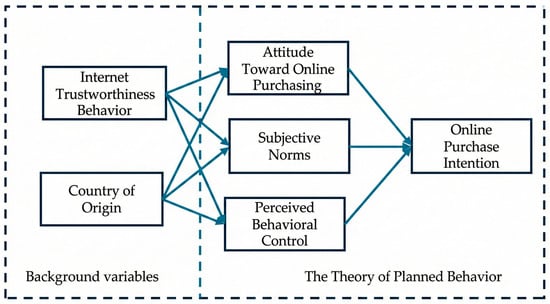
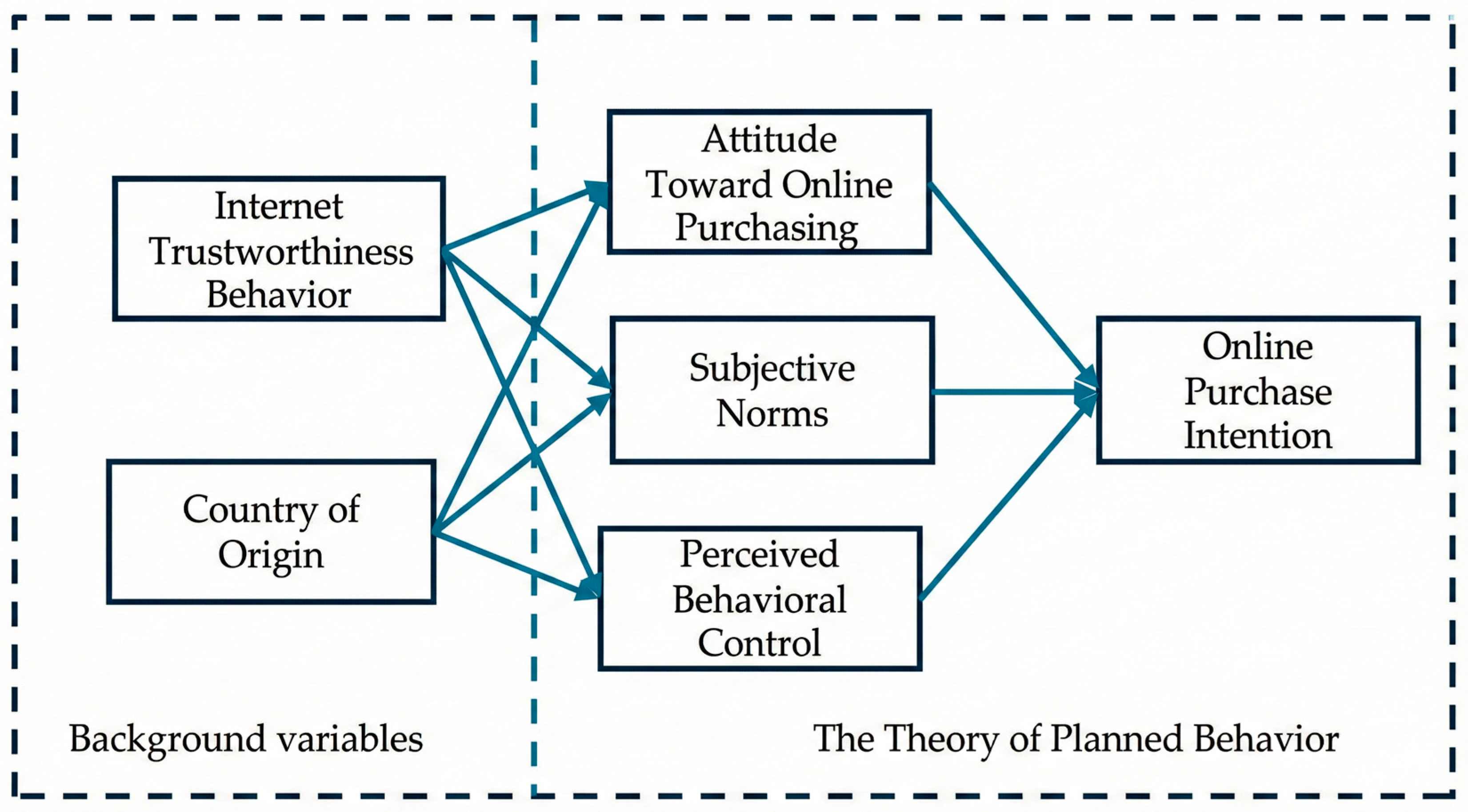
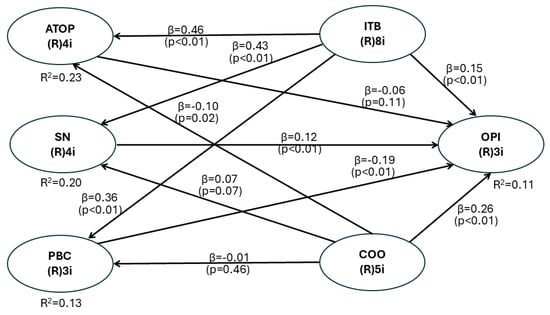
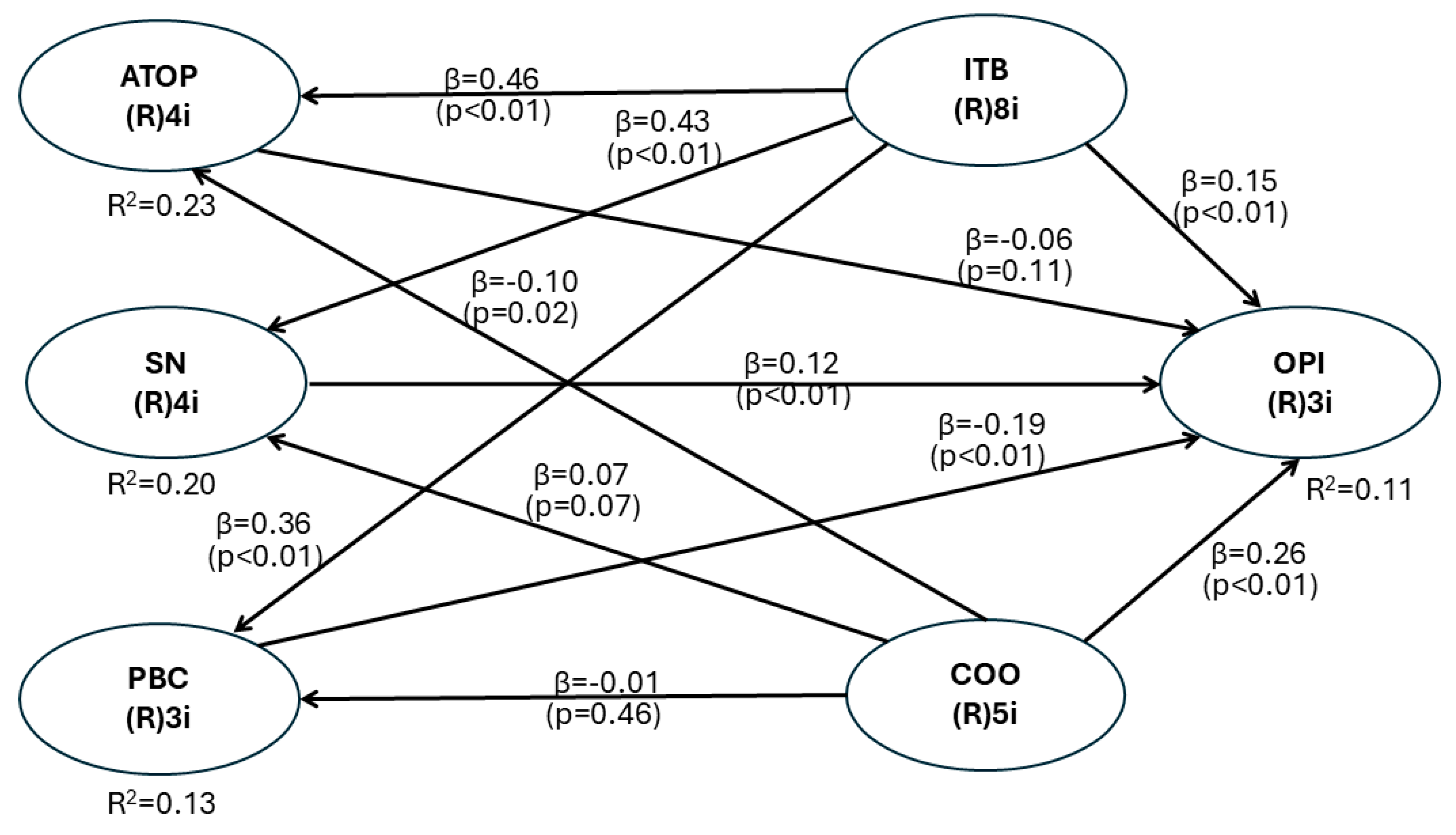

Disclaimer/Publisher’s Note: The statements, opinions and data contained in all publications are solely those of the individual author(s) and contributor(s) and not of MDPI and/or the editor(s). MDPI and/or the editor(s) disclaim responsibility for any injury to people or property resulting from any ideas, methods, instructions or products referred to in the content. |
© 2026 by the authors. Licensee MDPI, Basel, Switzerland. This article is an open access article distributed under the terms and conditions of the Creative Commons Attribution (CC BY) license.