


Abstract
The growing use of artificial intelligence (AI) in Environmental, Social, and Governance (ESG) audits has created new opportunities to enhance corporate governance through faster and more consistent assurance processes. However, concerns remain regarding accountability, transparency, and the role of human oversight in AI-assisted auditing. Prior research has predominantly examined AI adoption in traditional financial auditing, leaving its role in the more qualitative and judgment-intensive context of ESG assurance comparatively underexplored, particularly with respect to how AI decision-making authority should be balanced against human oversight. This study examines the effects of AI automation and AI decision making on audit efficiency, accountability, and transparency, while assessing the mediating role of human oversight. A quantitative research design was adopted, and data were collected from 150 professionals involved in ESG audit-related functions (including ESG auditors, compliance officers, sustainability managers, and AI governance analysts) across private, public, and non-governmental organizations, recruited through purposive and snowball sampling via professional networks, audit forums, and LinkedIn ESG groups. The data were analyzed using partial least squares structural equation modeling (PLS-SEM). The findings indicate that AI automation significantly improves audit efficiency, accountability, and transparency. Similarly, AI decision making within governance structures exerts positive effects on all three outcome dimensions. Furthermore, human oversight partially mediates these relationships, strengthening the overall impact of AI on ESG audit outcomes. These results suggest that AI enhances ESG auditing effectiveness, but its benefits are maximized when supported by strong governance and human supervision. The study contributes to the emerging literature on AI-enabled ESG assurance by demonstrating the importance of balancing technological efficiency with accountability and transparency in corporate governance.
1. Introduction
Artificial intelligence (AI) in organizational Environmental, Social, and Governance (ESG) audits has emerged as a new technology, embraced by companies around the world to enhance corporate governance practices in this advanced technological age (Rane et al., 2024b). While the concept of the traditional ESG audit involved the use of human experts and the use of ratings after analyzing the problem by hand, modern companies are using technologies like AI to improve the efficiency and effectiveness of data analysis while maintaining awareness of complexities within the context of sustainable reporting activities (Chahal, 2025). Sustainability reporting reflects a shift in technology that is brought by the need to continually provide stakeholders with up-to-date and real-time information about the sustainability performance of organizations. Thus, AI-driven ESG audits represent an opportunity for organizations to minimize the amount of time and effort required for large dataset analysis while avoiding human error, and offering standardized audit outputs. Nevertheless, the adoption of the AI model also presents certain pertinent questions of how much autonomy should be provided to this technology and what level of accountability should be presumed by an AI program or system when given to corporations (Minkkinen et al., 2024).
The use of AI technologies in ESG auditing involves helping organizations to handle big and diverse data sources like social media analytics, non-financial statements, and articles. AI-enabled risk algorithms like Natural Language Processing (NLP) and machine learning algorithms have the capability to detect ESG risks, conduct pattern identification and make future compliance issue predictions (Kalusivalingam et al., 2022). The automation of such processes further enhances audits and speeds up processing times, with less time needed for corporations while responding to emerging risks. The use of AI in decision making makes assessment criteria more standardized and less subjective. While conventional systems are not able to offer comprehensively coordinated and real-time results, AI proves vital in corporate governance frameworks that firms are developing to meet the ever-rising demands of both their stakeholders and the regulating authorities (Rane et al., 2024a, 2024b; Chahal, 2025).
Despite the benefits they offer, there are certain risks when there is an overdependence on AI systems in ESG audits. For instance, human auditors’ involvement means having contextual knowledge, ensuring ethical considerations, and possessing domain-based knowledge, which AI models cannot offer fully. In addition, the interpretability of the decision making conducted by such sophisticated AI systems is not clear to both internal and external stakeholders, e.g., how ESG scores are assigned or how risk evaluations are conducted. This leads to ESG auditing being more opaque and less trustworthy, thereby undermining the confidence of stakeholders. Other risks that arise include the issue of regulation and ethics due to the implementation of AI in governance. In addition, the bias present in AI training data brings system inequalities into the production processes and systems, while hampering the inclusivity and fairness principles of ESG goals (Minkkinen et al., 2024).
If adequately stringent measures to regulate such tools are not present, then the tools are capable of deepening such biases in ESG audits; thus, fairness and sustainability would not be promoted in corporate practices. Therefore, there is the need for a strategic approach that promotes collaboration, integration, and effective oversight in the use of AI regarding corporate governance practices. Accordingly, the focus of this study pertains to the impact that AI-based ESG audit solutions have on audit effectiveness, human supervision, and disclosure in corporate governance structures. Due to the lack of transparency in AI decision-making processes, along with other challenges in contemporary governance structures, applying AI in ESG auditing needs to be critically reconsidered. Instead of outsourcing the role of an auditor to AI, organizations should use these technologies as tools that complement the abilities of human auditors in terms of ethical decision making and professional background (Minkkinen et al., 2024; O’Regan, 2024).
Various research gaps have been identified that underpin the rationale for this study. Firstly, most relevant studies have investigated AI’s role in financial auditing (Riana et al., 2024), whereas only limited attention has been paid to the importance of AI in ESG audits, where qualitative assessments and subjective judgments are involved (Zahid et al., 2022). Indeed, the broader accounting literature on AI-enabled assurance remains concentrated on structured financial statement audits (Li et al., 2024; A. Saxena et al., 2022); empirical, quantitatively tested models of AI adoption specific to the qualitative, stakeholder-driven nature of ESG auditing remain scarce (Silitonga et al., 2024). Secondly, there is still a dearth of research that explores the effect of the level of AI use on the efficiency of the audit process without compromising human oversight and transparency (Rahman et al., 2024). Thirdly, there is limited discussion about how it is possible to adapt organizational governance systems to enable the integration of decision-making AI technology without compromising the systems’ ethical standards or undermining stakeholders’ confidence (Almaqtari et al., 2024; Rahman et al., 2024). Relatedly, while human oversight is widely acknowledged as ethically necessary in AI-assisted auditing (Sullivan & Fosso Wamba, 2022; Jauhiainen & Lehner, 2022), few studies have empirically tested it as an explanatory mechanism that intervenes between AI capabilities and governance outcomes, rather than treating it as a generic safeguard. Addressing these gaps is important to make sure that the AI assists auditors in the progression of ESG goals while enhancing corporate governance outcomes.
Therefore, this research seeks to empirically investigate the relationship between AI-based ESG audits and corporate governance indicators with special emphasis on audit efficiency, human oversight, and transparency in decision making. With regards to these indicators, it is important to understand the extent to which AI automaton and decision-making influence them, while providing guidelines for responsible AI implementation in corporate governance. This study attempts to address the following three research questions: (i) How does the level of AI automation in ESG audits influence audit efficiency, transparency, and accountability in corporate governance? (ii) How does the integration of AI decision making within governance structures affect the efficiency, transparency and accountability of ESG audits? (iii) How does human oversight balance and mediate the effects of AI automation and AI decision making on ESG audit outcomes?
Throughout the remainder of this article, the terms level of AI automation (LAIA) and AI decision making (AIDM) are used consistently to denote the two independent variables, human oversight (HO) denotes the mediating variable, and audit efficiency (AE), audit accountability (AA), and audit transparency (AT) denote the three dependent dimensions of ESG audit outcomes, in line with the conceptual framework presented in Section 3.2.
The rest of the study is structured as follows: the next section reviews prior research findings regarding AI in auditing, ESG frameworks, and corporate governance issues. In the methodology section, the research approach, the selection of the sample as well as methods of collecting and analyzing data are all discussed. The results and discussion section discusses the results, the findings in the context of prior research, and theoretical and practical implications. Lastly, in the conclusion section, key insights are summarized along with limitations, and future recommendations are highlighted.
2. Literature Review
This section reviews state-of-the-art AI technologies in ESG auditing, accounting for their level of automation and decision-making factors, assessing how their integration affects the efficiency of the audit and human intervention while ensuring transparency.
2.1. AI-Driven ESG Audits: Current Landscape
ESG audits nowadays have evolved drastically after their integration with technologies like AI. Machine learning and its ability to process large volumes of structured and unstructured audited data have made auditors’ work easier through the use of AI (A. Saxena et al., 2022). Earlier, ESG audits employed fundamental checklists and rating systems including the subjective evaluation and manual checking of the information provided, which was time-consuming and prone to human error (Chahal, 2025). AI technology automates such tasks to ensure high quality is achieved, in addition to cutting business costs. For instance, the integration of the analysis of data beyond financial reports and management has enhanced ESG audits through the inclusion of non-traditional sources of data, comprising social media posts, media reports, and feedback from stakeholders (Rane et al., 2024b). However, there are still concerns in terms of the AI systems’ ability to handle qualitative aspects that are characteristic of ESG factors. ESG metrics capture components like ethical leadership, community engagement, workers’ rights, and corporate cultural values, which are difficult to measure with the help of algorithms. In addition, the timeliness and context-specific attributes of ESG information require continuous updates and model explainability to ensure credibility and accuracy. Therefore, when the application of AI in ESG audits is underway, it is equally important to assess the benefits and risks that are inherent with this advancement in technology (Karthik et al., 2025).
Increasing numbers of modern-day businesses are not only introducing AI strategies into their corporate ESG reports but also investing significantly in these strategies. However, earlier research studies examining various ESG datasets tend to show that different AI systems give different outcomes. This raises concerns about the consistency and comparability of ESG audits across global regions and industries (A. Y. Zhang & Zhang, 2024). In the same regard, critics have argued that, although AI can detect mere patterns of deviations or compliance issues, it is not adequately aware of the larger ethical dilemmas affecting organizations (P. Saxena et al., 2023). The use of historical or past data also has the disadvantage of replicating current prejudices and maintaining old governance structures when not regularly modified (Murikah et al., 2024). Hence, it can be summarized that, despite the potential of AI to support and diversify ESG auditing, it is crucial to continually work on possible approaches for incorporating exhaustive and sophisticated methods originating from AI with the moderating idea of checking and revising plans driven solely by human opinions.
The relationships examined in this study are grounded in two complementary theoretical perspectives. Agency theory (Jensen & Meckling, 1976) frames AI automation and AI decision making as a delegation of audit-related tasks and judgment from human principals to an algorithmic agent; because this delegation creates information asymmetry and potential goal misalignment, mechanisms of accountability and oversight become necessary to protect the interests of stakeholders who rely on audit outputs. The human-in-the-loop perspective (Sullivan & Fosso Wamba, 2022; Raji et al., 2022) complements this view by specifying how such oversight is operationalized in practice, positioning human reviewers as an intervening mechanism that validates, corrects, and ethically contextualizes algorithmic outputs before they are relied upon. Taken together, these perspectives motivate the study’s central proposition: that the effects of AI automation and AI decision making on audit efficiency, accountability, and transparency are not direct and mechanical, but are substantially transmitted through a degree of human oversight, which is evidenced in the AI-generated outputs.
2.2. Automation Level and Audit Efficiency
Before developing hypotheses linking AI to ESG audit outcomes, it is important to conceptually distinguish the two AI-related independent variables examined in this study, since they are sometimes conflated in the practitioner literature. The level of AI automation (LAIA) refers to the breadth and depth to which AI tools mechanize audit-related tasks—data gathering, cross-verification, and preliminary pattern detection—without necessarily altering who exercises judgment over the resulting conclusions (Rane et al., 2024a). AI decision making (AIDM), by contrast, refers to the extent to which AI-generated outputs are relied upon in forming the substantive judgments and ratings that constitute the audit conclusion itself, with correspondingly reduced human deliberation over that specific judgment (Duan et al., 2019). In other words, the LAIA concerns how much of the audit process is mechanized, while AIDM concerns how much authority over the resulting judgment has shifted from the human auditor to the algorithm. A given audit process could therefore exhibit high automation with low decision-making authority (e.g., AI gathers and organizes data, but auditors form all judgments) or, conversely, comparatively modest automation with high decision-making authority (e.g., a small number of automated risk scores directly determine audit conclusions). This conceptual separation is maintained consistently throughout the remainder of the literature review, the hypotheses, and the measurement model.
The integration of AI in auditing ESG has thus enhanced the efficiency of processes in multiple ways. First, machine learning tools assist auditors in dealing with large amounts of data and in checking the cross-verification of information, as well as discovering inconsistencies that are difficult to discover during traditional preliminary analysis and review processes. Automation also eliminates the use of manual sampling techniques by conducting full population tests, where it enhances the effectiveness of auditing (Li et al., 2024). However, the level of automation has to be viewed as being quite critical as well. The high dependency of ESG audits on fully automated systems poses a threat to attempts to limit the possibility of AI developing human qualities, like critical thinking and interpretation skills, during audits. Thereby, technology solutions or automated systems may only consider quantifiable metrics and not qualitative metrics in evaluating organizations’ ESG performances. For example, an AI tool may deem a corporation as sustainable due to a lack of negative findings in its sustainability reports and may not identify sources of ethical violations reported in whistleblower statements or less structured formats.
Further, the level of automatization impacts the flexibility of auditing when it comes to ever-shifting ESG criteria and stakeholder demands. While it is true that automated systems are capable of understanding such regulatory changes or market developments, the process requires vast retraining and assessment methods, which can be a bottleneck (Ng, 2024). Preliminary data analyses conducted by AI technologies save time, while contextual analysis remains in the hands of auditors and is more time-consuming—that is why hybrid AI models have been proposed as more sustainable models (Drayton, 2024). However, there is the added role of organizational culture, which helps define the idea and the extent to which automation is accepted within the context of audit practices. Organizations with a strong culture of ESG may consider automation an addition to the current processes, while organizations where ESG commitment is weak may be discouraged by the mere appearance of compliance as the main objective, and thus miss the benefits of automation (Basdekidou & Papapanagos, 2024).
The literature also identifies a conflict between efficiency and effectiveness during the use of AI auditing processes. Although these solutions provide real-time results, they may fail to provide the necessary insights towards evaluating certain ESG issues like corporate governance subtleties or climate risks and their interactions. Therefore, automation should not be regarded as having the potential to replace human auditors but instead as the actual tool making human actions more efficient. This study has highlighted that it is possible to attain efficient AI tools in auditing process without compromising quality by paying attention to the value of designing and incorporating human-in-the-loop mechanisms. Defining how much auditors should allow automation in the ESG audit could reduce the associated risks and guide decisions on which approach is better for various industries (Murikah et al., 2024; Rane et al., 2024a).
Taken together, the evidence indicates that a higher level of AI automation reduces the manual burden of large-scale ESG data processing, standardizes verification procedures, and shortens the time needed to reach an audit conclusion, while also improving the traceability and documentation of the steps taken. On this basis, the following hypotheses are made:
H1.
The level of AI automation (LAIA) in ESG audits positively influences audit efficiency (AE).
H2.
The level of AI automation (LAIA) in ESG audits positively influences audit accountability (AA).
H3.
The level of AI automation (LAIA) in ESG audits positively influences audit transparency (AT).
2.3. AI Decision Making and ESG Audit Outcomes
Distinct from the automation of tasks, the delegation of substantive judgment to AI—AI decision making (AIDM)—carries its own theoretical implications for ESG audit outcomes. Under an agency-theoretic reading (Jensen & Meckling, 1976), assigning decision authority to an algorithmic agent can reduce the idiosyncratic variability and potential self-interested biases that arise when individual human auditors exercise discretion, thereby standardizing the criteria applied across engagements and clients (Kalusivalingam et al., 2022). Standardized, algorithmically consistent criteria are, in turn, easier to document, replicate, and trace back to a defined rule set, which plausibly supports both accountability (clarity over what determined a given conclusion) and transparency (consistency of the criteria disclosed to stakeholders), even though AIDM does not by itself guarantee interpretability of the underlying model (Felzmann et al., 2020). At the same time, because AIDM concentrates more substantive judgment in the algorithm, it also raises the stakes of ensuring that this delegated authority is adequately monitored—a concern developed further in Section 2.4. On this basis, the following hypotheses are made:
H4.
AI decision making (AIDM) within governance structures positively influences audit efficiency (AE).
H5.
AI decision making (AIDM) within governance structures positively influences audit accountability (AA).
H6.
AI decision making (AIDM) within governance structures positively influences audit transparency (AT).
2.4. Human Oversight and Ethical Accountability
This sub-section positions human oversight specifically as the mechanism through which AI’s ethical and epistemic limitations are addressed in ESG auditing, and, at its close, sets out the theoretical and empirical basis for treating it as a mediating, rather than a merely moderating or independent, variable within the proposed model.
This sub-section discusses another issue that can become critical for companies, which is the management of ESG auditing with the help of human oversight, primarily focusing on ethical integrity. AI systems do not inherently possess a set of ethical reasoning ability or moral codes of conduct like human beings do. Even though the system, based on algorithms, has the capability to analyze data and compute respective patterns and forecasts, it cannot articulate the ethical or social impacts of the organizations’ actions. Human auditors have to examine and assess the outputs produced by AI and its applications in relation to larger social, ecological, and governance systems (Sullivan & Fosso Wamba, 2022).
One of the largest concerns related to AI is the “black-box” effect, in which it is very difficult for a human to monitor such models. In black-box AI systems, the information that has been used to come up with particular decision is not easily discernible; thus, it is difficult for the auditors to verify or even challenge the AI’s outcomes. This issue hampers the ability of the auditor to exercise professional skepticism—an important auditing standard. This negatively impacts ESG audit processes, where ethical approaches are very critical; the inability to explain the decision-making mechanisms of the AI risks the production of distorted and unethical results, eroding stakeholder trust (Hassija et al., 2024).
There is also a need for human intervention in dealing with the preconceptions that are normally included in the training data of AI. Due to the nature of ESG data, it might be collected from diverse and subjective sources, and AI models’ use of biased dataset inputs can worsen current inequalities or exclude relevant perspectives. The human part is requisite in an ESG audit due to the potential for the extraction of original data sources and the questioning of certain elements that can be integrated in algorithms, as well as the consideration of ethical, social, and practical values, which cannot be easily achievable through AI. Thus, effective human oversight necessitates not only technical comprehension but also a strict adherence to ESG ethical standards and principles, and the need for interdisciplinary audit teams (Sullivan & Fosso Wamba, 2022).
The literature also states that human intervention should be integrated into the AI audit process in all stages from the identification and development phases of the model to the final reporting process. Human-centered AI may also be referred to as AI-augmented auditing, and it has the aim of making sure that technological determinations are aligned with the standard of ethics, society, and the governance structures of auditing procedures. Audit committees must develop diverse audit teams that include traditionally trained auditors, governance experts, ethicists, and data scientists to ensure human intervention in circumstances where these systems are becoming popular in the market. Continued training and professional development of auditors in the context of AI strengthens their capability to have and keep ethical responsibility for the use of innovations in the process as well (Naja et al., 2021; Sullivan & Fosso Wamba, 2022).
From a mediation standpoint, human oversight satisfies the classic conditions set out by Baron and Kenny (1986): AI automation and AI decision making are theorized to influence the degree of human oversight exercised (the antecedent path), which in turn is theorized to influence audit efficiency, accountability, and transparency (the consequent path), such that oversight functions as an intervening mechanism rather than a boundary condition. This is consistent with the third-party oversight design literature (Raji et al., 2022), which frames human review not as a fixed moderating capacity but as an activity whose intensity varies with, and is shaped by, the level and locus of AI decision-making authority, granted in a given audit process. On this basis, H7–H12 model human oversight as a mediating, rather than moderating, variable.
A related terminological clarification is warranted. “Human oversight” is used in this study to denote a single underlying construct, viewed at two levels: as a governance mechanism, it refers to the organizational policies and structures (e.g., review protocols, escalation procedures) that make human review of AI outputs possible; as the mediating variable (HO) modeled and measured here, it refers to the realized, self-reported degree to which such a review is actually exercised in practice. The two are therefore not competing conceptualizations but different levels of the same construct—the questionnaire items in Appendix A (Appendix A.4) capture the realized behavioral level, which is what enters the structural model as the mediator.
H7.
Human oversight (HO) mediates the relationship between the level of AI automation (LAIA) and audit efficiency (AE).
H8.
Human oversight (HO) mediates the relationship between the level of AI automation (LAIA) and audit accountability (AA).
H9.
Human oversight (HO) mediates the relationship between the level of AI automation (LAIA) and audit transparency (AT).
H10.
Human oversight (HO) mediates the relationship between AI decision making (AIDM) and audit efficiency (AE).
H11.
Human oversight (HO) mediates the relationship between AI decision making (AIDM) and audit accountability (AA).
H12.
Human oversight (HO) mediates the relationship between AI decision making (AIDM) and audit transparency (AT).
2.5. Transparency in Decision Making
Whereas the preceding sub-section addressed human oversight as an ethical and epistemic corrective, this sub-section focuses specifically on transparency as a distinct audit outcome—namely, the visibility and explicability of AI-driven decisions to stakeholders—rather than on the internal review processes through which oversight is exercised.
Transparency is a crucial principle that is well-understood and is considered mandatory in the auditing industry (Darmawan, 2023), and it needs to be intensified where AI systems are integrated into the ESG auditing process (Ramya et al., 2025). In conventional audit systems, auditors are supposed to explain the assessment and provide conclusions regarding transparency, effectiveness, and accountability as well as the reasons for the decisions made in the audit (Darmawan, 2023). However, AI systems’ integration alters this expectation in some form. Most AI algorithms, especially complicated ones such as deep learning models, work in ways that are usually difficult to understand through logical reasoning, because the way in which outputs are formed is not explained to the end user. In the social, environmental and ethical aspects of the ESG audits, the decision-making processes of AI systems can be a problem; this is due to the lack of transparency of the results from stakeholder perspectives, as well as non-compliance with regulatory frameworks (Ramya et al., 2025).
Among different challenges, the task of achieving transparency in the AI models involved is difficult to achieve. Although these models can effectively detect anomalies and correlations, they may not give a good narrative to auditors or any other types of stakeholders involved. This lack of explainability creates a lot of challenges in corroborating audit evidence; therefore, it puts into question the integrity of audit assurance (Felzmann et al., 2020). Regulators, investors, and the general public are aware of what an ESG assessment or score means and want to know how such assessment/score was achieved (Kotsantonis & Serafeim, 2019). The lack of transparency poses a significant threat to the integrity of AI-audited ESG reports as they may elicit a negative response, leading to diminished confidence in the audit among stakeholders (Ramya et al., 2025).
Explainable AI (XAI) has become an important field in addressing these concerns and in the process of designing models that should be able to provide understandable recommendations and insights into their decision-making processes. XAI techniques in ESG audits including natural language descriptions of the model, simplification of models, and feature attribution; these advance the degree of transparency since they explain features that had a substantial influence on an ESG risk score or rating. For instance, XAI could assist in revealing whether inefficient labor relations, antisocial conduct, or low-quality environmental reports hold the main responsibility for a corporation’s low ESG rating.
Another aspect of transparency is the identification and control of bias. If a model inherits prejudices from training data, such as providing higher rankings to larger firms as they report more information, or excluding small organizations in growth sectors, then the respective ESG evaluations will also be flawed. Real-time AI systems should let people know about the origins of the data, the assumptions used in developing the models, the type and ways in which the data was weighted, and any known biases or limitations of the systems. This can help the auditors, corporations and users of audit information not to merely take an output from an AI but rather explain and make sense of audit findings. It is equally important to incorporate the aspect of transparency into the processes of governing AI (Murikah et al., 2024).
2.6. Integration of AI with Governance Processes
Building on the ethical (Section 2.4) and transparency-related (Section 2.5) dimensions of human involvement in AI-assisted auditing, this sub-section turns from the individual-level review behaviors discussed above to the structural and procedural mechanisms through which organizations embed AI within formal governance architectures.
The benefits of using AI-supported ESG audits while managing the risks can be evident when integrating such technologies into corporations’ governance systems. It is evident that the integration of AI systems and models into organizational processes must be done in ways that aligns with the features of governance structures, including the risk-management structures, audit committees, and ethical bodies (De Almeida et al., 2021; Jauhiainen & Lehner, 2022). Lack of optimization may lead to poor integration of AI solutions inside the organization with improper governance frameworks, hence preventing communication and cooperation between those structures. In contrast, effective integration is achieved when AI tools are used as decision-support systems instead of decision-making systems. This needs to include the clear role of AI in the audit process, guidelines for human auditors for the audit process as well as the AI outputs, and escalation procedures for addressing discrepancies or ethical concerns. There is also a need to ensure that organizations’ governance policies have provisions to meet the challenges posed by these AI technologies. Current audit committees may require the acquisition of additional skills such as AI system validation, algorithmic ethics, and data analytics. It is important for organizations to implement a governance program which includes a specific governing board that focuses on the outcomes and regulation of the AI used in auditing. This will help in making sure that the auditors who work with AI are in a position to adhere to societal values, stakeholder expectations, and regulatory requirements (Bibi, 2024; Radanliev, 2025).
However, the adoption of AI requires a methodical approach when it is implemented to be continually assessed. It is crucial to monitor and evaluate AI methodologies on factors such as their effectiveness and fairness with regards to ESG assessments. Incorporating AI governance metrics into general corporate governance KPIs can help to ensure that performance in the field of AI is regular and systematic. As such, AI can become an integral part of the governance fabric, reinforcing rather than eroding the principles of openness, responsibility, and integrity (Barbon, 2024; Minkkinen et al., 2024).
2.7. Research Gap
Although there is growing interest in AI in the context of ESG auditing, gaps are still present in the academic and non-academic literature. Firstly, most of the previous works in this field discussed the opportunities and threats of AI adoption in auditing in terms of efficiency (McGregor & Carpenter, 2020; Fedyk et al., 2022; Voronova et al., 2025), with little effort made towards an integrated analysis of efficiency, oversight, and transparency. Secondly, there is a gap in the literature on evaluating the influence of AI adoption levels and integration approaches on the ESG audit results in practice (Silitonga et al., 2024). Thirdly, there is a lack of actionable frameworks that can inform organizations of the best approaches toward the automation of decision-making processes, incorporating human intervention and governance structures (Lagodiyenko et al., 2024). It is necessary to fill these gaps in order to make use of AI in ESG audits in a way which is beneficial for the promotion of the principles of ethical corporate governance. A recent qualitative study of audit professionals in an emerging economy further confirms that AI-enabled remote IT auditing continues to face practical adoption barriers—including AI infrastructure limitations, data quality constraints, and talent gaps—that have not yet been examined in conjunction with the specific governance questions of how much decision-making authority should be delegated to AI and how this should be balanced by human oversight in ESG-specific engagements (Al-Hajaya et al., 2025).
3. Methodology
This study investigates the relationships between AI-based ESG audit practices and corporate governance outcomes, with specific emphasis on audit efficiency, audit accountability, audit transparency, and the mediating role of human oversight. A quantitative methodology was adopted to ensure objectivity, replicability, and statistical rigor in examining the proposed hypotheses.
3.1. Research Design
The research followed a correlational, cross-sectional, and quantitative research design to investigate the relationship between ESG audit outcomes, human oversight, and AI automation. The followed design was selected to allow hypothesis analysis and support the evaluation of the mediating associations among the variables (Rijnhart et al., 2021), applying numerical evidence gathered from a sample of experts engaged in ESG audits. At the same time, a correlational research design is especially significant for determining the patterns and relationships among constructs without manipulating the study environment, making it particularly suitable for governance and organization-centric research.
3.2. Conceptual Framework
The conceptual framework of the study includes two independent variables, one mediating variable, and three dependent variables (Figure 1). The independent variables are level of AI automation (LAIA) and AI decision making (AIDM). The mediating variable is human oversight (HO). The dependent variables represent the three dimensions of ESG audit outcomes: audit efficiency (AE), audit accountability (AA), and audit transparency (AT).
Figure 1.
Outer measurement model. Blue circles represent the latent constructs (LAIA, AIDM, HO, AE, AA, AT); the number inside each endogenous construct’s circle is its R2 (coefficient of determination). Arrows from each construct to its yellow indicator boxes show standardized outer loadings; arrows between constructs show standardized structural path coefficients (β).
- Variables:
Independent variables: level of AI automation (LAIA); AI decision making (AIDM).
Dependent variables: ESG audit outcomes, such as audit efficiency (AE), audit accountability (AA), and audit transparency (AT).
Mediating variable: human oversight (HO).
Based on this framework, the study proposes twelve hypotheses (H1–H12), developed in full in Section 2: the first six (H1–H6) assess the direct effects of LAIA and AIDM on AE, AA, and AT, while the remaining six (H7–H12) test the mediating effect of HO on these relationships.
3.3. Population and Sampling
The research population encompasses professionals employed in ESG audits and the influences of corporate governance, including AI governance analysts, sustainability managers, compliance officers, and ESG auditors. Therefore, such people have firsthand knowledge of working with the AI automation techniques being implemented in ESG analysis and are appropriate respondents for the research. The researcher incorporated a purposive sampling procedure to particularly target people who have professional experience and skill with AI-driven ESG auditing activities. Furthermore, the snowball sampling method was implemented to develop the survey by permitting initial participants to suggest other suitable respondents within their systems. In this research, the target sample size was 150 participants to enable consistent statistical analysis, especially for mediation and regression analysis. Moreover, the sample size is also associated with the developed quantitative study protocols, confirming generalizability and statistical power within the research setting.
The adequacy of the sample size was further assessed against established PLS-SEM benchmarks. Under the commonly applied ten-times rule (Hair et al., 2019), which requires a sample at least ten times the largest number of structural paths directed at any single construct in the model (three: AE, AA, and AT), a minimum of 30 respondents would be required; the achieved sample of 150 comfortably exceeds this threshold. Applying the more conservative inverse square root method (Kock & Hadaya, 2018), which relates minimum sample size to the smallest anticipated significant path coefficient, a sample of approximately 155–160 respondents is recommended to detect path coefficients at or above 0.20–0.21 with 80% power at the 5% significance level—a range consistent with the smallest direct effect observed in this study (AIDM → AE, β = 0.203). The realized sample of 150 is therefore close to, though marginally below, this more conservative benchmark; this is acknowledged as a limitation below.
It is also acknowledged that snowball sampling, while practical for reaching professionals with specific, hard-to-identify expertise in AI-driven ESG auditing, is a non-probability technique that can introduce referral bias, as participants tend to recommend others within their own professional and social networks (Biernacki & Waldorf, 1981). This may limit the extent to which the sample reflects the full diversity of the target population and constrains the statistical generalizability of the findings beyond professionals with comparable networks and organizational contexts; this limitation is noted.
A note on the choice of power-analysis method is warranted. G*Power is widely used for sample-size planning in ANOVA-, t-test-, and regression-based designs, but it is not designed for variance-based structural equation models with multiple latent constructs, mediated paths, and reflective indicators, such as the PLS-SEM model estimated here. For PLS-SEM specifically, the methodological literature instead recommends sample-size heuristics developed for this estimator—the 10-times rule and, more rigorously, the inverse square root method (Kock & Hadaya, 2018)—both of which are reported above and are the techniques applied in comparable PLS-SEM studies in the literature. We therefore report sample adequacy using these PLS-SEM-specific benchmarks rather than a G*Power calculation, which would not correspond to the estimator actually used to test the hypotheses.
3.4. Data-Collection Process
In this research, data collection was completed by a structured online questionnaire designed and shared through platforms including Google Forms. The survey questionnaire was distributed via professional relations, direct email invitations, audit forums, and LinkedIn ESG groups. The process of data collection occurred over one month, with follow-up reminders given during the fourth and second weeks to enhance the response rate. Moreover, respondents were informed of the research purpose, assured of privacy, and asked to provide informed consent or permission before entering into the survey. The full questionnaire, including all items, response scales, and demographic questions, is provided in Appendix A.
3.5. Instrumentation
The study instrument employed was a closed-ended survey questionnaire encompassing different sections developed to assess major variables, such as audit automation, AI decision making, human oversight, ESG audit efficiency, accountability, and transparency. Therefore, all the items were assessed applying a five-point Likert scale, ranging from strongly disagree to strongly agree (1 to 5). In this research, the survey questionnaire items were incorporated from validated tools in the previous literature; we referred to Lehner et al. (2022) for accountability and transparency in AI-based environments, Raji et al. (2022) for human oversight, and L. Zhang and Guo (2024) for audit efficiency. All the variables were designed with four to six items to confirm the inclusive attention of the ideas.
Adaptation of these items to the specific context of AI-based ESG auditing followed a two-step procedure. First, the wording of each source item was revised to explicitly reference AI automation, AI decision making, or ESG audit outcomes (e.g., generic items on “algorithmic decision-making” were reworded to refer specifically to “AI-produced ESG audit results”), so that respondents evaluated the constructs within the ESG audit setting rather than in the original, more generic technology-adoption context in which the source items were validated. Second, prior to full-scale administration, the adapted questionnaire was reviewed by academic and professional experts in auditing and corporate governance for content clarity, relevance, and face validity, and minor wording adjustments were made accordingly; this qualitative pre-test complements the quantitative reliability and validity assessments reported in Section 3.7 and Section 4.2, which confirm that the adapted items behaved as psychometrically sound indicators of their respective constructs prior to PLS-SEM estimation.
3.6. Data Analysis
The collected data were analyzed using a combination of IBM SPSS Statistics, version 28.0 (IBM Corp., Armonk, NY, USA), and SmartPLS, version 4.0 (SmartPLS GmbH, Oststeinbek, Germany). Initially, SPSS was employed for preliminary data analysis, including data screening, descriptive statistics, and demographic profiling of respondents. Measures such as mean, standard deviation, skewness, and kurtosis were examined to assess data distribution. In addition, Harman’s single-factor test was conducted in SPSS to evaluate the presence of common-method bias. Subsequently, the hypothesized relationships were tested using partial least squares structural equation modeling (PLS-SEM) in SmartPLS 4.0, which is appropriate for analyzing complex models involving multiple latent constructs and mediation effects.
The evaluation followed a two-step approach. First, the measurement model was assessed by examining indicator reliability through outer loadings, internal consistency using Cronbach’s alpha (CA) and composite reliability (CR), convergent validity using average variance extracted (AVE), and discriminant validity using the heterotrait–monotrait ratio (HTMT). Collinearity issues were assessed using variance inflation factor (VIF) values. Second, the structural model was evaluated by analyzing path coefficients, t-values, p-values, and bootstrapped confidence intervals. Mediation effects were examined through the significance of indirect paths. Additionally, the model’s explanatory and predictive capabilities were assessed using the coefficient of determination (R2), effect size (f2), and predictive relevance (Q2). Model fit was further evaluated using the standardized root mean square residual (SRMR).
3.7. Validity and Reliability
Several procedures were followed to ensure the reliability and validity of the research instrument. Content validity was supported by adapting measurement items from prior studies and aligning them with the study’s conceptual framework. The questionnaire was also reviewed for clarity and relevance before final administration. Internal consistency reliability was assessed through Cronbach’s alpha and composite reliability, with threshold values above 0.70 considered acceptable (Bujang et al., 2024). Convergent validity was examined through AVE values above 0.50, while discriminant validity was evaluated using HTMT values below the accepted threshold. Together, these procedures ensured that the measurement model was both reliable and valid for hypothesis testing.
3.8. Ethical Consideration
The research was designed based on the ethical research guidelines. Permission or informed consent was acquired from all respondents, who were provided with a clear demonstration of the research purpose, their rights, and the voluntary characteristics of their involvement. Anonymity and confidentiality requirement were followed by ensuring and confirming that the gathered personally identifiable data would be held in password-protected and encrypted files available only to the researcher (Hwang, 2023). At the same time, respondents were informed of their freedom to quit the survey at any time without any justification. Moreover, ethical clearance was ensured from the IRB (“Institutional Review Board”) of the host educational institution before data collection (Kaewkungwal & Adams, 2019).
4. Results
Table 1 presents the demographic characteristics of the respondents. The majority of participants fall within the age group of 26–31 years (30.0%), followed by 32–37 years (26.7%), indicating a relatively young and professionally active sample. Female respondents constitute 56.0% of the sample, while males account for 42.0%, and a small proportion (2.0%) identified as other. In terms of experience, most respondents possess between 6 and 10 years of ESG audit experience (36.0%), followed by 3–5 years (28.7%), suggesting that the sample is adequately experienced to provide informed insights.
Table 1.
Demographic profile of respondents (N = 150).
Regarding organizational affiliation, a significant proportion of respondents are employed in private organizations (64.7%), with smaller representations from public institutions (14.0%), non-governmental organizations (12.0%), and other sectors (9.3%). Furthermore, respondents demonstrate a relatively high level of familiarity with AI tools in ESG audits, with 36.7% reporting high familiarity and 16.0% reporting very high familiarity. Overall, the sample is suitable for examining AI-driven ESG audit practices.
4.1. Preliminary Data Analysis
4.1.1. Descriptive Analysis
Table 2 presents the descriptive statistics of the study variables. The mean values for all constructs range between 3.713 and 3.773, indicating a generally positive perception of AI automation, AI decision making, human oversight, and ESG audit outcomes. The standard deviation values (ranging from 1.063 to 1.195) suggest moderate variability in responses.
Table 2.
Descriptive statistics of variables.
The skewness and kurtosis values fall within the acceptable range of ±1, indicating no significant deviation from normality. Although normality is not a strict requirement in PLS-SEM, these results confirm that the data distribution is appropriate for further analysis.
4.1.2. Common-Method Bias
To assess common-method bias, Harman’s single-factor test was conducted (Table 3). The results indicate that the first factor accounts for 39.213% of the total variance, which is below the recommended threshold of 50%. Therefore, common-method bias is not considered a significant concern in this study.
Table 3.
Common-method bias (CMB) using Harman’s single-factor test.
Because Harman’s single-factor test is a relatively conservative and narrow diagnostic when used in isolation, it was complemented with a full collinearity assessment (Kock, 2015), which is regarded as a more rigorous indicator of common-method bias in PLS-SEM. Under this approach, all indicator-level variance inflation factor (VIF) values reported in Table 4 (ranging from 1.430 to 2.796) fall well below the conservative threshold of 3.3, providing converging evidence, alongside the Harman’s single-factor result, that common-method bias is unlikely to materially affect the study’s conclusions.
Table 4.
Indicator loadings and variance inflation factor (VIF) values.
4.2. Measurement Model Evaluation
Figure 1 presents the measurement model results obtained using PLS-SEM, illustrating the outer loadings.
4.2.1. Indicator Reliability and Collinearity
Table 4 reports on the outer loadings and variance inflation factor (VIF) values. All indicator loadings exceed the recommended threshold of 0.70, with one item (AE3 = 0.695) slightly below but still acceptable. These results confirm adequate indicator reliability.
The VIF values range between 1.430 and 2.796, which are well below the threshold of 5, indicating the absence of multicollinearity issues among the indicators.
4.2.2. Internal Consistency and Convergent Validity
Table 5 presents the results of internal consistency and convergent validity. Cronbach’s alpha values range from 0.821 to 0.900, and composite reliability values range from 0.875 to 0.926, both exceeding the recommended threshold of 0.70. This confirms strong internal consistency reliability. Furthermore, the average variance extracted (AVE) values range from 0.585 to 0.714, all above the threshold of 0.50, indicating adequate convergent validity across all constructs.
Table 5.
Internal consistency using CA and CR and convergent validity using AVE.
4.2.3. Discriminant Validity
Discriminant validity was assessed using the HTMT criterion (Table 6). All HTMT values are below the threshold of 0.85, indicating acceptable discriminant validity among the constructs. Although some values are relatively high (e.g., between human oversight and audit transparency), they remain within acceptable limits, confirming that the constructs are empirically distinct.
Table 6.
Discriminant validity: HTMT criterion.
The highest observed value, HTMT(HO, AT) = 0.842, warrants particular comment, as it approaches the conservative 0.85 threshold (Henseler et al., 2015). This proximity is conceptually plausible, since human oversight and audit transparency are theoretically related constructs—oversight activities are, in part, what makes an audit process transparent to stakeholders—and some conceptual overlap is therefore expected rather than indicative of a measurement flaw.
4.3. Structural Model Evaluation
Figure 1 presents the structural model results obtained using PLS-SEM, illustrating the relationships among AI automation, AI decision making, human oversight, and ESG audit outcomes. The figure displays the path coefficients and R2 values, highlighting the strength and explanatory power of the proposed model. Figure 2 reports the corresponding bootstrapped p-values used to assess the significance of these relationships.
Figure 2.
Inner structural model. This figure reproduces the same model as Figure 1, with each outer loading and path coefficient replaced by its corresponding bootstrapped p-value, used to assess statistical significance.
4.3.1. Model Fit
The structural model fit indices are presented in Table 7. The SRMR value of 0.063 is below the recommended threshold of 0.08, indicating an acceptable model fit. Although the NFI value (0.795) is slightly below the ideal benchmark, the model is considered acceptable for PLS-SEM analysis.
Table 7.
Structural model fit indices.
4.3.2. Direct Effects
Table 8 summarizes the direct effects of the structural model. The results indicate that the level of AI automation (LAIA) has a significant positive influence on audit efficiency (β = 0.351, p < 0.001), audit accountability (β = 0.288, p < 0.001), and audit transparency (β = 0.341, p < 0.001). Similarly, AI decision making (AIDM) significantly influences audit efficiency (β = 0.203, p = 0.001), audit accountability (β = 0.248, p = 0.001), and audit transparency (β = 0.297, p < 0.001).
Table 8.
Direct effects of LAIA, AIDM and HO on ESG audit outcomes.
In addition, both LAIA (β = 0.494, p < 0.001) and AIDM (β = 0.440, p < 0.001) significantly influence human oversight. Human oversight, in turn, significantly affects audit efficiency (β = 0.426, p < 0.001), audit accountability (β = 0.436, p < 0.001), and audit transparency (β = 0.397, p < 0.001). These findings provide strong support for the hypothesized direct relationships.
4.3.3. Indirect or Mediation Effects
The mediation analysis results are presented in Table 9. All indirect effects are positive and statistically significant. Specifically, human oversight significantly mediates the relationship between AI automation and audit efficiency (β = 0.210, p < 0.001), audit accountability (β = 0.216, p < 0.001), and audit transparency (β = 0.196, p < 0.001). Similarly, human oversight mediates the relationship between AI decision making and audit efficiency (β = 0.187, p < 0.001), audit accountability (β = 0.192, p < 0.001), and audit transparency (β = 0.175, p < 0.001). Since both direct and indirect effects are significant, human oversight exerts a partial mediating effect on the relationships between AI-driven factors and ESG audit outcomes.
Table 9.
Indirect (mediation) effects of LAIA and AIDM on ESG audit outcomes via human oversight.
4.3.4. Total Effects
Table 10 presents the total effects, which combine direct and indirect influences. The results show that the overall influence of AI automation and AI decision making on audit efficiency, accountability, and transparency becomes stronger when the mediating role of human oversight is taken into account. Notably, AI automation demonstrates a relatively stronger total effect on audit efficiency (β = 0.562), audit accountability (β = 0.503), and audit transparency (β = 0.537), compared to AI decision making.
Table 10.
Total effects of LAIA and AIDM on ESG audit outcomes.
4.3.5. Coefficient of Determination (R2)
Table 11 reports the R2 values for the endogenous constructs. Human oversight explains 45.8% of the variance, while audit efficiency (58.6%), audit accountability (57.1%), and audit transparency (62.0%) exhibit moderate–substantial explanatory power. These results indicate that the model effectively explains variations in ESG audit outcomes.
Table 11.
Coefficient of determination (R2 and adjusted R2).
4.3.6. Effect Size (f2)
The effect size results in Table 12 indicate that AI automation and AI decision making have large effects on human oversight, while their effects on audit outcomes range from small to medium. Human oversight demonstrates medium effect sizes across all outcome variables, highlighting its significant role within the model.
Table 12.
Effect size (f-square).
4.3.7. Predictive Relevance (Q2)
The predictive relevance values (Table 13) are all above zero, confirming that the model has adequate predictive capability. The highest predictive relevance is observed for audit transparency (Q2 = 0.516), followed by audit accountability and efficiency.
Table 13.
Predictive relevance (Q2) values by construct.
4.4. Hypotheses Testing
The results of hypothesis testing are summarized in Table 14. All hypothesized relationships (H1–H12) are supported. The findings confirm that AI automation and AI decision making significantly influence the three dimensions of ESG audit outcomes—audit efficiency, audit accountability, and audit transparency—both directly and indirectly through human oversight.
Table 14.
Summary of hypothesis testing results (H1–H12).
5. Discussion
The present study examined how the level of AI automation and AI decision making influence the three dimensions of ESG audit outcomes—audit efficiency, audit accountability, and audit transparency—and whether human oversight mediates these relationships. Overall, the findings show that both AI automation and AI decision making significantly improve ESG audit outcomes, while human oversight plays a significant partial mediating role. These results support the central premise of the study: AI can strengthen ESG auditing, but its value is more robust when embedded within governance structures that preserve human judgment and oversight.
5.1. AI Automation and ESG Audit Outcomes
The findings indicate that the level of AI automation has a significant positive influence on audit efficiency, accountability, and transparency. Among these, the strongest effect is observed on audit efficiency, which aligns with prior research suggesting that automation reduces manual effort, accelerates processing time, and enhances the speed of large-scale data verification (Li et al., 2024; Rane et al., 2024a). In ESG auditing contexts, where organizations must process extensive volumes of structured and unstructured sustainability data, such efficiency gains are particularly valuable. The results support the view that AI-driven systems enable auditors to move beyond traditional sampling approaches and perform more comprehensive, population-level analyses (Chahal, 2025; A. Saxena et al., 2022).
Beyond efficiency, the positive relationship between AI automation and audit accountability suggests that automation contributes to improved consistency and traceability in audit processes. Standardized algorithmic procedures reduce the variability associated with subjective human judgment and support the more systematic documentation of audit decisions (Rane et al., 2024b; Kalusivalingam et al., 2022). However, the relatively smaller effect size for accountability compared with efficiency indicates that automation alone may not fully address the ethical and normative dimensions of accountability. This observation is consistent with concerns in the literature that AI systems, while effective in processing data, may lack the contextual understanding required for evaluating governance-related judgments (Minkkinen et al., 2024; Sullivan & Fosso Wamba, 2022).
The positive association between AI automation and audit transparency offers an important insight. Although prior studies highlight the risk of reduced transparency due to the “black-box” nature of complex AI models (Felzmann et al., 2020; Ramya et al., 2025), the current findings suggest that automation can still enhance transparency in practice. A plausible explanation is that automated systems improve process visibility, data traceability, and consistency in reporting, thereby supporting operational transparency. However, this does not imply that automation resolves issues related to explainability. Instead, it indicates that, within structured governance environments, automation may contribute to transparency at the process level, while still requiring complementary mechanisms to address interpretability concerns.
This apparent tension between the black-box literature and the present positive findings can be reconciled by distinguishing between two different senses of transparency. The black-box critique concerns model-level explainability—whether the internal logic of a specific algorithm can be reconstructed and understood—whereas the transparency construct measured in this study captures process- and outcome-level transparency, namely whether stakeholders can observe how audit conclusions were reached, trace the data underlying them, and access consistent reporting on AI-assisted findings. It is plausible for a governance process to score highly on this latter, process-level form of transparency, even while the underlying AI models remain individually opaque, because the surrounding audit workflow—evidenced by the high levels of human oversight reported by respondents (Table 2)—supplies the contextualization, validation, and documentation that the model itself does not provide. In other words, the positive effect of AI automation and AI decision making on transparency observed here is likely attributable to the governance and oversight scaffolding surrounding AI use, rather than to any improvement in the interpretability of the AI models themselves; this distinction is consistent with the strong positive effect of human oversight on transparency (β = 0.397) reported above, and suggests that process-level transparency and model-level explainability should be treated as related but distinct research problems in future AI auditing studies.
From an agency-theoretic perspective (Jensen & Meckling, 1976), this pattern is consistent with the function of human oversight as a monitoring mechanism that reduces the residual information asymmetry created by delegating audit tasks to an AI agent: even where the agent’s internal logic remains opaque, active monitoring lowers the effective agency costs associated with that opacity by verifying, documenting, and contextualizing its outputs. This suggests that the paradox identified above is only apparent—it dissolves once transparency and accountability are understood as properties of the monitored governance process as a whole, rather than as properties that the AI model must supply unaided.
5.2. AI Decision Making, Governance, and ESG Audit Outcomes
The study further demonstrates that AI decision making within governance structures significantly improves audit efficiency, accountability, and transparency. These findings are consistent with the literature, emphasizing the role of AI-based decision-support systems in identifying ESG risks, standardizing evaluations, and facilitating timely responses to emerging issues (Kalusivalingam et al., 2022; Rane et al., 2024a). The positive influence on audit efficiency suggests that AI decision making enhances not only data-processing capabilities but also the speed and quality of audit-related judgments, supporting more responsive and adaptive ESG audit processes (Chahal, 2025; Li et al., 2024).
More notably, the positive effects on accountability and transparency challenge the commonly held concern that AI-driven decision making reduces governance quality. Prior research has often argued that algorithmic decision making can introduce opacity, complicate responsibility attribution, and weaken stakeholder trust (Felzmann et al., 2020; Hassija et al., 2024; Ramya et al., 2025). However, the findings of this study suggest that, when AI decision making is integrated within structured governance systems, it can enhance rather than undermine these dimensions. This supports the argument that the impact of AI depends on how it is embedded within organizational processes (De Almeida et al., 2021; Jauhiainen & Lehner, 2022; Bibi, 2024).
In this context, AI decision making appears to function most effectively as a decision-support mechanism rather than a fully autonomous system. When supported by formal oversight routines, audit procedures, and governance frameworks, AI can contribute to more consistent, transparent, and accountable audit outcomes. Therefore, the results emphasize that governance alignment is a critical factor in determining whether AI adoption leads to improved or diminished audit quality.
5.3. Mediating Role of Human Oversight
One of the most significant contributions of this study lies in the identification of human oversight as a partial mediator between AI-related factors and ESG audit outcomes. The results indicate that human oversight strengthens the positive effects of both AI automation and AI decision making on audit efficiency, accountability, and transparency. This finding confirms that, while AI independently contributes to audit effectiveness, its impact becomes more robust when combined with active human supervision.
The presence of partial mediation suggests that AI technologies possess intrinsic operational value, but this value is enhanced through human interpretation, validation, and ethical judgment. This aligns with the “human-in-the-loop” perspective, which argues that AI should augment rather than replace human expertise (Drayton, 2024; Murikah et al., 2024). In ESG auditing, where decisions often involve ethical considerations, stakeholder interests, and contextual judgment, human involvement remains indispensable (Sullivan & Fosso Wamba, 2022; Naja et al., 2021).
The findings also highlight that increased reliance on AI does not reduce the need for human oversight; rather, it amplifies it. The strong relationships between AI constructs and human oversight indicate that, as organizations adopt more advanced AI systems, they must simultaneously strengthen their oversight mechanisms. This observation is consistent with the literature on AI governance, which emphasizes the importance of interdisciplinary collaboration among auditors, governance experts, data scientists, and ethics professionals in monitoring AI-driven processes (Radanliev, 2025; Sullivan & Fosso Wamba, 2022).
Overall, human oversight functions not only as a control mechanism but also as a balancing factor that enhances the credibility, defensibility, and ethical alignment of ESG audit outcomes. This reinforces the argument that effective AI adoption in auditing depends on the integration of technological capabilities with human expertise.
5.4. Study Implications
5.4.1. Theoretical Implications
This study contributes to the literature by extending research on AI in auditing from traditional financial contexts to ESG auditing, which involves more complex and qualitative assessments. By integrating audit efficiency, accountability, and transparency within a single framework, the study provides a more comprehensive understanding of ESG audit outcomes in AI-enabled environments. Furthermore, the findings demonstrate that AI automation and AI decision making are not merely operational tools but key determinants of governance-related outcomes. The identification of human oversight as a mediating variable advances theoretical perspectives by positioning it as an active explanatory mechanism rather than a passive control factor. This supports and extends the human-in-the-loop framework, highlighting the importance of integrating human judgment within AI-driven governance systems.
5.4.2. Practical Implications
The findings offer important implications for practitioners involved in ESG auditing and corporate governance. Organizations can enhance ESG audit performance by adopting AI technologies; however, these technologies should be implemented within structured governance frameworks that ensure accountability and transparency. In practice, organizations should adopt a balanced approach by integrating AI systems with human oversight. Fully autonomous audit systems should be avoided, and instead, human auditors should actively review and validate AI-generated outputs. This approach can help maintain ethical standards, contextual relevance, and stakeholder trust. Additionally, organizations should strengthen governance mechanisms related to AI usage by establishing clear policies, oversight procedures, and accountability frameworks. Audit committees may need to develop expertise in AI systems and data analytics to effectively supervise AI-driven processes. Finally, interdisciplinary collaboration among auditors, data scientists, and governance experts can enhance decision-making quality and ensure responsible use of AI in ESG auditing.
In more concrete terms, and directly reflecting the partial mediating role of human oversight identified in this study, organizations can operationalize this balance through specific governance mechanisms, such as the following: (i) mandatory human sign-off checkpoints at defined stages of the AI-assisted audit workflow (e.g., before an AI-generated ESG risk classification is finalized), rather than a single end-of-process review; (ii) escalation protocols that route audit items flagged with low AI confidence or high stakeholder sensitivity to senior human reviewers; (iii) periodic algorithmic audits of the AI tools themselves, conducted by audit committees with dedicated AI and data-analytics competence, to detect drift, bias, or degraded performance over time; and (iv) documented “override logs”, recording instances in which human auditors revised or rejected AI-generated conclusions, which can serve both as an accountability record and as a feedback mechanism for improving the underlying models. These mechanisms translate the study’s statistical finding—that human oversight strengthens, rather than substitutes, the benefits of AI automation and AI decision making—into actionable governance design choices. Regulators and standard-setters, in turn, may find it useful to require evidence of such concrete mechanisms—rather than a general oversight statement—when assessing the adequacy of AI-assisted ESG audit engagements.
6. Conclusions
This study investigated the effects of AI automation and AI decision making on audit efficiency, accountability, and transparency in ESG audits, while also examining the mediating role of human oversight. The findings demonstrate that both AI automation and AI decision making positively influence all three ESG audit outcome dimensions. In addition, human oversight partially mediates these relationships, indicating that AI-based ESG auditing becomes more effective when supported by active human supervision.
Overall, the findings provide strong empirical support for all twelve hypothesized relationships (H1–H12), confirming that both AI automation and AI decision making positively influence audit efficiency, accountability, and transparency, and that human oversight partially mediates these relationships. The originality of this study lies in its integrated modelling of AI automation and AI decision making as joint antecedents of three distinct audit outcome dimensions, with human oversight positioned as an active, partially mediating mechanism rather than a peripheral control variable—a configuration not previously empirically tested in the ESG audit context. Theoretically, the findings extend the human-in-the-loop literature by clarifying the boundary conditions under which AI adoption strengthens, rather than weakens, governance quality. Practically, the results offer auditors, audit committees, and regulators a basis for calibrating the appropriate degree of AI autonomy against the level of human oversight required to sustain accountability and transparency.
These results suggest that AI can significantly enhance ESG auditing by improving processing speed, strengthening consistency, and supporting more structured and responsive governance processes. However, the findings also confirm that AI should not be viewed as a substitute for human auditors. Instead, human oversight remains essential for ensuring ethical accountability, contextual interpretation, and stakeholder trust. In this sense, the study supports a balanced governance model in which AI augments audit functions while human expertise safeguards judgment quality and transparency.
The study contributes to the literature by empirically integrating efficiency, accountability, transparency, and human oversight within a single AI-driven ESG audit framework, and by demonstrating, in the ESG audit context specifically, that human oversight operates as a statistically significant partial mediator—rather than a mere precondition or afterthought—between AI capabilities and governance-relevant audit outcomes (see Section 5 for a detailed comparison with prior research). For practitioners, the findings imply that organizations should adopt AI as part of a broader governance architecture that includes clear oversight mechanisms, transparent decision protocols, and interdisciplinary audit capabilities.
Despite these contributions, the study has limitations. The analysis is based on cross-sectional self-reported data, which limits causal inference: perceptions of AI automation, decision making, oversight, and audit outcomes were all reported by the same respondents at a single point in time, which may inflate the observed relationships relative to designs that separate the measurement of predictors and outcomes in time or source. The use of purposive and snowball sampling, while appropriate for reaching professionals with specialized experience in AI-driven ESG auditing, further means that the sample is not randomly drawn from the population of ESG audit professionals; consequently, the reported effect sizes and path coefficients should be interpreted as descriptive of this sample and its professional networks, rather than as unconditionally generalizable population parameters, until replicated with probability-based sampling designs. In addition, the study examines ESG audit outcomes through three dimensions rather than modelling a higher-order aggregate construct. Future research may extend this work by using longitudinal data, testing sector-specific differences, incorporating explainable AI variables, or modelling ESG audit outcomes as a higher-order construct within more advanced SEM frameworks.
In conclusion, AI-driven ESG audits can improve corporate governance outcomes, but their success depends on preserving the balance between technological efficiency and human oversight. Responsible ESG auditing, therefore, is not achieved through automation alone, but through the careful integration of AI capabilities with human judgment, ethical control, and governance accountability.
Author Contributions
Conceptualization, I.C.P. and N.E.; methodology, I.C.P. and A.G.C.; software, I.C.P.; validation, I.C.P., N.E. and D.K.; formal analysis, I.C.P. and D.K.; investigation, I.C.P. and T.K.; resources, I.C.P.; data curation, I.C.P.; writing—original draft preparation, I.C.P.; writing—review and editing, N.E., A.G.C., D.K. and T.K.; visualization, I.C.P.; supervision, N.E.; project administration, I.C.P.; funding acquisition, not applicable. All authors have read and agreed to the published version of the manuscript.
Funding
This research received no external funding.
Institutional Review Board Statement
Ethical review and approval were waived for this study, in accordance with the Regulation on the Principles and Operation of the Research Ethics and Deontology Committee (E.H.D.E.) of the National and Kapodistrian University of Athens, as the study involved no external or internal funding, no collection of personally identifying information or sensitive personal data, and no vulnerable populations. The study was conducted in accordance with the ethical principles of the Declaration of Helsinki.
Informed Consent Statement
Informed consent was obtained from all participants involved in the study. Before completing the questionnaire, participants were provided with information regarding the purpose of the study, the voluntary nature of participation, their right to withdraw at any time without consequence, and the confidentiality and anonymity of their responses. By proceeding with the questionnaire, participants indicated their voluntary consent to participate in the study.
Data Availability Statement
The data presented in this study are available on request from the corresponding author due to privacy and confidentiality commitments made to survey respondents.
Conflicts of Interest
The authors declare no conflicts of interest.
Abbreviations
The following abbreviations are used in this manuscript:
| AI | Artificial Intelligence |
| ESG | Environmental, Social, and Governance |
| LAIA | Level of AI Automation |
| AIDM | AI Decision Making |
| HO | Human Oversight |
| AE | Audit Efficiency |
| AA | Audit Accountability |
| AT | Audit Transparency |
| NLP | Natural Language Processing |
| XAI | Explainable AI |
| PLS-SEM | Partial Least Squares Structural Equation Modeling |
| CA | Cronbach’s Alpha |
| CR | Composite Reliability |
| AVE | Average Variance Extracted |
| HTMT | Heterotrait–Monotrait Ratio |
| VIF | Variance Inflation Factor |
| SRMR | Standardized Root Mean Square Residual |
| NFI | Normed Fit Index |
| CMB | Common-method bias |
| IRB | Institutional Review Board |
Appendix A. Survey Questionnaire
This appendix presents the full survey instrument administered to participants. All construct items (Appendix A.2, Appendix A.3, Appendix A.4, Appendix A.5, Appendix A.6 and Appendix A.7) were rated on a five-point Likert scale (1 = Strongly Disagree, 2 = Disagree, 3 = Neutral, 4 = Agree, 5 = Strongly Agree).
Appendix A.1. Demographic Information
1. What is your age? 20–25 years/26–31 years/32–37 years/38–43 years/44–49 years/>50 years
2. What is your gender? Male/Female/Other
3. Years of experience in ESG audits: 0–2 years/3–5 years/6–10 years/Over 10 years
4. Organization type: Private/Public/NGO/Other
5. Familiarity with AI tools in ESG audits: Very low/Low/Moderate/High/Very high
Appendix A.2. Level of AI Automation (LAIA)
1. Automation has substantially decreased manual involvement in ESG audits.
2. Our ESG audit process largely depends on AI-based tools.
3. The majority of ESG compliance checks are designed to apply AI tools.
4. AI systems are implemented to gather, process, and evaluate ESG data.
5. The automation level in our ESG audit has enhanced over the past year.
Appendix A.3. AI Decision-Making (AIDM)
1. There is minimal human intervention in the decision-making process once AI generates data. (Duan et al., 2019)
2. AI systems make complex ESG-based decisions in our audits.
3. ESG risk classification is initially dependent on AI-produced results.
4. AI models foster the final ESG ratings and audit scoring.
5. Our audit decisions largely depend on AI clarifications of ESG data. (Li et al., 2024)
Appendix A.4. Human Oversight (HO)
1. Oversight processes are in place to verify errors in AI-produced audit reports. (Raji et al., 2022)
2. Human experts review AI-produced ESG audit results before confirming them. (Raji et al., 2022)
3. Our organization controls automation with a human ethical verdict. (Raji et al., 2022)
4. There are transparent guidelines for humans to prevail in AI decisions during ESG audits. (Raji et al., 2022)
5. Human reviewers are skilled to understand the challenges of AI-produced ESG perspectives. (Raji et al., 2022)
Appendix A.5. Audit Efficiency (AE)
1. Our audit expenses have decreased substantially due to AI association. (Lehner et al., 2022)
2. AI systems have enhanced the speed of finishing ESG audits. (Lehner et al., 2022)
3. ESG audits need fewer resources due to automation. (Lehner et al., 2022)
4. AI allows quick determination of ESG risk contexts. (Lehner et al., 2022)
5. Our ESG audit team’s productivity has enhanced with an AI application. (Lehner et al., 2022)
Appendix A.6. Audit Accountability (AA)
1. It is easy to determine what or who made decisions during the audit procedures.
2. AI-based ESG audits generate results that are accountable and traceable.
3. AI-produced ESG reports are auditable and address regulatory standards. (Barbon, 2024)
4. Our audit process confirms that accountabilities are transparently defined despite automation.
5. Accountability is not negotiated due to the AI interventions in audits.
Appendix A.7. Audit Transparency (AT)
1. Stakeholders can assess how AI arrived at ESG ratings.
2. Our ESG audit reports facilitate transparent interpretations for AI-driven findings.
3. AI-produced audit processes and evidence are openly interacted.
4. Audit transparency results have been optimized due to an AI application.
5. We reveal the AI influence in our ESG audit systems to stakeholders.
References
- Al-Hajaya, K., Alma’aitah, R. T., Salem, R. I. A., & Hutaibat, K. (2025). Understanding challenges of conventional remote auditing and AI-enabled remote IT auditing: Audit professionals’ perspectives from an emerging economy. Journal of Accounting & Organizational Change. ahead-of-print. [Google Scholar] [CrossRef] [Scilit]
- Almaqtari, F. A., Farhan, N. H., Al-Hattami, H. M., Elsheikh, T., & Al-dalaien, B. O. A. (2024). The impact of artificial intelligence on information audit usage: Evidence from developing countries. Journal of Open Innovation: Technology, Market, and Complexity, 10(2), 100298. [Google Scholar] [CrossRef] [Scilit]
- Barbon, C. (2024). Can AI used in accounting help manage sustainable performance measurement and reporting [Master’s thesis, Ca’ Foscari University of Venice]. Available online: https://hdl.handle.net/20.500.14247/23264 (accessed on 14 September 2026).
- Baron, R. M., & Kenny, D. A. (1986). The moderator-mediator variable distinction in social psychological research: Conceptual, strategic, and statistical considerations. Journal of Personality and Social Psychology, 51(6), 1173–1182. [Google Scholar] [CrossRef] [PubMed]
- Basdekidou, V. A., & Papapanagos, H. (2024). The mediating role of the corporate culture in the relationship between Blockchain adoption and ESG performance. Available online: https://ssrn.com/abstract=4636791 (accessed on 14 September 2026).
- Bibi, P. (2024). Establishing transparency and accountability in AI: Ethical standards for data governance and automated systems. ResearchGate. Available online: https://www.researchgate.net/publication/384967741 (accessed on 14 September 2026).
- Biernacki, P., & Waldorf, D. (1981). Snowball sampling: Problems and techniques of chain referral sampling. Sociological Methods & Research, 10(2), 141–163. [Google Scholar] [CrossRef] [Scilit]
- Bujang, M. A., Omar, E. D., Foo, D. H. P., & Hon, Y. K. (2024). Sample size determination for conducting a pilot study to assess reliability of a questionnaire. Restorative Dentistry & Endodontics, 49(1), e3. [Google Scholar] [CrossRef] [Scilit] [PubMed]
- Chahal, U. (2025). Comparative analysis of traditional and modern accounting practices. Journal of East-West Thought, 15(1), 132–140. [Google Scholar]
- Darmawan, A. (2023). Audit quality and its impact on financial reporting transparency. Golden Ratio of Auditing Research, 3(1), 32–45. [Google Scholar] [CrossRef] [Scilit]
- De Almeida, P. G. R., dos Santos, C. D., & Farias, J. S. (2021). Artificial intelligence regulation: A framework for governance. Ethics and Information Technology, 23(3), 505–525. [Google Scholar] [CrossRef] [Scilit]
- Drayton, M. (2024). The only way is ethics: ESG and the hybrid organisation. In Leading hybrid organisations (pp. 156–171). Routledge. [Google Scholar]
- Duan, Y., Edwards, J. S., & Dwivedi, Y. K. (2019). Artificial intelligence for decision making in the era of Big Data – evolution, challenges and research agenda. International Journal of Information Management, 48, 63–71. [Google Scholar] [CrossRef] [Scilit]
- Fedyk, A., Hodson, J., Khimich, N., & Fedyk, T. (2022). Is artificial intelligence improving the audit process? Review of Accounting Studies, 27(3), 938–985. [Google Scholar] [CrossRef] [Scilit]
- Felzmann, H., Fosch-Villaronga, E., Lutz, C., & Tamò-Larrieux, A. (2020). Towards transparency by design for artificial intelligence. Science and Engineering Ethics, 26(6), 3333–3361. [Google Scholar] [CrossRef] [Scilit] [PubMed]
- Hair, J. F., Risher, J. J., Sarstedt, M., & Ringle, C. M. (2019). When to use and how to report the results of PLS-SEM. European Business Review, 31(1), 2–24. [Google Scholar] [CrossRef] [Scilit]
- Hassija, V., Chamola, V., Mahapatra, A., Singal, A., Goel, D., Huang, K., Scardapane, S., Spinelli, I., Mahmud, M., & Hussain, A. (2024). Interpreting black-box models: A review on explainable artificial intelligence. Cognitive Computation, 16(1), 45–74. [Google Scholar] [CrossRef] [Scilit]
- Henseler, J., Ringle, C. M., & Sarstedt, M. (2015). A new criterion for assessing discriminant validity in variance-based structural equation modeling. Journal of the Academy of Marketing Science, 43(1), 115–135. [Google Scholar] [CrossRef] [Scilit]
- Hwang, H. J. (2023). The importance of anonymity and confidentiality for conducting survey research. Journal of Research and Publication Ethics, 4(1), 1–7. [Google Scholar] [CrossRef]
- Jauhiainen, T., & Lehner, O. M. (2022). Good governance of AI and big data processes in accounting and auditing. In Artificial intelligence in accounting (pp. 119–181). Routledge. [Google Scholar] [CrossRef] [Scilit]
- Jensen, M. C., & Meckling, W. H. (1976). Theory of the firm: Managerial behavior, agency costs and ownership structure. Journal of Financial Economics, 3(4), 305–360. [Google Scholar] [CrossRef] [Scilit]
- Kaewkungwal, J., & Adams, P. (2019). Ethical consideration of the research proposal and the informed-consent process: An online survey of researchers and ethics committee members in Thailand. Accountability in Research, 26(3), 176–197. [Google Scholar] [CrossRef] [Scilit] [PubMed]
- Kalusivalingam, A. K., Sharma, A., Patel, N., & Singh, V. (2022). Enhancing corporate governance and compliance through AI: Implementing natural language processing and machine learning algorithms. International Journal of AI and ML, 3(9), 9. [Google Scholar]
- Karthik, Y., Sujithra, M., & Senthilkumar, B. (2025). Integrating sustainability metrics into business intelligence: Environmental, social, and governance (ESG) factors. In AI-Powered business intelligence for modern organizations (pp. 1–28). IGI Global. [Google Scholar]
- Kock, N. (2015). Common method bias in PLS-SEM: A full collinearity assessment approach. International Journal of e-Collaboration, 11(4), 1–10. [Google Scholar] [CrossRef] [Scilit]
- Kock, N., & Hadaya, P. (2018). Minimum sample size estimation in PLS-SEM: The inverse square root and gamma-exponential methods. Information Systems Journal, 28(1), 227–261. [Google Scholar] [CrossRef] [Scilit]
- Kotsantonis, S., & Serafeim, G. (2019). Four things no one will tell you about ESG data. Journal of Applied Corporate Finance, 31(2), 50–58. [Google Scholar] [CrossRef] [Scilit]
- Lagodiyenko, O., Demchenko, O., Tkachenko, S., Denysiuk, O., Bezhenar, I., & Senchyk, I. (2024). Developing an integrated information system for human capital and ESG indicator assessment in the context of ukraine’s european integration. Library of Progress-Library Science, Information Technology & Computer, 44(3). [Google Scholar]
- Lehner, O. M., Ittonen, K., Silvola, H., Ström, E., & Wührleitner, A. (2022). Artificial intelligence based decision-making in accounting and auditing: Ethical challenges and normative thinking. Accounting, Auditing & Accountability Journal, 35(9), 109–135. [Google Scholar] [CrossRef] [Scilit]
- Li, N., Kim, M., Dai, J., & Vasarhelyi, M. A. (2024). Using artificial intelligence in ESG assurance. Journal of Emerging Technologies in Accounting, 21(2), 83–99. [Google Scholar] [CrossRef] [Scilit]
- McGregor, D., & Carpenter, R. (2020). Potential threats for the auditing profession, audit firms and audit processes inherent in using emerging technology. The Business and Management Review, 11(2), 45–54. [Google Scholar] [CrossRef] [Scilit]
- Minkkinen, M., Niukkanen, A., & Mäntymäki, M. (2024). What about investors? ESG analyses as tools for ethics-based AI auditing. AI & Society, 39(1), 329–343. [Google Scholar] [CrossRef] [Scilit]
- Murikah, W., Nthenge, J. K., & Musyoka, F. M. (2024). Bias and ethics of AI systems applied in auditing-a systematic review. Scientific African, 25, e02281. [Google Scholar] [CrossRef] [Scilit]
- Naja, I., Markovic, M., Edwards, P., & Cottrill, C. (2021). A semantic framework to support AI system accountability and audit. In The semantic web: 18th international conference, ESWC 2021, virtual event, June 6–10, 2021, Proceedings 18 (pp. 160–176). Springer International Publishing. [Google Scholar]
- Ng, J. Y. (2024). The integration of machine learning and decision support system in sustainability performance management [Doctoral dissertation, UTAR]. [Google Scholar]
- O’Regan, D. J. (2024). The closing of the auditor’s mind?: How to reverse the erosion of trust, virtue, and wisdom in modern auditing. CRC Press. [Google Scholar]
- Radanliev, P. (2025). AI ethics: Integrating transparency, fairness, and privacy in AI development. Applied Artificial Intelligence, 39(1), 2463722. [Google Scholar] [CrossRef] [Scilit]
- Rahman, M. J., Zhu, H., & Yue, L. (2024). Does the adoption of artificial intelligence by audit firms and their clients affect audit quality and efficiency? Evidence from China. Managerial Auditing Journal, 39(6), 668–699. [Google Scholar] [CrossRef] [Scilit]
- Raji, I. D., Xu, P., Honigsberg, C., & Ho, D. (2022, August 1–3). Outsider oversight: Designing a third party audit ecosystem for ai governance [Conference session]. The 2022 AAAI/ACM Conference on AI, Ethics, and Society (pp. 557–571), Oxford, UK. [Google Scholar] [CrossRef] [Scilit]
- Ramya, R., Priya, S., Thamizhikkavi, P., & Anand, M. (2025). The pillars of AI ethics: Transparency, accountability, and privacy. In Responsible implementations of generative AI for multidisciplinary use (pp. 85–110). IGI Global. [Google Scholar]
- Rane, N., Choudhary, S., & Rane, J. (2024a). Artificial intelligence driven approaches to strengthening environmental, social, and governance (ESG) criteria in sustainable business practices: A review. Available online: https://ssrn.com/abstract=4843215 (accessed on 14 September 2026). [CrossRef] [Scilit]
- Rane, N., Choudhary, S., & Rane, J. (2024b). Artificial intelligence enhanced environmental, social, and governance (ESG) strategies for financial services and investment sectors. Available online: https://ssrn.com/abstract=4842635 (accessed on 14 September 2026). [CrossRef] [Scilit]
- Riana, N., Mulyani, S. R., & Aripin, Z. (2024). Assessing the impact of artificial intelligence on financial auditing and risk assessment. KRIEZ ACADEMY: Journal of Development and Community Service, 1(10), 38–56. [Google Scholar] [CrossRef] [Scilit]
- Rijnhart, J. J., Lamp, S. J., Valente, M. J., MacKinnon, D. P., Twisk, J. W., & Heymans, M. W. (2021). Mediation analysis methods used in observational research: A scoping review and recommendations. BMC Medical Research Methodology, 21, 226. [Google Scholar] [CrossRef] [Scilit] [PubMed]
- Saxena, A., Singh, R., Gehlot, A., Akram, S. V., Twala, B., Singh, A., & Priyadarshi, N. (2022). Technologies empowered environmental, social, and governance (ESG): An industry 4.0 landscape. Sustainability, 15(1), 309. [Google Scholar] [CrossRef] [Scilit]
- Saxena, P., Saxena, V., Pandey, A., Flato, U., & Shukla, K. (2023). Multiple aspects of artificial intelligence. Book Saga Publications. [Google Scholar]
- Silitonga, R., Putra, V. P., Jou, Y. T., & Sukwadi, R. (2024). Accounting, artificial intelligence (AI), environmental social & governance (ESG): An integrative viewpoint. The Accounting Journal of Binaniaga, 9(01), 39–50. [Google Scholar] [CrossRef] [Scilit]
- Sullivan, Y. W., & Fosso Wamba, S. (2022). Moral judgments in the age of artificial intelligence. Journal of Business Ethics, 178(4), 917–943. [Google Scholar] [CrossRef] [Scilit]
- Voronova, E. Y., Lukina, Y. A., & Chernaya, S. N. (2025). Implementing artificial intelligence in accounting and auditing: Risks and benefits. In Big data and artificial intelligence for decision-making in the smart economy (pp. 335–342). Springer Nature Switzerland. [Google Scholar]
- Zahid, R. A., Khan, M. K., Anwar, W., & Maqsood, U. S. (2022). The role of audit quality in the ESG-corporate financial performance nexus: Empirical evidence from western european companies. Borsa Istanbul Review, 22, S200–S212. [Google Scholar] [CrossRef] [Scilit]
- Zhang, A. Y., & Zhang, J. H. (2024). Renovation in environmental, social and governance (ESG) research: The application of machine learning. Asian Review of Accounting, 32(4), 554–572. [Google Scholar] [CrossRef] [Scilit]
- Zhang, L., & Guo, C. (2024). Can corporate ESG performance improve audit efficiency?: Empirical evidence based on audit latency perspective. PLoS ONE, 19(3), e0299184. [Google Scholar] [CrossRef] [Scilit] [PubMed]
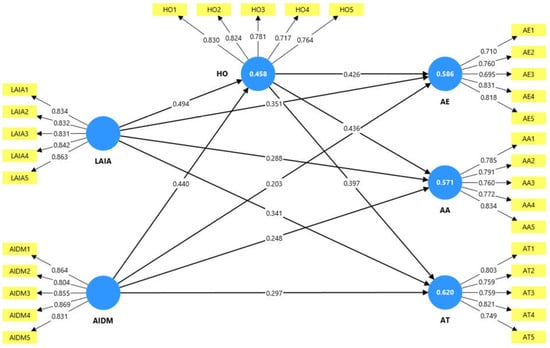
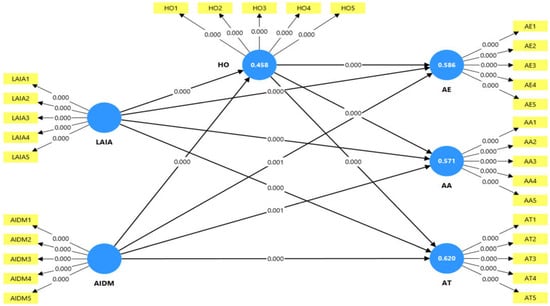

Disclaimer/Publisher’s Note: The statements, opinions and data contained in all publications are solely those of the individual author(s) and contributor(s) and not of MDPI and/or the editor(s). MDPI and/or the editor(s) disclaim responsibility for any injury to people or property resulting from any ideas, methods, instructions or products referred to in the content. |
© 2026 by the authors. Licensee MDPI, Basel, Switzerland. This article is an open access article distributed under the terms and conditions of the Creative Commons Attribution (CC BY) license.