


Highlights
Public health relevance—How does this work relate to a public health issue?
- AI-enabled menstrual tracking tools have the potential to support menstrual and reproductive health, but their public health value depends on whether women perceive them as acceptable, trustworthy, and culturally appropriate.
- In GCC countries where digital health transformation is expanding alongside culturally sensitive norms around reproductive health, understanding women’s openness to AI menstrual tools is an important public health issue to address.
Public health significance—Why is this work of significance to public health?
- This study provides region-specific evidence showing that perceived cultural-contextual fit is strongly associated with GCC women’s openness to AI-enabled menstrual tracking, while general privacy concerns were not independently associated after adjustment.
- These findings highlight that cultural sensitivity and GCC-specific design are central correlates of openness for AI-based women’s health tools in conservative and rapidly digitizing settings.
Public health implications—What are the key implications or messages for practitioners, policy makers and/or researchers in public health?
- Practitioners, designers, and policymakers should consider culturally grounded, locally tailored, and woman-centered approaches when developing AI menstrual health tools, particularly approaches that visibly respect religious and cultural norms.
- Future public health research and implementation efforts should evaluate how culturally adapted AI tools can support menstrual health literacy, trust, privacy protection, and equitable access to reproductive health self-management in the GCC.
Abstract
Background/Objectives: Artificial intelligence (AI) is increasingly embedded in menstrual and reproductive health applications, yet little is known about how women in conservative, rapidly digitizing regions evaluate AI-enabled menstrual tracking tools. This study investigates how perceived cultural fit and data privacy concerns are associated with women’s openness to AI-enabled menstrual tracking in Gulf Cooperation Council (GCC) countries. Methods: We conducted an online cross-sectional survey using a convenience sample of adult women residing in GCC countries (n = 273), measuring openness to AI menstrual tools, perceptions of cultural fit (e.g., respect for religious and cultural norms, endorsement by trusted institutions, Arabic language, GCC-specific design), privacy concerns (e.g., worries about who can access menstrual health data), and key sociodemographic characteristics and smartphone use. Results: Higher perceived cultural-contextual fit was strongly and positively associated with openness to AI-enabled menstrual tracking, whereas composite privacy concerns showed no statistically significant association once cultural fit and sociodemographic factors were controlled. Item-level analyses indicated that beliefs about cultural sensitivity and GCC-specific design were the most robust predictors of openness, while concerns about data access, authority endorsement, and language accessibility played a limited role. Homemakers reported higher openness than employed women. Conclusions: Overall, the findings suggest that, in this sample and model, GCC women’s openness to AI-enabled menstrual tracking was more strongly associated with perceived cultural alignment and local design than with the measured privacy-concern construct, highlighting the importance of culturally grounded, trust-building design and communication strategies for AI-based women’s health applications.
1. Introduction
Artificial intelligence (AI) is increasingly embedded in digital tools that support women’s reproductive health, including applications for menstrual tracking, hormonal health monitoring, symptom forecasting, and personalized self-management [1,2,3]. These tools may support menstrual and reproductive health by helping users identify cycle patterns, monitor symptoms, and seek care earlier when irregularities arise. At the same time, menstrual tracking applications collect intimate bodily data and often operate through commercial, data-driven platforms, raising questions about surveillance, data commodification, privacy, and trust [1]. AI-enabled menstrual tracking therefore represents not only a digital health innovation, but also a form of personal health informatics shaped by social norms, institutional trust, and data-governance expectations.
These issues are particularly salient in the Gulf Cooperation Council (GCC), where AI and digital health are central to national digital transformation agendas. GCC countries have increasingly invested in digital health transformation, healthcare information systems, and public-facing health platforms as part of broader efforts to modernize healthcare delivery in the region [4,5,6,7,8]. Yet policy-level digital transformation does not automatically translate into public acceptance of sensitive AI health tools. In culturally conservative settings, women’s engagement with AI-enabled menstrual tracking depends not only on technical capacity or convenience, but also on whether these tools are perceived as culturally appropriate, trustworthy, and compatible with local expectations around reproductive health.
Menstrual and reproductive health are also socially organized through gender norms and boundaries between private and public life. In many conservative and Muslim-majority settings, sexual and reproductive health topics are often treated as sensitive matters that are not easily discussed in public, clinical, or mixed-gender spaces [9]. More broadly, menstrual stigma research shows that menstruation is frequently governed by norms of concealment, modesty, and shame, making privacy and cultural appropriateness central to how menstrual health technologies are evaluated [10]. For AI-enabled menstrual tracking, these dynamics mean that women may assess not only whether a tool is useful, but also whether its use is socially acceptable, morally legitimate, and compatible with expected forms of privacy.
A growing body of work in digital health and AI-enhanced public health messaging highlights the importance of cultural and contextual adaptation. Narrative reviews and design studies show that digital health interventions are more likely to be accepted and used when they are tailored to local cultural norms, languages, and institutional realities, rather than imported in a “one-size-fits-all” form [11,12]. Evidence from mHealth interface design in Arab populations, for example, demonstrates that culturally sensitive and localized user interfaces can increase satisfaction and intention to use mHealth tools [11]. Similarly, work on AI-enhanced public health messaging and patient-centered care emphasizes that cultural sensitivity, trust, and empowerment are key to integrating AI-driven solutions into everyday health practices, particularly in conservative or collectivist societies [13,14]. However, this literature has focused primarily on general digital health or clinical care contexts and has not examined how cultural-contextual fit relates specifically to women’s openness to AI-enabled menstrual tracking tools in the GCC.
Privacy, data use, and institutional control are also central to debates on AI-enabled menstrual and reproductive health technologies. Period-tracking apps collect highly sensitive information about menstrual cycles, symptoms, pregnancy intentions, sexual activity, and related health behaviors, and prior research has raised concerns about how such data may be monetized, shared with third parties, or repurposed beyond users’ expectations [1,15,16]. Recent work on period-tracking apps after the overturning of Roe v. Wade further shows that women’s privacy concerns can extend beyond commercial data use to include legal, healthcare, and institutional access to reproductive data [17]. These concerns are especially relevant in contexts where reproductive health topics are culturally sensitive and where women may already be cautious about disclosing intimate health information.
From a health behavior and digital health perspective, we view openness to AI-enabled menstrual tracking as a technology-related behavioral intention shaped by underlying beliefs and evaluations, in line with research on technology acceptance and use [18,19]. In this tradition, perceived usefulness, ease of use, social influence, compatibility, trust, and related beliefs help explain why individuals choose to adopt or avoid new digital tools. Our focus on cultural-contextual fit and privacy concerns builds on this work by foregrounding two belief dimensions that are especially salient when AI is applied to intimate menstrual and reproductive health data: perceived compatibility with local norms and perceived risks around information disclosure [20,21].
The theoretical contribution of this study lies in examining how established technology-acceptance and privacy-calculus concepts operate when AI is applied to a gendered and culturally sensitive health domain. In many digital health settings, users may weigh expected benefits against privacy risks. However, in AI-enabled menstrual tracking, particularly in conservative societies, cultural-contextual legitimacy may be an especially salient evaluative consideration because women may assess whether a tool fits local norms, religious sensitivities, trusted institutions, and morally acceptable forms of health self-management. This framing extends technology-acceptance and privacy-calculus perspectives by foregrounding cultural legitimacy as a context-specific dimension associated with openness to AI in sensitive reproductive health domains.
Despite the strategic emphasis on digital health in the GCC, there is limited empirical evidence on how AI-based menstrual health tools are perceived by women in this region, and how cultural fit and privacy concerns relate to openness to adoption. This gap is important because the public health value of AI-enabled menstrual tracking will remain limited if women perceive such tools as culturally misaligned, socially inappropriate, institutionally untrustworthy, or risky from a data-governance perspective.
This study addresses that gap by examining how perceived cultural-contextual fit and data privacy concerns are associated with GCC women’s openness to AI-enabled menstrual health tools. Using cross-sectional survey data, we ask: How do perceptions of cultural and contextual alignment and privacy concerns relate to openness to using AI-based menstrual tracking tools in the GCC? Specifically, we (1) construct and validate multi-item measures of Cultural-Contextual Fit and Privacy Concerns related to AI health tools, and (2) estimate their associations with women’s self-reported openness to AI-enabled menstrual tracking, controlling for key sociodemographic factors. We also conduct an item-level analysis to identify which specific beliefs, such as cultural sensitivity, GCC-specific design, and concerns about data access, are most strongly associated with openness. In doing so, we contribute to research on women’s health behaviors and digital health adoption by elucidating how culturally grounded and privacy-related beliefs shape attitudes toward AI in a highly sensitive area of women’s health within a conservative, rapidly digitizing region.
By focusing on AI-enabled menstrual tracking within a rapidly digitizing yet culturally conservative region, this study contributes to research on women’s digital health, AI adoption, and public health implementation in three ways. First, it provides region-specific empirical evidence on women’s openness to AI-enabled menstrual tracking in the GCC, where such evidence remains limited. Second, it extends technology-acceptance and privacy-calculus perspectives by examining cultural-contextual legitimacy as a salient evaluative dimension in a sensitive reproductive-health domain. Third, it offers practical insights for policymakers, designers, and clinicians seeking to develop AI-enabled menstrual health tools that are culturally grounded, privacy-conscious, and attentive to women’s lived realities in the Gulf region.
Background and Literature Review
This study builds on emerging work at the intersection of AI, digital health, and women’s reproductive and menstrual health. Prior research has shown that menstrual tracking and hormonal health applications can support self-management and health awareness, while also raising concerns about surveillance, commercialization, and governance of intimate bodily data [1]. Recent AI developments, including specialized menstrual-health language models, further illustrate the technical potential of AI-enabled menstrual education and decision support [2,3]. However, less is known about how women in culturally conservative and rapidly digitizing regions evaluate such tools in relation to local norms, institutional trust, and reproductive-data governance expectations.
Within the GCC and similar settings, socio-cultural norms and institutional conditions shape how citizens engage with digital government and health technologies. Studies of e-government and digital service adoption in the region highlight the importance of religion, gender norms, and trust in authorities for explaining variations in uptake [22,23]. Research on digital health transformation in the GCC similarly shows that investments in healthcare information systems and health technologies can create enabling conditions for innovation, but do not automatically translate into adoption or sustained use [4,5,8]. Digital platforms such as Saudi Arabia’s Sehhaty system and Kuwait’s Sahel application illustrate how governments seek to integrate health and public services into everyday life [6,7]. For menstrual and reproductive health, these broader socio-technical dynamics intersect with gendered expectations, privacy norms, and sensitivities around discussing reproductive topics in public or clinical settings [9,24].
A central theme across this work is the importance of cultural and contextual fit in digital health adoption. Narrative reviews and design-oriented studies show that digital and mHealth interventions are more likely to be accepted and used when they are tailored to local cultural norms, languages, and institutional realities, rather than imported as generic “one-size-fits-all” solutions [11,12]. Evidence from mHealth interface design in Arab populations indicates that culturally sensitive and localized user interfaces can increase satisfaction and intention to use health apps [11]. Similarly, research on AI-enhanced public health messaging and patient-centered care emphasizes that cultural sensitivity, trust, and empowerment are key to integrating AI-driven solutions into everyday health practices, particularly in conservative or collectivist societies [13,14]. In the broader information systems and digital-health literature, perceived compatibility with users’ values and contexts, often discussed under constructs such as compatibility, contextual fit, or cultural tailoring, is consistently linked to intention to adopt new technologies [18,19,25,26]. Applied to AI-enabled menstrual tracking, this suggests that women may be more open to these tools when they perceive them as respectful of religious and cultural norms, designed for the GCC context, and delivered in locally meaningful ways.
Concerns about privacy, security, and data governance represent a second major strand in the literature on digital health and AI. Studies of electronic health records, telehealth platforms, mHealth applications, and health information systems show that perceptions of data protection, control, security, and institutional accountability can shape willingness to use digital health services [6,27,28,29]. Privacy calculus theory and related models posit that individuals weigh perceived benefits against perceived risks when deciding whether to disclose personal information online, and this framework has been widely applied to health apps, wearables, e-government, and AI-enabled services [20,21,30,31]. In the specific context of menstrual and reproductive health, privacy concerns may be intensified because period-tracking apps can involve information about cycles, symptoms, sexual activity, fertility intentions, pregnancy status, and other intimate health matters [1,15,16]. Recent work also shows that women’s concerns about period-tracking apps can extend beyond commercial data use to include legal, healthcare, and institutional access to reproductive data [17].
Information systems studies on digital health and AI further suggest that technology acceptance and privacy-related decision-making are intertwined rather than separate processes. Technology acceptance models, including TAM, UTAUT, and their extensions, have been used to explain adoption of digital health services, wearables, and AI-based applications, often emphasizing perceived usefulness, ease of use, social influence, perceived value, and trust as key determinants of intention to use [18,19,26,32,33]. Recent work integrates these models with privacy calculus and trust constructs to examine how users balance perceived benefits and risks when adopting e-government, cloud-based health information systems, mHealth apps, and contact-tracing applications [31,34,35,36]. In this tradition, perceived contextual fit and privacy concerns can be viewed as belief dimensions that enter into users’ overall evaluation of whether a digital health tool is acceptable, trustworthy, and appropriate for use. For AI-enabled menstrual tracking in the GCC, this means that women’s openness may depend both on whether the tool fits their cultural and everyday-life context and on whether they perceive the handling of intimate data as sufficiently safe and legitimate.
At the same time, cultural fit and privacy concerns may not operate independently or with equal salience. In culturally sensitive reproductive-health contexts, perceived cultural legitimacy may be especially relevant to whether a technology is viewed as appropriate, acceptable, and trustworthy. Privacy concerns may remain important, but their association with openness may depend on how users interpret the broader legitimacy, trustworthiness, and contextual fit of the technology. This possibility is consistent with privacy paradox and privacy-calculus research, which shows that stated privacy concerns do not always translate into avoidance of digital services when perceived benefits, trust, legitimacy, or contextual fit are sufficiently strong [20,21,30,31]. For this reason, although we expect privacy concerns to be negatively associated with openness, we also examine whether cultural-contextual fit remains the more salient correlate in this setting.
Guided by this literature, we focus on two sets of beliefs, cultural-contextual fit and privacy concerns, as key antecedents of women’s openness to AI-enabled menstrual tracking tools. We conceptualize cultural-contextual fit as women’s perceptions that AI menstrual health tools respect religious and cultural norms, are designed specifically for the GCC context, and provide accessible language and content. Privacy concerns capture worries about how personal and menstrual health data are collected, stored, and accessed in AI-enabled tools. In line with prior work on technology acceptance, compatibility, and cultural adaptation, we expect higher perceived cultural-contextual fit to be positively associated with openness to AI-enabled menstrual tracking. In contrast, drawing on privacy calculus and digital-health privacy research, we expect stronger privacy concerns to be associated with lower openness. Accordingly, we propose the following hypotheses:
H1.
Higher perceived cultural fit of AI-enabled menstrual tracking tools is positively associated with GCC women’s openness to using these tools.
H2.
Stronger privacy concerns about AI-enabled menstrual tracking tools are negatively associated with GCC women’s openness to using these tools.
In the empirical analyses that follow, we operationalize these constructs using multi-item measures and item-level indicators and examine their associations with women’s reported openness to AI-enabled menstrual tracking, controlling for key sociodemographic characteristics.
2. Materials and Methods
2.1. Study Design and Population
This study employed a cross-sectional survey design targeting adult women living in the GCC countries. Eligible participants were women aged 18 years or older who reported current residence in the GCC. Recruitment followed a convenience sampling approach, using online distribution channels such as social media and messaging applications to circulate the survey link within women’s groups, university networks, and community circles. Because the survey link was circulated through open online and community-based channels, the sampling frame was not fixed and the study should be understood as an exploratory convenience sample rather than a probability-based or nationally representative GCC sample. This recruitment strategy reflects common practice in information systems and digital health research when studying users of online and mobile technologies.
The survey was self-administered and hosted online using Microsoft Forms. Before accessing the questionnaire, potential participants were presented with an information page describing the study objectives, data handling procedures, and voluntary nature of participation. Only those who provided informed consent proceeded to the survey. Responses with substantial missing data on key sections were excluded from analysis. The final analytic sample consisted of 273 women.
2.2. Survey Instrument and Scoring
The questionnaire comprised four sections, three of which are relevant to the current analysis. The instrument was developed in English, translated into Arabic, and then reviewed by bilingual researchers to ensure conceptual and linguistic equivalence. Before full distribution, the survey instrument was reviewed by three experts in the field to assess clarity, wording, content relevance, and cultural appropriateness for the target population. The questionnaire was then piloted with 40 women from the target population, who were asked to complete the survey and provide feedback on item clarity, wording, comprehension, and cultural suitability. These 40 pilot participants were not included in the final analytic dataset. Based on expert review and pilot feedback, only minor wording and presentation refinements were made to improve clarity and readability; no substantive changes were made to the underlying constructs or the conceptual content of the survey items.
Section A captured eligibility and sociodemographic characteristics. Participants reported their age group, nationality, marital status, highest level of education completed, current employment status, and country of residence. Age was recorded in predefined age bands. Nationality was collected as a categorical variable and subsequently recoded for analysis into Kuwaiti and other GCC nationalities. Marital status, originally collected in more detailed categories, was collapsed into three groups: single, married, and other (including divorced, widowed, and separated). Education was grouped to distinguish secondary or lower education, bachelor’s degree, and postgraduate education (master’s or doctoral degree). Employment status was summarized into employed, student, homemaker, unemployed, and other categories. Section A also included an item assessing frequency of using smartphone applications or digital tools (for example, social media, productivity, or health-related applications). This item was measured on a five-point frequency scale ranging from “rarely or never” to “several times per day.” The recoded distributions of all sociodemographic and usage variables are presented in Table 1.
Table 1.
Demographic Data.
Section D measured openness to AI-based menstrual health tools. This domain consisted of six items capturing comfort, perceived benefits, and trust in using AI applications for menstrual health. Example items included: “I am open to using AI apps to manage my menstrual cycle,” “I believe AI can provide accurate predictions about my cycle,” “I believe AI could help personalize my health recommendations,” “I would be comfortable discussing AI health tools with my doctor,” “I think AI can empower women in managing their menstrual cycle health,” and “I would trust menstrual health recommendations provided by AI-based apps.” Each item was rated on a five-point Likert scale ranging from 1 (“strongly disagree”) to 5 (“strongly agree”). For the main analyses, responses to these six items were averaged to create a continuous index of openness to AI menstrual health tools, with higher scores indicating greater openness.
Section E assessed perceptions related to the cultural and contextual fit of AI health tools, as well as concerns about data privacy. This section included six items: “AI health tools must respect religious and cultural sensitivities,” “I am concerned about the privacy of my health data in AI tools,” “I would prefer such tools to be endorsed by health authorities,” “Language accessibility (Arabic) is important for adoption,” “I am more likely to use AI health tools designed for the GCC,” and “I am concerned about who has access to my menstrual health data.” All items in Section E were measured using the same five-point Likert scale from 1 (“strongly disagree”) to 5 (“strongly agree”).
Based on conceptual considerations and empirical analyses, Section E items were used to construct two multi-item independent variables. Four items capturing religious and cultural sensitivity, preference for endorsement by health authorities, importance of Arabic language, and preference for GCC-specific tools were combined into a composite measure of perceived cultural-contextual fit of AI health tools. Two items capturing concerns about data privacy and who can access menstrual health information were averaged to create a measure of privacy concerns regarding AI-based health tools. For each construct, higher scores reflected stronger perceptions of cultural-contextual fit or greater concern about data privacy, respectively.
For all multi-item scales (openness to AI menstrual tools, cultural–contextual fit, and privacy concerns), domain-level scores were calculated by averaging the corresponding items, provided that responses were available for all items in the domain. Psychometric properties of these constructs, including internal consistency reliability and evidence of convergent and discriminant validity, are reported in Table 2 and related measurement model results, consistent with scale validation practices in information systems and digital health survey research.
Table 2.
Constructs, Items, Reliability and Convergent Validity.
2.3. Descriptive Statistics and Demographics
Table 1 summarizes the sociodemographic characteristics of the 273 women included in the analysis. The sample spanned a broad adult age range, with representation across all age categories. The largest age group was 35–44 years, accounting for approximately one-third of participants (34.8%). Younger women aged 18–24 years represented 19.8% of the sample, while 13.2% were aged 25–34 years. Women aged 45–54 years comprised 18.3% of respondents, and 13.9% were 55 years or older. This distribution indicates that both younger and mid-life women were well represented in the study, with a slight concentration among women in their mid-30s to mid-40s.
Most participants were married at the time of the survey. Specifically, 58.6% of respondents reported being married, 31.5% reported being single, and 9.9% fell into the “other” category, which included women who were divorced, widowed, or separated. Educational attainment was generally high. Nearly half of the sample (45.8%) held a bachelor’s degree, and an additional 27.1% reported having completed postgraduate education at the master’s or doctoral level. About one-quarter (24.2%) had completed high school or an equivalent qualification, and a small minority (2.9%) reported another educational background.
In terms of employment, 48.4% of participants were employed, and 27.5% were students. Homemakers represented 14.3% of the sample, while 5.5% were unemployed and 4.4% reported other forms of employment or occupational status. With respect to nationality, 76.2% of respondents were Kuwaiti nationals and 23.8% were citizens of other GCC countries. For the purposes of analysis, nationality was therefore coded as Kuwaiti versus other GCC nationality to reflect the broader Gulf context while maintaining sufficient cell sizes for regression models. Overall, the sample reflects a predominantly Kuwaiti but regionally diverse group of GCC women with relatively high educational attainment and a mix of employment roles, including a sizable proportion of students and homemakers.
2.4. Reliability and Convergent Validity
We evaluated the internal consistency and convergent validity of the three multi-item constructs used in this analysis, i.e., Cultural Fit, Privacy Concerns, and Openness to AI Health Tools, using standardized factor loadings, Cronbach’s alpha, composite reliability (CR), and average variance extracted (AVE) (Table 2). All three constructs were specified as reflective indices, with items assumed to be manifestations of an underlying latent attitude.
The Cultural Fit construct was measured with four items from Section E that captured perceived religious and cultural sensitivity, preference for endorsement by health authorities, the importance of Arabic language, and preference for AI tools designed specifically for the GCC. Standardized factor loadings for these items ranged from 0.52 to 0.77. Cronbach’s alpha for Cultural Fit was 0.72 and the composite reliability was 0.73, indicating acceptable internal consistency for a four-item scale [37]. The AVE for Cultural Fit was 0.41, which falls slightly below the conventional 0.50 benchmark. However, three of the four items loaded at or above 0.61, and both internal consistency indices exceeded 0.70, suggesting that the construct demonstrated acceptable reliability despite the lower AVE. Therefore, we retained the construct for three reasons. First, its Cronbach’s alpha and composite reliability exceeded commonly used acceptability thresholds for exploratory survey research. Second, the items represent theoretically coherent facets of cultural-contextual alignment that are relevant to AI-enabled menstrual health tools in the GCC, including religious/cultural sensitivity, institutional endorsement, Arabic language accessibility, and GCC-specific design. Third, subsequent discriminant-validity analyses using both Fornell-Larcker and HTMT criteria supported the distinctiveness of the construct from Privacy Concerns and Openness. We therefore treat Cultural Fit as a theoretically grounded exploratory composite while acknowledging that future research should further refine and validate this scale.
The Privacy Concerns construct consisted of two items from Section E assessing concern about the privacy of health data in AI tools and concern about who has access to menstrual health data. Both items demonstrated substantial standardized loadings (0.98 and 0.57), with a mean of 3.60 and standard deviation of 0.97 for the composite. Cronbach’s alpha for Privacy Concerns was 0.71 and the composite reliability was 0.77, indicating satisfactory internal consistency for a two-item scale. The AVE for this construct was 0.64, exceeding the 0.50 threshold and providing evidence of good convergent validity. Because this construct was measured with only two items and the standardized loadings were uneven, the privacy-related results should be interpreted cautiously. Future research should use more comprehensive reproductive-data privacy measures that distinguish among data collection, third-party sharing, user control, institutional trust, and regulatory safeguards.
Openness to AI Health Tools was measured using six items from Section D, reflecting willingness to use AI menstrual apps, perceived predictive accuracy, perceived personalization, comfort discussing AI tools with a physician, perceived empowerment, and trust in AI-generated menstrual health recommendations. Standardized factor loadings ranged from 0.67 to 0.88, with a composite mean of 3.34 and a standard deviation of 0.81. Cronbach’s alpha for this scale was 0.90 and the composite reliability was 0.91, indicating excellent internal consistency. The AVE was 0.62, again above the recommended 0.50 benchmark and consistent with strong convergent validity.
Taken together, these results indicate that the three multi-item constructs demonstrate adequate reliability and convergent validity for use in subsequent regression analyses. Although the AVE for Cultural Fit is below the ideal threshold, the combination of acceptable internal consistency, acceptable composite reliability, theoretically coherent item content, meaningful factor loadings, and supportive discriminant-validity evidence supports its use as an exploratory composite measure in this cross-sectional study. Evidence for discriminant validity between Cultural Fit, Privacy Concerns, and Openness is presented in the subsequent subsection based on the Fornell-Larcker and HTMT criteria.
2.5. Discriminant Validity and Multicollinearity
After establishing internal consistency and convergent validity, we examined whether the three multi-item constructs, i.e., Cultural-Contextual Fit, Privacy Concerns, and Openness to AI Health Tools, were empirically distinct from one another and whether multicollinearity among predictors could bias the regression estimates. Discriminant validity was assessed using the Fornell-Larcker criterion and the heterotrait-monotrait ratio of correlations (HTMT) [38,39]. Potential multicollinearity was evaluated using variance inflation factors (VIFs).
The Fornell-Larcker matrix compares the square root of the average variance extracted (AVE) for each construct with its correlations with other constructs (Table 3). For Cultural-Contextual Fit, the square root of the AVE was 0.64, while its correlations with Privacy Concerns and Openness were 0.41 and 0.34, respectively. For Privacy Concerns, the square root of the AVE was 0.80, compared with correlations of 0.41 with Cultural-Contextual Fit and 0.13 with Openness. For Openness to AI Health Tools, the square root of the AVE was 0.79, whereas its correlations with Cultural-Contextual Fit and Privacy Concerns were 0.34 and 0.13. In each case, the value on the diagonal exceeded the corresponding off-diagonal correlations, indicating that each construct shared more variance with its own indicators than with other latent variables in the model. This pattern supports discriminant validity according to the Fornell-Larcker criterion, even though the AVE for Cultural-Contextual Fit was slightly below the conventional 0.50 threshold [38,39].
Table 3.
Discriminant Validity (Fornell–Larcker Criterion).
We further assessed discriminant validity using the HTMT approach, which provides a more stringent test based on the ratio of between-construct to within-construct correlations (Table 4). The HTMT value between Cultural-Contextual Fit and Privacy Concerns was 0.56, between Cultural-Contextual Fit and Openness was 0.41, and between Privacy Concerns and Openness was 0.17. All HTMT values were well below the commonly recommended cutoff of 0.85, indicating that the constructs are empirically distinct and not excessively overlapping. Taken together, the Fornell-Larcker and HTMT results provide consistent evidence that Cultural-Contextual Fit, Privacy Concerns, and Openness to AI Health Tools capture related but clearly separable dimensions of women’s perceptions of AI-enabled menstrual health technologies.
Table 4.
Discriminant Validity (HTMT).
To assess multicollinearity in the regression models, we examined VIFs for all independent variables, including the two main constructs and the sociodemographic covariates (Table 5). As shown in Table 5, the VIF values for the main independent variables were low: 1.29 for Cultural-Contextual Fit and 1.30 for Privacy Concerns, indicating minimal collinearity between these constructs. VIF values for the age group indicators ranged from 2.77 to 4.81, reflecting some expected correlation among adjacent age categories, but none exceeded 5, which is often considered a conservative threshold for concern in social and health sciences. VIFs for marital status, education, employment, and nationality were all between approximately 1.2 and 2.7, again well within acceptable limits.
Table 5.
Variance Inflation Factor (VIF).
Overall, the VIF results suggest that multicollinearity is unlikely to unduly inflate standard errors or obscure the unique contributions of the main predictors in our models. Coupled with the discriminant validity evidence from the Fornell-Larcker and HTMT analyses, these diagnostics support the use of Cultural-Contextual Fit and Privacy Concerns as distinct independent variables in the multivariable regression analyses examining associations with women’s openness to AI-enabled menstrual health tools in the GCC context.
2.6. Statistical Analyses
We examine how perceived cultural-contextual fit and privacy concerns were associated with women’s openness to using AI-enabled menstrual health tools using multivariable linear regression. The primary dependent variable is openness to AI menstrual tools, operationalized as the average of the six items in Section D. Higher scores on this index reflected greater willingness to adopt and engage with AI-based menstrual health applications.
The main independent variables are the two multi-item constructs derived from Section E: Cultural Fit and Privacy Concerns. Cultural Fit captured the extent to which participants perceived AI health tools as aligned with religious and cultural norms, endorsed by trusted health authorities, available in Arabic, and designed specifically for the GCC context. Privacy Concerns represented the degree of worry about the confidentiality of health data and about who can access menstrual health information when using AI tools. Both constructs are treated as continuous variables on their original 1–5 scale, consistent with common practice in information systems, digital health, and social science research where composite Likert-type measures, formed from several items and approximately symmetric in distribution, are analyzed as continuous predictors and outcomes [40].
All regression models were adjusted for sociodemographic and usage variables from Section A. Control variables included age group, marital status, highest level of education, employment status, nationality (Kuwaiti versus other GCC nationality), and frequency of using smartphone applications. These covariates were entered as sets of indicator variables using the most populated or conceptually neutral category as the reference group in each case. This adjustment allowed us to estimate the association between Cultural-Contextual Fit, Privacy Concerns, and openness to AI while accounting for potential confounding by key demographic characteristics. All statistical analyses were conducted using Stata 18.0. The primary regression model was specified as follows:
where Opennessi denotes the openness score for individual i. We interpret openness to AI-enabled menstrual tracking as a proximal technology-use intention in the health domain that may shape subsequent adoption and sustained use of menstrual health technologies. CulturalFiti is the Cultural-Contextual Fit score, PrivacyConcernsi is the privacy concerns score, and Controlski represents the set of sociodemographic control variables. Coefficients β1 and β2 therefore capture the adjusted associations between each main predictor and openness to AI menstrual tools. Because the study design is cross-sectional, these coefficients are interpreted as statistical associations rather than causal effects.
To probe which specific aspects of Section E drove the associations observed at the construct level, we also estimate a secondary model in which the six individual Section E items are entered simultaneously as predictors in place of the two composite constructs, alongside the same set of control variables. This specification allows us to examine whether particular cultural or privacy-related considerations are uniquely associated with openness when adjusting for the others. To avoid redundancy and multicollinearity, the composite constructs and their constituent items are never included in the same model. The item-level specification was used as a complementary analysis to unpack the composite constructs and identify which cultural and privacy-related dimensions carried the strongest associations with openness. Because this analysis and the sociodemographic group comparisons involve multiple estimates, the results are interpreted with attention to effect size, statistical significance, and consistency with the construct-level model. To further assess the sensitivity of the item-level findings to multiple testing, we applied a Benjamini–Hochberg false discovery rate correction across the six item-level predictors. As a more conservative sensitivity check, we also examined whether the item-level findings remained significant under a Bonferroni correction.
All models are estimated using ordinary least squares with heteroskedasticity-robust standard errors to account for potential non-constant variance in the residuals. Model fit is summarized using the coefficient of determination (R2). We examined residual plots and variance inflation factors as part of the standard diagnostic procedure to assess linearity, influential observations, and multicollinearity. Two-sided p-values < 0.05 were considered statistically significant. In addition to the regression analyses, we conducted exploratory group comparisons using independent-samples t-tests or one-way analysis of variance (ANOVA), as appropriate, to describe differences in openness across sociodemographic categories; corresponding effect sizes were calculated to aid interpretation.
2.7. Ethical Considerations
The study protocol, titled “Women’s Openness to AI-Enabled Menstrual-Health Technologies in the GCC”, was reviewed and approved by the Research Ethics Committee of Kuwait University, College of Business Administration (Approval No.: KU-CBA-03-07-25). All procedures adhered to the ethical principles of the 1964 Declaration of Helsinki and its later amendments concerning research involving human participants.
Prior to accessing the questionnaire, each prospective participant viewed an electronic information sheet that explained the study’s purpose, procedures, potential risks and benefits, data handling and confidentiality measures, and the voluntary nature of participation, including the option to withdraw at any time without penalty. Informed consent was obtained electronically: participants indicated their agreement by clicking an “I agree” button before proceeding to the survey. Participants could exit the survey at any point by closing their browser window, and partially completed responses were retained only if they contained sufficient data for analysis and could not be linked back to individual identities.
3. Results
3.1. Cultural Fit, Privacy Concerns, and Openness to AI-Driven Health Technologies
Table 6 presents the multivariable linear regression examining how Cultural Fit and Privacy Concerns are associated with women’s openness to using AI-enabled menstrual health tools in the GCC, adjusting for age, marital status, education, employment, nationality, and smartphone use. Because the outcome measures women’s willingness to use AI-enabled menstrual tracking tools, higher scores can be interpreted as a stronger intention to adopt and use these AI-based menstrual health tools. Overall, the model explains about 19% of the variance in openness (R2 = 0.189, adjusted R2 = 0.134), indicating that cultural fit, privacy concerns, and sociodemographic factors account for a meaningful but modest share of variation in this attitudinal outcome.
Table 6.
Model Estimating AI Openness Based on Cultural Fit and Privacy Concerns.
Cultural Fit shows a clear positive association with openness. A one-point increase (on the 1–5 scale) in Cultural-Contextual Fit is associated with a 0.39-point higher openness score (β = 0.390, p < 0.001), holding other covariates constant. This pattern suggests that women who perceive AI menstrual health tools as respectful of religious and cultural sensitivities, endorsed by health authorities, available in Arabic, and designed for the GCC context tend to report greater willingness to adopt such tools. From a digital health and public health perspective, this finding suggests that perceived alignment with local cultural and institutional expectations is an important correlate of openness to AI-enabled menstrual tracking in this sample.
By contrast, the composite Privacy Concerns construct was not statistically associated with openness once Cultural Fit and demographics were taken into account (β = 0.005, p = 0.935). This result does not imply that privacy is unimportant. Rather, it indicates that, in this sample and model, the measured privacy-concern construct did not independently explain variation in openness after adjustment. One possible interpretation is that privacy concerns may coexist with openness to AI menstrual tools, especially when such tools are perceived as culturally legitimate or institutionally acceptable. Another possibility is that the brief two-item privacy measure did not fully capture the broader range of reproductive-data governance concerns that may matter to users.
Among the sociodemographic covariates, few associations reached conventional levels of statistical significance. Women aged 45–54 and those aged 55 years and older had negative coefficients relative to women aged 18–24, but these associations were marginal and should be interpreted cautiously. Marital status, education, and nationality (Kuwaiti versus other GCC nationalities) were not significantly associated with openness in the adjusted model.
Employment status showed one statistically significant association: homemakers reported higher openness than employed women (β = 0.463, p = 0.008). Unemployed women also had a positive coefficient, but this association was marginal (β = 0.295, p = 0.054) and should be interpreted cautiously. The homemaker finding identifies an association between employment status and openness, but the mechanisms underlying this pattern were not directly measured. Possible explanations, such as differences in gendered divisions of labor, time flexibility, privacy needs, caregiving responsibilities, or institutional embeddedness, should therefore be examined in future qualitative or longitudinal research.
Figure 1 visualizes the marginal predictions from this model, holding all covariates at their means. Panel A shows that predicted openness increases steadily as Cultural Fit moves from its lowest to highest values; the 95% confidence bands are relatively narrow and do not overlap substantially across the range, reinforcing the strength and precision of this positive association. Panel B, by contrast, shows a relatively flat relationship between Privacy Concerns and predicted openness, with confidence intervals overlapping across the scale, consistent with the non-significant regression coefficient. Together, the regression estimates and marginal plots suggest that, in this GCC sample, perceived cultural compatibility and regional tailoring of AI menstrual tools were more strongly linked to openness than the measured privacy-concern construct, even though both domains remain central to debates about trustworthy AI in digital health and AI-enabled health services.
Figure 1.
Predicted AI Openness by Cultural Fit and Privacy.
3.2. Disaggregated Analysis of Cultural and Privacy Items Affecting AI Openness
To gain more granular insight into which specific beliefs within Section E are most closely associated with openness, we re-estimate the model using the six items as separate predictors rather than combining them into two composite constructs. This item-level specification complements the construct-level analysis by clarifying which cultural and privacy-related dimensions are most strongly associated with openness after adjusting for the other items and the same sociodemographic covariates. Each item is treated as a distinct variable representing: (1) cultural sensitivity (“AI health tools must respect religious/cultural sensitivities”), (2) data privacy concerns (“I am concerned about the privacy of my health data in AI tools”), (3) authority endorsement (“I would prefer such tools to be endorsed by health authorities”), (4) language accessibility (“Language accessibility [Arabic] is important for adoption”), (5) GCC-specific design (“I am more likely to use AI health tools designed for the GCC”), and (6) access concerns (“I am concerned about who has access to my menstrual health data”). The results are shown in Table 7.
Table 7.
Item-level regression of cultural and privacy factors on openness to AI menstrual health tools.
This item-level model explains slightly more variance in openness than the composite-construct model (R2 = 0.219; adjusted R2 = 0.154), again with all demographic covariates included. Two items were statistically significant in the unadjusted item-level p-values. First, cultural sensitivity was positively associated with openness (β = 0.186, p = 0.002). Second, GCC-specific design was also positively associated with openness (β = 0.170, p = 0.0097). Substantively, these coefficients suggest that, holding other beliefs and demographic characteristics constant, women who more strongly agree that AI tools should respect religious and cultural norms, and that tools should be designed specifically for the GCC context, tend to report higher openness to using AI-enabled menstrual health technologies.
Because the item-level model involved six simultaneous item-level tests, we examined the sensitivity of these findings to multiple-testing correction. Using a Benjamini–Hochberg false discovery rate correction, both Cultural Sensitivity and GCC-specific design remained statistically significant at the 0.05 level, with adjusted q-values of 0.012 and 0.029, respectively. Under the more conservative Bonferroni correction, Cultural Sensitivity remained statistically significant at the 0.05 level, whereas GCC-specific design was marginally significant at the 0.10 level but did not meet the corrected 0.05 threshold. Accordingly, the item-level findings should be interpreted as exploratory and as complementary to the broader construct-level analysis rather than as definitive evidence of independent item-specific effects.
The remaining four items do not show statistically significant associations with openness in the fully adjusted model. Data privacy concerns exhibit a negative, but non-significant, coefficient (β = −0.078, p = 0.163), suggesting a possible negative pattern that was not statistically robust at conventional significance levels. Authority endorsement has a small positive but non-significant association (β = 0.052, p = 0.442), suggesting that, once other beliefs are accounted for, expecting health authorities to endorse AI tools is not by itself a distinguishing factor in openness. Language accessibility is essentially unrelated to openness (β = −0.004, p = 0.949), and access concerns, i.e., worries about who can access menstrual health data, also show no significant association (β = 0.051, p = 0.376).
Taken together, these item-level findings indicate that not all cultural and privacy-related considerations were equally associated with women’s openness to AI in menstrual health. The beliefs most consistently associated with openness centered on normative alignment and regional tailoring, particularly respect for religious and cultural sensitivities, with GCC-specific design also supporting the broader pattern under false discovery rate correction. This pattern aligns with broader work on culturally adapted digital health and AI-enabled public health interventions, which emphasizes that health technologies are more likely to be accepted when they are responsive to local cultural norms, language needs, institutional expectations, and patient-centered values [11,12,13,14]. In contrast, more abstract concerns about data privacy and access, although critical from a governance and regulatory standpoint, did not differentiate openness within this sample once other factors were controlled.
From a practical digital health and information systems standpoint, these results suggest that AI-enabled menstrual tracking tools may be more acceptable when they are designed and communicated in ways that are visibly grounded in the GCC context. Preventive initiatives using such tools may benefit from explicitly signaling respect for local cultural and religious norms, incorporating GCC-specific design choices such as regionally relevant content and health-system expectations, and integrating privacy safeguards into culturally resonant trust-building strategies. Rather than treating cultural adaptation and privacy protection as separate design issues, the findings suggest that both may usefully be considered within a coherent implementation approach that supports women’s reproductive and menstrual health in a manner that is locally meaningful, trustworthy, and privacy-conscious.
4. Discussion
4.1. Principal Findings
This study examined how perceived cultural-contextual fit and data privacy concerns are associated with women’s openness to AI-enabled menstrual health tools in the GCC. Using cross-sectional survey data from women residing in the GCC, we found that perceptions of cultural sensitivity, regional tailoring, and alignment with local norms are strongly associated with openness to AI menstrual tracking, whereas composite privacy concerns were not significantly associated with openness once cultural fit and sociodemographic factors were taken into account. At the item level, the beliefs that AI tools should respect religious and cultural sensitivities and that they should be designed specifically for the GCC context emerged as the strongest correlates of openness.
These findings show that cultural-contextual fit is a central dimension of women’s openness to AI-enabled menstrual tracking in the GCC. In this sample, women who perceived AI health tools as compatible with Islamic and local cultural values, trusted institutions, and GCC realities were more likely to express openness to using them. This pattern is consistent with work on culturally adapted digital health and AI-enabled public health interventions, which emphasizes that health technologies are more likely to be accepted when they are responsive to local cultural norms, language needs, institutional expectations, and patient-centered values [11,12,13,14]. The finding also strengthens the sociological contribution of the study by showing that cultural-contextual fit can be understood as a form of legitimacy. In sensitive menstrual and reproductive health contexts, AI tools may become more acceptable when they are perceived not only as technically useful, but also as morally appropriate, socially recognizable, and institutionally trustworthy within the local setting.
The non-significant association between Privacy Concerns and openness also provides an important finding. It does not mean that privacy is irrelevant to AI-enabled menstrual tracking. Rather, it indicates that, in this sample and model, the measured two-item privacy-concern construct did not independently differentiate women’s openness once cultural fit and sociodemographic factors were included. One interpretation is that privacy concerns may coexist with openness to AI menstrual tools when such tools are perceived as culturally legitimate, useful, or institutionally acceptable. This interpretation is consistent with privacy paradox and privacy-calculus research, where individuals may continue to consider or use digital services despite stated privacy concerns when perceived benefits, trust, or legitimacy are sufficiently strong [20,21,30,31]. In the context of AI menstrual tracking, privacy may operate as a baseline expectation for responsible design, while cultural appropriateness and regional fit may be more salient in explaining variation in openness. A further interpretation is measurement-related: reproductive-data privacy may involve more specific concerns than those captured by the two-item construct used here, including third-party sharing, family or community visibility, platform ownership, regulatory protection, legal access, and institutional data governance.
The association between homemaker status and higher openness is sociologically noteworthy. Homemakers reported significantly higher openness to AI menstrual tools compared with employed women, while unemployed women showed a marginally positive association. Rather than interpreting this pattern simply as evidence that homemakers have more time at home, the finding can be read more broadly in relation to gendered divisions of labor, caregiving responsibilities, time flexibility, privacy needs, and lower embeddedness in formal workplace or institutional health structures. These possible mechanisms are important because they point to how women’s everyday social locations may shape receptivity to AI-enabled self-management tools. Since the present study did not directly measure these mechanisms, future qualitative and mixed-methods research should examine how employment status, household roles, caregiving responsibilities, and privacy expectations shape women’s perceptions of AI menstrual tracking.
Equity is also important when considering culturally adapted AI menstrual tools. Cultural tailoring may increase acceptability for many users, but it does not by itself guarantee inclusive access. AI-enabled menstrual tools may still leave behind women with limited digital access, lower digital literacy, lower health literacy, disabilities, limited trust in formal institutions, or concerns about family, community, employer, or platform visibility of reproductive health data. Culturally grounded design should therefore be accompanied by affordability, accessible interfaces, privacy-protective defaults, inclusive user testing, and clear communication about data use. From a public health perspective, the goal should not be only to make AI menstrual tools culturally acceptable, but also to ensure that their benefits are accessible across diverse groups of women in the GCC.
Taken together, the findings indicate that women’s openness to AI-enabled menstrual tracking in the GCC is shaped by more than technical features or broad demographic characteristics. Cultural legitimacy, regional tailoring, and women’s everyday social contexts appear central to how these tools are evaluated. For women’s health, digital health, and information systems research, this highlights the need to study AI-enabled health tools not only as technologies, but also as culturally situated systems whose acceptability depends on trust, legitimacy, privacy expectations, and fit with women’s lived realities.
4.2. Limitations and Strengths
This study has several limitations that should be considered when interpreting the findings. First, the data were collected using convenience sampling through online recruitment channels. This approach was appropriate for an exploratory study of an underexamined topic, but it limits representativeness and may introduce selection bias. Women with higher digital access, higher digital literacy, higher education, and greater engagement with online platforms may have been more likely to encounter and complete the survey [41]. In addition, 76% of the sample was Kuwaiti, meaning that the findings should not be interpreted as country-balanced or representative of all women across the GCC. Rather, they reflect associations observed among adult women residing in GCC countries who were reachable through online recruitment channels.
Second, the cross-sectional design precludes causal inference. The associations observed between cultural fit, privacy concerns, employment status, and openness cannot be interpreted as causal effects. It is possible that women who are already more open to AI menstrual tools perceive them as more culturally aligned, or that unmeasured factors such as prior experience with digital health, trust in government health systems, menstrual health literacy, family norms, or perceptions of institutional legitimacy influence both cultural-fit perceptions and openness. Third, the outcome measure captures self-reported openness rather than actual adoption, continued use, or clinical engagement with AI-enabled menstrual tracking. Longitudinal, experimental, and mixed-methods studies are needed to examine whether openness translates into real-world use, sustained engagement, feature use, or abandonment over time.
Measurement-related limitations should also be acknowledged. Although the multi-item constructs demonstrated acceptable internal consistency and convergent and discriminant validity, the average variance extracted for Cultural Fit was slightly below the conventional 0.50 threshold. We retained this construct on the basis of theoretical coherence, acceptable reliability, and supportive discriminant validity indices, but future work could refine the measurement of cultural alignment in AI health tools and test alternative item combinations. The Privacy Concerns construct was also brief, consisting of two conceptually focused but unevenly loading items. Future work should use more comprehensive reproductive-data privacy and governance measures that distinguish among data collection, third-party sharing, institutional access, user control, platform ownership, legal safeguards, and trust in health authorities. Future research would also benefit from country-comparative GCC designs, probability-based or stratified recruitment where feasible, and qualitative interviews that examine how women interpret cultural legitimacy, menstrual privacy, trust, and AI-mediated self-management in their everyday lives.
Despite these limitations, the study has several strengths. It focuses on an underexplored but highly relevant intersection of AI, women’s reproductive health, and digital public health/information systems in the GCC. It provides empirical evidence from a region where digital health transformation is a policy and healthcare priority but where empirical data on AI-enabled menstrual tools and women’s perceptions remain scarce [4,5,8]. The study also employs validated measurement domains, examines both construct-level and item-level associations, and uses robust analytic techniques, including reliability and validity checks, discriminant validity assessment, and multivariable modeling with appropriate diagnostics. By centering cultural-contextual fit and privacy concerns as primary predictors, the analysis offers a theoretically grounded and contextually specific account of how AI-enabled menstrual tracking may be received in a conservative yet digitally ambitious regional context. It also generates practical implications for designing AI-enabled menstrual health tools that are culturally grounded, privacy-conscious, and attentive to equity and trust.
5. Conclusions
This study contributes to ongoing discussions on women’s health, digital health, information systems, and AI adoption by showing that the acceptability of AI-enabled menstrual tracking in the GCC cannot be understood through technical functionality alone. In a sensitive area of women’s health, openness to AI tools is closely tied to whether these technologies are perceived as culturally appropriate, locally relevant, and compatible with women’s expectations around privacy, trust, and reproductive health. The findings show that cultural-contextual fit is not simply a matter of interface localization or language translation; rather, it reflects a broader question of legitimacy. AI menstrual tools may therefore be more meaningful in the GCC context when they are designed and communicated in ways that visibly respect religious and cultural sensitivities, reflect regional health needs, and fit within trusted institutional and social environments.
The study also concludes that privacy remains an essential design and governance concern, even though the measured privacy-concern construct was not independently associated with openness in the adjusted model. This pattern suggests that privacy concerns may coexist with openness to AI-enabled menstrual tracking, particularly when tools are perceived as culturally legitimate and institutionally trustworthy. Therefore, privacy may be best approached not only as a separate technical feature, but also as part of the broader trust-building context in which women evaluate AI-enabled menstrual tracking. Privacy protection, transparent data practices, and clear communication about data access may therefore be integrated into culturally grounded implementation strategies that support women’s willingness to consider these tools.
For policymakers, healthcare organizations, designers, and information systems developers, the key implication is that AI-enabled menstrual health tools in the GCC should be developed as culturally situated public health technologies rather than generic digital products. Effective implementation would benefit from attention to GCC-specific design, religious and cultural sensitivity, accessible communication, privacy-protective defaults, and inclusive user testing with diverse groups of women. Such tools should support women’s menstrual and reproductive health in ways that are not only technologically advanced, but also socially acceptable, institutionally credible, privacy-conscious, and equitable.
Because this study is cross-sectional, based on an online convenience sample, and focused on self-reported openness rather than actual adoption, its conclusions should be understood as evidence of associations rather than causal effects or population-level estimates. Future longitudinal, experimental, qualitative, and country-comparative studies are needed to examine how cultural legitimacy, trust, privacy governance, and equity shape actual use and sustained engagement with AI-enabled menstrual health tools across GCC countries. By providing early empirical evidence from a region where digital health transformation is advancing rapidly but menstrual AI remains underexamined, this study offers a foundation for designing women’s health technologies that are responsive to the lived realities of women in the GCC.
Author Contributions
Conceptualization, Z.M.A.; methodology, A.A.; software, A.A.; validation, Z.M.A. and A.A.; formal analysis, A.A.; investigation, Z.M.A.; resources, Z.M.A.; data curation, Z.M.A.; writing—original draft preparation, Z.M.A. and A.A.; writing—review and editing, Z.M.A. and A.A.; visualization, A.A.; supervision, Z.M.A.; project administration, Z.M.A. All authors have read and agreed to the published version of the manuscript.
Funding
This research received no external funding.
Institutional Review Board Statement
Ethical approval for this study was obtained from the Research Ethics Committee of Kuwait University, College of Business Administration (Approval No.: KU-CBA-03-07-25, approval date: 3 July 2025). All procedures complied with the Declaration of Helsinki and its later amendments. As detailed in Section 2.7, participation was voluntary, eligibility was restricted to women aged 18 years or older residing in GCC countries, and informed consent was obtained electronically before survey initiation.
Informed Consent Statement
Informed consent was obtained electronically from all participants before survey initiation. Participants viewed an electronic consent form describing the study purpose, procedures, risks, benefits, voluntary nature of participation, and data confidentiality, and indicated consent by checking a box before proceeding. No identifying information was collected, and participants could withdraw at any time by closing the survey window.
Data Availability Statement
The datasets generated and analyzed during the current study contain sensitive information on menstrual and reproductive health from women residing in GCC countries. In line with the conditions of ethics approval and the information provided to participants, the full dataset is not publicly available. De-identified data may be made available from the corresponding author on reasonable request and subject to approval by the Research Ethics Committee of Kuwait University and compliance with applicable institutional and regional data-protection requirements.
Acknowledgments
The authors would like to thank the women who generously participated in this study and the colleagues who provided feedback on the survey instrument and preliminary results.
Conflicts of Interest
The authors declare no conflicts of interest.
Abbreviations
The following abbreviations are used in this manuscript:
| GCC | Gulf Cooperation Council |
| AI | Artificial Intelligence |
| CR | Composite Reliability |
| AVE | Average Variance Extracted |
| HTMT | Heterotrait-Monotrait Ratio of Correlations |
| VIF | Variance Inflation Factors |
References
- Ford, A.; De Togni, G.; Miller, L. Hormonal Health: Period Tracking Apps, Wellness, and Self-Management in the Era of Surveillance Capitalism. Engag. Sci. Technol. Soc. 2021, 7, 48–66. [Google Scholar] [CrossRef] [Scilit] [PubMed]
- Tewari, J.; Negi, H.; Haldar, P.; Sharma, P.K. The Role of Ai in Creating a Safe and Sustainable Menstrual Environment. In Proceedings of the 3rd International Conference on Optimization Techniques in the Field of Engineering (ICOFE-2024), Online, 22–23 October 2024. [Google Scholar]
- Adhikary, P.K.; Motiyani, I.; Oke, G.; Joshi, M.; Pathak, K.; Singh, S.M.; Chakraborty, T. MenstLLaMA: A Specialized Large Language Model for Menstrual Health Education in India. medRxiv 2025. [Google Scholar] [CrossRef] [Scilit]
- Shafei, I.; Taher, A. An Overview of Digital Health Transformation in the GCC and Associated Ethical and Regulatory Challenges. In International Trade with the Middle East and North Africa; Routledge: London, UK, 2024; pp. 305–316. [Google Scholar]
- Brahimi, T.; Sarirete, A. A Bibliometric Analysis of GCC Healthcare Digital Transformation. In Digital Transformation in Healthcare in Post-COVID-19 Times; Academic Press: Cambridge, MA, USA, 2023; pp. 217–239. [Google Scholar]
- Dawood, A.M.; Alkadi, K.S. Evaluating Usability of Telehealth Sehhaty Application Used in Saudi Arabia During COVID-19. In Advances in Informatics, Management and Technology in Healthcare; IOS Press: Amsterdam, The Netherlands, 2022; pp. 285–288. [Google Scholar]
- Nafea, R. Exploring Quality Variables That Influence the Use of Sahel Service in Kuwait Using E-GovQual Model. In Sustainable Data Management: Navigating Big Data, Communication Technology, and Business Digital Leadership. Volume 2; Hamdan, R.K., Ed.; Springer Nature: Cham, Switzerland, 2025; pp. 575–587. [Google Scholar]
- Al-Otaibi, J.; Tolma, E.; Alali, W.; Alhuwail, D.; Aljunid, S.M. The Factors Contributing to Physicians’ Current Use of and Satisfaction with Electronic Health Records in Kuwait’s Public Health Care: Cross-Sectional Questionnaire Study. JMIR Med. Inform. 2022, 10, e36313. [Google Scholar] [CrossRef] [Scilit] [PubMed]
- Alomair, N.; Alageel, S.; Davies, N.; Bailey, J.V. Factors Influencing Sexual and Reproductive Health of Muslim Women: A Systematic Review. Reprod. Health 2020, 17, 33. [Google Scholar] [CrossRef] [Scilit] [PubMed]
- Åkerman, E.; Wängborg, A.; Persson, M.; Sörensdotter, R.; Klingberg-Allvin, M. Navigating Menstrual Stigma and Norms: A Qualitative Study on Young People’s Menstrual Experiences and Strategies for Improving Menstrual Health. BMC Public Health 2024, 24, 3401. [Google Scholar] [CrossRef] [Scilit] [PubMed]
- Alsswey, A.H.; Al-Samarraie, H.; El-Qirem, F.A.; Alzahrani, A.I.; Alfarraj, O. Culture in the Design of mHealth UI: An Effort to Increase Acceptance among Culturally Specific Groups. Electron. Libr. 2020, 38, 257–272. [Google Scholar] [CrossRef] [Scilit]
- Naderbagi, A.; Loblay, V.; Zahed, I.U.M.; Ekambareshwar, M.; Poulsen, A.; Song, Y.J.C.; Ospina-Pinillos, L.; Krausz, M.; Kamel, M.M.; Hickie, I.B.; et al. Cultural and Contextual Adaptation of Digital Health Interventions: Narrative Review. J. Med. Internet Res. 2024, 26, e55130. [Google Scholar] [CrossRef] [Scilit] [PubMed]
- Davies, G.; Mosaku, L.; Moneke, K.; Adeleke, O.; Isa, A.; Shaba, D. AI-Enhanced Culturally Sensitive Public Health Messaging: A Scoping Review. E-Health Telecommun. Syst. Netw. 2024, 13, 45–66. [Google Scholar] [CrossRef]
- Xue, W.; Hou, R.; Duan, A.; Zhao, Y.; Awad, M. Exploring the Associations of Cultural Sensitivity, Technology, and Patient Empowerment with Patient-Centered Care: A Mixed-Methods Study in UAE Rehabilitation Healthcare Centers. J. Gen. Intern. Med. 2025, 40, 3034–3048. [Google Scholar] [CrossRef] [Scilit] [PubMed]
- Nielsen-Tehranchian, Y.; Strotbaum, V.; Pobiruchin, M. Menstrual Cycle Tracking Apps: An Applied Combined Medical and Data Privacy Scoring. Stud. Health Technol. Inform. 2023, 307, 208–214. [Google Scholar] [CrossRef] [Scilit] [PubMed]
- Mohan, S.; Jenkins, J. Flowing Data: Women’s Views and Experiences on Privacy and Data Security When Using Menstrual Cycle Tracking Apps. Oxf. Open Digit. Health 2025, 3, oqaf011. [Google Scholar] [CrossRef] [Scilit] [PubMed]
- Cao, J.; Laabadli, H.; Mathis, C.H.; Stern, R.D.; Emami-Naeini, P. “I Deleted It After the Overturn of Roe v. Wade”: Understanding Women’s Privacy Concerns Toward Period-Tracking Apps in the Post Roe v. Wade Era. In Proceedings of the 2024 CHI Conference on Human Factors in Computing Systems; Association for Computing Machinery: New York, NY, USA, 2024; pp. 1–22. [Google Scholar] [CrossRef] [Scilit]
- Davis, F.D. Perceived Usefulness, Perceived Ease of Use, and User Acceptance of Information Technology. MIS Q. 1989, 13, 319–340. [Google Scholar] [CrossRef] [Scilit] [PubMed]
- Venkatesh, V.; Morris, M.G.; Davis, G.B.; Davis, F.D. User Acceptance of Information Technology: Toward a Unified View. MIS Q. 2003, 27, 425–478. [Google Scholar] [CrossRef] [Scilit]
- Bélanger, F.; Crossler, R.E. Privacy in the Digital Age: A Review of Information Privacy Research in Information Systems. MIS Q. 2011, 35, 1017–1041. [Google Scholar] [CrossRef] [Scilit]
- Dinev, T.; Hart, P. Privacy Concerns and Levels of Information Exchange: An Empirical Investigation of Intended e-Services Use. E-Serv. J. 2006, 4, 25–60. [Google Scholar] [CrossRef] [Scilit]
- Almulhem, F. The Effect of Socio-Cultural Norms on the Adoption of E-Government in GCC Countries: A Saudi Arabian Case Study. Master’s Thesis, Aston University, Birmingham, UK, 2018. [Google Scholar]
- Tausch, A. Saudi Arabia—Religion, Gender, and the Desire for Democracy. In The Future of the Gulf Region: Value Change and Global Cycles; Tausch, A., Ed.; Springer International Publishing: Cham, Switzerland, 2021; pp. 331–369. [Google Scholar]
- Horanieh, N.B. Stakeholder’s Assessment of the Need for Sexual Health Education among Adolescents in Saudi Arabia: An Exploratory Study. Ph.D. Thesis, London School of Hygiene & Tropical Medicine, London, UK, 2019. [Google Scholar]
- Zhu, J.; Dallal, D.H.; Gray, R.C.; Villareale, J.; Ontañón, S.; Forman, E.M.; Arigo, D. Personalization Paradox in Behavior Change Apps: Lessons from a Social Comparison-Based Personalized App for Physical Activity. Proc. ACM Hum.-Comput. Interact. 2021, 5, 1–21. [Google Scholar] [CrossRef] [Scilit]
- Zin, K.S.L.T.; Kim, S.; Kim, H.-S.; Feyissa, I.F. A Study on Technology Acceptance of Digital Healthcare among Older Korean Adults Using Extended Tam (Extended Technology Acceptance Model). Adm. Sci. 2023, 13, 42. [Google Scholar] [CrossRef] [Scilit]
- Griesser, A.; Mzoughi, M.; Bidmon, S.; Cherif, E. How Do Opt-in versus Opt-out Settings Nudge Patients toward Electronic Health Record Adoption? An Exploratory Study of Facilitators and Barriers in Austria and France. BMC Health Serv. Res. 2024, 24, 439. [Google Scholar] [CrossRef] [Scilit] [PubMed]
- Hussain, M.; Zaidan, A.A.; Zidan, B.B.; Iqbal, S.; Ahmed, M.M.; Albahri, O.S.; Albahri, A.S. Conceptual Framework for the Security of Mobile Health Applications on Android Platform. Telemat. Inform. 2018, 35, 1335–1354. [Google Scholar] [CrossRef] [Scilit]
- Hakiem, N.; Afrizal, S.H.; Setiadi, Y.; Albab, H.S.; Riasetiawan, M.; Zulhuda, S. Security and Privacy Policy Assessment in Mobile Health Applications: A Literature Review. J. Syst. Manag. Sci. 2024, 14, 355–371. [Google Scholar] [CrossRef] [Scilit]
- Jernejcic, T.; El-Gayar, O. The Role of the Privacy Calculus and the Privacy Paradox in the Acceptance of Wearables for Health and Wellbeing. AIS Trans. Hum.-Comput. Interact. 2022, 14, 490–522. [Google Scholar] [CrossRef] [Scilit]
- von Kalckreuth, N.; Feufel, M.A. Extending the Privacy Calculus to the mHealth Domain: Survey Study on the Intention to Use mHealth Apps in Germany. JMIR Hum. Factors 2023, 10, e45503. [Google Scholar] [CrossRef] [Scilit] [PubMed]
- Kelly, S.; Kaye, S.-A.; Oviedo-Trespalacios, O. What Factors Contribute to the Acceptance of Artificial Intelligence? A Systematic Review. Telemat. Inform. 2023, 77, 101925. [Google Scholar] [CrossRef] [Scilit]
- Yang, H.; Yu, J.; Zo, H.; Choi, M. User Acceptance of Wearable Devices: An Extended Perspective of Perceived Value. Telemat. Inform. 2016, 33, 256–269. [Google Scholar] [CrossRef] [Scilit]
- Fox, G.; van der Werff, L.; Rosati, P.; Lynn, T. Investigating Citizens’ Acceptance of Contact Tracing Apps: Quantitative Study of the Role of Trust and Privacy. JMIR mHealth uHealth 2024, 12, e48700. [Google Scholar] [CrossRef] [Scilit] [PubMed]
- Hassan, I.B.; Murad, M.A.A.; El-Shekeil, I.; Liu, J. Extending the UTAUT2 Model with a Privacy Calculus Model to Enhance the Adoption of a Health Information Application in Malaysia. Informatics 2022, 9, 31. [Google Scholar] [CrossRef] [Scilit]
- Meri, A.; Hasan, M.; Danaee, M.; Jaber, M.; Jarrar, M.; Safei, N.; Dauwed, M.; Abd, S.K.; Al-bsheish, M. Modelling the Utilization of Cloud Health Information Systems in the Iraqi Public Healthcare Sector. Telemat. Inform. 2019, 36, 132–146. [Google Scholar] [CrossRef] [Scilit]
- Hair, J.F.; Black, W.C.; Babin, B.J.; Anderson, R.E. Multivariate Data Analysis, 7th ed.; Pearson: Upper Saddle River, NJ, USA, 2010. [Google Scholar]
- Fornell, C.; Larcker, D.F. Evaluating Structural Equation Models with Unobservable Variables and Measurement Error. J. Mark. Res. 1981, 18, 39–50. [Google Scholar] [CrossRef] [Scilit]
- Henseler, J.; Ringle, C.M.; Sarstedt, M. A New Criterion for Assessing Discriminant Validity in Variance-Based Structural Equation Modeling. J. Acad. Mark. Sci. 2015, 43, 115–135. [Google Scholar] [CrossRef] [Scilit]
- Norman, G. Likert Scales, Levels of Measurement and the “Laws” of Statistics. Adv. Health Sci. Educ. 2010, 15, 625–632. [Google Scholar] [CrossRef] [Scilit] [PubMed]
- Almubark, R.; Basyouni, M.; Alghanem, A.; Althumairi, N.; Alkhamis, D.; Alharbi, L.S.; Alammari, N.; Algabbani, A.; Alnofal, F.; Alqahtani, A.; et al. Health Literacy in Saudi Arabia: Implications for Public Health and Healthcare Access. Pharmacol. Res. Perspect. 2019, 7, e00514. [Google Scholar] [CrossRef] [Scilit] [PubMed]
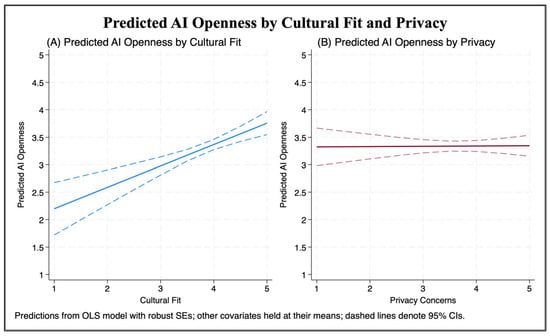

Disclaimer/Publisher’s Note: The statements, opinions and data contained in all publications are solely those of the individual author(s) and contributor(s) and not of MDPI and/or the editor(s). MDPI and/or the editor(s) disclaim responsibility for any injury to people or property resulting from any ideas, methods, instructions or products referred to in the content. |
© 2026 by the authors. Licensee MDPI, Basel, Switzerland. This article is an open access article distributed under the terms and conditions of the Creative Commons Attribution (CC BY) license.