


Highlights
Public health relevance—How does this work relate to a public health issue?
- Substance use among school-going children remains a significant global public health concern, with an estimated 37 million adolescents aged 13–15 years using tobacco and over 50% of 15-year-olds reporting alcohol use worldwide.
- Early substance uses increases risk of substance use disorders, unsafe sexual behaviour, and drug-related injury, posing serious physical and mental health risks.
Public health significance—Why is this work of significance to public health?
- This scoping review synthesises evidence from 43 studies and 33 distinct intervention models, addressing a gap in the literature by thoroughly mapping the design features that make school-based substance use prevention effective.
- The findings show that interventions grounded in explicit theory and involving multiple stakeholders (parents, community, and experts) produce more consistent and sustained reduction in substance use.
Public health implications—What are the key implications or messages for practitioners, policy makers and/or researchers in public health?
- Practitioners and policymakers should design interventions combining theoretical grounding, multi-stakeholder involvement, and dosage calibrated to children’s developmental stage, rather than relying on content volume alone.
- No corrective intervention model currently exists for schoolchildren already using substances. Researchers and policymakers should prioritise developing non-stigmatising, therapeutic school-based alternatives to punitive responses.
Abstract
Background: Early and comprehensive interventions are crucial for preventing substance use in adolescents. In school settings, such interventions can be easily integrated into the curricular and co-curricular activities with the active involvement of school administration, teachers, trained staff, parents, and community members. This review aimed to comprehensively examine preventive, protective, and corrective school-based intervention models for substance use to suggest an evidence-based and effective educational model for preventing substance use in children. Methods: In this scoping review, online databases, including SCOPUS and Web of Science, were searched to identify and collect articles evaluating the effectiveness of school-based prevention models. The PRISMA approach for scoping review (PRISMA-ScR) was employed to assess the scope of relevant literature and synthesise existing school-based intervention models. Two independent reviewers independently screened records (κ = 0.75). Due to heterogeneity, findings were synthesised narratively using a socio-ecological framework. Study quality was appraised using the Mixed Methods Appraisal Tool (MMAT). Results: Forty-three studies, mostly from the United States, were included in the review. All school-based interventions examined were preventive or protective in their approaches. There was no school-based intervention model that was corrective in its approach. Increased knowledge, negative attitudes towards substance use, and reduced substance use in the intervention groups were key outcomes. Effective interventions involved a multi-pronged approach wherein teacher training, student education, and the involvement of parents, senior citizens, police officials, experts, and the community were key components. Additionally, culturally tailored interventions have shown promising results. Conclusions: Among school children, tobacco and alcohol use are most prevalent, and schools can play a crucial role in addressing this issue. Apart from preventive and protective intervention models, the focus needs to shift towards developing integrated school-based corrective models to address the concerns of substance use among school students.
1. Introduction
Early substance use threatens physical, mental, and social well-being, risking substance use disorders (SUDs) [1,2,3,4,5,6]. Alcohol, tobacco, and illicit drugs, especially cannabis, are commonly used substances by young adolescents in their early stages of life [7,8]. Globally, around 37 million youth aged about 13 to 15 years use tobacco in some form [9]. Another WHO survey demonstrated that the use of alcohol among 15-year-olds was even more widespread (>50%) [10]. Furthermore, the World Drug Report 2025 found that use of illicit drugs like amphetamines, cocaine and ecstasy is higher among the population aged 15–16 years than the general population [11].
Individual risk factors among adolescents include peer pressure [12,13], experimentation [14,15], boredom and curiosity [16], misinformation [17], misguided coping mechanisms [8,18], and impulsive decision-making [19,20]. Environmental drivers, like exposure to substance use within families [21,22], financial hardships, stressed neighbourhoods [23], and easy access to substances [24,25], further drive the early onset of substance use among school children [26,27]. Early onset of drug use among adolescents further increases the risk of maladaptive behaviours: poor academic performance [28], absenteeism [29], unsafe sexual activities [30,31], STDs [32], and delinquency [33].
Intervention strategies reduce these risk factors more efficiently when it is initiated at an early age, targeting specific risk factors [34,35]. Studies have developed various strategies, including parent-focused skill building, interactive school programmes, targeted high-risk programmes, multi-level prevention strategies, and trauma-focused prevention strategies [36,37,38,39].
School-based intervention models are the most effective approach to reach a large early-age population with substance use awareness, as they provide routine access to huge numbers of children during the risk period when initiation often begins [40].
Furthermore, school education aids in preventing substance use among children and reshaping their behaviour [41]. Inclusive school-based preventive intervention models significantly reduce substance use risk [42]. These interventions draw on theoretical frameworks addressing the risk and protective factors [43,44], family-based [45], youth empowerment [46], cognitive and behavioural, community and social learning approaches [47,48].
Family-integrated school interventions address risk factors such as poor parental monitoring and family conflict [39,49,50]. Furthermore, integrating senior citizens, trained counsellors, civil society members, and state functionaries may form part of strategic preventive models for reducing substance use among young adolescents [51]. The composition of the models may vary depending on the specific age group, grade, race, ethnicity, and skills targeted by the intervention [52,53].
Preventive interventions for substance use introduced in school settings can influence children’s behaviour by including the components of knowledge impartation [54] and skill development through socialisation [55]. School settings uniquely enable broad access to children and easier identification of vulnerability, making them ideal for multi-dimensional interventions [56]. Moreover, such interventions should be early and structurally tailored against the backdrop of socio-cultural sensibilities [57] to address the specific needs and behavioural risk factors of school-going young cohorts [58].
The substance use literature illustrates that preventive interventions are not sufficient on their own and emphasises strengthening protective and corrective approaches once risk factors, harmful use or related problems appear [59,60]. Prior systematic reviews, meta-analyses, and individual trials offer a mixed picture of school-based substance use prevention effectiveness. A systematic review of 29 randomised controlled trials found that skills-based interventions significantly reduced marijuana use and hard drug use compared with usual curricula [61]. At the level of individual trials, randomised evaluation of Life Skills Training across 56 New York schools similarly found reduced tobacco, alcohol, and marijuana use among adolescents receiving the programme [62], with 13-year follow-up later showing that these reductions extended into reduced illicit drug use in young adulthood [63]. A meta-regression showed that programme effectiveness is not uniform across development, with specific intervention characteristics working for some age groups but not others [64]. Altogether, these studies suggest that skills-based, social competency-focused content, delivered with attention to developmental stage and evaluated independently rather than solely by programme developers, is most consistently linked to favourable outcomes, while generic or developer-evaluated-only curricula show weaker or less certain effects.
Despite this accumulating evidence, two gaps remain insufficiently addressed. First, existing reviews and individual trials largely evaluate programme components (e.g., skills training, developmental timing, independence of evaluation) in isolation, without examining how theoretical grounding, multi-stakeholder involvement, cultural adaptation, and dosage interact within the same intervention. Second, most reviews and trials focus on preventive interventions for substance-naïve populations, leaving protective and corrective approaches for students already showing risk or early use comparatively unmapped. This scoping review addresses these gaps by jointly mapping preventive, protective, and corrective school-based intervention models, examining how theoretical grounding, stakeholder involvement, cultural adaptation, and dosage/developmental timing interact to shape outcomes, and identifying where the evidence base remains thin.
For this review, preventive models are defined as those delivered to substance-naïve populations before any use has occurred; protective models as those that build resilience or resistance skills in general or identified at-risk populations without requiring prior use; and corrective models as those explicitly designed to intervene with students who have already initiated substance use.
The research objective is framed within the PCC framework below (Table 1).
Table 1.
PCC framework.
Research Questions
This review aims to answer the following questions:
- Do explicit theoretical underpinned intervention models of substance use produce better and more sustained outcomes than atheorised interventions?
- What is the impact of specific stakeholder combinations in school-based substance use interventions on behavioural outcomes?
- Which specific psychosocial skill sets most strongly predict reduced substance use initiation?
2. Material and Methods
The scoping review approach was utilised to collect research evidence, which aids researchers in establishing the extent of the relevant literature around a broad study area. This method is beneficial for understanding the conceptual boundaries of a topic. It also aids in providing evidence-based suggestions for new policies or reforms in existing policies. This study utilised the PRISMA 2020 for scoping review (PRISMA-ScR) to scope the assessment and synthesise the models and the Preferred Reporting Items for Systematic Reviews and Meta-Analyses extension for Scoping reviews checklist (PRISMA-ScR) [Supplementary Materials File S1]. No protocol was pre-registered for this scoping review. Additionally, the review utilises a narrative synthesis approach, consistent with advanced scoping review methodology [65].
2.1. Search Strategy
This study comprises the relevant literature extracted from online databases, SCOPUS and Web of Science (refer to Table 2). Both databases were searched from inception to December 2025, the date of the original review’s final search. As part of this revision, the search was re-run on 3 August 2026, using the broadened search string described below; the coverage end-date was not extended beyond December 2025. This deliberately isolates the effect of the broadened search terms from that of the newly published literature, so that any additional records identified can be attributed to the revised search string rather than to the passage of time. The search string, provided in Table 2, was used within the data fields of title, abstract, keyword plus, and author keywords. Relative to the original review, a few new terms were added in the existing blocks, namely “Alcohol”, “Vaping”, “e-cigarette”, “Cigarette”, “Adolescent”, “Youth”, “Students”, “Young”, “Project”, and “RCT”, while the concept block (“Attitude” OR “Practices” OR “Knowledge”) was removed entirely to widen the search.
Table 2.
Search strategies.
2.2. Eligibility Criteria
Studies included in this review fulfilled the following inclusion criteria: (1) no time limits as to the date of publication of studies; (2) available in English; (3) full access; (4) evaluated the efficacy of school-based preventive/protective/corrective interventions against substance use through quantitative, qualitative, or mixed methods; and (5) must have been conducted in school settings. The exclusion criteria were as follows: (1) book chapters, conference papers, and dissertations; (2) articles without full text and abstract; (3) studies that did not include any other intervention model other than substance use/abuse (like mental health, suicide, obesity) and (4) studies conducted on school students but without any involvement of the school administration (e.g., purely community-based or purely family-based interventions).
2.3. Data Charting
Two reviewers independently screened titles and abstracts, achieving an inter-rater reliability of κ = 0.75, indicating substantial agreement [66]. Discrepancies were resolved through discussion with a third reviewer. Thereafter, full texts of the remaining articles were read to determine the variables that could be extracted for this study. After understanding the intervention models provided in the study, they made a joint decision to chart the data graph based on the selected data items. Quality appraisal used the Mixed Methods Appraisal Tool (MMAT), which evaluates studies against design-specific criteria across quantitative, qualitative, and mixed-methods designs. Quality was not used as an exclusion criterion, consistent with scoping review methodology, but informed the interpretation of findings.
2.4. Data Items
The following details were extracted from the selected studies: name of intervention, country in which the study was conducted, theory on which the intervention was based, study design (including method, sample, and design employed for performing the analysis, duration), age or grade of the school students kept as the targeted population in the study, participants of the intervention, composition of the intervention, skills targeted in the study, and outcome of the study.
3. Results
Of the 19,835 studies extracted from the two databases, 64 among them were extracted as duplicates and thereafter 17,985 records were excluded after title and abstract screening as they do not meet the eligibility criteria. From the remaining 1786 studies, (i) 323 were excluded as they did not include any specific school-based substance use intervention model; (ii) 754 were the protocol study; (iii) 234 studies included combined approaches wherein they analysed other types of interventions along with the substance use intervention model; (iv) 432 articles provided a blueprint of the intervention models and do not address or evaluate their practical efficiency. Ultimately, only 43 studies met all the inclusion criteria and were included in this scoping review (Figure 1).
Figure 1.
PRISMA flow diagram for scoping reviews.
3.1. Overview of Intervention Models
The intervention models in this review were either in their original form or modified with enhancements like acculturation, electronic or digital modes, and other alterations. Of forty-three, seven examined the efficacy of the keepin’ it R.E.A.L. (kiR) model [67,68,69,70,71,72,73]. The kiR model uses resistance strategies, (R)efusal, (E)xplain, (A)void, and (L)eave, based on the premise that most children who initiate substance use at an early age do so not out of the desire to try it, but because they lack the requisite social skills to resist drug offers. This model consists of multiple integrated elements to teach children knowledge, motivation and communication skills to enhance their capacity to refuse drug offers. These elements include 10 interactive classroom sessions, five videos scripted, acted and filmed by students and booster activities after every classroom session (Table 3). The Allgemeine Lebenskompetenzen und Fertigkeitan (ALF) model aims to enhance students’ general competence through life skills [74]. It emphasised protective factors rather than risk factors. It consists of two main parts: general competence enhancement sessions focusing on learning skills to manage everyday life challenges and substance-specific content including information about negative consequences of nicotine and alcohol use.
The D.A.R.E. project is a school-based primary prevention programme delivered by uniformed police officers in the United States, designed to prevent drug abuse among elementary school students during their transition to middle school [75]. The programme operates for 1 h per week over 17 consecutive weeks and integrates multiple theoretical approaches: an informational approach focusing on drug education and effects, an affective approach targeting self-esteem enhancement and emotional awareness, and a social influence approach emphasising peer pressure resistance and decision-making skills.
Take Charge of Your Life (TCYL) also includes D.A.R.E. as an element [76]. It is a universal, school-based substance abuse prevention programme designed to prevent the use of alcohol, tobacco, and marijuana among adolescents in the United States. The intervention comprises two core components: a 10-lesson curriculum delivered in 7th grade and a 7-lesson booster program in 9th grade, both addressing normative beliefs, consequences of substance use, decision-making, and resistance skills.
The Across Ages’ model pioneered an inclusive, cross-generational mentoring approach, involving older adults (55+) as mentors to high-risk students, and as recipients of support, to teach students skills like responsibility, decision-making, and providing support [77]. The model is designed around the mission to increase the resilience and protective factors among students across five domains: the family, the peer group, the community, the school, and the individual. This intervention includes four major elements: intergenerational mentoring, classroom-based life skills, curriculum and parental involvement.
The All-Stars intervention model [78] addresses four mediating factors: personal commitment against high-risk behaviours, principles incompatible with such behaviours, bonds with prosocial establishments, and conservative thought processes regarding high-risk behaviours. This intervention was initiated as smoking prevention research and now includes every major form of substance use, like tobacco, marijuana, inhalants, cocaine and alcohol. Interactive classroom, small group and individual sessions are the activities included in the model for systematically inculcating the four mediating factors in the students.
The CLIMATE Schools is a computerised school-based intervention with a harm minimization approach designed to decrease alcohol misuse among adolescents [79]. The intervention consisted of six 40 min lessons. Each lesson included two sections: the first is a 15–20 min computer-based lesson and the second consists of class activities. This blended approach enabled teachers to deliver standardised, accurate content through online material while facilitating interactive communication and translating the content into students’ own lives through classroom activities.
The Climate and Preventure (CAP) study combined two complementary prevention approaches [80]. The universal Climate Schools comprises twelve 40 min lessons. Each lesson integrates a 20 min online cartoon component completed individually by students, followed by a 20 min teacher-led class activity that reinforces content and enables interactive communication. The selective Preventure programme targets high-risk students identified on four personality subscales through two 90 min group sessions delivered one week apart by registered clinical psychologists. Sessions employ psycho-educational strategies and cognitive-behavioural approaches to educate students about personality-specific risk factors (negative thinking, anxiety sensitivity, impulsivity, or sensation seeking) and help them challenge problematic thought patterns.
The Creciendo Juntos (Growing up Together) model is a school prevention programme implemented since 2013 to address substance use among students through a comprehensive, community-wide approach [81]. The intervention’s delivery system involves trained MT (Madrid Tutor) coordinators and operators who facilitate semester-long group projects tailored to student interests and needs. To ensure programme integration across the school, parental engagement is facilitated through conferences, workshops, and a dedicated programme microsite.
The Coping Power Program, which is a multicomponent preventive intervention for aggressive children based on Social Cognitive, Social Learning Theory, and Developmental Theory. This model addresses potential future risks like delinquency and substance use by addressing both parent-level and child-level factors [82]. The two major components covered by the model are: firstly, the child component, a 1.25-year programme delivered in a school setting consisting of 33 weekly group sessions led by specialist staff (master’s or doctoral degree in psychology or social work) and a school guidance counsellor; secondly, the parent component, a 16-session training programme for parents teaching them skills of managing children and strengthening the family communication.
Another theoretically based model, Drug Education in Victorian Schools (DEVS), derives its principles from Social Learning Theory, post-structural subjectivity theory, and cognitive dissonance theory [83] and provides integrated education on licit and illicit drugs, specifically alcohol. It is a two-year harm minimisation-focused drug education initiative for junior secondary school students. It comprises 18 lessons delivered during a period of 2 years. Lessons are on the use of alcohol and other drugs and explore the broader issues of drug use, like violence, antisocial behaviour, mental health and sexual vulnerability.
The School Health and Alcohol Harm Reduction Project (SHAHRP), an Australian harm-minimisation model closely related in philosophy to DEVS, aimed to reduce alcohol-related harm by enhancing students’ ability to identify and manage high-risk drinking situations [84]. Delivered over two phases across a 32-month period, it comprised eight activity-based classroom lessons in the first year followed by five booster lessons in the second, with a teacher manual, student workbooks and videos supporting delivery.
The Drug Story Theatre (DST) uses a strategic prevention framework and peer-to-peer approach to inform middle and high school students about substance use risk. It reframes addiction and SUDs as a health problem and not a moral failing [85]. This model includes theatrical performances developed and enacted by students in early stages of their recovery, performed before middle and high school students in a school setting. It also includes brief presentations about adolescent brain development in between the scenes. Following the show, audiences engage in a talk-back session with performers moderated by a professional with expertise in adolescent substance use.
The Fresh Start model, based on the Theory of Planned Behaviour, the Health Belief Model (HBM), and the Transtheoretical Model, offers a school-based intervention programme for secondary school freshmen. It aids students to retain negative attitudes toward substance use during the transition period from primary to secondary school, a period during which abstract thinking develops [86]. The model consists of four weekly lessons of 50 min each, with a total duration structured to fit within the school year and also includes a parent conference on parenting early adolescents.
The Police, Public educators, and Peers Utilising Leadership skills of Students At Risk/As Resource (PULSAR) is designed as a qualitative, resiliency-focused intervention targeting students identified as at-risk [87]. It operates through several core mechanisms, including self-reflection facilitation, skills development, and relationship building. Students are provided with activities related to team building, group processes, self-assessment and self-awareness, group assessment, school, and community involvement.
The Substance Use Prevention Education Programme (SUPEP) intervention uses the HBM. Its contents integrate the U.S. and national health education resources [88]. It is a school-based intervention designed to address psychoactive substance use among young people. It focuses on enhancing knowledge, attitudes and behaviours related to substance use through evidence-based educational approaches. This intervention includes standardised interactive sessions for students once a week, teachers’ training using the WHO primary prevention of substance abuse training manual and facilitator guide, and the SUPEP manual to facilitate effective programme delivery.
The Healthy School and Drugs Project targets students aged 12–18 years. Based on the Theory of Planned Behaviour, the Social Cognitive Theory, and the Model of Behavioural Change, it utilises the ASE approach, which explains behaviour and intention through attitude (individual judgement of anticipated behaviour), social influence (opinions and expectations of others regarding that behaviour), and self-efficacy (personal confidence in achieving a specific behaviour) [89].
Another intervention based on Social Cognitive Theory is CATCH My Breath [90,91]. It is an evidence-based vaping prevention programme developed by researchers at the University of Texas School of Public Health, incorporating evidence from youth tobacco prevention programmes and risk-factors data. This program has age-specific curricula. Furthermore, it includes two components: four classroom sessions of 40 min delivered in-person or via virtual sessions and peer-led small group interactive activities focusing on the development of targeted skills (communication, self-esteem, and resistance against social pressure).
The OurFutures Vaping programme is a school-based eHealth intervention designed to prevent e-cigarette use among adolescent students in Australia [92]. It comprises four 40 min lessons about e-cigarettes and tobacco (including prevalence rates, associated harms, refusal strategies, and help-seeking), delivered approximately 1 week apart. Each lesson comprised a web-based cartoon with embedded quizzes and reflective activities.
The HeadOn Intervention is a self-guided, computer-based intervention designed for 6th to 8th graders to promote recognised “protective factors” against substance use, incorporating continuous feedback from middle school students during development [93]. This programme is designed on two key informational technologies: computer-based modules and interactive game components. The modules address key prevention topics such as consequences and risks of experimentation with drugs, drug-refusal skills training, self-management and social skills. Additionally, the “Skills Challenge” game is an electronic card game that enables students to gain practical knowledge on skills learned via modules. Teachers actively supervised the implementation of programmes in schools with an electronic tracking system to view detailed reports of students’ activities.
The Too Good For Drugs (TGFD) programme aims to protect youth from alcohol, tobacco, and other drug (ATOD) usage by enhancing protective factors and reducing associated risk factors through a social influence-based approach [94]. This is the only programme in the study that covers grades K to 12th. It employs highly interactive teaching sessions through small group activities, interactive games, role-playing activities, class discussion, and iterative practice. The programme covers lessons on goal setting, decision-making, managing emotions, effective communication, interpersonal bonding, and knowledge of ATOD and the consequences of its use.
Click City is an online, school-based curriculum for 5th graders with a 6th-grade booster, originally developed for cigarette and smokeless-tobacco prevention and later updated to also target e-cigarettes, drawing on the prototype/willingness model and the theories of planned behaviour and reasoned action [95]. Delivered individually by students on school computers under teacher supervision, the programme comprises eight 20–25 min lessons targeting favourable social images of smokers/vapers, normative beliefs, and perceived risks of health consequences and addiction.
Project ALERT also targets middle schoolers to prevent initiation or reduce substance initiation, namely cigarettes, alcohol, marijuana, and inhalants [96,97]. It is a 2-year, manualized substance use prevention curriculum. This intervention strategy included guided class discussions, small group activities, role-playing exercises, and videos to engage students. Lessons of this model focused on motivating students not to use drugs, addressing their intentions to use substances, and assisting them in identifying substances and generating resistance against pressure to use substances.
Project SUCCESS (Schools Using Coordinated Community Efforts to Strengthen Students) is a selective/indicated programme for high-risk students in alternative high schools, grounded in the Theory of Reasoned Action and Cognitive Behaviour Theory [98]. Master’s-level counsellors placed in schools deliver a 6–8 session Prevention Education Series to all students, then individually screen students for substance use and refer those needing further support to individual counselling, one of ten types of small groups, or community-based treatment; counsellors also conduct outreach to parents and the community.
Project Northland Chicago (PNC) is an adapted multi-component alcohol use preventive intervention designed specifically for urban, low-income, and multi-ethnic youth populations [99]. This intervention was designed to be implemented consecutively from 6th to 8th grade, with each year involving school, family, and community components. Major adaptations for urban youth included surface changes to curricula, expanded home programmes, peer-led community service projects rather than social activities, and greater emphasis on community organising with organisers focused in neighbourhoods.
Project Towards No Drug Abuse (TND) intervention strategy is used in three studies included in this scoping review [100,101,102]. It is a 12-session school-based substance abuse prevention programme designed for older, at-risk teens and emerging adults. The TND programme comprises 12 classroom sessions, each approximately 45 min in duration. It is delivered by trained health educators in selected classrooms over four weeks. The programme also includes a Motivational Interviewing (MI) booster component consisting of up to three sessions lasting approximately 20 min each.
The SAFEChildren intervention supports and smooths developmental management, social support, and school-family association for first-graders from families living in inner-city neighbourhoods [103]. Its major components are parent group sessions, child tutoring programme and booster intervention after two years of initiation of intervention.
Based on the social development and learning theory, the Seattle Social Development Project (SSDP) is an expanded version of Hirschi’s social control [104]. It assumes that delinquent behaviour can be avoided if children have strong social bonds with their close ones, such as their family and school. This framework was designed to prevent school failure, drug abuse and delinquency among low-income urban children. Intervention included three integrated components: classroom intervention, through trained teachers; child intervention, through social skills training for children; and parent intervention, through parent training sessions.
Another intervention guided by the Social Development Model is Raising Healthy Children (RHC). This intervention strategy aims to promote prosocial behaviour, thereby preventing antisocial behaviour [105]. It is a comprehensive multicomponent programme designed to promote healthy development in middle childhood by increasing prosocial behaviour through teachers’ training, students’ social and emotional skill sessions, and parents’ workshops.
The “Unplugged” programme is a 12-session school-based prevention curriculum designed to address alcohol, tobacco, and illicit drug use among adolescents aged 12–14 years [106]. The intervention is based on the Comprehensive Social Influence model and delivers interactive, evidence-based content through three integrated instructional blocks: the first block focuses on knowledge about substance use; the second block emphasises social skills training including effective communication, interpersonal relationships, self-awareness, and normative education to correct misperceptions about substance use prevalence; and the third block strengthens intrapersonal skills through practice in refusal, assertiveness, critical thinking, coping strategies, goal setting, decision-making, and problem-solving.
The Refuse, Remove, Reason (RRR) model employs Social Learning Theory and the mutual aid model to deliver the highest impact in the fewest sessions [107]. It is a brief, universal classroom-based substance abuse prevention programme designed for high school students to reduce alcohol use and change social norms around drug use. The program consists of: core classroom sessions, providing information about substances, their potential harms and refusal skills, including video segments; four homework assignments, including web-based videos and written self-reflection activities; and print material for increasing parents’ awareness of the program.
Ho’ouna Pono is another video-enhanced curriculum designed as a culturally grounded substance abuse prevention programme [108]. The core component is the brief video vignettes of Hawaiian youth engaged in realistic drug-related problem situations. The culture wall activity involved the discussion and application of Hawaiʻi Island cultural concepts to drug prevention. For example, the concept of puʻuhonua (place of refuge) is used to introduce the concept of psychosocial “protection” in lesson 2 of the pilot curriculum. Other lessons encourage youth to consider the applicability of Hawaiian cultural constructs (e.g., “ohana”, “aloha”) to drug prevention through the culture wall activity and facilitated discussions.
Finally, the Rehearsal Plus (R+) intervention is based on both cognitive and behavioural conceptualisations, using techniques to inculcate specific skills, enhance knowledge through cognitive procedures and to teach behavioural responses to augment functioning [109]. It is a training programme designed for third-grade students that emphasises skills development through multiple integrated components. Key components include: drug identification sessions; assertiveness training; decision-making training; and an eight-step sequence behavioural session This programme also includes elaborative rehearsal sessions to enhance students’ understanding and appreciation for desired responding through deeper processing of information.
3.2. Synthesis of Findings
3.2.1. Theoretical Grounding and Outcomes
The review includes both theorised and atheorised models, enabling the empirical comparison between the two. An explicit theoretical foundation in intervention was found to be associated with more robust outcomes. For instance, Models grounded in Social Cognitive Theory [70,82,90,91] consistently improved targeted cognitive and behavioural outcomes, including reduced risk of substance use and enhanced refusal self-efficacy. Similarly, the Social Development Model [104,105] demonstrated sustained prosocial skill gains over multi-year follow-up periods. Furthermore, EU-Dap “Unplugged” [106] explicitly built on the Comprehensive Social Influence Model and reduced alcohol-related problem behaviours across seven countries; Project SUCCESS [98], grounded in the Theory of Reasoned Action and Cognitive Behaviour Theory, increased perceived harm from alcohol and marijuana; and CATCH My Breath [90,91] and Click City [95], both explicitly theory-driven (Social Cognitive Theory and the Prototype/Willingness Model respectively), produced significant reductions in e-cigarette initiation and vaping intentions. OurFutures Vaping [92], explicitly grounded in a comprehensive social influence and harm-minimisation approach, similarly produced a robust behavioural effect. Conversely, thirteen [67,68,73,74,75,77,78,79,80,92,93,100,101,102,103] out of sixteen models without theoretical underpinnings showed fluctuating outcomes (see Table 3).
Table 3.
Intervention strategy of the school-based models.
Notably, Project Northland Chicago [99], explicitly built on the Theory of Triadic Influence and Perry’s planning model, showed no significant intervention effect on alcohol, tobacco or marijuana use despite high-fidelity implementation.
3.2.2. Multi-Stakeholder Involvement and Intervention Effectiveness
The inclusion of multiple stakeholders consistently yielded broader and more durable outcomes than those confined to students and school administration alone. As mapped in Table 3, models like Across ages [77], SSDP [104], Healthy school and Drugs Project [89], Creciendo Juntos [81], Ho’ouna Pono [108] and RHC [105] that integrated teacher training, parental workshops and community participation showed significant improvements across academic performance, prosocial bonding, and reduced substance. The Across ages model also involved senior citizens (55+) as intergenerational mentors to improve students’ sense of self-worth [77].
Conversely, school-only models like HeadOn [93] and SUPEP [88] improved knowledge and attitudes without corresponding behavioural change. This pattern was not, however, universal. Project Northland Chicago [99] represented the fullest multi-stakeholder design in this review, yet the intervention as a whole produced no significant effect on alcohol or drug use relative to control. Similarly, CLIMATE Schools [79] and CAP [80] showed no significant reduction in alcohol or cannabis use expectancies.
3.2.3. Cultural Adaptation as a Moderating Factor
Cultural tailoring significantly moderated intervention effectiveness, notably in the kiR programme family. The original kiR model, for seventh-graders using an ecological approach [67,69], produced strong baseline drug-refusal and decision-making skills. Culturally grounded adaptations for Mexican descent students produced more favourable substance use attitudes and behaviours, particularly among English-dominant high-risk students [68]. Cross-national transfer to a Mexican border city [71] similarly demonstrated reduced alcohol and drug use frequency, particularly marijuana use among males. An entertainment-education video adaptation tailored to urban and rural cultural contexts increased refusal self-efficacy and decreased future alcohol use [70]. However, the kiR Acculturation Enhancement version [69] increased substance use expectancies by 8th grade (Table 4).
The Hoʻouna Pono curriculum extended this pattern of cultural moderation to a Native Hawaiian population, embedding culturally grounded concepts such as puʻuhonua (place of refuge) and family-specific drug-offer scenarios within its resistance-skills lessons; the curriculum produced small but significant reductions in cigarette/e-cigarette and hard drug use for some cohorts, but not for alcohol or marijuana use [108]. Likewise, Creciendo Juntos was adapted to the sociocultural context of Mexican school communities and produced significant decreases in alcohol use, and among girls, in tobacco and marijuana use as well [81], further supporting cultural adaptation as a moderator of intervention effectiveness.
Table 4.
Summary of the studies included in the scoping review.
3.2.4. Dosage, Duration and Developmental Targeting
Interventions varied in duration and intensity, but patterns emerged. Brief models like the original kiR [73], RRR [107], and Fresh Start [86] produced short-term attitudinal and skill gains, while multi-year interventions like DEVS [83], Project ALERT [96,97], Creciendo Juntos [81], SHAHRP [84] and SSDP [104] were better positioned to observe behavioural changes and sustained protective factors. Early-grades programmes built skills; middle-school programmes addressed peer pressure and beliefs [89,104] (Table 4). Long-term follow-up data from Project TND sharpens this picture. Delivered in only nine sessions, it nonetheless produced a hard-drug-use reduction that was still detectable up to five years later among continuation high school students [102]. PNC [99] and TCYL [76] sit at the opposite end of the dosage spectrum, multi-year booster design, yet still produced no significant positive effect on alcohol or drug use, reinforcing that duration and session count cannot substitute for content-population fit.
Moreover, the CAP study [80] offers a particularly clear illustration of dosage decay over a longer observation window: both the universal Climate and combined CAP groups showed significantly greater cannabis-knowledge gains than control at 6, 12 and 24 months, but this advantage had disappeared by the 36-month follow-up as the control group’s knowledge caught up.
3.2.5. Null, Partial and Iatrogenic Findings
The recognition of interventions that produced null, mixed, or unintended negative outcomes is critical for evidence-informed programme design. The REAL Group Model [67], an extension of the kiR program, showed no significant group differences in substance use, cultural pride, or self-esteem, and intervention group participants showed greater increases in marijuana use at post-test. Similarly, SAFEChildren [103] reported no statistically significant long-term direct effects on most outcomes after a 13-year follow-up, despite a robust RCT design. Project ALERT [96] demonstrated limited effectiveness in schools (AYP) and produced iatrogenic effects and increased substance use in non-AYP schools compared to control. SUPEP [88] improved knowledge and attitudes but produced no significant behavioural reduction in substance use. The kiR-Plus version [69] was associated with higher substance use expectancies by 8th grade.
Furthermore, EU-Dap “Unplugged” showed a related partial pattern: it reduced alcohol-related problem behaviours but did not reduce the overall frequency of alcohol consumption [106], while Project SUCCESS increased perceived harm from alcohol and marijuana yet saw peer support and normative beliefs about alcohol move in an unfavourable direction relative to controls [98] illustrating that a single curriculum can simultaneously succeed and fail across the different mechanisms it targets.
The TCYL trial provides a further, larger-scale example of iatrogenic risk. Delivered as a universal, non-targeted curriculum across 83 school clusters, TCYL produced significantly higher 30-day alcohol and cigarette use among treatment students by the 11th grade, an effect concentrated among students with no substance use experience at baseline and among white students [76]. Hoʻouna Pono similarly produced a partial and counterintuitive pattern, a finding the original authors attributed to unmeasured baseline risk factors rather than a true iatrogenic effect [108].
3.3. Key Outcome
Effectiveness of forty-three school-based substance use models was measured using: i. randomised controlled trial (twenty-three studies), including clustered and group RCT; ii. quasi-experimental study design (eight studies); iii. pretest–post-test design (five studies); iv. non-randomised controlled trial (1 study); v. school-based controlled trial (one study); vi. self-report survey and longitudinal study (one study); vii. cross-sectional study (one study); viii. mixed-methods trend study (one study); ix. dynamic wait-listed control group design (one study); and x. experiential (qualitative) study design (one study). Classes ranged from kindergarten to 12th grade (refer to Table 4). Findings from small studies were interpreted cautiously, not equated with multisite RCTs.
These studies report impacts ranging from cognitive and attitudinal changes to psychosocial and behavioural skills essential for preventing children from initiating substance use. Studies examining intervention models, such as Across Ages, the Healthy School and Drug Project, R+, SUPEP, DST, All Stars, CATCH My Breath, Project SUCCESS. and HeadOn, confirmed knowledge-related outcomes [77,78,85,88,89,90,91,93,95,98,109].
Correspondingly, certain intervention models such as HeadOn, ALF, PULSAR, RRR, Click City and SUPEP successfully developed or retained the negative attitudes of the participants against substance use [74,87,88,93,107]. However, the study including Fresh Start model highlighted that the intervention does not have any significant impact in fostering negative attitudes among school students towards substance use [86].
Intervention strategies employed in some models, including ALF, Coping Power Program, RHC, Healthy School and Drug Project, and SUPEP, have led to a significant reduction in substance use among students at risk [74,82,88,89,105]. The revised Project ALERT [96], CATCH My Breath [90,91], and EU-Dap “Unplugged” [106] produced comparable behavioural reductions, curbing cigarette and marijuana initiation, e-cigarette uptake, and alcohol-related problem behaviours respectively, and OurFutures Vaping [92] produced a comparable reduction in the odds of past 12-month e-cigarette use. Similarly, the RRR intervention not only led to a considerable decrease in substance use but also resulted in a significant reduction in drinking [107].
Similarly, the Creciendo Juntos achieved a significant reduction in lifetime alcohol use as well as significant reductions in tobacco and alcohol use among female students specifically [81], reinforcing that sustained, multi-stakeholder models can achieve measurable reductions in substance use among school populations.
By contrast, the CLIMATE Schools and the CAP study demonstrate that knowledge gains do not automatically translate into sustained behavioural change: CLIMATE produced strong, durable knowledge gains but only a short-lived reduction in alcohol consumption [79], while CAP produced durable cannabis-knowledge gains without a detectable reduction in cannabis use or harms [80], underscoring that knowledge and behavioural outcomes should be evaluated as distinct dimensions of programme success.
Studies exploring the kiR model, in its original or modified form, have highlighted its profound effectiveness in increasing knowledge regarding substance use. This model not only enhances the drug-refusal skills of the participant and their resistance skills against peer pressure but also significantly improves their decision-making skills and decreases the likelihood of future alcohol use [68,70,71,72,73]. Notably, two studies based on a modified version of the kiR model [67,69] diverged from these positive outcomes, showing no significant difference between children who received the intervention and those in the control group (Refer to Table 4). The kiR intervention has had a notable impact on indigenous students through cultural adaptation that resonates with their unique values and experiences [68,73].
Apart from direct results on substance use and knowledge and attitude towards it, the outcome of reviewed studies has also provided significant impacts of intervention models on various skills that indirectly facilitate building a healthy life free from substances. These skills include self-awareness [78], self-efficacy, self-worth [70,77], life skills [74], problem-solving skills [78], behavioural skills [82], resilience skills [87], resistance and refusal skills [70,72,77], communication skills [72,78], decision-making skills [72,109], critical thinking skills, and relationship and bonding skills [78].
3.4. Critical Appraisal of Included Studies
Methodological quality, appraised using the MMAT, ranged from moderate to high and varied systematically by design. The 23 RCTs/cluster RCTs showed the strongest internal validity, though allocation concealment and blinding were inconsistently reported. Quasi-experimental and pre–post studies were of moderate quality, limited by non-randomisation and sparse attrition/confounding reporting. Remaining quantitative and mixed-methods studies generally met applicable criteria, with self-reported outcomes a recurring limitation. The single qualitative study (PULSAR, n = 5) showed strong coherence but limited generalisability. No study was excluded on quality grounds, but weaker studies were interpreted cautiously throughout.
4. Discussion
This review covers 43 studies including 33 intervention models, in original or modified version, for substance use among children. A striking trend across the studies is that the original curricula are iteratively adapted rather than being replaced. The kiR appears in this review with several distinct adaptations, including EkiR, kiR-Plus, kiR-AE, REAL group model and MREAL, a culturally localised and translated version for children in Mexico [69,70,71,72,73]. Similarly, SAFEChildren demonstrates an adapted and extended family-focused model deployed with a younger population, featuring a multi-year booster structure [103]. However, the results of several adapted versions were not similar but rather worse than the originals, highlighting that each version must be examined as a separate intervention rather than assuming its inherent effectiveness from its base model.
More specifically, there were two culturally adapted versions of kiR: kiR AE [69], delivered to a younger population than the targeted population of the original version; and the MREAL intervention [71], which fully relocalised the language and curriculum of the original model for Mexican children, but the targeted grade (7th) was the same as the original. The kiR-AE model showed weaker and mixed results, whereas the MREAL produced more positive outcomes. This difference highlights a well-documented tension in the adaptation studies, suggesting that when adaptations drift too far from the validated core, it risks losing effectiveness even if they are culturally relevant [110]. This finding highlights that cultural adaptation of an intervention can be successfully implemented if its changes are made on the lines of cultural framing without alteration in the original target or theoretical core.
Another pattern recognised in this review is that the intervention founded in explicit behavioural theory generated more consistent and sustained outcomes than the atheorised model. This finding is consistent with a meta-analysis conducted in 1997 on the effectiveness of school-based drug prevention programmes [111]. This analysis revealed that prevention programmes based on social-influence theory were substantially more effective than non-interactive, knowledge-only programmes. The current review extends this finding and highlights that the effectiveness of an intervention lies in theoretical coherence. This can be because theories give a model a single mechanism to work upon, keeping its content, dosage and outcome measurement aligned. This can be clearly demonstrated through the contrast between SHAHRP and D.A.R.E.: SHAHRP’s explicit harm-minimisation rationale sustained reductions in alcohol-related harm well beyond programme completion [84], whereas D.A.R.E.’s broader, less theoretically anchored combination of cognitive, affective and social-skills content produced almost no significant behavioural effect [75], reinforcing that theoretical coherence, rather than breadth of content, underlies durable change.
Project SUCCESS illustrates just how far this multi-component logic can be pushed: placing master’s-level counsellors inside alternative high schools to combine classroom lessons with individual counselling, small groups, and outreach to parents and the community increased perceived harm from alcohol and marijuana, yet the same design saw peer support and normative beliefs about alcohol move in an unfavourable direction relative to controls, showing that adding stakeholders broadens a programme’s reach without guaranteeing that every mediator moves the same way [98]. By contrast, the teacher-only EU-Dap “Unplugged” trial, run across seven European countries without counsellors, parents or community partners, still reduced alcohol-related problem behaviours, indicating that classroom-only delivery is not inherently insufficient so much as differently suited to some outcomes (behavioural harms) than others (overall consumption, which it did not change) [106].
The models that included components like parents, community members, senior mentors, and peer performers rather than school curricula only showed significant behavioural changes. Meanwhile, the school-only programmes like HeadOn and SUPEP showed improvement only in knowledge and attitudes without demonstrating similar results in usage. This highlights that social factors like family, peer and community influences substance use among adolescents, which cannot be effectively addressed by classroom lessons alone. Therefore, effective prevention strategies need to incorporate family and community-linked components rather than intensifying classroom sessions in isolation.
The limited impact of kiR-Plus and no statistically significant long-term effects of SAFEChildren showed that duration, dosage and developmental intervention timings cannot be treated as independent design choices. The optimal approach requires delivering the right amount of content at the specific developmental stage and sustaining it long enough that the protective effects do not fade [111].
Furthermore, Project TND, only nine sessions long, produced a reduction in hard drug use that was still detectable up to five years later among continuation high school students [100,102], whereas the far more extensive 11-lesson-plus-booster Project ALERT [96,97] curriculum saw its sole short-term effect on alcohol use disappear within a single year of follow-up in a separate national trial. Session count alone, in other words, predicts durability poorly; what seems to matter more is whether the content and population are well matched, since Project ALERT’s revised, more intensive version, adding smoking-cessation and alcohol-focused lessons, did produce durable-looking short-term gains across three substances when tested with a different, Midwestern cohort.
Apart from developmental stage and dosage decay, grouping of high-risk adolescents for peer resistance strategies may inadvertently amplify the risky peer interaction rather than weakening harmful peer dynamics [112]. Similarly, a finding of Project ALERT proposed that students in low-performing schools may face greater challenges in applying the cognitive strategies. This highlights that contextual factors within school accounted for weaker outcomes rather than a flaw in the curriculum itself.
Interestingly, Creciendo Juntos/Madrid Tutor demonstrates that sustained, theory-driven, whole-school implementation, integrating teachers, families, and the broader school community into a permanent programme structure rather than a time-limited curriculum, can achieve significant reductions in alcohol use overall and in tobacco, alcohol, and marijuana use among female students specifically [81]. This finding lends further support to this review’s emphasis on multi-stakeholder involvement and dosage sustained over a developmentally appropriate period, and suggests that permanence and institutional embeddedness may be an additional design principle worth incorporating into future integrated, corrective models.
The CAP study adds a further dimension to this discussion by directly testing whether combining universal and selective prevention produces additive benefits. Adding the selective, personality-targeted Preventure programme to the universal Climate curriculum did not improve cannabis-related knowledge, use, or harm outcomes beyond the universal programme alone [80], suggesting that tiered universal-plus-selective designs are not automatically superior to universal delivery and that the added value of a selective layer may depend on how closely it targets the specific substance and risk mechanism in question. The CLIMATE Schools, evaluated as a cross-validation trial in a new set of schools, reinforces a further point raised throughout this review: computerised, standardised delivery can achieve consistent knowledge gains with minimal teacher training, but short lesson counts delivered over a single term appear insufficient to sustain behavioural change beyond the immediate post-intervention period [79]. Together, these findings suggest that future integrated, corrective models should consider not only whom they involve, but how precisely their selective or corrective component is matched to the substance and risk factor it targets, rather than assuming that adding layers of intervention will proportionally add to effectiveness.
The current review underscores the significance of including preventive and protective models in the school curriculum to enhance the students’ knowledge regarding substance use by consequently inculcating students with essential skills that increase their resistance against substance use, ultimately reducing the risk of substance use among adolescents. Unfortunately, the common approach adopted in school policies towards children using substances is deterrent and punitive. Substance use is considered misconduct by schools and is dealt with using a zero-tolerance approach. Students who use tobacco and alcohol in schools are subjected to disciplinary actions such as suspension, expulsion, or fines [113]. Such traditional punitive responses are detrimental, resulting in an increased risk of dropout, increased absenteeism, lower self-esteem, enhanced substance use, and the possibility of drug use among students [114]. This review chronicles the impact of preventive school-based interventions implemented by schools. Additionally, integrated models involving parents, senior citizens, community members, and experts with cultural adaptation significantly improved knowledge, attitude, and perception of substance use and its negative consequences. However, this does not provide an unconditional guarantee of success, as illustrated by the non-significant overall impact on behavioural outcomes of Project Northland Chicago, a multicomponent long-term intervention grounded on a theory. This intervention demonstrates that the potency of individual components, and how well each is matched to the population, may matter more than the other factors involved. As impactful interventions, these models guide future research on developing school-based corrective intervention models.
Only CATCH My Breath, Click City, and OurFutures Vaping were purpose-built, or substantially rebuilt, for e-cigarette prevention, and each had to invent new content because e-cigarettes carry a different harm profile, different flavour marketing, and different social norms than combustible products [90,91,92,95]. Given how rapidly youth vaping has risen, curriculum development in this field appears to be lagging behind the changing landscape of adolescent substance use, and future school-based programming may need the same kind of purpose-built approach for e-cigarettes that this review otherwise recommends for corrective, early-stage interventions.
Furthermore, a substantial finding highlighted by the reviewed literature is the absence of corrective intervention models, despite the documented requirement for therapeutic approaches for adolescents [115] engaging in the early stage of substance use. This highlights a crucial actionable gap for future programme development, with further alignment with the “sociology of acceptance” [116]. The review advocates the construction of alternative school-based corrective intervention models. Such a model can replicate the success of school-based intervention models in correcting substance users in school settings, especially where the student is consuming alcohol or tobacco and is in the initial stages, with no medical intervention required. The authors strongly recommend the development of such therapeutic interventions in school settings, which will decrease the stigma attached to substance use, reporting, and rehabilitation.
5. Conclusions
This scoping review demonstrates that school-based preventive interventions for adolescent substance use are most effective when several design elements align: explicit theoretical grounding, involvement of multiple stakeholders beyond the classroom, cultural adaptations that preserve developmental and theoretical fidelity while changing cultural framing, and dosage calibrated to the recipient’s developmental stage. Where these elements were absent or misaligned, as seen in the age-mismatched kiR-Plus and kiR-AE versions, the dosage-decay pattern in SAFEChildren, and the peer-grouping effect in the REAL Group Model, interventions produced null or even iatrogenic outcomes, indicating that harm in this literature is patterned and anticipatable rather than random.
Across nearly all models, knowledge and attitude change proved easier to achieve than behavioural change, underscoring the continued importance of active skill-building over information delivery. Interventions in school settings remain a uniquely valuable strategy because of their sustained access to large numbers of children and their existing infrastructure and workforce. However, this review also confirms a clear gap: no corrective intervention model exists for students already in the early stages of substance use, despite schools’ continued reliance on punitive, zero-tolerance responses.
Adding components does not guarantee stronger effects: Project SUCCESS, “Unplugged,” and the CAP study show that precision in matching content, dosage, and selective/corrective layers to population and risk mechanisms matters more than programme scale. Conversely, Creciendo Juntos/Madrid Tutor’s sustained, whole-school model suggests institutional permanence is a further design principle worth pursuing.
Building on the design principles identified here, the field’s next priority should be an integrated, theory-driven corrective model grounded in the sociology of acceptance, offering a non-stigmatising, therapeutic alternative for early-stage adolescent substance use.
6. Limitations
- This review includes literature published only in the English language, thereby excluding models which could be analysed in any other language.
- The majority of the relevant intervention models were applied from the US (30 of 43). This substantially limits the generalizability of findings to non-Western countries. Future reviews will be conducted as soon as relevant interventions are studied in low- and middle-income countries like Sub-Saharan Africa and Southeast Asia.
- The review must be interpreted cautiously as the heterogeneity in the study design and the iatrogenic and null findings in some models complicate direct comparisons of the models.
- This review’s protocol was not formally pre-registered; readers may wish to bear this in mind alongside the review’s other transparency measures.
- The search drew on two databases, SCOPUS and Web of Science; readers should note that the evidence base reflects this scope, alongside the English-language restriction already noted, rather than a broader multi-database or grey-literature search.
- Formal inter-rater reliability (κ = 0.75) is reported for title/abstract screening; full-text screening and data charting were carried out jointly by the review team, and readers may wish to keep this collaborative process in mind when weighing these stages of the review.
Supplementary Materials
The following supporting information can be downloaded at: https://www.mdpi.com/article/10.3390/ijerph23081073/s1. File S1: Preferred Reporting Items for Systematic reviews and Meta-Analyses extension for Scoping Reviews (PRISMA-ScR) Checklist. Reference [117] is cited in the Supplementary Materials.
Author Contributions
This study was conceptualised and structured by D.B.T. and U.G. P.D. developed the search strings used in this scoping review and subsequently extracted articles from selected online databases. P. and A.M. served as independent reviewers, analysing the extracted articles and determining their relevance based on predetermined eligibility criteria during the initial screening. For the second screening, they collaborated with P.D. to finalise the articles for inclusion by reviewing the full text and extracting relevant data items from each article. V.J., along with U.G., reviewed the selected studies and synthesised each article to scope the extent of the available literature on the subject matter in the selected online databases. The structuring of the paper, including the organisation of headings, tables, and figures, was conducted by each collaborator at various stages of the writing process, with timely ratification by D.B.T. and U.G. The final version was identified and finalised for publication purposes after all contributors reached a consensus. All authors have read and agreed to the published version of the manuscript.
Funding
The authors received no financial support for the research, authorship, and/or publication of this article.
Institutional Review Board Statement
Not applicable.
Informed Consent Statement
Not applicable.
Data Availability Statement
No new data were created or analysed in this study. Data sharing is not applicable to this article.
Conflicts of Interest
The authors declare no conflicts of interest.
References
- Nath, A.; Choudhari, S.G.; Dakhode, S.U.; Rannaware, A.; Gaidhane, A.M. Substance Abuse Amongst Adolescents: An Issue of Public Health Significance. Cureus 2022, 14, e31193. [Google Scholar] [CrossRef] [Scilit] [PubMed]
- Belfiore, C.I.; Galofaro, V.; Cotroneo, D.; Lopis, A.; Tringali, I.; Denaro, V.; Casu, M. A Multi-Level Analysis of Biological, Social, and Psychological Determinants of Substance Use Disorder and Co-Occurring Mental Health Outcomes. Psychoactives 2024, 3, 194–214. [Google Scholar] [CrossRef] [Scilit]
- Maina, G.; Mclean, M.; Mcharo, S.; Kennedy, M.; Djiometio, J.; King, A. A scoping review of school-based indigenous substance use prevention in preteens (7–13 years). Subst. Abus. Treat. Prev. Policy 2020, 15, 74. [Google Scholar] [CrossRef] [Scilit] [PubMed]
- Bröning, S.; Kumpfer, K.; Kruse, K.; Sack, P.M.; Schaunig-Busch, I.; Ruths, S.; Moesgen, D.; Pflug, E.; Klein, M.; Thomasius, R. Selective prevention programs for children from substance-affected families: A comprehensive systematic review. Subst. Abus. Treat. Prev. Policy 2012, 7, 23. [Google Scholar] [CrossRef] [Scilit] [PubMed]
- Dixon, L.; Mcnary, S.; Lehman, A. One-Year Follow-Up of Secondary Versus Primary Mental Disorder in Persons With Comorbid Substance Use Disorders. Am. J. Psychiatry 1997, 154, 1610–1612. [Google Scholar] [CrossRef] [Scilit] [PubMed]
- Richert, T.; Anderberg, M.; Dahlberg, M. Mental health problems among young people in substance abuse treatment in Sweden. Subst. Abus. Treat. Prev. Policy 2020, 15, 43. [Google Scholar] [CrossRef] [Scilit] [PubMed]
- Nowak, M.; Papiernik, M.; Mikulska, A.; Czarkowska-Paczek, B. Smoking, alcohol consumption, and illicit substances use among adolescents in Poland. Subst. Abus. Treat. Prev. Policy 2018, 13, 42. [Google Scholar] [CrossRef] [Scilit] [PubMed]
- Mak, Y.W.; Leung, D.; Loke, A.Y. The vulnerability to alcohol, tobacco, and drug use of adolescents in Hong Kong: A phenomenological study. BMC Pediatr. 2019, 19, 303. [Google Scholar] [CrossRef] [Scilit] [PubMed]
- WHO. WHO Global Report on Trends in Prevalence of Tobacco Use 2000–2030. 2024. Available online: https://iris.who.int/ (accessed on 20 March 2026).
- Charrier, L.; Van Dorsselaer, S.; Canale, N.; Baska, T.; Kilibarda, B.; Comoretto, R.I.; Galeotti, T.; Brown, J.; Vieno, A. A Focus on Adolescent Substance Use in Europe, Central Asia and Canada: Health Behaviour in School-Aged Children International Report from the 2021/2022 Survey; World Health Organization: Geneva, Switzerland, 2024; Available online: https://iris.who.int/handle/10665/376573 (accessed on 13 March 2026).
- UNODC. World Drug Report, 2025. 2025. Available online: https://www.unodc.org/unodc/en/data-and-analysis/world-drug-report-2025-annex.html (accessed on 20 March 2026).
- Keyzers, A.; Lee, S.K.; Dworkin, J. Peer Pressure and Substance Use in Emerging Adulthood: A Latent Profile Analysis. Subst. Use Misuse 2020, 55, 1716–1723. [Google Scholar] [CrossRef] [Scilit] [PubMed]
- Valente, T.W.; Ritt-Olson, A.; Stacy, A.; Unger, J.B.; Okamoto, J.; Sussman, S. Peer acceleration: Effects of a social network tailored substance abuse prevention program among high-risk adolescents. Addiction 2007, 102, 1804–1815. [Google Scholar] [CrossRef] [Scilit] [PubMed]
- Feldstein, S.W.; Miller, W.R. Substance use and risk-taking among adolescents. J. Ment. Health 2006, 15, 633–643. [Google Scholar] [CrossRef] [Scilit]
- Belcher, H.M.; Shinitzky, H.E. Substance abuse in children: Prediction, protection and prevention. Arch. Pediatr. Adolesc. Med. 1998, 152, 952–960. [Google Scholar] [CrossRef] [Scilit] [PubMed]
- Samuels, D.J.; Samuels, M. Low self concept as a cause of drug abuse. J. Drug Educ. 1974, 4, 421–438. [Google Scholar] [CrossRef] [Scilit]
- Nebhinani, N.; Nebhinani, M.; Misra, A.K.; Kaur, M. Knowledge & attitude towards drug use in school students. Indian J. Soc. Psychiatry 2013, 29, 114–118. [Google Scholar]
- Hogarth, L.; Martin, L.; Seedat, S. Relationship between childhood abuse and substance misuse problems is mediated by substance use coping motives, in school attending South African adolescents. Drug Alcohol. Depend. 2019, 194, 69–74. [Google Scholar] [CrossRef] [Scilit] [PubMed]
- Breyer, J.L.; Lee, S.; Winters, K.C.; August, G.J.; Realmuto, G.M. A longitudinal study of childhood ADHD and substance dependence disorders in early adulthood. Psychol. Addctv. Behav. 2014, 28, 238–246. [Google Scholar] [CrossRef] [Scilit] [PubMed]
- Quinn, P.D.; Harden, K.P. Differential changes in impulsivity and sensation seeking and the escalation of substance use from adolescence to early adulthood. Dev. Psychopathol. 2013, 25, 223–239. [Google Scholar] [CrossRef] [Scilit] [PubMed]
- Brown, S.A.; Tate, S.R.; Vik, P.W.; Haas, A.L.; Aarons, G.A. Modeling of alcohol use mediates the effect of family history of alcoholism on adolescent alcohol expectancies. Exp. Clin. Psychopharmacol. 1999, 7, 20–27. [Google Scholar] [CrossRef] [PubMed]
- Osborne, C.; Berger, L.M. Parental substance abuse and child well-being: A consideration of parents’ gender and coresidence. J. Fam. Issues 2009, 30, 341–370. [Google Scholar] [CrossRef] [Scilit]
- Cambron, C.; Kosterman, R.; Rhew, I.C.; Catalano, R.F.; Guttmannova, K.; Hawkins, J.D. Neighborhood Structural Factors and Proximal Risk for Youth Substance Use. Prev. Sci. 2020, 21, 508–518. [Google Scholar] [CrossRef] [Scilit] [PubMed]
- Petruzzi, L.J.; Pullen, S.J.; Lange, B.C.; Parnarouskis, L.; Dominguez, S.; Harris, B.; Quiterio, N.; Lekpeh, G.; Manobah, B.; Henderson, D.C.; et al. Contributing Risk Factors for Substance Use Among Youth in Postconflict Liberia. Qual. Health Res. 2018, 28, 1827–1838. [Google Scholar] [CrossRef] [Scilit] [PubMed]
- Zimmerman, G.M.; Farrell, C. Parents, Peers, Perceived Risk of Harm, and the Neighborhood: Contextualizing Key Influences on Adolescent Substance Use. J. Youth Adolesc. 2017, 46, 228–247. [Google Scholar] [CrossRef] [Scilit] [PubMed]
- Whitesell, M.; Bachand, A.; Peel, J.; Brown, M. Familial, Social, and Individual Factors Contributing to Risk for Adolescent Substance Use. J. Addict. 2013, 2013, 579310. [Google Scholar] [CrossRef] [Scilit] [PubMed]
- Aschengrau, A.; Grippo, A.; Winter, M.R. Influence of Family and Community Socioeconomic Status on the Risk of Adolescent Drug Use. Subst. Use Misuse 2021, 56, 577–587. [Google Scholar] [CrossRef] [Scilit] [PubMed]
- Busch, V.; Loyen, A.; Lodder, M.; Schrijvers, A.J.P.; van Yperen, T.A.; de Leeuw, J.R.J. The Effects of Adolescent Health-Related Behavior on Academic Performance: A Systematic Review of the Longitudinal Evidence. Rev. Educ. Res. 2014, 84, 245–274. [Google Scholar] [CrossRef] [Scilit]
- Engberg, J.; Morral, A.R. Reducing substance use improves adolescents’ school attendance. Addiction 2006, 101, 1741–1751. [Google Scholar] [CrossRef] [Scilit] [PubMed]
- Sanchez, Z.M.; Nappo, S.A.; Cruz, J.I.; Carlini, E.A.; Carlini, C.M.; Martins, S.S. Sexual behavior among high school students in Brazil: Alcohol consumption and legal and illegal drug use associated with unprotected sex. Clinics 2013, 68, 489–494. [Google Scholar] [CrossRef] [Scilit] [PubMed]
- Shrier, L.A.; Jean Emans, S.; Woods, E.R.; Durant, R.H. The Association of Sexual Risk Behaviors and Problem Drug Behaviors in High School Students. J. Adolesc. Health 1996, 20, 377–383. [Google Scholar] [CrossRef] [Scilit] [PubMed]
- Howard, D.E.; Wang, M.Q. The relationship between substance use and STD/HIV-related sexual risk behaviors among US adolescents. J. HIV/AIDS Prev. Child. Youth 2004, 6, 65–82. [Google Scholar] [CrossRef] [Scilit]
- Otero-Lopez, J.M.; Luengo-Martin, A.; Miron-Redondo, L.; Carillo-De, M.T.; Romero-Trinanes, E. Empirical Study of the Relations between Drug and Delinquency among Adolescents. Br. J. Criminol. 1994, 34, 459–478. [Google Scholar] [CrossRef] [Scilit]
- Katas, K.U.; Nwankwo, E.I.; Igwama, G.T.; Olaboye, J.A.; Anyanwu, E.C. Evaluating the impact of early intervention programs on substance abuse prevention in adolescents: A comprehensive review. Int. J. Appl. Res. Soc. Sci. 2023, 5, 768–785. [Google Scholar] [CrossRef] [Scilit]
- Afuseh, E.; Pike, C.A.; Oruche, U.M. Individualized approach to primary prevention of substance use disorder: Age-related risks. Subst. Abus. Treat. Prev. Policy 2020, 15, 58. [Google Scholar] [CrossRef] [Scilit] [PubMed]
- Tinner, L.; Palmer, J.C.; Lloyd, E.C.; Caldwell, D.M.; MacArthur, G.J.; Dias, K.; Langford, R.; Redmore, J.; Wittkop, L.; Watkins, S.H.; et al. Individual-, family- and school-based interventions to prevent multiple risk behaviours relating to alcohol, tobacco and drug use in young people aged 8-25 years: A systematic review and meta-analysis. BMC Public Health 2022, 22, 1111. [Google Scholar] [CrossRef] [Scilit] [PubMed]
- Edalati, H.; Conrod, P.J. A review of personality-targeted interventions for prevention of substance misuse and related harm in community samples of adolescents. Front. Psychiatry 2019, 9, 770. [Google Scholar] [CrossRef] [Scilit] [PubMed]
- Stockings, E.; Hall, W.D.; Lynskey, M.; Morley, K.I.; Reavley, N.; Strang, J.; Patton, G.; Degenhardt, L. Prevention, early intervention, harm reduction, and treatment of substance use in young people. Lancet Psychiatry 2016, 3, 280–296. [Google Scholar] [CrossRef] [Scilit] [PubMed]
- Lochman, J.E.; Van Den Steenhoven, A. Family-Based Approaches to Substance Abuse Prevention. J. Prim. Prev. 2002, 23, 49–114. [Google Scholar] [CrossRef] [Scilit]
- Liu, X.Q.; Guo, Y.X.; Wang, X. Delivering substance use prevention interventions for adolescents in educational settings: A scoping review. World J. Psychiatry 2023, 13, 409–422. [Google Scholar] [CrossRef] [Scilit] [PubMed]
- Lalongo, N.S.; Werthamer, L.; Kellam, S.G.; Hendricks Brown, C.; Wang, S.; Lin, Y. Proximal Impact of Two First-Grade Preventive Interventions on the Early Risk Behaviors for Later Substance Abuse, Depression, and Antisocial Behavior. Am. J. Community Psychol. 1999, 27, 599–641. [Google Scholar] [CrossRef] [Scilit] [PubMed]
- Bisset, S.; Markham, W.A.; Aveyard, P. School culture as an influencing factor on youth substance use. J. Epidemiol. Community Health 2007, 61, 485–490. [Google Scholar] [CrossRef] [Scilit] [PubMed]
- Nawi, A.M.; Ismail, R.; Ibrahim, F.; Hassan, M.R.; Manaf, M.R.; Amit, N.; Ibrahim, N.; Shafurdin, N.S. Risk and protective factors of drug abuse among adolescents: A systematic review. BMC Public Health 2021, 21, 2088. [Google Scholar] [CrossRef] [Scilit] [PubMed]
- Arthur, M.W.; Hawkins, J.D.; Pollard, J.A.; Catalano, R.F.; Baglioni, A.J. Measuring Risk and Protective Factors for Use, Delinquency, and Other Adolescent Problem Behaviors. Eval. Rev. 2002, 26, 575–601. [Google Scholar] [CrossRef] [Scilit] [PubMed]
- Hogue, A.; Liddle, H.A.; Becker, D.; Johnson-Leckrone, J. Family-based adolescent counselling for high-risk young adolescents: Immediate outcomes. J. Community Psychol. 1998, 30, 1–22. [Google Scholar]
- Kim, S.; Crutchfield, C.; Williams, C.; Hepler, N. Toward a New Paradigm in Substance Abuse and other Problem Behavior Prevention for Youth: Youth Development and Empowerment Approach. J. Drug Educ. 1998, 28, 1–17. [Google Scholar] [CrossRef] [Scilit] [PubMed]
- Harachi, T.W.; Ayers, C.D.; Hawkins, J.D.; Catalano, R.F.; Cushing, J. Empowering communities to prevent adolescent substance abuse: Process evaluation results from a risk- and protection-focused community mobilization efforts. J. Prim. Prev. 1996, 16, 233–254. [Google Scholar] [CrossRef] [Scilit] [PubMed]
- Schinke, S.P.; Moncher, M.S.; Palleja, J.; Zayas, L.H.; Schilling, R.F. Hispanic Youth, Substance Abuse, and Stress: Implications for Prevention Research. Int. J. Addctn. 1988, 23, 9–26. [Google Scholar] [CrossRef] [Scilit] [PubMed]
- Dishion, T.J.; Kavanagh, K.; Schneiger, A.; Nelson, S.; Kaufman, N.K. Preventing early adolescent substance use: A family-centered strategy for the public middle school. Prev. Sci. 2002, 3, 191–201. [Google Scholar] [CrossRef] [Scilit] [PubMed]
- Demarsh, J.; Kumpfer, K.L. Family-Oriented Interventions for the Prevention of Chemical Dependency in Children and Adolescents. J. Child. Contemp. Soc. 1986, 18, 117–151. [Google Scholar] [CrossRef] [Scilit]
- Henderson, J.L.; Brownlie, E.B.; McMain, S.; Chaim, G.; Wolfe, D.A.; Rush, B.; Boritz, T.; Beitchman, J.H. Enhancing prevention and intervention for youth concurrent mental health and substance use disorders: The Research and Action for Teens study. Early Interv. Psychiatry 2019, 13, 110–119. [Google Scholar] [CrossRef] [Scilit] [PubMed]
- Donovan, D. Healing of the canoe: Preliminary results of a culturally tailored intervention to prevent substance abuse and promote tribal identity for Native youth in two Pacific Northwest tribes. Am. Indian Alsk. Nativ. Ment. Health Res. 2015, 22, 42–76. [Google Scholar] [CrossRef] [Scilit] [PubMed]
- Whitesell, N.R.; Mousseau, A.C.; Keane, E.M.; Asdigian, N.L.; Tuitt, N.; Morse, B.; Zacher, T.; Dick, R.; Mitchell, C.M.; Kaufman, C.E. Integrating Community-Engagement and a Multiphase Optimization Strategy Framework: Adapting Substance Use Prevention for American Indian Families. Prev. Sci. 2019, 20, 1136–1146. [Google Scholar] [CrossRef] [Scilit] [PubMed]
- Botvin, G.J.; Lori, W.K. Preventing Alcohol and Tobacco Use Through Life Skills Training Theory, Methods, and Empirical Findings. Alcohol Res. Health 2000, 24, 250–257. [Google Scholar] [PubMed]
- Chirimwami, V.; Van Ryzin, M.J. Universal School-Based Substance Use Prevention Using Technology-Supported Cooperative Learning. Prev. Sci. 2024, 25, 488–497. [Google Scholar] [CrossRef] [Scilit] [PubMed]
- Botvin, G.J. Substance Abuse Prevention: Theory, Practice, and Effectiveness. Crime Justice 1990, 13, 461–519. [Google Scholar] [CrossRef] [Scilit]
- Hecht, M.L.; Krieger, J.L.R. The principle of cultural grounding in school-based substance abuse prevention: The drug resistance strategies project. J. Lang. Soc. Psychol. 2006, 25, 301–319. [Google Scholar] [CrossRef] [Scilit]
- Gilchrist, L.D.; Schinke, S.P.; Trimble, J.E.; Cvetkovich, G.T. Skills enhancement to prevent substance abuse among american indian adolescents. Int. J. Addctn. 1987, 22, 869–879. [Google Scholar] [CrossRef] [Scilit] [PubMed]
- Fishbein, D.H.; Sloboda, Z. A National Strategy for Preventing Substance and Opioid Use Disorders Through Evidence-Based Prevention Programming that Fosters Healthy Outcomes in Our Youth. Clin. Child. Fam. Psychol. Rev. 2023, 26, 1–16. [Google Scholar] [CrossRef] [Scilit] [PubMed]
- Sloboda, Z.; Johnson, K.A.; Fishbein, D.H.; Brown, C.H.; Coatsworth, J.D.; Fixsen, D.L.; Kandel, D.; Paschall, M.J.; Silva, F.S.; Sumnall, H.; et al. Normalization of Prevention Principles and Practices to Reduce Substance Use Disorders Through an Integrated Dissemination and Implementation Framework. Prev. Sci. 2023, 24, 1078–1090. [Google Scholar] [CrossRef] [Scilit] [PubMed]
- Faggiano, F.; Minozzi, S.; Versino, E.; Buscemi, D. Universal school-based prevention for illicit drug use. Cochrane Database Syst. Rev. 2014, 12, CD003020. [Google Scholar] [CrossRef] [Scilit] [PubMed]
- Botvin, G.J.; Baker, E.; Dusenbury, L.; Botvin, E.M.; Diaz, T. Long-term Follow-up Results of a Randomized Drug Abuse Prevention Trial in a White Middle-class Population. JAMA 1995, 273, 1106–1112. [Google Scholar] [CrossRef] [Scilit]
- Griffin, K.W.; Botvin, G.J.; Nichols, T.R.; Doyle, M.M. Effectiveness of a universal drug abuse prevention approach for youth at high risk for substance use initiation. Prev. Med. 2003, 36, 1–7. [Google Scholar] [CrossRef] [Scilit] [PubMed]
- Onrust, S.A.; Otten, R.; Lammers, J.; Smit, F. School-based programmes to reduce and prevent substance use in different age groups: What works for whom? Systematic review and meta-regression analysis. Clin. Psychol. Rev. 2016, 44, 45–59. [Google Scholar] [CrossRef] [Scilit] [PubMed]
- Munn, Z.; Pollock, D.; Khalil, H.; Alexander, L.; McLnerney, P.; Godfrey, C.M.; Peters, M.; Tricco, A.C. What are scoping reviews? Providing a formal definition of scoping reviews as a type of evidence synthesis. JBI Evid. Synth. 2022, 20, 950–952. [Google Scholar] [CrossRef] [Scilit] [PubMed]
- Landis, J.R.; Koch, G.G. The Measurement of Observer Agreement for Categorical Data. Biometrics 1977, 33, 159–174. [Google Scholar] [CrossRef] [Scilit]
- Marsiglia, F.F.; Peña, V.; Nieri, T.; Nagoshi, J.L. Real Groups: The design and immediate effects of a prevention intervention for Latino children. Soc. Work Groups 2010, 33, 103–121. [Google Scholar] [CrossRef] [Scilit] [PubMed][Green Version]
- Marsiglia, F.F.; Kulis, S.; Wagstaff, D.A.; Elek, E.; Dran, D. Acculturation status and substance use prevention with mexican and mexican-american youth. J. Soc. Work Pract. Addict. 2005, 5, 85–111. [Google Scholar] [CrossRef] [Scilit] [PubMed]
- Elek, E.; Wagstaff, D.A.; Hecht, M.L. Effects of the 5th and 7th grade enhanced versions of the keepin’ it real substance use prevention curriculum. J. Drug Educ. 2010, 40, 61–79. [Google Scholar] [CrossRef] [Scilit] [PubMed]
- Shin, Y.J.; Miller-Day, M.; Hecht, M.L.; Krieger, J.L. Entertainment–Education Videos as a Persuasive Tool in the Substance Use Prevention Intervention “keepin’ it REAL”. Health Commun. 2018, 33, 896–906. [Google Scholar] [CrossRef] [Scilit] [PubMed]
- Kulis, S.S.; Garcia-Perez, H.; Marsiglia, F.F.; Ayers, S.L. Testing a Culturally Adapted Youth Substance Use Prevention Program in a Mexican Border City: Mantente REAL. Subst. Use Misuse 2020, 56, 245–257. [Google Scholar] [CrossRef] [Scilit] [PubMed]
- Day, L.E.; Miller-Day, M.; Hecht, M.L.; Fehmie, D. Coming to the new DARE: A preliminary test. of the officer-taught elementary keepin’ it REAL curriculum. Addctv. Behav. 2017, 74, 67–73. [Google Scholar] [CrossRef] [Scilit] [PubMed]
- Kulis, S.; Yabiku, S.T.; Marsiglia, F.F.; Nieri, T.; Crossman, A. Differences by Gender, Ethinicity, and Acculturation in the efficacy of the keepin’ it REAL Model Prevention Program. J. Drug Educ. 2007, 37, 123–144. [Google Scholar] [CrossRef] [Scilit] [PubMed]
- Bühler, A.; Schröder, E.; Silbereisen, R.K. The role of life skills promotion in substance abuse prevention: A mediation analysis. Health Educ. Res. 2008, 23, 621–632. [Google Scholar] [CrossRef] [Scilit] [PubMed]
- Clayton, R.R.; Cattarello, A.M.; Johnstone, B.M. The Effectiveness of Drug Abuse Resistance Education (Project DARE): 5-Year Follow-Up Results. Prev. Med. 1996, 25, 307–318. [Google Scholar] [CrossRef] [Scilit] [PubMed]
- Sloboda, Z.; Stephens, R.C.; Stephens, P.C.; Grey, S.F.; Teasdale, B.; Hawthorne, R.D.; Williams, J.; Marquette, J.F. The Adolescent Substance Abuse Prevention Study: A randomized field trial of a universal substance abuse prevention program. Drug Alcohol Depend. 2009, 102, 1–10. [Google Scholar] [CrossRef] [Scilit] [PubMed]
- LoSciuto, L.; Rajala, A.K.; Townsend, T.N.; Taylor, A.S. An Outcome Evaluation of Across Ages: An Intergenerational Mentoring Approach to Drug Prevention. J. Adolesc. Res. 1996, 11, 116–129. [Google Scholar]
- Hansen, W.B. Pilot Test Results Comparing the All Stars Program with Seventh Grade DARE: Program. Integrity and Mediating Variable Analysis. Subst. Use Misuse 1996, 31, 1359–1377. [Google Scholar] [CrossRef] [Scilit] [PubMed]
- Newton, N.C.; Vogl, L.E.; Teesson, M.; Andrews, G. CLIMATE Schools: Alcohol module: Cross-validation of a school-based prevention programme for alcohol misuse. Aust. N. Z. J. Psychiatry 2009, 43, 201–207. [Google Scholar] [CrossRef] [Scilit] [PubMed]
- Newton, N.C.; Teesson, M.; Mather, M.; Champion, K.E.; Barrett, E.L.; Stapinski, L.; Carragher, N.; Kelly, E.; Conrod, P.J.; Slade, T. Universal cannabis outcomes from the Climate and Preventure (CAP) study: A cluster randomised controlled trial. Subst. Abus. Treat. Prev. Policy 2018, 13, 34. [Google Scholar] [CrossRef] [Scilit] [PubMed]
- Millé, C.; Juárez, A.; Jiménez, A. From Model to Case: Implementation, Follow-Up, and Evaluation of a Permanent School Prevention Program. Int. J. Ment. Health Addict. 2020, 18, 443–458. [Google Scholar] [CrossRef] [Scilit]
- Lochman, J.E.; Wells, K.C. Contextual social-cognitive mediators and child outcome: A test of the theoretical model in the Coping Power program. Dev. Psychopathol. 2002, 14, 945–967. [Google Scholar] [CrossRef] [Scilit] [PubMed]
- Midford, R.; Ramsden, R.; Lester, L.; Cahill, H.; Mitchell, J.; Foxcroft, D.R.; Venning, L. Alcohol prevention and school students: Findings from an Australian 2-year trial of integrated harm minimization school drug education. J. Drug Educ. 2014, 44, 71–94. [Google Scholar] [CrossRef] [Scilit] [PubMed]
- Mcbride, N.; Farringdon, F.; Midford, R.; Meuleners, L.; Phillips, M. Early unsupervised drinking—Reducing the risks. The School Health and Alcohol Harm Reduction Project. Drug Alcohol Rev. 2003, 22, 263–276. [Google Scholar] [CrossRef] [Scilit] [PubMed]
- Shrand, J.; Digiovanni, M.; Lee, D.; Kishore, A.; Martin, A. Drug story theater: A mixed-methods study of a peer-to-peer approach to substance abuse education. Health Behav. Policy Rev. 2021, 8, 281–293. [Google Scholar] [CrossRef] [Scilit]
- Onrust, S.A.; van der Heijden, A.; Zschämisch, A.L.; Speetjens, P.A.M. Effectiveness of Fresh Start: A Randomized Study of a School-Based Program to Retain a Negative Attitude Toward Substance Use in Secondary School Freshmen. Subst. Use Misuse 2018, 53, 921–930. [Google Scholar] [CrossRef] [Scilit] [PubMed]
- Martino-Mcallister, J.M. PULSAR: A qualitative study of a substance abuse prevention program. J. Drug Educ. 2004, 34, 89–103. [Google Scholar] [CrossRef] [Scilit] [PubMed]
- Onuorah, S.I.; Agbaje, O.S.; Ene, O.C.; Ugwueze, F.C. Effects of a school-based substance use prevention education on psychoactive substance knowledge, attitudes and behaviours among young people. Health Educ. J. 2024, 83, 664–680. [Google Scholar] [CrossRef] [Scilit]
- Cuijpers, P.; Jonkers, R.; De Weerdt, I.; De Jong, A. The effects of drug abuse prevention at school: The “Healthy School and Drugs” project. Addiction 2002, 97, 67–73. [Google Scholar] [CrossRef] [Scilit] [PubMed]
- Baker, K.A.; Campbell, N.J.; Noonan, D.; Thompson, J.A.; Derouin, A. Vaping Prevention in a Middle School Population Using CATCH My Breath. J. Pediatr. Health Care 2022, 36, 90–98. [Google Scholar] [CrossRef] [Scilit] [PubMed]
- Kelder, S.H.; Mantey, D.S.; Van Dusen, D.; Case, K.; Haas, A.; Springer, A.E. A Middle School Program. to Prevent E-Cigarette Use: A Pilot. Study of “CATCH. My Breath”. Public Health Rep. 2020, 135, 220–229. [Google Scholar] [CrossRef] [Scilit] [PubMed]
- Gardner, L.A.; Newton, N.C.; Rowe, A.L.; O’Dean, S.; Teesson, M.; Hides, L.; McBride, N.; Sunderland, M.; Freeman, B.; Egan, L.; et al. The OurFutures Vaping eHealth intervention to prevent e-cigarette use among adolescent students in Australia: A cluster randomised controlled trial. Lancet Public Health 2025, 10, e682–e692. [Google Scholar] [CrossRef] [Scilit] [PubMed]
- Marsch, L.A.; Bickel, W.K.; Badger, G.J. Applying computer technology to substance abuse prevention science results of a preliminary examination. J. Child Adolesc. Subst. Abus. 2007, 16, 69–94. [Google Scholar] [CrossRef] [Scilit]
- Hall, B.; BaCon, T.; Ferron, J. Randomized controlled evaluation of the too good for drugs prevention program: Impact on adolescents at different risk levels for drug use. J. Drug Educ. 2013, 43, 277–300. [Google Scholar] [CrossRef] [Scilit] [PubMed]
- Andrews, J.A.; Gordon, J.S.; Westling, E.; Smith, D. Assessing the Pragmatic Effectiveness and Implementation of Click City: Tobacco: A School-Based Prevention Program Targeting Youth Cigarette and E-cigarette Use. Nicotine Tob. Res. 2024, 26, 861–869. [Google Scholar] [CrossRef] [Scilit] [PubMed]
- Clark, H.K.; Ringwalt, C.L.; Shamblen, S.R.; Hanley, S.M.; Flewelling, R.L. Are substance use prevention programs more effective in schools making adequate yearly progress? A study of project ALERT. J. Drug Educ. 2011, 41, 271–288. [Google Scholar] [CrossRef] [Scilit] [PubMed]
- Ringwalt, C.L.; Clark, H.K.; Hanley, S.; Shamblen, S.R.; Flewelling, R.L. The effects of project ALERT one year past curriculum completion. Prev. Sci. 2010, 11, 172–184. [Google Scholar] [CrossRef] [Scilit] [PubMed]
- Clark, H.; Ringwalt, C.; Shamblen, S.; Hanley, S. Project success’ effects on substance use-related attitudes and behaviors: A randomized controlled trial in alternative high schools. J. Drug Educ. 2011, 41, 17–44. [Google Scholar] [CrossRef] [Scilit] [PubMed]
- Komro, K.A.; Perry, C.L.; Veblen-Mortenson, S.; Farbakhsh, K.; Toomey, T.L.; Stigler, M.H.; Jones-Webb, R.; Kugler, K.C.; Pasch, K.E.; Williams, C.L. Outcomes from a randomized controlled trial of a multi-component alcohol use preventive intervention for urban youth: Project Northland Chicago. Addiction 2008, 103, 606–618. [Google Scholar] [CrossRef] [Scilit] [PubMed]
- Sussman, S.; Dent, C.W.; Stacy, A.W.; Craig, S. One-Year Outcomes of Project Towards No Drug Abuse. Prev. Med. 1998, 27, 632–642. [Google Scholar] [CrossRef] [Scilit] [PubMed]
- Sussman, S.; Sun, P.; Rohrbach, L.A.; Spruijt-Metz, D. One-year outcomes of a drug abuse prevention program for older teens and emerging adults: Evaluating a motivational interviewing booster component. Health Psychol. 2012, 31, 476–485. [Google Scholar] [CrossRef] [Scilit] [PubMed]
- Sun, W.; Skara, S.; Sun, P.; Dent, C.W.; Sussman, S. Project Towards No Drug Abuse: Long-term substance use outcomes evaluation. Prev. Med. 2006, 42, 188–192. [Google Scholar] [CrossRef] [Scilit] [PubMed]
- Tolan, P.; Schoeny, M.; Gorman-Smith, D.; Henry, D. Family Support. and Connection Groups: Long-Term. Benefits for Inner-City Children? Prev. Sci. 2020, 21, 109–119. [Google Scholar] [CrossRef] [Scilit] [PubMed]
- O’Donnell, J.; Hawkins, J.D.; Catalano, R.F.; Abbott, R.D.; Day, L.E. Preventive School Failure, Drug Use, and delinquency among low-income children: Long-term Intervention in Elementary Schools. Am. J. Orthopsychiatry 1995, 65, 87–100. [Google Scholar] [CrossRef] [Scilit] [PubMed]
- Catalano, R.F.; Hawkins, J.D.; Kosterman, R.; Bailey, J.A.; Oesterle, S.; Cambron, C.; Farrington, D.P. Applying the Social Development Model in Middle Childhood to Promote Healthy Development: Effects from Primary School Through the 30s and Across Generations. J. Dev. Life Course Criminol. 2021, 7, 66–86. [Google Scholar] [CrossRef] [Scilit] [PubMed]
- Caria, M.P.; Faggiano, F.; Bellocco, R.; Galanti, M.R.; EU-Dap Study Group. Effects of a school-based prevention program on European adolescents’ patterns of alcohol use. J. Adolesc. Health 2011, 48, 182–188. [Google Scholar] [CrossRef] [Scilit] [PubMed]
- Mogro-Wilson, C.; Allen, E.; Cavallucci, C. A brief high school prevention program to decrease alcohol usage and change social norms. Soc. Work Res. 2017, 41, 53–62. [Google Scholar] [CrossRef] [Scilit]
- Okamoto, S.K.; Kulis, S.S.; Helm, S.; Chin, S.K.; Hata, J.; Hata, E.; Lee, A. An Efficacy Trial of the Ho‘ouna Pono Drug Prevention Curriculum: An Evaluation of a Culturally Grounded Substance Abuse Prevention Program in Rural Hawai‘i. Asian Am. J. Psychol. 2019, 10, 239–248. [Google Scholar] [CrossRef] [Scilit] [PubMed]
- Jones, R.T.; Corbin, S.K.T.; Sheehy, L.; Bruce, S. Substance Refusal: More Than “Just Say No”. J. Child Adolesc. Subst. Abus. 1995, 4, 1–26. [Google Scholar] [CrossRef] [Scilit]
- Barrera, M.; Castro, F.G.; Strycker, L.A.; Toobert, D.J. Cultural adaptations of behavioral health interventions: A progress report. J. Consult. Clin. Psychol. 2013, 81, 196–205. [Google Scholar] [CrossRef] [Scilit] [PubMed]
- Tobler, N.S.; Stratton, H.H. Effectiveness of School-Based Drug Prevention Programs: A Meta-Analysis of the Research. J. Prim. Prev. 1997, 18, 71–128. [Google Scholar] [CrossRef] [Scilit]
- Kerry, M.; Julie, N.; Sarah, L. Effectiveness of School-Based Life-Skills and Alcohol Education Programmes: A Review of the Literature; National Foundation for Educational Research: Berkshire, UK, 2013. [Google Scholar]
- Evans-Whipp, T.; Beyers, J.M.; Lloyd, S.; Lafazia, A.N.; Toumbourou, J.W.; Arthur, M.W.; Catalano, R.F. A review of school drug policies and their impact on youth substance use. Health Promot. Int. 2004, 19, 227–234. [Google Scholar] [CrossRef] [Scilit] [PubMed]
- Gage, N.A.; Grasley-Boy, N.; Peshak George, H.; Childs, K.; Kincaid, D. A Quasi-Experimental Design Analysis of the Effects of School-Wide Positive Behavior Interventions and Supports on Discipline in Florida. J. Posit. Behav. Interv. 2019, 21, 50–61. [Google Scholar] [CrossRef] [Scilit]
- Fadus, M.C.; Squeglia, L.M.; Valadez, E.A.; Tomko, R.L.; Bryant, B.E.; Gray, K.M. Adolescent Substance Use Disorder Treatment: An Update on Evidence-Based Strategies. Curr. Psychiatry Rep. 2019, 21, 96. [Google Scholar] [CrossRef] [Scilit] [PubMed]
- Bogdan, R.; Taylor, S. Toward a Sociology of Acceptance: The Other Side of the Study of Deviance. Soc. Policy 1987, 18, 34–39. [Google Scholar]
- Tricco, A.C.; Lillie, E.; Zarin, W.; O’Brien, K.K.; Colquhoun, H.; Levac, D.; Moher, D.; Peters, M.D.; Horsley, T.; Weeks, L.; et al. PRISMA Extension for Scoping Reviews (PRISMAScR): Checklist and Explanation. Ann. Intern. Med. 2018, 169, 467–473. [Google Scholar] [CrossRef] [Scilit] [PubMed]
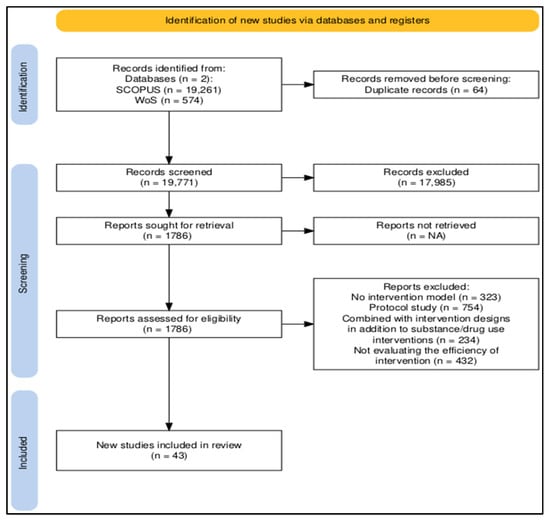
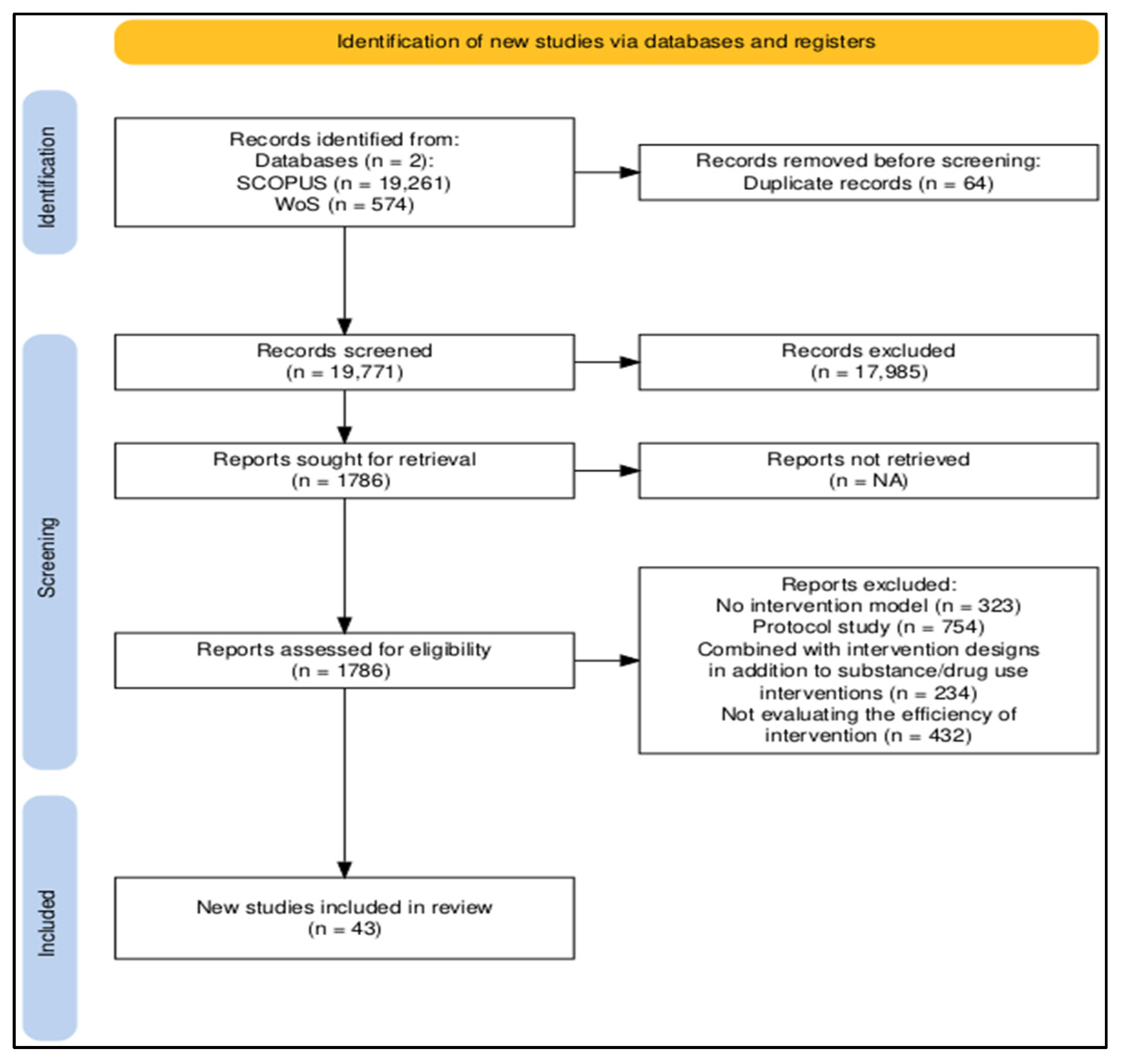

Disclaimer/Publisher’s Note: The statements, opinions and data contained in all publications are solely those of the individual author(s) and contributor(s) and not of MDPI and/or the editor(s). MDPI and/or the editor(s) disclaim responsibility for any injury to people or property resulting from any ideas, methods, instructions or products referred to in the content. |
© 2026 by the authors. Licensee MDPI, Basel, Switzerland. This article is an open access article distributed under the terms and conditions of the Creative Commons Attribution (CC BY) license.