


Abstract
Equisetum arvense is traditionally used for urinary complaints, inflammation, and tissue repair. However, the links between its traditional uses, phytochemistry, disease-related mechanisms, and clinical evidence remain insufficiently integrated. This review addresses this gap through an oxidative stress- and inflammation-centered synthesis. Flavonoids, phenolic acids, and other horsetail constituents may exert antioxidant and anti-inflammatory effects by scavenging radicals, enhancing antioxidant defenses, and modulating NF-κB and MAPK signaling. Findings suggest potential applications across urinary, inflammatory, metabolic, and musculoskeletal disorders. Integrating traditional indications with experimental and clinical findings highlights differences in evidence maturity and identifies extract variability, uncertain constituent contributions, and limited clinical mechanistic validation as major translational barriers. E. arvense shows therapeutic potential, but supporting evidence is predominantly preclinical. Standardized preparations, targeted mechanistic studies, and rigorous clinical trials incorporating oxidative stress and inflammatory biomarkers are needed to establish efficacy, optimal dosing, and long-term safety. Literature was retrieved from PubMed, Web of Science, Scopus, ScienceDirect, and Google Scholar. Relevant studies were screened and narratively evaluated according to evidence type, extract characterization, model relevance, and mechanistic support.
1. Introduction
Equisetum is the only surviving family from the much larger ancient order Equisetales and has long been important in scientific research; its members are commonly known as horsetails. Traditionally, the genus Equisetaceae contains two monophyletic subgroups: Equisetum, which is characterized by multiple lateral branches and is commonly known as horsetails; and another is Hippochaete, which does not have any lateral branches [1,2]. Multiple Equisetum spp. members have a long history of use in treating various diseases, particularly kidney stones and wound healing [3,4].
Among the numerous medicinal species in this genus, Equisetum arvense (E. arvense) is one of the most representative taxa, with the most extensive ethnomedicinal records and the most comprehensive pharmacological investigations to date. Existing ethnobotanical and traditional medicinal evidence indicate that E. arvense has been used in different regions for the treatment of kidney and urinary system disorders, edema, wounds and burns, inflammatory conditions, musculoskeletal discomfort, and a variety of other health problems. Notably, a considerable proportion of these indications overlap with pathological processes recognized in modern medicine as associated with oxidative stress.
Meanwhile, phytochemical investigations of E. arvense have identified multiple classes of potentially bioactive constituents from different medicinal parts and extracts, including flavonoids, flavonoid glycosides, phenolic acids and their derivatives, triterpenoids, and silicon-related components. Among these, quercetin derivatives, kaempferol derivatives, caffeic acid, and ferulic acid have been repeatedly reported in the literature as representative constituents [5,6].
Oxidative stress is widely regarded as one of the key mechanisms underlying the onset and progression of various chronic and degenerative diseases, as it can exacerbate disease development by promoting lipid peroxidation, protein oxidation, DNA damage, inflammatory cascades, endothelial dysfunction, and delayed tissue repair [7]. This mechanistic framework is particularly relevant to E. arvense, as experimental studies have shown that its extracts can modulate multiple biological responses associated with oxidative stress, inflammation, and apoptosis, including lipid peroxidation, inflammatory signaling, and redox-sensitive pathways [8]. Recent studies have further strengthened the rationale for investigating E. arvense as a natural source of antioxidant and anti-inflammatory agents, although these effects remain substantially influenced by differences in extract composition, dosage, and experimental models [9].
Previous reviews have summarized the taxonomy, phytochemistry, pharmacology, and toxicology of the genus Equisetum, while species-focused reviews have discussed the therapeutic potential of E. arvense across medical conditions [9]. These publications provide an important foundation for this review, focusing on interpreting disease-related findings through oxidative stress and inflammation and assessing their relevance to clinical translation.
This narrative review integrated traditional uses, preparation-dependent phytochemistry, experimental mechanisms, and human evidence for E. arvense. Its specific contribution was to distinguish chemical antioxidant activity from cellular responses and pathway evidence, separate findings for isolated constituents, extracts, and combined formulations, and compare preclinical results with clinical outcomes. This approach identified where proposed mechanisms remain unverified and prioritizes preparation-specific clinical research, standardization, and safety assessment.
2. Literature Search Strategy and Evidence Appraisal
This article is a narrative review integrating ethnomedicinal, phytochemical, preclinical, and clinical evidence on E. arvense, with a focus on oxidative stress and inflammation-related disorders. The literature search, eligibility criteria, data extraction, and narrative evidence appraisal are described below to improve methodological transparency.
2.1. Search Strategy
PubMed served as the primary database, using “horsetail” and “Equisetum arvense” as separate search terms. These searches yielded 736 and 248 records, respectively, corresponding to 736 unique records after merging. Supplementary searches were conducted in Google Scholar, Web of Science, Scopus, and ScienceDirect using species-related and topic-specific terms, including “Equisetum arvense”, “field horsetail”, “inflammation”, “antioxidant”, and “toxicity”. Pharmacopeias, ethnobotanical monographs, and backward citation tracking provided additional supporting literature. Literature published through 31 July 2026 was considered.
2.2. Eligibility Criteria
Inclusion criteria: original studies in which the investigated species was explicitly identified as Equisetum arvense; studies on ethnomedicine or ethnobotanical surveys; phytochemical investigations; in vitro and in vivo pharmacological studies; toxicological studies; clinical studies; and, where necessary, relevant pharmacopeial or regulatory documents. Full-text theses reporting original research were also eligible. Relevant reviews and other contextual sources were used as supporting references rather than primary research evidence.
Exclusion criteria: studies referring only to Equisetum spp. without confirmation of E. arvense; duplicate publications; conference abstracts or reports without accessible full text; non-English sources whose content could not be reliably verified; and purely ecological or agronomic studies unrelated to medicinal use or oxidative stress-associated diseases.
2.3. Study Selection and Data Extraction
Studies were initially screened based on titles and abstracts, followed by full-text assessment for final eligibility. For each included study, data were extracted on the plant part used, extraction solvent, identification method, major constituents, experimental model, disease context, dose/concentration, oxidative stress-related parameters, principal findings, and safety information. Studies using overlapping models but providing complementary results were retained to enable comparison of differences among extracts, plant parts, and experimental conditions. Classification of the references cited in this review identified 88 primary research sources and 47 supporting references. Each research source was counted once, irrespective of repeated citation across sections or tables. An overview of the literature search and organization process is provided in Figure S1.
2.4. Evidence Appraisal
Studies were classified into four descriptive evidence categories: I, human clinical or pharmacodynamic studies; II, in vivo animal studies; III, cellular or ex vivo biological studies; and IV, ethnomedicinal, phytochemical, or cell-free chemical and biochemical studies. Studies combining animal and cellular experiments received both II and III labels; ancillary chemical assays did not require an additional IV label. These categories describe study type, not methodological quality, certainty of evidence, or causal validation of mechanisms. Findings were interpreted in light of study design, sample size, controls, species identification, extract standardization, model relevance, measured endpoints, and reproducibility. For human studies, we also considered whether the intervention contained E. arvense alone or in combination with other ingredients. No formal risk-of-bias assessment was performed.
3. Equisetum arvense: The Flagship Species in Modern Pharmacology
Equisetum dates back to the Late Devonian and is widely regarded as a living fossil [10]. The genus underwent substantial morphological diversification during the Carboniferous and is now recognized as an early-diverging lineage within ferns based on molecular evidence [11]. Despite extensive phylogenetic studies, uncertainties persist due to incomplete geographic sampling, reliance on morphological traits, and limitations of plastid markers [12,13,14]. The most recent common ancestor of extant Equisetum species is estimated to have occurred in the Early Jurassic (~175 Ma). Subgenus Paramochaete diverged first during the Middle Jurassic, followed by the separation of subgenera Equisetum and Hippochaete in the Middle–Late Jurassic [15]. A comprehensive molecular phylogenetic analysis further resolved E. bogotense as an independent lineage (subgenus Paramochaete), while the remaining species clustered into two major clades: subgenera Equisetum and Hippochaete. E. bogotense is characterized by epistomatic, scattered stomata, non-apiculate strobili, and persistent leaf teeth [16].
Species within subgenus Equisetum share diagnostic features including epistomatic stomata (scattered or banded), non-apiculate strobili, deciduous annual stems, whorled leaves with persistent tips, and a papillate, verrucose epidermis.
E. arvense, field horsetail, is a species of the subgenus Equisetum and is most extensively studied in the medical field. An ethnobotanical investigation conducted in Alaşehir and its surroundings (Manisa/Turkey) reported that local people primarily use this plant to treat kidney pain and kidney stones, gastrointestinal diseases, hypertension, and tachycardia [17]. Modern studies have investigated hydroalcoholic extracts of E. arvense to characterize their phytochemical composition and pharmacological activities. In total, the literature includes seven clinical studies (including randomized, double-blind, controlled trials and prospective studies), one human intervention study, and 36 cell-based or animal experimental studies. Several key medicinal functions of this species have been reported, including anti-inflammatory, bone-protective, cryoprotective, and anticancer effects.
4. Traditional Uses Reclassified by Oxidative Stress and Inflammation-Related Disorder Context
E. arvense is regarded in traditional medicine as a medicinal plant with diuretic, anti-inflammatory, and hemostatic properties, and it has also been traditionally used to promote wound healing and support bone and connective-tissue health [9]. Its flavonoids, phenolic acids, and other polyphenolic constituents have demonstrated antioxidant activity in vitro studies [18]. Based on ethnomedicinal records and traditional practice, field horsetail has been used primarily for seven categories of health conditions closely associated with oxidative stress and inflammation: urinary and renal disorders; gastrointestinal and hepatobiliary disorders; cardiovascular and metabolic disorders; rheumatic and inflammatory diseases; wounds, bleeding, and skin disorders; bone and connective-tissue disorders; and reproductive and gynecological disorders (Figure 1). In particular, its traditional applications are commonly associated with mild urinary complaints, edema, wound and burn healing, and inflammatory conditions.
Figure 1.
Overview of the traditional oxidative stress- and inflammation-related medicinal uses of E. arvense.
4.1. Urinary and Renal System-Related Disorders
In diseases of the urinary tract and kidney, oxidative stress is both a cause of inflammation and microvascular injury and a consequence of chronic disease progression. Patients with chronic kidney disease, diabetic nephropathy, acute kidney injury, and end-stage renal disease commonly exhibit increased generation of reactive oxygen species (ROS), markedly elevated levels of lipid peroxidation products and protein carbonyls, and reduced levels of antioxidant enzymes and low-molecular-weight antioxidants [19]. The traditional use of horsetail as a diuretic, to relieve urinary tract inflammation, and to support renal function provides a basis for investigating whether its antioxidant and anti-inflammatory effects can attenuate oxidative damage in the kidney and improve urinary tract symptoms (Table 1).
4.2. Gastrointestinal and Hepatobiliary Disorders
Oxidative stress is implicated in a wide range of gastrointestinal and hepatobiliary diseases, contributing to mucosal injury, disruption of barrier function, and amplification of inflammatory responses. Excessive production of ROS is associated with the pathogenesis of gastroesophageal reflux disease, Helicobacter pylori-related gastritis, inflammatory bowel disease, drug-induced enteritis, and colorectal neoplasms, and can promote mucosal ulceration and neoplastic transformation by inducing lipid peroxidation and DNA damage [20]. Accordingly, the traditional use of E. arvense in gastrointestinal disorders suggests that it may exert potential antioxidant and barrier-protective effects (Table 1).
4.3. Cardiovascular and Metabolic Disorders
Oxidative stress promotes the development of atherosclerosis, heart failure, and metabolic syndrome by driving endothelial dysfunction, low-density lipoprotein oxidation, vascular smooth muscle phenotypic changes, and disturbances in insulin signaling [21]. It attenuates nitric oxide–mediated vasodilation and upregulates inflammatory cytokines and adhesion molecules in hypertension, coronary artery disease, and heart failure, while in obesity and type 2 diabetes, it acts as a key driver of chronic low-grade inflammation, mitochondrial dysfunction, and lipotoxicity [22]. Traditionally, horsetail has been used for “blood purification,” mild edema, metabolic imbalance, and cardiovascular discomfort, thereby providing empirical support for its potential to target oxidative stress-driven endothelial injury, metabolic dysregulation, and microcirculatory disturbances (Table 1).
4.4. Rheumatic and Inflammatory Diseases
Multiple autoimmune and rheumatic diseases, such as rheumatoid arthritis and psoriatic arthritis, are characterized by pronounced oxidative stress, evidenced by increased markers of lipid peroxidation, protein oxidation, and DNA damage. Excess free radicals not only directly injure articular cartilage and synovial cells but also modulate redox-sensitive signaling pathways, thereby amplifying inflammatory cytokine networks and establishing a vicious cycle in which inflammation and oxidative stress mutually reinforce one another [23]. In this context, the traditional empirical use of horsetail for “dispelling wind-dampness,” alleviating joint pain, and reducing tissue swelling might as a targeted modulation of oxidative stress-driven joint inflammation, tissue destruction, and impaired repair (Table 1).
4.5. Wounds, Bleeding, and Skin Disorders
In the skin and mucosal tissues, exposure to mechanical injury, ultraviolet radiation, pathogens, and environmental pollutants leads to marked local ROS production, which, in turn, affects hemostasis, inflammation, and tissue regeneration. Moderate oxidative signaling supports coagulation and antimicrobial defense, whereas excessive oxidative stress damages cell membranes and matrix proteins and suppresses fibroblast and keratinocyte proliferation, thereby contributing to delayed wound healing, aberrant scar formation, and the development of chronic ulcers [24]. In traditional medicine, horsetail has been widely used for hemostasis, astringency, promotion of wound healing, and management of mild skin inflammation, consistent with its modulatory action on dysregulated local oxidative stress and an imbalance in the inflammation–repair axis (Table 1).
4.6. Bone and Connective Tissue Disorders and Vitamin Deficiencies
In osteoporosis, osteoarthritis, and various connective tissue disorders, oxidative stress contributes to bone loss and joint degeneration by inhibiting osteoblast differentiation, enhancing osteoclast activation, and inducing oxidation of matrix proteins [25]. At the level of connective tissues, excessive ROS damages collagen and elastic fibers, thereby reducing the mechanical strength of tendons, ligaments, and skin, and participates in the inflammatory and fibrotic processes that characterize rheumatic connective tissue diseases [26]. Traditionally, horsetail has been used to “strengthen bones,” “promote calcification,” and support the health of connective tissues, nails, and hair, suggesting that it may improve bone matrix and connective tissue function through antioxidant mechanisms and modulation of trace elements (Table 1).
4.7. Reproductive and Gynecological Disorders
Reproductive and gynecological disorders are likewise profoundly influenced by oxidative stress, which in conditions such as endometriosis and chronic pelvic inflammatory disease is closely associated with inflammatory cell infiltration and neovascularization, thereby contributing to pain, fibrosis, and infertility [27]. Traditionally, horsetail has been used to alleviate gynecological inflammations, an empirical application that may be related to its antioxidant, anti-inflammatory, and potentially reproductive-protective effects (Table 1).
Table 1.
Ethnomedicinal uses of Equisetum arvense.
5. Phytochemical Constituents and Preparation-Dependent Activity
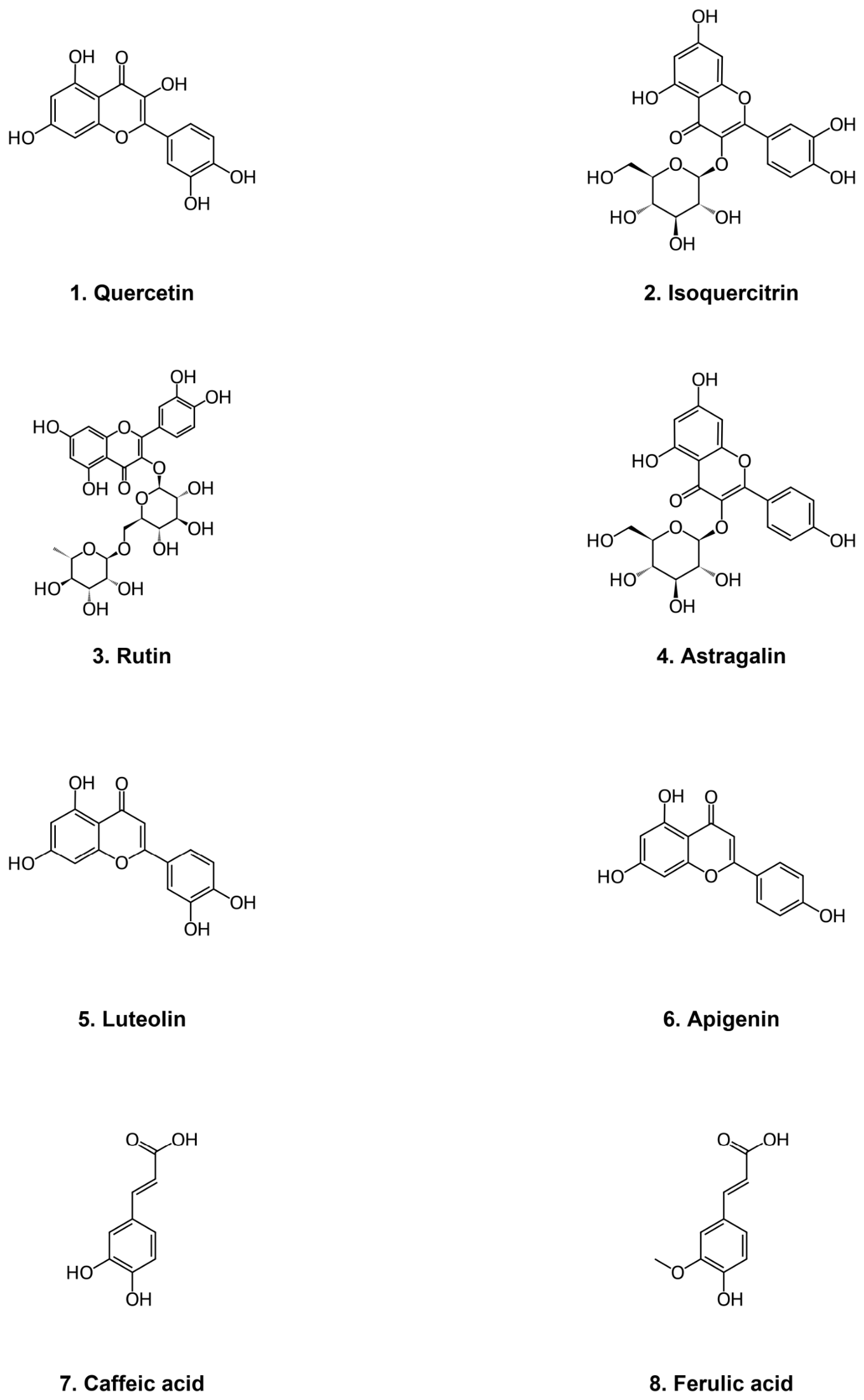
Phytochemical analyses of E. arvense have identified steroidal glycoalkaloids, phenolic acids, and flavonoids, including quercetin, kaempferol derivatives, luteolin, and apigenin (Table 2). Representative structures are shown in Figure 2. However, identification of a constituent in an extract does not establish its contribution to the biological activity of that extract. The studies reviewed here used different test materials, including whole extracts, fractions, and isolated compounds. For example, isolated constituents were evaluated in stimulated keratinocytes [63], while onitin and luteolin were investigated for protection against tacrine-induced cytotoxicity [64]. The biological evidence differs among studies: radical-scavenging assays demonstrate chemical antioxidant capacity, whereas cellular and animal studies may assess oxidative stress markers or signaling responses.
Extraction solvent, purification, and heating can alter constituent recovery and composition; for example, prolonged decoction increased isoquercitrin content [65]. Plant part, geographical origin, and storage conditions may also contribute to phytochemical variation, while differences in reporting units limit comparisons of the quantitative data summarized in Table 2. Such variation may affect pharmacological responses, but constituent abundance alone does not establish its contribution to extract activity. Comparable chemical characterization and biological testing are therefore needed to identify suitable markers for standardization.
Table 2.
Phytochemical profile of E. arvense relevant to oxidative stress and inflammation.
Figure 2.
Chemical structures of representative flavonoids and phenolic acids reported in E. arvense: (1) quercetin [69,71], (2) isoquercitrin [64,65], (3) rutin [68,69], (4) astragalin [64], (5) luteolin [64], (6) apigenin [64], (7) caffeic acid [69], and (8) ferulic acid [68,70].
6. Functional and Pharmacological Evidence of E. arvense in Oxidative Stress- and Inflammation-Related Disorders
6.1. Inflammatory Disorders
Oxidative stress is a key driver of inflammatory disorders, including chronic obstructive pulmonary disease (COPD), in which excessive ROS promotes lipid peroxidation and activation of redox-sensitive pathways such as NF-κB [75]. E. arvense has demonstrated antioxidant and anti-inflammatory activity in a range of inflammation- and pain-related experimental models. In rats with acetic acid-induced colitis, E. arvense treatment improved colonic injury and altered oxidative stress and inflammatory endpoints; in a cigarette smoke-induced COPD model, a four-plant preparation containing E. arvense reduced pulmonary inflammation [76,77]. In pain models, E. arvense has also been shown to attenuate edema and decrease pain scores [78]. In a study of Eviprostat components, the E. arvense component (EVI-4) reduced superoxide anion and hydroxyl radical levels in cell-free systems and ROS levels in stimulated human neutrophils. However, significant inhibition of carrageenan-induced paw edema in rats was observed with component mixtures, whereas individual components alone did not significantly inhibit swelling [79] (Table 3).
6.2. Wound Healing and Skin Disorders
E. arvense exhibits marked local anti-inflammatory, antioxidant, and tissue-protective effects in oral mucosal, periodontal, and cutaneous inflammatory disorders. Compounds isolated from E. arvense were evaluated in TNF-α/IFN-γ-stimulated HaCaT keratinocytes and showed anti-inflammatory activity under the tested conditions [63,80]. These findings concern isolated constituents in a cellular model rather than a crude extract in an animal model of dermatitis. Separately, an E. arvense extract reduced inflammatory responses and promoted ulcer healing in a hamster stomatitis model [63,80]. In LPS-induced periodontal inflammation, E. arvense extract reduced JNK phosphorylation, whereas glycyrrhizin reduced NF-κB p65 phosphorylation, with combined treatment affecting inflammatory responses [81] (Table 3). In another study, E. arvense attenuated LPS-induced alveolar bone destruction, with changes in NF-κB, Wnt/β-catenin, and Sema3A/OPG/RANKL-related signaling [82].
6.3. Urinary and Renal Disorders
A preparation containing E. arvense and Viscum album was investigated in male Wistar rats with chronic kidney disease induced by 5/6 nephrectomy. Treatment reduced renal cortical MCP-1 expression, segmental glomerulosclerosis, and tubulointerstitial fibrosis, with improvements in systolic blood pressure and proteinuria [83] (Table 3).
6.4. Cardiovascular and Hypertensive Disorders
In HUVECs, a lyophilized extract prepared with 70% aqueous ethanol was tested at 2.5 and 25 μg/mL. Cells were pretreated for 24 h, followed by a further 24 h under normotonic or hypertonic conditions. At 2.5 μg/mL, the extract reduced lipid peroxidation under hypertonic conditions, whereas 25 μg/mL increased lipid peroxidation under both conditions. However, a separate 24 h viability assay found no significant reduction in viability at concentrations up to 5000 μg/mL [69]. Studies in rat models of diabetic cardiomyopathy further indicate that horsetail produces moderate improvements in glycaemic control, supporting its adjunctive value in cardiovascular complications of diabetes [68] (Table 3).
6.5. Metabolic and Diabetic Conditions
Hyperglycemia and dyslipidemia enhance ROS generation and weaken endogenous antioxidant defenses, thereby driving pancreatic β-cell dysfunction and apoptosis, microalbuminuria-associated glomerular and tubulointerstitial injury, and testicular germ-cell apoptosis with impaired spermatogenesis [84]. Studies in streptozotocin-induced diabetic animals had examined glycemic control and tissue injury. In diabetic male mice, E. arvense methanolic extract reduced blood glucose and improved serum testosterone and testicular histological indices [85]. Separate studies in diabetic rats reported improvements in blood glucose and urinary microalbumin and creatinine excretion [86], and pancreatic β-cell histology [87] (Table 3).
6.6. Hepatic Protection
Evidence for hepatoprotection includes an in vitro study using tacrine-challenged HepG2 cells. Onitin and luteolin isolated from E. arvense protected against tacrine-induced cytotoxicity, and the study also evaluated radical-scavenging activity [64] (Table 3).
6.7. Bone and Connective Tissue Disorders
Persistent oxidative stress is increasingly recognized as a key pathogenic driver of chronic inflammatory bone disorders such as rheumatoid arthritis and osteosarcopenia, in which excessive ROS and lipid peroxidation activate NF-κB-dependent inflammatory and bone-resorptive pathways and impair osteoblast and myocyte function. In Wistar rats with CFA-induced experimental arthritis, E. arvense extract improved hematological abnormalities, reduced paw swelling, and improved motor performance [88]. In ovariectomized rats, a preparation combining E. arvense with bone-mineralizing nutrients improved bone mineral content and bone structural parameters. In vitro studies also showed inhibition of osteoclast differentiation and bone resorption [89]. In cellular and aging-related osteosarcopenia models, a standardized extract preserved muscle-related outcomes and bone microarchitecture and modulated inflammatory and proteolytic signaling in a stimulus-dependent manner [71] (Table 3).
6.8. Neuroprotective and Aging-Related Implications
In an aged Wistar rat model of cognitive impairment, chronic administration of E. arvense improved inhibitory avoidance retention and Morris water maze performance. Antioxidant activity was demonstrated separately in vitro through reduced TBARS and nitrite formation [74]. Equisarmine, a steroidal glycoalkaloid isolated from E. arvense, inhibited glutaminase in a cell-free enzyme assay, suggesting a role in metabolic modulation relevant to neurodegenerative and lifestyle-related diseases [66]. In a human blood–brain barrier tri-culture model and subsequent neural cell experiments, EquiPEA, a formulation combining palmitoylethanolamide (PEA) with E. arvense extract, modulated oxidative stress, inflammatory responses, and endocannabinoid- and nociception-related signaling [90] and investigated in cellular models relevant to neuropathic injury and neuroinflammation [91] (Table 3).
6.9. Antiproliferative and Chemoprotective Relevance
In human breast, cervical, colorectal, and other cancer cell lines, E. arvense scavenges lipid peroxyl radicals and DPPH free radicals while significantly suppressing cell growth or reducing cell viability, exhibiting concentration-dependent cytotoxic and antitumor activity (Table 3). In AsPC-1 pancreatic carcinoma cells, horsetail likewise decreases cell survival in a dose-dependent manner and displays pronounced free-radical scavenging capacity, further reinforcing its anticancer profile [92]. Mouse studies additionally demonstrate that E. arvense reduces chromosomal breakage and micronucleus frequency, attenuating cytogenetic damage and indicating antigenotoxic and anticlastogenic effects [93]. In HuH-7 hepatocellular carcinoma cells, hexane and chloroform extracts showed reported 24 h IC50 values of 199.0 and 161.9 μg/mL, respectively. Subsequent experiments used 25%, 50%, and 75% of the respective IC50 values. SOD activity increased at 25% of IC50, while CAT activity showed its greatest increase at this concentration with the chloroform extract; both enzyme activities declined at the higher tested concentrations. Changes in LDH release and apoptosis-related markers were also reported [94].
Table 3.
Preclinical evidence for the antioxidant, anti-inflammatory, and related pharmacological effects of E. arvense in disease models.
7. Mechanistic Integration of Oxidative Stress-Centered Actions
The mechanistic evidence reviewed below should be interpreted according to the endpoints measured. Cell-free radical-scavenging assays demonstrate chemical antioxidant capacity under the assay conditions. Changes in ROS, lipid peroxidation, or antioxidant enzyme activity indicate altered redox status but do not identify the responsible signaling pathway. Measurements of protein expression, phosphorylation, nuclear translocation, or reporter activity provide evidence of pathway modulation. However, such changes do not by themselves establish that the pathway mediates the protective effect; this requires functional intervention, such as pharmacological inhibition, gene silencing, or rescue experiments. Accordingly, the diagrams summarize findings from different experimental systems.
7.1. Modulation of Oxidative Stress-Driven Inflammatory and Pain Pathways
Fatty acid amide hydrolase (FAAH) inhibition and endocannabinoid signaling can protect tissues against nitrosative and oxidative stress by reducing free radical production and modulating redox-sensitive inflammatory pathways [102,103]. E. arvense extracts contain flavonoids and other phenolic constituents, but the presence of compounds such as isoquercitrin does not establish their individual contribution to the activities of the complete extract. Studies of formulations combining PEA with E. arvense extract reported changes in endocannabinoid metabolism and nociception-related signaling [90,91].
At the peripheral level of inflammation, E. arvense extracts suppress the production of pro-inflammatory mediators, including tumor necrosis factor-α (TNF-α), interleukin-6 (IL-6), and cyclooxygenase-2 (COX-2) [80]. In the periodontal inflammation study, E. arvense extract reduced JNK phosphorylation, whereas glycyrrhizin reduced NF-κB p65 phosphorylation [81].
At the immune cell level, these extracts decrease lymphocyte activation and proliferation while upregulating the immunoregulatory cytokine interleukin-10 (IL-10), which contributes to the suppression of excessive inflammatory responses and the maintenance of immune homeostasis [77] (Figure 3).
Figure 3.
Integrated anti-inflammatory, antioxidative, and neuroprotective mechanisms of E. arvense. ROS, reactive oxygen species; RNS, reactive nitrogen species; AEA, anandamide; 2-AG, 2-arachidonoylglycerol; CB1R/CB2R, cannabinoid receptor type 1 and cannabinoid receptor type 2; FAAH, fatty acid amide hydrolase; NAAA, N-acylethanolamine-hydrolyzing acid amidase; PPARα, peroxisome proliferator-activated receptor alpha; GABA, gamma-aminobutyric acid; PKA, protein kinase A; TRPV1, transient receptor potential vanilloid 1; NF-κB, nuclear factor kappa B; AP-1, activator protein 1; STAT1, signal transducer and activator of transcription 1; GAS, interferon-gamma-activated sequence; IL, interleukin (IL-1β, IL-6, and IL-10); TNF-α, tumor necrosis factor alpha; MCP-1, monocyte chemoattractant protein-1; COX-2, cyclooxygenase-2; CXCL8, C-X-C motif chemokine ligand 8. Solid arrows indicate activation or promotion; dashed arrows indicate indirect or proposed regu-latory interactions; blunt-ended lines indicate inhibition.
7.2. Oxidative Stress and Musculoskeletal Protection
Muscle and bone are closely interconnected tissues that undergo coordinated changes during development, growth, aging, and various diseases [104]. Oxidative stress is a major driver of musculoskeletal deterioration, and redox-sensitive signaling within the muscle–bone unit is particularly relevant for osteoporosis pathophysiology [105]. Excess ROS promotes inflammation, osteoclast-mediated bone resorption, and osteoblast dysfunction, thereby disrupting bone remodeling [106].
In experimental periodontitis, E. arvense treatment was associated with reduced alveolar bone destruction and changes in IKK/NF-κB phosphorylation and osteoclastogenic signaling [82]. As NF-κB is a central regulator of oxidative stress-responsive transcriptional programs, its inhibition may attenuate ROS-driven inflammation and osteoclastogenesis. In addition, MEK/ERK and prostaglandin E2 (PGE2) act as critical downstream mediators of oxidative stress and inflammatory ROS signaling [107,108]. E. arvense extracts suppress the MEK signaling and PGE2 production, reducing the expression and activity of osteoclast-associated markers, including tartrate-resistant acid phosphatase (TRAP), cathepsin K (CatK), and carbonic anhydrase II (CA2), and ultimately suppressing osteoclast differentiation and bone resorption [98].
Conversely, E. arvense acts in bone formation and bone remodeling through activation of osteogenic pathways such as Wnt/β-catenin and Semaphorin 3A (Sema3A), and enhancement of osteoblastic enzymes alkaline phosphatase (ALP) and bone morphogenetic protein-2 (BMP-2), and osteoprotegerin (OPG) [71,82,109]. Because Wnt/β-catenin activity is sensitive to cellular redox status, its modulation by E. arvense may help preserve osteoblast function under oxidative stress [110], Sema3A further contributes to bone homeostasis by inhibiting osteoclast-mediated bone resorption and promoting osteoblast-mediated bone formation [111] (Figure 4).
Figure 4.
Oxidative stress-related musculoskeletal protective mechanisms of E. arvense. E. arvense extract modulates signaling associated with muscle protein turnover, including the Akt/FoxO3/Trim63 pathway, with effects depending on the experimental stimulus [71]. LPS, lipopolysaccharide; TLR, Toll-like receptor; LRP, low-density lipoprotein receptor-related protein; Wnt, Wingless-related integration site; β-catenin, beta-catenin; Sema3A, semaphorin 3A; TCF/LEF, T-cell factor/lymphoid enhancer-binding factor; IKKα/IKKβ, inhibitor of nuclear factor kappa B kinase alpha/beta; NF-κB, nuclear factor kappa B; OPG, osteoprotegerin; mRNA, messenger RNA; ALP, alkaline phosphatase; BMP-2, bone morphogenetic protein 2; TNF-α, tumor necrosis factor alpha; IL-1, interleukin-1; IL-6, interleukin-6; RANKL, receptor activator of nuclear factor kappa B ligand; OB, osteoblast; OC, osteoclast; MEK, mitogen-activated protein kinase kinase; ERK, extracellular signal-regulated kinase; PGE2, prostaglandin E2; MAPK, mitogen-activated protein kinase; STAT3, signal transducer and activator of transcription 3; c-Myc, cellular Myc proto-oncogene protein; c-Src, cellular Src tyrosine kinase; TRAP, tartrate-resistant acid phosphatase; CatK, cathepsin K; CA2, carbonic anhydrase 2; ROS, reactive oxygen species; AKT, protein kinase B; FoxO3, forkhead box O3; Trim63, tripartite motif-containing 63 gene; MyHC-II, myosin heavy chain type II. Solid arrows indicate activation or promotion; dashed arrows indicate indirect or proposed regu-latory interactions; blunt-ended lines indicate inhibition.
7.3. Oxidative Stress-Oriented Cytoprotection and Anticancer Actions
Oxidative stress is a pathological state caused by an imbalance between the production of reactive oxygen and nitrogen species (ROS/RNS) and the body’s antioxidant defense capacity. This imbalance leads to oxidative modification of major biomolecules, including lipids, proteins, and DNA, resulting in tissue damage, disruption of cell signaling pathways, and acceleration of cell death processes such as apoptosis or necrosis [112].
Studies of E. arvense preparations had reported antioxidant-related findings in different experimental systems, including inhibition of lipid peroxidation in vitro and changes in tissue oxidative stress markers [74,76,100,113]. E. arvense also decreases IκB (Inhibitor of nuclear factor kappa B) degradation, thereby blocking NF-κB translocation into the nucleus and limiting the activation of downstream inflammation- and apoptosis-related factors, which reduces Caspase-8 activation [69].
A polyphenolic extract of E. arvense protected erythrocytes and their membranes against experimentally induced oxidative damage and altered membrane biophysical properties [67]. p53 coordinates the transcription of many genes and, through differential activation of its target genes, directs cells toward cell-cycle arrest, senescence or apoptosis [114,115].
E. arvense extracts upregulate p53, increasing the BAX/BCL2, the main switch for programmed cell death, in cells and promoting the permeabilization of the outer mitochondrial membrane. Damage to the mitochondrial membrane leads to the release of pro-apoptotic factors, which further activate Caspase 3, an executioner in programmed cell death (apoptosis), and ultimately trigger apoptosis of tumor cells [94] (Figure 5).
Figure 5.
Proposed cytoprotective and antitumor mechanisms of E. arvense. ROS, reactive oxygen species; RNS, reactive nitrogen species; MDA, malondialdehyde; p53, tumor protein p53; BAX, B-cell lymphoma 2-associated X protein; BCL2, B-cell lymphoma 2. Upward arrows indicate an increase or upregulation; downward arrows indicate a decrease or downregulation; blunt-ended lines indicate inhibition. Red curved arrows indicate sites of mem-brane oxidation, and the red star-shaped symbol indicates lipid peroxidation-induced oxidative damage.
Ferroptosis, an iron-dependent form of regulated cell death driven by lipid peroxidation, represents a potential direction for further mechanistic investigation [116]. The antioxidant and lipid-peroxidation-reducing effects reported for E. arvense suggest a possible connection with ferroptosis-related processes [67]. However, the studies included in this review have not directly established whether E. arvense modulates ferroptosis. These effects should therefore not be interpreted as evidence of an established anti-ferroptotic mechanism.
8. Toxicity Risks and Safe Use of E. arvense
Despite its potential therapeutic benefits, the use of horsetail preparations raises safety concerns.
Acute hepatitis has been reported following the use of a horsetail preparation [117]. A case of acute pancreatitis had also been reported following the consumption of horsetail infusions [118]. Vanishing bile duct syndrome was reported in a patient exposed to multiple substances, including a preparation containing horsetail, with concomitant Hodgkin lymphoma [119]. These case reports identify potential safety signals but do not establish their incidence or a dose–response relationship.
Preclinical studies provide information on exposure-related effects but do not establish clinical safety. Hexane and chloroform extracts reduced HuH-7 cancer-cell viability after 24 h and altered antioxidant enzyme activity and apoptosis-related markers [94]. However, findings in malignant cells cannot define a safe exposure range for humans or establish selectivity toward tumor cells. In a 13-week study, male and female F344 rats received diets containing 0.3%, 1%, or 3% of a hot-water-derived E. arvense preparation. No treatment-related adverse effects were identified in the assessed clinical, hematological, biochemical, or histopathological endpoints [120]. These findings apply to the tested preparation and dietary oral exposure and do not establish safety for longer-term use or for preparations with different extraction profiles. Differences in extract composition, cell models, and exposure conditions preclude direct comparison of the tested concentrations. These in vitro findings do not establish a human therapeutic window or support direct conversion to clinical doses.
The studies discussed above do not demonstrate that specific processing methods prevent the reported clinical toxicities. Accordingly, the potential safety benefits of processing require direct experimental validation. Dose control alone should also not be assumed to eliminate these risks. Safety assessment should therefore be specific to the preparation, dose, duration, and route of administration. Aqueous infusions, hydroethanolic extracts, and nonpolar solvent extracts should not be assumed to have equivalent constituent profiles or systemic exposure. Likewise, oral and topical use require separate evaluation, while direct exposure of cultured cells does not reproduce either route. Patient susceptibility, concomitant medications, species authentication, and contaminant control also require consideration. Further studies should characterize the administered preparations and assess adverse effects across relevant doses, repeated exposures, and intended routes of use.
9. Adulteration and Contamination Issues
As with most herbal medicines, identification and adulteration problems also occur in horsetail supplements. E. arvense morphology is highly similar to that of E. palustre (marsh horsetail), which contains considerably higher levels of toxic alkaloids, such as palustrine and palustridiene [121]. Accurate discrimination between these two species is therefore critical to prevent adulteration of medicinal materials with the more poisonous taxon. Besides the morphology identification, other methods are needed to have accurate quality control for this herbal medicine. Katharina Beier and colleagues employed near-infrared (NIR) spectroscopy coupled with predictive modelling to classify horsetail samples, whereas Afoke Ibi and co-workers developed a multi-modal authentication strategy that integrates high-performance thin-layer chromatography (HPTLC) fingerprinting, qualitative and quantitative analysis of alkaloids by high-performance liquid chromatography electrospray ionization tandem mass spectrometry (HPLC-ESI-MS/MS), and optimized DNA barcoding, such as a combined ribulose-1,5-bisphosphate carboxylase/oxygenase large subunit (rbcL) plus internal transcribed spacer (ITS) primer set to achieve reliable sample identification [122]. Other contaminants, such as heavy metals, pesticides, microbes, and mycotoxins, may be present in most herbal medicines as well. Therefore, developing a more accurate detection method and identification markers is crucial for regulating this herb’s use.
10. Clinical Evidence and Translational Potential
Clinical studies provide preliminary evidence supporting the translational potential of E. arvense preparations across several therapeutic settings (Table 4). Trials have reported blood-pressure reduction in patients with hypertension [123], a diuretic effect in healthy volunteers [124], and improvements in episiotomy wound healing and pain following topical treatment [125]. A human pharmacodynamic study also demonstrated increased urinary Tamm–Horsfall protein after oral administration [73]. Additional studies of multi-ingredient preparations reported improvements in urinary symptoms, chronic pain, and nail psoriasis [125,126,127,128]. Although these combined-product findings cannot establish the independent contribution of E. arvense, they provide clinical experience relevant to the development of horsetail-containing preparations.
The clinical evidence varies in methodological strength. Randomized, blinded trials provide comparative evidence for selected outcomes, but limited samples and follow-up restrict conclusions about sustained efficacy and uncommon adverse events [123,124,125,126]. The uncontrolled pain study is vulnerable to expectancy effects and natural symptom fluctuation [128], while the open-label nail study carries potential assessment bias [127]. The short-term study in healthy volunteers supports a pharmacodynamic response rather than efficacy in patients [73]. Differences in preparations and endpoints further limit comparison, and multi-ingredient products prevent attribution to E. arvense alone. These limitations warrant cautious interpretation and larger, well-controlled confirmatory trials.
Despite these preliminary clinical signals, the studies summarized in Table 4 did not report direct assessment of oxidative stress biomarkers or inflammatory cytokines as mechanistic outcomes. Nevertheless, oxidative stress and inflammatory processes have been implicated in several of the conditions investigated, including hypertension, overactive bladder and urinary incontinence, and nail psoriasis [129,130,131,132]. This provides a rationale for investigating whether modulation of these processes contributes to the clinical effects of E. arvense preparations. The existing findings suggest translational potential, but this mechanistic link remains unverified. Future trials should therefore combine well-characterized preparations and relevant clinical endpoints with prespecified oxidative stress and inflammatory biomarkers to address this evidence gap.
Table 4.
Clinical evidence of Equisetum arvense.
Table 5 summarized the principal findings and key limitations across therapeutic domains using the evidence-level framework described in Section 2.4.
Table 5.
Summary of evidence levels and key limitations of E. arvense across therapeutic domains.
11. Optimizing the Therapeutic Application of E. arvense
Horsetail has traditionally been used in various forms, including dried herbal material, herbal teas, capsules, and standardized extracts. These preparations can vary significantly in their phytochemical makeup and clinical effects [133]. Therefore, optimizing the therapeutic benefits of horsetail first requires strict standardization of the raw plant material. This process must consider species differences, the parts of the plant used, cultivation conditions (such as climate and soil type), and genetic background, as these factors greatly influence the levels of bioactive compounds, such as silica and polyphenols. For instance, agro-morphological and phytochemical surveys have revealed considerable variation among populations and regions in total phenolics, flavonoids, silica, and marker flavanol glycosides, such as isoquercitrin [134]. Although existing pharmacopoeial monographs already include identification and purity tests for E. arvense herb, quality standards are still not well harmonized across different preparations. Additional alignment is necessary to guarantee the consistent safety and effectiveness of horsetail-based products [135].
Building on raw-material standardization, the extraction process itself also needs improvement. Different pharmaceutical preparations exhibit pronounced differences in phenolic profiles and antioxidant capacity, reflecting the choice of solvent and extraction conditions [18]. It is therefore necessary to define a set of quantitative marker compounds and target ranges for standardized dried extracts, so that the preparations used in experimental studies are comparable to those intended for subsequent clinical application. In addition, therapeutic dosing should be guided by data obtained with well-characterized standardized extracts, rather than relying solely on empirical doses derived from traditional use.
12. Conclusions and Perspectives
Although E. arvense has demonstrated considerable antioxidant and anti-inflammatory potential in in vitro and animal studies, the available clinical evidence remains limited. Most investigations have focused on preclinical research, and rigorously designed, adequately powered randomized controlled trials are still scarce. Consequently, no consensus has yet been reached regarding the clinical efficacy, optimal dosage, treatment duration, or long-term safety of horsetail for antioxidant and anti-inflammatory applications.
Among the applications reviewed, short-term diuresis, blood-pressure reduction, and topical episiotomy wound healing have comparatively more direct human evidence from controlled studies of E. arvense preparations [123,124,125]. These findings remain preliminary and preparation-specific; diuresis in healthy volunteers does not establish efficacy in renal disease. Benefits reported for multi-ingredient products in overactive bladder, chronic pain, and nail psoriasis cannot establish the independent contribution of E. arvense [126,127,128]. Other applications remain predominantly preclinical.
Research should therefore prioritize confirmatory trials of chemically characterized preparations, alongside prespecified redox and inflammatory biomarkers. Urinary studies should determine whether short-term pharmacodynamic effects translate into clinically meaningful benefits in defined patient populations. Across these priorities, dose–response assessment, adequate follow-up, and safety monitoring are needed. Studies of combined formulations should include component comparisons where feasible. For predominantly preclinical applications, constituent characterization and causal mechanistic testing should precede efficacy claims; ferroptosis remains an exploratory direction requiring direct validation.
Supplementary Materials
The following supporting information can be downloaded at: https://www.mdpi.com/article/10.3390/ph19111755/s1, Figure S1: Overview of the literature search and organization process for this narrative review.
Author Contributions
Writing—original draft, data curation, visualization: Y.M.; writing—review and editing, supervision, funding acquisition, conceptualization: Z.W. All authors have read and agreed to the published version of the manuscript.
Funding
The Hatch Program, project NO. TEX0-81170-0 funded this research. Funds were from the U.S. Department of Agriculture’s National Institute of Food and Agriculture.
Institutional Review Board Statement
Not applicable.
Informed Consent Statement
Not applicable.
Data Availability Statement
No new data were generated in this study. All information analyzed in this review was obtained from previously published literature cited in the manuscript.
Conflicts of Interest
The authors declare no conflicts of interest.
Abbreviations
The following abbreviations are used in this manuscript:
| ROS | Reactive oxygen species |
| NF-κB | Nuclear factor κB |
| Nrf2 | Nuclear factor erythroid 2-related factor 2 |
| STAT | Signal transducer and activator of transcription |
| COPD | Chronic obstructive pulmonary disease |
| ALP | alkaline phosphatase |
| TRAP | Tartrate resistant acid phosphatase |
| PBMC | Peripheral lymphocytes |
| FAAH | Fatty acid amide hydrolase |
| GABA | Gamma aminobutyric acid |
| TNF-α | Tumor necrosis factor α |
| MDA | Malondialdehyde |
| HPTLC | High-performance thin layer chromatography |
| IL-6 | Interleukin 6 |
| COX 2 | Cyclooxygenase 2 |
| JNK | c-Jun-N terminal kinase |
| IL-10 | Interleukin 10 |
| PGE2 | Prostaglandin E2 |
| TRAP | Tartrate-resistant acid phosphatase |
| CatK | Cathepsin K |
| CA2 | Carbonic anhydrase II |
| Sema3A | Semaphorin 3A |
| BMP-2 | Bone morphogenetic protein 2 |
| OPG | Osteoprotegerin |
| MPO | Myeloperoxidase |
| ITS | Internal transcribed spacer |
References
- Hauke, R.L. A Taxonomic Monograph of the Genus Equisetum Subgenus Hippochaete; J. Cramer: Weinheim, Germany, 1963; p. 123. [Google Scholar]
- Hauke, R.L. A taxonomic monograph of Equisetum subgenus Equisetum. Nova Hedwig. 1978, 30, 385–455. [Google Scholar] [CrossRef] [Scilit]
- European Directorate for the Quality of Medicines & HealthCare. European Pharmacopoeia, 7th ed.; Council of Europe: Strasbourg, France, 2010; Volume 1. [Google Scholar]
- Grundemann, C.; Lengen, K.; Sauer, B.; Garcia-Kaufer, M.; Zehl, M.; Huber, R. Equisetum arvense (common horsetail) modulates the function of inflammatory immunocompetent cells. BMC Complement. Altern. Med. 2014, 14, 283. [Google Scholar] [CrossRef] [Scilit]
- Milovanovic, V.; Radulovic, N.; Todorovic, Z.; Stankovic, M.; Stojanovic, G. Antioxidant, antimicrobial and genotoxicity screening of hydro-alcoholic extracts of five serbian Equisetum species. Plant Foods Hum. Nutr. 2007, 62, 113–119. [Google Scholar] [CrossRef] [Scilit]
- Sureshkumar, J.; Jenipher, C.; Sriramavaratharajan, V.; Gurav, S.S.; Gandhi, G.R.; Ravichandran, K.; Ayyanar, M. Genus Equisetum L: Taxonomy, toxicology, phytochemistry and pharmacology. J. Ethnopharmacol. 2023, 314, 116630. [Google Scholar] [CrossRef] [Scilit]
- Sies, H. Oxidative stress: Concept and some practical aspects. Antioxidants 2020, 9, 852. [Google Scholar]
- Bakeer, M.R.; Rashad, M.M.; Azouz, A.A.; Azouz, R.A.; Alrefaei, A.F.; Kadasah, S.F.; Shaalan, M.; Ali, A.M.; Issa, M.Y.; El-Samanoudy, S.I. Molecular, Physiological, and Histopathological Insights into the Protective Role of Equisetum arvense and Olea europaea Extracts Against Metronidazole-Induced Pancreatic Toxicity. Life 2025, 15, 1907. [Google Scholar] [CrossRef] [Scilit]
- Luanda, A.; Ripanda, A.; Makangara, J.J. Therapeutic potential of Equisetum arvense L. for management of medical conditions. Phytomed. Plus 2023, 3, 100444. [Google Scholar] [CrossRef] [Scilit]
- Arnold, C.A. An Introduction to Paleobotany, 1st ed.; McGraw-Hill: New York, NY, USA, 1947; 433p. [Google Scholar]
- Lehtonen, S. Towards resolving the complete fern tree of life. PLoS ONE 2011, 6, e24851. [Google Scholar] [CrossRef] [Scilit]
- Des Marais, D.L.; Smith, A.R.; Britton, D.M.; Pryer, K.M. Phylogenetic relationships and evolution of extant horsetails, Equisetum, based on chloroplast DNA sequence data (rbc L and trn LF). Int. J. Plant Sci. 2003, 164, 737–751. [Google Scholar] [CrossRef] [Scilit]
- Elgorriaga, A.; Escapa, I.H.; Rothwell, G.W.; Tomescu, A.M.F.; Ruben Cuneo, N. Origin of Equisetum: Evolution of horsetails (Equisetales) within the major euphyllophyte clade Sphenopsida. Am. J. Bot. 2018, 105, 1286–1303. [Google Scholar] [CrossRef] [Scilit]
- Guillon, J.M. Molecular phylogeny of horsetails (Equisetum) including chloroplast atpB sequences. J. Plant Res. 2007, 120, 569–574. [Google Scholar] [CrossRef] [Scilit]
- Christenhusz, M.J.M.; Chase, M.W.; Fay, M.F.; Hidalgo, O.; Leitch, I.J.; Pellicer, J.; Viruel, J. Biogeography and genome size evolution of the oldest extant vascular plant genus, Equisetum (Equisetaceae). Ann. Bot. 2021, 127, 681–695. [Google Scholar] [CrossRef] [Scilit]
- Christenhusz, M.J.; Bangiolo, L.; Chase, M.W.; Fay, M.F.; Husby, C.; Witkus, M.; Viruel, J. Phylogenetics, classification and typification of extant horsetails (Equisetum, Equisetaceae). Bot. J. Linn. Soc. 2019, 189, 311–352. [Google Scholar] [CrossRef] [Scilit]
- Sargin, S.A.; Akcicek, E.; Selvi, S. An ethnobotanical study of medicinal plants used by the local people of Alasehir (Manisa) in Turkey. J. Ethnopharmacol. 2013, 150, 860–874. [Google Scholar] [CrossRef] [Scilit]
- Mimica-Dukic, N.; Simin, N.; Cvejic, J.; Jovin, E.; Orcic, D.; Bozin, B. Phenolic compounds in field horsetail (Equisetum arvense L.) as natural antioxidants. Molecules 2008, 13, 1455–1464. [Google Scholar] [CrossRef] [Scilit]
- Ratliff, B.B.; Abdulmahdi, W.; Pawar, R.; Wolin, M.S. Oxidant mechanisms in renal injury and disease. Antioxid. Redox Signal. 2016, 25, 119–146. [Google Scholar] [CrossRef] [Scilit]
- Bhattacharyya, A.; Chattopadhyay, R.; Mitra, S.; Crowe, S.E. Oxidative stress: An essential factor in the pathogenesis of gastrointestinal mucosal diseases. Physiol. Rev. 2014, 94, 329–354. [Google Scholar] [CrossRef] [Scilit]
- Münzel, T.; Camici, G.G.; Maack, C.; Bonetti, N.R.; Fuster, V.; Kovacic, J.C. Impact of oxidative stress on the heart and vasculature: Part 2 of a 3-part series. J. Am. Coll. Cardiol. 2017, 70, 212–229. [Google Scholar]
- Niemann, B.; Rohrbach, S.; Miller, M.R.; Newby, D.E.; Fuster, V.; Kovacic, J.C. Oxidative stress and cardiovascular risk: Obesity, diabetes, smoking, and pollution: Part 3 of a 3-part series. J. Am. Coll. Cardiol. 2017, 70, 230–251. [Google Scholar]
- Kondo, N.; Kanai, T.; Okada, M. Rheumatoid arthritis and reactive oxygen species: A review. Curr. Issues Mol. Biol. 2023, 45, 3000–3015. [Google Scholar] [CrossRef] [Scilit]
- Hunt, M.; Torres, M.; Bachar-Wikstrom, E.; Wikstrom, J.D. Cellular and molecular roles of reactive oxygen species in wound healing. Commun. Biol. 2024, 7, 1534. [Google Scholar] [CrossRef] [Scilit] [PubMed]
- Riegger, J.; Schoppa, A.; Ruths, L.; Haffner-Luntzer, M.; Ignatius, A. Oxidative stress as a key modulator of cell fate decision in osteoarthritis and osteoporosis: A narrative review. Cell. Mol. Biol. Lett. 2023, 28, 76. [Google Scholar] [CrossRef] [Scilit]
- Piera-Velazquez, S.; Jimenez, S.A. Oxidative stress induced by reactive oxygen species (ROS) and NADPH oxidase 4 (NOX4) in the pathogenesis of the fibrotic process in systemic sclerosis: A promising therapeutic target. J. Clin. Med. 2021, 10, 4791. [Google Scholar] [CrossRef] [Scilit]
- Scutiero, G.; Iannone, P.; Bernardi, G.; Bonaccorsi, G.; Spadaro, S.; Volta, C.A.; Greco, P.; Nappi, L. Oxidative stress and endometriosis: A systematic review of the literature. Oxid. Med. Cell. Longev. 2017, 2017, 7265238. [Google Scholar] [CrossRef] [Scilit]
- Menković, N.; Šavikin, K.; Tasić, S.; Zdunić, G.; Stešević, D.; Milosavljević, S.; Vincek, D. Ethnobotanical study on traditional uses of wild medicinal plants in Prokletije Mountains (Montenegro). J. Ethnopharmacol. 2011, 133, 97–107. [Google Scholar] [CrossRef] [Scilit]
- Tuttolomondo, T.; Licata, M.; Leto, C.; Bonsangue, G.; Gargano, M.L.; Venturella, G.; La Bella, S. Popular uses of wild plant species for medicinal purposes in the Nebrodi Regional Park (North-Eastern Sicily, Italy). J. Ethnopharmacol. 2014, 157, 21–37. [Google Scholar] [CrossRef] [Scilit]
- Blanco, E.; Macıa, M.; Morales, R. Medicinal and veterinary plants of El Caurel (Galicia, northwest Spain). J. Ethnopharmacol. 1999, 65, 113–124. [Google Scholar] [CrossRef] [Scilit]
- Ivancheva, S.; Stantcheva, B. Ethnobotanical inventory of medicinal plants in Bulgaria. J. Ethnopharmacol. 2000, 69, 165–172. [Google Scholar] [CrossRef] [Scilit]
- Mir, T.A.; Jan, M.; Khare, R.K. Ethnomedicinal application of plants in Doodhganga forest range of district Budgam, Jammu and Kashmir, India. Eur. J. Integr. Med. 2021, 46, 101366. [Google Scholar] [CrossRef] [Scilit]
- Novais, M.H.; Santos, I.; Mendes, S.; Pinto-Gomes, C. Studies on pharmaceutical ethnobotany in Arrábida natural park (Portugal). J. Ethnopharmacol. 2004, 93, 183–195. [Google Scholar] [CrossRef] [Scilit]
- Idolo, M.; Motti, R.; Mazzoleni, S. Ethnobotanical and phytomedicinal knowledge in a long-history protected area, the Abruzzo, Lazio and Molise National Park (Italian Apennines). J. Ethnopharmacol. 2010, 127, 379–395. [Google Scholar] [CrossRef] [Scilit]
- Šarić-Kundalić, B.; Dobeš, C.; Klatte-Asselmeyer, V.; Saukel, J. Ethnobotanical study on medicinal use of wild and cultivated plants in middle, south and west Bosnia and Herzegovina. J. Ethnopharmacol. 2010, 131, 33–55. [Google Scholar] [CrossRef] [Scilit]
- Sõukand, R.; Pieroni, A. The importance of a border: Medical, veterinary, and wild food ethnobotany of the Hutsuls living on the Romanian and Ukrainian sides of Bukovina. J. Ethnopharmacol. 2016, 185, 17–40. [Google Scholar] [CrossRef] [Scilit]
- Cornara, L.; La Rocca, A.; Terrizzano, L.; Dente, F.; Mariotti, M.G. Ethnobotanical and phytomedical knowledge in the North-Western Ligurian Alps. J. Ethnopharmacol. 2014, 155, 463–484. [Google Scholar] [CrossRef] [Scilit]
- Savić, J.; Mačukanović-Jocić, M.; Jarić, S. Medical ethnobotany on the Javor mountain (Bosnia and Herzegovina). Eur. J. Integr. Med. 2019, 27, 52–64. [Google Scholar] [CrossRef] [Scilit]
- Eddouks, M.; Maghrani, M.; Lemhadri, A.; Ouahidi, M.-L.; Jouad, H. Ethnopharmacological survey of medicinal plants used for the treatment of diabetes mellitus, hypertension and cardiac diseases in the south-east region of Morocco (Tafilalet). J. Ethnopharmacol. 2002, 82, 97–103. [Google Scholar] [CrossRef] [Scilit]
- Calvo, M.; Cavero, R. Medicinal plants used for cardiovascular diseases in Navarra and their validation from official sources. J. Ethnopharmacol. 2014, 157, 268–273. [Google Scholar] [CrossRef] [Scilit]
- Fortini, P.; Di Marzio, P.; Guarrera, P.; Iorizzi, M. Ethnobotanical study on the medicinal plants in the Mainarde Mountains (central-southern Apennine, Italy). J. Ethnopharmacol. 2016, 184, 208–218. [Google Scholar] [CrossRef] [Scilit]
- Cornara, L.; La Rocca, A.; Marsili, S.; Mariotti, M. Traditional uses of plants in the Eastern Riviera (Liguria, Italy). J. Ethnopharmacol. 2009, 125, 16–30. [Google Scholar] [CrossRef] [Scilit]
- Fakir, H.; Korkmaz, M.; Güller, B. Medicinal plant diversity of western Mediterrenean region in Turkey. J. Appl. Biol. Sci. 2009, 3, 33–43. [Google Scholar]
- Wangchuk, P.; Pyne, S.G.; Keller, P.A. Ethnobotanical authentication and identification of Khrog-sman (lower elevation medicinal plants) of Bhutan. J. Ethnopharmacol. 2011, 134, 813–823. [Google Scholar] [CrossRef] [Scilit]
- Petrakou, K.; Iatrou, G.; Lamari, F.N. Ethnopharmacological survey of medicinal plants traded in herbal markets in the Peloponnisos, Greece. J. Herb. Med. 2020, 19, 100305. [Google Scholar] [CrossRef] [Scilit]
- Shah, S.A.; Shah, N.A.; Ullah, S.; Alam, M.M.; Badshah, H.; Ullah, S.; Mumtaz, A.S. Documenting the indigenous knowledge on medicinal flora from communities residing near Swat River (Suvastu) and in high mountainous areas in Swat-Pakistan. J. Ethnopharmacol. 2016, 182, 67–79. [Google Scholar] [CrossRef] [Scilit]
- Mustafa, B.; Hajdari, A.; Pajazita, Q.; Syla, B.; Quave, C.L.; Pieroni, A. An ethnobotanical survey of the Gollak region, Kosovo. Genet. Resour. Crop Evol. 2012, 59, 739–754. [Google Scholar] [CrossRef] [Scilit]
- Ugurlu, E.; Secmen, O. Medicinal plants popularly used in the villages of Yunt Mountain (Manisa-Turkey). Fitoterapia 2008, 79, 126–131. [Google Scholar] [CrossRef] [Scilit]
- Vitalini, S.; Puricelli, C.; Mikerezi, I.; Iriti, M. Plants, people and traditions: Ethnobotanical survey in the Lombard Stelvio National Park and neighbouring areas (Central Alps, Italy). J. Ethnopharmacol. 2015, 173, 435–458. [Google Scholar] [CrossRef] [Scilit]
- Gilca, M.; Tiplica, G.S.; Salavastru, C.M. Traditional and ethnobotanical dermatology practices in Romania and other Eastern European countries. Clin. Dermatol. 2018, 36, 338–352. [Google Scholar] [CrossRef] [Scilit]
- Cavero, R.; Akerreta, S.; Calvo, M. Medicinal plants used for dermatological affections in Navarra and their pharmacological validation. J. Ethnopharmacol. 2013, 149, 533–542. [Google Scholar] [CrossRef] [Scilit]
- Agelet, A.; Valles, J. Studies on pharmaceutical ethnobotany in the region of Pallars (Pyrenees, Catalonia, Iberian Peninsula). Part II. New or very rare uses of previously known medicinal plants. J. Ethnopharmacol. 2003, 84, 211–227. [Google Scholar] [CrossRef] [Scilit]
- Toksoy, D.; Bayramoglu, M.; Hacisalihoglu, S. Usage and the economic potential of the medicinal plants in Eastern Black Sea Region of Turkey. J. Environ. Biol. 2010, 31, 623–628. [Google Scholar]
- Rahman, I.U.; Afzal, A.; Iqbal, Z.; Ijaz, F.; Ali, N.; Bussmann, R.W. Traditional and ethnomedicinal dermatology practices in Pakistan. Clin. Dermatol. 2018, 36, 310–319. [Google Scholar] [CrossRef] [Scilit]
- Parada, M.; Carrió, E.; Bonet, M.À.; Vallès, J. Ethnobotany of the Alt Emporda region (Catalonia, Iberian Peninsula): Plants used in human traditional medicine. J. Ethnopharmacol. 2009, 124, 609–618. [Google Scholar]
- Gras, A.; Garnatje, T.; Ibanez, N.; Lopez-Pujol, J.; Nualart, N.; Valles, J. Medicinal plant uses and names from the herbarium of Francesc Bolòs (1773–1844). J. Ethnopharmacol. 2017, 204, 142–168. [Google Scholar] [CrossRef] [Scilit]
- Khan, S.M.; Page, S.; Ahmad, H.; Shaheen, H.; Ullah, Z.; Ahmad, M.; Harper, D.M. Medicinal flora and ethnoecological knowledge in the Naran Valley, Western Himalaya, Pakistan. J. Ethnobiol. Ethnomed. 2013, 9, 4. [Google Scholar] [CrossRef] [Scilit]
- Cavero, R.Y.; Calvo, M.I. Medicinal plants used for musculoskeletal disorders in Navarra and their pharmacological validation. J. Ethnopharmacol. 2015, 168, 255–259. [Google Scholar] [CrossRef] [Scilit]
- Irfan, M.; Jan, G.; Murad, W.; Jan, F.; Rauf, A.; Alsayari, A.; Almarhoon, Z.; Mabkhot, Y. Ethnomedicinal and traditional uses of the Ferns of Khyber Pakhtunkhwa, Pakistan. Braz. J. Biol. 2021, 84, e250256. [Google Scholar]
- Semwal, D.P.; Pardha Saradhi, P. Ethnobotanical studies in the villages of the Kedarnath Sanctuary, Central Himalayas, India. J. Econ. Taxon. Bot. 2008, 32, 48–57. [Google Scholar]
- Jain, S.; Puri, H. Ethnomedicinal plants of jaunsar-bawar hills, uttar pradesh, india. J. Ethnopharmacol. 1984, 12, 213–222. [Google Scholar] [CrossRef] [Scilit]
- Güzel, Y.; Güzelşemme, M.; Miski, M. Ethnobotany of medicinal plants used in Antakya: A multicultural district in Hatay Province of Turkey. J. Ethnopharmacol. 2015, 174, 118–152. [Google Scholar] [CrossRef] [Scilit]
- Jeong, S.Y.; Yu, H.S.; Ra, M.J.; Jung, S.M.; Yu, J.N.; Kim, J.C.; Kim, K.H. Phytochemical investigation of Equisetum arvense and evaluation of their anti-inflammatory potential in TNFα/INFγ-stimulated keratinocytes. Pharmaceuticals 2023, 16, 1478. [Google Scholar] [CrossRef] [Scilit]
- Oh, H.; Kim, D.H.; Cho, J.H.; Kim, Y.C. Hepatoprotective and free radical scavenging activities of phenolic petrosins and flavonoids isolated from Equisetum arvense. J. Ethnopharmacol. 2004, 95, 421–424. [Google Scholar] [CrossRef] [Scilit]
- Steinborn, C.; Potterat, O.; Meyer, U.; Trittler, R.; Stadlbauer, S.; Huber, R.; Grundemann, C. In Vitro Anti-inflammatory Effects of Equisetum arvense Are Not Solely Mediated by Silica. Planta Med. 2018, 84, 519–526. [Google Scholar] [CrossRef] [Scilit]
- Shimada, A.; Ueno, H.; Kawabata, K.; Inagaki, M. Equisarmine, a new steroidal glycoalkaloid, from sterile stems of Equisetum arvense. Z. Naturforsch. C J. Biosci. 2026, 81, 441–446. [Google Scholar] [CrossRef] [Scilit]
- Meczarska, K.; Cyboran-Mikolajczyk, S.; Solarska-Sciuk, K.; Oszmianski, J.; Siejak, K.; Bonarska-Kujawa, D. Protective Effect of Field Horsetail Polyphenolic Extract on Erythrocytes and Their Membranes. Int. J. Mol. Sci. 2025, 26, 3213. [Google Scholar] [CrossRef] [Scilit]
- Hegedus, C.; Muresan, M.; Badale, A.; Bombicz, M.; Varga, B.; Szilagyi, A.; Sinka, D.; Bacskay, I.; Popoviciu, M.; Magyar, I.; et al. SIRT1 Activation by Equisetum arvense L. (Horsetail) Modulates Insulin Sensitivity in Streptozotocin Induced Diabetic Rats. Molecules 2020, 25, 2541. [Google Scholar] [CrossRef] [Scilit]
- Pallag, A.; Filip, G.A.; Olteanu, D.; Clichici, S.; Baldea, I.; Jurca, T.; Micle, O.; Vicas, L.; Marian, E.; Soritau, O.; et al. Equisetum arvense L. Extract Induces Antibacterial Activity and Modulates Oxidative Stress, Inflammation, and Apoptosis in Endothelial Vascular Cells Exposed to Hyperosmotic Stress. Oxid. Med. Cell. Longev. 2018, 2018, 3060525. [Google Scholar] [CrossRef] [Scilit]
- Rehman, Z.U.; Gurgul, A.; Youn, I.; Maldonado, A.; Wahid, F.; Che, C.-T.; Khan, T. UHPLC-MS/MS-GNPS based phytochemical investigation of Equisetum arvense L. And evaluation of cytotoxicity against human melanoma and ovarian cancer cells. Saudi J. Biol. Sci. 2022, 29, 103271. [Google Scholar] [CrossRef] [Scilit]
- Salvadori, L.; Paiella, M.; Castiglioni, B.; Belladonna, M.L.; Manenti, T.; Ercolani, C.; Cornioli, L.; Clemente, N.; Scircoli, A.; Sardella, R.; et al. Equisetum arvense standardized dried extract hinders age-related osteosarcopenia. Biomed. Pharmacother. 2024, 174, 116517. [Google Scholar] [CrossRef] [Scilit]
- Makia, R.; Al-Sammarrae, K.; Al-Halbosiy, M.; Al-Mashhadani, M. In Vitro Cytotoxic Activity of Total Flavonoid from Equisetum arvense Extract. Rep. Biochem. Mol. Biol. 2022, 11, 487–492. [Google Scholar] [CrossRef] [Scilit]
- Mo, B.; Sendker, J.; Herrmann, F.; Nowak, S.; Hensel, A. Aqueous extract from Equisetum arvense stimulates the secretion of Tamm-Horsfall protein in human urine after oral intake. Phytomedicine 2022, 104, 154302. [Google Scholar] [CrossRef] [Scilit]
- dos Santos, J.G., Jr.; do Monte, F.H.M.; Blanco, M.M.; Lanziotti, V.M.N.B.; Maia, F.D.; Leal, L.K.A. Cognitive enhancement in aged rats after chronic administration of Equisetum arvense L. with demonstrated antioxidant properties in vitro. Pharmacol. Biochem. Behav. 2005, 81, 593–600. [Google Scholar] [CrossRef] [Scilit]
- Rahman, I.; Adcock, I. Oxidative stress and redox regulation of lung inflammation in COPD. Eur. Respir. J. 2006, 28, 219–242. [Google Scholar] [CrossRef] [Scilit]
- Koohi-Hosseinabadi, O.; Koohpeyma, F.; Safarpour, A.R.; Nematollahy, P.; Kazemi, M.; Shahriarirad, R.; Tanideh, R.; Mojahedtaghi, M.; Ghaemmaghami, P.; Iraji, A.; et al. Antioxidant and anti-inflammatory effects of Equisetum arvense L. on acid-induced ulcerative colitis in rats. Sci. Rep. 2025, 15, 13727. [Google Scholar] [CrossRef] [Scilit]
- Possebon, L.; de Souza Lima Lebron, I.; Furlan da Silva, L.; Tagliaferri Paletta, J.; Glad, B.G.; Sant’Ana, M.; Iyomasa-Pilon, M.M.; Ribeiro Souza, H.; de Souza Costa, S.; Pereira da Silva Rodriguesa, G.; et al. Anti-inflammatory actions of herbal medicines in a model of chronic obstructive pulmonary disease induced by cigarette smoke. Biomed. Pharmacother. 2018, 99, 591–597. [Google Scholar] [CrossRef] [Scilit]
- Roumili, I.; Cheniti, W.; Baghiani, A.; Charef, N.; Arrar, L. HPLC Analysis, Acute toxicity and Assessment of Antioxidant and Antiinflammatory Capacity of different Extracts of Equisetum arvense. South Asian J. Exp. Biol. 2022, 12, 318–326. [Google Scholar] [CrossRef] [Scilit]
- Oka, M.; Tachibana, M.; Noda, K.; Inoue, N.; Tanaka, M.; Kuwabara, K. Relevance of anti-reactive oxygen species activity to anti-inflammatory activity of components of eviprostat, a phytotherapeutic agent for benign prostatic hyperplasia. Phytomedicine 2007, 14, 465–472. [Google Scholar] [CrossRef] [Scilit]
- Shiba, F.; Maekawara, S.; Inoue, A.; Ohta, K.; Miyauchi, M. Antinociceptive effect of Equisetum arvense extract on the stomatitis hamster model. PLoS ONE 2024, 19, e0313747. [Google Scholar] [CrossRef] [Scilit]
- Shiba, F.; Miyauchi, M.; Chea, C.; Furusho, H.; Iwasaki, S.; Shimizu, R.; Ohta, K.; Nishihara, T.; Takata, T. Anti-inflammatory effect of glycyrrhizin with Equisetum arvense extract. Odontology 2021, 109, 464–473. [Google Scholar] [CrossRef] [Scilit]
- Shiba, F.; Furusho, H.; Takata, T.; Shimizu, R.; Miyauchi, M. Equisetum arvense Inhibits Alveolar Bone Destruction in a Rat Model with Lipopolysaccharide (LPS)-Induced Periodontitis. Int. J. Dent. 2022, 2022, 7398924. [Google Scholar] [CrossRef] [Scilit]
- Pechter, Ü.; Kalev, I.; Ots-Rosenberg, M. Renoprotective and blood pressure lowering impact of Equisetum arvense and Viscum album therapy in experimental model of chronic kidney disease. World J. Cardiovasc. Dis. 2018, 8, 545. [Google Scholar]
- Newsholme, P.; Keane, K.N.; Carlessi, R.; Cruzat, V. Oxidative stress pathways in pancreatic β-cells and insulin-sensitive cells and tissues: Importance to cell metabolism, function, and dysfunction. Am. J. Physiol. Cell Physiol. 2019, 317, C420–C433. [Google Scholar] [CrossRef] [Scilit] [PubMed]
- Fajri, M.; Ahmadi, A.; Sadrkhanlou, R. Protective effects of Equisetum arvense methanolic extract on testicular tissue disorders in streptozotocin-induced diabetic murine model. Vet. Res. Forum 2021, 12, 497–503. [Google Scholar] [CrossRef] [Scilit]
- Safiyeh, S.; Fathallah, F.; Vahid, N.; Habib, S.S.; Nabat, N. Effect of Equisetum arvense L. (Equisetaceae) in microalbuminuria and creatinine excretion in streptozotocin-induced diabetes in male rats. Int. J. Pharmacol. 2007, 3, 155–159. [Google Scholar] [CrossRef] [Scilit]
- Soleimani, S.; Azarbaizani, F.F.; Nejati, V. The effect of Equisetum arvense L. (Equisetaceae) in histological changes of pancreatic beta-cells in streptozotocin-induced diabetic in rats. Pak. J. Biol. Sci. 2007, 10, 4236–4240. [Google Scholar] [CrossRef] [Scilit]
- Gohain, F.; Yachamaneni, J.; Kallepalli, P.; Ramesh, N.; Sarkar, M.; Sohaila, S.; Dang, R. Ethanolic Extract of Equisetum arvense: A Potential Agent against Rheumatoid Arthritis in Wistar Rats with Freund’s Complete Adjuvant-Induced Arthritis. Indian J. Pharm. Educ. Res. 2024, 58, s986–s994. [Google Scholar] [CrossRef] [Scilit]
- Bessa Pereira, C.; Gomes, P.S.; Costa-Rodrigues, J.; Almeida Palmas, R.; Vieira, L.; Ferraz, M.P.; Lopes, M.A.; Fernandes, M.H. Equisetum arvense hydromethanolic extracts in bone tissue regeneration: In vitro osteoblastic modulation and antibacterial activity. Cell Prolif. 2012, 45, 386–396. [Google Scholar] [CrossRef] [Scilit]
- Mule, S.; Galla, R.; Ferrari, S.; Invernizzi, M.; Uberti, F. Molecular Insights into the Nociceptive Modulation by Palmitoylethanolamide and Equisetum arvense Extract: An In Vitro Study Across the Blood-Brain Barrier. Nutrients 2025, 17, 1998. [Google Scholar] [CrossRef] [Scilit]
- Ruga, S.; Galla, R.; Ferrari, S.; Invernizzi, M.; Uberti, F. Novel Approach to the Treatment of Neuropathic Pain Using a Combination with Palmitoylethanolamide and Equisetum arvense L. in an In Vitro Study. Int. J. Mol. Sci. 2023, 24, 5503. [Google Scholar] [CrossRef] [Scilit] [PubMed]
- Bhat, A.A.; Ahamad, B.; Rehman, M.U.; Ahmad, P. Impact of ethanolic extract of Equisetum arvense (EA1) on pancreatic carcinoma AsPC-1 cells. Saudi J. Biol. Sci. 2020, 27, 1260–1264. [Google Scholar] [CrossRef] [Scilit]
- Kour, J.; Ali, M.N.; Ganaie, H.A.; Tabassum, N. Amelioration of the cyclophosphamide induced genotoxic damage in mice by the ethanolic extract of Equisetum arvense. Toxicol. Rep. 2017, 4, 226–233. [Google Scholar] [CrossRef] [Scilit]
- Almasoud, H.A.; Ali, D.; Yaseen, K.N.; Almukhlafi, H.; Alothman, N.S.; Almutairi, B.; Almeer, R.; Alyami, N.; Alkahtani, S.; Alarifi, S. Dose-Dependent Variation in Anticancer Activity of Hexane and Chloroform Extracts of Field Horsetail Plant on Human Hepatocarcinoma Cells. Biomed. Res. Int. 2022, 2022, 5778411. [Google Scholar] [CrossRef] [Scilit]
- Do Monte, F.H.; dos Santos, J.G., Jr.; Russi, M.; Lanziotti, V.M.; Leal, L.K.; Cunha, G.M. Antinociceptive and anti-inflammatory properties of the hydroalcoholic extract of stems from Equisetum arvense L. in mice. Pharmacol. Res. 2004, 49, 239–243. [Google Scholar] [CrossRef] [Scilit]
- West, J. Assessing the Role of the Transcription Factor Nuclear Factor Kappa B (NF-κB) in the Anti-Inflammatory Activity of EQUISETUM ARVENSE (COMMON HORSETAIL) Extracts; Texas Christian University: Fort Worth, TX, USA, 2017. [Google Scholar]
- Kotwal, S.D.; Badole, S.R. Anabolic therapy with Equisetum arvense along with bone mineralising nutrients in ovariectomized rat model of osteoporosis. Indian J. Pharmacol. 2016, 48, 312–315. [Google Scholar] [CrossRef] [Scilit]
- Costa-Rodrigues, J.; Carmo, S.C.; Silva, J.C.; Fernandes, M.H. Inhibition of human in vitro osteoclastogenesis by Equisetum arvense. Cell Prolif. 2012, 45, 566–576. [Google Scholar] [CrossRef] [Scilit]
- Wang, L.; Zhang, L.; Zheng, G.; Luo, H.; El-Kott, A.F.; El-Kenawy, A.E. Equisetum arvense L aqueous extract: A novel chemotherapeutic supplement for treatment of human colon carcinoma. Arch. Med. Sci. 2023, 19, 1472–1478. [Google Scholar] [CrossRef] [Scilit]
- Cetojevic-Simin, D.D.; Canadanovic-Brunet, J.M.; Bogdanovic, G.M.; Djilas, S.M.; Cetkovic, G.S.; Tumbas, V.T.; Stojiljkovic, B.T. Antioxidative and antiproliferative activities of different horsetail (Equisetum arvense L.) extracts. J. Med. Food 2010, 13, 452–459. [Google Scholar] [CrossRef] [Scilit]
- Tepkeeva, I.I.; Moiseeva, E.V.; Chaadaeva, A.V.; Zhavoronkova, E.V.; Kessler, Y.V.; Semushina, S.G.; Demushkin, V.P. Evaluation of antitumor activity of peptide extracts from medicinal plants on the model of transplanted breast cancer in CBRB-Rb(8.17)1Iem mice. Bull. Exp. Biol. Med. 2008, 145, 464–466. [Google Scholar] [CrossRef] [Scilit]
- Hwang, J.; Adamson, C.; Butler, D.; Janero, D.R.; Makriyannis, A.; Bahr, B.A. Enhancement of endocannabinoid signaling by fatty acid amide hydrolase inhibition: A neuroprotective therapeutic modality. Life Sci. 2010, 86, 615–623. [Google Scholar] [CrossRef] [Scilit]
- Li, R.; Huang, Z.; Luo, J.; Luo, H.; Wang, W. Downregulation of the CB1-mediated endocannabinoid signaling underlies D-galactose-induced memory impairment. Front. Mol. Neurosci. 2020, 13, 130. [Google Scholar] [CrossRef] [Scilit]
- Gielen, E.; Dupont, J.; Dejaeger, M.; Laurent, M.R. Sarcopenia, osteoporosis and frailty. Metabolism 2023, 145, 155638. [Google Scholar] [CrossRef] [Scilit]
- Zhang, H.; Qi, G.; Wang, K.; Yang, J.; Shen, Y.; Yang, X.; Chen, X.; Yao, X.; Gu, X.; Qi, L.; et al. Oxidative stress: Roles in skeletal muscle atrophy. Biochem. Pharmacol. 2023, 214, 115664. [Google Scholar] [CrossRef] [Scilit]
- Reid, I.R. A broader strategy for osteoporosis interventions. Nat. Rev. Endocrinol. 2020, 16, 333–339. [Google Scholar] [CrossRef] [Scilit]
- Xia, Q.; Hu, Q.; Wang, H.; Yang, H.; Gao, F.; Ren, H.; Chen, D.; Fu, C.; Zheng, L.; Zhen, X.; et al. Induction of COX-2-PGE2 synthesis by activation of the MAPK/ERK pathway contributes to neuronal death triggered by TDP-43-depleted microglia. Cell Death Dis. 2015, 6, e1702. [Google Scholar] [CrossRef] [Scilit]
- Hu, Y.-P.; Peng, Y.-B.; Zhang, Y.-F.; Wang, Y.; Yu, W.-R.; Yao, M.; Fu, X.-J. Reactive oxygen species mediated prostaglandin E2 contributes to acute response of epithelial injury. Oxid. Med. Cell. Longev. 2017, 2017, 4123854. [Google Scholar] [CrossRef] [Scilit]
- Hayashi, M.; Nakashima, T.; Taniguchi, M.; Kodama, T.; Kumanogoh, A.; Takayanagi, H. Osteoprotection by semaphorin 3A. Nature 2012, 485, 69–74. [Google Scholar] [CrossRef] [Scilit]
- Li, B.; Jiang, T.; Wang, J.; Ge, H.; Zhang, Y.; Li, T.; Wang, C.; Wang, W. Cuprorivaite microspheres inhibit cuproptosis and oxidative stress in osteoarthritis via Wnt/β-catenin pathway. Mater. Today Bio 2024, 29, 101300. [Google Scholar] [CrossRef] [Scilit]
- Wu, K.; Huang, D.; Huang, X. The effects of semaphorin 3A in bone and cartilage metabolism: Fundamental mechanism and clinical potential. Front. Cell Dev. Biol. 2023, 11, 1321151. [Google Scholar] [CrossRef] [Scilit]
- Olufunmilayo, E.O.; Gerke-Duncan, M.B.; Holsinger, R.M.D. Oxidative Stress and Antioxidants in Neurodegenerative Disorders. Antioxidants 2023, 12, 517. [Google Scholar] [CrossRef] [Scilit]
- Storms, N.; de la Rebiere, G.; Franck, T.; Mouithys Mickalad, A.; Sandersen, C.; Ceusters, J.; Serteyn, D. Neutrophil extracellular traps and active myeloperoxidase concentrate in lamellar tissue of equids with naturally occurring laminitis. Vet. Immunol. Immunopathol. 2024, 270, 110738. [Google Scholar] [CrossRef] [Scilit]
- Blandino, G.; Valenti, F.; Sacconi, A.; Di Agostino, S. Wild type- and mutant p53 proteins in mitochondrial dysfunction: Emerging insights in cancer disease. Semin. Cell Dev. Biol. 2020, 98, 105–117. [Google Scholar] [CrossRef] [Scilit]
- Liu, B.; Chen, Y.; St Clair, D.K. ROS and p53: A versatile partnership. Free Radic. Biol. Med. 2008, 44, 1529–1535. [Google Scholar] [CrossRef] [Scilit]
- Dixon, S.J.; Lemberg, K.M.; Lamprecht, M.R.; Skouta, R.; Zaitsev, E.M.; Gleason, C.E.; Patel, D.N.; Bauer, A.J.; Cantley, A.M.; Yang, W.S.; et al. Ferroptosis: An iron-dependent form of nonapoptotic cell death. Cell 2012, 149, 1060–1072. [Google Scholar] [CrossRef] [Scilit] [PubMed]
- Klnçalp, S.; Ekiz, F.; Basar, Ö.; Çoban, S.; Yüksel, O. Equisetum arvense (Field Horsetail)-induced liver injury. Eur. J. Gastroenterol. Hepatol. 2012, 24, 213–214. [Google Scholar] [CrossRef] [Scilit]
- del Carmen Garcia-Gavilan, M.; Moreno-Garcia, A.; Rosales-Zabal, J.M.; Navarro-Jarabo, J.M.; Sanchez-Cantos, A. Case of drug-induced acute pancreatitis produced by horsetail infusions. Rev. Esp. Enferm. Dig. 2017, 109, 301–305. [Google Scholar] [CrossRef] [Scilit]
- Greca, R.D.; Cunha-Silva, M.; Costa, L.B.E.; Costa, J.G.F.; Mazo, D.F.C.; Sevá-Pereira, T.; Nascimento, M.M.C.; Pereira, I.E.; Oliveira, F.C.; Faria, G.A.S.; et al. Vanishing bile duct syndrome related to DILI and Hodgkin lymphoma overlap: A rare and severe case. Ann. Hepatol. 2020, 19, 107–112. [Google Scholar] [CrossRef] [Scilit]
- Tago, Y.; Wei, M.; Ishii, N.; Kakehashi, A.; Wanibuchi, H. Evaluation of the Subchronic Toxicity of Dietary Administered Equisetum arvense in F344 Rats. J. Toxicol. Pathol. 2010, 23, 245–251. [Google Scholar] [CrossRef] [Scilit]
- Cramer, L.; Ernst, L.; Lubienski, M.; Papke, U.; Schiebel, H.M.; Jerz, G.; Beuerle, T. Structural and quantitative analysis of Equisetum alkaloids. Phytochemistry 2015, 116, 269–282. [Google Scholar] [CrossRef] [Scilit]
- Ibi, A.; Du, M.; Beuerle, T.; Melchert, D.; Solnier, J.; Chang, C. A Multi-Pronged Technique for Identifying Equisetum palustre and Equisetum arvense-Combining HPTLC, HPLC-ESI-MS/MS and Optimized DNA Barcoding Techniques. Plants 2022, 11, 2562. [Google Scholar] [CrossRef] [Scilit]
- Carneiro, D.M.; Jardim, T.V.; Araujo, Y.C.L.; Arantes, A.C.; de Sousa, A.C.; Barroso, W.K.S.; Sousa, A.L.L.; Cruz, A.C.; da Cunha, L.C.; Jardim, P. Antihypertensive effect of Equisetum arvense L.: A double-blind, randomized efficacy and safety clinical trial. Phytomedicine 2022, 99, 153955. [Google Scholar] [CrossRef] [Scilit]
- Carneiro, D.M.; Freire, R.C.; Honorio, T.C.; Zoghaib, I.; Cardoso, F.F.; Tresvenzol, L.M.; de Paula, J.R.; Sousa, A.L.; Jardim, P.C.; da Cunha, L.C. Randomized, Double-Blind Clinical Trial to Assess the Acute Diuretic Effect of Equisetum arvense (Field Horsetail) in Healthy Volunteers. Evid. Based Complement Altern. Med. 2014, 2014, 760683. [Google Scholar] [CrossRef] [Scilit]
- Asgharikhatooni, A.; Bani, S.; Hasanpoor, S.; Alizade, S.M.; Javadzadeh, Y. The effect of Equisetum arvense (horse tail) ointment on wound healing and pain intensity after episiotomy: A randomized placebo-controlled trial. Iran. Red. Crescent Med. J. 2015, 17, e25637. [Google Scholar] [CrossRef] [Scilit]
- Schoendorfer, N.; Sharp, N.; Seipel, T.; Schauss, A.G.; Ahuja, K.D.K. Urox containing concentrated extracts of Crataeva nurvala stem bark, Equisetum arvense stem and Lindera aggregata root, in the treatment of symptoms of overactive bladder and urinary incontinence: A phase 2, randomised, double-blind placebo controlled trial. BMC Complement. Altern. Med. 2018, 18, 42. [Google Scholar] [CrossRef] [Scilit]
- Cantoresi, F.; Sorgi, P.; Arcese, A.; Bidoli, A.; Bruni, F.; Carnevale, C.; Calvieri, S. Improvement of psoriatic onychodystrophy by a water-soluble nail lacquer. J. Eur. Acad. Dermatol. Venereol. 2009, 23, 832–834. [Google Scholar] [CrossRef] [Scilit]
- Invernizzi, M.; Mule, S.; Lippi, L.; Galla, R.; Folli, A.; Ferrari, S.; Tiso, D.; Uberti, F. Evaluation of the Clinical Efficacy of a Novel Palmitoylethanolamide-Equisetum arvense Supplement for the Management of Chronic Pain: Findings from a Prospective Clinical Trial. Med. Sci. 2025, 13, 169. [Google Scholar] [CrossRef] [Scilit]
- Arendshorst, W.J.; Vendrov, A.E.; Kumar, N.; Ganesh, S.K.; Madamanchi, N.R. Oxidative stress in kidney injury and hypertension. Antioxidants 2024, 13, 1454. [Google Scholar] [CrossRef] [Scilit]
- Lin, P.; Shi, H.-Y.; Lu, Y.-Y.; Lin, J. Centella asiatica alleviates psoriasis through JAK/STAT3-mediated inflammation: An in vitro and in vivo study. J. Ethnopharmacol. 2023, 317, 116746. [Google Scholar] [CrossRef] [Scilit]
- Chen, L.; Tang, J.; Zuo, X.; Li, B.; Liu, C.; Hong, S.; Min, J.; Hu, M.; Li, S.; Zhou, M.; et al. SIRT1 Alleviates Oxidative Stress-Induced Mitochondrial Dysfunction and Mitochondria-Associated Membrane Dysregulation in Stress Urinary Incontinence. Cell Prolif. 2025, 58, e70009. [Google Scholar] [CrossRef] [Scilit]
- Ding, T.; Wang, S.; Zhang, X.; Zai, W.; Fan, J.; Chen, W.; Bian, Q.; Luan, J.; Shen, Y.; Zhang, Y.; et al. Kidney protection effects of dihydroquercetin on diabetic nephropathy through suppressing ROS and NLRP3 inflammasome. Phytomedicine 2018, 41, 45–53. [Google Scholar] [CrossRef] [Scilit]
- Boeing, T.; Tafarelo Moreno, K.G.; Gasparotto Junior, A.; Mota da Silva, L.; de Souza, P. Phytochemistry and Pharmacology of the Genus Equisetum (Equisetaceae): A Narrative Review of the Species with Therapeutic Potential for Kidney Diseases. Evid. Based Complement. Altern. Med. 2021, 2021, 6658434. [Google Scholar] [CrossRef] [Scilit]
- Irde-Mousa, M.M.; Mirjalili, M.H.; Rahimi, S.; Sonboli, A.; Ebrahimi, S.N.; Hadian, J. Agro-morphological and phytochemical diversity and silica content variability among Iranian populations of common horsetail (Equisetum arvense L.). J. Med. Plants 2021, 20, 83–101. [Google Scholar] [CrossRef] [Scilit]
- European Medicines Agency; Committee on Herbal Medicinal Products. European Union Herbal Monograph on Equisetum arvense L., Herba; European Medicines Agency: London, UK, 2016.
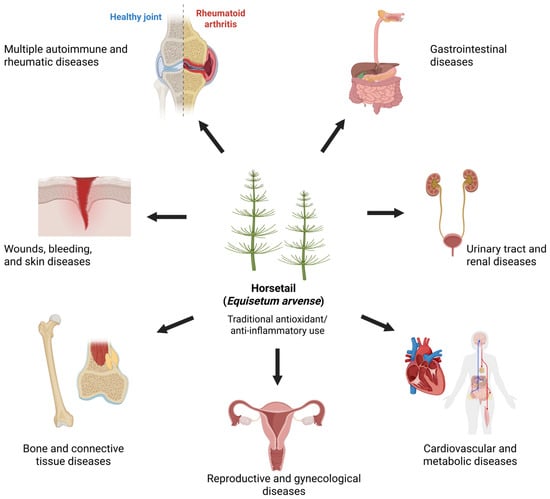
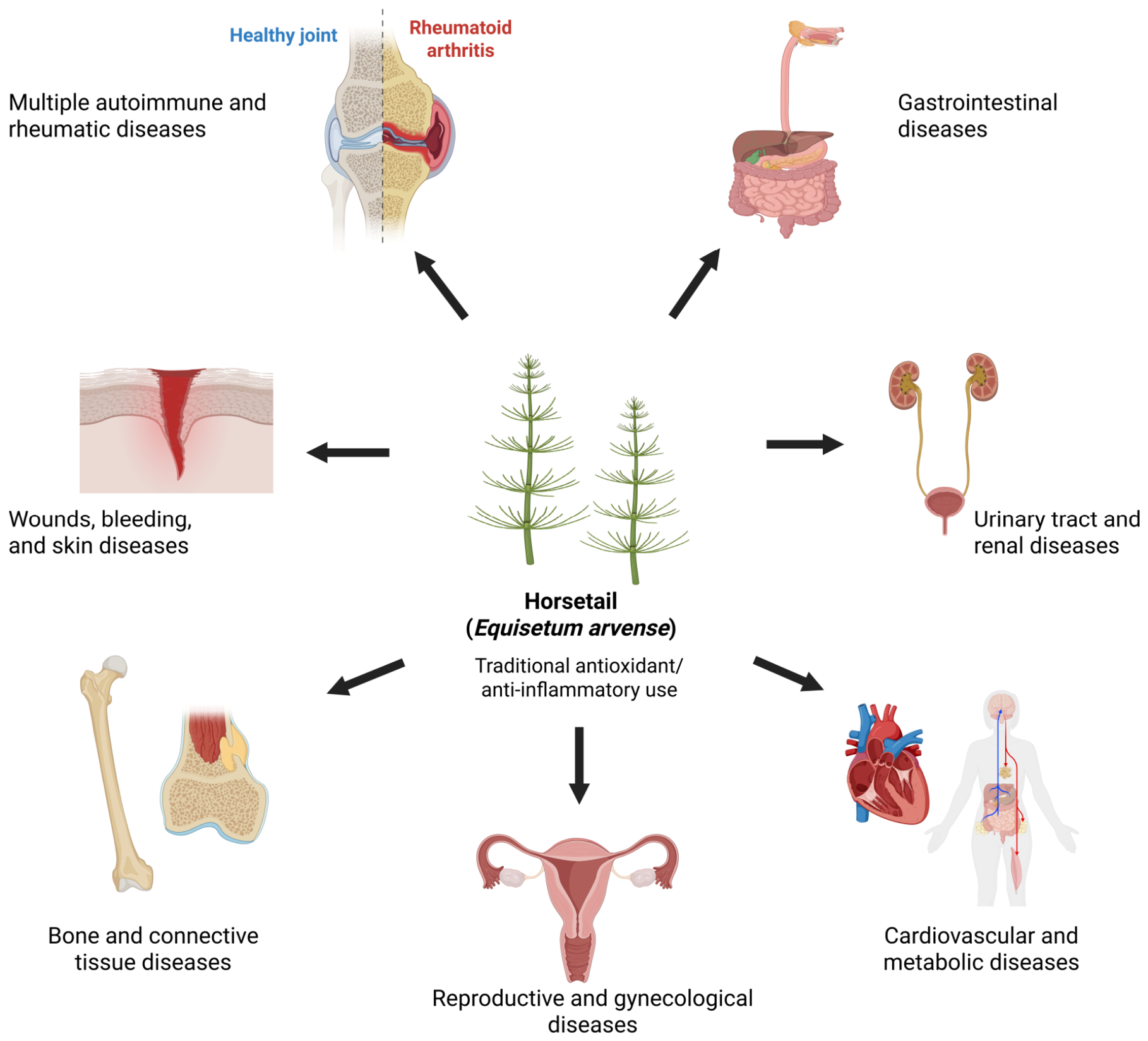
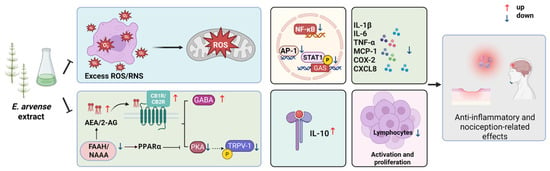
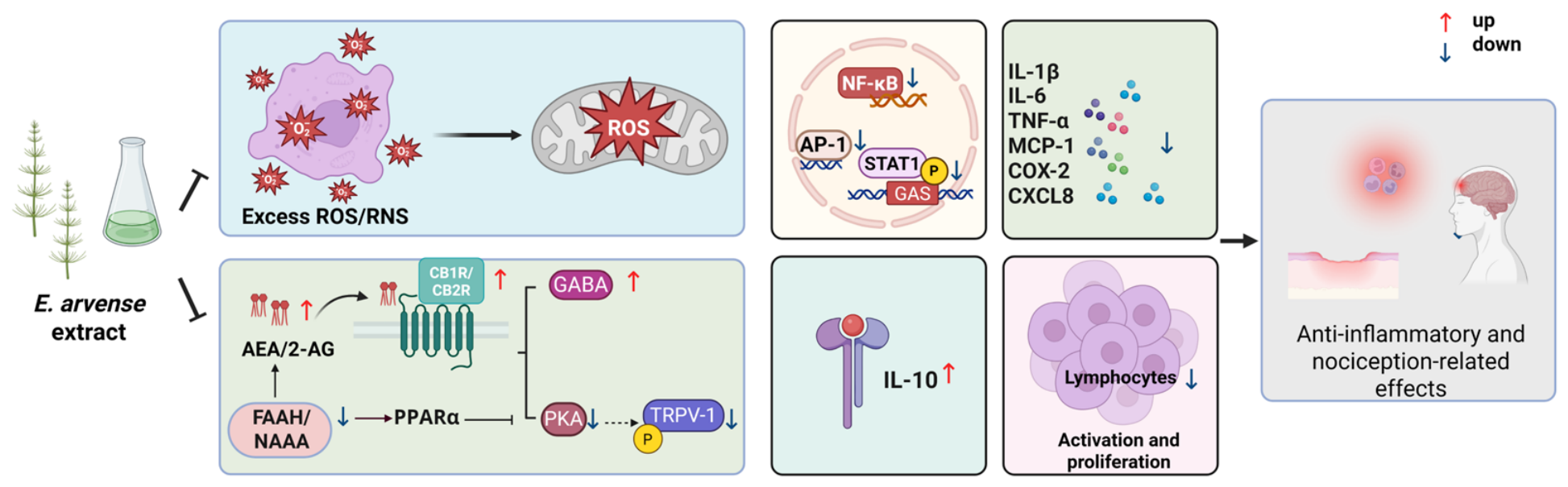
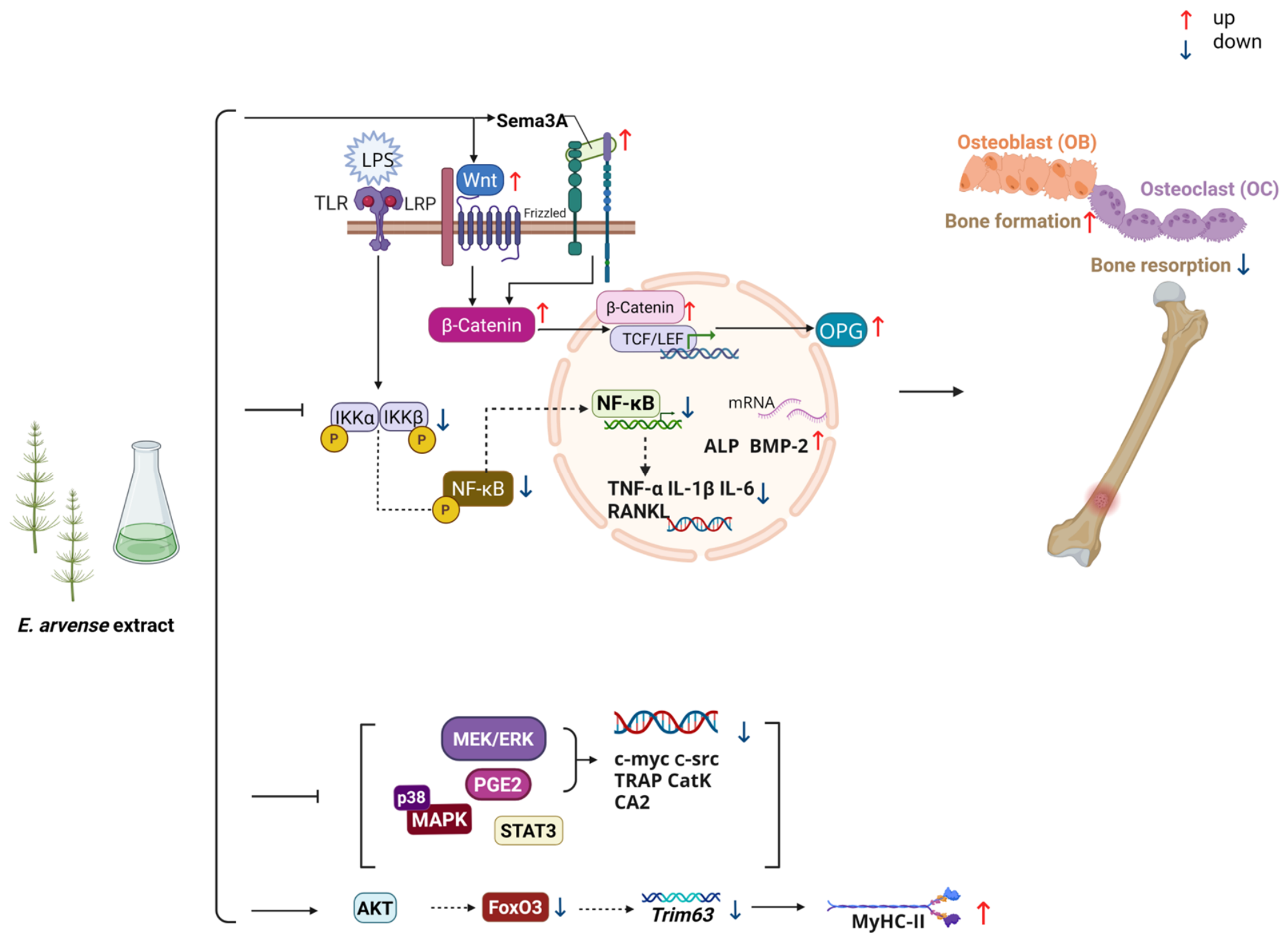
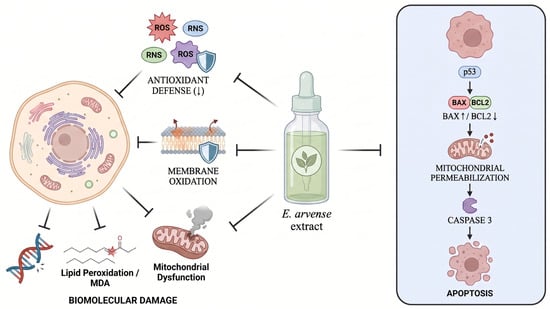
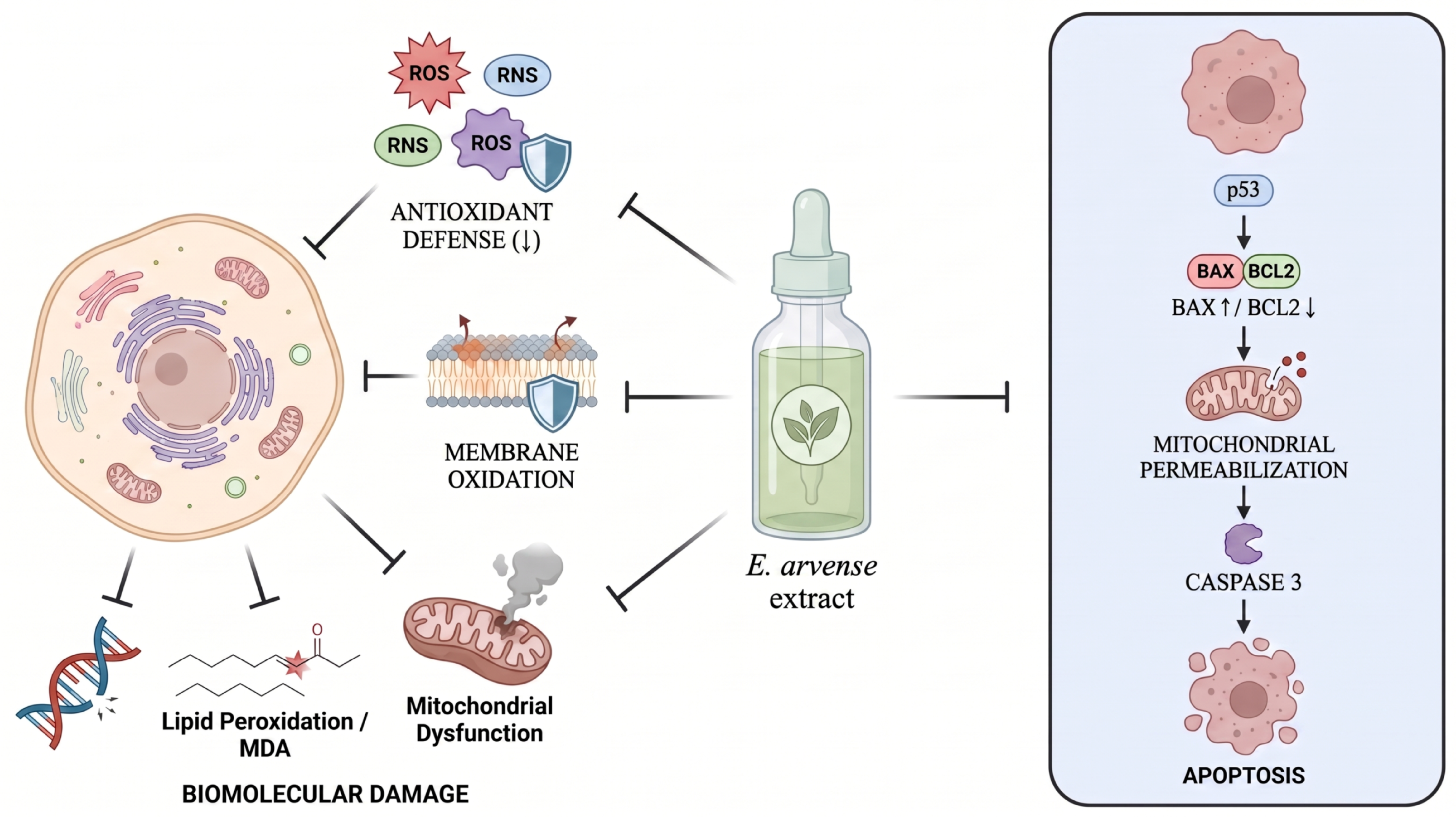
Disclaimer/Publisher’s Note: The statements, opinions and data contained in all publications are solely those of the individual author(s) and contributor(s) and not of MDPI and/or the editor(s). MDPI and/or the editor(s) disclaim responsibility for any injury to people or property resulting from any ideas, methods, instructions or products referred to in the content. |
© 2026 by the authors. Licensee MDPI, Basel, Switzerland. This article is an open access article distributed under the terms and conditions of the Creative Commons Attribution (CC BY) license.