


Abstract
Background/Objectives: Traditional medicinal knowledge remains underrepresented in pharmacological research because much of it is preserved in printed monographs, institutional collections, historical documents, and non-digitized ethnomedical repositories. This study aimed to document medicinal plants used in Mexican traditional medicine for ocular disorders and identify taxa of ethnomedicinal and pharmacological relevance. Methods: Three repositories were examined: the Medicinal Herbarium of the Mexican Institute of Social Security (IMSS), the open-access Biblioteca de la Medicina Tradicional Mexicana, and a pioneering undergraduate thesis addressing Mexican medicinal plants used for ophthalmological conditions. Data were manually extracted by two independent expert reviewers, with discrepancies resolved by consensus. Botanical nomenclature was updated using World Flora Online, and records were compared with previous Mexican ethnomedicinal information. Available pharmacological evidence was considered to contextualize the ethnomedical findings and identify taxa warranting further investigation. Results: The present contribution documented 232 ethnomedicinal records, corresponding to 174 species, 124 genera, and 57 botanical families. Asteraceae represented the predominant family, while Matricaria chamomilla was identified as the most frequently cited species. Notably, 165 ethnomedicinal records corresponding to 142 species identified in this work were absent from previous analysis of Mexican medicinal plants for ocular diseases, demonstrating the value of these repositories. Species such as Argemone ochroleuca exhibited notable ethnomedical relevance despite the limited pharmacological and clinical evidence currently available. Conclusions: The present work expands the existing ethnopharmacological knowledge of Mexican medicinal plants used for ocular diseases and highlights the value of integrating historical, institutional and digital sources into modern ethnopharmacological research. Furthermore, the findings identify and prioritize selected taxa for further pharmacological, toxicological, and formulations studies with potential ophthalmological applications.
1. Introduction
Mexico is considered one of the world’s megadiverse countries, harboring approximately 10% of the known flora [1]. Consequently, the study of its plant diversity, particularly its medicinal flora, is a national priority officially recognized by the Mexican government. Mexican legislation promotes the development, practice, strengthening and preservation of traditional medicine, including safeguarding the knowledge held by indigenous and rural communities [2].
Mexico is also characterized by remarkable biocultural diversity, encompassing 68 officially recognized indigenous linguistic groups whose traditional knowledge systems constitute an invaluable source of information regarding the medicinal uses of plants [3]. Over the past decades, substantial efforts have been devoted to documenting medicinal floras throughout the country, generating extensive ethnobotanical inventories that provide opportunities to investigate inter- and intracultural transmission of traditional knowledge, assess patterns of medicinal plants use, and identify culturally important species [4,5].
From a pharmaceutical perspective, ethnomedicinal knowledge represents an important starting point for the identification and prioritization of natural products with potential biological activity. Nevertheless, traditional use alone cannot establish pharmacological efficacy or therapeutic. Its principal value may lie in guiding the selection of plant species and preparations for subsequent phytochemical, pharmacological, toxicological, and clinical investigation [6]. This distinction is particularly relevant for medicinal plants used in ocular disorders because the anatomical and physiological characteristics of the eye impose specific requirements concerning efficacy, tissue compatibility, sterility, and safety [7].
Ocular diseases constitute a major public health challenge worldwide and are among the leading causes of visual impairment and reduced quality of life [8]. The increasing burden of ocular disorders, together with the need for accessible and safe therapeutic strategies, has stimulated interest in natural products as potential sources of pharmacologically active compounds [9]. Although conventional ophthalmic therapies are generally effective, some treatments may be associated with adverse effects [10], limited accessibility or poor patient adherence, highlighting the need to explore complementary therapeutic resources derived from medicinal plants.
The ocular surface is continuously exposed to environmental and physiological stressors, including ultraviolet radiation, airborne pollutants, allergens, humidity fluctuations and prolonged visual display terminal use, all of which may contribute to the development of inflammatory and degenerative ocular conditions [11]. Consequently, medicinal plants traditionally employed for ocular disorders represent a potentially valuable source of bioactive compounds for future pharmacological investigation.
Despite extensive ethnobotanical research conducted in Mexico, some ethnomedicinal records remain insufficiently accessible internationally. Many of these data are preserved in printed monographs, institutional archives or local publications [12].
This problem is particularly relevant to pharmacological research because the absence of digitized or searchable information can prevent potentially valuable traditional knowledge from being incorporated into contemporary evidence-based research [13]. Historical repositories may contain information on plant identity, geographical distribution, traditional indications, and routes of administration that is not readily retrievable through conventional electronic literature searchers.
To address this knowledge gap, we conducted an ethnopharmacological assessment based on a systematic analysis of Mexican ethnomedicinal sources documenting the traditional use of medicinal plants for ocular diseases. The sources selected for analysis were chosen because they represent repositories of traditional medical knowledge across the whole country and different cultural groups in Mexico. These sources included: (i) the Medicinal Herbarium of the Mexican Institute of Social Security (IMSS); (ii) the open-access Biblioteca de la Medicina Tradicional Mexicana (Library of Traditional Mexican Medicine); and (iii) a pioneering undergraduate thesis specifically devoted to ophthalmological ethnobotany in Mexico. Rather than merely compiling previously reported information, we analyzed and synthesized the ethnomedicinal records to characterize the diversity of medicinal plants used for ocular disorders, their taxonomic representation, and patterns of traditional use. These findings were subsequently contextualized within the available pharmacological evidence on the ocular-related activities of the principal documented species, with the aim of identifying and prioritizing plant species that may be the object of further pharmacological investigation for the development of potential approaches to ocular disorders.
Therefore, the objectives of this study were to (i) identify medicinal plant species reported in Mexican traditional medicine for ocular disorders; (ii) characterize their taxonomical and ethnomedicinal representation; (iii) identify records that were not included in previous published reports for Mexican medicinal plants for ocular diseases; and (iv) integrate the ethnomedicinal findings with available pharmacological information to identify species of particular interest for future natural product and ophthalmological drug research.
2. Materials and Methods
2.1. Medicinal Herbarium of the Mexican Institute of Social Security
The first ethnomedical source consulted in this work was the Medicinal Herbarium of the Mexican Institute of Social Security (IMSS), established in 1981 [14] by our research group. The IMSS Medicinal Herbarium is registered in the Index Herbariorum under the acronym (IMSSM) [15] and constitutes a specialized institutional collection focused on medicinal plants used in Mexican traditional medicine.
This specialized collection comprises more than 17,000 specimens of medicinal plants used in Mexican traditional medicine for the treatment of a wide range of conditions, including infectious diseases, endocrine-metabolic disorders, ocular and auditory disorders, tumours, male reproductive disorders, envenomations, poisonings, and children’s illnesses [16].
Despite the scientific, cultural, and social value of this collection, it remains undigitized, and much of its ethnomedical information has not been analyzed. Consequently, the present study used two previously published analyses of this collection, which are available in book format and, like the IMSS Medicinal Herbarium itself, have not been digitized. These books are: (1) a catalogue book containing information on the first 5000 specimens of the IMSS Medicinal Herbarium [14]; and (2) a book describing selected species from the IMSS Medicinal Herbarium IMSS and their distribution according to disease categories [16].
Because these sources are not fully searchable electronically, their examination required direct manual consultation of the printed material. This characteristic represents both a methodological limitation and a central rationale for the present study, as relevant ethnomedical information may remain inaccessible to conventional database-based approaches.
2.2. Biblioteca de la Medicina Tradicional Mexicana
In addition to the IMSS Medicinal Herbarium, another ethnomedical source consulted in this study was the book collection titled: Atlas de las Plantas de la Medicina Tradicional Mexicana (Atlas of Plants of Traditional Mexican Medicine). In this unique and specialized work on medicinal Mexican plants, more than 2000 monographs of medicinal species were compiled from local ethnobotanical data collected throughout the country. These monographs were originally published in 3 volumes in the year 1994 and included taxonomic, geographical, ecological, local use, pharmacological, anthropological, and historical data.
This work has recently been digitized and made publicly available as an open-access database, together with other ethnobotanical resources, including La Medicina Tradicional de los Pueblos Indígenas de México (Traditional Medicine of the Indigenous Peoples of Mexico), Flora Medicinal Indígena de México (Medicinal Flora of Mexico) and Diccionario Enciclopédico de la Medicina Tradicional Mexicana (Encyclopedic Dictionary of Mexican Traditional Medicine). Collectively, these works constitute the Biblioteca de la Medicina Tradicional Mexicana (Library of Traditional Mexican Medicine) [17].
Despite its digitization, this database does not provide a dedicated disease-indexing function that allows rapid and effective identification of all species associated with a particular disorder. Therefore, the only way to determine whether a particular plant species is used for a specific disease is by reviewing the monographs manually one by one, including the historical data content in the monographs, which also provides information about the medicinal use of the plants.
2.3. Historical Ophthalmological Ethnomedical Source
The third ethnomedical source consulted in this study was an undergraduate thesis in Biology which, to the best of our knowledge, had not been previously incorporated into published compilations of Mexican medicinal plants used for ophthalmological conditions.
This thesis work was conducted by Abigail Aguilar Contreras in 1974, founder of the IMSS Medicinal Herbarium (currently retired). This thesis is entitled: Etnobotánica mexicana: plantas popularmente recomendadas para el tratamiento de afecciones oftalmológicas (Mexican ethnobotany: plants popularly recommended for the treatment of ophthalmological conditions) [18], and, although it was not published, it has recently been made available online [19].
This historical source was considered particularly valuable because it was specifically devoted to ophthalmological ethnobotany and therefore provides information that may not be captured in broader medicinal-plant inventories.
2.4. Data Extraction and Botanical Validation
In all cases, the IMSS Medicinal Herbarium collection (examined from October 2025 to January 2026), the Biblioteca de la Medicina Tradicional Mexicana (examined from February to June 2026), and the pioneering undergraduate thesis (examined in July 2026), were examined manually by two independent expert reviewers without the use of automated virtual or electronic search tools. Any discrepancies in data extraction were resolved through discussion until consensus was reached.
Before data extraction, a predefined methodological framework was established, including the documentary sources to be consulted, search terms, eligibility criteria, procedures for handling duplicate records, data-extraction variables, and taxonomic validation procedures. Detailed information for each medicinal plant species was recorded to construct the results table. The three documentary sources were examined using a predefined set of Spanish terms both formal and related to ocular conditions, symptoms, and traditional terminology. Specific keywords included: ojo, ojos, ocular, oftalmología, oftalmológico, conjunctivitis, cataratas, ceguera, legañas, chinguiñas, carnosidad, perrillas, vista, nubes, estrabismo, algodoncillo, retina, llanto, lloroso, córnea and leucoma. Records identified through these terms were subsequently examined in their documentary context to determine they met the eligible criteria.
For the purposes of this study, an “ethnomedicinal record” was defined as a single documented report linking a medicinal plant species to an ocular disorder in one of the ethnomedical sources examined. Accordingly, the number of records does not necessarily correspond to the number of species, because the same species may be represented by more than one record when different reports, sources, ocular diseases, or traditional preparations were documented.
Records were eligible for inclusion when they met the following criteria:
- Plant taxa documented as medicinally used for an ocular condition in at least one of the three selected repositories
- Records referring to human traditional use, regardless of whether the source specified the preparation methods, plant part, or geographic origin
- Records in which the reported plant could be identified at least to the genus level, with species-level identification retained whenever available.
Records were excluded when they met any of the following criteria:
- Records lacking sufficient botanical information to establish the identity of the reported plant at least to the genus level
- Non-plant materials, included animal-derived, mineral or other non-botanical remedies
- Records referring to medicinal uses unrelated to ocular conditions or symptoms
- Duplicate documentation of the same underlying ethnomedicinal report within the same documentary source.
Repeated mentions of the same plant species were not automatically considered duplicates. Because the selected repositories may document the same taxon in different ethnomedicinal contexts, records were retained as independent when they represent distinct documented reports, sources, ocular conditions, plant parts, or preparation methods.
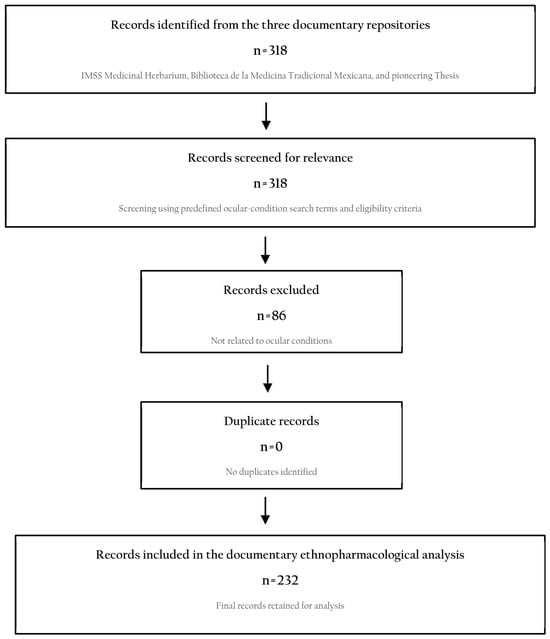
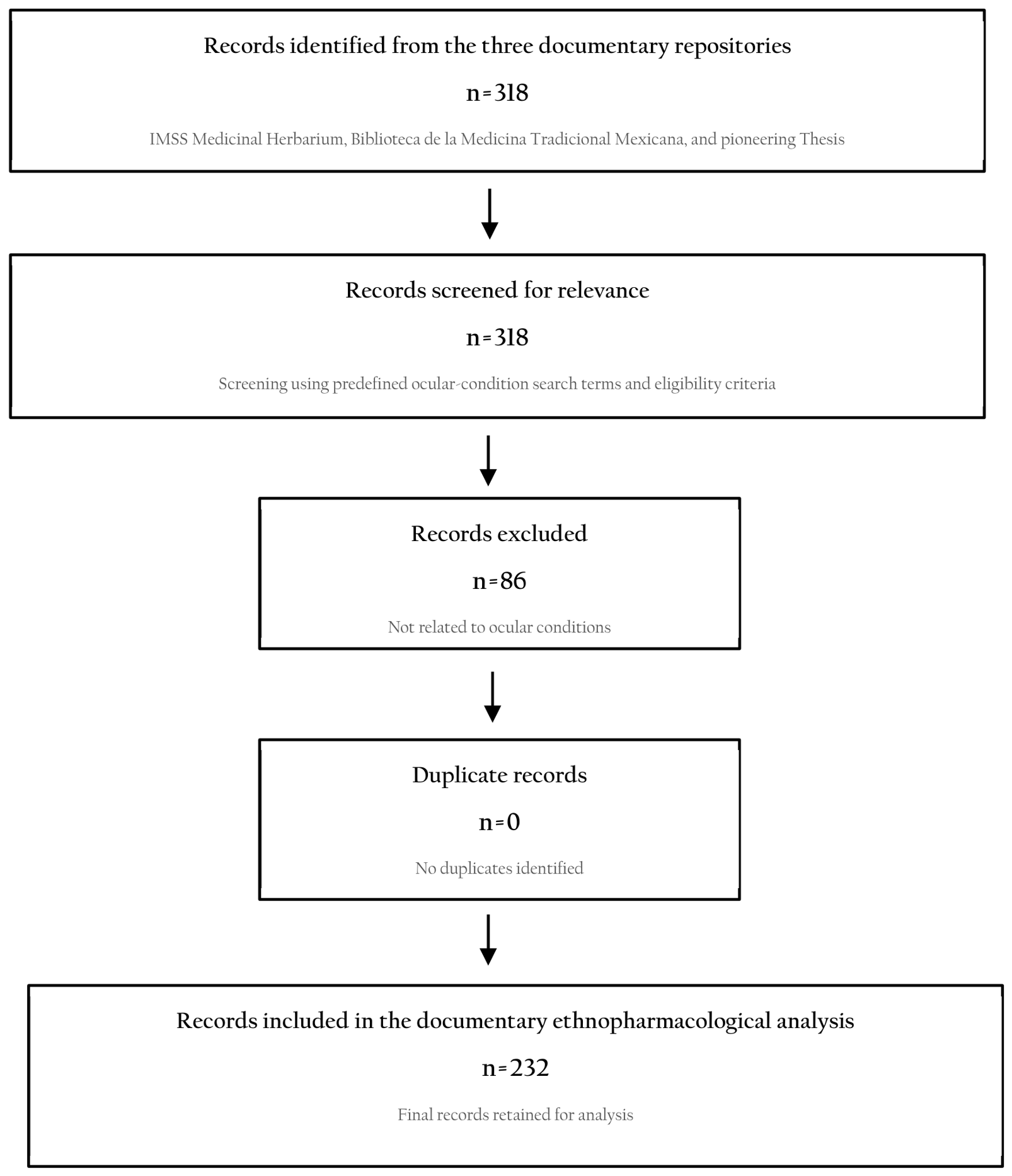
The selection process, including the number of records identified, excluded, and retained for analysis, is summarized in Figure 1.
Figure 1.
Flow diagram of the identification, screening, and selection of ethnomedicinal records for the documentary analysis of Mexican medicinal plants for ocular diseases.
The validated botanical nomenclature of each species was verified according to The World Flora Online (WFO) [20]. The scientific names recorded in the original documentary sources were first transcribed as reported and subsequently checked against WFO database to standardize botanical nomenclature. For each record, the accepted name was identified, and relevant synonyms, outdated nomenclatural combinations, and spelling variants were reviewed. When a historical or synonymous name was reported in the original source, the currently accepted WFO name was used in the analytical dataset, while the original name was retained for traceability to the documentary source. Family and genus assignments were also standardized according to the corresponding WFO taxonomic treatment. Taxonomic changes were applied consistently across records from the three repositories. When the available documentary information was insufficient to establish the identity of a taxon with reasonable confidence, no taxonomic identification was inferred beyond the information supported by the original source.
2.5. Integration of Pharmacological Evidence
Published pharmacological information was considered as complementary evidence to contextualize the ethnomedicinal findings. The pharmacological literature was not subjected to a systematic or scoping review protocol; rather, relevant published evidence was examined to determine whether the medicinal taxa identified in the consulted repositories had previously been investigated experimentally or clinically. When available, the evidence was distinguished according to its experimental or clinical context, including in vitro studies, non-ocular animal or experimental models, ocular disease-related models, and clinical studies. Evidence derived from non-ocular models was considered general pharmacological evidence and was not interpreted as direct evidence of efficacy for ocular disorders. Similarly, evidence of antimicrobial, anti-inflammatory, antioxidant, or other biological activity obtained outside ocular models was not considered equivalent to evidence of therapeutic efficacy for ocular disorders. This approach was used to provide pharmacological context and identify research gaps, rather than to establish therapeutic efficacy or clinical readiness.
3. Results and Discussion
3.1. Overall Diversity of Medicinal Plants Used for Ocular Disorders
The present analysis documents 232 records of Mexican medicinal plants, belonging to 57 botanical families, 124 genera, and 174 plant species, used in the treatment of ocular diseases (Table 1) (after consideration of all criteria described in Figure 1), highlighting the remarkable diversity of traditional medicinal practices related to ocular health in Mexico.
Table 1.
Mexican medicinal flora for the treatment of eye diseases.
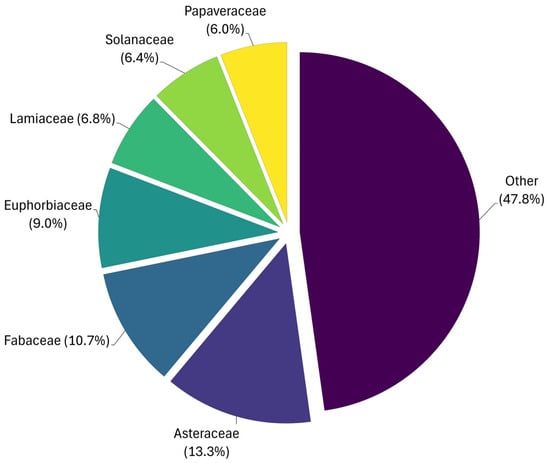
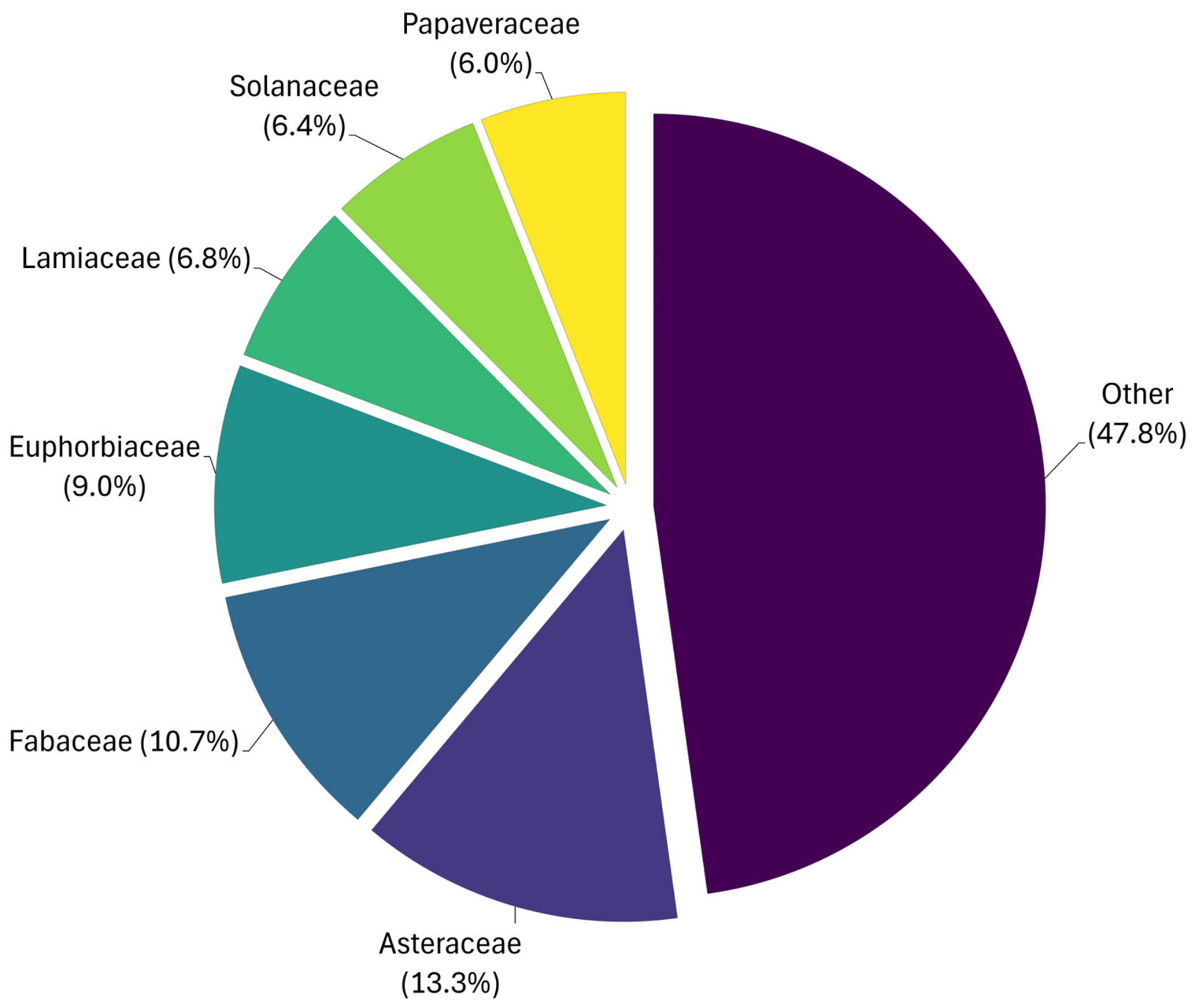
The predominance of the family Asteraceae in this work (31 records, 13.3%; 19 species) (Figure 2) is consistent with previous ethnobotanical studies conducted in Mexico and other regions of Latin America, where this family frequently ranks among the most represented [21,22,23,24].
Figure 2.
Botanical families most commonly used in Mexico for the treatment of eye diseases.
The prominence of Asteraceae in Mexico can be partly attributable to the country’s role as an important center of diversification of this family and as the richest country for the family in the Neotropics. Its broad distribution, from sea level to the mountain regions, together with its high content of diverse secondary metabolites, including flavonoids, sesquiterpene lactones, polyacetylenes, alkaloids, monoterpenes, and essential oils, supports its ethnomedical relevance [25]. The wide spectrum of bioactivities reported for these compounds further reinforces the traditional importance of Asteraceae species in ophthalmic applications throughout the region, even though previous reports on Mexican traditional medicine have primarily recognized members of the Asteraceae family for their use in the treatment of gastrointestinal and respiratory disorders [26].
However, the predominance of a botanical family in terms of number of records should not be interpreted as evidence that its species possess greater pharmacological efficacy than species belonging to less represented families. Rather, family-level representation may reflect geographical distribution, availability, cultural preferences, historical documentation, and research effort. Consequently, pharmacological prioritization may be based on the convergence of ethnomedicinal relevance with experimental evidence and safety considerations [27].
3.2. Matricaria chamomilla L. (chamomile): Ethnomedicinal and Pharmacological Relevance
Within the family Asteraceae, Matricaria chamomilla L. (chamomile) emerged as the most frequently cited species in the present study (9 records), while eye problems and eye irritation were the most reported conditions (51 and 44 records, respectively). These findings demonstrate its prominent representation in the ethnomedicinal sources examined, although the frequency of traditional reports should not be interpreted as evidence of clinical efficacy.
The high frequency of citation identifies M. chamomilla as a priority species from an ethnopharmacological perspective, particularly because its traditional use is accompanied by a substantial body of experimental evidence describing anti-inflammatory, antimicrobial, and antioxidant activities. However, much of this experimental evidence derives from non-ocular models, and its relevance to specific ocular diseases remains to be established.
The main chemical constituents described in the flowers of chamomile comprise terpenoids, spiroethers, coumarins, and flavonoids including apigenin, quercetin, patuletin, luteolin, and their glucosides [28]. Among these compounds, apigenin has been identified as one of the most bioactive compounds due to its potent anti-inflammatory, antimicrobial, and antioxidant properties [29].
The strong anti-inflammatory activity of chamomile observed in animal models has been associated with the inhibition of the production of inflammatory mediators, including tumor necrosis factor alpha (TNF-α) and interleukin-1β (IL-1β) [30]. The essential oil profile of the flowers of chamomile includes terpenoids such α-bisabolol and its oxides, and azulenes such as chamazulene [31]. Chamomile essential oils are well known because of their antimicrobial properties against a wide spectrum of Gram-negative and Gram-positive bacteria, highlighting bacteriostatic effects against Pseudomonas aeruginosa, Escherichia coli, and Staphylococcus aureus [29]. In addition, their antifungal activity against Candida albicans and Aspergillus sp. species has been attributed to the presence of α-bisabolol, which shows strong inhibition on fungal growth [32,33]. Therefore, these pharmacological findings provide a rationale for further investigation of chamomile constituents for scientific support for its traditional medicinal use.
In Mexican traditional medicine, chamomile is primarily administered as ocular washes prepared from dried flower infusions as shown by our findings (Table 1), which is consistent with previous reports in the literature [34]. This route of traditional administration is particularly important from a pharmaceutical perspective. Although an aqueous infusion may contain biological active constituents, preparations intend for direct ocular application require stringent control of microbial contamination, chemical composition, concentration, pH and osmolarity. Therefore, the direct application of homemade preparations may pose microbiological risks if sterility is not ensured [35].
Available evidence regarding chamomile must be interpreted in light of the route and method of administration. Allergic and hypersensitivity reactions, including contact dermatitis and, less frequently, severe systemic reactions, have been reported following exposure to chamomile preparations, particularly in individuals sensitized to plants of the Asteraceae family [36,37]. Ophthalmic use requires special precautions, as the application of non-sterile chamomile infusions or preparations may entail additional limitations due to the lack of sterility and the risk of microbial contamination; consequently, they should not be considered equivalent to a sterile ophthalmic preparation [38].
Interestingly, despite the extensive ethnomedical background supporting the use of M. chamomilla in ocular conditions, clinical trials in humans remain scarce. Consequently, rigorous clinical research is needed to evaluate its efficacy, safety, optimal dosage, and potential pharmacological interactions.
3.3. Argemone ochroleuca: High Ethnomedicinal Relevance with Important Safety Gaps
Another interesting species in the present contribution is Argemone ochroleuca, which belongs to Papaveraceae family. This species was the second most frequently cited species in the present study, only with 2 reports less (7 reports) than M. chamomilla (Table 1).
In contrast with M. chamomilla, the species A. ochroleuca represents a relevant example of ethnomedical knowledge that, although well documented in several regions of Mexico [39], remains insufficiently explored from pharmacological and clinical perspectives. In the present analysis, its citation of ophthalmologic applications suggests a persistent traditional use, likely associated with its availability and perceived therapeutic efficacy in local contexts [40].
Phytochemical studies have demonstrated that species of the genus Argemone contain isoquinoline alkaloids, including sanguinarine, dihydrosanguinarine, and berberine, compounds widely recognized for their antimicrobial and anti-inflammatory properties [41,42]. These biological activities provide a basis for further investigation, in which scientific experimentation in relevant ocular models is therefore necessary to determine whether these activities translate in to measurable effects in ocular tissues.
In particular, sanguinarine, has shown antimicrobial activity against Gram-positive bacteria, which may be relevant in superficial ocular infections [43]. However, some of these alkaloids present in A. ochroleuca have been associated with toxic effects, mainly cytotoxic effects [44]. Nevertheless, the clinical evidence supporting the efficacy and safety of A. ochroleuca in the treatment of eye diseases is still pending. Most available data derived from ethnobotanical surveys or in vitro studies, limiting the ability to establish evidence-based therapeutic recommendations. This gap highlights the need for pharmacologic and clinical research in ocular models to evaluate the therapeutic potential and safety of this plant.
The metabolite composition, including alkaloids, in A. ochroleuca, may vary according to the plant material and extraction procedure. Recent analysis demonstrated differences in metabolite profiles between shoots and roots and among water, methanol, acetone, and dichloromethane extracts, indicating that both plant part and extraction solvents can influence the compound recovered [45]. Thus, comparisons of the chemical composition and potential biological effects of A. ochroleuca preparations should consider the plant material and extraction method used. Evidence concerning additional sources of variation, such as geographic origin and development stage, remains limited for A. ochroleuca.
3.4. Fabaceae and Euphorbiaceae: Underexplored Taxa and Safety Considerations
Other botanical families were also significantly represented in the present work such as Fabaceae (25 records, 10.7%; 19 species) and Euphorbiaceae (21 records, 9.0%; 15 species) (Figure 2).
The representation of Fabaceae is particularly interesting because the available literature on its traditional use of ocular disorders is comparatively limited. To the best of our knowledge, only some species of the genera Abrus, Senna and Acacia have shown biological activities potentially related to ophthalmological applications, as they have been reported to contain compounds with significant activity against multidrug-resistant strains of Staphylococcus, which are frequently implicated in ophthalmic infections such as conjunctivitis. Phytochemical investigations of these taxa have revealed the presence of phenolic compounds and flavonoids, including epicatechin and lupeol, which may contribute to antimicrobial effects [46,47,48]. However, none of these genera are represented in the present work. Thus, the 19 species of Fabaceae documented in the present study, which were not reported in the previous review in the context of ophthalmological diseases, represent a valuable source of priority taxa for further investigation, particularly through chemical characterization, ocular pharmacological studies and safety assessment (Table 1).
The genus Euphorbia (Euphorbiaceae) is particularly noteworthy in the present study, comprising 7 distinct species (Table 1). Euphorbia is an important genus due to its cosmopolitan distribution and because it is the third largest genus of flowering plants in the world [49]. The latex of Euphorbia species contents numerous biologically highly active natural products, which have been used in a wide range of medicinal applications, particularly diterpenes such as ingenanes, among which ingenol mebutate stands out, a compound used in the topical treatment of actinic keratosis [50].
Although the most recognized medicinal use of the genus Euphorbia refers to gastrointestinal affections, some species have also been used for the treatment of eye disorders, as well as for the management of blindness, cataracts, ear complaints and deafness, particularly on the American continent [51]. However, some species of Euphorbia have shown poisonous or toxic effects [52] especially in dermatological cases. Therefore, rigorous pharmacological and toxicological studies of the latex of species belonging to Euphorbia are still needed.
The pharmaceutical relevance of Euphorbia therefore illustrates both the opportunities and challenges associated with medicinal plants. The presence of pharmacologically active diterpenoids demonstrates the potential of the genus as a source of bioactive molecules, whereas the irritant and toxic properties reported for several species emphasize the need for rigorous safety evaluation before consideration of ocular applications.
Croton and the Importance of Ocular Safety
Also belonging to Euphorbiaceae, the genus Croton stands out because of its 7 records that represent also 7 different species in the present study. Phytochemical investigations have demonstrated that Croton species are a rich source of structurally diverse bioactive compounds, including terpenoids, alkaloids, flavonoids, and essential oils that exhibit antibacterial, antifungal, antioxidant, and anti-inflammatory activities in experimental models [53,54,55,56,57].
Nevertheless, the pharmacological evidence supporting ocular applications remains limited because many reported activities have been demonstrated in non-ocular in vitro assays. Moreover, the latex of several Croton species contains irritant and potentially cytotoxic metabolites [58,59]. These characteristics make ocular toxicology a particularly important component of any future investigations of this genus.
3.5. Other Important Botanical Families in Mexico in the Treatment of Ocular Diseases
Other well-represented families in the present work include Lamiaceae (16 records, 6.8%; 14 species), Solanaceae (15 records, 6.4%; 12 species), and Papaveraceae (14 records, 6.0%; 5 species) (Figure 2), all of which are widely recognized for their medicinal relevance.
In the case of Crassulaceae (7 records, 3.0%; 3 species), this family has been previously reported as the most represented in other studies of Mexican flora for the treatment of eye diseases [60]. Our present findings extend this previous evidence by documenting additional species of the genus Sedum, including S. praealtum and S. dendroideum, as well as the species Kalanchoe pinnata, that was not reported in the previous review for this family [60]. These findings illustrate the value of consulting historical and institutional repositories in parallel with previously published ethnobotanical studies.
Our results are consistent with those reported by Salazar-Gómez et al. (2023) [60], particularly regarding the prominence of M. chamomilla and the representation of several major botanical families. However, the two studies address complementary aspects of Mexican ethnomedicinal knowledge for ocular diseases and differ substantially in their source selection and methodological approach. The present study specifically targeted ethnomedical repositories that have remained insufficiently explored, including the undigitized IMSS Medicinal Herbarium, the Biblioteca de la Medicina Tradicional Mexicana, and a historical undergraduate thesis devoted specifically to ophthalmological ethnobotany. Consequently, the present study was not intended to reproduce the previous inventory. Indeed, 165 records identified in the present study corresponding to 142 species were not reported by Salazar-Gómez et al. (2023) [60], demonstrating that a substantial body of relevant information remain unexplored. Moreover, of these 165 additional records, 122 records were obtained from the Biblioteca de la Medicina Tradicional Mexicana, while 33 were obtained from the IMSS Medicinal Herbarium collection, and 10 from the pioneering undergraduate thesis. This distribution underscores the contribution of sources that are either insufficiently indexed or not readily accessible through conventional scientific databases. Nonetheless, rather than emphasizing the number of records that differ between studies, the present findings demonstrate that consultation of complementary historical and institutional repositories can recover ethnomedicinal information that is not necessarily captured in previously published inventories. This complementary approach is particularly relevant for documenting traditional uses that may remain inaccessible through conventional scientific databases and for identifying taxa that warrant further ethnopharmacological investigation.
3.6. Plant Parts and Geographic Distribution
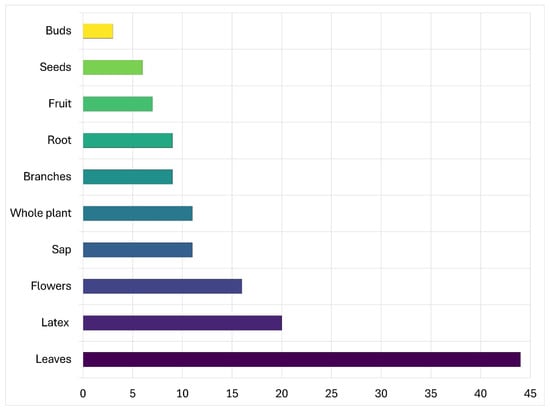
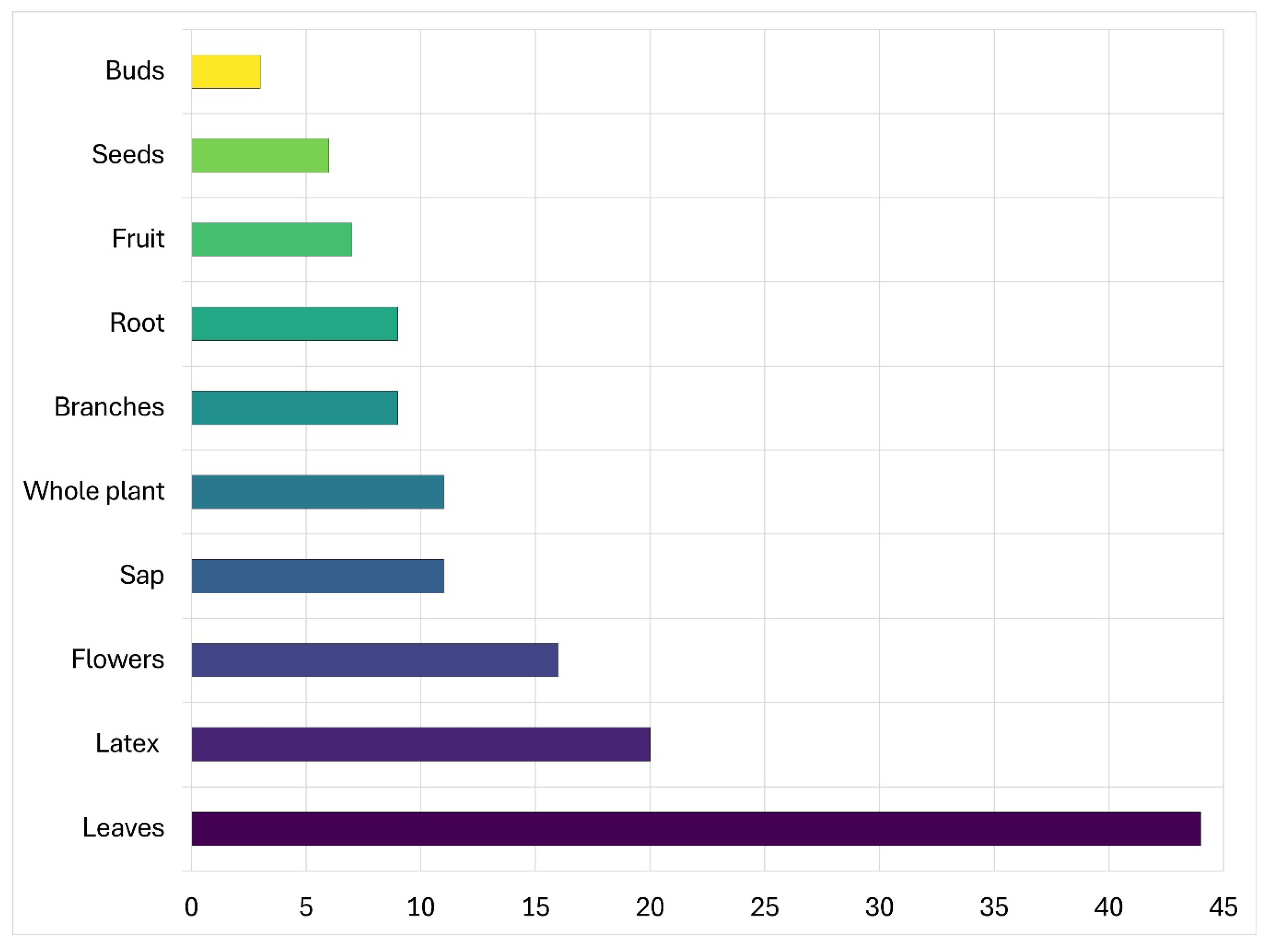
The predominance of leaves as the most used part of the plant (44 records) (Figure 3) may be explained by their accessibility, ease of collection, and high concentration of bioactive compounds.
Figure 3.
Parts of the plant most frequently reported for the treatment of ocular diseases in Mexico.
Leaves are often prepared as infusions or decoctions, facilitating topical application in the form of eye washes or compresses [61].
Concerning geographic distribution, it is interesting to note that Puebla was the most represented state in this study with 83 records, followed by Oaxaca (57 records), Michoacán (49 records), and San Luis Potosí (48 records). This pattern does not necessarily reflect greater ethnomedical knowledge or higher plant diversity in these states; rather, it may be associated with historical and logistic factors that have influenced the development of ethnobotanical research in Mexico. In particular, the geographical proximity of these states to Mexico City, where many of the country’s most important ethnobotanical expeditions have originated, may have facilitated a greater research effort in nearby regions due to economic and operational constraints [4].
This trend is evident in states recognized for their biological diversity, such as Chiapas, which represented by only 18 records in the present study. The social and political factors, including periods of social unrest and armed conflict in certain regions of Chiapas, may have further constrained the development of ethnobotanical studies [62]. Similarly, Baja California Sur, one of the states located farthest from the country’s central region, showed a low representation (2 records).
Consequently, the observed distribution of records among states likely reflects, at least in part, differences in research effort rather than actual variations in traditional knowledge richness or plant diversity. These factors have contributed to an uneven distribution of research effort across the country, highlighting the need for further ethnobotanical research to achieve a more comprehensive understanding of Mexican traditional medicine across its diverse cultural and ecological regions.
3.7. Ethnomedical Repositories as Resources for Natural-Product Discovery
Collectively, these findings highlight the relevance of both institutional and digital repositories as sources of ethnopharmacological information.
The principal pharmaceutical relevance of these repositories lies in their capacity to generate hypotheses for natural product-discovery. Historical records may identify plants, plant parts, preparations, and therapeutic indications that can subsequently be investigated using modern phytochemical, pharmacological, toxicological, and pharmaceutical approaches.
In particular, the IMSS Medicinal Herbarium emerges as a significant and continuously expanding repository of ethnomedicinal knowledge. Its undigitized status, however, represents a major accessibility barrier. Digitization, taxonomic updating, standardized metadata, and disease-oriented indexing would facilitate integration of this information with contemporary pharmacological databases and could substantially increase the visibility of Mexican ethnomedicinal knowledge in international research.
Likewise, the Biblioteca de la Medicina Tradicional Mexicana, despite being freely accessible online, remains unexplored in terms of systematic analysis and data extraction, thus representing a valuable and untapped source of ethnobotanical information with considerable potential for future research.
The magnitude of the ethnomedicinal knowledge included in the present work is particularly relevant when considered in relation to the accessibility of the underlying sources. A substantial proportion of the information was retrieved from repositories that are not readily searchable through conventional scientific databases, demonstrating that historical and institutional ethnomedical collections may contain information of potential relevance to contemporary natural-product research.
4. Limitations
Several limitations should be considered when interpreting the findings of this study. First, the analysis was restricted to the three specific ethnomedicinal sources: the IMSS Medicinal Herbarium, the Biblioteca de la Medicina Tradicional Mexicana, and the historical thesis by Aguilar Contreras. Although these repositories provide complementary evidence, they do not encompass the full diversity of Mexican ethnomedicinal knowledge. Regional floras and other local or institutional sources may contain additional information that was not accessible for analysis in the present study. The accessibility and digitization sources also varied. While the Biblioteca de la Medicina Tradicional Mexicana is available in digital form, the IMSS Medicinal Herbarium collection has not yet been digitized. This may limit the completeness and reproducibility of future searches and highlights the importance of continued digitization standardized metadata and disease-indexed databases for Mexican ethnomedical collections.
Another limitation concerns the variability in terminology used to describe ocular disorders and symptoms. Traditional and historical records frequently employ vernacular expressions, regional terminology or nonspecific descriptions, which do not necessarily correspond to contemporary clinical diagnoses. Although an expanded set of Spanish search terms was used to maximize retrieval, terminology cannot always be mapped unambiguously onto modern ophthalmological categories. The reported uses should therefore be interpreted as documented ethnomedicinal indications rather than as confirmed clinical diagnosis.
A further limitation concerns the heterogeneity of the available pharmacological evidence. The identified taxa vary considerably in the amount, quality, and experimental relevance of published pharmacological information. Much of the available experimental evidence is derived from non-ocular models and therefore cannot be assumed to demonstrate efficacy in specific ocular diseases. Therefore, the pharmacological information presented in this study should be regarded as complementary context for interpreting the ethnomedicinal findings and for identifying research gaps rather than evidence of therapeutic efficacy.
The ethnomedicinal records analyzed in this study should be interpreted within the cultural and geographical diversity of Mexican traditional medicine. The selected repositories compile information generated in different regions and cultural contexts, including knowledge associated with indigenous and rural communities. However, the level of cultural information available was not consistent across the three sources. In particular, some historical records provide information without explicitly identifying the indigenous group, community, or language associated with the reported practice. The present study consequently does not aim to quantify or compare ethnomedicinal knowledge among specific cultural groups, but rather to recover and characterize documented traditional uses of medicinal plants for ocular diseases. This distinction is important because traditional medicinal knowledge is culturally and geographically situated and may vary among communities according to local ecological conditions, cultural practices, and terminology. Differences in the availability and historical documentation of ethnomedicinal information may also influence the apparent representation of regions or cultural context in the present dataset.
A further and particularly important limitation concerns the limited availability of evidence regarding the ocular safety of the medicinal plants identified in the consulted repositories. Although traditional use provides valuable information on cultural relevance and may help to prioritize taxa for further investigation, it should not be interpreted as evidence of ocular safety, efficacy, or therapeutic suitability. Importantly, this study does not make recommendations for the use, self-administration, or therapeutic application of any of the documented plants for ocular conditions. Rather, the reported uses are presented as ethnomedicinal evidence that may inform priorities for future pharmacological and toxicological research. This distinction is particularly relevant because some traditional practices involve preparations intended for direct ocular applications, for which potential risks include corneal toxicity, epithelial damage, inflammatory or hypersensitivity reactions, alterations in intraocular pressure, and microbial contamination. Moreover, traditional preparations may vary in plant material, preparation method, concentration of bioactive constituents, pH, osmolality, sterility, and storage conditions, making their safety difficult to assess based on ethnomedicinal documentation alone. Therefore, the taxa identified in this study should be considered ethnomedicinally relevant priorities for further investigation rather than validated or recommended ophthalmological treatments. Future research should evaluate ocular tolerability and toxicity, formulation stability, and dose–response relationships before any potential clinical application is considered.
Finally, the documentary nature of the study represents an additional methodological limitation. The ethnomedicinal records were not originally generated using standardized data-collection instruments, and consequently the level of detail and consistency of the information varied among sources. The use of predefined search terms and eligibility criteria, independent review, and consensus-based resolution was intended to minimize subjective interpretation during the documentary analysis. The findings, therefore, reflect the information available in the selected repositories and do not necessarily encompass all Mexican ethnomedicinal knowledge concerning the traditional use of plants for ocular conditions.
5. Conclusions
The present study provides an expanded ethnopharmacological assessment of medicinal plants traditionally used in Mexico for ocular disorders, documenting 232 ethnomedicinal records corresponding to 174 species, 124 genera, and 57 botanical families. Asteraceae was the most represented family, while Matricaria chamomilla was the most frequently cited species. These findings highlight the considerable diversity of plant-based traditional knowledge associated with ocular conditions in Mexico.
A major contribution of this work is the identification of 165 records corresponding to 142 species that were not reported in recent previous publications. These records demonstrate that substantial ethnomedical information remains dispersed across historical, institutional, and digital repositories and is therefore vulnerable to remaining inaccessible to contemporary research.
The integration of ethnomedicinal information with available pharmacological evidence identifies several species of interest for further natural-products and ophthalmological research, while simultaneously revealing important gaps in ocular-specific pharmacology, toxicology, chemical standardization, pharmaceutical formulation, and clinical validation. Importantly, the ethnomedicinal records identified in this study may considered a basis for prioritizing selected species for subsequent pharmacological and toxicological investigation.
The findings also underscore the value of historical and institutional ethnomedical repositories for recovering information that may complement contemporary ethnobotanical literature. The digitization and the systematic disease-oriented indexing of collections such as the IMSS Medicinal Herbarium, together with the continued analysis of historical ethnomedical sources, could substantially improve the accessibility and integration of Mexican traditional medicinal knowledge with contemporary phytochemical, pharmacological and pharmaceutical research.
Overall, this study provides a documented foundation for further investigation of Mexican medicinal plants used traditionally for ocular diseases. However, substantial experimental and clinical research remains necessary to determine whether any of the identified species of their derived products possess reproducible, safe, and clinically relevant ophthalmological effects.
6. Future Research Directions
Future research should prioritize species for which ethnomedicinal relevance converges with pharmacological evidence, while also investigating highly cited but poorly validated taxa. Importantly, the experimental evidence specifically addressing ocular pharmacological activity remains limited, and pharmacological effects reported in non-ocular systems should not be interpreted as evidence of efficacy in specific ocular diseases. Therefore, the studies on Argemone ochroleuca and members of Fabaceae should include rigorous botanical authentication, chemical characterization of extracts, identification of bioactive constituents, and validation in disease-relevant ocular models. Such studies should incorporate dose–response analyses, mechanisms of action, and comprehensive ocular toxicity assessment. Similarly, antimicrobial activity demonstrated against non-ocular bacterial strains should be further evaluated against clinically relevant ocular pathogens to determine whether such activity is reproducible and potentially relevant to specific ocular infections.
Particular attention should be given to standardization and preclinical evaluation of preparations intended for ocular administration. Standardization of extraction procedures, physicochemical characterization, sterility, stability, ocular tolerability, and reproducibility will be essential before traditional preparations can be considered for further pharmaceutical development. In addition, studies addressing formulation, ocular tissue exposure, and, where appropriate, pharmacokinetic and pharmacodynamic characteristics will be important for determining whether bioactive constituents can reach relevant ocular tissues at effective and safe concentrations.
The systematic digitization of the IMSS Medicinal Herbarium and the development of searchable, disease-indexed ethnomedical databases should also be considered research priorities. Such resources would facilitate integration of traditional knowledge with phytochemical and pharmacological databases and improve the accessibility of Mexican ethnomedicinal knowledge to the international scientific community.
Finally, multidisciplinary collaboration among ethnobotanists, taxonomists, pharmacologists, toxicologists and ophthalmologists will be essential to translate ethnomedicinal observations into reproducible evidence and to identify taxa that merits further pharmaceutical investigation. In this context, the identification of species with traditional ocular uses may be regarded as a starting point for research. The limited availability of experimental studies using appropriate ocular models represents an important research gap and provides a clear rationale for prioritizing rigorous pharmacological, toxicological, and formulation studies in future investigations.
Author Contributions
Conceptualization, M.H.-R.; methodology, S.X.-M. and M.H.-R.; formal analysis, E.A.-F., S.X.-M. and M.H.-R.; investigation, E.A.-F., S.X.-M. and M.H.-R.; data curation, E.A.-F., S.X.-M. and M.H.-R.; writing—original draft preparation, E.A.-F. and M.H.-R.; writing—review and editing, S.X.-M. and M.H.-R. All authors have read and agreed to the published version of the manuscript.
Funding
This research received no external funding.
Institutional Review Board Statement
Not applicable.
Informed Consent Statement
Not applicable.
Data Availability Statement
No new data were created or analyzed in this study. Data sharing is not applicable to this article.
Acknowledgments
During the preparation of this manuscript, the author(s) used Chat GPT (GPT-5.6 Luna) to correct English style and writing, as well as to search for and to format some references. The authors have reviewed and edited the output and take full responsibility for the content of this publication.
Conflicts of Interest
The authors declare no conflicts of interest.
References
- Comisión Nacional para el Conocimiento y Uso de la Biodiversidad (CONABIO). México Megadiverso. 2026. Available online: https://www.biodiversidad.gob.mx/pais/quees.html (accessed on 1 September 2026).
- Constitución Política de los Estados Unidos Mexicanos. Artículo 2, Apartado A, Fracción VII. Última reforma publicada en el Diario Oficial de la Federación, 31 December 2024. Available online: https://www.gob.mx/cms/uploads/attachment/file/966422/Constitucion_Politica_de_los_Estados_Unidos_Mexicanos.pdf (accessed on 1 September 2026).
- Instituto Nacional de Lenguas Indígenas (INALI). Catálogo de las Lenguas Indígenas Nacionales: Variantes Lingüísticas de México con sus Autodenominaciones y Referencias Geoestadísticas. 2008. Available online: https://www.inali.gob.mx/pdf/CLIN_completo.pdf (accessed on 12 June 2026).
- Bye, R.; Linares, E. Perspectives on ethnopharmacology in Mexico. In Ethnopharmacology; Heinrich, M., Jäger, A.K., Eds.; John Wiley & Sons: Sussex, UK, 2015; pp. 393–404. [Google Scholar] [CrossRef] [Scilit]
- Sosa, V.; Alvarado-Cárdenas, L.O.; Stefano, R.D.D.; González-Gallegos, J.G.; Hernández-Sandoval, L.; Jiménez-Rosenberg, R.; Ochoterena, H.; Rodríguez, A.; Vibrans, H.; Angulo, D.F. The online flora of Mexico: EFloraMEX. Bot. Sci. 2023, 101, 324–340. [Google Scholar] [CrossRef] [Scilit]
- Wangkheirakpam, S. Traditional and Folk Medicine as a Target for Drug Discovery. In Natural Products and Drug Discovery; Mandal, S.C., Mandal, V., Konishi, T., Eds.; Elsevier: Amsterdam, The Netherlands, 2018; pp. 29–56. [Google Scholar] [CrossRef] [Scilit]
- Elbadry, A.M.M.; Aly, S.H.; Abdelrazek, N.A.; El-Shiekh, R.A.; Salman, A.; Nabil, A.; Reda, A.M.; Eid, O.; Manaa, E.G.; Abdel-All, S.R.; et al. Natural products as alternative therapies for eye disorders: From traditional use to modern formulations. Beni-Suef Univ. J. Basic Appl. Sci. 2026, 15, 36. [Google Scholar] [CrossRef] [Scilit]
- Yeo, D.; Hwang, S.H.; Lee, S.; Jeong, J.; Kong, J.; Lee, H.; Kang, J.; Yang, J.M.; Yon, D.K. Global, regional and national burden of major blindness-associated ophthalmologic conditions, 1990–2021, with forecasts to 2050: A systematic analysis for the Global Burden of Disease Study 2021. Br. J. Ophthalmol. 2026, 110, 706–713. [Google Scholar] [CrossRef] [Scilit] [PubMed]
- Szewczyk-Roszczenko, O.K.; Pietruszyńska, M.; Iwańska, I.A.; Roszczenko, P.; Bielawski, K.; Gornowicz, A.; Bielawska, A. Plant-Based Care and Therapy in Ophthalmology. Antioxidants 2025, 14, 1510. [Google Scholar] [CrossRef] [Scilit] [PubMed]
- Fraunfelder, F.W.; Fraunfelder, F.T. Adverse ocular drug reactions recently identified by the National Registry of Drug-Induced Ocular Side Effects. Ophthalmology 2004, 111, 1275–1279. [Google Scholar] [CrossRef] [Scilit] [PubMed]
- Alghamdi, W.M. Impact of Environmental Exposure on Ocular Surface Balance: A Comparative Study. Clin. Ophthalmol. 2025, 19, 747–752. [Google Scholar] [CrossRef] [Scilit] [PubMed]
- Camou-Guerrero, A.; Casas, A.; Moreno-Calles, A.I.; Aguilera-Lara, J.; Garrido-Rojas, D.; Rangel-Landa, S.; Torres, I.; Pérez-Negrón, E.; Solís, L.; Blancas, J.; et al. Ethnobotany in Mexico: History, Development, and Perspectives. In Ethnobotany of Mexico; Lira, R., Casas, A., Blancas, J., Eds.; Springer: New York, NY, USA, 2016; pp. 21–39. [Google Scholar] [CrossRef] [Scilit]
- Vivek-Ananth, R.P.; Mohanraj, K.; Sahoo, A.K.; Samal, A. IMPPAT 2.0: An Enhanced and Expanded Phytochemical Atlas of Indian Medicinal Plants. ACS Omega 2023, 8, 8827–8845. [Google Scholar] [CrossRef] [Scilit] [PubMed]
- Aguilar, A.; Camacho, J.R.; Chino, S.; Jacquez, P.; López, M.E. Herbario Medicinal del IMSS: Información Etnobotánica; Instituto Mexicano del Seguro Social: Mexico City, Mexico, 1994; p. 253. [Google Scholar]
- Index Herbariorum. Steere Herbarium, New York Botanical Garden. 2026. Available online: https://sweetgum.nybg.org/science/ih/ (accessed on 1 September 2026).
- Aguilar-Contreras, A.; Camacho Pulido, J.R.; Chino-Vargas, S.; Jacquez-Rios, P.; López-Villafranco, M.E. Plantas Medicinales del Herbario IMSS: Su Distribución por Enfermedades; Instituto Mexicano del Seguro Social: Mexico City, Mexico, 1998; p. 167. [Google Scholar]
- Biblioteca Digital de la Medicina Tradicional Mexicana. Atlas de las Plantas de la Medicina Tradicional Mexicana. 2009. Available online: http://www.medicinatradicionalmexicana.unam.mx/apmtm/index.html (accessed on 1 September 2026).
- Aguilar Contreras, A. Etnobotánica Mexicana: Plantas Popularmente Recomendadas para el Tratamiento de Afecciones Oftalmológicas. Bachelor’s Thesis, Facultad de Ciencias, Universidad Nacional Autónoma de México, Mexico City, Mexico, 1974. [Google Scholar]
- TESIUNAM. 2026. Available online: https://ru.dgb.unam.mx/items/1ab794e6-1539-40f1-8bbf-829c88db5aab (accessed on 1 September 2026).
- World Flora Online. 2026. Available online: http://www.worldfloraonline.org (accessed on 1 September 2026).
- Bravo-Avilez, D.; Sánchez-Rangel, J.B.; Osorno-Sánchez, T.G.; Landeros-Jaime, F.; Cabrera-Luna, J.A. Etnobiología del noreste de la Reserva de la Biosfera Sierra Gorda, Querétaro, México. Etnobiología 2022, 20, 86–103. [Google Scholar]
- Cabrera-Meléndez, J.L.; Iparraguirre-León, D.; Way, M.; Valenzuela-Oré, F.; Montesinos-Tubée, D.B. The applicability of similarity indices in an ethnobotanical study of medicinal plants from three localities of the Yunga district, Moquegua region, Peru. Ethnobot. Res. Appl. 2022, 24, 1–18. [Google Scholar] [CrossRef] [Scilit]
- Lara Reimers, E.A.; C., E.F.; Lara Reimers, D.J.; Chaloupkova, P.; Zepeda del Valle, J.M.; Milella, L.; Russo, D. An Ethnobotanical Survey of Medicinal Plants Used in Papantla, Veracruz, Mexico. Plants 2019, 8, 246. [Google Scholar] [CrossRef] [Scilit] [PubMed]
- Paz Perafán, G.M.; Montenegro Paz, G. Ethnobotanical study of the uses of medicinal plants in the Nasa ethnic group in the Colombian Andes. Acta Bot. Mex. 2024, 131, e2257. [Google Scholar] [CrossRef] [Scilit]
- Heinrich, M.; Robles, M.; West, J.E.; Ortiz de Montellano, B.R.; Rodriguez, E. Ethnopharmacology of Mexican Asteraceae (Compositae). Annu. Rev. Pharmacol. Toxicol. 1998, 38, 539–565. [Google Scholar] [CrossRef] [Scilit] [PubMed]
- Cilia-López, V.G.; Cariño-Cortés, R.; Zurita-Salinas, L.R. Ethnopharmacology of the Asteraceae family in Mexico. Bot. Sci. 2021, 99, 455–486. [Google Scholar] [CrossRef] [Scilit]
- Balkrishna, A.; Sharma, N.; Srivastava, D.; Kukreti, A.; Srivastava, S.; Arya, V. Exploring the safety, efficacy, and bioactivity of herbal medicines: Bridging traditional wisdom and modern science in healthcare. Future Integr. Med. 2024, 3, 35–49. [Google Scholar] [CrossRef] [Scilit]
- Valmy, J.; Greenfield, S.; Shindo, S.; Kawai, T.; Cervantes, J.; Hong, B.Y. Anti-Inflammatory Effect of Chamomile from Randomized Clinical Trials: A Systematic Review and Meta-Analyses. Pharm. Biol. 2025, 63, 490–502. [Google Scholar] [CrossRef] [Scilit] [PubMed]
- Sharifi-Rad, M.; Nazaruk, J.; Polito, L.; Morais-Braga, M.F.B.; Rocha, J.E.; Coutinho, H.D.M.; Salehi, B.; Tabanelli, G.; Montanari, C.; Contreras, M.D.M.; et al. Matricaria genus as a source of antimicrobial agents: From farm to pharmacy and food applications. Microbiol. Res. 2018, 215, 76–88. [Google Scholar] [CrossRef] [Scilit] [PubMed]
- Dai, Y.-L.; Li, Y.; Wang, Q.; Niu, F.-J.; Li, K.-W.; Wang, Y.-Y.; Wang, J.; Zhou, C.-Z.; Gao, L.-N. Chamomile: A Review of Its Traditional Uses, Chemical Constituents, Pharmacological Activities and Quality Control Studies. Molecules 2023, 28, 133. [Google Scholar] [CrossRef] [Scilit] [PubMed]
- McKay, D.L.; Blumberg, J.B. A review of the bioactivity and potential health benefits of chamomile tea (Matricaria recutita L.). Phytother. Res. 2006, 20, 519–530. [Google Scholar] [CrossRef] [Scilit] [PubMed]
- Herman, A.; Herman, A.P.; Domagalska, B.W.; Młynarczyk, A. Essential oils and herbal extracts as antimicrobial agents in cosmetic emulsion. Indian J. Microbiol. 2013, 53, 232–237. [Google Scholar] [CrossRef] [Scilit] [PubMed]
- Pauli, A. α-Bisabolol from Chamomile—A specific ergosterol biosynthesis inhibitor? Int. J. Aromather. 2006, 16, 21–25. [Google Scholar] [CrossRef] [Scilit]
- Akbar, S. Matricaria chamomilla L. (Asteraceae/Compositae). In Handbook of 200 Medicinal Plants: A Comprehensive Review of Their Traditional Medical Uses and Scientific Justifications; Akbar, S., Ed.; Springer: Cham, Switzerland, 2020; pp. 1147–1159. [Google Scholar] [CrossRef] [Scilit]
- Rák, T.; Csutak, A. Reevaluating the safety of chamomile poultices in ophthalmic care. Front. Pharmacol. 2025, 16, 1580586. [Google Scholar] [CrossRef] [Scilit] [PubMed]
- Ključevšek, T.; Kreft, S. Allergic Potential of Medicinal Plants from the Asteraceae Family. Health Sci. Rep. 2025, 8, e70398. [Google Scholar] [CrossRef] [Scilit] [PubMed]
- Subiza, J.; Subiza, J.L.; Alonso, M.; Hinojosa, M.; Garcia, R.; Jerez, M.; Subiza, E. Allergic Conjunctivitis to Chamomile Tea. Ann. Allergy 1990, 65, 127–132. [Google Scholar] [PubMed]
- Farsi, S.; Chaudhry, S.; Khan, A.; Gardner, J.; Ogwo, M.; Ofori, B.; Hosseini, M.; Cervantes, J. Antimicrobial Effect of Chamomile-Containing Over-the-Counter Ear and Eye Drops. J. Investig. Med. 2024, 72, 305–311. [Google Scholar] [CrossRef] [Scilit] [PubMed]
- Martínez-Delgado, A.A.; de Anda, J.; León-Morales, J.M.; Mateos-Díaz, J.C.; Gutiérrez-Mora, A.; Castañeda-Nava, J.J. Argemone Species: Potential Source of Biofuel and High-Value Biological Active Compounds. Environ. Eng. Res. 2022, 27, 200619. [Google Scholar] [CrossRef] [Scilit]
- Clement, Y.N.; Morton-Gittens, J.; Basdeo, L.; Blades, A.; Francis, M.J.; Gomes, N.; Janjua, M.; Singh, A. Perceived efficacy of herbal remedies by users accessing primary healthcare in Trinidad. BMC Complement. Altern. Med. 2007, 7, 4. [Google Scholar] [CrossRef] [Scilit] [PubMed]
- Hernández-Ruiz, J.; Bernal, J.; Ruiz-Nieto, J.E.; Gonzales-Castañeda, J.; Mireles-Arriaga, A.I. Argemone ochroleuca: (Papaveraceae), alkaloid potential source for agricultural and medicinal uses. Trop. Subtrop. Agroecosyst. 2020, 23, #31. [Google Scholar] [CrossRef] [Scilit]
- Reyes, F.D.; Peña, C.J.; Canales, M.; Jiménez, M.; Meráz, S.; Hernandez, T. Antimicrobial activity of Argemone ochroleuca Sweet (Chicalote). Bol. Latinoam. Caribe Plant. Med. Aromat. 2011, 10, 139–146. [Google Scholar]
- Gu, Y.; Dong, J.; Li, J.; Luo, Q.; Dong, X.; Tang, G.; Zhang, J.; Du, X.; Pu, Q.; He, L.; et al. Antibacterial activity and mechanism of sanguinarine against Staphylococcus aureus by interfering with the permeability of the cell wall and membrane and inducing bacterial ROS production. Front. Vet. Sci. 2023, 10, 1121082. [Google Scholar] [CrossRef] [Scilit] [PubMed]
- Guízar-González, C.; Trujillo-Villanueva, K.; Monforte-González, M.; Vázquez-Flota, F. Sanguinarine and dihydrosanguinarine accumulation in Argemone mexicana (L.) cell suspension cultures exposed to yeast extract. J. Mex. Chem. Soc. 2012, 56, 19–22. [Google Scholar]
- Mlombo, N.T.; Makhubu, F.N.; Dube, Z.P.; Madala, N.E.; Tshikalange, T.E. Comparative Metabolite Profiling of Different Solvent Extracts of Argemone ochroleuca Sweet and Argemone mexicana Linn Shoots and Roots Using Liquid Chromatography-Mass Spectrometry-Based Metabolomics and Molecular Networking. Molecules 2026, 31, 2734. [Google Scholar] [CrossRef] [Scilit] [PubMed]
- Ashu, F.A.; Na-Iya, J.; Wamba, B.E.N.; Kamga, J.; Nayim, P.; Ngameni, B.; Beng, V.P.; Ngadjui, B.T.; Kuete, V. Antistaphylococcal Activity of Extracts, Fractions, and Compounds of Acacia polyacantha Wild (Fabaceae). Evid. Based Complement. Altern. Med. 2020, 2020, 2654247. [Google Scholar] [CrossRef] [Scilit] [PubMed]
- Nafees, S.; Akhtar, J.; Kaur, J. Indian traditional medicinal plants in ophthalmic diseases. Avicenna J. Phytomed. 2022, 12, 566–575. [Google Scholar] [CrossRef] [Scilit] [PubMed]
- Rahman, A.F.K.; Venkatesan, S.; Manivannan, N.; Alex, A.; Brahma, N. Antimicrobial Activity and Biological Compatibility Study of Methanolic Crude Extract of Senna auriculata (Flower). J. Pharm. Bioallied Sci. 2024, 16, S1233–S1236. [Google Scholar] [CrossRef] [Scilit] [PubMed]
- Ernst, M.; Saslis-Lagoudakis, C.H.; Grace, O.M.; Nilsson, N.; Simonsen, H.T.; Horn, J.W.; Rønsted, N. Evolutionary prediction of medicinal properties in the genus Euphorbia L. Sci. Rep. 2016, 6, 30531. [Google Scholar] [CrossRef] [Scilit] [PubMed]
- Stockfleth, E.; Bastian, M. Pharmacokinetic and pharmacodynamic evaluation of ingenol mebutate for the treatment of actinic keratosis. Expert Opin. Drug Metab. Toxicol. 2018, 14, 911–918. [Google Scholar] [CrossRef] [Scilit] [PubMed]
- Ernst, M.; Grace, O.M.; Saslis-Lagoudakis, C.H.; Nilsson, N.; Simonsen, H.T.; Rønsted, N. Global medicinal uses of Euphorbia L. (Euphorbiaceae). J. Ethnopharmacol. 2015, 176, 90–101. [Google Scholar] [CrossRef] [Scilit] [PubMed]
- Forrester, M.B.; Layton, G.M.; Varney, S.M. Euphorbia tirucalli exposures reported to Texas poison centers. Clin. Toxicol. 2020, 58, 748–751. [Google Scholar] [CrossRef] [Scilit] [PubMed]
- Abo, K.A.; Ogunleye, V.O.; Ashidi, J.S. Antimicrobial potential of Spondias mombin, Croton zambesicus and Zygotritonia crocea. Phytother. Res. 1999, 13, 494–497. [Google Scholar] [CrossRef] [Scilit]
- Lawal, O.A.; Ogunwande, I.A.; Osunsanmi, F.O.; Opoku, A.R.; Oyedeji, A.O. Croton gratissimus Leaf Essential Oil Composition, Antibacterial, Antiplatelet Aggregation, and Cytotoxic Activities. J. Herbs Spices Med. Plants 2017, 23, 77–87. [Google Scholar] [CrossRef] [Scilit]
- Magwilu, K.D.; Nguta, J.M.; Mapenay, I.; Matara, D. Phylogeny, Phytomedicines, Phytochemistry, Pharmacological Properties, and Toxicity of Croton gratissimus Burch (Euphorbiaceae). Adv. Pharmacol. Pharm. Sci. 2022, 2022, 1238270. [Google Scholar] [CrossRef] [Scilit] [PubMed]
- Mfotie Njoya, E.; Eloff, J.N.; McGaw, L.J. Croton gratissimus leaf extracts inhibit cancer cell growth by inducing caspase 3/7 activation with additional anti-inflammatory and antioxidant activities. BMC Complement. Altern. Med. 2018, 18, 305. [Google Scholar] [CrossRef] [Scilit] [PubMed]
- Ndhlala, A.R.; Aderogba, M.A.; Ncube, B.; Van Staden, J. Anti-oxidative and cholinesterase inhibitory effects of leaf extracts and their isolated compounds from two closely related Croton species. Molecules 2013, 18, 1916–1932. [Google Scholar] [CrossRef] [Scilit] [PubMed]
- Junior, J.I.G.; Ferreira, M.R.A.; de Oliveira, A.M.; Soares, L.A.L. Croton sp.: A review about popular uses, biological activities and chemical composition. Res. Soc. Dev. 2022, 11, e57311225306. [Google Scholar] [CrossRef] [Scilit]
- Salatino, A.; Salatino, M.L.F.; Negri, G. Traditional uses, chemistry and pharmacology of Croton species (Euphorbiaceae). J. Braz. Chem. Soc. 2007, 18, 11–33. [Google Scholar] [CrossRef] [Scilit]
- Salazar-Gómez, A.; Velo-Silvestre, A.A.; Alonso-Castro, A.J.; Hernández-Zimbrón, L.F. Medicinal Plants Used for Eye Conditions in Mexico—A Review. Pharmaceuticals 2023, 16, 1432. [Google Scholar] [CrossRef] [Scilit] [PubMed]
- Bibi, T.; Ahmad, M.; Bakhsh Tareen, R.; Mohammad Tareen, N.; Jabeen, R.; Rehman, S.U.; Sultana, S.; Zafar, M.; Yaseen, G. Ethnobotany of medicinal plants in district Mastung of Balochistan province-Pakistan. J. Ethnopharmacol. 2014, 157, 79–89. [Google Scholar] [CrossRef] [Scilit] [PubMed]
- Ordóñez Serna, M.L.; Sanabria Diago, O.L. Socio-environmental comparison in indigenous agricultural productive systems: Tontotuna, Totoró-Colombia and Tsotsil, Chamula-Mexico. Ambiente Soc. 2022, 25, e01462. [Google Scholar] [CrossRef] [Scilit]

Disclaimer/Publisher’s Note: The statements, opinions and data contained in all publications are solely those of the individual author(s) and contributor(s) and not of MDPI and/or the editor(s). MDPI and/or the editor(s) disclaim responsibility for any injury to people or property resulting from any ideas, methods, instructions or products referred to in the content. |
© 2026 by the authors. Licensee MDPI, Basel, Switzerland. This article is an open access article distributed under the terms and conditions of the Creative Commons Attribution (CC BY) license.