Article

Data-Driven Material Selection for Flexible Wearable Sensors Under Environmental Coupling Conditions


Department of Industrial Design, Pukyong National University, 45, Yongso-ro, Nam-Gu, Busan 48513, Republic of Korea
*
Author to whom correspondence should be addressed.
Sensors 2026, 26(7), 2122; https://doi.org/10.3390/s26072122
Submission received: 5 February 2026 / Revised: 17 March 2026 / Accepted: 27 March 2026 / Published: 29 March 2026
(This article belongs to the Special Issue Wearable Devices for Physical Activity and Healthcare Monitoring)

Abstract

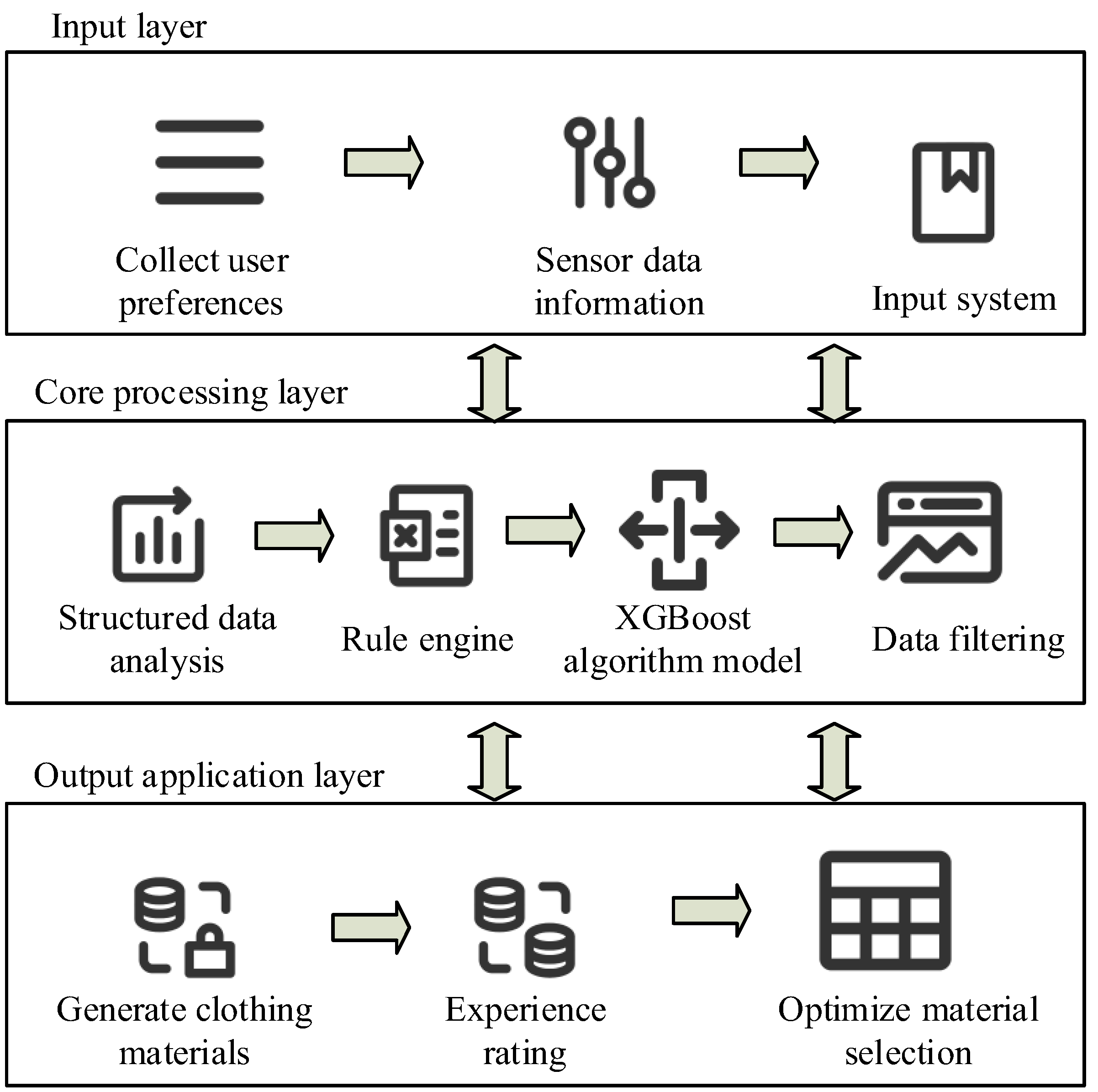
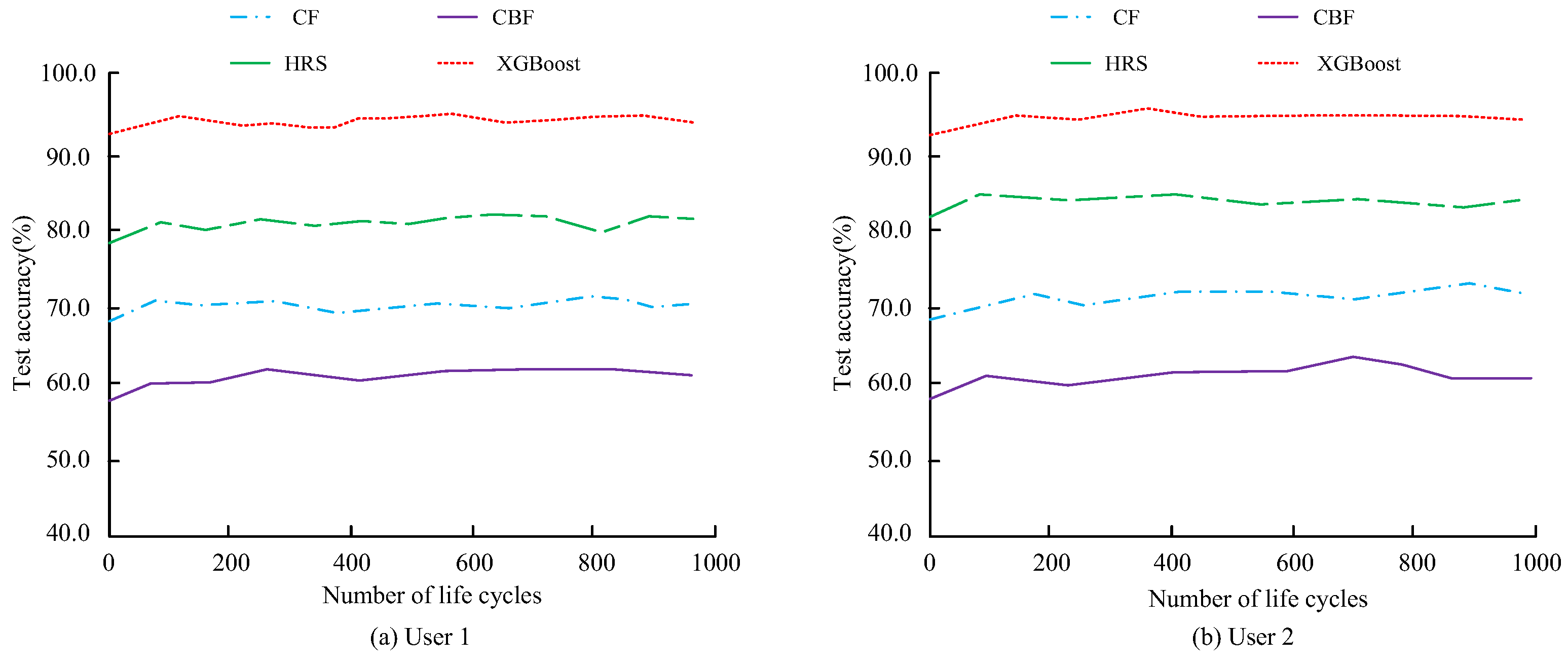
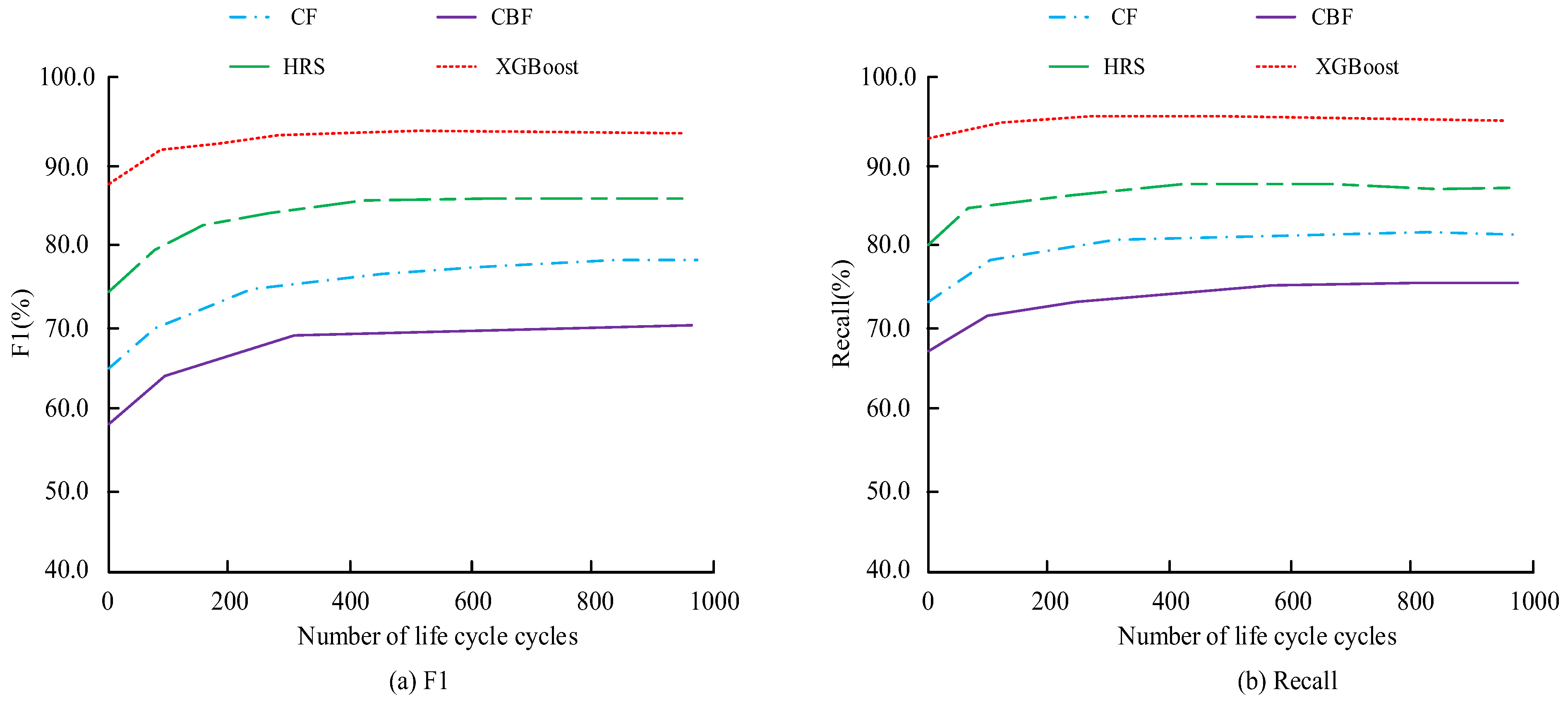
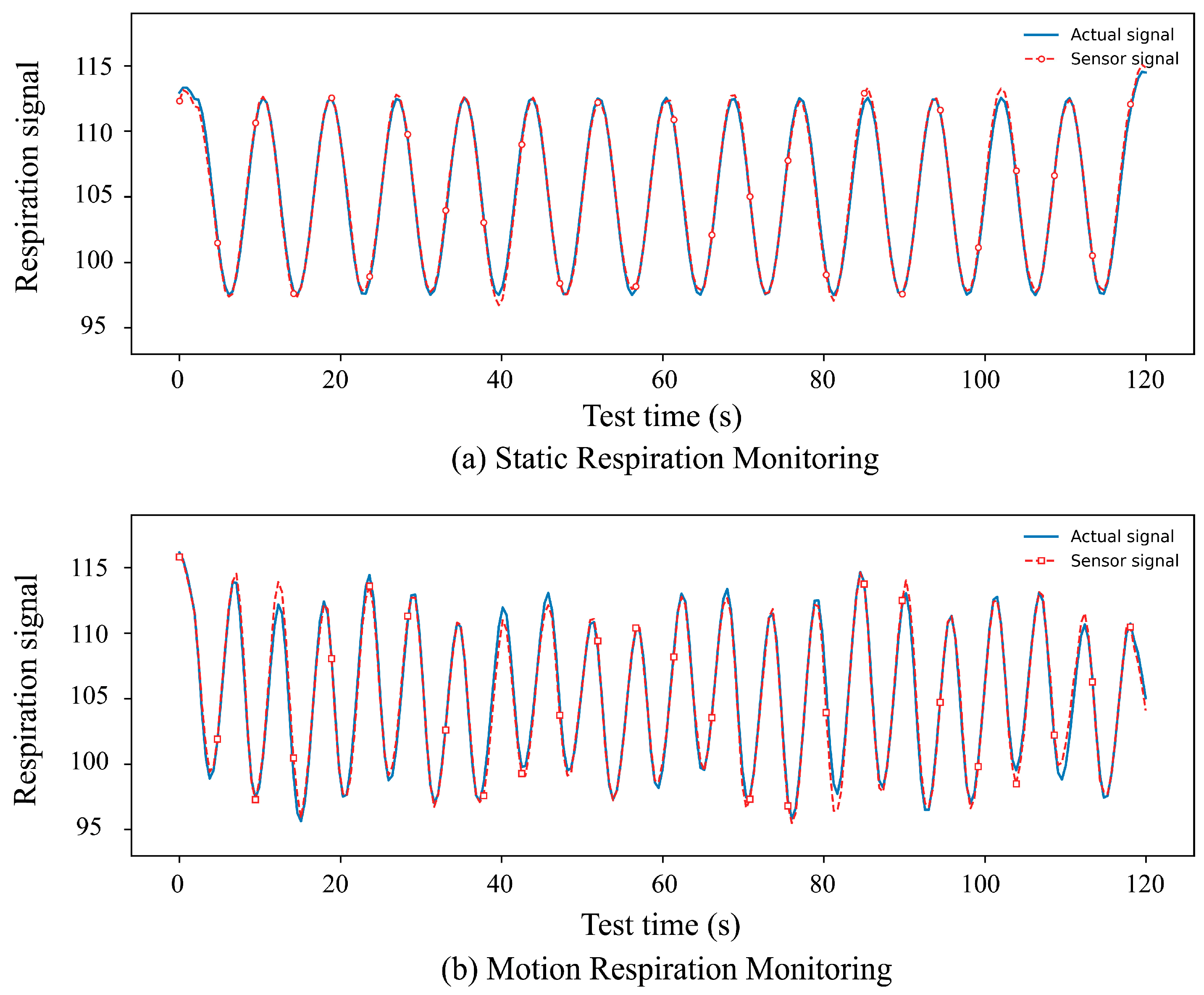
Flexible wearable electronics have shown strong potential for medical and health monitoring; however, conventional materials often fail to simultaneously satisfy the requirements of signal stability, wear comfort, and environmental adaptability under dynamic use conditions. To address this issue, this study proposes a data-driven material selection framework for flexible wearable sensors based on the extreme gradient boosting (XGBoost) algorithm. The model integrates user perception, material physical parameters, and environmental coupling performance indicators to enable intelligent material matching and recommendation. Experimental results show that the proposed model achieves a recommendation accuracy of 94.5%, outperforming conventional comparison methods. Among the candidate materials, silver nanowires (AgNWs) exhibit superior overall performance, including a higher signal-to-noise ratio, lower skin-contact impedance, and stronger sweat resistance. In physiological monitoring experiments, the maximum deviation of the sensor response was below 3% under both static and motion conditions. In environmental coupling tests, the recommended material improved the system signal-to-noise ratio by 68% and reduced 24-h sensitivity decay by 75%. These results indicate that the proposed XGBoost-based framework can effectively support material selection for flexible wearable sensors and improve signal reliability and environmental adaptability in complex application scenarios.
Keywords: environmental coupling; flexible electronic wearable materials; green clothing; sensors; material selection recommendation model environmental coupling; flexible electronic wearable materials; green clothing; sensors; material selection recommendation model