


Abstract
Material-level sensitivity or conductivity alone does not determine whether a wearable sensor produces trustworthy data. The signal must survive body coupling, packaging, wireless transfer, power constraints, and algorithmic interpretation. This cross-layer critical review examines six connected evidence streams: functional nanomaterial platforms, epidermal and implantable bioelectronic interfaces, wireless readout and power, integrated wearable platforms, artificial intelligence (AI)-based interpretation, and human-centred applications. Hysteresis and drift, interface instability, motion and environmental exposure, readout and power limits, placement and calibration dependence, and inter-user variability can degrade information across these layers. Robustness testing and claim-matched validation are needed to establish what the resulting outputs support. We therefore compare technologies through the failure modes and evidence requirements that persist after integration, rather than through isolated peak metrics. The synthesis offers conditional material-selection criteria for specific device roles, distinguishes demonstrated component functions from application-level claims, and identifies the reporting conditions and use-dependent validation priorities needed to interpret those claims.
1. Introduction
1.1. Motivation and Unmet Need
Wearable sensing has progressed beyond the question of whether electronics can conform to the body. The harder problem is whether a device can preserve useful information during actual use. Epidermal electronics established that ultrathin devices can follow skin mechanics [1], while integrated sweat-monitoring systems combined sensing with calibration, signal conditioning, and wireless communication [2]. These advances highlight a central distinction: sensitivity measured at a transducer under defined conditions does not by itself establish the validity of the resulting measurement. Body coupling, environmental exposure, and calibration can change the relationship between the sensed input and reported output, making validation against an appropriate reference under intended-use conditions essential.
These requirements vary across applications. Skin-interfaced electrophysiological monitoring requires stable contact and motion-artifact control [3], whereas biochemical sensing depends on selectivity and calibration as biofluid conditions vary [2]. For motion and tactile systems, sensor placement, deformation history, and differences between users influence how measurements should be interpreted. Where sensing informs assistive feedback, the timing and usability of that feedback introduce additional validation requirements. These dependencies motivate a cross-layer critical review of how material and device capabilities translate into integrated measurements and what evidence supports the resulting application claims.
1.2. Why Material–Device–System Co-Design Is Needed
Layer-specific advances can be substantial, but their system-level significance depends on how components interact under operating conditions and how the resulting outputs are validated for their intended use. Ma et al. reported a high peak gauge factor in a layered MXene (a two-dimensional transition-metal carbide) compression sensor, alongside declining sensitivity and a response approaching saturation at higher strain [4]. In an integrated sweat platform, temperature compensation corrected glucose and lactate overestimation as solution temperature increased [2]. Together, these findings highlight why the operating range and calibration must be considered when interpreting the reported measurement.
These dependencies extend through the body interface, wireless link, and power supply. Carbon-nanotube (CNT)-fibre electrodes with 4 µm parylene-C insulation supported single-unit recording in freely moving rats for up to 3–4 months, compared with approximately two weeks using 2 µm; accompanying impedance changes were consistent with leakage [5]. A deformation-responsive dielectric reduced strain-induced resonance shifts during skin-interfaced wireless operation [6], illustrating how body mechanics influence communication design. Approximately 60 h of in vitro charge–discharge with replenished fuel, alongside separate on-body sensing [7], further highlights the need to evaluate available energy and complete-device workload when assessing sustained autonomy.
Beyond integration, the strength of an application claim depends on the reference, population, and intended outcome. Concurrent Vicon motion-capture measurements supported indoor gait agreement, while outdoor measurements were compared with references acquired at a different time [8]; concurrent outdoor testing would strengthen claims of accuracy in that setting. With the same model and preprocessing, activity-recognition accuracy was 99.85% under random 10-fold cross-validation and 85.1% under leave-one-subject-out evaluation [9], demonstrating the importance of unseen-user testing without attributing the difference to data leakage. Stiffness-recognition and vibrotactile-feedback studies involving participants with and without amputation [10] extended evaluation to relevant users and tasks, while broader functional benefit warrants corresponding outcome measures.
We therefore treat trustworthy sensing as a cross-layer property, not as an isolated material, device, or algorithm metric. For each layer, we ask four questions: what function is established, what degrades the information after integration, which design or analytical choices suppress that degradation, and what evidence is required before a stronger system- or application-level claim is justified.
1.3. Positioning Relative to Existing Reviews
Recent reviews have explored functional materials, biointerfaces, wireless integration, machine-learning interpretation, and clinical translation, often spanning several of these areas [11,12,13,14,15,16,17,18]. Building on these contributions, we follow the sensing pathway to examine how operating conditions and constraints at one layer influence downstream measurements and their interpretation (Figure 1). We then consider what the available evidence supports at the integrated-system and intended-use levels.
Figure 1.
Cross-layer framework for functional nanomaterial-enabled wearable sensing. The sensing pathway progresses from functional nanomaterials through the bioelectronic interface, readout and power, integrated wearable platform, artificial intelligence (AI)-enabled interpretation, application-level output, and deployment. For each layer, the figure summarizes the function enabled, major sources of information degradation, and evidence needed to support stronger downstream claims. Cross-cutting considerations include reproducibility, transparent reporting, safety and biointerface requirements, scalability and manufacturability, and human-centred validation.
Table 1 positions this analytical emphasis among eight selected reviews. It summarizes their stated scopes and areas of coverage to clarify differences in emphasis, without ranking review quality or implying that topics not highlighted here were overlooked.
Table 1.
Positioning of the present review relative to recent reviews spanning functional materials, wearable and bioelectronic systems, wireless integration, artificial intelligence, and clinical translation. The comparison summarizes stated scope and substantive coverage and is intended for positioning rather than quality ranking.
By making these distinctions explicit, this review links use-dependent material selection and service windows (Table 2) to the interpretation of application-level claims (Section 8), reporting requirements (Section 9), and priorities for further validation (Section 10).
1.4. Scope and Contributions of This Review
The review spans the material-to-application pathway, from conductive, electrochemical, optical, ionic, and textile-compatible nanomaterials through epidermal and implantable biointerfaces, wireless and passive readout, power integration, and machine-learning interpretation. It considers physiological and biochemical monitoring, movement and tactile sensing, assistive feedback, and rehabilitation, including sensor fusion and personalization. Implantable and preclinical studies are included where they inform transferable questions about interfacing, packaging, telemetry, durability, or validation.
Functional nanomaterial-enabled denotes systems in which nanoscale or nanostructured materials contribute directly to sensing, biointerfacing, electrical or optical transduction, readout, energy conversion, or another signal-path function. Human-centred sensing refers to evaluating performance in relation to body coupling, user variability, functional relevance, calibration and interaction burden, and intended-use conditions. These definitions distinguish material function from evidence supporting application-level claims.
Epidermal electrophysiology depends on skin–electrode contact under motion [3], with sweat exposure and repeated attachment warranting assessment when relevant. Implantable interfaces pose different function- and duration-dependent questions. Rat neural recordings illustrate insulation-related stability [5], while tissue response and micromotion call for separate evaluation.
Textile sensing depends on fit and fabric deformation [19]. Knittable, washable yarns demonstrate material-level processing feasibility [20], while garment reliability during wear and after washing, manufacturing reproducibility and production cost require separate evidence. For accessories, placement and readout must be linked to the interpreted task output. Wireless-mask monitoring illustrates readout [21], whereas joint-kinematic estimation from inertial data provides transferable interpretation evidence [22]. Appropriate reference tests should reflect intended placement, calibration and, where applicable, wireless conditions.
2. Review Approach and Evidence Synthesis
2.1. Review Scope and Analytical Framework
This article is a structured, evidence-informed critical review with a translational roadmap. It does not attempt to estimate a pooled intervention effect or exhaustively enumerate every paper in the field. Across six evidence streams, we examine reported functions and limitations from material characterization to application validation, assessing downstream claims in light of operating conditions and the available validation evidence.
Section 3, Section 4, Section 5, Section 6, Section 7 and Section 8 were developed as topic-specific evidence streams, with search strategies adapted to each domain’s terminology and indexing practices. The synthesis examined the functions demonstrated and limits reported, considered whether mitigations were proposed or tested, and evaluated the evidence available for integrated-system and intended-use claims.
Artificial intelligence (AI)-assisted tools supported literature organization, preliminary relevance assessment, consistency checks, preparation of selected figures using published results, and manuscript editing. Where full-text verification was documented, the authors checked relevant quantitative comparisons against the cited sources. Final decisions on source selection, citations, scientific interpretation, and conclusions remained with the authors.
2.2. Literature Identification and Source Selection
The six technical streams were built primarily from English-language records within the documented coverage windows (Figure 2). Depending on the field, sources included Scopus, Web of Science Core Collection, IEEE Xplore, PubMed, Google Scholar, Semantic Scholar, OpenAlex, arXiv, and targeted supplementary searches. Supplementary Table S1 lists the information sources, search dates, coverage windows, and limits. Supplementary Search Documentation S1A–S1F preserves the available section-specific search strings and search logic. We did not reconstruct search details that were absent from the original contributor records.
Figure 2.
Structured literature-identification and cross-layer synthesis workflow used in this review. Domain-specific database searches and targeted supplementary searches feed relevance assessment, evidence-role classification, and data charting. The synthesis then maps established functions, failure modes, mitigation strategies, and validation evidence across the material-to-application pathway to derive the claim–evidence framework and translational roadmap.
The six streams used domain-specific literature pools because indexing coverage, publication formats and terminology differ across materials, bioelectronics, radio frequency (RF) systems, wearable platforms and AI. Duplicate checking and relevance triage were applied where the source records allowed them. Foundational papers, targeted contextual studies and technology-disclosure sources were added when they resolved a specific cross-layer or translational question. Neither the pools nor these additions were used to estimate field prevalence.
2.3. Evidence Selection and Evidence Roles
A source was retained when it informed at least one layer of the review: nanomaterial-enabled sensing; flexible, stretchable, textile-integrated, epidermal, implantable, or otherwise soft devices; bioelectronic interfaces; wireless or passive readout; power delivery or harvesting; machine-learning interpretation; or human-centred sensing applications. Supplementary Table S1 records the publication-type limits applied to the documented searches; these do not constitute a uniform restriction on the types of sources cited in the final cross-stream synthesis. Section 7, for example, includes peer-reviewed conference papers because machine-learning and robotics results are often reported first in that format.
The evidence spans material and component characterization, integrated-device tests, bench and proxy studies, acute and chronic in vivo work, on-body human validation, intended-user or patient studies, and real-world or longitudinal deployment. We excluded sources that did not address the sensing, device, interpretation, or human-centred question relevant to the stream, duplicated another source, or lacked enough technical detail to support the claim under discussion. Non-peer-reviewed material appears only as explicitly labelled background or technology context; it is not treated as equivalent to peer-reviewed primary evidence. Patent publications are used only to document architecture, integration, manufacturing, or implementation pathways.
Detailed discussion was prioritized by cross-layer relevance, technical content, validation detail, representativeness of a major architecture or failure mode, and direct support for the claim being made. We classify evidence into four roles: direct evidence contains a nanomaterial or nanostructured component in the wearable or bioelectronic signal path; transferable evidence comes from adjacent systems that resolve an interface, calibration, robustness, or integration problem; system comparators establish wearable validation or deployment requirements without being primarily nanomaterial-enabled; background sources provide reviews, foundational results, or methodological context. These categories describe how a source is used; they do not imply equal translational strength.
2.4. Data Charting and Critical Thematic Synthesis
For each source selected for detailed synthesis, we charted bibliographic provenance, material and device characteristics, sensing mechanism and target, body placement or use setting, performance metrics, readout and power architecture, validation population and reference, algorithm type where applicable, key findings, and limitations. Stream-specific fields were added only when the technical question required them. Bioelectronic studies, for example, were charted for interface architecture and chronicity; wearable platforms for deployment context and intended-user status; and AI studies for evaluation split, calibration burden, channel or modality loss, latency, compute location, uncertainty handling, and feedback evidence.
Quantitative, participant-level, and clinical statements used in the text, figures, or tables were checked against the cited source whenever full-text verification was documented by the section team. Unresolved details were not filled by inference. Because sensing modality, outcome definition, reference method, population and deployment setting differ across studies, we did not pool quantitative results. Instead, we used the charted conditions and limitations to assess claims along the material-to-application pathway and derive reporting needs and priorities for further validation.
3. Functional Nanomaterial Platforms
Material selection depends on the target signal, anticipated deformation or exposure, and required duration. A service window describes the demonstrated conditions over which a specific formulation and device retain a defined function, rather than a lifetime attributable to the entire material class.
Sensing signals arise through overlapping chemical, structural and physical mechanisms. Surface and terminal groups, redox activity and molecular recognition contribute to analyte-dependent responses, while conductive contacts, nanoscale morphology, porosity and fibre or yarn geometry shape mechanical transduction. Electronic and ionic transport, fluorescence, photoactivity and fluidic metallic behaviour provide additional pathways. Hybrid architectures combine these contributions, making formulation and processing part of the transduction design.
The studies that follow cover representative material families, but the relevant comparison is between their intended device functions and the evidence supporting those functions. A material can serve as a deformation-sensitive element, a conductor intended to remain stable, or part of an optical or ionic interface. Its response must therefore be interpreted in relation to the actual test conditions and fabrication route. These distinctions underpin the application-specific material-selection and verification priorities in Table 2.
3.1. Carbon-Based Nanomaterials and Conductive Composites
Carbon-based nanomaterials—including graphene, graphene oxide, reduced graphene oxide (rGO), carbon nanotubes, carbon black, carbonized fibres, and hybrid carbon composites—are used in flexible pressure, strain, tactile, and textile sensors. Their conductivity and compatibility with elastomers, hydrogels, paper, fabric, and printable inks depend on formulation and processing; low density and chemical tunability also motivate their use [23,24,25,26]. In piezoresistive designs, applied strain or pressure alters tunnelling distances, interparticle contacts, crack geometry, or percolation pathways, thereby modulating resistance [19,27].
The network that carries current must also respond reproducibly to deformation. Graphene and CNTs can establish conductive pathways at relatively low filler loading, while CNTs can bridge local cracks during stretching. Conductive-network architecture, filler dispersion, and reduction of graphene oxide influence electrical response [24]. Carbon black offers a lower-cost alternative to graphene [24], while soaking enables carbon-black-coated sponge pressure sensors [28]. After textile integration, repeated deformation and washing become additional conditions for retaining the calibrated response [19].
Lv et al. provide a within-study comparison of graphene-assisted and hydrogel-only strain sensing. At 25% tensile strain, the graphene/water–glycerol hydrogel reached a gauge factor of approximately 2.4, compared with 0.59 for the bare hydrogel [27]. The stretch–release response was nearly symmetric, the graphene layer remained attached after ten stretches at that strain, and glove-mounted sensors responded to finger-joint bending [27]. These tests support initial wearable sensing, while quantitative joint-angle tracking would require reference-based calibration across the intended movement range and evaluation after repeated attachment and exposure.
3.2. MXenes and Other Two-Dimensional Nanomaterials
MXenes provide conducting layered structures with tunable surface chemistry and morphology suitable for different sensing mechanisms [29,30]. Ti3C2Tx is the dominant MXene example in the literature considered here. Its metallic conductivity, hydrophilicity, and -O, -OH, and -F surface terminations permit solution processing into films, fibres, aerogels, coatings, and composites [29,30,31,32]. Reported devices span pressure, strain, humidity, sweat chemistry, and multimodal sensing [30,31,33,34,35].
Mechanical MXene sensors exploit changes in interlayer spacing, contact resistance or conductive-network geometry, but the resulting response depends on how the device is loaded. In a multilayer Ti3C2Tx compression sensor, Ma et al. reported a peak gauge factor of 180.1 within the 0.19–0.82% compressive-strain range; sensitivity declined above 0.82% and the response approached saturation beyond 1.80% [4]. For tensile sensing, Cai et al. combined MXene nanostacks with crossing CNTs to obtain tunable sensing ranges spanning 30–130% strain [34]. These architectures illustrate why deformation mode and calibrated range must be considered alongside peak sensitivity.
The useful service window also depends on material preparation and the assembled device. In Ma et al., partially exfoliated MXene was less sensitive than well-layered material, while the finished sensor combined a polyimide electrode substrate, a protective fabric layer and polydimethylsiloxane (PDMS) encapsulation [4]. Its signal showed little attenuation after 4000 compression cycles at 7.5 kPa [4]. In textile routes, industrial knitting and separate washing tests of MXene-coated cotton yarns [20] and 3D printing of MXene–cellulose nanofibril inks [36] address different processing demands. Sweat-pH sensors based on functionalized MXene–polyaniline composites use superhydrophobic protection to improve stability in wet environments [31,35]. Together with formulation-dependent oxidation concerns [29,30], these results direct evaluation toward the relevant mechanical, washing or electrochemical exposure rather than assuming transferable MXene durability.
3.3. Perovskites, Quantum Dots, and Optical Nanomaterials
Optical nanomaterials extend sensing beyond changes in electrical resistance, but their functional roles differ between photodetection and fluorescence-based chemical detection. Perovskites and quantum dots (QDs) offer tunable absorption and emission, supporting flexible photodetectors and luminescent sensors [37,38,39,40,41]. Zheng et al. combined a reticulated single-walled carbon-nanotube (SWNT) network with CsPbI3 QDs: the nanotubes supplied mechanical extensibility, while the QDs enhanced light absorption and photoresponse relative to SWNT-only devices. The hybrid device also underwent repeated bending and stretching tests [40].
Optical materials must also be integrated with the intended geometry and measurement medium. Wu et al. used electrospinning at 40 ± 5 °C to form photoresponsive CsPbI2Br/polymer nanofibers on yarns, demonstrating detection of intense pulsed light [42]. Li et al. immobilized luminescent QDs on a polymer tip at the end of an optical fibre and measured ZnO-nanoparticle-dependent quenching in ethanol [43]. These studies establish different forms of fibre-integrated optical sensing. For a physiological application, however, the relevant optical path (including tissue effects where applicable), source–detector coupling and measurement reference would require application-specific evaluation.
Mechanical and storage tests further define what the optical evidence supports. In CsBr/KBr-treated CsPbBr3-QD photodetector arrays, Shen et al. reported approximately 94% retention of photo-induced current at a 60° bend and approximately 93% retention after 1600 bending cycles in self-powered operation [44]. The authors separately reported little change in photoresponse after more than seven months of ambient storage [44]. These tests demonstrate detector stability under specified conditions, but do not establish physiological measurement accuracy or prolonged wet skin-contact service. Illumination, deformation-dependent optical coupling and composition-specific protection and safety therefore remain part of selecting a device for on-body use [37,38,39,40].
3.4. Conductive Polymers, Hydrogels, Ionic Conductors, and Nanofibers
Conductive polymers, hydrogels, ionogels, ionic conductors, and nanofiber networks address a recurring mismatch in wearable electronics: electrical function must coexist with skin-like mechanics. Poly(3,4-ethylenedioxythiophene):poly(styrene sulfonate) (PEDOT:PSS) and polyaniline (PANI) can be processed as fibres, coatings, composites, or electrochemical interfaces [31,45,46]. PEDOT:PSS fibre conductivity and mechanical response depend on formulation, microstructure, and processing [45,46].
Hydrogels support compliant ionic and conductive interfaces [47,48,49,50,51,52], while related formulations enable fibre energy storage [53]. Self-healing ionogel films serve as strain sensors, whereas ionogel coatings on textiles support physiological recording [54]. In a PEDOT:PSS hydrogel optoelectronic interface developed for neural and cardiac stimulation, Han et al. found that phosphate-buffered saline rehydration gave more stable photocurrent than deionized-water rehydration during 20,000 stimulation cycles in modified artificial cerebrospinal fluid [55]. The authors attributed this difference to reduced ion exchange. Separately, passive aging in artificial cerebrospinal fluid at 87 °C yielded 92 ± 2.8% photovoltage retention after 4.5 weeks [55]. These measurements characterize cyclic photocurrent and accelerated photovoltage stability, respectively, rather than observed multi-year implantation.
Fibre and yarn architectures shift this integration problem to the fabric, where loop and yarn geometry can influence the electromechanical response [56,57,58,59]. Coated and composite yarns, magnetoelastic fibres, nanofibrous webs and braided triboelectric structures offer different routes to deformable sensing [20,36,60,61,62,63,64,65,66,67]. Uzun et al. illustrate why the test object matters: MXene-coated cotton yarns retained MXene loading with little resistance increase after 45 wash cycles at 30–80 °C, whereas a separately assembled capacitive sensor using knitted MXene-coated bamboo-yarn electrodes was cycled 2000 times at 14.1% compression [20]. These distinct results support yarn washability and sensor cycling under their respective conditions. Garment-level measurement still depends on the assembled connections, fit and calibration after laundering.
3.5. Metallic Nanostructures and Liquid-Metal Composites
Metallic nanostructures serve distinct functions, from deformable, transparent Ag-nanowire conductors [68] to Au-nanobowl composites used for surface-enhanced Raman scattering (SERS) [69]. For an Ag-nanowire RF transponder embedded in a smart face mask, Ye et al. observed resistance increases of approximately 120% in uncoated conductors and 23% with PEDOT:PSS passivation after 30 days at 32 °C and 90% relative humidity [21]. The paired comparison shows how a protective layer affects conductor drift under a defined humid-storage condition. Stability at nanowire junctions and contacts under repeated deformation remains a distinct issue [70]; these resistance measurements do not themselves quantify RF detection after aging.
Liquid-metal composites present a related design problem: preserving conductive paths through deformation while controlling particle dispersion, oxide-shell activation, leakage and patterning [71]. Lee et al. printed polyelectrolyte-attached liquid-metal microgranular particles (PaLMPs) by meniscus-guided deposition, producing 50 µm lines on a substrate heated to 70 °C [72]. A printed PaLMP trace showed no electrical failure during more than 10,000 cycles at 100% strain; unencapsulated conductivity was reported stable over several weeks, and printed-line resistance was monitored separately for 30 days [72]. Importantly, thinner films showed larger strain-dependent resistance changes than thicker films. The authors exploited that difference in a prosthetic-hand e-skin, using thin serpentine sensing traces and thicker interconnects to reduce unwanted wiring response [72]. Printing geometry can therefore determine whether a conductor responds to deformation or preserves electrical continuity.
Plasmonic sensing requires a different kind of material tuning. Chung et al. used Au-coated thermoplastic-polyurethane (TPU) nanofibers for SERS sweat-pH sensing; selected Raman ratios yielded resolutions of 0.14 pH units (4-mercaptobenzoic acid; pH 5.5–8.0) and 0.51 pH units (4-mercaptopyridine; pH 4.0–8.0) [73]. Metallized nanofiber webs, by contrast, demonstrated stretchable transparent conduction, including integration into an organic solar cell [74]. These functional distinctions govern what needs to remain stable, what must change reproducibly and which chemical or optical reference is relevant for intended use.
3.6. Section Synthesis: Application-Driven Material Selection and Integration Trade-Offs
The material-selection problem is partly a question of where a response should occur. Layered MXene and MXene/CNT architectures operate across different compression and tensile ranges [4,34], while printed PaLMP traces use geometry to make one region strain-sensitive and another comparatively stable as an interconnect [72]. This contrast shows why device role and loading conditions are integral to material choice. Service evidence requires similar specificity. Ag-nanowire humidity drift and MXene-yarn washing assess different aspects of conductor and coating stability, whereas QD bending and electrolyte-conditioned hydrogel tests follow optical or optoelectronic outputs [20,21,44,55]. These results inform distinct operating conditions rather than a shared wearable lifetime.
Material-selection priorities therefore depend on the intended measurement. For motion and tactile sensing, calibration over task-specific loading and mounting conditions matters alongside sensor response [4,27]. Biochemical sensing requires selectivity and agreement with a suitable reference for the sampled medium [2]. Electrophysiological applications place different demands on skin contact and implanted insulation [3,5], while translating an optical detector to body-mounted use introduces additional light-coupling requirements [40,44]. Table 2 connects documented material-service and processing evidence (Part A) to conditional application-specific selection and verification priorities (Part B). Section 4 examines how electrode architecture, fabrication, packaging and contact with skin or tissue shape the integrated interface.
Table 2.
Application-driven material selection from the reviewed evidence. Part A links representative material classes to device-specific service windows, aging and manufacturing constraints. Part B gives modality-specific test-first decisions. Both parts are author synthesis, not a validated standard, material ranking or class-wide lifetime assessment.
4. Epidermal and Implantable Bioelectronic Interfaces: Architectures and Translational Constraints
4.1. Need for Soft and Conformal Bioelectronic Interfaces
Mechanical mismatch remains a central constraint in epidermal and implanted bioelectronics. Device contexts span neural recording and stimulation [76,77,78,79,80], optogenetic therapy using external goggles [81], tissue-compliant e-dura implants integrating neural electrodes and drug-delivery channels [82], and adaptive or conformal interfaces [83,84,85,86,87]. Although some implants achieve months of single-unit recording [5,88], poor skin contact can increase motion artifacts [3,89], whereas implant micromotion and foreign-body responses challenge chronic recording stability [87,88].
A usable bioelectronic interface must balance compliance, biocompatibility, long-term stability, and electrical or electrochemical contact under dry, wet, and dynamic conditions [88,89]. Substrate modulus and thickness are only part of the problem; a stiff or poorly conformal active electrode can negate a soft carrier. Nanomaterials offer small feature sizes, high surface area and adaptable interface structures [86,88,90]. Flexible and textile electrode studies show that electrode area, geometry, fabric construction and skin contact can affect electrodermal activity (EDA) and electrocardiography (ECG) signal quality [91,92,93,94,95,96]. Roll-to-roll Ag/AgCl yarn processing addresses manufacturability [97], while ambulatory electroencephalography (EEG) data quantify how head kinematics couple into motion artifact during physical activity [98].
4.2. Electrode Forms, Fabrication, and Device Architecture
The conductive electrode couples bioelectronic interfaces to tissue for recording, electrochemical sensing and stimulation. Electrode architectures include one-dimensional fibres and yarns, two-dimensional films and planar arrays, porous meshes or nanofiber mats, and three-dimensional additive structures. Geometry connects conformability, active surface area and mechanical freedom with substrate compatibility, patterning resolution, unit operations, potential throughput and integration or encapsulation burden. Reproducibility must be assessed across the complete process, beyond electrode performance alone [3,97,99,100,101]. Figure 3 summarizes these design spaces for epidermal and implantable interfaces.
Figure 3.
Representative bioelectronic interface architectures and design priorities. The upper panels summarize one-dimensional fibres/yarns, two-dimensional thin films/coatings, porous meshes/nanofiber mats, and three-dimensional additive architectures, together with representative sensing and interface contexts. The lower panels contrast key priorities for epidermal/on-body and implantable interfaces and highlight cross-cutting requirements in mechanical compatibility, signal fidelity, long-term stability, and safety. The architectural classes are representative and partially overlapping rather than mutually exclusive or sequential. Abbreviations: ECG, electrocardiography; EEG, electroencephalography; EMG, electromyography.
4.2.1. One-Dimensional Fibres and Yarns
Fibres and yarns tolerate twisting and bending while retaining an extended conductive surface. Graphene/CNT and PEDOT:PSS routes include spun fibres and soft composites [45,46,102,103]; suitability for continuous manufacture depends on the formulation. In a laboratory roll-to-roll Ag/AgCl process on silver-coated nylon yarn, electrochemical coating at 2 mA and 0.13 cm s−1 was followed by rinsing, drying for 10 h at 60 °C and embroidery into fabric electrodes [97]. This connects continuous yarn coating to textile processing without planar-film transfer. Initial silver coverage, coating current, residence time and abrasion affect coating consistency [97]. Scale-up requires consistent coatings and downstream assembly. Process-cost drivers include feedstock, bath control, drying and fabric/contact assembly.
4.2.2. Two-Dimensional Thin Films and Coatings
Ultrathin films and planar arrays provide conformal surfaces or defined recording sites, but their process requirements differ. Zhao et al. grew graphene on Cu at 1000 °C, spin-coated PEDOT:PSS, annealed at 120 °C, then etched Cu, rinsed and transferred the film to its final support [3]. Thermal processing precedes transfer; skin or flexible-carrier compatibility of the final device does not imply tolerance of the growth conditions. Driscoll et al. patterned Ti3C2 MXene on parylene-C using photolithography, sacrificial-layer dry lift-off, oxygen-plasma etching and evaporated masks, followed by parylene encapsulation and contact opening [99]. Aqueous MXene deposition therefore still requires microfabrication infrastructure in this route. Growth/deposition, lithography, transfer/release, alignment and encapsulation add process steps and equipment burden to conformal contacts or patterned arrays [3,99].
4.2.3. Porous Meshes and Nanofiber Mats
Porous meshes trade continuous-film coverage for mechanical freedom and active surface area; on skin, open structures can improve breathability. Conductive components can be incorporated during spinning or added after fibre formation [62,63,64]. Electrospinning produces porous mats, but scale-up of the completed interface requires control of deposition uniformity, thickness/porosity, functionalization and contacts [62]. In a pressure-sensor example, silk nanofibers were collected on Cu, carbonized at 800 °C under Ar, transferred to PDMS after Cu dissolution and connected with silver paste/copper wires; a 45 × 45 mm membrane supported a patterned sensor matrix [101]. Collector compatibility, thermal processing, transfer and downstream integration must therefore be considered together with mat formation [62,101].
4.2.4. Three-Dimensional Additive Architectures
Additive manufacturing enables electrode shapes beyond planar geometries. Oh et al. used pressure-driven direct ink writing of PEDOT:PSS–ionic-liquid colloids to produce approximately 50 µm features, suspended interconnects and vertical electrode arrays [100]. Ink preparation required freeze-drying, sonication and repeated centrifugation; rheology was adjusted for the intended geometry. This upstream processing remains necessary despite immediate electrode usability without additional post-treatment. Reported tool-path speeds were 6.4–12 mm s−1 for 2D patterns and 1.4–2.0 mm s−1 for omnidirectional 3D printing; these values do not measure completed-device throughput [100]. Implantable devices additionally used a PDMS support cured at 80 °C for 30 min and selective PDMS encapsulation, while skin tattoos used water-based transfer from a film [100]. Manufacturing these customized geometries includes material preparation, the print path, support, transfer and encapsulation.
4.2.5. Manufacturing Compatibility and Scale-Up Trade-Offs
Manufacturability must be judged across the complete-device process, not deposition alone. Coated yarns can enter textile assembly but require reproducible coatings and contacts [97]. Transferred graphene films and patterned MXene arrays involve different thermal, transfer, lithographic and encapsulation steps [3,99], while porous mats and printed 3D electrodes introduce deposition-uniformity or ink-preparation requirements before integration [62,100,101]. These operations are identifiable process-cost drivers, not measured monetary costs. The examined studies provide no directly comparable factory yields or completed-device throughput: yarn length, membrane area, array layout and tool-path speed describe different production units. A suitable route therefore depends on required resolution, substrate compatibility, environmental protection and production volume, with repeatability verified after assembly.
4.3. Nanomaterial-Enabled Epidermal and Implantable Bioelectronics
Skin-contact evaluation depends on the signal being measured. A graphene/PEDOT:PSS film combined approximately 24 Ω sq−1 sheet resistance with a 12 h EEG protocol covering movement and sweating [3], providing material and on-body recording evidence. Carbonized silk membranes underwent more than 10,000 loading cycles with a reported pressure-sensor response below 16.7 ms [101], while battery-free patches measured pressure and temperature at multiple sites in patients [104]. StressFit combined electromyography (EMG) with sweat cortisol, pH and temperature sensing on functionalized laser-induced graphene during exercise and used pH and temperature to correct cortisol readings [105].
Biofluid sensing requires selective electrodes and reliable sweat delivery. Thread patches monitored Na+, NH4+, pH and lactate during exercise [106]; braided rGO/Pt yarns integrated lactate/pH sensing [107]. Pt/MXene–hydrogel microfluidics combined non-enzymatic glucose detection with sweat collection [108], while screen-printed textile electrodes reported glucose calibration and 30-day storage stability at 4 °C [109]. That storage endpoint differs from the on-body measurements in the yarn studies. Lee et al. coupled graphene/Au-mesh sweat glucose/pH sensing with thermally actuated metformin microneedles and reduced blood glucose in diabetic mice [110], demonstrating an additional preclinical therapeutic outcome. Conductive-hydrogel wound electrodes [111] provide adjacent stimulation-interface evidence.
Implantable neural electrodes must meet different requirements for recording quality, optical access and long-term stability. Patterned MXene microelectrodes had fourfold lower impedance than same-sized gold electrodes [99], while Au/PEDOT:PSS nanomeshes combined over 70% transmittance at 550 nm with simultaneous electrophysiology and two-photon imaging [112]. Pt-coated graphene-fibre electrodes recorded rat cortical activity with signal-to-noise ratios (SNRs) up to 9.2 dB [113]. Graphene/CNT fibres achieved conductivity of 3.3 × 10⁵ S m−1 [114], and support-free PEDOT:PSS fibres demonstrated chemical/electrical recording and stimulation [115]. These results address different functions rather than recording lifetime. In freely moving rats, CNT-fibre spinal electrodes with 2 µm parylene-C insulation yielded roughly two weeks of single-unit recording, versus up to 3–4 months with 4 µm [5]. Accompanying impedance changes implicated insulation leakage, linking longevity to the complete electrode rather than conductivity alone.
Optical biointerfaces differ in how light is coupled to neural or cellular responses. A curved MoS2–graphene retinal device used external electronics to convert photodetector output into electrical stimulation, eliciting visual-cortex responses in rats [116]. A PEDOT:PSS hydrogel (≈34 kPa) instead enabled capacitive photostimulation of cultured neurons and cardiac myocytes [55]. Reduced-graphene-oxide-clad poly(vinyl alcohol) (PVA) fibres delivered light to peripheral nerves in mice. Light-evoked muscle activity was assessed at six weeks post-implantation after locomotor testing, with EMG amplitudes followed through eight weeks; a separate experiment reported pain-hypersensitivity inhibition at eight weeks [75]. These results locate the critical engineering questions at different stages of the optical signal pathway: detector-to-electrode transfer, cell-interface charge delivery and light guidance during motion. Validation must therefore connect each stage to the observed biological response under the intended operating conditions.
An ocular accessory offers a passive link from monitoring to treatment. Cai et al. integrated microfluidic intraocular-pressure (IOP) sensing with pressure-gated timolol or brimonidine release in a battery-free, all-polymer contact lens [117]. Artificial-eye, ex vivo bovine-eye and rabbit ocular-hypertension studies reported pressure tracking and triggered delivery; rabbit studies compared IOP tracking with tonometry and reported IOP lowering similar to topical treatment in small groups, without establishing therapeutic equivalence [117]. Unlike the thermally actuated epidermal patch [110], treatment thresholds were encoded in channel geometry. The result demonstrates preclinical pressure-responsive intervention, while sustained use requires reliable pressure-to-dose coupling and ocular safety.
Within the gut–brain axis, chemical and bioelectrical signalling motivate different sensing interfaces [118]. NeuroString recorded evoked dopamine in mouse brain for up to 16 weeks, but measured gut serotonin acutely [119]. Conformable colonic electrodes separately recorded enteric electrophysiology in freely moving rats, including sessions up to two weeks after implantation in a two-rat pilot [120]. Together, these studies establish complementary preclinical capabilities across different sites and durations. Sustained multimodal gut sensing would require maintaining analyte selectivity and electrical contact under the same intestinal motion and biofluid exposure, with reference validation of both signals before stronger diagnostic or therapeutic claims.
4.4. Section Synthesis: Biointerface Stability and Translational Constraints
Section 4 shows that interface architecture shapes both fabrication and the function ultimately observed at the body. Textile contact geometry influences physiological recording, insulation affects neural recording longevity, and optical or microfluidic designs link light or pressure to biological responses. The reviewed fabrication routes and functional demonstrations establish complementary achievements, yet their process measures and validation endpoints differ in units, operating conditions and timescales. They therefore provide a limited basis for comparing manufacturing reproducibility with sustained functional performance across completed devices.
The key translational need is to connect these forms of evidence. Assembly and encapsulation consistency should be assessed alongside signal drift and function-specific reference measurements over the intended mechanical and biological service window, with sterilization and safety evaluated where relevant. Such evidence would clarify which limitations originate at the body interface and establish the signal stability and operating requirements that the readout, wireless and power architectures in Section 5 must accommodate.
5. Wireless Readout, Radio Frequency Sensing, and Power Strategies
Beyond the biointerface, signal recovery and sustained operation depend on how readout, processing and power delivery are distributed. Section 5 compares reader-centric, on-body and energy-path architectures through reported link and load conditions (Figure 4; Table 3). Supplementary Table S2 provides study-specific operating and validation contexts for 35 records.
Figure 4.
Wireless readout and powering architectures organized by where system complexity is concentrated. (A) Reader-centric approaches minimize on-body electronics through passive or resonant sensing; (B) on-body approaches integrate low-power electronics, multiplexing, and wireless links; and (C) energy-path approaches emphasize harvesting, storage, duty cycling, or wireless powering. Deployment considerations vary with architecture and use context, and the three archetypes are non-exclusive. Abbreviations: LC, inductor–capacitor; RF, radio frequency; RFID, radio frequency identification.
5.1. Passive and Resonant Radio Frequency Sensing
Passive inductor–capacitor (LC) interrogation places readout at an external reader, which tracks shifts in resonance, quality factor or backscatter caused by the sensing layer. A soft resistor–inductor–capacitor (RLC) bladder strain sensor based on gold-coated TiO2 nanowires in silicone had a modulus of 260 kPa at 40% strain (reported bladder tissue: 64–183 kPa). Readout persisted through 50% strain cycling at approximately 1 cm coil separation; several centimetres was stated only as an upper bound, and testing used ex vivo porcine bladder [121]. For oral chemistry, a silver-nanoparticle/chlorhexidine hydrogel split-ring sensor detected sulphide at 2–30 µM in artificial saliva (calculated detection limit: 1.2 µM) and released chlorhexidine in vitro. Saliva samples distinguished four periodontitis patients from three healthy volunteers [122]. An ultra-high-frequency (UHF) RFID antenna with a 110 nm PEDOT:PSS/graphene film converted temperature into received signal strength at 1.568 dBm/°C on a muscle-equivalent phantom. Gradient-boosted calibration trained on 35 of 50 participants yielded 0.437 °C mean error in 15 held-out participants [123]. These examples span ex vivo tissue deformation, oral-fluid analysis and calibration-dependent temperature estimation, each under different reader and reference conditions.
Nanomaterials can extend passive RF sensing beyond LC resonance by concentrating the sensing field or shifting the return frequency. A printed glucose-oxidase nanostrip microstrip approximately doubled sensitivity relative to a flat-film control across buffered glucose solutions (0.1 nM–10 mM; calculated detection limit, 0.1 nM). Bending altered its microwave response, and the on-skin test distinguished two simulated-sweat concentrations using a cabled vector network analyzer, not wireless readout [124]. A freestanding GaN surface acoustic wave (SAW) e-skin supported seven days of wrist-pulse monitoring in one wearer, alongside separate strain, ultraviolet and on-body sweat-Na+ demonstrations. Its near-field readout extended approximately 14 mm axially and 7.5 mm laterally, making reader alignment relevant to motion-tolerant operation [125]. Harmonic transponders instead separate the return frequency from the carrier. A graphene field-effect transistor (FET) showed a reported 1.38 V per pH Dirac-point shift in a biased-device test; the complete passive harmonic transponder was simulated rather than measured over a wireless link [126]. A Schottky-diode multiplier with silver-nanowire antennas on porous styrene–ethylene–butylene–styrene (SEBS) wirelessly tracked cough and mask displacement in one wearer over a fixed 0.5 m link [21]. The comparison places reader geometry and motion tolerance alongside sensor response as separate requirements for wearable RF design.
Passive RF arrays face spectral overlap as well as changes in coupling during deformation. Four tactile resonators using different multiwalled carbon-nanotube (MWCNT) loadings in PDMS were separated by 15 MHz, but their overlapping reflection-coefficient (S11) responses required a classifier. Held-out position accuracy reached 98.5%, with a pressure detection limit near 1 Pa [127]. A nonlinear parity–time (PT)-symmetric reader maintained coupling tolerance at reader–sensor separations below approximately 6 mm in its PT-symmetric phase, while a decoupling network reconstructed three-dimensional force from a four-channel MWCNT/PDMS array [128]. Patterned silver-nanofiber coils showed transmission efficiency falling from 35% to 15% at 10 MHz under 100% strain; near-field communication (NFC) and >1 m frequency-modulated links were demonstrated in separate tests [129]. A chip-free body-area network combined a CNT strain sensor (gauge factor 201.6 at 5% strain) with deliberately detuned tags that stayed readable across a resonance shift from 76.2 to 50.0 MHz under 50% strain. Vertical readout gain approached zero beyond 20 mm, whereas approximately 25 mm lateral antenna misalignment was tolerated; five tags monitored pulse, respiration and movement in two author-participants [130]. For on-skin sensing, a passive LC tag distinguished four forearm skin conditions in five participants through reflection-resonance measurements using an inductively coupled reader and an external vector network analyzer [131], while a battery-free NFC skin-moisture patch measured moisture through electrode resistance and examined antenna-size, bending and water-exposure effects on its wireless link [132]. Reliable wearable readout would require distinguishing sensing responses from changes introduced by deformation and reader coupling.
5.2. Readout Electronics and Wireless Links
On-body conditioning and telemetry offer an alternative to separating passive resonances at the reader, shifting constraints toward chip footprint and power. A batteryless, crystal-free system-on-chip (SoC) harvested RF energy into a flexible CNT supercapacitor. A 915 MHz broadcast supported carrier synthesis, while a process- and voltage-compensated on-chip clock eliminated the need for a quartz crystal. A 2.025 mm2 SoC consumed 24 µW per chip; a single-node test established a 457.5 MHz link over 1 m, while a separate two-node setup recorded arm EMG through fine-wire electrodes [133]. A 4 × 4 mm SoC fed by CNT-fibre electrodes integrated signal conditioning, power delivery, communication and power management in a sweat patch. With two off-chip passives, it drew a minimum average of 33 µW at a 1:60 RF duty cycle (analog measured, digital simulated). The patch monitored potassium and lactate during exercise in one volunteer [134]. These demonstrations show low-power on-body readout under distinct sensing workloads and duty-cycle conditions.
Compact SoCs leave flexibility and channel density as separate readout constraints. Stretchable polymer diodes rectified 13.56 MHz RF signals and enabled an RFID tag integrating a sensor, electrochromic pixel and antenna [135]. A flexible, coin-cell-powered front end coupled CNT-FETs bearing a nonactin-based ion-selective membrane to a Bluetooth SoC for ammonium sensing in artificial sweat (0.1–100 mM; reported sensitivity 4.516 µA/decade; five devices). Representative calibrations agreed with a benchtop analyzer at feedback resistances of 10 and 39 kΩ, whereas the readout saturated at 82 kΩ for four of five devices [136]. A wafer-scale trilayer MoS2 array on polyimide reached 51 pixels mm−2 with a reported approximately 20 ns on-site multiplexing time constant; electrocorticography was tested in vitro and in living mice [137]. The appropriate circuit architecture therefore depends on whether RF rectification, chemical-readout range or dense multiplexing constrains the intended task.
Skin deformation can detune RF components and weaken wireless links. A dielectro-elastic substrate limited strain-induced resonance shifts to ~5 MHz, compared with 50–1250 MHz reported for other elastomer-supported antenna designs; skin-interfaced telemetry reached up to 30 m under tested deformations [6]. Embroidered near-field clothing extended power and data connectivity among battery-free sensors at different body locations [138]. At network scale, simulation-based optimization jointly considered relay placement and transmission power to improve network lifetime [139].
5.3. Power and Energy-Harvesting Strategies
Wireless readout does not remove the on-body energy requirement. Three strategies recur in the Section 5 literature.
The first harvests RF energy. An atomically thin MoS2 semiconducting-metallic heterojunction rectifier reached a 10 GHz cutoff and, with a flexible antenna, rectified 5.9 GHz radiation at zero external bias. It delivered up to 250 mV at approximately 2.5 cm from a signal-generator-driven antenna with roughly 2 mW available at the rectenna; true ambient harvesting remained future work [140]. A fully textile 5.8 GHz receiver in a glove powered yarn bend sensors at distances up to 1 m from a 30 dBm laboratory source and horn antenna. The ratiometric signal remained stable as rectified voltage fell with distance, and the system classified grasped objects at 98.75% [141].
A second strategy draws on biochemical, mechanical and thermal energy conversion, alongside acoustic power transfer for potential implants. A lactate biofuel-cell e-skin reached 3.6 mW cm−2 in ex vivo sweat from four donors (3.5 mW cm−2 in the abstract); a separate approximately 60 h charge–discharge test involved fuel replenishment in vitro. On-body sensing with duty-cycled Bluetooth was demonstrated separately in three volunteers [7]. A 3D-printed MXene triboelectric generator produced an instantaneous peak of 816.6 mW m−2 into 100 MΩ under motor actuation (8 Hz, 19.9 N). Pulse monitoring in one volunteer depended on recharging a storage capacitor [142]. A five-leg Ag2Se thermoelectric generator delivered 4.25 µW at ΔT = 35 K under matched loading; a separate hot-water demonstration required voltage boosting from approximately 20 mV. The results report 85 W m−2 normalized to total thermoelectric-leg cross-sectional area, while the abstract and conclusion quote 81 W m−2; this difference remains unresolved [143]. A CsPbI2Br/poly(vinylidene fluoride) piezoelectric yarn yielded a peak of 281.0 µW cm−3 under 16 kPa actuation into 300 MΩ, normalized to nanofiber-layer volume. It charged a 1.1 µF capacitor to 1.8 V in 50 s, with the stored charge used to light an LED rather than operate a sensing node [144]. An externally driven ultrasonic device produced 1.2 V and 150 µA through 10 mm of excised porcine tissue and supported passive wireless sensing in separate tests [145]. For deployment, the relevant question is how much energy reaches the sensing and communication workload under realistic input and recharge conditions.
The third strategy manages reader-dependent or intermittent power by coordinating sensing with communication and local storage. A battery-free epidermal NFC platform required a nearby smartphone; in three volunteers, sweat-derived blood-glucose predictions using 120-fold scaling had a reported mean absolute relative difference (MARD) of 13.8% against fingertip measurements, while uric acid was assessed separately [146]. Where continuous reader access is impractical, a fully 3D-printed microsystem combined wireless charging, sodium-ion microbatteries and glucose-sensing. The thickest battery stack reached 0.96 mAh cm−2; a thinner cell recovered 34.6% of receiving-coil output energy on discharge, while the integrated system detected glucose down to 0.5 mM in simulated sweat [147]. A zinc-ion fibre battery with a graphene-oxide/poly(vinyl alcohol) electrolyte powered on-body multimodal textile monitoring; cycling beyond 500 h and 98% capacity retention after 1000 cycles at 0.3 A g−1 were reported in separate cell-level tests [53]. These architectures therefore call for distinct deployment checks of reader proximity, recharge requirements and sustained delivery under the intended sensing load.
5.4. Integration, Robustness, and Deployment
Washability and motion probe different aspects of textile-system robustness. Silk-fibroin coils incorporating carbon nanotubes and chitin-derived carbon nanoflakes supported wireless operation after 50 detergent-free machine-wash cycles; silanization imparted omniphobicity while retaining breathability [148]. A waterproof triboelectric pulse sensor reported a 23.3 dB signal-to-noise ratio and a 40 ms bench response, with pulse monitoring during movement and moisture exposure demonstrated qualitatively. In one participant, blood-pressure estimates showed reported mean relative deviations of 2.9% for systolic and 1.2% for diastolic pressure against a commercial cuff [149]. These demonstrations distinguish physical resilience from the narrower evidence available for validating inferred physiological measurements under use.
Deployment evidence extends short-term robustness tests by revealing how performance changes with wear, reader coupling and evaluation protocols. For silver-nanowire ECG electrodes, blinded assessment of 12-lead recordings from 20 volunteers found no discernible differences in evaluated ECG features relative to commercial electrodes. Yet normalized R-peak values declined by about 35% for both electrode types at 24 h, and the printed layer detached after separate 24 h artificial-sweat exposure. The quoted 142 m wireless range was calculated, not measured [150]. A phone-powered wound bandage demonstrated iontophoretic delivery in vitro and accelerated healing in infected diabetic rats, while sensing was evaluated separately in 10 patients, six followed for two weeks. Its reported glucose, pH and temperature accuracy scores against commercial references exceeded 80% across 25 plotted measurement–reference pairs per output [151]. Passive stent sensors tested in an artery phantom and ex vivo ovine coronary arteries showed radial/axial read ranges falling from 2.5/1.0 cm in air to 1.5/0.5 cm in blood-conductivity-matched saline, with signal loss at 90° antenna rotation [152]. A phone-powered throat patch operated over 3–4 cm and yielded 79.4–81.6% text accuracy in four-participant leave-one-subject-out testing, distinct from separately reported finalized-model accuracies of 84.71% for text and 90.20% for emotion [153]. The next validation step should therefore target the relevant failure mechanism—signal degradation, wireless coupling or transfer across users and settings—using tests matched to the intended claim.
Table 3.
Architecture-level synthesis of wireless readout, radio frequency sensing, power, and deployment evidence in Section 5. Representative examples are shown; the detailed 35-study Section 5 evidence table is provided in Supplementary Table S2.
5.5. Section Synthesis: Readout, Power, and Deployment Trade-Offs
Nanomaterials now contribute to readout and power as well as transduction, shifting the focus from isolated component outputs to the usable signal path. Passive resonators reduce on-body power demand but depend on reader coupling and resolvable channels; active electronics enable conditioning and multiplexing at a power and integration cost. Harvesting and storage support operation only when the energy supplied can sustain sensing, processing and communication together.
These choices become interdependent during wear, as body motion can affect both sensor contact and wireless coupling, while environmental exposure challenges repeatability. The reviewed on-body and clinical demonstrations establish feasibility, but their differing durations, references and participant populations limit comparisons of sustained performance. Section 6 therefore examines whether an assembled platform preserves its intended measurement when sensing, readout and power operate together under the conditions of use.
6. Integrated Wearable Platforms for Human Motion, Functional Monitoring, and Tactile Interaction
Acquiring a stable signal is only the first step in establishing what a wearable platform measures. Form factor and placement influence what is sensed directly and what must be inferred, which in turn determines the appropriate calibration and reference measurement. Section 6 examines how these relationships shape the validity of movement, functional-monitoring and tactile platforms, beyond isolated component sensitivity or classifier accuracy.
6.1. Wearable-Platform Taxonomy for Human-Centred Sensing
We group wearable platforms by form factor and observable: accessory and inertial systems, foot-worn devices, textile garments, joint sleeves and braces, skin-mounted systems, smart gloves, haptic or prosthetic interfaces, and multimodal mobility platforms (Figure 5). Categories overlap and imply no hierarchy: gloves can combine motion sensing with feedback, and gait platforms can combine pressure, inertial and ranging signals. Each form factor observes different variables and fails differently.
Figure 5.
Wearable-platform landscape and proposed evidence-context framework. (A) Representative wearable-platform categories and their primary observables, spanning inertial, foot-worn, textile, joint-mounted, skin-interfaced, hand-function, haptic, and multimodal mobility systems. (B) Five complementary evidence contexts from component/material characterization to integrated wearable testing, controlled human/reference validation, intended-user/clinical evidence, and real-world/longitudinal evidence. The contexts address different evidence questions, may overlap, and do not indicate device quality or a regulatory sequence; progression is neither mandatory nor necessarily linear. Abbreviations: IMU, inertial measurement unit; sEMG, surface electromyography.
Inertial measurement units (IMUs) provide acceleration and angular-velocity signals from which segment orientation and activity timing can be estimated. Foot-worn inertial sensors help identify gait events, whereas pressure-sensing insoles measure plantar loading; garments and sleeves capture distributed textile deformation or local joint strain. Skin interfaces acquire strain, surface electromyography (sEMG) and other physiological signals. Smart gloves can acquire finger-deformation or contact cues to estimate hand motion and grasp, while haptic and prosthetic systems add actuation or sensory feedback. Multimodal combinations relate kinematics, kinetics, neuromuscular activity and functional performance.
Evidence roles follow the classification in Section 2.3. Conventional electronic platforms serve as comparators for integration, reference validation, repeated-use and deployment requirements that nanomaterial wearables must also meet. Systems with a nanomaterial or nanostructured component in the sensing or interface path are treated as direct evidence. Mixed platforms are classified by their role in the synthesis.
6.2. Gross-Movement, Gait, and Foot-Worn Sensing Platforms
Accessory and inertial wearables estimate exercise dose, segment motion, joint kinematics, and spatiotemporal gait variables. Full-body and compact inertial systems have been compared with optical motion capture and electronic walkways during athletic and gait tasks [154,155], and smartwatch platforms have supported home exercise in people with chronic stroke [156]. For loading or contact inferred from motion, output error depends on sensor placement, calibration, and anatomical alignment.
Patel et al. separate laboratory validity from outdoor feasibility. Fifteen participants without reported disabilities completed the study, and the eight assessed outdoors were drawn from the same indoor cohort. Indoor measurements were collected concurrently with Vicon; the outdoor comparison was recorded at a different time [8]. The data therefore establish laboratory reference agreement and outdoor operability, but not concurrent outdoor accuracy or validation in a patient population.
Foot-worn platforms can characterize gait through inertial sensing and directly measure plantar loading when pressure sensors are included. Smart insoles and shoes have been compared with optical references [157], tested for simulated shuffling in healthy participants [158], and evaluated in people with Parkinson’s disease and matched controls [159]. An e-textile sock was tested in nine healthy participants, including six men, and established repeatability across walking speeds rather than patient-population validity [160]. Footwear, surface, sensor coverage, gait speed, calibration drift, and the definition of the reported outcome remain major error sources.
Multimodal gait systems combine pressure, inertial, and ranging signals to connect movement with loading. The pressure/inertial/distance-sensing platform was tested in healthy participants and people with gait disorders under structured laboratory protocols and later examined during habitual activity [161]. Swaminathan et al. studied 13 unique participants in the main study—six after stroke and seven unimpaired—with one repeat visit yielding seven clinical datasets. Separate demonstrations reused participants and added two post-stroke participants, giving 15 unique participants overall [162]. Force plates supplied laboratory ground truth for propulsion, whereas out-of-laboratory measurements established feasibility without concurrent reference data. Complementary sensing therefore broadens the observable set, but synchronization, personalization, sensor failure, and real-world ground truth remain unresolved. Few-shot learning with generative augmentation for pathological-gait forecasting addresses a related limitation: sparse labelled data across users [163].
6.3. Textile Garments, Sleeves, Braces, and Skin Interfaces
Textile garments embed sensing into a structure that already contacts the body, allowing distributed measurements without multiple rigid modules. The signal is not purely anatomical. Fabric mechanics, garment tension, body morphology, slippage, and re-application are relevant measurement conditions [19,164]; the sensor-yarn glove study considered response and fit variations across participants or sessions [165]. Optical-fibre smart pants demonstrated activity classification under a defined protocol, without establishing cross-user generalization [166]. A seamlessly knitted multisensor garment was compared with Vicon during a pick-and-hold task in one healthy participant; goniometry defined static scanning poses [164]. Other examples include knitted respiratory sensing [167,168] and a seatbelt platform that combines ECG, respiration, motion sensing, and wireless transmission [169].
Joint sleeves and braces constrain sensor placement around a known anatomical region, which is useful for range-of-motion, joint-angle, exercise-form, and feedback measurements. A knitted shape-memory-alloy elbow brace was tested in ten healthy participants for heat, compression, blood flow, and range of motion; it was not evaluated for clinical efficacy in osteoarthritis [170]. A graphene knitted sleeve was evaluated for angle estimation, cross-participant testing and gesture classification; durability, environmental aging and washing were assessed on constituent sensors [171]. By contrast, the carbon-nanocomposite elbow sleeve and KneeSense brace primarily establish system integration because intended-user evaluation was limited or not clearly reported and controlled clinical validation was absent [172,173]. A smart-textile knee sleeve mapped wearable signals to 3D lower-body kinematics and was evaluated against motion capture, including unseen activities and users [174].
Hydrogel and electronic-skin interfaces couple tightly to the body and acquire strain or sEMG signals to estimate motion and posture, monitor fatigue-related changes, and support human–machine interaction. Zhang et al. compared participant-averaged strain-signal and optical joint-kinematic curves from nine healthy participants; the participant count for separate full-day demonstrations was not clearly reported [175]. Yang et al. reported three participants for neck movement, three for fatigue monitoring, and two for an alert demonstration, but overlap between groups and the number of unique participants were unclear [176]. Fit, hysteresis, washability, adhesion, sweat, biofouling, and session-to-session calibration remain practical barriers across garments, sleeves, braces, and electronic skins.
6.4. Smart Gloves, Tactile Interfaces, and Haptic Systems
Hand-worn systems serve different endpoints: kinematic measurement, clinical assessment, rehabilitation, gesture interaction, prosthetic feedback, and sensory substitution. The validation target must match the claim. Optical tracking can establish kinematic accuracy; claims of functional or clinical benefit require relevant outcomes assessed with appropriate validated measures. Gesture-recognition accuracy alone establishes neither.
Stroke studies include a prematurely terminated multicenter smart-glove trial, a completed randomized controlled trial, and a small randomized home study [177,178,179]. Together they establish feasibility and report functional outcomes, but cohort size, intervention duration, adherence, and generalizability limit interpretation. A multimodal assessment glove compared flexibility and strength grades with clinician ratings in 12 participants (four with Parkinson’s disease); a separate tremor assessment involved 32 healthy participants simulating tremor and eight patients with Parkinson’s disease [180].
Engineering prototypes answer narrower questions. Li et al. compared hand tracking with an optical reference, but the total number of participants was not clearly stated and no evaluation in participants with cerebral palsy was reported [181]. A flexible optical-fibre glove recognized gestures and movements in four participants, constraining the reported classification result to that prototype dataset [182]. A controlled glove simulator is useful for repeatable component tests but does not constitute human validation or clinical evidence [183].
Haptic and prosthetic platforms add actuation and perception to the signal chain. Bruni et al. tested stiffness recognition and vibrotactile feedback in 18 participants without amputation and five amputees, directly sampling the intended prosthetic-user population [10]. GaitSkin was tested in five healthy participants and establishes preliminary timing feasibility for gait-linked haptic stimulation, not Parkinson’s disease or clinical gait validity [184]. A multimodal nanomembrane glove combined pressure, temperature, and flexion sensing with feedback in healthy volunteers, but the total participant count was not clearly reported and children with traumatic spinal cord injury were not included [185]. Repeated-use studies still need to quantify feedback safety, comprehension, acceptance, and functional benefit.
6.5. Proposed Evidence-Context Framework for Translational Evaluation
We use five complementary evidence contexts (E1–E5) to distinguish the claims supported by wearable studies (Figure 5). E1 characterizes material or component performance under specified physical, environmental, and test conditions. E2 characterizes integrated wearable performance after packaging, placement and body coupling, including electronics, power, wireless and complete-device operation, and repeated-use where relevant. E3 provides controlled human evidence for accuracy or agreement against an appropriate external reference, or repeatability against a predefined reliability protocol; reliability alone does not establish accuracy. E4 provides interpretable, usable evidence in the intended population and intended-use context, without equating participation with clinical usefulness or benefit. E5 addresses performance, usability, safety, adherence, data completeness, and operational stability during everyday and/or longitudinal use. Real-world setting and longitudinal duration remain separate attributes.
A study may support multiple overlapping contexts, with neither mandatory nor linear progression. E1–E5 have not been validated as a quality scale and convey no ordinal ranking, maturity ladder, or regulatory pathway. E5 is not inherently stronger than E3 or E4; relevance depends on the claim. Existing standards and guidance address related questions in risk management [186], basic safety and essential performance [187], usability engineering [188], clinical investigation [189], and remote data acquisition [190], but do not define E1–E5 as a consensus medical-device framework or prescribe them as a unified sequence. Supplementary Table S6 provides the corresponding standards/guidance crosswalk. Cross-platform accuracy comparisons require aligned tasks, populations, references, and settings. Table 4 summarizes platform validation contexts and limitations.
Table 4.
Wearable-platform categories, validation contexts, and translational limitations discussed in Section 6. The cited studies are representative examples and do not form a one-row-per-study inventory.
6.6. Platform-Level Evidence and Translational Implications
Platform validity follows from how each device maps a sensor signal to the quantity being claimed. Inertial estimates of loading rely on an inferred motion–load relationship, whereas plantar pressure depends on contact at the foot–insole interface. Garment fit and re-donning can change textile–body coupling, while glove and haptic systems must be judged against their intended tasks and, where relevant, feedback responses. Calibration, reference selection and repeated-use testing must therefore follow the complete measurement pathway rather than component performance alone.
Those form-dependent relationships also determine how far controlled results can be transferred. Small or healthy cohorts and non-equivalent references constrain conclusions for intended users; re-donning or calibration drift can change the signal–output mapping even when a device continues recording. Technical failure and user burden further affect data availability, while concurrent real-world reference evidence remains uneven. Section 7 therefore considers whether changing inputs can support reliable estimates and feedback, and Section 9 addresses how that evidence should be reported.
7. AI Inference/Interpretation, Multimodal Sensor Fusion, and Feedback
The functional outputs considered here often have to be inferred from sensor signals. A resistance trace from a knitted strain sensor is not a joint angle, and a tactile voltage map is not a grasp force. The interpretation layer must transform those raw signals while remaining constrained by the mechanics, drift, noise, and placement sensitivity of the transducer. This systems problem links the material and interface behaviour described in the preceding sections to the model outputs considered here.
We organize machine learning by the sensor problem it is asked to solve, not by model family. Temporal memory, channel weighting, transfer learning, multimodal fusion, and uncertainty estimation are examined as responses to specific imperfections in soft sensing. Model choice is therefore evaluated against sensor behaviour and the validation needed to support the resulting claim. Table 5 summarizes those links.
Table 5.
Cross-layer mapping between soft-sensor failure modes, candidate algorithmic responses, and claim-matched validation. The mapping is an author synthesis of the reviewed evidence and is not prescriptive.
Motion, tactile, neuromuscular and multimodal examples make calibration, generalization, robustness and feedback constraints concrete; selection limits are discussed in Section 10.5.
7.1. Signal Preprocessing, Calibration, and Feature Extraction
Preprocessing is part of the sensing system, not a neutral software step. Deformation history, hysteresis, skin contact and environmental exposure can alter soft-sensor signals [19,27]. Filtering, baseline correction, hysteresis compensation, normalization, segmentation and channel synchronization therefore encode sensor- and task-specific assumptions that may not transfer across wear conditions.
Calibration must also be practical beyond laboratory conditions. Self-supervised tactile calibration improved reference-signal correlations from 77.7% to 88.3% (glove versus digital scale) and from 32.1% to 74.2% (vest versus calibrated glove) [191]. Robotic tactile studies further demonstrate transfer across physically distinct sensors [192,193]. In an MXene textile glove, local near-sensor updates raised 20-class gesture accuracy from 70.5% to 98.1% after expansion from 14 classes [194]. However, a crack-based wrist-sensing system required additional data and retraining for new users or placements [195]. Together, these studies show that learned calibration can reduce—but not eliminate—device- and use-specific calibration burdens. The subsection “Generalization, Personalization, and Calibration Burdens” in Section 7.3 identifies the corresponding reporting requirements.
7.2. Machine Learning for Motion, Force, Posture, and Intent Estimation
The selected tactile and textile studies illustrate distinct outputs, including discrete recognition and continuous estimates of motion or force. Early tactile gloves captured enough spatial information for object identification and analysis of human grasp structure [196], and the same concept scaled to conformal textiles covering larger body regions [191]. Later systems reconstructed articulated hand kinematics from a washable sensor-yarn glove under within-participant and between-participant evaluation [165], or estimated distributed force fields during interaction with deformable objects [197]. Smart-textile knee sleeves provide a wearable lower-limb counterpart by mapping distributed textile deformation and inertial measurements to continuous joint-angle outputs [174].
Model selection depends on the mapping required between sensor signals and physical outputs, including temporal history, sparse spatial sampling and wearer-specific calibration. For history-dependent signals, recurrent or temporal-convolutional models can incorporate previous samples; tactile sequences have also been used to model hand–object dynamics [198]. Using 23 physical tactile sensing elements (taxels), a self-attention super-resolution model inferred 2700 virtual taxels and reported a localization root mean square error (RMSE) of 0.73 mm in robotic tests [199]. A digital-channel system localized contacts across up to 368 regions and used finite-element-informed neural decoding to reconstruct distributed forces, with a mean force-magnitude error of approximately 0.11 N from a 598-sample dataset (45 kB total) [200]. For human hand-pose reconstruction, a stretchable liquid-metal glove instead used hand-size-specific linear estimation with Kalman filtering. Its four hand-size/calibration conditions each involved a different participant [201] (Figure 6b).
Evaluation protocol changes the claim supported by a performance value. With the same dataset and convolutional-network configuration, ten-fold cross-validation yielded 99.85% accuracy, versus 85.1% under leave-one-subject-out testing [9] (Figure 6a). The observed 14.75-percentage-point protocol gap is not a causal estimate of leakage. Calibration creates another distinction: individualized, adaptive and generalized training of the lower-limb long short-term memory model gave root mean square errors of 2.81 ± 0.75°, 5.52 ± 2.10° and >10°, respectively [22] (Figure 6c). These summarize joint-angle outputs in a common single-participant test segment; the standard deviations are across joint-angle outputs, not participants. The >10° value remains a strict lower bound. Transformer estimators tested on unseen participants reported study-specific errors of 5–6° [202]. Wearable activity-recognition results depend on the validation method, which should therefore be explicit [203]. Differences in tasks, participants, metrics and validation conditions therefore prevent cross-study magnitudes from ranking intrinsic model capability.
Figure 6.
Evaluation conditions and source-reported within-study performance. (a) Reported classification accuracy for the same convolutional-network configuration under 10-fold cross-validation (99.85%) and leave-one-subject-out evaluation (85.1%) [9]; the observed 14.75-percentage-point gap is not an isolated causal effect of leakage. (b) Mean absolute joint-angle error for distinct self-calibration and non-calibration participants: 3.91° and 4.69° for small hands, and 4.16° and 7.14° for large hands, respectively [201]. Each bar averages ten joint degrees of freedom for one participant; there is one participant per hand-size/calibration cell and no across-participant uncertainty estimate. (c) Long short-term memory model root mean square error (RMSE) under individualized (2.81 ± 0.75°), adaptive (5.52 ± 2.10°) and generalized (>10°) training [22]. Error bars denote one standard deviation across joint-angle outputs in the common single-participant last-20% test segment. The open triangle and upward arrow mark a strict lower bound, not an estimate of the generalized mean. (d) vemg2pose regression mean absolute angular error and one standard deviation across users [204]: held-out users on stages represented in training (12.2 ± 1.3°), held-out stages performed by users represented in training (15.2 ± 1.6°), and held-out users performing held-out stages (15.8 ± 1.4°). Stages are categories of hand movements. These are distinct test sets, not a paired deterioration experiment; tracking with a known initial pose is a separate task. Values are not normalized, and magnitudes must not be ranked across studies because tasks, participants and metrics differ. Source definitions and evaluation context are provided in Supplementary Note S3 and Table S3.
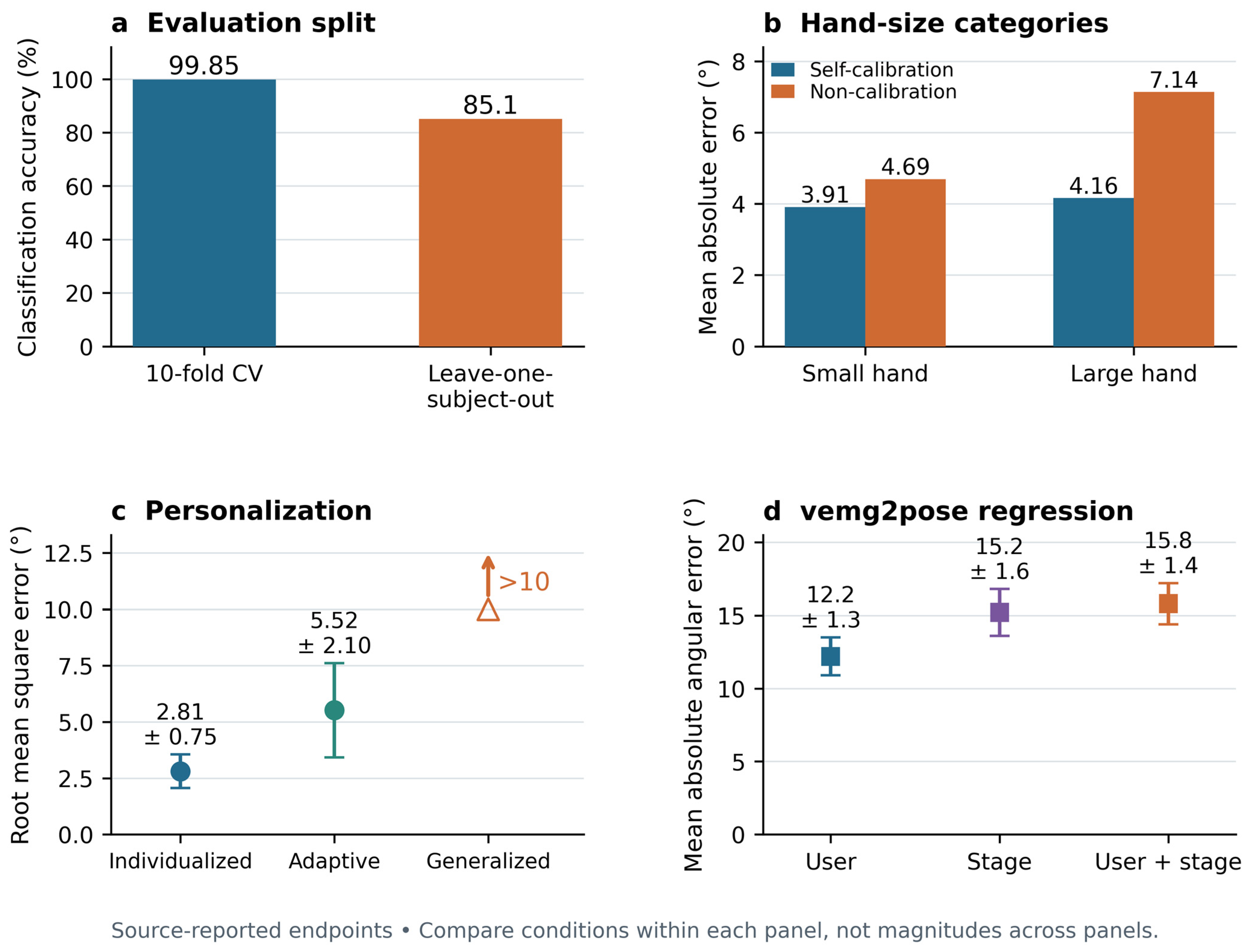
7.3. Multimodal Sensor Fusion and Personalization
The strongest reason to fuse modalities is not data volume but failure-mode complementarity. IMUs provide inertial motion signals, but orientation estimates depend on drift control and sensor mounting. Textile strain and pressure channels capture local deformation but depend on fit. sEMG adds neuromuscular information unavailable from mechanical sensors, yet it is sensitive to motion artifact, perspiration, and crosstalk. Insole pressure measures loading more directly but remains footwear-dependent. Fusion is most defensible when these error sources are partly independent. Even then, the gain may be small: adaptive weighting of inertial and insole signals improved the F1 score for freezing-of-gait detection by 0.029 over the better single modality and by 0.008 over simple concatenation under subject-wise cross-validation [205]. A model combining insole pressure, motion-capture signals and EMG reported 96.00% gait-phase accuracy versus 94.67% for its EMG-only comparator; however, the published fusion rule references ground-truth labels, leaving label-free inference and the incremental gain unresolved [206].
The usual early-, feature-, and model-level fusion taxonomy says little about failure tolerance. One sEMG/IMU study simulated sensor failure by zeroing all channels from a selected sensor in the test set while leaving training data unchanged [207]. This tests artificial input removal, not physical detachment, laundering or wet degradation. The methods in Table 5 require channel-loss testing matched to intended device failure modes (Section 9.4); intact-input performance alone does not establish robustness.
Generalization, Personalization, and Calibration Burdens
Generalization should be reported along separate axes. An unseen user, a new session, re-donning, a different garment instance, an unseen task, an unseen object or contact location, a new environment, and transfer from healthy participants to a clinical population are not equivalent tests. Authors should state which axes are held out and which factors remain shared between training and test data.
Calibration is a deployment cost. Reports should state the minutes of calibration data, labelled samples per user, reference equipment required to generate those labels, whether the device was removed and re-donned between calibration and test, and the number of sessions involved. Missing quantities should be labelled “not reported” rather than reconstructed from indirect information.
Personalization can recover accuracy, but it shifts work to the new user. Fine-tuning often requires labelled data and a reference system that may not be available in routine use. Target-user adaptation and population-level pretraining address different data requirements. Contrastive self-supervised pretraining on 2700 s of unlabelled spontaneous motion, followed by five labelled repetitions per gesture class for each target user, yielded 91.7–94.2% directional-gesture accuracy from a thumb sleeve with two stretchable sensors [208]. Few-shot domain adaptation reached 97.59% cross-user gesture accuracy from five calibration samples per gesture and remained effective with one sample per gesture [209]. At population scale, self-supervised pretraining on 700,000 person-days of accelerometry yielded a median relative F1 improvement of 24.4% across eight benchmark datasets [210]. Personalized semi-supervised federated learning offers a related route for retaining user-specific models with fewer labels [211].
Training-population scale and user-specific adaptation shape generalization and calibration burden in different ways. In the 193-participant emg2pose benchmark, regression was evaluated on held-out users, held-out movement stages and their combination (Figure 6d); these were distinct test sets, not paired deterioration measurements, and estimation improved with more training participants [204]. A large-cohort wrist-sEMG interface supported closed-loop control with generic decoders in new users without participant-specific decoder training; wrist cursor control nevertheless required per-user normalization of the predicted velocity range [212]. For offline handwriting, adding 20 min of target-user data to a model pretrained on 6400 participants reduced character error rate by a reported median relative 16% [212]. In a separate 6527-participant model, personalization generally improved the target user’s performance but degraded transfer when applied to another user [212]. Few-shot pathological-gait modelling addressed a different population shift, using simulated pathological gait from healthy volunteers for pretraining and limited labelled data from four patients for adaptation [163]. These advances strengthen decoding across users and tasks, but their value in repeated wearable use depends on how changes in sensor placement, electrode–skin coupling and device instances affect task-level error and recalibration burden.
7.4. Real-Time Feedback and Human–Machine Interfaces
Once a system acts on its own prediction, mean offline error is no longer enough. Closed-loop operation adds end-to-end latency, confidence calibration, failure detection, and the consequences of an incorrect action. Delayed or overconfident feedback can degrade user interaction and become a safety concern when the output drives therapy or assistance.
Wearable systems now place sensing and feedback in the same physical interface. Self-powered electrotactile gloves deliver stimulation through the sensing garment [213]. Digitally embroidered gloves combine tactile sensing, vibrotactile actuation, and a user-specific haptic perception model, increasing tactile-occlusion accuracy from 5.7% to 88.6% [214]. Skin-integrated electrotactile interfaces first map each user’s sensation threshold, then encode contact against that map [215]. Personalization also extends to control: a user-specific intent detector driving a soft shoulder exosuit increased shoulder range of motion by 17.5° and reduced trunk compensation in participants after stroke or with amyotrophic lateral sclerosis [216]. Co-locating sensing and actuation can introduce electrical and mechanical crosstalk, so the problem remains partly materials- and device-level even when the controller is learned.
Latency figures are interpretable only when the measured interval is defined. The 40 ms value in [217] is described as both end-to-end and processing/classification time, leaving its timing boundary ambiguous. In a drone interface, tactile and electrical feedback-path responses were 90 and 110 ms, whereas the 0.6 s interval ended at an initial flight-path change rather than completed correction [218]. Tool-based nRF52840 (Cortex-M4F, 64 MHz) inference estimates excluded preprocessing, while static-buffer tests omitted live inertial acquisition [219]. The 11.67 ± 0.67 ms offline knee-angle result left hardware and the variability statistic unspecified [220]. Figure 7 contrasts twelve simulated memory–latency configurations [221] with model-only inference timings [222,223]; model-file size, deployed flash and random-access memory (RAM) describe different resources [224]. These differences preclude ranking end-to-end responsiveness or establishing a universal 100 ms deadline.
Figure 7.
Timing boundaries and paired simulation-derived inference costs. (a) Source-reported empirical timings (filled circles) and Edge Impulse tool estimates excluding preprocessing (open diamonds) are shown on a logarithmic axis. The estimates are 769 and 80 ms for 32-bit floating-point (float32) and 8-bit integer (INT8) models, respectively, on the nRF52840 target [219]. Tactile (90 ms) and electrical (110 ms) feedback-path responses and the 600 ms interval from obstacle detection to initial flight-path change have different timing boundaries [218]. The offline pipeline value is 11.67 ± 0.67 ms [220]; the ± statistic, timing hardware and complete acquisition delay are not established. Model timings are 97.93 ms for the multi-scale attention patching encoder network (sMAPEN) on Raspberry Pi 4B [222] and 4.1 ms per window for INT8 TinyKAN-HAR (Kolmogorov–Arnold network for human activity recognition) on an 80 MHz Cortex-M4F-class microcontroller [223]; neither is acquisition-to-action latency. (b) Twelve discrete paired memory/latency configurations from four datasets [221] are plotted individually. Latencies derive from simulated cycles under Quentin assumptions (205.1 MHz, 0.54 V), not measured deployment. Dataset colours and configuration symbols identify the reported pairings. Because tasks, hardware, timing boundaries and provenance differ, the plotted values are not ranked across studies and no universal response-time threshold is asserted. Source definitions and resource quantities are provided in Supplementary Note S4 and Table S4; the twelve exact paired configurations are provided in Supplementary Note S5 and Table S5.
Decision coverage is a separate requirement for closed-loop suitability. An evidential sEMG grasp classifier distinguished insufficient (vacuity) from conflicting (dissonance) evidence: under dual-threshold rejection, a true-acceptance rate of 83.51% among retained predictions came with 81.43% of inputs rejected (eight participants, ten runs); no-rejection accuracy was 51.44% [225]. Conformal prediction instead reported calibrated intervals for continuous core-body-temperature estimates under heat stress [226]. Assessing closed-loop suitability therefore requires both a defined action-delay boundary and decision coverage under uncertainty.
7.5. Section Synthesis: Generalization, Robustness, and Closed-Loop Requirements
Sensor physics should guide both algorithm design and the tests used to evaluate it. Hysteretic and viscoelastic responses depend on deformation history, providing a rationale for temporal models, while unreliable channels motivate masking or weighting. Multimodal fusion offers a complementary approach when different inputs compensate for one another, but its practical value depends on preserving the intended estimate as signal quality degrades, rather than simply improving accuracy with all channels intact.
This relationship between signal quality and inference also shapes what generalization means. Subject-independent evaluation tests transfer to unseen users, but re-donning and session drift can alter body coupling and calibration even for the same person. Changes in tasks, devices or environments, including the loss of a sensing modality, may further affect the learned relationship between signals and outputs. The relevant question is therefore whether the model maintains reliable estimates under the conditions of use and how much recalibration this requires. When those estimates guide feedback, their reliability must also extend to the timing and handling of uncertain or failed inputs, ultimately supporting the intended functional response. Section 8 examines which application-level claims this evidence can justify.
8. Application-Level Claim–Evidence Synthesis and Translational Gaps
8.1. Application-Level Claim–Evidence Framework
Section 3, Section 4, Section 5, Section 6 and Section 7 evaluated layer-specific mechanisms and failures. Section 8 asks what the integrated system can legitimately claim, building on the device and review scope established in [1,227,228,229,230,231,232,233]. Interpretation depends on the claimed output, population, reference, setting and duration. Table 6 is the main synthesis: it separates the application claim, the validation context actually demonstrated and the evidence still required for a stronger claim.
8.2. Physiological and Biochemical Monitoring
Physiological and biochemical monitoring differ in how recorded signals relate to the claimed biological quantity. In EDA and biopotential recording, electrode geometry, skin contact and motion can affect signal quality [91,92,93,94,95,96,98,234,235], whereas deformation, temperature and humidity changes are intended inputs in respiratory or multifunctional wearables [167,169,236,237,238]. These distinctions limit what can be inferred from improved materials or signal processing alone. Biofluid sensing additionally depends on sampling and fluid composition, making selectivity, fouling and calibration stability central [2,239,240,241]. Screen-printed textile glucose-sensing [109] and batteryless wireless glucose monitoring [242] illustrate integration approaches, whereas body-matched electromagnetic glucose monitoring [243] uses a different, indirect sensing principle. Application claims therefore require a suitable measurement reference for the claimed output, population and conditions of use (Table 6).
8.3. Optical and Multimodal Healthcare Sensing
Flexible photodetectors, body-worn optical demonstrations and physiological measurement literature provide different forms of evidence along the path from optical detection to an interpretable output [244,245,246,247,248]. Tissue scattering, placement and illumination can alter body-worn signals, so detector sensitivity is a valid device-level result, whereas a physiological measurement claim requires agreement with an appropriate reference under those conditions. Multimodal sensing raises a related attribution problem: when an additional channel is claimed to improve the target output, its contribution must be distinguished from the performance of the existing inputs. A comparable single-modality baseline, assessed against the same output reference and timing conditions, can test that contribution; robustness claims additionally require evaluation as inputs degrade. The application-level question is what validated output the integrated device supports in the intended setting.
8.4. Human Motion, Human–Machine Interaction, and Assistive Applications
Measurement or estimation, intent/interaction inference, feedback and functional benefit are distinct claims. Textile gloves and knee sleeves illustrate movement estimation [165,174]; tactile interfaces and sensing-feedback demonstrations address interaction [185,249,250,251,252,253,254,255]. Gesture or classifier performance supports the tested classification or interaction task; assistive or rehabilitation benefit requires functional outcomes in intended users. Laboratory feasibility in healthy participants provides a different evidence context from intended-user effectiveness [256,257,258,259]. Few-shot pathological-gait modelling [163] concerns prediction, while interviews after stroke [260] identify user preferences rather than demonstrate recovery. For human-facing feedback demonstrations, evaluation should address task-relevant timing and applicable safety and acceptance concerns; claims of functional or clinical benefit additionally require meaningful outcomes in the intended population. For repeated-use claims, calibration burden and generalization should be assessed across relevant users, sessions and re-donning conditions. Table 6 separates engineering and intended-user evidence so that stronger functional claims are matched to the relevant outcomes.
Table 6.
Application-level claims, validation contexts, and remaining evidence requirements across wearable sensing. Examples include direct, transferable, and system-comparator evidence as defined in Section 2.3.
8.5. Digital-Health Deployment and Longitudinal Evidence
Longitudinal monitoring changes the question from whether a device performs in one session to whether its measurements remain interpretable across repeated-use. Home and free-living wearable studies [156,161,261], alongside related home-rehabilitation and review evidence [179,256,257,258,259], inform feasibility within their respective contexts, while accuracy claims require suitable concurrent references. Re-donning may alter calibration, and non-wear or acquisition failures can change which observations enter a longitudinal trend. Model-derived estimates must therefore retain their reference and timing boundaries [217,218,219,225,226], while clinical interpretation also depends on the relevant healthcare context [262,263]. Adherence and workflow compatibility, including privacy and failure handling, shape whether such longitudinal evidence can be collected and used.
Power availability affects the same continuity of evidence. Flexible harvesting [264,265,266] and storage strategies [53,267,268,269] contribute when they sustain the sensing, communication and computing workload under representative illumination, deformation and wear. Peak component output alone cannot establish the availability of interpretable data over time.
8.6. Cross-Application Evidence Gaps
Across applications, what a wearable demonstrates depends on the meaning assigned to its output. Reference agreement can support a measurement claim, but intended-user benefit requires functionally relevant outcomes. Under repeated-use, changing body coupling or data availability can further alter the meaning of apparent trends. The resulting evidence needs are complementary rather than sequential, consistent with the overlapping E1–E5 contexts. Section 9 sets out the reporting conditions needed to interpret these claims, while Section 10 proposes nonlinear research priorities and evidence targets for addressing the remaining translational gaps.
9. Proposed Cross-Layer Reporting Framework for Claim–Evidence Alignment
Across Section 3, Section 4, Section 5, Section 6, Section 7 and Section 8, reported metrics capture different parts of the sensing chain and therefore support different kinds of claims. Material sensitivity, for example, characterizes a transducer under specified conditions, whereas a body-worn estimate must be judged against its reference and acquisition context. Combining those results into a universal score would obscure what each study actually demonstrated. Table 7 instead identifies the information needed to interpret performance in relation to the claim being made.
9.1. Material, Device, and Biointerface Performance Metrics
Sensitivity or conductivity without device geometry and relevant environmental, mechanical and biological conditions cannot support a claim of stable sensing. Range, hysteresis, drift and durability determine whether a peak response remains usable; reproducibility, safety and manufacturing compatibility constrain translation [19,29,47,70,71]. Table 7 lists the corresponding fields.
Biointerface performance belongs to the complete electrode stack, not the isolated material. For electrophysiological interfaces, relevant tests include frequency-dependent impedance magnitude and phase, noise or SNR, drift and motion artifacts; electrochemical measurements require analyte- and readout-specific assessment (Section 8.2). Independent dry-electrode experiments link contact compliance and adhesion to changes in interface impedance and motion artifacts [234]. Flexible and textile EDA and ECG studies separately demonstrate geometry- and skin-contact-dependent signal quality [91,92,93,94,95,96], while ambulatory EEG documents movement-related artifacts [98] and EEG phantom tests isolate cable-sway and electrode-area effects [270].
Simulation, benchtop or phantom tests, acute or chronic in vivo studies, and human or longitudinal clinical evaluations support different claims. Acute interface performance does not establish chronic biological stability, and human feasibility does not establish intended-population validity [5,8,99,112,121].
9.2. System-Level Wearable, Wireless, and Power Metrics
Complete-system claims depend on the path from transducer to usable output, including body coupling, readout, power, calibration and failure handling. Placement, fit, task and test conditions must remain linked to the participant population and whether the reference was simultaneous [6,8,121,156,161]. Simulated network optimization couples relay placement, transmission power and time allocation [139], whereas deployment reports must independently document link reliability under body motion.
Wireless range is interpretable only when measured and calculated values are distinguished and the medium, reader orientation and body or deformation conditions are stated. Passive-array scaling also depends on channel count, spacing and decoding of overlapping resonances. Readout and telemetry claims must account for conditioning, multiplexing, encapsulation and crosstalk among sensing or stimulation paths [6,127,130].
Peak harvesting output does not establish autonomy: sustained power must reach the actual sensing or communication load at the stated duty cycle and duration [7,142,143,144,145,146,147,269]. For photovoltaic (PV) systems, illumination spectrum or intensity, collection area, harvested and stored energy, and power-management efficiency are needed to interpret the effects of orientation, shading and indoor/outdoor exposure [264,267,268]. Table 7 retains the complete power-reporting inventory.
9.3. Human-Participant, Clinical, and Deployment Validation
Human and deployment claims depend on the population, reference, setting and duration tested. A multisensor gait system showed agreement with optical tracking in structured laboratory tests but was evaluated for usability, not independent-reference accuracy, during 2.5 h of unsupervised use [161]. Stroke-rehabilitation trials [177,178,179] and a clinician-rated Parkinson’s assessment glove [180] examined different human endpoints.
References must match the claim: angle, orientation or trajectory for kinematics; force or pressure for loading; and functionally or clinically meaningful outcomes for claims of functional or clinical benefit. Participant number, intended population, task, reference method, duration and relevant repeated-session reliability constrain the inference. Benchtop, acute, chronic and human evidence cannot be substituted for one another [8,160,161,162,177,178,179,180].
Deployment readiness includes sustained operation and acceptable user burden, rather than accuracy alone [156,161,179]. Table 7 identifies the calibration, missing-data, comfort, adherence, safety and maintenance fields. Feedback and workflow requirements must come from intended users, as stroke-rehabilitation interviews illustrate [260,271].
9.4. Algorithmic Generalization, Multimodal Robustness, and Closed-Loop Validation
Participant overlap and split definition determine what generalization a score supports. Subject-mixed, leave-one-subject-out and external-cohort tests answer different questions. Subject-dependent and independent results require sample size and overlap information; a gap between otherwise identical models may reflect the partitioning protocol [9,22,204,212].
Robustness reporting should specify the sensor failure mode and held-out axis (Section 7). Sparse tactile reconstruction [199], transfer between replaceable robotic-skin instances [193] and IMU–insole fusion gains over a unimodal baseline [205] establish different capabilities. To substantiate graceful degradation, studies should test matched intact and degraded conditions, distinguishing physical sensor changes from synthetic channel removal and reporting task-level error, recalibration burden and, where predictions can be withheld, decision coverage.
Real-time and closed-loop claims require instrumented timing. Reports should separate inference-only, feedback-path, and complete sensing–inference–actuation latency, identify the hardware and compute location, and state calibration burden. When predictions drive an action, confidence calibration, uncertainty, abstention, and failure detection become part of the control specification [217,218,219,225,226].
Table 7.
Cross-layer reporting framework for claim–evidence alignment in functional nanomaterial-enabled wearable and bioelectronic systems. The entries synthesize Section 3, Section 4, Section 5, Section 6, Section 7 and Section 8 and are intended to support consistent interpretation, not to define a formal reporting standard.
10. Challenges, Open Questions, and Translational Roadmap
Performance demonstrated at the material- or device-level may change when the technology is integrated into a body-coupled system. Changes in coupling or signal acquisition can propagate through subsequent layers, so a limitation revealed during use may require revisiting earlier design choices. Section 10 translates these dependencies into coupled experiments that test performance under intended-use conditions. Table 8 presents the corresponding evidence targets as revisitable engineering milestones rather than a linear readiness scale.
Table 8.
Cross-layer translational roadmap for trustworthy wearable sensing. Milestones are nonlinear and may be revisited; AI-based interpretation and closed-loop personalization apply only where the target application requires them.
10.1. Material Reliability, Biointerface Stability, and Scalable Fabrication
Test material and biointerface reliability under use-relevant mechanical, environmental and biological exposure. For wearables, select deformation, sweat, washing, abrasion, temperature or humidity cycling, and adhesion tests according to intended use [19,47,70,71,101]. For implants, assess tissue micromotion, foreign-body responses, electrochemical degradation, and encapsulation or insulation lifetime [5,87,88,99,112].
Co-design fabrication and interface performance, then test process control and batch reproducibility. Safety, packaging, assembly, calibration, maintenance and sterilization where required determine whether performance is reproducible outside the originating laboratory [3,19,47,100,102,103]. The fabrication routes and device examples in Section 3 and Section 4 establish the mechanisms; the next priority is reproducibility under the intended use.
10.2. Integrated Wearable and Bioelectronic Systems, Wireless Readout, and Power
Test readout, power, telemetry and packaging together with the sensing interface. Experiments under movement and body loading should establish usable wireless range and passive-channel separability while delivering sustained power to the actual sensing, processing and communication load at realistic duty cycles [6,7,121,127,130,142,143,144,145,146,147]. Joint network and energy optimization remains a system-level problem [139,272].
Evaluate PV or hybrid harvesting against the platform’s actual power demand under representative light availability, orientation and shading. Solar-storage and multi-harvester combinations may reduce intermittency, but autonomy requires adequate storage, regulation and energy delivered to the load [264,267,268]. Flexible conductors and solar-cell devices address the component layer [74,266]; Section 9 specifies the illumination, area, energy, efficiency and duty-cycle reporting needed for complete-system tests.
Test multimodal bioelectronics for stimulation artifacts, photoelectric coupling, thermal loading and cross-channel interference, including EMG–cortisol crosstalk [105]. Chronic implant and gut–brain systems require longer-term tests of insulation, packaging, wireless power/telemetry and biological endpoints beyond acute proof-of-concept [55,75,116,119,120].
10.3. Human Validation, AI-Enabled Interpretation, and Closed-Loop Deployment
Prioritize longitudinal studies in intended populations, with concurrent references for real-world measurement claims and functional outcomes for rehabilitation claims. For gait sensing, extend structured reference comparisons to representative free-living tasks and repeated re-donning [161]. For home rehabilitation, report adherence, treatment dose and functional change against suitable comparators [177,178,179]. Stroke-rehabilitation interviews inform feedback and workflow design priorities [260,271].
Compare calibration-free inference and few-shot adaptation against instrumented references under channel or modality loss, especially for continuous cross-user kinematic and force estimation [9,191,193,197,199,201,204,205,208,209,210,212]. Use matched intact and degraded inputs, state the permitted calibration data, and keep adaptation data separate from final evaluation data for the held-out users, sessions or device instances (Section 7.3). Report task-level error and recalibration burden (Section 9.4).
Evaluate closed-loop systems for meaningful behavioural, functional or clinical benefit, with uncertainty or abstention and failure handling. Instrumented end-to-end timing and compute location must support the intended action (Section 7 and Section 9). Studies should also evaluate user/clinician burden, workflow fit, privacy and safety. Where feasible, matched tests with and without feedback under realistic sensing and link conditions can assess its additional functional value.
10.4. Cross-Layer Translational Roadmap
Table 8 links observed limitations to targeted experiments and design decisions. If a passive resonant array loses channel separability during wear, tests of body-dependent reader coupling and resonance overlap can help distinguish readout limitations from inference errors and direct redesign toward the limiting subsystem. Representative patent publications [273,274,275,276,277,278,279,280,281,282], summarized in Supplementary Table S7, provide complementary examples of potential integration and manufacturing pathways; their suitability for intended use still requires appropriate testing.
10.5. Limitations of the Review
This review is a structured cross-layer critical synthesis rather than an exhaustive systematic or scoping review. Searches were adapted to the terminology of different domains and focused primarily on English-language records within the documented coverage windows, with targeted supplementary and foundational sources used for cross-cutting questions. Additional searches for MXenes, graphene, metal–organic frameworks and hydrogels increased the visibility of these classes relative to materials not searched in the same way. Retrieval counts, citation frequency and the prominence of particular topics therefore cannot establish field prevalence or comparative maturity.
Even within the selected literature, differences in endpoints, reference methods and operating conditions limit comparison across the sensing chain. Transferable studies and system comparators can clarify design and validation problems without providing direct evidence for nanomaterial-enabled wearable performance, while heterogeneous outcomes preclude pooled quantitative estimates. The proposed frameworks and roadmap therefore help align claims with their supporting evidence and identify the tests still needed, rather than defining consensus standards or exhaustive rankings. Existing standards and guidance address related questions but do not define the overlapping E1–E5 evidence contexts (Section 6.5).
11. Conclusions
Functional nanomaterials have expanded the signals accessible to wearable and bioelectronic devices, but component performance depends on the conditions under which it is measured. Hysteresis, drift and aging constrain the useful material-service window; fabrication, encapsulation and contact with skin or tissue affect the signal entering readout. Passive RF arrays introduce reader–sensor coupling and channel-separation constraints, while active electronics shift demands to power, communication and computation. These effects can propagate into missing or distorted inputs before inference begins. An inaccurate application-level estimate may therefore originate upstream, even when the inference model performs well on intact laboratory signals.
Research priorities should begin with the intended claim: the measurand, target population, reference, operating conditions and service window determine which failure modes require testing. Re-donning can alter textile–body coupling, whereas long-term implants require evidence of biological and encapsulation stability. Integrated evaluations should test measurement consistency across independent device instances and repeated-use, assess fabrication reproducibility, and report calibration requirements and user burden. Power delivery, communication, computation and, where relevant, feedback should be co-designed for sustained workloads and evaluated under realistic link, exposure, resource and latency constraints. When performance deteriorates, targeted experiments should identify the limiting subsystem and guide redesign.
Population-scale training and user-specific adaptation have improved decoding under defined evaluation protocols. Repeated-use validation must additionally test how sensor placement, electrode–skin coupling, device instances and channel availability affect task-level error and recalibration burden. When predictions guide actions, acquisition-to-action delay and retained decision coverage under uncertainty must be evaluated alongside power and communication constraints. Free-living feasibility, reference-based measurement agreement, and functional or clinical benefit remain distinct achievements, requiring evidence matched to the claimed population, setting, outcome and duration. The complementary E1–E5 contexts and the reporting and experimental priorities proposed here organize this evidence without imposing a linear readiness scale. An integrated system thus supports its intended claim through evidence connecting the sensing pathway to the measurement, decision or functional outcome delivered during use.
Supplementary Materials
The following supporting information can be downloaded at: https://www.mdpi.com/article/10.3390/s26216877/s1, Supplementary Note S1. Section-level literature sources and search documentation. Table S1. Literature sources, search dates, coverage windows, and limits for the six technical evidence streams. Supplementary Search Documentation S1A–S1F. Supplementary Note S2. Section 5 detailed evidence. Table S2. Detailed evidence records discussed in Section 5: wireless readout, radio frequency sensing, and power strategies (35 records). Supplementary Note S3. Figure 6 source definitions and evaluation context. Table S3. Source-reported endpoints and evaluation context for Figure 6. Supplementary Note S4. Figure 7 timing and resource definitions. Table S4. Timing provenance, boundaries and resource definitions supporting Figure 7. Supplementary Note S5. Exact paired simulation configurations for Figure 7b. Table S5. Twelve paired simulation-derived configurations from [221]. Supplementary Note S6. E1–E5 evidence contexts and standards/guidance crosswalk. Table S6. Conceptual crosswalk between the five complementary evidence contexts (E1–E5) and selected standards and guidance. Supplementary Note S7. Patent implementation and translational context. Table S7. Representative patent families providing implementation and translational context for wearable and body-interfaced sensing.
Author Contributions
Conceptualization, P.S. and H.C.; methodology, P.S. and H.C.; investigation and data curation, H.C., N.S., M.L.N., Y.-C.W., M.H. and G.Y.; writing—original draft preparation, H.C., N.S., M.L.N., Y.-C.W., M.H. and G.Y.; writing—review and editing, all authors; visualization, H.C., N.S., M.L.N., Y.-C.W., M.H. and G.Y.; supervision, P.S.; project administration, H.C. All authors have read and agreed to the published version of the manuscript.
Funding
This research was funded by the Natural Sciences and Engineering Research Council of Canada (NSERC), Discovery Grant RGPIN-2024-06607, and the New Frontiers in Research Fund (NFRF), Exploration Grant NFRFE-2024-01253.
Institutional Review Board Statement
Not applicable.
Informed Consent Statement
Not applicable.
Data Availability Statement
No new primary experimental data were generated. The quantitative information used in this review was extracted or derived from the cited literature, with supporting details provided in the Supplementary Materials.
Acknowledgments
The authors used ChatGPT and Codex (OpenAI; GPT-5.6 Sol, GPT-6 Astra, and GPT-6.1 Sol) to assist with literature organization, evidence checks, figure preparation, and manuscript editing. The authors reviewed and edited the outputs and take full responsibility for the content of this publication.
Conflicts of Interest
P.S., H.C. and G.Y. are affiliated with Texavie Technologies Inc. P.S. is a named inventor on the patent publications cited in Refs. [273,274,275,276,277]. The remaining authors declare no conflicts of interest. The funders had no role in selecting or designing this review, identifying or analyzing the literature, interpreting the evidence, preparing the manuscript, or deciding to publish it.
References
- Kim, D.-H.; Lu, N.; Ma, R.; Kim, Y.-S.; Kim, R.-H.; Wang, S.; Wu, J.; Won, S.M.; Tao, H.; Islam, A.; et al. Epidermal Electronics. Science 2011, 333, 838–843. [Google Scholar] [CrossRef] [Scilit] [PubMed]
- Gao, W.; Emaminejad, S.; Nyein, H.Y.Y.; Challa, S.; Chen, K.; Peck, A.; Fahad, H.M.; Ota, H.; Shiraki, H.; Kiriya, D.; et al. Fully integrated wearable sensor arrays for multiplexed in situ perspiration analysis. Nature 2016, 529, 509–514. [Google Scholar] [CrossRef] [Scilit] [PubMed]
- Zhao, Y.; Zhang, S.; Yu, T.; Zhang, Y.; Ye, G.; Cui, H.; He, C.; Jiang, W.; Zhai, Y.; Lu, C.; et al. Ultra-conformal skin electrodes with synergistically enhanced conductivity for long-time and low-motion artifact epidermal electrophysiology. Nat. Commun. 2021, 12, 4880. [Google Scholar] [CrossRef] [Scilit] [PubMed]
- Ma, Y.; Liu, N.; Li, L.; Hu, X.; Zou, Z.; Wang, J.; Luo, S.; Gao, Y. A highly flexible and sensitive piezoresistive sensor based on MXene with greatly changed interlayer distances. Nat. Commun. 2017, 8, 1207. [Google Scholar] [CrossRef] [Scilit] [PubMed]
- Liu, X.; Xu, Z.; Fu, X.; Liu, Y.; Jia, H.; Yang, Z.; Zhang, J.; Wei, S.; Duan, X. Stable, long-term single-neuronal recording from the rat spinal cord with flexible carbon nanotube fiber electrodes. J. Neural Eng. 2022, 19, 056024. [Google Scholar] [CrossRef] [Scilit] [PubMed]
- Kim, S.H.; Basir, A.; Avila, R.; Lim, J.; Hong, S.W.; Choe, G.; Shin, J.H.; Hwang, J.H.; Park, S.Y.; Joo, J.; et al. Strain-invariant stretchable radio-frequency electronics. Nature 2024, 629, 1047–1054. [Google Scholar] [CrossRef] [Scilit] [PubMed]
- Yu, Y.; Nassar, J.; Xu, C.; Min, J.; Yang, Y.; Dai, A.; Doshi, R.; Huang, A.; Song, Y.; Gehlhar, R.; et al. Biofuel-powered soft electronic skin with multiplexed and wireless sensing for human-machine interfaces. Sci. Robot. 2020, 5, eaaz7946. [Google Scholar] [CrossRef] [Scilit] [PubMed]
- Patel, G.; Mullerpatan, R.; Agarwal, B.; Shetty, T.; Ojha, R.; Shaikh-Mohammed, J.; Sujatha, S. Validation of wearable inertial sensor-based gait analysis system for measurement of spatiotemporal parameters and lower extremity joint kinematics in sagittal plane. Proc. Inst. Mech. Eng. Part H 2022, 236, 686–696. [Google Scholar] [CrossRef] [Scilit] [PubMed]
- Gholamiangonabadi, D.; Kiselov, N.; Grolinger, K. Deep Neural Networks for Human Activity Recognition with Wearable Sensors: Leave-One-Subject-Out Cross-Validation for Model Selection. IEEE Access 2020, 8, 133982–133994. [Google Scholar] [CrossRef] [Scilit]
- Bruni, G.; Marinelli, A.; Bucchieri, A.; Boccardo, N.; Caserta, G.; Di Domenico, D.; Barresi, G.; Florio, A.; Canepa, M.; Tessari, F.; et al. Object stiffness recognition and vibratory feedback without ad-hoc sensing on the Hannes prosthesis: A machine-learning approach. Front. Neurosci. 2023, 17, 1078846. [Google Scholar] [CrossRef] [Scilit] [PubMed]
- Shajari, S.; Kuruvinashetti, K.; Komeili, A.; Sundararaj, U. The Emergence of AI-Based Wearable Sensors for Digital Health Technology: A Review. Sensors 2023, 23, 9498. [Google Scholar] [CrossRef] [Scilit] [PubMed]
- Kong, L.; Li, W.; Zhang, T.; Ma, H.; Cao, Y.; Wang, K.; Zhou, Y.; Shamim, A.; Zheng, L.; Wang, X.; et al. Wireless Technologies in Flexible and Wearable Sensing: From Materials Design, System Integration to Applications. Adv. Mater. 2024, 36, 2400333. [Google Scholar] [CrossRef] [Scilit] [PubMed]
- Hong, S.; Yu, T.; Wang, Z.; Lee, C.H. Biomaterials for Reliable Wearable Health Monitoring: Applications in Skin and Eye Integration. Biomaterials 2025, 314, 122862. [Google Scholar] [CrossRef] [Scilit] [PubMed]
- Ren, Y.; Zhang, F.; Yan, Z.; Chen, P.-Y. Wearable Bioelectronics Based on Emerging Nanomaterials for Telehealth Applications. Device 2025, 3, 100676. [Google Scholar] [CrossRef] [Scilit] [PubMed]
- Mu, G.; Zhang, Y.; Yan, Z.; Yu, Q.; Wang, Q. Recent Advancements in Wearable Sensors: Integration with Machine Learning for Human-Machine Interaction. RSC Adv. 2025, 15, 7844–7854. [Google Scholar] [CrossRef] [Scilit] [PubMed]
- Cheng, J.; Xue, N.; Zhou, W.; Qin, B.; Qiu, B.; Fang, G.; Sun, X. Recent Progress in Flexible Wearable Sensors for Real-Time Health Monitoring: Materials, Devices, and System Integration. Micromachines 2025, 16, 1124. [Google Scholar] [CrossRef] [Scilit] [PubMed]
- Cherian, J.; Mascia, G.; Kairamkonda, D.; Fisher, A.; McGinnis, R.S.; Ray, T.R. Wearable Sensing for Clinical Physiology Monitoring: Emerging Paradigms. Physiology 2026, 41, 310–324. [Google Scholar] [CrossRef] [Scilit] [PubMed]
- Suryaprabha, T.; Choi, C.; Wu, Y.; Liu, L.; Hwang, B. Smart Wearable and Implantable Biosensors for Continuous Health Monitoring: Materials, Biocompatibility, and AI Integration. npj Flex. Electron. 2026, 10, 46. [Google Scholar] [CrossRef] [Scilit]
- Heo, J.S.; Hossain, M.F.; Kim, I. Challenges in Design and Fabrication of Flexible/Stretchable Carbon- and Textile-Based Wearable Sensors for Health Monitoring: A Critical Review. Sensors 2020, 20, 3927. [Google Scholar] [CrossRef] [Scilit] [PubMed]
- Uzun, S.; Seyedin, S.; Stoltzfus, A.L.; Levitt, A.S.; Alhabeb, M.; Anayee, M.; Strobel, C.J.; Razal, J.M.; Dion, G.; Gogotsi, Y. Knittable and Washable Multifunctional MXene-Coated Cellulose Yarns. Adv. Funct. Mater. 2019, 29, 1905015. [Google Scholar] [CrossRef] [Scilit]
- Ye, Z.; Ling, Y.; Yang, M.; Xu, Y.; Zhu, L.; Yan, Z.; Chen, P.-Y. A Breathable, Reusable, and Zero-Power Smart Face Mask for Wireless Cough and Mask-Wearing Monitoring. ACS Nano 2022, 16, 5874–5884. [Google Scholar] [CrossRef] [Scilit] [PubMed]
- Hur, B.; Baek, S.; Kang, I.; Kim, D. Learning based lower limb joint kinematic estimation using open source IMU data. Sci. Rep. 2025, 15, 5287. [Google Scholar] [CrossRef] [Scilit] [PubMed]
- Zhan, J.; Lei, Z.; Zhang, Y. Non-covalent interactions of graphene surface: Mechanisms and applications. Chem 2022, 8, 947–979. [Google Scholar] [CrossRef] [Scilit]
- Liu, J.; Liu, H. Flexible Sensors Based on Carbon-Based Materials and Their Applications. C 2026, 12, 12. [Google Scholar] [CrossRef] [Scilit]
- Narayan, J.; Bezborah, K. Recent advances in the functionalization, substitutional doping and applications of graphene/graphene composite nanomaterials. RSC Adv. 2024, 14, 13413–13444. [Google Scholar] [CrossRef] [Scilit] [PubMed]
- Georgitsopoulou, S.; Stola, N.D.; Bakandritsos, A.; Georgakilas, V. Advancing the boundaries of the covalent functionalization of graphene oxide. Surf. Interfaces 2021, 26, 101320. [Google Scholar] [CrossRef] [Scilit]
- Lv, J.; Kong, C.; Yang, C.; Yin, L.; Jeerapan, I.; Pu, F.; Zhang, X.; Yang, S.; Yang, Z. Wearable, stable, highly sensitive hydrogel–graphene strain sensors. Beilstein J. Nanotechnol. 2019, 10, 475–480. [Google Scholar] [CrossRef] [Scilit] [PubMed]
- Ji, C.; Zhang, Q.; Jing, Z.; Liu, Y.; Han, D.; Wang, J.; Zhang, W.; Sang, S. Highly Sensitive Wearable Flexible Pressure Sensor Based on Conductive Carbon Black/Sponge. IEEE Trans. Electron Devices 2021, 68, 5198–5203. [Google Scholar] [CrossRef] [Scilit]
- VahidMohammadi, A.; Rosen, J.; Gogotsi, Y. The world of two-dimensional carbides and nitrides (MXenes). Science 2021, 372, eabf1581. [Google Scholar] [CrossRef] [Scilit] [PubMed]
- Yang, W.; Liu, F.; Lin, Y.; Wang, J.; Zhang, C.; Cheng, H.; Chen, H. MXene-based flexible sensors for wearable applications. Soft Sci. 2025, 5, 33. [Google Scholar] [CrossRef] [Scilit]
- Chen, L.; Chen, F.; Liu, G.; Lin, H.; Bao, Y.; Han, D.; Wang, W.; Ma, Y.; Zhang, B.; Niu, L. Superhydrophobic Functionalized Ti3C2Tx MXene-Based Skin-Attachable and Wearable Electrochemical pH Sensor for Real-Time Sweat Detection. Anal. Chem. 2022, 94, 7319–7328. [Google Scholar] [CrossRef] [Scilit] [PubMed]
- Liu, S.; Zhang, H.; Chen, J.; Peng, X.; Chai, Y.; Shao, X.; He, Y.; Wang, X.; Ding, B. Functionalization Strategies of MXene Architectures for Electrochemical Energy Storage Applications. Energies 2025, 18, 1223. [Google Scholar] [CrossRef] [Scilit]
- Zheng, X.; Zhang, S.; Zhou, M.; Lu, H.; Guo, S.; Zhang, Y.; Li, C.; Tan, S.C. MXene Functionalized, Highly Breathable and Sensitive Pressure Sensors with Multi-Layered Porous Structure. Adv. Funct. Mater. 2023, 33, 2214880. [Google Scholar] [CrossRef] [Scilit]
- Cai, Y.; Shen, J.; Ge, G.; Zhang, Y.; Jin, W.; Huang, W.; Shao, J.; Yang, J.; Dong, X. Stretchable Ti3C2Tx MXene/Carbon Nanotube Composite Based Strain Sensor with Ultrahigh Sensitivity and Tunable Sensing Range. ACS Nano 2018, 12, 56–62. [Google Scholar] [CrossRef] [Scilit] [PubMed]
- Yang, H.; Kong, N.; Judicpa, M.A.; Usman, K.A.S.; Tao, J.; Razal, J.M.; Zhang, J.; Shao, Y. Surface Functionalized Ti3CNTx MXene for Monitoring Sweat pH with Superhydrophobic Protection. Adv. Mater. Interfaces 2025, 12, 2400969. [Google Scholar] [CrossRef] [Scilit]
- Cao, W.-T.; Ma, C.; Mao, D.-S.; Zhang, J.; Ma, M.-G.; Chen, F. MXene-Reinforced Cellulose Nanofibril Inks for 3D-Printed Smart Fibres and Textiles. Adv. Funct. Mater. 2019, 29, 1905898. [Google Scholar] [CrossRef] [Scilit]
- Zhang, X.; Liu, X.; Huang, Y.; Sun, B.; Liu, Z.; Liao, G.; Shi, T. Review on flexible perovskite photodetector: Processing and applications. Front. Mech. Eng. 2023, 18, 33. [Google Scholar] [CrossRef] [Scilit]
- Wang, Y.; Li, D.; Chao, L.; Niu, T.; Chen, Y.; Huang, W. Perovskite photodetectors for flexible electronics: Recent advances and perspectives. Appl. Mater. Today 2022, 28, 101509. [Google Scholar] [CrossRef] [Scilit]
- Chauhan, K.; Pandey, A.K.; Bhattacharjee, M. Quantum Dot-Based Flexible Photodetectors: A Review. ACS Appl. Electron. Mater. 2025, 7, 3632–3649. [Google Scholar] [CrossRef] [Scilit]
- Zheng, J.; Luo, C.; Shabbir, B.; Wang, C.; Mao, W.; Zhang, Y.; Huang, Y.; Dong, Y.; Jasieniak, J.J.; Pan, C.; et al. Flexible photodetectors based on reticulated SWNT/perovskite quantum dot heterostructures with ultrahigh durability. Nanoscale 2019, 11, 8020–8026. [Google Scholar] [CrossRef] [Scilit] [PubMed]
- Nideep, T.K.; Ramya, M.; Kailasnath, M. Quantum-Dot-Based Fluorescence Sensing. In Nanoscale Matter and Principles for Sensing and Labeling Applications; Mohanta, D., Chakraborty, P., Eds.; Springer: Singapore, 2024; pp. 19–51. [Google Scholar] [CrossRef] [Scilit]
- Wu, S.; Wan, Z.; Kamal, S.; Zabihi, F.; Hu, M.; Bahi, A.; Ko, F.; Servati, P. Intense-Light Sensing Yarns Achieved by Interfused Inorganic Halide Perovskite Nanofiber Network. Adv. Fiber Mater. 2024, 6, 865–882. [Google Scholar] [CrossRef] [Scilit]
- Li, S.; Chen, H.; Hu, M.; Shi, L.; Gu, M.; Trotsiuk, L.; Issa, A.; Jradi, S.; Jia, S.; Ma, J.; et al. Fibered Optical Sensor Based on the Integration of Quantum Dots on a Polymer Tip. J. Phys. Chem. C 2024, 128, 20624–20634. [Google Scholar] [CrossRef] [Scilit]
- Shen, K.; Xu, H.; Li, X.; Guo, J.; Sathasivam, S.; Wang, M.; Ren, A.; Choy, K.L.; Parkin, I.P.; Guo, Z.; et al. Flexible and Self-Powered Photodetector Arrays Based on All-Inorganic CsPbBr3 Quantum Dots. Adv. Mater. 2020, 32, 2000004. [Google Scholar] [CrossRef] [Scilit] [PubMed]
- Zeng, H.; Gao, C.; Yu, Y.; Jiang, M.; Deng, T.; Zhu, J. Wet Spinning Enabled Advanced PEDOT:PSS Composite Fibers for Smart Devices. Acc. Mater. Res. 2025, 6, 952–963. [Google Scholar] [CrossRef] [Scilit]
- Fan, Z.; Pan, X.; Gu, Z.; Gao, Y.; Gao, X.; Pan, L.; Gao, W.; Jiang, D. Highly Conductive and Mechanically Robust PEDOT:PSS-Based Fibers: Fabrication Methods, Structure–Property Relations, and Potential Applications. Macromol. Rapid Commun. 2025, 46, e00639. [Google Scholar] [CrossRef] [Scilit] [PubMed]
- Zhang, J.; Zhang, Q.; Liu, X.; Xia, S.; Gao, Y.; Gao, G. Flexible and wearable strain sensors based on conductive hydrogels. J. Polym. Sci. 2022, 60, 2663–2678. [Google Scholar] [CrossRef] [Scilit]
- Omidian, H.; Chowdhury, S.D. High-Performing Conductive Hydrogels for Wearable Applications. Gels 2023, 9, 549. [Google Scholar] [CrossRef] [Scilit] [PubMed]
- Cao, J.; Wu, B.; Yuan, P.; Liu, Y.; Hu, C. Progress of Research on Conductive Hydrogels in Flexible Wearable Sensors. Gels 2024, 10, 144. [Google Scholar] [CrossRef] [Scilit] [PubMed]
- Wang, Y.; Li, Y.; Zhang, Y.; You, L.; Song, Y.; Li, T.; Fang, Z.; Gui, A.; Li, Y.; Liao, L.; et al. Graphene-Doped Hydrogels with Enhanced Conductivity and Stretchability for All-Weather Wearable Devices. Adv. Funct. Mater. 2025, 35, 2425014. [Google Scholar] [CrossRef] [Scilit]
- Mukundan, G.; Ravipati, M.; Badhulika, S. Bimetallic Fe/Co-MOF dispersed in a PVA/chitosan multi-matrix hydrogel as a flexible sensor for the detection of lactic acid in sweat samples. Microchim. Acta 2024, 191, 614. [Google Scholar] [CrossRef] [Scilit] [PubMed]
- Rahman, M.S.; Dixit, K.; Rahman, M.T.; Kim, K.; Kim, S. ZIF-67-incorporated multifunctional nanocomposite organohydrogel for wearable pressure and temperature sensing applications. Chem. Eng. J. 2025, 510, 161532. [Google Scholar] [CrossRef] [Scilit]
- Xiao, X.; Xiao, X.; Zhou, Y.; Zhao, X.; Chen, G.; Liu, Z.; Wang, Z.; Lu, C.; Hu, M.; Nashalian, A.; et al. An ultrathin rechargeable solid-state zinc ion fiber battery for electronic textiles. Sci. Adv. 2021, 7, eabl3742. [Google Scholar] [CrossRef] [Scilit] [PubMed]
- Le, K.; Sun, X.; Chen, J.; John, J.V.; Servati, A.; Heidari, H.; Khademhosseini, A.; Ko, F.; Jiang, F.; Servati, P. Stretchable, self-healing, biocompatible, and durable ionogel for continuous wearable strain and physiological signal monitoring. Chem. Eng. J. 2023, 471, 144675. [Google Scholar] [CrossRef] [Scilit]
- Han, M.; Yildiz, E.; Kaleli, H.N.; Karaz, S.; Eren, G.O.; Dogru-Yuksel, I.B.; Senses, E.; Şahin, A.; Nizamoglu, S. Tissue-Like Optoelectronic Neural Interface Enabled by PEDOT:PSS Hydrogel for Cardiac and Neural Stimulation. Adv. Healthc. Mater. 2022, 11, 2102160. [Google Scholar] [CrossRef] [Scilit] [PubMed]
- Le, K.; Narayana, H.; Servati, A.; Soltanian, S.; Servati, P.; Ko, F. Influence of yarn geometry on electrical properties of silver-coated nylon filaments for e-textiles: A fundamental study. J. Ind. Text. 2023, 53, 15280837231202044. [Google Scholar] [CrossRef] [Scilit]
- Wang, J.; Long, H.; Soltanian, S.; Servati, P.; Ko, F. Electromechanical properties of knitted wearable sensors: Part 1—Theory. Text. Res. J. 2014, 84, 3–15. [Google Scholar] [CrossRef] [Scilit]
- Wang, J.; Long, H.; Soltanian, S.; Servati, P.; Ko, F. Electro-mechanical properties of knitted wearable sensors: Part 2—Parametric study and experimental verification. Text. Res. J. 2014, 84, 200–213. [Google Scholar] [CrossRef] [Scilit]
- Atalay, O.; Kennon, W.R. Knitted Strain Sensors: Impact of Design Parameters on Sensing Properties. Sensors 2014, 14, 4712–4730. [Google Scholar] [CrossRef] [Scilit] [PubMed]
- Seyedin, S.; Uzun, S.; Levitt, A.; Anasori, B.; Dion, G.; Gogotsi, Y.; Razal, J.M. MXene Composite and Coaxial Fibers with High Stretchability and Conductivity for Wearable Strain Sensing Textiles. Adv. Funct. Mater. 2020, 30, 1910504. [Google Scholar] [CrossRef] [Scilit]
- Zhao, X.; Zhou, Y.; Xu, J.; Chen, G.; Fang, Y.; Tat, T.; Xiao, X.; Song, Y.; Li, S.; Chen, J. Soft fibers with magnetoelasticity for wearable electronics. Nat. Commun. 2021, 12, 6755. [Google Scholar] [CrossRef] [Scilit] [PubMed]
- Wang, Y.; Yokota, T.; Someya, T. Electrospun nanofiber-based soft electronics. NPG Asia Mater. 2021, 13, 22. [Google Scholar] [CrossRef] [Scilit]
- Zhong, H.; Huang, J.; Wu, J.; Du, J. Electrospinning nanofibers to 1D, 2D, and 3D scaffolds and their biomedical applications. Nano Res. 2022, 15, 787–804. [Google Scholar] [CrossRef] [Scilit]
- Zhang, J.; Yu, M.; Tao, S. Advanced electrospinning nanomaterials: From spinning fabrication techniques to electrochemical applications. Nano Res. 2024, 17, 7077–7116. [Google Scholar] [CrossRef] [Scilit]
- Soltanian, S.; Servati, A.; Rahmanian, R.; Ko, F.; Servati, P. Highly piezoresistive compliant nanofibrous sensors for tactile and epidermal electronic applications. J. Mater. Res. 2015, 30, 121–129. [Google Scholar] [CrossRef] [Scilit]
- Zhang, C.; Wu, S.; Narayana, H.; Ke, Y.; Shao, H.; Zabihi, E.; Bahi, A.; Chen, N.; Servati, P.; Jiang, J.; et al. Programmable 3D bifurcated braided structures for system-adaptable and integrated triboelectric sensing. Nano Energy 2023, 118, 109008. [Google Scholar] [CrossRef] [Scilit]
- Zhang, C.; Wu, S.; Bahi, A.; Narayana, H.; Yang, X.; Wang, W.; Ke, Y.; Yin, X.; Zabihi, F.; Shao, H.; et al. Tensile-responsive triboelectric yarn based on Janus tubular braided structure for wearable sensing. Nano Energy 2024, 131, 110208. [Google Scholar] [CrossRef] [Scilit]
- Jo, H.S.; An, S.; Park, C.-W.; Woo, D.-Y.; Yarin, A.L.; Yoon, S.S. Wearable, Stretchable, Transparent All-in-One Soft Sensor Formed from Supersonically Sprayed Silver Nanowires. ACS Appl. Mater. Interfaces 2019, 11, 40232–40242. [Google Scholar] [CrossRef] [Scilit] [PubMed]
- Cao, J.; Li, D.; Feng, S.; Liu, X.; Guo, X.; Wen, Y.; Yang, H. Highly Specific and Sensitive SERS Detection of Putrescine Using Au Nanobowls@Cu-MOF Embedded in a Hydrogel Nanoreactor. Small 2025, 21, 2408030. [Google Scholar] [CrossRef] [Scilit] [PubMed]
- Raman, S.; Arunagirinathan, R.S. Silver Nanowires in Stretchable Resistive Strain Sensors. Nanomaterials 2022, 12, 1932. [Google Scholar] [CrossRef] [Scilit] [PubMed]
- Kim, B.Y.; Yusoff, W.Y.W.; Matteini, P.; Baumli, P.; Hwang, B. Recent Advances in Liquid Metal-Based Stretchable and Conductive Composites for Wearable Sensor Applications. Biosensors 2025, 15, 466. [Google Scholar] [CrossRef] [Scilit] [PubMed]
- Lee, G.-H.; Lee, Y.R.; Kim, H.; Kwon, D.A.; Kim, H.; Yang, C.; Choi, S.Q.; Park, S.; Jeong, J.-W.; Park, S. Rapid meniscus-guided printing of stable semi-solid-state liquid metal microgranular-particle for soft electronics. Nat. Commun. 2022, 13, 2643. [Google Scholar] [CrossRef] [Scilit] [PubMed]
- Chung, M.; Skinner, W.H.; Robert, C.; Campbell, C.J.; Rossi, R.M.; Koutsos, V.; Radacsi, N. Fabrication of a Wearable Flexible Sweat pH Sensor Based on SERS-Active Au/TPU Electrospun Nanofibers. ACS Appl. Mater. Interfaces 2021, 13, 51504–51518. [Google Scholar] [CrossRef] [Scilit] [PubMed]
- Soltanian, S.; Rahmanian, R.; Gholamkhass, B.; Kiasari, N.M.; Ko, F.; Servati, P. Highly Stretchable, Sparse, Metallized Nanofiber Webs as Thin, Transferrable Transparent Conductors. Adv. Energy Mater. 2013, 3, 1332–1337. [Google Scholar] [CrossRef] [Scilit]
- Liu, X.; Rao, S.; Chen, W.; Felix, K.; Ni, J.; Sahasrabudhe, A.; Lin, S.; Wang, Q.; Liu, Y.; He, Z.; et al. Fatigue-resistant hydrogel optical fibers enable peripheral nerve optogenetics during locomotion. Nat. Methods 2023, 20, 1802–1809. [Google Scholar] [CrossRef] [Scilit] [PubMed]
- Ereifej, E.S.; Shell, C.E.; Schofield, J.S.; Charkhkar, H.; Cuberovic, I.; Dorval, A.D.; Graczyk, E.L.; Kozai, T.D.Y.; Otto, K.J.; Tyler, D.J.; et al. Neural engineering: The process, applications, and its role in the future of medicine. J. Neural Eng. 2019, 16, 063002. [Google Scholar] [CrossRef] [Scilit] [PubMed]
- Zhang, B.; Xie, R.; Jiang, J.; Hao, S.; Fang, B.; Zhang, J.; Bai, H.; Peng, B.; Li, L.; Liu, Z.; et al. Implantable neural electrodes: From preparation optimization to application. J. Mater. Chem. C 2023, 11, 6550–6572. [Google Scholar] [CrossRef] [Scilit]
- Dhanasingh, A.; Jolly, C. An overview of cochlear implant electrode array designs. Hear. Res. 2017, 356, 93–103. [Google Scholar] [CrossRef] [Scilit] [PubMed]
- Mallereau, C.H.; Ollivier, I.; Valenti-Hirsch, M.P.; Hirsch, E.; Proust, F.; Chaussemy, D. Vagus nerve stimulation in epilepsy: Efficiency and safety of outpatient practice. Neurochirurgie 2020, 66, 270–274. [Google Scholar] [CrossRef] [Scilit] [PubMed]
- Lee, J.H.; Kim, H.; Kim, J.H.; Lee, S.H. Soft implantable microelectrodes for future medicine: Prosthetics, neural signal recording and neuromodulation. Lab Chip 2016, 16, 959–976. [Google Scholar] [CrossRef] [Scilit] [PubMed]
- Sahel, J.-A.; Boulanger-Scemama, E.; Pagot, C.; Arleo, A.; Galluppi, F.; Martel, J.N.; Esposti, S.D.; Delaux, A.; de Saint Aubert, J.-B.; de Montleau, C.; et al. Partial recovery of visual function in a blind patient after optogenetic therapy. Nat. Med. 2021, 27, 1223–1229. [Google Scholar] [CrossRef] [Scilit] [PubMed]
- Minev, I.R.; Musienko, P.; Hirsch, A.; Barraud, Q.; Wenger, N.; Moraud, E.M.; Gandar, J.; Capogrosso, M.; Milekovic, T.; Asboth, L.; et al. Electronic dura mater for long-term multimodal neural interfaces. Science 2015, 347, 159–163. [Google Scholar] [CrossRef] [Scilit] [PubMed]
- Beudel, M.; Brown, P. Adaptive deep brain stimulation in Parkinson’s disease. Park. Relat. Disord. 2016, 22, S123–S126. [Google Scholar] [CrossRef] [Scilit] [PubMed]
- Qiao, Z.; Chen, S.; Fan, S.; Xiong, Z.; Lim, C.T. Epidermal Bioelectronics for Management of Chronic Diseases: Materials, Devices and Systems. Adv. Sens. Res. 2023, 2, 2200068. [Google Scholar] [CrossRef] [Scilit]
- Chen, Y.; Zhang, Y.; Liang, Z.; Cao, Y.; Han, Z.; Feng, X. Flexible inorganic bioelectronics. npj Flex. Electron. 2020, 4, 2. [Google Scholar] [CrossRef] [Scilit]
- Li, Y.; Li, N.; Liu, W.; Prominski, A.; Kang, S.; Dai, Y.; Liu, Y.; Hu, H.; Wai, S.; Dai, S.; et al. Achieving tissue-level softness on stretchable electronics through a generalizable soft interlayer design. Nat. Commun. 2023, 14, 4488. [Google Scholar] [CrossRef] [Scilit] [PubMed]
- Wellman, S.M.; Eles, J.R.; Ludwig, K.A.; Seymour, J.P.; Michelson, N.J.; McFadden, W.E.; Vazquez, A.L.; Kozai, T.D.Y. A Materials Roadmap to Functional Neural Interface Design. Adv. Funct. Mater. 2018, 28, 1701269. [Google Scholar] [CrossRef] [Scilit] [PubMed]
- Luan, L.; Wei, X.; Zhao, Z.; Siegel, J.J.; Potnis, O.; Tuppen, C.A.; Lin, S.; Kazmi, S.; Fowler, R.A.; Holloway, S.; et al. Ultraflexible nanoelectronic probes form reliable, glial scar–free neural integration. Sci. Adv. 2017, 3, e1601966. [Google Scholar] [CrossRef] [Scilit] [PubMed]
- Cao, J.; Yang, X.; Rao, J.; Mitriashkin, A.; Fan, X.; Chen, R.; Cheng, H.; Wang, X.; Goh, J.; Leo, H.L.; et al. Stretchable and Self-Adhesive PEDOT:PSS Blend with High Sweat Tolerance as Conformal Biopotential Dry Electrodes. ACS Appl. Mater. Interfaces 2022, 14, 39159–39171. [Google Scholar] [CrossRef] [Scilit] [PubMed]
- Suvindran, N.; Servati, A.; Servati, P. Emerging Biomedical and Industrial Applications of Nanoporous Materials. In Advanced Functional Porous Materials; Uthaman, A., Thomas, S., Li, T., Maria, H., Eds.; Engineering Materials; Springer Nature: Cham, Switzerland, 2022; pp. 353–390. [Google Scholar] [CrossRef] [Scilit] [PubMed]
- Haddad, P.A.; Servati, A.; Soltanian, S.; Ko, F.; Servati, P. Effects of Flexible Dry Electrode Design on Electrodermal Activity Stimulus Response Detection. IEEE Trans. Biomed. Eng. 2017, 64, 2979–2987. [Google Scholar] [CrossRef] [Scilit] [PubMed]
- Haddad, P.A.; Servati, A.; Soltanian, S.; Ko, F.; Servati, P. Breathable Dry Silver/Silver Chloride Electronic Textile Electrodes for Electrodermal Activity Monitoring. Biosensors 2018, 8, 79. [Google Scholar] [CrossRef] [Scilit] [PubMed]
- Shishavan, H.H.; Severgnini, F.M.Q.; Singh, P.; Schmalenberg, P.; Dede, E.M. Electrodermal Activity Monitoring with Flexible Dry Electrodes and AC Measurement. IEEE Trans. Instrum. Meas. 2024, 73, 4011513. [Google Scholar] [CrossRef] [Scilit]
- Cömert, A.; Honkala, M.; Hyttinen, J. Effect of pressure and padding on motion artifact of textile electrodes. BioMed. Eng. OnLine 2013, 12, 26. [Google Scholar] [CrossRef] [Scilit] [PubMed]
- Cömert, A.; Hyttinen, J. Investigating the possible effect of electrode support structure on motion artifact in wearable bioelectric signal monitoring. BioMed. Eng. OnLine 2015, 14, 44. [Google Scholar] [CrossRef] [Scilit] [PubMed]
- Zhang, M.; Guo, N.; Gao, Q.; Li, H.; Wang, Z. Design, Characterization, and Performance of Woven Fabric Electrodes for Electrocardiogram Signal Monitoring. Sensors 2022, 22, 5472. [Google Scholar] [CrossRef] [Scilit] [PubMed]
- Le, K.; Soltanian, S.; Narayana, H.; Servati, A.; Servati, P.; Ko, F. Roll-to-roll fabrication of silver/silver chloride coated yarns for dry electrodes and applications in biosignal monitoring. Sci. Rep. 2023, 13, 21182. [Google Scholar] [CrossRef] [Scilit] [PubMed]
- Luu, C.; Gao, Y.; Nguyen, H.C.; Soltanian, S.; Virji-Babul, N.; Servati, P.; Van der Loos, H.F.M.; Wu, L.C. Correlating Motion Artifacts in Wet and Dry Electrodes with Head Kinematics During Physical Activities in Ambulatory EEG Monitoring. IEEE Trans. Instrum. Meas. 2024, 73, 1–10. [Google Scholar] [CrossRef] [Scilit]
- Driscoll, N.; Richardson, A.G.; Maleski, K.; Anasori, B.; Adewole, O.; Lelyukh, P.; Escobedo, L.; Cullen, D.K.; Lucas, T.H.; Gogotsi, Y.; et al. Two-Dimensional Ti3C2 MXene for High-Resolution Neural Interfaces. ACS Nano 2018, 12, 10419–10429. [Google Scholar] [CrossRef] [Scilit] [PubMed]
- Oh, B.; Baek, S.; Nam, K.S.; Sung, C.; Yang, C.; Lim, Y.-S.; Ju, M.S.; Kim, S.; Kim, T.-S.; Park, S.-M.; et al. 3D printable and biocompatible PEDOT:PSS-ionic liquid colloids with high conductivity for rapid on-demand fabrication of 3D bioelectronics. Nat. Commun. 2024, 15, 5839. [Google Scholar] [CrossRef] [Scilit] [PubMed]
- Wang, Q.; Jian, M.; Wang, C.; Zhang, Y. Carbonized Silk Nanofiber Membrane for Transparent and Sensitive Electronic Skin. Adv. Funct. Mater. 2017, 27, 1605657. [Google Scholar] [CrossRef] [Scilit]
- Yang, Z.; Yang, Y.; Huang, Y.; Shao, Y.; Hao, H.; Yao, S.; Xi, Q.; Guo, Y.; Tong, L.; Jian, M.; et al. Wet-spinning of carbon nanotube fibers: Dispersion, processing and properties. Natl. Sci. Rev. 2024, 11, nwae203. [Google Scholar] [CrossRef] [Scilit] [PubMed]
- Ambade, R.B.; Lee, K.H.; Kang, D.J.; Han, T.H. Advances in Porous Graphene and Scalable Wet-Spinning Fiber Assembly. Acc. Mater. Res. 2023, 4, 389–402. [Google Scholar] [CrossRef] [Scilit]
- Oh, Y.S.; Kim, J.-H.; Xie, Z.; Cho, S.; Han, H.; Jeon, S.W.; Park, M.; Namkoong, M.; Avila, R.; Song, Z.; et al. Battery-free, wireless soft sensors for continuous multi-site measurements of pressure and temperature from patients at risk for pressure injuries. Nat. Commun. 2021, 12, 5008. [Google Scholar] [CrossRef] [Scilit] [PubMed]
- Hossain, N.I.; Noushin, T.; Tabassum, S. StressFit: A hybrid wearable physicochemical sensor suite for simultaneously measuring electromyogram and sweat cortisol. Sci. Rep. 2024, 14, 29667. [Google Scholar] [CrossRef] [Scilit] [PubMed]
- Terse-Thakoor, T.; Punjiya, M.; Matharu, Z.; Lyu, B.; Ahmad, M.; Giles, G.E.; Owyeung, R.; Alaimo, F.; Shojaei Baghini, M.; Brunyé, T.T.; et al. Thread-based multiplexed sensor patch for real-time sweat monitoring. npj Flex. Electron. 2020, 4, 18. [Google Scholar] [CrossRef] [Scilit]
- Napier, B.; Matzeu, G.; Omenetto, F.G. Multi-sensing yarns for continuous wireless sweat lactate monitoring. Commun. Mater. 2024, 5, 246. [Google Scholar] [CrossRef] [Scilit]
- Li, Q.-F.; Chen, X.; Wang, H.; Liu, M.; Peng, H.-L. Pt/MXene-Based Flexible Wearable Non-Enzymatic Electrochemical Sensor for Continuous Glucose Detection in Sweat. ACS Appl. Mater. Interfaces 2023, 15, 13290–13298. [Google Scholar] [CrossRef] [Scilit] [PubMed]
- Khosravi, S.; Soltanian, S.; Servati, A.; Khademhosseini, A.; Zhu, Y.; Servati, P. Screen-Printed Textile-Based Electrochemical Biosensor for Noninvasive Monitoring of Glucose in Sweat. Biosensors 2023, 13, 684. [Google Scholar] [CrossRef] [Scilit] [PubMed]
- Lee, H.; Choi, T.K.; Lee, Y.B.; Cho, H.R.; Ghaffari, R.; Wang, L.; Choi, H.J.; Chung, T.D.; Lu, N.; Hyeon, T.; et al. A graphene-based electrochemical device with thermoresponsive microneedles for diabetes monitoring and therapy. Nat. Nanotechnol. 2016, 11, 566–572. [Google Scholar] [CrossRef] [Scilit] [PubMed]
- Wang, C.; Jiang, X.; Kim, H.-J.; Zhang, S.; Zhou, X.; Chen, Y.; Ling, H.; Xue, Y.; Chen, Z.; Qu, M.; et al. Flexible patch with printable and antibacterial conductive hydrogel electrodes for accelerated wound healing. Biomaterials 2022, 285, 121479. [Google Scholar] [CrossRef] [Scilit] [PubMed]
- Qiang, Y.; Artoni, P.; Seo, K.J.; Culaclii, S.; Hogan, V.; Zhao, X.; Zhong, Y.; Han, X.; Wang, P.-M.; Lo, Y.-K.; et al. Transparent arrays of bilayer-nanomesh microelectrodes for simultaneous electrophysiology and two-photon imaging in the brain. Sci. Adv. 2018, 4, eaat0626. [Google Scholar] [CrossRef] [Scilit] [PubMed]
- Wang, K.; Frewin, C.L.; Esrafilzadeh, D.; Yu, C.; Wang, C.; Pancrazio, J.J.; Romero-Ortega, M.; Jalili, R.; Wallace, G. High-Performance Graphene-Fiber-Based Neural Recording Microelectrodes. Adv. Mater. 2019, 31, 1805867. [Google Scholar] [CrossRef] [Scilit] [PubMed]
- Gong, Q.; Yu, Y.; Kang, L.; Zhang, M.; Zhang, Y.; Wang, S.; Niu, Y.; Zhang, Y.; Di, J.; Li, Q.; et al. Modulus-Tailorable, Stretchable, and Biocompatible Carbonene Fiber for Adaptive Neural Electrode. Adv. Funct. Mater. 2022, 32, 2107360. [Google Scholar] [CrossRef] [Scilit]
- Xu, T.; Ji, W.; Wang, X.; Zhang, Y.; Zeng, H.; Mao, L.; Zhang, M. Support-Free PEDOT:PSS Fibers as Multifunctional Microelectrodes for In Vivo Neural Recording and Modulation. Angew. Chem. Int. Ed. 2022, 61, e202115074. [Google Scholar] [CrossRef] [Scilit] [PubMed]
- Choi, C.; Choi, M.K.; Liu, S.; Kim, M.; Park, O.K.; Im, C.; Kim, J.; Qin, X.; Lee, G.J.; Cho, K.W.; et al. Human eye-inspired soft optoelectronic device using high-density MoS2-graphene curved image sensor array. Nat. Commun. 2017, 8, 1664. [Google Scholar] [CrossRef] [Scilit] [PubMed]
- Cai, Y.; Zhang, C.; Dang, P.; Liu, C.; Du, Y.; Haghniaz, R.; Wang, J.; Khosravi, S.; Luo, Z.; Servati, P.; et al. Real-time intraocular pressure monitoring and responsive drug release in preclinical models by an all-polymer smart contact lens. Sci. Transl. Med. 2026, 18, eads9541. [Google Scholar] [CrossRef] [Scilit] [PubMed]
- Lombardo-Hernandez, J.; Mansilla-Guardiola, J.; Geuna, S.; Levin, M.; Herrera-Rincon, C. New insights in the gut–brain axis: The role of bioelectrical microbiome. Curr. Opin. Food Sci. 2025, 66, 101353. [Google Scholar] [CrossRef] [Scilit]
- Li, J.; Liu, Y.; Yuan, L.; Zhang, B.; Bishop, E.S.; Wang, K.; Tang, J.; Zheng, Y.-Q.; Xu, W.; Niu, S.; et al. A tissue-like neurotransmitter sensor for the brain and gut. Nature 2022, 606, 94–101. [Google Scholar] [CrossRef] [Scilit] [PubMed]
- Boys, A.J.; Güemes, A.; Ma, L.; Gupta, R.A.; Lu, Z.; Lee, C.; El-Hadwe, S.; Carnicer-Lombarte, A.; Naegele, T.E.; Uhlig, F.; et al. Implantable bioelectronics for gut electrophysiology. Nat. Commun. 2025, 16, 10240. [Google Scholar] [CrossRef] [Scilit] [PubMed]
- Stauffer, F.; Zhang, Q.; Tybrandt, K.; Llerena Zambrano, B.; Hengsteler, J.; Stoll, A.; Trüeb, C.; Hagander, M.; Sujata, J.-M.; Hoffmann, F.; et al. Soft Electronic Strain Sensor with Chipless Wireless Readout: Toward Real-Time Monitoring of Bladder Volume. Adv. Mater. Technol. 2018, 3, 1800031. [Google Scholar] [CrossRef] [Scilit]
- Pan, J.; Li, X.; Sun, R.; Xu, Y.; Shi, Z.; Dai, C.; Wen, H.; Han, R.P.S.; Ye, Q.; Zhang, F.; et al. Hydrogel-based radio frequency H2S sensor for in situ periodontitis monitoring and antibacterial treatment. Biosens. Bioelectron. 2024, 259, 116404. [Google Scholar] [CrossRef] [Scilit] [PubMed]
- Wu, X.; Xuan, X.; Li, M.; Li, H. Wearable and machine learning-assisted RFID antenna sensor with PEDOT:PSS/graphene film for body temperature measurement. Sens. Actuators A Phys. 2026, 406, 117879. [Google Scholar] [CrossRef] [Scilit]
- Xue, Q.; Li, Z.; Wang, Q.; Pan, W.; Chang, Y.; Duan, X. Nanostrip flexible microwave enzymatic biosensor for noninvasive epidermal glucose sensing. Nanoscale Horiz. 2020, 5, 934–943. [Google Scholar] [CrossRef] [Scilit] [PubMed]
- Kim, Y.; Suh, J.M.; Shin, J.; Liu, Y.; Yeon, H.; Qiao, K.; Kum, H.S.; Kim, C.; Lee, H.E.; Choi, C.; et al. Chip-less wireless electronic skins by remote epitaxial freestanding compound semiconductors. Science 2022, 377, 859–864. [Google Scholar] [CrossRef] [Scilit] [PubMed]
- Hajizadegan, M.; Sakhdari, M.; Zhu, L.; Cui, Q.; Huang, H.; Cheng, M.M.C.; Hung, J.C.H.; Chen, P.-Y. Graphene Sensing Modulator: Toward Low-Noise, Self-Powered Wireless Microsensors. IEEE Sens. J. 2017, 17, 7239–7247. [Google Scholar] [CrossRef] [Scilit]
- Xu, B.; Chen, D.; Wang, Y.; Tang, R.; Yang, L.; Feng, H.; Liu, Y.; Wang, Z.; Wang, F.; Zhang, T. Wireless and Flexible Tactile Sensing Array Based on an Adjustable Resonator with Machine-Learning Perception. Adv. Electron. Mater. 2023, 9, 2201334. [Google Scholar] [CrossRef] [Scilit]
- Zhao, H.; Fu, Y.; Lv, L.; Liu, W. Fully Passive Coupling-Robust Wireless 3-D Force Sensor Based on Nonlinear Parity-Time Symmetry. IEEE Sens. J. 2025, 25, 21331–21340. [Google Scholar] [CrossRef] [Scilit]
- Zhang, Y.; Huo, Z.; Wang, X.; Han, X.; Wu, W.; Wan, B.; Wang, H.; Zhai, J.; Tao, J.; Pan, C.; et al. High precision epidermal radio frequency antenna via nanofiber network for wireless stretchable multifunction electronics. Nat. Commun. 2020, 11, 5629. [Google Scholar] [CrossRef] [Scilit] [PubMed]
- Niu, S.; Matsuhisa, N.; Beker, L.; Li, J.; Wang, S.; Wang, J.; Jiang, Y.; Yan, X.; Yun, Y.; Burnett, W.; et al. A wireless body area sensor network based on stretchable passive tags. Nat. Electron. 2019, 2, 361–368. [Google Scholar] [CrossRef] [Scilit]
- Chowdhury, S.; Ebrahimi, A.; Ghorbani, K.; Tovar-Lopez, F. Skin Hydration Monitoring Using a Microwave Sensor: Design, Fabrication, and In Vivo Analysis. Sensors 2025, 25, 3445. [Google Scholar] [CrossRef] [Scilit] [PubMed]
- Kim, H.; Kim, S.; Yeo, C.; Kim, M.; Shin, W.; Kim, J. Miniaturized flexible skin moisture sensor with optimized coil for enhanced wireless power efficiency. Sci. Rep. 2026, 16, 8114. [Google Scholar] [CrossRef] [Scilit] [PubMed]
- Bhamra, H.; Kim, Y.-J.; Joseph, J.; Lynch, J.; Gall, O.Z.; Mei, H.; Meng, C.; Tsai, J.-W.; Irazoqui, P. A 24 µW, Batteryless, Crystal-Free, Multinode Synchronized SoC “Bionode” for Wireless Prosthesis Control. IEEE J. Solid-State Circuits 2015, 50, 2714–2727. [Google Scholar] [CrossRef] [Scilit]
- Chen, C.; Liu, Z.; Li, J.; Vurro, D.; Jiang, Y.; Xue, L.; Gong, Y.; Qin, Y. A Miniaturized Flexible Patch Based on CNT Fiber Sensors and Highly Integrated SoC for Analysis of Sweat. IEEE Sens. J. 2024, 24, 37775–37785. [Google Scholar] [CrossRef] [Scilit]
- Matsuhisa, N.; Niu, S.; O’Neill, S.J.K.; Kang, J.; Ochiai, Y.; Katsumata, T.; Wu, H.-C.; Ashizawa, M.; Wang, G.-J.N.; Zhong, D.; et al. High-frequency and intrinsically stretchable polymer diodes. Nature 2021, 600, 246–252. [Google Scholar] [CrossRef] [Scilit] [PubMed]
- Petrelli, M.; Golparvar, A.; Meimandi, A.; Shkodra, B.; Angeli, M.A.C.; Falco, A.; Lugli, P.; Petti, L.; Carrara, S. Flexible Sensor and Readout Circuitry for Continuous Ion Sensing in Sweat. IEEE Sens. Lett. 2023, 7, 5501804. [Google Scholar] [CrossRef] [Scilit]
- Xu, D.; Hong, J.; Zhao, H.; Pak, S.; Kim, J.; Hoang, A.T.; Park, K.; Kim, B.J.; Ji, S.; Choi, J.; et al. Two-dimensional semiconductor-based active array for high-fidelity spatiotemporal monitoring of neural activities. Nat. Mater. 2026, 25, 511–522. [Google Scholar] [CrossRef] [Scilit] [PubMed]
- Lin, R.; Kim, H.-J.; Achavananthadith, S.; Kurt, S.A.; Tan, S.C.C.; Yao, H.; Tee, B.C.K.; Lee, J.K.W.; Ho, J.S. Wireless battery-free body sensor networks using near-field-enabled clothing. Nat. Commun. 2020, 11, 444. [Google Scholar] [CrossRef] [Scilit] [PubMed]
- Zhou, Y.; Sheng, Z.; Mahapatra, C.; Leung, V.C.M.; Servati, P. Topology design and cross-layer optimization for wireless body sensor networks. Ad. Hoc Netw. 2017, 59, 48–62. [Google Scholar] [CrossRef] [Scilit]
- Zhang, X.; Grajal, J.; Vazquez-Roy, J.L.; Radhakrishna, U.; Wang, X.; Chern, W.; Zhou, L.; Lin, Y.; Shen, P.-C.; Ji, X.; et al. Two-dimensional MoS2-enabled flexible rectenna for Wi-Fi-band wireless energy harvesting. Nature 2019, 566, 368–372. [Google Scholar] [CrossRef] [Scilit] [PubMed]
- Lee, K.-T.; Lim, E.-H.; Tan, C.-H.; Low, J.-H.; Wong, K.-L.; Guan, C.; Chee, P.-S. WiFi-Powered Sensor Integrated into a Smart Glove with a Fully Fabric Antenna for the Human-Machine Interface. ACS Appl. Mater. Interfaces 2024, 16, 62914–62924. [Google Scholar] [CrossRef] [Scilit] [PubMed]
- Yi, Q.; Pei, X.; Das, P.; Qin, H.; Lee, S.W.; Esfandyarpour, R. A self-powered triboelectric MXene-based 3D-printed wearable physiological biosignal sensing system for on-demand, wireless, and real-time health monitoring. Nano Energy 2022, 101, 107511. [Google Scholar] [CrossRef] [Scilit]
- Li, X.; Wei, P.; Chen, K.; Zhang, W.; Liu, D.; Cai, K.; Jia, B.; Huo, D.; Zhao, W.; Zhao, L.-D.; et al. Interface-Engineered High-Performance Flexible Thermoelectric Films for Self-Powered Health Monitoring. Adv. Mater. 2026, 38, e72608. [Google Scholar] [CrossRef] [Scilit] [PubMed]
- Wu, S.; Zabihi, F.; Yeap, R.Y.; Darestani, M.R.Y.; Bahi, A.; Wan, Z.; Yang, S.; Servati, P.; Ko, F.K. Cesium Lead Halide Perovskite Decorated Polyvinylidene Fluoride Nanofibers for Wearable Piezoelectric Nanogenerator Yarns. ACS Nano 2023, 17, 1022–1035. [Google Scholar] [CrossRef] [Scilit] [PubMed]
- Sun, C.; Si, S.; Liu, J.; Xia, Y.; Lin, Z.; He, Q.; Wang, H.; Chen, L.; Wu, H.; Liu, J.; et al. Flexible, ultra-wideband acoustic device for ultrasound energy harvesting and passive wireless sensing. Nano Energy 2023, 112, 108430. [Google Scholar] [CrossRef] [Scilit]
- Yang, Y.; Lei, X.; Zhang, D.; Dong, F.; Liu, S. A miniaturized battery-free wireless epidermal platform for multiplexed sweat biomarker monitoring. Chem. Eng. J. 2025, 522, 167787. [Google Scholar] [CrossRef] [Scilit]
- Ren, Z.; Shi, X.; Yang, E.; Ni, L.; Guo, Z.; Li, B.; Wu, Y.; Ma, Y.; Sun, J.; Liu, Y.; et al. 3D-printed stretchable modular integrated microsystems toward sweat monitoring powered by wireless charging sodium-ion micro-batteries. Natl. Sci. Rev. 2025, 12, nwaf364. [Google Scholar] [CrossRef] [Scilit] [PubMed]
- de Medeiros, M.S.; Goswami, D.; Chanci, D.; Moreno, C.; Martinez, R.V. Washable, breathable, and stretchable e-textiles wirelessly powered by omniphobic silk-based coils. Nano Energy 2021, 87, 106155. [Google Scholar] [CrossRef] [Scilit]
- Fang, Y.; Zou, Y.; Xu, J.; Chen, G.; Zhou, Y.; Deng, W.; Zhao, X.; Roustaei, M.; Hsiai, T.K.; Chen, J. Ambulatory Cardiovascular Monitoring via a Machine-Learning-Assisted Textile Triboelectric Sensor. Adv. Mater. 2021, 33, 2104178. [Google Scholar] [CrossRef] [Scilit] [PubMed]
- Rauf, S.; Bilal, R.M.; Li, J.; Vaseem, M.; Ahmad, A.N.; Shamim, A. Fully Screen-Printed and Gentle-to-Skin Wet ECG Electrodes with Compact Wireless Readout for Cardiac Diagnosis and Remote Monitoring. ACS Nano 2024, 18, 10074–10087. [Google Scholar] [CrossRef] [Scilit] [PubMed]
- Huang, X.; Zhang, Q.; Yang, Y.; Chow, L.; Ma, J.; Xu, G.; Guo, F.; He, X.; Li, Z.; Zhao, G.; et al. A skin-interfaced three-dimensional closed-loop sensing and therapeutic electronic wound bandage. Nat. Commun. 2025, 16, 5782. [Google Scholar] [CrossRef] [Scilit] [PubMed]
- Herbert, R.; Elsisy, M.; Rigo, B.; Lim, H.-R.; Kim, H.; Choi, C.; Kim, S.; Ye, S.-H.; Wagner, W.R.; Chun, Y.; et al. Fully implantable batteryless soft platforms with printed nanomaterial-based arterial stiffness sensors for wireless continuous monitoring of restenosis in real time. Nano Today 2022, 46, 101557. [Google Scholar] [CrossRef] [Scilit] [PubMed]
- Xu, B.; Lin, G.; Hong, X.; Liu, C.; Qu, X.; Jiao, K.; Zhang, L.; Xu, B.; Yan, J.; Qiao, Y.; et al. A Wireless, Battery-Free Artificial Throat Patch with Deep Learning for Emotional Speech Recognition. Adv. Sci. 2026, 13, e16617. [Google Scholar] [CrossRef] [Scilit] [PubMed]
- Di Paolo, S.; Lopomo, N.F.; Della Villa, F.; Paolini, G.; Figari, G.; Bragonzoni, L.; Grassi, A.; Zaffagnini, S. Rehabilitation and return-to-sport assessment after anterior cruciate ligament injury: Quantifying joint kinematics during complex high-speed tasks through wearable sensors. Sensors 2021, 21, 2331. [Google Scholar] [CrossRef] [Scilit] [PubMed]
- Nassajpour, M.; Seifallahi, M.; Rosenfeld, A.; Tolea, M.I.; Galvin, J.E.; Ghoraani, B. Comparison of wearable and depth-sensing technologies with electronic walkway for comprehensive gait analysis. Sensors 2025, 25, 5501. [Google Scholar] [CrossRef] [Scilit] [PubMed]
- Chae, S.H.; Kim, Y.; Lee, K.-S.; Park, H.-S. Development and clinical evaluation of a web-based upper-limb home rehabilitation system using a smartwatch and machine-learning model for chronic stroke survivors: Prospective comparative study. JMIR Mhealth Uhealth 2020, 8, e17216. [Google Scholar] [CrossRef] [Scilit] [PubMed]
- Ziagkas, E.; Loukovitis, A.; Zekakos, D.X.; Chau, T.D.-P.; Petrelis, A.; Grouios, G. A novel tool for gait analysis: Validation study of the smart insole PODOSmart®. Sensors 2021, 21, 5972. [Google Scholar] [CrossRef] [Scilit] [PubMed]
- Ansah, S.; Olugbon, F.; Arthanat, S.; LaRoche, D.; Chen, D. Smart insole based shuffling detection system for improved gait analysis in Parkinson’s disease. In Proceedings of the 2023 IEEE 19th International Conference on Body Sensor Networks (BSN), Boston, MA, USA, 9–11 October 2023; pp. 1–4. [Google Scholar] [CrossRef] [Scilit]
- Maddumage Dona, S.; Sullivan, K.; Lehn, A.; Kalyani, N.; Prins, D.; Kerr, G. A smart shoe system for gait analysis and remote monitoring in Parkinson’s disease—A validation study. Sensors 2026, 26, 4446. [Google Scholar] [CrossRef] [Scilit] [PubMed]
- Amitrano, F.; Coccia, A.; Donisi, L.; Pagano, G.; Cesarelli, G.; D’Addio, G. Gait analysis using wearable e-textile sock: An experimental study of test-retest reliability. In Proceedings of the 2021 IEEE International Symposium on Medical Measurements and Applications (MeMeA), Lausanne, Switzerland, 23–25 June 2021; pp. 1–6. [Google Scholar] [CrossRef] [Scilit]
- Salis, F.; Bertuletti, S.; Bonci, T.; Caruso, M.; Scott, K.; Alcock, L.; Buckley, E.; Gazit, E.; Hansen, C.; Schwickert, L.; et al. A multi-sensor wearable system for the assessment of diseased gait in real-world conditions. Front. Bioeng. Biotechnol. 2023, 11, 1143248. [Google Scholar] [CrossRef] [Scilit] [PubMed]
- Swaminathan, K.; Choe, D.K.; Kim, D.; Barde, F.; Baker, T.C.; Wendel, N.C.; Chin, A.; Bergamo, G.; Siviy, C.J.; Lee, C.; et al. Multi-modal sensing for propulsion estimation in people post-stroke across speeds. IEEE Trans. Neural Syst. Rehabil. Eng. 2025, 33, 2273–2285. [Google Scholar] [CrossRef] [Scilit] [PubMed]
- Zhang, W.; Zhang, H.; Jiang, Z.; Servati, A.; Servati, P. Real-time forecasting of pathological gait via IMU navigation: A few-shot and generative learning framework for wearable devices. Discov. Electron. 2025, 2, 51. [Google Scholar] [CrossRef] [Scilit]
- Tan, Y.Y.; Gupta, U.; Chia, P.Z.; Pambudi, C.P.; Lim, B.E.H.; Soh, G.S.; Low, H.Y. Seamlessly machine-knitted multi-sensor garment to monitor and quantify dynamic upper-body movement. Adv. Sens. Res. 2025, 4, e00067. [Google Scholar] [CrossRef] [Scilit]
- Tashakori, A.; Jiang, Z.; Servati, A.; Soltanian, S.; Narayana, H.; Le, K.; Nakayama, C.; Yang, C.-L.; Wang, Z.J.; Eng, J.J.; et al. Capturing complex hand movements and object interactions using machine learning-powered stretchable smart textile gloves. Nat. Mach. Intell. 2024, 6, 106–118. [Google Scholar] [CrossRef] [Scilit]
- Avellar, L.; Frizera, A.; Leal-Junior, A. POF Smart Pants: A fully portable optical fiber-integrated smart textile for remote monitoring of lower-limb biomechanics. Biomed. Opt. Express 2023, 14, 3689–3704. [Google Scholar] [CrossRef] [Scilit] [PubMed]
- Wang, J.; Soltanian, S.; Servati, P.; Ko, F.; Weng, M. A knitted wearable flexible sensor for monitoring breathing condition. J. Eng. Fibers Fabr. 2020, 15, 1558925020930354. [Google Scholar] [CrossRef] [Scilit]
- al Rumon, M.A.; Cay, G.; Ravichandran, V.; Altekreeti, A.; Gitelson-Kahn, A.; Constant, N.; Solanki, D.; Mankodiya, K. Textile Knitted Stretch Sensors for Wearable Health Monitoring: Design and Performance Evaluation. Biosensors 2023, 13, 34. [Google Scholar] [CrossRef] [Scilit] [PubMed]
- Ji, X.; Rao, Z.; Zhang, W.; Liu, C.; Wang, Z.; Zhang, S.; Zhang, B.; Hu, M.; Servati, P.; Xiao, X. Airline Point-of-Care System on Seat Belt for Hybrid Physiological Signal Monitoring. Micromachines 2022, 13, 1880. [Google Scholar] [CrossRef] [Scilit] [PubMed]
- Jung, W.-K.; Lee, S.-M.; Ahn, S.-H.; Park, J. Development and assessment of a knitted shape memory alloy-based multifunctional elbow brace. J. Ind. Text. 2022, 51, 1989S–2009S. [Google Scholar] [CrossRef] [Scilit]
- Zhou, Y.; Sun, Y.; Li, Y.; Shen, C.; Lou, Z.; Min, X.; Stewart, R. A highly durable and UV-resistant graphene-based knitted textile sensing sleeve for human joint-angle monitoring and gesture differentiation. Adv. Intell. Syst. 2024, 6, 2400124. [Google Scholar] [CrossRef] [Scilit]
- Chaudhari, A.; Lokesh, R.; Chheang, V.; Doshi, S.M.; Barmaki, R.L.; Cashaback, J.G.A.; Thostenson, E.T. Characterizing the sensing response of carbon nanocomposite-based wearable sensors on elbow joint using an end point robot and virtual reality. Sensors 2024, 24, 4894. [Google Scholar] [CrossRef] [Scilit] [PubMed]
- Gong, R.; Zhong, H.; Li, M.G. KneeSense: A smart-textile knee brace for in situ form assessment in remote training and rehabilitation. In Proceedings of the 3rd ACM Workshop on Smart Wearable Systems and Applications (SmartWear ’25), Hong Kong, China, 8 November 2025; pp. 25–30. [Google Scholar] [CrossRef] [Scilit]
- Zhang, W.; Tashakori, A.; Jiang, Z.; Servati, A.; Narayana, H.; Soltanian, S.; Yeap, R.Y.; Ma, M.H.; Toy, L.; Servati, P. Intelligent Knee Sleeves: A Real-time Multimodal Dataset for 3D Lower Body Motion Estimation Using Smart Textile. Adv. Neural Inf. Process. Syst. 2023, 36, 42502–42515. [Google Scholar] [CrossRef] [Scilit]
- Zhang, S.; Liu, J.; Shen, Y.; Zeng, Q.; Qiu, X.; Xiao, Y.; Fan, T.; Lu, P.; Zhao, Y.; Zheng, M.; et al. An anti-adsorption electronic skin with ‘solid-like’ slippery coating enables continuous, imperceptible, and precise motion monitoring. Adv. Compos. Hybrid. Mater. 2026, 9, 45. [Google Scholar] [CrossRef] [Scilit]
- Yang, C.; Xiao, Y.; Zou, J.; Zhang, S.; Li, M.; Shen, Y.; Qiu, X.; Long, S.; Wen, S.; Ling, Z.; et al. Imperceptible hydrogel electronic skin for early intervention in neck pain: Multimodal wireless monitoring of cervical kinematics and muscle fatigue. ACS Sens. 2026, 11, 4381–4391. [Google Scholar] [CrossRef] [Scilit] [PubMed]
- Kang, M.-G.; Yun, S.J.; Lee, S.Y.; Oh, B.-M.; Lee, H.H.; Lee, S.-U.; Seo, H.G. Effects of upper-extremity rehabilitation using smart glove in patients with subacute stroke: Results of a prematurely terminated multicenter randomized controlled trial. Front. Neurol. 2020, 11, 580393. [Google Scholar] [CrossRef] [Scilit] [PubMed]
- Shin, S.; Lee, H.-J.; Chang, W.H.; Ko, S.H.; Shin, Y.-I.; Kim, Y.-H. A smart glove digital system promotes restoration of upper-limb motor function and enhances cortical hemodynamic changes in subacute stroke patients with mild to moderate weakness: A randomized controlled trial. J. Clin. Med. 2022, 11, 7343. [Google Scholar] [CrossRef] [Scilit] [PubMed]
- Ase, H.; Honaga, K.; Tani, M.; Takakura, T.; Wada, F.; Murakami, Y.; Isayama, R.; Tanuma, A.; Fujiwara, T. Effects of home-based virtual reality upper-extremity rehabilitation in persons with chronic stroke: A randomized controlled trial. J. Neuroeng. Rehabil. 2025, 22, 20. [Google Scholar] [CrossRef] [Scilit] [PubMed]
- Li, Y.; Yin, J.; Liu, S.; Xue, B.; Shokoohi, C.; Ge, G.; Hu, M.; Li, T.; Tao, X.; Rao, Z.; et al. Learning hand kinematics for Parkinson’s disease assessment using a multimodal sensor glove. Adv. Sci. 2023, 10, 2206982. [Google Scholar] [CrossRef] [Scilit] [PubMed]
- Li, J.; Liu, X.; Wang, Z.; Zhang, T.; Qiu, S.; Zhao, H.; Zhou, X.; Cai, H.; Ni, R.; Cangelosi, A. Real-time hand gesture tracking for human–computer interface based on multi-sensor data fusion. IEEE Sens. J. 2021, 21, 26642–26654. [Google Scholar] [CrossRef] [Scilit]
- Ding, F.; Zhan, W.; Liu, B.; Zhou, X.; Li, S.; Fu, W.; Wang, M.; Yu, B.; Hu, Z. A machine learning-integrated multi-channel flexible optical fiber wearable system for high-accuracy human motion monitoring in dynamic environments. Opt. Laser Technol. 2025, 192, 113497. [Google Scholar] [CrossRef] [Scilit]
- Henderson, J.; Condell, J.; Connolly, J.; Kelly, D.; Curran, K. Reliability and validity of clinically accessible smart glove technologies to measure joint range of motion. Sensors 2021, 21, 1555. [Google Scholar] [CrossRef] [Scilit] [PubMed]
- Fernández-Lavado, E.; Alaoui, S.H.; Chen, H.; Furfaro, I.; Herbelin, B.; Blanke, O.; Lacour, S.P. GaitSkin system: Wireless vibrotactile skin patch with gait tracker for sensorimotor conflict creation. In Proceedings of the 2023 IEEE SENSORS, Vienna, Austria, 29 October–1 November 2023; pp. 1–4. [Google Scholar] [CrossRef] [Scilit]
- Kang, T.W.; Lee, Y.J.; Rigo, B.; Soltis, I.; Lee, J.; Kim, H.; Wang, G.; Zavanelli, N.; Ayesh, E.; Sohail, W.; et al. Soft nanomembrane sensor-enabled wearable multimodal sensing and feedback system for upper-limb sensory impairment assistance. ACS Nano 2025, 19, 5613–5628. [Google Scholar] [CrossRef] [Scilit] [PubMed]
- ISO 14971:2019; Medical Devices—Application of Risk Management to Medical Devices, Edition 3. International Organization for Standardization: Vernier, Switzerland, 2019. Available online: https://www.iso.org/standard/72704.html (accessed on 3 October 2026).
- IEC 60601-1:2005+AMD1:2012+AMD2:2020 CSV; Medical Electrical Equipment—Part 1: General Requirements for Basic Safety and Essential Performance, Edition 3.2. International Electrotechnical Commission: Geneva, Switzerland, 2020. Available online: https://webstore.iec.ch/en/publication/67497 (accessed on 3 October 2026).
- IEC 62366-1:2015+AMD1:2020 CSV; Medical Devices—Part 1: Application of Usability Engineering to Medical Devices, Edition 1.1. International Electrotechnical Commission: Geneva, Switzerland, 2020. Available online: https://webstore.iec.ch/en/publication/67220 (accessed on 3 October 2026).
- ISO 14155:2026; Clinical Investigation of Medical Devices for Human Subjects—Good Clinical Practice, Edition 4. International Organization for Standardization: Vernier, Switzerland, 2026. Available online: https://www.iso.org/standard/83968.html (accessed on 21 October 2026).
- U.S. Food and Drug Administration. Digital Health Technologies for Remote Data Acquisition in Clinical Investigations; Guidance for Industry, Investigators, and Other Stakeholders; Final Guidance, December 2023; U.S. Food and Drug Administration: Silver Spring, MD, USA, 2023. Available online: https://www.fda.gov/regulatory-information/search-fda-guidance-documents/digital-health-technologies-remote-data-acquisition-clinical-investigations (accessed on 3 October 2026).
- Luo, Y.; Li, Y.; Sharma, P.; Shou, W.; Wu, K.; Foshey, M.; Li, B.; Palacios, T.; Torralba, A.; Matusik, W. Learning human–environment interactions using conformal tactile textiles. Nat. Electron. 2021, 4, 193–201. [Google Scholar] [CrossRef] [Scilit]
- Chen, Z.; Ou, N.; Zhang, X.; Luo, S. TransForce: Transferable Force Prediction for Vision-Based Tactile Sensors with Sequential Image Translation. In Proceedings of the 2025 IEEE International Conference on Robotics and Automation (ICRA), Atlanta, GA, USA, 19–23 May 2025; pp. 237–243. [Google Scholar] [CrossRef] [Scilit]
- Bhirangi, R.M.; Pattabiraman, V.; Erciyes, E.; Cao, Y.; Hellebrekers, T.; Pinto, L. AnySkin: Plug-and-play skin sensing for robotic touch. In Proceedings of the 2025 IEEE International Conference on Robotics and Automation (ICRA), Atlanta, GA, USA, 19–23 May 2025; pp. 16563–16570. [Google Scholar] [CrossRef] [Scilit]
- Duan, S.; Lin, Y.; Shi, Q.; Wei, X.; Zhu, D.; Hong, J.; Xiang, S.; Yuan, W.; Shen, G.; Wu, J. Highly Sensitive and Mechanically Stable MXene Textile Sensors for Adaptive Smart Data Glove Embedded with Near-Sensor Edge Intelligence. Adv. Fiber Mater. 2024, 6, 1541–1553. [Google Scholar] [CrossRef] [Scilit]
- Kim, K.K.; Ha, I.; Kim, M.; Choi, J.; Won, P.; Jo, S.; Ko, S.H. A deep-learned skin sensor decoding the epicentral human motions. Nat. Commun. 2020, 11, 2149. [Google Scholar] [CrossRef] [Scilit] [PubMed]
- Sundaram, S.; Kellnhofer, P.; Li, Y.; Zhu, J.-Y.; Torralba, A.; Matusik, W. Learning the signatures of the human grasp using a scalable tactile glove. Nature 2019, 569, 698–702. [Google Scholar] [CrossRef] [Scilit] [PubMed]
- Jiang, C.; Xu, W.; Li, Y.; Yu, Z.; Wang, L.; Hu, X.; Xie, Z.; Liu, Q.; Yang, B.; Wang, X.; et al. Capturing forceful interaction with deformable objects using a deep learning-powered stretchable tactile array. Nat. Commun. 2024, 15, 9513. [Google Scholar] [CrossRef] [Scilit] [PubMed]
- Zhang, Q.; Li, Y.; Luo, Y.; Shou, W.; Foshey, M.; Yan, J.; Tenenbaum, J.B.; Matusik, W.; Torralba, A. Dynamic Modeling of Hand-Object Interactions via Tactile Sensing. In Proceedings of the 2021 IEEE/RSJ International Conference on Intelligent Robots and Systems (IROS), Prague, Czech Republic, 27 September–1 October 2021; pp. 2874–2881. [Google Scholar] [CrossRef] [Scilit]
- Kong, D.; Lu, Y.; Zhou, S.; Wang, M.; Pang, G.; Wang, B.; Chen, L.; Huang, X.; Lyu, H.; Xu, K.; et al. Super-resolution tactile sensor arrays with sparse units enabled by deep learning. Sci. Adv. 2025, 11, eadv2124. [Google Scholar] [CrossRef] [Scilit] [PubMed]
- Tang, Y.; Li, G.; Zhang, T.; Ren, H.; Yang, X.; Yang, L.; Guo, D.; Shen, Y. Digital channel–enabled distributed force decoding via small datasets for hand-centric interactions. Sci. Adv. 2025, 11, eadt2641. [Google Scholar] [CrossRef] [Scilit] [PubMed]
- Park, M.; Park, T.; Park, S.; Yoon, S.J.; Koo, S.H.; Park, Y.-L. Stretchable glove for accurate and robust hand pose reconstruction based on comprehensive motion data. Nat. Commun. 2024, 15, 5821. [Google Scholar] [CrossRef] [Scilit] [PubMed]
- Sharifi-Renani, M.; Mahoor, M.H.; Clary, C.W. BioMAT: An Open-Source Biomechanics Multi-Activity Transformer for Joint Kinematic Predictions Using Wearable Sensors. Sensors 2023, 23, 5778. [Google Scholar] [CrossRef] [Scilit] [PubMed]
- Rehman, S.U.; Ali, A.; Khan, A.M.; Okpala, C. Human Activity Recognition: A Comparative Study of Validation Methods and Impact of Feature Extraction in Wearable Sensors. Algorithms 2024, 17, 556. [Google Scholar] [CrossRef] [Scilit]
- Salter, S.; Warren, R.; Schlager, C.; Spurr, A.; Han, S.; Bhasin, R.; Cai, Y.; Walkington, P.; Bolarinwa, A.; Wang, R.; et al. emg2pose: A Large and Diverse Benchmark for Surface Electromyographic Hand Pose Estimation. Adv. Neural Inf. Process. Syst. 2024, 37, 55703–55728. [Google Scholar] [CrossRef] [Scilit]
- Li, B.; Li, Y.; Sun, Y.; Yang, X.; Zhou, X.; Yao, Z. A monitoring method of freezing of gait based on multimodal fusion. Biomed. Signal Process. Control 2023, 82, 104589. [Google Scholar] [CrossRef] [Scilit]
- Liu, Q.; Sun, W.; Peng, N.; Meng, W.; Xie, S.Q. DCNN-SVM-Based Gait Phase Recognition with Inertia, EMG, and Insole Plantar Pressure Sensing. IEEE Sens. J. 2024, 24, 28869–28878. [Google Scholar] [CrossRef] [Scilit]
- Ruhrberg Estévez, S.; Mallah, J.; Kazieczko, D.; Tang, C.; Occhipinti, L.G. Deep learning for motion classification in ankle exoskeletons using surface EMG and IMU signals. Sci. Rep. 2025, 15, 38242. [Google Scholar] [CrossRef] [Scilit] [PubMed]
- Li, K.; Yue, W.; Guo, Y.; Li, Y.; Shen, G.; Lee, J.-C. Wearable thumb sleeves enabled by self-supervised learning with few stretchable sensors and few-shot data for switchable finger tasks. Sci. Adv. 2026, 12, eaea2020. [Google Scholar] [CrossRef] [Scilit] [PubMed]
- Xue, B.; Wu, L.; Liu, A.; Zhang, X.; Chen, X.; Chen, X. Reduce the User Burden of Multiuser Myoelectric Interface via Few-Shot Domain Adaptation. IEEE Trans. Neural Syst. Rehabil. Eng. 2023, 31, 972–980. [Google Scholar] [CrossRef] [Scilit] [PubMed]
- Yuan, H.; Chan, S.; Creagh, A.P.; Tong, C.; Acquah, A.; Clifton, D.A.; Doherty, A. Self-supervised learning for human activity recognition using 700,000 person-days of wearable data. npj Digit. Med. 2024, 7, 91. [Google Scholar] [CrossRef] [Scilit] [PubMed]
- Tashakori, A.; Zhang, W.; Wang, Z.J.; Servati, P. SemiPFL: Personalized Semi-Supervised Federated Learning Framework for Edge Intelligence. IEEE Internet Things J. 2023, 10, 9161–9176. [Google Scholar] [CrossRef] [Scilit]
- Kaifosh, P.; Reardon, T.R. CTRL-labs at Reality Labs. A generic non-invasive neuromotor interface for human-computer interaction. Nature 2025, 645, 702–711. [Google Scholar] [CrossRef] [Scilit] [PubMed]
- Xu, G.; Wang, H.; Zhao, G.; Fu, J.; Yao, K.; Jia, S.; Shi, R.; Huang, X.; Wu, P.; Li, J.; et al. Self-powered electrotactile textile haptic glove for enhanced human-machine interface. Sci. Adv. 2025, 11, eadt0318. [Google Scholar] [CrossRef] [Scilit] [PubMed]
- Luo, Y.; Liu, C.; Lee, Y.J.; DelPreto, J.; Wu, K.; Foshey, M.; Rus, D.; Palacios, T.; Li, Y.; Torralba, A.; et al. Adaptive tactile interaction transfer via digitally embroidered smart gloves. Nat. Commun. 2024, 15, 868. [Google Scholar] [CrossRef] [Scilit] [PubMed]
- Yao, K.; Zhou, J.; Huang, Q.; Wu, M.; Yiu, C.K.; Li, J.; Huang, X.; Li, D.; Su, J.; Hou, S.; et al. Encoding of tactile information in hand via skin-integrated wireless haptic interface. Nat. Mach. Intell. 2022, 4, 893–903. [Google Scholar] [CrossRef] [Scilit]
- Arnold, J.; Pathak, P.; Jin, Y.; Pont-Esteban, D.; McCann, C.M.; Lehmacher, C.; Bonadonna, J.P.; Lewko, T.; Burke, K.M.; Cavanagh, S.; et al. Personalized ML-based wearable robot control improves impaired arm function. Nat. Commun. 2025, 16, 7091. [Google Scholar] [CrossRef] [Scilit] [PubMed]
- Park, S.U.; Lee, H.K.; Kim, H.B.; Kim, D.; Kim, W.; Joo, J.; Kim, B.; Lee, B.W.; Jung, Y.H.; Park, S.; et al. Wearable interactive full-body motion tracking and haptic feedback network systems with deep learning. Nat. Commun. 2025, 16, 8604. [Google Scholar] [CrossRef] [Scilit] [PubMed]
- Yiu, C.; Liu, Y.; Park, W.; Li, J.; Huang, X.; Yao, K.; Gao, Y.; Zhao, G.; Chu, H.; Zhou, J.; et al. Skin-interfaced multimodal sensing and tactile feedback system as enhanced human-machine interface for closed-loop drone control. Sci. Adv. 2025, 11, eadt6041. [Google Scholar] [CrossRef] [Scilit] [PubMed]
- Verbiest, J.R.; Bonnechère, B.; Saeys, W.; Van de Walle, P.; Truijen, S.; Meyns, P. Gait Stride Length Estimation Using Embedded Machine Learning. Sensors 2023, 23, 7166. [Google Scholar] [CrossRef] [Scilit] [PubMed]
- Liang, T.; Sun, N.; Wang, Q.; Bu, J.; Li, L.; Chen, Y.; Cao, M.; Ma, J.; Liu, T. sEMG-Based End-to-End Continues Prediction of Human Knee Joint Angles Using the Tightly Coupled Convolutional Transformer Model. IEEE J. Biomed. Health Inform. 2023, 27, 5272–5280. [Google Scholar] [CrossRef] [Scilit] [PubMed]
- Daghero, F.; Burrello, A.; Xie, C.; Castellano, M.; Gandolfi, L.; Calimera, A.; Macii, E.; Poncino, M.; Pagliari, D.J. Human Activity Recognition on Microcontrollers with Quantized and Adaptive Deep Neural Networks. ACM Trans. Embed. Comput. Syst. 2022, 21, 1–28. [Google Scholar] [CrossRef] [Scilit]
- Lin, C.; Xiao, Q.; Zhao, P. Multi-scale attention patching encoder network: A deployable model for continuous estimation of hand kinematics from surface electromyographic signals. J. Neuroeng. Rehabil. 2024, 21, 231. [Google Scholar] [CrossRef] [Scilit] [PubMed]
- Lamaakal, I.; Yahyati, C.; Maleh, Y.; El Makkaoui, K.; Ouahbi, I. Explainable Kolmogorov–Arnold Networks for Zero-Shot Human Activity Recognition on TinyML Edge Devices. Mach. Learn. Knowl. Extr. 2026, 8, 55. [Google Scholar] [CrossRef] [Scilit]
- Zhou, H.; Zhang, X.; Feng, Y.; Zhang, T.; Xiong, L. Efficient human activity recognition on edge devices using DeepConv LSTM architectures. Sci. Rep. 2025, 15, 13830. [Google Scholar] [CrossRef] [Scilit] [PubMed]
- Lin, Y.; Palaniappan, R.; De Wilde, P.; Li, L. Robust Long-Term Hand Grasp Recognition with Raw Electromyographic Signals Using Multidimensional Uncertainty-Aware Models. IEEE Trans. Neural Syst. Rehabil. Eng. 2023, 31, 962–971. [Google Scholar] [CrossRef] [Scilit] [PubMed]
- Strickland, J.; Ghisoni, M.; Marshall, H.; Whitehead, T.; Nenchev, B.; Pellegrini, B.; Phillips, C.; Tassenberg, K.; Davey, S.; Dorman, S.; et al. Degrees of uncertainty: Conformal deep learning for non-invasive core body temperature prediction in extreme environments. Commun. Eng. 2025, 4, 219. [Google Scholar] [CrossRef] [Scilit] [PubMed]
- Heikenfeld, J.; Jajack, A.; Rogers, J.; Gutruf, P.; Tian, L.; Pan, T.; Li, R.; Khine, M.; Kim, J.; Wang, J.; et al. Wearable Sensors: Modalities, Challenges, and Prospects. Lab Chip 2018, 18, 217–248. [Google Scholar] [CrossRef] [Scilit] [PubMed]
- Rogers, J.A.; Someya, T.; Huang, Y. Materials and mechanics for stretchable electronics. Science 2010, 327, 1603–1607. [Google Scholar] [CrossRef] [Scilit] [PubMed]
- Someya, T.; Bao, Z.; Malliaras, G.G. The rise of plastic bioelectronics. Nature 2016, 540, 379–385. [Google Scholar] [CrossRef] [Scilit] [PubMed]
- Trung, T.Q.; Lee, N.-E. Flexible and stretchable physical sensor integrated platforms for wearable human-activity monitoring and personal healthcare. Adv. Mater. 2016, 28, 4338–4372. [Google Scholar] [CrossRef] [Scilit] [PubMed]
- Ray, T.R.; Choi, J.; Bandodkar, A.J.; Krishnan, S.; Gutruf, P.; Tian, L.; Ghaffari, R.; Rogers, J.A. Bio-integrated wearable systems: A comprehensive review. Chem. Rev. 2019, 119, 5461–5533. [Google Scholar] [CrossRef] [Scilit] [PubMed]
- Kim, J.; Campbell, A.S.; de Ávila, B.E.-F.; Wang, J. Wearable biosensors for healthcare monitoring. Nat. Biotechnol. 2019, 37, 389–406. [Google Scholar] [CrossRef] [Scilit] [PubMed]
- Wang, C.; Xia, K.; Wang, H.; Liang, X.; Yin, Z.; Zhang, Y. Advanced carbon for flexible and wearable electronics. Adv. Mater. 2019, 31, 1801072. [Google Scholar] [CrossRef] [Scilit] [PubMed]
- Zhang, L.; Kumar, K.S.; He, H.; Cai, C.J.; He, X.; Gao, H.; Yue, S.; Li, C.; Seet, R.C.-S.; Ren, H.; et al. Fully organic compliant dry electrodes self-adhesive to skin for long-term motion-robust epidermal biopotential monitoring. Nat. Commun. 2020, 11, 4683. [Google Scholar] [CrossRef] [Scilit] [PubMed]
- Yin, L.; Wang, Y.; Zhan, J.; Bai, Y.; Hou, C.; Wu, J.; Huang, R.; Wang, Y.; Huang, Y. Chest-scale self-compensated epidermal electronics for standard 6-precordial-lead ECG. npj Flex. Electron. 2022, 6, 29. [Google Scholar] [CrossRef] [Scilit]
- Zhang, S.; Chhetry, A.; Zahed, M.A.; Sharma, S.; Park, C.; Yoon, S.; Park, J.Y. On-skin ultrathin and stretchable multifunctional sensor for smart healthcare wearables. npj Flex. Electron. 2022, 6, 11. [Google Scholar] [CrossRef] [Scilit]
- Wang, X.; Deng, Y.; Chen, X.; Jiang, P.; Cheung, Y.K.; Yu, H. An ultrafast-response and flexible humidity sensor for human respiration monitoring and noncontact safety warning. Microsyst. Nanoeng. 2021, 7, 99. [Google Scholar] [CrossRef] [Scilit] [PubMed]
- Li, S.; Zhang, Y.; Liang, X.; Wang, H.; Lu, H.; Zhu, M.; Wang, H.; Zhang, M.; Qiu, X.; Song, Y.; et al. Humidity-sensitive chemoelectric flexible sensors based on metal-air redox reaction for health management. Nat. Commun. 2022, 13, 5416. [Google Scholar] [CrossRef] [Scilit] [PubMed]
- Bandodkar, A.J.; Wang, J. Non-invasive wearable electrochemical sensors: A review. Trends Biotechnol. 2014, 32, 363–371. [Google Scholar] [CrossRef] [Scilit] [PubMed]
- Wang, M.; Yang, Y.; Min, J.; Song, Y.; Tu, J.; Mukasa, D.; Ye, C.; Xu, C.; Heflin, N.; McCune, J.S.; et al. A wearable electrochemical biosensor for the monitoring of metabolites and nutrients. Nat. Biomed. Eng. 2022, 6, 1225–1235. [Google Scholar] [CrossRef] [Scilit] [PubMed]
- He, X.; Fan, C.; Luo, Y.; Xu, T.; Zhang, X. Flexible microfluidic nanoplasmonic sensors for refreshable and portable recognition of sweat biochemical fingerprint. npj Flex. Electron. 2022, 6, 60. [Google Scholar] [CrossRef] [Scilit]
- Banerjee, S.; Slaughter, G. Flexible battery-less wireless glucose monitoring system. Sci. Rep. 2022, 12, 12356. [Google Scholar] [CrossRef] [Scilit] [PubMed]
- Hanna, J.; Tawk, Y.; Azar, S.; Ramadan, A.H.; Dia, B.; Shamieh, E.; Zoghbi, S.; Kanj, R.; Costantine, J.; Eid, A.A. Wearable flexible body-matched electromagnetic sensors for personalized non-invasive glucose monitoring. Sci. Rep. 2022, 12, 14885. [Google Scholar] [CrossRef] [Scilit] [PubMed]
- Jinno, H.; Yokota, T.; Koizumi, M.; Yukita, W.; Saito, M.; Osaka, I.; Fukuda, K.; Someya, T. Self-powered ultraflexible photonic skin for continuous bio-signal detection via air-operation-stable polymer light-emitting diodes. Nat. Commun. 2021, 12, 2234. [Google Scholar] [CrossRef] [Scilit] [PubMed]
- Li, X.; Zhang, J.; Yue, C.; Tang, X.; Gao, Z.; Jiang, Y.; Du, C.; Deng, Z.; Jia, H.; Wang, W.; et al. High-performance visible-SWIR flexible photodetector based on large-area InGaAs/InP PIN structure. Sci. Rep. 2022, 12, 7681. [Google Scholar] [CrossRef] [Scilit] [PubMed]
- Allen, J. Photoplethysmography and its application in clinical physiological measurement. Physiol. Meas. 2007, 28, R1–R39. [Google Scholar] [CrossRef] [Scilit] [PubMed]
- Quereda, J.; Kuriakose, S.; Munuera, C.; Mompean, F.J.; Al-Enizi, A.M.; Nafady, A.; Diez, E.; Frisenda, R.; Castellanos-Gomez, A. Scalable and low-cost fabrication of flexible WS2 photodetectors on polycarbonate. npj Flex. Electron. 2022, 6, 23. [Google Scholar] [CrossRef] [Scilit]
- Zhang, D.; Fuentes-Hernandez, C.; Vijayan, R.; Zhang, Y.; Li, Y.; Park, J.W.; Wang, Y.; Zhao, Y.; Arora, N.; Mirzazadeh, A.; et al. Flexible computational photodetectors for self-powered activity sensing. npj Flex. Electron. 2022, 6, 7. [Google Scholar] [CrossRef] [Scilit]
- Zhu, M.; Sun, Z.; Lee, C. Soft modular glove with multimodal sensing and augmented haptic feedback enabled by materials’ multifunctionalities. ACS Nano 2022, 16, 14097–14110. [Google Scholar] [CrossRef] [Scilit] [PubMed]
- Yang, J.; Liu, S.; Meng, Y.; Xu, W.; Liu, S.; Jia, L.; Chen, G.; Qin, Y.; Han, M.; Li, X. Self-powered tactile sensor for gesture recognition using deep-learning algorithms. ACS Appl. Mater. Interfaces 2022, 14, 25629–25637. [Google Scholar] [CrossRef] [Scilit] [PubMed]
- Wang, J.; Wang, Z.; Wang, Q.; Lu, Y.; Wang, L. Passive electronic skin with highly sensitive tactile sensory capabilities. ACS Appl. Electron. Mater. 2021, 3, 4517–4521. [Google Scholar] [CrossRef] [Scilit]
- Zhou, J.; Long, X.; Huang, J.; Jiang, C.; Zhuo, F.; Guo, C.; Li, H.; Fu, Y.; Duan, H. Multiscale and hierarchical wrinkle-enhanced graphene/Ecoflex sensors integrated with human-machine interfaces and cloud platform. npj Flex. Electron. 2022, 6, 55. [Google Scholar] [CrossRef] [Scilit] [PubMed]
- Roy, A.C.; Kumar, N.; Subramanya, S.B.; Gupta, A.; Kumar, A.; Bid, A.; Venkataraman, V. Large-area 3D printable soft electronic skin for biomedical applications. ACS Biomater. Sci. Eng. 2022, 8, 5319–5328. [Google Scholar] [CrossRef] [Scilit] [PubMed]
- Lei, M.; Feng, K.; Ding, S.; Wang, M.; Dai, Z.; Liu, R.; Gao, Y.; Zhou, Y.; Xu, Q.; Zhou, B. Breathable and waterproof electronic skin with three-dimensional architecture for pressure and strain sensing in nonoverlapping mode. ACS Nano 2022, 16, 12620–12634. [Google Scholar] [CrossRef] [Scilit] [PubMed]
- Qiu, W.; Li, Z.; Wang, G.; Peng, Y.; Zhang, M.; Wang, X.; Zhong, J.; Lin, L. A moisture-resistant soft actuator with low driving voltages for haptic stimulations in virtual games. ACS Appl. Mater. Interfaces 2022, 14, 31257–31266. [Google Scholar] [CrossRef] [Scilit] [PubMed]
- Patel, S.; Park, H.; Bonato, P.; Chan, L.; Rodgers, M. A review of wearable sensors and systems with application in rehabilitation. J. Neuroeng. Rehabil. 2012, 9, 21. [Google Scholar] [CrossRef] [Scilit] [PubMed]
- Muro-de-la-Herran, A.; García-Zapirain, B.; Méndez-Zorrilla, A. Gait analysis methods: An overview of wearable and non-wearable systems, highlighting clinical applications. Sensors 2014, 14, 3362–3394. [Google Scholar] [CrossRef] [Scilit] [PubMed]
- Del Din, S.; Godfrey, A.; Mazzà, C.; Lord, S.; Rochester, L. Free-living monitoring of Parkinson’s disease: Lessons from the field. Mov. Disord. 2016, 31, 1293–1313. [Google Scholar] [CrossRef] [Scilit] [PubMed]
- Bonato, P. Wearable sensors and systems. IEEE Eng. Med. Biol. Mag. 2010, 29, 25–36. [Google Scholar] [CrossRef] [Scilit] [PubMed]
- Yang, C.-L.; Chui, R.; Mortenson, W.B.; Servati, P.; Servati, A.; Tashakori, A.; Eng, J.J. Perspectives of users for a future interactive wearable system for upper extremity rehabilitation following stroke: A qualitative study. J. Neuroeng. Rehabil. 2023, 20, 77. [Google Scholar] [CrossRef] [Scilit] [PubMed]
- Sanders, Q.; Chan, V.; Augsburger, R.; Cramer, S.C.; Reinkensmeyer, D.J.; Do, A.H. Feasibility of wearable sensing for in-home finger rehabilitation early after stroke. IEEE Trans. Neural Syst. Rehabil. Eng. 2020, 28, 1363–1372. [Google Scholar] [CrossRef] [Scilit] [PubMed]
- Topol, E.J. High-performance medicine: The convergence of human and artificial intelligence. Nat. Med. 2019, 25, 44–56. [Google Scholar] [CrossRef] [Scilit] [PubMed]
- Esteva, A.; Robicquet, A.; Ramsundar, B.; Kuleshov, V.; DePristo, M.; Chou, K.; Cui, C.; Corrado, G.; Thrun, S.; Dean, J. A guide to deep learning in healthcare. Nat. Med. 2019, 25, 24–29. [Google Scholar] [CrossRef] [Scilit] [PubMed]
- Hashemi, S.A.; Ramakrishna, S.; Aberle, A.G. Recent progress in flexible-wearable solar cells for self-powered electronic devices. Energy Environ. Sci. 2020, 13, 685–743. [Google Scholar] [CrossRef] [Scilit]
- Zhu, J.; Xia, J.; Li, Y.; Li, Y. Perspective on Flexible Organic Solar Cells for Self-Powered Wearable Applications. ACS Appl. Mater. Interfaces 2025, 17, 5595–5608. [Google Scholar] [CrossRef] [Scilit] [PubMed]
- Jiang, Z.; Rahmanian, R.; Soltanian, S.; Nouri, R.; Servati, P. Single-pass Spray-coated Flexible Organic Solar Cells Using Graphene Transparent Electrodes. In Proceedings of the 2019 IEEE International Flexible Electronics Technology Conference (IFETC), Vancouver, BC, Canada, 11–14 August 2019; pp. 1–2. [Google Scholar] [CrossRef] [Scilit]
- Liu, R.; Wang, Z.L.; Fukuda, K.; Someya, T. Flexible self-charging power sources. Nat. Rev. Mater. 2022, 7, 870–886. [Google Scholar] [CrossRef] [Scilit]
- Zhao, J.; Zha, J.; Zeng, Z.; Tan, C. Recent advances in wearable self-powered energy systems based on flexible energy storage devices integrated with flexible solar cells. J. Mater. Chem. A 2021, 9, 18887–18905. [Google Scholar] [CrossRef] [Scilit]
- Yin, L.; Kim, K.N.; Lv, J.; Tehrani, F.; Lin, M.; Lin, Z.; Moon, J.-M.; Ma, J.; Yu, J.; Xu, S.; et al. A self-sustainable wearable multi-modular E-textile bioenergy microgrid system. Nat. Commun. 2021, 12, 1542. [Google Scholar] [CrossRef] [Scilit] [PubMed]
- Symeonidou, E.-R.; Nordin, A.D.; Hairston, W.D.; Ferris, D.P. Effects of Cable Sway, Electrode Surface Area, and Electrode Mass on Electroencephalography Signal Quality during Motion. Sensors 2018, 18, 1073. [Google Scholar] [CrossRef] [Scilit] [PubMed]
- Demers, M.; Cain, A.; Bishop, L.; Gunby, T.; Rowe, J.B.; Zondervan, D.K.; Winstein, C.J. Understanding stroke survivors’ preferences regarding wearable sensor feedback on functional movement: A mixed-methods study. J. Neuroeng. Rehabil. 2023, 20, 146. [Google Scholar] [CrossRef] [Scilit] [PubMed]
- Chen, X.; Xu, Y.; Liu, A. Cross Layer Design for Optimizing Transmission Reliability, Energy Efficiency, and Lifetime in Body Sensor Networks. Sensors 2017, 17, 900. [Google Scholar] [CrossRef] [Scilit] [PubMed]
- Servati, P.; Ko, F.K.; Soltanian, S.; Servati, A. Core-Shell Nanofiber Textiles for Strain Sensing, and Methods of Their Manufacture. U.S. Patent US9494474B2, 15 November 2016. [Google Scholar]
- Servati, P.; Servati, A.; Jiang, Z.; Soltanian, S.; Narayana, H.; Ongko, J.A. Methods of and Systems for Estimating a Topography of at Least Two Parts of a Body. U.S. Patent Application US20210255694A1, 19 August 2021. [Google Scholar]
- Servati, P.; Tashakori, A.; Servati, A.; Jiang, Z.; Soltanian, S.; Narayana, H.; Pournajib, A.; Nakayama, C.; Ma, M.; Li, X. Stretchable Textile Sensor Wearable Device for Tracking One or More Body Metrics. International Patent Publication WO2024092368A1, 10 May 2024. [Google Scholar]
- Shadgan, B.; Kwon, B.; Servati, P.; Molavi, B.; Askari, S.; Servati, A. Methods and Apparatus for Near Infrared Spectroscopy. Canadian Patent Application CA3153167A1, 11 March 2021. [Google Scholar]
- Servati, P.; Yeap, R.Y.; Zabihi, F.; Narayana, H.; Servati, A.; Soltanian, S.; Le, K.; Arkaz, H.; Jiang, Z. Thermally Insulating Substrate Product and Method of Manufacture. International Patent Publication WO2022126279A1, 23 June 2022. [Google Scholar]
- Rogers, J.A.; Kim, D.-H. Flexible and Stretchable Electronic Systems for Epidermal Electronics. U.S. Patent US10441185B2, 15 October 2019. [Google Scholar]
- Rogers, J.A.; Choi, J.; Kim, S. Soft, Wearable Microfluidic Systems Capable of Capture, Storage, and Sensing of Biofluids. International Patent Publication WO2017218878A1, 21 December 2017. [Google Scholar]
- Reif, R.; Carmagnani, M.P.; Kline, W.; Svab, D.; Macagno, M.; Small, C.; Coudriet, B.; Kueper, M. Sensor Assemblies; Sensor-Enabled Garments and Objects; Devices and Systems for Data Collection. International Patent Publication WO2017185050A1, 26 October 2017. [Google Scholar]
- Ho, J.; Tee, B.; Tian, X.; Lee, P.M. Radio-Wave Confinement on Metamaterial Textiles for Wireless Sensor Networking. International Patent Publication WO2020081010A1, 23 April 2020. [Google Scholar]
- Paulussen, E.J.M.; Vermeulen, O.T.J.A. Optical Vital Signs Sensor. International Patent Publication WO2016150749A1, 29 September 2016. [Google Scholar]
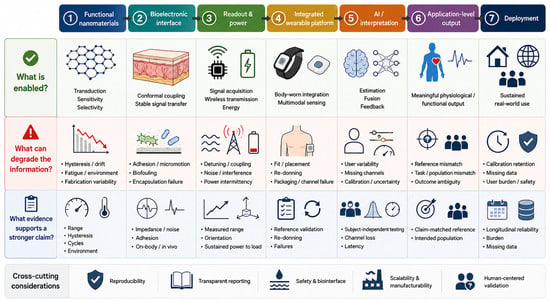
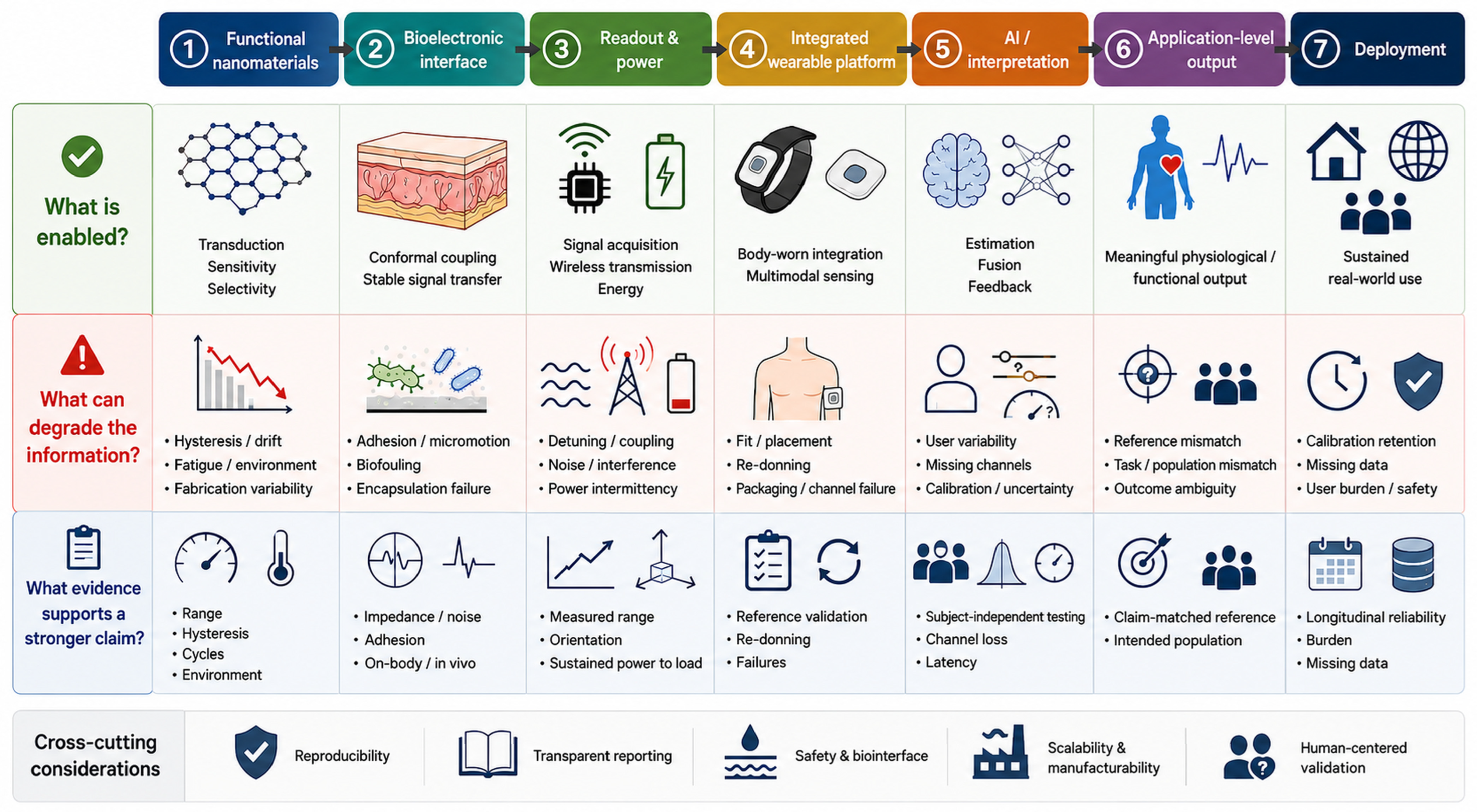
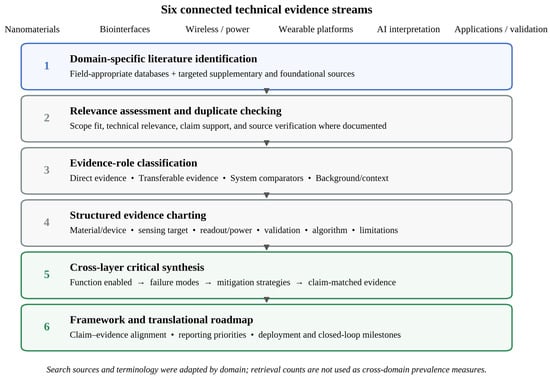
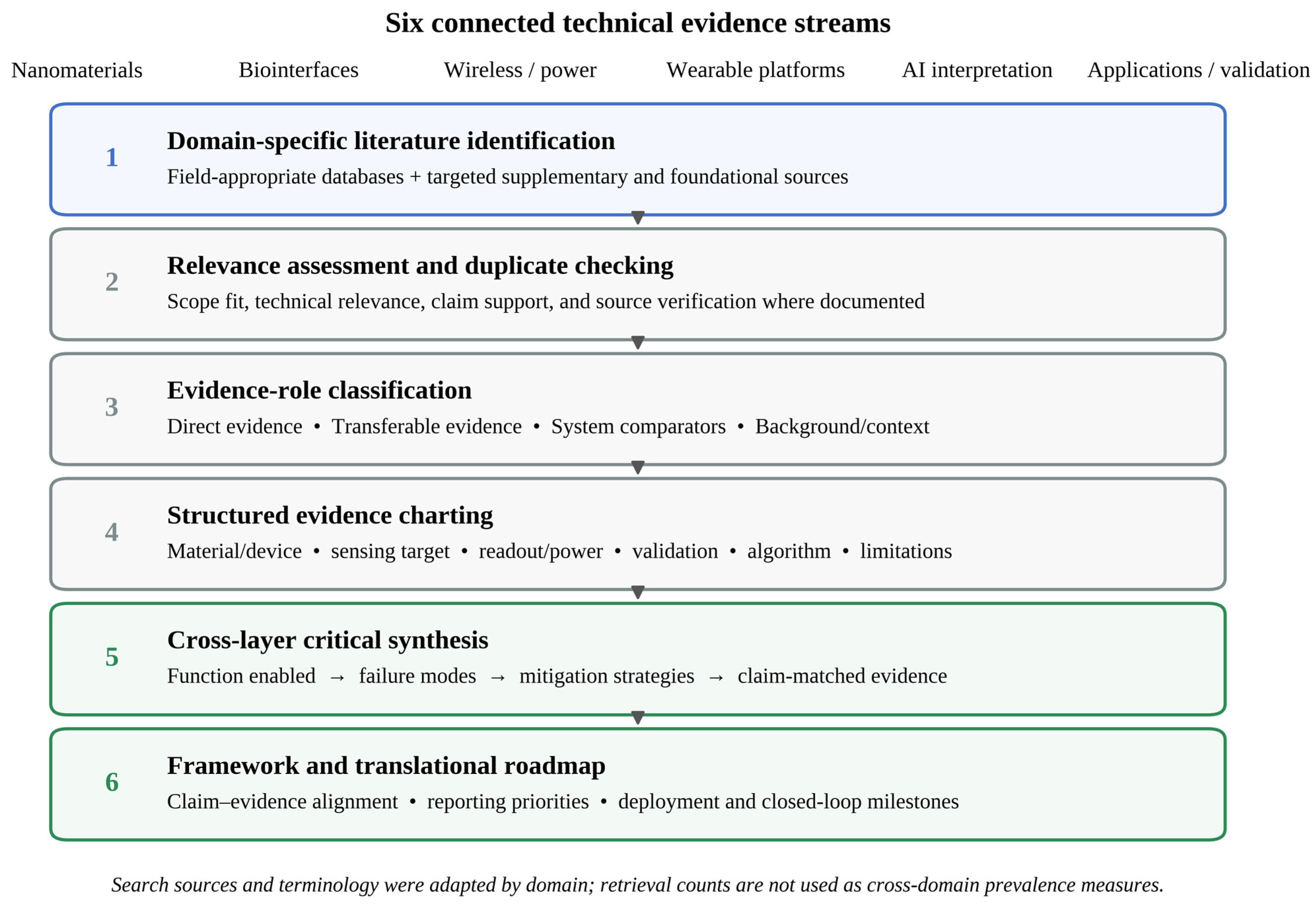
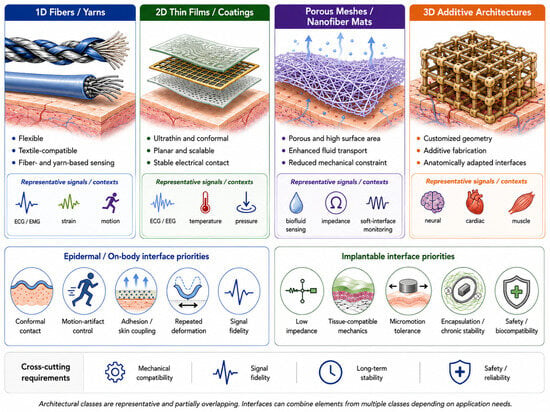
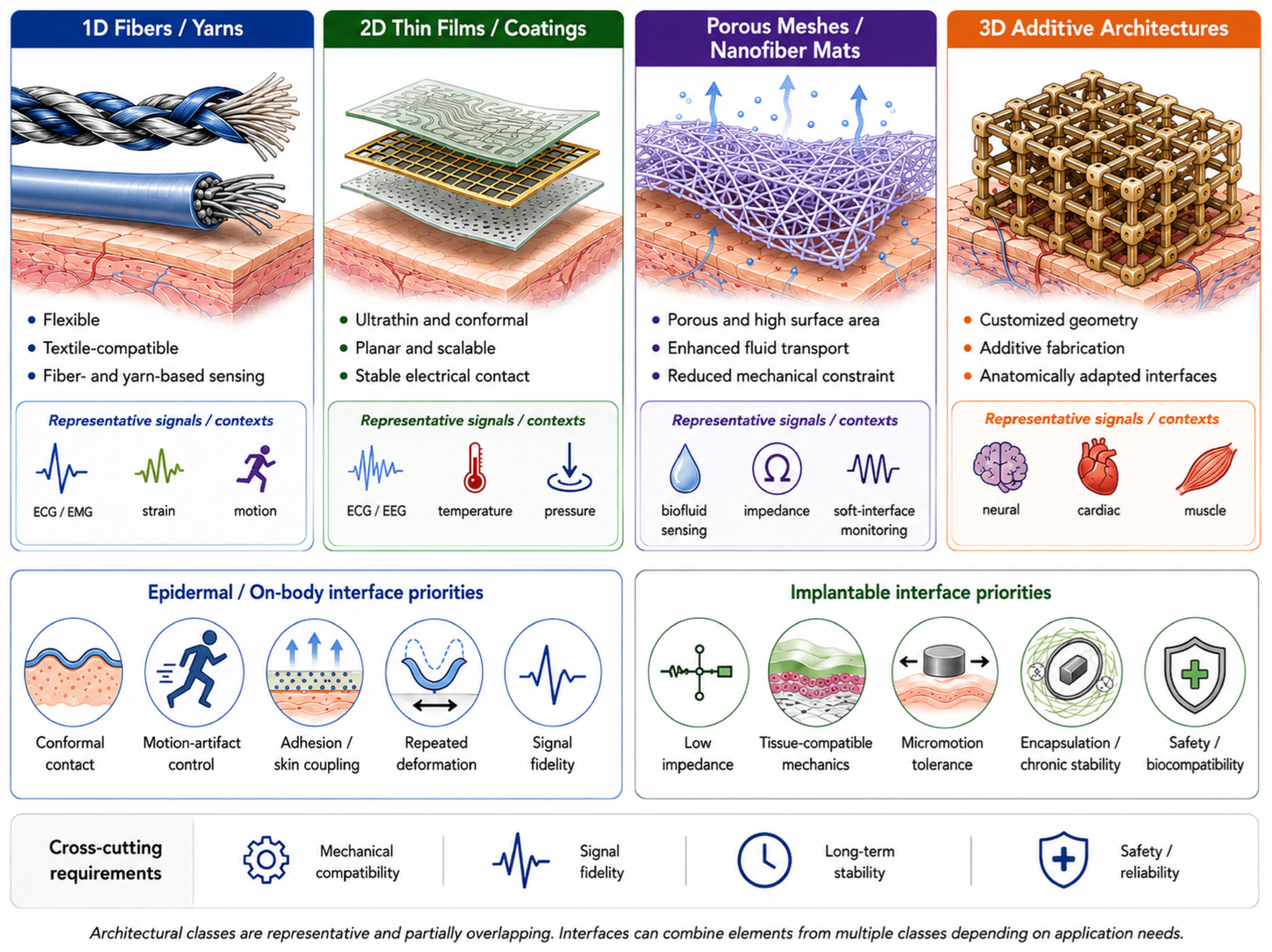
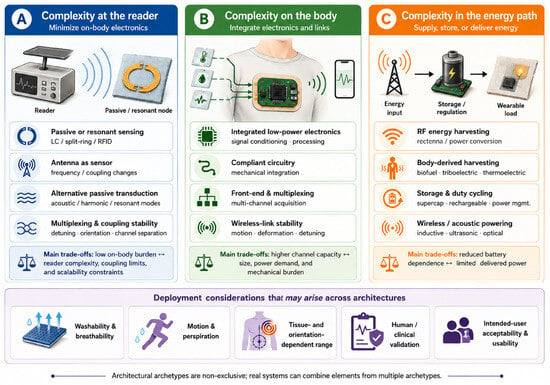
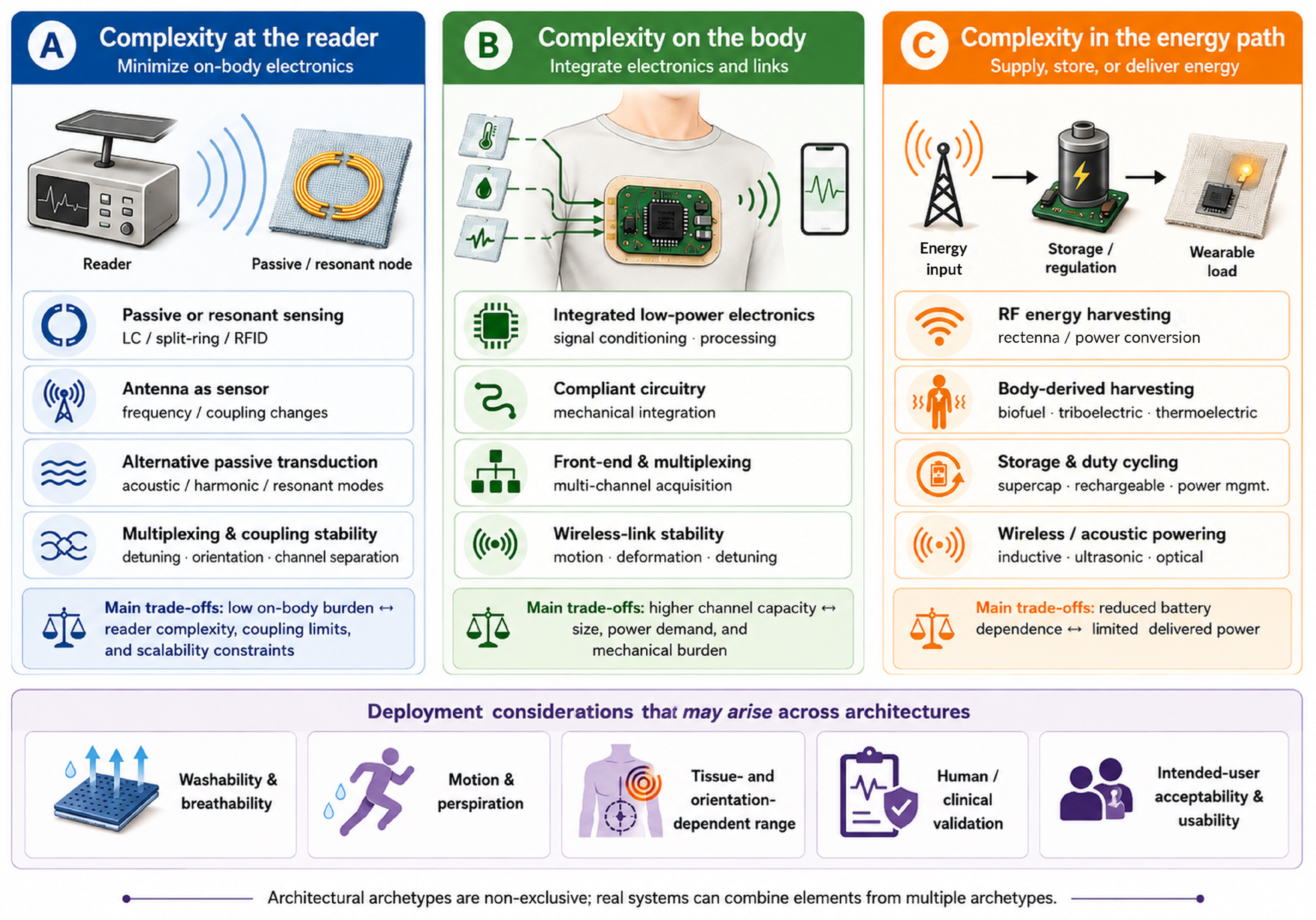
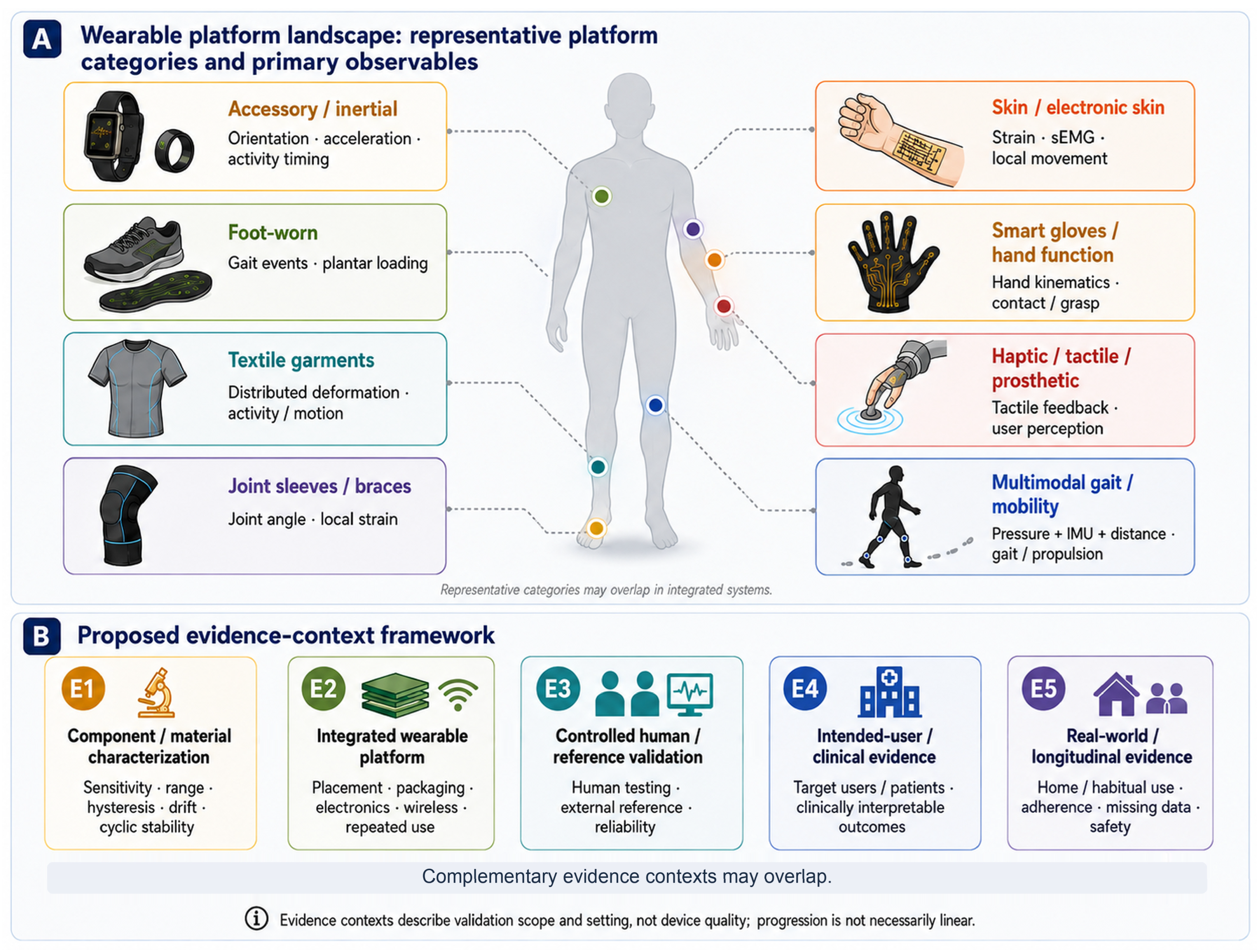
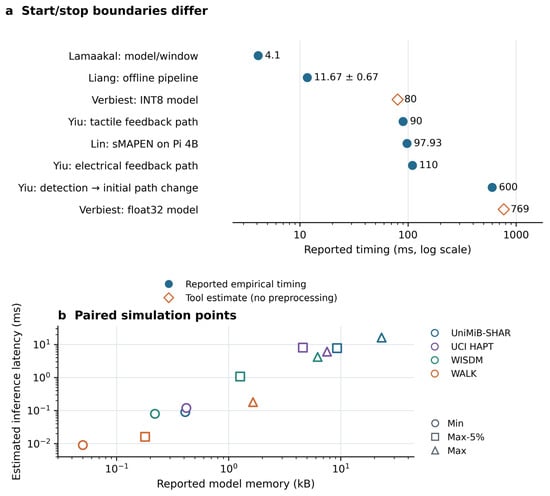
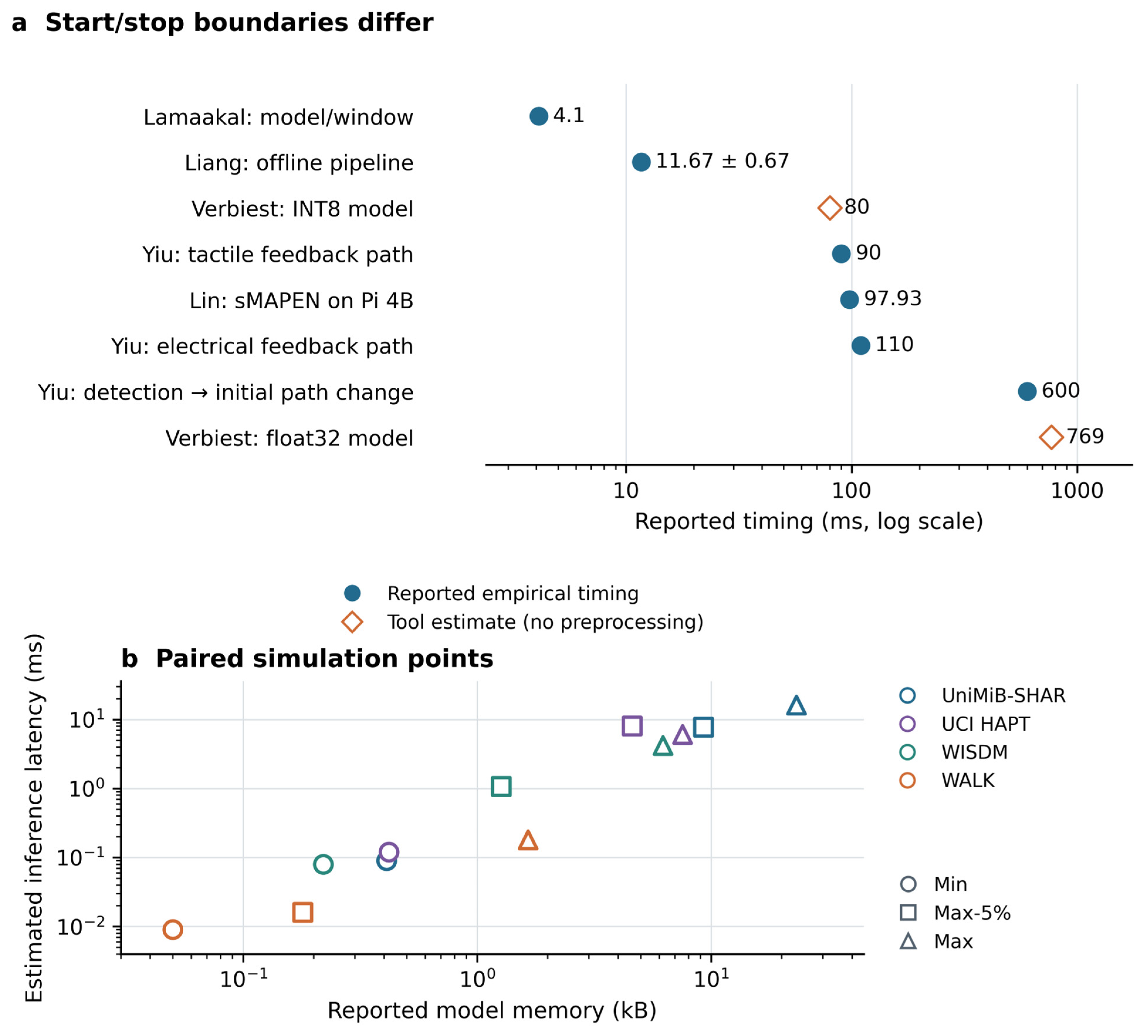

Disclaimer/Publisher’s Note: The statements, opinions and data contained in all publications are solely those of the individual author(s) and contributor(s) and not of MDPI and/or the editor(s). MDPI and/or the editor(s) disclaim responsibility for any injury to people or property resulting from any ideas, methods, instructions or products referred to in the content. |
© 2026 by the authors. Licensee MDPI, Basel, Switzerland. This article is an open access article distributed under the terms and conditions of the Creative Commons Attribution (CC BY) license.