Article

Advancing Breast Cancer Diagnosis through Breast Mass Images, Machine Learning, and Regression Models


1
Biomedical Engineering Program, Electrical and Computer Engineering Department, Faculty of Engineering, Beirut Arab University, Debbieh P.O. Box 11-5020, Lebanon
2
Centre de Recherche du Centre Hospitalier, l’Université de Montréal, Montréal, QC H2X 0A9, Canada
*
Author to whom correspondence should be addressed.
Sensors 2024, 24(7), 2312; https://doi.org/10.3390/s24072312
Submission received: 6 March 2024 / Revised: 24 March 2024 / Accepted: 27 March 2024 / Published: 5 April 2024
(This article belongs to the Special Issue AI-Based Automated Recognition and Detection in Healthcare)

Abstract

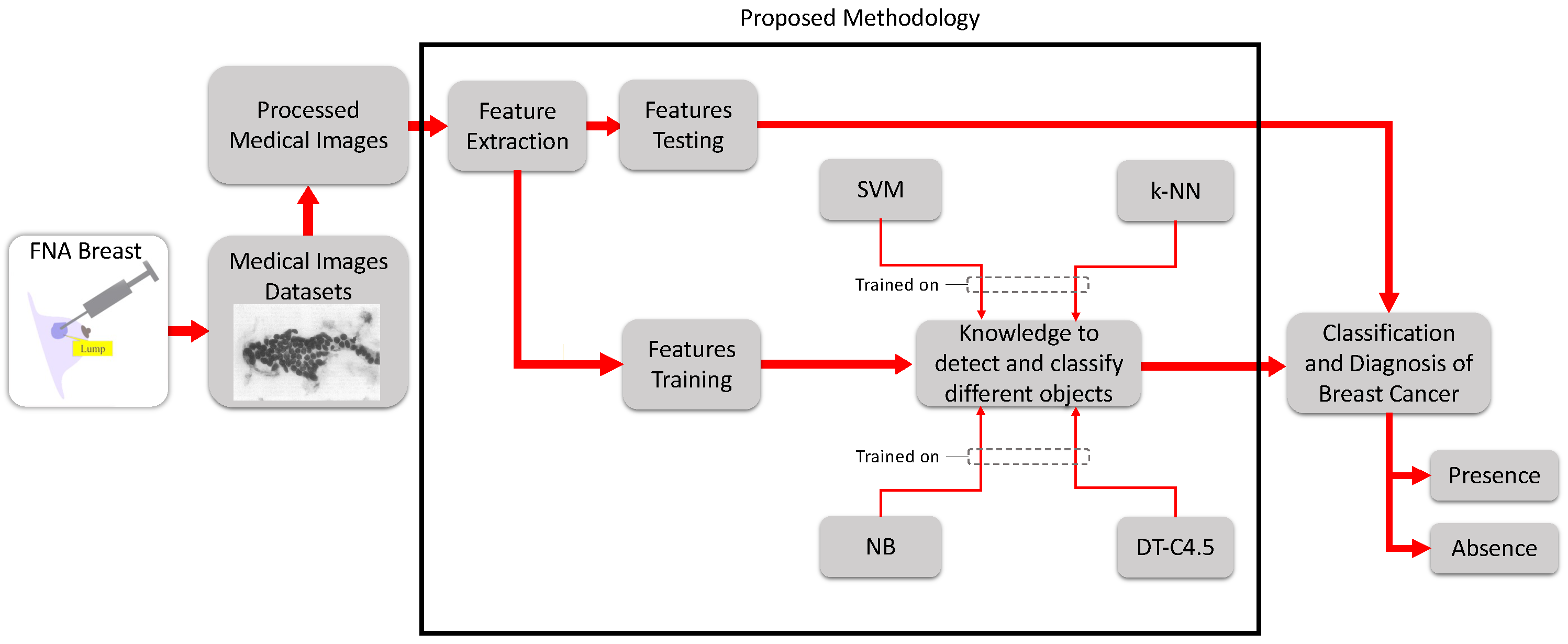
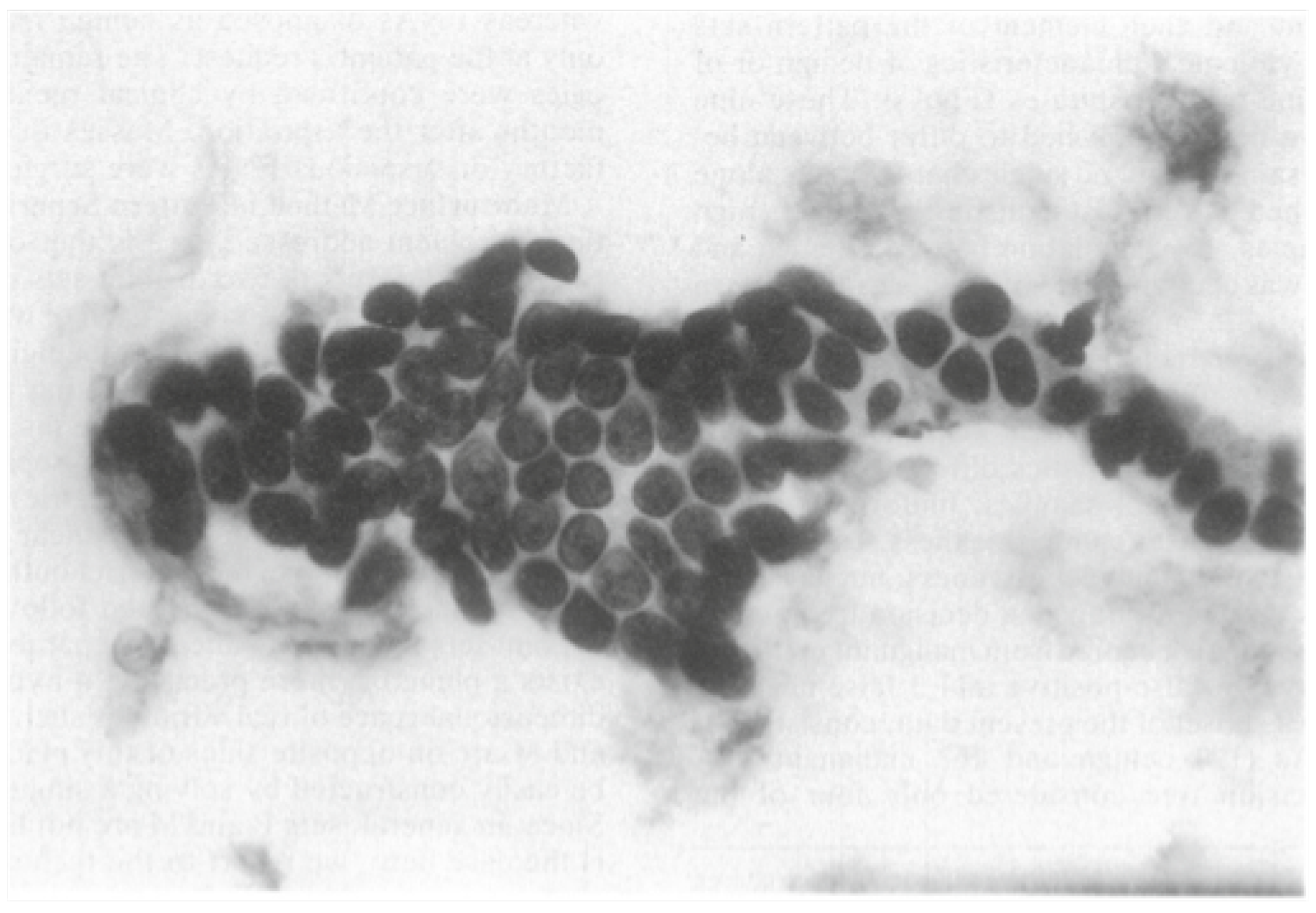
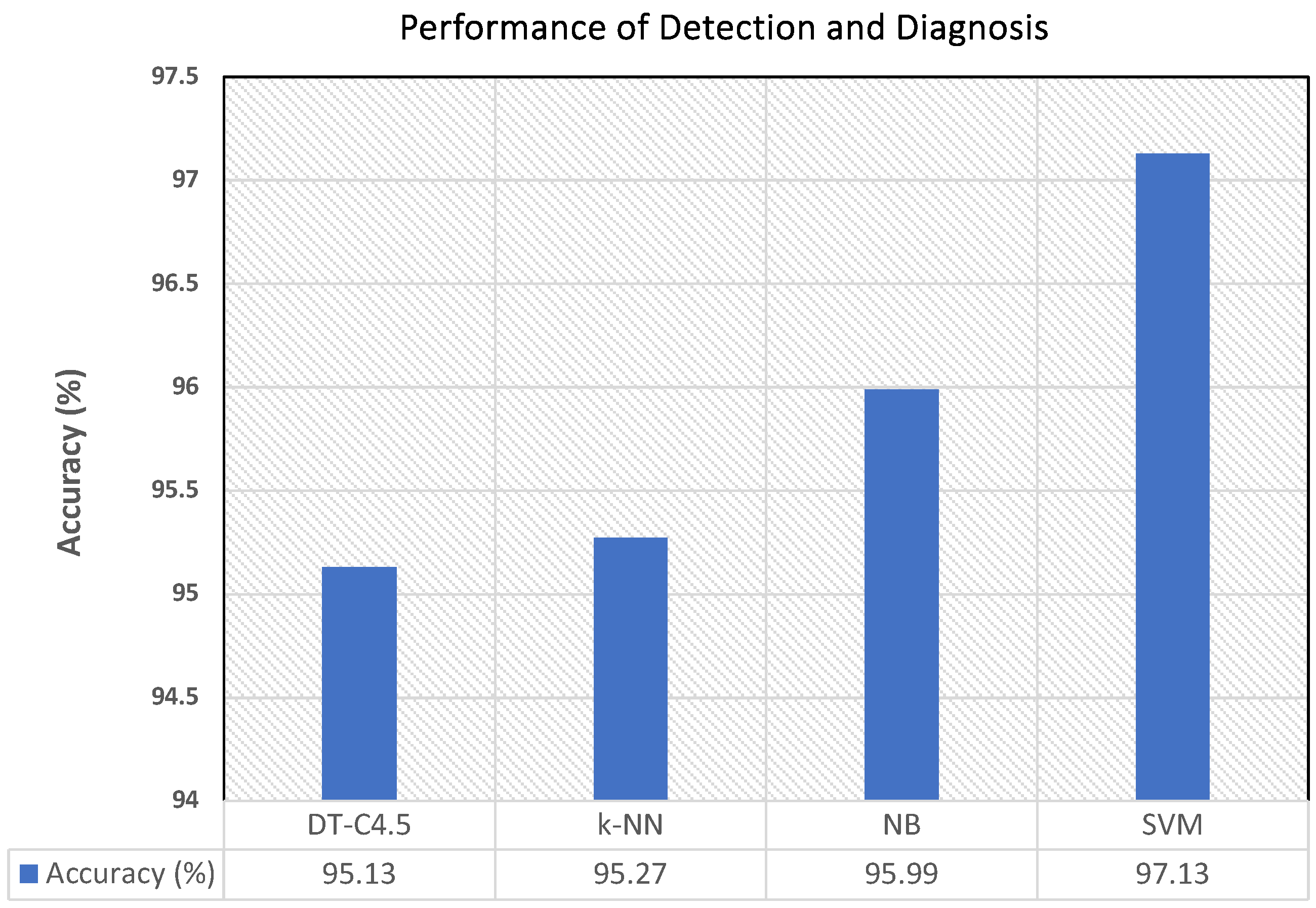
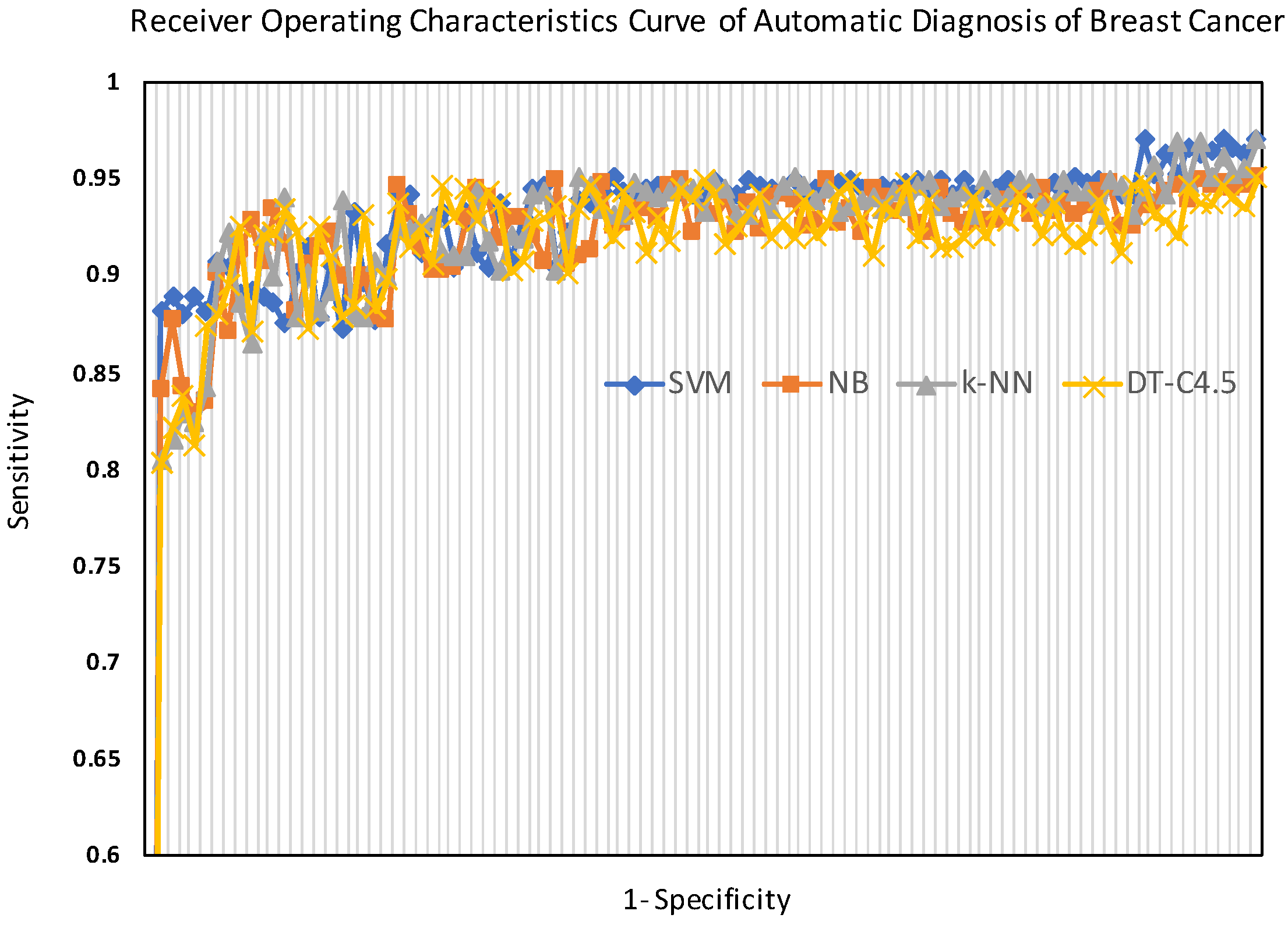
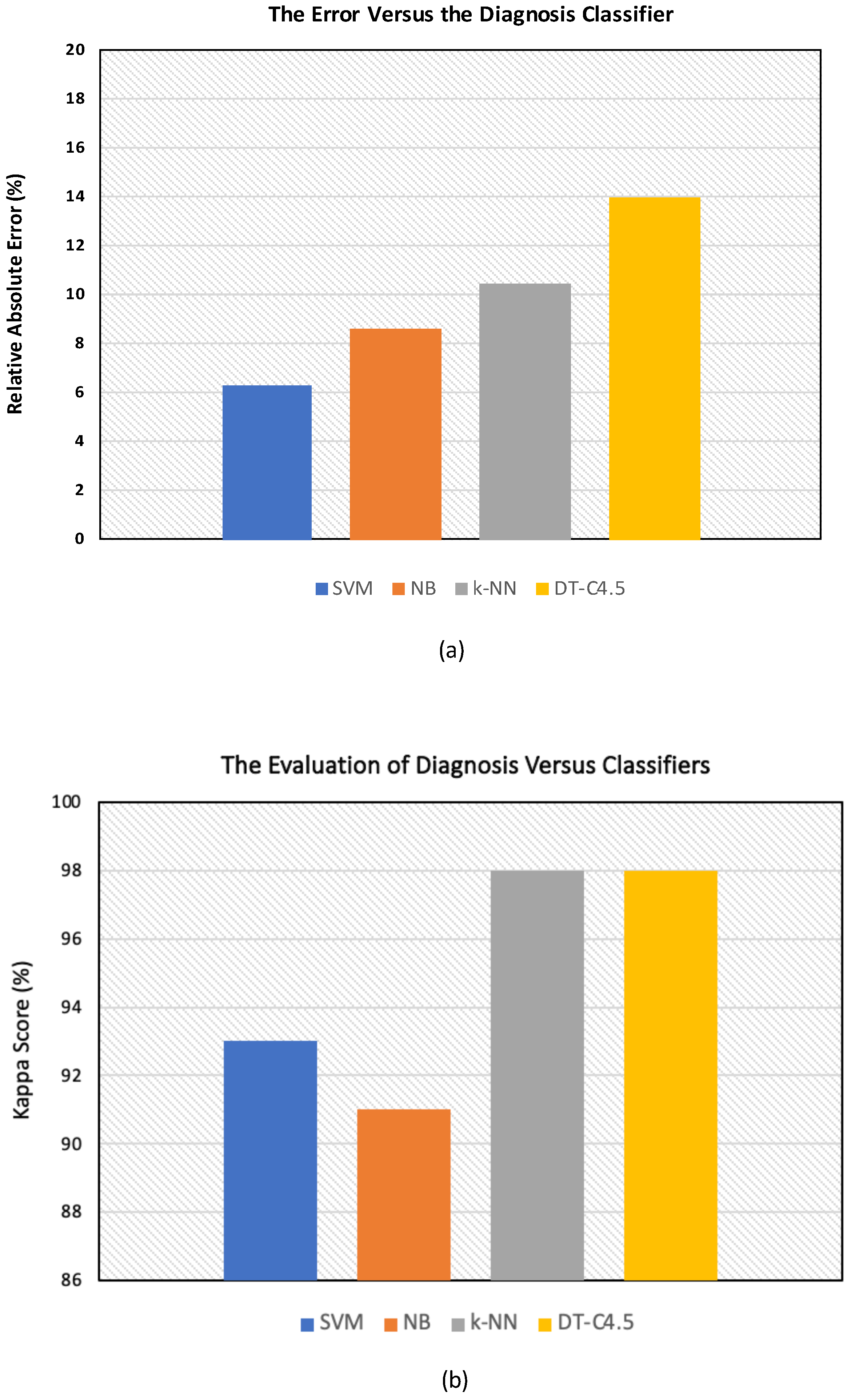
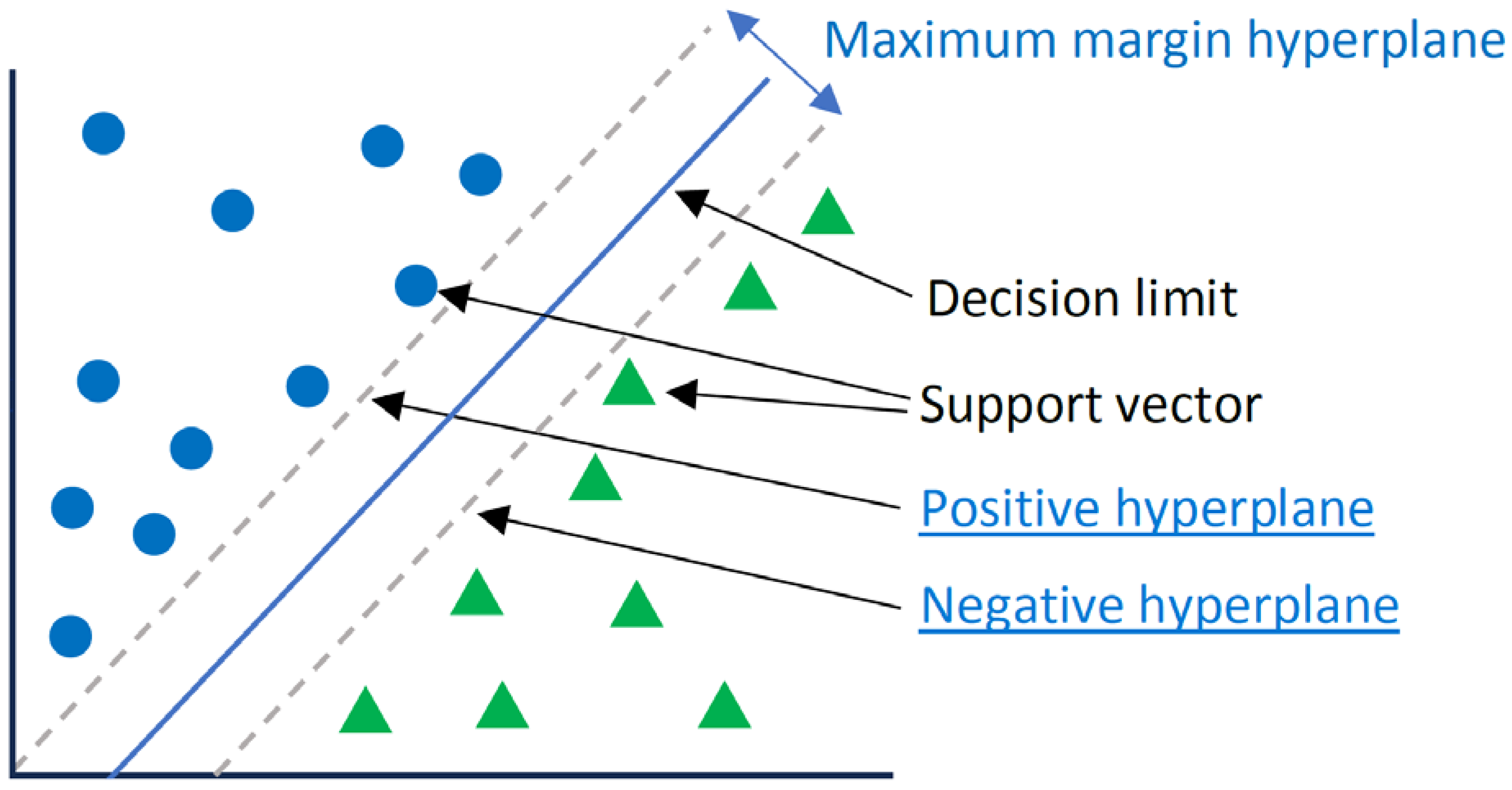
Breast cancer results from a disruption of certain cells in breast tissue that undergo uncontrolled growth and cell division. These cells most often accumulate and form a lump called a tumor, which may be benign (non-cancerous) or malignant (cancerous). Malignant tumors can spread quickly throughout the body, forming tumors in other areas, which is called metastasis. Standard screening techniques are insufficient in the case of metastasis; therefore, new and advanced techniques based on artificial intelligence (AI), machine learning, and regression models have been introduced, the primary aim of which is to automatically diagnose breast cancer through the use of advanced techniques, classifiers, and real images. Real fine-needle aspiration (FNA) images were collected from Wisconsin, and four classifiers were used, including three machine learning models and one regression model: the support vector machine (SVM), naive Bayes (NB), k-nearest neighbors (k-NN), and decision tree (DT)-C4.5. According to the accuracy, sensitivity, and specificity results, the SVM algorithm had the best performance; it was the most powerful computational classifier with a 97.13% accuracy and 97.5% specificity. It also had around a 96% sensitivity for the diagnosis of breast cancer, unlike the models used for comparison, thereby providing an exact diagnosis on the one hand and a clear classification between benign and malignant tumors on the other hand. As a future research prospect, more algorithms and combinations of features can be considered for the precise, rapid, and effective classification and diagnosis of breast cancer images for imperative decisions.
Keywords: breast cancer; breast masses; medical imaging; fine-needle aspiration; diagnosis; artificial intelligence; machine learning; regression breast cancer; breast masses; medical imaging; fine-needle aspiration; diagnosis; artificial intelligence; machine learning; regression