


Abstract
In recent years, with the rapid construction of a safe, clean, efficient and sustainable modern energy system, the intelligence of coal mining has become the inevitable direction of the development of the coal mining industry. The intelligence of coal mining system and equipment is the core of intelligent mining, and the positioning technology of mining equipment is the key to underground intelligent mining. The strapdown inertial navigation system can make up for the shortcomings of traditional GPS positioning systems and laser positioning because of its strong anti-interference, high precision and real-time monitoring, and ability to carry out real-time dynamic positioning of mining equipment in underground coal mines. This paper briefly introduces the basic principle of the strapdown inertial navigation system, analyzes the application of the existing strapdown inertial navigation system in mining equipment, and lists and analyzes the research status of the improvement strategy of the inertial navigation system, such as zero speed correction and integrated navigation technology. Finally, by analyzing the application and future development trend of inertial navigation systems in mining equipment, this paper provides more data and method support for the positioning of mining equipment in the future.
1. Introduction
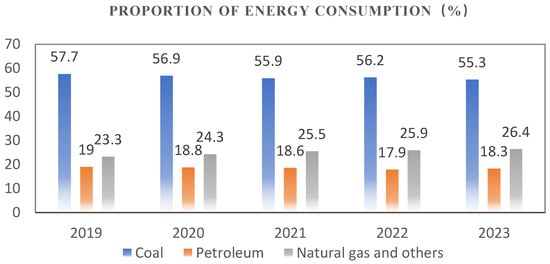
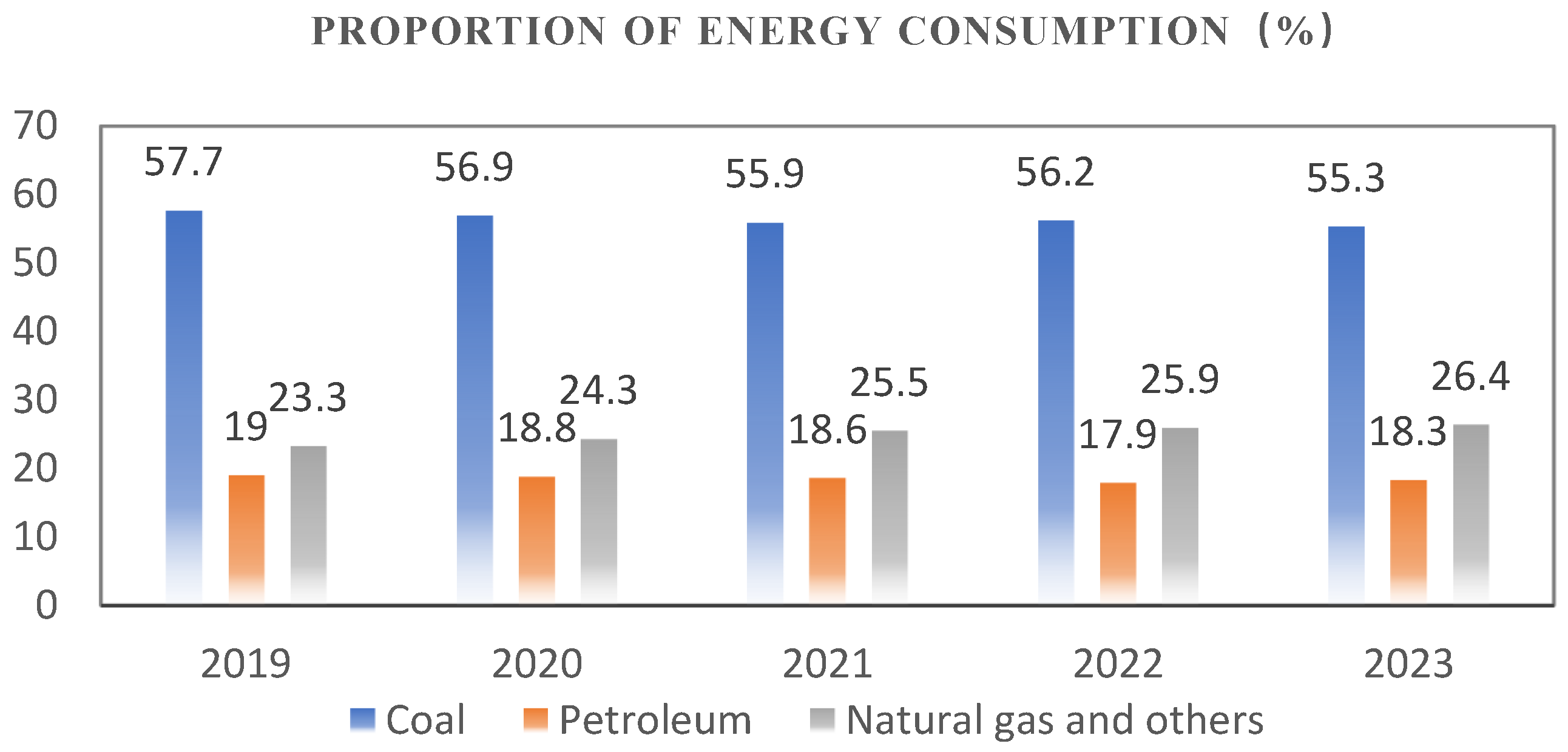
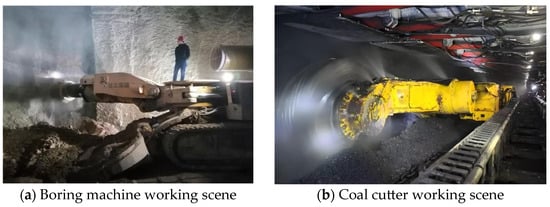
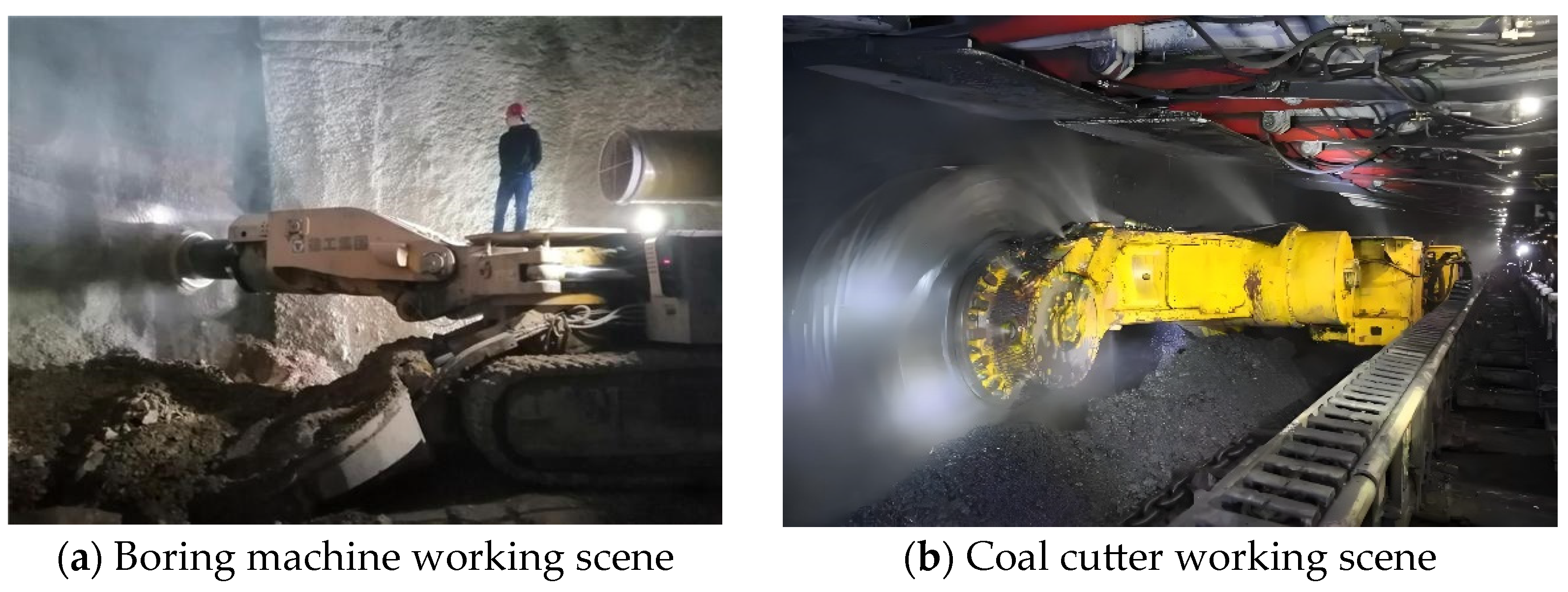
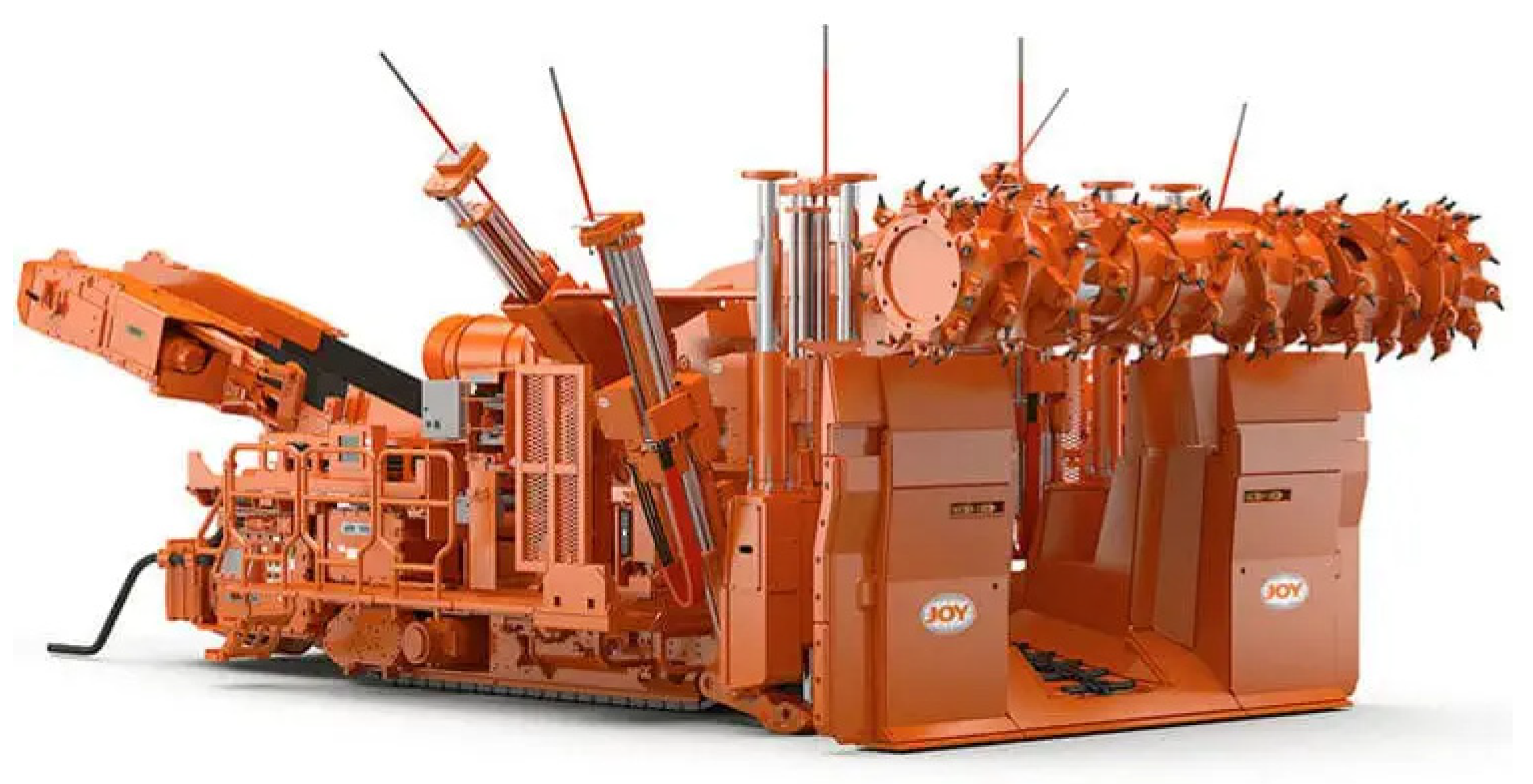
In recent years, with the rapid development of a secure, clean, efficient, and sustainable modern energy system by the country, which is shown in Figure 1, the coal demand has declined. In 2023, China’s coal production reached 4.71 billion tons, an increase of 3.4% year-on-year [1]. In order to achieve substantial and effective development of the coal industry, the intelligentization of coal mining has become a necessity and an inevitable direction for the development of the coal industry [2]. Within the intelligentization standard system [3] established by the Wang Guofa Court scholar, intelligent systems and equipment are critical technologies for coal mine intelligence. In underground mining, intelligent systems and equipment include tunneling systems, extraction systems, transport systems, and ventilation systems. Among these, the tunneling and extraction systems, which pertain to the intelligentization of mining equipment, are particularly significant. Accurate positioning and navigation of underground equipment is a prerequisite for the intelligentization of mining tools. However, the operation of these tools often generates significant amounts of dust and water vapor, complicating the working environment. Additionally, as shown in Figure 2, the operation of coal cutters and tunneling machines produces strong vibration signals, which can severely interfere with precise positioning. Therefore, achieving accurate positioning for mining equipment poses significant challenges.
Figure 1.
Energy consumption structure chart in 2019–2023.
Figure 2.
Excavation equipment work site.
With the continuous development of mining technology, the increasing depth of coal mines, and the complexity of mining environments, the positioning and attitude control technology of excavation equipment is playing an increasingly important role in mining production. This technology refers to the precise control of the posture and position of excavation equipment through various sensors and control systems, ensuring safe and stable operations. In light of the challenges and issues faced by excavation equipment, many scholars, both domestically and internationally, have conducted extensive research and practices. Various attempts have been made regarding existing positioning and attitude control technologies, as reflected in the comparative analysis shown in Table 1.
Table 1.
Comparison of positioning technology of mining equipment.
In comparison to other attitude and positioning technologies, inertial navigation systems can independently complete positioning and attitude calculations without the need for external signal sources, thus offering higher accuracy and stability [4]. Meanwhile, global navigation satellite systems and optical navigation technologies often face challenges in the complex environments of underground coal mines. Mining equipment is frequently disturbed by geological conditions, low visibility, and confined spaces, leading to difficulties in achieving precise positioning and attitude determination. Inertial navigation systems can effectively suppress interference signals through built-in filtering algorithms, enhancing the system’s robustness and anti-interference capabilities, which ensures that equipment can reliably carry out positioning and attitude control tasks.
Due to the numerous advantages of inertial navigation systems in underground operations, the autonomy and intelligence of mining equipment have been enhanced, reducing reliance on manual operations, which has led to the widespread application of these systems in increasingly automated and intelligent mining tools. This article provides a systematic overview of the use of strapdown inertial navigation technology in coal mining equipment, elaborating on its technical principles, applications, and improvement methods. It discusses the progress of strapdown inertial navigation systems in coal mines and analyzes the key issues and solutions related to pose estimation and positioning of mining equipment.
5. Conclusions
(1) The strapdown inertial navigation system, as a relatively advanced navigation and positioning system, possesses several advantages, including strong anti-jamming capability, compact size, lightweight, high perception accuracy, high reliability, good real-time performance, and independence from external information. It can achieve real-time automated remote attitude positioning and has been successfully applied to the attitude positioning of mining equipment in comprehensive tunneling and mining faces. This paper systematically introduces the current widely used inertial navigation positioning technology in mining equipment from technical principles, practical applications, and improvement strategies.
(2) Mining and excavation projects often feature characteristics such as wide coverage, strong concealment, harsh environments, high dynamic response requirements, and long positioning cycles. In actual production activities, the appropriate attitude positioning technology is usually selected based on the positioning goals and the environment. This paper analyzes commonly used attitude positioning technologies in mining engineering, including GPS positioning, visual positioning, and laser positioning. It elaborates on the unique advantages of strapdown inertial navigation systems in the application of mining equipment.
(3) This section outlines the development history of strapdown inertial navigation systems in mining equipment and analyzes their important roles in memory cutting, working face straightening, and precise positioning of excavation equipment. Moreover, due to the complex environment of the tunneling working face and the extended working time, the inherent shortcomings of strapdown inertial navigation systems, particularly the cumulative positioning errors that arise from a prolonged operation, are also revealed. Therefore, the application of strapdown inertial navigation systems in mining equipment requires significant improvements and refinements.
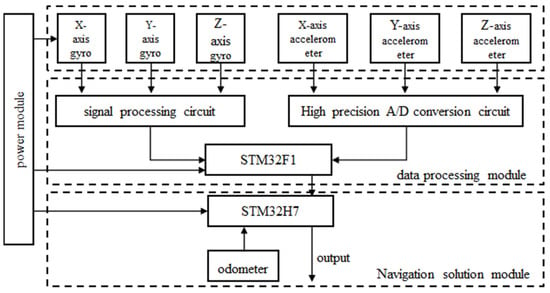
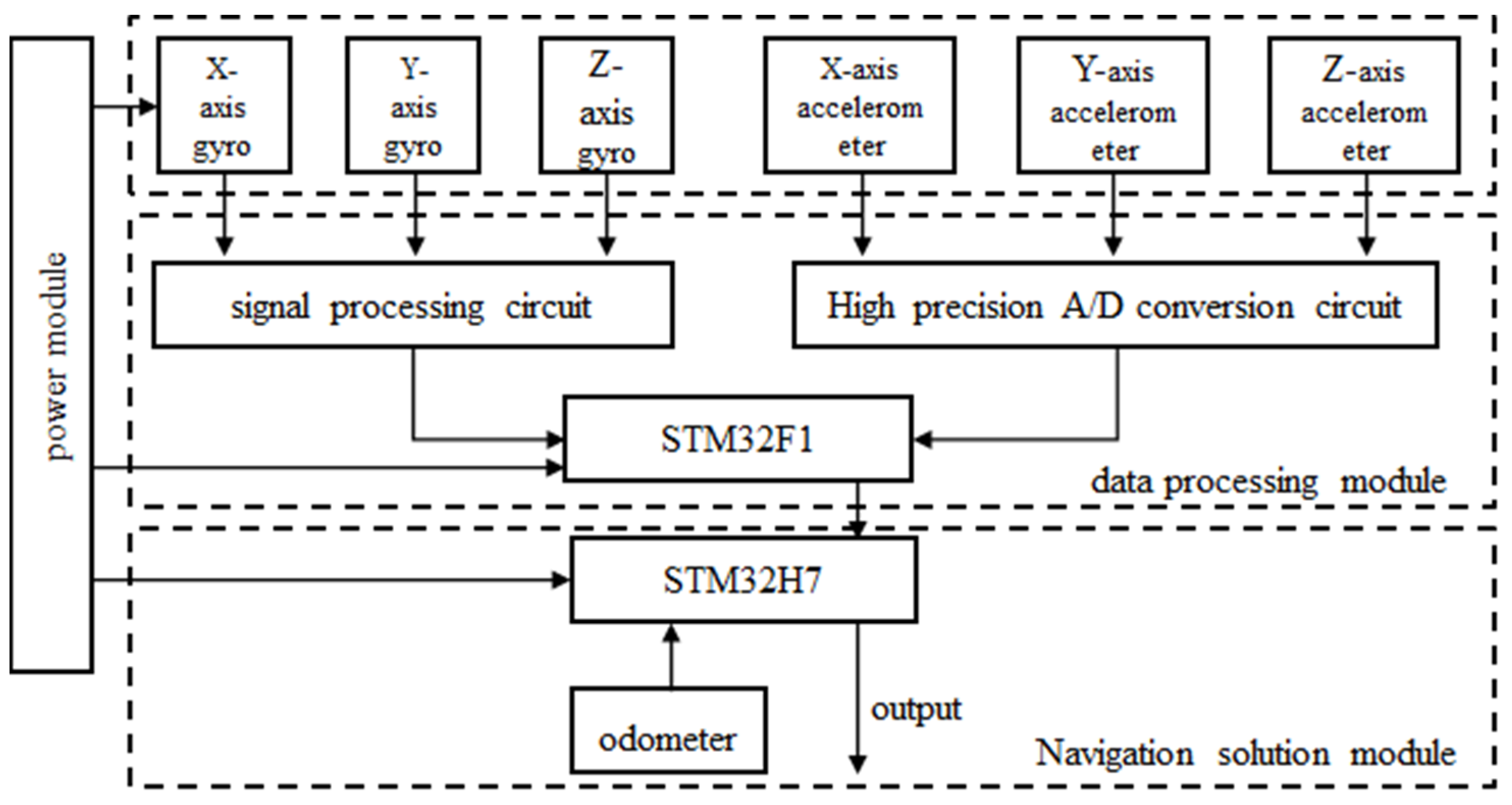
(4) This section analyzes the improvement strategies for strapdown inertial navigation systems in addressing cumulative errors. Firstly, error correction during the carrier’s zero-velocity state is achieved through secondary fitting calculations and auxiliary computations using STM32 microcontrollers to implement corrections in the zero-velocity state. Additionally, the introduction of dynamic zero-correction technology allows for error observation and correction without requiring the carrier to be in a stationary state. This is accomplished through algorithms such as Kalman filtering to correct the errors inherent in the inertial navigation system itself.
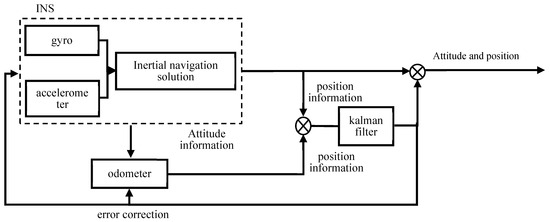
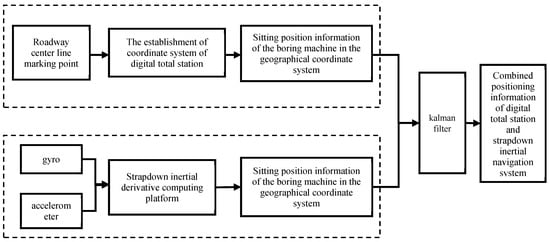
(5) In terms of combined navigation technology that integrates strapdown inertial navigation systems with other attitude positioning technologies, this section explores the combination of strapdown inertial navigation systems with wireless sensor networks, GPS systems, total stations, and visual positioning technologies. This approach aims to leverage the strengths of each technology to compensate for its weaknesses, thereby achieving higher precision and greater efficiency in attitude positioning.
Currently, the research and application of strapdown inertial navigation systems in mining equipment are still in the early research stage and are far less developed and precise compared to applications in other industrial fields. This is largely due to the complexity of the mining work environment. In the improvement strategies, whether it is zero-velocity correction technology or combined navigation technology, the calculation and integration of algorithms are essential. Therefore, to achieve a more precise attitude positioning of excavation equipment, it is necessary to conduct in-depth research on algorithms that can be applied to zero-velocity correction and combined navigation technology, which are both more accurate and practical for real-world applications. The algorithms and integrated navigation research presented in this paper can provide ideas and method support for future work. This ongoing effort will continuously enhance the precision of strapdown inertial navigation systems and improve the effectiveness of attitude positioning in mining equipment.
Author Contributions
Among the authors, M.L. and G.W. conceived and designed the experiments; D.Z. and K.L. wrote the paper; X.F. and M.L. reviewed and revised the paper; G.W., D.Z. and K.L. collected the papers in the research field. All authors have read and agreed to the published version of the manuscript.
Funding
This work was supported by the National Natural Science Foundation of China (Nos. 52474186, 52474183, 52104167 and 52004273).
Institutional Review Board Statement
Not applicable.
Informed Consent Statement
Not applicable.
Data Availability Statement
All data and code used or analyzed in this study are available from the corresponding author on reasonable request.
Acknowledgments
The authors thank the editor and three anonymous reviewers of the paper. Their constructive suggestions and comments have considerably improved the quality of the paper.
Conflicts of Interest
The authors declare no conflict of interest.
References
- Jiang, F.; Kang, J.; Huang, X.; Zhu, Z.; Zhou, G.; Peng, Y. A Positioning Method for Underground Trackless Rubber Wheel Vehicle Based on the Fusion of Multiple Encoders and Strapdown Inertial Navigation System. Available online: http://kns.cnki.net/kcms/detail/11.2402.TD.20240823.1900.002.html (accessed on 27 August 2024).
- Wang, G.; Liu, F.; Meng, X.; Fan, J.; Wu, Q.; Ren, H.; Pang, Y.; Xu, Y.; Zhao, G.; Zhang, D.; et al. Research and practice on intelligent coal mine construction(primary stage). Coal Sci. Technol. 2019, 47, 1–36. [Google Scholar] [CrossRef]
- Wang, G.; Ren, H.; Pang, Y.; Cao, X.; Zhao, G.; Chen, H.; Du, Y.; Mao, S.; Xu, Y.; Ren, S.; et al. Research and engineering progress of intelligent coal mine technical system in early stages. Coal Sci. Technol. 2020, 48, 1–27. [Google Scholar] [CrossRef]
- Wang, J.-h.; Huang, L.-t.; Li, S.-b.; Huang, Z.-h. Development of intelligent technology and equipment in fully-mechanized coal mining face. J. Coal Soc. 2014, 39, 1418–1423. [Google Scholar]
- Tian, W.; Tian, Y.; Jia, Q.; Zhang, K. Research status and development trend of cantilever roadheader navigation technology. Coal Sci. Technol. 2022, 50, 267–274. [Google Scholar] [CrossRef]
- Yang, H.; Li, W.; Luo, C.; Fan, M.; Ying, B. Experimental study on position and attitude technique for cutter using SINS measurement. J. Coal Soc. 2014, 39, 2550–2556. [Google Scholar] [CrossRef]
- Grewal, M.S.; Weill, L.R.; Andrews, A.P. Global Positioning Systems, Inertial Navigation, and Integration; Wiley-Interscience: Hoboken, NJ, USA, 2007; Available online: https://search.ebscohost.com/login.aspx?direct=true&db=edsebk &AN=188233&lang=zh-cn&site=eds-live (accessed on 2 October 2024).
- Yang, H. Research on Accurate Position and PosePerception Theory and Technology for Cutterwith SINS/WSN Integrated Localization. Ph.D. Thesis, China University of Mining and Technology, Xuzhou, China, 2016. [Google Scholar]
- Wu, G. Research on High Precision Sensing Theory and Technology of Cutter Operating Attitude Based on SINS. Ph.D. Thesis, China University of Mining and Technology, Xuzhou, China, 2021. [Google Scholar] [CrossRef]
- Wu, G.; Fang, X.; Song, Y.; Liang, M.; Che, N. Experimental study on running attitude sensing and error compensation of cutter based on SINS. J. Min. Saf. Eng. 2023, 40, 668–678. [Google Scholar] [CrossRef]
- Gao, W.; Miao, L.; Ni, M. Multiple fading factors Kalman filter for SINS static alignment application. Chin. J. Aeronaut. 2011, 24, 476–483. [Google Scholar] [CrossRef] [Scilit]
- Wu, G.; Fang, X.; Zhang, L.; Liang, M.; Lv, J.; Quan, Z. Positioning accuracy of the cutter based on strapdown inertial navigation system in underground coal mining. Appl. Sci. 2020, 10, 2176. [Google Scholar] [CrossRef] [Scilit]
- Directorate-general for Research and Innovation. New Mechanisation and Automation of Longwall and Drivage Eequipment; Luxembourg European Commission: Luxembourg, 2011; pp. 1–14. [Google Scholar]
- Kelly, M.; Hainsworth, D.; Reid, D.; Lever, P.; Gurgenci, H. Longwall automation: A new approach. In Proceedings of the 3th International Symposium “High Performance Mine Production”, Aachen, France, 11–12 June 2003; CSIRO Exploration& Mining: Aachen, France, 2003; pp. 5–16. [Google Scholar]
- Ge, S.; Wang, S.; Cao, B.; Wang, S.; Lv, J. Autonomous positioning principle and technology of intelligent cutter and conveyor. J. Coal Soc. 2022, 47, 75–86. [Google Scholar] [CrossRef]
- Wang, J.; Huang, Z. Innovation and Development of Intelligent Coal Mining Science and Technology in China. Coal Sci. Technol. 2014, 42, 1–6+21. [Google Scholar]
- Wang, J.; Peng, S.S.; Li, Y. State-of-the-art in underground coal mining and automation technology in the United States. J. Coal Soc. 2021, 46, 36–45. [Google Scholar] [CrossRef]
- Wang, J.; Huang, Z. The Recent Technological Development of Intelligent Mining in China. Engineering 2017, 3, 24–35. [Google Scholar] [CrossRef] [Scilit]
- Merchiers, A.; Mavroudis, F.; Purtz, M. Industrie 4.0 champion-hochautomatisierte systeme untertägigen bergbau. GeoResources 2016, 2, 31–40. [Google Scholar]
- Mavroudis, F.; Pierburg, L. Smart mining creates new openings in the global commodities market. Min. Rep. 2017, 153, 59–68. [Google Scholar]
- Yang, W. Research on Laser Navigation Method and Key Technology of Anchor Digging Machine. Ph.D. Thesis, Liaoning Technical University, Fuxin, China, 2023. [Google Scholar] [CrossRef]
- Brossard, M.; Barrau, A.; Bonnabel, S. RINS-W: Robust Inertial Navigation System on Wheels. In Proceedings of the 2019IEEE/RSJ International Conference on Intelligent Robots and Systems (IROS), Macau, China, 3–8 November 2019. [Google Scholar]
- Li, Y.; Wang, S. Analysis of the Influence of Environmental Factors on Inertial Navigation System Performance in Underground Mines. Int. J. Min. Sci. Technol. 2018, 28, 233–240. [Google Scholar]
- Gao, Y.; Zhang, H. A Review of Inertial Navigation Systems in Mining Applications. Min. Technol. 2019, 128, 81–90. [Google Scholar]
- Tian, Y. Inertial navigation positioning method of roadheader based on zero-velocity update. J. Mine Autom. 2019, 45, 70–73. [Google Scholar]
- Tian, Y. Research and Test on Inertial Positioning Technology of Boom-Type Roadheader. Colliery Mech. Electr. Technol. 2020, 41, 9–12. [Google Scholar]
- Hao, J. Optimization of Navigation System for Roadheader in Fully Mechanized Excavation Face. Jiangxi Coal Scince Technol. 2024, 1, 115–117. [Google Scholar]
- Sun, W.; Li, S.; Li, R. Research on attitude determination technology of mining machine based on ZUPT. J. Electron. Meas. Instrum. 2015, 29, 1829–1835. [Google Scholar]
- Fang, J.; Gu, Q.T.; Ding, T.H. Dynamic zero velocity update for vehicle inertial navigation system. J. Chin. Inert. Technol. 2008, 16, 265–268. [Google Scholar]
- Wang, S.; Wang, S.; Zhang, B.; Ge, S. Dynamic zero-velocity update technology to cutter inertial navigation positioning. J. Coal Soc. 2018, 43, 578–583. [Google Scholar] [CrossRef]
- Fan, Q.G.; Li, W.; Wang, Y.Q.; Yang, X.F. A cutter dynamic positioning method using strap down inertial navigation. J. Coal Soc. 2011, 36, 1758–1761. [Google Scholar]
- Fan, Q.G.; Li, W. Study on Equipments Positioning and Task Coordination for Three Machines Controlling on the Mechanized Mining Face. J. Mech. Eng. 2015, 51, 152. [Google Scholar]
- Ge, S.; Su, Z.; Li, A.; Wang, S.; Hao, S.; Liu, W.; Meng, L. Study on the positioning and orientation of a cutter based on geographic information system. J. Coal Soc. 2015, 10, 2503–2508. [Google Scholar]
- Shi, J.; Ma, H.; Mao, Q.; Zhang, Y.; Hua, H. Positioning method of cutter based on “SINS+OD”. Coal Eng. 2021, 53, 143–147. [Google Scholar]
- Han, S.; Ren, X.; Lu, J.; Dong, J. An Orientation Navigation Approach Based on INS and Odometer Integration for Underground Unmanned Excavating Machine. IEEE Trans. Veh. Technol. 2020, 69, 10772–10786. [Google Scholar] [CrossRef] [Scilit]
- Ma, H.; Mao, J.; Mao, Q.; Zhang, X.; Liu, B. Automatic positioning and orientation method of roadheader based on combination of ins and digital total station. Coal Sci. Technol. 2022, 50, 189–195. [Google Scholar] [CrossRef]
- Huang, D.; Yang, L.; Luo, W.; Zahng, X.; Shi, S.; Huang, Z.; Wang, J. Study on measurement method of realtime position and attitude of roadheader based on vision/inertial navigation system. Laser Technol. 2017, 41, 19–23. [Google Scholar]
- Yang, J.; Zhang, G.; Huang, Z.; Ye, Y.; Ma, B.; Wang, Y. Research on position and orientation measurement method for roadheader based on vision/INS. In Proceedings of the International Conference on Optical Instruments and Technology—Optoelectronic Measurement Technology and Systems, Beijing, China, 28–30 October 2017. [Google Scholar]
- Mao, Q.; Zhang, X.; Ma, H.; Xue, X. Study on spatial position and posture monitoring system of boom-type roadheader based on multi sensor information. Coal Sci. Technol. 2018, 46, 41–47. [Google Scholar]
- Wang, Y.; An, Z.; Huang, Z.; Zhang, X.; Xiang, J.; Zhang, K. Combination measurement method of coal mine roadheaders based on space vector constraint. Laser Technol. 2019, 43, 804–808. [Google Scholar]
- Zhang, C. Research on Integrated Positioning Technology of Boom-Type Roadheader Based on Binocular Vision and Strapdown Inertial Navigation. Master’s thesis, Xi’an University of Science and Technology, Xi’an, China, 2020. [Google Scholar]
- Zhang, C.; Zhang, X.; Du, Y.; Yang, W.; Zhang, K. Measuring technique of cantilever roadheader position based on binocular stereo vision. Coal Sci. Technol. 2021, 49, 225–235. [Google Scholar] [CrossRef] [Scilit]
- Mao, Q.; Zhou, Q.; An, Y.; Xue, X.; Yang, W. Precise positioning method of tunneling machine for inertial navigation and visual information fusion. Coal Sci. Technol. 2024, 52, 236–248. [Google Scholar]

Disclaimer/Publisher’s Note: The statements, opinions and data contained in all publications are solely those of the individual author(s) and contributor(s) and not of MDPI and/or the editor(s). MDPI and/or the editor(s) disclaim responsibility for any injury to people or property resulting from any ideas, methods, instructions or products referred to in the content. |
© 2024 by the authors. Licensee MDPI, Basel, Switzerland. This article is an open access article distributed under the terms and conditions of the Creative Commons Attribution (CC BY) license (https://creativecommons.org/licenses/by/4.0/).