


Abstract
Background: Sleep and affective states are closely intertwined. Nevertheless, previous methods to evaluate sleep-affect associations have been limited by poor ecological validity, with a few studies examining temporal or dynamic interactions in naturalistic settings. Objectives: First, to update and integrate evidence from studies investigating the reciprocal relationship between daily sleep and affective phenomena (mood, affect, and emotions) through ambulatory and prospective monitoring. Second, to evaluate differential patterns based on age, affective disorder diagnosis (bipolar, depression, and anxiety), and shift work patterns on day-to-day sleep-emotion dyads. Third, to summarise the use of wearables, actigraphy, and digital tools in assessing longitudinal sleep-affect associations. Method: A comprehensive PRISMA-compliant systematic review was conducted through the EMBASE, Ovid MEDLINE(R), PsycINFO, and Scopus databases. Results: Of the 3024 records screened, 121 studies were included. Bidirectionality of sleep-affect associations was found (in general) across affective disorders (bipolar, depression, and anxiety), shift workers, and healthy participants representing a range of age groups. However, findings were influenced by the sleep indices and affective dimensions operationalised, sampling resolution, time of day effects, and diagnostic status. Conclusions: Sleep disturbances, especially poorer sleep quality and truncated sleep duration, were consistently found to influence positive and negative affective experiences. Sleep was more often a stronger predictor of subsequent daytime affect than vice versa. The strength and magnitude of sleep-affect associations were more robust for subjective (self-reported) sleep parameters compared to objective (actigraphic) sleep parameters.
Keywords:
sleep; circadian rhythms; affect; mood; emotions; actigraphy; prospective; systematic review 1. Introduction
Accumulative evidence indicates a close and complex connection between sleep and affective functioning. Extant studies across naturalistic and experimental settings show compromised sleep, increases the prevalence of negative emotions, reduces positive mood states and general wellbeing, dampens emotional arousal, impairs affect regulation, and elevates overall negative affective outcomes [1,2,3,4,5,6,7,8]. Affective states (positive and negative) and affective variability also impact sleep-wake patterns and behaviour bidirectionally [1,9,10,11]. Sleep loss also perturbs underlying brain regions and connectivity (both subcortically and cortically) that subserve emotion regulation, expression, reactivity, discrimination, and affective and cognitive processing [12,13,14,15,16,17,18,19]. Sleep deprivation after only one night, for example, amplifies amygdala reactivity to negative emotional stimuli and reduces prefrontal connectivity through top-down dysregulation [20]. Sleep, especially deep or rapid eye movement (REM) periods, is linked to affective homeostasis and appears restorative in resetting emotional reactivity [2,13,21,22].
Sleep and circadian dysrhythmia are implicated in the pathophysiology and psychopathology of nearly all psychiatric disorders [23,24,25] and sleep difficulties are pervasive among the general population [26]. Sleep and rest-activity disturbances, for example, are particularly prevalent in all affective disorders, schizophrenia, and psychosis spectrum disorders [23,27,28,29]. Sleep problems are often prodromal factors for worsening mood symptoms or the precipitation of manic, depressive, or hypomanic episodes. Interventions targeting core sleep-circadian dimensions also improve symptom burden and prognosis [30,31,32]. One such intervention, Interpersonal and Social Rhythm Therapy (IPSRT), has been shown to improve psychopathology and mood symptoms in bipolar disorder through core stabilisation of daily rhythms and sleep-wake routines [33,34,35,36]. Night-shift workers are also vulnerable to circadian and sleep-wake misalignment, which confers risk for affective disorders [37], poorer mental health [38], and worsened mood or depressive symptoms. A recent meta-analysis, for example, found that night shift workers were around 40% more likely to develop depression than those working day schedules [39], while the systematic review from D’Oliveira and Anagnostopoulos [40] provides support for an association between shift work and affective disorders.
A growing body of research has explored the interrelationship of sleep and affect sampled in naturalistic settings. Recent emerging technologies and ambulatory techniques have facilitated fine-grained, longitudinal data collection, which is more ecologically valid [41]. Prospective monitoring through smartphone-based ecological momentary assessment (EMA) or experience sampling method (ESM), for example, is non-invasive, cost-effective, and enables researchers to closely predict complex sleep-affect associations in real-time and with higher levels of granularity. Given the rapid emergence of naturalistic studies, there is a need to evaluate and update evidence on the day-to-day fluctuations and temporal patterns of sleep and affect.
This systematic review aimed to address three main research questions: (1) First, to review updated evidence on the interplay of daily sleep and affective experiences (mood, affect, and emotions). The search strategy was broadened and included studies published until the end of May 2024, thus comprehensively updating and building on prior work since Konjarski et al. [42], Ong et al. [43], and ten Brink et al. [44] in a fast-moving and expanding field of sleep-affect research. (2) Second, to understand how sleep-affect associations differ and compare across age groups, affective disorder diagnoses (bipolar, depression, and anxiety), shift workers, and the consideration of situational factors (i.e., the context of daily mood assessments). This broadens the scope and inclusion criteria of prior sleep-affect reviews, which exclude bipolar-spectrum disorders and shift worker samples (e.g., due to core circadian misalignment or non-traditional sleep schedules that may impact affective experiences.; (3) Third, to comprehensively review the use of wearables, actigraphy, and digital tools to capture day-to-day fluctuations in sleep-affect patterns.
2. Materials and Methods
2.1. Search Strategy and Selection Criteria
A PRISMA-compliant systematic review [45] was conducted (Table S1) in four electronic databases until 28 May 2024: EMBASE (via Ovid), Ovid MEDLINE(R), PsycINFO (via Ovid), and Scopus (Elsevier, Amsterdam, The Netherlands). Ovid MEDLINE(R) included references from ‘Epub Ahead of Print, In-Process & Other Non-Indexed Citations and Daily’ as recommended by Bramer et al. [46]. Backward and forward citation searches were also utilised to identify relevant studies. An updated search was completed on 28 May 2024 and followed Bramer and Bain [47] and Cochrane guidelines for updating systematic searches within 12 months of publication. The systematic search strategy (see Table S2 for the complete search strings) followed PRESS recommendations [48], and syntax was adjusted for each database. The Yale MeSH Analyzer tool helped identify key search terms and phrases [49]. The full inclusion and exclusion criteria are listed in Table 1.
Table 1.
Inclusion and exclusion criteria.
2.2. Data Extraction and Analysis
Retrieved records were exported and de-duplicated in EndNote following Bramer and Bain [47], Bramer et al. [50] guidelines. De-duplicated records were screened on Rayyan by title and abstract, and potentially relevant studies were retrieved for full-text article screening. A total of 112 studies were excluded at full-text screening from the review (Table S3). The PICO-based (Population, Intervention, Comparison, Outcome) taxonomy of reasons was used to exclude articles from the systematic review [51]. Data extraction followed a standardised data extraction form (protocol available upon request). Categories of data and information extracted from identified records are outlined in Table S4, and the search and screening process is shown in Figure 1. Screening and data extraction were performed by one author (R.H.). Two student reviewers (blinded) also independently screened all records at the title, abstract, and full-text screening stages. Data extraction was verified by another independent (blinded) student reviewer. Discrepancies at any stage were discussed, checked, and resolved by a senior researcher (T.D.). Given the high heterogeneity across study designs and samples, this review adopted a narrative synthesis to summarise the findings.
Figure 1.
PRISMA flow diagram outlining the study selection process. Additional sources (n = 1) refers to one study that was identified through forward and backward citation searching.
2.3. Risk of Bias
Systematic risk of bias was evaluated using the National Heart, Lung and Blood Institute (NHLBI) Quality Assessment Tool for Observational Cohort and Cross-Sectional Studies, in line with prior reviews from Konjarski, Murray, Lee and Jackson [42] and ten Brink, Dietch, Tutek, Suh, Gross and Manber [44]. Two raters (R.H. and A.D.) independently reviewed study quality and risk of bias using the NHLBI tool. Discrepancies after blinded review were then discussed between the two authors (R.H. and A.D.) and resolved by consensus. In total, 63 records (52.1%) were rated as ‘Good’ (minimal or low risk of bias), and 58 records (47.9%) were assigned a ‘Fair’ grade (moderate risk of bias). Study quality ratings are outlined in Table 2. No records were excluded from the final data synthesis.
Table 2.
Characteristics of the included studies.
3. Results
3.1. Literature Search
A total of 5686 records were identified across all databases and sources. After de-duplication using Bramer and Bain [47], Bramer et al. [50] guidelines, 3024 records were screened based on title and abstract, of which 233 were then assessed for full-text screening. A final 121 studies met the full inclusion criteria (see PRISMA flow diagram, Figure 1).
3.2. Description of the Included Studies
Studies were published between 1994 and 2024. An overview of included studies is summarised in Table 2, with sample characteristics, study quality ratings, and daily outcomes of sleep, mood, and affect reported. As evidenced in Figure 2, there has been a rapid emergence of published research (particularly from 2021 onwards) utilising naturalistic study designs to monitor day-to-day sleep, mood, or affect associations.
Figure 2.
Chart of studies included in this review (n = 121) published per year from 1994 to 2024. Since 2021, there have been 71 studies published (up to the end of May 2024).
3.2.1. Study Location
Studies were predominantly from the United States (n = 72; 59.5%) but represented a wide geographical area, including North and South America, Europe, the Middle East, and Asia-Pacific regions; China (n = 7; 5.8%), Germany (n = 7; 5.8%), The Netherlands (n = 5; 4.1%), Canada (n = 4; 3.3%), United Kingdom (n = 4; 3.3%), Israel (n = 3; 2.5%), Australia (n = 2; 1.7%), Hong Kong (n = 2; 1.7%), Japan (n = 2; 1.7%), Belgium (n = 1; 0.8%), Chile (n = 1; 0.8%), Denmark (n = 1; 0.8%), Finland (n = 1; 0.8%), Hungary (n = 1; 0.8%), Singapore (n = 1; 0.8%), Spain (n = 1; 0.8%), Switzerland (n = 1; 0.8%), and Taiwan (n = 1; 0.8%), and studies with two or more participating countries (n = 4; 3.3%).
3.2.2. Participant Characteristics
Sample sizes ranged from 19 to 2804, with most studies including at least 50 participants (n = 109; 90.1%). Studies that involved adult populations (18 years of age or older) were most common (n = 103), followed by children and/or adolescent samples (<18 years of age based on WHO classifications) (n = 27). A small proportion of these studies had overlapping samples, which included both adult and older adult (65 years or older) populations (n = 15) or samples with both adults and children or adolescents (n = 9). Five studies explicitly involved only older adult samples [9,57,93,145,166] and eighteen studies included only children and/or adolescent samples [56,59,65,66,73,74,77,112,113,142,143,144,151,157,169,170,173,177].
Most studies involved healthy populations (n = 97; 80.2%) but seventeen (14%) had clinical samples with diagnosed affective or mood disorders; bipolar disorder (n = 7) [60,61,91,92,136,140,141], major depression, or depressive disorder (n = 11) [59,79,83,92,106,111,165,172,173,175,176], and anxiety disorder (n = 4) [59,106,165,173]. Eight studies (6.6%) investigated shift workers [54,55,88,98,107,118,150,162], mostly among healthcare staff (medical residents, n = 4 and nurses, n = 2). One study [98] included both standard work schedules and a subsample of shift workers.
3.2.3. Length of Data Collection
The period of assessment varied across studies, with 1–2 weeks being the most common (66% of all records). In total, 116 studies (96%) collected data for under 2 months (ranging from 3–56 days), with the remaining studies [55,88,107,134,141] capturing long-term sleep variability and affect (ranging from 3 months to 2 years), often over multiple waves. Table S6 in the Supplementary Materials summarises overall study length and measurement frequency.
3.2.4. Sleep Measures
The most assessed sleep parameters were sleep duration (TST; 75.2%), sleep quality (SQ; 63.6%), sleep onset latency (SOL; 29.8%), sleep efficiency (SE; 28.1%), and time awake after sleep onset (WASO; 19.8%). In total, 79 studies (65.3%) analysed only subjective (self-report) sleep measures (see Figure 3). Just over a third of identified studies had actigraphy or wearables (n = 43; 35.5%) to record sleep parameters, but only 23 of these (19%) [55,57,60,64,71,75,86,90,96,106,110,113,117,118,135,136,144,148,151,168,169,176,178] also combined self-report sleep outcomes in final analyses (i.e., reported analyses from both concurrent subjective and objective sleep data). There were seven studies [65,77,80,81,121,159,175], which collected both subjective and objective sleep data but only reported either the self-report [81] or actigraphic sleep outcomes in final analyses [65,77,80,121,159,175].
Figure 3.
Proportion of studies with subjective or objective sleep markers and the affective domains assessed. Overview of the most frequent self-report measures and sleep variables analysed (PANAS = Positive and Negative Affect Schedule; POMS = Profile of Mood States; PSQI = Pittsburgh Sleep Quality Index; TST = sleep duration; SQ = sleep quality; SOL = sleep onset latency; SE = sleep efficiency; WASO = time awake after sleep onset).
Sleep diaries or sleep logs were the most commonly used subjective sleep assessment in 47 studies (38.8%), but only 19 of these studies reported items which were from a standardised sleep diary. Modified or original sleep diary items included the Consensus Sleep Diary (CSD; n = 10) [9,86,110,113,120,126,129,131,148,150], the Pittsburgh Sleep Diary (PghSD; n = 4), [9,79,95,176], the Karolinska Sleep Diary n = 3) [74,78,112], and the Daily Sleep Diary (n = 1) [108]. Additional standardised measures included original or adapted items for daily assessment from the Pittsburgh Sleep Quality Index (PSQI; n = 19) [9,67,76,81,82,84,85,87,98,104,108,119,123,128,142,143,158,168,177], Insomnia Severity Index (ISI; n = 2) [87,132], Groningen Sleep Quality Scale (GSQS; n = 3) [72,115,149], Daytime Insomnia Symptom Scale (DISS; n = 1) [132], Daily Life Questionnaire (DLQ; n = 1) [71], PROMIS-SF Sleep Disturbance Scale (n = 1) [89], and Sleep Quality Index (n = 1) [161].
From the 42 studies that analysed objective sleep markers, 35 had research-grade actigraph devices, and eight [88,90,103,107,114,134,159,178] used consumer sleep trackers. Device details including model, manufacturer, wear-time, and sleep scoring algorithms, are summarised in Table 3. Research-grade devices included Actiwatch models (n = 22; Philips Respironics, Inc., Monroeville, PA, USA) [57,60,64,65,68,71,75,77,92,110,113,118,121,135,140,148,151,157,168,169,175,176], ActiGraph devices (n = 6; ActiGraph Corporation, Pensacola, FL, USA) [86,96,100,117,136,148], and Motionlogger (n = 5; Ambulatory Monitoring, Inc., Ardsley, NY, USA) [59,80,81,93,144]. Actigraphic and wearable data for most studies ranged from 1–2 weeks (n = 28) or from 3 weeks and longer (n = 13). Only four studies [59,65,77,168] collected actigraphic data for less than 1 week (range 3–4 days). Devices were worn on the wrist with the exception of two studies [134,159] (on the index finger) and four studies for which the wear position was not specified [64,86,103,168].
3.2.5. Mood and Affect Measures
Many studies used interchangeable terms and definitions to describe affective phenomena. In this review, we broadly categorised 47 studies that monitored daily mood domains and 76 studies that reported daily affect dimensions (see Figure 3). However, there was heterogeneity across studies in defining affective phenomenon constructs. For example, da Estrela, Barker, Lantagne and Gouin [87] and Garcia, Zhang, Holt, Hardeman and Peterson [66] used the Positive and Negative Affect Schedule (PANAS) but referred to these traits as ‘mood’ outcomes. Conversely, Slavish, Sliwinski, Smyth, Almeida, Lipton, Katz and Graham-Engeland [89], Lev Ari and Shulman [63], and Chiang, Kim, Almeida, Bower, Dahl, Irwin, McCreath and Fuligni [80] used the Profile of Mood States (POMS) but described outcomes as ‘affect’ items. Therefore, for descriptive and summary purposes below, the umbrella term ‘affective experiences’ collectively refers to affect, mood, or emotion domains. Across all records, 91 studies (75.2%) assessed both positive and negative (valanced) affective states. The remaining 30 studies (24.8%) analysed positive only (n = 6) [64,70,84,120,123,146] or negative only (n = 24) [63,80,82,83,86,87,89,99,104,119,122,131,133,136,137,139,145,147,150,160,164,171,173,174] affective states. A small number of studies analysed affective arousal domains (n = 10) [52,74,76,77,78,82,104,112,148,168].
Standardised self-report measures were used in 68 studies (56.2%) to assess daily affective outcomes, 13 of which had adapted items from the original scales (see Table S5 for a full list of standardised affect measures). The Positive and Negative Affect Schedule (PANAS) was most widely used, with 42 studies (34.7%) incorporating either original or adapted PANAS items [9,55,57,58,59,60,65,66,67,68,70,72,75,78,79,84,85,87,90,96,98,100,101,105,108,110,113,114,119,121,127,134,139,142,146,147,148,149,160,163,167,177]. The specific PANAS subscales, the number and type of affect items (PA/NA) selected, and the rating scales varied; these included studies with items from the PANAS-C (n = 3) for children [59,142,177], expanded PANAS-X (n = 5) [67,98,113,121,148], and short-form PANAS-SF (n = 3) [121,127,139]. The POMS items were used in 9 studies (7.4%) [56,61,63,80,89,121,143,157,158], one of which [61] included the short-form version (POMS-SF). Twelve records (9.9%) selected items from previous ambulatory studies and/or various published scales. The remaining studies (n = 46; 38%) did not report the use of standardised questionnaires; daily affective experiences were assessed using author-selected items or adjectives rated on Likert scales, visual analogue scales (VAS), and sliding scales.
3.2.6. Self-Report Data-Collection Format
A detailed breakdown of the number and timing of daily assessments and the self-reporting tools used across studies is outlined in Table S6. In total, 44 studies collected self-reported sleep and affect ratings concurrently. Most studies (n = 67) had at least one mood-affect rating that was separated in timing from subjective sleep reports, while 17 studies assessed only objective sleep data. The context of daily self-reports was rarely reported, such as location (e.g., subjective ratings, which were recorded in the home environment or workplace setting). Temporal factors (e.g., time of day) on sleep-affect assessments, however, were often reported.
Most records (n = 101; 83.5%) integrated at least one electronic device or digital technology for self-reported sleep and affective states. The remaining studies (n = 21) used paper and pencil methods [53,54,55,56,57,60,62,64,65,72,75,77,78,80,84,100,105,111,135], with three of these studies also combining online surveys [84,135], electronic tablets [145], or telephone interviews [64,145].
Digital self-report tools and sampling methods varied; 44 studies (36.4%) used online surveys, email links, webpages, and online platforms. Smartphones and mobile devices were used across 50 studies (41.3%), with 5 incorporating SMS text-based reporting and 26 using a specialised smartphone app. The ESM or EMA smartphone apps differed across studies with both Android and iOS-based platforms utilised; apps included MetricWire [90,95,113,126,148,151], movisensXS [76,149,167], the Purple Robot Android app [94], Intern+ [107], mEMA [96], MyExperience [73], RealLife Exp [118,158], Beiwe [178], Z4IP EMA [159], three customised or in-house study apps [70,170,175], and six studies, which did not report the specific smartphone app [71,74,92,128,134,141]. A small number of studies used telephone interviews and phone-call reporting (n = 13; 10.7%) [59,61,64,85,87,101,102,109,116,124,145,147,172] or another type of electronic device such as a small pocket computer, personal digital assistant (PDA), or tablet (n = 7; 5.8%) [52,79,92,121,133,143,145].
Self-reporting adherence approaches varied (see Table S6) but mostly used signal-contingent responses such as smartphone push notifications, signal alarm prompts, automated call systems, auditory buzz or ‘beepers’ (e.g., from a digital wristwatch), survey reminders, and/or prompts sent via SMS text, email, or phone call. Participant-initiated, event-based, and time-contingent responses (i.e., surveys completed at fixed times each day) were also incorporated across studies. A small number of records failed to report the signalling method or prompt design.
Table 3.
Actigraph or wearable devices.
3.3. Affective Disorders
3.3.1. Bipolar Disorder
Seven studies included samples with bipolar-spectrum disorders. Four records found significant associations between self-reported sleep disturbances and next-day mood or affect [60,61,136,141] and two for objective sleep parameters. Sleep duration was associated with better daily mood symptoms [141], poorer SQ predicted higher next-day negative mood (sadness) [136], and lower SE was linked with higher NA [60]. Sleep disturbances (WASO) were associated with next-day negative affect [60] and mood [61], while total wake-time (SOL + WASO) predicted the next morning negative mood [61]. Only one study [91] did not find a significant impact of self-reported TST on mood levels (positive or negative) the next day. Four studies captured objective sleep data (actigraphy); longer TST was associated with fewer next-day depressive symptoms [140], and longer SOL was linked to higher negative affect [60]. One study did not find an association with objective sleep markers (TST) on next-day mood symptoms (positive or negative) in bipolar or unipolar depression [92].
Across studies with bipolar disorder, five also assessed the impact of mood or affective experiences on subsequent sleep. Three found worse mood or negative affect impacted subsequent sleep disturbance (WASO, SOL, TWT) [60,61,136], SE, and sleep onset time [136]. Two studies, however, had mixed or unexpected findings, with Merikangas, Swendsen, Hickie, Cui, Shou, Merikangas, Zhang, Lamers, Crainiceanu, Volkow and Zipunnikov [92] reporting no association between mood levels (positive or negative) and TST the next day, while Li, Mukherjee, Krishnamurthy, Millett, Ryan, Zhang, Saunders and Wang [91] found elevated mood symptoms were associated with reduced TST the next night.
3.3.2. Anxiety and Depressive Disorders
Only four studies included participants with diagnosed anxiety and/or comorbid depressive disorder among children or adolescents [59,173] and adult [106,165] samples. Better self-reported SQ predicted elevated positive and lower negative affect (especially among individuals diagnosed with depression or anxiety), but there was no association with TST [106]. Better SQ but not longer TST was predictive of daily affect levels (higher positive affect and lower negative affect) [165]. Self-reported TST or SQ, however, did not impact subsequent affect variability (positive or negative) [165].
There was varied evidence for actigraphic sleep indices, which depended on the affect outcome and clinical group. Cousins, Whalen, Dahl, Forbes, Olino, Ryan and Silk [59], for example, found longer sleep duration (actigraphic TST) was associated with improved next-day positive affect for adolescents diagnosed with an affective disorder (depression and anxiety) but not healthy controls, while Difrancesco, Penninx, Antypa, van Hemert, Riese and Lamers [106] did not find actigraphy-based TST predictive of subsequent same day affect. Reduced sleep latency (actigraphic-SOL) was linked to lower next-day negative affect and higher positive affect for depressed adolescents [59], while SE scores did not impact next-day affect [59].
Studies with anxiety disorder and/or depressed participants (n = 4) reported mixed bidirectional relationships. Daytime negative affect was related to less actigraphy-based wake time (WASO) in depressed adolescents [59], whereas lower negative affect the preceding day predicted better self-reported SQ, with effects strongest for depressed and anxious individuals [106]. Negative mood rated by children and adolescents in the evening did not predict lower nightly self-reported TST [173], but decreased TST, conversely, was linked to increased negative mood (morning irritability). Higher negative affect variability was associated with worse SQ but not TST, while higher daily levels of negative affect did not significantly predict subsequent TST or SQ [165]. Positive daytime affect also had mixed patterns; more positive affect was linked to longer time in bed that night (actigraphic TIB) and total sleep (actigraphic TST) for depressed adolescents, but conversely, less time in bed (actigraphic TIB) for adolescents with anxiety only [59]. Meanwhile, higher daily levels of positive affect (in adults with anxiety disorders and/or depression along with controls) were associated with better SQ but not TST [165]. Positive affect variability, however, was not significantly related to subsequent sleep indices (TST and SQ) [165].
Seven other studies included individuals with major depression or depressive disorders. Improved self-reported SQ predicted next-day positive affect [79], better mood [83], and lower negative affect [79]. Poorer SQ was also associated with lower morning positive affect [111,176], especially for individuals with greater depression severity [176]. Sleep duration (TST) was also non-linearly associated with daily affect (positive and negative) across depressed and non-depressed individuals [172]. Sleep the previous night (lack of hours slept and excessive sleep) was associated with lower positive and higher negative affect [172]. Disturbed sleep (delayed SOL) the previous night also dampened mood scores [83]. Daytime affect or mood levels (positive or negative) were not associated with subsequent sleep (SQ, TST) across two studies with major depression or depressive disorders [79,92]. For actigraphic sleep parameters, Poon, Cheng, Wong, Tam, Chung, Yeung and Ho [175] found no significant relationships between mood (positive or negative) and objective sleep indices (TST, SE, SOL, TIB, and WASO). Wescott, Taylor, Klevens, Franzen and Roecklein [176], meanwhile, found that longer sleep than usual (actigraphic TST) was related to better morning mood, while variability in nightly sleep duration was more impactful on mood or affect for depressed individuals compared to controls.
3.4. Shift Workers
Eight records investigated shift workers. Sleep loss (shorter self-reported and actigraphic TST) among medical residents impacted emotional reactions to affective work events (positive and negative) [55]. Poor sleep (shorter TST) also amplified negative emotions and dampened positive emotional responses to daytime events [55], and shorter sleep (TST) predicted a worse mood the next day, which also led to shorter sleep the following night [88]. Nurses with poorer sleep quality (SQ; within-person) had reduced daily positive affect and a higher daily negative affect [118], while in another nurse sample, worse sleep (TST via indirect effects of SE) was linked to higher depressed mood the following day [150]. Shift workers across a range of retail and service sectors (with nonstandard hours) had a more positive mood after higher amounts of self-reported TST [162]. For studies with actigraphy, TST was associated with positive affect and mood levels in healthcare workers [55,107,118] but SE [118] had no impact. Medical residents with later wake times, earlier bedtimes, and fewer shifts in total sleep (TST) also reported improved next-day mood [107]. One study with medical residents had mixed sleep-affect patterns [54]: at the start of medical residency, sleep loss during a night shift was associated with elevated negative but not positive mood the following day. However, after 6 months of medical residency, sleep disruption (lower TST) after a night shift did not impact the next-day mood (positive or negative) [54]. No studies with shift workers reported outcomes for SOL or WASO.
Only two shift work studies reported mood or affect outcomes that temporally preceded sleep. Lower mood predicted worse TST the next-day [88], and greater positive affect was linked to improved SQ [98].
3.5. Sleep on the Next Day Mood or Affect
The remaining studies had healthy populations (n = 97) with evidence for bidirectional relationships across five sleep indices (TST, SQ, SOL, WASO, and SE) and affective experiences (positive and negative) represented in Figure 4. Given the multitude of sleep-affect relationships, evidence for both objective and subjective sleep parameters is pooled in Figure 4.
Figure 4.
Bidirectional relationships between sleep indices (subjective and objective) and positive (PA) and negative (NA) affective experiences. Evidence from studies with healthy populations (n = 97) was rated based on reported findings as strong (green solid), moderate (blue solid), weak or limited (yellow dotted), or no associations (red dotted). Associations refer to (significant) expected directions.
3.5.1. Sleep Duration
Self-reported TST in general was significantly related to next-day positive affect or mood in 13 of 25 studies, including children or adolescents [56,90,177] and adult samples [62,85,102,109,110,116,117,120,129,135,149,163]. Less TST and worse sleep were related to lower positive daily moods [56,116,117], while longer and more consistent patterns of self-reported TST in general were significantly related to higher next-day positive affective states [62,85,90,102,110,120,135,149,163,177].
Two records also reported curvilinear effects of overall sleep loss for both positive and negative affect the following day [101,109], and one study [158] found an inverse relationship, such that longer sleep duration was linked to a lower next-day positive mood (reduced happiness). Seven studies had null results of self-reported sleep duration and next-day positive affective experiences [66,74,96,124,126,144,148], of which four included children or adolescents [66,74,144,148]. Only 3 of 14 studies found an impact of longer objective sleep duration (actigraphic-TST) on better subsequent positive affective experiences [135,159,168]. Nine records [57,65,90,96,103,121,144,148,157] did not demonstrate improved positive affect following longer actigraphic-recorded sleep duration; one study found inconsistent associations with composite mood compared to individual mood items [71], and one study reported an inverse relationship, such that increased sleep (actigraphic-TST) was linked to lower positive affect the next day [134].
Self-reported TST in general was associated with next-day negative affect in 17 of 32 studies [52,56,58,86,99,102,105,113,116,117,122,128,135,144,147,164,177], 7 of which were with adolescents or young adult samples [56,58,99,105,113,144,177]. Shorter self-reported night-time TST was related to worse next-day negative affect, lower mood, or emotions [52,56,58,86,105,116,117,122,128,147,164,177]. Longer self-reported TST was associated with next-day lower negative mood, affect, or emotions [99,102,113,135,144].
Ten studies did not find a direct association between the amount of subjectively reported TST and next-day negative affective experiences among adults and children or adolescents [63,66,67,74,96,124,126,148,149,163]. Three studies also had varied findings: Kalmbach, Arnedt, Swanson, Rapier and Ciesla [82] found that one night of short sleep (TST) led to reduced next-day anhedonic depressive symptoms, but shorter sleep (TST) across a longer 2-week period was associated with higher anhedonia. Bean and Ciesla [104] reported increased anxious arousal symptoms following partial sleep deprivation (TST), but next-day anhedonic depressive and general distress were not impacted. Shorter sleep (TST) among adolescents [69] worsened next-day affective well-being, but among adults (over 20 years old), both shorter or longer sleep duration impacted affect the following day, thus highlighting a non-linear relationship.
There was varied evidence for actigraphic-recorded TST on negative mood. Sleep duration (actigraphic-TST) predicted next-day negative mood symptoms or affect ratings in seven studies [86,100,117,135,157,168,169], but there were no reported associations in eight other studies [57,65,96,103,114,121,144,148]. One record also had inconsistent findings; actigraphic sleep (TST) was not associated with composite mood items but with 2 of 11 individual mood items [71].
3.5.2. Sleep Quality
Overall, 33 studies reported a significant impact of subjective SQ and sleep satisfaction on positive mood or affective dimensions the following day [52,53,57,58,62,64,67,70,71,72,73,74,76,78,81,84,85,90,94,95,96,101,112,117,120,125,126,130,135,138,142,146,149]. Associations were found across children and adolescents [58,73,74,90,112,142], older adults [57], and adults. Only 7 studies did not find an association between self-reported sleep quality and next-day positive affective experiences [66,75,123,124,132,144,151], including three with children or adolescents [66,144,151].
Subjective nightly SQ predicted negative affect and mood ratings the next day in 38 of 42 studies among children or adolescents [58,73,74,99,112,137,142,151,169,170], older adults [57,145], and adults [62,71,72,78,81,82,94,95,96,115,117,119,122,125,126,130,131,132,133,135,138,139,149,158,164,174]. Five out of the identified studies did not find a significant relationship between sleep quality and negative affect among adolescents or adults [66,67,101,124,177].
3.5.3. Sleep Latency and Wakefulness after Sleep Onset
There was limited evidence for the impact of self-reported SOL and the frequency of nocturnal WASO on affective states. Shorter self-reported SOL was related to higher next-day positive affect and mood in 3 of 5 identified studies [52,62,110] and shorter WASO was associated with more positive next-day affect in 2 studies [52,120]. Two studies did not find a relationship between subjective sleep disturbance (SOL) and positive mood [132,177], and one study did not find significant associations between night-time WASO and positive affective experiences among adolescents [143].
Actigraphic-recorded SOL and WASO on positive affect scores also had limited evidence. Mousavi, Lai, Simon, Rivera, Yunusova, Hu, Labbaf, Jafarlou, Dutt, Jain, Rahmani and Borelli [134] found longer sleep latency (actigraphic-SOL) the previous day was linked to lower next-day positive affect. Doane and Thurston [65] with adolescents and Parsey and Schmitter-Edgecombe [93] with adults, however, did not find a relationship between objective (actigraphic) SOL indices and next-day reports of positive mood. No studies reported an impact of actigraphic WASO on next-day positive affective experiences [57,93].
Six of seven studies found that longer subjective SOL was linked to a poorer negative mood the following day [52,62,132,167,174,177] and just one identified study by Kalmbach, Pillai, Roth and Drake [67] reported no influence on negative affect ratings (as with other reported sleep indices such as TST and SQ). Greater self-reported WASO and night-time disturbance were associated with elevated negative affect and poorer mood in six studies across adolescents and adults [75,110,143,167,174,177], and one record did not find a significant relationship [67]. Actigraphic-recorded SOL [65,93] and WASO [57,93] did not impact next-day affect or mood.
3.5.4. Sleep Efficiency
Greater self-reported SE was associated with higher daily positive affect [110,120] and negative affect [87,113]. One study, however, did not find significant main effects of self-reported SE on positive affect (high and low arousal) among adolescents and young adults [148]. Takano, Sakamoto and Tanno [68] demonstrated a significant association between decreased actigraphic-measured SE and reduced positive affect levels the following day, while Master, Nahmod, Mathew, Hale, Chang and Buxton [157] found individuals who slept more efficiently than their average reported a higher next-day positive mood (happiness ratings). The remaining identified studies (n = 7) did not find any significant relationships between objective SE and next-day positive affect [65,93,96,113,121,135,148]. Worse objectively recorded sleep efficiency (actigraphic-SE) was associated with increased next-day negative mood in just one study [117], with remaining studies reporting inconsistent [71,135] or null findings among adults, older adults, or adolescents [65,93,96,113,121,144,148,157].
3.6. Daytime Mood or Affect on Subsequent Sleep
3.6.1. Positive Affect
More daytime positive affect or mood states predicted longer TST in 2 out of 19 identified studies with adolescents [56] and adults [67]. One study with older adults [9] also found greater variability in daily positive affect was linked to lower sleep duration and more tiredness. Evidence from the remaining studies did not find a significant relationship between positive mood or affective experiences on subsequent TST [52,58,62,65,68,69,100,102,121,135,157,163,177] and three studies reported mixed findings [108,113,178]. Zapalac, Miller, Champagne, Schnyer and Baird [178], for example, found that positive affective states in the morning (but not evening) were related to longer actigraphic sleep duration (as well as shorter SOL, better SQ, and fewer awakenings).
Daytime positive affective experiences were generally associated with self-reported SQ the following night, including for children and adolescents [58,73,74,112,144,169,170] and adults [53,64,67,94,98]. Daytime positive affect or mood states did not significantly predict subsequent subjective SQ across 5 studies [52,72,130,135,177]. Mixed results were reported by Jones, Smyth and Graham-Engeland [108] at the between- and within-person levels and Zapalac, Miller, Champagne, Schnyer and Baird [178] found discrepancies between positive affective states recorded in the morning compared to-evening and their subsequent impact on SQ. de Wild-Hartmann, Wichers, van Bemmel, Derom, Thiery, Jacobs, van Os and Simons [62] also found a negative association such that greater daytime positive affect was associated with lower SQ the next night (i.e., better mood was unexpectedly linked to worse sleep quality).
Only 3 of 9 studies found a significant impact of daily positive affect on actigraphic [121] or subjective [67,178] SOL. The remaining identified studies (n = 4) did not find an association with positive affect on subsequent SOL [52,62,65,68] or nocturnal wakefulness (WASO) [52,62,177]. Tavernier, Choo, Grant and Adam [77] also reported mixed findings depending on positive affect arousal; feeling calm (low-arousal PA) predicted shorter SOL, while excitedness (high-arousal PA) predicted a longer SOL that night. Generally, low-arousal affective experiences (regardless of positive or negative valence) were related to better sleep outcomes compared to worse sleep for high-arousal daytime affective feelings [77].
Evidence for positive daytime affect impacting SE was limited. Only 1 of 8 studies reported a relationship between positive affect reactivity and subsequent SE [64], while the remaining studies did not find an association (for self-reported or actigraphic SE) [65,68,121,157]. Two studies reported inverse relationships: Messman, Slavish, Dietch, Jenkins, ten Brink and Taylor [110] found lower-than-average positive morning affect was associated with higher actigraphic and self-reported sleep efficiency that night; Kouros, Keller, Martín-Piñón and El-Sheikh [144] found that higher ratings of positive mood (happiness) were associated with lower actigraphic sleep efficiency.
3.6.2. Negative Affect
Elevated daytime negative affect or poorer mood among adults and adolescents impacted shorter actigraphic [77,113] and self-reported TST [67,82,122,167,177]. The remaining studies (n = 16), however, did not find an association with daily negative affective experiences on subsequent sleep duration (self-reported and objective TST) [52,56,58,63,65,69,74,85,86,99,102,121,128,147,157,163]. One study [144] found an inverse relationship, such that greater negative mood during the daytime was linked to higher nightly actigraphic sleep duration and efficiency.
Evidence from 16 of 27 studies reported daytime negative mood or affect impacting subsequent self-reported SQ among children or adolescents [66,73,144,177], older adults [9,166], and adults [67,82,89,94,119,125,127,135,160,171]. Eleven studies found daily negative mood or affect symptoms were unrelated to subsequent SQ indices [52,58,62,72,74,85,99,115,122,130,145] and two studies from Neubauer, Kramer, Schmidt, Könen, Dirk and Schmiedek [112], and Zapalac, Miller, Champagne, Schnyer and Baird [178] reported inconsistent effects on subsequent nightly sleep quality.
Only 3 of 9 studies [67,82,178] reported a significant impact of daytime negative affective experiences on impaired SOL, with Zapalac, Miller, Champagne, Schnyer and Baird [178] reporting associations only between SOL and morning (not evening) affect states. The remaining studies did not report any significant relationship between daytime negative mood or affect outcomes on subsequent SOL [52,62,65,121,177]. There were only three studies that reported findings of negative affect and WASO. Tavernier, Choo, Grant, and Adam [69] reported higher negative social evaluative emotions (higher anxious-nervous) among adolescents predicted longer wake bouts that night (WASO) at the within-person level, while Totterdell, Reynolds, Parkinson and Briner [52] and Xie, Zhang, Wang, Chen and Lin [177] did not find previous day mood states predictive of subsequent nocturnal wakefulness.
No studies reported a significant association (in the expected direction) between negative affect and subsequent sleep efficiency (actigraphic or self-reported SE) [65,121,157]. One study from Kouros, Keller, Martín-Piñón and El-Sheikh [144], however, reported an inverse relationship with a higher daily negative mood linked to greater sleep efficiency that night.
4. Discussion
Sleep and affective states are mutually connected. Emerging evidence from studies with ambulatory monitoring has shed light on the temporal relationships and dynamic patterns of sleep disturbances and affective experiences. This systematic review provides updated evidence in a rapidly emerging field and expands on previous reviews by including bipolar disorder subtypes and shift workers. As visualised in Figure 4, patterns of sleep-affect associations are summarised for healthy, non-clinical samples involving children, adolescents, adults, and older adults.
4.1. Key Findings
This systematic review screened 3024 records and identified 121 studies for inclusion. Only a fifth of records (n = 23) combined both self-report and objective (e.g., actigraphy) sleep outcomes in analyses. Most studies incorporated a standardised sleep or affective measure, with the majority utilising digital self-report tools (n = 101). Common sleep measures included the Consensus Sleep Diary (CSD) and the Pittsburgh Sleep Quality Index (PSQI), and for mood or affect measures, this included the Positive and Negative Affect Schedule (PANAS) and the Profile of Mood States (POMS). Sleep parameters ubiquitously assessed were sleep duration (TST; 75.2%), sleep quality (SQ; 63.6%), sleep onset latency (SOL; 29.8%), sleep efficiency (SE; 28.1%), and time awake after sleep onset (WASO; 19.8%). Despite heterogeneity in terminology, 47 records were categorised as utilising daily mood domains, and 76 studies had affect dimensions. Most studies separated the timing of sleep and mood-affect ratings, but over a third collected concurrent ratings.
Bidirectional patterns are summarised in Figure 4 for healthy populations. Most studies focused on sleep preceding subsequent affective states. Sleep duration (TST) and sleep quality (SQ) were strongly linked to daily positive and negative affective states compared to other sleep indices. Sleep latency (SOL), nocturnal wakefulness (WASO), and sleep efficiency (SE) had inconsistent evidence; while no clear patterns emerged for these domains (SOL, WASO, and SE), there was a more limited pool of studies. Daytime affect or mood-predicting subsequent sleep also had mixed evidence. Positive or negative affective experiences had limited evidence of influencing subsequent sleep duration (TST), latency (SOL), wakefulness (WASO), and sleep efficiency (SE). Only sleep quality (SQ) had moderately strong evidence for reciprocal sleep-affect associations. Sleep and affect moderators may explain these findings, such as individual coping strategies, differences in individual emotional regulation or reactivity, cognitive or self-control, and sleep hygiene, habits, or beliefs [16,44,179,180]. Additional mediating factors were also rarely controlled for, such as the influence of age, gender, chronotype propensity, physical activity, daily variables, or bedtime procrastination (e.g., electronic device usage at night) on sleep-affect outcomes [2].
Shift working samples were less common (n = 8), but sleep duration (TST) was shown to impact both next-day positive and negative affect. A bidirectional sleep–mood association was shown for sleep quality but was reported by only one identified shift work study, which limits generalisability [88]. Better self-reported sleep (SQ, SOL, SE, and WASO), in general, predicted mood or affect scores the following day in samples with a diagnosed affective disorder. Mixed or varied patterns were observed for daily self-reported and actigraphic-recorded sleep duration (TST). Reciprocal sleep-affect associations were also varied. In general, daytime negative mood predicted poorer subsequent sleep in clinical samples of affective disorders. Only a third of studies with an affective disorder, however, reported the impact of daytime positive mood or affect outcomes, and from these records, there was weak or no evidence for a direct association. Generalisability of findings for affective disorders is also limited by age, as only two studies [59,173] assessed non-adult populations.
4.2. Limitations
Methodological variance and heterogeneity in operational definitions (e.g., for affective outcomes) were limitations in the present review. Studies used interchangeable terms to describe mood, emotions, or affect. These are broad but often conflated domains that can differentially impact sleep [181]. In this review, a range of affective phenomena were considered to evaluate a wider pool of available evidence and to consolidate the significant heterogeneity across ambulatory sleep-affect studies. Future research, however, should conceptually clarify and disentangle these complex interactions between sleep and multifaceted affect states. Ambulatory assessment is also an umbrella term [182,183,184] used to capture daily sampling but includes a range of methods. Variability in sleep or actigraphic parameters analysed, single or multi-item measures, sampling resolution, scheduling and prompting, sleep monitoring periods, and response compliance may also have impacted findings. Records that fail to incorporate a standardised affective measure may limit the replicability of findings, given that item composition and operationalisation (e.g., wording) differ markedly across studies [41]. Contextual parameters and situational drivers were largely overlooked across studies, which have been shown to impact mood symptoms that fluctuate over time [185].
Future ambulatory studies would benefit from adopting additional, objective physiological markers to assess sleep-affect relationships [186]. Just over a third of studies identified in this review utilised objective wearables (Figure 3 and Table 3), but very few captured additional multidimensional sleep-circadian biomarkers (e.g., temperature, cardio-respiratory function, general psychomotor levels, or light data) [187]. Wearable device advancements have enabled researchers to more accurately monitor real-time sleep and diurnal activity outside of laboratory settings [188,189]. Multiple sensors integrated within new-generation wearables, such as electrodermal activity (EDA), can be used to estimate sleep stages, detect sleep disorders, or indicate sleep quality and emotion classification [187,190,191,192].
4.3. Research Agenda
This systematic review highlighted current gaps in the literature and future study recommendations:
- Standardised affective measures should be utilised in future studies to afford consistency in reporting, robust quantification, and specificity of findings. Future research should consider both positive and negative valence, affective arousal domains, and specific emotions, which may be differentially impacted by sleep.
- Multi-modal sleep assessments should encompass both subjective (standardised self-report measures) and objective (e.g., actigraphic) sleep parameters across a range of sleep domains: these include sleep duration (TST), sleep quality (SQ), sleep latency (SOL), sleep efficiency (SE), wakefulness (WASO), time in bed (TIB), and sleep timing variability. The inclusion of multiple sleep features enables unique and granular predictions of affective function interrelationships.
- The optimal study length should be at least 7 to 14 days to capture sleep-affect interplay. This allows for daily function variability, captures working and non-working days (in line with ICSD-3 recommendations), and identifies acute, cumulative, or cascading effects.
- There is a paucity of studies to date utilising ambulatory tools to assess the mutual interplay of daily sleep and mood among affective disorders and shift workers; two groups vulnerable to disruptions in circadian and sleep pattern rhythmicity.
- To avoid contextual bias, future studies should consider the timing and sampling resolution of daily assessments and situational drivers. Time of day effects (e.g., mood-congruent biases due to proximity to sleep-wake intervals) and frequency of affect assessment (e.g., multiple or single ratings) should be considered. Multiple daily measures, in particular, are needed to capture both transient mood changes and affect states.
5. Conclusions
Reciprocal sleep-affect associations were complex and evidenced across affective disorders (bipolar, depression, and anxiety), shift workers, and non-clinical populations. Overall, the pattern of findings indicates sleep disturbances, particularly poorer sleep quality and shortened sleep duration, were related to decreased daytime positive and increased negative affective experiences. Sleep was a stronger predictor of subsequent mood and affect, rather than vice versa. The strength and magnitude of sleep-affect connections were more robust for self-reported (subjective) sleep markers compared to actigraphic (objective) sleep markers. Future research is needed to further elucidate the impact of daytime affect (especially positive moods) on subsequent sleep.
Supplementary Materials
The following supporting information can be downloaded at: https://www.mdpi.com/article/10.3390/s24144701/s1, Table S1: PRISMA 2020 Statement and Checklist; Table S2: Systematic search strategy; Table S3: Records excluded at full-text screening; Table S4: Data extraction categories; Table S5: Standardised affective state measures; Table S6: Number and timing of self-report assessments.
Author Contributions
Conceptualisation, R.H. and T.C.D.; methodology, R.H.; validation, T.C.D.; formal analysis, R.H.; writing—original draft preparation, R.H.; writing—review and editing, R.H., T.C.D., S.S. and A.D.; visualisation, R.H.; supervision, T.C.D. and S.S.; project administration, R.H. All authors have read and agreed to the published version of the manuscript.
Funding
This paper represents independent research [part] funded by the NIHR Maudsley Biomedical Research Centre at South London and Maudsley NHS Foundation Trust and King’s College London. The views expressed are those of the authors and not necessarily those of the NIHR or the Department of Health and Social Care.
Institutional Review Board Statement
Not applicable.
Informed Consent Statement
Not applicable.
Data Availability Statement
The data supporting the conclusions of this article will be made available by the authors on request.
Acknowledgments
R.H. is supported by a National Institute for Health and Care Research (NIHR) Maudsley Biomedical Research Centre (BRC) and King’s College London doctoral studentship.
Conflicts of Interest
The authors declare no conflicts of interest.
References
- Kahn, M.; Sheppes, G.; Sadeh, A. Sleep and emotions: Bidirectional links and underlying mechanisms. Int. J. Psychophysiol. 2013, 89, 218–228. [Google Scholar] [CrossRef] [Scilit]
- Palmer, C.A.; Bower, J.L.; Cho, K.W.; Clementi, M.A.; Lau, S.; Oosterhoff, B.; Alfano, C.A. Sleep loss and emotion: A systematic review and meta-analysis of over 50 years of experimental research. Psychol. Bull. 2023, 150, 440–463. [Google Scholar] [CrossRef] [Scilit]
- Tomaso, C.C.; Johnson, A.B.; Nelson, T.D. The effect of sleep deprivation and restriction on mood, emotion, and emotion regulation: Three meta-analyses in one. Sleep 2021, 44, zsaa289. [Google Scholar] [CrossRef] [Scilit]
- Baum, K.T.; Desai, A.; Field, J.; Miller, L.E.; Rausch, J.; Beebe, D.W. Sleep restriction worsens mood and emotion regulation in adolescents. J. Child Psychol. Psychiatry 2014, 55, 180–190. [Google Scholar] [CrossRef] [Scilit]
- Watling, J.; Pawlik, B.; Scott, K.; Booth, S.; Short, M.A. Sleep Loss and Affective Functioning: More Than Just Mood. Behav. Sleep Med. 2017, 15, 394–409. [Google Scholar] [CrossRef] [Scilit]
- Fairholme, C.P.; Manber, R. Chapter 3—Sleep, Emotions, and Emotion Regulation: An Overview. In Sleep and Affect; Babson, K.A., Feldner, M.T., Eds.; Academic Press: San Diego, CA, USA, 2015; pp. 45–61. [Google Scholar]
- Hu, P.; Stylos-Allan, M.; Walker, M.P. Sleep facilitates consolidation of emotional declarative memory. Psychol. Sci. 2006, 17, 891–898. [Google Scholar] [CrossRef] [Scilit]
- Gruber, R.; Cassoff, J. The Interplay Between Sleep and Emotion Regulation: Conceptual Framework Empirical Evidence and Future Directions. Curr. Psychiatry Rep. 2014, 16, 500. [Google Scholar] [CrossRef] [Scilit] [PubMed]
- Leger, K.A.; Charles, S.T.; Fingerman, K.L. Affect variability and sleep: Emotional ups and downs are related to a poorer night’s rest. J. Psychosom. Res. 2019, 124, 109758. [Google Scholar] [CrossRef] [Scilit] [PubMed]
- Alvaro, P.K.; Roberts, R.M.; Harris, J.K. A systematic review assessing bidirectionality between sleep disturbances, anxiety, and depression. Sleep 2013, 36, 1059–1068. [Google Scholar] [CrossRef] [Scilit]
- Krizan, Z.; Boehm, N.A.; Strauel, C.B. How emotions impact sleep: A quantitative review of experiments. Sleep Med. Rev. 2023, 74, 101890. [Google Scholar] [CrossRef] [Scilit]
- Ben Simon, E.; Vallat, R.; Barnes, C.M.; Walker, M.P. Sleep Loss and the Socio-Emotional Brain. Trends Cogn. Sci. 2020, 24, 435–450. [Google Scholar] [CrossRef] [Scilit] [PubMed]
- Goldstein, A.N.; Walker, M.P. The role of sleep in emotional brain function. Annu. Rev. Clin. Psychol. 2014, 10, 679–708. [Google Scholar] [CrossRef] [Scilit] [PubMed]
- Krause, A.J.; Simon, E.B.; Mander, B.A.; Greer, S.M.; Saletin, J.M.; Goldstein-Piekarski, A.N.; Walker, M.P. The sleep-deprived human brain. Nat. Rev. Neurosci. 2017, 18, 404–418. [Google Scholar] [CrossRef] [Scilit]
- Palmer, C.A.; Alfano, C.A. Sleep and emotion regulation: An organizing, integrative review. Sleep Med. Rev. 2017, 31, 6–16. [Google Scholar] [CrossRef] [Scilit] [PubMed]
- Vandekerckhove, M.; Cluydts, R. The emotional brain and sleep: An intimate relationship. Sleep Med. Rev. 2010, 14, 219–226. [Google Scholar] [CrossRef] [Scilit]
- Vandekerckhove, M.; Wang, Y.L. Emotion, emotion regulation and sleep: An intimate relationship. AIMS Neurosci. 2018, 5, 1–17. [Google Scholar] [CrossRef] [Scilit]
- Walker, M.P.; van der Helm, E. Overnight therapy? The role of sleep in emotional brain processing. Psychol. Bull. 2009, 135, 731–748. [Google Scholar] [CrossRef] [Scilit] [PubMed]
- Straus, L.D.; ten Brink, M.; Sikka, P.; Srivastava, R.; Gross, J.J.; Colvonen, P.J. The Role of Objective Sleep in Implicit and Explicit Affect Regulation: A Comprehensive Review. Neurobiol. Stress 2024, 31, 100655. [Google Scholar] [CrossRef] [Scilit]
- Yoo, S.-S.; Gujar, N.; Hu, P.; Jolesz, F.A.; Walker, M.P. The human emotional brain without sleep—A prefrontal amygdala disconnect. Curr. Biol. 2007, 17, R877–R878. [Google Scholar] [CrossRef] [Scilit]
- Ben Simon, E.; Rossi, A.; Harvey, A.G.; Walker, M.P. Overanxious and underslept. Nat. Hum. Behav. 2020, 4, 100–110. [Google Scholar] [CrossRef] [Scilit]
- Van Der Helm, E.; Yao, J.; Dutt, S.; Rao, V.; Saletin, J.M.; Walker, M.P. REM sleep depotentiates amygdala activity to previous emotional experiences. Curr. Biol. 2011, 21, 2029–2032. [Google Scholar] [CrossRef] [Scilit]
- Meyer, N.; Lok, R.; Schmidt, C.; Kyle, S.D.; McClung, C.A.; Cajochen, C.; Scheer, F.A.J.L.; Jones, M.W.; Chellappa, S.L. The sleep–circadian interface: A window into mental disorders. Proc. Natl. Acad. Sci. USA 2024, 121, e2214756121. [Google Scholar] [CrossRef] [Scilit] [PubMed]
- Walker, W.H., 2nd; Walton, J.C.; DeVries, A.C.; Nelson, R.J. Circadian rhythm disruption and mental health. Transl. Psychiatry 2020, 10, 28. [Google Scholar] [CrossRef] [Scilit]
- Baglioni, C.; Nanovska, S.; Regen, W.; Spiegelhalder, K.; Feige, B.; Nissen, C.; Reynolds, C.F.; Riemann, D. Sleep and mental disorders: A meta-analysis of polysomnographic research. Psychol. Bull. 2016, 142, 969–990. [Google Scholar] [CrossRef] [Scilit]
- Chattu, V.K.; Manzar, M.D.; Kumary, S.; Burman, D.; Spence, D.W.; Pandi-Perumal, S.R. The Global Problem of Insufficient Sleep and Its Serious Public Health Implications. Healthcare 2018, 7, 1. [Google Scholar] [CrossRef] [Scilit] [PubMed]
- Crouse, J.J.; Carpenter, J.S.; Song, Y.J.C.; Hockey, S.J.; Naismith, S.L.; Grunstein, R.R.; Scott, E.M.; Merikangas, K.R.; Scott, J.; Hickie, I.B. Circadian rhythm sleep–wake disturbances and depression in young people: Implications for prevention and early intervention. Lancet Psychiatry 2021, 8, 813–823. [Google Scholar] [CrossRef] [Scilit] [PubMed]
- Meyer, N.; Faulkner, S.M.; McCutcheon, R.A.; Pillinger, T.; Dijk, D.-J.; MacCabe, J.H. Sleep and Circadian Rhythm Disturbance in Remitted Schizophrenia and Bipolar Disorder: A Systematic Review and Meta-analysis. Schizophr. Bull. 2020, 46, 1126–1143. [Google Scholar] [CrossRef] [Scilit]
- Wulff, K.; Dijk, D.J.; Middleton, B.; Foster, R.G.; Joyce, E.M. Sleep and circadian rhythm disruption in schizophrenia. Br. J. Psychiatry 2012, 200, 308–316. [Google Scholar] [CrossRef] [Scilit]
- Sarfan, L.D.; Hilmoe, H.E.; Gumport, N.B.; Gasperetti, C.E.; Zieve, G.G.; Harvey, A.G. Outcomes of the Transdiagnostic Intervention for Sleep and Circadian Dysfunction (TranS-C) in a community setting: Unpacking comorbidity. Behav. Res. Ther. 2021, 145, 103948. [Google Scholar] [CrossRef] [Scilit]
- Jagannath, A.; Peirson, S.N.; Foster, R.G. Sleep and circadian rhythm disruption in neuropsychiatric illness. Curr. Opin. Neurobiol. 2013, 23, 888–894. [Google Scholar] [CrossRef] [Scilit]
- Scott, A.J.; Webb, T.L.; Martyn-St James, M.; Rowse, G.; Weich, S. Improving sleep quality leads to better mental health: A meta-analysis of randomised controlled trials. Sleep Med. Rev. 2021, 60, 101556. [Google Scholar] [CrossRef] [Scilit] [PubMed]
- Crowe, M.; Inder, M.; Swartz, H.A.; Murray, G.; Porter, R. Social rhythm therapy—A potentially translatable psychosocial intervention for bipolar disorder. Bipolar Disord. 2020, 22, 121–127. [Google Scholar] [CrossRef] [Scilit]
- Panchal, P.; de Queiroz Campos, G.; Goldman, D.A.; Auerbach, R.P.; Merikangas, K.R.; Swartz, H.A.; Sankar, A.; Blumberg, H.P. Toward a Digital Future in Bipolar Disorder Assessment: A Systematic Review of Disruptions in the Rest-Activity Cycle as Measured by Actigraphy. Front. Psychiatry 2022, 13, 780726. [Google Scholar] [CrossRef] [Scilit] [PubMed]
- Sankar, A.; Panchal, P.; Goldman, D.A.; Colic, L.; Villa, L.M.; Kim, J.A.; Lebowitz, E.R.; Carrubba, E.; Lecza, B.; Silverman, W.K.; et al. Telehealth Social Rhythm Therapy to Reduce Mood Symptoms and Suicide Risk Among Adolescents and Young Adults With Bipolar Disorder. Am. J. Psychother. 2021, 74, 172–177. [Google Scholar] [CrossRef] [Scilit] [PubMed]
- Steardo, L.; Luciano, M.; Sampogna, G.; Zinno, F.; Saviano, P.; Staltari, F.; Segura Garcia, C.; De Fazio, P.; Fiorillo, A. Efficacy of the interpersonal and social rhythm therapy (IPSRT) in patients with bipolar disorder: Results from a real-world, controlled trial. Ann. Gen. Psychiatry 2020, 19, 15. [Google Scholar] [CrossRef] [Scilit] [PubMed]
- Chellappa, S.L.; Morris, C.J.; Scheer, F.A.J.L. Circadian misalignment increases mood vulnerability in simulated shift work. Sci. Rep. 2020, 10, 18614. [Google Scholar] [CrossRef] [Scilit] [PubMed]
- Torquati, L.; Mielke, G.I.; Brown, W.J.; Burton, N.W.; Kolbe-Alexander, T.L. Shift Work and Poor Mental Health: A Meta-Analysis of Longitudinal Studies. Am. J. Public Health 2019, 109, e13–e20. [Google Scholar] [CrossRef] [Scilit] [PubMed]
- Lee, A.; Myung, S.K.; Cho, J.J.; Jung, Y.J.; Yoon, J.L.; Kim, M.Y. Night Shift Work and Risk of Depression: Meta-analysis of Observational Studies. J. Korean Med. Sci. 2017, 32, 1091–1096. [Google Scholar] [CrossRef] [Scilit] [PubMed]
- D’Oliveira, T.C.; Anagnostopoulos, A. The Association Between Shift Work And Affective Disorders: A Systematic Review. Chronobiol. Int. 2021, 38, 182–200. [Google Scholar] [CrossRef] [Scilit]
- Mestdagh, M.; Dejonckheere, E. Ambulatory assessment in psychopathology research: Current achievements and future ambitions. Curr. Opin. Psychol. 2021, 41, 1–8. [Google Scholar] [CrossRef] [Scilit]
- Konjarski, M.; Murray, G.; Lee, V.V.; Jackson, M.L. Reciprocal relationships between daily sleep and mood: A systematic review of naturalistic prospective studies. Sleep Med. Rev. 2018, 42, 47–58. [Google Scholar] [CrossRef] [Scilit]
- Ong, A.D.; Kim, S.; Young, S.; Steptoe, A. Positive affect and sleep: A systematic review. Sleep Med. Rev. 2017, 35, 21–32. [Google Scholar] [CrossRef] [Scilit] [PubMed]
- ten Brink, M.; Dietch, J.R.; Tutek, J.; Suh, S.A.; Gross, J.J.; Manber, R. Sleep and affect: A conceptual review. Sleep Med. Rev. 2022, 65, 101670. [Google Scholar] [CrossRef] [Scilit] [PubMed]
- Page, M.J.; McKenzie, J.E.; Bossuyt, P.M.; Boutron, I.; Hoffmann, T.C.; Mulrow, C.D.; Shamseer, L.; Tetzlaff, J.M.; Akl, E.A.; Brennan, S.E.; et al. The PRISMA 2020 statement: An updated guideline for reporting systematic reviews. BMJ 2021, 372, n71. [Google Scholar] [CrossRef] [Scilit] [PubMed]
- Bramer, W.M.; Rethlefsen, M.L.; Kleijnen, J.; Franco, O.H. Optimal database combinations for literature searches in systematic reviews: A prospective exploratory study. Syst. Rev. 2017, 6, 245. [Google Scholar] [CrossRef] [Scilit]
- Bramer, W.; Bain, P. Updating search strategies for systematic reviews using EndNote. J. Med. Libr. Assoc. JMLA 2017, 105, 285–289. [Google Scholar] [CrossRef] [Scilit] [PubMed]
- McGowan, J.; Sampson, M.; Salzwedel, D.M.; Cogo, E.; Foerster, V.; Lefebvre, C. PRESS Peer Review of Electronic Search Strategies: 2015 Guideline Statement. J. Clin. Epidemiol. 2016, 75, 40–46. [Google Scholar] [CrossRef] [Scilit] [PubMed]
- Grossetta Nardini, H.K.; Wang, L. The Yale MeSH Analyzer. Available online: http://mesh.med.yale.edu/ (accessed on 28 May 2024).
- Bramer, W.M.; Giustini, D.; de Jonge, G.B.; Holland, L.; Bekhuis, T. De-duplication of database search results for systematic reviews in EndNote. J. Med. Libr. Assoc. JMLA 2016, 104, 240–243. [Google Scholar] [CrossRef] [Scilit] [PubMed]
- Edinger, T.; Cohen, A.M. A large-scale analysis of the reasons given for excluding articles that are retrieved by literature search during systematic review. AMIA Annu. Symp. Proc. 2013, 2013, 379–387. [Google Scholar]
- Totterdell, P.; Reynolds, S.; Parkinson, B.; Briner, R.B. Associations of sleep with everyday mood, minor symptoms and social interaction experience. Sleep 1994, 17, 466–475. [Google Scholar] [CrossRef] [Scilit]
- Jones, F.; Fletcher, B. Taking work home: A study of daily fluctuations in work stressors, effects on moods and impacts on marital partners. J. Occup. Organ. Psychol. 1996, 69, 89–106. [Google Scholar] [CrossRef] [Scilit]
- Tzischinsky, O.; Zohar, D.; Epstein, R.; Chillag, N.; Lavie, P. Daily and yearly burnout symptoms in Israeli shift work residents. J. Hum. Ergol. 2001, 30, 357–362. [Google Scholar] [CrossRef]
- Zohar, D.; Tzischinsky, O.; Epstein, R.; Lavie, P. The effects of sleep loss on medical residents’ emotional reactions to work events: A cognitive-energy model. Sleep 2005, 28, 47–54. [Google Scholar] [CrossRef] [Scilit] [PubMed]
- Fuligni, A.J.; Hardway, C. Daily Variation in Adolescents’ Sleep, Activities, and Psychological Well-Being. J. Res. Adolesc. 2006, 16, 353–378. [Google Scholar] [CrossRef] [Scilit]
- McCrae, C.S.; McNamara, J.P.; Rowe, M.A.; Dzierzewski, J.M.; Dirk, J.; Marsiske, M.; Craggs, J.G. Sleep and affect in older adults: Using multilevel modeling to examine daily associations. J. Sleep Res. 2008, 17, 42–53. [Google Scholar] [CrossRef] [Scilit] [PubMed]
- Galambos, N.L.; Dalton, A.L.; Maggs, J.L. Losing Sleep Over It: Daily Variation in Sleep Quantity and Quality in Canadian Students’ First Semester of University. J. Res. Adolesc. 2009, 19, 741–761. [Google Scholar] [CrossRef] [Scilit]
- Cousins, J.C.; Whalen, D.J.; Dahl, R.E.; Forbes, E.E.; Olino, T.M.; Ryan, N.D.; Silk, J.S. The bidirectional association between daytime affect and nighttime sleep in youth with anxiety and depression. J. Pediatr. Psychol. 2011, 36, 969–979. [Google Scholar] [CrossRef] [Scilit] [PubMed]
- Gershon, A.; Thompson, W.K.; Eidelman, P.; McGlinchey, E.L.; Kaplan, K.A.; Harvey, A.G. Restless pillow, ruffled mind: Sleep and affect coupling in interepisode bipolar disorder. J. Abnorm. Psychol. 2012, 121, 863–873. [Google Scholar] [CrossRef] [Scilit]
- Talbot, L.S.; Stone, S.; Gruber, J.; Hairston, I.S.; Eidelman, P.; Harvey, A.G. A test of the bidirectional association between sleep and mood in bipolar disorder and insomnia. J. Abnorm. Psychol. 2012, 121, 39–50. [Google Scholar] [CrossRef] [Scilit] [PubMed]
- de Wild-Hartmann, J.A.; Wichers, M.; van Bemmel, A.L.; Derom, C.; Thiery, E.; Jacobs, N.; van Os, J.; Simons, C.J. Day-to-day associations between subjective sleep and affect in regard to future depression in a female population-based sample. Br. J. Psychiatry 2013, 202, 407–412. [Google Scholar] [CrossRef] [Scilit]
- Lev Ari, L.; Shulman, S. Sleep, daily activities, and their association with mood states among emerging adults. Biol. Rhythm Res. 2013, 44, 353–367. [Google Scholar] [CrossRef] [Scilit]
- Ong, A.D.; Exner-Cortens, D.; Riffin, C.; Steptoe, A.; Zautra, A.; Almeida, D.M. Linking Stable and Dynamic Features of Positive Affect to Sleep. Ann. Behav. Med. 2013, 46, 52–61. [Google Scholar] [CrossRef] [Scilit] [PubMed]
- Doane, L.D.; Thurston, E.C. Associations among sleep, daily experiences, and loneliness in adolescence: Evidence of moderating and bidirectional pathways. J. Adolesc. 2014, 37, 145–154. [Google Scholar] [CrossRef] [Scilit] [PubMed]
- Garcia, C.; Zhang, L.; Holt, K.; Hardeman, R.; Peterson, B. Latina adolescent sleep and mood: An ecological momentary assessment pilot study. J. Child Adolesc. Psychiatr. Nurs. 2014, 27, 132–141. [Google Scholar] [CrossRef] [Scilit]
- Kalmbach, D.A.; Pillai, V.; Roth, T.; Drake, C.L. The interplay between daily affect and sleep: A 2-week study of young women. J. Sleep Res. 2014, 23, 636–645. [Google Scholar] [CrossRef] [Scilit]
- Takano, K.; Sakamoto, S.; Tanno, Y. Repetitive thought impairs sleep quality: An experience sampling study. Behav. Ther. 2014, 45, 67–82. [Google Scholar] [CrossRef] [Scilit]
- Wrzus, C.; Wagner, G.G.; Riediger, M. Feeling good when sleeping in? Day-to-day associations between sleep duration and affective well-being differ from youth to old age. Emotion 2014, 14, 624–628. [Google Scholar] [CrossRef] [Scilit]
- Fortier, M.S.; Guerin, E.; Williams, T.; Strachan, S. Should I exercise or sleep to feel better? A daily analysis with physically active working mothers. Ment. Health Phys. Act. 2015, 8, 56–61. [Google Scholar] [CrossRef] [Scilit]
- Li, D.X.; Romans, S.; De Souza, M.J.; Murray, B.; Einstein, G. Actigraphic and self-reported sleep quality in women: Associations with ovarian hormones and mood. Sleep Med. 2015, 16, 1217–1224. [Google Scholar] [CrossRef] [Scilit]
- Simor, P.; Krietsch, K.N.; Koteles, F.; McCrae, C.S. Day-to-Day Variation of Subjective Sleep Quality and Emotional States Among Healthy University Students—A 1-Week Prospective Study. Int. J. Behav. Med. 2015, 22, 625–634. [Google Scholar] [CrossRef] [Scilit]
- van Zundert, R.M.; van Roekel, E.; Engels, R.C.; Scholte, R.H. Reciprocal associations between adolescents’ night-time sleep and daytime affect and the role of gender and depressive symptoms. J. Youth Adolesc. 2015, 44, 556–569. [Google Scholar] [CrossRef] [Scilit] [PubMed]
- Konen, T.; Dirk, J.; Leonhardt, A.; Schmiedek, F. The interplay between sleep behavior and affect in elementary school children’s daily life. J. Exp. Child Psychol. 2016, 150, 1–15. [Google Scholar] [CrossRef] [Scilit]
- McCrae, C.S.; Dzierzewski, J.M.; McNamara, J.P.; Vatthauer, K.E.; Roth, A.J.; Rowe, M.A. Changes in Sleep Predict Changes in Affect in Older Caregivers of Individuals with Alzheimer’s Dementia: A Multilevel Model Approach. J. Gerontol. Ser. B Psychol. Sci. Soc. Sci. 2016, 71, 458–462. [Google Scholar] [CrossRef] [Scilit] [PubMed]
- Reis, D.; Arndt, C.; Lischetzke, T.; Hoppe, A. State work engagement and state affect: Similar yet distinct concepts. J. Vocat. Behav. 2016, 93, 1–10. [Google Scholar] [CrossRef] [Scilit]
- Tavernier, R.; Choo, S.B.; Grant, K.; Adam, E.K. Daily affective experiences predict objective sleep outcomes among adolescents. J. Sleep Res. 2016, 25, 62–69. [Google Scholar] [CrossRef] [Scilit] [PubMed]
- Blaxton, J.M.; Bergeman, C.S.; Whitehead, B.R.; Braun, M.E.; Payne, J.D. Relationships Among Nightly Sleep Quality, Daily Stress, and Daily Affect. J. Gerontol. Ser. B Psychol. Sci. Soc. Sci. 2017, 72, 363–372. [Google Scholar] [CrossRef] [Scilit] [PubMed]
- Bouwmans, M.E.J.; Bos, E.H.; Hoenders, H.J.R.; Oldehinkel, A.J.; de Jonge, P. Sleep quality predicts positive and negative affect but not vice versa. An electronic diary study in depressed and healthy individuals. J. Affect. Disord. 2017, 207, 260–267. [Google Scholar] [CrossRef] [Scilit] [PubMed]
- Chiang, J.J.; Kim, J.J.; Almeida, D.M.; Bower, J.E.; Dahl, R.E.; Irwin, M.R.; McCreath, H.; Fuligni, A.J. Sleep Efficiency Modulates Associations Between Family Stress and Adolescent Depressive Symptoms and Negative Affect. J. Adolesc. Health 2017, 61, 501–507. [Google Scholar] [CrossRef] [Scilit] [PubMed]
- Flueckiger, L.; Lieb, R.; Meyer, A.H.; Witthauer, C.; Mata, J. Day-to-day variations in health behaviors and daily functioning: Two intensive longitudinal studies. J. Behav. Med. 2017, 40, 307–319. [Google Scholar] [CrossRef] [Scilit]
- Kalmbach, D.A.; Arnedt, J.T.; Swanson, L.M.; Rapier, J.L.; Ciesla, J.A. Reciprocal dynamics between self-rated sleep and symptoms of depression and anxiety in young adult women: A 14-day diary study. Sleep Med. 2017, 33, 6–12. [Google Scholar] [CrossRef] [Scilit]
- Lauritsen, L.; Andersen, L.; Olsson, E.; Sondergaard, S.R.; Norregaard, L.B.; Loventoft, P.K.; Svendsen, S.D.; Frokjaer, E.; Jensen, H.M.; Hageman, I.; et al. Usability, Acceptability, and Adherence to an Electronic Self-Monitoring System in Patients With Major Depression Discharged From Inpatient Wards. J. Med. Internet Res. 2017, 19, e123. [Google Scholar] [CrossRef] [Scilit] [PubMed]
- McGrath, E.; Cooper-Thomas, H.D.; Garrosa, E.; Sanz-Vergel, A.I.; Cheung, G.W. Rested, friendly, and engaged: The role of daily positive collegial interactions at work. J. Organ. Behav. 2017, 38, 1213–1226. [Google Scholar] [CrossRef] [Scilit]
- Sin, N.L.; Almeida, D.M.; Crain, T.L.; Kossek, E.E.; Berkman, L.F.; Buxton, O.M. Bidirectional, Temporal Associations of Sleep with Positive Events, Affect, and Stressors in Daily Life Across a Week. Ann. Behav. Med. 2017, 51, 402–415. [Google Scholar] [CrossRef] [Scilit] [PubMed]
- Cox, R.C.; Sterba, S.K.; Cole, D.A.; Upender, R.P.; Olatunji, B.O. Time of day effects on the relationship between daily sleep and anxiety: An ecological momentary assessment approach. Behav. Res. Ther. 2018, 111, 44–51. [Google Scholar] [CrossRef] [Scilit] [PubMed]
- Da Estrela, C.; Barker, E.T.; Lantagne, S.; Gouin, J.P. Chronic parenting stress and mood reactivity: The role of sleep quality. Stress Health 2018, 34, 296–305. [Google Scholar] [CrossRef] [Scilit] [PubMed]
- Kalmbach, D.A.; Fang, Y.; Arnedt, J.T.; Cochran, A.L.; Deldin, P.J.; Kaplin, A.I.; Sen, S. Effects of Sleep, Physical Activity, and Shift Work on Daily Mood: A Prospective Mobile Monitoring Study of Medical Interns. J. Gen. Intern. Med. 2018, 33, 914–920. [Google Scholar] [CrossRef] [Scilit] [PubMed]
- Slavish, D.C.; Sliwinski, M.J.; Smyth, J.M.; Almeida, D.M.; Lipton, R.B.; Katz, M.J.; Graham-Engeland, J.E. Neuroticism, rumination, negative affect, and sleep: Examining between- and within-person associations. Personal. Individ. Differ. 2018, 123, 217–222. [Google Scholar] [CrossRef] [Scilit] [PubMed]
- George, M.J.; Rivenbark, J.G.; Russell, M.A.; Ng’eno, L.; Hoyle, R.H.; Odgers, C.L. Evaluating the Use of Commercially Available Wearable Wristbands to Capture Adolescents’ Daily Sleep Duration. J. Res. Adolesc. 2019, 29, 613–626. [Google Scholar] [CrossRef] [Scilit]
- Li, H.; Mukherjee, D.; Krishnamurthy, V.B.; Millett, C.; Ryan, K.A.; Zhang, L.; Saunders, E.F.H.; Wang, M. Use of ecological momentary assessment to detect variability in mood, sleep and stress in bipolar disorder. BMC Res. Notes 2019, 12, 791. [Google Scholar] [CrossRef] [Scilit]
- Merikangas, K.R.; Swendsen, J.; Hickie, I.B.; Cui, L.; Shou, H.; Merikangas, A.K.; Zhang, J.; Lamers, F.; Crainiceanu, C.; Volkow, N.D.; et al. Real-time Mobile Monitoring of the Dynamic Associations Among Motor Activity, Energy, Mood, and Sleep in Adults With Bipolar Disorder. JAMA Psychiatry 2019, 76, 190–198. [Google Scholar] [CrossRef] [Scilit]
- Parsey, C.M.; Schmitter-Edgecombe, M. Using Actigraphy to Predict the Ecological Momentary Assessment of Mood, Fatigue, and Cognition in Older Adulthood: Mixed-Methods Study. JMIR Aging 2019, 2, e11331. [Google Scholar] [CrossRef] [Scilit] [PubMed]
- Triantafillou, S.; Saeb, S.; Lattie, E.G.; Mohr, D.C.; Kording, K.P. Relationship Between Sleep Quality and Mood: Ecological Momentary Assessment Study. JMIR Ment. Health 2019, 6, e12613. [Google Scholar] [CrossRef] [Scilit] [PubMed]
- Williamson, A.J.; Battisti, M.; Leatherbee, M.; Gish, J.J. Rest, Zest, and My Innovative Best: Sleep and Mood as Drivers of Entrepreneurs’ Innovative Behavior. Entrep. Theory Pract. 2018, 43, 582–610. [Google Scholar] [CrossRef] [Scilit]
- Das-Friebel, A.; Lenneis, A.; Realo, A.; Sanborn, A.; Tang, N.K.Y.; Wolke, D.; von Muhlenen, A.; Lemola, S. Bedtime social media use, sleep, and affective wellbeing in young adults: An experience sampling study. J. Child Psychol. Psychiatry 2020, 61, 1138–1149. [Google Scholar] [CrossRef] [Scilit]
- Lenneis, A.; Das-Friebel, A.; Tang, N.K.; Sanborn, A.N.; Lemola, S.; Singmann, H.; Wolke, D.; von Muhlenen, A.; Realo, A. The influence of sleep on subjective well-being: An experience sampling study. Emotion 2024, 24, 451–464. [Google Scholar] [CrossRef] [Scilit] [PubMed]
- O’Neill, A.S.; Mohr, C.D.; Bodner, T.E.; Hammer, L.B. Perceived partner responsiveness, pain, and sleep: A dyadic study of military-connected couples. Health Psychol. 2020, 39, 1089–1099. [Google Scholar] [CrossRef] [Scilit] [PubMed]
- Peltz, J.S.; Rogge, R.D.; O’Connor, T.G. Adolescent sleep quality mediates family chaos and adolescent mental health: A daily diary-based study. J. Fam. Psychol. 2019, 33, 259–269. [Google Scholar] [CrossRef] [Scilit]
- Ryuno, H.; Yamaguchi, Y.; Greiner, C. Effect of Employment Status on the Association Among Sleep, Care Burden, and Negative Affect in Family Caregivers. J. Geriatr. Psychiatry Neurol. 2021, 34, 574–581. [Google Scholar] [CrossRef] [Scilit]
- Sayre, G.M.; Grandey, A.A.; Almeida, D.M. Does sleep help or harm managers’ perceived productivity? Trade-offs between affect and time as resources. J. Occup. Health Psychol. 2021, 26, 127–141. [Google Scholar] [CrossRef] [Scilit]
- Sin, N.L.; Wen, J.H.; Klaiber, P.; Buxton, O.M.; Almeida, D.M. Sleep duration and affective reactivity to stressors and positive events in daily life. Health Psychol. 2020, 39, 1078–1088. [Google Scholar] [CrossRef] [Scilit]
- Wen, X.; An, Y.; Li, W.; Du, J.; Xu, W. How could physical activities and sleep influence affect inertia and affect variability? Evidence based on ecological momentary assessment. Curr. Psychol. 2020, 41, 3055–3061. [Google Scholar] [CrossRef] [Scilit]
- Bean, C.A.L.; Ciesla, J.A. Naturalistic Partial Sleep Deprivation Leads to Greater Next-Day Anxiety: The Moderating Role of Baseline Anxiety and Depression. Behav. Ther. 2021, 52, 861–873. [Google Scholar] [CrossRef] [Scilit] [PubMed]
- Díaz-Morales, J.F.; Parra-Robledo, Z. Day-of-week mood patterns in adolescents considering chronotype, sleep length and sex. Personal. Individ. Differ. 2021, 179, 110951. [Google Scholar] [CrossRef] [Scilit]
- Difrancesco, S.; Penninx, B.; Antypa, N.; van Hemert, A.M.; Riese, H.; Lamers, F. The day-to-day bidirectional longitudinal association between objective and self-reported sleep and affect: An ambulatory assessment study. J. Affect. Disord. 2021, 283, 165–171. [Google Scholar] [CrossRef] [Scilit]
- Fang, Y.; Forger, D.B.; Frank, E.; Sen, S.; Goldstein, C. Day-to-day variability in sleep parameters and depression risk: A prospective cohort study of training physicians. NPJ Digit. Med. 2021, 4, 28. [Google Scholar] [CrossRef] [Scilit] [PubMed]
- Jones, D.R.; Smyth, J.M.; Graham-Engeland, J.E. Associations between positively valenced affect and health behaviors vary by arousal. Appl. Psychol. Health Well-Being 2022, 14, 215–235. [Google Scholar] [CrossRef] [Scilit] [PubMed]
- Lee, S. Naturally Occurring Consecutive Sleep Loss and Day-to-Day Trajectories of Affective and Physical Well-Being. Ann. Behav. Med. 2022, 56, 393–404. [Google Scholar] [CrossRef] [Scilit]
- Messman, B.A.; Slavish, D.C.; Dietch, J.R.; Jenkins, B.N.; ten Brink, M.; Taylor, D.J. Associations between daily affect and sleep vary by sleep assessment type: What can ambulatory EEG add to the picture? Sleep Health 2021, 7, 219–228. [Google Scholar] [CrossRef] [Scilit]
- Minaeva, O.; George, S.V.; Kuranova, A.; Jacobs, N.; Thiery, E.; Derom, C.; Wichers, M.; Riese, H.; Booij, S.H. Overnight affective dynamics and sleep characteristics as predictors of depression and its development in women. Sleep 2021, 44, zsab129. [Google Scholar] [CrossRef] [Scilit]
- Neubauer, A.B.; Kramer, A.C.; Schmidt, A.; Könen, T.; Dirk, J.; Schmiedek, F. Reciprocal relations of subjective sleep quality and affective well-being in late childhood. Dev. Psychol. 2021, 57, 1372–1386. [Google Scholar] [CrossRef] [Scilit]
- Shen, L.; Wiley, J.F.; Bei, B. Sleep and affect in adolescents: Bidirectional daily associations over 28-day ecological momentary assessment. J. Sleep Res. 2022, 31, e13491. [Google Scholar] [CrossRef] [Scilit] [PubMed]
- Shi, S.; Zuo, K.; Xu, W. Feeling better or not: Adjusting affective style moderates the association between sleep duration and positive affect on next day. PsyCh J. 2021, 10, 905–915. [Google Scholar] [CrossRef] [Scilit]
- Simor, P.; Polner, B.; Bathori, N.; Sifuentes-Ortega, R.; Van Roy, A.; Albajara Saenz, A.; Luque Gonzalez, A.; Benkirane, O.; Nagy, T.; Peigneux, P. Home confinement during the COVID-19: Day-to-day associations of sleep quality with rumination, psychotic-like experiences, and somatic symptoms. Sleep 2021, 44, zsab029. [Google Scholar] [CrossRef] [Scilit] [PubMed]
- Sin, N.L.; Rush, J.; Buxton, O.M.; Almeida, D.M. Emotional Vulnerability to Short Sleep Predicts Increases in Chronic Health Conditions Across 8 Years. Ann. Behav. Med. 2021, 55, 1231–1240. [Google Scholar] [CrossRef] [Scilit]
- Sun-Suslow, N.; Campbell, L.M.; Tang, B.; Fisher, A.C.; Lee, E.; Paolillo, E.W.; Heaton, A.; Moore, R.C. Use of digital health technologies to examine subjective and objective sleep with next-day cognition and daily indicators of health in persons with and without HIV. J. Behav. Med. 2022, 45, 62–75. [Google Scholar] [CrossRef] [Scilit]
- Vigoureux, T.F.D.; Lee, S. Individual and joint associations of daily sleep and stress with daily well-being in hospital nurses: An ecological momentary assessment and actigraphy study. J. Behav. Med. 2021, 44, 320–332. [Google Scholar] [CrossRef] [Scilit] [PubMed]
- Wang, Y.R.; Black, K.J.; Martin, A. Antecedents and outcomes of daily anticipated stress and stress forecasting errors. Stress Health 2021, 37, 898–913. [Google Scholar] [CrossRef] [Scilit]
- Wieman, S.T.; Arditte Hall, K.A.; MacDonald, H.Z.; Gallagher, M.W.; Suvak, M.K.; Rando, A.A.; Liverant, G.I. Relationships Among Sleep Disturbance, Reward System Functioning, Anhedonia, and Depressive Symptoms. Behav. Ther. 2022, 53, 105–118. [Google Scholar] [CrossRef] [Scilit] [PubMed]
- Wong, P.M.; Hasler, B.P.; Kamarck, T.W.; Wright, A.G.C.; Hall, M.; Carskadon, M.A.; Gao, L.; Manuck, S.B. Day-to-day associations between sleep characteristics and affect in community dwelling adults. J. Sleep Res. 2021, 30, e13297. [Google Scholar] [CrossRef] [Scilit] [PubMed]
- Chan, W.S.; Lam, S.C.Y.; Ng, A.S.Y.; Lobo, S. Daily Associations of Sleep Quality and Sleep Duration with Anxiety in Young Adults: The Moderating Effect of Alexithymia. Behav. Sleep Med. 2022, 20, 787–797. [Google Scholar] [CrossRef] [Scilit]
- Dickens, C.N.; Gray, A.L.; Heshmati, S.; Oravecz, Z.; Brick, T.R. Daily Implications of Felt Love for Sleep Quality. Am. J. Psychol. 2021, 134, 463–477. [Google Scholar] [CrossRef] [Scilit]
- Liu, Y.; Leggett, A.N.; Kim, K.; Polenick, C.A.; McCurry, S.M.; Zarit, S.H. Daily sleep, well-being, and adult day services use among dementia care dyads. Aging Ment. Health 2022, 26, 2472–2480. [Google Scholar] [CrossRef] [Scilit] [PubMed]
- Narmandakh, A.; Oldehinkel, A.J.; Masselink, M.; de Jonge, P.; Roest, A.M. Affect, worry, and sleep: Between- and within-subject associations in a diary study. J. Affect. Disord. Rep. 2021, 4, 100134. [Google Scholar] [CrossRef] [Scilit]
- Parsons, C.E.; Schofield, B.; Batziou, S.E.; Ward, C.; Young, K.S. Sleep quality is associated with emotion experience and adaptive regulation of positive emotion: An experience sampling study. J. Sleep Res. 2022, 31, e13533. [Google Scholar] [CrossRef] [Scilit]
- Song, B.; Wang, B.; Qian, J.; Zhang, Y. Procrastinate at work, sleep badly at night: How job autonomy matters. Appl. Psychol. 2021, 71, 1407–1427. [Google Scholar] [CrossRef] [Scilit]
- Sperry, S.H.; Kwapil, T.R. Variability in Sleep Is Associated with Trait-Based and Daily Measures of Bipolar Spectrum Psychopathology. Behav. Sleep Med. 2022, 20, 90–99. [Google Scholar] [CrossRef] [Scilit] [PubMed]
- Ying, F.; Wen, J.H.; Klaiber, P.; DeLongis, A.; Slavish, D.C.; Sin, N.L. Associations Between Intraindividual Variability in Sleep and Daily Positive Affect. Affect. Sci. 2022, 3, 330–340. [Google Scholar] [CrossRef] [Scilit] [PubMed]
- Harris, P.E.; Gordon, A.M.; Dover, T.L.; Small, P.A.; Collins, N.L.; Major, B. Sleep, Emotions, and Sense of Belonging: A Daily Experience Study. Affect. Sci. 2022, 3, 295–306. [Google Scholar] [CrossRef] [Scilit]
- Hruska, B.; Anderson, L.; Barduhn, M.S. Multilevel analysis of sleep quality and anger in emergency medical service workers. Sleep Health 2022, 8, 303–310. [Google Scholar] [CrossRef] [Scilit]
- Lee, M.H.; Min, A.; Park, C.; Kim, I. How Do Sleep Disturbances Relate to Daytime Functions, Care-related Quality of Life, and Parenting Interactions in Mothers of Children with Autism Spectrum Disorder? J. Autism Dev. Disord. 2023, 53, 2764–2772. [Google Scholar] [CrossRef] [Scilit]
- Marcusson-Clavertz, D.; Sliwinski, M.J.; Buxton, O.M.; Kim, J.; Almeida, D.M.; Smyth, J.M. Relationships between daily stress responses in everyday life and nightly sleep. J. Behav. Med. 2022, 45, 518–532. [Google Scholar] [CrossRef] [Scilit]
- Mousavi, Z.A.; Lai, J.; Simon, K.; Rivera, A.P.; Yunusova, A.; Hu, S.; Labbaf, S.; Jafarlou, S.; Dutt, N.D.; Jain, R.C.; et al. Sleep Patterns and Affect Dynamics Among College Students During the COVID-19 Pandemic: Intensive Longitudinal Study. JMIR Form. Res. 2022, 6, e33964. [Google Scholar] [CrossRef] [Scilit] [PubMed]
- Newman, D.B.; Epel, E.S.; Coccia, M.; Puterman, E.; Prather, A.A. Asymmetrical Effects of Sleep and Emotions in Daily Life. Affect. Sci. 2022, 3, 307–317. [Google Scholar] [CrossRef] [Scilit]
- Patapoff, M.; Ramsey, M.; Titone, M.; Kaufmann, C.N.; Malhotra, A.; Ancoli-Israel, S.; Wing, D.; Lee, E.; Eyler, L.T. Temporal relationships of ecological momentary mood and actigraphy-based sleep measures in bipolar disorder. J. Psychiatr. Res. 2022, 150, 257–263. [Google Scholar] [CrossRef] [Scilit]
- Peltz, J.; Rogge, R. Adolescent and parent sleep quality mediates the impact of family processes on family members’ psychological distress. Sleep Health 2022, 8, 73–81. [Google Scholar] [CrossRef] [Scilit]
- Roberts, N.A.; Burleson, M.H.; Pituch, K.; Flores, M.; Woodward, C.; Shahid, S.; Todd, M.; Davis, M.C. Affective Experience and Regulation via Sleep, Touch, and “Sleep-Touch” Among Couples. Affect. Sci. 2022, 3, 353–369. [Google Scholar] [CrossRef] [Scilit]
- Shi, X.; Wang, X. Daily spillover from home to work: The role of workplace mindfulness and daily customer mistreatment. Int. J. Contemp. Hosp. Manag. 2022, 34, 3008–3028. [Google Scholar] [CrossRef] [Scilit]
- Titone, M.K.; Goel, N.; Ng, T.H.; MacMullen, L.E.; Alloy, L.B. Impulsivity and sleep and circadian rhythm disturbance predict next-day mood symptoms in a sample at high risk for or with recent-onset bipolar spectrum disorder: An ecological momentary assessment study. J. Affect. Disord. 2022, 298, 17–25. [Google Scholar] [CrossRef] [Scilit]
- Tseng, Y.C.; Lin, E.C.; Wu, C.H.; Huang, H.L.; Chen, P.S. Associations among smartphone app-based measurements of mood, sleep and activity in bipolar disorder. Psychiatry Res. 2022, 310, 114425. [Google Scholar] [CrossRef] [Scilit]
- Wang, M.T.; Henry, D.A.; Scanlon, C.L.; Del Toro, J.; Voltin, S.E. Adolescent Psychosocial Adjustment during COVID-19: An Intensive Longitudinal Study. J. Clin. Child Adolesc. Psychol. 2023, 52, 633–648. [Google Scholar] [CrossRef] [Scilit]
- Yip, T.; Xie, M.; Cham, H.; El Sheikh, M. Linking ethnic/racial discrimination to adolescent mental health: Sleep disturbances as an explanatory pathway. Child Dev. 2022, 93, 973–994. [Google Scholar] [CrossRef] [Scilit] [PubMed]
- Kouros, C.D.; Keller, P.S.; Martín-Piñón, O.; El-Sheikh, M. Bidirectional associations between nightly sleep and daily happiness and negative mood in adolescents. Child Dev. 2022, 93, e547–e562. [Google Scholar] [CrossRef] [Scilit] [PubMed]
- Lucke, A.J.; Wrzus, C.; Gerstorf, D.; Kunzmann, U.; Katzorreck, M.; Kolodziejczak, K.; Ram, N.; Hoppmann, C.; Schilling, O.K. Good night-good day? Bidirectional links of daily sleep quality with negative affect and stress reactivity in old age. Psychol. Aging 2022, 37, 876–890. [Google Scholar] [CrossRef] [Scilit] [PubMed]
- Sheppard, L.D.; Loi, T.I.; Kmec, J.A. Too Tired to Lean In? Sleep Quality Impacts Women’s Daily Intentions to Pursue Workplace Status. Sex Roles 2022, 87, 379–389. [Google Scholar] [CrossRef] [Scilit]
- Barber, K.E.; Rackoff, G.N.; Newman, M.G. Day-to-day directional relationships between sleep duration and negative affect. J. Psychosom. Res. 2023, 172, 111437. [Google Scholar] [CrossRef] [Scilit] [PubMed]
- Chachos, E.; Shen, L.; Yap, Y.; Maskevich, S.; Stone, J.E.; Wiley, J.F.; Bei, B. Vulnerability to sleep-related affective disturbances? A closer look at dysfunctional beliefs and attitudes about sleep as a moderator of daily sleep-affect associations in young people. Sleep Health 2023, 9, 672–679. [Google Scholar] [CrossRef] [Scilit]
- Hachenberger, J.; Li, Y.M.; Lemola, S. Physical activity, sleep and affective wellbeing on the following day: An experience sampling study. J. Sleep Res. 2023, 32, e13723. [Google Scholar] [CrossRef] [Scilit]
- Jordan, D.; Slavish, D.C.; Dietch, J.; Messman, B.; Ruggero, C.; Kelly, K.; Taylor, D.J. Investigating sleep, stress, and mood dynamics via temporal network analysis. Sleep Med. 2023, 103, 1–11. [Google Scholar] [CrossRef] [Scilit] [PubMed]
- Kirshenbaum, J.S.; Coury, S.M.; Colich, N.L.; Manber, R.; Gotlib, I.H. Objective and subjective sleep health in adolescence: Associations with puberty and affect. J. Sleep Res. 2023, 32, e13805. [Google Scholar] [CrossRef] [Scilit]
- Ben-Zeev, D.; Young, M.A.; Depp, C.A. Real-time predictors of suicidal ideation: Mobile assessment of hospitalized depressed patients. Psychiatry Res. 2012, 197, 55–59. [Google Scholar] [CrossRef] [Scilit]
- Kircanski, K.; Thompson, R.J.; Sorenson, J.; Sherdell, L.; Gotlib, I.H. The everyday dynamics of rumination and worry: Precipitant events and affective consequences. Cogn. Emot. 2018, 32, 1424–1436. [Google Scholar] [CrossRef] [Scilit] [PubMed]
- Shackman, A.J.; Weinstein, J.S.; Hudja, S.N.; Bloomer, C.D.; Barstead, M.G.; Fox, A.S.; Lemay, E.P., Jr. Dispositional negativity in the wild: Social environment governs momentary emotional experience. Emotion 2018, 18, 707. [Google Scholar] [CrossRef] [Scilit] [PubMed]
- Silk, J.S.; Forbes, E.E.; Whalen, D.J.; Jakubcak, J.L.; Thompson, W.K.; Ryan, N.D.; Axelson, D.A.; Birmaher, B.; Dahl, R.E. Daily emotional dynamics in depressed youth: A cell phone ecological momentary assessment study. J. Exp. Child Psychol. 2011, 110, 241–257. [Google Scholar] [CrossRef] [Scilit]
- Stringaris, A.; Goodman, R.; Ferdinando, S.; Razdan, V.; Muhrer, E.; Leibenluft, E.; Brotman, M.A. The Affective Reactivity Index: A concise irritability scale for clinical and research settings. J. Child Psychol. Psychiatry 2012, 53, 1109–1117. [Google Scholar] [CrossRef] [Scilit] [PubMed]
- Master, L.; Nahmod, N.G.; Mathew, G.M.; Hale, L.; Chang, A.M.; Buxton, O.M. Why so slangry (sleepy and angry)? Shorter sleep duration and lower sleep efficiency predict worse next-day mood in adolescents. J. Adolesc. 2023, 95, 1140–1151. [Google Scholar] [CrossRef] [Scilit]
- McGowan, A.L.; Boyd, Z.M.; Kang, Y.; Bennett, L.; Mucha, P.J.; Ochsner, K.N.; Bassett, D.S.; Falk, E.B.; Lydon-Staley, D.M. Within-person temporal associations among self-reported physical activity, sleep, and well-being in college students. Psychosom. Med. 2023, 85, 141–153. [Google Scholar] [CrossRef] [Scilit] [PubMed]
- Ng, A.S.C.; Massar, S.A.A.; Bei, B.; Chee, M.W.L. Assessing ‘readiness’ by tracking fluctuations in daily sleep duration and their effects on daily mood, motivation, and sleepiness. Sleep Med. 2023, 112, 30–38. [Google Scholar] [CrossRef] [Scilit]
- Ohana, M.; Fortin, M. Half Just or Half Unjust? the Influence of Dispositional Optimism on the Link Between Interpersonal Peer Injustice, Negative Emotions and Sleep Problems. Group Organ. Manag. 2023, 01461672231193800. [Google Scholar] [CrossRef] [Scilit]
- Urponen, H.; Partinen, M.; Vuori, I.; Hasan, J. Sleep quality and health: Description of the sleep quality index. In Sleep and Health Risk; Springer: Berlin/Heidelberg, Germany, 1991; pp. 555–558. [Google Scholar]
- Punna, M.; Sihvonen, S.; Aunola, K.; Rönkä, A. Daily moods, health routines and recovery among employees working in the retail and services sector: A diary study. Int. J. Soc. Welf. 2023, 32, 278–290. [Google Scholar] [CrossRef] [Scilit]
- Rea, E.M.; DeCarlo Santiago, C.; Nicholson, L.; Heard Egbert, A.; Bohnert, A.M. Sleep, Affect, and Emotion Reactivity in First-Year College Students: A Daily Diary Study. Int. J. Behav. Med. 2023, 30, 753–768. [Google Scholar] [CrossRef] [Scilit]
- Sell, N.T.; Sisson, N.M.; Gordon, A.M.; Stanton, S.C.; Impett, E.A. Daily sleep quality and support in romantic relationships: The role of negative affect and perspective-taking. Affect. Sci. 2023, 4, 370–384. [Google Scholar] [CrossRef] [Scilit] [PubMed]
- Song, J.; Crawford, C.M.; Fisher, A.J. Sleep quality moderates the relationship between daily mean levels and variability of positive affect. Affect. Sci. 2023, 4, 385–393. [Google Scholar] [CrossRef] [Scilit] [PubMed]
- Xie, Y.; Lemay, E.P.; Feeney, B.C. Cyclical Links Between Daily Partner Interactions and Sleep Quality in Older Adult Couples: The Mediating Role of Perceived Partner Responsiveness and Negative Affect. Personal. Soc. Psychol. Bull. 2023, 01461672231193800. [Google Scholar] [CrossRef] [Scilit] [PubMed]
- Baglioni, C.; Johann, A.F.; Benz, F.; Steinmetz, L.; Meneo, D.; Frase, L.; Kuhn, M.; Ohler, M.; Huart, S.; Speiser, N.; et al. Interactions between insomnia, sleep duration and emotional processes: An ecological momentary assessment of longitudinal influences combining self-report and physiological measures. J. Sleep Res. 2024, 33, e14001. [Google Scholar] [CrossRef] [Scilit] [PubMed]
- Collier Villaume, S.; Stephens, J.E.; Craske, M.G.; Zinbarg, R.E.; Adam, E.K. Sleep and daily affect and risk for major depression: Day-to-day and prospective associations in late adolescence and early adulthood. J. Adolesc. Health 2024, 74, 388–391. [Google Scholar] [CrossRef] [Scilit] [PubMed]
- Dong, L.; D’Amico, E.J.; Dickerson, D.L.; Brown, R.A.; Palimaru, A.I.; Johnson, C.L.; Troxel, W.M. Bidirectional associations between daily sleep and wake behaviors in Urban American Indian/Alaska Native youth. J. Adolesc. Health 2024, 74, 350–357. [Google Scholar] [CrossRef] [Scilit] [PubMed]
- Evans, S.C.; Hamilton, J.L.; Boyd, S.I.; Karlovich, A.R.; Ladouceur, C.D.; Silk, J.S.; Bylsma, L.M. Daily associations between sleep and affect in youth at risk for psychopathology: The moderating role of externalizing symptoms. Res. Child Adolesc. Psychopathol. 2024, 52, 35–50. [Google Scholar] [CrossRef] [Scilit] [PubMed]
- Kwan, H.K.; Chen, Y.; Tang, G.; Zhang, X.; Le, J. Power distance orientation alleviates the beneficial effects of empowering leadership on actors’ work engagement via negative affect and sleep quality. Asia Pac. J. Manag. 2024, 1–26. [Google Scholar] [CrossRef] [Scilit]
- Lee, S.A.; Mukherjee, D.; Rush, J.; Lee, S.; Almeida, D.M. Too little or too much: Nonlinear relationship between sleep duration and daily affective well-being in depressed adults. BMC Psychiatry 2024, 24, 323. [Google Scholar] [CrossRef] [Scilit]
- Meigs, J.M.; Kiderman, M.; Kircanski, K.; Cardinale, E.M.; Pine, D.S.; Leibenluft, E.; Brotman, M.A.; Naim, R. Sleepless nights, sour moods: Daily sleep-irritability links in a pediatric clinical sample. J. Child Psychol. Psychiatry Allied Discip. 2024, 14. [Google Scholar] [CrossRef] [Scilit]
- Peng, J.; Wei, Z.; Liu, C.; Li, K.; Wei, X.; Yuan, S.; Guo, Z.; Wu, L.; Feng, T.; Zhou, Y.; et al. Temporal network of experience sampling methodology identifies sleep disturbance as a central symptom in generalized anxiety disorder. BMC Psychiatry 2024, 24, 241. [Google Scholar] [CrossRef] [Scilit] [PubMed]
- Poon, C.Y.; Cheng, Y.C.; Wong, V.W.H.; Tam, H.K.; Chung, K.F.; Yeung, W.F.; Ho, F.Y.Y. Directional associations among real-time activity, sleep, mood, and daytime symptoms in major depressive disorder using actigraphy and ecological momentary assessment. Behav. Res. Ther. 2024, 173, 104464. [Google Scholar] [CrossRef] [Scilit] [PubMed]
- Wescott, D.; Taylor, M.; Klevens, A.; Franzen, P.; Roecklein, K. Waking up on the wrong side of the bed: Depression severity moderates daily associations between sleep duration and morning affect. J. Sleep Res. 2024, 33, e14010. [Google Scholar] [CrossRef] [Scilit] [PubMed]
- Xie, M.; Zhang, Y.; Wang, W.; Chen, H.; Lin, D. Associations Between Multiple Dimensions of Sleep and Mood During Early Adolescence: A Longitudinal Daily Diary Study. J. Youth Adolesc. 2024, 16. [Google Scholar] [CrossRef] [Scilit] [PubMed]
- Zapalac, K.; Miller, M.; Champagne, F.A.; Schnyer, D.M.; Baird, B. The effects of physical activity on sleep architecture and mood in naturalistic environments. Sci. Rep. 2024, 14, 5637. [Google Scholar] [CrossRef] [Scilit] [PubMed]
- Robbins, R.; Beebe, D.W.; Byars, K.C.; Grandner, M.; Hale, L.; Tapia, I.E.; Wolfson, A.R.; Owens, J.A. Adolescent sleep myths: Identifying false beliefs that impact adolescent sleep and well-being. Sleep Health 2022, 8, 632–639. [Google Scholar] [CrossRef] [Scilit]
- Wang, Y.; Lin, H.; Liu, X.; Zhu, B.; He, M.; Chen, C. Associations between capacity of cognitive control and sleep quality: A two-wave longitudinal study. Front. Psychol. 2024, 15, 1391761. [Google Scholar] [CrossRef] [Scilit] [PubMed]
- Ekkekakis, P. The Measurement of Affect, Mood, and Emotion: A Guide for Health-Behavioral Research; Cambridge University Press: Cambridge, UK, 2013. [Google Scholar]
- Trull, T.J.; Ebner-Priemer, U. Ambulatory assessment. Annu. Rev. Clin. Psychol. 2013, 9, 151–176. [Google Scholar] [CrossRef] [Scilit]
- Trull, T.J.; Ebner-Priemer, U.W. Using experience sampling methods/ecological momentary assessment (ESM/EMA) in clinical assessment and clinical research: Introduction to the special section. Psychol. Assess. 2009, 21, 457–462. [Google Scholar] [CrossRef] [Scilit]
- Verhagen, S.J.; Hasmi, L.; Drukker, M.; van Os, J.; Delespaul, P.A. Use of the experience sampling method in the context of clinical trials. BMJ Ment. Health 2016, 19, 86–89. [Google Scholar] [CrossRef] [Scilit]
- De Vries, L.P.; Baselmans, B.M.L.; Bartels, M. Smartphone-Based Ecological Momentary Assessment of Well-Being: A Systematic Review and Recommendations for Future Studies. J. Happiness Stud. 2021, 22, 2361–2408. [Google Scholar] [CrossRef] [Scilit]
- de Zambotti, M.; Goldstein, C.; Cook, J.; Menghini, L.; Altini, M.; Cheng, P.; Robillard, R. State of the science and recommendations for using wearable technology in sleep and circadian research. Sleep 2023, 47, zsad325. [Google Scholar] [CrossRef] [Scilit] [PubMed]
- Depner, C.M.; Cheng, P.C.; Devine, J.K.; Khosla, S.; de Zambotti, M.; Robillard, R.; Vakulin, A.; Drummond, S.P.A.; on behalf of the participants of the International Biomarkers Workshop on Wearables in Sleep and Circadian Science. Wearable technologies for developing sleep and circadian biomarkers: A summary of workshop discussions. Sleep 2020, 43, zsz254. [Google Scholar] [CrossRef] [Scilit] [PubMed]
- Schutte-Rodin, S.; Deak, M.C.; Khosla, S.; Goldstein, C.A.; Yurcheshen, M.; Chiang, A.; Gault, D.; Kern, J.; O’Hearn, D.; Ryals, S.; et al. Evaluating consumer and clinical sleep technologies: An American Academy of Sleep Medicine update. J. Clin. Sleep Med. 2021, 17, 2275–2282. [Google Scholar] [CrossRef] [Scilit] [PubMed]
- Balducci, C.; Menghini, L.; de Zambotti, M. Is it Time to Include Wearable Sleep Trackers in the Applied Psychologists’ Toolbox? Span. J. Psychol. 2024, 27, e8. [Google Scholar] [CrossRef] [Scilit]
- Piccini, J.; August, E.; Noel Aziz Hanna, S.L.; Siilak, T.; Arnardóttir, E.S. Automatic Detection of Electrodermal Activity Events during Sleep. Signals 2023, 4, 877–891. [Google Scholar] [CrossRef] [Scilit]
- Piccini, J.; August, E.; Óskarsdóttir, M.; Arnardóttir, E.S. Using the electrodermal activity signal and machine learning for diagnosing sleep. Front. Sleep 2023, 2, 1127697. [Google Scholar] [CrossRef] [Scilit]
- Jacobsen, F.A.; Hafli, E.W.; Tronstad, C.; Martinsen, Ø.G. Classification of Emotions Based on Electrodermal Activity and Transfer Learning—A Pilot Study. J. Electr. Bioimpedance 2021, 12, 178–183. [Google Scholar] [CrossRef] [Scilit]
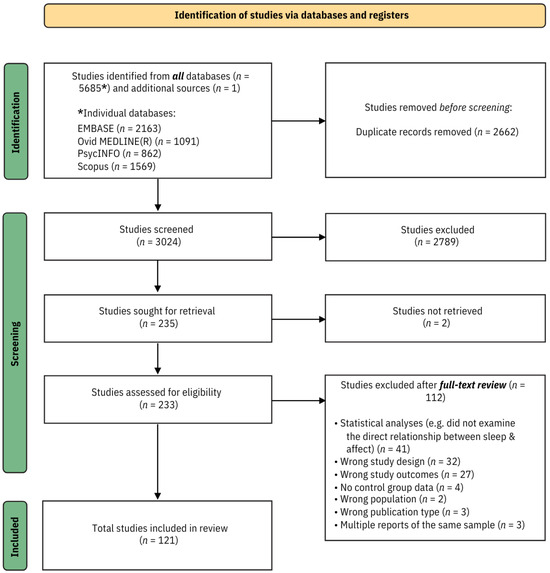
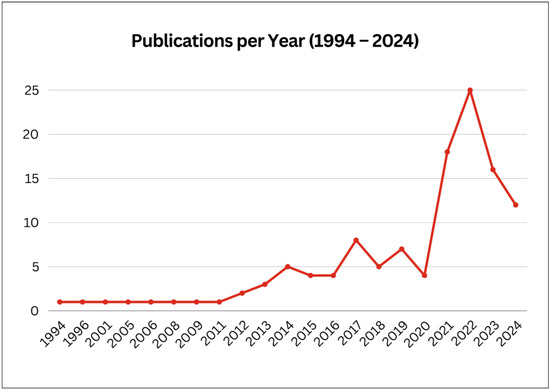
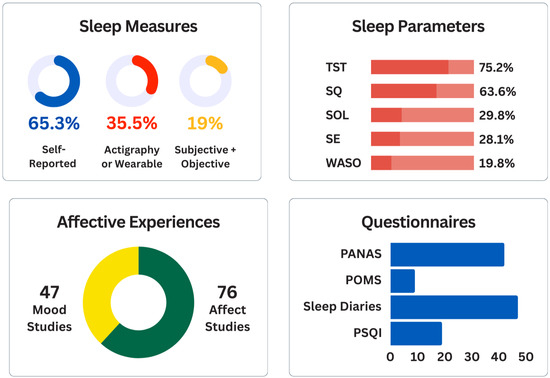
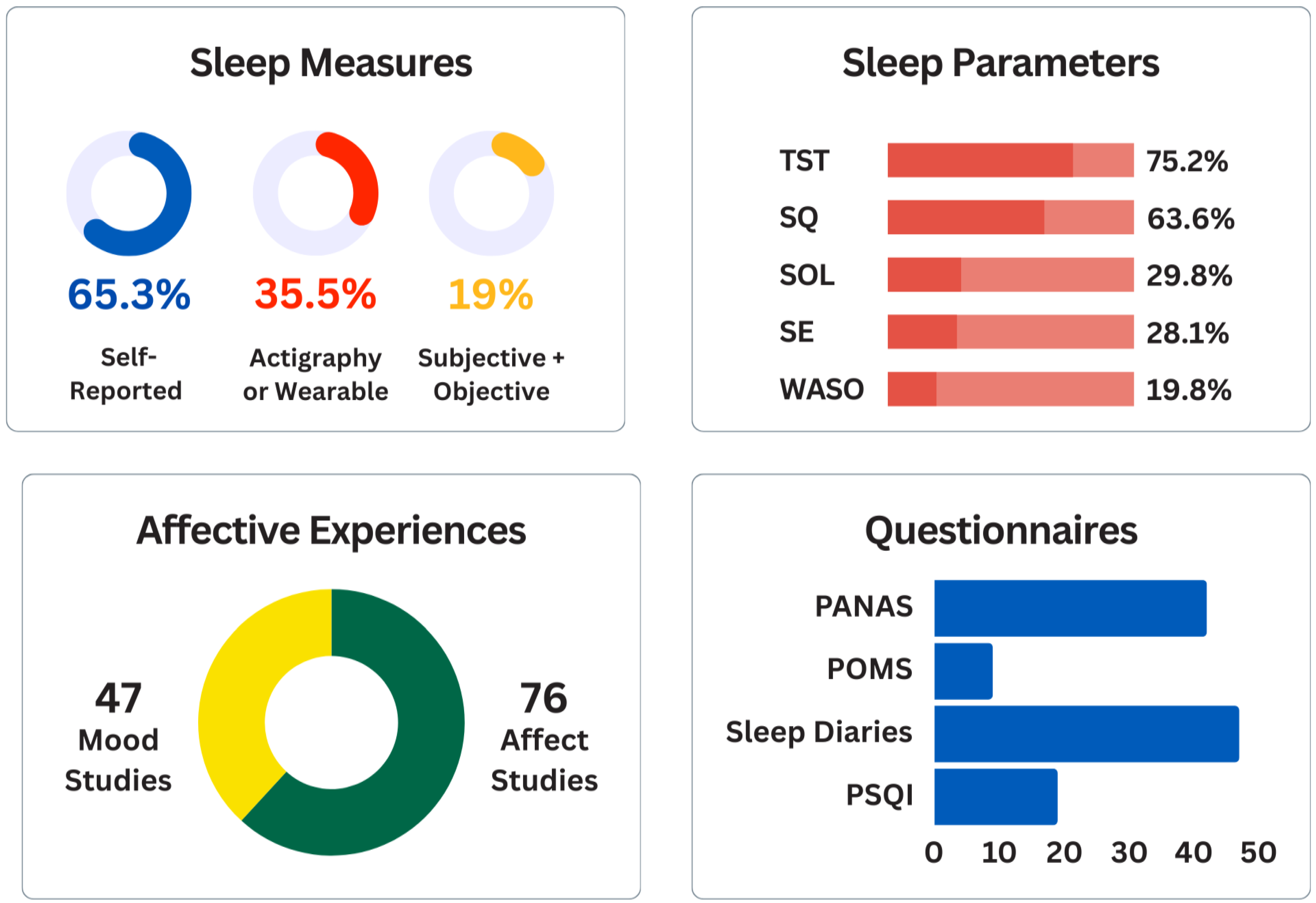
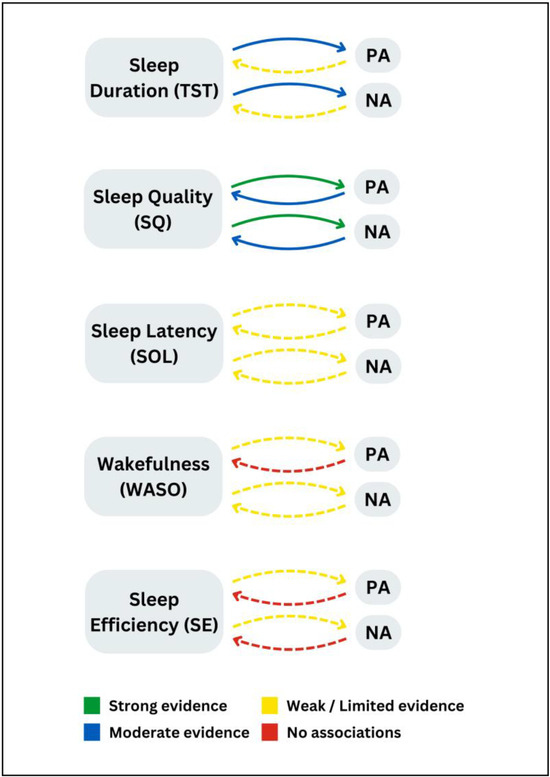
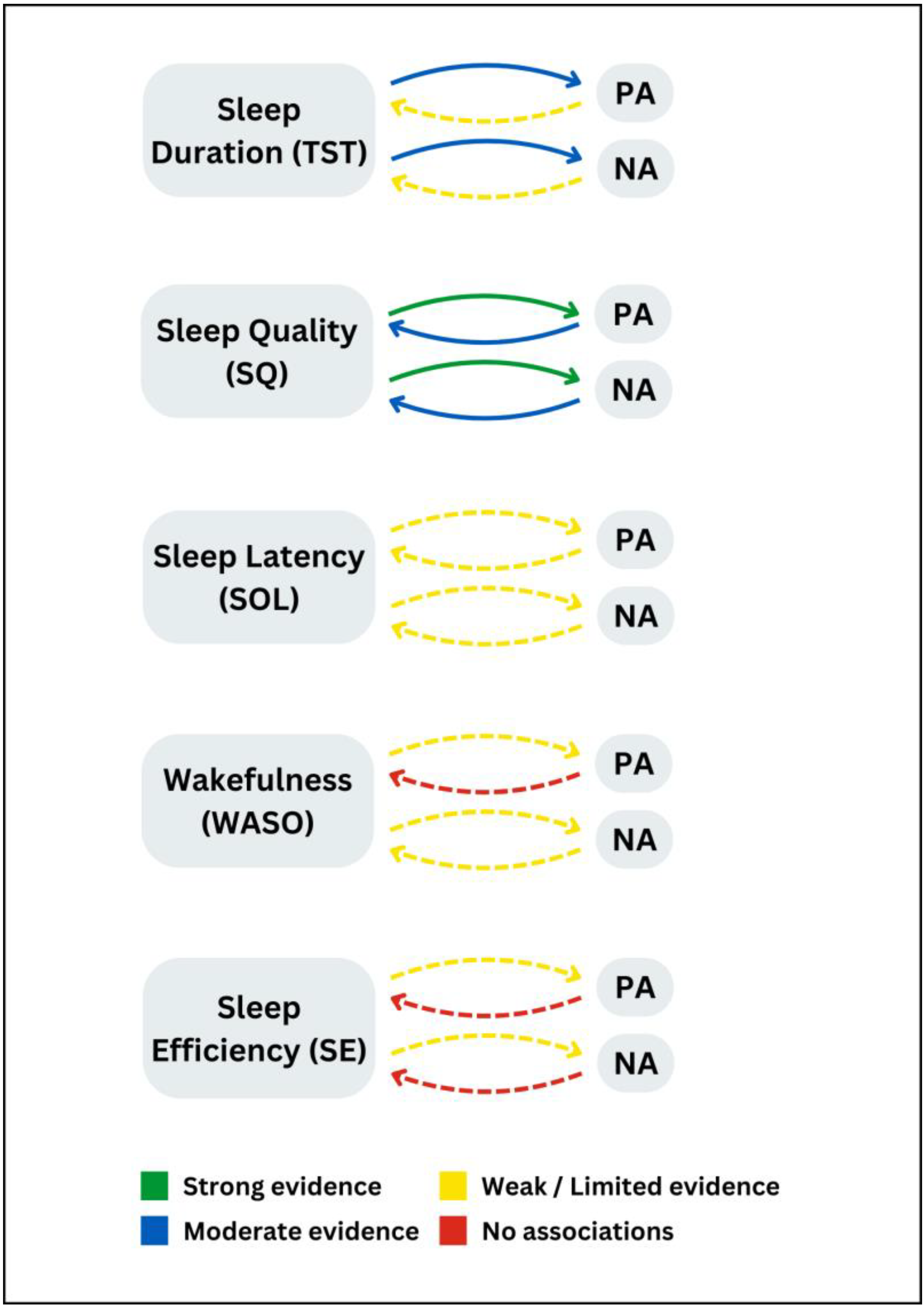

Disclaimer/Publisher’s Note: The statements, opinions and data contained in all publications are solely those of the individual author(s) and contributor(s) and not of MDPI and/or the editor(s). MDPI and/or the editor(s) disclaim responsibility for any injury to people or property resulting from any ideas, methods, instructions or products referred to in the content. |
© 2024 by the authors. Licensee MDPI, Basel, Switzerland. This article is an open access article distributed under the terms and conditions of the Creative Commons Attribution (CC BY) license (https://creativecommons.org/licenses/by/4.0/).