Article

Pattern Recognition in Music on the Example of Reconstruction of Chest Organ from Kamień Pomorski

Institute of Information Technology, Warsaw University of Life Sciences, 02-776 Warsaw, Poland
Sensors 2021, 21(12), 4163; https://doi.org/10.3390/s21124163
Submission received: 2 May 2021 / Revised: 12 June 2021 / Accepted: 14 June 2021 / Published: 17 June 2021
(This article belongs to the Special Issue Analytics and Applications of Audio and Image Sensing Techniques)

Abstract

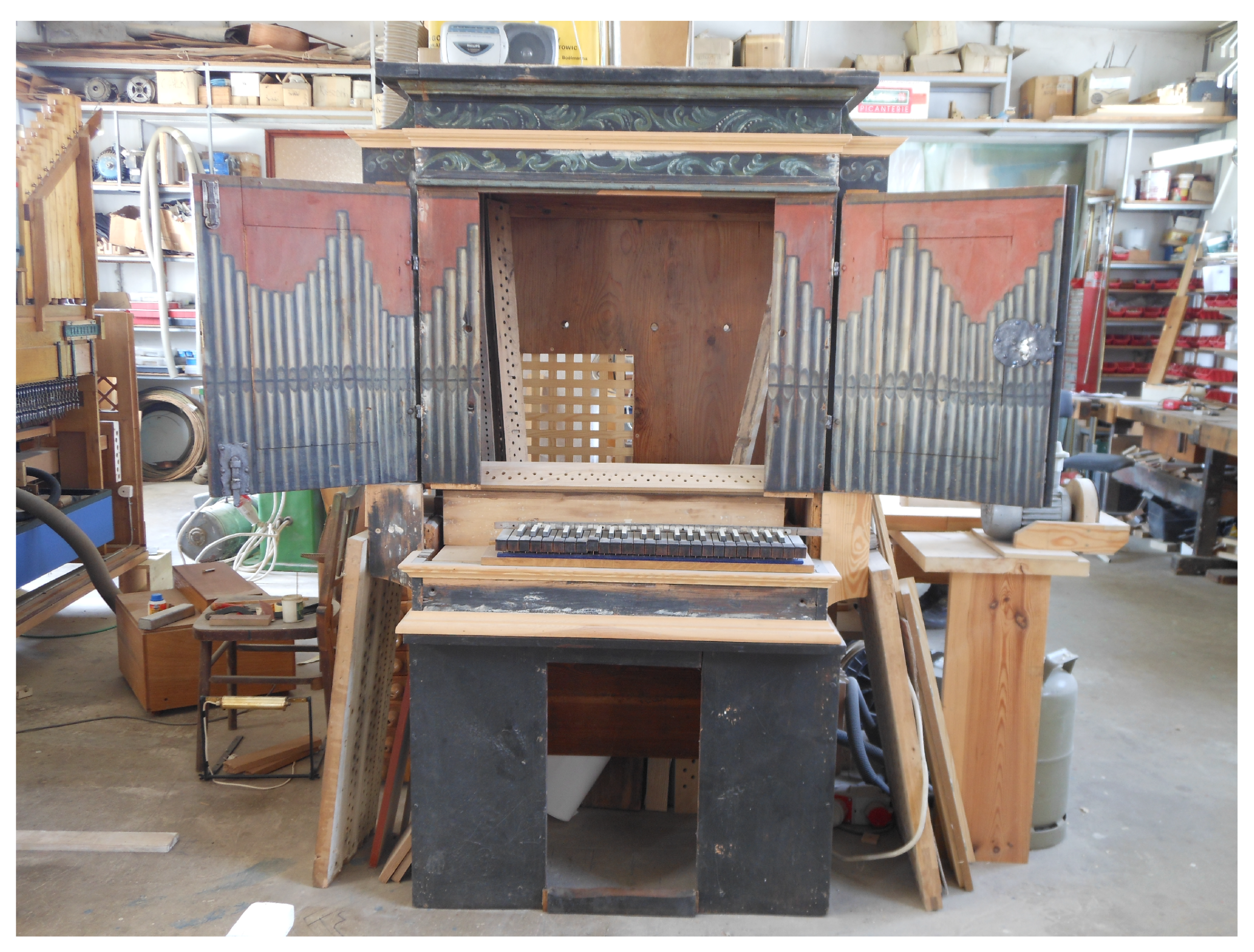
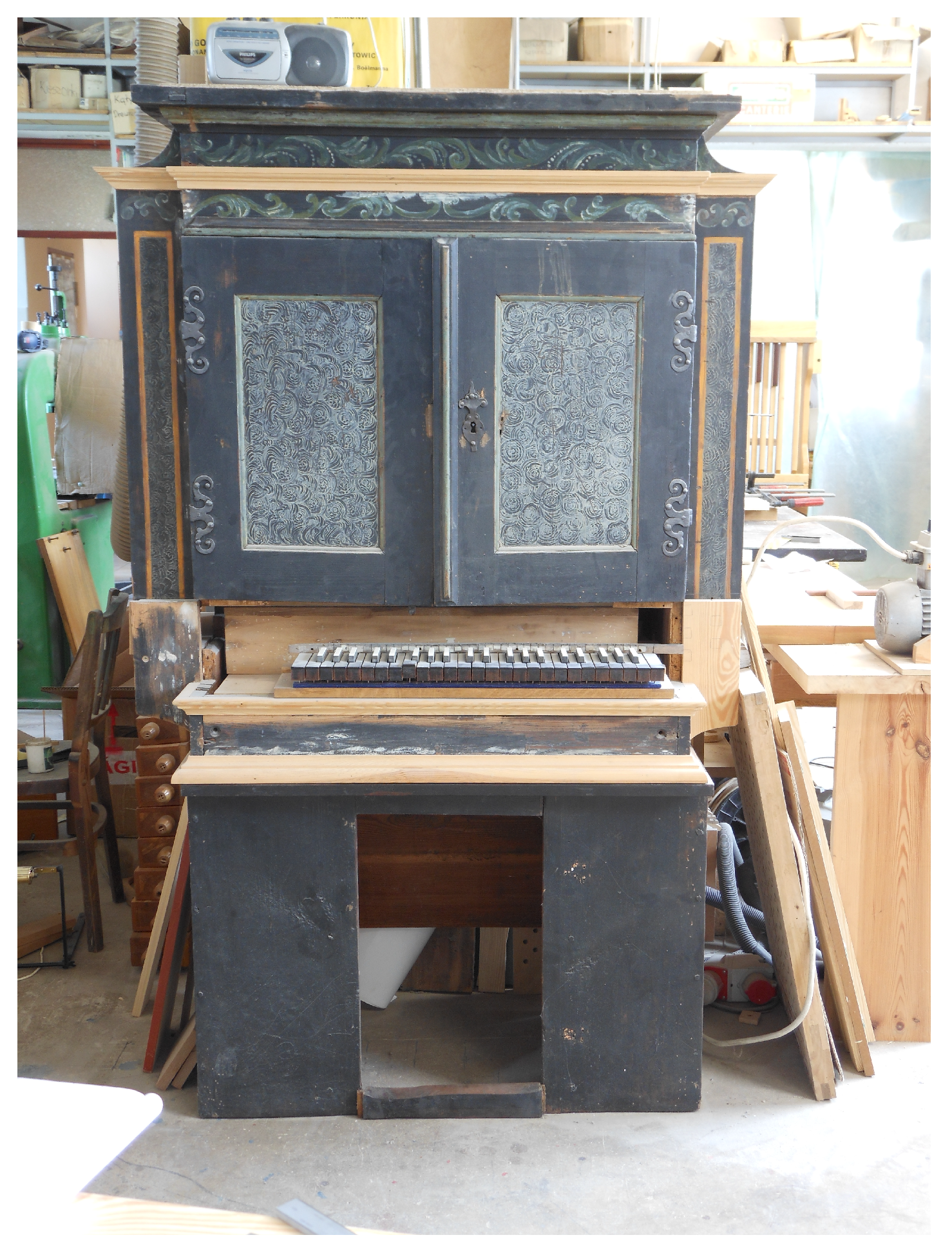
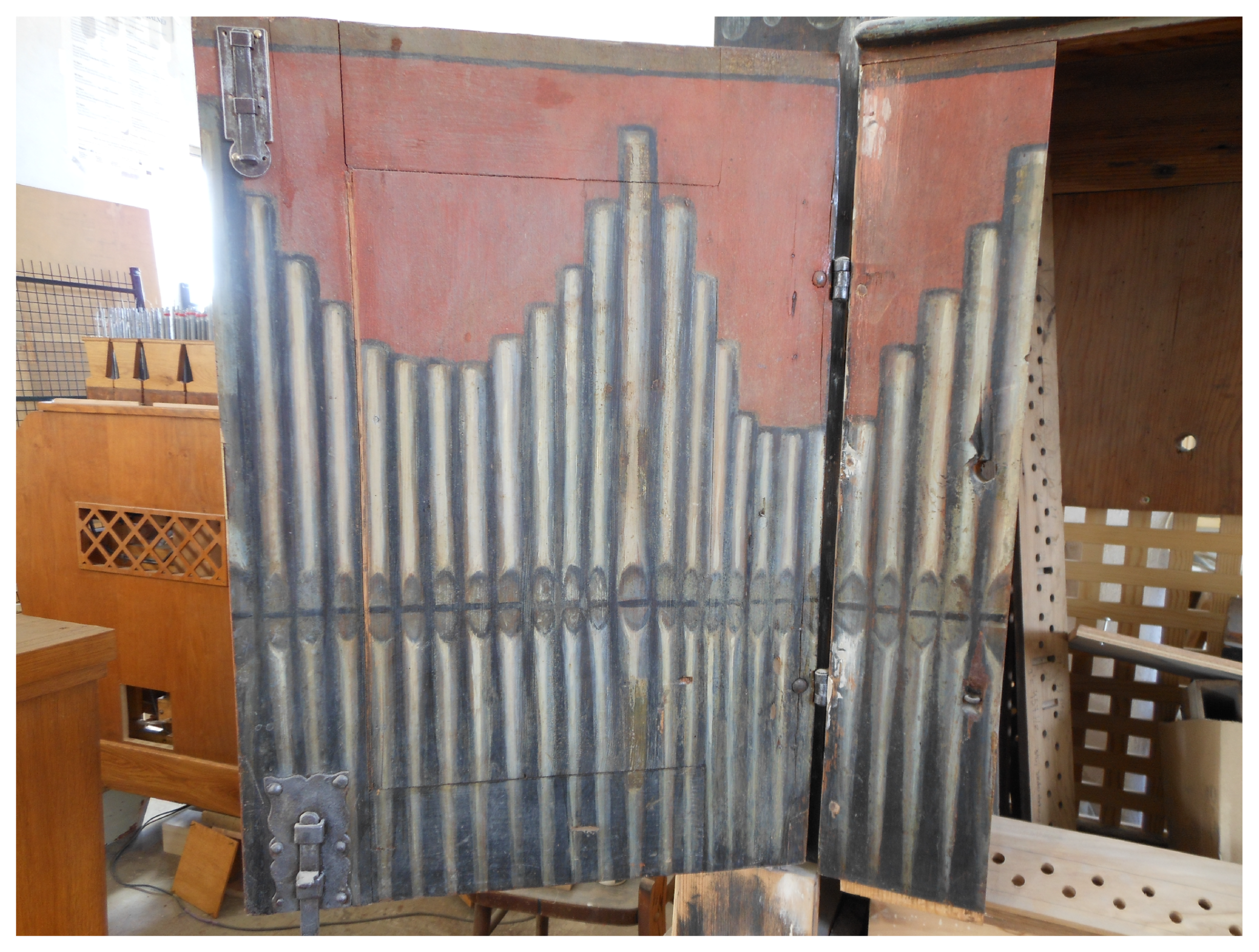
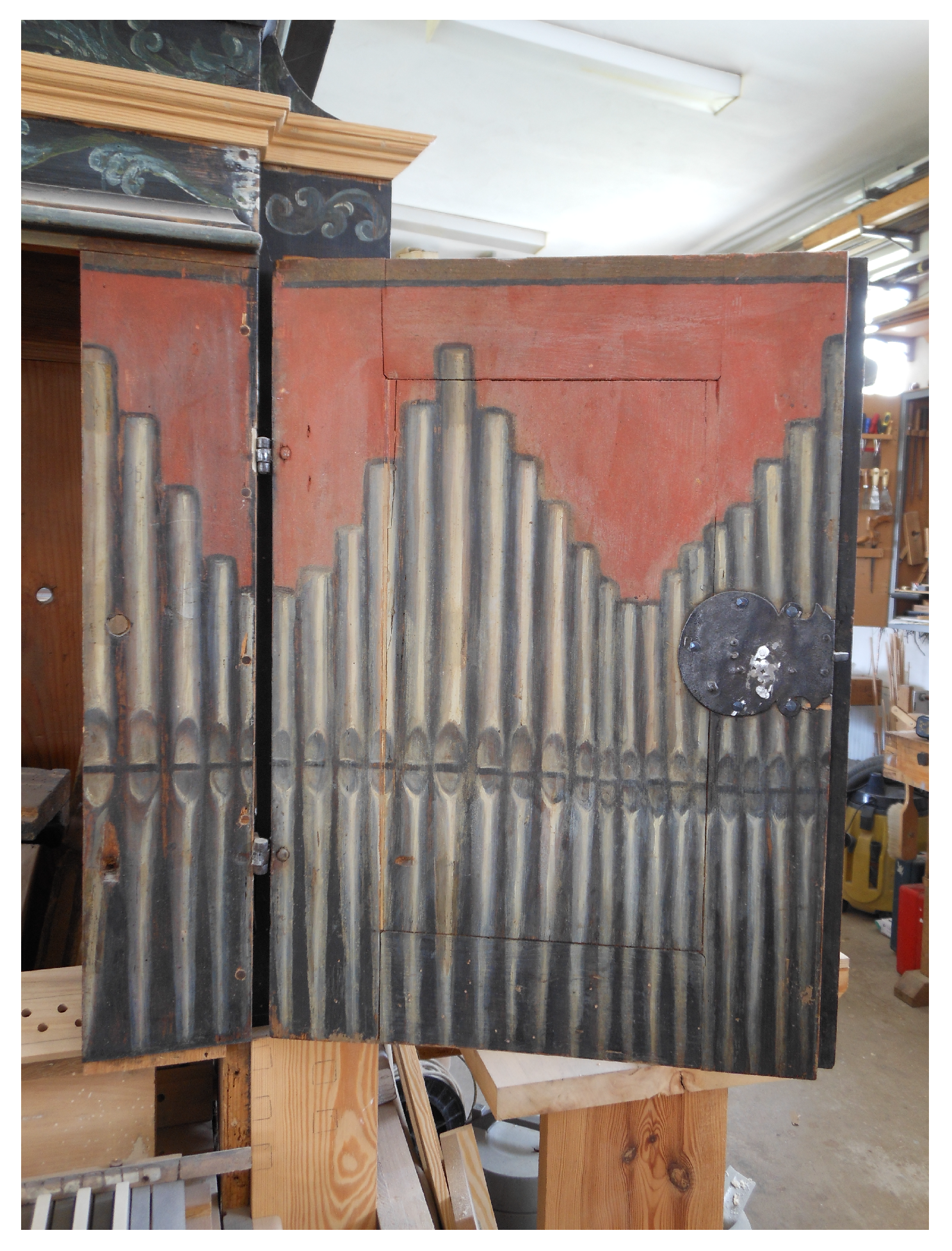
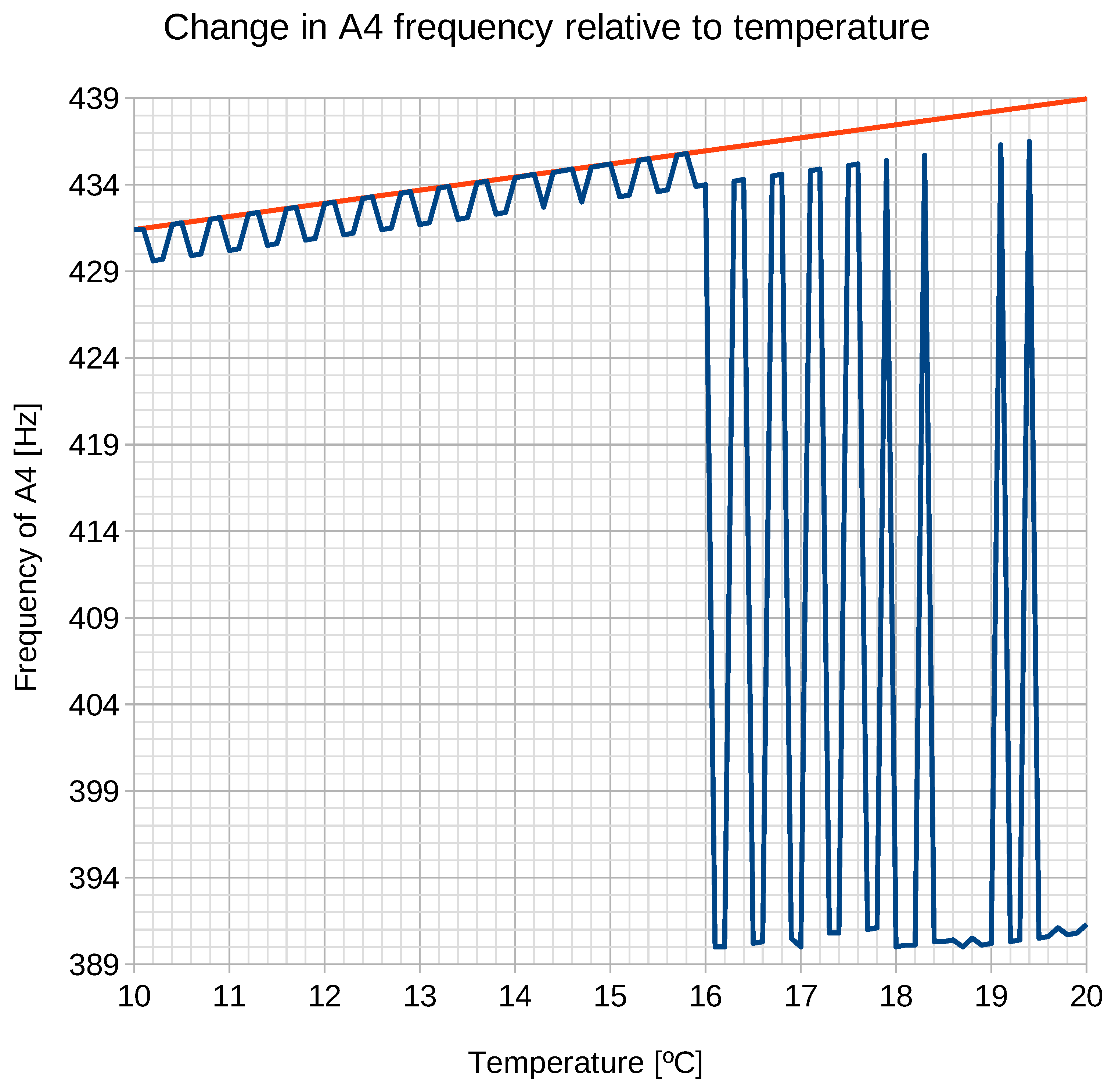
The chest organ, which gained popularity at the beginning of the 17th century, is a small pipe organ the size of a large box. Several years ago, while compiling an inventory, a previously unidentified chest organ was discovered at St. John the Baptist’s Co-Cathedral in Kamień Pomorski. Regrettably, the instrument did not possess any of its original pipes. What remained, however, was an image of the front pipes preserved on the chest door. The main issue involved in the reconstruction of a historic instrument is the restoration of its original tuning (temperament). Additionally, it is important to establish the frequency of A4, as this sound serves as a standard pitch reference in instrument tuning. The study presents a new method that aims to address the above-mentioned problems. To this end, techniques to search for the most probable temperament and establish the correct A4 frequency were developed. The solution is based on the modeling of sound generation in flue pipes, as well as statistical analysis to help match a model to the parameters preserved in the chest organ drawing. Additionally, differentalues of the A4 sound values were defined for temperatures ranging from 10 C to 20 C. The tuning system proposed in 1523 by Pietro Aaron proved to be the most probable temperament. In the process of testing the developed flue pipe model, the maximum tuning temperature was established as 15.8 C.
Keywords: temperament; organ; tonal patterns; climat temperament; organ; tonal patterns; climat