


Abstract
Strawberries are nonclimacteric fruits that are susceptible to postharvest rot caused by Alternaria tenuissima. Modern genomic technologies provide powerful tools for investigating the genetic basis of fungal pathogenicity and secondary metabolite biosynthesis. Whole-genome sequencing of A. tenuissima strain CMFL-C2 was performed using the Illumina XPLUs and PacBio REVIO platforms to characterize the pathogen at the genomic level. Genome assembly revealed that A. tenuissima CMFL-C2, a pathogenic fungus associated with postharvest strawberry rot, has a genome of 33,726,134 bp. Analysis of potential secondary metabolites indicated that A. tenuissima CMFL-C2 possesses putative biosynthetic capacity for metachelin (A, B, C, and A-CE), dimerumic acid 11-mannoside, dimerumic acid, scytalone, alternariol, and equisetin. These findings provide genomic insights into A. tenuissima associated with postharvest strawberry rot and establish a foundation for future investigations into pathogen biology, targeted disease management strategies, and sustainable agricultural practices.
1. Introduction
Strawberries (Fragaria × ananassa Duch.) are a widely cultivated perennial horticultural crop belonging to the Rosaceae family [1] and are among the most popular and economically valuable berries worldwide [2,3,4,5]. Renowned for their distinctive taste and aroma [6,7,8,9], strawberries are often referred to as the “queen of fruits” [10]. As a nonclimacteric fruit with a high respiration rate and delicate structure, strawberries are particularly susceptible to rapid deterioration after harvest [11,12,13]. Their soft texture, high nutritional value, and abundance of beneficial compounds, including vitamins, dietary fiber, and phenolic compounds, contribute to their popularity among consumers [14,15,16]. However, strawberries grow close to the ground, are generally harvested manually, and are typically consumed raw [17]. These characteristics, together with their susceptibility to mechanical damage, physiological deterioration, moisture loss, and microbial spoilage [18], increase their vulnerability to pathogen infection [19,20], with postharvest losses potentially reaching 50% [21]. Strawberries originated in South America and are now cultivated worldwide [22,23], with China currently accounting for approximately one-third of global production [24]. Throughout cultivation, harvesting, packaging, transportation, and postharvest handling, strawberries remain highly vulnerable to pathogen infection [25,26], resulting in a relatively short postharvest shelf life [27]. These challenges complicate postharvest management and quality preservation throughout the strawberry supply chain [28,29] and substantially constrain the development of the strawberry industry [30].
Postharvest fungal infections are a major cause of spoilage in fresh agricultural products, resulting in substantial economic losses worldwide [31,32]. Reported postharvest fungal pathogens of strawberries include species of Alternaria [33]. With advances in sequencing technologies, whole-genome sequencing (WGS) has become a valuable tool for elucidating species evolution and is widely applied in species identification, functional gene prediction, and metabolic pathway reconstruction [34,35,36]. High-quality, contiguous genome assemblies are particularly important for identifying and characterizing pathogenicity-related factors and effector proteins. The pathogenicity of many species within the genus Alternaria is primarily associated with the production and secretion of host-specific toxins (HSTs) [37]. Mycotoxins are toxic compounds naturally produced by various fungal genera and species, and WGS can facilitate the identification of genes and biosynthetic pathways potentially involved in their production [38].
Although Alternaria toxins pose potential health risks, comprehensive risk assessments remain limited, and available toxicity data are insufficient [39]. The genetic mechanisms underlying their biosynthesis also remain incompletely understood, partly because existing sampling does not adequately represent the full biological diversity of Alternaria [39]. The primary objective of this study was to characterize the genomic features of Alternaria tenuissima CMFL-C2 and investigate its potential secondary metabolite biosynthetic capacity. The findings are expected to provide a genomic foundation for future investigations into pathogenicity and disease management strategies, thereby supporting the development of effective approaches for controlling postharvest strawberry rot.
2. Results
2.1. CMFL-C2 Genome Sequencing and Assembly
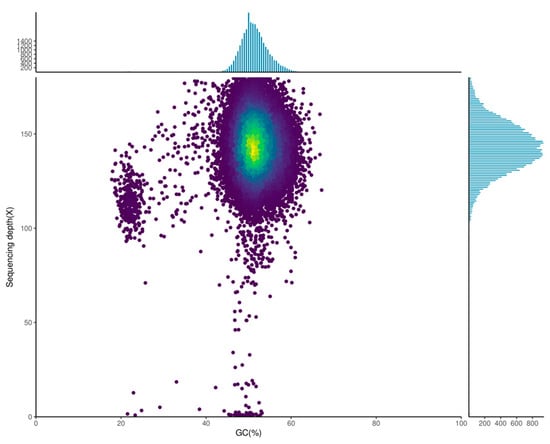
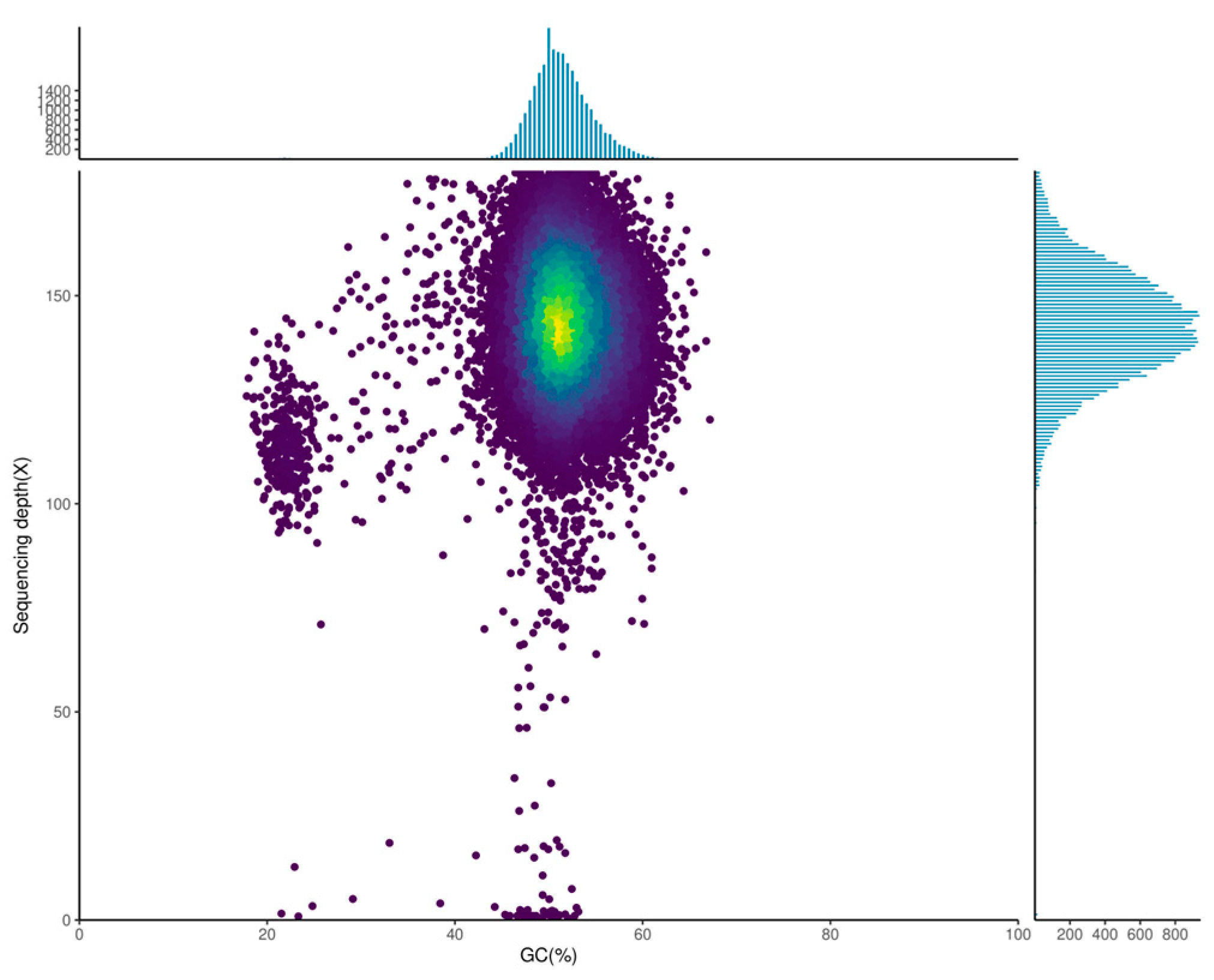
Genome sequencing revealed relatively uniform sequencing depth and consistent GC content across the assembled genome (Figure 1), suggesting limited evidence of contamination and satisfactory sequence data quality. The copy numbers of 5S rRNA, 18S rRNA, 28S rRNA, sRNA, snRNA, and tRNA were 10, 15, 15, 4, 35, and 102, respectively, with corresponding total lengths of 1162, 26,976, 87,426, 838, 3982, and 8915 bp (Table 1). The scaffold N50 and N90 values were 3,101,730 and 2,395,636 bp, respectively. A total of 6813 complete benchmarking universal single-copy orthologs (BUSCOs) were identified (Table 2).
Figure 1.
GC-depth graph of the Alternaria tenuissima CMFL-C2 genome.
Table 1.
Statistical analysis of the ncRNA annotation results.
Table 2.
Genome BUSCO assessment statistics.
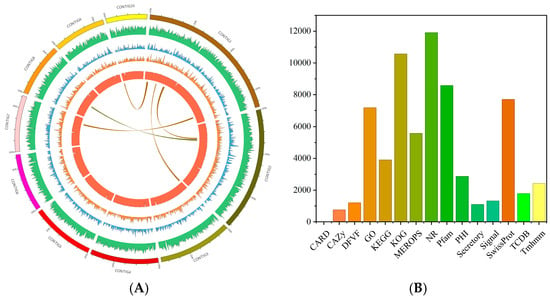
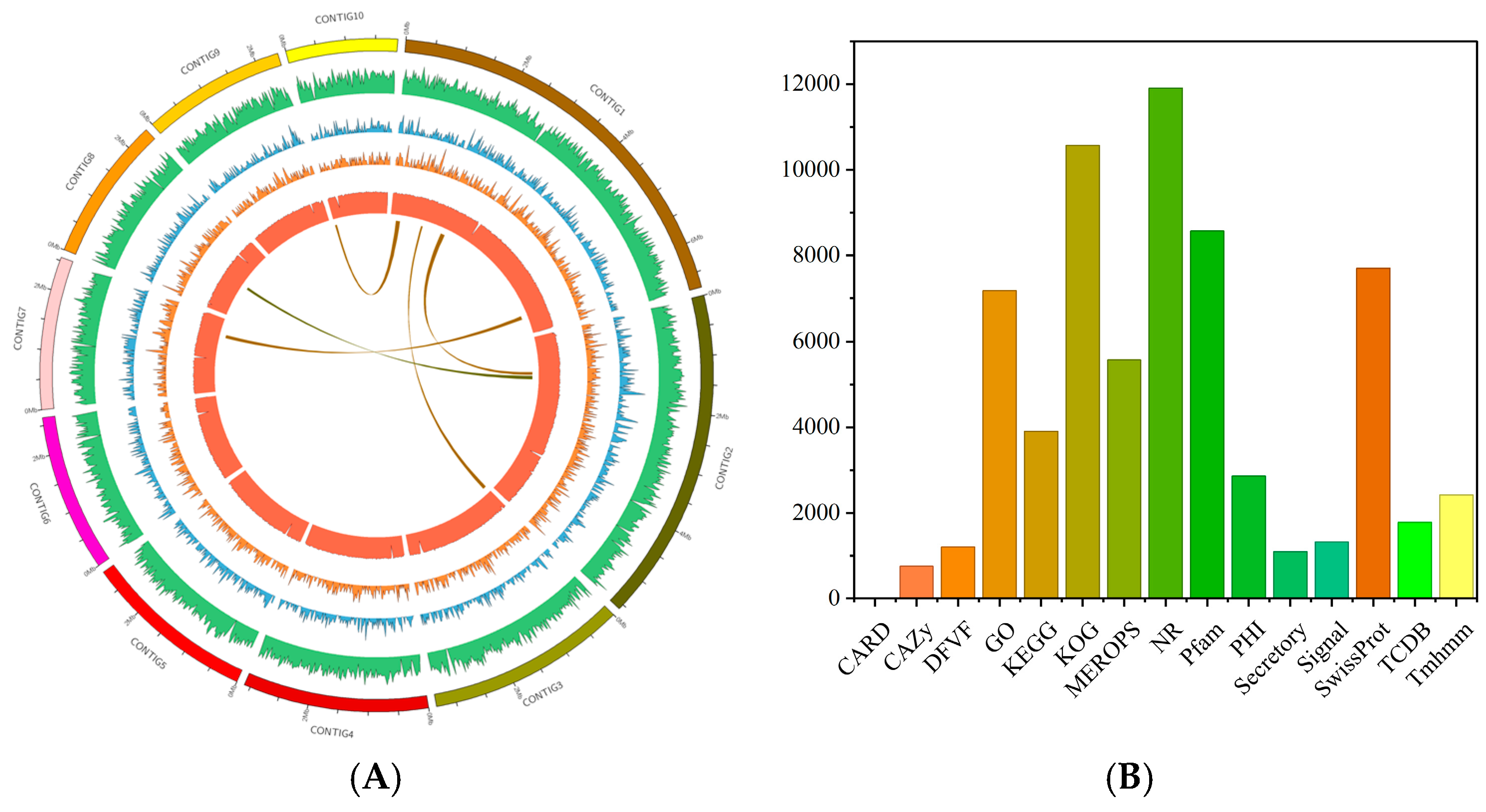
The total length of the assembled genome of A. tenuissima CMFL-C2 (GenBank accession number JCFVPH000000000) is 33,726,134 bp (Figure 2A), with a GC content of 51.02%. The total number of genes is 11,911 (Table S1). Functional annotation of protein-coding genes was performed using multiple databases and analytical approaches, including the Comprehensive Antibiotic Resistance Database (CARD; 5), Carbohydrate-Active Enzymes database (CAZy; 756), Database of Fungal Virulence Factors (DFVF; 1205), Gene Ontology (GO; 7179), Kyoto Encyclopedia of Genes and Genomes (KEGG; 3908), KOG (10,571), MEROPS (5575), Non-Redundant protein database (NR; 11,909), Pfam (8570), Pathogen–Host Interactions database (PHI; 2860), Secretory (1097), Signal (1323), Swiss-Prot (7704), Transporter Classification Database (TCDB; 1783), and TMHMM (2425) (Figure 2B).
Figure 2.
Circular map of the Alternaria tenuissima CMFL-C2 (A) and statistical overview of protein-coding gene functional annotation (B).
2.2. CAZyme Analysis
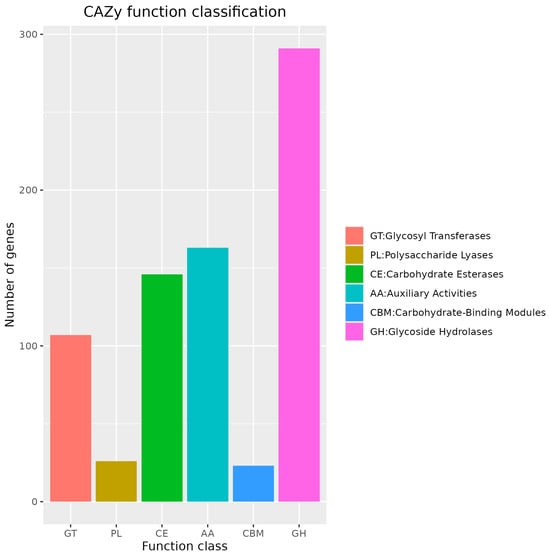
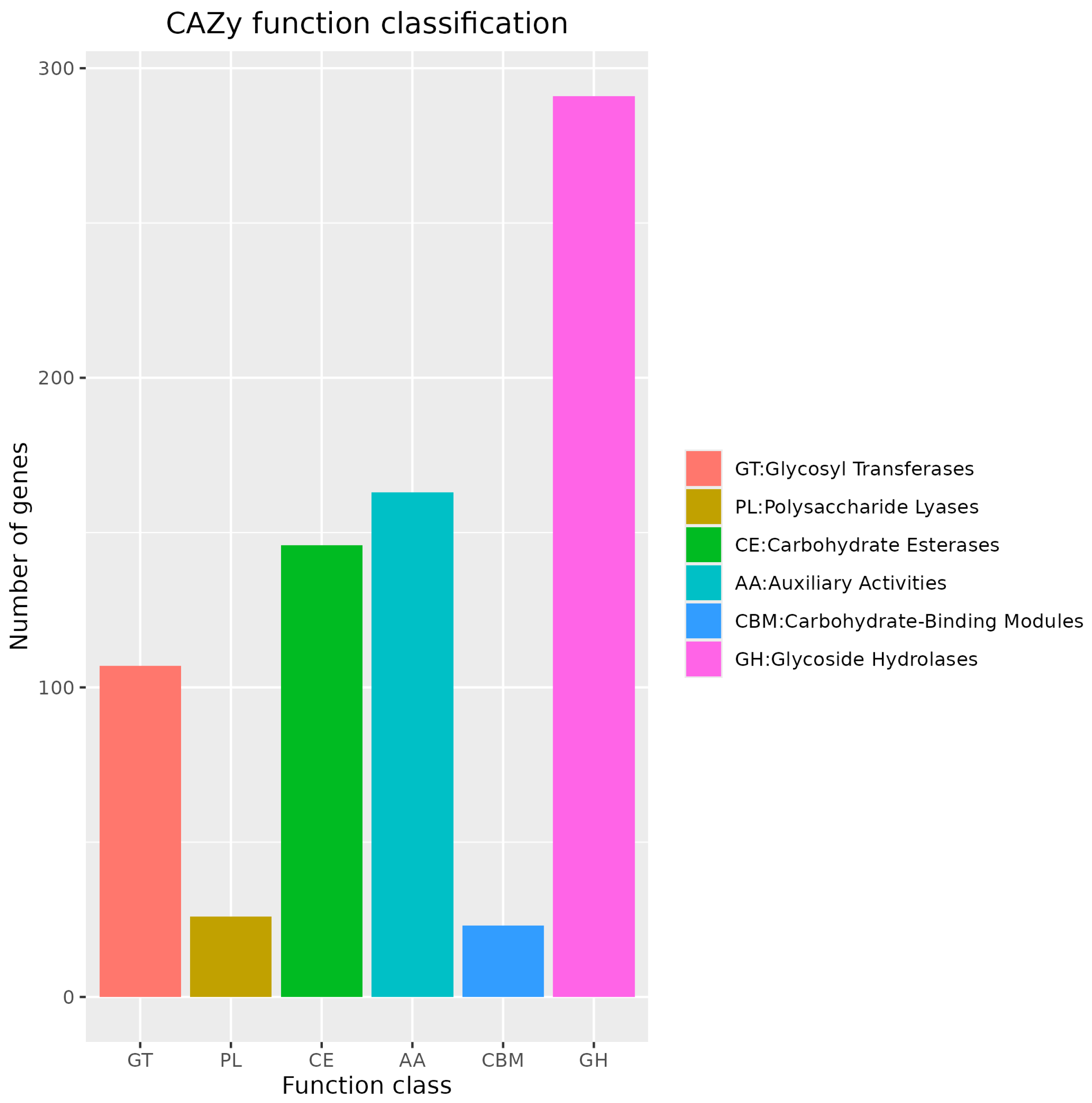
An analysis of A. tenuissima CMFL-C2 using the CAZy database identified 107 glycosyltransferases (GTs), 26 polysaccharide lyases (PLs), 146 carbohydrate esterases (CEs), 163 auxiliary activity enzymes (AAs), 23 carbohydrate-binding modules (CBMs), and 291 glycoside hydrolases (GHs) (Figure 3).
Figure 3.
CAZy function classification profile.
2.3. Gene Ontology (GO) Analysis
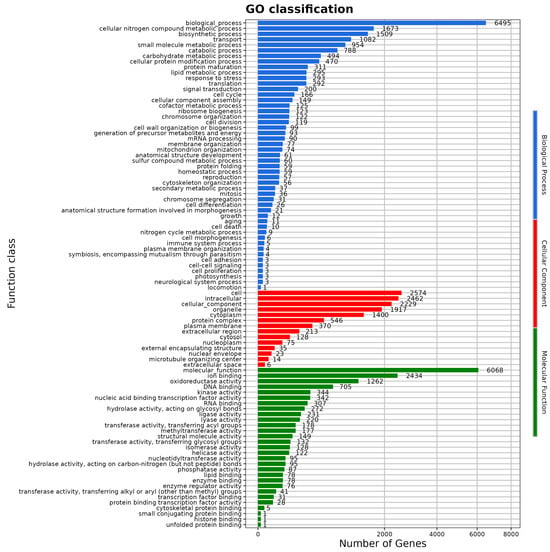
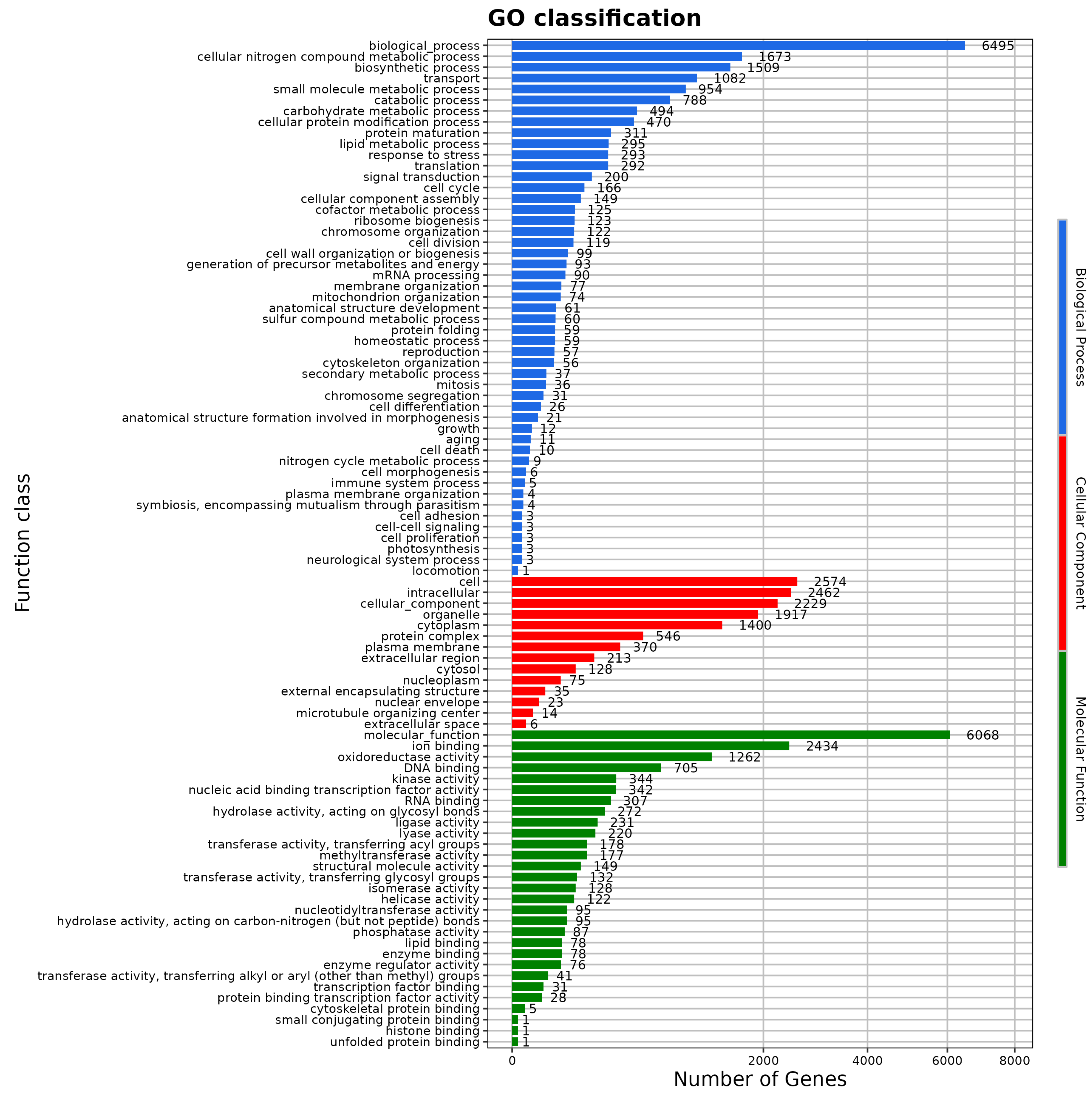
GO analysis classified genes from A. tenuissima CMFL-C2 into biological process, molecular function, and cellular component categories (Figure 4). Notably, 23 annotated protein identifiers were associated with toxin-related GO terms, including toxin biosynthetic process, toxin metabolic process, aflatoxin biosynthetic process, aflatoxin metabolic process, mycotoxin metabolic process, and mycotoxin biosynthetic process (Table S2).
Figure 4.
GO function classification profile.
2.4. Kyoto Encyclopedia of Genes and Genomes (KEGG) Analysis
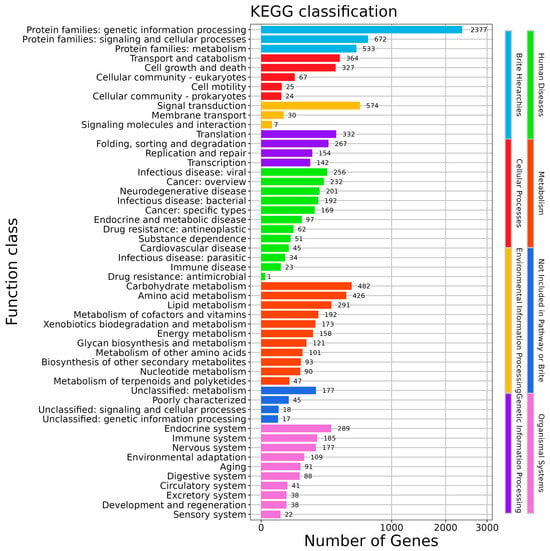
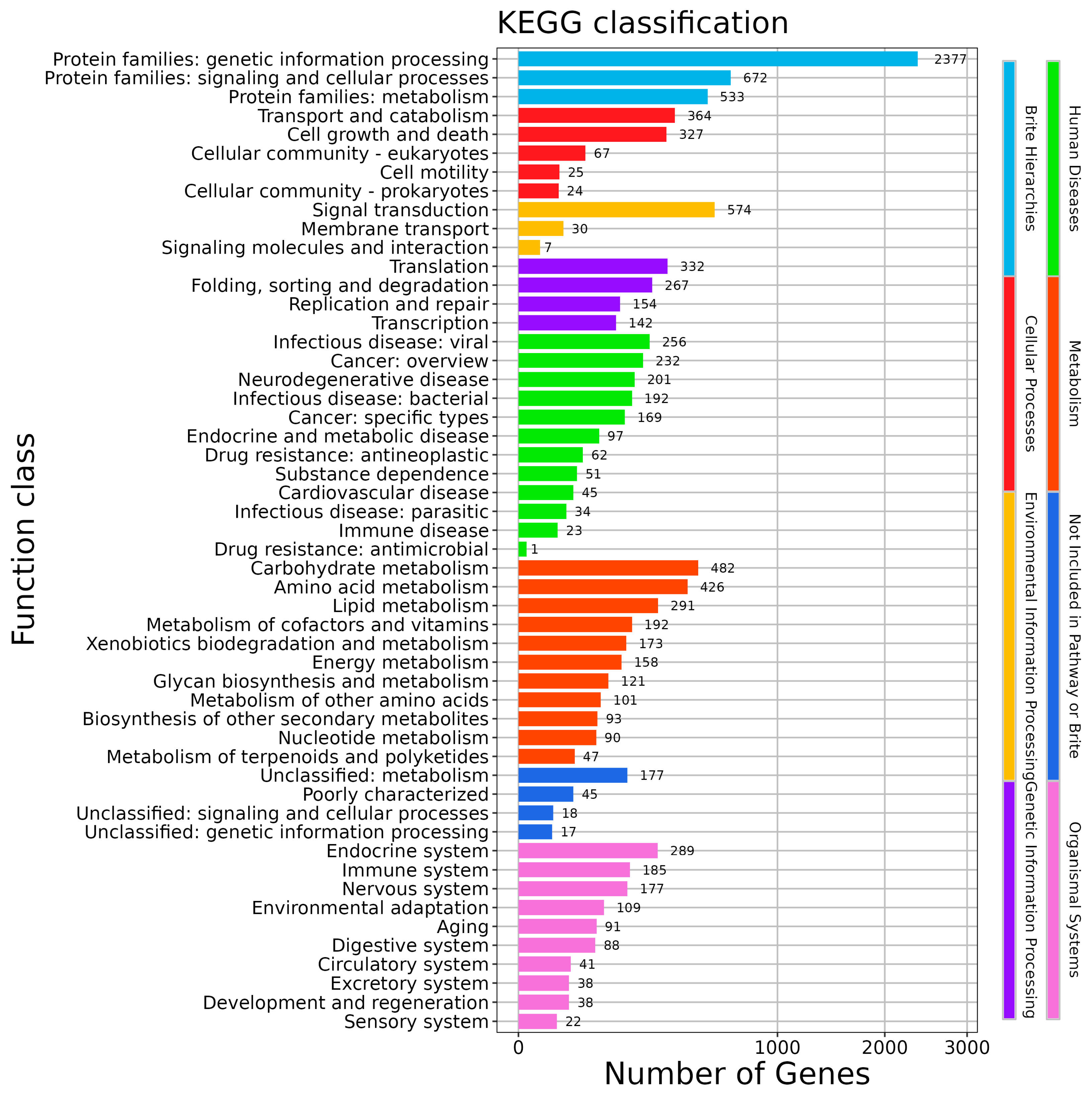
KEGG analysis annotated A. tenuissima CMFL-C2 genes to numerous functional pathways (Figure 5): 2377 were assigned to “Protein families: genetic information processing” within Brite hierarchies, 364 genes to “Transport and catabolism” under “Cellular Processes”, 574 genes to “Signal transduction” under “Environmental Information Processing”, 332 genes to “Translation” under “Genetic Information Processing”, 482 genes to “Carbohydrate Metabolism” under “Metabolism”, 177 genes to “Unclassified: metabolism” in “Not Included in Pathway or Brite”, and 289 genes to “Endocrine system” under “Organismal Systems”.
Figure 5.
KEGG function classification profile.
2.5. Evolutionary Genealogy of Genes: Non-Supervised Orthologous Groups (eggNOG) Analysis
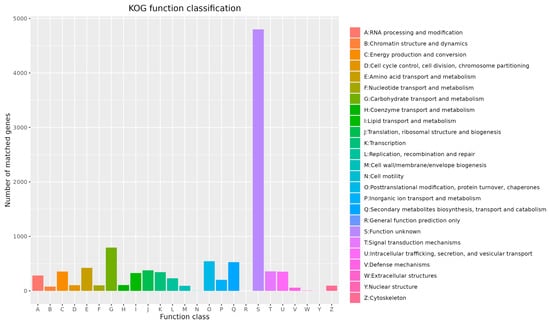
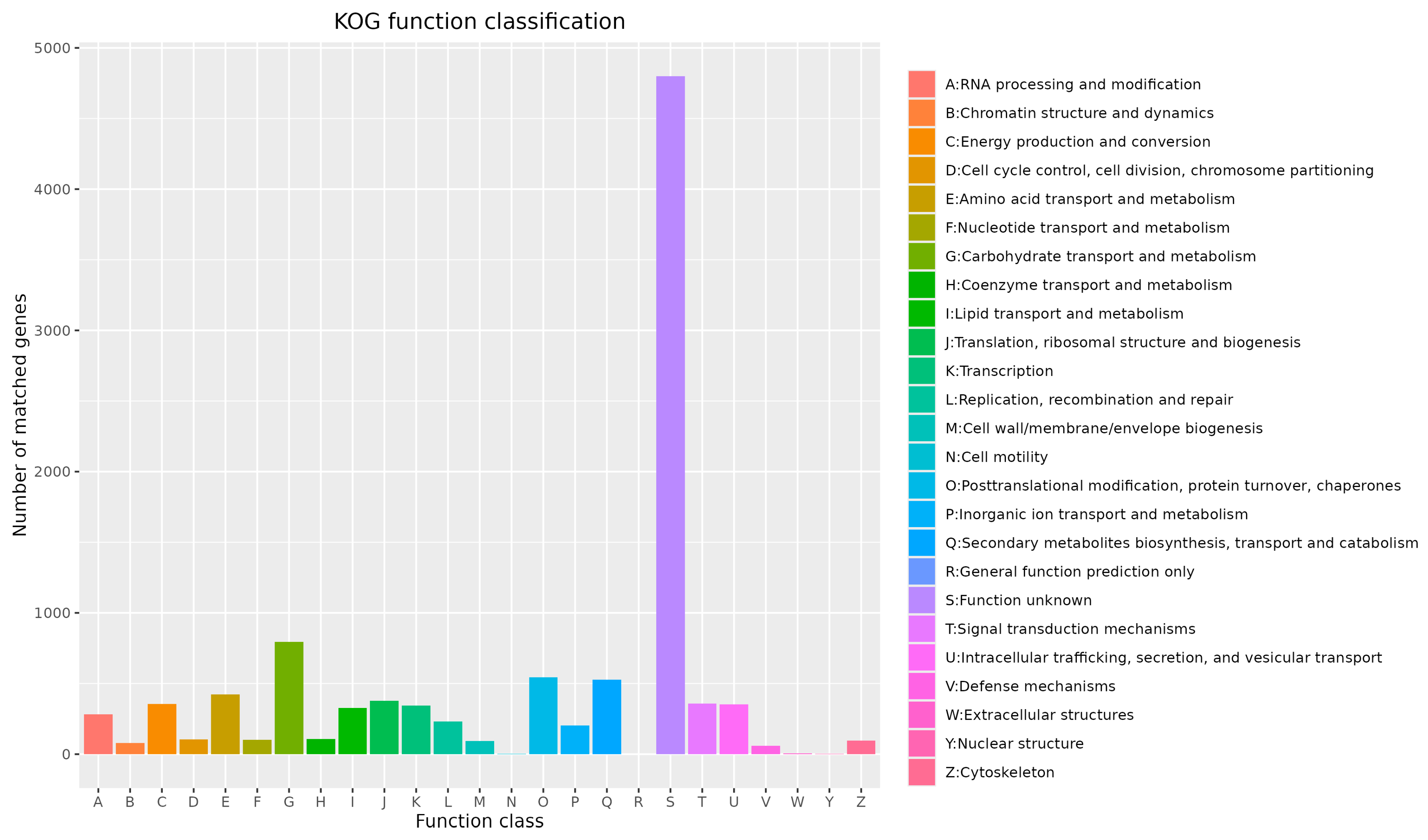
EggNOG analysis assigned 10,571 genes to various functional categories (Figure 6), including “translation, ribosomal structure, and biogenesis” (378), “rna processing and modification” (283), “transcription” (344),”replication, recombination, and repair” (232), “chromatin structure and dynamics” (80), “cell cycle control, cell division, and chromosome partitioning” (105), “nuclear structure” (4), “defense mechanisms” (60), “signal transduction mechanisms” (358), “cell wall/membrane/envelope biogenesis” (92), “cell motility” (3), “cytoskeleton” (95), “extracellular structures” (5), “intracellular trafficking, secretion, and vesicular transport” (351),”posttranslational modification, protein turnover, and chaperones” (544), “energy production and conversion” (354), “carbohydrate transport and metabolism” (796), “amino acid transport and metabolism” (423), “nucleotide transport and metabolism” (101), “coenzyme transport and metabolism” (108), “inorganic ion transport and metabolism” (202), “secondary metabolite biosynthesis, transport, and catabolism” (527), and “lipid transport and metabolism” (326). The largest category comprised genes of unknown function, totaling 4800 genes and accounting for 45.41% of all annotated genes.
Figure 6.
eggNOG function classification profile.
2.6. Pathogen–Host Interactions Database (PHI-Base) Analysis
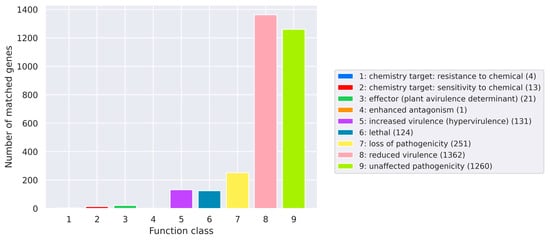
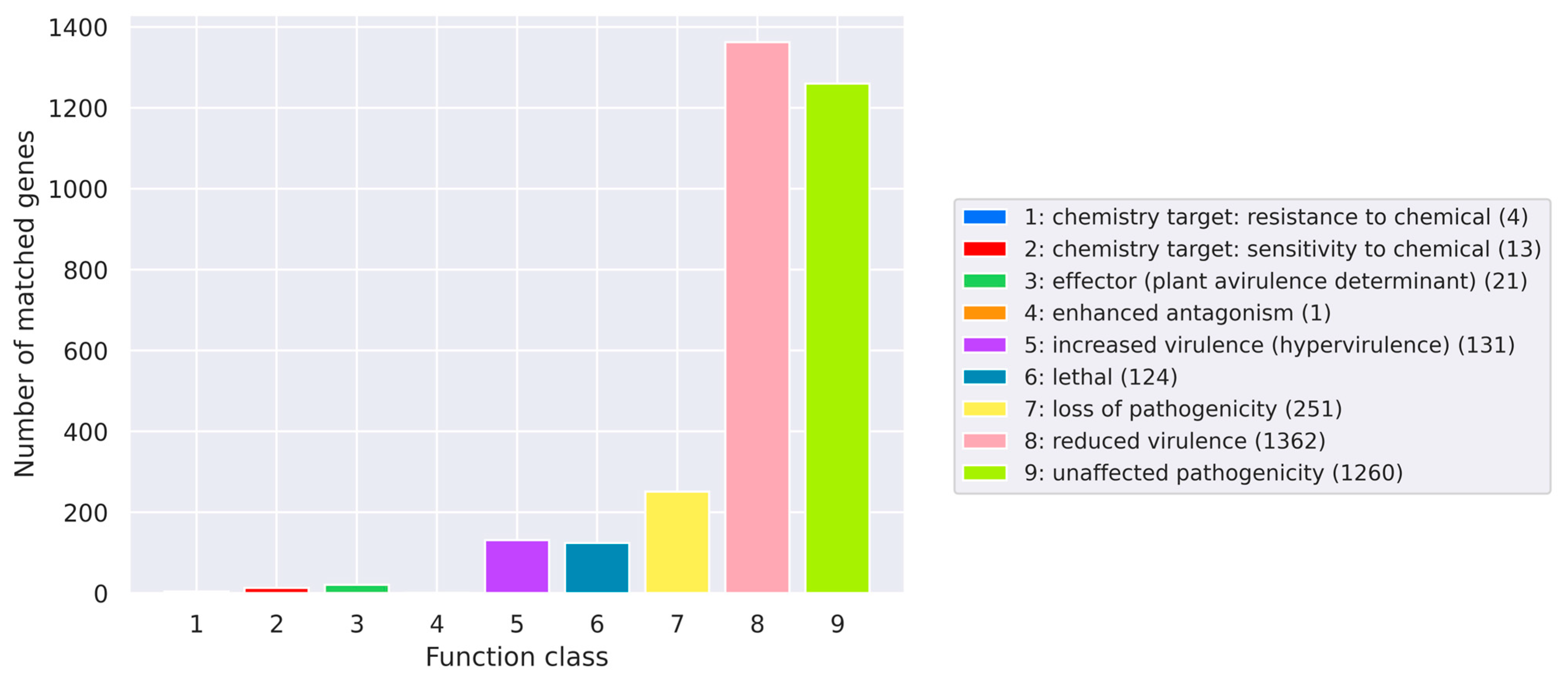
PHI-base analysis identified 251 homologous genes associated with loss of pathogenicity, 1260 homologous genes associated with no effect on pathogenicity, 1362 homologous genes associated with reduced virulence, and 131 homologous genes associated with increased pathogenicity (hypervirulence) (Figure 7).
Figure 7.
PHI function classification profile.
2.7. TCDB Analysis
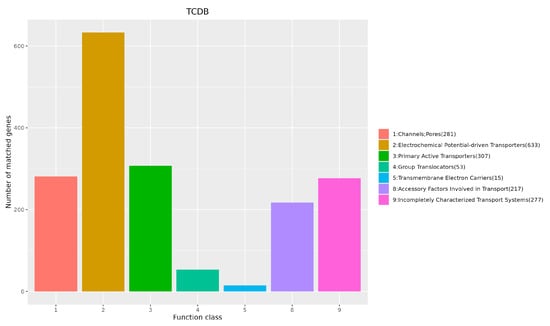
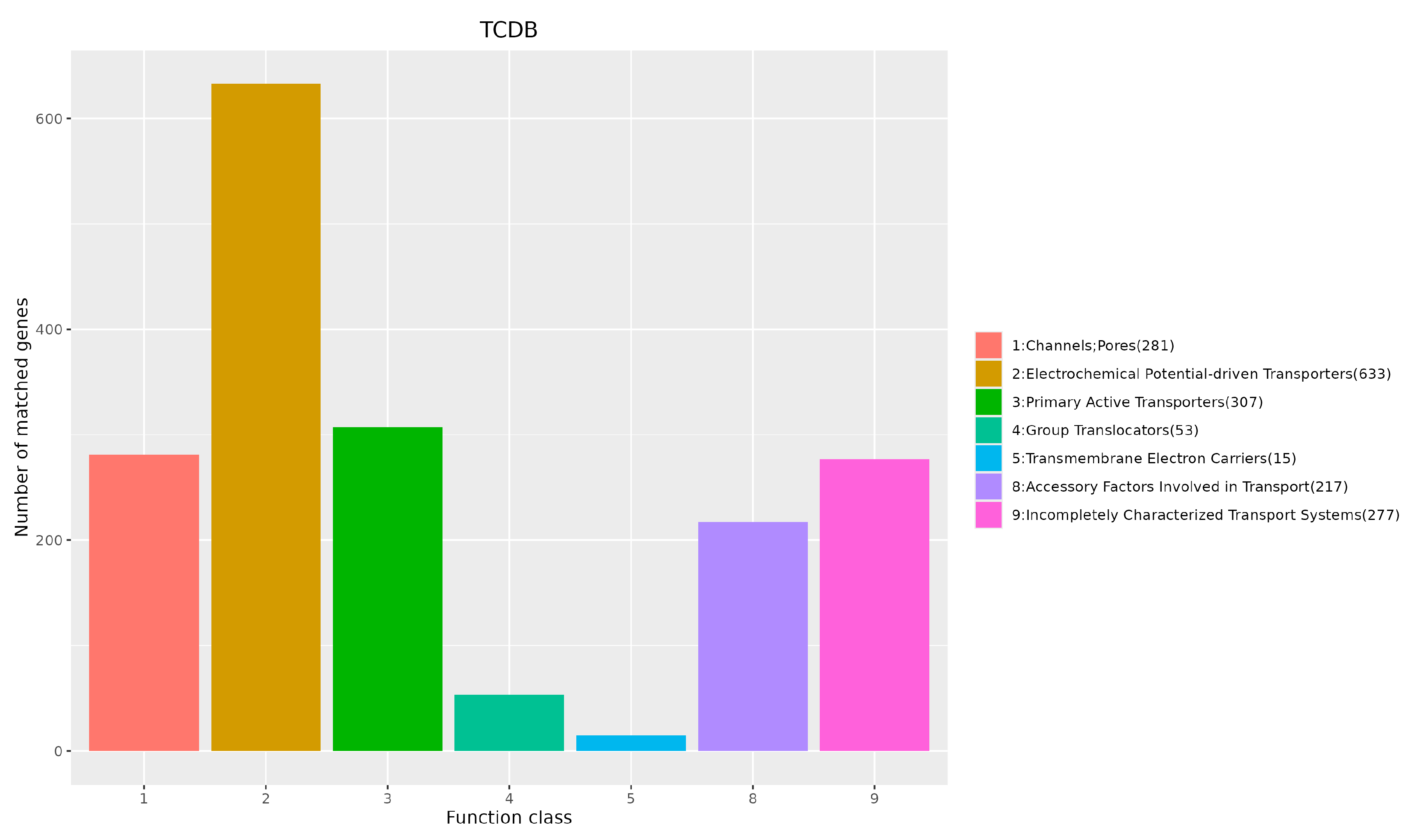
TCDB analysis identified several categories of transporter-associated genes in A. tenuissima CMFL-C2 (Figure 8), including 633 genes assigned to “electrochemical potential-driven transporters,” 281 to “channels/pores,” 277 to “incompletely characterized transport systems,” 307 to “primary active transporters,” 53 to “group translocators,” 217 to “accessory factors involved in transport,” and 15 to “transmembrane electron carriers.
Figure 8.
TCDB function classification profile.
2.8. NR Analysis
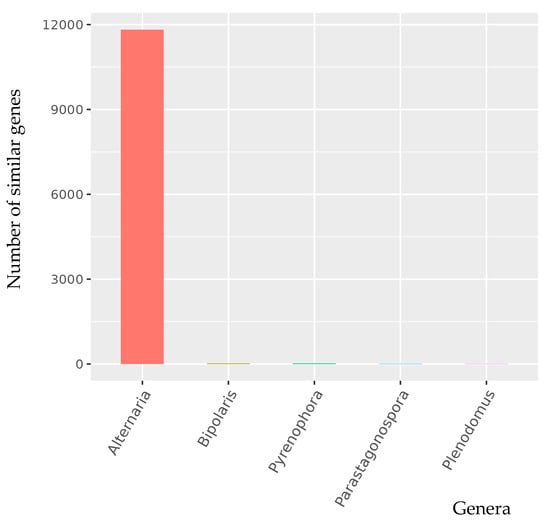
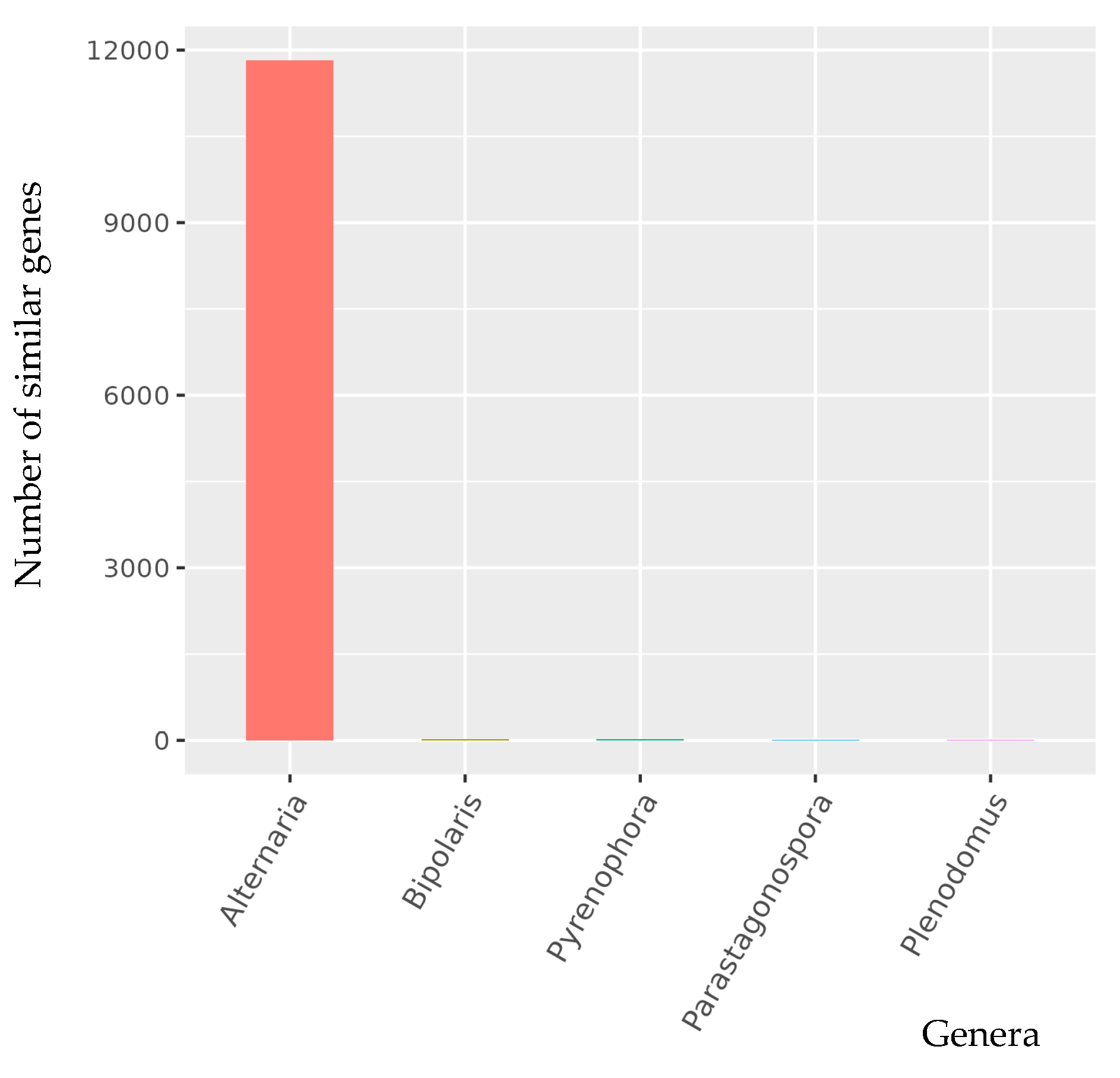
NR analysis (Figure 9) showed that strain A. tenuissima CMFL-C2 shared the highest sequence similarity (99.61%) with members of the genus Alternaria. Additionally, protein-coding gene sequences exhibited similarity to proteins from Bipolaris, Pyrenophora, Parastagonospora, and Plebodomus, with alignment lengths of 17, 16, 9, and 4 amino acids, respectively.
Figure 9.
NR function classification profile.
2.9. Analysis of Potential Secondary Metabolites
Four genomic regions showed similarity to known biosynthetic gene clusters (50%, 40%, 100%, and 45%, respectively; Table 3). An analysis of predicted secondary metabolite biosynthetic gene clusters suggested that A. tenuissima CMFL-C2 may be able to produce metachelin C, metachelin A, metachelin A-CE, metachelin B, dimerumic acid 11-mannoside, dimerumic acid, scytalone, alternariol, and equisetin (Table 3).
Table 3.
Analysis of secondary metabolites produced by CMFL-C2.
3. Discussion
Pathogenic strains of A. tenuissima, a species within the genus Alternaria, pose a substantial threat to agricultural production and food security [37]. Previous studies have demonstrated that A. tenuissima can cause fruit rot in several crops, including blueberry [40,41], cucumber [42], pomegranate [43], and apple [44], resulting in considerable economic losses. Furthermore, A. tenuissima can produce mycotoxins associated with the genus Alternaria. Genomic analysis of strain CMFL-C2 identified putative biosynthetic potential for several compounds, including metachelin C, metachelin A, metachelin A-CE, metachelin B, dimerumic acid 11-mannoside, dimerumic acid, scytalone, alternariol, and equisetin. Thus, further investigations are needed to determine whether biological control microorganisms can degrade mycotoxins and prevent post-harvest strawberry rot caused by A. tenuissima in the future.
Secreted fungal enzymes play important roles in pathogenicity [45], particularly cellulases and pectinases produced by Alternaria species, which contribute to plant cell wall degradation during infection [46]. Carbohydrate-active enzymes (CAZymes) are proteins involved in the degradation, rearrangement, or synthesis of glycosidic bonds [37]. Plant pathogens secrete a diverse range of CAZymes that break down the complex polysaccharides in the plant cell wall. CAZymes are classified into five groups: glycoside hydrolases (GHs), glycosyltransferases (GTs), polysaccharide lyases (PLs), carbohydrate esterases (CEs), and carbohydrate-binding modules (CBMs) [37]. CAZy database analysis revealed that A. tenuissima CMFL-C2 contains 146 CEs, which catalyze the hydrolysis of ester bonds in carbohydrates, facilitating the decomposition of complex sugars such as cellulose and lignin and providing essential carbon sources for fungal growth [47,48]. Moreover, A. tenuissima CMFL-C2 contains 26 PLs, which catalyze polysaccharide cleavage, breaking down complex sugars such as pectin and starch into accessible sugars. A. tenuissima CMFL-C2 also encodes 291 GHs, which hydrolyze glycosidic bonds and contribute to the degradation of polysaccharides, including cellulose, starch, and pectin, thereby supplying the fungus with necessary sugars [47,48]. Furthermore, 107 GTs were detected; these enzymes play a crucial role in carbohydrate synthesis by catalyzing the transfer of carbohydrate units to form new glycoside chains [47,48]. These processes are closely associated with the infection of strawberry fruits by A. tenuissima CMFL-C2. However, it is currently unclear how these species-specific secreted proteins contribute to A. tenuissima CMFL-C2 pathogenicity. We speculate that some of these proteins may function within plant cells.
The high-quality genome assembly of A. tenuissima CMFL-C2 reported in this study provides an accurate sequence reference for comparative genomics and taxonomic studies of Alternaria spp. This assembly will be useful for subsequent studies on the interactions between A. tenuissima and postharvest strawberry fruit and the molecular mechanisms underlying the A. tenuissima- postharvest strawberry fruit pathosystem. Furthermore, our findings provide substantial value to the global fungal genome database on postharvest strawberry fruit. However, the classifications provided here are based on a single genome. Previous large-scale genomic investigations have included analyses of 101 Dothideomycetes genomes in 2020 [49], 1000 fungal genomes in 2021 [50], and 187 Pleosporaceae genomes in 2025 [39]. Expanding the genome assembly data to include many Alternaria fungal samples in the future will help guide the establishment of regulatory standards for managing Alternaria in fruit [39].
4. Materials and Methods
4.1. Sample Source
A. tenuissima CMFL-C2 was isolated and identified from harvested fruits of the strawberry cultivar ‘Hongyan’ collected in Tai’an (117.15° E, 36.20° N), Shandong Province, China. Koch’s postulates were also performed. The isolate was subsequently stored at −80 °C.
4.2. Whole-Genome Sequencing
Whole-genome sequencing of strain CMFL-C2 was performed to characterize the pathogen at the genomic level [51,52,53]. Fungal mycelia of CMFL-C2 were cultured in potato dextrose broth (PDB) with shaking for 72 h before DNA extraction. Genomic DNA was fragmented using a Covaris system, purified, and size-selected using magnetic beads. Before sequencing, library quality was assessed using an Agilent Bioanalyzer. Qualified libraries were characterized by a single peak without adapter dimers. Library concentrations were determined using the Quant-iT PicoGreen dsDNA Assay Kit with the Promega QuantiFluor fluorescence quantification system and were required to exceed 2 nM. Qualified sequencing libraries containing unique index sequences were serially diluted, pooled according to the required sequencing volumes, and denatured into single-stranded DNA using NaOH before sequencing. Genome sequencing was performed using the Illumina XPLUs and PacBio REVIO platforms (Shanghai Personal Biotechnology Co., Ltd., Shanghai, China).
4.3. Gene Prediction and Functional Annotation
Functional annotation of predicted genes was performed using CAZy (http://www.cazy.org, accessed on 10 November 2026), eggNOG (https://eggnog5.embl.de/#/app/home, accessed on 10 November 2026), PHI database (http://www.phi-base.org/, accessed on 10 November 2026), TCDB (http://www.tcdb.org/, accessed on 10 November 2026), GO (http://geneontology.org/, accessed on 10 November 2026), KEGG (http://www.genome.jp/kegg/, accessed on 10 November 2026), and secondary metabolite (antiSMASH) (https://antismash.secondarymetabolites.org, accessed on 10 November 2026) analyses [54,55,56].
4.4. Assembly and BUSCO Evaluation
The genome was assembled using hifiasm based on high-fidelity (HiFi) sequencing data. Genome assembly completeness was evaluated using BUSCO (http://busco.ezlab.org, v5.4.5, accessed on 10 November 2026) and scaffold N50 and N90 statistics. BUSCO predicts gene sequences according to single-copy ortholog genes in the OrthoDB database, thereby assessing the completeness of the initially assembled genome.
5. Conclusions
Genome assembly revealed that the genome size of A. tenuissima CMFL-C2, a pathogenic fungus associated with postharvest strawberry rot, is 33,726,134 bp. The assembled genome provides a valuable genomic resource for characterizing the strawberry-associated isolate A. tenuissima. Furthermore, secondary metabolite biosynthetic gene cluster analysis indicated that A. tenuissima CMFL-C2 possesses putative biosynthetic potential for metachelin C, metachelin A, metachelin A-CE, metachelin B, dimerumic acid 11-mannoside, dimerumic acid, scytalone, alternariol, and equisetin. These putative genomic predictions are based on biosynthetic gene clusters and are not experimentally confirmed metabolites.
Supplementary Materials
The following supporting information can be downloaded at https://www.mdpi.com/article/10.3390/ijms272310782/s1.
Author Contributions
Y.L.: Conceptualization, data curation, formal analysis, investigation, methodology, writing—original draft, writing—review and editing. J.W.: Data curation, software, formal analysis, writing—original draft. H.Y.: Methodology, validation, writing—review and editing. L.J.: Methodology, resources, writing—review and editing, project administration. All authors have read and agreed to the published version of the manuscript.
Funding
This research was funded by Shandong Province Key Research and Development Program (Competitive Platform Project 2022CXPT017); Shandong Academy of Agricultural Sciences Innovation Project (CXGC2026H08); Central Government Guided Local Science and Technology Development Fund Projects (YDZX2026022).
Institutional Review Board Statement
Not applicable.
Informed Consent Statement
Not applicable.
Data Availability Statement
The data presented in this study are available in the article. The raw data are available upon reasonable request from the corresponding author.
Conflicts of Interest
The authors declare no conflicts of interest.
References
- Zhang, Y.; Wang, S.; Li, X.; Cai, K.; Sun, H.; Zhang, Z. FaERF6 activates the polygalacturonase gene FaPG1 to promote strawberry fruit softening. Postharvest Biol. Technol. 2026, 234, 114129. [Google Scholar] [CrossRef] [Scilit]
- Liu, Y.; Xu, S.; Tang, L.; Wang, Y.; Zhang, L.; Wang, Z.; Zhang, Y.; Lin, Y.; Wang, Y.; Li, M.; et al. FaMYB6-like negatively regulates FaMYB10-induced anthocyanin accumulation during strawberry fruit ripening. Postharvest Biol. Technol. 2024, 212, 112891. [Google Scholar] [CrossRef] [Scilit]
- Jiang, L.; Yan, H.; Yin, Y.; Dong, R.; Wu, C. Use of Bacillus velezensis JNS-1 from vermicompost against strawberry root rot. Front. Microbiol. 2025, 16, 1566949. [Google Scholar] [CrossRef] [Scilit] [PubMed]
- Sun, M.; Wen, Y.; Qiao, X.; Yang, T.; Zhao, P.; Zhao, J.; Luo, J.; Zhang, J.; Zhu, Z.; Cai, W.; et al. Transcriptomic and metabolomic analysis reveals the effect of hydrogen sulfide on delaying fruit ripening and color transition of white fleshed strawberry (Fragaria ananassa). Postharvest Biol. Technol. 2025, 229, 113712. [Google Scholar] [CrossRef] [Scilit]
- Yuan, H.; Wang, L.; Zhu, J.; Ren, J.; Liu, R.; Li, X.; Chen, Y.; Hou, H.; Tu, H. Inhibitory effect of 2-methylvaleraldehyde on Botrytis cinerea and its application in postharvest strawberry. Postharvest Biol. Technol. 2025, 230, 113775. [Google Scholar] [CrossRef] [Scilit]
- Do, E.; Kim, M.; Ko, D.Y.; Lee, M.; Lee, C.; Ku, K.M. Machine learning for storage duration based on volatile organic compounds emitted from ‘Jukhyang’ and ‘Merry Queen’ strawberries during post-harvest storage. Postharvest Biol. Technol. 2024, 211, 112808. [Google Scholar] [CrossRef] [Scilit]
- Hernández-Martínez, N.R.; Blanchard, C.; Wells, D.; Salazar-Gutiérrez, M.R. Current state and future perspectives of commercial strawberry production: A review. Sci. Hortic. 2023, 312, 111893. [Google Scholar] [CrossRef] [Scilit]
- Wu, C.; Men, C.; Wang, Y.; Fan, T.; Liu, C.; Zheng, L. α-lipoic acid maintains quality by modulating phenolic metabolism and antioxidant capacity in postharvest strawberry. Postharvest Biol. Technol. 2025, 223, 113457. [Google Scholar] [CrossRef] [Scilit]
- Zhang, Y.; Hong, W.; Jiang, H.; Shao, D.; Si, X.; Wang, Y.; Li, D.; Li, B. Effect of magnetic field treatment on the softening of strawberries during cold storage. Postharvest Biol. Technol. 2025, 227, 113584. [Google Scholar] [CrossRef] [Scilit]
- Huang, X.; Liu, W.; Dong, F.; Xu, Y.; Tian, S.; Chen, T. Sapindus mukorossi saponins inhibit gray mold on strawberry fruit by impairing membrane integrity and organellar homeostasis of Botrytis cinerea. Postharvest Biol. Technol. 2024, 207, 112594. [Google Scholar] [CrossRef] [Scilit]
- Dong, Y.; Hu, Q.; Mao, M.; Zhu, X.; Xiang, Y.; Li, L. Contradicting effects of ascorbic acid and hydrogen peroxide on oxidative stress-induced senescence of strawberry fruit and FaAIF gene expression. Postharvest Biol. Technol. 2026, 231, 113908. [Google Scholar] [CrossRef] [Scilit]
- Silva, G.M.C.; Morales, L.M.M.; Santana, D.B.; Santa-Catarina, C.; de Oliveira, J.G. The alternative respiration is linked with the ascorbate synthesis capacity in climacteric and non-climacteric fruit mitochondria. Postharvest Biol. Technol. 2024, 210, 112780. [Google Scholar] [CrossRef] [Scilit]
- Zhang, Y.; Zhao, Y.; Feng, J.; Dong, H.; Liao, W.; Yang, X.; Chen, S.; He, Q. Development of equilibrium modified atmosphere packaging (EMAP) for postharvest strawberries based on material modification of permeability and selectivity: Theoretical design, model validation, and application effects. Postharvest Biol. Technol. 2024, 211, 112799. [Google Scholar] [CrossRef] [Scilit]
- Sheng, L.X.; Li, X.R.; Zhu, X.M.; Zhu, H.; Yu, J.Q. Determination of the appropriate extraction method for bound aroma compounds from strawberry and analysis of aroma substances in strawberry fruits of different varieties and developmental stages. Food Chem. 2025, 471, 142768. [Google Scholar] [CrossRef] [Scilit] [PubMed]
- Pérez-Lavalle, L.; Valero, A.; Cejudo-Gómez, M.; Carrasco, E. Assessment of the efficacy of decontamination treatments against Salmonella enterica subsp. enterica serovar Thompson on strawberries at different storage conditions. Postharvest Biol. Technol. 2024, 212, 112907. [Google Scholar] [CrossRef] [Scilit]
- Song, Y.C.; Zhao, Y.Q.; Tang, C.M.; Garcia-Caparros, P.; Yang, S.Y.; Yu, J.Q.; Hu, X.T.; Hu, K.D.; Han, Z.; Zhang, H.; et al. Biaxially oriented polyethylene (BOPE) and exogenous H2S extend strawberry shelf-life by increasing antioxidant activity and inhibiting pigment accumulation. Postharvest Biol. Technol. 2025, 226, 113542. [Google Scholar] [CrossRef] [Scilit]
- Simone, N.D.; Scauro, A.; Fatchurrahman, D.; Amodio, M.L.; Capozzi, V.; Colelli, G.; Spano, G.; Fragasso, M.; Russo, P. Probiotic Lactiplantibacillus plantarum strains showing anti-Botrytis activity: A food-grade approach to improve the overall quality of strawberry in post-harvest. Postharvest Biol. Technol. 2024, 218, 113125. [Google Scholar] [CrossRef] [Scilit]
- Benashvili, M.; Lee, S.; Ju, Y.W.; Park, Y.J.; Kim, S.A.; Park, S.W.; Son, Y.J. Effect of mealworm (Tenebrio molitor L.) chitosan coating on the postharvest qualities of strawberries. Postharvest Biol. Technol. 2025, 228, 113657. [Google Scholar] [CrossRef] [Scilit]
- Lin, Y.; Sun, Z.; Wang, X.; Cao, S.; Liu, Y.; Liu, S.; Zhang, Y.; Li, M.; Chen, Q.; Zhang, Y.; et al. Exogenous proanthocyanidins improved postharvest quality and resistance to Botrytis cinerea infection of strawberry via enhanced non-enzymatic antioxidants accumulation and salicylic acid signaling pathway. Postharvest Biol. Technol. 2025, 230, 113732. [Google Scholar] [CrossRef] [Scilit]
- Ma, Y.; Yang, M.; Zhao, Q.; Li, D.; Liu, D. Assessing the effects of mechanical damage on optical properties of strawberries in the 950–1650 nm range. Postharvest Biol. Technol. 2024, 218, 113145. [Google Scholar] [CrossRef] [Scilit]
- Momtaz, F.; Hardy, G.; Bayliss, K.L. Cold plasma-mediated inhibition of postharvest fungal communities of strawberries. Postharvest Biol. Technol. 2025, 230, 113834. [Google Scholar] [CrossRef] [Scilit]
- Liston, A. On the origin of strawberries. Nat. Plants 2023, 9, 1176–1177. [Google Scholar] [CrossRef] [Scilit] [PubMed]
- Wu, C.; Men, C.; Yan, L.; Liu, C.; Zheng, L. α-Lipoic acid enhances resistance of postharvest strawberries to Botrytis cinerea through the coordinated regulation of MAPK and JA signaling pathways. Postharvest Biol. Technol. 2026, 233, 114057. [Google Scholar] [CrossRef] [Scilit]
- Yang, R.; Liu, P.; Ye, W.; Chen, Y.; Wei, D.; Qiao, C.; Zhou, B.; Xiao, J. Biological Control of Root Rot of Strawberry by Bacillus amyloliquefaciens Strains CMS5 and CMR12. J. Fungi 2024, 10, 410. [Google Scholar] [CrossRef] [Scilit] [PubMed]
- Ling, X.; Chen, Y.; Wei, Y.; Jiang, S.; Ye, J.; Chen, J.; Xu, F.; Wu, F.; Shao, X. A WRKY IIc transcription factor, FaWRKY47 enhances postharvest resistance to Botrytis cinerea in strawberry via activation of jasmonate biosynthesis and antioxidant defenses. Postharvest Biol. Technol. 2026, 232, 114967. [Google Scholar] [CrossRef] [Scilit]
- Ma, Q.; Wu, X.; Luo, Z.; Ge, Z.; Li, D.; Wu, D.; Zhang, X.; Chen, Y.; Li, L.; Xu, Y. Lipidomic analysis revealed dynamic changes of lipidic compounds of postharvest strawberry in response to gray mold. Postharvest Biol. Technol. 2023, 199, 112296. [Google Scholar] [CrossRef] [Scilit]
- Hu, Z.; Chen, L.; Xiong, Y. Strawberry bruise susceptibility analysis based on discrete element method coupled with finite element simulation. Postharvest Biol. Technol. 2026, 232, 113964. [Google Scholar] [CrossRef] [Scilit]
- Darwesh, R.; Siddiq, A.; Alharthi, S.; Alharthi, S.; Al-Gahtany, S.A.; Madani, M.; Ghobashy, M.M. Edible nanogel coatings based on PVP/gelatin/curcumin system for strawberries preservation in challenging storage environments. Postharvest Biol. Technol. 2026, 233, 114052. [Google Scholar] [CrossRef] [Scilit]
- Farneti, B.; Paucek, I.; Khomenko, I.; Pennisi, G.; Pistillo, A.; Pastore, C.; Crepaldi, A.; Gianquinto, G.; Biasioli, F.; Orsini, F.; et al. Early postharvest application of LED lighting enhances strawberry quality during storage. Postharvest Biol. Technol. 2026, 232, 114018. [Google Scholar] [CrossRef] [Scilit]
- Xu, H.; Quan, Q.; Chang, X.; Ge, S.; Xu, S.; Wang, R.; Xu, Y.; Luo, Z.; Shan, Y.; Ding, S. Maintaining the balance of fungal community through active packaging film makes strawberry fruit pose pleasant flavor during storage. Postharvest Biol. Technol. 2024, 211, 112815. [Google Scholar] [CrossRef] [Scilit]
- de Souza, R.L.; Pérez-Gago, M.B.; Palou, L. From waste to health: Valorization of agri-food by-products for the control of fresh fruit fungal postharvest decay. Postharvest Biol. Technol. 2026, 233, 114054. [Google Scholar] [CrossRef] [Scilit]
- Xie, Y.; Ding, K.; Xu, S.; Qiao, X.; Tang, Q.; Shan, Y.; Ding, S. Carvacrol nanoemulsion achieves potent suppression of Aspergillus niger on high-moisture fruits by disrupting carbon-nitrogen metabolic homeostasis and triggering oxidative stress. Postharvest Biol. Technol. 2026, 238, 114347. [Google Scholar] [CrossRef] [Scilit]
- Li, Z.; Yu, X.; Zhang, W.; Han, R.; Zhang, J.; Ma, Y.; Guo, L.; Wang, X.; Zhao, J.; Xiang, W. Identification, characterization, and pathogenicity of fungi associated with strawberry fruit rot in shandong province, China. Plant Dis. 2023, 107, 3773–3782. [Google Scholar] [CrossRef] [Scilit] [PubMed]
- Cui, W.; Wu, Y.; Ni, B.; Cao, J. Whole genome sequence of Penicillium kloeckeri and insight into its growth-promoting, saline alkaline tolerance properties. Front. Microbiol. 2025, 16, 1675497. [Google Scholar] [CrossRef] [Scilit] [PubMed]
- Li, Y.; Yue, S.; Li, P.; Zeng, J.; Guo, J.; Xiong, D.; Zhang, S.; Deng, T.; Yuan, L. Genome sequencing and comparative genomics of the hyper-cellulolytic fungus Talaromyces pinophilus Y117. J. Fungi 2025, 11, 614. [Google Scholar] [CrossRef] [Scilit] [PubMed]
- Yang, Z.; Wang, L.; Liu, G.; Yu, D.; Cui, X. Construction of phylogenetic relationships based on 8-mer spectra distribution characteristics of vertebrate whole genome sequences. Genes 2026, 17, 39. [Google Scholar] [CrossRef] [Scilit] [PubMed]
- Rajarammohan, S.; Paritosh, K.; Pental, D.; Kaur, J. Comparative genomics of Alternaria species provides insights into the pathogenic lifestyle of Alternaria brassicae—A pathogen of the Brassicaceae family. BMC Genom. 2019, 20, 1036, Erratum in BMC Genom. 2020, 21, 82. [Google Scholar] [CrossRef] [Scilit] [PubMed]
- Incerti, O.; Difonzo, G.; Desopo, M.; Terlizzi, N.; Gadaleta-Caldarola, G.; Haidukowski, M.; Schlosserova, N.; Pasqualicchio, M.; Cioffi, N.; Caponio, F.; et al. Application of salts to maintain the storability, quality, and safety of horticultural products. Postharvest Biol. Technol. 2026, 231, 113940. [Google Scholar] [CrossRef] [Scilit]
- Kim, N.E.; Dettman, J.R. Genome mining reveals the distribution of biosynthetic gene clusters in Alternaria and related fungal taxa within the family Pleosporaceae. BMC Genom. 2025, 26, 678. [Google Scholar] [CrossRef] [Scilit] [PubMed]
- Li, Y.; Zhang, J.; Wang, Y.; Wang, J.; Yang, L.; Sun, B.; Zhang, Y.; Xu, Y.; Yan, X. Inhibition of potassium cinnamate to blueberry Alternaria fruit rot. J. Stored Prod. Res. 2024, 106, 102293. [Google Scholar] [CrossRef] [Scilit]
- Wang, J.; Zhao, R.; Li, Y.; Rong, H.; Yang, L.; Gao, M.; Sun, B.; Zhang, Y.; Xu, Y.; Yan, X. Effect and mechanism of l-arginine against Alternaria fruit rot in postharvest blueberry fruit. Plants 2024, 13, 1058. [Google Scholar] [CrossRef] [Scilit] [PubMed]
- Mossa, A.H.; Mohafrash, S.; Ziedan, E.; Abdelsalam, I.S.; Sahab, A.F. Development of eco-friendly nanoemulsions of some natural oils and evaluating of its efficiency against postharvest fruit rot fungi of cucumber. Ind. Crops Prod. 2021, 159, 113049, Corrigendum in Ind. Crops Prod. 2022, 186, 115382. [Google Scholar] [CrossRef] [Scilit]
- Kanetis, L.; Testempasis, S.; Goulas, V.; Samuel, S.; Myresiotis, C.; Karaoglanidis, G.S. Identification and mycotoxigenic capacity of fungi associated with pre- and postharvest fruit rots of pomegranates in Greece and Cyprus. Int. J. Food Microbiol. 2015, 208, 84–92. [Google Scholar] [CrossRef] [Scilit] [PubMed]
- Konstantinou, S.; Karaoglanidis, G.S.; Bardas, G.A.; Minas, I.S.; Doukas, E.; Markoglou, A.N. Postharvest fruit rots of apple in Greece: Pathogen incidence and relationships between fruit quality parameters, cultivar susceptibility, and patulin production. Plant Dis. 2011, 95, 666–672. [Google Scholar] [CrossRef] [Scilit] [PubMed]
- King, K.M.; McLaughlin, G.; Dewage, C.S.K.; Gao, Z.; Hughes, D.J.; West, J.S.; Stotz, H.U. First genome sequence of a European Alternaria brassicae isolate and genes involved in early development of alternaria leaf spot on Brassica juncea. Pest Manag. Sci. 2026, 82, 10841–10854. [Google Scholar] [CrossRef] [Scilit] [PubMed]
- Zhang, D.; He, J.Y.; Haddadi, P.; Zhu, J.H.; Yang, Z.H.; Ma, L. Genome sequence of the potato pathogenic fungus Alternaria solani HWC-168 reveals clues for its conidiation and virulence. BMC Microbiol. 2018, 18, 176. [Google Scholar] [CrossRef] [Scilit] [PubMed]
- He, Y.; Liu, B.; Ouyang, X.; He, M.; Hui, H.; Tang, B.; Feng, L.; Ren, M.; Chen, G.; Liu, G.; et al. Whole-genome sequencing and fine map analysis of Pholiota nameko. J. Fungi 2025, 11, 112. [Google Scholar] [CrossRef] [Scilit] [PubMed]
- Yan, H.; Jiang, L.; Guo, T.; Motelica-Heino, M.; Wu, C. Emergence of postharvest strawberry fruit rot caused by Penicillium citrinum in China and its whole-genome sequencing. J. Fungi 2026, 12, 288. [Google Scholar] [CrossRef] [Scilit] [PubMed]
- Gluck-Thaler, E.; Haridas, S.; Binder, M.; Grigoriev, I.V.; Crous, P.W.; Spatafora, J.W.; Bushley, K.; Slot, J.C. The architecture of metabolism maximizes biosynthetic diversity in the largest class of fungi. Mol. Biol. Evol. 2020, 37, 2838–2856. [Google Scholar] [CrossRef] [Scilit] [PubMed]
- Robey, M.T.; Caesar, L.K.; Drott, M.T.; Keller, N.P.; Kelleher, N.L. An interpreted atlas of biosynthetic gene clusters from 1000 fungal genomes. Proc. Natl. Acad. Sci. USA 2021, 118, e2020230118. [Google Scholar] [CrossRef] [Scilit] [PubMed]
- Yan, H.; Wu, C.; Guo, T.; Motelica-Heino, M.; Jiang, L. Isolation, identification, and genomic analysis of Fusarium verticillioides CMGF-RB13 causing strawberry root rot. Front. Microbiol. 2026, 17, 1958307. [Google Scholar] [CrossRef] [Scilit] [PubMed]
- Qiu, C.W.; Zhang, S.; Gao, Z.F.; Chen, Z.H.; Zhang, C.; Ali, M.A.; Wu, F. First Tetraploa genome and multi-omics analysis reveal key plant-microbe-soil interactions for salt tolerance and yield improvement of wheat. Plant Biotechnol. J. 2026, 24, 4747–4765. [Google Scholar] [CrossRef] [Scilit] [PubMed]
- Yan, H.; Wu, C.; Guo, T.; Motelica-Heino, M.; Jiang, L. Bacillus subtilis-mediated biocontrol of postharvest strawberry rot caused by Talaromyces funiculosus and Penicillium oxalicum. Postharvest Biol. Technol. 2026, 242, 114627. [Google Scholar] [CrossRef] [Scilit]
- Yang, J.; Zang, W.; Chen, J.; Lu, D.; Li, R.; Li, C.; Chen, Y.; Liu, Q.; Niu, X. Genomic analysis of Penicillium griseofulvum CF3 reveals potential for plant growth promotion and disease resistance. J. Fungi 2025, 11, 153. [Google Scholar] [CrossRef] [Scilit] [PubMed]
- Yan, H.; Jiang, L.; Guo, T.; Wang, C.; Motelica-Heino, M.; Wu, C. Genomic analysis of Botrytis cinerea causing postharvest strawberry rot and the control effect of pydiflumetofen. Front. Microbiol. 2026, 17, 1839241. [Google Scholar] [CrossRef] [Scilit] [PubMed]
- Zhang, L.; Zhang, B.; Shao, L.; Yang, M.; Zhao, X.; Wang, Z.; Zhang, Y.; Li, Y.; Wang, Y.; Hu, Y.; et al. Genome analysis of Alternaria alstroemeriae L6 associated with black spot of strawberry: Secondary metabolite biosynthesis and virulence. J. Fungi 2025, 11, 710. [Google Scholar] [CrossRef] [Scilit] [PubMed]

Disclaimer/Publisher’s Note: The statements, opinions and data contained in all publications are solely those of the individual author(s) and contributor(s) and not of MDPI and/or the editor(s). MDPI and/or the editor(s) disclaim responsibility for any injury to people or property resulting from any ideas, methods, instructions or products referred to in the content. |
© 2026 by the authors. Licensee MDPI, Basel, Switzerland. This article is an open access article distributed under the terms and conditions of the Creative Commons Attribution (CC BY) license.