


Abstract
Boron is essential for plants, but elevated concentrations in water and soil can restrict agricultural use and disrupt biological processes. This critical narrative review, based on a Scopus literature search complemented by additional search strategies, examines how bacteria, including cyanobacteria, archaea, yeasts, filamentous fungi and microalgae, interact with boron, and how these interactions relate to remediation. Boron participates in specific biological functions and binds to cellular constituents, whereas excess exposure can impair metabolism. Genetic studies have identified transporters involved in boron homeostasis in yeast, while functional assays have demonstrated boron permeability in selected bacterial and algal proteins. Other studies report boron associated with cells, inactive biomass and extracellular precipitates, but the measured boron may include surface-bound as well as intracellular fractions, and the ligands and compartments involved remain unidentified. For archaea, no functional data on boron transport or retention were identified; the available evidence is limited to sequence homologues of the yeast boron exporter Atr1. Tolerance alone does not establish removal: microorganisms that restrict intracellular boron accumulation may survive while the element remains in the medium. Bioelectrochemical systems use microbial activity to support membrane-based separation, whereas plant–microbial systems can redistribute boron or alleviate plant stress. Studies range from laboratory experiments to field trials and pilot wetlands. Their results depend on the matrix, operating conditions and treatment objective. Advancing these approaches requires sustained removal, separation of boron-containing fractions and assessment of the contribution of individual components to integrated systems.
1. Introduction
Boron is an essential micronutrient for plants, but the narrow range between adequate supply and toxicity makes its accumulation in water and soil a concern for agriculture [1,2]. Geological sources, geothermal discharges and anthropogenic activities can increase boron concentrations in these environments, restricting water use and affecting biological processes [3]. Irrigation water is the most important contributor to high soil boron [1], which makes boron-rich irrigation water a particular concern in arid regions. In southern Peru, boron and arsenic have been identified among the elements of concern in surface waters, illustrating the need to consider boron treatment alongside other contaminants [4]. Boron chemistry influences its separation from water: at circumneutral pH, it occurs mainly as uncharged boric acid, which is often incompletely rejected by reverse osmosis membranes [5]. Reverse osmosis, selective ion exchange and chemical precipitation can reduce boron concentrations, but their performance depends on water composition, pH and the desired final concentration. Energy demand, chemical consumption, regeneration and the generation of concentrated effluents or sludge are additional considerations, depending on the process [5,6,7]. These constraints have encouraged investigation of microbial approaches as potential complements to established treatments.
Microorganisms respond to boron in different ways. In Saccharomyces cerevisiae, boron stress activates the general amino acid control pathway and inhibits protein synthesis [8]. Boron also contributes to specific biological functions: it is a component of the autoinducer-2 signal recognized by some bacteria and supports heterocyst structure and function in certain nitrogen-fixing cyanobacteria [9,10,11]. Its role in signaling depends on the organism, as some bacteria recognize a boron-free form of autoinducer-2 [12]. Together, these examples raise questions about how microorganisms control intracellular boron and whether their interactions with the element can contribute to its retention or removal from contaminated environments.
Microbial tolerance, accumulation and removal describe different responses to boron. Growth at high concentrations demonstrates tolerance but does not establish whether boron has been removed from the surrounding medium. In yeast, the exporter Atr1 increases tolerance by lowering intracellular boron [13]. This protective function leaves open a question for remediation: whether tolerant microorganisms can also retain boron or transfer it to a separable fraction. A recent review examined boron-tolerant bacteria and their potential in bioremediation [2]. Comparing bacterial studies with genetic work in yeast and removal experiments involving fungi and microalgae can broaden this perspective [13,14,15,16,17]. The type of evidence also matters. Genome-wide screening in Escherichia coli, for example, identified genes contributing to boric acid resistance, but their roles in direct boron transport or environmental removal remain to be established [18]. Linking such findings with measurements of boron distribution and treatment performance can clarify which microbial functions are relevant to remediation.
This critical narrative review examines boron interactions with bacteria, including cyanobacteria, archaea and eukaryotic microorganisms. It considers the capacities reported for these groups, the experimental support for tolerance and retention mechanisms, and the extent to which treatment studies demonstrate removal. The review begins with boron chemistry and its cellular effects, then examines microbial groups and mechanisms before assessing removal evidence, application contexts, technology readiness and priorities for boron recovery.
Scope and Literature Selection
This critical narrative review offers an interpretive synthesis. Given the breadth of the topic, which spans archaea, bacteria, yeasts, filamentous fungi, microalgae and cyanobacteria, and the heterogeneity of the available studies in organism, matrix, boron concentration and endpoint, a narrative format was considered more appropriate than a systematic review or meta-analysis. Literature published between 1985 and 2026 was identified in two stages. First, Scopus was searched by combining “boron”, “boric acid” or “borate” with terms for microbial groups (bacteria, archaea, fungi, yeasts, microalgae, cyanobacteria) and for processes or systems (tolerance, transport, accumulation, biosorption, biomineralization, bioremediation, removal, bioelectrochemical systems, constructed wetlands, plant growth-promoting microorganisms). Second, to reduce the risk of overlooking relevant studies, this search was complemented by a search in an additional academic search engine and by screening the reference lists of relevant articles and recent reviews; all references identified in this second stage were verified against the original publications. Studies providing primary experimental evidence on microbial tolerance, boron transport or retention, or boron removal by microorganisms or microbe-assisted systems were included. Reviews were used for context rather than as primary evidence, and abiotic removal technologies and studies without a microbial component were cited only as comparative benchmarks or context. Priority was given to studies that reported measurable outcomes, such as cellular boron content, residual boron concentration or functional transport assays, and to recent work where available. Comparative tables include studies reporting a measured boron-related outcome together with the matrix or medium; the initial concentration, treatment time, pH and biomass dose are given where the sources report them and marked as not reported otherwise. Differences in concentration, matrix and exposure time among studies preclude direct ranking of organisms or technologies. For each mechanism, direct functional evidence was distinguished from evidence based on correlation, expression data or sequence similarity (Section 5).
2. Boron Speciation and Environmental Relevance
2.1. Aqueous Speciation and Chemical Interactions
Boron speciation is considered here mainly because it determines how the element can be separated from water. Uncharged boric acid predominates at circumneutral pH, while the proportion of borate increases under alkaline conditions [3]. Temperature, ionic strength and total boron concentration also influence speciation, particularly in saline waters and concentrated effluents. The predominance of uncharged boric acid affects membrane permeability and limits separation processes that rely on ionic charge. Increasing the pH favors borate formation, which can facilitate separation using suitable membranes or sorbents [3,5]. Boron is removed from the treated water only when it is transferred to another compartment or a separable phase. In bioelectrochemical systems, microbial activity helps establish the conditions that drive this separation [19].
Boron also forms reversible complexes with compounds containing suitably positioned hydroxyl groups, including cis-diols [3,20]. These interactions may contribute to boron retention by cell walls and extracellular polymers, depending on the availability of binding groups and on solution conditions; their cellular implications and their role in biosorption are examined in Section 3.1 and Section 5.4.
2.2. Environmental Sources and Relevant Concentrations
Environmental boron originates from the weathering of boron-bearing minerals, geothermal activity and anthropogenic inputs associated with industrial activities and wastewater discharge [3,21]. Concentrations in surface freshwaters are typically below 0.1–0.5 mg B L−1, but much higher values occur where the geochemistry of the drainage catchment favors enrichment [21]. Reported concentrations therefore range from low levels in some treated wastewaters to much higher values in geothermal waters and borate-rich industrial leachates (Table 1). These waters differ in both boron concentration and chemical composition, creating distinct conditions for treatment. The Andean region illustrates the influence of geological sources and the occurrence of mixed contamination. In southern Peru, boron and arsenic have been detected in surface waters, and irrigation waters from the Colca–Chivay–Siguas basin had a reported mean concentration of approximately 1.07 mg B L−1 [4]. Such waters provide a setting for evaluating microbial performance in the presence of multiple dissolved constituents. More concentrated environments, such as borax leachate ponds, harbor boron-tolerant microorganisms, although their ability to remove boron at concentrations relevant to irrigation requires separate assessment [22].
The concentration sought after treatment depends on the intended use of the water. For irrigation, FAO guidelines classify boron concentrations below 0.7 mg L−1 as unrestricted, 0.7–3.0 mg L−1 as slightly to moderately restrictive, and above 3.0 mg L−1 as severely restrictive under the conditions considered by the guidelines [23]. These categories provide management guidance rather than universal legal limits; crop sensitivity and local soil, irrigation and climatic conditions also influence their application. Assessing a microbial treatment therefore requires considering both the initial and final boron concentrations in relation to the intended use, alongside the percentage removed.
Table 1.
Representative boron concentrations in selected waters and effluents. Concentrations are expressed as elemental boron.
3. Boron and the Microbial Cell: Toxicity and Biological Roles
3.1. Interactions with Cellular Components
The complexation chemistry outlined in Section 2.1 extends to cellular components: boric acid and borate can form reversible complexes with sugars, ribose-containing nucleotides and cofactors, and polysaccharides [20]. These interactions may influence molecular availability, conformation or activity. However, chemical binding alone does not identify the cellular target responsible for a physiological response, and this matters when mechanisms of boron toxicity are proposed. Interactions with nucleotides and cofactors offer plausible explanations for metabolic disruption, yet evidence from chemical systems or non-microbial organisms cannot confirm the same mechanism in microorganisms. Borate binding to NAD+ and its functional consequences, for example, have been discussed in the biological literature, but the evidence summarized by Uluisik et al. [20] comes from animal systems.
3.2. Cellular Toxicity and Physiological Effects
Experimental evidence shows that boron exposure can affect protein synthesis, oxidative metabolism and photosynthetic activity, although the responses depend on the organism and exposure conditions. In Saccharomyces cerevisiae, boron stress inhibited protein synthesis and promoted phosphorylation of the eukaryotic translation initiation factor eIF2α through the Gcn2 kinase-dependent pathway [8]. These findings connect boron exposure with translational regulation, but they do not establish that Gcn2 or eIF2α is a direct boron-binding target. Section 5.6 addresses the associated regulatory responses and their contribution to tolerance.
In Candida, boric acid inhibited growth and reduced CO2 production, which supports a contribution of impaired oxidative metabolism to its antifungal activity. Under the conditions examined its effects were mostly fungistatic, whereas prolonged exposure to a high concentration was fungicidal [26]. Antibacterial assays likewise showed susceptibility to boric acid and disodium octaborate tetrahydrate in several species [27]. Growth-inhibition data of this kind confirm biological activity but reveal little about the molecular events behind it.
Photosynthetic microorganisms show additional responses. In a recirculating cooling-water study, a controlled-release borate formulation inhibited microbial proliferation and reduced both photosystem II activity in algae and nucleic acid synthesis. Metatranscriptomic data also pointed to effects on photosynthetic activity and protein synthesis [28]. These observations support effects on photosynthetic and biosynthetic processes, although the formulation and exposure conditions must be kept in mind when comparing them with experiments that use dissolved boric acid. Reported toxicity thresholds differ considerably among studies, because microbial strain, boron compound, concentration basis, medium, pH, exposure time and assay endpoint can all alter the response. Minimum inhibitory concentrations should therefore be compared only once these factors have been examined. Growth inhibition, reduced metabolic activity and loss of viability are, moreover, different outcomes, and separating them is necessary both to interpret toxicity and to identify microorganisms able to remain active during treatment.
3.3. Biological Roles in Microorganisms
Boron also takes part in biological functions unrelated to its toxicity. Bacterial quorum sensing is a well-characterized example. Structural analysis of the Vibrio harveyi receptor LuxP showed that its bound autoinducer-2 (AI-2) signal is a furanosyl borate diester [9]. Boron is not, however, a universal component of AI-2 signaling: the LsrB receptor of Salmonella enterica serovar Typhimurium recognizes a related, boron-free signal derived from the same precursor, 4,5-dihydroxy-2,3-pentanedione [12]. The biological contribution of boron thus depends on the chemical form of the signal and its recognition by a particular receptor. Boron requirements are also dependent on physiological conditions. In Anabaena sp. PCC 7119, boron was required for dinitrogen fixation, and boron deficiency was associated with changes in heterocyst morphology and loss of the glycolipid component of the heterocyst envelope [10,29]. Subsequent work in Anabaena PCC 7120 identified heterocyst-specific glycolipids as putative boron ligands, supporting a role in envelope stabilization. Under non-diazotrophic conditions, boron was not essential, but its presence increased tolerance to detergent treatment, salinity and hyperosmotic stress [11]. These results distinguish an essential requirement under particular growth conditions from a beneficial contribution under others. A boron requirement for growth and nitrogen fixation has also been reported in the actinobacterium Frankia [20]. Comparative genomic analyses indicate that this genus uses a broad range of essential trace elements, including boron [30].
Boron is also incorporated into microbial natural products, including boromycin produced by Streptomyces antibioticus, aplasmomycin and boron-containing tartrolons [31,32], and chemical evidence supports boron complexation by certain siderophores [33]. Because the activity of these metabolites depends on their complete molecular structure, and receptor-mediated uptake of boron–siderophore complexes remains unresolved, they are not treated in this review as routes of inorganic boron handling or removal.
4. Microbial Groups Interacting with Boron
Microorganisms interact with boron through processes that include growth at elevated concentrations, cellular accumulation and binding to biomass. Studies of these responses and changes in dissolved boron provide insight into microbial physiology and potential treatment applications. Table 2 summarizes representative findings across the groups examined. Cyanobacteria are discussed alongside microalgae because both are relevant to phototrophic treatment systems, although cyanobacteria are bacteria. Yeasts and filamentous fungi are presented separately to distinguish molecular studies in yeast models from work on fungal biomass and plant-associated fungi.
Table 2.
Microorganisms representative of studies on boron tolerance, accumulation and removal. Concentrations refer to the exposure or initial concentration associated with the indicated observation, rather than a common tolerance threshold. Values represent different experimental conditions and are not directly comparable.
4.1. Bacteria
Bacterial studies have identified several strains capable of growing at high boron concentrations. Representative examples include Bacillus boroniphilus, which was reported to require boron for growth and tolerate concentrations above 450 mM, and Gracilibacillus boraciitolerans, which tolerated up to 450 mM [34,35]. Chimaereicella boritolerans and Lysinibacillus boronitolerans tolerated concentrations up to 300 and 150 mM, respectively; the latter grew optimally without added boron [42,43]. Boron-tolerant isolates have also been recovered from mining environments, fly ash deposits and boron-containing soils, extending the range of taxa and habitats represented in these studies [44,45,46].
Bacterial accumulation and removal studies reveal different relationships with boron. Variovorax boronicumulans was isolated through screening for boron accumulation, while subsequent screening identified considerable variation in cellular boron content among bacterial isolates [36,47]. Two Streptomyces strains produced extracellular boron-containing precipitates and reduced boron concentrations in culture medium [37]. By contrast, Lysinibacillus sp. OL1 and Enterococcus sp. OL5 kept intracellular concentrations well below those of the surrounding medium, indicating that high tolerance can coexist with limited cellular retention [48]. Alkaline environments offer further examples of bacterial interactions with boron. Alkaliphilus metalliredigens, isolated from borax leachate ponds, grew under alkaline, borate-containing conditions, and boron was later detected in vivianite formed during microbial iron reduction [22,38].
4.2. Archaea: An Unresolved Group
Archaea are the least studied group considered in this review, and the evidence available for them differs in kind from that for the other groups. No study identified in our literature search measured boron tolerance, uptake, efflux or cellular boron content in an archaeal isolate. The only evidence comes from comparative sequence analysis, which identified homologues of the yeast boron exporter Atr1 in archaeal genomes [13]. The presence of a homologous gene indicates a possible function, but it does not show that the gene is expressed, that its product is active or that it contributes to a phenotype under environmental conditions [49]. Whether these archaeal homologues transport boron therefore remains untested. The contrast with eukaryotic systems is marked. In Saccharomyces cerevisiae, Atr1 has been characterized through gene deletion, overexpression, localization and cellular boron measurements [13]; deletion of BOR1 increases intracellular boron [39], and wild-type Bor1 restores growth of a Bor1-deficient strain at high boric acid concentrations [50]. The plant borate transporter AtBor1 has also been resolved structurally in both inactive and active conformations [50]. Saline, alkaline and geothermal environments, where boron concentrations can be high (Table 1), are plausible settings in which to search for boron-tolerant archaea, but occurrence in such environments does not by itself indicate tolerance or retention. For these reasons, archaea are not included in Table 2, and statements about archaeal boron handling in this review should be read as hypotheses rather than established mechanisms.
4.3. Yeasts
Saccharomyces cerevisiae provides a well-developed experimental model for studying boron homeostasis. Genetic and physiological studies have connected membrane transport and cellular regulation with boron tolerance and intracellular concentrations [13,39,51]. Environmental removal studies involve fewer yeast species. Rhodotorula mucilaginosa, isolated from boron-mining wastewater, achieved 38.97% removal at an initial concentration of 42.76 mg B L−1 in minimal salt medium [17]. Candida tropicalis and R. mucilaginosa were also included in screening experiments using simulated municipal wastewater [15].
4.4. Filamentous Fungi
Filamentous fungi have been investigated as growing cultures, inactive biosorbents and plant-associated organisms. In simulated municipal wastewater, living Aspergillus versicolor biomass achieved 49.25% boron removal at 16.20 mg B L−1 in five days, while inactive biomass in distilled water achieved 41.36% at 24.01 mg B L−1 at 15 min [15]. Penicillium crustosum, isolated from boron-mining wastewater, achieved 45.68% removal at 33.95 mg B L−1, with performance varying according to the culture medium and initial boron concentration [17]. Plant-associated fungi investigated under boron stress include arbuscular mycorrhizal fungi, Alternaria alternata and Serendipita indica [52,53,54,55]. Their effects on plant performance and boron accumulation, and their implications for soil remediation, are discussed in Section 7.2.
4.5. Microalgae and Cyanobacteria
Microalgal studies have examined both boron removal and biomass production. A newly isolated Chlorella sp. removed 32.95% of boron at an initial concentration of 5.45 mg B L−1 over 20 days, with performance affected by biomass concentration and culture conditions [14]. Chlorella regularis maintained growth at concentrations up to 25 mg B L−1, and the study reported a maximum specific removal capacity of 3.35 ± 0.41 mg B g−1 biomass across the conditions tested [16]. Other phototrophs have been evaluated in synthetic and environmental matrices. Scenedesmus sp. achieved 36.42% removal at 10 mg B L−1 in synthetic medium, whereas the cyanobacterium Phormidium animale achieved 17.19% in boron-supplemented lake water [40]. Picochlorum oklahomensis reduced boron concentrations by 16% during treatment of hydraulic-fracturing produced water [41].
Cyanobacterial research also connects accumulation with physiological function. Boron uptake and accumulation were documented in Anabaena, complementing the evidence for its role in heterocyst structure and nitrogen fixation described in Section 3.3 [10,11,29]. The influence of competing elements on phototrophic removal performance is assessed in Section 6.
4.6. Consortia and Natural Communities
Mixed-community studies address both the response of microbial processes to boron and the possibility of using combined cultures for treatment. In an aerobic biofilter, elevated boron concentrations inhibited biological activity, while organic matter removal depended on the chemical oxygen demand-to-boron ratio [56]. Maintaining organic matter degradation under boron exposure demonstrates process tolerance but does not establish that the community removes boron. Experiments with Bacillus subtilis and B. thuringiensis in aquarium water included individual and mixed cultures within a broader assessment of water quality; boron showed the smallest change among the elements analyzed, a 2% decrease relative to the control after six days [57]. The study therefore illustrates culture-based testing in a real water matrix but provides no meaningful evidence of boron removal.
Natural soil communities respond to boron through shifts in respiration, diversity and composition. In experiments with boron-containing irrigation water, these responses depended on dose and crop context, and fungal communities were more sensitive than bacterial ones in a soil–ryegrass system [58,59,60]. Changes in the rhizosphere may also arise indirectly, through altered plant physiology and root exudation [61]. Such ecological responses bear on the persistence and activity of microorganisms in contaminated environments, but their contribution to boron retention or mobilization needs to be evaluated separately.
5. Mechanisms of Boron Tolerance and Removal
Boron behavior in microbial systems depends on membrane transport, interactions with cellular and extracellular components, and physiological responses to exposure. These processes have different outcomes: exclusion limits intracellular boron, whereas binding, accumulation and precipitation can retain it in potentially separable fractions. They are also supported by different types of evidence. Transport assays establish membrane permeability, genetic studies identify contributions to cellular homeostasis, and chemical analyses reveal associations with biomass or solids. Table 3 summarizes the evidence for the mechanisms discussed below.
Table 3.
Experimental evidence for mechanisms of microbial boron tolerance and retention, distinguishing observed processes from their molecular or physiological interpretation and indicating the strength of the supporting evidence.
5.1. Boron Uptake and Membrane Permeability
At circumneutral pH, dissolved boron is mainly uncharged boric acid, which can cross biological membranes by passive diffusion [1,66]. Kinetic data from the charophyte macroalga Chara corallina provide a comparative model for separating this process from facilitated transport. Short-term boron influx followed a biphasic concentration dependence, consistent with a saturable component at low concentrations and a linear component attributed to diffusion. The saturable component approached saturation at about 5 µM, and the permeability coefficient estimated from the linear component was 4.4 × 10⁻⁷ cm s−1 [66]. In Saccharomyces cerevisiae, deletion of DUR3 or FPS1 lowered cellular boron concentrations, implicating these proteins in uptake-associated homeostasis [39]. These genetic results identify contributions to cellular boron content, although the measured content also depends on export and intracellular binding.
More direct evidence of channel permeability comes from heterologous assays. Pommerrenig et al. [62] showed in heterologous transport assays that bacterial AqpN proteins and archetypal algal NIPs retaining the ancestral AqpN selectivity filter transport boron and arsenic, while being almost impermeable to water and silicon. This substrate profile, together with the frequent presence of bacterial aqpN genes in arsenic-resistance operons, links boron permeability to channels associated with arsenic detoxification. Whether these channels contribute to boron homeostasis in their native organisms remains unresolved. For remediation, greater membrane permeability might promote boron entry, but sustained accumulation would depend on coupling to intracellular binding or other retention processes that limit subsequent release.
5.2. Efflux and Exclusion
In S. cerevisiae, genetic and physiological studies have established the contribution of efflux to boron tolerance. Deletion of ATR1 increased boron sensitivity and intracellular boron content, whereas its overexpression improved tolerance and reduced cellular boron. These results, together with membrane localization, support the role of Atr1 as a boron exporter [13]. Deletion of BOR1 also increased intracellular boron, indicating that more than one membrane protein contributes to yeast boron homeostasis [39]. A different response was observed in Candida albicans: the multidrug efflux pump Cdr1 did not protect against boric acid, and exposure suppressed CDR1 expression [26]. The contrast with Atr1 illustrates that the contribution of an efflux protein to tolerance depends on its function and regulation under boron exposure.
In bacteria, physiological studies indicate that exclusion contributes to boron tolerance, although the proteins responsible remain less well characterized. Tolerant soil isolates maintained intracellular boron concentrations below those of the medium, and isotope-exchange experiments in Bacillus boroniphilus showed that intracellular boron was completely replaced within minutes after transfer to a medium with a high concentration of a different boron isotope, whereas exchange was slower at a low concentration [63]. Similarly, Lysinibacillus sp. OL1 and Enterococcus sp. OL5 maintained low intracellular boron during exposure [48]. These observations show restricted accumulation and dynamic exchange, while the relative contributions of reduced influx and active export remain unresolved across the isolates studied.
Transcriptomic analysis of Lysinibacillus sp. OL1 revealed increased expression of efflux-associated genes during boron exposure [64], and in Chlorella regularis transporter annotations and expression patterns likewise suggested candidate routes for boron export [16]. Observations of this kind help prioritize proteins for functional study, but substrate specificity cannot be inferred from expression or sequence similarity alone; the same caveat applies to the archaeal Atr1 homologues identified by comparative sequence analysis [13].
5.3. Intracellular Accumulation and Sequestration
Boron accumulation has been reported in bacteria, cyanobacteria and microalgae [16,29,36,47], but evidence that boron is retained inside cells, rather than associated with the cell surface, remains limited. After two days in medium containing 100 µM boric acid, Variovorax boronicumulans BAM-48ᵀ contained 728 ± 88.3 nmol boric acid g−1 dry weight, more than closely related Variovorax species [36]; the molecular basis of this difference is unknown. In Chlorella regularis, a maximum removal capacity of 3.35 ± 0.41 mg B g−1 biomass was reported, and retained boron was associated with protein- and carbon-containing cellular components [16]. More recently, a screening of bacterial strains from areas mapped as boron-rich found the highest boron contents in two Lysinibacillus strains (1.32 ± 0.05 and 0.94 ± 0.03 mg L−1) [65]. In that study, however, boron was determined colorimetrically in centrifuged and air-dried cell pellets without a reported washing step, and values were expressed in mg L−1 without normalization to biomass [65]. Measurements of this kind cannot separate intracellular boron from boron bound to cell walls or retained in residual medium, and values reported on different bases cannot be compared across studies.
Three questions therefore remain largely unresolved for the organisms examined: whether the measured boron is intracellular or surface-bound, which molecules bind it, and in which cellular compartment it is held. Addressing them would require washing or desorption steps to remove loosely bound boron, normalization to dry biomass, and fractionation or imaging methods capable of locating boron within cells. Until such data become available, intracellular sequestration should be regarded as a proposed rather than a demonstrated mechanism of boron retention (Table 3; Figure 1).
Figure 1.
Boron transport, retention and regulation in a generalized microbial cell, indicating the level of evidence for each mechanism. Elements derive from different organisms. Uncharged boric acid, B(OH)3, predominates at circumneutral pH and enters by passive diffusion and facilitated routes (yeast Dur3 and Fps1; AqpN/NIP channels, whose boron permeability has been shown in heterologous assays and which also transport arsenous acid). Atr1 is the best-supported exporter in yeast, with Bor1 also contributing; the bacterial exporter is unidentified and archaeal Atr1 homologues are sequence-inferred (putative exporters). Boron may be excluded, bound intracellularly, adsorbed on cell walls and EPS, or retained in biominerals (Streptomyces precipitates, vivianite), forming potentially separable fractions (Section 6); intracellular binding remains a proposed mechanism (Section 5.3). In yeast, boron stress activates Gcn2–eIF2α–Gcn4, inducing ATR1; stress responses in bacteria and microalgae rely on expression data. Secreted molecules (autoinducer-2, boromycin) and siderophore complexes are shown separately. Line style: solid, demonstrated; dashed, proposed; dotted, inferred. The strength of the evidence supporting each mechanism is summarized in Table 3. AqpN, aquaporin N; NIP, nodulin 26-like intrinsic protein; EPS, extracellular polymeric substances. This figure is an AI-generated conceptual illustration created using OpenAI ChatGPT 5.5.
The relationship between accumulation and tolerance also varies among organisms. In S. cerevisiae, deletion of ATR1 increased intracellular boron and sensitivity, whereas its overexpression reduced cellular boron and improved tolerance [13]. Tolerant Lysinibacillus sp. OL1 and Enterococcus sp. OL5 maintained intracellular concentrations at or below 10% of those in the medium [48]. Among the strains examined by Avsar [65], several that grew at high boron concentrations accumulated little boron, whereas one of the strains with the highest boron content did not grow above 20 mM. Tolerance and accumulation are therefore distinct traits, and selecting strains for tolerance alone does not ensure boron retention. Moreover, even when boron is retained by cells, it is removed from the treated water only if the boron-loaded biomass is separated or recovered; otherwise, cell death and lysis may return it to the medium [49].
5.4. Biosorption and Extracellular Binding
Biosorption can retain boron without active cellular uptake. Boron forms complexes with suitable oxygen-containing ligands, particularly cis-diol groups, providing a chemical basis for interactions with biological material [20]. The contribution of cell-wall components or extracellular polymers depends on the accessibility and arrangement of their binding groups under the conditions tested. Removal by inactive Aspergillus versicolor biomass supports a metabolism-independent contribution to boron retention [15]. The macroalga Caulerpa racemosa has also been studied as a boron biosorbent and provides a comparison outside the microbial groups considered in Section 4 [67]. In both cases, removal measurements establish retention by the biological material but do not identify the molecular binding sites.
In living cultures, surface binding occurs alongside growth, membrane transport and changes in medium chemistry. These processes can influence the response to pH: boron removal increased as pH rose to 8 in Chlorella sp., whereas acidic conditions favored removal in fungal cultures [14,17]. Differences in biomass production, ligand availability and cellular physiology may contribute to these patterns, alongside changes in surface charge. Extracellular polymeric substances are also potential binding sites, but their contribution to boron retention requires chemical and functional evidence.
5.5. Bioprecipitation and Biomineralization
Microbial activity can promote the formation of boron-containing solids through changes in local chemistry or interactions with cell-associated material. In Streptomyces strains 053 and 128, microscopy and elemental analysis revealed extracellular boron-containing deposits during growth with boric acid [37]. These measurements established the presence of boron in the deposits examined, but did not quantify its total recovery across the solid fraction. Boron was also detected in vivianite formed during iron reduction by Alkaliphilus metalliredigens [38]. Its association with this iron-phosphate mineral could involve adsorption, incorporation or coprecipitation, although the available evidence does not distinguish fully among these processes. Extracellular immobilization could complement mechanisms that limit intracellular boron, but its use in treatment depends on the amount retained and on the stability and separation of the resulting solids.
5.6. Regulation and Cellular Stress Responses
Boron tolerance involves regulatory and metabolic responses alongside membrane transport. In S. cerevisiae, boron stress activates the general amino acid control pathway, linking Gcn2-dependent phosphorylation of eIF2α to Gcn4-dependent regulation of amino acid biosynthesis and ATR1 expression [8]. Mutants lacking certain tRNA wobble-base modifications showed increased Gcn4-dependent activity, higher ATR1 expression and lower cytoplasmic boron, connecting translational regulation with protective export [51]. Yeast has also served as a host for testing plant genes. Heterologous expression of the poplar transporter PrBOR7 promoted boron efflux and improved yeast tolerance [68]. Yeast expressing barley S-adenosylmethionine decarboxylase (SAMDC) grew at 15 mM boron and contained 13% less cellular boron than empty-vector controls [69]. Expression of the barley vacuolar H+-ATPase subunit E also increased yeast tolerance [70]. These experiments implicate transport, metabolism and proton-pump components in protection, although their effects on cellular boron were not characterized to the same extent.
Bacterial resistance also involves multiple cellular functions. A screen of 3985 Escherichia coli single-gene deletion strains identified 92 mutants with increased sensitivity to boric acid; 18 were supported by additional assays, and selected double and triple mutants showed greater sensitivity [18]. In Lysinibacillus sp. OL1, boron exposure altered the expression of genes associated with replication, transcription, translation and transport [64]. Transcriptomic and network analyses in C. regularis associated exposure with mitogen-activated protein kinase signaling, candidate transport processes and carbon metabolism [16]. Whereas genetic perturbations identify contributions to resistance, expression patterns point to pathways that require functional testing. Figure 1 integrates the mechanisms discussed here, and Section 6 examines how they relate to the evidence for removal.
6. From Tolerance to Removal: Critical Assessment of the Evidence
The relevance of microbial responses to boron depends on the outcome measured and the experimental conditions. Three questions guide the assessment of treatment studies: whether boron decreases in the treated medium, which processes contribute to that decrease, and whether the retained or transferred boron can be separated and recovered.
6.1. Distinguishing Tolerance, Accumulation and Removal
Tolerance is the capacity to maintain growth, viability or metabolic activity during boron exposure. It can support the operation of a biological treatment system, but it does not measure boron removal. For example, tolerant bacterial isolates can maintain low intracellular boron concentrations while the element remains in the surrounding medium [48,63]. Accumulation refers to boron associated with cells or biomass; its relevance to treatment depends on the amount retained, its location and the stability of that association. Boron measured in harvested material may include intracellular boron, boron bound to surfaces and boron associated with extracellular precipitates. Each fraction could contribute to treatment if it can be separated from the water, but distinguishing among them is necessary to identify the mechanism and design a recovery step. In this review, removal refers to a decrease in boron in the treated water or other target matrix through transfer to biomass, solids or another compartment. Treatment redistributes boron rather than degrading it: in a batch culture, boron may be retained in biomass or precipitates, whereas in a membrane system it may be transferred to a receiving solution.
The measurements used in each study determine what can be concluded. A decrease in aqueous boron concentration documents a treatment outcome, while appropriate controls help establish the contribution of the biological component. Measurements in biomass, solids or receiving solutions identify fractions associated with boron, and a mass balance assesses how much of the boron is accounted for across them. An incomplete balance leaves uncertainty about the destination and recovery of boron but does not invalidate a measured decrease in the treated water.
6.2. Strength and Limitations of the Removal Evidence
Table 4 summarizes representative studies by system class, experimental conditions and reported outcomes. The studies differ in initial concentration, treatment time, biomass dose and reactor configuration, so removal percentages do not provide a ranking of organisms or technologies. Two kinds of comparison are distinguished in this review. Comparisons within a study, in which one variable changes under otherwise identical conditions, support conclusions about the effect of that variable. Comparisons between studies are used only qualitatively, to show the range of conditions and outcomes reported.
Table 4.
Boron removal reported for microbial and hybrid treatment systems, grouped by system class: (A) growing cultures; (B) non-growing or inactive biomass; (C) bioelectrochemical systems; and (D) hybrid plant-based systems. The conditions of each result are shown. Comparisons are meaningful within a study or, with caution, within a class; the table is not a ranking of treatment efficiency.
Within-study comparisons show how strongly the outcome depends on the conditions and on the metric chosen. At 16.20 mg B L−1, living Aspergillus versicolor removed 49.25% of the boron in five days, whereas inactive biomass removed 16.68%; near 24 mg B L−1 the two forms performed similarly, with 39.08% and 41.36%, the latter at 15 min [15]. These pairs are matched in concentration but not in matrix, because living biomass was tested in simulated wastewater and inactive biomass in distilled water. Penicillium crustosum removed 45.68% at 33.95 mg B L−1 in minimal salt medium and 24.40% at 81.97 mg B L−1 in a molasses-containing medium [17]. The lower percentage corresponded to more boron removed from solution (20.0 versus 15.5 mg B L−1), but also to a lower specific uptake (3.44 versus 21.60 mg B g−1) and a higher residual concentration (62.0 versus 18.4 mg B L−1). The three metrics order the same two results differently, which is why Table 4 reports them together.
For the extracellular precipitates reported in Streptomyces, quantifying boron in the total recovered solid fraction would show how much of the decrease in dissolved boron is accounted for by solid-phase retention [37]. Water composition affects boron removal in a strain-dependent manner. When single-element and multielement solutions were compared, removal fell markedly in several green microalgae, to 0.2% in Chlamydomonas reinhardtii, whereas the indigenous Chlorophyceae strain isolated from a polluted environment maintained its boron removal performance [71]. Related experiments with Chlorella vulgaris and Scenedesmus almeriensis found limited boron removal under conditions representing the Loa River basin [72]. Tests with boron-supplemented lake water and hydraulic-fracturing wastewater broaden the environmental relevance, although supplementation, dilution and nutrient addition remain important features of the conditions evaluated [40,41].
Bioelectrochemical systems use microbial activity to support electrically driven boron separation. Ping et al. [19] reported 40–50% removal when a microbial fuel cell was used as pretreatment and 80–90% as post-treatment. In the latter configuration, boron concentrations decreased from 20 to 2 mg B L−1 or from 5 to 1 mg B L−1. An open-circuit control removed 55–60% of the boron in 24 h, so part of the decrease occurred without electricity generation; current mainly accelerated the removal. Cathodic alkalinization favored borate formation, followed by its transfer across an anion-exchange membrane. Goren and Okten [73] tested a microbial desalination cell coupled with Donnan dialysis using synthetic water, geothermal water and reverse-osmosis concentrate. For synthetic water, boron removal reached 72.1% in the desalination chamber and 74.8% in the dialysis-feed chamber. These values describe separate compartments and cannot be combined into an overall removal efficiency. Testing real waters extends the assessment beyond synthetic solutions, while measurements across connected compartments would help establish the destination and recovery of boron.
Hybrid systems bring together several potential routes for boron retention or separation. A constructed wetland coupled with a microbial fuel cell achieved an average removal of 63.4% [74]. In another study, reactors containing magnetic chitosan–keratin beads and Lemna gibba achieved 76% removal [75]. This configuration contained no added bacteria; beads modified with boron-tolerant bacteria removed less boron than the unmodified beads, and differences among the bead reactors were not significant. The result therefore documents sorbent and plant contributions rather than a microbial one. The contribution of each component requires comparison with appropriate controls. Likewise, the 47% reduction obtained by washing fly ash before fungal treatment belongs to the pretreatment step rather than the subsequent fungal process [76]. A boron-containing medium without biomass can help identify abiotic changes, while comparisons of living and inactive biomass can assess metabolic contributions, recognizing that inactivation may also alter binding properties. For application, percentage removal must be considered alongside treatment time and residual concentration: a large decrease from a highly concentrated solution may still leave substantial boron, whereas a smaller decrease from dilute water may meet a specific treatment objective. A concentration below the analytical detection limit provides an upper bound on the remaining boron.
These differences limit the extent to which the studies summarized in Table 2 and Table 4 can be compared. The reported removal percentages were obtained with different organisms and biomass states, initial boron concentrations ranging from approximately 4 to more than 400 mg B L−1, synthetic, simulated and real matrices, treatment times ranging from minutes to weeks, and configurations that include batch cultures, bioelectrochemical reactors and integrated plant–microbial systems. Biomass dose, specific uptake and boron mass balances were reported by only some of the studies; Table 4 includes them where the sources allow and marks the remainder as not reported. For these reasons, this review does not rank organisms or technologies by removal efficiency, and the values presented should be interpreted as evidence of what each system can achieve under its stated conditions rather than as measures of relative performance. Residual concentration relative to a treatment objective provides a more meaningful basis for comparison than percentage removal. Among the microbial biomass studies in Table 4 for which residual concentrations can be derived, none reduced boron below the FAO threshold for unrestricted irrigation (0.7 mg B L−1); the lowest residual was 3.65 mg B L−1. The bioelectrochemical post-treatment reached 1 mg B L−1, within the range of slight to moderate restriction [19]. Comparability across future studies would improve if they consistently reported initial and residual concentrations, treatment time, biomass dose, pH, abiotic controls and, where possible, a boron mass balance.
7. Application Contexts and Technology Readiness
The application of microbial boron treatment depends on the environmental matrix and the intended outcome. In water, treatment requires separation of boron from the treated stream. In soil, the objective may be to enhance extraction, reduce plant exposure or sustain vegetation under toxic conditions. These approaches require different measures of performance. The evidence ranges from laboratory cultures and integrated reactors to plant–microbial field experiments and pilot wetlands, providing different levels of support for practical application.
7.1. Water and Effluent Treatment
Mining effluents, geothermal waters and desalination concentrates differ in boron concentration and chemical composition, which can affect both microbial activity and retention. Selecting an organism for treatment therefore requires considering the target matrix as well as boron tolerance. Fungi isolated from boron-mining wastewater have removed boron in defined and waste-derived culture media, while bacterial isolates from mining and fly-ash environments have been tested in culture media and residue-associated assays [17,44,45]. These studies provide candidates from contaminated environments, although their performance must be evaluated under the conditions of the effluent to be treated.
Microalgae and cyanobacteria have been tested in boron-supplemented lake water and hydraulic-fracturing wastewater, extending the evidence to more complex matrices [40,41]. Their application depends on cultivation requirements, treatment duration, residual boron concentration and biomass separation. Nutrient supplementation can support growth, but it also adds to the resources required for treatment. Bioelectrochemical separation has been evaluated using real geothermal water and reverse-osmosis concentrate, providing evidence for these matrices under laboratory conditions [73]. Further evaluation would need to address changes in feed composition and sustained operation.
7.2. Soil Remediation and Microbe-Assisted Phytoremediation
Microorganisms can alter boron availability in soil, plant uptake and tolerance. Mobilization may favor phytoextraction when boron is subsequently removed in harvested biomass, whereas reduced uptake can protect plants without decreasing the soil boron inventory. Field experiments with Bacillus megaterium and Brassica napus illustrate a plant–bacterial approach to remediation. Bacterial application increased potentially available soil boron fractions and decreased stable fractions, with the study evaluating these changes alongside plant uptake [77]. Sustained remediation would depend on the amount of boron exported through harvest and on changes in soil availability over successive growing periods.
Fungal associations can also improve plant performance under boron stress, with different effects on boron accumulation. Arbuscular mycorrhizal fungi and Alternaria alternata have been associated with changes in plant boron accumulation and improved growth or physiological responses [52,53,54]. In contrast, Serendipita indica improved wheat performance without reducing toxic boron concentrations in shoots [55]. These outcomes serve different agricultural objectives: lower tissue concentrations may reflect restricted uptake or dilution through increased biomass, while phytoextraction requires sufficient boron uptake and removal of the resulting biomass. The persistence of inoculated microorganisms and their interactions with resident communities may also affect performance across soils and growing seasons.
7.3. Hybrid and Bioelectrochemical Systems
Hybrid systems combine biological activity with physical or chemical separation. Microorganisms can support electrochemical reactions or plant growth, while membranes, sorbents and harvested biomass provide routes for separating boron. Microbial fuel cells and microbial desalination cells coupled with Donnan dialysis use microbial activity to support membrane-based boron separation [19,73]. These laboratory systems demonstrate biologically supported separation, but their application depends on sustained boron transfer, membrane performance and management of the receiving solutions.
Constructed wetlands integrate plant, substrate and microbial processes. Under controlled conditions, a wetland coupled with a microbial fuel cell removed boron while generating electricity [74]. At pilot scale, a halophyte-planted wetland operated for 11 months with primary-treated domestic wastewater reduced effluent boron concentrations by 40% relative to the influent [78]. Wetlands have also been tested under field conditions with effluent from a borax mine, where boron decreased from 187 to 123 mg B L−1 on average [79]. This result describes the complete wetland rather than a separately measured microbial contribution. Composite sorbents offer another way to combine treatment functions. Yakar et al. [75] studied magnetic chitosan–keratin beads, including formulations modified with boron-tolerant bacteria, together with Lemna gibba, and reported boron removal and reduced plant toxicity. For these systems, assessing the benefit of integration requires examining the contribution of each component alongside material stability, reuse and recovery.
7.4. Technology Readiness and Scale-Up Constraints
Technology readiness levels (TRLs) provide a framework for distinguishing experimental proof of concept from validation and demonstration of an integrated process [80]. Within this framework, TRL 3 corresponds to proof of concept, TRL 4 to laboratory validation, TRL 5 to validation in a relevant environment and TRL 6 to prototype demonstration in a relevant environment. The level reached depends on the configuration and conditions tested, not on the organism used or the removal percentage achieved. Table 5 summarizes the developmental stages supported by representative studies. Culture-based removal, biosorption and precipitation experiments mainly establish individual functions; laboratory bioelectrochemical and hybrid reactors integrate more components; and field plant–microbial experiments and pilot wetlands provide evidence at different environmental and operational scales. Testing real water improves environmental relevance but does not automatically establish readiness for continuous deployment. Similarly, a field experiment demonstrates performance in its particular setting without validating every component of a treatment technology.
Table 5.
Developmental stages supported by representative studies of microbial and microbe-assisted boron treatment. TRL correspondences are indicative assessments made in this review, rather than formal ratings reported by the original studies.
The requirements for further development differ among treatment systems: biomass-based processes depend on harvesting and managing boron-loaded material, precipitation-based approaches on the formation of stable, separable solids, bioelectrochemical systems on durable membranes and electrodes, and plant-associated systems on growth cycles and harvesting. Electricity generation, waste-derived media and biomass production may add value, but their benefits need to be assessed alongside the material and energy demands of the complete process. Section 7.5 examines the evidence available on scale, stability, regeneration and field validation.
7.5. Scale-Up, Process Stability, Regeneration and Field Validation
Scale of the evidence. Most of the results summarized in Table 4 and Table 5 were obtained in batch experiments with working volumes of 20–200 mL and durations ranging from minutes to 25 days. None of the microbial biomass studies reviewed reported continuous operation or scale-up beyond the laboratory. Real matrices have been examined in fewer cases, including bioelectrochemical treatment of geothermal water and reverse-osmosis concentrate [73] and microalgal cultivation in boron-supplemented lake water and hydraulic-fracturing wastewater [40,41]. Engineering variables that determine scale-up, such as hydraulic retention time, biomass separation, treated volume per unit of biomass and energy demand, have rarely been reported for these systems.
Field validation. Experience outside the laboratory comes from plant-based systems in which the microbial contribution was not measured separately. A small subsurface-flow wetland planted with Phragmites australis and Typha latifolia and fed with effluent from a borax mine under field conditions lowered boron from 187 to 123 mg B L−1 on average [79]. A pilot wetland planted with halophytes reduced boron in primary-treated domestic wastewater by 40% over 11 months [78]. In soil, a field experiment with Bacillus megaterium and Brassica napus in deliberately contaminated plots estimated that about two years of cultivation would be needed to reach the target soil boron concentration at the highest bacterial dose [77]. These studies show that operation under field conditions is feasible, but also that the residual concentration in the mine-effluent case remained far above irrigation thresholds. More generally, results obtained under controlled conditions cannot be assumed to transfer directly to field settings, where microbial interactions, nutrient availability, spatial heterogeneity and fluctuating environmental conditions can substantially alter performance; initial removal efficiency must therefore be considered together with the persistence of the effect and the risk of releasing the retained element [49].
Process stability. Three aspects of stability need to be distinguished. The first is biological: the viability and persistence of the inoculated microorganisms over repeated cycles or under non-sterile conditions were not reported in the microbial biomass studies summarized in Table 4. The second is operational. The bioelectrochemical systems tested for boron were run for 1 to 25 days [19,73], which is too short to assess membrane and electrode durability; membrane clogging has been identified as a limitation of microbial desalination cells [25]. The third is the stability of retention. Boron bound to biomass can be released within hours: removal by inactive Aspergillus versicolor biomass declined sharply after 30 min of contact [15]. Contact time and prompt separation of the biomass are therefore design variables, not operating details. For living biomass, boron retained in cells is removed only if the biomass is separated, and cell death or lysis may return it to the medium [49]. For boron associated with biogenic precipitates, the stability of the solid phase is likely to depend on pH, redox conditions and competing ligands, as reported for metal-bearing biominerals [49], but this has not been tested for the boron-containing solids described in Section 5.5.
Regeneration. Regeneration is a central requirement for sorption-based approaches, because practical use depends on desorbing boron, reusing the sorbent and recovering boron in a concentrated stream. Desorption and reuse cycles were not reported for the microbial biomass studies summarized in Table 2 and Table 4, including inactive fungal biomass [15]. The reversible binding described above suggests that desorption is possible, but it has not been examined as a controlled step. Established and engineered sorbents indicate what microbial materials would need to demonstrate. Boron-selective resins are applied from laboratory to full scale, with resin regeneration and chemical consumption among their recognized limitations [6,7,25]. A biosorbent prepared from olive pruning waste and functionalized with N-methyl-D-glucamine, the group used in such resins, reached a capacity of 21.80 mg B g−1 and maintained its performance over three adsorption–desorption cycles with real geothermal water, with more than 99% of the adsorbed boron desorbed in each cycle [81]. Comparable data on the number of cycles, desorption efficiency, loss of capacity, the fate of the regeneration solution and changes in biomass integrity are needed before microbial biosorbents can be compared with these materials.
Priorities. Process stability and field validation require experimental designs that go beyond single batch tests: continuous or repeated-batch operation over several months; feeds with variable boron concentration and composition, such as mining effluents, geothermal waters and desalination concentrates; consecutive sorption–desorption cycles with measurement of capacity loss; monitoring of boron release from biomass, precipitates or plant material during and after treatment; and mass balances that account for treated water, retained fractions, regeneration solutions and receiving streams. Such data would allow the developmental stages assigned in Table 5 to be updated and would indicate which microbial approaches can be advanced to pilot-scale evaluation.
8. Knowledge Gaps and Future Research Priorities
8.1. Mechanistic and Taxonomic Knowledge Gaps
A priority is to establish how transport and resistance mechanisms influence net boron retention [18,62]. Experimental evolution of Bacillus boroniphilus DSM 17376 under progressively increasing boron exposure showed that selection can enhance resistance [82]. For remediation, a further step would be to assess retention alongside tolerance. Extracellular binding and precipitation offer potential ways to retain boron while limiting intracellular exposure; boron-containing deposits observed in Streptomyces provide a starting point for investigating this possibility [37]. Transport and binding mechanisms remain poorly characterized in less-studied yeasts and filamentous fungi. Two gaps identified in this review are more fundamental, and both can be addressed with existing methods. For archaea, the first step is descriptive: to determine boron tolerance and cell-associated boron in isolates from boron-rich saline, alkaline and geothermal environments, using washed cells and normalization to dry weight. The sequence-based hypothesis can then be tested directly, by repeating the homology search against current archaeal genomes and by expressing candidate homologues in a yeast mutant lacking ATR1 and measuring tolerance and cellular boron, the approach that established the function of Atr1 [13]. For intracellular retention, studies should report boron in washed cells on a dry-weight basis, compare it with the boron released by desorption, and locate it by subcellular fractionation or element imaging; identifying the ligands would additionally require speciation analysis. In mixed communities, comparisons of individual and combined Bacillus cultures provide a basis for testing whether microbial interactions improve boron retention or treatment stability [57].
8.2. Validation Under Environmentally Relevant Conditions
Microbial treatment needs to be evaluated at boron concentrations and under chemical conditions relevant to its intended application. In microalgal experiments, the presence of other elements reduced boron removal by several strains, showing how performance can change outside simple media [71]. Andean waters containing boron and other dissolved elements also offer a setting for such studies [4]. Recording residual boron and treatment duration alongside measurements in biomass, solids or receiving solutions would help assess both performance and the destination of the element. Comparison across studies would become possible if a minimum set of data were reported consistently: initial and residual boron concentrations, treatment time, biomass dose on a dry-weight basis, pH, matrix composition, the outcome of an abiotic control, specific uptake (mg B g−1) and, where feasible, a boron mass balance across the phases involved. Inconsistent reporting of sorption performance has been discussed for adsorption and biosorption studies in general [83,84]. Appropriate controls can further distinguish biological contributions from other treatment processes. In soil, measurements of total and available boron, together with the amount removed in harvested biomass, would help assess whether plant–microbial interventions produce sustained removal over successive growing periods [77].
8.3. Development of Boron Removal and Recovery Systems
The destination of boron after removal will influence the design of treatment and recovery systems. Biomass, extracellular precipitates and membrane receiving solutions provide different routes for separation, each with specific requirements for retention stability, processing and concentration of the recovered fraction. Quantifying boron in these fractions would help assess the recovery potential of precipitation-based and bioelectrochemical approaches [19,37]. Table 6 summarizes these priorities alongside the biological and environmental questions discussed above.
9. Conclusions
Microorganisms interact with boron through membrane transport, cellular accumulation, biomass binding and extracellular precipitation. Genetic studies in yeast and functional assays of selected transport proteins have clarified aspects of boron homeostasis. In contrast, intracellular retention has not been demonstrated directly: the measured boron may include surface-bound as well as intracellular fractions, and the ligands and compartments involved are unknown. For archaea, the evidence is limited to sequence homologues of the yeast exporter Atr1, and no functional data were identified. Tolerance can sustain microbial activity under boron exposure, but its value for treatment depends on whether boron is retained in a separable fraction or transferred out of the treated medium.
Studies using microbial biomass and integrated systems have reported boron removal under a range of experimental conditions. Bioelectrochemical systems use microbial activity to support separation between compartments, whereas plant–microbial interventions can alter boron availability or alleviate plant toxicity. These approaches have different objectives, so their performance depends on the treatment matrix, residual boron concentration, duration and destination of the removed element.
Evidence extends from laboratory experiments to plant–microbial field trials and pilot wetlands, although the level of development varies among systems. Further work needs to establish sustained performance, the recovery or management of boron-containing fractions and the contribution of individual components. In particular, the microbial evidence comes from batch experiments at milliliter scale, none of the microbial biomass studies reviewed reported continuous operation, and regeneration of boron-loaded microbial biosorbents has not been reported. Operation outside the laboratory has been documented only for constructed wetlands and a plant–bacterial field experiment, in which the microbial contribution was not measured separately. Such evidence will help identify where microbial functions can support effective boron treatment.
Author Contributions
Conceptualization, M.S.-S., A.d.R.G.-C., F.D.S.-S., J.R.E.S.-J. and A.V.-L.; methodology, M.S.-S.; validation, M.S.-S., A.d.R.G.-C., F.D.S.-S., J.R.E.S.-J., A.V.-L. and A.R.P.T.; formal analysis, A.d.R.G.-C., F.D.S.-S., J.R.E.S.-J. and A.V.-L.; investigation, M.S.-S., A.d.R.G.-C., F.D.S.-S., J.R.E.S.-J. and A.V.-L.; visualization, A.d.R.G.-C., F.D.S.-S., J.R.E.S.-J. and A.V.-L.; writing—original draft preparation, M.S.-S.; writing—review and editing, A.R.P.T.; supervision, A.R.P.T.; project administration, A.R.P.T. All authors have read and agreed to the published version of the manuscript.
Funding
This research was funded by the authors’ own resources. The APC was funded by Universidad Nacional Jorge Basadre Grohmann.
Institutional Review Board Statement
Not applicable.
Informed Consent Statement
Not applicable.
Data Availability Statement
No new data were created or analyzed in this study. Data sharing is not applicable to this article.
Acknowledgments
The authors gratefully acknowledge the faculty members of the Professional School of Biology–Microbiology at the Universidad Nacional Jorge Basadre Grohmann (UNJBG), Tacna, Peru, for their valuable academic guidance and continuous support throughout this work. Sincere appreciation is also extended to the authors’ families for their constant encouragement and support during the development of this study. During the preparation of this manuscript, the authors used ChatGPT, GPT-5.5 (OpenAI, San Francisco, CA, USA; https://chatgpt.com), for language editing and improvement in clarity. The authors reviewed and edited the output and take full responsibility for the content of this publication.
Conflicts of Interest
The authors declare no conflicts of interest.
References
- Nable, R.O.; Bañuelos, G.S.; Paull, J.G. Boron Toxicity; Kluwer Academic Publishers: Dordrecht, The Netherlands, 1997; Volume 193. [Google Scholar]
- Ahmed, I.; Zulfiqar, S.; Ali, M.; Abbas, S.; Fujiwara, T. Boron-Tolerant Bacteria in Bioremediation: Mechanisms, Applications, and Prospects for Environmental Sustainability. Sustain. Microbiol. 2026, 3, qvaf034. [Google Scholar] [CrossRef] [Scilit]
- Parks, J.L.; Edwards, M. Boron in the Environment. Crit. Rev. Environ. Sci. Technol. 2005, 35, 81–114. [Google Scholar] [CrossRef] [Scilit]
- Ccanccapa-Cartagena, A.; Paredes, B.; Vera, C.; Chavez-Gonzales, F.D.; Olson, E.J.; Welp, L.R.; Zyaykina, N.N.; Filley, T.R.; Warsinger, D.M.; Jafvert, C.T. Occurrence and Probabilistic Health Risk Assessment (PRA) of Dissolved Metals in Surface Water Sources in Southern Peru. Environ. Adv. 2021, 5, 100102. [Google Scholar] [CrossRef] [Scilit]
- Hilal, N.; Kim, G.J.; Somerfield, C. Boron Removal from Saline Water: A Comprehensive Review. Desalination 2011, 273, 23–35. [Google Scholar] [CrossRef] [Scilit]
- Tagliabue, M.; Reverberi, A.P.; Bagatin, R. Boron Removal from Water: Needs, Challenges and Perspectives. J. Clean. Prod. 2014, 77, 56–64. [Google Scholar] [CrossRef] [Scilit]
- Liu, X.; Xu, C.; Chen, P.; Li, K.; Zhou, Q.; Ye, M.; Zhang, L.; Lu, Y. Advances in Technologies for Boron Removal from Water: A Comprehensive Review. Int. J. Environ. Res. Public Health 2022, 19, 10671. [Google Scholar] [CrossRef] [Scilit]
- Uluisik, I.; Kaya, A.; Fomenko, D.E.; Karakaya, H.C.; Carlson, B.A.; Gladyshev, V.N.; Koc, A. Boron Stress Activates the General Amino Acid Control Mechanism and Inhibits Protein Synthesis. PLoS ONE 2011, 6, e27772. [Google Scholar] [CrossRef] [Scilit]
- Chen, X.; Schauder, S.; Potier, N.; Van Dorsselaer, A.; Pelczer, I.; Bassler, B.L.; Hughson, F.M. Structural Identification of a Bacterial Quorum-Sensing Signal Containing Boron. Nature 2002, 415, 545–549. [Google Scholar] [CrossRef] [Scilit]
- Garcia-Gonzalez, M.; Mateo, P.; Bonilla, I. Boron Requirement for Envelope Structure and Function in Anabaena PCC 7119 Heterocysts. J. Exp. Bot. 1991, 42, 925–929. [Google Scholar] [CrossRef] [Scilit]
- Abreu, I.; Orús, I.; Bolaños, L.; Bonilla, I. The Interaction of Boron with Glycolipids Is Required to Increase Tolerance to Stresses in Anabaena PCC 7120. Phytochemistry 2014, 106, 55–60. [Google Scholar] [CrossRef] [Scilit]
- Miller, S.T.; Xavier, K.B.; Campagna, S.R.; Taga, M.E.; Semmelhack, M.F.; Bassler, B.L.; Hughson, F.M. Salmonella typhimurium Recognizes a Chemically Distinct Form of the Bacterial Quorum-Sensing Signal AI-2. Mol. Cell 2004, 15, 677–687. [Google Scholar] [CrossRef] [Scilit]
- Kaya, A.; Karakaya, H.C.; Fomenko, D.E.; Gladyshev, V.N.; Koc, A. Identification of a Novel System for Boron Transport: Atr1 Is a Main Boron Exporter in Yeast. Mol. Cell. Biol. 2009, 29, 3665–3674. [Google Scholar] [CrossRef] [Scilit]
- Ertit Taştan, B.; Duygu, E.; Dönmez, G. Boron Bioremoval by a Newly Isolated Chlorella Sp. and Its Stimulation by Growth Stimulators. Water Res. 2012, 46, 167–175. [Google Scholar] [CrossRef] [Scilit]
- Laçin, B.; Tastan, B.E.; Dönmez, G. Detection of Boron Removal Capacities of Different Microorganisms in Wastewater and Effective Removal Process. Water Sci. Technol. 2015, 72, 1832–1839. [Google Scholar] [CrossRef] [Scilit]
- Yan, G.; Fu, L.; Lu, X.; Xie, Y.; Zhao, J.; Tang, J.; Zhou, D. Microalgae Tolerant of Boron Stress and Bioresources Accumulation during the Boron Removal Process. Environ. Res. 2022, 208, 112639. [Google Scholar] [CrossRef] [Scilit]
- Tastan, B.E.; Çakir, D.N.; Dönmez, G. A New and Effective Approach to Boron Removal by Using Novel Boron-Specific Fungi Isolated from Boron Mining Wastewater. Water Sci. Technol. 2016, 73, 543–549. [Google Scholar] [CrossRef] [Scilit]
- Çöl, B.; Kürkçü, M.S.; Di̇bek, E. Genome-Wide Screens Identify Genes Responsible for Intrinsic Boric Acid Resistance in Escherichia coli. Biol. Trace Elem. Res. 2024, 202, 5771–5793. [Google Scholar] [CrossRef] [Scilit]
- Ping, Q.; Abu-Reesh, I.M.; He, Z. Enhanced Boron Removal by Electricity Generation in a Microbial Fuel Cell. Desalination 2016, 398, 165–170. [Google Scholar] [CrossRef] [Scilit]
- Uluisik, I.; Karakaya, H.C.; Koc, A. The Importance of Boron in Biological Systems. J. Trace Elem. Med. Biol. 2018, 45, 156–162, Correction in J. Trace Elem. Med. Biol. 2019, 55, 215. https://doi.org/10.1016/j.jtemb.2018.04.001. [Google Scholar] [CrossRef] [Scilit]
- Howe, P.D. A Review of Boron Effects in the Environment. Biol. Trace Elem. Res. 1998, 66, 153–166. [Google Scholar] [CrossRef] [Scilit]
- Ye, Q.; Roh, Y.; Carroll, S.L.; Blair, B.; Zhou, J.; Zhang, C.L.; Fields, M.W. Alkaline Anaerobic Respiration: Isolation and Characterization of a Novel Alkaliphilic and Metal-Reducing Bacterium. Appl. Environ. Microbiol. 2004, 70, 5595–5602. [Google Scholar] [CrossRef] [Scilit]
- Ayers, R.S.; Westcot, D.W. Water Quality for Agriculture; Rev. 1.; Food and Agriculture Organization of the United Nations (FAO): Rome, Italy, 1985; Volume 29. [Google Scholar]
- Petousi, I.; Fountoulakis, M.S.; Saru, M.L.; Nikolaidis, N.; Fletcher, L.; Stentiford, E.I.; Manios, T. Effects of Reclaimed Wastewater Irrigation on Olive (Olea europaea L. Cv. ’Koroneiki’) Trees. Agric. Water Manag. 2015, 160, 33–40. [Google Scholar] [CrossRef] [Scilit]
- Can, S.A.; Koseoglu, H. Recent Advances in Boron Removal From Geothermal Waters: A Review. Water Environ. J. 2026, 40, 566–581. [Google Scholar] [CrossRef] [Scilit]
- De Seta, F.; Schmidt, M.; Vu, B.; Essmann, M.; Larsen, B. Antifungal Mechanisms Supporting Boric Acid Therapy of Candida Vaginitis. J. Antimicrob. Chemother. 2009, 63, 325–336. [Google Scholar] [CrossRef] [Scilit]
- Sayin, Z.; Ucan, U.S.; Sakmanoglu, A. Antibacterial and Antibiofilm Effects of Boron on Different Bacteria. Biol. Trace Elem. Res. 2016, 173, 241–246. [Google Scholar] [CrossRef] [Scilit]
- Xu, H.; Pei, Y.; Zhang, H.; Hou, H. Long-Lasting and Controlled-Release Borate as a Biocide against Microbial Breeding in a Recirculating Cooling Water System. Sci. Total Environ. 2025, 962, 178344. [Google Scholar] [CrossRef] [Scilit]
- Mateo, P.; Bonilla, I.; Fernandez-Valiente, E.; Sanchez-Maeso, E. Essentiality of Boron for Dinitrogen Fixation in Anabaena sp. PCC 7119. Plant Physiol. 1986, 81, 430–433. [Google Scholar] [CrossRef] [Scilit]
- Furnholm, T.R.; Tisa, L.S. The Ins and Outs of Metal Homeostasis by the Root Nodule Actinobacterium Frankia. BMC Genom. 2014, 15, 1092. [Google Scholar] [CrossRef] [Scilit]
- Dias, D.A.; Kouremenos, K.A.; Beale, D.J.; Callahan, D.L.; Jones, O.A.H. Metal and Metalloid Containing Natural Products and a Brief Overview of Their Applications in Biology, Biotechnology and Biomedicine. BioMetals 2016, 29, 1–13. [Google Scholar] [CrossRef] [Scilit]
- Dembitsky, V.M.; Terent’ev, A.O.; Baranin, S.V.; Scorei, I.R. Boron’s Double Edge—Antibiotics, Toxins, and the Fine Line Between Them. Molecules 2026, 31, 1021. [Google Scholar] [CrossRef] [Scilit]
- Dembitsky, V.M.; Terent’ev, A.O.; Baranin, S.V. Life with Boron: Microbial Boron-Binding Siderophores, Adaptation, and Function. Microbiol. Res. 2026, 17, 57. [Google Scholar] [CrossRef] [Scilit]
- Ahmed, I.; Yokota, A.; Fujiwara, T. A Novel Highly Boron Tolerant Bacterium, Bacillus boroniphilus sp. nov., Isolated from Soil, That Requires Boron for Its Growth. Extremophiles 2007, 11, 217–224. [Google Scholar] [CrossRef] [Scilit]
- Ahmed, I.; Yokota, A.; Fujiwara, T. Gracilibacillus boraciitolerans sp. nov., a Highly Boron-Tolerant and Moderately Halotolerant Bacterium Isolated from Soil. Int. J. Syst. Evol. Microbiol. 2007, 57, 796–802. [Google Scholar] [CrossRef] [Scilit]
- Miwa, H.; Ahmed, I.; Yoon, J.; Yokota, A.; Fujiwara, T. Variovorax boronicumulans sp. nov., a Boron-Accumulating Bacterium Isolated from Soil. Int. J. Syst. Evol. Microbiol. 2008, 58, 286–289. [Google Scholar] [CrossRef] [Scilit]
- Moraga, N.B.; Irazusta, V.; Amoroso, M.J.; Rajal, V.B. Bio-Precipitates Produced by Two Autochthonous Boron Tolerant Streptomyces Strains. J. Environ. Chem. Eng. 2017, 5, 3373–3383. [Google Scholar] [CrossRef] [Scilit]
- Roh, Y.; Chon, C.-M.; Moon, J.-W. Metal Reduction and Biomineralization by an Alkaliphilic Metal-Reducing Bacterium, Alkaliphilus metalliredigens (QYMF). Geosci. J. 2007, 11, 415–423. [Google Scholar] [CrossRef] [Scilit]
- Nozawa, A.; Takano, J.; Kobayashi, M.; Von Wirén, N.; Fujiwara, T. Roles of BOR1, DUR3, and FPS1 in Boron Transport and Tolerance in Saccharomyces cerevisiae. FEMS Microbiol. Lett. 2006, 262, 216–222. [Google Scholar] [CrossRef] [Scilit]
- Taştan, B.E.; Bakir, B.; Dönmez, G. Boron Bio-Mining by High Boron-Tolerant Native Microalgae in Turkey and Boron Toxicity in the Aquatic Environment. Water Sci. Technol. 2023, 87, 2490–2503. [Google Scholar] [CrossRef] [Scilit]
- Lutzu, G.A.; Marin, M.A.; Concas, A.; Dunford, N.T. Growing Picochlorum oklahomensis in Hydraulic Fracturing Wastewater Supplemented with Animal Wastewater. Water Air Soil Pollut. 2020, 231, 457. [Google Scholar] [CrossRef] [Scilit]
- Ahmed, I.; Yokota, A.; Fujiwara, T. Chimaereicella boritolerans sp. nov., a Boron-Tolerant and Alkaliphilic Bacterium of the Family Flavobacteriaceae Isolated from Soil. Int. J. Syst. Evol. Microbiol. 2007, 57, 986–992. [Google Scholar] [CrossRef] [Scilit]
- Ahmed, I.; Yokota, A.; Yamazoe, A.; Fujiwara, T. Proposal of Lysinibacillus boronitolerans gen. nov. sp. nov., and Transfer of Bacillus fusiformis to Lysinibacillus fusiformis comb. nov. and Bacillus sphaericus to Lysinibacillus sphaericus comb. nov. Int. J. Syst. Evol. Microbiol. 2007, 57, 1117–1125. [Google Scholar] [CrossRef] [Scilit]
- Raja, C.E.; Omine, K. Characterization of Boron Resistant and Accumulating Bacteria Lysinibacillus fusiformis M1, Bacillus cereus M2, Bacillus cereus M3, Bacillus pumilus M4 Isolated from Former Mining Site, Hokkaido, Japan. J. Environ. Sci. Health A Tox. Hazard. Subst. Environ. Eng. 2012, 47, 1341–1349. [Google Scholar] [CrossRef] [Scilit]
- Edward Raja, C.; Omine, K. Characterization of Boron Tolerant Bacteria Isolated from a Fly Ash Dumping Site for Bacterial Boron Remediation. Environ. Geochem. Health 2013, 35, 431–438. [Google Scholar] [CrossRef] [Scilit]
- Moraga, N.B.; Poma, H.R.; Amoroso, M.J.; Rajal, V.B. Isolation and Characterization of Indigenous Streptomyces and Lentzea Strains from Soils Containing Boron Compounds in Argentina. J. Basic Microbiol. 2014, 54, 568–577. [Google Scholar] [CrossRef] [Scilit]
- Miwa, H.; Fujiwara, T. Isolation and Identification of Boron-Accumulating Bacteria from Contaminated Soils and Active Sludge. Soil Sci. Plant Nutr. 2009, 55, 643–646. [Google Scholar] [CrossRef] [Scilit]
- Sen, S.; Saha, T.; Bhattacharya, S.; Mondal, N.; Ghosh, W.; Chakraborty, R. Draft Genome Sequences of Two Boron-Tolerant, Arsenic-Resistant, Gram-Positive Bacterial Strains, Lysinibacillus sp. OL1 and Enterococcus sp. OL5, Isolated from Boron-Fortified Cauliflower-Growing Field Soils of Northern West Bengal, India. Microbiol. Resour. Announc. 2020, 9, e01438-19. [Google Scholar] [CrossRef] [Scilit]
- Gatto, M.C.; Cozzolino, F.; Vitale, L.; Palma Esposito, F.; Cicatiello, P.; de Pascale, D.; Monti, M. Multi-Omics Insights into Bacterial and Fungal Bioremediation of Potentially Toxic Elements (PTEs): A Critical Overview of Their Applications. World J. Microbiol. Biotechnol. 2026, 42, 546. [Google Scholar] [CrossRef] [Scilit]
- Jiang, Y.; Jiang, J. The Bor1 Elevator Transport Cycle Is Subject to Autoinhibition and Activation. Nat. Commun. 2024, 15, 9090. [Google Scholar] [CrossRef] [Scilit]
- Uluisik, I.; Karakaya, H.C.; Koc, A. tRNA Wobble Base Modifications and Boric Acid Resistance in Yeast: Boron-Resistant Deletion Mutants Induce the General Amino Acid Control Mechanism and Activate Boron Efflux. Mol. Biol. 2020, 54, 396–401. [Google Scholar] [CrossRef] [Scilit]
- Liu, C.; Dai, Z.; Cui, M.; Lu, W.; Sun, H. Arbuscular Mycorrhizal Fungi Alleviate Boron Toxicity in Puccinellia tenuiflora under the Combined Stresses of Salt and Drought. Environ. Pollut. 2018, 240, 557–565. [Google Scholar] [CrossRef] [Scilit]
- Abdar, N.; Zarei, M.; Shahriari, A.G.; Mirmazloum, I. The Effect of Arbuscular Mycorrhizal Inoculation and Plant Growth-Promoting Rhizobacteria on Maize (Zea mays L.) under Boron Toxicity Stress. Not. Bot. Horti Agrobot. Cluj-Napoca 2023, 51, 13473. [Google Scholar] [CrossRef] [Scilit]
- Gulmez, O.; Tiryaki, D.; Atici, O.; Baris, O. Boron-Resistant Alternaria alternata (OG14) Mitigates Boron Stress by Improving Physiological and Antioxidative Response in Wheat (Triticum aestivum L.). Plant Physiol. Biochem. 2023, 202, 107911. [Google Scholar] [CrossRef] [Scilit]
- Kaval, A.; Yılmaz, H.; Tunca Gedik, S.; Yıldız Kutman, B.; Kutman, Ü.B. The Fungal Root Endophyte Serendipita indica (Piriformospora indica) Enhances Bread and Durum Wheat Performance under Boron Toxicity at Both Vegetative and Generative Stages of Development through Mechanisms Unrelated to Mineral Homeostasis. Biology 2023, 12, 1098. [Google Scholar] [CrossRef] [Scilit]
- Güneş, Y. Inhibition of Boric Acid and Sodium Borate on the Biological Activity of Microorganisms in an Aerobic Biofilter. Environ. Technol. 2013, 34, 1117–1121. [Google Scholar] [CrossRef] [Scilit]
- Kalaycı Kara, A.; Fakıoğlu, Ö.; Kotan, R.; Atamanalp, M.; Alak, G. The Investigation of Bioremediation Potential of Bacillus subtilis and B. thuringiensis Isolates under Controlled Conditions in Freshwater. Arch. Microbiol. 2021, 203, 2075–2085. [Google Scholar] [CrossRef] [Scilit]
- Vera, A.; Bastida, F.; Patiño-García, M.; Moreno, J.L. The Effects of Boron-Enriched Water Irrigation on Soil Microbial Community Are Dependent on Crop Species. Appl. Soil Ecol. 2023, 181, 104677. [Google Scholar] [CrossRef] [Scilit]
- Vera, A.; Moreno, J.L.; García, C.; Morais, D.; Bastida, F. Boron in Soil: The Impacts on the Biomass, Composition and Activity of the Soil Mi-Crobial Community. Sci. Total Environ. 2019, 685, 564–573. [Google Scholar] [CrossRef] [Scilit]
- Vera, A.; Moreno, J.L.; Siles, J.A.; López-Mondejar, R.; Zhou, Y.; Li, Y.; García, C.; Nicolás, E.; Bastida, F. Interactive Impacts of Boron and Organic Amendments in Plant-Soil Microbial Relationships. J. Hazard. Mater. 2021, 408, 124939. [Google Scholar] [CrossRef] [Scilit]
- Nelson, D.R.; Mele, P.M. Subtle Changes in Rhizosphere Microbial Community Structure in Response to Increased Boron and Sodium Chloride Concentrations. Soil Biol. Biochem. 2007, 39, 340–351. [Google Scholar] [CrossRef] [Scilit]
- Pommerrenig, B.; Diehn, T.A.; Bernhardt, N.; Bienert, M.D.; Mitani-Ueno, N.; Fuge, J.; Bieber, A.; Spitzer, C.; Bräutigam, A.; Ma, J.F.; et al. Functional Evolution of Nodulin 26-like Intrinsic Proteins: From Bacterial Arsenic Detoxification to Plant Nutrient Transport. New Phytol. 2020, 225, 1383–1396, Correction in New Phytol. 2020, 228, 1690. https://doi.org/10.1111/nph.16466. [Google Scholar] [CrossRef] [Scilit]
- Ahmed, I.; Fujiwara, T. Mechanism of Boron Tolerance in Soil Bacteria. Can. J. Microbiol. 2010, 56, 22–26. [Google Scholar] [CrossRef] [Scilit]
- Sen, S.; Ganguli, S.; Chakraborty, R. What Transcriptomics and Proteomics Can Tell Us about a High Borate Perturbed Boron Tolerant Bacilli Strain. Mol. Omics 2023, 19, 370–382. [Google Scholar] [CrossRef] [Scilit]
- Avsar, C. Two-Way Bacterial Detoxifiers Obtained from Naturally Boron-Rich Sediments in Türkiye: A Study on Intracellular Boron Accumulation and Arsenite Biotransformation. Geomicrobiol. J. 2026, 43, 326–338. [Google Scholar] [CrossRef] [Scilit]
- Stangoulis, J.C.R.; Reid, R.J.; Brown, P.H.; Graham, R.D. Kinetic Analysis of Boron Transport in Chara. Planta 2001, 213, 142–146. [Google Scholar] [CrossRef] [Scilit]
- Bursali, E.A.; Cavas, L.; Seki, Y.; Bozkurt, S.S.; Yurdakoc, M. Sorption of Boron by Invasive Marine Seaweed: Caulerpa Racemosa Var. Cylindracea. Chem. Eng. J. 2009, 150, 385–390. [Google Scholar] [CrossRef] [Scilit]
- Ou, Y.; Wu, X.; Gao, Y.; Wu, Y.; Yao, Y. Analysis of Physiological Responses and Expression Profiling of Boron Transporter-like Genes in Response to Excess Boron in Populus russkii. Chemosphere 2019, 224, 369–378. [Google Scholar] [CrossRef] [Scilit]
- Hassan, M.; Oldach, K.; Baumann, U.; Langridge, P.; Sutton, T. Genes Mapping to Boron Tolerance QTL in Barley Identified by Suppression Subtractive Hybridization. Plant Cell Environ. 2010, 33, 188–198. [Google Scholar] [CrossRef] [Scilit]
- Atik, A.E.; Bozdaǧ, G.O.; Akinci, E.; Kaya, A.; Koç, A.; Yalçin, T.; Karakaya, H.Ç. Proteomic Changes during Boron Tolerance in Barley (Hordeum vulgare) and the Role of Vacuolar Proton-Translocating ATPase Subunit E. Turk. J. Bot. 2011, 35, 379–388. [Google Scholar] [CrossRef] [Scilit]
- Saavedra, R.; Muñoz, R.; Taboada, M.E.; Vega, M.; Bolado, S. Comparative Uptake Study of Arsenic, Boron, Copper, Manganese and Zinc from Water by Different Green Microalgae. Bioresour. Technol. 2018, 263, 49–57. [Google Scholar] [CrossRef] [Scilit]
- Saavedra, R.; Muñoz, R.; Taboada, M.E.; Bolado, S. Influence of Organic Matter and CO2 Supply on Bioremediation of Heavy Metals by Chlorella vulgaris and Scenedesmus almeriensis in a Multimetallic Matrix. Ecotoxicol. Environ. Saf. 2019, 182, 109393. [Google Scholar] [CrossRef] [Scilit]
- Goren, A.Y.; Okten, H.E. Concurrent Boron Removal from Reverse Osmosis Concentrate and Energy Production Using a Microbial Desalination Cell-Donnan Dialysis Hybrid System. Environ. Sci. 2024, 10, 3279–3289. [Google Scholar] [CrossRef] [Scilit]
- Türker, O.C.; Yakar, A. A Hybrid Constructed Wetland Combined with Microbial Fuel Cell for Boron (B) Removal and Bioelectric Production. Ecol. Eng. 2017, 102, 411–421. [Google Scholar] [CrossRef] [Scilit]
- Yakar, A.; Türker, O.C.; Çakmak, E.; Yılmaz Baran, N.; Baran, T. Fabrication of Smart Chitosan Composite Beads for Alleviate Boron Toxicity in a Model Plant (Lemna gibba): Characterization, Toxicity Assessment, and Boron Removal. J. Clean. Prod. 2025, 519, 146038. [Google Scholar] [CrossRef] [Scilit]
- Jadhav, U.U.; Hocheng, H. Analysis of Metal Bioleaching from Thermal Power Plant Fly Ash by Aspergillus niger 34770 Culture Supernatant and Reduction of Phytotoxicity During the Process. Appl. Biochem. Biotechnol. 2015, 175, 870–881. [Google Scholar] [CrossRef] [Scilit]
- Esringü, A.; Turan, M.; Güneş, A.; Karaman, M.R. Roles of Bacillus megaterium in Remediation of Boron, Lead, and Cadmium from Contaminated Soil. Commun. Soil Sci. Plant Anal. 2014, 45, 1741–1759. [Google Scholar] [CrossRef] [Scilit]
- Fountoulakis, M.S.; Daskalakis, G.; Papadaki, A.; Kalogerakis, N.; Manios, T. Use of Halophytes in Pilot-Scale Horizontal Flow Constructed Wetland Treating Domestic Wastewater. Environ. Sci. Pollut. Res. 2017, 24, 16682–16689. [Google Scholar] [CrossRef] [Scilit]
- Türker, O.C.; Böcük, H.; Yakar, A. The Phytoremediation Ability of a Polyculture Constructed Wetland to Treat Boron from Mine Effluent. J. Hazard. Mater. 2013, 252–253, 132–141. [Google Scholar] [CrossRef] [Scilit]
- Mankins, J.C. Technology Readiness Assessments: A Retrospective. Acta Astronaut. 2009, 65, 1216–1223. [Google Scholar] [CrossRef] [Scilit]
- Altınbaş, B.F.; Yüksel, A. Synthesis of a Novel Cellulose-Based Adsorbent from Olive Tree Pruning Waste for Removal of Boron from Aqueous Solution. Biomass Convers. Biorefin. 2024, 14, 20117–20127. [Google Scholar] [CrossRef] [Scilit]
- Şen, M.; Yilmaz, Ü.; Baysal, A.; Akman, S.; Çakar, Z.P. In Vivo Evolutionary Engineering of a Boron-Resistant Bacterium: Bacillus boroniphilus. Antonie Van Leeuwenhoek 2011, 99, 825–835. [Google Scholar] [CrossRef] [Scilit]
- Fomina, M.; Gadd, G.M. Biosorption: Current Perspectives on Concept, Definition and Application. Bioresour. Technol. 2014, 160, 3–14. [Google Scholar] [CrossRef] [Scilit]
- Tran, H.N.; You, S.-J.; Hosseini-Bandegharaei, A.; Chao, H.-P. Mistakes and Inconsistencies Regarding Adsorption of Contaminants from Aqueous Solutions: A Critical Review. Water Res. 2017, 120, 88–116. [Google Scholar] [CrossRef] [Scilit]
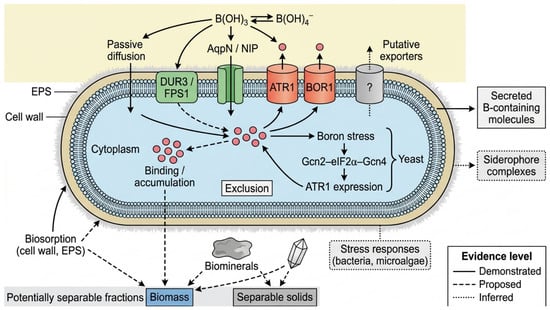
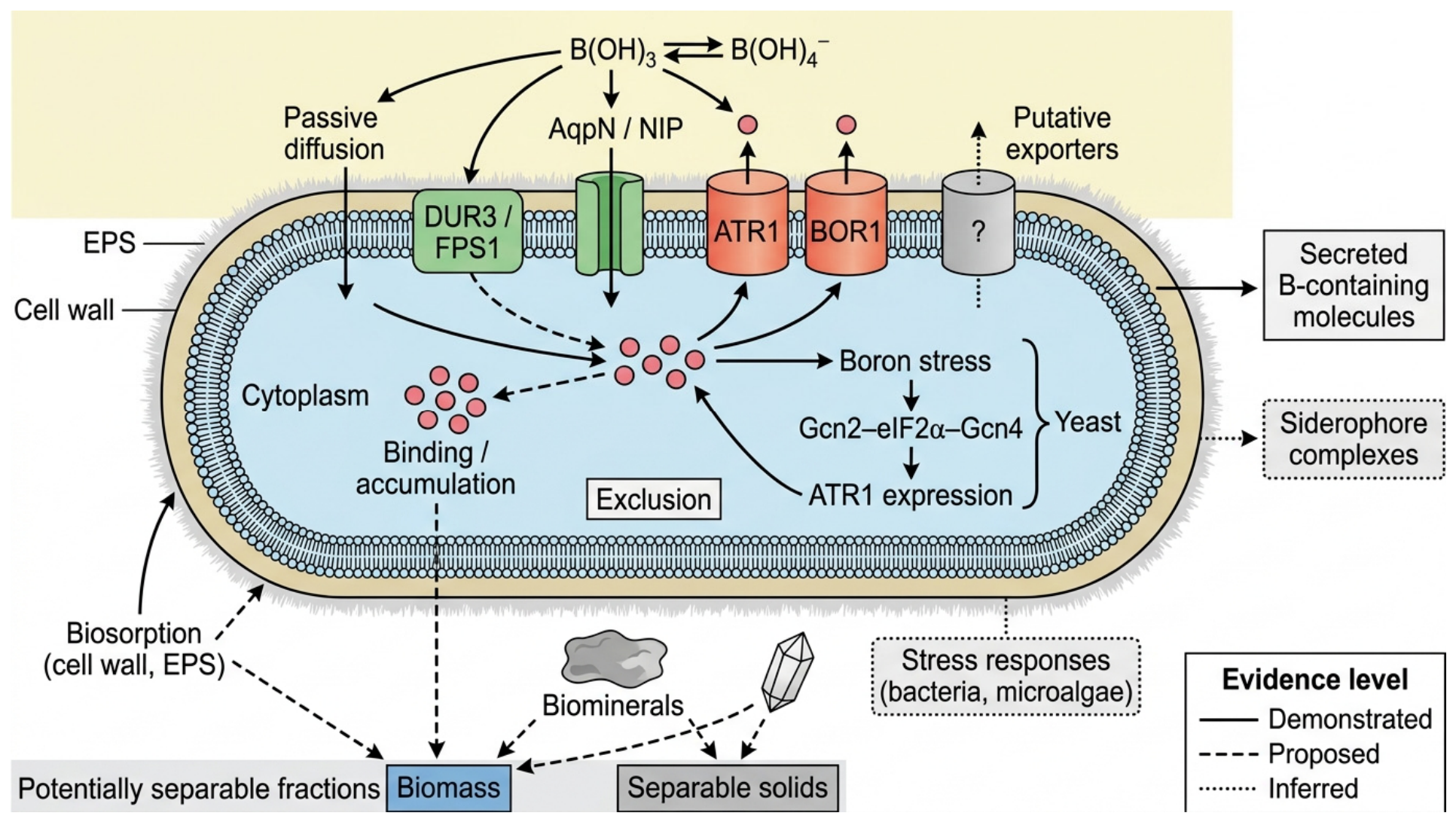

Disclaimer/Publisher’s Note: The statements, opinions and data contained in all publications are solely those of the individual author(s) and contributor(s) and not of MDPI and/or the editor(s). MDPI and/or the editor(s) disclaim responsibility for any injury to people or property resulting from any ideas, methods, instructions or products referred to in the content. |
© 2026 by the authors. Licensee MDPI, Basel, Switzerland. This article is an open access article distributed under the terms and conditions of the Creative Commons Attribution (CC BY) license.