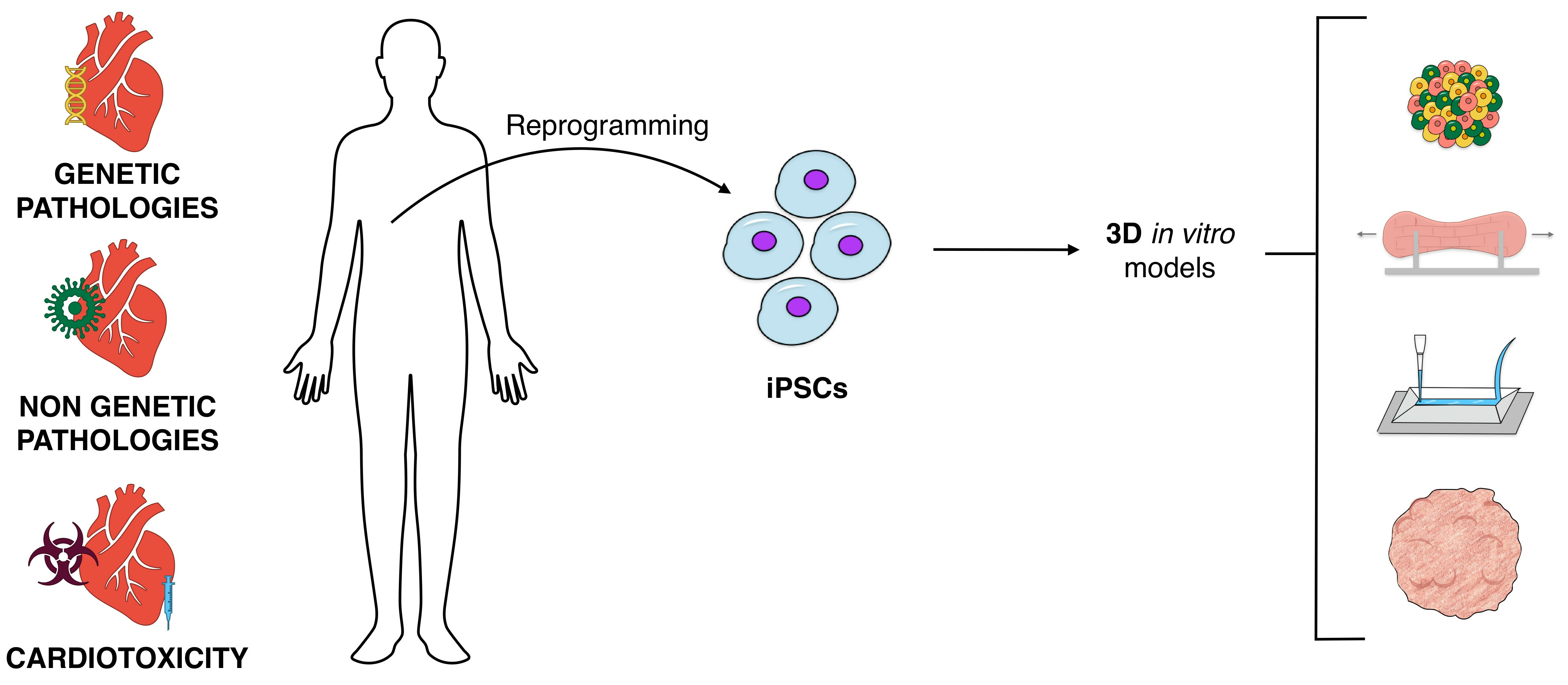
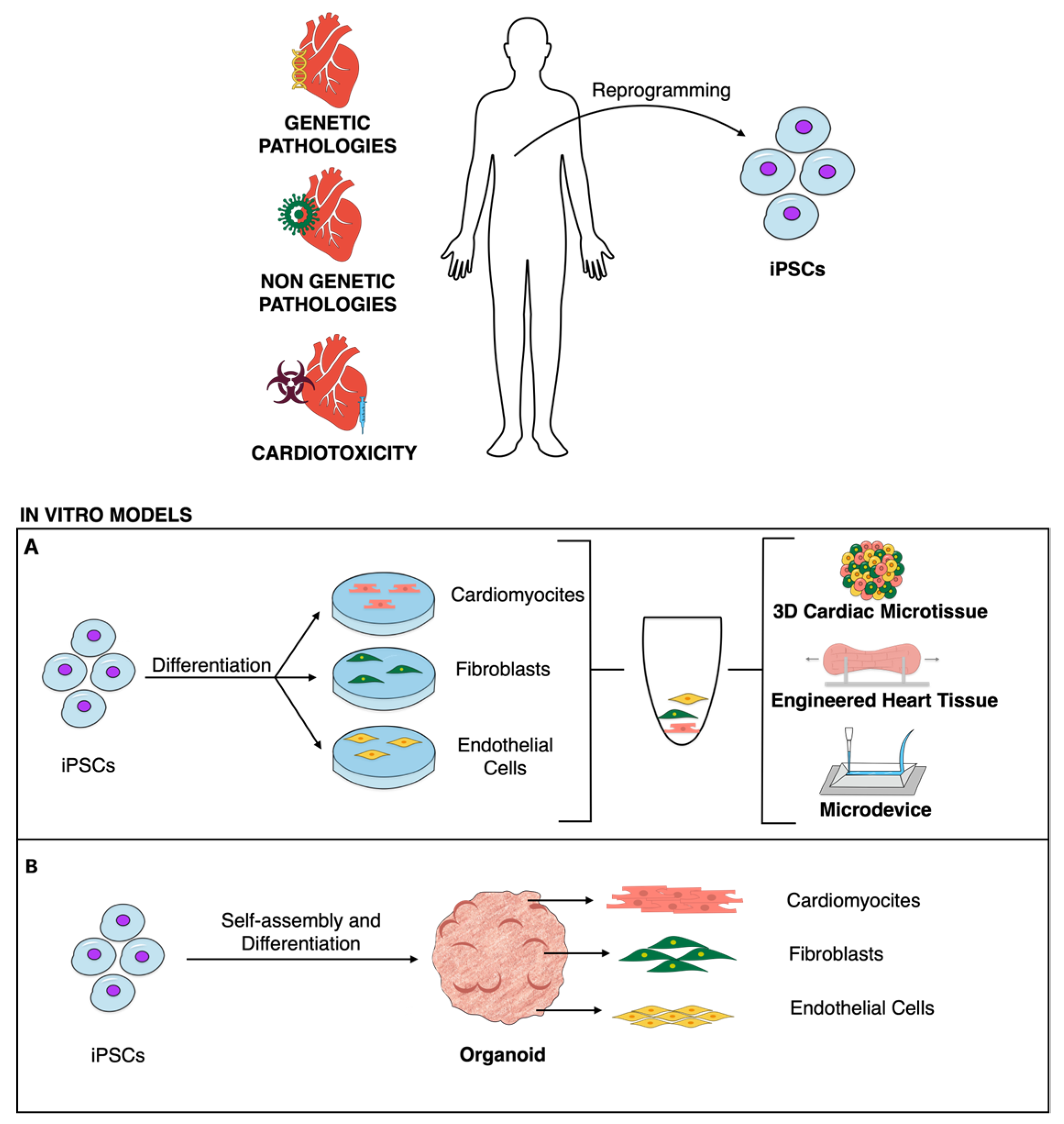
Three-Dimensional iPSC-Based In Vitro Cardiac Models for Biomedical and Pharmaceutical Research Applications


Abstract
Share and Cite
Bufi, S.; Santoro, R. Three-Dimensional iPSC-Based In Vitro Cardiac Models for Biomedical and Pharmaceutical Research Applications. Int. J. Mol. Sci. 2024, 25, 10690. https://doi.org/10.3390/ijms251910690
Bufi S, Santoro R. Three-Dimensional iPSC-Based In Vitro Cardiac Models for Biomedical and Pharmaceutical Research Applications. International Journal of Molecular Sciences. 2024; 25(19):10690. https://doi.org/10.3390/ijms251910690
Chicago/Turabian StyleBufi, Simona, and Rosaria Santoro. 2024. "Three-Dimensional iPSC-Based In Vitro Cardiac Models for Biomedical and Pharmaceutical Research Applications" International Journal of Molecular Sciences 25, no. 19: 10690. https://doi.org/10.3390/ijms251910690
APA StyleBufi, S., & Santoro, R. (2024). Three-Dimensional iPSC-Based In Vitro Cardiac Models for Biomedical and Pharmaceutical Research Applications. International Journal of Molecular Sciences, 25(19), 10690. https://doi.org/10.3390/ijms251910690