


Abstract
Water invasion has become a critical challenge during the late-stage development of gas reservoirs, particularly under harsh conditions characterized by high temperature, high salinity, and strong reservoir heterogeneity. Chemical water shutoff technologies have thus gained increasing attention as effective solutions for selectively restricting water production while preserving gas deliverability. This review systematically summarizes recent advances in chemical water shutoff for gas reservoirs, focusing on polymer gels, nanocomposite materials, relative permeability modification agents, and emerging functional fluids. The reviewed materials are analyzed in terms of dominant sealing mechanisms, gas–water selectivity, reservoir adaptability, and performance under extreme formation conditions. By critically comparing their advantages, limitations, and field applicability, key challenges related to deep placement, selective sealing, long-term stability, and engineering controllability are identified. To address these limitations, emerging concepts such as zonal synergistic water control and bioinspired gas–water barriers are discussed, integrating wettability regulation, multiscale sealing, and adaptive material responses. These strategies provide a conceptual framework and research direction for the design of next-generation, efficient, and sustainable chemical water shutoff systems in complex gas reservoirs.
1. Introduction
Water invasion is a critical issue that undermines the production stability and economic performance of gas wells during gas reservoir development. It refers to the process by which water from adjacent aquifers migrates into the gas-bearing formations through seepage channels, influenced by pressure gradients, fractures, and pore structures [1,2]. With increasing production intensity, the bottomhole pressure drops rapidly, promoting the formation of tongue-like, finger-like, or bottom-water wedge-shaped intrusions that significantly reduce gas output and exacerbate problems such as equipment corrosion, sand production, and wellbore blockage [3]. The mechanism of water invasion is highly complex, influenced by pore structure, flow characteristics, wettability, aquifer thickness, and unsteady multiphase flow. In pore-type reservoirs, bottom-water breakthrough is common, whereas in fractured or fracture–pore composite reservoirs, natural and hydraulic fractures serve as rapid conduits, making water invasion more abrupt and difficult to predict [4,5]. Furthermore, gas–water interactions under multiphase flow conditions lead to irregular, fluctuating interfaces, complicating prediction and control [6].
Macroscopically, water invasion alters reservoir pressure distribution and flow systems, leading to increased water saturation, reduced effective pore volume, and a decline in gas relative permeability. Persistent water coverage creates immobile zones that impair productivity and shorten reservoir economic life [7,8]. Additionally, continued water encroachment at the gas–water interface can induce local stress changes, causing wellbore collapse and increasing operational and environmental risks [9].
In practice, control strategies for water invasion are generally classified into two main categories: physical and chemical. Physical methods (e.g., mechanical packers, drainage systems, and water-tight tubing) offer short-term control but are limited by geologic complexity and placement accuracy [10,11]. In contrast, chemical water shutoff technologies—by injecting specific agents to form physical or chemical barriers in high-permeability water-bearing zones—modify flow paths and selectively block water while maintaining gas flow. This makes them an increasingly important focus of research [12,13].
Typical agents include polymer gels, microemulsions, and particulate or colloidal materials [13,14,15,16], which can form impermeable structures in pores or fractures with minimal gas flow impairment. However, in high-temperature, high-pressure, and high-salinity environments, challenges remain, including precipitation or degradation of agents, poor placement in heterogeneous fractures, and limited long-term barrier stability [12,16,17,18]. These issues highlight the need for advances in molecular design, rheology control, and injection optimization, all of which should be supported by field trials.
Effective material development requires understanding reservoir geology and invasion characteristics, including strong heterogeneity, tight matrix (k < 1 mD), zones of extreme permeability contrast, high pressure (>10 MPa), elevated temperature (120–180 °C), and complex flow regimes (bottom/edge water and condensate interactions) [19,20,21]. This review proceeds to comprehensively analyze material selection, reservoir applicability, water-blocking performance, and technological direction, covering polymer–microsphere matching, surfactant-induced wettability alteration, nanocomposite enhancement, and metrics such as cost, injectability, and environmental compatibility.
Future directions include multimaterial hybrid systems, full-scale plugging platforms, CO2-assisted processes, and integration of real-time monitoring and numerical modeling to establish closed-loop design–injection–evaluation workflows. In summary, water invasion remains a key technical challenge with significant economic implications in gas production. Its effective control relies on interdisciplinary collaboration and advanced technologies, which together will enable the efficient and sustainable development of gas resources.
Previous reviews have mainly focused on oil reservoirs, single material categories, or field case summaries, with limited attention to gas reservoir-specific challenges such as high-temperature and high-salinity environments, fracture–matrix heterogeneity, and gas–water selectivity.
This review focuses on chemical water shutoff technologies specifically for gas reservoirs. The literature is analyzed based on (i) material categories, (ii) dominant sealing mechanisms, and (iii) reservoir applicability under harsh conditions. By integrating material performance with gas–water flow mechanisms, this review aims to identify critical knowledge gaps and emerging strategies for future development.
1.1. Scope and Literature Search Strategy
To improve transparency and reproducibility, this review followed a structured literature search and screening workflow. We focused on chemical water shutoff technologies tailored to gas reservoirs under harsh conditions (high temperature and salinity, fracture–matrix heterogeneity, and gas–water selectivity).
Databases and search period: Web of Science Core Collection, Scopus, and OnePetro were queried for studies published between January 2000 and December 2024. Supplementary searches were performed in Google Scholar for key terms and in the reference lists of relevant reviews and field reports.
Search keywords (examples): (“gas reservoir” OR “gas well” OR “condensate gas”) AND (“water shutoff” OR “conformance control” OR “relative permeability modification” OR “wettability alteration” OR “gel” OR “microgel” OR “foam” OR “nanofluid” OR “microemulsion”).
Inclusion criteria: (i) gas reservoir or gas well water control; (ii) chemical agent forms an in situ or placed barrier with reported performance (lab coreflood, microfluidics, or field case); (iii) the study reports at least one of the following: plugging strength/differential pressure, permeability reduction, selectivity (gas vs. water), injectivity/migration, or stability under temperature/salinity.
Exclusion criteria: (i) purely mechanical isolation without chemistry; (ii) studies focused solely on oil reservoirs without transferable gas–water selectivity insights; (iii) insufficient methodological details to interpret performance; (iv) duplicate publications of the same dataset (the most complete version was retained).
1.2. Data Extraction and Synthesis
For each included study, we extracted reservoir conditions (temperature, salinity, permeability/porosity, fracture presence), agent composition and form (gel, particle, foam, nanocomposite, RPMA), key performance metrics (water-phase permeability reduction, gas-phase impairment, differential pressure/plugging strength, placement radius, and longevity), and implementation parameters (preflush, injection sequence, isolation tools). Evidence was synthesized by material category and by dominant mechanism (precipitation/curing, crosslinking network formation, particle bridging/swelling, interfacial wettability regulation, and nano-reinforcement). Cross-category comparisons are summarized in Section 4, and the proposed decision framework is described in Section 5.
2. Water Shutoff in Gas Reservoirs: Research and Application
With the continued development of natural gas resources, water invasion has emerged as a critical challenge limiting the stable production and economic performance of gas wells. Compared to oil reservoirs, gas reservoirs often exhibit lower permeability, more complex pore structures, and highly developed natural fractures, making water intrusion more abrupt and less predictable [22,23,24]. Traditional physical isolation methods are often insufficient for deep and effective water control. In this context, chemical water shutoff technologies characterized by their tunability, selectivity, and adaptability have gained increasing attention and application in recent years [25]. Significant progress has been made globally in terms of agent types, mechanisms of action, laboratory evaluation methods, and field deployment strategies. However, systematic assessments of their applicability under gas reservoir-specific conditions and large-scale field experience remain limited, as summarized in Table 1. Therefore, a comprehensive review of current advances and field practices in chemical water shutoff is essential for promoting the engineering implementation of high-performance agents and optimizing water control strategies for complex gas reservoirs.
Table 1.
The advantages and disadvantages of water shutoff agents, their gas reservoir adaptability, and supporting technologies. Plugging strength refers to the maximum sustained differential pressure reported in representative lab/core tests or field evaluations; values are compiled from the cited references in Section 2 and Section 3 and should be interpreted as indicative ranges rather than universal limits.
2.1. Inorganic Salts and Resin-Based Water Shutoff Agents
Particle-based plugging agents play a critical role in water shutoff operations by physically obstructing high-permeability channels through filtration, bridging, or expansion-driven blocking effects. Upon injection, these particles typically undergo a sequence of dispersion, pore entry, and in situ accumulation. When the particle size is sufficiently large—typically exceeding one-third of the pore throat diameter—a tight filter cake can form at pore constrictions, leading to effective channel occlusion and redirection of water flow [25,28]. Materials employed in this category span a broad spectrum, including inorganic solids such as clays, fly ash, and mineral powders, as well as polymeric microspheres and flexible rubber granules. These agents exhibit strong mechanical resistance (≈10 MPa) and tolerate harsh reservoir conditions ranging from 25 to 200 °C and high salinity levels [26]. However, gravitational settling, particle aggregation in dominant flow paths, and limited adaptability to heterogeneous formations often compromise their deep migration and coverage efficiency [29]. In addition, mechanical degradation under stress can reduce long-term sealing performance. Expandable microgels or preformed particles further enhance plugging depth by leveraging water-triggered swelling. These materials can initially pass through pore networks in a compact state, then expand upon hydration to temporarily seal pathways. Under elevated pressure gradients, they may deform or rupture, allowing fragments to advance deeper into the formation and reassemble at narrower sites [30,31]. Their performance is closely associated with swelling kinetics, viscoelastic response, injection concentration, and flow regime.
From an operational perspective, particle-based systems are favored for their relatively low cost, field applicability, and tunability through particle size gradation [27]. Recent studies have focused on optimizing multiscale particle blending strategies to improve conformance control [32]. For example, staged injection of coarse-to-fine particle systems extends the effective plugging radius. Advanced visualization techniques (e.g., micro-CT, fluorescence imaging) have enabled researchers to observe particle transport and retention behaviors in complex pore–fracture systems, whereas numerical models coupling flow dynamics with particle mechanics are being developed to predict sealing patterns under varying injection scenarios.
Despite progress, several limitations persist. Particle agents tend to accumulate in dominant flow channels, leaving low-permeability zones undertreated [31,33]. High-temperature and saline conditions may cause dehydration or aggregation of polymer-based materials. Moreover, the irreversibility and stability of plugging layers remain open concerns, especially for long-term reservoir control.
2.2. Polymer-Based Water Shutoff Agents
Polymer-based water shutoff agents are among the most widely applied chemical materials for water control in gas reservoirs [25,31,34]. Leveraging their high viscoelasticity and tunable crosslinking behavior, these agents form high-strength gels or viscous barriers within high-permeability channels to effectively block water flow while preserving gas conductivity. Their action modes are broadly classified into three types: (1) adsorptive retention of linear polymers, where molecular entanglement and shear thickening increase water-phase resistance; (2) physically crosslinked weak gels for flexible control under low-temperature or slow-flow conditions; and (3) chemically crosslinked three-dimensional gel networks, suitable for long-term sealing of deep, high-water-cut zones. Common polymers include polyacrylamide (PAM), modified starches, xanthan gum, and various amphoteric copolymers. These are typically combined with crosslinkers such as Cr3+ or organic agents to adjust gelation time, strength, and thermal/salt resistance [30,31]. To address the hydrolysis and degradation issues in high-temperature and high-salinity reservoirs, recent research has developed thermally stable polymer backbones and self-healing dynamic crosslinking networks, significantly improving durability and reservoir compatibility [35,36,37].
Laboratory and field data have shown that polymer gels can maintain shear strengths above 5 MPa and stable sealing for several months under conditions of 120–150 °C and salinity up to 200,000 mg/L [38,39]. Some systems exhibit regelation ability after multiple stimulation or washing cycles, offering potential for reversible control.
Key challenges remain: (1) channeling in fractured formations, leading to reduced plugging efficiency; (2) limited formulation stability prior to injection, resulting in narrow operational windows; and (3) insufficient deep migration, especially in ultra-low-permeability reservoirs. Future developments should focus on hybrid systems combining polymers with microspheres or surfactants, as well as real-time monitoring and numerical simulation to optimize injection strategies and improve water-blocking selectivity and long-term performance in complex reservoirs.
2.3. Foam-Based Water Shutoff
Foam systems have emerged as a versatile solution for selective water shutoff, especially in fractured and heterogeneous gas reservoirs [40,41]. By generating a dispersed gas–liquid structure within the porous medium, foam effectively reduces water phase mobility while maintaining or restoring gas flow capacity. This selectivity arises from several interrelated mechanisms [39,42]. First, foam introduces enhanced capillary resistance at pore throats due to the small radius of curvature of the gas–liquid interfaces. The resulting capillary pressure acts as a dynamic barrier that prevents further water penetration into high-permeability zones. Second, the viscoelastic nature of foam introduces significant flow resistance. Foam bubbles undergo continuous deformation, coalescence, and rupture, which dissipate energy and hinder water movement. Third, due to differences in wettability, foam preferentially accumulates in water-wet channels while being less stable in gas-dominated zones, thereby facilitating selective phase control [43,44,45]. Finally, foam systems can be engineered to remain stable over time or to degrade controllably, depending on reservoir demands.
Laboratory studies have shown that foam behavior is highly sensitive to surfactant type, gas fraction (foam quality), temperature, salinity, and pore geometry. For example, nonionic and zwitterionic surfactants often perform better in high-salinity reservoirs, maintaining foam stability under challenging chemical environments [46]. Microfluidic and coreflooding experiments have demonstrated foam’s ability to form stable “foam banks” in pore networks or narrow fractures, improving water-blocking efficiency with minimal damage to gas conductivity [47,48].
Despite these advantages, foam-based shutoff technologies face several practical limitations. Foam stability deteriorates significantly in ultra-high-temperature (>120 °C) or ultra-high-salinity (>100,000 mg/L) environments [43]. Additionally, reservoir heterogeneity can lead to non-uniform foam propagation, causing issues such as channeling, bypassing, or erratic mobility. Moreover, once foam is destabilized, reestablishing its original blocking structure is challenging, raising concerns about long-term effectiveness and retreatability [43].
2.4. Wettability Reversal Agents (WRAs)
Wettability reversal agents (WRAs) are a class of functional chemicals designed to selectively block water flow in gas reservoirs by altering the surface wettability of reservoir rocks [49]. Their core function lies in transforming hydrophilic or neutral mineral surfaces into gas-wet (or oil-wet) states, thereby suppressing water-phase migration in pores and fractures while enhancing gas-phase permeability. This enables efficient water shutoff with minimal impact on gas deliverability [50,51]. At the microscopic level, WRAs adsorb onto rock surfaces via electrostatic attraction, van der Waals forces, or hydrophobic interactions, forming a dense and stable interfacial layer. This adsorbed film displaces pre-existing water films and reduces the rock’s affinity for water, leading to a significant increase in contact angle and a decrease in water-phase mobility. Additionally, WRAs can reduce rock–water interfacial tension and promote gas-phase spreading. Some formulations exhibit pH or ion-sensitive behaviors, allowing targeted release and spatial control under specific formation conditions.
Laboratory studies using contact angle measurement, NMR analysis, and microfluidic visualization have demonstrated that various WRAs, including cationic, nonionic, and nanoemulsion-based systems, effectively alter wettability across multiple rock types (e.g., sandstones, carbonates) [52,53]. Cationic surfactants tend to offer more stable adsorption in low-salinity environments, whereas nanoemulsion carriers enable robust performance under high-temperature (>120 °C) and high-salinity (>150,000 mg/L) conditions. In some cases, contact angle increases of over 30° and reductions in water-phase permeability exceeding 50% have been reported. Microscale visualization and pore network simulations further reveal the preferential adsorption of WRAs in high-permeability zones, followed by diffusion into lower-permeability regions, forming multiscale wettability barriers. In field applications, WRAs are often used in conjunction with other chemical agents, such as foams, gels, or polymer microspheres, to establish staged water control [54]. A common strategy is to precondition the reservoir with a WRA to modify the rock surface before injecting plugging agents, thereby enhancing long-term effectiveness. In fractured formations, horizontal wells, and condensate gas reservoirs with active edge or bottom water, WRA-assisted treatments have demonstrated significant improvements. Field cases have reported up to 60% reductions in water production and sustained shutoff performance for over two years using zonal injection and pH- or temperature-triggered WRA systems.
Nevertheless, several technical challenges remain. These include ensuring long-term adsorption stability in high-temperature and high-salinity formations, achieving uniform action in geologically heterogeneous reservoirs, and maintaining chemical compatibility during co-injection with other agents. Future research should focus on the design of multifunctional and responsive surfactants, development of intelligent WRA systems, and optimization of injection schemes [55]. Integrating online monitoring technologies and tracers will also be critical for tracking wettability transitions in real time and enabling adaptive control.
Wettability reversal agents alter rock surfaces from water-wet to gas-wet conditions, thereby significantly reducing water-phase permeability while maintaining gas flow pathways for selective water control [55,56]. These materials form a hydrophobic adsorption layer on the rock surface, increasing the contact angle, disrupting capillary water films, and suppressing water spreading. Common WRAs include cationic and nonionic surfactants as well as nanoemulsion systems. Experiments have shown that these agents maintain good stability under high-temperature and high-salinity conditions, achieving reductions in water-phase permeability exceeding 50%. Microscopic visualization and numerical simulations confirm their preferential adsorption in high-permeability flow channels. In field applications, WRAs are often used in combination with gels or foams, making them suitable for fractured formations and condensate gas reservoirs [57]. The main challenges lie in ensuring long-term adsorption stability under harsh conditions and achieving uniform action in heterogeneous formations. Given their excellent injectivity, low formation damage, and strong selectivity, WRAs have become an important emerging technology for chemical water shutoff in gas reservoirs.
As gas reservoir development enters the middle to late stages, water invasion has become an increasingly serious issue, driving a growing demand for chemical water shutoff technologies in field operations. In recent years, field trials of various shutoff agents have been conducted in typical gas reservoirs both domestically and internationally, covering a wide range of reservoir types, including fractured, tight, and condensate gas reservoirs as summarized in Table 2 [58]. These efforts have gradually advanced engineering experience in agent selection, injection parameter optimization, and performance evaluation. In North America, companies such as Shell and Chevron have widely applied polymer gels, microspheres, and foam-based composite systems in shale gas and tight sandstone reservoirs to selectively block water invasion along horizontal well sections [59]. In China, chemical water shutoff field applications have also been performed in regions such as the Kuqa foreland fault belt of the Tarim Basin and the Sulige gas field in the Ordos Basin. Field practices show that the effectiveness of water shutoff treatments is influenced by multiple factors, particularly reservoir heterogeneity, water invasion mechanisms, and injection strategies [60].
Table 2.
On-site application of main water-blocking agents.
3. Advanced Chemical Water Shutoff Materials for Gas Reservoirs
3.1. Polymeric Materials and Gel Systems for Water Shutoff
3.1.1. Field Applications of Polymer-Based Water Shutoff
In the 1970s and 1980s, early water shutoff efforts in gas wells primarily relied on single-component polymers, with acrylamide-based systems being the most commonly used [61]. One of the earliest field trials was conducted in 1977 at a gas field in Colorado, USA, using a PAM solution. However, the treatment was unsuccessful, and the well quickly ceased production afterward [62,63]. Subsequent efforts in France’s Verena gas reservoir involved the use of copolymers composed of acrylamide and acrylate monomers. These copolymers exhibited responsive behavior: contracting in high-salinity water and expanding in low-salinity conditions. This behavior allowed for adjustments in relative permeability between gas and water phases, enabling a degree of disproportionate permeability reduction (DPR) [63]. Despite initial promise, long-term production improvement remained limited, as shown in Table 3. To address the thermal and salinity constraints of traditional HPAM and PAM systems, researchers began incorporating stabilizing additives and developing ternary or modified copolymers. For example, activators can function as stabilizers or form coordination complexes with polymer chains, enhancing thermal resistance [64]. A notable example is the Wales gas well in Canada, where PAM-based treatment successfully mitigated water coning issues [64,65].
Table 3.
Application cases of polymer gas well water control.
Ternary copolymers with interwoven molecular networks formed from monomers such as acrylamide (AM), vinyl sulfonate (VS), and vinyl acetate (VA) have shown superior structural integrity and stability in harsh reservoir environments. In a northern German gas reservoir, such a ternary system reduced water production from 90 m3/d to less than 1 m3/d while restoring gas output to greater than 105 m3/d [61]. In western Germany, the use of a low-molecular-weight, partially sulfonated acrylamide-based ternary copolymer led to a fivefold increase in the gas–water ratio (GWR), demonstrating its effectiveness under high-salinity conditions [66]. These historical applications highlight the evolution of polymer water shutoff materials from simple acrylamide formulations toward more robust, chemically engineered copolymers capable of performing under extreme reservoir conditions.
In high-temperature and high-salinity gas reservoirs, a combined treatment strategy using a preflush solution followed by a modified polymer system has proven more effective for water shutoff. Conventional polymer-based agents, such as PAM and HPAM, often exhibit high viscosity and elevated resistance factors, which can unintentionally hinder both gas and water flow, especially in low-permeability or low-productivity formations [67]. This can lead to complete blockage of flow channels and loss of deliverability. To overcome these limitations, ternary copolymers and their modified variants have gained attention given their lower molecular weight and reduced viscosity. These systems can navigate narrow pore structures more effectively and exhibit improved injectivity under tight formation conditions. Their balanced rheological behavior allows for sufficient placement depth without causing excessive flow resistance, making them better suited for delicate gas–water systems where maintaining gas mobility is critical. By tailoring the polymer structure and optimizing injection sequences, these advanced formulations offer a promising solution for enhancing water control while minimizing formation damage, particularly in challenging reservoirs with complex mineralogy and ultra-low permeability [68].
3.1.2. Field Applications of Polymer Gel-Based Water Shutoff
During gelation, polyacrylamide-based polymers form three-dimensional networks through crosslinking with either organic or inorganic agents. In organic systems, covalent bonding occurs between amide groups and the crosslinker, enhancing the rigidity of polymer chains and increasing the number of effective crosslinking sites [69]. In contrast, inorganic crosslinkers (e.g., metal ions) often initially induce intramolecular folding into single-chain microgels, which subsequently aggregate through intermolecular linkages to form larger network structures, resulting in improved spatial stability [69]. Compared with conventional polymer solutions, polymer gels offer superior thermal and salinity resistance, making them more suitable for controlling water production in high-temperature, high-salinity gas reservoirs. Field trials have validated their effectiveness in diverse geological settings, including the Peciko gas field in East Kalimantan (Indonesia) [70], East High Island 285 in the Gulf of Mexico [71], Tainan gas field in Qinghai, China [72], the Bassein gas field in India [73], and a high-temperature well in Oklahoma, USA [73] (see Table 4). In addition to chemical stability, polymer gels exhibit excellent viscoelasticity and resistance to flow-back erosion. For instance, in fractured gas reservoirs, the Sukunka field in British Columbia employed chromium-based gels to treat excessive water production, resulting in a ~75% reduction in the water–gas ratio (WGR) and a 50% increase in gas output [74].
Table 4.
Gel gas well water control application cases.
However, high-temperature conditions pose specific challenges to gel systems. Bach et al. [64] observed that gels crosslinked with inorganic agents such as Cr(III) tend to undergo hydrolysis and precipitation at elevated temperatures. These precipitates often fail to migrate effectively to the leading edge of the treatment zone, thereby reducing the depth of penetration and weakening the desired disproportionate permeability reduction (DPR) effect. Therefore, organically crosslinked gel systems are generally preferred in high-temperature applications due to their enhanced thermal stability and deeper placement capabilities.
3.1.3. Adaptability of Polymeric Materials and Gel Systems in Gas Reservoirs
Overall, polymer and polymer gel systems are best suited for reservoirs with moderate pore sizes and medium to high permeability. In such formations, polymers offer good injectivity and continuous plugging capability, enabling effective water shutoff without significantly impairing gas flow. However, due to the relatively weak intermolecular forces between linear polymer chains, conventional systems often suffer from poor thermal and salinity resistance, limited shear stability, and low plugging strength. These limitations make them unsuitable for high-stress environments such as fractured formations or ultra-high-temperature reservoirs. To enhance performance and expand their applicability, two main optimization strategies have been adopted. First, in high-temperature reservoirs, preflush treatments using cold water or activators can help regulate local temperature and hydration conditions, improving polymer placement and crosslinking efficiency. Second, incorporating chemical crosslinkers to form gels or using modified polymer structures can significantly improve the material’s resistance to heat, salinity, pressure, and erosion, thereby making them more effective in fractured, high-salinity, or high-temperature gas wells.
Nevertheless, in reservoirs with extremely high water saturation, the absorbed water in gels can promote shear thinning, reducing residual gas saturation and weakening the effectiveness of disproportionate permeability reduction (DPR) [61]. To address this, advanced crosslinking techniques have been proposed to avoid “dual-phase blockage” of both gas and water. These techniques include generating in situ gas channels through acid-releasing reactions, embedding weakly crosslinked pathways, or inducing external gas-flow conduits during gelation [14]. Such approaches aim to retain selective gas permeability within the plugged zone, enabling more targeted and efficient water control in complex reservoir environments.
3.2. Relative Permeability Modification Agents (RPMAs) for Water Control
Relative permeability modification agents are specialized materials designed to selectively reduce water-phase permeability while maintaining relatively unimpeded gas-phase flow, thereby achieving targeted water shutoff in gas reservoirs. These agents are generally classified into two main categories. The first category comprises water-soluble polymer-based systems, which feature lower viscosity, superior injectivity, and better mobility than conventional polymer or gel-type blocking agents. As such, they are often regarded as a more advanced evolution of traditional polymer-based water shutoff technologies [75,76]. The second category includes fluorinated systems, primarily composed of fluorocarbon surfactants. These agents utilize strong interfacial activity and wettability alteration mechanisms to modify multiphase flow characteristics and enhance water–gas selectivity. Both types of agents are gaining increasing attention in the context of fractured, high-salinity, or ultra-low-permeability gas reservoirs, where conventional blocking methods often fall short.
3.2.1. Field Applications of Relative Permeability Modification Agents
Water-soluble polymers are often studied and applied independently as a type of relative permeability modification agent (RPMA). Many researchers consider certain linear polymers or weak polymer gels to function as RPMAs. For example, Chen et al. [22] evaluated HPAM-1 and HPAM-2 as RPMAs, leveraging their ability to form smooth, hydrophilic adsorption layers along pore walls to suppress water-phase mobility while maintaining gas flow—a strategy often described as “blocking water while allowing gas.” Pietrak et al. [77,78] reported a sulfonated acrylamide-based RPMA system that effectively reduced the effective diameter of water flow paths, enhanced water-phase resistance, and demonstrated thermal stability up to 98 °C. Campbell et al. [79] developed a hydrophilic terpolymer (STP) capable of selectively controlling water in high-temperature (>149 °C), high-salinity, and high-velocity gas-bearing sandstone formations. This system demonstrated strong gas–water selectivity and robust field performance. Eoff et al. [80] further advanced this concept by synthesizing a brush-shaped polymer with a methoxy polyethylene glycol (MPEG) backbone that maintained excellent stability under highly saline conditions and was successfully applied in both sandstone and carbonate gas reservoirs.
In contrast, fluorinated RPM systems function primarily by altering rock wettability from liquid-wet to gas-wet states, thus enhancing water-blocking selectivity via a disproportionate permeability reduction (DPR) mechanism. Jin et al. [81] modified nanosilica particles with fluorinated surfactant FG40 to induce a wettability shift toward a gas-wet state, increasing water-phase resistance and improving the productivity of condensate gas reservoirs. Liu et al. [26] developed a fluorocarbon surfactant-based system (WA12) that exhibited excellent thermal stability (up to 170 °C), high chemical resistance, strong hydrophobicity, and salt tolerance up to 70,000 mg/L. Similarly, Wang et al. [82] demonstrated that FG24, a fluorinated surfactant, could convert the rock surface to a gas-wet state, resulting in a greater than 25% increase in both gas relative permeability and gas production rate, while maintaining thermal stability at temperatures up to 120 °C.
Water-soluble polymer-based relative permeability modification agents (RPMAs) have demonstrated moderate thermal stability and are primarily applied in gas reservoirs characterized by low porosity and medium permeability. Notable field trials include applications in Block W of the Lunyu gas reservoir [83], a well in Canada [84], and the Grand Island gas field in Nebraska, USA [84]. In each case, a significant reduction in water production was observed post-treatment, effectively reestablishing gas flow pathways and enhancing overall gas deliverability. Given the strong C–F bonds in their molecular structure, fluorinated surfactant-based RPMAs exhibit enhanced chemical and thermal stability, thereby extending the operating temperature range of water-soluble RPMA systems. Their relatively low molecular weight and superior injectivity allow them to penetrate deeper into tight or ultra-low permeability formations, where they help mitigate water blocking and improve gas-phase flow. Successful field deployments have been reported in the Natural Buttes gas field in Utah, USA [83], and the Dongpu condensate gas reservoir in Henan, China [84], where the use of fluorinated RPMAs led to effective water control and reduced water-lock damage.
3.2.2. Adaptability of Relative Permeability Modification Agents in Gas Reservoirs
Relative permeability modification agent (RPMA) systems are characterized by low viscosity and high mobility, making them particularly suitable for applications in low-permeability and tight gas reservoirs as summarized in Table 5. However, their relatively weak mechanical strength and poor resistance to flow-back erosion limit their effectiveness under harsher reservoir conditions. Kalfayan et al. [85] suggested that RPMAs can be effective in gas wells with high water cut but are generally unsuitable for fractured reservoirs due to uneven fluid distribution and uncontrolled leakoff. According to Eoff et al. [6] and Botermans et al. [86], RPMAs perform best in stratified, homogeneous reservoirs where there is minimal crossflow between layers, no active water movement in hydrocarbon-producing zones, and distinct contrasts between high-permeability water-bearing layers and low-permeability gas-bearing layers. In such settings, significant disproportionate permeability reduction (DPR) effects can be achieved. Qi et al. [87] further emphasized that the effectiveness of RPMAs strongly depends on their adsorption behavior on the reservoir rock surface, particularly their interaction with surface charges. Therefore, optimizing the electrochemical compatibility between the RPMA and the rock matrix may enhance DPR selectivity.
Table 5.
RPM well water control application cases.
Despite these advantages, several field studies have reported challenges such as delayed response time, low post-treatment gas production, and strong sensitivity to reservoir heterogeneity and operational parameters. To address these issues, RPMAs can be integrated with stimulation techniques, such as hydraulic fracturing or optimized using improved injection strategies, to enhance water-blocking selectivity and treatment efficacy. Furthermore, given their tendency to preferentially adsorb onto clay-rich, water-producing zones, the effective penetration depth of RPMAs may be limited [88]. To mitigate this, a preflush stage can be introduced to condition the formation before RPMA injection, thereby facilitating deeper placement and prolonging the agent’s effectiveness in water control.
3.3. Functional Fluids for Water Control
3.3.1. Field Applications of Functional Fluids in Water Shutoff
Nanofluid-based water control agents have gained increasing attention due to their unique physicochemical properties, as summarized in Table 6. These agents include nanoemulsions, nano-active oils, and other functional colloidal systems. For example, Luo Mingliang et al. [89] developed a nanoemulsion composed of amino-polysiloxane and methyl ester sulfonate (MES) that showed good compatibility with tight reservoir pore-throat structures. Core flooding experiments indicated that the water-phase relative permeability was reduced by more than 60% after treatment. Sun Xiangyu et al. [90] formulated a nano-activated condensate fluid designed for high-temperature (140–150 °C), high-salinity (200,000 mg/L) edge and bottom-water condensate gas reservoirs. Core tests revealed that the post-treatment water production rate was reduced to one-ninth of the pretreatment level. Similarly, Yang Liping et al. [91] applied a nanoparticle-based active oil system in the Tarim Basin’s Tahe gas field, achieving a daily gas production increase of 70,000 m3 and a 75% reduction in water cut for a single well.
Table 6.
Functional fluid gas well water control application cases.
Importantly, organosilicon compounds dramatically alter capillary forces and imbibition rates, reducing the likelihood of water invasion into pore throats and effectively mitigating the “water-lock” effect. For example, Sun Houtai [92] developed a modified amino-silicone nanofluid with a median particle size of 30.2–84.2 nm that was matched to the pore-throat scale of low-permeability reservoirs. The system was thermally stable at 80 °C, reversed rock wettability from hydrophilic to hydrophobic, and reduced spontaneous imbibition by 27.2–31.3%, thereby supporting water control and gas stabilization. Another representative system is colloidal nanosilica fluids, which are composed of silica nanoparticles and activators. With particle sizes ranging from 3 to 100 nm and viscosities below 10 mPa·s, these systems can penetrate deep into water-bearing pore networks and transform in situ into high-viscosity or rigid phases, forming durable blockages [93].
For microemulsion-based systems, Yan Bo et al. [89] developed a high-temperature-stable, gas-wet emulsion for gas reservoirs at 106.7 °C. The formulation, which blended cetyltrimethylammonium chloride, stearyl trimethylammonium chloride, and modified imidazoline, achieved a water shutoff efficiency of 94.9% while maintaining gas flow. Field trials are also used to validate the potential of functional fluids. In the Alger gas field in Hungary, Lakatos et al. [94] employed a siloxane emulsion for water control, doubling gas output. In Kansas, USA, a latex concentrate composed of acrylamide derivatives, diesel/crude/condensate, emulsifiers, and water was used to treat water-producing zones. Post-treatment, water production was reduced to zero, and gas production reached 2831 m3/d. Additionally, in the Tunu gas field (Indonesia), a modified polyaluminum chloride functional fluid was applied in a water-producing formation. The intervention reduced water production by 90% while maintaining stable gas output.
3.3.2. Adaptability of Functional Fluids in Gas Reservoirs
Functional fluids, characterized by their low viscosity and small particle size, are well-suited for use in low-permeability and tight reservoirs and have also shown promise in condensate gas reservoirs. However, enhancing their resistance to flow-back erosion remains essential to improving the longevity of water control performance. In the context of nanofluids, Foroozesh et al. [95] emphasized that one of their primary advantages lies in their durability under harsh reservoir conditions, including high temperature, high pressure, high shear, and high salinity, whereas conventional systems based on polymers and surfactants often degrade prematurely under similar conditions. Moreover, unlike microemulsion systems used in oil well treatments, which often undergo secondary in situ emulsification that may reduce selectivity [95], such phenomena are rarely observed in gas wells. As a result, microemulsions tend to retain better selectivity in gas production environments, making them particularly effective for water shutoff in water-producing gas wells.
4. Limitations and Technical Challenges of Water-Blocking Materials
Table 2 summarizes the key challenges and current technological maturity of polymer gel-based water shutoff in gas reservoirs from three perspectives: fundamental mechanism research, novel material development, and field-scale engineering applications. In terms of fundamental research, progress remains limited due to the complexity of multiphysics coupling, lack of in situ micro/nanoscale visualization, and difficulties in calibrating numerical models, leaving this area in the early stage of exploration. For material design, it is challenging to simultaneously achieve high thermal and salinity stability, deep reservoir penetration, and intelligent responsiveness. Most domestic efforts remain confined to laboratory-scale validations. Field applications, on the other hand, are hindered by issues such as “bypass” or “leapfrog” flow due to strong reservoir heterogeneity, lack of real-time monitoring and feedback control, and inconsistencies in injection processes. Although pilot-scale demonstrations have been conducted in some gas fields, concerns remain regarding scalability, operational stability, and economic feasibility. Taken together, the assessments in Table 2 and Table 7 indicate that although China has established a certain technical foundation in both fundamental and applied aspects of polymer gel-based water shutoff, large-scale industrial deployment will require further breakthroughs in mechanistic understanding, material industrialization, and digital construction control.
Table 7.
Challenges in researching gas reservoir water plugging materials. Definition of technology maturity used in Table 2 and Table 7. Initial stage = concept and laboratory proof-of-concept; development stage = validated in lab corefloods/microfluidics with reproducible metrics; demonstration stage = pilot/field trial with documented production response; industrial stage = repeatable commercial deployment with standardized QA/QC and supply chain.
4.1. Fundamental Mechanistic Challenges
Research on the fundamental mechanisms of polymer-based water shutoff faces a series of complex and interrelated challenges. These difficulties arise not only from the intrinsic diversity of polymer molecular structures and physicochemical properties, but also from the multiscale heterogeneity of subsurface pore–fracture systems and the inherent limitations of current experimental and numerical modeling techniques. From a molecular perspective, polymer chains exhibit high flexibility and a wide range of conformations in solution [96]. The interaction between polymer segments and rock surfaces involves multiple forces, including electrostatic adsorption, van der Waals attraction, hydrogen bonding, hydrophobic interactions, and, in some cases, coordination or covalent bonding. These interactions are highly sensitive to temperature, salinity, pH, and ionic composition, thereby complicating extrapolation of laboratory adsorption data to real reservoir conditions. Additionally, polymer molecular weight, branching degree, and side-group functionality strongly influence the thickness, mechanical stability, and bridging capacity of the adsorbed layer. Determining the optimal molecular weight distribution remains a delicate balance among three competing requirements: pore size matching, interpore bridging, and deep formation penetration. A molecular weight that is too low weakens bridging capability, whereas excessively high molecular weight restricts injectivity.
The bridging and entrapment process itself is a cooperative, multichain phenomenon. Polymer segments may simultaneously adsorb on opposing pore walls, forming “single-chain bridges” or “multichain network bridges.” The initiation and strength of these bridges depend on pore geometry, local flow velocity, shear stress, polymer concentration, and injection rate [97]. Capturing the onset location, bridge volume, and propagation dynamics of such networks at the micro- and nanoscale remains extremely challenging. Although microfluidic visualization combined with fluorescence microscopy, nano-CT, or Raman imaging can partially reveal localized behaviors, they fail to capture the full multiscale evolution from nanometers to millimeters or centimeters, preventing the establishment of a unified mechanistic framework.
At the crosslinking and gelation stage, chemical reaction kinetics further complicate the picture. The stoichiometric ratio, activation energy, and reaction rate between crosslinkers and polymer functional groups are strongly affected by temperature, pH, salinity, and multivalent ion concentration. Conventional batch experiments or static rheological tests cannot accurately reproduce the coupled flow, non-isothermal, and non-isobaric conditions of real reservoirs. Premature gelation near the wellbore can cause plugging, whereas delayed gelation in deeper zones may lead to insufficient sealing [90]. Achieving a proper balance between reaction kinetics and transport distance remains a central challenge in both laboratory optimization and field-scale implementation. Moreover, the mechanical coupling between the carrier fluid and the polymer network introduces additional complexity. Polymer gels are viscoelastic materials whose storage and loss moduli vary dramatically under different shear frequencies and stress amplitudes. A gel must be elastic enough to resist pressure differentials and shear forces, yet viscous enough to dissipate energy and restrict water mobility. However, standard rheometers cannot replicate the wide range of shear rates and chemical conditions encountered in situ, making it challenging to extrapolate laboratory-derived rheological curves to real-field performance.
Even after gel formation, the relative permeability modification mechanism remains poorly understood. How do the flow pathways of water and gas (or oil) evolve dynamically once gel occupies part of the pore network? Which pore size range contributes most effectively to selective water blocking without impeding gas flow? How can partial gas connectivity be preserved? Current micromodel and coreflood experiments, combined with macroscopic productivity evaluation, cannot yet provide generalizable conclusions. Progress will require coupling multiphase flow simulations, pore network models, and direct microscopic observations for comprehensive validation. From a numerical modeling perspective, most current polymer–porous medium coupling models rely on simplified extensions of Darcy’s law or empirical filtration equations, often neglecting adsorption gradients, nonlinear bridge geometries, crosslinking kinetics, and higher-order couplings between reaction and flow fields. Consequently, discrepancies persist between model predictions and experimental or field observations. Realistic simulations demand both high-performance computing frameworks and extensive high-precision experimental datasets for constitutive model calibration—resources that are often constrained by cost and time [98].
Furthermore, the geological heterogeneity of subsurface formations, including fracture orientations, pore connectivity, and permeability contrasts, introduces strong randomness and uncertainty into polymer propagation. Reproducing such stochastic conditions in laboratory settings or incorporating geological statistical methods into models for accurate representation remains a major bottleneck for mechanistic studies.
Finally, although numerous emerging technologies have been applied for microscale characterization and macroscale monitoring, these approaches often operate in isolation. The lack of a unified data processing and multimethod integration framework has resulted in fragmented insights that are difficult to consolidate into a coherent understanding [99,100]. This fragmentation limits the translation of mechanistic knowledge into practical guidance for material innovation and field-scale design.
In summary, research on the fundamental mechanisms of polymer-based water shutoff urgently requires breakthroughs in multiscale experimentation, multiphysics coupling, and integrated modeling. Establishing a cohesive, data-driven framework that bridges molecular-level interactions with field-scale flow dynamics is essential to achieving accurate prediction, guiding the development of next-generation high-performance polymers, and enabling intelligent water shutoff strategies in complex gas reservoirs.
4.2. Material Design Limitations
4.2.1. High-Temperature/High-Salinity (HTHS) Resistant Monomers
In the field of polymer material design for water shutoff, one of the foremost challenges lies in ensuring thermal and salinity stability and long-term aging resistance of materials under harsh reservoir conditions. In unconventional gas reservoirs, formation temperatures often reach 120–160 °C or higher, and salinity levels frequently exceed 106 mg/L [101]. Conventional gel systems based on polyacrylamide (PAM) or polyacrylic acid (PAA) tend to suffer from chain scission, thermally induced degradation, ion exchange-driven structural collapse, and premature dehydration, all of which severely compromise their adsorption capacity, bridging behavior, and crosslinked network integrity, ultimately reducing mechanical strength. To overcome these limitations, researchers have explored copolymer modification strategies, introducing multifunctional monomers such as thermo-responsive units (e.g., N-isopropylacrylamide), salt-tolerant monomers (e.g., sodium acrylate), and silane coupling agents to optimize the polymer backbone. However, balancing thermal stability with deep formation penetration remains a critical design dilemma. Although increasing backbone rigidity or crosslinking density enhances thermodynamic stability, it often comes at the cost of reduced injectivity and limited migration depth, highlighting the delicate trade-off inherent in designing high-performance polymer systems for extreme subsurface environments.
4.2.2. Molecular Weight Control for Optimized Injectivity and Performance
Precise control over molecular weight plays a critical role in optimizing polymer performance. Insufficient molecular weight may result in poor bridging capability, thin adsorption layers, and weak network strength. Conversely, an excessively high molecular weight hinders migration through micron-scale pore throats, leading to premature accumulation and plugging near the wellbore. To balance injectivity and bridging effectiveness, researchers have explored strategies such as broad molecular weight distribution, branched architectures, and even star-shaped or hyperbranched polymers [81]. However, the synthesis of such complex macromolecular structures is often technically demanding and cost-intensive. Additionally, increased branching introduces higher sensitivity to impurities and batch-to-batch variation, posing challenges to manufacturing consistency. To further improve shear resistance and mechanical integrity, nanocomposite reinforcement has emerged as a promising avenue. By incorporating nanoparticles such as nanosilica, nanoclay, carbon nanotubes, or hydroxyapatite into the gel matrix, a hybrid “skeleton–colloid: structure can be constructed at the molecular level, significantly enhancing the gel’s elastic modulus and long-term durability [102,103]. However, ensuring uniform dispersion of nanoparticles within the three-dimensional polymer network—without agglomeration—while simultaneously achieving strong interfacial interactions with polymer chains imposes stringent demands on surface functionalization and dispersion techniques.
4.2.3. Smart Responsive Systems
In addition, the design of smart stimuli-responsive polymer systems presents significant challenges. Thermo-sensitive, pH-sensitive, and salinity-sensitive polymers are required to delay gelation until after deep reservoir penetration. However, the trigger thresholds—whether temperature or pH—must be precisely defined, often within just a few degrees Celsius or minimal pH units [104,105]. Any deviation may result in premature gelation near the wellbore or insufficient activation in the far-field, leading to ineffective treatment. Moreover, developing multi-stimulus-responsive polymers (e.g., systems simultaneously activated by temperature, pH, and salinity) requires incorporating multiple responsive functional groups within the same polymer backbone or within a mixed formulation. This complexity increases the difficulty of molecular design and synthesis, while also enhancing the system’s sensitivity to reservoir heterogeneity and the complex composition of injection fluids, thereby introducing greater uncertainty in both laboratory scale-up and field deployment.
From a practical perspective, the design of new functional materials must also account for engineering feasibility and economic viability. Regardless of whether nanocomposite reinforcement, microcapsule-based controlled release, or multiresponsive functionalization is employed, the material system must be compatible with conventional drilling fluids, spacer fluids, and injection equipment and maintain stability during mixing and transport under field conditions. Although many high-performance systems show promise under laboratory conditions, scale-up challenges often arise due to expensive raw materials, complex synthesis procedures, and a large number of required additives. This is especially problematic in gas wells with large borehole volumes or extended horizontal sections, where injection volumes may reach several tons per well [105]. Under such conditions, material cost and operational risk become major bottlenecks limiting widespread application and commercialization.
4.2.4. Green and Environmentally Friendly Materials
Environmental and safety considerations have become indispensable aspects of modern material design. Conventional crosslinkers—particularly those based on chromium ions—pose potential environmental toxicity risks [106]. To achieve thermal and salinity resistance, metal ligand-based crosslinking systems often require higher concentrations of heavy metal ions, which may accumulate in the formation and adversely affect groundwater quality or subsequent hydraulic fracturing operations. Therefore, the development of green, low-toxicity, and biodegradable crosslinking systems that maintain long-term stability under reservoir conditions remains a critical challenge for researchers.
Lithological variability also significantly influences material performance. Different reservoir rock types, such as sandstone, carbonate, and shale, exhibit distinct mineral compositions and surface chemistries, leading to substantial differences in polymer adsorption, bridging behavior, and overall shutoff efficiency [107,108]. As a result, universal material formulations often fail to perform consistently across diverse geological settings. This necessitates extensive formation-specific coreflood experiments, as well as binary and ternary system evaluations, further increasing the complexity and cost of material screening and design workflows. Finally, in the era of digitalization and intelligent engineering, material development faces the challenge of integrating with numerical simulation, machine learning, and digital twin technologies. A forward-looking approach aims to simulate material behavior through multiphysics platforms during the design stage, followed by experimental validation and field-scale calibration, thus establishing an efficient “simulate–experiment–deploy” workflow [109,110]. However, at the material level, the lack of standardized high-throughput characterization datasets and uniform performance evaluation metrics hampers the implementation of data-driven design paradigms and the broader industrial adoption of intelligent materials.
4.3. Engineering and Field-Scale Constraints
Although polymer gel-based water shutoff technologies have shown promising results in laboratory studies and pilot-scale trials, their large-scale application in heterogeneous and unconventional gas reservoirs still faces multiple complex challenges. First, reservoir heterogeneity significantly influences the migration and placement of polymer precursor fluids [111]. In fracture–matrix composite systems, high-permeability channels are preferentially accessed, leading to near-wellbore gelation and insufficient penetration into low-permeability or stagnant zones. This results in inefficient shutoff and risks such as wellbore plugging or abnormal injection pressure, commonly referred to as “by-pass” or “skipped zones.”
Second, downhole conditions vary drastically compared to the laboratory. Reservoir temperatures may surge from 50 °C to over 120 °C, and salinity can exceed 100,000 mg/L. Under such conditions, even small deviations in trigger thresholds (e.g., temperature or pH) can result in premature gelation near the well or delayed crosslinking in the far-field, both of which compromise the shutoff integrity. Currently, the lack of a real-time feedback mechanism between injection parameters and formation response hinders dynamic control [112,113]. Although resistivity imaging and acoustic logging have been introduced for on-site monitoring, these methods generally reflect only the approximate gel penetration depth and cannot precisely quantify pore occupancy or gel continuity, making real-time optimization of injection rate, concentration, and crosslinker ratio challenging.
Third, on-site material preparation and mixing pose logistical challenges. Typical gel precursors require precise blending of polymers, crosslinkers, retardants, and other additives. However, field mixing equipment often struggles to replicate laboratory formulations accurately. Moreover, during bulk storage and long-distance pumping, shear degradation or premature crosslinking may occur, adversely affecting injectivity and penetration performance.
In addition, increasing environmental and safety regulations have imposed stricter limits on the use of heavy metal-based crosslinkers such as chromium or aluminum. There is an urgent need to develop green, low-toxicity, and biodegradable alternatives with comparable durability and controlled breakdown capability. However, many of these new eco-friendly systems still lack sufficient field validation under high-temperature, high-salinity, and fractured reservoir conditions.
Lithological diversity further complicates performance prediction. Variations in mineral composition, pore structure, and surface chemistry across sandstone, carbonate, and shale formations cause significant differences in polymer adsorption, bridging, and gel formation behavior. As a result, a “one-size-fits-all” formulation is often ineffective. Instead, extensive formation-specific coreflooding and multicomponent compatibility testing are needed, which increase project timelines and operational costs. Moreover, a delicate balance must be maintained between performance enhancement and economic feasibility [114]. Although advanced polymers, such as stimuli-responsive systems, nanocomposite-reinforced gels, and microcapsule-based delivery technologies, can improve shutoff efficiency, they also increase material costs and field complexity. In horizontal wells with long lateral sections, injection volumes may reach several to tens of tons, making cost control critical. Additionally, multizone segmented injection requires precise control of gel formulation, viscosity, and molecular weight at each stage, and avoiding crossflow or intermixing between layers demands sophisticated downhole isolation and co-injection technologies.
Finally, ensuring long-term stability and reversible reopening capability of the gel is essential. Field monitoring has demonstrated that some wells experience strength degradation within one year post-treatment, leading to partial water breakthrough. Furthermore, prefracturing or acidizing operations require effective gel breakdown, and improper selection of breakers, pH triggers, or timing may adversely affect stimulation results.
In summary, achieving efficient, durable, controllable, and cost-effective polymer gel shutoff in gas reservoirs requires coordinated advancements in several domains: reservoir heterogeneity analysis, injection monitoring integration, formulation–operation consistency, green crosslinking systems, lithology compatibility, cost-performance optimization, and dual-functionality design for long-term stability and reversibility. Addressing these interconnected challenges is essential for the scalable deployment of polymer gel technologies in deep, heterogeneous, and unconventional gas reservoirs.
4.4. Cross-Category Comparison and Material Selection Framework
A recurring reason for inconsistent field outcomes is the mismatch between material mechanism and reservoir-specific constraints. Therefore, we propose a practical selection workflow based on three filters: (i) flow-path scale (fracture/channel vs. tight matrix), (ii) harsh environment tolerance (temperature/salinity/CO2), and (iii) selectivity requirements (preserve gas while restricting water).
For fracture-dominated channels requiring high differential pressure resistance, in situ crosslinked gels, gel–foam hybrids, and particle/microgel blends are preferred. For tight matrices where injectivity dominates, nanoemulsions, microemulsions, and RPMAs with strong adsorption but low viscosity are more suitable, often preceded by a preflush.
To make this decision process operational, future reports should consistently provide a minimum metric set that includes temperature/salinity, permeability and fracture characterization, injection pressure window, water-phase permeability reduction, gas-phase impairment, and longevity under dynamic flow-back.
5. Future Directions
5.1. Emerging Water Shutoff Materials
The future development of water shutoff materials will focus on multifunctional integration, environmental compatibility, and intelligent responsiveness [115,116]. Material design is expected to move beyond traditional single-polymer systems toward synergistic multicomponent composites, such as polymer–nanoparticle hybrids, surfactant-enhanced gels, and microcapsule-based systems, aiming to balance sealing strength, injectivity, and long-term durability. In response to increasingly complex reservoir conditions, such as high temperature, high salinity, high pressure, and multiscale fracture–pore networks, materials must exhibit enhanced thermal stability, shear resistance, and interfacial adaptability, enabling broad compatibility with various gas reservoir types.
5.1.1. Thermal- and Salt-Resistant Materials
In deep gas reservoirs, formation conditions are typically extreme, with temperatures exceeding 100 °C and total dissolved solids (TDSs) greater than 105 mg/L. The high concentrations of divalent ions such as Ca2+ and Mg2+ can readily induce polymer precipitation, ion exchange, and thermal degradation. Conventional hydrolyzed polyacrylamide (HPAM) and its copolymers suffer rapid viscosity loss and crosslinking failure under such conditions, resulting in unstable gel structures and poor sealing performance. Consequently, the development of next-generation polymeric materials with exceptional thermal and salinity tolerance has become a critical research focus in gas reservoir water shutoff technology [117,118].
Recent studies have demonstrated that introducing heat-resistant functional groups, sulfonic or cationic monomers, and supramolecular or bio-based structural motifs can significantly enhance polymer stability and gel strength under harsh conditions, thereby improving deep reservoir sealing performance. Drawing inspiration from enhanced oil recovery (EOR) and fracturing fluid chemistry, many researchers have focused on designing copolymers containing sulfonic or zwitterionic monomers combined with rigid structural units to suppress chain contraction and maintain molecular extension at high temperatures. For example, Liu et al. [46] synthesized a binary copolymer (PDMT-1) by incorporating zwitterionic and bulky cyclic maleic anhydride units into the PAM backbone. The material maintained high viscosity and structural integrity under conditions of 110 °C and 75,000 mg/L salinity, enabling large-scale field applications and significantly improving production rates.
In parallel, non-covalent crosslinking strategies have gained attention for improving thermal stability and viscoelastic performance. Peng et al. [47] developed a β-cyclodextrin-based host–guest supramolecular hydrogel employing rigid dual-tail hydrophobic monomers. The reversible hydrophobic association within the β-cyclodextrin cavity and dynamic dual-tail aggregation formed a stable non-covalent network exhibiting excellent thermal stability up to 120 °C, with superior viscosity retention and enhanced shear resistance compared with HPAM [50].
Furthermore, the design of functionalized copolymers and nanocomposite networks is becoming a dominant trend. Guo et al. [48] reported a selective gel system for a 110 °C, 2.24 × 10⁵ mg/L high-salinity gas reservoir based on AM–AMPS copolymers crosslinked with p-benzenediol and hexamethylenetetramine and stabilized using thiourea antioxidants. The resulting gel achieved over 98% reduction in water-phase permeability within 0.5 PV injection and exhibited effective conformance control between matrix and fractures. Li et al. [49,50] further advanced this concept by developing an intelligent recrosslinkable hydrogel using dialdehyde cellulose nanofibers (DA-CNF), polyvinyl alcohol (PVA), and tannic acid (TA). At 130 °C and 1.0 × 10⁵ mg/L salinity, the gel maintained high stability, forming a secondary reinforcement network via TA-metal coordination and dynamic hydrogen bonding [119]. The thermosensitive PVA component exhibited “low-temperature contraction for injectivity” and “high-temperature expansion for plugging,” providing precisely controllable sealing behavior for deep reservoirs.
Beyond organic systems, inorganic and hybrid water shutoff agents also show promising thermal and salinity resistance. Silicate-, phosphate-, and aluminosilicate-based gels can withstand extreme ionic strengths and high temperatures while forming rigid, self-healing mineral frameworks. Colloidal silica, nano-SiO2, and clay-based nanogels possess low viscosity, high mobility, and excellent resistance to electrolyte interference, making them ideal candidates for deep penetration and in situ solidification. In addition, nanohybrid composites combining polymeric matrices with inorganic fillers (e.g., graphene oxide, montmorillonite, or hydroxyapatite) provide structural reinforcement through hydrogen bonding and electrostatic interactions, effectively increasing mechanical robustness and longevity under harsh thermal and saline environments.
Looking forward, the future of high-temperature- and high-salinity-resistant materials lies in the integration of molecular-level design, supramolecular engineering, and nanostructure optimization. Strategies such as functional monomer synergy, dynamic crosslinking networks, bio-inspired fiber reinforcement, and temperature-controlled swelling systems will continue to drive the evolution of polymer-based plugging agents from conventional HPAM gels toward high-strength, multifunctional, and intelligent adaptive systems. In addition, inorganic and nanocomposite materials will complement organic polymers, jointly expanding the operational envelope for water shutoff technologies in deep, heterogeneous, and ultra-high-salinity gas reservoirs.
5.1.2. Easily Injectable Water Shutoff Agents
In chemical water shutoff operations for gas reservoirs, the injectability of polymer-based plugging agents is severely constrained by the dual limitations of low reservoir permeability and microscale pore-throat structures. Most conventional polymers possess high molecular weights, with hydrodynamic radii comparable to pore-throat diameters, making them prone to bridging, adsorption, and accumulation near the wellbore [120]. This leads to the formation of filter cakes, sharp increases in injection pressure, and a significantly reduced effective radius, ultimately impairing deep migration and large-scale blocking efficiency. Additionally, the strong surface adsorption of polymers, though enhancing blocking strength, further reduces matrix permeability and restricts long-distance propagation. In high-temperature and high-salinity reservoirs, polymer chains tend to undergo salting-out and thermal degradation, reducing the injection-to-retention ratio and creating a narrow operational window characterized by “injectable but non-migratable” behavior [121].
To overcome these challenges, researchers are working to optimize polymer molecular weight, chain architecture, and functional modification to ensure deep penetration while maintaining blocking performance. Supramolecular self-assembling polymers have emerged as a promising solution, offering injectability without relying on high molecular weights. These polymers form dynamic, reversible networks through non-covalent interactions (e.g., host–guest recognition, hydrogen bonding, hydrophobic associations). Such dynamic structures can depolymerize under high shear (e.g., during pore throat traversal) to reduce flow resistance and then spontaneously reassemble into three-dimensional gel networks in situ, thereby combining injectability with effective sealing. For example, Zhang et al. designed a supramolecular network based on guanine–cytosine (G≡C) triple hydrogen bonds grafted onto HPAM chains, which reduced the injection pressure by two-thirds compared with conventional HPAM in 15 mD core samples [122]. In another study, a dual-network polymer system comprising β-cyclodextrin-modified HPAM and adamantane-functionalized welan gum demonstrated superior injectability and blocking efficiency under high temperature and salinity conditions, achieving 12–17% recovery enhancement in low-permeability cores. Moving forward, injectable material development will extend beyond traditional polymers and focus on several strategic directions:
- (1)
- Low-viscosity and transformable non-polymeric systems: These systems include functional nanofluids, emulsifiable oil-based agents, and nanoemulsions that exhibit small particle size and low viscosity for easy injection. These systems can undergo in situ transformation into effective plugging materials under formation conditions. These are suitable for tight, fractured, or ultra-low permeability gas reservoirs.
- (2)
- Trigger-responsive microstructured systems: These systems include pH-sensitive, thermo-responsive, and salt-responsive microgels or sol–gel precursors that remain injectable during placement and undergo structural transformation upon reaching target zones, balancing injectability with selectivity.
- (3)
- Programmed and synergistic injection strategies: These strategies employ intelligent design of injection slugs, viscosity gradients, and real-time monitoring (e.g., pressure drop, resistivity) to guide agent placement toward dominant water-bearing pathways while dynamically adjusting injection parameters, thus forming a closed-loop “injection–response–control–sealing” mechanism.
- (4)
- Eco-friendly and degradable systems: In response to environmental and regulatory pressures, the development of green, low-toxicity, and biodegradable materials, such as modified natural polymers, small-molecule self-assembling gels, and biocompatible reversible crosslinking networks, offers potential for integration into long-term reservoir management schemes.
In summary, the evolution of injectable materials is shifting from viscosity control to a broader paradigm encompassing structural adaptability, stimulus responsiveness, environmental compatibility, and intelligent deployment. Tailoring material design to match reservoir heterogeneity, pore-throat distributions, and dynamic water invasion mechanisms will be critical to achieving precise and large-scale chemical water shutoff in deep and complex gas reservoirs.
5.2. Multi-Level Water Shutoff Materials
In complex and heterogeneous gas reservoirs, a single chemical water shutoff system often fails to simultaneously meet the control requirements for both fractures and matrix flow channels [123,124]. On one hand, high-permeability fractures and macropore networks demand the rapid formation of robust, low-mobility gels to establish a stable plugging barrier. On the other hand, the dense matrix with micron-scale pore throats requires highly injectable chemical agents capable of deep penetration to achieve effective water control. To address this contradiction, this paper proposes a multisystem zonal cooperative water shutoff strategy. Specifically, high-strength in situ crosslinked gels or preformed microcapsules are first injected into fracture-dominated or high-permeability zones to seal dominant water pathways. Subsequently, nano-/microemulsion-based relative permeability modifiers or supramolecular adaptive polymers with excellent injectability are introduced into matrix zones to regulate water flow within the fine pore network. By carefully designing the sequence of segmented isolation and staged injection, interference between agents can be minimized, achieving a balance between plugging strength and deep penetration.
5.2.1. Macroscale Plugging Combined with Microscale Flow Regulation
In heterogeneous gas reservoirs, permeability and pore-throat structures vary significantly, with high-permeability fractures coexisting alongside low-permeability matrix zones. Conventional water shutoff agents often struggle to balance injectivity and plugging strength under such conditions. In fracture zones, strong gels are needed to block major water channels; however, they tend to hinder deep penetration into the matrix. In contrast, low-viscosity microscopic agents are required to enter the tight matrix, but they typically lack sufficient strength after plugging [125]. High-temperature and high-salinity conditions further exacerbate polymer degradation and salting-out failures, whereas limited real-time monitoring makes it difficult to evaluate plugging depth and uniformity during field operations, thus posing major challenges to precise chemical water shutoff.
A “macroscopic plugging and microscopic permeability regulation” strategy offers promising dual-scale synergy for controlling water invasion. First, high-strength in situ crosslinked gels or preformed microgel particles are injected into large pores and fractures to rapidly form stable barriers at the macroscale, effectively sealing dominant water flow paths and preventing agent loss. Next, low-viscosity microemulsions or supramolecular adaptive polymers are introduced into the tight matrix; these materials, with particle sizes less than 100 nm and dynamic reversible crosslinking capabilities, can deeply penetrate pore throats as small as 0.1 mD, achieving fine-scale plugging of residual pore space while minimally affecting gas-phase flow [126,127,128]. This dual approach addresses both sealing efficiency and deep injectivity. With segmented zonal isolation and pressure gradient-controlled injection, the method avoids the limitations of single systems that either “fail to propagate” or “block gas pathways”.
Extensive research has demonstrated that gel particles exhibit strong water-phase swelling while minimally responding to oil/gas, enabling preferential water-phase blocking after field injection. For instance, Kawelah et al. (2015) [125] proposed a high-temperature resistant polyacrylamide–foam hybrid for fractured gas reservoirs at 150 °C. Alternating injections of gel precursors and foam enabled foam-assisted delivery of the gel into large channels, followed by in situ curing to form a dense gel–foam barrier. Results showed that after injecting 0.5 PV, water-phase permeability decreased by more than 95%, whereas gas-phase permeability was reduced by less than 20%, confirming the system’s potential for fracture–matrix cooperative water control in high-temperature, high-salinity, and heterogeneous gas reservoirs.
In water shutoff applications for tight matrix zones, researchers are exploring novel chemical agents with both deep injectivity and effective blocking performance. Hu Anbang et al. developed a polylactic acid (PLA)-based high-density shutoff material soluble in natural gas. Upon contact with bottom water, it rapidly solidifies into a strong plugging layer, cutting off water inflow. Then, in a methane environment, it undergoes self-degradation, restoring fracture conductivity and achieving dual “water shutoff–gas conduction” functionality. Experiments showed 100% curing within 4 h at 90 °C, with a gas-phase degradation rate of 97.6% and negligible impact on gas permeability during post-treatment gas drive, demonstrating excellent injectivity and selective water control [126].
Combining such low-permeability water control agents with high-strength in situ gels or microgel particles previously applied in fractures enables “dual-zone cooperative water shutoff”. First, high-strength gels rapidly seal high-permeability conduits; then, emulsified or responsive agents penetrate microporous networks to build a full-scale sealing system. This strategy has the potential to overcome the long-standing bottleneck of poor compatibility between injectivity and plugging performance in chemically treated heterogeneous gas reservoirs.
5.2.2. Suggested Injection Schedule and Multistage Isolation Workflow
In the multisystem zonal cooperative water shutoff strategy, to ensure that each chemical plugging agent performs optimally within its designated seepage channel, the injection and zonal isolation process should follow a five-step sequence: pretreatment → plugging of high-permeability zones → supplementary treatment of medium–low-permeability zones → evaluation and adjustment → final zonal isolation [129]. First, a low-viscosity pretreatment fluid, such as a surfactant-containing flushing solution or a weak acid, is injected to modify the reservoir wettability, remove near-wellbore blockages, and reduce injection resistance, thereby preparing the formation for the deep migration of subsequent polymeric or nanomaterial agents. Next, high-strength in situ crosslinked gels or preformed microcapsules are injected into fracture-dominated or ultra-high-permeability zones using sliding sleeve packers for precise zonal placement. These agents rapidly form robust barriers within wide fractures and large pores, effectively cutting off the dominant water pathways. After injection, a controlled pressure that is maintained below the designed fracture pressure should be applied to prevent gel backflow and preserve the structural integrity of the network. In the third stage, the packer is released, and injection is switched to the medium-low permeability intervals, where low-molecular-weight relative permeability modification agents or supramolecular self-assembling polymers are introduced. These low-viscosity, nanoscale agents can penetrate dense matrix pores down to 0.1 mD and achieve controlled deep plugging through adsorption or wettability alteration, while maintaining gas-phase permeability [130]. The fourth step involves performance evaluation and adaptive adjustment, combining production pressure differential monitoring with tracer-based diagnostics. Using surface sampling, tracer response analysis, and zonal pressure monitoring along the casing, the sealing efficiency and retention ratio of each interval are evaluated in real time. If backflow in high-permeability zones or insufficient sealing in low-permeability zones is detected, targeted reinjection or agent replacement can be promptly implemented. Finally, after all injection stages are completed, reverse operations using packers or sliding sleeves restore the full gas production pathway, leaving behind only a “chemical barrier” at the interfaces between high-permeability layers and the dense matrix. This enables phase-diverted flow, with water and gas moving through separate pathways, while maintaining unobstructed wellbore production [131].
This procedure ensures strong water blocking in high-permeability zones and effective deep penetration in tight formations, while allowing flexible control through adjustable pressure differentials and zonal isolation technology. The approach avoids the dual pitfalls of single-agent systems—either “injectable but shallow” or “over-plugged with production loss”—and provides a comprehensive, controllable framework for efficient chemical water shutoff in heterogeneous gas reservoirs.
5.3. Summary
The ultra-high temperature and salinity resistance of functional monomer-modified polymers and host–guest supramolecular gel systems enables them to maintain high viscosity and structural integrity under harsh reservoir conditions, such as temperatures up to 120–130 °C and salinity exceeding 2 × 10⁵ mg/L. For example, a low-molecular-weight freeze gel based on AM–AMPS copolymer and resorcinol/hexamethylenetetramine retains over 98% reduction in water-phase permeability at 110 °C and 2.24 × 10⁵ mg/L salinity. Similarly, a dual-network supramolecular polymer system (XG-AD and HPAM-CD) exhibits a viscosity retention rate of up to 80% under temperatures ranging from 25–130 °C in high-salinity environments, while also achieving self-healing through dynamic supramolecular assembly [132]. Such materials are ideally suited for sealing high-permeability water channels in high-temperature, high-salinity gas reservoirs.
In contrast, nanofluid/microemulsion-based relative permeability modifiers and supramolecular adaptive polymers offer excellent injectivity into tight matrix zones (0.1–10 mD) while minimally affecting gas-phase flow, making them optimal for fine-scale permeability regulation in compact formations. In addition, intelligent response and controlled delivery features—developed in other domains—present promising avenues for future material development. For example, pH-, temperature-, or CO2-responsive polymers can achieve dual functionalities: low-viscosity/high-permeability injection during placement and high-strength sealing post-deployment. These smart materials are especially well-suited for multistage or zonal plugging in ultra-heterogeneous gas reservoirs.
In summary, emerging polymeric materials featuring extreme environmental tolerance, deep injectability, high sealing strength, and intelligent responsiveness enable full-scale zonal water control from high-temperature fractured zones to tight matrix segments. These innovations offer customizable and diverse solutions for future chemical water shutoff operations in complex gas reservoirs. The zonal cooperative water shutoff strategy achieves dual control over water influx by strategically applying high-strength gels and easily injectable regulators in respective seepage pathways. This approach offers three main advantages:
- Improved plugging efficiency: In high-permeability fractured zones, in situ crosslinked gels quickly form robust barriers, preventing early agent retention in matrix zones and enabling effective use of deep-penetrating materials.
- Reduced chemical consumption: Zonal injection significantly reduces the required dosage of expensive functionalized polymers, enhancing economic viability.
- Optimized flow profile: Following zonal plugging, production pressure differentials are more likely to form across tight matrix segments, promoting uniform displacement and sustained production enhancement.
For effective implementation, the following key practices are recommended:
- ♦
- Accurate zonal delineation: Utilize logging data, tracer diagnostics, and formation pressure responses to define fracture–matrix interfaces and configure packer placement accordingly.
- ♦
- Sequential injection and pressure gradient control: Begin with low-pressure injection of microemulsions or supramolecular polymers in matrix zones, followed by slightly higher-pressure injection of high-strength gels into fractured zones. This avoids cross-contamination and ensures spatial selectivity.
- ♦
- Online monitoring and dynamic adjustment: Use tubing pressure differentials, surface production data, and tracer concentrations for real-time feedback. Adjust injection ratios and rates as needed to optimize placement.
- ♦
- Compatibility verification: Prior to field deployment, conduct coreflood experiments to assess chemical compatibility and interactions among different systems. This prevents phase separation, undesirable reactions, and injection blockages.
Through coordinated optimization of these key elements, the zonal cooperative water shutoff strategy provides enhanced precision and engineering controllability in managing water production in highly heterogeneous gas reservoirs.
5.4. Cost, Sustainability, and Regulatory Considerations
Beyond performance, cost and environmental compatibility increasingly determine field adoption. Compared with conventional polyacrylamide-based gels, nanocomposite and supramolecular systems often introduce specialty monomers, nanoparticles, or fluorinated surfactants that increase material cost and may trigger stricter EHS scrutiny. Future work should report cost drivers (dosage, unit price, logistics), toxicity/biodegradability screening, and produced water treatability, enabling a realistic techno-economic and regulatory assessment alongside plugging performance.
6. Conclusions
In gas reservoirs with strong fracture-induced heterogeneity, severe permeability contrasts and uncontrollable deep water channels demand the development of delayed-crosslinking and precisely triggered adaptive shutoff materials, as well as multiagent cooperative systems to construct a full-scale plugging strategy. In high-temperature and high-salinity reservoirs, the rapid degradation and performance failure of conventional shutoff agents necessitate a shift toward molecularly modified polymers and advanced network architectures with enhanced thermal and saline tolerance. Future research should also explore biomimetic foams and nano-reinforced frameworks to achieve engineering-ready sealing systems under extreme conditions. For condensate gas reservoirs, characterized by condensate accumulation and complex phase interfaces, oil-affinitive and hydrophobic materials with interfacial activity are required to enable selective oil-phase shutoff. These should be used in conjunction with foam–gel hybrid systems or CO2-assisted chemical shutoff technologies and integrated with intelligent triggering mechanisms and numerical simulation platforms to precisely control the condensate behavior (Figure 1). Altogether, these technical directions are converging into three major water shutoff technology systems:
Figure 1.
Gas reservoir water plugging challenges, countermeasures analysis and prospects.
- ♦
- Full-scale conformance control systems targeting multiscale heterogeneity;
- ♦
- Thermal- and salinity-resistant shutoff systems for harsh reservoir environments;
- ♦
- Multiphase selective shutoff technologies designed for complex gas–liquid systems.
These systems collectively aim to provide comprehensive technical support for significantly enhancing gas reservoir recovery efficiency.
Author Contributions
Conceptualization, Z.D. and M.Y.; methodology, Z.D.; formal analysis, M.Y.; investigation, M.Y.; resources, Z.D.; data curation, Z.D.; writing—original draft preparation, Z.D.; writing—review and editing, Z.D.; visualization, Z.D.; supervision, M.Y.; project administration, M.Y.; funding acquisition, M.Y. All authors have read and agreed to the published version of the manuscript.
Funding
This research received no external funding.
Data Availability Statement
All the data used to support the findings of this study are available from the corresponding authors upon reasonable request.
Conflicts of Interest
The authors declare no conflicts of interest.
References
- Zhi, J.Q.; Bo, L.F.; Qu, G.H.; Jiang, N.; Zhang, R.Z. Water Invasion Law and Water Invasion Risk Identification Method for Deep Sea Bottom-Water Gas Reservoir. Energies 2022, 15, 16. [Google Scholar] [CrossRef] [Scilit]
- Peng, X.; Hu, Y.H.; Zhang, F.; Zhang, R.H.; Zhao, H.L. A Review on the Water Invasion Mechanism and Enhanced Gas Recovery Methods in Carbonate Bottom-Water Gas Reservoirs. Processes 2024, 12, 20. [Google Scholar] [CrossRef] [Scilit]
- Yang, J.; Li, C.Y.; Geng, S.Y.; He, S.P.; Li, K. Microscopic flow mechanism of water invasion in ideal fracture models. Energy Sources Part A-Recovery Util. Environ. Eff. 2024, 46, 11794–11806. [Google Scholar] [CrossRef] [Scilit]
- Li, Z.J.; Li, J.Q.; Yan, W.D. Numerical Simulation Study on the key influencing factors of water-invasion Performance for the Gas Wells with Bottom-water. In Proceedings of the 3rd International Conference on Biotechnology, Chemical and Materials Engineering (CBCME 2013), Hong Kong, China, 12–13 December 2013; pp. 104–107. [Google Scholar]
- Chen, P.Y.; Liu, H.Q.; Zhao, H.L.; Guo, C.Q.; Xing, Y.Z.; Cheng, M.W.; Shi, H.D.; Zhang, L.J.; Li, Y.Z.; Su, P.H. Microscopic characteristics of water invasion and residual gas distribution in carbonate gas reservoirs. Energy Sci. Eng. 2021, 9, 2151–2164. [Google Scholar] [CrossRef] [Scilit]
- Fang, F.F.; Shen, W.J.; Li, X.Z.; Gao, S.S.; Liu, H.X.; Li, J. Experimental study on water invasion mechanism of fractured carbonate gas reservoirs in Longwangmiao Formation, Moxi block, Sichuan Basin. Environ. Earth Sci. 2019, 78, 11. [Google Scholar] [CrossRef] [Scilit]
- Zhang, T.; Zhou, H.J.; Zhang, L.H.; Zhao, Y.L.; Huang, S.L.; Zhang, M.D.; Zhu, L.T.; Zhang, R.H. Pore-scale investigation of bottom water invasion dynamics in carbonate gas reservoirs with different interlayer distributions. Nat. Gas Ind. B 2024, 11, 140–153. [Google Scholar] [CrossRef] [Scilit]
- Fang, F.F.; He, S.J.; Zhuang, J.; Zhang, J.; Bian, Y.A. Large-Scale Physical Simulation Experiment of Water Invasion Law for Multi-Well Development in Sandstone Gas Reservoirs with Strong Water Drive. Appl. Sci. 2024, 14, 17. [Google Scholar] [CrossRef] [Scilit]
- Li, Y.Y.; Zhang, E.L.; Yue, P.; Zhao, H.; Xie, Z.W.; Liu, W. Simulating Water Invasion Dynamics in Fractured Gas Reservoirs. Energies 2024, 17, 10. [Google Scholar] [CrossRef] [Scilit]
- Wang, D.J.; Li, Y.H.; Ma, L.; Yu, F.H.; Liu, S.F.; Qi, T.; Jiang, S.Y. Evaluation of the Effectiveness and Adaptability of a Composite Water Control Process for Horizontal Wells in Deepwater Gas Reservoirs. Front. Earth Sci. 2022, 10, 11. [Google Scholar] [CrossRef] [Scilit]
- Song, Z.J.; Li, M.; Zhao, C.; Yang, Y.L.; Hou, J.R. Gas injection for enhanced oil recovery in two-dimensional geology-based physical model of Tahe fractured-vuggy carbonate reservoirs: Karst fault system. Pet. Sci. 2020, 17, 419–433. [Google Scholar] [CrossRef] [Scilit]
- Huang, H.; Babadagli, T.; Chen, X.; Li, H.Z.; Zhang, Y.M. Performance Comparison of Novel Chemical Agents for Mitigating Water-Blocking Problem in Tight Gas Sandstones. SPE Reserv. Eval. Eng. 2020, 23, 1150–1158. [Google Scholar] [CrossRef] [Scilit]
- Li, Y.; Zhou, F.J.; Wang, J.; Li, B.J.; Xu, H.; Yao, E.D.; Zhao, L.H. Influence of Nanoemulsion Droplet Size of Removing Water Blocking Damage in Tight Gas Reservoir. Energies 2022, 15, 17. [Google Scholar] [CrossRef] [Scilit]
- Zhao, X.B.; Li, Y.F.; Huang, Z.; Xu, M.B.; Wang, T.; Feng, D.L.; Huang, W. Synthesis and evaluation of a novel anti-water blocking agent for low-permeability reservoir. Funct. Mater. 2024, 31, 276–284. [Google Scholar] [CrossRef] [Scilit]
- Yi, P.; Liao, Y.L.; Zhao, Y.G.; Fan, X.L. Development and Field Trial of an Novelenvironmentally Friendly Nano-SiO2 Plugging Agent. Fresenius Environ. Bull. 2020, 29, 3970–3976. [Google Scholar]
- Saikia, T.; Sultan, A.S.; Hussaini, S.R.; Barri, A.; Khamidy, N.I.; Shamsan, A.A.; Abdullah, E.; Al-Ramadhan, A.; Almohsin, A.; Bataweel, M. Application of a Pickering Emulsified Polymeric Gel System as a Water Blocking Agent. ACS Omega 2021, 6, 30919–30931. [Google Scholar] [CrossRef] [Scilit]
- Du, Z.H.; Xv, J.Q.; Wang, J.T.; Zhang, J.Y.; Zhao, K.; Wang, Q.; Zheng, Q.; Wang, J.L.; Li, J.; Liao, B. The Microscopic Mechanism of High Temperature Resistant Core-Shell Nano-Blocking Agent: Molecular Dynamics Simulations. Polymers 2025, 17, 13. [Google Scholar] [CrossRef] [Scilit]
- Li, Y.C.; Shen, J.G.; Li, J.X.; Zhang, Z. Experimental Study on Temporary Plugging and Unblocking Performance of Water-Soluble Preformed Gel for Specific Shale Reservoirs. Chem. Technol. Fuels Oils 2024, 60, 157–166. [Google Scholar] [CrossRef] [Scilit]
- Zhu, G.Y.; Milkov, A.; Li, J.F.; Xue, N.; Chen, Y.Q.; Hu, J.F.; Li, T.T.; Zhang, Z.Y.; Chen, Z.Y. Deepest oil in Asia: Characteristics of petroleum system in the Tarim basin, China. J. Pet. Sci. Eng. 2021, 199, 13. [Google Scholar] [CrossRef] [Scilit]
- Zhu, G.Y.; Liu, X.W.; Zheng, D.M.; Zhu, Y.F.; Su, J.; Wang, K. Geology and hydrocarbon accumulation of the large ultra-deep Rewapu oilfield in Tarim basin, China. Energy Explor. Exploit. 2015, 33, 123–143. [Google Scholar] [CrossRef] [Scilit]
- Yang, H.J.; Zhu, G.Y. The condensate gas field geological characteristics and its formation mechanism in Tarim basin. Acta Petrol. Sin. 2013, 29, 3233–3250. [Google Scholar]
- Zou, C.N.; Yang, Z.; Hou, L.H.; Zhu, R.K.; Cui, J.W.; Wu, S.T.; Lin, S.H.; Guo, Q.L.; Wang, S.J.; Li, D.H. Geological characteristics and "sweet area" evaluation for tight oil. Pet. Sci. 2015, 12, 606–617. [Google Scholar] [CrossRef] [Scilit]
- Song, L.C.; Zhu, G.Y.; Liu, X.W.; Zhu, Y.F.; Su, J.; Wang, K. Geological features and hydrocarbon accumulation in the Xinken oil field, Tarim Basin. Acta Geochim. 2013, 32, 367–379. [Google Scholar] [CrossRef] [Scilit]
- Zou, C.N.; Yang, Z.; Cui, J.W.; Zhu, R.K.; Hou, L.H.; Tao, S.Z.; Yuan, X.J.; Wu, S.T.; Lin, S.H.; Wang, L.; et al. Formation mechanism, geological characteristics and development strategy of nonmarine shale oil in China. Pet. Explor. Dev. 2013, 40, 15–27. [Google Scholar] [CrossRef] [Scilit]
- Guo, P.; Tian, Z.; Zhou, R.; Chen, F.; Du, J.; Wang, Z.; Hu, S. Chemical water shutoff agents and their plugging mechanism for gas reservoirs: A review and prospects. J. Nat. Gas Sci. Eng. 2022, 104, 104658. [Google Scholar] [CrossRef] [Scilit]
- Dai, C.L.; Zhao, G.; You, Q.; Zhao, M.W. A Study on Environment-Friendly Polymer Gel for Water Shut-Off Treatments in Low-Temperature Reservoirs. J. Appl. Polym. Sci. 2014, 131, 7. [Google Scholar] [CrossRef] [Scilit]
- Zhao, G.; Dai, C.; Chen, A.; Yan, Z.; Zhao, M. Experimental study and application of gels formed by nonionic polyacrylamide and phenolic resin for in-depth profile control. J. Pet. Sci. Eng. 2015, 135, 552–560. [Google Scholar] [CrossRef] [Scilit]
- Zhao, L.Q.; Chen, X.; Zou, H.L.; Liu, P.L.; Liang, C.; Zhang, N.L.; Li, N.Y.; Luo, Z.F.; Du, J. A review of diverting agents for reservoir stimulation. J. Pet. Sci. Eng. 2020, 187, 10. [Google Scholar] [CrossRef] [Scilit]
- Jia, H.; Kang, Z.; Li, Z.J. Using 1,2 dimethylimidazole to improve gel thermalstability for wellbore plugging in ultra-high temperature fractured reservoirs. J. Dispers. Sci. Technol. 2023, 44, 852–864. [Google Scholar] [CrossRef] [Scilit]
- Chaabouni, H.; Enkababian, P.; Chan, K.S.; Cheneviere, P.; Falxa, P.; Urbanczyk, C.; Odeh, N. Successful Innovative Water-Shutoff Operations in Low-Permeability Gas Wells. In Proceedings of the SPE Middle East Oil and Gas Show and Conference, Manama, Bahrain, 11–14 March 2007. [Google Scholar]
- Deolarte, C.; Zepeda, R.; Cancino, V.; Robles, F.; Soriano, E. The History of Hydrocarbon-Based Ultrafine Cement Slurry System for Water Shutoff in Offshore Mexico. In Proceedings of the Offshore Technology Conference-Asia, Kuala Lumpur, Malaysia, 25–28 March 2014. [Google Scholar]
- Liu, H.Z.; Zhou, M.; Wu, J.; Lu, H.W.; Zheng, J.P.; Peng, T. Performance evaluation and application of modified urea-formaldehyde resin water shutoff agent. J. Pet. Explor. Prod. Technol. 2017, 7, 155–160. [Google Scholar] [CrossRef] [Scilit]
- Liu, D.X.; Shi, X.F.; Zhong, X.; Zhao, H.T.; Pei, C.; Zhu, T.Y.; Zhang, F.; Shao, M.L.; Huo, G. Properties and plugging behaviors of smectite-superfine cement dispersion using as water shutoff in heavy oil reservoir. Appl. Clay Sci. 2017, 147, 160–167. [Google Scholar] [CrossRef] [Scilit]
- Al-shajalee, F.; Arif, M.; Myers, M.; Tadé, M.O.; Wood, C.; Saeedi, A. Rock/Fluid/Polymer Interaction Mechanisms: Implications for Water Shut-off Treatment. Energy Fuels 2021, 35, 12809–12827. [Google Scholar] [CrossRef] [Scilit]
- Zaitoun, A.; Kohler, N. Two-Phase Flow Through Porous Media: Effect of an Adsorbed Polymer Layer. In Proceedings of the SPE Annual Technical Conference and Exhibition, Houston, TX, USA, 2–5 October 1988. [Google Scholar]
- Zaitoun, A.; Potie, B. Limiting Conditions for the Use of Hydrolyzed Polyacrylamides in Brines Containing Divalent Ions. In Proceedings of the SPE Oilfield and Geothermal Chemistry Symposium, Denver, CO, USA, 1–3 June 1983. [Google Scholar]
- Zitha, P.; Chauveteau, G.; Zaitoun, A. Permeability-Dependent Propagation of Polyacrylamides Under Near-Wellbore Flow Conditions. In Proceedings of the SPE International Symposium on Oilfield Chemistry, San Antonio, TX, USA, 14–17 February 1995. [Google Scholar]
- Kumar, K.; Adhikary, P.; Krishnamoorthi, S. Synthesis, characterization and application of water-soluble star polymers based on 2,4,6-tris-hydroxymethyl phenol and polyacrylamide. Polym. Int. 2014, 63, 1842–1849. [Google Scholar] [CrossRef] [Scilit]
- Goudarzi, A.; Zhang, H.; Varavei, A.; Taksaudom, P.; Hu, Y.P.; Delshad, M.; Bai, B.J.; Sepehrnoori, K. A laboratory and simulation study of preformed particle gels for water conformance control. Fuel 2015, 140, 502–513. [Google Scholar] [CrossRef] [Scilit]
- Brattekås, B.; Seright, R. The Mechanism for Improved Polymer Gel Blocking During Low-Salinity Waterfloods, Investigated Using Positron Emission Tomography Imaging. Transp. Porous Media 2020, 133, 119–138. [Google Scholar] [CrossRef] [Scilit]
- Saghafi, H.R.; Naderifar, A.; Gerami, S.; Farasat, A. Performance Evaluation of Viscosity Characteristics of Enhanced Preformed Particle Gels (PPGs). Iran. J. Chem. Chem. Eng.-Int. Engl. Ed. 2016, 35, 83–92. [Google Scholar]
- Azimifar, M.S.; Tabatabaei-Nezhad, S.A.; Khodapanah, E. An Evaluation of the Viscoelastic Properties of Nanosized Preformed Particle Gels. ACS Omega 2025, 10, 18291–18302. [Google Scholar] [CrossRef] [Scilit]
- Dijvejin, Z.A.; Ghaffarkhah, A.; Sadeghnejad, S.; Sefti, M.V. Effect of silica nanoparticle size on the mechanical strength and wellbore plugging performance of SPAM/chromium (III) acetate nanocomposite gels. Polym. J. 2019, 51, 693–707. [Google Scholar] [CrossRef] [Scilit]
- Sengupta, B.; Sharma, V.P.; Udayabhanu, G. Gelation studies of an organically cross-linked polyacrylamide water shut-off gel system at different temperatures and pH. J. Pet. Sci. Eng. 2012, 81, 145–150. [Google Scholar] [CrossRef] [Scilit]
- El-Karsani, K.S.M.; Al-Muntasheri, G.A.; Sultan, A.S.; Hussein, I.A. Gelation of a Water-Shutoff Gel at High Pressure and High Temperature: Rheological Investigation. SPE J. 2015, 20, 1103–1112. [Google Scholar] [CrossRef] [Scilit]
- McCool, S.; Li, X.P.; Willhite, G.P. Flow of a Polyacrylamide/Chromium Acetate System in a Long Conduit. SPE J. 2009, 14, 54–66. [Google Scholar] [CrossRef] [Scilit]
- Al-Assi, A.A.; Willhite, G.P.; Green, D.W.; McCool, C.S. Formation and Propagation of Gel Aggregates Using Partially Hydrolyzed Polyacrylamide and Aluminum Citrate. SPE J. 2009, 14, 450–461. [Google Scholar] [CrossRef] [Scilit]
- Temoçin, Z.; Inal, M.; Gökgöz, M.; Yigitoglu, M. Immobilization of horseradish peroxidase on electrospun poly(vinyl alcohol)-polyacrylamide blend nanofiber membrane and its use in the conversion of phenol. Polym. Bull. 2018, 75, 1843–1865. [Google Scholar] [CrossRef] [Scilit]
- Al-Muntasheri, G.A.; Sierra, L.; Garzon, F.; Lynn, J.D.; Izquierdo, G. Water Shut-off with Polymer Gels in A High Temperature Horizontal Gas Well: A Success Story. In Proceedings of the SPE Improved Oil Recovery Symposium, Tulsa, OK, USA, 24–28 April 2010. [Google Scholar]
- Dovan, H.T.; Hutchins, R.D. New Polymer Technology for Water Control in Gas-Wells. SPE Prod. Fac. 1994, 9, 280–286. [Google Scholar] [CrossRef] [Scilit]
- Amir, Z.; Saaid, I.M.; Jan, B.M. An Optimization Study of Polyacrylamide-Polyethylenimine-Based Polymer Gel for High Temperature Reservoir Conformance Control. Int. J. Polym. Sci. 2018, 2018, 10. [Google Scholar] [CrossRef] [Scilit]
- Wawro, K.J.; Wassmuth, F.R.; Smith, J.E. Reducing Water Production in a Naturally Fractured Gas Well Using Sequential Gel/Gas Slug Injection. In Proceedings of the SPE/CERI Gas Technology Symposium, Calgary, AB, Canada, 3–5 April 2000. [Google Scholar]
- Wassmuth, F.; Green, K.; Hodgins, L. Water Shut-Off in Gas Wells: Proper Gel Placement is the Key to Success. SPE Prod. Fac. 2004, 19, 217–227. [Google Scholar] [CrossRef] [Scilit]
- Cottin, C.; Al-Amrie, O.; Barrois, E.; Templier, A.; Salehi, N.; Zaitoun, A. Chemical Water Shutoff Pilot in a Mature Offshore Carbonate field. In Proceedings of the Abu Dhabi International Petroleum Exhibition & Conference, Abu Dhabi, United Arab Emirates, 13–16 November 2017. [Google Scholar]
- Martin, G.; Barres, C.; Sonntag, P.; Garois, N.; Cassagnau, P. Morphology development in thermoplastic vulcanizates (TPV): Dispersion mechanisms of a pre-crosslinked EPDM phase. Eur. Polym. J. 2009, 45, 3255–3266. [Google Scholar] [CrossRef] [Scilit]
- Al-Anazi, H.A.; Sharma, M.M. Use of a pH Sensitive Polymer for Conformance Control. In Proceedings of the International Symposium and Exhibition on Formation Damage Control, Lafayette, LA, USA, 20–21 February 2002. [Google Scholar]
- Zaitoun, A.; Tabary, R.; Rousseau, D.; Pichery, T.; Nouyoux, S.; Mallo, P.; Braun, O. Using Microgels To Shut Off Water in a Gas Storage Well. In Proceedings of the International Symposium on Oilfield Chemistry, Houston, TX, USA, 28 February–2 March 2007. [Google Scholar]
- Tian, Y.J.; Ouyang, C.X.; Cai, X.S. Study on Jamin Effect in the Low Permeability Reservoir. In Proceedings of the International Conference on Industrial Technology and Management Science (ITMS), Tianjin, China, 27–28 March 2015; pp. 1488–1491. [Google Scholar]
- Liang, M.C.; Gao, Y.H.; Yang, S.S.; Xiao, B.Q.; Wang, Z.K.; Li, Y.F. An Analytical Model for Two-Phase Relative Permeability with Jamin Effect in Porous Media. Fractals 2018, 26, 14. [Google Scholar] [CrossRef] [Scilit]
- Nguyen, V.H.; Sheppard, A.P.; Knackstedt, M.A.; Pinczewski, W.V. The effect of displacement rate on imbibition relative permeability and residual saturation. J. Pet. Sci. Eng. 2006, 52, 54–70. [Google Scholar] [CrossRef] [Scilit]
- Giraldo, J.; Benjumea, P.; Lopera, S.; Cortés, F.B.; Ruiz, M.A. Wettability Alteration of Sandstone Cores by Alumina-Based Nanofluids. Energy Fuels 2013, 27, 3659–3665. [Google Scholar] [CrossRef] [Scilit]
- Hematpur, H.; Mahmood, S.M.; Nasr, N.H.; Elraies, K.A. Foam flow in porous media: Concepts, models and challenges. J. Nat. Gas Sci. Eng. 2018, 53, 163–180. [Google Scholar] [CrossRef] [Scilit]
- Ariff, Z.M.; Afolabi, L.O.; Salmazo, L.O.; Rodriguez-Perez, M.A. Effectiveness of microwave processing approach and green blowing agents usage in foaming natural rubber. J. Mater. Res. Technol. 2020, 9, 9929–9940. [Google Scholar] [CrossRef] [Scilit]
- Totland, C.; Lewis, R.T. Mechanism of calcite wettability alteration by alkyl polyglucoside. Colloid Surf. A-Physicochem. Eng. Asp. 2016, 488, 129–137. [Google Scholar] [CrossRef] [Scilit]
- Ahmadi, S.; Hosseini, M.; Tangestani, E.; Mousavi, S.E.; Niazi, M. Wettability alteration and oil recovery by spontaneous imbibition of smart water and surfactants into carbonates. Pet. Sci. 2020, 17, 712–721. [Google Scholar] [CrossRef] [Scilit]
- Kiani, S.; Zadeh, M.M.; Khodabakhshi, S.; Rashidi, A.; Moghadasi, J. Newly Prepared Nano Gamma Alumina and Its Application in Enhanced Oil Recovery: An Approach to Low-Salinity Waterflooding. Energy Fuels 2016, 30, 3791–3797. [Google Scholar] [CrossRef] [Scilit]
- Karimi, M.; Al-Maamari, R.S.; Ayatollahi, S.; Mehranbod, N. Wettability alteration and oil recovery by spontaneous imbibition of low salinity brine into carbonates: Impact of Mg2+, SO42− and cationic surfactant. J. Pet. Sci. Eng. 2016, 147, 560–569. [Google Scholar] [CrossRef] [Scilit]
- Maghsoudlou, M.; Moghadasi, J. Optimum salinity brine and surfactant interaction with crude oil and carbonated rock at fluid-fluid and rock-fluid interfaces: Evaluating ion-specific effects on the system. Can. J. Chem. Eng. 2025, 103, 3183–3207. [Google Scholar] [CrossRef] [Scilit]
- Anderson, W.G. Wettability Literature Survey- Part 4: Effects of Wettability on Capillary Pressure. J. Pet. Technol. 1987, 39, 1283–1300. [Google Scholar] [CrossRef] [Scilit]
- Tian, H.H.; Wang, M.R. Electrokinetic mechanism of wettability alternation at oil-water-rock interface. Surf. Sci. Rep. 2017, 72, 369–391. [Google Scholar] [CrossRef] [Scilit]
- Li, K.; Yangtze, U.; Zhang, H.; Peking, U. Experimental Study of Water Shut-Off by Wettability Alteration to Gas Wetness. In Proceedings of the SPE EUROPEC/EAGE Annual Conference and Exhibition, Vienna, Austria, 23–26 May 2011. [Google Scholar]
- Lakatos, I.; Tóth, J.; Lakatos-Szabó, J.; Kosztin, B.; Palásthy, G.; Wöltje, H. Application of Silicone Microemulsion for Restriction of Water Production in Gas Wells. In Proceedings of the European Petroleum Conference, Aberdeen, UK, 29–31 October 2002. [Google Scholar]
- Yu, L.; Ding, B.X.; Dong, M.Z.; Jiang, Q. A new model of emulsion flow in porous media for conformance control. Fuel 2019, 241, 53–64. [Google Scholar] [CrossRef] [Scilit]
- Ding, B.X.; Shi, L.Y.; Dong, M.Z. Conformance control in heterogeneous two-dimensional sandpacks by injection of oil-in-water emulsion: Theory and experiments. Fuel 2020, 273, 14. [Google Scholar] [CrossRef] [Scilit]
- Lakatos, I.; Lakatos-Szabó, J.; Bódi, T.; Vágó, Á. New Alternatives of Water Shutoff Treatments: Application of Water Sensitive Metastable Systems. In Proceedings of the SPE International Symposium and Exhibition on Formation Damage Control, Lafayette, LA, USA, 13–15 February 2008. [Google Scholar]
- ILakatos, I.; Lakatos-Szabo, J.; Szentes, G.; Vagó, A. Restriction of Water Production in Gas Wells by Induced Phase Inversion: Field Case Studies. In Proceedings of the SPE International Symposium and Exhibition on Formation Damage Control, Lafayette, LA, USA, 26–28 February 2014. [Google Scholar]
- Cumbal, L.; Greenleaf, J.; Leun, D.; SenGupta, A.K. Polymer supported inorganic nanoparticles: Characterization and environmental applications. React. Funct. Polym. 2003, 54, 167–180. [Google Scholar] [CrossRef] [Scilit]
- Silva, M.B.; Costa, U.O.; Mattoso, L.H.C.; Monteiro, S.N.; de Souza, M.L.; Vitorazi, L. Magnetic Nanoparticles in Biopolymer Fibers: Fabrication Techniques and Characterization Methods. Polymers 2024, 16, 18. [Google Scholar] [CrossRef] [Scilit]
- Deng, B.; Liu, W. Water Control of Horizontal Wells Using Foam-Gel: Lessons Learnt in a Heavy Oil Reservoir with Strong Waterdrive. In Proceedings of the SPE/IATMI Asia Pacific Oil & Gas Conference and Exhibition, Jakarta, Indonesia, 17–19 October 2017. [Google Scholar]
- Zhao, G.; Dai, C.L.; Zhang, Y.H.; Chen, A.; Yan, Z.H.; Zhao, M.W. Enhanced foam stability by adding comb polymer gel for in-depth profile control in high temperature reservoirs. Colloid Surf. A-Physicochem. Eng. Asp. 2015, 482, 115–124. [Google Scholar] [CrossRef] [Scilit]
- Yang, E.L.; Fang, Y.J.; Liu, Y.S.; Li, Z.Q.; Wu, J. Research and application of microfoam selective water plugging agent in shallow low -temperature reservoirs. J. Pet. Sci. Eng. 2020, 193, 9. [Google Scholar] [CrossRef] [Scilit]
- Robertson, E.P. The Use of Bacteria To Reduce Water Influx in Producing Oil Wells. SPE Prod. Fac. 1998, 13, 128–132. [Google Scholar] [CrossRef] [Scilit]
- Weijermans, P.-J.; Huibregtse, P.; Arts, R.; Benedictus, T.; De Jong, M.; Hazebelt, W.; Vernain-Perriot, V.; Van der Most, M. Integrated Reservoir Characterization and Simulation to Optimize Recovery from a Mature Carboniferous North Sea Gas Field with Water Influx. In Proceedings of the SPE Reservoir Characterisation and Simulation Conference and Exhibition, Abu Dhabi, United Arab Emirates, 17–19 September 2019. [Google Scholar]
- Wei, M.Q.; Ren, K.Y.; Duan, Y.G.; Chen, Q.X.; Dejam, M. Production Decline Behavior Analysis of a Vertical Well with a Natural Water Influx/Waterflood. Math. Probl. Eng. 2019, 2019, 9. [Google Scholar] [CrossRef] [Scilit]
- Wang, W.; Zhao, Y.L.; Li, B.; Guan, B.W.; Sun, H.R.; Zhang, T. CO2 Injection to Mitigate Reservoir Damage in Edge/Bottom-Water Condensate Gas Reservoirs. Fluid Dyn. Mater. Process. 2025, 21, 2331–2357. [Google Scholar] [CrossRef] [Scilit]
- Reyes, A.G. Petrology of Philippine Geothermal Systems and the Application of Alteration Mineralogy to Their Assessment. J. Volcanol. Geotherm. Res. 1990, 43, 279–309. [Google Scholar] [CrossRef] [Scilit]
- Jia, G.L.; Wang, B.; Cai, J.H.; Feng, L.L. Optimization of Drilling and Completion Technologies in Low-Permeability Coalbed Methane Fields: Industrial Experience in the Ordos Basin in China. J. Energy Eng. 2025, 151, 12. [Google Scholar] [CrossRef] [Scilit]
- Cho, Y.; Apaydin, O.G.; Ozkan, E. Pressure-Dependent Natural-Fracture Permeability in Shale and its Effect on Shale-Gas Well Production. SPE Reserv. Eval. Eng. 2013, 16, 216–228. [Google Scholar] [CrossRef] [Scilit]
- Taha, A.; Amani, M. Overview of Water Shutoff Operations in Oil and Gas Wells; Chemical and Mechanical Solutions. ChemEngineering 2019, 3, 11. [Google Scholar] [CrossRef] [Scilit]
- Shamlooh, M.; Hamza, A.; Hussein, I.A.; Nasser, M.S.; Salehi, S. Reinforcement of Polyacrylamide-Co-Tert-Butyl Acrylate Base Gel Using Nanosilica for Conformance Control at Low and High Reservoir Temperatures. In Proceedings of the SPE International Conference and Exhibition on Formation Damage Control, Lafayette, LA, USA, 19–21 February 2020. [Google Scholar]
- Denney, D. Factors Affecting Mechanical Water Shutoff. J. Pet. Technol. 2001, 53, 58–59. [Google Scholar] [CrossRef] [Scilit]
- Chen, X.C.; Feng, Q.H.; Wang, Q. Performance Prediction of Gel Water Shutoff in Horizontal Wells Using a Newly Coupled Reservoir-Wellbore Model. J. Energy Resour. Technol. 2014, 136, 7. [Google Scholar] [CrossRef] [Scilit]
- Sharifpour, E.; Escrochi, M.; Riazi, M.; Ayatollahi, S. On the importance of gel rigidity and coverage in a smart water shutoff treatment in gas wells. J. Nat. Gas Sci. Eng. 2016, 31, 808–818. [Google Scholar] [CrossRef] [Scilit]
- Sun, X.D.; Bai, B.J. Comprehensive review of water shutoff methods for horizontal wells. Pet. Explor. Dev. 2017, 44, 1022–1029. [Google Scholar] [CrossRef] [Scilit]
- El-hoshoudy, A.N.; Mohammedy, M.M.; Ramzi, M.; Desouky, S.M.; Attia, A.M. Experimental, modeling and simulation investigations of a novel surfmer-co-poly acrylates crosslinked hydrogels for water shut-off and improved oil recovery. J. Mol. Liq. 2019, 277, 142–156. [Google Scholar] [CrossRef] [Scilit]
- Chen, L.F.; Zhang, G.C.; Ge, J.J.; Jiang, P.; Liu, Y.L.; Ran, Y.L. Property evaluation of a new selective water shutoff agent for horizontal well. Colloid Surf. A-Physicochem. Eng. Asp. 2014, 446, 33–45. [Google Scholar] [CrossRef] [Scilit]
- Sharma, H.K.; AlKhalifah, Q.; Al-Mulhim, A.K.; Al-Shabibi, H. An Effective Use of New Generation Adaptive Completion for Successful Water Shut-Off in Fractured Carbonate Reservoirs. In Proceedings of the International Petroleum Technology Conference, Dhahran, Saudi Arabia, 13–15 January 2020. [Google Scholar]
- Jayakumar, S.; Lane, R.H. Delayed Crosslink Polymer Gel System for Water Shutoff in Conventional and Unconventional Oil and Gas Reservoirs. In Proceedings of the SPE International Symposium on Oilfield Chemistry, The Woodlands, TX, USA, 8–10 April 2013. [Google Scholar]
- Kumar, A.; Mahto, V.; Sharma, V.P. Reinforced preformed particle gel: Synthesis, characterization and performance evaluation for water shut-off jobs in heterogeneous reservoir. J. Pet. Sci. Eng. 2020, 193, 11. [Google Scholar] [CrossRef] [Scilit]
- Jia, H.; Pu, W.F.; Zhao, J.Z.; Jin, F.Y. Research on the Gelation Performance of Low Toxic PEI Cross-Linking PHPAM Gel Systems as Water Shutoff Agents in Low Temperature Reservoirs. Ind. Eng. Chem. Res. 2010, 49, 9618–9624. [Google Scholar] [CrossRef] [Scilit]
- Putra, D.; Ardiansyah, M. Optimizing water shut off (WSO) by utilizing cross-linker additive system in the nearby wellbore treatment in sandstone environment. In Proceedings of the Sustainable and Integrated Engineering (SIE) International Conference, Putrajaya, Malaysia, 8–9 December 2019; pp. 1020–1024. [Google Scholar]
- Hajilary, N.; Shahmohammadi, A. New Permeability Model for Gel Coated Porous Media with Radial Flow. J. Appl. Fluid Mech. 2018, 11, 397–404. [Google Scholar] [CrossRef] [Scilit]
- Chen, B.B.; Yang, M.J.; Sun, H.R.; Wang, D.Y.; Jiang, L.L.; Song, Y.C. Visualization study on the promotion of depressurization and water flow erosion for gas hydrate production. In Proceedings of the 10th International Conference on Applied Energy (ICAE), Hong Kong, China, 22–25 August 2018; pp. 5563–5568. [Google Scholar]
- Chen, B.B.; Yang, M.J.; Sun, H.R.; Wang, P.F.; Wang, D.Y. Visualization study on the promotion of natural gas hydrate production by water flow erosion. Fuel 2019, 235, 63–71. [Google Scholar] [CrossRef] [Scilit]
- Yi, Q.; Li, C.; Manlai, Z.; Yuli, L.; Ruiquan, L. Dynamic thickening investigation of the gelation process of PAM/PEI system at high temperature and high pressure. J. Dispers. Sci. Technol. 2017, 38, 1640–1646. [Google Scholar] [CrossRef] [Scilit]
- Karimi, S.; Esmaeilzadeh, F.; Mowla, D. Identification and selection of a stable gel polymer to control or reduce water production in gas condensate fields. J. Nat. Gas Sci. Eng. 2014, 21, 940–950. [Google Scholar] [CrossRef] [Scilit]
- Mohanty, K.K. The near-term energy challenge. Aiche J. 2003, 49, 2454–2460. [Google Scholar] [CrossRef] [Scilit]
- Zaitoun, A.; Kohler, N.; Guerrini, Y. Improved Polyacrylamide Treatments for Water Control in Producing Wells. J. Pet. Technol. 1991, 43, 862–867. [Google Scholar] [CrossRef] [Scilit]
- Song, Z.J.; Liu, L.B.; Wei, M.Z.; Bai, B.J.; Hou, J.R.; Li, Z.P.; Hu, Y.P. Effect of polymer on disproportionate permeability reduction to gas and water for fractured shales. Fuel 2015, 143, 28–37. [Google Scholar] [CrossRef] [Scilit]
- Qin, L.M.; Myers, M.B.; Otto, C.; Verrall, M.; Zhong, Z.Q.; Arjomand, E.; Saeedi, A.; Wood, C.D. Further Insights into the Performance of Silylated Polyacrylamide-Based Relative Permeability Modifiers in Carbonate Reservoirs and Influencing Factors. ACS Omega 2021, 6, 13671–13683. [Google Scholar] [CrossRef] [Scilit]
- Qin, L.M.; Arjomand, E.; Myers, M.B.; Otto, C.; Pejcic, B.; Heath, C.; Saeedi, A.; Wood, C. Mechanistic Aspects of Polymeric Relative Permeability Modifier Adsorption onto Carbonate Rocks. Energy Fuels 2020, 34, 12065–12077. [Google Scholar] [CrossRef] [Scilit]
- Amir, Z.; Said, I.M.; Jan, B.M. In situ organically cross-linked polymer gel for high-temperature reservoir conformance control: A review. Polym. Adv. Technol. 2019, 30, 13–39. [Google Scholar] [CrossRef] [Scilit]
- White, J.L.; Goddard, J.E.; Phillips, H.M. Use of Polymers to Control Water Production in Oil Wells. J. Pet. Technol. 1973, 25, 143–150. [Google Scholar] [CrossRef] [Scilit]
- Al-Shajalee, F.; Arif, M.; Sari, A.; Wood, C.; Al-Bayati, D.; Xie, Q.; Saeedi, A. Low-Salinity-Assisted Cationic Polyacrylamide Water Shutoff in Low-Permeability Sandstone Gas Reservoirs. Energy Fuels 2020, 34, 5524–5536. [Google Scholar] [CrossRef] [Scilit]
- Browne, C.A.; Shih, A.; Datta, S.S. Pore-Scale Flow Characterization of Polymer Solutions in Microfluidic Porous Media. Small 2020, 16, 18. [Google Scholar] [CrossRef] [Scilit] [PubMed]
- Liang, B.; Jiang, H.Q.; Li, J.J.; Chen, F.Z.; Miao, W.P.; Yang, H.X.; Qiao, Y.; Chen, W.B. Mechanism Study of Disproportionate Permeability Reduction Using Nuclear Magnetic Resonance T2. Energy Fuels 2018, 32, 4959–4968. [Google Scholar] [CrossRef] [Scilit]
- Al-Shajalee, F.; Saeedi, A.; Wood, C. A New Dimensionless Approach to Assess Relative Permeability Modifiers. Energy Fuels 2019, 33, 3448–3455. [Google Scholar] [CrossRef] [Scilit]
- Ranjbar, M.; Schaffie, M. Improved treatment of acrylamide co- and terpolymers for water control in gas-producing and storage wells. J. Pet. Sci. Eng. 2000, 26, 133–141. [Google Scholar] [CrossRef] [Scilit]
- Tielong, C.; Yong, Z.; Kezong, P.; Pu, W.F. A relative permeability modifier for water control of gas wells in a low-permeability reservoir. SPE Reserv. Eng. 1996, 11, 168–173. [Google Scholar] [CrossRef] [Scilit]
- Grattoni, C.A.; Luckham, P.F.; Jing, X.D.; Norman, L.; Zimmerman, R.W. Polymers as relative permeability modifiers: Adsorption and the dynamic formation of thick polyacrylamide layers. J. Pet. Sci. Eng. 2004, 45, 233–245. [Google Scholar] [CrossRef] [Scilit]
- Pratama, E.A.; Myers, M.; Permadi, A.K.; Saeedi, A. Simulation Study of sc-CO2 Based Silylation for Decreasing Severity of Water Blockage and Salt Precipitation during Geological CO2 Storage in Deep Saline Aquifers. Transp. Porous Media 2023, 150, 131–155. [Google Scholar] [CrossRef] [Scilit]
- Liang, J.T.; Seright, R.S. Further investigations of why gels reduce water permeability more than oil permeability. SPE Prod. Fac. 1997, 12, 225–230. [Google Scholar] [CrossRef] [Scilit]
- Liang, J.T.; Sun, H.W.; Seright, R.S. Why Do Gels Reduce Water Permeability More Than Oil Permeability. SPE Reserv. Eng. 1995, 10, 282–286. [Google Scholar] [CrossRef] [Scilit]
- Hamouma, M.; Delbos, A.; Dalmazzone, C.; Colin, A. Can unmixed complex forming polymer surfactant formulations be injected into oil reservoirs or aquifers without clogging them? Soft Matter 2021, 17, 6182–6201. [Google Scholar] [CrossRef] [Scilit]
- Kawelah, M.; He, Y.; Alamri, H.; Gizzatov, A.; Swager, T.M.; Zhu, S.S. Dynamic Adsorption of Functionalized Zwitterionic Copolymers on Carbonate Surfaces under Extreme Reservoir Conditions. Energy Fuels 2020, 34, 12018–12025. [Google Scholar] [CrossRef] [Scilit]
- Shi, L.T.; Zhu, S.J.; Ye, Z.B.; Xue, X.S.; Liu, C.L.; Lan, X.T. Effect of microscopic aggregation behavior on polymer shear resistance. J. Appl. Polym. Sci. 2020, 137, 9. [Google Scholar] [CrossRef] [Scilit]
- Shoaib, M.; Quadri, S.M.R.; Wani, O.B.; Bobicki, E.; Garrido, G.I.; Elkamel, A.; Abdala, A. Adsorption of enhanced oil recovery polymer, schizophyllan, over carbonate minerals. Carbohydr. Polym. 2020, 240, 9. [Google Scholar] [CrossRef] [Scilit]
- Broseta, D.; Medjahed, F. Effects of Substrate Hydrophobicity on Polyacrylamide Adsorption. J. Colloid Interface Sci. 1995, 170, 457–465. [Google Scholar] [CrossRef] [Scilit]
- Tamsilian, Y.; Shirazi, M.; Sheng, J.J.; Agirre, A.; Fernandez, M.; Tomovska, R. Advanced oil recovery by high molar mass thermoassociating graft copolymers. J. Pet. Sci. Eng. 2020, 192, 8. [Google Scholar] [CrossRef] [Scilit]
- Al-Hashmi, A.R.; Luckham, P.F. Characterization of the adsorption of high molecular weight non-ionic and cationic polyacrylamide on glass from aqueous solutions using modified atomic force microscopy. Colloid Surf. A-Physicochem. Eng. Asp. 2010, 358, 142–148. [Google Scholar] [CrossRef] [Scilit]
- Dang, T.Q.C.; Chen, Z.; Nguyen, T.B.N.; Bae, W. Investigation of Isotherm Polymer Adsorption in Porous Media. Pet. Sci. Technol. 2014, 32, 1626–1640. [Google Scholar] [CrossRef] [Scilit]
- Zhang, Z.; Sun, L.; Chen, F.; Huang, L.; Liu, X.; Huo, X.; Pan, X.; Chen, C.; Feng, C. Enhanced oil recovery via dual cross-linked polysaccharide network for superior rheology and flow efficiency. Int. J. Biol. Macromol. 2025, 306, 141266. [Google Scholar] [CrossRef] [Scilit] [PubMed]
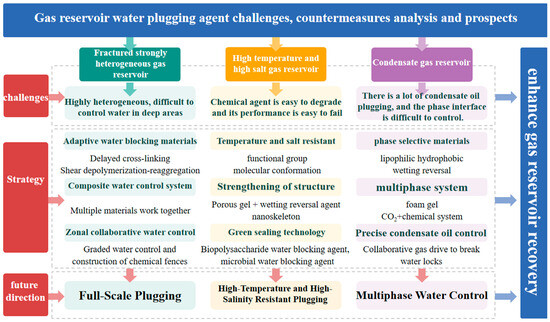
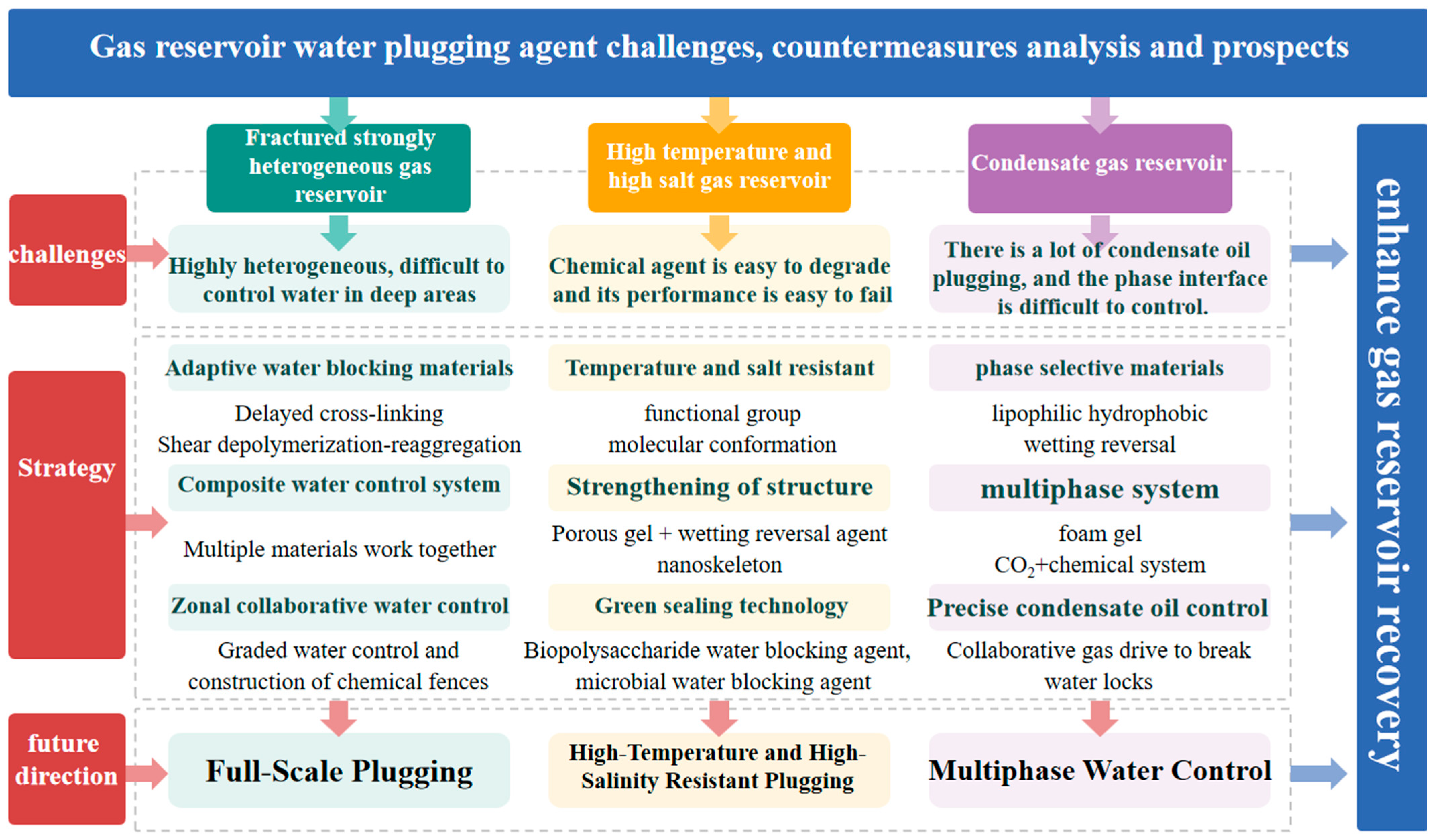

Disclaimer/Publisher’s Note: The statements, opinions and data contained in all publications are solely those of the individual author(s) and contributor(s) and not of MDPI and/or the editor(s). MDPI and/or the editor(s) disclaim responsibility for any injury to people or property resulting from any ideas, methods, instructions or products referred to in the content. |
© 2026 by the authors. Licensee MDPI, Basel, Switzerland. This article is an open access article distributed under the terms and conditions of the Creative Commons Attribution (CC BY) license.