


Abstract
Gnaphalium affine D. Don (G. affine), a genus within the genus Gnaphalium of the Asteraceae family, is recognized as a significant medicinal resource. Phytochemical investigations identified various bioactive compounds in G. affine, including flavonoids, terpenoids, phenolic acids, alkaloids, and amino acids. These compounds exhibit a range of pharmacological activities such as antimicrobial, cough expectorant, antioxidant, and anti-inflammatory properties, as well as the regulation of lipid and glucose metabolism, reduction of uric acid levels, hepatoprotective effects, and anti-tumor activities. However, research concerning the chemical composition, biological activities, and potential applications of synthesized G. affine remains limited. In light of the growing interest in this species, the present paper aims to provide a comprehensive overview of the current research advancements related to the traditional applications, chemical constituents, and biological effects of G. affine. Additionally, this study will discuss future prospects for the development and application of G. affine to enhance its utilization in various fields.
1. Introduction
The concept of “medicine and food homology” represents a fundamental principle of traditional Chinese medicine (TCM), referring to natural substances that possess both nutritional and therapeutic functions due to their shared origin and intrinsic properties. This concept has been practiced for millennia in China and continues to play an important role in modern preventive medicine and functional food development [1]. The genus Gnaphalium comprises a group of medicinal and edible botanical resources of considerable interest. More than 200 species have been identified worldwide, of which 19 are distributed in China, mainly in regions south of the Yangtze River. Among them, G. affine is the most widely distributed and extensively utilized species, with the whole plant used for medicinal purposes [2].
G. affine has a long history of use in traditional medicine and is known by various vernacular names, including “Qingmingcai” [3]. Traditionally, it has been used to relieve cough and eliminate phlegm, as documented in classical medical texts such as Mingyi Bielu (Records of Famous Physicians) and Bencao Gangmu (Compendium of Materia Medica). In addition, it is widely consumed as a traditional seasonal food in East Asia, reflecting its dual medicinal and nutritional value [4]. Phytochemical studies have demonstrated that G. affine contains diverse bioactive constituents, including flavonoids, phenolic acids, and terpenoids, which contribute to its multiple pharmacological activities, such as antibacterial, anti-inflammatory, antioxidant, hypoglycemic, and hypouricemic effects [5,6,7].
Despite its long-standing use and pharmacological potential, research on G. affine remains fragmented and largely descriptive, with the relationships between chemical constituents and biological activities poorly elucidated and the underlying molecular mechanisms insufficiently explored. To address these gaps, this review systematically analyzes 99 publications from 2000 to 2025, retrieved from Web of Science, PubMed, Scopus, and China National Knowledge Infrastructure (CNKI), focusing on traditional uses, phytochemistry, and biological activities. By integrating existing knowledge and highlighting research gaps, this work aims to provide a critical synthesis of G. affine, emphasizing mechanistic insights and supporting its further development as a functional botanical drug.
2. Botanical Characteristics
G. affine is an annual herb with slender white rhizomes, typically reaching 10–50 cm in height. The stem is solitary and erect, measuring 30–60 cm, and the leaves are ovate to lanceolate (2–5 × 0.5–1.5 cm) with a prominent midrib and acute apex. The flowers are yellow with brown central spots, 1–1.5 cm in diameter; the pedicels are short and robust, and the tepals are oblong to spatulate (0.8 cm), with a narrowed base and rounded apex. Perianth segments bear minute lobes and develop into cylindrical achenes (1–1.2 × 0.8–1 cm) lacking an apical beak, while the stamens are slender (0.6–0.8 cm). Inflorescences are dense and corymbose, 2–4 cm long and 2–3 cm in diameter. Flowering occurs from March to May, with fruit maturation from April to June [2]. G. affine commonly grows in low-altitude habitats, such as wastelands, hillsides, fields, and roadsides, and is widely distributed across China, as well as in North Korea, Japan, India, the Russian Far East, and Southeast Asia, including Indonesia, Malaysia, and Thailand (Flora of China).
3. Traditional Applications
G. affine, a member of the genus Gnaphalium (Asteraceae), holds a significant position in traditional Chinese medicine and folklore, with applications spanning medicinal, culinary, and cultural domains. In traditional medicine, the whole plant is used, and according to Chinese medicinal theory, it is considered flat and sweet in nature, belongs to the lung meridian, and possesses properties of moistening the lungs, resolving phlegm, and relieving cough and asthma. It is commonly administered as a decoction or tea for the treatment of respiratory conditions such as acute and chronic bronchitis and asthma, and can be applied externally to alleviate rheumatic arthralgia and bruises [8].
Beyond its medicinal value, G. affine is rich in flavonoids, terpenes, phenolic acids, alkaloids, and amino acids, conferring notable nutritional potential. Traditionally, young leaves are pounded into juice and mixed with glutinous rice flour to produce Qingtuan (emerald-green dumplings), a customary food consumed during the Qingming Festival for auspicious purposes. In regions such as Fujian and Taiwan, it is incorporated into local pastries or added to porridge and soups to impart a distinctive flavor [9].
In modern applications, G. affine continues to demonstrate considerable potential. Several medicinal products have been developed using its extracts, including Compound Fo’er Cao Heji, formulated for treating pediatric coughs and bronchitis [10]. Moreover, it has been innovatively utilized in the production of natural botanical fragrances and health-promoting teas [11]. The plant also serves as an eco-friendly dye for handmade paper in southern China, providing natural coloration for traditional crafts [12].
4. Chemical Compositions
4.1. Nutritional Components
As a medicinal and edible plant, G. affine is notable for its rich array of amino acids, vitamins, minerals, and bioactive compounds, contributing to both nutritional and pharmacological benefits. The plant contains 17 amino acids, including eight essential ones, with particularly high levels of glutamic acid and aspartic acid; total amino acid content reaches 18.25% in stems and 14.44% in flowers [13]. It is abundant in 25 elements, with potassium (K) content up to 38,508.15 mg/kg, alongside significant amounts of trace elements such as iron (Fe), manganese (Mn), and zinc (Zn). Vitamins A, C, E, and B2 are present in substantial quantities, with vitamin E notably reaching 2.31 mg/100 g. In terms of proximate composition, the moisture content ranges from 86% to 91%, total water-soluble sugars from 6.75% to 13.51%, crude cellulose from 20.30% to 31.90%, crude fat from 3.70% to 6.25%, and crude protein from 5.22% to 10.23%. Ash content varies between 0.84% and 1.30%, and vitamin C content ranges from 99 to 188 μg/g. Insoluble dietary fiber is the predominant fraction [14]. Collectively, these characteristics underscore the distinctive nutritional and therapeutic profile of G. affine.
4.2. Chemical Constituents
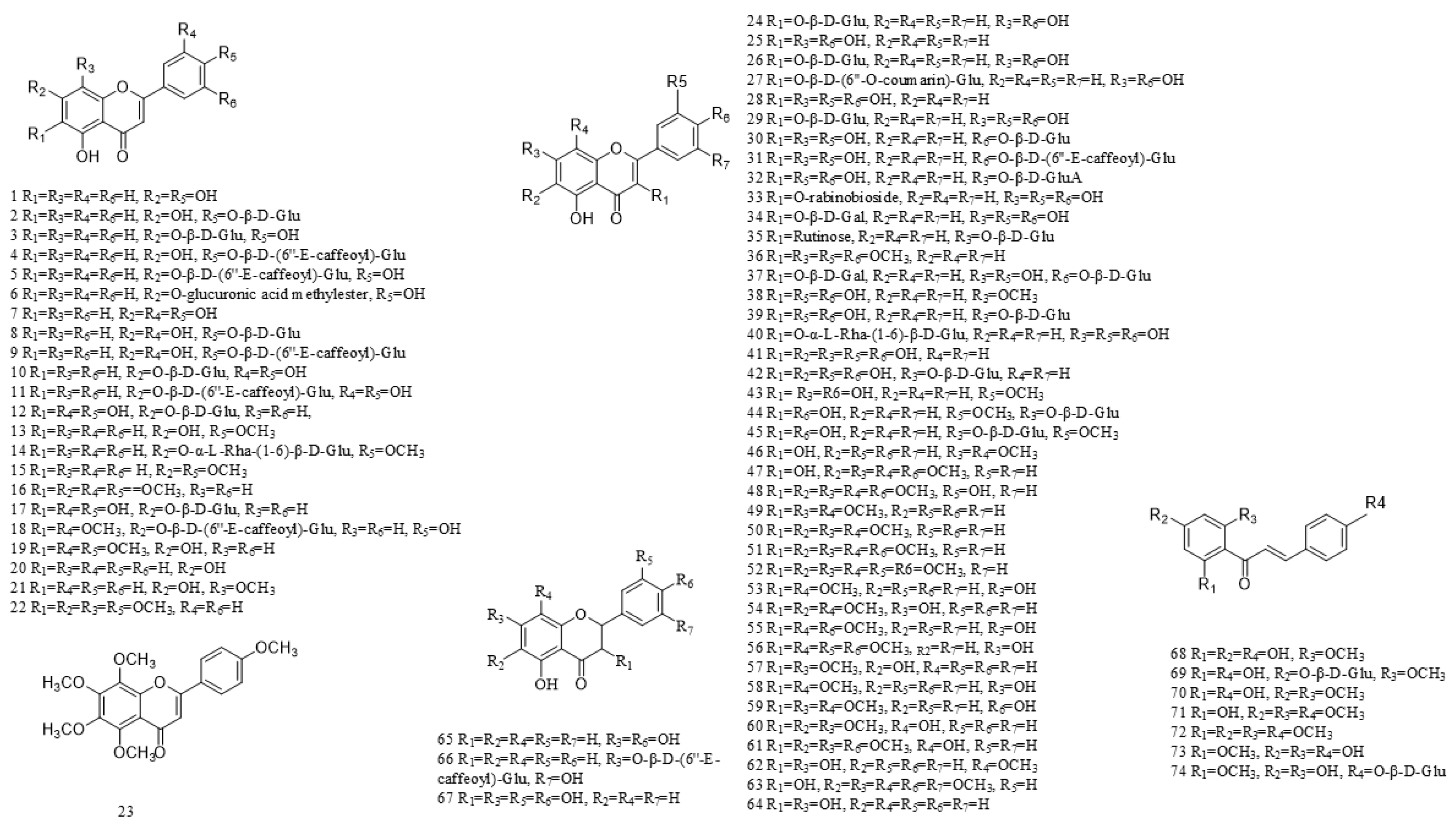
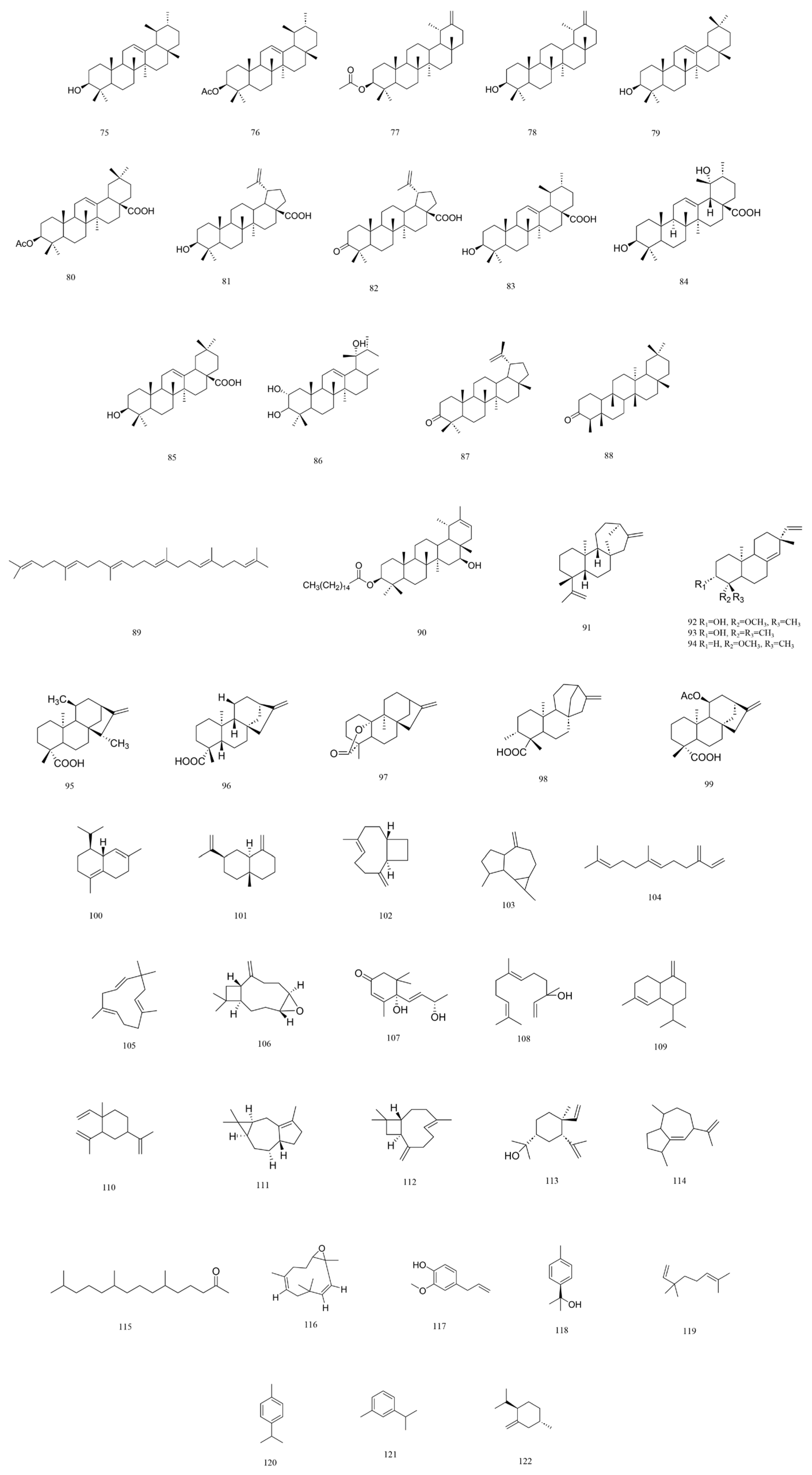
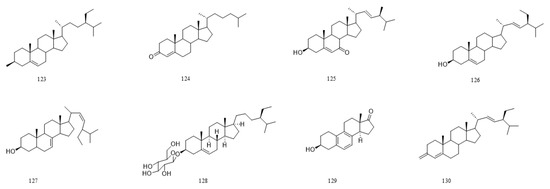
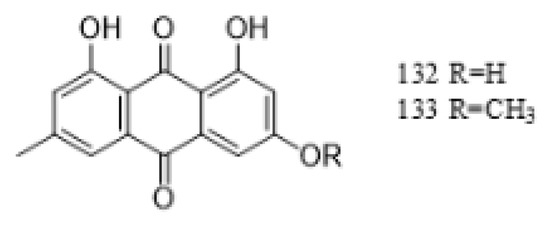
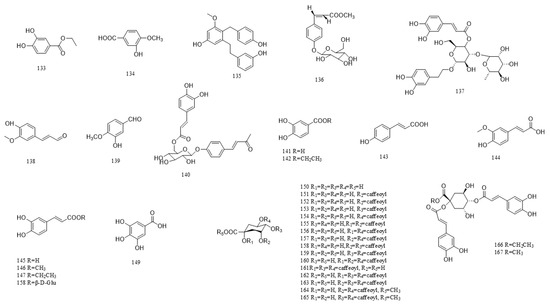
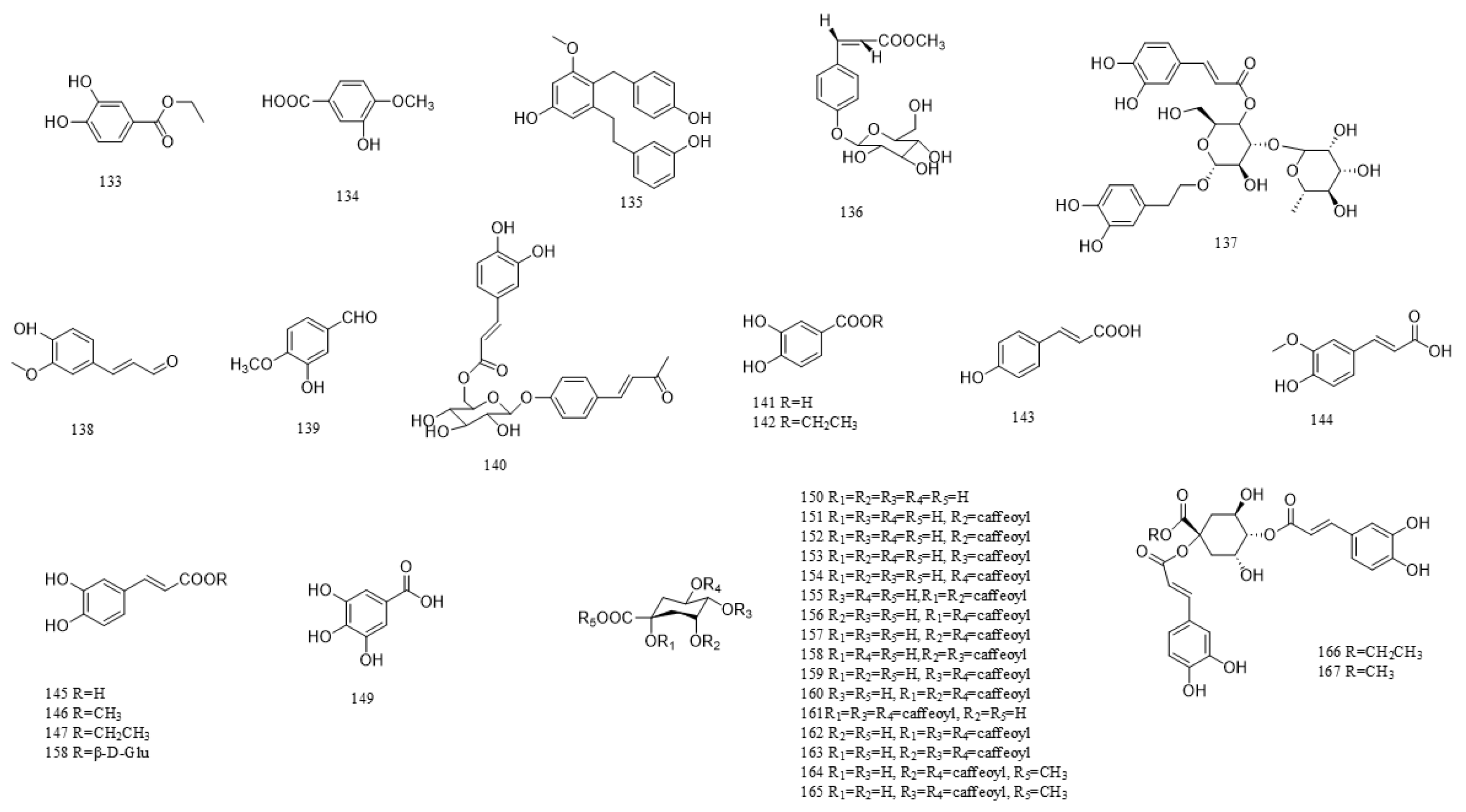
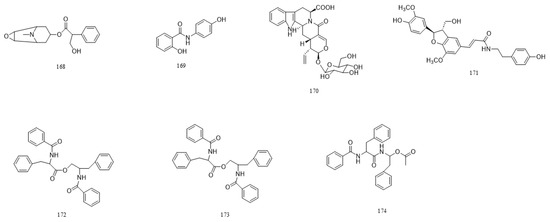
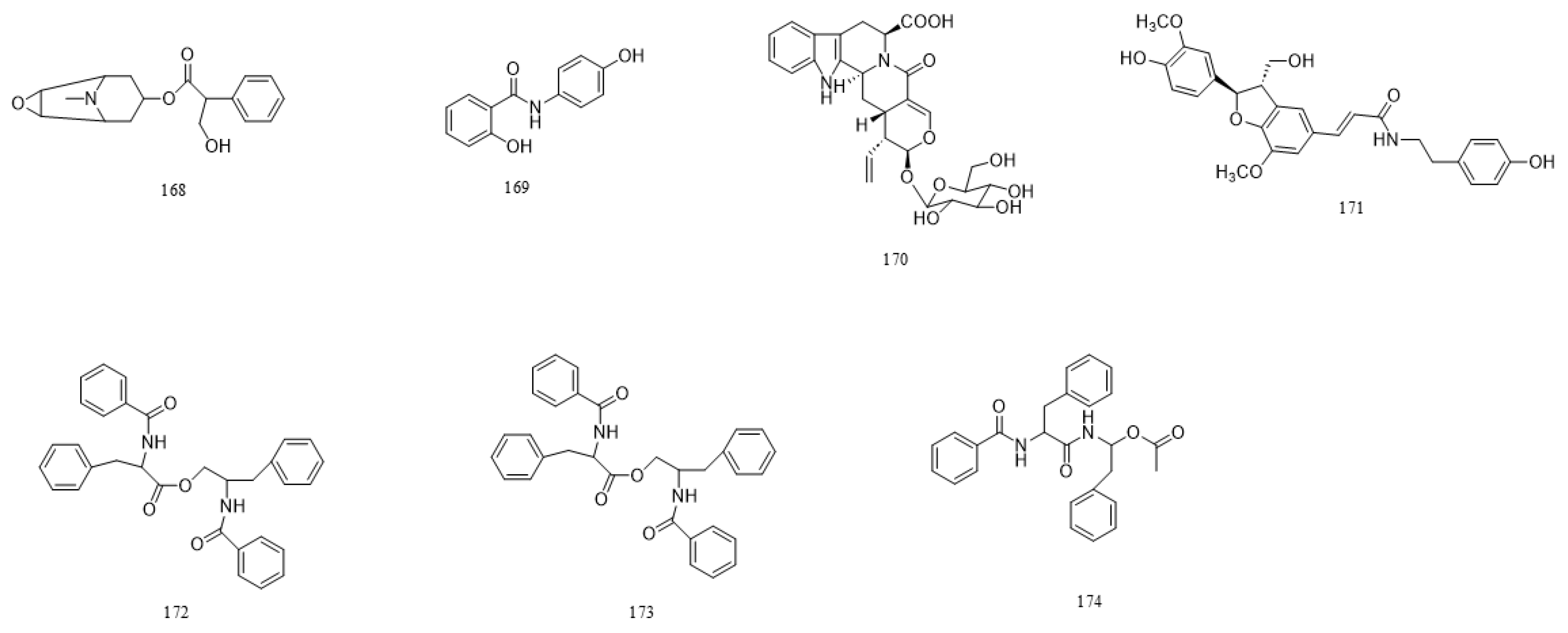
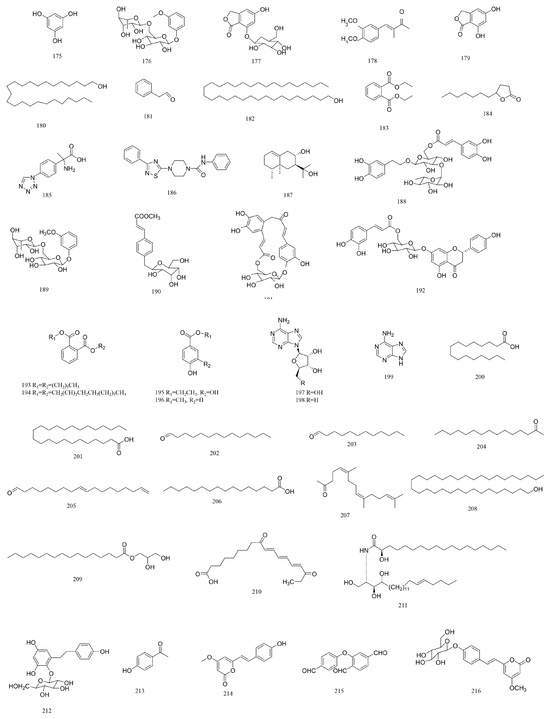
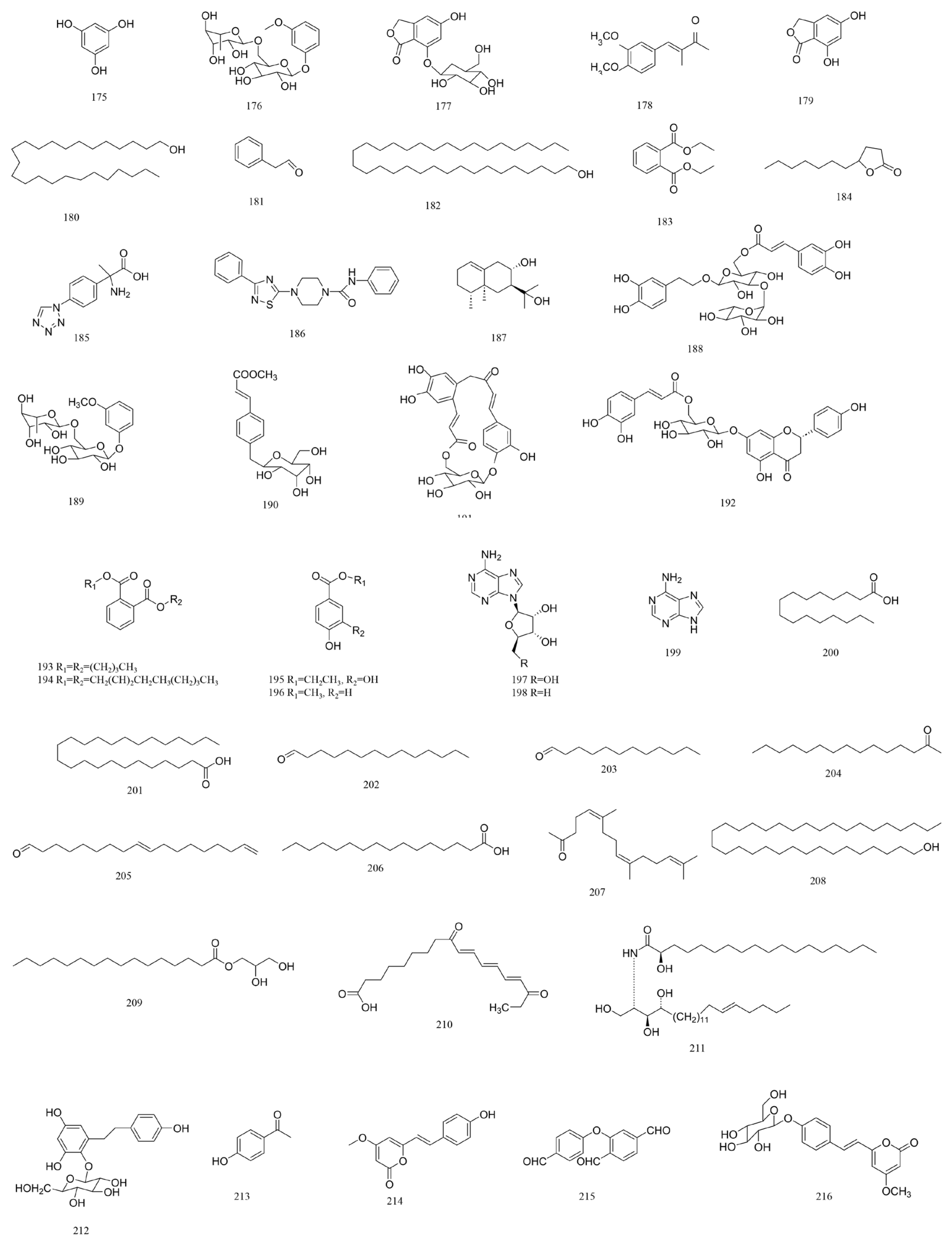
A total of 216 compounds have been identified from G. affine, encompassing flavonoids, terpenoids, phytosterols, anthraquinones, phenolic acids, alkaloids, and other bioactive constituents. These compounds exhibit diverse biological activities, including antioxidant, anti-inflammatory, and other pharmacological effects. The identified constituents are summarized in Table 1, with their structural representations shown in Figure 1, Figure 2, Figure 3, Figure 4, Figure 5, Figure 6 and Figure 7. Among them, flavonoids represent the predominant and most extensively studied class of active compounds.
Table 1.
Chemical constituents in G. affine.
Figure 1.
Chemical structure of flavonoids in G. affine.
Figure 2.
Chemical structure of terpenoids in G. affine.
Figure 3.
Chemical structure of phytosterols in G. affine.
Figure 4.
Chemical structure of quinone compounds in G. affine.
Figure 5.
Chemical structure of phenolic acids and their derivatives in G. affine.
Figure 6.
Chemical structure of alkaloids in G. affine.
Figure 7.
Chemical structures of other compounds in G. affine.
4.2.1. Flavonoids
A wide range of flavonoids has been isolated from G. affine, each exhibiting distinct pharmacological activities, such as antioxidant, anti-inflammatory, antibacterial, antitumor, and glucose-regulating effects. Based on chemical structure, they are classified into four major categories: flavones (1–23), flavonols (24–64), dihydroflavonoids (65–67), and chalcones (68–74), with flavonols being the most abundant. The detailed compounds are listed in Table 1, and their structures are illustrated in Figure 1.
4.2.2. Terpenes
Terpenoids are a diverse class of natural compounds with multiple biological activities, including significant anti-inflammatory and antioxidant effects. Composed of isoprenoid (C5H8) units, they are biosynthesized through various pathways. G. affine contains a wide spectrum of terpenoids, among which triterpenoids are particularly prominent. Sesquiterpenes and monoterpenes are also commonly present, forming key components of the plant’s volatile oils. The specific compounds are detailed in Table 1, and their structures are shown in Figure 2.
4.2.3. Phytosterols
Phytosterols, or plant sterols, are naturally occurring steroid compounds with diverse physiological functions, including cholesterol-lowering, antioxidant, anti-inflammatory, anticancer, and immunomodulatory effects. G. affine contains phytosterols such as β-sitosterol, stigmasterol, and taraxasteryl acetate. Detailed compounds are provided in Table 1, with structural representations illustrated in Figure 3.
4.2.4. Anthraquinones
Anthraquinones are a class of quinones with significant pharmacological effects such as antibacterial, anti-inflammatory, and antitumor activities. The content of anthraquinones is relatively low in G. affine, and the anthraquinones identified so far are rhodopsin and rhodopsin methyl ether. The specific compounds are detailed in Table 1, with their structural representations illustrated in Figure 4.
4.2.5. Phenolic Acids
Phenolic acids are organic compounds containing both phenolic hydroxyl and carboxylic acid groups, widely distributed in medicinal plants. They exhibit antioxidant, antimicrobial, anti-inflammatory, and anticancer activities. In G. affine, phenolic acids are predominantly caffeoylquinic acid derivatives. Detailed compounds are provided in Table 1, with their structures illustrated in Figure 5.
4.2.6. Alkaloids
Alkaloids are nitrogen-containing organic compounds that occur widely in plants and display diverse pharmacological activities, including neuroinhibitory, muscle relaxant, antimicrobial, and antitumor effects. Seven alkaloid compounds have been isolated from G. affine. The specific compounds are listed in Table 1, with structural representations shown in Figure 6.
4.2.7. Others
5. Biological Activities
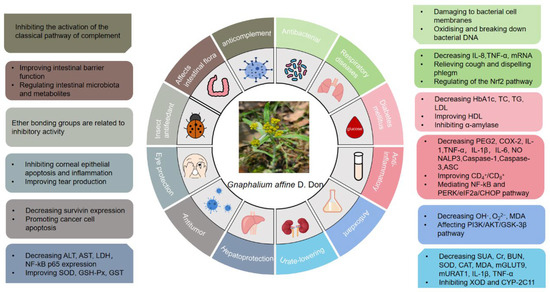
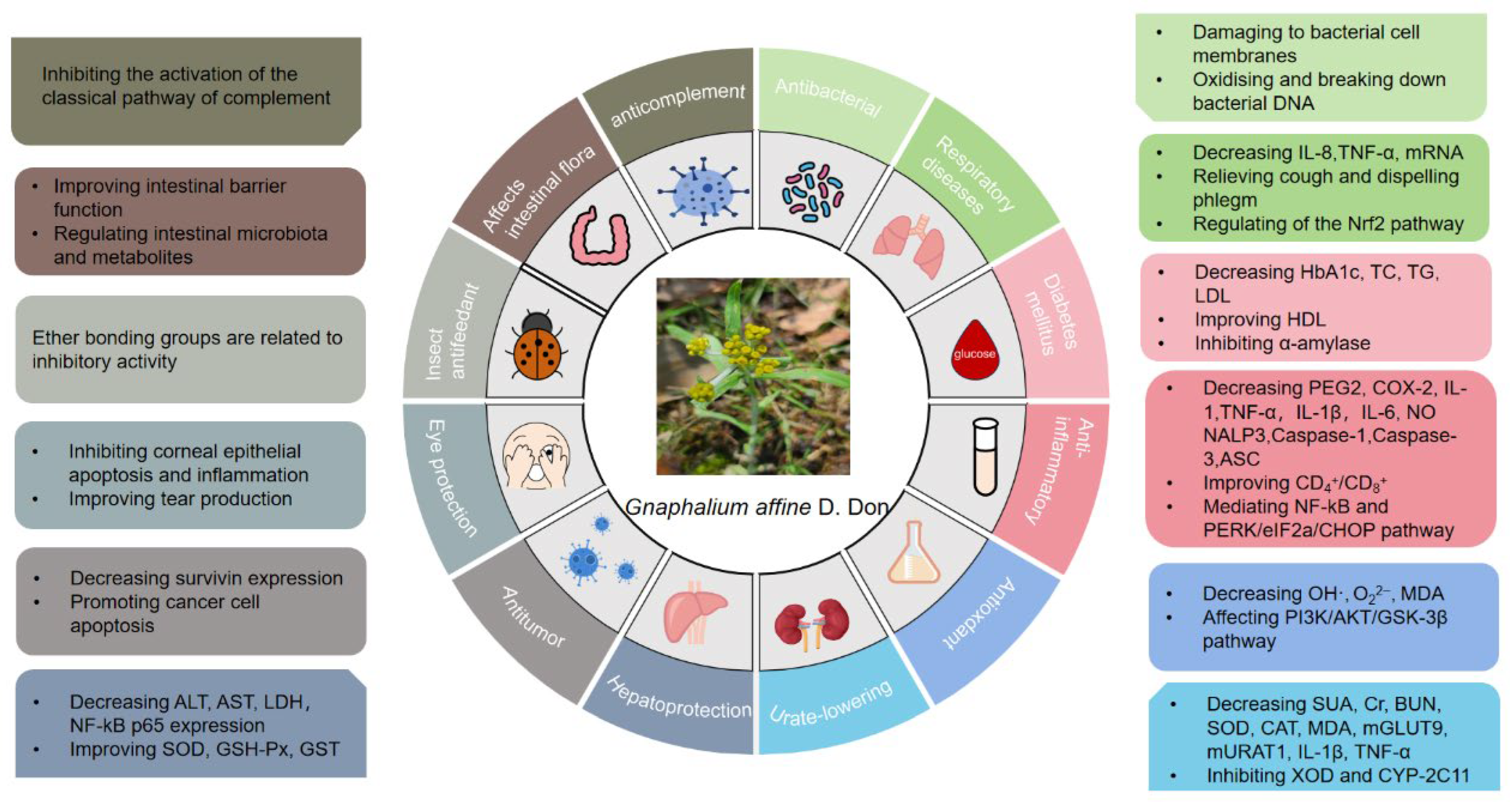
To date, numerous studies have elucidated the pharmacological properties of G. affine and its bioactive constituents. This plant exhibits diverse therapeutic effects, including antibacterial, antimicrobial, anti-inflammatory, antioxidant, anticomplement, hepatoprotective, and anticancer activities, and inhibition of xanthine oxidase. Flavonoids are recognized as the primary bioactive components, mediating antibacterial, anti-inflammatory, cough expectorant, antioxidant, and antitumor effects. A detailed summary of the pharmacological mechanisms is provided in Table 2 and Figure 8.
Table 2.
Pharmacological effects and mechanism of action of G. affine.
Figure 8.
Pharmacological effects and mechanism of action of G. affine.
5.1. Antibacterial
Flavonoids are the primary contributors to the antibacterial activity of G. affine. Extracts containing 87.1% flavonoids exhibited inhibitory effects against four common pathogenic bacteria: Staphylococcus aureus, Salmonella spp., Bacillus subtilis, and Escherichia coli [37]. Among them, the flavonoid fraction demonstrated the strongest effect, with an inhibition zone diameter of 1.40 cm, while S. aureus was the most sensitive strain, exhibiting a minimum inhibitory concentration (MIC) of 1.25%, and relatively higher MIC values were observed for the other strains. Antibacterial efficacy correlated positively with flavonoid concentration (4.5–18 mg/mL), with higher concentrations producing stronger inhibition [38]. Moreover, flavonoids and their metal complexes exhibited greater activity against Gram-positive bacteria than against Gram-negative bacteria, likely due to differences in cell wall composition [39]. Mechanistically, flavonoids inhibit bacterial growth by disrupting cell membranes and inducing oxidative DNA degradation, with metal complexation enhancing protein and DNA binding, thereby improving antimicrobial efficacy compared with flavonoids alone [40].
Volatile oils extracted from G. affine also demonstrated broad-spectrum antimicrobial activity. At a concentration of 5 mg per disk, the oils inhibited B. subtilis, S. aureus, B. cereus, B. lateralis, Saccharomyces cerevisiae, Aspergillus niger, Penicillium oryzae, A. oryzae, and A. flavus, with inhibition zones ranging from 15.43 to 24.73 mm. Fungi, particularly yeasts, were more sensitive than bacteria. MIC values for bacterial strains ranged from 0.2 to 1.56 μg/mL, while minimum bactericidal concentrations (MBC) ranged from 0.39 to 3.13 μg/mL; MIC and MBC values for fungal strains were generally lower than those for bacteria [70]. These findings indicate that both flavonoids and volatile oils from G. affine provide multi-target antibacterial activity, with potency influenced by concentration, bacterial strain, and molecular interactions.
5.2. Respiratory Diseases
Traditionally, G. affine has been employed for managing respiratory ailments such as cough, phlegm, and sore throat. Its therapeutic effects involve inhibition of airway nerve excitability, modulation of immune responses, and facilitation of mucociliary clearance [71].
In preclinical studies, aqueous extracts significantly prolonged cough latency and reduced cough frequency in mice, while enhancing mucociliary clearance in guinea pig tracheal cilia [41]. Ethanolic extracts demonstrated efficacy in a rat model of COPD by reducing inflammatory cell infiltration in lung tissue, decreasing neutrophil and lymphocyte counts in bronchoalveolar lavage fluid, and downregulating inflammatory mediators, including IL-1β and interleukin-6 (IL-6), thereby mitigating pulmonary inflammation and tissue damage [42]. Western blot and RT-PCR analyses indicated modulation of oxidative stress pathways via upregulation of HO-1, Nrf2, and NQO1 expression [43].
Flavonoids isolated from G. affine also increased cough latency, reduced cough frequency, and promoted airway phenol red excretion in murine models. Additionally, they inhibited histamine-induced allergic asthma and prolonged the latency of asthma episodes, highlighting their potential in managing allergic respiratory conditions [44]. These data highlight the potential of G. affine and its flavonoids in modulating respiratory inflammation and improving airway function.
5.3. An-Inflammation
Inflammation is a fundamental protective response of the body to various stimuli, including pathogens such as bacteria and viruses, as well as physical injury [72]. G. affine and its flavonoid constituents exert multi-target anti-inflammatory effects, potentially beneficial in arthritis, pneumonia, and airway inflammation.
Studies have shown that alcoholic extracts of G. affine, administered at 0.80 g/kg, markedly reduced FCA-induced paw edema in rats, accompanied by decreased levels of inflammatory mediators, including PGE2, IL-1β, and TNF-α. The extract also appeared to restore the CD4+/CD8+ T-cell ratio by modulating T-cell subpopulations [45]. In GA models, the extract inhibited activation of the NALP3 inflammasome and reduced uric acid production through downregulation of NALP3/apoptosis-associated speck-like protein (ASC)/caspase-1 expression [46]. Further studies demonstrated that concentrations above 250 μg/mL decreased inflammatory cell infiltration in the swim bladder, while molecular docking suggested that compounds such as chlorogenic acid may target IL-1β and TNF-α, indicating multi-component mechanisms in antiviral pneumonia [47].
In osteoarthritis rat models, administration of the extract at 800 mg/kg improved pathological features of the knee joint, reduced levels of TNF-α, IL-6, and IL-1β, and modulated antioxidant enzyme activity, including malondialdehyde (MDA), SOD, and GSH-Px. Mechanistically, inhibition of the PERK/eIF2α/CHOP signaling pathway was observed [48]. In vitro, rat alveolar macrophages treated with 0–300 μg/mL of the extract retained 90–100% viability at concentrations up to 200 μg/mL, and lipopolysaccharide -induced inflammatory responses were attenuated via inhibition of NF-κB signaling, including p65 phosphorylation and nuclear factor of kappa light polypeptide gene enhancer in B-cells inhibitor, alpha degradation [73].
Moreover, the total flavonoids from G. affine also exhibited dose-dependent analgesic activity (50–100 mg/kg), mediated through suppression of macrophage-mediated inflammatory factor release [50]. Co-administration with antibiotics effectively alleviated airway inflammation in rats with COPD, likely via inhibition of apoptosis, reduction of matrix metalloproteinase activity, and modulation of the T helper cell 17/regulatory T-cell ratio [51].
5.4. Antioxidant
Oxidative stress causes damage to biomolecules, including proteins, lipids, and DNA, thereby compromising cellular integrity [74]. G. affine exhibits potent antioxidant activity, primarily attributed to its flavonoid and polyphenol constituents [75]. Quercetin, a major component, effectively scavenges free radicals and prevents H2O2-induced oxidative damage in Caco-2 cells [52]. Alcoholic extracts demonstrated concentration-dependent radical scavenging, achieving 42.59% and 28.76% clearance of hydroxyl radicals and superoxide anions at 2.0 mg, respectively [53].
Mechanistic studies indicate that G. affine extracts activate the PI3K/AKT/GSK-3β signaling pathway, upregulate SOD activity and Nrf2 expression, and modulate apoptosis-related proteins by downregulating B-cell lymphoma 2 (Bcl-2)-associated X protein and caspase-3 while upregulating Bcl-2, thereby mitigating H2O2-induced oxidative stress in HepG2 cells [54,55].
Total flavonoids from G. affine further enhance antioxidant capacity in vivo. In diabetic mice, they increased the activity of antioxidant enzymes, reduced lipid peroxidation (as indicated by MDA levels), and inhibited yolk lipoprotein peroxidation by 76.80% at 2.4 × 10⁻² mg/mL, exceeding the efficacy of equivalent vitamin C concentrations [56,57]. IC50 values against DPPH, hydroxyl radicals, and sodium nitrite were 118.2, 16.3, and 17.8 μg/mL, respectively, demonstrating dose-dependent activity. Moreover, their antioxidant performance in soybean oil (IC50 = 33.4 μg/mL) was comparable to 0.02% TBHQ at 0.05% mass concentration [58]. Notably, the extracts facilitated AKT and GSK-3β phosphorylation without affecting AMP-activated protein kinase (AMPK), and this pathway activation was blocked by the PI3K inhibitor PX866. Additionally, the alcoholic extracts exhibited concentration-dependent antioxidant activity. [54].
At the cellular level, total flavonoids alleviated H2O2-induced death of HepG2 cells by reducing ROS and LDH release. Simultaneously, they increase SOD, CAT, and GSH levels, upregulate antioxidant genes (Nrf2, HO-1, and NQO1), and downregulate keap1 expression. Collectively, these effects establish an integrated antioxidant defense network that protects cells from oxidative damage [76,77].
5.5. Diabetes Mellitus
Diabetes mellitus is a prevalent metabolic endocrine disorder characterized primarily by an absolute or relative deficiency in insulin secretion. This insufficiency disrupts glucose metabolism, resulting in pronounced symptoms of hyperglycemia [78]. G. affine exhibits significant hypoglycemic and hypolipidemic effects, primarily due to flavonoids and polyphenols. These compounds act via inhibition of pancreatic α-amylase, enhancement of antioxidant capacity, and regulation of glucose and lipid metabolism.
Specifically, α-amylase inhibition reduces the breakdown and absorption of dietary starch glycosides [79]. The extract and active constituents, including 3,5-O-caffeoylquinic acid, 3,4-O-caffeoylquinic acid, and 2′,4,4′-trihydroxy-6′-methoxy-chalcone-4′-O-β-D-glucose, exhibited inhibition rates of 32.37%, 84.53%, 63.07%, and 71.22% at 1.67 mg/mL, with IC50 values of 2.71, 0.90, 1.28, and 1.16 mg/mL, respectively, and 2′,4,4′-trihydroxy-6′-methoxy-chalcone-4′-O-β-D-glucose acted via reversible non-competitive inhibition [60]. Moreover, flavonoids improved lipid metabolism by inhibiting cholesterol and triglyceride synthesis while promoting their breakdown. In diabetic mice, flavonoids improved glucose tolerance, reduced glycated serum protein, lowered total cholesterol, triglyceride, and LDL, and increased HDL and liver glycogen, highlighting their potential in mitigating cardiovascular risks [61].
5.6. Lowering UA
XOD plays a pivotal role as a key enzyme in the purine metabolic pathway, catalyzing the oxidation of purines to generate uric acid while simultaneously producing superoxide anion radicals as by-products [80,81]. Effective inhibition of XOD activity has been shown to reduce excessive uric acid production at its source and mitigate tissue damage induced by free radicals, a mechanism well-documented in previous studies [82]. Notably, G. affine effectively reduces uric acid levels through dual mechanisms: XOD inhibition and superoxide anion scavenging [83].
Alcoholic and solvent extracts suppressed MDA formation, restored antioxidant capacity, and modulated uric acid metabolism via XOD inhibition, with ethyl acetate fractions being most potent [62]. In particular, key compounds, including ethyl 1,4-di-O-caffeoylquinic acid (IC50 = 11.94 μM), (-)-methyl 1,4-di-O-caffeoylquinic acid (IC50 = 15.05 μM), luteolin, and luteolin-4′-O-glucoside, demonstrated potent XOD inhibition, enhanced uric acid excretion, and ameliorated renal impairment in murine models [63,84]. Moreover, co-administration of G. affine extract with Benzbromarone (BBR) was found to enhance anti-HUA activity while mitigating BBR-induced hepatotoxicity, suggesting a promising approach for HUA and gout therapy [64]. Overall, G. affine exerts multi-targeted effects against HUA and gout, and further characterization of its active components may inform novel therapeutic strategies.
5.7. Hepatoprotection
Recent studies have demonstrated that the alcoholic extract of G. affine confers significant protection against chemically induced liver injuries in rodent models. In CCl4-induced hepatotoxicity, alcoholic extracts restored liver architecture, attenuated hepatocellular damage, and reduced necrosis [85]. Similarly, total flavonoids (75–300 mg/kg/day for 30 days) decreased MDA levels and increased GSH and SOD activity in alcohol-induced liver injury [65]. In HIRI models, extracts at 0.4–1.6 g/kg/day for 28 days reduced hepatocellular injury, lowered serum ALT, AST, and LDH, and elevated SOD, GSH-Px, and GST activities. NF-κB, p65 expression was downregulated, indicating antioxidant and anti-inflammatory mechanisms [86].
Moreover, in APAP-induced acute liver injury, hepatocyte ferroptosis plays a pivotal role by increasing intracellular free iron and ROS, thereby exacerbating oxidative stress and cell death [87,88,89]. Treatment with total flavonoids of G. affine (100–400 mg/kg/day for 14 days) upregulated the expression of Nrf2, HO-1, SLC7A11, and GPX4, while downregulating Keap1. High-dose flavonoid treatment notably outperformed the positive control bifendate, indicating that G. affine inhibits ferroptosis and ameliorates APAP-induced acute liver injury through modulation of ferroptosis-related signaling pathways [66].
5.8. Antitumor
Previous studies have confirmed that G. affine exhibits multi-targeted antitumor effects, including modulation of oxidative stress, free radical scavenging, and apoptosis induction in tumor cells.
In liver cancer mouse models, aqueous extracts reduced tumor incidence in a dose-dependent manner (high: 40%, medium: 62.5%, low: 80%, and control: 100%) [67]. Mechanistically, antitumor activity involved induction of apoptosis, regulation of oxidative stress, and free radical scavenging in tumor cells. Similarly, in bladder and lung cancer models, aqueous extracts promoted apoptosis, decreased survivin expression, and exerted concentration-dependent effects. These findings indicate broad-spectrum anticancer potential mediated via oxidative stress modulation, apoptosis induction, and free radical scavenging [68].
5.9. Eye Protection
G. affine is rich in polyphenols with cytoprotective and anti-inflammatory properties. Among dicaffeoylquinic acids, 1,5-dicaffeoylquinic acid showed the strongest protective effect against dehydration-induced injury in human CECs. Topical application alleviated ocular inflammation and outperformed crude extracts and commercial dry eye treatments, such as Restasis® and Hyalein mini 0.1%® [69]. Mechanistically, protection involves inhibition of corneal epithelial apoptosis, stimulation of tear secretion, and suppression of inflammatory responses, suggesting potential therapeutic applications for ocular surface disorders, including dry eye syndrome.
5.10. Other Bioactivities
Beyond the above effects, G. affine extracts display insect-repellent properties [22]. Additionally, these extracts have been shown to enhance intestinal barrier function, modulate gut microbial communities and metabolites, and effectively mitigate high-fat diet-induced obesity [90]. Furthermore, luteolin demonstrates significant inhibitory activity on complement systems in vivo, with luteolin 4′-O-β-D-(6′-E-caffeoyl)-glucopyranoside exhibiting the highest potency, characterized by IC50 values as low as 0.045 ± 0.005 mg/mL [91].
5.11. Comparative Analysis with Other Medicinal and Edible Plants
The medicinal and edible plant G. affine shares several bioactivities with other well-known functional foods, yet exhibits distinct phytochemical and pharmacological characteristics that warrant comparative consideration. For instance, Taraxacum officinale (Taraxacum officinale) is rich in phenolic acids and sesquiterpene lactones, demonstrating notable hepatoprotective, diuretic, and anti-inflammatory effects [92,93]. Houttuynia cordata (Houttuynia cordata) contains flavonoids and volatile oils, and is widely used for its antimicrobial and anti-inflammatory properties, particularly in respiratory infections [94,95]. Lonicera japonica (honeysuckle) is valued for its broad-spectrum antibacterial and antiviral activities, attributed to chlorogenic acids and luteolin derivatives [96].
Compared with these plants, G. affine exhibits several unique features. First, its flavonoid profile is exceptionally diverse, with over 60 flavonoids identified, including characteristic compounds such as gnaphaliin A and B and 5,7-dihydroxy-3,6,8-trimethoxyflavone, which are less commonly reported in other medicinal herbs [91]. Second, G. affine demonstrates a remarkable combination of uric acid-lowering and anti-gout activities through dual inhibition of xanthine oxidase and modulation of renal urate transporters (mGLUT9 and mURAT1) [63], a mechanism less prominently documented in dandelion or honeysuckle. Third, its polysaccharide fraction contributes significantly to antioxidant and immunomodulatory activities, complementing the flavonoid-mediated effects [53,97]. Fourth, the plant’s safety profile, with an estimated LD50 exceeding 20.36 g/kg, compares favorably with many medicinal herbs and supports its long-standing use as a food ingredient [98].
From a therapeutic perspective, G. affine aligns with the growing interest in multi-target botanical drugs, particularly for chronic inflammatory conditions and metabolic disorders. While plants such as H. cordata are preferentially used for acute respiratory infections, G. affine offers broader applicability, spanning respiratory diseases, hyperuricemia, metabolic syndrome, and liver injury. Notably, its traditional use as a seasonal food (Qingtuan) positions it uniquely for functional food development, a dimension less emphasized for the comparator species.
In summary, while G. affine shares common bioactive classes with other medicinal and edible plants, its distinctive flavonoid composition, combined uricosuric and XOD-inhibitory activities, favorable safety profile, and established culinary use collectively distinguish it as a versatile resource for both pharmaceutical and nutraceutical applications. Comparative phytochemical and pharmacological studies across these species are warranted to further elucidate their respective strengths and therapeutic niches.
6. Safety
Recent toxicological investigations have demonstrated that G. affine exhibits minimal toxicity. In preclinical studies, oral administration of the extract at 20 mL/kg/day for 14 days caused no mortality or organ pathology, with an estimated LD50 exceeding 20.36 g/kg, classifying it as practically non-toxic; in a 28-day subacute study, doses of 25–100 mL/kg produced dose-dependent increases in spleen and thymus mass in female mice, yet all hematological, biochemical, and histopathological parameters remained within normal ranges, suggesting immunomodulatory rather than toxic effects [98]. Collectively, these findings indicate that G. affine is practically non-toxic at the tested doses. However, current toxicological studies remain limited, and long-term safety as well as human data are largely lacking.
7. Conclusions and Future Prospects
G. affine, a medicinal and edible plant of the Asteraceae family, exhibits a broad spectrum of pharmacological activities, including antibacterial, anti-inflammatory, antioxidant, hepatoprotective, hypoglycemic, antitumor, as well as traditional effects such as antitussive, expectorant, uric acid-lowering, and antihypertensive activities. Its bioactivities are primarily attributed to flavonoids, polyphenols, and dicaffeoylquinic acids, and its unique chemical profile, particularly the presence of compounds such as Gnaphalin and 4,4′,6′-trihydroxy-2′-methoxychalcone, distinguishes it from other Gnaphalium species. The dual role of G. affine as both a traditional herbal medicine and a dietary resource highlights its potential for functional food and nutraceutical development, as well as its relevance in disease prevention and health promotion. However, most current evidence is derived from in vitro and animal studies, and high-quality clinical validation remains limited.
Future research should focus on: (I) comprehensive toxicological profiling, including long-term safety, reproductive toxicity, and contaminant risk assessment; (II) mechanistic studies using integrated multi-omics approaches and high-throughput screening to identify novel bioactive compounds and clarify structure–activity relationships; (III) pharmacokinetic investigations of major constituents to bridge experimental and clinical findings; (IV) rigorously designed clinical trials to confirm efficacy and safety; and (V) establishment of standardized cultivation, harvesting, and quality control protocols to ensure consistency. Expanding its application as a functional food or nutraceutical may further integrate its traditional use with evidence-based healthcare.
Author Contributions
Conceptualization: C.D. and Z.X.; data collection and analysis: C.D., Y.Z. and L.Z.; software and visualization: C.D., L.Y. and Y.Z.; drafting of the article: C.D., Y.Z. and L.Y.; funding acquisition: Z.X. All authors have read and agreed to the published version of the manuscript.
Funding
This research was funded by the project “Hunan Natural Science Foundation, grant number 2024JJ8163”; the project “State Administration of Traditional Chinese Medicine of traditional Chinese medicine monitoring statistics research subject, grant number 2025JCTJA60”; and the project “Modern Agricultural Technology System of Traditional Chinese Medicine in Guizhou Province, grant number GZZYCCYJSTX-02”.
Institutional Review Board Statement
Not applicable.
Informed Consent Statement
Not applicable.
Data Availability Statement
No new data were created or analyzed in this study. Data sharing is not applicable.
Acknowledgments
The authors would like to express their sincere gratitude to the editors and anonymous reviewers for their constructive comments and would like to confirm that all individuals included in this acknowledgement have consented to be acknowledged.
Conflicts of Interest
The authors declare no conflicts of interest.
Abbreviations
The following abbreviations are used in this manuscript:
| AKT | protein kinase B |
| ALT | alanine aminotransferase |
| APAP | acetaminophen |
| BBR | benzbromarone |
| Bcl-2 | B-cell lymphoma 2 |
| CAT | catalase |
| CD | cluster of differentiation |
| CECs | corneal epithelial cells |
| CHOP | C/EBP homologous protein |
| COPD | chronic obstructive pulmonary disease |
| DNA | deoxyribo nucleic acid |
| DPPH | 2,2-diphenyl-1-picrylhydrazyl |
| eIF2α | eukaryotic initiation factor 2α |
| GA | gouty arthritis |
| GSH | glutathione |
| GSH-Px | glutathione peroxidase |
| GSK-3β | glycogen synthase kinase-3β |
| GST | glutathione s-transferase |
| HIRI | hepatic ischemia–reperfusion injury |
| HO-1 | heme oxygenase-1 |
| HUA | hyperuricemia |
| IL-1β | interleukin-1β |
| IL-6 | interleukin-6 |
| keap1 | Kelch-like ECH-associated protein 1 |
| LDH | lactate dehydrogenase |
| MBC | minimum bactericidal concentration |
| MDA | malondialdehyde |
| MIC | minimum inhibitory concentration |
| NALP3 | NACHT-LRR-PYD-containing protein-3 |
| NF-κB | nuclear factor κB |
| Nrf2 | nuclear factor erythroid 2-related factor 2 |
| p65 | nuclear factor of kappa light polypeptide gene enhancer in B-Cells 3 |
| PERK | protein kinase r-like endoplasmic reticulum kinase |
| PGE2 | prostaglandin E2 |
| PI3K | phosphatidylinositol 3-Kinase |
| ROS | reactive oxygen species |
| SOD | super oxide dismutase |
| TNF-α | tumor necrosis factor-α |
| UA | uric acid |
| XOD | xanthine oxidase |
References
- Wang, L.; Zhu, X.; Liu, H.; Sun, B. Medicine and Food Homology Substances: A Review of Bioactive Ingredients, Pharmacological Effects and Applications. Food Chem. 2025, 463, 141111. [Google Scholar] [CrossRef] [Scilit]
- Li, Z. Systematics of Gnaphalieae in China. Master’s Thesis, Zhengzhou University, Zhengzhou, China, 2024. [Google Scholar]
- Xi, Z.; Wang, Y.; Liu, B.; Sun, L. Research Progress on Chemical Constituents and Pharmacological Effects of Gnaphalium Plants. Her. Med. 2010, 29, 1462–1466. [Google Scholar] [CrossRef]
- Wang, S.; Pan, M.; Ren, L. A Wild Vegetable with Great Development Prospect-Gnaphalium affine D. Don. Food Res. Dev. 2005, 26, 95–98. [Google Scholar] [CrossRef]
- Xiong, J.; Bo, Z.; Chang, H.; Zhou, W.; Zhu, J. Effects of the Extract of Gnaphalium Affine on the Oxidation and Structure of Myofibrillar Protein Induced by ·OH. Sci. Technol. Food Ind. 2022, 43, 72–80. [Google Scholar] [CrossRef]
- Gao, H.; Xue, F.; He, Q.; Sun, Q.; Zeng, W. Inhibition and Mechanism of Gnaphalium affine Extract on the Oxidation of Edible Oil during Storage. Sci. Technol. Food Ind. 2017, 38, 148–151, 157. [Google Scholar] [CrossRef]
- Zhang, H.; Sun, Y.; Rao, X. Research Progress on Chemical Constituents and Pharmacological Effects of Medicinal Plants of Gnaphalium. Chin. J. Ethnomedicine Ethnopharmacy 2012, 21, 61–63. [Google Scholar] [CrossRef]
- Hou, X.; Gong, J.; Gao, A.; Chen, L.; Cao, M.; Yang, W.; Zhang, X.; Ni, S.; Li, W. Research Overview of Medicinal Plants of Gnaphalium. J. Shandong Univ. Tradit. Chin. Med. 2011, 35, 372–373. [Google Scholar] [CrossRef]
- Chen, J.; Li, G.; Chen, X.; Wang, L.; Chen, G. Nutritional Evaluation and Antioxidant Activity Analysis of Gnaphalium affine, the Raw Material of “Haocaibaba” from Xiangxi Region. Food Ferment. Ind. 2021, 47, 165–174. [Google Scholar] [CrossRef]
- Liao, J.; Zhe, Z.; Li, F.; Shi, K. Effects of Compound Fo’ Ercao Mixture on TLR4/MyD88/NF⁃κB Signaling Pathway in a Rat Model of Chronic Obstructive Pulmonary Disease. Chin. Tradit. Pat. Med. 2024, 46, 811–816. [Google Scholar]
- Zhang, Q.; Yan, S.; Luo, Y.; Meng, Z.; Yu, Z.; Zhao, J.; Wu, X.; Tian, Y.; Cui, G.; Chen, Z.; et al. Probiotics Fermentation Enhanced the Bioactive Properties of Gnaphalium affine Water Extract and Improved Regulation Ability of Gut Microbiota. Food Chem. X 2025, 25, 102106. [Google Scholar] [CrossRef] [Scilit]
- Jian, M.; Zhou, X.; Yu, H. Zhu Plant Community Characteristics and the Enrichment of Heavy Metals Copper, Lead and Cadmium in the Dominant Plant Species Grown in the Wetland of Lean River and Poyang Lake. Guihaia 2015, 35, 295–302, 324. [Google Scholar] [CrossRef]
- Wang, S.; Pan, M.; Ren, L. Analysis of Amino Acids in Chaphalium affine D. Don and Its Nutritional Evaluation. Amino Acids Biot. Resour. 2005, 27, 37–39. [Google Scholar] [CrossRef]
- Chen, J. Nutrition Composition, Bacteriostatic and Antioxidant Effects of Gnaphalium affine D. Don and Artemisia princeps Pamp. of the Raw Materials of “Haocaibaba” from Xiangxi Region. Master’s Thesis, Jishou University, Jishou, China, 2022. [Google Scholar]
- Zheng, X.; Wang, W.; Piao, H.; Xu, W.; Shi, H.; Zhao, C. The Genus Gnaphalium L. (Compositae): Phytochemical and Pharmacological Characteristics. Molecules 2013, 18, 8298–8318. [Google Scholar] [CrossRef] [Scilit]
- Cao, C.; Zhang, J.; Zhao, Z.; Shen, Q.; Qi, S.; Liu, W.; Zhang, L. Quantitative Analysis of Multi-Components in Gnaphalium affine Based on UPLC-Q-Exactive Orbitrap MS. Chin. J. Exp. Tradit. Med. Formulae 2024, 30, 148–155. [Google Scholar] [CrossRef]
- Wang, X.; Liu, D.; Xiong, L.; Dunzhu, B.; Zhang, L.; Chen, W.; Yang, Y.; Xiao, Y.; Sun, L. Ethnopharmacology, Phytochemistry, Bioactivities and Quality Control of the Gnaphalium Genus: An Updated Review. Med. Plant Biol. 2024, 3, e005. [Google Scholar] [CrossRef] [Scilit]
- Li, Y.; Li, Q.; Liu, D.; Wu, Z.; Sun, L.; Chen, W.; Xiao, Y. Identification of Putative Genes for Caffeoylated Flavonoid Glycoside Biosynthesis in Pseudognaphalium affine. Plant Physiol. Biochem. 2024, 217, 109233. [Google Scholar] [CrossRef] [Scilit]
- Li, S. Chemical Constituents from Gnaphalium affine. Chin. Tradit. Herb. Drugs 2014, 45, 1373–1377. [Google Scholar] [CrossRef]
- Xie, J.; Wang, H.; Lin, W. Chemical Constituents of Gnaphalium affine. Chin. Tradit. Pat. Med. 2015, 37, 553–555. [Google Scholar] [CrossRef]
- Bai, L.; Gao, H.; Ma, Y.; Zhang, W.; Zhang, S. Study on Chemical Constituents from Gnaphalium affine and Their Anti-Oxidative Activities. Chin. Tradit. Herb. Drugs 2016, 47, 549–553. [Google Scholar] [CrossRef]
- Morimoto, M.; Kumeda, S.; Komai, K. Insect Antifeedant Flavonoids from Gnaphalium affine D. Don. J. Agric. Food Chem. 2000, 48, 1888–1891. [Google Scholar] [CrossRef] [Scilit] [PubMed]
- Lin, W.; Xie, J.; Wu, X.; Yang, L.; Wang, H. Inhibition of Xanthine Oxidase Activity by Gnaphalium affine Extract. Chin. Med. Sci. J. 2014, 29, 225–230. [Google Scholar] [CrossRef] [Scilit] [PubMed]
- Shi, Q.; Li, R.; Li, S.; Jiang, Z. Identification of Flavonoids from A Wild Vegetable, Gnaphalium affine by LC-ESI-MS/MS Coupled with Standard Comparison Method. Food Res. Dev. 2021, 42, 154–159. [Google Scholar] [CrossRef]
- Su, Y.; Li, H.; Chu, K.; Wu, W.; Ye, X. Simultaneous Determination of Five Flavonoids in Gnaphalium affine by UPLC-MS / MS. Fujian J. Tradit. Chin. Med. 2021, 52, 38–41. [Google Scholar] [CrossRef]
- Li, J.; Huang, D.; Chen, W.; Xi, Z.; Chen, C.; Huang, G.; Sun, L. Two New Phenolic Glycosides from Gnaphalium affine D. Don and Their Anti-Complementary Activity. Molecules 2013, 18, 7751–7760. [Google Scholar] [CrossRef] [Scilit]
- Zhang, W. Hypouricemic Components of Gnaphalium affine D. Don. Master’s Thesis, Shanghai Institute of Pharmaceutical Industry, Shanghai, China, 2017. [Google Scholar]
- Huang, D.; Li, J.; Yao, F.; Huang, G.; Xue, D.; Sun, L. Chemical Constituents of Ethyl Acetate Extract Part of Gnaphalium affine II. Chin. J. Exp. Tradit. Med. Formulae 2014, 20, 101–104. [Google Scholar] [CrossRef]
- Gao, H. Study on Chemical Constituents and Bioactivities of Gnaphalium affine D. Don. Master’s Thesis, Qiqihar University, Qiqihar, China, 2016. [Google Scholar]
- Xi, Z.; Wang, Y.; Zhao, G.; Li, X.; Wu, Z.; Sun, L. Chemical Constituents of Petroleum Ether Fractions of Gnaphalium affine D. Don. Acad. J. Second Mil. Med. Univ. 2011, 32, 311–313. [Google Scholar] [CrossRef] [Scilit]
- Liu, W.; Lin, W.; Zhuo, C.; Ye, X.; Li, H. Effective Components and Mechanisms of Gnaphalium affine Against COPD Based on UPLC-QE-MS Integrated with Network Pharmacology. Asia-Pac. Tradit. Med. 2023, 19, 168–175. [Google Scholar]
- Chen, L.; Liu, M.; He, W.; Gong, L.; Liu, P. To Analyse the Essential Oils Constituents from Gnaphalium affine and G.Japonicum with GC-MS. Asia-Pac. Tradit. Med. 2014, 10, 29–31. [Google Scholar]
- Zhou, S.; Huang, D.; Huang, G.; Li, J.; Xi, Z.; Sun, L. Chemical Constituents of Ethyl Acetate Extract Part of Gnaphalium affine. Chin. J. Exp. Tradit. Med. Formulae 2014, 20, 97–99. [Google Scholar] [CrossRef]
- Huang, A.; Lin, G.; Pan, X.; Wang, X. Determination of Chemical Constituents of Gnaphalium affine D∙Don. Strait Pharm. J. 2009, 21, 91–92. [Google Scholar] [CrossRef]
- Gao, J.; Wang, X.; Chen, Y.; Li, J.; Lü, S.; Sun, L. Simultaneous Determination of Seven Constituents in Gnaphalium affine. Chin. Tradit. Pat. Med. 2018, 40, 1116–1119. [Google Scholar] [CrossRef]
- Shao, Q.-J.; Wang, Y.; Yang, X.-J.; Su, K.; Zheng, J.-F.; Yang, L.; Zhou, E.-D.; Yuan, X.-Y.; Chen, R.-X. Profiling, Identification, and Quantification of Antioxidant Components in Gnaphalium affine by HPLC-ECD-MS/MS. Int. J. Food Prop. 2024, 27, 1201–1214. [Google Scholar] [CrossRef] [Scilit]
- Pan, M. Primary Investigation of the Antimicr Obial Effect of Gnaphalium affine D. Don Extract. Sich. Uan Food Ferm Entation 2006, 42, 53–56. [Google Scholar] [CrossRef]
- Liao, P.; Liao, Y.; Wu, F. Antibactrial and Antioxidative Activity of the Flavonoids Extracted from Gnaphalium affine D.Don. FOOD Sci. Technol. 2014, 39, 193–197. [Google Scholar] [CrossRef]
- Lin, H.; Lü, F.; Huang, G. Antibacterial Activity of Gnaphalium affine Flavonoids and Flavonoids-Zn (II) Complex. J. Fujian Agric. For. Univ. Nat. Sci. Ed. 2016, 45, 681–684. [Google Scholar] [CrossRef]
- Lin, H. Study on Preparation and Antioxidantive, Antibacterial Activity of Gnaphalium affine D.Don Flavonoids. Master’s Thesis, Fujian Agriculture and Forestry University, Fuzhou, China, 2016. [Google Scholar]
- Yu, B.; Du, J.; Zhang, Y.; Yao, Z. Experimental Study on Antitussive and Expectorant Effects of Cudweed. J. Zhejiang Chin. Med. Univ. 2006, 30, 352–353. [Google Scholar] [CrossRef]
- Ye, X.; Liao, H.; Li, H. Effect of Ethanol Extract of Gnaphalium affine on Inflammation of Chronic Obstructive Pulmonary Disease Model Rats. Chin. J. Ethnomedicine Ethnopharmacy 2015, 24, 5–7. [Google Scholar] [CrossRef]
- Lin, D.; Ye, X.; Yan, G.; Wang, K.; Zhang, Y.; Li, H. Effects of Alcoholic Extract of Gnaphalium affine on Oxidative Stress and Intestinal Flora in Rats with Chronic Obstructive Pulmonary Disease. China J. Chin. Mater. Medica 2025, 50, 4111–4119. [Google Scholar] [CrossRef] [Scilit]
- Ye, X.; Li, H. Treatment of Chronic Bronchitis with Flavonoids from Gnaphalium affine D. Don. Strait Pharm. J. 2016, 28, 22–24. [Google Scholar] [CrossRef]
- Huang, L.; Yang, Q.; Liu, X.; Wen, W.; Hu, S. Immunoregulatory Effect of Gnaphalium affine D.Don on Adjuvant Arthritis in Rats. J. Hubei Univ. Chin. Med. 2021, 23, 17–21. [Google Scholar]
- Huang, L.; Yang, Q.; Xia, J.; Liu, X. Therapeutic Effect and Mechanism of Gnaphalium affine D.Don on Gouty Arthritis in a Rat Model. Her. Med. 2020, 39, 1477–1481. [Google Scholar]
- Ye, X.; Lin, D.; Liu, W.; Chen, T.; Zhang, Y.; Li, H. Study on Anti-Viral Pneumonia Effect of the Alcohol Extract of Gnaphalium affine D. Don Based on a Zebrafish Model and Molecular Docking. Chin. J. Hosp. Pharm. 2025, 45, 37–46. [Google Scholar] [CrossRef]
- Guo, R.; Ji, C.; Sun, T.; Li, J.; Xiong, M. Gnaphalium affine Extract Improves ACLT-Induced Osteoarthritis in Rats by Inhi Biting PERK/eIF2α/CHOP Pathway. J. Med. Mol. Biol. 2022, 19, 374–380. [Google Scholar] [CrossRef]
- Zhang, H.; Li, L.; Zhou, J.; Yang, Q.; Liu, P.; Xu, P.; Liang, W.; Cheng, L.; Zhang, Y.; Pu, J.; et al. Effects of Gnaphalium affine D. Don on Hyperuricemia and Acute Gouty Arthritis. J. Ethnopharmacol. 2017, 203, 304–311. [Google Scholar] [CrossRef] [Scilit] [PubMed]
- Huang, X.; Li, Y.; Li, J.; Xu, X. Total Flavonoids from Gnaphalium affine D. Don Exert Analgesic Effect via Inhibiting the Production of Pro-Inflammatory Mediators in Mouse Model of Pain. Food Sci. 2014, 35, 241–243. [Google Scholar] [CrossRef]
- Chen, W.; Chen, X.; Zhou, S.; Xie, X.; Wang, H.; Yang, H. Alleviation of Airway Inflammation Induced by Chronic Obstructive Pulmonary Disease in Rats by Total Flavonoids of Gnaphalium affine Combination with Antibiotics. China Anim. Husb. Vet. Med. 2024, 51, 5518–5527. [Google Scholar] [CrossRef]
- Zeng, W.-C.; Zhang, W.-C.; Zhang, W.-H.; He, Q.; Shi, B. The Antioxidant Activity and Active Component of Gnaphalium affine Extract. Food Chem. Toxicol. 2013, 58, 311–317. [Google Scholar] [CrossRef] [Scilit]
- Chen, W.; Ou, X.; Zheng, S.; Lin, Y. Research on the Extraction and Antioxidant Activity of Gnaphalium affine D. Don Polysaccharide. J. Hanshan Teach. Coll. 2012, 33, 73–78. [Google Scholar] [CrossRef]
- Meng, X.; He, C.; Chen, X.; Yang, X.; Liu, C. The Extract of Gnaphalium affine D. Don Protects against H2O2-Induced Apoptosis by Targeting PI3K/AKT/GSK-3β Signaling Pathway in Cardiomyocytes. J. Ethnopharmacol. 2021, 268, 113579. [Google Scholar] [CrossRef] [Scilit]
- Zheng, B.; Xu, Y.; Xu, Q.; Fan, X. Purification of Total Flavonoids from Gnaphalium Affine and Analysis on Its Antioxidant Stress Activity. J. South China Univ. Technol. Nat. Sci. Ed. 2025, 53, 174–182. [Google Scholar] [CrossRef]
- Li, C.; Cui, J.; Zhou, X.; Huang, D. Flavonoids from Gnaphalium affine D. Don. Ameliorate Antioxidant Capacity in Diabetic Mice. Food Sci. 2013, 34. [Google Scholar]
- Shi, Q.; Li, R.; Jiang, Z. Studies on Flavones Extraction from Edible Gnaphalium affine and in Vitro Antioxidant Activities. J. Food Sci. Biotechnol. 2013, 32, 307–312. [Google Scholar] [CrossRef]
- Li, C.; Wang, M. Study on Antioxidant Activity of Total Flavonoids from Gnaphalium affine D. Don. China Food Addit. 2012, 5, 111–115. [Google Scholar] [CrossRef]
- Luangsakul, N.; Kunyanee, K.; Kusumawardani, S.; Ngo, T.V. Intelligent Model and Optimization of Ultrasound-Assisted Extraction of Antioxidants and Amylase Enzyme from Gnaphalium affine D. Don. Ultrason. Sonochem. 2025, 112, 107162. [Google Scholar] [CrossRef] [Scilit]
- Lu, Y.; Deng, L.; Zhu, L.; Li, M. Inhibition Effects of Extract and Its Compositions from Gnaphalium affine D.Don on α-Amylase. J. Hunan Agric. Univ. Nat. Sci. 2015, 41, 412–415. [Google Scholar] [CrossRef]
- Cui, J.; Li, C.; Su, Y.; Zhou, L. Study on Effect of the Total Flavonoids from Gnaphalium affine D.C. on Metabolism of Glucose and Lipids in Diabetic Mice. Sci. Technol. Food Ind. 2013, 34, 324–327. [Google Scholar] [CrossRef]
- He, X. Investigation of the Mechanism of the Effect of Gnaphalium affine D. Don Extract on Rats with Hyperuricemia and the Development of a Solid Drink. Master’s Thesis, Nanchang University, Nanchang, China, 2024. [Google Scholar]
- Zhang, W.; Wu, C.-Z.; Fan, S.-Y. Chemical Constituents from Gnaphalium affine and Their Xanthine Oxidase Inhibitory Activity. Chin. J. Nat. Med. 2018, 16, 347–353. [Google Scholar] [CrossRef] [Scilit]
- Liu, X.; Han, S.; Yang, Q.; Fan, S. Beneficial Herb-Drug Interaction of Gnaphalium affine Extract on Benzbromarone: A Pharmacokinetic and Pharmacodynamic Study in Rats. Phytomedicine 2022, 102, 154203. [Google Scholar] [CrossRef] [Scilit] [PubMed]
- Li, C.; Wang, E.; Elshikh, M.S.; Alwahibi, M.S.; Wang, W.; Wu, G.; Shen, Y.; Abbasi, A.M.; Shan, S. Extraction and Purification of Total Flavonoids from Gnaphalium affine D. Don and Their Evaluation for Free Radicals’ Scavenging and Oxidative Damage Inhabitation Potential in Mice Liver. Arab. J. Chem. 2021, 14, 103006. [Google Scholar] [CrossRef] [Scilit]
- Cai, H.; Chen, Z.; Hu, W.; Tan, W.; Wu, H.; Wang, C. Total Flavonoids of Salvia miltiorrhiza Alleviate Acetaminophen-Induced Acute Liver Injury in Mice by Suppressing Hepatocyte Ferroptosis via Activating the Nrf2/HO-1 Signaling Pathway. J. South. Med. Univ. 2024, 44, 2201–2208. [Google Scholar] [CrossRef]
- Wang, H.; Lin, F.; Lin, W. Study on the Inhibition of Gnaphalium affine Extracts on the Formation of MNU-Induced Bladder Cancer in Rats. WORLD Chin. Med. 2021, 16, 1708–1711. [Google Scholar] [CrossRef]
- Lin, W.; Lin, F.; Wang, H. Study on Inhibition Effect of Gnaphalium affine on the Formation of Lung Cancer in Rats. Pract. Clin. J. Integr. Tradit. Chin. West. Med. 2020, 20, 1–4. [Google Scholar] [CrossRef]
- Oh, J.Y.; Ryu, J.S.; Yoon, C.H.; Jang, H.-J.; Ko, J.H.; Ahn, K.-S.; Oh, S.-R.; Oh, J.-H.; Jung, J.H. 1,5-Dicaffeoylquinic Acid from Pseudognaphalium affine Ameliorates Dry Eye Disease via Suppression of Inflammation and Protection of the Ocular Surface. Invest. Ophthalmol. Vis. Sci. 2023, 64. [Google Scholar] [CrossRef] [Scilit]
- Zeng, W.-C.; Zhu, R.-X.; Jia, L.-R.; Gao, H.; Zheng, Y.; Sun, Q. Chemical Composition, Antimicrobial and Antioxidant Activities of Essential Oil from Gnaphalium affine. Food Chem. Toxicol. 2011, 49, 1322–1328. [Google Scholar] [CrossRef] [Scilit]
- Zhang, W.; Fan, S.; Wu, C. Review on Chemical Constituents and Pharmacological Activities of Gnaphalium affine D. Don. Chin. J. Pharm. 2016, 47, 1057–1064. [Google Scholar] [CrossRef]
- Baechle, J.J.; Chen, N.; Makhijani, P.; Winer, S.; Furman, D.; Winer, D.A. Chronic Inflammation and the Hallmarks of Aging. Mol. Metab. 2023, 74, 101755. [Google Scholar] [CrossRef] [Scilit]
- Huang, D.; Chen, Y.; Chen, W.; Liu, Y.; Yao, F.; Xue, D.; Sun, L. Anti-Inflammatory Effects of the Extract of Gnaphalium affine D. Don in Vivo and in Vitro. J. Ethnopharmacol. 2015, 176, 356–364. [Google Scholar] [CrossRef] [Scilit]
- Nikolaidis, M.G.; Margaritelis, N.V. Free Radicals and Antioxidants: Appealing to Magic. Trends Endocrinol. Metab. 2023, 34, 503–504. [Google Scholar] [CrossRef] [Scilit] [PubMed]
- Chang, H.; Hu, Y.; Shi, Y.; Xiong, J.; Bo, Z. Effects of Gnaphalium affine Extract on the Gel Properties of •OH-Induced Oxidation of Myofibrillar Proteins. Foods 2024, 13, 1447. [Google Scholar] [CrossRef] [Scilit]
- Chen, N.; Hu, M.; Jiang, T.; Xiao, P.; Duan, J. Insights into the Molecular Mechanisms, Structure-Activity Relationships and Application Prospects of Polysaccharides by Regulating Nrf2-Mediated Antioxidant Response. Carbohydr. Polym. 2024, 333, 122003. [Google Scholar] [CrossRef] [Scilit] [PubMed]
- Wardyn, J.D.; Ponsford, A.H.; Sanderson, C.M. Dissecting Molecular Cross-Talk between Nrf2 and NF-κB Response Pathways. Biochem. Soc. Trans. 2015, 43, 621–626. [Google Scholar] [CrossRef] [Scilit] [PubMed]
- Bingham, M. In This Issue of Diabetes Care. Diabetes Care 2023, 46, 2089–2090. [Google Scholar] [CrossRef] [Scilit]
- Alp, M.; Misturini, A.; Sastre, G.; Galvez-Llompart, M. Drug Screening of α-Amylase Inhibitors as Candidates for Treating Diabetes. J. Cell. Mol. Med. 2023, 27, 2249–2260. [Google Scholar] [CrossRef] [Scilit]
- Ullah, Z.; Yue, P.; Mao, G.; Zhang, M.; Liu, P.; Wu, X.; Zhao, T.; Yang, L. A Comprehensive Review on Recent Xanthine Oxidase Inhibitors of Dietary Based Bioactive Substances for the Treatment of Hyperuricemia and Gout: Molecular Mechanisms and Perspective. Int. J. Biol. Macromol. 2024, 278, 134832. [Google Scholar] [CrossRef] [Scilit]
- Bortolotti, M.; Polito, L.; Battelli, M.G.; Bolognesi, A. Xanthine Oxidoreductase: One Enzyme for Multiple Physiological Tasks. Redox Biol. 2021, 41, 101882. [Google Scholar] [CrossRef] [Scilit]
- Shi, C.; Zhou, Z.; Chi, X.; Xiu, S.; Yi, C.; Jiang, Z.; Chen, R.; Zhang, L.; Liu, Z. Recent Advances in Gout Drugs. Eur. J. Med. Chem. 2023, 245, 114890. [Google Scholar] [CrossRef] [Scilit]
- Huang, Z.; Li, H. Research on the Inhibitory Activity to Xanthine Oxidase of Gnaphalium affine and Aloever. J. Lingnan Norm. Univ. 2017, 38, 103–109. [Google Scholar] [CrossRef]
- Lin, Y.; Liu, P.-G.; Liang, W.-Q.; Hu, Y.-J.; Xu, P.; Zhou, J.; Pu, J.-B.; Zhang, H.-J. Luteolin-4’-O-Glucoside and Its Aglycone, Two Major Flavones of Gnaphalium affine D. Don, Resist Hyperuricemia and Acute Gouty Arthritis Activity in Animal Models. Phytomedicine 2018, 41, 54–61. [Google Scholar] [CrossRef] [Scilit] [PubMed]
- Jiang, L.; Piao, J.; Liu, Y.; Ju, G.; Ben, L.; Li, G. Protective Effect of Gnaphalium tranzschelii against Acute Liver Injury in Mice. Lishizhen Med. Mater. Medica Res. 2008, 19, 1901–1902. [Google Scholar] [CrossRef]
- Huang, L.; Yang, Q.; Xia, J.; Liu, X. Protective Effect and Mechanism of Ethanol Extract from Gnaphalium affine D. Don in Liver Ischemiareperfusion Injury in Mice. Front. Pharm. Sci. 2020, 23, 2114–2117, 2122. [Google Scholar] [CrossRef]
- Zeng, L.; Jin, X.; Xiao, Q.-A.; Jiang, W.; Han, S.; Chao, J.; Zhang, D.; Xia, X.; Wang, D. Ferroptosis: Action and Mechanism of Chemical/Drug-Induced Liver Injury. Drug Chem. Toxicol. 2024, 47, 1301–1311. [Google Scholar] [CrossRef] [Scilit]
- Jaeschke, H.; Ramachandran, A. Acetaminophen Hepatotoxicity: Paradigm for Understanding Mechanisms of Drug-Induced Liver Injury. Annu. Rev. Pathol. 2024, 19, 453–478. [Google Scholar] [CrossRef] [Scilit]
- Jaeschke, H.; Adelusi, O.B.; Ramachandran, A. Ferroptosis and Acetaminophen Hepatotoxicity: Are We Going down Another Rabbit Hole? Gene Expr. 2021, 20, 169–178. [Google Scholar] [CrossRef] [Scilit]
- Wu, D.; Zhang, Q.; Meng, Z.; Varier, K.M.; Zhang, A.; Li, C.; Gao, X.; Hua, D.; Tian, Y.; Wu, X.; et al. Dietary Gnaphalium affine Supplementation Prevents Fat Accumulation and Inflammation by Regulating Composition and Metabolism of Gut Microbiota in High Fat Diet Fed Mice. J. Funct. Foods 2024, 116, 106195. [Google Scholar] [CrossRef] [Scilit]
- Xi, Z.; Chen, W.; Wu, Z.; Wang, Y.; Zeng, P.; Zhao, G.; Li, X.; Sun, L. Anti-Complementary Activity of Flavonoids from Gnaphalium affine D. Don. Food Chem. 2012, 130, 165–170. [Google Scholar] [CrossRef] [Scilit]
- Yan, Q.; Xing, Q.; Liu, Z.; Zou, Y.; Liu, X.; Xia, H. The Phytochemical and Pharmacological Profile of Dandelion. Biomed. Pharmacother. 2024, 179, 117334. [Google Scholar] [CrossRef] [Scilit] [PubMed]
- Herrera Vielma, F.; Quinones San Martin, M.; Munoz-Carrasco, N.; Berrocal-Navarrete, F.; Gonzalez, D.R.; Zuniga-Hernandez, J. The Role of Dandelion (Taraxacum officinale) in Liver Health and Hepatoprotective Properties. Pharmaceuticals 2025, 18, 990. [Google Scholar] [CrossRef] [Scilit]
- Zhang, H.; Ge, C.; Fisher, D.; Hien, N.T.T.; Musabaev, E.; Pronyuk, K.; Xia, Y.; Zhu, Z.; Wang, Y.; Dang, Y.; et al. Antiviral Treatment for Viral Pneumonia: Current Drugs and Natural Compounds. Virol. J. 2025, 22, 62. [Google Scholar] [CrossRef] [Scilit]
- Rasheed, I.; Gruber, R. Crude Plant Extracts and Their Anti-Inflammatory Potential in Oral Inflammatory Cell Models: A Systematic Review of In Vitro Studies. Int. J. Mol. Sci. 2025, 26, 11253. [Google Scholar] [CrossRef] [Scilit] [PubMed]
- Xiong, J.; Li, S.; Wang, W.; Hong, Y.; Tang, K.; Luo, Q. Screening and Identification of the Antibacterial Bioactive Compounds from Lonicera japonica Thunb. Leaves. Food Chem. 2013, 138, 327–333. [Google Scholar] [CrossRef] [Scilit]
- Aoshima, Y.; Hasegawa, Y.; Hasegawa, S.; Nagasaka, A.; Kimura, T.; Hashimoto, S.; Torii, Y.; Tsukagoshi, N. Isolation of GnafC, a Polysaccharide Constituent of Gnaphalium affine, and Synergistic Effects of GnafC and Ascorbate on the Phenotypic Expression of Osteoblastic MC3T3-E1 Cells. Biosci. Biotechnol. Biochem. 2003, 67, 2068–2074. [Google Scholar] [CrossRef] [Scilit] [PubMed]
- Lin, W.; Zheng, L.; Huang, J.; Huang, Z. Study on Genetic Toxicity and Subacute Toxicity of Gnaphalium affine. J. Toxicol. 2024, 38, 78–84. [Google Scholar] [CrossRef]

Disclaimer/Publisher’s Note: The statements, opinions and data contained in all publications are solely those of the individual author(s) and contributor(s) and not of MDPI and/or the editor(s). MDPI and/or the editor(s) disclaim responsibility for any injury to people or property resulting from any ideas, methods, instructions or products referred to in the content. |
© 2026 by the authors. Licensee MDPI, Basel, Switzerland. This article is an open access article distributed under the terms and conditions of the Creative Commons Attribution (CC BY) license.