


Abstract
Stilbenoids are plant-derived chemical compounds that are classified as phytoalexins; recent focus has been drawn, especially on astringin, piceid, piceatannol, pterostilbene, pinosylvin, and resveratrol. These substances have been extensively studied for a variety of beneficial properties, including their effects on pathogenic microorganisms, parasites, and viruses. In their antifungal capacity, they are effective against Aspergillus spp., Botrytis spp., Candida spp., Trichophyton spp., and other fungi; tested stilbenoids have exhibited fungicidal and fungistatic effects, and inhibition of biofilm formation. Against parasites, they are effective against Echinococcus spp., Leishmania spp., Schistosoma spp., Trypanosoma spp., Toxoplasma spp., among others. Relevant action mechanisms include a reduction in parasitic enzymatic activity and inhibition of proliferation. They are also effective against different DNA and RNA viruses; the relevant mechanisms comprise reduction in viral replication, inhibition of viral genome expression, and viral attachment to cells. The toxicity of stilbenoids has been reviewed in recent papers, and, in most cases, the effective concentrations applied are well below the toxicity limit.
1. Introduction
In the latter half of the 20th century and afterwards, the development and mass production of a number of different pharmacological agents and drugs have provided treatment and curative solutions for a variety of different pathologies of different etiologies [1,2]. However, even when such solutions are effective, they may be associated with side effects or adverse effects of varying severity, which limit their use [3,4,5,6,7,8,9]. Resistance to pharmacotherapy raises further issues in the treatment of infectious diseases [10,11,12]. It is mostly this resistance to drugs that has fueled the search for alternative therapeutic agents; plant-derived compounds are identified based on the meticulous analysis of the chemical constituents of their extracts alongside ethnomedical and ethnobotanical reports [13,14,15,16,17,18,19,20,21]. Numerous compounds have been identified in phytochemical studies, such as kaempferol, capsaicin, pinosylvin, quercetin, and piperine, among others [22,23,24,25,26,27,28,29,30,31,32].
One of the most studied categories of natural compounds is stilbene phytoalexins. Stilbenes are plant-synthesized polyphenolic substances whose purpose is to defend the plants from bacterial and fungal infections [33], hence their classification as phytoalexins [34]. They play a very important role in the plant kingdom, being a crucial line of defense against infections and harsh climate conditions [35,36,37,38].
Stilbenoids have a common core represented by an ethylene moiety in the middle of two benzene rings; the principal structural factor determining their functionality is the location and number of hydroxyl groups [39,40]. They are derived from the phenylpropanoid pathway; their biosynthesis is catalyzed by stilbene synthase, which has evolved from chalcone synthase, whose activity in plants is tissue-specific and development stage-specific [36,41,42].
The most important stilbenoid phytoalexins are astringin, resveratrol, pinosylvin, piceid, piceatannol, and pterostilbene, even though hundreds of stilbenoids occur naturally via different chemical reactions [43]. This review focuses on the most well-known and researched stilbenoids (Table 1).
Table 1.
Basic data on the stilbenoids discussed in the text, organized alphabetically.
Resveratrol (3,5,4′-trihydroxy-trans-stilbene) is the most well-known and studied stilbene [58,59]; usually, in the human food chain, it is contained in grapes and wine products, where the trans form prevails [60,61]. A number of researchers have concentrated on determining the content of resveratrol and other polyphenols in different types of wine [62]. Resveratrol has been under intense research for its different beneficial properties in human health [63,64].
Astringin can be derived from pinosylvin, resveratrol, or piceatannol via different metabolic pathways. Astringin is relatively unstable in the air, and this precludes its facile use in standard antimicrobial tests [65]. As of yet, there is not a significant corpus of scientific literature on the properties and potential uses of astringin [45].
Piceid, also known as polydatin [47], is a major derivative of resveratrol in grape juices [66]; pterostilbene (trans-3,5-dimethoxy-4′-hydroxystilbene) is a structural analog of resveratrol, with demonstrated anti-inflammatory, antioxidant and anticancer capacity [54,67,68], which has been isolated from a number of plants, many of which have been used in traditional medical systems [69,70]. The very close similarity of pterostilbene to resveratrol means that it can potentially have similar health benefits, and be even more potent in some regards [71,72]; for instance, its beneficial properties in glucose and lipid metabolisms have been demonstrated in a series of experiments, and their applications would have system-wide impact [73,74,75,76].
Pinosylvin (3,5-dihydroxy-trans-stilbene) is a stilbenoid polyphenol that is principally found in plants of the Pinaceae family. Numerous studies have demonstrated its various health-related benefits, such as its antioxidant, anti-inflammatory, and anticancer potential, while Pinaceae plants themselves have been used in many traditional medical systems [51].
Piceatannol (3,3′,4,5′-tetrahydroxy-trans-stilbene) has poor water solubility as it is relatively nonpolar, with the trans isomer being abundant [49]. It was originally isolated from Vouacapoua americana [77]. Recent research has revealed its anticarcinogenic, antioxidant, antidiabetic, and anti-inflammatory potential [78], among others.
The chemical structures of the above-mentioned substances are represented in Figure 1.
Figure 1.
Chemical structures of the most relevant stilbenoids. Marvin JS was used for drawing, displaying, and characterizing chemical structures, Marvin JS 25.3.0, Chemaxon (http://chemaxon.com/ (accessed on 6 February 2026)), based on public chemical data [79].
All the aforementioned stilbenoids can be found in numerous different plant species (Table 2).
Table 2.
Availability in nature of the most frequent stilbenoids; the plants are organized alphabetically by family, genus, and species—regarding resveratrol, only the most important plant species are mentioned.
Various methods have been proposed for the production of different stilbenoids, as they are promising targets for cosmetic applications and as food supplements [126]. For example, the market for resveratrol is expanding, in parallel with the scientific interest [126].
In this review, we aim to provide a comprehensive overview of the antifungal, antiviral, and antiparasitic activity of the aforementioned stilbenoids, along with the known associated mechanisms; antibacterial applications have been discussed by a number of authors (e.g., [127,128,129,130,131,132,133,134,135]). An overview of the medical relevance and summary of the presented actions are also provided, alongside potential issues of toxicity and bioavailability.
2. Antifungal Activity of Stilbenoids
Fungal infections still represent an appreciable threat to human health and well-being, even if the number of pathogenic fungi is lower compared to that of pathogenic bacteria [136], and most fungal infections are not life-threatening in the absence of risk factors [137,138,139]. At the same time, resistance to antifungal agents represents another therapeutic challenge [140,141,142]. Currently, there is a large corpus of data on the antifungal potential of the discussed stilbenoids, albeit mostly in vitro (Table 3).
Table 3.
Available data on the antifungal potential of the stilbenoids discussed in the text, organized alphabetically by genus and species, and then chronologically (potency reported as per the original research).
2.1. Antifungal Activity Against Aspergillus spp.
2.1.1. Aspergillus flavus
This fungus, alongside others of its species, is associated with the production of harmful metabolites called aflatoxins [154,155]. They can contaminate food sources such as nuts and grapes [154,155]. As such, this microorganism represents a notable threat to public health safety and causes significant economic losses due to the measures that have to be taken in order to prevent aflatoxicosis [156]. Pterostilbene was found to have good antifungal activity against A. flavus. Apart from an EC50 lower than that of natamycin, it could also inhibit the infection of peanuts, at concentrations of 250 and 500 μg/mL [143].
2.1.2. Aspergillus fumigatus
This is a ubiquitous saprophytic fungus, which can cause aspergillosis, one of the most clinically relevant opportunistic fungal infections [157,158]. While immunocompetent hosts are typically resistant to infection, a variety of diseases from bronchopulmonary aspergillosis to invasive aspergillosis can affect immunocompromised patients [159,160]. Due to its high clinical impact and increasing resistance to antifungals, A. fumigatus is a major target for the development of novel agents [161].
The antifungal effects of knotwood extracts of different Pinus species in general must be attributable, at least in part, to their content of pinosylvin and its derivatives. These are more active when in their pure form, but the action mechanism remains unknown [144].
2.2. Antifungal Activity Against Candida albicans
This fungus is a common commensal yeast and is one of the leading causes of opportunistic fungal infections [162]. It may colonize the oral cavity, genitourinary mucosa, and gastrointestinal tract without causing disease; transitioning to a pathogenic state can occur in host immunity disruptions or microbial imbalances [163]. It may be responsible for a wide spectrum of infections, from superficial mucocutaneous candidiasis to life-threatening infections and disseminated disease [164].
Pinosylvin, both as a pure compound and as a component in extracts, proved effective against C. albicans, although the precise mechanism was not elucidated [144]. A number of other researchers have also demonstrated its effectiveness against this pathogen [145,165].
Pterostilbene was tried both in vivo and in vitro by Li et al. [148], and was found to be able to inhibit biofilm formation in both settings. Biofilm inhibition, both for pterostilbene and some analogues, was confirmed by the research of Hu et al. [121]; at lower concentrations, pterostilbene could inhibit biofilm formation, and at higher concentrations, it was also effective against mature biofilm. An experimental study, conducted in vitro by Kingsbury et al. [147], where astringin, pinosylvin, pterostilbene, and resveratrol were tested, revealed that only pterostilbene inhibited C. albicans growth in low concentrations. They also noted the potential of combining fungicidal phytochemicals with antifungal drugs.
The fungicidal potential of resveratrol, and some of its structural analogues, against C. albicans has long been recognized [145,149]. It also exhibits a good biofilm formation inhibitory potential and could disrupt already formed biofilm in the study of Kolouchová et al. [150]; the same results were obtained for pterostilbene in this study. Surprisingly, Weber et al. [166] reported no effectiveness of resveratrol against C. albicans and other Candida species. Another study by Wang et al. [151] found that resveratrol, in either its cis or trans confirmation, did not have an appreciable antifungal effect until very high concentrations in excess of 1000 μg/mL, at which point its solubility decreased. It did, however, exhibit a synergistic effect with azole antifungals.
2.3. Antifungal Activity Against Cladosporium herbarum
This microorganism contributes to the environmental fungal bioaerosols, and it is a well-recognized source of inhalant allergens associated with allergic rhinitis, asthma exacerbations, and hypersensitive reactions [167,168,169]. Human infections are rare, but may occur in immunocompromised individuals; otherwise, there is little available evidence of its pathogenicity. Pinosylvin was found to have a notable effectiveness, with an EC50 of just 10 mg/mL [118]; similar results were recorded by Pacher et al. [119].
2.4. Antifungal Activity Against Epidermophyton floccosum
This pathogen is among the ones most often associated with dermatophytia [170,171,172], although recently, a reduced prevalence has been noted [171,172]. The associated conditions are tinea at the level of the trunk (corporis), the groin (cruris), the feet (pedis), and the nails (ungium) [171,172], with the first three being the most common [171]. Against E. floccosum, resveratrol was found to be effective at relatively low concentrations, compared to its toxicity limit. The precise mechanism, although unknown, may have something to do with inhibition of the functionality of membrane proteins [152].
2.5. Antifungal Activity Against Trichophyton spp.
2.5.1. Trichophyton mentagrophytes
This fungus has a global distribution, affecting humans and animals alike [173], causing diverse dermatophytosis [174]. There has recently been a high rise in the prevalence of genotype VII [173]; the microorganism thus constitutes an emerging zoonosis [173] which can pose a problem for public health, particularly in males of low socioeconomic background [175]. Resistance to commonly used antifungals, such as fluconazole and terbinafine, has been recorded [176,177,178].
Against T. mentagrophytes, as well as against other Trichophyton spp., resveratrol had a fungicidal effect, although the precise mechanism remains unknown [152]. The relatively low concentrations needed are far below the toxicity limit and allow for effective local application.
2.5.2. Trichophyton rubrum
This microorganism is the one most commonly implicated in superficial infections of fungal etiology all over the world [177,178], being more active during the summer and usually affecting people over 50 years old, especially males [178]. The main associated pathology is tinea pedis, and to a lesser extent, tinea ungium and tinea cruris [178]. Although it is currently considered sensitive to the action of terbinafine [177], a drug-resistant strain was recently isolated in China [179].
Against T. rubrum, as well as against other Trichophyton spp., resveratrol had a fungicidal effect, although the precise mechanism remains unknown [152]. Given that the necessary concentration for a meaningful inhibition is relatively low, and far below the known toxicity limits, it is believed that local application will be effective. Amongst all the stilbene phytoalexins, only pinosylvin and pterostilbene were found to inhibit T. rubrum growth in reasonably low concentrations [147].
2.5.3. Trichophyton tonsurans
This fungus is among the main causes of tinea capitis [180] and tinea corporis [180,181], although there also exist asymptomatic carriers [181]. An association with contact sports has been established [181]. Resistance to antifungal agents, such as fluconazole and terbinafine, has been noted [182,183].
Against T. tonsurans, as well as against other Trichophyton spp., resveratrol had a fungicidal effect, although the precise mechanism remains unknown. Bearing in mind that the concentration needed is relatively low, there is the possibility of local application without exceeding the toxicity limit [152].
2.6. Antifungal Activity Against Trichosporon spp.
2.6.1. Trichosporon beigelii
The potential of this fungus to cause severe infections, resistant to treatment, in immunocompromised patients has been demonstrated since the 1990s [184]. While very rare, infections with this opportunistic pathogen may even cause severe infective endocarditis, where the difficulty in treatment is complicated by difficulties in early diagnosis [185]. Against this pathogen, resveratrol was found to be as potent as amphotericin B [146].
2.6.2. Trichosporon cutaneum
This fungus is associated with white piedra and onychomycosis [186,187]. Its biofilm production plays a major role in its virulence [187], and it has been shown to act as an opportunistic pathogen in patients with suppressed immune responses [186]. Some level of resistance to fluconazole has been identified [187]. Against T. cutaneum, as well as against other Trichosporon spp., resveratrol caused inhibition of biofilm formation and disruption of existing biofilm [153].
3. Antiparasitic Activity of Stilbenoids
Parasites represent a widespread cause of morbidity and mortality, especially in areas where they are endemic [188,189,190]; their spread may be facilitated by a number of factors [191,192]. They therefore represent a considerable potential burden of disease [193,194,195], and some parasites have developed resistance to antiparasitic drugs [196,197]. The need to develop novel therapeutic approaches is thus apparent; stilbenoids may represent potent antiparasitic agents, based on recent research results (Table 4).
Table 4.
Available data on the antiparasitic potential of the stilbenoids discussed in the text, organized alphabetically by genus and species, and then chronologically (potency reported as per the original research).
3.1. Antiparasitic Activity Against Echinococcus spp.
Echinococcus spp., and its most clinically relevant species, E. granulosus, are responsible for echinococcosis, characterized by hydatid cysts in the internal organs of humans or other animals, who serve as the intermediate hosts [218]. The disease presents a worldwide distribution [218] and generally has a favorable prognosis if detected early [219], but may carry increased morbidity and mortality in certain patient subsets [220,221,222]. Current therapeutic agents may potentially be associated with serious adverse effects [223].
The effects of resveratrol against Echinococcus species were recently studied by the team of Loos et al. [198] both in vivo and in vitro. In vitro results revealed that resveratrol is effective against E. granulosus and E. multilocularis, as it causes ultrastructural damage, modulates gene expression, and promotes autophagy; the in vivo arm of the research, however, did not reveal resveratrol to have appreciable antiparasitic activity [198].
3.2. Antiparasitic Activity Against Hymenolepis diminuta
Hymenolepis diminuta, the rat tapeworm, infects humans in tropical regions with poor sanitation [224]. Infections are rare and usually affect children [225,226]. Praziquantel is the drug of choice, but there are still gaps in the understanding of the epidemiology and pathophysiology of the disease [227]. The extract from Carex baccans was found to reduce the worm burden in infected rats, and resveratrol, when isolated further, was equally effective. Due to their good tolerance and effectiveness, they seem promising potential antiparasitic solutions [199].
3.3. Antiparasitic Activity Against Naegleria fowleri
Naegleria fowleri is a free-living parasite that can complete its life cycle outside of a host [228,229]. It causes primary amoebic meningoencephalitis, which is often fatal [229,230,231]. Infection occurs in freshwater via the nasal passages, and the treatment is difficult, owing to a lack of widely tried therapies and problems in timely diagnosis. The current treatment regimen comprises a host of drugs, namely amphotericin B, azithromycin, fluconazole, rifampin, dexamethasone, and miltefosine, but the scheme has unreliable efficiency and high toxicity [232,233].
Piceid was amongst the most effective phytochemicals isolated from Gossypium hirsutum, i.e., cotton plant, and tested in silico for effectiveness against N. fowleri. Based on molecular docking studies, piceid was found to obey all the rules for drug likeness against which it was tested and, importantly, showed good gastrointestinal absorption. Therefore, it is a promising candidate for an S-adenosyl-L-homocysteine hydrolase inhibitor, which is a basic metabolic enzyme of the parasite [200].
3.4. Antiparasitic Activity Against Leishmania spp.
Leishmaniasis is endemic in tropical and subtropical regions and is mostly transmitted through sand flies [234]. It presents with a variety of symptoms and can have several clinical forms [235]. Over 20 different species of Leishmania are infectious, and transmission vectors persist in different areas, despite efforts at eradication [236]. The current regimen of antileishmanial drugs is based on antimonials, which, while effective, have significant adverse effects and are associated with increasing resistance [237,238,239].
Piceatannol proved to be moderately effective against the extracellular forms of L. donovani, L. infantum, and L. major, but was more active than the reference compound in the extracellular form of L. donovani [84]. In the more recent experiments of Passos et al. [202], in mice, it proved to be effective against both the amastigote and promastigote stages of L. amazonensis, with an IC50 far lower than the toxicity limit for healthy cells. Pterostilbene was found to be effective against amastigote and promastigote stages of L. amazonensis, but could not alter its cell cycle, in contrast to piceatannol; it was found to decrease the production of pro-inflammatory mediators in infected macrophages and reduce NO levels [202].
Resveratrol was shown to be potent against L. major against promastigotes and intracellular amastigotes, although the mechanism of its action was not elucidated [205]; another research effort some years later confirmed its antileishmanial activity in vitro, noting that it was most probably a result of its cytotoxicity against host cells, rather than a direct antiparasitic action [206]. Against L. amazonensis, resveratrol exhibited a synergistic effect with amphotericin B, resulting in inhibition of proliferation and incidental parasite death [201]. Another team performed molecular and computational docking studies to explore the effects of resveratrol and some of its analogues in trypanothione reductase, the enzyme that is associated with resistance to miltefosine and pentavalent antimonials [240]; it was found that these compounds could effectively inhibit the enzyme, and the analogues displayed better GIT absorption potential [204]. Resveratrol analogues in vitro were found to exert their antileishmanial effects via a multitude of mechanisms, with potential comparable to current antileishmanial agents [203]. Finally, the antiparasitic potential of resveratrol against L. major was demonstrated both in vivo and in vitro by [207].
3.5. Antiparasitic Activity Against Plasmodium falciparum
Plasmodium falciparum is one of the five species of the genus Plasmodium, the causative agent of malaria [241]. Malaria is responsible for about half a million deaths annually, and causes considerable morbidity even in surviving patients [242]. There is an evident need for alternative treatment strategies due to the adverse effects and emerging resistance patterns of current agents [243]. Resveratrol and piceid, along with other derivatives, were found to be effective against Plasmodium falciparum in vitro, following a spectroscopic determination of their structures [208].
3.6. Antiparasitic Activity Against Schistosoma mansoni
Schistosomiasis is the helminthic human disease with the highest morbidity and mortality [244,245,246,247], and in spite of increased efforts of vector eradication or infection prevention [248], it remains a significant health problem in certain African regions [249,250] even re-emerging in Southern Europe [251].
The current core treatment for schistosomiasis comprises only praziquantel [249], which is increasingly associated with lower cure rates, potentially associated with emerging resistance to the drug [252,253]. Therefore, the need for novel treatment strategies is urgent. Based on this, Gouveia et al. [209] tested resveratrol and N-acetylcysteine against S. mansoni, alone or combined with antihelminthic drugs. Praziquantel and resveratrol and artesunate and resveratrol displayed moderate and good synergies, respectively, and further research on their anti-schistosomal potential seems promising [209].
3.7. Antiparasitic Activity Against Toxoplasma gondii
This pathogen causes human toxoplasmosis, a disease affecting a significant percentage of the population but that is usually clinically insignificant; infection usually happens by consuming undercooked meat [254]. Toxoplasmosis is particularly dangerous for pregnant women and for newborns in cases of vertical transmission [255]. In immunocompromised individuals, it may even progress to toxoplasmic encephalitis [256]. The principal treatment agents are dihydropteroate synthetase and dihydrofolate reductase inhibitors [257], but the treatment is ineffective regarding oocysts eradication [254].
Piceatannol was found to be effective against the T. gondii both in vitro and in vivo; it proved effective in both cases, in the latter against a tachyzoite stage infection in mice, even though its effectiveness was limited as the mice died by day 15 [211]. A later study found that it was effective in vitro with no cytotoxicity, but in vivo, it just prolonged the mice’s lifespan, and they eventually died [212].
Resveratrol, in combination with sulfamethoxazole-trimethoprim, was found to exert a protective effect on the host organism from the biochemical changes induced by the drugs, while their antiparasitic effectiveness was retained [210]. Resveratrol on its own was identified to exert both direct and indirect anti-tachyzoite effects in the experiments of [213].
3.8. Antiparasitic Activity Against Trichinella spiralis
T. spiralis is one of the most important foodborne parasites, causing trichinellosis [258]. The disease is contracted from improperly cooked meat, most commonly pork or wild game, and is potentially fatal [259]. The larvae mature in the intestines and disseminate via the bloodstream to encyst within striated muscle tissue, causing a variety of clinical manifestations [260]. Albendazole and mebendazole are current treatments that face limitations in certain population subgroups and may also prove ineffective in severe cases [260]. Resveratrol was found to inhibit different stages of T. spiralis, at different concentrations, with higher concentrations being more effective [214].
3.9. Antiparasitic Activity Against Trypanosoma cruzi
Trypanosoma cruzi is the etiological agent of Chagas disease, a neglected tropical disease, which has worldwide dispersion and global health impact [261]. Chagas disease has a clinically silent acute phase, but about 30% of patients progress to the potentially fatal chronic phase [262]. The current treatment, consisting of nifurtimox and benznidazole, requires chronic administration, carries toxic side effects, and suffers from reduced efficacy [263].
Campo [217] found that resveratrol strongly inhibited parasite replication after 48 h incubation. Resveratrol also selectively altered trypomastigote transcription levels and surface protein expression. One year earlier, the molecular docking of resveratrol in trypanosomal arginine kinase was investigated, and it was found that by inhibiting this enzyme, resveratrol could inhibit the activity of different trypanosomal stages [216]. In the same year, the administration of resveratrol for 30 days in rats, with chronic chagasic cardiomyopathy, was found to exert a cardioprotective and restorative effect, representing a potential starting point for novel treatments [215].
6. Discussion
Stilbenes have a host of beneficial health properties, including antioxidant, anti-inflammatory, and anticancer activity [374,375,376], while analgesic and anti-atherosclerotic properties were also demonstrated [374,375]. We have shown above the extent of their antifungal, antiviral, and antiparasitic roles in humans, and a summary of the mechanisms of action is provided in Figure 2 and reviewed in the following sections.
Figure 2.
Synthetic overview of the action mechanisms of stilbenoids against fungi, parasites, and viruses.
6.1. Overview of the Antifungal Properties of Stilbenoids
Based on the results of the research presented in the text, stilbene phytoalexins in most cases efficiently affect fungal growth, or have an otherwise notable antifungal action (Table 7).
Table 7.
Synopsis of the antifungal mechanisms of the stilbenoids discussed in the text.
In the majority of antifungal applications, resveratrol has been the most applied stilbenoid, especially in vitro. Older studies identified the antifungal potential of resveratrol [378,379,380,381] and recognized that it, along with other phytoalexins, forms part of the natural defense mechanism of grapevines against fungal infection [382], and against Botrytis cinerea, a notable necrophytic fungus of economic importance in viticulture and horticulture in general [383,384]. There is a corpus of research that directly contradicts the potential of resveratrol against C. albicans, namely that of Docherty et al. [385] and Weber et al. [166].
A particular case concerns the integration of a resveratrol-synthase gene from Polygonum cuspidatum to Arabidopsis thaliana, using parts of a viral vector. The new transgenic plants accumulated trans-piceid, which inhibited Colletotrichum higginsianum colonization [386]. This hemibiotrophic fungus causes anthracnose disease on many cruciferous plants [387]; due to its hemibiotrophic nature, it has developed a range of specialized invasion structures and, as it is a main pathogen of the plant Arabidopsis thaliana, it is one of the best studied fungi of its genus [388].
Candida auris is a novel fungal pathogen that invasively colonizes the skin and thrives on inert surfaces (steel, plastics, etc.), resulting in rapid nosocomial transmission; C. auris has resistance mechanisms to all antifungal classes (azoles, echinocandin, polyene, nucleoside analogues) [389,390]. The biofilm-forming C. auris also has a worrisome ability to survive on surfaces after common hospital disinfectant procedures (sodium hypochlorite, quaternary ammonium, or peracetic acid-based disinfectants) [389,391].
Since biofilm-forming C. auris shares some genetic mechanisms of resistance to antimicrobials with C. albicans [389,391], we propose that an interesting future research avenue would be the quantification of stilbenes’ effects on the C. auris pathogenicity. Currently, there is a lack of experimental data on this issue [392].
6.2. Overview of the Antiparasitic Activity of Stilbenoids
In general, as presented herein, there have been a host of experiments regarding the antiparasitic potential of stilbenoids (Table 8). Resveratrol analogues and derivatives have been tried as antiparasitic agents with different degrees of success [203]. Resveratrol is effective against Echinococcus spp. in vitro, via a variety of mechanisms [198], and it can reduce worm burden in vivo in H. diminuta infections [199]. Against different Leishmania species, it can inhibit proliferation and cause incidental parasite death [201], inhibit trypanothione reductase [204], and promote the death of host cells [206]. Its analogues can disrupt mitochondrial function and lead to membrane permeabilization, and promote autophagic vacuole accumulation [203].
Along with piceid, resveratrol is effective against P. falciparum, although the precise mechanism has not been elucidated [208]; in the same manner, the mechanism of action of resveratrol against T. spiralis is unknown [214]. In the case of T. gondii, resveratrol induces mitochondrial dysfunction, inhibits proliferation, and promotes apoptosis both in infected and host cells [210,211,212,213]. It also exhibits synergistic action with antiparasitic drugs used against S. mansoni [209], and finally, against T. cruzi, resveratrol [215,216,217].
Apart from its direct antiparasitic effects, resveratrol was found to have a protective effect in S. japonicum-induced liver cirrhosis in mice, where it inhibited VEGF expression and reduced oxidative stress [393]. Other research has revealed the effectiveness of resveratrol in parasites that are non-pathogenic to humans, such as Philasterides dicentrarchi [394], but which nonetheless pose a threat to the flora of marine environments [395]. Similarly, resveratrol was found to be effective in inhibiting the energy metabolism of Raillietina echinobothrida, a fowl tapeworm [396]. Moreover, resveratrol was found to be potentially able to inhibit helminth infection-associated carcinogenesis, when combined with other drugs, in individuals infected with Schistosoma haematobium and Opisthorchis viverrine; some metabolites of those parasites are believed to be carcinogenic [397].
Generally, piceatannol is a naturally occurring protein-tyrosine kinase inhibitor [398] which has the potential, either alone or following chemical manipulation, to be of use as an antiparasitic agent against L. amazonensis and L. braziliensis [399]. Its activity against this enzyme was observed in both chloroquine-sensitive and chloroquine-insensitive strains [400]. As such, it may be possible to use it as a substitute for chloroquine, which has the same mode of action, in strains showing resistance, therefore hindering the maturation of the malaria parasite. Early research results had investigated the potential of using piceatannol to inhibit the asexual maturation of P. falciparum [401].
The antileishmanial activity of piceatannol is more or less based on similar mechanisms as that of resveratrol, while pterostilbene exerts cytotoxicity against host cells [202]; other researchers have noted that the antileishmanial potential of piceatannol is associated with its ability to inhibit the parasite’s protein kinase. Piceatannol is also effective against T. gondii, in a manner similar to resveratrol [211,212]. Finally, piceid was recently found to be able to inhibit the S-adenosyl-L-homocysteine hydrolase of N. fowleri [200].
Table 8.
Synopsis of the antiparasitic mechanisms of the stilbenoids discussed in the text, organized by parasite.
6.3. Overview of the Antiviral Activity of Stilbenoids
Regarding the antiviral effects of stilbenoids discussed in the text, for most of the viruses against which they were tested, they inhibited their replication (Table 9). This is true for all Baltimore Group I viruses, i.e., ASFV, CMV, DEV, EBV, HSV, polyomaviruses, PRV, and VZV. Other molecular mechanisms were also inhibited in certain cases, such as the expression of viral proteins and virus-associated cell signaling. In regard to viral replication, its inhibition has been documented in all tested cases for the other groups, with the exception of HCV and TMEV. For a number of viruses, namely HSV, PRV, human enterovirus, human rhinovirus, HBV, influenza, and RSV, antiviral effects have been recorded in vivo.
We would also like to note that several of the stilbenoids discussed in the text have demonstrated a potent inhibitory activity against HIV-1 integrase and eukaryotic MOS1 transposase [414].
Table 9.
Synopsis of the antiviral mechanisms of the stilbenoids discussed in the text, organized by virus; viruses are grouped based on the Baltimore classification [415].
6.4. Toxicity of Stilbenoids
The toxicity of stilbenoids is of interest both regarding their pharmacological applications and also concerning their use as food supplements. In most studies, oral administration of resveratrol has not been associated with toxicity-related side effects or adverse effects [416]; in some cases, mild side effects have been reported [417], and the intensity of (mostly gastrointestinal) effects increases at repeated doses of over 2.5 g [416]. Single doses, even this high, do not seem to be causing any problems during testing [418,419], even though the interaction of stilbenoids with other drugs has not been researched [420].
Specifically on the stilbenoids mentioned in this paper, in their antibacterial, antifungal, antiviral, or antiparasitic capacity, from the vastness of research results mentioned, few efforts have focused on the toxicity of the compounds used.
For pterostilbene, little to no toxicity was reported [148,150].
In the case of piceatannol, toxicity remains relatively high, and this also explains its anticancer potential. For example, in the study of Duarte et al. [84], cytotoxicity against RAW macrophages was achieved at 5.7 μg/mL, while for the reference drug it was >25 μg/mL. In another study, however, against peritoneal macrophages, the toxicity limit of piceatannol and pterostilbene was found to be much higher than the active concentrations [202]. Yet other results report that there is no in vitro toxicity at effective concentrations, and very limited toxicity in test animals [211,212]. On the other hand, cytotoxicity against infected cells was high in the research of Wang et al. [273], but this was the intended effect against infected cells.
For resveratrol, even though it may have antileishmanial potential, its use in clinical practise may be hindered by its cytotoxicity against both infected and non-infected cells, in particular cell lines [206]. In another study [204], resveratrol was again found to be effective against L. braziliensis, but at a concentration also potentially toxic to healthy cells. Other experiments, where resveratrol was combined with amphotericin B, did not find any notable cytotoxicity at the concentrations against parasites [201,207]. Experiments on its antifungal potential again noted no significant toxicity against certain cell types, in the concentrations used [145,152].
In studies on its antiviral potential, resveratrol was found to be less cytotoxic than lopinavir, ritonavir, and chloroquine [322] and also to be mildly cytotoxic at the maximum concentration needed to effect maximum inhibition of viral replication in infected cells [325]. Against EV71, the CC50 of resveratrol was far less than that of ribavirin and more than the corresponding IC50 [330]; the same is the case for the antiviral action of resveratrol against CMV [272] and against DEV [275]. Against human rhinovirus and VZV, the maximum concentration used was not toxic [287,332].
6.5. Bioavailability of Stilbenoids
In general, compared to other more well-studied compounds, there is a relative lack of data on the pharmacokinetic properties of stilbenoids [421]; because the class is made up of different compounds, each with its own particularities, it is difficult to reach a generalized conclusion [421,422]. Like most compounds, an important regulator of bioavailability is their structure. When ingested, a part of their metabolization takes place in the liver and intestines [421,422]. At the level of the liver, either glucuronidation or sulfation takes place—the latter is believed to be associated with the cardioprotective and anticancer effect [423]. As presented in the introduction, stilbenoids have different water solubilities. Amongst the aglycones, piceatannol is the most soluble one, with pinosylvin being practically insoluble; the presence of hydroxyl groups increases the tendency of the compounds to dissolve in the aqueous phase. For drug compounds, it is generally accepted that higher water solubility values are desired [424]; more lipophilic compounds will not generally be absorbed in the GI tract and may even lead to compound precipitation and toxicity [425]. Compound stability inside the GI tract is also influenced by structure; in general, a balance between hydrophilicity and hydrophobicity is required [426]. Glycosides are generally more water-soluble, and glycosylation is generally associated with better pharmacokinetic parameters [427].
While it is a potent antioxidant and antimicrobial agent, resveratrol, being highly water-soluble compared to other stilbenoids, is rapidly destroyed in the stomach due to stomach acids [428]. Its oral bioavailability has been estimated to be less than 1% in a rat model, although in humans, it has been reported to reach as high as 75% [429]. Piceid, on the other hand, has been found to have a good GIT absorption [200], and pterostilbene appears to have better oral bioavailability than resveratrol, in rat models [430].
Analogues of resveratrol, which may even have a higher efficiency in inhibiting certain metabolic pathways, are also apparently better absorbed via the gastrointestinal tract [204]. Piceatannol is considered more metabolically stable than its precursor molecule, resveratrol, even if it may require structural modifications for its bioactivity to be enhanced in certain pathways [78]. Collectively, the systematic use of stilbenoids in medicine is hampered by their poor oral bioavailability and water solubility, their high rate of metabolic breakdown, and relatively non-specific nature in targeting cellular and tissue targets [420]. Research is underway to find alternatives that circumvent these shortcomings [431,432].
Therefore, it is apparent that some solutions on matters of bioavailability may be required; these can be provided by novel systems, which are currently under development, such as liposomes, micelles, micro-emulsions and nano-emulsions, colloidal capsules, and solid nanoparticles. All these may be viable carriers for the stilbenoids presented herein [433,434,435]. Another avenue, specifically addressing those cases where there is a risk of surgical site infections [436,437,438,439,440,441], would be the incorporation of stilbenoids in 3D-printed biomaterials [442,443,444,445,446].
6.6. Recommendations for Further Research
Given the anticancer effects of several different stilbenoids, it should be explored how they can be used, most probably as adjuvant therapies, along with more traditional radiotherapy or chemotherapy; one example would be the combination with somatostatin analogues in cases of hepatocellular carcinoma [447,448,449,450,451].
As the stilbene core is a very versatile and useful chemical structure [452]—indeed, raloxifene and tamoxifen, two stilbene-based drugs, are already commercially available [453]—further development along this axis could result in other viable pharmacotherapeutic solutions. The development of synthetic analogues, with longer half-lives and better bioavailability, will also potentially address the current limitations of biological stilbenes [454]. Regarding stilbene extraction, apart from the need for developing more environmentally friendly and efficient methods for extraction, the use of industrial and agricultural byproducts is gaining traction as another source of stilbenes [455,456,457,458]. Further research on the ethnomedical and ethnopharmacological traditions of different cultures will also potentially reveal more plant-derived stilbenoid sources and a wider spectrum of applications.
Lastly, we would like to note that there is a potential for the use of stilbenoids or their analogues in the agricultural sector to promote plant resistance to infectious agents [459]. This will help reduce the use of pesticides and fertilizers, which have a negative environmental impact [460,461,462,463]. Some stilbenoid-producing plants are also under research for their larvicide potential [464,465,466], which are also dangerous for the environment [467].
Some stilbenoid-producing plants have also been under research in attempts at phytoremediation of mining sites and water purification [468,469,470] and they can be a novel and effective solution to combat heavy metal pollution in mining and industrial sites [471,472,473,474,475,476,477,478]—in all these applications, stilbenoids probably form an integral part of the effectiveness of these plants and it should be explored how much of this activity is attributable to stilbenoids themselves.
7. Conclusions
Stilbenoid phytoalexins, comprising astringin, piceid, piceatannol, pterostilbene, pinosylvin, and resveratrol, have a host of beneficial health properties. These include antifungal, antiparasitic, and antiviral properties that are exerted via inhibition of replication of the pathogenic organisms, interference in their metabolic mechanisms, or cytoprotective effects. Of note, a few studies have been conducted in vivo in test animals, and protection against infection has been documented, especially in the cases of viruses. Further studies should focus on questions of bioavailability, which may be resolved using novel delivery techniques. Finally, future research should focus on further documenting the mechanisms of action and examining their potential against other pathogens.
Author Contributions
Conceptualization, A.-T.P., A.P., C.C. and C.S.; methodology, A.-T.P., A.P., L.T. and I.A.B.; software, A.-T.P., A.P. and K.P.; validation, L.T., I.A.B., C.C. and C.S.; formal analysis, L.T., A.-E.S., A.C., I.A.B., A.I. and K.P.; investigation, A.-T.P., A.P., L.T., A.I. and A.C.; resources, C.C., C.S. and A.-E.S.; data curation, L.T., I.A.B. and A.C.; writing—original draft preparation, A.-T.P., A.P., L.T., K.P., A.-E.S., A.I., A.C., I.A.B., C.C. and C.S.; writing—review and editing, A.-T.P., A.P., A.-E.S., A.I., C.C. and C.S.; supervision, C.C. and C.S. All authors have read and agreed to the published version of the manuscript.
Funding
This research received no external funding.
Institutional Review Board Statement
Not applicable.
Informed Consent Statement
Not applicable.
Data Availability Statement
Not applicable.
Conflicts of Interest
The authors declare no conflicts of interest.
Abbreviations
The following abbreviations are used in this manuscript:
| AIDS | Acquired immune deficiency syndrome |
| ALI | Air–Liquid Interface |
| AMPK | 5′ adenosine monophosphate-activated protein kinase |
| AP1 | Activator protein 1 |
| ART | Antiretroviral therapy |
| ATP | Adenosine triphosphate |
| BKPyV | BK polyomavirus virus |
| BZLF1 | BamHI Z fragment leftward open reading frame 1 |
| CMV | Cytomegalovirus |
| CNS | Central nervous system |
| COPD | Chronic obstructive pulmonary disease |
| DEV | Duck enteritis virus |
| DNA | Deoxyribonucleic acid |
| EA-D | Early Antigen D |
| EBV | Epstein–Barr virus |
| EC50 | Half-maximal effective concentration |
| EC90 | Effective concentration 90% |
| ED50 | Half-maximal effective dose |
| ERK1/2 | Extracellular signal-regulated kinase 1/2 |
| EV-71 | Enterovirus 71 |
| GIT | Gastrointestinal |
| HBV | Hepatitis B virus |
| HCC | Hepatocellular carcinoma cells |
| HCMV | Human cytomegalovirus |
| HCV | Hepatitis C virus |
| HHV-1 | Herpes simplex virus 1 |
| HHV-2 | Herpes simplex virus 2 |
| HIV-1 | Human immunodeficiency virus 1 |
| HSV-1 | Herpes simplex virus 1 |
| HSV-2 | Herpes simplex virus 2 |
| IC50 | Half-maximal inhibitory concentration |
| IC75 | Inhibitory concentration 75% |
| ICAM-1 | Intercellular Adhesion Molecule 1 |
| ICP0 | Infected cell protein 0 |
| ICP-4 | Infected cell protein 4 |
| ICP8 | Infected cell protein 8 |
| ICU | Intensive care unit |
| IE62 | Immediate-early protein 62 |
| IFN-γ | Interferon gamma |
| IKKα | IκB Kinase α |
| IKKβ | IκB Kinase β |
| IKKγ | IκB Kinase gamma |
| IL-2 | Interleukin 2 |
| IL-4 | Interleukin 4 |
| IL-6 | Interleukin 6 |
| IRF-3 | Interferon regulatory factor 3 |
| JC | John Cunningham VIRUS |
| JCPyV | John Cunningham polyomavirus virus |
| LD50 | Lethal dose 50% |
| LMP1 | Latent membrane protein 1 |
| Mcl-1 | Myeloid cell leukemia-1 |
| MIC | Minimum inhibitory concentration |
| MIC50 | Minimum inhibitory concentration 50% |
| MIC80 | Minimum inhibitory concentration 80% |
| MiR-155 | MicroRNA-155 |
| MiR-34a | MicroRNA-34a |
| MMP-12 | Matrix metalloproteinase-12 |
| Mpro | Main proteases |
| mRNA | Messenger ribonucleic acid |
| MS | Multiple sclerosis |
| NA | Neuraminidase |
| NF-kappaB | Nuclear factor kappa-light-chain-enhancer of activated B cells |
| NFκB | Nuclear Factor kappa-light-chain-enhancer of activated B cells |
| NF-κB p50 | Nuclear Factor kappa-light-chain-enhancer of activated B cells p50 |
| NF-κB p65 | Nuclear Factor kappa-light-chain-enhancer of activated B cells p65 |
| NGF | Nerve growth factor |
| NO | Nitric oxide |
| NS1 | Nonstructural protein 1 |
| PPARγ | Peroxisome proliferator-activated receptor gamma |
| PRV | Pseudorabies virus |
| RANTES | Regulated upon activation normal T expressed and secreted |
| RIG-I | Retinoic acid-inducible gene I |
| ROS | Reactive oxygen species |
| RRM2 | Ribonucleoside-diphosphate reductase subunit M2 |
| RSV | Respiratory syncytial virus |
| RSV-16 | Respiratory syncytial virus-16 |
| Rta | Replication and Transcription Activator |
| SARM | Selective androgen receptor modulator |
| SARS-CoV2 | Severe acute respiratory syndrome coronavirus 2 |
| SA-β-Gal | Senescence-associated β-galactosidase |
| S-G2-M | Synthesis-Gap 2-Mitosis |
| SIgA | Secretory IgA |
| SLE | Systemic lupus erythematosus |
| Sp1 | Specificity protein 1 |
| STAT-3 | Signal transducer and activator of transcription 3 |
| SV40 | Simian vacuolating virus 40 |
| TBK1 | TANK-binding kinase 1 |
| TMEV | Theiler’s murine encephalomyelitis virus |
| TNF-α | Tumor necrosis factor alpha |
| TRIF | TIR-domain-containing adapter-inducing interferon-β |
| VP1 | Viral protein 1 |
| VZV | Varicella–Zoster virus |
References
- Kaitin, K.; DiMasi, J. Pharmaceutical Innovation in the 21st Century: New Drug Approvals in the First Decade, 2000–2009. Clin. Pharmacol. Ther. 2011, 89, 183–188. [Google Scholar] [CrossRef] [Scilit] [PubMed]
- de la Torre, B.G.; Albericio, F. The Pharmaceutical Industry in 2023: An Analysis of FDA Drug Approvals from the Perspective of Molecules. Molecules 2024, 29, 585. [Google Scholar] [CrossRef] [Scilit]
- Butt, J.H.; Bathel, J.S.; Hosokawa, M.C.; Moore, R.A. NSAIDs: A clinical approach to the problems of gastrointestinal side-effects. Aliment. Pharmacol. Ther. 1988, 2, 121–129. [Google Scholar] [CrossRef] [Scilit]
- Cunha, B.A. Antibiotic Side Effects. Med. Clin. N. Am. 2001, 85, 149–185. [Google Scholar] [CrossRef] [Scilit] [PubMed]
- Mackin, P. Cardiac side effects of psychiatric drugs. Hum. Psychopharmacol. Clin. Exp. 2008, 23, S3–S14. [Google Scholar] [CrossRef] [Scilit]
- Sostres, C.; Gargallo, C.J.; Arroyo, M.T.; Lanas, A. Adverse effects of non-steroidal anti-inflammatory drugs (NSAIDs, aspirin and coxibs) on upper gastrointestinal tract. Best Pract. Res. Clin. Gastroenterol. 2010, 24, 121–132. [Google Scholar] [CrossRef] [Scilit]
- Richardson, W.L.; Hammert, W.C. Adverse Effects of Common Oral Antibiotics. J. Hand Surg. 2014, 39, 989–991. [Google Scholar] [CrossRef] [Scilit]
- Rousan, T.A.; Mathew, S.T.; Thadani, U. The risk of cardiovascular side effects with anti-anginal drugs. Expert Opin. Drug Saf. 2016, 15, 1609–1623. [Google Scholar] [CrossRef] [Scilit]
- Bețiu, A.M.; Noveanu, L.; Hâncu, I.M.; Lascu, A.; Petrescu, L.; Maack, C.; Elmér, E.; Muntean, D.M. Mitochondrial Effects of Common Cardiovascular Medications: The Good, the Bad and the Mixed. Int. J. Mol. Sci. 2022, 23, 13653. [Google Scholar] [CrossRef] [Scilit]
- McManus, M.C. Mechanisms of bacterial resistance to antimicrobial agents. Am. J. Health-Syst. Pharm. 1997, 54, 1420–1433. [Google Scholar] [CrossRef] [Scilit] [PubMed]
- Tenover, F.C. Development and Spread of Bacterial Resistance to Antimicrobial Agents: An Overview. Clin. Infect. Dis. 2001, 33, S108–S115. [Google Scholar] [CrossRef] [Scilit]
- Varela, M.F.; Stephen, J.; Lekshmi, M.; Ojha, M.; Wenzel, N.; Sanford, L.M.; Hernandez, A.J.; Parvathi, A.; Kumar, S.H. Bacterial Resistance to Antimicrobial Agents. Antibiotics 2021, 10, 593. [Google Scholar] [CrossRef] [Scilit]
- Verma, A.R.; Vijayakumar, M.; Mathela, C.S.; Rao, C.V. In vitro and in vivo antioxidant properties of different fractions of Moringa oleifera leaves. Food Chem. Toxicol. 2009, 47, 2196–2201. [Google Scholar] [CrossRef] [Scilit]
- Tesso, H.; König, W.A.; Kubeczka, K.-H.; Bartnik, M.; Glowniak, K. Secondary metabolites of Peucedanum tauricum fruits. Phytochemistry 2005, 66, 707–713. [Google Scholar] [CrossRef] [Scilit]
- Gilca, M.; Gaman, L.; Panait, E.; Stoian, I.; Atanasiu, V. Chelidonium majus—An Integrative Review: Traditional Knowledge versus Modern Findings. Forsch. Komplementärmedizin Res. Complement. Med. 2010, 17, 241–248. [Google Scholar] [CrossRef] [Scilit]
- Singh, N.; Bhalla, M.; de Jager, P.; Gilca, M. An Overview on Ashwagandha: A Rasayana (Rejuvenator) of Ayurveda. Afr. J. Tradit. Complement. Altern. Med. 2011, 8, 208–213. [Google Scholar] [CrossRef] [PubMed]
- Kukula-Koch, W.; Grabarska, A.; Łuszczki, J.; Czernicka, L.; Nowosadzka, E.; Gumbarewicz, E.; Jarząb, A.; Audo, G.; Upadhyay, S.; Głowniak, K.; et al. Superior anticancer activity is demonstrated by total extract of Curcuma longa L. as opposed to individual curcuminoids separated by centrifugal partition chromatography. Phytother. Res. 2018, 32, 933–942. [Google Scholar] [CrossRef] [Scilit] [PubMed]
- Koch, W.; Kukula-Koch, W.; Głowniak, K. Catechin Composition and Antioxidant Activity of Black Teas in Relation to Brewing Time. J. AOAC Int. 2019, 100, 1694–1699. [Google Scholar] [CrossRef] [Scilit] [PubMed]
- Petran, M.; Dragos, D.; Gilca, M. Historical ethnobotanical review of medicinal plants used to treat children diseases in Romania (1860s–1970s). J. Ethnobiol. Ethnomedicine 2020, 16, 15. [Google Scholar] [CrossRef] [Scilit]
- Seidel, V. Plant-Derived Chemicals: A Source of Inspiration for New Drugs. Plants 2020, 9, 1562. [Google Scholar] [CrossRef] [Scilit]
- Salehi, B.; Quispe, C.; Sharifi-Rad, J.; Cruz-Martins, N.; Nigam, M.; Mishra, A.P.; Konovalov, D.A.; Orobinskaya, V.; Abu-Reidah, I.M.; Zam, W.; et al. Phytosterols: From Preclinical Evidence to Potential Clinical Applications. Front. Pharmacol. 2021, 11, 599959. [Google Scholar] [CrossRef] [Scilit]
- Duvoix, A.; Blasius, R.; Delhalle, S.; Schnekenburger, M.; Morceau, F.; Henry, E.; Dicato, M.; Diederich, M. Chemopreventive and therapeutic effects of curcumin. Cancer Lett. 2005, 223, 181–190. [Google Scholar] [CrossRef] [Scilit]
- Boots, A.W.; Haenen, G.R.M.M.; Bast, A. Health effects of quercetin: From antioxidant to nutraceutical. Eur. J. Pharmacol. 2008, 585, 325–337. [Google Scholar] [CrossRef] [Scilit] [PubMed]
- Hewlings, S.J.; Kalman, D.S. Curcumin: A Review of Its Effects on Human Health. Foods 2017, 6, 92. [Google Scholar] [CrossRef] [Scilit] [PubMed]
- Füchtbauer, S.; Mousavi, S.; Bereswill, S.; Heimesaat, M.M. Antibacterial properties of capsaicin and its derivatives and their potential to fight antibiotic resistance—A literature survey. Eur. J. Microbiol. Immunol. 2021, 11, 10–17. [Google Scholar] [CrossRef] [Scilit]
- Periferakis, A.-T.; Periferakis, A.; Periferakis, K.; Caruntu, A.; Badarau, I.A.; Savulescu-Fiedler, I.; Scheau, C.; Caruntu, C. Antimicrobial Properties of Capsaicin: Available Data and Future Research Perspectives. Nutrients 2023, 15, 4097. [Google Scholar] [CrossRef] [Scilit] [PubMed]
- Aghababaei, F.; Hadidi, M. Recent Advances in Potential Health Benefits of Quercetin. Pharmaceuticals 2023, 16, 1020. [Google Scholar] [CrossRef] [Scilit]
- Periferakis, A.; Periferakis, K.; Badarau, I.A.; Petran, E.M.; Popa, D.C.; Caruntu, A.; Costache, R.S.; Scheau, C.; Caruntu, C.; Costache, D.O. Kaempferol: Antimicrobial Properties, Sources, Clinical, and Traditional Applications. Int. J. Mol. Sci. 2022, 23, 15054. [Google Scholar] [CrossRef] [Scilit]
- Periferakis, A.; Periferakis, A.-T.; Troumpata, L.; Periferakis, K.; Scheau, A.-E.; Savulescu-Fiedler, I.; Caruntu, A.; Badarau, I.A.; Caruntu, C.; Scheau, C. Kaempferol: A Review of Current Evidence of Its Antiviral Potential. Int. J. Mol. Sci. 2023, 24, 16299. [Google Scholar] [CrossRef] [Scilit]
- Petran, E.M.; Periferakis, A.; Troumpata, L.; Periferakis, A.-T.; Scheau, A.-E.; Badarau, I.A.; Periferakis, K.; Caruntu, A.; Savulescu-Fiedler, I.; Sima, R.-M.; et al. Capsaicin: Emerging Pharmacological and Therapeutic Insights. Curr. Issues Mol. Biol. 2024, 46, 7895–7943. [Google Scholar] [CrossRef] [Scilit] [PubMed]
- Periferakis, A.-T.; Adalis, G.-M.; Periferakis, A.; Troumpata, L.; Periferakis, K.; Dragosloveanu, C.D.M.; Caruntu, A.; Savulescu-Fiedler, I.; Dragosloveanu, S.; Scheau, A.-E.; et al. The Multifaceted Antimicrobial Profile of Piperine in Infectious Disease Management: Current Perspectives and Potential. Pharmaceuticals 2025, 18, 1581. [Google Scholar] [CrossRef] [Scilit] [PubMed]
- Periferakis, A.; Troumpata, L.; Periferakis, K.; Adalis, G.; Periferakis, A.; Georgatos-Garcia, S.; Maier, C.; Costache, A.; Garofil, D.; Costache, D. Traditional Ethnomedical and Ethnobotanical Applications and Uses of Piper Nigrum. RJ Mil. Med. 2025, 128, 286–303. [Google Scholar] [CrossRef] [Scilit]
- Ansari, N.; Khodagholi, F. Natural products as promising drug candidates for the treatment of Alzheimer’s disease: Molecular mechanism aspect. Curr. Neuropharmacol. 2013, 11, 414–429. [Google Scholar] [CrossRef] [Scilit]
- Al-Khayri, J.M.; Mascarenhas, R.; Harish, H.M.; Gowda, Y.; Lakshmaiah, V.V.; Nagella, P.; Al-Mssallem, M.Q.; Alessa, F.M.; Almaghasla, M.I.; Rezk, A.A. Stilbenes, a Versatile Class of Natural Metabolites for Inflammation—An Overview. Molecules 2023, 28, 3786. [Google Scholar] [CrossRef] [Scilit] [PubMed]
- Guerrero, R.F.; Biais, B.; Richard, T.; Puertas, B.; Waffo-Teguo, P.; Merillon, J.-M.; Cantos-Villar, E. Grapevine cane’s waste is a source of bioactive stilbenes. Ind. Crops Prod. 2016, 94, 884–892. [Google Scholar] [CrossRef] [Scilit]
- Chong, J.; Poutaraud, A.; Hugueney, P. Metabolism and roles of stilbenes in plants. Plant Sci. 2009, 177, 143–155. [Google Scholar] [CrossRef] [Scilit]
- Bábíková, P.; Vrchotová, N.; Tříska, J.; Kyseláková, M. Content of trans-resveratrol in leaves and berries of interspecific grapevine (Vitis sp.) varieties. Czech J. Food Sci. 2009, 26, S13–S17. [Google Scholar] [CrossRef] [Scilit]
- Rusjan, D.; Halbwirth, H.; Stich, K.; Mikulič-Petkovšek, M.; Veberič, R. Biochemical response of grapevine variety ‘Chardonnay’(Vitis vinifera L.) to infection with grapevine yellows (Bois noir). Eur. J. Plant Pathol. 2012, 134, 231–237. [Google Scholar] [CrossRef] [Scilit]
- Aja-Perez, I.; Krisa, S.; Hornedo-Ortega, R.; Ruiz-Larrea, M.B.; Ruiz-Sanz, J.I.; Richard, T.; Courtois, A. Stilbenes at Low Micromolar Concentrations Mitigate the NO, TNF-α, IL-1β and ROS Production in LPS-Stimulated Murine Macrophages. J. Biol. Act. Prod. Nat. 2021, 11, 212–222. [Google Scholar] [CrossRef] [Scilit]
- Lee, I.-T.; Lin, H.-C.; Huang, T.-H.; Tseng, C.-N.; Cheng, H.-T.; Huang, W.-C.; Cheng, C.-Y. Anti-Inflammatory Effect of Resveratrol Derivatives via the Downregulation of Oxidative-Stress-Dependent and c-Src Transactivation EGFR Pathways on Rat Mesangial Cells. Antioxidants 2022, 11, 835. [Google Scholar] [CrossRef] [Scilit]
- Çetin, E.S.; Altinöz, D.; Tarcan, E.; Baydar, N.G. Chemical composition of grape canes. Ind. Crops Prod. 2011, 34, 994–998. [Google Scholar] [CrossRef] [Scilit]
- Yu, O.; Jez, J.M. Nature’s assembly line: Biosynthesis of simple phenylpropanoids and polyketides. Plant J. 2008, 54, 750–762. [Google Scholar] [CrossRef] [Scilit]
- Jiang, S.; Wang, M.; Jiang, L.; Xie, Q.; Yuan, H.; Yang, Y.; Zafar, S.; Liu, Y.; Jian, Y.; Li, B.; et al. The medicinal uses of the genus Bletilla in traditional Chinese medicine: A phytochemical and pharmacological review. J. Ethnopharmacol. 2021, 280, 114263. [Google Scholar] [CrossRef] [Scilit]
- Hillis, W.; Hasegawa, M. The polyphenols in leaves of Eucalyptus sideroxylon. Biochem. J. 1962, 83, 503. [Google Scholar] [CrossRef] [Scilit] [PubMed]
- Dou, J.; Sui, M.; Malinen, K.; Pesonen, T.; Isohanni, T.; Vuorinen, T. Spruce bark stilbenes as a nature-inspired sun blocker for sunscreens. Green Chem. 2022, 24, 2962–2974. [Google Scholar] [CrossRef] [Scilit]
- Lepak, A.; Gutmann, A.; Kulmer, S.T.; Nidetzky, B. Creating a Water-Soluble Resveratrol-Based Antioxidant by Site-Selective Enzymatic Glucosylation. ChemBioChem 2015, 16, 1870–1874. [Google Scholar] [CrossRef] [Scilit] [PubMed]
- Du, Q.-H.; Peng, C.; Zhang, H. Polydatin: A review of pharmacology and pharmacokinetics. Pharm. Biol. 2013, 51, 1347–1354. [Google Scholar] [CrossRef] [Scilit]
- Schulze, K.; Schreiber, L.; Szankowski, I. Inhibiting Effects of Resveratrol and Its Glucoside Piceid against Venturia inaequalis, the Causal Agent of Apple Scab. J. Agric. Food Chem. 2005, 53, 356–362. [Google Scholar] [CrossRef] [Scilit] [PubMed]
- Piotrowska, H.; Kucinska, M.; Murias, M. Biological activity of piceatannol: Leaving the shadow of resveratrol. Mutat. Res./Rev. Mutat. Res. 2012, 750, 60–82. [Google Scholar] [CrossRef] [Scilit]
- Cunningham, J.; Haslam, E.; Haworth, R. 535. The constitution of piceatannol. J. Chem. Soc. 1963, 2875–2883. [Google Scholar] [CrossRef] [Scilit]
- Periferakis, A.; Periferakis, A.-T.; Troumpata, L.; Periferakis, K.; Georgatos-Garcia, S.; Touriki, G.; Dragosloveanu, C.D.M.; Caruntu, A.; Savulescu-Fiedler, I.; Dragosloveanu, S.; et al. Pinosylvin: A Multifunctional Stilbenoid with Antimicrobial, Antioxidant, and Anti-Inflammatory Potential. Curr. Issues Mol. Biol. 2025, 47, 204. [Google Scholar] [CrossRef] [Scilit]
- Erdtman, V. Tallvedkärnans extraktivämnen och deras inverkan på uppslutningen enligt sulfitmetoden. Sven. Papperstidning 1939, 42, 344. [Google Scholar]
- Silva, F.; Figueiras, A.; Gallardo, E.; Nerín, C.; Domingues, F.C. Strategies to improve the solubility and stability of stilbene antioxidants: A comparative study between cyclodextrins and bile acids. Food Chem. 2014, 145, 115–125. [Google Scholar] [CrossRef] [Scilit]
- Ferrer, P.; Asensi, M.; Segarra, R.; Ortega, A.; Benlloch, M.; Obrador, E.; Varea, M.T.; Asensio, G.; Jordá, L.; Estrela, J.M. Association between pterostilbene and quercetin inhibits metastatic activity of B16 melanoma. Neoplasia 2005, 7, 37–47. [Google Scholar] [CrossRef] [Scilit]
- Waszczuk, M.; Bianchi, S.E.; Pittol, V.; Martiny, S.; Delagustin, M.G.; de Carvalho Meirelles, G.; Benes Raabe, V.; de Souza Barbosa, F.; dos Santos Lacerda, D.; Araújo, A.S.R.; et al. The challenge of improving pterostilbene (PTS) solubility for solid and semi-solid dosage forms: The obtention of binary and ternary systems. Int. J. Pharm. 2023, 635, 122736. [Google Scholar] [CrossRef] [Scilit]
- Seshadri, T.R. Polyphenols of Pterocarpus and Dalbergia woods. Phytochemistry 1972, 11, 881–898. [Google Scholar] [CrossRef] [Scilit]
- Tanaka, H.; Nishimaki-Mogami, T.; Tamehiro, N.; Shibata, N.; Mandai, H.; Ito, S.; Wakamatsu, K. Pterostilbene, a Dimethyl Derivative of Resveratrol, Exerts Cytotoxic Effects on Melanin-Producing Cells through Metabolic Activation by Tyrosinase. Int. J. Mol. Sci. 2024, 25, 9990. [Google Scholar] [CrossRef] [Scilit]
- Catalgol, B.; Batirel, S.; Taga, Y.; Ozer, N.K. Resveratrol: French paradox revisited. Front. Pharmacol. 2012, 3, 141. [Google Scholar] [CrossRef] [Scilit] [PubMed]
- Akinwumi, B.C.; Bordun, K.-A.M.; Anderson, H.D. Biological Activities of Stilbenoids. Int. J. Mol. Sci. 2018, 19, 792. [Google Scholar] [CrossRef] [Scilit] [PubMed]
- Koronowski, K.B.; Dave, K.R.; Saul, I.; Camarena, V.; Thompson, J.W.; Neumann, J.T.; Young, J.I.; Perez-Pinzon, M.A. Resveratrol Preconditioning Induces a Novel Extended Window of Ischemic Tolerance in the Mouse Brain. Stroke 2015, 46, 2293–2298. [Google Scholar] [CrossRef] [Scilit] [PubMed]
- Colombo, F.; Di Lorenzo, C.; Regazzoni, L.; Fumagalli, M.; Sangiovanni, E.; Peres de Sousa, L.; Bavaresco, L.; Tomasi, D.; Bosso, A.; Aldini, G.; et al. Phenolic profiles and anti-inflammatory activities of sixteen table grape (Vitis vinifera L.) varieties. Food Funct. 2019, 10, 1797–1807. [Google Scholar] [CrossRef] [Scilit]
- Ribeiro de Lima, M.T.; Waffo-Téguo, P.; Teissedre, P.L.; Pujolas, A.; Vercauteren, J.; Cabanis, J.C.; Mérillon, J.M. Determination of stilbenes (trans-astringin, cis- and trans-piceid, and cis- and trans-resveratrol) in Portuguese wines. J. Agric. Food Chem. 1999, 47, 2666–2670. [Google Scholar] [CrossRef] [Scilit]
- Tian, B.; Liu, J. Resveratrol: A review of plant sources, synthesis, stability, modification and food application. J. Sci. Food Agric. 2020, 100, 1392–1404. [Google Scholar] [CrossRef] [Scilit]
- Scheau, C.; Mihai, L.; Bădărău, I.; Caruntu, C. Emerging applications of some important natural compounds in the field of oncology. Farmacia 2020, 68, 984–991. [Google Scholar] [CrossRef] [Scilit]
- Aritomi, M.; Donnelly, D.M.X. Stilbene glucosides in the bark of Picea sitchensis. Phytochemistry 1976, 15, 2006–2008. [Google Scholar] [CrossRef] [Scilit]
- Romero-Pérez, A.I.; Ibern-Gómez, M.; Lamuela-Raventós, R.M.; de la Torre-Boronat, M.C. Piceid, the Major Resveratrol Derivative in Grape Juices. J. Agric. Food Chem. 1999, 47, 1533–1536. [Google Scholar] [CrossRef] [Scilit] [PubMed]
- Tolomeo, M.; Grimaudo, S.; Di Cristina, A.; Roberti, M.; Pizzirani, D.; Meli, M.; Dusonchet, L.; Gebbia, N.; Abbadessa, V.; Crosta, L.; et al. Pterostilbene and 3′-hydroxypterostilbene are effective apoptosis-inducing agents in MDR and BCR-ABL-expressing leukemia cells. Int. J. Biochem. Cell Biol. 2005, 37, 1709–1726. [Google Scholar] [CrossRef] [Scilit]
- Schmidlin, L.; Poutaraud, A.; Claudel, P.; Mestre, P.; Prado, E.; Santos-Rosa, M.; Wiedemann-Merdinoglu, S.; Karst, F.; Merdinoglu, D.; Hugueney, P. A stress-inducible resveratrol O-methyltransferase involved in the biosynthesis of pterostilbene in grapevine. Plant Physiol. 2008, 148, 1630–1639. [Google Scholar] [CrossRef] [Scilit]
- Paul, B.; Masih, I.; Deopujari, J.; Charpentier, C. Occurrence of resveratrol and pterostilbene in age-old darakchasava, an ayurvedic medicine from India. J. Ethnopharmacol. 1999, 68, 71–76. [Google Scholar] [CrossRef] [Scilit]
- Fuendjiep, V.; Wandji, J.; Tillequin, F.; Mulholland, D.A.; Budzikiewicz, H.; Fomum, Z.T.; Nyemba, A.M.; Koch, M. Chalconoid and stilbenoid glycosides from Guibourtia tessmanii. Phytochemistry 2002, 60, 803–806. [Google Scholar] [CrossRef] [Scilit] [PubMed]
- Stivala, L.A.; Savio, M.; Carafoli, F.; Perucca, P.; Bianchi, L.; Maga, G.; Forti, L.; Pagnoni, U.M.; Albini, A.; Prosperi, E.; et al. Specific structural determinants are responsible for the antioxidant activity and the cell cycle effects of resveratrol. J. Biol. Chem. 2001, 276, 22586–22594. [Google Scholar] [CrossRef] [Scilit]
- Rimando, A.M.; Cuendet, M.; Desmarchelier, C.; Mehta, R.G.; Pezzuto, J.M.; Duke, S.O. Cancer chemopreventive and antioxidant activities of pterostilbene, a naturally occurring analogue of resveratrol. J. Agric. Food Chem. 2002, 50, 3453–3457. [Google Scholar] [CrossRef] [Scilit]
- Manickam, M.; Ramanathan, M.; Jahromi, M.A.; Chansouria, J.P.; Ray, A.B. Antihyperglycemic activity of phenolics from Pterocarpus marsupium. J. Nat. Prod. 1997, 60, 609–610. [Google Scholar] [CrossRef] [Scilit]
- Grover, J.K.; Vats, V.; Yadav, S.S. Pterocarpus marsupium extract (Vijayasar) prevented the alteration in metabolic patterns induced in the normal rat by feeding an adequate diet containing fructose as sole carbohydrate. Diabetes Obes. Metab. 2005, 7, 414–420. [Google Scholar] [CrossRef] [Scilit]
- Rimando, A.M.; Nagmani, R.; Feller, D.R.; Yokoyama, W. Pterostilbene, a new agonist for the peroxisome proliferator-activated receptor alpha-isoform, lowers plasma lipoproteins and cholesterol in hypercholesterolemic hamsters. J. Agric. Food Chem. 2005, 53, 3403–3407. [Google Scholar] [CrossRef] [Scilit] [PubMed]
- Savulescu-Fiedler, I.; Dorobantu-Lungu, L.R.; Dragosloveanu, S.; Benea, S.N.; Dragosloveanu, C.D.M.; Caruntu, A.; Scheau, A.E.; Caruntu, C.; Scheau, C. The Cross-Talk Between the Peripheral and Brain Cholesterol Metabolisms. Curr. Issues Mol. Biol. 2025, 47, 115. [Google Scholar] [CrossRef] [Scilit] [PubMed]
- Banik, K.; Ranaware, A.M.; Harsha, C.; Nitesh, T.; Girisa, S.; Deshpande, V.; Fan, L.; Nalawade, S.P.; Sethi, G.; Kunnumakkara, A.B. Piceatannol: A natural stilbene for the prevention and treatment of cancer. Pharmacol. Res. 2020, 153, 104635. [Google Scholar] [CrossRef] [Scilit]
- Al-Jaber, H.I.; Shakya, A.K.; Al-Qudah, M.A.; Barhoumi, L.M.; Abu-Sal, H.E.; Hasan, H.S.; Al-Bataineh, N.; Abu-Orabi, S.; Mubarak, M.S. Piceatannol, a comprehensive review of health perspectives and pharmacological aspects. Arab. J. Chem. 2024, 17, 105939. [Google Scholar] [CrossRef] [Scilit]
- Kim, S.; Chen, J.; Cheng, T.; Gindulyte, A.; He, J.; He, S.; Li, Q.; Shoemaker, B.A.; Thiessen, P.A.; Yu, B.; et al. PubChem 2025 update. Nucleic Acids Res. 2024, 53, D1516–D1525. [Google Scholar] [CrossRef] [Scilit] [PubMed]
- Hillis, W.E.; Carle, A. The origin of the wood and bark polyphenols of Eucalyptus species. Biochem. J. 1962, 82, 435–439. [Google Scholar] [CrossRef] [Scilit]
- Sut, S.; Baldan, V.; Faggian, M.; Ferrarese, I.; Maccari, E.; Teobaldo, E.; De Zordi, N.; Bertoni, P.; Peron, G.; Dall’Acqua, S. The Bark of Picea abies L., a Waste from Sawmill, as a Source of Valuable Compounds: Phytochemical Investigations and Isolation of a Novel Pimarane and a Stilbene Derivative. Plants 2021, 10, 2106. [Google Scholar] [CrossRef] [Scilit] [PubMed]
- Suprun, A.R.; Dubrovina, A.S.; Aleynova, O.A.; Kiselev, K.V. The Bark of the Spruce Picea jezoensis Is a Rich Source of Stilbenes. Metabolites 2021, 11, 714. [Google Scholar] [CrossRef] [Scilit]
- Toscano Underwood, C.D.; Pearce, R.B. Astringin and isorhapontin distribution in Sitka spruce trees. Phytochemistry 1991, 30, 2183–2189. [Google Scholar] [CrossRef] [Scilit]
- Duarte, N.; Kayser, O.; Abreu, P.; Ferreira, M.J. Antileishmanial activity of piceatannol isolated from Euphorbia lagascae seeds. Phytother. Res. 2008, 22, 455–457. [Google Scholar] [CrossRef] [Scilit] [PubMed]
- Ku, K.L.; Chang, P.S.; Cheng, Y.C.; Lien, C.Y. Production of stilbenoids from the callus of Arachis hypogaea: A novel source of the anticancer compound piceatannol. J. Agric. Food Chem. 2005, 53, 3877–3881. [Google Scholar] [CrossRef] [Scilit]
- Yang, X.; He, Z.; Zheng, Y.; Wang, N.; Mulinge, M.; Schmit, J.C.; Steinmetz, A.; Seguin-Devaux, C. Chemical Constituents of Cassia abbreviata and Their Anti-HIV-1 Activity. Molecules 2021, 26, 2455. [Google Scholar] [CrossRef] [Scilit]
- Tran, H.T.; Bacher, M.; Barbini, S.; Rosenau, T.; Böhmdorfer, S. Seedy Banana—A Source of Stilbenes and Flavan-3-ols. J. Agric. Food Chem. 2025, 73, 15103–15112. [Google Scholar] [CrossRef] [Scilit]
- Lai, T.N.; André, C.; Rogez, H.; Mignolet, E.; Nguyen, T.B.; Larondelle, Y. Nutritional composition and antioxidant properties of the sim fruit (Rhodomyrtus tomentosa). Food Chem. 2015, 168, 410–416. [Google Scholar] [CrossRef] [Scilit] [PubMed]
- Zomer, A.P.L.; Rodrigues, C.A.; Rotta, E.M.; Vilela Junqueira, N.T.; Santos, O.O.; Visentainer, J.V.; Maldaner, L. Investigation of the Potential of Commercial and Wild Passiflora Seed Species as Stilbenes Sources. J. Agric. Food Chem. 2025, 73, 15046–15055. [Google Scholar] [CrossRef] [Scilit] [PubMed]
- Püssa, T.; Raudsepp, P.; Kuzina, K.; Raal, A. Polyphenolic composition of roots and petioles of Rheum rhaponticum L. Phytochem. Anal. 2009, 20, 98–103. [Google Scholar] [CrossRef] [Scilit]
- Nopo-Olazabal, C.; Hubstenberger, J.; Nopo-Olazabal, L.; Medina-Bolivar, F. Antioxidant activity of selected stilbenoids and their bioproduction in hairy root cultures of muscadine grape (Vitis rotundifolia Michx.). J. Agric. Food Chem. 2013, 61, 11744–11758. [Google Scholar] [CrossRef] [Scilit]
- Gabaston, J.; Cantos-Villar, E.; Biais, B.; Waffo-Teguo, P.; Renouf, E.; Corio-Costet, M.F.; Richard, T.; Mérillon, J.M. Stilbenes from Vitis vinifera L. Waste: A Sustainable Tool for Controlling Plasmopara Viticola. J. Agric. Food Chem. 2017, 65, 2711–2718. [Google Scholar] [CrossRef] [Scilit]
- De Bona, G.S.; Bertazzon, N.; Angelini, E.; Vincenzi, S. Influence of pruning time and viral infection on stilbenoid levels in Pinot noir grape canes. J. Sci. Food Agric. 2020, 100, 1741–1747. [Google Scholar] [CrossRef] [Scilit]
- Kuo, C.-H.; Chen, B.-Y.; Liu, Y.-C.; Chang, C.-M.J.; Deng, T.-S.; Chen, J.-H.; Shieh, C.-J. Optimized Ultrasound-Assisted Extraction of Phenolic Compounds from Polygonum cuspidatum. Molecules 2014, 19, 67–77. [Google Scholar] [CrossRef] [Scilit] [PubMed]
- Sato, M.; Suzuki, Y.; Okuda, T.; Yokotsuka, K. Contents of resveratrol, piceid, and their isomers in commercially available wines made from grapes cultivated in Japan. Biosci. Biotechnol. Biochem. 1997, 61, 1800–1805. [Google Scholar] [CrossRef] [Scilit]
- Lachman, J.; Kotíková, Z.; Hejtmánková, A.; Pivec, V.; Šulc, O.; Střalková, R.; Dědina, M. Resveratrol and piceid isomers concentrations in grapevine shoots, leaves, and tendrils. Hortic. Sci. 2016, 43, 25–32. [Google Scholar] [CrossRef] [Scilit]
- Schöppner, A.; Kindl, H. Purification and properties of a stilbene synthase from induced cell suspension cultures of peanut. J. Biol. Chem. 1984, 259, 6806–6811. [Google Scholar] [CrossRef] [Scilit] [PubMed]
- Schuster, R.; Holzer, W.; Doerfler, H.; Weckwerth, W.; Viernstein, H.; Okonogi, S.; Mueller, M. Cajanus cajan—A source of PPARγ activators leading to anti-inflammatory and cytotoxic effects. Food Funct. 2016, 7, 3798–3806. [Google Scholar] [CrossRef] [Scilit] [PubMed]
- Lim, S.J.; Kim, M.; Randy, A.; Nho, C.W. Inhibitory effect of the branches of Hovenia dulcis Thunb. and its constituent pinosylvin on the activities of IgE-mediated mast cells and passive cutaneous anaphylaxis in mice. Food Funct. 2015, 6, 1361–1370. [Google Scholar] [CrossRef] [Scilit]
- Fu, Y.; Sun, X.; Wang, L.; Chen, S. Pharmacokinetics and Tissue Distribution Study of Pinosylvin in Rats by Ultra-High-Performance Liquid Chromatography Coupled with Linear Trap Quadrupole Orbitrap Mass Spectrometry. Evid.-Based Complement. Altern. Med. 2018, 2018, 4181084. [Google Scholar] [CrossRef] [Scilit]
- Labib, R.M.; Malak, L.G.; Youssef, F.S.; Ross, S.A. A new stilbene from Agonis flexuosa leaves and verification of its histamine release inhibitory activity using in silico and in vitro studies. S. Afr. J. Bot. 2020, 135, 384–390. [Google Scholar] [CrossRef] [Scilit]
- Aalto, A.L.; Saadabadi, A.; Lindholm, F.; Kietz, C.; Himmelroos, E.; Marimuthu, P.; Salo-Ahen, O.M.; Eklund, P.; Meinander, A. Stilbenoid compounds inhibit NF-κB-mediated inflammatory responses in the Drosophila intestine. Front. Immunol. 2023, 14, 1253805. [Google Scholar] [CrossRef] [Scilit]
- Celimene, C.C.; Micales, J.A.; Ferge, L.; Young, R.A. Efficacy of pinosylvins against white-rot and brown-rot fungi. Holzforschung 1999, 53, 491–497. [Google Scholar] [CrossRef] [Scilit]
- Rowe, J.; Bower, C.L.; Wagner, E. Extractives of jack pine bark: Occurrence of cis-and trans-pinosylvin dimethyl ether and ferulic acid esters. Phytochemistry 1969, 8, 235–241. [Google Scholar] [CrossRef] [Scilit]
- Lindberg, L.; Willför, S.; Holmbom, B. Antibacterial effects of knotwood extractives on paper mill bacteria. J. Ind. Microbiol. Biotechnol. 2004, 31, 137–147. [Google Scholar] [CrossRef] [Scilit]
- Yildirim, H.; Holmbom, B. Investigations on the wood extractives of pine species from Turkey. Part III. Nonvolatile, nonpolar components in Pinus brutia (Henry). Acta Acad. Abo. B 1977, 37, 1–9. [Google Scholar]
- Sinyeue, C.; Maerker, L.; Guentas, L.; Medevielle, V.; Bregier, F.; Chaleix, V.; Sol, V.; Lebouvier, N. Polyphenol Content, Antioxidant, and Antibiotic Activities of Pinus Caribaea Morelet Forestry Coproducts. Nat. Prod. Commun. 2023, 18, 1934578X231211958. [Google Scholar] [CrossRef] [Scilit]
- Willför, S.M.; Ahotupa, M.O.; Hemming, J.E.; Reunanen, M.H.; Eklund, P.C.; Sjöholm, R.E.; Eckerman, C.S.; Pohjamo, S.P.; Holmbom, B.R. Antioxidant activity of knotwood extractives and phenolic compounds of selected tree species. J. Agric. Food Chem. 2003, 51, 7600–7606. [Google Scholar] [CrossRef] [Scilit] [PubMed]
- Kodan, A.; Kuroda, H.; Sakai, F. A stilbene synthase from Japanese red pine (Pinus densiflora): Implications for phytoalexin accumulation and down-regulation of flavonoid biosynthesis. Proc. Natl. Acad. Sci. USA 2002, 99, 3335–3339. [Google Scholar] [CrossRef] [Scilit] [PubMed]
- Benouadah, N.; Pranovich, A.; Aliouche, D.; Hemming, J.; Smeds, A.; Willför, S. Analysis of extractives from Pinus halepensis and Eucalyptus camaldulensis as predominant trees in Algeria. Holzforschung 2018, 72, 97–104. [Google Scholar] [CrossRef] [Scilit]
- Wijayanto, A.; Dumarçay, S.; Gérardin-Charbonnier, C.; Sari, R.K.; Syafii, W.; Gérardin, P. Phenolic and lipophilic extractives in Pinus merkusii Jungh. et de Vries knots and stemwood. Ind. Crops Prod. 2015, 69, 466–471. [Google Scholar] [CrossRef] [Scilit]
- Ioannidis, K.; Melliou, E.; Alizoti, P.; Magiatis, P. Identification of black pine (Pinus nigra Arn.) heartwood as a rich source of bioactive stilbenes by qNMR. J. Sci. Food Agric. 2017, 97, 1708–1716. [Google Scholar] [CrossRef] [Scilit] [PubMed]
- Suga, T.; Ohta, S.; Munesada, K.; Ide, N.; Kurokawa, M.; Shimizu, M.; Ohta, E. Endogenous pine wood nematicidal substances in pines, Pinus massoniana, P. strobus and P. palustris. Phytochemistry 1993, 33, 1395–1401. [Google Scholar] [CrossRef] [Scilit]
- Gabaston, J.; Leborgne, C.; Waffo-Téguo, P.; Pedrot, E.; Richard, T.; Mérillon, J.-M.; Valls Fonayet, J. Separation and isolation of major polyphenols from maritime pine (Pinus pinaster) knots by two-step centrifugal partition chromatography monitored by LC-MS and NMR spectroscopy. J. Sep. Sci. 2020, 43, 1080–1088. [Google Scholar] [CrossRef] [Scilit]
- Kaushik, P.; Kaushik, D.; Khokra, S.L. Ethnobotany and phytopharmacology of Pinus roxburghii Sargent: A plant review. J. Integr. Med. 2013, 11, 371–376. [Google Scholar] [CrossRef] [Scilit]
- Laavola, M.; Nieminen, R.; Leppänen, T.; Eckerman, C.; Holmbom, B.; Moilanen, E. Pinosylvin and monomethylpinosylvin, constituents of an extract from the knot of Pinus sylvestris, reduce inflammatory gene expression and inflammatory responses in vivo. J. Agric. Food Chem. 2015, 63, 3445–3453. [Google Scholar] [CrossRef] [Scilit]
- Hemingway, R.W.; McGraw, G.W.; Barras, S.J. Polyphenols in Ceratocystis minor infected Pinus taeda: Fungal metabolites, phloem and xylem phenols. J. Agric. Food Chem. 1977, 25, 717–722. [Google Scholar] [CrossRef] [Scilit]
- Kostecki, K.; Engelmeier, D.; Pacher, T.; Hofer, O.; Vajrodaya, S.; Greger, H. Dihydrophenanthrenes and other antifungal stilbenoids from Stemona cf. pierrei. Phytochemistry 2004, 65, 99–106. [Google Scholar] [CrossRef] [Scilit]
- Pacher, T.; Seger, C.; Engelmeier, D.; Vajrodaya, S.; Hofer, O.; Greger, H. Antifungal stilbenoids from Stemona collinsae. J. Nat. Prod. 2002, 65, 820–827. [Google Scholar] [CrossRef] [Scilit] [PubMed]
- Adams, M.; Pacher, T.; Greger, H.; Bauer, R. Inhibition of leukotriene biosynthesis by stilbenoids from Stemona species. J. Nat. Prod. 2005, 68, 83–85. [Google Scholar] [CrossRef] [Scilit] [PubMed]
- Hu, D.-D.; Zhang, R.-L.; Zou, Y.; Zhong, H.; Zhang, E.-S.; Luo, X.; Wang, Y.; Jiang, Y.-Y. The Structure-Activity Relationship of Pterostilbene Against Candida albicans Biofilms. Molecules 2017, 22, 360. [Google Scholar] [CrossRef] [Scilit]
- Remsberg, C.M.; Yáñez, J.A.; Ohgami, Y.; Vega-Villa, K.R.; Rimando, A.M.; Davies, N.M. Pharmacometrics of pterostilbene: Preclinical pharmacokinetics and metabolism, anticancer, antiinflammatory, antioxidant and analgesic activity. Phytother. Res. 2008, 22, 169–179. [Google Scholar] [CrossRef] [Scilit]
- Ren, X.; An, P.; Zhai, X.; Wang, S.; Kong, Q. The antibacterial mechanism of pterostilbene derived from xinjiang wine grape: A novel apoptosis inducer in Staphyloccocus aureus and Escherichia coli. LWT 2019, 101, 100–106. [Google Scholar] [CrossRef] [Scilit]
- Adrian, M.; Jeandet, P.; Douillet-Breuil, A.C.; Tesson, L.; Bessis, R. Stilbene content of mature Vitis vinifera berries in response to UV-C elicitation. J. Agric. Food Chem. 2000, 48, 6103–6105. [Google Scholar] [CrossRef] [Scilit] [PubMed]
- Zhang, J.; Zhou, L.; Zhang, P.; Liu, T.; Yang, G.; Lin, R.; Zhou, J. Extraction of polydatin and resveratrol from Polygonum cuspidatum root: Kinetics and modeling. Food Bioprod. Process. 2014, 94, 518–524. [Google Scholar] [CrossRef] [Scilit]
- Multia, E. Potential and Utilization of Water Extracts from Spruce Bark. Master’s Thesis, Aalto University, Otakaari, Finland, 2018. [Google Scholar]
- Plumed-Ferrer, C.; Väkeväinen, K.; Komulainen, H.; Rautiainen, M.; Smeds, A.; Raitanen, J.E.; Eklund, P.; Willför, S.; Alakomi, H.L.; Saarela, M.; et al. The antimicrobial effects of wood-associated polyphenols on food pathogens and spoilage organisms. Int. J. Food Microbiol. 2013, 164, 99–107. [Google Scholar] [CrossRef] [Scilit]
- Duarte, A.; Alves, A.C.; Ferreira, S.; Silva, F.; Domingues, F.C. Resveratrol inclusion complexes: Antibacterial and anti-biofilm activity against Campylobacter spp. and Arcobacter butzleri. Food Res. Int. 2015, 77, 244–250. [Google Scholar] [CrossRef] [Scilit]
- Liu, Y.; Zhou, J.; Qu, Y.; Yang, X.; Shi, G.; Wang, X.; Hong, Y.; Drlica, K.; Zhao, X. Resveratrol Antagonizes Antimicrobial Lethality and Stimulates Recovery of Bacterial Mutants. PLoS ONE 2016, 11, e0153023. [Google Scholar] [CrossRef] [Scilit]
- Angelis, A.; Hubert, J.; Aligiannis, N.; Michalea, R.; Abedini, A.; Nuzillard, J.-M.; Gangloff, S.C.; Skaltsounis, A.-L.; Renault, J.-H. Bio-Guided Isolation of Methanol-Soluble Metabolites of Common Spruce (Picea abies) Bark by-Products and Investigation of Their Dermo-Cosmetic Properties. Molecules 2016, 21, 1586. [Google Scholar] [CrossRef] [Scilit]
- Nijampatnam, B.; Zhang, H.; Cai, X.; Michalek, S.M.; Wu, H.; Velu, S.E. Inhibition of Streptococcus mutans Biofilms by the Natural Stilbene Piceatannol Through the Inhibition of Glucosyltransferases. ACS Omega 2018, 3, 8378–8385. [Google Scholar] [CrossRef] [Scilit]
- Nøhr-Meldgaard, K.; Ovsepian, A.; Ingmer, H.; Vestergaard, M. Resveratrol enhances the efficacy of aminoglycosides against Staphylococcus aureus. Int. J. Antimicrob. Agents 2018, 52, 390–396. [Google Scholar] [CrossRef] [Scilit]
- Vaňková, E.; Paldrychová, M.; Kašparová, P.; Lokočová, K.; Kodeš, Z.; Maťátková, O.; Kolouchová, I.; Masák, J. Natural antioxidant pterostilbene as an effective antibiofilm agent, particularly for gram-positive cocci. World J. Microbiol. Biotechnol. 2020, 36, 101. [Google Scholar] [CrossRef] [Scilit]
- Vestergaard, M.; Roshanak, S.; Ingmer, H. Targeting the ATP Synthase in Staphylococcus aureus Small Colony Variants, Streptococcus pyogenes and Pathogenic Fungi. Antibiotics 2021, 10, 376. [Google Scholar] [CrossRef] [Scilit]
- Shih, Y.H.; Tsai, P.J.; Chen, Y.L.; Pranata, R.; Chen, R.J. Assessment of the Antibacterial Mechanism of Pterostilbene against Bacillus cereus through Apoptosis-like Cell Death and Evaluation of Its Beneficial Effects on the Gut Microbiota. J. Agric. Food Chem. 2021, 69, 12219–12229. [Google Scholar] [CrossRef] [Scilit]
- Brown, G.D.; Denning, D.W.; Levitz, S.M. Tackling Human Fungal Infections. Science 2012, 336, 647. [Google Scholar] [CrossRef] [Scilit] [PubMed]
- Rodriguez-Tudela, J.L.; Alastruey-Izquierdo, A.; Gago, S.; Cuenca-Estrella, M.; León, C.; Miro, J.M.; Nuñez Boluda, A.; Ruiz Camps, I.; Sole, A.; Denning, D.W. Burden of serious fungal infections in Spain. Clin. Microbiol. Infect. 2015, 21, 183–189. [Google Scholar] [CrossRef] [Scilit]
- Alvarez-Moreno, C.A.; Cortes, J.A.; Denning, D.W. Burden of Fungal Infections in Colombia. J. Fungi 2018, 4, 41. [Google Scholar] [CrossRef] [Scilit]
- Tufa, T.B.; Denning, D.W. The Burden of Fungal Infections in Ethiopia. J. Fungi 2019, 5, 109. [Google Scholar] [CrossRef] [Scilit] [PubMed]
- Fisher, M.C.; Hawkins, N.J.; Sanglard, D.; Gurr, S.J. Worldwide emergence of resistance to antifungal drugs challenges human health and food security. Science 2018, 360, 739–742. [Google Scholar] [CrossRef] [Scilit] [PubMed]
- Revie, N.M.; Iyer, K.R.; Robbins, N.; Cowen, L.E. Antifungal drug resistance: Evolution, mechanisms and impact. Curr. Opin. Microbiol. 2018, 45, 70–76. [Google Scholar] [CrossRef] [Scilit]
- Ben-Ami, R.; Kontoyiannis, D.P. Resistance to Antifungal Drugs. Infect. Dis. Clin. N. Am. 2021, 35, 279–311. [Google Scholar] [CrossRef] [Scilit]
- Hu, Y.-M.; Wang, Y.-R.; Zhao, W.-B.; Ding, Y.Y.; Wu, Z.-R.; Wang, G.-H.; Deng, P.; Zhang, S.-Y.; An, J.-X.; Zhang, Z.-J.; et al. Efficacy of pterostilbene suppression on Aspergillus flavus growth, aflatoxin B1 biosynthesis and potential mechanisms. Int. J. Food Microbiol. 2023, 404, 110318. [Google Scholar] [CrossRef] [Scilit] [PubMed]
- Välimaa, A.L.; Honkalampi-Hämäläinen, U.; Pietarinen, S.; Willför, S.; Holmbom, B.; von Wright, A. Antimicrobial and cytotoxic knotwood extracts and related pure compounds and their effects on food-associated microorganisms. Int. J. Food Microbiol. 2007, 115, 235–243. [Google Scholar] [CrossRef] [Scilit]
- Lee, S.K.; Lee, H.J.; Min, H.Y.; Park, E.J.; Lee, K.M.; Ahn, Y.H.; Cho, Y.J.; Pyee, J.H. Antibacterial and antifungal activity of pinosylvin, a constituent of pine. Fitoterapia 2005, 76, 258–260. [Google Scholar] [CrossRef] [Scilit]
- Jung, H.J.; Hwang, I.A.; Sung, W.S.; Kang, H.; Kang, B.S.; Seu, Y.B.; Lee, D.G. Fungicidal Effect of Resveratrol on Human Infectious Fungi. Arch. Pharmacal Res. 2005, 28, 557–560. [Google Scholar] [CrossRef] [Scilit]
- Kingsbury, J.M.; Heitman, J.; Pinnell, S.R. Calcofluor White Combination Antifungal Treatments for Trichophyton rubrum and Candida albicans. PLoS ONE 2012, 7, e39405. [Google Scholar] [CrossRef] [Scilit] [PubMed]
- Li, D.D.; Zhao, L.X.; Mylonakis, E.; Hu, G.H.; Zou, Y.; Huang, T.K.; Yan, L.; Wang, Y.; Jiang, Y.Y. In vitro and in vivo activities of pterostilbene against Candida albicans biofilms. Antimicrob. Agents Chemother. 2014, 58, 2344–2355. [Google Scholar] [CrossRef] [Scilit]
- Houillé, B.; Papon, N.; Boudesocque, L.; Bourdeaud, E.; Besseau, S.; Courdavault, V.; Enguehard-Gueiffier, C.; Delanoue, G.; Guérin, L.; Bouchara, J.-P. Antifungal activity of resveratrol derivatives against Candida species. J. Nat. Prod. 2014, 77, 1658–1662. [Google Scholar] [CrossRef] [Scilit] [PubMed]
- Kolouchová, I.; Maťátková, O.; Paldrychová, M.; Kodeš, Z.; Kvasničková, E.; Sigler, K.; Čejková, A.; Šmidrkal, J.; Demnerová, K.; Masák, J. Resveratrol, pterostilbene, and baicalein: Plant-derived anti-biofilm agents. Folia Microbiol. 2018, 63, 261–272. [Google Scholar] [CrossRef] [Scilit]
- Wang, J.; Zhang, X.; Gao, L.; Wang, L.; Song, F.; Zhang, L.; Wan, Y. The synergistic antifungal activity of resveratrol with azoles against Candida albicans. Lett. Appl. Microbiol. 2021, 72, 688–697. [Google Scholar] [CrossRef] [Scilit]
- Chan, M.M.-Y. Antimicrobial effect of resveratrol on dermatophytes and bacterial pathogens of the skin. Biochem. Pharmacol. 2002, 63, 99–104. [Google Scholar] [CrossRef] [Scilit]
- Paldrychová, M.; Kolouchová, I.; Vaňková, E.; Maťátková, O.; Šmidrkal, J.; Krmela, A.; Schulzová, V.; Hajšlová, J.; Masák, J. Effect of resveratrol and Regrapex-R-forte on Trichosporon cutaneum biofilm. Folia Microbiol. 2019, 64, 73–81. [Google Scholar] [CrossRef] [Scilit]
- Mellikeche, W.; Ricelli, A.; Abukhmaish, M.; Caracciolo, R.; Gallo, M.; Casini, C.; Colelli, G.; D’Onghia, A.M.; Valentini, F. Aspergillus in Italian Pistachios: Characterization and Detection of Major Aflatoxigenic Species With a Loop-Mediated Isothermal Amplification Assay. Food Sci. Nutr. 2025, 13, e71146. [Google Scholar] [CrossRef] [Scilit]
- Melguizo, C.; Tarazona, A.; Gil-Serna, J.; Mateo, F.; Patiño, B.; Mateo, E.M. Toxigenic Aspergillus Diversity and Mycotoxins in Organic Spanish Grape Berries. Toxins 2025, 17, 487. [Google Scholar] [CrossRef] [Scilit]
- Awafong, P.M.; Okechukwu, V.O.; Fagbohun, T.R.; Adelusi, O.A.; Adebo, O.A.; Njobeh, P.B.; Mthombeni, J.Q. Greener Solutions in Aflatoxin Management: Transitioning from Conventional Binders to Green Nanotechnology. Nanomaterials 2025, 15, 1604. [Google Scholar] [CrossRef] [Scilit] [PubMed]
- Shallcross, L.J.; Davies, D.S. Antibiotic overuse: A key driver of antimicrobial resistance. Br. J. Gen. Pr. 2014, 64, 604–605. [Google Scholar] [CrossRef] [Scilit] [PubMed]
- Kwon-Chung, K.J.; Sugui, J.A. Aspergillus fumigatus--what makes the species a ubiquitous human fungal pathogen? PLoS Pathog. 2013, 9, e1003743. [Google Scholar] [CrossRef] [Scilit] [PubMed]
- Periferakis, A.; Troumpata, L.; Periferakis, A.-T.; Periferakis, K. Coal and Asbestos Mining-Induced Pulmonary Pathologies: Radiological Diagnosis and Associated Challenges. In Proceedings of the 17th International Congress of the Geological Society of Greece, Lesvos, Greece, 28–31 May 2025; pp. 1217–1222. [Google Scholar]
- Hohl, T.M.; Feldmesser, M. Aspergillus fumigatus: Principles of pathogenesis and host defense. Eukaryot. Cell 2007, 6, 1953–1963. [Google Scholar] [CrossRef] [Scilit]
- Bosetti, D.; Neofytos, D. Invasive Aspergillosis and the Impact of Azole-resistance. Curr. Fungal Infect. Rep. 2023, 17, 77–86. [Google Scholar] [CrossRef] [Scilit]
- Mayer, F.L.; Wilson, D.; Hube, B. Candida albicans pathogenicity mechanisms. Virulence 2013, 4, 119–128. [Google Scholar] [CrossRef] [Scilit]
- Netea, M.G.; Gow, N.A.; Munro, C.A.; Bates, S.; Collins, C.; Ferwerda, G.; Hobson, R.P.; Bertram, G.; Hughes, H.B.; Jansen, T.; et al. Immune sensing of Candida albicans requires cooperative recognition of mannans and glucans by lectin and Toll-like receptors. J. Clin. Investig. 2006, 116, 1642–1650. [Google Scholar] [CrossRef] [Scilit]
- Pappas, P.G.; Kauffman, C.A.; Andes, D.R.; Clancy, C.J.; Marr, K.A.; Ostrosky-Zeichner, L.; Reboli, A.C.; Schuster, M.G.; Vazquez, J.A.; Walsh, T.J.; et al. Clinical Practice Guideline for the Management of Candidiasis: 2016 Update by the Infectious Diseases Society of America. Clin. Infect. Dis. 2015, 62, e1–e50. [Google Scholar] [CrossRef] [Scilit]
- Bakrim, S.; Machate, H.; Benali, T.; Sahib, N.; Jaouadi, I.; Omari, N.E.; Aboulaghras, S.; Bangar, S.P.; Lorenzo, J.M.; Zengin, G.; et al. Natural Sources and Pharmacological Properties of Pinosylvin. Plants 2022, 11, 1541. [Google Scholar] [CrossRef] [Scilit]
- Weber, K.; Schulz, B.; Ruhnke, M. Resveratrol and its antifungal activity against Candida species. Mycoses 2011, 54, 30–33. [Google Scholar] [CrossRef] [Scilit] [PubMed]
- Fung, F.; Hughson, W.G. Health effects of indoor fungal bioaerosol exposure. Appl. Occup. Environ. Hyg. 2003, 18, 535–544. [Google Scholar] [CrossRef] [Scilit]
- Pedro Abreu, J.; Esteves, J.; Boncoraglio, M.T.; Pereira, F.M.; Costa, C.; Oliveira, C. Cladosporium herbarum Hot-Tub Lung Hypersensitivity Pneumonitis in a Greenhouse Worker. Eur. J. Case Rep. Intern. Med. 2020, 7, 001565. [Google Scholar] [CrossRef] [Scilit]
- Rid, R.; Onder, K.; Hawranek, T.; Laimer, M.; Bauer, J.W.; Holler, C.; Simon-Nobbe, B.; Breitenbach, M. Isolation and immunological characterization of a novel Cladosporium herbarum allergen structurally homologous to the alpha/beta hydrolase fold superfamily. Mol. Immunol. 2010, 47, 1366–1377. [Google Scholar] [CrossRef] [Scilit] [PubMed]
- Liu, J.; Ge, L.; Mei, H.; Zheng, H.; Peng, J.; Liang, G.; Liu, W. Comparative Genomics and Molecular Analysis of Epidermophyton floccosum. Mycopathologia 2021, 186, 487–497. [Google Scholar] [CrossRef] [Scilit]
- Nokdhes, Y.N.; Leeyaphan, C.; Jirawattanadon, P.; Pongkittilar, B.; Sereeaphinan, C.; Bunyaratavej, S. Prevalence and characteristics of Epidermophyton floccosum skin infections: A 12-year retrospective study. Mycoses 2024, 67, e13702. [Google Scholar] [CrossRef] [Scilit] [PubMed]
- Besrour, R.; Mtibaa, L.; Rabhi, F.; Baccouchi, N.; Dhaoui, A.; Jemli, B. Epidermophyton floccosum, an etiological agent of tinea pedis and tinea unguium: About two cases. Pan Afr. Med. J. 2025, 50, 102. [Google Scholar]
- Cofone, L.; Paglione, L.; Grassi, F.; Patania, F.; Pindinello, I.; Quarantiello, A.; Sabato, M. Trichophyton mentagrophytes genotype VII, an emerging infection: A Systematic Review. Ann. Di Ig. Med. Prev. E Di Comunita 2025, 37, 676–683. [Google Scholar]
- Xiao, W.; Wu, Z.; Zhang, J.; Wan, J.; Zhang, R.; Xiang, X.; Yu, Y.; Fu, L.; Yang, K.; Chen, Y.; et al. Stage-specific RNA regulomes of Trichophyton mentagrophytes: mRNA-lncRNA-miRNA interplay in spore-hypha transition. IMA Fungus 2025, 16, e166433. [Google Scholar] [CrossRef] [Scilit]
- Javed, M.W.; Raikar, D.; Nagure, A.B.; Guruprasad, K.; Siddiqui, M.I.; Takalkar, A.A. Trichophyton Mentagrophytes: An Emerging Cause of Tinea Capitis in Rural Part of North Karnataka. Indian Dermatol. Online J. 2025, 16, 737–742. [Google Scholar] [CrossRef] [Scilit] [PubMed]
- Lohariwala, A.; Gupta, S.; Kaur, N.; Mahendra, A. Emerging Antifungal Resistance in Dermatophytosis: A Clinicomycological Study From North India. Cureus 2025, 17, e92679. [Google Scholar] [CrossRef] [Scilit] [PubMed]
- Gupta, A.K.; Susmita Nguyen, H.C.; Liddy, A.; Economopoulos, V.; Wang, T. Terbinafine Resistance in Trichophyton rubrum and Trichophyton indotineae: A Literature Review. Antibiotics 2025, 14, 472. [Google Scholar] [CrossRef] [Scilit]
- Ha, N.G.; Bang, Y.J.; Lee, W.J. Epidemiological Trends and Clinical Features of Trichophyton rubrum Infections: A 10-Year Retrospective Review of 38,391 Cases (2014–2023). J. Korean Med. Sci. 2025, 40, e264. [Google Scholar] [CrossRef] [Scilit] [PubMed]
- Song, G.; Xie, W.; Kong, X.; Zheng, H.; Tsui, C.K.M.; Xiaodong, S.; Liu, W.; Li, X.; Liang, G. The First Isolation of Multiple Antifungal-Drug-Resistant Trichophyton Rubrum in China and the Novel Resistance Mechanism. Mycoses 2025, 68, e70128. [Google Scholar] [CrossRef] [Scilit]
- Eshkaleti, M.N.; Hashemi, S.J.; Khodavaisy, S.; Daie Ghazvini, R.; Ahmadikia, K.; Foroshani, A.R.; Ahmadi, A.; Ghasemi, N. Shifting etiological agents of dermatophytosis: A molecular epidemiological study from Iran. Iran. J. Microbiol. 2025, 17, 854–860. [Google Scholar] [CrossRef] [Scilit]
- Futatsuya, T.; Anzawa, K.; Mochizuki, T.; Shimizu, A. Trichophyton tonsurans Infection. Med. Mycol. J. 2023, 64, 49–54. [Google Scholar] [CrossRef] [Scilit]
- Firooz, A.; Lotfali, E.; Fattahi, M.; Fattahi, M.; Miramin Mohammadi, A.; Shahrzad Kavkani, M. A Case of Terbinafine-Resistant Tinea Cruris Caused by Trichophyton tonsurans. Case Rep. Dermatol. Med. 2021, 2021, 9611072. [Google Scholar] [CrossRef] [Scilit]
- Samaddar, S.; Redhwan, M.A.M.; Eraiah, M.M.; Koneri, R. Clinical isolates of the anthropophilic dermatophyte Trichophyton tonsurans exhibit transcriptional regulation of multidrug efflux transporters that induce antifungal resistance. Mol. Biol. Rep. 2025, 52, 612. [Google Scholar] [CrossRef] [Scilit]
- Walsh, T.J.; Melcher, G.P.; Rinaldi, M.G.; Lecciones, J.; McGough, D.A.; Kelly, P.; Lee, J.; Callender, D.; Rubin, M.; Pizzo, P.A. Trichosporon beigelii, an emerging pathogen resistant to amphotericin B. J. Clin. Microbiol. 1990, 28, 1616–1622. [Google Scholar] [CrossRef] [Scilit] [PubMed]
- Couto, R.; Couto, G.; Abrahão, I.; Compagnoni, I.; Carnio, T.; Tolentino, J. Endocarditis due to Trichosporon beigelii 11 years after mitral valve replacement. Rev. Port. De Cardiol. 2021, 40, 305.e301–305.e303. [Google Scholar] [CrossRef] [Scilit]
- Nakagawa, T.; Nakashima, K.; Takaiwa, T.; Negayama, K. Trichosporon cutaneum (Trichosporon asahii) infection mimicking hand eczema in a patient with leukemia. J. Am. Acad. Dermatol. 2000, 42, 929–931. [Google Scholar] [CrossRef] [Scilit] [PubMed]
- Piecuch, A.; Cal, M.; Ogórek, R. Adhesion and biofilm formation by two clinical isolates of Trichosporon cutaneum in various environmental conditions. Braz. J. Microbiol. 2024, 55, 1793–1800. [Google Scholar] [CrossRef] [Scilit]
- Milder, J.E.; Walzer, P.D.; Kilgore, G.; Rutherford, I.; Klein, M. Clinical features of Strongyloides stercoralis infection in an endemic area of the United States. Gastroenterology 1981, 80, 1481–1488. [Google Scholar] [CrossRef] [Scilit]
- Marsh, K.; Snow, R.W. Host—Parasite interaction and morbidity in malaria endemic areas. Philos. Trans. R. Soc. B Biol. Sci. 1997, 352, 1385–1394. [Google Scholar] [CrossRef] [Scilit]
- Barry, M.A.; Weatherhead, J.E.; Hotez, P.J.; Woc-Colburn, L. Childhood parasitic infections endemic to the United States. Pediatr. Clin. N. Am. 2013, 60, 471–485. [Google Scholar] [CrossRef] [Scilit] [PubMed]
- Mata, L. Sociocultural factors in the control and prevention of parasitic diseases. Rev. Infect. Dis. 1982, 4, 871–879. [Google Scholar] [CrossRef] [Scilit]
- Fèvre, E.M.; Bronsvoort, B.M.d.C.; Hamilton, K.A.; Cleaveland, S. Animal movements and the spread of infectious diseases. Trends Microbiol. 2006, 14, 125–131. [Google Scholar] [CrossRef] [Scilit]
- Torgerson, P.R. One world health: Socioeconomic burden and parasitic disease control priorities. Vet. Parasitol. 2013, 195, 223–232. [Google Scholar] [CrossRef] [Scilit]
- Torgerson, P.R.; de Silva, N.R.; Fèvre, E.M.; Kasuga, F.; Rokni, M.B.; Zhou, X.N.; Sripa, B.; Gargouri, N.; Willingham, A.L.; Stein, C. The global burden of foodborne parasitic diseases: An update. Trends Parasitol. 2014, 30, 20–26. [Google Scholar] [CrossRef] [Scilit]
- Pisarski, K. The Global Burden of Disease of Zoonotic Parasitic Diseases: Top 5 Contenders for Priority Consideration. Trop. Med. Infect. Dis. 2019, 4, 44. [Google Scholar] [CrossRef] [Scilit] [PubMed]
- Sangster, N.; Batterham, P.; Chapman, H.D.; Duraisingh, M.; Le Jambre, L.; Shirley, M.; Upcroft, J.; Upcroft, P. Resistance to antiparasitic drugs: The role of molecular diagnosis. Int. J. Parasitol. 2002, 32, 637–653. [Google Scholar] [CrossRef] [Scilit]
- Geary, T.G.; Thompson, D.P. Development of antiparasitic drugs in the 21st century. Vet. Parasitol. 2003, 115, 167–184. [Google Scholar] [CrossRef] [Scilit]
- Loos, J.A.; Franco, M.; Chop, M.; Rodriguez Rodrigues, C.; Cumino, A.C. Resveratrol against Echinococcus sp.: Discrepancies between In Vitro and In Vivo Responses. Trop. Med. Infect. Dis. 2023, 8, 460. [Google Scholar] [CrossRef] [Scilit]
- Giri, B.R.; Bharti, R.R.; Roy, B. In vivo anthelmintic activity of Carex baccans and its active principle resveratrol against Hymenolepis diminuta. Parasitol. Res. 2015, 114, 785–788. [Google Scholar] [CrossRef] [Scilit]
- Zaman, A.; Noor, S.; Ahmad, I.; Shehroz, M.; Alhajri, N.; Ahmed, S.; Nishan, U.; Sheheryar, S.; Ullah, R.; Shahat, A.A.; et al. Exploring cotton plant compounds for novel treatments against brain-eating Naegleria fowleri: An In-silico approach. PLoS ONE 2025, 20, e0319032. [Google Scholar] [CrossRef] [Scilit] [PubMed]
- Ferreira, C.; Soares, D.C.; Nascimento, M.T.; Pinto-da-Silva, L.H.; Sarzedas, C.G.; Tinoco, L.W.; Saraiva, E.M. Resveratrol is active against Leishmania amazonensis: In vitro effect of its association with Amphotericin B. Antimicrob. Agents Chemother. 2014, 58, 6197–6208. [Google Scholar] [CrossRef] [Scilit] [PubMed]
- Passos, C.L.; Ferreira, C.; Soares, D.C.; Saraiva, E.M. Leishmanicidal Effect of Synthetic trans-Resveratrol Analogs. PLoS ONE 2015, 10, e0141778. [Google Scholar] [CrossRef] [Scilit]
- Antinarelli, L.M.R.; Meinel, R.S.; Coelho, E.A.F.; da Silva, A.D.; Coimbra, E.S. Resveratrol analogues present effective antileishmanial activity against promastigotes and amastigotes from distinct Leishmania species by multitarget action in the parasites. J. Pharm. Pharmacol. 2019, 71, 1854–1863. [Google Scholar] [CrossRef] [Scilit] [PubMed]
- da Silva, A.D.; Dos Santos, J.A.; Machado, P.A.; Alves, L.A.; Laque, L.C.; de Souza, V.C.; Coimbra, E.S.; Capriles, P. Insights about resveratrol analogs against trypanothione reductase of Leishmania braziliensis: Molecular modeling, computational docking and in vitro antileishmanial studies. J. Biomol. Struct. Dyn. 2019, 37, 2960–2969. [Google Scholar] [CrossRef] [Scilit]
- Kedzierski, L.; Curtis, J.M.; Kaminska, M.; Jodynis-Liebert, J.; Murias, M. In vitro antileishmanial activity of resveratrol and its hydroxylated analogues against Leishmania major promastigotes and amastigotes. Parasitol. Res. 2007, 102, 91–97. [Google Scholar] [CrossRef] [Scilit] [PubMed]
- Lucas, I.K.; Kolodziej, H. In vitro antileishmanial activity of resveratrol originates from its cytotoxic potential against host cells. Planta Med. 2013, 79, 20–26. [Google Scholar] [CrossRef] [Scilit]
- Mousavi, P.; Rahimi Esboei, B.; Pourhajibagher, M.; Fakhar, M.; Shahmoradi, Z.; Hejazi, S.H.; Hassannia, H.; Nasrollahi Omran, A.; Hasanpour, H. Anti-leishmanial effects of resveratrol and resveratrol nanoemulsion on Leishmania major. BMC Microbiol. 2022, 22, 56. [Google Scholar] [CrossRef] [Scilit]
- Son, I.H.; Chung, I.M.; Lee, S.J.; Moon, H.I. Antiplasmodial activity of novel stilbene derivatives isolated from Parthenocissus tricuspidata from South Korea. Parasitol. Res. 2007, 101, 237–241. [Google Scholar] [CrossRef] [Scilit]
- Gouveia, M.J.; Brindley, P.J.; Azevedo, C.; Gärtner, F.; da Costa, J.M.C.; Vale, N. The antioxidants resveratrol and N-acetylcysteine enhance anthelmintic activity of praziquantel and artesunate against Schistosoma mansoni. Parasit. Vectors 2019, 12, 309. [Google Scholar] [CrossRef] [Scilit] [PubMed]
- Bottari, N.B.; Baldissera, M.D.; Tonin, A.A.; Rech, V.C.; Alves, C.B.; D’Avila, F.; Thomé, G.R.; Guarda, N.S.; Moresco, R.N.; Camillo, G.; et al. Synergistic effects of resveratrol (free and inclusion complex) and sulfamethoxazole-trimetropim treatment on pathology, oxidant/antioxidant status and behavior of mice infected with Toxoplasma gondii. Microb. Pathog. 2016, 95, 166–174. [Google Scholar] [CrossRef] [Scilit]
- Jiang, Y.; Shi, Y.; Hu, D.; Song, X. The anti-Toxoplasma activity of the plant natural phenolic compound piceatannol. Front. Vet. Sci. 2022, 9, 972500. [Google Scholar] [CrossRef] [Scilit]
- Liu, Z.; Qiu, H.; Jiang, Y.; Mo, Y.; Lu, L.; Wang, Y.; Hu, D.; Song, X. Piceatannol Induces Mitochondrial Dysfunction in Toxoplasma gondii. Microorganisms 2025, 13, 1203. [Google Scholar] [CrossRef] [Scilit] [PubMed]
- Chen, Q.W.; Dong, K.; Qin, H.X.; Yang, Y.K.; He, J.L.; Li, J.; Zheng, Z.W.; Chen, D.L.; Chen, J.P. Direct and Indirect Inhibition Effects of Resveratrol against Toxoplasma gondii Tachyzoites In Vitro. Antimicrob. Agents Chemother. 2019, 63, 10–1128. [Google Scholar] [CrossRef] [Scilit] [PubMed]
- Ozkoc, S.; Tuncay, S.; Delibas, S.B.; Akisu, C. In vitro effects of resveratrol on Trichinella spiralis. Parasitol. Res. 2009, 105, 1139–1143. [Google Scholar] [CrossRef] [Scilit]
- Vilar-Pereira, G.; Carneiro, V.C.; Mata-Santos, H.; Vicentino, A.R.; Ramos, I.P.; Giarola, N.L.; Feijó, D.F.; Meyer-Fernandes, J.R.; Paula-Neto, H.A.; Medei, E.; et al. Resveratrol Reverses Functional Chagas Heart Disease in Mice. PLoS Pathog. 2016, 12, e1005947. [Google Scholar] [CrossRef] [Scilit]
- Valera Vera, E.A.; Sayé, M.; Reigada, C.; Damasceno, F.S.; Silber, A.M.; Miranda, M.R.; Pereira, C.A. Resveratrol inhibits Trypanosoma cruzi arginine kinase and exerts a trypanocidal activity. Int. J. Biol. Macromol. 2016, 87, 498–503. [Google Scholar] [CrossRef] [Scilit]
- Campo, V.A. Comparative effects of histone deacetylases inhibitors and resveratrol on Trypanosoma cruzi replication, differentiation, infectivity and gene expression. Int. J. Parasitol. Drugs Drug Resist. 2017, 7, 23–33. [Google Scholar] [CrossRef] [Scilit]
- McManus, D.P.; Zhang, W.; Li, J.; Bartley, P.B. Echinococcosis. Lancet 2003, 362, 1295–1304. [Google Scholar] [CrossRef] [Scilit]
- Zhang, W.; Wen, H.; Li, J.; Lin, R.; McManus, D.P. Immunology and immunodiagnosis of cystic echinococcosis: An update. Clin. Dev. Immunol. 2012, 2012, 101895. [Google Scholar] [CrossRef] [Scilit]
- Dhar, P.; Chaudhary, A.; Desai, R.; Agarwal, A.; Sachdev, A. Current trends in the diagnosis and management of cystic hydatid disease of the liver. J. Commun. Dis. 1996, 28, 221–230. [Google Scholar]
- Sayek, I.; Tirnaksiz, M.B.; Dogan, R. Cystic hydatid disease: Current trends in diagnosis and management. Surg. Today 2004, 34, 987–996. [Google Scholar] [CrossRef] [Scilit] [PubMed]
- Mansfield, B.S.; Pieton, K.; Pather, S. Spinal Cystic Echinococcosis. Am. J. Trop. Med. Hyg. 2019, 100, 9–10. [Google Scholar] [CrossRef] [Scilit] [PubMed]
- Kern, P.; Menezes da Silva, A.; Akhan, O.; Müllhaupt, B.; Vizcaychipi, K.A.; Budke, C.; Vuitton, D.A. The Echinococcoses: Diagnosis, Clinical Management and Burden of Disease. Adv. Parasitol. 2017, 96, 259–369. [Google Scholar] [CrossRef] [Scilit] [PubMed]
- McMillan, B.; Kelly, A.; Walker, J. Prevalence of Hymenolepis diminuta infection in man in the New Guinea highlands. Trop. Geogr. Med. 1971, 23, 390–392. [Google Scholar]
- Stafford, E.E.; Sudomo, M.; Masri, S.; Brown, R.J. Human parasitoses in Bali, Indonesia. Southeast Asian J. Trop. Med. Public Health 1980, 11, 319–323. [Google Scholar]
- Tena, D.; Pérez Simón, M.; Gimeno, C.; Pérez Pomata, M.T.; Illescas, S.; Amondarain, I.; González, A.; Domínguez, J.; Bisquert, J. Human infection with Hymenolepis diminuta: Case report from Spain. J. Clin. Microbiol. 1998, 36, 2375–2376. [Google Scholar] [CrossRef] [Scilit]
- Tiwari, S.; Karuna, T.; Rautaraya, B. Hymenolepis diminuta Infection in a Child from a Rural Area: A Rare Case Report. J. Lab. Physicians 2014, 6, 58–59. [Google Scholar] [CrossRef] [Scilit]
- Grace, E.; Asbill, S.; Virga, K. Naegleria fowleri: Pathogenesis, diagnosis, and treatment options. Antimicrob. Agents Chemother. 2015, 59, 6677–6681. [Google Scholar] [CrossRef] [Scilit]
- Zhang, H.; Cheng, X. Various brain-eating amoebae: The protozoa, the pathogenesis, and the disease. Front. Med. 2021, 15, 842–866. [Google Scholar] [CrossRef] [Scilit] [PubMed]
- Kofman, A.; Guarner, J. Infections Caused by Free-Living Amoebae. J. Clin. Microbiol. 2022, 60, e0022821. [Google Scholar] [CrossRef] [Scilit]
- Haston, J.C.; Cope, J.R. Amebic encephalitis and meningoencephalitis: An update on epidemiology, diagnostic methods, and treatment. Curr. Opin. Infect. Dis. 2023, 36, 186–191. [Google Scholar] [CrossRef] [Scilit]
- Cárdenas-Zúñiga, R.; Silva-Olivares, A.; Villalba-Magdaleno, J.A.; Sánchez-Monroy, V.; Serrano-Luna, J.; Shibayama, M. Amphotericin B induces apoptosis-like programmed cell death in Naegleria fowleri and Naegleria gruberi. Microbiology 2017, 163, 940–949. [Google Scholar] [CrossRef] [Scilit] [PubMed]
- Güémez, A.; García, E. Primary Amoebic Meningoencephalitis by Naegleria fowleri: Pathogenesis and Treatments. Biomolecules 2021, 11, 1320. [Google Scholar] [CrossRef] [Scilit]
- Andrade-Narváez, F.J.; Vargas-González, A.; Canto-Lara, S.B.; Damián-Centeno, A.G. Clinical picture of cutaneous leishmaniases due to Leishmania (Leishmania) mexicana in the Yucatan peninsula, Mexico. Mem. Inst. Oswaldo Cruz 2001, 96, 163–167. [Google Scholar] [CrossRef] [Scilit]
- Mann, S.; Frasca, K.; Scherrer, S.; Henao-Martínez, A.F.; Newman, S.; Ramanan, P.; Suarez, J.A. A Review of Leishmaniasis: Current Knowledge and Future Directions. Curr. Trop. Med. Rep. 2021, 8, 121–132. [Google Scholar] [CrossRef] [Scilit]
- Garlapati, R.; Iniguez, E.; Serafim, T.D.; Mishra, P.K.; Rooj, B.; Sinha, B.; Valenzuela, J.G.; Srikantiah, S.; Bern, C.; Kamhawi, S. Towards a sustainable vector-control strategy in the post kala-azar elimination era. Front. Cell. Infect. Microbiol. 2021, 11, 641632. [Google Scholar] [CrossRef] [Scilit] [PubMed]
- Frézard, F.; Demicheli, C.; Ribeiro, R.R. Pentavalent antimonials: New perspectives for old drugs. Molecules 2009, 14, 2317–2336. [Google Scholar] [CrossRef] [Scilit] [PubMed]
- Marques, S.A.; Merlotto, M.R.; Ramos, P.M.; Marques, M.E.A. American tegumentary leishmaniasis: Severe side effects of pentavalent antimonial in a patient with chronic renal failure. An. Bras. Dermatol. 2019, 94, 355–357. [Google Scholar] [CrossRef] [Scilit]
- Periferakis, A.; Caruntu, A.; Periferakis, A.T.; Scheau, A.E.; Badarau, I.A.; Caruntu, C.; Scheau, C. Availability, Toxicology and Medical Significance of Antimony. Int. J. Env. Res. Public Health 2022, 19, 4669. [Google Scholar] [CrossRef] [Scilit] [PubMed]
- Hefnawy, A.; Berg, M.; Dujardin, J.C.; De Muylder, G. Exploiting Knowledge on Leishmania Drug Resistance to Support the Quest for New Drugs. Trends Parasitol. 2017, 33, 162–174. [Google Scholar] [CrossRef] [Scilit]
- Ashley, E.A.; Pyae Phyo, A.; Woodrow, C.J. Malaria. Lancet 2018, 391, 1608–1621. [Google Scholar] [CrossRef] [Scilit]
- Maier, A.G.; Matuschewski, K.; Zhang, M.; Rug, M. Plasmodium falciparum. Trends Parasitol. 2019, 35, 481–482. [Google Scholar] [CrossRef] [Scilit]
- Menard, D.; Dondorp, A. Antimalarial Drug Resistance: A Threat to Malaria Elimination. Cold Spring Harb. Perspect. Med. 2017, 7, a025619. [Google Scholar] [CrossRef] [Scilit]
- Steinmann, P.; Keiser, J.; Bos, R.; Tanner, M.; Utzinger, J. Schistosomiasis and water resources development: Systematic review, meta-analysis, and estimates of people at risk. Lancet Infect. Dis. 2006, 6, 411–425. [Google Scholar] [CrossRef] [Scilit]
- King, C.H.; Dangerfield-Cha, M. The unacknowledged impact of chronic schistosomiasis. Chronic Illn. 2008, 4, 65–79. [Google Scholar] [CrossRef] [Scilit]
- Hotez, P.J.; Alvarado, M.; Basáñez, M.G.; Bolliger, I.; Bourne, R.; Boussinesq, M.; Brooker, S.J.; Brown, A.S.; Buckle, G.; Budke, C.M.; et al. The global burden of disease study 2010: Interpretation and implications for the neglected tropical diseases. PLOS Neglected Trop. Dis. 2014, 8, e2865. [Google Scholar] [CrossRef] [Scilit] [PubMed]
- Andrade, G.; Bertsch, D.J.; Gazzinelli, A.; King, C.H. Decline in infection-related morbidities following drug-mediated reductions in the intensity of Schistosoma infection: A systematic review and meta-analysis. PLoS Neglected Trop. Dis. 2017, 11, e0005372. [Google Scholar] [CrossRef] [Scilit]
- Evan Secor, W. Water-based interventions for schistosomiasis control. Pathog. Glob. Health 2014, 108, 246–254. [Google Scholar] [CrossRef] [Scilit] [PubMed]
- Lo, N.C.; Addiss, D.G.; Hotez, P.J.; King, C.H.; Stothard, J.R.; Evans, D.S.; Colley, D.G.; Lin, W.; Coulibaly, J.T.; Bustinduy, A.L.; et al. A call to strengthen the global strategy against schistosomiasis and soil-transmitted helminthiasis: The time is now. Lancet Infect. Dis. 2017, 17, e64–e69. [Google Scholar] [CrossRef] [Scilit]
- Colley, D.G.; Andros, T.S.; Campbell, C.H., Jr. Schistosomiasis is more prevalent than previously thought: What does it mean for public health goals, policies, strategies, guidelines and intervention programs? Infect. Dis. Poverty 2017, 6, 63. [Google Scholar] [CrossRef] [Scilit]
- Boissier, J.; Grech-Angelini, S.; Webster, B.L.; Allienne, J.F.; Huyse, T.; Mas-Coma, S.; Toulza, E.; Barré-Cardi, H.; Rollinson, D.; Kincaid-Smith, J.; et al. Outbreak of urogenital schistosomiasis in Corsica (France): An epidemiological case study. Lancet Infect. Dis. 2016, 16, 971–979. [Google Scholar] [CrossRef] [Scilit] [PubMed]
- Alonso, D.; Muñoz, J.; Gascón, J.; Valls, M.E.; Corachan, M. Failure of standard treatment with praziquantel in two returned travelers with Schistosoma haematobium infection. Am. J. Trop. Med. Hyg. 2006, 74, 342–344. [Google Scholar] [CrossRef] [Scilit]
- Vale, N.; Gouveia, M.J.; Rinaldi, G.; Brindley, P.J.; Gärtner, F.; Correia da Costa, J.M. Praziquantel for Schistosomiasis: Single-Drug Metabolism Revisited, Mode of Action, and Resistance. Antimicrob. Agents Chemother. 2017, 61, e02582-16. [Google Scholar] [CrossRef] [Scilit]
- Khairullah, A.R.; Kurniawan, S.C.; Widodo, A.; Effendi, M.H.; Hasib, A.; Silaen, O.S.M.; Ramandinianto, S.C.; Moses, I.B.; Riwu, K.H.P.; Yanestria, S.M. A comprehensive review of toxoplasmosis: Serious threat to human health. Open Public Health J. 2024, 17, e18749445281387. [Google Scholar] [CrossRef] [Scilit]
- Li, J.; Zhao, J.; Yang, X.; Wen, Y.; Huang, L.; Ma, D.; Shi, J. One severe case of congenital toxoplasmosis in China with good response to azithromycin. BMC Infect. Dis. 2021, 21, 920. [Google Scholar] [CrossRef] [Scilit]
- Soleymani, E.; Babamahmoodi, F.; Davoodi, L.; Marofi, A.; Nooshirvanpour, P. Toxoplasmic Encephalitis in an AIDS Patient with Normal CD4 Count: A Case Report. Iran. J. Parasitol. 2018, 13, 317–322. [Google Scholar]
- Hopper, A.T.; Brockman, A.; Wise, A.; Gould, J.; Barks, J.; Radke, J.B.; Sibley, L.D.; Zou, Y.; Thomas, S. Discovery of Selective Toxoplasma gondii Dihydrofolate Reductase Inhibitors for the Treatment of Toxoplasmosis. J. Med. Chem. 2019, 62, 1562–1576. [Google Scholar] [CrossRef] [Scilit]
- Bilska-Zajac, E.; Tonanzi, D.; Pozio, E.; Rozycki, M.; Cencek, T.; Thompson, P.C.; Rosenthal, B.M.; La Rosa, G. Genetic evidence substantiates transmission of Trichinella spiralis from one swine farm to another. Parasites Vectors 2021, 14, 359. [Google Scholar] [CrossRef] [Scilit] [PubMed]
- Pavel, R.; Ursoniu, S.; Lupu, M.A.; Olariu, T.R. Trichinellosis in Hospitalized Children and Adults from Western Romania: A 11-Year Retrospective Study. Life 2023, 13, 969. [Google Scholar] [CrossRef] [Scilit] [PubMed]
- Gottstein, B.; Pozio, E.; Nöckler, K. Epidemiology, diagnosis, treatment, and control of trichinellosis. Clin. Microbiol. Rev. 2009, 22, 127–145. [Google Scholar] [CrossRef] [Scilit] [PubMed]
- Rossi, I.V.; de Souza, D.A.S.; Ramirez, M.I. The End Justifies the Means: Chagas Disease from a Perspective of the Host–Trypanosoma cruzi Interaction. Life 2024, 14, 488. [Google Scholar] [CrossRef] [Scilit]
- Rassi, A., Jr.; Rassi, A.; Marin-Neto, J.A. Chagas disease. Lancet 2010, 375, 1388–1402. [Google Scholar] [CrossRef] [Scilit]
- García-Huertas, P.; Cardona-Castro, N. Advances in the treatment of Chagas disease: Promising new drugs, plants and targets. Biomed. Pharmacother. 2021, 142, 112020. [Google Scholar] [CrossRef] [Scilit]
- Keay, S.K. Morbidity and mortality associated with herpes virus infections. Trans. Assoc. Life Insur. Med. Dir. Am. 1991, 74, 122–132. [Google Scholar]
- Trigg, B.J.; Ferguson, B.J. Functions of DNA damage machinery in the innate immune response to DNA virus infection. Curr. Opin. Virol. 2015, 15, 56–62. [Google Scholar] [CrossRef] [Scilit]
- Periferakis, A.; Bolocan, A.; Ion, D. A review of innovation in medicine. Technol. Innov. Life Sci. 2022, 1, 42–48. [Google Scholar] [CrossRef] [Scilit]
- Waheed, Y.; Sah, R.; Muhammad, K. Recent developments in vaccines for viral diseases. Vaccines 2023, 11, 198. [Google Scholar] [CrossRef] [Scilit]
- Morfin, F.; Thouvenot, D. Herpes simplex virus resistance to antiviral drugs. J. Clin. Virol. 2003, 26, 29–37. [Google Scholar] [CrossRef] [Scilit] [PubMed]
- Zoulim, F. Hepatitis B virus resistance to antiviral drugs: Where are we going? Liver Int. 2011, 31, 111–116. [Google Scholar] [CrossRef] [Scilit] [PubMed]
- Wang, R.; Xu, Z.; Tian, J.; Liu, Q.; Dong, J.; Guo, L.; Hai, B.; Liu, X.; Yao, H.; Chen, Z.; et al. Pterostilbene inhibits hepatocellular carcinoma proliferation and HBV replication by targeting ribonucleotide reductase M2 protein. Am. J. Cancer Res. 2021, 11, 2975–2989. [Google Scholar] [PubMed]
- Pan, P.; Li, J.; Lin, W.; Long, G. Effects of Resveratrol on Hepatitis B Virus Replication: In vitro and in vivo Experiments. Intervirology 2022, 65, 206–214. [Google Scholar] [CrossRef] [Scilit]
- Evers, D.L.; Wang, X.; Huong, S.M.; Huang, D.Y.; Huang, E.S. 3,4′,5-Trihydroxy-trans-stilbene (resveratrol) inhibits human cytomegalovirus replication and virus-induced cellular signaling. Antivir. Res. 2004, 63, 85–95. [Google Scholar] [CrossRef] [Scilit]
- Wang, S.Y.; Zhang, J.; Xu, X.G.; Su, H.L.; Xing, W.M.; Zhang, Z.S.; Jin, W.H.; Dai, J.H.; Wang, Y.Z.; He, X.Y.; et al. Inhibitory effects of piceatannol on human cytomegalovirus (hCMV) in vitro. J. Microbiol. 2020, 58, 716–723. [Google Scholar] [CrossRef] [Scilit] [PubMed]
- Wang, S.; Zhou, X.; He, X.; Ma, S.; Sun, C.; Zhang, J.; Xu, X.; Jin, W.; Yan, J.; Lin, P.; et al. Suppressive effects of pterostilbene on human cytomegalovirus (HCMV) infection and HCMV-induced cellular senescence. Virol. J. 2022, 19, 224. [Google Scholar] [CrossRef] [Scilit]
- Xu, J.; Yin, Z.; Li, L.; Cheng, A.; Jia, R.; Song, X.; Lu, H.; Dai, S.; Lv, C.; Liang, X.; et al. Inhibitory effect of resveratrol against duck enteritis virus in vitro. PLoS ONE 2013, 8, e65213. [Google Scholar] [CrossRef] [Scilit]
- Kapadia, G.J.; Azuine, M.A.; Tokuda, H.; Takasaki, M.; Mukainaka, T.; Konoshima, T.; Nishino, H. Chemopreventive effect of resveratrol, sesamol, sesame oil and sunflower oil in the Epstein-Barr virus early antigen activation assay and the mouse skin two-stage carcinogenesis. Pharmacol. Res. 2002, 45, 499–505. [Google Scholar] [CrossRef] [Scilit]
- Yiu, C.Y.; Chen, S.Y.; Chang, L.K.; Chiu, Y.F.; Lin, T.P. Inhibitory effects of resveratrol on the Epstein-Barr virus lytic cycle. Molecules 2010, 15, 7115–7124. [Google Scholar] [CrossRef] [Scilit]
- De Leo, A.; Arena, G.; Stecca, C.; Raciti, M.; Mattia, E. Resveratrol inhibits proliferation and survival of Epstein Barr virus-infected Burkitt’s lymphoma cells depending on viral latency program. Mol. Cancer Res. 2011, 9, 1346–1355. [Google Scholar] [CrossRef] [Scilit]
- De Leo, A.; Arena, G.; Lacanna, E.; Oliviero, G.; Colavita, F.; Mattia, E. Resveratrol inhibits Epstein Barr Virus lytic cycle in Burkitt’s lymphoma cells by affecting multiple molecular targets. Antivir. Res. 2012, 96, 196–202. [Google Scholar] [CrossRef] [Scilit] [PubMed]
- Espinoza, J.L.; Takami, A.; Trung, L.Q.; Kato, S.; Nakao, S. Resveratrol prevents EBV transformation and inhibits the outgrowth of EBV-immortalized human B cells. PLoS ONE 2012, 7, e51306. [Google Scholar] [CrossRef] [Scilit] [PubMed]
- Docherty, J.J.; Fu, M.M.; Stiffler, B.S.; Limperos, R.J.; Pokabla, C.M.; DeLucia, A.L. Resveratrol inhibition of herpes simplex virus replication. Antivir. Res. 1999, 43, 145–155. [Google Scholar] [CrossRef] [Scilit]
- Docherty, J.J.; Smith, J.S.; Fu, M.M.; Stoner, T.; Booth, T. Effect of topically applied resveratrol on cutaneous herpes simplex virus infections in hairless mice. Antivir. Res. 2004, 61, 19–26. [Google Scholar] [CrossRef] [Scilit]
- Docherty, J.J.; Fu, M.M.; Hah, J.M.; Sweet, T.J.; Faith, S.A.; Booth, T. Effect of resveratrol on herpes simplex virus vaginal infection in the mouse. Antivir. Res. 2005, 67, 155–162. [Google Scholar] [CrossRef] [Scilit]
- Faith, S.A.; Sweet, T.J.; Bailey, E.; Booth, T.; Docherty, J.J. Resveratrol suppresses nuclear factor-κB in herpes simplex virus infected cells. Antivir. Res. 2006, 72, 242–251. [Google Scholar] [CrossRef] [Scilit]
- Chen, X.; Qiao, H.; Liu, T.; Yang, Z.; Xu, L.; Xu, Y.; Ge, H.M.; Tan, R.-X.; Li, E. Inhibition of herpes simplex virus infection by oligomeric stilbenoids through ROS generation. Antivir. Res. 2012, 95, 30–36. [Google Scholar] [CrossRef] [Scilit]
- Wang, Z.; Cai, X.; Ren, Z.; Shao, Y.; Xu, Y.; Fu, L.; Zhu, Y. Piceatannol as an Antiviral Inhibitor of PRV Infection In Vitro and In Vivo. Animals 2023, 13, 2376. [Google Scholar] [CrossRef] [Scilit] [PubMed]
- Docherty, J.J.; Sweet, T.J.; Bailey, E.; Faith, S.A.; Booth, T. Resveratrol inhibition of varicella-zoster virus replication in vitro. Antivir. Res. 2006, 72, 171–177. [Google Scholar] [CrossRef] [Scilit] [PubMed]
- Berardi, V.; Ricci, F.; Castelli, M.; Galati, G.; Risuleo, G. Resveratrol exhibits a strong cytotoxic activity in cultured cells and has an antiviral action against polyomavirus: Potential clinical use. J. Exp. Clin. Cancer Res. 2009, 28, 96. [Google Scholar] [CrossRef] [Scilit] [PubMed]
- Aspinall, E.J.; Hawkins, G.; Fraser, A.; Hutchinson, S.J.; Goldberg, D. Hepatitis B prevention, diagnosis, treatment and care: A review. Occup. Med. 2011, 61, 531–540. [Google Scholar] [CrossRef] [Scilit]
- Trépo, C.; Chan, H.L.; Lok, A. Hepatitis B virus infection. Lancet 2014, 384, 2053–2063. [Google Scholar] [CrossRef] [Scilit]
- Safioleas, M.; Lygidakis, N.J.; Manti, C. Hepatitis B today. Hepatogastroenterology 2007, 54, 545–548. [Google Scholar]
- Wilkins, T.; Sams, R.; Carpenter, M. Hepatitis B: Screening, Prevention, Diagnosis, and Treatment. Am. Fam. Physician 2019, 99, 314–323. [Google Scholar]
- Duff, P. Hepatitis in pregnancy. Semin. Perinatol. 1998, 22, 277–283. [Google Scholar] [CrossRef] [Scilit]
- Strang, B.L. Inhibition of human cytomegalovirus replication by valaciclovir. J. Gen. Virol. 2025, 106, 002178. [Google Scholar] [CrossRef] [Scilit]
- Schleiss, M.R. The urgent search for predictive biomarkers in the emerging era of universal congenital cytomegalovirus screening. Philos. Trans. R. Soc. Lond. B Biol. Sci. 2025, 380, 20240434. [Google Scholar] [CrossRef] [Scilit]
- Zhang, T.; Chen, T.; Tang, X. Ménétrier’s Disease: A Narrative Review of Molecular Pathogenesis, Clinical Spectrum, and Evolving Therapeutic Strategies. Qjm Int. J. Med. 2025, hcaf276. [Google Scholar] [CrossRef] [Scilit] [PubMed]
- Sato, N.; Shiraki, A.; Daikoku, T.; Takemoto, M.; Takemura, Y.; Sakai, K.; Imoto, S.; Yanagita, M.; Tanabe, K.; Shiraki, K. Mechanistic insights into the inhibition of drug-resistant cytomegalovirus by letermovir and ganciclovir. Br. J. Pharmacol. 2025, 183, 1171–1185. [Google Scholar] [CrossRef] [Scilit] [PubMed]
- Kiliç Güneş, E.; Afacan Öztürk, H.B.; Kiriktir, E.; Dikyar, A.; Uğur, B.; Güneş, A.K.; Ayli, M. Clinical characteristics and outcomes in Epstein-Barr virus-positive diffuse large B-cell lymphoma: A multicenter retrospective study. Turk. J. Med. Sci. 2025, 55, 1113–1121. [Google Scholar] [CrossRef] [Scilit] [PubMed]
- Wang, Z.; Chang, X.; Cheng, X. Epstein-Barr virus in thyroid disease: An integrated immunovirological perspective. Front. Immunol. 2025, 16, 1687214. [Google Scholar] [CrossRef] [Scilit]
- Li, Z.Y.; Wang, R.; Chen, X.Z. Causal association between local infection of Epstein-Barr virus and gastric cancer risk: A rapid meta-analysis. Chin. Clin. Oncol. 2025, 14, 64. [Google Scholar] [CrossRef] [Scilit]
- Xie, T.; Shi, C. Recent advances in infections as risk factors for lymphoma: A review of the effects of viral, bacterial, and fungal infections in lymphoma. Arch. Microbiol. 2025, 208, 5. [Google Scholar] [CrossRef] [Scilit]
- Younis, S.; Moutusy, S.I.; Rasouli, S.; Jahanbani, S.; Pandit, M.; Wu, X.; Acharya, S.; Sharpe, O.; Wijeratne, T.U.; Harris, M.L.; et al. Epstein-Barr virus reprograms autoreactive B cells as antigen-presenting cells in systemic lupus erythematosus. Sci. Transl. Med. 2025, 17, eady0210. [Google Scholar] [CrossRef] [Scilit]
- Gorochov, G.; Mathian, A. EBV and the making of lupus. Sci. Transl. Med. 2025, 17, eaec0501. [Google Scholar] [CrossRef] [Scilit]
- Landy, H.J.; Grossman, J.H., 3rd. Herpes simplex virus. Obs. Gynecol. Clin. N. Am. 1989, 16, 495–515. [Google Scholar] [CrossRef] [Scilit]
- Fatahzadeh, M.; Schwartz, R.A. Human herpes simplex virus infections: Epidemiology, pathogenesis, symptomatology, diagnosis, and management. J. Am. Acad. Dermatol. 2007, 57, 737–763, quiz 764–766. [Google Scholar] [CrossRef] [Scilit]
- Omarova, S.; Cannon, A.; Weiss, W.; Bruccoleri, A.; Puccio, J. Genital Herpes Simplex Virus-An Updated Review. Adv. Pediatr. 2022, 69, 149–162. [Google Scholar] [CrossRef] [Scilit] [PubMed]
- Sibley, D.; Larkin, D.F.P. Update on Herpes simplex keratitis management. Eye 2020, 34, 2219–2226. [Google Scholar] [CrossRef] [Scilit]
- Samies, N.L.; James, S.H.; Kimberlin, D.W. Neonatal Herpes Simplex Virus Disease: Updates and Continued Challenges. Clin. Perinatol. 2021, 48, 263–274. [Google Scholar] [CrossRef] [Scilit] [PubMed]
- Agelidis, A.; Koujah, L.; Suryawanshi, R.; Yadavalli, T.; Mishra, Y.K.; Adelung, R.; Shukla, D. An Intra-Vaginal Zinc Oxide Tetrapod Nanoparticles (ZOTEN) and Genital Herpesvirus Cocktail Can Provide a Novel Platform for Live Virus Vaccine. Front. Immunol. 2019, 10, 500. [Google Scholar] [CrossRef] [Scilit]
- White, M.K.; Khalili, K. Polyomaviruses and human cancer: Molecular mechanisms underlying patterns of tumorigenesis. Virology 2004, 324, 1–16. [Google Scholar] [CrossRef] [Scilit]
- Senay, T.E.; Li, X.; Shirhattikar, S.G.; Luo, T.T.; You, J. A short intrinsically disordered domain of MCPyV ALTO regulates TBK1 signaling during MCPyV infection. J. Virol. 2025, 99, e0134125. [Google Scholar] [CrossRef] [Scilit]
- Cook, L. Polyomaviruses. Microbiol. Spectr. 2016, 4. [Google Scholar] [CrossRef] [Scilit]
- Arvin, A.M. Varicella-zoster virus. Clin. Microbiol. Rev. 1996, 9, 361–381. [Google Scholar] [CrossRef]
- Cohen, J.I. Clinical practice: Herpes zoster. N. Engl. J. Med. 2013, 369, 255–263. [Google Scholar] [CrossRef] [Scilit]
- Gershon, A.A.; Breuer, J.; Cohen, J.I.; Cohrs, R.J.; Gershon, M.D.; Gilden, D.; Grose, C.; Hambleton, S.; Kennedy, P.G.; Oxman, M.N.; et al. Varicella zoster virus infection. Nat. Rev. Dis. Primers 2015, 1, 15016. [Google Scholar] [CrossRef] [Scilit]
- Kouzeli, A.; Hasan, T.; Smith, K.; Metelmann, S.; Gibbons, C.; Ghebrehewet, S. Impact of vaccination on shingles-related hospitalisations in 70–79-year-olds in Scotland between 2000 and 2023: A retrospective cohort study. Vaccine 2025, 68, 127951. [Google Scholar] [CrossRef] [Scilit]
- Lee, D.E.; Cha, H.R.; Lee, Y.L.; Chung, H.W.; Park, S.; Oh, Y.J.; Jung, E.; Baek, S.K.; Ahn, B.C.; Yum, J.S.; et al. Development and evaluation of recombinant Varicella-Zoster virus glycoprotein E protein microneedles for enhanced pediatric vaccine delivery. Drug Deliv. Transl. Res. 2025. [Google Scholar] [CrossRef] [Scilit] [PubMed]
- McCarthy, M.K.; Morrison, T.E. Persistent RNA virus infections: Do PAMPS drive chronic disease? Curr. Opin. Virol. 2017, 23, 8–15. [Google Scholar] [CrossRef] [Scilit] [PubMed]
- Debat, H.; Bejerman, N. An Update on RNA Virus Discovery: Current Challenges and Future Perspectives. Viruses 2025, 17, 983. [Google Scholar] [CrossRef] [Scilit] [PubMed]
- Aw, D.Z.H.; Zhang, D.X.; Vignuzzi, M. Strategies and efforts in circumventing the emergence of antiviral resistance against conventional antivirals. npj Antimicrob. Resist. 2025, 3, 54. [Google Scholar] [CrossRef] [Scilit]
- Ter Ellen, B.M.; Dinesh Kumar, N.; Bouma, E.M.; Troost, B.; van de Pol, D.P.I.; van der Ende-Metselaar, H.H.; Apperloo, L.; van Gosliga, D.; van den Berge, M.; Nawijn, M.C.; et al. Resveratrol and Pterostilbene Inhibit SARS-CoV-2 Replication in Air-Liquid Interface Cultured Human Primary Bronchial Epithelial Cells. Viruses 2021, 13, 1335. [Google Scholar] [CrossRef] [Scilit]
- Pasquereau, S.; Nehme, Z.; Haidar Ahmad, S.; Daouad, F.; Van Assche, J.; Wallet, C.; Schwartz, C.; Rohr, O.; Morot-Bizot, S.; Herbein, G. Resveratrol Inhibits HCoV-229E and SARS-CoV-2 Coronavirus Replication In Vitro. Viruses 2021, 13, 354. [Google Scholar] [CrossRef] [Scilit]
- Nawrot-Hadzik, I.; Zmudzinski, M.; Matkowski, A.; Preissner, R.; Kęsik-Brodacka, M.; Hadzik, J.; Drag, M.; Abel, R. Reynoutria Rhizomes as a Natural Source of SARS-CoV-2 Mpro Inhibitors-Molecular Docking and In Vitro Study. Pharmaceuticals 2021, 14, 742. [Google Scholar] [CrossRef] [Scilit]
- Nakamura, M.; Saito, H.; Ikeda, M.; Hokari, R.; Kato, N.; Hibi, T.; Miura, S. An antioxidant resveratrol significantly enhanced replication of hepatitis C virus. World J. Gastroenterol. 2010, 16, 184–192. [Google Scholar] [CrossRef] [Scilit]
- Palamara, A.T.; Nencioni, L.; Aquilano, K.; De Chiara, G.; Hernandez, L.; Cozzolino, F.; Ciriolo, M.R.; Garaci, E. Inhibition of influenza A virus replication by resveratrol. J. Infect. Dis. 2005, 191, 1719–1729. [Google Scholar] [CrossRef] [Scilit] [PubMed]
- Gupta, C.L.; Akhtar, S.; Bajpaib, P.; Kandpal, K.N.; Desai, G.S.; Tiwari, A.K. Computational modeling and validation studies of 3-D structure of neuraminidase protein of H1N1 influenza A virus and subsequent in silico elucidation of piceid analogues as its potent inhibitors. Excli J. 2013, 12, 215–225. [Google Scholar]
- Huang, L.; Wang, J.; Ma, X.; Sun, L.; Hao, C.; Wang, W. Inhibition of influenza a virus infection by natural stilbene piceatannol targeting virus hemagglutinin. Phytomedicine 2023, 120, 155058. [Google Scholar] [CrossRef] [Scilit] [PubMed]
- Wu, W.; Ye, Y.; Zhong, Y.; Yan, X.; Lin, J.; Qiu, J.; Liu, S.; Fang, Z. Pterostilbene effectively inhibits influenza A virus infection by promoting the type I interferon production. Microbes Infect. 2023, 25, 105062. [Google Scholar] [CrossRef] [Scilit] [PubMed]
- Zhang, Y.; Li, J.; Qiu, Z.; Huang, L.; Yang, S.; Li, J.; Li, K.; Liang, Y.; Liu, X.; Chen, Z.; et al. Insights into the mechanism of action of pterostilbene against influenza A virus-induced acute lung injury. Phytomedicine 2024, 129, 155534. [Google Scholar] [CrossRef] [Scilit] [PubMed]
- Zhang, L.; Li, Y.; Gu, Z.; Wang, Y.; Shi, M.; Ji, Y.; Sun, J.; Xu, X.; Zhang, L.; Jiang, J.; et al. Resveratrol inhibits enterovirus 71 replication and pro-inflammatory cytokine secretion in rhabdosarcoma cells through blocking IKKs/NF-κB signaling pathway. PLoS ONE 2015, 10, e0116879. [Google Scholar] [CrossRef] [Scilit]
- Chuang, K.T.; Pan, S.C.; Chiang, B.L.; Chen, S.H.; Pan, M.H.; Chen, Y.L.; Lin, C.S.; Pan, C.K.; Lin, J.Y.; Lin, Y.L. Pterostilbene Exhibits Broad-Spectrum Antiviral Activity by Targeting the Enterovirus Capsid, Inactivating Viral Particles, Blocking Viral Binding, and Protecting Mice From Lethal EV-A71 Challenge. Phytother. Res. 2025, 39, 2672–2688. [Google Scholar] [CrossRef] [Scilit]
- Mastromarino, P.; Capobianco, D.; Cannata, F.; Nardis, C.; Mattia, E.; De Leo, A.; Restignoli, R.; Francioso, A.; Mosca, L. Resveratrol inhibits rhinovirus replication and expression of inflammatory mediators in nasal epithelia. Antivir. Res. 2015, 123, 15–21. [Google Scholar] [CrossRef] [Scilit]
- Sato, F.; Martinez, N.E.; Shahid, M.; Rose, J.W.; Carlson, N.G.; Tsunoda, I. Resveratrol exacerbates both autoimmune and viral models of multiple sclerosis. Am. J. Pathol. 2013, 183, 1390–1396. [Google Scholar] [CrossRef] [Scilit] [PubMed]
- Komaravelli, N.; Kelley, J.P.; Garofalo, M.P.; Wu, H.; Casola, A.; Kolli, D. Role of dietary antioxidants in human metapneumovirus infection. Virus Res. 2015, 200, 19–23. [Google Scholar] [CrossRef] [Scilit] [PubMed]
- Zang, N.; Xie, X.; Deng, Y.; Wu, S.; Wang, L.; Peng, C.; Li, S.; Ni, K.; Luo, Y.; Liu, E. Resveratrol-mediated gamma interferon reduction prevents airway inflammation and airway hyperresponsiveness in respiratory syncytial virus-infected immunocompromised mice. J. Virol. 2011, 85, 13061–13068. [Google Scholar] [CrossRef] [Scilit]
- Xie, X.-H.; Zang, N.; Li, S.-M.; Wang, L.-J.; Deng, Y.; He, Y.; Yang, X.-Q.; Liu, E.-M. Resveratrol Inhibits Respiratory Syncytial Virus-Induced IL-6 Production, Decreases Viral Replication, and Downregulates TRIF Expression in Airway Epithelial Cells. Inflammation 2012, 35, 1392–1401. [Google Scholar] [CrossRef] [Scilit] [PubMed]
- Cheng, K.; Wu, Z.; Gao, B.; Xu, J. Analysis of influence of baicalin joint resveratrol retention enema on the TNF-α, SIgA, IL-2, IFN-γ of rats with respiratory syncytial virus infection. Cell Biochem. Biophys. 2014, 70, 1305–1309. [Google Scholar] [CrossRef] [Scilit]
- Long, X.; Li, S.; Xie, J.; Li, W.; Zang, N.; Ren, L.; Deng, Y.; Xie, X.; Wang, L.; Fu, Z.; et al. MMP-12-mediated by SARM-TRIF signaling pathway contributes to IFN-γ-independent airway inflammation and AHR post RSV infection in nude mice. Respir. Res. 2015, 16, 11. [Google Scholar] [CrossRef] [Scilit]
- Zang, N.; Li, S.; Li, W.; Xie, X.; Ren, L.; Long, X.; Xie, J.; Deng, Y.; Fu, Z.; Xu, F.; et al. Resveratrol suppresses persistent airway inflammation and hyperresponsivess might partially via nerve growth factor in respiratory syncytial virus-infected mice. Int. Immunopharmacol. 2015, 28, 121–128. [Google Scholar] [CrossRef] [Scilit]
- Heredia, A.; Davis, C.; Amin, M.N.; Le, N.M.; Wainberg, M.A.; Oliveira, M.; Deeks, S.G.; Wang, L.X.; Redfield, R.R. Targeting host nucleotide biosynthesis with resveratrol inhibits emtricitabine-resistant HIV-1. Aids 2014, 28, 317–323. [Google Scholar] [CrossRef] [Scilit]
- Zhu, N.; Zhang, D.; Wang, W.; Li, X.; Yang, B.; Song, J.; Zhao, X.; Huang, B.; Shi, W.; Lu, R.; et al. A Novel Coronavirus from Patients with Pneumonia in China, 2019. N. Engl. J. Med. 2020, 382, 727–733. [Google Scholar] [CrossRef] [Scilit]
- V’Kovski, P.; Kratzel, A.; Steiner, S.; Stalder, H.; Thiel, V. Coronavirus biology and replication: Implications for SARS-CoV-2. Nat. Rev. Microbiol. 2021, 19, 155–170. [Google Scholar] [CrossRef] [Scilit]
- Tay, M.Z.; Poh, C.M.; Rénia, L.; MacAry, P.A.; Ng, L.F.P. The trinity of COVID-19: Immunity, inflammation and intervention. Nat. Rev. Immunol. 2020, 20, 363–374. [Google Scholar] [CrossRef] [Scilit]
- Daia, C.; Scheau, C.; Neagu, G.; Andone, I.; Spanu, A.; Popescu, C.; Stoica, S.I.; Verenca, M.C.; Onose, G. Nerve conduction study and electromyography findings in patients recovering from Covid-19—Case report. Int. J. Infect. Dis. 2020, 103, 420–422. [Google Scholar] [CrossRef] [Scilit]
- Shih, A.R.; Misdraji, J. COVID-19: Gastrointestinal and hepatobiliary manifestations. Hum. Pathol. 2023, 132, 39–55. [Google Scholar] [CrossRef] [Scilit] [PubMed]
- Borges, P.H.O.; Gras, E.; Ferreira, S.B.; Paes Silva, F., Jr. Hepatitis C virus (HCV) proteases: Structure, function and inhibition strategies. Enzymes 2025, 58, 151–182. [Google Scholar] [CrossRef] [Scilit]
- Hashem, H.R.; Yehia, T.; Azab, M.; Abdellah, A.; Amin, I.A.; Salah, M.; Ramadan, M. Gut microbiome dysbiosis in hepatocellular carcinoma patients with persistent HCV viremia versus viral clearance: A cross-sectional study. Gut Pathog. 2025, 17, 88. [Google Scholar] [CrossRef] [Scilit]
- Mathew, M.; Nguyen, M.; Jolly, K.; Rangaswamy, B.; Stroever, S. Hepatitis C virus-related hepatocellular carcinoma mortality: A focus on the US-Mexico border region. Bayl. Univ. Med Cent. Proc. 2025, 38, 826–830. [Google Scholar] [CrossRef] [Scilit]
- Gaitonde, D.Y.; Moore, F.C.; Morgan, M.K. Influenza: Diagnosis and treatment. Am. Fam. Physician 2019, 100, 751–758. [Google Scholar] [PubMed]
- Świerczyńska, M.; Mirowska-Guzel, D.M.; Pindelska, E. Antiviral drugs in influenza. Int. J. Environ. Res. Public Health 2022, 19, 3018. [Google Scholar] [CrossRef] [Scilit] [PubMed]
- Wu, N.C.; Wilson, I.A. Influenza hemagglutinin structures and antibody recognition. Cold Spring Harb. Perspect. Med. 2020, 10, a038778. [Google Scholar] [CrossRef] [Scilit]
- Webster, R.G.; Govorkova, E.A. Continuing challenges in influenza. Ann. N. Y. Acad. Sci. 2014, 1323, 115–139. [Google Scholar] [CrossRef] [Scilit] [PubMed]
- Tuthill, T.J.; Groppelli, E.; Hogle, J.M.; Rowlands, D.J. Picornaviruses. Curr. Top. Microbiol. Immunol. 2010, 343, 43–89. [Google Scholar] [CrossRef] [Scilit]
- Jubelt, B.; Lipton, H.L. Enterovirus/picornavirus infections. Handb. Clin. Neurol. 2014, 123, 379–416. [Google Scholar] [CrossRef] [Scilit]
- Rodriguez-Morales, A.J.; Rodriguez-Morales, A.G. Enterovirus Meningitis. Methods Mol. Biol. 2025, 2950, 107–117. [Google Scholar] [CrossRef] [Scilit]
- Helfferich, J.; Knoester, M.; Van Leer-Buter, C.C.; Neuteboom, R.F.; Meiners, L.C.; Niesters, H.G.; Brouwer, O.F. Acute flaccid myelitis and enterovirus D68: Lessons from the past and present. Eur. J. Pediatr. 2019, 178, 1305–1315. [Google Scholar] [CrossRef] [Scilit]
- Hooi, Y.T.; Fu, T.L.; Tan, S.H.; Ong, K.C.; Tan, C.Y.; Wong, K.T. Neuroinvasion via Peripheral Nerves in Epidemic Viral Encephalitis Caused by Enterovirus, Orthoflavivirus and SARS-Coronavirus. Neuropathol. Appl. Neurobiol. 2025, 51, e70005. [Google Scholar] [CrossRef] [Scilit] [PubMed]
- Helgers, L.C.; Vlaming, K.E.; Kaptein, T.M.; Eder, J.; Duitman, J.W.; Geijtenbeek, T.B. Heparin Provides Antiviral Activity Against Rhinovirus-16 via an Heparan Sulfate Proteoglycan-Independent Mechanism. Int. J. Mol. Sci. 2025, 26, 10393. [Google Scholar] [CrossRef] [Scilit] [PubMed]
- Jurkowicz, M.; Solomovich, M.; Leibovitz, E.; Keller, N.; Yahav, D.; Barkai, G.; Atari, N.; Fratty, I.S.; Cohen, H.; Belkin, A. Clinical characteristics, outcomes, and subtype diversity in hospitalized human rhinovirus (HRV) patients. PLoS ONE 2025, 20, e0335739. [Google Scholar] [CrossRef] [Scilit]
- Lee, J.; Lee, H.L.; Kim, H.; Gil, Y.; Lee, S.-H.; Jung, Y.-S.; Shin, J.S.; Jo, I. Structural insights into the antiviral efficacy of AG7404 against human rhinovirus 3C proteases. IUCrJ 2026, 13, 19–30. [Google Scholar] [CrossRef] [Scilit]
- Kang, T.W.; Perez-Gomez, A.; Lawley, K.; Young, C.R.; Welsh, C.J.; Brinkmeyer-Langford, C.L. Comparative Analysis of Genetic Risk for Viral-Induced Axonal Loss in Genetically Diverse Mice. Int. J. Mol. Sci. 2025, 26, 10727. [Google Scholar] [CrossRef] [Scilit]
- Ahmad, I.; Omura, S.; Khadka, S.; Sato, F.; Park, A.-M.; Rimal, S.; Tsunoda, I. Gut Microbiota in a Viral Model of Multiple Sclerosis: Modulation and Pitfalls by Oral Antibiotic Treatment. Cells 2025, 14, 871. [Google Scholar] [CrossRef] [Scilit] [PubMed]
- Sharma, R.; Walia, A.; Lakhanpal, D. Human metapneumovirus: An underdiagnosed public health threat. Infect. Dis. Now 2025, 56, 105189. [Google Scholar] [CrossRef] [Scilit]
- Agarwal, U.; Paliwal, S.; Tonk, R.K. A Comprehensive Review on Human Metapneumovirus. Curr. Gene Ther. 2025, 26, 1–23. [Google Scholar] [CrossRef] [Scilit]
- Gao, G.; Lin, R.; Ma, D. Human metapneumovirus: Pathogenesis, epidemiology, diagnostic technologies, and potential intervention strategies. Virol. J. 2025, 22, 376. [Google Scholar] [CrossRef] [Scilit]
- Collins, P.L.; Melero, J.A. Progress in understanding and controlling respiratory syncytial virus: Still crazy after all these years. Virus Res. 2011, 162, 80–99. [Google Scholar] [CrossRef] [Scilit]
- Hall, C.B.; Weinberg, G.A.; Iwane, M.K.; Blumkin, A.K.; Edwards, K.M.; Staat, M.A.; Auinger, P.; Griffin, M.R.; Poehling, K.A.; Erdman, D.; et al. The burden of respiratory syncytial virus infection in young children. N. Engl. J. Med. 2009, 360, 588–598. [Google Scholar] [CrossRef] [Scilit]
- Graham, B.S. Vaccines against respiratory syncytial virus: The time has finally come. Vaccine 2016, 34, 3535–3541. [Google Scholar] [CrossRef] [Scilit]
- Liu, T.; Zang, N.; Zhou, N.; Li, W.; Xie, X.; Deng, Y.; Ren, L.; Long, X.; Li, S.; Zhou, L.; et al. Resveratrol inhibits the TRIF-dependent pathway by upregulating sterile alpha and armadillo motif protein, contributing to anti-inflammatory effects after respiratory syncytial virus infection. J. Virol. 2014, 88, 4229–4236. [Google Scholar] [CrossRef] [Scilit]
- Barré-Sinoussi, F.; Chermann, J.C.; Rey, F.; Nugeyre, M.T.; Chamaret, S.; Gruest, J.; Dauguet, C.; Axler-Blin, C.; Vézinet-Brun, F.; Rouzioux, C.; et al. Isolation of a T-lymphotropic retrovirus from a patient at risk for acquired immune deficiency syndrome (AIDS). Science 1983, 220, 868–871. [Google Scholar] [CrossRef] [Scilit] [PubMed]
- Deeks, S.G.; Overbaugh, J.; Phillips, A.; Buchbinder, S. HIV infection. Nat. Rev. Dis. Primers 2015, 1, 15035. [Google Scholar] [CrossRef] [Scilit] [PubMed]
- Arts, E.J.; Hazuda, D.J. HIV-1 antiretroviral drug therapy. Cold Spring Harb. Perspect. Med. 2012, 2, a007161. [Google Scholar] [CrossRef] [Scilit] [PubMed]
- van Heuvel, Y.; Schatz, S.; Rosengarten, J.F.; Stitz, J. Infectious RNA: Human Immunodeficiency Virus (HIV) Biology, Therapeutic Intervention, and the Quest for a Vaccine. Toxins 2022, 14, 138. [Google Scholar] [CrossRef] [Scilit]
- Jiang, Y.-L.; Liu, Z.-P. Natural products as anti-invasive and anti-metastatic agents. Curr. Med. Chem. 2011, 18, 808–829. [Google Scholar] [CrossRef] [Scilit]
- Park, E.-J.; Pezzuto, J.M. The pharmacology of resveratrol in animals and humans. Biochim. Et Biophys. Acta (BBA)-Mol. Basis Dis. 2015, 1852, 1071–1113. [Google Scholar] [CrossRef] [Scilit]
- Seyed, M.A.; Jantan, I.; Bukhari, S.N.; Vijayaraghavan, K. A Comprehensive Review on the Chemotherapeutic Potential of Piceatannol for Cancer Treatment, with Mechanistic Insights. J. Agric. Food Chem. 2016, 64, 725–737. [Google Scholar] [CrossRef] [Scilit]
- Mizuhara, N.; Inoue, M.; Kurotaki, H.; Matsumoto, K.; Ogita, A.; Fujita, K.-I. Pterostilbene, a Natural Methoxylated Analog of Resveratrol, Exhibits Antifungal Activity Induced by Reactive Oxygen Species Production and Plasma Membrane Injury. Appl. Microbiol. 2023, 3, 666–674. [Google Scholar] [CrossRef] [Scilit]
- Langcake, P.; Pryce, R. The production of resveratrol by Vitis vinifera and other members of the Vitaceae as a response to infection or injury. Physiol. Plant Pathol. 1976, 9, 77–86. [Google Scholar] [CrossRef] [Scilit]
- Langcake, P.; McCarthy, W.V. The relationship between resveratrol production to infection of grapevine leaves by Botrytis cinerea. Vitis 1979, 18, 244–253. [Google Scholar]
- Langcake, P. Disease resistance of Vitis spp. and the production of the stress metabolites resveratrol, ε-viniferin, α-viniferin and pterostilbene. Physiol. Plant Pathol. 1981, 18, 213–226. [Google Scholar] [CrossRef] [Scilit]
- Pool, R.; Creasy, L.; Frackelton, A.S. Resveratrol and the viniferins, their application to screening for disease resistance in grape breeding programs. Vitis 1981, 20, 136–145. [Google Scholar]
- Langcake, P.; Cornford, C.; Pryce, R. Identification of pterostilbene as a phytoalexin from Vitis vinifera leaves. Phytochemistry 1979, 18, 1025–1027. [Google Scholar] [CrossRef] [Scilit]
- Hill, G.N.; Jaksons, P.; Sharp, J.M.; Hunt, A.G.; Lewis, K.S.J. Investigating time and economic costs of botrytis bunch rot sampling using interpolated data. N. Zealand Plant Prot. 2019, 72, 166–175. [Google Scholar] [CrossRef] [Scilit]
- Dwivedi, M.; Singh, P.; Pandey, A.K. Botrytis fruit rot management: What have we achieved so far? Food Microbiol. 2024, 122, 104564. [Google Scholar] [CrossRef] [Scilit]
- Docherty, J.J.; Fu, M.M.; Tsai, M. Resveratrol selectively inhibits Neisseria gonorrhoeae and Neisseria meningitidis. J. Antimicrob. Chemother. 2001, 47, 243–244. [Google Scholar] [CrossRef] [Scilit]
- Liu, Z.; Zhuang, C.; Sheng, S.; Shao, L.; Zhao, W.; Zhao, S. Overexpression of a resveratrol synthase gene (PcRS) from Polygonum cuspidatum in transgenic Arabidopsis causes the accumulation of trans-piceid with antifungal activity. Plant Cell Rep. 2011, 30, 2027–2036. [Google Scholar] [CrossRef] [Scilit] [PubMed]
- Yan, Y.; Yuan, Q.; Tang, J.; Huang, J.; Hsiang, T.; Wei, Y.; Zheng, L. Colletotrichum higginsianum as a Model for Understanding Host–Pathogen Interactions: A Review. Int. J. Mol. Sci. 2018, 19, 2142. [Google Scholar] [CrossRef] [Scilit] [PubMed]
- Damm, U.; O’Connell, R.J.; Groenewald, J.Z.; Crous, P.W. The Colletotrichum destructivum species complex—Hemibiotrophic pathogens of forage and field crops. Stud. Mycol. 2014, 79, 49–84. [Google Scholar] [CrossRef] [Scilit]
- Chaabane, F.; Graf, A.; Jequier, L.; Coste, A.T. Review on Antifungal Resistance Mechanisms in the Emerging Pathogen Candida auris. Front. Microbiol. 2019, 10, 2788. [Google Scholar] [CrossRef] [Scilit]
- Carty, J.; Chowdhary, A.; Bernstein, D.; Thangamani, S. Tools and techniques to identify, study, and control Candida auris. PLoS Pathog. 2023, 19, e1011698. [Google Scholar] [CrossRef] [Scilit]
- Cadnum, J.L.; Shaikh, A.A.; Piedrahita, C.T.; Sankar, T.; Jencson, A.L.; Larkin, E.L.; Ghannoum, M.A.; Donskey, C.J. Effectiveness of Disinfectants Against Candida auris and Other Candida Species. Infect. Control Hosp. Epidemiol. 2017, 38, 1240–1243. [Google Scholar] [CrossRef] [Scilit]
- Calegari-Alves, Y.P.; Costa, R.P.; Innocente-Alves, C.; Soares, G.d.N.; Lima, E.S.; Saciloto-de-Oliveira, L.R.; Alves, L.R.; Vainstein, M.H.; Beys-da-Silva, W.O.; Santi, L. A review of bioactive plant compounds against WHO priority fungal pathogens. Microb. Pathog. 2025, 207, 107930. [Google Scholar] [CrossRef] [Scilit]
- Chen, Y.; Xiao, Z. Therapeutic effect of resveratrol as well as resveratrol combined with praziquantel on the liver fibrosis due to Schistosoma japonicum infection in mice. Zhongguo Ji Sheng Chong Xue Yu Ji Sheng Chong Bing Za Zhi 2013, 31, 337–341. [Google Scholar]
- Morais, P.; Piazzon, C.; Lamas, J.; Mallo, N.; Leiro, J.M. Effect of resveratrol on oxygen consumption by Philasterides dicentrarchi, a scuticociliate parasite of turbot. Protist 2013, 164, 206–217. [Google Scholar] [CrossRef] [Scilit]
- Valle, A.; Leiro, J.M.; Pereiro, P.; Figueras, A.; Novoa, B.; Dirks, R.P.H.; Lamas, J. Interactions between the Parasite Philasterides dicentrarchi and the Immune System of the Turbot Scophthalmus maximus. A Transcriptomic Analysis. Biology 2020, 9, 337. [Google Scholar] [CrossRef] [Scilit] [PubMed]
- Roy, B.; Giri, B.R. α-Viniferin and resveratrol induced alteration in the activities of some energy metabolism related enzymes in the cestode parasite Raillietina echinobothrida. Acta Trop. 2016, 154, 102–106. [Google Scholar] [CrossRef] [Scilit]
- Gouveia, M.J.; Nogueira, V.; Araújo, B.; Gärtner, F.; Vale, N. Inhibition of the Formation In Vitro of Putatively Carcinogenic Metabolites Derived from S. haematobium and O. viverrini by Combination of Drugs with Antioxidants. Molecules 2019, 24, 3842. [Google Scholar] [CrossRef] [Scilit]
- Geahlen, R.L.; McLaughlin, J.L. Piceatannol (3,4,3′,5′-tetrahydroxy-trans-stilbene) is a naturally occurring protein-tyrosine kinase inhibitor. Biochem. Biophys. Res. Commun. 1989, 165, 241–245. [Google Scholar] [CrossRef] [Scilit] [PubMed]
- del Olmo, E.; Armas, M.G.A.; López-Pérez, J.L.; Muñoz, V.; Deharo, E.; San Feliciano, A. Leishmanicidal activity of some stilbenoids and related heterocyclic compounds. Bioorganic Med. Chem. Lett. 2001, 11, 2123–2126. [Google Scholar] [CrossRef] [Scilit]
- Sharma, A.; Mishra, N.C. Inhibition of a protein tyrosine kinase activity in Plasmodium falciparum by chloroquine. Indian J. Biochem. Biophys. 1999, 36, 299–304. [Google Scholar]
- Mishra, N.C.; Sharma, M.; Sharma, A. Inhibitory effect of piceatannol, a protein tyrosine kinase inhibitor, on asexual maturation of Plasmodium falciparum. Indian J. Exp. Biol. 1999, 37, 418–420. [Google Scholar]
- Moro, P.; Schantz, P.M. Echinococcosis: A review. Int. J. Infect. Dis. 2009, 13, 125–133. [Google Scholar] [CrossRef] [Scilit] [PubMed]
- Řežábková, L.; Brabec, J.; Jirků, M.; Dellerba, M.; Kuchta, R.; Modrý, D.; Parker, W.; Jirků Pomajbíková, K. Genetic diversity of the potentially therapeutic tapeworm Hymenolepis diminuta (Cestoda: Cyclophyllidea). Parasitol. Int. 2019, 71, 121–125. [Google Scholar] [CrossRef] [Scilit]
- Jahangeer, M.; Mahmood, Z.; Munir, N.; Waraich, U.E.; Tahir, I.M.; Akram, M.; Ali Shah, S.M.; Zulfqar, A.; Zainab, R. Naegleria fowleri: Sources of infection, pathophysiology, diagnosis, and management; a review. Clin. Exp. Pharmacol. Physiol. 2020, 47, 199–212. [Google Scholar] [CrossRef] [Scilit]
- Abdo, M.G.; Elamin, W.M.; Khalil, E.A.; Mukhtar, M.M. Antimony-resistant Leishmania donovaniin eastern Sudan: Incidence and in vitro correlation. East. Mediterr. Health J. 2003, 9, 837–843. [Google Scholar] [CrossRef] [Scilit]
- Majumdar, D.; Elsayed, G.A.; Buskas, T.; Boons, G.-J. Synthesis of Proteophosphoglycans of Leishmania major and Leishmania mexicana. J. Org. Chem. 2005, 70, 1691–1697. [Google Scholar] [CrossRef] [Scilit] [PubMed]
- Alvar, J.; Vélez, I.D.; Bern, C.; Herrero, M.; Desjeux, P.; Cano, J.; Jannin, J.; Boer, M.D.; Team, W.L.C. Leishmaniasis worldwide and global estimates of its incidence. PLoS ONE 2012, 7, e35671. [Google Scholar] [CrossRef] [Scilit]
- Greenwood, B. The use of anti-malarial drugs to prevent malaria in the population of malaria-endemic areas. Am. J. Trop. Med. Hyg. 2004, 70, 1–7. [Google Scholar] [CrossRef] [Scilit]
- Autino, B.; Noris, A.; Russo, R.; Castelli, F. Epidemiology of malaria in endemic areas. Mediterr. J. Hematol. Infect. Dis. 2012, 4, e2012060. [Google Scholar] [CrossRef] [Scilit]
- Tavakoli Pirzaman, A.; Sepidarkish, M.; Alizadeh, F.; Al-Obidy, S.; Ebrahimi, P.; Kianifard, N.; Sheikhi Nooshabadi, M.; Jafari Tadi, M.; Zolfaghari Dehkharghani, M.; Mousavi, S.; et al. Prevalence of human Schistosoma mansoni infection in endemic regions (2010–2024): A systematic review and meta-analysis. EClinicalMedicine 2024, 77, 102855. [Google Scholar] [CrossRef] [Scilit]
- Tong, W.H.; Pavey, C.; O’Handley, R.; Vyas, A. Behavioral biology of Toxoplasma gondii infection. Parasites Vectors 2021, 14, 77. [Google Scholar] [CrossRef] [Scilit] [PubMed]
- Dupouy-Camet, J. Trichinellosis: A worldwide zoonosis. Vet. Parasitol. 2000, 93, 191–200. [Google Scholar] [CrossRef] [Scilit] [PubMed]
- Noireau, F.; Diosque, P.; Jansen, A.M. Trypanosoma cruzi: Adaptation to its vectors and its hosts. Vet. Res. 2009, 40, 26. [Google Scholar] [CrossRef] [Scilit]
- Pflieger, A.; Waffo Teguo, P.; Papastamoulis, Y.; Chaignepain, S.; Subra, F.; Munir, S.; Delelis, O.; Lesbats, P.; Calmels, C.; Andreola, M.L.; et al. Natural stilbenoids isolated from grapevine exhibiting inhibitory effects against HIV-1 integrase and eukaryote MOS1 transposase in vitro activities. PLoS ONE 2013, 8, e81184. [Google Scholar] [CrossRef] [Scilit]
- Koonin, E.V.; Krupovic, M.; Agol, V.I. The Baltimore Classification of Viruses 50 Years Later: How Does It Stand in the Light of Virus Evolution? Microbiol. Mol. Biol. Rev. 2021, 85, e0005321. [Google Scholar] [CrossRef] [Scilit]
- Cottart, C.H.; Nivet-Antoine, V.; Laguillier-Morizot, C.; Beaudeux, J.L. Resveratrol bioavailability and toxicity in humans. Mol. Nutr. Food Res. 2010, 54, 7–16. [Google Scholar] [CrossRef] [Scilit]
- Almeida, L.; Vaz-da-Silva, M.; Falcão, A.; Soares, E.; Costa, R.; Loureiro, A.I.; Fernandes-Lopes, C.; Rocha, J.F.; Nunes, T.; Wright, L.; et al. Pharmacokinetic and safety profile of trans-resveratrol in a rising multiple-dose study in healthy volunteers. Mol. Nutr. Food Res. 2009, 53, S7–S15. [Google Scholar] [CrossRef] [Scilit]
- Boocock, D.J.; Patel, K.R.; Faust, G.E.; Normolle, D.P.; Marczylo, T.H.; Crowell, J.A.; Brenner, D.E.; Booth, T.D.; Gescher, A.; Steward, W.P. Quantitation of trans-resveratrol and detection of its metabolites in human plasma and urine by high performance liquid chromatography. J. Chromatogr. B Anal. Technol. Biomed. Life Sci. 2007, 848, 182–187. [Google Scholar] [CrossRef] [Scilit]
- Brown, V.A.; Patel, K.R.; Viskaduraki, M.; Crowell, J.A.; Perloff, M.; Booth, T.D.; Vasilinin, G.; Sen, A.; Schinas, A.M.; Piccirilli, G.; et al. Repeat dose study of the cancer chemopreventive agent resveratrol in healthy volunteers: Safety, pharmacokinetics, and effect on the insulin-like growth factor axis. Cancer Res. 2010, 70, 9003–9011. [Google Scholar] [CrossRef] [Scilit] [PubMed]
- Reinisalo, M.; Kårlund, A.; Koskela, A.; Kaarniranta, K.; Karjalainen, R.O. Polyphenol Stilbenes: Molecular Mechanisms of Defence against Oxidative Stress and Aging-Related Diseases. Oxid. Med. Cell. Longev. 2015, 2015, 340520. [Google Scholar] [CrossRef] [Scilit] [PubMed]
- Wang, P.; Sang, S. Metabolism and pharmacokinetics of resveratrol and pterostilbene. Biofactors 2018, 44, 16–25. [Google Scholar] [CrossRef] [Scilit]
- Setoguchi, Y.; Oritani, Y.; Ito, R.; Inagaki, H.; Maruki-Uchida, H.; Ichiyanagi, T.; Ito, T. Absorption and metabolism of piceatannol in rats. J. Agric. Food Chem. 2014, 62, 2541–2548. [Google Scholar] [CrossRef] [Scilit] [PubMed]
- Patel, K.R.; Brown, V.A.; Jones, D.J.; Britton, R.G.; Hemingway, D.; Miller, A.S.; West, K.P.; Booth, T.D.; Perloff, M.; Crowell, J.A.; et al. Clinical pharmacology of resveratrol and its metabolites in colorectal cancer patients. Cancer Res. 2010, 70, 7392–7399. [Google Scholar] [CrossRef] [Scilit]
- Stegemann, S.; Leveiller, F.; Franchi, D.; De Jong, H.; Lindén, H. When poor solubility becomes an issue: From early stage to proof of concept. Eur. J. Pharm. Sci. 2007, 31, 249–261. [Google Scholar] [CrossRef] [Scilit]
- Sharapova, A.; Ol’khovich, M.; Blokhina, S.; Perlovich, G.L. Experimental Examination of Solubility and Lipophilicity as Pharmaceutically Relevant Points of Novel Bioactive Hybrid Compounds. Molecules 2022, 27, 6504. [Google Scholar] [CrossRef] [Scilit]
- Liu, K.; Zhao, P.; Chen, Y.; Zhang, Y.; Jin, J.; Wan, T. Engineering micelles with hydrophilic-lipophilic balance to overcome intestinal barrier for oral therapeutic application. Mater. Today Bio 2025, 35, 102369. [Google Scholar] [CrossRef] [Scilit] [PubMed]
- Křen, V. Glycoside vs. Aglycon: The Role of Glycosidic Residue in Biological Activity. In Glycoscience: Chemistry and Chemical Biology; Fraser-Reid, B.O., Tatsuta, K., Thiem, J., Eds.; Springer: Berlin/Heidelberg, Germany, 2008; pp. 2589–2644. [Google Scholar]
- Watal, G.; Watal, A.; Rai, P.K.; Rai, D.K.; Sharma, G.; Sharma, B. Biomedical applications of nano-antioxidant. Methods Mol. Biol. 2013, 1028, 147–151. [Google Scholar] [CrossRef] [Scilit] [PubMed]
- Walle, T. Bioavailability of resveratrol. Ann N Y Acad Sci 2011, 1215, 9–15. [Google Scholar] [CrossRef] [Scilit] [PubMed]
- Kapetanovic, I.M.; Muzzio, M.; Huang, Z.; Thompson, T.N.; McCormick, D.L. Pharmacokinetics, oral bioavailability, and metabolic profile of resveratrol and its dimethylether analog, pterostilbene, in rats. Cancer Chemother. Pharmacol. 2011, 68, 593–601. [Google Scholar] [CrossRef] [Scilit]
- Amri, A.; Chaumeil, J.C.; Sfar, S.; Charrueau, C. Administration of resveratrol: What formulation solutions to bioavailability limitations? J. Control. Release 2012, 158, 182–193. [Google Scholar] [CrossRef] [Scilit]
- Ogas, T.; Kondratyuk, T.P.; Pezzuto, J.M. Resveratrol analogs: Promising chemopreventive agents. Ann. N. Y. Acad. Sci. 2013, 1290, 21–29. [Google Scholar] [CrossRef] [Scilit]
- Matei, A.-M.; Caruntu, C.; Tampa, M.; Georgescu, S.R.; Matei, C.; Constantin, M.M.; Constantin, T.V.; Calina, D.; Ciubotaru, D.A.; Badarau, I.A.; et al. Applications of Nanosized-Lipid-Based Drug Delivery Systems in Wound Care. Appl. Sci. 2021, 11, 4915. [Google Scholar] [CrossRef] [Scilit]
- Zhen, X.; Xie, C.; Jiang, Y.; Ai, X.; Xing, B.; Pu, K. Semiconducting Photothermal Nanoagonist for Remote-Controlled Specific Cancer Therapy. Nano Lett. 2018, 18, 1498–1505. [Google Scholar] [CrossRef] [Scilit]
- Xu, M.; Zhang, J.; Mu, Y.; Foda, M.F.; Han, H. Activation of TRPV1 by capsaicin-loaded CaCO3 nanoparticle for tumor-specific therapy. Biomaterials 2022, 284, 121520. [Google Scholar] [CrossRef] [Scilit]
- Dragosloveanu, S.; Vulpe, D.E.; Andrei, C.A.; Nedelea, D.-G.; Garofil, N.D.; Anghel, C.; Dragosloveanu, C.D.M.; Cergan, R.; Scheau, C. Predicting periprosthetic joint Infection: Evaluating supervised machine learning models for clinical application. J. Orthop. Transl. 2025, 54, 51–64. [Google Scholar] [CrossRef] [Scilit] [PubMed]
- Viscopoleanu, G.; Valeanu, M.-S.; Capitanu, B.-S.; Dragosloveanu, S.; Scheau, C. Periprosthetic Joint Infection by Streptococcus bovis Reveals Hidden Colorectal Cancer: A Case Report. Life 2025, 15, 1385. [Google Scholar] [CrossRef] [Scilit] [PubMed]
- Noor, S.; Megaloikonomos, P.D.; Abedi, A.A.; Abbaszadeh, A.; Adi, M.M.; Al-Farii, H.; Aliyev, H.; Alizade, C.; Shoaib bin Shakeel, M.; Borjón, E.D.; et al. 2025 ICM: Diagnostic Imaging for Periprosthetic Joint Infection. J. Arthroplast. 2025, 41, S289–S296. [Google Scholar] [CrossRef] [Scilit]
- Birlutiu, R.-M.; Salimi, M.; Dragosloveanu, S.; Scheau, C.; Vorovenci, A.E.; Larie, A.; Anea, E.-C.; Neamtu, B.; Birlutiu, V. Diagnostic Performance of Serum Neutrophil–Lymphocyte and Serum Monocyte–Lymphocyte Ratios in Periprosthetic Joint Infection: A Comparative Meta-Analytic Review of 29 Studies. J. Clin. Med. 2025, 14, 7645. [Google Scholar] [CrossRef] [Scilit] [PubMed]
- Kortlever, J.; Rainey, J.; Alencar, P.; Anderson, L.; Busato, T.; Chirveches, L.; Dragosloveanu, S.; Goosen, J.; Perez, J.; Higuera, C.; et al. 2025 ICM: Antibiotic Prophylaxis in Revision Arthroplasty—Does extended antibiotic prophylaxis reduce periprosthetic joint infection (PJI) rate in patients undergoing aseptic hip or knee revision arthroplasty? J. Arthroplast. 2025, 41, S376–S380. [Google Scholar] [CrossRef] [Scilit]
- Cristea, S.; Predescu, V.; Dragosloveanu, S.; Cuculici, S.; Marandici, N. Surgical Approaches for Total Knee Arthroplasty. In Arthroplasty—A Comprehensive Review; InTech: Singapore, 2016; pp. 25–47. [Google Scholar]
- Chae, S.; Cho, D.-W. Biomaterial-based 3D bioprinting strategy for orthopedic tissue engineering. Acta Biomater. 2023, 156, 4–20. [Google Scholar] [CrossRef] [Scilit]
- Periferakis, A.; Periferakis, A.-T.; Troumpata, L.; Dragosloveanu, S.; Timofticiuc, I.-A.; Georgatos-Garcia, S.; Scheau, A.-E.; Periferakis, K.; Caruntu, A.; Badarau, I.A.; et al. Use of Biomaterials in 3D Printing as a Solution to Microbial Infections in Arthroplasty and Osseous Reconstruction. Biomimetics 2024, 9, 154. [Google Scholar] [CrossRef] [Scilit]
- Timofticiuc, I.-A.; Dragosloveanu, S.; Caruntu, A.; Scheau, A.-E.; Badarau, I.A.; Garofil, N.D.; Didilescu, A.C.; Caruntu, C.; Scheau, C. 3D Bioprinting in Limb Salvage Surgery. J. Funct. Biomater. 2024, 15, 383. [Google Scholar] [CrossRef] [Scilit]
- Shahbazi, M.; Jäger, H.; Ettelaie, R. Dual-Grafting of Microcrystalline Cellulose by Tea Polyphenols and Cationic ε-Polylysine to Tailor a Structured Antimicrobial Soy-Based Emulsion for 3D Printing. ACS Appl. Mater. Interfaces 2022, 14, 21392–21405. [Google Scholar] [CrossRef] [Scilit]
- Timofticiuc, I.-A.; Caruntu, A.; Dragosloveanu, C.D.M.; Scheau, A.-E.; Badarau, I.A.; Periferakis, A.; Dragosloveanu, S.; Didilescu, A.C.; Caruntu, C.; Scheau, C. Head and Neck 3D Bioprinting—A Review on Recent Advancements in Soft Tissue 3D Bioprinting and Medical Applications. J. Funct. Biomater. 2025, 16, 240. [Google Scholar] [CrossRef] [Scilit]
- Dong, V.; Nanchal, R.; Karvellas, C.J. Pathophysiology of acute liver failure. Nutr. Clin. Pract. 2020, 35, 24–29. [Google Scholar] [CrossRef] [Scilit] [PubMed]
- Pinzani, M. Pathophysiology of Liver Fibrosis. Dig. Dis. 2015, 33, 492–497. [Google Scholar] [CrossRef] [Scilit]
- Periferakis, A.; Tsigas, G.; Periferakis, A.-T.; Badarau, I.A.; Scheau, A.-E.; Tampa, M.; Georgescu, S.R.; Didilescu, A.C.; Scheau, C.; Caruntu, C. Antitumoral and Anti-inflammatory Roles of Somatostatin and Its Analogs in Hepatocellular Carcinoma. Anal. Cell. Pathol. 2021, 2021, 1840069. [Google Scholar] [CrossRef] [Scilit] [PubMed]
- Periferakis, A.; Tsigas, G.; Periferakis, A.T.; Tone, C.M.; Hemes, D.A.; Periferakis, K.; Troumpata, L.; Badarau, I.A.; Scheau, C.; Caruntu, A.; et al. Agonists, Antagonists and Receptors of Somatostatin: Pathophysiological and Therapeutical Implications in Neoplasias. Curr. Issues Mol. Biol. 2024, 46, 9721–9759. [Google Scholar] [CrossRef] [Scilit]
- Scheau, A.-E.; Jurca, S.O.; Scheau, C.; Lupescu, I.G. Non-Surgical Treatment for Hepatocellular Carcinoma: What to Expect at Follow-Up Magnetic Resonance Imaging—A Pictorial Review. Appl. Sci. 2024, 14, 9159. [Google Scholar] [CrossRef] [Scilit]
- Pecyna, P.; Wargula, J.; Murias, M.; Kucinska, M. More than resveratrol: New insights into stilbene-based compounds. Biomolecules 2020, 10, 1111. [Google Scholar] [CrossRef] [Scilit]
- Ahmad, I. Tamoxifen a pioneering drug: An update on the therapeutic potential of tamoxifen derivatives. Eur. J. Med. Chem. 2018, 143, 515–531. [Google Scholar] [CrossRef] [Scilit]
- Karim, A.; Raees, S.; Shah, S.A. Stilbenes: Emerging Applications in Health, Agriculture, and Industry. In Exploring Natural Phenolic Compounds—Recent Progress and Practical Applications; Gouvinhas, I., Novo Barros, A., Eds.; IntechOpen: London, UK, 2025. [Google Scholar]
- Aryati, W.D.; Nadhira, A.; Febianli, D.; Fransisca, F.; Mun’im, A. Natural deep eutectic solvents ultrasound-assisted extraction (NADES-UAE) of trans-cinnamaldehyde and coumarin from cinnamon bark [Cinnamomum burmannii (Nees & T. Nees) Blume]. J. Res. Pharm. 2020, 24, 389–398. [Google Scholar]
- Mansinhos, I.; Goncalves, S.; Rodriguez-Solana, R.; Ordonez-Diaz, J.L.; Moreno-Rojas, J.M.; Romano, A. Ultrasonic-assisted extraction and natural deep eutectic solvents combination: A green strategy to improve the recovery of phenolic compounds from Lavandula pedunculata subsp. lusitanica (chaytor) franco. Antioxidants 2021, 10, 582. [Google Scholar] [CrossRef] [Scilit] [PubMed]
- Taillis, D.; Pébarthé-Courrouilh, A.; Lepeltier, É.; Petit, E.; Palos-Pinto, A.; Gabaston, J.; Mérillon, J.-M.; Richard, T.; Cluzet, S. A grapevine by-product extract enriched in oligomerised stilbenes to control downy mildews: Focus on its modes of action towards Plasmopara viticola. Oeno One 2022, 56, 55–68. [Google Scholar] [CrossRef] [Scilit]
- Schuh, L.; Reginato, M.; Florêncio, I.; Falcao, L.; Boron, L.; Gris, E.F.; Mello, V.; Báo, S.N. From nature to innovation: The uncharted potential of natural deep eutectic solvents. Molecules 2023, 28, 7653. [Google Scholar] [CrossRef] [Scilit]
- Gao, Q.; Zheng, R.; Lu, J.; Li, X.; Wang, D.; Cai, X.; Ren, X.; Kong, Q. Trends in the Potential of Stilbenes to Improve Plant Stress Tolerance: Insights of Plant Defense Mechanisms in Response to Biotic and Abiotic Stressors. J. Agric. Food Chem. 2024, 72, 7655–7671. [Google Scholar] [CrossRef] [Scilit]
- Aktar, M.W.; Sengupta, D.; Chowdhury, A. Impact of pesticides use in agriculture: Their benefits and hazards. Interdiscip. Toxicol. 2009, 2, 1–12. [Google Scholar] [CrossRef] [Scilit] [PubMed]
- Stefanidis, K.; Christopoulou, A.; Poulos, S.; Dassenakis, E.; Dimitriou, E. Nitrogen and Phosphorus Loads in Greek Rivers: Implications for Management in Compliance with the Water Framework Directive. Water 2020, 12, 1531. [Google Scholar] [CrossRef] [Scilit]
- Tudi, M.; Daniel Ruan, H.; Wang, L.; Lyu, J.; Sadler, R.; Connell, D.; Chu, C.; Phung, D.T. Agriculture Development, Pesticide Application and Its Impact on the Environment. Int. J. Environ. Res. Public Health 2021, 18, 1112. [Google Scholar] [CrossRef] [Scilit]
- Muñoz-Bautista, J.M.; Bernal-Mercado, A.T.; Martínez-Cruz, O.; Burgos-Hernández, A.; López-Zavala, A.A.; Ruiz-Cruz, S.; Ornelas-Paz, J.D.J.; Borboa-Flores, J.; Ramos-Enríquez, J.R.; Del-Toro-Sánchez, C.L. Environmental and Health Impacts of Pesticides and Nanotechnology as an Alternative in Agriculture. Agronomy 2025, 15, 1878. [Google Scholar] [CrossRef] [Scilit]
- Koutsaviti, K.; Giatropoulos, A.; Pitarokili, D.; Papachristos, D.; Michaelakis, A.; Tzakou, O. Greek Pinus essential oils: Larvicidal activity and repellency against Aedes albopictus (Diptera: Culicidae). Parasitol. Res. 2015, 114, 583–592. [Google Scholar] [CrossRef] [Scilit]
- Sakulpanich, A.; Attrapadung, S.; Gritsanapan, W. Insecticidal activity of Stemona collinsiae root extract against Parasarcophaga ruficornis (Diptera: Sarcophagidae). Acta Trop. 2017, 173, 62–68. [Google Scholar] [CrossRef] [Scilit] [PubMed]
- Sakulpanich, A.; Attrapadung, S.; Gritsanapan, W. Larvicidal activity of Stemona collinsiae root extract against Musca domestica and Chrysomya megacephala. Sci. Rep. 2023, 13, 15689. [Google Scholar] [CrossRef] [Scilit]
- Zhou, W.; Li, M.; Achal, V. A comprehensive review on environmental and human health impacts of chemical pesticide usage. Emerg. Contam. 2025, 11, 100410. [Google Scholar] [CrossRef] [Scilit]
- Ahmad, R.; Rao, R.A.K.; Masood, M.M. Removal and Recovery of Cr(VI) from Synthetic and Industrial Wastewater using Bark of Pinus roxburghii as an Adsorbent. Water Qual. Res. J. 2005, 40, 462–468. [Google Scholar] [CrossRef] [Scilit]
- Sousa, S.; Jiménez-Guerrero, P.; Ruiz, A.; Ratola, N.; Alves, A. Organochlorine pesticides removal from wastewater by pine bark adsorption after activated sludge treatment. Env. Technol. 2011, 32, 673–683. [Google Scholar] [CrossRef] [Scilit]
- Garbowski, T.; Charazińska, S.; Pulikowski, K.; Wiercik, P. Application of microalgae cultivated on pine bark for the treatment of municipal wastewater in cylindrical photobioreactors. Water Environ. J. 2020, 34, 949–959. [Google Scholar] [CrossRef] [Scilit]
- Strosnider, W.H.J.; Llanos López, F.S.; LaBar, J.A.; Palmer, K.J.; Nairn, R.W. Unabated acid mine drainage from Cerro Rico de Potosí, Bolivia: Uncommon constituents of concern impact the Rio Pilcomayo headwaters. Environ. Earth Sci. 2014, 71, 3223–3234. [Google Scholar] [CrossRef] [Scilit]
- Periferakis, A.; Paresoglou, I.; Paresoglou, N. The significance of the Lavrion mines in Greek and European Geoheritage. Eur. Geol. 2019, 48, 24–27. [Google Scholar]
- Periferakis, A. The Yukon Gold Rush: Early Examples of the Socioeconomic and Environmental Impact of Mining. In Proceedings of the 15th International Congress of the Geological Society of Greece, Athens, Greece, 22–24 May 2019; pp. 710–711. [Google Scholar]
- Periferakis, A. The Keramos Antimonite Mines in Chios Island, Greece: Mining History and Current Situation. News Miner. 2020, 35, 5–21. [Google Scholar]
- Clackett, S.P.; Porter, T.J.; Lehnherr, I. The tree-ring mercury record of Klondike gold mining at Bear Creek, central Yukon. Environ. Pollut. 2021, 268, 115777. [Google Scholar] [CrossRef] [Scilit] [PubMed]
- Voudouris, P.; Melfos, V.; Mavrogonatos, C.; Photiades, A.; Moraiti, E.; Rieck, B.; Kolitsch, U.; Tarantola, A.; Scheffer, C.; Morin, D.; et al. The Lavrion Mines: A Unique Site of Geological and Mineralogical Heritage. Minerals 2021, 11, 76. [Google Scholar] [CrossRef] [Scilit]
- Antoniadis, V.; Thalassinos, G.; Levizou, E.; Wang, J.; Wang, S.-L.; Shaheen, S.M.; Rinklebe, J. Hazardous enrichment of toxic elements in soils and olives in the urban zone of Lavrio, Greece, a legacy, millennia-old silver/lead mining area and related health risk assessment. J. Hazard. Mater. 2022, 434, 128906. [Google Scholar] [CrossRef] [Scilit] [PubMed]
- Bozatzi, A.; Periferakis, A. Geodidactics and CLIL: Synthesizing a syllabus for the ELT classroom through games, stories and technology. In Proceedings of the 16th International Congress of the Geological Society of Greece, Patras, Greece, 17–19 October 2022. [Google Scholar]
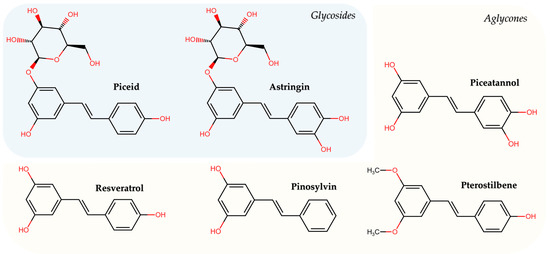
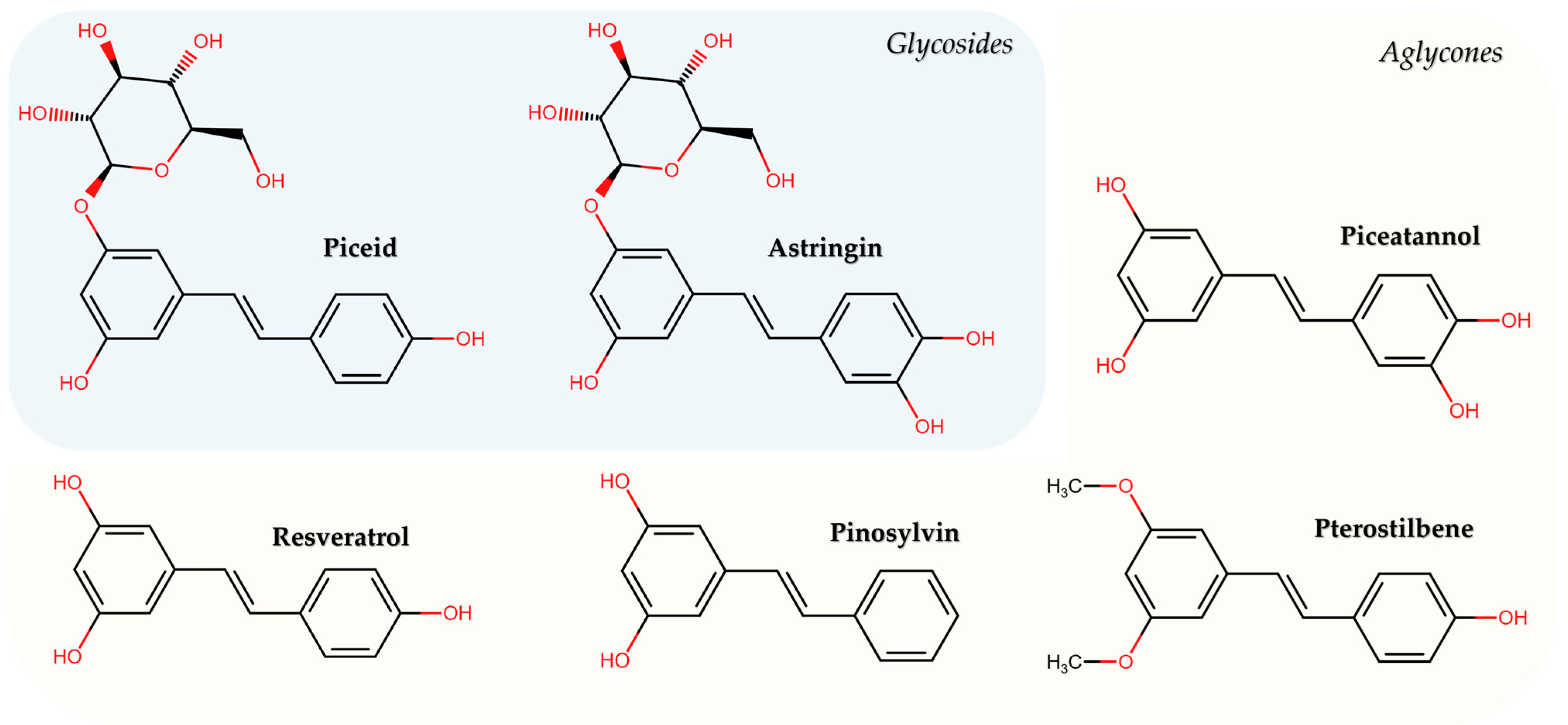
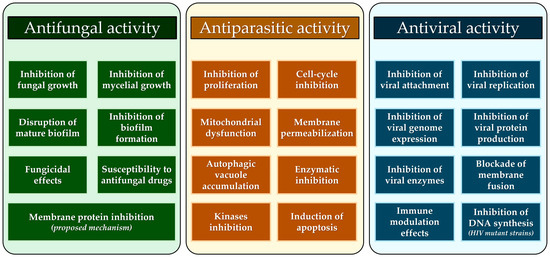
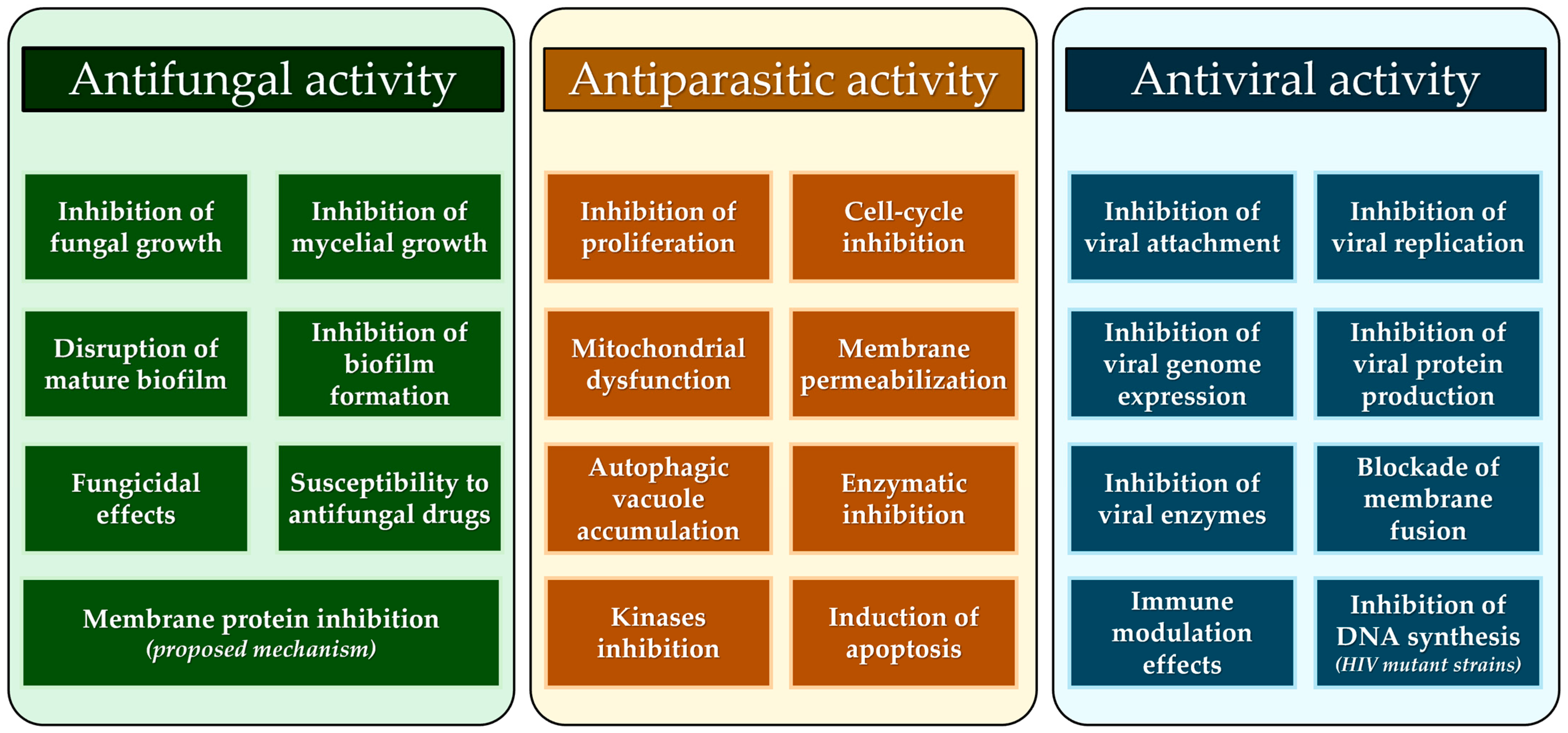

Disclaimer/Publisher’s Note: The statements, opinions and data contained in all publications are solely those of the individual author(s) and contributor(s) and not of MDPI and/or the editor(s). MDPI and/or the editor(s) disclaim responsibility for any injury to people or property resulting from any ideas, methods, instructions or products referred to in the content. |
© 2026 by the authors. Licensee MDPI, Basel, Switzerland. This article is an open access article distributed under the terms and conditions of the Creative Commons Attribution (CC BY) license.