


Abstract
To investigate the effect of poly(amic ester) (PAE) molecular weight on the photolithographic performance of negative-tone photosensitive poly(amic ester)s (n-PSPAE) and the comprehensive properties of cured negative-tone photosensitive polyimide films (n-PSPI), a series of molecular-weight-controlled PAE resins functionalized with photoreactive hydroxyethyl methacrylate (HEMA) moieties were prepared via a three-step esterification–acyl chlorination–polycondensation route. This route used 4,4′-(hexafluoroisopropylidene)diphthalic anhydride (6FDA) and 3,3′,4,4′-biphenyltetracarboxylic dianhydride (BPDA) as the mixed dianhydrides and 2,2′-bis(trifluoromethyl)benzidine (TFDB) as the diamine. Viscous n-PSPAE solutions were then formulated by dissolving PAEs along with photoinitiators, photocrosslinkers, polymerization inhibitors, and adhesion promoters in N-methyl-2-pyrrolidone (NMP). As PAE theoretical molecular weights () increase, the gelation threshold energy density (D0.5) decreases from 118 to 44 mJ·cm−2 due to reduced dissolution kinetics in the developer. Optimized spatial resolutions of 6–8 μm for vias and lines are retained at ≤ 30 × 103 g·mol−1 (with n-PSPAE-2–20 reaching 6 μm for both geometries), beyond which developer-induced swelling severely degrades the pattern definition. The thermal, mechanical, dielectric, and optical properties of n-PSPI films cured at 350 °C were systematically investigated as a function of PAE . The fully cured n-PSPI films demonstrate exceptional thermal and thermomechanical endurance, where PAE plays a negligible role in altering primary pyrolytic degradation stability and thermal expansion, owing to the intrinsically rigid aromatic backbone. Correspondingly, a minimum precursor of approximately 25 × 103 g∙mol−1 is required to enter the chain entanglement transition region, ensuring high tensile strength and elongation at break. And an optimum practical window of 25 × 103–30 × 103 g∙mol−1 balances fine micro-patterning with mechanical reliability. Furthermore, the n-PSPI films combine exceptionally stable low dielectric constants, minimal loss, and outstanding optical clarity, with T550 values of 93.6–95.4%, a haze of ≤0.97%, and a yellowness index of 5.79–11.88. These excellent properties originate from the suppression of intermolecular charge transfer complexes and increased fractional free volume induced by bulky fluorinated groups.
1. Introduction
With the rapid advancement of flexible active-matrix organic light-emitting diode (AMOLED) displays, micro-LEDs, and extended reality (XR) optical modules, photosensitive polyimides (PSPIs) have garnered considerable attention as critical dielectric materials for micro-optical packaging, planarization layers, microlens arrays, and microdisplay interconnects [1,2,3]. In these emerging micro-optoelectronic devices, dielectrics are required not only to exhibit superior thermal stability, high mechanical flexibility, and excellent electrical insulation, but also to satisfy increasingly stringent requirements for high visible-light transparency (>85%) and sub-10 μm lithographic resolution [4,5]. Direct photopatterning eliminates the need for complex wet/dry etching steps, offering a streamlined and cost-effective route to fabricating intricate microarrays without damaging the underlying sensitive optoelectronic components [6,7].
However, conventional aromatic PSPIs intrinsically exhibit deep yellow-to-brown coloration and poor visible-light transmittance, particularly in the high-energy blue region (400–450 nm), owing to strong intramolecular and intermolecular charge transfer complex (CTC) interactions [8,9]. To overcome this limitation, recent research efforts have increasingly aimed at translating the molecular design strategies of colorless transparent polyimides (CPIs) into transparent photosensitive polyimides [10]. Structurally, incorporating aliphatic or alicyclic dianhydrides or diamines disrupts intramolecular conjugation along the polymer backbone and intermolecular π–π interactions, effectively suppressing CTC formation, which is primarily responsible for strong optical absorption in the visible-light region [11,12]. Furthermore, introducing such bulky steric substituents as fluorene groups or strong electron-withdrawing trifluoromethyl moieties severely distorts chain coplanarity, thereby not only enlarging the fractional free volume (FFV) to enhance light transmittance but also lowering electronic polarizability to mitigate thermal yellowing during high-temperature imidization [13,14,15]. Nevertheless, directly implementing these CPI design concepts into PSPI formulations remains a formidable challenge because the necessary inclusion of photoreactive ester groups, crosslinkers, and photoinitiators often compromises optical clarity, increases thermal expansion, and complicates wet-development kinetics [16,17].
Recently, Lai et al. demonstrated control over the molecular weight of poly(amic ester) (PAE) to optimize lithographic resolution and stress in PSPI packaging materials via a poly(isoimide) (PII) ring-opening esterification pathway [18]. In contrast to this PII intermediate route, the direct low-temperature esterification-acyl chlorination route used herein enables precise molecular weight control while avoiding side products from potential isoimide rearrangement. Moreover, extending Mw-control strategies to highly fluorinated n-PSPAE systems remains unexplored, particularly in terms of systematically clarifying the role of Mw in suppressing charge transfer complexes and maintaining ultralow dielectric loss at high frequencies (10–60 GHz), as well as identifying the tentative chain entanglement transition region around 25 × 103 g·mol−1.
In our previous study, a highly transparent ester-type negative-tone poly(amic ester) (n-PSPAE) precursor system was successfully developed [19]. Beyond chemical structure design, the precursor molecular weight plays a critical role in governing the dissolution kinetics during wet development [20]. Therefore, systematically establishing the molecular weight window is essential for balancing lithographic resolution, optical transparency, thermal stability, and mechanical durability. In this work, a series of n-PSPAE resins with precisely controlled PAE molecular weights of 15 × 103–40 × 103 g·mol−1 were synthesized based on the optimized fluorinated backbone in ref. [19]. The systematic relationships between PAE molecular weight and photolithographic behavior, thermal resistance, and mechanical reliability were thoroughly evaluated. This study offers valuable guidelines for tailoring highly transparent n-PSPI formulations with optimized fine-patterning performance and balanced physical properties for advanced micro-optoelectronic packaging.
2. Results and Discussion
2.1. Characterization of PAE Precursors and Derived n-PSPI Films
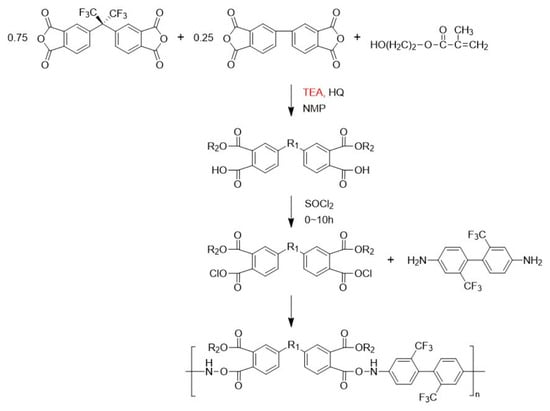
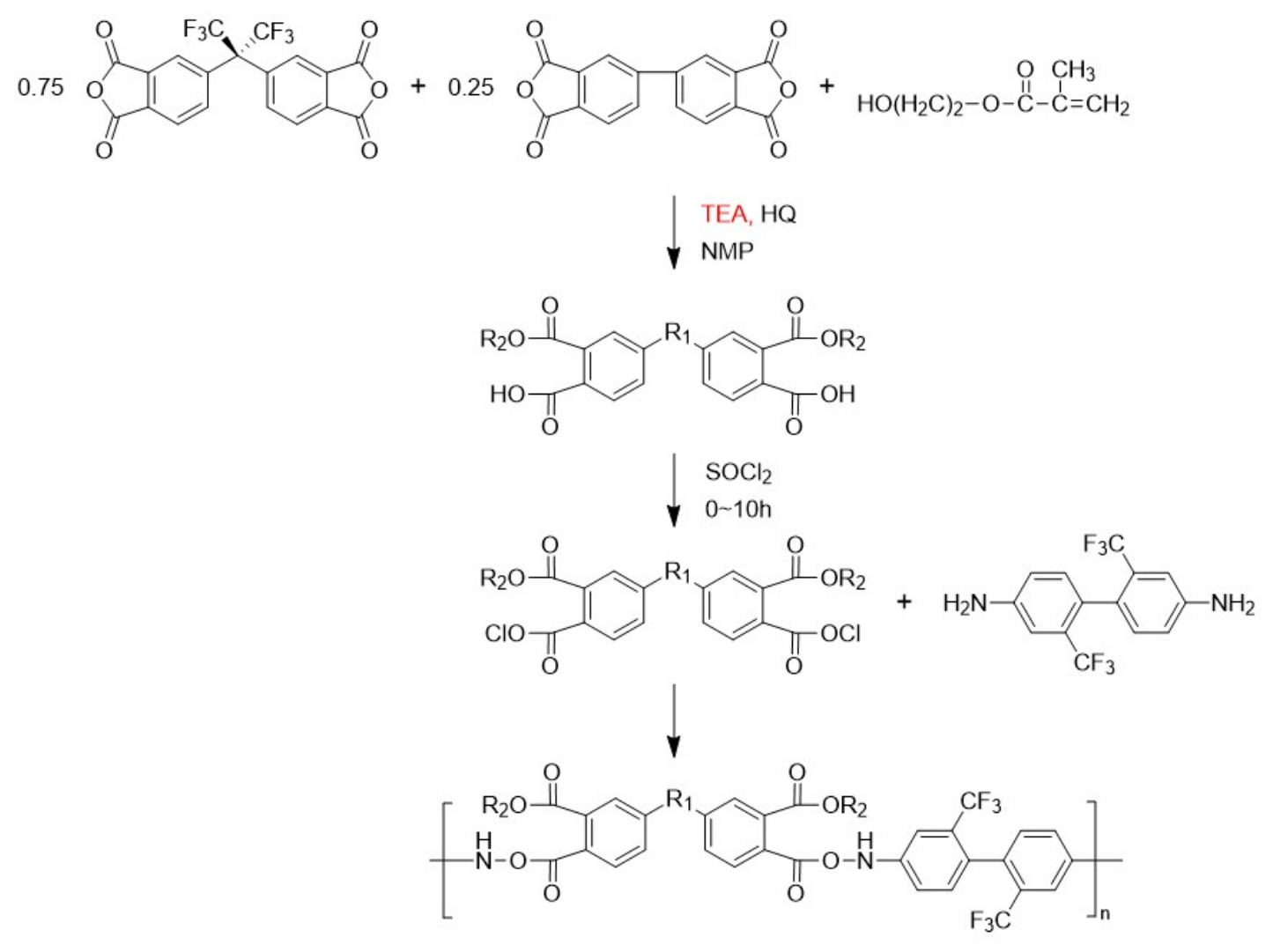
To systematically investigate the influence of molecular weight on the photolithographic performance of negative-tone photosensitive polyimide (n-PSPI) precursor compositions and the overall properties of the cured n-PSPI films, a series of molecular-weight-controlled aromatic poly(amic ester) PAE resins with designed molecular weights ranging from 15 × 103 to 40 × 103 g·mol−1 were synthesized via a three-step esterification-acyl chlorination-polycondensation sequence, as depicted in Scheme 1. Briefly, 4,4′-(hexafluoroisopropylidene)diphthalic anhydride (6FDA) and 3,3′,4,4′-biphenyltetracarboxylic dianhydride (BPDA), at a molar ratio of 75:25, were esterified with photoreactive 2-hydroxyethyl methacrylate (HEMA) to form the corresponding diester-diacid intermediates, followed by activation with thionyl chloride (SOCl2). Subsequently, these aromatic diester dichloride intermediates were reacted with 2,2′-bis(trifluoromethyl)benzidine (TFDB) to yield the target PAE precursors.
Scheme 1.
Synthesis of poly(amic ester) resins.
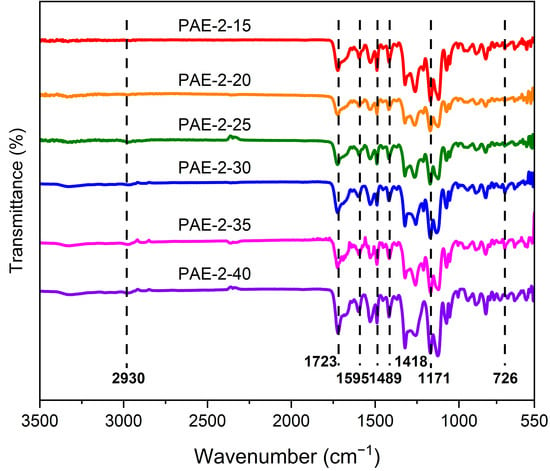
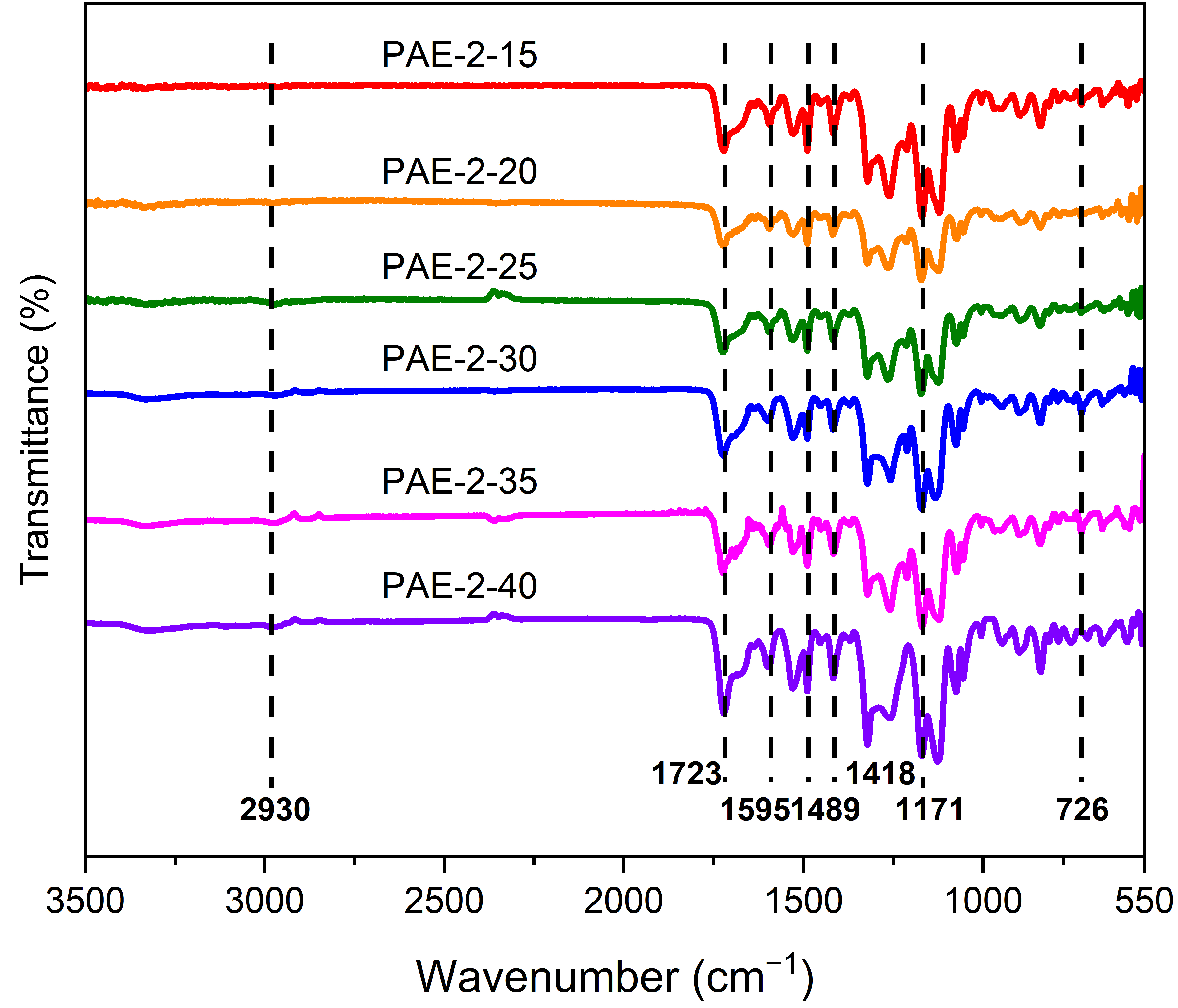
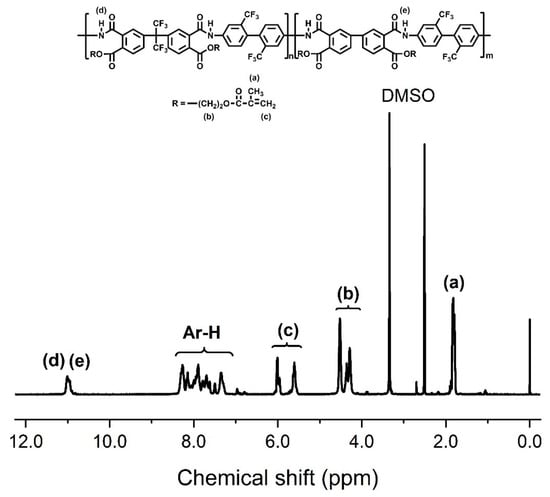
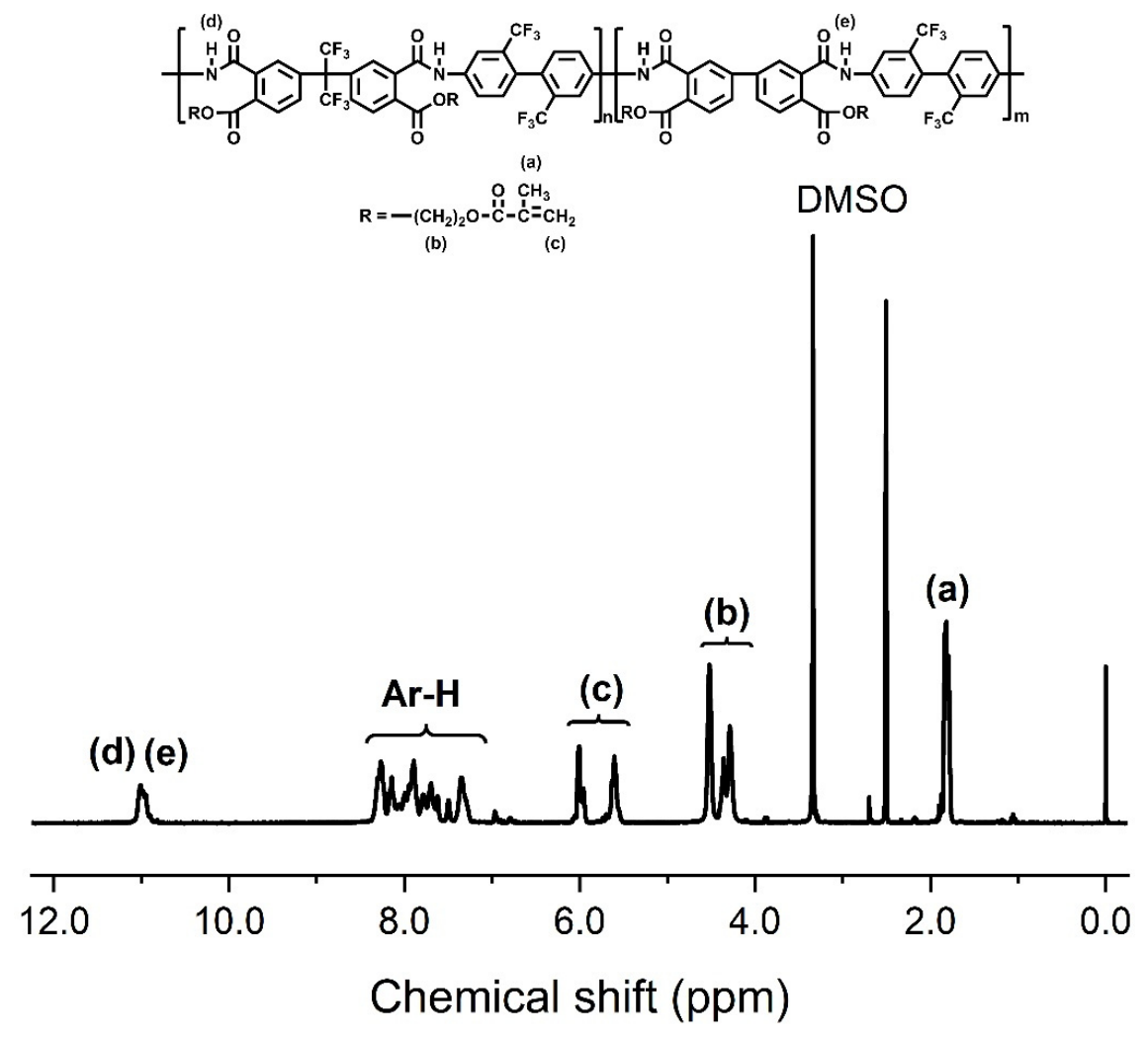
The chemical structures of the molecular-weight-controlled PAE resins were systematically confirmed by Fourier transform infrared (FT-IR) spectroscopy and 1H NMR spectroscopy. As shown in Figure 1, FT-IR spectra exhibit the characteristic peak assigned to the -CH2- stretching vibration at 2930 cm−1, along with the strong absorption band attributed to the ester carbonyl (C=O) stretching vibration of the -CH2COO- groups at 1723 cm−1 [19,21]. For the amide (-CONH-) linkages, the absorption peaks corresponding to the carbonyl (C=O) and C-N stretching vibrations are observed at 1595 and 1418 cm−1, respectively [6,19]. Additionally, the characteristic peaks arising from the C-F bonds are clearly detected at 1489 cm−1 and 1171 cm−1. The peak attributed to the -CH2- in-plane rocking vibration appears at 726 cm−1 [21]. The solution 1H NMR spectrum of a representative PAE resin (PAE-2-30) is presented in Figure 2. The distinct splitting patterns are well assigned as expected, which clearly identify the designed chemical structure. Specifically, the characteristic signals corresponding to the amide protons (-C(O)NH- at positions d and e) are detected at 11.0 ppm, while the peaks attributed to the hydroxyethyl methacrylate moieties (-O-CH2CH2OC(O)C(CH3)=CH2 at positions a, b, and c) are observed at 1.8, 4.3, 4.4, 4.5, 5.6, and 6.0 ppm. Additionally, the signals arising from the aromatic protons (Ar-H) appear prominently in the range of 7.0–8.5 ppm [19]. Collectively, these FT-IR and 1H NMR results clearly confirm the successful synthesis of the target PAE precursors with well-defined chemical structures.
Figure 1.
FT-IR spectra of PAE resins with different molecular weights.
Figure 2.
1H NMR spectra of the representative PAE-2-30 in DMSO-d6.
Molecular weight control was achieved by adjusting the stoichiometric molar ratio of the diamine (TFDB) to the diester dichloride intermediate (r = ndiamine/ndiester-dichloride < 1) using the modified Carothers equation, = (1 + r)/(1 − r), assuming complete conversion (p ≈ 1), where the target was estimated, assuming a most-probable distribution (PDI ≈ 2.0). By controlling the calculated molar fractions of TFDB, PAE resins with ranging from 15 × 103 to 40 × 103 g·mol−1 were obtained. Table 1 summarizes the relative molecular weights determined by GPC. The detailed monomer quantities, stoichiometric ratios (r), and corresponding GPC characterization results (, , and PDI) for all six formulations (PAE-2-15 to PAE-2-40) are comprehensively compiled in Table S1 (ESI), and the GPC chromatograms are provided in Figure S1 (ESI). The number-average molecular weight () values of PAE-2-15 to PAE-2-40 are 8268 to 17,950 g·mol−1 and the weight-average molecular weights () are 16,696 to 42,828 g·mol−1. The experimental Mw data are in good agreement with the designed values, showing a monotonic increase with rising targeted molecular weights as anticipated. Additionally, the polydispersity indices (/) fall between 2.0 and 2.4, demonstrating satisfactory molecular weight control across the series [20].
Table 1.
The abbreviations and molecular weight characterization of PAE, n-PSPAE resins and n-PSPI films therefrom.
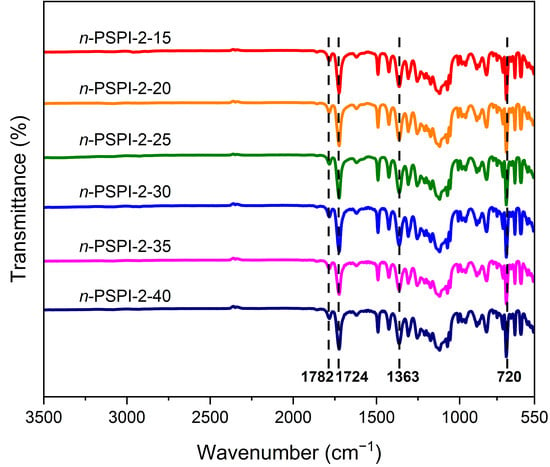
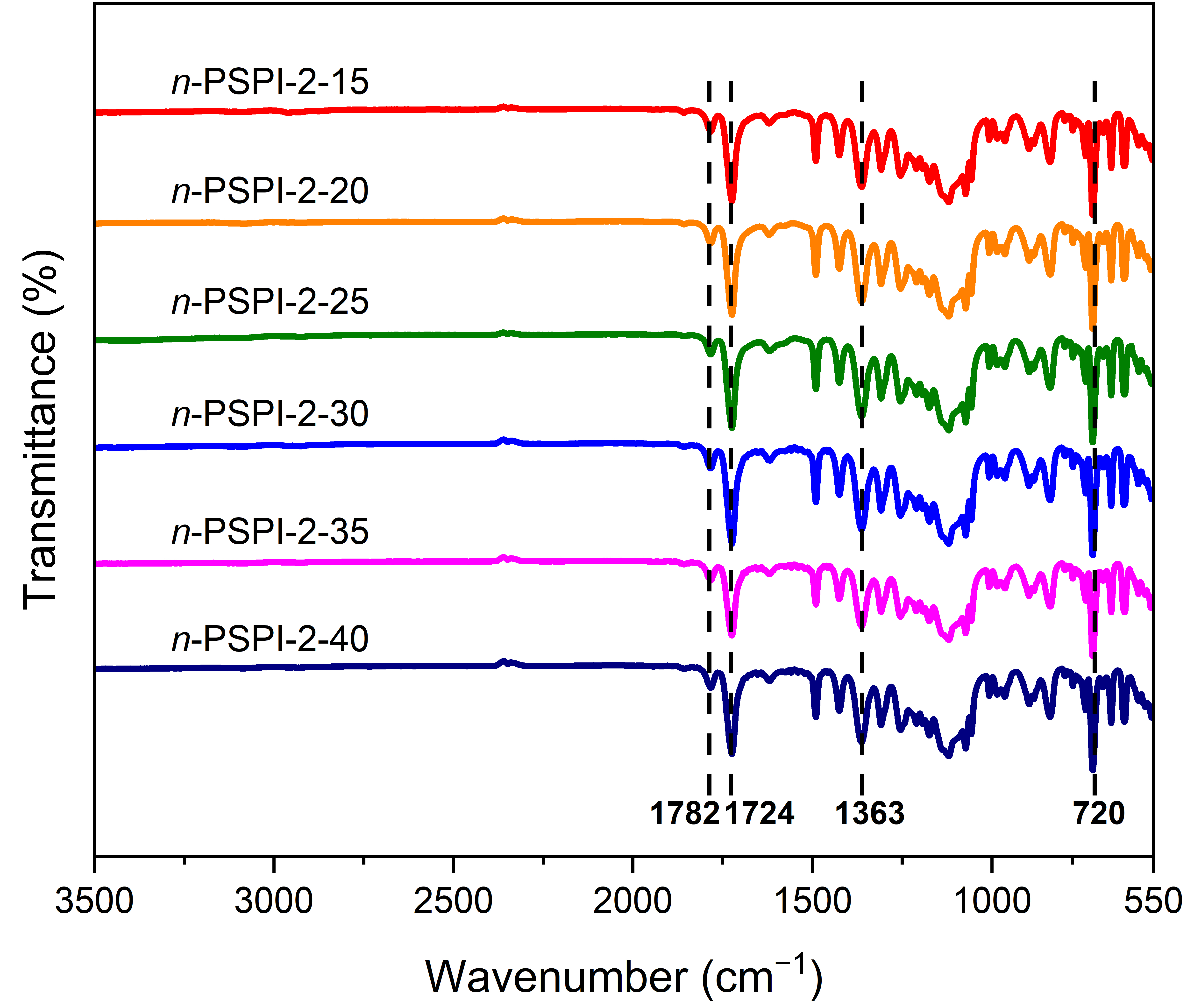
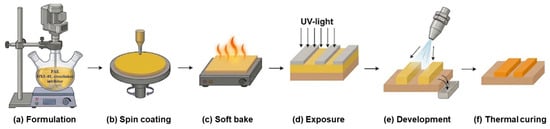
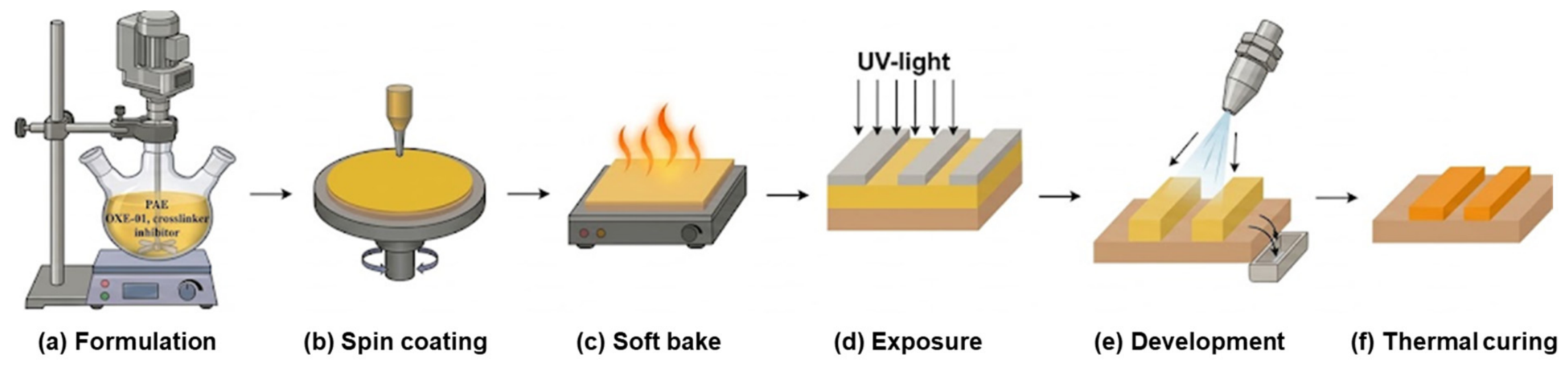
As illustrated in Scheme 2, the synthesized PAE resins with different molecular weights were blended with photoinitiators, photocrosslinkers, polymerization inhibitors, and adhesion promoters in a selected solvent to yield a series of viscous negative-tone photosensitive poly(amic ester) (n-PSPAE) solutions. These precursor formulations were spin-coated onto silicon wafers, soft-baked, and patterned by UV exposure. Subsequently, high-temperature imidization at 350 °C for 1 h produced patterned n-PSPI films with well-defined microstructures. The chemical structures were characterized by FT-IR spectroscopy (Figure 3). The spectra clearly exhibit the characteristic absorption bands of the imide ring. Specifically, the distinct peaks at 1782 and 1724 cm−1 correspond to the asymmetric (νas) and symmetric (νs) stretching vibrations of the imide carbonyl (C=O) groups, respectively. The peak at 1363 cm−1 is assigned to the imide C-N stretching vibration (ν), while the band at 720 cm−1 arises from the characteristic bending vibration of the imide ring (δ) [6,17]. To quantitatively evaluate the conversion degree, the absorbance ratio of the asymmetric imide carbonyl peak (1782 cm−1) relative to an invariant internal reference band (aromatic C=C stretching at 1500 cm−1) was tracked as a function of curing temperature and time. The intensity ratio (A1782/A1500) attained a constant maximum plateau following thermal treatment at 350 °C for 1 h, demonstrating that imidization had reached saturation. Furthermore, full thermal conversion was cross-verified by the complete disappearance of the precursor amide carbonyl stretching band at 1595 cm−1 and the total absence of N–H stretching vibrations in the 3300–3500 cm−1 region [8,19]. This confirms that any unreacted amic acid/ester intermediates were below the spectroscopic detection limit, establishing complete ring-closure to the polyimide structure.
Scheme 2.
Photopatterning of transparent n-PSPIs.
Figure 3.
FT-IR spectra of n-PSPI resins derived from PAEs with calculated Mw of 15 × 103–40 × 103 g·mol−1.
2.2. Photolithographic Performance
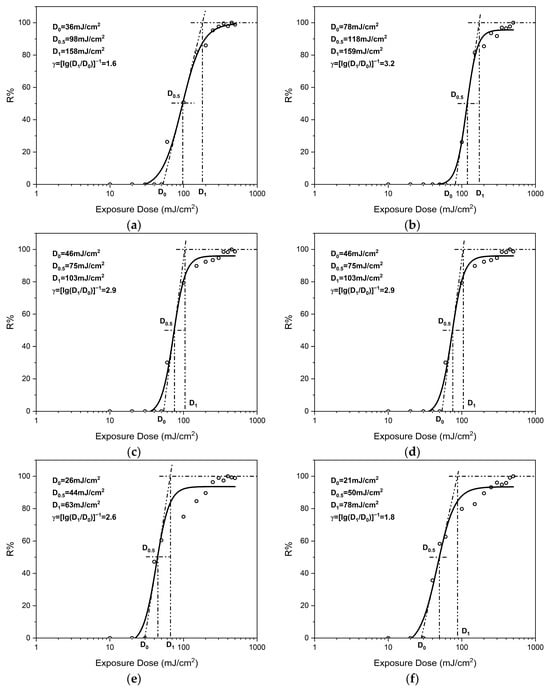
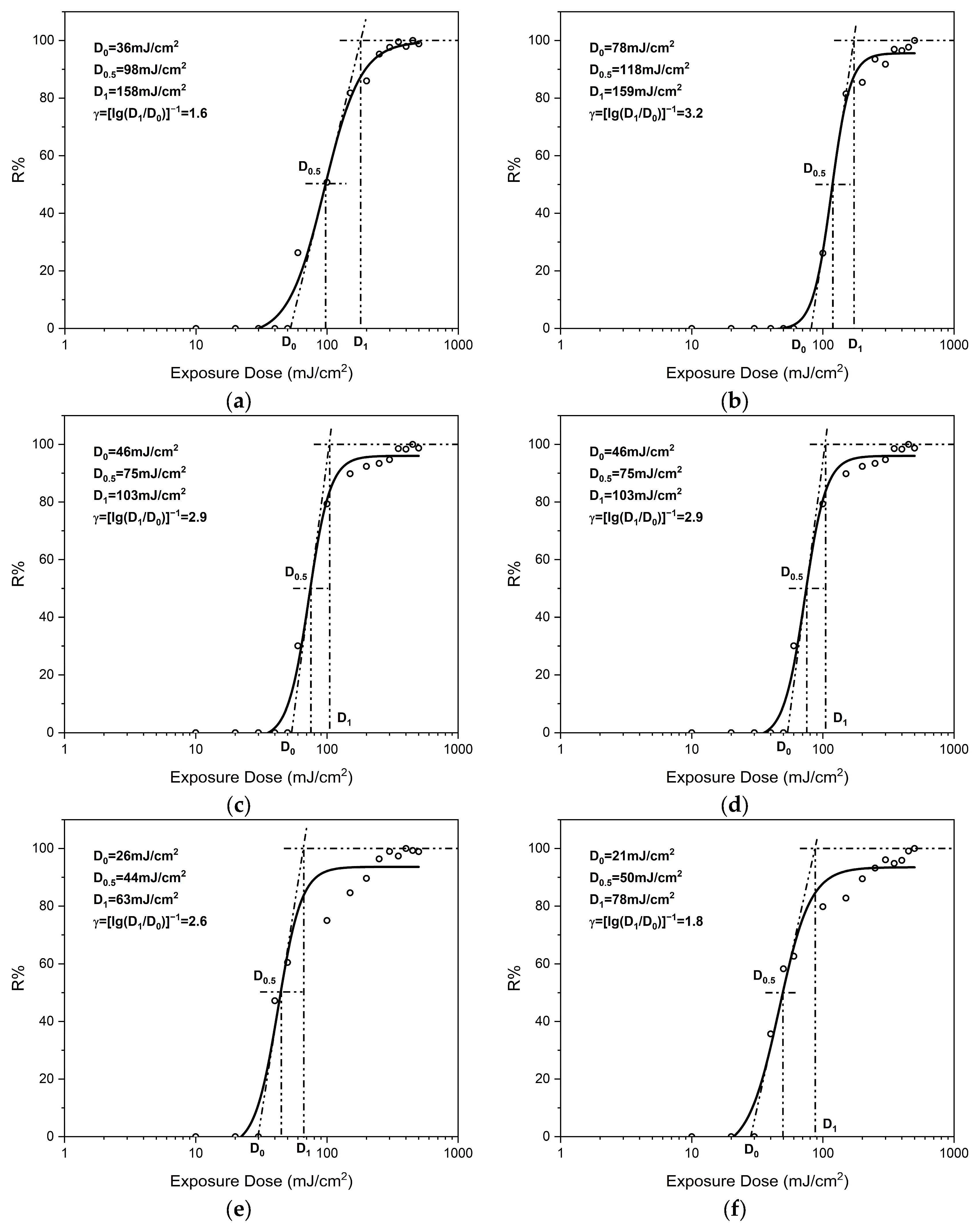
Building upon our previous work on high-transparency photosensitive polyimides [19], the n-PSPI precursor resins were spin-coated onto 6-inch silicon substrates, followed by a soft-bake at 110 °C for 4 min to produce a wet film with a target thickness of approximately 10 μm. These films were subsequently exposed to i-line UV irradiation at optimized doses (100–450 mJ·cm−2) and developed in cyclopentanone for 40–65 s, affording well-defined three-dimensional relief patterns with a retained precursor film thickness of 8.0~8.5 μm. The photolithographic parameters and derived photosensitivity data for all formulations are summarized in Table 2. The influence of PAE molecular weights on the photosensitive properties of n-PSPAE resin was systematically evaluated via the characteristic exposure–response curves depicted in Figure 4. Every exposure–response curve was constructed under standardized development conditions: immersion development in pure cyclopentanone at 25 °C for 40–65 s, followed by rinsing with ethyl acetate and spin-drying. Operationally, D0 denotes the threshold dose at which insoluble residue first begins to form after development, D0.5 is defined as the operational sensitivity metric corresponding to a 50% normalized remaining film thickness, and D1 represents the minimum exposure dose required to reach a constant thickness plateau. It should be emphasized that D0.5 serves as a comparative photolithographic sensitivity parameter rather than a fundamental gelation threshold. Likewise, the plateau thickness at D1 indicates the onset of complete solvent dissolution inhibition under the specified development conditions rather than complete chemical conversion of all photoreactive groups. In addition, the lithographic contrast (γ), which directly dictates the edge acuity of the patterned features and achievable spatial resolution of n-PSPI, was calculated using the following equation [22]:
γ = (lgD1/D0)−1
Table 2.
Lithographic conditions and properties of n-PSPAE resins with different molecular weights.
Figure 4.
Photosensitivity curves of n-PSPAE resins derived from molecular-weight-controlled PAEs: (a) n-PSPAE-2-15; (b) n-PSPAE-2-20; (c) n-PSPAE-2-25; (d) n-PSPAE-2-30; (e) n-PSPAE-2-35; and (f) n-PSPAE-2-40.
As summarized in Table 2, the measured D0.5 values for the series are 98, 118, 75, 47, 44, and 50 mJ·cm−2, exhibiting a non-monotonic dependence on molecular weight. Initially, increasing the molecular weight promotes polymer chain entanglement, which lowers the required crosslinking density to achieve 50% film retention [23], thereby reducing D0.5 from 98 to 118 mJ⋅cm−2 down to an optimal 44–47 mJ⋅cm−2 for intermediate molecular weights (n-PSPAE-2-25 and n-PSPAE-2-30). However, a slight increase in D0.5 (50 mJ⋅cm−2) is observed at the highest molecular weight. This deviation is proposed to stem from increased steric hindrance within bulkier polymer coils, which slightly suppresses the effective collision frequency of photoactive moieties. Furthermore, the contrast (γ) dictates feature edge acuity. The resolution degradation observed in higher molecular weight formulations is proposed to originate from reduced developer dissolution kinetics and potential developer-induced micro-swelling, which blurs pattern boundaries and hinders complete unexposed feature clearing.
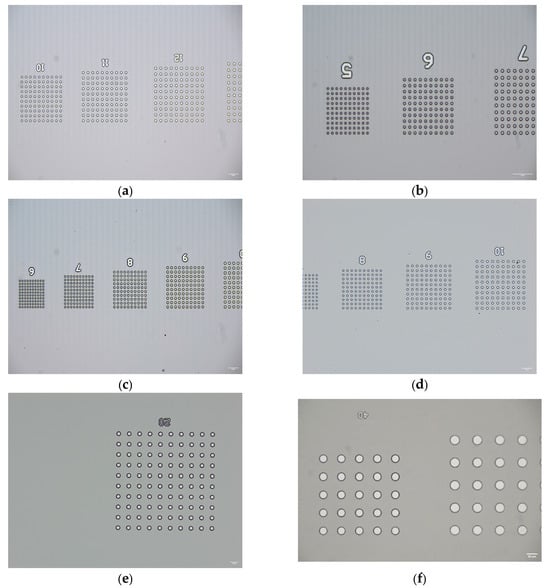
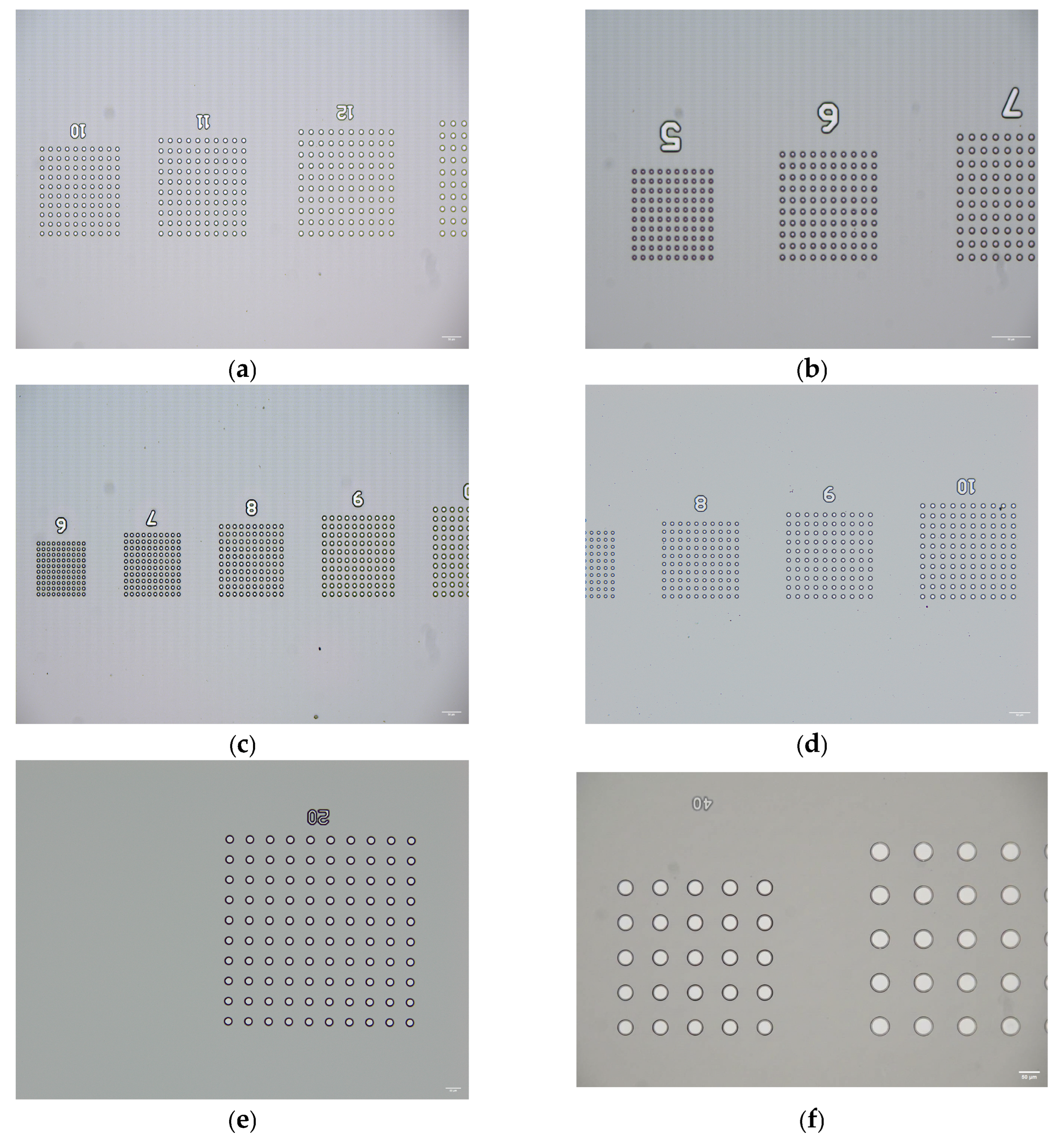
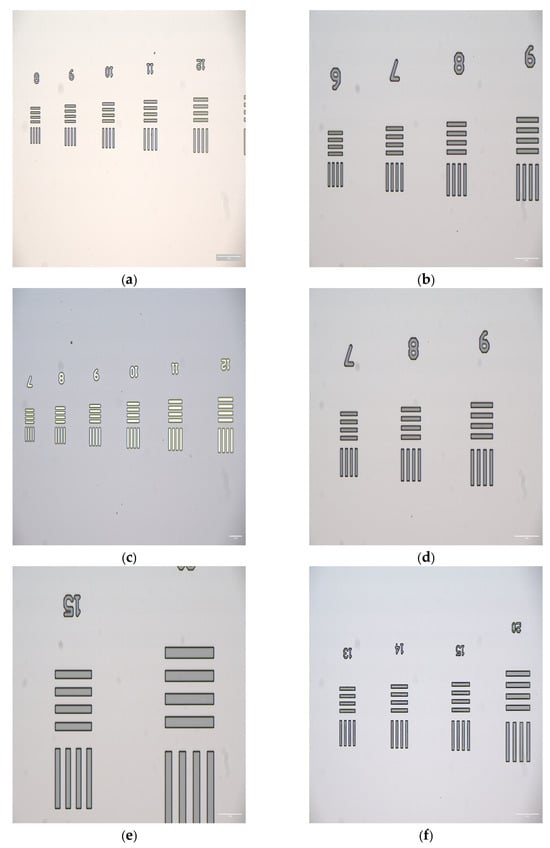
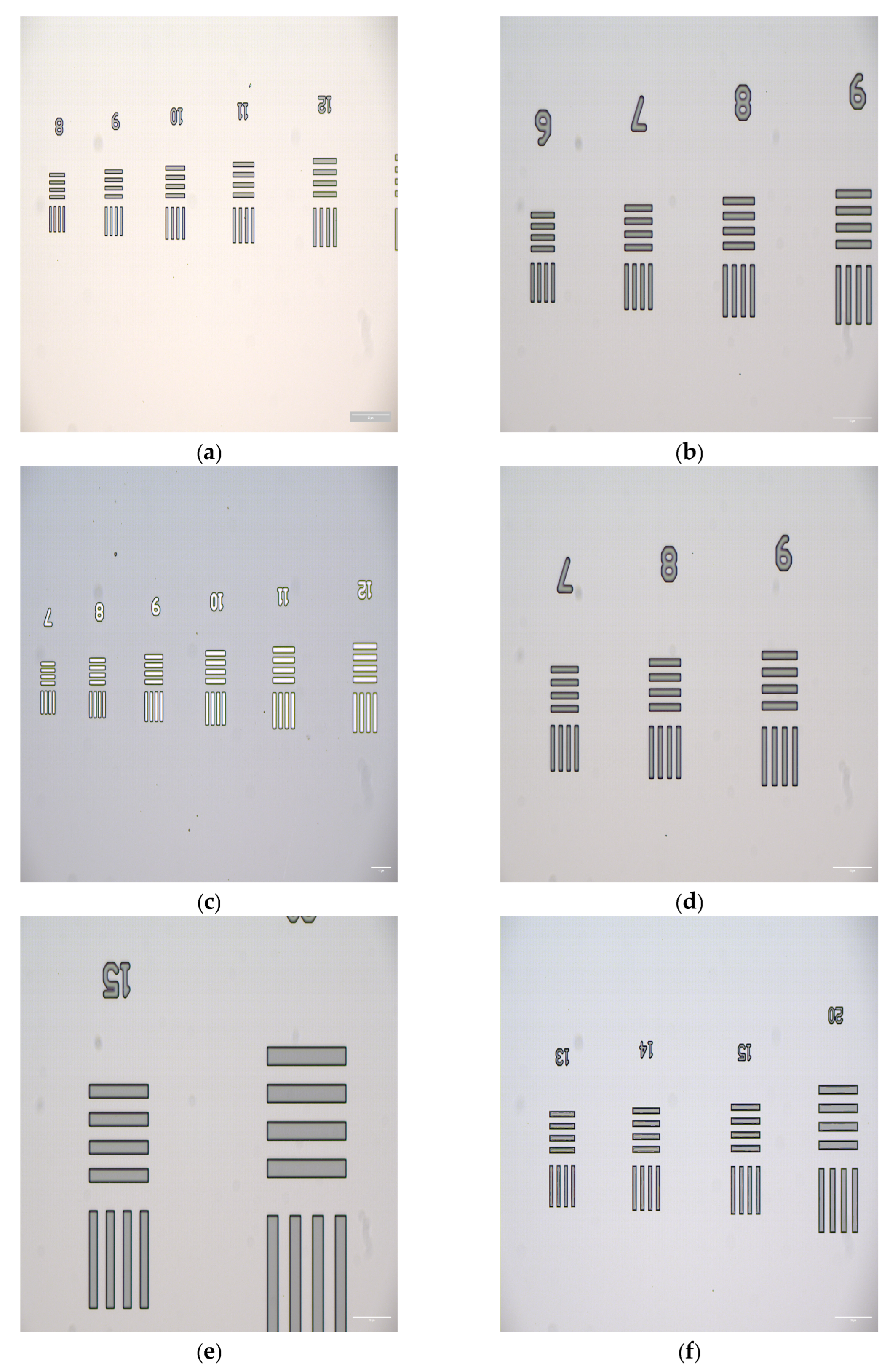
The optical micrographs of the photolithographic features are presented in Figure 5 and Figure 6, and the corresponding resolution metrics are summarized in Table 2. The patterned vias and lines all exhibit exceptional structural integrity with well-defined geometries. No evidence of pattern collapse, edge distortion, or microvoid formation is observed, indicating the superior lithographic quality of the n-PSPAE films. The achievable spatial resolution shows a clear dependence on PAE molecular weight. n-PSPI precursors with calculated Mw ranging from 15 × 103 to 30 × 103 g·mol−1 achieve excellent lithographic resolution, resolving vias down to 6–10 μm and line patterns down to 6–8 μm. The spatial resolution gradually decreases with an increasing molecular weight. At the upper end of this range, n-PSPAE-2-30 still retains an 8 μm feature size for both via and line geometries. When PAE is further increased to 35 × 103 g·mol−1, a noticeable deterioration in pattern fidelity is observed, with the minimum resolvable via size increasing sharply to 20 μm. This resolution degradation is primarily ascribed to developer-induced swelling and lower dissolution contrast in the higher films, which blurs edge definitions and impedes clean channel clearing [24]. It should be noted that the lithographic resolutions and sensitivity parameters summarized in Table 2 were measured on the as-developed n-PSPAE precursor relief patterns prior to thermal curing. These values represent the intrinsic photolithographic limits of the photosensitive prepolymer matrix.
Figure 5.
Optical images of photolithographic via patterns of n-PSPAE derived from molecular-weight-controlled PAEs: (a) n-PSPAE-2-15; (b) n-PSPAE-2-20; (c) n-PSPAE-2-25; (d) n-PSPAE-2-30; (e) n-PSPAE-2-35; and (f) n-PSPAE-2-40. (Bar = 50 µm).
Figure 6.
Optical images of photolithographic line patterns of n-PSPAE derived from molecular-weight-controlled PAEs: (a) n-PSPAE-2-15; (b) n-PSPAE-2-20; (c) n-PSPAE-2-25; (d) n-PSPAE-2-30; (e) n-PSPAE-2-35; and (f) n-PSPAE-2-40. ((a,f) Bar = 20 µm, (b–e) Bar= 10 µm).
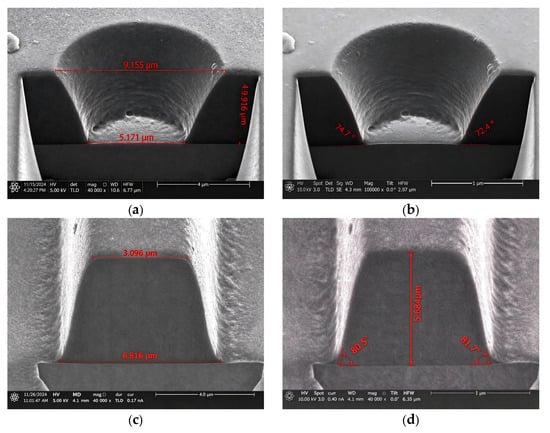
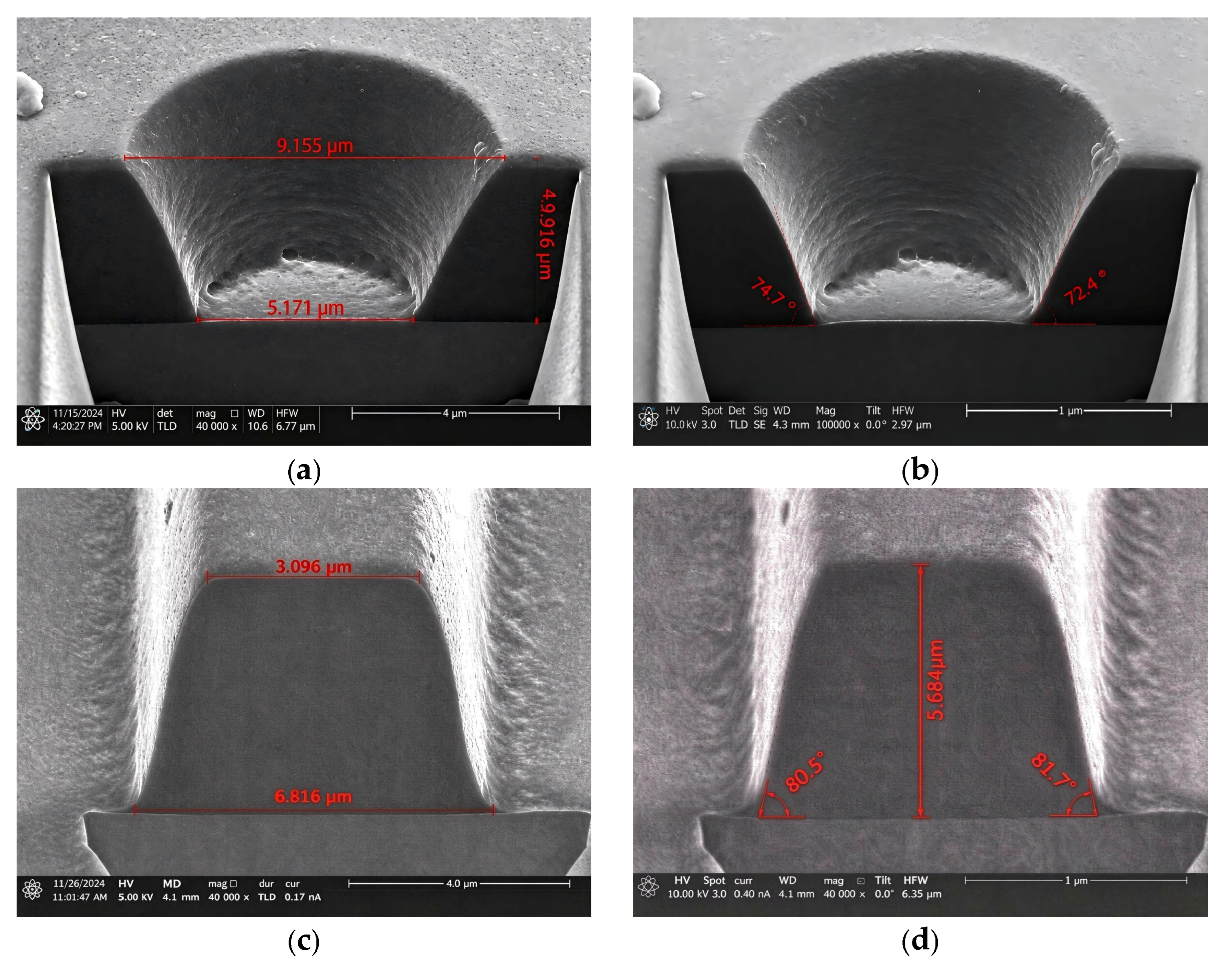
To verify the 3D pattern fidelity and structural retention of the microstructures after thermal conversion, cross-sectional FIB-SEM analysis was conducted on the finalized polyimide films. The n-PSPAE-2-25 formulation was specifically chosen for this thermal curing evaluation because it exhibited the highest baseline photolithographic resolution (6 μm via resolution, 7 μm line resolution) and high contrast (γ = 2.7) among all evaluated formulations. As illustrated in Figure 7, starting from an initial soft-baked thickness of about 10 μm and an as-developed precursor pattern thickness of 8.0–8.5 μm, the structures underwent controlled vertical shrinkage to a final thermally cured thickness of approximately 5 μm after thermal curing at 350 °C for 1 h. High-magnification cross-sectional FIB-SEM imaging confirms that despite the thickness contraction induced by solvent evaporation and poly(amic ester) cyclodehydration, the thermally cured n-PSPI-2-25 microstructures retained sharp edge acuity, clean release from the substrate (via a 1.5 wt.% hydrofluoric acid solution), and well-defined sidewall angles (72.4–74.7 ° for cavity structures and 80.5–81.7 ° for line profiles) without thermal reflow, pattern fusing, or collapse.
Figure 7.
Representative cross-sectional FIB-SEM micrographs of the thermally cured n-PSPI microstructures (optimized n-PSPAE-2-25 formulation after thermal curing at 350 °C for 1 h): (a) dimensional measurements and (b) sidewall angle analysis of the via structure; (c) dimensional measurements and (d) sidewall angle analysis of the line structure.
2.3. Thermal Properties
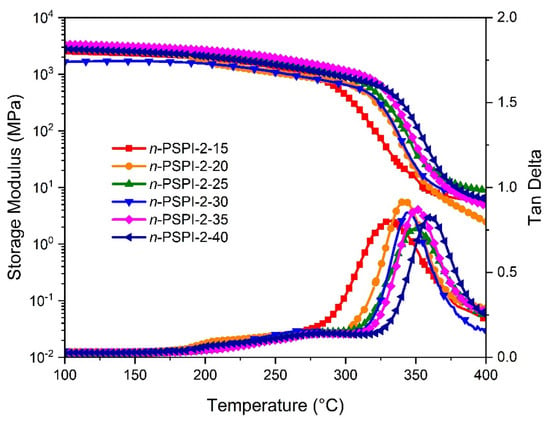
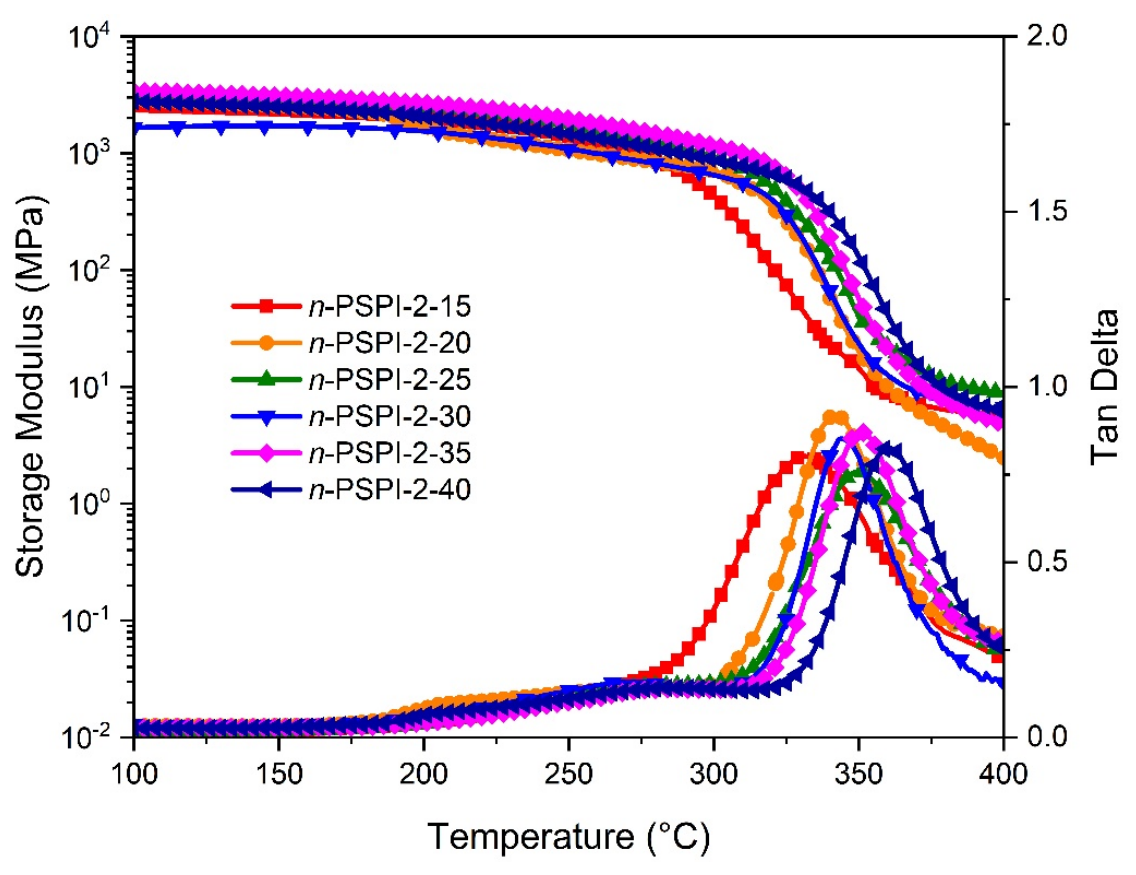
Following the photolithographic patterning described above, the resulting n-PSPAE relief features were thermally cured at 350 °C for 1 h to convert into fully imidized n-PSPI films. The thermal behaviors of the fully cured n-PSPI films were characterized by DMA, TGA, and TMA. Figure 8 describes the storage modulus (E′) and tan δ plotted as a function of temperature for the n-PSPI series, and the Tg values have been given in Table 3. A characteristic broad glass transition is accompanied by a substantial drop in E′ across 300–324 °C, reflecting the intrinsically rigid backbone and thus satisfactory thermomechanical robustness of the aromatic polyimide. The distinct motional relaxation process, designated α, corresponds to the primary glass-to-rubber transition, and its peak temperature resides in a high-temperature range of 331–359 °C, depending on the precursor’s molecular weight. As PAE increases from 15 × 103 to 40 × 103 g·mol−1, a slight upward shift in Tg is observed. According to classical polymer physics, the glass transition behavior of linear polymers is governed by free volume theory and chain-end concentration, as described by the Flory–Fox relationship [6,25]. n-PSPI films derived from lower- PAEs possess a higher density of chain ends; the resulting increase in free volume and local segmental mobility leads to a slight depression in Tg. Conversely, higher- chains dilute these chain-end defects and foster interchain entanglements, which restricts large-scale segmental motions and yields a moderately higher Tg [6,25]. Nevertheless, the overall variation in Tg across the investigated range remains limited to within 28 °C. This indicates that precursor molecular weight plays a secondary role in governing the thermal resistance. Fundamentally, the intrinsic chain stiffness originating from the aromatic and imide rings serves as the primary determinant of the high thermal stability in these n-PSPI systems.
Figure 8.
DMA curves of the thermally cured n-PSPI films derived from PAEs with calculated Mw of 15 × 103–40 × 103 g·mol−1.
Table 3.
Thermal properties of the thermally cured n-PSPI films.
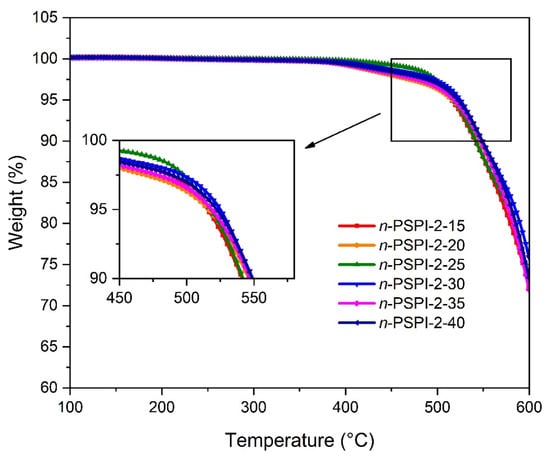
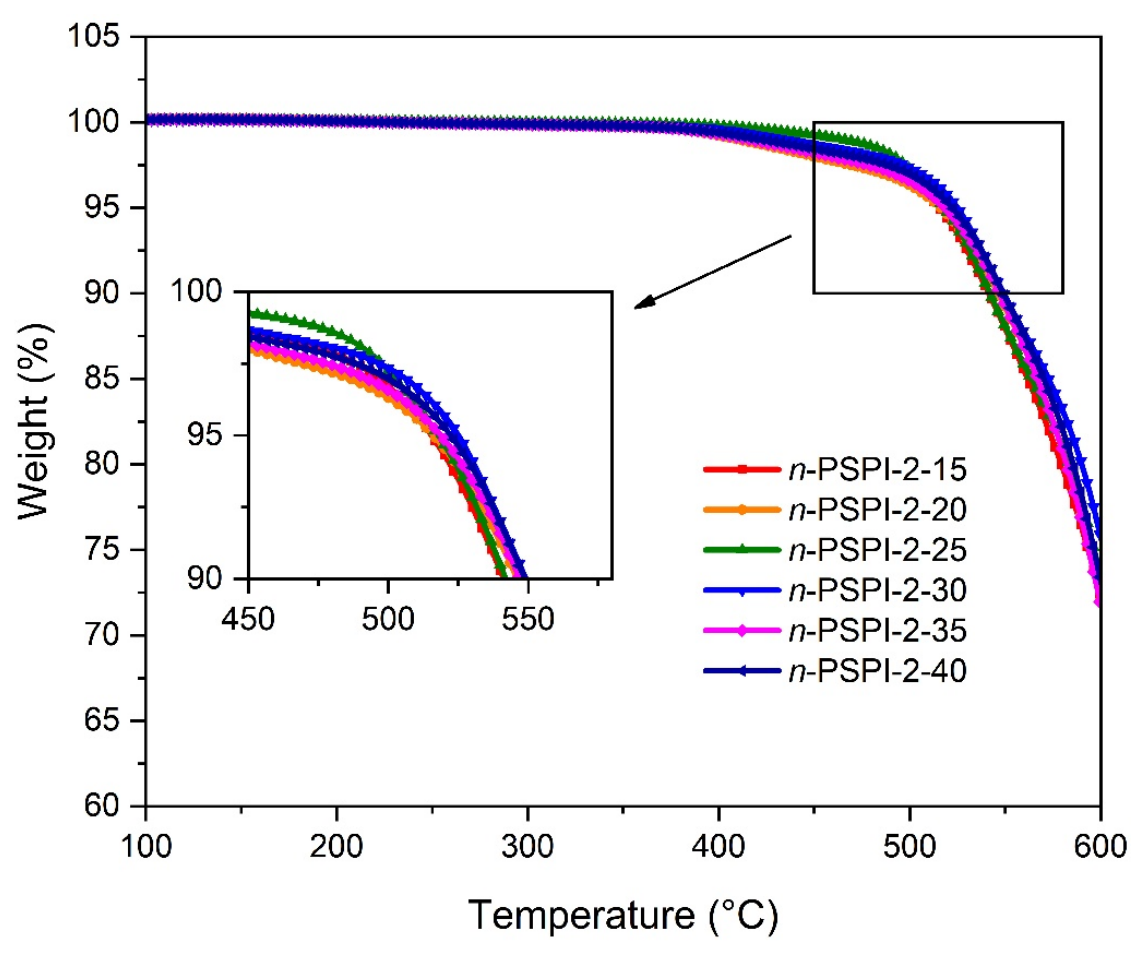
The TGA curves of n-PSPI films derived via the PAE series are given in Figure 9, and the results are summarized in Table 3. Specifically, the 5% and 10% weight-loss temperatures (T5% and T10%) of the fully cured n-PSPI films in nitrogen fall into the regime of 515–525 °C and 541–549 °C, respectively. The observation that all n-PSPI systems sustain virtually no mass loss below 400 °C confirms their remarkable thermal endurance. With increasing precursor molecular weight, the T5% and T10% values exhibit minimal variation and span a narrow temperature interval of less than 10 °C. The molecular weight of PAEs is shown to have little effect on the intrinsic degradation behavior of the fully cured films. The thermal degradation behavior is intrinsically controlled by the high bond dissociation energies of the aromatic C–C bonds and the imide ring structures [6,26,27]. Consequently, variations in n-PSPI precursor molecular weight alter physical entanglements without disturbing the primary chemical bond density, and yield a near-constant pyrolytic threshold.
Figure 9.
TGA curves of the thermally cured n-PSPI films derived from PAEs with calculated Mw of 15 × 103–40 × 103 g·mol−1.
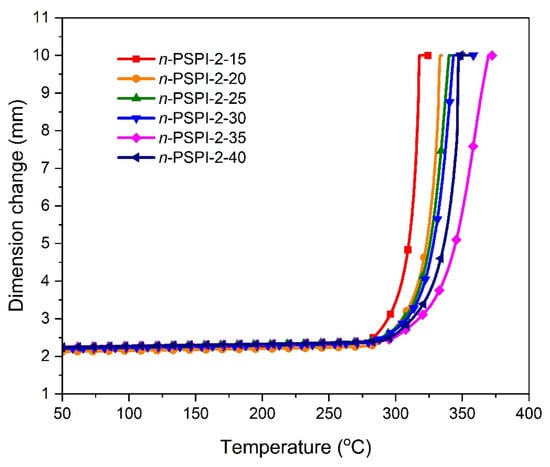
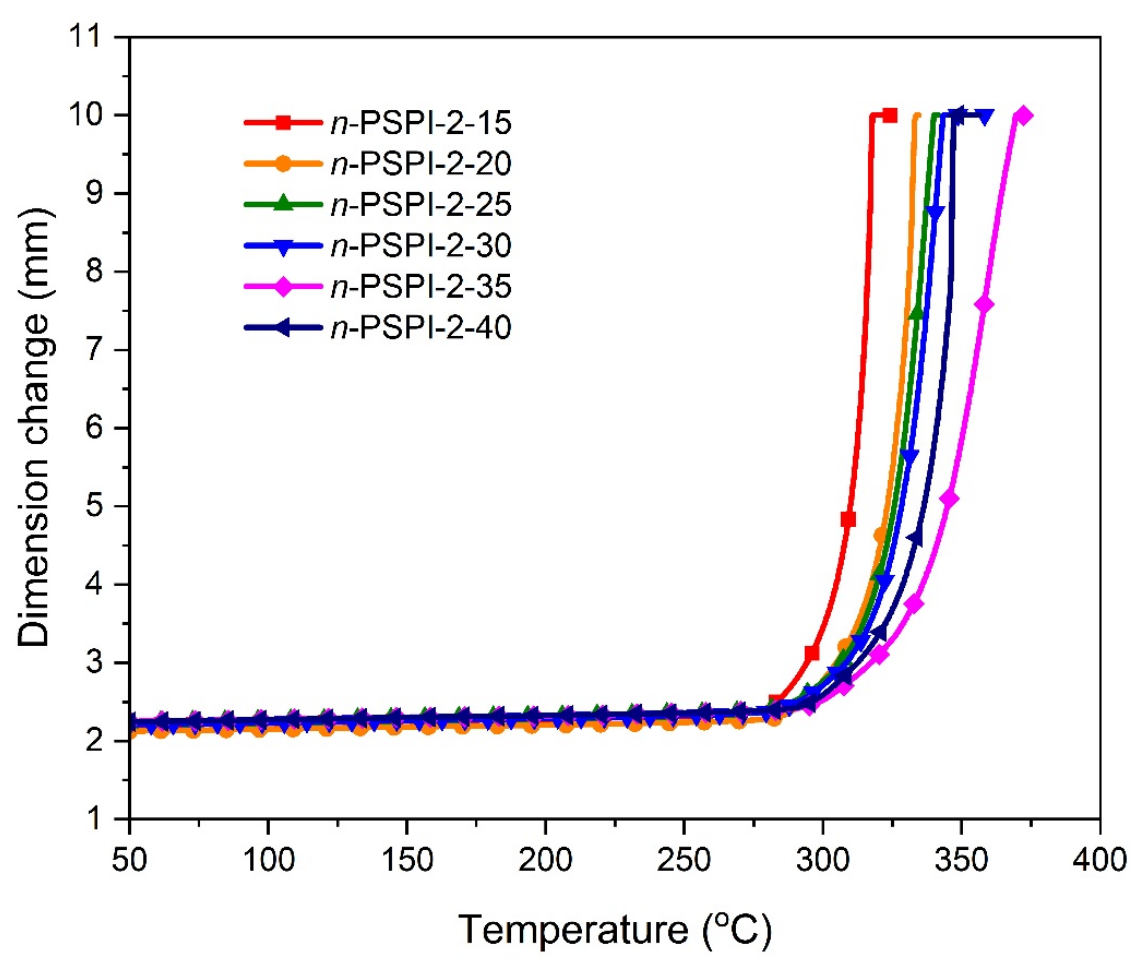
Figure 10 displays the TMA profiles of n-PSPI films derived from PAE resins across various molecular weights, and the extracted CTE data are listed in Table 3. The CTE values reside within 40–44 ppm·°C−1 across all formulations. Varying the precursor molecular weight induces no significant shift in CTE, demonstrating that molecular weight variations between 15 × 103 and 40 × 103 g·mol−1 play a negligible role in governing the coefficient of thermal expansion of the cured films. Such insensitivity is primarily dictated by the intrinsic rigidity of the aromatic backbone and the degree of in-plane chain orientation rather than physical chain entanglements [8,28].
Figure 10.
TMA curves of the thermally cured n-PSPI films derived from PAEs with calculated Mw of 15 × 103–40 × 103 g mol−1.
2.4. Mechanical Properties
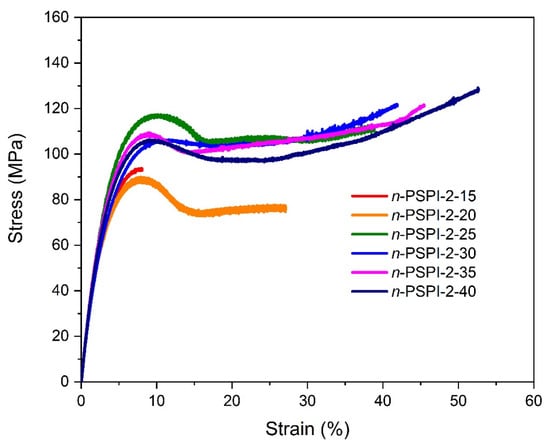
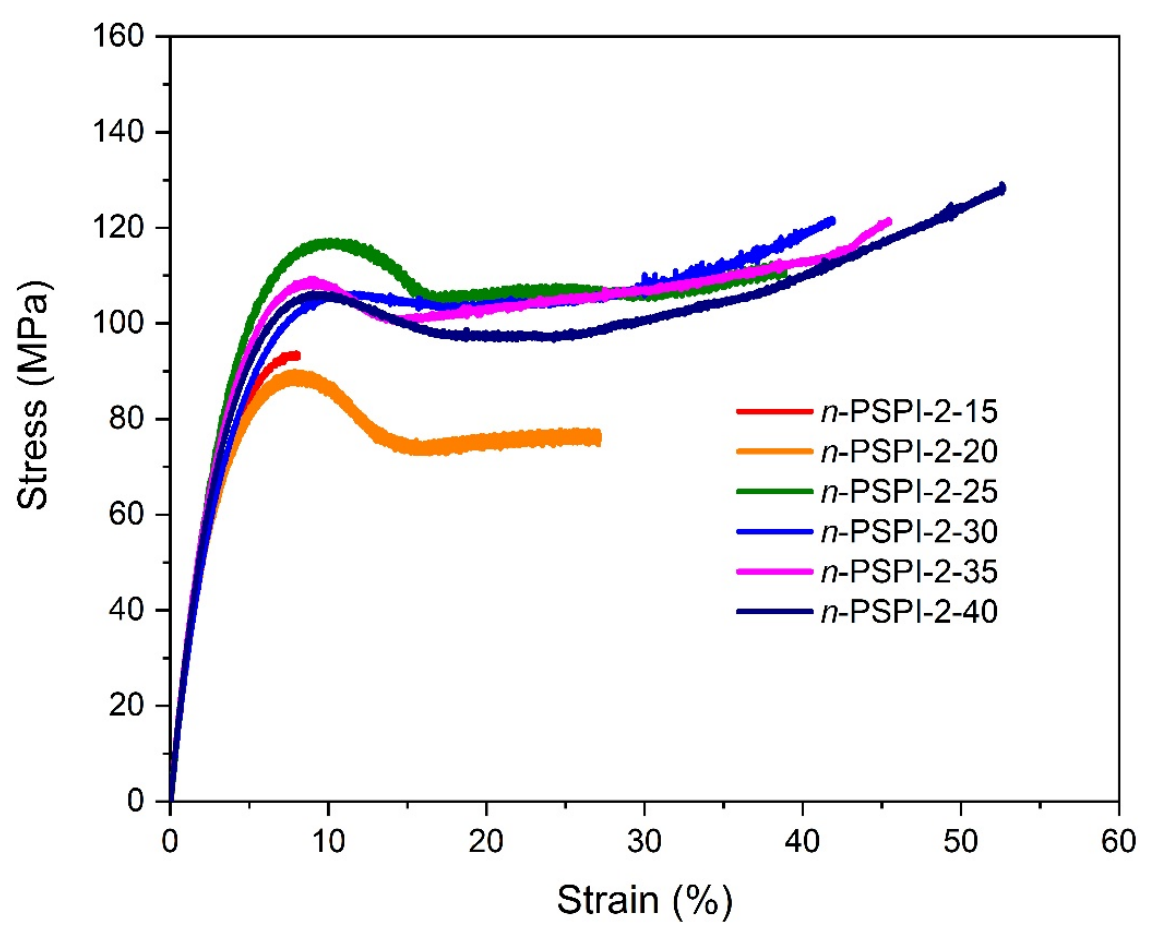
The mechanical properties recorded for the fully cured n-PSPI films as a function of PAE calculated Mws are summarized in Table 4, with all tensile data collected from at least five replicate samples (n = 5) to ensure experimental reliability. As illustrated by the representative tensile stress–strain curves in Figure 11, all n-PSPI films exhibit typical ductile behavior characterized by an initial linear elastic region, a yield drop, and subsequent strain hardening. The tensile strength of the n-PSPI films increases impressively by 31% from 93.8 MPa for n-PSPI-2-15 to 122.5 MPa for n-PSPI-2-25. Beyond this point ( ≥ 25 × 103 g·mol−1), the tensile strength exhibits a more gradual upward trend of up to 156.2 MPa for n-PSPI-2-40 (representing an additional increase of approximately 27.5%), rather than forming a sharp mechanical plateau. This behavior suggests a tentative transition region of PAE molecular weight around 25 × 103 g·mol−1 associated with chain entanglement, beyond which the mechanical performance exhibits diminishing gains. Similarly, the elongation at break shows a progressive upward trend from 8.4% to 49.1%, with the rate of increase moderating as the precursor molecular weight exceeds 25 × 103 g·mol−1.
Table 4.
Mechanical properties of the thermally cured n-PSPI films.
Figure 11.
Representative tensile stress–strain curves of the thermally cured n-PSPI films derived from PAE precursors with different target molecular weights from 15 × 103 to 40 × 103 g·mol−1.
To clarify the origin of this mechanical response, it is essential to distinguish physical chain entanglement from chemical crosslinking. While the photosensitive formulation incorporates multi-functional methacrylate crosslinkers (polyethylene glycol dimethacrylate) and undergoes UV-induced free-radical polymerization during exposure, the subsequent high-temperature thermal imidization at 350 °C drives full ring-closure and reorganizes the polymer matrix. Consequently, the marked dependence of the mechanical response on molecular weight primarily stems from topological physical chain entanglements of the precursor polymer chains rather than residual unreacted acrylic networks, which decompose or volatilize during high-temperature curing. Higher precursor molecular weights diminish chain-end stress-concentration defects and promote interchain entanglements [7,29]. This dense physical entanglement network efficiently facilitates load transfer and energy dissipation during plastic deformation, thereby simultaneously enhancing the mechanical strength and ductility of the fully cured n-PSPI films. In contrast, Young’s modulus remains nearly invariant within a narrow range of 3.2–3.3 GPa as the theoretical PAE Mw grows from 15 × 103 to g·mol−1 to 40 × 103 g·mol−1. This invariance occurs because the modulus is predominantly governed by the intrinsic rigidity of the aromatic backbone and interchain cohesive energy density, both of which are largely independent of physical chain length and entanglement density [30].
2.5. Dielectric Properties
The dielectric properties of the cured n-PSPI films were evaluated at discrete microwave frequencies of 10 G, 24 G, 40 G, and 60 GHz using a Keysight N5227B PNA vector network analyzer equipped with precision split-cylinder cavity resonators tailored for thin-film specimens. Prior to testing, all free-standing film specimens that were approximately 10 μm thick were vacuum-dried at 110 °C for 2 h and measured within a controlled environmental chamber at 23 ± 2 °C and 45–55% relative humidity. A Through-Reflect-Line (TRL) calibration was performed to ensure high measurement precision, and experimental uncertainties were established to be within ±1.5% for εr and ±3.0% for tanδ based on three replicate film samples (n = 3) per formulation.
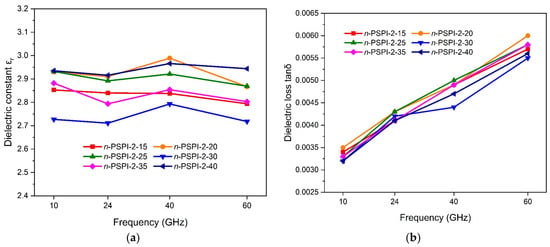
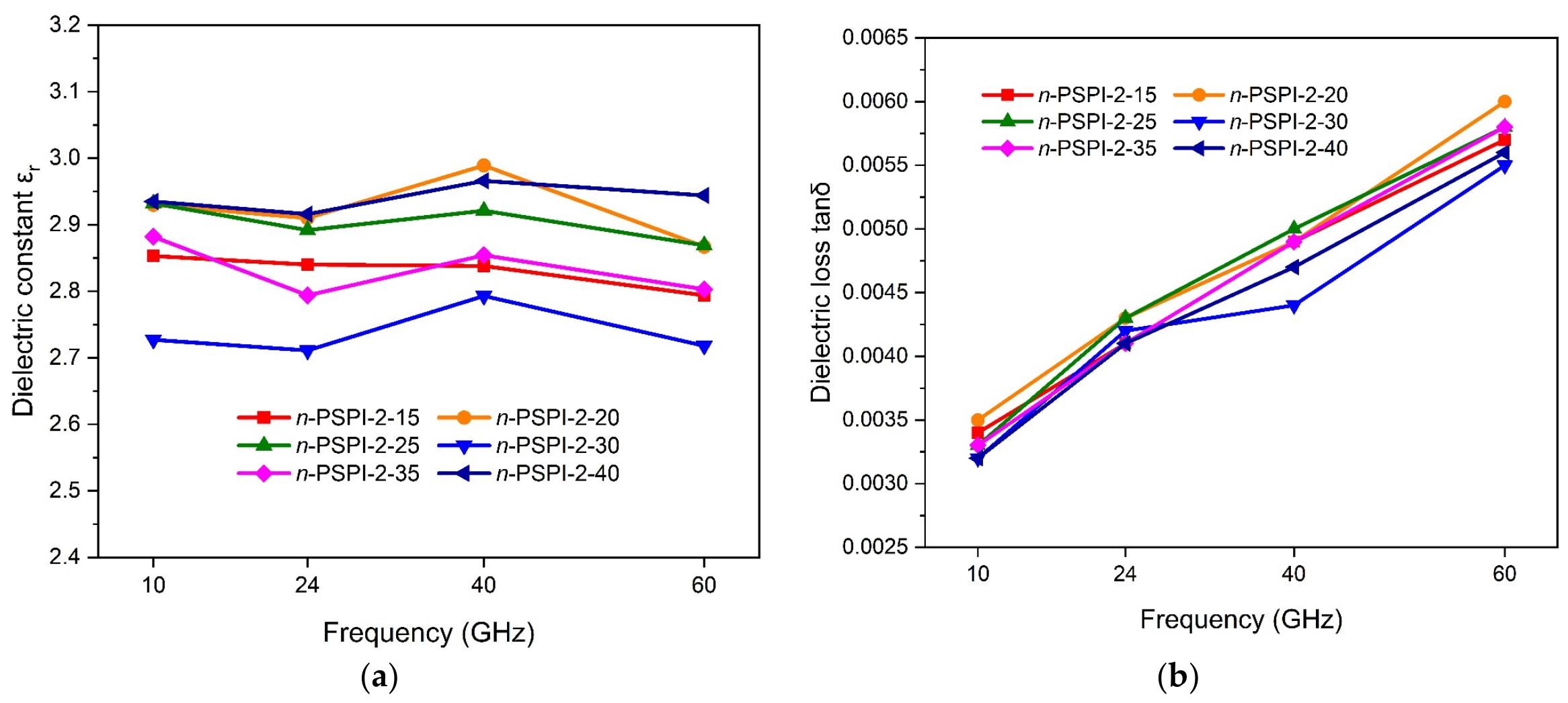
As depicted in Figure 12 and compiled in Table 5, the dielectric constants (εr) at 10 G, 24 G, 40 G, and 60 GHz remain stably low within 2.73–2.94, 2.71–2.92, 2.79–2.97, and 2.72–2.94, respectively, showing negligible dependence on precursor molecular weight. This stability is rationally interpreted within the framework of the Clausius–Mossotti relationship, which dictates that εr is principally regulated by the intrinsic polarizability and fractional free volume of the repeating chemical units rather than physical chain lengths [14]. As the test frequency ramps from 10 GHz to 60 GHz, εr maintains excellent stability. This stability arises because cooperative macro-segmental dipolar orientation polarization is largely frozen out at microwave frequencies, leaving only instantaneous electronic and atomic polarizations [31]. Furthermore, the high electronegativity and low electronic polarizability of the fluorine atoms significantly diminish the molar polarizability of the repeating units. The integration of bulky hexafluoroisopropylidene (-C(CF3)2-) linkages from 6FDA and trifluoromethyl (-CF3) moieties from TFDB is proposed to disrupt intermolecular chain packing and induce a large fractional free volume [32,33]. Consequently, the synergistic impact of reduced polarizability and expanded free volume maintains an exceptionally stable and low εr without a discernible relaxation drop across 10 G–60 GHz.
Figure 12.
Dielectric properties of the thermally cured n-PSPI films as a function of frequency: (a) dielectric constant (εᵣ); (b) dielectric dissipation (tanδ).
Table 5.
Dielectric properties of the thermally cured n-PSPI films.
Concurrently, the dielectric dissipation (tanδ) remains relatively low at 10 G, 24 G, 40 G, and 60 GHz, with ranges of 0.0032–0.0035, 0.0041–0.0043, 0.0047–0.0050, and 0.0055–0.0060, respectively. Such minimal energy loss originates from the non-planar and twisted chain conformation induced by the sterically hindered -CF3 and -C(CF3)2- moieties, which effectively disrupts CTC formation and mitigates interchain dipole aggregation [19,33,34]. The dissipation exhibits a slight, monotonic increase with frequency, reaching 0.0055–0.0060 at 60 GHz. This behavior is not attributed to bulk macroscopic dielectric relaxation. Such relaxation would inevitably induce concurrent permittivity dispersion. Instead, the increase is tentatively ascribed to localized ultrafast sub-segmental librational modes and torsional oscillations of the bulky fluorinated side groups under rapidly alternating gigahertz fields. These local atomic-scale motions experience minor phase lags. This yields controlled energy dissipation as heat, without triggering any bulk relaxation. Consequently, the overall loss remains exceptionally low, with tanδ never exceeding 0.0060. Such a compelling combination of a stable ultralow dielectric constant and minimal loss highlights the superb suitability of these n-PSPI films for high-frequency electronic packaging [34]. This compelling combination of a stable ultralow dielectric constant and minimal loss highlights the superb suitability of these n-PSPI films for high-frequency electronic packaging.
2.6. Optical Transparency
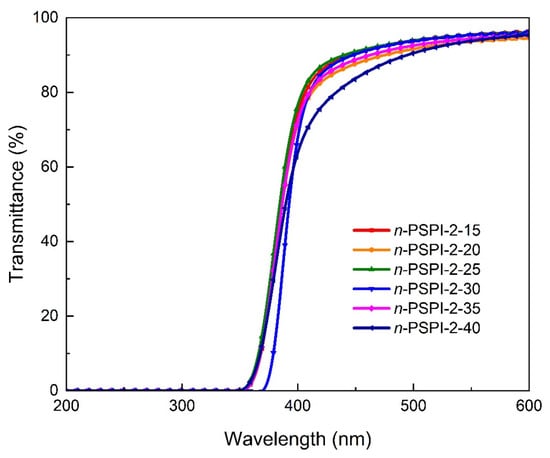
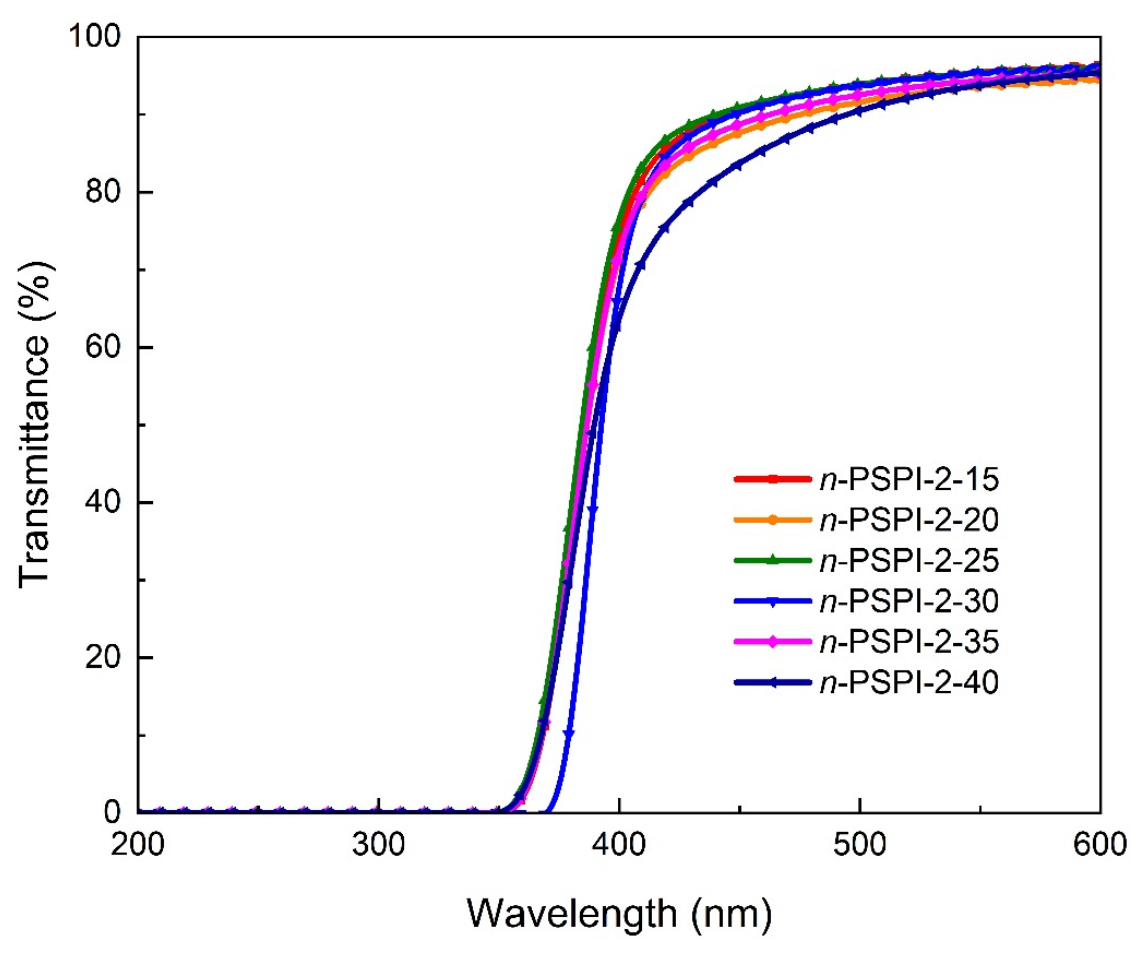
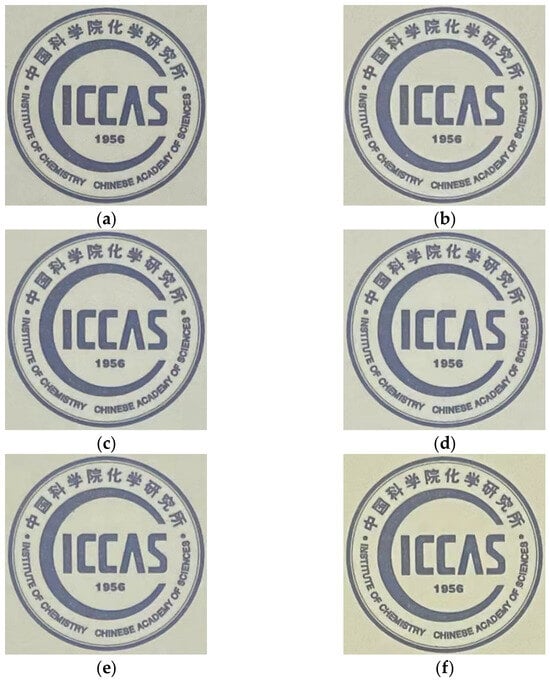
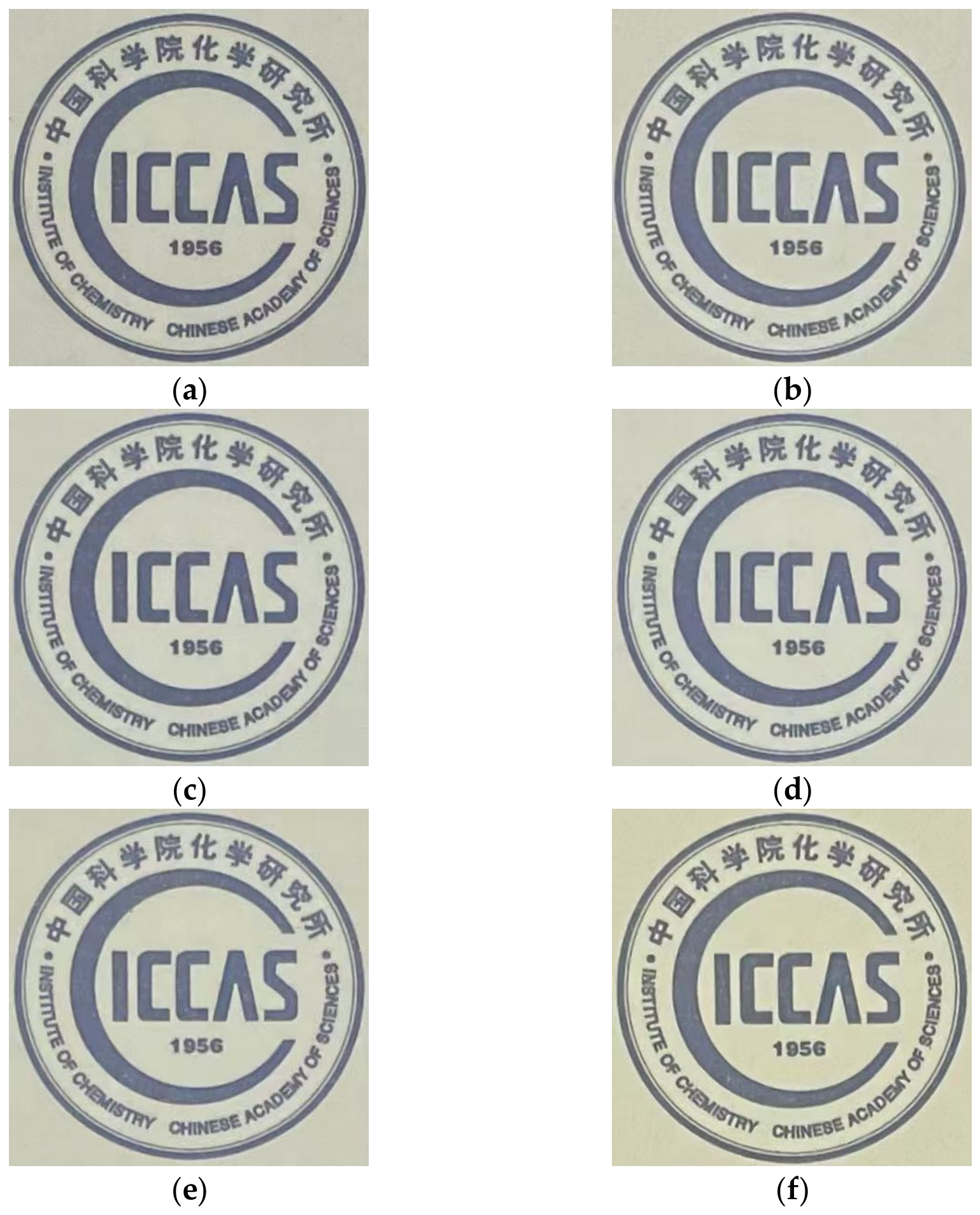
The optical transparency and color characteristics of thermally cured n-PSPI films derived from PAEs with different molecular weights were evaluated using UV–vis spectroscopy, CIE L*a*b* color coordinates, and haze measurements. As described in Figure 13 and Table 6, all n-PSPI films exhibit outstanding optical clarity in the visible-light region, with UV cut-off wavelengths (λ0) in the range of 349–362 nm. The transmittances at 450 nm (T450) and 550 nm (T550) remain within the high ranges of 87.7–90.9% and 93.8–95.4%, respectively, when the PAE molecular weight is no more than 35 × 103 g·mol−1. This suggests that optical transparency is essentially independent of precursor molecular weight and physical chain length within this range. A subtle drop in T450 and T550 was observed for the highest molecular weight sample, reflecting that the optical performance decreased slightly when the PAE exceeds 40 × 103 g·mol−1. Table 6 details the CIE L*a*b* parameters, yellowness index (YI), and haze values of the cured n-PSPI films. All prepared films display remarkably high lightness, with L* values above 94.15, and minimal redness/greenness, with a* values ranging from −0.91 to −0.47. The n-PSPI-2-15 to n-PSPI-2-35 derived from PAE resins with a controlled between 15 × 103 and 35 × 103 g·mol−1 exhibit negligible YI data, varying from 5.79 to 6.73. However, n-PSPI-2-40 shows a slightly higher YI of 11.88, corresponding to a higher b* value of 6.69. This increased YI and the above-mentioned slight decline at shorter wavelengths are attributed to the increased chain entanglements and higher local packing density in n-PSPI-2-40, which is proposed to modestly promote weak intermolecular CTC interactions. Furthermore, the n-PSPI films possess exceptionally low haze values (≤0.97%), with n-PSPI-2-30 achieving the lowest haze value of 0.20%. The macro-photographs in Figure 14 clearly demonstrate their high transparency and colorless appearance, as the underlying “ICCAS” logo remains sharply legible through all the samples. Within the framework of established polyimide photophysics, the high optical transparency (T550 > 93.8%) and low yellowness (YI = 5.79–6.73) observed for n-PSPI-2-15 through n-PSPI-2-35 are rationally attributed to the effective mitigation of intra- and intermolecular charge transfer complex (CTC) interactions. Specifically, the strong electron-withdrawing trifluoromethyl (-CF3) side groups in TFDB and the bulky -C(CF3)2- linkages in 6FDA weaken the electron-donating and electron-accepting capabilities of the diamine and dianhydride moieties, respectively [9]. Additionally, these sterically hindered fluorinated groups are understood to induce non-planar backbone conformations and enlarge interchain spacing, which is proposed to suppress sub-bandgap optical absorption and charge transfer transitions in the visible spectrum [8].
Figure 13.
UV–vis spectra of the thermally cured n-PSPI films derived from PAEs with different molecular weights.
Table 6.
Optical properties of the thermally cured n-PSPI films.
Figure 14.
Photographs of the thermally cured n-PSPI films derived from PAEs with different molecular weights: (a) n-PSPI-2-15; (b) n-PSPI-2-20; (c) n-PSPI-2-25; (d) n-PSPI-2-30; (e) n-PSPI-2-35; and (f) n-PSPI-2-40.
3. Materials and Methods
3.1. Materials
4,4′-(Hexafluoroisopropylidene)diphthalic anhydride (6FDA) and 3,3′,4,4′-biphenyltetracarboxylic dianhydride (BPDA) were purchased from China Tech (Tianjin) Chemical Co., Ltd. (Tianjin, China). Both monomers were dried in a vacuum oven at 160 °C for 6 h before use. 2,2′-Bis(trifluoromethyl)benzidine (TFDB) was obtained from Changzhou Sunlight Pharmaceutical Co., Ltd. (Changzhou, China) and used as received. 2-Hydroxyethyl methacrylate (HEMA) was purchased from Tokyo Chemical Industry Co., Ltd. (TCI) (Tokyo, Japan). Hydroquinone (HQ) and thionyl chloride (SOCl2) were acquired from Aladdin Bio-Chem Technology Co., Ltd. (Shanghai, China). Triethylamine (TEA) was obtained from Macklin Biochemical Co., Ltd. (Shanghai, China). N-Methyl-2-pyrrolidone (NMP) was supplied by Beijing Beihua Fine Chemicals Co., Ltd. (Beijing, China). Other commercial reagents and solvents, including 1-[4-(phenylthio)phenyl]-1,2-octanedione 2-(O-benzoyloxime) (OXE-01), polyethylene glycol dimethacrylate, and N-nitrosodiphenylamine, were purchased from InnoChem Science and Technology Co., Ltd. (Beijing, China). All other chemicals were employed as received unless specified otherwise.
3.2. Instrumental Methods
Fourier transform infrared (FT-IR) spectra were recorded on a Bruker TENSOR 27 spectrometer in the range of 4000–400 cm−1 using either potassium bromide (KBr) pellets or thin films. The quantitative degree of imidization (Di) of the cured n-PSPI films was determined via transmission FT-IR spectroscopy using the internal standard method according to the following Equation:
where A1782 and A1500 represent the absorbance values of the imide carbonyl group (1782 cm−1) and the internal reference benzene ring (aromatic C=C, 1500 cm−1), respectively. Complete conversion (Di ≈ 100%) was confirmed when the ratio (A1782/A1500) reached a constant plateau upon extended heating at 350 °C, concurrently with the complete disappearance of the precursor amide carbonyl peak at 1595 cm−1.
Proton nuclear magnetic resonance (1H NMR) spectra were acquired on a Bruker Avance 400 MHz spectrometer using DMSO-d6 as the solvent. The molecular weight characteristics (, , and PDI) of poly(amic ester)s were determined using a Waters e2695 GPC system (USA) equipped with a Shodex LF-804 column and a Waters 2414 RI detector. NMP containing 0.02 M H3PO4 served as the eluent at a flow rate of 0.7 mL/min (50 °C).
Spin-coating and development were carried out on a TEL Mark 7 track. Photolithography was performed using a Nikon I10C i-line stepper, with the exposure dose calibrated by an OAI 358 digital power meter. Film thickness was measured using a Nanospec II optical profilometer. The resulting patterns were observed under an Olympus MX63 optical microscope.
The glass transition temperature (Tg) was evaluated using a TA Q800 dynamic mechanical analyzer (DMA) at a heating rate of 5 °C/min and a frequency of 1 Hz from 30 to 450 °C under nitrogen flow. Thermal decomposition temperatures were recorded on a TA Q50 thermogravimetric analyzer (TGA) from 50 to 600 °C at 20 °C/min in a nitrogen atmosphere. Coefficients of thermal expansion (CTE) were analyzed on a TA Q400 thermomechanical analyzer (TMA) at 5 °C/min (30 to 500 °C, N2), and values were calculated in the temperature range of 50–150 °C. Mechanical properties, including tensile strength, Young’s modulus, and elongation at break, were tested on an Instron 5567 universal testing machine in accordance with ASTM D882. Rectangular film specimens with a width of 10 mm, a thickness of ≈5.0 μm, and a gauge length of 50 mm were stretched at a crosshead speed of 2 mm/min. Dielectric constant and dielectric loss were measured across 10, 24, 40, and 60 GHz using a Keysight N5227B PNA vector network analyzer. UV–vis spectra were acquired on a Hitachi U-3900 spectrophotometer from 200 to 600 nm using free-standing film samples that were ≈5.0 μm thick and cleanly released from silicon wafers via hydrofluoric acid etching. Baseline corrections were performed using an air blank as the reference, and raw total transmittances are reported without reflection corrections. The UV cut-off wavelength λ0 was defined as the wavelength at which the optical transmittance drops sharply to near zero. The yellowness index and haze were evaluated using an X-Rite Color i7 integrating sphere spectrophotometer at an 8 ° observation angle, with all parameters calculated in strict accordance with the CIE L∗a∗b∗ color space.
3.3. Synthesis of Poly(amic Ester)s (PAEs)
The poly(amic acid ester) (PAE) resins with controlled target molecular weights of 15 × 103–40 × 103 g∙mol−1 were synthesized via a three-step esterification–acyl chlorination–polycondensation route according to previous literature [19], as illustrated in Scheme 1. The representative synthesis of PAE-2-30 (the 6FDA/BPDA molar ratio of 75/25, with a target molecular weight of 30 × 103 g mol−1) is described as follows.
To a 500 mL three-necked round-bottom flask equipped with a mechanical stirrer, a thermometer, and a nitrogen inlet, the following were added: 26.03 g (0.2 mol) of HEMA, 20.24 g (0.2 mol) of TEA, 0.22 g (0.002 mol) of HQ, 33.32 g (0.075 mol) of 6FDA, 7.36 g (0.025 mol) of BPDA, and 200 g of anhydrous NMP. The solution was heated to 50 °C and stirred for 6 h. Subsequently, the mixture was cooled to 0–10 °C using an ice bath, and 23.79 g (0.2 mol) of SOCl2 was added dropwise via an addition funnel. After stirring for 2 h, the ice bath was removed, and the reaction was allowed to proceed at room temperature for an additional 4 h. The reaction mixture was cooled again to below 10 °C before adding 32.02 g (0.1 mol) of TFDB and 280 g of NMP. The resulting solution was stirred at room temperature for 10 h and was then poured into 5 L of deionized water in a thin stream. The precipitated resin was washed with deionized water, filtered three times, and finally dried under vacuum at 50 °C for 24 h to afford PAE-2-30.
Other PAE resins with different calculated molecular weights (calculated Mw) were obtained following a similar procedure as before, including PAE-2-15 (calculated Mw = 15 × 103 g·mol−1), PAE-2-20 (calculated Mw = 20 × 103 g·mol−1), PAE-2-25 (calculated Mw = 25 × 103 g·mol−1), PAE-2-30 (calculated Mw = 30 × 103 g·mol−1), and PAE-2-40 (calculated Mw = 40 × 103 g·mol−1).
3.4. Photopatterning and Preparation of Free-Standing Transparent n-PSPI Films
The fabrication of n-PSPI films is described using the n-PSPAE-2-30 system as a representative example. In a Class 1000 cleanroom under yellow light, 40 g of PAE-2-30 resin and 40 g of NMP were charged into a flask equipped with a mechanical stirrer. Subsequently, 0.4 g of Irgacure OXE-01, 3.2 g of poly(ethylene glycol) dimethacrylate, and 0.2 g of N-nitrosodiphenylamine were added. The resulting solution was stirred until homogeneous and pressure-filtered through a 0.5 μm membrane filter to yield the n-PSPAE-2-30 photoresist.
The photoresist was spin-coated onto a 6-inch silicon wafer using a TEL Mark 7 track, followed by soft-baking at 110 °C for 4 min on a hot plate to give a coating thickness of approximately 10 μm. The film was exposed to i-line UV radiation (λ = 365 nm) through a photomask using a Nikon I10C stepper (with the exposure dose optimized per formulation, as detailed in Table 2). After exposure, the pattern was developed in cyclopentanone for 40–65 s (60 s for n-PSPAE-2-30) and rinsed with ethyl acetate for 30 s to afford sharp 3D relief features.
For thermal curing, the patterned wafers were transferred to a nitrogen-purged tube furnace, heated to 150 °C at 5 °C·min−1 (held for 30 min), ramped to 350 °C at 3 °C min−1, and held at 350 °C for 1 h to complete imidization [19]. Free-standing film specimens for mechanical, thermal, dielectric, and optical characterization were prepared from the complete photosensitive formulation by blanket exposure of soft-baked films to i-line UV light, followed by the identical 350 °C thermal curing profile. The cured films (≈5.0 μm thick) were released from the substrates via immersion in a 1.5 wt.% hydrofluoric acid solution.
4. Conclusions
A series of molecular-weight-controlled poly(amic ester) (PAE) precursors were successfully formulated by dissolving the synthesized PAE resins along with photoinitiators, photocrosslinkers, polymerization inhibitors, and adhesion promoters in NMP, enabling a systematic investigation into the influence of precursor molecular weight () on both photolithographic microfabrication and the physical properties of fully cured negative-tone photosensitive polyimide (n-PSPI) films. Increasing the precursor reduces the operational sensitivity metric (D0.5) from 118 to 44 mJ·cm−2 due to slower dissolution kinetics in the developer. Balancing lithographic resolution and mechanical reliability establishes distinct performance boundaries for n-PSPAE precursors. From a lithographic perspective, the best pattern definition (6–8 μm resolution) is achieved at ≤ 30 × 103 g∙mol−1, with n-PSPAE-2-20 achieving a resolution down to 6 μm for both vias and lines. Higher molecular weights ( ≥ 35 × 103 g∙mol−1) suffer from severe resolution degradation caused by excessive swelling and reduced dissolution contrast. Conversely, mechanical robustness requires surpassing the tentative chain entanglement transition region around 25 × 103 g∙mol−1. Consequently, synthesizing PAEs within a tightly controlled compromise window of 25 × 103–30 × 103 g∙mol−1 successfully combines sub-10 μm photolithographic resolution with robust thermomechanical and mechanical performance for advanced semiconductor packaging. The thermally cured n-PSPIs maintain excellent thermal stability, where the glass transition temperature (Tg) exhibits a slight upward shift with an increasing precursor molecular weight due to the dilution of chain-end defects and restricted segmental motion. The overall thermal decomposition profile and thermal expansion remain virtually independent of physical chain length, being primarily dictated by the rigid aromatic imide backbone. Mechanically, beyond the tentative chain entanglement transition region around 25 × 103 g·mol−1, the tensile strength and elongation at break exhibit progressive network densification with diminishing gains, reaching high values of 122.5–156.2 MPa and 38.9–49.1%, respectively, owing to efficient load transfer via dense chain entanglements. Furthermore, the cured films exhibit outstanding dielectric stability with low permittivity and minimal dielectric loss across 10 G–60 GHz, originating from the low electronic polarizability of fluorine atoms and expanded fractional free volume. The n-PSPI films also demonstrate exceptional optical clarity, with transmittance at 550 nm (T550) ranging from 93.6% to 95.4%, an ultralow haze of ≤0.97%, and a yellowness index ranging from 5.79 to 11.88. This superior optical performance is rationally attributed to the bulky -CF3 and -C(CF3)2- linkages, which are proposed to induce non-planar conformations and suppress intermolecular charge transfer complex (CTC) formation. Overall, tailoring the PAE precursor within this optimized window provides a robust design strategy for engineering high-resolution, high-performance dielectric materials suitable for advanced semiconductor packaging.
Supplementary Materials
The following supporting information can be downloaded at: https://www.mdpi.com/article/10.3390/molecules31234232/s1, Electronic supplementary information (ESI) includes Table S1: Recipe and stoichiometry for the synthesis of -controlled PAE precursor resins. Figure S1. GPC elution traces of PAE resins with different molecular weights.
Author Contributions
Conceptualization, supervision, writing—review and editing, and funding acquisition, L.Y.; Methodology, data curation, and writing—original draft preparation, J.M.; Investigation, W.C.; Methodology and supervision, L.W.; supervision, conceptualization, and methodology, S.Y.; conceptualization, supervision, and project administration, H.Y. All authors have read and agreed to the published version of the manuscript.
Funding
This research was funded by the Beijing Natural Science Foundation (General Program), grant number 2242064.
Data Availability Statement
The main data supporting the findings of this study are included within the article. Additional raw data are available from the corresponding author upon reasonable request.
Acknowledgments
The authors acknowledge the technical support received from the Center for Microanalysis and Testing at the Institute of Chemistry, Chinese Academy of Sciences. We also extend our gratitude to colleagues in our research group for their assistance with experimental preparations and their valuable discussions.
Conflicts of Interest
The authors declare no conflicts of interest. The funders had no role in the design of the study; in the collection, analyses, or interpretation of data; in the writing of the manuscript; or in the decision to publish the results.
References
- Omote, T. Photosensitive polyimides: Molecular design and synthesis. In Polyimides: Fundamentals and Applications; Ghosh, M.K., Mittal, K.L., Eds.; Marcel Dekker: New York, NY, USA, 1996; pp. 121–151. [Google Scholar]
- Ahne, H.; Leuschner, R.; Rubner, R. Recent advances in photosensitive polyimides. Polym. Adv. Technol. 1993, 4, 217–233. [Google Scholar] [CrossRef] [Scilit]
- Tomikawa, M.; Okuda, R.; Ohnishi, H. Photosensitive polyimide for packaging applications. J. Photopolym. Sci. Technol. 2015, 28, 73–77. [Google Scholar] [CrossRef] [Scilit]
- Fu, M.C.; Higashihara, T.; Ueda, M. Recent progress in thermally stable and photosensitive polymers. Polym. J. 2018, 50, 57–76. [Google Scholar] [CrossRef] [Scilit]
- Reichmanis, E.; Thompson, L.F. Polymer materials for microlithography. Chem. Rev. 1989, 89, 1273–1289. [Google Scholar] [CrossRef] [Scilit]
- Sroog, C. Polyimides. Prog. Polym. Sci. 1991, 16, 561–694. [Google Scholar] [CrossRef] [Scilit]
- Volksen, W. Condensation polyimides: Synthesis, solution behavior, and imidization characteristics. In High Performance Polymers; Hergenrother, P.M., Ed.; Springer: Berlin/Heidelberg, Germany, 2005; Volume 117, pp. 111–164. [Google Scholar]
- Hasegawa, M.; Horie, K. Photophysics, photochemistry, and optical properties of polyimides. Prog. Polym. Sci. 2001, 26, 259–335. [Google Scholar] [CrossRef] [Scilit]
- Ando, S.; Matsuura, T.; Sasaki, S. Coloration of aromatic polyimides and electronic properties of their source materials. Polym. J. 1997, 29, 69–76. [Google Scholar] [CrossRef] [Scilit]
- Hsu, C.; Pang, C.; Lu, Q.; Kim, S. Photosensitive Polyimides as enabling materials for advanced semiconductor packaging. ACS Appl. Mater. Interfaces 2026, 18, 56976–56994. [Google Scholar] [CrossRef] [Scilit] [PubMed]
- Matsumoto, T. Nonaromatic polyimides derived from cycloaliphatic monomers. Macromolecules 1999, 32, 4933–4939. [Google Scholar] [CrossRef] [Scilit]
- Tapaswi, P.K.; Ha, C.S. Recent trends on transparent colorless polyimides with balanced thermal and optical properties: Design and synthesis. Macromol. Chem. Phys. 2019, 220, 1800313. [Google Scholar] [CrossRef] [Scilit]
- Zuo, H.T.; Gan, F.; Dong, J.; Zhang, P.; Zhao, X.; Zhang, Q.H. Highly transparent and colorless polyimide film with low dielectric constant by introducing meta-substituted structure and trifluoromethyl groups. Chin. J. Polym. Sci. 2021, 39, 455–464. [Google Scholar] [CrossRef] [Scilit]
- Hougham, G.; Tesoro, G.; Viehbeck, A. Influence of free volume change on the relative permittivity and refractive index in fluoropolyimides. Macromolecules 1996, 29, 3453–3456. [Google Scholar] [CrossRef] [Scilit]
- Li, L.; Jiang, W.; Yang, X.; Meng, Y.; Hu, P.; Huang, C.; Liu, F. From molecular design to practical applications: Strategies for enhancing the optical and thermal performance of polyimide films. Polymers 2024, 16, 2315. [Google Scholar] [CrossRef] [Scilit] [PubMed]
- Kato, K.; Tatsuta, Y.; Matsumura, K.; Shimada, A. Negative Photo-Definable Polyimide Dry Films for Fine and High Aspect Ratio Patterning. J. Photopolym. Sci. Technol. 2022, 35, 161–164. [Google Scholar] [CrossRef] [Scilit]
- Sakai, T.; Okuda, Y.; Kato, K.; Matsumura, K.; Araki, H. High Resolution and Low Stress Photo-Definable Polyimide. J. Photopolym. Sci. Technol. 2023, 36, 227–230. [Google Scholar] [CrossRef] [Scilit]
- Lai, X.; Zhang, J.; Yang, Z.; Huang, S.; Li, J.; Zhang, G.; Sun, R. Synthesis of poly (amic ester) with controlled molecular weight for photosensitive polyimide in advanced package. Mater. Today Commun. 2023, 37, 107316. [Google Scholar] [CrossRef] [Scilit]
- Ma, J.X.; Yuan, L.L.; Fan, S.N.; Wang, L.Z.; Jia, B.; Yang, H.X.; Yang, S.Y. Negative-tone photosensitive polyimide with high transparency. Eur. Polym. J. 2023, 192, 112071. [Google Scholar] [CrossRef] [Scilit]
- Flory, P.J. Principles of Polymer Chemistry; Cornell University Press: Ithaca, NY, USA, 1953. [Google Scholar]
- Silverstein, R.M.; Webster, F.X.; Kiemle, D.J.; Bryce, R.L. Spectrometric Identification of Organic Compounds; John Wiley & Sons: Hoboken, NJ, USA, 2015. [Google Scholar]
- Thompson, L.F.; Willson, C.G.; Bowden, M.J. (Eds.) Introduction to Microlithography: Theory, Materials, and Processing; ACS Symposium Series; American Chemical Society: Washington, DC, USA, 1983; Volume 219. [Google Scholar]
- Yamashita, T. Photosensitive Polyimides: Fundamentals and Applications; Routledge: London, UK, 2017. [Google Scholar]
- Bowden, M.J.; Turner, S.R. Electronic and Photonic Applications of Polymers; ACS Publications: Washington, DC, USA, 1988. [Google Scholar]
- Fox, T.G., Jr.; Flory, P.J. Second-order transition temperatures and related properties of polystyrene. I. Influence of molecular weight. J. Appl. Phys. 1950, 21, 581–591. [Google Scholar] [CrossRef] [Scilit]
- Hergenrother, P.M. The use, design, synthesis, and properties of high performance/high temperature polymers: An overview. High Perform. Polym. 2003, 15, 3–45. [Google Scholar] [CrossRef] [Scilit]
- Ghosh, M.K.; Mittal, K.L. (Eds.) Polyimides: Fundamentals and Applications; Marcel Dekker: New York, NY, USA, 1996. [Google Scholar]
- Numata, S.I.; Oohara, S.; Fujisaki, K.; Imaizumi, J.I.; Kinjo, N. Thermal expansion behavior of various aromatic polyimides. J. Appl. Polym. Sci. 1986, 31, 101–110. [Google Scholar] [CrossRef] [Scilit]
- Boyce, M.C.; Haward, R.N. The post-yield deformation of glassy polymers. In The Physics of Glassy Polymers; Haward, R.N., Young, R.J., Eds.; Springer: Dordrecht, The Netherlands, 1997; pp. 213–293. [Google Scholar]
- Van Krevelen, D.W.; Te Nijenhuis, K. Properties of Polymers: Their Correlation with Chemical Structure; Their Numerical Estimation and Prediction from Additive Group Contributions, 4th ed.; Elsevier: Amsterdam, The Netherlands, 2009. [Google Scholar]
- Sawada, R.; Liu, H.; Yanagimoto, S.; Yanagimoto, Y.; Ando, S. Extremely low humidity and frequency dependence of dielectric properties of highly fluorinated polyimides in the 10–330 GHz range. ACS Appl. Polym. Mater. 2025, 7, 14371–14381. [Google Scholar] [CrossRef] [Scilit]
- Hougham, G.; Tesoro, G.; Viehbeck, A.; Chapple-Sokol, J. Polarization effects of fluorine on the relative permittivity in polyimides. Macromolecules 1994, 27, 5964–5971. [Google Scholar] [CrossRef] [Scilit]
- Schönhals, A.; Kremer, F. Theory of dielectric relaxation. In Broadband Dielectric Spectroscopy; Kremer, F., Schönhals, A., Eds.; Springer: Berlin/Heidelberg, Germany, 2003; pp. 1–33. [Google Scholar]
- He, J.J.; Yang, H.X.; Zheng, F.; Yang, S.Y. Dielectric properties of fluorinated aromatic polyimide films with rigid polymer backbones. Polymers 2022, 14, 649. [Google Scholar] [CrossRef] [Scilit] [PubMed]

Disclaimer/Publisher’s Note: The statements, opinions and data contained in all publications are solely those of the individual author(s) and contributor(s) and not of MDPI and/or the editor(s). MDPI and/or the editor(s) disclaim responsibility for any injury to people or property resulting from any ideas, methods, instructions or products referred to in the content. |
© 2026 by the authors. Licensee MDPI, Basel, Switzerland. This article is an open access article distributed under the terms and conditions of the Creative Commons Attribution (CC BY) license.