


Abstract
This review examines the growing interest in Tenebrio molitor (yellow mealworm) protein isolates (TPIs) as sustainable, high-quality functional food ingredients. The objective is to critically assess recent advances in processing technologies and their effects on the yield, purity, and bioactive functionality of TPIs, while evaluating their potential applications and associated safety considerations. The review covers ultrasound-assisted extraction, pulsed electric field processing, and enzymatic hydrolysis, with particular attention to bioactive properties such as antioxidant and antihypertensive activities, as well as emulsification, gelation, and foaming properties relevant to functional food design. Applications in bakery, meat analogs, dairy alternatives, functional foods, and 3D-printed foods are explored. The main findings indicate that these technologies can improve protein functionality and support the development of health-promoting food systems, although evidence for human health benefits remains limited and should be interpreted cautiously, as not all data derive from clinical studies. Key limitations are highlighted, including food safety, allergenic potential—notably cross-reactivity with crustacean allergens—and challenges for industrial application. Mitigation strategies such as fermentation and enzymatic treatments, along with safety assessments and regulatory considerations, are discussed. Finally, the review emphasizes the low carbon footprint, high feed conversion efficiency, and waste upcycling potential of mealworm proteins, and outlines gaps and innovations needed to support their sustainable use in functional food systems.
1. Introduction
Rising global demand for sustainable, high-quality proteins has driven research into alternatives. While nutritionally complete, traditional animal proteins posed environmental challenges, including high greenhouse gas emissions, land use, and water consumption [1]. These concerns have driven the search for more environmentally friendly protein alternatives, including plant-based, microbial, and insect-derived proteins [2]. Among these, edible insects have emerged as one of the most promising sources due to their superior protein content, efficient feed conversion, and lower ecological footprint compared to conventional livestock [1].
Insects such as Tenebrio molitor (yellow mealworm) have garnered significant attention as a sustainable protein source. Mealworms exhibit high protein content, with approximately 50–60% protein on a dry weight basis, making them comparable to conventional protein sources such as soy and whey [3]. Furthermore, TPIs possess strong functional traits solubility, emulsification, foaming, and gelation suitable for meat analogs, dairy alternatives, and protein snacks. Mealworms also offer bioactive compounds with antimicrobial, antioxidant, and immunomodulatory benefits, supporting functional food use [4,5].
Over the past decade, scientific interest in Tenebrio molitor protein isolates (TPIs) has increased significantly, as reflected in the growing number of published studies in peer-reviewed journals. An analysis of publication trends using Web of Science data (retrieved November 2024) reveals a sharp increase in research activity over the past five years, particularly in the fields of protein extraction, functional modifications, and allergenicity assessments (Figure 1a). Recent research has primarily focused on developing efficient protein extraction methods to enhance the yield, purity, and functional properties of TPIs. Traditional extraction techniques, including solvent-based, alkaline, and enzymatic extraction, have been widely studied [6,7]. However, these methods often present limitations such as protein denaturation, low solubility, and challenges in large-scale industrial application. To overcome these limitations, novel approaches, including ultrasound-assisted extraction, supercritical CO2 extraction, and pulsed electric field technology, have been explored, yielding improved extraction efficiency and better-preserved protein functionality [8].
Figure 1.
Research trends on Tenebrio molitor protein isolates. (a) The total number of publications per year (2014–2024) based on a Web of Science search conducted in November 2024. (b) Keyword co-occurrence network highlighting major research themes, indicating a shift in focus towards extraction, functional properties, and safety assessments in recent years (retrieved from www.webofscience.com). (c) Outline of the review.
The keyword co-occurrence network generated from the Web of Science database (Figure 1b) provides deeper insight into the major research themes and emerging trends in TPIs studies. The most frequently occurring keywords in recent publications include: “Protein extraction”—highlighting the ongoing optimization of physical, chemical, and enzymatic methods to improve protein yield and purity [7].”Functional properties”—reflecting increasing research interest in solubility, emulsification, and gelation capabilities for food applications [9]. “Bioactive peptides”—indicating the potential health benefits of TPIs, such as antioxidant and antihypertensive effects [10,11]. “Allergenicity”—a critical topic, as regulatory bodies assess the safety of insect-based proteins for human consumption [12,13]. “Meat alternatives” and “Dairy substitutes”—demonstrating the increasing focus on incorporating TPIs into plant-based and hybrid food formulations.
The bibliometric data presented in Figure 1 were retrieved from the Web of Science Core Collection on 15 November 2024. The search was performed in the “Topic” field (searching titles, abstracts, author keywords, and Keywords Plus) using the following search equation: TS = (“Tenebrio molitor” OR “mealworm” OR “yellow mealworm”) AND TS = (“protein isolate*” OR “protein concentrate*” OR “protein extract*” OR “protein hydrolysate*” OR “peptide*”). The search was restricted to the publication period 2014–2024 and to the document types “Article” and “Review”. No language filter was applied.
Similarly, recent studies by Anusha et al. [9] explored the techno-characteristics of insect proteins but lacked a detailed comparison of extraction functional methodologies and their impact on functional improvements. Furthermore, allergenicity and safety assessments, which are crucial for regulatory approvals and consumer acceptance, remain underexplored in prior literature.
To address these gaps, this review critically evaluates the available evidence on TPIs, focusing on three key areas: (1) novel extraction strategies and their reported effects on yield, purity, and structural integrity; (2) functional modifications and the evidence for improved solubility, emulsification, and food compatibility; and (3) allergenicity and safety assessments relevant to commercialization (Figure 1c). By synthesizing recent findings and identifying research gaps and limitations, this review aims to provide a critical basis for future studies.
2. Overview of Tenebrio molitor
2.1. Nutritional Value
Tenebrio molitor larvae are a rich source of high-quality proteins, lipids, and essential micronutrients, making them a promising alternative protein. Their protein content (50–60% dry weight) rivals that of beef, poultry, and fish [7,14]. In addition to proteins, Tenebrio molitor larvae contain 20–30% lipids, with a lipid profile rich in polyunsaturated fatty acids (PUFAs), especially linoleic acid (C18:2) [15,16]. The omega-6 to omega-3 ratio of mealworm-derived lipids may influence immune function and metabolic regulation, although its nutritional implications depend on absolute fatty acid intake and the overall dietary context [17]. Beyond macronutrients, Tenebrio molitor larvae are a rich source of essential micronutrients, particularly iron, zinc, calcium, and B vitamins [7,18]. The iron content in mealworms (5–7 mg per 100 g dry weight) is higher than that found in beef and other conventional protein sources, making them a promising ingredient for combating iron-deficiency anemia [19]. These attributes make Tenebrio molitor an attractive functional food ingredient, particularly for populations with dietary restrictions or those seeking sustainable, nutrient-dense protein alternatives.
2.2. Processing
Processing enhances Tenebrio molitor protein isolates’ nutrition, safety, and function. Drying, defatting, extraction, and modifications affect protein quality. Freeze-drying preserves nutrients; microwave drying improves digestibility [20,21]. Supercritical CO2 extraction provides a solvent-free, environmentally friendly alternative, ensuring protein structural integrity and high lipid removal efficiency [22].
Protein isolation is achieved through alkaline solubilization, enzymatic hydrolysis, or membrane filtration, depending on the intended application. Alkaline extraction yields high-purity isolates, while enzymatic hydrolysis enhances solubility and bioactivity [23,24]. Advanced techniques like high-pressure processing, pulsed electric field treatment, and ultrasonication are being explored to further enhance emulsification, gelation, and foaming properties, making TPIs more adaptable for food formulations [25,26]. Thermal treatments, including blanching, roasting, and extrusion, further modify sensory attributes and digestibility, with blanching reducing microbial load and extrusion improving texture, particularly for meat substitutes and high-protein snacks [27,28].
2.3. Applications
Tenebrio molitor larvae are used for consumption, feed, functional ingredients, waste valorization, and industry, thanks to their nutrition and sustainability. Figure 2 summarized the applications of Tenebrio molitor larvae.
Figure 2.
Application of Tenebrio molitor larvae.
Human food and alternative protein source. Tenebrio molitor larvae are consumed as whole insects, powders, and ingredients. Western markets used them in bars, bread, pasta, and dairy alternatives for their protein and bioactive benefits [29,30]. Their emulsification and foaming properties make them ideal for non-dairy milk and yogurt substitutes, while emerging research explores their potential in personalized nutrition and 3D-printed foods [31].
Animal feed and aquaculture. Tenebrio molitor larvae are emerging as a sustainable protein alternative in livestock, poultry, and aquaculture feed, offering superior nutrient efficiency and a lower environmental footprint compared to conventional sources such as soy or fishmeal. Research indicates that incorporating mealworms into poultry diets enhances growth performance, gut health, and immune function, while in aquaculture, they improve protein assimilation and increase omega-3 levels in fish meat [32]. Furthermore, their antimicrobial peptides may help mitigate disease susceptibility in farmed animals, potentially reducing dependence on antibiotics [33]. However, concerns have been raised regarding the potential for antibiotic resistance transfer in Tenebrio molitor, posing a risk of horizontal gene transfer to humans [34]. Studies showed yellow mealworms provided sustainable animal feed protein and reduced toxicity by biotransforming aflatoxin-contaminated foods and feeds [35].
Waste valorization and circular economy applications. Tenebrio molitor larvae recycle organic waste and can biodegrade polystyrene into eco-friendly compounds, helping tackle plastic pollution [36,37]. Compared to fossil fuels and crops like corn and soy, biofuels from yellow mealworm biomass offer greater energy efficiency and lower greenhouse gas emissions [38]. Additionally, mealworm frass serves as an organic fertilizer, improving soil health and plant growth, promoting sustainable agriculture [39]. Not only that, yellow mealworm protein hydrolysate can also be used as a biostimulant to improve plant root growth, an initiative that could lead to the effective use of high-protein materials in fertilizer applications [40].
Pharmaceutical and biomedical applications. Tenebrio molitor larvae contain bioactive peptides, antimicrobial compounds, and chitin-derived biopolymers, which show promise in pharmaceutical and biomedical research [41,42]. Antimicrobial peptides have demonstrated activity against bacterial and fungal pathogens, while chitin and chitosan derivatives are being explored for wound healing, drug delivery, and biocompatible coatings [43,44].
Sustainable materials and industrial applications. In industrial applications, Tenebrio molitor-derived proteins and chitin-based biopolymers are being developed for biodegradable food packaging, water filtration, and eco-friendly textiles [45,46]. These materials offer antimicrobial and antioxidant properties, presenting sustainable alternatives to synthetic plastics in food packaging and bio-based composites [46]. Their versatility supports green technology innovations, reducing environmental footprints across multiple industries.
With growing research, Tenebrio molitor larvae offered nutritional, environmental, and bioactive benefits, making them valuable for food security, waste management, and sustainability. Yet, challenges in scaling production, consumer acceptance, and regulation must be addressed.
3. Extraction of Tenebrio molitor Larvae Protein Isolates
3.1. Traditional Extraction Methods and Their Limitations
TPIs extraction improves functionality and applications, but traditional methods face challenges in yield, purity, scalability, and function [26]. Solvent-based extraction, which utilizes organic solvents like hexane or ethanol to remove lipids, can improve protein purity and facilitate downstream processing. However, potential solvent residues pose safety concerns, and harsh processing conditions may lead to protein denaturation, thereby negatively affecting solubility and techno-functional properties. Moreover, solvent-based methods are environmentally unsustainable, generating hazardous waste [47]. Enzymatic hydrolysis, employing proteolytic enzymes such as trypsin, alcalase, and pepsin, enhances protein solubility, digestibility, and bioactivity, producing peptides with antioxidant and antimicrobial functions [14,48]. Despite these benefits, enzymatic hydrolysis faces challenges, including high enzyme costs, batch variability, and the potential loss of functional properties due to excessive hydrolysis [49]. Alkaline extraction with isoelectric precipitation is widely used for its high protein yield and functional retention [50]. However, exposure to high pH conditions can cause protein denaturation, reducing solubility and bioactivity, while alkali-induced modifications may negatively affect flavor and digestibility [51]. Additionally, large-scale processing requires extensive pH adjustments and wastewater treatment, increasing costs [52].
While these conventional methods remain widely used, they pose significant challenges in terms of efficiency, sustainability, and functional limitations [53]. To overcome these challenges, novel extraction methods like ultrasound, supercritical CO2, and pulsed electric fields improved TPI purity, yield, and sustainability. These approaches, detailed in Section 3.2, hold promise for industrial-scale production.
3.2. Recent Advances in Extraction Technologies
To address traditional extraction limits, green, efficient methods like ultrasound-assisted extraction, supercritical CO2, and pulsed electric field treatment improve yield, purity, functionality, and scalability [53,54]. UAE breaks cells via cavitation, raising protein yield by 10–30% and improving functionality, digestibility, and bioavailability [55]. However, excessive sonication may lead to protein aggregation and loss of functionality, necessitating careful process optimization [56].
SC-CO2 extraction is an eco-friendly, solvent-free technique that effectively defats Tenebrio molitor biomass while preserving protein integrity and bioactive compounds [8]. It provides high protein purity and safety by avoiding toxic solvents, but costly high-pressure equipment limits large-scale use [22]. PEF treatment, a non-thermal technology, enhances protein extraction by electroporating cell membranes, improving yield (up to 27%) [26]. However, high energy demands and precise processing control are challenges for industrial scaling [54].
Advanced extraction methods vary in yield, purity, functionality, and scalability (Table 1). UAE and SC-CO2 boost functional properties; PEF and DES improve sustainability and safety. Cost, scalability, and regulation affect industrial use [57]. As demand for sustainable and functional insect-based proteins grows, hybrid extraction approaches, combining ultrasound, enzymatic hydrolysis, and PEF, are being explored to maximize protein quality and yield [24,53]. These strategies will be crucial for large-scale commercialization, ensuring mealworm protein isolates meet the functional and regulatory requirements of the modern food industry.
Table 1.
Comparison of traditional and recent extraction technologies for Tenebrio molitor protein isolates.
3.3. Characterization of Extracted Protein Isolates
After TPI extraction, comprehensive characterization assesses composition, structure, function, and food suitability to ensure nutritional and safety standards. High-solubility proteins suit beverages and plant-based milks; emulsifying and foaming proteins fit dairy-free creams and bakery products; gelation proteins aid meat analogs and snacks. Additionally, bioactive peptides of Tenebrio molitor are explored for antioxidant, antimicrobial, and antihypertensive uses in functional foods [58]. Standardized methods are needed to validate mealworm protein’s nutrition and function. This section covers key analyses for food applications.
3.3.1. Protein Composition and Structural Characterization of TPIs
Protein characterization of TPIs focuses on purity, molecular structure, and amino acid profile, employing techniques such as SDS-PAGE, FTIR, and amino acid profiling. SDS-PAGE determines molecular weight distribution (10–75 kDa), enabling assessment of extraction efficiency and protein degradation [24]. FTIR spectroscopy analyzes secondary structure stability, detecting protein folding, denaturation, and modifications that influence solubility and gelation properties [26]. Amino acid profiling (HPLC/UPLC-MS) confirms TPIs’ high leucine, lysine, and valine, supporting muscle and metabolism. These methods ensure protein quality and food functionality.
3.3.2. Techno-Functional Properties of TPIs
TPIs’ functional properties impact food texture, stability, and sensory quality. Solubility tests show ultrasound- and enzyme-extracted TPIs have superior solubility, ideal for beverages and liquids [51]. Emulsification and foaming (EAI, ESI, foaming tests) gauge TPIs’ stability in dairy alternatives, aerated foods, and meat analogs. FTIR and particle size analysis assessed interfacial properties [50,51]. Gelation and texture tests (rheometry, TPA) confirmed TPIs enhance structure and stability in meat alternatives, bakery items, and 3D-printed foods, ensuring their functional versatility.
4. Functional Enhancements of TPIs
4.1. Processing Properties of TPIs
TPIs’ processing properties; solubility, emulsification, foaming, and gelation are key to their use in beverages, dairy alternatives, meat analogs, bakery, and functional foods [59]. To maximize their commercial potential, TPIs must exhibit competitive functionality compared to conventional protein sources such as soy, whey, and egg proteins [60].
4.1.1. Solubility
Protein solubility is a fundamental property influencing processing behavior, digestibility, and application versatility in food formulations. Solubility is typically measured as protein dispersibility in aqueous solutions across varying pH conditions [61]. Studies indicate that ultrasound-assisted and enzymatically hydrolyzed TPIs exhibit higher solubility (~80–90%) compared to alkaline-extracted proteins (~60–70%), particularly in neutral to slightly acidic pH ranges (pH 5–7) [24]. However, solubility decreases significantly at the isoelectric point (pH 4–5), where protein aggregation occurs. Compared to soy and whey proteins, TPIs have moderate solubility but greater stability across a wide pH range, fitting dairy alternatives and functional beverages. SPI exhibits high solubility (generally >90%) under alkaline conditions (pH 7–9) and remains soluble at pH 3, but its solubility drops markedly near its isoelectric point (pH 4–5), so it is not uniformly >90% across pH 3–9 [62]. WPI (~95% solubility) excels in neutral to alkaline conditions, leading in sports nutrition and dairy [62]. Although TPIs are less soluble than whey, they outperform many plant proteins in stability and functionality, enhancing their potential for innovative food formulations [49].
4.1.2. Emulsification
Emulsifying properties reflect proteins’ ability to stabilize oil water interfaces, essential for dairy alternatives, meat analogs, and sauces. EAI and ESI commonly measure this performance [63]. Research has shown that TPIs exhibit good emulsification capacity, with UAE and PEF-treated proteins demonstrating higher emulsification stability than traditional solvent-extracted proteins [55]. Lower molecular weight fractions generated through enzymatic hydrolysis further improve emulsifying properties due to better interfacial activity [64].
TPIs have moderate emulsifying ability better than pea and lentil proteins but slightly below soy and whey, which excel due to their globular structure and low surface tension in high-fat emulsions [63]. Functional modifications may be needed to improve TPIs’ emulsification for dressings, dairy alternatives, and other emulsified foods.
4.1.3. Foaming Capacity and Stability
Foaming properties are crucial for aerated food products such as bakery items, dairy foams, and confectionery. Foaming capacity (FC) measures the ability of proteins to trap air, while foaming stability (FS) assesses bubble retention over time [50]. Studies suggest that enzymatically modified TPIs show enhanced foaming ability, comparable to egg white proteins, making them viable candidates for egg replacers in bakery applications [65,66]. The surface hydrophobicity of mealworm proteins also contributes to improved foam stability, although stability decreases at low pH due to protein precipitation.
Egg whites lead in foaming (~250%) and stability. TPIs and soy foam similarly (~140–160%), with TPIs having better heat stability for baking. [7]. Additionally, TPIs outperform pea and lentil proteins, which have poor foam retention and air-holding, limiting use in aerated foods.
4.1.4. Gelation and Textural Properties
Gelation affected texture, water retention, and stability in meat alternatives, dairy substitutes, and protein snacks by forming a 3D protein network that shapes mouthfeel and structure [61]. TPIs showed moderate gelation, forming heat induced gels at lower concentrations (10–12%) than soy and pea. UAE and PEF treatments improve water retention and elasticity, ideal for plant-based meats [51].
Soy and whey proteins exhibit stronger gelation capacity due to their higher protein–protein interactions, making them ideal for structured food products [67]. Tenebrio molitor protein isolates (TPIs) form softer gels, but their textural firmness can be improved through cross-linking agents or enzymatic treatments. Unlike pea and rice proteins, TPIs produce more heat-stable gels, making them better suited for thermal processing applications. TPIs work well in meat analogs, dairy alternatives, and snacks. Enzymatic and ultrasound treatments can further boost their functionality [55]. Future research should enhance TPIs’ solubility and texture to match soy, whey, and egg protein performance.
4.2. Biological Activity of TPIs
TPIs offered antioxidant, antimicrobial, anti-inflammatory, and immunomodulatory effects due to their amino acids, digestibility, and bioactive peptides, making them promising for functional and nutraceutical foods [68,69]. This section explores the biological activity of mealworm proteins, their health benefits, and their potential applications in food and health industries.
4.2.1. Amino Acid Profile and Protein Digestibility
TPIs contain all essential amino acids, notably leucine, lysine, and valine, which support muscle maintenance, metabolism, and immune function. A key advantage of mealworm proteins is their high digestibility, which is generally comparable to that of whey and egg proteins [70]. However, reported PDCAAS values depend strongly on the material tested and the processing applied. For freeze-dried T. molitor larvae, a PDCAAS of 0.76 has been reported [71], whereas higher values have been described for certain processed fractions; these should not be generalized to TPIs as a whole. Such values indicate good bioavailability, and the high digestibility of mealworm proteins supports the efficient absorption and utilization of essential amino acids, making them suitable for sports nutrition, elderly diets, and functional food formulations [72].
4.2.2. Bioactive Peptides and Their Health Benefits
Upon enzymatic hydrolysis, TPIs release bioactive peptides with potential health-promoting effects (Table 2). These peptides offer antioxidant, antimicrobial, antihypertensive, and anti-inflammatory benefits for functional foods [18,73]. Peptide sequence and structure govern their bioactivity, with growing interest in their use for therapeutic and preventive nutrition [74].
Table 2.
Biological activity and allergenicity of Tenebrio molitor larvae protein isolates.
Antioxidant properties. Oxidative stress drives chronic diseases like cardiovascular issues, diabetes, and neurodegeneration. TPIs contain antioxidant peptides proven by DPPH, ABTS, and FRAP assays [48]. Studies have shown that hydrolyzed mealworm protein peptides exhibit strong antioxidant activity, reducing reactive oxygen species (ROS) and lipid peroxidation in cell-based models [27]. This suggests that TPI hydrolysates could be utilized in functional foods, beverages, and dietary supplements [80] to help combat oxidative stress and aging-related disorders [81].
Antimicrobial activities. TPIs’ antimicrobial peptides show promise for food preservation and gut health, targeting bacteria like E. coli and S. aureus, as well as fungi [69,75]. These peptides disrupt microbial membranes, inhibiting growth and biofilms, making TPIs a natural alternative to synthetic food preservatives that can extend shelf life and ensure safety [82]. Their antimicrobial effects also support potential use in probiotics to promote gut microbiota balance and digestive health [83].
Anti-Inflammatory and immunomodulatory effects. Chronic inflammation drives metabolic, autoimmune, and cardiovascular diseases. TPI-derived peptides modulate cytokines like TNF-α, IL-6, and IL-1β, lowering inflammation [77].
4.2.3. Potential Applications in Functional and Nutraceutical Foods
TPIs’ bioactive properties, digestibility, and BCAA content suggest potential uses in functional foods and sports nutrition [69], and their hydrolyzed peptides may contribute to antioxidant-enriched foods [23]. Their antimicrobial peptides may support gut health, and their bioavailability and immunomodulatory effects suggest potential applications in medical and elderly nutrition, including for immunocompromised individuals, although these benefits have not been established in humans. Overall, TPIs show antioxidant, antimicrobial, and anti-inflammatory activities in the studies reviewed, but clinical evidence remains limited [84].
4.3. Modification Techniques to Enhance Functional Properties
To enhance TPIs’ functionality in foods, methods like enzymatic hydrolysis, Maillard reaction, glycosylation, protein blending, and fermentation are used to improve solubility, emulsification, gelation, and bioactivity. Figure 3 illustrates these modifications and their effects.
Figure 3.
Functional properties and modification of Tenebrio molitor larvae protein isolates.
4.3.1. Enzymatic Hydrolysis
Enzymatic hydrolysis improves TPIs’ solubility, digestibility, and bioactivity by breaking proteins into smaller peptides using enzymes like alcalase, trypsin, pepsin, and bromelain, enhancing protein-water interactions and reducing aggregation [72]. Hydrolyzed TPIs demonstrate higher solubility across pH 3–9, making them ideal for functional beverages and dairy alternatives. Additionally, enzymatic treatment enhances emulsification and foaming properties by lowering molecular size and surface hydrophobicity, benefiting emulsion-based formulations [72]. Moreover, bioactive peptides released during hydrolysis exhibit antioxidant, antihypertensive, and antimicrobial properties, expanding their use in nutraceutical applications [53]. However, excessive hydrolysis may result in undesirable bitterness and loss of gelling properties, requiring careful enzyme selection and process optimization [53].
4.3.2. Maillard Reaction and Glycosylation
The Maillard reaction, a non-enzymatic interaction between reducing sugars and amino groups, is widely applied to enhance the functionality of proteins, forming protein-sugar conjugates that improve solubility, emulsification, and heat stability. Mealworm protein-sugar conjugates exhibit higher solubility under heat and acidic conditions, making them suitable for diverse food applications, and add flavor properties to foods [85]. Additionally, Maillard-modified proteins demonstrate stronger interfacial properties, enhancing their use in dairy-free creams, sauces, and plant-based meat emulsions. This modification also improves thermal stability, allowing glycosylated proteins to maintain structural integrity at high temperatures, thereby extending shelf life and processing flexibility [55]. However, excessive Maillard modification may lead to undesirable browning and off-flavors, necessitating careful control of reaction conditions [85].
4.3.3. Blending with Plant-Based Proteins for Synergistic Effects
Combining TPIs with plant-based proteins such as soy, pea, rice, and lentil proteins offers a promising strategy to enhance amino acid balance, improve texture, and optimize functional properties [86]. Blending TPIs with soy or pea proteins enhances water-holding capacity and gel firmness, making them ideal for meat analogs and high-protein snacks [52]. Additionally, while TPIs are rich in branched-chain amino acids (BCAAs), they may be deficient in methionine, which can be complemented by plant proteins to create a more balanced amino acid profile [72]. This approach also enhances consumer acceptance, as blending insect proteins with familiar plant-based ingredients can improve marketability in regions where entomophagy is less culturally accepted [87]. However, achieving homogeneous mixing, optimal texture, and effective flavor masking requires precise formulation adjustments to ensure sensory and functional consistency [88].
4.3.4. Fermentation and Bioprocessing Approaches
Fermentation is a natural modification technique that enhances the digestibility, bioavailability, and sensory properties of Tenebrio molitor protein isolates (TPIs). Using lactic acid bacteria (LAB), Bacillus spp., or fungi, fermentation modifies protein structures, improves nutrient bioaccessibility, and generates bioactive peptides [88]. This process breaks down anti-nutritional factors, increasing amino acid availability and protein absorption. Fermentation also reduces off-flavors, such as earthy or nutty notes, by incorporating flavor-enhancing microbes [89]. It can also be fermented by adding millet; the fermentation process increases all the free amino acid components, alanine and proline in yellow mealworms, which help to create a sweet flavor. Additionally, certain fermented protein extracts exhibit prebiotic properties, supporting gut microbiota balance and digestive health. However, careful control of fermentation conditions is required to prevent excessive protein degradation and maintain consistent flavor and texture in food applications [90,91].
4.3.5. Physical Processing Technology
In the food industry, physical processing techniques improve the functional properties of proteins by modulating their structure. Non-thermal processing technologies, such as high hydrostatic pressure (HHP), can exert a hydrostatic pressure of 1000 MPa to induce protein structural rearrangement, significantly improving foam capacity, solubility and water retention [64,92]. Ultrasonic treatment changes the secondary structure of proteins through the cavitation effect, enhances the surface hydrophobicity and emulsification properties, and helps to build a stable emulsion system [51]. In addition, the use of n-hexane-ethanol synergistic degreasing method in the pretreatment of raw materials can simultaneously optimize the amino acid composition of TPIs (increase the ratio of EAA/AA), and significantly improve the sulfhydryl content, solubility, and water-/oil-holding and emulsifying properties, which provides a new pathway for the development of multifunctional protein raw materials.
Functional modifications of TPIs through enzymatic hydrolysis, glycosylation, protein blending, and fermentation have significantly enhanced their solubility, emulsification, gelation, and bioactivity, increasing their potential for sustainable and functional food applications. Future research should focus on optimizing enzymatic hydrolysis to reduce bitterness while maximizing bioactive peptide production, refining Maillard reaction protocols to improve emulsification without sensory drawbacks, and exploring novel fermentation approaches to enhance gut health benefits and consumer acceptance. Additionally, hybrid modification techniques, such as combining fermentation and hydrolysis, could further improve functional and nutritional properties. Advancing these strategies will enable TPIs to be effectively integrated into mainstream food formulations, supporting the development of high-protein, sustainable, and bioactive food products.
5. Allergenicity and Safety Assessment of TPIs
5.1. Common Allergens Identified in TPIs
The allergenicity of TPIs is a major concern in their application as a food ingredient, particularly due to their potential cross-reactivity with known arthropod allergens. Research has identified several proteins in Tenebrio molitor that exhibit structural similarities to allergens found in crustaceans and dust mites, such as tropomyosin, arginine kinase, and heat shock proteins [12,79]. These proteins are known to induce IgE-mediated allergic reactions, which can manifest as skin irritation, gastrointestinal distress, respiratory symptoms, or even anaphylaxis in highly sensitive individuals [93]. Studies have confirmed that individuals with shellfish allergies may be at an elevated risk of developing allergic responses to mealworm-derived proteins, making thorough risk assessments essential before widespread commercialization [13]. Figure 4 illustrates the workflow for allergenicity testing, from computational screening to in vivo validation.
Figure 4.
Search the allergenicity of Tenebrio molitor larvae protein isolates. FPLC: Fast protein liquid chromatography; HPLC: High Performance Liquid Chromatography; SDS-PAGE: Sodium dodecyl sulfate-polyacrylamide gel; PM: Protein Microarrays; DB: Dot-Blot; PMF: Peptide mass fingerprinting; RAST: Radioactive adsorption test; MALDI-MS: Matrix-assisted laser desorption/ionization-mass spectrometry; ELISA: enzyme-linked immunosorbent assay; WB: Western blotting; LC-MS/MS: Liquid chromatography-mass spectrometry/Mass spectrometry; CD63/CD203c: CD63 and CD203c are two commonly used surface markers, mainly utilized for evaluating the activation and degranulation status of immune cells, such as basophils or mast cells.
To evaluate the allergenic potential of TPIs, various in vitro, in vivo, and computational approaches are employed. In vitro methods, such as ELISA (Enzyme-Linked Immunosorbent Assay) and immunoblotting, detect IgE-binding proteins using sera from allergic individuals, providing a quantitative measure of allergenicity [94]. In vivo animal models, such as murine and guinea pig models, allow researchers to assess immune responses and sensitization potential, while human challenge studies directly evaluate clinical allergic reactions, though they require strict ethical approvals and controlled conditions [94]. Bioinformatics-based allergenicity predictions use sequence homology analysis to compare mealworm proteins with known allergens, helping identify potential cross-reactive epitopes before laboratory validation [95]. Proteomic techniques, such as mass spectrometry (LC-MS/MS), further enhance allergen identification, enabling precise detection and quantification of allergenic peptides [79,96]. Table 2 summarizes the allergenicity assessment methods, while Figure 5 illustrates the allergic symptoms and the mechanism of cross-reactivity caused by Tenebrio molitor larvae allergenic proteins, briefly lists some yellow mealworm allergenic proteins and molecular weight distribution, and summarizes some methods for reducing allergenicity.
Figure 5.
Map of sensitization mechanism. Related to yellow mealworm. (a) Possible allergic symptoms of consuming yellow mealworms. (b) Mechanisms of yellow mealworm allergy. (c) Common allergens and molecular weight of yellow mealworm. (d) Ways to reduce the allergenicity of yellow mealworms.
Consumer perception of insect-based proteins remains a critical factor in market adoption, particularly due to concerns about unknown allergens and food safety. While insect proteins are recognized for their high nutritional value and sustainability, negative perceptions surrounding potential allergenicity and contamination risks can deter consumers [97]. Research suggests that transparent labeling and allergen warnings, particularly regarding potential crustacean cross-reactivity, are essential for building consumer trust and ensuring regulatory compliance [79]. In the European Union, allergen labeling for mealworm-based products is required under EU law, while in the United States the FDA regulates labeling under its own framework, further emphasizing the importance of proper risk communication.
5.2. Mechanisms of Allergenicity and Cross-Reactivity
The allergenicity of TPIs is closely linked to structural homology with other arthropod allergens, particularly those found in shrimp, crabs, and mites. Tropomyosin, a highly conserved muscle protein, is one of the most well-characterized cross-reactive allergens, with its heat stability and resistance to digestion making it particularly difficult to neutralize [94]. Arginine kinase and heat shock proteins also exhibit high IgE-binding potential, further contributing to potential allergic reactions in sensitized individuals [98].
Beyond allergenicity, microbiological safety is another key concern in mealworm protein production. Without proper processing, mealworm-derived ingredients may be contaminated with pathogenic bacteria (e.g., Salmonella, Listeria), fungi, or parasites, posing potential health risks [99]. Processing techniques such as heat treatment and high-pressure processing (HPP) have been shown to effectively reduce microbial loads, ensuring product safety without compromising protein functionality. Moreover, farming conditions, feed quality, and hygienic practices play a crucial role in controlling microbial contamination, reinforcing the need for strict safety regulations in insect farming and processing [100].
The regulatory landscape for insect proteins varies globally, with regions such as the European Union implementing novel food regulations for mealworm-derived ingredients. In contrast, countries like the United States and Canada are still developing standardized approval processes, requiring case-by-case safety evaluations before market authorization. Regulatory frameworks in Asia and Latin America are emerging, with some countries already incorporating insect proteins into mainstream food safety regulations [101].
5.3. Mitigation Strategies for Reducing Allergenicity
Reducing the allergenicity of TPIs is a major focus for improving their safety and commercial viability. Hydrolysis and enzymatic treatments have been widely studied for their ability to break down allergenic proteins into smaller, less immunogenic peptides [102]. Enzymatic hydrolysis with pepsin, alcalase, or bromelain can reduce IgE-binding potential, making proteins safer for consumption while maintaining functional properties [103]. However, excessive hydrolysis can lead to bitterness and changes in texture, requiring further optimization for specific food applications.
Fermentation and microbial processing offer an alternative approach to allergen reduction. Lactic acid bacteria (LAB) and Bacillus spp. have been shown to alter protein structures, reducing allergenic potential while enhancing digestibility and sensory attributes [10]. Genetic engineering techniques, such as CRISPR-based gene editing, present a future solution for selectively modifying or silencing allergenic genes, but regulatory and ethical challenges remain barriers to widespread adoption [55].
Genetic engineering offers a more targeted approach to allergenicity reduction by selectively modifying or silencing allergenic genes in mealworm proteins. Advances in CRISPR-based genome editing have enabled researchers to develop low-allergen insect protein variants, although regulatory and ethical concerns remain. While genetically modified (GM) insect proteins have not yet reached commercial production, this approach holds potential for developing hypoallergenic mealworm proteins tailored for food applications.
5.4. Regulatory Perspectives and Consumer Acceptance
The regulatory landscape for insect protein safety is evolving as governments adapt to the growing demand for alternative proteins. Labeling requirements play a crucial role in ensuring consumer awareness and safety, particularly for individuals with seafood allergies who may unknowingly consume cross-reactive insect proteins. Regulatory requirements differ by jurisdiction: in the EU, EFSA conducts the safety assessment and the European Commission grants authorization, with allergen labeling required under EU law; the FDA regulates labeling under its own framework in the US; and Codex Alimentarius provides international guidance rather than binding requirements. Proper allergen labeling not only complies with safety standards but also helps build consumer trust and acceptance.
Processing methods to reduce allergenicity must be aligned with regulatory guidelines, requiring scientific validation and risk assessments before approval. Technologies such as enzymatic hydrolysis, thermal treatment, and microbial fermentation must undergo toxicological and allergenicity testing to demonstrate their safety and efficacy. Additionally, regulations regarding novel foods, environmental sustainability, and traceability impact the commercialization of TPIs, necessitating compliance with food safety laws in different regions [104].
Consumer acceptance of insect-based proteins is gradually increasing, particularly among eco-conscious and health-focused consumers. Market research suggests that blended formulations (e.g., mealworm-soy protein mixes) and flavor-masking strategies improve consumer willingness to try insect-based foods [88]. Public education campaigns emphasizing sustainability, nutritional benefits, and safety regulations further support mainstream adoption of insect-derived proteins. With continued research into processing innovations, allergenicity reduction, and regulatory harmonization, TPIs are positioned to become a safe and widely accepted alternative protein source in the global food industry.
6. Applications of TPIs in the Food Industry
The increasing demand for sustainable and alternative protein sources has positioned TPIs as a viable ingredient for incorporation into various food products. With high protein content, excellent functional properties, and bioactive benefits, mealworm proteins can be successfully applied in bakery, meat analogs, dairy alternatives, functional foods, and nutraceutical formulations. Their use not only enhances nutritional value but also improves texture, emulsification, and structural integrity in formulated foods. Figure 6 provides an overview of the diverse food applications of TPIs.
Figure 6.
Application of Tenebrio molitor larvae protein isolates.
6.1. Potential Food Formulations Incorporating TPIs
6.1.1. Bakery Product Formulations with TPIs
The integration of TPIs into baked goods and confectionery offers a promising approach for protein fortification, texture enhancement, and improved water retention. Due to their high solubility and emulsification properties, mealworm-derived proteins can be effectively used in bread, biscuits, muffins, and protein bars, improving both nutritional value and sensory characteristics. Studies have demonstrated that incorporating TPIs into bakery formulations increases protein content without compromising dough rheology and leavening properties. Their water-binding ability also helps improve moisture retention and shelf stability in baked products, making them an attractive choice for functional bakery applications [105]. Additionally, the mild nutty and umami flavors of mealworm proteins can enhance the overall taste profile of baked goods while reducing the need for additional flavor enhancers.
6.1.2. Meat Analogs and Hybrid Protein Formulations
One of the most promising applications of TPIs is in plant-based meat analogs and hybrid protein formulations. Due to their high gelation capacity and emulsifying properties, mealworm proteins help mimic the texture and juiciness of traditional meat products while improving protein density and amino acid balance [106]. Recent studies have shown that incorporating TPIs into burger patties, sausages, and meatballs results in products with improved water-holding capacity, better texture stability, and enhanced nutritional profiles [107]. Compared to traditional soy and wheat-based meat analogs, mealworm proteins offer a more complete amino acid profile, including branched-chain amino acids (BCAAs) crucial for muscle protein synthesis. In addition to protein functionality, TPIs contribute to flavor development in meat analogs. Their umami-rich compounds can enhance the savory taste of alternative meat products, reducing the need for artificial flavor additives. Several commercial products have already started incorporating insect-based protein blends into high-protein meat substitutes, catering to consumers seeking environmentally friendly and nutritionally balanced protein alternatives. Beyond meat analogs, TPIs have been utilized in high-protein pasta, protein-enriched snacks, and alternative egg replacers. These formulations take advantage of the high digestibility, stability, and bioactive properties of mealworm proteins, offering new avenues for protein innovation in plant-based food markets.
6.1.3. Dairy and Beverage Applications
TPIs are promising for plant-based dairy alternatives due to their foaming and emulsification. They enhance mouthfeel, stability, and protein content in non-dairy milks, yogurts, and vegan cheeses while reducing phase separation in emulsified beverages.
In non-dairy cheese, TPIs enhance structure, elasticity, and meltability by interacting with polysaccharides and plant fats, improving texture and firmness. They also show prebiotic potential, supporting gut health in fermented dairy-free yogurts.
Beyond dairy alternatives, TPIs are promising for sports nutrition and protein-enriched drinks. Their high solubility and complete amino acids suit shakes, meal replacements, and recovery beverages, attracting fitness-focused consumers and driving investment in mealworm protein drinks.
6.1.4. Functional Foods and Nutraceuticals with TPIs
The bioactive properties of TPIs make them highly attractive for functional foods and nutraceutical applications. One of the emerging areas of interest is antifreeze proteins, which have been identified in certain insect species, including mealworms. These proteins exhibit cryoprotective properties, preventing the formation of ice crystals in frozen food products and improving the stability of frozen dairy and fruit-based items [108].
In sports nutrition, TPIs are used in high-protein snacks and supplements. Their high bioavailability, rapid absorption, and rich BCAA content support muscle recovery and endurance, offering a sustainable alternative to whey and soy proteins.
In addition to sports nutrition, antioxidant and antimicrobial peptides from TPIs have potential in functional foods for immune support and gut health. These peptides reduce oxidative stress and inflammation and may serve as natural preservatives, decreasing reliance on synthetic additives [101].
Growing demand for sustainable, functional ingredients positions TPIs as a versatile, mainstream protein source that enhances nutrition, texture, and health benefits across food sectors.
6.2. Impact of Modifications on Food Applications
Modification techniques like enzymatic hydrolysis, Maillard reaction, glycosylation, blending, and fermentation enhance TPIs’ solubility, emulsification, gelation, texture, and sensory appeal. Their success also depends on consumer perception, regulatory approval, and cultural acceptance of edible insects.
6.2.1. Bakery Products
Enzymatic hydrolysis and Maillard reaction improve TPIs’ foaming, aeration, and structure, making them suitable for bakery and confectionery uses. Maillard-modified TPIs show better heat stability and emulsification, serving as egg protein substitutes in cakes and meringues. Hydrolysis also boosts water retention, enhancing moisture and shelf life [29]. However, off-flavors remain a challenge, requiring flavor masking strategies, such as blending TPIs with cocoa, vanilla, or spices, to enhance consumer acceptance [109].
6.2.2. Meat Analogs and Alternative Protein-Based Foods
TPIs are key in meat substitutes and high-protein snacks, thanks to their gelation and emulsification that enhance texture, binding, and juiciness. Blended with soy, pea, or wheat proteins, they improve gel strength and water retention, enhancing plant-based burgers, sausages, and nuggets [110]. Fermented or hydrolyzed TPIs improve texture and flavor for protein-rich snacks like crackers, bars, and extruded products. However, optimizing chewiness, juiciness, and structure requires careful formulation.
6.2.3. Beverages and Dairy Alternatives
Enzymatic hydrolysis and fermentation enhance TPIs’ solubility and digestibility, making them ideal for functional beverages and dairy alternatives. Hydrolyzed TPIs disperse well in water, enabling smooth inclusion in sports drinks, plant-based milks, and protein shakes without precipitation [76]. Additionally, glycosylation via Maillard reaction enhances emulsification properties, making TPIs effective in stabilizing dairy-free creams and yogurts [7]. However, off-flavors remain a concern, and fermentation with probiotic bacteria has been explored to improve flavor profiles while also enhancing digestibility and gut health benefits [10].
6.2.4. Functional Foods and Nutraceuticals
TPIs’ digestibility, antioxidant activity, and antimicrobial peptides make them ideal for functional foods and nutraceuticals. Enzymatic hydrolysis releases bioactive peptides for antioxidant beverages, protein bars, and supplements. Fermented TPIs also offer prebiotic benefits for gut health. These modifications position TPIs as a sustainable, functional ingredient with broad applications in sports nutrition, medical foods, and personalized dietary solutions [70].
6.3. Consumer Perception and Market Trends
Consumer perception plays a critical role in the adoption and commercialization of TPIs in the food industry. While insect-based proteins are widely accepted in Asia, Africa, and Latin America, Western consumers often exhibit psychological barriers due to neophobia and the “disgust factor” associated with eating insects [111]. Rising awareness of sustainability and nutrition is boosting acceptance of TPIs, especially among eco- and health-conscious consumers. Familiar formats like protein bars, baked goods, and plant-based meats increase willingness to try these products [112]. Additionally, younger demographics and fitness-oriented consumers are more open to insect-based proteins, particularly when marketed as a sustainable, functional, and performance-enhancing protein source.
Combining TPIs with plant proteins like soy, pea, and rice improves texture, flavor, and protein quality, boosting consumer acceptance. Mealworm-soy and mealworm-wheat blends enhance emulsification and water retention, ideal for meat analogs and high-protein snacks [88]. Adding herbs, spices, and natural flavors can mask mealworm proteins’ mild umami taste, improving consumer acceptance.
TPIs’ gelation and emulsification properties make them ideal for 3D food printing, enabling customized, protein-rich foods for sports nutrition, elderly diets, and functional products. This technology also supports tailored snacks and meal replacements for space missions, military rations, and athletic nutrition.
Market trends indicate a steady increase in consumer interest and investment in insect-based foods, particularly in Europe and North America, where regulatory approvals and commercial product launches have gained momentum [113]. Food companies and startups are developing mealworm protein powders, snacks, and sustainable meat alternatives marketed as eco-friendly and ethical. Market education, sensory improvements, and product variety are key for mainstream acceptance and growth.
6.4. Environmental and Sustainability Aspects
Tenebrio molitor proteins have a low environmental footprint, with mealworm farming requiring fewer resources, emitting less greenhouse gases, and offering high feed efficiency alongside reduced land and water use compared to traditional animal and plant proteins [114]. Unlike traditional livestock, Tenebrio molitor farming uses far less feed, land, and water, reducing deforestation, methane emissions, and water depletion for a resource-efficient protein source [50,115]. Studies have shown that mealworm production emits 90% fewer greenhouse gases and requires over 80% less water than beef production, highlighting its potential as a sustainable protein alternative.
Tenebrio molitor can upcycle agricultural byproducts and food waste like vegetable peels, wheat bran, and brewery residues into valuable, nutrient-rich protein and biomass [116]. This circular approach reduces food waste and supports sustainable food systems by closing nutrient loops. Mealworm frass also serves as organic fertilizer, boosting sustainable agriculture and soil health [80].
Tenebrio molitor has a high feed conversion efficiency, needing less feed than cattle, poultry, or fish to produce the same protein amount. This lowers environmental impact and supports scalable, nutrient-rich protein production.
Mealworm protein supports food security and climate resilience by meeting rising protein demand with minimal land use. Insect farming offers a climate-friendly, scalable solution ideal for urban vertical and controlled-environment agriculture [117]. With climate change escalating, resilient, efficient, and low-emission protein sources like Tenebrio molitor are vital for sustainable food systems.
Despite environmental benefits, scaling mealworm farming faces challenges. Industrial expansion needs optimized farming, automation, supply chain integration, and improved energy efficiency to keep mealworm production low-emission and competitive.
Educating consumers on mealworm protein’s sustainability is key to market growth and policy backing. Governments and organizations promote alternative proteins in climate plans to cut emissions, conserve resources, and diversify protein sources [118]. More investment in research, processing, and regulations will speed up TPI development and acceptance in sustainable food production.
Amid environmental and resource challenges, TPIs offer a scalable, efficient, and eco-friendly protein aligned with planetary and human health. Progress in farming, processing, and regulations is key to unlocking their global potential.
7. Challenges and Future Perspectives
7.1. Overcoming Technological and Sensory Barriers
Despite rising interest in TPIs, technological and sensory challenges hinder large scale adoption. A key issue is scaling production while maintaining consistent protein quality. Variability in yield, purity, and function due to processing, feed, and cultivation conditions must be controlled to meet industry and regulatory standards.
Optimizing extraction and purification remains a challenge. While methods like alkaline extraction, enzymatic hydrolysis, and supercritical CO2 are used, improvements in recovery, functionality, and sustainability are needed. Advanced biorefinery approaches with mild conditions and efficient lipid removal could enhance scalability and cost-effectiveness.
Sensory challenges include TPIs’ mild umami and nutty flavors, which may limit use. Fermentation, enzymatic modification, and flavor masking can improve acceptance. Additionally, solubility, emulsification, and gelation must be tailored through functionalization to suit bakery, dairy alternatives, and meat analogs.
7.2. Future Research Directions
Unlocking TPIs’ full potential requires advancing extraction efficiency and functionality. Emerging methods like PEF, deep eutectic solvents, and ultrasound can boost yield and purity while reducing energy and solvent use. Membrane filtration and enzyme-assisted fractionation may also produce high-purity proteins with targeted functional traits for food applications.
Reducing TPI allergenicity is vital due to cross-reactivity with crustacean allergens. Strategies like enzymatic hydrolysis, glycosylation, and fermentation need optimization to lower allergenicity while retaining bioactivity. Genetic engineering may offer long-term solutions, though it raises regulatory and ethical concerns.
Expanding TPI use beyond food includes biodegradable packaging, bioactive coatings, and edible films for sustainability. TPIs also show promise in medical nutrition, personalized diets, and elderly care. Emerging areas like 3D-printed insect-based foods offer potential for space missions, military rations, and athletic nutrition.
7.3. Outlook on Market Adoption
TPI adoption is projected to rise over the next decade, driven by sustainability, protein demand, and processing advances. However, consumer perception remains a major barrier, especially in Western markets where insect proteins face psychological resistance. Education, transparent labeling, and marketing—particularly through familiar formats like protein bars, meat analogs, and dairy alternatives—can help improve acceptance.
Pan et al. [49] indicates that insect protein represents a promising approach to meeting the protein demands of a growing global population. Compared with conventional protein sources, edible insects can potentially be produced at industrial scale with a lower environmental burden, although this depends on production systems, feed inputs, and processing methods. Edible insects are rich in protein and contain all the essential amino acids required in a healthy diet, and they can be processed into protein-rich food ingredients.
Regulatory approval is key to market growth. In the European Union, EFSA has completed its safety assessment and the European Commission has authorized Tenebrio molitor as a novel food for human use, whereas further frameworks are still needed in North America, Asia, and Latin America. Standardized allergen labeling, processing guidelines, and safety certifications are essential to build trust and attract industry investment.
Collaboration among scientists, industry, and policymakers is vital to boost TPI adoption. Investments in insect farming, processing, and infrastructure will improve scalability and cost efficiency. Partnerships with major food brands can drive innovation and integration, positioning mealworm proteins as a sustainable, nutritious alternative to traditional proteins.
The future of TPIs depends on successful integration into food products, regulations, and consumer trends. With ongoing tech advances, functional research, and strategic positioning, TPIs could become a mainstream, sustainable, and nutritious protein source.
8. Conclusions
TPIs have gained traction in the food industry due to their nutrition, functionality, and sustainability, with applications in bakery, meat analogs, dairy alternatives, and functional foods. Advances in extraction, modification, and allergen reduction enhance their viability, though challenges like scalability, sensory appeal, and consumer acceptance remain. With a low environmental impact and high efficiency, TPIs support global food security and sustainability goals. Future progress depends on collaborative efforts among researchers, industry, and regulators to improve functionality, standardize regulations, and boost consumer awareness, enabling broader adoption of insect-based proteins.
Author Contributions
Conceptualization, Z.Z. and H.Z.; investigation, Z.Z. and H.L.; resources, H.Z., Z.M. and Y.Z.; writing—original draft preparation, Z.Z.; writing—review and editing, all authors; visualization, Z.Z. and H.L.; supervision, H.Z., Z.M. and Y.Z.; project administration and funding acquisition, Y.Z. All authors have read and agreed to the published version of the manuscript.
Funding
This research was funded by the Open Fund of the Guangdong Provincial Key Laboratory of Utilization and Conservation of Food and Medicinal Resources in Northern Region (Grant No. FMR2023002Z) and the National Natural Science Foundation of China (Grant No. 32301992).
Institutional Review Board Statement
Not applicable.
Informed Consent Statement
Not applicable.
Data Availability Statement
No new data were created or analyzed in this study. Data sharing is not applicable to this article.
Conflicts of Interest
Author Huixing Liu was employed by the company Heilongjiang Feihe Dairy Company Limited. The company/funders had no role in the design of the study; in the collection, analyses, or interpretation of data; in the writing of the manuscript; or in the decision to publish the results. The remaining authors declare that the research was conducted in the absence of any commercial or financial relationships that could be construed as a potential conflict of interest.
References
- Dreyer, M.; Hörtenhuber, S.; Zollitsch, W.; Jäger, H.; Schaden, L.-M.; Gronauer, A.; Kral, I. Environmental life cycle assessment of yellow mealworm (Tenebrio molitor) production for human consumption in Austria—A comparison of mealworm and broiler as protein source. Int. J. Life Cycle Assess. 2021, 26, 2232–2247. [Google Scholar] [CrossRef] [Scilit]
- Costa, S.; Pedro, S.; Lourenço, H.; Batista, I.; Teixeira, B.; Bandarra, N.M.; Murta, D.; Nunes, R.; Pires, C. Evaluation of Tenebrio molitor larvae as an alternative food source. NFS J. 2020, 21, 57–64. [Google Scholar] [CrossRef] [Scilit]
- Jajić, I.; Popović, A.; Urošević, M.I.; Krstović, S.; Petrović, M.; Guljaš, D.; Samardžić, M. Fatty and amino acid profile of mealworm larvae (Tenebrio molitor L.). Biotechnol. Anim. Husb. 2020, 36, 167–180. [Google Scholar] [CrossRef] [Scilit]
- Dong, Z.; Lin, Y.; Wu, H.; Zhang, M. Selenium accumulation in protein fractions of Tenebrio molitor larvae and the antioxidant and immunoregulatory activity of protein hydrolysates. Food Chem. 2021, 334, 127475. [Google Scholar] [CrossRef] [Scilit] [PubMed]
- Pino, F.R.; Gálvez, R.P.; Carpio, F.J.E.; Guadix, E.M. Evaluation of Tenebrio molitor protein as a source of peptides for modulating physiological processes. Food Funct. 2020, 11, 4376–4386. [Google Scholar] [CrossRef] [Scilit] [PubMed]
- Azagoh, C.; Ducept, F.; Garcia, R.; Rakotozafy, L.; Cuvelier, M.-E.; Keller, S.; Lewandowski, R.; Mezdour, S. Extraction and physicochemical characterization of Tenebrio molitor proteins. Food Res. Int. 2016, 88, 24–31. [Google Scholar] [CrossRef] [Scilit] [PubMed]
- Jiang, Y.; Zhu, Y.; Zheng, Y.; Liu, Z.; Zhong, Y.; Deng, Y.; Zhao, Y. Effects of salting-in/out-assisted extractions on structural, physicochemical and functional properties of Tenebrio molitor larvae protein isolates. Food Chem. 2021, 338, 128158. [Google Scholar] [CrossRef] [Scilit] [PubMed]
- Sipponen, M.H.; Mäkinen, O.E.; Rommi, K.; Heiniö, R.-L.; Holopainen-Mantila, U.; Hokkanen, S.; Hakala, T.K.; Nordlund, T.K.H.E. Biochemical and sensory characteristics of the cricket and mealworm fractions from supercritical carbon dioxide extraction and air classification. Eur. Food Res. Technol. 2018, 244, 19–29. [Google Scholar] [CrossRef] [Scilit]
- Anusha, S.; Negi, P.S. Characterization and techno-functional properties of Tenebrio molitor larvae protein concentrate. Food Biosci. 2023, 54, 102882. [Google Scholar] [CrossRef] [Scilit]
- Rivero-Pino, F.; Guadix, A.; Guadix, E.M. Identification of novel dipeptidyl peptidase IV and α-glucosidase inhibitory peptides from Tenebrio molitor. Food Funct. 2021, 12, 873–880. [Google Scholar] [CrossRef] [Scilit] [PubMed]
- Tarahi, M.; Aghababaei, F.; McClements, D.J.; Pignitter, M.; Hadidi, M. Bioactive peptides derived from insect proteins: Preparation, biological activities, potential applications, and safety issues. Food Chem. 2025, 465, 142113. [Google Scholar] [CrossRef] [Scilit] [PubMed]
- Barre, A.; Pichereaux, C.; Velazquez, E.; Maudouit, A.; Simplicien, M.; Garnier, L.; Bienvenu, F.; Bienvenu, J.; Burlet-Schiltz, O.; Auriol, C.; et al. Insights into the Allergenic Potential of the Edible Yellow Mealworm (Tenebrio molitor). Foods 2019, 8, 515. [Google Scholar] [CrossRef] [Scilit] [PubMed]
- Garino, C.; Mielke, H.; Knüppel, S.; Selhorst, T.; Broll, H.; Braeuning, A. Quantitative allergenicity risk assessment of food products containing yellow mealworm (Tenebrio molitor). Food Chem. Toxicol. 2020, 142, 111460. [Google Scholar] [CrossRef] [Scilit] [PubMed]
- Yi, L.; Van Boekel, M.A.J.S.; Boeren, S.; Lakemond, C.M.M. Protein identification and in vitro digestion of fractions from Tenebrio molitor. Eur. Food Res. Technol. 2016, 242, 1285–1297. [Google Scholar] [CrossRef] [Scilit]
- Otero, P.; Gutierrez-Docio, A.; del Hierro, J.N.; Reglero, G.; Martin, D. Extracts from the edible insects Acheta domesticus and Tenebrio molitor with improved fatty acid profile due to ultrasound assisted or pressurized liquid extraction. Food Chem. 2020, 314, 126200. [Google Scholar] [CrossRef] [Scilit] [PubMed]
- da Costa Rocha, A.C.; de Andrade, C.J.; de Oliveira, D. Perspective on integrated biorefinery for valorization of biomass from the edible insect Tenebrio molitor. Trends Food Sci. Technol. 2021, 116, 480–491. [Google Scholar] [CrossRef] [Scilit]
- Megido, R.C.; Poelaert, C.; Ernens, M.; Liotta, M.; Blecker, C.; Danthine, S.; Tyteca, E.; Haubruge, É.; Alabi, T.; Bindelle, J.; et al. Effect of household cooking techniques on the microbiological load and the nutritional quality of mealworms (Tenebrio molitor L. 1758). Food Res. Int. 2018, 106, 503–508. [Google Scholar] [CrossRef] [Scilit] [PubMed]
- Stella, R.; Peggion, C.; Bergantin, C.; Biancotto, G.; Frosini, M.; Dreassi, E.; Marcolongo, P.; Aloisi, A.M.; Pessina, F. Serum Metabolomics and Proteomics to Study the Antihypertensive Effect of Protein Extracts from Tenebrio molitor. Nutrients 2022, 14, 3288. [Google Scholar] [CrossRef] [Scilit] [PubMed]
- Oliveira, L.A.; Pereira, S.M.S.; Dias, K.A.; da Silva Paes, S.; Grancieri, M.; Jimenez, L.G.S.; de Carvalho, C.W.P.; de Oliveira, E.E.; Martino, H.S.D.; Della Lucia, C.M. Nutritional content, amino acid profile, and protein properties of edible insects (Tenebrio molitor and Gryllus assimilis) powders at different stages of development. J. Food Compos. Anal. 2024, 125, 105804. [Google Scholar] [CrossRef] [Scilit]
- Kröncke, N.; Grebenteuch, S.; Keil, C.; Demtröder, S.; Kroh, L.; Thünemann, A.F.; Benning, R.; Haase, H. Effect of Different Drying Methods on Nutrient Quality of the Yellow Mealworm (Tenebrio molitor L.). Insects 2019, 10, 84. [Google Scholar] [CrossRef] [Scilit] [PubMed]
- Lenaerts, S.; Borght, M.V.D.; Callens, A.; Campenhout, L.V. Suitability of microwave drying for mealworms (Tenebrio molitor) as alternative to freeze drying: Impact on nutritional quality and colour. Food Chem. 2018, 254, 129–136. [Google Scholar] [CrossRef] [Scilit] [PubMed]
- Purschke, B.; Stegmann, T.; Schreiner, M.; Jäger, H. Pilot-scale supercritical CO2 extraction of edible insect oil from Tenebrio molitor L. larvae—Influence of extraction conditions on kinetics, defatting performance and compositional properties. Eur. J. Lipid Sci. Technol. 2017, 119, 1600134. [Google Scholar] [CrossRef] [Scilit]
- Yoon, Y.; Oh, E.; Park, W.-J.; Kim, H.S.; Kim, Y. Effects of Enzymatic Hydrolysis and Size Fractionation of Mealworm (Tenebrio molitor larvae) Protein on Antioxidant and Anti-Inflammatory Activities and Inhibition of Muscle Loss. ACS Food Sci. Technol. 2023, 3, 850–857. [Google Scholar] [CrossRef] [Scilit]
- Yoon, S.; Wong, N.A.K.; Chae, M.; Auh, J.-H. Comparative Characterization of Protein Hydrolysates from Three Edible Insects: Mealworm Larvae, Adult Crickets, and Silkworm Pupae. Foods 2019, 8, 563. [Google Scholar] [CrossRef] [Scilit] [PubMed]
- Bolat, B.; Ugur, A.E.; Oztop, M.H.; Alpas, H. Effects of High Hydrostatic Pressure assisted degreasing on the technological properties of insect powders obtained from Acheta domesticus & Tenebrio molitor. J. Food Eng. 2021, 292, 110359. [Google Scholar] [CrossRef] [Scilit]
- Perez, J.T.; Casanova, F.; Queiroz, L.S.; Petersen, H.O.; Moreno, P.J.G.; Feyissa, A.H. Protein extraction from yellow mealworm (Tenebrio molitor) assisted by pulsed electric fields: Effect on foaming properties. LWT 2024, 213, 117041. [Google Scholar] [CrossRef] [Scilit]
- Baek, M.; Kim, M.-A.; Kwon, Y.-S.; Hwang, J.-S.; Goo, T.-W.; Jun, M.; Yun, E.-Y. Effects of processing methods on nutritional composition and antioxidant activity of mealworm (Tenebrio molitor) larvae. Entomol. Res. 2019, 49, 284–293. [Google Scholar] [CrossRef] [Scilit]
- Hammer, L.; Moretti, D.; AbbühlEng, L.; Kandiah, P.; Hilaj, N.; Portmann, R.; Egger, L. Mealworm larvae (Tenebrio molitor) and crickets (Acheta domesticus) show high total protein in vitro digestibility and can provide good-to-excellent protein quality as determined by in vitro DIAAS. Front. Nutr. 2023, 10, 1150581. [Google Scholar] [CrossRef] [Scilit] [PubMed]
- Pasini, G.; Cullere, M.; Vegro, M.; Simonato, B.; Zotte, A.D. Potentiality of protein fractions from the house cricket (Acheta domesticus) and yellow mealworm (Tenebrio molitor) for pasta formulation. LWT 2022, 164, 113638. [Google Scholar] [CrossRef] [Scilit]
- Roncolini, A.; Milanović, V.; Cardinali, F.; Osimani, A.; Garofalo, C.; Sabbatini, R.; Clementi, F.; Pasquini, M.; Mozzon, M.; Foligni, R.; et al. Protein fortification with mealworm (Tenebrio molitor L.) powder: Effect on textural, microbiological, nutritional and sensory features of bread. PLoS ONE 2019, 14, e0211747. [Google Scholar] [CrossRef] [Scilit] [PubMed]
- Severini, C.; Azzollini, D.; Albenzio, M.; Derossi, A. On printability, quality and nutritional properties of 3D printed cereal based snacks enriched with edible insects. Food Res. Int. 2018, 106, 666–676. [Google Scholar] [CrossRef] [Scilit] [PubMed]
- Sedgh-Gooya, S.; Torki, M.; Darbemamieh, M.; Khamisabadi, H.; Torshizi, M.A.K.; Abdolmohamadi, A. Yellow mealworm, Tenebrio molitor (Col: Tenebrionidae), larvae powder as dietary protein sources for broiler chickens: Effects on growth performance, carcass traits, selected intestinal microbiota and blood parameters. J. Anim. Physiol. Anim. Nutr. 2020, 105, 119–128. [Google Scholar] [CrossRef] [Scilit] [PubMed]
- Zadeh, Z.S.; Kheiri, F.; Faghani, M. Use of yellow mealworm (Tenebrio molitor) as a protein source on growth performance, carcass traits, meat quality and intestinal morphology of Japanese quails (Coturnix japonica). Vet. Anim. Sci. 2019, 8, 100066. [Google Scholar] [CrossRef] [Scilit] [PubMed]
- Nakatani, H.; Yamaura, Y.; Mizuno, Y.; Motokucho, S.; Dao, A.T.N.; Nakahara, H. Biodegradation Mechanism of Polystyrene by Mealworms (Tenebrio molitor) and Nutrients Influencing Their Growth. Polymers 2024, 16, 1632. [Google Scholar] [CrossRef] [Scilit] [PubMed]
- Sanabria, C.O.; Hogan, N.; Madder, K.; Gillott, C.; Blakley, B.; Reaney, M.; Beattie, A.; Buchanan, F. Yellow Mealworm Larvae (Tenebrio molitor) Fed Mycotoxin-Contaminated Wheat—A Possible Safe, Sustainable Protein Source for Animal Feed? Toxins 2019, 11, 282. [Google Scholar] [CrossRef] [Scilit] [PubMed]
- Guo, H.; Luo, L.; Yang, Y.; Wang, Y.; Lu, Y.; Zhao, X.; Hu, X. Research progress on plastic degradation by worms. Chin. J. Appl. Environ. Biol. 2020, 26, 1546–1553. [Google Scholar] [CrossRef]
- Przemieniecki, S.W.; Kosewska, A.; Ciesielski, S.; Kosewska, O. Changes in the gut microbiome and enzymatic profile of Tenebrio molitor larvae biodegrading cellulose, polyethylene and polystyrene waste. Environ. Pollut. 2020, 256, 113265. [Google Scholar] [CrossRef] [Scilit] [PubMed]
- Koyunoğlu, C. Biofuel production utilizing Tenebrio molitor: A sustainable approach for organic waste management. Int. J. Thermofluids 2024, 22, 100603. [Google Scholar] [CrossRef] [Scilit]
- Fuertes-Mendizábal, T.; Salcedo, I.; Huérfano, X.; Riga, P.; Estavillo, J.M.; Blanco, D.Á.; Duñabeitia, M.K. Mealworm Frass as a Potential Organic Fertilizer in Synergy with PGP-Based Biostimulant for Lettuce Plants. Agronomy 2023, 13, 1258. [Google Scholar] [CrossRef] [Scilit]
- Szopa, D.; Skrzypczak, D.; Izydorczyk, G.; Chojnacka, K.; Korczyński, M.; Witek-Krowiak, A. Evaluation of Tenebrio molitor protein hydrolysates as biostimulants improving plants growth and root architecture. J. Clean. Prod. 2023, 401, 136812. [Google Scholar] [CrossRef] [Scilit]
- Nafary, A.; Nezhad, S.A.M.; Jalili, S. Extraction and Characterization of Chitin and Chitosan from Tenebrio molitor Beetles and Investigation of its Antibacterial Effect Against Pseudomonas aeruginosa. Adv. Biomed. Res. 2023, 12, 96. [Google Scholar] [CrossRef] [Scilit] [PubMed]
- Bu, K.; Huang, D.; Li, D.; Zhu, C. Encapsulation and sustained release of curcumin by hawthorn pectin and Tenebrio molitor protein composite hydrogel. Int. J. Biol. Macromol. 2022, 222, 251–261. [Google Scholar] [CrossRef] [Scilit] [PubMed]
- Islam, S.; Bhuiyan, M.A.R.; Islam, M.N. Chitin and Chitosan: Structure, Properties and Applications in Biomedical Engineering. J. Polym. Environ. 2017, 25, 854–866. [Google Scholar] [CrossRef] [Scilit]
- Morin-Crini, N.; Lichtfouse, E.; Torri, G.; Crini, G. Applications of chitosan in food, pharmaceuticals, medicine, cosmetics, agriculture, textiles, pulp and paper, biotechnology, and environmental chemistry. Environ. Chem. Lett. 2019, 17, 1667–1692. [Google Scholar] [CrossRef] [Scilit]
- Liu, M.; Chen, H.; Pan, F.; Wu, X.; Zhang, Y.; Fang, X.; Li, X.; Tian, W.; Peng, W. Propolis ethanol extract functionalized chitosan/Tenebrio molitor larvae protein film for sustainable active food packaging. Carbohydr. Polym. 2024, 343, 122445. [Google Scholar] [CrossRef] [Scilit] [PubMed]
- Pasquier, E.; Beaumont, M.; Mattos, B.D.; Otoni, C.G.; Winter, A.; Rosenau, T.; Belgacem, M.N.; Rojas, O.J.; Bras, J. Upcycling Byproducts from Insect (Fly Larvae and Mealworm) Farming into Chitin Nanofibers and Films. ACS Sustain. Chem. Eng. 2021, 9, 13618–13629. [Google Scholar] [CrossRef] [Scilit]
- Navarro del Hierro, J.; Cantero-Bahillo, E.; Fornari, T.; Martin, D. Effect of Defatting and Extraction Solvent on the Antioxidant and Pancreatic Lipase Inhibitory Activities of Extracts from Hermetia illucens and Tenebrio molitor. Insects 2021, 12, 789. [Google Scholar] [CrossRef] [Scilit] [PubMed]
- Tang, Y.; Debnath, T.; Choi, E.-J.; Kim, Y.W.; Ryu, J.P.; Jang, S.; Chung, S.U.; Choi, Y.-J.; Kim, E.-K. Changes in the amino acid profiles and free radical scavenging activities of Tenebrio molitor larvae following enzymatic hydrolysis. PLoS ONE 2018, 13, e0196218. [Google Scholar] [CrossRef] [Scilit] [PubMed]
- Pan, J.; Xu, H.; Cheng, Y.; Mintah, B.K.; Dabbour, M.; Yang, F.; Chen, W.; Zhang, Z.; Dai, C.; He, R.; et al. Recent Insight on Edible Insect Protein: Extraction, Functional Properties, Allergenicity, Bioactivity, and Applications. Foods 2022, 11, 2931. [Google Scholar] [CrossRef] [Scilit] [PubMed]
- Pinel, G.; Berthelot, U.; Queiroz, L.S.; Santiago, L.D.A.; Silva, N.F.N.; Petersen, H.O.; Sloth, J.J.; Altay, I.; Marie, R.; Feyissa, A.H.; et al. Influence of the processing on composition, protein structure and techno-functional properties of mealworm protein concentrates produced by isoelectric precipitation and ultrafiltration/diafiltration. Food Chem. 2024, 449, 139177. [Google Scholar] [CrossRef] [Scilit] [PubMed]
- Wang, X.; Ni, X.; Duan, C.; Li, R.; Jiang, X.; Xu, M.; Yu, R. The Effect of Ultrasound Treatment on the Structural and Functional Properties of Tenebrio molitor Myofibrillar Protein. Foods 2024, 13, 2817. [Google Scholar] [CrossRef] [Scilit] [PubMed]
- Oh, E.; Kim, Y. Influence of mealworms (Tenebrio molitor larvae) and their protein derivatives on the structural and rheological properties of tofu. Food Hydrocoll. 2024, 147, 109399. [Google Scholar] [CrossRef] [Scilit]
- Muñoz-Seijas, N.; Fernandes, H.; Fernández, B.; Domínguez, J.M.; Salgado, J.M. Eco-friendly technologies for obtaining antioxidant compounds and protein hydrolysates from edible insect Tenebrio molitor beetles. Food Chem. 2024, 464, 141726. [Google Scholar] [CrossRef] [Scilit] [PubMed]
- Bogusz, R.; Pobiega, K.; Kowalczewski, P.Ł.; Onopiuk, A.; Szulc, K.; Wiktor, A.; Rybak, K.; Nowacka, M. Nutritional Value and Microbiological Aspects of Dried Yellow Mealworm (Tenebrio molitor L.) Larvae Pretreated with a Pulsed Electric Field. Appl. Sci. 2024, 14, 968. [Google Scholar] [CrossRef] [Scilit]
- Huang, D.; Li, W.; Li, G.; Zhang, W.; Chen, H.; Jiang, Y.; Li, D. Effect of high-intensity ultrasound on the physicochemical properties of Tenebrio molitor Protein. Food Hydrocoll. 2023, 134, 108056. [Google Scholar] [CrossRef] [Scilit]
- Rivero-Pino, F.; Espejo-Carpio, F.J.; Pérez-Gálvez, R.; Guadix, A.; Guadix, E.M. Effect of ultrasound pretreatment and sequential hydrolysis on the production of Tenebrio molitor antidiabetic peptides. Food Bioprod. Process. 2020, 123, 217–224. [Google Scholar] [CrossRef] [Scilit]
- Gravel, A.; Doyen, A. The use of edible insect proteins in food: Challenges and issues related to their functional properties. Innov. Food Sci. Emerg. Technol. 2020, 59, 102272. [Google Scholar] [CrossRef] [Scilit]
- Ham, J.R.; Choi, R.-Y.; Lee, Y.; Lee, M.-K. Effects of Edible Insect Tenebrio molitor Larva Fermentation Extract as a Substitute Protein on Hepatosteatogenesis and Proteomic Changes in Obese Mice Induced by High-Fat Diet. Int. J. Mol. Sci. 2021, 22, 3615. [Google Scholar] [CrossRef] [Scilit] [PubMed]
- Mancini, S.; Mattioli, S.; Paolucci, S.; Fratini, F.; Bosco, A.D.; Tuccinardi, T.; Paci, G. Effect of Cooking Techniques on the in vitro Protein Digestibility, Fatty Acid Profile, and Oxidative Status of Mealworms (Tenebrio molitor). Front. Vet. Sci. 2021, 8, 675572. [Google Scholar] [CrossRef] [Scilit] [PubMed]
- Jepson, L.M.; Daniel, R.; Nyambayo, I.; Munialo, C.D. The isolation and characterisation of protein from nine edible insect species. J. Food Sci. Technol. 2024, 61, 1998–2007. [Google Scholar] [CrossRef] [Scilit] [PubMed]
- Lee, H.-j.; Kim, J.-h.; Ji, D.-s.; Lee, C.-h. Effects of Heating Time and Temperature on Functional Properties of Proteins of Yellow Mealworm Larvae (Tenebrio molitor L.). Food Sci. Anim. Resour. 2019, 39, 296–308. [Google Scholar] [CrossRef] [Scilit] [PubMed]
- Shen, X.; Shao, S.; Guo, M. Ultrasound-induced changes in physical and functional properties of whey proteins. Int. J. Food Sci. Technol. 2017, 52, 381–388. [Google Scholar] [CrossRef] [Scilit]
- Huang, D.; Wu, Y.; Li, W.; Zhu, X.; Liu, J.; Jiang, Y.; Huang, Q.; Li, D. Advanced insight into the O/W emulsions stabilising capacity of water-soluble protein from Tenebrio molitor. Int. J. Food Sci. Technol. 2022, 57, 6286–6297. [Google Scholar] [CrossRef] [Scilit]
- Dion-Poulin, A.; Laroche, M.; Doyen, A.; Turgeon, S.L. Functionality of Cricket and Mealworm Hydrolysates Generated after Pretreatment of Meals with High Hydrostatic Pressures. Molecules 2020, 25, 5366. [Google Scholar] [CrossRef] [Scilit] [PubMed]
- Gkinali, A.A.; Matsakidou, A.; Moschakis, T.; Paraskevopoulou, A. Egg-free mayonnaise-type emulsions stabilized with proteins derived from the larvae of Tenebrio molitor. Food Hydrocoll. 2024, 156, 110249. [Google Scholar] [CrossRef] [Scilit]
- Pyo, S.-H.; Moon, C.-R.; Park, S.-W.; Choi, J.-y.; Park, J.-D.; Sung, J.M.; Choi, E.-J.; Son, Y.-J. Quality and staling characteristics of white bread fortified with lysozyme-hydrolyzed mealworm powder (Tenebrio molitor L.). Curr. Res. Food Sci. 2024, 8, 100685. [Google Scholar] [CrossRef] [Scilit] [PubMed]
- Yu, X.; Oh, E.; Kim, Y. A comparative study on the functional properties of mealworm (Tenebrio molitor) larvae and soybean protein isolates and hydrolysates. Int. Food Res. J. 2021, 28, 816–826. [Google Scholar] [CrossRef] [Scilit]
- del Hierro, J.N.; Gutiérrez-Docio, A.; Otero, P.; Reglero, G.; Martin, D. Characterization, antioxidant activity, and inhibitory effect on pancreatic lipase of extracts from the edible insects Acheta domesticus and Tenebrio molitor. Food Chem. 2020, 309, 125742. [Google Scholar] [CrossRef] [Scilit] [PubMed]
- Jiang, Y.; Tian, Q.; Chen, C.; Deng, Y.; Hu, X.; Yi, Y. Impact of salting-in/out assisted extraction on rheological, biological, and digestive, and proteomic properties of Tenebrio molitor larvae protein isolates. Int. J. Biol. Macromol. 2024, 282, 137044. [Google Scholar] [CrossRef] [Scilit] [PubMed]
- Janssen, R.H.; Vincken, J.-P.; Arts, N.J.G.; Fogliano, V.; Lakemond, C.M.M. Effect of endogenous phenoloxidase on protein solubility and digestibility after processing of Tenebrio molitor, Alphitobius diaperinus and Hermetia illucens. Food Res. Int. 2019, 121, 684–690. [Google Scholar] [CrossRef] [Scilit] [PubMed]
- Jensen, L.D.; Miklos, R.; Dalsgaard, T.K.; Heckmann, L.H.; Nørgaard, J.V. Nutritional evaluation of common (Tenebrio molitor) and lesser (Alphitobius diaperinus) mealworms in rats and processing effect on the lesser mealworm. J. Insects Food Feed 2019, 5, 257–266. [Google Scholar] [CrossRef] [Scilit]
- Chewaka, L.S.; Park, C.S.; Cha, Y.-S.; Desta, K.T.; Park, B.-R. Enzymatic Hydrolysis of Tenebrio molitor (Mealworm) Using Nuruk Extract Concentrate and an Evaluation of Its Nutritional, Functional, and Sensory Properties. Foods 2023, 12, 2188. [Google Scholar] [CrossRef] [Scilit] [PubMed]
- Anusha, S.; Negi, P.S. Processing of silkworm (Bombyx mori) pupae waste and mealworm (Tenebrio molitor) larvae: Chemical characterization of extracts rich in anti-oxidant, anti-diabetic, and anti-obesity activity. Biomass Convers. Biorefin. 2025, 15, 27729–27744. [Google Scholar] [CrossRef] [Scilit]
- Nongonierma, A.B.; FitzGerald, R.J. Unlocking the biological potential of proteins from edible insects through enzymatic hydrolysis: A review. Innov. Food Sci. Emerg. Technol. 2017, 43, 239–252. [Google Scholar] [CrossRef] [Scilit]
- la Rosa, T.G.-D.; Marquez-Paradas, E.; Leon, M.J.; la Paz, S.M.-D.; Rivero-Pino, F. Exploring Tenebrio molitor as a source of low-molecular-weight antimicrobial peptides using a n in silico approach: Correlation of molecular features and molecular docking. J. Sci. Food Agric. 2024, 105, 1711–1736. [Google Scholar] [CrossRef] [Scilit] [PubMed]
- Zielińska, E.; Karaś, M.; Baraniak, B. Comparison of functional properties of edible insects and protein preparations thereof. LWT 2018, 91, 168–174. [Google Scholar] [CrossRef] [Scilit]
- la Rosa, T.G.-D.; la Paz, S.M.-D.; Rivero-Pino, F. Production, characterisation, and biological properties of Tenebrio molitor-derived oligopeptides. Food Chem. 2024, 450, 139400. [Google Scholar] [CrossRef] [Scilit] [PubMed]
- Wang, Y.; Ni, S.; Wang, C.; Li, X.; Fu, L. Cross-linking of shrimp tropomyosin catalyzed by transglutaminase and tyrosinase produces hypoallergens for potential immunotherapy. Food Funct. 2019, 10, 1609–1618. [Google Scholar] [CrossRef] [Scilit] [PubMed]
- Beaumont, P.; Courtois, J.; Van der Brempt, X.; Tollenaere, S. Food-induced anaphylaxis to Tenebrio molitor and allergens implicated. Rev. Fr. Allergol. 2019, 59, 389–393. [Google Scholar] [CrossRef] [Scilit]
- Thévenot, A.; Rivera, J.L.; Wilfart, A.; Maillard, F.; Hassouna, M.; Senga-Kiesse, T.; Le Feon, S.; Aubin, J. Mealworm meal for animal feed: Environmental assessment and sensitivity analysis to guide future prospects. J. Clean. Prod. 2018, 170, 1260–1267. [Google Scholar] [CrossRef] [Scilit]
- Tran, N.B.; Lee, H.; Lee, S.J. Protective effects of Tenebrio molitor and Protaetia brevitarsis seulensis extracts on aging: Regulation of blood–brain barrier, amyloid β plaques, and intestinal inflammation in D-galactose-induced aging mice. J. Funct. Foods 2024, 119, 106333. [Google Scholar] [CrossRef] [Scilit]
- Hwang, D.; Lee, S.H.; Goo, T.-W.; Yun, E.-Y. Potential of Antimicrobial Peptide-Overexpressed Tenebrio molitor Larvae Extract as a Natural Preservative for Korean Traditional Sauces. Insects 2022, 13, 381. [Google Scholar] [CrossRef] [Scilit] [PubMed]
- Kwon, G.T.; Yuk, H.-G.; Lee, S.J.; Chung, Y.H.; Jang, H.S.; Yoo, J.-S.; Cho, K.-H.; Kong, H.; Shin, D. Mealworm larvae (Tenebrio molitor L.) exuviae as a novel prebiotic material for BALB/c mouse gut microbiota. Food Sci. Biotechnol. 2020, 29, 531–537. [Google Scholar] [CrossRef] [Scilit] [PubMed]
- Terán, I.D.; Imai, K.; Lacroix, I.M.E.; Fogliano, V.; Udenigwe, C.C. Bioinformatics of edible yellow mealworm (Tenebrio molitor) proteome reveal the cuticular proteins as promising precursors of dipeptidyl peptidase-IV inhibitors. J. Food Biochem. 2020, 44, e13121. [Google Scholar] [CrossRef] [Scilit] [PubMed]
- Grossmann, K.K.; Merz, M.; Appel, D.; Araujo, M.M.D.; Fischer, L. New insights into the flavoring potential of cricket (Acheta domesticus) and mealworm (Tenebrio molitor) protein hydrolysates and their Maillard products. Food Chem. 2021, 364, 130336. [Google Scholar] [CrossRef] [Scilit] [PubMed]
- Oh, E.; Park, W.-J.; Kim, Y. Effects of Tenebrio molitor larvae and its protein derivatives on the antioxidant and anti-inflammatory capacities of tofu. Food Biosci. 2022, 50, 102105. [Google Scholar] [CrossRef] [Scilit]
- Garcia-Fontanals, L.; Llorente, R.; Valderrama, J.; Bravo, S.; Talens, C. Hybrid Spreadable Cheese Analogues with Faba Bean and Mealworm (Tenebrio molitor) Flours: Optimisation Using Desirability-Based Mixture Design. Foods 2023, 12, 1522. [Google Scholar] [CrossRef] [Scilit] [PubMed]
- Ma, Y.; Lee, S.H.; Guk, M.; Cho, S.; Kim, Y. Enhancing soy yogurt texture and functionality with mealworm protein. J. Food Compos. Anal. 2025, 141, 107337. [Google Scholar] [CrossRef] [Scilit]
- Bourdichon, F.; Casaregola, S.; Farrokh, C.; Frisvad, J.C.; Gerds, M.L.; Hammes, W.P.; Harnett, J.; Huys, G.; Laulund, S.; Ouwehand, A.; et al. Food fermentations: Microorganisms with technological beneficial use. Int. J. Food Microbiol. 2012, 154, 87–97. [Google Scholar] [CrossRef] [Scilit] [PubMed]
- Borremans, A.; Lenaerts, S.; Crauwels, S.; Lievens, B.; Campenhout, L.V. Marination and fermentation of yellow mealworm larvae (Tenebrio molitor). Food Control 2018, 92, 47–52. [Google Scholar] [CrossRef] [Scilit]
- Pérez-Rodríguez, E.; Ibarra-Herrera, C.C.; Pérez-Carrillo, E. Effect of incorporation of solid-state fermented edible insects Tenebrio molitor and Sphenarium purpurascens with Aspergillus oryzae in the elaboration of bread. LWT 2023, 184, 115003. [Google Scholar] [CrossRef] [Scilit]
- Boukil, A.; Perreault, V.; Chamberland, J.; Mezdour, S.; Pouliot, Y.; Doyen, A. High Hydrostatic Pressure-Assisted Enzymatic Hydrolysis Affect Mealworm Allergenic Proteins. Molecules 2020, 25, 2685. [Google Scholar] [CrossRef] [Scilit] [PubMed]
- Jankowski, W.M.; Przychodniak, D.; Gromek, W.; Majsiak, E.; Kurowski, M. Edible Insects as an Alternative Source of Nutrients: Benefits, Risks, and the Future of Entomophagy in Europe—A Narrative Review. Foods 2025, 14, 270. [Google Scholar] [CrossRef] [Scilit] [PubMed]
- Liu, G.; Hu, M.; Sun, L.-C.; Han, X.; Liu, Q.; Alcocer, M.; Fei, D.; Cao, M.-J.; Liu, G.-M. Allergenicity and Oral Tolerance of Enzymatic Cross-Linked Tropomyosin Evaluated Using Cell and Mouse Models. J. Agric. Food Chem. 2017, 65, 2205–2213. [Google Scholar] [CrossRef] [Scilit] [PubMed]
- Barre, A.; Pichereaux, C.; Simplicien, M.; Burlet-Schiltz, O.; Benoist, H.; Rougé, P. A Proteomic- and Bioinformatic-Based Identification of Specific Allergens from Edible Insects: Probes for Future Detection as Food Ingredients. Foods 2021, 10, 280. [Google Scholar] [CrossRef] [Scilit] [PubMed]
- Lamberti, C.; Nebbia, S.; Cirrincione, S.; Brussino, L.; Giorgis, V.; Romito, A.; Marchese, C.; Manfredi, M.; Marengo, E.; Giuffrida, M.G.; et al. Thermal processing of insect allergens and IgE cross-recognition in Italian patients allergic to shrimp, house dust mite and mealworm. Food Res. Int. 2021, 148, 110567. [Google Scholar] [CrossRef] [Scilit] [PubMed]
- Yang, J.; Zhou, S.; Kuang, H.; Tang, C.; Song, J. Edible insects as ingredients in food products: Nutrition, functional properties, allergenicity of insect proteins, and processing modifications. Crit. Rev. Food Sci. Nutr. 2023, 64, 10361–10383. [Google Scholar] [CrossRef] [Scilit] [PubMed]
- Carriço-Sá, B.; Teixeira, C.S.S.; Villa, C.; Mendes, E.; Ferreira, I.M.P.L.V.O.; Mafra, I.; Costa, J. Protein extraction from edible insects: Implications for IgE-binding capacity. Food Chem. 2024, 468, 142453. [Google Scholar] [CrossRef] [Scilit] [PubMed]
- Gałęcki, R.; Sokół, R. A parasitological evaluation of edible insects and their role in the transmission of parasitic diseases to humans and animals. PLoS ONE 2019, 14, e0219303. [Google Scholar] [CrossRef] [Scilit] [PubMed]
- Wynants, E.; Crauwels, S.; Verreth, C.; Gianotten, N.; Lievens, B.; Claes, J.; Campenhout, L.V. Microbial dynamics during production of lesser mealworms (Alphitobius diaperinus) for human consumption at industrial scale. Food Microbiol. 2018, 70, 181–191. [Google Scholar] [CrossRef] [Scilit] [PubMed]
- Lähteenmäki-Uutela, A.; Marimuthu, S.B.; Meijer, N. Regulations on insects as food and feed: A global comparison. J. Insects Food Feed 2021, 7, 849–856. [Google Scholar] [CrossRef] [Scilit]
- Leni, G.; Tedeschi, T.; Faccini, A.; Pratesi, F.; Folli, C.; Puxeddu, I.; Migliorini, P.; Gianotten, N.; Jacobs, J.; Depraetere, S.; et al. Shotgun proteomics, in-silico evaluation and immunoblotting assays for allergenicity assessment of lesser mealworm, black soldier fly and their protein hydrolysates. Sci. Rep. 2020, 10, 1228. [Google Scholar] [CrossRef] [Scilit] [PubMed]
- Linnemann, D.E.S.L.; Meinlschmidt, P.; Purschke, B.; Hofstetter, G.; Monroy, F.A.R.; Einhorn, L.; Mothes-Luksch, N.; Jaeger, H.; Jensen-Jarolim, E.; Pali-Schoel, I. Novel foods: Enzymatic and thermal food processing make edible insects non-allergenic. J. Allergy Clin. Immunol. 2019, 143, AB35. [Google Scholar] [CrossRef] [Scilit]
- Mohamad, A.; Tan, C.K.; Shah, N.N.A.K.; Nayan, N.; Ibrahim, A.; Abdi, G.; Aadil, R.M. Insect protein: A pathway to sustainable protein supply chains, challenges, and prospects. J. Agric. Food Res. 2025, 19, 101678. [Google Scholar] [CrossRef] [Scilit]
- Çabuk, B. Influence of grasshopper (Locusta Migratoria) and mealworm (Tenebrio molitor) powders on the quality characteristics of protein rich muffins: Nutritional, physicochemical, textural and sensory aspects. J. Food Meas. Charact. 2021, 15, 3862–3872. [Google Scholar] [CrossRef] [Scilit]
- Wang, M.; Zhao, Y.; Wang, M.; Zhang, Z.; Huang, M.; Wang, K.; Shao, J.; Sun, J. Effects of Tenebrio molitor protein emulsion on the properties, and structure of myofibrillar protein gel. LWT 2023, 189, 115511. [Google Scholar] [CrossRef] [Scilit]
- Kolev, N.; Vangelova, D.V.; Balev, D.; Dragoev, S.; Dimov, K.; Petkov, E.; Popova, T. Effect of the Addition of Soybean Protein and Insect Flours on the Quality of Cooked Sausages. Foods 2024, 13, 2194. [Google Scholar] [CrossRef] [Scilit] [PubMed]
- Song, D.H.; Kim, M.; Jin, E.-S.; Sim, D.-W.; Won, H.-S.; Kim, E.K.; Jang, S.; Choi, Y.S.; Chung, K.-H.; An, J.H. Cryoprotective effect of an antifreeze protein purified from Tenebrio molitor larvae on vegetables. Food Hydrocoll. 2019, 94, 585–591. [Google Scholar] [CrossRef] [Scilit]
- Ortolá, M.D.; Martínez-Catalá, M.; Carmen, A.Y.D.; Castelló, M.L. Physicochemical and sensory properties of biscuits formulated with Tenebrio molitor and Alphitobius diaperinus flours. J. Texture Stud. 2022, 53, 540–549. [Google Scholar] [CrossRef] [Scilit] [PubMed]
- Choi, Y.-S.; Kim, T.-K.; Choi, H.-D.; Park, J.-D.; Sung, J.-M.; Jeon, K.-H.; Paik, H.-D.; Kim, Y.-B. Optimization of Replacing Pork Meat with Yellow Worm (Tenebrio molitor L.) for Frankfurters. Korean J. Food Sci. Anim. Resour. 2017, 37, 617–625. [Google Scholar] [CrossRef] [Scilit] [PubMed]
- Hartmann, C.; Shi, J.; Giusto, A.; Siegrist, M. The psychology of eating insects: A cross-cultural comparison between Germany and China. Food Qual. Prefer. 2015, 44, 148–156. [Google Scholar] [CrossRef] [Scilit]
- Petrescu-Mag, R.M.; Kopaei, H.R.; Petrescu, D.C. Consumers’ acceptance of the first novel insect food approved in the European Union: Predictors of yellow mealworm chips consumption. Food Sci. Nutr. 2022, 10, 846–862. [Google Scholar] [CrossRef] [Scilit] [PubMed]
- Draszanowska, A.; Kurp, L.; Starowicz, M.; Paszczyk, B.; Kujawska, M.C.; Olszewska, M.A. Effect of the Addition of Yellow Mealworm (Tenebrio molitor) on the Physicochemical, Antioxidative, and Sensory Properties of Oatmeal Cookies. Foods 2024, 13, 3166. [Google Scholar] [CrossRef] [Scilit] [PubMed]
- Lienhard, A.; Rehorska, R.; Zierler, B.P.; Mayer, C.; Grasser, M.; Berner, S. Future Proteins: Sustainable Diets for Tenebrio molitor Rearing Composed of Food By-Products. Foods 2023, 12, 4092. [Google Scholar] [CrossRef] [Scilit] [PubMed]
- Hussain, I.; Khan, S.; Sultan, A.; Chand, N.; Khan, R.; Alam, W.; Ahmad, N. Meal worm (Tenebrio molitor) as potential alternative source of protein supplementation in broiler. Int. J. Biosci. 2017, 10, 255–262. [Google Scholar] [CrossRef] [Scilit]
- Rumbos, C.I.; Karapanagiotidis, I.T.; Mente, E.; Psofakis, P.; Athanassiou, C.G. Evaluation of various commodities for the development of the yellow mealworm, Tenebrio molitor. Sci. Rep. 2020, 10, 11224. [Google Scholar] [CrossRef] [Scilit] [PubMed]
- Oonincx, D.G.A.B.; de Boer, I.J.M. Environmental impact of the production of mealworms as a protein source for humans—A life cycle assessment. PLoS ONE 2012, 7, e51145. [Google Scholar] [CrossRef] [Scilit] [PubMed]
- Adamaki-Sotiraki, C.; Choupi, D.; Vrontaki, M.; Rumbos, C.I.; Athanassiou, C.G. Go local: Enhancing sustainable production of Tenebrio molitor through valorization of locally available agricultural byproducts. J. Environ. Manag. 2024, 355, 120545. [Google Scholar] [CrossRef] [Scilit] [PubMed]
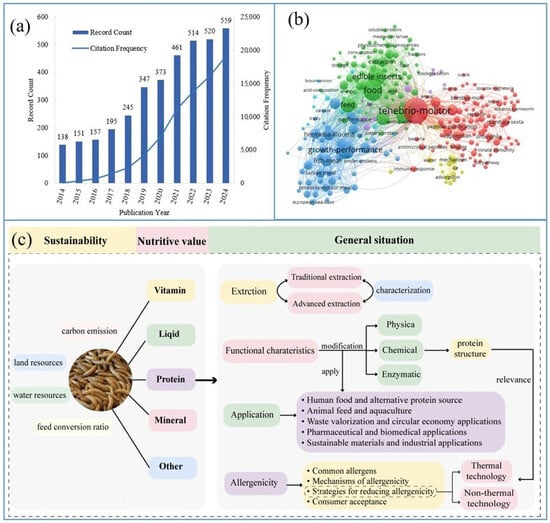
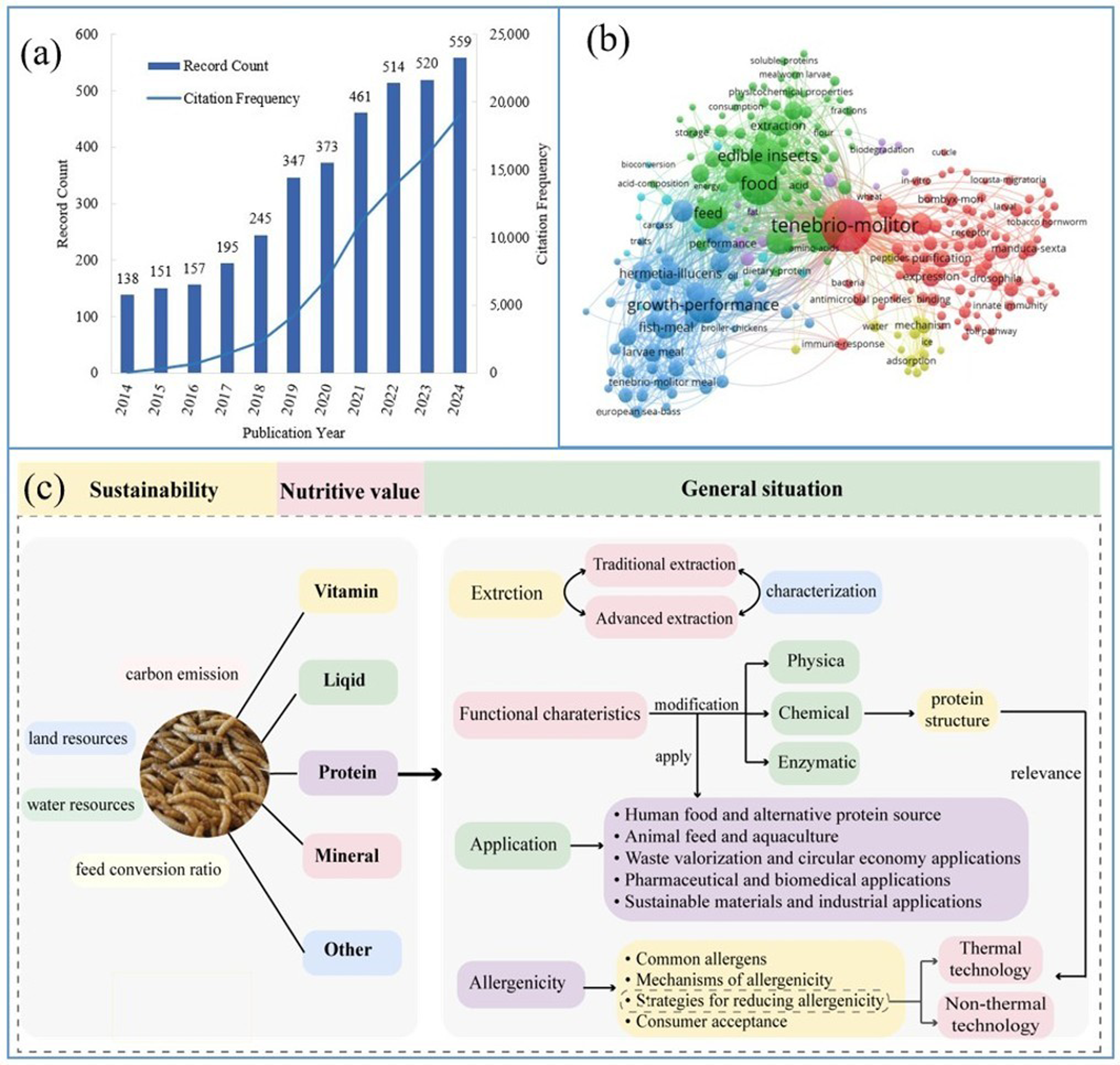
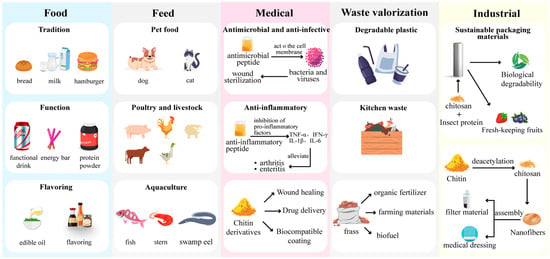
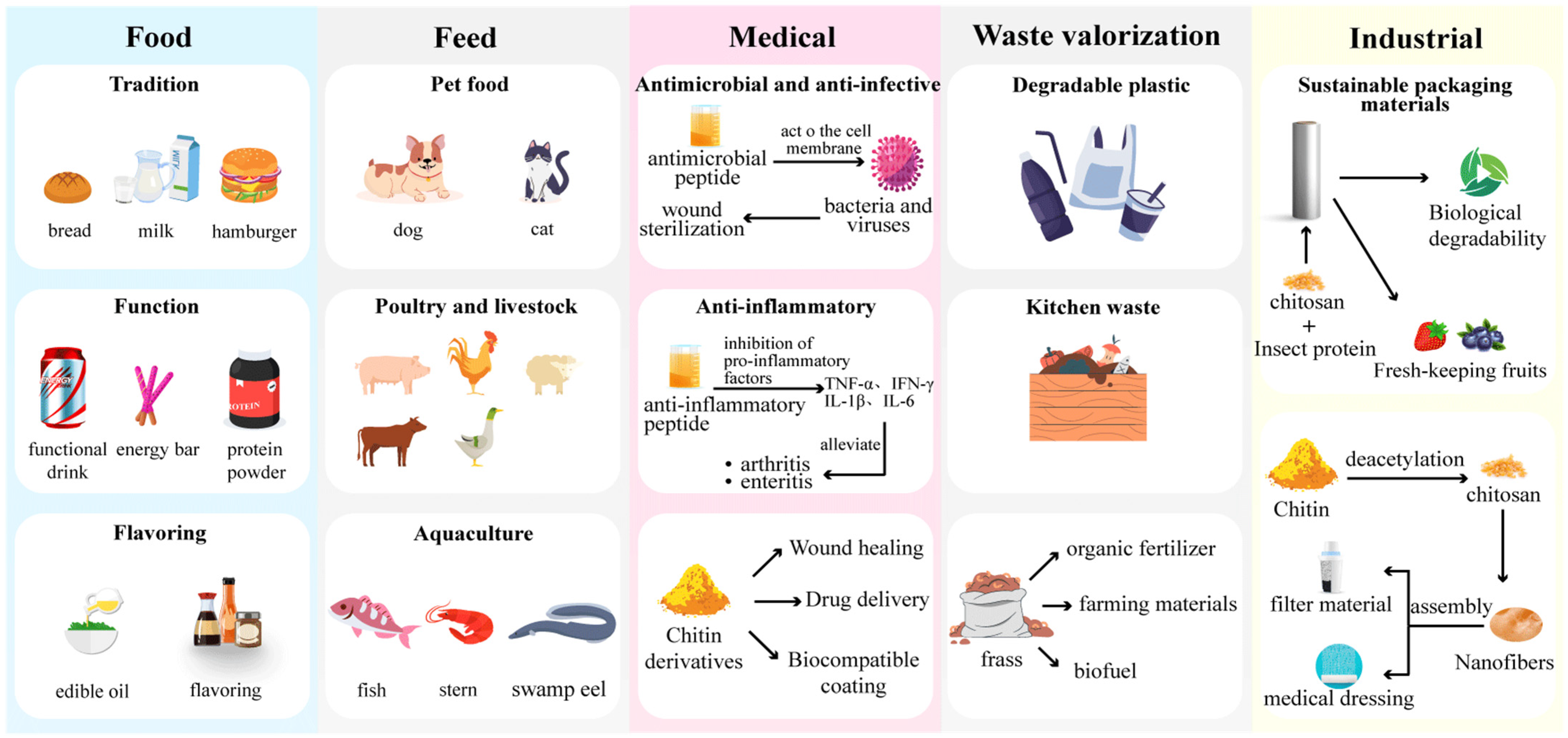
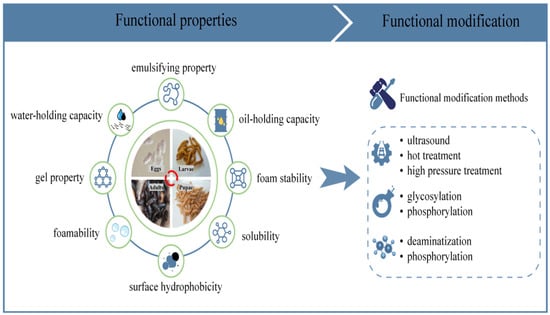
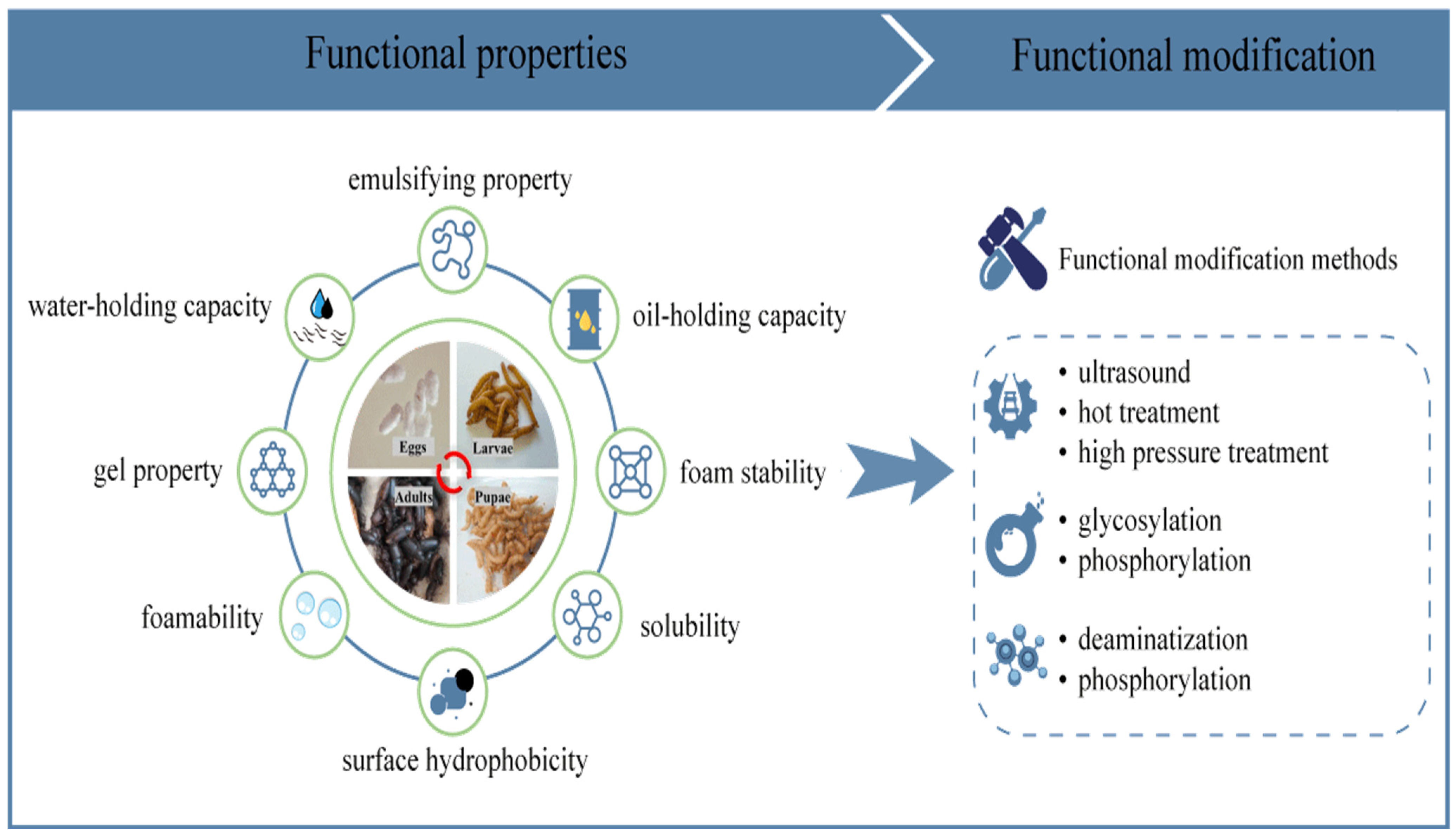
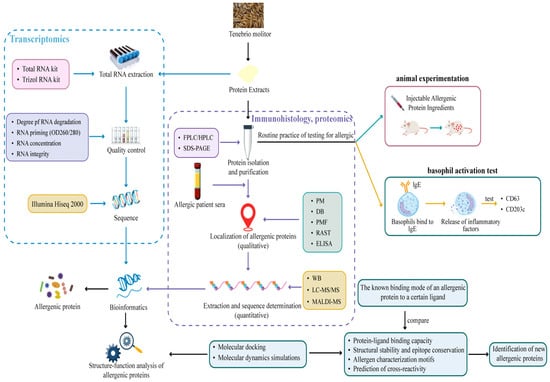
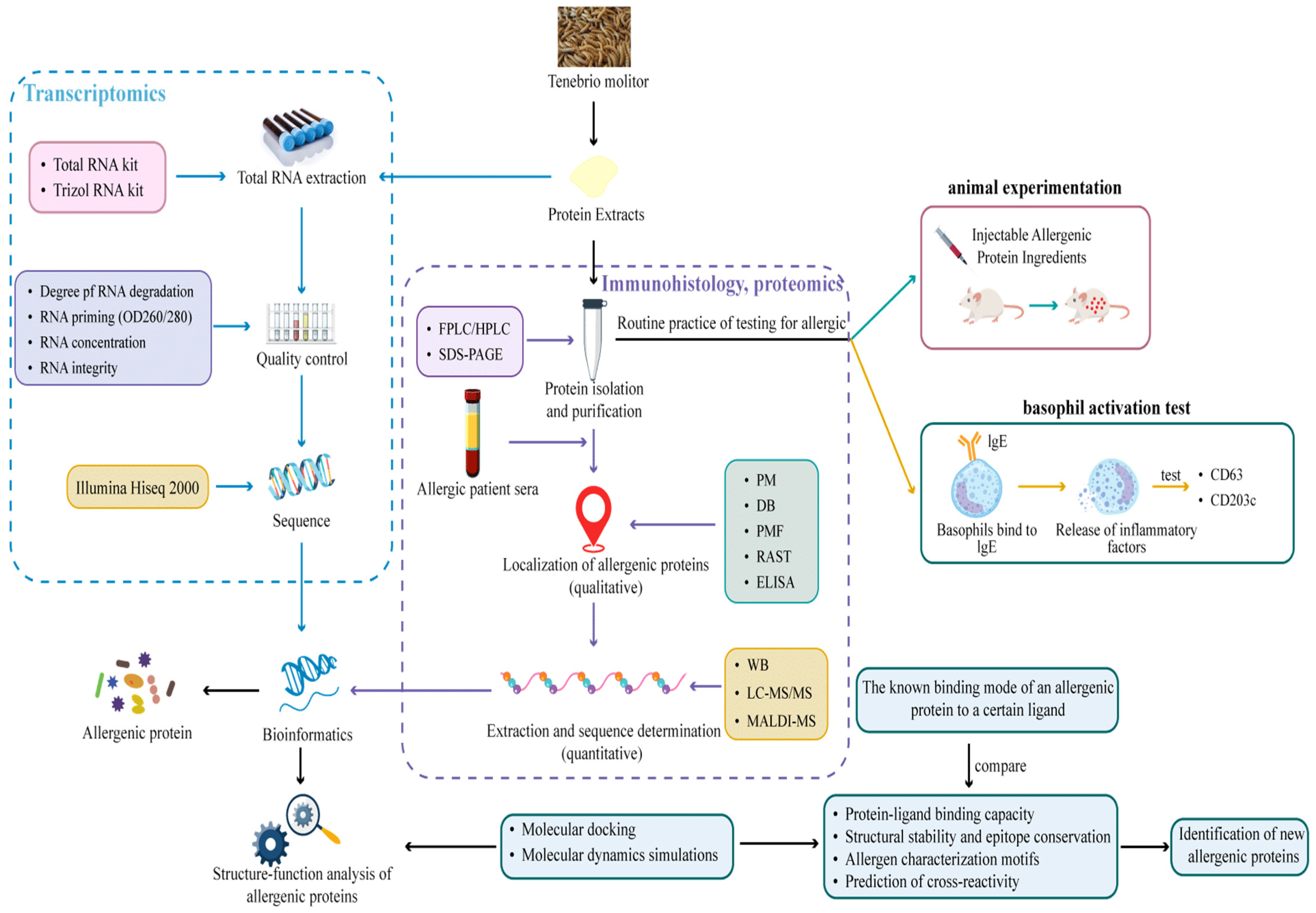
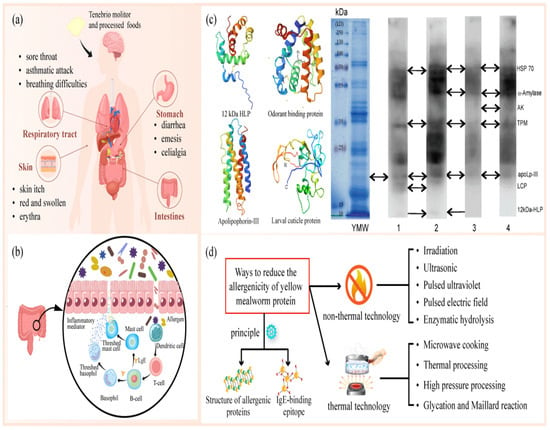
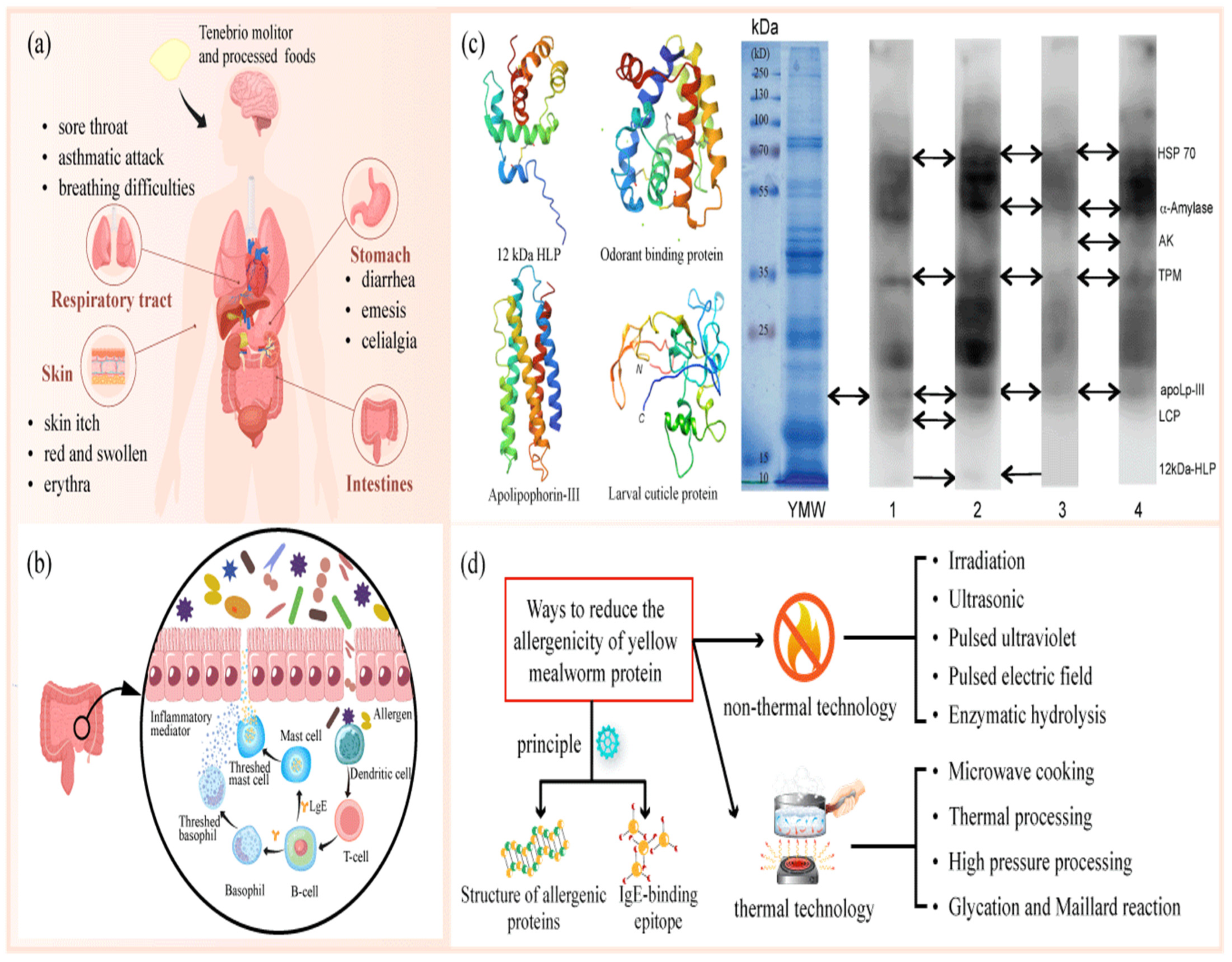
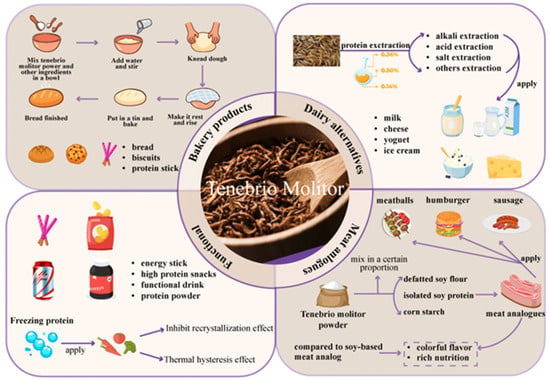
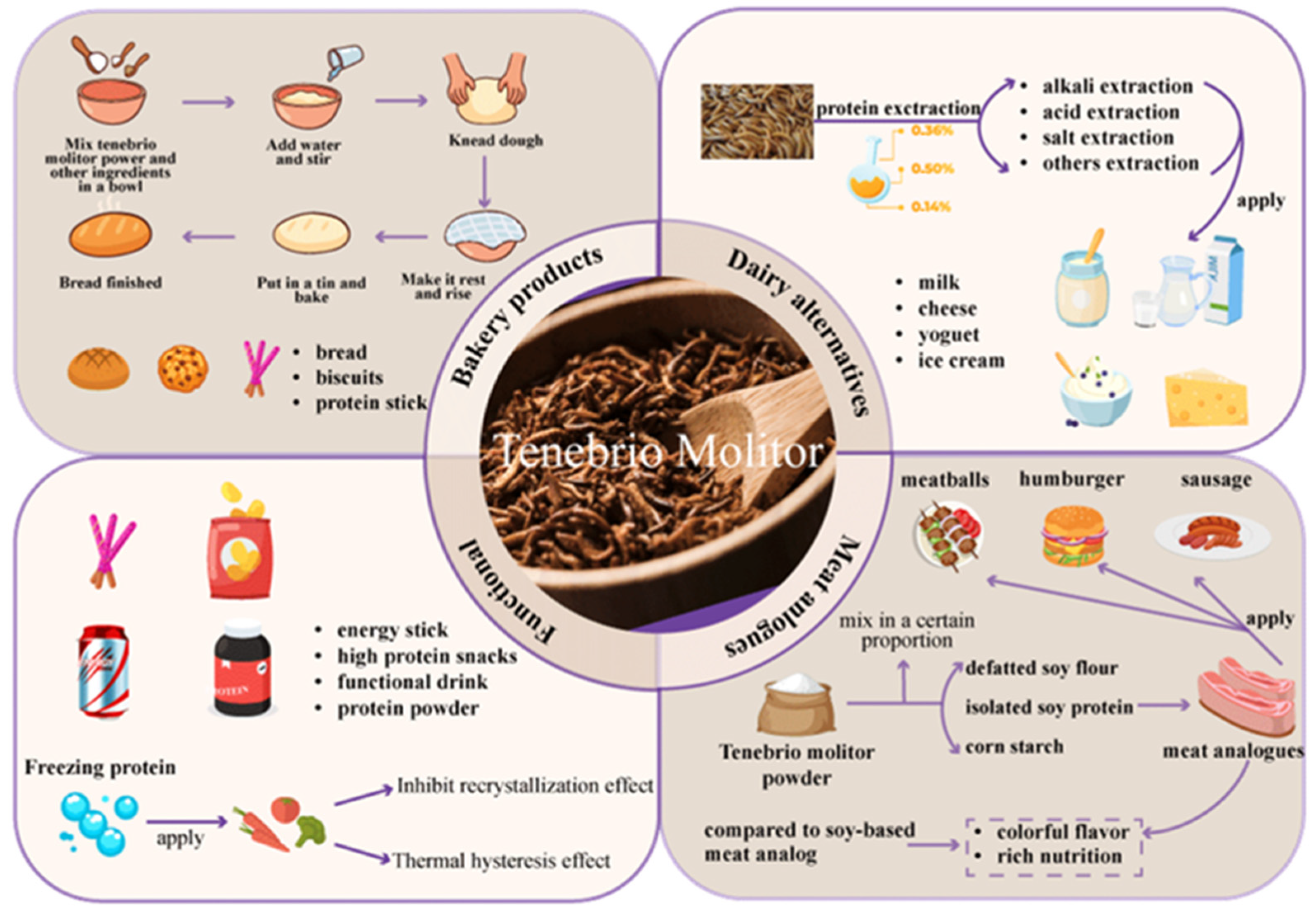

Disclaimer/Publisher’s Note: The statements, opinions and data contained in all publications are solely those of the individual author(s) and contributor(s) and not of MDPI and/or the editor(s). MDPI and/or the editor(s) disclaim responsibility for any injury to people or property resulting from any ideas, methods, instructions or products referred to in the content. |
© 2026 by the authors. Licensee MDPI, Basel, Switzerland. This article is an open access article distributed under the terms and conditions of the Creative Commons Attribution (CC BY) license.