


Abstract
Background: The physiological condition of wine yeasts before inoculation influences their tolerance to fermentation-related stresses, metabolic activity, and fermentation performance. Evidence remains difficult to interpret because physiological conditioning is often considered alongside rehydration, supplementation, and adaptive evolution. This review aims to determine under which conditions controlled preadaptation supports fermentation completion and modifies wine metabolic profiles, and whether improvements in cellular protection translate into technological and sensory benefits. Methods: A narrative review with a qualitative appraisal of evidence directness and interpretive limitations was conducted, focusing on osmotic, thermal, and ethanol conditioning, stepwise acclimation, stress-response mechanisms, and metabolite formation. Physiological preadaptation was distinguished from rehydration, nutrient supplementation, starter propagation, and adaptive laboratory evolution. Experimental findings were evaluated according to yeast strain, conditioning conditions, fermentation performance, and metabolic outcomes. Results: Direct pretreatment evidence in wine yeasts remains limited and strain dependent. Mechanistic studies implicate glycerol regulation, trehalose, membrane remodelling, antioxidant defence, and chaperones, but do not independently establish conditioning efficacy. These responses depend on strain characteristics, conditioning intensity and duration, and the persistence of induced protection. Improved viability or shorter lag phases do not necessarily ensure complete glucose and fructose utilisation or favourable wine composition. Potential changes in glycerol, organic acids, higher alcohols, esters, carbonyls, and sulfur compounds require consideration of the overall fermentation environment. Conclusions: Controlled preadaptation is a candidate strategy for defined strain–process combinations; the evidence does not support a species-wide benefit or a universal protocol. Establishing its technological value requires controlled comparisons that distinguish physiological conditioning from nutritional and biomass effects, alongside validation of fermentation completion, metabolic composition, and sensory quality.
1. Introduction
Selected yeast cultures improve the reproducibility of alcoholic fermentation, but fermentation outcomes also depend on inoculation mode and the physiological condition of the starter. Studies of yeast inoculation and active dry yeast preparation therefore provide complementary information: strain selection defines biological potential, whereas reactivation and inoculum handling influence whether that potential is realised in must [1,2,3].
Wine production comprises grape harvesting and sorting, destemming and crushing where appropriate, must preparation, alcoholic fermentation, separation from solids and lees, and subsequent clarification, stabilisation, maturation, and bottling. The order and use of individual operations depend on wine style: white grapes are generally pressed before alcoholic fermentation, whereas red wines commonly ferment with the skins before pressing. Malolactic fermentation may also be encouraged or prevented according to the intended style. Yeast preparation and inoculation therefore occur at a critical transition between must processing and alcoholic fermentation [4].
For the present review, the central technological problem is sluggish or stuck alcoholic fermentation, in which sugar consumption becomes excessively slow or stops before the intended endpoint. Its importance lies in the need to maintain yeast activity as ethanol accumulates and nutrients become limiting; tolerance at inoculation alone does not ensure completion. Interactions between ethanol, temperature, and strain-dependent traits can contribute to fermentation arrest [2,3,4]. Accordingly, preadaptation must be evaluated by its capacity to support sustained sugar utilisation while preserving the desired wine composition, rather than by early survival alone.
Inoculum preparation involves changes in hydration, temperature, nutrient availability and osmotic load. Rehydration restores the functions of active dry yeast; subsequent transfer into must introduces a further environmental challenge. Rehydration and physiological preadaptation are related but distinct operations, and poor recovery during the first can compromise subsequent fermentation [3,5].
The fermentation environment changes over time [6]. Initially, high sugar concentrations, acidity, sulfur dioxide, and temperature differences between the starter and must are the predominant challenges [7]. As fermentation progresses, depletion of assimilable nitrogen, limited lipid availability, and increasing ethanol concentrations become more important [8]. Appropriate inoculum preparation should therefore support both the initial response to stress and the maintenance of activity during subsequent fermentation stages [9].
Controlled preadaptation aims to induce protective responses before the target fermentation stress occurs. Yeast stress-response research identifies osmolyte regulation, molecular chaperones, membrane adjustment and antioxidant defence as potential components of this preparedness. Their induction does not, by itself, establish an improvement in wine fermentation: subsequent performance must be evaluated against an appropriate control [10,11,12,13].
The consequences of conditioning can extend beyond survival to carbon allocation and metabolite formation. However, a change in inoculum physiology is not equivalent to a predictable improvement in wine composition. Inoculation studies provide evidence of composition differences, whereas changes in glycerol, acids and volatile compounds require separate metabolic and sensory interpretation [1,2,14].
Existing reviews discuss active dry yeast preparation, wine-yeast stress responses and adaptation to fermentation environments [3,5,7,10]. The present review integrates these perspectives by distinguishing temporary physiological conditioning from multigenerational adaptation, survival from sustained activity, early fermentation onset from final sugar depletion, and intracellular protection from final wine composition. Its contribution is an evidence-based framework for interpreting when preadaptation has been tested directly and when its proposed benefits remain mechanistic extrapolations.
The specific gap addressed here is the lack of a consistent link between the protective responses induced before inoculation, sustained fermentation performance, and the final chemical and sensory properties of wine. The aim of this review is therefore to critically evaluate when controlled physiological preadaptation provides a demonstrable benefit beyond rehydration, nutrition, or increased biomass. It addresses three questions: which conditioning strategies support subsequent stress tolerance; whether this protection persists sufficiently to improve fermentation completion; and how the associated metabolic changes affect wine composition and, where sensory evidence is available, quality. This distinction is relevant to selecting inoculum preparation strategies for defined winemaking conditions.
2. Materials and Methods
This narrative review with qualitative critical appraisal examines controlled physiological preadaptation of wine yeasts and its relationships with cellular protection, alcoholic fermentation performance and wine metabolite formation. The starting material was the literature collection assembled for the manuscript. During revision, targeted supplementary searches and bibliographic checks were conducted on 21 October 2026 using publicly accessible publisher pages and bibliographic records, including PubMed and DOI-linked records. Search combinations included wine yeast, preadaptation, conditioning, osmotic stress, thermal stress, ethanol stress and fermentation; exact titles and DOIs were also used to resolve publication identity and check key experimental claims. These targeted checks were not an exhaustive database search, and no systematic-review screening counts or PRISMA procedure are claimed.
Literature was considered relevant when it addressed conditioning before a subsequent challenge, the mechanisms governing yeast stress responses, or environmental and nutritional factors needed to interpret fermentation and metabolite outcomes. Selection was purposive, with emphasis on experimental studies supporting the central arguments and reviews providing mechanistic context. Studies in grape must or wine were distinguished from synthetic-medium experiments and industrial ethanol systems. Acute responses after inoculation, repeated-cycle adaptation and adaptive laboratory evolution were identified separately rather than classified automatically as short-term preadaptation. The experimental comparison table summarises selected illustrative studies and is not an exhaustive inventory.
The qualitative comparison considered strain or species, cultivation history, exposure conditions, fermentation medium, control treatment and the response measured. Viable inoculum size, nutrient supplementation, biomass differences and starter-medium carryover were treated as potential alternative explanations wherever reported. Cellular viability was distinguished from vitality; lag duration and fermentation rate were distinguished from growth rate; and residual glucose and fructose were considered separately from final ethanol concentration and ethanol yield. Chemical changes were not classified as sensory improvements without sensory evidence.
Evidence was organised by conditioning strategy, cellular mechanism, fermentation outcome and metabolic consequence. No pooled effect estimates were calculated because the experimental systems, interventions and outcome definitions were heterogeneous. Direct experimental observations were distinguished from proposed mechanisms, model predictions and extrapolations between systems. The targeted literature selection and absence of a prospectively registered search protocol limit completeness and leave the synthesis susceptible to selection and publication bias.
For the present synthesis, a study is treated as direct efficacy evidence only when it includes a distinct pretreatment before a subsequent fermentation challenge, an unconditioned comparator of the same strain, and a functional fermentation endpoint. Mechanistic studies without pretreatment, baseline strain comparisons, supplementation-only interventions, models, and multigenerational adaptation remain eligible as contextual evidence, but are excluded from direct claims of short-term conditioning efficacy. These are interpretive eligibility rules applied to the selected literature, not a prospectively specified systematic screening protocol.
Qualitative appraisal focuses on the separation of pretreatment from nutritional or biomass effects, comparator relevance, matrix applicability, outcome timing, and whether the measured endpoint supports the stated claim. Missing information is treated as uncertainty rather than evidence that a safeguard was absent. No validated risk-of-bias instrument, duplicate independent screening, or formal certainty grading was used; the appraisal therefore identifies interpretive limitations rather than providing a comprehensive risk-of-bias assessment. Heterogeneity is examined comparatively by intervention design, strain, medium, exposure history, and endpoint in Section 5.6 and Section 9.5; no statistical heterogeneity estimate is inferred.
3. Conceptual Framework and Biological Basis of Preadaptation
3.1. Preadaptation as Physiological Conditioning
Preadaptation refers to the temporary conditioning of cells for subsequent environmental stress [11]. It involves inducing a physiological response before exposure to the conditions of the main fermentation. This response may include regulation of gene expression, changes in enzyme activity, membrane reorganisation, and accumulation of protective metabolites [5,10]. Establishing this state does not require stable changes in the DNA sequence [11].
The term priming emphasises the influence of an earlier stimulus on the subsequent cellular response, whereas acclimation refers to functional adjustment to altered conditions. In starter preparation, these processes may occur simultaneously, particularly when the proportion of must is progressively increased or the temperature is gradually changed. Interpreting the outcome requires a clear description of the conditions applied and the response they were intended to induce [3,15].
Preadaptation should not be defined solely by the presence of a stressor in the medium [16]. Its significance depends on whether prior exposure alters subsequent performance in the target environment [17]. A change in medium composition or an extension of cultivation time does not, by itself, demonstrate acquired protection unless it is linked to cellular condition and fermentation performance.
3.2. Specific and Cross-Stress Protection
Specific protection occurs when an earlier stimulus prepares cells for a more severe stress of the same type [11]. Moderate osmotic exposure before inoculation into high-sugar must is one example [18]. Activation of glycerol synthesis and retention may then reduce disturbances in cellular water balance following transfer [7,10].
Cross-protection refers to increased tolerance to a factor different from the one applied during conditioning [11,12]. It arises because responses to different stresses partly share protective mechanisms. Trehalose accumulation, molecular chaperones, and enhanced antioxidant preparedness may be relevant to several types of stress [10,12]. This does not, however, imply equivalent effectiveness against every combination of stressors.
The extent of protection depends on the stimulus, genetic background, and physiological state of the cells. The sequence of exposures is also important. Conditioning that benefits the initial response to osmotic stress may have limited relevance to subsequent nutrient limitation if the protective response declines before that limitation develops [11,12].
3.3. Distinguishing Preadaptation from Adaptive Evolution
Short-term preadaptation primarily relies on physiological plasticity [11]. Its effects may diminish after removal of the stimulus because of protein degradation, metabolite consumption, and dilution of cellular reserves during division [19]. Enhanced resistance therefore need not persist throughout fermentation [7].
Adaptive laboratory evolution, abbreviated as ALE, involves multigenerational selection of a population. It may lead to the fixation of genetic variants that confer an advantage in a particular environment. These changes have a different basis and potentially greater persistence than responses induced by brief exposure before inoculation [6,20,21,22,23].
A strain obtained through ALE may subsequently undergo physiological preadaptation [20]. In such cases, traits arising from its selection history should be distinguished from the effects of immediate starter conditioning. Preadaptation, supplementation, and propagation should likewise be differentiated because each can improve fermentation through a different mechanism [3,5]. The principal yeast preparation procedures, their underlying mechanisms, and their implications for interpreting fermentation outcomes are summarised in Table 1.
Table 1.
Distinction between yeast preparation procedures and their biological significance.
4. Inoculum Condition and Fermentation-Related Stresses
4.1. Rehydration and Restoration of Membrane Function
Active dry yeast remains in a state of restricted activity associated with low water content. During rehydration, the plasma membrane is reorganised and conditions supporting transport and enzymatic activity are restored. This stage requires structural integrity to be maintained despite a rapid change in hydration [3,27].
Membrane leakage may cause the loss of ions, amino acids, and other cytoplasmic constituents. This reduces the capacity for rapid metabolic recovery even when cells remain viable. Consequently, the effects of rehydration should be evaluated in terms of both survival and subsequent fermentative activity [3,5].
Rehydration temperature influences lipid organisation and the restoration of membrane function. The subsequent temperature difference between the yeast suspension and must is equally relevant. Gradual equilibration reduces the abruptness of the environmental transition but is not equivalent to complete physiological acclimation, which also involves regulation of metabolic processes [3,27].
Nutrient addition during preparation may support cellular recovery. When the medium simultaneously supplies lipids, minerals, and osmotically active compounds, the observed outcome reflects several interacting effects. Distinguishing these contributions is necessary to determine whether improvement primarily results from nutritional support, structural protection, or induction of a stress response [3,16,28].
4.2. The Sequence of Stresses During Fermentation
Following inoculation into must, high glucose and fructose concentrations alter cellular water balance. Water efflux may reduce cell volume and turgor pressure. Restoring balance requires an appropriate osmolyte concentration and regulation of membrane transport [10,29,30].
At the same time, low pH increases the importance of proton-homeostasis mechanisms. The Pma1p pump contributes to maintaining intracellular conditions at the expense of ATP. If the membrane is damaged or excessively permeable, the energy required to maintain ionic gradients increases, reducing the resources available for other processes [5,10].
Sulfur dioxide is one of the stresses encountered at inoculation, but its effect depends on the accompanying environment. In a factorial comparison of eight S. cerevisiae and two non-S. cerevisiae wine strains, Ferreira et al. found that cold and osmotic stress extended the lag phase, while the effect of SO2 was partly temperature-dependent. Major synergistic multistress effects were not detected in that experimental design; simultaneous exposure should therefore not be described as necessarily synergistic [31].
During later fermentation stages, nutrient availability decreases while ethanol concentration increases. The nature of the required adjustment consequently changes. The initial capacity to restore turgor must be complemented by the maintenance of transport, protein stability, and membrane function in an alcoholic environment [7,10].
4.3. Viability, Vitality, and Inoculum Reserves
Viability describes the proportion of cells that remain alive. Vitality refers to their functional state, including the capacity to take up substrates, generate energy, and carry out fermentation. This distinction explains why inocula with similar survival rates may exhibit different lag-phase durations [3,24].
Trehalose and glycogen are important cellular reserves. Trehalose contributes to structural protection, whereas glycogen provides an energy reserve. Their abundance contributes to the capacity to withstand environmental transitions but should not be interpreted independently of enzyme activity and membrane properties [12,32,33,34].
Growth phase affects resource allocation between proliferation and protection. Stationary-phase cells may contain different reserves and stress proteins from actively dividing populations. The effectiveness of preadaptation therefore also depends on when it is applied within the cultivation history [3,5]. The major fermentation-related stresses, their cellular consequences, and the corresponding aspects of inoculum preparation are summarised in Table 2.
Table 2.
Major fermentation-related stresses and the corresponding aspects of inoculum preparation.
5. Strategies for Controlled Preadaptation
5.1. Selection of Stimulus Type, Intensity, and Exposure Duration
A preadaptation stimulus should activate protection while preserving the capacity for subsequent fermentation. Insufficient stress may elicit an inadequate response, whereas excessive exposure may cause damage or deplete cellular reserves. The favourable range depends on the strain, growth phase, and medium composition [11,12,13].
Intensity and exposure duration should be considered jointly. Brief exposure may induce a different response from prolonged maintenance at the same stressor concentration. The rate of environmental change is also important because a gradual increase in stress allows cells to adjust before the final level is reached [11,19,40].
Conditioning should be assessed against the target environment. The objective is to preserve performance during a specific fermentation rather than to maximise resistance in an arbitrary stress assay. A protocol that increases survival at the expense of a substantial reduction in activity may have limited technological value [3,13].
5.2. Osmotic Preadaptation
The mechanistic rationale for osmotic preadaptation is that prior activation of glycerol synthesis and retention could prepare yeasts for the change in water potential encountered after inoculation. HOG-pathway and osmoregulation studies support the underlying biology [29,30], but do not by themselves show that a specific pretreatment improves subsequent wine fermentation. More rapid restoration of turgor and metabolism therefore remains a protocol-dependent hypothesis unless demonstrated in a conditioned-versus-control fermentation comparison.
Following an abrupt osmotic shift, regulation develops after the disturbance has occurred. Under gradual exposure, part of the response develops before the next increase in stress. This difference may affect survival and the time required to initiate fermentation even when the final conditions are identical [17,18].
The identity of the osmotically active compound is biologically relevant. Glucose and fructose act as both osmolytes and substrates and therefore induce osmotic responses alongside changes in the regulation of carbon metabolism. Salts introduce an additional ionic component. Media should consequently not be assumed to be equivalent solely on the basis of their nominal concentrations [29,30,41].
Retention of the induced state until inoculation is also important. If cells are transferred to different conditions for an extended period after preadaptation, osmolyte pools and the activity of relevant systems may change. The procedure therefore encompasses both response induction and starter handling after exposure [3,19].
5.3. Temperature Preadaptation
Low temperature reduces enzymatic reaction rates, alters membrane organisation, and restricts nutrient transport. Conditioning for low-temperature fermentation involves adjustment of these processes, and its extent depends on the duration of exposure [38,42,43].
The early cold response involves regulation of RNA metabolism, lipids, and the cell wall. General stress mechanisms, including trehalose accumulation and protective proteins, may become more important later. Brief exposure to low temperature therefore need not produce the same conditioning as acclimation lasting several hours [38,42,44].
Membrane adjustment is particularly relevant to nitrogen and sugar uptake. When transport is restricted, the presence of nutrients in the medium does not guarantee their effective utilisation. Temperature preadaptation should consequently be considered together with nutritional status and cellular lipid composition [36,37,43].
The capacity for low-temperature fermentation differs among S. cerevisiae strains, cryophilic species, and hybrids. Preadaptation exploits the available range of physiological plasticity but does not replace appropriate yeast selection. Its value depends on whether fermentation is limited by a reversible physiological state or by the organism’s inherent biological characteristics [45,46,47,48].
Brief heat conditioning should be distinguished from cold acclimation. Karaoglan et al. compared three indigenous S. cerevisiae wine strains and one reference strain after a 45 °C treatment for 1 h or ethanol pretreatment. Subsequent fermentation was conducted in synthetic must. The heat treatment was promising for one indigenous strain in reducing residual sugars, but responses differed among strains; the reported conditions are experimental treatments, not a general winery recommendation [13].
5.4. Stepwise Acclimation and Starter Preparation
Preparation of a pied-de-cuve starter allows cultivation conditions to be gradually adjusted towards those of the main fermentation. Increasing the proportion of must or base wine may alter sugar and ethanol concentrations, acidity, and nutrient availability. Cells are thereby given time to respond before encountering the full environmental burden [3,15].
Propagation and physiological adjustment occur simultaneously in this procedure. Improved kinetics after inoculation may therefore reflect both greater biomass and a more favourable physiological state of individual cells. Distinguishing these effects requires comparisons based on appropriately defined viable inoculum sizes [3,15].
Lipid and nitrogen supplementation may support conditioning by supplying components needed for protein and membrane synthesis. Its contribution should nevertheless be described separately from that of the stress stimulus. This distinction helps establish whether the response arises from stress conditioning, nutritional support, or their interaction [3,16,28]. The conceptual relationship between preadaptation intensity, induced cellular protection, physiological costs, and potential technological benefits is illustrated in Figure 1.
Figure 1.
Conceptual relationship between preadaptation intensity, induced protection, physiological cost and potential technological benefit. (A) Schematic changes in protection and cellular cost. (B) A context-dependent favourable operating range. The curves are conceptual and do not represent experimental data or a validated optimum. Author-created synthesis based on yeast stress-response and conditioning literature [11,12,13].
5.5. Ethanol Conditioning
Ethanol exposure before fermentation is a distinct conditioning strategy. In the study by Karaoglan et al., 14% (v/v) ethanol was investigated as a pretreatment alongside heat conditioning [13]. Its effects must be evaluated against the untreated strain and the corresponding heat treatment rather than inferred from ethanol tolerance alone. A treatment that imposes substantial damage or consumes reserves may provide little subsequent benefit. Neither increased resistance in a short assay nor successful ALE under ethanol stress establishes the effectiveness of a brief ethanol-conditioning protocol [20,49,50].
5.6. Experimental Evidence and Limits of Transferability
Table 3 distinguishes direct conditioning experiments from acute stress responses, multigenerational adaptation and contextual studies. The distinction changes the interpretation of the evidence. Noti et al. monitored early responses after inoculation without testing a separate conditioning stage [17]. Guyot et al. used an osmotic ramp over several generations [18]. Sica et al. compared adapted and non-adapted cells after eight cycles in sugarcane-derived medium, with a benefit in C22 but not a corresponding benefit in Y904 [51]. Such findings support strain dependence but cannot be transferred directly to short-term wine starter conditioning.
Table 3.
Selected experimental studies relevant to yeast conditioning, fermentation performance and metabolic interpretation. Study types are separated to avoid treating mechanistic or contextual evidence as a direct test of preadaptation.
Direct empirical evidence is most clearly illustrated by Karaoglan et al.: the same pretreatment was compared across four wine strains in synthetic must. Heat treatment improved fructose-consumption behaviour in strains 7 and 47 but reduced performance in strains 2 and S122. Importantly, the reported treatment-by-strain interaction depended on the endpoint: it was significant for changes in sugar concentrations, but not for the fitted t50 and t90 parameters. The experiments followed fermentation over 48 h. This supports an endpoint-specific effect within the tested system, rather than proof of complete fermentation, sensory improvement, or a uniformly beneficial interaction across kinetic measures [13].
The C22–Y904 contrast provides a different type of evidence. Sica et al. found improved viability and final ethanol for adapted C22, whereas Y904 did not show corresponding improvements. However, the eight-cycle exposure and sugarcane matrix differ from a single wine-starter pretreatment; this comparison supports strain dependence of adaptation in that system, not efficacy of short-term preadaptation in grape must [51]. Noti et al. instead examined responses after inoculation, so the absence of a separately conditioned group prevents attribution of the observed molecular changes to pretreatment [17].
These studies cannot be combined as equivalent replications. Their differences involve the intervention itself, the fermentation matrix, and the endpoint, as well as strain identity. Table 3 therefore supports a comparison of what each design can establish, not a ranking of treatment effectiveness. In particular, biological plausibility from acute-response studies cannot compensate for the limited direct evidence, and a benefit in one measured variable cannot be extended to unmeasured fermentation or sensory outcomes.
6. Cellular Mechanisms of Preadaptation and Cross-Protection
6.1. The HOG Pathway and Regulation of Glycerol Metabolism
The HOG pathway contributes to translating osmotic stress signals into metabolic responses. Signals detected by membrane-associated systems regulate the Hog1p kinase and processes involved in restoring water balance. The response encompasses changes in gene expression, enzyme activity, and transport [29,30].
Glycerol is produced from the glycolytic intermediate dihydroxyacetone phosphate. Dehydrogenases encoded by GPD1 and GPD2 contribute to glycerol-3-phosphate formation, followed by its conversion to glycerol through phosphatases encoded by GPP1 and GPP2. Diversion of carbon into this pathway links osmotic protection with metabolic regulation [17,29].
Increased synthesis alone is insufficient to establish an appropriate intracellular pool. Restricted efflux through the Fps1p channel and uptake through the Stl1p transporter are also important. Coordination of production and transport enables cells to increase intracellular osmolyte concentrations when required for turgor restoration [30,35,55].
Osmoadaptation includes rapid regulation of transport and enzyme activity together with slower transcriptional changes. These layers should be considered separately: an increase in a transcript does not demonstrate that the corresponding metabolite pool or transport flux has changed by the same proportion. Reviews of HOG signalling and glycerol regulation provide the mechanistic context for interpreting conditioning experiments [29,30].
6.2. Trehalose and Stabilisation of Cellular Structures
Trehalose contributes to the protection of proteins and membranes during dehydration and other environmental stresses. Its importance lies in limiting structural destabilisation rather than solely regulating osmotic balance. The functions of trehalose and glycerol are therefore complementary [12,38].
Trehalose synthesis involves a complex associated with TPS1, TPS2, TPS3, and TSL1. The size of the trehalose pool also depends on degradation and utilisation. High synthetic activity during preadaptation does not necessarily ensure an elevated concentration at the time of a later stress if cultivation conditions subsequently change [34,38].
The protective effects of trehalose include interactions with polar groups in membrane structures and limitation of adverse changes in proteins. Under severe dehydration, its properties may help stabilise the intracellular environment. The relevance of these mechanisms nevertheless depends on the actual exposure conditions [3,12].
Trehalose accumulation requires carbon resources. Maintaining a substantial protective pool may support survival while altering substrate availability for growth and other metabolic processes. Preadaptation should therefore be evaluated in terms of the balance between protection and preservation of fermentative activity [12,34].
6.3. Membrane Remodelling and Maintenance of Transport
The plasma membrane controls substance exchange and maintains ionic gradients. Its condition affects sugar and amino acid transporters as well as proton-homeostasis systems. Membrane damage may consequently restrict fermentation without causing a complete loss of cell viability [27,37,56].
Lipid composition determines several physical properties of the bilayer. Ergosterol, fatty acids, phospholipids, and sphingolipids jointly influence membrane organisation. Preadaptation may alter their abundance and relative proportions, adjusting the membrane to conditions encountered during fermentation [27,37].
Cold and ethanol impose different challenges. Lower temperature tends to increase membrane rigidity, whereas ethanol may increase permeability and disrupt organisation. Protection requires membrane properties to be maintained within a functional range rather than maximising either fluidity or rigidity [10,27,57].
Fatty acid unsaturation contributes to membrane properties, and lipid-metabolism genes have been investigated directly in low-temperature wine fermentation. These studies support the relevance of lipid composition to cold performance, but they do not establish that every conditioning treatment induces the same lipid changes. Oxygen exposure and lipid availability during starter preparation must also be considered when attributing a benefit to membrane remodelling [27,37,43].
6.4. Antioxidant Responses
Osmotic, temperature, and ethanol stress may coincide with disturbances in oxidative balance. Reactive oxygen species can damage lipids and proteins, aggravating transport and metabolic dysfunction. Antioxidant preparedness therefore contributes to limiting the secondary consequences of stress [10,39,57].
The enzymatic system includes superoxide dismutases, catalases, and the thioredoxin and glutathione systems. Individual components perform different functions, so the activity of one enzyme does not describe overall protective capacity. Their coordination and the regeneration of reduced compounds involved in defence are also important [10,39,44].
Persistence of protection can involve proteins that remain after the inducing stimulus has been removed. Nevertheless, a durable stress-response component should not be treated as evidence that an entire wine fermentation remains protected. Studies of yeast stress memory and natural variation in resistance provide a rationale for measuring both the duration of the response and its functional consequences [11,19,58].
Antioxidant responses remain linked to cellular metabolism. Protection requires energy and reducing equivalents and therefore cannot be assessed independently of substrate availability. High expression of protective genes does not guarantee preserved function when cells lack the resources needed to sustain the system [10,59].
6.5. Molecular Chaperones and Proteome Maintenance
Protein stability is important for maintaining enzymatic activity during fermentation. Ethanol and temperature changes can promote misfolding and aggregation. Preadaptation may increase the abundance of molecular chaperones that limit damage or contribute to its repair [10,50].
Hsp104p is associated with protein disaggregation, while other stress proteins support proteome and membrane protection. Their activity helps preserve cellular functions under stress but requires energy. The benefit therefore depends on limiting greater functional losses at an acceptable repair cost [12,50].
The timing of protective protein availability is important. If synthesis begins only after severe damage has developed, the response may be too late. Preadaptation shifts part of this preparation to the period before inoculation, provided that conditioning does not excessively deplete cellular resources [11,13].
6.6. Response Regulation and Stress Memory
Yeast stress responses involve general and stress-associated regulatory systems, including Msn2p/Msn4p, Hsf1p and Yap1p/Skn7p. Their contributions depend on the stress and nutritional context. Evidence that these systems regulate protective functions should be distinguished from evidence that a particular starter-conditioning protocol activates them sufficiently to improve wine fermentation [5,10].
Stress memory refers to the persistence of effects after the initial stimulus has been removed. It may arise from altered regulatory readiness or the continued presence of stable protective proteins. A return of transcript abundance to baseline therefore does not necessarily indicate an immediate loss of biological protection [11,19].
Memory persistence is limited by component degradation, consumption, and dilution during cell division. In a starter culture, intensive propagation after preadaptation may increase biomass while changing the level of protection per cell. Both effects should be considered when selecting the inoculation time [11,19].
For winemaking, the critical issue is the temporal correspondence between response persistence and stress exposure. Protection present only at the beginning may shorten the lag phase without improving tolerance to later ethanol stress. Stress memory should therefore be assessed in terms of its functional relevance throughout fermentation [11,19]. The complementary components of cellular protection following preadaptation and their functional relevance to fermentation are summarised in Table 4.
Table 4.
Complementary components of cellular protection following preadaptation.
The complementary cellular mechanisms contributing to specific protection and cross-protection, including osmotic regulation, structural protection, and redox and protein maintenance, are schematically illustrated in Figure 2.
Figure 2.
Complementary cellular mechanisms potentially contributing to specific protection and cross-protection. The scheme integrates osmotic regulation, structural protection and redox/protein maintenance; it does not demonstrate simultaneous activation by a particular conditioning treatment. Author-created synthesis [10,12,29,30]. The colours distinguish the categories of cellular protection mechanisms, while the arrows indicate conceptual relationships and their potential contribution to the preservation of cellular function.
7. Effects of Preadaptation on Alcoholic Fermentation
7.1. Survival After Inoculation and Lag-Phase Duration
Following inoculation, cells allocate part of their resources to restoring osmotic balance, maintaining intracellular pH, and adjusting transport. If these mechanisms have been partially prepared in advance, less reorganisation may be required. This is a mechanistic interpretation of a possible lag-phase benefit, rather than evidence that such a benefit occurs across strains [3,13,31].
Preserved survival increases the number of cells able to participate in fermentation, whereas preserved vitality determines the speed of their response. These parameters may change independently. A population with limited viable-cell losses may still initiate fermentation slowly if its reserves have been depleted during preparation [3,17].
An earlier start may favour more rapid establishment of the starter culture. The importance of this effect depends on the indigenous microbiota and must conditions. It should not, however, be interpreted as evidence of complete microbiological control because competition also depends on other environmental properties [60,61].
7.2. Fermentation Kinetics and Parameter Interpretation
Fermentation can be monitored through sugar consumption, CO2 release, mass loss, or increasing ethanol concentration. These variables are related but describe different aspects of the process. Model parameters should be interpreted according to the variable from which they were estimated [25,62,63].
The maximum fermentation rate should be distinguished from the maximum specific biomass growth rate. Cells may continue vigorous fermentation after cell division has become restricted. Increased CO2 release therefore does not automatically indicate faster proliferation, while lower biomass does not necessarily imply a proportionate reduction in fermentative activity [54,62].
Kinetic parameters must be interpreted according to the response fitted and the model assumptions. Models that distinguish physiological states can help relate growth, nitrogen limitation and secondary metabolism, as illustrated by Moimenta et al.; their predictions are not independent evidence of preadaptation. Times to consume a defined fraction of substrate, such as t50 and t90, are useful only when the substrate and reference concentration are specified [25,54,62].
Comparisons require a consistent reference definition. The time required to consume 90% of total sugars is not equivalent to the time required to consume 90% of fructose. These indicators should not automatically be equated with cellular growth phases without independent biomass measurements [54,62].
7.3. Glucose and Fructose Utilisation
Differences in glucose and fructose uptake and metabolism influence final sugar depletion. In glucophilic populations, glucose is consumed more rapidly, and fructose may progressively account for a larger proportion of the remaining sugars. This becomes particularly relevant when ethanol accumulation coincides with nutrient limitation [13,24].
The function of hexose transporters, including Hxt3p, is linked to membrane condition and cellular regulation. Preservation of transport through reduced structural damage or altered metabolism is a proposed explanation for conditioning effects; the cited transporter and lipid studies do not independently demonstrate this pretreatment mechanism. It does not, however, eliminate inherent differences in substrate preference among strains [24,56].
The relevance of conditioning may become apparent only during late fermentation. Two fermentations may show similar initial rates but differ in their capacity to continue fructose uptake. Conversely, an earlier onset does not necessarily prevent subsequent transport inhibition [13,24].
Separate determination of the two sugars helps identify the nature of the limitation. Total sugar concentration indicates the degree of fermentation completion, whereas the relative glucose and fructose concentrations reveal whether the problem involves general activity or predominantly the utilisation of one substrate [24,62].
7.4. Sluggish and Stuck Fermentations
Sluggish fermentation may result from the combined effects of cellular damage, nutrient deficiencies, and ethanol toxicity. Preadaptation may reduce the contribution of some of these mechanisms, particularly when it improves membrane condition and helps maintain activity. Its effects nevertheless remain dependent on must conditions [13,37,64].
A favourable initial physiological state does not replace the nitrogen, lipids, and vitamins required during subsequent fermentation. If the limitation arises from depletion of an essential component, the benefits of conditioning may be temporary. Preadaptation should therefore be considered an element of inoculum management linked to the composition of the fermentation environment [9,37,65,66].
Effectiveness must be assessed over time. A single post-inoculation viability measurement or a fermentation-rate measurement during the first day cannot establish the risk of arrest. Maintenance of activity during the final stage and continued reduction in residual sugars are particularly important [13,24,64].
7.5. Final Sugar Depletion and Ethanol Balance
A higher final ethanol concentration may result from more complete substrate utilisation. It does not necessarily indicate an increased ethanol yield per unit of sugar consumed. This distinction matters when comparing fermentations with different residual sugar concentrations [13,26].
Ethanol yield depends on substrate allocation among ethanol, biomass, glycerol, and other products. Preadaptation may modify this distribution while also reducing losses associated with fermentation arrest. The nature of the benefit should therefore be established from the product balance rather than from a single final concentration [26,59,67].
Predictability and achievement of the intended degree of sugar depletion are important in winemaking. Maximising alcohol concentration is not an independent measure of quality. A beneficial protocol should support fermentation completion while maintaining an appropriate profile of secondary products [26,68].
The conceptual relationships between inoculum condition, successive fermentation stages, early fermentation performance, and final fermentation outcomes are illustrated in Figure 3.
Figure 3.
Relationships between inoculum condition and successive fermentation stages. Early fermentation onset and final sugar depletion are distinct outcomes. The dashed connection indicates that favourable early performance does not guarantee fermentation completion. Author-created synthesis [3,13,62]. Solid arrows indicate the conceptual sequence of fermentation stages and associated changes in cellular and process conditions.
The principal indicators used to evaluate the effects of yeast preadaptation on alcoholic fermentation, together with their interpretative limitations, are summarised in Table 5.
Table 5.
Indicators for evaluating the effects of preadaptation on fermentation.
8. Effects of Preadaptation on the Metabolic Profile of Wine
8.1. Distinguishing Protective Responses from Product Composition
Cellular physiological responses and final wine composition represent different levels of the process. Intracellular accumulation of a protective compound does not necessarily produce a proportionate increase in its concentration in the product. Transport, subsequent utilisation, and the persistence of altered activity are also important [17,35,55].
Preadaptation may primarily affect the first hours after inoculation, whereas final composition reflects the entire fermentation. An initial change in metabolite synthesis may subsequently diminish or reverse. Dynamic analysis therefore provides a stronger connection between protective mechanisms and product composition than a single final measurement [17,69].
A quantitative change should also be distinguished from a sensory benefit. Increased concentrations of an ester or higher alcohol do not automatically improve the bouquet. Their significance depends on compound identity, metabolite proportions, and the wine matrix [70,71,72].
8.2. Glycerol and Redox Balance
Glycerol synthesis links osmoadaptation with the metabolism of reducing equivalents. Reduction in a glycolytic intermediate contributes to NADH and NAD+ turnover, while diversion of carbon into this pathway affects substrate availability for other reactions. Glycerol is therefore both a protective component and a product of central metabolism [14,17,30].
Preadaptation may alter the temporal distribution of glycerol synthesis. Establishing an intracellular pool before inoculation may reduce the need for an abrupt response afterwards. Conversely, sustained pathway activity during a larger part of fermentation may affect the final product balance [17,35,55,73].
Stronger osmotic protection should therefore not invariably be equated with a higher glycerol concentration in wine. The outcome depends on synthesis, retention, release, and subsequent regulation after the initial stress has subsided. Distinguishing these processes helps explain apparently different effects of conditioning [17,35,55].
Glycerol may contribute to body and mouthfeel. Its significance nevertheless depends on ethanol, sugars, and acidity. A favourable outcome must be assessed within the overall composition, particularly when altered glycerol metabolism is accompanied by differences in acetic acid or other products [14,73].
8.3. Acetic Acid and Acetyl-CoA Metabolism
Acetic acid is produced within a metabolic network involving acetaldehyde and acetyl-CoA. Its concentration depends on strain characteristics, osmotic stress, and nutritional status. Excessive accumulation can adversely affect quality and is therefore an important criterion in evaluating preadaptation [73,74,75].
Noti et al. observed different transcriptional responses of aldehyde-dehydrogenase genes during the first 120 min after inoculation into grape must: ALD6 was induced in some strains, whereas ALD3 and ALD4 were glucose-repressed. These observations connect early osmotic responses with strain-dependent acetate metabolism, but they do not establish a universal increase in acetate following preadaptation [17].
Acetate can be activated to acetyl-CoA through acetyl-CoA synthetase, linking organic-acid metabolism with biosynthetic processes. The review by Mendes Ferreira and Mendes-Faia discusses ACS2-associated acetate utilisation. This mechanistic relationship should not be equated with an experimentally demonstrated increase in pathway flux after conditioning [74].
Preadaptation may limit some disturbances that promote excessive volatile acidity, but the direction of change requires measurement. Parallel determination of glycerol, ethanol, and acetaldehyde is particularly useful for interpreting acetate concentration within a broader metabolic context [13,67,73].
8.4. Other Organic Acids
Succinic, pyruvic, and malic acids contribute to the organic acid profile. Their concentrations may respond to temperature, nitrogen availability, and yeast metabolic state. These changes need not follow the same direction as changes in volatile acidity [76,77].
Pyruvate is a major node in central metabolism. Its conversion is linked to acetaldehyde and ethanol formation, so changes in its concentration may reflect altered carbon allocation. The involvement of carbonyl compounds in SO2 binding is also relevant [69,74,78].
Analysis of a single acid does not describe the overall balance of the product. Evaluation should consider relative proportions and their relevance to taste and subsequent chemical transformations. This distinguishes a change in one parameter from a broader shift in the metabolic profile [75,77].
8.5. Higher Alcohols and Amino Acid Metabolism
Higher alcohols arise from amino acid catabolism and central carbon metabolism. The Ehrlich pathway comprises transamination, decarboxylation, and reduction in the corresponding intermediates. It therefore connects nitrogen availability with the production of volatile compounds [53,79,80].
The relationships between nitrogen use and aroma formation depend on strain and process conditions. Scott et al. compared four commercial wine yeasts and observed distinct nitrogen-utilisation and volatile profiles despite similar biomass formation [53]. By contrast, Lei et al. increased L-phenylalanine utilisation and aroma production through adaptive laboratory evolution of Lachancea thermotolerans [81]. The latter is evidence of an evolved phenotype, not of short-term preadaptation of S. cerevisiae.
Isoamyl alcohol, isobutanol, 1-propanol, and 2-phenylethanol differ in their sensory characteristics. The latter may contribute rose-like and floral notes. Their significance nevertheless depends on concentration and the contribution of other components [72,82].
Higher alcohols also provide substrates for acetate ester synthesis. Increased production may therefore affect several metabolite groups simultaneously. Evaluation should include both the free alcohols and their corresponding esters rather than treating these groups independently [79,82,83].
8.6. Acetate and Ethyl Esters
Acetate esters are formed from alcohols and acetyl-CoA. Their synthesis involves alcohol acetyltransferases including Atf1p and Atf2p. The availability of both substrate groups links amino acid metabolism with central carbon metabolism, allowing preadaptation effects to arise through several overlapping changes [74,80].
Ethyl esters of medium-chain fatty acids are associated with lipid metabolism and the activity of Eht1p and Eeb1p. Their final concentrations depend on precursor availability and the balance of metabolic reactions. Changes in starter lipid composition may therefore affect both survival and the volatile profile [56,74,84].
Rollero et al. used a factorial response-surface design to examine nitrogen, phytosterols and temperature, finding different responses among higher alcohols and ester groups. Their gas–liquid balances also showed that temperature-dependent losses could affect the amount of ester retained in the liquid [52]. These results identify environmental confounders relevant to conditioning studies; they do not demonstrate that preadaptation itself increases total aroma production.
Isoamyl acetate and 2-phenylethyl acetate contribute fruity and floral characteristics, whereas ethyl hexanoate and ethyl octanoate are associated with fresh-fruit notes. Ethyl acetate may have different sensory effects depending on its concentration. The objective remains an appropriate composition rather than maximisation of the entire ester group [72,81,82].
8.7. Carbonyl Compounds
Acetaldehyde is an intermediate in the pathways leading to ethanol and acetate. Its release and reassimilation change during fermentation. Effects of preadaptation on these dynamics through altered lag duration, reductive activity, or tolerance are mechanistic hypotheses; the cited carbonyl studies provide context rather than a direct pretreatment test [69,78].
Acetaldehyde concentration is relevant to aroma and SO2 binding. Interpretation requires transient effects to be distinguished from final concentrations. A higher concentration in an early sample does not necessarily imply a higher concentration in finished wine if subsequent utilisation differs [69,78].
Diacetyl, acetoin, and 2,3-butanediol constitute another group of interrelated compounds influenced by cellular condition. Maintenance of reductive activity may alter their relative proportions. These effects should nevertheless be assessed against the entire process and sensory properties because a concentration change alone does not establish product acceptability [78].
8.8. Sulfur Compounds and Varietal Precursors
Sulfur metabolism is linked to nitrogen and vitamin availability and to the capacity to incorporate reduced sulfur into cellular constituents. Disturbances in these processes may favour hydrogen sulfide release. A reduction in this risk through preadaptation is a hypothesis requiring direct testing; appropriate must composition remains a separate determinant [85,86,87].
Huang et al. investigated genes affecting cysteine uptake and hydrogen sulfide production, while Kinzurik et al. distinguished biological and chemical routes of volatile sulfur conversion [88,89]. These studies explain why sulfur outcomes cannot be inferred from viability alone. Neither provides a direct test showing that preadaptation eliminates undesirable sulfur volatiles.
Varietal thiols released from precursors in must should be considered separately. Their formation depends on yeast characteristics and the activity of relevant enzymes, including those associated with IRC7. Preadaptation may modify the conditions under which these enzymes function, but it cannot ensure that the raw material contains the required precursors [61,84,90]. The relationships between yeast preadaptation, the major groups of wine metabolites, and their relevance to the chemical and sensory characteristics of the final product are summarised in Table 6.
Table 6.
Relationships between preadaptation and the major groups of wine metabolites.
8.9. Interpretation of Sensory Outcomes
Comparisons of metabolic profiles require consideration of the sampling stage. Fermentations analysed at the same time after inoculation may differ in their degree of sugar depletion. An observed difference may therefore reflect a temporal shift rather than a persistent change in final composition [62,69].
The conceptual relationships between yeast physiological condition, metabolic processes, and the resulting wine metabolite profile are illustrated in Figure 4.
Figure 4.
Conceptual relationships between physiological condition and metabolic processes contributing to wine composition. Arrows indicate relationships rather than a fixed direction or magnitude of metabolite change; nutrient and precursor availability are additional determinants. Author-created synthesis [56,74,79,84,87].
Analytical results should be interpreted within the wine matrix. Ethanol, sugars, and acids influence the perception of other compounds, while individual aroma components may modify one another’s sensory expression. Assessing a single metabolite is insufficient to characterise the complete bouquet [71,72].
The usefulness of preadaptation should consequently be established through both fermentation performance and conformity of the product with the intended style. A protocol beneficial for one wine type may produce a less desirable composition in another. Chemical analysis should therefore be integrated with sensory evaluation [26,70,71].
9. Factors Determining the Effectiveness of Preadaptation
9.1. Strain and Physiological History
Genetic background determines baseline tolerance, stress-response regulation, and substrate utilisation capacity. Strains may differ in the contributions of individual antioxidant systems, osmolyte metabolism, and the extent of membrane remodelling. An effect demonstrated in one culture therefore does not characterise the entire species [53,91].
Cultivation history before conditioning is also important. Oxygen availability, medium composition, and growth phase affect trehalose, glycogen, and lipid reserves. Two inocula containing the same number of cells may consequently begin preadaptation from different physiological states [3,32,56].
Reproducible comparisons require both the conditioning exposure and the initial physiological state to be characterised [3,62].
9.2. Adaptive Costs and Persistence of Protection
Protection requires resources. The synthesis of stress proteins, osmolytes, and lipids changes carbon and energy allocation. If the conditioning burden is excessive, increased resistance in a short-term assay may coincide with a reduced subsequent fermentation rate [20,49].
Response persistence is equally important. Conditioning too early may allow the effect to decline before inoculation, whereas insufficient exposure may not permit adequate preparation. Favourable conditions therefore encompass both the induction and retention of protection [11,19].
In short-term preadaptation, costs are primarily physiological. In ALE, they may also reflect a stable trade-off between tolerance and growth. Distinguishing these cases supports appropriate interpretation of the persistence and reversibility of the response [20,22,23,49].
9.3. Must Composition
Sugar content determines part of the initial osmotic burden, whereas nitrogen and lipid availability govern the capacity for continued activity. Conditioned cells may initiate fermentation earlier, but their potential remains restricted if the environment does not supply the necessary components [9,37,65,66].
The quality of nitrogen sources matters in addition to their total quantity. Individual compounds differ in their metabolic roles and connections with volatile compound synthesis. Effects of preadaptation on kinetics and aroma should therefore not be analysed solely in terms of overall nitrogen availability [53,80,83].
Natural must also contains polyphenols, organic acids, suspended particles, and microorganisms. These components modify nutrient availability and competitive conditions. Effects observed in synthetic media consequently require evaluation in the actual matrix [62,84,90].
9.4. Temperature and Compatibility with the Fermentation Process
Temperature affects reaction rates, membrane properties, and the effects of ethanol. Under cold conditions, nutrient transport becomes particularly important, whereas at higher temperatures faster metabolism may coincide with greater structural stress. Conditioning should correspond to the actual fermentation profile [10,38,52].
Preadaptation is most useful when it addresses the factor limiting a particular process. Increasing resistance to a stress that is not a major constraint in the must may provide little observable benefit. Cross-protection broadens the potential scope of conditioning but requires confirmation [11,12,13].
Transferability depends on matching the conditioning response to the timing and nature of the target stress [13,31].
9.5. Interpreting Heterogeneity and the Scope of Generalisation
Strain effects are most interpretable when strains receive the same treatment in the same experiment. The divergent responses in Karaoglan et al. therefore provide stronger evidence of treatment dependence on strain than contrasts between unrelated publications [13]. Nevertheless, a phenotypic difference alone does not identify its genetic cause: cultivation history and initial physiology can also contribute. Genetic studies of fermentation arrest and cold adaptation establish relevant inherited variation, but do not determine which strain will benefit from a particular conditioning protocol [64,91].
Between studies, at least three sources of heterogeneity must be separated. First, intervention heterogeneity distinguishes a brief pretreatment [13] from adaptation over repeated cycles [51] and responses measured only after inoculation [17]. Second, environmental heterogeneity includes synthetic versus natural must, sugar and nutrient availability, and temperature; the environmental factorial study of Rollero et al. demonstrates why compositional changes cannot be attributed to conditioning without comparable fermentation conditions [52]. Third, endpoint heterogeneity separates survival, sugar-specific kinetics, final sugar depletion, metabolite concentrations, and sensory outcomes. Apparent disagreement can consequently reflect different questions rather than conflicting estimates of the same effect.
The defensible generalisation is therefore that preadaptation can alter subsequent behaviour in some tested strain–treatment combinations; its direction, magnitude, persistence, and product consequences cannot be generalised to S. cerevisiae as a whole. Shared protective pathways justify hypotheses and measurements, not universal treatment recommendations. The qualitative synthesis can identify these boundaries and alternative explanations, but cannot estimate an average benefit or isolate the relative contribution of genotype and environment across the heterogeneous evidence. Claims of transferability require independent validation across strains under matched conditions. The principal factors influencing the effectiveness of inoculum conditioning and their implications for evaluating preadaptation outcomes are summarised in Table 7.
Table 7.
Factors influencing the effectiveness of inoculum conditioning.
10. Research Gaps and Future Directions
10.1. Standardisation of Inoculum Preparation
A central interpretative difficulty is the use of preadaptation as an umbrella term for procedures with different biological bases. Rehydration, supplementation, propagation, and ALE may improve fermentation, but they are not equivalent interventions. Their distinction should precede comparisons of outcomes [3,5,11].
At minimum, reports should specify strain, cultivation history, conditioning exposure, viable inoculum size and transfer conditions [3,13,62].
Particular attention should be paid to medium carried over with the starter. It may supply nitrogen, lipids, and metabolites that influence fermentation independently of cellular condition. Controlling this contribution improves attribution of the effect to preadaptation itself [3,16,28].
10.2. Linking Mechanisms to Functional Outcomes
Increased gene expression does not demonstrate greater activity of an entire pathway. Likewise, increased protein abundance does not, by itself, establish protein function under the relevant conditions. Regulatory measurements should be linked to metabolite concentrations and cellular behaviour [92,93].
Tracking responses after stimulus removal and following inoculation is particularly useful. This establishes the persistence of protection and identifies when it ceases to influence fermentation. Evaluation should reflect changing stresses, particularly the later development of ethanol stress [11,19,58].
Paired measurements of survival and sugar utilisation are needed to distinguish protection from preserved fermentative function [3,13,62].
10.3. The Metabolome and Volatile Profile
Analysis of ethanol, glycerol, and acetic acid provides a foundation for evaluation but does not capture the full metabolic response. Further work should include higher alcohols, esters, and carbonyl and sulfur compounds. This would establish whether improved kinetics are accompanied by a desirable product profile [70,72,79,82].
Distinguishing intracellular metabolites from those released into the environment is necessary to connect cellular protection with wine quality. An increased intracellular osmolyte pool may have a different significance from its final concentration in the product. Similarly, a change in precursor abundance need not translate directly into the concentration of a volatile compound [17,35].
Metabolic flux analysis can connect carbon allocation with kinetic and compositional outcomes [79,93].
10.4. Validation in Must and Sensory Evaluation
Synthetic media facilitate variable control and mechanistic analysis but do not reproduce the full complexity of must. Validation should include natural matrices differing in sugar, nitrogen, and suspended-solid content. This would define the conditions under which conditioning remains effective [13,62].
Scale-up requires reproducible exposure, transfer timing and starter condition [3,62].
To test transferability, future experiments should cross several identified strains with conditioned and unconditioned treatments within the same musts and use biological replication. Treatment effects should be estimated within each strain, with uncertainty reported, and treatment-by-strain and treatment-by-matrix interactions tested directly. A significant effect in one strain and a non-significant effect in another do not alone establish a significant difference between their responses. Measurements of early kinetics and final glucose and fructose depletion should be linked to chemical and sensory outcomes. This design would distinguish reproducible shared responses from benefits confined to individual strains or matrices.
Sensory evaluation should accompany chemical analysis. Only their integration can establish whether altered metabolite proportions are consistent with the intended wine style. Implementation criteria should encompass performance, reproducibility, and product characteristics [71,72]. The key research questions concerning yeast preadaptation and the corresponding measurement areas required for their evaluation are summarised in Table 8.
Table 8.
Key research questions and corresponding measurement areas.
11. Conclusions
Controlled preadaptation offers a means of modifying the physiological state of wine yeasts before inoculation. Direct pretreatment experiments support benefits under particular strain-treatment combinations, but the broader evidence also includes acute stress responses, repeated-cycle adaptation and mechanistic studies. These designs cannot be treated as interchangeable demonstrations of efficacy. Protective processes involving osmotic balance, membranes, proteins and redox homeostasis provide a biological rationale whose technological relevance must be established in the target fermentation.
Accordingly, the present evidence supports conditional proof of principle rather than a general efficacy claim for wine yeasts. Its strongest direct observations concern particular strains, pretreatments, and endpoints in controlled systems. Conserved stress-response mechanisms do not establish conserved technological benefits, and the available qualitative comparisons cannot assign a pooled effect size or predict the response of an untested strain. Practical conclusions should remain restricted to the tested strain–treatment–matrix combination until transferability is demonstrated.
The main technological distinction is between improving fermentation onset and sustaining fermentation through final sugar depletion. Increased viability or a shorter lag phase does not establish that cells will retain transport capacity under nutrient limitation and increasing ethanol concentrations. Evaluation should therefore include late-stage activity, separate measurements of residual glucose and fructose, and interpretation of ethanol concentration alongside substrate consumption and product yields.
The metabolic consequences of conditioning are similarly context dependent. Intracellular protection does not translate directly into a predictable final wine composition, and increased production of individual aroma compounds does not necessarily improve sensory quality. Changes in glycerol, organic acids, higher alcohols, esters, carbonyls, and sulfur compounds require assessment within the overall chemical and sensory balance of the wine.
Further progress requires comparisons that control viable inoculum size, nutritional inputs, and starter-medium carryover, together with measurements of response persistence after inoculation. Validation across strains, natural musts, and fermentation scales, supported by chemical and sensory evaluation, is necessary to establish practical applicability. Preadaptation should consequently be developed as a targeted component of inoculum management whose benefits are demonstrated for a defined fermentation context.
The conclusions of this review are limited by its purposive narrative selection of literature and the absence of an exhaustive systematic search, a formal risk-of-bias assessment, or pooled quantitative analysis. The available studies also differ in strains, conditioning intensity and duration, media, controls, and outcome definitions, which restricts direct comparison and prevents identification of a universally effective protocol. Evidence obtained in synthetic media or industrial ethanol systems cannot be assumed to predict performance in natural grape must, and studies of acute stress responses or adaptive evolution provide supporting context rather than direct proof of short-term preadaptation efficacy in wine production.
More comprehensive research is needed to establish how long the induced protective state persists after inoculation, which strain–treatment combinations retain activity during late fermentation, and whether metabolic changes produce reproducible sensory benefits. These relationships remain incompletely resolved in the reviewed literature. Priority should be given to controlled comparisons across natural musts, strains, and production scales, using matched viable inocula and nutritional inputs, with monitoring from conditioning through final sugar depletion and sensory assessment. Such evidence is needed before specific preadaptation protocols can be recommended broadly for commercial winemaking.
Author Contributions
Conceptualization, Ł.K. and G.Z.; methodology, Ł.K. and G.Z.; validation, Ł.K., J.J., C.P. and G.Z.; formal analysis, Ł.K. and G.Z.; investigation, Ł.K., J.J., C.P. and G.Z.; resources, Ł.K., J.J., C.P. and G.Z.; data curation, Ł.K., J.J., C.P. and G.Z.; writing—original draft preparation, Ł.K., J.J., C.P. and G.Z.; writing—review and editing, C.P.; visualisation, Ł.K., J.J., C.P. and G.Z.; supervision, C.P.; project administration, C.P. All authors have read and agreed to the published version of the manuscript.
Funding
This research received no external funding.
Institutional Review Board Statement
Not applicable.
Informed Consent Statement
Not applicable.
Data Availability Statement
No new data were created or analysed in this study. Data sharing is not applicable to this article.
Conflicts of Interest
Author Julia Jastrzębska was employed by Medical Centre in Łancut LLC. The remaining authors declare that the research was conducted in the absence of any commercial or financial relationships that could be construed as a potential conflict of interest.
References
- Pinu, F.R.; Stuart, L.; Topal, T.; Albright, A.; Martin, D.; Grose, C. The effect of yeast inoculation methods on the metabolite composition of Sauvignon Blanc wines. Fermentation 2023, 9, 759. [Google Scholar] [CrossRef] [Scilit]
- Bordet, F.; Romanet, R.; Bahut, F.; Ferreira, V.; Peña, C.; Julien-Ortiz, A.; Roullier-Gall, C.; Alexandre, H. Impact of Saccharomyces cerevisiae yeast inoculation mode on wine composition. Food Chem. 2024, 441, 138391. [Google Scholar] [CrossRef] [Scilit] [PubMed]
- Schmidt, S.A.; Henschke, P.A. Production, reactivation and nutrient requirements of active dried yeast in winemaking: Theory and practice. Aust. J. Grape Wine Res. 2015, 21, 651–662. [Google Scholar] [CrossRef] [Scilit]
- International Organisation of Vine and Wine (OIV). International Code of Oenological Practices. Part II: Oenological Treatments and Practices. Available online: https://www.oiv.int/standards/international-oenological-codex/part-ii-oenological-treatments-and-practices (accessed on 10 November 2026).
- Matallana, E.; Aranda, A. Biotechnological impact of stress response on wine yeast. Lett. Appl. Microbiol. 2017, 64, 103–110. [Google Scholar] [CrossRef] [Scilit] [PubMed]
- Marsit, S.; Dequin, S. Diversity and adaptive evolution of Saccharomyces wine yeast: A review. FEMS Yeast Res. 2015, 15, fov067. [Google Scholar] [CrossRef] [Scilit] [PubMed]
- García-Ríos, E.; Guillamón, J.M. Mechanisms of yeast adaptation to wine fermentations. In Yeasts in Biotechnology and Human Health; Sá-Correia, I., Ed.; Progress in Molecular and Subcellular Biology; Springer: Cham, Switzerland, 2019; Volume 58, pp. 37–59. [Google Scholar] [CrossRef] [Scilit] [PubMed]
- Eldarov, M.A.; Kishkovskaia, S.A.; Tanaschuk, T.N.; Mardanov, A.V. Genomics and biochemistry of Saccharomyces cerevisiae wine yeast strains. Biochemistry 2016, 81, 1650–1668. [Google Scholar] [CrossRef] [Scilit] [PubMed]
- Kessi-Pérez, E.I.; Molinet, J.; Martínez, C. Disentangling the genetic bases of Saccharomyces cerevisiae nitrogen consumption and adaptation to low nitrogen environments in wine fermentation. Biol. Res. 2020, 53, 2. [Google Scholar] [CrossRef] [Scilit] [PubMed]
- Auesukaree, C. Molecular mechanisms of the yeast adaptive response and tolerance to stresses encountered during ethanol fermentation. J. Biosci. Bioeng. 2017, 124, 133–142. [Google Scholar] [CrossRef] [Scilit] [PubMed]
- Harish, E.; Osherov, N. Fungal priming: Prepare or perish. J. Fungi 2022, 8, 448. [Google Scholar] [CrossRef] [Scilit] [PubMed]
- Święciło, A. Cross-stress resistance in Saccharomyces cerevisiae yeast—New insight into an old phenomenon. Cell Stress Chaperones 2016, 21, 187–200. [Google Scholar] [CrossRef] [Scilit] [PubMed]
- Karaoglan, H.A.; Ozcelik, F.; Musatti, A.; Rollini, M. Mild pretreatments to increase fructose consumption in Saccharomyces cerevisiae wine yeast strains. Foods 2021, 10, 1129. [Google Scholar] [CrossRef] [Scilit] [PubMed]
- Zhao, X.; Procopio, S.; Becker, T. Flavor impacts of glycerol in the processing of yeast fermented beverages: A review. J. Food Sci. Technol. 2015, 52, 7588–7598. [Google Scholar] [CrossRef] [Scilit] [PubMed]
- Martí-Raga, M.; Marullo, P.; Beltran, G.; Mas, A. Nitrogen modulation of yeast fitness and viability during sparkling wine production. Food Microbiol. 2016, 54, 106–114. [Google Scholar] [CrossRef] [Scilit]
- Gamero-Sandemetrio, E.; Torrellas, M.; Rábena, M.T.; Gómez-Pastor, R.; Aranda, A.; Matallana, E. Food-grade argan oil supplementation in molasses enhances fermentative performance and antioxidant defenses of active dry wine yeast. AMB Express 2015, 5, 75. [Google Scholar] [CrossRef] [Scilit] [PubMed]
- Noti, O.; Vaudano, E.; Pessione, E.; Garcia-Moruno, E. Short-term response of different Saccharomyces cerevisiae strains to hyperosmotic stress caused by inoculation in grape must: RT-qPCR study and metabolite analysis. Food Microbiol. 2015, 52, 49–58. [Google Scholar] [CrossRef] [Scilit] [PubMed]
- Guyot, S.; Pottier, L.; Bertheau, L.; Dumont, J.; Dorelle Hondjuila Miokono, E.; Dupont, S.; Ragon, M.; Denimal, E.; Marin, A.; Hallsworth, J.E.; et al. Increased xerotolerance of Saccharomyces cerevisiae during an osmotic pressure ramp over several generations. Microb. Biotechnol. 2021, 14, 1445–1461. [Google Scholar] [CrossRef] [Scilit] [PubMed]
- Ben Meriem, Z.; Khalil, Y.; Hersen, P.; Fabre, E. Hyperosmotic stress response memory is modulated by gene positioning in yeast. Cells 2019, 8, 582. [Google Scholar] [CrossRef] [Scilit] [PubMed]
- Caspeta, L.; Nielsen, J. Thermotolerant yeast strains adapted by laboratory evolution show trade-off at ancestral temperatures and preadaptation to other stresses. mBio 2015, 6, e00431-15. [Google Scholar] [CrossRef] [Scilit] [PubMed]
- López-Malo, M.; García-Rios, E.; Melgar, B.; Sanchez, M.R.; Dunham, M.J.; Guillamón, J.M. Evolutionary engineering of a wine yeast strain revealed a key role of inositol and mannoprotein metabolism during low-temperature fermentation. BMC Genom. 2015, 16, 537. [Google Scholar] [CrossRef] [Scilit] [PubMed]
- Betlej, G.; Bator, E.; Oklejewicz, B.; Potocki, L.; Górka, A.; Słowik-Borowiec, M.; Czarny, W.; Domka, W.; Kwiatkowska, A. Long-term adaption to high osmotic stress as a tool for improving enological characteristics in industrial wine yeast. Genes 2020, 11, 576. [Google Scholar] [CrossRef] [Scilit] [PubMed]
- Mavrommati, M.; Christofi, S.; Kallithraka, S.; Papanikolaou, S.; Aggelis, G. Fermentative and enological features of Saccharomyces cerevisiae populations generated through adaptive laboratory evolution. Beverages 2024, 10, 102. [Google Scholar] [CrossRef] [Scilit]
- Díaz-Hellín, P.; Naranjo, V.; Úbeda, J.; Briones, A. Saccharomyces cerevisiae and metabolic activators: HXT3 gene expression and fructose/glucose discrepancy in sluggish fermentation conditions. World J. Microbiol. Biotechnol. 2016, 32, 196. [Google Scholar] [CrossRef] [Scilit] [PubMed]
- Haydar, M.; Joukhador, C.; Inaty, L.; Saliba, C.; Farah, Y.; Nakad, M.; Assaf, J.C. Evaluation of wine fermentation dynamics through kinetic analysis. Front. Sustain. Food Syst. 2026, 10, 1821488. [Google Scholar] [CrossRef] [Scilit]
- Goold, H.D.; Kroukamp, H.; Williams, T.C.; Paulsen, I.T.; Varela, C.; Pretorius, I.S. Yeast’s balancing act between ethanol and glycerol production in low-alcohol wines. Microb. Biotechnol. 2017, 10, 264–278. [Google Scholar] [CrossRef] [Scilit] [PubMed]
- Renne, M.F.; de Kroon, A.I.P.M. The role of phospholipid molecular species in determining the physical properties of yeast membranes. FEBS Lett. 2018, 592, 1330–1345. [Google Scholar] [CrossRef] [Scilit] [PubMed]
- Gamero-Sandemetrio, E.; Payá-Tormo, L.; Gómez-Pastor, R.; Aranda, A.; Matallana, E. Non-canonical regulation of glutathione and trehalose biosynthesis characterizes non-Saccharomyces wine yeasts with poor performance in active dry yeast production. Microb. Cell 2018, 5, 184–197. [Google Scholar] [CrossRef] [Scilit] [PubMed]
- de Nadal, E.; Posas, F. The HOG pathway and the regulation of osmoadaptive responses in yeast. FEMS Yeast Res. 2022, 22, foac013. [Google Scholar] [CrossRef] [Scilit] [PubMed]
- Blomberg, A. Yeast osmoregulation—Glycerol still in pole position. FEMS Yeast Res. 2022, 22, foac035. [Google Scholar] [CrossRef] [Scilit] [PubMed]
- Ferreira, D.; Galeote, V.; Sanchez, I.; Legras, J.-L.; Ortiz-Julien, A.; Dequin, S. Yeast multistress resistance and lag-phase characterisation during wine fermentation. FEMS Yeast Res. 2017, 17, fox051. [Google Scholar] [CrossRef] [Scilit] [PubMed]
- Lip, K.Y.F.; García-Ríos, E.; Costa, C.E.; Guillamón, J.M.; Domingues, L.; Teixeira, J.; van Gulik, W.M. Selection and subsequent physiological characterization of industrial Saccharomyces cerevisiae strains during continuous growth at sub- and- supra optimal temperatures. Biotechnol. Rep. 2020, 26, e00462. [Google Scholar] [CrossRef] [Scilit] [PubMed]
- Chen, Y.; Yang, Y.; Cai, W.; Zeng, J.; Liu, N.; Wan, Y.; Fu, G. Research progress of anti-environmental factor stress mechanism and anti-stress tolerance way of Saccharomyces cerevisiae during the brewing process. Crit. Rev. Food Sci. Nutr. 2023, 63, 12308–12323. [Google Scholar] [CrossRef] [Scilit] [PubMed]
- Yi, C.; Wang, F.; Dong, S.; Li, H. Changes of trehalose content and expression of relative genes during the bioethanol fermentation by Saccharomyces cerevisiae. Can. J. Microbiol. 2016, 62, 827–835. [Google Scholar] [CrossRef] [Scilit] [PubMed]
- Pérez-Torrado, R.; Oliveira, B.M.; Zemančíková, J.; Sychrová, H.; Querol, A. Alternative glycerol balance strategies among Saccharomyces species in response to winemaking stress. Front. Microbiol. 2016, 7, 435. [Google Scholar] [CrossRef] [Scilit] [PubMed]
- García-Ríos, E.; Pardo, J.; Su, Y.; Guillamón, J.M. Different nitrogen consumption patterns in low temperature fermentations in the wine yeast Saccharomyces cerevisiae. Foods 2024, 13, 2522. [Google Scholar] [CrossRef] [Scilit] [PubMed]
- Girardi Piva, G.; Casalta, E.; Legras, J.-L.; Tesnière, C.; Sablayrolles, J.-M.; Ferreira, D.; Ortiz-Julien, A.; Galeote, V.; Mouret, J.-R. Characterization and role of sterols in Saccharomyces cerevisiae during white wine alcoholic fermentation. Fermentation 2022, 8, 90. [Google Scholar] [CrossRef] [Scilit]
- Liszkowska, W.; Berlowska, J. Yeast fermentation at low temperatures: Adaptation to changing environmental conditions and formation of volatile compounds. Molecules 2021, 26, 1035. [Google Scholar] [CrossRef] [Scilit] [PubMed]
- García-Ríos, E.; Ramos-Alonso, L.; Guillamón, J.M. Correlation between low temperature adaptation and oxidative stress in Saccharomyces cerevisiae. Front. Microbiol. 2016, 7, 1199. [Google Scholar] [CrossRef] [Scilit] [PubMed]
- Saldaña, C.; Villava, C.; Ramírez-Villarreal, J.; Morales-Tlalpan, V.; Campos-Guillen, J.; Chávez-Servín, J.; García-Gasca, T. Rapid and reversible cell volume changes in response to osmotic stress in yeast. Braz. J. Microbiol. 2021, 52, 895–903. [Google Scholar] [CrossRef] [Scilit] [PubMed]
- Ahmad, M.; Pathania, R.; Chowdhury, A.; Gupta, J.K.; Dev, C.; Srivastava, S. Salt-stress adaptation of yeast as a simple method to improve high-gravity fermentation in an industrial medium. Appl. Microbiol. Biotechnol. 2021, 105, 8009–8018. [Google Scholar] [CrossRef] [Scilit] [PubMed]
- Deed, R.C.; Deed, N.K.; Gardner, R.C. Transcriptional response of Saccharomyces cerevisiae to low temperature during wine fermentation. Antonie Van Leeuwenhoek 2015, 107, 1029–1048. [Google Scholar] [CrossRef] [Scilit] [PubMed]
- López-Malo, M.; García-Ríos, E.; Chiva, R.; Guillamón, J.M. Functional analysis of lipid metabolism genes in wine yeasts during alcoholic fermentation at low temperature. Microb. Cell 2014, 1, 365–375. [Google Scholar] [CrossRef] [Scilit] [PubMed]
- García-Ríos, E.; López-Malo, M.; Guillamón, J.M. Global phenotypic and genomic comparison of two Saccharomyces cerevisiae wine strains reveals a novel role of the sulfur assimilation pathway in adaptation at low temperature fermentations. BMC Genom. 2014, 15, 1059. [Google Scholar] [CrossRef] [Scilit] [PubMed]
- Petruzziello, E.; Blaiotta, G.; Pittari, E.; Piombino, P.; Aponte, M. Isolation and characterization of cryotolerant yeasts from Fiano di Avellino grapes fermented at low temperatures. Foods 2023, 12, 526. [Google Scholar] [CrossRef] [Scilit] [PubMed]
- García-Ríos, E.; Guillén, A.; de la Cerda, R.; Pérez-Través, L.; Querol, A.; Guillamón, J.M. Improving the cryotolerance of wine yeast by interspecific hybridization in the genus Saccharomyces. Front. Microbiol. 2019, 9, 3232. [Google Scholar] [CrossRef] [Scilit] [PubMed]
- Ortiz-Tovar, G.; Minebois, R.; Barrio, E.; Querol, A.; Pérez-Torrado, R. Aroma production and fermentation performance of S. cerevisiae × S. kudriavzevii natural hybrids under cold oenological conditions. Int. J. Food Microbiol. 2019, 297, 51–59. [Google Scholar] [CrossRef] [Scilit] [PubMed]
- Su, Y.; Origone, A.C.; Rodríguez, M.E.; Querol, A.; Guillamón, J.M.; Lopes, C.A. Fermentative behaviour and competition capacity of cryotolerant Saccharomyces species in different nitrogen conditions. Int. J. Food Microbiol. 2019, 291, 111–120. [Google Scholar] [CrossRef] [Scilit] [PubMed]
- Jacobus, A.P.; Cavassana, S.D.; de Oliveira, I.I.; Barreto, J.A.; Rohwedder, E.; Frazzon, J.; Basso, T.P.; Basso, L.C.; Gross, J. Optimal trade-off between boosted tolerance and growth fitness during adaptive evolution of yeast to ethanol shocks. Biotechnol. Biofuels Bioprod. 2024, 17, 63. [Google Scholar] [CrossRef] [Scilit] [PubMed]
- Yoshida, M.; Furutani, N.; Imai, F.; Miki, T.; Izawa, S. Wine yeast cells acquire resistance to severe ethanol stress and suppress insoluble protein accumulation during alcoholic fermentation. Microbiol. Spectr. 2022, 10, e00901-22. [Google Scholar] [CrossRef] [Scilit] [PubMed]
- Sica, P.; Tonoli, F.; Silverio, M.S.; Douradinho, R.; Mota, L.A.; Prado, L.; Leite, G.M.G.L.; Carvalho, R.S.; Pinto, A.U.; Baptista, A.S. Pre-adaptation of yeast (Saccharomyces cerevisiae) strains to very high gravity can improve fermentation parameters and reduce osmotic stress. Biomass Convers. Biorefinery 2025, 15, 9123–9137. [Google Scholar] [CrossRef] [Scilit]
- Rollero, S.; Bloem, A.; Camarasa, C.; Sanchez, I.; Ortiz-Julien, A.; Sablayrolles, J.-M.; Dequin, S.; Mouret, J.-R. Combined effects of nutrients and temperature on the production of fermentative aromas by Saccharomyces cerevisiae during wine fermentation. Appl. Microbiol. Biotechnol. 2015, 99, 2291–2304. [Google Scholar] [CrossRef] [Scilit] [PubMed]
- Scott, W.T., Jr.; van Mastrigt, O.; Block, D.E.; Notebaart, R.A.; Smid, E.J. Nitrogenous compound utilization and production of volatile organic compounds among commercial wine yeasts highlight strain-specific metabolic diversity. Microbiol. Spectr. 2021, 9, e00485-21. [Google Scholar] [CrossRef] [Scilit] [PubMed]
- Moimenta, A.R.; Henriques, D.; Minebois, R.; Querol, A.; Balsa-Canto, E. Modelling the physiological status of yeast during wine fermentation enables the prediction of secondary metabolism. Microb. Biotechnol. 2023, 16, 847–861. [Google Scholar] [CrossRef] [Scilit] [PubMed]
- Muysson, J.; Miller, L.; Allie, R.; Inglis, D.L. The use of CRISPR-Cas9 genome editing to determine the importance of glycerol uptake in wine yeast during Icewine fermentation. Fermentation 2019, 5, 93. [Google Scholar] [CrossRef] [Scilit]
- Mbuyane, L.L.; Bauer, F.F.; Bloem, A.; Camarasa, C.; Ortiz-Julien, A.; Divol, B. Species-dependent metabolic response to lipid mixtures in wine yeasts. Front. Microbiol. 2022, 13, 823581. [Google Scholar] [CrossRef] [Scilit] [PubMed]
- Vázquez, J.; Grillitsch, K.; Daum, G.; Mas, A.; Beltran, G.; Torija, M.J. The role of the membrane lipid composition in the oxidative stress tolerance of different wine yeasts. Food Microbiol. 2019, 78, 143–154. [Google Scholar] [CrossRef] [Scilit] [PubMed]
- Scholes, A.N.; Stuecker, T.N.; Hood, S.E.; Locke, C.J.; Stacy, C.L.; Zhang, Q.; Lewis, J.A. Natural variation in yeast reveals multiple paths for acquiring higher stress resistance. BMC Biol. 2024, 22, 149. [Google Scholar] [CrossRef] [Scilit] [PubMed]
- Duncan, J.D.; Setati, M.E.; Divol, B. Nicotinic acid availability impacts redox cofactor metabolism in Saccharomyces cerevisiae during alcoholic fermentation. FEMS Yeast Res. 2024, 24, foae015. [Google Scholar] [CrossRef] [Scilit] [PubMed]
- Balsa-Canto, E.; Alonso-del-Real, J.; Querol, A. Temperature shapes ecological dynamics in mixed culture fermentations driven by two species of the Saccharomyces genus. Front. Bioeng. Biotechnol. 2020, 8, 915. [Google Scholar] [CrossRef] [Scilit] [PubMed]
- Ruiz-Muñoz, M.; Cordero-Bueso, G.; Izquierdo-Cañas, P.M.; Mena-Morales, A.; Cantoral, J.M. Improving an industrial Sherry base wine by yeast enhancement strategies. Foods 2022, 11, 1104. [Google Scholar] [CrossRef] [Scilit] [PubMed]
- Peltier, E.; Bernard, M.; Trujillo, M.; Prodhomme, D.; Barbe, J.-C.; Gibon, Y.; Marullo, P. Wine yeast phenomics: A standardized fermentation method for assessing quantitative traits of Saccharomyces cerevisiae strains in enological conditions. PLoS ONE 2018, 13, e0190094. [Google Scholar] [CrossRef] [Scilit] [PubMed]
- Ginovart, M.; Carbó, R.; Portell, X. Adaptation of Saccharomyces to high glucose concentrations and its impact on growth kinetics of alcoholic fermentations. Microorganisms 2024, 12, 1449. [Google Scholar] [CrossRef] [Scilit] [PubMed]
- Marullo, P.; Durrens, P.; Peltier, E.; Bernard, M.; Mansour, C.; Dubourdieu, D. Natural allelic variations of Saccharomyces cerevisiae impact stuck fermentation due to the combined effect of ethanol and temperature; a QTL-mapping study. BMC Genom. 2019, 20, 680. [Google Scholar] [CrossRef] [Scilit] [PubMed]
- Evers, M.S.; Roullier-Gall, C.; Morge, C.; Sparrow, C.; Gobert, A.; Vichi, S.; Alexandre, H. Thiamine and biotin: Relevance in the production of volatile and non-volatile compounds during Saccharomyces cerevisiae alcoholic fermentation in synthetic grape must. Foods 2023, 12, 972. [Google Scholar] [CrossRef] [Scilit] [PubMed]
- Garces, F.; Picart, J.; Bosaro, M.; Riviere, E.; Morge, C.; Alexandre, H.; Roullier-Gall, C. Modulation of grape must vitamin content by oenological treatments affects Saccharomyces cerevisiae fermentation performance and wine volatile composition. Sci. Rep. 2026, 16, 26718. [Google Scholar] [CrossRef] [Scilit] [PubMed]
- Deng, H.; Wang, M.; Li, E. Continuous fed-batch strategy decreases acetic acid production and increases volatile ester formation in wines under high-gravity fermentation. OENO One 2023, 57, 363–374. [Google Scholar] [CrossRef] [Scilit]
- Tekarslan-Sahin, S.H. Adaptive laboratory evolution of yeasts for aroma compound production. Fermentation 2022, 8, 372. [Google Scholar] [CrossRef] [Scilit]
- Guittin, C.; Maçna, F.; Picou, C.; Perez, M.; Barreau, A.; Poitou, X.; Sablayrolles, J.-M.; Mouret, J.-R.; Farines, V. New online monitoring approaches to describe and understand the kinetics of acetaldehyde concentration during wine alcoholic fermentation: Access to production balances. Fermentation 2023, 9, 299. [Google Scholar] [CrossRef] [Scilit]
- Fairbairn, S.; Ferreira, A.C.S.; Bauer, F.F. Modulation of yeast-derived volatile aromas by oleic acid and sterols. S. Afr. J. Enol. Vitic. 2019, 40, 210–220. [Google Scholar] [CrossRef] [Scilit]
- Fairbairn, S.C.; Monforte, A.R.; Brand, J.; Silva Ferreira, A.C.; Bauer, F. Yeast metabolic activity is sufficient to create a wine like aromatic feature in a synthetic grape must—A sensory-driven approach. OENO One 2022, 56, 29–40. [Google Scholar] [CrossRef] [Scilit]
- Romano, P.; Braschi, G.; Siesto, G.; Patrignani, F.; Lanciotti, R. Role of yeasts on the sensory component of wines. Foods 2022, 11, 1921. [Google Scholar] [CrossRef] [Scilit] [PubMed]
- Heit, C.; Martin, S.J.; Yang, F.; Inglis, D.L. Osmoadaptation of wine yeast (Saccharomyces cerevisiae) during Icewine fermentation leads to high levels of acetic acid. J. Appl. Microbiol. 2018, 124, 1506–1520. [Google Scholar] [CrossRef] [Scilit] [PubMed]
- Mendes Ferreira, A.; Mendes-Faia, A. The role of yeasts and lactic acid bacteria on the metabolism of organic acids during winemaking. Foods 2020, 9, 1231. [Google Scholar] [CrossRef] [Scilit] [PubMed]
- Chidi, B.S.; Bauer, F.F.; Rossouw, D. Organic acid metabolism and the impact of fermentation practices on wine acidity—A review. S. Afr. J. Enol. Vitic. 2018, 39, 315–329. [Google Scholar] [CrossRef] [Scilit]
- Chidi, B.S.; Rossouw, D.; Buica, A.S.; Bauer, F.F. Determining the impact of industrial wine yeast strains on organic acid production under white and red wine-like fermentation conditions. S. Afr. J. Enol. Vitic. 2015, 36, 316–327. [Google Scholar] [CrossRef] [Scilit]
- Chidi, B.S.; Bauer, F.F.; Rossouw, D. The impact of changes in environmental conditions on organic acid production by commercial wine yeast strains. S. Afr. J. Enol. Vitic. 2018, 39, 297–304. [Google Scholar] [CrossRef] [Scilit]
- Ochando, T.; Mouret, J.-R.; Humbert-Goffard, A.; Aguera, E.; Sablayrolles, J.-M.; Farines, V. Comprehensive study of the dynamic interaction between SO2 and acetaldehyde during alcoholic fermentation. Food Res. Int. 2020, 136, 109607. [Google Scholar] [CrossRef] [Scilit] [PubMed]
- Rollero, S.; Mouret, J.-R.; Bloem, A.; Sanchez, I.; Ortiz-Julien, A.; Sablayrolles, J.-M.; Dequin, S.; Camarasa, C. Quantitative 13C-isotope labelling-based analysis to elucidate the influence of environmental parameters on the production of fermentative aromas during wine fermentation. Microb. Biotechnol. 2017, 10, 1649–1662. [Google Scholar] [CrossRef] [Scilit] [PubMed]
- Lola, D.; Kalloniati, C.; Dimopoulou, M.; Kanapitsas, A.; Papadopoulos, G.; Dorignac, É.; Flemetakis, E.; Kotseridis, Y. Impact of assimilable nitrogen supplementation on Saccharomyces cerevisiae metabolic response and aromatic profile of Moschofilero wine. J. Agric. Food Chem. 2023, 71, 2952–2963. [Google Scholar] [CrossRef] [Scilit] [PubMed]
- Lei, X.; Chen, Y.; Gao, B.; Zhao, X.; Sun, Q.; Qin, Y.; Song, Y.; Jiang, J.; Liu, Y. Adaptive laboratory evolution of Lachancea thermotolerans for enhanced production of 2-phenylethanol and 2-phenylethyl acetate in wine. Food Chem. X 2025, 27, 102483. [Google Scholar] [CrossRef] [Scilit] [PubMed]
- Prusova, B.; Humaj, J.; Sochor, J.; Baron, M. Formation, losses, preservation and recovery of aroma compounds in the winemaking process. Fermentation 2022, 8, 93. [Google Scholar] [CrossRef] [Scilit]
- Godillot, J.; Sanchez, I.; Perez, M.; Picou, C.; Galeote, V.; Sablayrolles, J.-M.; Farines, V.; Mouret, J.-R. The timing of nitrogen addition impacts yeast genes expression and the production of aroma compounds during wine fermentation. Front. Microbiol. 2022, 13, 829786. [Google Scholar] [CrossRef] [Scilit] [PubMed]
- Deroite, A.; Legras, J.-L.; Rigou, P.; Ortiz-Julien, A.; Dequin, S. Lipids modulate acetic acid and thiol final concentrations in wine during fermentation by Saccharomyces cerevisiae × Saccharomyces kudriavzevii hybrids. AMB Express 2018, 8, 130. [Google Scholar] [CrossRef] [Scilit] [PubMed]
- De Guidi, I.; Serre, C.; Noble, J.; Ortiz-Julien, A.; Blondin, B.; Legras, J.-L. QTL mapping reveals novel genes and mechanisms underlying variations in H2S production during alcoholic fermentation in Saccharomyces cerevisiae. FEMS Yeast Res. 2024, 24, foad050. [Google Scholar] [CrossRef] [Scilit] [PubMed]
- Li, Y.; Zhang, Y.; Liu, M.; Qin, Y.; Liu, Y. Saccharomyces cerevisiae isolates with extreme hydrogen sulfide production showed different oxidative stress resistances responses during wine fermentation by RNA sequencing analysis. Food Microbiol. 2019, 79, 147–155. [Google Scholar] [CrossRef] [Scilit] [PubMed]
- Jimenez-Lorenzo, R.; Bloem, A.; Farines, V.; Sablayrolles, J.-M.; Camarasa, C. How to modulate the formation of negative volatile sulfur compounds during wine fermentation? FEMS Yeast Res. 2021, 21, foab038. [Google Scholar] [CrossRef] [Scilit] [PubMed]
- Huang, C.W.; Walker, M.E.; Fedrizzi, B.; Gardner, R.C.; Jiranek, V. Yeast genes involved in regulating cysteine uptake affect production of hydrogen sulfide from cysteine during fermentation. FEMS Yeast Res. 2017, 17, fox046. [Google Scholar] [CrossRef] [Scilit] [PubMed]
- Kinzurik, M.I.; Deed, R.C.; Herbst-Johnstone, M.; Slaghenaufi, D.; Guzzon, R.; Gardner, R.C.; Larcher, R.; Fedrizzi, B. Addition of volatile sulfur compounds to yeast at the early stages of fermentation reveals distinct biological and chemical pathways for aroma formation. Food Microbiol. 2020, 89, 103435. [Google Scholar] [CrossRef] [Scilit] [PubMed]
- Gonzalez-Ramirez, M.; Kazakova, J.; Garcia-Serrano, P.; Ubeda, C.; Valero, E.; Cerezo, A.B.; Troncoso, A.M.; Garcia-Parrilla, M.C. Commercial wine yeast nitrogen requirement influences the production of secondary metabolites (aroma, hydroxytyrosol, melatonin and other bioactives) during alcoholic fermentation. Int. J. Food Microbiol. 2024, 421, 110788. [Google Scholar] [CrossRef] [Scilit] [PubMed]
- García-Ríos, E.; Morard, M.; Parts, L.; Liti, G.; Guillamón, J.M. The genetic architecture of low-temperature adaptation in the wine yeast Saccharomyces cerevisiae. BMC Genom. 2017, 18, 159. [Google Scholar] [CrossRef] [Scilit] [PubMed]
- Reiter, T.; Montpetit, R.; Byer, S.; Frias, I.; Leon, E.; Viano, R.; Mcloughlin, M.; Halligan, T.; Hernandez, D.; Runnebaum, R.; et al. Saccharomyces cerevisiae gene expression during fermentation of Pinot noir wines at an industrially relevant scale. Appl. Environ. Microbiol. 2021, 87, e00036-21. [Google Scholar] [CrossRef] [Scilit] [PubMed]
- Jouhten, P.; Konstantinidis, D.; Pereira, F.; Andrejev, S.; Grkovska, K.; Castillo, S.; Ghiaci, P.; Beltran, G.; Almaas, E.; Mas, A.; et al. Predictive evolution of metabolic phenotypes using model-designed environments. Mol. Syst. Biol. 2022, 18, e10980. [Google Scholar] [CrossRef] [Scilit] [PubMed]
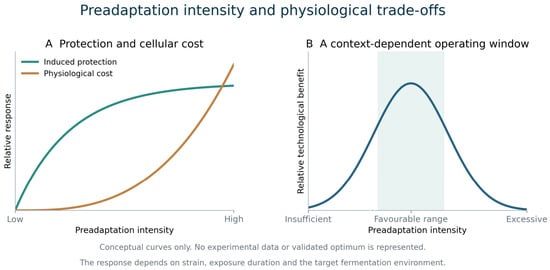
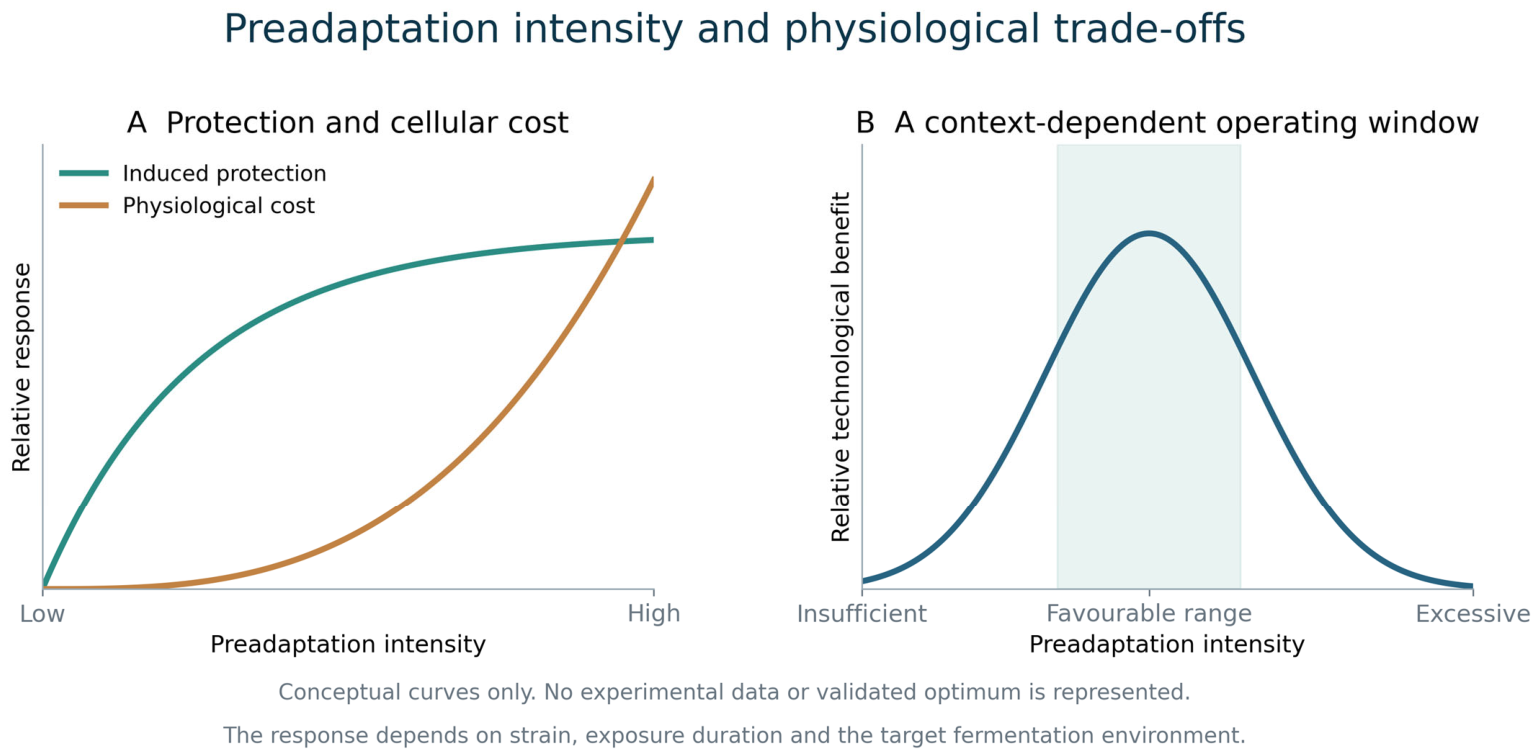
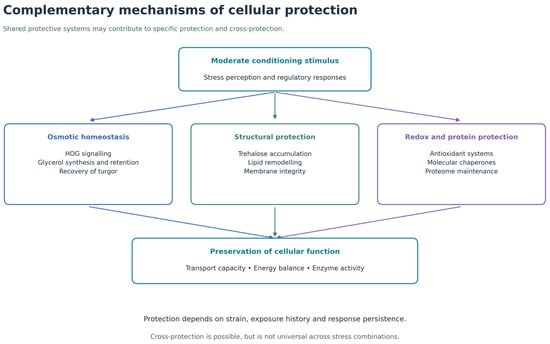
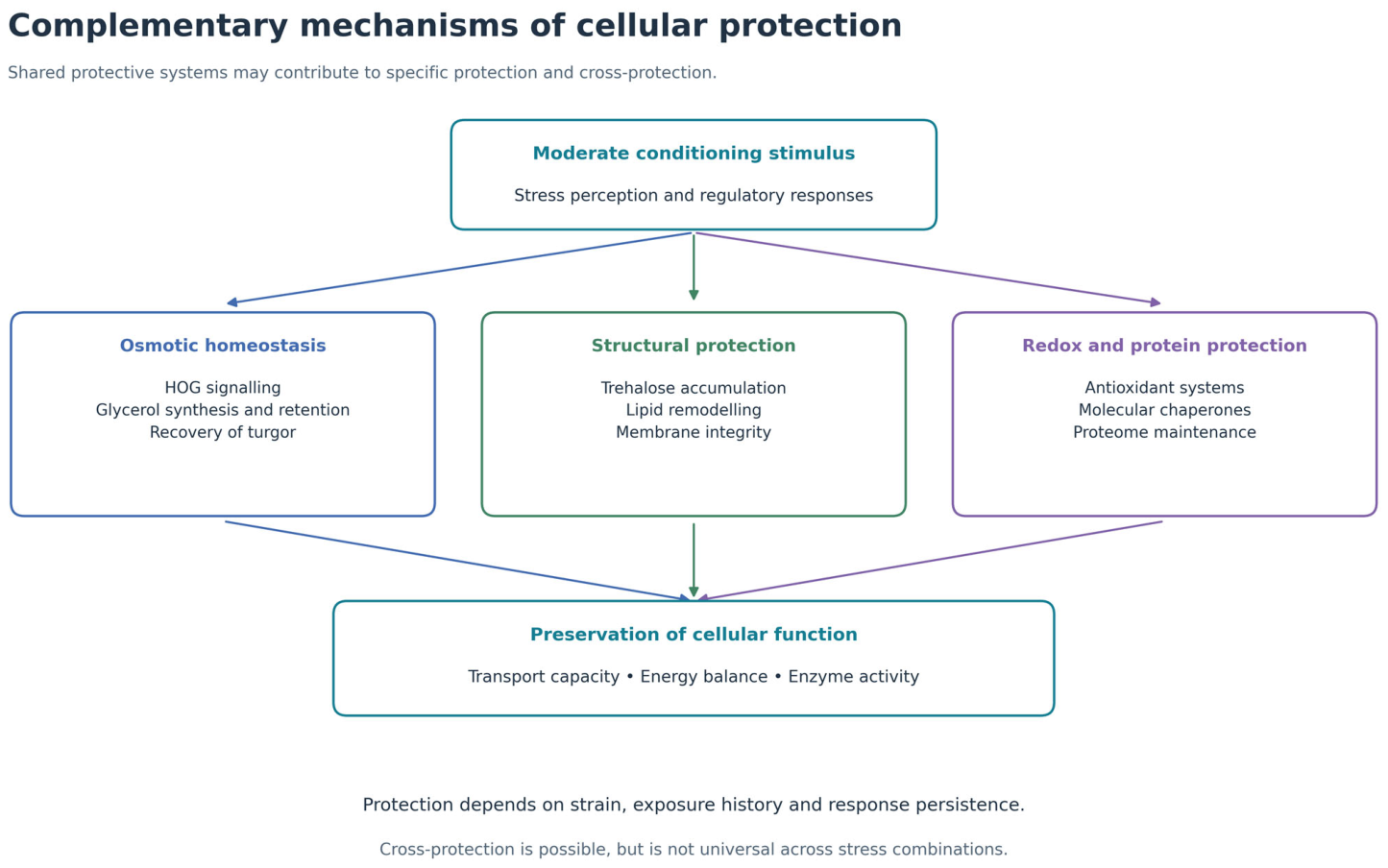
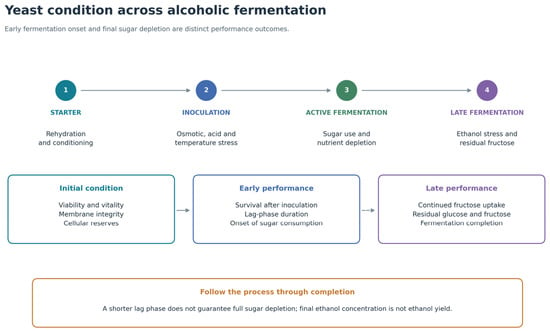
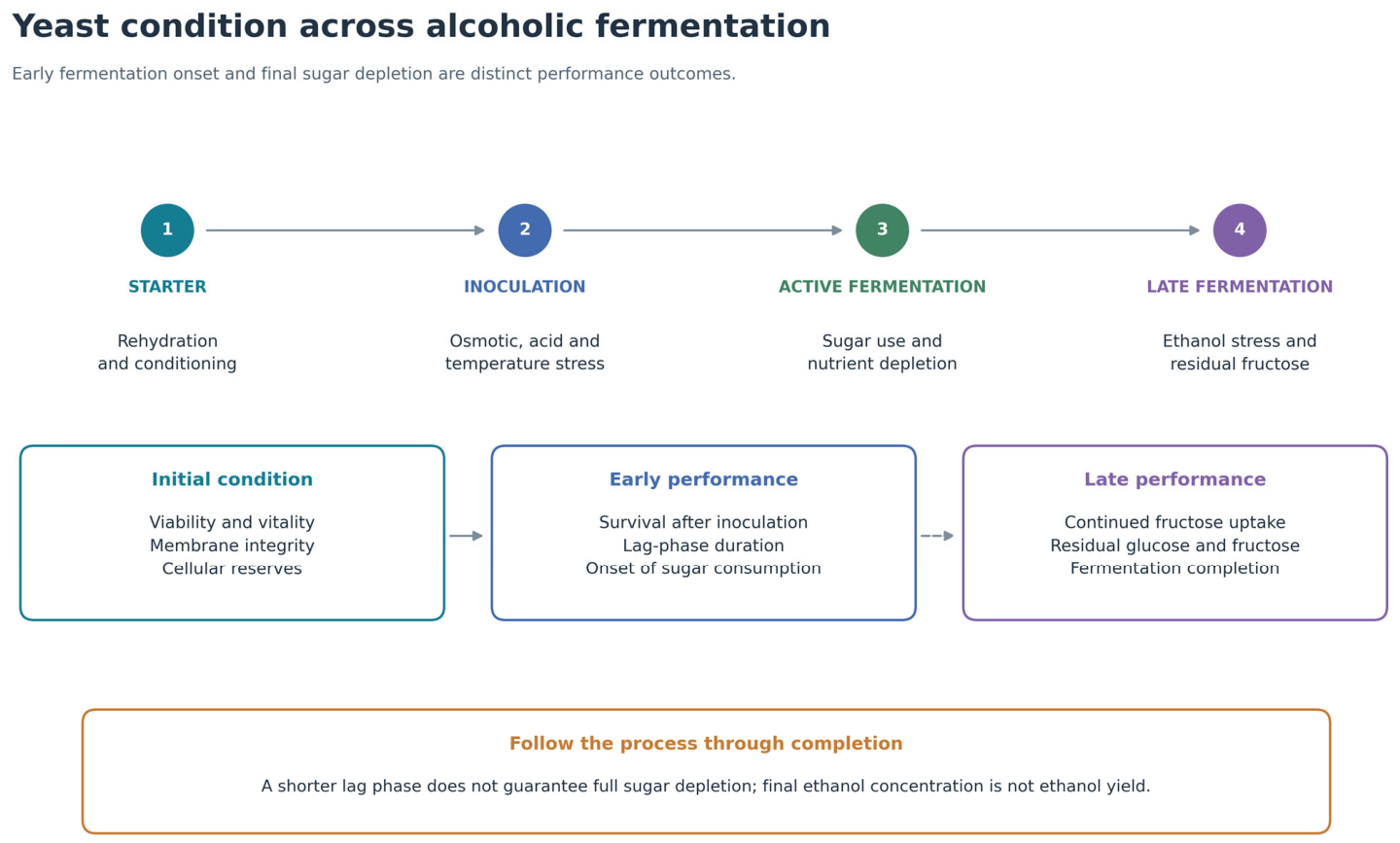
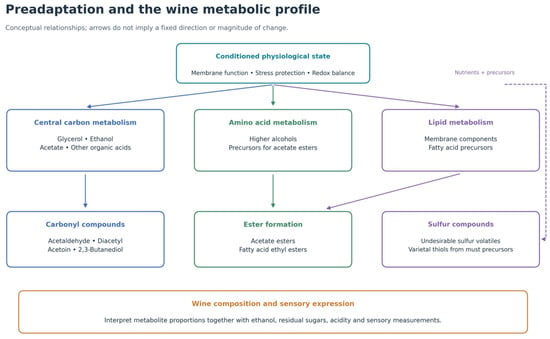
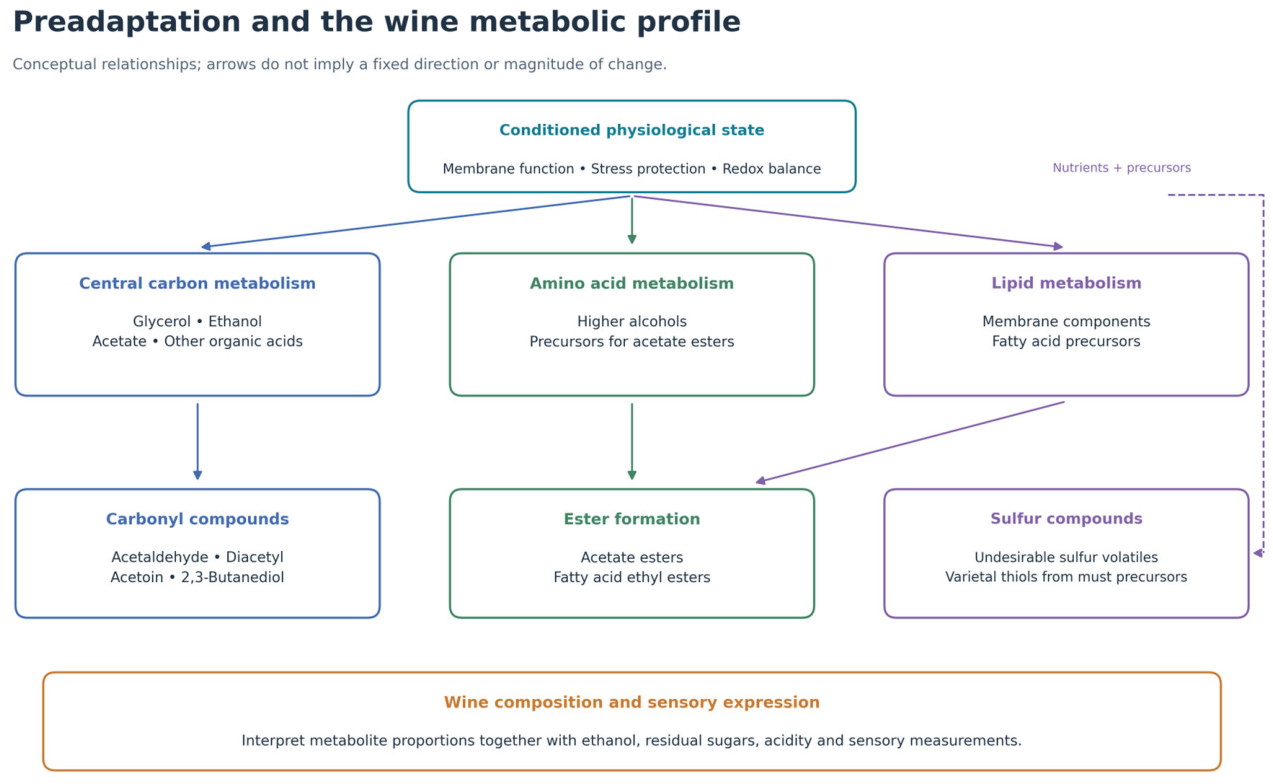

Disclaimer/Publisher’s Note: The statements, opinions and data contained in all publications are solely those of the individual author(s) and contributor(s) and not of MDPI and/or the editor(s). MDPI and/or the editor(s) disclaim responsibility for any injury to people or property resulting from any ideas, methods, instructions or products referred to in the content. |
© 2026 by the authors. Licensee MDPI, Basel, Switzerland. This article is an open access article distributed under the terms and conditions of the Creative Commons Attribution (CC BY) license.