Article

Research on Credit Default Prediction Model Based on TabNet-Stacking

1
School of Finance, Central University of Finance and Economics, Beijing 102206, China
2
RURAL CREDIT COOPERATIVE OF HEBEI, Shijiazhuang 050024, China
*
Author to whom correspondence should be addressed.
Entropy 2024, 26(10), 861; https://doi.org/10.3390/e26100861
Submission received: 23 September 2024 / Revised: 9 October 2024 / Accepted: 11 October 2024 / Published: 13 October 2024

Abstract

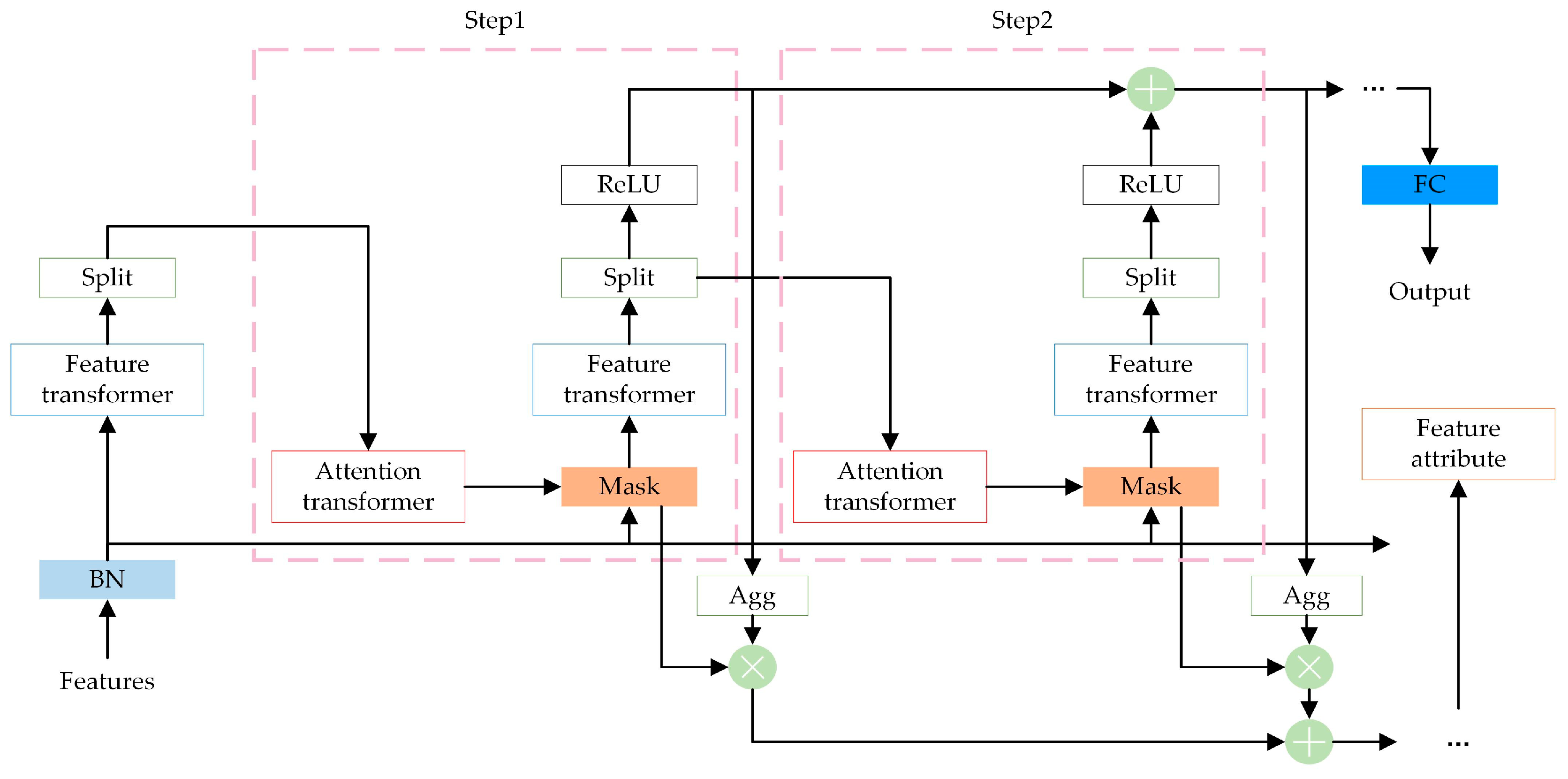
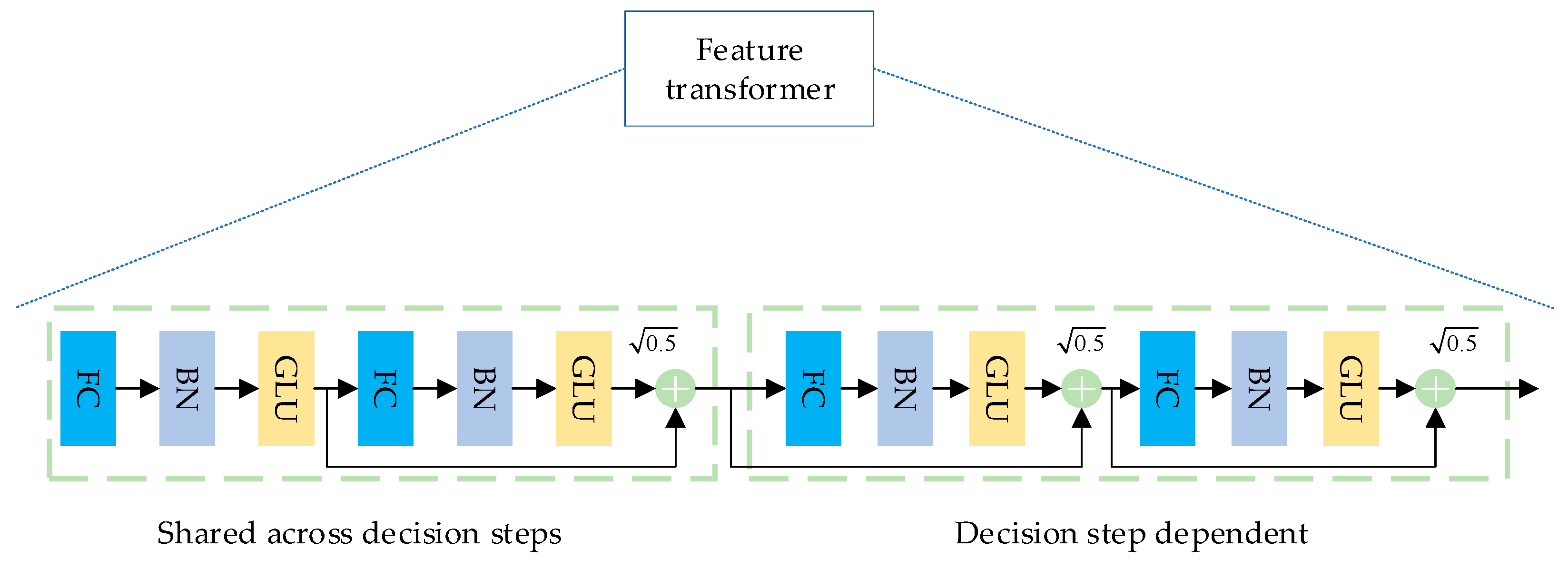
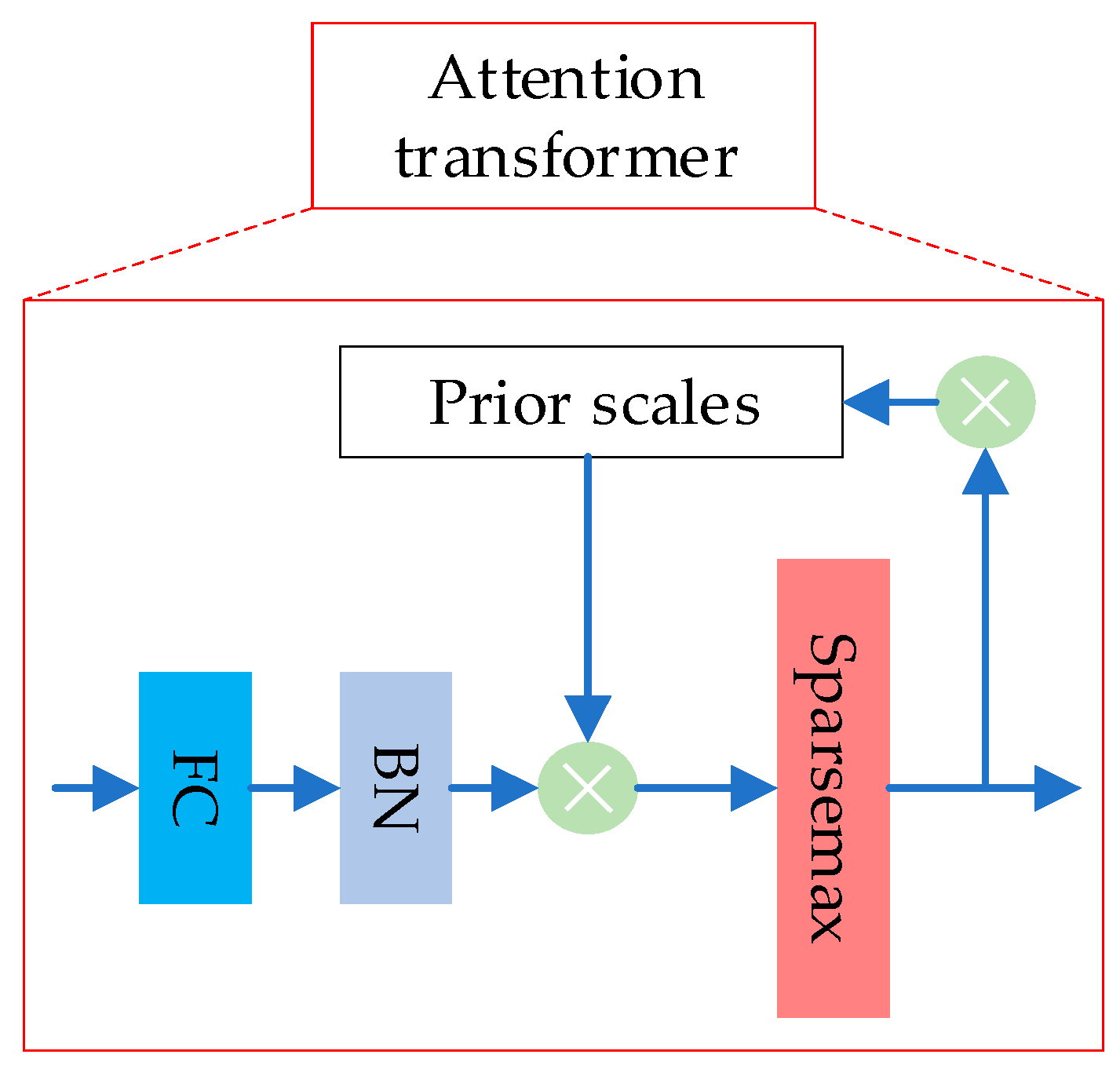
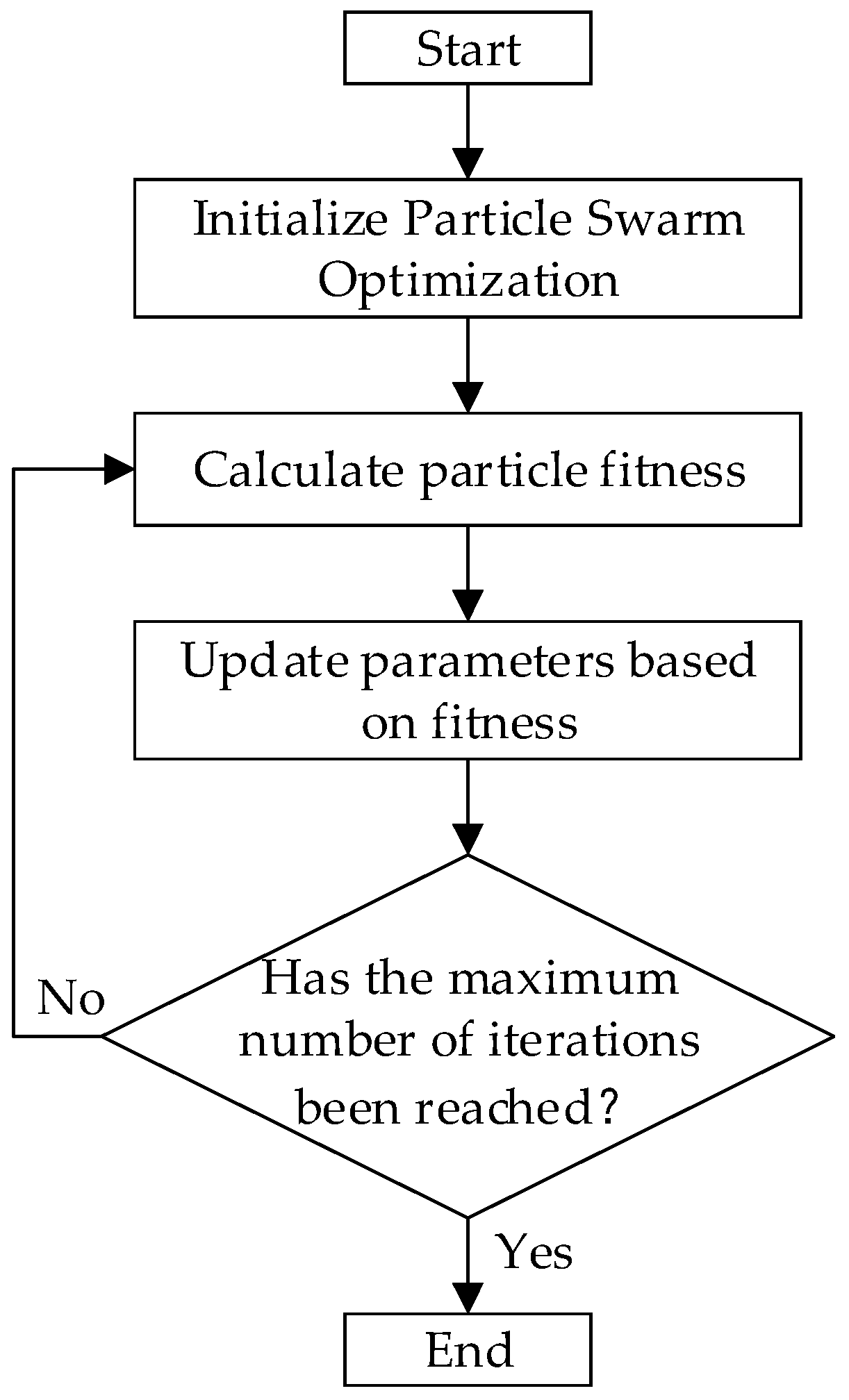
With the development of financial technology, the traditional experience-based and single-network credit default prediction model can no longer meet the current needs. This manuscript proposes a credit default prediction model based on TabNeT-Stacking. First, use the PyTorch deep learning framework to construct an improved TabNet structure. The multi-population genetic algorithm is used to optimize the Attention Transformer automatic feature selection module. The particle swarm algorithm is used to optimize the hyperparameter selection and achieve automatic parameter search. Finally, Stacking ensemble learning is used, and the improved TabNet is used to extract features. XGBoost (eXtreme Gradient Boosting), LightGBM (Light Gradient Boosting Machine), CatBoost (Category Boosting), KNN (K-NearestNeighbor), and SVM (Support Vector Machine) are selected as the first-layer base learners, and XGBoost is used as the second-layer meta-learner. The experimental results show that compared with original models, the credit default prediction model proposed in this manuscript outperforms the comparison models in terms of accuracy, precision, recall, F1 score, and AUC (Area Under the Curve) of credit default prediction results.
Keywords: TabNet; stacking; credit risk; risk control TabNet; stacking; credit risk; risk control