


Abstract
Generative artificial intelligence (GenAI) is reshaping fashion design by expanding creative possibilities and accelerating innovation. For independent designer brands, which rely on originality, distinctive aesthetics, and creative identity, GenAI offers opportunities to sustain innovation while raising concerns about authenticity and consumer trust. However, consumer responses toward AI-generated clothing (AGC) among AGC-interested young Chinese consumers remain underexplored. This study explores factors influencing their attitudes and purchase intention toward AGC. Drawing on a TPB–TCV-based integrated framework, this study develops an integrated model incorporating consumption value dimensions, perceived effort of the brand in design (PEBD), generative quality (GQ), and AI creativity (AIC). Based on 568 valid questionnaires, PLS-SEM was employed, with multi-group analysis as a supplementary analysis. The results show that attitude plays a key mediating role in explaining purchase intention. Specifically, PEBD and subjective norm significantly predict purchase intention, while PEBD also indirectly influences purchase intention through attitude. Emotional, epistemic, and social values, PEBD, GQ, and AIC significantly contribute to attitude formation, whereas only PEBD and subjective norm demonstrate significant direct effects on purchase intention. These findings provide managerial insights for independent designer brands seeking to apply GenAI while considering consumer perceptions of creativity, originality, and value in shaping AGC purchase intention.
1. Introduction
Generative artificial intelligence (GenAI) has attracted increasing attention from brands that emphasize innovation and originality due to its powerful capabilities in content generation and creative exploration. It enables designers to explore diverse design possibilities and enhance creative efficiency, providing new opportunities for brands seeking innovation and differentiation [1]. This capability is particularly relevant to independent designer brands, which, despite their limited resources and smaller operational scales, often rely on originality, distinctive aesthetics, and creative design as key sources of competitive advantage [2]. For example, Collina Strada’s use of AI-generated prints illustrates the emerging role of GenAI as a tool for creative exploration in fashion design [3].
However, with the rapid and widespread adoption of AI in the fashion industry, increasing attention has been drawn to its potential impacts on fashion brand originality, distinctiveness, and consumer acceptance [4]. For example, Selkie’s 2024 Valentine’s Day collection incorporated AI-generated motifs, which sparked consumer controversy due to criticisms regarding a perceived lack of originality and the exploitation of artists [5]. These debates suggest that consumers’ evaluations of AI-generated clothing (AGC) are influenced not only by technological capabilities but also by their perceptions of design effort, originality, and value. Therefore, understanding how consumers evaluate AGC is particularly important for independent designer brands, where creative identity and distinctive design value serve as core elements of brand positioning. In this study, AGC refers to apparel designs developed through GenAI-involved processes, where GenAI supports creative exploration, visual generation, and design development, while designers remain involved in subsequent selection, refinement, and production decisions. Therefore, AGC is conceptualized as a human–AI collaborative design outcome rather than a product solely generated by AI.
Existing studies on consumer responses to AI-generated fashion products have mainly focused on how perceived product attributes shape consumer evaluations. For example, previous research has examined the roles of perceived authenticity and product quality in evaluating AI-designed fashion products [6], as well as the influence of product innovativeness on consumers’ resistance toward AI-designed products [7]. However, these studies have provided limited insights into consumers’ purchase intentions toward AI-designed fashion products.
Although previous studies have adopted the Theory of Planned Behavior (TPB) and value-based perspectives to examine consumers’ attitudes and purchase intentions toward AI-generated fashion products, existing research has mainly been conducted in limited brand and consumption contexts. For example, one study integrated TPB with perceived value theory to investigate Chinese consumers’ purchase intentions toward AI-generated fashion products offered by premium fashion brands [5]. Other studies have adopted the Theory of Consumption Values (TCV) to examine consumer acceptance of physicalized AI-generated clothing, focusing on value dimensions and AI-related evaluation factors [4]. However, existing studies have mainly focused on luxury brands, premium brands, and small fashion retailers [5,8,9], while limited attention has been paid to AGC offered by independent designer brands. Furthermore, the mechanisms through which AI-related design attributes interact with consumer value perceptions to shape attitudes and purchase intentions toward AGC remain underexplored. In addition, although Millennials and Generation Z have been identified as important consumer groups in AI-driven fashion consumption [10,11], their attitudes and purchase intentions toward AGC offered by independent designer brands remain insufficiently examined.
Understanding consumer responses toward AI-generated clothing (AGC) requires not only explaining how purchase intentions are formed but also clarifying how consumers evaluate the multidimensional values associated with AGC. The TPB provides a useful perspective for explaining behavioral intention formation, as it emphasizes the roles of attitude and subjective norm in shaping consumers’ purchase intentions [12]. However, TPB alone provides limited insight into the value perceptions underlying consumers’ attitudes toward specific products. This limitation is particularly evident in the context of AGC, as consumer evaluations may involve not only behavioral beliefs but also value judgments related to functional, emotional, social, and epistemic dimensions. Therefore, this study integrates TPB with the TCV [13]. TCV complements TPB by capturing the multidimensional value perceptions underlying attitude formation. Specifically, this study incorporates functional, emotional, social, and epistemic values to explain how young Chinese consumers evaluate AGC offered by independent designer brands. Furthermore, because AGC is shaped by GenAI-supported design processes, this study incorporates AI-related design factors, including generative quality [14,15], AI creativity [16,17], and consumers’ perceived effort of the brand in design [5,18]. These factors help explain how consumers evaluate the technological attributes of AGC and brand-related design efforts, which are not fully represented by traditional value dimensions. Therefore, the TPB–TCV-based integrated framework adopted in this study aims to explain how behavioral factors, value perceptions, and AI-related design evaluations jointly contribute to attitude formation and purchase intention toward AGC. This framework is particularly suitable for examining AGC-interested young Chinese consumers’ evaluations of AGC offered by independent designer brands, where purchase intention is shaped by behavioral decision factors, multidimensional value perceptions, and AI-related design evaluations.
Specifically, this study addresses the following research questions: (1) how do functional, emotional, epistemic, and social values shape the attitudes of AGC-interested young Chinese consumers toward AGC offered by independent designer brands; (2) how do AI-related design and brand factors, including generative quality, AI creativity, and perceived effort of the brand in design, affect the attitudes and purchase intentions of AGC-interested young Chinese consumers toward AGC; (3) how do attitude and subjective norm contribute to purchase intention within the TPB–TCV-based integrated framework; and (4) do these relationships differ between Millennials and Generation Z consumers?
This study contributes to the literature in three ways. First, it extends research on AI-generated fashion consumption by examining how consumers evaluate AGC in the context of independent designer brands, where originality and creative identity represent important sources of brand differentiation. Second, it advances existing research by incorporating AI-related evaluation factors into a TPB–TCV-based integrated framework, thereby examining how AI-related evaluations and consumer value perceptions jointly shape attitudes and purchase intentions toward AGC offered by independent designer brands. Third, by examining AGC-interested Chinese Millennials and Generation Z consumers, this study provides supplementary evidence regarding generational consistency and potential variations in AI-generated fashion consumption. Practically, this study provides implications for independent designer brands seeking to incorporate GenAI into fashion design practices. The findings highlight the importance of communicating design effort, AI-related capabilities, and consumer value perceptions when introducing AGC products.
2. Literature Review
2.1. Theoretical Background and Research Model
The Theory of Planned Behavior (TPB), proposed by Ajzen (1991) [12], is one of the most widely applied frameworks for explaining consumer behavioral intentions. The TPB suggests that behavioral intention is jointly influenced by three psychological factors: attitude (ATT), subjective norm (SN), and perceived behavioral control (PBC). Specifically, attitude refers to an individual’s favorable or unfavorable evaluation of a behavior; subjective norm represents perceived social pressure from important referent groups; and perceived behavioral control reflects an individual’s perceived ability and available resources to perform the behavior. In this study, TPB provides the theoretical foundation for explaining consumers’ purchase intentions toward AGC offered by independent designer brands. ATT and SN are retained as the core TPB constructs, whereas PBC is not included in the proposed framework. This selection is consistent with the research focus on consumers’ attitudinal evaluation, value perception, and purchase intention toward AGC offered by independent designer brands. Moreover, previous studies have suggested that ATT and SN may play more prominent roles than PBC in hedonic and symbolic consumption contexts, including fashion consumption [19,20,21]. Therefore, this study retains ATT and SN as the core TPB constructs within a TPB-based framework to maintain theoretical parsimony and consistency with the value-based consumption context. TPB has been widely applied in the contexts of technology adoption, novel fashion concepts, and fashion consumption [22,23,24]. For example, Huang et al. [5] used TPB to investigate consumers’ cognitive attitudes and behavioral intentions toward online luxury fashion purchases. These studies highlight the applicability of TPB for understanding consumer responses toward technology-enabled fashion products.
However, TPB primarily explains behavioral intention formation through attitudinal, social, and control-related factors, while it does not explicitly account for consumers’ multidimensional value perceptions of innovative products. In the context of AGC offered by independent designer brands, consumers’ decisions may depend not only on behavioral tendencies but also on their evaluations of product-related values, including creativity, emotional experience, and social identity. Therefore, this study introduces the Theory of Consumption Values (TCV) to complement TPB by capturing consumers’ multidimensional value perceptions associated with AGC [4]. By integrating TPB with TCV, this study provides a more comprehensive framework for understanding how value perceptions contribute to attitude formation and subsequently influence purchase intention.
The TCV emphasizes that consumers’ choices are influenced by multiple dimensions of perceived value, including functional value, emotional value, social value, epistemic value, and conditional value [13,25]. These dimensions reflect consumers’ subjective evaluations of the benefits and experiences derived from product consumption [26]. Previous studies have applied TCV in various fashion and technology-related contexts, including virtual fashion [27], sustainable fashion [4], and second-hand clothing [25], highlighting the usefulness of TCV for understanding consumer responses to emerging fashion innovations. In this study, functional value, emotional value, social value, and epistemic value are incorporated to examine consumers’ value perceptions of AGC offered by independent designer brands. Functional value reflects consumers’ perceptions of the practical benefits provided by AGC, including comfort and usability. Emotional value captures the emotional experiences and affective responses elicited by AGC. Social value represents the symbolic and identity-related benefits associated with innovative fashion products. Epistemic value reflects consumers’ curiosity, knowledge acquisition, and exploratory experiences arising from novel AI-assisted fashion design [13]. In this context, epistemic value refers to consumers’ motivation to explore and learn about AI-assisted fashion experiences, rather than their evaluations of authenticity or originality. Conditional value is excluded because consumption in the context of independent designer brands is often characterized by relatively stable preferences for brand style and design identity, rather than being primarily influenced by temporary situational conditions. The exclusion of conditional value is also consistent with previous applications of TCV in fashion technology-related contexts [28].
In this study, consumption value perceptions are conceptualized as antecedents of attitude rather than direct predictors of purchase intention. This specification follows the TPB–TCV-based integrated framework, in which value perceptions contribute to attitude formation [5] and attitude subsequently influences behavioral intention [12,13]. Therefore, the four value dimensions are hypothesized to influence purchase intention indirectly through attitude. Meanwhile, a robustness analysis was conducted to examine whether incorporating alternative direct value–intention relationships would affect the stability of the proposed model.
Although TPB and TCV provide valuable explanations of behavioral intention and value perception, they may not fully capture the technology-specific attributes and brand-related evaluations associated with AI-assisted fashion design processes. Therefore, this study incorporates three AI-related constructs: generative quality, perceived effort of the brand in design (PEBD), and AI creativity. Generative quality refers to consumers’ perceptions of the quality and effectiveness of AI-generated outputs [15]. PEBD reflects consumers’ perceptions of the effort, involvement, and design investment made by brands throughout AI-assisted design processes [5]. AI creativity represents consumers’ evaluations of the creative capabilities and originality perceived in AI-generated outcomes [17]. These constructs extend the TPB–TCV-based integrated framework by incorporating AI- and brand-related evaluations that are particularly relevant to AGC consumption contexts. It should be noted that this study does not aim to replicate the complete TPB or TCV models. Instead, it develops a TPB–TCV-based framework by selecting theoretically relevant constructs from both perspectives to explain consumers’ attitudes and purchase intentions toward AGC offered by independent designer brands. Specifically, ATT and SN are retained from TPB because they capture consumers’ attitudinal evaluations and perceived social influence regarding AGC acceptance, whereas PBC is excluded because perceived behavioral constraints are considered less central in this specific consumption context, where consumers’ responses are primarily shaped by attitudinal, value-based, and social evaluations [12]. Similarly, four value dimensions of TCV are incorporated, whereas conditional value is excluded because, in the context of AGC offered by independent designer brands, acceptance is more likely to reflect consumers’ intrinsic interest, identity expression, and evaluations of design value rather than temporary situational conditions [4].
2.2. Young Chinese Consumers and GenAI in Fashion
Experiences arising from the development of information and communication technologies have shaped consumers’ value perceptions and consumption behaviors [29], and these values in turn influence their consumption beliefs [30] and purchase decision-making processes [31,32]. This study focuses on Chinese Millennials and Generation Z consumers. These two cohorts have experienced different technological and social environments, which may contribute to variations in their consumption behaviors and AI-related evaluations. Millennials experienced the transition from offline consumption settings to digital online environments and therefore may place greater emphasis on functional reliability and perceived risks when evaluating emerging technologies [32]. In contrast, Generation Z consumers have grown up in more digitally embedded environments and may demonstrate stronger preferences for novelty and convenience while also emphasizing security concerns [33]. Existing research has shown that these two generational cohorts differ in their responses to factors such as design quality, perceived value, brand image, and social influence in fashion consumption contexts [10,34,35]. At the same time, in AI-related technology adoption contexts, factors such as perceived functionality, social motives, and novelty have been shown to influence young consumers’ behavioral intentions [32,36]. However, the existing literature has paid limited attention to how generational characteristics may influence value perceptions and related antecedents in AI-driven fashion consumption. In particular, in the emerging context of AGC, generational factors may shape consumers’ value perceptions of and subsequent behavioral intentions toward such products. Therefore, these issues warrant further examination in the context of AGC consumption.
Recent studies from China and Southeast Asia further indicate that AI-powered interactive fashion applications, such as virtual try-on experiences, can enhance consumers’ experiential perceptions and shape their attitudes and purchase intentions. Emotional and functional values derived from AI-based interactions have been found to play significant roles in shaping young Chinese consumers’ behavioral responses. Meanwhile, these value-related orientations have attracted growing attention in studies examining the acceptance of AI-driven fashion technologies and products. For instance, Wang and Zhang [35] reported that effort expectancy, price value, and hedonic motivation exert positive effects on Chinese consumers’ willingness to adopt AI. Shi et al. [14] also identified key determinants influencing Chinese consumers’ purchase intentions toward AI-related products. In related research on the Southeast Asian market, Kautish et al. [37] likewise reported that hedonic and utilitarian value orientations have significant effects on satisfaction, which in turn influences Indian consumers’ online clothing purchase intentions. Collectively, these studies demonstrate the growing importance of value-based perspectives in understanding consumer responses to AI-enabled fashion applications across Asian markets. However, existing research on purchase intentions toward AI-enabled fashion products remains largely examined within Western cultural contexts [5]. The mechanisms through which different dimensions of perceived value shape young Chinese consumers’ attitudes toward AGC and subsequently influence purchase intentions remain insufficiently explored. Therefore, conducting research in the Chinese context can extend existing knowledge by addressing the limited understanding of how cultural and market-specific factors influence consumer responses in AI-driven fashion consumption. Based on the above literature review, the following section develops the corresponding hypotheses to further examine the mechanisms underlying AGC-interested young Chinese consumers’ responses to AGC offered by independent designer brands.
2.3. Hypothesis Development
2.3.1. Attitude
Attitude (ATT) refers to the degree to which an individual holds a favorable or unfavorable evaluation of a particular behavior, reflecting consumers’ overall perceptions and beliefs regarding that behavior [12]. Within the TPB, ATT is regarded as an important determinant of behavioral intention [12,38]. Previous studies have shown that, in the context of AI-enabled fashion consumption, ATT can directly influence consumers’ purchase intentions [5,39]. In the present study, attitude is defined as AGC-interested young Chinese consumers’ overall evaluation of independent designer brands’ adoption of AI-assisted design and their introduction of AGC.
In the context of GenAI, AGC-interested young Chinese consumers may develop favorable attitudes toward GenAI-assisted innovation in fashion design and consumption. Such favorable attitudes are expected to positively influence their willingness to purchase AGC offered by independent designer brands. Therefore, the following hypothesis is proposed:
H1.
Attitude has a significant positive effect on purchase intention.
2.3.2. Subjective Norm
Subjective norm (SN) refers to an individual’s perception of social pressure from important others, including family members, peers, or wider social groups, regarding whether a particular behavior should be performed [12,38]. In TPB, SN is regarded as one of the core antecedents influencing the formation of behavioral intention [12]. Existing studies have shown that SN exerts a significant positive effect on purchase intention across different contexts [23,40]. For example, Suha and Kamelia [41] showed that, in the context of luxury fashion consumption, SN significantly influences purchase intention. In this study, SN mainly focuses on the social pressures and expectations perceived by AGC-interested young Chinese consumers from important reference groups, such as relatives, friends, and fashion opinion leaders, when considering the purchase of AGC launched by independent designer brands.
Young Chinese consumers place relatively strong emphasis on peer recognition and social feedback in their fashion choices. In the context of AGC, insufficient social support may weaken consumers’ purchase intentions toward AI-generated clothing [5]. On this basis, the present study proposes the following hypothesis:
H2.
Subjective norm has a significant positive effect on purchase intention.
2.3.3. Functional Value
Functional value (FV) refers to the perceived utility that arises from the practical functions and tangible attributes of a product or service, including factors such as reliability, durability, and price appropriateness [13,42]. Within the Theory of Consumption Values, FV is considered an important determinant of consumer choice because it satisfies consumers’ practical needs through the functional attributes of products [13]. Existing studies have demonstrated the significant role of FV in predicting behavioral intentions and technology adoption intentions for technology-driven products [28,43], highlighting the importance of FV in understanding consumers’ acceptance of technology-enabled products. In this study, functional value refers to consumers’ perceptions of the practical and functional attributes of AGC offered by independent designer brands, including wearability, garment quality, and practical performance.
For AGC, FV is reflected in attributes such as comfort, wearability, and overall product reliability. Compared with traditional design processes, AGC launched by independent designer brands may generate consumer uncertainty regarding craftsmanship consistency and material quality [44]. This uncertainty may directly affect consumers’ evaluation of the core FV of the product, thereby influencing their overall attitude judgment. On this basis, the present study proposes the following hypothesis:
H3.
Functional value has a significant positive effect on attitude.
2.3.4. Social Value
Social value (SV) denotes the social benefits that consumers derive from product consumption experiences and their connections with relevant social groups [13]. In TCV, SV is regarded as an important dimension for satisfying individuals’ needs for social identity. Consumers may gain a sense of recognition and belonging by choosing products that conform to social expectations or group attributes, which may further shape positive attitudes and influence purchase behavior and purchase decisions, as suggested in prior studies [13,27]. Prior research has demonstrated that, within GenAI-related consumption settings, SV significantly and positively affects consumers’ willingness to pay [1]. In the present study, SV primarily refers to consumers’ perceptions of the social recognition, group belonging, and identity expression that may be obtained through wearing AGC offered by independent designer brands.
Given that clothing serves as an important medium through which social identity is constructed, particularly among young consumers, social evaluation plays a crucial role in the formation of purchase intention [45]. The distinctive appearance and innovative features of AGC offered by independent designer brands enable AGC-interested young Chinese consumers to express individuality and signal fashion leadership [29], thereby enhancing perceived SV. On this basis, the present study proposes the following hypothesis:
H4.
Social value has a significant positive effect on attitude.
2.3.5. Epistemic Value
Epistemic value (EPV) refers to consumers’ motivation to acquire new knowledge, satisfy curiosity, and explore novel products or technologies [13]. Within TCV, EPV is regarded as a dimension that stimulates consumers’ curiosity and desire for exploration, thereby indirectly fostering favorable attitudes, with its role being particularly salient in the context of new products [13]. Existing studies have shown that consumers’ perceptions of GenAI play a crucial role in shaping their evaluations of the innovativeness and exploratory value of emerging products. It has also been found that such cognitive satisfaction can further strengthen favorable attitudes toward these products [4]. In this study, EPV primarily refers to the extent to which independent designer brands’ use of GenAI stimulates consumers’ curiosity, facilitates knowledge acquisition, and generates exploratory interest and satisfaction during the evaluation of AGC.
When GenAI is applied to the design process of independent designer brands, its novel design procedures and distinctive aesthetic outcomes can enhance consumers’ perceptions of the exploratory value and learning experience of AGC. For AGC-interested young Chinese consumers, the technological novelty and creative exploration enabled by GenAI may stimulate curiosity and exploratory motivation, thereby contributing to more favorable attitudes toward AGC [4,46]. On this basis, the present study proposes the following hypothesis:
H5.
Epistemic value has a significant positive effect on attitude.
2.3.6. Emotional Value
Emotional value (EMV) refers to the psychological benefits that consumers perceive from a product or service [13]. In TCV, EMV is regarded as enhancing consumers’ overall evaluation of a product by eliciting positive emotional experiences, such as pleasure, pride, or emotional resonance, thereby forming a positive attitude and further influencing behavioral intentions [13]. Existing studies have confirmed that perceived emotional value can shape consumers’ evaluations of products or services and exert a positive influence on their behavioral responses [5,47]. Choi and Lee [48] further demonstrated that emotional value enhances consumers’ favorable attitudes toward AI-generated clothing. In this study, EMV primarily refers to the positive emotional experiences, including pleasure, pride, and satisfaction, that consumers perceive when interacting with AGC offered by independent designer brands.
In the context of GenAI, independent designer brands are able to create aesthetic and emotionally appealing clothing products. The uniqueness, personalization, and aesthetic creativity embodied in AGC may enhance consumers’ perceptions of EMV, while also providing opportunities for fashion expression and emotional connection. Therefore, when AGC-interested young Chinese consumers obtain positive emotional experiences through their interaction with AGC, they are more likely to form positive attitudes toward it. On this basis, the present study proposes the following hypothesis:
H6.
Emotional value has a significant positive effect on attitude.
2.3.7. AI Creativity
AI Creativity (AIC) refers to the ability of AI to generate novel and valuable content or solutions that meet the requirements of a specific domain [49]. In consumer decision-making contexts, users’ perceptions of creativity can influence their purchase intention [17]. Existing studies have found that perceived algorithmic creativity can significantly enhance consumers’ preferences for AI-related products [50]. In the Chinese context, Huang et al. [4] confirmed that consumers’ perceived algorithmic creativity constitutes a key factor driving the acceptance of AI products and can significantly strengthen behavioral intention. In the present study, AIC primarily concerns consumers’ subjective evaluations of the novelty, value, and degree of personalization reflected in designs created by independent designer brands through the use of AI.
In the context of independent designer brands’ application of GenAI, AI creativity represents an important technological attribute that may influence consumers’ evaluations of AGC. AGC-interested young Chinese consumers may perceive highly creative AI-generated designs as unique and personalized outcomes that better support fashion self-expression [51]. In this context, consumers’ perceptions of AIC may shape their overall attitudinal evaluations of AGC offered by independent designer brands and subsequently influence their purchase intentions. On this basis, the present study proposes the following hypothesis:
H7a.
AI Creativity has a significant positive effect on attitude.
H7b.
AI Creativity has a significant positive effect on purchase intention.
2.3.8. Generative Quality
Generative quality (GQ) generally refers to the perceived quality of content generated by GenAI systems. Its core characteristics include accuracy, relevance, coherence, and creativity, and it is regarded as an important antecedent influencing consumers’ perceived value and behavioral responses [14,52,53]. Shi et al. [14] found that GQ significantly influenced perceived behavioral control and subjective norms, which subsequently contributed to attitude and purchase intention toward AI-generated cultural and creative products. Such effects suggest that the quality of AI-generated outputs plays an important role in shaping consumers’ evaluations and acceptance of GenAI-related products. In this study, generative quality focuses on consumers’ overall perception of clothing generated by GenAI from independent designer brands in terms of structural rationality, style continuity, and solution usability.
In the context of GenAI, when AI-generated content is of high quality, consumers are more likely to feel satisfied with the design outcomes provided by GenAI [54], thereby enhancing their positive evaluation of the products and brand. In contrast, because AGC still involves a certain degree of uncertainty in terms of design rationality, craftsmanship feasibility, and overall reliability, GQ becomes an important basis on which consumers judge whether to accept such products. Therefore, consumers’ perceptions of GQ may influence their attitudinal evaluations of AGC and subsequently contribute to purchase intention. On this basis, the present study proposes the following hypothesis:
H8a.
Generative quality has a significant positive effect on attitude.
H8b.
Generative quality has a significant positive effect on purchase intention.
2.3.9. Perceived Effort of the Brand in Design
Perceived effort of the brand in design (PEBD) refers to consumers’ perceptions of the level of effort invested by a brand in the product design process [5]. In the consumer decision-making process, perceived effort is often viewed as an important cue for evaluating quality. The greater the effort devoted to product development and production, the more likely consumers are to perceive the product as being of superior quality [55]. Previous research has shown that perceived brand effort in design can significantly enhance consumers’ purchase intentions [5]. In the context of GenAI, when consumers perceive that independent designer brands continue to maintain designers’ involvement and professional judgment while adopting GenAI technologies to support design processes, they are more likely to develop favorable perceptions of the brand’s effort and generate positive emotional responses [56]. In this study, PEBD refers to consumers’ perceptions of the extent to which independent designer brands invest effort in preserving design quality and creative expression during the AGC design process.
However, related research has suggested that AI-dominated design processes may significantly reduce consumers’ purchase intentions [57]. Moreau et al. [58] further noted that a lower level of designer involvement in the creative process may be interpreted by consumers as a sign of insufficient brand investment in design. This indicates that, in the context of AGC offered by independent designer brands, consumers’ perceptions of brand design effort may substantially shape their overall evaluations of both the product and the brand. Therefore, PEBD may not only contribute to consumers’ attitude formation but may also influence their purchase intention. On this basis, the present study proposes the following hypothesis:
H9a.
Perceived effort of the brand in design has a significant positive effect on attitude.
H9b.
Perceived effort of the brand in design has a significant positive effect on purchase intention.
Based on the above theoretical discussions and hypotheses, the research model proposed in this study is presented in Figure 1.
Figure 1.
Proposed research model.
3. Research Design and Methodology
3.1. Questionnaire Design
This study collected data through a standardized questionnaire consisting of two main sections: respondents’ demographic information and measurement items assessing the constructs related to AGC-interested young Chinese consumers’ purchase intention toward AGC. A total of 10 constructs were included. Among these constructs, perceived effort of the brand in design (PEBD), generative quality (GQ), and AI creativity (AIC) were specifically developed to capture AI-related design evaluations, whereas the remaining seven constructs were derived from the Theory of Planned Behavior (TPB) and Theory of Consumption Values (TCV) frameworks. The measurement items for all 10 constructs were adapted from established scales validated in previous empirical studies on AI-enabled technology adoption and fashion consumption and were further modified to fit the context of AGC offered by independent designer brands.
For instance, the scale for PEBD was adapted from Huang et al. and Grewal and Stephen [5,59], the scale for GQ from Shi et al. and Ashfaq et al. [14,60], and the scale for AIC from Li et al. [16]. The scales for functional value (FV), epistemic value (EPV), emotional value (EMV), and social value (SV) were adapted from Sheth et al. and Khan and Mohsin [13,61]. The measures for attitude (ATT) and subjective norm (SN) were adopted from Rausch and Kopplin [40], while the scale for purchase intention (PI) was drawn from Sohn and Kwon [23]. Table 1 presents the full operational definitions and measurement items. The corresponding factor loadings, Cronbach’s α, composite reliability, AVE, and VIF values are reported in Table 2.
Table 1.
Measurement items.
Table 2.
Assessment of measurement model reliability and validity.
After the initial questionnaire was developed, two experts with relevant academic and professional backgrounds were invited to review the questionnaire and provide feedback for refinement. Based on their comments, key concept definitions and the wording of several measurement items were refined. Subsequently, a bilingual translation and back-translation procedure was conducted to ensure semantic consistency between the Chinese questionnaire used in the survey and the English version reported in this manuscript. Two bilingual graduate students participated in the back-translation process, and the research team compared the original English version, the Chinese version, and the back-translated version to reduce potential translation discrepancies.
3.2. Pilot Test
Given the emerging and context-specific nature of AGC offered by independent designer brands, a pilot test was conducted before the formal survey. First, five master’s students majoring in fashion design were invited to review the questionnaire to ensure that the items were clear and unambiguous. The pilot sample included 30 undergraduate and postgraduate students majoring in fashion design. The pilot study was conducted from 22 November to 9 December 2025. After removing incomplete responses, 29 valid questionnaires were retained, resulting in a valid response rate of 97%. The reliability analysis of the pilot study indicated satisfactory internal consistency across the ten constructs. Specifically, the Cronbach’s α values of the ten constructs ranged from 0.837 to 0.922, with all coefficients exceeding the recommended threshold of 0.70 [62]. These findings indicate that the adapted measurement scale demonstrated satisfactory preliminary reliability and was suitable for assessing consumer responses in the emerging context of AGC offered by independent designer brands.
3.3. Sample and Data Collection
In the formal survey, a non-probability purposive sampling approach combined with eligibility screening and quota sampling was adopted to collect valid responses from respondents who met the predefined selection criteria. The questionnaire was designed on the Credamo platform and disseminated online through AI fashion-related forums and consumer communities associated with independent designer brands, so as to reach respondents relevant to the research context. The survey was conducted from 18 December 2025 to 1 March 2026. The target respondents of this study were AGC-interested young Chinese consumers, including Millennials and Generation Z consumers, who had either purchased or expressed interest in AGC offered by independent designer brands.
The first section consisted of a description of the research context, illustrative AGC examples, and an informed consent form. A definition module was placed at the beginning of the questionnaire to clarify the concept of AGC. The definition provided in the questionnaire was consistent with the conceptual definition introduced in the Introduction, emphasizing that AGC represents a human–AI collaborative design outcome rather than a product generated entirely autonomously by AI. To further reduce potential ambiguity in respondents’ understanding, standardized AGC examples were subsequently provided in the questionnaire. Descriptions and source information for the standardized AGC examples presented to respondents are provided in the Supplementary Materials. Respondents were instructed to review these examples for 8–10 min before proceeding to the formal measurement items. The standardized example was fixed before the formal measurement items, and respondents were allowed to proceed only after confirming that they had read and understood the instructions and example. However, because the survey was conducted online, it was not possible to strictly enforce the required 8–10 min viewing time at the webpage level. Therefore, the total completion time recorded by the platform was used as an additional data-quality indicator, and responses with an excessively short completion time were excluded during the data-cleaning process.
This was followed by an electronic informed consent form, which provided respondents with a detailed explanation of the study’s content and purpose. These three introductory modules were presented at the beginning of the online questionnaire after respondents accessed the survey link. Respondents could proceed to the formal questionnaire only after confirming the option: “I have read the examples, understood all the above descriptions, and agreed with the content and purpose of this study.” The second part included screening questions. First, respondents were asked whether they had previously purchased AGC offered by independent designer brands or whether they had expressed interest in purchasing AGC offered by independent designer brands. If a respondent selected “Not interested”, the questionnaire was automatically terminated. Subsequently, respondents were asked to indicate their age group and confirm that they were at least 18 years old at the time of the survey. Only adult respondents belonging to either Generation Z or the Millennial cohort were allowed to proceed, while those under 18 years old or selecting “Other” were screened out. Through this quota sampling strategy, the study ensured that both generational cohorts reached the predetermined sample size while retaining respondents who were relevant to the research context.
The third part gathered respondents’ basic demographic information. The fourth part consisted of the formal measurement scales. These scales were developed based on the literature review and previously validated measurement instruments for assessing consumer attitudes and purchase intention. A seven-point Likert scale was employed for all items, where “1” represented “strongly disagree” and “7” represented “strongly agree”.
In addition, we added more detailed information about the incentive and data quality checks. Each respondent received a 5 RMB monetary incentive through the Credamo platform upon completion of the questionnaire. During the data collection process, the research team monitored the sample structure in real time and used quota controls to keep the proportion of Millennials and Generation Z respondents as close to 1:1 as possible. In the formal survey, a total of 586 responses were initially recorded. Subsequently, data quality checks were conducted. For completion-time screening, responses were considered to have an excessively short completion time if the total time spent on the questionnaire, including the time used to review the introductory example and complete the survey, was less than 12 min. Beyond completion-time screening, the data quality checks included interest screening, age-cohort screening, completeness checks, and duplicate-submission checks. Duplicate submissions were identified based on repeated platform account IDs and/or IP addresses recorded in the Credamo export data, and only the first complete response was retained. We also reported the number of responses removed at each step. Specifically, 4 responses were removed because respondents selected “Not interested,” 7 were removed because respondents did not belong to either the Generation Z or Millennial cohort, 3 were removed because of incomplete responses, 3 were removed because of excessively short completion time, and 1 was removed because of duplicate submission. After these screening and data quality checks, 568 valid samples were retained for the final analysis. Among the final sample, 476 respondents reported previous purchase experience with AGC products, while 92 respondents had not purchased AGC products but expressed interest in such products. All data were anonymized and handled in strict accordance with ethical standards. The final sample size was substantially larger than the minimum requirement suggested by the “10-times rule,” which is based on ten times the maximum number of structural paths directed toward the most complex endogenous construct in the model [63]. In addition to the “10-times rule,” a sensitivity power analysis was conducted using G*Power 3.1. The analysis was based on a linear multiple regression model with seven predictors, corresponding to the maximum number of predictors directed toward an endogenous construct in the proposed model. Given an alpha level of 0.05, a statistical power of 0.80, and the final sample size of 568, the analysis indicated that the sample size was sufficient to detect an effect size of approximately f2 = 0.026. Therefore, the final sample size was considered adequate for detecting small effects in the proposed model. Demographic details are reported in Table 3. Demographic variables, including gender, education level, and city tier, were collected for sample description. Approximately 60% of respondents held a bachelor’s degree or higher, and approximately 92% resided in tier-1, new tier-1, or tier-2 cities. These demographic variables were not included as control variables in the structural model because this study focuses on theoretically derived relationships among the key constructs rather than examining demographic effects. Potential generational differences between Millennials and Generation Z were examined separately through supplementary multi-group analysis. Furthermore, due to the eligibility screening criteria, the final sample represents AGC-interested young Chinese consumers who had either purchased or expressed interest in AGC offered by independent designer brands, rather than the broader population of young Chinese consumers. Therefore, these sample characteristics should be taken into consideration when assessing the generalizability of the findings.
Table 3.
Respondent demographic details.
3.4. Data Processing and Method
The collected data were preprocessed before the formal analysis, including the treatment of missing values, identification of outliers, and data cleaning procedures. Partial least squares structural equation modeling (PLS-SEM) was adopted in this study for path analysis. PLS-SEM is especially appropriate for exploratory studies, theory-building, and the analysis of relationships among variables within complex models. It has also been extensively used in consumer behavior research to examine hypothesized relationships [64,65]. Given the emerging nature of AGC in the independent designer brand context and the explanatory purpose of this study, PLS-SEM was considered appropriate for examining multiple antecedent paths and explaining variance in attitude and purchase intention. Compared with covariance-based structural equation modeling (CB-SEM), which is primarily used for testing well-established covariance structures, PLS-SEM better aligns with the exploratory and theory-extending orientation of the present study. However, the use of PLS-SEM in this study is not intended to claim out-of-sample predictive performance. The analysis was performed using SmartPLS 4.1.0. In implementing the PLS-SEM algorithm, the maximum number of iterations was specified as 3000, while the default initial weight settings were maintained. It has also been widely used in marketing and technology-adoption research to examine hypothesized relationships [66,67].
4. Data Analysis
4.1. Common Method Bias and Multicollinearity Assessment
Harman’s single-factor test was employed as an initial diagnostic assessment of common method bias (CMB) [65]. The unrotated factor analysis indicated that the first factor accounted for 33.996% of the total variance, which was well below the 50% threshold commonly applied in Harman’s single-factor test [68]. This result did not indicate a substantial single-factor problem. However, Harman’s single-factor test is only a diagnostic procedure and cannot establish the absence of CMB. Therefore, a full collinearity assessment was further conducted as an additional diagnostic check. As reported in Table 2, the full collinearity VIF values ranged from 1.318 to 2.132, with all values below the recommended threshold of 3. Together, these diagnostic results did not indicate serious common method bias; however, they should not be interpreted as establishing the complete absence of CMB. In addition, all indicator VIF values were below the threshold of 5 [67], suggesting that no serious indicator-level collinearity issues existed among the measurement items.
4.2. Reliability Assessment
Reliability analysis is an essential step in evaluating the measurement model, as it assesses the internal consistency reliability of the constructs and verifies the reliability of the measurement items. In the present study, the internal reliability of each construct was assessed using Cronbach’s α coefficient. As shown in Table 2, Cronbach’s α values for all constructs ranged from 0.829 to 0.915, exceeding the recommended minimum threshold of 0.70 [62] and thus indicating satisfactory internal consistency reliability.
4.3. Exploratory Factor Analysis
Exploratory factor analysis (EFA) was conducted in this study to preliminarily assess the latent factor structure of the measurement items. Bartlett’s test of sphericity was significant (p < 0.001), and the Kaiser–Meyer–Olkin (KMO) value was 0.918 (>0.7). These results indicate that the dataset was appropriate for factor analysis. As shown in Table 2, the 32 measurement items were subjected to factor extraction using the Varimax rotation method, resulting in the identification of 10 factors that accounted for 77.299% of the total variance. This result is consistent with the 10 dimensions specified in the theoretical model. Furthermore, the communality values for all items ranged from 0.702 to 0.859, with each value exceeding the recommended cutoff of 0.4. This suggests strong relationships between the observed items and their corresponding underlying factors.
4.4. Measurement Model Assessment
In evaluating the measurement model, this study assessed both convergent validity and discriminant validity. The assessment of convergent validity was primarily based on factor loadings, composite reliability (CR), and average variance extracted (AVE). As reported in Table 2, all measurement items exhibited factor loadings above 0.7, all CR values exceeded 0.8, and all AVE values were greater than 0.5, indicating that the recommended criteria were satisfied [65]. These results indicate that the measurement items demonstrated adequate relationships with their corresponding constructs, and the measurement model achieved satisfactory convergent validity.
Regarding discriminant validity, this study applied the criterion established by Fornell and Larcker [69]. Table 4 shows that the square root of the AVE for each construct, represented by the bold diagonal values, exceeded the corresponding correlations with all other constructs. In addition, the heterotrait–monotrait ratio (HTMT) was used to further assess discriminant validity. As shown in Table A1, the HTMT values ranged from 0.317 to 0.620, and all values were below the recommended cutoff of 0.85 [70]. These results indicate that the measurement model has satisfactory discriminant validity and is suitable for subsequent structural analysis.
Table 4.
Discriminant validity assessment based on the Fornell–Larcker criterion.
4.5. Hypothesis Testing
To evaluate the explanatory capacity and overall model fit of the structural model, this study systematically examined three key indicators: R2, Q2, and SRMR. Among them, R2 represents the proportion of variance in endogenous latent variables that can be explained by the model. As shown in Table 5, the R2 values for PI and ATT were 0.401 and 0.480, respectively. Both values exceeded Cohen’s benchmark of 0.26 for a large effect [71], indicating satisfactory explanatory power. In addition, Q2 was used to assess the model’s predictive relevance. The results showed that the Q2 values for PI and ATT were 0.352 and 0.471, respectively, both greater than zero, indicating that the model has predictive relevance [72]. These Q2 results indicate predictive relevance within the PLS-SEM assessment framework, but they do not constitute evidence of out-of-sample predictive performance. In addition, the standardized root mean square residual (SRMR) value was 0.038, which was below the recommended cutoff of 0.08 [73], indicating adequate approximate model fit.
Table 5.
Structural model assessment and hypothesis testing results.
In addition, Table 5 presents the direct effects of ATT, SN, AIC, GQ, and PEBD on PI. In terms of direct effects on PI, ATT exerted the strongest effect (β = 0.294, p < 0.001), followed by PEBD (β = 0.284, p < 0.001) and subjective norm (SN) (β = 0.198, p < 0.001). However, the results showed that the direct effects of GQ (β = 0.043, p > 0.05) and AIC (β = 0.038, p > 0.05) on PI were not significant. These findings suggest that, in the context of AGC offered by independent designer brands, consumers’ perceptions of GQ and AIC may not exert a significant direct influence on purchase intention. Instead, their effects may be primarily transmitted through attitude, as further examined in the mediation analysis.
Regarding the direct effects on ATT, PEBD (β = 0.143, p < 0.001), GQ (β = 0.119, p < 0.01), AIC (β = 0.144, p < 0.001), EMV (β = 0.156, p < 0.001), EPV (β = 0.159, p < 0.001), and SV (β = 0.249, p < 0.001) were found to significantly and positively influence ATT. Among these predictors, SV demonstrated the strongest effect on ATT. In contrast, FV (β = 0.040, p > 0.05) did not exhibit a significant effect on ATT.
In addition, the f2 effect sizes were examined to assess the relative contribution of each predictor in the structural model. The f2 values ranged from 0.002 to 0.104, indicating small to negligible effect sizes across the structural paths. Among the predictors of PI, PEBD (f2 = 0.104) and ATT (f2 = 0.089) demonstrated relatively larger effect sizes, whereas AIC (f2 = 0.002) and GQ (f2 = 0.002) showed negligible effects. For ATT, SV exhibited the largest effect size (f2 = 0.078), while FV showed a negligible effect size (f2 = 0.002).
The significance of the structural paths was assessed using 5000 bootstrap resamples. The bias-corrected 95% confidence intervals for all structural paths are reported in Table A2 to provide additional statistical evidence. The confidence interval results were consistent with the p-value results: the confidence intervals for significant paths did not include zero, whereas those for non-significant paths (i.e., AIC → PI, GQ → PI, and FV → ATT) included zero.
As shown in Table 5, nine of the twelve hypothesized relationships were supported, whereas H3, H7b, and H8b were not supported. Detailed structural model results are also presented in Figure 2.
Figure 2.
Structural equation modeling results.
4.6. Mediation Analysis
Following the recommendation of Preacher and Hayes [74], the mediating effect of attitude was assessed using a bootstrap procedure with 5000 resamples. This method does not require the data to conform to a normal distribution. The mediating effect is considered significant if the confidence interval for the specific indirect effect does not contain zero. This analysis further examines the indirect mechanism through which consumption values and AI-related factors are associated with purchase intention via attitude formation within the TPB–TCV-based integrated framework.
As shown in Table 6, ATT significantly mediated the effects of PEBD, GQ, AIC, EMV, EPV, and SV on PI, as the 95% confidence intervals for these indirect effects did not include zero. Specifically, PEBD demonstrated both a significant direct effect on PI and a significant indirect effect through ATT, indicating partial mediation. In contrast, GQ and AIC demonstrated significant indirect effects on PI through ATT, while their direct effects on PI were not significant, indicating indirect-only mediation. Similarly, in the robustness model incorporating direct paths from the four value dimensions to PI, EMV, EPV, and SV showed significant indirect effects through ATT, whereas their direct effects on PI were not significant. However, the indirect effect of FV on PI through ATT was not significant, indicating no significant indirect effect of FV on PI through ATT.
Table 6.
Results of mediation effects.
4.7. Robustness Check
To further examine the robustness of the model specification, an alternative model was estimated by adding direct paths from the four value dimensions, namely FV, SV, EPV, and EMV, to PI. As shown in Table 7, none of the additional value-to-PI paths was significant, including FV → PI (β = −0.003, p > 0.05), SV → PI (β = 0.060, p > 0.05), EPV → PI (β = −0.003, p > 0.05), and EMV → PI (β = −0.040, p > 0.05). Furthermore, in this alternative model, the results of the original significant paths remained largely unchanged. ATT continued to have a significant positive effect on PI (β = 0.286, p < 0.001), FV remained insignificant in predicting ATT (β = 0.040, p > 0.05), and SV remained the strongest predictor of ATT among the four value dimensions (β = 0.249, p < 0.001). These findings support the stability of the proposed model specification and suggest that the effects of EMV, EPV, and SV on PI are primarily captured through ATT rather than through additional direct paths. By contrast, FV demonstrated neither a significant direct effect on PI nor a significant indirect effect through ATT.
Table 7.
Robustness check with direct value-to-PI paths.
4.8. Multi-Group Analysis
To further examine the potential differences in perceptions and attitudes between Millennials and Generation Z when facing AGC offered by independent designer brands, this study conducted a multi-group analysis of the sample data from these two cohorts. First, the data for Millennials (N = 286) were coded as 1, whereas the data for Generation Z (N = 282) were coded as 2. Subsequently, measurement invariance was assessed, as establishing measurement invariance is a necessary prerequisite for conducting meaningful comparisons across groups. Based on the three-step approach proposed by Henseler et al. [75], this study assessed measurement invariance using the measurement invariance of composite models (MICOM) procedure, which includes three steps: (1) configural invariance, (2) compositional invariance, and (3) equality of composite means and variances. Since the same measurement model, indicators, data-processing procedures, and algorithm settings were applied to both groups, construct invariance was established. The MICOM results showed that all permutation p-values for the constructs in the compositional invariance assessment were greater than 0.05 across the generational subgroups. Furthermore, the permutation tests indicated that the differences in the original means and variances of all constructs fell within the corresponding confidence intervals. Therefore, full measurement invariance was established, supporting meaningful multi-group comparisons. Detailed MICOM results are provided in Table A3 and Table A4.
Subsequently, the multi-group analysis was conducted. As shown in Table 8, the results showed that generational differences in the proposed structural model were not robust. Among the twelve tested paths, the EMV → ATT path reached the conventional significance level before correction (Δβ = 0.165, uncorrected p = 0.032). However, because twelve paths were examined, a multiple-testing correction was applied. After Bonferroni correction, the adjusted p-value was 0.384, and the result was no longer statistically significant. The same conclusion was reached when considering the Benjamini–Hochberg correction. Therefore, the MGA results do not provide robust statistical evidence of generational differences between Millennials and Generation Z in the proposed model. The uncorrected EMV → ATT result is reported only as a hypothesis-generating observation and should not be interpreted as a statistically supported generational difference.
Table 8.
Multi-group analysis results.
Specifically, the effect of emotional value on attitude was stronger among Millennials (β = 0.234, p < 0.001) than among Generation Z (β = 0.069, p > 0.05); however, this difference should be interpreted cautiously given the results of multiple-testing correction. Overall, the MGA findings suggest that Millennials and Generation Z exhibit largely similar structural relationships in evaluating AGC offered by independent designer brands, with no robust generational differences identified across the proposed model.
5. Discussion and Implications
5.1. Overview of the Main Findings
The findings indicate that generative quality, perceived effort of the brand in design, and AI creativity positively influenced the attitudes of AGC-interested young Chinese consumers toward AGC offered by independent designer brands. Prior research in the broader contexts of digital fashion and AI-enabled consumption has similarly highlighted the importance of product quality, perceived design effort, and creativity-related attributes in shaping consumer responses to AI-related fashion products [5,15,16]. Extending these findings, the present study provides a more nuanced understanding by distinguishing the roles of these factors in attitude formation and purchase intention. Specifically, this study revealed that perceived effort of the brand in design positively influences purchase intention, whereas generative quality and AI creativity do not exert significant direct effects on purchase intention. These findings extend existing research by showing that generative quality and AI creativity may influence purchase intention primarily indirectly through consumers’ attitudes rather than through significant direct effects on purchase intention. The following sections further discuss these findings and their theoretical and practical implications.
This study found that emotional value, epistemic value, and social value positively influenced consumers’ attitudes toward AGC, which is consistent with previous studies grounded in the TCV model [13]. However, functional value did not demonstrate a significant effect on AGC-interested young Chinese consumers’ attitudes toward AGC offered by independent designer brands, which differs from some previous findings. Although Ru et al. [28] suggested that functional value directly influences attitude, differences in research contexts and consumer characteristics may explain the inconsistent findings observed in the present study. Therefore, this study not only provides new empirical evidence for the attitude formation mechanism of AI-driven fashion products in the Chinese context, but also extends the applicability of the TCV-based framework in explaining consumers’ evaluations of AGC offered by independent designer brands.
5.2. The Differential Effects of AI-Related Design Attributes and Brand Effort on Purchase Intention
This study found that generative quality and AI creativity did not exert significant direct effects on purchase intention, which differs from prior AI-related consumption studies reporting positive direct relationships between perceived quality, creativity-related attributes, and purchase intention [39,76]. One possible explanation is that consumers of independent designer brands tend to place greater emphasis on creative originality, stylistic distinctiveness, and the brand philosophy and narratives underlying the design process [77]. Although higher generative quality and stronger AI creativity may enhance consumers’ recognition of AI-enabled design capabilities and technological performance, these perceptions may not necessarily translate directly into purchase intention. The results further indicate that, within the TPB–TCV-based integrated framework, the effects of generative quality and AI creativity on purchase intention are primarily transmitted through the mediating role of attitude rather than through direct effects. A similar mechanism has also been observed in related consumption contexts. For example, studies on virtual product consumption have shown that creativity itself does not directly influence purchase intention; instead, it enhances consumers’ perceptions of product distinctiveness and satisfaction, thereby indirectly affecting purchase intention [17]. From this perspective, the absence of direct effects of generative quality and AI creativity does not indicate that these factors are irrelevant to consumers’ evaluations of AGC. Rather, it suggests that AGC-interested young Chinese consumers may adopt a relatively cautious evaluation process when considering AI-driven fashion products, in which AI-related attributes first shape overall attitudes before affecting purchase intention. Therefore, consumers’ purchase intentions toward AGC may reflect not only evaluations of generative quality and AI creativity, but also brand design effort, multidimensional value perceptions, attitudes, and subjective norms. Overall, these findings suggest that, within the present research context, generative quality and AI creativity primarily function as antecedents of attitude formation rather than direct predictors of purchase intention. In contrast, perceived effort of the brand in design can directly enhance purchase intention, highlighting the distinct roles of AI-related product attributes and brand-related design efforts in shaping consumer responses toward AGC offered by independent designer brands.
5.3. The Non-Significant Effect of Functional Value on Attitude
Functional value is usually regarded as a core driver of consumer choice, as it satisfies practical needs through product attributes [13]. Previous studies have indicated that functionality is an important criterion through which consumers evaluate technology-enabled fashion products and digital fashion experiences [28,43]. However, this study finds that different dimensions of perceived value play distinct roles in shaping consumers’ attitudes toward AGC. Social value, emotional value, and epistemic value each exert a significant positive influence on attitude, which subsequently has a positive effect on purchase intention. In contrast, functional value did not significantly influence attitude, suggesting that practical attributes may play a less prominent role in consumers’ evaluations of AGC offered by independent designer brands. This finding differs from some previous research, highlighting the importance of considering specific consumption contexts when examining the role of functional value.
Further analysis shows that social value, emotional value, and epistemic value indirectly influence purchase intention through attitude. In contrast to previous research findings, functional value was not found to have a significant effect on attitude. This suggests that, in the consumption context of independent designer brands, AGC-interested young Chinese consumers in this study may place relatively greater emphasis on symbolic and experiential values, while functional value may be perceived as a less salient factor influencing attitude. However, this finding should be interpreted with caution, as the non-significant effect of functional value may also be influenced by the evaluation conditions of this study, where respondents assessed AGC based on standardized examples rather than direct product experience. Therefore, although functional attributes such as wearability, comfort, and practicality remain important, they may be perceived as basic expectations rather than distinctive advantages, making them less likely to generate significant attitudinal differences among consumers.
This result may also be related to the characteristics of the study sample, which consisted of AGC-interested Chinese Millennials and Generation Z consumers. Within this specific consumption context, functional attributes may have been regarded as basic expectations rather than salient criteria for attitude formation. This interpretation should remain tentative because respondents evaluated standardized AGC examples without direct product experience. Accordingly, the findings suggest that, among AGC-interested young Chinese consumers evaluating AGC offered by independent designer brands, emotional, epistemic, and social values may play relatively more prominent roles than functional value in shaping attitudes.
5.4. Supplementary Analysis of Generational Differences
The supplementary multi-group analysis provides additional insights into whether the proposed mechanism varies across generational cohorts. Overall, the findings suggest that Millennials and Generation Z consumers exhibit largely similar patterns in evaluating AGC offered by independent designer brands. Most structural relationships remained stable across the two groups, indicating that the proposed TPB–TCV-based integrated framework has comparable explanatory relevance across these generational cohorts. Although the uncorrected MGA results indicated a potential difference in the relationship between emotional value and attitude, this difference did not remain significant after multiple-testing correction. Therefore, this finding should be interpreted as an exploratory observation rather than evidence of systematic generational variation. The absence of robust generational differences suggests that, despite differences in consumption experiences and technological backgrounds, Millennials and Generation Z may share similar evaluation mechanisms when assessing AI-generated fashion products. Future research may further examine whether emotional and symbolic values become more or less salient across generations under different AI-driven fashion consumption contexts.
5.5. Theoretical and Managerial Implications
5.5.1. Theoretical Implications
As GenAI becomes increasingly applied in fashion design, independent designer brands face new theoretical and practical challenges. They need to leverage technological innovation to shape consumers’ perceptions and purchase intentions, while maintaining originality, creative expression, and distinctive brand identity in the context of AI-assisted design. Against this background, this study investigates how AGC-interested young Chinese consumers evaluate brand design effort, AI creativity, generative quality, and multidimensional consumption values. In doing so, this study provides new insights into creative value formation in independent designer brands, particularly regarding the balance between technological innovation, originality, and consumer recognition. Accordingly, this study contributes to the literature on consumer behavior, value perception, AI, and creative design management in AI-driven fashion consumption contexts. Compared with previous studies that applied TPB and TCV perspectives and mainly focused on premium fashion brands or broader brand contexts [4,5], this study examines independent designer brands, where originality, designer identity, creative autonomy, and perceived design effort are closely associated with brand positioning. Furthermore, by incorporating AI-related design factors, including AI creativity, generative quality, and perceived effort of the brand in design, and integrating them with constructs from TPB and TCV, this study extends the theoretical framework. Therefore, building upon previous research, this study expands the research context and theoretical framework to provide a more comprehensive understanding of young Chinese consumers’ responses toward AGC offered by independent designer brands.
Through this integrated framework, the study provides evidence for the applicability of the TPB–TCV-based framework within the context of AI-generated clothing. The findings suggest that behavioral decision factors and multidimensional value perceptions help explain purchase intention among AGC-interested young Chinese consumers. Although several hypothesized relationships were not significant, these findings indicate potential boundary conditions of the proposed relationships within the AGC consumption context. Overall, this study extends the application of a TPB–TCV-based integrated framework to AI-driven fashion consumption and provides context-specific insights into the purchase intentions of young Chinese consumers who are already interested in AGC offered by independent designer brands.
Second, this study incorporates AI-related evaluation factors, including AI creativity, generative quality, and perceived effort of the brand in design, into the TPB–TCV-based integrated framework. The findings indicate that generative quality and AI creativity do not have significant direct effects on purchase intention but influence it indirectly through attitude. In contrast, perceived effort of the brand in design has both direct and indirect effects on purchase intention. This suggests that attitude plays a key mediating role by linking AI-related evaluations to purchase intention. In this way, the study offers new theoretical insights into the ways consumers perceive and evaluate these variables.
Third, this study examines AGC-interested Chinese Millennial and Generation Z consumers, with multi-group analysis (MGA) conducted as a supplementary test. The MGA results indicate that no robust generational differences were identified after considering multiple comparisons. Although an uncorrected difference was observed for the emotional value–attitude relationship, this finding should be regarded as exploratory evidence rather than systematic generational variation. Overall, Millennials and Generation Z consumers demonstrate broadly similar mechanisms in evaluating AGC.
Overall, these findings support the usefulness of a TPB–TCV-based integrated perspective for understanding how attitudinal, social, value-based, and AI-related evaluations are associated with purchase intention toward AGC in the context of independent designer brands.
5.5.2. Managerial Implications
Based on the findings, this study proposes the following recommendations for independent designer brands and fashion practitioners involved in the application of GenAI to fashion design. First, perceived effort of the brand in design has significant positive effects on both attitude and purchase intention. This indicates that AGC-interested young Chinese consumers in this study are concerned with whether brands still invest professional judgment, time costs, and creative control behind AI-based design. For independent designer brands, enabling consumers to perceive the brand’s effort in the AI-assisted design process may contribute to more favorable attitudes toward AGC. Accordingly, brands may emphasize the presentation of human–AI collaborative design processes through communication channels such as official websites, social media platforms, or brand applications. In practical terms, brands may adopt visual formats such as images, short videos, or documentary-style content to communicate design professionalism, originality, and brand involvement, such as (1) presenting comparative visuals of design sketches and AI-generated outputs to illustrate different stages of the creative process; (2) producing designer interviews or documentary-style behind-the-scenes content to communicate the design rationale and product development process; and (3) showcasing designers’ involvement in selecting, refining, and optimizing AI-generated outcomes. From a consumer decision-making standpoint, when consumers find it difficult to directly judge the professionalism and originality of AGC, perceived effort of the brand in design may serve as an important evaluative cue. Accordingly, in their key communication messages, brands should clearly emphasize that AI technology is not simply used as a cost-saving tool, but rather functions as a supportive technology integrated with human-led selection, refinement, and optimization processes. For example, brands may communicate designers’ involvement in selecting, refining, and optimizing AI-generated outcomes to demonstrate the human contribution behind AGC. Such information may help consumers better understand the brand’s involvement and design investment. Overall, by demonstrating the effort invested in the AI-assisted design process, brands may help AGC-interested consumers better understand the brand’s creative involvement and may contribute to more favorable evaluations of AGC.
Second, the results show that AI creativity and generative quality mainly influence purchase intention indirectly through their effects on consumers’ attitudes toward AGC. This indicates that the roles of these two variables are primarily reflected in consumers’ evaluations and attitude formation processes, rather than being directly translated into purchase intention. Accordingly, brands should consciously present such information at the stage of brand cognition and attitude formation. In the release of new collections involving AI participation, they can indicate the degree of AI involvement and clearly specify the respective roles of humans and machines in the collaboration; in the communication of brand stories, they can publish designer interviews to explain how designers use AI to break through established brand design routines and explore innovative forms and structures. Through these measures, brands may facilitate consumer understanding and more favorable attitudes toward AGC, highlighting AI as part of the brand’s innovation capability in design practices rather than merely a technological tool. Given that AI creativity and generative quality do not directly determine purchase intention, brands should avoid relying solely on AI-generated outputs as the primary communication focus. Instead, they should emphasize the integration of AI capabilities with design innovation, creative processes, and human involvement when presenting AGC products.
These findings further indicate that, among the AGC-interested young Chinese consumers examined in this study, social value, epistemic value, and emotional value significantly contribute to attitudes toward AGC offered by independent designer brands. By contrast, functional value did not demonstrate a significant positive effect on attitude. This finding suggests that, in the context of independent designer brands applying GenAI to fashion design, functional attributes alone may be insufficient to shape consumers’ overall evaluations of AGC. Instead, consumers may place greater emphasis on whether AGC can provide emotional experiences, stimulate curiosity and exploration, and generate social recognition. Therefore, in their design and communication strategies, brands should ensure basic product quality and usability while placing greater emphasis on enhancing consumers’ perceptions of emotional, epistemic, and social value. Regarding emotional value, brands may incorporate emotional expression and brand-related meanings into AI-assisted design concepts and communication to enhance consumers’ positive evaluations of AGC. For example, communication content can emphasize the sources of design inspiration, the stories behind the creative process, and the continuity of brand philosophy. To enhance epistemic value, brands may stimulate consumers’ curiosity by explaining how GenAI contributes to idea generation, design exploration, and refinement. To support brand social value, independent designer brands can position AGC as symbolic products that embody cultural differentiation, identity expression, and group social interaction. Specifically, brands may emphasize the symbolic meanings, cultural uniqueness, and identity-related value of AGC through appropriate communication channels. Through these strategies, brands may make social, epistemic, and emotional values more visible and accessible to consumers, thereby fostering more favorable attitudes toward AI-generated fashion products.
Furthermore, the supplementary multi-group analysis did not identify robust generational differences after considering multiple comparisons. Although the uncorrected results suggested that the relationship between emotional value and attitude may differ between Millennials and Generation Z, this finding should be interpreted only as an exploratory observation rather than as evidence supporting generation-specific strategies. Therefore, independent designer brands should avoid relying solely on generational segmentation when communicating AGC. Instead, brands should focus on the key factors supported by the overall model, including perceived effort of the brand in design, social value, emotional value, epistemic value, AI creativity, and generative quality, which collectively contribute to consumers’ evaluations of AGC. More broadly, communication strategies may emphasize designers’ involvement, the integration of human creativity with GenAI, and the value meanings embedded in AI-assisted design to help consumers perceive AGC as a human–AI collaborative creative outcome rather than merely an algorithmic product.
6. Conclusions
This study focuses on AGC-interested young Chinese consumers’ purchase intention toward AGC offered by independent designer brands and provides a context-specific examination of this emerging consumption phenomenon. Based on a TPB–TCV-based integrated framework that combines selected constructs from the Theory of Planned Behavior and the Theory of Consumption Values, while incorporating three AI-related evaluation factors, this study investigates how behavioral factors, multidimensional value perceptions, and AI-related evaluations contribute to explaining consumers’ purchase intention. The findings provide implications for understanding consumer responses toward AGC and for the management of independent designer brands.
This study highlights how AGC-interested young Chinese consumers evaluate and develop purchase intentions toward AGC offered by independent designer brands from four perspectives, including consumption value perceptions, behavioral decision factors, AI-related evaluations, and generational differences in AI-driven fashion contexts. (1) From the perspective of consumption value, emotional, epistemic, and social values were found to significantly influence consumers’ attitudes toward AGC. This indicates that consumers evaluate AGC not only based on practical attributes but also through emotional experiences, social meanings, and exploratory perceptions. When evaluating AGC, consumers may focus on whether it provides positive emotional experiences, conveys symbolic meanings, and satisfies their curiosity regarding AI-assisted fashion design. From this perspective, AGC is not merely a functional product, but also a fashion product associated with creative expression, symbolic meaning, and experiential value. By comparison, no significant effect of functional value on attitude was observed. This finding suggests that, within the context examined in this study, functional attributes such as comfort and practicality may play a relatively less prominent role in shaping consumers’ attitudes toward AGC, particularly when consumers evaluate AI-generated fashion products based on limited product information and design representations. (2) The TPB–TCV-based integrated framework indicates that attitude plays a central mediating role in linking value perceptions and AI-related evaluations to purchase intention, while subjective norm also significantly influences consumers’ purchase intention. These findings support the usefulness of the TPB–TCV-based integrated framework for understanding purchase intention toward AGC offered by independent designer brands. (3) Generative quality and AI creativity positively influenced attitude but did not directly influence purchase intention. This indicates that generative quality and AI creativity mainly serve as antecedent factors in the formation of consumer attitudes. In comparison, perceived effort of the brand in design has both direct and indirect effects on purchase intention, suggesting that brand involvement, creative investment, and human participation in the design process represent important factors associated with consumers’ purchase intention toward AGC. (4) The supplementary multi-group analysis indicated that Millennials and Generation Z exhibited largely similar structural relationships in evaluating AGC offered by independent designer brands. Although an uncorrected difference was observed in the emotional value–attitude relationship, this difference did not remain statistically significant after multiple-testing correction. Therefore, no robust generational differences were identified, and the uncorrected finding should be interpreted only as exploratory evidence.
Overall, the findings suggest that AGC-interested young Chinese consumers examined in this study evaluate AGC through a process involving attitude formation, value perceptions, and social influence. Their purchase intention appears to depend not only on technological novelty or functional attributes, but also on the combined effects of attitude evaluation, value perceptions, and social influence. These consumers appear to place greater emphasis on whether AGC can provide emotional value, epistemic value, and social value, while functional attributes may play a relatively less prominent role in shaping positive attitudes toward AGC in this context. Factors such as generative quality and AI creativity, which influence consumers’ evaluations of AI-related design attributes, function primarily as antecedents of attitude formation rather than direct predictors of purchase intention. These results provide practical insights for independent designer brands seeking to apply GenAI while considering consumer perceptions of creativity, originality, and design value.
Despite its contributions, this study has several limitations. First, the generalizability of the findings may be constrained by the sampling framework. The sample mainly consisted of Chinese Millennials and Generation Z consumers recruited from AI fashion-related forums and independent designer brand communities who had either purchased or expressed interest in AGC offered by independent designer brands. Among the 568 valid respondents, 476 had previously purchased AGC products, whereas 92 had expressed interest in AGC without prior purchase experience. This sample composition may influence consumers’ evaluations because prior AGC experience could shape their perceptions and behavioral responses. Future research should include consumers with diverse levels of AGC familiarity and purchase experience, using larger and more balanced samples to further examine the potential effects of prior AGC experience on consumer responses. In addition, the sample was characterized by relatively high educational attainment and urban concentration. Approximately 60% of participants held a bachelor’s degree or above, and approximately 92% resided in tier-1, new tier-1, or tier-2 cities. Future research should adopt broader sampling strategies involving consumers with different levels of AGC familiarity, educational backgrounds, and geographic regions. Second, this study evaluated AGC based on standardized examples rather than consumers’ direct experience with physical products. As a result, functional attributes such as comfort, fit, and practicality may have been difficult for participants to assess. This limitation may partly explain the non-significant relationship between functional value and attitude identified in this study. Future research could employ product trials or experimental approaches to further investigate the role of functional value when consumers directly interact with AGC products. Finally, this study primarily focuses on AGC consumption in the context of independent designer brands, which may limit the generalizability of the findings to other brand contexts. Future research could extend this framework by examining other brand types, such as luxury brands and fast-fashion brands, to explore how brand positioning influences consumer responses toward AGC. In addition, incorporating factors such as perceived authenticity, ethical concerns, algorithmic transparency, and the boundary between human creativity and AI assistance may provide a more comprehensive understanding of consumer responses toward AGC in AI-driven fashion contexts. Mixed-method approaches combining quantitative and qualitative research could further provide deeper insights into consumers’ evaluations and experiences related to AGC.
Although the quantitative approach adopted in this study provided empirical evidence regarding the relationships among variables, the research design also has several limitations. Since the data were collected through a cross-sectional self-reported survey, the findings should be interpreted as associations among the examined constructs rather than causal relationships. In addition, self-reported measures may be subject to potential biases, such as response bias or social desirability bias. Although Harman’s single-factor test and the full collinearity assessment did not indicate serious common method bias, these procedures are diagnostic in nature and cannot establish the complete absence of common method bias. Furthermore, this study measured purchase intention rather than actual purchase behavior. Although purchase intention represents an important indicator of consumer responses, it may not always translate into actual purchasing behavior, resulting in a potential intention–behavior gap. Future research could adopt longitudinal, experimental, or mixed-method designs and incorporate behavioral data, purchase records, product trials, or post-purchase evaluations to further examine how consumers’ attitudes and purchase intentions toward AGC develop over time and how these intentions may translate into actual purchasing behaviors.
Supplementary Materials
Supplementary Materials: The following supporting information can be downloaded at: https://www.mdpi.com/article/10.3390/jtaer21080270/s1, Text S1: Standardized AGC Examples Presented to Respondents: Description and Source Information.
Author Contributions
Conceptualization, Y.Z. and X.H.; methodology, R.C.; software, Y.Z., X.H. and D.J.; validation, R.C. and Y.Z.; formal analysis, Y.Z., D.J. and R.C.; investigation, Y.Z. and X.H.; resources, R.C.; data curation, X.H., D.J. and Y.Z.; writing—original draft preparation, Y.Z., X.H. and D.J.; writing—review and editing, R.C.; visualization, X.H. and Y.Z.; supervision, R.C.; project administration, X.H.; funding acquisition, R.C. All authors have read and agreed to the published version of the manuscript.
Funding
This research was funded by the Science and Technology Department of Zhejiang Province, China, under the 2024 Key Research and Development Program (“JianbingLingyan+X” Initiative), Project Title: Art and Virtual Technology Integrated Design: Techniques and Applications under the Background of Digital Intelligence (Grant No. 2024C01210).
Institutional Review Board Statement
This study received ethical approval from the Research Review Committee of the School of Fashion Design & Engineering at Zhejiang Sci-Tech University on 16 November 2025 (Approval No. ZSTUFDE20251116). All procedures involving human participants were conducted in accordance with the ethical standards of the institutional research committee and the 1964 Helsinki Declaration and its later amendments.
Informed Consent Statement
Informed consent was obtained from all subjects involved in the study.
Data Availability Statement
Restrictions apply to the datasets. The datasets presented in this article are not readily available because they are still being used in ongoing, unpublished research. Requests to access the datasets should be directed to the corresponding author, and reasonable access may be provided once the related studies have been completed and published.
Acknowledgments
During the manuscript revision stage, the author(s) used OpenAI ChatGPT (version 5) for the purposes of language refinement and translation. The authors have reviewed and edited the output and take full responsibility for the content of this publication.
Conflicts of Interest
The authors declare no conflicts of interest.
Appendix A
Table A1.
Heterotrait–Monotrait Ratio (HTMT) Matrix.
Table A2.
Bootstrapped confidence intervals for structural paths.
Table A3.
MICOM Step 2: Compositional invariance.
Table A4.
MICOM Step 3: Equality of composite means and variances.
References
- Sohn, K.; Sung, C.E.; Koo, G.; Kwon, O. Artificial Intelligence in the Fashion Industry: Consumer Responses to Generative Adversarial Network (GAN) Technology. Int. J. Retail Distrib. Manag. 2021, 49, 61–80. [Google Scholar] [CrossRef] [Scilit]
- Meng, M.; Lv, C.; Wu, Y.; Tang, Y. Research on the Competitiveness Evaluation System of Independent Clothing Design Brands in China. J. Silk 2024, 61, 81–88. [Google Scholar] [CrossRef]
- Collina Strada’s Baggu Collab Under Fire for AI-Generated Prints. Available online: https://nypost.com/2024/06/28/lifestyle/collina-stradas-baggu-collab-under-fire-for-ai-generated-prints/ (accessed on 18 July 2026).
- Huang, X.; Cui, Y.; Zhang, Y.; Cui, R. From Algorithm to Reality: Exploring Chinese Consumers’ Acceptance of Physicalized AI-Generated Clothing in the Context of Sustainable Fashion. Sustainability 2025, 17, 10602. [Google Scholar] [CrossRef] [Scilit]
- Huang, X.; Liu, C.; Wang, J.; Zheng, J. Exploring Chinese Millennials’ Purchase Intentions for Clothing with AI-Generated Patterns from Premium Fashion Brands: An Integration of the Theory of Planned Behavior and Perceived Value Perspective. J. Theor. Appl. Electron. Commer. Res. 2025, 20, 141. [Google Scholar] [CrossRef] [Scilit]
- Lee, G.; Kim, H.Y. Human vs. AI: The Battle for Authenticity in Fashion Design and Consumer Response. J. Retail. Consum. Serv. 2024, 77, 103690. [Google Scholar] [CrossRef] [Scilit]
- Lee, G.; Kim, J.; Kim, K.; Huh, J.Y.; Park, J. AI vs. Human Design in Fashion: Critical Role of Product Innovativeness in Shaping Consumer Attitudes. J. Fash. Mark. Manag. Int. J. 2026, 30, 390–416. [Google Scholar] [CrossRef] [Scilit]
- Park, J.; Ahn, S. Traditional vs. AI-Generated Brand Personalities: Impact on Brand Preference and Purchase Intention. J. Retail. Consum. Serv. 2024, 81, 104009. [Google Scholar] [CrossRef] [Scilit]
- Chang, H.J.; Bruess, F.; Chong, J.W. Opportunities and Challenges of Smart Technology for Small Independent Fashion Retailers: A Reflexive Thematic Analysis Using the Technology-Organization-Environment Framework. Fash. Text. 2024, 11, 26. [Google Scholar] [CrossRef] [Scilit]
- Kim, M.; Oh, H.J.; Choi, J.H.; Jung, Y. Decoding Millennials and Generation Z Consumers’ Brand Behaviors in the Metaverse: The Relationships among Avatar Identification, Self-presence, and Psychological Dynamics. J. Consum. Behav. 2025, 24, 44–57. [Google Scholar] [CrossRef] [Scilit]
- Mao, J.; Xu, X.; Han, J.; Ko, E. The Impact of Digital Fashion Marketing on Purchase Intention. Asia Pac. J. Mark. Logist. 2025, 37, 210–235. [Google Scholar] [CrossRef] [Scilit]
- Ajzen, I. The Theory of Planned Behavior. Organ. Behav. Hum. Decis. Process. 1991, 50, 179–211. [Google Scholar] [CrossRef] [Scilit]
- Sheth, J.N.; Newman, B.I.; Gross, B.L. Why We Buy What We Buy: A Theory of Consumption Values. J. Bus. Res. 1991, 22, 159–170. [Google Scholar] [CrossRef] [Scilit]
- Shi, W.; Li, L.; Zhang, Z.; Li, M.; Li, J. Research on Driving Factors of Consumer Purchase Intention of Artificial Intelligence Creative Products Based on User Behavior. Sci. Rep. 2025, 15, 17400. [Google Scholar] [CrossRef] [Scilit] [PubMed]
- Nguyen, M.; Mehrotra, A.; Malik, A.; Pandey, R. Nexus between Generative AI Engagement, Quality and Expectation Formation: An Application of Expectation–Confirmation Theory. J. Enterp. Inf. Manag. 2025, 38, 798–820. [Google Scholar] [CrossRef] [Scilit]
- Li, L.; Xin, X.; Xing, X.; Liu, Y.; Chen, L. Tailoring Success: Harnessing the Creational Affordances of Generative Artificial Intelligence to Drive Market Performance. IEEE Trans. Eng. Manag. 2025, 72, 676–688. [Google Scholar] [CrossRef] [Scilit]
- Lin, R.; Chen, Y.; Qiu, L.; Yu, Y.; Xia, F. The Influence of Interactivity, Aesthetic, Creativity and Vividness on Consumer Purchase of Virtual Clothing: The Mediating Effect of Satisfaction and Flow. Int. J. Hum.-Comput. Interact. 2025, 41, 5316–5330. [Google Scholar] [CrossRef] [Scilit]
- Bellaiche, L.; Shahi, R.; Turpin, M.H.; Ragnhildstveit, A.; Sprockett, S.; Barr, N.; Christensen, A.; Seli, P. Humans versus AI: Whether and Why We Prefer Human-Created Compared to AI-Created Artwork. Cogn. Res. Princ. Implic. 2023, 8, 42. [Google Scholar] [CrossRef] [Scilit] [PubMed]
- Harjadi, D.; Gunardi, A. Factors Affecting Eco-Friendly Purchase Intention: Subjective Norms and Ecological Consciousness as Moderators. Cogent Bus. Manag. 2022, 9, 2148334. [Google Scholar] [CrossRef] [Scilit]
- Tiwari, A.; Kumar, A.; Kant, R.; Jaiswal, D. Impact of Fashion Influencers on Consumers’ Purchase Intentions: Theory of Planned Behaviour and Mediation of Attitude. J. Fash. Mark. Manag. Int. J. 2024, 28, 209–225. [Google Scholar] [CrossRef] [Scilit]
- Jain, S.; Khan, M.N.; Mishra, S. Understanding Consumer Behavior Regarding Luxury Fashion Goods in India Based on the Theory of Planned Behavior. J. Asia Bus. Stud. 2017, 11, 4–21. [Google Scholar] [CrossRef] [Scilit]
- Suryani, H.; Irmayanti; Nurhijrah; Setialaksana, W. Empowering sustainable design through competence and self-efficacy: A TPB perspective on zero-waste fashion education in Indonesia. Int. J. Fash. Des. Technol. Educ. 2026, 19, 1–14. [Google Scholar] [CrossRef] [Scilit]
- Sohn, K.; Kwon, O. Technology Acceptance Theories and Factors Influencing Artificial Intelligence-Based Intelligent Products. Telemat. Inform. 2020, 47, 101324. [Google Scholar] [CrossRef] [Scilit]
- von der Assen, L.; Schellhaas, L. Sustainable fashion–modeling consumer perceptions and the relationship between attitudes and buying behaviors in Germany. J. Responsible Prod. Consum. 2025, 2, 400–423. [Google Scholar] [CrossRef] [Scilit]
- Koay, K.Y.; Cheah, C.W.; Lom, H.S. An Integrated Model of Consumers’ Intention to Buy Second-Hand Clothing. Int. J. Retail Distrib. Manag. 2022, 50, 1358–1377. [Google Scholar] [CrossRef] [Scilit]
- Hafez, M. Examining the Effect of Consumption Values on Mobile Banking Adoption in Bangladesh: The Moderating Role of Perceived Security. Kybernetes 2023, 52, 6232–6250. [Google Scholar] [CrossRef] [Scilit]
- Liu, T.; Tan, C.S.L.; Quintero Rodriguez, C. Virtual Consumption in Luxury Brands: Consumer Purchase Motivations of Virtual Luxury Fashion in Virtual Worlds. J. Fash. Mark. Manag. Int. J. 2025, 29, 844–862. [Google Scholar] [CrossRef] [Scilit]
- Ru, X.; Li, Z.; Shang, Q.; Liu, L.; Gong, B. Technology-Enabled Cross-Platform Disposal of Idle Clothing in Social and E-Commerce Synergy: An Integrated TPB-TCV Framework. J. Theor. Appl. Electron. Commer. Res. 2025, 20, 189. [Google Scholar] [CrossRef] [Scilit]
- ‘True Gen’: Generation Z Characteristics and Its Implications for Companies | McKinsey. Available online: https://www.mckinsey.com/industries/consumer-packaged-goods/our-insights/true-gen-generation-z-and-its-implications-for-companies (accessed on 11 December 2025).
- Bakewell, C.; Mitchell, V. Generation Y Female Consumer Decision-making Styles. Int. J. Retail Distrib. Manag. 2003, 31, 95–106. [Google Scholar] [CrossRef] [Scilit]
- Nekmahmud, M.; Ramkissoon, H.; Fekete-Farkas, M. Green Purchase and Sustainable Consumption: A Comparative Study between European and Non-European Tourists. Tour. Manag. Perspect. 2022, 43, 100980. [Google Scholar] [CrossRef] [Scilit]
- Dharmesti, M.; Dharmesti, T.R.S.; Kuhne, S.; Thaichon, P. Understanding Online Shopping Behaviours and Purchase Intentions amongst Millennials. Young Consum. 2021, 22, 152–167. [Google Scholar] [CrossRef] [Scilit]
- Dragolea, L.-L.; Butnaru, G.I.; Kot, S.; Zamfir, C.G.; Nuţă, A.-C.; Nuţă, F.-M.; Cristea, D.S.; Ştefănică, M. Determining Factors in Shaping the Sustainable Behavior of the Generation Z Consumer. Front. Environ. Sci. 2023, 11, 1096183. [Google Scholar] [CrossRef] [Scilit]
- Alsaadi, H.; Wali, A.; Fakieh, B. A Dataset Analysis of Digital Marketing’s Influence on Purchase Intentions of Millennials and Generation Z in Saudi Arabia. Data Brief 2024, 57, 111045. [Google Scholar] [CrossRef] [Scilit] [PubMed]
- Wang, Y.; Zhang, W. Factors Influencing the Adoption of Generative AI for Art Designing Among Chinese Generation Z: A Structural Equation Modeling Approach. IEEE Access 2023, 11, 143272–143284. [Google Scholar] [CrossRef] [Scilit]
- Bolesnikov, M.; Popović Stijačić, M.; Keswani, A.B.; Brkljač, N. Perception of Innovative Usage of AI in Optimizing Customer Purchasing Experience within the Sustainable Fashion Industry. Sustainability 2022, 14, 10082. [Google Scholar] [CrossRef] [Scilit]
- Kautish, P.; Guru, S.; Sinha, A. Values, Satisfaction and Intentions: Online Innovation Perspective for Fashion Apparels. Int. J. Innov. Sci. 2022, 14, 608–629. [Google Scholar] [CrossRef] [Scilit]
- Ilagan, S.M.C.; Ong, A.K.S.; German, J.D.; Gumasing, M.J.J.; Pabalan, K.M.P. Holistic Antecedent Analysis of Behavioral Intention among Green Consumers in the Philippines: A Sustainability Theory of the Planned Behavior Approach. Sustainability 2024, 16, 3894. [Google Scholar] [CrossRef] [Scilit]
- Ruiz-Viñals, C.; Pretel-Jiménez, M.; Del Olmo Arriaga, J.L.; Miró Pérez, A. The influence of artificial intelligence on generation Z’s online fashion purchase intention. J. Theor. Appl. Electron. Commer. Res. 2024, 19, 2813–2827. [Google Scholar] [CrossRef] [Scilit]
- Rausch, T.M.; Kopplin, C.S. Bridge the Gap: Consumers’ Purchase Intention and Behavior Regarding Sustainable Clothing. J. Clean. Prod. 2021, 278, 123882. [Google Scholar] [CrossRef] [Scilit]
- Suha, F.S.; Chaichi, K. Investigating causes and consequences of purchase intention of luxury fashion. Manag. Sci. Lett. 2018, 8, 1259–1272. [Google Scholar] [CrossRef] [Scilit]
- Sharma, C.; Kushwah, S. Mapping the theory of consumption values: A systematic review using the TCCM approach. J. Consum. Behav. 2025, 24, 562–610. [Google Scholar] [CrossRef] [Scilit]
- Venturini, A.; Columbano, M. ‘Fashioning’ the Metaverse: A Qualitative Study on Consumers’ Value and Perceptions of Digital Fashion in Virtual Worlds. J. Glob. Fash. Mark. 2024, 15, 6–22. [Google Scholar] [CrossRef] [Scilit]
- Ngai, E.W.T.; Lee, M.C.M.; Kei, B.C.W. A Generative Artificial Intelligence (GenAI) System for Fashion Design: A Case Study. IEEE Trans. Eng. Manag. 2025, 72, 1320–1333. [Google Scholar] [CrossRef] [Scilit]
- Zhang, N.; Liu, R.; Zhang, X.-Y.; Pang, Z.-L. The Impact of Consumer Perceived Value on Repeat Purchase Intention Based on Online Reviews: By the Method of Text Mining. Data Sci. Manag. 2021, 3, 22–32. [Google Scholar] [CrossRef] [Scilit]
- Pantano, E.; Serravalle, F.; Priporas, C.V. The form of AI-driven luxury: How generative AI (GAI) and Large Language Models (LLMs) are transforming the creative process. J. Mark. Manag. 2024, 40, 1771–1790. [Google Scholar] [CrossRef] [Scilit]
- Talwar, S.; Kaur, P.; Kumar, S.; Laroche, M.; Dhir, A. Caged, Helpless but Not Bored: Consumption Values Derived from over-the-Top Platforms during Pandemic. Inf. Technol. People 2024, 37, 422–448. [Google Scholar] [CrossRef] [Scilit]
- Choi, D.; Lee, H. AI-Designed Clothing and Perceived Values: What Can Move Consumers’ Minds with the AI-Designed Clothing? In Bridging the Divide, Proceedings of the International Textile and Apparel Association Annual Conference, Baltimore, MD, USA, 8–11 November 2023; Iowa State University Digital Press: Ames, IA, USA, 2024. [Google Scholar]
- Ramaul, L.; Ritala, P.; Ruokonen, M. Creational and Conversational AI Affordances: How the New Breed of Chatbots Is Revolutionizing Knowledge Industries. Bus. Horiz. 2024, 67, 615–627. [Google Scholar] [CrossRef] [Scilit]
- Im, H.; Lee, G. Do Consumers Always Believe Humans Create Better Boxes than AI? The Context-Dependent Role of Recommender Creativity. Int. J. Retail Distrib. Manag. 2023, 51, 1045–1060. [Google Scholar] [CrossRef] [Scilit]
- Qi, L.; Cho, M.; Ko, E. Emotional and functional values of generative AI in fashion: Effects on user satisfaction and continued use. Int. J. Hum.-Comput. Interact. 2026, 42, 7591–7608. [Google Scholar] [CrossRef] [Scilit]
- Lin, R.; Li, X.; Xia, F. The Influence of AR Virtual Clothing Design Elements on Chinese Consumers’ Purchase Intention: Novelty, Craftsmanship, Trendiness, and Sociability. Des. J. 2024, 27, 888–910. [Google Scholar] [CrossRef] [Scilit]
- Nguyen, T.; Quach, S.; Thaichon, P. The Effect of AI Quality on Customer Experience and Brand Relationship. J. Consum. Behav. 2022, 21, 481–493. [Google Scholar] [CrossRef] [Scilit]
- Li, W.; Zhang, W.; Wu, W.; Xu, J. Exploring human-machine collaboration paths in the context of AI-generation content creation: A case study in product styling design. J. Eng. Des. 2025, 36, 298–324. [Google Scholar] [CrossRef] [Scilit]
- Kruger, J.; Wirtz, D.; Van Boven, L.; Altermatt, T.W. The Effort Heuristic. J. Exp. Soc. Psychol. 2004, 40, 91–98. [Google Scholar] [CrossRef] [Scilit]
- Wang, Z.; Huang, M. How Does Human-AI Co-Creation Design Help Luxury Brands Win Consumers’ Favor? J. Consum. Behav. 2026, 25, 267–285. [Google Scholar] [CrossRef] [Scilit]
- Jin, F.; Zhang, X. Artificial Intelligence or Human: When and Why Consumers Prefer AI Recommendations. Inf. Technol. People 2025, 38, 279–303. [Google Scholar] [CrossRef] [Scilit]
- Moreau, C.P.; Prandelli, E.; Schreier, M.; Hieke, S. Customization in Luxury Brands: Can Valentino Get Personal? J. Mark. Res. 2020, 57, 937–947. [Google Scholar] [CrossRef] [Scilit]
- Grewal, L.; Stephen, A.T. In Mobile We Trust: The Effects of Mobile Versus Nonmobile Reviews on Consumer Purchase Intentions. J. Mark. Res. 2019, 56, 791–808. [Google Scholar] [CrossRef] [Scilit]
- Ashfaq, M.; Yun, J.; Yu, S.; Loureiro, S.M.C. I, Chatbot: Modeling the Determinants of Users’ Satisfaction and Continuance Intention of AI-Powered Service Agents. Telemat. Inform. 2020, 54, 101473. [Google Scholar] [CrossRef] [Scilit]
- Khan, S.N.; Mohsin, M. The Power of Emotional Value: Exploring the Effects of Values on Green Product Consumer Choice Behavior. J. Clean. Prod. 2017, 150, 65–74. [Google Scholar] [CrossRef] [Scilit]
- Hair, J.F., Jr.; Hult, G.T.M.; Ringle, C.M.; Sarstedt, M.; Danks, N.P.; Ray, S. Partial Least Squares Structural Equation Modeling (PLS-SEM) Using R: A Workbook; Springer: Cham, Switzerland, 2021. [Google Scholar]
- Hair, J.; Hollingsworth, C.L.; Randolph, A.B.; Chong, A.Y.L. An Updated and Expanded Assessment of PLS-SEM in Information Systems Research. Ind. Manag. Data Syst. 2017, 117, 442–458. [Google Scholar] [CrossRef] [Scilit]
- Hair, J.F.; Sarstedt, M.; Ringle, C.M.; Mena, J.A. An Assessment of the Use of Partial Least Squares Structural Equation Modeling in Marketing Research. J. Acad. Mark. Sci. 2012, 40, 414–433. [Google Scholar] [CrossRef] [Scilit]
- Liu, C.; Yang, L.; Dong, X.; Li, X. Factors Influencing Generative AI Usage Intention in China: Extending the Acceptance–Avoidance Framework with Perceived AI Literacy. Systems 2025, 13, 639. [Google Scholar] [CrossRef] [Scilit]
- Efron, B. Bootstrap Methods: Another Look at the Jackknife. Ann. Stat. 1979, 7, 1–26. [Google Scholar] [CrossRef] [Scilit]
- Hair, J.F.; Ringle, C.M.; Sarstedt, M. PLS-SEM: Indeed a Silver Bullet. J. Mark. Theory Pract. 2011, 19, 139–152. [Google Scholar] [CrossRef] [Scilit]
- Fuller, C.M.; Simmering, M.J.; Atinc, G.; Atinc, Y.; Babin, B.J. Common Methods Variance Detection in Business Research. J. Bus. Res. 2016, 69, 3192–3198. [Google Scholar] [CrossRef] [Scilit]
- Fornell, C.; Larcker, D.F. Evaluating Structural Equation Models with Unobservable Variables and Measurement Error. J. Mark. Res. 1981, 18, 39–50. [Google Scholar] [CrossRef] [Scilit]
- Henseler, J.; Ringle, C.M.; Sarstedt, M. A New Criterion for Assessing Discriminant Validity in Variance-Based Structural Equation Modeling. J. Acad. Mark. Sci. 2015, 43, 115–135. [Google Scholar] [CrossRef] [Scilit]
- Cohen, J. Statistical Power Analysis for the Behavioral Sciences, 2nd ed.; Routledge: New York, NY, USA, 2013. [Google Scholar]
- Henseler, J.; Ringle, C.M.; Sinkovics, R.R. The Use of Partial Least Squares Path Modeling in International Marketing. In New Challenges to International Marketing; Sinkovics, R.R., Ghauri, P.N., Eds.; Emerald Group Publishing Limited: Bingley, UK, 2009; Volume 20, pp. 277–319. [Google Scholar]
- Henseler, J.; Hubona, G.; Ray, P.A. Using PLS Path Modeling in New Technology Research: Updated Guidelines. Ind. Manag. Data Syst. 2016, 116, 2–20. [Google Scholar] [CrossRef] [Scilit]
- Preacher, K.J.; Hayes, A.F. Asymptotic and Resampling Strategies for Assessing and Comparing Indirect Effects in Multiple Mediator Models. Behav. Res. Methods 2008, 40, 879–891. [Google Scholar] [CrossRef] [Scilit] [PubMed]
- Henseler, J.; Ringle, C.M.; Sarstedt, M. Testing Measurement Invariance of Composites Using Partial Least Squares. Int. Mark. Rev. 2016, 33, 405–431. [Google Scholar] [CrossRef] [Scilit]
- Shi, M.; Guo, Q.; Li, H.; Lee, K. Understanding Purchase Intention for GenAI-Enabled Museum Cultural and Creative Products Using an SOR Model. Sci. Rep. 2026, 16, 5858. [Google Scholar] [CrossRef] [Scilit] [PubMed]
- Agrawal, D.K. Determining Behavioural Differences of Y and Z Generational Cohorts in Online Shopping. Int. J. Retail Distrib. Manag. 2022, 50, 880–895. [Google Scholar] [CrossRef] [Scilit]
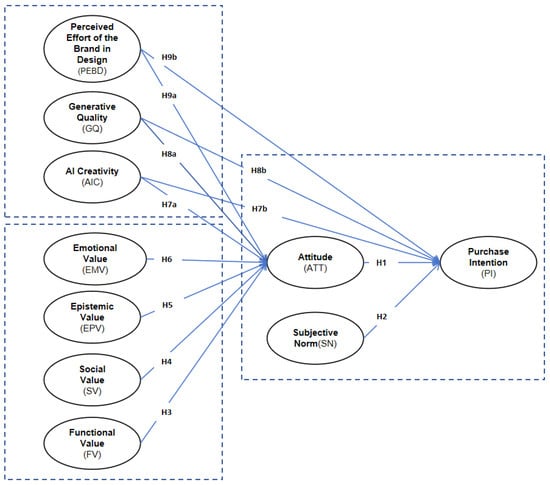
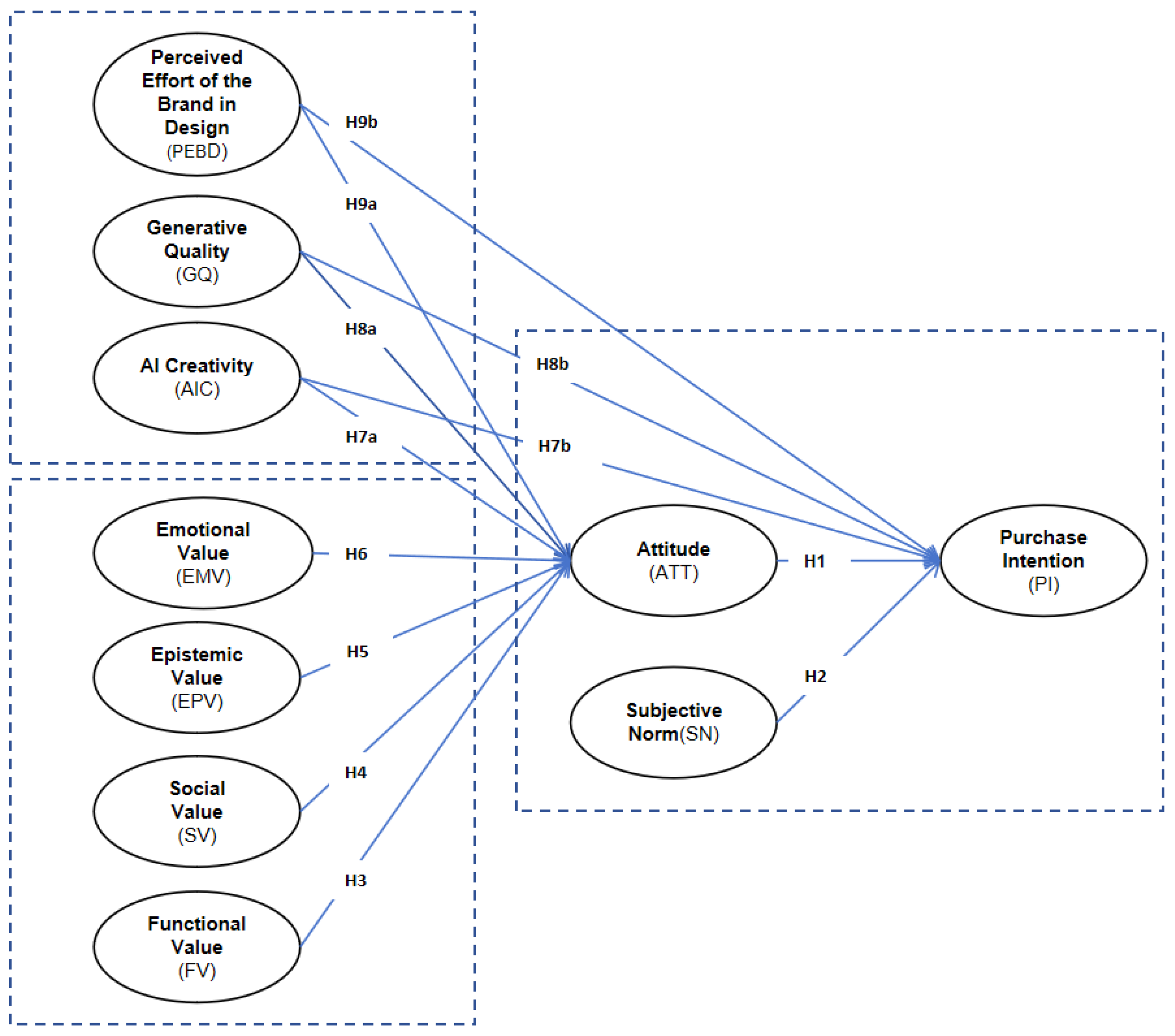
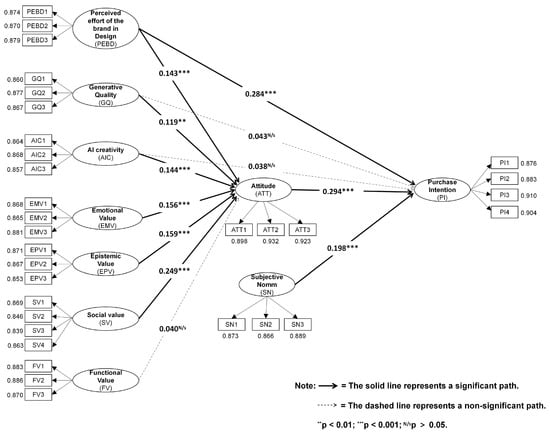
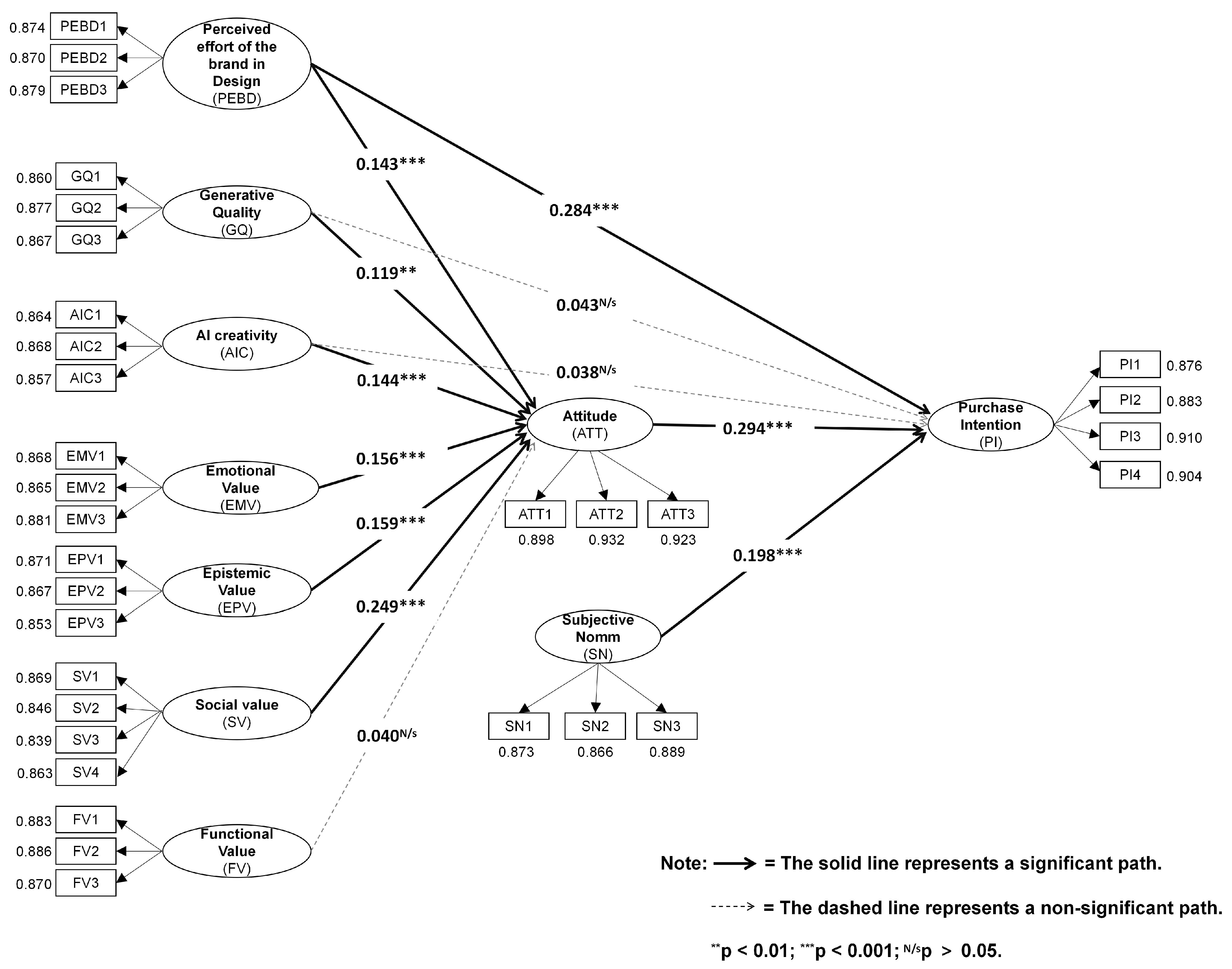

Disclaimer/Publisher’s Note: The statements, opinions and data contained in all publications are solely those of the individual author(s) and contributor(s) and not of MDPI and/or the editor(s). MDPI and/or the editor(s) disclaim responsibility for any injury to people or property resulting from any ideas, methods, instructions or products referred to in the content. |
© 2026 by the authors. Licensee MDPI, Basel, Switzerland. This article is an open access article distributed under the terms and conditions of the Creative Commons Attribution (CC BY) license.