


Abstract
Social media platforms such as X (formerly Twitter) increasingly shape attention formation, market visibility, and value signaling in electronic commerce, particularly in emerging digital asset markets such as Non-Fungible Tokens (NFTs). Prior work shows that social engagement correlates with NFT prices, suggesting its potential for valuation support. However, open social platforms exhibit heterogeneous user credibility, automated activity, and coordinated promotion, which can distort engagement-based inference. To address these challenges, we propose NFT-TRUST, a trust-aware social signal modeling framework that transforms raw engagement into credibility- and integrity-aware indicators for robust valuation support under manipulation-prone conditions. The framework integrates three components: (i) Credibility-Weighted Social Signal Aggregation (CW-SSA), (ii) Engagement Disproportionality Detection (EDD), and (iii) Integrity-Aware Signal Attenuation (IASA), which jointly reduce the influence of unreliable or manipulated signals while preserving informative engagement. Rather than estimating intrinsic NFT value from social signals alone, NFT-TRUST evaluates the reliability of social attention and converts it into trust-aware features. An XGBoost-based model is used to capture non-linear interactions among these features. Robustness is assessed through stress testing with RL-TweetGen-ST, a reinforcement learning–based synthetic tweet generator that simulates controlled engagement inflation. Experimental results show that NFT-TRUST achieves competitive predictive performance while demonstrating improved stability under simulated manipulation. Ablation analysis indicates that credibility and integrity components are complementary and jointly enhance the reliability of social-signal-based inference. Overall, this work advances trust-aware analytics in electronic commerce and supports more reliable social-driven valuation in emerging digital markets.
1. Introduction
Social media has become a central component of electronic commerce, shaping how information is disseminated, attention is allocated, and value is formed in digital markets. Platforms such as X (formerly Twitter) enable large-scale, real-time interaction among users and increasingly influence consumer behavior, investment decisions, and market outcomes. Unlike traditional market signals, social engagement is informal and narrative-driven, making it highly influential but difficult to interpret reliably for valuation-related decision support.
This influence is particularly pronounced in emerging digital asset markets, where conventional valuation anchors are limited or absent. The ecosystem of Non-Fungible Tokens (NFTs) illustrates this dynamic clearly. NFTs are blockchain-based tokens that represent unique digital items with verifiable ownership and transaction history, enabling scarcity and authenticity in digital environments [1,2,3]. NFTs have expanded rapidly across domains including digital art, collectibles, gaming assets, and virtual environments. This growth has been enabled by blockchain infrastructure and NFT marketplaces such as OpenSea [4], Rarible [5], SuperRare [6], and Foundation [7], which provide minting, listing, discovery, and secondary-market trading services.
A defining feature of NFT markets is the heterogeneity of assets and valuation drivers. NFTs may appear as profile-picture collectibles, generative art, in-game assets, metaverse land, or utility tokens, with pricing influenced by scarcity, creator reputation, provenance, and community participation [1,2,3]. This diversity creates an environment in which online narratives, social visibility, and community attention can meaningfully shape perceived value and market demand.
Within this ecosystem, X (Twitter) serves as a primary channel for discovery, promotion, and discourse, positioning social engagement as a practical proxy for market visibility and attention. Prior research has reported correlations between social media features—such as follower networks, engagement metrics, and account visibility—and NFT prices or trading activity, highlighting the potential of social signals for valuation-related decision support in electronic commerce. However, NFT markets differ substantially from established financial markets: they exhibit limited historical depth, rapidly evolving collections, volatile participation, and strong speculative dynamics. As a result, social signals play a more prominent role in valuation while simultaneously carrying higher uncertainty.
A central challenge arises from the open and adversarial nature of social platforms. Engagement on X exhibits substantial credibility heterogeneity, where activity from established accounts coexists with interactions generated by low-credibility or automated users. In this work, credibility refers to the reliability of an account as a source of informative engagement, while integrity refers to whether engagement patterns reflect organic attention rather than coordinated manipulation. These dynamics complicate the use of raw engagement signals, as they may not reliably represent genuine market interest.
Most existing approaches to NFT analytics from social media emphasize predictive performance under historical conditions and implicitly treat engagement as uniformly informative. While such models can capture correlations between attention and market outcomes, they often leave questions of credibility, integrity, and robustness unmodeled. As NFT markets mature and attract broader participation, the ability to assess not only price-related outcomes but also the trustworthiness of social-driven signals becomes increasingly important for electronic commerce applications, including pricing support, market monitoring, consumer protection, and platform governance.
The proposed framework does not claim to recover intrinsic NFT value from social media signals alone. Rather, it evaluates whether trust-adjusted social signals provide more reliable decision-support information than raw engagement metrics in manipulation-prone platform environments. In this sense, NFT-TRUST should be interpreted as a trust-aware social-information layer for valuation support, rather than as a complete model of NFT value formation.
NFT-TRUST is grounded in the premise that social engagement signals vary in reliability. Attention economics motivates the use of engagement as a proxy for visibility, signaling theory distinguishes signal magnitude from source quality, and trust-based perspectives under information asymmetry motivate the attenuation of unreliable signals. These principles are operationalized through credibility-weighted aggregation (CW-SSA), engagement disproportionality detection (EDD), and integrity-aware signal attenuation (IASA).
To address these challenges, we propose NFT-TRUST, a trust-aware social signal modeling framework for NFT valuation support. NFT-TRUST reframes social-signal-based valuation support from X (Twitter) as a credibility- and integrity-constrained inference process, rather than a direct aggregation of engagement metrics. Specifically, the framework transforms raw engagement into credibility-weighted and integrity-aware features, enabling more reliable inference in the presence of engagement manipulation and coordinated promotion.
This reframing is operationalized through three complementary components: (i) Credibility-Weighted Social Signal Aggregation (CW-SSA), which weights engagement by user credibility; (ii) Engagement Disproportionality Detection (EDD), which identifies atypical engagement patterns suggestive of coordinated promotion; and (iii) Integrity-Aware Signal Attenuation (IASA), which reduces the influence of unreliable signals while preserving informative content.
To make the theoretical grounding explicit, we map core theoretical constructs to the operational components of NFT-TRUST. Attention economics motivates the use of social engagement as a proxy for visibility, operationalized through credibility-weighted aggregation (CW-SSA). Signaling theory distinguishes between signal magnitude and signal quality, which is captured through CW-SSA (quality-aware aggregation) and engagement disproportionality detection (EDD), identifying anomalous or inflated signals. Trust and information asymmetry motivate the need to discount unreliable signals, operationalized through integrity-aware signal attenuation (IASA), which reduces the influence of low-credibility or manipulation-prone engagement. This mapping clarifies how theoretical principles directly inform model design.
Within this framework, trust is operationalized as a data-driven measure of signal reliability based on user credibility and behavioral legitimacy. It is inferred from observable user attributes and interaction patterns, enabling the distinction between credible and manipulation-prone engagement.
At the same time, social engagement on online platforms exhibits inherently non-linear dynamics, where a small number of posts receive disproportionately high attention while most attract limited interaction. Engagement may arise from both organic user behavior and coordinated amplification mechanisms, such as promotional campaigns or automated activity, which can distort observed patterns. Consequently, raw engagement signals do not consistently reflect genuine user interest.
In this context, noise refers to engagement signals that do not reflect authentic market attention, often arising from automated activity, coordinated promotion, or short-lived spikes. Such signals are typically transient and unevenly distributed, motivating the need for credibility- and integrity-aware modeling.
With respect to information persistence, social engagement signals in NFT markets are assumed to exhibit limited short-term persistence rather than long-term stability. While increases in social attention may temporarily influence asset visibility and market interest, such effects often decay rapidly due to shifting attention cycles and speculative dynamics. Accordingly, social signals are treated as dynamic and potentially transient within the proposed framework. This assumption motivates the use of credibility weighting and integrity-aware signal attenuation to mitigate the influence of short-lived or artificially amplified engagement, while preserving meaningful patterns of sustained attention.
In addition, we introduce a controlled stress-testing methodology based on synthetic engagement generation to evaluate the stability of social-signal-based inference under manipulation-prone conditions. By injecting structured perturbations into observed social data, this methodology enables systematic analysis of how credibility and integrity constraints affect inference stability in adversarial social environments.
Research Contributions
The main contributions of this study are as follows:
- 1.
- Trust-aware social-signal formulation: Social-signal-based NFT valuation support is formalized as a credibility- and integrity-constrained inference problem, advancing beyond engagement-only paradigms in electronic commerce.
- 2.
- Credibility-weighted social modeling: A credibility-aware aggregation mechanism is introduced to distinguish informative social engagement from low-credibility and opportunistic participation.
- 3.
- Engagement integrity analysis: An integrity-sensitive detection approach is developed to identify disproportionate and coordinated engagement patterns indicative of social manipulation.
- 4.
- Robustness-oriented evaluation: A manipulation-aware stress-testing methodology is established to systematically evaluate the stability of social-signal-based inference under adversarial engagement inflation.
- 5.
- Actionable trust-aware outputs: The framework delivers interpretable trust-aware features, credibility-weighted attention measures, and integrity risk indicators to support more reliable and responsible social-signal-based decision making.
The remainder of this paper is organized as follows. Section 2 reviews related literature on NFT valuation, social media analytics, and trust-aware modeling in electronic commerce. Section 3 describes the NFT-TRUST framework and its components. Section 4 outlines the experimental design and robustness evaluation. Section 5 presents the empirical results. Section 6 discusses implications for electronic commerce and digital asset markets, and Section 7 concludes the paper with directions for future research.
2. Related Work
This section reviews the literature that motivates and supports the proposed NFT-TRUST framework. We synthesize four intersecting research streams: (i) NFTs and attention signals in digital commerce, (ii) NFT valuation models and determinants, (iii) credibility and manipulation risks in NFT ecosystems, and (iv) trust-aware modeling for social-driven valuation of digital assets. Together, these themes motivate framing NFT valuation from Twitter/X as a credibility- and integrity-constrained inference task rather than a direct aggregation of engagement metrics.
2.1. NFTs and Attention Signals in Digital Commerce
Non-fungible tokens (NFTs) are unique, non-interchangeable digital assets recorded on blockchains, enabling verifiable ownership, provenance, and transferability through specialized marketplaces and platforms [1,3,8]. The rapid expansion of NFT markets, particularly during the 2021 market cycle, stimulated research on market participation, attention formation, and value signaling in NFT ecosystems [9].
Within electronic commerce, online attention plays a central role in shaping market visibility, discovery, and demand, particularly in markets characterized by novelty, experience goods, and limited objective valuation anchors. Empirical work suggests that broader crypto market conditions and public attention to NFTs are associated with NFT market momentum and hype cycles [9]. In this literature, investor attention is frequently quantified using online search and engagement proxies (e.g., Google Search volume and social engagement), which reflect public awareness and interest in NFT-related collections and themes [9]. Moreover, NFTs are organized into heterogeneous collections spanning art, gaming, collectibles, utility assets, and metaverse items, motivating category-aware analysis given the differing attention dynamics and valuation mechanisms across segments [3,10].
2.2. NFT Valuation Models and Determinants
NFT valuation has evolved from scarcity-driven heuristics to multi-factor analytic frameworks that account for asset heterogeneity and evolving marketplace mechanisms [11]. Early valuation parallels from art and collectibles are often insufficient for digitally native assets that lack traditional fundamentals, increasing reliance on scarcity, demand intensity, and subjective value signals [12]. Conceptual and historical precursors include blockchain-linked digital artifacts and early tokenization mechanisms (e.g., Colored Coins) [8].
Prior studies identify scarcity and rarity as central determinants of NFT value, alongside utility, provenance, creator reputation, and community participation [11,12]. Attention and visibility also influence pricing outcomes, as highly visible or socially endorsed NFTs are more likely to attract bids and sustain demand [11]. Methodologically, valuation research increasingly employs hedonic pricing, multi-factor models, and machine learning approaches to capture non-linear determinants and reduce biases in transaction data [11]. Overall, this stream reflects a shift toward integrated valuation strategies that combine intrinsic asset attributes with marketplace activity and attention-driven signals.
2.3. Credibility and Manipulation in NFT Ecosystems
Despite blockchain-based ownership verification, NFT markets face credibility and integrity challenges that undermine user trust. These include fraud, impersonation, and information asymmetry, which are exacerbated by the technical complexity of NFT systems and the limited ability of users to validate asset quality at scale [1,3]. NFT ecosystems are also exposed to security risks such as private key compromise and spoofing, while off-chain content tampering can weaken the reliability of token-linked digital artifacts [1,2]. Moreover, transaction transparency can introduce privacy risks through the linkability of trading histories [2].
Regulatory and ethical concerns further affect market integrity. For example, NFTs may be minted without authorization from original creators, and token ownership does not necessarily imply copyright ownership. The absence of uniform regulation and robust consumer protection mechanisms increases governance risks and enforcement challenges [3]. These issues highlight that NFT markets are vulnerable to multiple manipulation pathways and credibility distortions that can influence perceived value and market outcomes. Importantly, beyond transaction-level threats, NFT markets are also exposed to social-layer manipulation, where coordinated promotion, automated engagement, and artificial amplification distort attention signals and inflate perceived demand—an issue central to the present study.
2.4. Toward Trust-Aware Social Valuation for Digital Assets
The limitations of existing valuation methods motivate trust-aware approaches for NFT valuation. Conventional techniques such as hedonic regression can be inadequate under mispricing, selection bias, and auction dynamics, particularly when unsuccessful sales are unobserved [13]. At the same time, NFT valuation depends on both intrinsic properties (e.g., scarcity and provenance) and extrinsic social dynamics (e.g., network effects, attention, sentiment, and social proof). While these social signals influence perceived value, they remain vulnerable to credibility heterogeneity and coordinated promotion [11,14].
Structural and mechanism-aware models incorporate marketplace selling mechanisms and account for failed auctions, improving valuation transparency and reliability [13]. In parallel, holistic valuation frameworks integrate utility, provenance, scarcity, quality, liquidity, and broader cryptocurrency market conditions to improve explanatory power [12,14]. Nevertheless, a key gap remains in jointly embedding credibility and integrity constraints directly into social-driven valuation pipelines that operate under adversarial and manipulation-prone online environments.
While prior studies have examined NFT markets from perspectives such as pricing determinants, marketplace design, and social attention dynamics, a conceptual foundation linking these observations to established theories in electronic commerce remains limited. In particular, existing approaches often treat social engagement as uniformly informative without accounting for credibility heterogeneity, manipulation risk, and information asymmetry in open social platforms.
To address this gap, the next subsection situates social-driven NFT valuation within theoretical perspectives from attention economics, signaling theory, and trust-aware digital marketplaces. These theoretical foundations provide a conceptual basis for modeling social engagement as credibility-dependent attention signals. Unlike prior engagement-only or standard machine-learning approaches that treat observed social activity as uniformly informative, NFT-TRUST explicitly separates attention magnitude, source credibility, and engagement integrity within a trust-aware signal extraction pipeline.
2.5. Theoretical Foundations of Social-Driven NFT Valuation
NFT markets operate in attention-driven digital environments where visibility, narratives, and community interaction strongly influence perceived asset value. In such settings, social media engagement functions as an informational signal that shapes investor attention and market visibility. This role of social signals can be understood through established perspectives in electronic commerce and information systems research, including attention economics, signaling theory, information asymmetry, trust and reputation mechanisms, and social proof.
From the perspective of attention economics, engagement metrics such as likes, retweets, and replies represent attention allocation and can influence asset visibility and trading activity. However, such attention signals are often noisy and susceptible to artificial amplification. Signaling theory further suggests that market participants rely on observable signals to infer asset quality under incomplete information. In NFT markets, where intrinsic value is difficult to assess, social engagement can act as a market signal, but its reliability varies across users and contexts. This introduces information asymmetry, since not all signals are equally credible.
Trust and reputation mechanisms are therefore central to social-driven valuation. In digital markets, credibility signals help reduce uncertainty and improve decision-making. At the same time, social proof and herd behavior imply that highly visible engagement may influence perceived value even when such attention is manipulated or coordinated.
Building on these perspectives, NFT-TRUST conceptualizes social engagement as credibility-dependent attention signals. Rather than treating all engagement as equally informative, the framework models credibility heterogeneity and manipulation risk through credibility-weighted aggregation, engagement disproportionality detection, and integrity-aware signal attenuation. This positions NFT valuation as a trust-aware inference problem rather than a direct aggregation of raw social engagement.
Trust-aware modeling has been explored in electronic commerce contexts such as recommendation systems, reputation mechanisms, and fraud detection, demonstrating that explicitly modeling trust and credibility can improve robustness, transparency, and user confidence in algorithmic decision support systems operating under information asymmetry. However, the explicit integration of trust-aware techniques into valuation frameworks that rely primarily on social media engagement remains limited. To bridge this gap, we propose NFT-TRUST, which extends trust-aware modeling to social-driven NFT valuation derived from Twitter/X. Unlike prior engagement-based or standard machine learning approaches that treat observed social activity as uniformly informative, NFT-TRUST explicitly disentangles attention magnitude, source credibility, and engagement integrity within a trust-aware signal extraction framework. NFT-TRUST integrates credibility-weighted aggregation, engagement disproportionality analysis, and integrity-aware signal attenuation, thereby reframing valuation as a credibility- and integrity-constrained inference process. This perspective strengthens integrity-aware analytics for electronic commerce by supporting valuation decision-making and market monitoring under coordinated promotion and automated engagement.
3. Methodology
This section presents the socio-technical design of NFT-TRUST, a trust-aware framework for deriving NFT valuation signals from X (formerly Twitter). Unlike engagement-only or hedonic approaches that treat social signals as uniformly informative, NFT-TRUST explicitly incorporates credibility and integrity constraints to mitigate manipulation-prone valuation artifacts. The framework transforms raw social engagement into trust-aware valuation indicators through modular credibility weighting, integrity assessment, and signal attenuation.
3.1. System Overview and Architecture
Figure 1 illustrates the overall architecture of NFT-TRUST. The framework consists of the following stages: (i) dataset acquisition and preprocessing, (ii) NFT–tweet linkage construction, (iii) trust-aware feature engineering, (iv) Credibility-Weighted Social Signal Aggregation (CW-SSA), (v) Engagement Disproportionality Detection (EDD), (vi) Integrity-Aware Signal Attenuation (IASA), (vii) supervised valuation modeling, and (viii) robustness evaluation via adversarial stress testing. Each module is independently interpretable while jointly enforcing integrity-aware valuation. The overall trust-aware processing workflow integrating CW-SSA, EDD, and IASA is illustrated in Figure 2.
Figure 1.
Overall architecture of the proposed NFT-TRUST framework.
Figure 2.
Trust-aware processing integrating CW-SSA, EDD, and IASA.
3.2. Dataset Acquisition and Characteristics
We use the publicly available dataset introduced by Kapoor et al. [15], consisting of NFT-related activity on X referencing assets hosted on the OpenSea marketplace. The dataset contains 245,159 posts collected between 1 January 2021 and 30 March 2021, filtered by the presence of opensea.io links.
The dataset comprises 17,155 unique users, 62,997 distinct NFT assets, and 16,001 NFT collections. Each post includes engagement metadata (likes, replies), timestamps, and user-level attributes such as follower count, account age, verification status, and profile indicators.
Dataset Scope and Rationale: The dataset consists of posts containing references to NFT assets listed on OpenSea, enabling direct linkage between social engagement and identifiable assets. This design ensures consistent mapping between engagement activity and NFT-level signals, supporting controlled analysis of attention-driven valuation dynamics during a critical phase of market expansion.
Dataset Statistics: Table 1 summarizes the key statistics of the NFT-related social dataset. The data exhibit substantial heterogeneity in both user activity and NFT exposure, reflecting the highly skewed nature of social engagement on X. While most NFTs are referenced by a small number of posts, a minority receive repeated attention, motivating credibility-aware aggregation and integrity-sensitive modeling.
Table 1.
Descriptive statistics of the NFT-related X dataset.
3.3. Problem Formulation
NFT valuation from social media is formulated as a trust-aware inference problem. Given observed social engagement associated with an NFT, the objective is to infer a valuation signal that reflects genuine market interest while accounting for credibility heterogeneity and engagement manipulation. Observed NFT selling prices are used exclusively as supervised learning targets and are never included as input features, preventing information leakage.
While NFT prices are influenced by factors such as rarity traits, collection characteristics, creator reputation, and on-chain transaction dynamics, this study does not aim to estimate intrinsic NFT value. Instead, it focuses on evaluating the reliability of social attention signals as indicators of valuation in attention-driven digital markets. Structural asset attributes are typically relatively stable, whereas social engagement represents a dynamic signal that influences visibility and short-term demand. By isolating these signals, the proposed framework examines whether social engagement can be interpreted in a trust-aware manner that distinguishes credible attention from manipulation-prone activity.
3.4. Feature Engineering and Selection
Feature selection follows a principle-driven, filter-based strategy grounded in trust theory, social influence, and attention economics. Features are selected a priori to ensure interpretability, robustness under manipulation-prone engagement, and generalizability across heterogeneous NFT collections.
Three guiding principles inform feature selection:
- Theoretical relevance
- Manipulation awareness
- Algorithmic necessity
Numeric features are aggregated at the NFT level using mean, median, minimum, and maximum statistics to improve robustness under sparse and heavy-tailed engagement distributions.
Feature Categories: Selected features are organized into five categories (Table 2):
Table 2.
Feature groups, representative feature names, algorithmic usage, and roles within the NFT-TRUST framework.
- User credibility features
- Engagement metrics
- Temporal features
- Engagement distribution features
- Auxiliary identifiers (e.g., number of posts, permalinks)
Trust is operationalized through observable user and engagement attributes, including account-level credibility indicators (e.g., follower count, account age, verification status) and interaction patterns. These features serve as proxies for signal reliability, enabling the distinction between credible and manipulation-prone engagement. These indicators are organized into three categories:
- Semantic indicators: Capture the relevance and contextual alignment of user interactions with NFT-related content, reflecting the informational quality of engagement.
- Behavioral indicators: Represent user credibility and consistency based on account-level attributes, including follower count, listed count, account age, verification status, and activity level.
- Attention-intent indicators: Measure the intensity and distribution of engagement (e.g., likes, replies), capturing how user attention is expressed across different interaction types.
These indicators collectively serve as credibility proxies, enabling the framework to distinguish between reliable and manipulation-prone engagement signals. By integrating these features through credibility-weighted aggregation, the model captures both the quality and influence of social interactions, thereby improving the robustness and interpretability of trust estimation.
3.5. Credibility-Weighted Social Signal Aggregation (CW-SSA)
CW-SSA aggregates NFT-related social engagement while accounting for heterogeneity in user reliability. Since social platforms contain low-credibility or automated accounts that may artificially inflate engagement metrics, each interaction is weighted by the credibility of its author. The proposed Credibility-Weighted Social Signal Aggregation (CW-SSA) procedure is described in Algorithm 1.
| Algorithm 1 Credibility-Weighted Social Signal Aggregation (CW-SSA) |
|
For a given NFT i, let denote the set of social media posts that reference it. Each post is authored by user and is associated with an engagement vector , where , , and denote the number of likes, retweets, and quotes, respectively. These engagement components are aggregated into a scalar engagement contribution:
We use a simple additive formulation to avoid introducing additional hyperparameters.
Each author is assigned a credibility score , computed from observable account-level features, including follower count, listed count, account age, verification status, and activity level (status count). These features are commonly used proxies for account reliability and influence in social media contexts. To reduce the influence of heavy-tailed account statistics, count-based variables are log-transformed prior to normalization.
Let denote the k-th feature associated with user u. Each feature is normalized using min–max scaling based on the training split:
The credibility score is then computed as the average of the normalized features:
where K is the number of features. We adopt equal weighting across features for simplicity and interpretability; exploring feature-specific or learned weighting schemes is left for future work.
The credibility-weighted engagement signal for NFT i is defined as:
where is a small positive constant added for numerical stability.
Intuitively, represents the average engagement per credible contributor rather than a raw engagement count, emphasizing reliable participation while suppressing noise from low-credibility sources.
3.6. Engagement Disproportionality Detection (EDD)
While CW-SSA captures engagement magnitude, it does not model how engagement is distributed across posts. Engagement Disproportionality Detection (EDD) quantifies whether engagement is evenly distributed or abnormally concentrated across posts, a pattern often indicative of coordinated amplification. The Engagement Disproportionality Detection (EDD) method is described in Algorithm 2.
| Algorithm 2 Engagement Disproportionality Detection (EDD) |
|
For a given NFT i, let denote the set of engagement contributions.
The baseline engagement level is computed as:
The engagement disproportionality score is defined as:
Unlike variance-based measures, captures relative dispersion normalized by baseline engagement, enabling comparison across NFTs with different attention scales.
3.7. Integrity-Aware Signal Attenuation (IASA)
Integrity-Aware Signal Attenuation (IASA) integrates engagement strength with integrity risk by softly attenuating credibility-weighted engagement signals that exhibit abnormal distributional patterns. Algorithm 3 presents the Integrity-Aware Signal Attenuation (IASA) procedure.
| Algorithm 3 Integrity-Aware Signal Attenuation (IASA) |
|
Given the credibility-weighted engagement signal and the engagement disproportionality score , an integrity attenuation factor is defined as:
where controls the sensitivity of attenuation to engagement disproportionality.
The final integrity-aware valuation signal is computed as:
IASA applies a smooth, continuous penalty rather than hard filtering, preserving informative engagement while reducing the influence of potentially manipulated activity. In NFT markets, engagement signals may exhibit extreme variations that reflect either manipulation or genuine shifts in market attention. For example, sudden spikes in social activity may arise from coordinated promotion, but may also correspond to legitimate events such as major announcements, influencer endorsement, or rapid changes in investor sentiment.
Given this ambiguity, the NFT-TRUST framework adopts signal attenuation rather than strict noise separation. Instead of removing potentially informative signals, the framework reduces the influence of suspicious or low-credibility engagement while preserving their relative contribution. This approach mitigates the risk of discarding meaningful market signals that may be embedded within high-intensity engagement patterns.
By applying integrity-aware attenuation, the framework balances robustness against manipulation with sensitivity to genuine attention dynamics, which is particularly important in innovative and rapidly evolving markets such as NFTs.
3.8. Valuation Models
Integrity-aware features are used as inputs to supervised learning models including Logistic Regression, SVM (RBF), Random Forest, XGBoost, and LightGBM. All models are trained with identical splits and hyperparameters selected via cross-validation.
3.9. Robustness Validation via Integrity Stress Testing
To evaluate the robustness of the NFT-TRUST framework under manipulation-prone social environments, we employ RL-TweetGen-ST [16], a reinforcement-learning-based synthetic engagement generator. This module is used exclusively at evaluation time and does not influence model training or feature construction, ensuring methodological separation.
- Stress Test Design:
The stress-testing procedure introduces controlled perturbations to social engagement signals to simulate artificial amplification patterns observed in social media environments. Specifically, engagement features associated with NFT-related tweets (e.g., likes, replies) are systematically increased to emulate manipulation scenarios such as coordinated promotion, engagement pods, or bot-driven activity.
- Synthetic Manipulation Scenarios:
Three levels of engagement inflation are defined to represent increasing degrees of manipulation intensity:
- Low Manipulation (+10%): Represents mild amplification consistent with organic promotion or short-term attention spikes.
- Moderate Manipulation (+25%): Represents coordinated campaigns or semi-automated engagement boosting.
- High Manipulation (+50%): Represents aggressive amplification consistent with bot-driven or orchestrated manipulation.
These perturbations are applied at the NFT level and restricted to the evaluation phase. While the synthetic scenarios do not fully capture the complexity of real-world manipulation dynamics, they approximate commonly observed patterns such as coordinated engagement bursts and inflated interaction volumes. This controlled setting enables systematic evaluation of how credibility weighting and integrity-aware signal attenuation respond to progressively distorted engagement signals.
Under increasing inflation intensity, predictive metrics (Accuracy and F1) vary only marginally, whereas integrity indicators (EDD Risk Rate and probability shift) increase consistently, indicating that the framework is more sensitive to manipulation-related signal distortion than to abrupt changes in classification output.
These results should be interpreted as controlled diagnostic evidence under simulated engagement inflation rather than definitive proof of robustness against real-world adversarial behavior.
Thus, NFT-TRUST provides a modular, integrity-aware framework for NFT valuation from social media engagement by jointly modeling contributor credibility, engagement distribution, and integrity risk. These components establish a principled foundation for robust valuation under adversarial social conditions.
4. Experimental Procedure
This section describes the experimental protocol used to evaluate the proposed NFT-TRUST framework for credibility- and integrity-aware NFT valuation from X (formerly Twitter). We detail the system configuration, dataset preparation, feature engineering workflow, valuation model configuration, evaluation methodology, and robustness validation procedure to ensure rigor and reproducibility.
4.1. System Configuration
NFT-TRUST was implemented and evaluated in a Python-based environment (Python 3.12.3). Data preprocessing and feature engineering were conducted using NumPy 1.26.4 and Pandas 2.3.0, and supervised learning models were implemented using scikit-learn 1.7.0. Gradient-boosting valuation models were trained using XGBoost 2.1.4 and LightGBM, while statistical evaluation and visualizations were produced using Matplotlib 3.9.2. To support reproducibility, all experiments were executed using fixed random seeds, and dataset splits were performed using stratified sampling with respect to the valuation class label.
Integrity stress testing was performed using the auxiliary RL-TweetGen-ST [16] module implemented with PyTorch and Hugging Face Transformers. Synthetic tweet generation experiments were executed on a GPU-enabled workstation equipped with an NVIDIA GPU (16 GB VRAM) (Santa Clara, CA, USA). Synthetic perturbations were used exclusively for robustness evaluation and were not included in model training on the original dataset.
4.2. Dataset Preparation
The experiments utilize a publicly available X-based NFT dataset curated in prior work [15], consisting of posts containing OpenSea NFT asset links (opensea.io). The dataset comprises 245,159 posts collected between 1 January 2021 and 30 March 2021, posted by 17,155 unique users and referencing 62,997 NFT assets across 16,001 collections. Post-level engagement signals and user-level metadata are retained to support credibility modeling and integrity-aware feature construction.
This dataset captures a historically specific phase of NFT market expansion and should therefore be interpreted as evidence from a platform-specific and time-specific setting rather than a universally representative sample of NFT markets. Because the data are restricted to OpenSea-linked Twitter posts, the empirical analysis reflects a single marketplace-linked communication channel and does not capture interaction patterns that may emerge on other platforms such as Discord or Reddit. At the same time, this design enables precise linkage between social media engagement and identifiable NFT assets, which is essential for analyzing how attention signals correspond to specific market entities. Accordingly, broader external validity should be established in future work through multi-platform data sources, extended observation windows, and additional NFT marketplaces.
Posts are parsed to extract OpenSea asset identifiers, deduplicated, and filtered to remove incomplete records. Engagement and user-level features are then log-transformed and normalized, and subsequently aggregated at the NFT level using summary statistics to mitigate sparsity and heavy-tailed distributions.
4.3. Feature Engineering and Trust-Aware Inputs
NFT-TRUST operates on credibility- and integrity-relevant feature groups derived from X user metadata and engagement dynamics. Feature selection is guided by theoretical relevance (trust and influence), manipulation awareness (resistance to engagement inflation), and algorithmic necessity (minimum feature subsets required for CW-SSA, EDD, and IASA). The constructed feature groups include:
- User credibility: follower count, listed count, account age, verification status, and activity proxies (status count).
- Engagement metrics: likes, replies, and retweets summarized across posts per NFT.
- Temporal behavior: day-of-week and hour-of-day patterns capturing burstiness and temporal concentration.
- Content and media cues: hashtag and cashtag counts, URL counts, and media indicators (photo/video).
- Auxiliary cues: post count per NFT and asset identifiers (e.g., permalink) to support aggregation consistency.
- Two-Stage Valuation Framework:
To address the heterogeneity and heavy-tailed nature of NFT price distributions, a consistent two-stage valuation scheme is adopted throughout the study. In Stage 1, a fixed threshold ($10) is used to distinguish between very low-value NFTs (≤10) and non-trivial-value NFTs (>10). This threshold is dataset-specific and reflects the highly skewed price distribution in the early-2021 sample, serving as a practical boundary between minimal-value transactions and NFTs with meaningful market activity.
In Stage 2, NFTs above this threshold are further categorized into ordinal value tiers using logarithmically spaced price bins, enabling differentiation across a wide value range without treating higher-priced NFTs as homogeneous.
- Ground-Truth Valuation Label:
Observed NFT selling price is used as the ground-truth valuation label and is never used as an input feature, preventing information leakage. The unified two-stage formulation ensures consistent treatment of valuation across both coarse (binary) and fine-grained (ordinal) classification tasks.
4.4. Trust-Aware Valuation Procedure
Within the NFT-TRUST framework, the interaction between social signals and market outcomes is implicitly captured during the valuation stage. Raw social engagement is transformed through three sequential components—Credibility-Weighted Social Signal Aggregation (CW-SSA), Engagement Disproportionality Detection (EDD), and Integrity-Aware Signal Attenuation (IASA)—to produce credibility-weighted and integrity-adjusted engagement features. These features are then used as input variables to predict NFT value tiers derived from observed selling prices. This formulation enables the model to learn the relationship between social attention signals and market valuation within a supervised learning framework.
- CW-SSA (Credibility-Weighted Social Signal Aggregation): Computes user credibility scores and aggregates engagement at the NFT level using credibility weights, producing .
- EDD (Engagement Disproportionality Detection): Quantifies engagement concentration and burstiness to derive an integrity-risk score D.
- IASA (Integrity-Aware Signal Attenuation): Applies attenuation to credibility-weighted engagement based on detected integrity risk, yielding the adjusted signal .
4.5. Valuation Model Configuration
The integrity-aware feature set produced by NFT-TRUST is used as input to supervised valuation models. To enable systematic comparison across learning paradigms under sparse and heterogeneous NFT market conditions, we evaluate the following models:
- Logistic Regression (linear baseline);
- Support Vector Machine with RBF kernel;
- Random Forest (bagging-based ensemble);
- XGBoost (gradient boosting);
- LightGBM (efficient gradient boosting).
- Dataset Partitioning.
The dataset was divided using a stratified 75% training and 25% testing split, preserving class proportions across subsets.
- Hyperparameter Configuration.
All models were trained using fixed hyperparameter settings selected a priori based on commonly adopted values in prior work. Hyperparameters were held constant across all feature configurations to ensure a fair and controlled comparison, thereby isolating the impact of trust-aware feature construction from model-specific tuning effects.
Logistic Regression was trained with a maximum of 5000 iterations. The Support Vector Machine employed an RBF kernel with probability estimates enabled. Random Forest models used 300 trees with a maximum depth of 12. XGBoost and LightGBM models were trained using gradient boosting with a learning rate of 0.05, 250–350 estimators, and subsampling for regularization.
4.6. Evaluation Protocol
NFT-TRUST is evaluated under both binary and ordinal valuation settings, using a unified two-stage valuation scheme. As defined in Section 4.3, Stage 1 applies a fixed threshold ($10) to separate very low-value NFTs from non-trivial-value NFTs, while Stage 2 further partitions the higher-value subset into ordinal tiers using logarithmically spaced price bins. This consistent formulation ensures alignment between model training and evaluation.
Performance is reported using Accuracy, Precision, Recall, F1-score, and ROC-AUC. The evaluation includes:
- 1.
- Model comparison: performance across model families using trust-aware features;
- 2.
- Ablation study: removal of CW-SSA and/or EDD/IASA to quantify the contribution of credibility weighting and integrity constraints;
- 3.
- Baseline comparison: comparison with engagement-only features following TweetBoost-style valuation without explicit trust constraints [15].
4.7. Robustness Evaluation
Under each manipulation scenario, the valuation pipeline is re-evaluated to assess its stability and resilience to artificially inflated engagement signals. Robustness is evaluated using three key indicators:
- Stability of predictive performance metrics (Accuracy, F1-score, and ROC–AUC) under increasing perturbation levels;
- Detection of abnormal engagement patterns through Engagement Disproportionality Detection (EDD);
- Reduction of manipulated signal influence via Integrity-Aware Signal Attenuation (IASA).
This evaluation enables analysis of how credibility weighting and integrity-aware signal processing mitigate the impact of synthetic manipulation. The results provide insight into whether the framework maintains consistent valuation behavior under adversarial engagement conditions.
5. Results
This section evaluates the effectiveness of the proposed NFT-TRUST model, which integrates Credibility-Weighted Social Signal Aggregation (CW-SSA), Engagement Disproportionality Detection (EDD), and Integrity-Aware Signal Attenuation (IASA). The analysis proceeds in five stages: (1) evaluation of the full proposed framework, (2) comparison across modeling paradigms, (3) ablation of trust-aware components, (4) benchmarking against engagement-driven baselines, and (5) robustness validation under integrity stress testing.
5.1. Evaluation Metrics
The proposed NFT-TRUST framework is evaluated using complementary metrics designed to assess predictive performance, ordinal valuation consistency, and robustness under adversarial engagement manipulation. Unless stated otherwise, all metrics are computed at the NFT level.
5.1.1. Binary Valuation Metrics
Binary valuation predicts whether an NFT belongs to a high-value or low-value tier.
Accuracy: Accuracy measures the proportion of correctly classified NFTs.
Precision and Recall: Precision measures the correctness of positive predictions, while Recall measures the ability to identify high-value NFTs.
Weighted F1-score: The weighted F1-score balances Precision and Recall while accounting for class imbalance.
5.1.2. Ordinal Valuation Metrics
Ordinal valuation evaluates the consistency of model predictions across multiple price tiers within the non-trivial-value subset of NFTs.
Ordinal Accuracy: Ordinal Accuracy measures the proportion of exact matches between predicted and true ordinal value tiers.
Ordinal Index: The Ordinal Index quantifies normalized ordinal prediction error, with lower values indicating better consistency.
5.1.3. Integrity-Aware Robustness Metrics
Integrity-aware metrics evaluate the sensitivity of valuation outcomes to manipulated engagement and assess the stability of trust-adjusted signals under adversarial conditions.
The EDD metric quantifies abnormal concentration of engagement by measuring deviations from expected interaction patterns associated with each NFT. Disproportionality is assessed by comparing observed engagement intensity (e.g., likes, replies, retweets) against expected levels derived from user visibility and activity indicators, such as follower count and historical engagement behavior.
The deviation score captures the extent to which observed engagement exceeds typical patterns, normalized for differences in user scale and activity. Higher values of indicate disproportionately high engagement relative to expected levels, which is indicative of coordinated amplification or manipulation-prone activity.
- EDD Risk Rate:
The EDD Risk Rate measures the proportion of NFTs exhibiting abnormal engagement dispersion.
- Average Credibility-Adjusted Engagement Change:
This metric captures the relative change in credibility-weighted engagement under attack.
- Average Probability Shift:
The Average Probability Shift measures the stability of predicted valuation probabilities under manipulation.
5.1.4. Interpretation
Together, these metrics provide a comprehensive evaluation of both predictive performance and robustness, capturing not only accuracy and ordinal consistency but also resilience to adversarial engagement manipulation within the NFT-TRUST framework.
Figure 3 compares the distribution of engagement scores before and after applying credibility-weighted aggregation. The raw engagement distribution exhibits substantial skewness, with numerous extreme outliers corresponding to disproportionately high engagement values, often associated with coordinated or artificially amplified activity.
Figure 3.
Credibility-weighted aggregation reduces skewness and attenuates extreme engagement outliers while preserving central distribution characteristics.
After applying credibility-weighted aggregation, the distribution becomes more compact and less skewed, with a clear reduction in extreme values. This indicates that the weighting mechanism effectively attenuates the influence of low-credibility users and abnormal engagement patterns. At the same time, the central tendency of the distribution is preserved, suggesting that meaningful engagement signals are retained.
These results demonstrate that credibility-weighted aggregation functions as an integrity-aware filtering mechanism, improving robustness while maintaining informative signal structure. Consequently, the processed engagement signal offers a more reliable and manipulation-resilient representation of genuine market attention.
5.2. Performance of the Proposed NFT-TRUST–XGBoost Model
We first evaluate the complete NFT-TRUST–XGBoost model under the binary and ordinal valuation protocols. Results are summarized in Table 3.
Table 3.
Performance of the proposed NFT-TRUST–XGBoost (CW-SSA + EDD + IASA) model.
The proposed model achieves strong and stable performance, with a binary accuracy of 82.45% and F1-score of 88.41%. These results indicate an effective balance between precision and recall under skewed engagement distributions. Ordinal accuracy reaches 72.38%, with an ordinal index of 0.9280, confirming the model’s ability to distinguish between multiple valuation tiers.
5.3. Comparison with Engagement-Based Baselines
We compare NFT-TRUST–XGBoost with TweetBoost [15] and a hedonic NFT valuation model [17]. Results are summarized in Table 4.
Table 4.
Performance comparison of NFT-TRUST with baseline models.
While TweetBoost achieves competitive performance under non-adversarial conditions, it lacks credibility awareness and exhibits weaker robustness under engagement manipulation. In contrast, NFT-TRUST achieves strong predictive performance while explicitly enforcing credibility and integrity constraints, resulting in more reliable social-signal-based valuation support.
Figure 4 compares the performance of NFT-TRUST with engagement-based baseline models across binary and ordinal valuation settings. The proposed framework consistently outperforms both TweetBoost and hedonic models, with the most pronounced gains observed in ordinal valuation performance.
Figure 4.
Comparison of NFT-TRUST with engagement-based baselines, highlighting improved ordinal performance and robustness through trust-aware modeling.
While improvements in binary accuracy are relatively modest, NFT-TRUST achieves substantially higher ordinal accuracy and ordinal index, indicating improved capability in capturing structured variations across NFT value tiers. This suggests that trust-aware modeling contributes more strongly to fine-grained valuation tasks than to coarse binary classification.
The results also highlight the limitations of engagement-only approaches, which treat social signals as uniformly informative. By incorporating credibility weighting and integrity-aware mechanisms, NFT-TRUST reduces the influence of noisy or manipulated engagement, leading to more reliable and stable valuation outcomes. Overall, the figure demonstrates that trust-aware modeling enhances both predictive performance and robustness in social-signal-based NFT valuation.
5.4. Comparison Across Modeling Paradigms
To isolate the effect of the learning architecture, we compare NFT-TRUST features across multiple classifiers. Results are shown in Table 5. Tree-based ensemble models outperform linear and kernel-based alternatives. XGBoost achieves the best ordinal performance, making it most suitable for multi-tier valuation tasks, while Random Forest provides the strongest balance in binary classification. In contrast, Logistic Regression and SVM exhibit weaker performance, indicating limited capacity to capture nonlinear social engagement dynamics.
Table 5.
Performance comparison across modeling paradigms using trust-aware features.
Figure 5 compares the performance of different modeling paradigms using the proposed trust-aware feature set. Traditional linear models such as Logistic Regression and SVM exhibit substantially lower performance, particularly in ordinal accuracy, indicating limited capacity to capture the complex and non-linear relationships present in social engagement data.
Figure 5.
Comparison of model performance using trust-aware features, highlighting the advantage of ensemble methods in capturing non-linear engagement patterns.
In contrast, tree-based ensemble models (LightGBM, Random Forest, and XGBoost) achieve significantly higher performance across both binary and ordinal tasks. This suggests that trust-aware features interact in a non-linear manner, requiring models capable of capturing higher-order dependencies.
Among these, Random Forest achieves the highest binary performance, while XGBoost provides the best ordinal accuracy and ordinal index, indicating superior capability in modeling fine-grained variations in NFT value tiers. This highlights that while different models may optimize different metrics, gradient boosting methods are particularly effective for structured valuation tasks in trust-aware settings.
Overall, the results demonstrate that the effectiveness of the NFT-TRUST framework depends not only on feature design but also on the choice of modeling paradigm, with ensemble methods providing the most reliable and consistent performance.
5.5. Ablation Study: Integrity–Sensitivity Trade-Off
We conduct a systematic ablation study to assess the contribution of trust-aware components. Results are reported in Table 6. Figure 6 presents the ablation study of trust-aware components in the NFT-TRUST framework.
Table 6.
Ablation study of trust-aware components in the NFT-TRUST framework.
Figure 6.
Ablation study of trust-aware components in the NFT-TRUST framework.
While headline binary performance remains relatively stable across variants, removing trust-aware components increases sensitivity to amplified or noisy engagement signals at the cost of robustness. The full NFT-TRUST–XGBoost configuration achieves the highest ordinal accuracy and ordinal index, indicating improved stability in multi-tier valuation tasks.
Although the observed performance gains are numerically modest, they should be interpreted in the context of highly noisy and manipulation-prone social engagement data. Baseline models relying on raw engagement already capture a substantial portion of predictive signal, leaving limited headroom for large improvements in conventional metrics. The contribution of the trust-aware components lies in refining signal quality rather than drastically increasing predictive accuracy. By reducing the influence of low-credibility and artificially amplified engagement, the framework improves the reliability and stability of inferred valuation signals. Consequently, even incremental improvements are meaningful, as they reflect enhanced robustness to noise and better alignment with genuine market attention.
The results further indicate that individual trust-aware components provide limited or inconsistent improvements when applied in isolation. In contrast, the strongest overall performance emerges when credibility weighting, engagement disproportionality detection, and integrity-aware attenuation are combined, suggesting that these components are complementary.
Although differences in binary accuracy and F1-score are relatively small, the full model consistently achieves superior ordinal performance. This underscores the importance of integrity-aware modeling for capturing structured variations in NFT value tiers, rather than merely improving aggregate classification metrics.
Figure 7 illustrates the trade-off between integrity constraints and predictive performance. As the level of integrity constraint increases, a slight decline in F1-score is observed. Configurations with weaker trust constraints (e.g., without EDD) achieve marginally higher F1-scores due to greater sensitivity to amplified or noisy engagement signals. In contrast, the full NFT-TRUST configuration applies stronger credibility and integrity filtering, reducing the influence of artificially inflated engagement.
Figure 7.
Trust–performance trade-off showing that stronger integrity constraints slightly reduce F1-score while improving robustness to manipulation.
This behavior reflects a deliberate design trade-off: higher integrity constraints prioritize signal reliability over raw predictive performance. Accordingly, the slight reduction in F1-score should be interpreted as improved robustness to manipulation and better alignment with genuine market attention, rather than degraded model capability.
Stronger integrity constraints improve input signal quality by reducing the influence of low-credibility or manipulated engagement. However, they also reduce the volume of usable data, leading to only marginal changes in conventional performance metrics. Overall, this highlights a key trade-off: improved robustness and trustworthiness may come at a slight cost to headline predictive performance, while yielding more reliable and interpretable valuation outcomes.
These findings indicate that the primary value of trust-aware modeling lies in improving the quality and robustness of decision support under uncertainty, rather than maximizing predictive performance alone.
5.6. Robustness Evaluation via Integrity Stress Testing
Under simulated engagement inflation attacks (+10%, +25%, +50%), predictive performance (Accuracy and F1) remains stable, while integrity indicators (EDD Risk Rate and average probability shift) increase proportionally with attack intensity. This behavior suggests that the model maintains predictive stability while remaining sensitive to manipulation-prone engagement patterns. Results are reported in Table 7.
Table 7.
Integrity stress test results under simulated engagement inflation.
5.7. Test Case: End-to-End Illustration
To illustrate the operational behavior of NFT-TRUST, we present a simplified end-to-end example. Given a set of tweets associated with a single NFT, NFT-TRUST computes tweet-level credibility scores (), raw engagement, and integrity risk indicators. Integrity-aware attenuation is applied to obtain credibility-adjusted engagement (), which is then aggregated at the NFT level. Table 8 presents illustrative end-to-end NFT-TRUST outputs from tweet-level signals to NFT-level valuation.
Table 8.
Illustrative end-to-end NFT-TRUST outputs from tweet-level signals to NFT-level valuation.
In this example, inflated engagement from low-credibility or high-risk tweets is softly down-weighted, while contributions from credible users dominate the aggregated signal. The valuation model outputs a high predicted profit probability (), assigns a positive binary profit label, predicts a mid-range ordinal price bin, and simultaneously flags elevated engagement dispersion risk. This illustrates how NFT-TRUST preserves valuation stability while explicitly exposing integrity risks.
The end-to-end illustration highlights how NFT-TRUST can be applied in real market environments to support decision-making under manipulation-prone conditions. For investors, the framework enables differentiation between NFTs driven by credible, sustained attention and those influenced by short-lived or artificially inflated engagement, thereby improving investment selection and risk awareness.
For market analysts and platforms, the joint availability of valuation predictions and integrity-risk indicators provides a mechanism to monitor abnormal engagement patterns and identify potential manipulation or coordinated promotion. This can support more transparent ranking systems, fraud detection, and credibility-aware recommendation mechanisms.
More broadly, the results demonstrate that trust-aware social signals can serve as a complementary layer to traditional valuation factors, capturing behavioral dynamics that influence short-term demand while mitigating the risks associated with noisy and strategically manipulated engagement.
5.8. Final Comparative Synthesis
Overall, the modest gains in headline accuracy achieved by engagement-only models come at the cost of weaker protection against manipulation. In contrast, NFT-TRUST–XGBoost maintains competitive predictive performance while explicitly incorporating credibility weighting and integrity-aware attenuation. Taken together, Figure 3 and Figure 6 demonstrate that the proposed NFT-TRUST framework enhances the reliability of social signal extraction by combining credibility-weighted aggregation with integrity constraints, thereby achieving a balance between robustness and predictive performance. These results support the validity of the proposed framework as a principled and robust approach for social-driven NFT valuation in manipulation-prone digital markets.
6. Discussion
This section discusses the implications of the proposed NFT-TRUST: XGBoost with CW-SSA + EDD + IASA framework for social-driven valuation in electronic commerce. The analysis focuses on the effectiveness of credibility weighting and integrity-aware modeling, the trade-offs between predictive performance and robustness, the limitations of engagement-only and hedonic approaches, the generalizability of the framework to other digital markets, and the ethical considerations associated with social signal–based valuation. The findings are interpreted in the context of increasing reliance on social media signals for economic decision-making in emerging digital asset ecosystems.
6.1. Interpretation of Key Findings
The experimental results demonstrate that incorporating credibility and integrity constraints into social valuation materially affects how NFT value signals are inferred from X (formerly Twitter) data. While engagement-based baselines and ablated variants achieve marginally higher headline metrics in isolated cases, these gains are largely driven by unfiltered or amplified engagement rather than improved valuation reliability. In contrast, the full NFT-TRUST–XGBoost configuration achieves balanced precision and recall while explicitly constraining the influence of low-credibility users and disproportionate engagement patterns. This indicates that trust-aware modeling improves the reliability of social-signal-based valuation support, even when improvements in headline metrics are modest.
These findings are consistent with prior research in digital markets and attention economics, which suggests that social signals often reflect attention rather than intrinsic value. However, unlike existing approaches that directly aggregate engagement metrics, the proposed framework introduces credibility and integrity constraints to filter manipulation-prone activity. This extends prior work by demonstrating that incorporating trust-aware mechanisms leads to more robust and interpretable social-signal-based valuation support. In this sense, NFT-TRUST is best understood as a framework for making social attention signals more interpretable and less directly exposed to manipulation-sensitive correlations.
The inclusion of a Twitter-only hedonic model further highlights the limitations of unconstrained social signals. Although the hedonic approach yields competitive binary classification performance when continuous price predictions are binarized, its low explanatory power in price space and high back-transformed error reveal substantial instability. This suggests that while social signals may support coarse directional classification, they are insufficient for reliable price estimation without credibility and integrity adjustments.
The comparative and ablation analyses reveal a clear integrity–performance trade-off. Removing credibility weighting or engagement disproportionality detection slightly improves accuracy or F1-score but increases sensitivity to artificial hype and coordinated manipulation. NFT-TRUST intentionally prioritizes robustness and interpretability over marginal metric improvements, aligning valuation outputs with realistic and manipulation-aware social dynamics.
From a practical perspective, these results have important implications for investors, analysts, and platform designers. Trust-aware valuation can help identify NFTs supported by credible and sustained attention rather than short-lived or artificially inflated engagement. This enables more informed investment decisions, improves risk assessment, and supports the development of more transparent and manipulation-resistant digital marketplaces.
Finally, the superior performance of non-linear, tree-based ensemble models indicates that credibility and engagement interactions are complex and cannot be adequately captured by linear or additive assumptions. This observation supports the framework’s design choice to emphasize interaction-aware modeling when deriving valuation signals from heterogeneous, noisy, and strategically manipulated social data.
6.2. Generalizability and Domain Transfer
Although evaluated within the NFT ecosystem, NFT-TRUST is conceptually applicable to a broader class of social-driven valuation problems in electronic commerce. Markets for digital collectibles, influencer-driven products, crowdfunding campaigns, and speculative assets similarly rely on attention signals that are vulnerable to credibility imbalance and coordinated manipulation.
The modular structure of NFT-TRUST—separating credibility weighting, manipulation detection, and integrity-aware attenuation—facilitates potential adaptation to other platforms and domains with limited redesign. While specific feature instantiations are domain-dependent, the core mechanisms for trust-aware aggregation and integrity assessment remain conceptually transferable. However, such transferability is not established empirically in the present study and would require careful recalibration of credibility proxies, engagement baselines, and model parameters across platforms, time periods, and engagement regimes.
6.3. Ethical and Practical Implications
Reliance on social media signals for economic valuation raises ethical concerns, particularly in markets characterized by speculation, information asymmetry, and unequal access to visibility. Engagement-only and hedonic valuation approaches may inadvertently reward manipulation, amplify coordinated hype, and disadvantage participants lacking social reach or automation capabilities.
NFT-TRUST addresses these risks by embedding credibility and integrity constraints into the valuation process rather than treating engagement as uniformly informative. By attenuating, rather than discarding, suspicious signals, the framework reduces the economic influence of potentially manipulative activity while preserving informative participation, supporting fairer and more transparent valuation practices.
NFT-TRUST also provides actionable implications across key stakeholders in NFT markets. For investors, credibility-weighted and integrity-aware signals offer a more reliable basis for distinguishing genuine market interest from manipulation-driven hype, reducing overreliance on raw engagement metrics. For platforms and marketplaces, integrating trust-aware scoring and engagement anomaly detection can limit the influence of low-credibility activity and improve ranking, recommendation, and discovery systems. From a governance perspective, integrity-aware indicators enable monitoring of manipulation risks, enhance transparency, and support more accountable digital marketplace practices.
6.4. Limitations and Future Work
Despite its contributions, NFT-TRUST is subject to several limitations. First, the framework relies exclusively on X (Twitter) data and does not incorporate cross-platform signals or on-chain behavioral features. Credibility proxies are derived from observable account attributes and may not fully capture evolving forms of trust. In addition, integrity risk is modeled at the engagement-pattern level and does not explicitly account for semantic misinformation, deceptive content, or coordinated off-platform behavior.
Second, the dataset is restricted in both temporal scope and platform coverage, consisting of OpenSea-linked Twitter posts collected between 1 January 2021 and 30 March 2021. This period corresponds to an early phase of rapid growth and speculative activity in NFT markets, where social signals are closely tied to hype-driven dynamics. While this setting enables controlled analysis, it reflects a historically specific market regime and a single communication channel.
Since then, NFT ecosystems and social media environments have evolved substantially. In particular, a significant share of NFT-related interaction has shifted toward platforms such as Discord, while engagement patterns on Twitter/X have also undergone structural changes. As a result, the relationship between observable social signals and market outcomes may differ in more recent and multi-platform settings.
Third, the framework should be interpreted as a trust-aware social-information layer for valuation support rather than as a complete model of NFT value formation. The study does not incorporate asset-level, collection-level, marketplace-level, or broader market determinants that may also influence realized prices.
Finally, the robustness analysis relies on synthetic perturbations, which provide controlled but not exhaustive evidence regarding real-world manipulation dynamics. While useful for stress-testing under systematically inflated engagement conditions, these experiments do not fully capture the diversity and adaptiveness of real-world adversarial behavior.
Future work may extend the framework by incorporating multi-platform data, on-chain transaction information, and longer observation windows to improve generalizability. Additional directions include dynamic credibility estimation, content-level integrity modeling, and longitudinal analysis of market behavior. Econometric approaches such as regression and VAR models could be used to analyze social–market interactions, while financial risk modeling techniques such as GARCH or Value-at-Risk may help assess the influence of credibility-adjusted signals on market volatility.
7. Conclusions
This paper introduced NFT-TRUST, a trust-aware framework for modeling social signals for NFT valuation support using X-derived data. Unlike prior approaches that treat social engagement as uniformly informative, NFT-TRUST reframes social-signal-based NFT analytics as a credibility- and integrity-constrained inference problem. The framework integrates Credibility-Weighted Social Signal Aggregation (CW-SSA), Engagement Disproportionality Detection (EDD), and Integrity-Aware Signal Attenuation (IASA) to mitigate the influence of low-credibility users, automated activity, and coordinated manipulation.
Experimental results show that NFT-TRUST–XGBoost achieves competitive predictive performance while improving stability under simulated engagement inflation. Comparative and ablation analyses indicate that relaxing integrity constraints may yield marginal gains in conventional metrics, but at the cost of reduced robustness to manipulation-prone engagement. In contrast, NFT-TRUST maintains balanced performance across metrics while enforcing trust-aware safeguards, highlighting the importance of explicitly modeling credibility and integrity in social-signal-based inference.
Beyond predictive performance, this work contributes a principled perspective on the responsible use of social media data in electronic commerce. By separating attention magnitude, source credibility, and engagement integrity, NFT-TRUST treats trust as an observable, data-driven property rather than assuming uniform signal reliability. This provides a more robust foundation for transforming social attention into decision-relevant signals.
NFT-TRUST should be interpreted as a framework for valuation support rather than a model of intrinsic NFT value. While conceptually adaptable to other digital-market settings, its broader applicability requires further validation across platforms, time periods, and market regimes. Future work will focus on cross-platform integration (e.g., Discord, Reddit), incorporation of on-chain and content-level signals, and evaluation against real-world manipulation scenarios to further strengthen robustness and generalizability.
Author Contributions
Conceptualization, P.S.S. and C.S.; Data curation, P.S.S.; Methodology, P.S.S.; Software, P.S.S.; Supervision, C.S.; Visualization, P.S.S.; Writing—original draft, P.S.S.; Writing—review and editing, C.S. All authors have read and agreed to the published version of the manuscript.
Funding
This research was supported through the Anna Centenary Research Fellowship (ACRF) Scheme of the Centre for Research, Anna University, India (Grant No: CFR/ACRF-2021/AR1). The authors express their sincere gratitude for this support.
Institutional Review Board Statement
Not applicable.
Informed Consent Statement
Not applicable.
Data Availability Statement
The original data presented in this study are openly available at https://tinyurl.com/NFTValuation (accessed on 21 January 2026), as reported in TweetBoost: Influence of Social Media on NFT Valuation [15].
Acknowledgments
The authors gratefully acknowledge the Centre for Research, Anna University, for providing financial support through the Anna Centenary Research Fellowship (ACRF) scheme. The authors also sincerely thank Kapoor et al. [15] for curating and publicly releasing the Twitter–OpenSea NFT dataset used in this study.
Conflicts of Interest
The authors declare no conflicts of interest.
Abbreviations
The following abbreviations are used in this manuscript:
| CW-SSA | Credibility-Weighted Social Signal Aggregation |
| EDD | Engagement Disproportionality Detection |
| IASA | Integrity-Aware Signal Attenuation |
| NFT | Non-Fungible Token |
| RL-TweetGen-ST | Reinforcement Learning–Based Tweet Generator for Stress Testing |
| SVM | Support Vector Machine |
| RF | Random Forest |
| LR | Logistic Regression |
| XGBoost | Extreme Gradient Boosting |
| LightGBM | Light Gradient Boosting Machine |
References
- Hammi, B.; Zeadally, S.; Perez, A.J. Non-Fungible Tokens: A Review. IEEE Internet Things Mag. 2023, 6, 46–50. [Google Scholar] [CrossRef] [Scilit]
- Wang, Q.; Li, R.; Wang, Q.; Chen, S. Non-Fungible Token (NFT): Overview, Evaluation, Opportunities and Challenges. arXiv 2021, arXiv:2105.07447. [Google Scholar] [CrossRef] [Scilit]
- Razi, Q.; Devrani, A.; Abhyankar, H.; Chalapathi, G.S.S.; Hassija, V.; Guizani, M. Non-Fungible Tokens (NFTs)—Survey of Current Applications, Evolution, and Future Directions. IEEE Open. J. Commun. Soc. 2023, 5, 2765–2791. [Google Scholar] [CrossRef] [Scilit]
- OpenSea. OpenSea: NFT Marketplace. 2026. Available online: https://opensea.io/ (accessed on 21 January 2026).
- Rarible. Rarible: NFT Marketplace. 2026. Available online: https://rarible.com/ (accessed on 21 January 2026).
- SuperRare. SuperRare: NFT Marketplace. 2026. Available online: https://superrare.com/ (accessed on 21 January 2026).
- Foundation. Foundation: NFT Marketplace. 2026. Available online: https://foundation.app/ (accessed on 21 January 2026).
- Ko, K.; Jeong, T.; Woo, J.; Hong, J.W.K. Survey on Blockchain-Based Non-Fungible Tokens: History, Technologies, Standards, and Open Challenges. Int. J. Netw. Manag. 2024, 34, e2245. [Google Scholar] [CrossRef] [Scilit]
- Pinto-Gutiérrez, C.; Gaitán, S.; Jaramillo, D.; Velasquez, S. The NFT Hype: What Draws Attention to Non-Fungible Tokens? Mathematics 2022, 10, 335. [Google Scholar] [CrossRef] [Scilit]
- Wilson, K.B.; Karg, A.; Ghaderi, H. Prospecting Non-Fungible Tokens in the Digital Economy: Stakeholders and Ecosystem, Risk and Opportunity. Bus. Horiz. 2022, 65, 657–670. [Google Scholar] [CrossRef] [Scilit]
- Kräussl, R.; Tugnetti, A. Non-Fungible Tokens (NFTs): A Review of Pricing Determinants, Applications and Opportunities. J. Econ. Surv. 2024, 38, 555–574. [Google Scholar] [CrossRef] [Scilit]
- Jayasuriya, D.; Sims, A. Not So New Kid on the Block: Accounting and Valuation Aspects of Non-Fungible Tokens (NFTs). J. Risk Financ. Manag. 2023, 16, 465. [Google Scholar] [CrossRef] [Scilit]
- Kireyev, P. NFT Marketplace Design and Market Intelligence. SSRN Electron. J. 2022. [Google Scholar] [CrossRef] [Scilit]
- Akpan, M. From Views to Value: Analyzing the Impact of Online Engagement on Non-Fungible Tokens Market Valuations in the Sandbox Metaverse. Risk Gov. Control. Financ. Mark. Inst. 2025, 15, 82–90. [Google Scholar] [CrossRef] [Scilit]
- Kapoor, A.; Guhathakurta, D.; Mathur, M.; Yadav, R.; Gupta, M.; Kumaraguru, P. TweetBoost: Influence of Social Media on NFT Valuation. In Proceedings of the Companion Proceedings of the Web Conference 2022, Lyon, France, 25–29 April 2022; pp. 621–629. [Google Scholar] [CrossRef] [Scilit]
- Chitrakala, S.; Pavithra, S.S. RL-TweetGen: A Socio-Technical Framework for Engagement-Optimized Short Text Generation in Digital Commerce Using Large Language Models and Reinforcement Learning. J. Theor. Appl. Electron. Commer. Res. 2025, 20, 218. [Google Scholar] [CrossRef] [Scilit]
- Lee, G.C.; Koo, H.Y.; Lee, H. Quadratic Regression Models for Profile Picture NFT Valuation. IEEE Access 2025, 13, 114029–114037. [Google Scholar] [CrossRef] [Scilit]
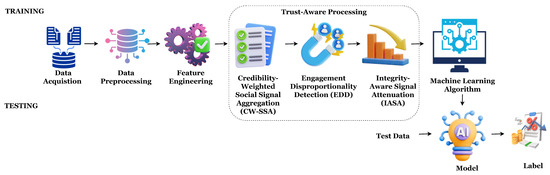
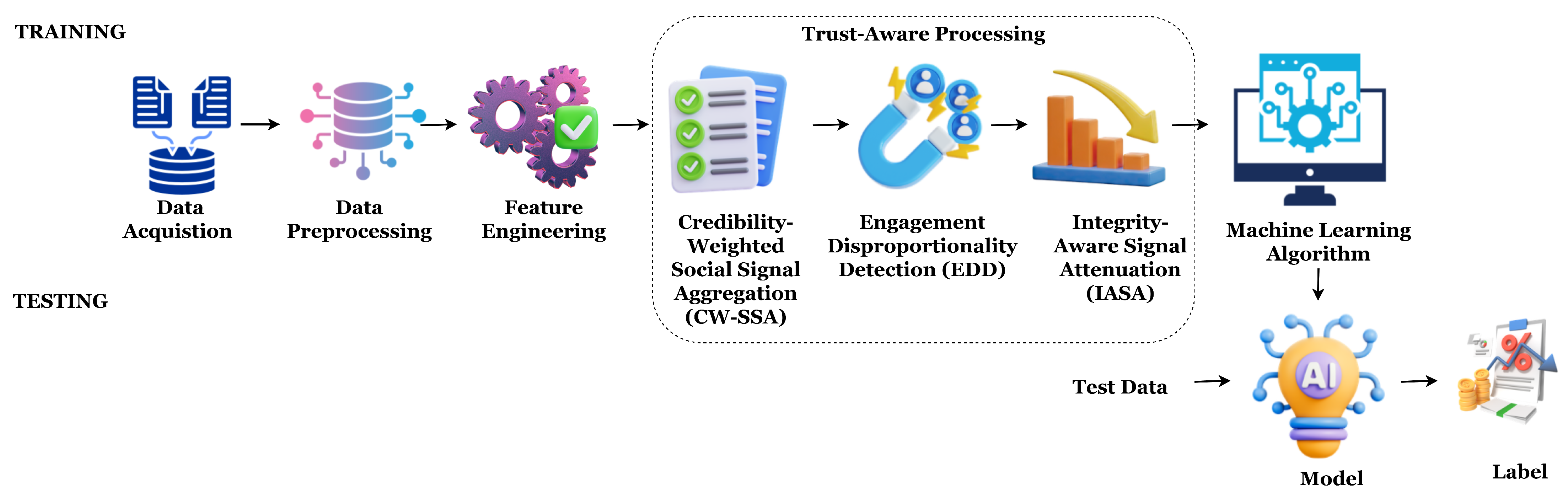
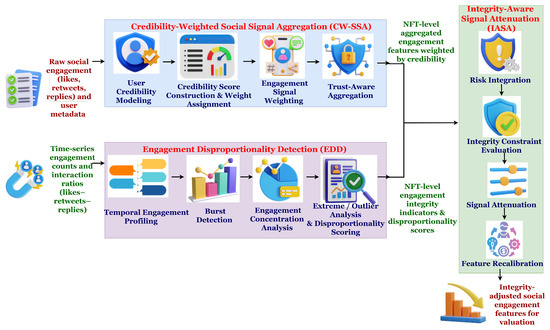
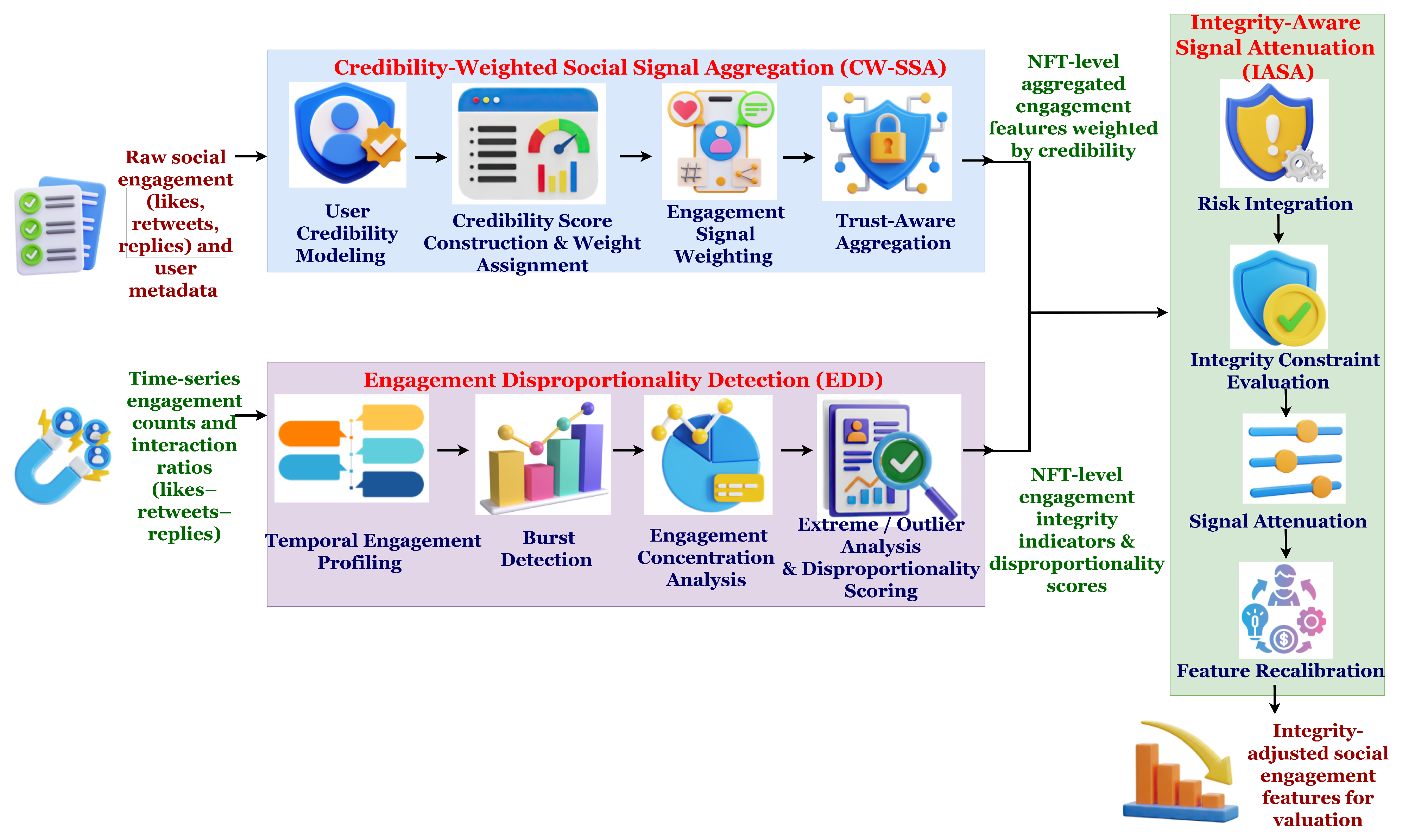
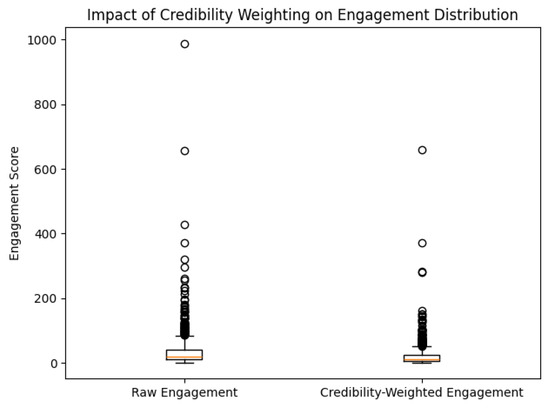
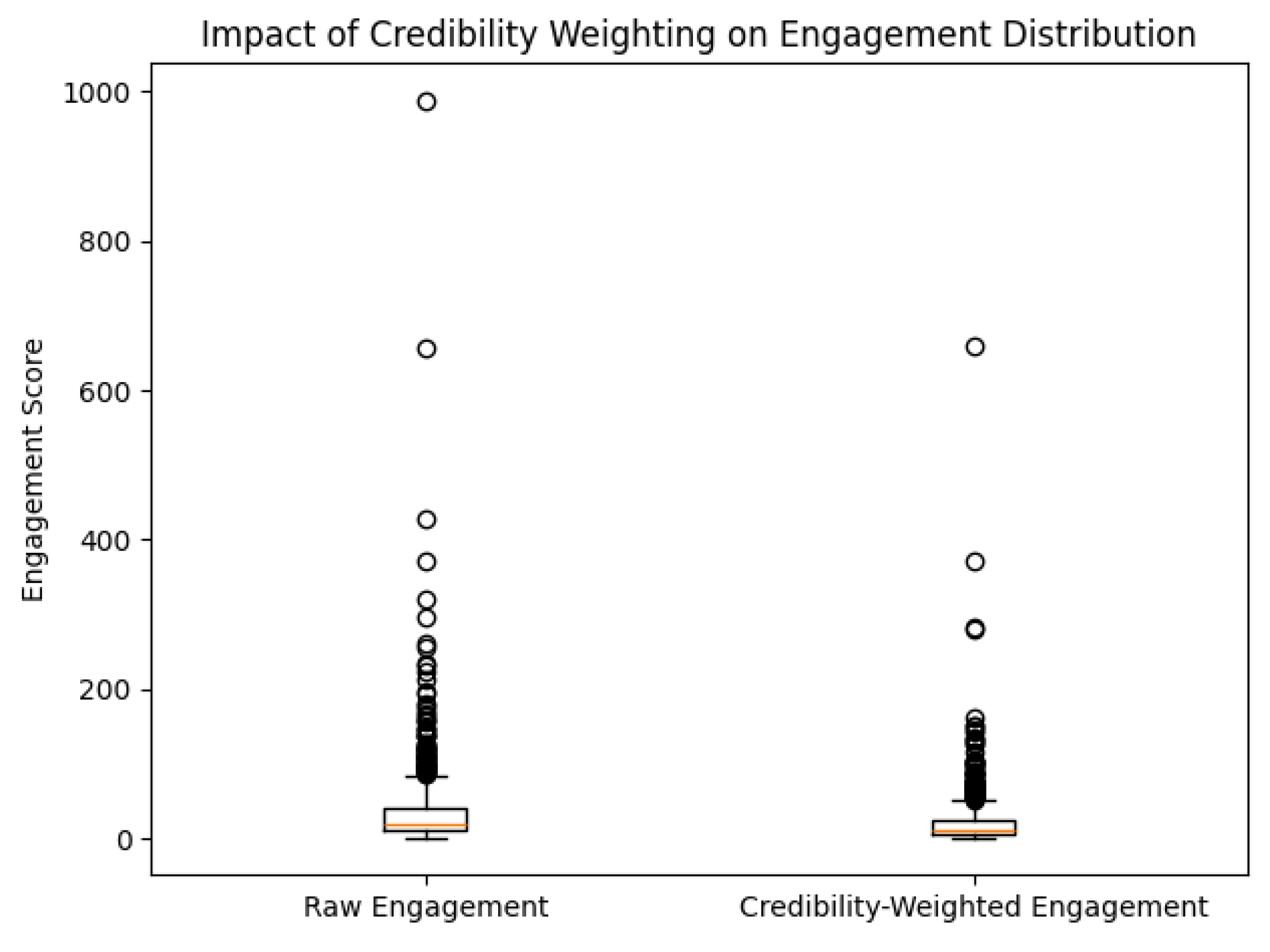
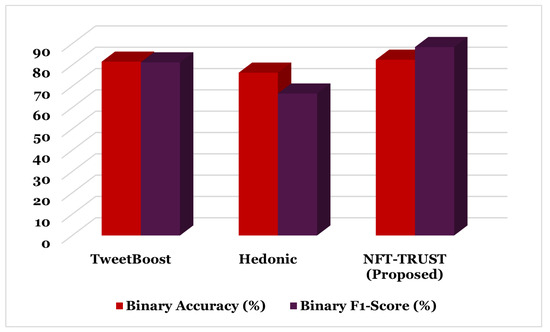
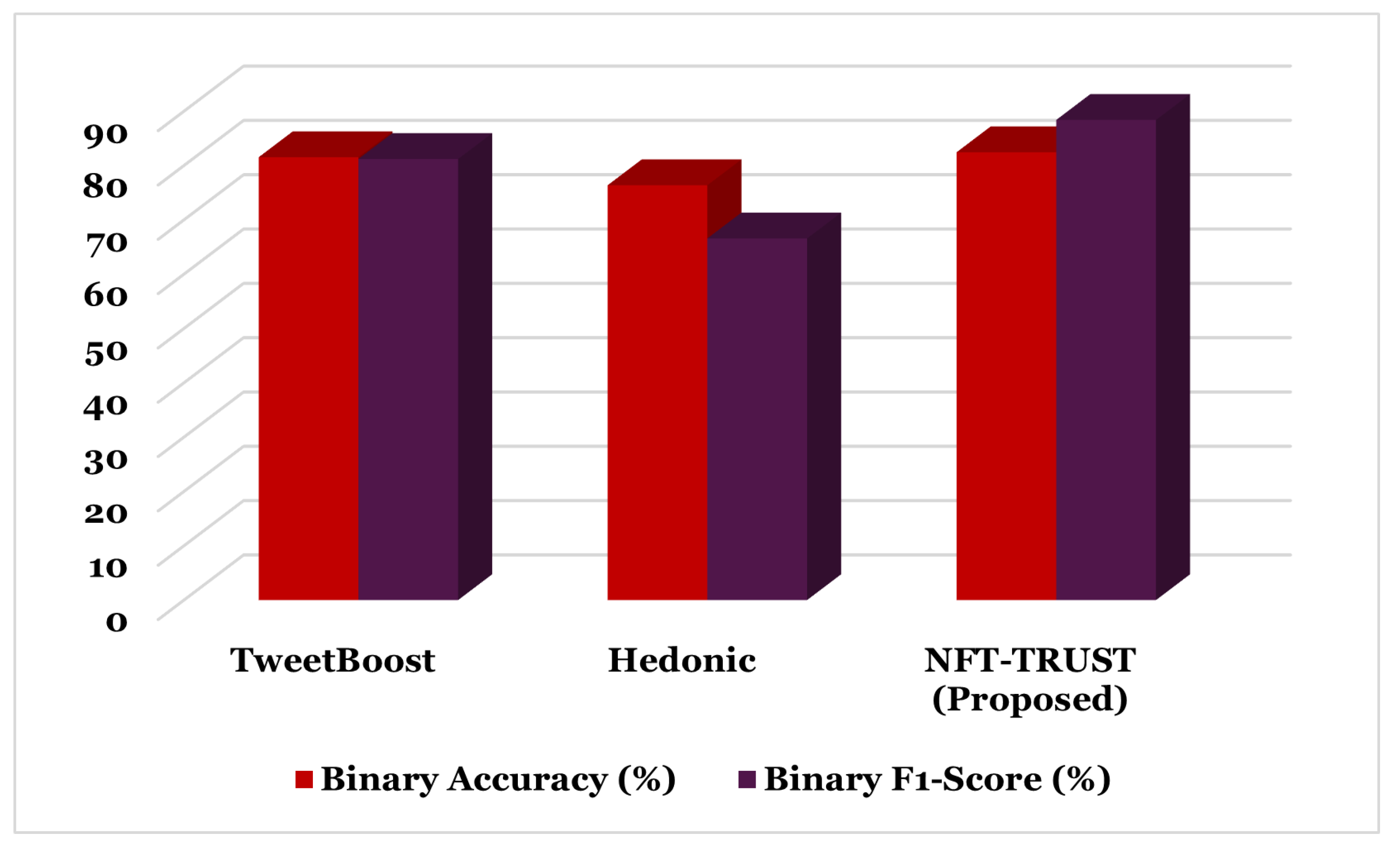
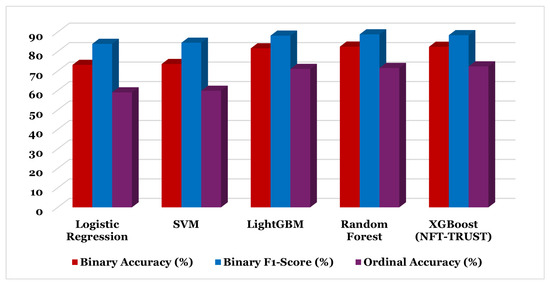
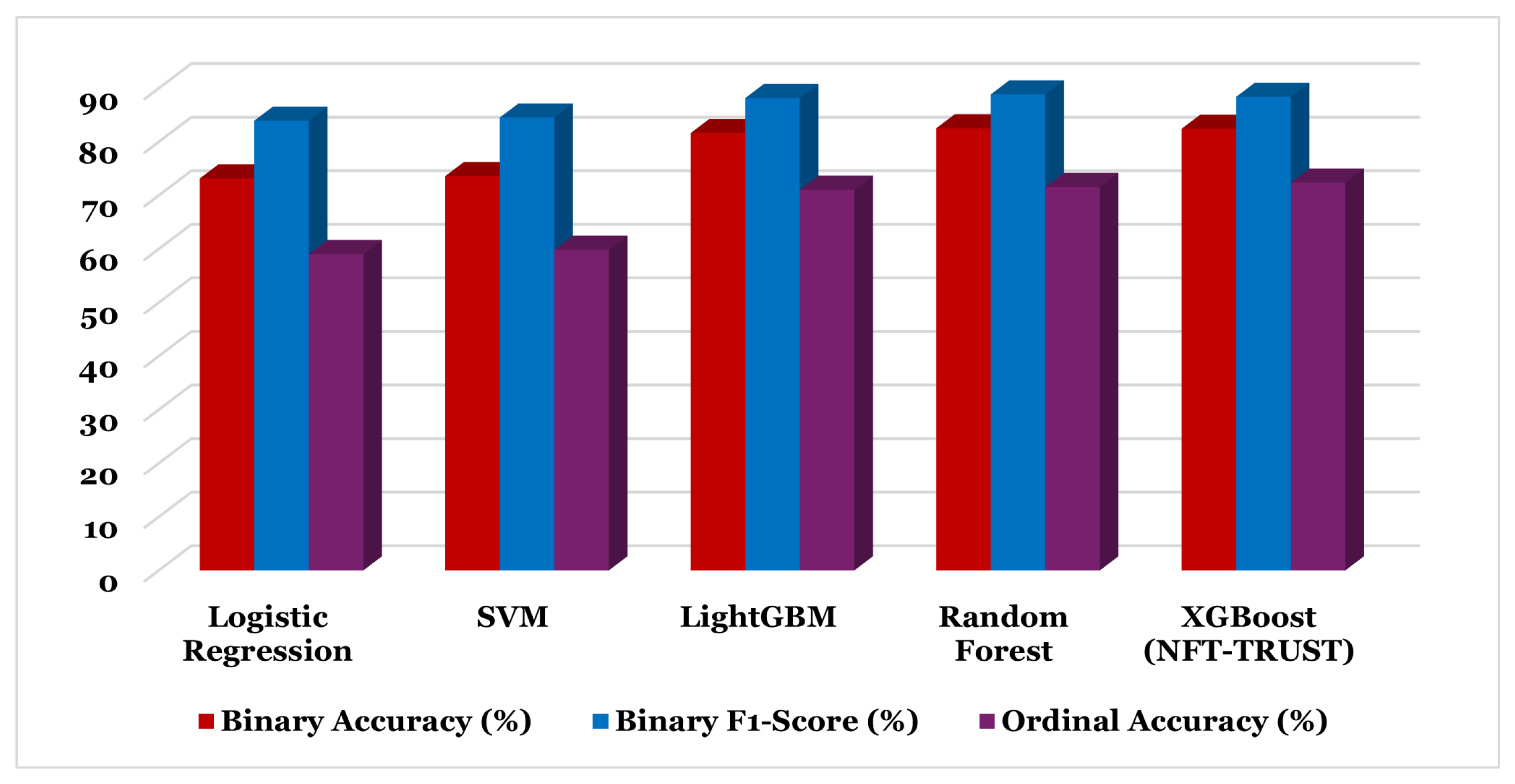
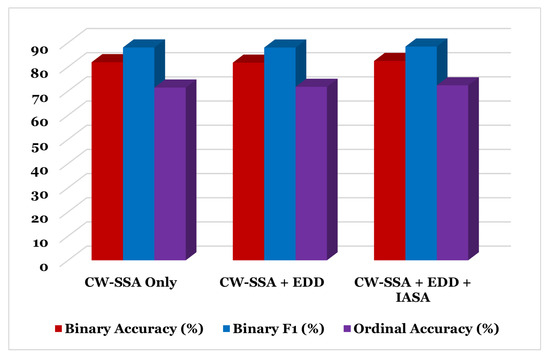
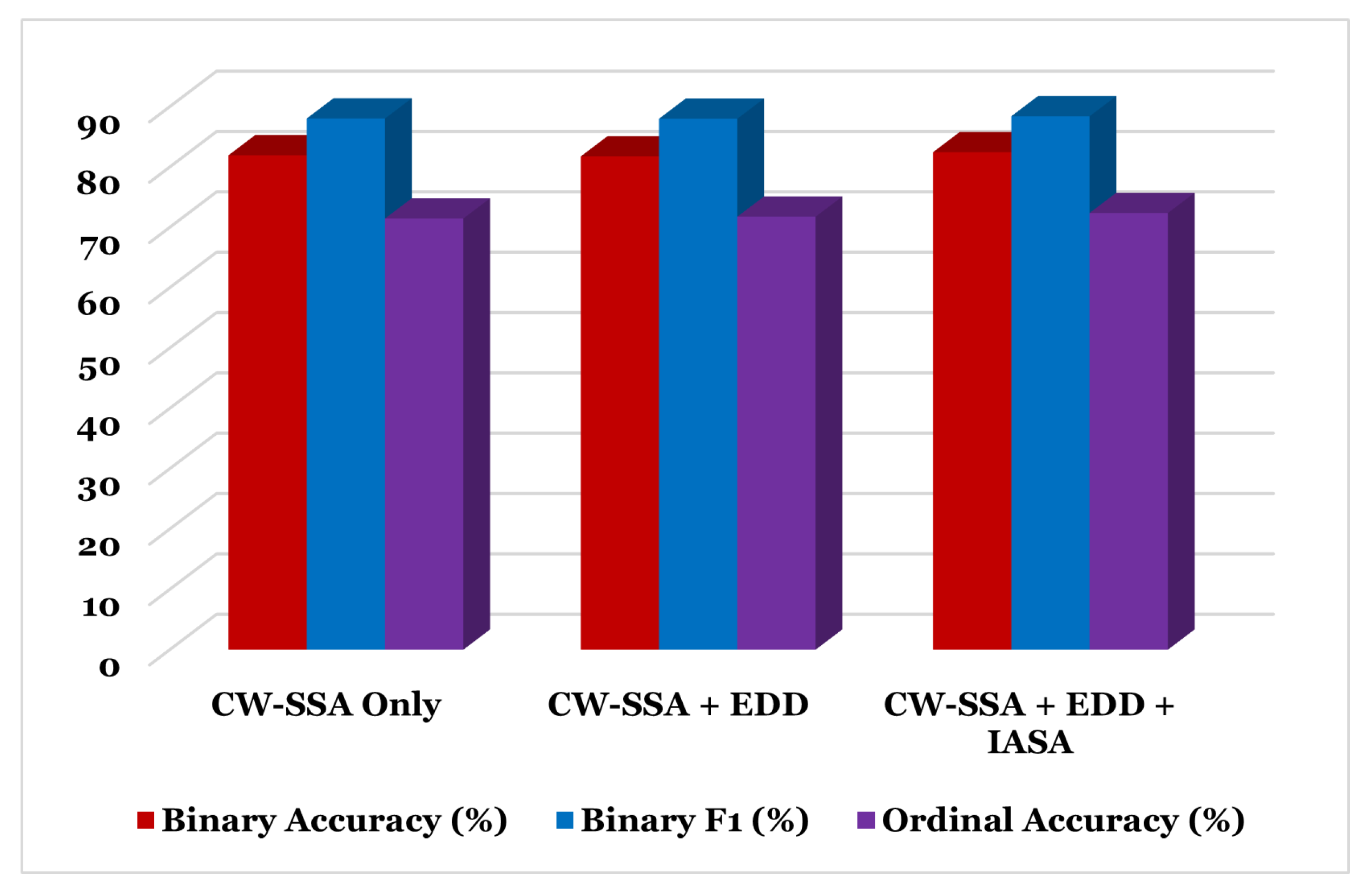
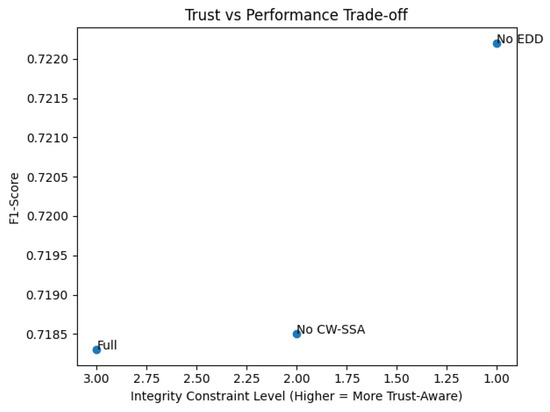

Disclaimer/Publisher’s Note: The statements, opinions and data contained in all publications are solely those of the individual author(s) and contributor(s) and not of MDPI and/or the editor(s). MDPI and/or the editor(s) disclaim responsibility for any injury to people or property resulting from any ideas, methods, instructions or products referred to in the content. |
© 2026 by the authors. Licensee MDPI, Basel, Switzerland. This article is an open access article distributed under the terms and conditions of the Creative Commons Attribution (CC BY) license.