


Abstract
Social media influencers (SMIs) are becoming increasingly powerful in shaping customers’ perceptions and behaviors regarding the products they purchase and the brands within digital marketing environments. This research proposes to assess the extent to which social media platforms, particularly Instagram and TikTok, affect SMIs’ capacity to persuade their followers concerning brand credibility and purchase intention. Using an online survey of 701 active users of both platforms in Palestine, the data were analyzed using structural equation modeling (SEM) through SmartPLS 4.0 for the simultaneous evaluation of both the measurement models and the structural models. The research findings indicate that follower involvement, interactivity, and emotional attachment positively influence the persuasive outcomes through the creation of parasocial relationships (PSRs) between followers and SMIs, and that these influences are different for each platform. Results show that Instagram had a larger overall influence compared to TikTok, whereas there were no differences between platforms regarding how PSRs shape follower perceptions of brand credibility and emotional attachment to SMIs; both of these perceptions are strongly linked to PSRs. Therefore, these findings underscore the importance of platform-specific engagement mechanisms in shaping PSRs and offer theoretical and practical implications for influencer marketing strategies. The findings further suggest that platform affordances may condition not only overall engagement levels but also the relative strength of persuasion mechanisms underlying PSRs and their behavioral consequences. By situating the analysis within a non-Western digital market, this study provides context-specific insights and highlights avenues for future research in comparable digital consumption environments.
1. Introduction
The expansion of the global network of social media has resulted in many people getting information from several different channels. As a result, businesses are purposefully using a wide range of media and digital tools to create a relationship with their customers and connect them to their target market [1]. In addition to this, social media influencer marketing has been beneficial for both influencers and companies. With the increase in e-commerce, online influencers are now acting as brand ambassadors, using digital channels to promote e-commerce companies [2]. SMIs are individuals who primarily participate in social media platforms; they are often followed by many and connect with their followers by giving them regular personal insight [3].
An influencer has a significant impact on a consumer’s perspective, attitude, and behavior [4]. Because they act as “fashionable friends” who an audience seeks advice from, if an SMI recommends an item, this can greatly enhance a brand’s reputation and increase intent to purchase an item from that brand. When it comes to creating an online presence, SMIs serve as opinion leaders in the context of digital media [5,6]. Accordingly, by using SMIs to endorse products and services, companies, including some large businesses, have improved their overall visibility and heightened the likelihood of making sales [7,8]. Therefore, the power of SMIs is clear both through their expertise as leaders of thought and through their frequent recommendations of items [3]. Nonetheless, most previous research has regarded influencers as a uniform category, overlooking the role of platform affordances on their persuasive efficacy.
The main driver of influencer marketing’s success is the continuous creation of content by SMIs to form a stronger connection to their audience [9]. In comparison with traditional celebrity endorsers, SMIs engage with followers on a more reciprocal scale, leading to a more relatable and accessible experience of engagement. As followers interact with the influencer more than in one-off interactions, they become familiar with the influencer’s persona and develop personal schemas and bonds that mimic relationships with close friends [10,11]. Therefore, followers use not their traditional advertising schema but their interpersonal schema to interpret persuasive messages from SMIs [12].
In particular, PSRs are a psychological mechanism in which followers develop an impression of familiarity, emotional attachment, and simulated proximity with SMIs based on their one-sided interactive relationship with the influencer [13,14,15]. Similarly, the closeness that is perceived enhances the persuasive ability of SMIs. Ref. [16] revealed that greater PSRs were positively correlated with greater brand credibility and intention to purchase, as well as that followers’ persuasion knowledge weakened (moderated) the effect of PSR on perceived brand credibility. Thus, exploring these interpersonal and cognitive mechanisms’ influence on co-production is fundamental to an explanation of why SMIs are superior to traditional endorsers in manipulating consumer engagement.
While previous research has examined various influencer-related variables and mechanisms, a comprehensive and integrated model that accounts for the persuasive power of influencers remains noticeably underdeveloped [8]. Previous papers have looked at factors like credibility, authenticity, expertise, and information quality, but there has been little focus on the role of specific persuasive factors (e.g., interactivity, emotional attachment, follower involvement) that generate consumer responses (i.e., parasocial relationships); such factors aid in the choreography of interpersonal situations [16].
Moreover, even with the evidence that user experiences and engagement mechanisms vary considerably across different social media platforms [17,18,19], the moderating function of platform type in influencer persuasion has not been fully examined. Ref. [16] notes that platform attributes have the potential to impact the way users cognitively process influencer-generated content and assess endorsed brands and highlight the need for research to examine the differences in persuasive mechanics on different platforms.
As it currently stands, no research has been done to examine the relationship between the impact of SMIs as influencers and how they affect and are affected by each other based on the various social media platforms available to consumers. To fill this gap, the purpose of this study is to explore how key factors of persuasion (interactivity, emotional attachment, and follower engagement) of each type of SMI influence followers’ PSR. In addition, this research will investigate how each of these three factors of persuasion, along with PSR, influences consumer outcomes such as brand credibility and purchase intention. Finally, the relationship between key factors of persuasion, PSRs, and consumer outcomes will also be explored to determine whether or not these relationships differ between different types of social media platforms.
Beyond merely examining whether platform differences exist, this study advances a more precise theoretical claim: that platform affordances may systematically shape the relative strength of persuasion mechanisms within influencer–follower relationships. Drawing on affordance-based perspectives and prior research demonstrating that platform type influences engagement patterns and advertising effectiveness [20], platforms are conceptualized here as structurally distinct socio-technical environments rather than neutral communication channels. In line with persuasion theories emphasizing differential cognitive processing across media contexts [21], such environments may condition how followers cognitively and affectively process influencer content. Consequently, platform-level affordances may alter the relative importance of interactivity, emotional attachment, and follower involvement—identified in prior research as key engagement-based drivers of influencer persuasion [16]—in generating PSRs, as well as the downstream influence of PSRs on brand credibility and purchase intention. In doing so, this study extends prior research that has examined PSRs, engagement mechanisms, and platform differences largely in isolation by offering an integrated explanation of how these elements interact within platform-specific environments. This enables a more precise understanding of SMIs’ persuasion as a context-dependent process rather than a set of universally stable effects across social media platforms.
2. Literature Review and Research of Hypotheses
2.1. Theoretical Framework
This research based on the Social Influence Theory developed by [22], as well as an extension of the Two-Step Flow Communication Model first described by [23,24], studies how SMIs influence consumer behavior, attitudes, and perceptions through the study of PSRs. The Two-Step Flow Communication Model posits that opinion leaders serve as filters or gatekeepers for the information they receive and therefore provide an additional form of media to the larger public. While this model has served a significant role in the history of communications research, it has also been criticized extensively as a result of its basic, linear, and one-way classification of how media influence’s opinion leaders and therefore the general population. The Two-Step Flow Communication Model fails to account for other critical factors such as the dynamic nature of two-way interactions between audiences and the creators of messages and how algorithms affect the manner in which user-generated content interacts with users across the many different platforms used today. The evolution of opinion leadership and persuasive communication patterns has changed to where opinion leaders and persuasive influencers can now be dynamic, bidirectional, and mediated through an algorithm-driven, platform-centric environment. As a result, a new theoretical model must be developed that provides an accurate and comprehensive explanation of this evolution [25,26].
According to [27], while traditional media restricts audience engagement primarily to one-way communication, social networks provide an avenue for mutually interactive communication between audiences and influencers. Influencers have the ability to create and share content that aligns with their beliefs, lifestyles, morals, etc., rather than simply following the guidelines of corporate or journalistic ethics, creating opportunities for building emotional bonds with their followers through message creation and fostering feelings of closeness between themselves and their followers. Therefore, social media provides an opportunity for the development of PSRs between the influencer’s audience(s) as the relationship is created through informal and/or interactive content. Throughout this process, followers feel they are participating in the message creation process and are being offered a way to share their lives with other people [28].
Social Influence Theory enhances our understanding by highlighting its principles of individual influence through identification—the imitation and admiration of influencers by followers—and internalization—the followers’ capacity to accept and adopt the values of the influencer [22,29]. Empirical evidence verifies that follower engagement behaviors, such as liking, commenting, and sharing, are not just surface-level behaviors; engagement behaviors are psychological levers activating identification and internalization mechanisms. Follow-up engagement is related to identification when followers see influencers as role models and then engage in behaviors consistent with those of the influencer. Similarly, engagement behaviors confirm identification since followers internalize the influencer’s beliefs and recommended values [30,31,32]. According to the theory, knowledge regarding the desired conduct or observations of other people’s behavior and the social norms around it have an impact on people’s decisions and actions [29]. Empirical research indicates that interactivity, emotional attachment, and follower involvement substantially influence the development of PSRs, hence augmenting engagement and shaping brand viewpoints [16].
SMIs utilize the platforms for a variety of objectives, like discussing certain issues and spreading news with their following. The trustworthiness of influencers can also be measured by analyzing followers’ opinions about the influencers’ trustworthiness, attractiveness, and similarity [33]. The quantity of followers, shares, likes, and comments can be utilized to assess interactivity and involvement. Emotional attachment is a key aspect in determining influencers’ persuasive effect on followers [34]. Consequently, we utilize the content value of SMIs, interactivity, emotional connection, and follower involvement to assess the persuasive power of influencers.
While PSRs’ mediating role has been studied in the past, few studies have looked at the variables that precede PSR development, particularly in different platform contexts. By demonstrating that interactivity, emotional attachment, and followers’ involvement are precursors to the establishment of PSRs, this study contributes to the body of literature. The three factors were selected because the literature indicated their possible significance and recommended that future studies concentrating on brand credibility and purchase intention take them into account [16]. Other factors, such as influencer expertise or authenticity, are still important, but they were thoroughly covered in earlier research. Instagram and TikTok were selected based on the preliminary study’s results, which demonstrated distinct user engagement and content interaction patterns on each site. These discrepancies provide a helpful foundation for examining platform-specific variations in PSRs and compelling findings.
These factors were therefore considered outside the scope of the present model. By isolating PSRs as a mediator and adding platform type as a moderator, this study explicitly looked at the parasocial relationships on Instagram and TikTok and evaluated their unique effects on brand credibility and purchase intentions.
This comprehensive methodology offers actionable information for firms that use multiple social media platforms to guide the creation of influencer campaigns that improve engagement and consumer outcomes.
Taken together, Social Influence Theory and the Two-Step Flow model are not treated as parallel frameworks in this study but as structurally connected perspectives. SMIs are conceptualized as contemporary digital opinion leaders operating within an algorithm-mediated extension of the Two-Step Flow structure. While the Two-Step Flow model explains the structural positioning of influencers as intermediaries between information sources and audiences, Social Influence Theory clarifies the mechanisms through which influence operates, distinguishing between normative influence (identification-based alignment with admired figures) and informational influence (internalization-based adoption of endorsed beliefs and values). PSRs are conceptualized in this study as the relational–psychological process that translates these normative and informational influence processes into sustained persuasive outcomes within digital environments. In algorithm-driven platforms such as TikTok, opinion leadership is dynamically shaped by visibility algorithms and engagement architecture, extending the classical linear assumptions of the Two-Step Flow model.
2.2. Parasocial Relationship in Influencer Marketing
Parasocial relationships are defined as the perceived sense of closeness, familiarity, and imagined intimacy one feels toward influencers, even though it is a one-sided relationship [35]. While the notion of PSRs is rooted in Horton and Wohl’s initial work in 1956 [36], the contemporary literature reflects how PSRs on social media are influenced by platform interactivity, influencers’ self-presentation strategies, and users’ emotional and cognitive engagement with the influencers [37,38].
PSRs are vital in building perceptions, trust, and behavioral responses of followers toward influencers and the brands they promote in the context of influencer marketing [9,14]. A perceived sense of reciprocity and engagement, even if unequal, can be created through actions that contribute to and reinforce these relationships, such as liking, commenting, and following [39,40].
Research has shown that influencer credibility, content attraction, and participant involvement all have a strong direct bearing on PSR development, leading to changes in attitude towards the brand [14,41]. It is important to evaluate PSRs in this research project based on how the three variables from this paper shape PSR profitability through interactivity, emotional attachment, and level of follower involvement. Accordingly, understanding how these mechanisms foster PSR development is essential for explaining persuasive outcomes in influencer marketing contexts.
Influencer marketing fundamentally relies on relational and credibility-based persuasion processes rather than solely on traditional advertising exposure. In the context of influencer marketing, PSRs should not be viewed merely as relational outcomes but as the central psychological mechanism through which influencer engagement attributes are translated into persuasive consequences. By mediating the effects of interactivity, emotional attachment, and follower involvement, PSRs connect engagement dynamics at the influencer–follower level with downstream outcomes such as brand credibility and purchase intention. This positioning clarifies the structural role of PSRs within the proposed research model and strengthens their theoretical integration with influencer marketing frameworks.
2.3. Parasocial Relationships’ Antecedents
2.3.1. SMIs’ Content Value
SMIs’ commitment to delivering valuable and meaningful content, as well as organizing a big number of followers across social media platforms, increases the marketing value for advertisers [9]. The type of content offered is also important because it promotes cooperation between followers and influencers. The quantity of content available to consumers does not determine value alone [9,14,42].
According to [42], it is suggested that the primary goal of social media is to create connections; therefore, the emotional attachments that one has with a particular influencer will play a major role in that influencer’s followers’ intentions to act in a certain way. When a person likes, comments on, or shares something from an influencer, this is an indication of the emotional bond that exists between the follower and the influencer [14]. When the influencer creates good content for the right audience, the combined effect of high emotional connection and good content leads to high levels of interactivity with the influencer.
Follower involvement and influencer appeal are two of the main factors influencing brand response. Research indicates that follower involvement creates a connection between follower and influencer through the increased interaction with and relevance of influencer content, which may ultimately create relational familiarity and enhance the likelihood of developing PSRs [43].
Influencer marketing is characterized by its unique mix of personal communication and business messaging. Influencers collaborate with brands extensively, offering advice and participating in active advertising [11]. Previous studies have examined the impact of influencer content on customer behavior [44,45,46].
This study, in accordance with the research model, will examine three content-related mechanisms that influence persuasive results in the social media influencer marketing situation by fostering prosocial relationships: interactivity, emotional attachment, and follower involvement.
2.3.2. The Interactivity of Content
Persuasive communication research has focused from the outset on the characteristics of the message and factors that significantly influence users’ behaviors and attitudes, such as the strength of the arguments [21]. More recent research has also emphasized the need to study how interactive content generates distinctive persuasive effects, particularly how interaction impacts both the message and its effectiveness [47]. Ref. [48] defines interactivity as the ability of two or more people to mutually influence each other, the medium, and the messages. Three aspects of interaction are proposed: first, active control, meaning the extent to which the user can influence the communication; second, two-way communication, meaning the smooth flow of information; and third, synchronicity, meaning the speed at which interaction occurs simultaneously. Effective interactivity requires reciprocal communication and the rapid transfer of information, which is generally not available through traditional media sources [49,50].
Digital platforms have greatly advanced how and when influencers connect with their audiences through allowing influencers to interact in real time with their fans and to receive public and private responses to their posts via comments/likes, allowing for the adjustment of the content based on their audience’s reactions and ultimately creating greater engagement and intimacy [51]. Research has demonstrated that the greater the perceived levels of interactivity between the influencer and the followers, the stronger the relational ties. Additionally, an increase in relational ties can lead to increases in customer loyalty and engagement [42,52,53,54]. Therefore, we suggest this hypothesis:
H1:
Influencers’ parasocial relationship with their followers will be beneficially affected by the interactivity of influencer content.
2.3.3. The Emotional Attachment of Content
Attachment is defined in the literature as a connection of emotion between two people [55]. The human brand theory posits that media figures can develop relationships with audiences and meet their needs, providing favorable marketing outcomes by developing a “human brand” [56]. The theory has three propositions. First, media figures (i.e., celebrities, politicians, and athletes) can become human brands when specific conditions are present. Second, human brands can create loyalty by meeting the needs of followers and developing trusting relationships in their communities [56,57]. Strong emotional attachment is likely to occur when human brands are able to meet the followers’ need for a sense of autonomy, closeness, and competence [42]. Third, this attachment can be transferred to the human brand’s marketing efforts since consumers tend to take the brand’s positive attributes to similar brands [58]. Emotional attachment may also increase when followers view the human brand as a representation of their ideal self, which would further enhance loyalty and commitment [42].
In digital contexts, influencers often trigger emotional responses that satisfy followers’ needs for fantasy, identity, status, affiliation, and connection [34]. Similarly, social media provides followers with continuous updates of influencers’ personal content, creating amplification and increased perceived proximity and relatability [59]. Compared to conventional celebrities, followers often describe influencers as more approachable and intimate [60]. Emotional attachment develops when followers feel they possess a meaningful relationship with a self-defining aspect of the influencer [61].
Moreover, emotional attachment to SMIs is a strong precursor of followers’ behaviors, as they can predict the likelihood of purchase intention and of followers endorsing influencers’ recommendations [51,62]. Emotional attachment also enhances relational support and mutual understanding [20]. A recent study found that emotional attachment grew with perceived quality of content—especially among followers on fitness-related social media [63]. Consequently, we suggest the following hypothesis:
H2:
Influencers’ parasocial relationship with their followers will be beneficially affected by emotional attachment to influencer content.
2.3.4. Follower Involvement with Content
Follower involvement signifies how much people engage both cognitively and behaviorally with influencer content on social media. Followers choose to invest both their mental and physical resources in processing content they find useful, interesting, and relevant, which is an indicator of high engagement level [20,64]. Followers are motivated to engage with SMIs based on the ability to show interpersonal connection through content that is engaging (such as being appealing), interactive (which means being referred back to the participant’s friend(s) or family or social), and emotional (for example, how the content affects a person’s life) [65].
A few sub-dimensions of followers’ engagement that could be assessed within the context of this study have been identified to be relevant: (1) Product Involvement; (2) Purchasing Involvement; (3) Consumption Involvement; and (4) Advertising Involvement [66]. These sub-dimensions provide insight into how followers are interpreting content and correspondingly assuaging, evaluating, and communicating with the approved brands a follower follows. Higher levels of consumer involvement generally led to an increase in followers’ engagement with their content, an increase in the need for followers to obtain further information about the content, and an increase in systematic evaluations of competitors’ products. Additionally, involvement could also influence attitudes and behaviors towards the influencer and brands the influencer endorses [67,68,69].
Higher involvement is also associated with increased perceived benefits, reduced perceived costs, and stronger purchase intentions [70,71,72]. In summary, follower involvement with influencer content is a pivotal antecedent to PSRs since it creates engagement, expectancy, and relationship-building over time. Therefore, we suggest the following hypothesis:
H3:
Influencers’ parasocial relationship with their followers will be beneficially affected by followers’ involvement in influencer content.
2.4. PSRs and Followers’ Purchase Intention and Perception of Brand Credibility
2.4.1. Brand Credibility
Source credibility refers to a sender’s favorable attributes that impact message acceptance by the receiver [73]. It can also refer to the belief in an entity’s intentions [74]. For example, ref. [73] developed a credibility measure for celebrity endorsers. When referring to brands as sources, the credibility idea refers to brand credibility. Ref. [75] defines brand credibility, or the signal credibility of a brand, as “consistently delivering what is promised,” which means that the information about a brand’s product position is credible. Prior research has identified three components of credibility: trustworthiness, expertise, and attractiveness or likeability [74,76]. Brand credibility is influenced by a company’s previous marketing efforts and might impact future brand consideration by customers [77]. Given that brand credibility is the cumulative effect of the credibility of all prior marketing actions taken by that brand [77], or, as [78] put it, the “living memory of acts taken by a brand,” it differs from the credibility of individual marketing mix signals (e.g., advertising as a quality signal). Moreover, increased brand credibility has the potential to elevate customers’ views of product quality by impacting their psychophysical mechanisms, which facilitate the conversion of objective quality standards into personal satisfaction levels [77].
Studied by [79,80], the influences of corporate and endorser credibility on how consumers responded to brands and advertisements were important in helping to form the way customers perceived, oriented towards, and planned to purchase their products. The differences in influencer credibility and PSR between nano, micro, and macro SMIs and how those differences affect brand attitudes have also been examined in previous research [81]. The interaction of user characteristics, content characteristics, and credibility is significantly interrelated with regard to the influence of influencers on brand promotion through social media [14,81]. As companies find their SMIs to be credible and able to influence the consumer’s/followers’ decisions about products/brands, they begin using the SMIs as brand ambassadors for their brands [82]. This results in an increase in purchase intentions for the consumers that follow the SMIs because they see the SMIs as credible, especially in promoting greener products/brands [83]. Although followers view influencers as a source of information across social media platforms as an easy-to-reach, readily accessible source, PSRs significantly impact how followers evaluate an influencer’s level of credibility and what attitudes they have. Based on [84], they found that when PSRs were established with influencers, customers experienced a reduction in their anxiety toward the company associated with the influencer, while also developing improved trust towards an influencer’s recommendation(s) regarding that company. Additionally, PSRs involving influencers can reduce customer fear of the company while enhancing trust in their recommendations. PSRs, which are based on Social Influence Theory, function as relational influence frameworks, allowing followers to embrace influencers’ recommendations and beliefs. Influencers’ brand-related communications strengthen when followers relate to them and internalize their values, increasing followers’ judgments of the brand’s credibility. The following hypothesis is proposed to understand the effect that PSRs have on follower views of brand credibility:
H4:
The parasocial relationship that influencers have with their followers will benefit their perception of brand credibility.
2.4.2. Purchase Intention
The reason why consumers choose to purchase a particular brand is the basis for this decision, hence the concept “purchase intention” [85]. Ref. [86] describes purchase intention as a situation in which a consumer is likely to buy a given product under specific conditions, especially when purchase decisions are complex. Purchase intention frequently correlated with consumer behavior, attitudes, and perceptions. The consumer’s capacity to obtain and assess a specific product is greatly influenced by their purchase patterns [87]. The purchasers are influenced by both external and internal factors when making a purchase [88]. In regard to [89], one of the most useful indicators of the purchasing process is purchase intention. Purchase intention is often influenced by determinants such as value, quality, price, or a combination of these.
To enhance consumer purchasing intent using persuasion power factors, marketers build strong links between the brand and the celebrity by partnering with them to use them as brand advertising tools [83]. This is reinforced by previous studies that have examined how PSRs mediate the relationship between purchase intention and SMIs [13,90,91]. Researchers have explored how factors of SMIs encourage PSRs among followers, illustrating the ways in which these connections influence consumer decisions [92]. All the above pertain to the preceding discussion: the relationship between PSRs, SMIs, and purchase intention is multifaceted, varying according to context and relationship, with several factors making a difference, such as brand positioning, credibility, and product engagement. Additional studies in this area will provide valuable insights into customers through SMIs. Based on the aforementioned findings, we proposed the following hypothesis:
H5:
The parasocial relationship that influencers have with their followers will benefit their purchase intention toward the endorsed brand.
2.5. Type of Social Media as Moderators
Social media platforms are typically designed for predetermined goals and audiences. This is why the concept of “social media” is used to describe all social media platforms without differentiating between them [93]. Previous studies also emphasized the need to explore how different social media platforms influence the factors that generate and affect brand engagement [93,94,95]. Furthermore, the type of social media platform used can influence users’ purchasing intentions and brand credibility. As an example, brand credibility and purchasing intention may change if a brand is marketed across different social media platforms [96]. Ref. [20] argues that the type of social media platform is a significant factor influencing advertising effectiveness and efficiency.
Platforms are infrastructures that provide a wide range of information and communication channels, enabling opportunities to create, share, and interact with diverse content [97]. Recent scholarship conceptualizes social media platforms as socio-technical environments whose affordances are embedded in platform features and interface design, shaping interaction possibilities and user meaning-making [98,99]; short-video platforms, such as TikTok, employ algorithmically curated, personalized full-screen feeds and continuous short-video exposure to structure user engagement patterns [100]. From this perspective, research on AI-driven and interactive media also proposes that technological affordances can influence how users perceive and experience mediated content [101]. With these affordance-based perspectives, the present study further proposes that platform affordances may condition the relative strength of persuasion mechanisms in influencer–follower relationships, such as the impact of PSRs on brand credibility and purchase intention. There are four distinct levels of engagement and interaction for classifying post content: links, photos, videos, and status updates [102,103]. To assess the sensory engagement offered by social media platforms, researchers typically examine their activity or interactivity. For example, while pictures provide visual stimulation, video posts offer both auditory and visual stimulation, making them more appealing, acceptable, and effective in reaching the target audience [104]. Content with more images or videos is more engaging, increasing click intentions, click-through rates, and positive reactions, while content with text or links is less interesting, resulting in lower user engagement [105,106,107]. A wide range of content, typically created by marketers or users to meet the needs and preferences of a brand’s customers, is available on social media platforms [108]. According to a recent study, social media platforms vary in their technological affordances and dominant content formats, in addition to their social and communicative roles, which may influence how users interact with influencer content. In particular, short-video platforms such as TikTok emphasize rapid content exposure, algorithmically driven audiovisual delivery, and entertainment-oriented engagement, while platforms such as Instagram combine visual content with relatively more stable and revisitable post structures that may facilitate information retention and evaluative processing [109,110]. Experimental evidence indicates that short-form video environments tend to promote immediate engagement and affective responses while also imposing higher attentional demands due to fast-paced content switching, which may limit deeper reflective processing [111]. From an affordance standpoint, platforms produce structural variations that affect consumers’ cognitive and emotional reactions to influencer content. Different content environments provided by each platform may also impact how much influence PSRs have on an individual’s perceptions of a brand’s credibility and purchase intentions. It may be a mistake to assume that all social media platforms create similar persuasion for every type of user. Ref. [112], highlighted that the successful use of social media platforms depends on their capabilities, flexibility, accessibility, and development features. In particular, Instagram is mainly a visual platform, with textual communication having a secondary role. Facebook uses a multitude of various connections in which written posts may play a more significant role than other modalities. X (formerly Twitter) is mostly a text-based platform with various attachments to images and could otherwise still be considered a visual medium. TikTok, on the other hand, is primarily communicative in nature via audiovisual videos [112]. Given these platform-specific affordances, the unique features and content types of each social media platform may strengthen or weaken the influence of PSRs on followers’ perceptions of brand credibility and purchase intention.
Importantly, these affordance-based distinctions suggest that platform type may not merely moderate downstream outcomes but may differentially amplify specific persuasion antecedents. For example, platforms characterized by rapid, interaction-intensive environments may strengthen the relative impact of perceived interactivity on parasocial bonding, whereas platforms that facilitate more sustained content exposure and evaluative engagement may enhance the relative role of follower involvement in shaping PSRs and their behavioral consequences. Thus, platform type is conceptualized as a structural condition capable of altering the relative strength of key paths within the persuasion framework. While this study primarily tests platform moderation on the downstream effects of PSRs on brand credibility and purchase intention, the affordance-based reasoning outlined above also provides a broader conceptual lens for interpreting potential cross-platform variations in persuasion antecedents.
Previous research looked at the effect of SMIs on brand credibility or purchase intention, generally without considering platform differences [16,113], or focused on single platforms only [33,114]. This indicates a gap in understanding how platform type might shape the strength of PSRs’ effects on brand credibility and purchase intention. The Instagram–TikTok comparison is therefore theoretically grounded in affordance-based and cognitive-processing perspectives rather than surface-level platform distinctions. Consequently, the following formulation of the hypothesis is made:
H6:
The type of social media used by followers will moderate the relationship between parasocial relationships and brand credibility.
H7:
The type of social media used by followers will moderate the relationship between parasocial relationships and purchase intention.
3. Methodology and Analysis
3.1. Questionnaire Design and Measurement Adaptation
Following a quantitative research design, the study developed a structured questionnaire based on the prior literature. Measurement items for each construct were adapted from existing validated English-language-based studies, then translated into Arabic and back-translated to ensure both content validity and conceptual equivalence [115]. Specifically, Interactivity items were adapted from [47,50,51]; Emotional Attachment items from [34,51]; Follower’s Involvement items from [34,116]; Parasocial Relationship items from [11]; and Brand Credibility and Purchase Intention items from [16,117]. The selection of interactivity, emotional attachment, and follower involvement is theoretically grounded in prior influencer marketing research, particularly the framework proposed by [16], which identifies key drivers of influencers’ persuasive power. While prior studies have examined constructs such as homophily, authenticity, and value dimensions, ref. [16] calls for extending this line of research by incorporating engagement-based mechanisms that more directly capture user–influencer interaction. Accordingly, this study focuses on these constructs as complementary dimensions of persuasive engagement, enabling a more process-oriented explanation of how influencers generate PSRs and subsequent consumer responses. This selection also supports the study’s broader aim of advancing a more interaction-centered understanding of influencer persuasion.
This procedure ensured that each measurement item appropriately reflected its conceptual domain and aligned with the study’s objectives. Although the data was recorded in English, the final questionnaire was given out in Arabic. A five-point Likert scale (1–5) was used for all measurement items, with 1 = strongly disagree and 5 = strongly agree. The study’s constructs, which are depicted in the conceptual model shown in Figure 1, were matched with the questionnaire items.
Figure 1.
Research model.
Moreover, interactivity and follower involvement were specified as higher-order constructs given their inherently multidimensional nature, as each reflects multiple interrelated facets of user engagement. Modeling these constructs at a higher-order level helps capture their overall conceptual meaning while still retaining the role of their underlying dimensions. This approach is theoretically justified, as both constructs represent broader engagement processes rather than single perceptions. From a methodological perspective, it also improves model parsimony and reduces redundancy among closely related indicators, which is particularly useful in PLS-SEM when examining complex mechanisms such as PSR formation [118].
3.2. Preliminary Study
A pilot study was conducted from 15 November 2024 to 15 January 2025 to select the social media platforms most frequently used to follow influencers in Palestine, thus allowing for a more focused study. An online survey was distributed via Google Forms to facilitate participation and accessibility [119]. A total of 188 replies were gathered, and most of the participants were between the ages of 18 and 34. Instagram was the most popular platform among the participants (n = 72), followed by TikTok (n = 55), Snapchat (n = 25), YouTube (n = 18), and Facebook (n = 12). Lastly, with just six participants, X came in last. These results, which are shown in Table 1, served as the foundation for the decision to apply multigroup analysis (MGA) and use Instagram and TikTok as the primary platforms in the primary study. Because these are the most popular platforms for influencer–follower interactions in today’s social media contexts, Instagram and TikTok were chosen.
Table 1.
Pilot study results.
3.3. Main Study and Data Collection
The main survey focused on people who actively follow influencers on Instagram and TikTok, based on the findings of the pilot study. Three necessary components were included in the final instrument created for its main survey: (1) Likert-scale items measuring the study’s constructs (interactivity, emotional attachment, follower involvement, parasocial relationship, brand credibility, and purchase intention); (2) demographic questions (gender, age, education level, and marital status); and (3) a screening question ascertaining the respondents’ preferred platform (Instagram or TikTok). To clarify, respondents did not evaluate both platforms simultaneously. Rather, they were categorized into two distinct groups based on their preferred platform. Furthermore, participants were not asked to evaluate a specific influencer as they were instructed to base their responses to the subsequent Likert-scale items on their general, overall experience following influencers on their chosen platform.
Participants were not asked to compare specific content formats (e.g., static posts, stories, reels, or specific video styles), but rather their overall experience of engagement with influencers in the platform ecosystem they chose, which captures the integrated exposure context of users encountering different content formats as part of the structural and algorithmic environment of a platform.
From 1 February to 31 May 2025, data were collected using a Google Form on Facebook, Instagram, Telegram, and WhatsApp. Social media networks that are easily accessible and popular among Palestinian social media users were used, allowing for faster and wider reach and greater participation. Other digital platforms were used to share the survey link, resulting in a more diverse and less biased sample. The target sample consisted of users from a range of social media platforms, and thus it was an appropriate and effective strategy to obtain the desired sample.
While 870 surveys were distributed, 701 were included for analysis based on inclusion criteria related to Instagram or TikTok as the preferred platform. The resulting sample (n = 701) provides evidence of multigroup analysis for both of the key platforms. The sample was obtained from Palestine; however, given the use of globally recognized platforms (Instagram and TikTok) and well-validated measurement tools, the findings have the potential for generalizability. The data was analyzed with the Partial Least Squares Structural Equation Modeling (PLS-SEM) capability of SmartPLS 4.0. Reliability was assessed through the calculation of Cronbach’s alpha and composite reliability, and discriminant validity was estimated with the use of HTMT ratios.
Demographic information for study participants is presented in Table 2. In terms of gender, 53.78% were women and 46.22% were men. The majority (54.92%) were single, followed by married people (41.94%), while a lesser proportion were divorced (3.14%). The majority of respondents (41.94%) were between the ages of 18 and 24, with fewer falling into the 25–34 (37.95%), 35–44 (15.12%), and 45+ (4.99%) groups. Furthermore, when asked about their education level, more than half (58.06%) had an undergraduate degree, 16.98% had a master’s degree, 14.98% had a diploma, 5.99% had finished high school, and 3.99% had a doctorate. Finally, when asked which platform they preferred for following influencers, 58.92% chose Instagram and 41.08% chose TikTok. As a result, these two groups were employed in a multigroup analysis (MGA) to test the hypotheses at three different levels: the complete sample, Instagram users, and TikTok users. The MGA test was designed to identify any potential differences between the groups in relation to the research hypotheses.
Table 2.
Respondent profiles.
3.4. Analysis of Measurement Model
To accurately reflect the conceptual framework, “Interactivity” and “Follower involvement” were modeled as higher-order constructs in the PLS-SEM analysis. Specifically, they were specified as second-order constructs. Interactivity was represented by three first-order dimensions (active control, two-way communication, and synchronicity), while follower involvement was represented by four first-order dimensions (product involvement, purchase involvement, consumption involvement, and advertising involvement).
Starting with the factor loadings, the first iteration resulted in some items being below the acceptable threshold of 0.7. Specifically, Cred4 and PI5 produced loadings of 0.451 and 0.520, respectively; therefore, they were dropped and the analysis was rerun to ensure that all retained items adequately represented their constructs, as low factor loadings compromise measurement validity. After the adjustment, the final loading values for all items (Table 3) ranged from 0.769 to 0.869, surpassing the threshold. Additionally, all AVE values for all variables were above the threshold of 0.5 [120]. In addition, all composite reliability (CR) and Cronbach’s alpha values were above the recommended threshold of 0.70 [121], supporting the internal consistency and demonstrating that the measurement model’s convergence validity was met.
Table 3.
Reliability and AVE.
Analysis of structural model: Table 4 presents the heterotrait–monotrait ratio (HTMT) values. According to [122], HTMT 0.85 is a recommended method for testing discriminant validity with multiple-item measures, and the HTMT is better a approach for detecting discriminant validity than other methods [123]. In this analysis, the results showed that all HTMT values fall below the recommended threshold of 0.85 [123], indicating that the constructs measure conceptually distinct things. Furthermore, to provide a more rigorous assessment, the Fornell–Larcker criterion was used [120]. The values above the diagonal represent the HTMT ratios, while the values below the diagonal represent the inter-construct correlations. The values on the diagonal (in bold) represent the square root of the Average Variance Extracted (AVE). The results showed that the square root of the AVE for each construct is greater than the correlations between that construct and all other constructs, satisfying the Fornell–Larcker criterion and further confirming the discriminant validity of the model.
Table 4.
Heterotrait–monotrait ratio and the Fornell–Larcker criterion (discriminant validity).
Table 5 presents the results of hypothesis testing for the complete sample, as well as for Instagram and TikTok users. And to address potential Common Method Bias (CMB), the full collinearity variance inflation factor (VIF) values were examined. As shown in Table 5, all VIF values fall below the recommended threshold of 3.3, indicating that common method bias is not a significant issue in this study [124].
Table 5.
Hypothesis testing.
In Hypothesis 1 (H1), we tested whether interactivity positively influenced PSRs. The results were accepted for all samples. The complete sample showed a significant positive effect (β = 0.30, t = 7.48, p < 0.001). Also, TikTok users had a stronger effect (β = 0.46, t = 8.65, p < 0.001) in comparison to Instagram users (β = 0.18, t = 3.36, p < 0.001), suggesting that interactivity had a greater impact on PSRs on TikTok. Furthermore, Hypothesis 2 (H2) assessed the impact of emotional attachment on PSRs. The findings were accepted for all samples. The complete sample had a significant positive effect (β = 0.15, t = 4.03, p < 0.001), while Instagram (β = 0.18, t = 3.60, p < 0.001) and TikTok (β = 0.11, t = 2.14, p = 0.033) sample results also confirmed the hypothesis, yet the effect was slightly weaker for TikTok users. In addition, hypothesis 3 (H3) tested the influence of follower involvement on parasocial relationships with the influencer. The complete sample results were significant (β = 0.36, t = 9.23, p < 0.001). The effect was higher regarding Instagram users (β = 0.45, t = 8.71, p < 0.001) in contrast to TikTok users (β = 0.25, t = 4.11, p < 0.001). Moreover, (H4) assessed if the PSRs enhanced brand credibility for the cosmetic products. The results proved a strong positive effect across all samples. The complete sample showed a significant effect (β = 0.57, t = 21.61, p < 0.001), as did the Instagram (β = 0.60, t = 18.89, p < 0.001) and TikTok samples (β = 0.54, t = 12.44, p < 0.001). Finally, (H5) tested the impact of PSRs on purchase intention. The complete sample showed a significant positive effect (β = 0.59, t = 24.31, p < 0.001). Instagram users (β = 0.64, t = 22.82, p < 0.001) showed a little stronger weight against TikTok users (β = 0.52, t = 12.39, p < 0.001).
The analysis confirmed all hypotheses proposed in our research model. Thus, interactivity, emotional attachment, and follower involvement positively influenced the parasocial relationship between the follower and the influencer, which in turn (parasocial relationship) enhanced brand credibility as well as purchase intention.
Table 6 presents the R2 and f2 statistics across platforms: complete sample, Instagram, and TikTok. The R2 values indicate the variance explained by the independent variables for each dependent variable across the platforms. For parasocial relationship, the R2 values were relatively consistent, with TikTok showing the highest explained variance (R2 = 0.536), followed by Instagram (R2 = 0.529) and the complete sample (R2 = 0.521). In terms of brand credibility, Instagram explained more variance (R2 = 0.362), while TikTok accounted for the least (R2 = 0.286). Similarly, for purchase intention, Instagram had the highest R2 value (0.406), while TikTok had the lowest (0.272).
Table 6.
R2 and f2 statistics and Q2predict across platforms.
Furthermore, the f2 values for interactivity, emotional attachment, and follower involvement in relation to their effect size on PSRs differed across the complete sample, Instagram, and TikTok. In the complete sample, follower’s involvement had the largest effect on parasocial relationship (f2 = 0.116), followed by interactivity (f2 = 0.086) and emotional attachment (f2 = 0.026). On Instagram, Follower’s Involvement also had the strongest effect (f2 = 0.167), with Interactivity showing a much smaller effect (f2 = 0.031), and Emotional Attachment remaining low (f2 = 0.037). On TikTok, the pattern changed, with interactivity showing the highest effect size (f2 = 0.225); follower involvement had a reduced effect (f2 = 0.063) and emotional attachment had smallest effect (f2 = 0.015).
For parasocial relationship’s effect on brand credibility and purchase intention, Instagram had the strongest effects in both cases. In the complete sample, the effect of parasocial relationship on brand credibility was substantial (f2 = 0.486), and it had a strong effect on purchase intention (f2 = 0.527). Furthermore, on Instagram the effects were higher, with PSRs showing a very high influence on brand credibility (f2 = 0.567) and an even larger impact on purchase intention (f2 = 0.683). By contrast with TikTok users, these effects were lower but very strong, alongside Brand Credibility (f2 = 0.400) and Purchase Intention (f2 = 0.373).
In addition, the model demonstrates predictive relevance because its Q2predict values are greater than zero. As presented in the lower section of Table 6, the Q2predict values for all constructs across the complete sample, as well as the Instagram and TikTok sub-samples, are well above the threshold of zero. This confirms that the proposed structural model possesses robust predictive relevance and validity across all analyzed groups.
Before conducting the multi-group analysis (MGA) to compare the path coefficients between users who prefer to use Instagram and those who prefer TikTok, it is necessary to establish measurement invariance across the groups. Therefore, the Measurement Invariance of Composite Models (MICOM) procedure was utilized. The MICOM procedure involves a three-step process. First, configural invariance was established automatically by utilizing identical indicators, data treatment, and algorithm settings across both the Instagram and TikTok groups in the measurement model. Second, compositional invariance was evaluated. As presented in Table 7, all permutation p-values were above the 0.05 threshold, thus confirming compositional invariance. Furthermore, step three assessed the equality of composite mean values and variances. The results indicated that full measurement invariance was not achieved, as the mean values for ‘Active control’ (p = 0.043) and ‘Interactivity’ (p = 0.018), and the variance for ‘Synchronicity’ (p = 0.027), differed significantly between the groups. Consequently, partial measurement invariance was established. Thus, it is sufficient to confirm that any differences found in the subsequent PLS-MGA path coefficients reflect substantive platform effects rather than measurement artifacts.
Table 7.
Measurement invariance of composite model (MICOM) results.
Finally, for the last part of the analysis, multi-group analysis (MGA) was used to compare the path coefficients between users who prefer Instagram and those who prefer TikTok. This was done by evaluating whether the differences were statistically significant, as the method of MGA specifies a more robust understanding of how platform-specific dynamics influence consumers, beyond just comparing the coefficients from separate groups [125].
The multi-group analysis results shown in Table 8 present the findings from the multi-group analysis between people who prefer Instagram and TikTok. The analysis revealed no significant difference for the other hypothesis. The effect of the parasocial relationship on brand credibility was consistent across both Instagram and TikTok (H6: difference = 0.067, p = 0.21). In other words, regardless of the platform, the user’s connection with the influencer affected how much they trusted the brand in the same way. However, analysis found a significant difference for the parasocial relationship in the significantly stronger influence on purchase intention for Instagram users than for TikTok users (H7: difference = 0.116, p = 0.019). This indicates that platform type plays a moderating role, as respondents who prefer Instagram had more intention to purchase the cosmetic product rather than TikTok users through that parasocial relation with the influencers.
Table 8.
Multi-group analysis.
Furthermore, to address how platform type shapes the persuasion mechanism comprehensively, the differences for all key structural paths were explicitly tested and added to Table 8. The results indicated a significant difference for Interactivity, which had a stronger effect on PSRs for TikTok users compared to Instagram users (difference = −0.275, p = 0.000). On the other hand, follower’s involvement showed a significantly stronger influence on PSRs for Instagram users than for TikTok users (difference = 0.192, p = 0.017). Lastly, the effect of emotional attachment on PSRs was not significantly different between the two platforms (difference = 0.07, p = 0.334).
Furthermore, as illustrated in Figure 2, the multi-group analysis reveals the varying strength of the parasocial relationship’s impact across platforms. While Instagram users exhibited a slightly higher path coefficient for the relationship between PSR and Brand Credibility (β = 0.60) compared to TikTok users (β = 0.54), this difference was not statistically significant, as noted in Table 7. However, a more pronounced and statistically significant divergence is observed regarding Purchase Intention. Figure 2 highlights that the influence of PSR on Purchase Intention is stronger for Instagram users (β = 0.64) than for TikTok users (β = 0.52).
Figure 2.
Comparison of path coefficients between Instagram and TikTok samples.
4. Discussion
The primary aim of this study is to investigate what variables strengthen PSRs between SMIs and their followers. Specifically, the interactions analyzed on Instagram and TikTok show how PSRs’ relationships influence followers’ brand credibility and purchase intention. Interactivity, emotional attachment, and follower involvement were identified as significant variables of SMIs’ persuasion dimension, with platform type as a moderator.
The findings of this research suggest that follower involvement is the strongest variable of PSRs with SMIs on both platforms, followed by interactivity and emotional attachment. These variables and their order are consistent with Kelman’s social influence theory, which focuses on identification and internalization, where followers accept an influencer based on their engagement and the perceived authenticity of the interaction. This finding is in line with previous studies that stress the importance of active engagement in influencer–follower relationships and with a recent study that extends this line of research to show that follower involvement may play a relatively stronger role than emotional attachment in platform-mediated environments [9,30]. For TikTok, interactivity was the strongest factor, reflecting the specific characteristics of each platform and its unique interaction variables [126,127]. This pattern can be explained by the platform’s affordance structure, where algorithm-driven content delivery and short-form interactions amplify immediate engagement cues, making interactivity more salient in shaping PSRs’ responses compared to more stable relational factors. The weakest variable in terms of influence was emotional attachment, indicating its limited impact due to the diverse backgrounds of both influencers and followers, a finding consistent with previous studies [128].
The findings indicate that PSRs positively impact brand credibility, particularly on Instagram compared to TikTok. This can be linked to alignment with the Two-Step Flow Theory, which centers on opinion leaders who share engaging ideas with their followers. Instagram, on the other hand, is characterized by its visually appealing and informative content, which helps influencers become opinion leaders. This, in turn, makes it easier for them to present their content and the brands they promote in a compelling and credible manner. Furthermore, the demographic differences between platforms in Palestine, according to [129,130], help explain why Instagram users perceive influencer content as more credible. This difference can be understood in light of platform affordances, as Instagram’s more persistent and information-rich environment supports deeper cognitive processing, allowing PSR to translate more effectively into brand credibility judgments compared to the more transient and entertainment-oriented nature of TikTok. These findings suggest that platform affordances not only shape how users engage with influencer content but also determine how effectively PSRs translate into persuasion outcomes, highlighting the need for platform-specific strategies in influencer marketing.
The multigroup analysis indicates that the indirect effect of PSRs on purchase intention is stronger for Instagram users than for TikTok users in this sample. This should be understood as a reflection of differences in the structural affordances and engagement architecture of the platforms that may, under the current contextual conditions, result in a more direct translation of PSRs into purchase-oriented outcomes, indicating differences in engagement processing rather than inherent effectiveness differences across platforms. This finding extends prior PSR research by suggesting that behavioral effects are not directly transferable across platforms [9,20]. Expanding on platform variances through the lens of Affordance Theory provides additional clarification in this discussion. From an affordance perspective, technological features shape how users engage with information and respond to persuasive cues by enabling or constraining particular cognitive and behavioral actions [131,132].
Instagram’s commercial affordances and interface seem to encourage more evaluative and goal-oriented consuming habits. Users can interact with product-related information over time thanks to features like comparatively permanent and revisitable content, integrated product-related tools (such as product tagging and shopping links), and visually ordered layouts. Prior research suggests that platform-specific features on Instagram support more evaluative engagement with influencer content and enhance perceived opinion leadership and brand-related attitudes [133]. Building on this line of research, studies have shown that, under such conditions, parasocial interactions are more likely to translate into behavioral outcomes, including purchase intention [9,30].
In contrast, TikTok’s short-form and algorithm-driven video environment is primarily oriented toward entertainment and rapid content consumption. Prior research indicates that fast-paced, continuous-scrolling social media environments tend to favor affective and heuristic engagement over sustained evaluative processing, particularly in advertising contexts [20]. Such patterns align with theoretical perspectives suggesting that platform affordances and algorithmic designs shape users’ attention and depth of information processing [101]. The higher levels of interactivity and emotional involvement witnessed on TikTok do not necessarily increase purchase intentions. According to influencer marketing research, the extent to which PSRs foster consumer behavior will vary, depending upon not only the strength of the relationship but also on the communication features inherent to each platform that impact user engagement and message interpretation [9,20].
The results should be viewed within the context of the unique cultural and economic environment of Palestine, which is an evolving digital marketplace with many social connections, significant levels of social trust through face-to-face communications, and a growing number of people using social media platforms to discover brands and products. This unique environment may enhance the development of the social influence relationship (i.e., between the influencer and the follower) to influence follower perceptions of credibility and purchase intention. In these cases, influencers have the potential to act as both content producers for advertisers and social references for the audience; consequently, the power of creating parasocial connections through influencer marketing may be increased. However, some influencers can be limited in their ability to influence consumer purchases based on their audience’s economic situation and usage patterns of the social media channels that they use to connect with influencers. While these contextual limitations reduce the ability to generalize results across other markets, they provide a greater understanding of how influencers can be persuasive within underserved and non-Western cultural contexts for digital consumers.
Overall, the results underscore the importance of SMIs in shaping followers’ brand attitude (purchase intention/brand credibility) through PSR. The study’s findings align with the proposed theoretical framework. In a two-step flow theory, SMIs act as mediators, filtering and sharing compelling brand messages to their followers. Simultaneously, social influence theory describes how followers adopt SMIs’ ideas through the concepts of identification and internalization, which are also manifested in interactivity, emotional attachment, and follower involvement. Together, these findings indicate that influencer persuasion is a context-specific process influenced by platform affordances that emphasize some or all engagement mechanisms based upon the technology used and communication contexts. In sum, the results demonstrate how persuasive mechanisms function across platforms, while suggesting that platform affordances may condition the relative strength of the PSR’s influence rather than uniformly enhancing or diminishing it.
5. Theoretical Implications
This study offers several important theoretical contributions to the literature on influencer marketing, PSRs, and digital persuasion. First, the findings extend prior research on PSRs by positioning them not merely as relational outcomes but as a central psychological mechanism through which influencer-related engagement factors translate into persuasive consequences. While previous studies have established the role of PSRs in shaping consumer responses [16], the present study provides a more structured account by empirically linking interactivity, emotional attachment, and follower involvement to PSR formation and subsequent effects on brand credibility and purchase intention. Second, the study contributes to Social Influence Theory by clarifying how identification and internalization processes operate within contemporary digital environments. Specifically, the results suggest that engagement-based mechanisms such as interactivity and involvement function as behavioral and cognitive triggers that facilitate these influence processes, thereby strengthening PSRs and their downstream effects. This extends prior conceptualizations of social influence by demonstrating how identification and internalization processes are enacted within platform-mediated interactions rather than traditional interpersonal contexts, where technological affordances shape engagement and influence dynamics [20,29,98]. Third, the study refines the Two-Step Flow Communication Model by situating influencers as dynamic, algorithm-mediated opinion leaders within platform-specific environments. Unlike the traditional linear structure of information flow, the findings support a more interactive and context-dependent interpretation, where the strength of influence is conditioned by the technological and communicative features of the platform. This provides empirical evidence consistent with recent arguments that digital platforms act as boundary conditions that shape the role and function of opinion leadership in mediated communication settings. Finally, the study advances emerging affordance-based perspectives by demonstrating that platform affordances act as structural boundary conditions that shape the relative strength of persuasion mechanisms. The differential effects observed across Instagram and TikTok—particularly regarding the roles of interactivity and follower involvement—suggest that persuasive processes are not platform-neutral but are influenced by the underlying technological and algorithmic architecture of each platform, which shapes user interaction and perception in mediated environments [98,101]. This contributes to the literature by integrating PSR with platform affordance perspectives, offering a more comprehensive framework for understanding SMIs’ persuasion in digital environments. Taken together, these contributions fundamentally shift the understanding of SMIs’ persuasion from a purely relational perspective to a context-sensitive, platform-conditioned process in which technological affordances shape the operation of influence mechanisms. Importantly, while prior studies have examined PSRs, engagement mechanisms, and platform differences largely in isolation, this study provides an integrated account of how these elements interact within platform-specific environments. In doing so, it advances existing research by demonstrating that influencer persuasion is not universally stable but contingent on platform-level conditions that shape the effectiveness of underlying engagement mechanisms.
6. Managerial Implications
The findings of this research offer important insights into how marketers, SMIs, and social media platforms operate within a digital ecosystem. First, follower involvement is the most important variable in PSR, followed by interactivity and then emotional attachment. This leads us to conclude that marketers and SMIs should focus on creating content that encourages follower involvement, as increased engagement leads to stronger PSR attributes, which in turn leads to greater brand credibility and higher purchase intent [17]; therefore, any content strategies with active user participation in feedback, interaction, and even production should take priority over passive exposure. Second, while emotional attachment plays a role in PSR, the impact of follower involvement and interactivity is greater to varying degrees. Consequently, influencers whose content aligns best with the interests and values of their target audience will achieve stronger PSR and brand credibility [134], and marketers should ensure that the profile of the influencer is well-matched with what the audience expects to see in order to maximize relevance and perceived authenticity. Finally, marketing strategies should consider the differences in how platforms encourage user engagement. The most effective use of persuasion to influencers will come from using marketing strategies that take advantage of the unique capabilities of each platform while providing its audience with a coherent and consistent message across the different platforms individually. Specifically, because of the greater emphasis on the interactivity on TikTok, content strategy should prioritize dynamic content formats that can be interacted with, while on Instagram, where follower influence is greater, strategies should target content that builds involvement and supports longer-term evaluation and repeat exposure.
Additionally, because PSRs increase brand credibility and purchase intention across platforms, we encourage marketers to tailor campaign goals to align with their desired outcomes (e.g., TikTok may be better for engagement-focused strategies, while Instagram may be better for purchase-focused outcomes) and develop platform-specific influencer marketing strategies in line with how users interact with content in various digital environments.
7. Conclusions
This study examined how SMIs’ persuasive power operates through PSRs in digital consumption contexts, with a comparative focus on Instagram and TikTok. The findings confirm that interactivity, emotional attachment, and follower involvement all contribute positively to the development of PSRs, which in turn significantly enhance brand credibility and purchase intention. Across the full sample, follower involvement emerged as the strongest antecedent of PSRs, followed by interactivity and emotional attachment.
The cross-platform results further show that persuasion mechanisms do not operate uniformly across social media environments. While PSRs significantly influenced brand credibility and purchase intention on both platforms, the multigroup analysis indicated that their effect on purchase intention was stronger for Instagram users, whereas no significant platform difference was observed in the effect of PSRs on brand credibility. In addition, interactivity played a significantly stronger role in shaping PSRs on TikTok, while follower involvement was significantly more influential on Instagram. These findings suggest that platform affordances condition the relative strength of key persuasive mechanisms rather than simply producing general differences in engagement outcomes.
Overall, the study contributes to influencer marketing research by showing that PSRs function as a central persuasive pathway linking influencer-related engagement mechanisms to consumer responses, while also demonstrating that this process is shaped by platform-specific digital environments. By focusing on Instagram and TikTok in a non-Western context, the study provides context-sensitive evidence that SMIs’ persuasion should be understood not only through the development of PSRs and their effects on brand credibility and purchase intention, but also in relation to the structural affordances of the platforms through which these effects are shaped.
8. Limitations and Future Research
There are certain restrictions, even if the outcomes of our current investigation are useful and practical. First, as the data were gathered from a single-country sample (Palestine), the results should be interpreted cautiously. The associations found in this study may be impacted by context-specific factors, notably in how users interact with influencers and react to persuasive information, since social media usage habits and user behavior may vary depending on the environment. The second limitation regarding the demographics of the sample is that although data on age were collected and reported, they were not a control variable in the structural model. Given that TikTok users are typically younger than those on other platforms, factors related to age (for example, a user’s disposable income) may have an independent impact on their purchase intentions for a product on the platform. While the focus of this study was on the mechanisms and characteristics of platforms, future studies should take into consideration the importance of controlling for demographic variables (age and income) to disentangle demographic influences from platform-driven effects on purchase intention. Third, in our study, the study population is all social media users; despite its scientific importance and the contribution it will provide in comprehensiveness, it poses a major challenge in reaching samples, so we had to use social media platforms to reach responses, which may represent insufficient representation. Future studies should be conducted by taking study populations for a specific sector and being able to reach total samples, then using probability samples such as simple or stratified random samples to ensure adequate representation. Fourth, the study was conducted on two different types of social media, namely Instagram and TikTok, because they are more used by respondents, while there are social media platforms that deserve further research and study, such as Facebook, Snapchat, and YouTube. Fifth, while the study compares Instagram and TikTok at the platform level, it does not distinguish content formats within each platform (e.g., static posts, stories, reels, or different video styles), where respondents rated the overall platform experience on their preferred platform rather than discrete content types; future research may investigate content-format heterogeneity as a potential moderator to separate platform-level effects from format-level effects. Sixth, this study considers follower involvement, interactivity, and emotional attachment as important factors when examining the effectiveness of influencer marketing. However, there are other relevant factors at the same time that deserve further research, such as consistency and repetition, storytelling, inclusivity, and diversity. Further studies could explore potential mediating variables (e.g., cultural relevance, quality of interaction with followers, alignment with brand values). Further, the cross-sectional design of this study restricts the ability to draw definitive causal inferences. While SEM provides robust evaluation of the modeled relationships, future research should employ longitudinal or experimental designs to validate the causal mechanisms of influencer persuasion over time. Finally, this study asked respondents to evaluate influencers in general rather than focusing on a specific influencer or campaign. While this approach enhances the generalizability of the findings across influencer types, it may also introduce variability in how respondents interpret and evaluate influencer characteristics. This could reduce measurement precision and potentially attenuate the strength of observed relationships. Future research is encouraged to examine specific influencers or campaigns to provide more fine-grained insights into influencer effectiveness across different contexts and niches.
Author Contributions
Conceptualization, A.D.; formal analysis, A.D.; investigation, A.D.; methodology, A.D.; project administration, R.N.; supervision, R.N.; writing—original draft, A.D.; writing—review and editing, R.N. and A.D. All authors have read and agreed to the published version of the manuscript.
Funding
This research received no external funding.
Institutional Review Board Statement
The study was reviewed and approved by the Business Faculty Research Ethics Committee of GIRNE AMERICAN UNIVERSITY (protocol code 2024-25/004, Approval Date: 21 January 2025).
Informed Consent Statement
Informed consent was obtained from all subjects involved in the study.
Data Availability Statement
The data presented in this study are available on request from the corresponding author due to privacy.
Acknowledgments
The authors would like to thank the anonymous reviewers for their valuable comments, which have helped improve the presentation of this article.
Conflicts of Interest
The authors declare no conflicts of interest.
References
- Forbes, K. Examining the Beauty Industry’s Use of Social Influencers. Elon J. Undergrad. Res. Commun. 2016, 7, 78–87. [Google Scholar]
- Glucksman, M. The Rise of Social Media Influencer Marketing on Lifestyle Branding: A Case Study of Lucie Fink. Elon J. Undergrad. Res. Commun. 2017, 8, 77–87. [Google Scholar]
- Hudders, L.; De Jans, S.; De Veirman, M. The commercialization of social media stars: A literature review and conceptual framework on the strategic use of social media influencers. Int. J. Advert. 2021, 40, 327–375. [Google Scholar] [CrossRef] [Scilit]
- Wang, L.; Lee, J.H. The impact of K-beauty social media influencers, sponsorship, and product exposure on consumer acceptance of new products. Fash. Text. 2021, 8, 15. [Google Scholar] [CrossRef] [Scilit]
- Naderer, B.; Matthes, J.; Schäfer, S. Effects of disclosing ads on Instagram: The moderating impact of similarity to the influencer. Int. J. Advert. 2021, 40, 686–707. [Google Scholar] [CrossRef] [Scilit]
- Gräve, J.F. Exploring the perception of influencers vs. Traditional celebrities: Are social media stars a new type of endorser? In Proceedings of the 8th International Conference on Social Media & Society; Association for Computing Machinery: New York, NY, USA, 2017; pp. 2–5. [Google Scholar] [CrossRef] [Scilit]
- Malik, A.Z.; Thapa, S.; Paswan, A.K. Social media influencer (SMI) as a human brand—A need fulfillment perspective. J. Prod. Brand Manag. 2023, 32, 173–190. [Google Scholar] [CrossRef] [Scilit]
- Shahzad, A.; Rashid, H.; Nadeem, A.; Bilal, M.; Ahmad, W. Social Media Influencer Marketing: Exploring the Dynamics of Follower Engagement. J. Policy Res. 2023, 12, 1–8. [Google Scholar] [CrossRef] [Scilit]
- Lou, C.; Yuan, S. Influencer Marketing: How Message Value and Credibility Affect Consumer Trust of Branded Content on Social Media. J. Interact. Advert. 2019, 19, 58–73. [Google Scholar] [CrossRef] [Scilit]
- Tukachinsky, R.; Stever, G. Theorizing development of parasocial experiences. Commun. Theory 2018, 29, 297–318. [Google Scholar] [CrossRef] [Scilit]
- Breves, P.; Amrehn, J.; Heidenreich, A.; Liebers, N.; Schramm, H. Blind trust? The importance and interplay of parasocial relationships and advertising disclosures in explaining influencers’ persuasive effects on their followers. Int. J. Advert. 2021, 40, 1209–1229. [Google Scholar] [CrossRef] [Scilit]
- Wojdynski, B.W.; Evans, N.J. The Covert Advertising Recognition and Effects (CARE) model: Processes of persuasion in native advertising and other masked formats. Int. J. Advert. 2020, 39, 4–31. [Google Scholar] [CrossRef] [Scilit]
- Taher, S.S.; Chan, T.J.; Zolkepli, I.A.; Sharipudin, M.N.S. Mediating Role of Parasocial Relationships on Social Media Influencers’ Reputation Signals and Purchase Intention of Beauty Products. Rom. J. Commun. Public Relat. 2022, 24, 45–66. [Google Scholar] [CrossRef] [Scilit]
- Balaban, D.C.; Szambolics, J.; Chirică, M. Parasocial relations and social media influencers’ persuasive power. Exploring the moderating role of product involvement. Acta Psychol. 2022, 230, 103731. [Google Scholar] [CrossRef] [Scilit]
- Leite, F.P.; Baptista, P.d.P. The effects of social media influencers’ self-disclosure on behavioral intentions: The role of source credibility, parasocial relationships, and brand trust. J. Mark. Theory Pract. 2022, 30, 295–311. [Google Scholar] [CrossRef] [Scilit]
- Liu, X.; Zheng, X. The persuasive power of social media influencers in brand credibility and purchase intention. Humanit. Soc. Sci. Commun. 2024, 11, 15. [Google Scholar] [CrossRef] [Scilit]
- Buzeta, C.; De Pelsmacker, P.; Dens, N. Motivations to Use Different Social Media Types and Their Impact on Consumers’ Online Brand-Related Activities (COBRAs). J. Interact. Mark. 2020, 52, 79–98. [Google Scholar] [CrossRef] [Scilit]
- Zhu, Y.Q.; Chen, H.G. Social media and human need satisfaction: Implications for social media marketing. Bus. Horiz. 2015, 58, 335–345. [Google Scholar] [CrossRef] [Scilit]
- Park, J.Y.; Sung, C.S.; Im, I. Does social media use influence entrepreneurial opportunity? A review of its moderating role. Sustainability 2017, 9, 1593. [Google Scholar] [CrossRef] [Scilit]
- Voorveld, H.A.M.; van Noort, G.; Muntinga, D.G.; Bronner, F. Engagement with Social Media and Social Media Advertising: The Differentiating Role of Platform Type. J. Advert. 2018, 47, 38–54. [Google Scholar] [CrossRef] [Scilit]
- Petty, R.E.; Cacioppo, J.T. The elaboration likelihood model of persuasion. Adv. Exp. Soc. Psychol. 1986, 19, 123–205. [Google Scholar] [CrossRef] [Scilit]
- Kelman, H.C. Compliance, identification, and internalization three processes of attitude change. J. Confl. Resolut. 1958, 2, 51–60. [Google Scholar] [CrossRef] [Scilit]
- Katz, E. The two-step flow of communication: An up-to-date report on an hypothesis. Public Opin. Q. 1957, 21, 61–78. [Google Scholar] [CrossRef] [Scilit]
- Lazarsfeld, P.F.; Berelson, B.; Gaudet, H. The People’s Choice How the Voter Makes Up His Mind in a Presidential Campaign, Legacy Edition; Columbia University Press: New York, NY, USA, 1948; Available online: https://cup.columbia.edu/book/the-peoples-choice/9780231197953 (accessed on 30 March 2026).
- Bennett, W.L.; Manheim, J.B. The One-Step Flow of Communication. Ann. Am. Acad. Pol. Soc. Sci. 2006, 608, 213–232. [Google Scholar] [CrossRef] [Scilit]
- Thorson, K.; Wells, C. Curated Flows: A Framework for Mapping Media Exposure in the Digital Age. Commun. Theory 2016, 26, 309–328. [Google Scholar] [CrossRef] [Scilit]
- Pöyry, E.; Reinikainen, H.; Luoma-Aho, V. The Role of Social Media Influencers in Public Health Communication: Case COVID-19 Pandemic. Int. J. Strateg. Commun. 2022, 16, 469–484. [Google Scholar] [CrossRef] [Scilit]
- Schramm, H.; Liebers, N.; Biniak, L.; Dettmar, F. Research trends on parasocial interactions and relationships with media characters. A review of 281 English and German-language studies from 2016 to 2020. Front. Psychol. 2024, 15, 1418564. [Google Scholar] [CrossRef] [Scilit]
- Kaplan, M.F.; Miller, C.E. Group Decision Making and Normative Versus Informational Influence: Effects of Type of Issue and Assigned Decision Rule. J. Pers. Soc. Psychol. 1987, 53, 306–313. [Google Scholar] [CrossRef]
- Sokolova, K.; Kefi, H. Instagram and YouTube bloggers promote it, why should I buy? How credibility and parasocial interaction influence purchase intentions. J. Retail. Consum. Serv. 2020, 53, 101742. [Google Scholar] [CrossRef] [Scilit]
- Labrecque, L.I. Fostering consumer-brand relationships in social media environments: The role of parasocial interaction. J. Interact. Mark. 2014, 28, 134–148. [Google Scholar] [CrossRef] [Scilit]
- Angmo, P.; Mahajan, R.; Ranjitha, G.P. Unveiling the Power of Virtual Influencers: Impact of Content and Credibility on Consumer Engagement and Purchase Intentions. J. Relatsh. Mark. 2025, 25, 58–89. [Google Scholar] [CrossRef] [Scilit]
- Mabkhot, H.; Isa, N.M.; Mabkhot, A. The Influence of the Credibility of Social Media Influencers SMIs on the Consumers’ Purchase Intentions: Evidence from Saudi Arabia. Sustainability 2022, 14, 12323. [Google Scholar] [CrossRef] [Scilit]
- Sánchez-Fernández, R.; Jiménez-Castillo, D. How social media influencers affect behavioural intentions towards recommended brands: The role of emotional attachment and information value. J. Mark. Manag. 2021, 37, 1123–1147. [Google Scholar] [CrossRef] [Scilit]
- Yuan, C.; Moon, H.; Wang, S.; Yu, X.; Kim, K.H. Study on the influencing of B2B parasocial relationship on repeat purchase intention in the online purchasing environment: An empirical study of B2B E-commerce platform. Ind. Mark. Manag. 2021, 92, 101–110. [Google Scholar] [CrossRef] [Scilit]
- Zabukovec, B.B.; Faganel, A. The Issue of Scales for Measuring Parasocial Interaction and Parasocial Relationship between Followers and Influencers on Social Media. Sustainability 2024, 16, 7782. [Google Scholar] [CrossRef] [Scilit]
- Garcia, D.; Björk, E.; Kazemitabar, M. The A(ffect) B(ehavior) C(ognition) D(ecision) of parasocial relationships: A pilot study on the psychometric properties of the Multidimensional Measure of Parasocial Relationships (MMPR). Heliyon 2022, 8, e10779. [Google Scholar] [CrossRef] [Scilit]
- Aw, E.C.X.; Chuah, S.H.W. ‘Stop the unattainable ideal for an ordinary me!’ fostering parasocial relationships with social media influencers: The role of self-discrepancy. J. Bus. Res. 2021, 132, 146–157. [Google Scholar] [CrossRef] [Scilit]
- Lueck, J.A. Friend-zone with benefits: The parasocial advertising of Kim Kardashian. J. Mark. Commun. 2015, 21, 91–109. [Google Scholar] [CrossRef] [Scilit]
- Kosinski, M.; Stillwell, D.; Graepel, T. Private traits and attributes are predictable from digital records of human behavior. Proc. Natl. Acad. Sci. USA 2013, 110, 5802–5805. [Google Scholar] [CrossRef] [Scilit]
- Yudha, A. A Source Effect Theory Perspective on How Opinion Leadership, Parasocial Relationship, and Credibility Influencers Affect Purchase Intention. J. Manaj. Teor. Dan Terap. 2023, 16, 240–253. [Google Scholar] [CrossRef] [Scilit]
- Ki, C.; Cuevas, L.M.; Chong, S.M.; Lim, H. Influencer marketing: Social media influencers as human brands attaching to followers and yielding positive marketing results by fulfilling needs. J. Retail. Consum. Serv. 2020, 55, 102133. [Google Scholar] [CrossRef] [Scilit]
- Ahmed, S.; Islam, T.; Ghaffar, A. Shaping Brand Loyalty through Social Media Influencers: The Mediating Role of Follower Engagement and Social Attractiveness. Sage Open 2024, 14, 1–17. [Google Scholar] [CrossRef] [Scilit]
- Enke, N.; Borchers, N.S. Social Media Influencers in Strategic Communication: A Conceptual Framework for Strategic Social Media Influencer Communication. Int. J. Strateg. Commun. 2019, 13, 261–277. [Google Scholar] [CrossRef] [Scilit]
- Taillon, B.J.; Mueller, S.M.; Kowalczyk, C.M.; Jones, D.N. Understanding the relationships between social media influencers and their followers: The moderating role of closeness. J. Prod. Brand Manag. 2020, 29, 767–782. [Google Scholar] [CrossRef] [Scilit]
- Daniel, E.S.; Jackson, E.C.C.; Westerman, D.K. The Influence of Social Media Influencers: Understanding Online Vaping Communities and Parasocial Interaction through the Lens of Taylor’s Six-Segment Strategy Wheel. J. Interact. Advert. 2018, 18, 96–109. [Google Scholar] [CrossRef] [Scilit]
- Oh, J.; Sundar, S.S. How does interactivity persuade? An experimental test of interactivity on cognitive absorption, elaboration, and attitudes. J. Commun. 2015, 65, 213–236. [Google Scholar] [CrossRef] [Scilit]
- Liu, Y.; Shrum, L.J. What is interactivity and is it always such a good thing? implications of definition, person, and situation for the influence of interactivity on advertising effectiveness. J. Advert. 2002, 31, 53–64. [Google Scholar] [CrossRef] [Scilit]
- McMillan, S.J.; Hwang, J.S. Measures of perceived interactivity: An exploration of the role of direction of communication, user control, and time in shaping perceptions of interactivity. J. Advert. 2002, 31, 29–42. [Google Scholar] [CrossRef] [Scilit]
- Liu, Y. Developing a scale to measure the interactivity of websites. J. Advert. Res. 2003, 43, 207–216. [Google Scholar] [CrossRef] [Scilit]
- Jun, S.; Yi, J. What makes followers loyal? The role of influencer interactivity in building influencer brand equity. J. Prod. Brand Manag. 2020, 29, 803–814. [Google Scholar] [CrossRef] [Scilit]
- Gross, J.; von Wangenheim, F. Influencer Marketing on Instagram: Empirical Research on Social Media Engagement with Sponsored Posts. J. Interact. Advert. 2022, 22, 289–310. [Google Scholar] [CrossRef] [Scilit]
- Chan, F. A Study of Social Media Influencers and Impact on Consumer Buying Behaviour in the United Kingdom. Int. J. Bus. Manag. Stud. 2022, 3, 79–134. [Google Scholar]
- Kareem, S.A.; Venugopal, P. Social Media Influencers’ Traits and Purchase Intention: A Moderated Mediation Effect of Attitude Towards Brand Credibility and Brand Familiarity. FIIB Bus. Rev. 2023, 23197145231162257. [Google Scholar] [CrossRef] [Scilit]
- Hazan, C.; Shaver, P.R. Deeper Into Attachment Theory. Psychol. Inq. 1994, 5, 68–79. [Google Scholar] [CrossRef] [Scilit]
- Thomson, M. Human Brands: Investigating Antecedents to Consumers’ Strong Attachments to Celebrities. J. Mark. 2006, 70, 104–119. [Google Scholar] [CrossRef] [Scilit]
- Duffy, D.L. The evolution of customer loyalty strategy. J. Consum. Mark. 2005, 22, 284–286. [Google Scholar] [CrossRef] [Scilit]
- Yeung, R.M.S.; Wyer, J.R. Does Loving a Brand Mean Loving Its Products? The Role of Brand-Elicited Affect in Brand Extension Evaluations. J. Mark. Res. 2005, 42, 495–506. [Google Scholar] [CrossRef] [Scilit]
- Kowalczyk, C.M.; Pounders, K.R. Transforming celebrities through social media: The role of authenticity and emotional attachment. J. Prod. Brand Manag. 2016, 25, 345–356. [Google Scholar] [CrossRef] [Scilit]
- Abidin, C. Visibility labour: Engaging with Influencers’ fashion brands and #OOTD advertorial campaigns on Instagram. Media Int. Aust. 2016, 161, 86–100. [Google Scholar] [CrossRef] [Scilit]
- Sánchez-Monedero, J.; Dencik, L.; Edwards, L. What does it mean to ‘solve’ the problem of discrimination in hiring? Social, technical and legal perspectives from the UK on automated hiring systems. In FAT* 2020, Proceedings of the 2020 Conference on Fairness, Accountability, and Transparency; Association for Computing Machinery: New York, NY, USA, 2020; pp. 458–468. [Google Scholar] [CrossRef] [Scilit]
- Gülpınar, G.; Uzun, M.B.; Iqbal, A.; Anderson, C.; Syed, W.; Al-Rawi, M.B.A. A model of purchase intention of complementary and alternative medicines: The role of social media influencers’ endorsements. BMC Complement. Med. Ther. 2023, 23, 439. [Google Scholar] [CrossRef] [Scilit]
- Li, W.; Ding, H.; Xu, G.; Yang, J. The Impact of Fitness Influencers on a Social Media Platform on Exercise Intention during the COVID-19 Pandemic: The Role of Parasocial Relationships. Int. J. Environ. Res. Public Health 2023, 20, 1113. [Google Scholar] [CrossRef] [Scilit]
- Zaichkowsky, J.L. Measuring the Involvement Construct. J. Consum. Res. 1985, 12, 341. [Google Scholar] [CrossRef] [Scilit]
- Ramadanty, S.; Safitri, Y. Social Media Influencers Involvement in the Digital Campaign in Indonesia. In Proceedings of the International Conference on Information Management and Technology (ICIMTech); IEEE: New York, NY, USA, 2019. [Google Scholar] [CrossRef] [Scilit]
- O’Cass, A. An assessment of consumers product, purchase decision, advertising and consumption involvement in fashion clothing. J. Econ. Psychol. 2000, 21, 545–576. [Google Scholar] [CrossRef] [Scilit]
- Celsi, R.L.; Olson, J.C. The Role of Involvement in Attention and Comprehension Processes. J. Consum. Res. 1988, 15, 210–224. [Google Scholar] [CrossRef] [Scilit]
- Maheswaran, D.; Meyers-Levy, J. The Influence of Message Framing and Issue Involvement. J. Mark. Res. 1990, 27, 361–367. [Google Scholar] [CrossRef] [Scilit]
- Beatty, S.E.; Smith, S.M. External Search Effort: An Investigation Across Several Product Categories. J. Consum. Res. 1987, 14, 83–95. [Google Scholar] [CrossRef] [Scilit]
- Drossos, D.A.; Kokkinaki, F.; Giaglis, G.M.; Fouskas, K.G. The effects of product involvement and impulse buying on purchase intentions in mobile text advertising. Electron. Commer. Res. Appl. 2014, 13, 423–430. [Google Scholar] [CrossRef] [Scilit]
- Shen, T.; Wang, Y.; Xie, J.; Han, X.; Shao, R.; Jiang, R. Correlates of residents’ enrolment intention toward inclusive commercial health insurance in China: Involvement, perceived benefit, perceived sacrifice, and government participation. Front. Public Health 2023, 11, 1121783. [Google Scholar] [CrossRef] [Scilit]
- Prebensen, N.K.; Woo, E.; Chen, J.S.; Uysal, M. Motivation and Involvement as Antecedents of the Perceived Value of the Destination Experience. J. Travel Res. 2013, 52, 253–264. [Google Scholar] [CrossRef] [Scilit]
- Ohanian, R. Construction and validation of a scale to measure celebrity endorsers’ perceived expertise, trustworthiness, and attractiveness. J. Advert. 1990, 19, 39–52. [Google Scholar] [CrossRef] [Scilit]
- Erdem, T.; Swait, J. Brand credibility, brand consideration, and choice. J. Consum. Res. 2004, 31, 191–198. [Google Scholar] [CrossRef] [Scilit]
- Erdem, T.; Swait, J. Brand equity as a signaling phenomenon. J. Consum. Psychol. 1998, 7, 131–157. [Google Scholar] [CrossRef] [Scilit]
- Wang, X.; Yang, Z. The effect of brand credibility on consumers’ brand purchase intention in emerging economies: The moderating role of brand awareness and brand image. J. Glob. Mark. 2010, 23, 177–188. [Google Scholar] [CrossRef] [Scilit]
- Erdem, T.; Swait, J.; Louviere, J. The impact of brand credibility on consumer price sensitivity. Int. J. Res. Mark. 2002, 19, 1–19. [Google Scholar] [CrossRef] [Scilit]
- Kapferer, J.-N. Strategic Brand Management: New Approaches to Creating and Evaluating Brand Equity; Kogan Page Ltd.: New York, NY, USA, 1995. [Google Scholar]
- Goldsmith, R.E.; Lafferty, B.A.; Newell, S.J. The impact of corporate credibility and celebrity credibility on consumer reaction to advertisements and brands. J. Advert. 2000, 29, 43–54. [Google Scholar] [CrossRef] [Scilit]
- Lafferty, B.A.; Goldsmith, R.E.; Newell, S.J. The Dual Credibility Model: The Influence of Corporate and Endorser Credibility on Attitudes and Purchase Intentions. J. Mark. Theory Pract. 2002, 10, 1–11. [Google Scholar] [CrossRef] [Scilit]
- Brewster, M.; Lyu, J. Exploring the parasocial impact among nano, micro and macro influencers. In International Textile and Apparel Association Annual Conference Proceedings; Iowa State University Digital Press: Ames, IA, USA, 2020; pp. 1–3. [Google Scholar] [CrossRef] [Scilit]
- Wahab, H.K.A.; Alam, F.; Lahuerta-Otero, E. Social media stars: How influencers shape consumer’s behavior on Instagram. Span. J. Mark.-ESIC 2024, 29, 188–206. [Google Scholar] [CrossRef] [Scilit]
- Breves, P.; Liebers, N. #Greenfluencing. The Impact of Parasocial Relationships with Social Media Influencers on Advertising Effectiveness and Followers’ Pro-environmental Intentions. Environ. Commun. 2022, 16, 773–787. [Google Scholar] [CrossRef] [Scilit]
- Reinikainen, H.; Munnukka, J.; Maity, D.; Luoma-aho, V. ‘You really are a great big sister’—Parasocial relationships, credibility, and the moderating role of audience comments in influencer marketing. J. Mark. Manag. 2020, 36, 279–298. [Google Scholar] [CrossRef] [Scilit]
- Shah, S.; Aziz, J.; Jaffari, A.R.; Waris, S.; Ejaz, W.; Fatima, M.; Sherazi, S.K. The Impact of Brands on Consumer Purchase Intentions. Asian J. Bus. Manag. 2012, 4, 105–110. [Google Scholar]
- Herrmann, A.; Xia, L.; Kent, M.B.; Huber, F. The influence of price fairness on customer satisfaction: An empirical test in the context of automobile purchases. J. Prod. Brand Manag. 2007, 16, 49–58. [Google Scholar] [CrossRef] [Scilit]
- Mirabi, V.; Akbariyeh, H.; Tahmasebifard, H. A Study of Factors Affecting on Customers Purchase Intention Case Study: The Agencies of Bono Brand Tile in Tehran. J. Multidiscip. Eng. Sci. Technol. (JMEST) 2015, 2, 267–273. [Google Scholar]
- Gogoi, B.J. Study of antecedents of purchase intention and its effect on brand loyalty of private label brand of apparel. Manag. Res. Dev. 2013, 3, 73–81. [Google Scholar]
- Ghosh, A. Retail Management; Dryden Press: New York, NY, USA, 1990. [Google Scholar]
- Ashraf, A.; Hameed, I.; Saeed, S.A. How do social media influencers inspire consumers’ purchase decisions? The mediating role of parasocial relationships. Int. J. Consum. Stud. 2023, 47, 1416–1433. [Google Scholar] [CrossRef] [Scilit]
- Sharkasi, N.; Rezakhah, S. Sequential mediation of parasocial relationships for purchase intention: PLS-SEM and machine learning approach. arXiv 2023, arXiv:2307.00005. [Google Scholar] [CrossRef] [Scilit]
- Bailey, A.A.; Mishra, A.S.; Vaishnav, K. Response to social media influencers: Consumer dispositions as drivers. Int. J. Consum. Stud. 2023, 47, 1979–1998. [Google Scholar] [CrossRef] [Scilit]
- Ngai, E.W.T.; Tao, S.S.C.; Moon, K.K.L. Social media research: Theories, constructs, and conceptual frameworks. Int. J. Inf. Manag. 2015, 35, 33–44. [Google Scholar] [CrossRef] [Scilit]
- Voorveld, H.A.M. Brand Communication in Social Media: A Research Agenda. J. Advert. 2019, 48, 14–26. [Google Scholar] [CrossRef] [Scilit]
- de Vries, L.; Peluso, A.M.; Romani, S.; Leeflang, P.S.H.; Marcati, A. Explaining consumer brand-related activities on social media: An investigation of the different roles of self-expression and socializing motivations. Comput. Hum. Behav. 2017, 75, 272–282. [Google Scholar] [CrossRef] [Scilit]
- Weismueller, J.; Harrigan, P.; Wang, S.; Soutar, G.N. Influencer endorsements: How advertising disclosure and source credibility affect consumer purchase intention on social media. Australas. Mark. J. 2020, 28, 160–170. [Google Scholar] [CrossRef] [Scilit]
- Ekström, M.; Westlund, O. The dislocation of news journalism: A conceptual framework for the study of epistemologies of digital journalism. Media Commun. 2019, 7, 259–270. [Google Scholar] [CrossRef] [Scilit]
- Treem, J.W.; Leonardi, P.M. Social Media Use in Organizations: Exploring the Affordances of Visibility, Editability, Persistence, and Association. Ann. Int. Commun. Assoc. 2013, 36, 143–189. [Google Scholar] [CrossRef] [Scilit]
- Burgess, J.; Marwick, A.; Poell, T.; Bucher, T.; Helmond, A. The Affordances of Social Media Platforms. In The SAGE Handbook of Social Media; SAGE Publications Ltd.: London, UK, 2018; pp. 233–253. [Google Scholar] [CrossRef] [Scilit]
- Kaye, D.B.V.; Chen, X.; Zeng, J. The co-evolution of two Chinese mobile short video apps: Parallel platformization of Douyin and TikTok. Mob. Media Commun. 2021, 9, 229–253. [Google Scholar] [CrossRef] [Scilit]
- Sundar, S.S. Rise of Machine Agency: A Framework for Studying the Psychology of Human–AI Interaction (HAII). J. Comput. Mediat. Commun. 2020, 25, 74–88. [Google Scholar] [CrossRef] [Scilit]
- Shahbaznezhad, H.; Dolan, R.; Rashidirad, M. The Role of Social Media Content Format and Platform in Users’ Engagement Behavior. J. Interact. Mark. 2021, 53, 47–65. [Google Scholar] [CrossRef] [Scilit]
- Soares, J.C.; Sarquis, A.B.; Cohen, E.D.; Soares, T.C. Social media marketing communication: Effect of interactivity and vividness on user engagement. ReMark Rev. Bras. Mark. 2020, 18, 244–268. [Google Scholar] [CrossRef] [Scilit]
- Chandrasekaran, S.; Annamalai, B.; De, S.K. Evaluating marketer generated content popularity on brand fan pages—A multilevel modelling approach. Telemat. Inform. 2019, 44, 101266. [Google Scholar] [CrossRef] [Scilit]
- Moran, G.; Muzellec, L.; Johnson, D. Message content features and social media engagement: Evidence from the media industry. J. Prod. Brand Manag. 2020, 29, 533–545. [Google Scholar] [CrossRef] [Scilit]
- Kamboj, S. Applying uses and gratifications theory to understand customer participation in social media brand communities: Perspective of media technology. Asia Pac. J. Mark. Logist. 2020, 32, 205–231. [Google Scholar] [CrossRef] [Scilit]
- Hoang, H.Q.; Tran, K.T.; Le, T.D. Engaging users on university Facebook pages: Insights from the uses and gratifications theory and post characteristics. Cogent Soc. Sci. 2024, 10, 2402086. [Google Scholar] [CrossRef] [Scilit]
- Dolan, R.; Conduit, J.; Frethey-Bentham, C.; Fahy, J.; Goodman, S. Social media engagement behavior. Eur. J. Mark. 2019, 53, 2213–2243. [Google Scholar] [CrossRef] [Scilit]
- Roberts, J.A.; David, M.E. Technology Affordances, Social Media Engagement, and Social Media Addiction: An Investigation of TikTok, Instagram Reels, and YouTube Shorts. Cyberpsychol. Behav. Soc. Netw. 2025, 28, 318–325. [Google Scholar] [CrossRef] [Scilit]
- Jiang, W.; Chen, H.-L. Can Short-Video Work? The Effects of Use & Gratification and Social Presence on Purchase Intention: Examining the Mediating Role of Digital Dependency. J. Theor. Appl. Electron. Commer. Res. 2024, 20, 5. [Google Scholar] [CrossRef] [Scilit]
- Chiossi, F.; Haliburton, L.; Ou, C.; Butz, A.; Schmidt, A. Short-Form Videos Degrade Our Capacity to Retain Intentions: Effect of Context Switching On Prospective Memory. In Conference on Human Factors in Computing Systems—Proceedings; Association for Computing Machinery: New York, NY, USA, 2023. [Google Scholar] [CrossRef] [Scilit]
- Alhabash, S.; Smischney, T.M.; Suneja, A.; Nimmagadda, A.; White, L.R. So Similar, Yet So Different: How Motivations to Use Facebook, Instagram, Twitter, and TikTok Predict Problematic Use and Use Continuance Intentions. Sage Open 2024, 14, 1–20. [Google Scholar] [CrossRef] [Scilit]
- Alrwashdeh, M.; Ali, H.; Helalat, A.; Alkhodary, D.A.A. The mediating role of brand credibility between social media influencers and patronage intentions. Int. J. Data Netw. Sci. 2022, 6, 305–314. [Google Scholar] [CrossRef] [Scilit]
- Mahmood, C.; Aboalsamh, H.M.; Khalil, T.; Ali, H. Disclosing Instagram Influencers’ Advertising: The Effect of Source Credibility Cues on Millennials’ Behavioral Intentions. IBIMA Bus. Rev. 2023, 2023, 919062. [Google Scholar] [CrossRef] [Scilit]
- Brislin, R.W. Back-Translation for Cross-Cultural Research. J. Cross. Cult. Psychol. 1970, 1, 185–216. [Google Scholar] [CrossRef] [Scilit]
- Choo, H.J.; Sim, S.Y.; Lee, H.K.; Kim, H.B. The effect of consumers’ involvement and innovativeness on the utilization of fashion wardrobe. Int. J. Consum. Stud. 2014, 38, 175–182. [Google Scholar] [CrossRef] [Scilit]
- Chin, P.N.; Isa, S.M.; Alodin, Y. The impact of endorser and brand credibility on consumers’ purchase intention: The mediating effect of attitude towards brand and brand credibility. J. Mark. Commun. 2020, 26, 896–912. [Google Scholar] [CrossRef] [Scilit]
- Hair, J.F.; Risher, J.J.; Sarstedt, M.; Ringle, C.M. When to use and how to report the results of PLS-SEM. Eur. Bus. Rev. 2019, 31, 2–24. [Google Scholar] [CrossRef] [Scilit]
- Creswell, J.W. Research Design: Qualitative, Quantitative, and Mixed Methods Approaches, 3rd ed.; Sage Publications: London, UK, 2009. [Google Scholar]
- Fornell, C.; Larcker, D.F. Evaluating Structural Equation Models with Unobservable Variables and Measurement Error. J. Mark. Res. 1981, 18, 39–50. [Google Scholar] [CrossRef] [Scilit]
- Hair, J.F.; Black, W.C.; Babin, B.J.; Anderson, R.E. Multivariate Data Analysis, 7th ed.; Pearson Prentice Hall: Hoboken, NJ, USA, 2010. [Google Scholar]
- Voorhees, C.M.; Brady, M.K.; Calantone, R.; Ramirez, E. Discriminant validity testing in marketing: An analysis, causes for concern, and proposed remedies. J. Acad. Mark. Sci. 2016, 44, 119–134. [Google Scholar] [CrossRef] [Scilit]
- Henseler, J.; Ringle, C.M.; Sarstedt, M. A new criterion for assessing discriminant validity in variance-based structural equation modeling. J. Acad. Mark. Sci. 2015, 43, 115–135. [Google Scholar] [CrossRef] [Scilit]
- Kock, N. Common method bias in PLS-SEM: A full collinearity assessment approach. Int. J. E-Collab. 2015, 11, 1–10. [Google Scholar] [CrossRef] [Scilit]
- Henseler, J.; Ringle, C.M.; Sinkovics, R.R. The use of partial least squares path modeling in international marketing. In Advances in International Marketing; Emerald Publishing Limited: Leeds, UK, 2009; Volume 20, pp. 277–319. [Google Scholar] [CrossRef] [Scilit]
- Vancottem, A. A Study of Influencer Marketing on Instagram, TikTok and YouTube: The Effects of Parasocial Interactions, Openness, Perceived Interactivity, Persuasion Knowledge and Correspondence Bias. 2021. Available online: https://hdl.handle.net/2078.2/24959 (accessed on 30 March 2026).
- Wang, S.; Yang, D.; Shehata, B.; Li, M. Exploring effects of intelligent recommendation, interactivity, and playfulness on learning engagement: An application of TikTok considering the meditation of anxiety and moderation of virtual reward. Comput. Hum. Behav. 2023, 149, 107951. [Google Scholar] [CrossRef] [Scilit]
- Zaman, K.; Khan, S.N.; Abbas, M.; AbdAlatti, A. Effect of social media influencers on brand preferences through trust: Moderating role of emotional attachment. Innov. Mark. 2024, 20, 128–139. [Google Scholar] [CrossRef] [Scilit]
- Center, P.R. How Americans Use Social Media|Pew Research Center. Available online: https://www.pewresearch.org/internet/2024/01/31/americans-social-media-use/ (accessed on 30 March 2026).
- DataReportal, Digital 2024: Palestine. Available online: https://datareportal.com/reports/digital-2024-palestine (accessed on 30 March 2026).
- Evans, S.K.; Pearce, K.E.; Vitak, J.; Treem, J.W. Explicating Affordances: A Conceptual Framework for Understanding Affordances in Communication Research. J. Comput. -Mediat. Commun. 2017, 22, 35–52. [Google Scholar] [CrossRef] [Scilit]
- Gibson, J.J. The Theory of Affordance; Lawrence Erlbaum Associates, Publishers: Mahwah, NJ, USA, 1977. [Google Scholar]
- Casaló, L.V.; Flavián, C.; Ibáñez-Sánchez, S. Influencers on Instagram: Antecedents and consequences of opinion leadership. J. Bus. Res. 2020, 117, 510–519. [Google Scholar] [CrossRef] [Scilit]
- Wiley, D. Choosing The Right Influencer (And One Major Misstep to Avoid). Available online: https://www.forbes.com/councils/forbesagencycouncil/2020/12/17/choosing-the-right-influencer-and-one-major-misstep-to-avoid/ (accessed on 30 March 2026).
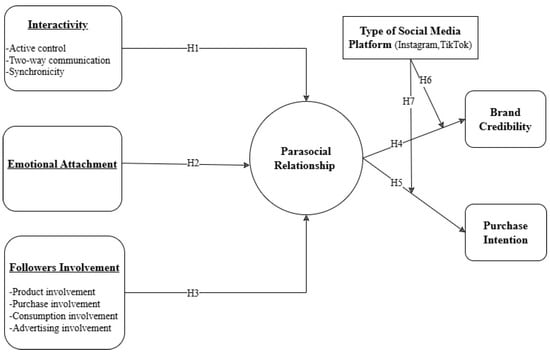
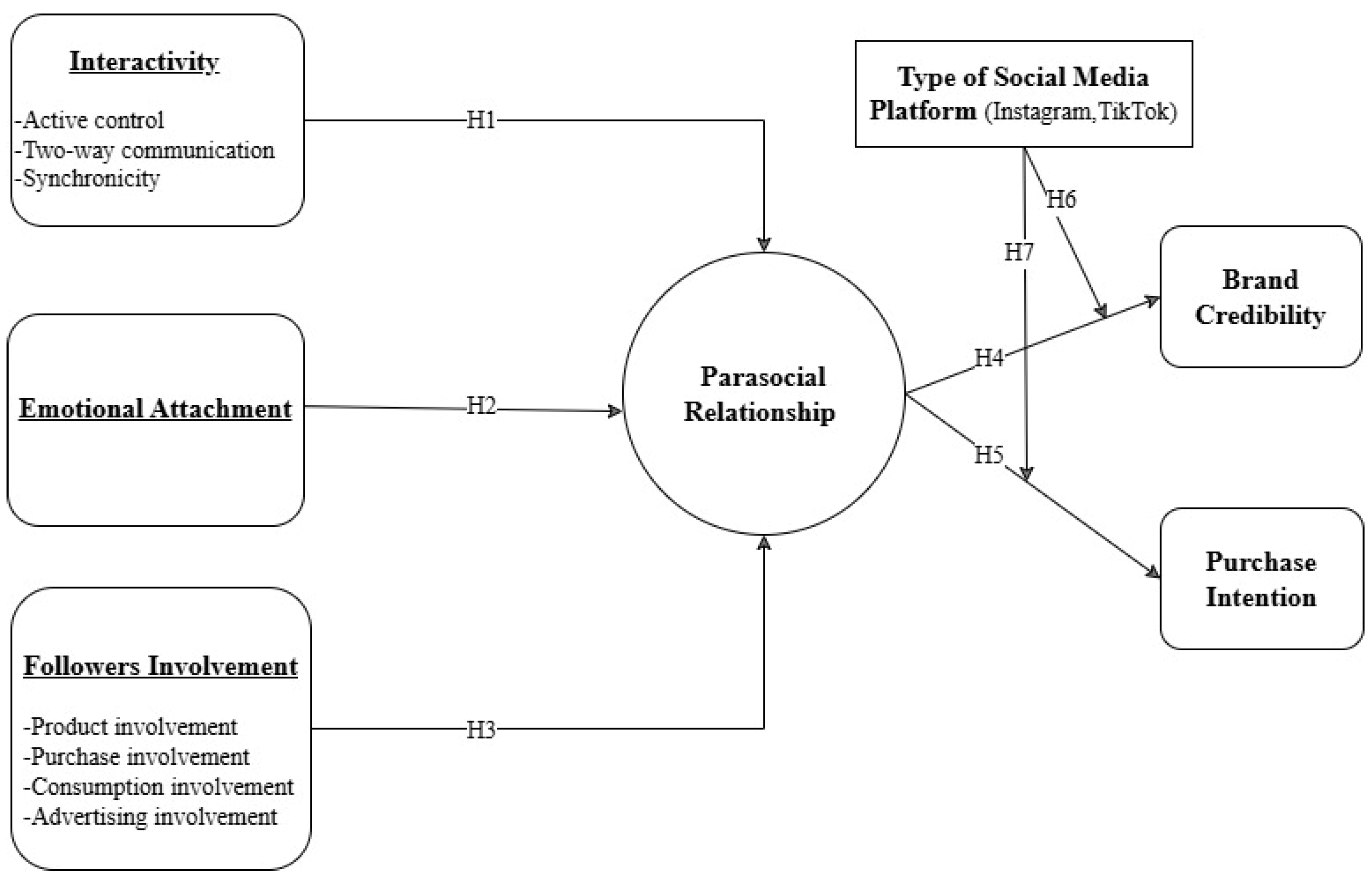
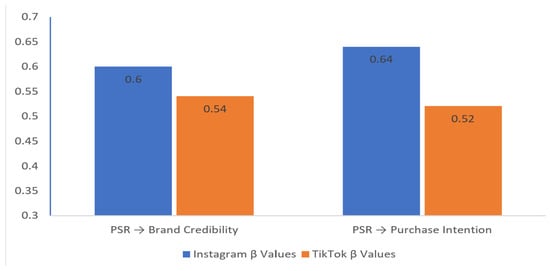
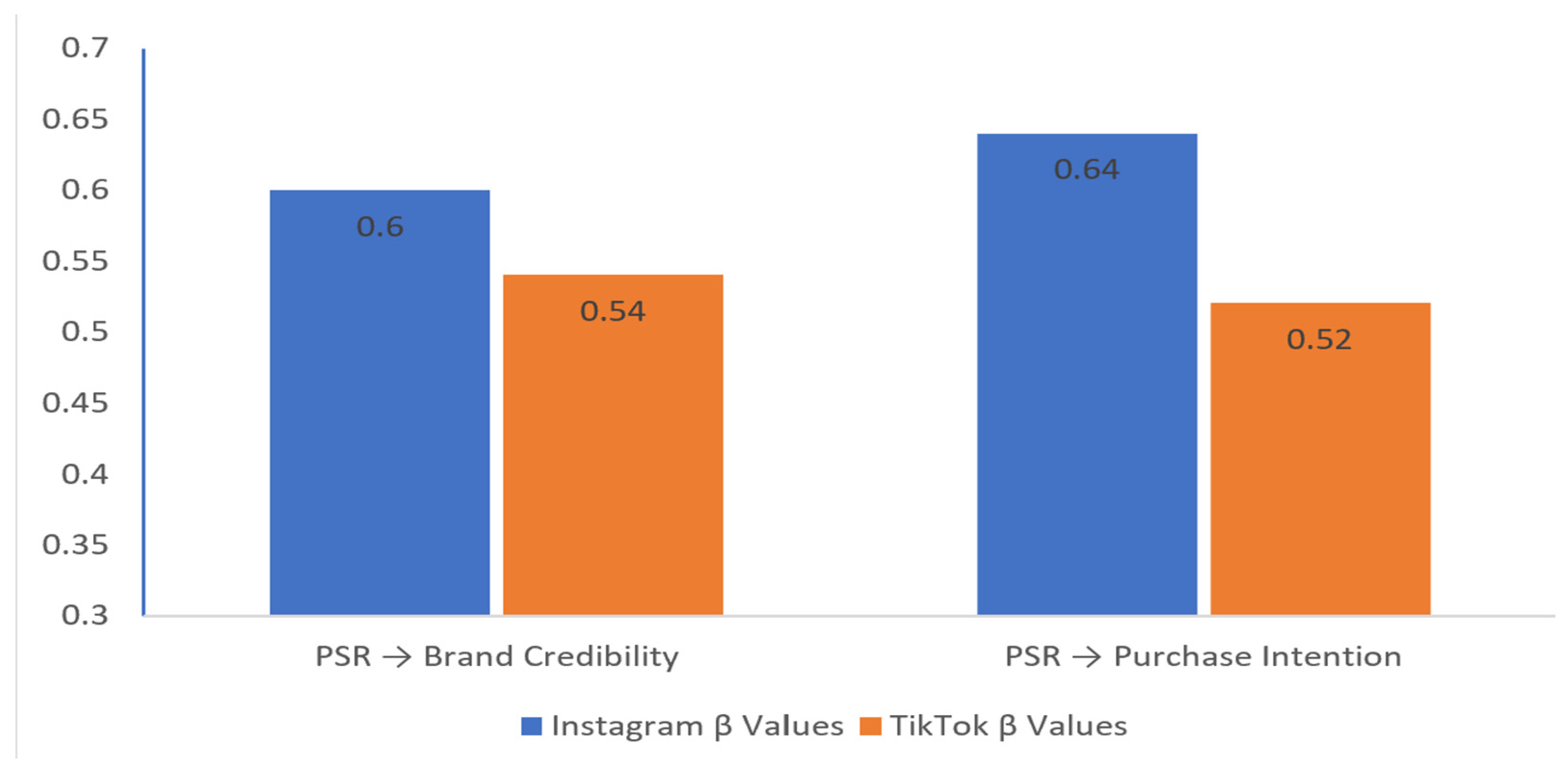

Disclaimer/Publisher’s Note: The statements, opinions and data contained in all publications are solely those of the individual author(s) and contributor(s) and not of MDPI and/or the editor(s). MDPI and/or the editor(s) disclaim responsibility for any injury to people or property resulting from any ideas, methods, instructions or products referred to in the content. |
© 2026 by the authors. Licensee MDPI, Basel, Switzerland. This article is an open access article distributed under the terms and conditions of the Creative Commons Attribution (CC BY) license.