


Abstract
E-commerce packaging provides a physical touchpoint through which consumers encounter a brand and form impressions of its products. Guided by the Stimulus–Organism–Response (S-O-R) framework, this study examined how opening mechanisms and visual configurations incorporating brand logo information and printing approaches relate to consumer evaluations and purchase intention in cosmetic e-commerce packaging. A 2 × 3 fully within-subjects experiment involved 41 participants, each of whom opened and evaluated all six packaging conditions. Word associations and questionnaire ratings were collected, and the ratings were analyzed using repeated-measures ANOVA and within-subject mediation models with adjustments for multiple testing. Hand-opening elicited higher perceived opening fluency, perceived product quality, perceived brand image, and purchase intention than tool-assisted opening. For perceived product quality, perceived brand image, and purchase intention, the offset-printed configuration with a white logo on a black background received the highest ratings, followed by the watermark-printed configuration with a black logo on natural cardboard and the unbranded, unprinted configuration. These differences concern the configurations as tested, because brand logo presence, printing approach, and color were not independently manipulated. Mediation analyses suggest that consumers’ perceptions of the enclosed product’s quality may partly explain why hand-opening packaging is associated with higher purchase intention. The findings contribute to the contextual application of the S-O-R framework and provide guidance for cosmetic brands considering hand-opening mechanisms and printed brand information in packaging design.
1. Introduction
Packaging, as a natural promoter of products, has always been highly valued by designers and major brands, and studies related to it are abundant [1,2,3,4,5,6,7,8,9]. Existing research consistently shows that packaging not only conveys necessary product information to consumers but also influences their perception of the product and even the brand through its shape, material, color, transparency, and other characteristics [5,10,11,12,13,14,15]. In this sense, packaging does not merely provide functional protection or information display; it also plays a critical role in consumers’ judgment and decision-making processes. As consumer behavior research has evolved, increasing scholarly attention has focused on how extrinsic cues like packaging influence consumer cognitive and emotional responses during the decision-making process [16,17,18,19].
More specifically, packaging’s visual attributes and structural elements constitute important design cues through which consumers form perceptions and make purchase-related judgments [13,20,21,22,23,24,25]. Existing research has shown that packaging visual attributes can shape consumers’ product perceptions and expectations, which may subsequently influence their purchase-related responses [20,21,22,24]. For example, packaging imagery has been found to shape consumers’ sensory and non-sensory expectations as well as their willingness to buy [19]; the vertical location of brand logos has been shown to influence perceived product quality, purchase intentions, and willingness to recommend [16]; and the color and shape of label design elements have been found to affect taste expectations, product liking, and purchase intent [26]. Structural elements likewise influence how consumers interpret and evaluate products. For example, package shape has been found to affect consumers’ judgments of product volume [27], perceptions of brand status and brand choice [28], as well as purchase preferences and marketplace demand [29].
Beyond these relatively static structural characteristics, functional features such as opening mechanisms determine how consumers physically interact with packaging and may influence the ease with which packaging can be understood and operated [23,30,31]. Together, these findings indicate that both the visual and structural characteristics of packaging can serve as salient cues through which consumers form product- and brand-related perceptions and make purchase-related decisions.
Against the backdrop of China’s rapid economic development and the continued expansion of e-commerce, online shopping has become increasingly embedded in consumers’ purchasing behavior [32,33]. More importantly, consumer decision-making in e-commerce does not end with the completion of an online purchase but involves two distinct stages: first, consumers decide what and how much to purchase in a virtual environment; second, once the products are physically delivered, they decide whether to keep them [34]. Consequently, the physical context in which consumers first encounter their purchased products is gradually shifting from conventional retail environments to post-purchase delivery settings, where consumers typically first see and physically interact with the delivered packaging either at parcel collection points or upon delivery to their homes [34,35]. As a result, consumers’ initial visual impressions and sensory expectations are increasingly shaped by e-commerce packaging encountered during delivery and unboxing, rather than solely by conventional retail packaging [35]. Indeed, the experiences and evaluations formed through consumers’ interactions with e-commerce packaging may subsequently influence their brand-related responses, including their intention to repurchase from the brand. However, despite its pivotal role in mediating consumer–brand interactions, e-commerce packaging remains relatively underexplored in the academic literature. Therefore, amidst the booming growth of modern e-commerce, investigating how e-commerce packaging shapes consumers’ cognitive, perceptual, and behavioral responses becomes increasingly critical to uncovering its pivotal role across the decision-making journey.
Among the diverse product categories sold through e-commerce, cosmetics provide a particularly relevant context for examining the effects of packaging design. Although cosmetics comprise a broad category of personal care products, the present study focuses specifically on two central segments—skincare products (e.g., creams, lotions, cleansers) and color cosmetics (e.g., foundations, BB creams, blushes). This narrower scope was adopted to ensure conceptual precision and analytical consistency throughout the study. Cosmetics constitute a typical hedonic product category [36,37], in which consumers place heightened value on sensory pleasure, aesthetic experience, and emotional gratification—factors that make them especially sensitive to packaging-related cues [37]. Prior studies have shown that hedonic products elicit stronger affect-driven evaluations and greater reliance on external cues during decision-making, thereby amplifying the influence of packaging on perceived product quality, brand image, and purchase-related responses [15,38,39]. Thus, cosmetics represent a theoretically relevant context in which to examine how e-commerce packaging design shapes consumers’ perceptual and behavioral responses.
To provide a focused and practically relevant analysis, this study focuses on three key attributes of cosmetic e-commerce packaging: opening mechanisms, brand identity cues, and printing approaches. Opening mechanisms were selected because they constitute a primary point of consumer interaction with e-commerce packaging and have been shown to influence consumers’ perceptions of fluency, satisfaction, and product evaluation [30,31,40]. Brand identity cues were selected because logos serve as important visual signals for brand recognition and evaluation and can influence consumers’ purchase-related responses [41,42,43,44]. Printing approaches were selected because they influence the visual presentation quality of packaging information and may serve as cues for consumers’ quality evaluations and purchase-related responses [45,46]. Although the practical value of packaging attributes is widely acknowledged, how these attributes operate within e-commerce packaging to dictate consumers’ psychological evaluations and purchase intentions has yet to be systematically investigated.
Although existing research establishes the relevance of packaging cues to consumer evaluation, it remains less clear how the physical opening experience and visual presentation of cosmetic e-commerce packaging relate to evaluations of the enclosed product, impressions of the brand, and purchase intention when consumers physically interact with the packaging. Examining these aspects within the same experimental setting can help clarify how consumers respond to packaging during unboxing.
To address this gap, the present study examines consumer responses to two opening mechanisms and three visual configurations incorporating brand logo information, printing approach, and color. Guided by the Stimulus–Organism–Response (S-O-R) framework, opening mechanism and visual configuration are treated as external stimuli, perceived opening fluency, perceived product quality, and perceived brand image as proposed internal evaluations, and purchase intention as the intended behavioral response. The study examines differences in these evaluations and purchase intention, together with the proposed indirect associations linking packaging conditions to purchase intention.
2. Theoretical Background and Hypothesis Development
2.1. The S-O-R Model
The Stimulus–Organism–Response (S-O-R) model was first proposed by Mehrabian and Russell [47] to explain how environmental stimuli influence behavioral responses through an individual’s psychological and emotional processes. The model has been widely applied in consumer behavior research to explain how packaging cues affect consumers’ cognitive evaluations and subsequent behavioral intentions [48,49,50].
In the context of cosmetic e-commerce packaging, consumers encounter structural and visual cues during unboxing. Within the S-O-R framework, the present study treats opening mechanism and visual configuration as external stimuli (S), perceived opening fluency, perceived product quality, and perceived brand image as organism-level responses (O), and purchase intention as the response (R). The three visual configurations combine brand logo presence, printing approach, and color, as detailed in Section 3.2. Accordingly, the study examines responses to these configurations as combinations rather than isolating the effects of their individual attributes.
The framework guides the examination of indirect associations between packaging conditions and purchase intention through these internal evaluations. Perceived opening fluency is examined for the opening mechanism contrast, whereas perceived product quality and perceived brand image are examined for both opening mechanism and visual configuration contrasts. These analyses assess statistical indirect associations and do not establish a causal sequence between the internal evaluations and purchase intention.
2.2. Opening Mechanisms
Packaging closures can be described in terms of their structural features or the actions required to open them. In this study, the term opening mechanism refers to how consumers open the package, distinguishing between hand-opening and tool-assisted opening. These two opening mechanisms were implemented using zipper-type and tape-type closures, respectively. This operational distinction focuses on consumers’ physical interaction with the package during unboxing.
Previous research suggests that packaging openability can contribute to consumers’ product experience and satisfaction. Difficult-to-open packaging—such as peelable induction seals, lug closures, and continuous-thread closures—has been frequently reported to cause opening problems, with more than half of consumers indicating such designs create difficulties during use [40]. Research indicates that adopting an improved closure system that is easier to open enhances consumer satisfaction and emotional response toward the product [31]. Moreover, openability has been identified as a core dimension of packaging satisfaction, particularly among older consumers, for whom poor openability substantially reduces overall satisfaction with packaging [30]. Taken together, these studies suggest that difficulties encountered during opening can shape consumers’ satisfaction and emotional responses, providing a rationale for examining how different opening mechanisms influence consumers’ evaluations of cosmetic e-commerce packaging.
Although few studies have directly examined the effects of packaging opening mechanisms on perceived product quality and perceived brand image, existing research provides substantial evidence that overall packaging design cues—such as color, shape, and material—significantly influence consumers’ judgments of product quality and brand image [22,51]. These findings provide a rationale for expecting opening mechanisms to influence product- and brand-related evaluations. An opening mechanism that facilitates physical interaction with the package may be interpreted as a cue to the quality of the enclosed product and the care reflected in the brand’s packaging design. These evaluations concern different objects: perceived product quality concerns the enclosed product, whereas perceived brand image concerns consumers’ overall impression of the brand. Accordingly, the two evaluations are treated as distinct outcomes.
In this study, perceived opening fluency refers specifically to the subjective ease and smoothness of opening the package. It is distinguished from the ease of perceptually processing visual information. Hand-opening is expected to facilitate the opening experience by removing the need for an additional tool. A more favorable opening experience, together with more positive product- and brand-related evaluations, is expected to contribute to higher purchase intention. On this basis, the following hypotheses are proposed:
H1a.
Cosmetic e-commerce packaging with hand-opening (vs. tool-assisted opening) will elicit higher perceived opening fluency.
H1b.
Cosmetic e-commerce packaging with hand-opening (vs. tool-assisted opening) will elicit higher perceived product quality.
H1c.
Cosmetic e-commerce packaging with hand-opening (vs. tool-assisted opening) will elicit a more favorable perceived brand image.
H1d.
Cosmetic e-commerce packaging with hand-opening (vs. tool-assisted opening) will elicit higher purchase intention.
2.3. Brand Logo
Brand logo is often defined as a graphic or visual symbol used to distinguish between different brands. Previous research suggests that logos play a central role in brand communication and consumer brand knowledge formation [52,53]. As one of the most visible brand identity elements, logos help consumers recognize brands, activate brand-related associations, and develop perceptions regarding brand personality and credibility [52,53]. Consequently, logos have been widely recognized as important cues influencing consumer evaluations and decision-making processes.
Research on packaging and branding further demonstrates that logo-related cues can significantly influence consumers’ responses [41,42,54]. Furthermore, studies have shown that variations in logo design can shape consumers’ perceptions of brand personality, brand image, and purchase intention [43,44]. These findings suggest that consumers rely on logo-related information when forming brand-related evaluations.
Taken together, existing research suggests that brand logos function as important brand identity cues and play a critical role in shaping consumers’ perceptions of brands. In the context of cosmetic e-commerce packaging, where consumers often encounter packaging before interacting with the product itself, the presence of a brand logo may provide a salient signal that helps consumers identify the brand and form evaluations regarding perceived product quality and perceived brand image. These evaluations may subsequently influence purchase intention.
In the present study, the comparison between packaging with and without a brand logo is operationalized through visual configurations V2 and V1. Both retain the natural color of corrugated cardboard, but V2 displays the You Face logo in black using watermark printing, whereas V1 contains no brand logo or printing (Section 3.2). Thus, this contrast captures the combined introduction of brand logo information and its printed presentation. It does not isolate an independent effect of brand logo presence. Accordingly, the following hypotheses concern the comparison between visual configurations V2 and V1:
H2a.
Cosmetic e-commerce packaging in visual configuration V2 (vs. V1) will elicit higher perceived product quality.
H2b.
Cosmetic e-commerce packaging in visual configuration V2 (vs. V1) will elicit a more favorable perceived brand image.
H2c.
Cosmetic e-commerce packaging in visual configuration V2 (vs. V1) will elicit higher purchase intention.
2.4. Printing Approaches
Printing approaches contribute to packaging appearance through the reproduction of color and graphic detail. Technical studies indicate that print characteristics depend on both the printing process and production conditions, including ink and substrate properties [45,55]. These findings describe the physical characteristics of printed output, but do not establish how consumers evaluate the resulting packaging.
Consumer research provides a complementary basis for examining these evaluations. Packaging colors and graphics can shape product beliefs and purchase intention, while combinations of design elements can convey different brand impressions [22,56]. Together, these findings suggest that printed packaging presentations may serve as cues for product- and brand-related judgments. They therefore motivate a comparison of consumer responses to the visual configurations used in this study.
The present study compares visual configurations V3 and V2, both of which display the You Face logo. V3 presents a white logo on a black background using offset printing, whereas V2 presents a black logo on the natural cardboard background using watermark printing (Section 3.2). Because printing approach, background color, and logo color vary together, this comparison concerns the configurations as presented and does not isolate an independent effect of printing approach.
The capacity of offset printing to reproduce clear graphics and fine detail provides a rationale for expecting V3 to convey stronger quality cues than V2. These cues may support more favorable evaluations of the enclosed product and the brand, as well as higher purchase intention. Accordingly, the following hypotheses are proposed:
H3a.
Cosmetic e-commerce packaging in visual configuration V3 (vs. V2) will elicit higher perceived product quality.
H3b.
Cosmetic e-commerce packaging in visual configuration V3 (vs. V2) will elicit a more favorable perceived brand image.
H3c.
Cosmetic e-commerce packaging in visual configuration V3 (vs. V2) will elicit higher purchase intention.
2.5. The Mediating Roles of Perceived Opening Fluency, Perceived Product Quality, and Perceived Brand Image
Building on the S-O-R framework, this study examines three proposed mediators linking packaging conditions to purchase intention: perceived opening fluency, perceived product quality, and perceived brand image. Perceived opening fluency is examined for the hand-opening versus tool-assisted opening contrast. Perceived product quality and perceived brand image are examined for the opening mechanism contrast and all three pairwise visual configuration contrasts: V2–V1, V3–V2, and V3–V1. The following sections develop the rationale for each proposed mediator; the parallel mediation analyses estimate their specific indirect effects while accounting for the other mediators included in each model.
Processing fluency refers to the subjective ease with which information is processed and can serve as a cue in judgment [57]. Within this broader account, perceptual fluency concerns the ease of perceptual processing. Reber, Schwarz, and Winkielman [58] linked fluent processing to aesthetic pleasure, while Labroo and Lee [59] showed that ease of processing an advertisement contributed to brand evaluation in a regulatory-goal context. These findings support the relevance of experienced ease to consumer judgments, although they do not directly establish an effect of physical opening ease on purchase intention.
The present study focuses on perceived opening fluency, defined here as the perceived ease of opening the packaging and the effort involved. This measure concerns physical interaction with packaging rather than the ease of perceiving or understanding its visual information. Its connection to processing fluency theory lies in the broader proposition that experienced ease may inform evaluation. Applying this proposition to unboxing, we expect hand-opening, compared with tool-assisted opening, to facilitate the opening experience, and greater perceived opening fluency to be associated with higher purchase intention. This reasoning motivates the proposed indirect association between opening mechanism and purchase intention through perceived opening fluency.
Perceived quality refers to consumers’ subjective judgment regarding a product’s overall excellence or superiority [60]. In this study, perceived product quality refers specifically to evaluations of the enclosed product inferred from its packaging, rather than the quality of the packaging itself. Previous research has shown that packaging-related cues (such as material, shape, functional design and visual elements) influence consumers’ perceptions of product quality, thereby having a significant impact on their purchasing intentions and behavioral responses [22,61,62]. Specifically, Nascimento et al. [18] found that glass-jarred honey receives higher purchase intention because it is perceived as healthier and of higher quality, whereas plastic packaging reduces purchase intention due to its association with lower quality. Dong and Gleim [16], drawing on conceptual metaphor theory, confirmed that brand logo placement influences purchase and recommendation intentions through the mediating role of perceived quality. Together, these findings provide a basis for considering perceived product quality as a potential link between packaging cues and purchase intention.
The present study applies this reasoning to the opening mechanism contrast and the three pairwise visual configuration contrasts. We propose that differences in the opening experience and visual presentation may inform evaluations of the enclosed product, and that more favorable perceived product quality may be associated with higher purchase intention. Perceived product quality is therefore examined as a proposed mediator for these comparisons.
Perceived brand image refers to consumers’ overall perceptions, associations, and impressions regarding a brand [53]. In this study, perceived brand image is assessed through perceptions of the brand’s industry leadership, experience, and customer orientation. It concerns evaluations of the brand, whereas perceived product quality concerns evaluations of the enclosed product. Perceived brand image reflects how consumers interpret and evaluate brand-related information and has long been recognized as an important determinant of consumer attitudes and behavioral intentions [63,64]. Previous research suggests that packaging serves not only as a functional container but also as an important communication medium through which consumers infer brand meanings and form brand-related evaluations [22,65]. Recent studies have further demonstrated the important role of packaging cues in shaping brand image. For example, Ghorbani and Westermann [66] demonstrate that packaging cues serve as a central node in brand association networks, shaping brand image through product attributes, identity, and personification. Rehman and Elahi [50] found that packaging semiotics significantly influence perceived brand image, which subsequently affects purchase intention and brand loyalty. These findings indicate that consumers often rely on packaging-related cues as important signals when forming brand-related evaluations. Given that e-commerce packaging is often the first physical touchpoint between consumers and brands, such evaluations may play an important role in shaping consumers’ purchase intentions. Accordingly, perceived brand image is proposed as a mediator linking packaging conditions to purchase intention for the opening mechanism contrast and the three pairwise visual configuration contrasts.
In summary, this paper proposes the following hypotheses:
H4a.
Perceived opening fluency is expected to mediate the association between opening mechanism (hand-opening vs. tool-assisted opening) and purchase intention.
H4b.
Perceived product quality is expected to mediate the associations of opening mechanism and visual configuration with purchase intention.
H4c.
Perceived brand image is expected to mediate the associations of opening mechanism and visual configuration with purchase intention.
In summary, this paper will test and analyze the above hypotheses through experiments based on the theoretical model shown in Figure 1.
Figure 1.
Conceptual framework.
3. Stimulus Development
3.1. Market Survey
First of all, research on the cosmetic market in China was conducted to examine the design characteristics of leading Chinese cosmetic brands, including their brand logos (i.e., typographic form and graphic elements) and their e-commerce packaging (i.e., opening mechanisms, overall packaging color, and printing approaches). This investigation serves as the foundation for the development of the experimental materials.
Five color cosmetics brands (Perfect Diary, MAOGEPING, Florasis, TIMAGE, and Carslan) and five skincare brands (CHANDO, PROYA, Winona, MARUBI, and Comfy) that ranked top in terms of sales in 2024 were selected for analysis.
A survey was conducted on the brand logo designs and e-commerce packaging designs of the above 10 domestic cosmetics brands. The results are summarized in Table 1 and Figure 2. The findings are as follows: ① All 10 domestic cosmetics brands include text in their brand logos. Among these, one brand (Comfy) uses purely Chinese characters, one brand (MAOGEPING) uses purely English characters, and the remaining eight brands use a combination of Chinese and English characters; ② One brand (Florasis) features a graphic design; ③ Five brands (TIMAGE, Florasis, PROYA, CHANDO, and Winona) use zipper-style shipping boxes; ④ Five brands (Perfect Diary, MAOGEPING, Carslan, Comfy, and MARUBI) use tape-style shipping boxes; ⑤ The most commonly used color for domestic cosmetics shipping packaging is corrugated paper’s natural color.
Table 1.
Design of brand logos and e-commerce packaging for Chinese cosmetics brands.
Figure 2.
Representative brand logos and e-commerce packaging of Chinese cosmetics brands. Note. The Chinese brand names correspond to the following English names: 完美日记 (Perfect Diary), 彩棠 (TIMAGE), 花西子 (Florasis), 卡姿兰 (Carslan), 珀莱雅 (PROYA), 可复美 (Comfy), 自然堂 (CHANDO), 薇诺娜 (Winona), and 丸美 (MARUBI). Chinese text on the packaging is retained as part of the original designs. All trademarks and logos shown in Figure 2 belong to their respective rights holders and are included solely for academic discussion and commentary.
The purpose of the market survey was not to directly reproduce existing packaging designs, but to identify packaging attributes that are commonly encountered by consumers in cosmetic e-commerce settings. Packaging attributes were retained only if they were both commonly observed in the marketplace and supported by prior research as factors potentially influencing consumer evaluations and behavioral responses. Based on the survey results and prior literature, three packaging attributes were selected for experimental investigation: opening mechanisms, brand identity cues, and printing approaches. The specific stimulus materials were subsequently developed to represent these packaging attributes while maintaining a realistic appearance consistent with current market practices.
3.2. Experimental Stimuli
Based on the market survey and previous literature, six experimental stimuli were developed using corrugated cardboard mailing boxes corresponding to China Post Carton No. 9 (195 × 105 × 135 mm). Package dimensions were identical across all conditions. A fictitious cosmetic brand, You Face, was created to minimize the influence of participants’ familiarity with existing brands. Its logo incorporated both Chinese and English text, reflecting the predominant pattern identified in the market survey. The logo design is presented in Figure 3.
Figure 3.
Design of the fictitious “You Face” brand logo. Note. The Chinese characters “有颜” are the Chinese-language name of the fictitious brand “You Face”.
The six stimuli formed a 2 (opening mechanism: tool-assisted opening vs. hand-opening) × 3 (visual configuration: V1, V2, and V3) fully within-subjects design, in which all 41 participants evaluated all six conditions. V1 consisted of an unprinted box in the natural color of corrugated cardboard, with no brand logo or other brand-related information. V2 consisted of a box in the natural color of corrugated cardboard, with the You Face logo printed in black using watermark printing. V3 consisted of a box with a fully black-printed surface and the You Face logo presented in white using offset printing. These configurations represented the specific combinations of brand identity information, printing approach, and color used in the experiment.
The two opening mechanisms were crossed with the three visual configurations. Group 1, Group 2, and Group 3 combined tool-assisted opening with V1, V2, and V3, respectively; Group 4, Group 5, and Group 6 combined hand-opening with V1, V2, and V3, respectively. The six stimuli are presented in Figure 4, and their characteristics are summarized in Table 2.
Figure 4.
The six experimental packaging stimuli.
Table 2.
Characteristics of the six experimental packaging conditions.
Within the visual configurations, brand logo presence, printing approach, and color were not independently manipulated. Although the condition without a brand logo also had no printing, this correspondence did not eliminate the confounding between these attributes. Comparisons involving V1 therefore reflect differences between complete visual configurations rather than an isolated effect of brand logo presence. Likewise, V2 and V3 differed in printing approach, background color, and logo color, so their comparison cannot isolate the effect of printing technology. Accordingly, effects involving the visual configuration factor are interpreted as differences between the specific packaging configurations tested.
4. Methods
4.1. Participants
The study employed a 2 (opening mechanism) × 3 (visual configuration) fully within-subjects design. Sample size requirements were evaluated separately for the two main effects using the “ANOVA: Repeated measures, within factors” procedure in G*Power 3.1. For each main effect, the calculations were based on participant-level scores averaged across the levels of the other factor. Assuming a medium effect size (f = 0.25), a significance level of 0.05, a target power of 0.80, a correlation of 0.50 among these repeated measures, and a nonsphericity correction of ε = 1, the required sample sizes were 34 participants for the opening mechanism main effect and 28 participants for the visual configuration main effect. The larger estimate indicated a minimum required sample size of 34 participants under the specified assumptions. The final sample comprised 41 participants, all of whom evaluated all six conditions, exceeding this requirement. These calculations concern the two main effects under the specified assumptions and do not establish adequate power for interaction effects, indirect effects, or all multiplicity-adjusted tests.
The study was conducted in Ningbo, Zhejiang Province, China, between April and May 2025. A total of 41 participants (25 females and 16 males) were recruited through convenience sampling from Ningbo University and the surrounding community. Participants ranged in age from 18 to 40 years (M = 23.68, SD = 4.14).
Only individuals with prior experience purchasing cosmetics through e-commerce platforms were eligible to participate. Participants also reported their online cosmetics purchasing frequency, preferred brands, product categories, and typical spending levels to further characterize the sample. All participants provided informed consent prior to participation and completed the study voluntarily.
4.2. Questionnaire Design
The questionnaire assessed four constructs after participants opened each package: perceived opening fluency (FL), perceived product quality (PQ), perceived brand image (BI), and purchase intention (PI). Perceived opening fluency was assessed using a single seven-point semantic differential item concerning the actual opening experience. The item draws on the subjective-ease approach to fluency measurement discussed by Labroo and Lee [59], while applying it to physical interaction with packaging rather than advertisement processing. The administered wording and response anchors are reported in Table A1.
Perceived product quality was assessed using five items adapted from Dodds et al. [67], referring to the product enclosed in the packaging rather than the packaging itself. Perceived brand image was assessed using three items selected and adapted from the brand image measure reported by Godey et al. [68], addressing the brand’s industry leadership, experience, and customer orientation. PQ and BI scores were calculated as the means of their five and three items, respectively.
Purchase intention was assessed using a single item asking participants how willing they were to purchase products from the brand using the packaging. It represents consumers’ stated willingness to purchase the brand’s products after experiencing the packaging. The single item provides a focused assessment of this specific purchase intention rather than a broader measure of purchasing behavior.
All items used seven-point response scales with item-specific endpoints. The brand image items ranged from strongly disagree to strongly agree, whereas the product quality items used endpoints appropriate to the attribute being evaluated. Purchase intention ranged from very unwilling to very willing. Higher scores indicated more favorable evaluations. The complete measurement items and response anchors are presented in Appendix A, Table A1.
Internal consistency was assessed separately for each packaging condition. Cronbach’s α ranged from 0.860 to 0.954 for perceived product quality and from 0.841 to 0.962 for perceived brand image. Each analysis included all 41 participants. Condition-specific coefficients are reported in Appendix A, Table A2. Internal consistency was not assessed for the single-item measures of perceived opening fluency and purchase intention.
4.3. Procedure
The experiment was conducted in a classroom at Ningbo University with all participants under the same lighting and temperature conditions. Participants entered the room individually. Each participant was assigned a computer-generated random sequence for opening and evaluating the six packaging conditions. The presentation order was recorded for each participant. Linear mixed models assessed presentation-position effects for each outcome, with packaging condition and presentation position (1–6) as categorical fixed effects and a participant-specific random intercept. Models with and without presentation position were fitted using maximum likelihood and compared using likelihood-ratio tests. The four position-effect tests formed a separate Holm-adjusted family. These analyses were performed in Python 3.12.14 using NumPy 2.3.5 and SciPy 1.17.0.
All six packaging conditions represented the same fictitious brand, “You Face,” as identified in standardized verbal instructions provided to all participants. Thus, participants knew which brand they were evaluating even in the V1 conditions, where no logo or other brand information appeared on the packaging. Each package contained an identical 50 g calibration weight rather than a cosmetic product; the weight was visible after the package was opened.
Before the experiment, participants received a detailed description of its purpose and procedures. The anonymity and voluntary nature of participation were emphasized, and participants were informed that they could withdraw at any time. After signing the experimental information form, participants observed and opened the six packages one at a time in their assigned random sequence.
After opening each package, participants first completed a word association (WA) task. Specifically, they were asked to write down the first three words, thoughts, feelings, or associations that came to mind after interacting with the packaging. This task was designed to capture participants’ spontaneous cognitive and emotional responses to the packaging and its design attributes [19,69,70,71,72].
Following the word association task, participants completed a questionnaire measuring perceived opening fluency, perceived product quality, perceived brand image, and purchase intention. After completing the evaluations for all six packaging conditions, participants completed a demographic questionnaire that collected information on their gender, age, education level, online cosmetics purchasing frequency, preferred cosmetics brands, product categories purchased, and typical spending levels.
5. Results
5.1. Analysis of Word Association Results
The free word association task yielded 732 responses across the six packaging conditions. Before data organization and coding, all 18 responses from one participant were excluded because of their highly repetitive pattern across conditions. The participant provided the same triplet—“convenient, troublesome, happy”—for the first two conditions, while “troublesome” and “happy” accounted for 11 of the 18 responses.
The qualitative analysis therefore included 714 responses from 40 participants. This corresponded to an average of 2.98 responses per participant per condition, indicating that the stimulus materials effectively elicited spontaneous semantic responses. The exclusion applied only to the word association analysis; all 41 participants were retained in the questionnaire analyses.
Out of a total of 714 elicited words, 444 (62.18%) were unique, and 25 (5.63%) were mentioned by at least four respondents. The most frequently cited words were: common (66 times), high quality (58 times), easy to open (56 times), concise (38 times), and reliable (33 times). Prior research suggests that the frequency of cited words is positively associated with the salience or importance of the underlying concept in consumers’ mental representations [73].
5.1.1. Semantic Categorization of Word Associations
Words and phrases with different lexical forms can express similar meanings. The 444 distinct words or phrases were therefore independently coded into semantic categories by three researchers. Differences in classification were discussed until consensus was reached, resulting in 48 categories. Complete item-level pre-consensus coding records were not retained in a form that allowed the three researchers’ classifications to be reliably aligned. Consequently, pre-consensus intercoder agreement could not be calculated, limiting the assessment of coding reproducibility. Table 3 presents examples of the words and phrases assigned to each category. Category frequencies across the six packaging conditions were subsequently examined using simple correspondence analysis (Figure 5).
Table 3.
Examples of words grouped into the same category by triangulation.
Figure 5.
Simple correspondence analysis of 48 different categories obtained by triangulation.
The first two dimensions of the correspondence analysis accounted for 71.99% of the total inertia (44.97% and 27.02%, respectively; Figure 5). The map showed differences in the semantic profiles of the six packaging conditions. Groups 1 and 4, which shared the unbranded, unprinted configuration V1, were positioned on the negative side of Dimension 1. However, they were separated along Dimension 2. Group 1 occupied the upper-left region, where descriptors such as ordinary, skeptical, shipping box, and tools required were plotted. Group 4 occupied the lower-left region, alongside a different set of descriptors, including no brand logo, no eye-catching, and curious. Opening-related categories, including easy to open and no tools required, also appeared in the lower portion of the map. This distribution suggests that the associations elicited by the two V1 conditions differed in content rather than representing uniformly neutral or negative evaluations.
Groups 3 and 6, which shared the offset-printed configuration V3, were positioned relatively close together on the positive side of Dimension 1. This region contained descriptors related to visual presentation, branding, and value, including eye-catching, with brand logo, color, aesthetic, high-level, and expensive. Their placement suggests a visual- and brand-oriented semantic profile, although individual descriptors did not all convey the same evaluative meaning. Groups 2 and 5, representing the watermark-printed configuration V2, occupied more central positions. Group 2 lay near the reliable category, while Group 5 was close to the origin. These central positions should not be interpreted as evidence of neutral or balanced evaluations. Overall, the map provides an exploratory description of the association patterns across conditions; the regional patterns should not be treated as direct measures of association strength between individual conditions and categories.
The association with clean should be interpreted in the context of the experimental setting. Because the packaging stimuli were prepared under laboratory conditions rather than collected after actual logistics transportation, they appeared cleaner than packages typically received by consumers. Consequently, the frequent occurrence of this association may partly reflect the characteristics of the experimental materials. Nevertheless, the emergence of clean as a recurring descriptor suggests that cleanliness remains a salient aspect of consumers’ perceptions of e-commerce packaging. This interpretation is consistent with previous research showing that cleanliness is an important consideration in consumers’ evaluations of packaging design [74].
Overall, the correspondence map suggests that the six packaging conditions elicited different patterns of spontaneous associations involving appearance, opening experience, and quality-related impressions. These patterns provide an exploratory account of participants’ initial responses to the packaging stimuli. This finding is consistent with previous research showing that variations in packaging shape, color, and other design elements can elicit distinct consumer associations and sensory expectations [69,71].
5.1.2. Grouping of Different Categories by Generic Dimensions
To obtain a higher-level semantic structure, the 48 categories identified in the previous stage were further integrated into broader conceptual dimensions through triangulation. Three independent coding procedures were carried out, and the final classification was established through consensus among the researchers. This process resulted in nine semantic dimensions: opening experience (e.g., easy to open, difficult to open, tool-assisted opening, unpacking), visual perception (e.g., aesthetics, neatness, eye-catching, color), brand and identity recognition (e.g., branding, branded packaging, product source), quality and structural perception (e.g., texture, integrity, poor quality, lightweight), functionality and practicality (e.g., express box, environmental friendliness, repurchase), user care (e.g., consideration of user needs, need for improvement), emotional and psychological perception (e.g., worry, calmness, urgency, happiness), perceived value (e.g., high-end, premium, cost-effective), and innovation and uniqueness (e.g., innovative, novel, distinctive).
For the frequency summary presented in Figure 6, only terms mentioned by at least four distinct participants were retained, yielding 566 mentions across the six packaging conditions. These associations were summarized across nine broader semantic dimensions to facilitate comparison of the conditions’ semantic profiles. Percentages were calculated using the 566 retained mentions as the denominator. Visual perception was the most frequently mentioned dimension, accounting for 195 mentions (34.5%).
Figure 6.
Frequency of each express package stimulus dimension in the word association test with six express packages as stimuli. 1 = Opening experience, 2 = Visual perception, 3 = Brand and identity recognition, 4 = Quality and structural perception, 5 = Functionality and practicality, 6 = User care, 7 = Emotional and psychological perception, 8 = Perceived value, and 9 = Innovation and uniqueness.
(1) Visual perception was the most frequently mentioned dimension, accounting for 195 mentions (34.5% of the total word frequency). This indicates that participants’ spontaneous associations were strongly oriented toward the visual presentation of packaging, including color, design, aesthetics, and visual attractiveness. The positive associations observed in Groups 1 and 2 indicate that, even when the underlying package structure remains conventional, optimizing visual attributes can still contribute to favorable consumer evaluations. This finding is consistent with the conclusions of numerous existing studies [11,75,76].
(2) Opening experience constituted the second most prominent dimension of differentiated recognition, totaling 96 mentions across the six groups. The marked concentration of mentions in Group 4 (25) and Group 1 (19) demonstrates that opening mechanisms serve as a highly salient visual and tactile focal point in consumer perception. While prior research has established that opening design significantly influences functional satisfaction during user interaction [30,31], these findings further extend the understanding of opening mechanisms by highlighting their broader role in shaping consumer engagement.
(3) Emotional and psychological responses captured key brand affinity mechanisms, with 82 total mentions across groups. Group 4 generated the highest frequency (21 mentions); however, the absence of brand identity and printing information induced significant cognitive intrigue (7 confusion, 3 curiosity) despite its intuitive hand-opening method. In contrast, Group 5 (16 mentions), combining hand-opening with present brand identity and watermark printing, elicited the most stable positive feedback, heavily weighted toward reliability (9 mentions). Groups 2 and 3 each recorded 14 mentions, including references to reliability and anticipation. Together, these responses suggest that participants’ impressions extended beyond the physical opening experience to feelings and expectations concerning the packaging and its contents. This aligns with Ampuero and Vila [61], who demonstrated that explicit graphic cues and surface printing on packaging play a decisive role in conveying product positioning and fostering brand trust.
(4) Quality and structural perceptions represented a critical evaluative dimension with 77 total mentions, heavily weighted toward “high quality” (58 mentions). The data reveals that visual surface treatments directly shape inferred structural reliability: baseline groups without brand cues or printing yielded the lowest scores (Group 4: 5; Group 1: 3), whereas groups featuring offset printing and present brand identity achieved the highest evaluations (Group 6: 25; Group 3: 20). This pattern suggests that quality-related impressions featured more prominently in participants’ spontaneous responses to V3 than to V1. This finding is consistent with previous research showing that higher-quality packaging appearance can serve as an extrinsic cue that enhances consumers’ perceptions of packaging quality, which subsequently contributes to more favorable evaluations of the product and brand [22,77].
(5) Secondary Dimensions and Performance Deficiencies: In contrast to the dominant evaluative dimensions, the remaining categories registered notably low cognitive salience, including brand and identity recognition (42 mentions), perceived value (19 mentions), user care (with Group 2 highest at 9 mentions), as well as functional utility and innovation (each receiving 12 mentions). This collective weakness indicates that the experimental packaging stimuli currently lack sufficient value differentiation, functional distinctiveness, and empathetic consideration of user needs. Furthermore, the diffuse evaluations of perceived value—which failed to focus on specific package attributes—reflect a general underperformance in conveying premium brand identity. These findings highlight crucial design gaps in contemporary e-commerce packaging, suggesting that future innovations must extend beyond visual and mechanical optimization to incorporate empathetic details, functional utility, and a clear brand value proposition.
The correspondence analysis results (Figure 7) indicate that the two dimensions together account for 79.28% of the total inertia. Dimension 1 (49.40%) differentiates higher-order brand and value perceptions (primarily associated with Group 6) from lower-order functional and sensory experiences (mainly related to tool-assisted-opening packaging). Dimension 2 (29.88%) further distinguishes user care and opening experience (closely associated with Group 4) from functionality (linked to Group 1, Group 2, and Group 3). Overall, packaging that can be opened directly by hand is more strongly associated with higher-level consumer perceptions, whereas packaging that requires tool-assisted opening is largely confined to functionality and basic sensory attributes. These findings also provide a semantic basis for understanding how packaging characteristics influence subsequent consumer evaluations and behavioral intentions.
Figure 7.
Correspondence analysis of the nine semantic dimensions across the six packaging conditions. Dimension 1 and Dimension 2 explain 49.40% and 29.88% of the total inertia, respectively.
5.2. Data Analysis
Separate 2 × 3 repeated-measures ANOVAs were conducted for the four outcomes, with opening mechanism and visual configuration as within-subject factors, using Type III sums of squares. Mauchly’s test assessed sphericity for visual configuration and its interaction with opening mechanism; Greenhouse–Geisser corrections were applied when sphericity was violated. Effect sizes were reported as partial eta squared. Holm adjustment was applied across the 12 omnibus tests. Estimated marginal mean comparisons were averaged across the other factor, with Bonferroni adjustment applied separately to the three visual configuration comparisons within each outcome. Descriptive statistics for the four outcomes across the six packaging conditions are presented in Table 4.
Table 4.
Descriptive statistics for the four outcomes across the six packaging conditions.
After accounting for packaging condition, no significant overall presentation-position effects were detected for any of the four outcomes (all unadjusted ps ≥ 0.288; all Holm-adjusted ps = 1.000; Table A3).
5.2.1. Effects of Opening Mechanisms
Opening mechanism had a significant main effect on all four outcomes after Holm adjustment across the 12 omnibus tests (Table 5). Averaged across the three visual configurations, purchase intention for the brand’s products was higher when the e-commerce packaging could be opened by hand than when it required a tool (M = 5.415 vs. 4.520), F(1, 40) = 32.002, Holm-adjusted p < 0.001, = 0.444. The estimated marginal mean difference was 0.894 (95% CI [0.575, 1.214]; Table 6).
Table 5.
Results of the 2 × 3 repeated-measures ANOVAs across four outcomes.
Table 6.
Pairwise comparisons of estimated marginal means for opening mechanisms and visual configurations.
The hand-opening condition also elicited higher perceived product quality (M = 5.351 vs. 4.698), F(1, 40) = 26.505, Holm-adjusted p < 0.001, = 0.399, and more favorable perceived brand image (M = 5.027 vs. 3.978), F(1, 40) = 37.755, Holm-adjusted p < 0.001, = 0.486, than the tool-assisted opening condition. Perceived opening fluency was likewise higher in the hand-opening condition (M = 5.854 vs. 4.976), F(1, 40) = 7.994, Holm-adjusted p = 0.036, = 0.167. The corresponding estimated marginal mean differences and confidence intervals are presented in Table 6. These findings support H1a–H1d: compared with tool-assisted opening, hand-opening elicited higher perceived opening fluency, perceived product quality, and purchase intention, as well as a more favorable perceived brand image.
5.2.2. Effects of Visual Configurations
Visual configuration had significant main effects on purchase intention, F(2, 80) = 62.057, = 0.608; perceived product quality, F(2, 80) = 60.414, = 0.602; and perceived brand image, F(2, 80) = 78.785, = 0.663. All three effects remained significant after Holm adjustment across the 12 omnibus tests (all Holm-adjusted ps < 0.001; Table 5).
Averaged across the two opening mechanisms, these three outcomes showed a consistent ordering, with the highest ratings for V3, followed by V2 and V1. Bonferroni-adjusted pairwise comparisons indicated significant differences between all three pairs of configurations for each outcome (Table 6). Relative to V1, V2 yielded higher purchase intention, perceived product quality, and perceived brand image, with estimated marginal mean differences of 1.220, 0.912, and 1.280, respectively (all Bonferroni-adjusted ps < 0.001). These findings support H2a–H2c, indicating that V2 elicited higher perceived product quality, a more favorable perceived brand image, and higher purchase intention than V1. V3 also yielded higher ratings than V2 for purchase intention (mean difference = 0.500, Bonferroni-adjusted p = 0.002), perceived product quality (mean difference = 0.407, Bonferroni-adjusted p = 0.001), and perceived brand image (mean difference = 0.654, Bonferroni-adjusted p < 0.001). These findings support H3a–H3c, indicating that V3 elicited higher perceived product quality, a more favorable perceived brand image, and higher purchase intention than V2. Comparisons between V3 and V1 were significant for all three outcomes (all Bonferroni-adjusted ps < 0.001).
The main effect of visual configuration on perceived opening fluency was also significant following Greenhouse–Geisser correction and Holm adjustment, F(1.671, 66.846) = 7.759, Holm-adjusted p = 0.011, = 0.162. Bonferroni-adjusted pairwise comparisons, however, indicated a significant difference only between V3 and V1, with higher ratings for V3 (mean difference = 0.463, 95% CI [0.124, 0.802], Bonferroni-adjusted p = 0.004). Neither the V2–V1 comparison nor the V3–V2 comparison reached statistical significance (Bonferroni-adjusted ps = 0.067 and 0.255, respectively; Table 6).
These findings reflect differences among the specific visual configurations tested. Because brand information, printing approach, and color were not independently manipulated, the observed differences cannot be attributed to the independent effect of any single feature.
5.2.3. Within-Subject Mediation Analyses
Single-mediator analyses were conducted first, followed by parallel mediation analyses examining the mediators simultaneously. All models used MEMORE 3.0, Model 1, with purchase intention (PI) as the outcome. The opening mechanism contrast was defined as hand-opening − tool-assisted opening, using scores averaged across the three visual configurations. The visual configuration contrasts were V2–V1, V3–V2, and V3–V1, using scores averaged across the two opening mechanisms. Both sets of analyses used 50,000 participant-level percentile bootstrap resamples. The nine indirect effects in each set formed a separate Bonferroni-adjusted family, with a confidence level of approximately 99.4% for each interval (familywise α = 0.05).
In the nine single-mediator models, each outcome difference score was regressed on the selected mediator’s difference score and its mean-centered average across the two compared conditions. For the opening mechanism contrast, the adjusted intervals excluded zero for perceived product quality (indirect effect = 0.5635, CI [0.2080, 1.0999]) and perceived brand image (indirect effect = 0.6463, CI [0.2317, 1.2102]). The indirect effect through perceived opening fluency was 0.1665; its unadjusted 95% interval excluded zero, but its adjusted interval included zero, CI [−0.0240, 0.6249]. For all three visual configuration contrasts, the adjusted intervals excluded zero for both perceived product quality and perceived brand image. Overall, eight of the nine single-mediator indirect effects met the adjusted criterion (Table 7).
Table 7.
Indirect effects from within-subject single-mediator analyses.
Four parallel mediation models were estimated: one for the opening mechanism contrast and one for each of the three pairwise visual configuration contrasts. Perceived opening fluency, perceived product quality, and perceived brand image were entered simultaneously in the opening mechanism model; perceived product quality and perceived brand image were entered simultaneously in each visual configuration model. Each outcome regression included the mediator difference scores and their mean-centered average scores. For the opening mechanism contrast, the specific indirect effect through perceived product quality was positive, and its adjusted interval excluded zero (indirect effect = 0.5111, BootSE = 0.1942, CI [0.0798, 1.2451]). The corresponding intervals included zero for perceived opening fluency and perceived brand image. All six specific indirect-effect intervals for the three visual configuration contrasts included zero (Table 8). In the parallel mediation models, H4b received partial support: the adjusted interval excluded zero for the opening mechanism contrast through perceived product quality, but included zero for all three visual configuration contrasts. H4a and H4c were not supported under the multiplicity-adjusted criterion.
Table 8.
Specific indirect effects from four within-subject parallel mediation models.
Comparison across model specifications indicated that the opening mechanism indirect effect through perceived product quality met the adjusted criterion in both specifications, whereas the effect through perceived opening fluency met it in neither. The remaining seven indirect effects met the criterion in the single-mediator models but not in the parallel models. These models estimate different conditional associations: each single-mediator model includes only the selected mediator’s difference and average scores, whereas each parallel model also includes those of the other mediators. A difference in whether intervals exclude zero does not establish a statistically significant difference between the estimates from the two model specifications.
Mediator inclusion was not determined by the single-mediator results. The two families were adjusted separately and therefore do not provide joint familywise error control at 0.05 across both sets of analyses. The findings concern statistical indirect associations and do not establish causal or complete mediation. Intervals containing zero do not demonstrate the absence of an indirect effect. The visual contrasts compare the packaging configurations as tested and cannot isolate the effects of brand information, printing approach, or color.
6. Discussion
This study systematically examined consumer responses to opening mechanisms and visual configurations incorporating brand logo information and printing approaches in cosmetic e-commerce packaging. Specifically, it investigated differences in perceived opening fluency, perceived product quality, perceived brand image, and purchase intention, together with the proposed indirect associations linking packaging conditions to purchase intention. Packaging that could be opened by hand received more favorable evaluations across all four outcomes than packaging requiring a tool. For the visual configurations, the branded, watermark-printed configuration (V2) received higher ratings of perceived product quality, perceived brand image, and purchase intention than the unbranded, unprinted configuration (V1), while the offset-printed configuration (V3) received higher ratings on these three outcomes than V2. These comparisons concern the combinations of brand logo information, printing approach, and color presented in the experiment. Taken together, the findings contribute to the contextual application of the S-O-R framework and extend general packaging research to the domain of cosmetic e-commerce packaging.
First, the word association findings help contextualize the differences observed in the questionnaire ratings. Visual perception was the most frequently mentioned dimension, accounting for 195 of the 566 retained mentions. Quality and structural associations were also more frequent for V3 (Groups 3 and 6) than for V1 (Groups 1 and 4). Alongside these spontaneous associations, the questionnaire results showed higher perceived product quality, perceived brand image, and purchase intention for V3 than for V2, and for V2 than for V1. Together, the findings suggest that participants attended to packaging appearance and drew quality-related impressions from the configurations presented. This interpretation connects with the role of packaging cues in consumer evaluation discussed by Silayoi and Speece [51] and Orth and Malkewitz [22]. The word associations provide context for the rating differences, although they do not establish the psychological process underlying those differences.
Second, the findings highlight the relevance of the opening experience to consumers’ responses to cosmetic e-commerce packaging. Participants reported higher perceived opening fluency when the packaging could be opened by hand than when it required a tool. References to opening ease and difficulty in the word association task further indicate that this experience featured in participants’ spontaneous impressions. These findings can be interpreted in light of the broader proposition that experienced ease may inform evaluation [58], although physical opening ease differs from the perceptual processing addressed in that literature. Although hand-opening elicited higher perceived opening fluency, the indirect effect through perceived opening fluency was not supported after Bonferroni adjustment in either the single-mediator or parallel mediation models. The findings therefore support the perceived ease of hand-opening, while leaving its proposed indirect association with purchase intention unresolved.
The visual configuration findings bring together brand-related information and printed presentation as aspects of consumers’ evaluations of cosmetic e-commerce packaging. Compared with the unbranded, unprinted configuration V1, the branded, watermark-printed configuration V2 elicited higher perceived product quality, perceived brand image, and purchase intention. These evaluations were further enhanced in V3, which presented a white logo on a black background using offset printing. The progression from V1 to V2 and V3 suggests that the combinations of brand information and visual presentation were relevant to how participants evaluated the enclosed product and its brand. This aligns closely with Underwood’s [65] “packaging is the brand” perspective.
Because the study used a fictitious brand, perceived brand image scores should be interpreted as initial brand impressions inferred from the packaging in the experimental context. Ratings of market leadership, industry experience, and customer orientation reflect participants’ inferences rather than evaluations grounded in prior brand knowledge or evidence of the brand’s actual performance. Whether these responses would also occur for familiar brands remains unclear. Future research could examine how consumers’ existing brand knowledge shapes their responses to the same packaging configurations.
The mediation analyses suggest that perceived product quality may help explain the association between opening mechanism and purchase intention. For this contrast, its specific indirect effect remained positive and met the Bonferroni-adjusted criterion when perceived opening fluency and perceived brand image were included in the same model. Although hand-opening elicited higher perceived opening fluency, the indirect effect through fluency did not meet the adjusted criterion in either the single-mediator or parallel model. The indirect effect through perceived brand image met the criterion when examined separately, but not in the parallel model.
For the three visual configuration contrasts, the indirect effects through perceived product quality and perceived brand image met the adjusted criterion in the single-mediator models, but not when both mediators were included simultaneously. Thus, the parallel mediation analyses supported a specific indirect association through perceived product quality for opening mechanism, while the individual roles of product quality and brand image in the visual comparisons remained uncertain.
6.1. Theoretical Contributions
The theoretical contributions of this paper are primarily reflected in the following aspects:
(1) Existing research has primarily focused on product packaging in retail settings [5,78,79,80], whereas e-commerce packaging has received comparatively limited scholarly attention. By extending the research perspective to e-commerce packaging, this study broadens the scope of packaging research and highlights the role of e-commerce packaging as an important touchpoint in shaping consumer evaluations and brand-related responses. In doing so, it contributes to the emerging literature on e-commerce packaging and provides empirical evidence from the cosmetics industry.
(2) This study brings the subjective ease of physically opening packaging into the discussion of fluency in consumer evaluation. Drawing on research on sensorimotor fluency [81] and fluency in brand evaluation [59], this study considers how the subjective ease of physically opening packaging may inform consumers’ evaluations in the e-commerce context. Here, perceived opening fluency concerns the ease and effort involved in opening the packaging. Participants rated hand-opening as more fluent than tool-assisted opening, but the proposed indirect effect through perceived opening fluency did not receive support after Bonferroni adjustment. The findings therefore distinguish a more fluent opening experience from evidence that this experience explains purchase intention, helping clarify the scope of fluency-based interpretations in cosmetic e-commerce packaging.
(3) This study contributes to the application of the S-O-R framework by examining perceived opening fluency, perceived product quality, and perceived brand image within the same opening mechanism model, and perceived product quality and perceived brand image within each visual configuration model. Building on research linking packaging to consumer evaluations and purchase-related outcomes [2,4,8,69], this approach assesses whether each proposed indirect association receives support when the other mediators are considered simultaneously. The parallel mediation analyses supported a specific indirect association between opening mechanism and purchase intention through perceived product quality. These findings suggest a role for evaluations of the enclosed product in understanding responses to opening mechanism, while leaving the other proposed pathways unresolved. They also qualify the interpretation of packaging as a means of communicating brand meaning [65]: more favorable brand evaluations do not, by themselves, establish a distinct indirect pathway to purchase intention.
(4) This study contributes to the contextual application of the S-O-R framework [82] by examining consumers’ evaluations of cosmetic e-commerce packaging after physical interaction with it. Opening mechanism and visual configuration represent the external stimuli, perceived opening fluency, perceived product quality, and perceived brand image represent the proposed internal evaluations, and purchase intention represents the intended behavioral response. This application directs attention to the unboxing stage of the e-commerce experience and provides a basis for examining how packaging is evaluated through both its physical use and visual presentation.
6.2. Practical Contributions
The practical contributions of this paper are primarily reflected in the following aspects:
(1) The findings provide guidance for cosmetic companies evaluating e-commerce packaging designs. Hand-opening is a promising design option, given its higher ratings of perceived opening fluency, perceived product quality, perceived brand image, and purchase intention relative to tool-assisted opening. For visual presentation, companies can use the tested configurations as reference points: V3 received higher ratings of perceived product quality, perceived brand image, and purchase intention than V2, which in turn received higher ratings than V1. Within the configurations tested, packaging displaying a brand logo through watermark or offset printing elicited more favorable product and brand evaluations and higher purchase intention than unbranded, unprinted packaging. Such design decisions reflect the broader role of packaging in communicating brand meaning and shaping consumer impressions [22,82].
(2) The findings suggest that cosmetic companies should consider both the opening experience and the visual presentation of e-commerce packaging. Participants perceived hand-opening as more fluent than tool-assisted opening, supporting attention to the ease and effort involved in accessing the enclosed product. Both branded, printed configurations—V2 using watermark printing and V3 using offset printing—also received higher ratings of perceived product quality, perceived brand image, and purchase intention than the unbranded, unprinted configuration V1. Within the configurations tested, these results suggest potential benefits from combining an accessible opening mechanism with a printed presentation of brand information. By refining these design details and evaluating alternatives through physical user testing, companies can aim to make the unboxing experience smoother and more pleasant. The potential implications for shopping satisfaction, brand trust, and longer-term emotional connections warrant further investigation, drawing on relevant research on fluency and packaging evaluations [13,58].
6.3. Limitations and Future Research
Although this study provides evidence on consumer responses to cosmetic e-commerce packaging, several limitations should be considered.
First, participants physically opened and evaluated the packaging under laboratory conditions, but the stimuli had not undergone actual logistics transportation. Their cleanliness and physical condition may therefore differ from those of packages received through routine delivery. Future research should examine packaging after actual shipment to assess whether the observed differences persist under everyday delivery and unboxing conditions.
Second, the visual configurations combined brand logo presence, printing approach, and color. The comparisons therefore cannot isolate the independent contribution of any one attribute. In particular, the V3–V2 comparison involved changes in printing approach, background color, and logo color, while the V2–V1 comparison combined the introduction of a brand logo with printing. Future experiments could vary these attributes independently and include a wider range of colors, logo sizes, and layouts. Research could also examine whether visual features that attract attention during unboxing help consumers identify their packages at collection points.
Third, the study used a convenience sample of 41 participants recruited from Ningbo University and the surrounding community in Ningbo, China. Participants’ limited demographic and educational diversity, including the concentration of university students and individuals with design education, restricts the generalizability of the findings to other cosmetic e-commerce consumer populations. Future research should recruit participants with more diverse demographic characteristics and educational backgrounds to assess whether the findings extend to broader consumer groups.
Fourth, purchase intention and perceived opening fluency were measured using single items, which limit the breadth of construct coverage and do not permit assessment of internal consistency. Perceived opening fluency captured the subjective ease and effort of physically opening the packaging, rather than the ease of processing its visual information. Purchase intention reflected participants’ stated willingness, after the opening task, to purchase products from the brand using the packaging; it did not measure actual purchasing or repurchase behavior. Future research could develop and validate broader measures of the opening experience and examine whether the reported intentions correspond to subsequent purchasing behavior.
Fifth, the suitability of the brand image items for a fictitious brand remains uncertain. Although the ratings can be interpreted as packaging-induced impressions, items concerning market leadership, industry experience, and customer orientation may not adequately capture brand image formed upon initial exposure. This interpretation does not establish the construct validity of the measure in this context. Future research could use measures better suited to initial encounters with fictitious brands and further assess their construct validity.
Sixth, the proposed mediators and purchase intention were assessed in the same questionnaire after each package was opened. Together with the relatively small sample size, this calls for cautious interpretation of the mediation findings, which indicate statistical indirect associations rather than establish causal mediation.
7. Conclusions
This study examined consumer responses to cosmetic e-commerce packaging using a 2 × 3 fully within-subjects design, combining two opening mechanisms with three visual configurations. The findings show that hand-opening elicited higher perceived opening fluency, perceived product quality, perceived brand image, and purchase intention than tool-assisted opening. For perceived product quality, perceived brand image, and purchase intention, ratings were highest for V3, followed by V2 and V1. These visual comparisons concern the tested combinations of brand logo information, printing approach, and color, rather than the independent effects of these attributes.
The mediation analyses provided more limited support for the proposed indirect effects. In the parallel mediation models, only the indirect effect of the opening-mechanism contrast through perceived product quality met the Bonferroni-adjusted criterion. This indirect effect was significant in both model specifications, whereas seven other indirect effects met the adjusted criterion only in the single-mediator analyses. The indirect effect through perceived opening fluency did not meet the adjusted criterion in either specification. These findings distinguish differences in consumer evaluations from evidence for the proposed explanatory pathways. They do not establish causal mediation, and the lack of adjusted support for the remaining paths should not be interpreted as evidence that these indirect associations are absent.
Future research could build on these findings by examining when and how perceived opening fluency, perceived product quality, and perceived brand image relate to purchase intention, using larger and more diverse samples and designs that separate these evaluations over time. Studies incorporating actual logistics conditions and independently varying packaging colors, materials, and brand logo design elements, such as typography and layout, could further assess the ecological and external validity of the findings. Exploring how parcel color supports identification at collection points would also extend this research to practical aspects of the e-commerce experience.
Practically, this study provides empirical guidance for cosmetic brands seeking to optimize express-packaging strategies. Consumers reported greater willingness to purchase the brand’s products when the packaging could be opened by hand rather than requiring a tool. Packaging displaying a brand logo through either watermark or offset printing also elicited higher purchase intention than unbranded, unprinted packaging within the configurations tested. These findings suggest that ease of opening and the printed presentation of brand information deserve attention in packaging development. They offer cosmetic brands, packaging designers, and marketers guidance on how packaging design can support favorable consumer evaluations and purchase intention.
Author Contributions
Conceptualization, F.H., R.L. and F.F.; Methodology, F.H. and R.L.; Validation, R.L.; Formal analysis, R.L. and F.F.; Investigation, R.L.; Data curation, R.L. and F.F.; Writing—original draft, F.H., R.L. and F.F.; Writing—review and editing, F.H. and F.F.; Visualization, R.L. and F.F.; Supervision, F.H. All authors have read and agreed to the published version of the manuscript.
Funding
This research was sponsored by Zhejiang Province Graduate Teaching Reform Regular Project (JGCG2025577).
Institutional Review Board Statement
This research has received the ethical approval from Ethical Review Committee (NBU-2025-363), Ningbo University. The authors confirm that all research is conducted in accordance with the relevant guidelines/provisions of the 1964 Declaration of Helsinki where human participants are involved.
Data Availability Statement
Data will be made available on request.
Conflicts of Interest
The authors declare no conflicts of interest.
Appendix A. Measurement Items
Table A1.
Measurement items and response anchors.
Table A2.
Internal consistency of the multi-item measures across packaging conditions.
Table A3.
Tests of presentation-position effects.
References
- Gao, Z.; Li, Z. A Tea Packaging Design Method Based on Artificial Intelligence Generated Content. J. Eng. Des. 2026, 37, 339–371. [Google Scholar] [CrossRef] [Scilit]
- Gunaratne, N.M.; Fuentes, S.; Gunaratne, T.M.; Torrico, D.D.; Francis, C.; Ashman, H.; Gonzalez Viejo, C.; Dunshea, F.R. Effects of Packaging Design on Sensory Liking and Willingness to Purchase: A Study Using Novel Chocolate Packaging. Heliyon 2019, 5, e01696. [Google Scholar] [CrossRef] [Scilit]
- Huang, J.; Wang, L.; Chan, E.Y. Larger = More Attractive? Image Size on Food Packages Influences Purchase Likelihood. Psychol. Mark. 2022, 39, 1257–1266. [Google Scholar] [CrossRef] [Scilit]
- Lee, S.; Sung, B.; Phau, I.; Lim, A. Communicating Authenticity in Packaging of Korean Cosmetics. J. Retail. Consum. Serv. 2019, 48, 202–214. [Google Scholar] [CrossRef] [Scilit]
- López, I.L.; Gil-Pérez, I.; Rebollar, R.; Díez-Calvo, S.; Heras-Romanos, E. Making a Big Splash: Packaging Imagery with Implied Motion Enhances Product Liking through Design Appeal and Naturalness Perception. Br. Food J. 2024, 126, 3463–3482. [Google Scholar] [CrossRef] [Scilit]
- Steiner, K.; Florack, A. The Influence of Packaging Color on Consumer Perceptions of Healthfulness: A Systematic Review and Theoretical Framework. Foods 2023, 12, 3911. [Google Scholar] [CrossRef] [Scilit]
- Wandosell, G.; Parra-Meroño, M.C.; Alcayde, A.; Baños, R. Green Packaging from Consumer and Business Perspectives. Sustainability 2021, 13, 1356. [Google Scholar] [CrossRef] [Scilit]
- Xia, T.; Fan, X.; Zhang, J.; Liu, T. Influence of Complexity in Low-Fat Food Packaging on Chinese Consumers’ Purchase Intentions. Sustainability 2023, 15, 3697. [Google Scholar] [CrossRef] [Scilit]
- Zhou, L.; Mu, J. Influence Mechanisms of Blind Box Packaging Design on Consumption Decisions from a Multidimensional Perspective. Acta Psychol. 2026, 269, 107431. [Google Scholar] [CrossRef] [Scilit]
- Arslan, N. Health Claims Increase Snack Consumption through Reduced Guilt and Perceived Healthiness. Nutrition 2026, 152, 113366. [Google Scholar] [CrossRef] [Scilit]
- Calderón, N.; Ola, E.; Frauenhoffer, S.; Ma, W.; Chung, L.; Seo, H.-S. Seeing the Grain: How Transparent Window Size Influences Purchase Intention and Visual Attention in Rice Packaging. Food Res. Int. 2026, 242, 119874. [Google Scholar] [CrossRef] [Scilit]
- Liang, S.; Qin, L.; Zhang, M.; Chu, Y.; Teng, L.; He, L. Win Big with Small: The Influence of Organic Food Packaging Size on Purchase Intention. Foods 2022, 11, 2494. [Google Scholar] [CrossRef] [Scilit]
- Steenis, N.D.; Van Herpen, E.; Van Der Lans, I.A.; Ligthart, T.N.; Van Trijp, H.C.M. Consumer Response to Packaging Design: The Role of Packaging Materials and Graphics in Sustainability Perceptions and Product Evaluations. J. Clean. Prod. 2017, 162, 286–298. [Google Scholar] [CrossRef] [Scilit]
- Tijssen, I.; Zandstra, E.H.; De Graaf, C.; Jager, G. Why a ‘Light’ Product Package Should Not Be Light Blue: Effects of Package Colour on Perceived Healthiness and Attractiveness of Sugar- and Fat-Reduced Products. Food Qual. Prefer. 2017, 59, 46–58. [Google Scholar] [CrossRef] [Scilit]
- Xiao, S.; Yu, L.; Meng, Y.; Raisamo, R.; Ziat, M. Effects of Multisensory Packaging on Taste Perception, Emotional Responses, and Willingness to Pay for Chocolate. Sci. Rep. 2025, 15, 39085. [Google Scholar] [CrossRef] [Scilit]
- Dong, R.; Gleim, M.R. High or Low: The Impact of Brand Logo Location on Consumers Product Perceptions. Food Qual. Prefer. 2018, 69, 28–35. [Google Scholar] [CrossRef] [Scilit]
- Mehta, A.; Serventi, L.; Kumar, L.; Torrico, D.D. Exploring the Effects of Packaging on Consumer Experience and Purchase Behaviour: Insights from Eye Tracking and Facial Expressions on Orange Juice. Int. J. Food Sci. Technol. 2024, 59, 8445–8460. [Google Scholar] [CrossRef] [Scilit]
- Nascimento, A.G.M.; Toledo, B.S.; Guimarães, J.T.; Ramos, G.L.P.A.; Da Cunha, D.T.; Pimentel, T.C.; Cruz, A.G.; Freitas, M.Q.; Esmerino, E.A.; Mársico, E.T. The Impact of Packaging Design on the Perceived Quality of Honey by Brazilian Consumers. Food Res. Int. 2022, 151, 110887. [Google Scholar] [CrossRef] [Scilit]
- Rebollar, R.; Lidón, I.; Gil-Pérez, I.; Martín, J. How Should I Tell You This? The Effects of the Image Used to Convey That a Natural Yogurt Is Sweetened on Consumer Expectations and Willingness to Buy. Food Res. Int. 2019, 126, 108721. [Google Scholar] [CrossRef] [Scilit]
- Deliza, R.; MacFIE, H.J.H. THE GENERATION of SENSORY EXPECTATION by EXTERNAL CUES and ITS EFFECT on SENSORY PERCEPTION and HEDONIC RATINGS: A REVIEW. J. Sens. Stud. 1996, 11, 103–128. [Google Scholar] [CrossRef] [Scilit]
- Silayoi, P.; Speece, M. Packaging and Purchase Decisions: An Exploratory Study on the Impact of Involvement Level and Time Pressure. Br. Food J. 2004, 106, 607–628. [Google Scholar] [CrossRef] [Scilit]
- Orth, U.R.; Malkewitz, K. Holistic Package Design and Consumer Brand Impressions. J. Mark. 2008, 72, 64–81. [Google Scholar] [CrossRef] [Scilit]
- Kotnowski, K.; Hammond, D. The Impact of Cigarette Pack Shape, Size and Opening: Evidence from Tobacco Company Documents. Addiction 2013, 108, 1658–1668. [Google Scholar] [CrossRef] [Scilit]
- Piqueras-Fiszman, B.; Spence, C. Sensory Expectations Based on Product-Extrinsic Food Cues: An Interdisciplinary Review of the Empirical Evidence and Theoretical Accounts. Food Qual. Prefer. 2015, 40, 165–179. [Google Scholar] [CrossRef] [Scilit]
- Callebaut, T.; Ikonen, I.; Geyskens, K.; Cleeren, K. Unpacking Packaging—A Meta-Analysis on the Effects of Visual Packaging Elements. J. Acad. Mark. Sci. 2026, 54, 1234–1252. [Google Scholar] [CrossRef] [Scilit]
- Sousa, M.M.M.D.; Carvalho, F.M.; Pereira, R.G.F.A. Colour and Shape of Design Elements of the Packaging Labels Influence Consumer Expectations and Hedonic Judgments of Specialty Coffee. Food Qual. Prefer. 2020, 83, 103902. [Google Scholar] [CrossRef] [Scilit]
- Folkes, V.; Matta, S. The Effect of Package Shape on Consumers’ Judgments of Product Volume: Attention as a Mental Contaminant. J. Consum. Res. 2004, 31, 390–401. [Google Scholar] [CrossRef] [Scilit]
- Chen, H.; Pang, J.; Koo, M.; Patrick, V.M. Shape Matters: Package Shape Informs Brand Status Categorization and Brand Choice. J. Retail. 2020, 96, 266–281. [Google Scholar] [CrossRef] [Scilit]
- Raghubir, P.; Greenleaf, E.A. Ratios in Proportion: What Should the Shape of the Package Be? J. Mark. 2006, 70, 95–107. [Google Scholar] [CrossRef] [Scilit]
- Pousette, S.; Löfgren, M.; Nilsson, B.; Gustafsson, A. An Extended Method to Measure Overall Consumer Satisfaction with Packaging: USABILITY AND PACKAGING. Packag. Technol. Sci. 2014, 27, 727–738. [Google Scholar] [CrossRef] [Scilit][Green Version]
- Hensler, S.; Herren, D.B.; Marks, M. New Technical Design of Food Packaging Makes the Opening Process Easier for Patients with Hand Disorders. Appl. Ergon. 2015, 50, 1–7. [Google Scholar] [CrossRef] [Scilit]
- Liu, X.; Li, S.; Huang, J.; Xiao, H. Transforming Consumption: How E-Commerce Reshape Online Shopping Behavior and Household Spending. China Econ. Rev. 2025, 92, 102444. [Google Scholar] [CrossRef] [Scilit]
- Shao, R.; Derudder, B.; Witlox, F. The Geography of E-Shopping in China: On the Role of Physical and Virtual Accessibility. J. Retail. Consum. Serv. 2022, 64, 102753. [Google Scholar] [CrossRef] [Scilit]
- Wood, S.L. Remote Purchase Environments: The Influence of Return Policy Leniency on Two-Stage Decision Processes. J. Mark. Res. 2001, 38, 157–169. [Google Scholar] [CrossRef] [Scilit]
- Moreau, C.P. Brand Building on the Doorstep: The Importance of the First (Physical) Impression. J. Retail. 2020, 96, 155–167. [Google Scholar] [CrossRef] [Scilit]
- Ho, H.-C.; Chiu, C.L.; Mansumitrchai, S.; Quarles, B.J. Hedonic and Utilitarian Value as a Mediator of Men’s Intention to Purchase Cosmetics. J. Glob. Fash. Mark. 2020, 11, 71–89. [Google Scholar] [CrossRef] [Scilit]
- Voss, K.E.; Spangenberg, E.R.; Grohmann, B. Measuring the Hedonic and Utilitarian Dimensions of Consumer Attitude. J. Mark. Res. 2003, 40, 310–320. [Google Scholar] [CrossRef] [Scilit]
- Chitturi, R.; Raghunathan, R.; Mahajan, V. Delight by Design: The Role of Hedonic versus Utilitarian Benefits. J. Mark. 2008, 72, 48–63. [Google Scholar] [CrossRef] [Scilit]
- Ferreira, B.M. Packaging Texture Influences Product Taste and Consumer Satisfaction. J. Sens. Stud. 2019, 34, e12532. [Google Scholar] [CrossRef] [Scilit]
- Duizer, L.M.; Robertson, T.; Han, J. Requirements for Packaging from an Ageing Consumer’s Perspective. Packag. Technol. Sci. 2009, 22, 187–197. [Google Scholar] [CrossRef] [Scilit]
- Bresciani, S.; Del Ponte, P. New Brand Logo Design: Customers’ Preference for Brand Name and Icon. J. Brand Manag. 2017, 24, 375–390. [Google Scholar] [CrossRef] [Scilit]
- Chiu, T.-P.; Yang, D.J.; Ma, M.-Y. The Intertwining Effect of Visual Perception of the Reusable Packaging and Type of Logo Simplification on Consumers’ Sustainable Awareness. Sustainability 2023, 15, 13115. [Google Scholar] [CrossRef] [Scilit]
- Esther Liu, Q.; He, D.; Jiang, Y. Loose = Fun? How Interstitial Space in Brand Logos Affects Product Perception. J. Bus. Res. 2025, 192, 115295. [Google Scholar] [CrossRef] [Scilit]
- Zeng, S.; Wu, S.; Yuan, Y.; Xu, X. Designing Age: The Impact of Logo Color Lightness on Brand Age Perception and Brand Attitude. Psychol. Mark. 2025, 42, 1188–1200. [Google Scholar] [CrossRef] [Scilit]
- Mahajan, M.P.; Bandyopadhyay, S. Characterization and Optimization of Color Attributes Chroma (C*) and Lightness (L*) in Offset Lithography Halftone Print on Packaging Boards. Color Res. Appl. 2020, 45, 325–335. [Google Scholar] [CrossRef] [Scilit]
- Rebollar, R.; Gil, I.; Lidón, I.; Martín, J.; Fernández, M.J.; Rivera, S. How Material, Visual and Verbal Cues on Packaging Influence Consumer Expectations and Willingness to Buy: The Case of Crisps (Potato Chips) in Spain. Food Res. Int. 2017, 99, 239–246. [Google Scholar] [CrossRef] [Scilit]
- Mehrabian, A.; Russell, J.A. An Approach to Environmental Psychology; MIT Press: Cambridge, MA, USA, 1974. [Google Scholar]
- Chitturi, R.; Londoño, J.C.; Henriquez, M.C. Visual Design Elements of Product Packaging: Implications for Consumers’ Emotions, Perceptions of Quality, and Price. Color Res. Appl. 2022, 47, 729–744. [Google Scholar] [CrossRef] [Scilit]
- Nguyen Quoc, T.; Nghiem Phuc, N.; Duong, N.-H. Examining Green Packaging, Branding, and Eco-Labeling Strategies: The Case of Young Consumers’ Perceptions and Responses in F&B Industry. Clean. Responsible Consum. 2025, 16, 100258. [Google Scholar] [CrossRef] [Scilit]
- Rehman, A.U.; Elahi, Y.A. How Semiotic Product Packaging, Brand Image, Perceived Brand Quality Influence Brand Loyalty and Purchase Intention: A Stimulus-Organism-Response Perspective. Asia Pac. J. Mark. Logist. 2024, 36, 3043–3060. [Google Scholar] [CrossRef] [Scilit]
- Silayoi, P.; Speece, M. The Importance of Packaging Attributes: A Conjoint Analysis Approach. Eur. J. Mark. 2007, 41, 1495–1517. [Google Scholar] [CrossRef] [Scilit]
- Henderson, P.W.; Cote, J.A. Guidelines for Selecting or Modifying Logos. J. Mark. 1998, 62, 14–30. [Google Scholar] [CrossRef] [Scilit]
- Keller, K.L. Conceptualizing, Measuring, and Managing Customer-Based Brand Equity. J. Mark. 1993, 57, 1–22. [Google Scholar] [CrossRef] [Scilit]
- Xu, X.; Chen, R.; Liu, M.W. The Effects of Uppercase and Lowercase Wordmarks on Brand Perceptions. Mark. Lett. 2017, 28, 449–460. [Google Scholar] [CrossRef] [Scilit]
- Khadzhynova, S.; Havenko, S. Devising a Procedure for Examining the Quality of Prints of Digital and Offset Printing on Corrugated Cardboard. East.-Eur. J. Enterp. Technol. 2020, 5, 81–89. [Google Scholar] [CrossRef] [Scilit]
- Bone, P.F.; France, K.R. Package Graphics and Consumer Product Beliefs. J. Bus. Psychol. 2001, 15, 467–489. [Google Scholar] [CrossRef] [Scilit]
- Alter, A.L.; Oppenheimer, D.M. Uniting the Tribes of Fluency to Form a Metacognitive Nation. Personal. Soc. Psychol. Rev. 2009, 13, 219–235. [Google Scholar] [CrossRef] [Scilit]
- Reber, R.; Schwarz, N.; Winkielman, P. Processing Fluency and Aesthetic Pleasure: Is Beauty in the Perceiver’s Processing Experience? Personal. Soc. Psychol. Rev. 2004, 8, 364–382. [Google Scholar] [CrossRef] [Scilit]
- Labroo, A.A.; Lee, A.Y. Between Two Brands: A Goal Fluency Account of Brand Evaluation. J. Mark. Res. 2006, 43, 374–385. [Google Scholar] [CrossRef] [Scilit]
- Zeithaml, V.A. Consumer Perceptions of Price, Quality, and Value: A Means-End Model and Synthesis of Evidence. J. Mark. 1988, 52, 2–22. [Google Scholar] [CrossRef] [Scilit]
- Ampuero, O.; Vila, N. Consumer Perceptions of Product Packaging. J. Consum. Mark. 2006, 23, 100–112. [Google Scholar] [CrossRef] [Scilit]
- McDaniel, C.; Baker, R.C. Convenience Food Packaging and the Perception of Product Quality. J. Mark. 1977, 41, 57–58. [Google Scholar] [CrossRef] [Scilit]
- Chang, H.H.; Liu, Y.M. The Impact of Brand Equity on Brand Preference and Purchase Intentions in the Service Industries. Serv. Ind. J. 2009, 29, 1687–1706. [Google Scholar] [CrossRef] [Scilit]
- Gómez-Rico, M.; Molina-Collado, A.; Santos-Vijande, M.L.; Molina-Collado, M.V.; Imhoff, B. The Role of Novel Instruments of Brand Communication and Brand Image in Building Consumers’ Brand Preference and Intention to Visit Wineries. Curr. Psychol. 2023, 42, 12711–12727. [Google Scholar] [CrossRef] [Scilit]
- Underwood, R.L. The Communicative Power of Product Packaging: Creating Brand Identity via Lived and Mediated Experience. J. Mark. Theory Pract. 2003, 11, 62–76. [Google Scholar] [CrossRef] [Scilit]
- Ghorbani, M.; Westermann, A. Exploring the Role of Packaging in the Formation of Brand Images: A Mixed Methods Investigation of Consumer Perspectives. J. Prod. Brand Manag. 2025, 34, 186–202. [Google Scholar] [CrossRef] [Scilit]
- Dodds, W.B.; Monroe, K.B.; Grewal, D. Effects of Price, Brand, and Store Information on Buyers’ Product Evaluations. J. Mark. Res. 1991, 28, 307–319. [Google Scholar] [CrossRef] [Scilit]
- Godey, B.; Manthiou, A.; Pederzoli, D.; Rokka, J.; Aiello, G.; Donvito, R.; Singh, R. Social Media Marketing Efforts of Luxury Brands: Influence on Brand Equity and Consumer Behavior. J. Bus. Res. 2016, 69, 5833–5841. [Google Scholar] [CrossRef] [Scilit]
- Ares, G.; Deliza, R. Studying the Influence of Package Shape and Colour on Consumer Expectations of Milk Desserts Using Word Association and Conjoint Analysis. Food Qual. Prefer. 2010, 21, 930–937. [Google Scholar] [CrossRef] [Scilit]
- Guerrero, L.; Claret, A.; Verbeke, W.; Enderli, G.; Zakowska-Biemans, S.; Vanhonacker, F.; Issanchou, S.; Sajdakowska, M.; Granli, B.S.; Scalvedi, L.; et al. Perception of Traditional Food Products in Six European Regions Using Free Word Association. Food Qual. Prefer. 2010, 21, 225–233. [Google Scholar] [CrossRef] [Scilit]
- Piqueras-Fiszman, B. Using Combined Eye Tracking and Word Association in Order to Assess Novel Packaging Solutions: A Case Study Involving Jam Jars. Food Qual. Prefer. 2013, 28, 328–338. [Google Scholar] [CrossRef] [Scilit]
- Sant’Anna, A.C.; Dos Santos Alves, M.J.; Moraes Monteiro, C.R.; Ribeiro Gagliardi, T.; Ayala Valencia, G. The Influence of Packaging Colour on Consumer Expectations of Coffee Using Free Word Association. Packag. Technol. Sci. 2022, 35, 629–639. [Google Scholar] [CrossRef] [Scilit]
- Guerrero, L.; Colomer, Y.; Guàrdia, M.D.; Xicola, J.; Clotet, R. Consumer Attitude towards Store Brands. Food Qual. Prefer. 2000, 11, 387–395. [Google Scholar] [CrossRef] [Scilit]
- Tanaiutchawoot, N.; Saengtawan, W.; Sinlapasiriwat, J.; Sukkeaw, N. Investigating the Effects of Packaging Design Factors on Customer Purchasing Decisions for Goat Manure Fertilizer. Packag. Technol. Sci. 2023, 36, 793–799. [Google Scholar] [CrossRef] [Scilit]
- Rebollar, R.; Lidón, I.; Gil, I.; Martín, J.; Fernández, M.J.; Riveres, C.E. The Influence the Serving Suggestion Displayed on Soft Cheese Packaging Has on Consumer Expectations and Willingness to Buy. Food Qual. Prefer. 2016, 52, 188–194. [Google Scholar] [CrossRef] [Scilit]
- Yu, Y.; Hon, C.; Sun, Y.; Lo, Y.-T.; Cheng, P.; Zheng, L.; Spence, C. Transparent Packaging for Tea: Exploring the Role of Trust in Emerging Markets for Tea Beverages. Foods 2025, 14, 3893. [Google Scholar] [CrossRef] [Scilit]
- Van Ooijen, I.; Fransen, M.L.; Verlegh, P.W.J.; Smit, E.G. Packaging Design as an Implicit Communicator: Effects on Product Quality Inferences in the Presence of Explicit Quality Cues. Food Qual. Prefer. 2017, 62, 71–79. [Google Scholar] [CrossRef] [Scilit]
- Applegate, E.; Carins, J.; Vincze, L.; Stainer, M.; Irwin, C. The Impact of Front-of-Package Design Features on Consumers’ Attention and Selection Likelihood of Protein Bars: An Eye-Tracking Study. Food Qual. Prefer. 2025, 126, 105427. [Google Scholar] [CrossRef] [Scilit]
- Chen, S.; Yu, Z.; Liu, G.G.; Ahlstrom, D. Looks Flavor-Heavy: How Packaging Visual Simplicity Impacts Anticipated Flavor Heaviness and Indulgent Consumption. Food Qual. Prefer. 2026, 145, 106000. [Google Scholar] [CrossRef] [Scilit]
- Kuang, T.; Yang, D.; Zou, D. The Impact of Transparent Packaging: How Transparent Packaging for Organic Foods Affects Tourists’ Green Purchasing Behavior. Front. Nutr. 2024, 11, 1328596. [Google Scholar] [CrossRef] [Scilit]
- Cannon, P.R.; Hayes, A.E.; Tipper, S.P. Sensorimotor Fluency Influences Affect: Evidence from Electromyography. Cogn. Emot. 2010, 24, 681–691. [Google Scholar] [CrossRef] [Scilit]
- Underwood, R.L.; Ozanne, J.L. Is Your Package an Effective Communicator? A Normative Framework for Increasing the Communicative Competence of Packaging. J. Mark. Commun. 1998, 4, 207–220. [Google Scholar] [CrossRef] [Scilit]
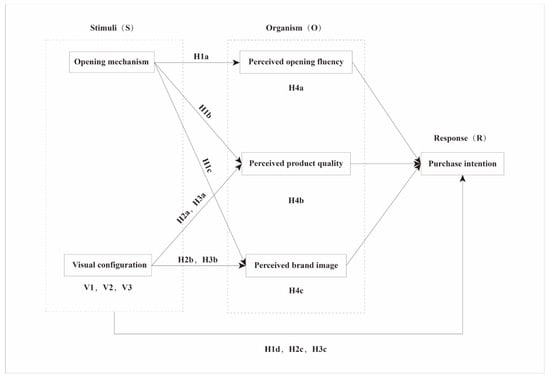
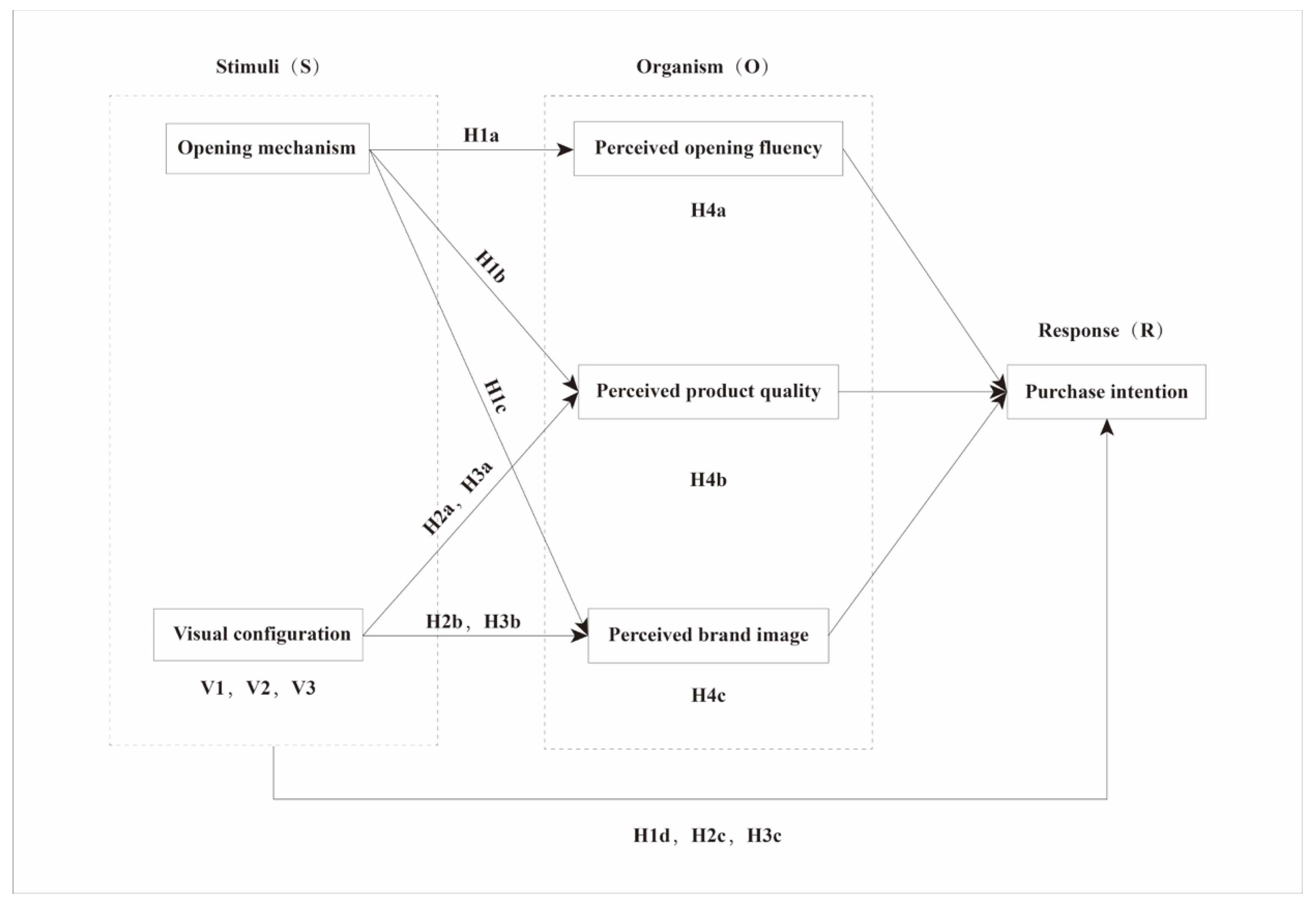
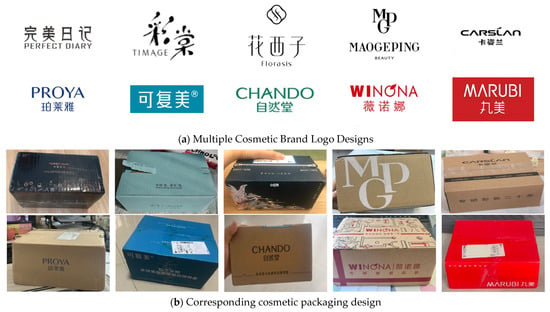
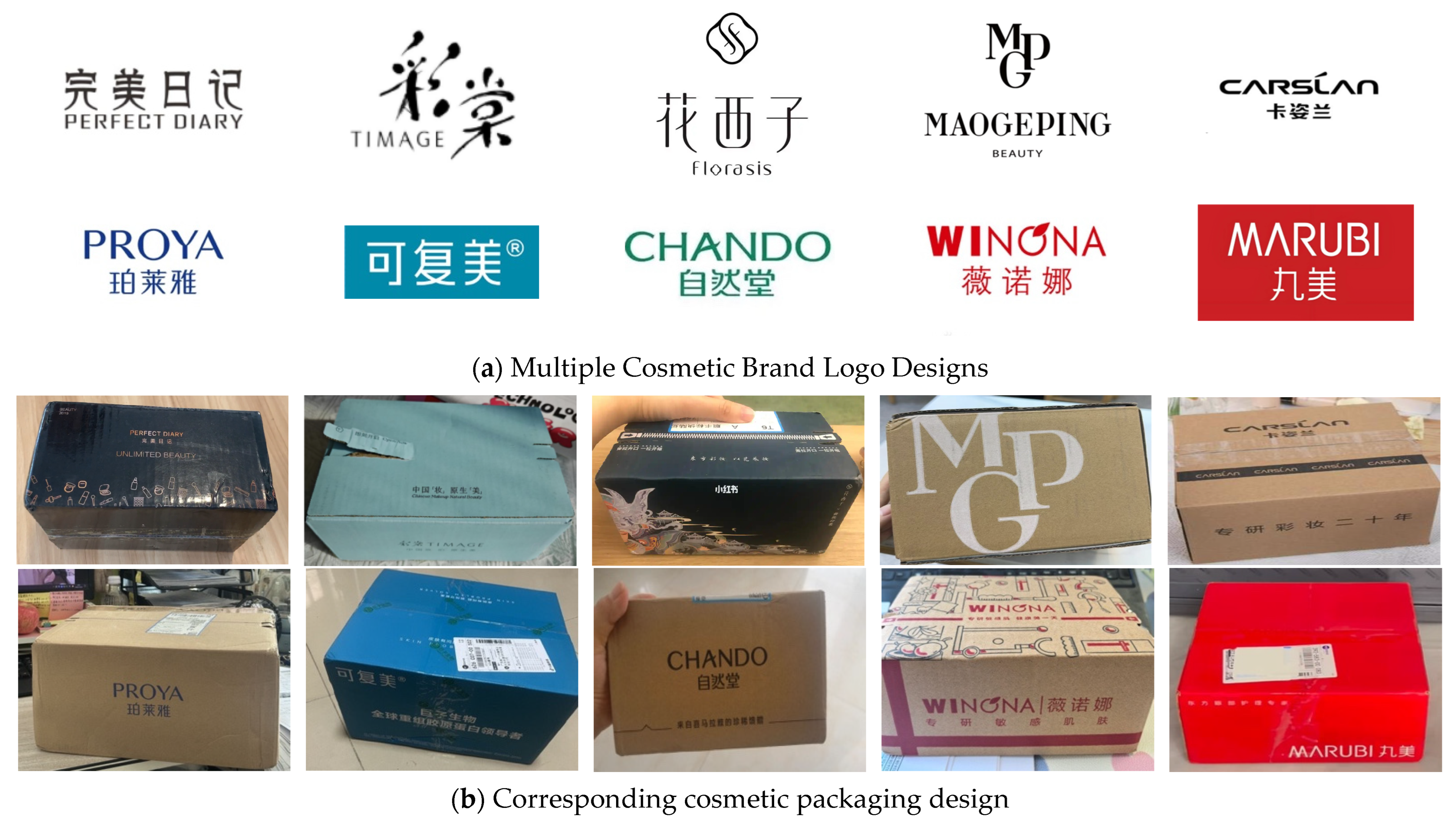


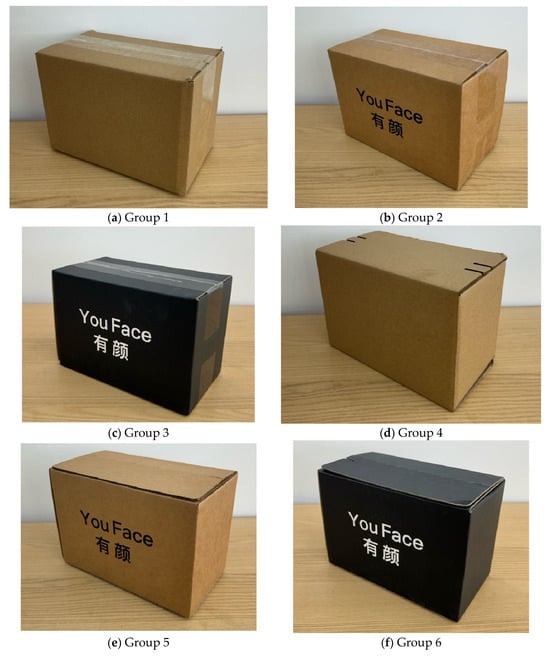
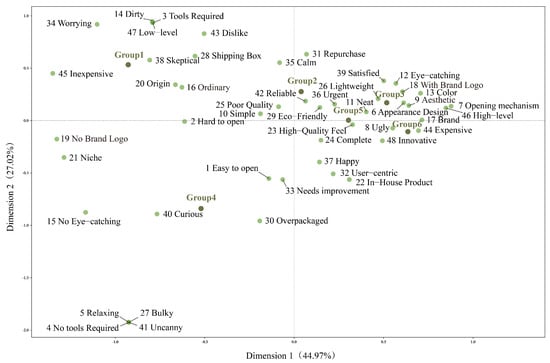
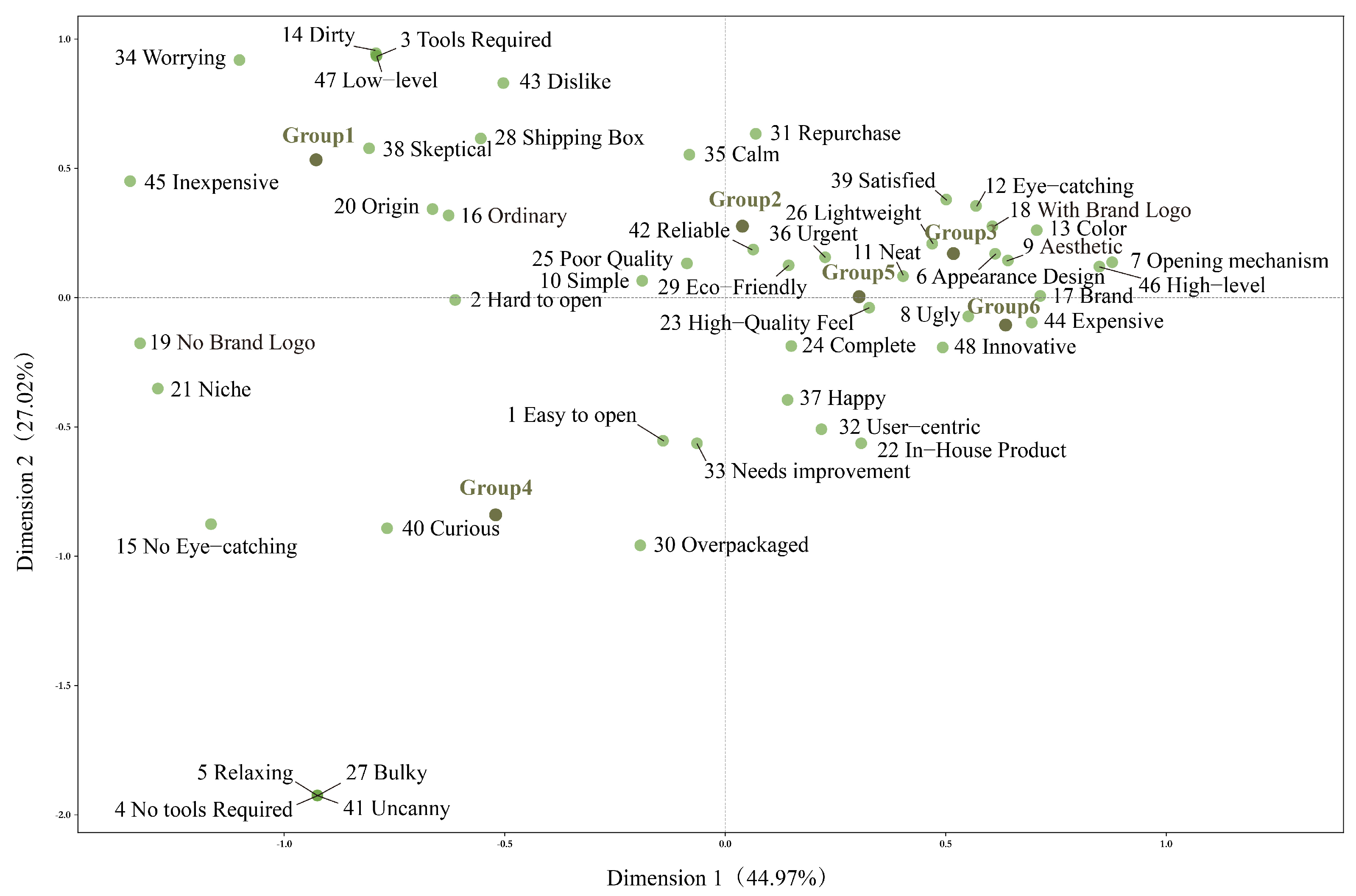
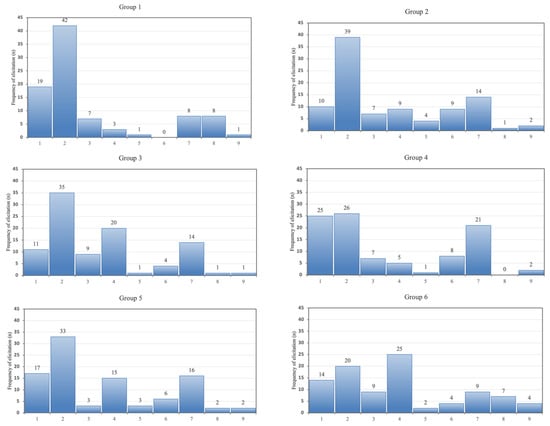
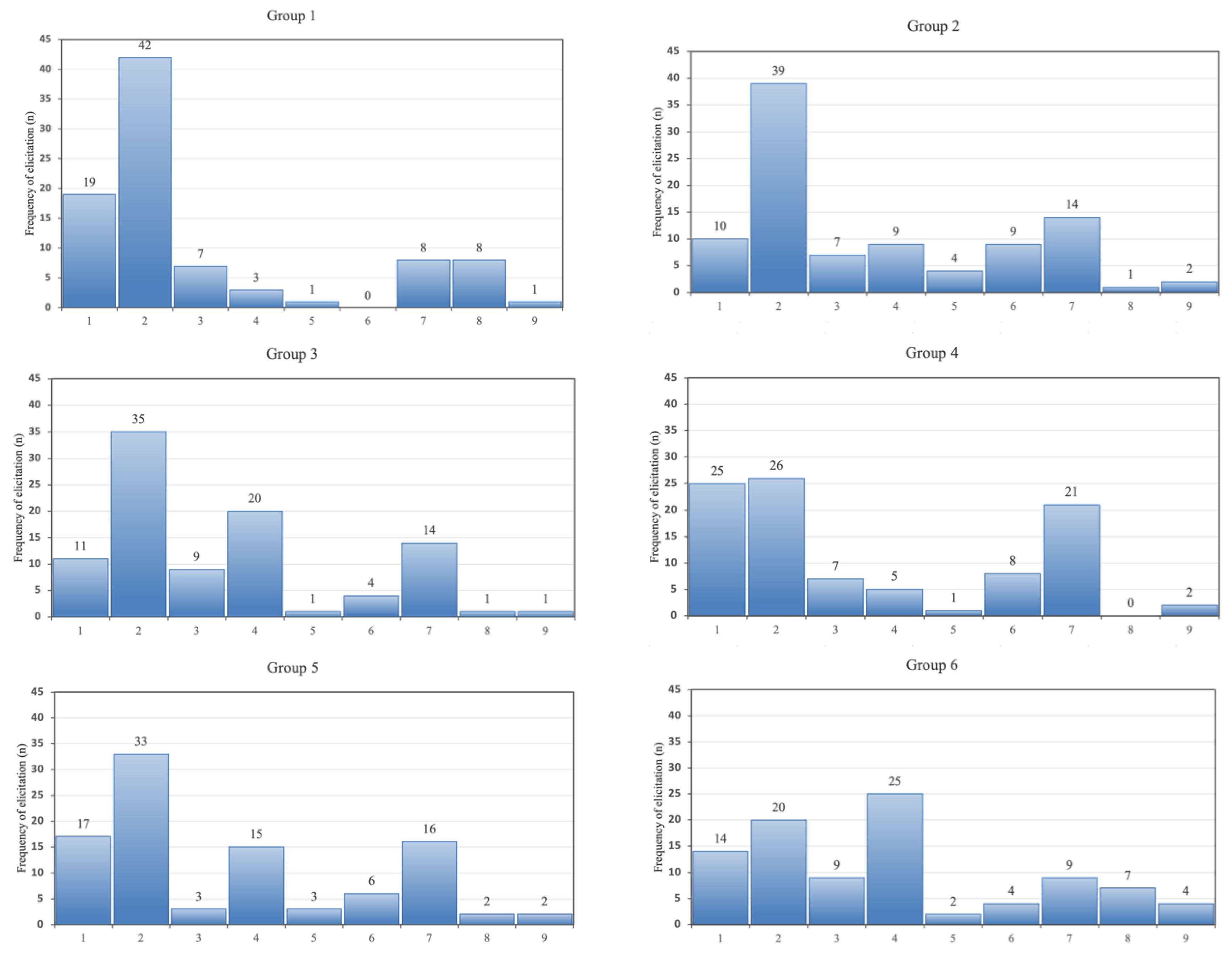
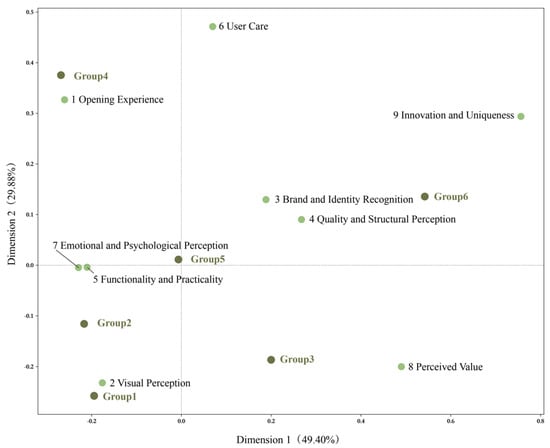
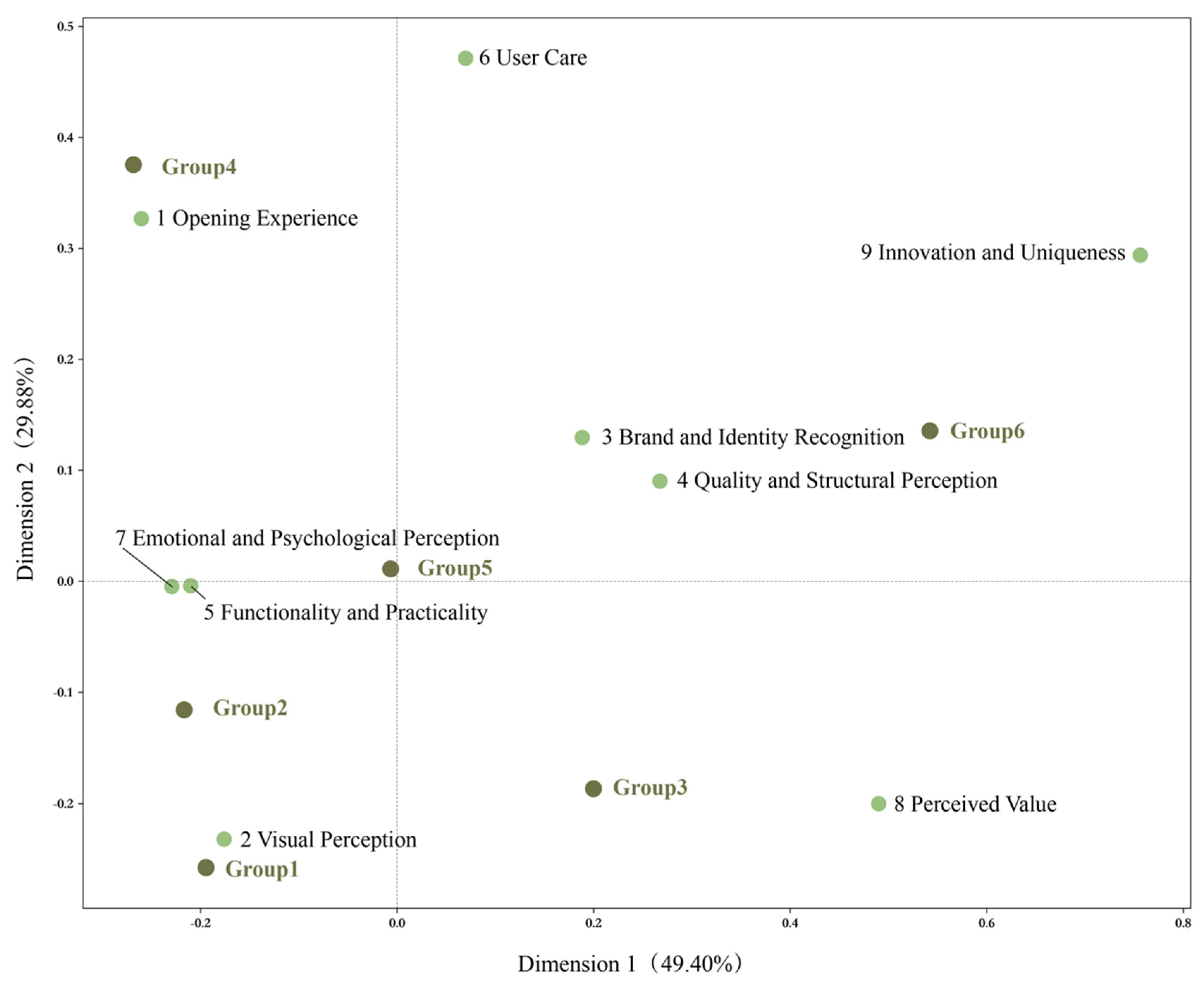

Disclaimer/Publisher’s Note: The statements, opinions and data contained in all publications are solely those of the individual author(s) and contributor(s) and not of MDPI and/or the editor(s). MDPI and/or the editor(s) disclaim responsibility for any injury to people or property resulting from any ideas, methods, instructions or products referred to in the content. |
© 2026 by the authors. Licensee MDPI, Basel, Switzerland. This article is an open access article distributed under the terms and conditions of the Creative Commons Attribution (CC BY) license.