
Dietary Habits in Liver Health and Disease: Preclinical and Clinical Studies
Topic Information
Dear Colleagues,
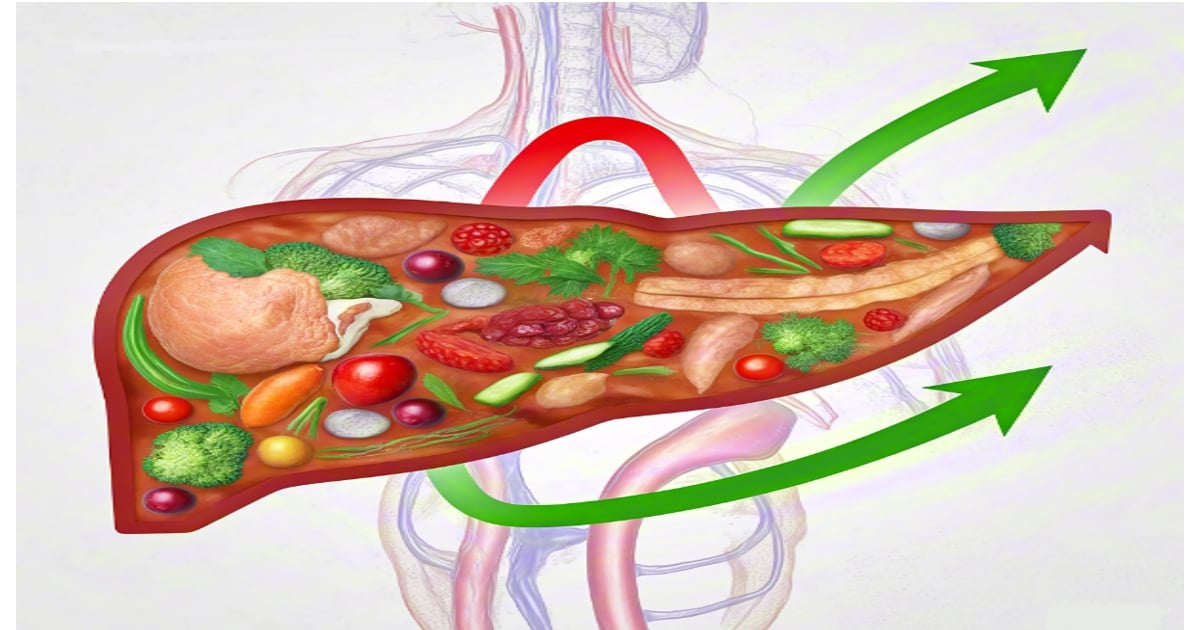
The liver is a very complex organ that performs numerous vital functions, many of which cannot yet be replaced by the most advanced therapeutic technologies. Liver health and nutrition are closely linked, and the relationship between dietary intake and liver disease has been extensively studied in recent years. Despite its importance in the development and severity of many medical problems, insufficient attention has been paid to nutrition. Nutrition plays an important role not only in the etiology but also in the pathogenesis of liver diseases. While an extreme nutritional state (malnutrition or obesity) can lead to liver dysfunction, a dysfunctional liver can lead to changes in the metabolism of macro- and micronutrients. Evidence from animal and human studies supports the harmful effects of consuming higher-fat, high-carbohydrate diets, which can lead to liver dysfunction that impacts overall health. Conversely, nutritional therapy plays an important role in the treatment of liver disease.
It is widely recognized that chronic liver diseases, particularly liver cirrhosis, can contribute to malnutrition. Additionally, malnutrition has been identified as a contributing factor to the progression of these liver diseases. Based on this evidence, the aim of this Topic is to explore several aspects of nutrition and liver health and disease in preclinical or clinical approaches.
We welcome original research articles (including basic science and human and animal studies) that address the impact of dietary habits on liver health and disease. We encourage submissions that highlight the interface between diet and microcirculation, a recognized significant mediator of chronic liver disease. We welcome submissions of original research articles, review articles, mini-reviews, narrative and systematic reviews, and meta-analyses and case reports related to, but not limited to, the following subtopics:
- Interdisciplinary and translational research and clinical application of nutritional interventions
- The contribution of nutrition to tissue/organ homeostasis
- The interrelationship between genetic factors and nutrition
- Dietary patterns and dysbiosis
- Changes in microcirculatory blood flow
- Endothelial function and damage
- Dietary interventions targeting the conditions described above
- Multi-omics-based methods for the diagnosis and management of nutritional status
- New techniques and advances in technology to shed light on the role of dietary habits in liver health and disease
Dr. Evelyn Nunes Goulart Da Silva Pereira
Prof. Dr. Rosane Härter Griep
Dr. Anissa Daliry
Topic Editors
Keywords
- non-alcoholic fatty liver disease (NAFLD)
- non-alcoholic steatohepatitis (NASH)
- steatotic liver disease (SLD)
- fibrosis
- steatosis
- fatty acids
- microbiome
- vitamins
- minerals
- phytochemicals
- fatty
- deficiency
- supplementation
- primary care
- nutritional intervention
Participating Journals
 Dietetics
 NutrientsObesitiesDiseases