
Topic Editors


Advances in Animal-Derived Non-Cow Milk and Niche Cow Milk. Properties, Processing, Dairy Products and Environmental Impact, 2nd Edition
Topic Information
Dear Colleagues,
Total global animal-derived milk production in 2020 was 886.9 million tonnes, of which cow milk accounted for approximately 81%. Certified organic milk (OM) accounts for 0.9% of global dairy milk production and, similarly to non-cow milk (NCM), is often considered a niche product in many parts of the world. Notably, Holstein/Friesian cows account for almost 95% of the herd animals in Europe. In addition, cattle are the mammalian species with the highest number of breeds at risk, as well as the highest number of breeds reported to be extinct. Interest in the connection between genetic diversity and the nutritional content of animal-source foods for human consumption is increasing, but this field has not yet received much research attention (FAO, 2014).
The most popular NCM is buffalo milk, accounting for 15.2% of global milk production. Other non-cow species, such as goats, sheep, and camels, account for a much smaller share of global milk production at 2.3%, 1.2%, and 0.4%, respectively. Milk from small ruminants and camels, which accounts for less than 5% of global milk production, is important for the economies of the Mediterranean and Southeast Asian countries. NCM derived from other animals, such as reindeer, donkey, mare, yak, and llama, is not commonly consumed but is of great cultural importance in local communities.
Interest in NCM and OM, as well as milk from rare and local cattle breeds, is growing due to the exceptional taste, good nutritional and pro-health values, and low allergenicity compared to mainstream cow milk (also providing potential applications in infant formula), among other reasons. Consumers also see OM as better for the planet, as their concerns about the food products' environmental impact continue to grow. However, information on the unique aspects of non-cow and niche cow milk and dairy products in terms of the biologically active compounds that support health is still scarce. The environmental impact of these products also remains understudied.
For this reason, we propose the Topic of “Advances in Animal-Derived Non-Cow Milk and Niche Cow Milk” and welcome original research and review article submissions from scholars.
The content which can be covered in this Topic include research related to milk and colostrum derived from the following:
- Buffalos;
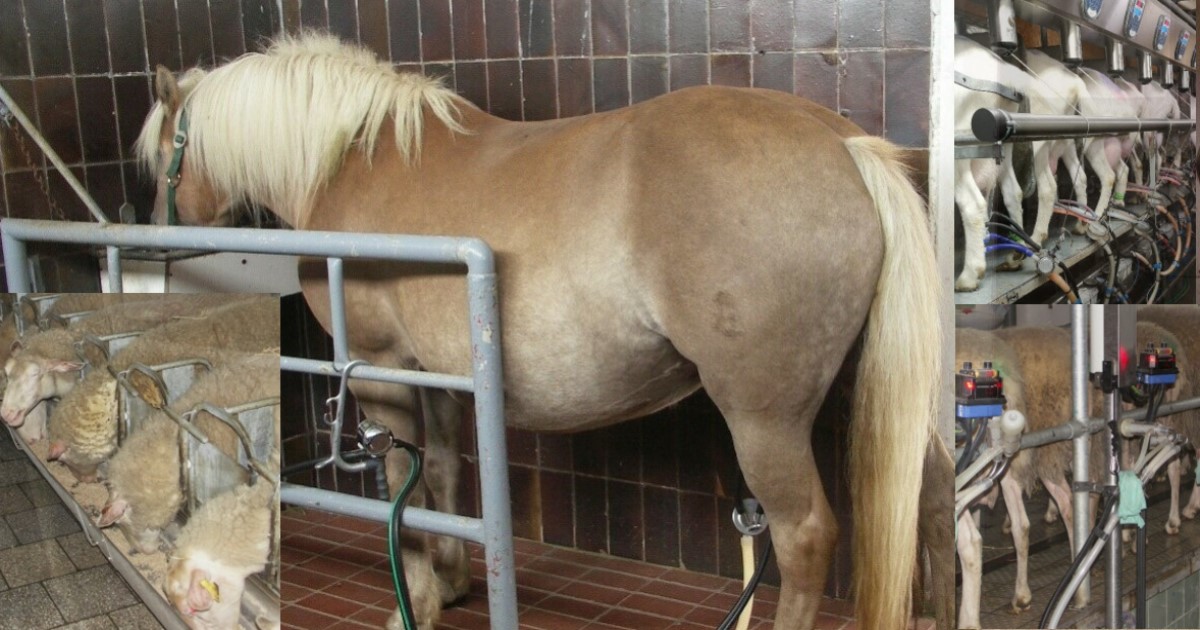
- Minor dairy species (including, but not limited to, goats, sheep, camels, yaks, llamas, jennet, and mares);
- Organic cattle;
- Local and rare breeds of cattle.
Research related to the following aspects of the above milk production is welcome:
- Social, economic, and environmental aspects of production and distribution;
- Issues related to production, milking, raw milk storage, and microbial quality;
- Animal health and welfare;
- Safety, composition, and properties of milk;
- Flavour and sensory characteristics;
- Consumer acceptance and preference;
- Innovative functional dairy products from various mammal species;
- Potential applications in infant nutrition.
Prof. Dr. Jacek Wójtowski
Prof. Dr. Jan Pikul
Dr. Maria Markiewicz-Kȩszycka
Topic Editors
Keywords
- non-cow milk
- non-cow milk products
- organic milk
- local and rare breeds
- milk quality
- milk distribution
- biologically active compounds
- sensory assessment
- consumer acceptance
- allergenicity
- infant formula
- functional milk products
- environmental footprint
Participating Journals
| Journal Name | Impact Factor | CiteScore | Launched Year | First Decision (median) | APC | |
|---|---|---|---|---|---|---|

Agriculture
|
4.5 | 7.8 | 2011 | 17.4 Days | CHF 2600 | Submit |

Animals
|
3.2 | 5.5 | 2011 | 15.7 Days | CHF 2400 | Submit |

Dairy
|
3.0 | 5.4 | 2020 | 31.2 Days | CHF 1400 | Submit |

Foods
|
6.0 | 10.3 | 2012 | 14.8 Days | CHF 2900 | Submit |

Nutrients
|
5.8 | 10.2 | 2009 | 15.8 Days | CHF 2900 | Submit |

Preprints.org is a multidisciplinary platform offering a preprint service designed to facilitate the early sharing of your research. It supports and empowers your research journey from the very beginning.
MDPI Topics is collaborating with Preprints.org and has established a direct connection between MDPI journals and the platform. Authors are encouraged to take advantage of this opportunity by posting their preprints at Preprints.org prior to publication:
- Share your research immediately: disseminate your ideas prior to publication and establish priority for your work.
- Safeguard your intellectual contribution: Protect your ideas with a time-stamped preprint that serves as proof of your research timeline.
- Boost visibility and impact: Increase the reach and influence of your research by making it accessible to a global audience.
- Gain early feedback: Receive valuable input and insights from peers before submitting to a journal.
- Ensure broad indexing: Web of Science (Preprint Citation Index), Google Scholar, Crossref, SHARE, PrePubMed, Scilit and Europe PMC.
