



You are currently on the new version of our website. Access the old version .
  • 1.8
    Impact Factor
  • 23 days
    Time to First Decision

Pharmacy

Pharmacy is an international, scientific, peer-reviewed, and open access journal dealing with pharmacy education and practice, and is published bimonthly online by MDPI. 
The Academy of Pharmaceutical Sciences (APS) is affiliated with Pharmacy and its members receive discounts on the article processing charges.
Indexed in PubMed | Quartile Ranking JCR - Q3 (Pharmacology and Pharmacy)

All Articles (1,680)

Foundational biomedical sciences are commonly taught without routine integration of local population health contexts, limiting students’ ability to connect mechanisms to community disease burden and practice responsibilities. In this method paper, we developed and piloted an AI-enabled “Sacramento County Public Health (SACPH)” AI workflow and app prototype, a structured, faculty-authored prompt sequence designed to guide population-to-practice reasoning using publicly available data. The workflow was implemented during a TBL session with first-year PharmD students in an immunology course. Using splenectomy and risk of overwhelming post-splenectomy infection (OPSI) as an illustrative use case, students executed a standardized prompt sequence addressing data source identification, coding logic (diagnosis vs. procedure codes), population-level estimation with uncertainty framing, and translation to pharmacist-relevant prevention and counseling implications. Feasibility was defined by conceptual convergence. The validated reasoning workflow was subsequently translated into a prototype, app-style interface using generative design prompts. Across student teams, outputs converged on similar categories, consistent recognition of coding frameworks and verification steps, and directionally similar interpretations of local burden and pharmacist responsibilities. The prototype demonstrated successful externalization of the reasoning workflow into a modular, reproducible artifact. SACPH demonstrates a feasible, reproducible method for using generative AI to integrate foundational science instruction with local population health context and pharmacist practice reasoning, while supporting AI literacy competencies.

16 January 2026

AI-generated prototype interface for population-to-practice reasoning (overview screen). Representative overview screen from the AI-generated prototype illustrating how local epidemiologic data, clinical context, and pharmacist responsibilities can be visually integrated into a single interface. The design emphasizes geographic specificity, procedure frequency, and downstream clinical implications, supporting learner reasoning from foundational immunologic concepts to population-aware pharmacy practice.

Irisin as a Neuroprotective Agent in Parkinson’s Disease: The Role of Physical Exercise in Modulating Dopaminergic Neurons

  • José Garcia de Brito-Neto,
  • Paulo Leonardo de Góis Morais and
  • Ricardo Ney Cobucci
  • + 2 authors

Exercise-induced myokines have emerged as crucial mediators of the beneficial effects of physical activity on neurodegenerative diseases through complex molecular mechanisms involving oxidative stress reduction, neuroinflammation suppression, and synaptic plasticity enhancement. Among these myokines, irisin, encoded by the FNDC5 gene, has gained significant attention as a potential therapeutic target in neurodegenerative conditions due to its ability to cross the blood–brain barrier and exert pleiotropic neuroprotective effects. This review synthesizes current evidence from both preclinical and clinical studies examining the role of exercise-induced irisin in neurodegeneration, with particular emphasis on translational potential and therapeutic applications. A comprehensive search was conducted across PubMed, Web of Science, Scopus, and EMBASE databases (spanning January 2015 to December 2024) to identify peer-reviewed articles investigating irisin’s neuroprotective mechanisms in neurodegenerative diseases. Ten studies met the inclusion criteria (five rodent/primate model studies and five human clinical investigations), which were analyzed for methodological rigor, intervention protocols, biomarker quantification methods, and reported outcomes. Reviewed studies consistently demonstrated that exercise-induced endogenous irisin elevation correlates with improved cognitive function, reduced neuroinflammatory markers, enhanced synaptic plasticity, and modulation of neurodegenerative pathways, with exogenous irisin administration reproducing several neuroprotective benefits observed with exercise training in animal models. However, substantial heterogeneity exists regarding exercise prescription parameters (intensity, duration, frequency, modality), training-induced irisin quantification methodologies (ELISA versus mass spectrometry), and study designs (ranging from uncontrolled human observations to randomized controlled trials in animal models). Critical appraisal reveals that human studies lack adequate control for confounding variables including baseline physical fitness, comorbidities, concurrent medications, and potential sources of bias, while biochemical studies indicate distinct pharmacokinetics between endogenous training-induced irisin and exogenous bolus dosing, necessitating careful interpretation of therapeutic applicability. The translational potential of irisin as a therapeutic agent or drug target depends on resolving methodological standardization in biomarker measurement, conducting well-designed clinical trials with rigorous control for confounders, and integrating findings from molecular/biochemical studies to elucidate mechanisms linking irisin to disease modification. Future research should prioritize establishing clinical trial frameworks that harmonize exercise prescriptions, employ robust biomarker quantification (mass spectrometry), and stratify participants based on disease stage, comorbidities, and genetic predisposition to clarify irisin’s role as a potential therapeutic intervention in neurodegenerative disease management.

13 January 2026

A—Physical exercise releases irisin. Its levels rise at the start of activity and stay high for 48 h. B—Irisin helps reduce the buildup of α-synuclein in the brain. C—Irisin increases dopamine uptake in the striatum. D—Irisin protects dopaminergic neurons. It lowers apoptosis, oxidative stress, and mitochondrial fragmentation while boosting mitochondrial respiration. E—Irisin promotes biogenesis. This leads to more dopaminergic neurons in the substantia nigra and striatum. F—Irisin helps stem cells move from the bone marrow to damaged brain areas. G—Irisin effects in the brain can ease Parkinson’s disease symptoms. This includes improving motor function, balance, and cognitive ability.

Psychosis is a frequent and disabling non-motor complication of Parkinson’s disease (PD). Clozapine and quetiapine are widely used in the treatment of Parkinson’s disease psychosis (PDP). We conducted an exploratory study to compare patient experiences with physician prescribing practices. Patients with PDP hospitalized at a university center completed semi-structured interviews on perceived efficacy, adverse effects, and daily functioning. Neurologists and geriatricians attending training sessions completed a structured questionnaire on prescribing patterns, attitudes toward clozapine, and perceived treatment burden. Data were analyzed thematically and triangulated across cohorts. Eleven patients (mean age 81 years; nine treated with quetiapine, two with clozapine) were included. Most quetiapine-treated patients reported persistent hallucinations, sedation, dizziness, and reduced autonomy. Fourteen physicians completed the survey and most preferred quetiapine, citing monitoring logistics and agranulocytosis risk as barriers to clozapine. Overall, patient priorities centered on symptom control and independence, whereas physician decisions emphasized feasibility and safety. Facilitating clozapine monitoring and incorporating patient-reported outcomes into routine care may improve patient-centered PDP management.

13 January 2026

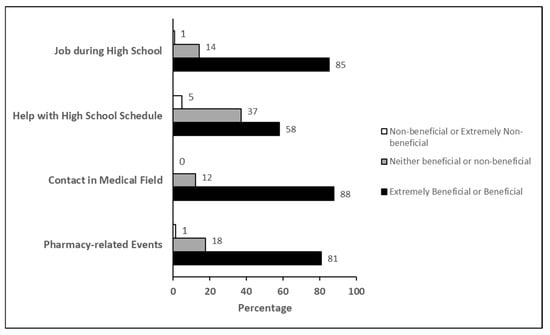
Reported effects of quetiapine on hallucinations, quality of life, and side effects among quetiapine-treated patients only. Numbers indicate the number of patients selecting each response option (n = 9). Due to the very small number of clozapine-treated patients (n = 2), quantitative visualization for clozapine was not performed.

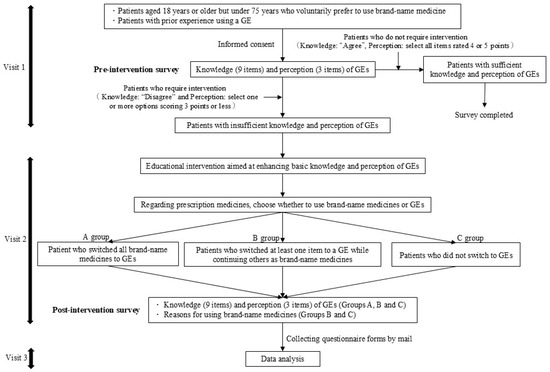
Artificial Intelligence (AI) has increasingly contributed to advancements in pharmaceutical practice, particularly by enhancing the pharmacist–patient relationship and improving medication adherence. This quantitative, descriptive, cross-sectional study investigated Eastern Romanian pharmacists’ perception of AI-based applications as effective optimization tools, correlating it with disruptive communication factors. An anonymous and online questionnaire was distributed to community pharmacists, examining sociodemographic characteristics, awareness of disruptive factors, and the perceived usefulness of AI. The sample included 437 respondents: pharmacists (55.6%), mostly female (83.8%), and aged between 25 and 44 (52.6%). Data analysis involved descriptive statistics and independent t-tests. The statistical analysis revealed a significantly positive perception (p < 0.001) of AI on pharmacist–patient communication. Respondents viewed AI as a valuable tool for reducing medication errors and optimizing counseling time, though they maintain a strong emphasis on genuine human interaction. Significant correlations were found between disruptive factors—such as noise and high patient volume—and the quality of communication. Participants also expressed an increased interest in applications like automatic prescription scheduling and the use of chatbots. The study concludes that a balanced implementation of AI technologies is necessary, one that runs parallel with the continuous development of pharmacists’ communication skills. Future research should focus on validating AI’s impact on clinical outcomes and establishing clear ethical guidelines regarding the use of patient data.

9 January 2026

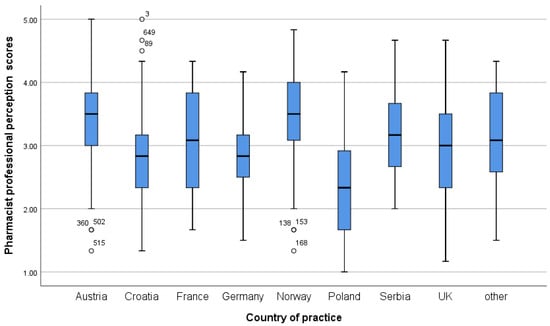
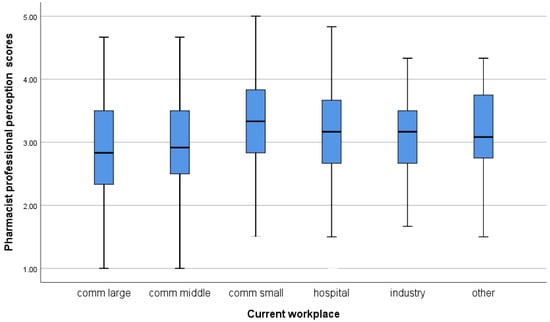
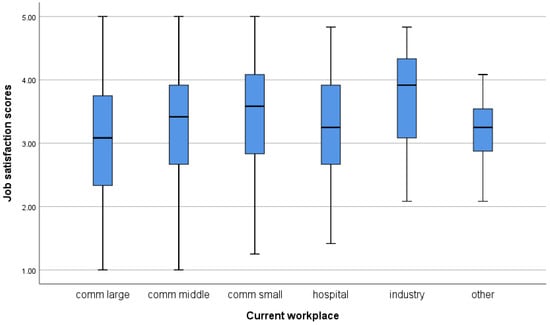
Perception of the involvement of disruptive factors in the pharmacist–patient communication relationship.

News & Conferences

Issues

Open for Submission

Editor's Choice

Reprints of Collections

Medicines Reuse
Reprint

Medicines Reuse

Editors: Parastou Donyai
Embedded Pharmacists in Primary Care
Reprint

Embedded Pharmacists in Primary Care

Editors: George E. MacKinnon III, PhD, MS, RPh, Nathan Lamberton, PharmD, BCPS

Get Alerted

Add your email address to receive forthcoming issues of this journal.

XFacebookLinkedIn
Pharmacy - ISSN 2226-4787