



Feature Review Collection in Biopharmaceuticals

A topical collection in Pharmaceuticals (ISSN 1424-8247). This collection belongs to the section "Biopharmaceuticals".

Viewed by 7272

Editors


E-Mail Website
Guest Editor
Department of Molecular Biology, Instituto de Parasitología y Biomedicina López-Neyra (IPBLN) CSIC, Granada, Spain
Interests: antisense; aptamers; antiviral RNAs; viral RNA genomes; structure/function of RNA domains; RNA virus; orthoflavivirus
Special Issues, Collections and Topics in MDPI journals

E-Mail Website
Guest Editor
Department of Oral Immunology and Infectious Diseases, University of Louisville School of Dentistry, Louisville, KY 40292, USA
Interests: regulation of innate immunity; antimicrobial peptides; antifungal peptides; defensins; cathelicidins; novel antiviral compounds
Special Issues, Collections and Topics in MDPI journals

E-Mail Website
Guest Editor
Departamento de Química e Bioquímica (DQB) e Centro de Química Estrutural (CQE), Institute of Molecular Sciences, Faculdade de Ciências, Universidade de Lisboa, Lisboa, Portugal
Interests: neurodegenerative diseases; organic synthesis; natural products; antibiotics; antidiabetics; carbohydrate chemistry
Special Issues, Collections and Topics in MDPI journals

Topical Collection Information

Dear Colleagues,

Significant progress has been made in the development of biomolecule-based pharmaceutical strategies. Both in the application of biomolecules (e.g., carbohydrates, peptides, and nucleic acids) as drugs, and in the development of strategies for their administration. This Special Issue aims to compile high-quality review articles on the current state of research in this interesting field. We invite authors to contribute articles focusing on specific aspects of the therapeutic, diagnostic, prognostic and immunoprophylactic advances, applications of biological macromolecules constructed from amino acids, sugars, nucleic acids, and mimetics produced by chemical synthesis. Contributions examining the pharmaceutical applications of more complex entities, such as phages, viruses, exosomes, and stem cells, among others, are also welcome. Review articles that address the structure and molecular interactions that are determinant for the bioactivity of biopharmaceuticals, for example by means of computational and NMR studies, are also welcome.

Dr. Alfredo Berzal-Herranz
Prof. Dr. Gill Diamond
Prof. Dr. Guangshun Wang
Prof. Dr. Amélia Pilar Rauter
Guest Editors

Manuscript Submission Information

Manuscripts should be submitted online at www.mdpi.com by registering and logging in to this website. Once you are registered, click here to go to the submission form. All submissions that pass pre-check are peer-reviewed. Accepted papers will be published continuously in the journal (as soon as accepted) and will be listed together on the collection website. Research articles, review articles as well as short communications are invited. For planned papers, a title and short abstract (about 250 words) can be sent to the Editorial Office for assessment.

Submitted manuscripts should not have been published previously, nor be under consideration for publication elsewhere (except conference proceedings papers). All manuscripts are thoroughly refereed through a single-blind peer-review process. A guide for authors and other relevant information for submission of manuscripts is available on the Instructions for Authors page. Pharmaceuticals is an international peer-reviewed open access monthly journal published by MDPI.

Please visit the Instructions for Authors page before submitting a manuscript. The Article Processing Charge (APC) for publication in this open access journal is 2900 CHF (Swiss Francs). Submitted papers should be well formatted and use good English. Authors may use MDPI's English editing service prior to publication or during author revisions.

Keywords

  • biomolecules
  • peptides
  • nucleic acids
  • aptamers
  • glycans
  • antibodies
  • phages
  • viruses
  • peptidomimetics
  • organoids

Published Papers (6 papers)

2026

Jump to: 2025

27 pages, 8132 KB  
Review
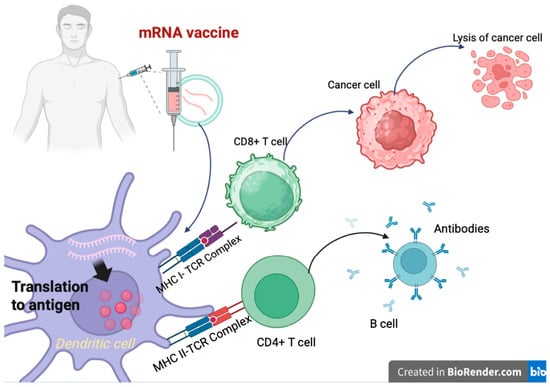
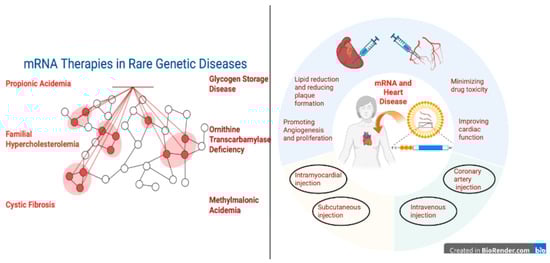
Delivery of mRNA Therapeutics Beyond Infectious Diseases: Design Innovations and Applications in Oncology, Cardiovascular, and Rare Genetic Diseases
by Snehitha Akkineni, Mahek Gulani, Samir A. Kouzi, Martin J. D’Souza and Mohammad N. Uddin
Pharmaceuticals 2026, 19(5), 663; https://doi.org/10.3390/ph19050663 - 24 Apr 2026
Viewed by 569
Abstract
Empowered by nanotechnology, messenger RNA (mRNA) therapeutics have shown a rapid evolution post COVID-19 from a conceptual platform to a clinically validated modality, and they diversified into oncology, cardiovascular diseases, and rare disorders. As a template for in situ protein production, it offers [...] Read more.
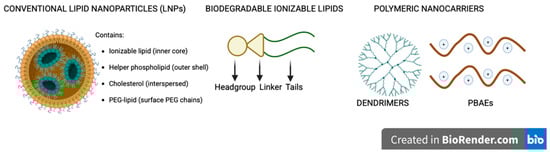
Empowered by nanotechnology, messenger RNA (mRNA) therapeutics have shown a rapid evolution post COVID-19 from a conceptual platform to a clinically validated modality, and they diversified into oncology, cardiovascular diseases, and rare disorders. As a template for in situ protein production, it offers several advantages over traditional proteins and DNA drugs. The intrinsic stability of mRNA and its sensitivity to innate immune sensing hinder its capacity for immediate cellular entry, necessitating its need for a delivery system to obtain optimal therapeutic potential. This review explores the innovations in nanocarrier engineering, design principles for lipid nanoparticles-mRNA (LNPs) platforms, and their clinical translation across the prominent indications. It also addresses their safety, immunogenicity, and scalability while addressing the key limitations and manufacturing scalability through comparative platform analysis. Although LNPs usually dominate their delivery through encapsulation and manufacturability, their limitations, like repeat dose reactogenicity and liver tropism, require next-generation designs like SORT lipids, stimuli-responsive hybrids for extrahepatic targeting. In oncology, LNP-mRNA drives the neoantigen vaccines, and rare diseases leverage the transient enzyme replacement. While the safety profiles highlight the innate immune tuning through nucleoside mods and lipid biodegradability, chronic administration risks are still persistent. While there are novel scalability options like microfluidic mixing to support the production gaps in organ selectivity and durability, their adoption is hindered. We outline the future directions to perceive mRNA’s full potential as a broader therapeutic class. Full article
Show Figures

Figure 1
35 pages, 3267 KB  
Review
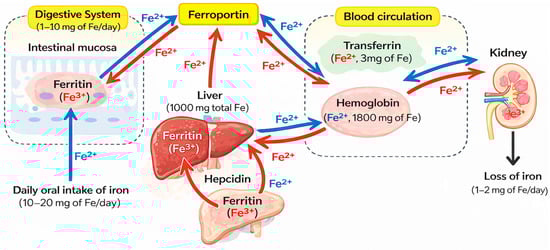
Iron-Based Nanoparticles as Delivery Tools
by Keykavous Parang, Rajesh Vadlapatla, Ajoy Koomer, Victoria Moran, Lanie Jackson and Amir Nasrolahi Shirazi
Pharmaceuticals 2026, 19(5), 654; https://doi.org/10.3390/ph19050654 - 22 Apr 2026
Viewed by 377
Abstract
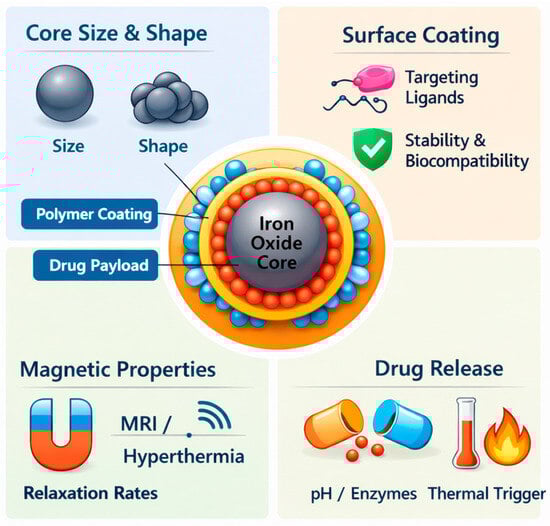
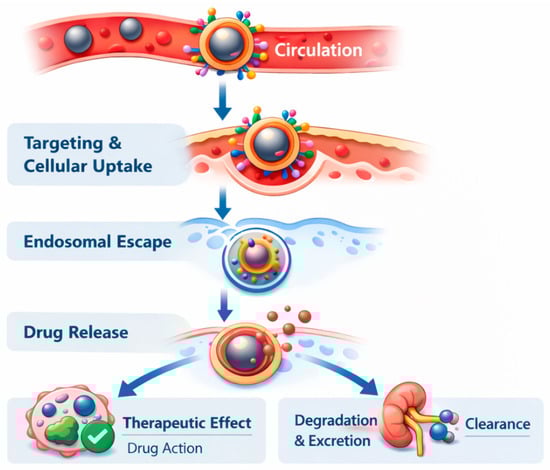
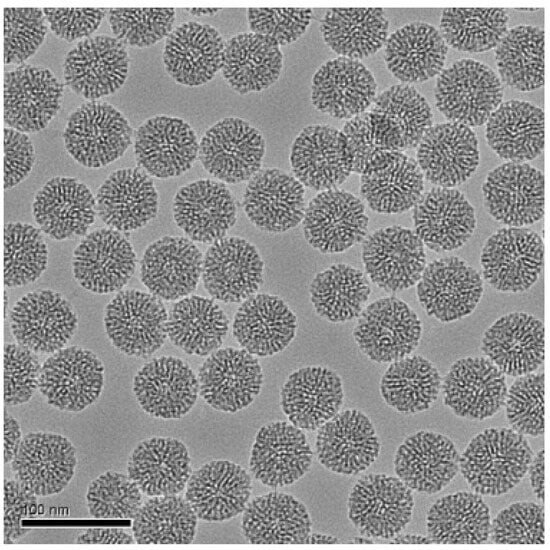
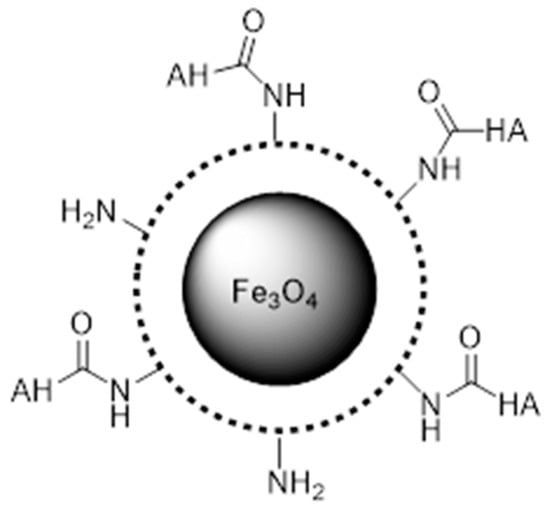
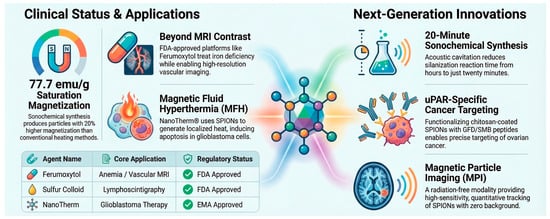
Iron-based nanoparticles, particularly iron oxide nanostructures (IONPs), have emerged as versatile and clinically relevant platforms for drug delivery and theranostic applications. Among these, superparamagnetic iron oxide nanoparticles (SPIONs), including magnetite (Fe3O4) and maghemite (γ-Fe2O3), are [...] Read more.
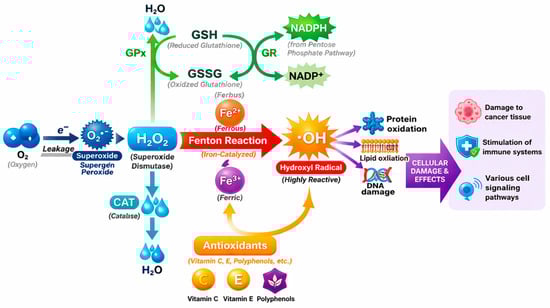
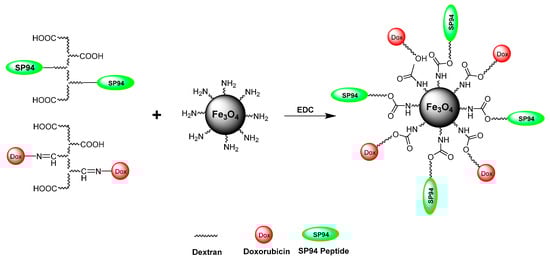
Iron-based nanoparticles, particularly iron oxide nanostructures (IONPs), have emerged as versatile and clinically relevant platforms for drug delivery and theranostic applications. Among these, superparamagnetic iron oxide nanoparticles (SPIONs), including magnetite (Fe3O4) and maghemite (γ-Fe2O3), are the most extensively investigated due to their biocompatibility, magnetic responsiveness, and established safety profiles. Their unique superparamagnetic behavior enables external magnetic-field-guided targeting, magnetic resonance imaging (MRI) contrast enhancement, and magnetically triggered hyperthermia, enabling simultaneous diagnosis and therapy. Surface functionalization with polymers, silica, lipids, peptides, and biomolecules further improves colloidal stability, circulation time, targeting specificity, and controlled drug release. Core–shell architectures and multifunctional hybrid systems have expanded the therapeutic scope of iron nanoparticles, integrating chemotherapy, gene delivery, photothermal therapy, and Fenton reaction–mediated catalytic therapy. Despite promising preclinical outcomes, challenges remain regarding long-term biosafety, oxidative stress induction, biodistribution, large-scale reproducibility, and regulatory translation. This review summarizes the physicochemical properties, synthesis strategies, surface-engineering approaches, drug-loading mechanisms, and biomedical applications of iron-based nanoparticles, highlighting recent advances in multifunctional and peptide-functionalized systems. Critical considerations for clinical translation and future perspectives in precision nanomedicine are also discussed. Full article
Show Figures

Figure 1
22 pages, 2717 KB  
Review
Peptide-Based Nanogels for Pharmaceutical and Biotechnological Applications: From Fmoc-FF to Other Peptide Sequences
by Mariangela Rosa, Sabrina Marino, Giancarlo Morelli, Antonella Accardo and Carlo Diaferia
Pharmaceuticals 2026, 19(4), 624; https://doi.org/10.3390/ph19040624 - 15 Apr 2026
Viewed by 394
Abstract
Peptide-based materials represent a rapidly growing field in nanotechnology, bridging bottom-up self-assembly and top-down approaches for the development of functional nanostructures. Among these systems, peptide-based nanogels (NGs), namely nanogels in which peptides assume a structural role, have emerged as a promising class of [...] Read more.
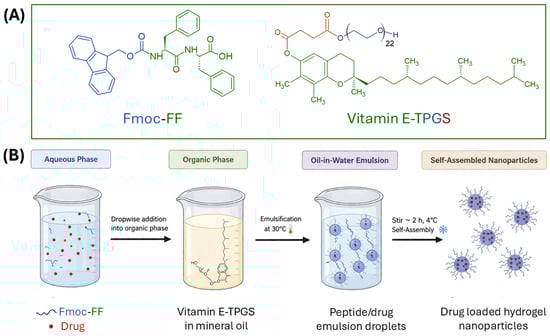
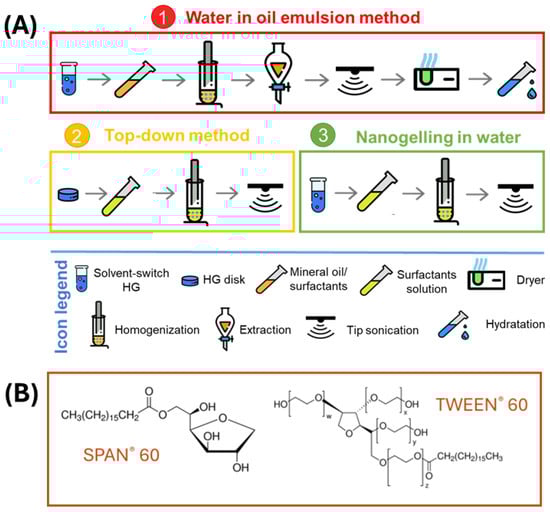
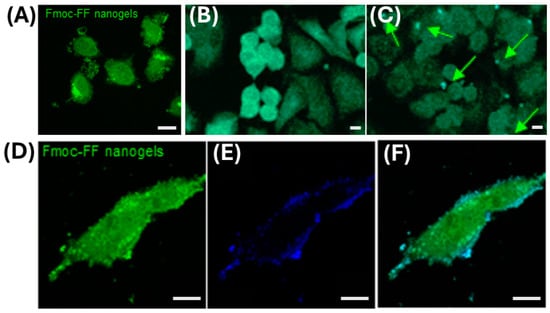
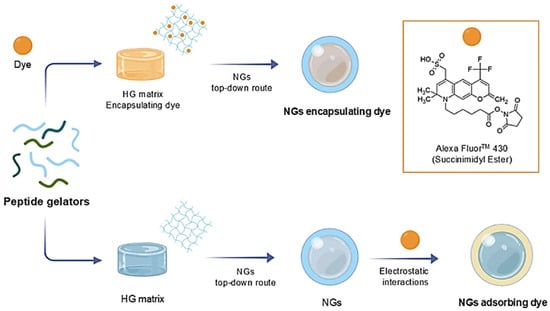
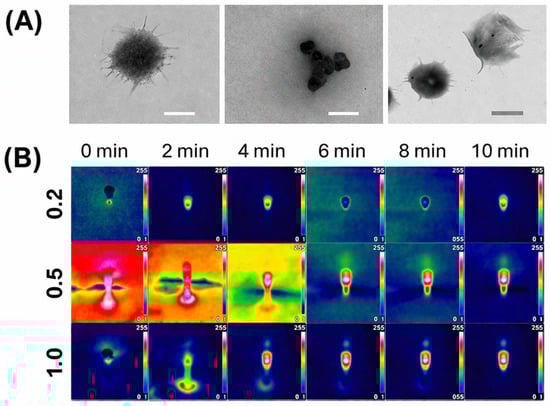
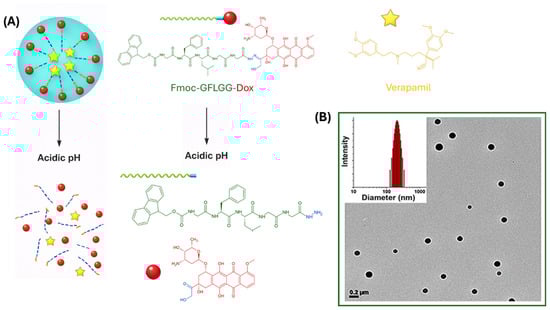
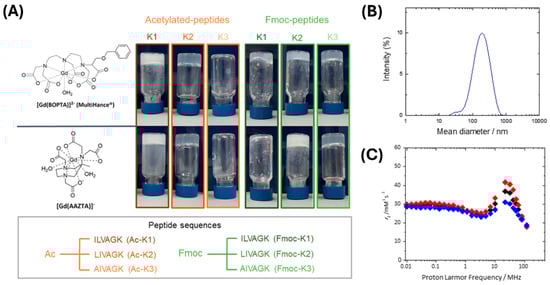
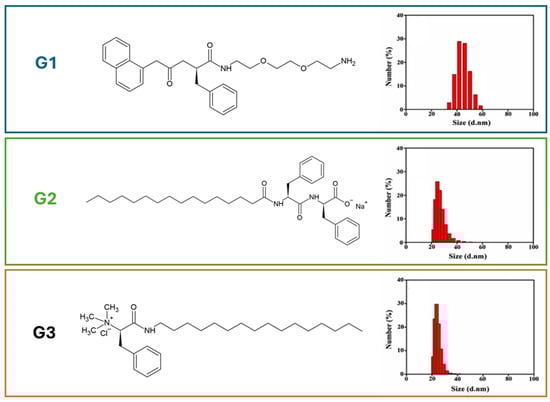
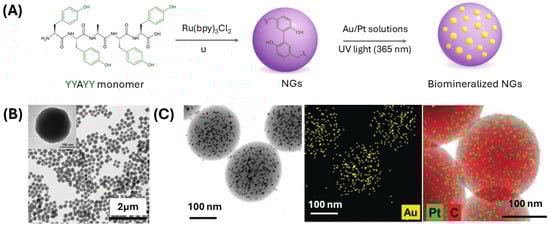
Peptide-based materials represent a rapidly growing field in nanotechnology, bridging bottom-up self-assembly and top-down approaches for the development of functional nanostructures. Among these systems, peptide-based nanogels (NGs), namely nanogels in which peptides assume a structural role, have emerged as a promising class of injectable formulations. Typically characterized by a core–shell architecture, these systems are closely related to peptide hydrogels in terms of structural organization. This review provides a state-of-the-art overview of peptides used as core structural elements for NG formulation, focusing on the peptide building blocks employed, the main formulation methodologies, and their current applications, with particular emphasis on pharmaceutical ones. Their potential as drug delivery systems and stimuli-responsive platforms for controlled and targeted release is also reported. For clarity, the reported formulations are classified according to the chemical nature of the core-structuration peptide, distinguishing systems based on Fmoc-FF from those derived from other primary sequences, including Boc-protected tripeptides, dehydropeptides, and chemically crosslinked peptide assemblies. Full article
Show Figures

Figure 1
15 pages, 680 KB  
Review
Mesenchymal Stem Cell Therapy for Neurological Complications of Prematurity: A Narrative Review
by Hua (Hannah) Yep, Jennifer H. Bae, George A. Wen, Sangel Gomez, Alexandra Tsivitis, Robert P. Moore, Helen Hsieh and Sergio D. Bergese
Pharmaceuticals 2026, 19(3), 464; https://doi.org/10.3390/ph19030464 - 12 Mar 2026
Viewed by 897
Abstract
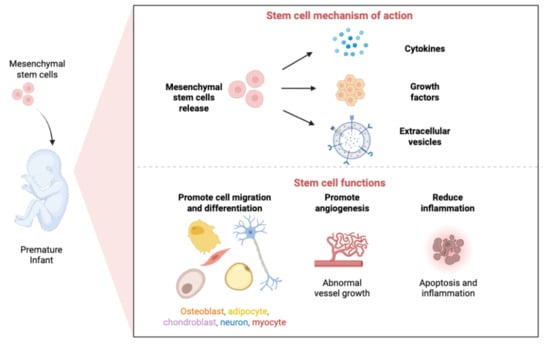
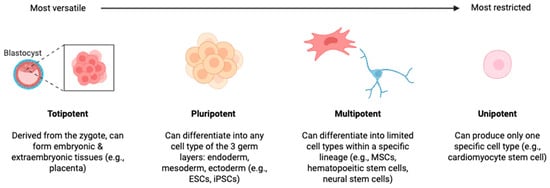
Background: Preterm birth is a leading cause of neonatal mortality and long-term disability worldwide. Injury in premature infants is demonstrated by disrupted organ development from inflammation, oxidative stress, hypoxia, and impaired vascular maturation. Current therapies largely provide supportive care and do not [...] Read more.
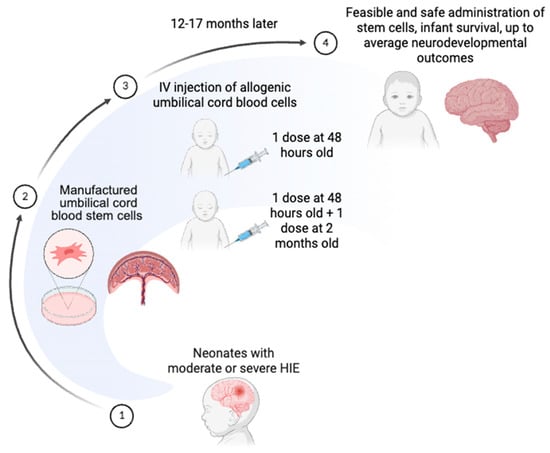
Background: Preterm birth is a leading cause of neonatal mortality and long-term disability worldwide. Injury in premature infants is demonstrated by disrupted organ development from inflammation, oxidative stress, hypoxia, and impaired vascular maturation. Current therapies largely provide supportive care and do not directly promote tissue regeneration. Mesenchymal stem cell (MSC)-based therapies have emerged as a potential strategy to enhance endogenous repair across organ systems commonly affected by prematurity. Results: Evidence indicates that MSCs exert therapeutic effects primarily through transient paracrine signaling rather than long-term engraftment. Following administration, MSCs release cytokines, growth factors, and extracellular vesicles that reduce inflammation, promote angiogenesis, and support tissue repair. In preclinical models of neonatal brain injury, MSC therapy has been associated with improved oligodendrocyte maturation and reduced white matter injury. Early clinical trials in neonatal encephalopathy demonstrate feasibility and short-term safety of both autologous and allogeneic cell products. However, studies remain limited by small sample sizes and short follow-up. Cell-free approaches using MSC-derived extracellular vesicles may offer similar biological benefits with potentially lower safety and regulatory concerns. Conclusions: MSC-based therapies represent a promising regenerative approach for complications of prematurity. Rigorous, large-scale trials with standardized protocols and long-term follow-up are necessary to clarify efficacy, optimize delivery strategies, and define safety in this vulnerable population. Full article
Show Figures

Graphical abstract

44 pages, 1466 KB  
Review
Formulation Matters: The Overlooked Engine of Stability and Success in Antibody–Drug Conjugates
by Letícia Torres-Dias, Erik Moore, Surabhi Shukla and Alekha K. Dash
Pharmaceuticals 2026, 19(3), 393; https://doi.org/10.3390/ph19030393 - 28 Feb 2026
Viewed by 2760
Abstract
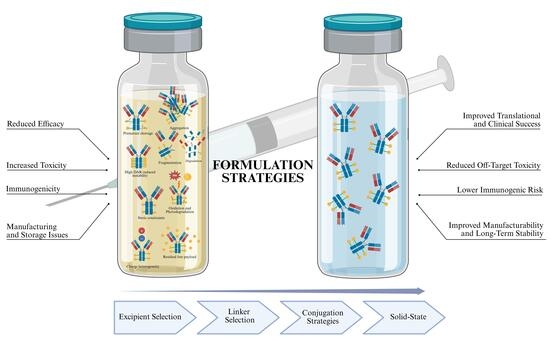
Backgrounds: Antibody–drug conjugates (ADCs) combine the specificity of monoclonal antibodies with the cytotoxic potency of drugs, representing a significant class of targeted cancer therapeutics. Despite their clinical success, formulation-related instability, rather than biological inefficacy, is a major contributing factor to setbacks in ADC [...] Read more.
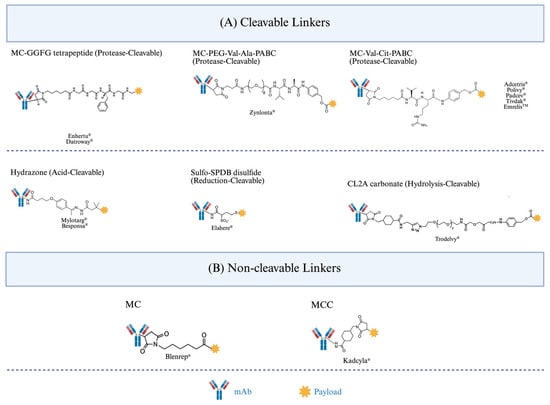
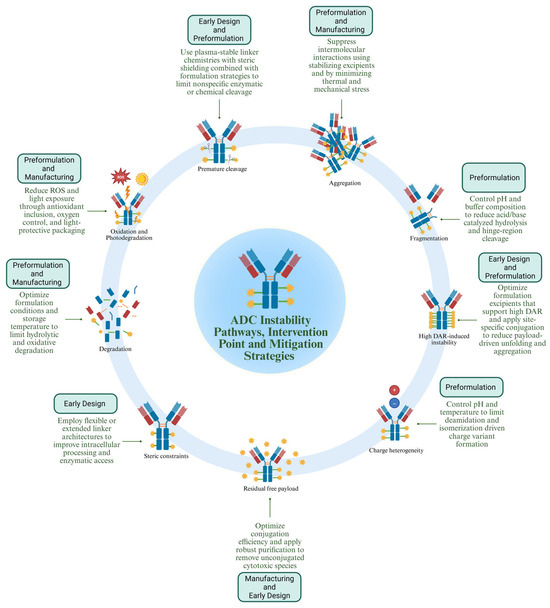
Backgrounds: Antibody–drug conjugates (ADCs) combine the specificity of monoclonal antibodies with the cytotoxic potency of drugs, representing a significant class of targeted cancer therapeutics. Despite their clinical success, formulation-related instability, rather than biological inefficacy, is a major contributing factor to setbacks in ADC development. This review examines the biochemical, physicochemical, and formulation factors that contribute to ADC stability, with a focus on excipient selection, conjugation site heterogeneity, and linker–payload reactivity. Methods: This comprehensive review was based on a selection of peer-reviewed mechanistic, analytical, and manufacturability studies on ADC stability. Our goal was to highlight formulation strategies, degradation pathways, and solid-state stabilization principles that affect the pharmacokinetics and therapeutic efficacy of ADC. Results: Results demonstrate how formulation variability including buffer composition, excipient choice, ionic strength, and lyophilization can directly affect payload release, linker cleavage, kinetics, and antibody conformation. It has been demonstrated that techniques, such as lyophilization with glass-forming matrices and the addition of surfactants, enhance stability against hydrolysis, oxidation, and aggregation. Developments in analytical characterization, such as real-time kinetic modeling and multi-attribute techniques based on mass spectrometry, have made quantification of degradation and bioactivity losses more predictable in ADC formulations. The connection between chemical stability and formulation outcomes is being redefined by new techniques, such as model-informed optimization and AI-driven design. Conclusions: ADC formulation is now a key component of molecular stability, clinical reliability, and regulatory compliance rather than a secondary consideration. By guaranteeing long-term stability, better pharmacokinetics, and improved therapeutic indices across next-generation designs, these approaches have the potential to revolutionize ADC development. Full article
Show Figures

Graphical abstract

2025

Jump to: 2026

44 pages, 6811 KB  
Review
Biomolecule–Photosensitizer Conjugates: A Strategy to Enhance Selectivity and Therapeutic Efficacy in Photodynamic Therapy
by Dominik M. Płaskonka, Dominik Barczyk, Paweł Repetowski, Marta Warszyńska and Janusz M. Dąbrowski
Pharmaceuticals 2026, 19(1), 65; https://doi.org/10.3390/ph19010065 - 29 Dec 2025
Cited by 1 | Viewed by 1397
Abstract
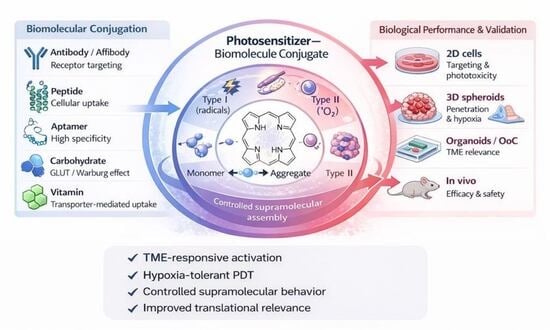
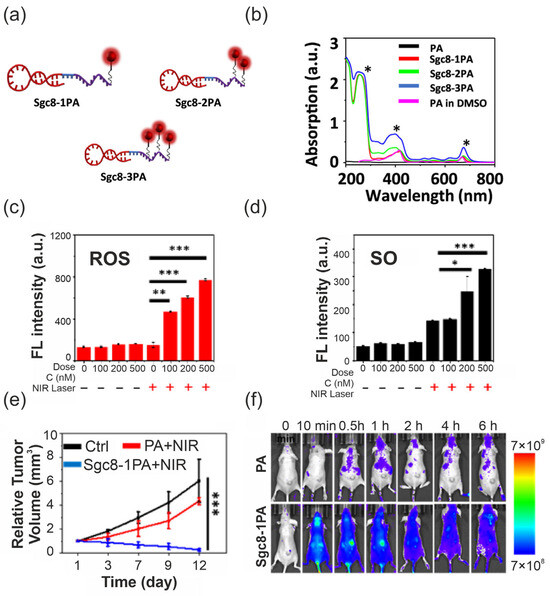
Biomolecule–photosensitizer conjugates have rapidly evolved into one of the most powerful strategies for improving the selectivity, efficacy, and translational potential of photodynamic therapy (PDT). By integrating photosensitizers (PSs) with carbohydrates, amino acids, peptides, aptamers, proteins, cofactors, vitamins or antibodies, these constructs overcome long-standing [...] Read more.
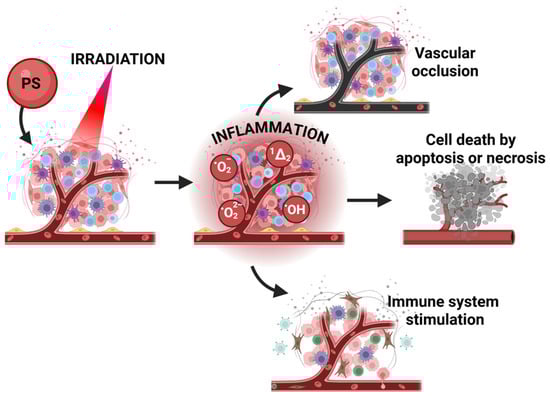
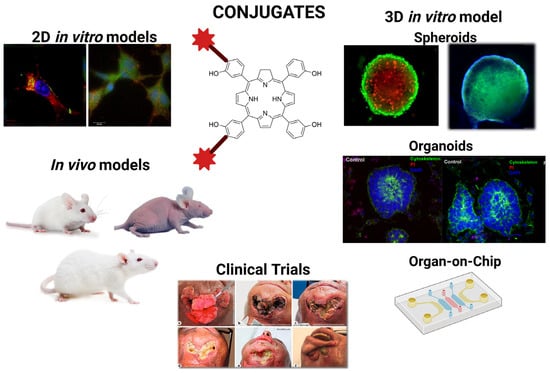
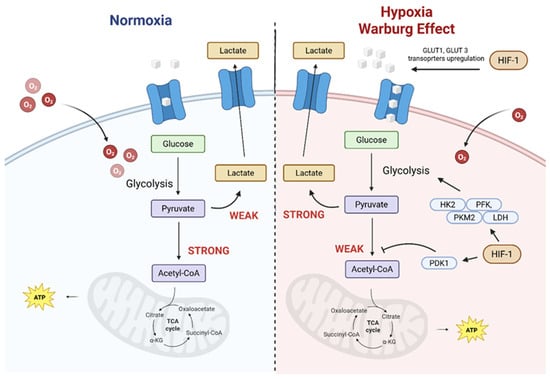
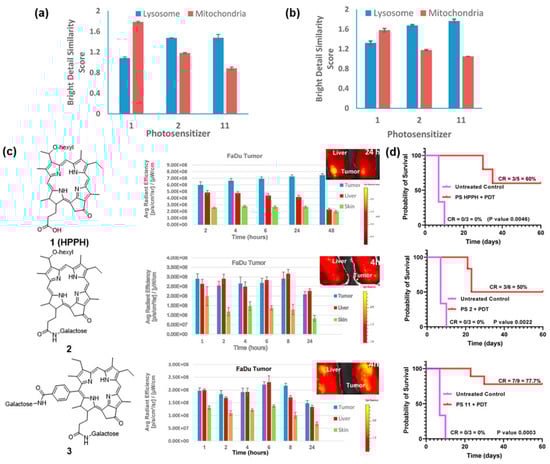
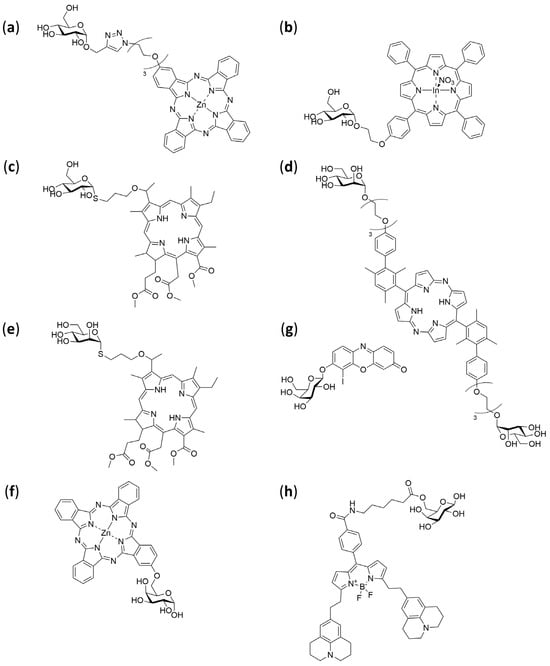
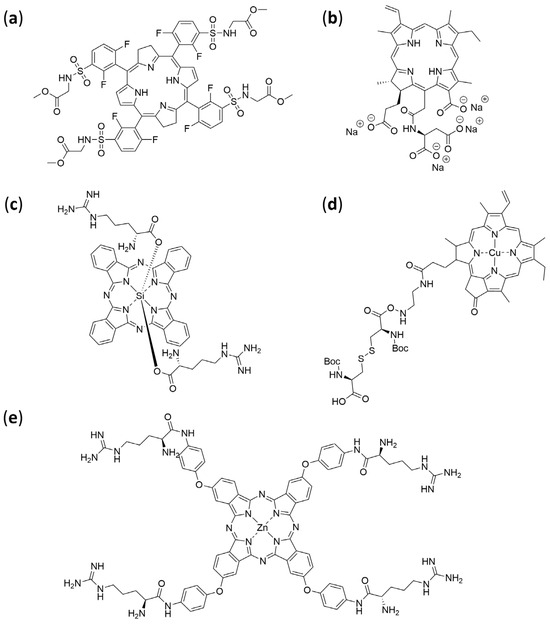
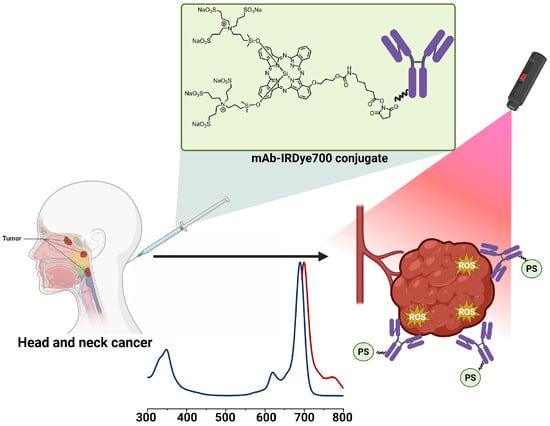
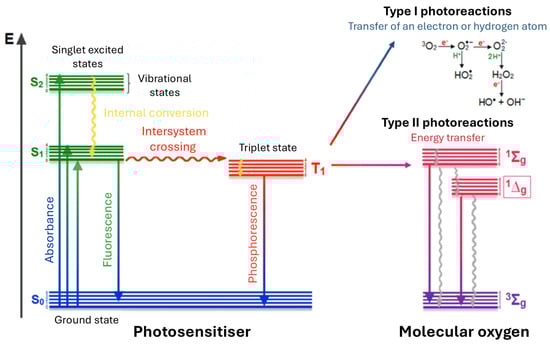
Biomolecule–photosensitizer conjugates have rapidly evolved into one of the most powerful strategies for improving the selectivity, efficacy, and translational potential of photodynamic therapy (PDT). By integrating photosensitizers (PSs) with carbohydrates, amino acids, peptides, aptamers, proteins, cofactors, vitamins or antibodies, these constructs overcome long-standing limitations of classical PDT, including poor solubility, insufficient tumour accumulation, and strong dependence on oxygen availability. Beyond enhancing receptor-mediated uptake and enabling precise interactions with the tumour microenvironment (TME), bioconjugation also modulates aggregation, photochemical properties, intracellular accumulation, and immune system activation. A particularly transformative trend is the emergence of supramolecular architectures in which photosensitizers form defined nanostructured aggregates with peptides or proteins. Once considered an undesirable phenomenon, aggregation is now recognized as a tenable feature that governs photochemical behaviour. Engineered aggregates can undergo environment-triggered disassembly to monomeric, photoactive states, or operate as semiconductor-like nanodomains capable of Type I reaction through symmetry-breaking charge separation. This shift toward oxygen-independent radical pathways offers a promising solution to the challenge of hypoxia, a hallmark of the TME that severely compromises conventional Type II PDT. Parallel advances in 3D experimental platforms such as tumour organoids and organ-on-chip systems provide physiologically relevant validation of these conjugates, enabling the assessment of penetration, subcellular localization, immunogenic cell death, and therapeutic synergy within realistic TME conditions. Collectively, the integration of biomolecular targeting with controlled supramolecular design is redefining the landscape of PDT. Future progress will depend on designing conjugates that retain high activity under hypoxia, engineering dynamic aggregate states, and systematically validating these systems in advanced TME-mimetic models. Together, these developments position biomolecule–photosensitizer conjugates as a versatile and increasingly less oxygen-dependent class of next-generation phototherapeutic agents. Full article
Show Figures

Graphical abstract

Back to TopTop