Genes 2025, 16(12), 1444; https://doi.org/10.3390/genes16121444 - 2 Dec 2025
Viewed by 2078
Abstract
►
Show Figures
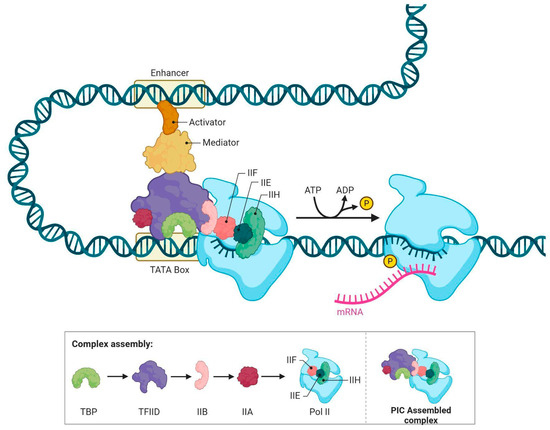
Background/Objectives: The Mediator (MED) complex is an essential regulator of RNA polymerase II transcription. There is increasing evidence that pathogenic variants in several MED subunits are the cause of neurodegenerative and neurodevelopmental phenotypes, collectively referred to as “MEDopathies”. This review aims to summarize
[...] Read more.
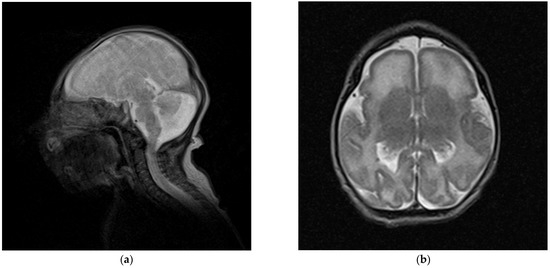
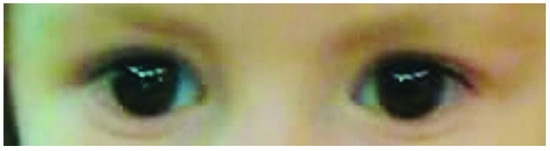
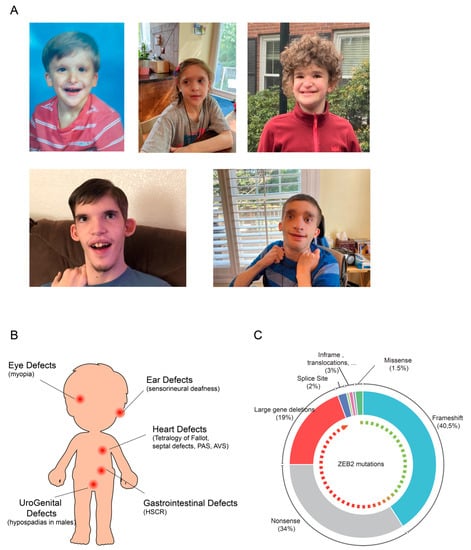
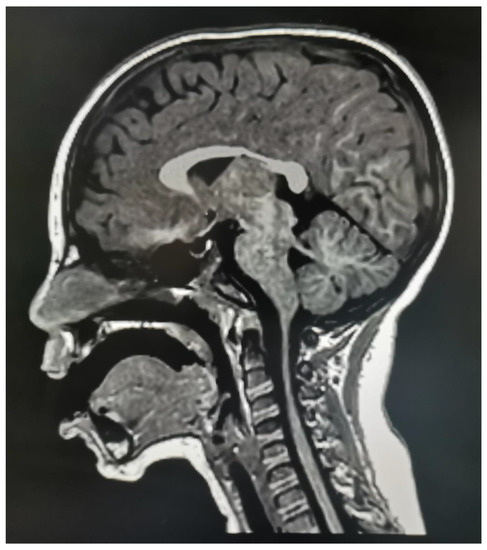
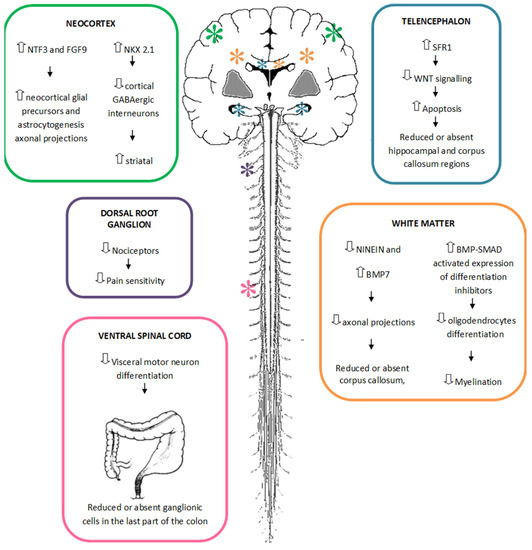
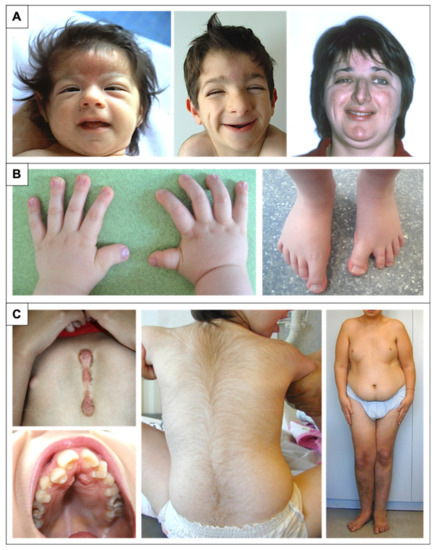
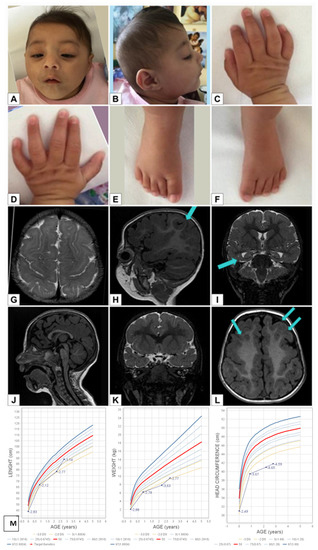
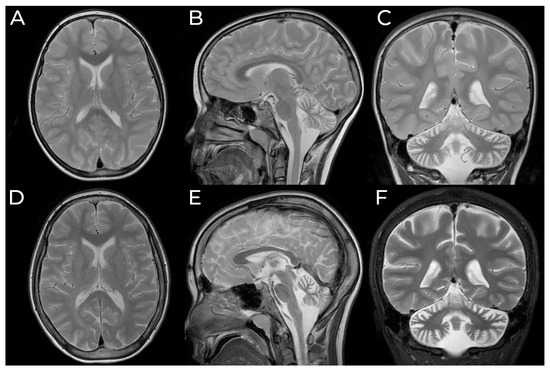
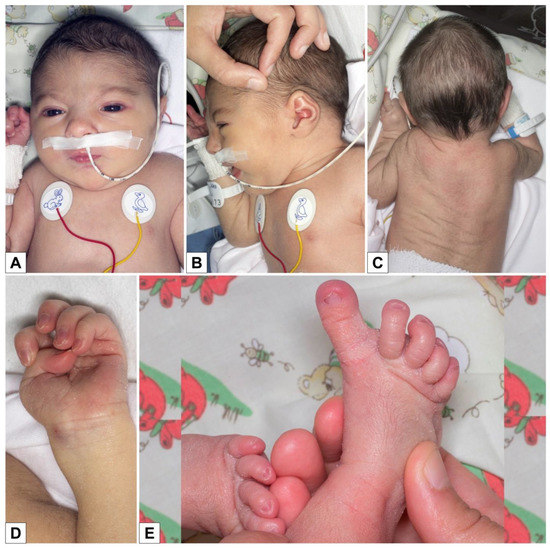
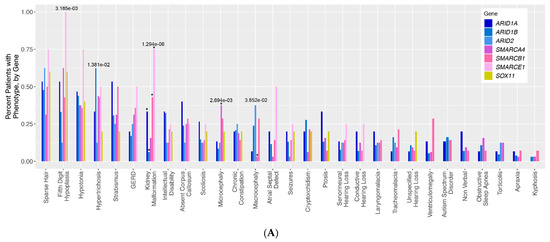
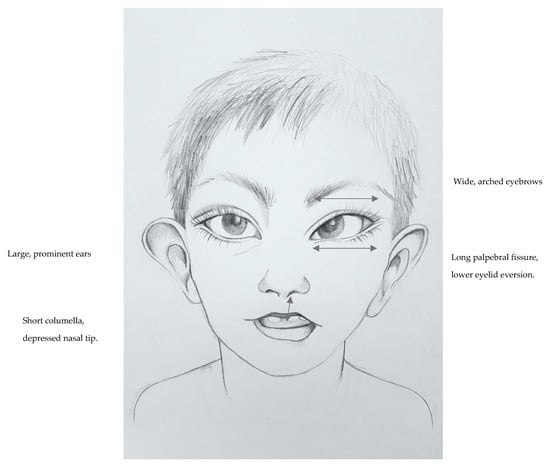
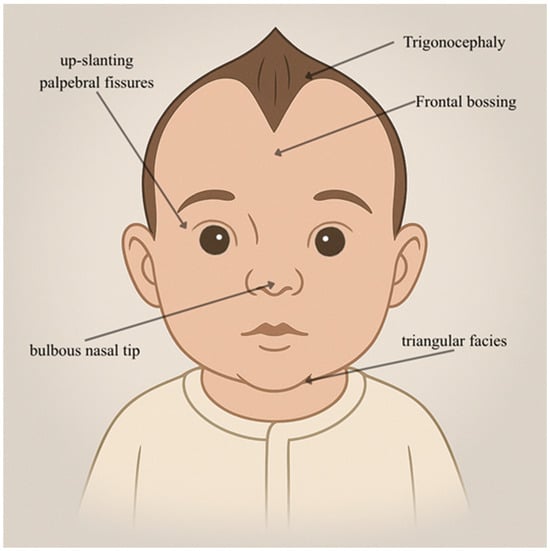
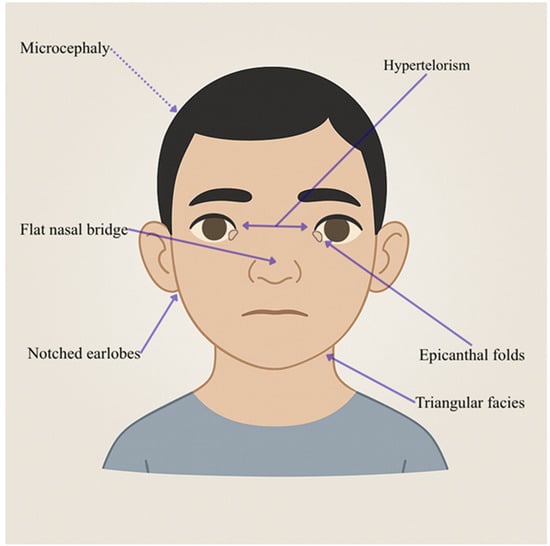
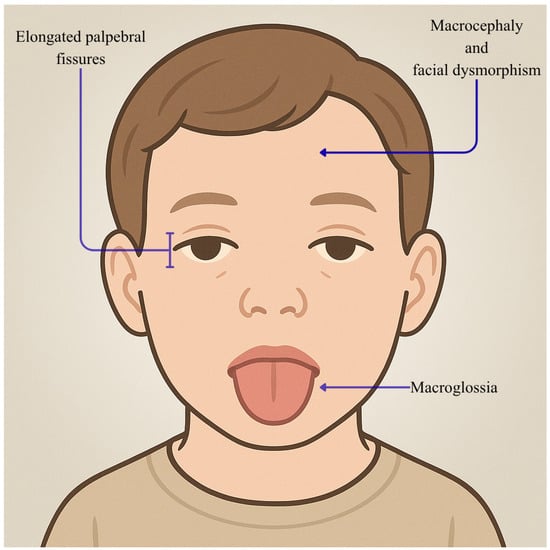
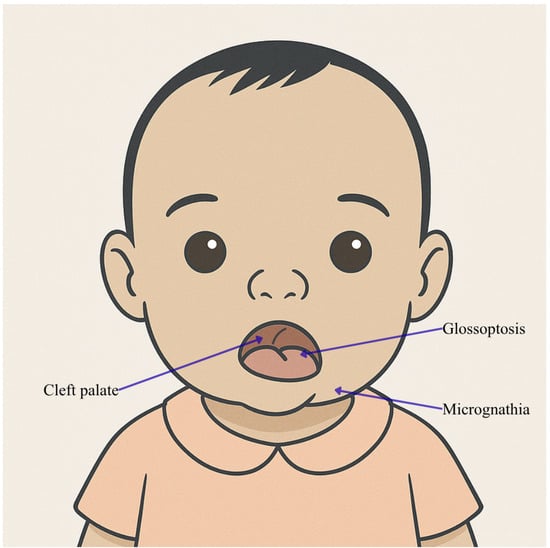
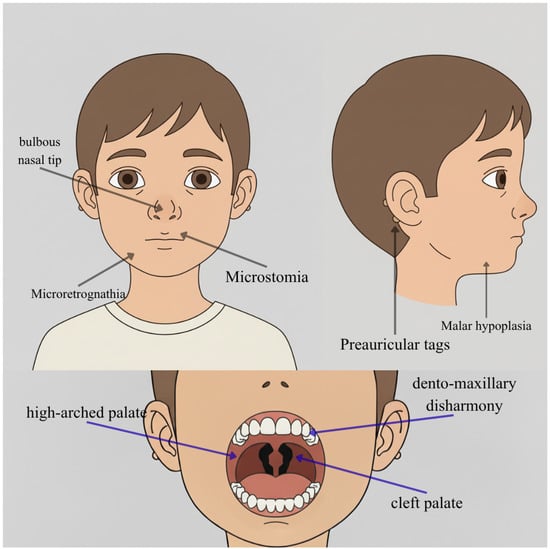
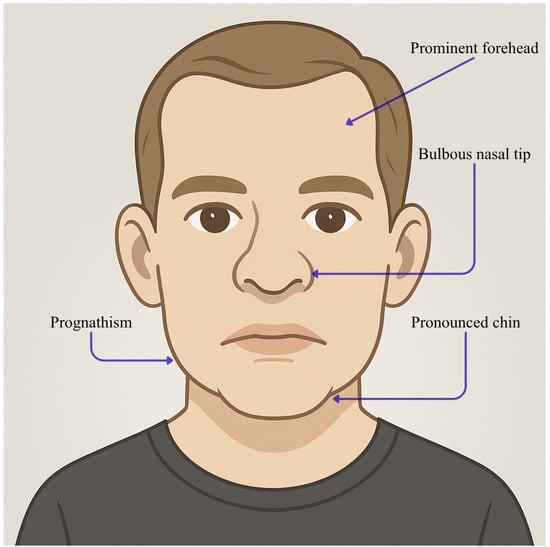
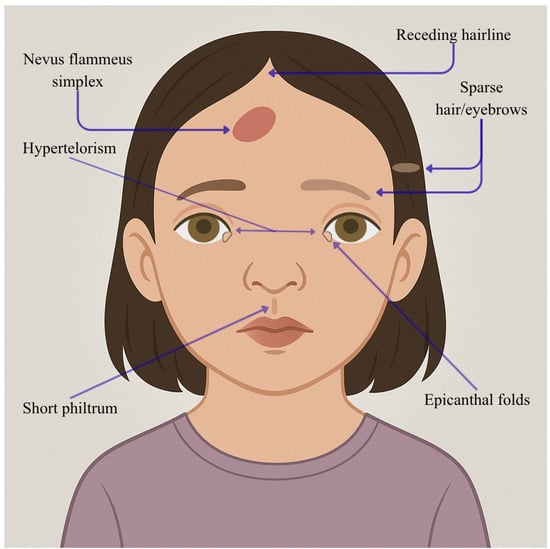
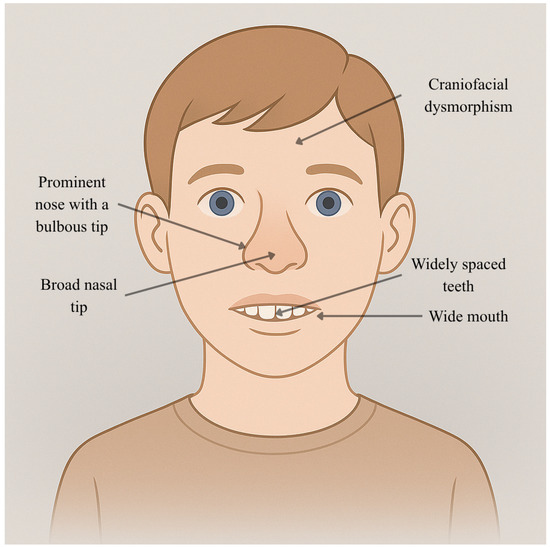
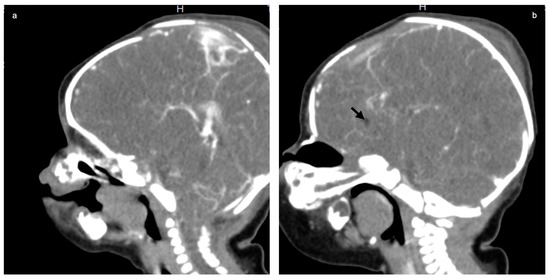
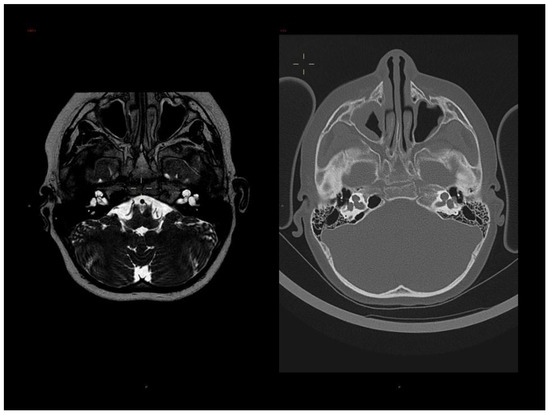
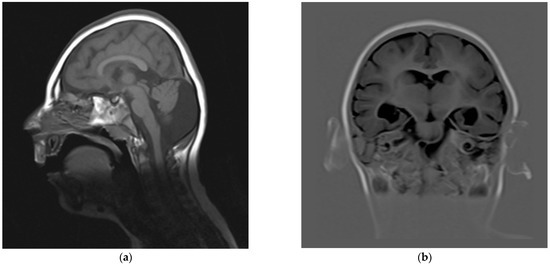
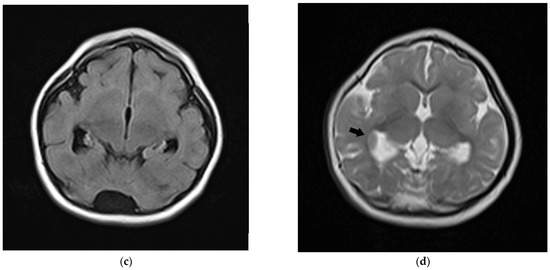
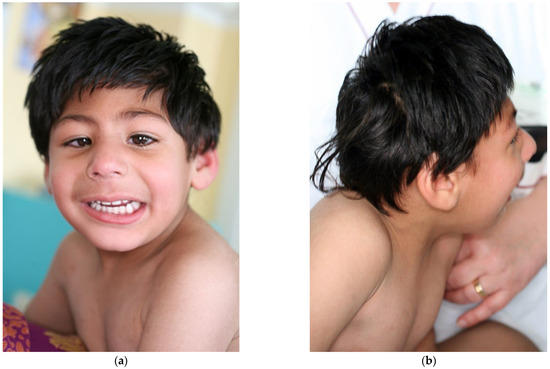
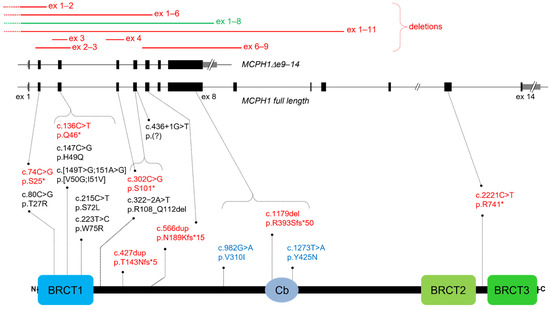
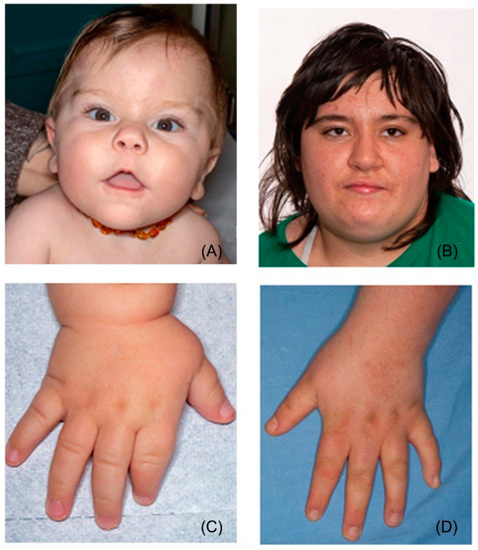
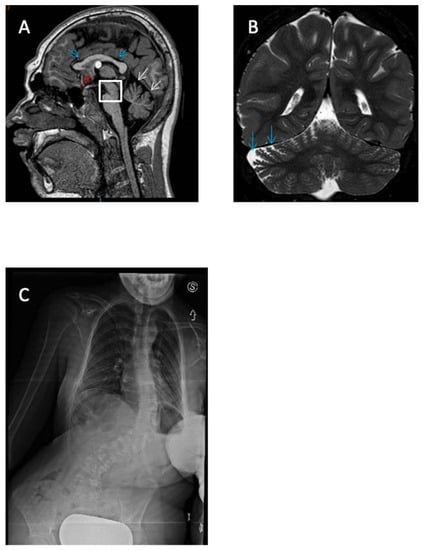
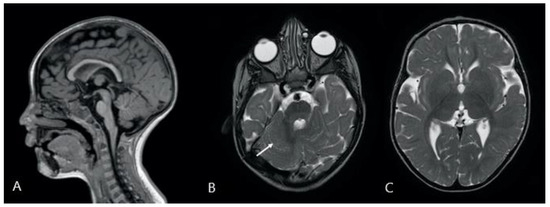
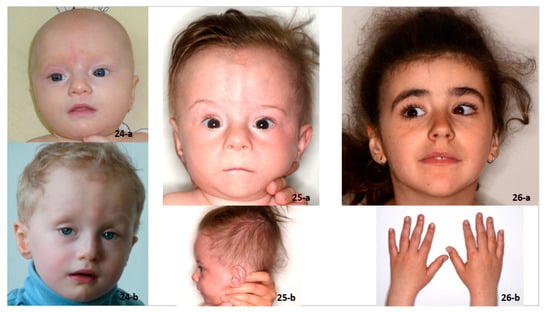
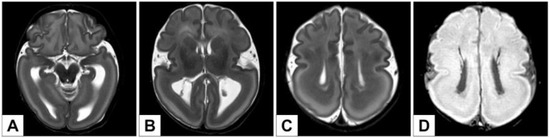
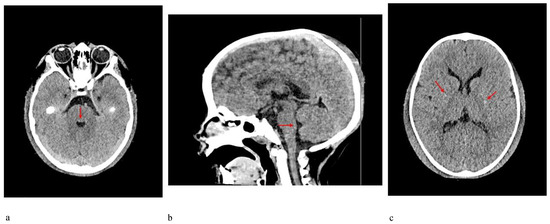
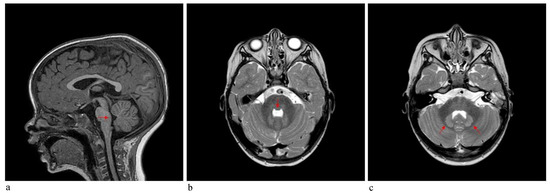
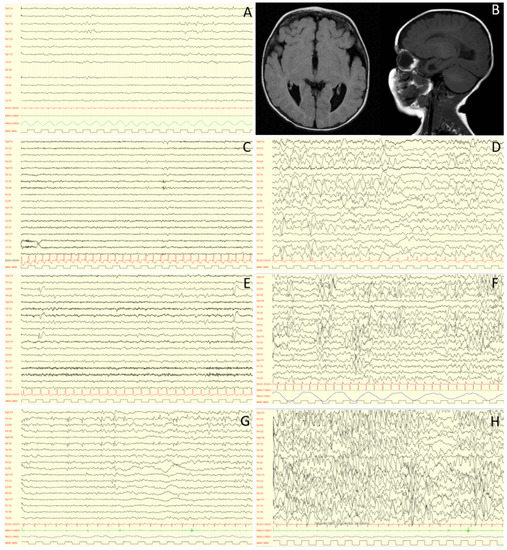
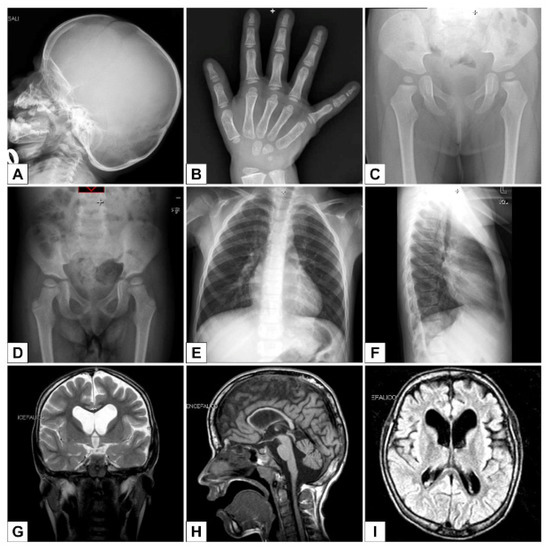
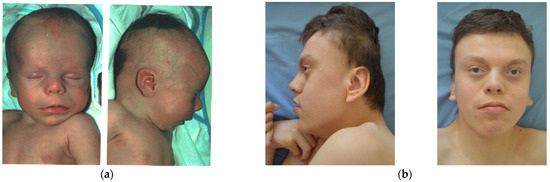
Background/Objectives: The Mediator (MED) complex is an essential regulator of RNA polymerase II transcription. There is increasing evidence that pathogenic variants in several MED subunits are the cause of neurodegenerative and neurodevelopmental phenotypes, collectively referred to as “MEDopathies”. This review aims to summarize current knowledge on the genetic basis, clinical manifestations, and neuroradiological features of MED-related disorders. Methods: We undertook a narrative synthesis of the literature focusing on the MED subunits most commonly associated with neurological disorders, including MED1, MED8, MED11, MED12/MED12L, MED13/MED13L, MED14, MED17, MED20, MED23, MED25, MED27, and CDK8. Sources included peer-reviewed genetic, clinical, and imaging studies, supplemented by relevant case reports and cohort analyses. In addition, representative facial phenotypes associated with selected MED variants (MED11, MED12, MED13, MED13L, MED25) were visualized for educational purposes using artificial intelligence-based image generation derived from standardized clinical descriptors. Results: All MEDopathies show converging clinical patterns: global developmental delay/intellectual disability, hypotonia, epilepsy, speech disorders, and behavioral comorbidity. Non-neurological involvement, such as craniofacial or cardiac anomalies, is subunit-specific. Neuroradiological features include callosal abnormalities (agenesis, thinning, dysmorphia), delayed or hypomyelination, progressive cerebral and cerebellar atrophy, basal ganglia signaling changes, pontine hypoplasia, and, in MED27 deficiency, a “hot cross bun” sign. Gene-specific constellations emphasize catastrophic infantile progression (MED11), X-linked syndromes with callosal defects (MED12/MED12L), language-dominant phenotypes (MED13), and syndromic intellectual disability with systemic features (MED13L). Conclusions: The growing spectrum of MEDopathies argues for their recognition as a unified nosological group with overlapping clinical and radiological signatures. Characteristic MRI constellations may serve as diagnostic clues and guide targeted molecular testing. Future directions include longitudinal imaging to describe disease progression and the integration of genomic data with curated clinical radiological datasets to refine genotype-phenotype correlations.
Full article
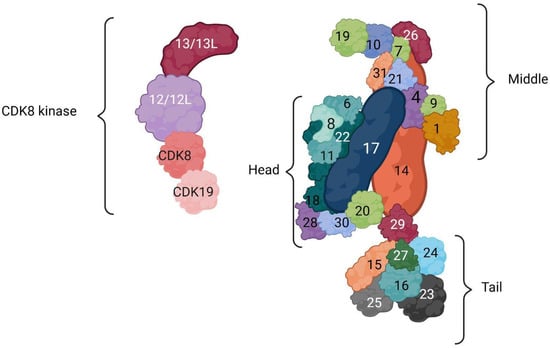
Figure 1