

Journal Description
Genes
Genes
is a peer-reviewed, open access journal of genetics and genomics published monthly online by MDPI. The Spanish Society for Nitrogen Fixation (SEFIN) is affiliated with Genes and its members receive discounts on the article processing charges.
- Open Access— free for readers, with article processing charges (APC) paid by authors or their institutions.
- High Visibility: indexed within Scopus, SCIE (Web of Science), PubMed, MEDLINE, PMC, Embase, PubAg, and other databases.
- Journal Rank: JCR - Q2 (Genetics and Heredity) / CiteScore - Q2 (Genetics (clinical))
- Rapid Publication: manuscripts are peer-reviewed and a first decision is provided to authors approximately 14.6 days after submission; acceptance to publication is undertaken in 3.4 days (median values for papers published in this journal in the second half of 2025).
- Recognition of Reviewers: Reviewers who provide timely, thorough peer-review reports receive vouchers entitling them to a discount on the APC of their next publication in any MDPI journal, in appreciation of the work done.
Impact Factor:
2.8 (2024);
5-Year Impact Factor:
3.2 (2024)
Latest Articles
Clinical Variability Within the PLOD2-Associated Phenotypic Continuum: Three Novel Variants in Four Patients from a Descriptive Case Series
Genes 2026, 17(5), 556; https://doi.org/10.3390/genes17050556 - 5 May 2026
Abstract
Background/Objectives: Bruck syndrome type 2 (BS2) is an ultra-rare autosomal recessive disorder within the osteogenesis imperfecta (OI) spectrum caused by biallelic pathogenic variants in PLOD2, which encodes lysyl hydroxylase 2 (LH2), an enzyme essential for bone-specific collagen cross-linking. Marked clinical heterogeneity
[...] Read more.
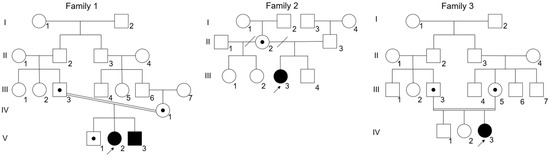
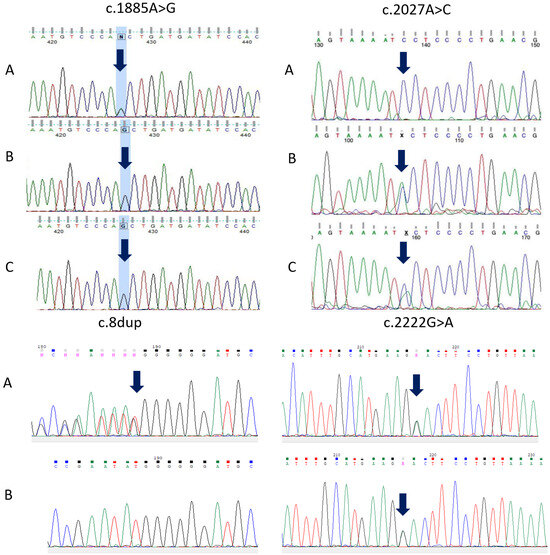
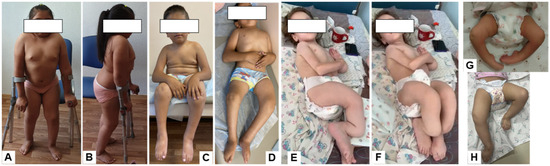
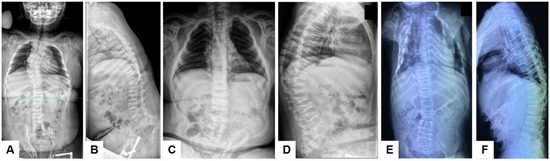
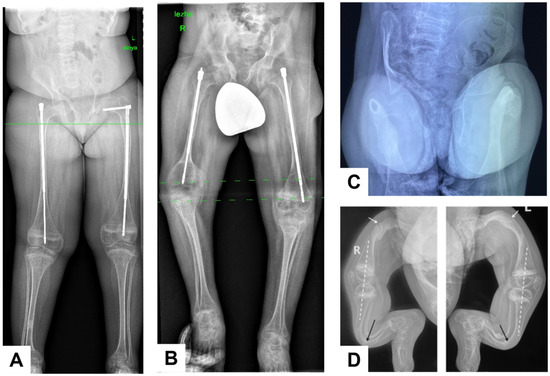
Background/Objectives: Bruck syndrome type 2 (BS2) is an ultra-rare autosomal recessive disorder within the osteogenesis imperfecta (OI) spectrum caused by biallelic pathogenic variants in PLOD2, which encodes lysyl hydroxylase 2 (LH2), an enzyme essential for bone-specific collagen cross-linking. Marked clinical heterogeneity complicates diagnosis, particularly in patients with atypical or incomplete presentations. We aimed to further delineate the clinical and molecular spectrum of PLOD2-associated disease. Methods: In this descriptive case series, we performed clinical, radiological, and molecular evaluations of four patients from three unrelated families, including two previously reported siblings. Molecular testing comprised targeted next-generation sequencing or whole-exome sequencing, followed by Sanger sequencing for variant confirmation and familial segregation analysis where feasible. Results: Four PLOD2 variants (NM_182943.3) were identified: homozygous c.1885A > G (p.Thr629Ala) in two siblings; c.8dup (p.(Cys4MetfsTer35)) and c.2222G > A (p.(Gly741Glu)) in one patient; and homozygous c.2027A > C (p.(Tyr676Ser)) in one infant. Three variants were previously unreported. Two missense variants remained classified as variants of uncertain significance, and the phase of the two heterozygous variants detected in one patient could not be established because a paternal sample was unavailable. Clinical severity was variable: age at first fracture ranged from 3 months to 4 years, and cumulative fracture burden ranged from 3 to multiple recurrent fractures. One 10-year-old patient had a severe OI-like phenotype without congenital contractures. Older patients showed additional axial and pelvic involvement, including craniovertebral junction abnormalities and acetabular protrusion. Conclusions: This case series broadens the range of clinical presentations observed in PLOD2-associated disease and indicates that severe bone fragility may occur in the absence of congenital contractures. These findings support inclusion of PLOD2 in the differential diagnosis of patients with unexplained bone fragility and progressive skeletal deformities. Additional well-characterized cases and functional studies are needed to refine genotype–phenotype correlations and clarify the clinical significance of newly identified variants.
Full article
(This article belongs to the Special Issue Advances in Molecular Genetics of Rare Disorders)
►
Show Figures
Open AccessReview
Pericytes: Biomarkers and Roles in Thoracic Aortic Aneurysm
by
Theodora M. Stougiannou and Dimos Karangelis
Genes 2026, 17(5), 555; https://doi.org/10.3390/genes17050555 - 5 May 2026
Abstract
The aorta is the largest vascular conduit in humans, comprising three layers and a multitude of varying cell types collectively maintaining homeostasis and normal aortic wall function. Amongst these layers, the tunica adventitia is the external-most layer, where microvessels, termed vasa vasorum, can
[...] Read more.
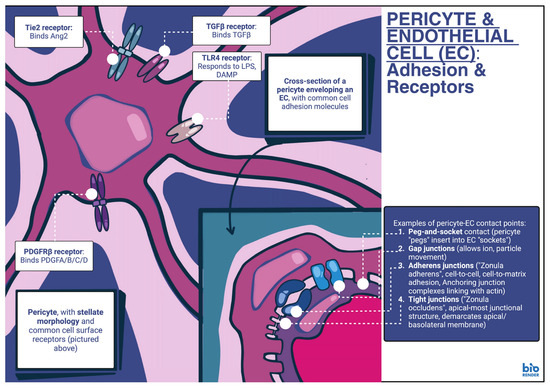
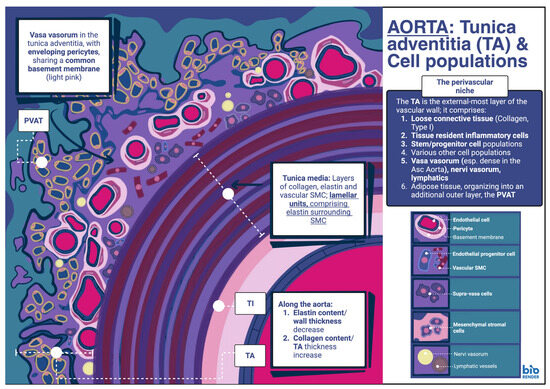
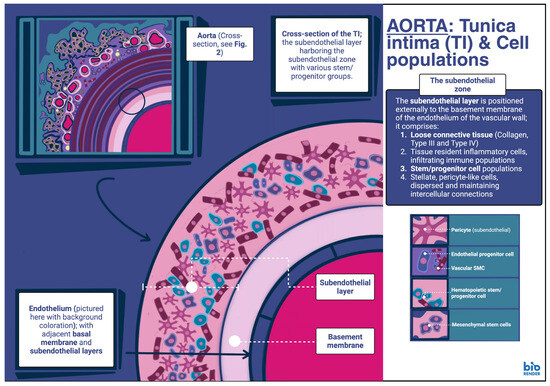
The aorta is the largest vascular conduit in humans, comprising three layers and a multitude of varying cell types collectively maintaining homeostasis and normal aortic wall function. Amongst these layers, the tunica adventitia is the external-most layer, where microvessels, termed vasa vasorum, can be found. These comprise pericytes and endothelial cells (ECs) and provide nourishment to the tunica adventitia and the outer media layers in the thoracic aorta. Adjacent to these microvessels, stem/progenitor group populations can be found, together forming a perivascular niche. Eventually, however, many of these cells and components can become dysregulated and contribute to development of thoracic aortic aneurysm (TAA). The purpose of this narrative review is to evaluate the recent literature related to marker gene expression in tunica adventitia pericytes, as well as the contribution of these populations to the development of aneurysm in the thoracic aorta. Pericytes in TAA generally exhibit phenotypic changes, which could be driven, in part, by loss of fibroblast growth factor (FGF) signaling. These changes eventually lead to vasa vasorum remodeling in the thoracic aorta, in turn contributing to the development of TAA.
Full article
(This article belongs to the Special Issue Genetic Insights into Aortic Aneurysm Disease)
►▼
Show Figures

Figure 1
Open AccessArticle
Association Analysis of the AGTR2:rs1403543 Polymorphism with Newborn Kidney Size
by
Karol Miler, Iwona Gorący, Beata Łoniewska, Klaudyna Lewandowska, Martyna Lica-Miler, Monika Rychel and Andrzej Ciechanowicz
Genes 2026, 17(5), 554; https://doi.org/10.3390/genes17050554 - 5 May 2026
Abstract
Background: The correlation between renal volume (or mass) and nephron number in newborns allows the use of the total kidney volume (TKV) at birth as a surrogate for congenital nephron number. Previously, the wide variation in final nephron number (termed “nephron endowment”) has
[...] Read more.
Background: The correlation between renal volume (or mass) and nephron number in newborns allows the use of the total kidney volume (TKV) at birth as a surrogate for congenital nephron number. Previously, the wide variation in final nephron number (termed “nephron endowment”) has been attributed to polymorphisms of genes encoding proteins involved in glomerulogenesis, including key genetic variants in the renin–angiotensin system. However, there are no data concerning the role of polymorphism in the gene encoding type-2 angiotensin II receptor (AGTR2) in the modulation of nephron endowment in humans. Therefore, the aim of our study was to analyze the possible association between AGTR2:rs1403543 polymorphism and kidney volume in Polish full-term healthy newborns. Methods: The study group consisted of 208 healthy, Polish, full-term newborns born to healthy women with uncomplicated pregnancies. The AGTR2:rs1403543 polymorphism was identified by PCR-RFLP in genomic DNA extracted from cord blood leukocytes. Kidney volume was measured sonographically. Total kidney volume was calculated as the sum of left and right kidneys, and normalized for body mass (BM), body length (BL), or body surface area (BSA). Results: There were no significant differences in TKV/BM, TKV/BL, or TKV/BSA between male and female newborns, as well as in regard to the AGTR2:rs1403543 polymorphism. Conclusions: The results suggest a lack of association between the AGTR2:rs1403543 polymorphism and physiological variability in kidney volume in full-term newborns.
Full article
(This article belongs to the Section Molecular Genetics and Genomics)
Open AccessReview
Possible Involvement of Differential Ubiquitination as a Molecular Basis of Phenotypic Heterogeneity in Neurodevelopmental Disorders
by
Tadashi Nakagawa and Makiko Nakagawa
Genes 2026, 17(5), 553; https://doi.org/10.3390/genes17050553 - 5 May 2026
Abstract
Neurodevelopmental disorders (NDDs) are characterized by remarkable phenotypic heterogeneity, in which individuals harboring mutations in the same gene display divergent clinical manifestations, ranging from mild cognitive impairment to severe neurodevelopmental deficits. Advances in neurogenetics and neurogenomics have rapidly expanded the catalog of genes
[...] Read more.
Neurodevelopmental disorders (NDDs) are characterized by remarkable phenotypic heterogeneity, in which individuals harboring mutations in the same gene display divergent clinical manifestations, ranging from mild cognitive impairment to severe neurodevelopmental deficits. Advances in neurogenetics and neurogenomics have rapidly expanded the catalog of genes associated with NDDs and have provided unprecedented insight into the genetic architecture of these conditions. However, how identical or similar genetic variants give rise to such diverse phenotypic outcomes remains largely unknown. Ubiquitin-mediated protein regulation is a central mechanism controlling diverse processes essential for neural development, including chromatin regulation, transcriptional dynamics, protein turnover, and synaptic function. Importantly, ubiquitination is a multilayered regulatory process governed by multiple determinants, including the availability of ubiquitination sites on substrates, the activity of ubiquitin ligases, the opposing actions of deubiquitinases, and priming post-translational modifications such as phosphorylation or acetylation. These regulatory layers create a dynamic ubiquitination landscape that may vary across individuals, cell types, developmental stages, and environmental contexts. In this review, we discuss how insights from neurogenetics and neurogenomics can be integrated with knowledge of ubiquitin signaling to better understand the molecular basis of phenotypic heterogeneity in NDDs. We propose that differential ubiquitination represents an important mechanistic framework through which genetic variation is translated into diverse molecular and cellular outcomes. Understanding the interplay between neurogenetic variation and ubiquitin-dependent regulatory networks may provide new perspectives on disease mechanisms and inform future therapeutic strategies for neurodevelopmental disorders.
Full article
(This article belongs to the Special Issue Feature Papers in "Neurogenetics and Neurogenomics": 2026)
Open AccessCase Report
Expanding the MYCN Variant Spectrum in Feingold Syndrome Type 1: A Novel N-Terminal Missense Variant Segregating in an Affected Family
by
Francisco Javier Mérida De la Torre, Javier Porta Pelayo and Inmaculada Ortiz-Martín
Genes 2026, 17(5), 552; https://doi.org/10.3390/genes17050552 - 5 May 2026
Abstract
This study reports a previously unreported heterozygous MYCN missense variant, c.454G>A (p.Ala152Thr), identified in a child and two affected relatives, with clinical findings consistent with Feingold syndrome type 1, an autosomal dominant developmental disorder most commonly caused by loss-of-function variants in MYCN. The
[...] Read more.
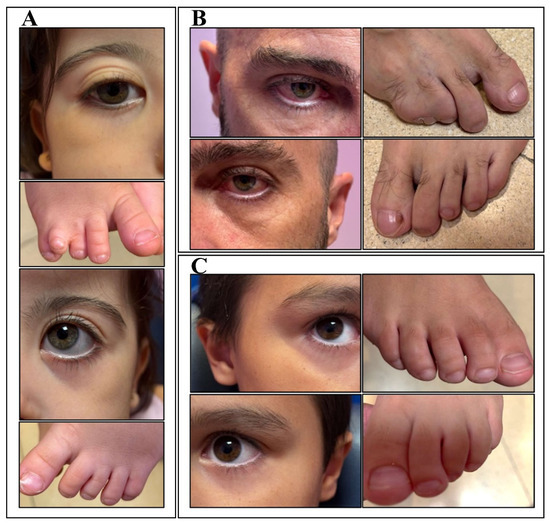
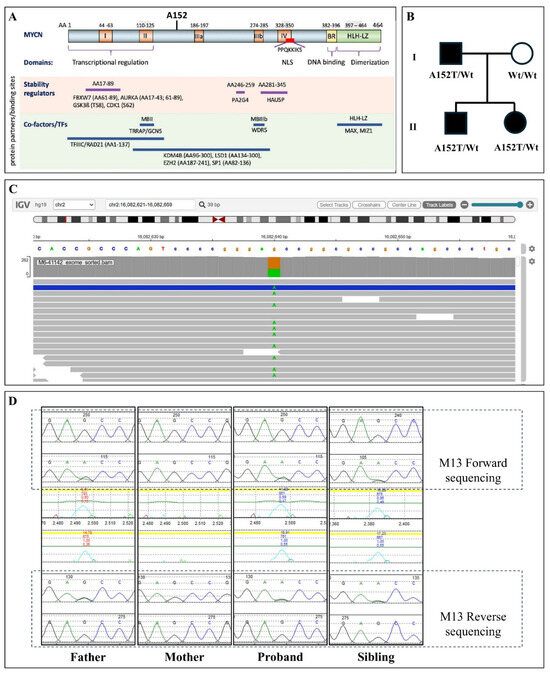
This study reports a previously unreported heterozygous MYCN missense variant, c.454G>A (p.Ala152Thr), identified in a child and two affected relatives, with clinical findings consistent with Feingold syndrome type 1, an autosomal dominant developmental disorder most commonly caused by loss-of-function variants in MYCN. The proband presented with a cleft palate, craniofacial dysmorphism, feeding difficulties, hypotonia, and characteristic digital anomalies. Similar features were observed in the father and sibling. Clinical exome sequencing revealed the novel MYCN variant, which was confirmed by Sanger sequencing and demonstrated co-segregation with the phenotype. Although most pathogenic MYCN variants leading to FS1 truncate the protein, this missense change lies within the N-terminal transactivation domain, a region involved in transcriptional regulation and protein stability. The physicochemical alteration introduced at residue Ala152 may plausibly affect MYCN function, consistent with haploinsufficiency as the established disease mechanism. According to the 2024 ACGS Best Practice Guidelines, the variant was classified as a variant of uncertain significance leaning toward pathogenicity. This report expands the mutational spectrum of MYCN, supports the potential clinical relevance of N-terminal missense variation in MYCN, and highlights intrafamilial phenotypic variability in FS1.
Full article
(This article belongs to the Section Genetic Diagnosis)
►▼
Show Figures

Figure 1

Open AccessArticle
DDX3X Syndrome: Clinical, Neuroimaging, AI-Assisted Facial Profiling and Genotype–Phenotype Correlations
by
Sara Hadj Sadok, Alicia Irene Serra, Leticia Diana Pias-Peleteiro, Diana Salinas Chaparro, Clara Xiol, Judith Armstrong, Encarna Guillén-Navarro and Antonio F. Martínez-Monseny
Genes 2026, 17(5), 551; https://doi.org/10.3390/genes17050551 - 5 May 2026
Abstract
Background/Objectives: DDX3X syndrome (MIM#300958) is a neurodevelopmental disorder associated with intellectual disability, language impairment, and a characteristic neurobehavioral phenotype that predominantly affects females. Although dysmorphic features have been reported, a consistent facial phenotype and clear genotype–phenotype correlations have not been established. Methods
[...] Read more.
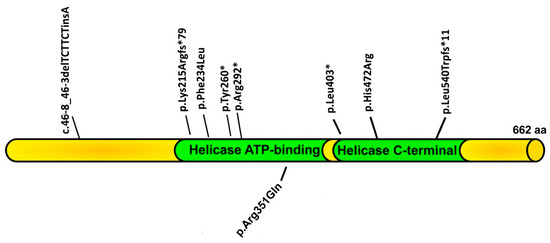
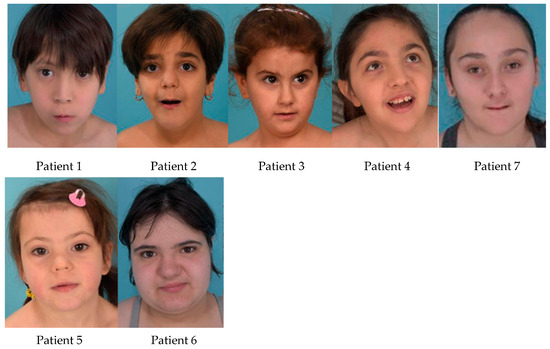
Background/Objectives: DDX3X syndrome (MIM#300958) is a neurodevelopmental disorder associated with intellectual disability, language impairment, and a characteristic neurobehavioral phenotype that predominantly affects females. Although dysmorphic features have been reported, a consistent facial phenotype and clear genotype–phenotype correlations have not been established. Methods: We conducted an observational, ambispective, descriptive study including patients aged 0–18 years with a molecular diagnosis of DDX3X. Clinical, standardized facial images, neurobehavioral, neuroimaging, and molecular data were collected. Automated facial analysis was performed using Face2Gene after algorithm training. Results: Of 11 identified patients, 9 were included (8 females); 8 variants were de novo and 4 novel. Two variants of uncertain significance underwent in silico analysis. Frequent facial features included thin upper lip (9/9), tapered chin (8/9), long uniform eyebrows (8/9), short neck (8/9), and long face (6/9). After training, Face2Gene identified DDX3X syndrome in 92% of cases within the top 5 suggestions, supporting its utility as a diagnostic aid. All females had intellectual disability and language disorder; 66% presented sleep disturbances and aggressive behavior. Neuroimaging revealed ventricular dilatation (5/9) and corpus callosum hypoplasia (3/9). Loss-of-function variants were associated with greater clinical severity. Conclusions: This series suggests a recognizable facial phenotype of DDX3X syndrome and supports a possible genotype–phenotype correlation. Further studies are needed to confirm these findings.
Full article
(This article belongs to the Section Human Genomics and Genetic Diseases)
►▼
Show Figures

Figure 1
Open AccessArticle
Genetic and Dietary Influences on Metabolic Traits in Gilthead Seabream (Sparus aurata)
by
Stavroula Oikonomou, Rafael Angelakopoulos, Maria Tekeoglou, Andreas Tsipourlianos, Zoi Kazlari, Dimitrios Loukovitis, Arkadios Dimitroglou, Themistoklis Giannoulis, Zissis Mamuris, Dimitrios Chatziplis and Katerina A. Moutou
Genes 2026, 17(5), 550; https://doi.org/10.3390/genes17050550 - 5 May 2026
Abstract
Background/Objectives: In gilthead seabream, the transition from fish meal/oil-based diets to diets with partial plant-based replacement is gaining ground due to price fluctuations and environmental concerns. Most studies focus on the dietary effects on important commercial traits such as body weight and fat
[...] Read more.
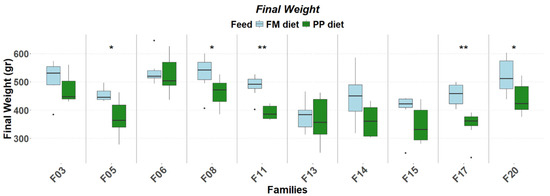
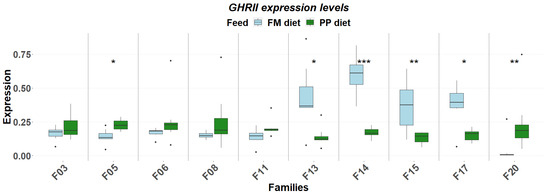
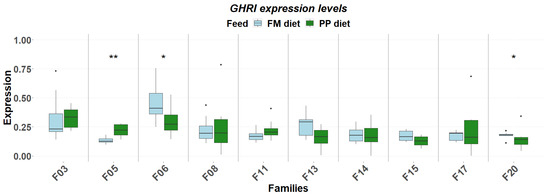
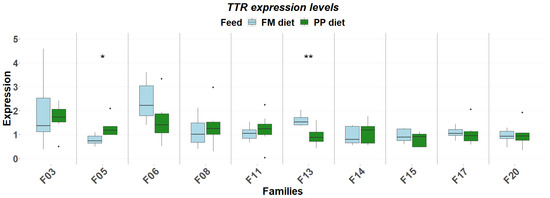
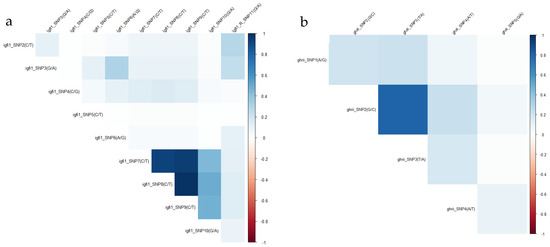
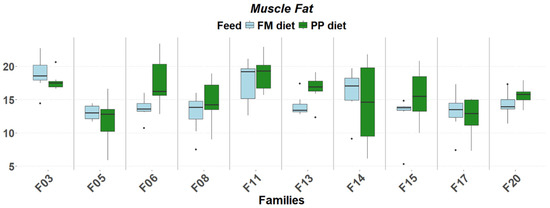
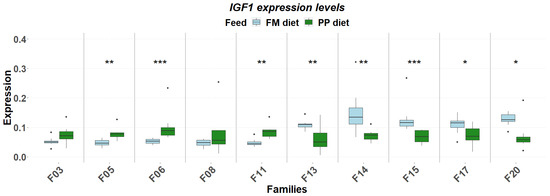
Background/Objectives: In gilthead seabream, the transition from fish meal/oil-based diets to diets with partial plant-based replacement is gaining ground due to price fluctuations and environmental concerns. Most studies focus on the dietary effects on important commercial traits such as body weight and fat deposition, while metabolic traits and their underlying genetic and transcriptional regulation remain largely unexplored. Methods: In the present study, the response of metabolic traits (protein, cholesterol, and triglycerides levels) was measured in gilthead seabream of different genetic backgrounds at 15 (D15) and 30 days (D30) after a shift from a fish meal/oil-based diet (FM) to a plant-based (PP) diet. Results: Moderate heritability of total protein and triglyceride content of blood was estimated on D30. Significantly positive genetic correlations were observed between triglyceride D30 content and final weight and muscle fat. No significant genotype-by-diet interaction effects were detected. At the end of the production cycle, final body weight and fat were recorded, and hepatic expressions of ghri, ghrii, igf1 and ttr genes were measured in a subpopulation of 160 fish. An overall negative correlation was recorded between the hepatic expression of igf1 and final weight, whereas strong positive correlations were observed between the expression of all hepatic genes measured. In the same population, fourteen SNPs located in the 3′ UTR of ghrii and igf1 genes were genotyped and analyzed in two ways, as a sum-of-risk score and individually as predictors for body weight, muscle fat, metabolic traits and hepatic expression levels. The sum-of-risk score was significantly associated with muscle fat and ttr expression. Studying the effect of each SNP independently, two SNPs in the igf1 gene were associated with ghrii expression levels and one SNP in igf1 gene was associated with triglyceride levels at day 15 (Trigl_D15) while one SNP in ghrii was associated with ttr expression levels. Focusing on the diet, it was significantly associated with final weight, muscle fat, protein (D30) and triglycerides levels, and hepatic expression levels of ghrii.
Full article
(This article belongs to the Section Animal Genetics and Genomics)
►▼
Show Figures

Figure 1
Open AccessArticle
Genome-Wide Identification and Characterization of Chemosensory Gene Families in the Mayfly Parafronurus youi (Ephemeroptera: Heptageniidae)
by
Haixin Li, Jinfeng Li, Qi Zhang, Muyang Li, Chao Xue and Ran Li
Genes 2026, 17(5), 549; https://doi.org/10.3390/genes17050549 - 4 May 2026
Abstract
Background: Chemoreception plays a central role in how insects perceive environmental chemical cues and regulate essential behaviors. Mayflies (Ephemeroptera), among the earliest-diverging lineages of winged insects, are important bioindicators of freshwater ecosystems, yet their chemosensory gene repertoire remains poorly characterized. Methods: Using
[...] Read more.
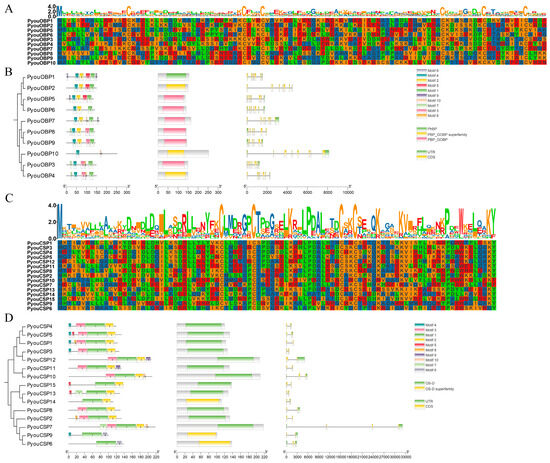
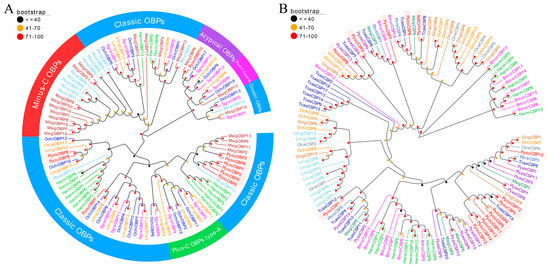
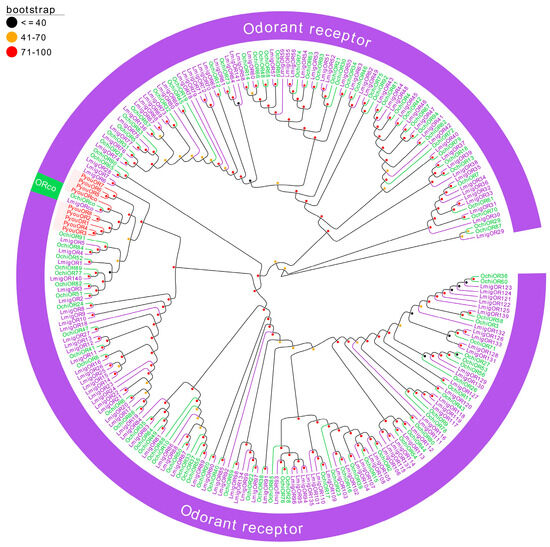
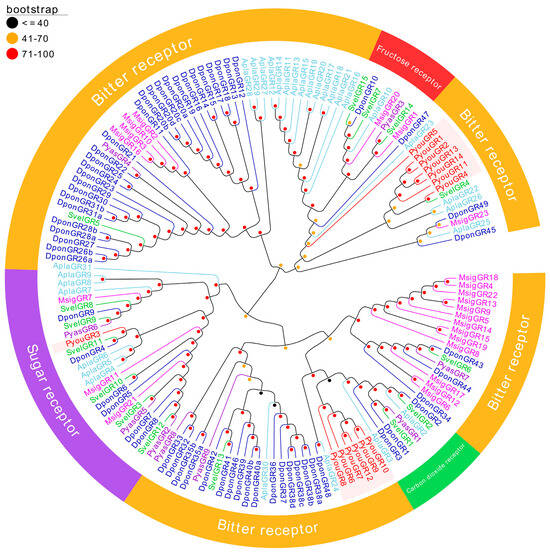
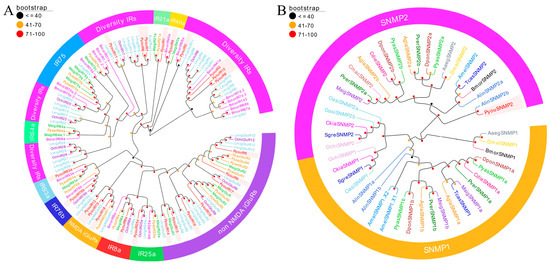
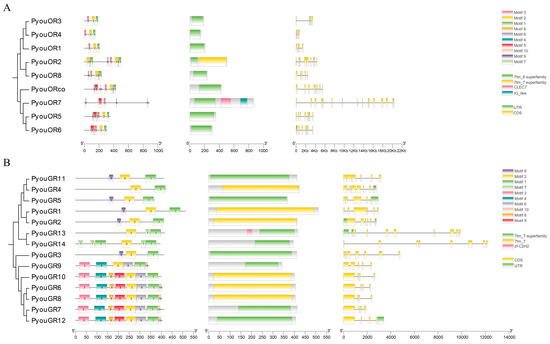
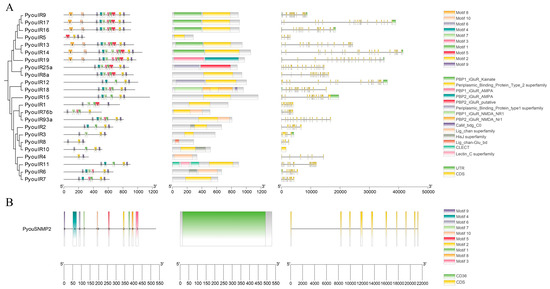
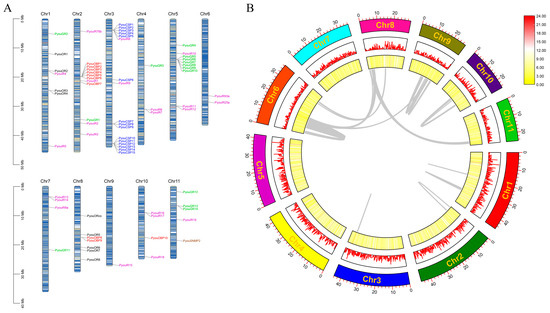
Background: Chemoreception plays a central role in how insects perceive environmental chemical cues and regulate essential behaviors. Mayflies (Ephemeroptera), among the earliest-diverging lineages of winged insects, are important bioindicators of freshwater ecosystems, yet their chemosensory gene repertoire remains poorly characterized. Methods: Using the high-quality genome of Parafronurus youi, we conducted a genome-wide identification and comparative analysis of six major chemosensory gene families. Results: We identified 72 candidate chemosensory genes, including 10 OBPs, 15 CSPs, 9 ORs, 14 GRs, 23 IRs, and 1 SNMP. These gene families differed markedly in physicochemical properties, conserved motifs, domain architecture, gene structure, chromosomal distribution, and phylogenetic relationships. Chemosensory genes were unevenly distributed across the 11 chromosomes, with several families showing clustered organization, whereas no obvious collinear relationships were detected. Compared with representative terrestrial insects, P. youi possesses a comparatively compact chemosensory repertoire, although this comparison should be interpreted cautiously because data sources and annotation strategies differ among studies. Different gene families showed distinct evolutionary patterns, including structurally conserved soluble binding proteins and co-receptors, limited diversification in several receptor families, and a comparatively well-represented IR repertoire. Conclusions: This study provides the first genome-wide overview of chemosensory genes in Ephemeroptera and offers a basis for future functional and evolutionary studies of chemoreception in palaeopteran insects.
Full article
(This article belongs to the Section Animal Genetics and Genomics)
►▼
Show Figures

Figure 1
Open AccessReview
Transglutaminase 2 at the Interface of Gene Regulation and Antigen Processing in HLA-Restricted Immunity of Celiac Disease
by
Faustina Barbara Cannea and Alessandra Padiglia
Genes 2026, 17(5), 548; https://doi.org/10.3390/genes17050548 - 3 May 2026
Abstract
Celiac disease (CD) is an immune-mediated enteropathy triggered by dietary gluten in genetically predisposed individuals. Although HLA-DQ2 and HLA-DQ8 are the primary genetic determinants of susceptibility, they are not sufficient to explain disease onset and progression. A key molecular event in CD pathogenesis
[...] Read more.
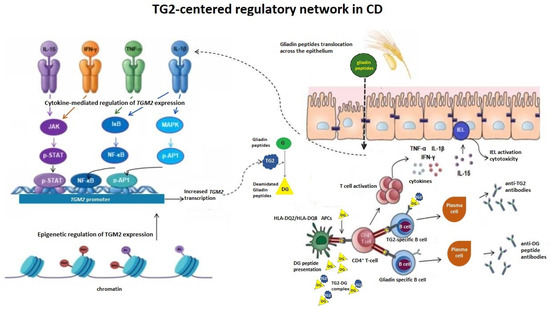
Celiac disease (CD) is an immune-mediated enteropathy triggered by dietary gluten in genetically predisposed individuals. Although HLA-DQ2 and HLA-DQ8 are the primary genetic determinants of susceptibility, they are not sufficient to explain disease onset and progression. A key molecular event in CD pathogenesis is the post-translational modification of gluten peptides by transglutaminase 2 (TG2), which enhances their binding to HLA-DQ molecules and promotes CD4+ T cell activation. TG2 also acts as the principal autoantigen, driving the production of anti-TG2 autoantibodies through linked recognition mechanisms. Beyond its enzymatic activity, TG2 is tightly regulated by gene regulatory mechanisms, including cytokine-driven transcription, epigenetic modulation, and stress-responsive signaling pathways. These processes determine TG2 expression and activity in the intestinal mucosa, thereby influencing the efficiency of gluten peptide modification and antigen presentation. Here, we propose that TG2 operates at the interface between gene regulation and antigen processing, linking transcriptional control of TGM2 to HLA-restricted immune activation. In this framework, disease susceptibility arises from the coordinated interaction between HLA-dependent peptide presentation, TG2-mediated modification of gluten epitopes, and regulation of TG2 expression within the intestinal mucosa. This integrated model provides a mechanistic basis for disease heterogeneity and identifies TG2 as a central regulatory node and potential therapeutic target in CD.
Full article
(This article belongs to the Section Molecular Genetics and Genomics)
►▼
Show Figures

Figure 1
Open AccessArticle
Integrated Evolutionary and Multi-Omic Analysis of STAT Family Activation Across Solid Tumors
by
Dunja Lukic, Pietro Hiram Guzzi and Federico Manuel Giorgi
Genes 2026, 17(5), 547; https://doi.org/10.3390/genes17050547 - 3 May 2026
Abstract
Background/Objectives: The STAT (Signal Transducer and Activator of Transcription) family of seven transcription factors mediates cytokine and growth-factor signaling, regulating proliferation, differentiation, and immunity. While STAT3/STAT5 are established oncogenes and STAT1/STAT2 are classically viewed as tumor suppressors, emerging evidence indicates context-dependent roles
[...] Read more.
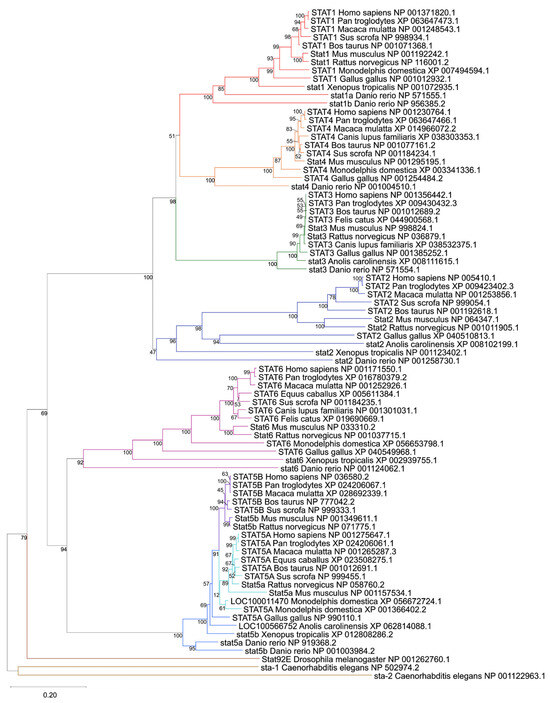
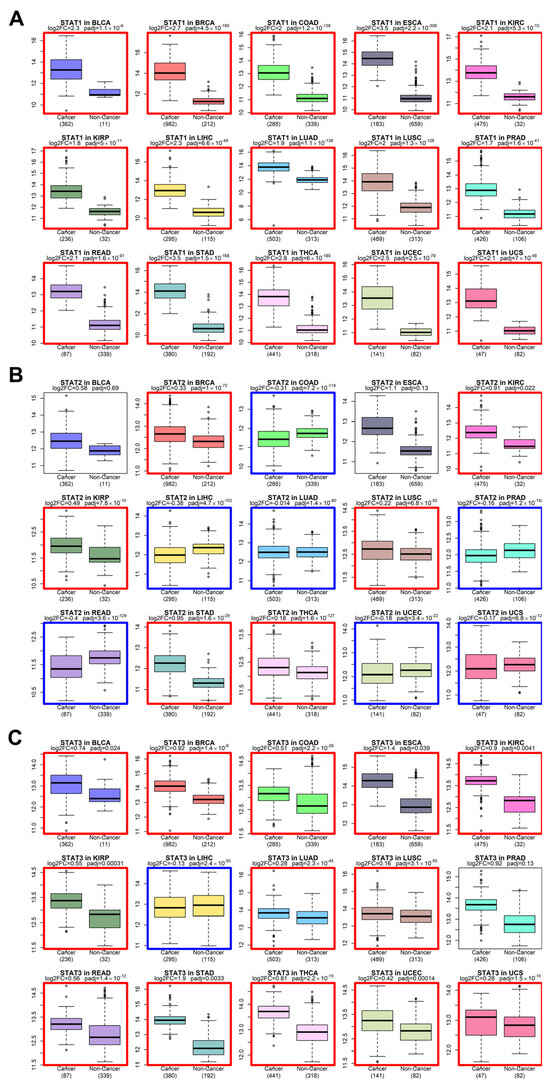
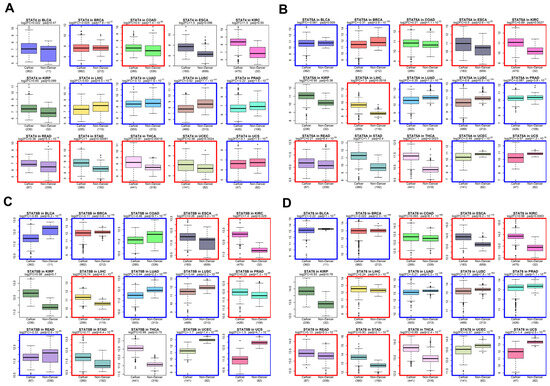
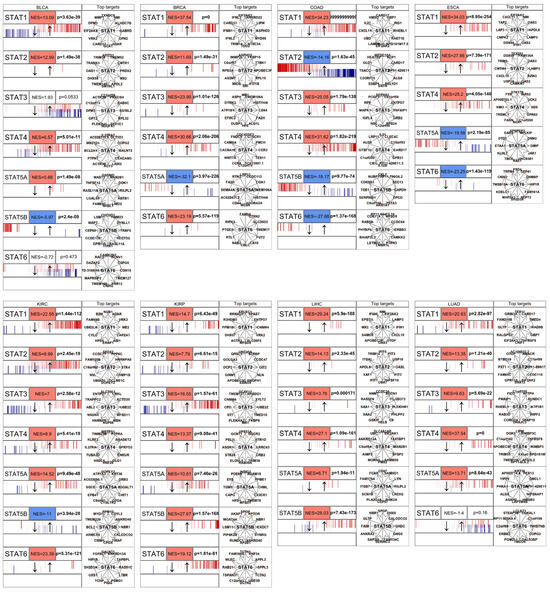
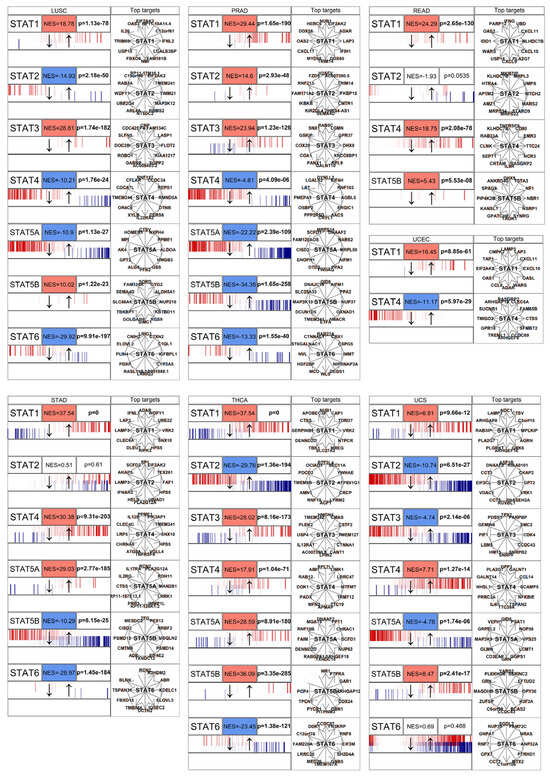
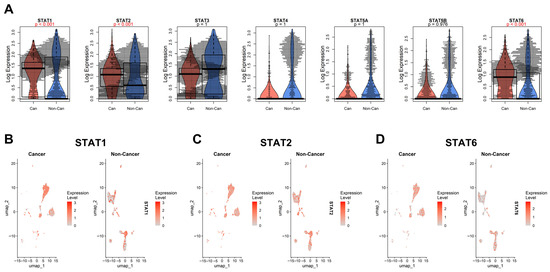
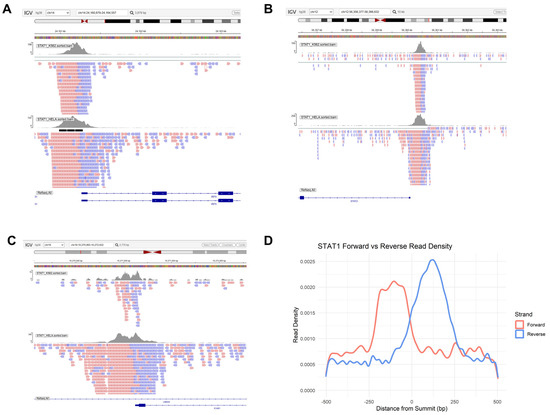
Background/Objectives: The STAT (Signal Transducer and Activator of Transcription) family of seven transcription factors mediates cytokine and growth-factor signaling, regulating proliferation, differentiation, and immunity. While STAT3/STAT5 are established oncogenes and STAT1/STAT2 are classically viewed as tumor suppressors, emerging evidence indicates context-dependent roles in tumorigenesis. This study aimed to integrate evolutionary analysis with bulk transcriptomic, regulon, single-cell, and exploratory chromatin-binding analyses of the STAT family in human solid tumors. Methods: Orthologs and paralogs of human STAT genes (81 sequences total) were retrieved across vertebrates and invertebrates; a phylogenetic tree was constructed using MUSCLE alignment and Neighbor-Joining in MEGA12. Differential expression was assessed in TCGA solid tumors versus GTEx normal tissues. Master-regulator activity was inferred using the corto algorithm. Single-cell RNA-seq datasets were used to compare malignant and non-malignant cell populations. STAT1 chromatin binding was examined via ChIP-seq in interferon-stimulated HeLa and K562 cells. Results: Phylogeny resolved seven conserved vertebrate clades, with endocrine-responsive STAT3/STAT5 showing higher conservation and immune-associated STAT1/STAT2/STAT4/STAT6 exhibiting faster divergence. The majority of STAT genes were frequently upregulated across multiple solid tumors, with activated regulons confirming functional transcriptional engagement. Single-cell analysis demonstrated tumor-cell-autonomous upregulation of STAT1 and STAT2 in the HNSCC dataset. STAT1 ChIP-seq revealed asymmetric forward/reverse-strand read density around peak summits, supporting non-canonical DNA recognition. Conclusions: The STAT family operates as an evolutionarily conserved, broadly activated transcriptional module in human solid cancers, combining quantitative upregulation with qualitative shifts in DNA-binding dynamics. These findings refine our understanding of JAK/STAT signaling in oncology and highlight opportunities for network-targeted therapies.
Full article
(This article belongs to the Special Issue Gene-Regulated Signaling Pathways in Cancer)
►▼
Show Figures

Figure 1
Open AccessArticle
Genetic Association of HTR1B and HTR2A Gene Polymorphisms with ADHD in Korean Children and Adolescents: A Case Control Study
by
Yeongsuk Lee, Hyung Jun Kim, Han Jun Jin, Ho Jang Kwon, Se Hoon Shim and Myung Ho Lim
Genes 2026, 17(5), 546; https://doi.org/10.3390/genes17050546 - 2 May 2026
Abstract
Objectives: Attention-deficit hyperactivity disorder (ADHD) is the most prevalent neurodevelopmental disorder diagnosed during childhood, primarily characterized by continuous symptoms of inattention, hyperactivity, and impulsivity. The present study aimed to investigate the genetic association between polymorphisms in the serotonergic system-related genes, HTR1B and HTR2A,
[...] Read more.
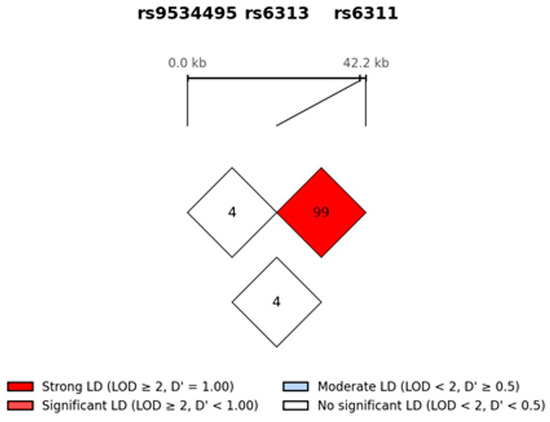
Objectives: Attention-deficit hyperactivity disorder (ADHD) is the most prevalent neurodevelopmental disorder diagnosed during childhood, primarily characterized by continuous symptoms of inattention, hyperactivity, and impulsivity. The present study aimed to investigate the genetic association between polymorphisms in the serotonergic system-related genes, HTR1B and HTR2A, and the susceptibility to ADHD in a Korean sample. Methods: The study cohort consisted of 234 children diagnosed with ADHD and 1686 healthy controls. Clinical diagnosis was established based on the Diagnostic and Statistical Manual of Mental Disorders, 4th edition (DSM-IV) criteria. Genetic analysis focused on single nucleotide polymorphisms (SNPs) within the serotonergic pathway: rs6296 in HTR1B, and three SNPs (rs6311, rs6313, and rs9534495) in HTR2A. Genotype and allele frequencies were analyzed using Chi-square tests. Risk estimates were calculated as odds ratios (OR) with 95% confidence intervals (CI) across dominant, recessive, and additive inheritance models. Results: A statistically significant association was observed between the HTR2A rs9534495 polymorphism and ADHD. Specifically, significant associations were identified under the dominant (OR 0.67, 95% CI 0.48–0.93, p = 0.017), recessive (OR 0.67, 95% CI 0.48–0.93, p = 0.016), and additive (OR 0.80, 95% CI 0.65–1.00, p = 0.046) models. However, these significant findings did not persist after applying the Bonferroni correction for multiple comparisons. Conversely, no significant associations were detected for the HTR1B (rs6296) and the other HTR2A (rs6311, rs6313) polymorphisms. Conclusions: These findings suggest that genetic variations in the serotonergic system, particularly within the HTR2A gene, may contribute to the genetic susceptibility to ADHD. This study confirmed gene SNIPs associated with the serotonergic system in the pathophysiology of ADHD. Future research involving large-scale multi-ethnic cohorts, functional assays, and gene–environment interaction analyses is warranted to further elucidate the underlying mechanisms of serotonergic genes.
Full article
(This article belongs to the Special Issue Feature Papers in "Neurogenetics and Neurogenomics": 2026)
►▼
Show Figures

Figure 1
Open AccessArticle
Exploring the Mechanisms of Hydrangea macrophylla Adapting to Low Light-Induced Ornamental Whitening Through Physiological, Transcriptional, and Metabolomic Analyses
by
Wenji Li, Long Guo, Chuanshuai Li and Yao Li
Genes 2026, 17(5), 545; https://doi.org/10.3390/genes17050545 - 2 May 2026
Abstract
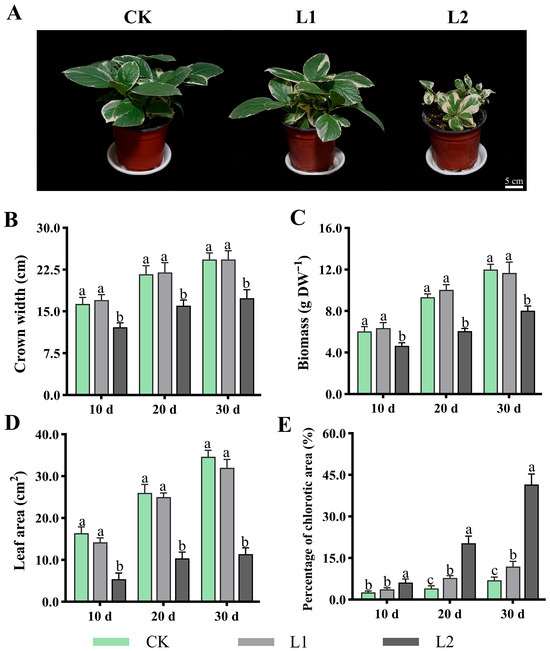
Background/Objectives: To explore the mechanisms of Hydrangea macrophylla adapting to low light-induced ornamental whitening, this study established treatments involving normal light (CK, 200 μmol·m−2·s−1), moderate low light (L1, 100 μmol·m−2·s−1), and severe low light (L2,
[...] Read more.
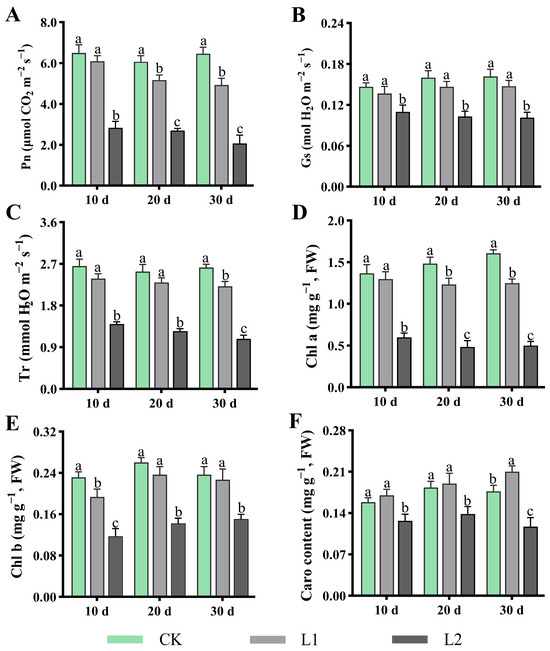
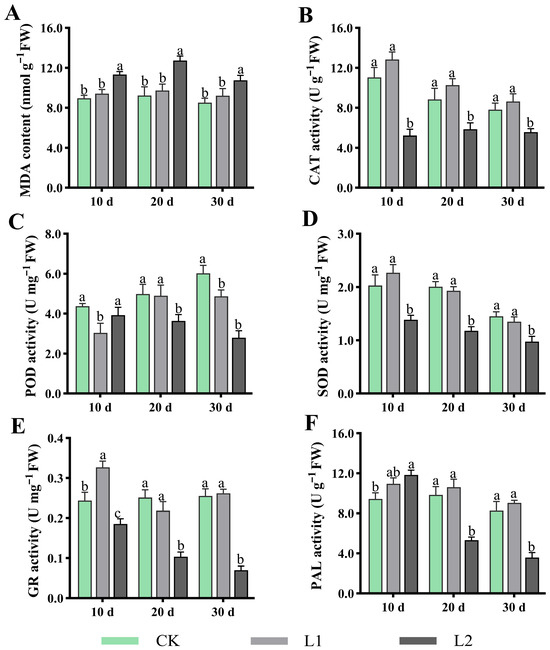
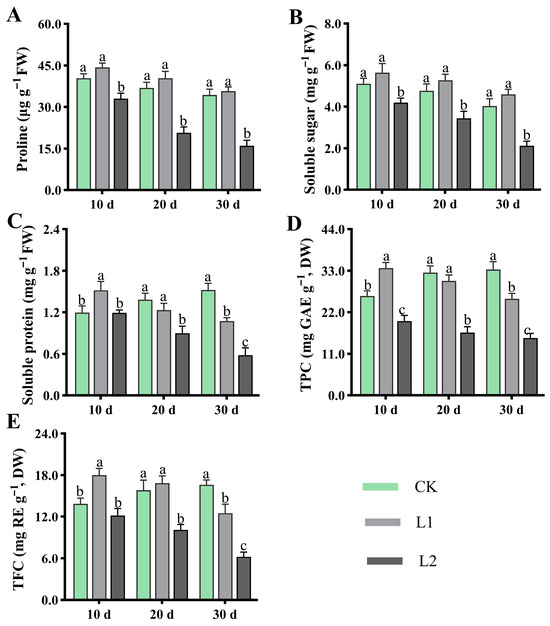
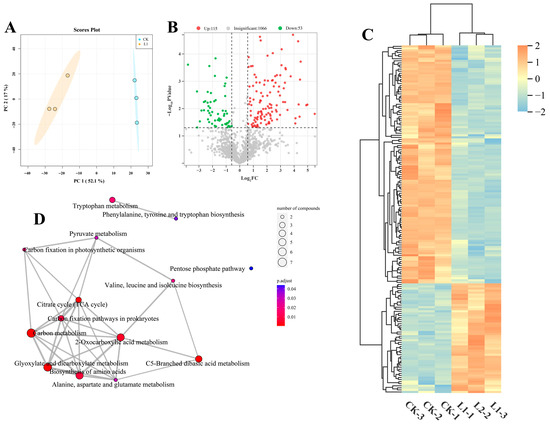
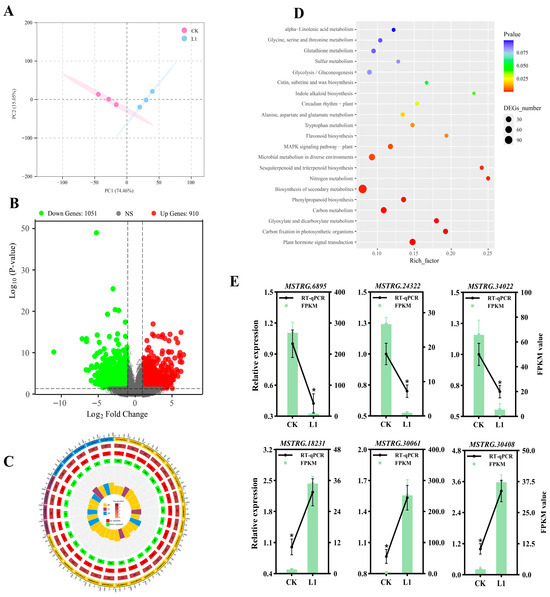
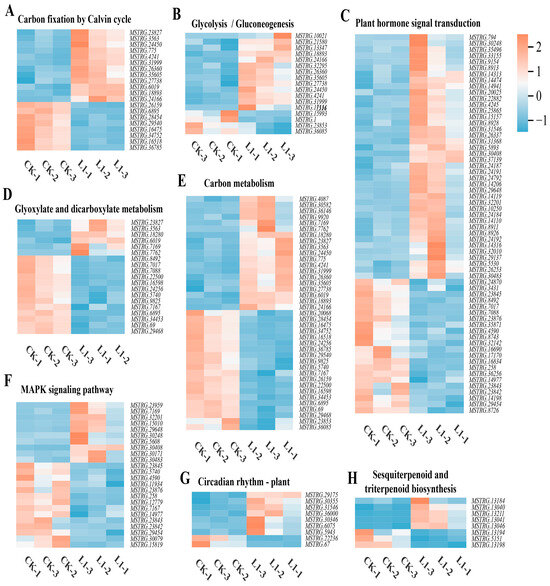
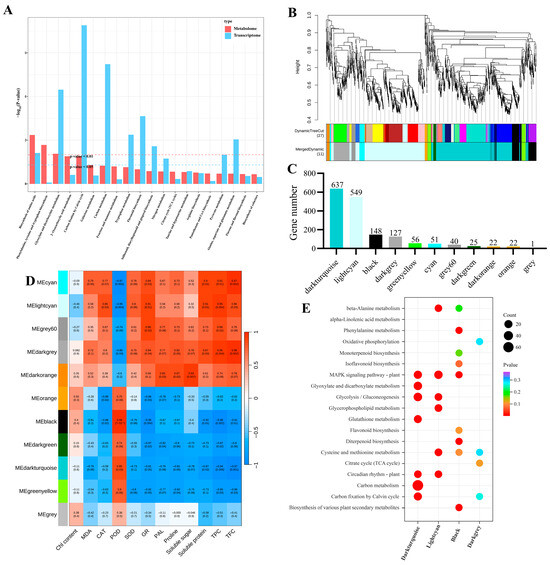
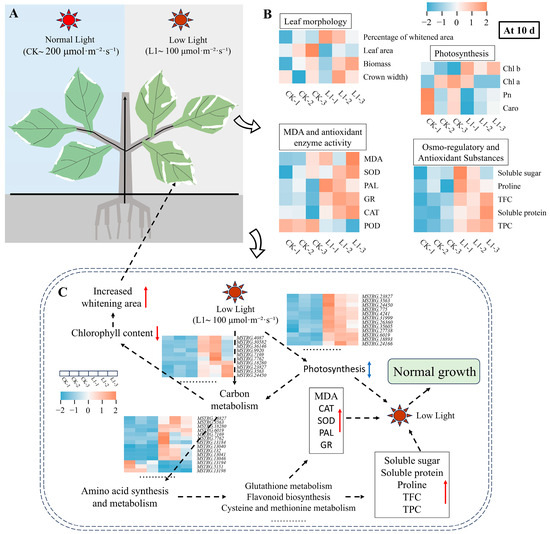
Background/Objectives: To explore the mechanisms of Hydrangea macrophylla adapting to low light-induced ornamental whitening, this study established treatments involving normal light (CK, 200 μmol·m−2·s−1), moderate low light (L1, 100 μmol·m−2·s−1), and severe low light (L2, 20 μmol·m−2·s−1). Methods: Meanwhile, physiological indicators, including growth, photosynthesis, and antioxidant activity, were assessed, alongside transcriptomic and metabolomic analyses. Results: Results indicate that L1 increased the proportion of leaf whitening area while maintaining plant growth (crown width, biomass), photosynthetic efficiency comparable to CK, and superior to L2. Concurrently, L1 activated a coordinated antioxidant defence system, namely by increasing the activity of key enzymes (e.g., SOD, GR) and the accumulation of protective metabolites (e.g., soluble proteins, total phenolics and total flavonoids), thereby minimising oxidative damage (low MDA). Multi-omics analyses revealed that L1 specifically activated these networks associated with carbon assimilation, energy metabolism, secondary metabolite synthesis, and hormone signalling, indicating a systemic molecular mechanism towards enhanced defence. Conclusions: In summary, moderate low light triggers a synergistic molecular network involving enhanced antioxidant defences and secondary metabolism, enabling H. macrophylla to maintain overall physiological homeostasis and healthy growth while exhibiting ornamental whitening phenotypes, thereby revealing a unique aesthetic adaptation mechanism to environmental stress.
Full article
(This article belongs to the Section Plant Genetics and Genomics)
►▼
Show Figures

Figure 1
Open AccessReview
The Evolution of the First Code
by
Lei Lei, Savio Torres de Farias and Zachary Frome Burton
Genes 2026, 17(5), 544; https://doi.org/10.3390/genes17050544 - 2 May 2026
Abstract
Background/Objectives: tRNAs, tRNAomes, aminoacyl-tRNA synthetases (AARSs), the first proteins, ribosomes and the genetic code coevolved. We utilize sequence data to reconstruct key steps in establishing the first code on Earth. Methods: Networks were constructed to describe initial tRNAome and AARSome evolution. Results: tRNA-34
[...] Read more.
Background/Objectives: tRNAs, tRNAomes, aminoacyl-tRNA synthetases (AARSs), the first proteins, ribosomes and the genetic code coevolved. We utilize sequence data to reconstruct key steps in establishing the first code on Earth. Methods: Networks were constructed to describe initial tRNAome and AARSome evolution. Results: tRNA-34 wobble and tRNA-37 modifications were necessary to evolve the code, as were additional tRNA modifications, so diverse tRNA modification enzymes (i.e., histidyl-tRNA -1 GTP synthase) are among the first proteins. tRNA-linked chemistry brought asparagine, glutamine, cysteine and possibly additional amino acids into the code. tRNA, tRNA modifications and tRNA-linked chemistry were core founding innovations for code evolution. Coevolution of AARSomes was also essential. Class II and class I AARSs have distinct folds but are nonetheless homologs by sequence. Early AARS enzymes folded around Zn motifs. Networks were generated for tRNAomes and AARSomes in ancient Archaea, because Archaea are the closest living organisms to the last universal common ancestor. Conclusions: The first code on Earth was surprisingly ordered, and the few apparent deviations from the regular order can yet be explained. Early in the evolution of the code, innovation was more strongly selected than accuracy. The code froze, however, because of evolving fidelity mechanisms. A historical record was documented in tRNA and in the genetic code structure and has been preserved in living organism sequences. AARSome structure describes the first code evolution more adequately than tRNAomes.
Full article
(This article belongs to the Special Issue The Origin and Evolution of Genetic Code)
Open AccessArticle
Molecular Spectrum of α-Thalassemia Mutations in Antalya, Türkiye and Their Relationship with Hematological Parameters
by
Özgür Erkal and Barış Paksoy
Genes 2026, 17(5), 543; https://doi.org/10.3390/genes17050543 - 2 May 2026
Abstract
Background: Alpha-thalassemia is one of the most common hereditary hemoglobin disorders worldwide and is caused mainly by deletions in the α-globin gene cluster. Understanding the regional mutation spectrum is important for screening programs and genetic counseling. Methods: This retrospective study included 115 patients
[...] Read more.
Background: Alpha-thalassemia is one of the most common hereditary hemoglobin disorders worldwide and is caused mainly by deletions in the α-globin gene cluster. Understanding the regional mutation spectrum is important for screening programs and genetic counseling. Methods: This retrospective study included 115 patients evaluated for suspected alpha-thalassemia in Antalya, Türkiye. Molecular analysis was performed using multiplex ligation-dependent probe amplification (MLPA) to detect deletions and duplications in the α-globin gene cluster. Hematological parameters and hemoglobin (Hb) fractions were analyzed and compared among mutation groups. Results: The most frequent mutation detected was the −α3.7 deletion followed by the (−α)20.5 deletion. Patients with compound heterozygous deletions demonstrated lower Hb, mean corpuscular volume (MCV), and mean corpuscular hemoglobin)_(MCH) values compared with other groups. Significant correlations were observed between Hb levels and red blood cell (RBC), MCV, and MCH, while red cell distribution width (RDW) showed an inverse relationship. Conclusions: The results demonstrate that −α3.7 and (−α)20.5 are the predominant α-globin gene variants in the Antalya region. These findings contribute to the characterization of the α-thalassemia mutation spectrum in a clinical cohort and may help improve carrier screening strategies, prenatal diagnosis programs, and genetic counseling services.
Full article
(This article belongs to the Section Human Genomics and Genetic Diseases)
Open AccessReview
Decoding Skin Aging Through Transcriptomic Clocks: Gene Expression Signatures, Associated Pathways, and Explainable AI
by
Vasiliki Kefala, Vasiliki-Sofia Grech, Niki Tertipi, Eleni Sfyri, Apostolos Beloukas and Efstathios Rallis
Genes 2026, 17(5), 542; https://doi.org/10.3390/genes17050542 - 1 May 2026
Abstract
Skin aging is a complex, multifactorial process driven by intrinsic biological mechanisms and environmental exposures, resulting in progressive functional and structural decline. Chronological age does not adequately capture this variability, highlighting the need for molecular biomarkers that reflect biological aging. In this context,
[...] Read more.
Skin aging is a complex, multifactorial process driven by intrinsic biological mechanisms and environmental exposures, resulting in progressive functional and structural decline. Chronological age does not adequately capture this variability, highlighting the need for molecular biomarkers that reflect biological aging. In this context, transcriptomic aging clocks have emerged as a promising approach, as gene-expression profiles provide a dynamic representation of cellular and tissue states. This narrative review is based on a targeted literature search in PubMed and IEEE Xplore and focuses on transcriptomic aging clocks in human skin, with emphasis on gene-expression signatures, key biological pathways, and computational modeling strategies. These models consistently capture coordinated alterations in processes such as cellular senescence, DNA damage response, inflammation, and extracellular matrix remodeling. Representative transcriptomic frameworks, including models such as SkinAGE, illustrate the ability of gene-expression-based approaches to quantify biologically meaningful and dynamic aging states in the skin. Advances in machine-learning approaches, including deep learning and pathway-guided models, are critically evaluated, alongside the role of explainable artificial intelligence in enhancing model transparency and biological interpretability. Future developments are expected to integrate multi-omics data and digital twin frameworks, enabling the transition from static biomarkers toward dynamic, predictive, and personalized models of skin aging
Full article
(This article belongs to the Section RNA)
Open AccessArticle
Exploring Vascular Contributions to Migraine: Association Analysis of Small Vessel Disease Genetic Variants
by
Zizi Molaee, Mohammed Al-Fayyadh, Robert A. Smith, Neven Maksemous and Lyn R. Griffiths
Genes 2026, 17(5), 541; https://doi.org/10.3390/genes17050541 - 1 May 2026
Abstract
Background: Migraine is a complex neurovascular disorder with a substantial genetic component, yet many contributing loci remain poorly characterised. Methods: This study investigated the association between 21 biologically prioritised single nucleotide variants (SNVs) and migraine susceptibility in a case-control cohort of
[...] Read more.
Background: Migraine is a complex neurovascular disorder with a substantial genetic component, yet many contributing loci remain poorly characterised. Methods: This study investigated the association between 21 biologically prioritised single nucleotide variants (SNVs) and migraine susceptibility in a case-control cohort of 548 individuals of European ancestry, of whom 304 (164 cases, 140 controls) remained after quality control and principal component analysis (PCA). Genotyping was performed using a targeted Sequenom MassARRAY platform, and substantial missingness (mean 30.3% per SNV) was addressed using multiple imputation by chained equations (MICE). Association testing was conducted using three complementary logistic regression frameworks: unadjusted single-variant analysis, covariate-adjusted marginal models, and a multivariable joint model incorporating all SNVs with L2 regularisation. Results: Across analyses, two variants in ASTN2 (rs1052053 and rs6478241) showed the most robust associations with migraine, surviving Bonferroni correction in the joint model (p = 0.001 and p = 0.002, respectively) and false discovery rate (FDR) correction in marginal models (q = 0.003 for both). A third variant, rs7304841 (12p12), demonstrated a risk-increasing effect that reached FDR significance in marginal analysis (q = 0.035) and remained nominally significant in the joint model. In contrast, rs62624978 in CTC1 showed a strong signal in unadjusted analysis (OR = 0.217, p = 0.0014) and remained nominally significant after adjustment (p = 0.011), although it did not survive multiple-testing correction in imputed models. The joint model demonstrated good discriminatory performance (AUC = 0.822), though this is not intended as a predictive tool. Biologically, implicated loci suggest contributions from both neuronal circuit organisation (ASTN2) and telomere and vascular maintenance pathways (CTC1), supporting a broader neurovascular model of migraine susceptibility. Conclusions: These findings are consistent with shared genetic architecture between migraine and microvascular dysfunction, potentially involving endothelial integrity, neurovascular coupling, and cortical excitability mechanisms.
Full article
(This article belongs to the Special Issue Feature Papers in "Neurogenetics and Neurogenomics": 2026)
Open AccessArticle
Uncovering Latent Structure in Gliomas Using Multi-Omics Factor Analysis
by
Catarina Gameiro Carvalho, Alexandra M. Carvalho and Susana Vinga
Genes 2026, 17(5), 540; https://doi.org/10.3390/genes17050540 - 1 May 2026
Abstract
Background: Gliomas are the most common malignant brain tumors in adults, characterized by a poor prognosis. Although the current World Health Organization (WHO) classification provides clear guidelines for classifying oligodendroglioma, astrocytoma, and glioblastoma patients, significant heterogeneity persists within each class, limiting the effectiveness
[...] Read more.
Background: Gliomas are the most common malignant brain tumors in adults, characterized by a poor prognosis. Although the current World Health Organization (WHO) classification provides clear guidelines for classifying oligodendroglioma, astrocytoma, and glioblastoma patients, significant heterogeneity persists within each class, limiting the effectiveness of current treatment strategies. With the increasing availability of large-scale multi-omics datasets resulting from advancements in sequencing technologies and online repositories that provide them, such as The Cancer Genome Atlas (TCGA), it is now possible to investigate these tumors at multiple molecular levels. Methods: In this work, we apply integrative multi-omics analysis to explore the interplay between genomic (mutations), epigenomic (DNA methylation), and transcriptomic (mRNA and miRNA) layers. Our approach relies on Multi-Omics Factor Analysis (MOFA), a Bayesian latent factor analysis model designed to capture sources of variation across different omics types. Results: Our results highlight distinct molecular profiles across the three glioma types and identify potential relationships between methylation and genetic expression. In particular, we uncover novel candidate biomarkers associated with survival as well as a transcriptional profile associated with neural system development. Conclusions: These findings may contribute to more personalized therapeutic strategies, potentially improving treatment effectiveness and survival outcomes in this disease.
Full article
(This article belongs to the Section Bioinformatics)
Open AccessArticle
Expanding the Genetic Landscape of Congenital Stationary Night Blindness Through the Analysis of Consanguineous Pakistani Families
by
Razia Parveen, Muhammad Iqbal, Shahbaz Khan, Abdur Rashid, Helen Nabiryo Frederiksen, Sergey Oreshkov, Ghulam Mustafa, Muhammad Asif Naeem, Hafiz Muhammad Azhar Baig and Muhammad Ansar
Genes 2026, 17(5), 539; https://doi.org/10.3390/genes17050539 - 1 May 2026
Abstract
Background/Objectives: The current study was designed to identify the underlying genetic causes of congenital stationary night blindness (CSNB) in the indigenous consanguineous families from the Southern Punjab region of Pakistan, a population where the inherited retinal disorders are relatively common. Methods:
[...] Read more.
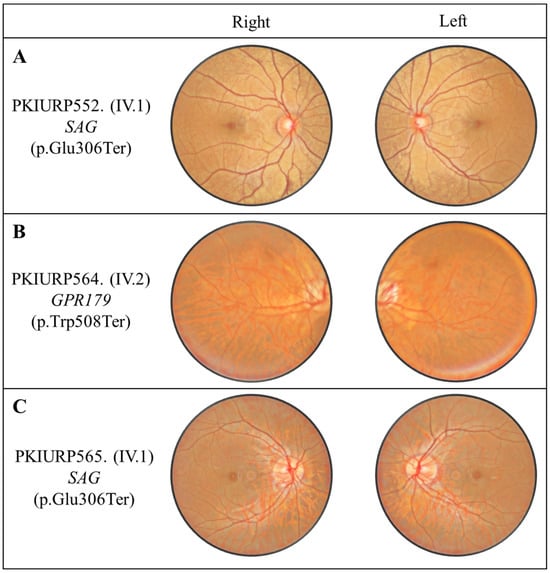
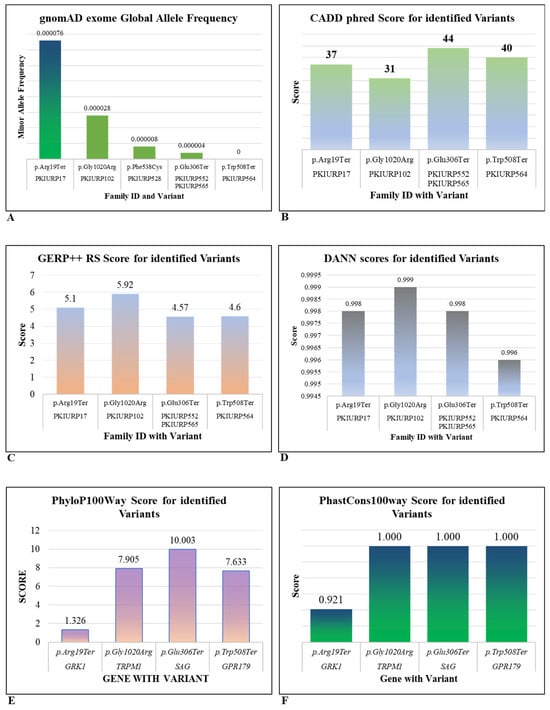
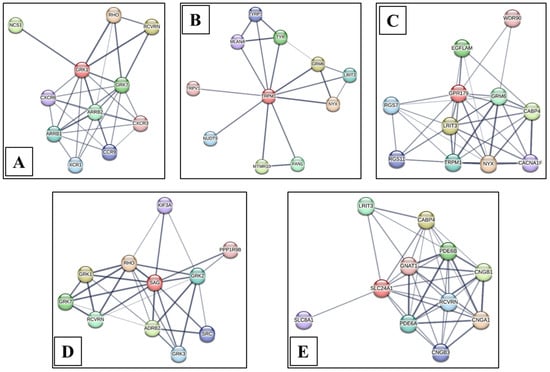
Background/Objectives: The current study was designed to identify the underlying genetic causes of congenital stationary night blindness (CSNB) in the indigenous consanguineous families from the Southern Punjab region of Pakistan, a population where the inherited retinal disorders are relatively common. Methods: A detailed questionnaire and medical examination were done to check the presence of CSNB in the affected individuals of the enrolled families. Whole-exome sequencing (WES) was performed to identify the pathogenic variants, followed by segregation analyses to confirm the segregation of the identified variants with the disease phenotype in the available affected individuals of the families. Results: We identified two novel and three known pathogenic variants in SAG, GRK1, TRPM1, SLC24A1, and GPR179, having established roles in CSNB. Two novel variants, NM_001252020.1 (p.Gly1020Arg) and NM_001004334.3 (p.Trp508Ter), were identified, and their segregation was confirmed in two families, PKIURP102 and PKIURP564, respectively. NM_002929.3 (p.Arg19Ter) and NM_001301032.1 (p.Phe538CysfsTer23) were the reported variants identified in PKIURP17 and PKIURP528 families, respectively. NM_000541.5 (p.Glu306Ter) was identified in two independent families, PKIURP552 and PKIURP565. Conclusions: Identification of five pathogenic variants in five different genes shows the genetic heterogeneity of CSNB in Pakistani patients. Our findings also expand the mutational spectrum of CSNB in the Pakistani population and may help in the identification of mutational hotspots and may help in the genetic diagnosis of CSNB in consanguineous populations.
Full article
(This article belongs to the Section Human Genomics and Genetic Diseases)
►▼
Show Figures

Figure 1
Open AccessArticle
DHT-Induced lncRNA AC092718.4 Promotes Prostate Cancer Cell Proliferation via ceRNA Mechanism
by
Lian Jin, Shan Feng, Wei-Jie Sun, Jun Ouyang, Feng Liu, Bai-Cheng Lu, Ya-Ping Zhang and Hui Zhao
Genes 2026, 17(5), 538; https://doi.org/10.3390/genes17050538 - 1 May 2026
Abstract
Background/Objectives: The androgen receptor (AR)-driven transcriptional program plays a pivotal role in the development and progression of prostate cancer. The binding of androgen dihydrotestosterone (DHT) to AR initiates transcriptional activation, thereby altering the transcriptional landscape. DHT-induced long non-coding RNAs (lncRNAs) have been
[...] Read more.
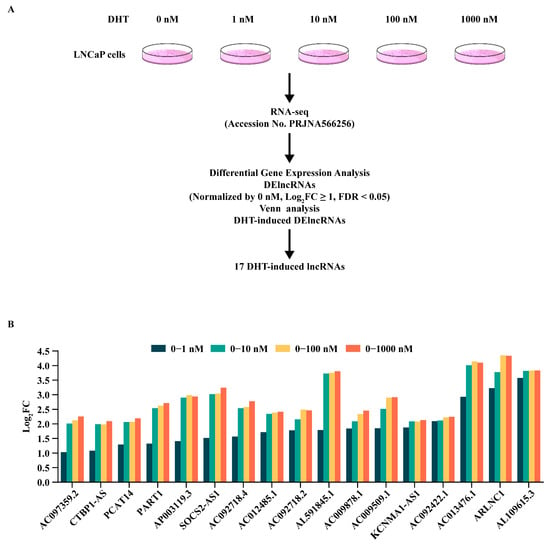
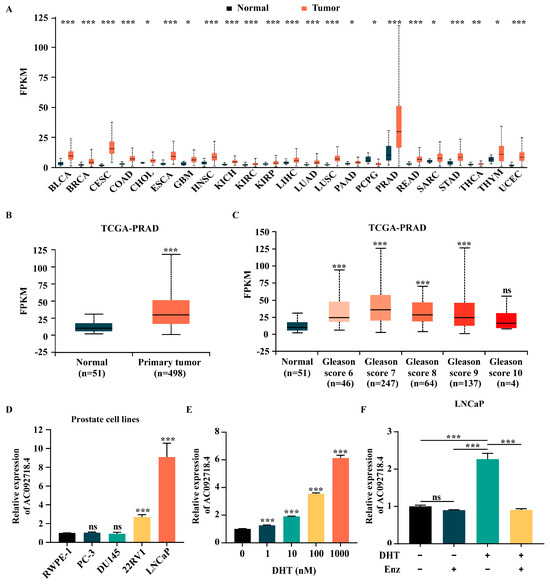
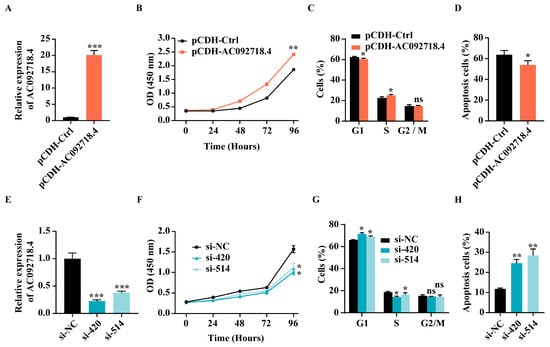
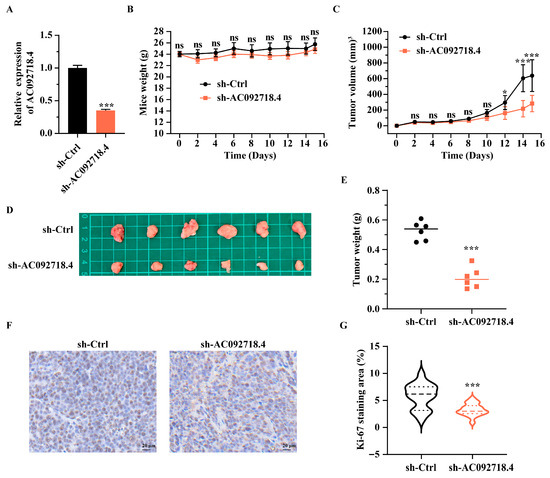
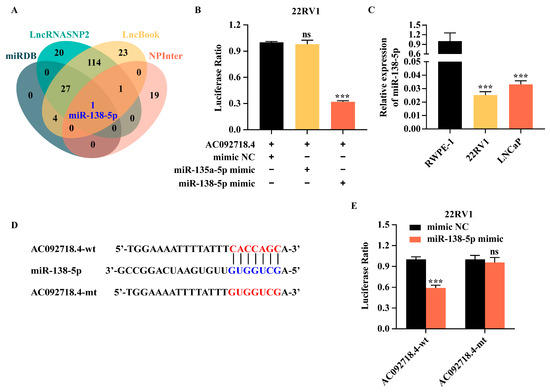
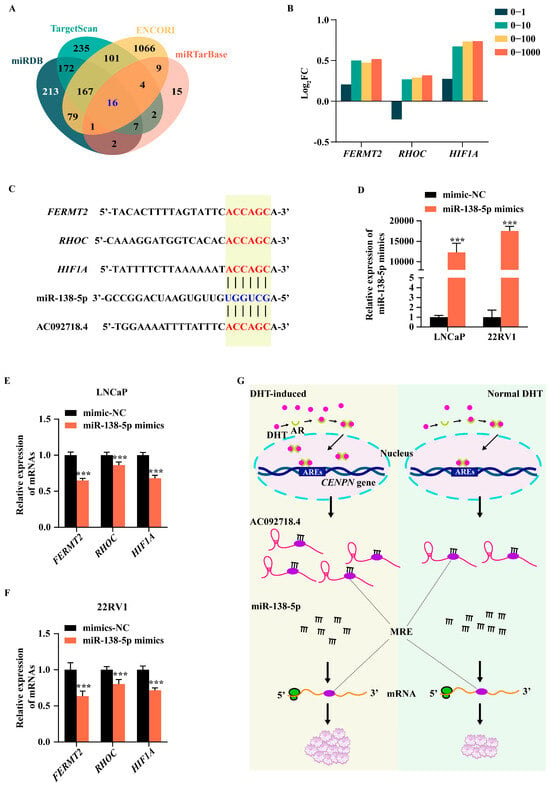
Background/Objectives: The androgen receptor (AR)-driven transcriptional program plays a pivotal role in the development and progression of prostate cancer. The binding of androgen dihydrotestosterone (DHT) to AR initiates transcriptional activation, thereby altering the transcriptional landscape. DHT-induced long non-coding RNAs (lncRNAs) have been recognized as crucial players in prostate cancer pathogenesis. This study aims to identify and explore the important role of such lncRNAs in prostate cancer. Methods: This study first analyzed transcriptome data from an androgen-dependent cell line, LNCaP, treated with different DHT concentrations and found a batch of lncRNAs exhibiting DHT concentration dependence. TCGA data suggested a correlation between the DHT-induced lncRNA and prostate cancer. Finally, a series of in vivo and in vitro experiments confirmed the effect and mechanism of lncRNA in prostate cancer. Results: AC092718.4 was highly expressed in AR-positive prostate cancer cell lines and tissues, and its expression in patients with Gleason scores 6–9 was significantly higher than in a normal control group. Notably, the expression level of AC092718.4 was upregulated in a concentration-dependent manner with DHT. In vitro experiments revealed that overexpression of AC092718.4 promoted cell proliferation and inhibited cell apoptosis. Conversely, knockdown of AC092718.4 suppressed tumorigenesis in vivo. Furthermore, our investigation into the pathogenetic mechanism demonstrated that AC092718.4 could act as an miRNA sponge for miR-138-5p, attenuating its inhibitory effect on downstream oncogenes, such as FERMT2, RHOC, and HIF1A. These AC092718.4/miR-138-5p/mRNA axes, in turn, facilitated the progression of prostate cancer. Conclusions: For the first time, we demonstrate that AC092718.4 may function as an oncogenic factor in prostate cancer. The AC0927.8.4/miR-138-5p/mRNA axes potentially offer promising diagnostic and therapeutic targets for prostate cancer.
Full article
(This article belongs to the Section RNA)
►▼
Show Figures

Figure 1
Open AccessCase Report
A Novel Variant in an Israeli Bedouin Family: The First Reported Cases of Carbonic Anhydrase VA (CA5A) Deficiency in Israel
by
Nitzan Abelson, Eyal Kristal, Eli Hershkovitz, Ohad Wormser, Vadim Dolgin, Shirly Amar and Orna Staretz-Chacham
Genes 2026, 17(5), 537; https://doi.org/10.3390/genes17050537 - 1 May 2026
Abstract
Carbonic anhydrase VA (CA5A) deficiency (OMIM 615751) is an ultra-rare inborn error of metabolism, presenting in newborns, infants, and young children with a pentad of encephalopathy, hyperammonemia, lactic acidosis, ketonuria, and hypoglycemia. We present two cases: a case of a healthy Bedouin infant
[...] Read more.
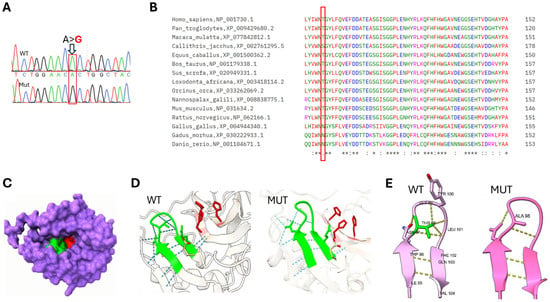
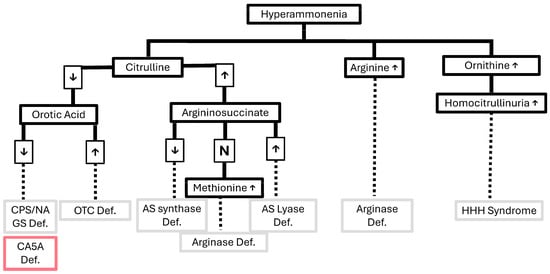
Carbonic anhydrase VA (CA5A) deficiency (OMIM 615751) is an ultra-rare inborn error of metabolism, presenting in newborns, infants, and young children with a pentad of encephalopathy, hyperammonemia, lactic acidosis, ketonuria, and hypoglycemia. We present two cases: a case of a healthy Bedouin infant admitted with hyperammonemic encephalopathy that required urgent hemodialysis, and her younger sibling, who presented with a milder episode. Molecular analysis confirmed the diagnosis of CA5A deficiency due to a homozygous missense variant in the CA5A gene. Both patients had a favorable outcome with continued normal development. These were the first identified cases of CA5A deficiency in the Bedouin population, emphasizing the importance of a high index of suspicion, early genetic consultation and diagnosis, and prompt treatment at the earliest possible stage of a hyperammonemic crisis.
Full article
(This article belongs to the Section Human Genomics and Genetic Diseases)
►▼
Show Figures

Figure 1
Journal Menu
► ▼ Journal Menu-
- Genes Home
- Aims & Scope
- Editorial Board
- Reviewer Board
- Topical Advisory Panel
- Instructions for Authors
- Special Issues
- Topics
- Sections & Collections
- Article Processing Charge
- Indexing & Archiving
- Editor’s Choice Articles
- Most Cited & Viewed
- Journal Statistics
- Journal History
- Journal Awards
- Society Collaborations
- Conferences
- Editorial Office
Journal Browser
► ▼ Journal BrowserHighly Accessed Articles
Latest Books
E-Mail Alert
News
Topics
Topic in
Biomedicines, Future Pharmacology, Pharmacy, IJMS, Biomolecules, Genes
Prospects of Multi-Target Agonists in Metabolic and Epigenetic Medicine
Topic Editors: Riham Abouleisa, Yanming LiDeadline: 30 November 2026
Topic in
Biomedicines, Metabolites, Proteomes, Genes, J
Multi-Omics in Precision Medicine
Topic Editors: Michele Costanzo, Armando CeveniniDeadline: 31 December 2026
Topic in
Cancers, Cells, Diseases, Genes, IJMS, ncRNA, Sci
Alternative Splicing in RNA Metabolism, Tissue Homeostasis and Human Disease: From Mechanisms to Therapeutics and Clinical Applications
Topic Editors: Christos K. Kontos, Dongyu JiaDeadline: 15 January 2027
Topic in
Agriculture, Agronomy, Crops, Genes, Plants, DNA
Vegetable Breeding, Genetics and Genomics, 2nd Volume
Topic Editors: Padma Nimmakayala, Georgia Ntatsi, Umesh K. Reddy, Yan R. TomasonDeadline: 5 February 2027
Conferences
Special Issues
Special Issue in
Genes
Fetal Genetic Disorders: Prenatal Genomics for Diagnosis and Clinical Management
Guest Editor: Katia MargiottiDeadline: 10 May 2026
Special Issue in
Genes
Genetics of Neurodevelopmental Disorders, Pathogenesis, and Precision Therapies
Guest Editor: Andrea L . GropmanDeadline: 10 May 2026
Special Issue in
Genes
Emerging Topics in Population Genetics and Molecular Anthropology
Guest Editors: Jelena Šarac, Dubravka AuguštinDeadline: 10 May 2026
Topical Collections
Topical Collection in
Genes
Feature Papers: 'Plant Genetics and Genomics' Section
Collection Editors: Bin Yu, Roberto Tuberosa, Jacqueline Batley
Topical Collection in
Genes
Genetics and Genomics of Rare Disorders
Collection Editors: Stefania Zampatti, Emiliano Giardina