
Journal Description
Epidemiologia
Epidemiologia
is an international, peer-reviewed, open access journal on epidemiologic research published bimonthly online by MDPI. The Italian Society of Environmental Medicine (SIMA) is affiliated with Epidemiologia, and its members receive discounts on article processing charges.
- Open Access— free for readers, with article processing charges (APC) paid by authors or their institutions.
- High Visibility: indexed within ESCI (Web of Science), Scopus, PMC, PubMed, FSTA, and other databases.
- Rapid Publication: manuscripts are peer-reviewed and a first decision is provided to authors approximately 21.9 days after submission; acceptance to publication is undertaken in 6.7 days (median values for papers published in this journal in the second half of 2025).
- Journal Rank: JCR - Q2 (Public, Environmental and Occupational Health) / CiteScore - Q2 (Medicine (miscellaneous))
- Recognition of Reviewers: APC discount vouchers, optional signed peer review, and reviewer names published annually in the journal.
- Epidemiologia is a companion journal of JCM.
Impact Factor:
2.2 (2024);
5-Year Impact Factor:
1.9 (2024)
Latest Articles
COVID-19 and Interacting Public Health Threats in Europe During 2020–2025: A Narrative Review
Epidemiologia 2026, 7(3), 78; https://doi.org/10.3390/epidemiologia7030078 (registering DOI) - 2 Jun 2026
Abstract
Between 2020 and 2025, Europe has faced multiple interacting public health threats shaped by and following the COVID-19 pandemic. Alongside COVID-19, the region experienced other infectious disease events, including monkeypox, measles resurgence, legionellosis and acute hepatitis of unknown origin in children. At the
[...] Read more.
Between 2020 and 2025, Europe has faced multiple interacting public health threats shaped by and following the COVID-19 pandemic. Alongside COVID-19, the region experienced other infectious disease events, including monkeypox, measles resurgence, legionellosis and acute hepatitis of unknown origin in children. At the same time, non-communicable disease burdens, including obesity, type II diabetes mellitus, disruption of chronic disease care, mental health disorders and increased problematic digital use, intensified during and after the pandemic period. Antimicrobial resistance (AMR) remained a major cross-cutting threat because it undermines the effective treatment of infections and weakens emergency preparedness. This narrative review synthesizes peer-reviewed articles and selected reports from international organizations for the 2020–2025 period, using COVID-19 as the organizing context for examining interconnected infectious, chronic and system-level threats. Across these topics, recurring themes included vaccination gaps, fragmented surveillance, disruption of routine care, health system inequities, misinformation and insufficient preparedness for cross-border threats. The review supports integrated surveillance, continuity plans for essential services, stronger vaccination and risk-communication strategies and sustained AMR stewardship within a One Health framework. Coordinated action across public health, primary care, mental health and chronic disease policy is essential for future resilience.
Full article
Open AccessPerspective
Diabetes Mortality in the Post-Pandemic Era: What Recent Global Burden of Disease Data Reveals About COVID-19’s Lasting Impact
by
Kaustubh Wagh and Gerardo Chowell
Epidemiologia 2026, 7(3), 77; https://doi.org/10.3390/epidemiologia7030077 (registering DOI) - 2 Jun 2026
Abstract
The COVID-19 pandemic disrupted diabetes care globally and created a complex bidirectional health crisis. Recent forecasting efforts using pre-pandemic data projected substantial increases in diabetes mortality through 2030, raising concerns about achieving Sustainable Development Goal (SDG) 3.4. However, these projections did not account
[...] Read more.
The COVID-19 pandemic disrupted diabetes care globally and created a complex bidirectional health crisis. Recent forecasting efforts using pre-pandemic data projected substantial increases in diabetes mortality through 2030, raising concerns about achieving Sustainable Development Goal (SDG) 3.4. However, these projections did not account for pandemic-related disruptions to health systems and chronic disease management. The newly released Global Burden of Disease (GBD) 2023 data, covering the pandemic period through 2023, now provide a comprehensive empirical reference for assessing COVID-19’s observed impact on diabetes trends. This perspective adopts a forecast reconciliation and interpretation approach by examining counterfactual pre-pandemic diabetes mortality projections alongside GBD 2023 data, thereby shedding light on how pandemic-era mortality diverged from pre-pandemic trajectories. Critically, we note that insulin-dependent diabetes mellitus (IDDM, Type 1) and non-insulin-dependent diabetes mellitus (NIDDM, Type 2) have distinct etiologies and pandemic vulnerabilities, a distinction this article addresses. The evidence is striking: by 2023, global diabetes deaths had already exceeded 2.0 million per year, surpassing the 2030 upper forecast bound of 1.91 million, seven years ahead of the forecast horizon. NIDDM was the primary driver, with deaths crossing 1.9 million per year in 2023. These findings underscore the urgent need to strengthen diabetes prevention and management strategies as the world recovers from the pandemic-era disruptions in health systems and chronic disease care.
Full article
Open AccessArticle
Molecular Detection of Dengue and Malaria Parasites in Field-Collected Mosquitoes from Meta, Colombia: Implications for Vector-Borne Disease Surveillance
by
Carolina Hernández, David Martinez, Marcela Montilla, Marina González-Robayo, Norma Pavas-Escobar, Plutarco Urbano, Omar Cantillo-Barraza, Davinzon Martínez, Catalina Ariza, Luz Helena Patiño, Juan David Ramírez and Liliana Sánchez-Lerma
Epidemiologia 2026, 7(3), 76; https://doi.org/10.3390/epidemiologia7030076 (registering DOI) - 1 Jun 2026
Abstract
Background/Objectives: Vector-borne diseases (VBDs) remain a major global public health challenge, particularly in tropical and subtropical regions. In eastern Colombia, the department of Meta reports a high incidence of arboviral infections such as dengue, as well as parasitic diseases including malaria and leishmaniasis.
[...] Read more.
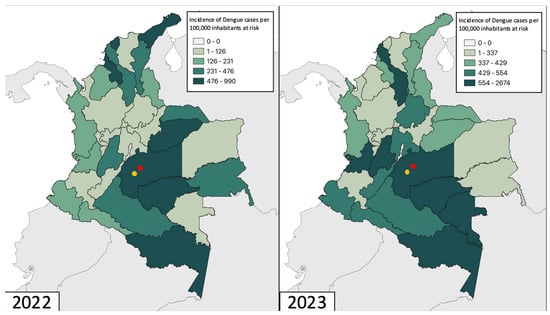
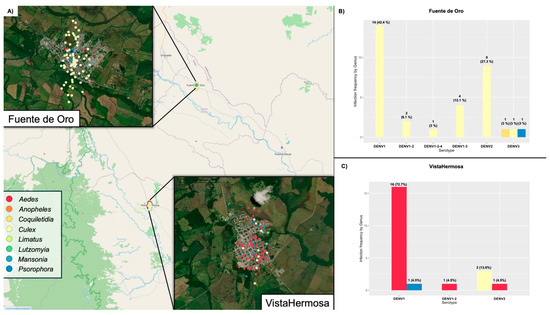
Background/Objectives: Vector-borne diseases (VBDs) remain a major global public health challenge, particularly in tropical and subtropical regions. In eastern Colombia, the department of Meta reports a high incidence of arboviral infections such as dengue, as well as parasitic diseases including malaria and leishmaniasis. This study aimed to conduct baseline entomological surveillance and molecular screening of Diptera vectors to detect the circulation of arboviruses and parasitic pathogens in two municipalities of Meta, Fuente de Oro and Vista Hermosa. Methods: Adult mosquitoes and sand flies were collected in both municipalities and identified primarily at the genus level, with Anopheles specimens identified to species level. A total of 790 insects were collected, of which 780 were processed in 148 pools and 10 were analyzed individually. Molecular detection of pathogens was performed using PCR and RT-PCR to screen for dengue virus (DENV) serotypes, Zika virus (ZIKV), Chikungunya virus (CHIKV), Oropouche virus (OROV), Plasmodium spp., and Leishmania spp. Results: DENV was detected in 34.8% (55/158) of the processed pools, with DENV-1 identified as the most prevalent serotype. Culex was the most abundant genus overall, particularly in Fuente de Oro, while Aedes predominated in Vista Hermosa. MIR estimates indicated higher molecular detection likelihood in Aedes compared with Culex. Plasmodium vivax and P. falciparum were detected in pools of Anopheles darlingi and Anopheles rangeli, respectively. No molecular evidence of Leishmania DNA was detected in Lutzomyia specimens, and no positive detections were observed for ZIKV, CHIKV, or OROV. Conclusions: The molecular detection of DENV and Plasmodium spp. in field-collected vectors provides valuable baseline evidence of pathogen circulation in Meta, Colombia. While the findings do not imply vector competence, they highlight the importance of sustained entomological surveillance to inform integrated vector control strategies and guide future studies incorporating species-level identification and longitudinal sampling in endemic regions.
Full article
(This article belongs to the Section Molecular Epidemiology)
►▼
Show Figures

Figure 1
Open AccessArticle
Machine Learning for Coronary Heart Disease Prediction: Comparative Analysis of Framingham and Cleveland Subset of the UCI Dataset with SHAP-Based Interpretability
by
Shreyas Raman, Devansh Thakkar, Jacques Calixte, Rahul Kumar, Kyle Sporn, Kiran Marla, Divyam Goel, Rhea Gopali, Nitin Chetla, Saif Pasha, Nikitha Ravisankar, Ryung Lee and Ciprian Ionita
Epidemiologia 2026, 7(3), 75; https://doi.org/10.3390/epidemiologia7030075 (registering DOI) - 1 Jun 2026
Abstract
Introduction: Cardiovascular disease (CVD) remains the leading cause of mortality worldwide, with coronary artery disease (CAD), also known as ischemic heart disease (IHD), responsible for approximately 13% of global deaths in 2021. Studies applying machine learning (ML) and deep learning (DL) to heart
[...] Read more.
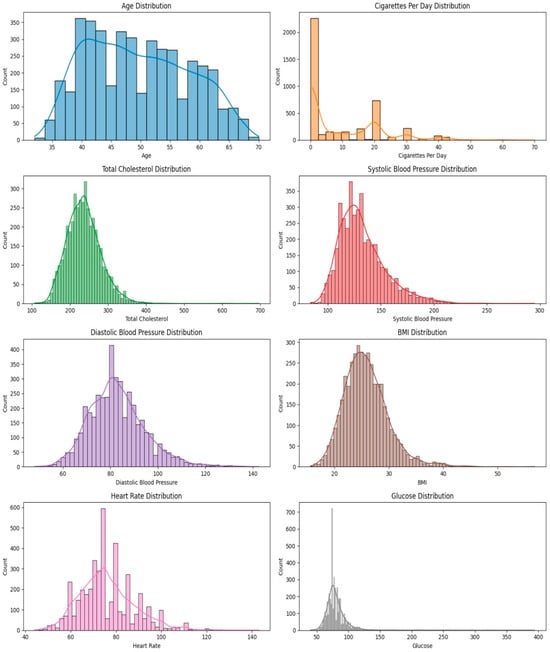
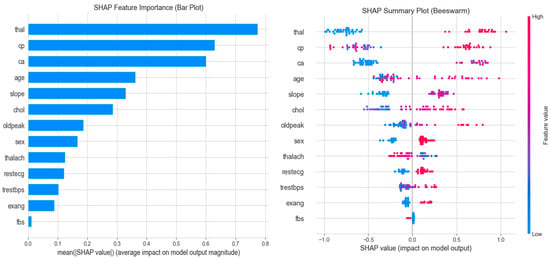
Introduction: Cardiovascular disease (CVD) remains the leading cause of mortality worldwide, with coronary artery disease (CAD), also known as ischemic heart disease (IHD), responsible for approximately 13% of global deaths in 2021. Studies applying machine learning (ML) and deep learning (DL) to heart disease classification have demonstrated promising results in risk prediction and feature extraction. Background/Objectives: In this study, we develop an AI/ML framework to predict and classify ischemic heart disease risk using publicly available datasets, the Framingham Heart Study and the Cleveland subset of the UCI Heart Disease dataset, along with explanations for how predictions were made by a process called SHAP (SHapley Additive exPlanations). Methods: We implemented a leakage-controlled machine learning pipeline that included data cleaning, stratified 80/20 train-test splitting, training-fold-only feature scaling and class balancing, 5-fold hyperparameter tuning, SHAP interpretability, and Brier score-based calibration assessment. Logistic regression, random forest, K-nearest neighbors, XGBoost, and a feedforward neural network were evaluated on the Framingham dataset and the Cleveland subset of the UCI Heart Disease dataset. Performance was assessed using accuracy, precision, recall, F1-score, Matthews correlation coefficient, AUROC, and Brier score. Results: After leakage-controlled evaluation, Framingham performance was more modest than in the preliminary analysis. Logistic regression achieved the highest AUROC on the Framingham dataset (0.7234), while random forest achieved the lowest Brier score (0.1750), and the feedforward neural network achieved the highest accuracy (0.7719). On the Cleveland subset, logistic regression achieved the strongest threshold-based performance (accuracy 0.8667, precision 0.8571, recall 0.8571, F1-score 0.8571, MCC 0.7321), whereas K-nearest neighbors achieved the highest AUROC (0.9531) and lowest Brier score (0.0942). SHAP highlighted systolic blood pressure, smoking status, and hypertension as influential predictors (Framingham) and number of major vessels, chest pain type, thallium stress-test result (thal; normal, fixed defect, or reversible defect), and age (Cleveland) as top predictors. Conclusions: Optimal model performance is dataset-dependent, and SHAP enhances clinical interpretability. Broader access to high-quality, de-identified medical data could accelerate reproducible ML research in cardiology.
Full article
(This article belongs to the Special Issue Recent Advances in Acute Diseases and Epidemiological Studies)
►▼
Show Figures

Figure 1
Open AccessArticle
Is Excess Mortality Returning to Pre-Pandemic Levels? A Multi-Model Stochastic Approach for COVID-19: The Spanish Case
by
Julio Ibáñez-Soriano and Francisco G. Morillas-Jurado
Epidemiologia 2026, 7(3), 74; https://doi.org/10.3390/epidemiologia7030074 - 26 May 2026
Abstract
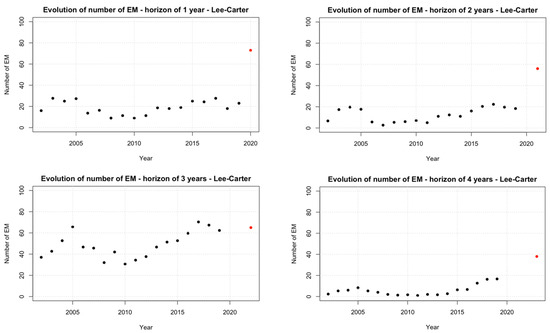
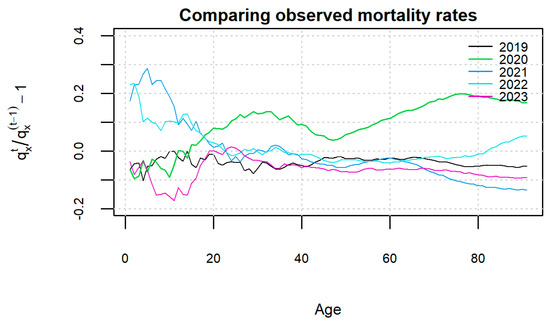
Introduction: This study quantifies excess mortality in Spain during and after the COVID-19 pandemic and assesses whether mortality levels are returning to pre-pandemic patterns. Methods: Expected mortality was estimated using stochastic forecasting models calibrated on pre-pandemic data (1990–2019) and compared with observed mortality
[...] Read more.
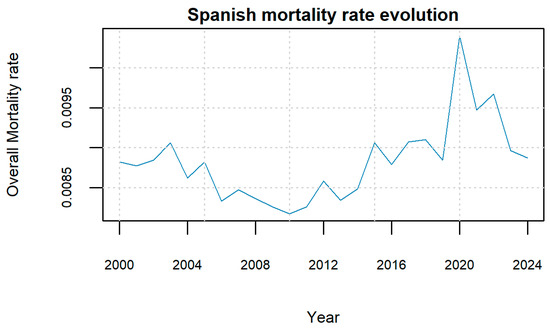
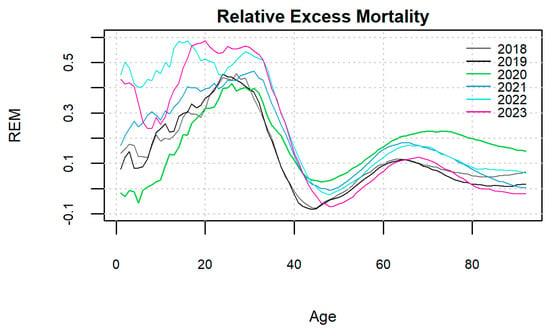
Introduction: This study quantifies excess mortality in Spain during and after the COVID-19 pandemic and assesses whether mortality levels are returning to pre-pandemic patterns. Methods: Expected mortality was estimated using stochastic forecasting models calibrated on pre-pandemic data (1990–2019) and compared with observed mortality over the period 2020–2023. The analysis relies on a multi-model framework including the Lee–Carter, Cairns–Blake–Dowd, and age–period–cohort models. Results: The results show a substantial excess mortality during the pandemic years, with the proportion of ages exhibiting punctual excess mortality increasing from around 65% before the pandemic to approximately 85% during 2020–2022. Excess mortality declined sharply in 2023, when indicators returned to levels comparable to those observed prior to COVID-19, suggesting a transition toward near-normal mortality. The Lee–Carter model showed superior short-term performance in detecting abrupt mortality deviations, while APC and CBD models captured longer-term structural patterns. Conclusions: These findings highlight the usefulness of multi-model stochastic approaches for monitoring excess mortality and assessing recovery trajectories following major epidemiological shocks.
Full article
(This article belongs to the Special Issue Local Healthcare Preparedness and Alert Systems—How to Prevent Future Pandemics?)
►▼
Show Figures

Figure 1
Open AccessArticle
Burnout and Insomnia Among Greek Physicians Affiliated with the Athens Medical Association After the Acute Phase of the COVID-19 Pandemic: Prevalence and Contributing Factors
by
Dimosthenis Akrivakis, Dimitrios Lamprinos, Maria Patatoukou, Stavroula Alevizou, Georgios Zoumpoulis, Theodoros Pouletidis, Paraskevi Deligiorgi, Panagiotis Georgakopoulos, Evangelos Oikonomou, Gerasimos Siasos, Kostas A. Papavassiliou, Christos Damaskos, Georgios Rachiotis, Dimitrios Schizas and Georgios Marinos
Epidemiologia 2026, 7(3), 73; https://doi.org/10.3390/epidemiologia7030073 - 24 May 2026
Abstract
►▼
Show Figures
Background: The COVID-19 pandemic has been a global crisis, affecting healthcare systems and professionals worldwide. This study investigates the prevalence and factors associated with burnout and insomnia among Greek physicians affiliated with the Athens Medical Association after the acute phase of the COVID-19
[...] Read more.
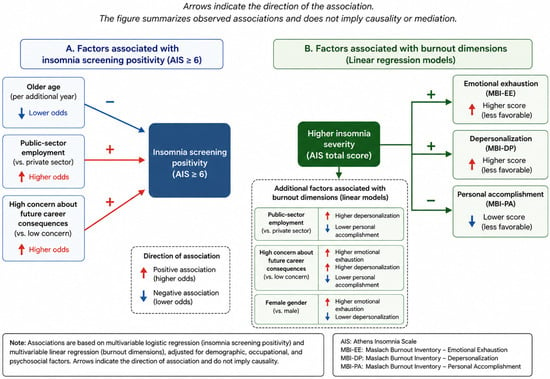
Background: The COVID-19 pandemic has been a global crisis, affecting healthcare systems and professionals worldwide. This study investigates the prevalence and factors associated with burnout and insomnia among Greek physicians affiliated with the Athens Medical Association after the acute phase of the COVID-19 pandemic. Methods: Data were collected through an anonymous online survey distributed to active physician members of the Athens Medical Association between 15 June 2023 and 15 July 2023. Burnout was assessed using the Maslach Burnout Inventory (MBI), and insomnia was assessed using the Athens Insomnia Scale (AIS). Descriptive, unadjusted, and multivariable analyses were performed. Results: A total of 1023 physicians participated. Insomnia (AIS ≥ 6) affected 83.0% of the participants. Based on standard MBI cut-offs, 52.4% had high emotional exhaustion, 35.9% had high depersonalization, and 39.2% had low personal accomplishment. In multivariable logistic regression, older age was significantly associated with lower odds of insomnia, while public-sector employment and high concern about future career consequences were associated with higher odds. In multiple linear regression models, a higher AIS total score was significantly associated with higher emotional exhaustion and depersonalization and with lower personal accomplishment. Conclusions: These findings suggest high rates of insomnia and burnout in this physician sample. Greater insomnia was significantly associated with less favorable scores across all three burnout dimensions. Younger age, public-sector employment, and higher concern about future career consequences were associated with insomnia. These findings should be interpreted as associations, rather than causal effects.
Full article

Figure 1
Open AccessArticle
Assessment of Population Immunity to Enteric Hepatitis Viruses in the Population of Belgrade
by
Anna Yurievna Popova, Alesia Yuryevna Olkhovskaya, Luka Dragačević, Yulia Vladimirovna Ostankova, Svetlana Alexandrovna Egorova, Alexander Nikolaevich Schemelev, Darya Tsibulskaya, Ekaterina Vladimirovna Anufrieva, Anastasiya Romanovna Ivanova, Irina Victorovna Drozd, Ojuna Bayarovna Zhimbaeva, Branko Beronja, Jelena Protić, Ekaterina Mikhailovna Danilova, Angelica Marsovna Milichkina, Valeri Andreevich Ivanov, Oleg Vladimirovich Kotsar, Edward S. Ramsay, Vyacheslav Yurievich Smolensky and Areg Artemovich Totolian
Epidemiologia 2026, 7(3), 72; https://doi.org/10.3390/epidemiologia7030072 - 22 May 2026
Abstract
►▼
Show Figures
Background: Hepatitis A (HA) and E (HE) represent a significant global health burden. Despite the development of effective vaccines against hepatitis A virus (HAV) and hepatitis E virus (HEV), outbreaks of acute HA and HE continue to occur worldwide. This study aimed to
[...] Read more.
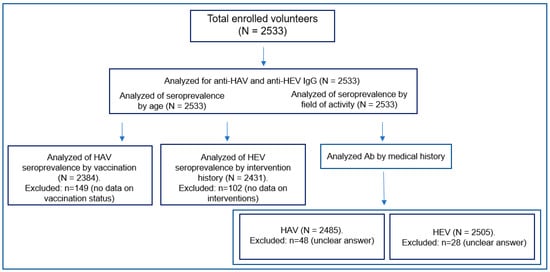
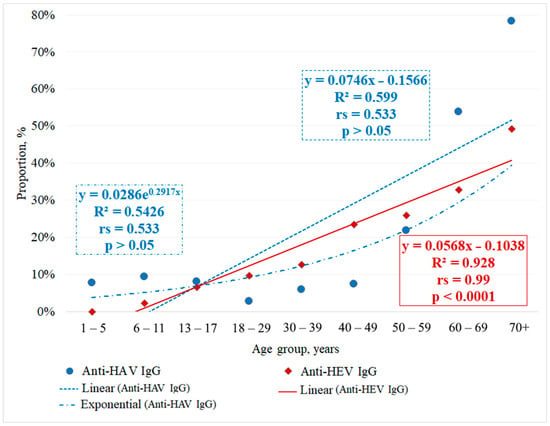
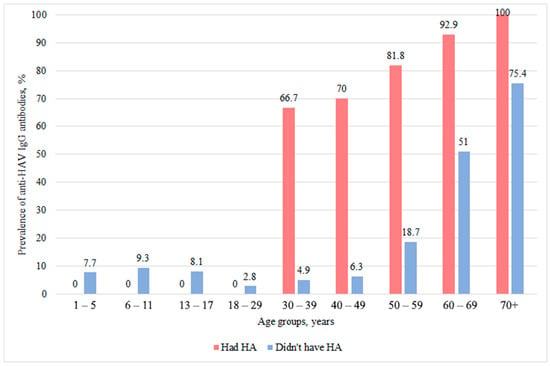
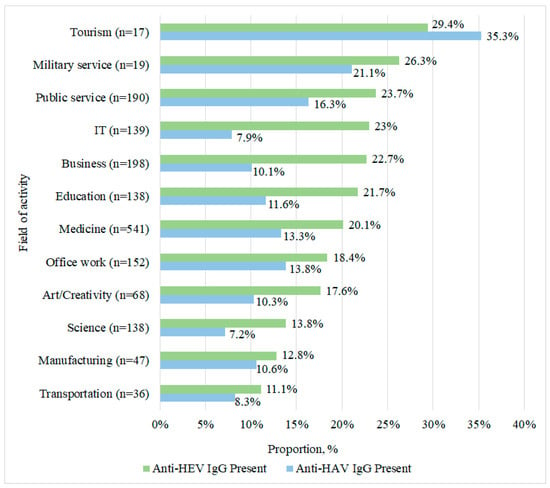
Background: Hepatitis A (HA) and E (HE) represent a significant global health burden. Despite the development of effective vaccines against hepatitis A virus (HAV) and hepatitis E virus (HEV), outbreaks of acute HA and HE continue to occur worldwide. This study aimed to assess the seroprevalence of anti-HAV and anti-HEV IgG antibodies (Abs) in the population of Belgrade and to analyze their association with socio-demographic and clinical factors. Materials and Methods: A cross-sectional study was conducted on a sample of 2533 healthy volunteers in Serbia in May 2024. Participation was voluntary and web-based, leading to an overrepresentation of women and middle-aged adults, while children were underrepresented. Due to this non-probabilistic recruitment, the absolute seroprevalence estimates have limited generalizability to the entire population of Belgrade. Serum samples were tested for anti-HAV and anti-HEV IgG using commercial ELISA kits. The anti-HEV estimate is based on a single ELISA without confirmatory testing and should be interpreted with this limitation in mind. Statistical analysis included confidence interval estimation, chi-square tests, and Spearman’s correlation. Results: Overall seroprevalence was 20.5% (95% CI: 18.9–22.1) for anti-HAV and 22.6% (95% CI: 21.0–24.3) for anti-HEV. A strong, non-linear increase in anti-HAV seroprevalence with age was observed, rising sharply from 2.8% in the 18–29 group to 78.3% in those aged 70+. Anti-HEV seroprevalence also featured a significant positive correlation with age (rs = 0.99, p < 0.0001), increasing from 4.2% in children (1–17 years) to 49.2% in the 70+ group. Men had significantly higher anti-HAV seroprevalence than women (23.1% vs. 19.3%, p = 0.029). Individuals with a history of surgical interventions or blood transfusions had significantly higher odds of being anti-HEV positive (OR = 1.41, p = 0.0005). Vaccination coverage against HAV was low (1.8%), and Abs were detected in only 28.6% of vaccinated individuals. Conclusions: This study suggests high HEV seroprevalence and an age-polarized HAV seroprevalence in Serbia, indicating a significant shift in the epidemiological landscape while acknowledging the sampling and assay limitations stated above. The findings underscore a growing population susceptible to HAV and highlight the need for reinforced vaccination strategies, improved diagnostics, and targeted public health interventions.
Full article

Figure 1
Open AccessArticle
Age-Related Differences in Dietary Intake and Nutritional Status Among Older Adults in Croatia: Results from a National Food Consumption Survey
by
Lidija Šoher, Daniela Čačić Kenjerić, Martina Pavlić, Dunja Ćosić, Ana Ilić, Ivana Rumbak, Jasna Pucarin-Cvetković and Darja Sokolić
Epidemiologia 2026, 7(3), 71; https://doi.org/10.3390/epidemiologia7030071 - 21 May 2026
Abstract
►▼
Show Figures
Background/Objectives: Understanding nutrient intake and diet quality in older adults is essential for promoting healthy ageing and quality of life. The aim of the study was to assess dietary intake and nutritional status in two age groups of older adults in Croatia (65–74
[...] Read more.
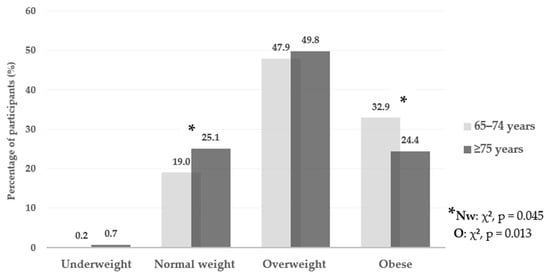
Background/Objectives: Understanding nutrient intake and diet quality in older adults is essential for promoting healthy ageing and quality of life. The aim of the study was to assess dietary intake and nutritional status in two age groups of older adults in Croatia (65–74 years and ≥75 years). Methods: A total of 786 participants aged 65 and older were included in this cross-sectional study. Data from the National food consumption survey (OC/EFSA/DATA/2017/01), based on the EU Menu methodology, were used. Data collection included a general questionnaire, the International Physical Activity Questionnaire, two 24-h recalls or food diaries, and anthropometric measurements. The effects of body mass index and physical activity level on dietary intake were analysed using a general linear model. Results: 21.5% of older adults in Croatia had a normal weight, while 78.5% of were classified as overweight or obese. Significant differences were recorded in energy and macronutrient intake between the two age groups. Body mass index was significantly associated with energy (kcal/day), fat intake (g/day), and intake of the meat, poultry, fish and eggs food group in the 65–74 year age group. In the ≥75 year age group, physical activity level showed an effect on energy, carbohydrates, and milk and dairy product intake. Intake of nutrient-dense foods and fluids was below recommendations in both observed groups. Conclusions: The study results, based on a representative sample, provide the first overview of the nutritional status of older adults in Croatia. These findings offer a foundation for public health initiatives and further research on the nutritional status of the older population in Croatia.
Full article

Figure 1
Open AccessArticle
Influence of Both La Nina and Island Isolation During COVID-19 on the Epidemiology of Infectious Diseases in New Caledonia
by
Pierre-Henri Moury, Ann-Claire Gourinat, Maria Suveges, Méryl Delrieu, Myrielle Dupont-Rouzeyrol, Christophe Menkes, Nathanaëlle Soler, Cécile Cazorla, Antoine Biron, Antoine Flahault, Morgan Mangeas and Nicolas Ray
Epidemiologia 2026, 7(3), 70; https://doi.org/10.3390/epidemiologia7030070 - 21 May 2026
Abstract
Background and Objectives: New Caledonia, an archipelago in the South Pacific, experienced an unprecedented conjunction of prolonged border closure during the COVID-19 pandemic (2020 to 2022) and marked influence of the El Niño/Southern Oscillation (ENSO). This context provided a unique opportunity to
[...] Read more.
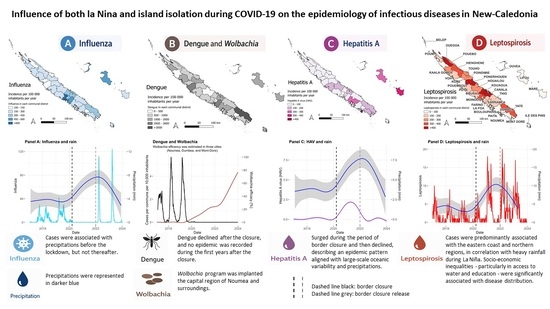
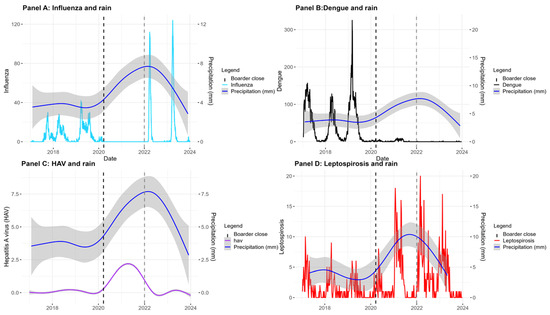
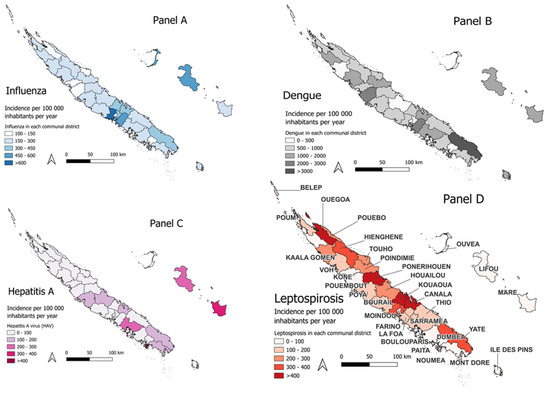
Background and Objectives: New Caledonia, an archipelago in the South Pacific, experienced an unprecedented conjunction of prolonged border closure during the COVID-19 pandemic (2020 to 2022) and marked influence of the El Niño/Southern Oscillation (ENSO). This context provided a unique opportunity to explore how environmental drivers, island isolation, and socio-demographic factors interact to shape infectious disease dynamics. This study aimed to assess the respective and combined effects of climatic variability, travel restrictions, and socio-demographic factors on the dynamics of four priority infectious diseases. Materials and Methods: We retrospectively analysed data from 2017 to 2023 on four infectious diseases: leptospirosis, dengue, influenza, and hepatitis A (HAV). Satellite precipitation data and the Multivariate El Niño/Southern Oscillation Index (MEI) were used. Socio-demographic and economic variables were gathered. Statistical analyses employed descriptive analysis and Generalized Additive Mixed Models to evaluate the associations between climatic events, travel restrictions, and disease circulation using the communal level as a random effect and time (daily) as a spline effect. Results: We analysed 878 cases of leptospirosis, 165 of HAV, 6607 of influenza, and 7377 dengue cases. Influenza was associated with rainfall before lockdown (Odds Ratio (OR) 0.7, Confidence interval 95%, (CI95%), (0.6–0.8)) and disappeared during lockdown but resurged post-reopening losing its meteorological association. Dengue epidemics declined, coinciding with the Wolbachia program and border closure, and were associated with lower MEI (OR 0.78, CI95% (0.6–1) during the 2017 to 2020 period. HAV cases were correlated with the MEI (OR: 1.8, CI95% (1–3.3)). Leptospirosis cases were associated with cumulative rainfall (OR 1.12 (1.1–1.2)) and lower education (OR 1.04, CI95% (1–1.1)) and decreased with water supply (OR 0.7, CI95% (0.5–0.8)). Conclusions: Our findings highlight how climatic conditions, mobility restrictions, and socio-environmental inequities differentially shape infectious disease risks in island ecosystems. These results reinforce the need for integrated One Health surveillance that jointly addresses environmental change, social vulnerability, and infectious disease prevention.
Full article
(This article belongs to the Topic Surveillance Systems and Predictive Analytics for Epidemics)
►▼
Show Figures

Graphical abstract
Open AccessArticle
How Is Lebanon’s Progress Towards Measles Elimination? Review of Surveillance Performance Indicators, 2013–2024
by
Lina Chaito, Pawel Stefanoff, Hawraa Sweidan, May Younes, Mona Albuaini and Nada Ghosn
Epidemiologia 2026, 7(3), 69; https://doi.org/10.3390/epidemiologia7030069 - 14 May 2026
Cited by 1
Abstract
Background: Lebanon adopted the World Health Organization (WHO)’s regional strategic plan (2012–2020) to achieve measles elimination. We aimed to analyze WHO measles surveillance performance indicators to identify areas for improvement. Methods: We reviewed suspected measles and rubella cases notified to the national epidemiological
[...] Read more.
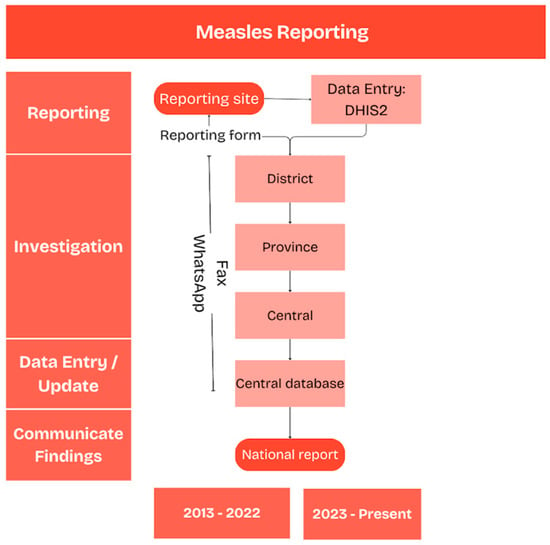
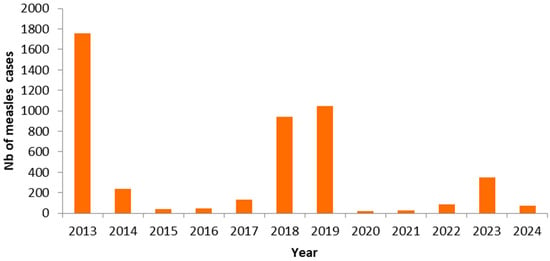
Background: Lebanon adopted the World Health Organization (WHO)’s regional strategic plan (2012–2020) to achieve measles elimination. We aimed to analyze WHO measles surveillance performance indicators to identify areas for improvement. Methods: We reviewed suspected measles and rubella cases notified to the national epidemiological surveillance program between January 2013 and December 2024. A suspected case was defined as any patient with a febrile maculopapular rash or considered clinically compatible by physicians. We assessed notification rates of discarded non-measles/rubella suspected cases, timeliness of investigations within 48 h, completeness of case investigations (demographic and vaccination data), and proportion of cases tested for measles/rubella. Mean proportions and standard deviations were calculated across years and provinces. Results: A total of 6581 suspected cases were reported, predominantly from hospitals (66%). Outbreaks occurred in 2013 (n = 1760), 2018–2019 (n = 1984) and 2023–2024 (n = 346). Outside outbreak years, the notification rate ranged between 0.7 and 1.8 per 100,000 population. Timely investigation was achieved in 72% (±30%) of cases, while adequate investigation reached 52% (±19%). Laboratory testing was performed in 62% (±16%) of cases. Conclusions: Surveillance in Lebanon showed suboptimal sensitivity, a high proportion of hospitalized cases, and variability in completeness of epidemiological and laboratory investigations. Strengthening outpatient reporting and continuous training of healthcare professionals are essential to improve surveillance performance.
Full article

(This article belongs to the Topic Surveillance Systems and Predictive Analytics for Epidemics)
►▼
Show Figures

Figure 1
Open AccessArticle
Sociodemographic Determinants of Knowledge and Risk Perception Regarding Community Fluoridation: A Cross-Sectional Study in Iași, Romania
by
Catalina Iulia Saveanu, Hociung Roxana, Bogdan Ioan Condrea, Daniela Anistoroaei, Alexandra Ecaterina Saveanu, Maria Sophia Saveanu and Loredana Golovcencu
Epidemiologia 2026, 7(3), 68; https://doi.org/10.3390/epidemiologia7030068 - 12 May 2026
Abstract
Background and Objectives: Community fluoridation is an effective public health measure for dental caries prevention; however, knowledge and risk perception vary. This study assessed knowledge, attitudes, and sociodemographic determinants related to community fluoridation. Materials and Methods: A cross-sectional study was conducted in May–June
[...] Read more.
Background and Objectives: Community fluoridation is an effective public health measure for dental caries prevention; however, knowledge and risk perception vary. This study assessed knowledge, attitudes, and sociodemographic determinants related to community fluoridation. Materials and Methods: A cross-sectional study was conducted in May–June 2023 among 200 adults from Iași, Romania, using a self-administered questionnaire. Chi-square tests were applied. Results: Most respondents were familiar with fluoride (94%) and its protective role (91%), but fewer knew fluoridation methods (34%) or dental fluorosis (53%). Educational level was associated with awareness of water fluoridation (χ2 = 32.219, p < 0.001), and gender with safety perceptions (χ2 = 6.031, p = 0.049). Perceived toxicity was strongly associated with fluoridation safety attitudes (χ2 = 29.116, p < 0.001). Conclusions: Although general awareness is high, understanding remains limited. Sociodemographic factors influence knowledge and risk perception, highlighting the need for targeted communication.
Full article
Open AccessArticle
Beyond the Needle: Knowledge of Blood-Borne Infection Transmission and Prevention Among Dental Students—A Cross-Sectional Study
by
Saveanu Catalina-Iulia, Dumitriu Diana, Condrea Bogdan Ioan, Saveanu Alexandra Ecaterina, Anistoroaei Daniela, Toma Vasilica and Fatu Ana-Maria
Epidemiologia 2026, 7(3), 67; https://doi.org/10.3390/epidemiologia7030067 - 12 May 2026
Abstract
Background/Objectives: Aim: Dental practice involves continuous exposure to saliva and blood, creating persistent opportunities for cross-infection if contaminated instruments are not processed correctly. This study aimed to evaluate dental students’ knowledge regarding blood-borne infections and infection prevention measures, and to compare knowledge levels
[...] Read more.
Background/Objectives: Aim: Dental practice involves continuous exposure to saliva and blood, creating persistent opportunities for cross-infection if contaminated instruments are not processed correctly. This study aimed to evaluate dental students’ knowledge regarding blood-borne infections and infection prevention measures, and to compare knowledge levels according to academic year and sex. Materials and Methods: A structured questionnaire consisting of 21 single-best-answer questions was administered to 93 undergraduate dental students (Years I–VI) from the Faculty of Dental Medicine, “Gr. T. Popa” University of Medicine and Pharmacy, Iași, Romania. The questionnaire evaluated knowledge related to instrument classification, cleaning and disinfection procedures, sterilization parameters, autoclave monitoring tests, and storage conditions. Demographic data were also collected. Statistical analysis was performed using IBM SPSS Statistics version 31, and associations between responses and demographic variables were assessed using chi-square tests. Associations between responses and demographic variables (academic year and sex) were evaluated using chi-square tests (p < 0.05). Results: Most participants correctly identified several key steps in the instrument processing circuit, including the use of high-level disinfectant–detergent solutions (88.2%) and the need for disinfection followed by sterilization (76.3%). However, important knowledge gaps were identified regarding autoclave pre-use checks, correct sterilization temperatures and exposure times, recommended sterile storage periods, and the interpretation of sterilization monitoring tools such as type 5 chemical integrators, Bowie–Dick tests, and Helix tests. Knowledge levels differed significantly according to academic year (p < 0.05). Conclusions: Although overall awareness of instrument processing procedures among dental students was generally satisfactory, several inconsistencies were observed in critical technical aspects of sterilization and monitoring. These findings highlight the need for strengthened infection control education and repeated practical training to reduce the risk of cross-infection in dental practice.
Full article
(This article belongs to the Topic Healthcare-Associated Infections and Antimicrobial Therapy)
Open AccessArticle
Incidence of Human Visceral Leishmaniasis and Social Vulnerability in an Endemic Area of Northeastern Brazil: A Time Series Analysis
by
Karen Brayner Andrade Pimentel, Romário de Sousa Oliveira, Laércio Viana Oliveira, Carine Fortes Aragão and Valéria Cristina Soares Pinheiro
Epidemiologia 2026, 7(3), 66; https://doi.org/10.3390/epidemiologia7030066 - 7 May 2026
Abstract
►▼
Show Figures
Background: Human visceral leishmaniasis remains a serious public health problem in Brazil, especially in the Northeast, where transmission persists in various vulnerable settings. Objective: This study aimed to assess temporal trends in the incidence of human visceral leishmaniasis in Maranhão, northeastern Brazil, with
[...] Read more.
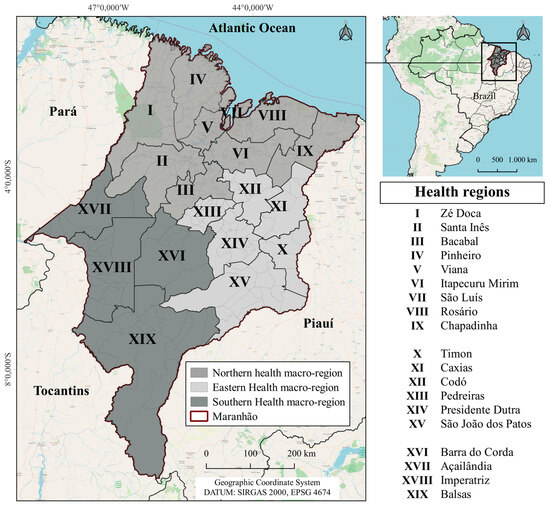
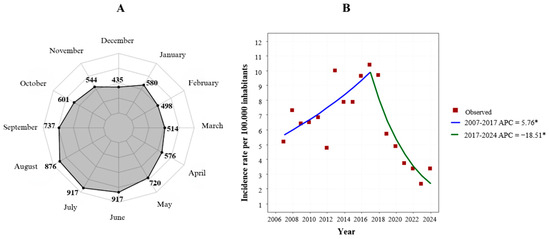
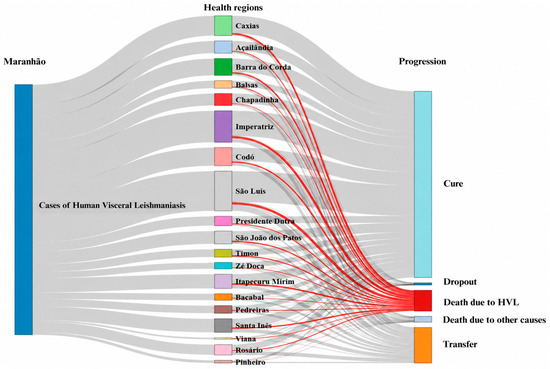
Background: Human visceral leishmaniasis remains a serious public health problem in Brazil, especially in the Northeast, where transmission persists in various vulnerable settings. Objective: This study aimed to assess temporal trends in the incidence of human visceral leishmaniasis in Maranhão, northeastern Brazil, with emphasis on social vulnerability and regional heterogeneity. Methods: We conducted an ecological, population-based study using confirmed cases of human visceral leishmaniasis reported in Maranhão from 2007 to 2024. Case data were obtained from the Brazilian Notifiable Diseases Information System, and population denominators were derived from national census counts and annual population estimates. Temporal trends in incidence rates were analyzed using joinpoint regression models, stratified by sex, age group, Social Vulnerability Index, and Health Regions. Results: A total of 7830 new cases of human visceral leishmaniasis were reported during the study period. Incidence showed a significant upward trend from 2007 to 2017, followed by a marked decline from 2018 to 2024. A heterogeneous pattern was observed in the average incidence rate of human visceral leishmaniasis across municipalities’ vulnerability categories, as measured by each subindex of the Social Vulnerability Index. Substantial regional heterogeneity was identified, with marked reductions in incidence in the Health Regions of Caxias, Timon, Barra do Corda, and Codó, whereas Santa Inês and Viana showed increasing trends. Conclusions: Despite the decline in incidence, human visceral leishmaniasis remains unevenly distributed throughout Maranhão. These findings underscore the need for geographically targeted interventions and the expansion of public health strategies aimed at preventing and controlling the disease.
Full article
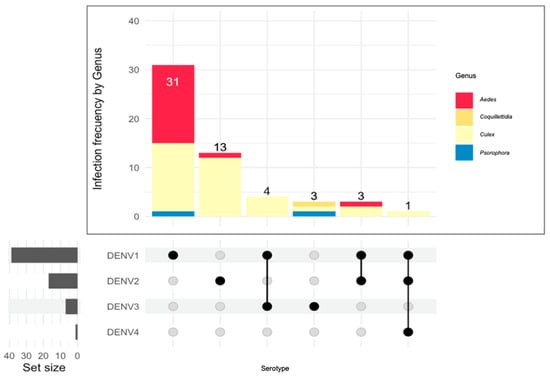
Figure 1
Open AccessArticle
Life Expectancy of Persons with Disability in Italy: Estimation Based on an Administrative Cohort from 1999 to 2012
by
Aldo Rosano, Alessandro Solipaca, Luisa Frova, Gabriella Sebastiani, Paola Di Filippo, Stefano Marchetti and Lucilla Scarnicchia
Epidemiologia 2026, 7(3), 65; https://doi.org/10.3390/epidemiologia7030065 - 7 May 2026
Abstract
►▼
Show Figures
Background: Estimates of life expectancy of people with disabilities are scarce and tend to focus on individuals with specific diseases. The health conditions of people with disabilities are often very poor, which is reflected in their significantly lower life expectancy compared to the
[...] Read more.
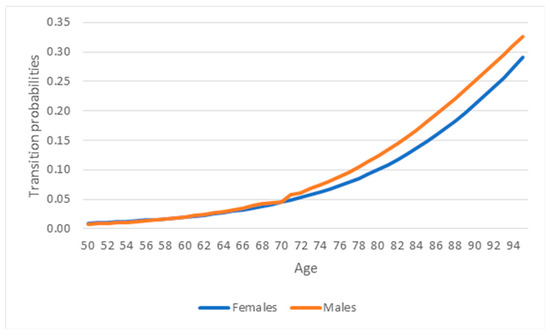
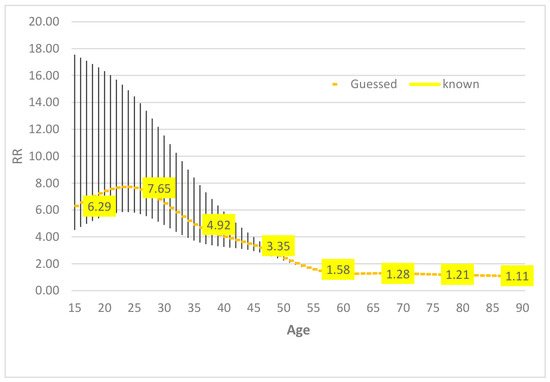
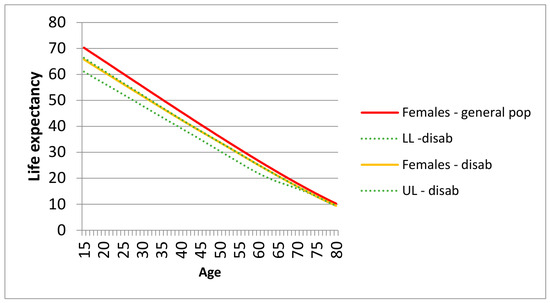
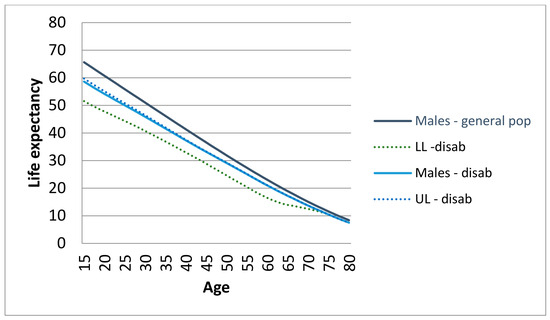
Background: Estimates of life expectancy of people with disabilities are scarce and tend to focus on individuals with specific diseases. The health conditions of people with disabilities are often very poor, which is reflected in their significantly lower life expectancy compared to the rest of the population. Objectives: This study aims to estimate the life expectancy of people with severe disabilities in Italy. Methods: Data from the 1999–2000 Health Interview Survey, linked to the register of causes of death up to 2012, were utilized for the purpose of this study. Survival was analyzed using a Weibull regression model. Hazard ratios for subjects with and without disabilities were employed to estimate the mortality risk among subjects with disabilities compared to all surveyed subjects. These ratios were then employed to construct a life table for people with disabilities by multiplying the death probabilities of the general population by the ratio. Results: The life expectancy at 15 years for people with disabilities was found to be 59.1 years for males and 66.2 years for females. The life expectancy (LE) gap between people with disabilities and the general population at 15 years was 6.6 years for men and 4.1 years for women. Conclusions: These findings provide reliable and robust information on the life expectancy gap between people with and without disabilities and can be used as a reference point when evaluating policies aimed at people with disabilities.
Full article
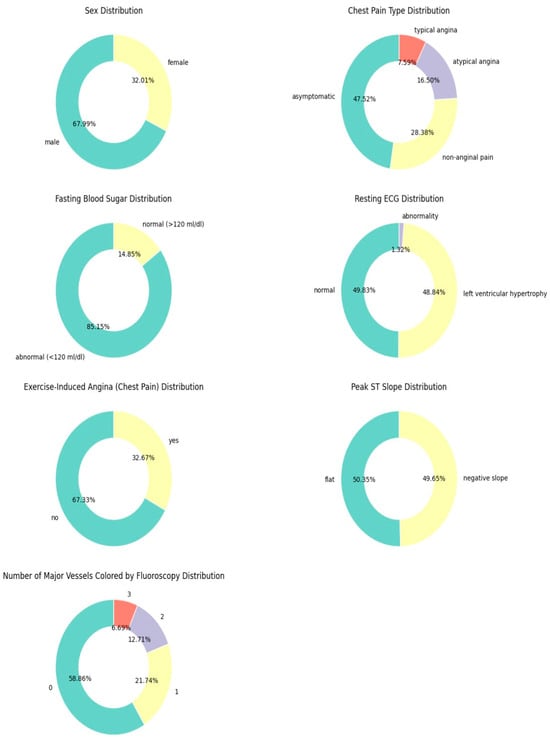
Figure 1
Open AccessReview
Evidence Synthesis via Indirect Treatment Comparisons in the European Framework of Joint Clinical Assessment
by
Alberto de la Cuadra-Grande, María Arruñada, Alejandro García-Solís, Ana Rossignoli-Montero and Miguel Ángel Casado
Epidemiologia 2026, 7(3), 64; https://doi.org/10.3390/epidemiologia7030064 - 5 May 2026
Abstract
►▼
Show Figures
The application of the Health Technology Assessment Regulation (HTAR) gives way to joint European work, such as the Joint Clinical Assessment (JCA). This requires the definition of a PICO (Population–Intervention–Comparator–Outcome) question representative of all the member states of the European Union. The key
[...] Read more.
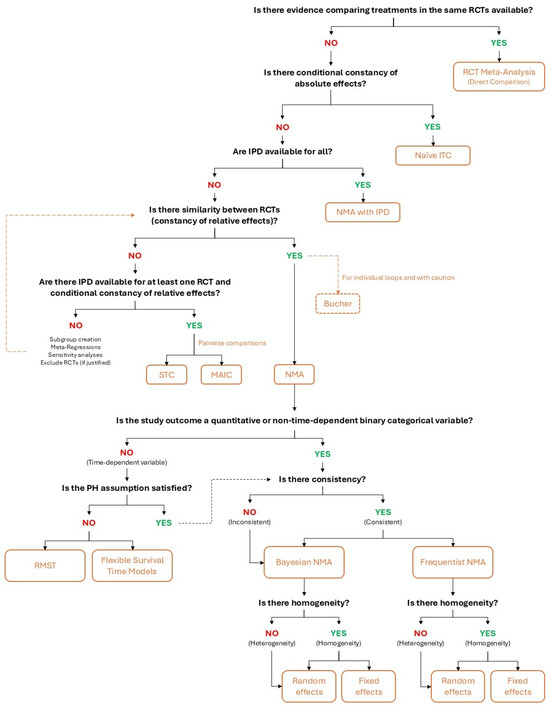
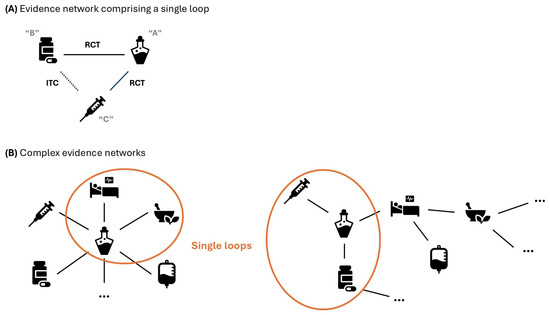
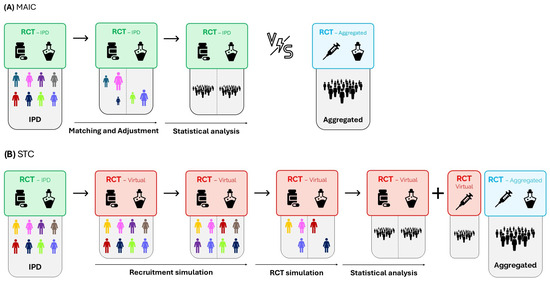
The application of the Health Technology Assessment Regulation (HTAR) gives way to joint European work, such as the Joint Clinical Assessment (JCA). This requires the definition of a PICO (Population–Intervention–Comparator–Outcome) question representative of all the member states of the European Union. The key to answering the PICO will be the synthesis of evidence through direct comparisons when there are randomized clinical trials (RCTs) including the same comparators, and via indirect treatment comparisons (ITCs) when comparators differ across RCTs. The aim of this report is to provide a synthesized and clear methodological framework to guide those stakeholders involved in JCAs when interpreting the results of ITCs, including descriptions on: (1) assumptions associated with ITCs; (2) how to select the method for ITC; (3) strengths and limitations associated with the methods; and (4) basics for understanding the method for ITC. This methodological framework could help those health care institutions, patient associations, consumer organizations, health-related nongovernmental organizations, health technology developers, and healthcare professionals involved in JCAs to better understand ITCs and incorporate this evidence into decision-making.
Full article
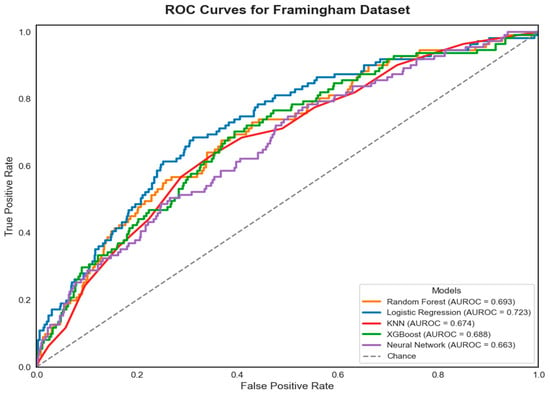
Figure 1
Open AccessArticle
Trends in Fracture-Related Hospitalizations and Mortality in Brazil, 2015–2024
by
Palloma Porto Almeida and Danielle Cabral Bonfim
Epidemiologia 2026, 7(3), 63; https://doi.org/10.3390/epidemiologia7030063 - 4 May 2026
Abstract
►▼
Show Figures
Background/Objectives: Bone fractures represent a growing public health concern worldwide, yet national epidemiological assessments remain limited in Brazil. Understanding temporal trends, demographic disparities, and geographic heterogeneity is essential to guide prevention, resource allocation, and trauma-care planning. To characterize the epidemiological profile of bone-fracture-related
[...] Read more.
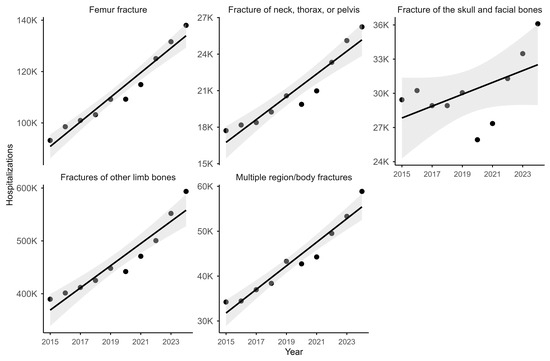
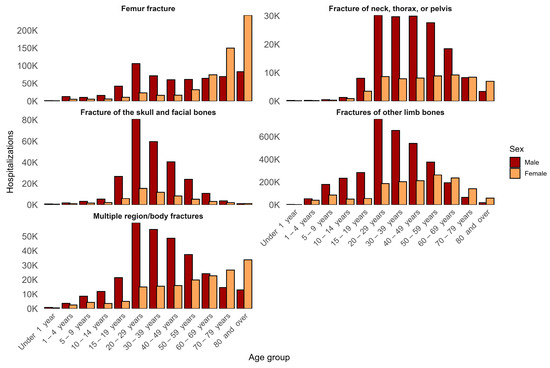
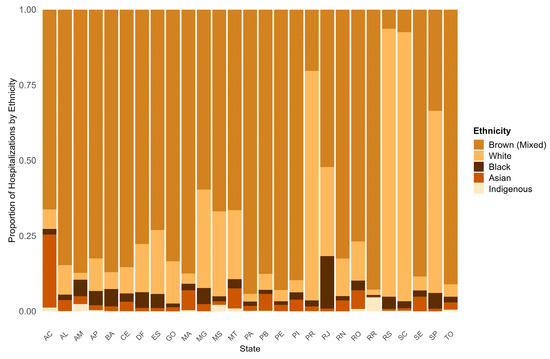
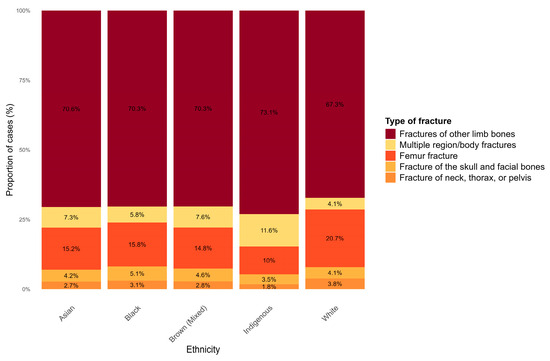
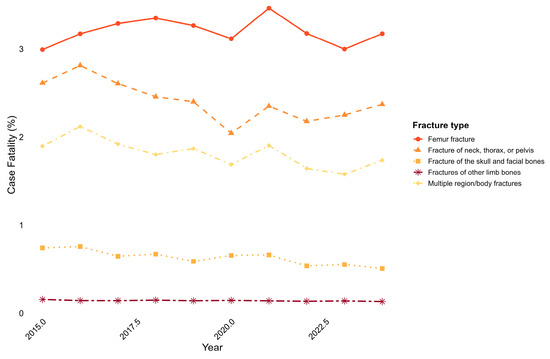
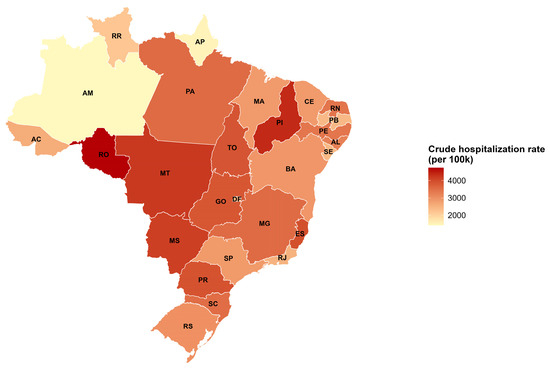
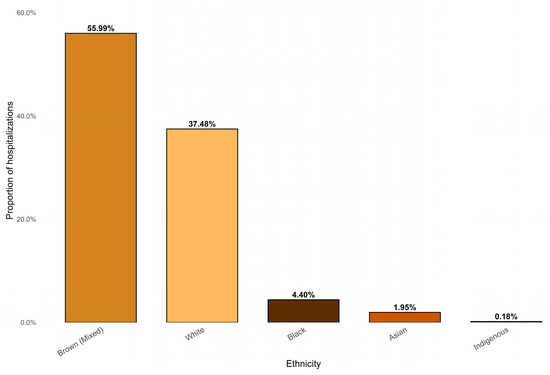
Background/Objectives: Bone fractures represent a growing public health concern worldwide, yet national epidemiological assessments remain limited in Brazil. Understanding temporal trends, demographic disparities, and geographic heterogeneity is essential to guide prevention, resource allocation, and trauma-care planning. To characterize the epidemiological profile of bone-fracture-related hospitalizations and mortality in Brazil between 2015 and 2024, analyzing trends by sex, age, fracture type, and geographic and ethnic distribution. Methods: An epidemiological, observational, descriptive, and population-based ecological study was conducted using Hospital Information System of the Unified Health System SIH/SUS and IBGE data. Hospitalization rates, case fatality rates (CFR), relative risks, odds ratios, and Years of Life Lost (YLL) were calculated. Temporal trends were evaluated using Annual Percent Change (APC). Results: Other limb fractures were the most frequent injuries, while femur fractures showed the highest lethality. Men had nearly twice the hospitalization rate of women, driven by high-energy trauma in adults aged 20–59 years, whereas women experienced a sharp increase in femur-fracture admissions at older ages. Skull, facial, and thorax/pelvis fractures contributed disproportionately to premature mortality. Marked geographic and ethnic disparities were observed, with higher burdens in the North/Northeast and predominance among Brown and Indigenous populations. Conclusions: Fracture-related hospitalizations in Brazil have increased consistently, with distinct epidemiological patterns across demographic and regional groups. These findings highlight the need for targeted prevention and improved trauma-care strategies.
Full article
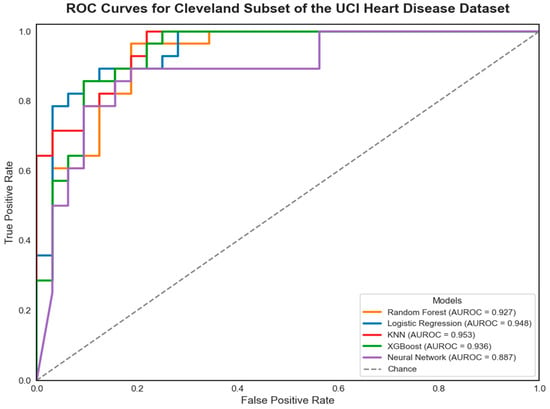
Figure 1
Open AccessArticle
Continuous Increase in Both Waiting and Process Time in the Emergency Rooms of Abruzzo, Italy
by
Ippazio Cosimo Antonazzo, Camillo Odio, Giulia Chesini, Natalia Gregori, Sara Taormina, Enrico Zauli, Cecilia Acuti Martellucci, Maria Elena Flacco and Lamberto Manzoli
Epidemiologia 2026, 7(3), 62; https://doi.org/10.3390/epidemiologia7030062 - 4 May 2026
Abstract
►▼
Show Figures
Background/Objectives: A recent report by the Italian Ministry of Health showed that a high proportion of Emergency Department (ED) visits exceed the maximum recommended thresholds for both waiting time and overall length of stay. As no overall quantitative data are available on the
[...] Read more.
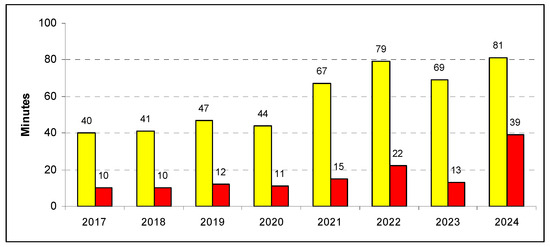
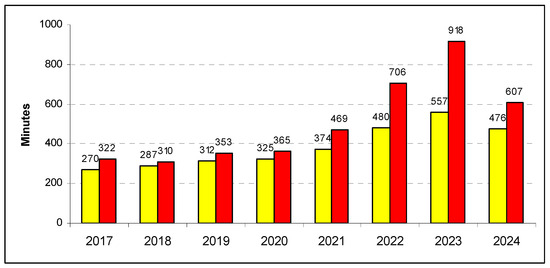
Background/Objectives: A recent report by the Italian Ministry of Health showed that a high proportion of Emergency Department (ED) visits exceed the maximum recommended thresholds for both waiting time and overall length of stay. As no overall quantitative data are available on the magnitude, temporal evolution, and underlying drivers of ED performance from Southern Italian regions, we analyzed ED data from the Abruzzo region during the years 2017–2024, and evaluated potential predictors of prolonged waiting and process time. Methods: Official, administrative data from all the regional EDs were collected, and information on personnel, location and organizational change was obtained through a dedicated survey. All analyses were stratified and/or adjusted by triage code, hospital, age and sex. Results: From 2017 to 2024, a total of 3,563,565 accesses were recorded in the 16 regional EDs. From 2021, waiting time for the first visit steadily and progressively increased, reaching an average of 78 min in 2024 (+56.0%), largely exceeding recommended thresholds. The most critical growth was observed for the most severe patients, as mean waiting time for yellow and red admissions peaked at 81 (+100%) and 39 (+290%) minutes (m) in 2024, respectively. The mean process time also substantially increased in post-pandemic years, especially for yellow (from 300 m to 476 m) and red codes (from 330 m to 607 m). The trend was similar for both genders, in all age-classes, and higher in larger hospitals. Multivariable analyses confirmed a significant increase in ED time over the years. Conclusions: These findings indicate critical organizational and clinical issues in the regional emergency care system, requiring immediate action. The Regional Healthcare System recently tried to reduce ED overcrowding with specific plans, the impact of which requires urgent evaluation.
Full article
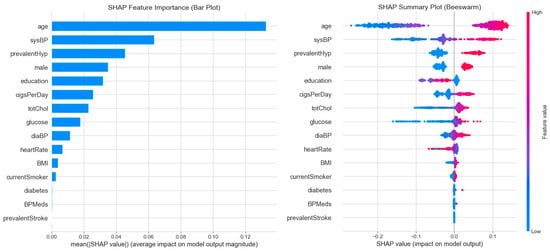
Figure 1
Open AccessArticle
Seroprevalence of Toxoplasma gondii Infection in Veterinary Medicine Professionals and Students in Aguascalientes, Mexico
by
Isabel de Velasco-Reyes, Saúl Emmanuel Torres-García, José de Jesús Hernández-Rangel, Adriana Cruz-Bañares, Juan Luis Chávez-Chávez and Carlos Cruz-Vázquez
Epidemiologia 2026, 7(3), 61; https://doi.org/10.3390/epidemiologia7030061 - 4 May 2026
Abstract
Background/Objectives: Toxoplasmosis is a globally distributed parasitic zoonosis caused by Toxoplasma gondii (Apicomplexa, Sarcocystidae), an obligate intracellular protozoan with an indirect life cycle in which domestic cats and wild felids serve as definitive hosts, whereas humans and a broad range of domestic and
[...] Read more.
Background/Objectives: Toxoplasmosis is a globally distributed parasitic zoonosis caused by Toxoplasma gondii (Apicomplexa, Sarcocystidae), an obligate intracellular protozoan with an indirect life cycle in which domestic cats and wild felids serve as definitive hosts, whereas humans and a broad range of domestic and wild animals act as intermediate hosts. The objective of the study was to document the seroprevalence of anti-Toxoplasma gondii antibodies in professionals and students of Veterinary Medicine in Aguascalientes, Mexico. Methods: The study included 153 clinically healthy individuals from two population segments: Veterinarians (70) and Veterinary Medicine Students (83). Serum samples were analyzed using a commercial ELISA test to determine the presence of T. gondii-specific IgG. A questionnaire was applied to collect sociodemographic information and information about contact with cats. Results: The overall prevalence of anti-T. gondii antibodies in the study population was 7.8% (12/153; CI 95% 4.3–13.6). In the group of Veterinarians, the seroprevalence was 11.4% (8/70; CI 95% 5.4–21.8), while in the group of students it was 4.8% (4/83; CI 95% 1.5–12.5), with no differences observed between them (p = 0.22). Association was found with those who consume raw/undercooked meat (p = 0.002). Conclusions: In this cross-sectional sample of veterinary professionals and students in Aguascalientes, anti-T. gondii IgG seroprevalence was 7.8%, with no statistically significant difference between occupational groups. Consumption of raw or undercooked meat was the only exposure significantly associated with seropositivity.
Full article
Open AccessArticle
Predicting Ambulance Transport for Heat-Related Illness in Working Populations Under Climate Change and Evaluating Preventive Behaviors as Adaptation Policies in Japan
by
Shintaro Yurugi and Hiroshi Nishiura
Epidemiologia 2026, 7(3), 60; https://doi.org/10.3390/epidemiologia7030060 - 4 May 2026
Abstract
►▼
Show Figures
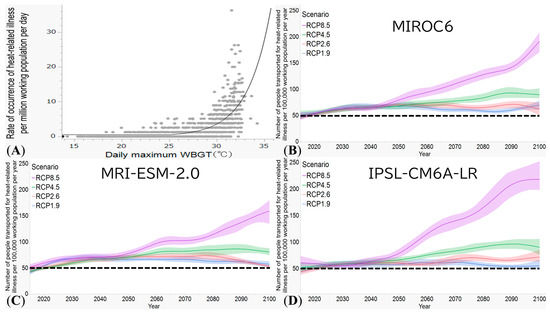
Background/Objectives: Since June 2025, Japan has mandated countermeasures to prevent outdoor laborers from developing heat-related illness at work. However, the extent to which preventive behaviors can reduce the actual heatstroke risk has not been quantified. The present study aimed to (i) project future
[...] Read more.
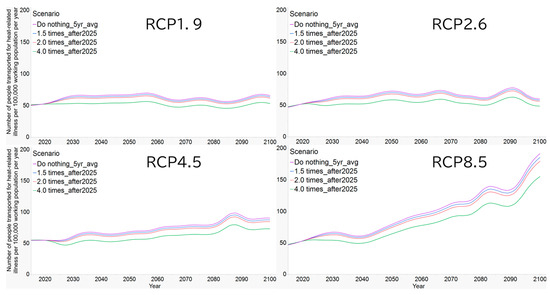
Background/Objectives: Since June 2025, Japan has mandated countermeasures to prevent outdoor laborers from developing heat-related illness at work. However, the extent to which preventive behaviors can reduce the actual heatstroke risk has not been quantified. The present study aimed to (i) project future trends in the daily number of heat-related ambulance transports in the working population under climate change, and (ii) evaluate the population-level preventive impact of workplace-adopted preventive behaviors using effect estimates from observational data. Methods: Using daily maximum wet-bulb globe temperature, a long-term future projection of heat-related ambulance transports was performed in the working population. A cross-sectional survey was carried out to infer the effect size of behavioral interventions. The effectiveness of taking preventive behaviors was evaluated by increasing the coverage rate of workers adhering to all four behaviors (current: 23%): (i) regular hydration, (ii) use of an air-cooling vest, (iii) checking their own health condition before work, and (iv) recognizing warning signs. Theoretical scenarios in which workplace instructions to workers or teams increased adherence by 50%, 100%, and 300% relative to baseline were considered, corresponding to coverage rates at 34%, 45%, and 91%, respectively, and we evaluated the associated reduction in heatstroke risk. Results: Many future years were projected to have higher annual levels of heat-related ambulance transports than the median value from 2018–2024, indicating a long-term increasing trend. Even when all four possible countermeasures were implemented at an additional 50%, 100% or 300% from the current rate, the expected relative risk reduction in transports was 3.2%, 6.3%, and 19.0%, respectively, indicating only a small effect on future projected heat-related illnesses. Conclusions: The number of heat-related ambulance transports is expected to increase; however, the relative risk reduction with behavioral intervention is likely limited. A fundamental overhaul of working regulations and environment (e.g., drastic shift in working hours to earlier morning) is required via adaptation policies, and mitigation of climate change is vital.
Full article
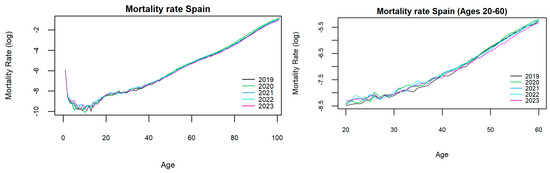
Figure 1
Open AccessReview
What Is Known About Persons with Intellectual Disabilities and Cardiovascular Risk Factors—A Scoping Review
by
Lisa Rein, Christine Tørris, Ana Carla Soares Portugal Schippert, Malin Holmström Rising, Astrid Torbjørnsen, Tina Rich Mogensen and Ann Kristin Bjørnnes
Epidemiologia 2026, 7(3), 59; https://doi.org/10.3390/epidemiologia7030059 - 25 Apr 2026
Abstract
►▼
Show Figures
Background/Objectives: Adults with intellectual disability are known to experience complex health needs, including an elevated presence of chronic conditions. Cardiovascular risk factors are a concern, yet the evidence base is fragmented, and the scope and focus of current research are not well understood.
[...] Read more.
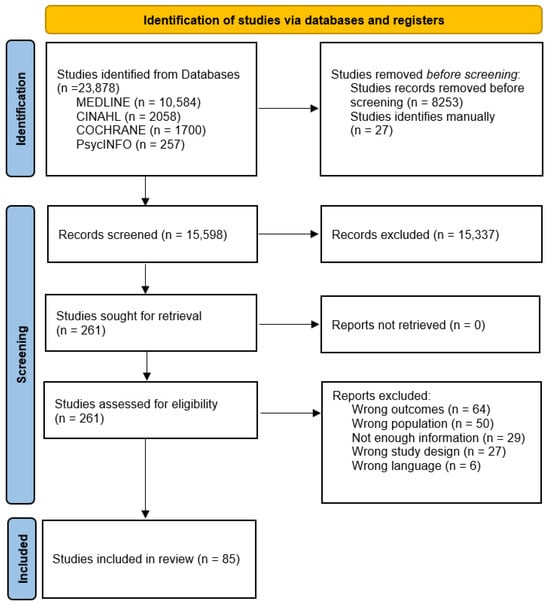
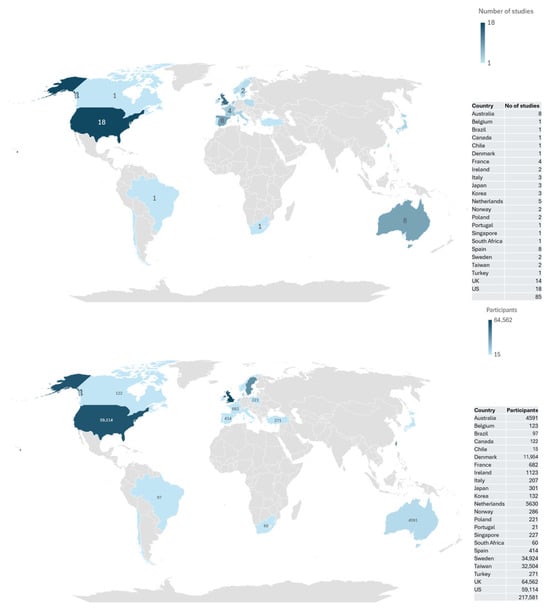
Background/Objectives: Adults with intellectual disability are known to experience complex health needs, including an elevated presence of chronic conditions. Cardiovascular risk factors are a concern, yet the evidence base is fragmented, and the scope and focus of current research are not well understood. Methods: We conducted a scoping review to map the existing evidence on cardiovascular risk factors among adults with intellectual disability. The review included studies reporting on risk factor prevalence as well as participant characteristics (ethnicity, living arrangements, age, sex, and type of disability). Cardiovascular-related outcomes were extracted to clarify the health disparities documented in this population. Results: Searches of seven databases for studies published from 2013 onward yielded 15,598records, of which 85 met the inclusion criteria. Evidence was dominated by cross-sectional studies, with a few randomized controlled trials. Hypertension, Type 2 diabetes and obesity were commonly reported. Patterns appeared to reflect lifestyle, medication effects, genetic syndromes—particularly Down syndrome and Prader–Willi syndrome—and the severity of the disability. A notable share of the studies originated from the United Kingdom and the United States. Findings reveal a complex cardiovascular risk profile, emphasizing the need for tailored prevention and management. Conclusions: Adults with intellectual disability face a substantial burden of cardiovascular risk factors. Evidence on effective interventions remains limited, highlighting a need for targeted, evidence-informed approaches to improve cardiovascular health and long-term outcomes.
Full article
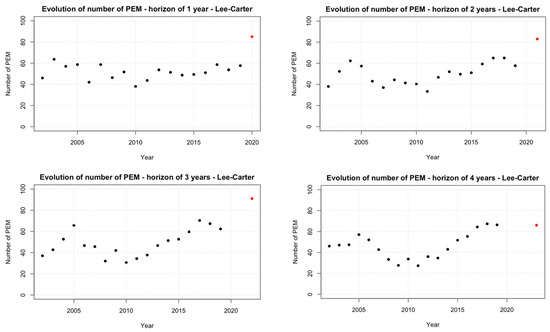
Figure 1
Journal Menu
► ▼ Journal Menu-
- Epidemiologia Home
- Aims & Scope
- Editorial Board
- Topical Advisory Panel
- Instructions for Authors
- Special Issues
- Topics
- Sections
- Article Processing Charge
- Indexing & Archiving
- Editor’s Choice Articles
- Most Cited & Viewed
- Journal Statistics
- Journal History
- Journal Awards
- Society Collaborations
- Conferences
- Editorial Office
Journal Browser
► ▼ Journal BrowserHighly Accessed Articles
Latest Books
E-Mail Alert
News
2 June 2026
Epidemiologia Webinar | Paradigm Shift in the Public Health Surveillance of Cancer: Traditional and Innovative, 24 June 2026
1 June 2026
MDPI INSIGHTS: The CEO’s Letter #35 – 30 Years of Open Science, Open Access Policies, Spain Summit, MMCS 2026 & Antibiotics 2026
Topics
Topic in
Diseases, Epidemiologia, Infectious Disease Reports, Medicina, TropicalMed
Surveillance Systems and Predictive Analytics for Epidemics
Topic Editors: Georgia Kourlaba, Elisavet StavropoulouDeadline: 31 January 2027
Topic in
AMH, Antibiotics, Epidemiologia, Microorganisms
Healthcare-Associated Infections and Antimicrobial Therapy
Topic Editors: Diamantis P. Kofteridis, Petros IoannouDeadline: 28 February 2027
Topic in
Children, Dietetics, Epidemiologia, Healthcare, Obesities, Medical Sciences, Diseases, Trends in Public Health
Dietary and Lifestyle Determinants of Non‑Communicable Diseases: Salt, Sugar, Alcohol and Physical Activity
Topic Editors: Kotsedi Daniel Monyeki, Machoene Derrick SekgalaDeadline: 30 April 2027
Topic in
Antibiotics, Diseases, Vaccines, Viruses, Epidemiologia
HIV Prevention and Treatment: A Guide to Health and Safety
Topic Editors: Olanrewaju Oladimeji, Martha ChadyiwaDeadline: 31 December 2027
Conferences
Special Issues
Special Issue in
Epidemiologia
Global Burden of Psychiatric Epidemiology
Guest Editor: Andrew YockeyDeadline: 15 July 2026
Special Issue in
Epidemiologia
High-Risk Pregnancy Management: From Prenatal Care to Postpartum Outcomes
Guest Editor: Angela VinturacheDeadline: 25 July 2026
Special Issue in
Epidemiologia
Public Health Nutrition in Aging: Addressing Frailty, Sarcopenia, and Functional Decline
Guest Editor: Dorina CadarDeadline: 15 August 2026
Special Issue in
Epidemiologia
Nutritional Epidemiology in Public Health
Guest Editor: Kei NakajimaDeadline: 30 September 2026