





energies-logo

Journal Browser

Journal Browser

State of the Art Electric Vehicle Technology in China

A topical collection in Energies (ISSN 1996-1073). This collection belongs to the section "E: Electric Vehicles".

Viewed by 20424

Editors


E-Mail Website
Collection Editor
Institute of Electrical Engineering, Chinese Academy of Sciences, Beijing 100190, China
Interests: high power density motor drive and power electronic technology with the main application areas of electrical vehicle and e-transportation etc.
Special Issues, Collections and Topics in MDPI journals

E-Mail Website
Collection Editor
State Key Laboratory of Advanced Electromagnetic Engineering and Technology, School of Electrical and Electronic Engineering, Huazhong University of Science and Technology, Wuhan 430074, Hubei, China
Interests: energy storage; electrochemistry; materials chemistry

grade E-Mail Website
Collection Editor
State Key Laboratory of Fire Science, University of Science and Technology of China, Hefei 230026, China
Interests: lithium ion battery fire dynamics and prevention; glazing behavior under thermal loading; hazardous chemicals leakage and sub-consequence disaster; the inherent of spontaneous combustion; wind turbine fire
Special Issues, Collections and Topics in MDPI journals

E-Mail Website
Collection Editor
School of Materials, Sun Yat-sen University, Shenzhen 518107, China
Interests: lithium ion batteries; solid state batteries; interface; structure; phase transition; high energy density cathodes; electrode process dynamics; energy storage and conversion; first-principles calculations; solid state ionics
Special Issues, Collections and Topics in MDPI journals

grade E-Mail Website
Collection Editor
School of Energy and Environmental Engineering, Hebei University of Technology, Tianjin 300401, China
Interests: battery thermal management; thermal energy storage; phase change heat transfer; micro/nano heat transfer; novel heat pipe
Special Issues, Collections and Topics in MDPI journals

E-Mail Website
Collection Editor
College of Automotive Engineering, Jilin University, Changchun 130015, China
Interests: advanced e-driveline design; vehicle dynamics control; energy management strategy; chassis-by-wire integrated design and autonomous driving
Special Issues, Collections and Topics in MDPI journals

grade E-Mail Website
Collection Editor
School of Automotive Engineering, Harbin Institute of Technology, Weihai 264209, China
Interests: battery reliability analysis; battery health management; battery state estimation
Special Issues, Collections and Topics in MDPI journals

Topical Collection Information

Dear Colleagues,

In the trend of electrification, intelligence, sharing and networking, and increasingly stringent environmental requirements, electrification is the future development direction of automobiles. In the past decade, China's electric vehicle market has developed rapidly, and now it has become the largest electric vehicle market in the world. Its sales of electric passenger cars account for half of the world's total, and the sales of electric buses and electric trucks account for more than 90% of the world's total.

Research in pure electric vehicles in China began in the 1960s. With the strong support of the state, some universities, automobile research institutes, and production enterprises jointly developed rechargeable batteries and pure electric vehicles and achieved fruitful results. At present, China has achieved independent mass production of pure electric cars and pure electric buses and is at the forefront in the performance technology of key components such as high-power Ni MH battery and lithium-ion battery. There is not a big gap between China and traditional automobile powers in the development of pure electric vehicle technology, and the country even has reached the world-leading level in some fields, such as zinc-air battery and lithium-ion battery research. With the change in China's automobile industry form and consumption mode, automobiles, transportation, information communication, and other industries are mutually enabling each other. In the future, cross-industry and cross-field integration development will become a major development trend of electric vehicles. The electric vehicle industry, however, despite its rapid development, still faces many challenges, including insufficient infrastructure, short driving range, long charging time, and safety.

We set up this Topical Collection to collect papers on China's advanced electric vehicle technology and development trends, while providing some new directions for thinking about electric vehicle development in China and even the world. We invite papers on innovative technical developments, reviews, case studies, as well as analytical and assessment papers from different disciplines that are relevant to the topic of electric vehicles.

Dr. Xuhui Wen
Prof. Dr. Kangli Wang
Prof. Dr. Qingsong Wang
Prof. Dr. Xia Lu
Prof. Dr. Zhonghao Rao
Prof. Dr. Junnian Wang
Prof. Dr. Quanqing Yu
Collection Editors

Manuscript Submission Information

Manuscripts should be submitted online at www.mdpi.com by registering and logging in to this website. Once you are registered, click here to go to the submission form. Manuscripts can be submitted until the deadline. All submissions that pass pre-check are peer-reviewed. Accepted papers will be published continuously in the journal (as soon as accepted) and will be listed together on the collection website. Research articles, review articles as well as short communications are invited. For planned papers, a title and short abstract (about 250 words) can be sent to the Editorial Office for assessment.

Submitted manuscripts should not have been published previously, nor be under consideration for publication elsewhere (except conference proceedings papers). All manuscripts are thoroughly refereed through a single-blind peer-review process. A guide for authors and other relevant information for submission of manuscripts is available on the Instructions for Authors page. Energies is an international peer-reviewed open access semimonthly journal published by MDPI.

Please visit the Instructions for Authors page before submitting a manuscript. The Article Processing Charge (APC) for publication in this open access journal is 2600 CHF (Swiss Francs). Submitted papers should be well formatted and use good English. Authors may use MDPI's English editing service prior to publication or during author revisions.

Keywords

  • Intelligent electric vehicles 
  • Energy storage 
  • Motor drive 
  • Power electronic
  • Vehicle dynamics 
  • Big date 
  • Optimization and management

Published Papers (7 papers)

2026

Jump to: 2025, 2022, 2021

20 pages, 1516 KB  
Article
Fast NOx Emission Factor Accounting for Hybrid Electric Vehicles with Dictionary Learning-Based Incremental Dimensionality Reduction
by Hao Chen, Jianan Chen, Feiyang Zhao and Wenbin Yu
Energies 2026, 19(3), 680; https://doi.org/10.3390/en19030680 - 28 Jan 2026
Viewed by 83
Abstract
Amid the growing global environmental challenges, precise and efficient vehicle emission management plays a critical role in achieving energy-saving and emission reduction goals. At the same time, the rapid development of connected vehicles and autonomous driving technologies has generated a large amount of [...] Read more.
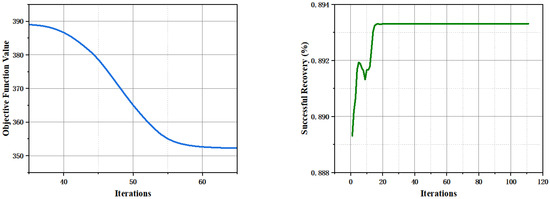
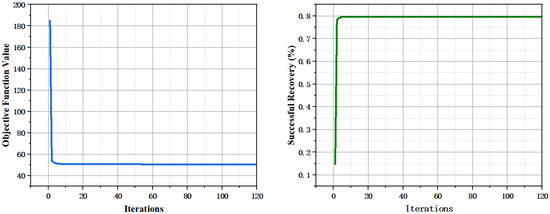
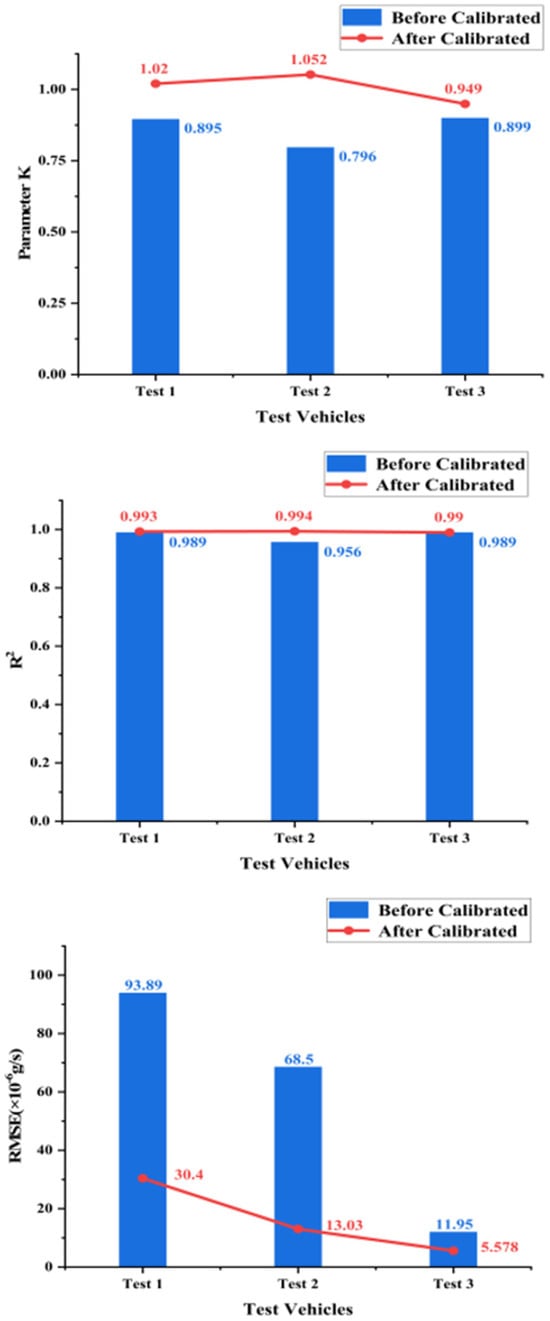
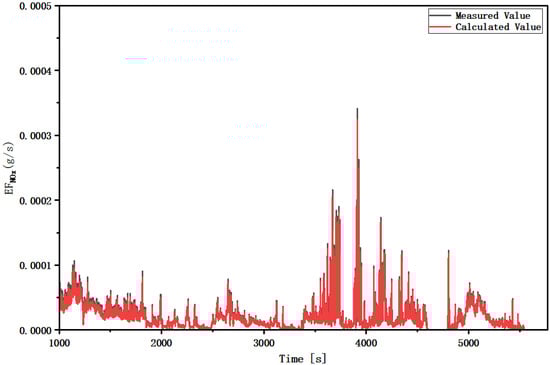
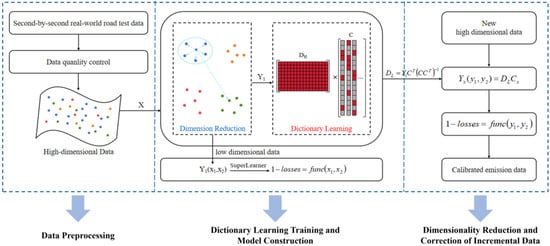
Amid the growing global environmental challenges, precise and efficient vehicle emission management plays a critical role in achieving energy-saving and emission reduction goals. At the same time, the rapid development of connected vehicles and autonomous driving technologies has generated a large amount of high-dimensional vehicle operation data. This not only provides a rich data foundation for refined emission accounting but also raises higher demands for the construction of accounting models. Therefore, this study aims to develop an accurate and efficient emission accounting model to contribute to the precise nitrogen oxide (NOx) emission accounting for hybrid electric vehicles (HEVs). A systematic approach is proposed that combines incremental dimensionality reduction with advanced regression algorithms to achieve refined and efficient emission accounting based on multiple variables. Specifically, the dimensionality of the real driving emission (RDE) data is first reduced using the feature selection and t-distributed stochastic neighbor embedding (t-SNE) feature extraction method to capture key parameter information and reduce subsequent computational complexity. Next, an incremental dimensionality reduction method based on dictionary learning is employed to efficiently embed new data into a low-dimensional space through straightforward matrix operations. Given the computational cost of the dictionary learning training process, this study introduces the FISTA (Fast Iterative Shrinkage-Thresholding Algorithm) for accelerated iterative optimization and enhances the computational efficiency through parameter optimization, while maintaining the accuracy of dictionary learning. Subsequently, an NOx emission factor correction factor prediction model is trained using the low-dimensional data obtained from t-SNE embeddings, enabling direct computation of the corresponding correction factor when presented with new incremental low-dimensional embeddings. Finally, validation on independent HEV datasets shows that parameter K improves to 1 ± 0.05 and R2 increases up to 0.990, laying a foundation for constructing an emission accounting model with broad applicability based on multiple variables. Full article
Show Figures

Figure 1
2025

Jump to: 2026, 2022, 2021

21 pages, 5934 KB  
Article
Comprehensive Analysis and Optimization of Day-Ahead Scheduling: Influence of Wind Power Generation and Electric Vehicle Flexibility
by Guocheng Li, Cong Wang, Jian Zheng, Zeguang Lu, Zhongmei Zhao, Jinglan Cui, Shaocong Bi, Xinyu Gao and Xiaohu Yang
Energies 2025, 18(7), 1639; https://doi.org/10.3390/en18071639 - 25 Mar 2025
Cited by 1 | Viewed by 909
Abstract
With an increasing global emphasis on reducing carbon emissions and enhancing energy efficiency, the rising popularity of electric vehicles (EVs) has played a pivotal role in facilitating the transition to electrification within transportation sectors. However, the variability in their charging behavior has posed [...] Read more.
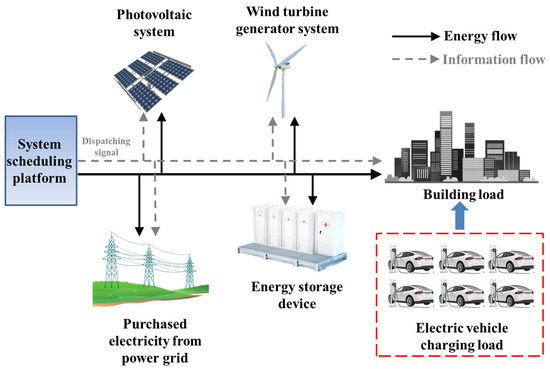
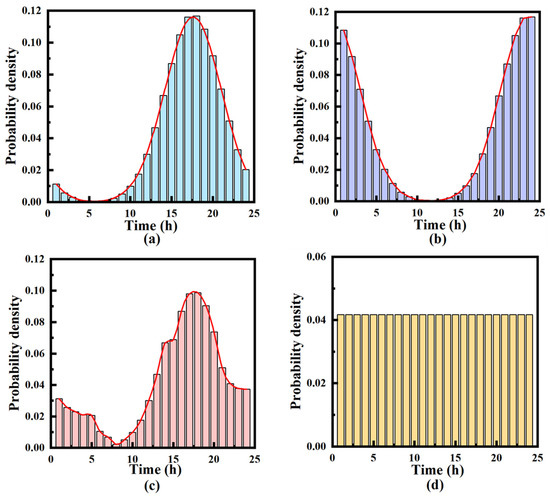
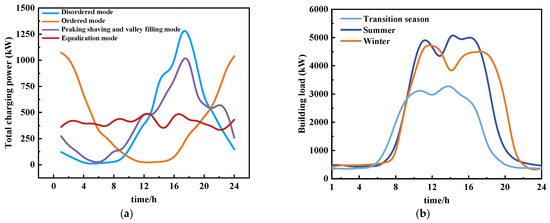
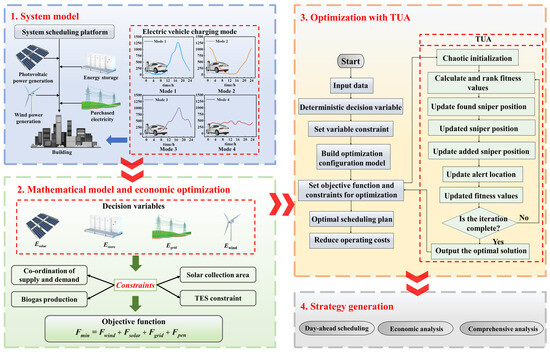
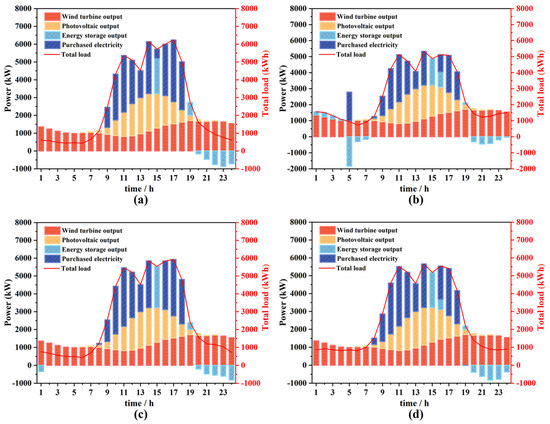
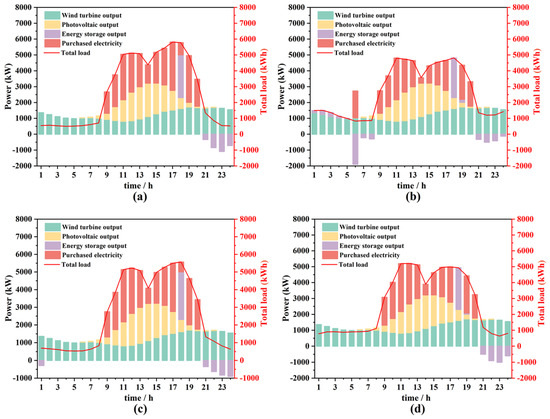
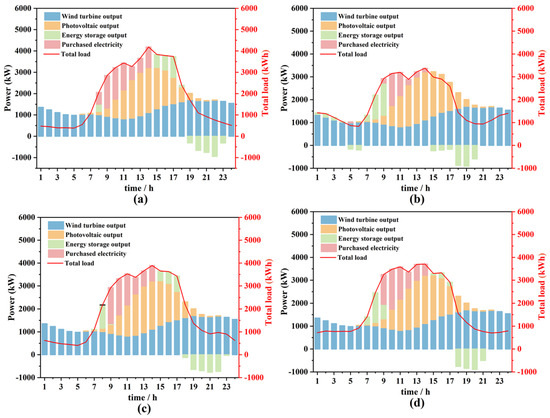
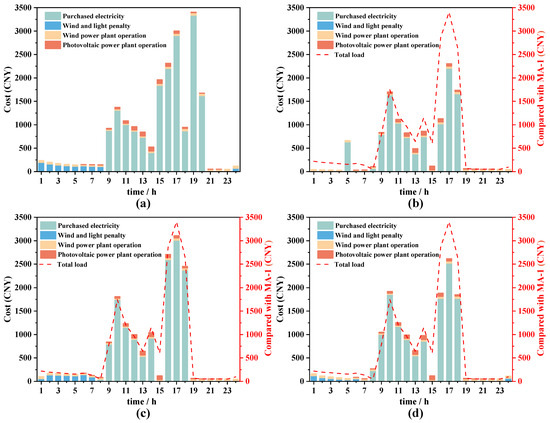
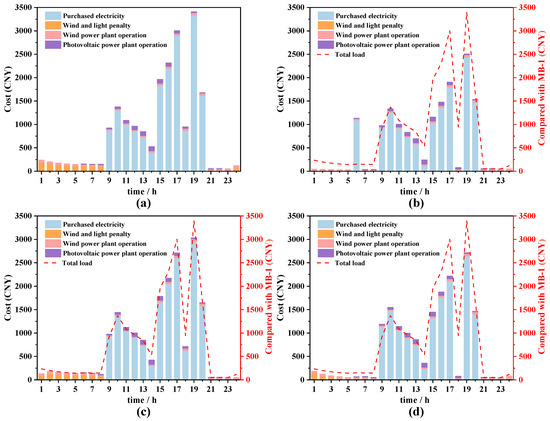
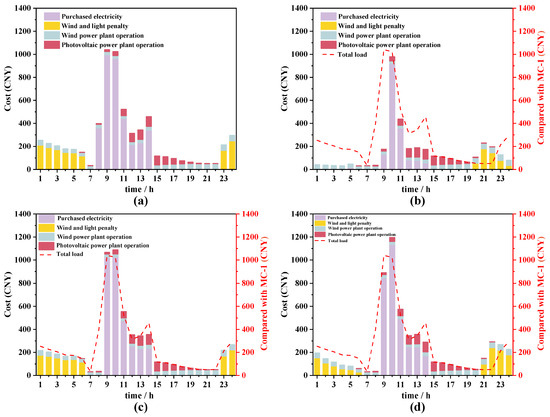
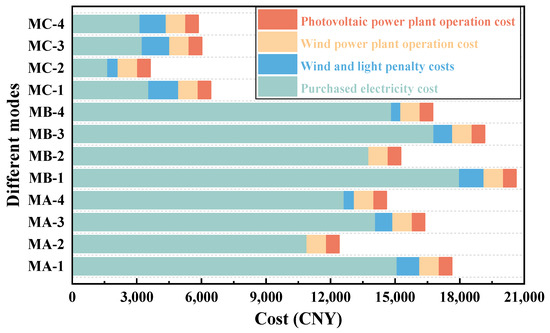
With an increasing global emphasis on reducing carbon emissions and enhancing energy efficiency, the rising popularity of electric vehicles (EVs) has played a pivotal role in facilitating the transition to electrification within transportation sectors. However, the variability in their charging behavior has posed challenges for grid loads. In this study, a day-ahead scheduling model is developed for an integrated energy system to assess the impact of various electric vehicle charging modes on energy economics during typical days in summer, winter, and transition seasons. Additionally, the influence of optimized charging strategies on increasing the utilization of renewable energy and enhancing the operational efficiency of the grid is explored. The findings reveal that the abandonment rates of wind and solar energy associated with the orderly charging mode are 0 during typical days in winter and summer but decrease by 64.83% during the transition seasons. Furthermore, the power purchased from the grid declines by 18.79%, 19.34%, and 53.31% across these seasonal conditions, in respective. Consequently, the total load cost associated with the ordered charging mode decreases by 29.69%, 25.96%, and 43.71%, respectively, for summer, winter, and transition seasons. Full article
Show Figures

Figure 1
2022

Jump to: 2026, 2025, 2021

19 pages, 2118 KB  
Article
Research on TVD Control of Cornering Energy Consumption for Distributed Drive Electric Vehicles Based on PMP
by Wen Sun, Yang Chen, Junnian Wang, Xiangyu Wang and Lili Liu
Energies 2022, 15(7), 2641; https://doi.org/10.3390/en15072641 - 4 Apr 2022
Cited by 5 | Viewed by 2154
Abstract
This paper aims to study the torque optimization control of distributed drive electric vehicles in the cornering process and reduce the cornering energy consumption. The main energy consumption of the vehicle in the cornering process is analyzed clearly based on the 7-DOF vehicle [...] Read more.
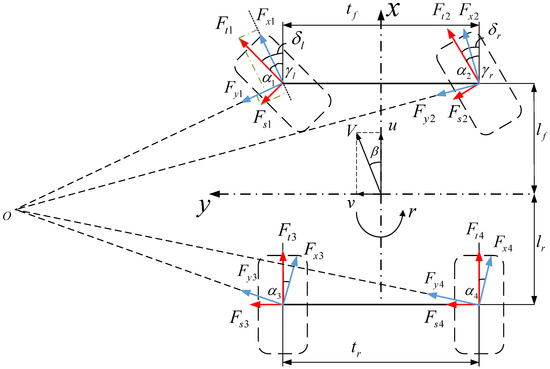
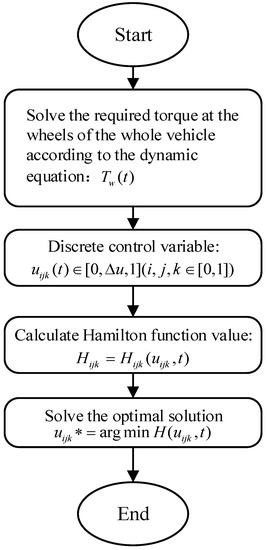
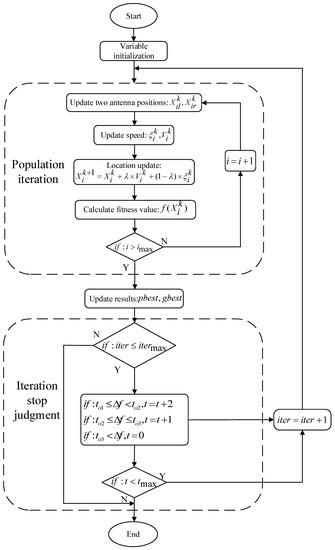
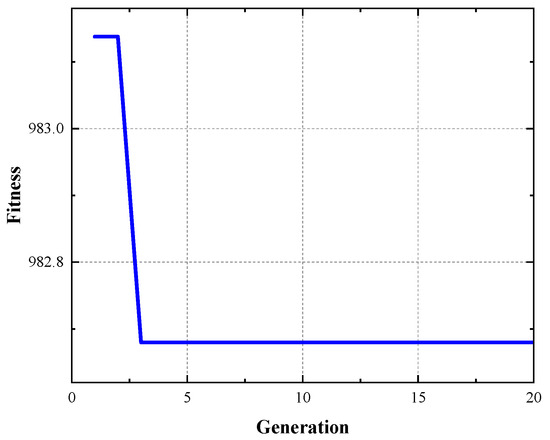
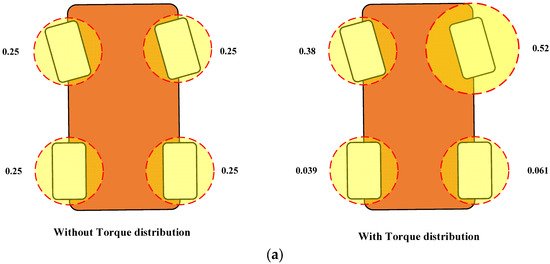
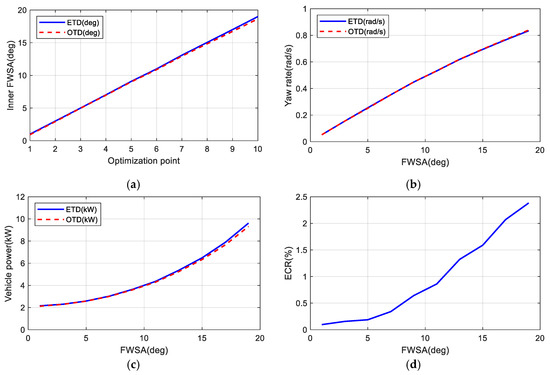
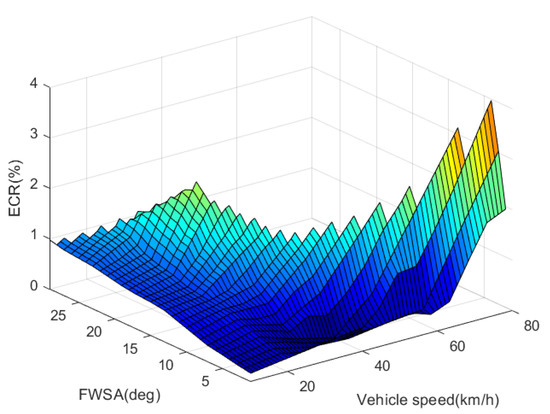
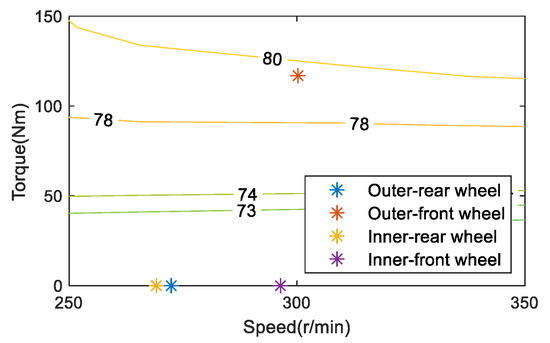
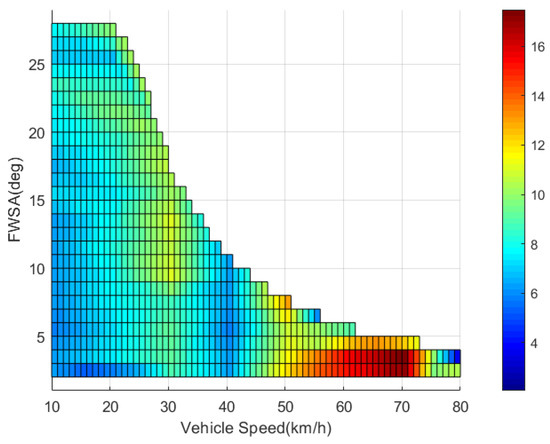
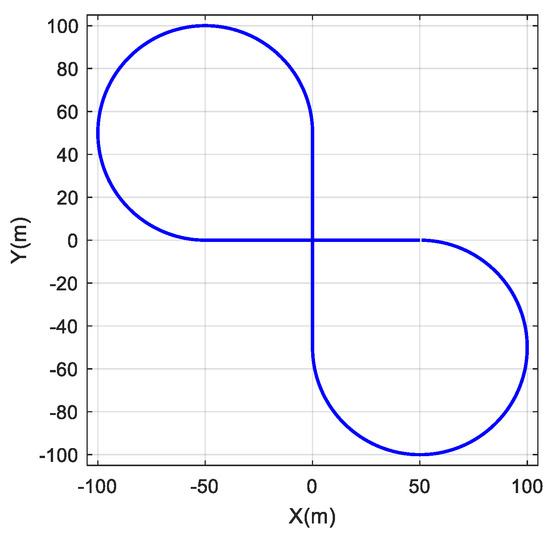
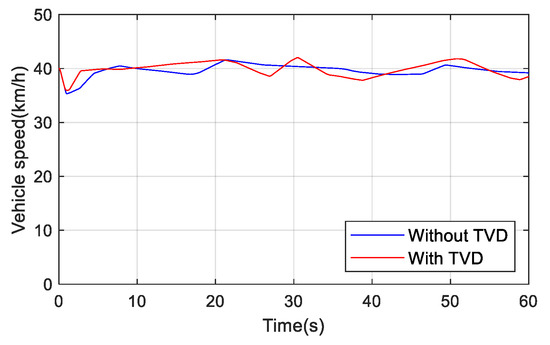
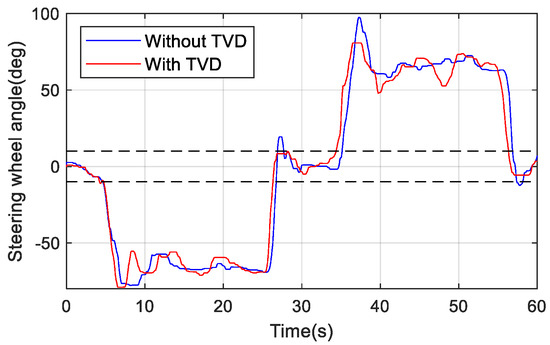
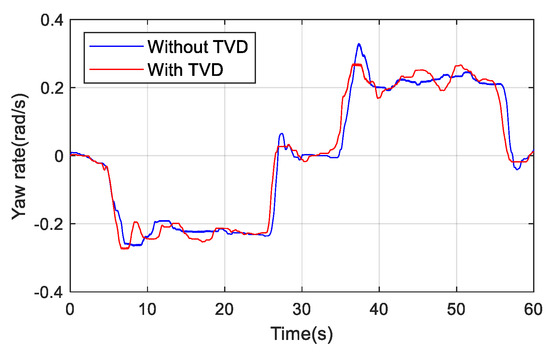
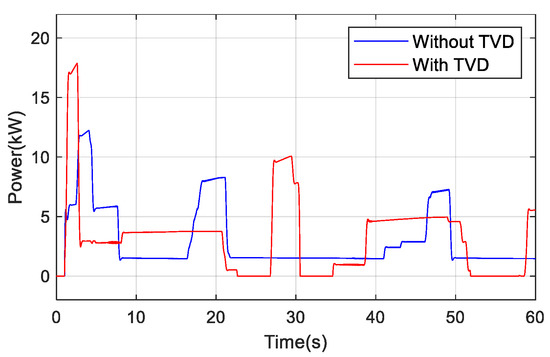
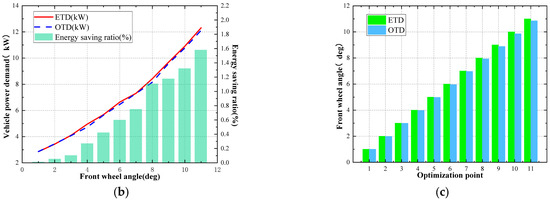
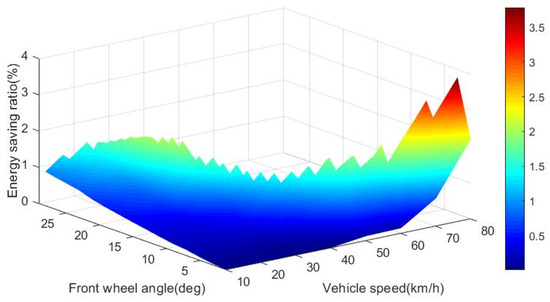
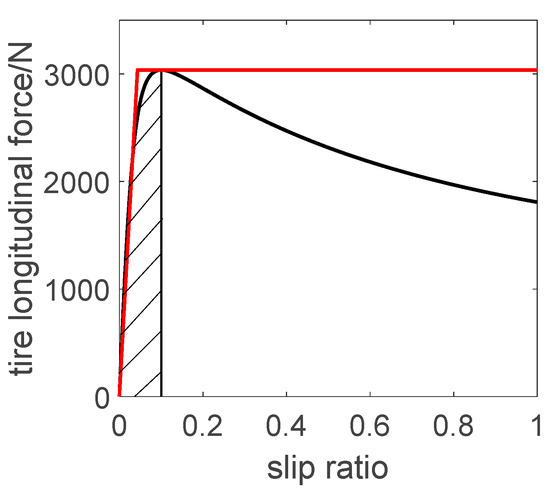
This paper aims to study the torque optimization control of distributed drive electric vehicles in the cornering process and reduce the cornering energy consumption. The main energy consumption of the vehicle in the cornering process is analyzed clearly based on the 7-DOF vehicle dynamics model. The torque vectoring distribution (TVD) of a distributed drive electric vehicle in the process of turning was studied on the basis of the Pontryagin Minimum Principle (PMP). The Beetle Antenna Search–Particle Swarm Optimization (BAS-PSO) algorithm was used to optimize the torque distribution coefficient offline, and the algorithm was improved to improve the operation speed. Based on the vehicle dynamics characteristics, the table of torque distribution coefficient of minimum turning energy consumption and the optimal energy-saving degree of TVD control in different bending conditions were worked out. Full article
Show Figures

Figure 1
2021

Jump to: 2026, 2025, 2022

16 pages, 7181 KB  
Article
Torque Vectoring Control of RWID Electric Vehicle for Reducing Driving-Wheel Slippage Energy Dissipation in Cornering
by Junnian Wang, Siwen Lv, Nana Sun, Shoulin Gao, Wen Sun and Zidong Zhou
Energies 2021, 14(23), 8143; https://doi.org/10.3390/en14238143 - 4 Dec 2021
Cited by 7 | Viewed by 3667
Abstract
The anxiety of driving range and inconvenience of battery recharging has placed high requirements on the energy efficiency of electric vehicles. To reduce driving-wheel slip energy consumption while cornering, a torque vectoring control strategy for a rear-wheel independent-drive (RWID) electric vehicle is proposed. [...] Read more.
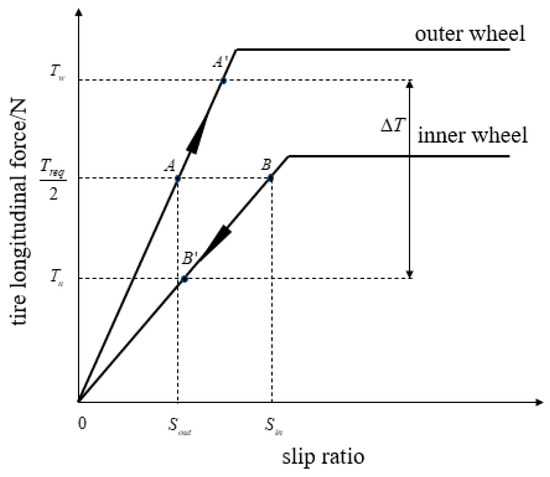
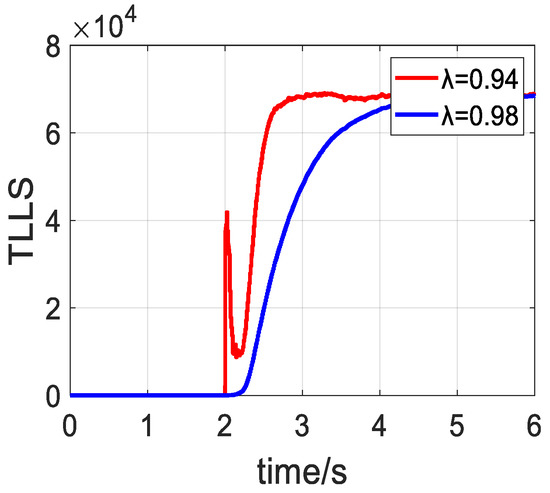
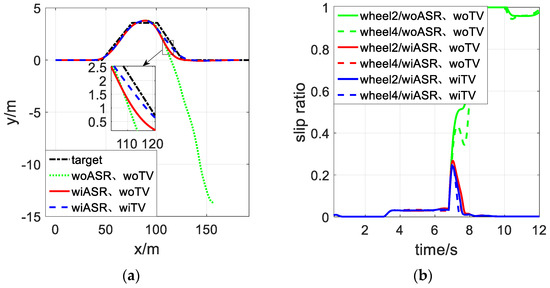
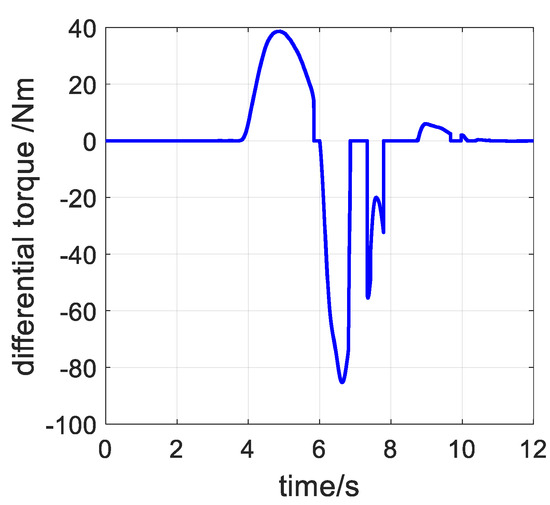
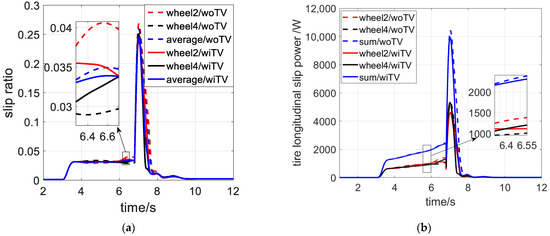
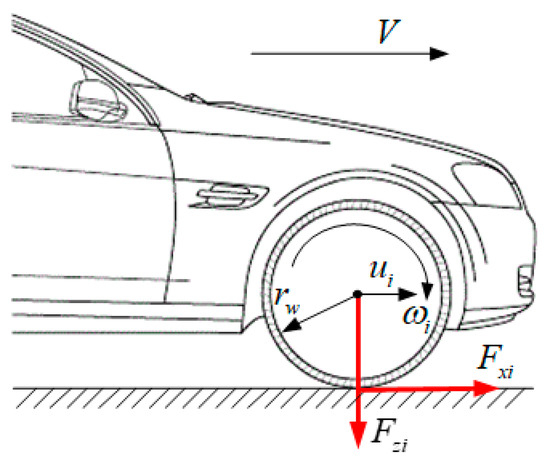
The anxiety of driving range and inconvenience of battery recharging has placed high requirements on the energy efficiency of electric vehicles. To reduce driving-wheel slip energy consumption while cornering, a torque vectoring control strategy for a rear-wheel independent-drive (RWID) electric vehicle is proposed. First, the longitudinal linear stiffness of each driving wheel is estimated by using the approach of recursive least squares. Then, an initial differential torque is calculated for reducing their overall tire slippage energy dissipation. However, before the differential torque is applied to the two side of driving wheels, an acceleration slip regulation (ASR) is introduced into the overall control strategy to avoid entering into the tire adhesion saturation region resulting in excessive slip. Finally, the simulations of typical manoeuvring conditions are performed to verify the veracity of the estimated tire longitudinal linear stiffness and effectiveness of the torque vectoring control strategy. As a result, the proposed torque vectoring control leads to the largest reduction of around 17% slip power consumption for the situations carried out above. Full article
Show Figures

Figure 1
15 pages, 5024 KB  
Article
Research on Optimal Torque Control of Turning Energy Consumption for EVs with Motorized Wheels
by Wen Sun, Juncai Rong, Junnian Wang, Wentong Zhang and Zidong Zhou
Energies 2021, 14(21), 6947; https://doi.org/10.3390/en14216947 - 22 Oct 2021
Cited by 9 | Viewed by 2537
Abstract
This paper aims to explore torque optimization control issue in the turning of EV (Electric Vehicles) with motorized wheels for reducing energy consumption in this process. A three-degree-of-freedom (3-DOF) vehicle dynamics model is used to analyze the total longitudinal force of the vehicle [...] Read more.
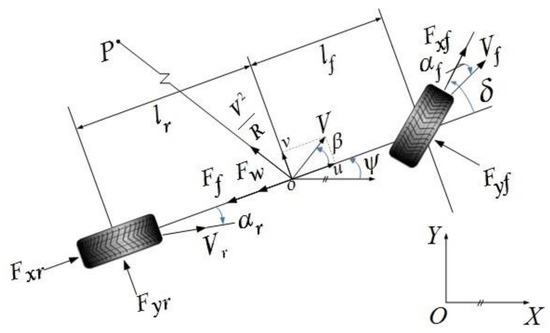
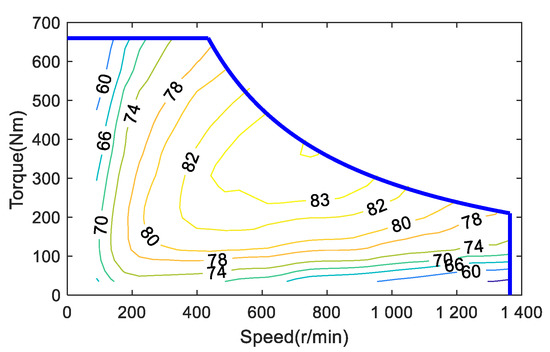
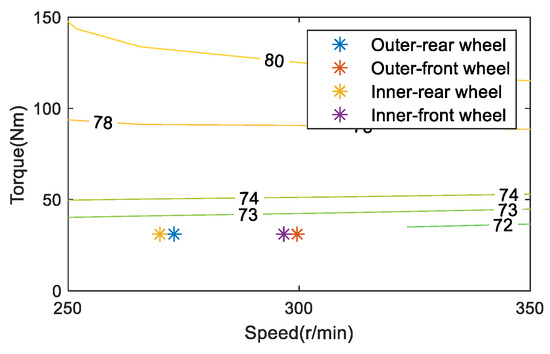
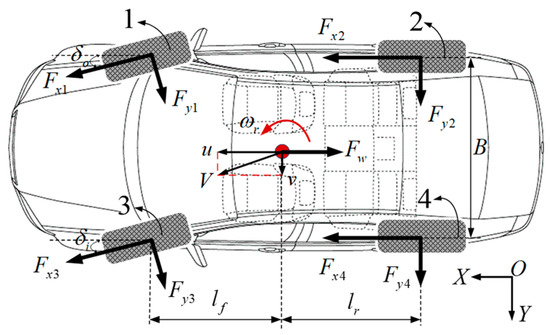
This paper aims to explore torque optimization control issue in the turning of EV (Electric Vehicles) with motorized wheels for reducing energy consumption in this process. A three-degree-of-freedom (3-DOF) vehicle dynamics model is used to analyze the total longitudinal force of the vehicle and explain the influence of torque vectoring distribution (TVD) on turning resistance. The Genetic Algorithm-Particle Swarm Optimization Hybrid Algorithm (GA-PSO) is used to optimize the torque distribution coefficient offline. Then, a torque optimization control strategy for obtaining minimum turning energy consumption online and a torque distribution coefficient (TDC) table in different cornering conditions are proposed, with the consideration of vehicle stability and possible maximum energy-saving contribution. Furthermore, given the operation points of the in-wheel motors, a more accurate TDC table is developed, which includes motor efficiency in the optimization process. Various simulation results showed that the proposed torque optimization control strategy can reduce the energy consumption in cornering by about 4% for constant motor efficiency ideally and 19% when considering the motor efficiency changes in reality. Full article
Show Figures

Figure 1
17 pages, 7302 KB  
Article
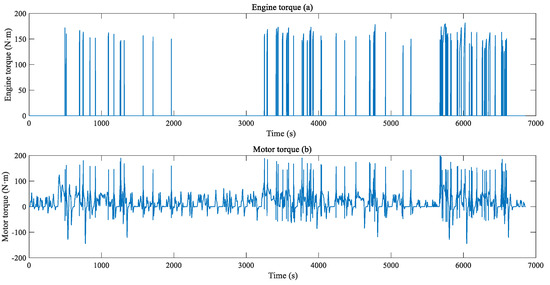
Research on Energy Management Method of Plug-In Hybrid Electric Vehicle Based on Travel Characteristic Prediction
by Yangyang Ma, Pengyu Wang and Tianjun Sun
Energies 2021, 14(19), 6134; https://doi.org/10.3390/en14196134 - 26 Sep 2021
Cited by 11 | Viewed by 3018
Abstract
In the research on energy management methods of plug-in hybrid electric vehicles, it is expected that a future trend will be to optimize energy management using the information provided by the global positioning system (GPS) and intelligent transportation system (ITS), which is relatively [...] Read more.
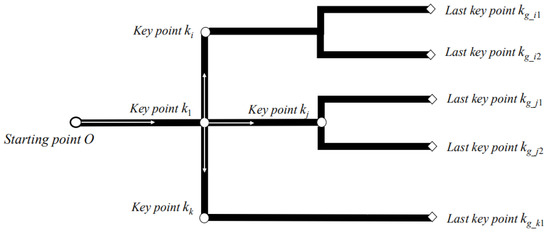
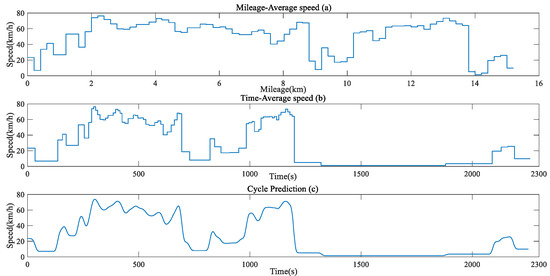
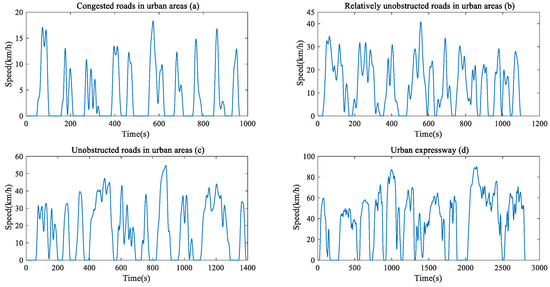
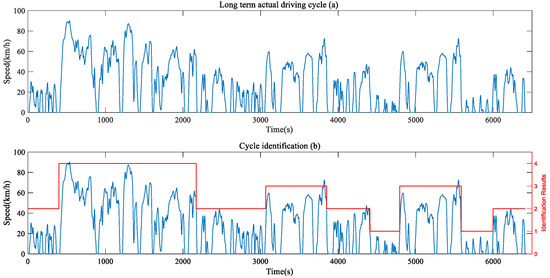
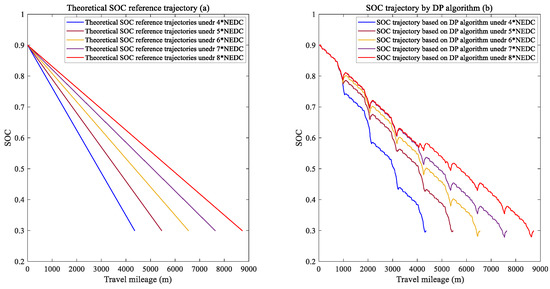
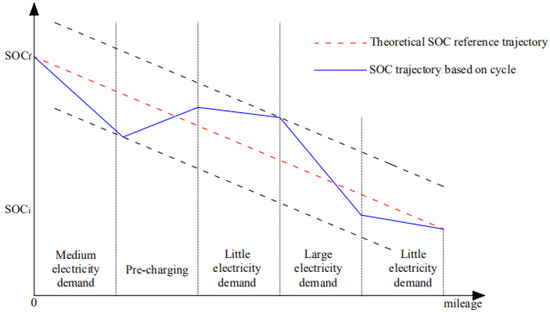
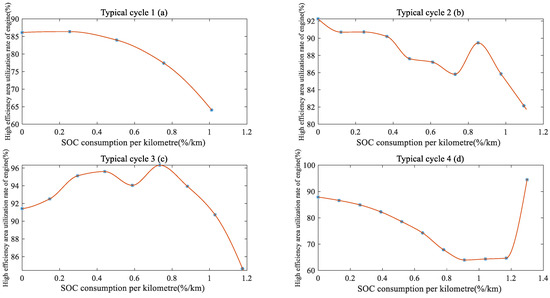
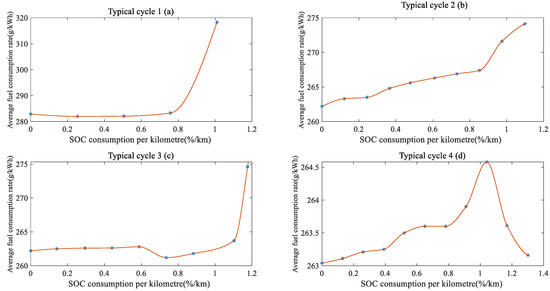
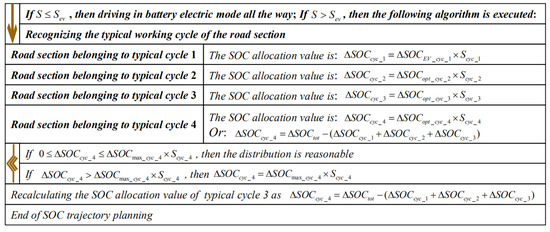
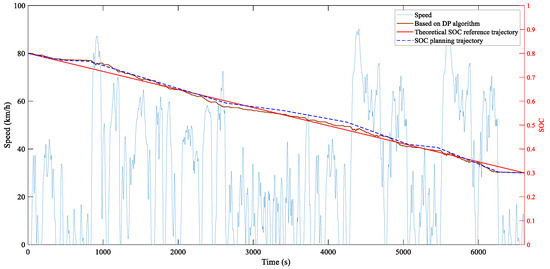
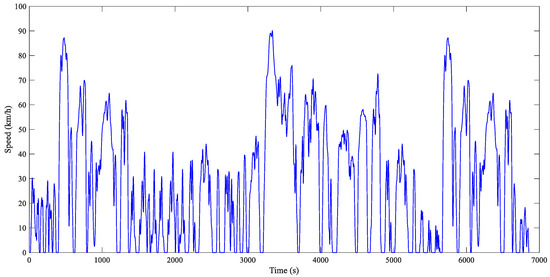
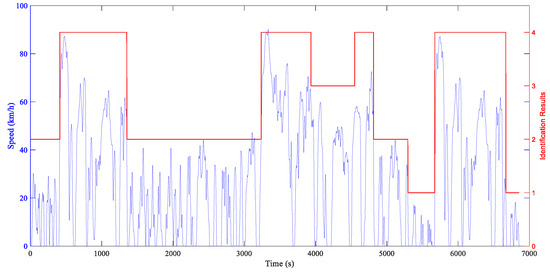
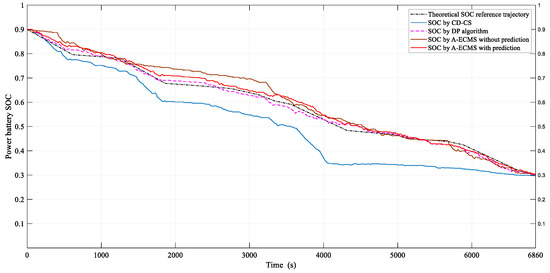
In the research on energy management methods of plug-in hybrid electric vehicles, it is expected that a future trend will be to optimize energy management using the information provided by the global positioning system (GPS) and intelligent transportation system (ITS), which is relatively scarce in current research. This study proposes a PHEV energy management method based on travel characteristic prediction. Firstly, this study processes the historical travel data of a certain driver obtained by GPS and ITS and uses the established Markov trajectory prediction model based on key points to predict the trajectory and mileage. Then, on the basis of characteristics analysis of historical travel data, while considering traffic information to form a target cycle, the driving cycles are classified and identified based on traffic information predictions. Then, according to the reasonable SOC allocation range of the four typical cycles, the planning algorithm of the SOC reference trajectory is determined and verified. Finally, based on the previous work, an A-ECMS energy management method based on travel characteristic prediction is established. By comparing different energy management methods, the developed energy management method based on travel characteristic prediction can reasonably utilize power batteries. The fuel saving is about 8.95% higher than the rule-based energy management method, which can effectively improve the whole vehicle’s fuel economy and optimization ability. Full article
Show Figures

Figure 1

14 pages, 4613 KB  
Article
Aging Behavior of Lithium Titanate Battery under High-Rate Discharging Cycle
by Chu Wang, Zehui Liu, Yaohong Sun, Yinghui Gao and Ping Yan
Energies 2021, 14(17), 5482; https://doi.org/10.3390/en14175482 - 2 Sep 2021
Cited by 17 | Viewed by 5840
Abstract
The high-rate discharging performance of a lithium titanate battery is one of its main properties. In conditions that require ultra-high-rate discharging, a lithium titanate battery can be discharged continuously at a current of 50 C (50 times of its maximum capacity) or higher. [...] Read more.
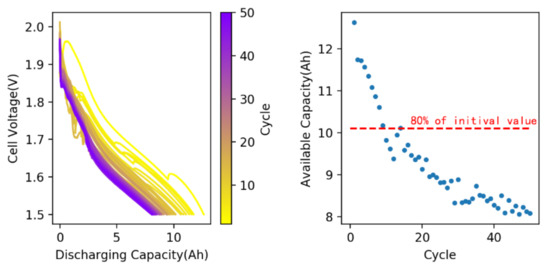
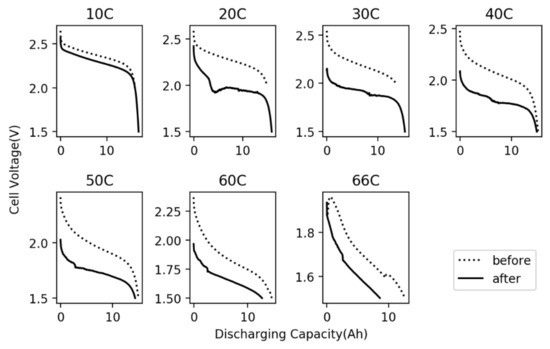
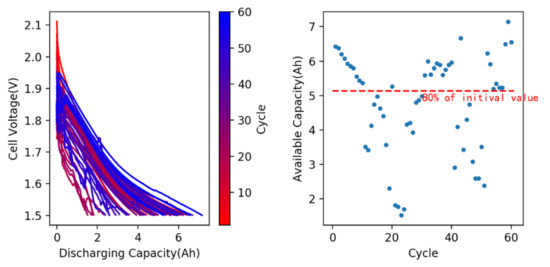
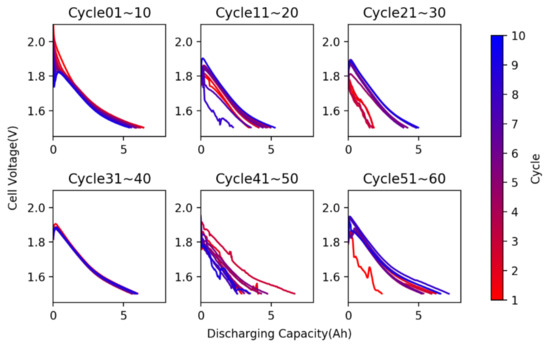
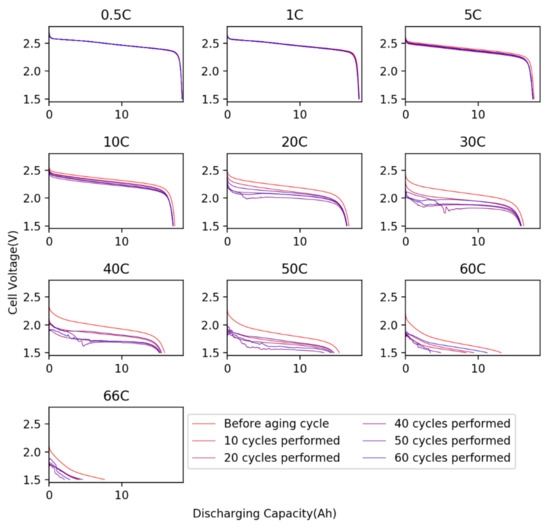
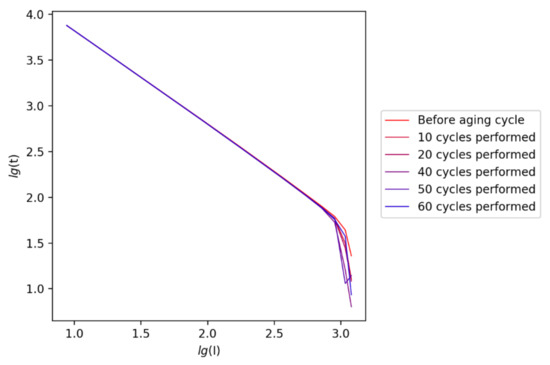
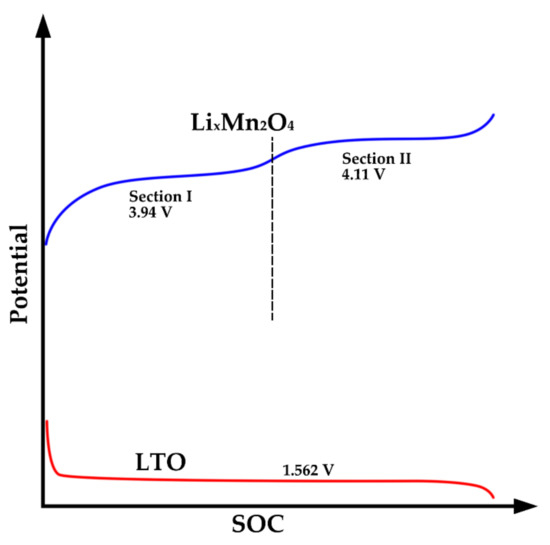
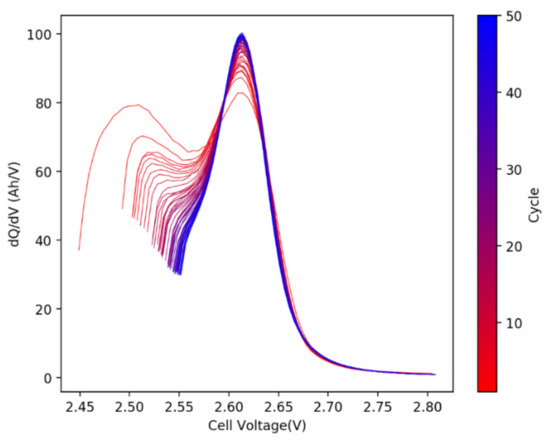
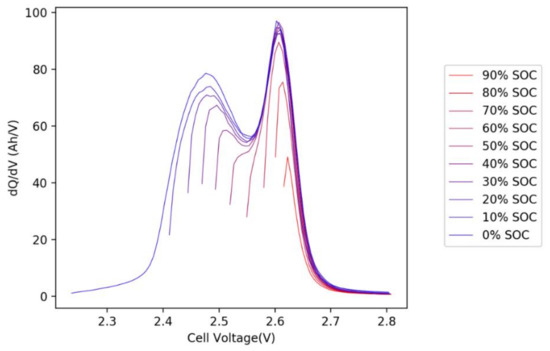
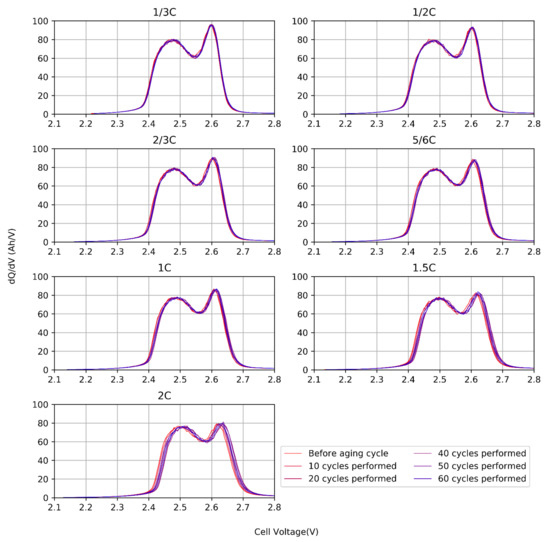
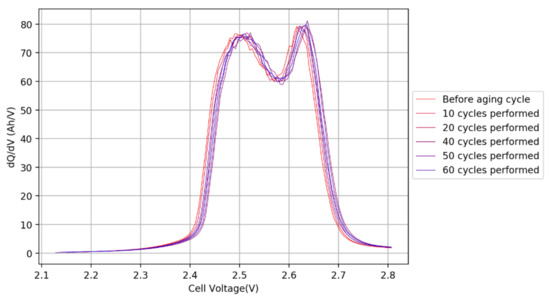
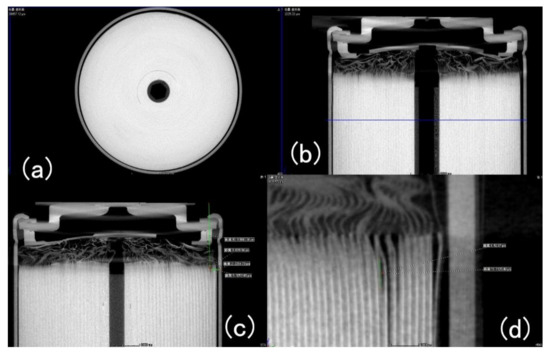
The high-rate discharging performance of a lithium titanate battery is one of its main properties. In conditions that require ultra-high-rate discharging, a lithium titanate battery can be discharged continuously at a current of 50 C (50 times of its maximum capacity) or higher. In this paper, we take cylindrical steel shell lithium titanate cells as the research object and perform aging cycles at 66 C on these cells. The ultra-high-rate discharging cycles cause a rapid high-power capacity fading while the available capacity at normal current rate is not affected. The capacity at 66 C decreases to 80% of initial value in 10 cycles. This paper also analyzes the aging process of a lithium titanate battery at high-rate discharging with incremental capacity (IC) analysis, and presents the aging behavior of lithium titanate battery qualitatively, which is inconsistent with existing research. We attribute the aging mechanism of ultra-high-rate discharging cycles to the decrease of ionic mobility and increase of polarization resistance. Mechanical damage is observed in the CT scan of an aged cell, which we presume to be the result of rapid strain of cathode material. Full article
Show Figures

Figure 1

Back to TopTop