You are currently viewing a new version of our website. To view the old version click .

Culture

Culture is an international, peer-reviewed, open access journal on cultural practices, cultural theory, and cultural policy, published quarterly online by MDPI.

All Articles (5)

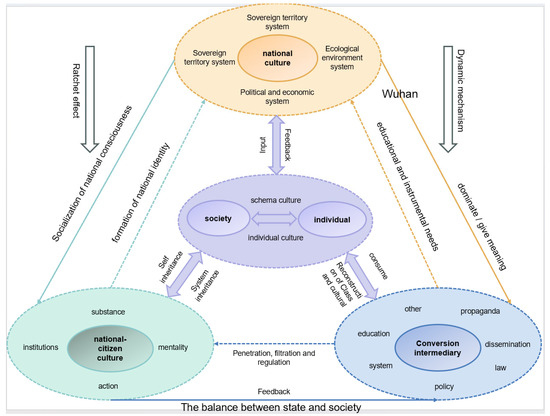
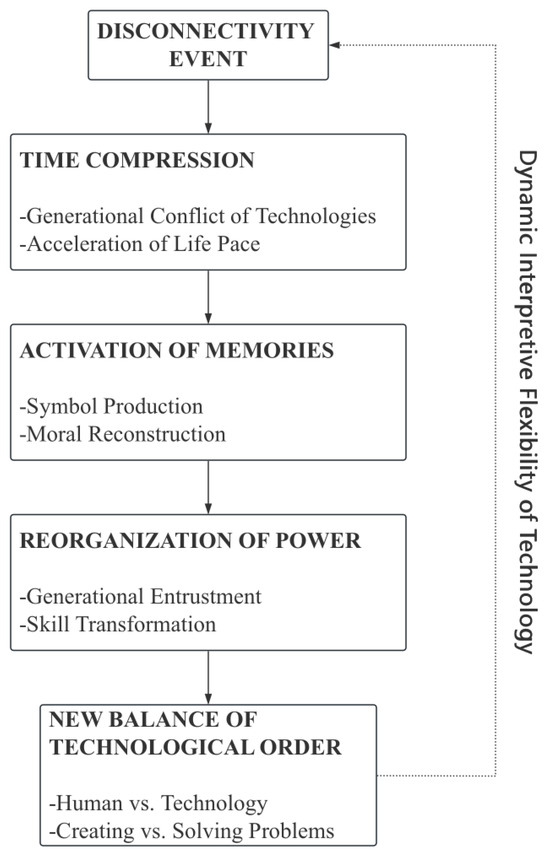
Governments in many countries worldwide are pursuing determined policies of science, technology, and infrastructure modernization. By examining the closure of the Fujiapo Coach Bus Station in Wuhan, China, this study sheds light on the socio-cultural effects of large-scale infrastructure decommissioning caused by modernization. A qualitative analysis of 26,163 comments from the internet platform Douyin, as well as 26 interviews, is used to deeply understand interpretative contests contained in respondents’ narratives about the decommissioned infrastructure and suggest an extended application of Bijker’s interpretive flexibility framework of social construction of technology (SCOT) as an analytical framework. By theorizing infrastructure transitional disconnectivity as a dynamic catalyst that reactivates interpretive contests through the three dimensions of temporal compression, memory capitalization, and power reconfiguration, this research demonstrates how experiences of infrastructure disconnectivity events expand the interpretive flexibility’s closure assumption, drawing implications about the necessity of socio-cultural considerations for balanced strategies when navigating infrastructure transitions.

26 November 2025

Dynamic Narrative Flexibility Framework for Infrastructure Decommissioning (The bolded text within the boxes represents a selective summary of core categories based on the main storyline).

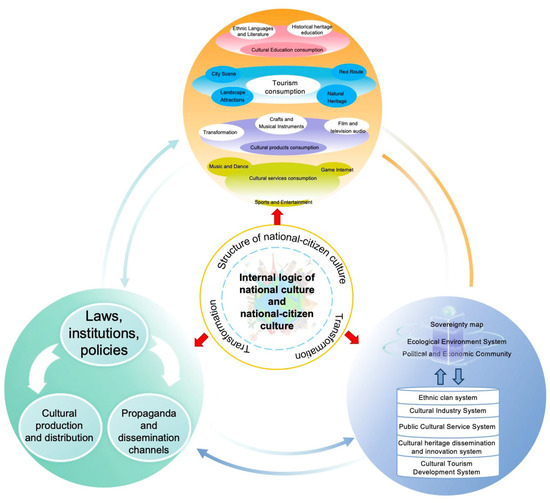
World War II profoundly reshaped Asia’s political and cultural landscape. With the decline of European colonial empires and the defeat of Japanese militarism, national liberation movements surged across Asia. As nations fought for political sovereignty, they also faced the task of reestablishing their cultural identity. This paper argues that the Cairo Declaration, as a pivotal international legal document during WWII, not only provided the legal foundation for establishing the postwar political order in Asia but also established regional cultural norms centered on anti-fascism, territorial sovereignty, and respect for cultural diversity. However, this order suffered severe shocks under the Cold War framework, with frequent regional conflicts and bloc confrontation eroding national sovereignty and cultural independence. Against this backdrop, this paper proposes a return to the normative core of the Cairo Declaration to construct an Asian cultural security framework comprising three key elements: respecting sovereign equality and cultural self-determination to rebuild the cornerstone of Asian cultural order; synergistically constructing a post-fascist settlement alongside an Asian human rights system; and transitioning from adversarial narratives to shared values, thereby laying a profound foundation for civilizational dialog that supports regional sustainable development.

11 November 2025

The core of the United States’ tax incentive policies for the cultural industry is anchored in Section 501(c) of the Internal Revenue Code. By offering tax incentives, these policies incentivize individuals and enterprises to make donations to non-profit cultural institutions, thereby fostering the prosperity and development of the U.S. cultural industry. China’s tax incentive policies for cultural donations are categorized into three types: those applicable to enterprises, individuals, and special donations, with variations in the deduction benefits afforded by each category. In comparison, China’s tax incentives for cultural donations have shortcomings, including excessively lengthy approval processes, inadequate coverage, fragmented management, and insufficient supervision. Drawing on the experience of the U.S. tax system, measures such as simplifying the registration procedures for non-profit cultural organizations, enhancing tax declaration requirements, exploring industry self-governance mechanisms, and establishing robust supervision frameworks constitute crucial pathways to advancing the high-quality development of China’s cultural industry.

4 November 2025

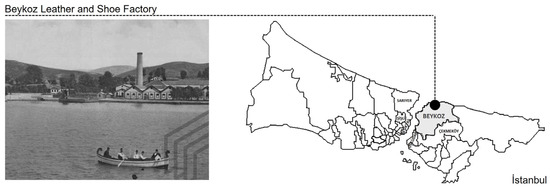
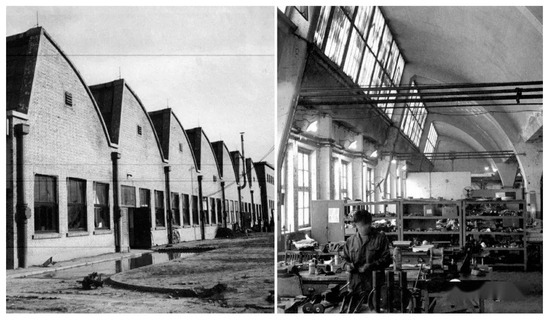
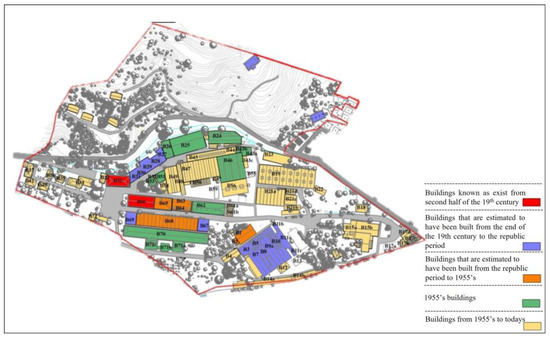
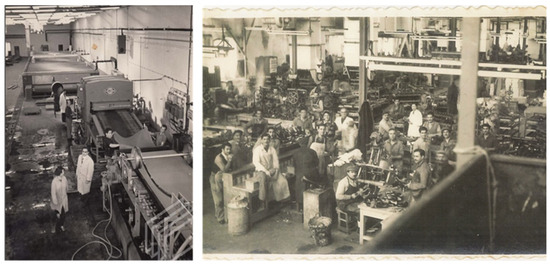
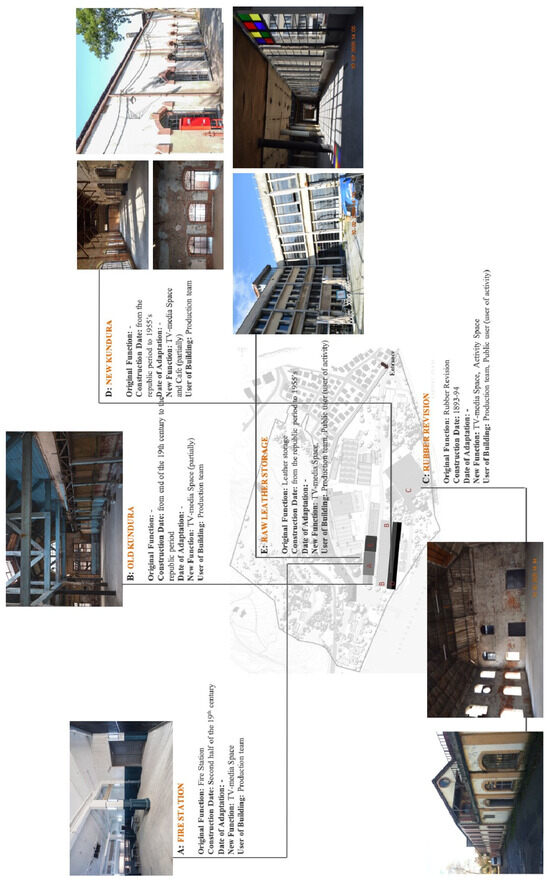
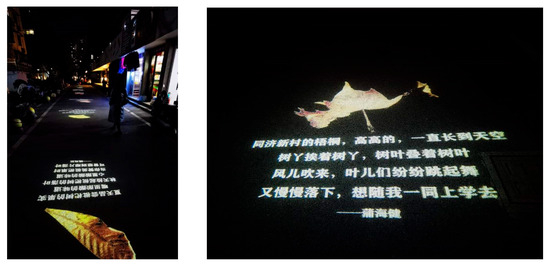
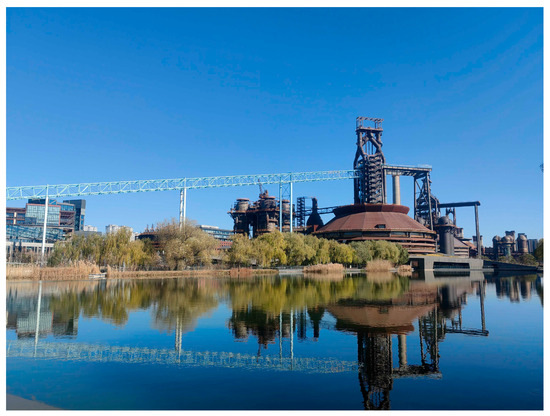
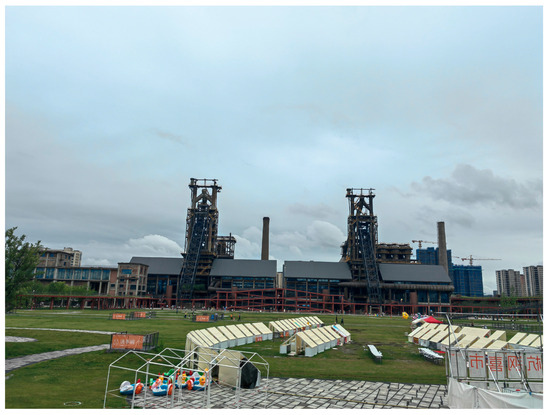
Industrial heritage has emerged in recent decades as a distinctive category within cultural heritage, though its aesthetic significance remains underexplored. Unlike traditional monuments with long historical resonance, industrial remains are often recent, standardized, and seemingly devoid of unique cultural symbolism. Yet, in China—where industrial production expanded massively under both demographic pressures and the Maoist planned economy—these sites now constitute one of the world’s largest inventories of heritage. This study builds on earlier discussions of heritage aesthetics by systematically analyzing the foundations of aesthetic value in industrial heritage, combining historical, functional, and identity-driven perspectives. Drawing on long-term field research, archival documentation, and policy analysis, it examines how adaptive reuse projects—from Beijing’s 798 Art District to Shougang Park and the reconfigured factories of Shanghai and Wuhan—redefine the visual and social significance of former industrial sites. The methodology integrates heritage aesthetic theory with case-based evidence to assess three key components: technological–historical traces, landscape transformation, and collective memory. Results indicate that aesthetic value rarely arises from static preservation but is constructed through refunctionalization, where industrial ruins acquire renewed meaning as cultural parks, creative hubs, or community spaces. Moreover, large-scale Chinese practices reveal that industrial heritage possesses not only visual appeal but also profound identity-based resonance for generations shaped by the “factory managing community.” By situating industrial heritage within the broader aesthetic system of cultural heritage, this research demonstrates that its value lies in the synthesis of function, memory, and landscape, and that China’s experience provides a compelling framework for rethinking global approaches to industrial heritage aesthetics.

17 October 2025

News & Conferences

Issues

Open for Submission

Editor's Choice

Get Alerted

Add your email address to receive forthcoming issues of this journal.

XFacebookLinkedIn
Culture - ISSN 3042-8165