


Abstract
Beykoz Leather and Shoe Factory is an important industrial heritage site in Istanbul because of its cultural, social, historical, and symbolic value. Reusing it as a filming location has created a long-running controversy about its suitability. Therefore, the purpose of this paper is to evaluate the compatibility of adaptive reuse of this industrial heritage site in the context of assigning an alternative use compared to its original function. This paper originally proposed a three-charter rubric system, which uses the three international heritage frameworks, turned into rubrics, to gauge how appropriately (or not) the transformation of this site is handled. The process identified a critical juncture and two phases of progressive transformation. The first stage of adaptive reuse limited the site primarily to filmmaking, successfully preventing abandonment through minimal intervention but offering restricted public access. After 2020, a second stage expanded public accessibility and introduced new functions, creating a more vibrant cultural and creative hub besides demonstrating a more effective adaptive reuse approach. The findings of this study suggest that reuse is an appropriate option for extending the lifespan of abandoned buildings. However, it should be highlighted that physical maintenance simply prevents demolition, whereas offering engaging activities promotes the vitality and longevity of the structures. In a complex industrial heritage site, quasi-public use is a short-term strategy. However, proposing public uses and activities helps prolong the life and vitality of industrial heritage sites that may no longer be used for production purposes. It has been revealed that a holistic strategy for reuse should involve the incorporation of various stakeholders in the process, while considering the sociocultural history and needs of the community, ultimately resulting in a positive impact on the vitality of this important industrial heritage site. The study concludes that the rubric-based application of the three heritage charters—the Burra Charter (BC), the Dublin Principles (DP), and the Nizhny Tagil Charter (NT)—provides an effective framework for assessing the appropriateness of new uses. This approach reveals the impacts of adaptive reuse by rating individual buildings according to their degree of compliance with heritage principles, thereby demonstrating how reuse decisions influence the long-term lifespan of industrial buildings on the site as well as their effects on community engagement.
1. Introduction
Industrial heritage constitutes an integral part of cultural heritage, consisting of material remains and immaterial practices that document historical and ongoing industrial processes, including industrial structures, machinery, technical knowledge, and labor organization [1]. Laurajane Smith instead conceptualizes heritage as a process centered on memory, performance, identity, intangibility, dissonance, and place, arguing that heritage value is not inherent in physical objects but is socially constructed to materialize and affirm the values of different communities [2]. Over time, industrial heritage has become closely associated with the concept of industrial culture [3]; constitutes a valuable urban asset, and its adaptive reuse has become a central priority in urban regeneration strategies within contemporary planning practice worldwide [4]. However, it is not only an economic player but a determining factor in understanding both landscape and cultural identity of an area [3]. Accordingly, adapting these sites with a new use is a significant concern; Venice Charter posits that the most effective method of preserving a building or its environment is to assign it a socially advantageous function, provided that this use does not compromise the building’s historical and architectural integrity [5]. Although classical conservation theories remain dominant, they are increasingly being questioned by emerging critical perspectives. As noted by Viñas, foundational concepts such as reversibility, universality, and objectivity—particularly the idea of scientifically and objectively determined conservation—have become subjects of substantial critique. In response, contemporary conservation theory has shifted its focus from the material object alone toward its function, use, and cultural value. This theoretical transformation provides a strong conceptual basis for adaptive reuse of heritage sites [6] of which industrial heritage is a particular instance, where continued use and transformation can play a critical role in sustaining cultural significance and social relevance.
Kou et al. [7] also emphasize that the principle of sustainable conservation should be fully embodied in the adaptive reuse assessment system to realize the balance between heritage conservation and sustainable development. Renewal of industrial heritage could be based on protection and should not consider only economic benefits [8]. Meng and Xiao [9] stated in their study that although most of the existing studies understand “adaptive reuse” as reuse of industrial heritage development function [10], and some scholars have proposed defining the indicators of protection and reuse as a dichotomy in the assessment model of adaptive reuse [7,8,9]; they argue that a balance can be established between conservation and reuse in industrial heritage. In this context, various studies explore the importance and impact of industrial heritage reuse to the cities from various points of concern. For instance; Han and Zhang shed a light on industrial sites impact on the sustainable development and emphasized that the reuse of existing urban resources plays a significant role in changing the gradual decline of traditional industrial cities in the Chinese context [4]. On the other hand, in an earlier study by Hospers it was stated that the industrial heritage can become a tourist economic asset, which can be an excellent opportunity to preserve and present old production facilities, equipment and the skills to use them [11]. Han and Zhang [4] indicated that the effectiveness of industrial heritage renewal in urban regeneration has been recognized in theory and practice, but little attention has been paid to economically declining traditional industrial cities. Their study has shaped around the question of “can the role of industrial heritage renewal be utilized to achieve urban regeneration?” Their investigation examines the Changchun Film Studio as a case study of industrial heritage in China, employing a four-pillar methodological approach. Data were gathered through semi-structured interviews with key stakeholders and supported by economic indicators, allowing the researchers to obtain direct insights into perceptions of the Changying reuse project’s impacts. Their results suggest that industrial heritage reuse can contribute to the regeneration of China’s economically declining cities, but only to a limited extent. One of the study’s significant findings is that future industrial heritage reuse efforts should prioritize community participation and cultural values, with the aim of fostering social cohesion and collective identity rather than emphasizing commercial profitability.
According to Xin and Zhang [12], the trend of incorporating culture and heritage into various aspects of tourism, such as film-related tourism, is gaining momentum. In addition to the film-related attractions, they stated that film-related tourism can encourage tourists’ engagement with cultural heritage tourism and consumption of heritage products at the destination [13]. Their research discusses how cultural heritage tourism is induced at a film-related tourism destination as well as how the tourism destination represents authenticity and how tourists perceive such representations through drawing on ethnographic methods and online interviews with 50 tourists. Their study contributes to the understanding of authenticity issues in tourism studies from different perspectives and the interconnections between film-related tourism and cultural heritage tourism.
Previous studies reveal various instances of industrial sites which was adapted into new film-related functions and their role on urban regeneration, sustainable development, impact on economically declining areas and tourism related facilities but did not mention whether such use is an appropriate one or not for the longevity of industrial heritage sites. This study focuses on a similar adaptive reuse case in İstanbul, Turkey that is Beykoz Leather and Shoe Factory and aims to examine the conditions under which a newly assigned filmmaking function can be considered appropriate within the framework of adaptive reuse as a means of extending the lifespan of abandoned industrial heritage buildings that can no longer sustain their original function. The study further seeks to generate findings that may contribute to industrial heritage adaptive reuse practice whilst intending to respond to the main research question, which is,
“To what extent does the adaptive reuse of an industrial site for controversial use like filmmaking; shape its longevity and continued relevance?”.
2. Methodology
Investigation was implemented in two successive phases. The initial phase comprised a thorough documentary analysis that was designed to describe the case study area and then systematically identify and describe the two conversion stages of the adaptive reuse process. And the second phase comprised the assessment of the appropriateness of adaptive reuse assessment that was conducted exclusively by the authors.
For the assessment method, this study adopted three key international charters as its primary sources of guidance: the Nizhny Tagil Charter (NT) (2003), the Dublin Principles (DP) (2011), and the Australia ICOMOS Charter for Places of Cultural Significance-Burra Charter (BC) [14,15,16]. Based on these documents, core principles/key concepts and evaluation indicators were synthesized and hence turned into rubrics to gauge how appropriately (or not) the transformation of this site has been handled. Accordingly, 9 key concepts and 13 indicators derived from the Nizhny Tagil Charter, 6 key concepts and 12 indicators from the Dublin Principles, and 8 key concepts and 17 indicators from the Burra Charter. Data were collected by the help of framework sheets (filled for each building assigned with new functions in the site) where each indicator was turned into a question format which could be answered as (yes) or (no) (see Table 1, Table 2 and Table 3). These significant documents collectively informed the development of a unified framework of concepts and indicators for compatibility assessment.
Table 1.
The Rubricization of Three Heritage Charters: NT Rubrics.
Table 2.
The Rubricization of Three Heritage Charters: DP Rubrics.
Table 3.
The Rubricization of Three Heritage Charters: BC Rubrics.
Subsequently, each indicator was assessed on a three-point grading system, where a score of 1.0 was assigned when the evidence was determined by the findings (compliance). A score of 0.5 was assigned when partial evidence related to the indicator was identified but did not fully substantiate all defined criteria (partial compliance). A score of 0 was assigned when no empirical evidence supporting the indicator was found (no compliance). The collected data were subsequently organized into three rubric tables that indicates the scores of all buildings (see Section 3), which served as the main analytical tools for assessing/calculating the appropriateness of adaptive reuse of nine buildings across the two defined stages of conversion. For each building, the indicators were systematically rated, and a composite appropriateness score was derived accordingly by summing up the rates of each indicator. The application of standardized assessment tables facilitated the quantification of compatibility levels as percentages, operationalizing the evaluation.
2.1. Brief Info About the Case Study Area: Beykoz Leather and Shoe Factory
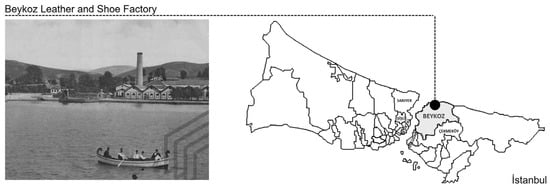
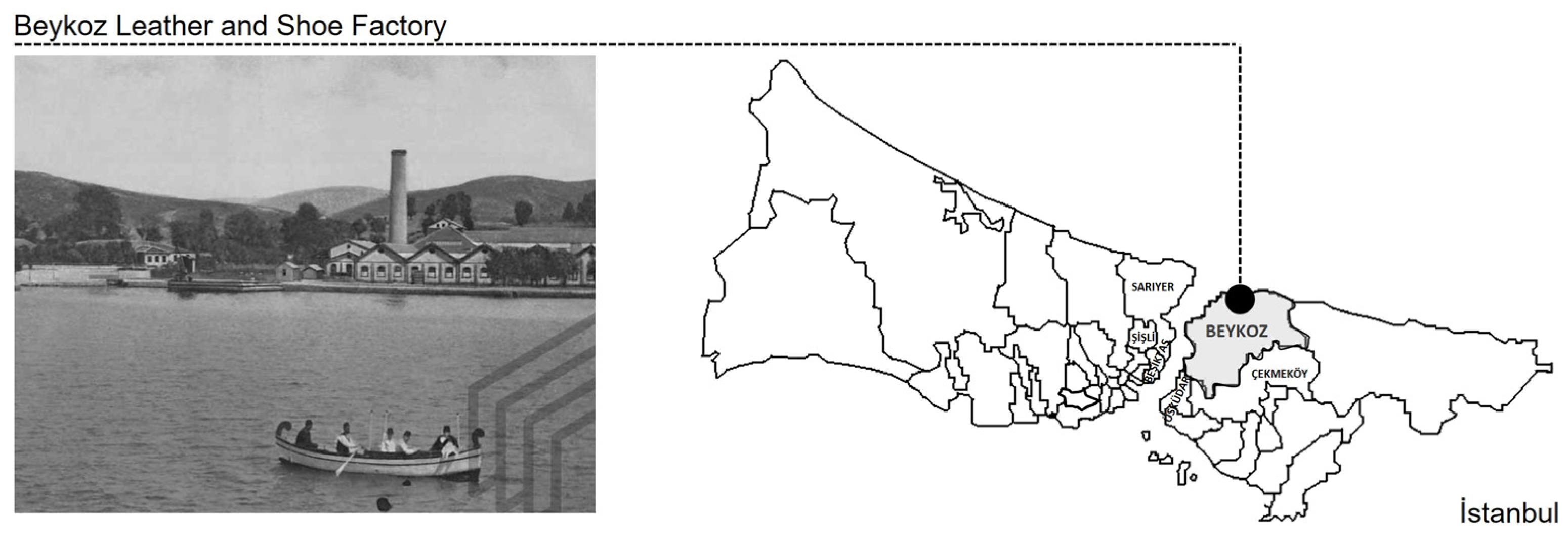
The Beykoz Leather and Shoe Factory, also known as the Sümerbank Leather and Shoe Factory, emerged particularly during the Republican period as one of the most prominent symbols of industrialization and domestic production in Turkey [17]. Located in Beykoz, İstanbul, on the Asian shore of the Bosphorus (see Figure 1), the site was originally established in the 1810s and then transformed into a factory by the army, where the first handcrafted military shoes were produced in 1826 [18,19]. It is recognized as an important establishment of the Ottoman government, primarily functioning as a factory to produce army boots, but also manufacturing shoes for sale to the public. It was an enormous complex that was built on 18 hectares, inhabiting historic buildings that are a landmark for those who are passing by motorboat or ferry along the strait (see Figure 1) [20].
Figure 1.
View of Beykoz Leather and Shoe Factory in 1842 from Bosphorus, and map illustrating its location in İstanbul [19,20].
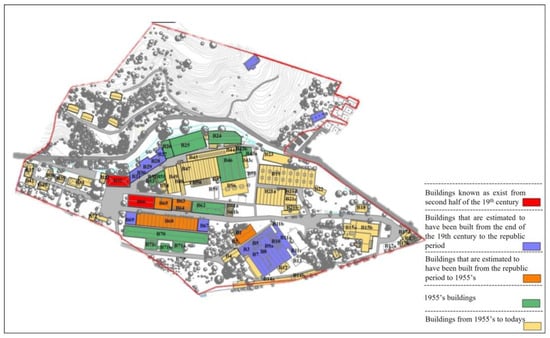
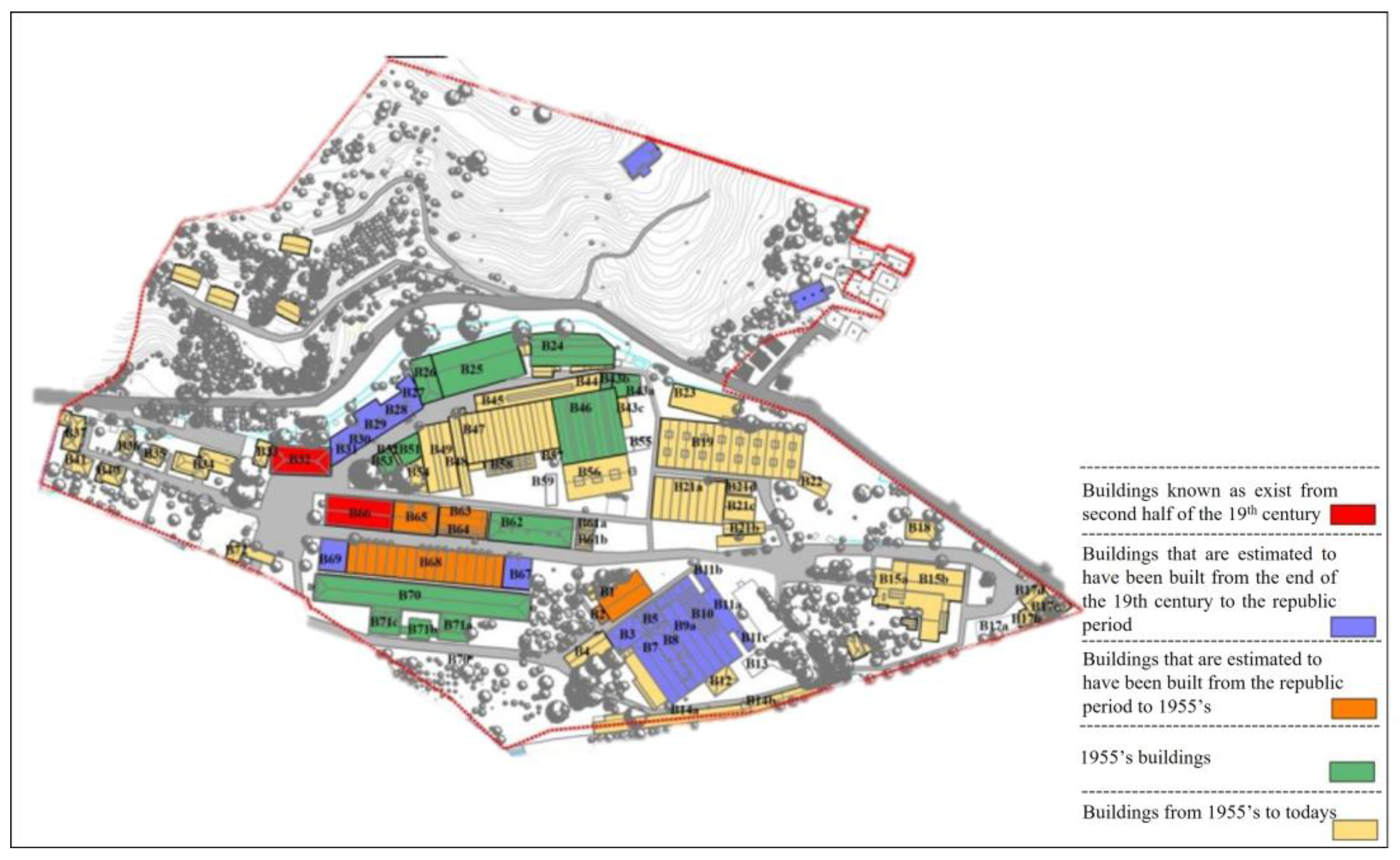
The industrial complex currently encompasses several buildings dating from 5 distinct periods, collectively representing a mosaic of industrial architecture with varied architectural characteristics that developed through incremental additions (see Figure 2).
Figure 2.
Several buildings of Beykoz Leather and Shoe Factory from different periods [19].
The Beykoz Leather and Shoe Factory is a significant industrial setting since it was among the facilities with the highest manufacturing capacity of its time in Turkey [21]. It is notable for its historical significance and as a prominent establishment that manufactured a diverse array of footwear from the 19th and 20th centuries [19]. The factory’s historical lifestyle has been an essential source of sustenance for both the residents of the Beykoz district and the workers and their families while the factory’s socio-cultural activities have evolved into important cultural events for the local community such as film screenings which were held during the factory period with the participation of both the workers and the residents of Beykoz.
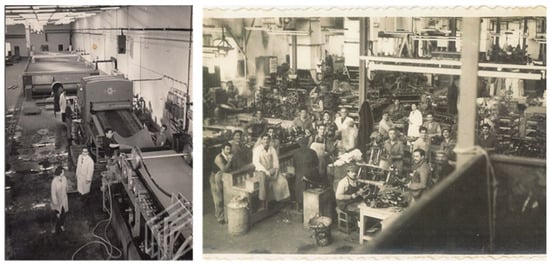
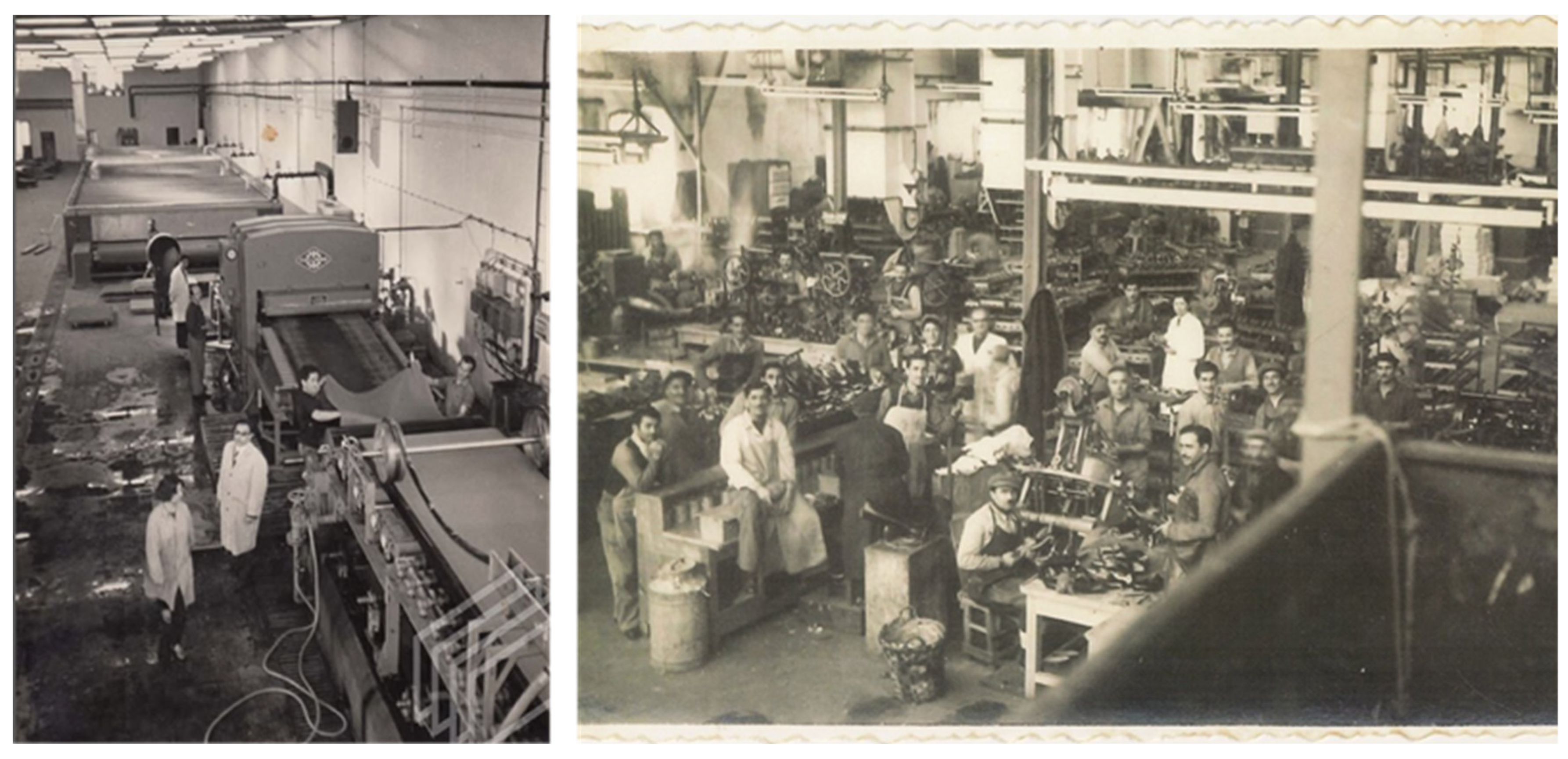
On the other hand, it has also played a crucial role in the physical development of Beykoz; workers’ housing was subsequently created, influencing the borough’s residential zones [21]. It could be noted that the factory embodies the industrialization movement of the Republican era and constitutes a significant aspect of the country’s history. In 1933, the factory was transferred to Sümerbank—an institution established under the leadership of Mustafa Kemal Atatürk to support national industry and domestic production—and thereafter became known as the Sümerbank Beykoz Leather and Shoe Industry Complex, continuing its operations for many years (Figure 3).” The institution began to incur deficits in the 1980s and was closed in 2002. Yet, in 2004, the factory area was designated for protection by the Ministry of Culture and Tourism, pursuant to decision no: 27.7.2004/14823 of the Istanbul No: III Cultural and Natural Heritage Protection Board [22]. Subsequently, it was sold to a private firm/holding company (Yıldırım Holding) in 2005 and refunctioned for a different use thereafter. Conversion of this significant setting commenced after that date by adapting it to a new alternative use that is filmmaking.
Figure 3.
Photos from Sümerbank period. Workers working in the factory, Çiğdem Sander and her team (from Kundura hafıza archive and research) [23].
2.2. Problem Statement
As it has been stated by Özdemir [19] following its acquisition by a holding company, the property remained inaccessible to the public and retained its derelict appearance, characterized by surrounding wire fences and walls. This received an unfavorable evaluation, and there was a desire to integrate it with the surrounding district. As it has been stated in The Nizhny Tagil Charter For The Industrial Heritage/July, 2003, the buildings and structures built for industrial activities, the processes and tools used within them, the towns and landscapes in which they are located, and all other tangible and intangible manifestations are of fundamental importance [14]. They ought to be examined, their history elucidated, their meaning and significance investigated and clarified for all, and the most notable and representative examples should be recognized, preserved, and maintained in accordance with the principles of the Venice Charter (ICOMOS), for the benefit of both present and future generations [5]. In this respect, reusing this culturally significant setting as a filmmaking venue has created a long-running discussion about its appropriateness.
Accordingly, documentary research results comprising an analysis of the two key stages of its conversion into a filmmaking venue and compatibility evaluation results are outlined in the following section; forming the groundwork for the study’s discussion and conclusions.
3. Results
3.1. Conversion Process of Beykoz Leather and Shoe Factory as a Film-Making Venue
The Beykoz Leather and Shoe Factory represents one of the earliest and most comprehensive examples of industrial architecture in late Ottoman and early Republican Turkey. In recent decades, the Beykoz Leather and Shoe Factory has undergone an extensive process of adaptive reuse, transforming from a once-thriving industrial complex into a multifunctional cultural venue [24].
The buildings of Beykoz Leather and Shoe Factory were identified in two distinct phases of progressive transformation (Conversion Stage 1 and Conversion Stage 2) in the site’s evolution from an abandoned industrial complex to a dynamic cultural and film production venue. Buildings spanning from the second half of the nineteenth century to the mid-twentieth century which reflect changing of technological, social and cultural dynamics within modernization. The conversion process not only addressed the preservation of exterior architectural features but also engaged with preservation of interior industrial machinery, reinterpretation or removal of interior space character as partially.
3.1.1. Conversion Stage 1
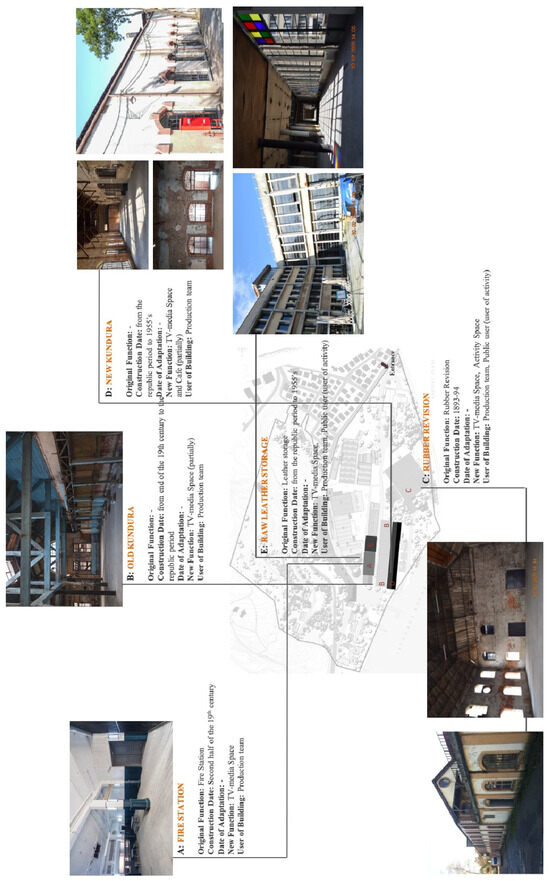
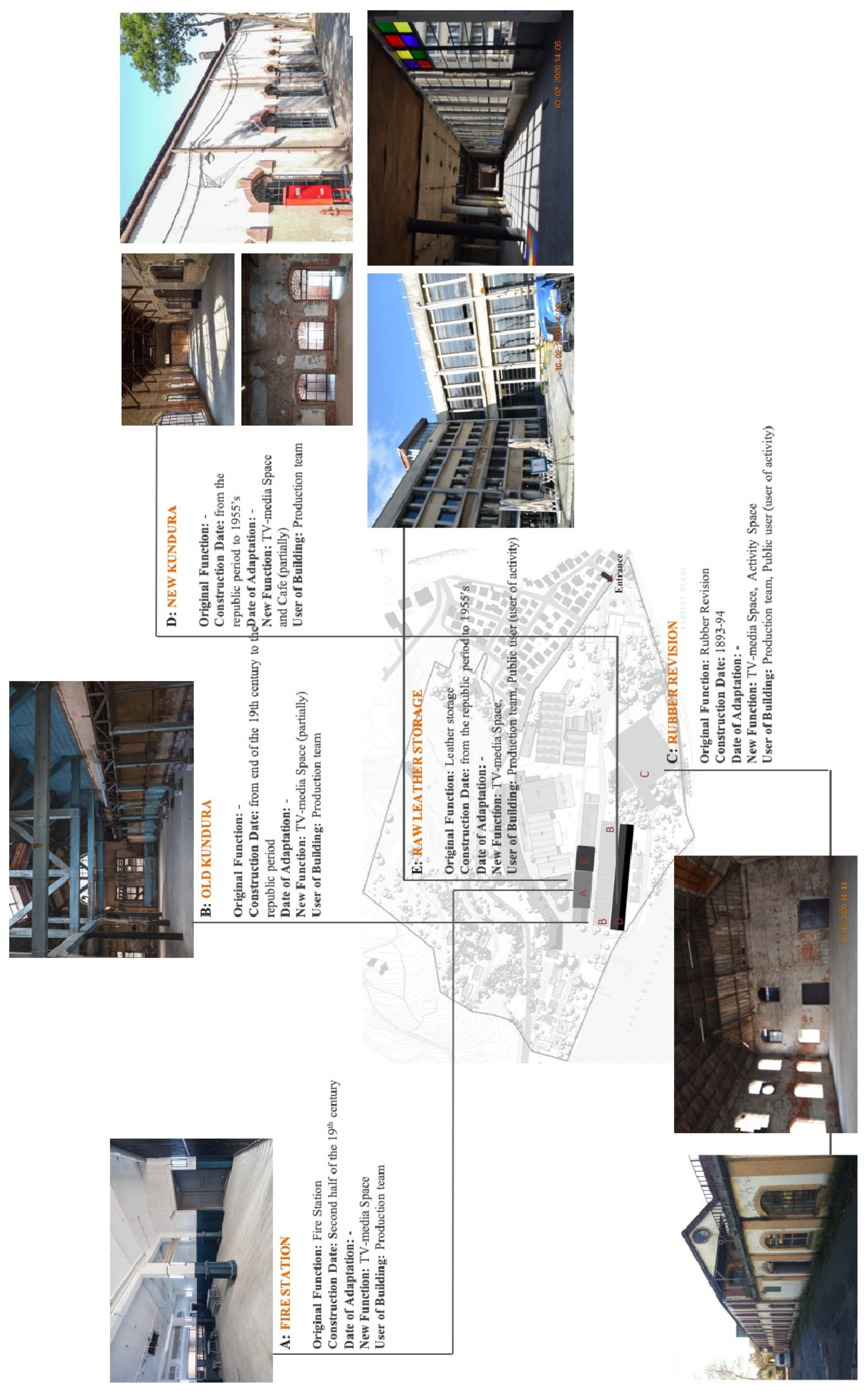
During the first stage of the adaptive reuse process, the site’s use was primarily closed to public usage. A permanent film set was established near the main entrance and several factory buildings. These buildings are the Fire Station, Old Kundura, Rubber Revision, New Kundura, and Raw Leather Storage, and they were selectively adapted for temporary and permanent film production purposes. This strategy was effective in preventing the physical deterioration and potential demolition of the historic buildings through limited but purposeful interventions, ensuring their continued occupation and maintenance. However, despite these benefits, the site remained largely inaccessible to the public, as entry was granted only with the express permission of the landlords.
Conversion Stage 1 can be characterized as a conservation-driven but socially limited intervention successful in safeguarding the tangible heritage but insufficient in promoting public engagement and cultural integration. The adaptive reuse approach during this phase largely emphasized exterior preservation and volumetric continuity, while interior spaces were frequently cleared or simplified to accommodate filmic space. As a result, original machinery, space layouts, and interior materials were retained. The Conversion Stage 1 buildings that have been adapted for temporary and permanent film production are as follows:
The Fire Station is among the earliest surviving structures on the site, dating back to the latter half of the nineteenth century. Its establishment corresponded with the Ottoman Empire’s growing emphasis on industrial safety [25]. The building’s masonry construction and functional typology reflect the architectural character of the late Ottoman industrial period. The interior was adapted for film-related uses, with minimal intervention to the exterior shell and original interior space.
The Old Kundura building marks the transition from Ottoman-era artisanal production to mechanized manufacturing processes. It was constructed toward the end of the nineteenth century and housed shoe production workshops that later became integral to the factory’s modernized operations. The building’s long, narrow form and repetitive fenestration patterns are typical of early industrial architecture, designed to optimize natural light and ventilation. The interior of Old Kundura building was largely neutralized to enable flexible film production area.
The Rubber Revision building was established during the same period and functioned as part of the factory’s experimental production units. This facility reflected the diversification of materials and products during the late Ottoman modernization efforts, when the integration of rubber and leather technologies began to expand. The structure demonstrates combination of traditional masonry with later steel reinforcements introduced in the early Republican years.
The New Kundura building embodies the industrial expansion policies of the early Turkish Republic. Constructed initially in the early Republican period and expanded in 1955, it reflects the state’s emphasis on national production and modernization. The building exhibits reinforced concrete structures, larger spans, and more rationalized production layouts, aligning with mid-century industrial architecture.
These buildings served as essential storage and processing units for Raw Leather, supporting the main production line of the factory. Their functional organization demonstrates the evolution of industrial logistics within the complex. The Raw Leather Storage Buildings belong to the Republican phase of construction, indicating the continuation of state investment in the industrial structure. The adaptation of Raw Leather Storage building focused on maintaining structural stability rather than interpreting their original interior space (Figure 4).
Figure 4.
Conversion Stage I buildings.
3.1.2. Conversion Stage 2
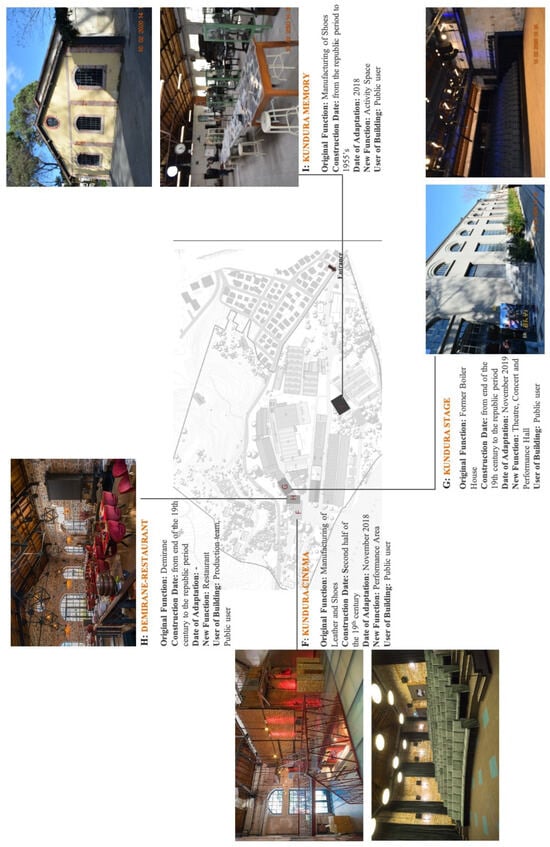
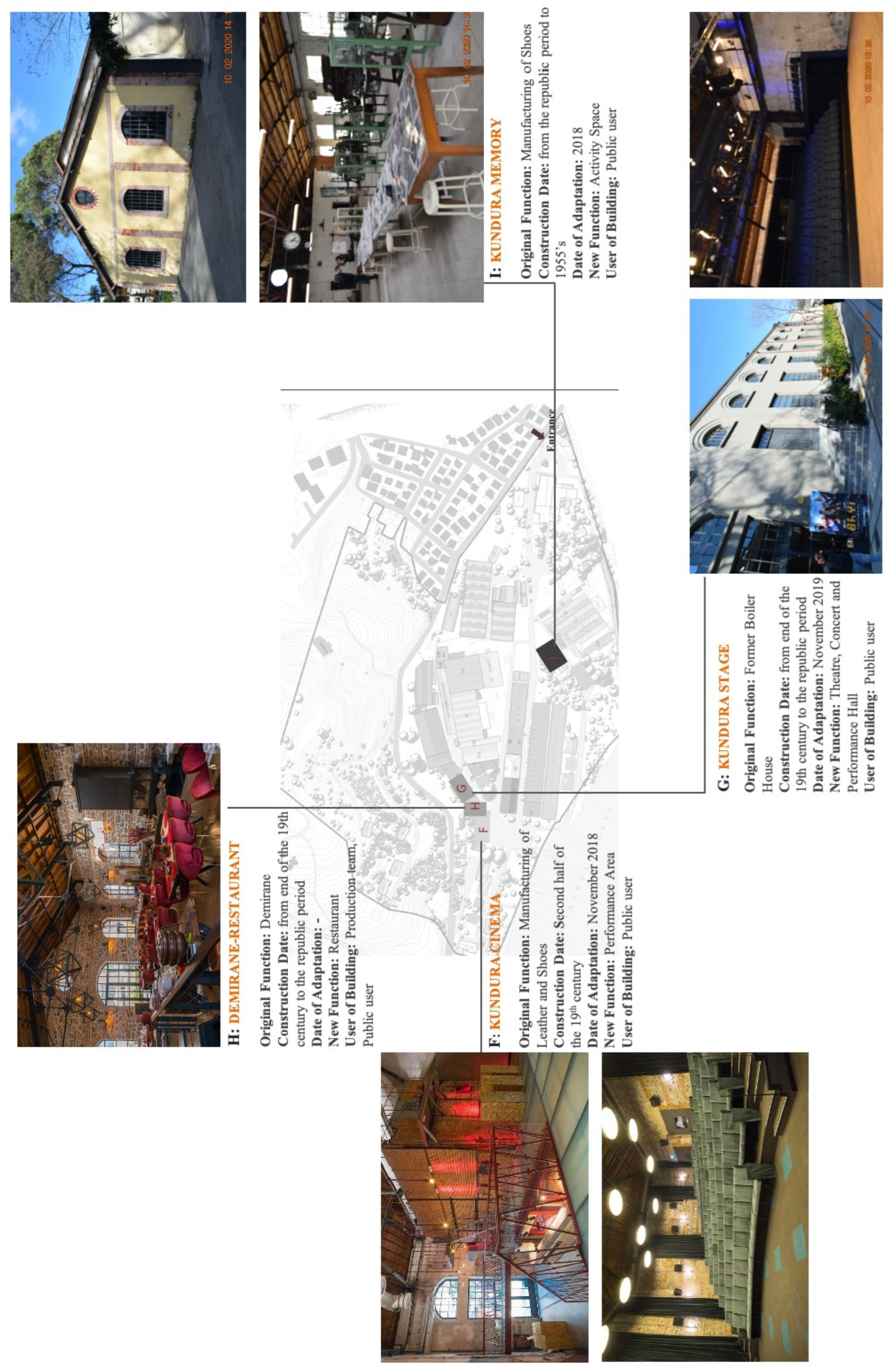
In contrast to the prior procedure, the second phase of the transformation, which commenced after 2020, introduced a more comprehensive and socially oriented approach. While the manufacturing area was opened to the public in a relatively controlled manner, the adaptive reuse process became significantly more inclusive. In this Conversion Stage 2, four buildings, which are Kundura Cinema, Kundura Stage, Demirane-restaurant and Kundura memory, were converted to assign new cultural and creative functions that are more vibrant, accessible and actively used than in the preceding procedure. Through the inclusion of new activities such as performing arts, cinema and exhibitions, the site evolved into a lively environment that bridged industrial heritage with contemporary cultural production. The Conversion Stage 2 buildings that have been adapted for permanent usage are as follows:
The Kundura Cinema building, dating from the second half of the nineteenth century, stands as one of the oldest structures within the factory complex. The building originally constructed as manufacturing area of leather and shoes. Its conversion into a cinema in 2018 [26] retained the large interior volume, ceiling height and structural rhythm, allowing the industrial spatial character to remain perceptible to contemporary users.
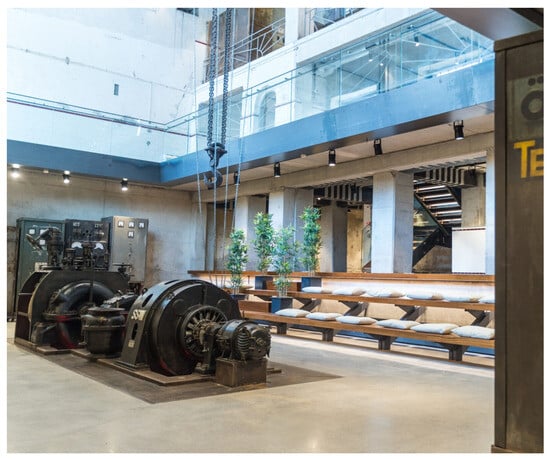
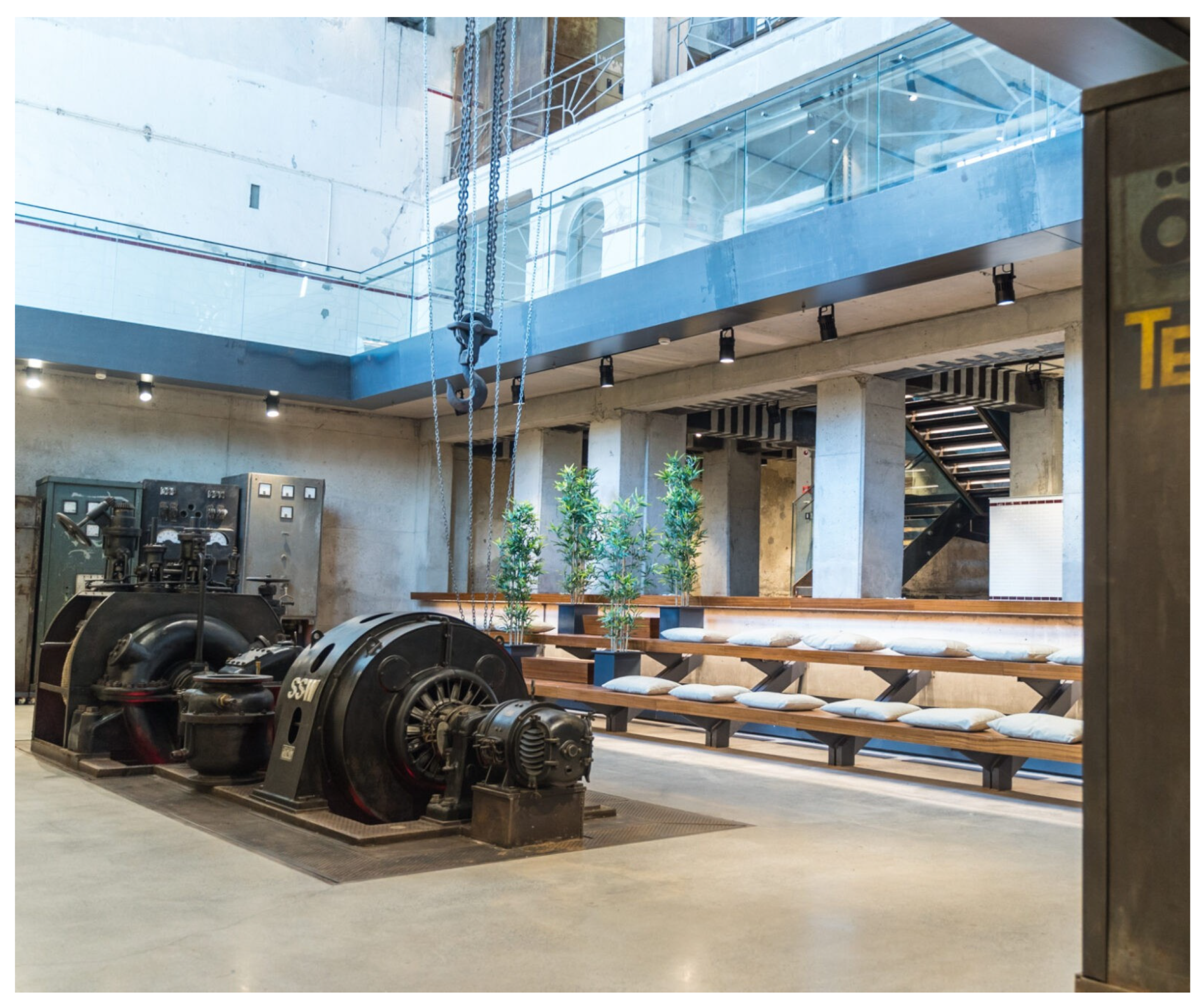
The Kundura Stage building, formerly the factory’s boiler house, possessed a distinctive interior defined by large volumes, heavy structural elements, and service-related spatial organization. The adaptive reuse strategy deliberately preserved these volumetric and structural characteristics and especially interior industrial machineries, transforming the interior into a theater, concert, and performance hall. This approach enabled the building’s industrial identity to be read through its interior space, rather than solely through its exterior form.
The Demirane-restaurant building originally functioned as the Demirane of a factory that was constructed in the early 20th century. The building’s thick brick walls, arched openings, timber, and cast-iron roof structure was preserved in the restaurant space. The reinterpretation of this former power center as a communal dining space creates connection between historical production and contemporary production of cultural experience. The Demirane restaurant is used by the production team and by the public for special events.
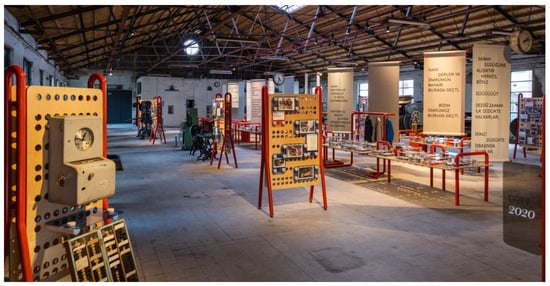
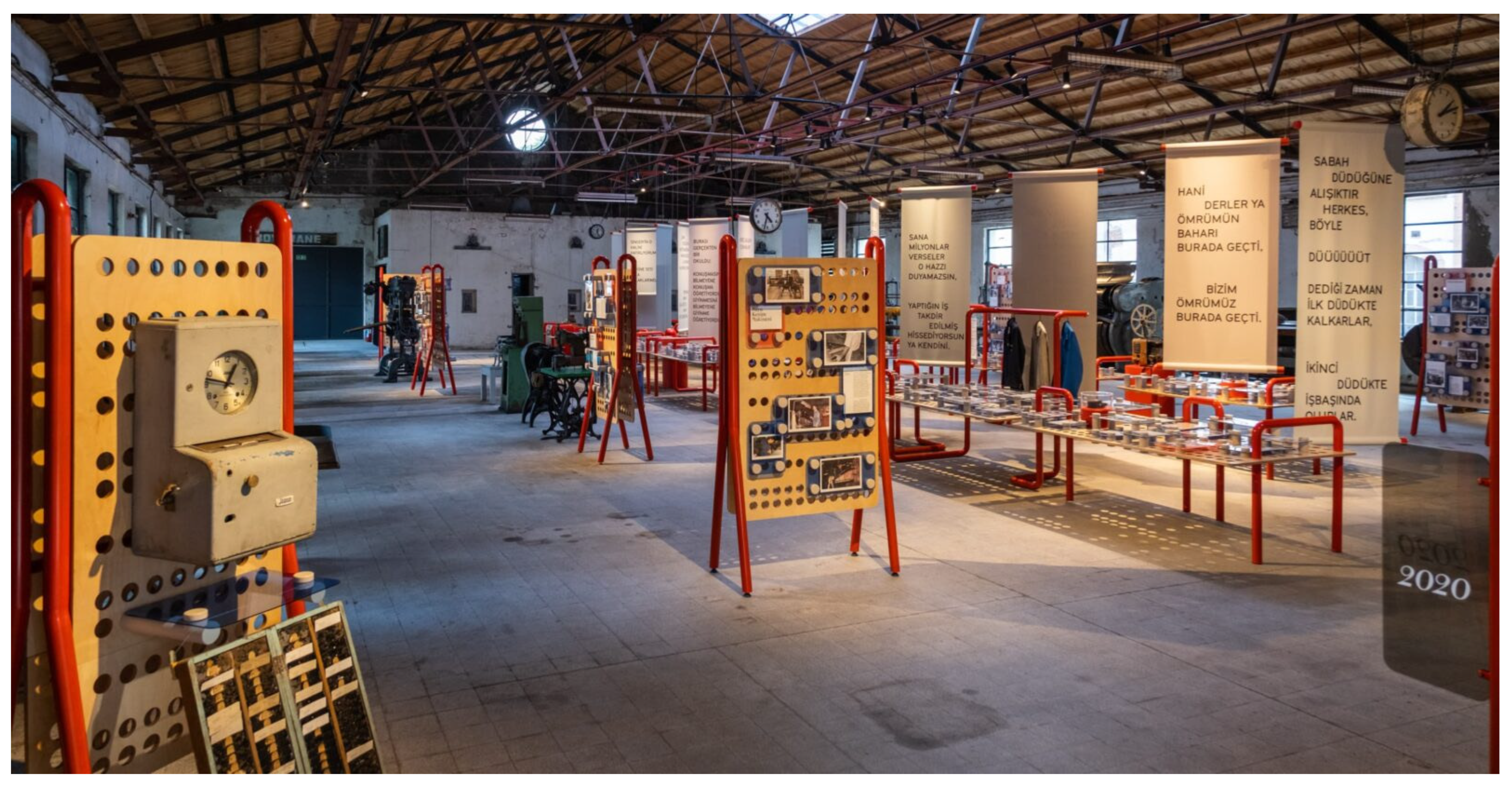
The Kundura Memory building belongs to the Republican industrial expansion period (1923–1955) [19] that was used as manufacturing area of shoes. Today, Kundura memory is used as an exhibition space and also for some special activities. The creation of the Kundura Memory archive and exhibition further enriched this transformation by recording oral histories, preserving obsolete manufacturing tools and maintaining documentary evidence of the factory’s industrial past. These initiatives emphasized memory preservation and knowledge transmission, ensuring that the intangible heritage of craftsmanship and labor traditions was not lost amid modernization (Figure 5).
Figure 5.
Conversion Stage II buildings.
3.2. Is It an Appropriate or an Inappropriate Adaptive Reuse Process?
The evaluation undertaken in alignment with the principles of the Nizhny Tagil Charter demonstrated a 70% level of appropriateness (see Table 4). Consequently, the examination indicated that functional integrity achieved full compliance in six buildings, partial compliance in two buildings, and was deemed non-applicable in one building. The value and authenticity of eight buildings have been preserved, with in situ preservation evident in all buildings, while accommodating new functions and preserving significant materials alongside the original circulation. Furthermore, it has been established that the adaptation of new uses reduces energy waste and promotes sustainable development by reusing 94.4% of the existing industrial building stock, demonstrating eight instances of full compliance and one instance of partial compliance in the structures. The reconstruction was found to be limited to one building. Conversely, the study indicated that human skills associated with ancient or obsolete buildings were meticulously documented, and various instruments and methods for transmitting information to newer generations were made available in seven buildings and partially in one building.
Table 4.
Appropriateness Evaluation According to Nizhny Tagil Charter-NT.
Moreover, the evaluation undertaken in alignment with the Dublin Principles demonstrated a 43.8% level of appropriateness (see Table 5).
Table 5.
Appropriateness Evaluation According to Dublin Principles-DP.
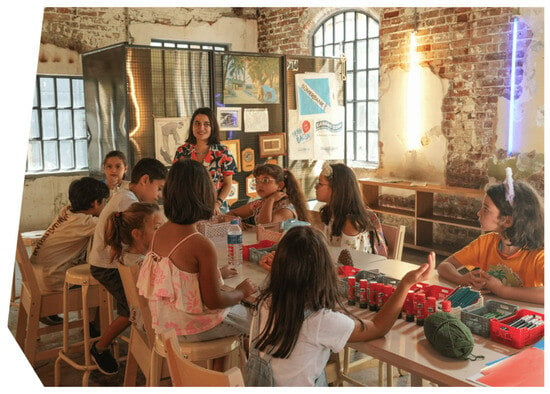
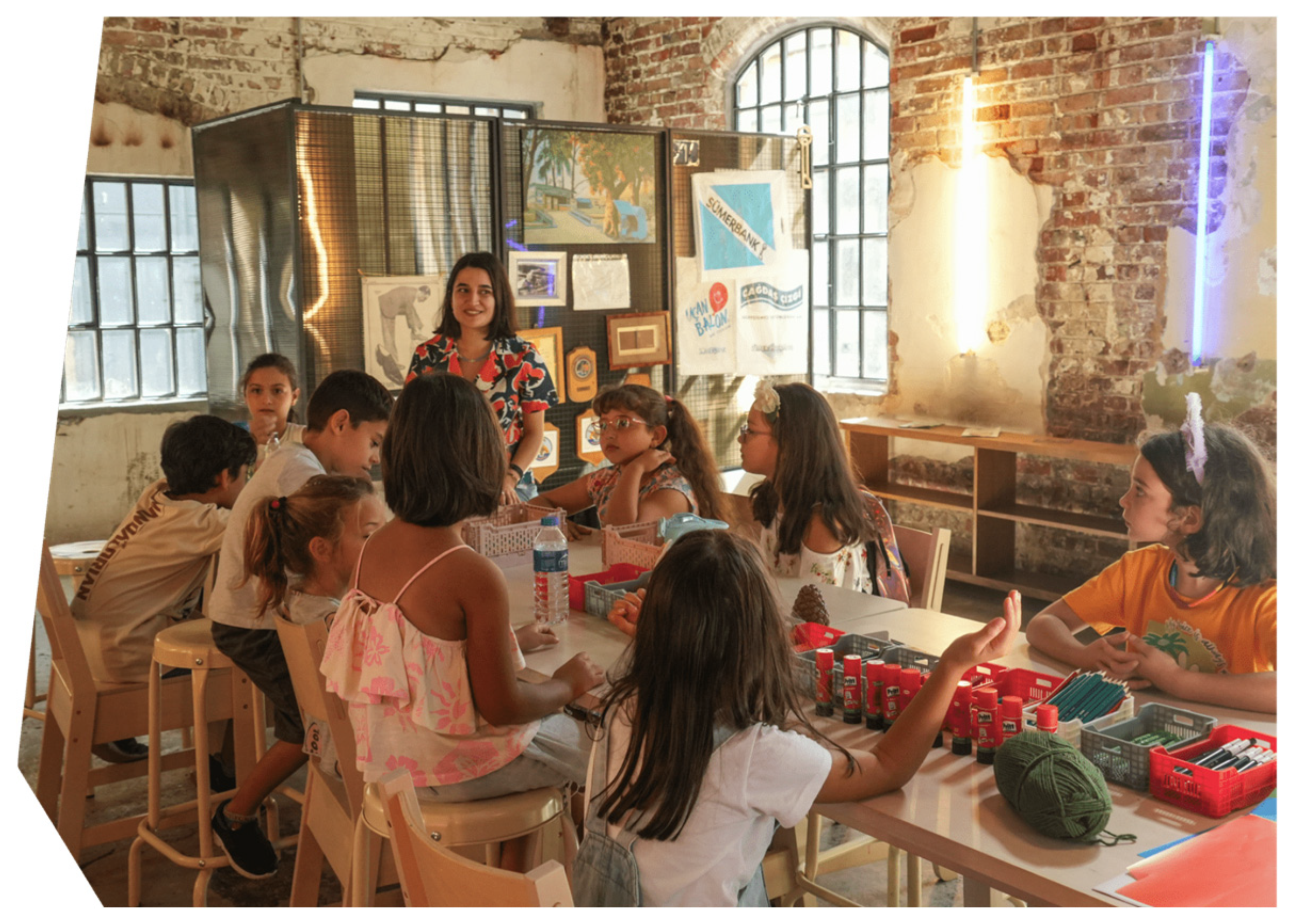
The evaluation demonstrates that the principles of sustainable adaptive reuse—whereby new functions are expected to respect significant materials, structural components, and original circulation patterns—were met only partially (50%). Despite maintaining key historical materials, the new uses failed to adequately preserve the industrial components or the inherent circulation schemes. As a result, physical interventions across all adapted buildings exhibit only partial compliance, and the documentation of these changes was likewise incomplete. While the historical fabric of the buildings was retained, the industrial spatial configuration was not conserved. Accordingly, no systematic or comprehensive documentation strategy could be identified. Oral histories were collected, yet their recording followed a basic rather than a rigorously structured and systematic methodology. It has been observed that the site has recently evolved into a venue for educational engagement. Consequently, a range of interpretive facilities—including a museum, exhibitions, websites, and guided activity tours—has been indicated (see Figure 6).
Figure 6.
Complex evolved into a venue for educational engagement _ an example [27].
Evaluation undertaken in alignment with the Burra Charter demonstrated a 58.3% level of appropriateness (see Table 6). The evaluation of cultural significance—encompassing aesthetic, historical, scientific, social, and spiritual values—indicates only partial compliance. This outcome reflects the limited or absent evidence concerning historic working practices and labor history, although some indicators persist in surviving machinery and aspects of the industrial layout. By contrast, the assessment of conservation practices related to the ongoing care of the site demonstrates full compliance across all nine buildings.
Table 6.
Appropriateness Evaluation According to Burra Charter_BT.
The study findings revealed that although many buildings became active following their adaptation to new uses, their technical characteristics were not respected; instead, interiors of Conversion Stage 1 buildings, especially, were largely emptied to allow flexible configurations for filming activities. Regarding the completeness and integrity, the evaluation indicates that the removal of machinery and subsidiary elements was not avoided in Conversion Stage 1 buildings and was only partially avoided in those of Stage 2. As a result, much of the original integrity—particularly machinery and equipment—has been lost, surviving only in a limited number of Stage 2 buildings (see Figure 7). Given this substantial loss of non-preserved material integrity, reversibility appears largely unfeasible, as reinstatement of original conditions would be technically impracticable. Nevertheless, it should be noted that the new uses maintain a degree of respect for authenticity through minimal intervention in the architectural character of the buildings.
Figure 7.
Example of preserved machinery and equipment in one of the Stage 2 buildings _ Kundura Stage [28].
In terms of adaptation and new use, the findings show that all buildings have been successfully modified for contemporary functions in ways that uphold their cultural significance and retain their architectural and historical character. New interventions were found to be compatible with the existing fabric in scale, form, and materiality, and they do not replicate the historic elements; the distinction between old and new remains legible. Overall, interventions adhere to a principle of minimal change, with modifications limited to those necessary to ensure safety, stability, and continued use. No instances were identified where building fabric had been removed or concealed for reasons of convenience or aesthetics.
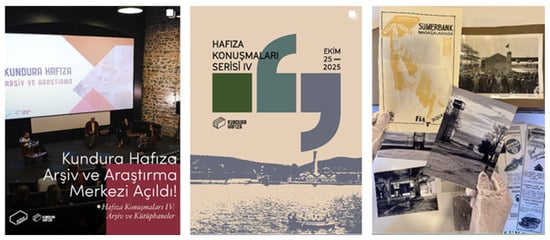
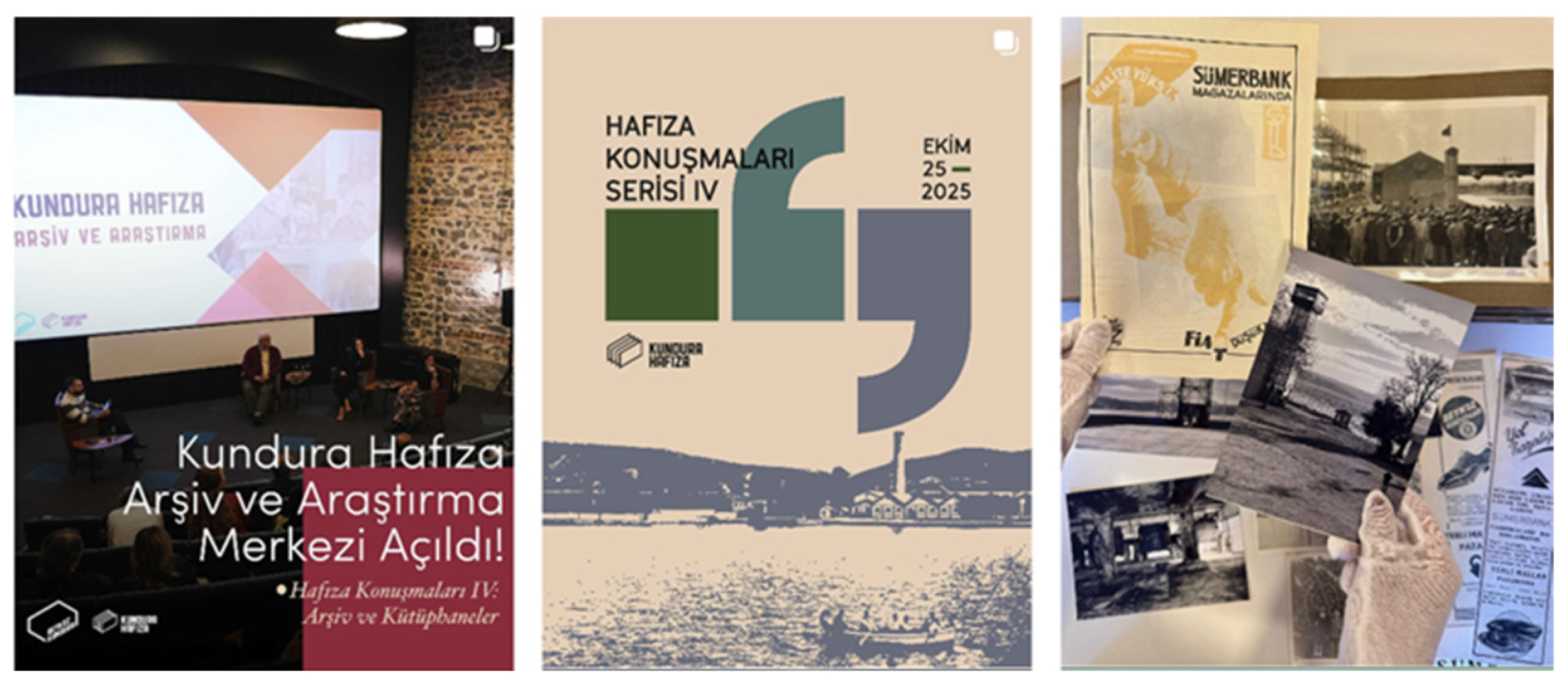
The study also identified ongoing initiatives aimed at deepening understanding of the site through the collection of oral history from former workers, community members, and documentation of operational processes (see Figure 8). However, the mechanisms governing stakeholder participation, policy formation, and decision-making remain unclear, as does the extent to which the wider community is integrated into planning processes.
Figure 8.
Oral History Studies_Kundura Hafıza (Kundura Memory) _ views from social media [23].
A comparison of all buildings across the three surveys is presented through consolidated results tabulated in a single table (see Table 7), which clearly reveals the overall outcomes of the evaluation process. These results illustrate that the success of building conversions varies among individual cases, reflecting differing degrees of alignment with the key principles articulated in the respective charters, and that one charter in particular (NT) demonstrates consistently higher performance than the others. It should be noted that success or failure in the Beykoz case cannot be attributed to the conversion of any single building alone. According to the assessment based on the three charter frameworks, the Beykoz case exhibits the lowest level of appropriateness under the Dublin Principles, with all buildings scoring below 50 percent. By contrast, the highest appropriateness scores are achieved under the NT Charter. Furthermore, the consolidated results indicate that the second phase of conversion contributes more positively to the relevance of the adapted use than the first phase. Buildings converted during the second stage consistently achieve higher scores than those from the first stage across all three evaluation frameworks.
Table 7.
Results of Appropriateness Evaluation.
4. Discussions and Conclusions
Based on the outcomes of the assessment, the adaptive reuse of the Beykoz Leather and Shoe Factory as a film production venue can be regarded as a positive example of adaptive reuse. However, the findings clearly demonstrate a significant distinction between the first and second stages of the conversion process, with the second stage showing a markedly higher level of compliance with the relevant charter criteria. The first stage, which involved the rehabilitation of five buildings, was largely limited to stabilization measures and modest economic revitalization aimed to make buildings viable. In contrast, the second stage introduced more comprehensive interventions that contributed more substantially to the appropriateness and long-term relevance of the new use. These results suggest that rehabilitation alone is insufficient to achieve successful adaptive reuse and that more extensive renovation plays a critical role in meeting heritage conservation principles. Notably, the site began to operate as a film production venue during the initial phase of the conversion process. In this stage, five buildings were refurbished, and a temporary filming area was established adjacent to the main entrance. Evaluations suggest that this adaptive use primarily contributed to the physical enhancement and stabilization of the existing structures. However, the operation of the complex as a gated facility has restricted broader public access. This condition may be characterized as a quasi-public use, in which spaces with inherent public potential are not fully accessible to the wider community.
When considered in relation to the principles outlined in the Burra Charter (ICOMOS) and the Nizhny Tagil Charter for the Industrial Heritage (TICCIH), such a use only partially aligns with the fundamental objectives of adaptive reuse. Both charters emphasize the importance of ensuring that heritage places, particularly those of industrial origin, remain accessible, interpretable, and meaningfully integrated into the social fabric. In this respect, while the conversion fostered physical conservation, it provided only limited realization of the social and community-oriented values advocated in international conservation doctrine.
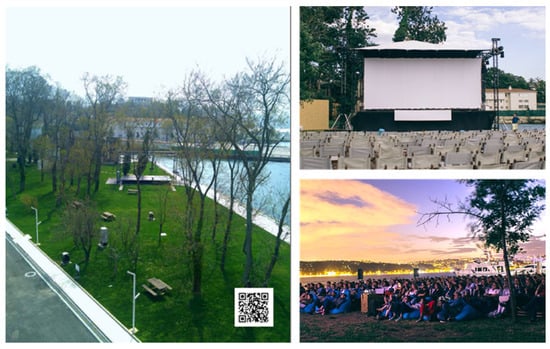
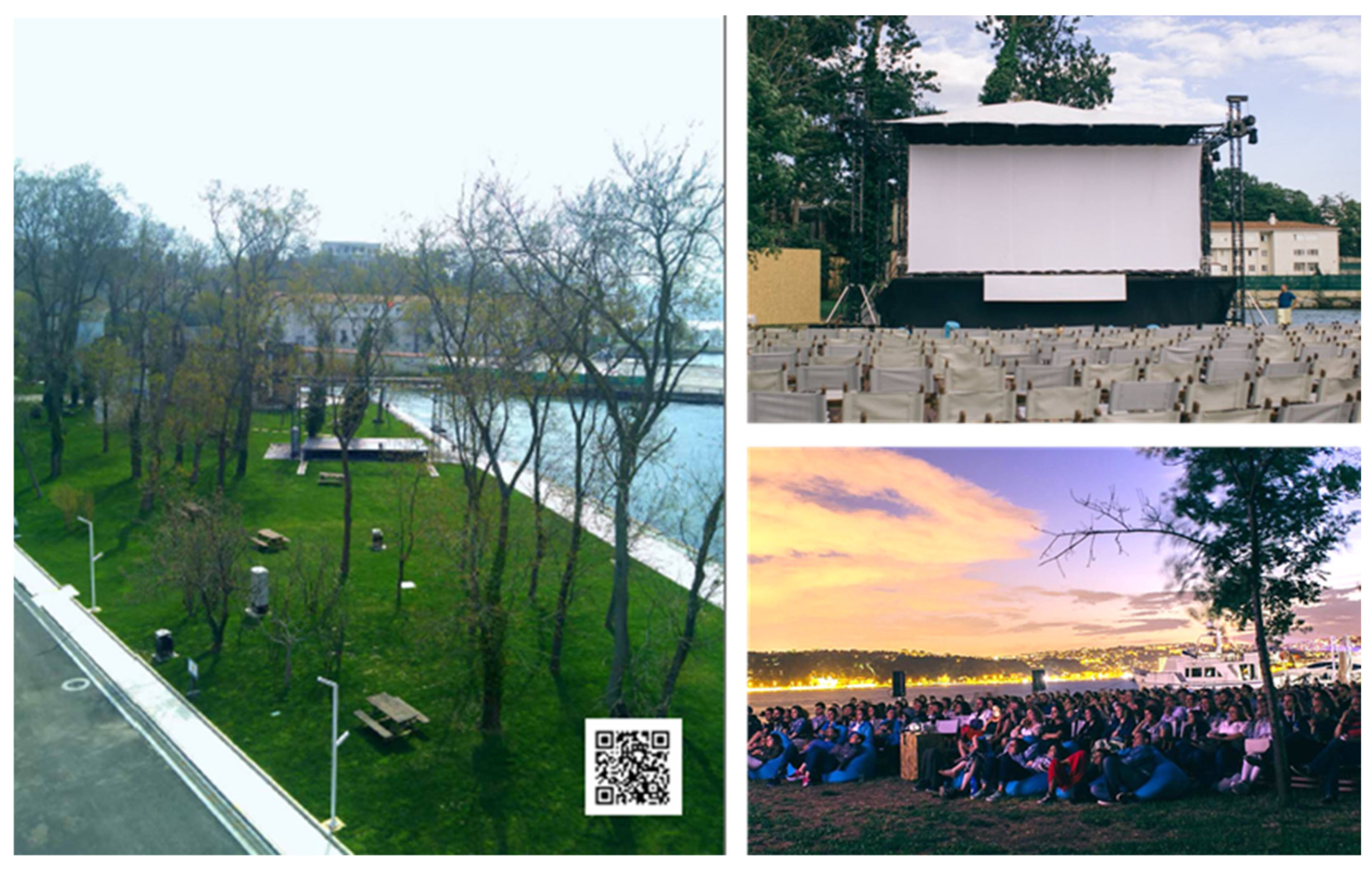
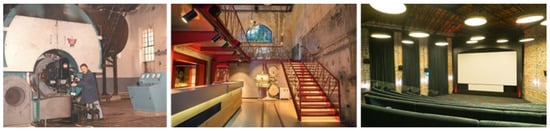
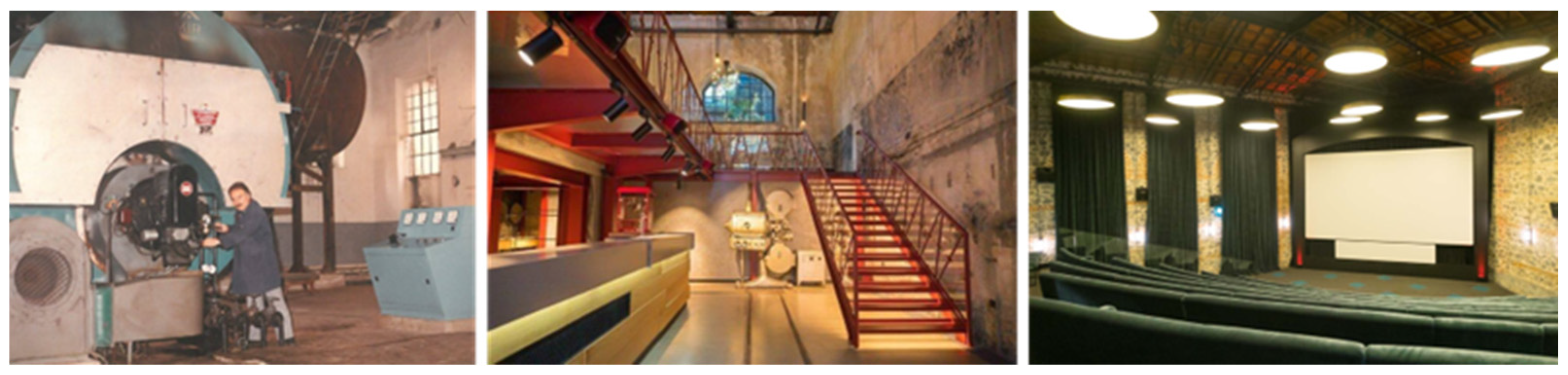
However, in particular, the Conversion Stage 2 process has contributed positively to the revitalization and sustainable reuse of the site, with the second phase proving especially effective in enhancing its vitality and public engagement. The findings indicate a notable increase in the liveliness of the area, facilitated by the introduction of diverse cultural and educational programs such as the “Bir Yaz Gecesi Festivali” taking place outdoors at its original location, where it historically occurred, this activity is considered significant within the context of memory studies (see Figure 9) and in addition a range of workshops and cultural, art related activities taking place in the Kundura Cinema building contributes positively. The incorporation of inclusive and vibrant new functions, such as the “Kundura Cinema”, further emphasizes the project’s capacity to sustain the site’s contemporary relevance while fostering community interaction (see Figure 10).
Figure 9.
“Bir Yaz Gecesi Festivali”—an example for diverse cultural and educational programs taking place [29].
Figure 10.
An example of inclusive and vibrant new functions: “Kundura Cinema” [26].
Equally significant is the experiential quality generated by the juxtaposition of the historic industrial fabric with contemporary architectural interventions, which together evoke a strong sense of place and authenticity (see Figure 7).
Beyond its adaptive functions, the site’s ongoing memory studies and exhibition initiatives play a pivotal role in conserving intangible heritage values. The permanent memory exhibition, complemented by the continuous collection of oral histories, and material specimens, ensures an evolving interpretive narrative that connects the site’s industrial past with its current cultural identity (see Figure 11). These practices not only reinforce the collective memory of the place but also exemplify a holistic approach to heritage conservation that integrates material preservation with social and cultural continuity.
Figure 11.
The permanent memory exhibition [30].
The introduction of new functions and the site’s transition from a gated, restricted complex to a publicly accessible and engaging environment have led the owners to describe it as a “cultural hub”. This reclassification marks a substantive shift in the site’s identity and demonstrates the potential for a formerly derelict and abandoned industrial area to be reintegrated as a socio-cultural precinct. In this regard, adaptive reuse of this case could be viewed as a particularly effective strategy for industrial heritage, as it can counteract longstanding perceptions that industrial sites are of lesser cultural value than other heritage types, as it is also emphasized by Bottero, D’Alpaos, and Oppio [31].
Moreover, the introduction of carefully selected contemporary uses is expected to enable these sites to preserve their symbolic significance while simultaneously contributing to local circular economies. In this regard, as emphasized by several scholars, community engagement consistently emerges as a pivotal factor in ensuring their successful reintegration and alignment with broader urban development strategies [32,33,34]; an observation particularly evident during the second phase of conversion in this case. It should be noted that converting the site into a filmmaking facility—while retaining its character as a gated community—may not constitute an appropriate adaptive reuse. However, the introduction of new, publicly engaged functions within the preserved buildings, including memory studies, archival facilities, and educational exhibitions, supports the conclusion that the proposed use is appropriate following critical evaluation.
Furthermore, it is also important to note that the adaptive reuse of this important site is in line with the core values of industrial heritage, which includes the physical and cultural evidence of human activities that have had a lasting impact on history. The rationale for conserving industrial heritage lies in its universal significance as collective evidence of industrial civilization, rather than in the uniqueness of individual sites.
In line with Zhong et al. [35], the conservation of industrial heritage is most effective when anchored in cultural identity, guided by sustainable principles, and oriented toward the generation of long-term social value. Such an approach underscores the unique role of industrial sites as repositories of technological, architectural, and labor histories, ensuring that these cultural resources are meaningfully safeguarded for future generations. Industrial heritage embodies outstanding universal value through its social, technological, and aesthetic dimensions. It is a testament to the lives and work of everyday people, as well as a reflection of important advances in industrial innovation, engineering, and design that have shaped modern society. In this context, the originally developed rubric-based evaluation method helped demonstrate that the Beykoz Leather and Shoe Factory represents a notable example of how industrial heritage values can be preserved and transmitted to future generations through adaptive reuse, and under which conditions such reuse can be considered appropriate. In particular, the findings demonstrate that ongoing memory studies play a crucial role in sustaining the site’s cultural significance, while archival exhibitions further enhance its social value by reinforcing connections to collective memory and ensuring cultural continuity across generations.
These values are embodied not only in the site’s physical fabric, machinery, and setting, but also in the intangible heritage preserved through human memory and tradition. In this case, the in situ preservation of the buildings and the attention given to documenting lived industrial experiences demonstrate a comprehensive approach to conservation. This demonstrates clear parallels with Laurajane Smith’s approach, which conceptualizes heritage as a process centered on memory, performance, identity, intangibility, dissonance, and place [2].
The existence of this industrial site holds outstanding significance, particularly given the rarity of such examples within the regional industrial cultural landscape. According to the principles of UNESCO and ICOMOS, it is important to protect and care for this site to keep the processes, typologies, and landscapes that make-up its heritage value real and true. It is worth noting that the charters emphasize the preservation of external appearance as well as the retention of internal machinery where possible. The findings of this study demonstrate a positive example of how such preservation can be fully or partially achieved in complex sites, as illustrated by the Beykoz Kundura case.
Moreover, the rubric-based survey method developed in this study proved to be an effective instrument for systematically assessing the suitability of newly assigned functions in relation to the sustainable future of such sites, as well as for evaluating the transformation process through measurable criteria, while critically examining its compliance with key conservation documents.
Early and pioneering examples, such as the Beykoz Leather and Shoe Factory, are of exceptional importance, as they represent formative stages in industrial development and contribute meaningfully to the understanding of the region’s industrial heritage and its universal value. In future studies of this case, it is essential to incorporate the perspectives of stakeholders, local communities, and site users, as the cultural significance of heritage places is socially constructed through collective memory, use, and meaning.
Author Contributions
Authors work together in collaboration and have an equal amount of contribution at all stages of the research. The literature review, method of evaluation, and written critical inquiry were carried out by N.P.Ş. whereas the analysis and mapping studies were carried out by Z.B.A. Findings and results were synthesized in collaboration. All authors have read and agreed to the published version of the manuscript.
Funding
This research received no external funding.
Institutional Review Board Statement
Not applicable.
Informed Consent Statement
Not applicable. There is no need for ethics statements since all the data were collected from websites that are open to public access. References to the data accessed on those sites and used were given both in the text and in the reference list.
Data Availability Statement
The data is available upon request from the corresponding author.
Conflicts of Interest
There is no conflict of interest with any work or any researcher.
References
- Peira, G.; Pasino, G.; Bonadonna, A.; Beltramo, R. A UNESCO Site as a Tool to Promote Local Attractiveness: Investigating Stakeholders’ Opinions. Land 2023, 12, 11. [Google Scholar] [CrossRef] [Scilit]
- Smith, L. Uses of Heritage; Routledge: London, UK, 2006. [Google Scholar]
- Oliveira, M.D.; Ribeiro, J.T. The Cultural Landscape of the Alentejo Pyrite: What’s Next? In Tourism and Culture in the Age of Innovation; Springer: Cham, Switzerland, 2016; pp. 79–90. [Google Scholar]
- Han, S.H.; Zhang, H. Can the Renewal of Industrial Heritage Contribute to the Regeneration of China’s Economically Declining Cities?—The Case of the Changying Film Studio in Changchun. Hist. Environ. Policy Pract. 2025, 16, 220–246. [Google Scholar] [CrossRef] [Scilit]
- ICOMOS. International Charter for the Conservation and Restoration of Monuments and Sites (the Venice Charter 1964); ICOMOS: Venice, Italy, 1964. [Google Scholar]
- Viñas, S.M. Contemporary theory of conservation. Rev. Conserv. 2002, 3, 25–34. [Google Scholar] [CrossRef] [Scilit]
- Kou, H.; Zhang, L.; Zhang, S. Visual Impact Assessment Method for Cultural Heritage: West Lake Cultural Landscape in Hangzhou, China. Land 2024, 13, 1596. [Google Scholar] [CrossRef] [Scilit]
- Xu, S.B.; Qing, M.X.F.; Zhang, S.; Liu, B.Y.; Chang, J.; Wang, L.; Lv, J.C.; Zuo, Y.; Cao, Y.K.; Zhou, L.; et al. Turning “the Rusty” into “Beauty”: New Ideas and Development Trends in the Preservation and Reuse of Industrial Heritage. China Cult. Herit. 2022, 3, 4–18. [Google Scholar]
- Meng, F.; Xiao, X. Spatiotemporal Distribution and Adaptive Reuse Results Assessment of Beijing Industrial Heritage from a Sustainable Renewal Perspective. Land 2025, 14, 384. [Google Scholar] [CrossRef] [Scilit]
- Bosone, M.; De Toro, P.; Fusco Girard, L.; Gravagnuolo, A.; Iodice, S. Indicators for Ex-Post Evaluation of Cultural Heritage Adaptive Reuse Impacts from a Circular Economy Perspective. Sustainability 2021, 13, 4759. [Google Scholar] [CrossRef] [Scilit]
- Jiang, P.; Shao, L.; Baas, C. Interpretation of Value Advantage and Sustainable Tourism Development for Railway Heritage in China Based on the Analytic Hierarchy Process. Sustainability 2019, 11, 6492. [Google Scholar] [CrossRef] [Scilit]
- Hospers, G.-J. Industrial Heritage Tourism and Regional Restructuring in the European Union. Eur. Plan. Stud. 2002, 10, 397–404. [Google Scholar] [CrossRef] [Scilit]
- Xie, Y.J.; Xie, H.B.; Zhang, Z.F. A Comparison of Industrial Heritage Reconstruction between China and Western Countries. World Reg. Stud. 2013, 22, 108–114. [Google Scholar]
- The International Committee for the Conservation of the Industrial Heritage (TICCIH). The Nizhny Tagil Charter for the Industrial Heritage; TICCIH: Nizhny Tagil, Russia, 2003. [Google Scholar]
- ICOMOS. TICCIH Principles for the Conservation of Industrial Heritage Sites, Dublin Principles, Structures, Areas and Landscapes; ICOMOS: Dublin, Ireland, 2011. [Google Scholar]
- Australia ICOMOS. The Burra Charter: The Australia ICOMOS Charter for Places of Cultural Significance (2013); Australia ICOMOS Incorporated: Burwood, Australia, 2013. [Google Scholar]
- Tarihçe—Beykoz Kundura. Available online: https://beykozkundura.com/tarihce/ (accessed on 18 January 2026).
- Küçükerman, Ö. Geleneksel Türk Dericilik Sanayii ve Beykoz Fabrikası: Boğaziçi’nde Başlatılan Sanayi; Sümerbank Yayınları: İstanbul, Türkiye, 1988. [Google Scholar]
- Özdemir, M. Endüstri Mirasının Önemi: Beykoz Deri ve Kundura Fabrikası Örneği. Unpublished Master’s Thesis, Istanbul Technical University, Istanbul, Türkiye, 2015. [Google Scholar]
- Istanbul için Örnek Haritalar. Available online: https://tr.pinterest.com/pin/410601691034031208/ (accessed on 18 January 2026).
- Kayabal, A. Turkey’s industrial history: Sümerbank Beykoz Leather and Shoe Factory. SKYLIFE, November 1999; pp. 58–64.
- Köksal, G. İstanbul’ daki Endüstri Mirası İçin Koruma ve Yeniden Kullanım Önerileri. Ph.D. Thesis, İTÜ Fen Bilimleri Enstitüsü, İstanbul, Türkiye, 2005. [Google Scholar]
- Kundura Hafıza Social Media Platform. Available online: https://www.instagram.com/kundurahafiza/?hl=tr (accessed on 6 December 2025).
- Himam, D.; Pasin, B. Designing a national uniform(ity): The culture of Sümerbank within the context of the Turkish Nation-State Project. J. Des. Hist. 2011, 24, 157–170. [Google Scholar] [CrossRef] [Scilit]
- Yildiz, G. Time-Relational Process Reading between Culture and Form: Transformation Process of Privately Owned Industrial Heritage Sites and Actor Roles. Ph.D. Thesis, Politecnico di Torino, Turin, Italy, 2022. [Google Scholar]
- Kundura Sinema. Sinema—Beykoz Kundura. Available online: https://beykozkundura.com/kultur-sanat/sinema/ (accessed on 6 December 2025).
- Öğrenme. Öğrenme—Beykoz Kundura. Available online: https://beykozkundura.com/hafiza/ogrenme/ (accessed on 5 December 2025).
- Sahne. Sahne—Beykoz Kundura. Available online: https://beykozkundura.com/kultur-sanat/sahne/ (accessed on 5 December 2025).
- Bir Yaz Gecesi Festivali. Available online: https://beykozkundura.com/kultur-sanat/bir-yaz-gecesi-festivali/ (accessed on 6 December 2025).
- Sergi. Available online: https://beykozkundura.com/hafiza/sergi/ (accessed on 6 December 2025).
- Bottero, M.; D’Alpaos, C.; Oppio, A. Ranking of adaptive reuse strategies for abandoned industrial heritage in vulnerable contexts: A multiple criteria decision aiding approach. Sustainability 2019, 11, 785. [Google Scholar] [CrossRef] [Scilit]
- Jones, Z.M.; Zhang, X. Identifying the role of industrial heritage in the European Capital of Culture programme. Built Herit. 2024, 8, 20. [Google Scholar] [CrossRef] [Scilit]
- Firth, T.M. Tourism as a means to industrial heritage conservation: Achilles heel or saving grace? J. Herit. Tour. 2011, 6, 45–62. [Google Scholar] [CrossRef] [Scilit]
- Della Lucia, M.; Pashkevich, A. A sustainable afterlife for post-industrial sites: Balancing conservation, regeneration and heritage tourism. Eur. Plan. Stud. 2023, 31, 641–661. [Google Scholar] [CrossRef] [Scilit]
- Zhong, Y.; Li, Y.; Cai, X. Philosophical foundations for the conservation of historic industrial buildings: Cultural identity, sustainability and social values. Mediterr. Archaeol. Archaeom. 2025, 25, 59–66. [Google Scholar]

Disclaimer/Publisher’s Note: The statements, opinions and data contained in all publications are solely those of the individual author(s) and contributor(s) and not of MDPI and/or the editor(s). MDPI and/or the editor(s) disclaim responsibility for any injury to people or property resulting from any ideas, methods, instructions or products referred to in the content. |
© 2026 by the authors. Licensee MDPI, Basel, Switzerland. This article is an open access article distributed under the terms and conditions of the Creative Commons Attribution (CC BY) license.