New Insights into the Role of Glycogen Synthase Kinase (GSK) in Health, Metabolism and Diseases
A Topical Collection in Cells (ISSN 2073-4409) belonging to the section "Cell Signaling".
Viewed by 27236
Share This Topical Collection
Editor
Topical Collection Information
Dear Colleagues,
We would like you to submit a manuscript or review article on GSK-3 signaling and human disease.
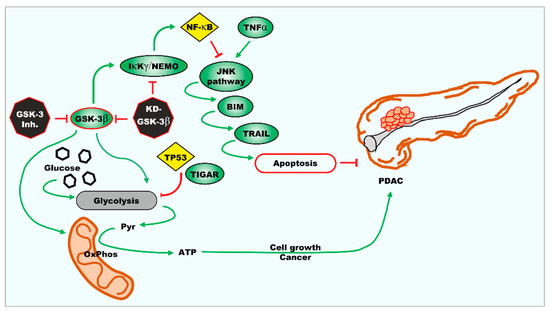
Glycogen synthase kinase-3 (GSK-3) was isolated originally due to its role in the regulation of glycogen synthase (GS) activity. It was soon discovered that GSK-3 had critical functions in the modulation of many proteins involved in various physiological processes ranging from the regulation of cell growth, metabolism, cancer, and neurology. The activity of the GSK kinase is often aberrantly regulated in various diseases including cancers and brain disorders. Due to the diversity of GSK-3 cellular targets, global inhibition of the kinase may lead to severe side-effects. Thus, a selective modulation of a specific cellular pool of GSK-3 or specific down- or upstream partners of the kinase might provide more efficient therapies. The roles that GSK-3 plays in various diseases, as well as how this pivotal kinase interacts with multiple signaling pathways such as HEDGEHOG, NOTCH, PI3K/PTEN/Akt/mTOR, RAS/RAF/MEK/ERK, TP53, WNT/beta-catenin, and others will be discussed. Mutations that occur in these and other pathways can alter the effects that GSK-3 activity has on regulating these signaling circuits that can lead to various diseases. The roles that microRNAs play in GSK-3 regulation will also be evaluated. Targeting GSK-3 and these other pathways may improve therapy and overcome therapeutic resistance. In this Special Issue of Cells, manuscripts will discuss various novel aspects concerning the pleiotropic activities of GSK-3 and how they affect human health and disease progression.
Prof. Dr. James Andrew McCubrey
Collection Editor
Manuscript Submission Information
Manuscripts should be submitted online at www.mdpi.com by registering and logging in to this website. Once you are registered, click here to go to the submission form. All submissions that pass pre-check are peer-reviewed. Accepted papers will be published continuously in the journal (as soon as accepted) and will be listed together on the collection website. Research articles, review articles as well as communications are invited. For planned papers, a title and short abstract (about 250 words) can be sent to the Editorial Office for assessment.
Submitted manuscripts should not have been published previously, nor be under consideration for publication elsewhere (except conference proceedings papers). All manuscripts are thoroughly refereed through a single-anonymized peer-review process. A guide for authors and other relevant information for submission of manuscripts is available on the Instructions for Authors page. Cells is an international peer-reviewed open access semimonthly journal published by MDPI.
Please visit the Instructions for Authors page before submitting a manuscript.
The Article Processing Charge (APC) for publication in this open access journal is 2700 CHF (Swiss Francs).
Submitted papers should be well formatted and use good English. Authors may use MDPI's
English editing service prior to publication or during author revisions.
Keywords
- GSK-3
- AKT
- beta-Catenin
- neurogenerative diseases
- cancer
- metabolism
Published Papers (4 papers)
2021
Open AccessReview
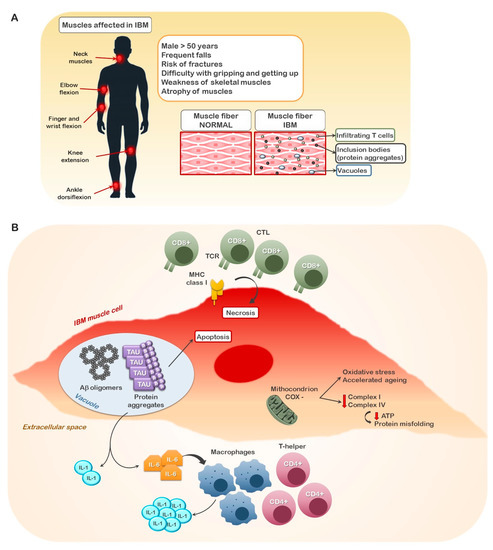
Revisiting the Role of GSK3, A Modulator of Innate Immunity, in Idiopathic Inclusion Body Myositis
by
Manuela Piazzi, Alberto Bavelloni, Vittoria Cenni, Irene Faenza and William L. Blalock
Cited by 9 | Viewed by 6323
Abstract
Idiopathic or sporadic inclusion body myositis (IBM) is the leading age-related (onset >50 years of age) autoimmune muscular pathology, resulting in significant debilitation in affected individuals. Once viewed as primarily a degenerative disorder, it is now evident that much like several other neuro-muscular
[...] Read more.
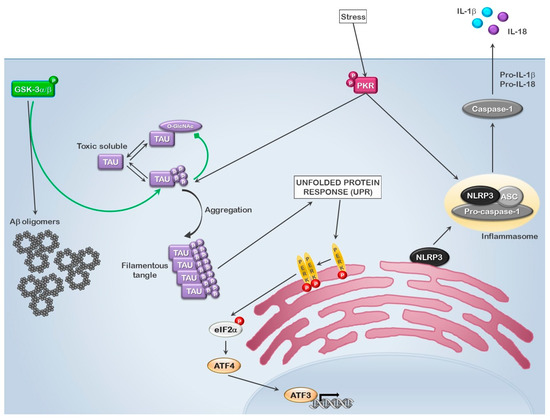
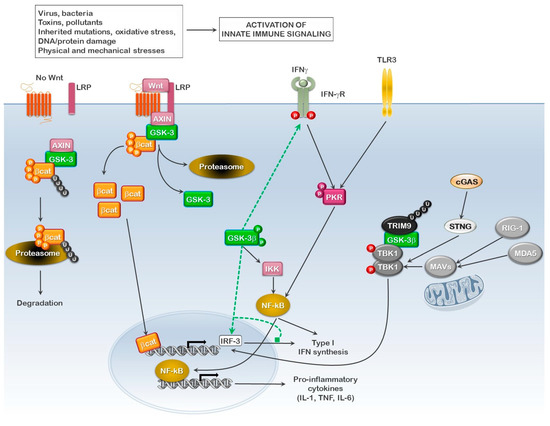
Idiopathic or sporadic inclusion body myositis (IBM) is the leading age-related (onset >50 years of age) autoimmune muscular pathology, resulting in significant debilitation in affected individuals. Once viewed as primarily a degenerative disorder, it is now evident that much like several other neuro-muscular degenerative disorders, IBM has a major autoinflammatory component resulting in chronic inflammation-induced muscle destruction. Thus, IBM is now considered primarily an inflammatory pathology. To date, there is no effective treatment for sporadic inclusion body myositis, and little is understood about the pathology at the molecular level, which would offer the best hopes of at least slowing down the degenerative process. Among the previously examined potential molecular players in IBM is glycogen synthase kinase (GSK)-3, whose role in promoting TAU phosphorylation and inclusion bodies in Alzheimer’s disease is well known. This review looks to re-examine the role of GSK3 in IBM, not strictly as a promoter of TAU and Abeta inclusions, but as a novel player in the innate immune system, discussing some of the recent roles discovered for this well-studied kinase in inflammatory-mediated pathology.
Full article
►▼
Show Figures
Open AccessReview
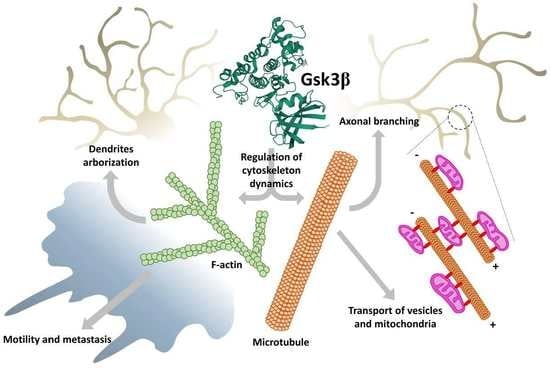
GSK3 as a Regulator of Cytoskeleton Architecture: Consequences for Health and Disease
by
Daria Hajka, Bartosz Budziak, Łukasz Pietras, Przemysław Duda, James A. McCubrey and Agnieszka Gizak
Cited by 41 | Viewed by 8523
Abstract
Glycogen synthase kinase 3 (GSK3) was initially isolated as a critical protein in energy metabolism. However, subsequent studies indicate that GSK-3 is a multi-tasking kinase that links numerous signaling pathways in a cell and plays a vital role in the regulation of many
[...] Read more.
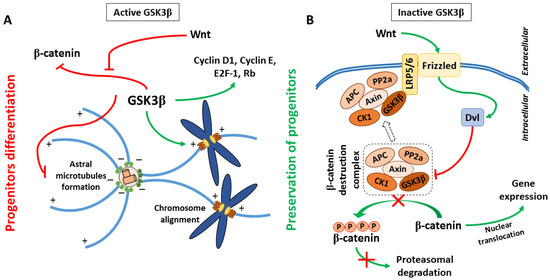
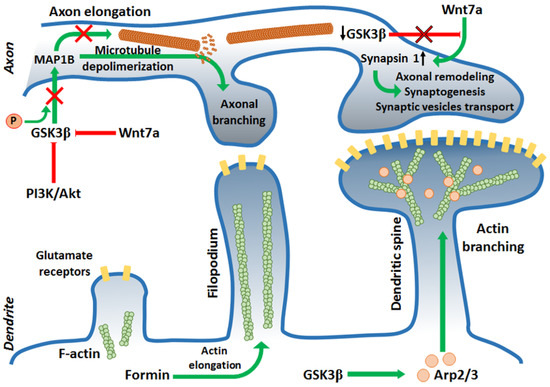
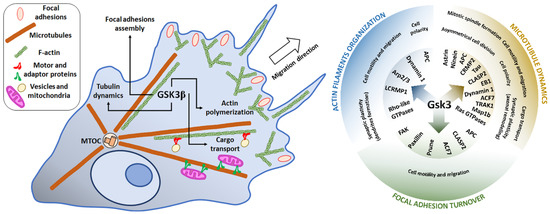
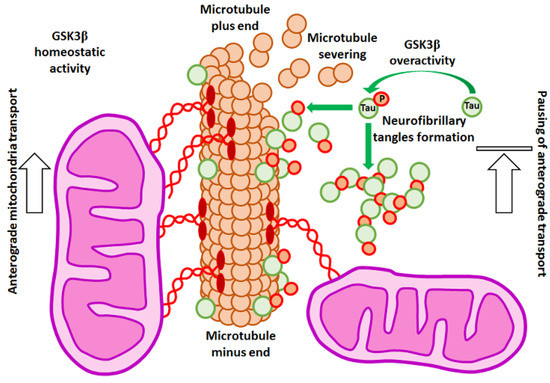
Glycogen synthase kinase 3 (GSK3) was initially isolated as a critical protein in energy metabolism. However, subsequent studies indicate that GSK-3 is a multi-tasking kinase that links numerous signaling pathways in a cell and plays a vital role in the regulation of many aspects of cellular physiology. As a regulator of actin and tubulin cytoskeleton, GSK3 influences processes of cell polarization, interaction with the extracellular matrix, and directional migration of cells and their organelles during the growth and development of an animal organism. In this review, the roles of GSK3–cytoskeleton interactions in brain development and pathology, migration of healthy and cancer cells, and in cellular trafficking of mitochondria will be discussed.
Full article
►▼
Show Figures
Open AccessArticle
Transcription Factor β-Catenin Plays a Key Role in Fluid Flow Shear Stress-Mediated Glomerular Injury in Solitary Kidney
by
Tarak Srivastava, Daniel P. Heruth, R. Scott Duncan, Mohammad H. Rezaiekhaligh, Robert E. Garola, Lakshmi Priya, Jianping Zhou, Varun C. Boinpelly, Jan Novak, Mohammed Farhan Ali, Trupti Joshi, Uri S. Alon, Yuexu Jiang, Ellen T. McCarthy, Virginia J. Savin, Ram Sharma, Mark L. Johnson and Mukut Sharma
Cited by 10 | Viewed by 4602
Abstract
Increased fluid flow shear stress (FFSS) in solitary kidney alters podocyte function
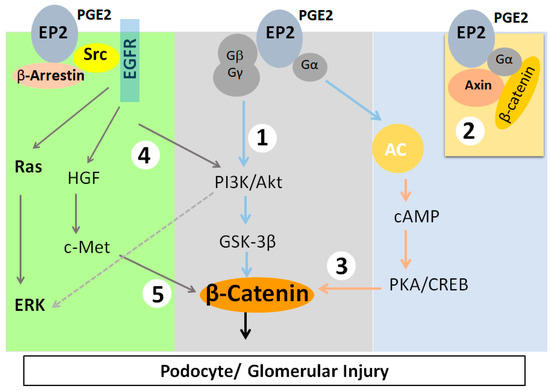
in vivo. FFSS-treated cultured podocytes show upregulated AKT-GSK3β-β-catenin signaling. The present study was undertaken to confirm (i) the activation of β-catenin signaling in podocytes in vivo using unilaterally nephrectomized (UNX)
[...] Read more.
Increased fluid flow shear stress (FFSS) in solitary kidney alters podocyte function
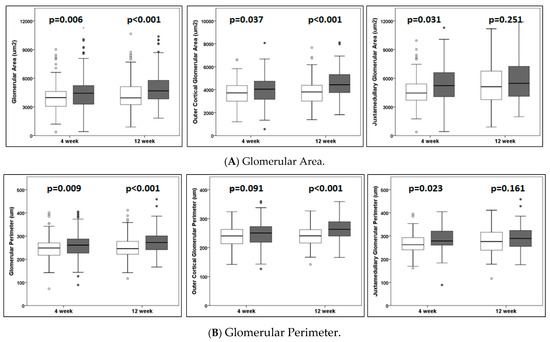
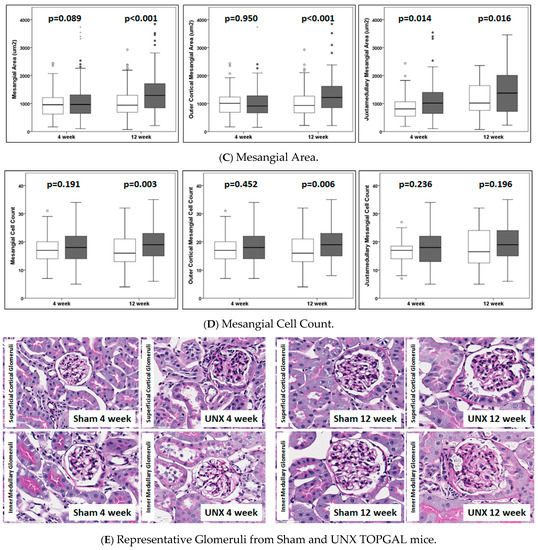
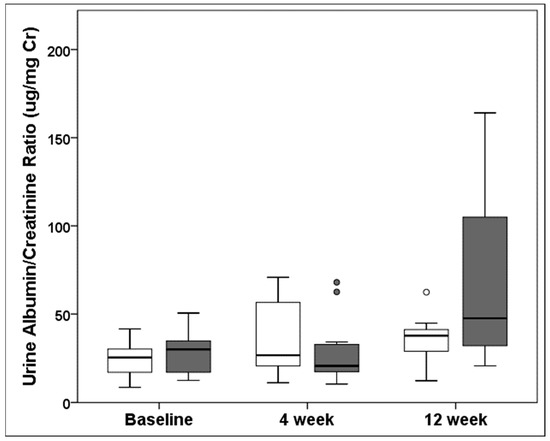
in vivo. FFSS-treated cultured podocytes show upregulated AKT-GSK3β-β-catenin signaling. The present study was undertaken to confirm (i) the activation of β-catenin signaling in podocytes in vivo using unilaterally nephrectomized (UNX) TOPGAL mice with the β-galactosidase reporter gene for β-catenin activation, (ii) β-catenin translocation in FFSS-treated mouse podocytes, and (iii) β-catenin signaling using publicly available data from UNX mice. The UNX of TOPGAL mice resulted in glomerular hypertrophy and increased the mesangial matrix consistent with hemodynamic adaptation. Uninephrectomized TOPGAL mice showed an increased β-galactosidase expression at 4 weeks but not at 12 weeks, as assessed using immunofluorescence microscopy (
p < 0.001 at 4 weeks;
p = 0.16 at 12 weeks) and X-gal staining (
p = 0.008 at 4 weeks;
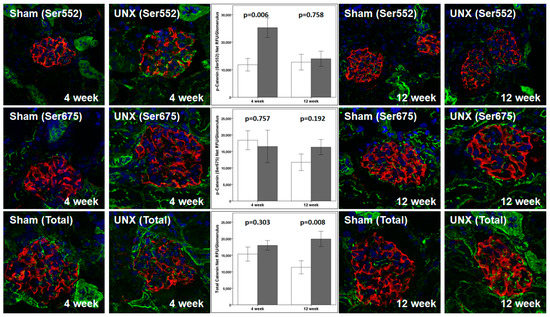
p = 0.65 at 12 weeks). Immunofluorescence microscopy showed a significant increase in phospho-β-catenin (Ser552,
p = 0.005) at 4 weeks but not at 12 weeks (
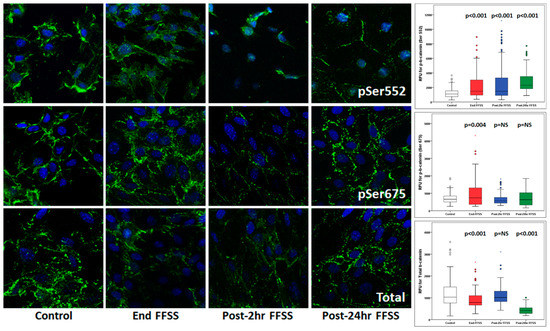
p = 0.935) following UNX, and the levels of phospho-β-catenin (Ser675) did not change. In vitro FFSS caused a sustained increase in the nuclear translocation of phospho-β-catenin (Ser552) but not phospho-β-catenin (Ser675) in podocytes. The bioinformatic analysis of the GEO dataset, #GSE53996, also identified β-catenin as a key upstream regulator. We conclude that transcription factor β-catenin mediates FFSS-induced podocyte (glomerular) injury in solitary kidney.
Full article
►▼
Show Figures
Open AccessArticle
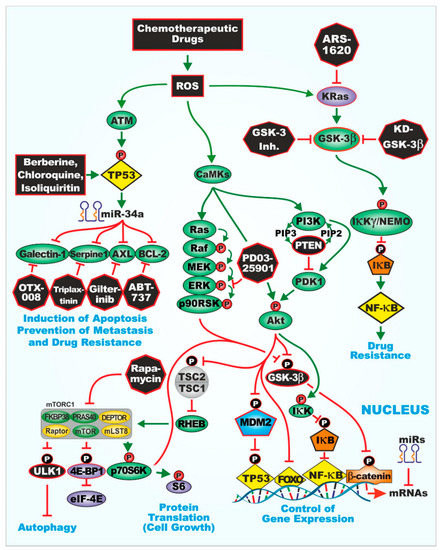
GSK-3β Can Regulate the Sensitivity of MIA-PaCa-2 Pancreatic and MCF-7 Breast Cancer Cells to Chemotherapeutic Drugs, Targeted Therapeutics and Nutraceuticals
by
Stephen L. Abrams, Shaw M. Akula, Akshaya K. Meher, Linda S. Steelman, Agnieszka Gizak, Przemysław Duda, Dariusz Rakus, Alberto M. Martelli, Stefano Ratti, Lucio Cocco, Giuseppe Montalto, Melchiorre Cervello, Peter Ruvolo, Massimo Libra, Luca Falzone, Saverio Candido and James A. McCubrey
Cited by 23 | Viewed by 5831
Abstract
Glycogen synthase kinase-3 (GSK-3) is a regulator of signaling pathways. KRas is frequently mutated in pancreatic cancers. The growth of certain pancreatic cancers is KRas-dependent and can be suppressed by GSK-3 inhibitors, documenting a link between KRas and GSK-3. To further elucidate the
[...] Read more.
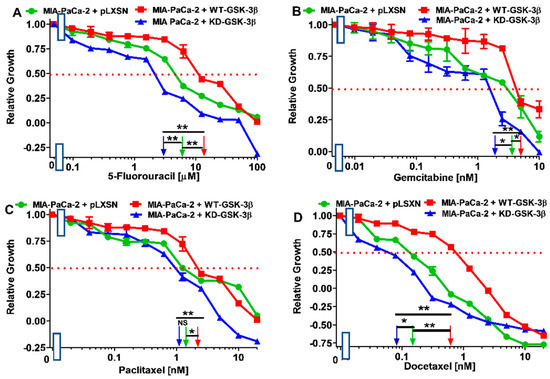
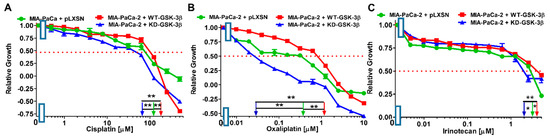
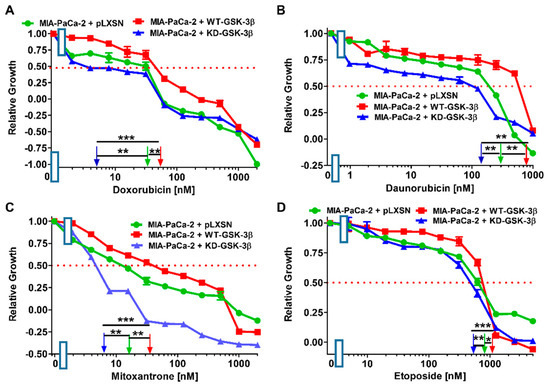
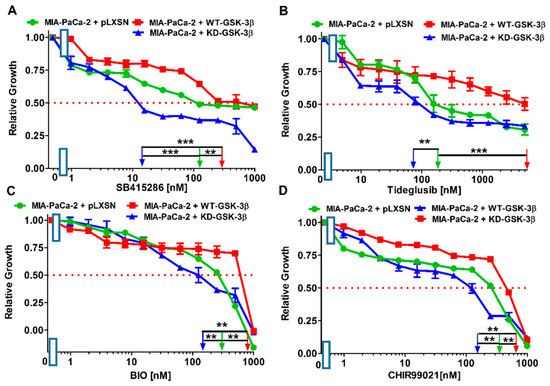
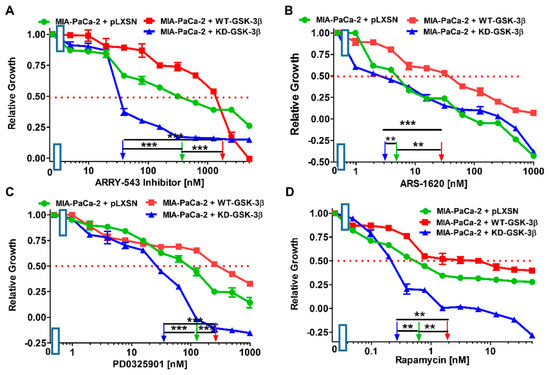
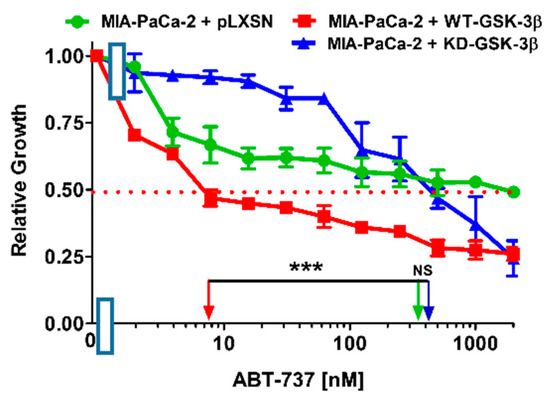
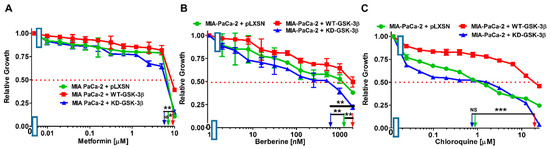
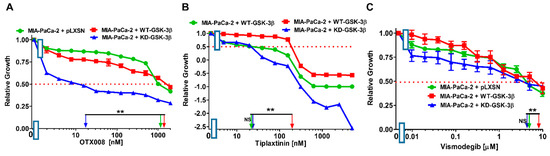
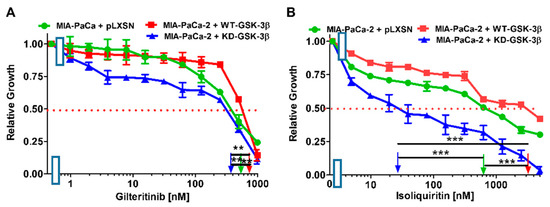
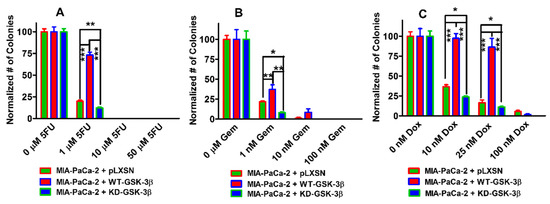
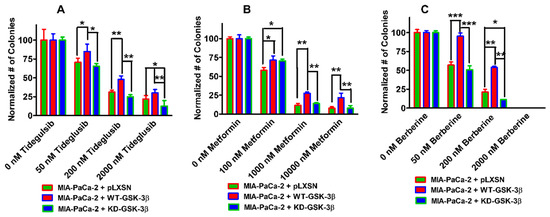
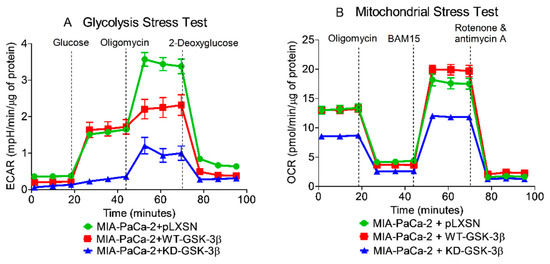
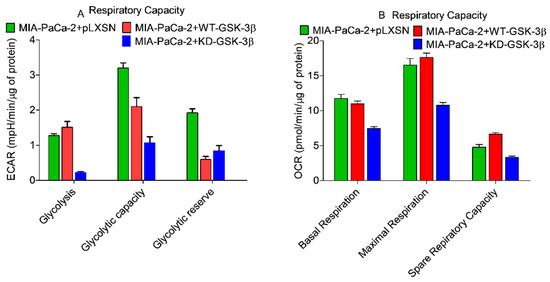
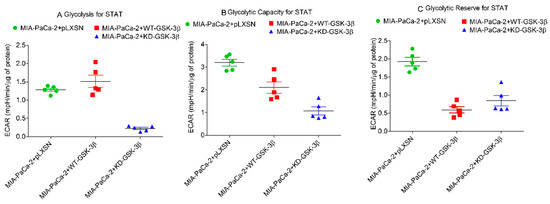
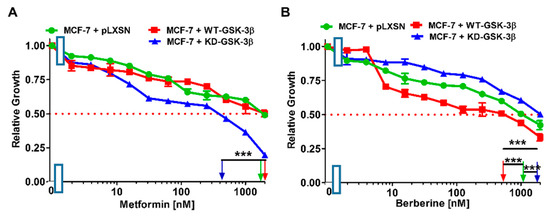
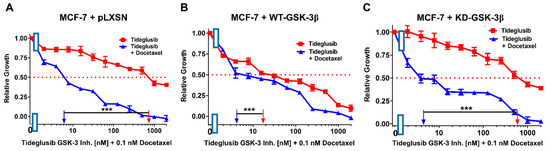
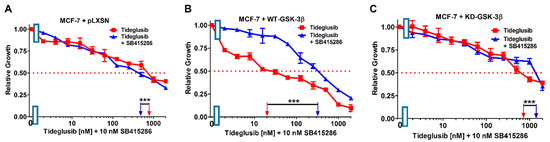
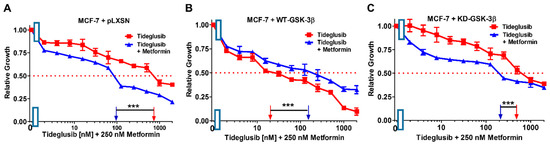
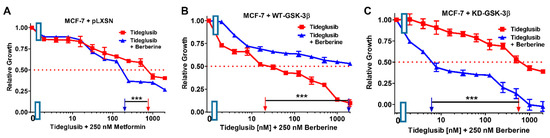
Glycogen synthase kinase-3 (GSK-3) is a regulator of signaling pathways. KRas is frequently mutated in pancreatic cancers. The growth of certain pancreatic cancers is KRas-dependent and can be suppressed by GSK-3 inhibitors, documenting a link between KRas and GSK-3. To further elucidate the roles of GSK-3β in drug-resistance, we transfected KRas-dependent MIA-PaCa-2 pancreatic cells with wild-type (WT) and kinase-dead (KD) forms of GSK-3β. Transfection of MIA-PaCa-2 cells with WT-GSK-3β increased their resistance to various chemotherapeutic drugs and certain small molecule inhibitors. Transfection of cells with KD-GSK-3β often increased therapeutic sensitivity. An exception was observed with cells transfected with WT-GSK-3β and sensitivity to the BCL2/BCLXL ABT737 inhibitor. WT-GSK-3β reduced glycolytic capacity of the cells but did not affect the basal glycolysis and mitochondrial respiration. KD-GSK-3β decreased both basal glycolysis and glycolytic capacity and reduced mitochondrial respiration in MIA-PaCa-2 cells. As a comparison, the effects of GSK-3 on MCF-7 breast cancer cells, which have mutant
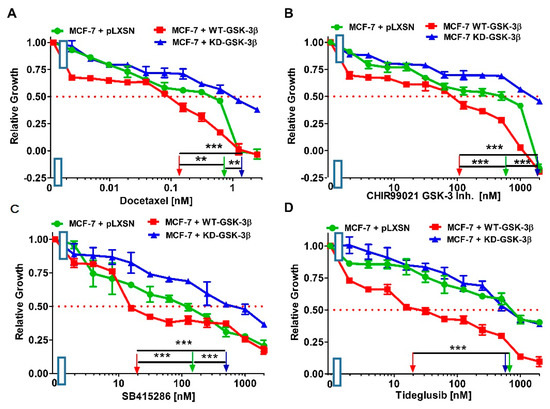
PIK3CA, were examined. KD-GSK-3β increased the resistance of MCF-7 cells to chemotherapeutic drugs and certain signal transduction inhibitors. Thus, altering the levels of GSK-3β can have dramatic effects on sensitivity to drugs and signal transduction inhibitors which may be influenced by the background of the tumor.
Full article
►▼
Show Figures